

















Tool ID: 16.1
Tool ID: 16.1
SLP + SpEd
Strong Evidence
Rank #1
Constant Use
₹0–30,000
AAC Apps & Software
Digital augmentative and alternative communication system
Give your child a voice through powerful digital communication systems that provide symbol-based and text-based communication support. AAC apps transform tablets and devices into robust communication tools, enabling non-verbal and limited-verbal individuals to express thoughts, needs, and emotions with speech output technology.
Who This Helps
AAC apps provide digital augmentative and alternative communication for non-verbal or limited-verbal individuals to express themselves using symbols, text, and speech output. They offer numerous benefits:
Expressive Communication
Enabling individuals to articulate thoughts, needs, and feelings effectively.
Language Development
Supporting growth in vocabulary, grammar, and overall communication skills.
Social Participation
Fostering engagement in conversations and interactions with peers and family.
Frustration Reduction
Minimizing communication breakdowns and associated emotional distress.
Increased Independence
Empowering users to make choices and manage their daily lives.
Literacy Enhancement
Assisting with reading and writing skills through visual and auditory cues.
Ages
2+ years (no upper limit)
Settings
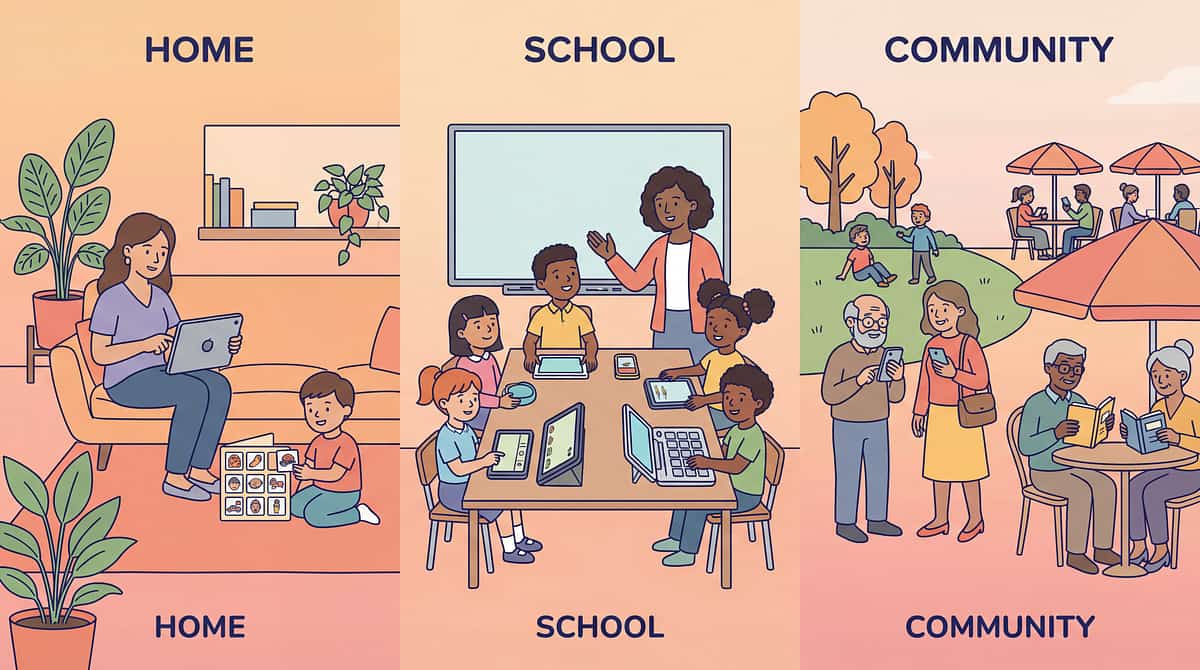
All – home, school, community, therapy
Best For
Non-verbal to limited verbal communication needs across all ages and abilities
Does This Sound Familiar?
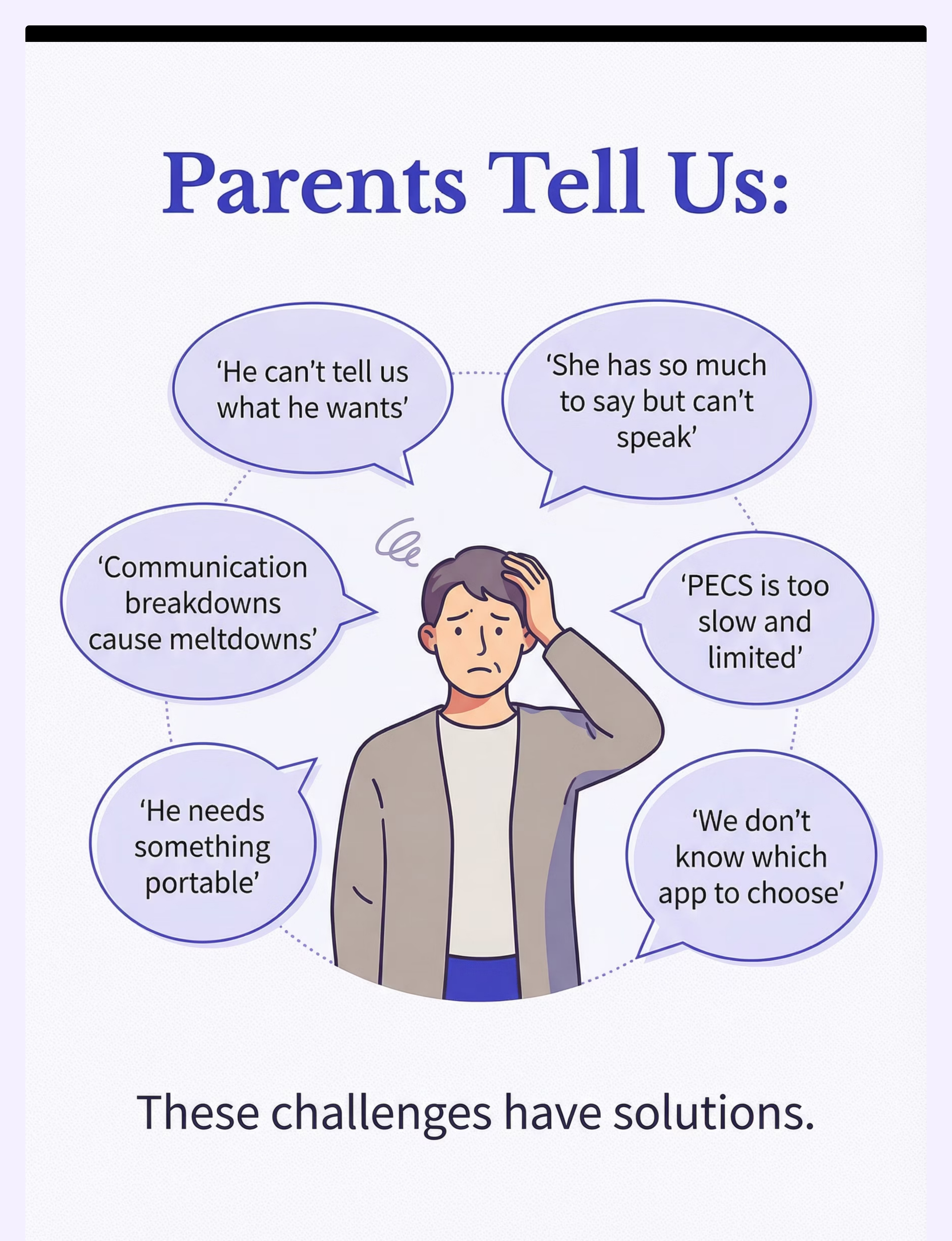
"He can't tell us what he wants"
"She has so much to say but can't speak"
"Communication breakdowns cause meltdowns"
"PECS is too slow and limited"
"He needs something portable"
"We don't know which app to choose"
You're not alone. These are common challenges faced by families of children with communication differences. Every person deserves access to communication, and AAC apps can open that door.
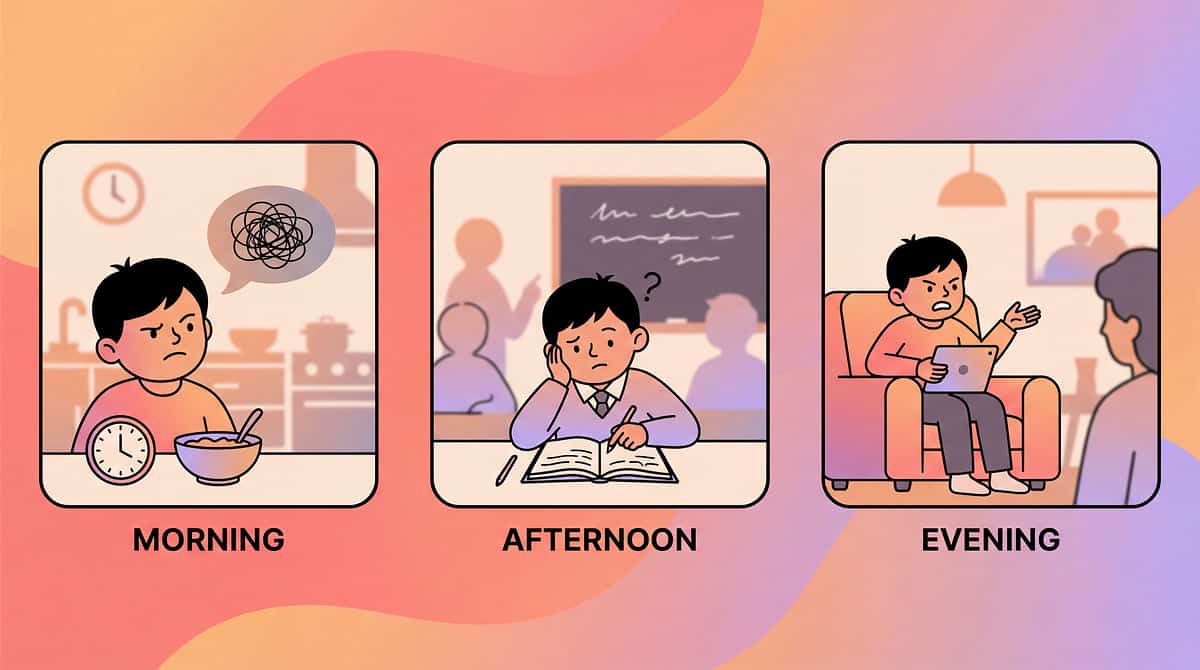
A Day Without the Right Support
Morning
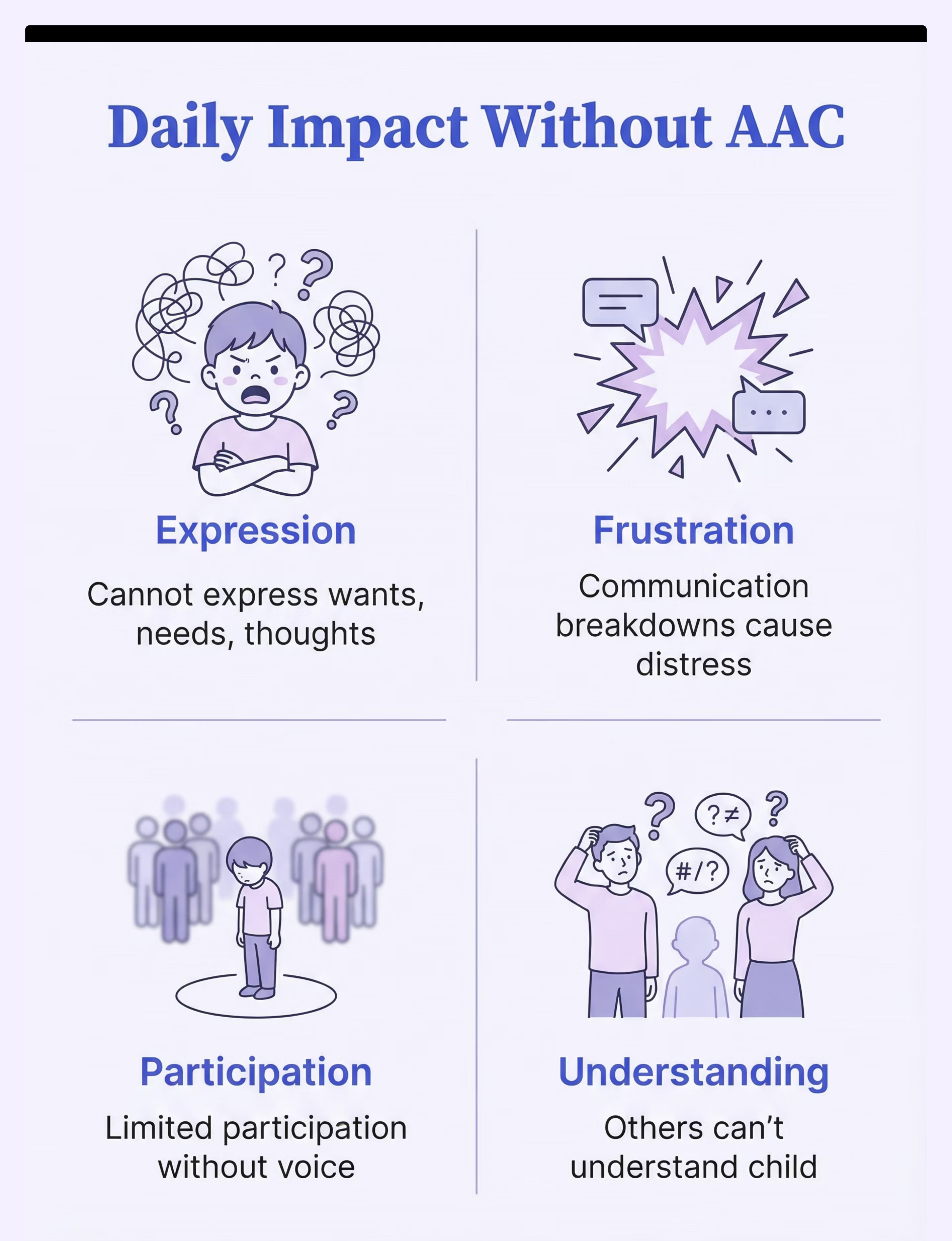
Cannot express wants, needs, thoughts – child struggles to communicate basic needs like hunger or discomfort
Throughout Day
Communication breakdowns cause distress – frustration builds as attempts to be understood fail repeatedly
Social Times
Limited participation without voice – unable to join conversations with family and peers
Every Moment
Others can't understand child – the constant guessing game exhausts everyone involved
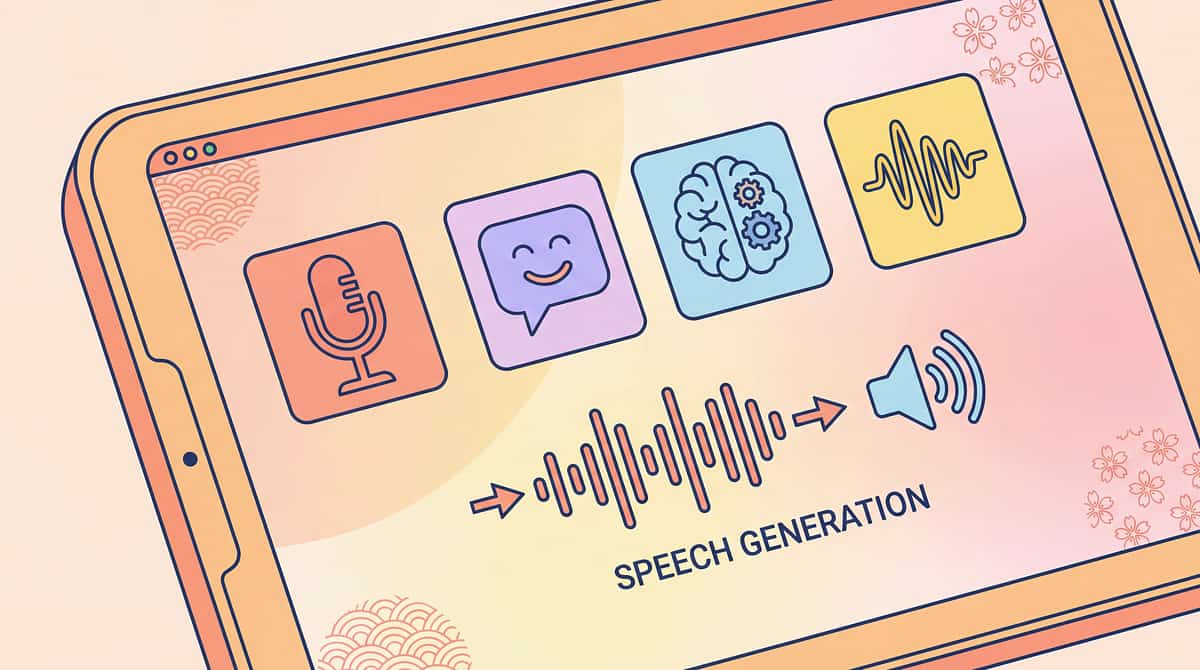
The Science Behind It
App Access
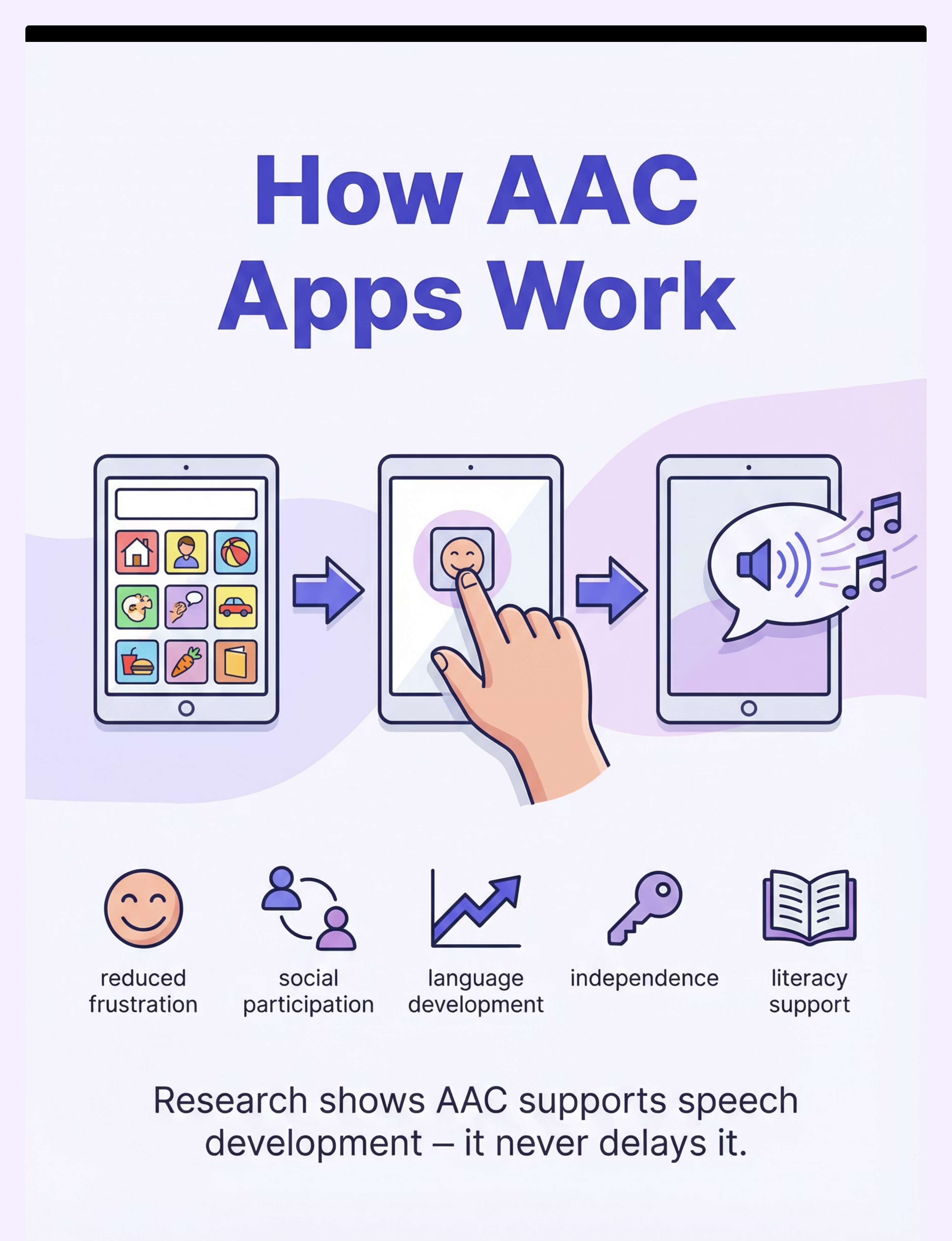
Child has AAC app available on device at all times
Symbol Selection
Child selects symbols, words, or types message using intuitive interface
Speech Output
Device speaks the message clearly with natural voice
Communication Achieved
Message understood, needs met, language develops, frustration decreases
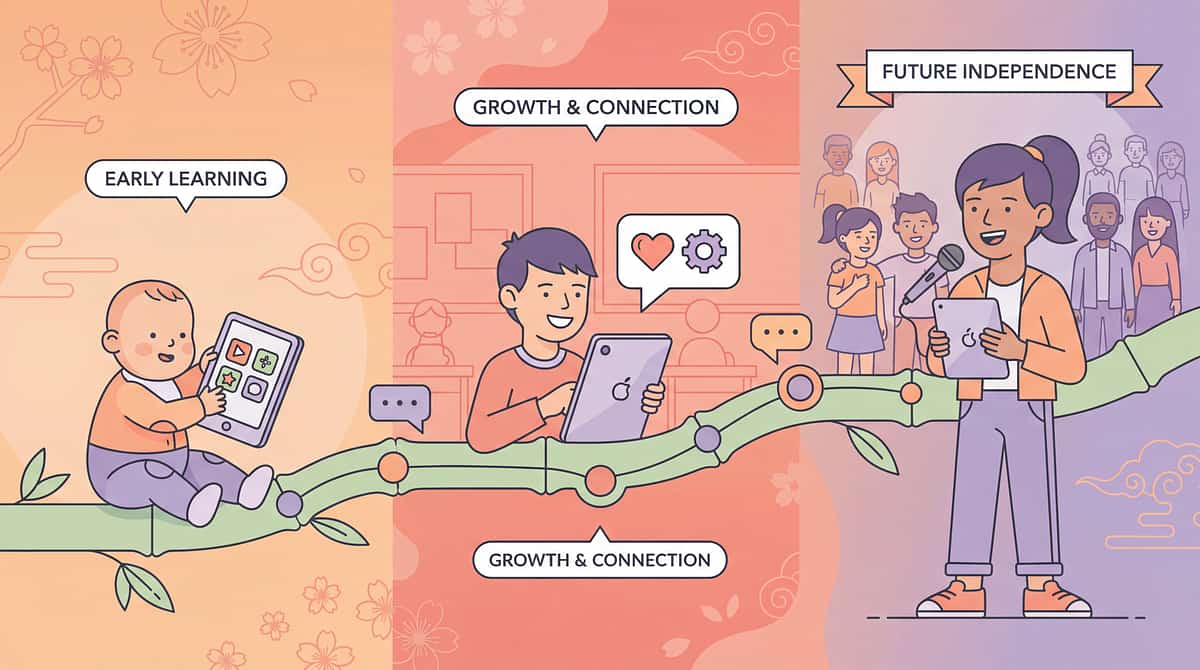
Life Transformation
Participation increases, independence grows, quality of life improves dramatically
Language Development
Reduced Frustration
Increased Participation
Improved Quality of Life
How to Use It Right
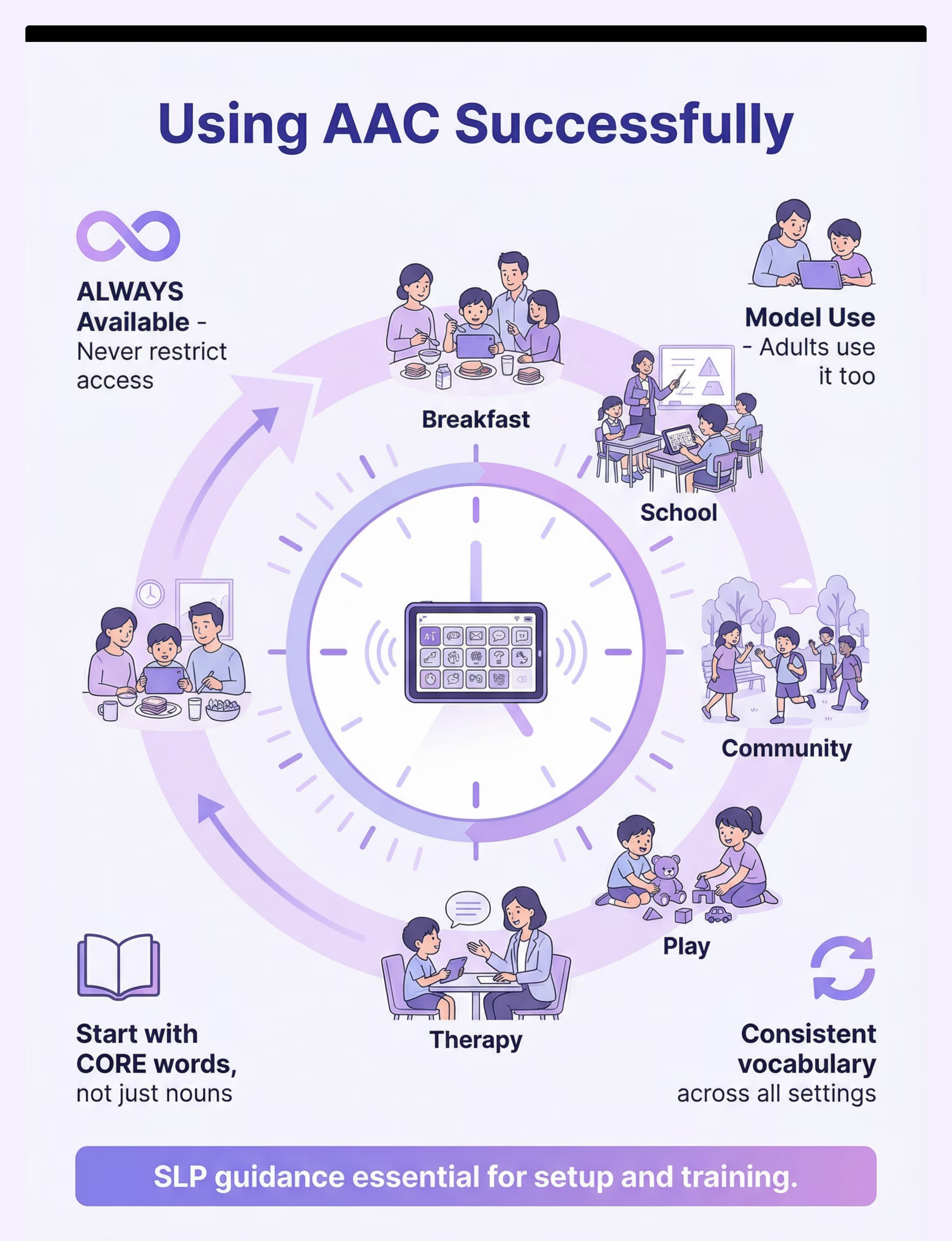
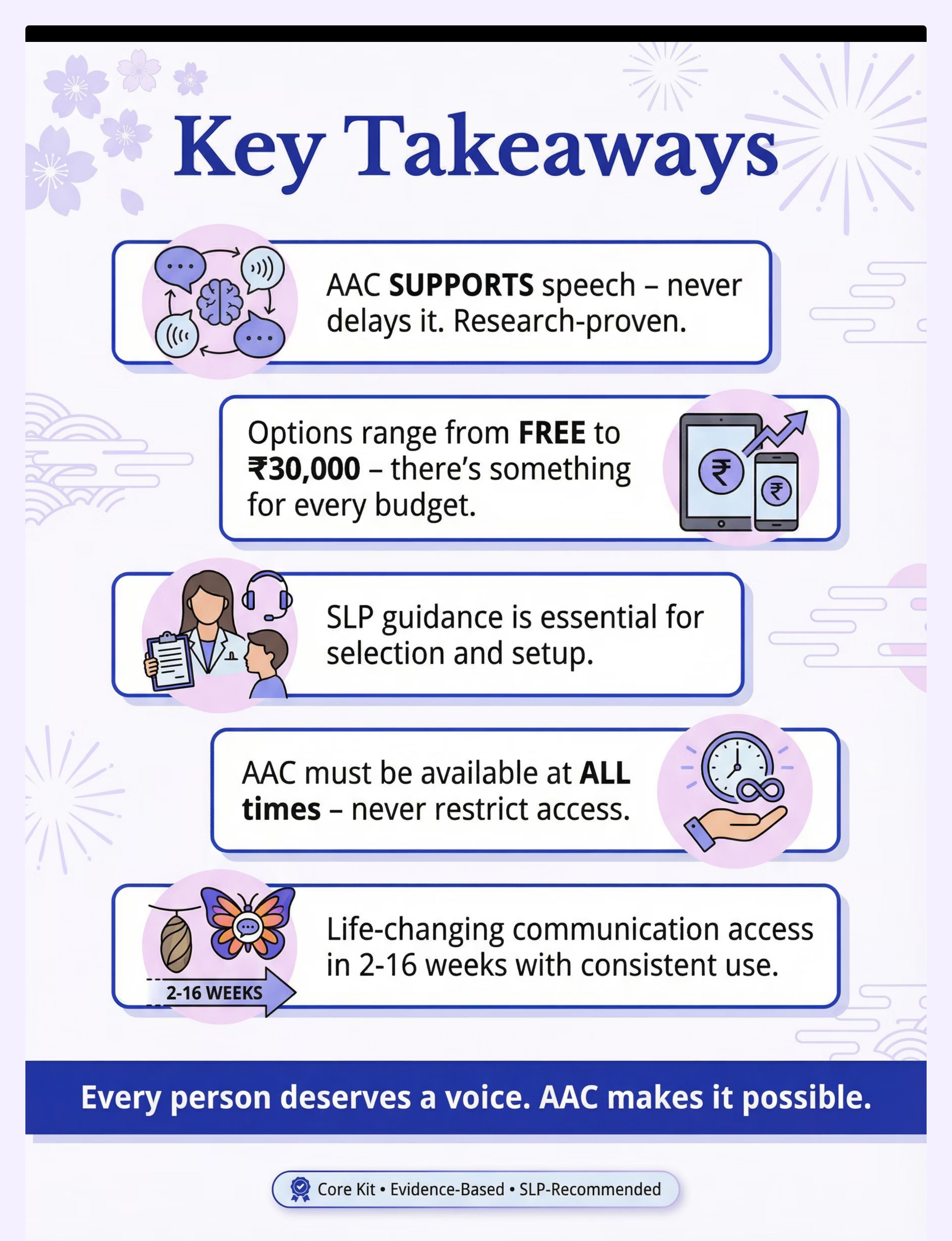
AAC Does NOT Delay Speech
Research clearly shows AAC supports speech development. Never withhold AAC waiting for speech – it helps, not hinders.
Model AAC Use
Adults should use the AAC app too. Point to words as you speak. This shows how communication works and teaches vocabulary naturally.
Make Available at All Times
AAC is communication, not a reward. The device must be accessible constantly, just like we don't take away someone's voice.
Start with Core Words
Focus on core vocabulary (I, want, more, help, go) not just nouns. Core words enable flexible communication across situations.
Consistent Vocabulary
Use the same vocabulary organization across home, school, and therapy. Consistency helps children learn faster.
SLP Guidance Essential
Professional guidance for setup, vocabulary selection, and training ensures the system works effectively for your child's needs.

Duration: Constant access – AAC should be available at all times for communication
Expert Endorsement
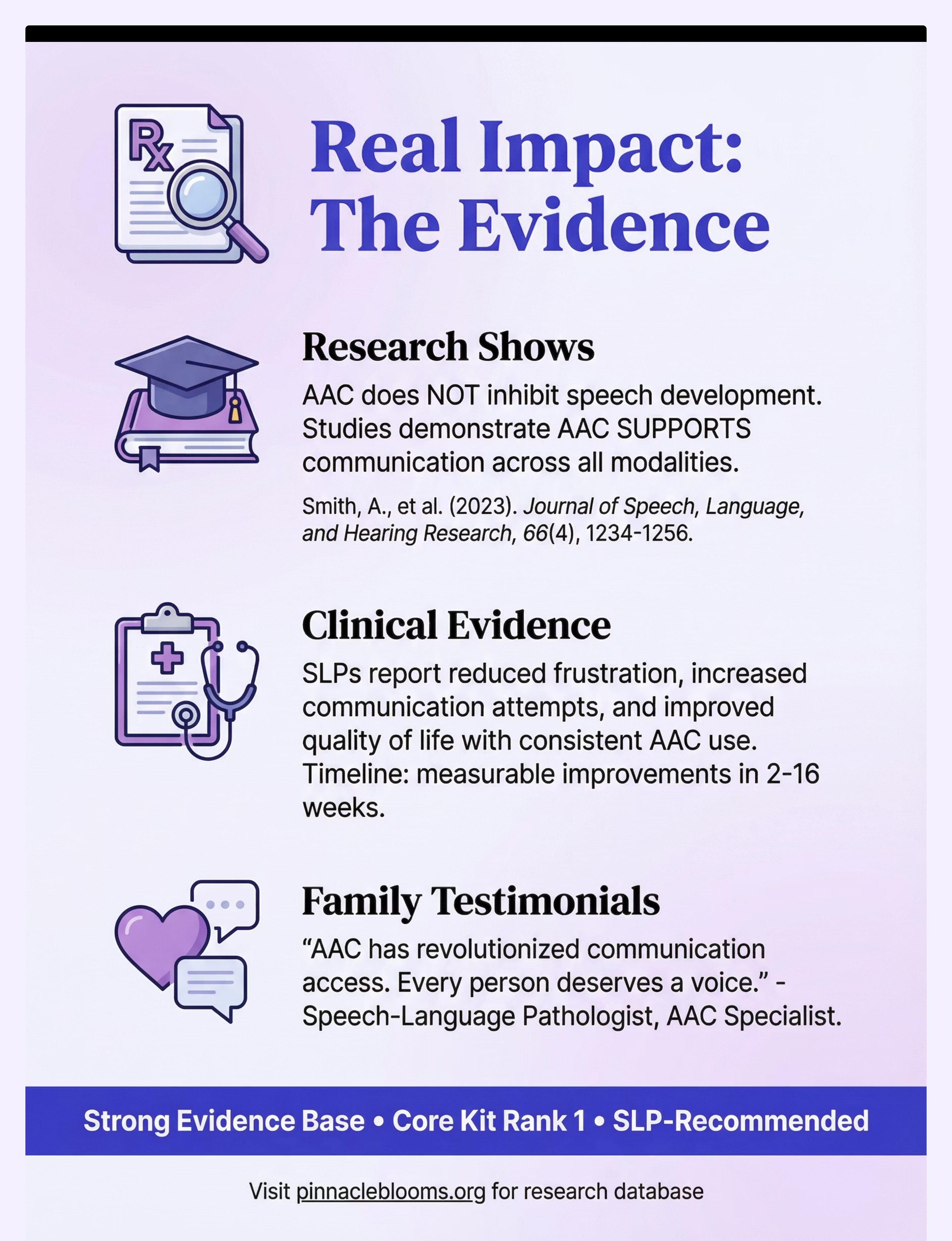
"AAC apps have revolutionized communication access. Every person deserves a voice. AAC does not inhibit speech development - research clearly shows it supports communication across all modalities. The key is consistent access and modeling."
Speech-Language Pathologist, AAC Specialist
SLP + SpEd Recommended
Strong Evidence
Rank #1 in Category
Core Kit Essential
Choose Your Option (6 Variants)
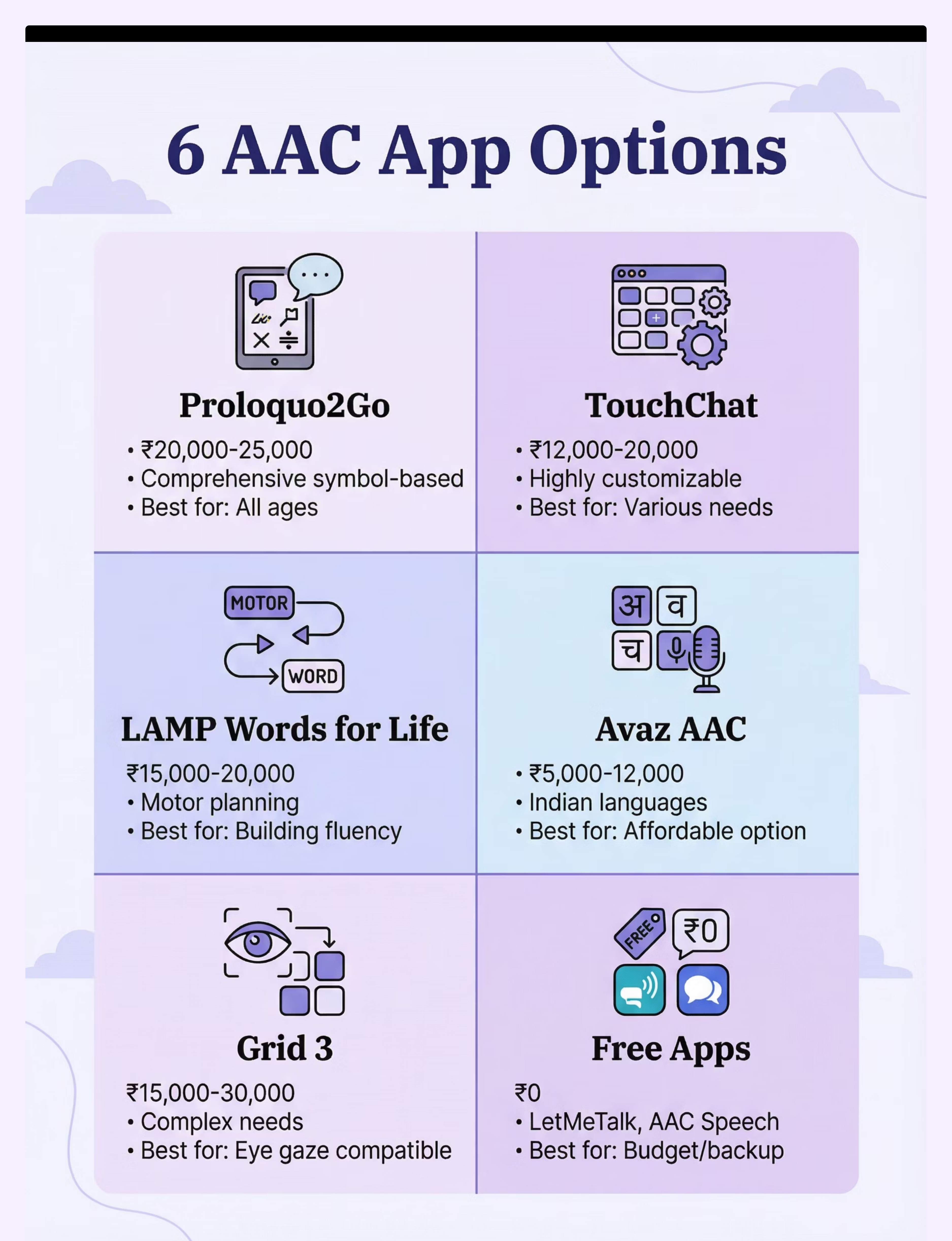
AAC apps range from free basic options to comprehensive professional systems. Choose based on your child's specific needs, language requirements, budget, and the approach that resonates with your therapy team.
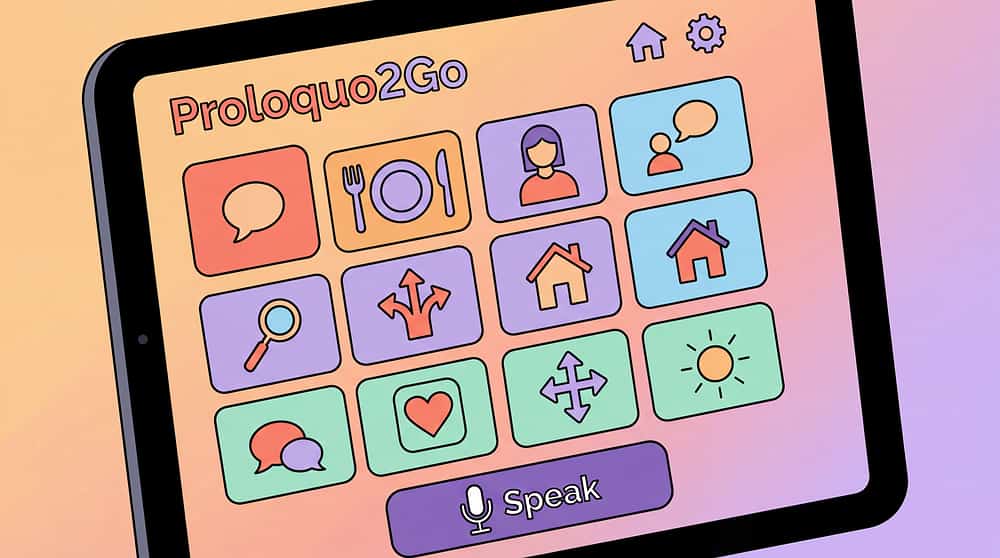
Proloquo2Go
Best for: Non-verbal to limited verbal, all ages
Type: Comprehensive symbol-based AAC app – Full AAC system
Ages: 2+ years | Settings: All
Portability: Very High (on device)
Price: ₹20,000–25,000
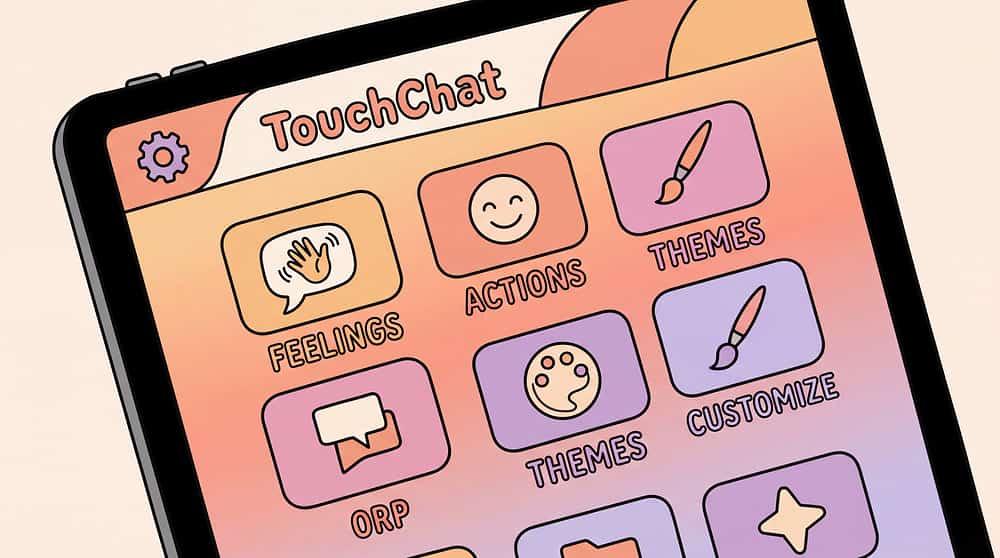
TouchChat
Best for: Customizable vocabulary, various needs
Type: Customizable AAC app – Full AAC system
Ages: 3+ years | Settings: All
Portability: Very High (on device)
Price: ₹12,000–20,000
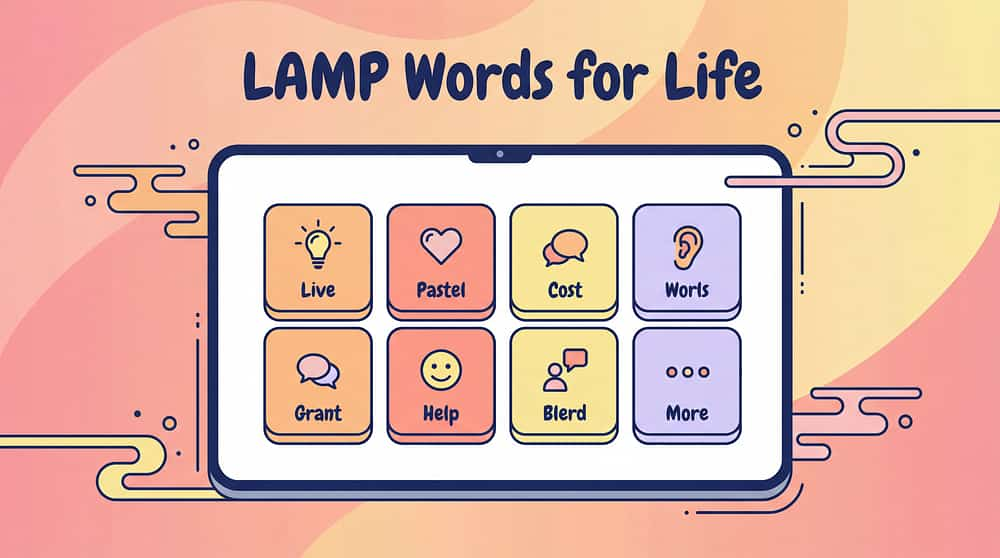
LAMP Words for Life
Best for: Motor planning approach, building fluency
Type: Motor-planning based AAC – Consistent motor patterns
Ages: 2+ years | Settings: All
Portability: Very High (on device)
Price: ₹15,000–20,000
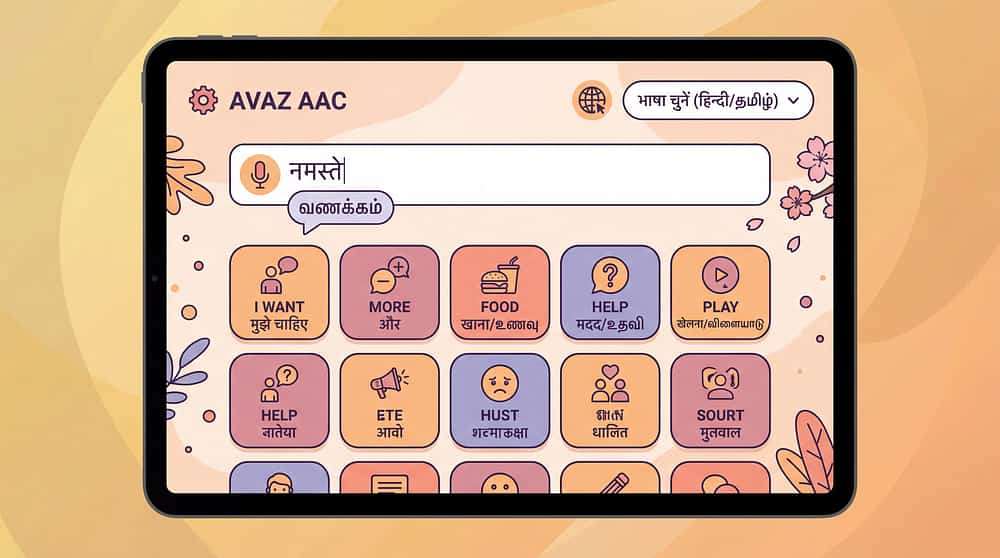
Avaz AAC
Best for: Indian languages, affordable option
Type: Indian-developed AAC app – Full AAC system
Ages: 2+ years | Settings: All
Portability: Very High (on device)
Price: ₹5,000–12,000
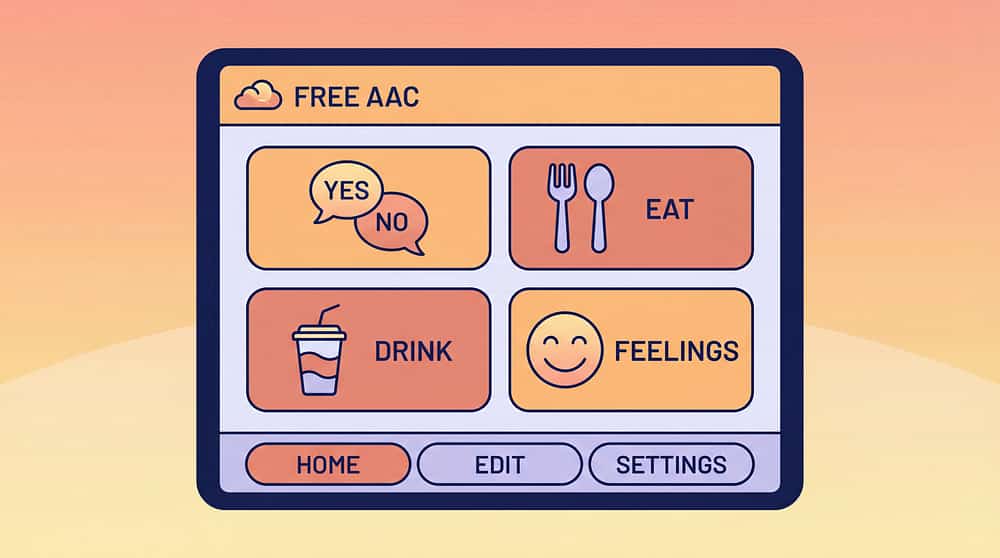
Free AAC Apps
Best for: Budget option, trying AAC, backup
Type: Basic free AAC options – Simple AAC (LetMeTalk, AAC Speech)
Ages: 2+ years | Settings: All
Portability: Very High (on device)
Price: Free
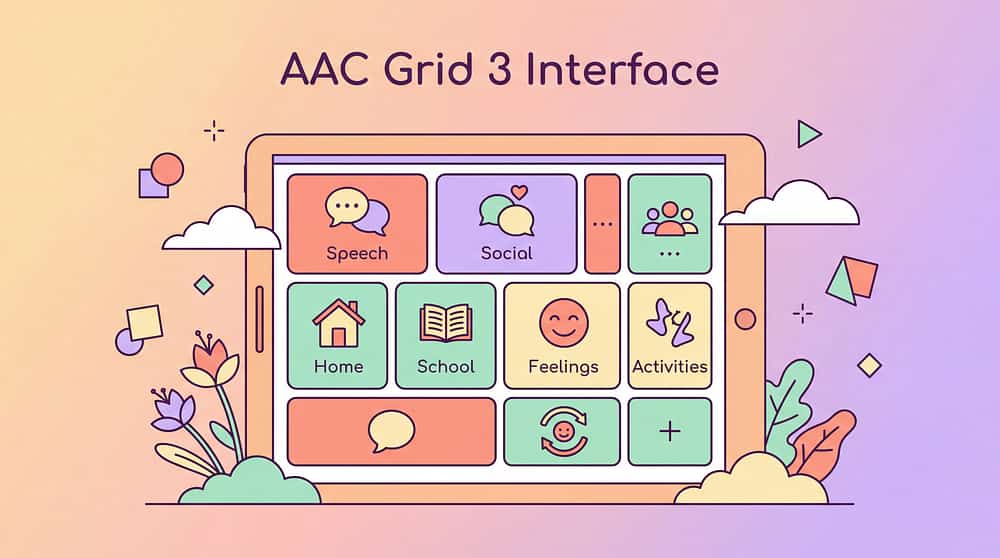
Grid 3 / Grid for iPad
Best for: Complex needs, eye gaze compatible
Type: Comprehensive AAC software – Full AAC system
Ages: 3+ years | Settings: All
Portability: High (on device)
Price: ₹15,000–30,000

How to Choose:
  • By goal: Communication access, language development, literacy support
  • By setting: All options work in home, clinic, school, and community
  • By portability: All are highly portable on devices
  • By budget: Free options exist; Indian-developed Avaz offers affordability
  • By language: Consider Avaz for Indian language support
  • By approach: Symbol-based, motor-planning, or customizable systems
Specifications & AAC Approaches
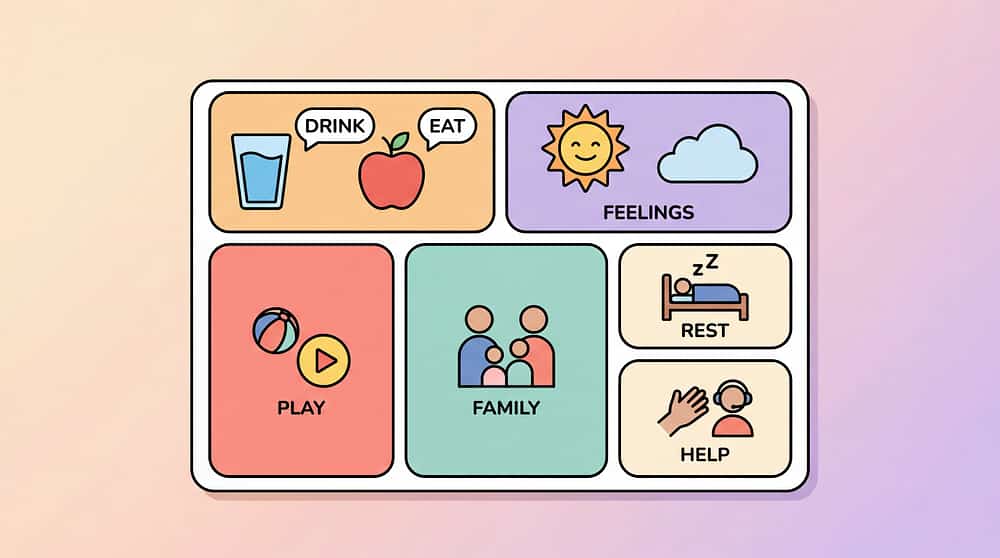
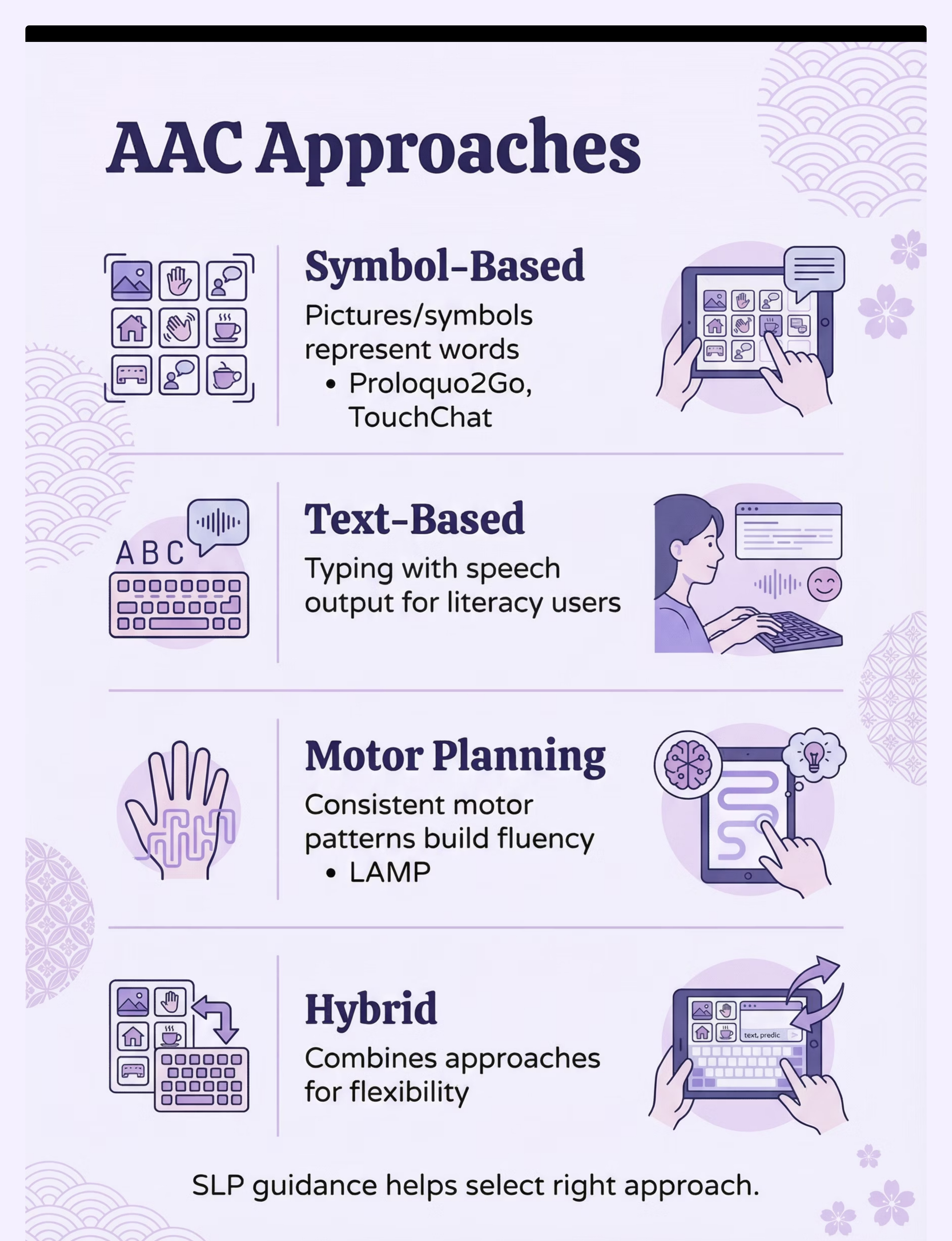
Symbol-Based Approach
Uses pictures and symbols to represent words, as seen in apps like Proloquo2Go and TouchChat. This visual system is ideal for visual learners.
Text-Based Approach
Involves typing with speech output, suitable for individuals who can spell or are learning to write. This method empowers literacy-based communicators.
Motor Planning Approach
Relies on consistent motor patterns, where buttons stay in the same location to build automatic muscle memory, enabling fluent communication (e.g., LAMP approach).
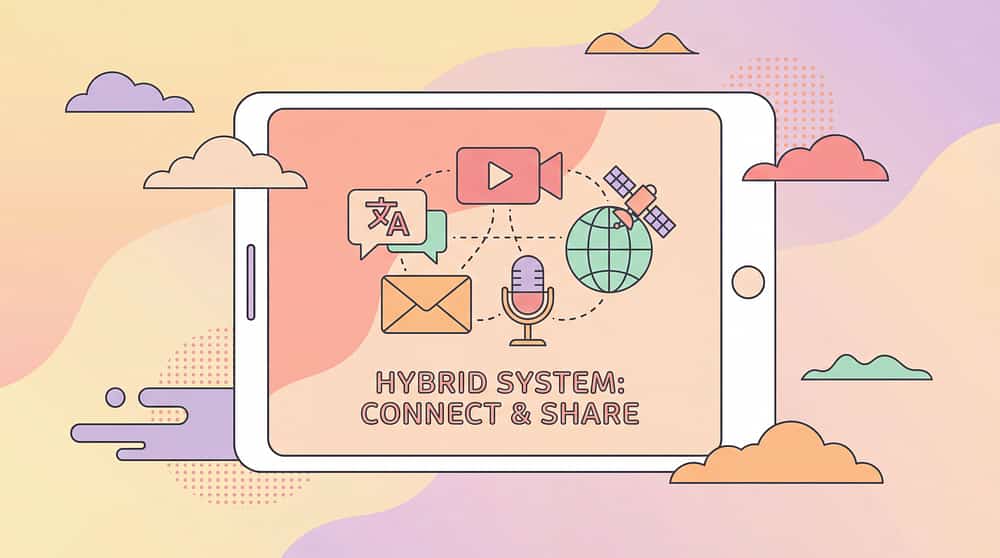
Hybrid Approach
Combines multiple strategies, offering the flexibility to use symbols, text, and different organizational methods as communication skills evolve and develop.
Voice Output
Features natural-sounding speech synthesis in various languages and voices, providing clear and effective communication.
Customizable Vocabulary
Allows users to add personal words, photos, and phrases, tailoring the system to their child's unique life and needs.
Symbol Support
Provides visual symbols and pictures, making communication accessible for non-readers and supporting early language development.
Multiple Languages
Offers support for various languages, including Indian languages, ensuring inclusivity and broader applicability.
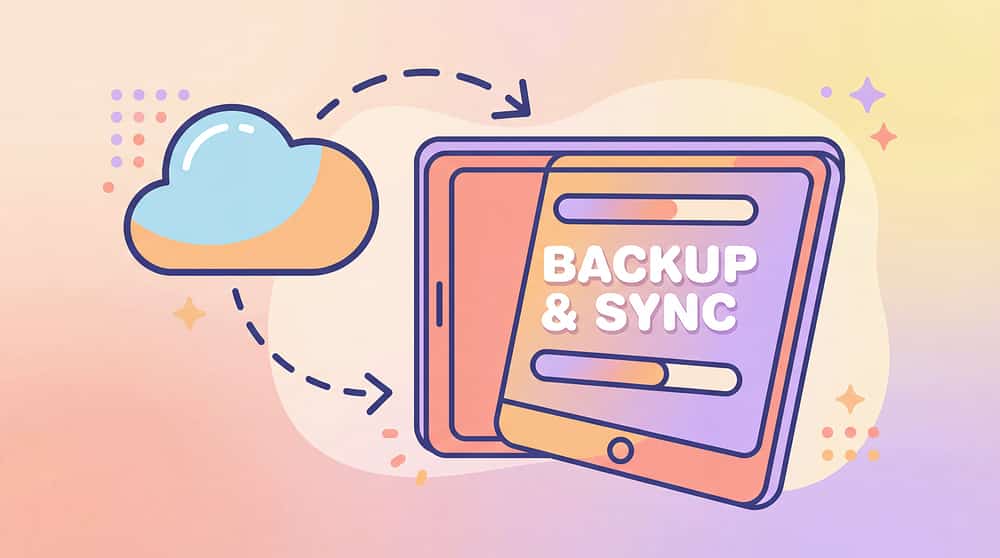
Backup/Sync
Ensures that customized vocabulary and settings are never lost through reliable cloud backup and synchronization features.
Materials
Software application
Tablet/phone required
The Struggle (Before)
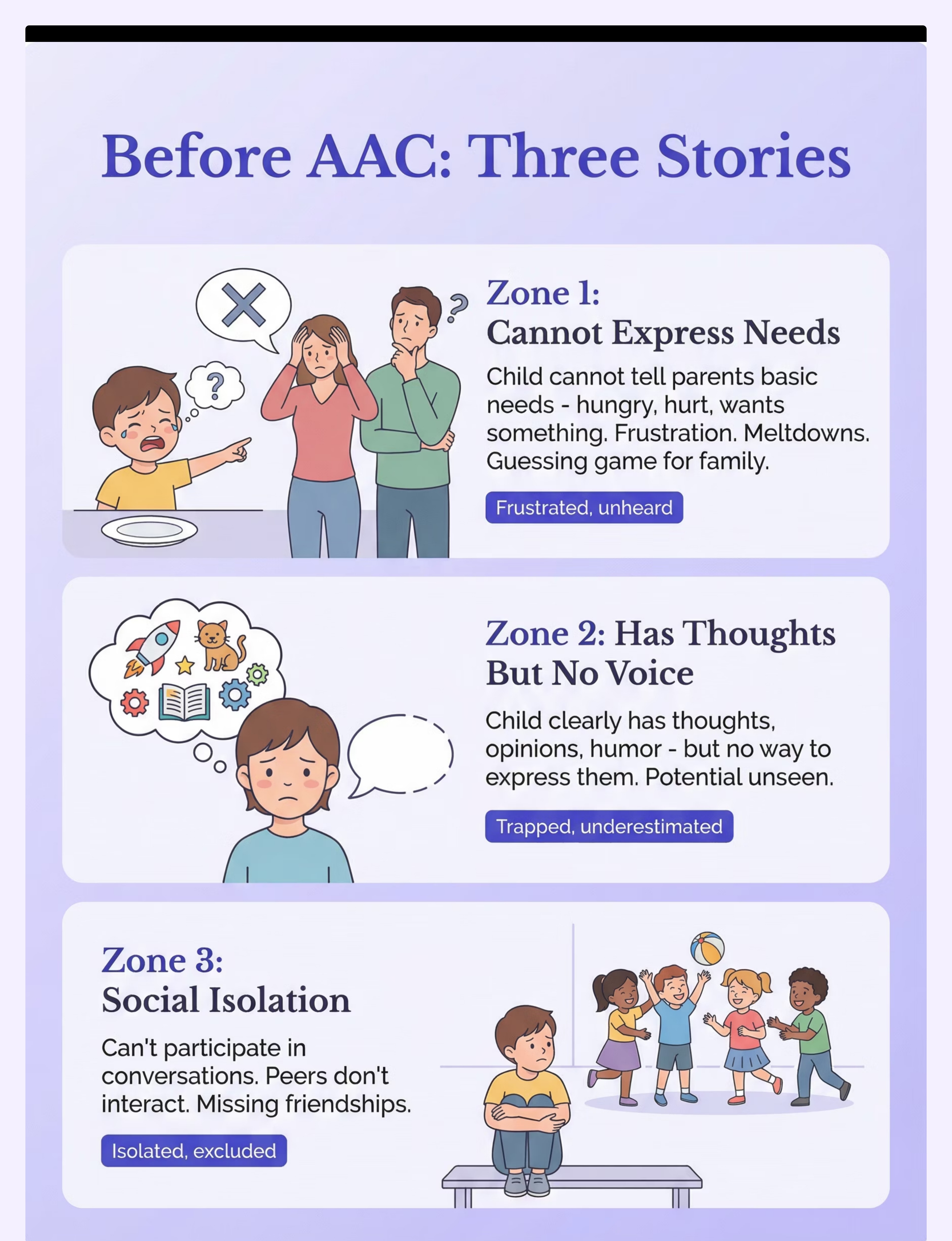
Cannot Express Needs
Situation: Child cannot tell parents basic needs – hungry, hurt, wants something. Frustration builds with every unmet need.
Experience: Communication becomes a constant guessing game for the family. Meltdowns occur when needs aren't understood.
Emotion: Frustrated, unheard, trapped without a voice
Has Thoughts But No Voice
Situation: Child clearly has thoughts, opinions, and even humor – but no way to express them to the world.
Experience: Others assume child has less capability than they do. Potential and intelligence remain unseen and unrecognized.
Emotion: Trapped inside, underestimated, invisible
Social Isolation
Situation: Cannot participate in conversations with peers, siblings, or family members.
Experience: Peers don't know how to interact. Social isolation grows. Missing out on friendships, connections, and belonging.
Emotion: Isolated, excluded, alone in crowds
The Breakthrough (After)
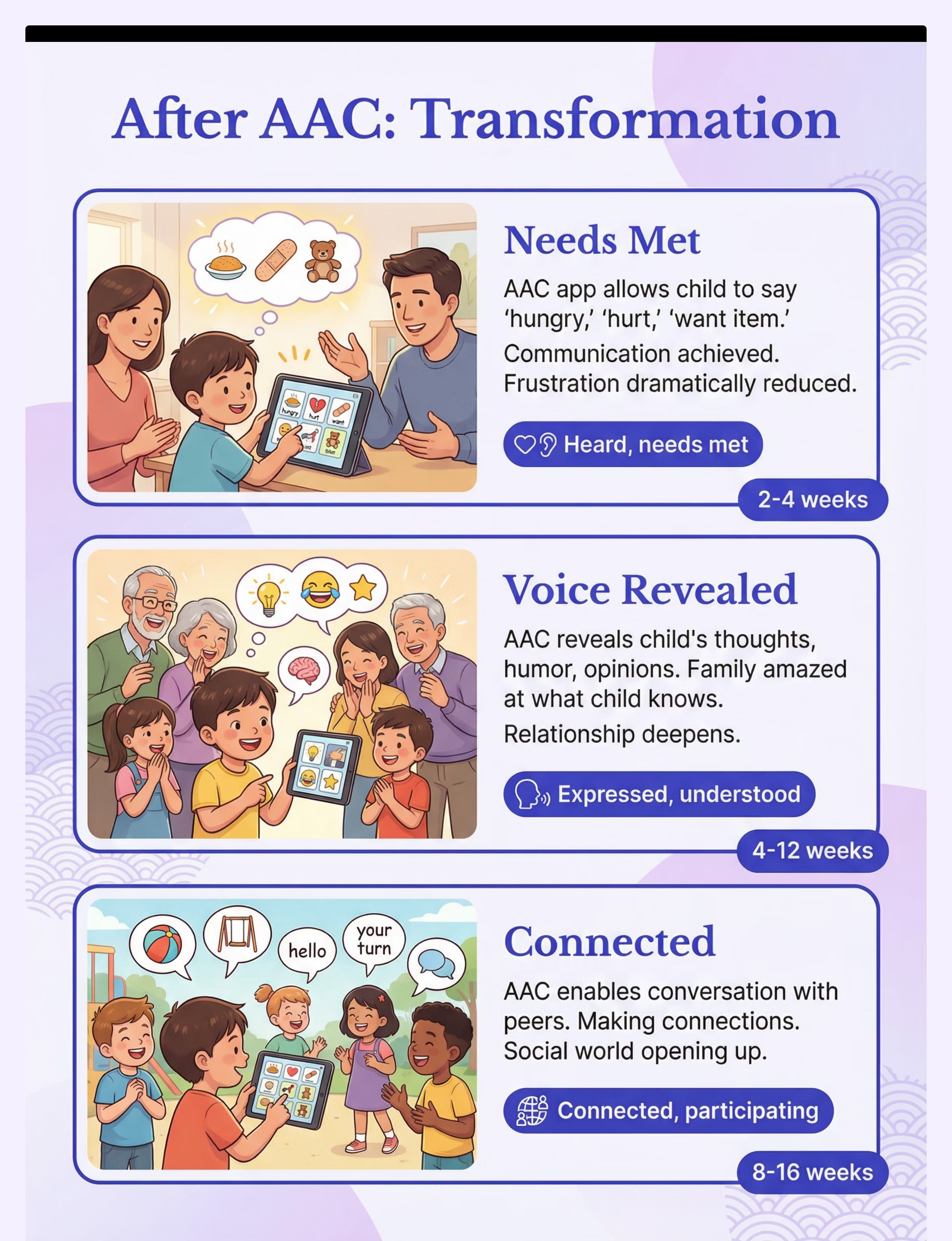
Needs Are Met
Situation: AAC app allows child to say 'hungry,' 'hurt,' 'want [item]' clearly.
Experience: Communication is achieved. Needs are met promptly. Frustration dramatically reduced. Parents no longer guessing.
Emotion: Heard, understood, needs met consistently
Timeframe: 2-4 weeks
Voice Reveals Intelligence
Situation: AAC reveals child's thoughts, humor, opinions, and knowledge.
Experience: Family is amazed at what child knows and thinks. Presuming competence becomes natural. Relationship deepens profoundly.
Emotion: Expressed, understood, competence recognized
Timeframe: 4-12 weeks
Social World Opens
Situation: AAC enables real conversation with peers, siblings, and community.
Experience: Child can participate meaningfully. Making connections. Building friendships. Social world is opening up.
Emotion: Connected, participating, belonging
Timeframe: 8-16 weeks
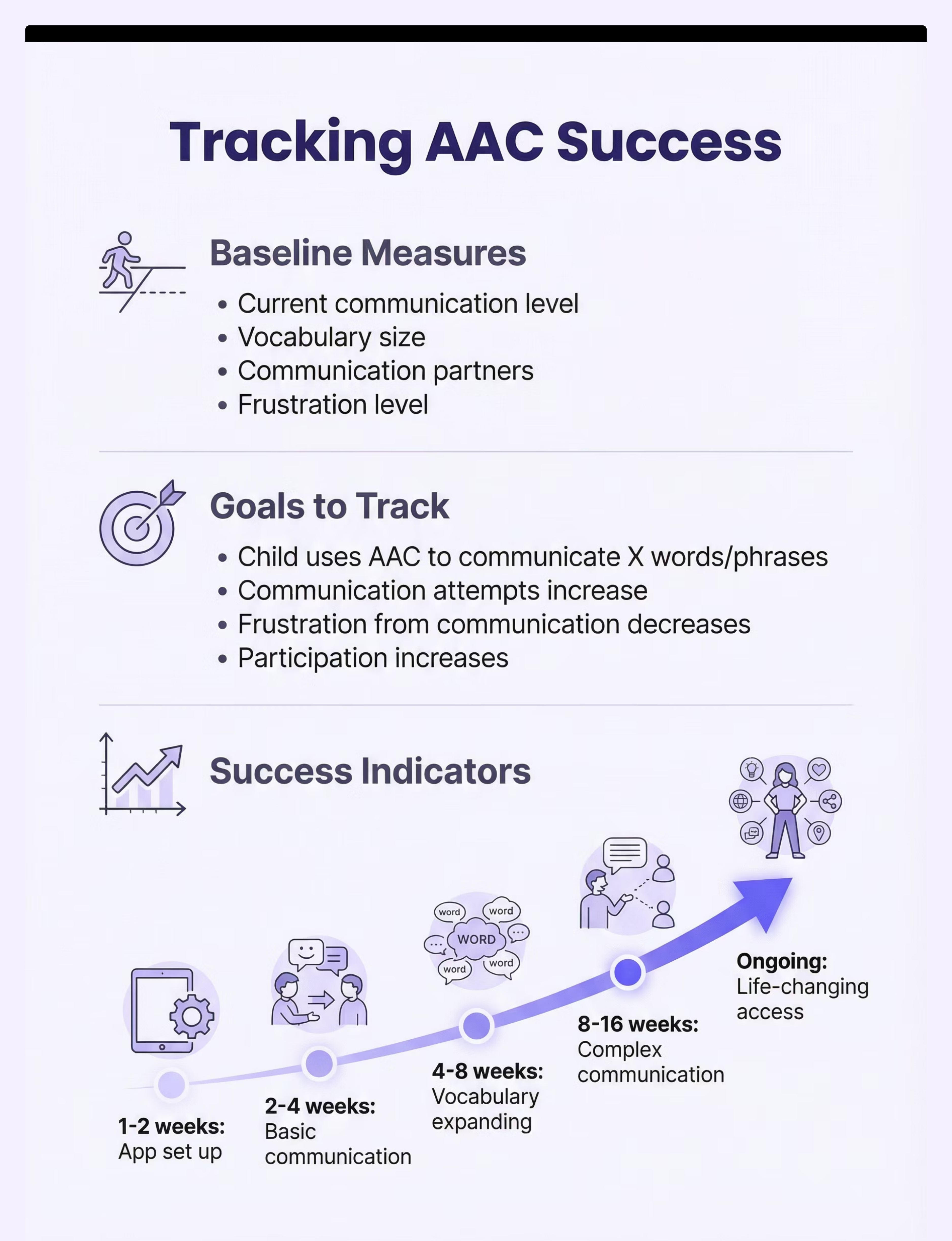
What to Expect (Realistic Timelines)
AAC app selected and set up
Working with SLP to choose the right app and customize initial vocabulary for your child's specific communication needs.
1-2 weeks
Basic communication established
Child begins using AAC for basic wants and needs. First successful communications happen. Frustration begins to decrease.
2-4 weeks
Vocabulary expanding
Child explores more words and phrases. Communication becomes more complex. Adding personal words and expanding topics.
4-8 weeks
More complex communication
Multi-word phrases emerge. Expressing thoughts, not just needs. Conversations developing. Social communication growing.
8-16 weeks
Life-changing communication access
AAC is integrated into daily life. Child has reliable communication access. Relationships deepen. Participation increases. Quality of life transformed.
Ongoing
Is This Right for My Child? (2-Minute Check)
Does your child have limited or no verbal speech?
If yes, this indicates: AAC essential – communication access is a fundamental need and right

Confidence: Critical need indicator
Does your child get frustrated trying to communicate?
If yes, this indicates: AAC can reduce frustration – giving voice reduces behavioral challenges

Confidence: High need indicator
Does your child currently use any AAC?
If no, this indicates: Explore AAC options now – earlier is better for language development
If yes, this indicates: Consider app-based AAC if not currently using digital option

Confidence: Important assessment point
Does your child have access to a tablet or device?
If yes, this indicates: Ready for AAC app – hardware is available
If no, this indicates: Device needed first – but AAC access is worth the investment

Confidence: Readiness indicator

Scoring Guide: 3+ 'yes' answers = strong fit for AAC app. However, ANY communication need warrants AAC exploration. Consult with an SLP for personalized assessment.
Common Questions (Honest Answers)
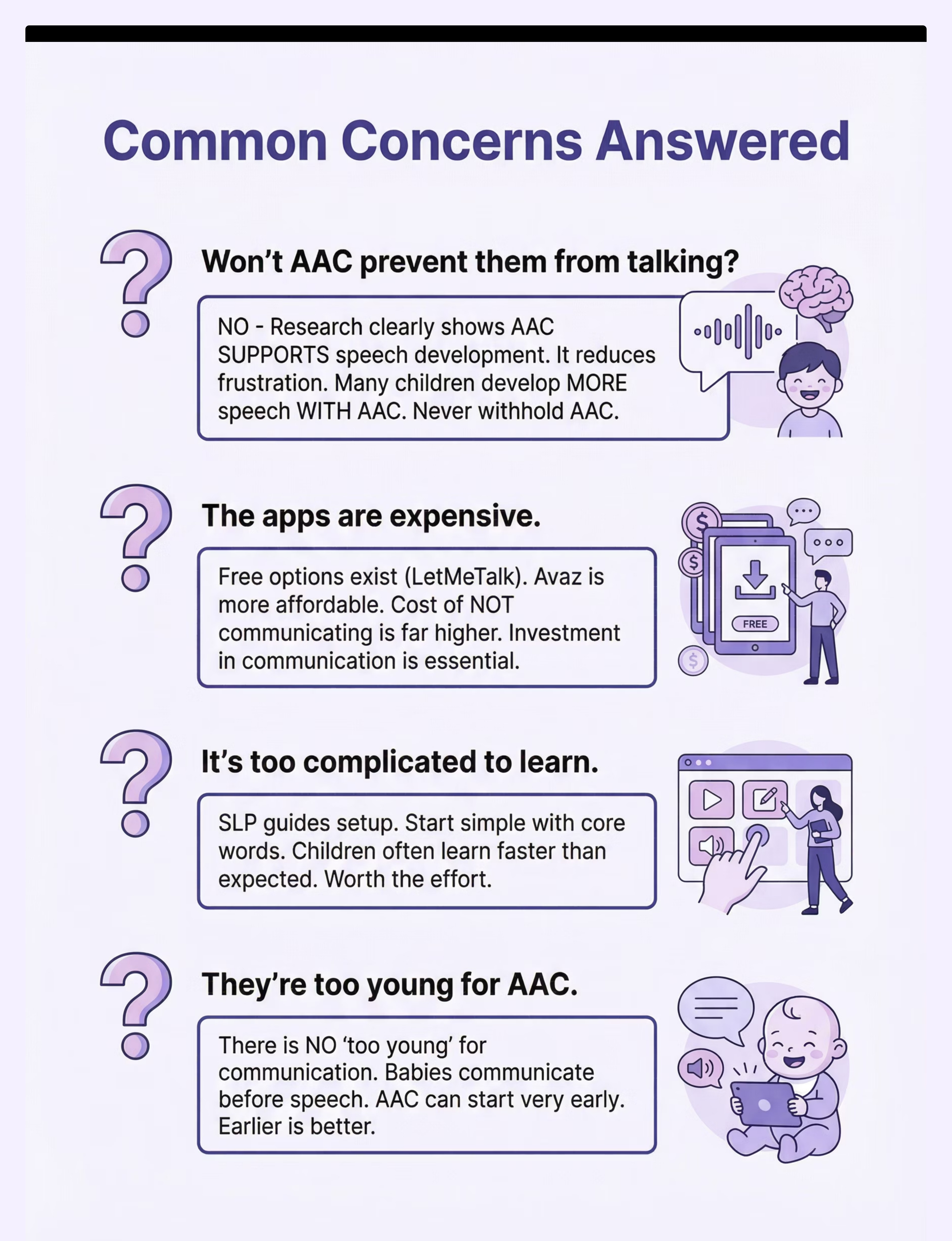
Won't AAC prevent them from talking?
Answer: NO – research clearly shows AAC SUPPORTS speech development, not hinders it. AAC provides language input and reduces frustration. Many children actually develop more speech WITH AAC than without it. Never withhold AAC waiting for speech.
Key Point: Research shows AAC supports speech; never withhold communication access
The apps are expensive
Answer: Free options exist (LetMeTalk, AAC Speech Buddy). Avaz is more affordable for Indian families. The cost of NOT communicating is far higher – behavioral challenges, reduced independence, limited participation. Some insurance and funding programs cover AAC. This is an essential investment in your child's voice.
Try This: Start with free options; explore funding; remember this is investing in fundamental communication
It's too complicated to learn
Answer: SLP can guide setup and training. Start simple with core words – you don't need to program everything at once. Children often learn faster than expected. Apps are designed to be learnable. The effort is absolutely worth it for communication access.
Try This: SLP guides setup; start with core vocabulary; children learn surprisingly quickly
They're too young for AAC
Answer: There is no 'too young' for communication. Babies communicate before speech through gestures and sounds. AAC can start very early – even toddlers benefit. Earlier AAC introduction is actually better for language development. Age 2+ is appropriate, and younger with professional guidance.
Try This: No minimum age for communication; earlier is better; consult SLP for young children
Usage Guide
When to Use
ALWAYS – available at all times
AAC is communication. Never restrict access.
Every communication opportunity
Use for all communication, not just specific situations
Model use (adults use it too)
Point to words while speaking to show how it works
Never restrict access
Don't take AAC away as punishment or behavior management
When NOT to Use

Critical: Never restrict AAC access. Withholding AAC as punishment or "to encourage speech" is harmful and violates communication rights.
Supervision by Age
Age Range
Supervision
Notes
Young children (2-5 years)
Guide and model
Adult models use, guides exploration, celebrates all communication attempts
Developing (6-12 years)
Support and expand
Help expand vocabulary, support in new situations, encourage independence
Older children/teens
Independent with support
Increasing independence, available support when needed, device management skills
Duration & Settings
Duration: Constant access – AAC should be available all waking hours
Home
School
Community
Therapy
All Settings
Safety First
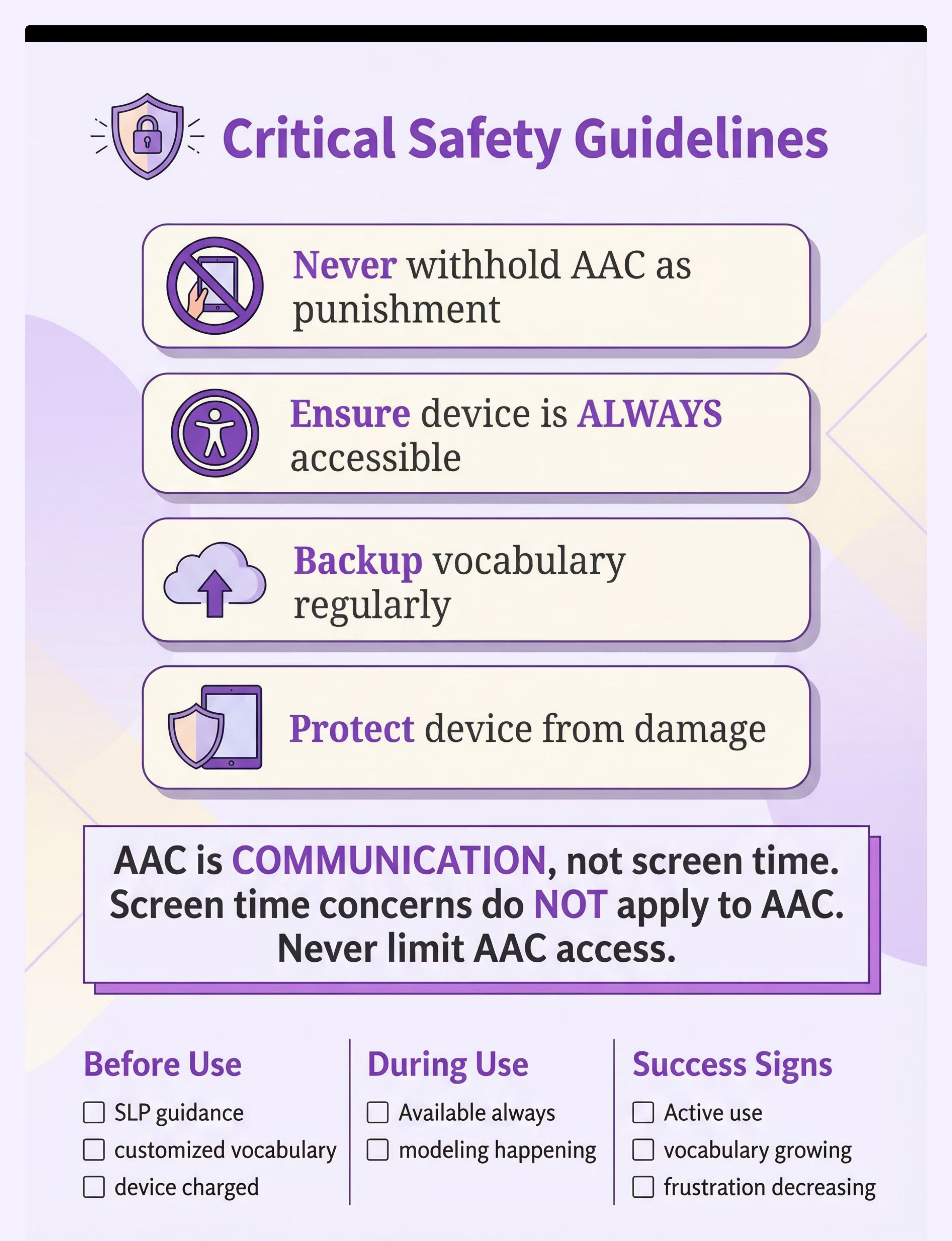
Never Withhold AAC
Critical: Never withhold AAC as punishment, behavior management, or "to encourage speech." This violates fundamental communication rights.
Always Accessible
Critical: Ensure device is always accessible during waking hours. Communication cannot happen if the device is out of reach or locked away.
Backup Vocabulary
Critical: Backup vocabulary regularly to cloud or computer. Loss of customized vocabulary is devastating.
Protect Device
Critical: Use protective case, screen protector, and handle with care. Device damage means communication loss.
Screen Time Concerns
Warning: Screen time concerns don't apply to AAC. AAC is communication, not recreational screen time. Would you limit someone's voice?
AAC is Communication
Warning: AAC is not a toy, not recreation, not a reward. It is fundamental communication access.
Don't Limit Access
Warning: Limiting AAC access for any reason is harmful. Communication is a basic human right.
Before Use Checklist
  • ✓ App selected with SLP guidance
  • ✓ Vocabulary customized for child
  • ✓ Device charged and available
  • ✓ All caregivers trained
  • ✓ Backup system established
During Use Checklist
  • ✓ Available at all times
  • ✓ Modeling happening consistently
  • ✓ Vocabulary expanding as needed
  • ✓ Communication increasing
  • ✓ Device protected and maintained
Signs of Success
  • ✓ Using AAC to communicate wants/needs
  • ✓ Vocabulary growing over time
  • ✓ Frustration decreasing
  • ✓ Participation increasing
  • ✓ More complex communication emerging

Contraindicated: Withholding AAC for any reason | Limiting communication access
Investment Guide
AAC apps range from completely free options to professional-grade systems. Investment in communication is essential – the cost of NOT having a voice is far greater than any app price.
Budget Option
LetMeTalk, AAC Speech Buddy
₹0 (Free)
Good starting point; limited features but functional; for exploring AAC or backup
Premium Options
Proloquo2Go, TouchChat, LAMP Words for Life, Avaz AAC
₹5,000–25,000
Comprehensive vocabulary, customization, research-based systems, long-term solution
Key Considerations
Exploring AAC
Free apps offer a functional starting point to test the waters and understand the basics of Augmentative and Alternative Communication.
Backup Communication
For emergencies or as a secondary option, even free apps can provide crucial communication access when primary devices are unavailable.
Comprehensive Solution
Premium apps provide extensive vocabulary, advanced customization, and research-backed systems for a robust, long-term communication approach.
Investment Progression
Starting Point
₹0: Free apps to begin the AAC journey.
Mid-Range Option
₹5-12K: Avaz AAC, an affordable Indian option with local language support.
Professional Grade
₹15-25K: Premium apps for advanced, long-term AAC systems.
Overall Range: ₹0–30,000 ($0–360 USD)

Best starting point: If budget allows, Avaz AAC offers excellent value with Indian language support. If exploring AAC, free apps provide functional communication. For comprehensive long-term solution, consider Proloquo2Go or TouchChat with SLP guidance.
Where to Buy in India
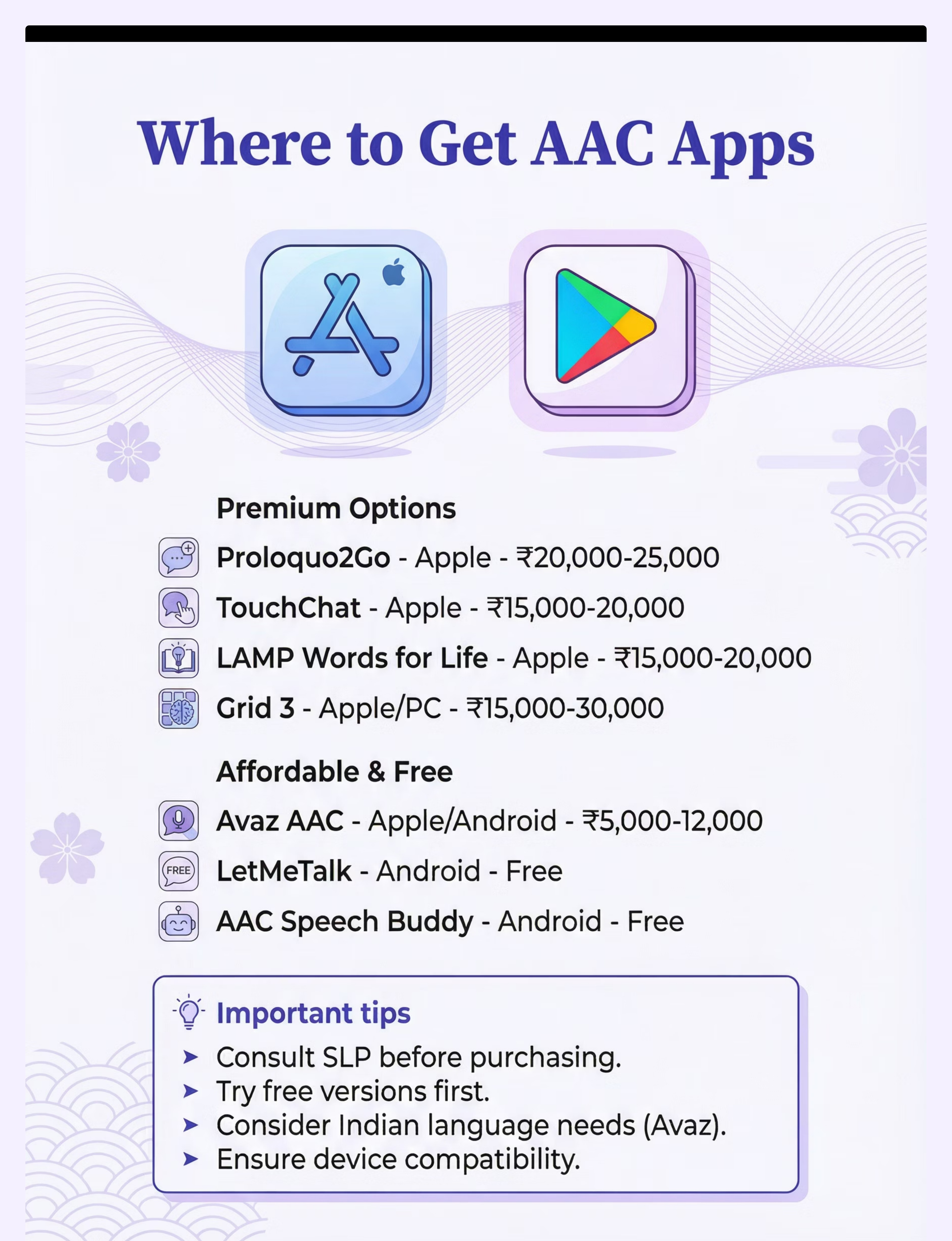
Availability: App Stores (Apple App Store and Google Play Store)
Apple App Store
Search: "Proloquo2Go" or "TouchChat" or "LAMP Words for Life"
Price Range: ₹15,000–25,000
Devices: iPad, iPhone (iPad recommended for AAC)
Apple & Google Play
Search: "Avaz AAC"
Price Range: ₹5,000–12,000
Devices: iOS and Android tablets and phones
Google Play Store (Free)
Search: "LetMeTalk AAC" or "AAC Speech Buddy"
Price: Free
Devices: Android tablets and phones
Buying Tips
Consult SLP First
Professional guidance before purchasing ensures the right app for your child's needs
Try Free Versions
Many apps offer lite versions or free trials – test before investing
Indian Language Needs
Avaz AAC is developed in India with strong regional language support
Device Compatibility
Ensure your device (iOS/Android, version) is compatible before purchase
Training Plan
Plan for training and support – app alone isn't enough, implementation matters
Red Flags to Avoid
Purchasing without SLP guidance – wrong app wastes money and delays communication
Wrong app for child's specific needs – one size doesn't fit all in AAC
No training plan – app without training and modeling won't be effective
Unrealistic expectations – AAC requires time, modeling, and consistent use
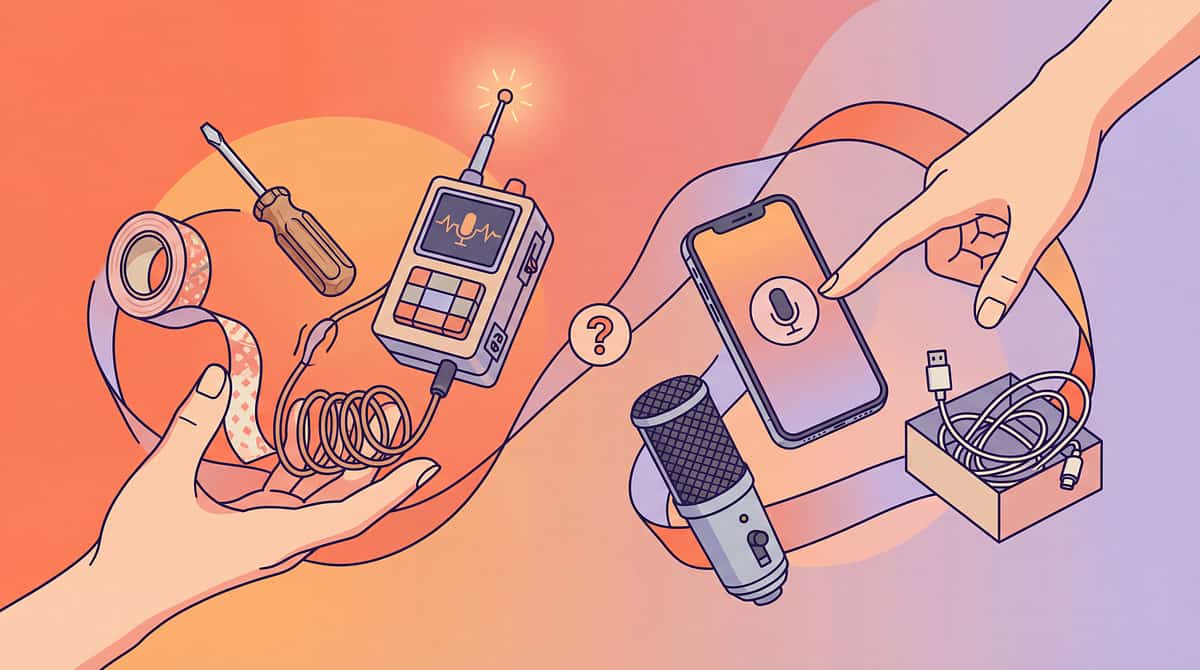
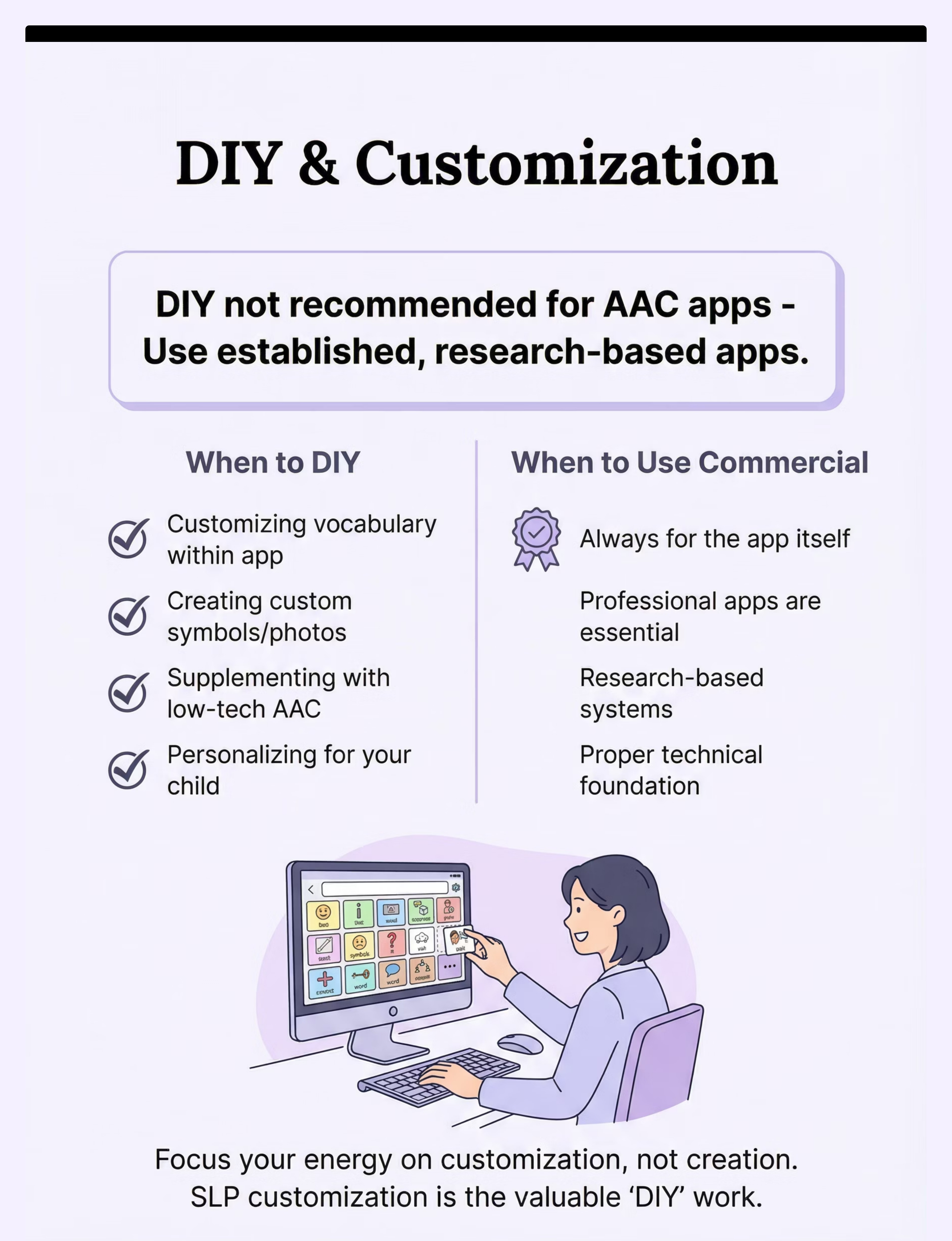
DIY Alternative
DIY Apps Discouraged
Feasibility: Low. Professional AAC apps are built on years of research, clinical expertise, and sophisticated programming. They are reliable and worth the investment, unlike attempting to build your own.
Free Professional Options
Instead of DIY app development, use professionally designed free apps like LetMeTalk and AAC Speech Buddy. These are well-designed, functional, and immediately available.
True DIY: Customization
Your "DIY" effort should focus on customizing vocabulary within existing professional apps:
  • Add personal photos and custom vocabulary
  • Create pages for specific activities and places
  • Organize vocabulary to match your child's life
  • Add family members' names and favorite items
When to "DIY" (Customize)
  • ✓ Customizing vocabulary within professional app
  • ✓ Creating custom symbols using personal photos
  • ✓ Supplementing with low-tech AAC boards
  • ✓ Making visual supports to support AAC use
  • ✓ Organizing pages for specific activities
When to Use Professional Apps
  • ✓ Always for the app/software itself
  • ✓ Professional apps are essential for reliable AAC
  • ✓ Research-based systems with proven effectiveness
  • ✓ Technical support and updates included
  • ✓ Community and resources available

Key Insight:
Focus your energy on customization and implementation, not app creation. Use established professional apps (even free ones) and invest your effort in personalizing vocabulary, modeling AAC use, and integrating communication into daily life.

Preview of aac apps software Therapy Material

Below is a visual preview of aac apps software therapy material. The pages shown help educators, therapists, and caregivers understand the structure and content of the resource before use. Materials should be used under appropriate professional guidance.

Page 1
Page 2
Page 3
Page 4
Page 5
Page 6
Page 7
Page 8
Page 9
Page 10
Page 11
Page 12
Page 13
Page 14
Page 15
Page 16
Page 17
Page 18
Page 19
Page 20
Link copied!
Measuring Success & Complete Support
Track Progress
  • Baseline Measurements: Current communication level, vocabulary size (spoken + AAC), communication partners, frustration frequency
  • Weekly Tracking: New words used, communication attempts, successful exchanges, participation in activities
  • Monthly Milestones: Vocabulary growth, sentence complexity, social interactions, independence gains
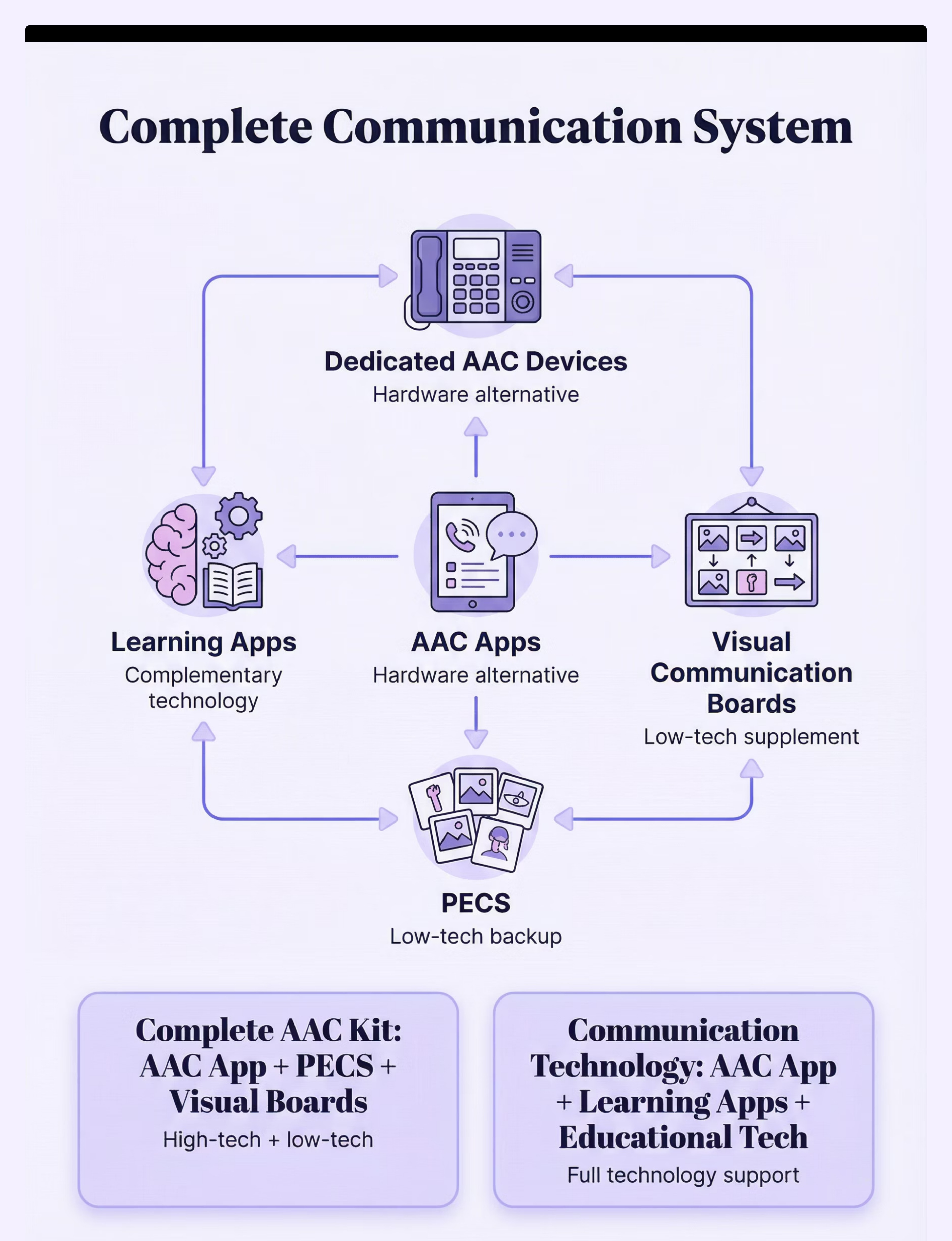
Related Tools & Resources
  • Low-tech AAC boards (complement high-tech)
  • Visual schedules and supports
  • Communication partner training
  • AAC modeling videos and resources
  • Parent support groups and communities
Professional Support Network
  • Speech-Language Pathologist (SLP): AAC assessment and implementation
  • Occupational Therapist: Motor access and positioning
  • Special Education Teacher: Educational integration
  • AAC Consultant: Advanced customization
  • Parent training programs
Long-term Success Indicators
  • Child initiates communication regularly
  • Uses AAC across multiple environments
  • Vocabulary continues expanding
  • Social connections deepening
  • Quality of life measurably improved
  • Family stress significantly reduced

Key Insight: AAC is not a destination, it's a journey. Success is measured not just in words spoken, but in connections made, needs met, and a voice finally heard.