
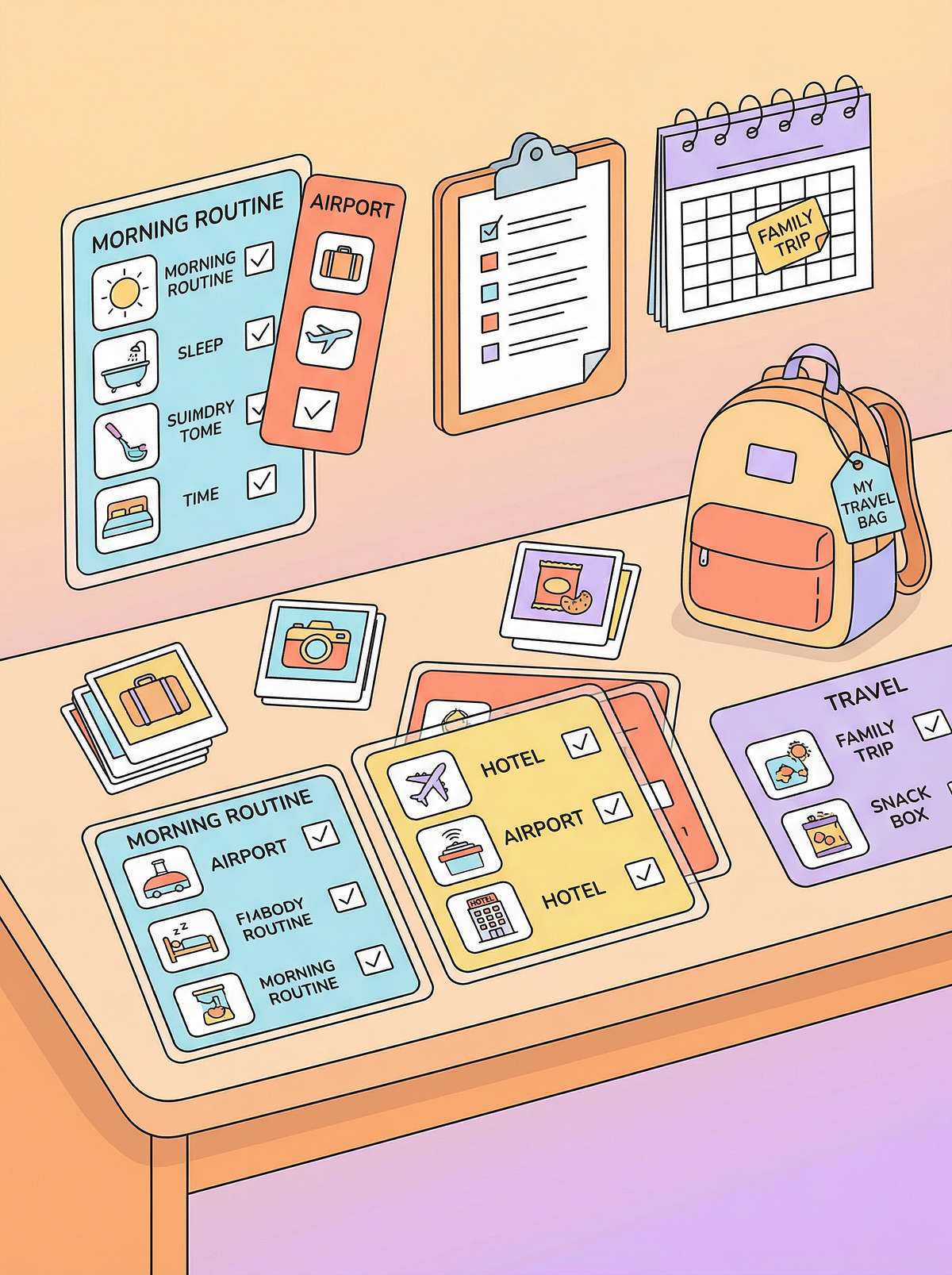
Travel & Transitions Materials
Successfully navigating travel experiences, activity transitions, and waiting situations requires thoughtful preparation and practical support tools. This collection addresses common challenges that arise with change, novel environments, and unpredictable situations through evidence-based strategies.
Supporting Successful Transitions
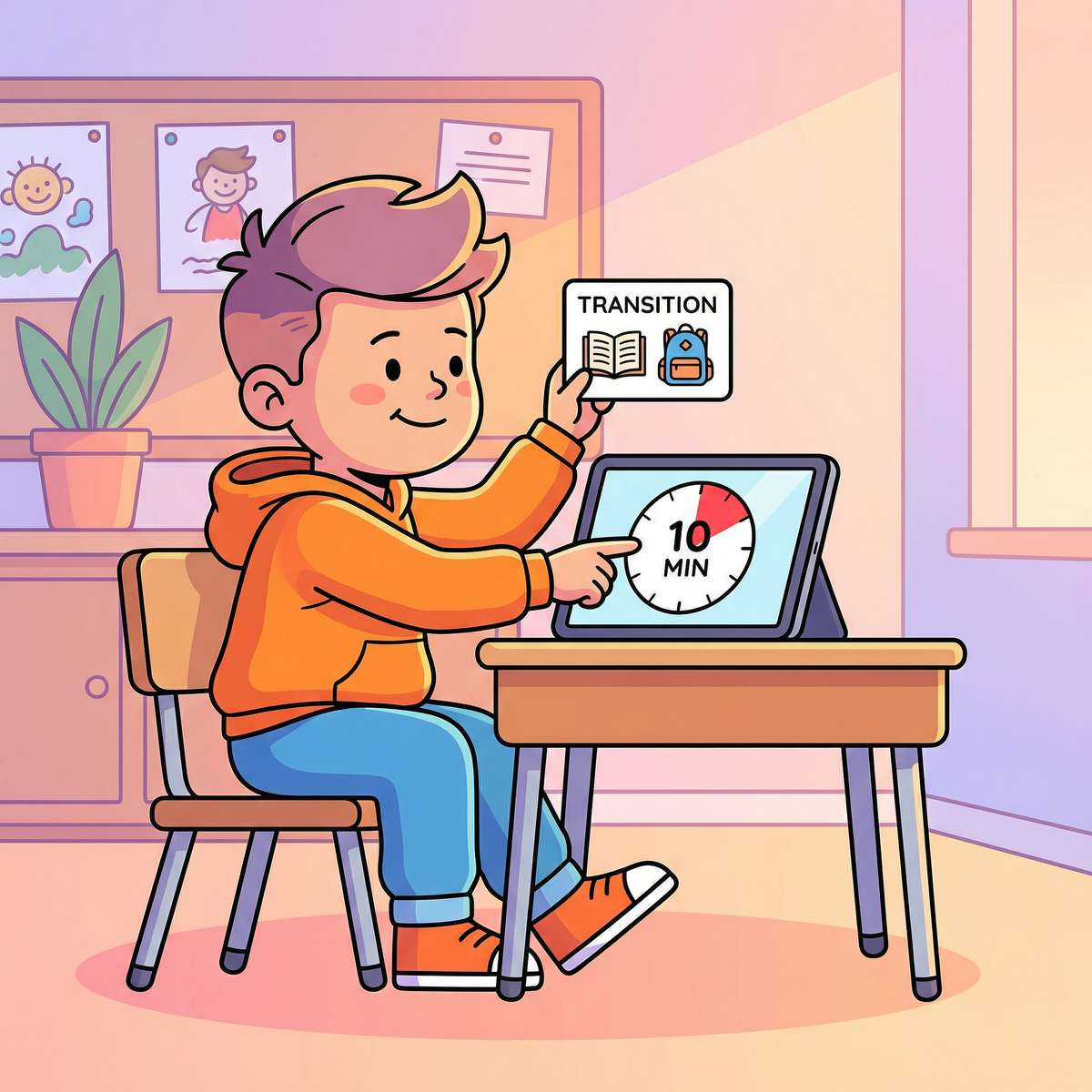
Children with developmental differences often experience heightened anxiety during transitions and travel. These materials provide preparation tools, portable sensory kits, transition warnings, and wait tolerance strategies that address the underlying challenges of change and uncertainty.
Whether preparing for a family vacation, managing classroom transitions, or waiting in a medical office, these resources offer practical solutions that can be implemented across home, school, and community settings.
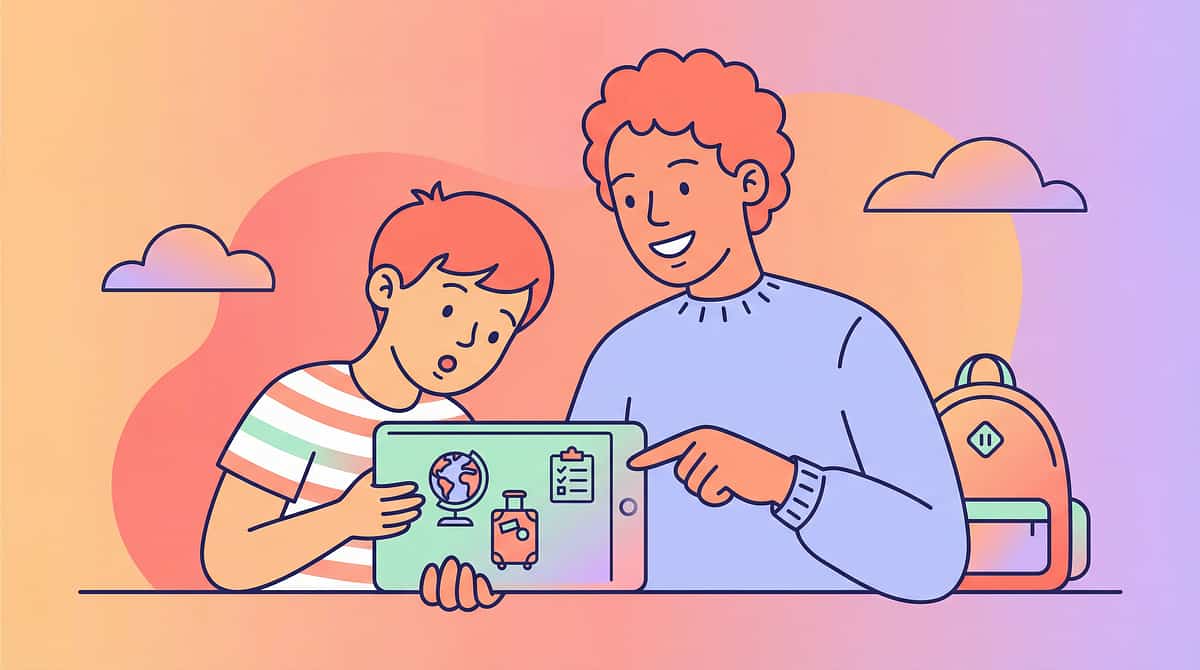
Guidelines for Effective Use
Advance Preparation
Prepare children for travel and transitions well in advance. Early preparation reduces anxiety and allows time for practice and familiarization.
Consistency Across Settings
Use consistent warning systems across all settings. Predictability helps children understand what to expect regardless of location.
Accessible Organization
Pack travel kits in accessible locations during trips. Quick access to regulation tools prevents escalation during challenging moments.
Building Skills During Calm Times
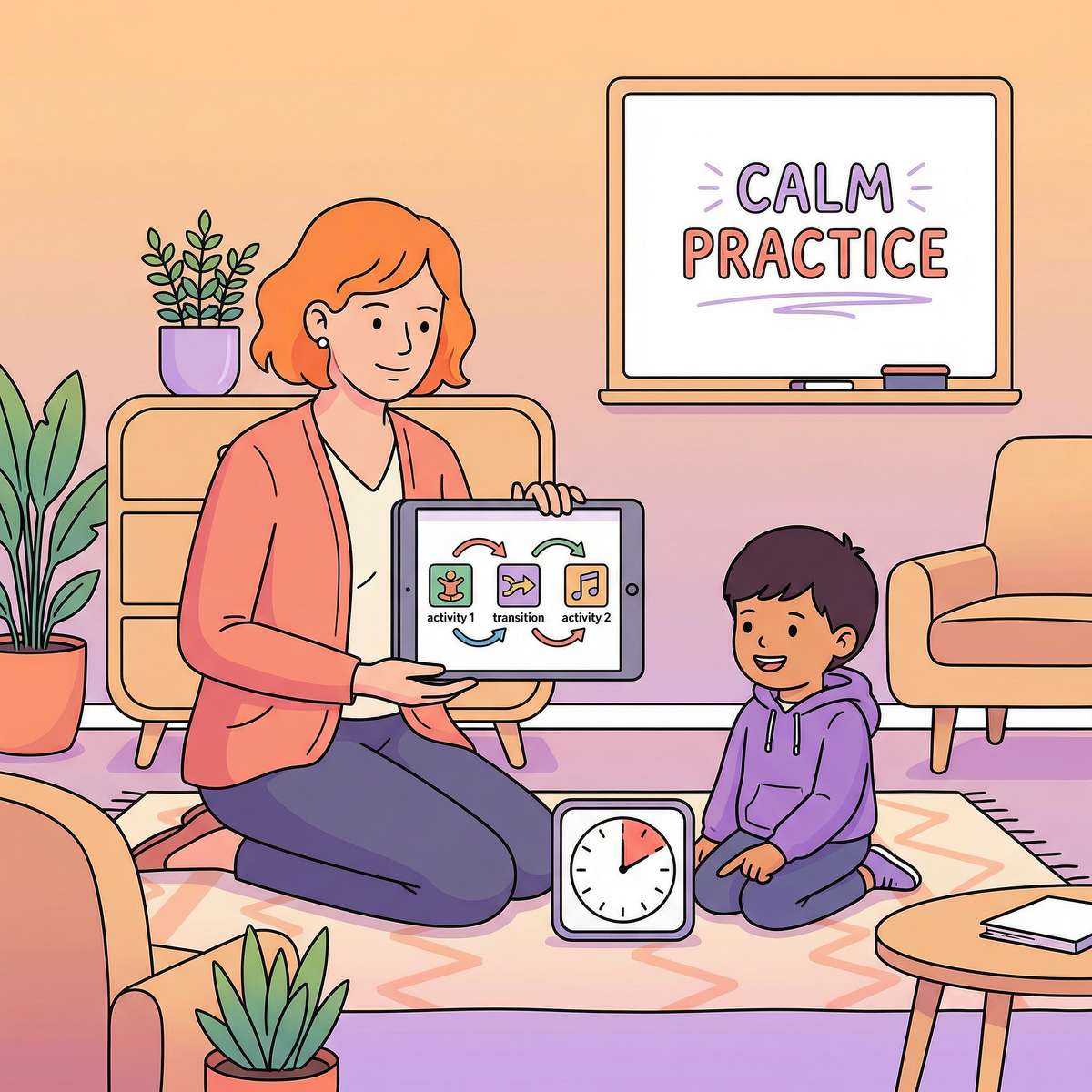
Practice transition strategies during calm times before challenging situations arise. This approach allows children to learn new skills without the added stress of actual transitions. Building wait tolerance gradually through positive experiences creates a foundation for success in more demanding situations.
Consult with special educators or therapists for individualized transition planning. Professional guidance ensures strategies are appropriately matched to your child's specific needs and developmental level.
Who These Materials Support
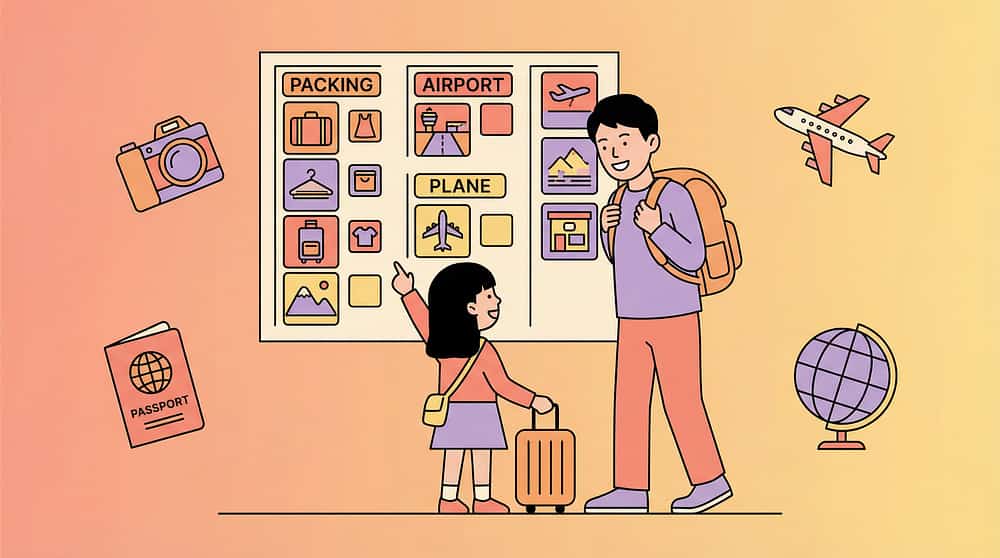
For Parents
Home and community transition support combined with comprehensive travel preparation resources for family activities and outings.
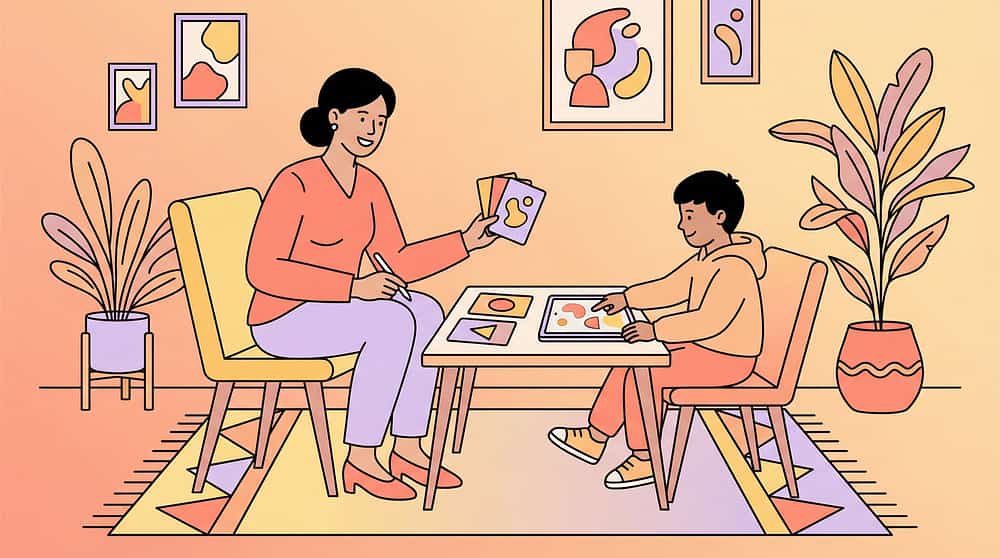
For Therapists
Transition assessment tools and travel preparation intervention strategies for occupational therapy and special education sessions.
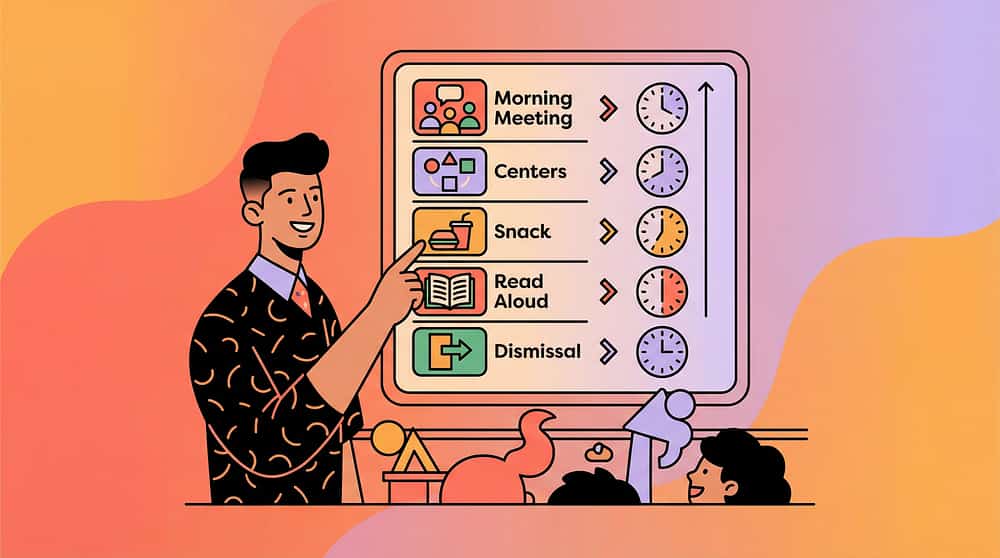
For Schools & Educators
Classroom transition supports and field trip preparation materials that facilitate smooth changes throughout the school day.
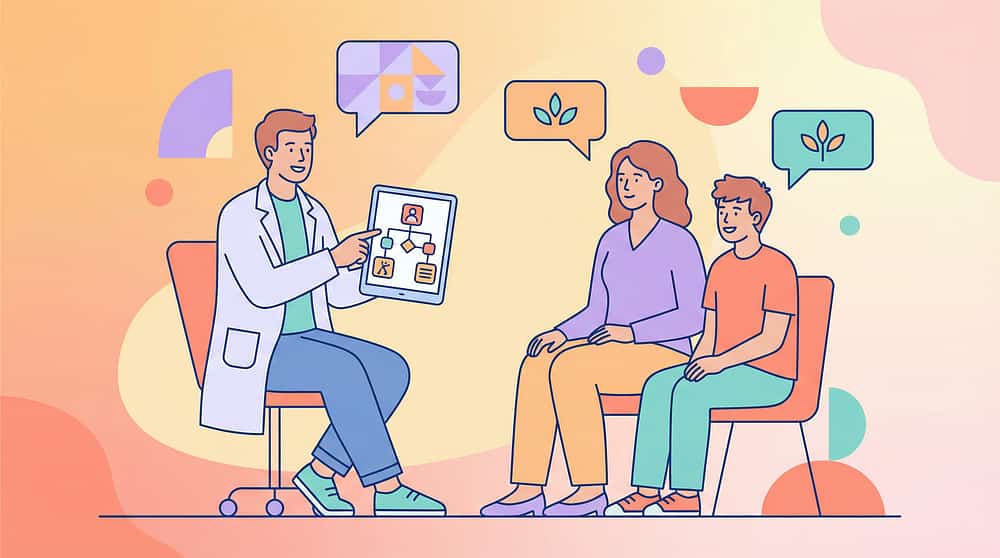
For Doctors & Clinicians
Transition and travel recommendations for comprehensive treatment planning and family support coordination.
Material 17.1: Travel Preparation Tools
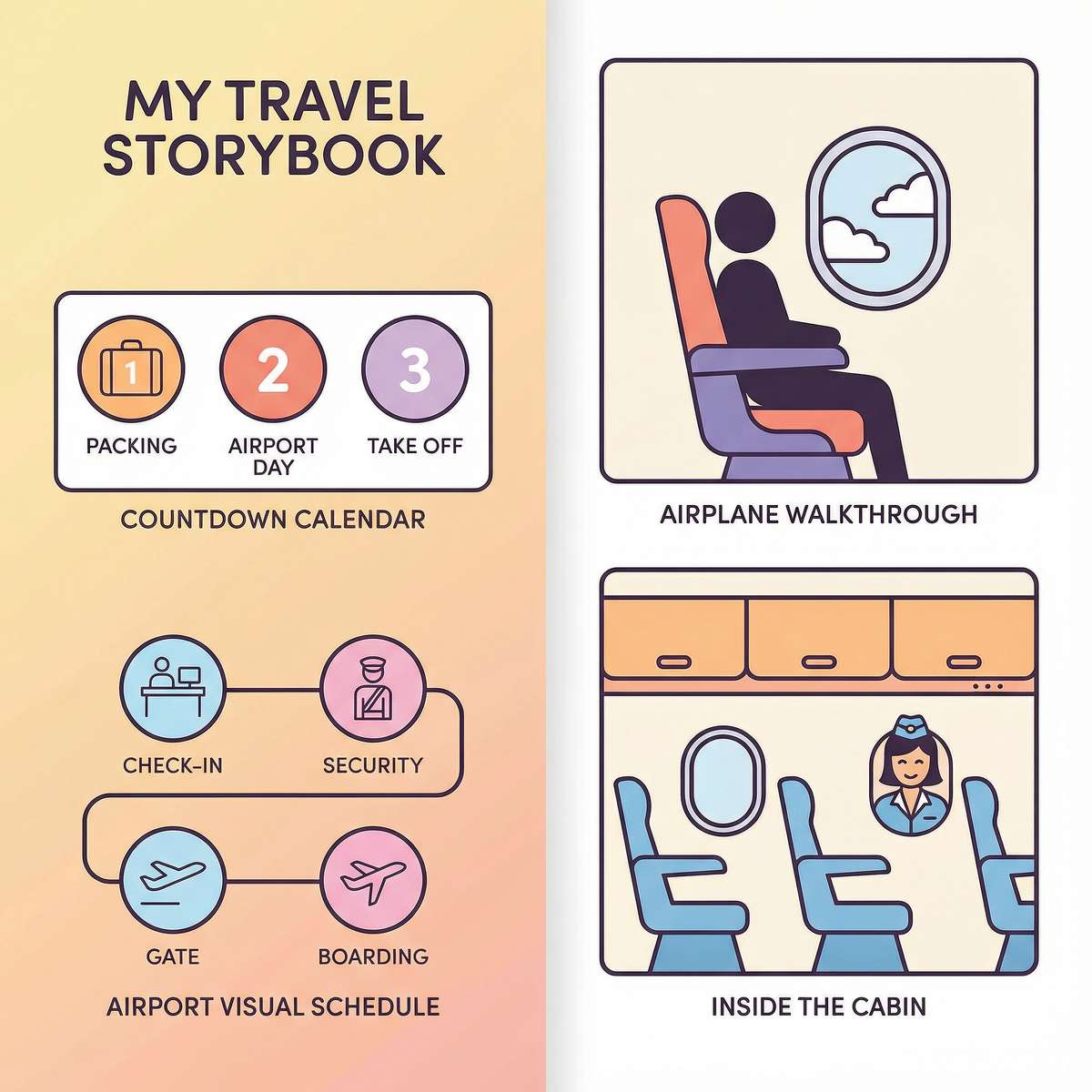
Function: Prepare child for travel through visual previews, social stories, and practice to reduce anxiety and increase successful travel experiences.
Core Kit Rank 1
Moderate-Strong Evidence
Reducing Travel Anxiety Through Preparation
Travel preparation tools reduce anxiety and increase success through visual previews, social stories, schedules, and practice before travel experiences. These materials help children understand what to expect during travel, from airport security procedures to staying seated on airplanes.
The preparation system includes travel social stories, visual schedules for airports and destinations, airplane walkthrough pictures, and countdown calendars. Starting preparation well in advance and reviewing materials repeatedly creates familiarity with upcoming travel experiences.
Material 17.2: Travel Comfort & Sensory Kit
Core Kit Rank 1
Essential Travel Support
Portable Sensory Regulation
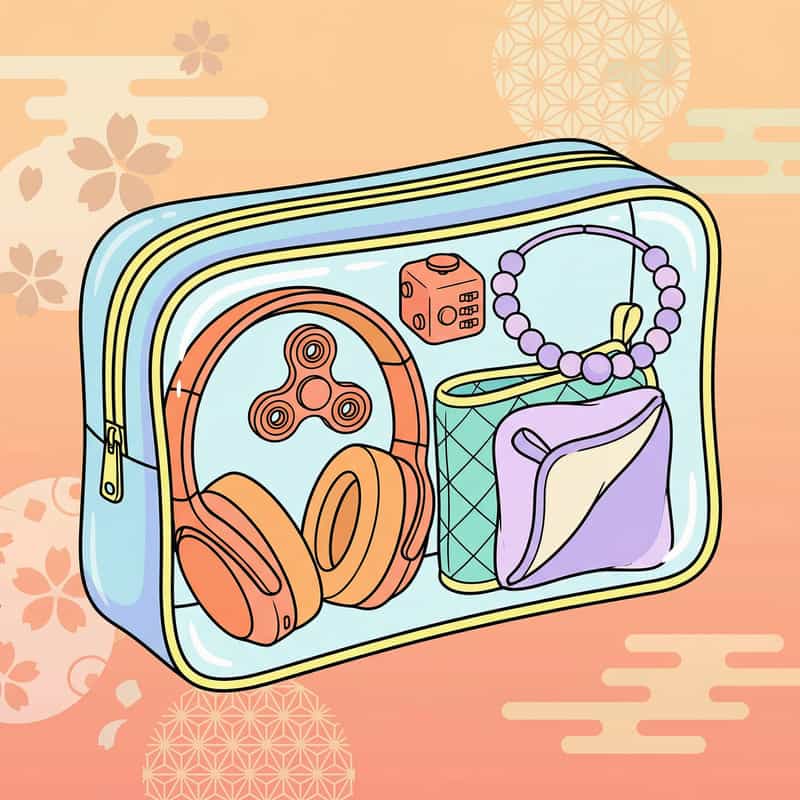
Travel comfort and sensory kits provide portable regulation tools including noise-canceling headphones, fidget toys, chewable necklaces, small weighted lap pads, and comfort objects for managing sensory challenges during travel.
These kits support sensory regulation on-the-go, maintaining comfort and self-regulation during the heightened sensory demands of airports, planes, trains, and unfamiliar destinations. Pack kits in accessible carry-on locations for immediate availability when regulation support is needed.
Target Areas: Sensory Regulation, Comfort, Self-Regulation, Anxiety Management, Travel Tolerance, Independence
Material 17.3: Transition Supports & Warnings
Core Kit Rank 1
Strong Evidence
Essential Daily Support
Managing Change and Transitions
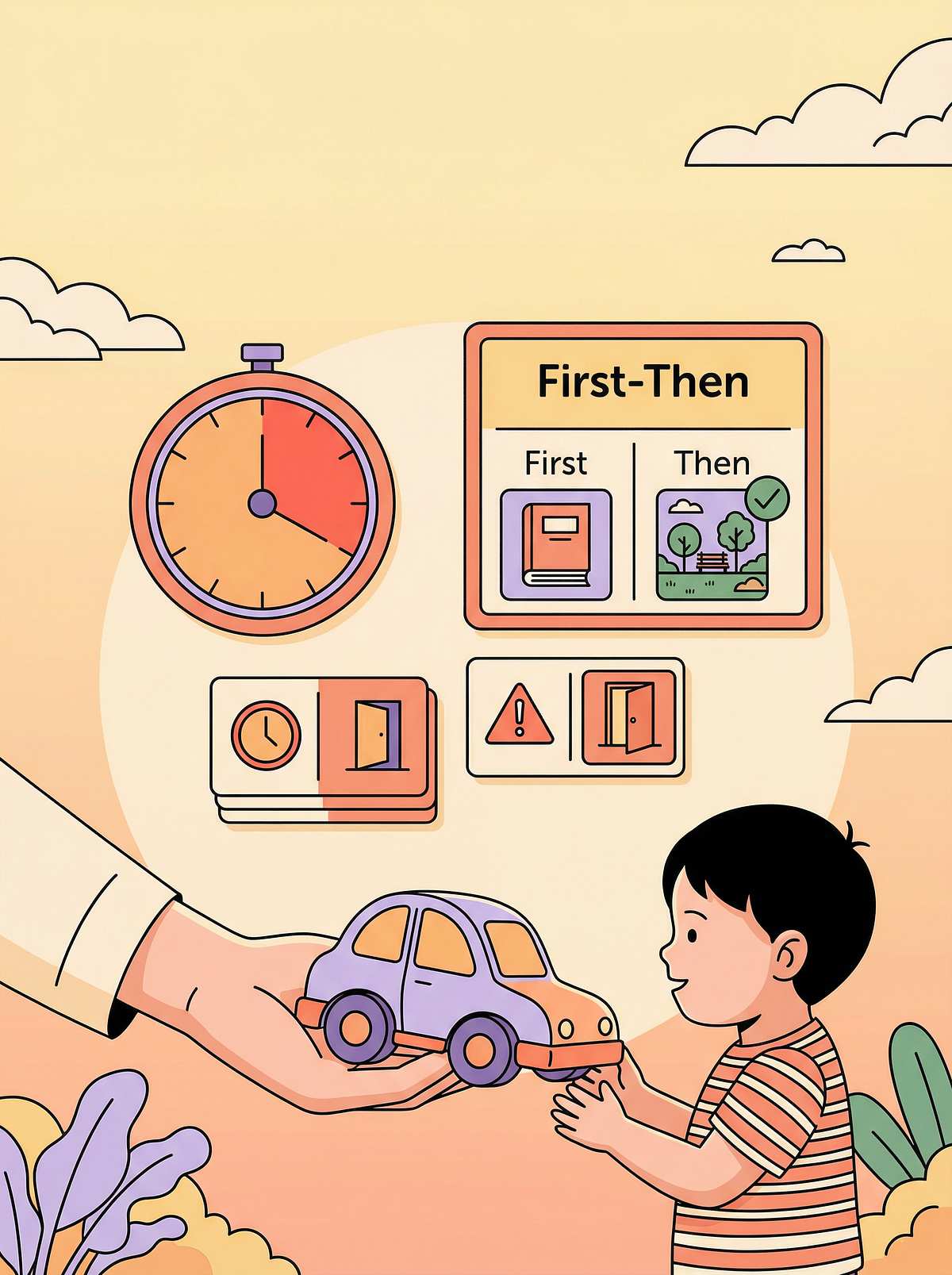
Transition supports provide warning systems, visual timers, first-then boards, and transition objects to prepare children for changes and reduce transition-related difficulties. These tools create predictability around transitions between activities, locations, or states.
Advance warnings allow time to prepare mentally and emotionally for upcoming changes. Consistent warning systems used across home, school, community, and therapy settings build understanding of transition patterns. Visual timers make abstract time concepts concrete, while first-then boards clarify the sequence of activities.
Implementing Effective Transition Warnings
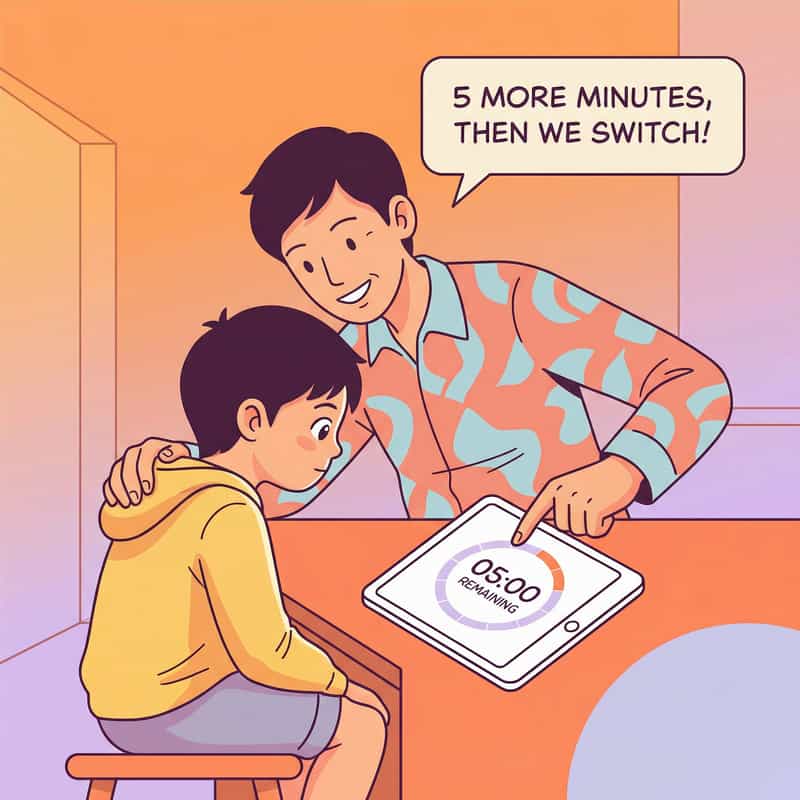
Warnings should be given consistently at predetermined intervals such as 5 minutes, 2 minutes, and 1 minute before transitions. Combine visual and verbal warnings together to accommodate different processing styles and ensure the message is received.
Use the same warning system across all settings so children develop a reliable understanding of transition cues. Transition objects that physically move with the child can connect the previous activity to the new activity, providing continuity during change.
Avoid sudden transitions whenever possible, as they increase anxiety and resistance. Build transition time into schedules to prevent rushing and allow for processing time between activities.
Material 17.4: Car & Vehicle Supports
Core Kit Rank 2
Moderate Evidence
Improving Vehicle Travel Tolerance
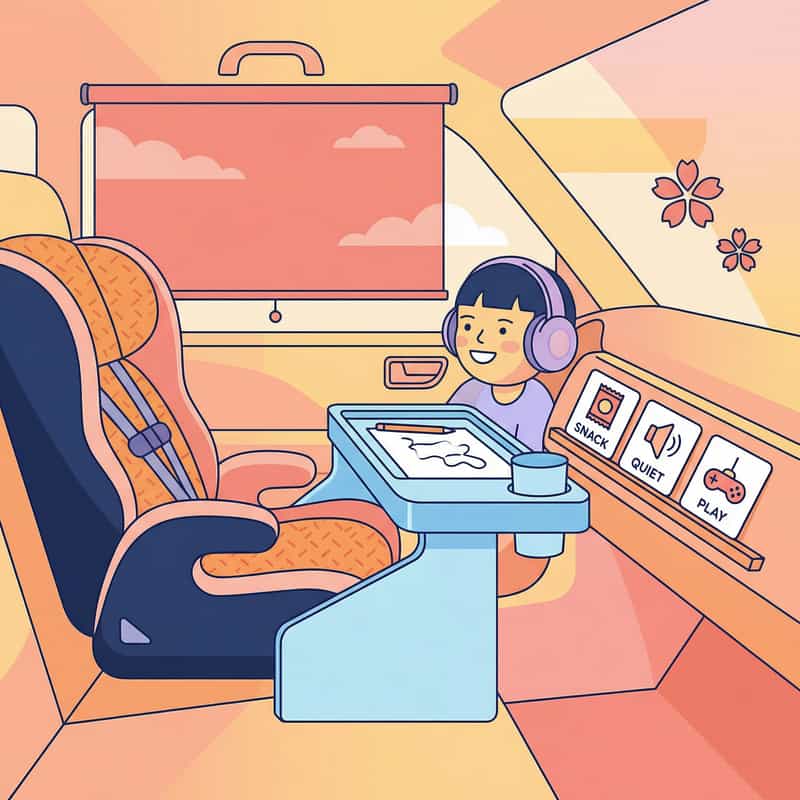
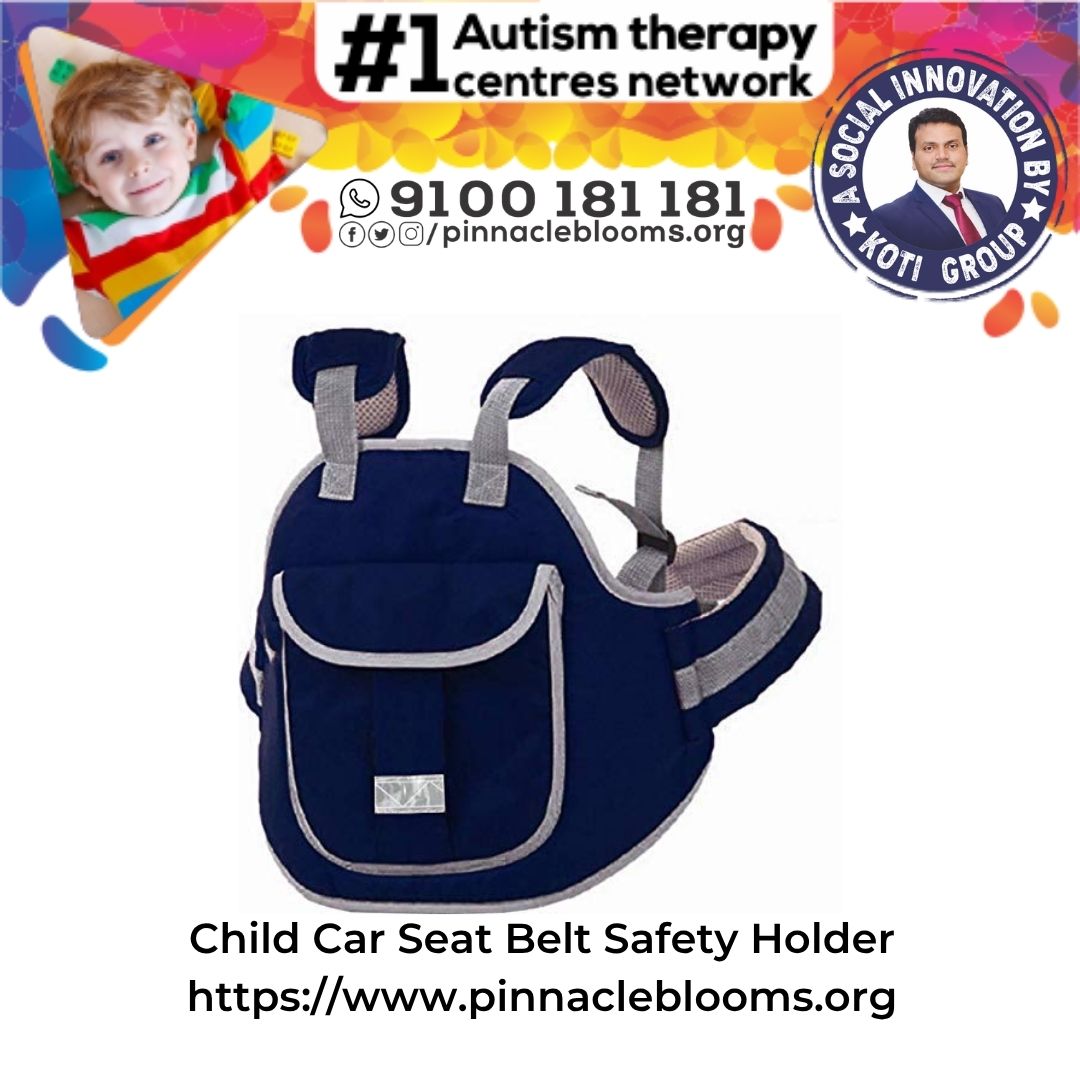
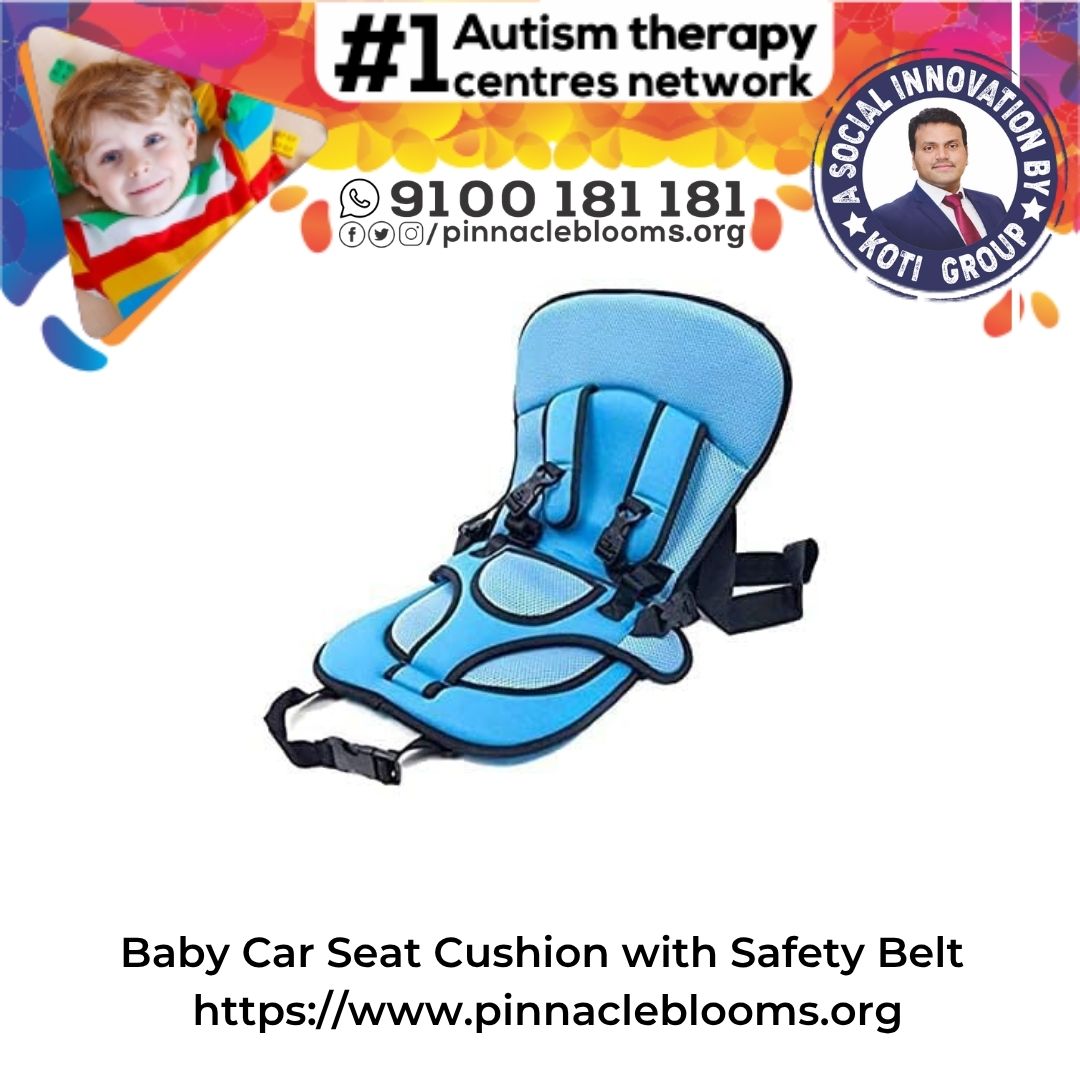
Car and vehicle supports improve travel tolerance through sensory modifications, visual supports, and engagement strategies while maintaining car seat safety. These materials address sensory discomfort, boredom, and behavioral challenges during vehicle travel.
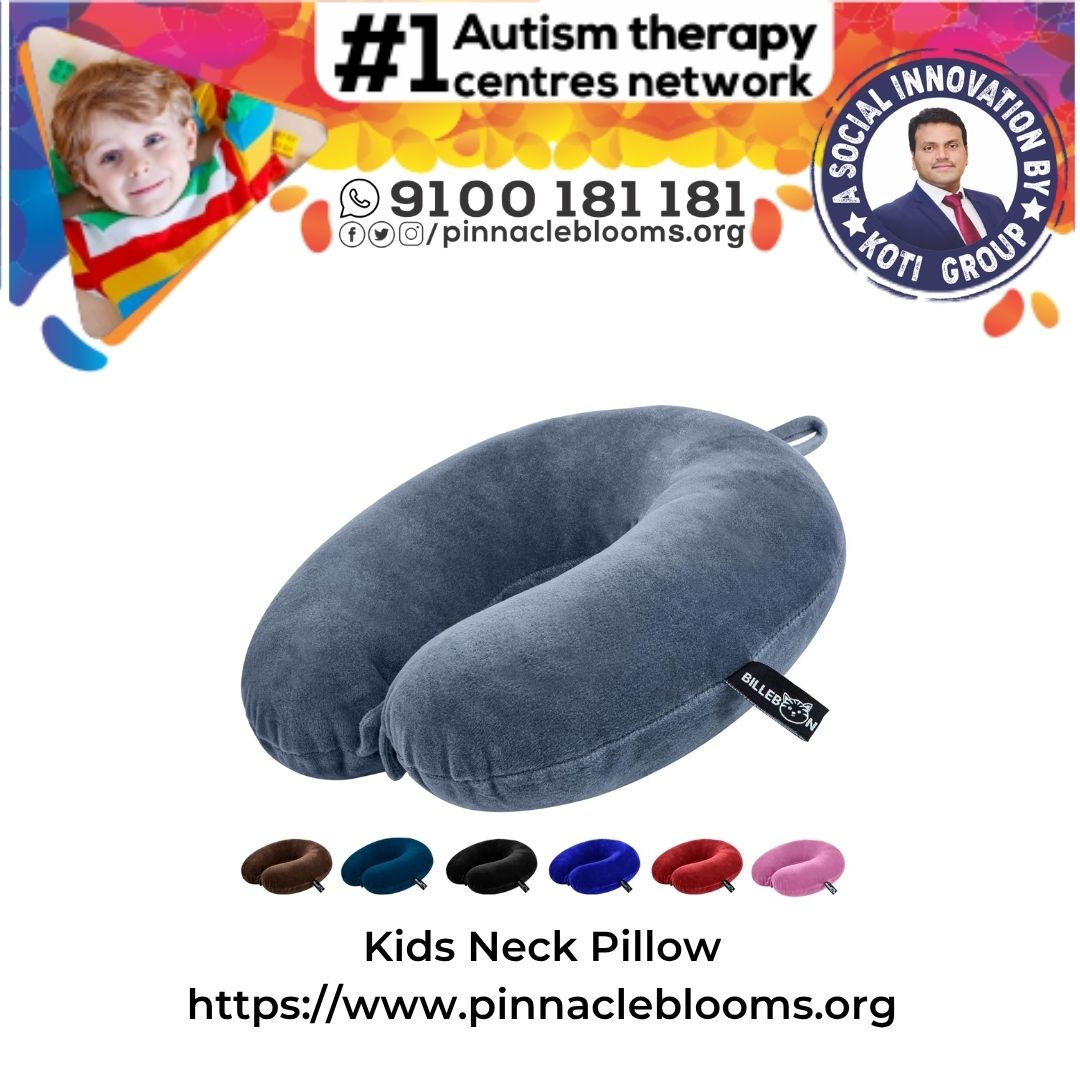
The support system includes car seat cushions for sensory comfort, window shades to manage light sensitivity, travel activity trays for engagement, headphones for noise management, and visual support cards for car behavior expectations.
Critical Safety Note: Never compromise safety for comfort. Ensure car seats are properly installed and used according to manufacturer guidelines and safety regulations.
Material 17.5: Waiting & Queue Supports
Core Kit Rank 1
Moderate-Strong Evidence
Building Wait Tolerance
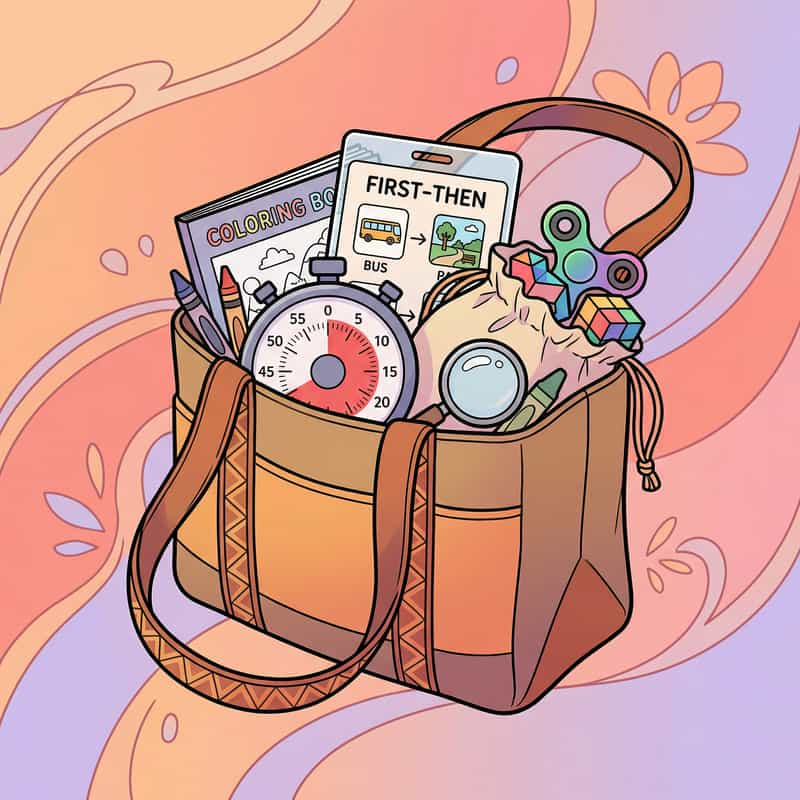
Waiting and queue supports build wait tolerance through engagement activities, visual time awareness, social preparation, and reinforcement for successful waiting. These tools are essential for community access in medical offices, restaurants, stores, and other public spaces.
The support system includes busy bags with preferred activities, visual timers that make abstract waiting time concrete, first-then cards that clarify what happens after waiting, and portable fidget toys for regulation during waiting periods.
Target Areas: Wait Tolerance, Engagement, Time Awareness, Self-Regulation, Flexibility, Community Access
Building Tolerance Gradually
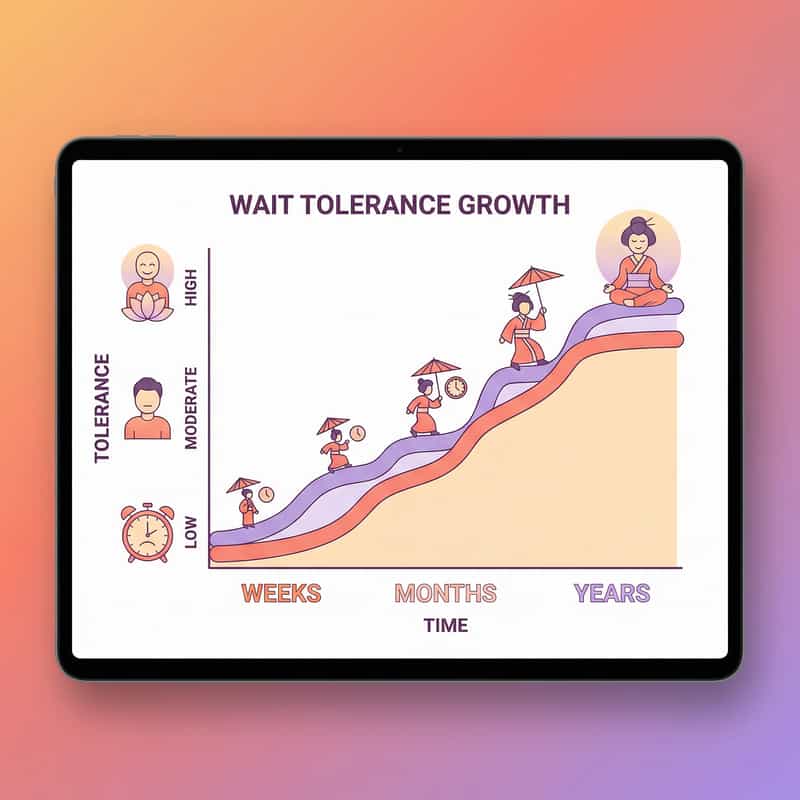
Wait tolerance cannot be built overnight. Start with low-stakes practice situations where the waiting period is brief and the environment is relatively calm. Gradually increase waiting duration as success is demonstrated at shorter intervals.
Practice waiting during calm times at home before expecting success in more demanding public settings. This approach allows skill building without the added stress of unfamiliar environments or high sensory demands.
Celebrate small successes and recognize that wait tolerance development is a gradual process. Some days will be more successful than others, and that variability is expected during the learning process.
Evidence Base and Effectiveness
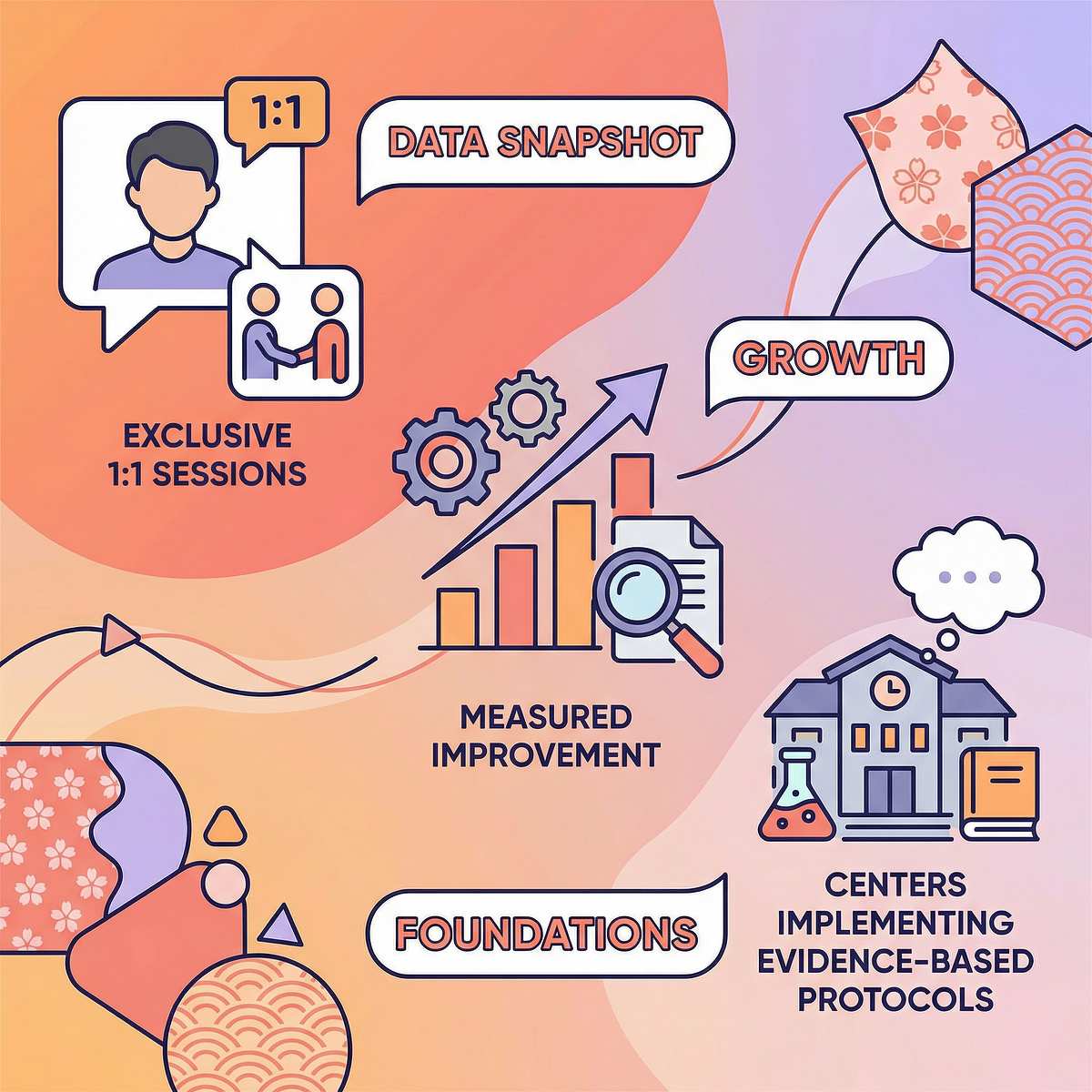
21M+
Exclusive 1:1 Sessions
Across converged therapy disciplines incorporating transition and travel supports
97%
Measured Improvement
Across one or more readiness indexes when transition strategies implemented consistently
70+
Centers Operating Under GPT-OS®
Implementing evidence-based transition and travel preparation protocols
These materials represent evidence-aligned approaches supported by research in special education and occupational therapy. Consistent implementation across settings produces the most significant improvements in transition tolerance and travel success.
The Pinnacle Blooms Network®

Built by Mothers. Engineered as a System.
Pinnacle Blooms Network® is the execution layer of GPT-OS®, delivering therapy, daily programs, digital continuity, and marketplace access at population scale. The platform combines on-demand therapy guidance with hyperlocal marketplace connections and a network of 70+ physical centers operating under unified clinical standards.
The EverydayTherapyProgramme™ delivery system ensures families receive consistent support across all settings. Materials like these travel and transition supports integrate seamlessly into comprehensive treatment plans mapped to each child's AbilityScore® and readiness needs.
Access and Support Resources
FREE National Autism Helpline
16+ languages available
9100 181 181
Guidance on implementing transition and travel supports
AbilityScore® Assessment
Request comprehensive assessment to map materials to your child's specific needs
Email: care@pinnacleblooms.org
Web: pinnacleblooms.org
Material Details & Implementation
Visit materials.pinnacleblooms.org for detailed implementation guides, video demonstrations, and downloadable resources
Cannons
Travel & Transitions MaterialsEvidence-based materials supporting sensory comfort during travel, transition management, waiting strategies, and on-the-go regulation across home, community, and therapy settings.
Link copied!