
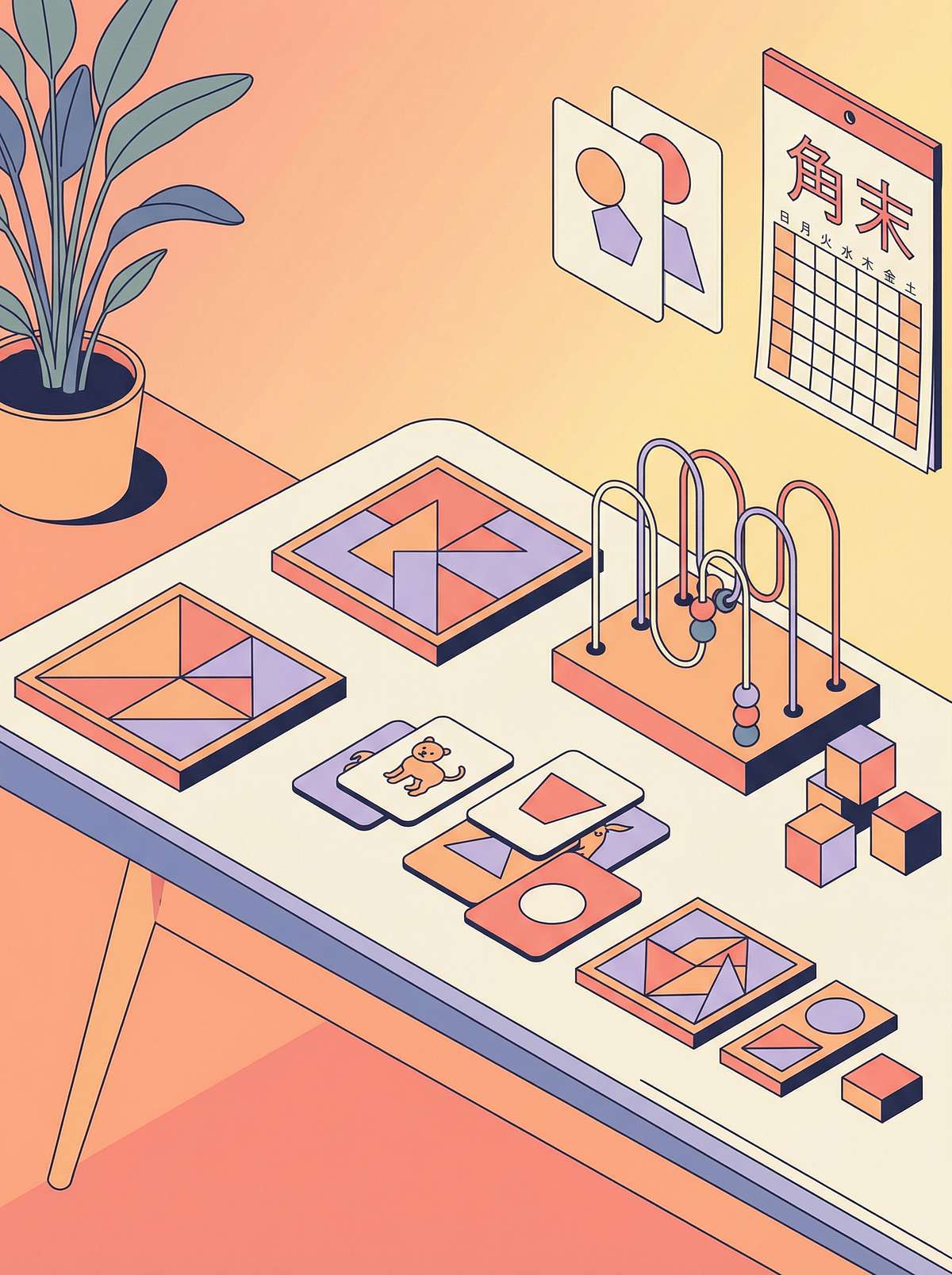
Cognitive & Learning Materials
Evidence-based resources supporting attention, memory, categorization, sequencing, problem-solving, and early academic concepts for children with developmental needs
Building Foundational Thinking Skills
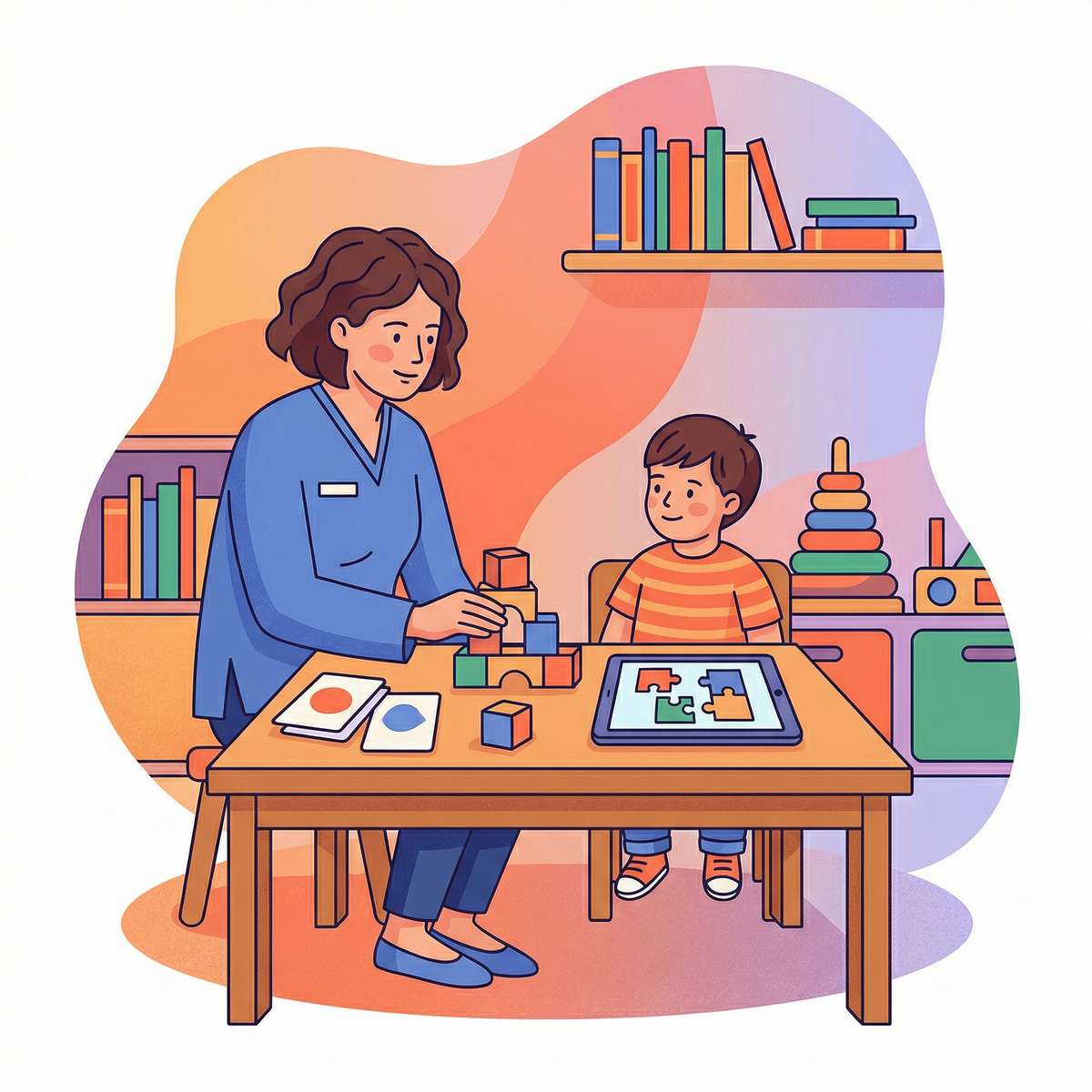
Materials in this category support foundational cognitive skills including attention, memory, categorization, sequencing, problem-solving, and early academic concepts. These resources build the thinking skills essential for learning, academic readiness, and independent problem-solving across all environments.
Each material has been selected based on evidence-aligned principles and designed to support children at their current developmental level while building systematically toward more complex cognitive abilities.
Who These Materials Serve

Cognitive and learning materials support multiple stakeholders in a child's development ecosystem. Each audience uses these resources differently based on their role in supporting the child's cognitive growth and academic readiness.
Materials are designed to be accessible for home use while maintaining clinical rigor for professional settings. This dual-purpose approach ensures continuity of support across all environments where the child learns and grows.

For Parents
Home-based cognitive activities with professional guidance to support daily learning and skill development

For Therapists
Clinical cognitive assessment and intervention planning with evidence-based materials and systematic protocols
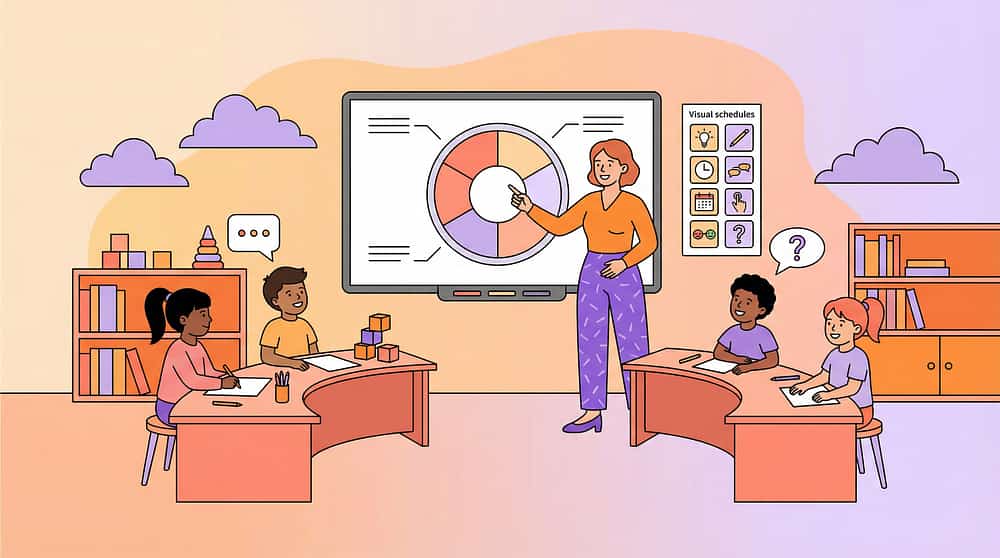
For Schools & Educators
Classroom cognitive supports and academic readiness tools for inclusive learning environments

For Doctors & Clinicians
Cognitive development recommendations for treatment planning and interdisciplinary care coordination
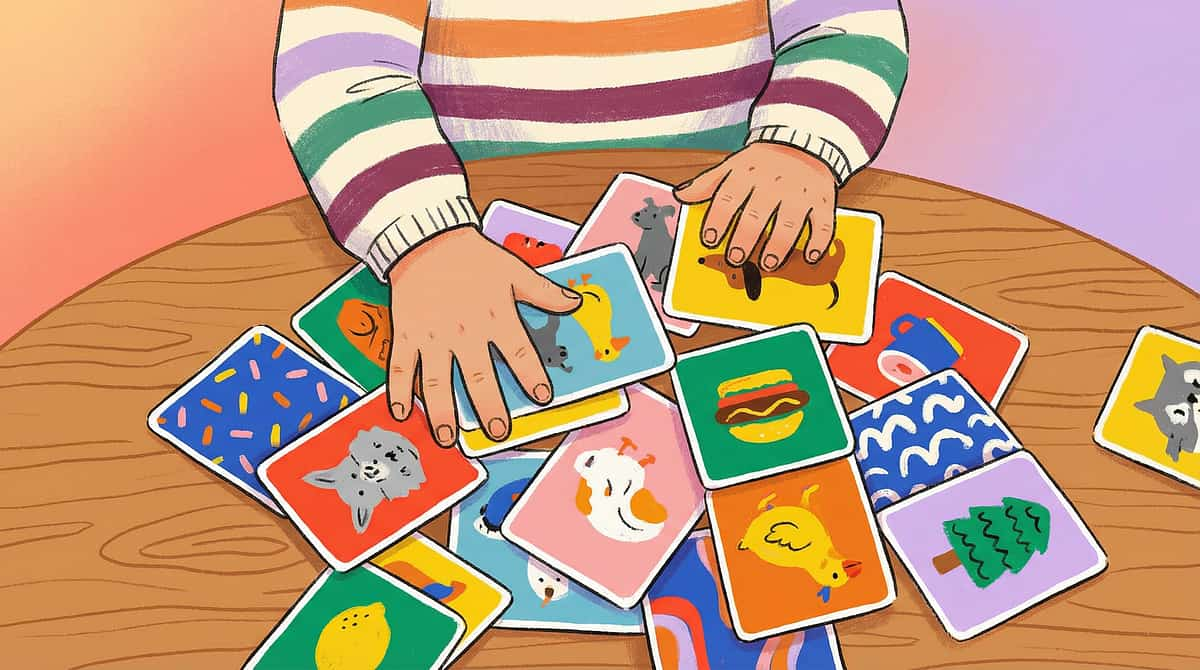
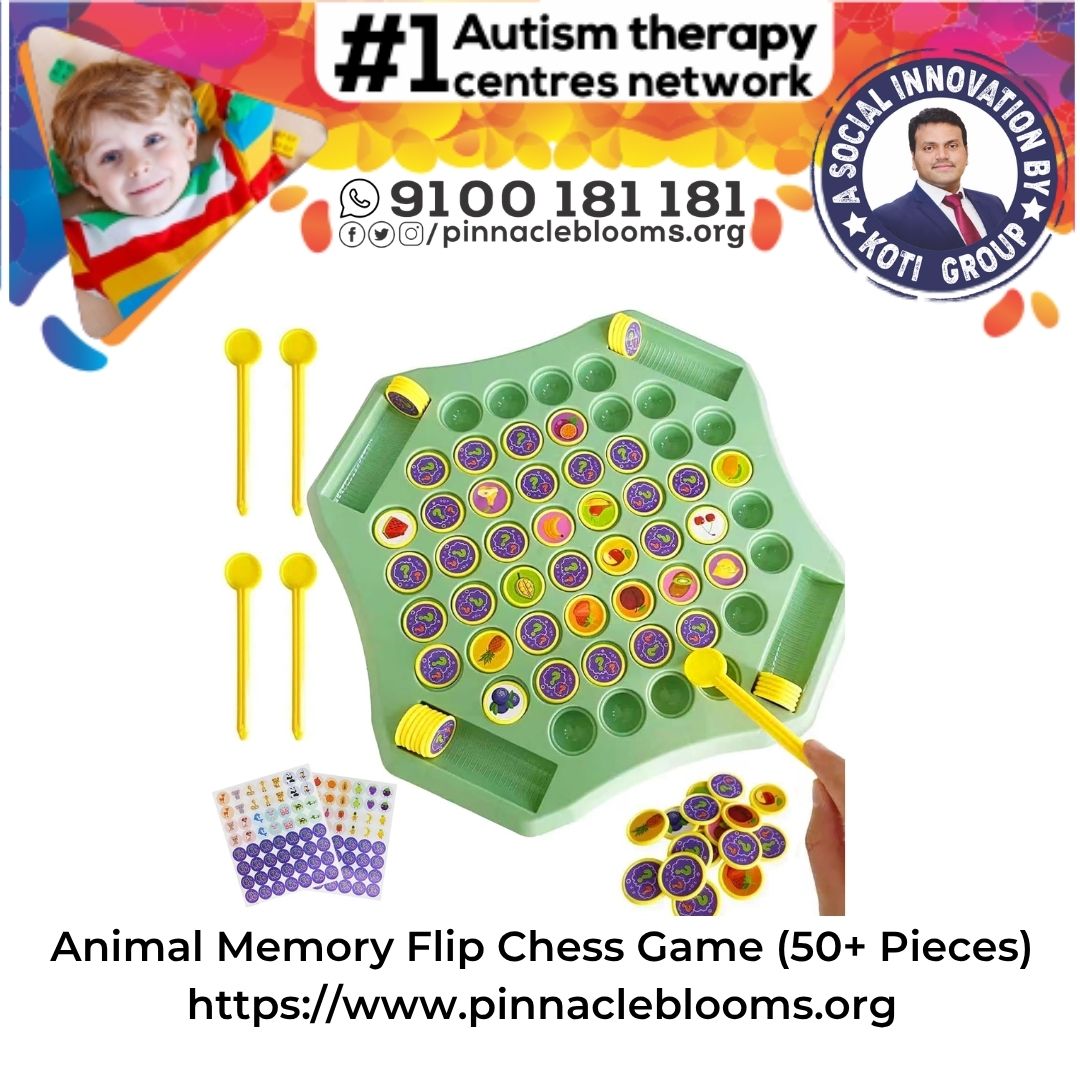
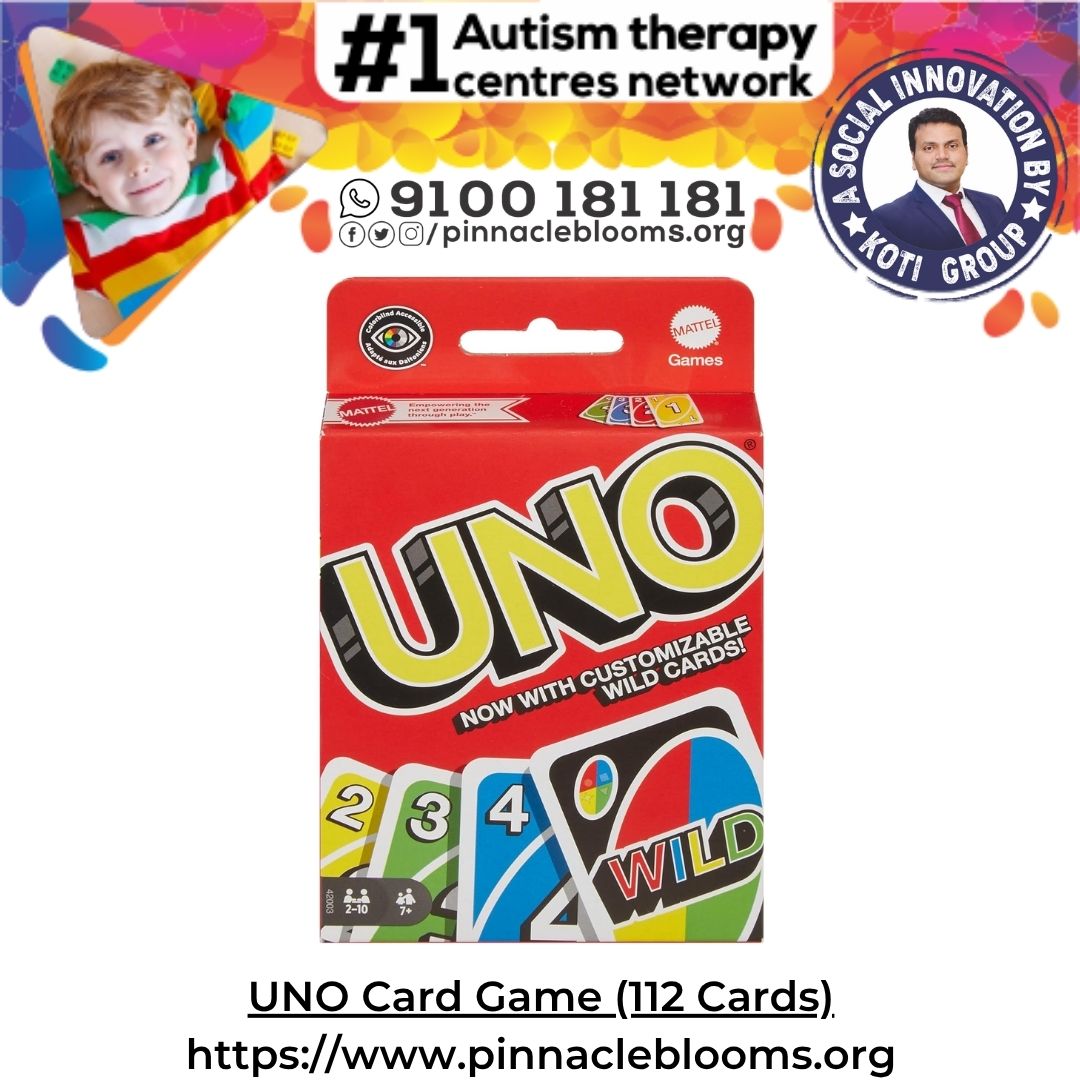
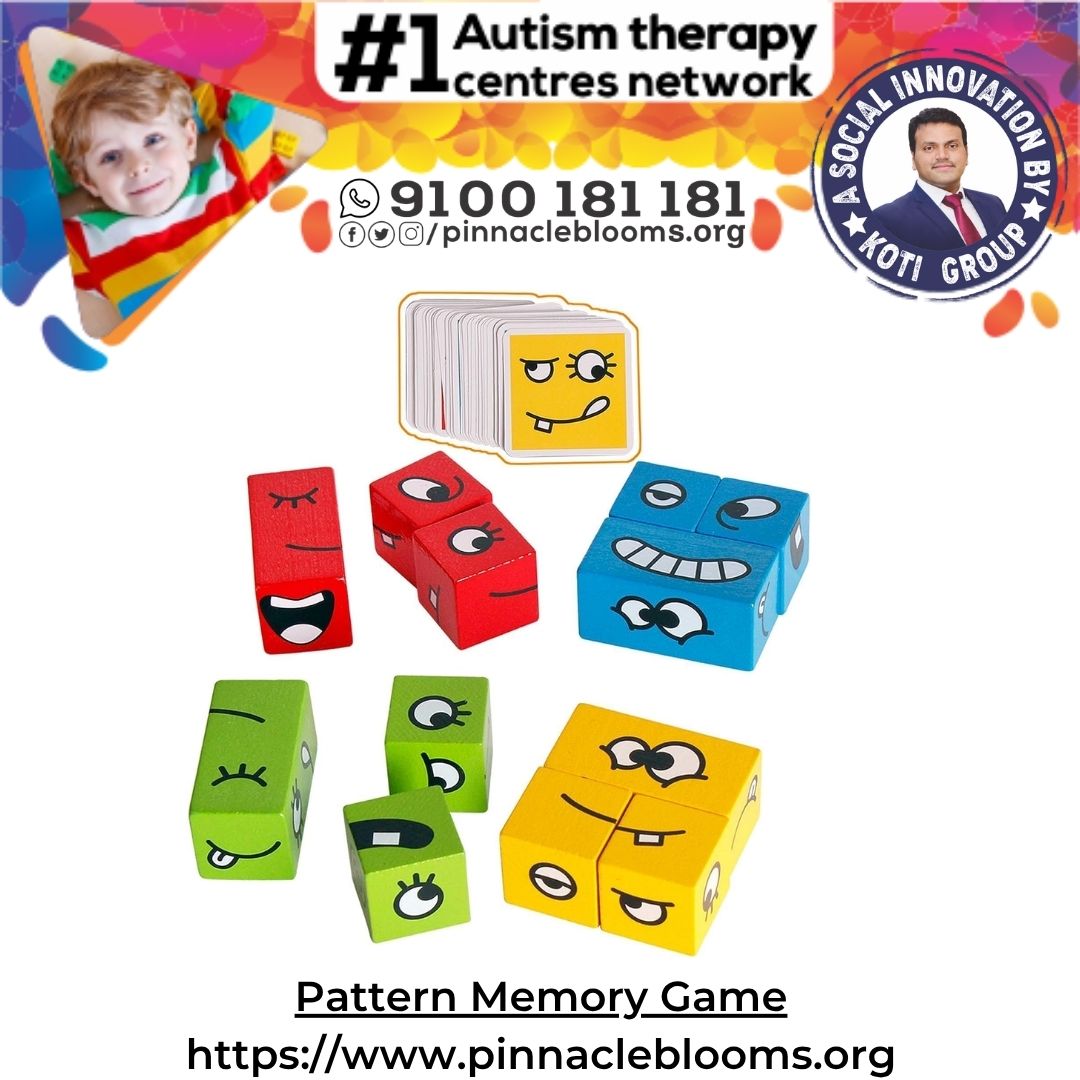
Material 8.1: Matching Games / Memory Games
Visual Discrimination & Working Memory
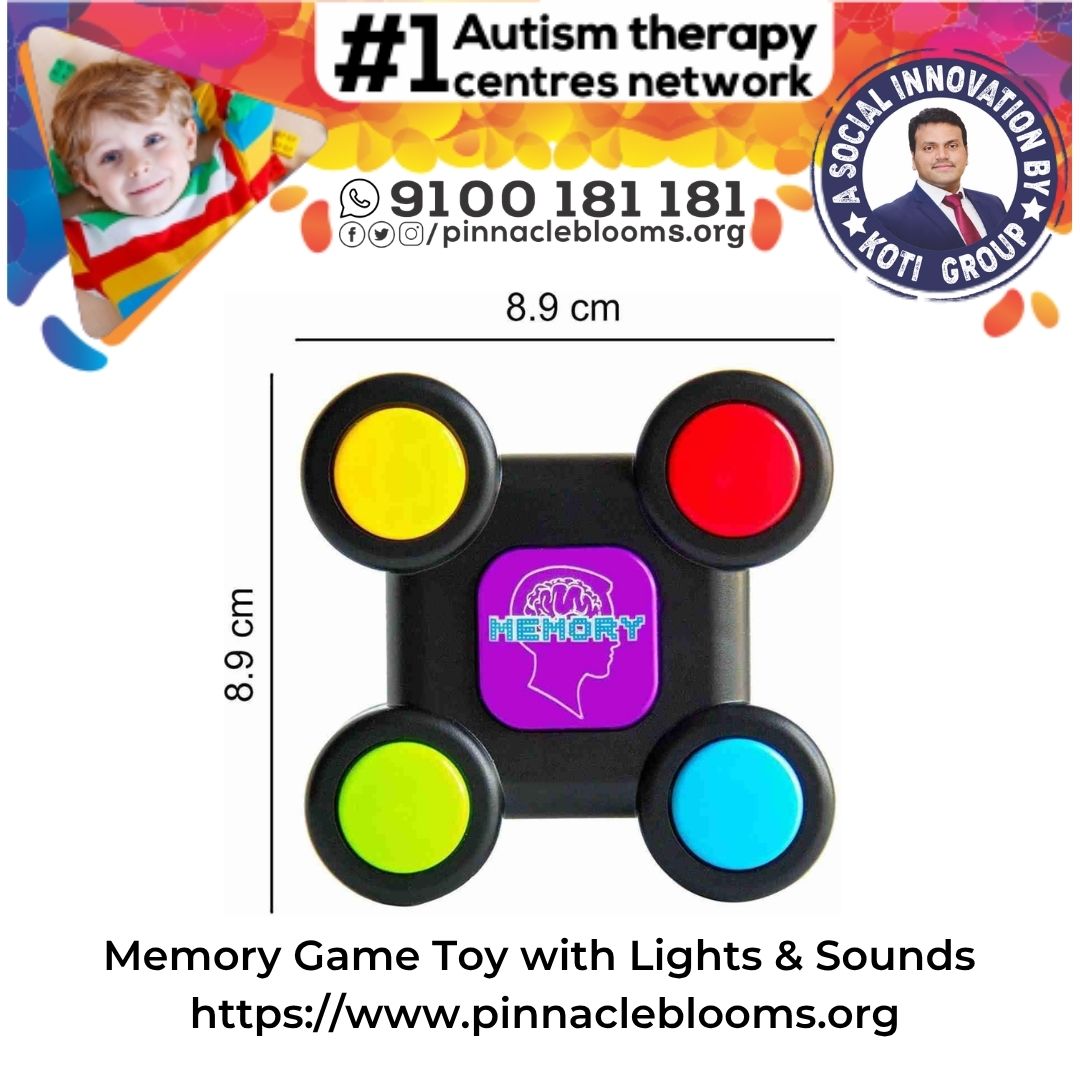
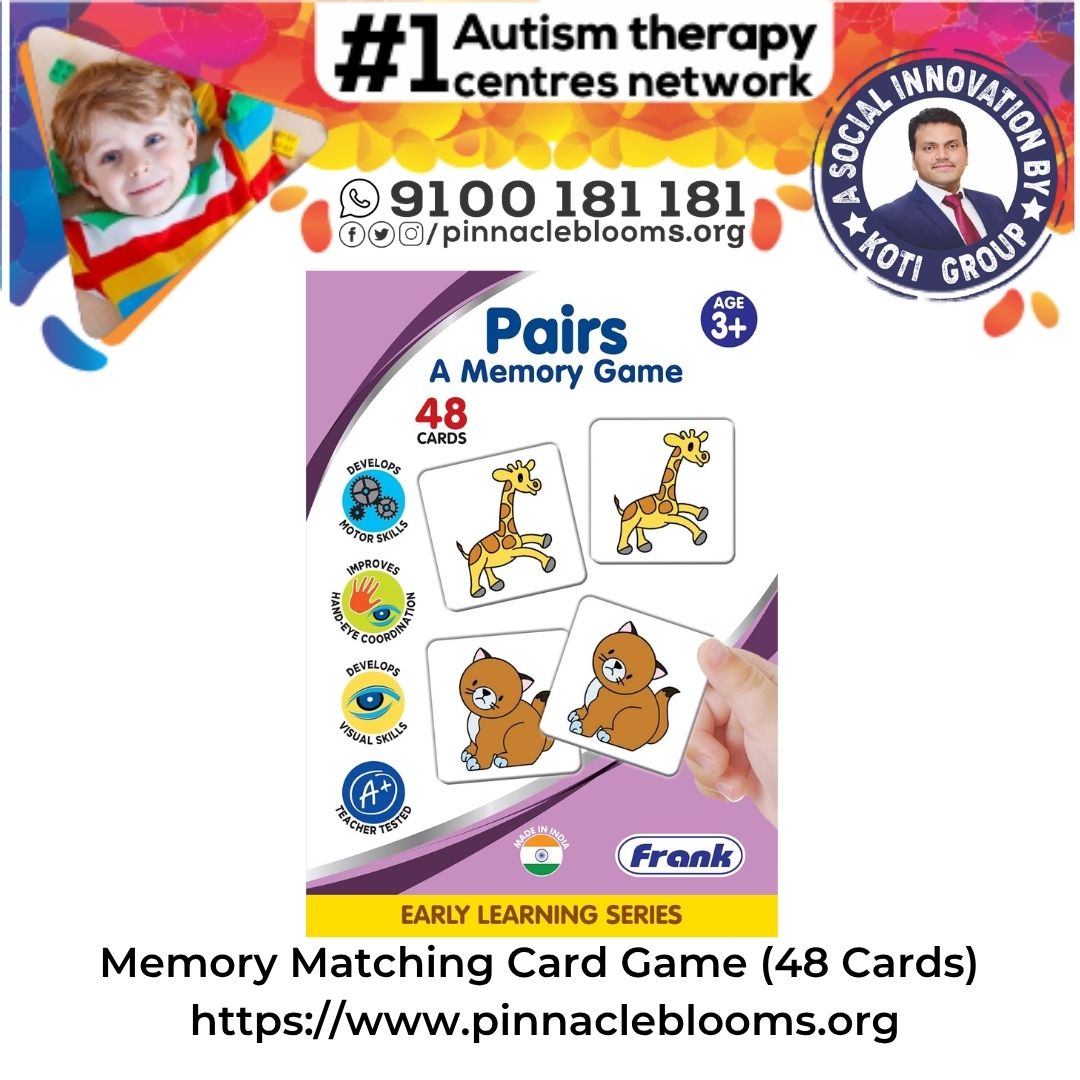
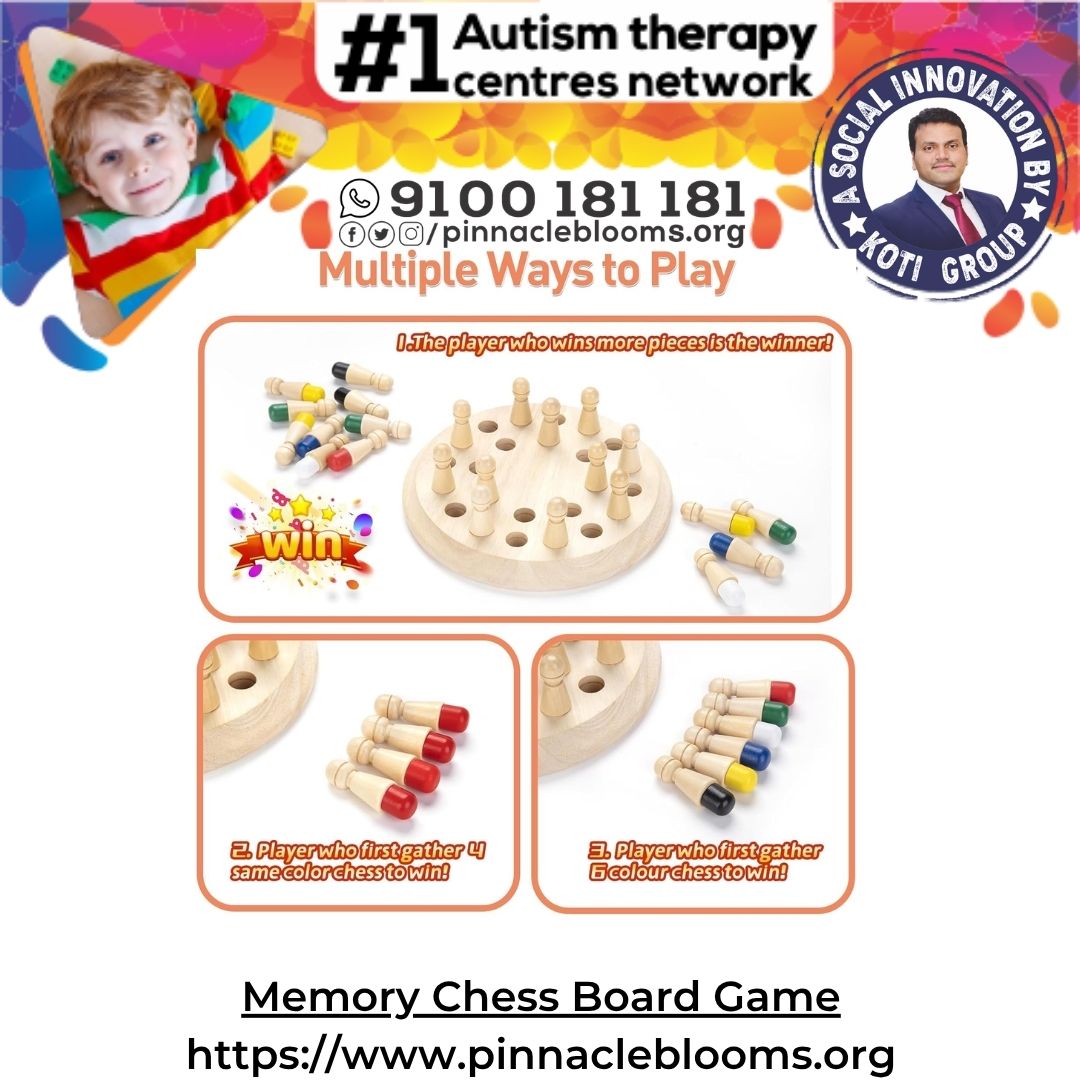
Matching and memory games develop visual discrimination, working memory, and attention—foundational skills for all learning. These activities strengthen the brain's ability to compare visual information, encode it into memory, and retrieve it accurately.
Core Kit Material (Rank 1) with strong evidence support. Used across home, school, and clinical settings.
Price Range: ₹100 - ₹500
How It Works
Visual comparison → discrimination → memory encoding → retrieval → improved visual processing and working memory
Target Areas
- Visual discrimination
- Working memory
- Attention and concentration
- Visual scanning
- Cognitive flexibility
Start with Identical Matching
Begin with matching identical pictures or objects—the easiest level for success
Progress Systematically
Advance through: identical → shadow → association → memory games
Use Preferred Themes
Choose themes the child loves to maximize engagement and attention
Start Small for Memory
Use fewer cards initially for memory games, gradually increasing difficulty
Add Language Component
Verbalize matches to integrate language with visual memory skills
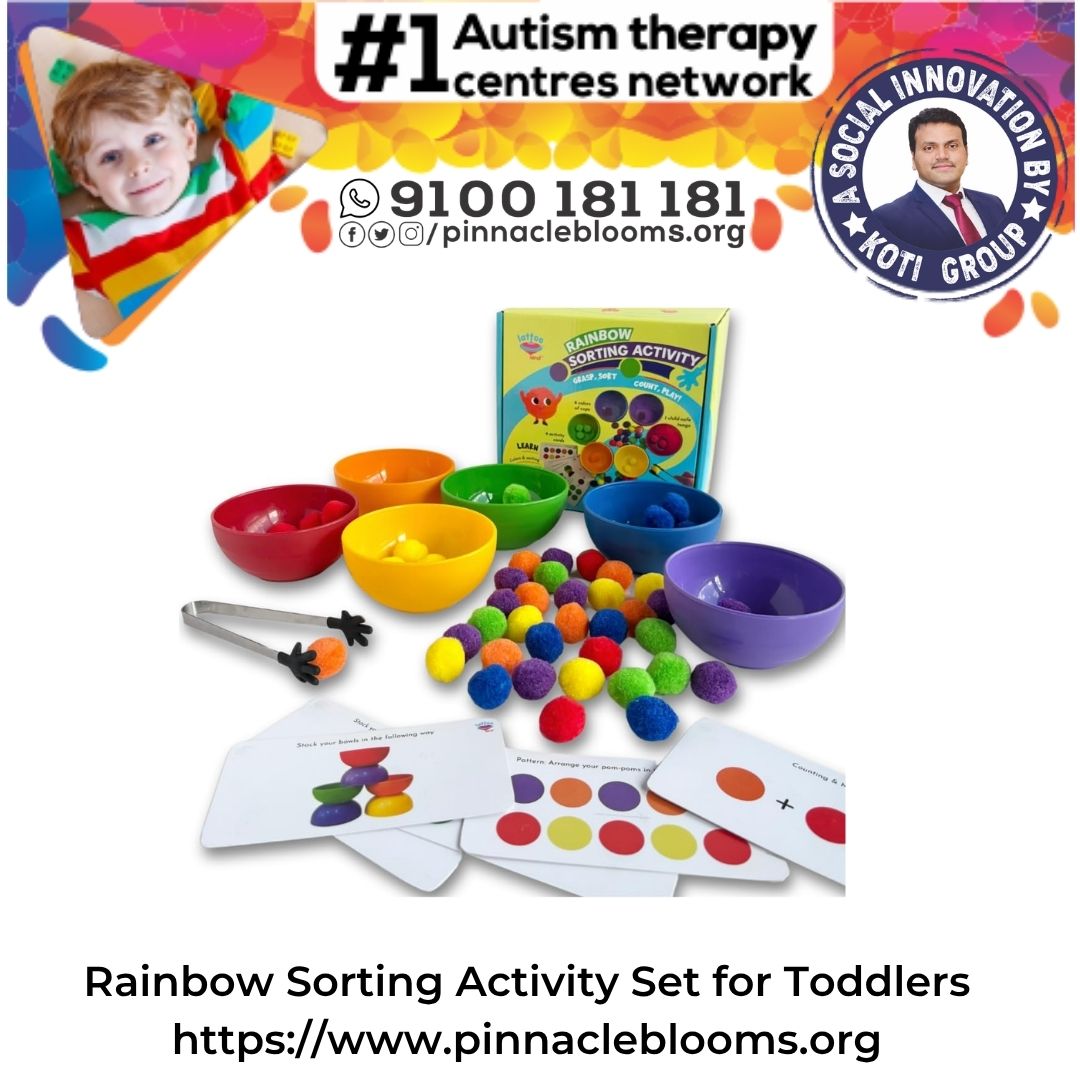
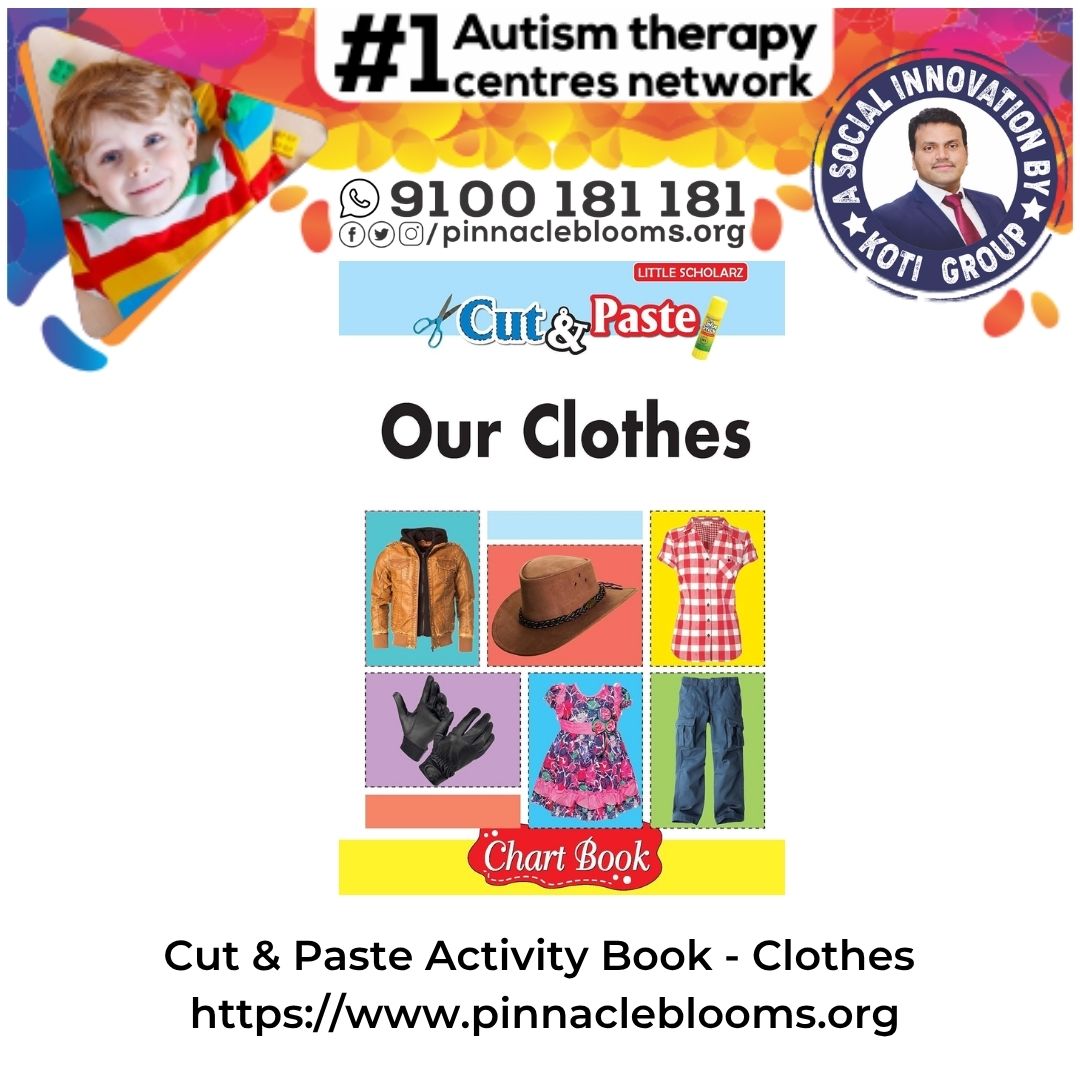
Material 8.2: Sorting Activities / Categorization
Classification & Organized Thinking
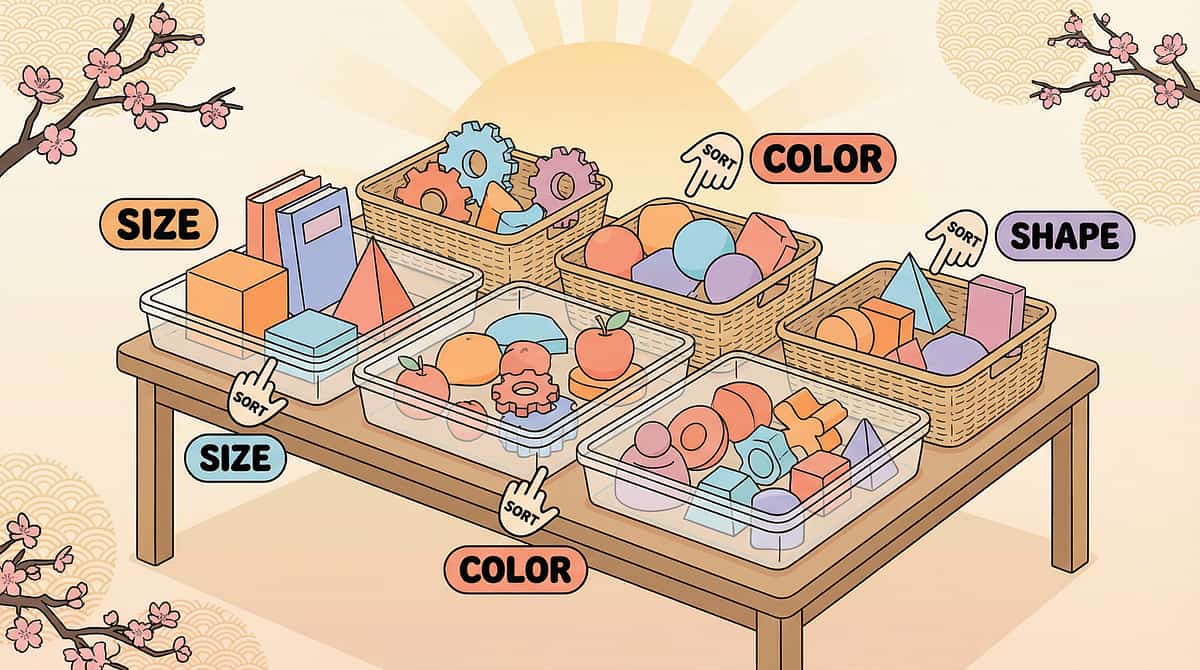
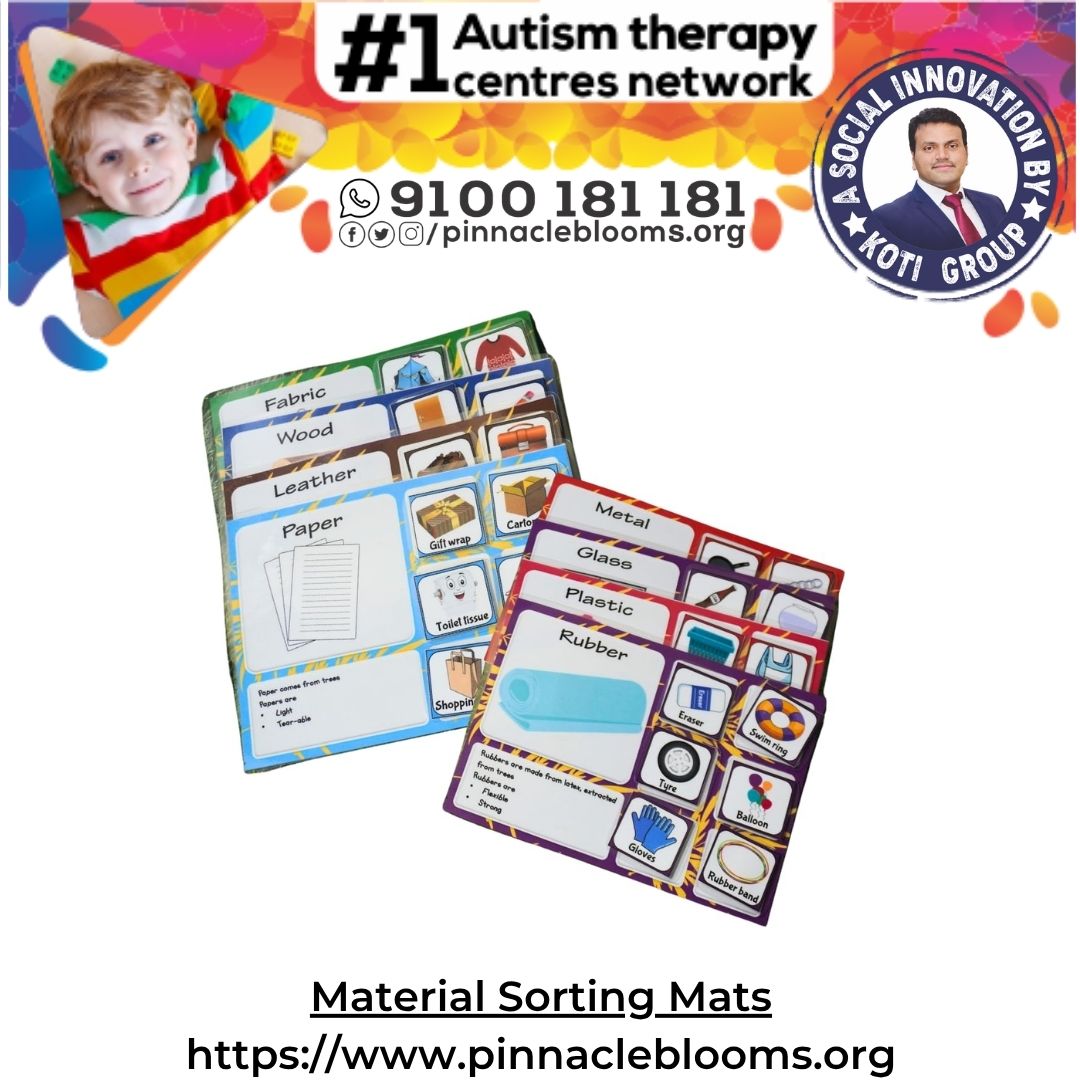
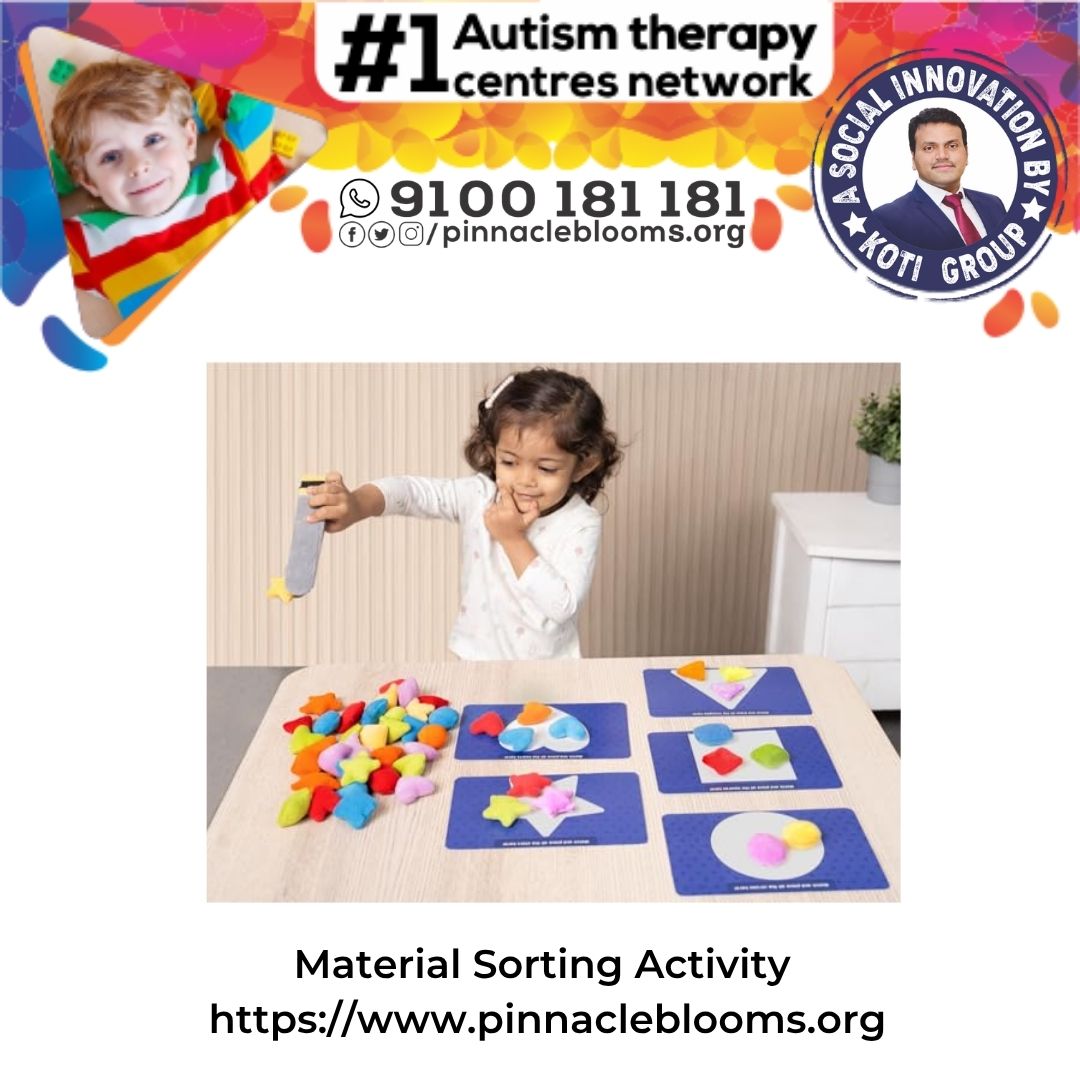
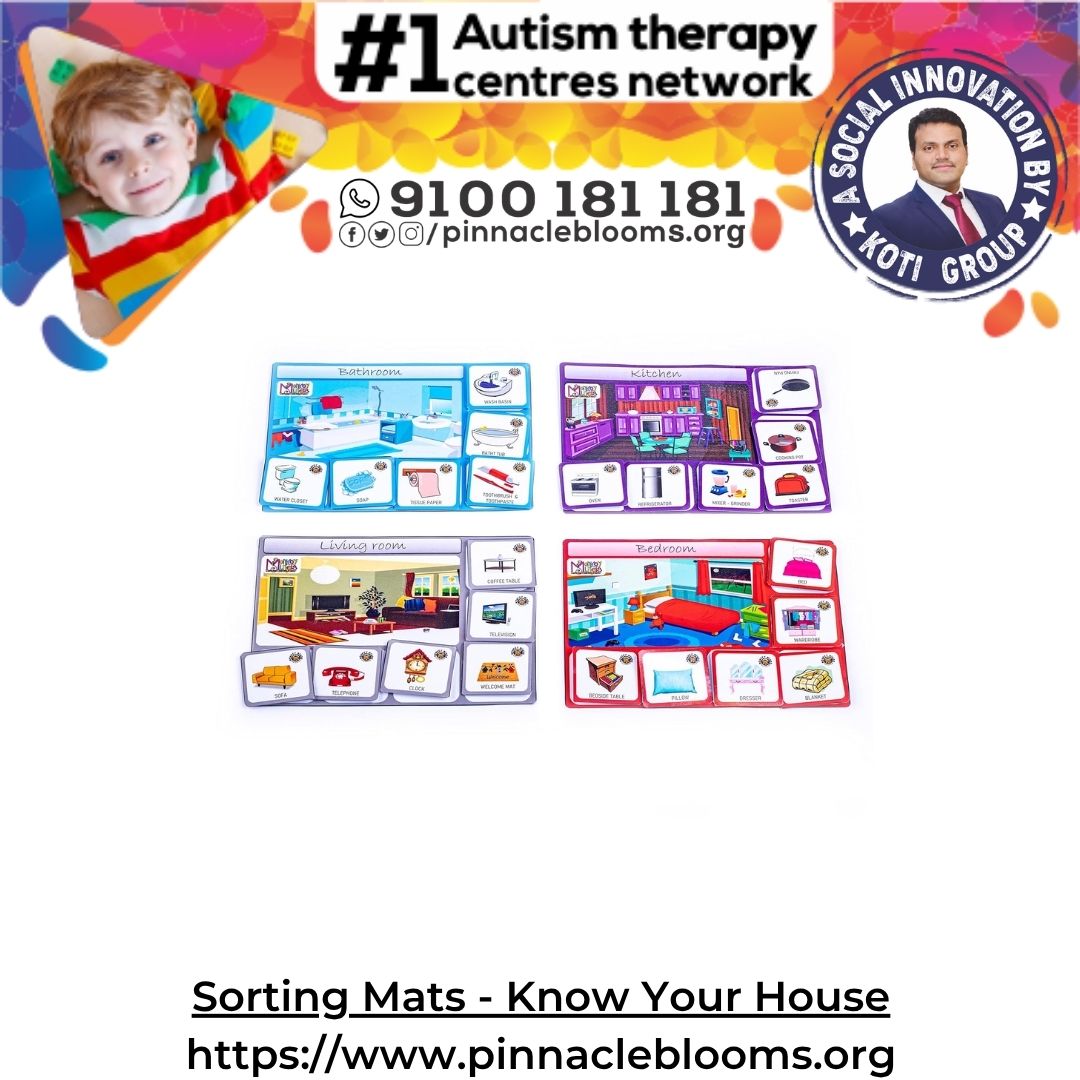
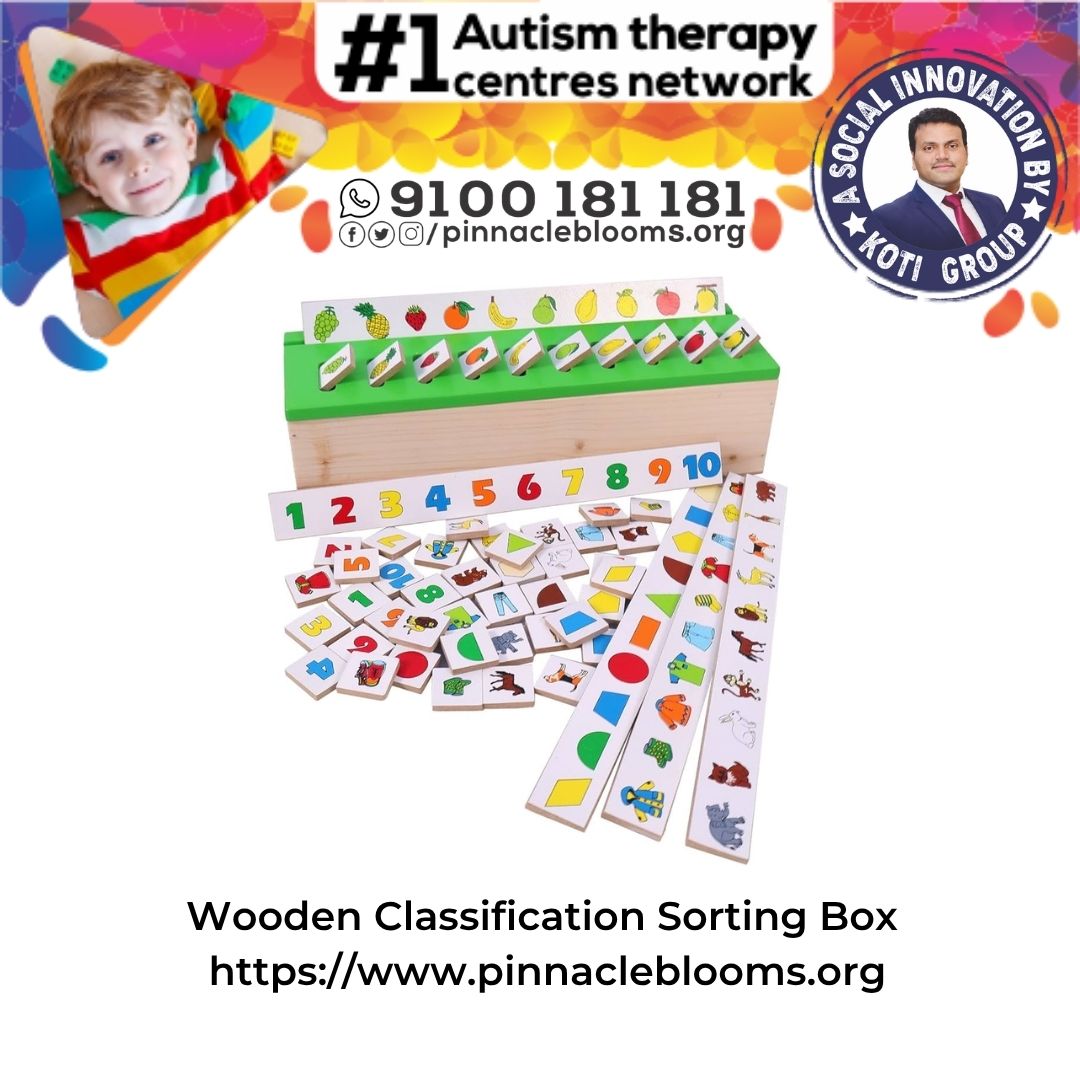
Sorting activities develop categorization, classification, and cognitive flexibility—essential foundations for organized thinking and learning. Through systematic sorting, children learn to identify attributes, group by commonalities, and think flexibly about how objects relate.
Core Kit Material (Rank 1) with strong evidence support. Materials range from household items (free) to specialized sorting sets.
Price Range: ₹0 - ₹600
Cognitive Mechanism
Attribute identification → grouping by attribute → category formation → cognitive organization → flexible thinking
Target Areas
- Categorization and classification
- Attribute recognition
- Cognitive flexibility
- Organization skills
- Conceptual thinking
Single Attribute
Start with obvious single attributes like color—easiest entry point
1
Progress Complexity
Advance: color → shape → size → category → multiple attributes
2
Real Objects First
Use tangible objects before moving to pictures or symbols
3
Verbalize Rules
Talk through sorting rules to build explicit understanding
4
Build Flexibility
Ask "can you sort another way?" to develop cognitive flexibility
5
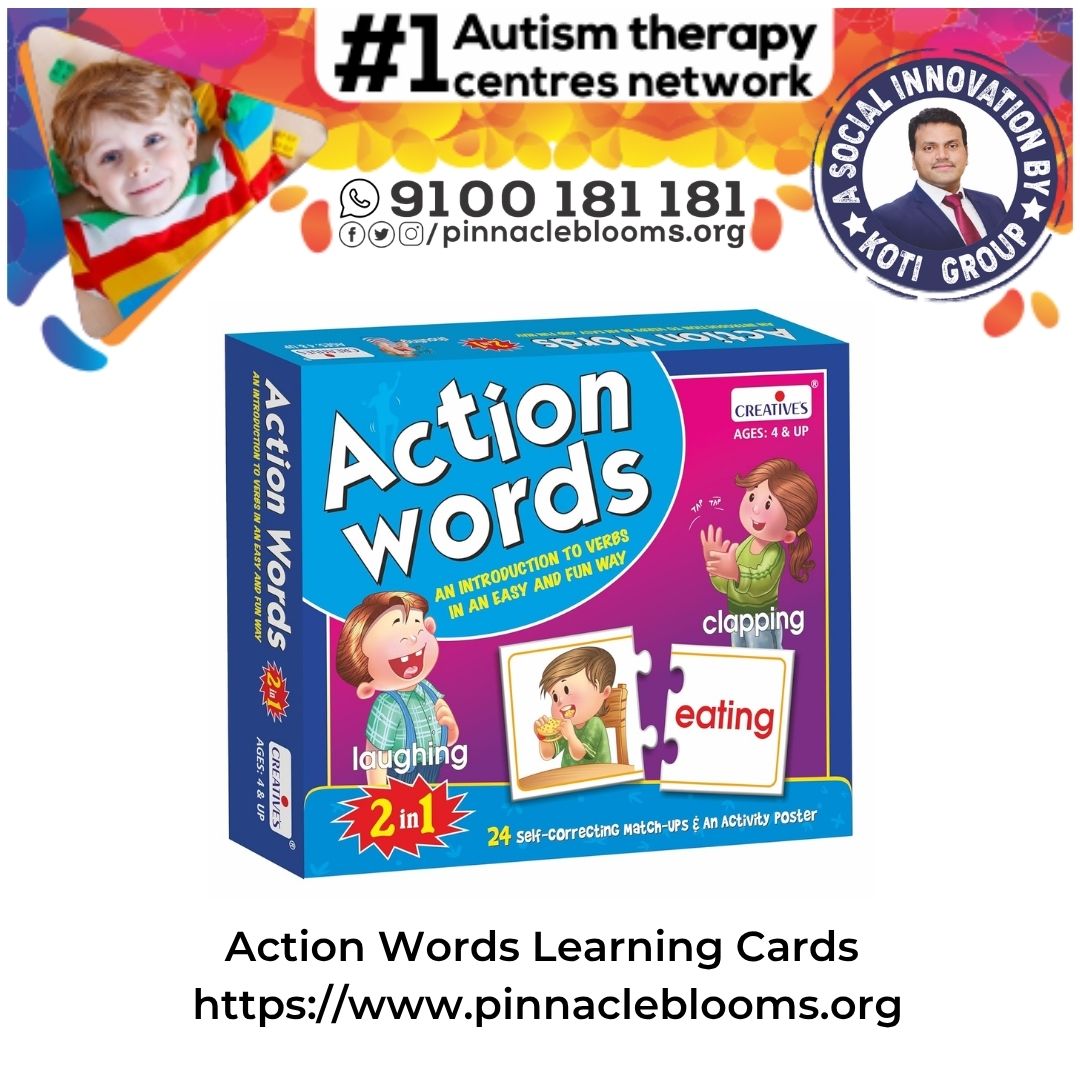
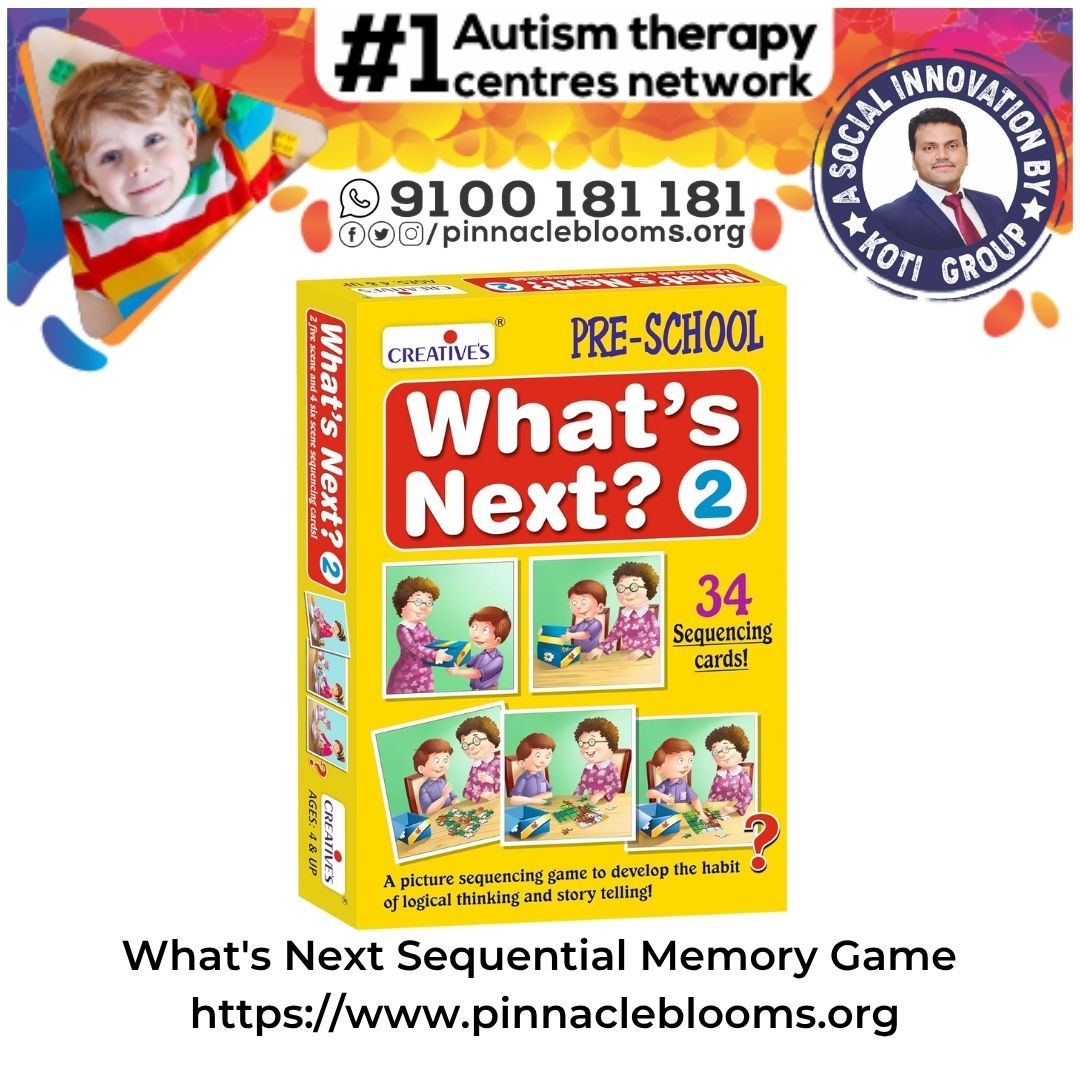
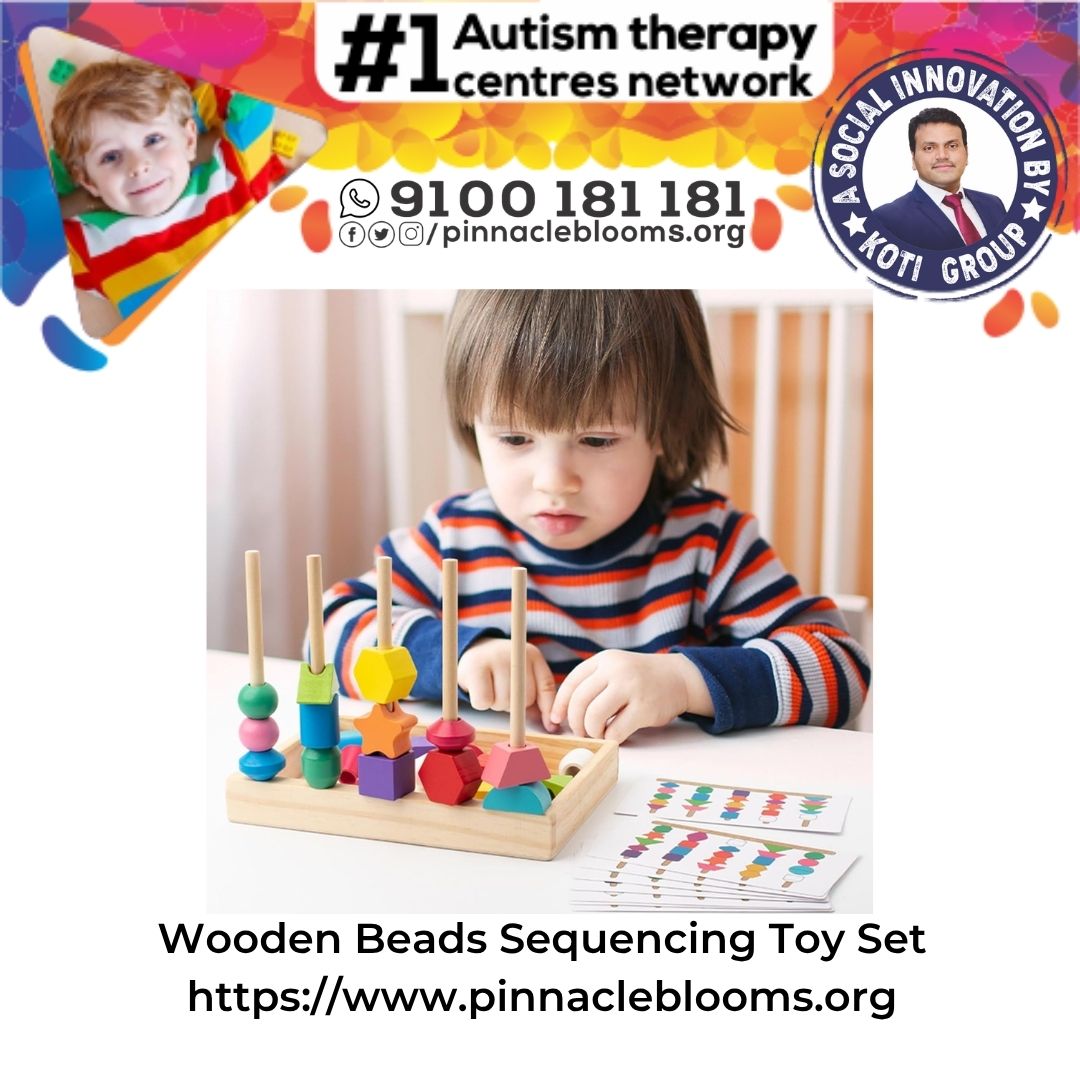
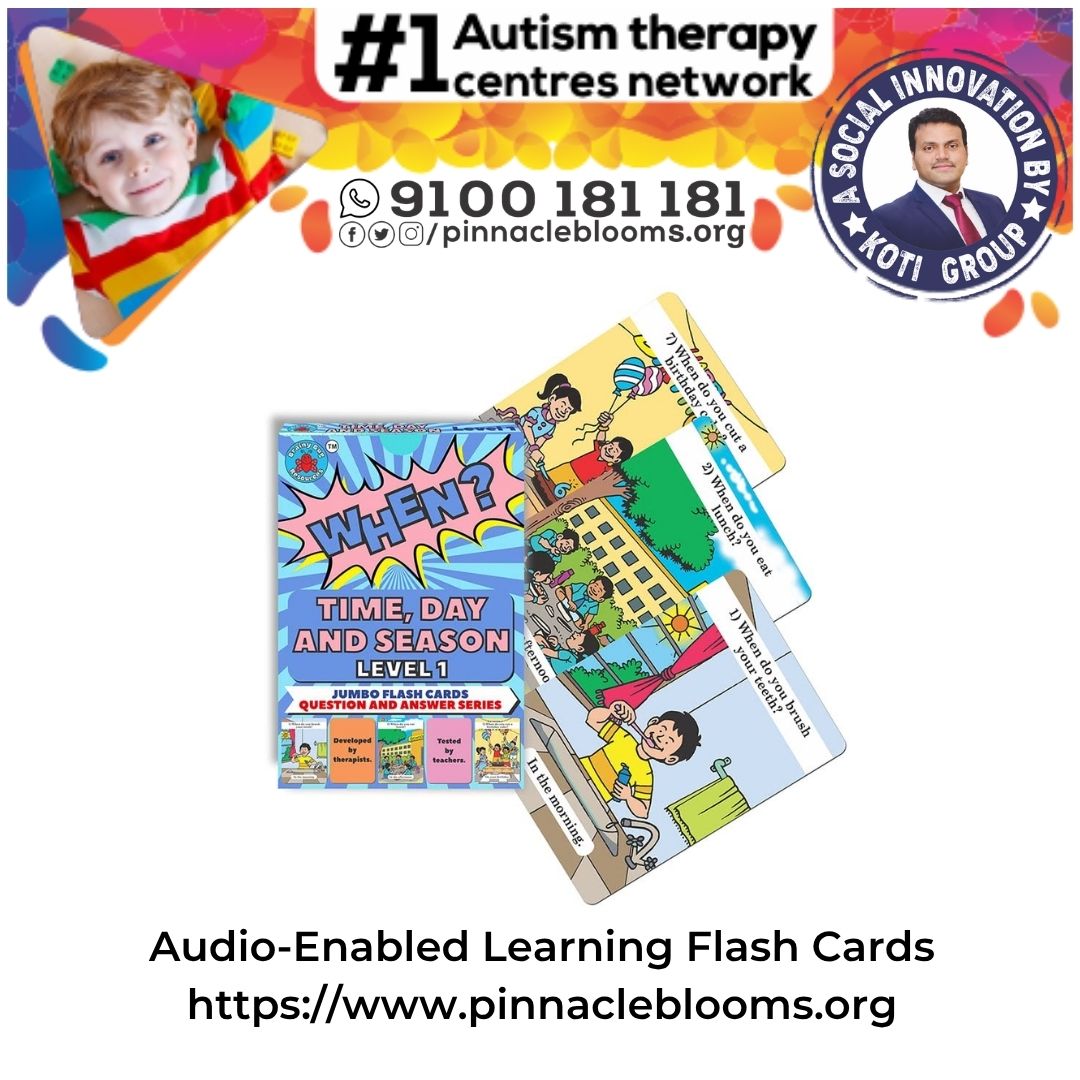
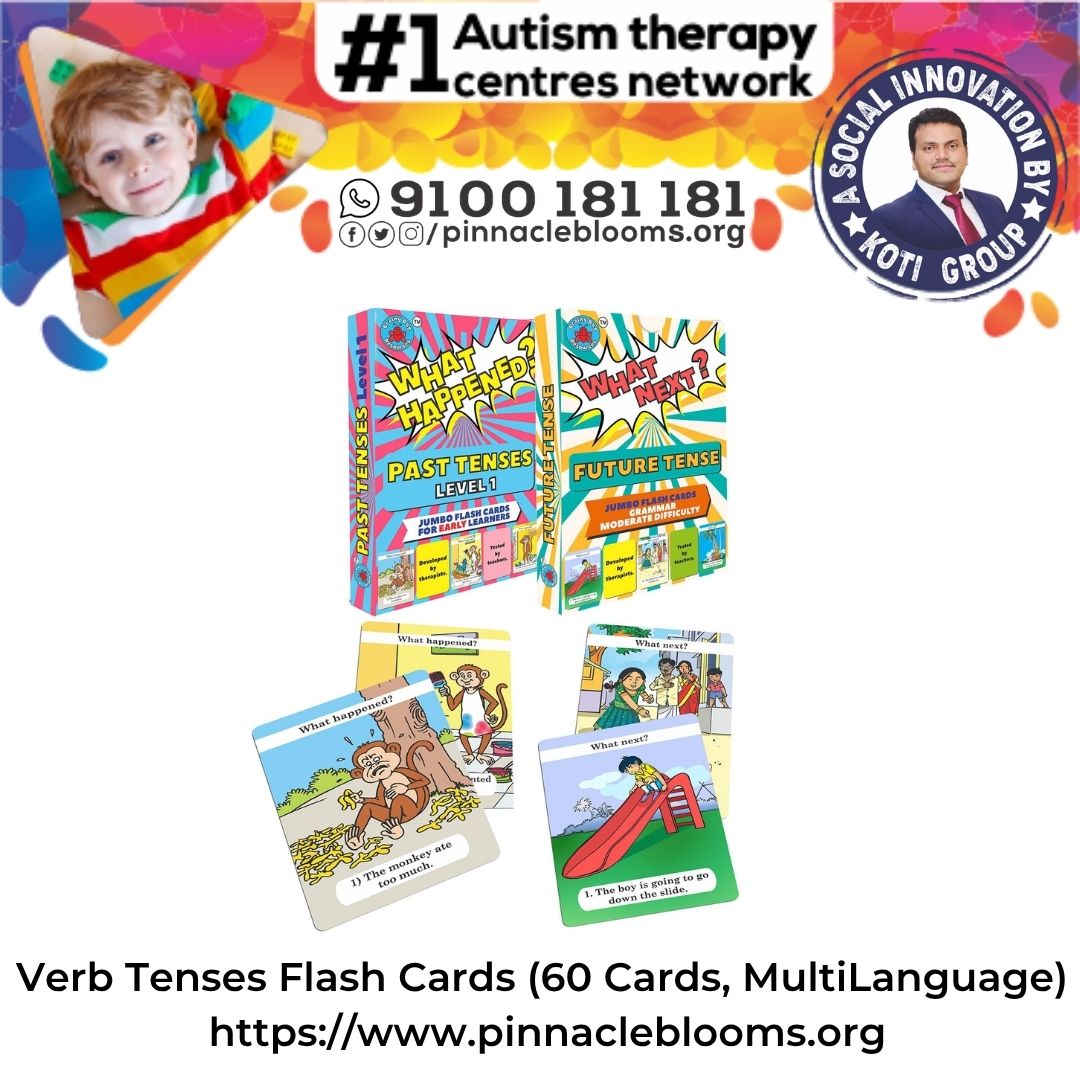
Material 8.3: Sequencing Cards / Pattern Activities
Temporal Ordering
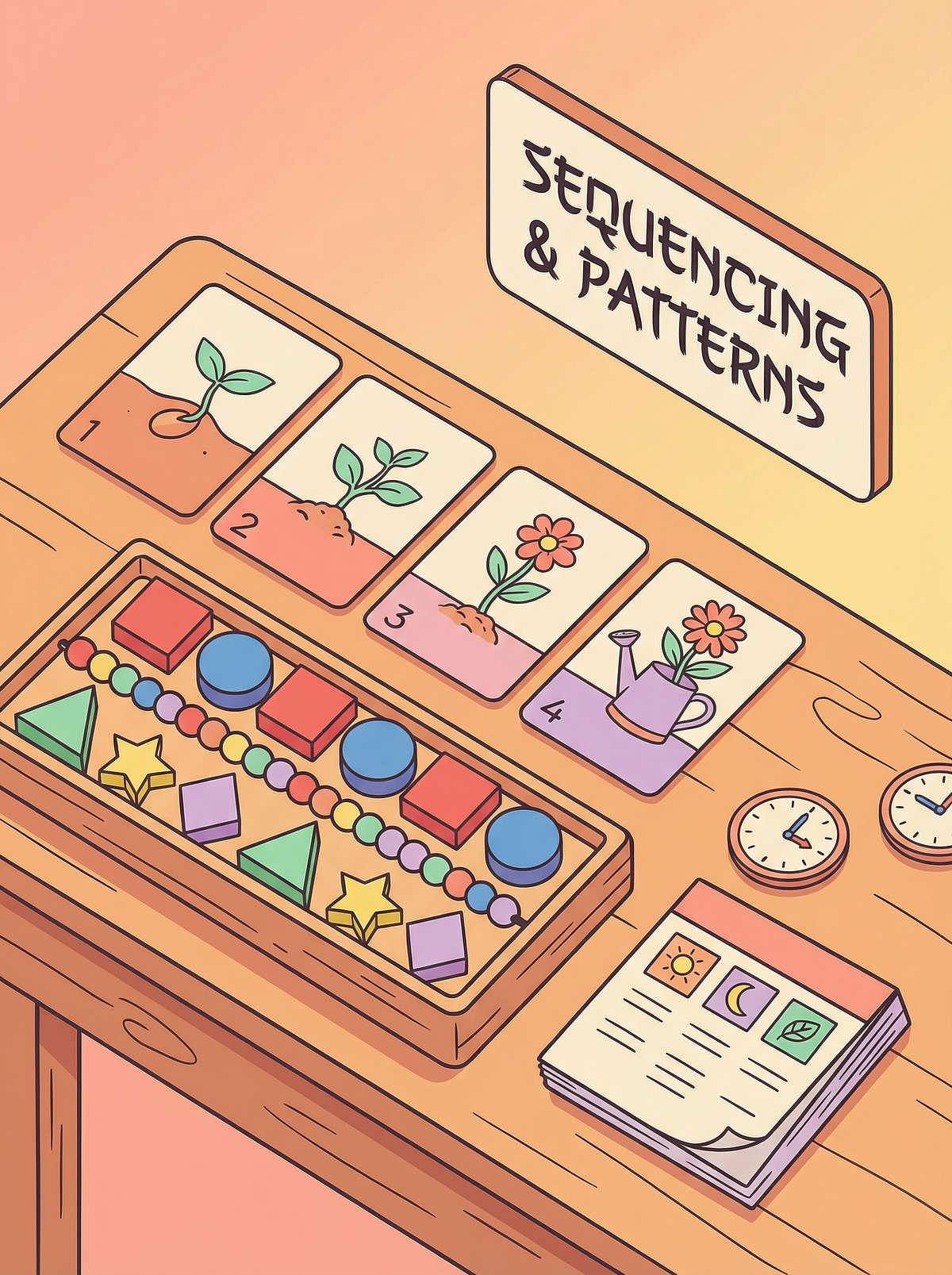
Understanding the order of events in time—foundational for narrative comprehension and daily routines
Pattern Recognition
Identifying repeating sequences—essential foundation for mathematical thinking and prediction
Sequential Thinking
Organizing information in logical sequence—critical for following multi-step directions and storytelling
Sequencing and pattern activities develop temporal ordering, pattern recognition, and sequential thinking essential for narrative comprehension and mathematics. Core Kit Material (Rank 1) with strong evidence support.
Price Range: ₹100 - ₹800
Best Practices
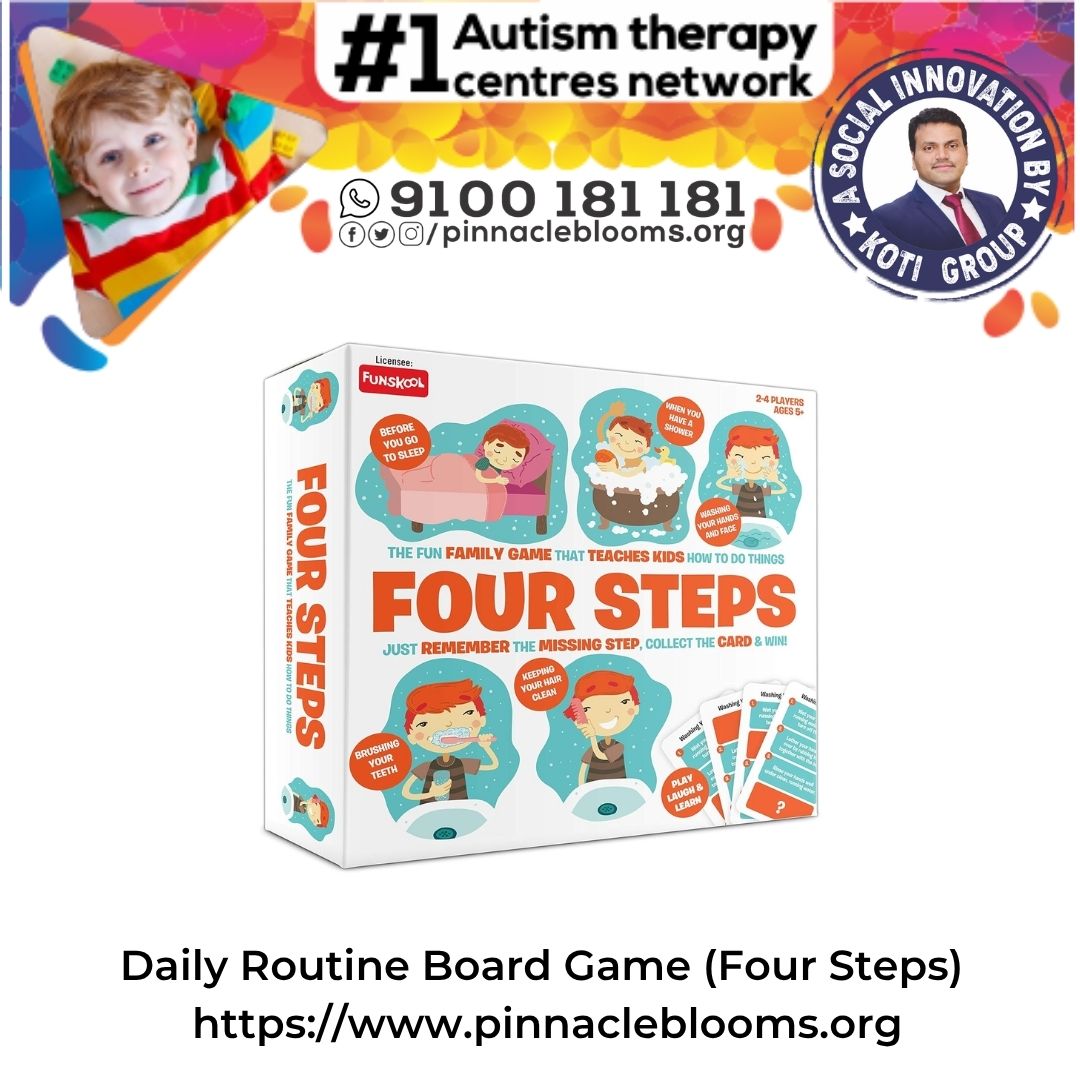
- Start with 3-step sequences, progress gradually to longer sequences
- Use familiar daily routines first (brushing teeth, getting dressed)
- Verbalize temporal words explicitly: first, next, then, last
- Begin with AB patterns before introducing ABC patterns
- Connect sequencing activities to real-life events and stories
Cognitive Mechanism
Order recognition → temporal language → pattern identification → prediction → narrative and mathematical foundations
Target Areas
Temporal ordering, pattern recognition, sequential thinking, narrative understanding, mathematical foundation, prediction skills
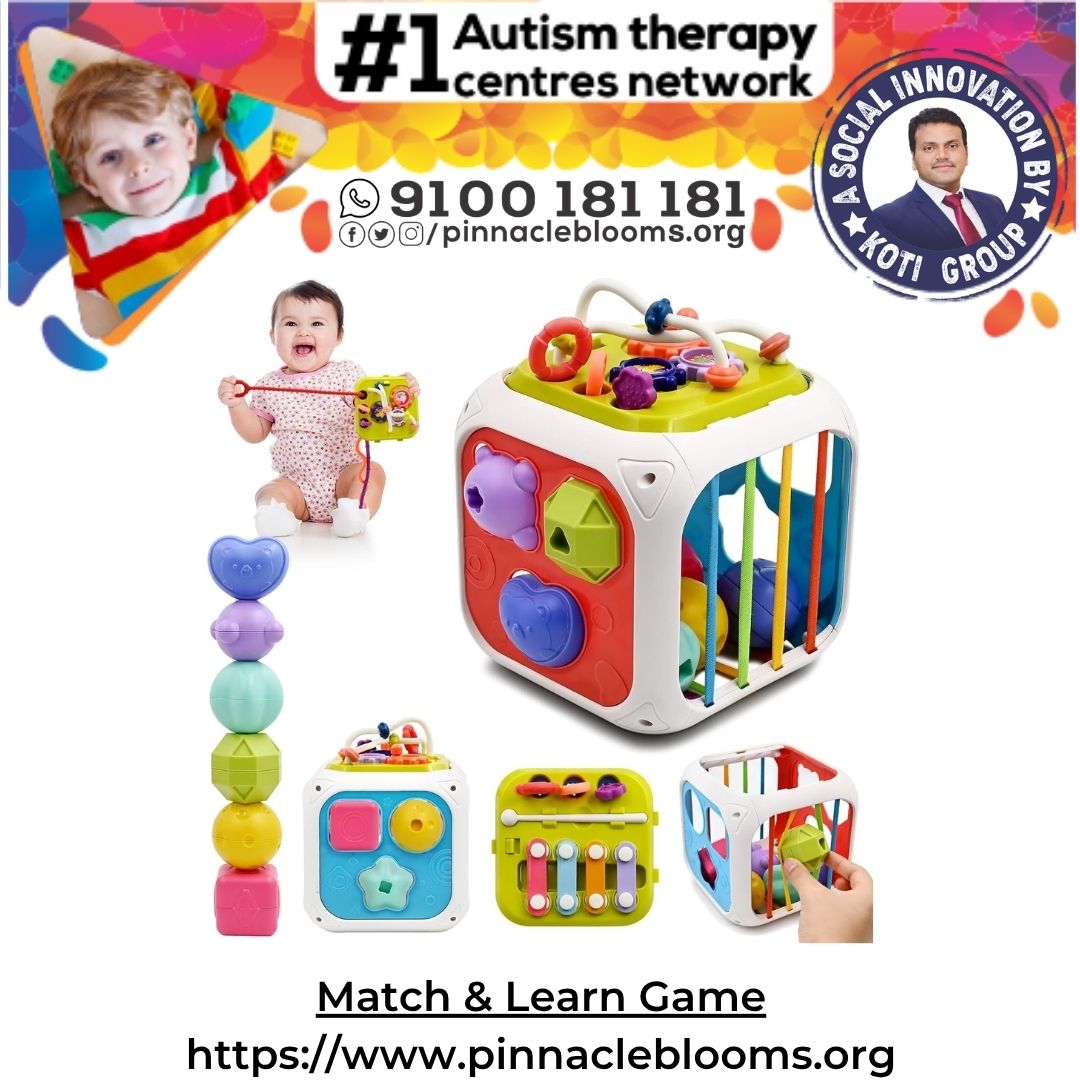
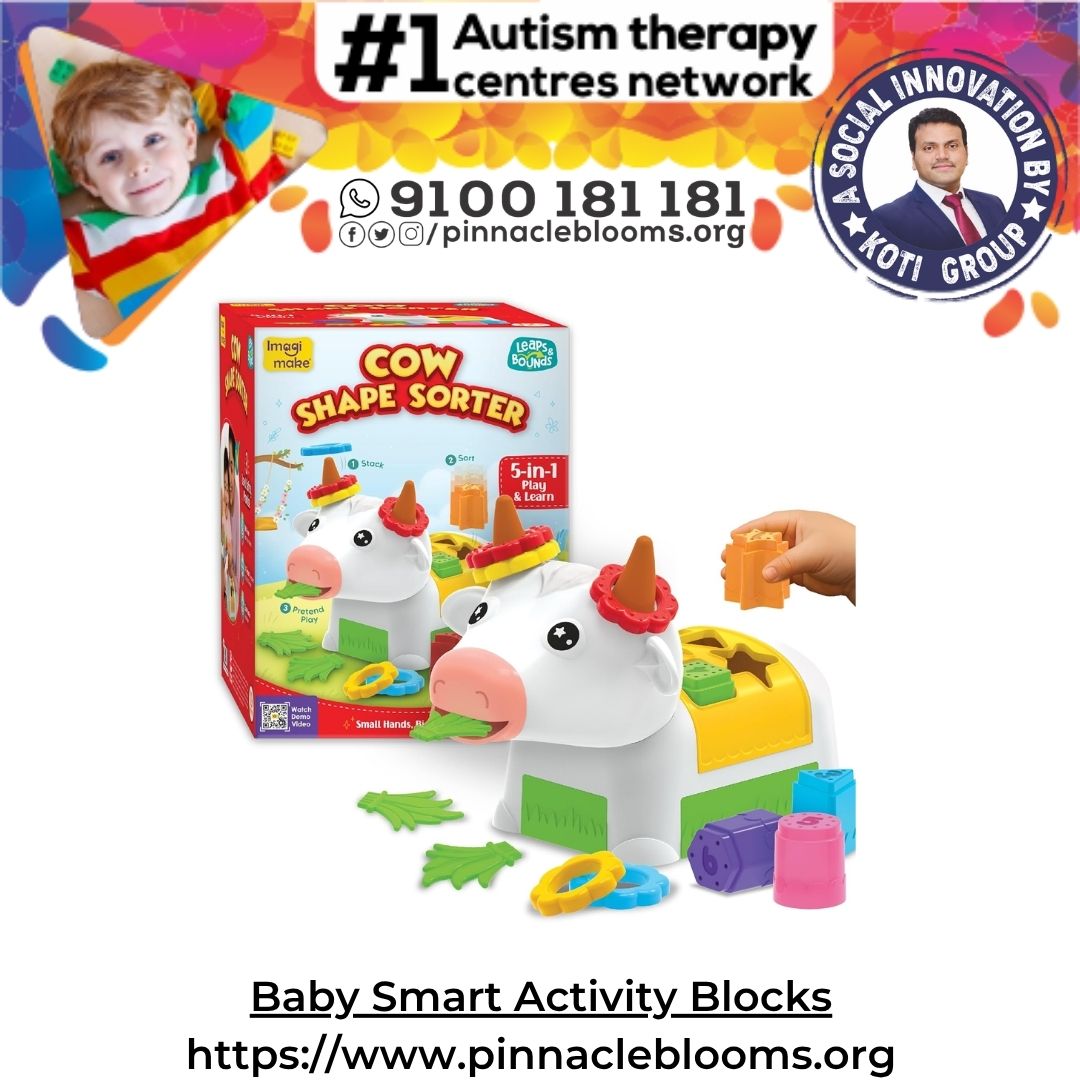
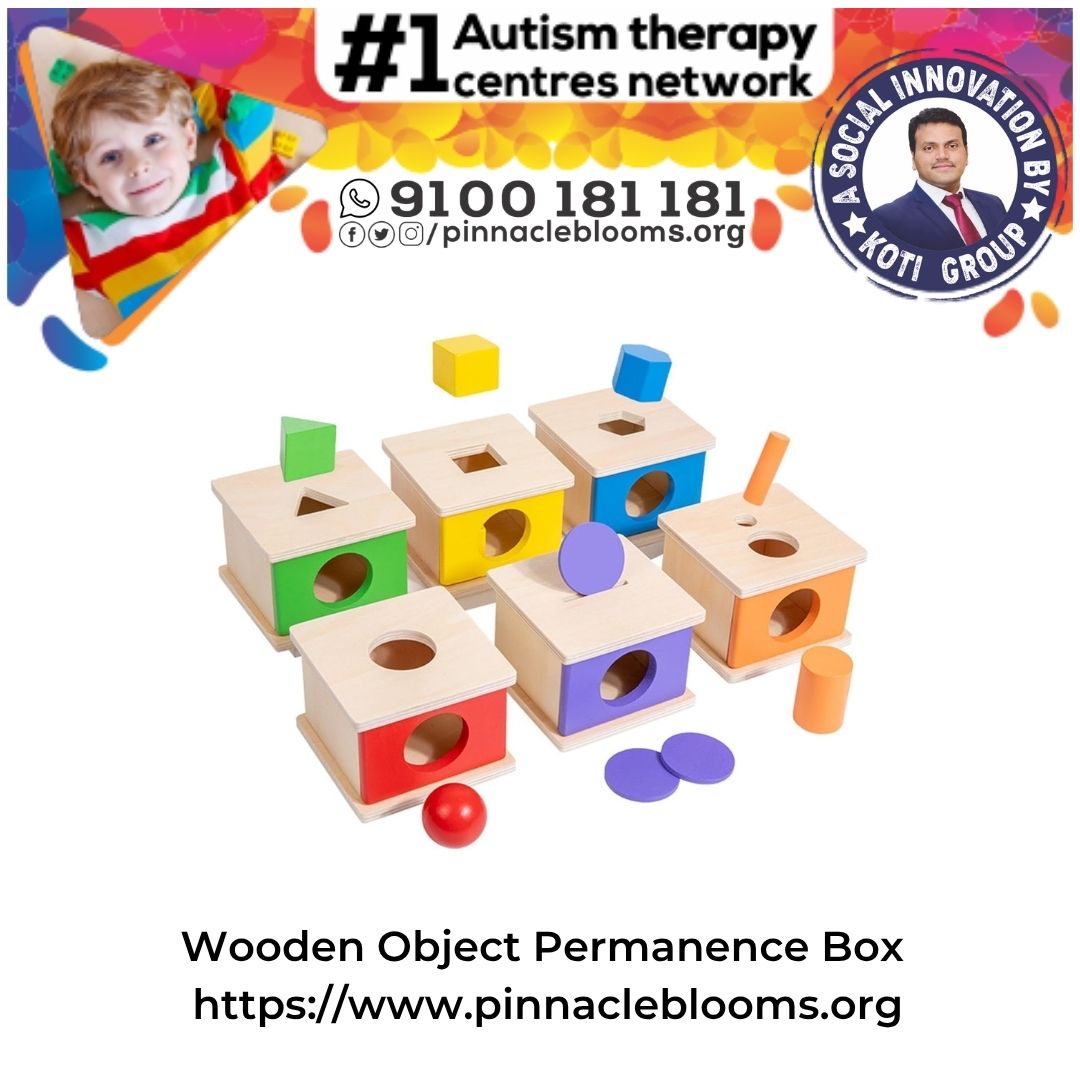
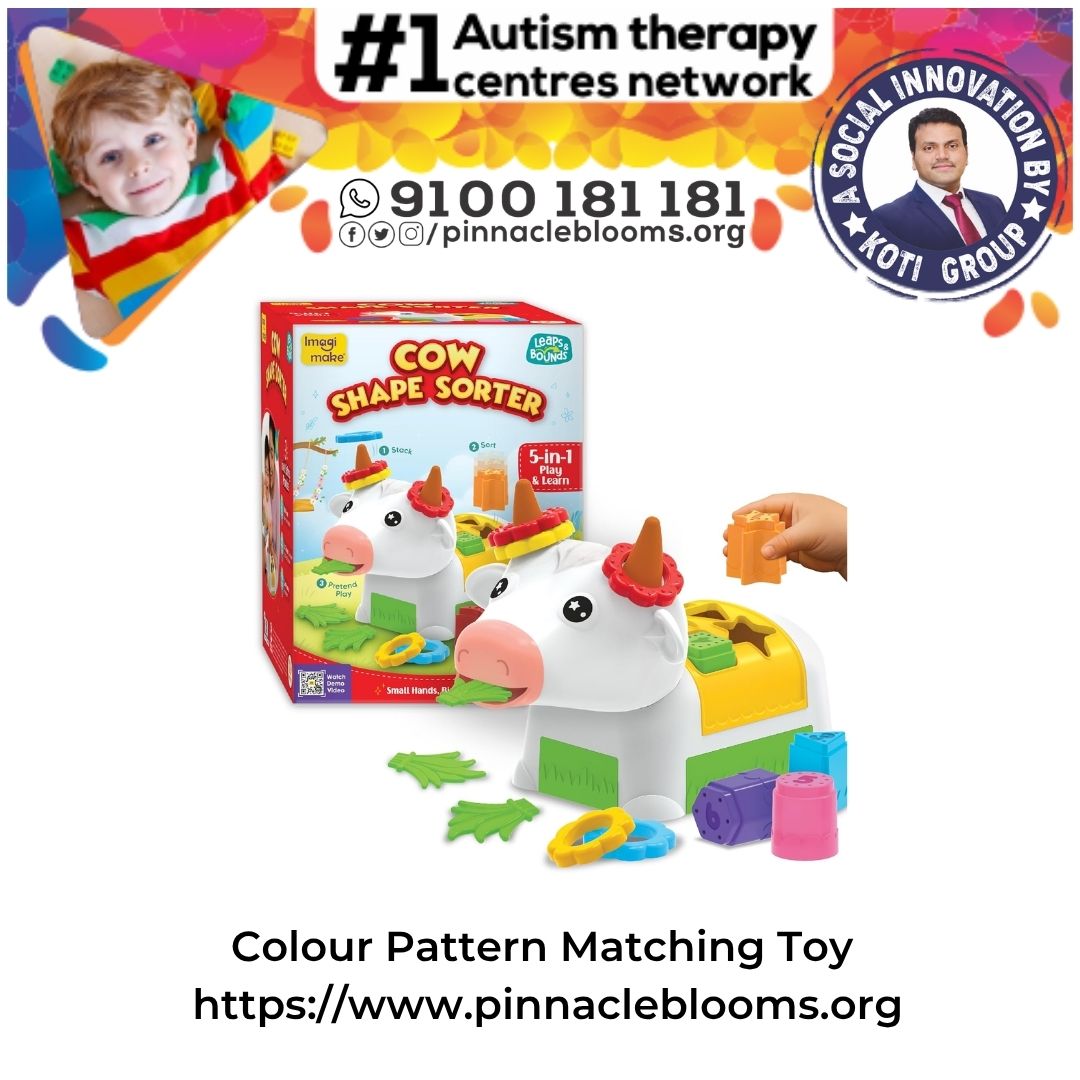
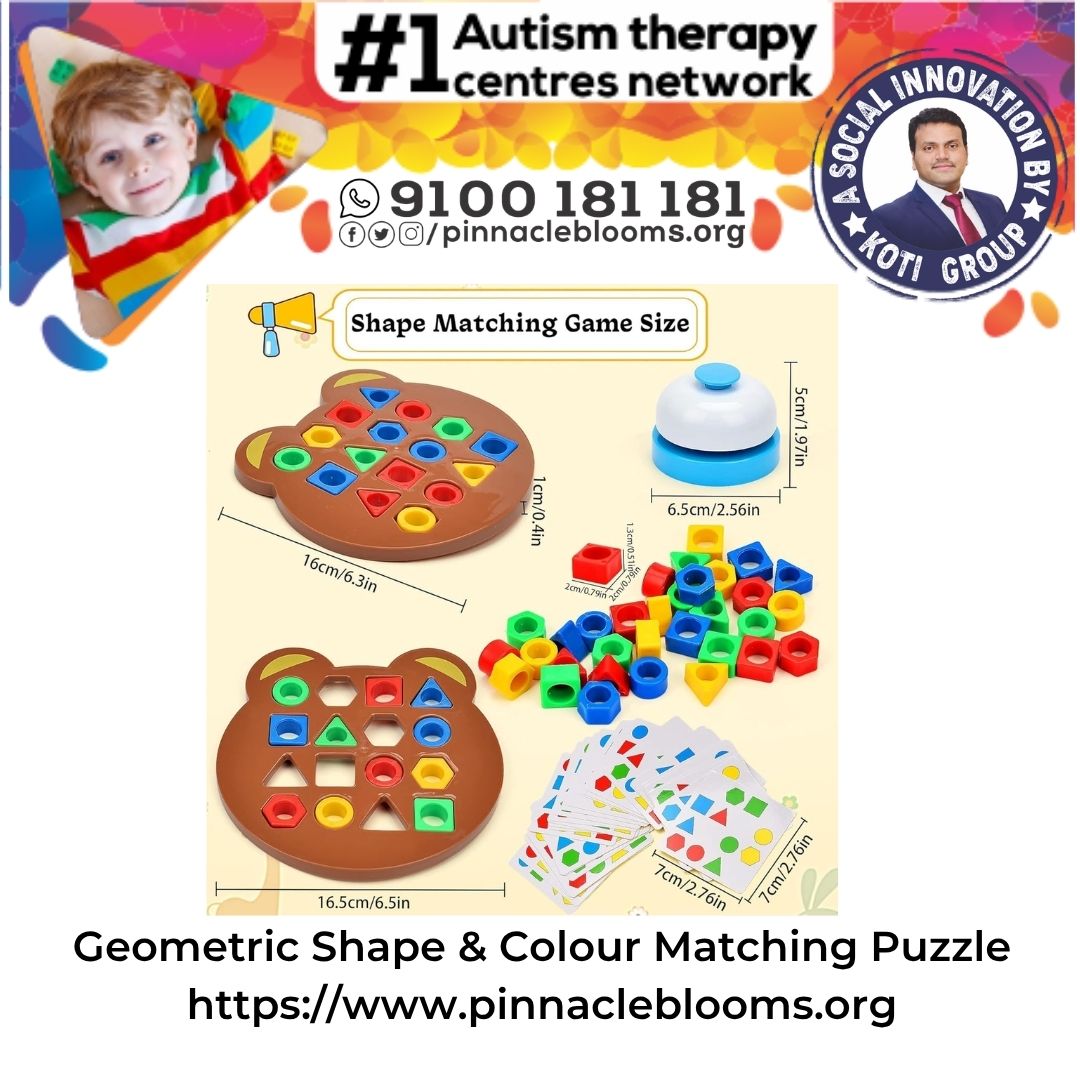
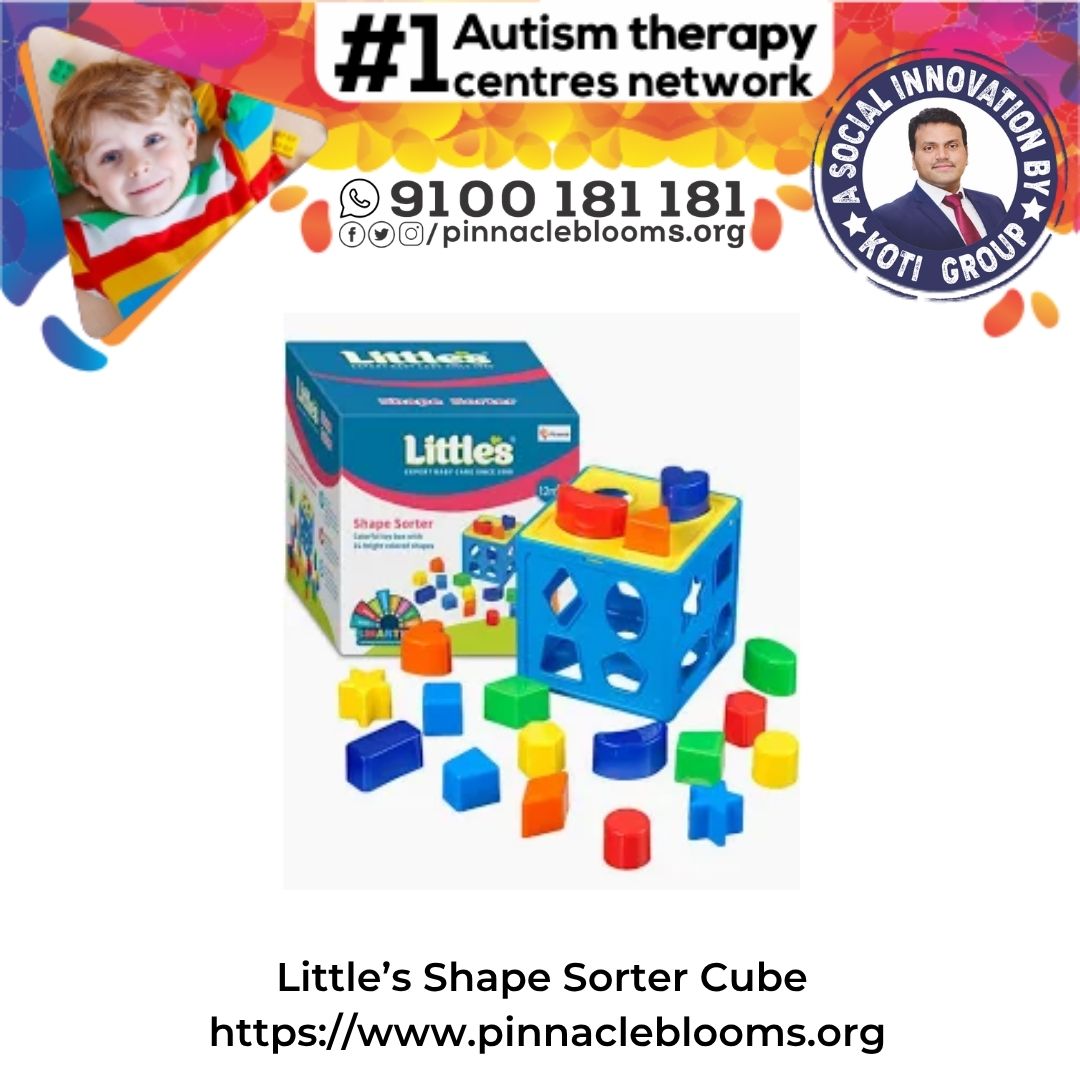
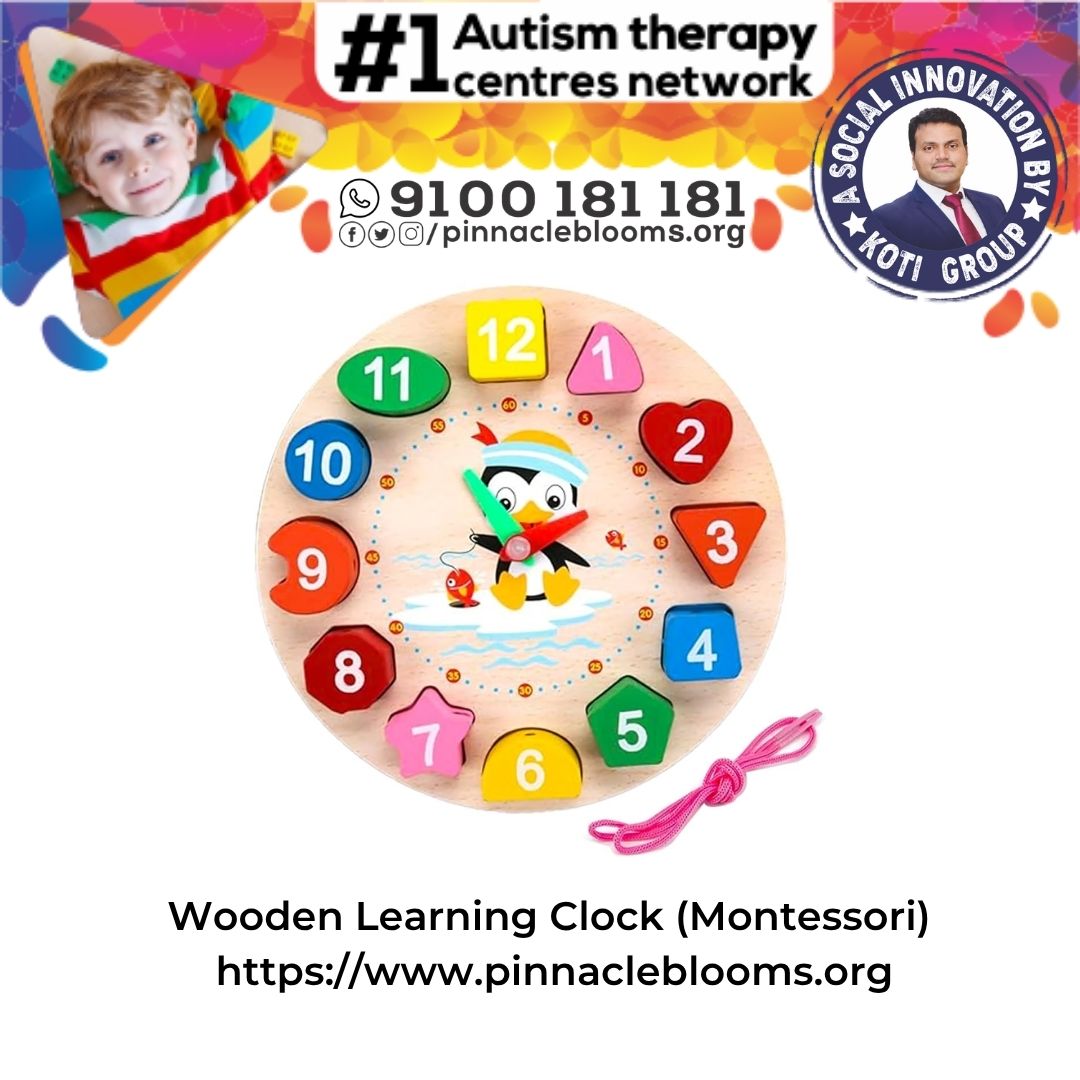
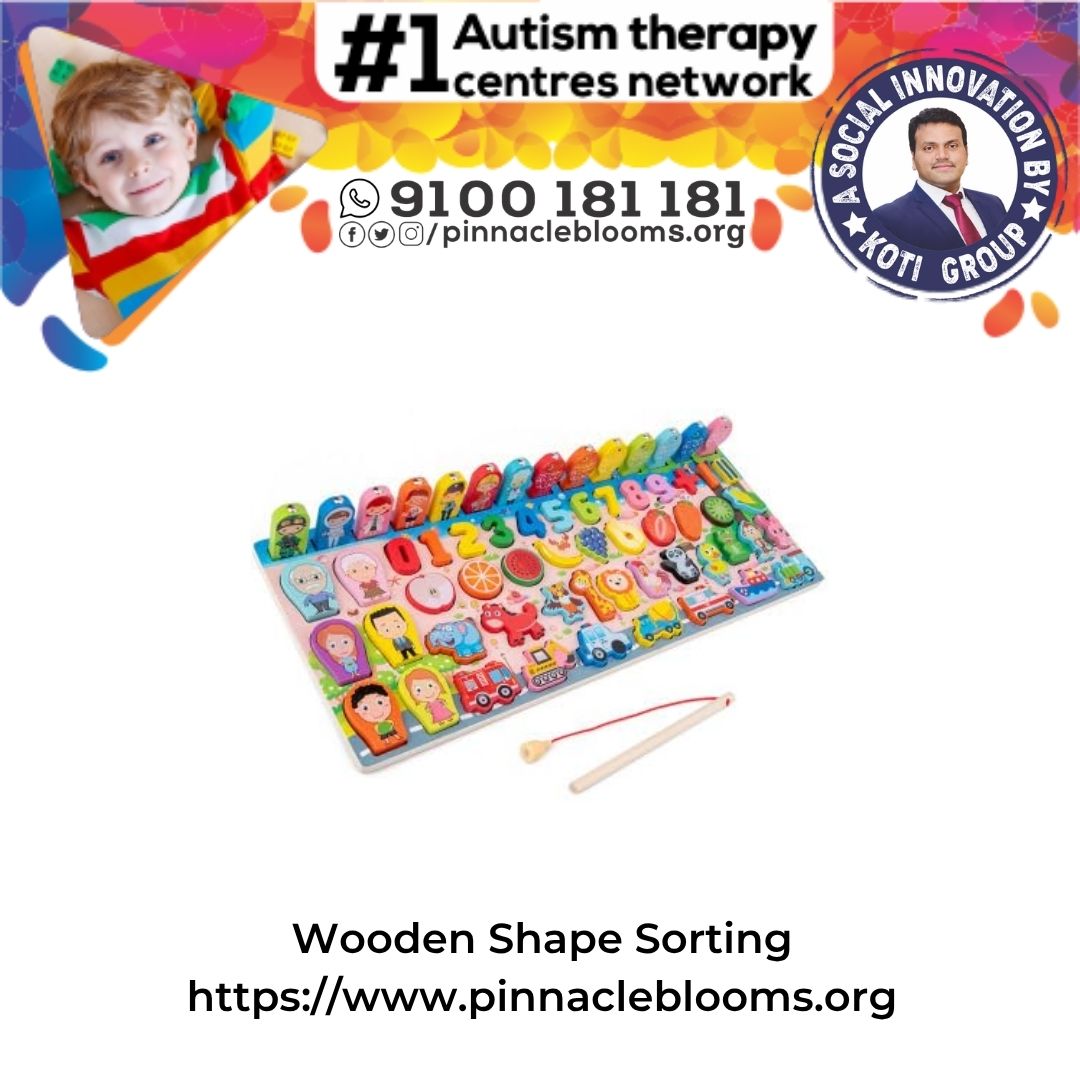
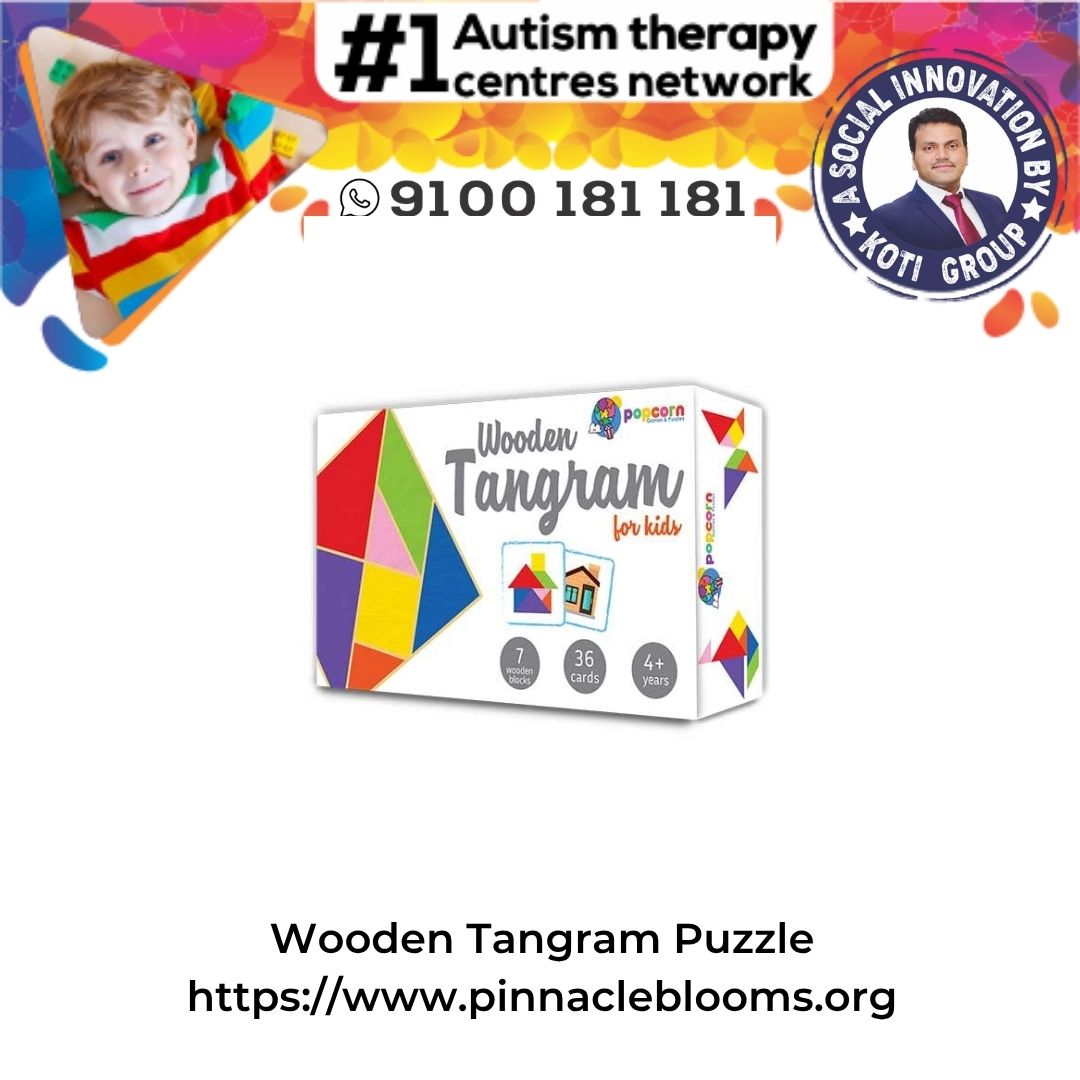
Material 8.4: Shape Sorters / Color Recognition

Foundational Concepts for Learning
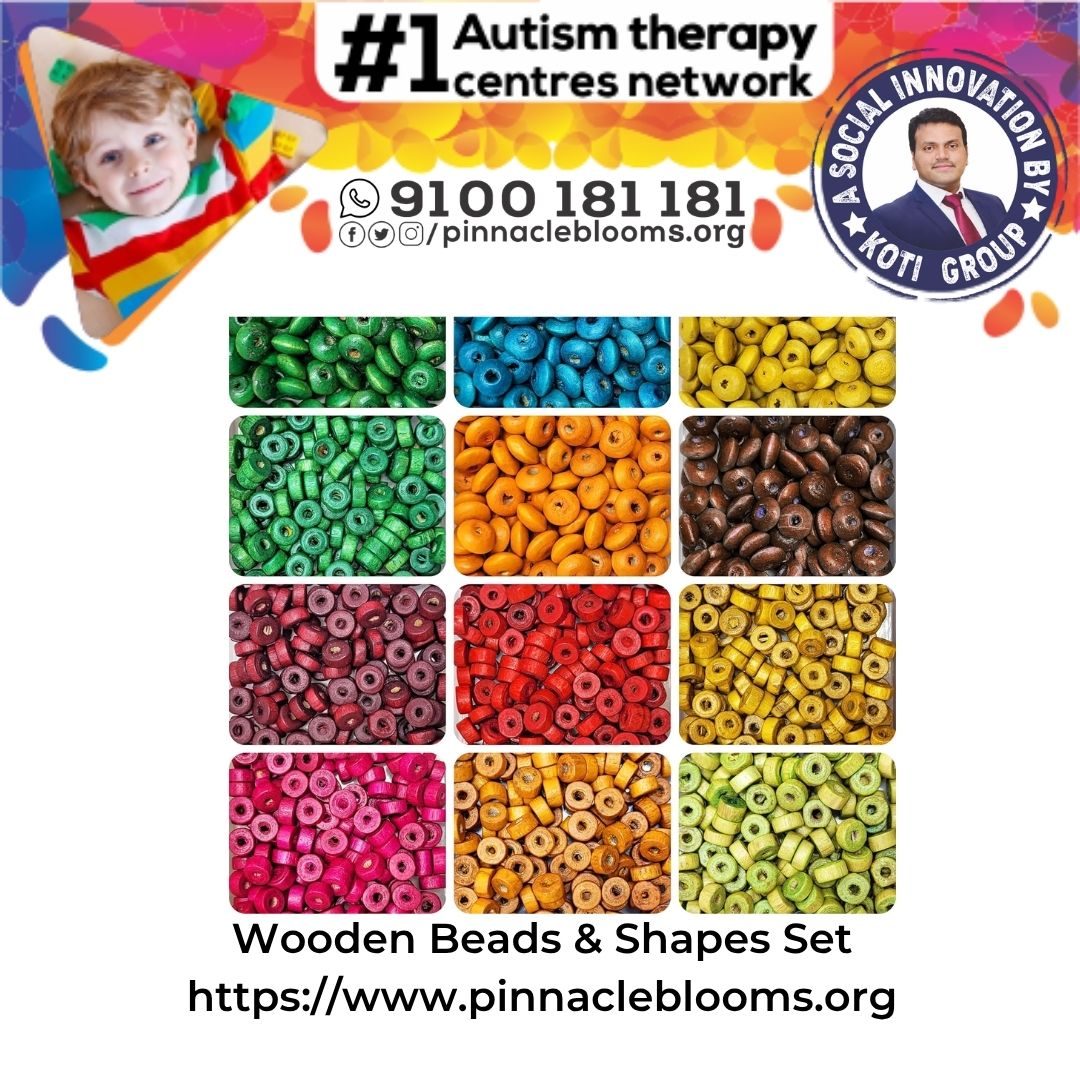
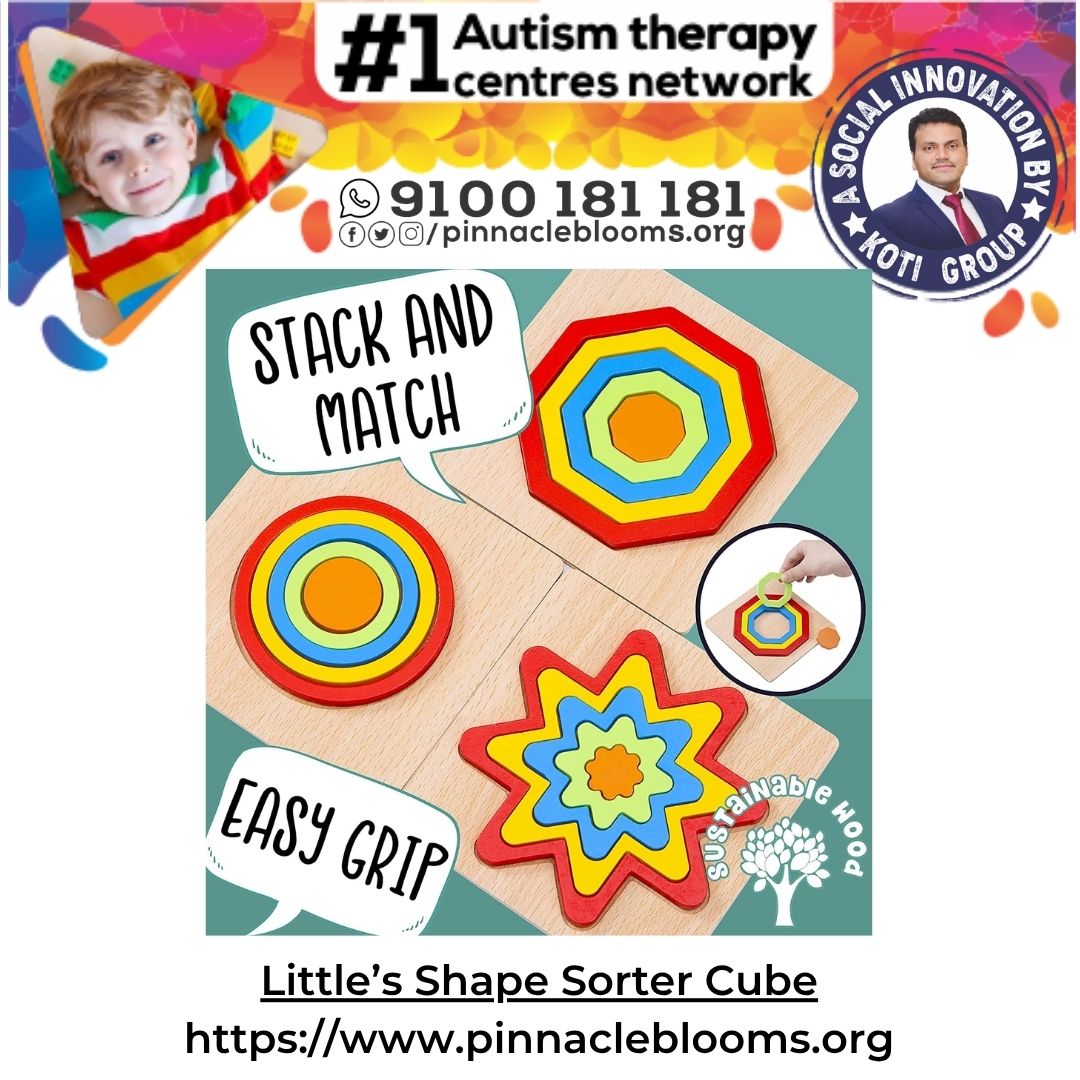
Shape sorters and color recognition activities develop foundational concepts essential for pre-academic learning and daily communication. These basic concepts form the building blocks for more complex cognitive and language development.
Core Kit Material (Rank 1) with strong evidence. Concepts learned through hands-on manipulation transfer to receptive and expressive language, academic readiness, and functional daily communication.
Price Range: ₹100 - ₹600
1
Basic Shapes First
Circle and square before complex shapes like hexagon or trapezoid
2
Primary Colors
Red, blue, yellow before introducing secondary or tertiary colors
3
Receptive First
"Find the circle" before "What shape is this?" for developmental appropriateness
4
Natural Contexts
Red apple, round ball—connect concepts to meaningful real-world objects
Cognitive Mechanism: Visual discrimination → attribute matching → concept formation → labeling → functional concept use in daily communication and learning
Target Areas: Shape recognition, color recognition, visual discrimination, problem-solving, fine motor skills, concept development
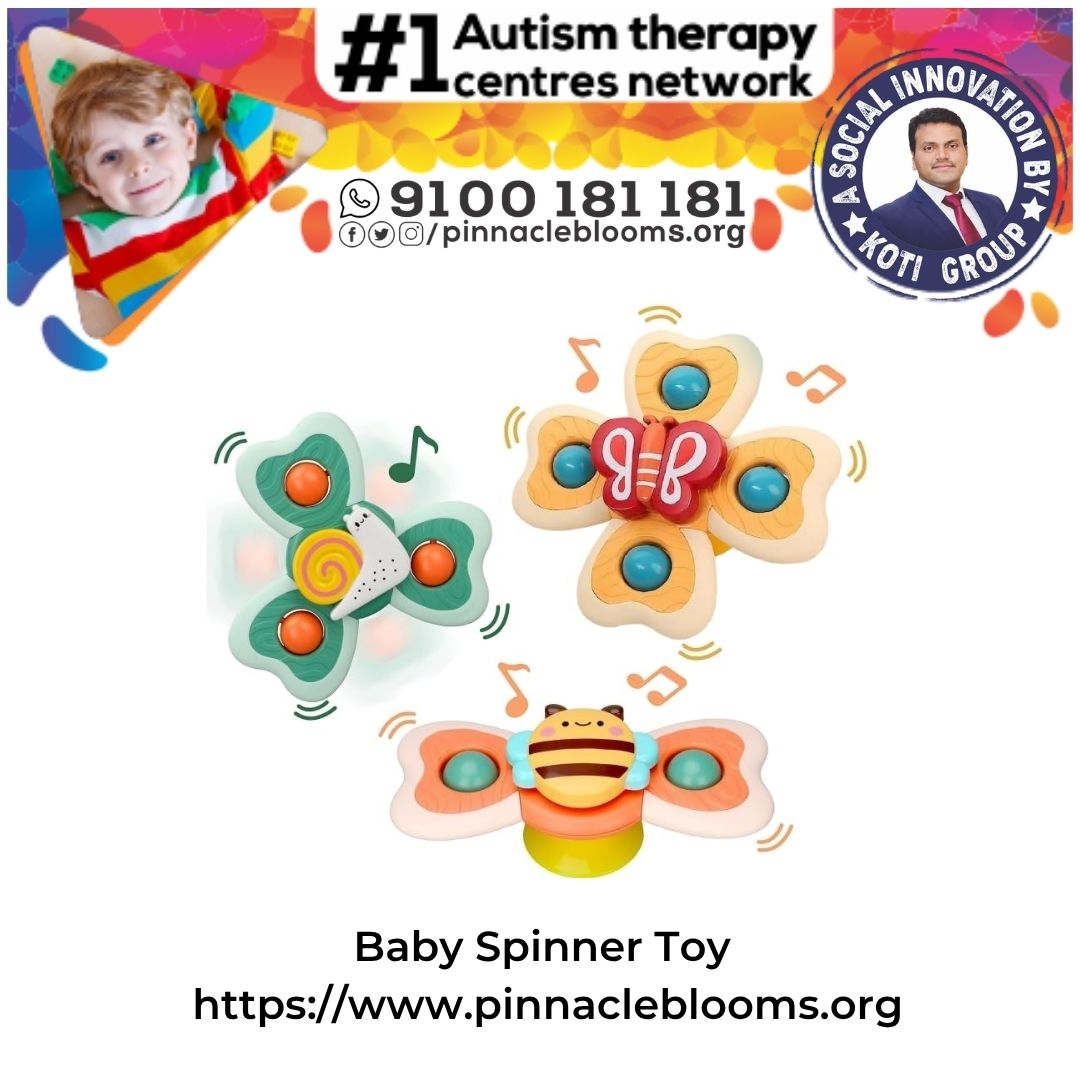
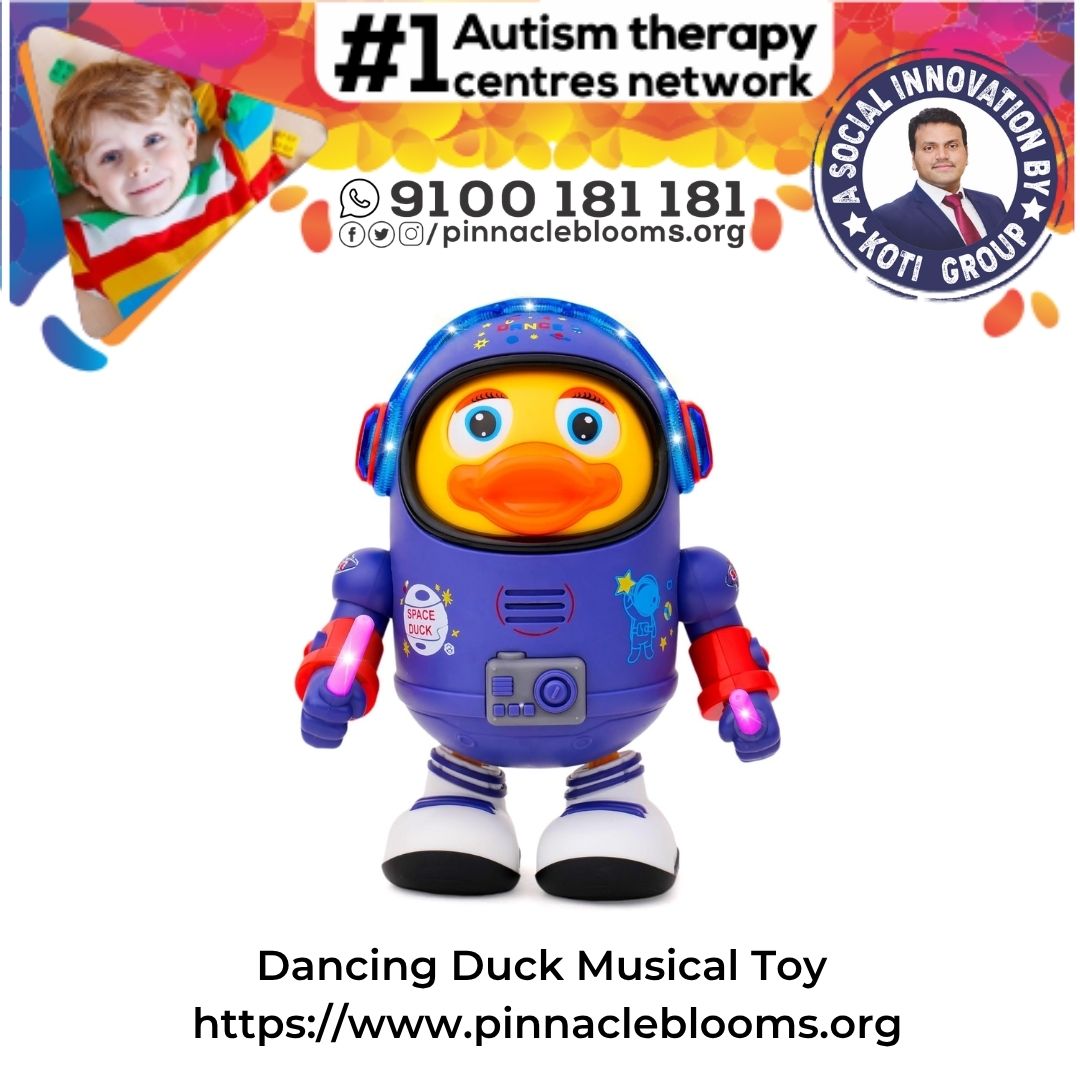
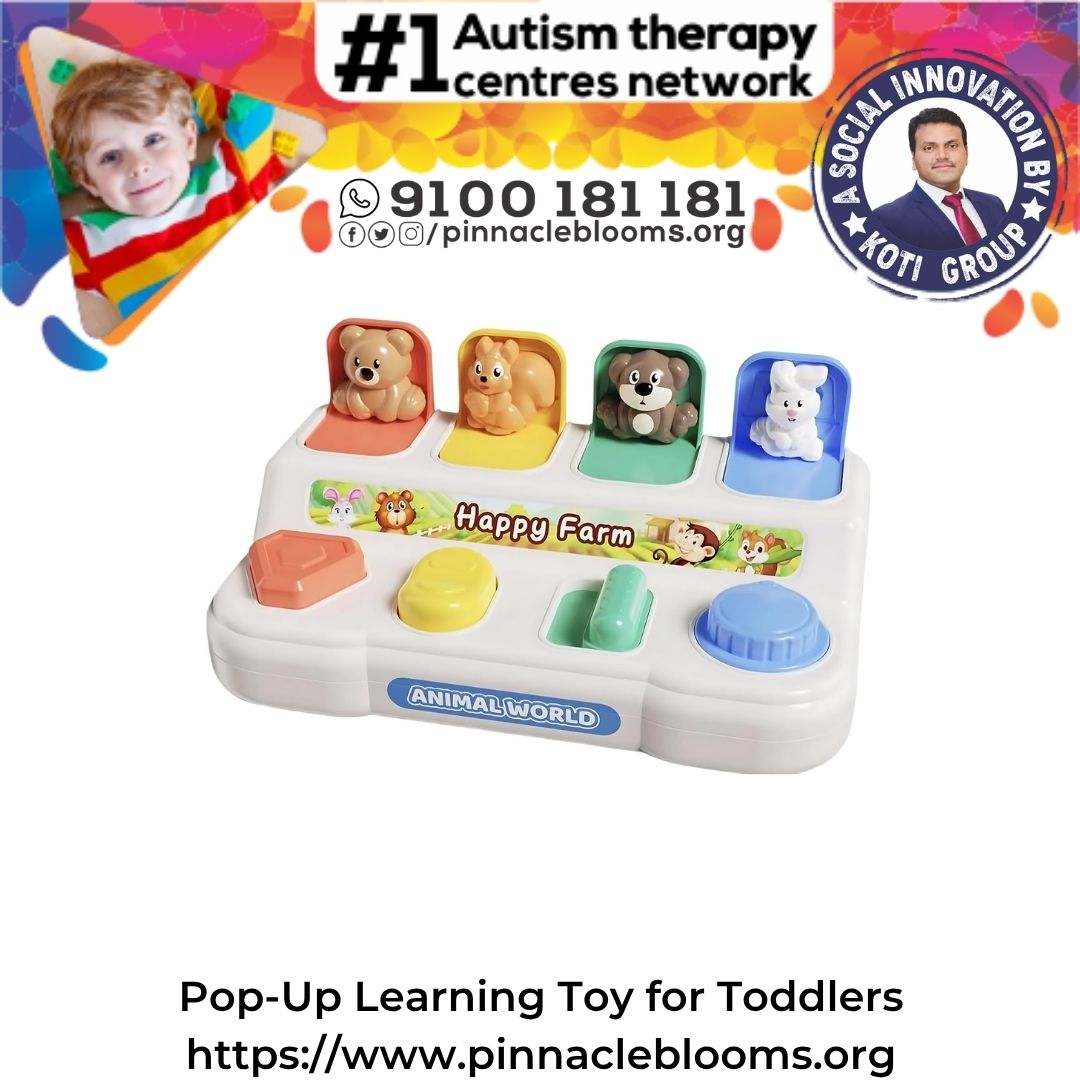
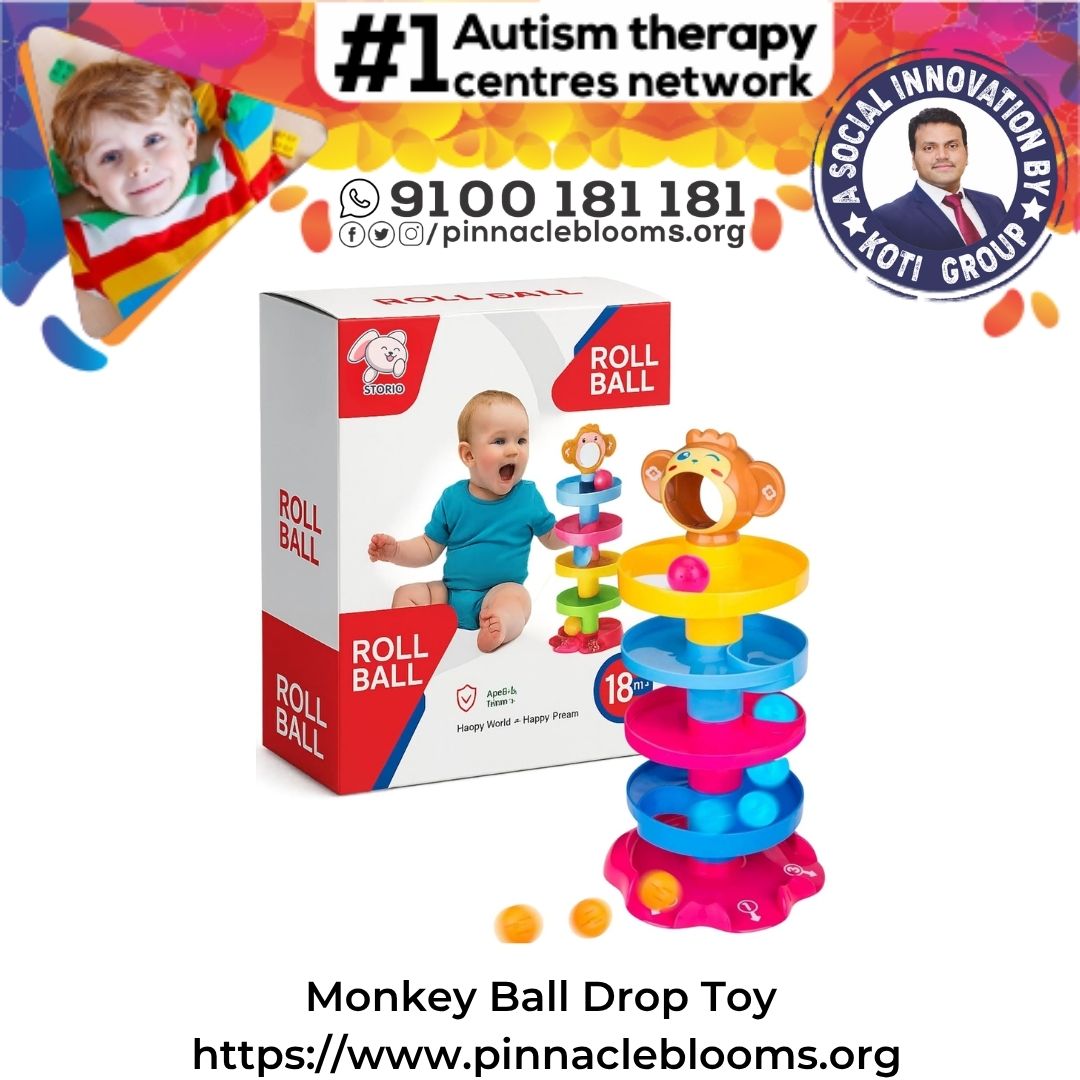
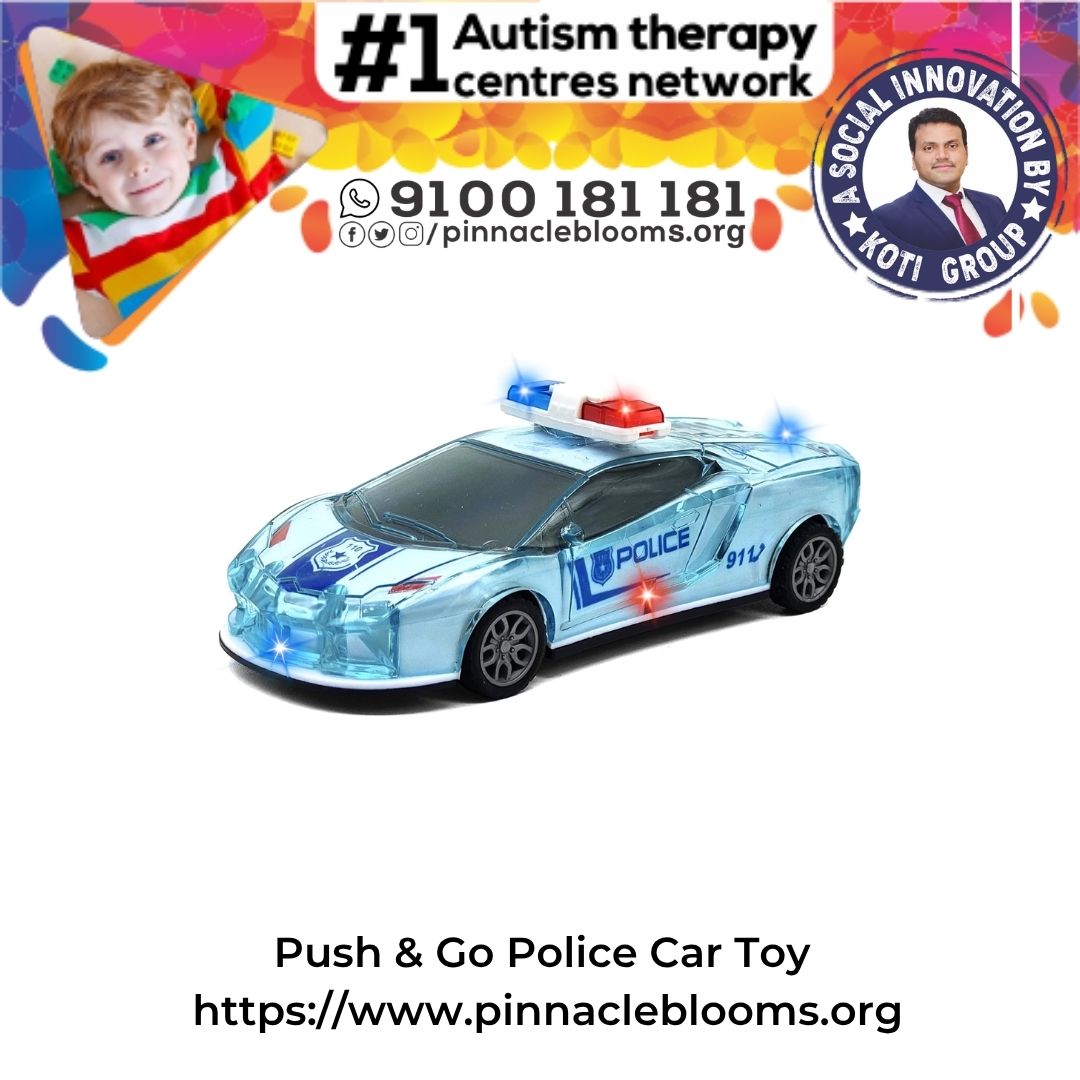
Material 8.5: Cause-Effect Toys / Switch Toys
Foundational Understanding: Actions Create Outcomes
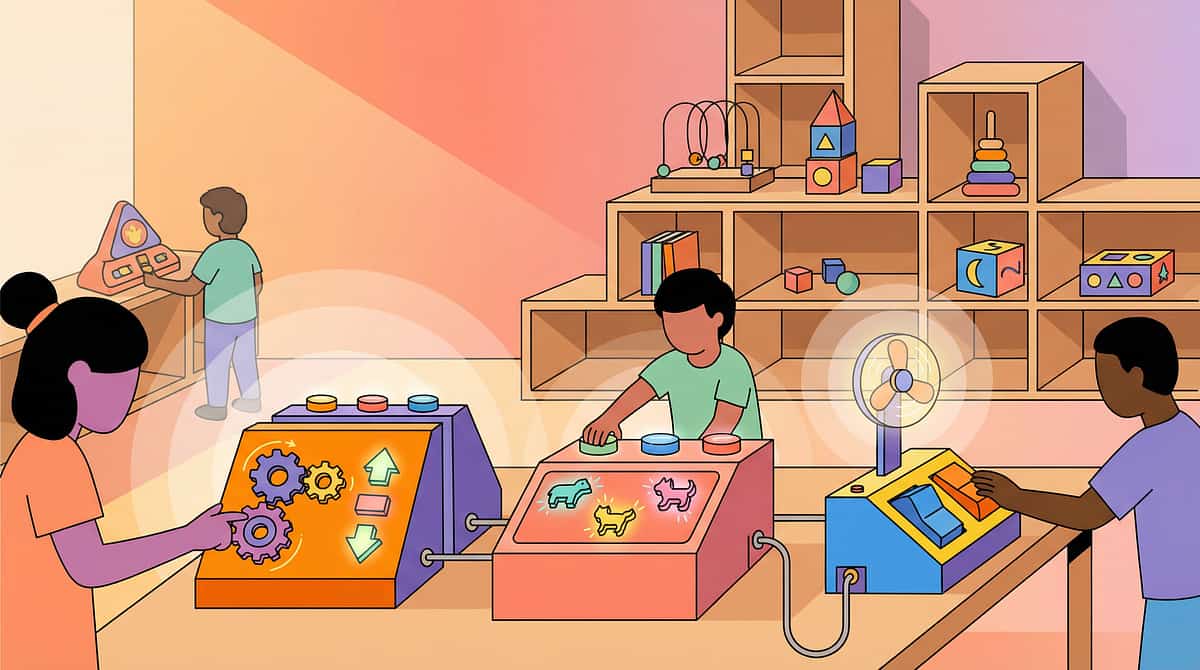
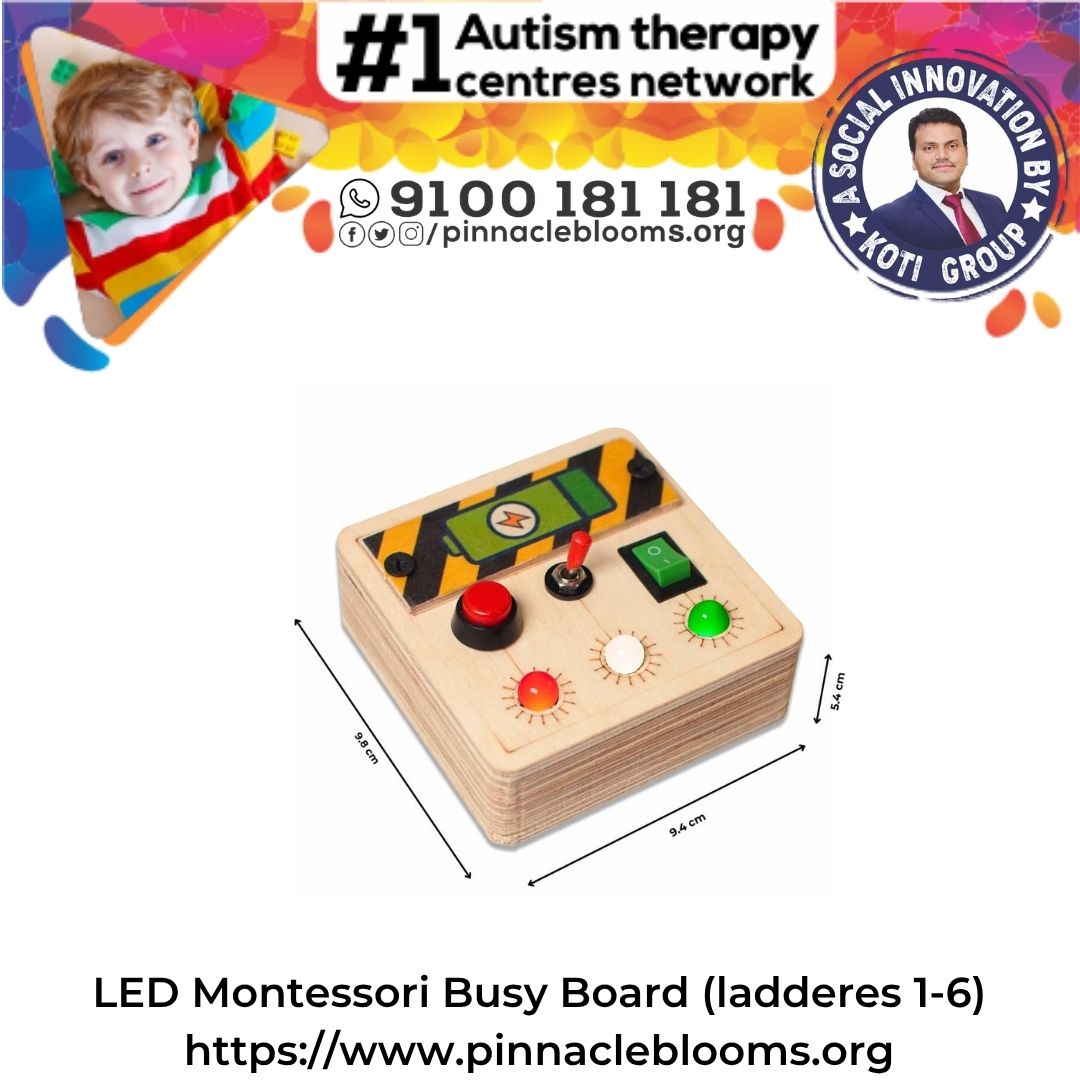
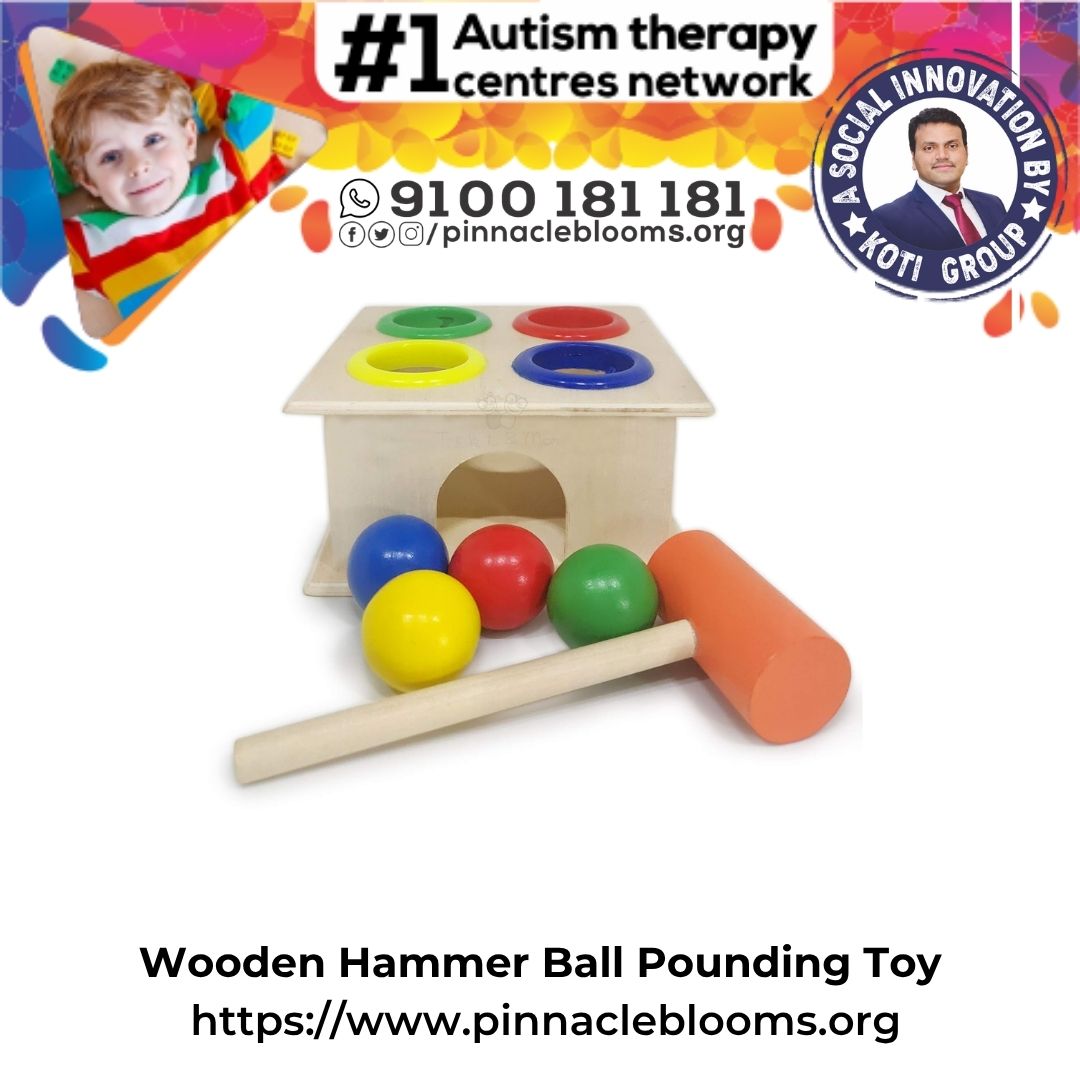
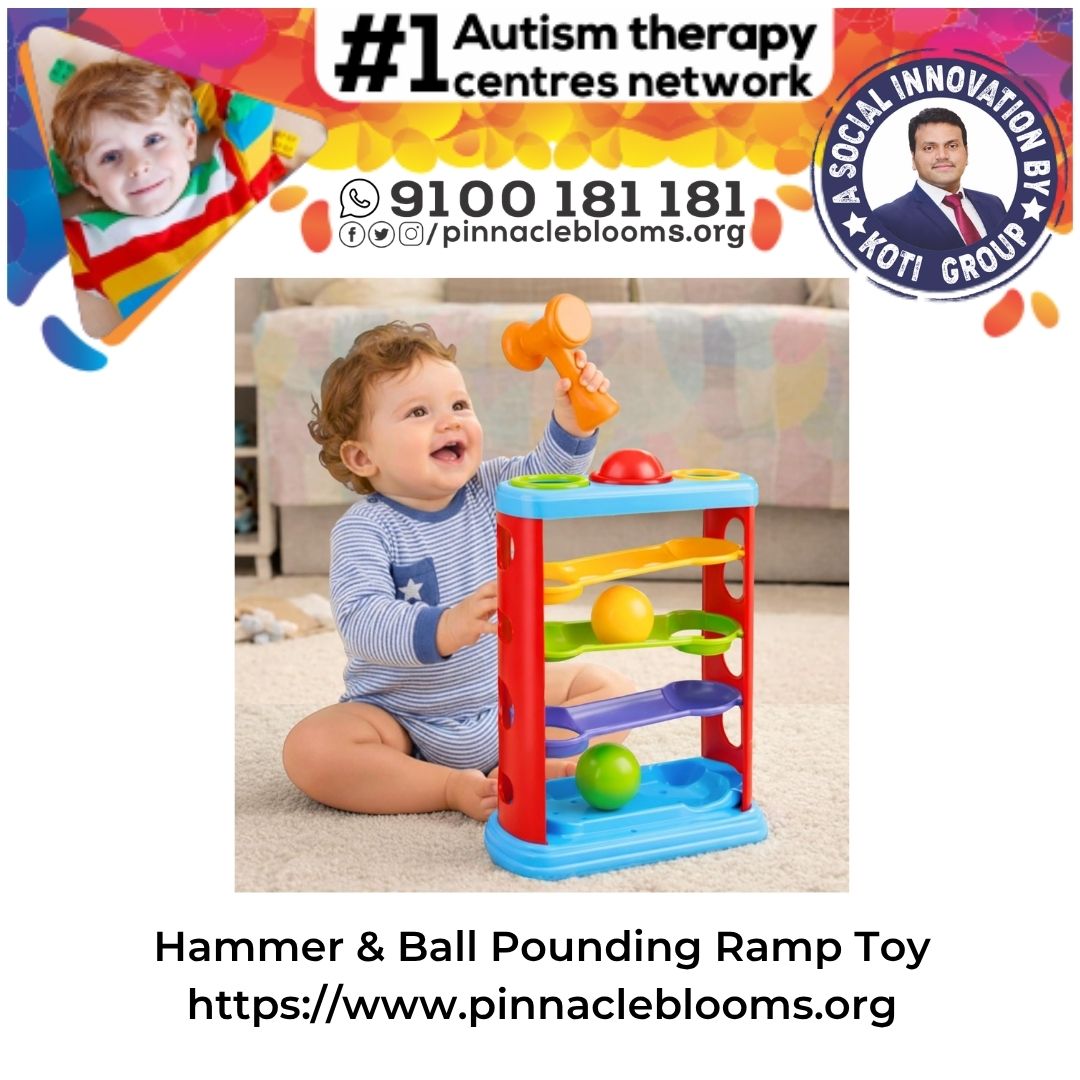
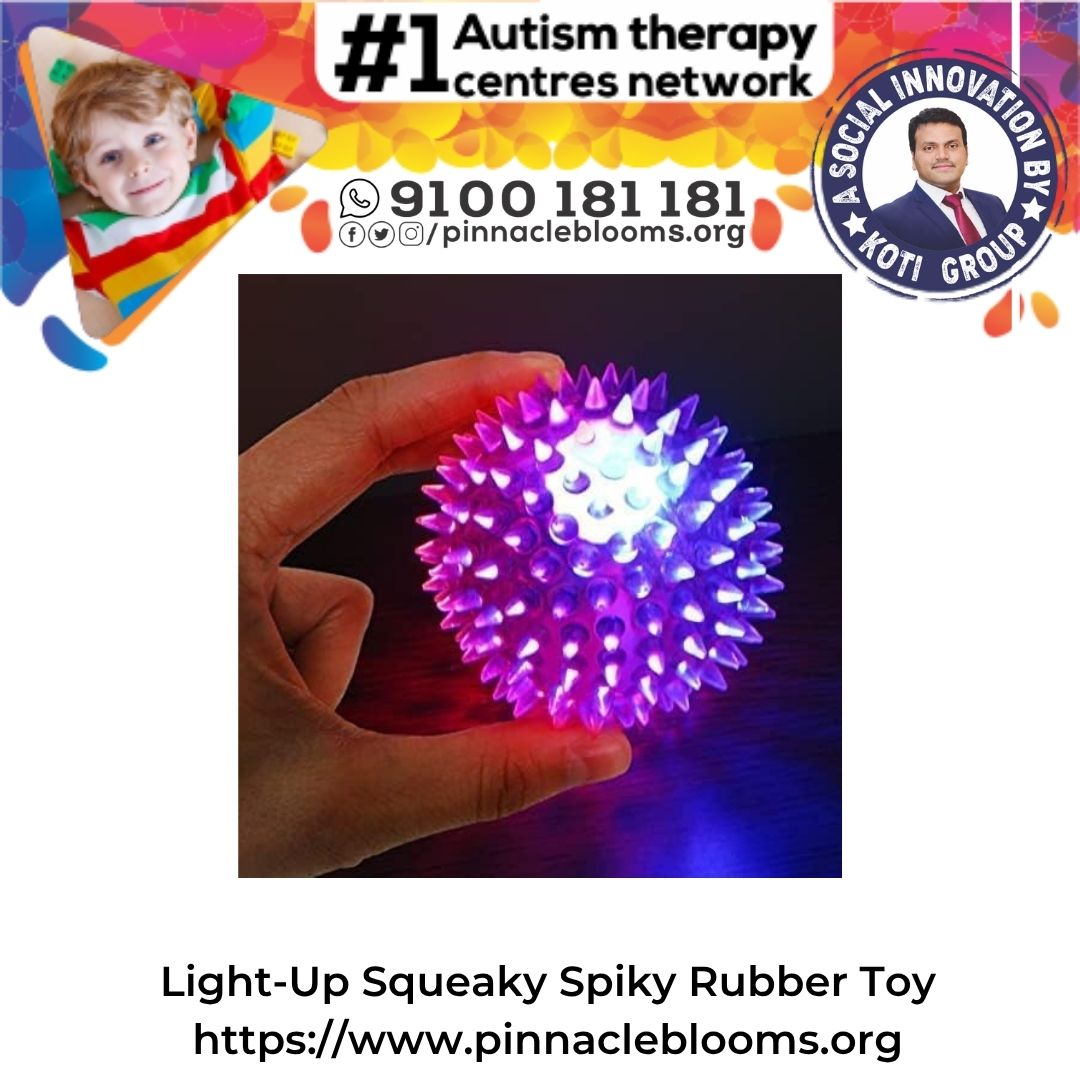
Cause-effect toys develop the foundational understanding that actions create outcomes—essential for intentional behavior, learning, and communication. This is one of the earliest and most critical cognitive concepts, establishing agency and intentionality.
Core Kit Material (Rank 1) with strong evidence support. Cause-effect understanding is prerequisite for all intentional learning, communication attempts, and purposeful interaction with the environment.
Price Range: ₹200 - ₹2,000
Settings: Home, Clinic, School
Cognitive Mechanism
Action → immediate feedback → cause-effect connection → intentional repetition → sense of agency → foundation for all learning
Target Areas
Cause-effect understanding, intentionality, agency, attention, motor planning, early cognition
Immediate Feedback
Clear, immediate response is essential—delay breaks the cause-effect connection
Simple Actions
Start with one-action toys before introducing multi-step sequences
Preferred Sensory Channel
Use visual or auditory feedback based on child's sensory preferences
Model and Wait
Demonstrate action, then wait for child to imitate—building intentionality
Adaptive Access
Switch toys can adapt access for children with motor challenges
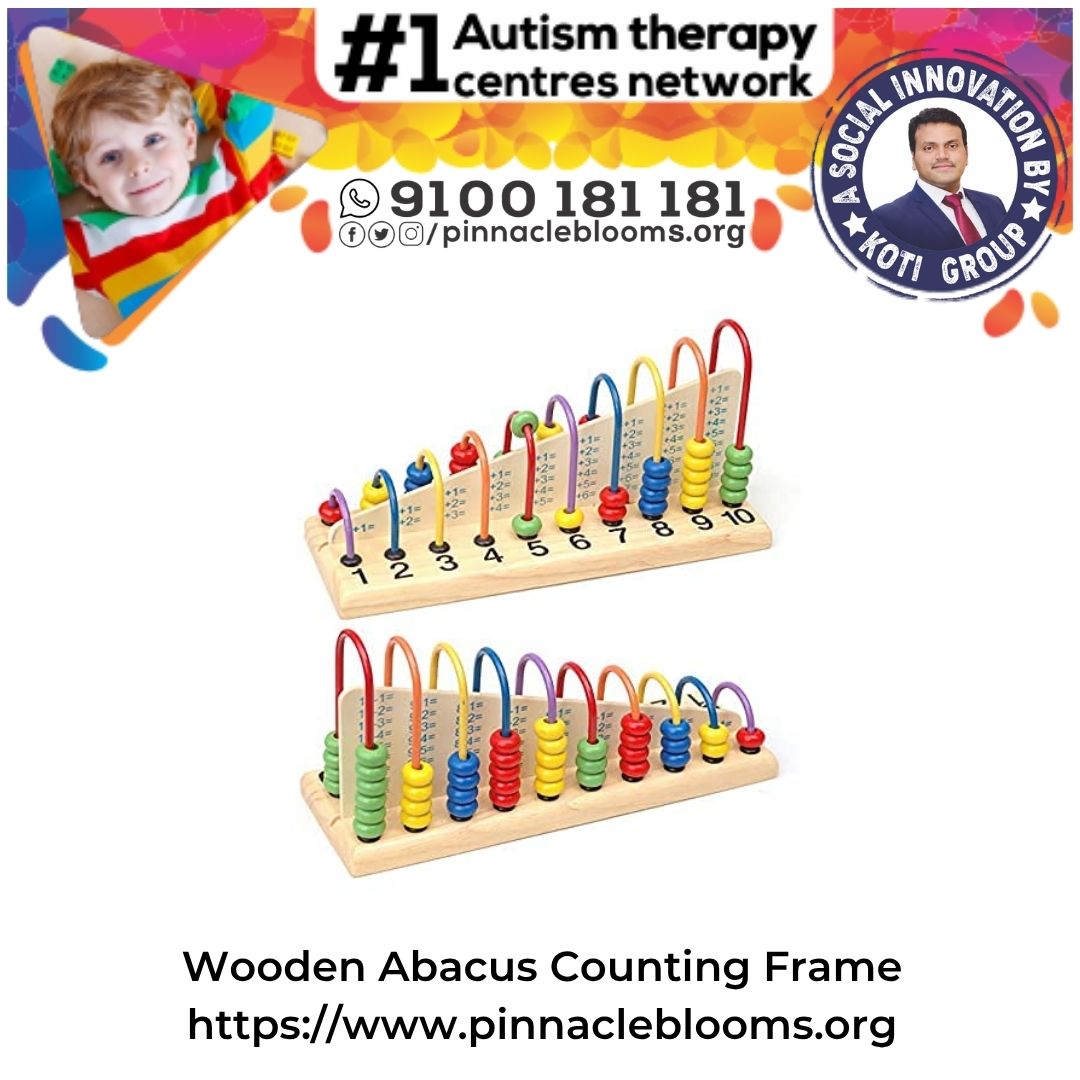
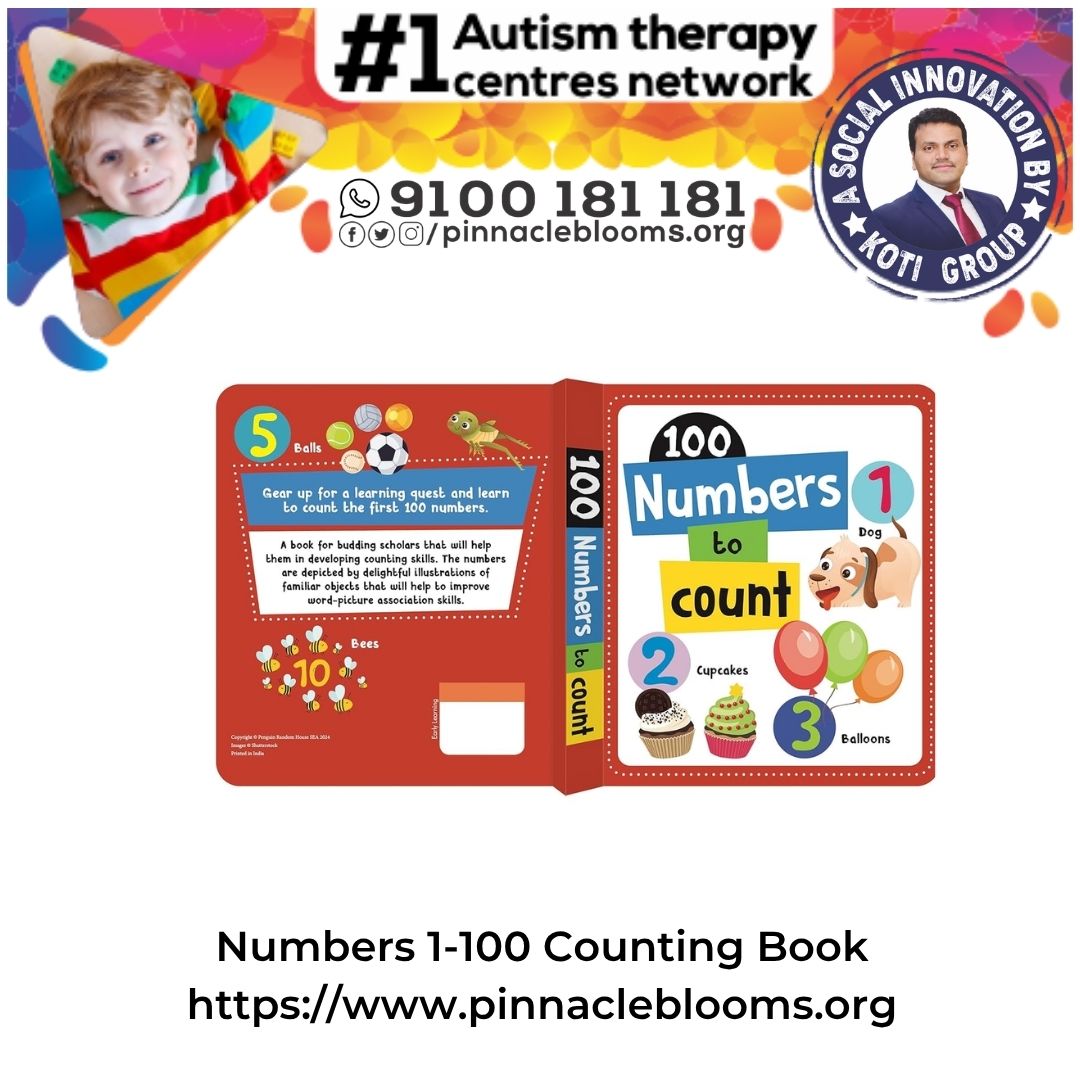
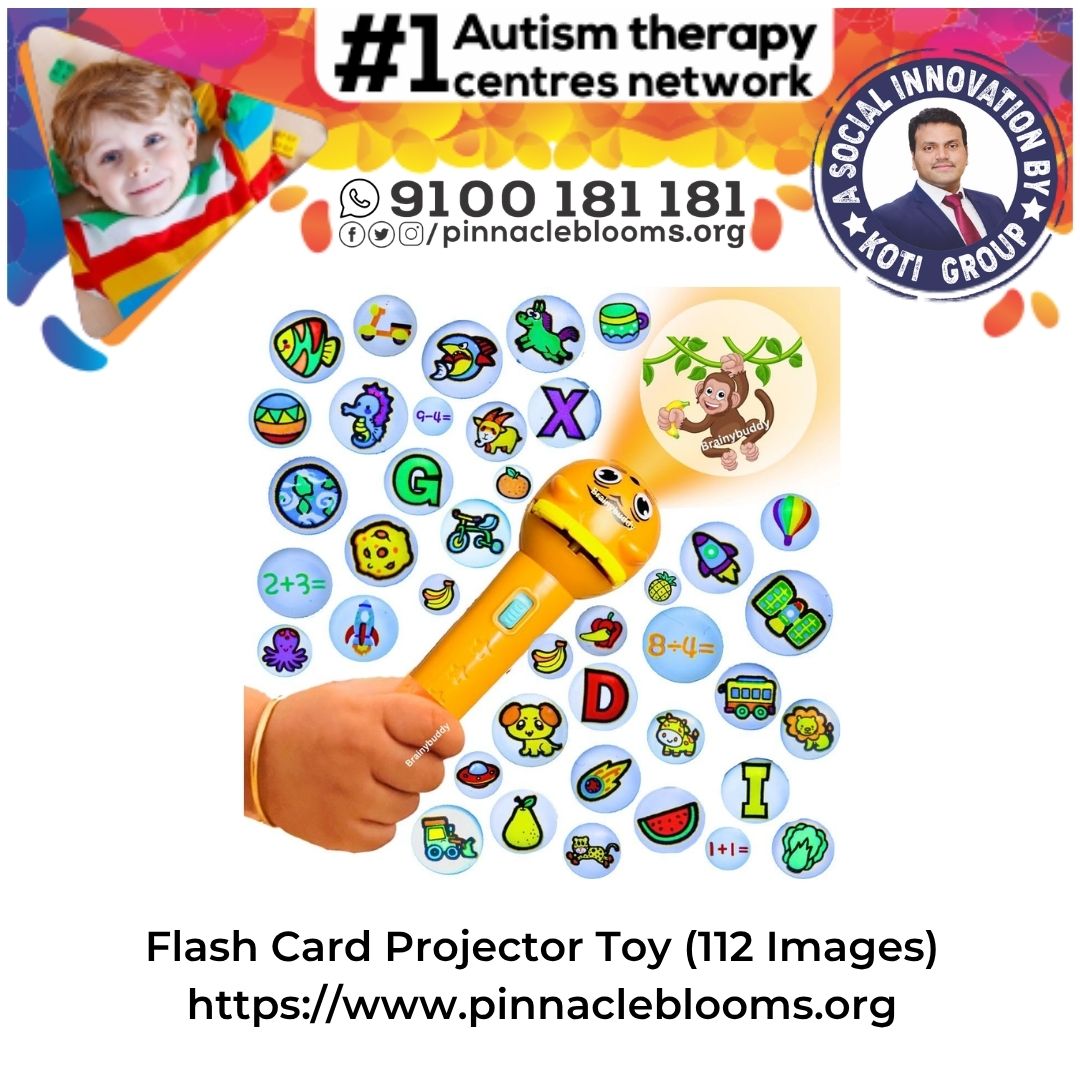
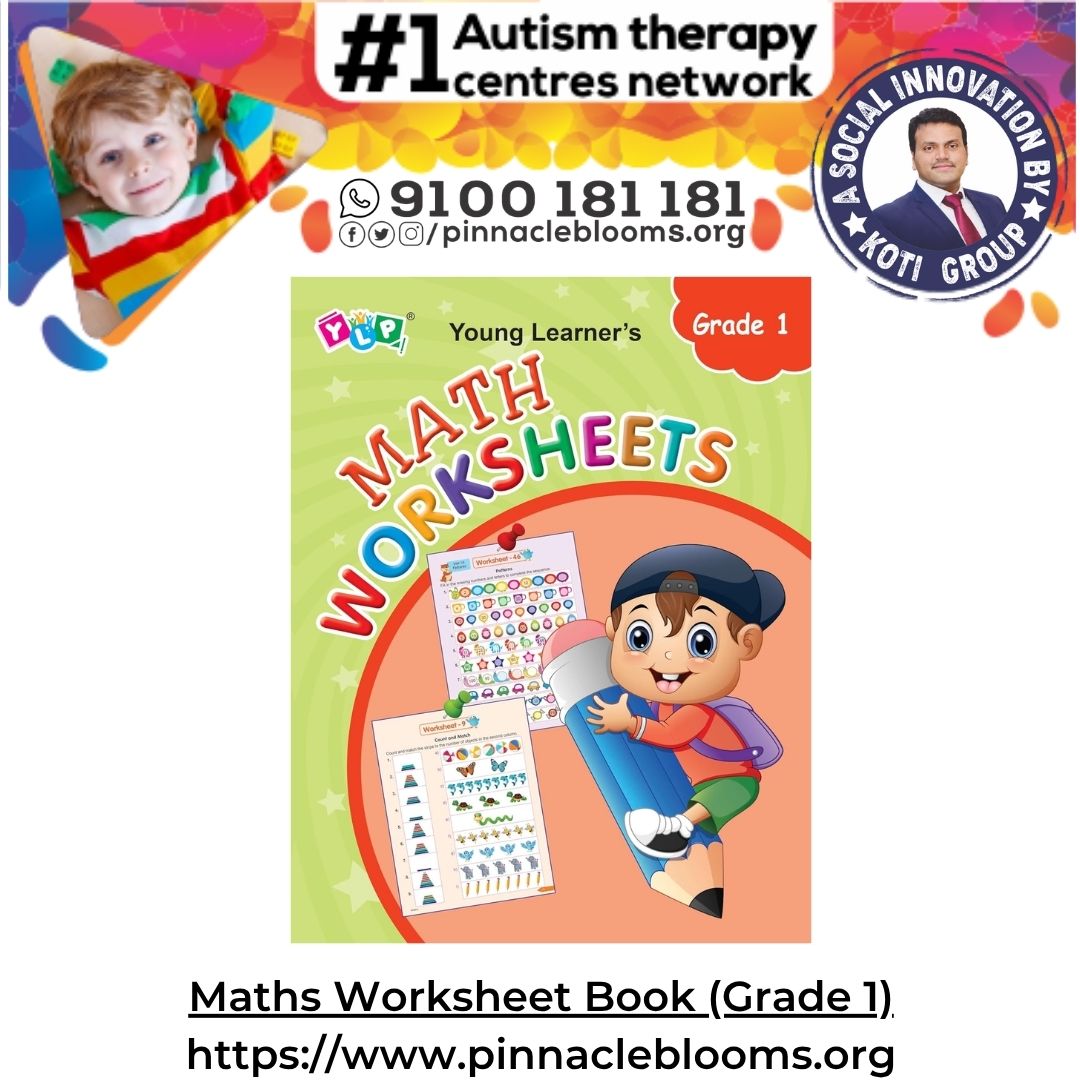
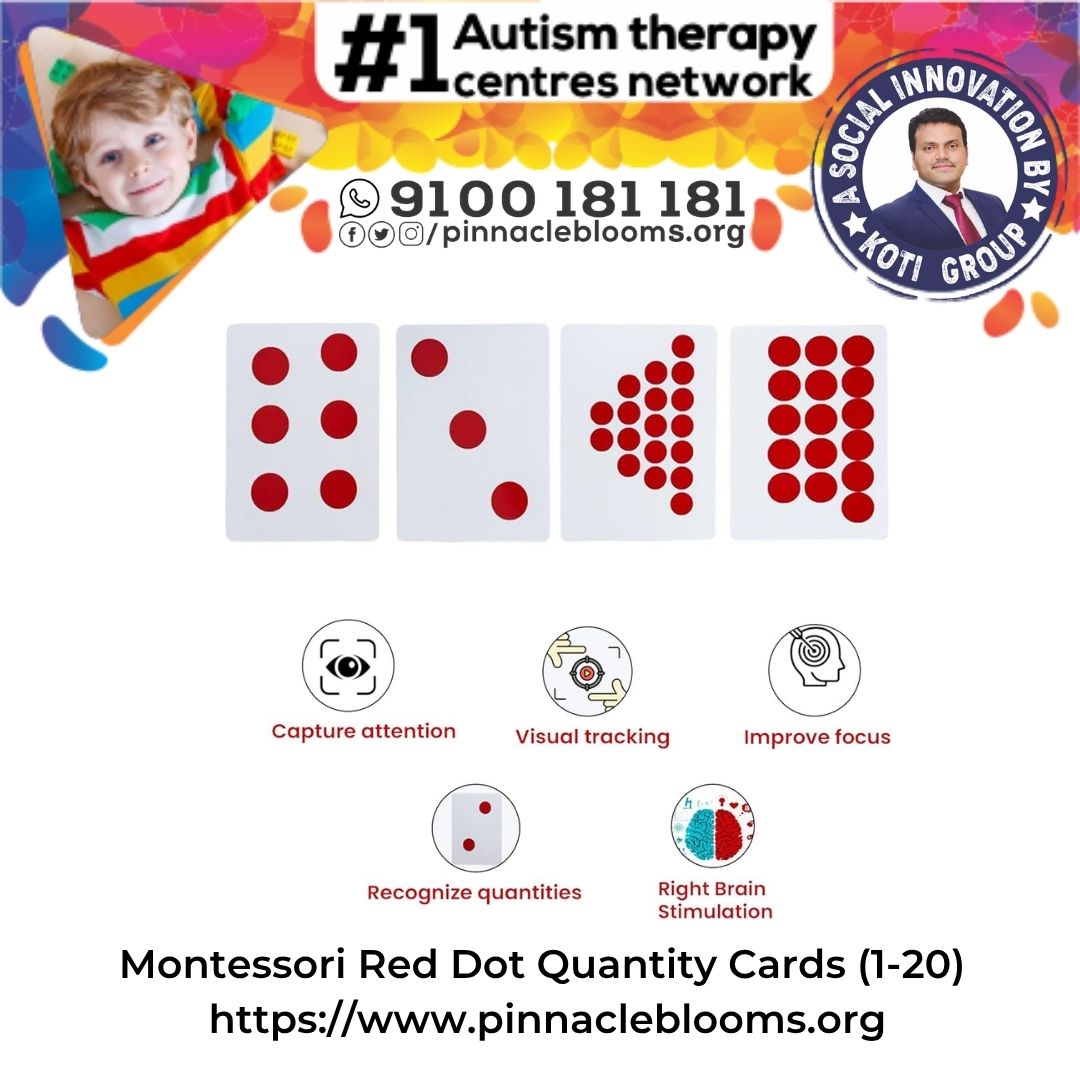
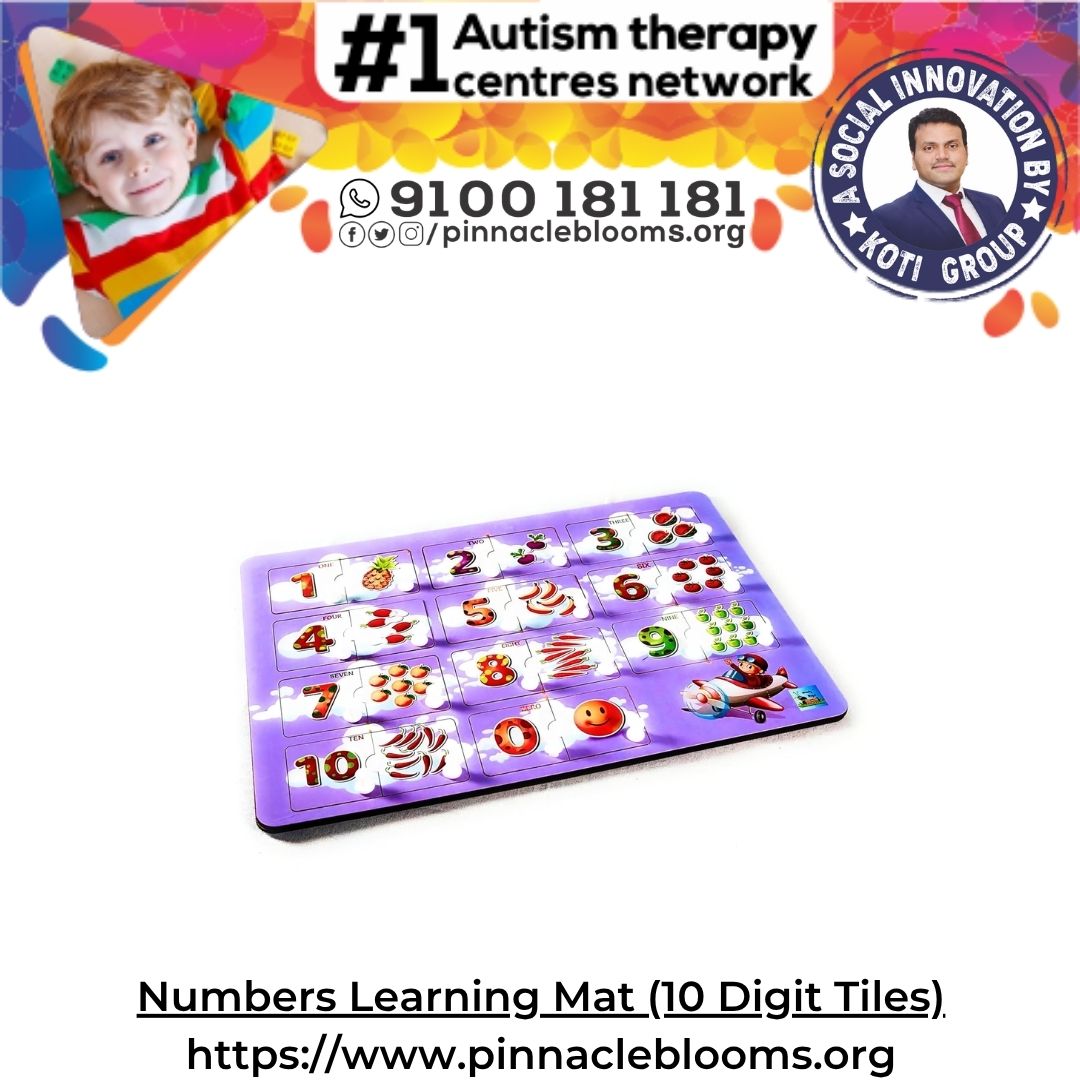
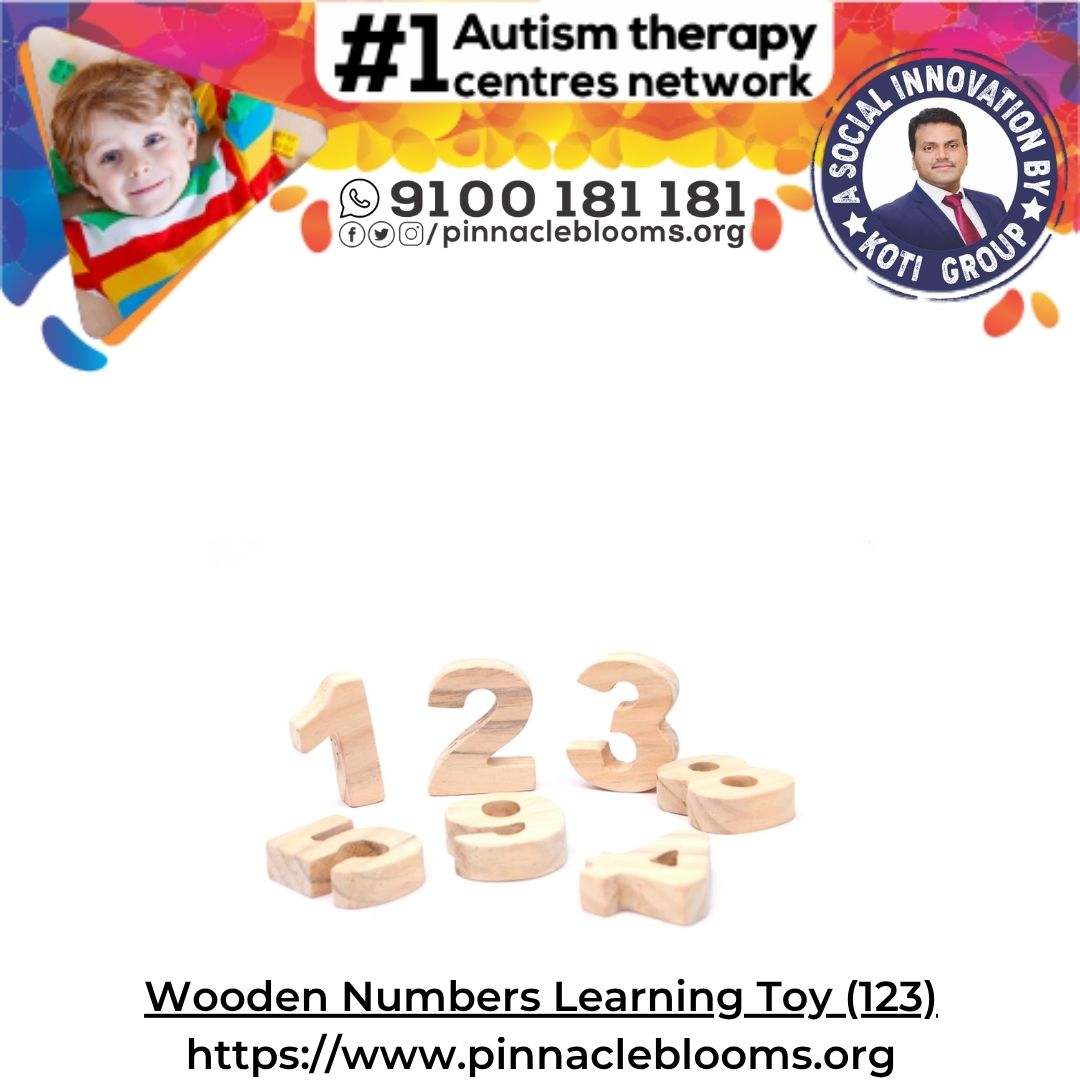
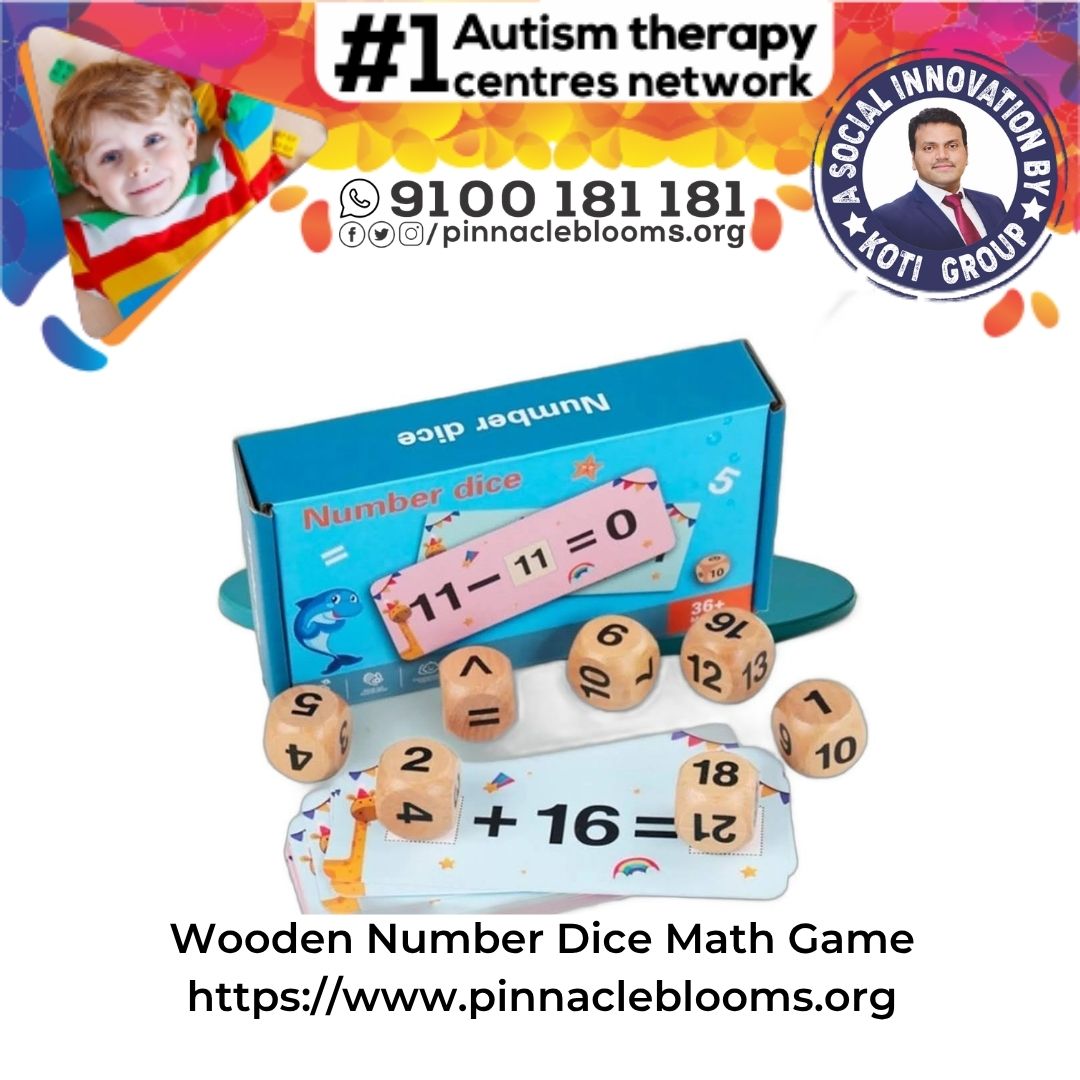
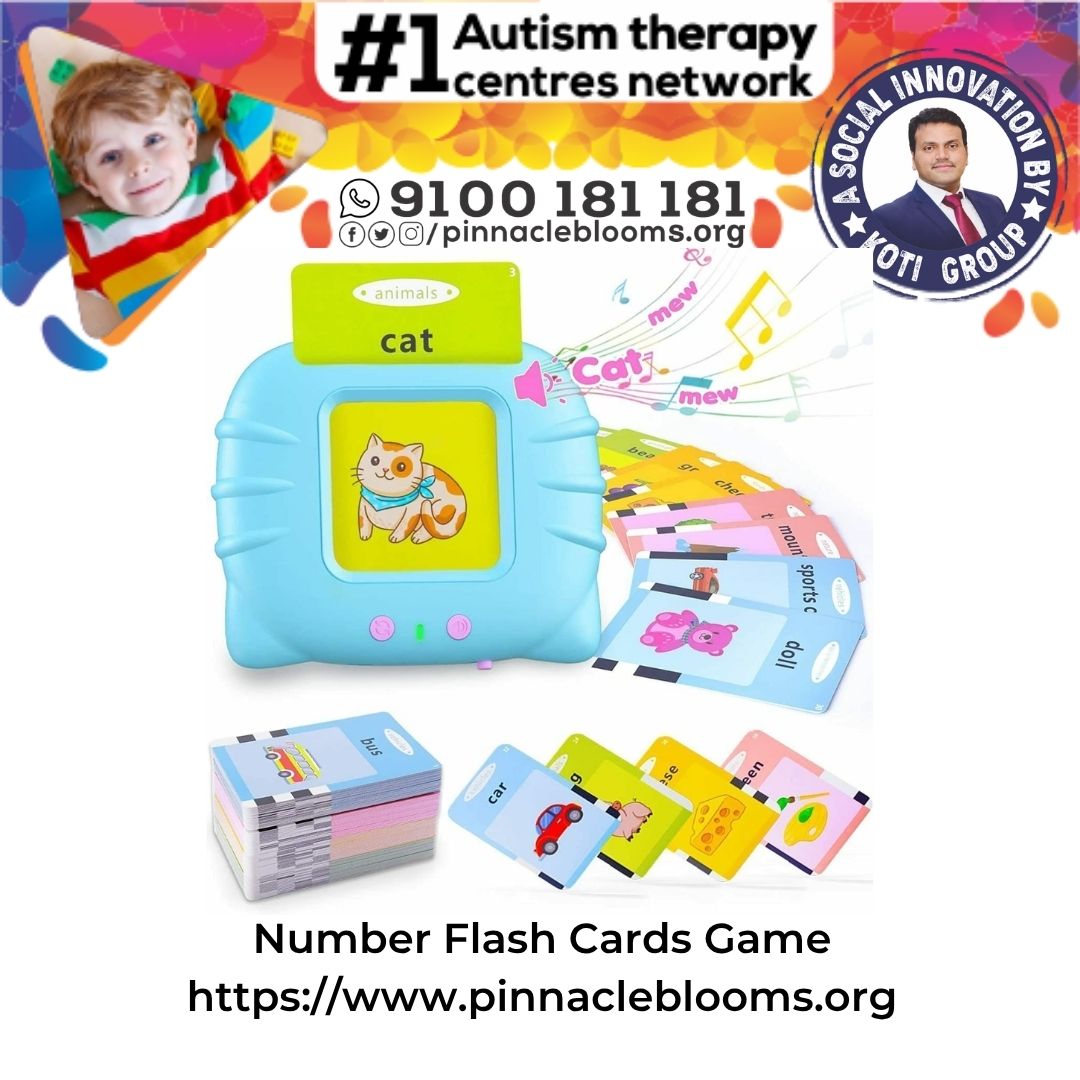
Material 8.6: Number / Counting Materials
Building Numeracy Foundations
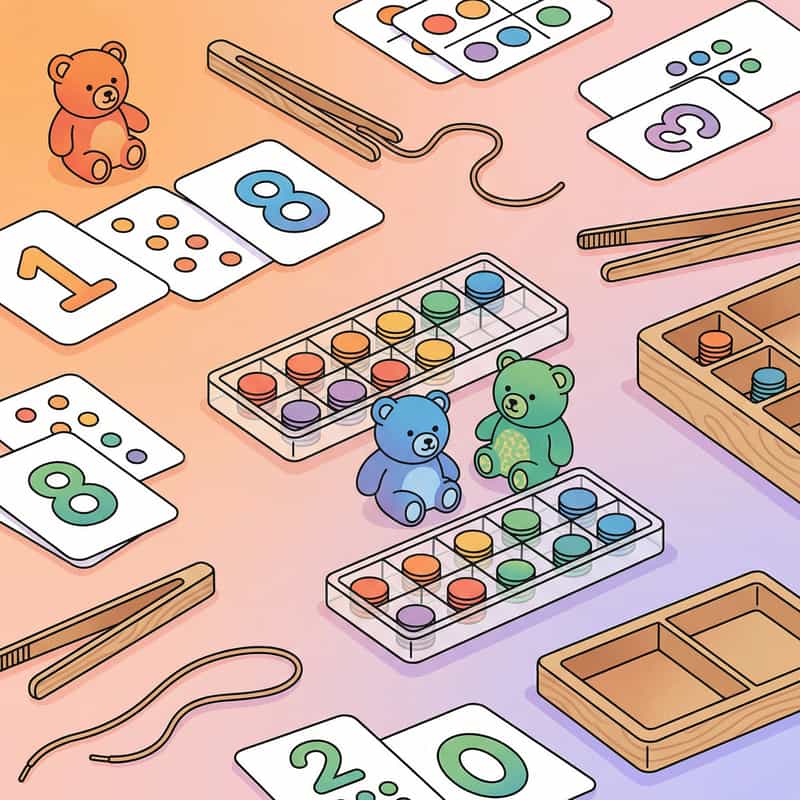
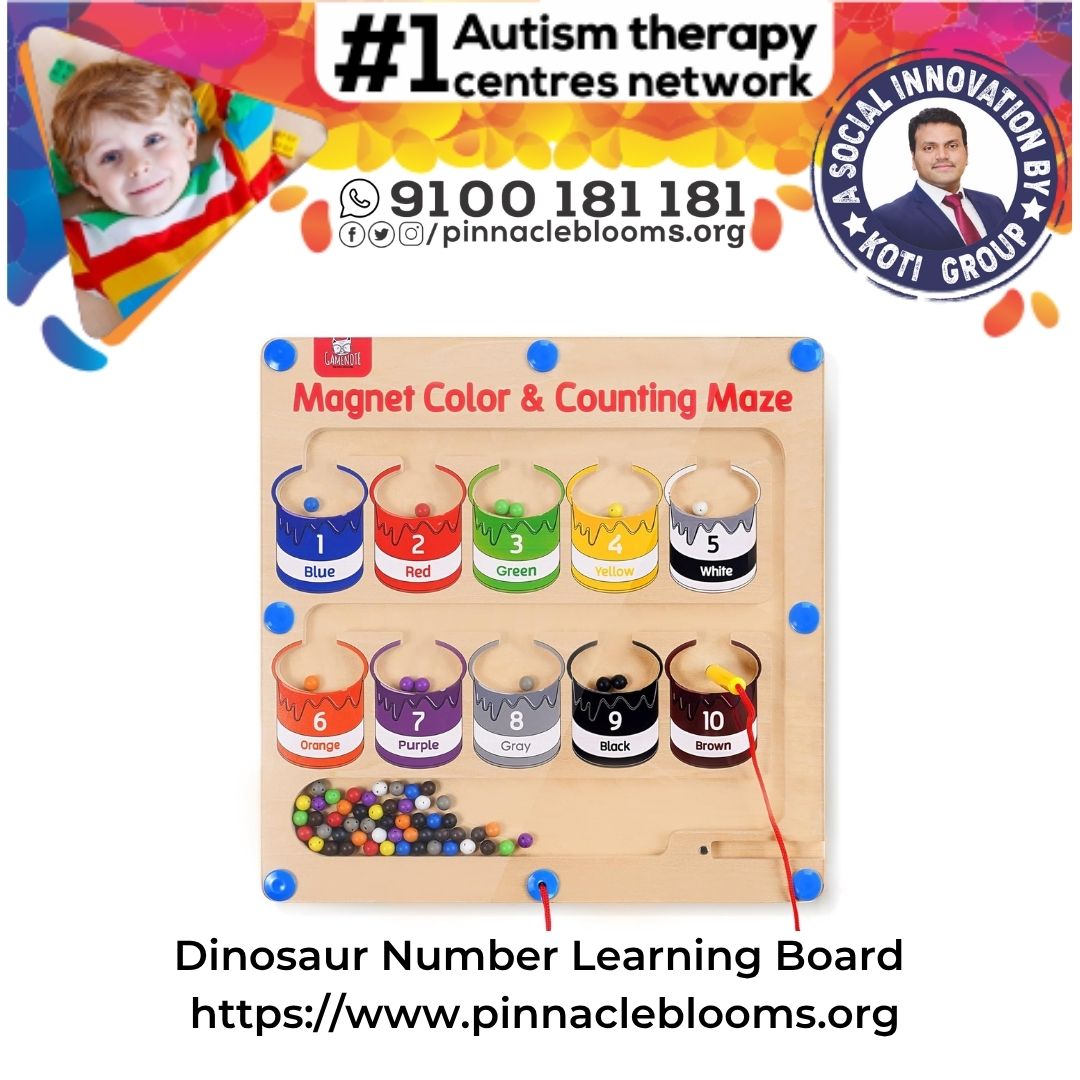
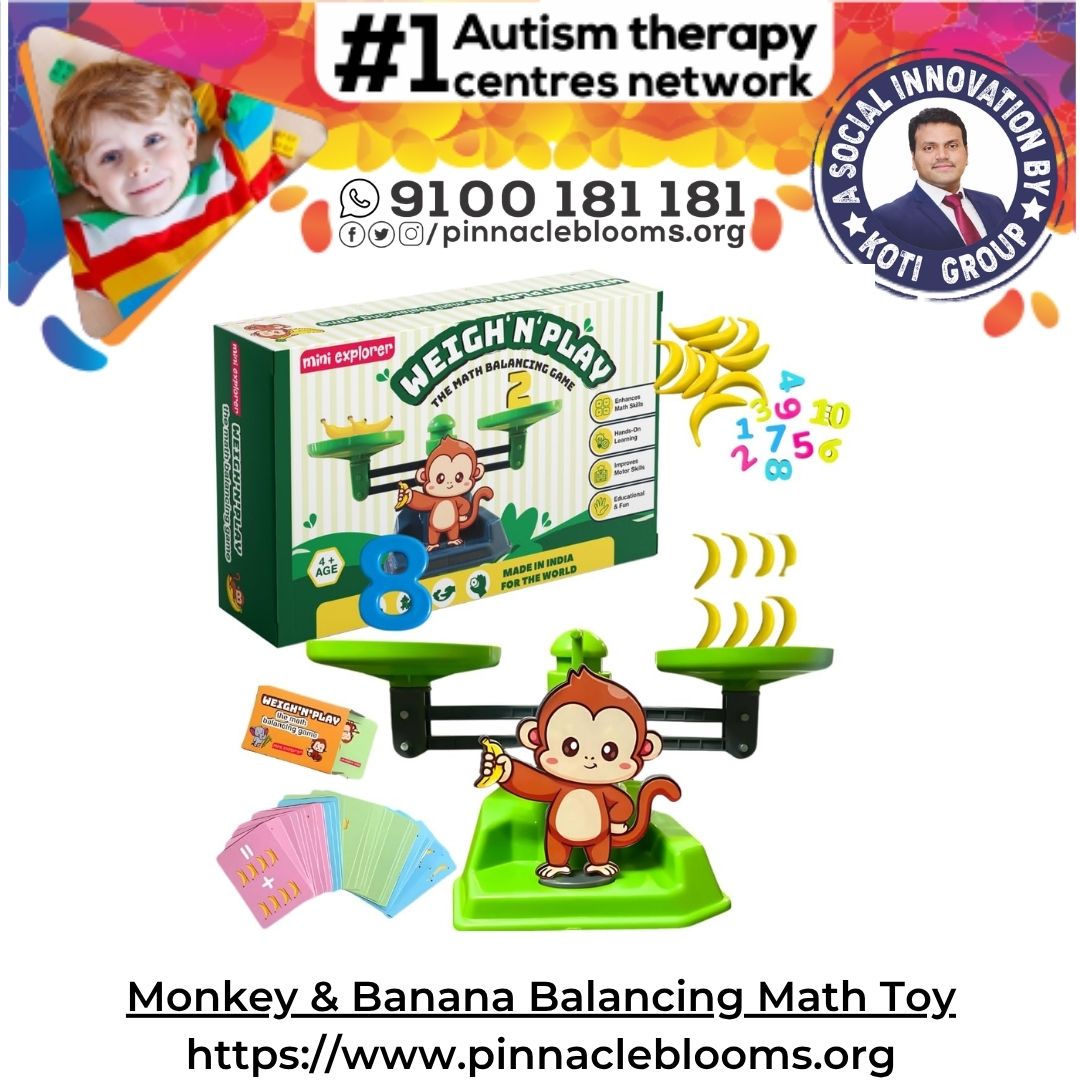
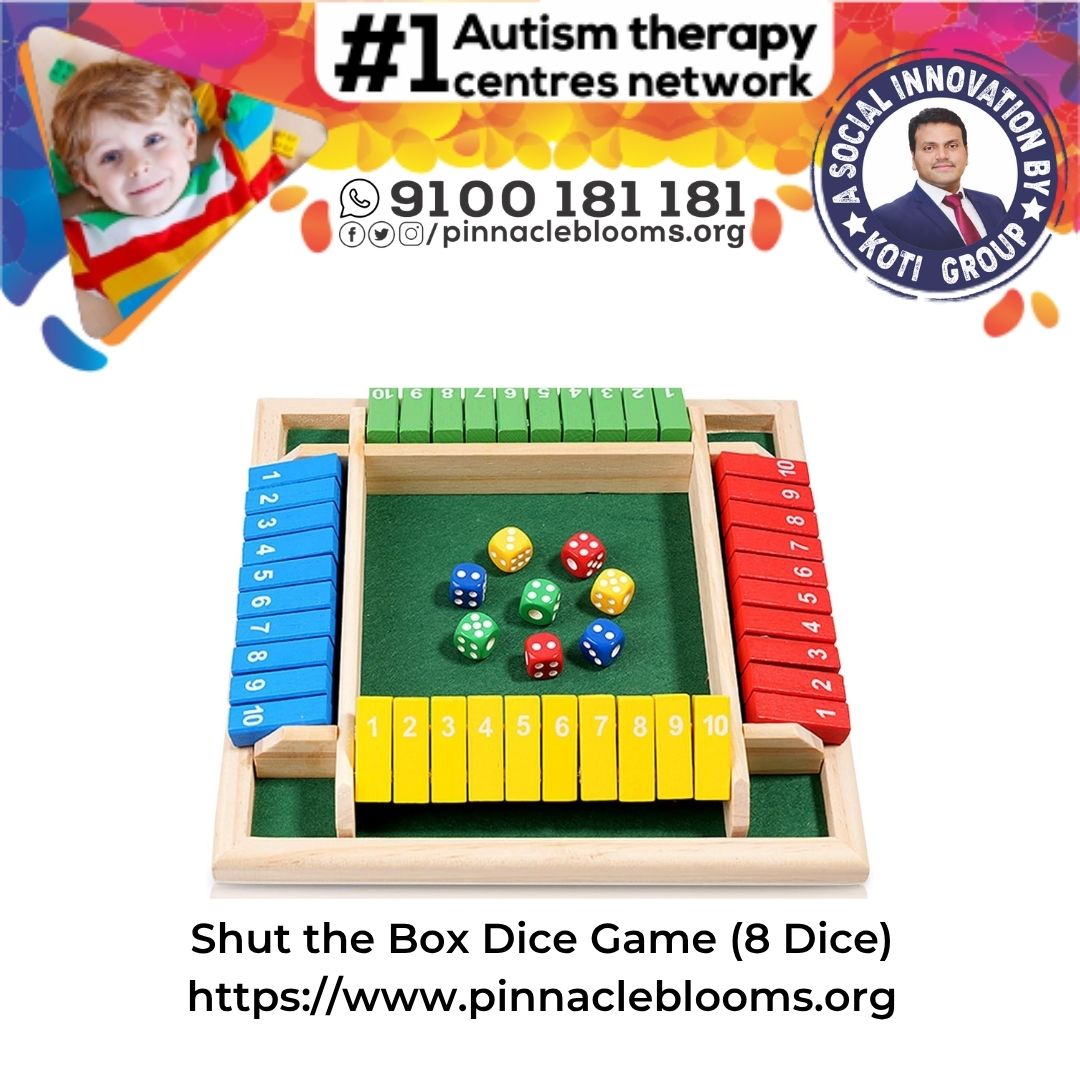
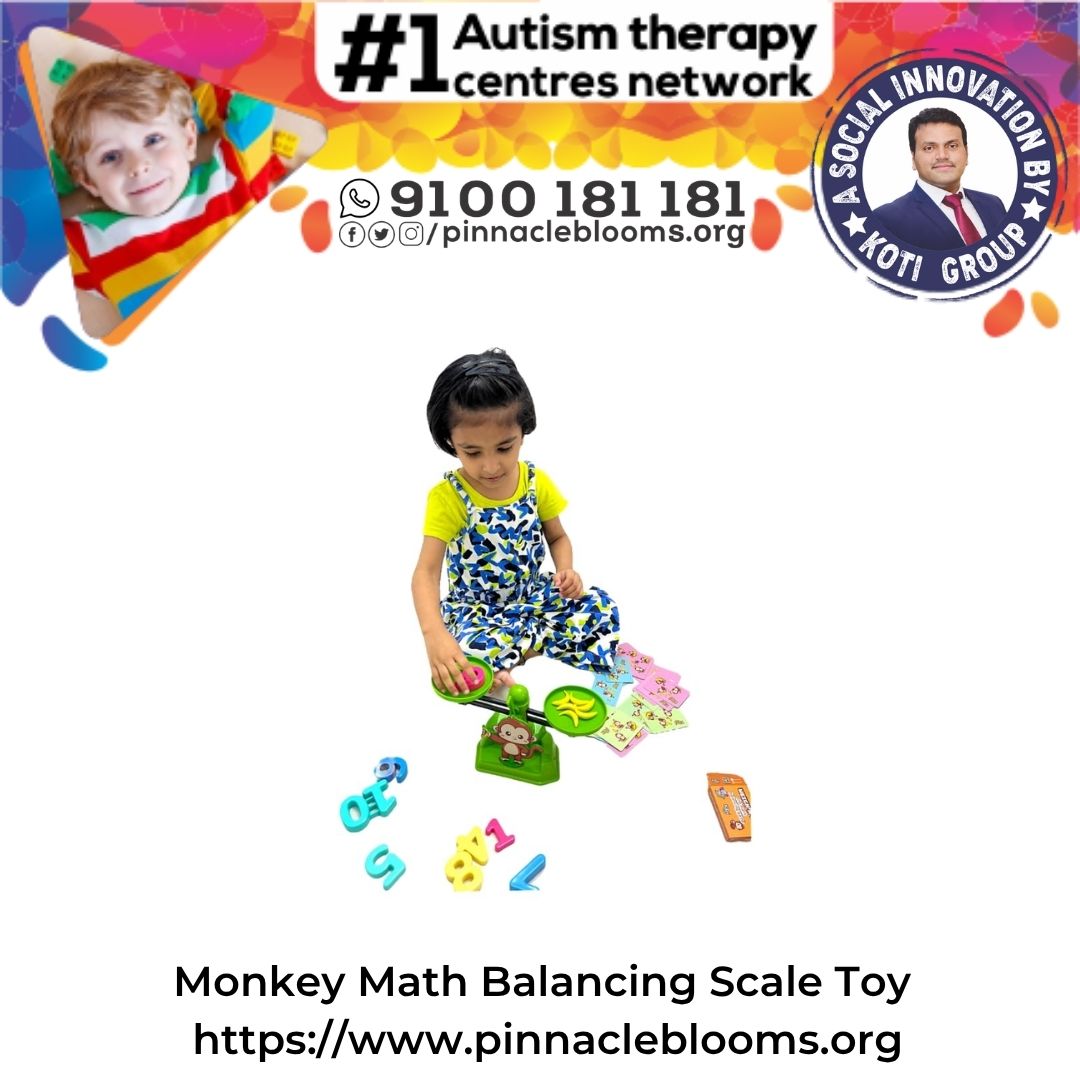
Number and counting materials develop foundational numeracy through concrete manipulation, building one-to-one correspondence, cardinality understanding, and number sense. These are the essential pre-math concepts that predict later mathematical success.
Core Kit Material (Rank 1) with strong evidence support. Research consistently shows that concrete manipulation of quantity is essential before abstract number understanding develops.
Price Range: ₹50 - ₹600 | Settings: Home, School, Clinic
Concrete Manipulatives
Always start with physical objects children can touch and move—buttons, blocks, snacks
One-to-One Correspondence
Touch each object once while counting—foundational skill for accurate counting
Cardinality Understanding
Ask "How many?" after counting to build understanding that last number = total quantity
Meaningful Contexts
Count real objects with purpose—snacks for lunch, toys to share, steps to the door
Systematic Progression
Always progress: concrete → pictorial → abstract for solid understanding
Cognitive Mechanism: Concrete manipulation → one-to-one correspondence → counting sequence → cardinality understanding → number sense development
Target Areas: Counting skills, number recognition, one-to-one correspondence, cardinality, number sense, pre-math concepts
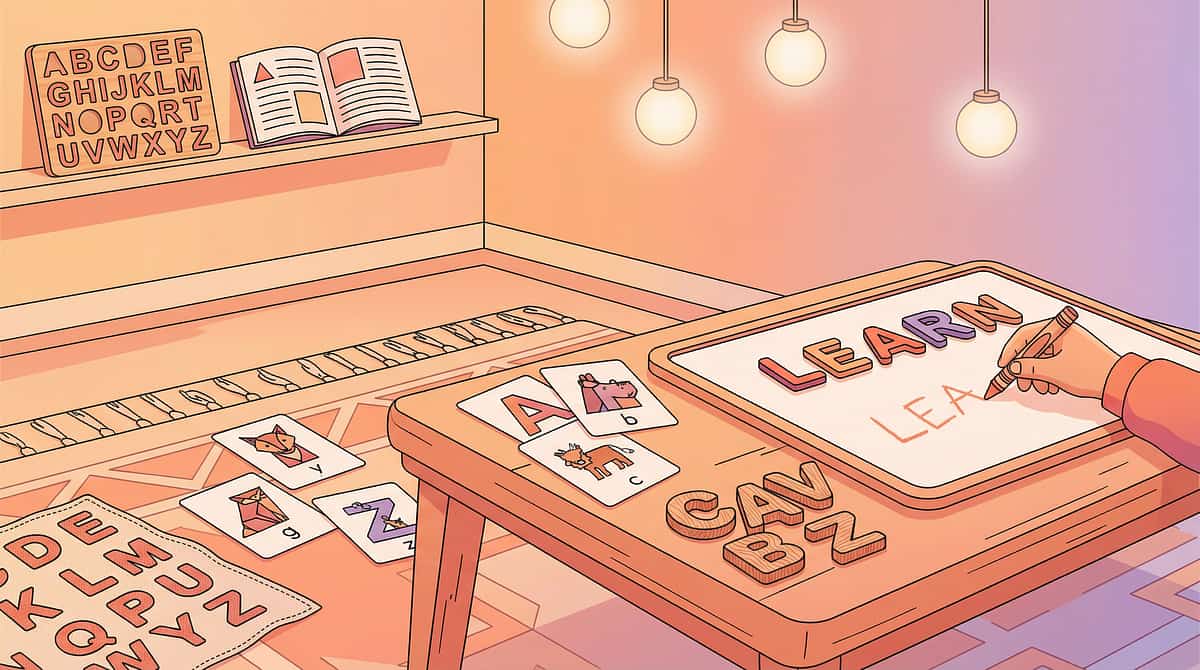
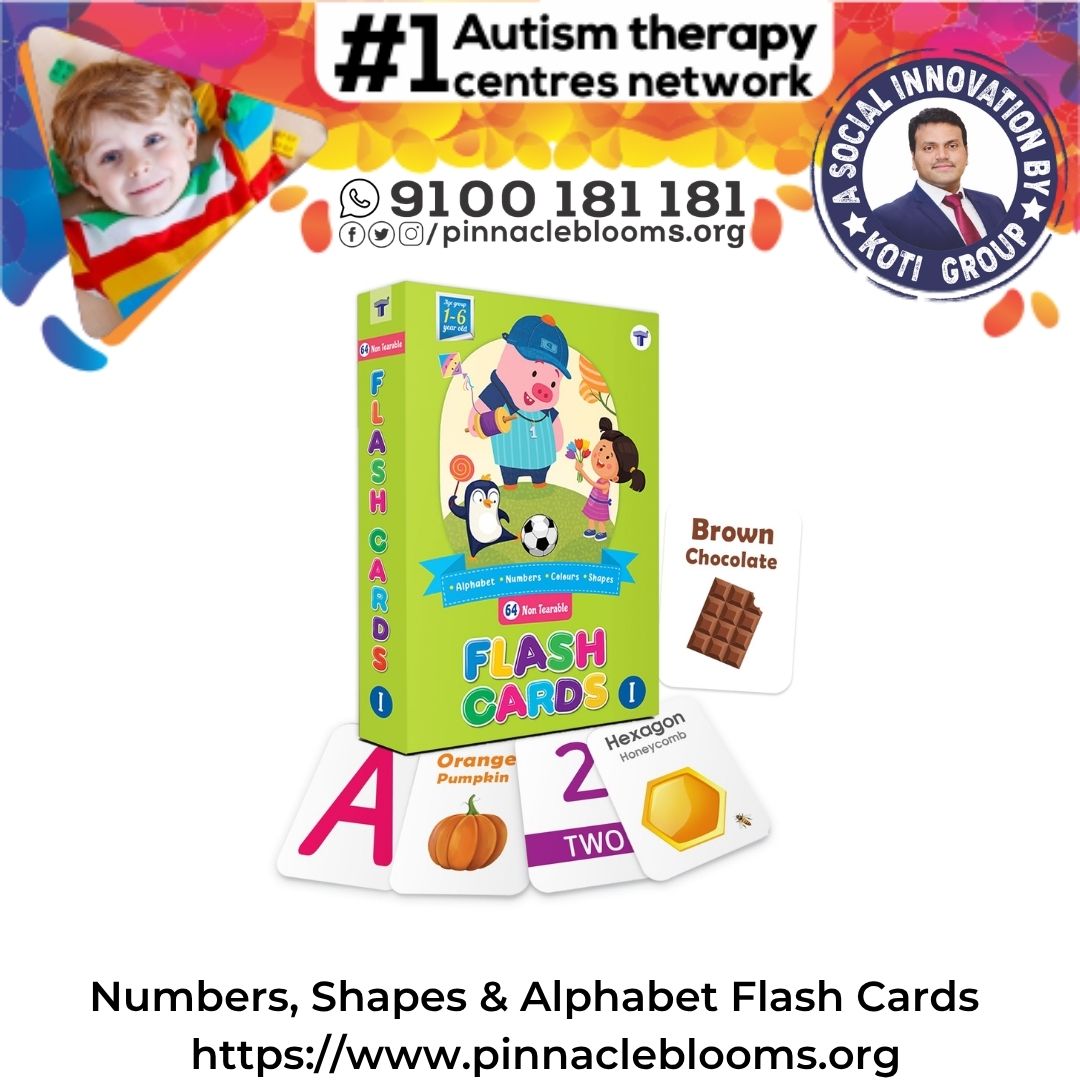
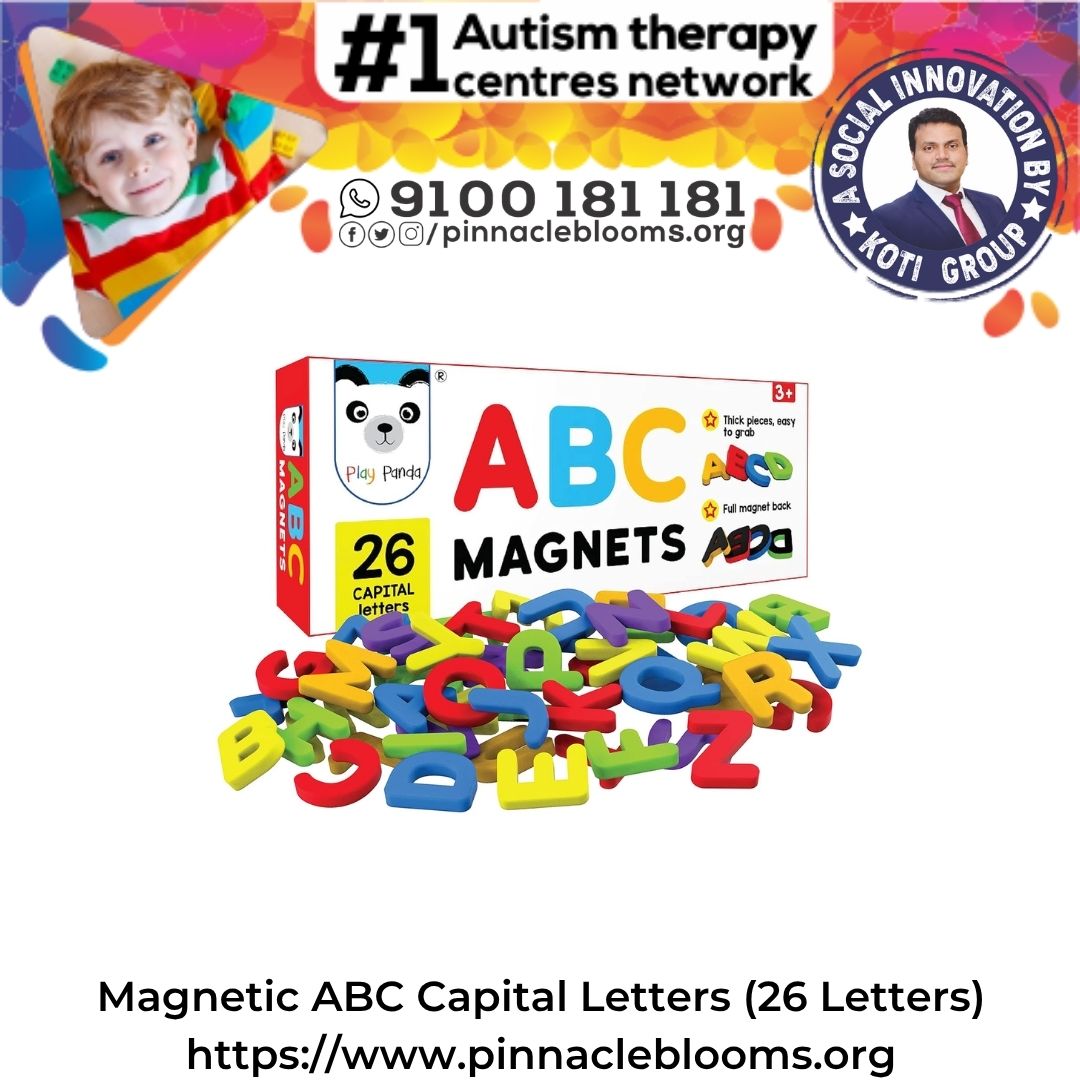
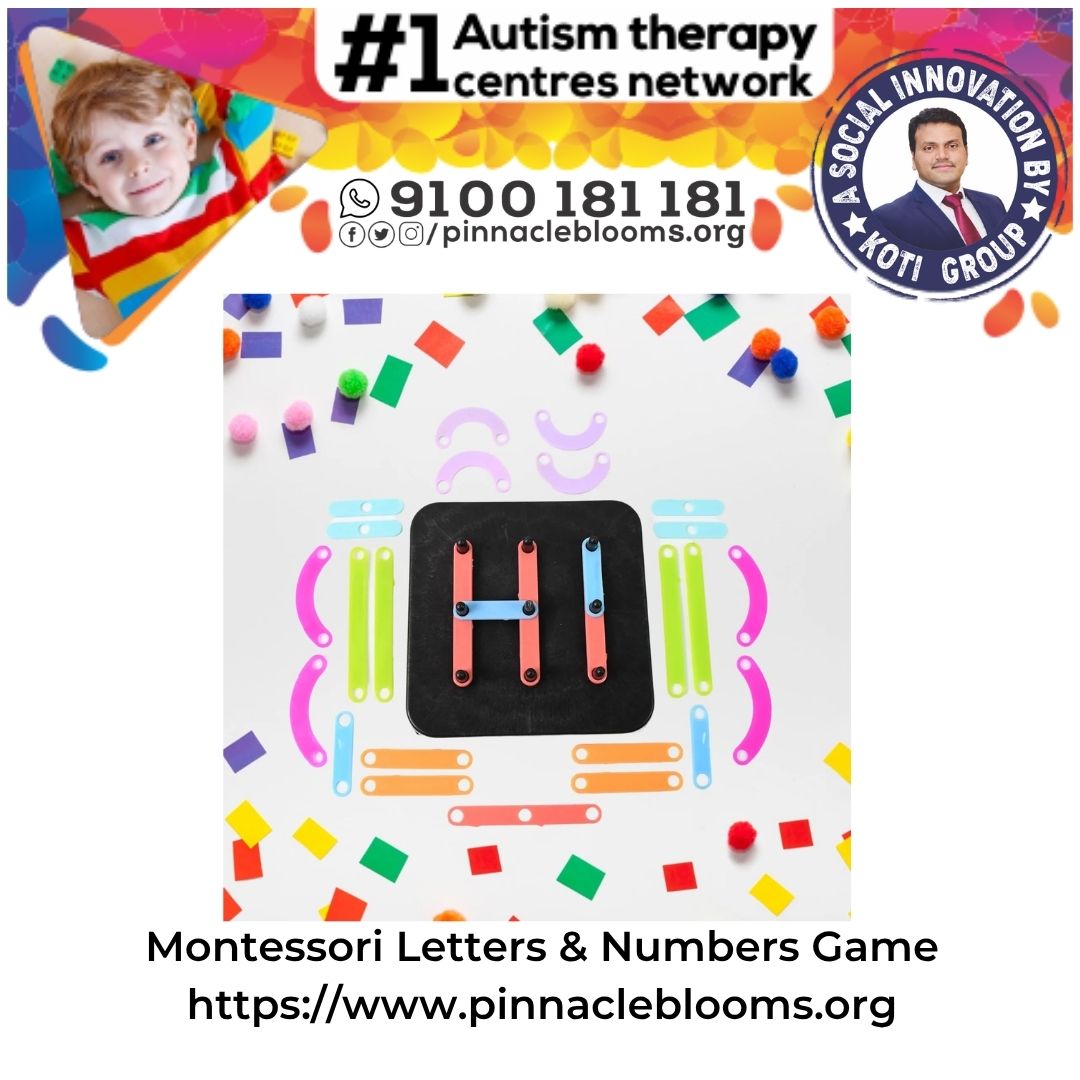
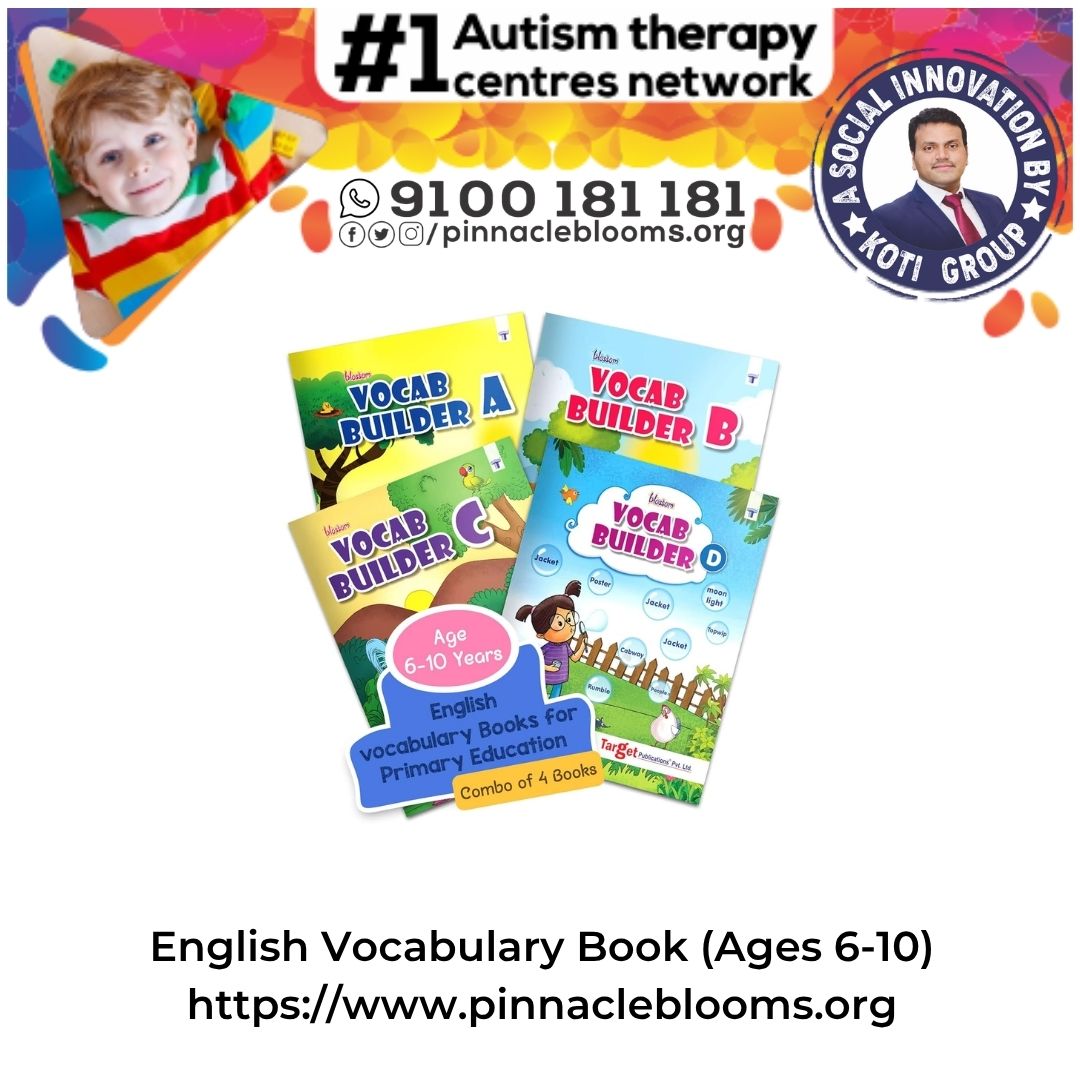
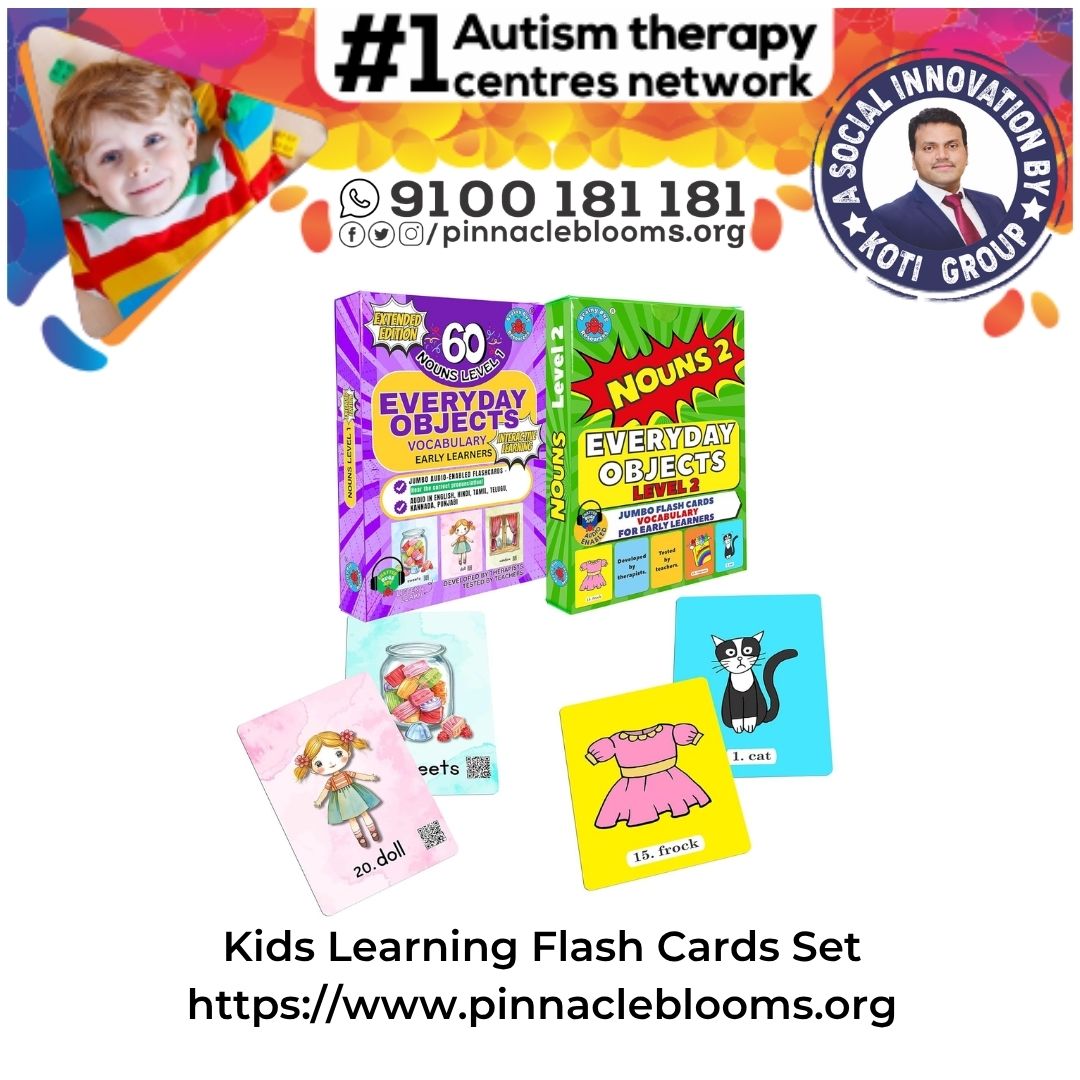
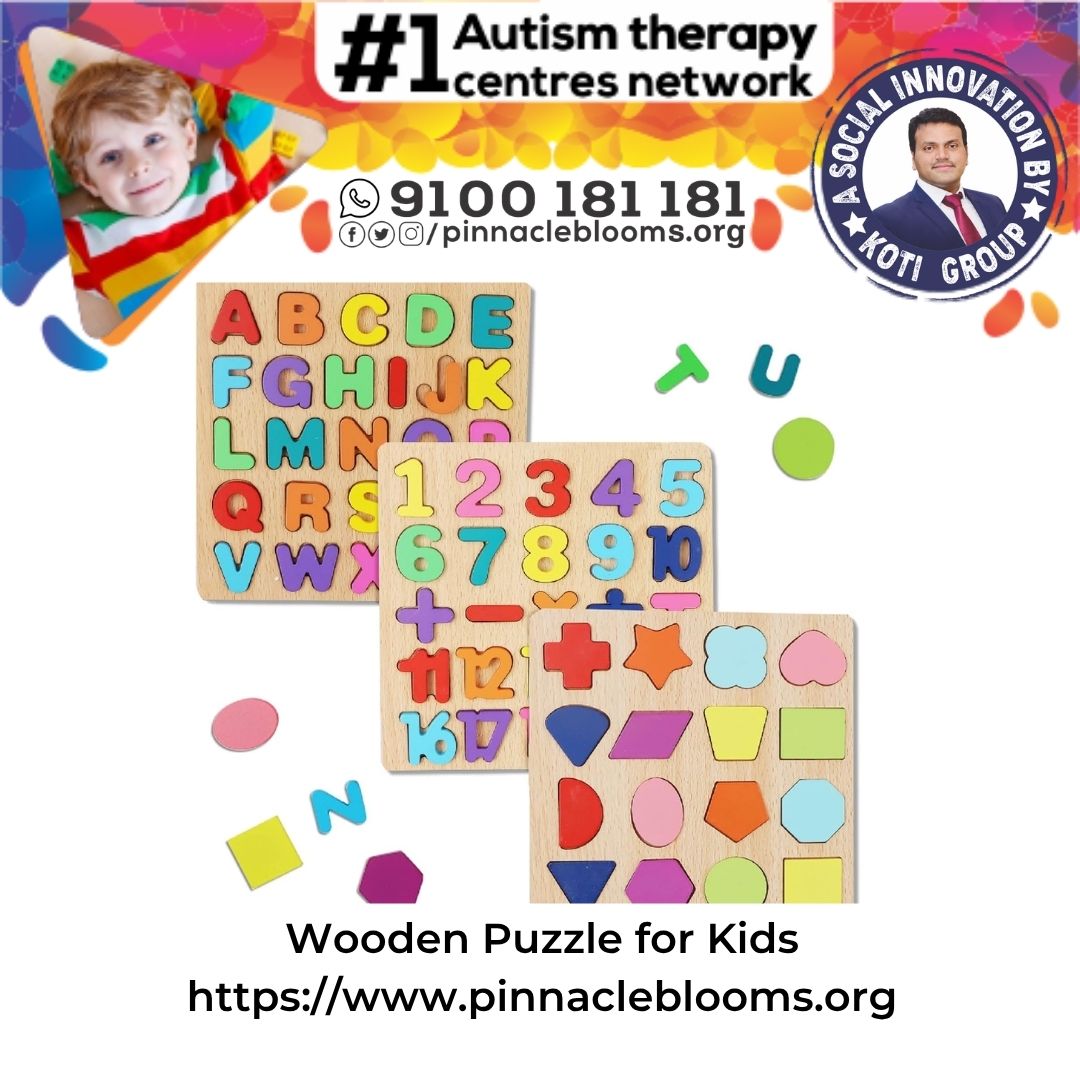
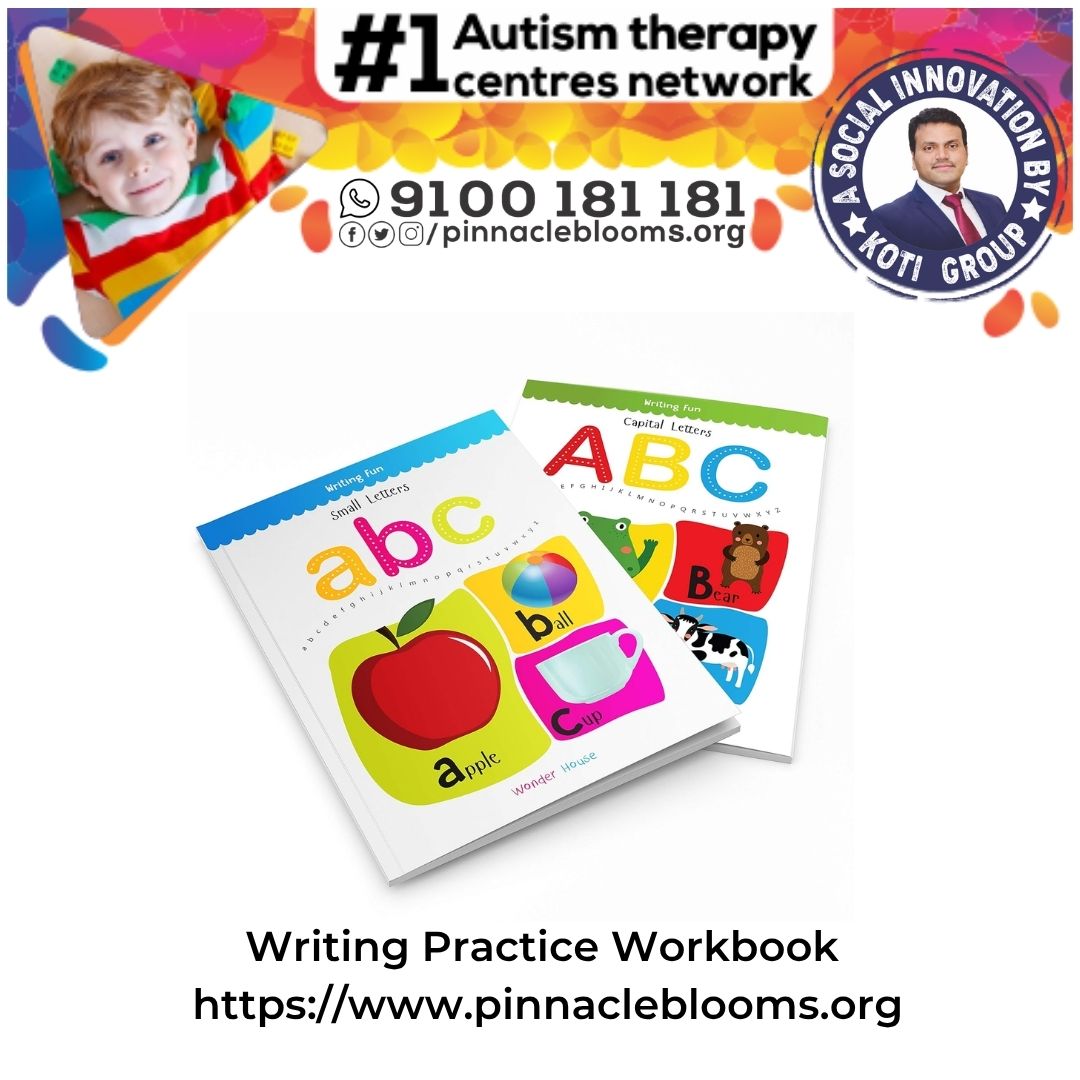
Material 8.7: Letter / Alphabet Learning
Alphabetic Foundation for Reading
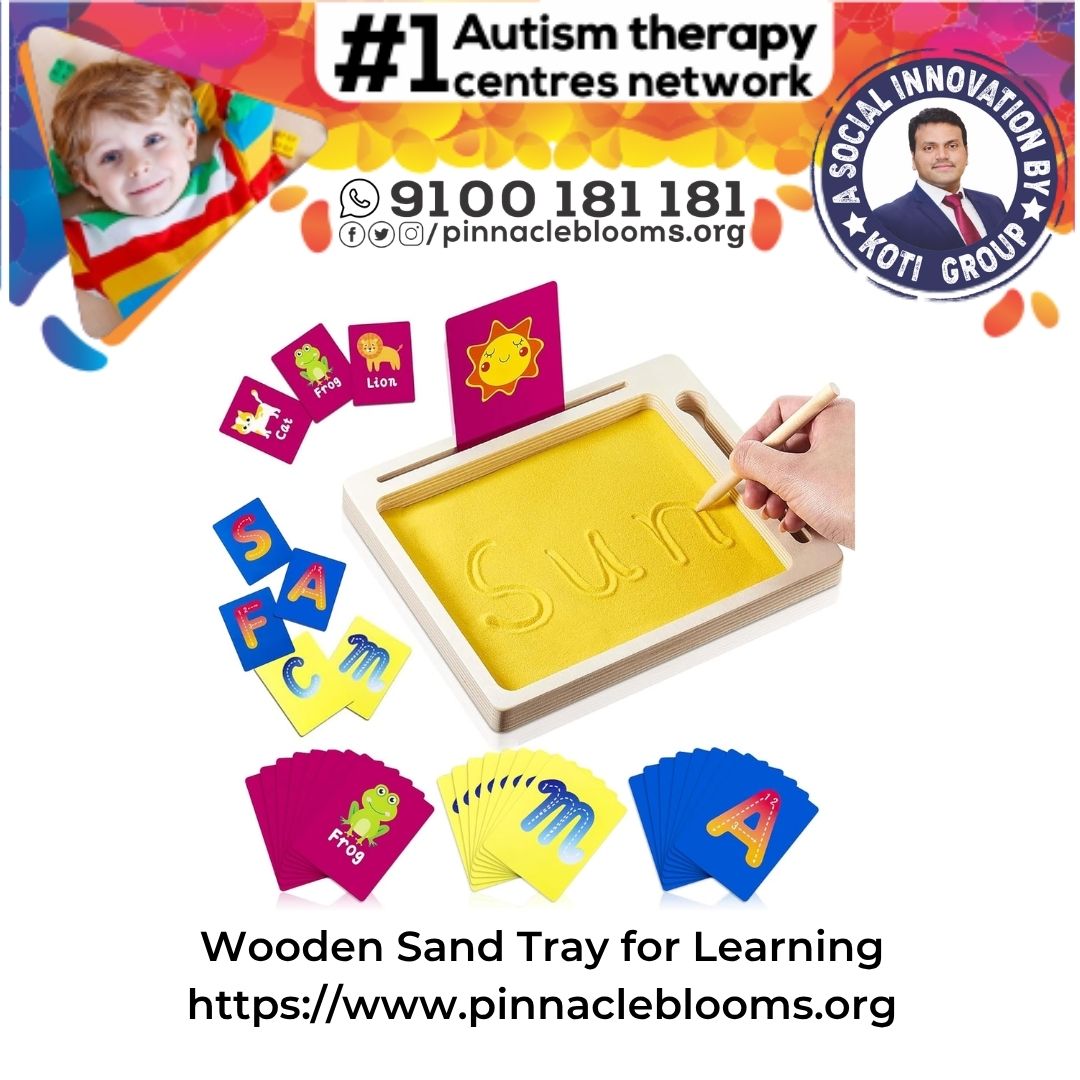
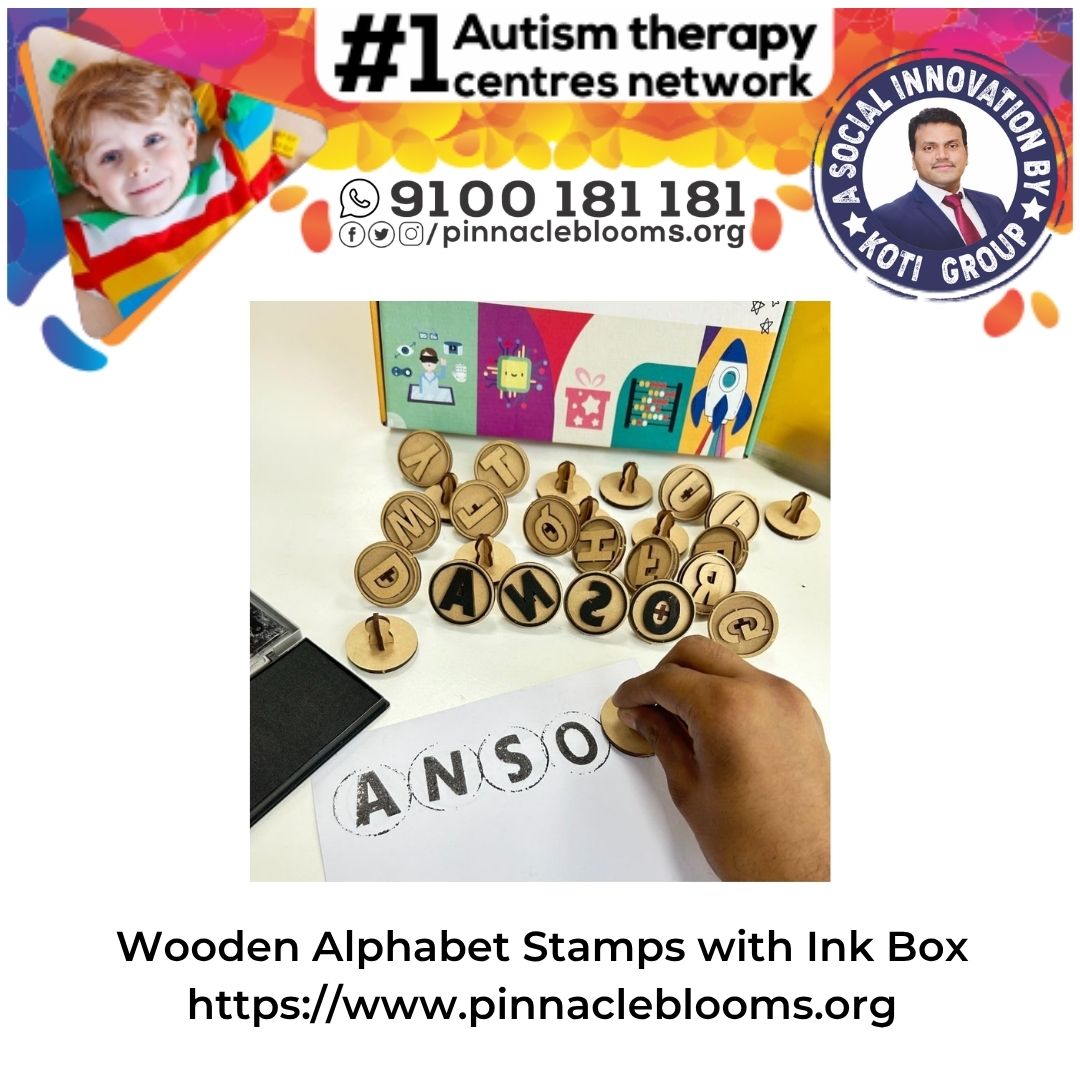
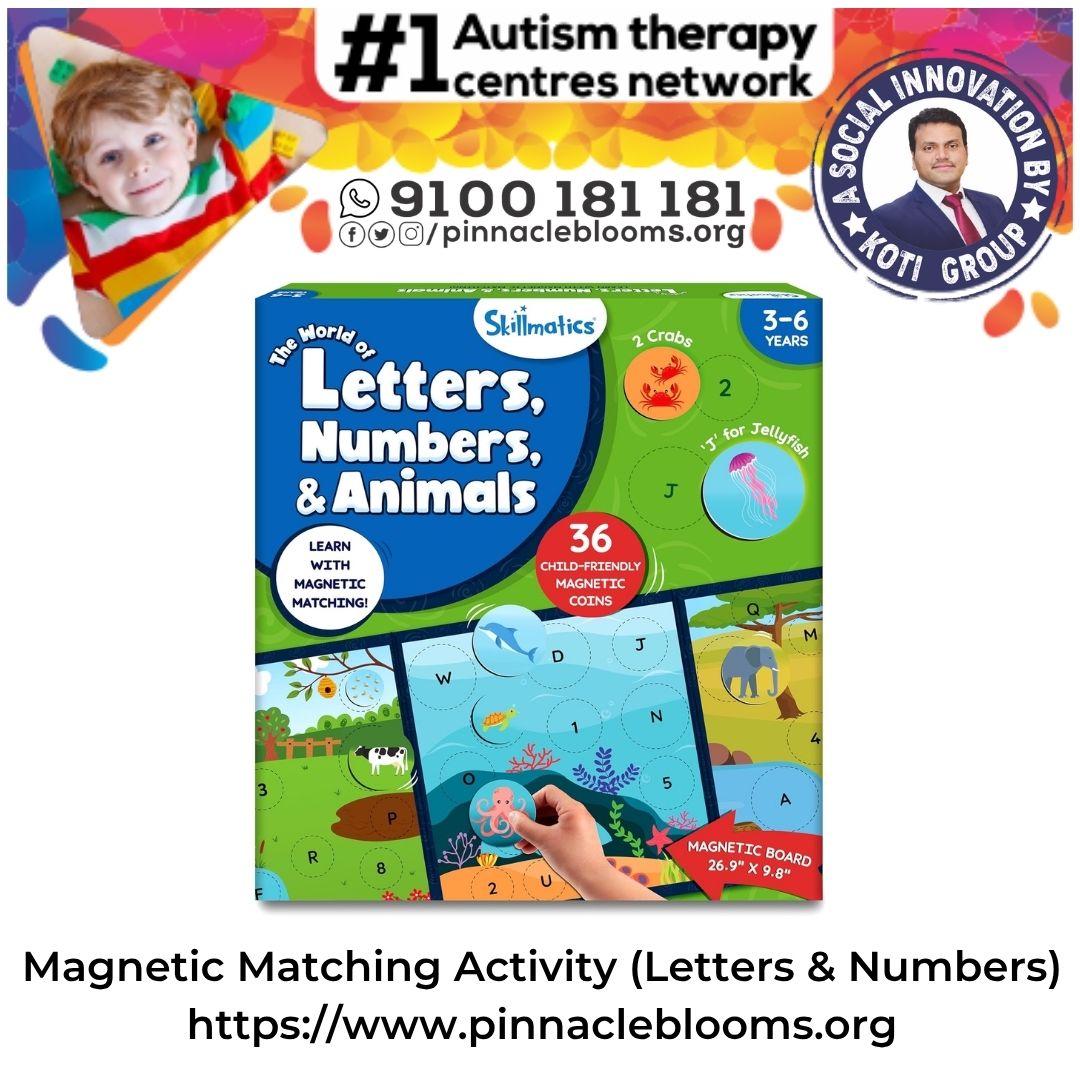
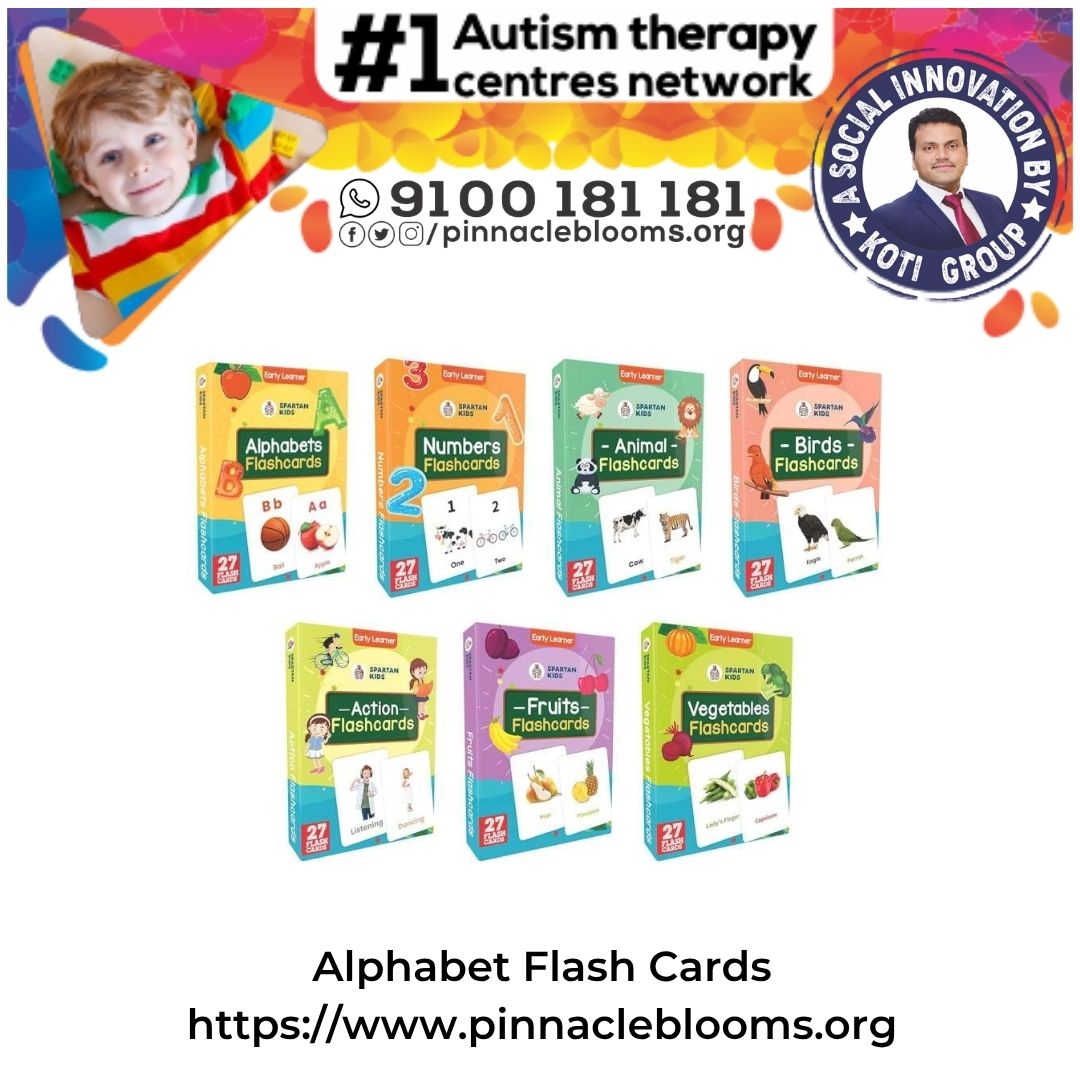
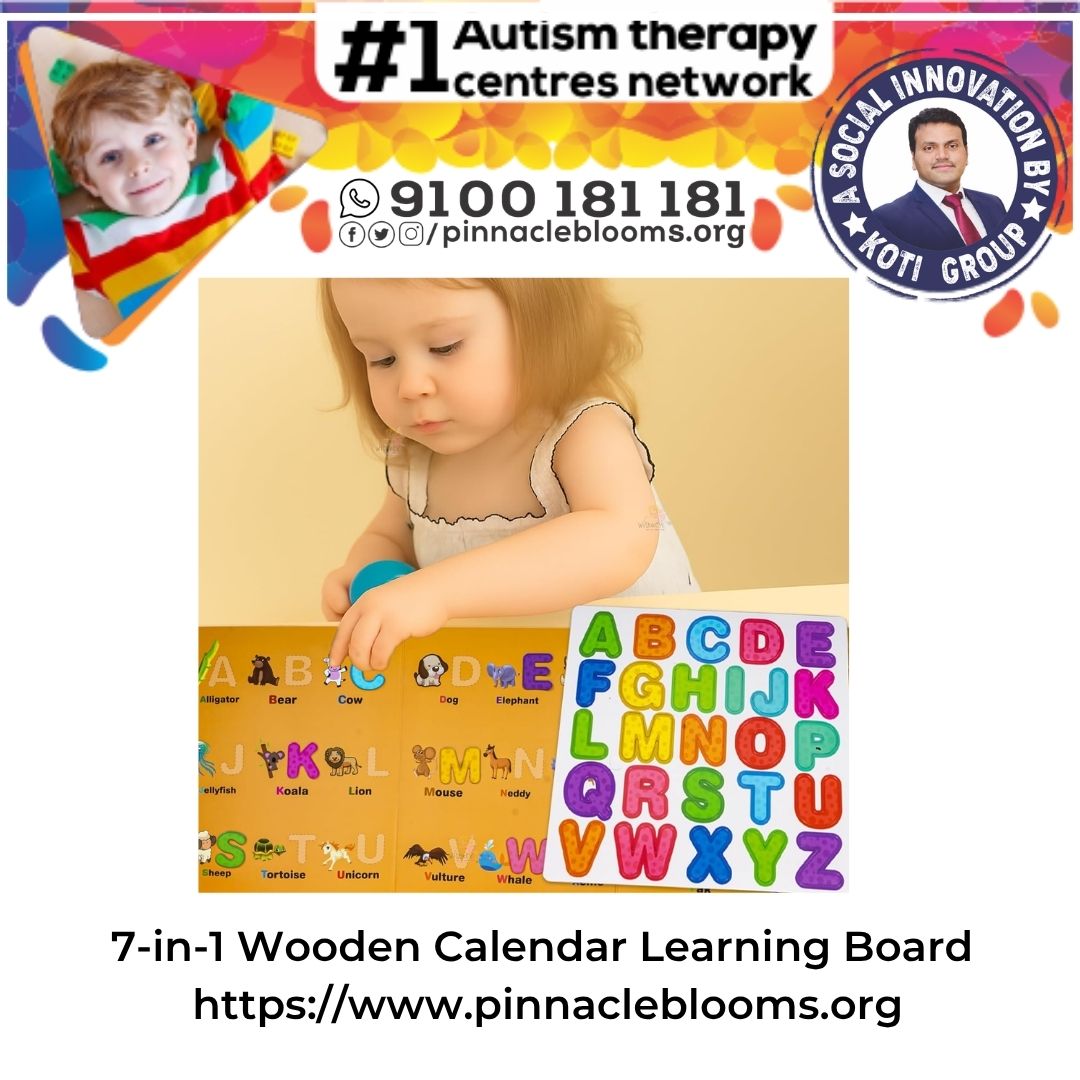
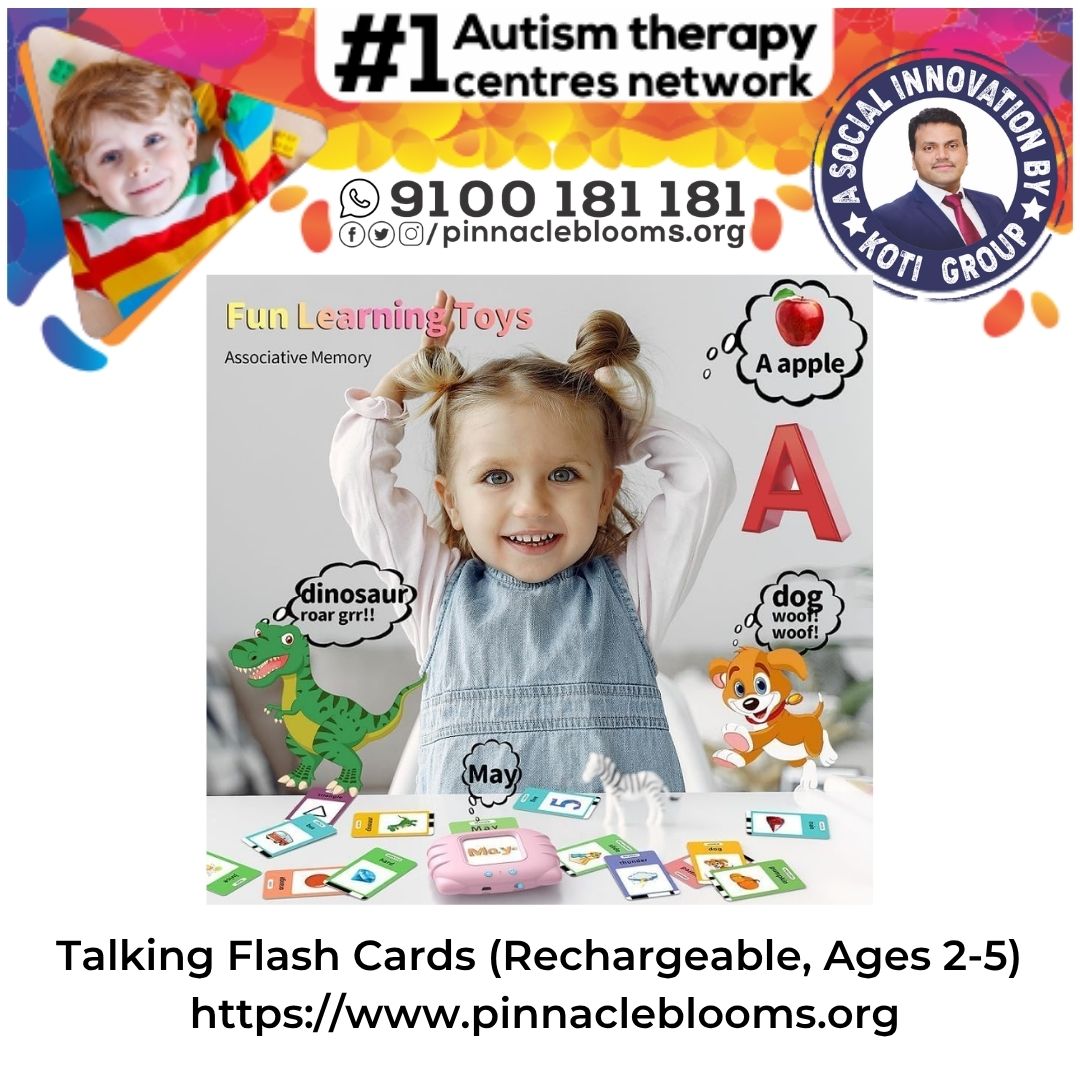
Letter and alphabet learning materials develop the foundational alphabetic knowledge essential for reading readiness through multi-sensory approaches. Understanding letters—their names, sounds, and forms—is a critical prerequisite for decoding and reading development.
Core Kit Material (Rank 1) with strong evidence support. Multi-sensory letter learning (visual, auditory, tactile, kinesthetic) creates stronger neural pathways than single-modality instruction.
Price Range: ₹100 - ₹800
For: Parents, Therapists, Schools
Cognitive Mechanism
Visual recognition → naming → sound association → multi-sensory reinforcement → alphabetic foundation for reading
Target Areas
- Letter recognition
- Letter naming
- Letter-sound association
- Alphabetic awareness
- Letter formation
1
Start with Child's Name
Letters in the child's name are most meaningful and motivating—begin here for personal connection
2
Names AND Sounds Together
Teach both letter names and letter sounds concurrently—research shows this dual approach is most effective
3
Multi-Sensory Approach
Engage multiple senses: see the letter, hear the name and sound, touch tactile letters, trace the shape
4
Recognition Before Production
Focus on recognizing and identifying letters before expecting children to write them independently
5
Tactile Letters for Kinesthetic Learners
Use textured, three-dimensional letters for children who learn best through touch and movement
Material 8.8: Attention / Focus Games
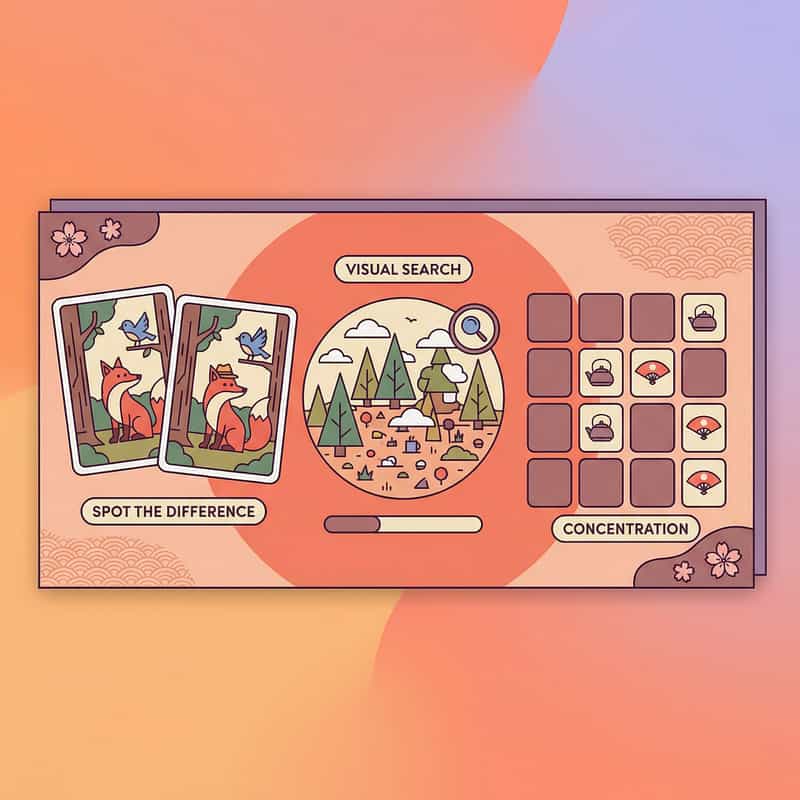
Building Executive Function
Attention and focus games develop sustained attention, selective attention, and inhibitory control through engaging activities that build executive function. Attention is the gateway to all learning—without it, information cannot enter working memory or long-term storage.
Core Kit Material (Rank 1) with strong evidence. Executive function skills, including attention control, predict academic success more strongly than IQ.
Price Range: ₹0 - ₹1,000 | Settings: Home, School, Clinic
Sustained Attention
Maintaining focus on a task over time—builds through practice with engaging materials
Selective Attention
Focusing on relevant information while filtering distractions—essential for classroom learning
Inhibitory Control
Stopping automatic responses and thinking before acting—developed through stop/go games
Working Memory
Holding information in mind while working with it—strengthened by attention practice
Match Current Span
Start with child's current attention span, build gradually—frustration breaks attention
High-Interest Activities
Use topics and activities the child loves to maximize natural engagement
Short, Frequent Practice
Brief, regular practice sessions are more effective than long, infrequent ones
Include Inhibitory Games
Stop/go, freeze dance, red light/green light build impulse control
Praise Attention Effort
Celebrate trying to focus and persisting, not just task completion

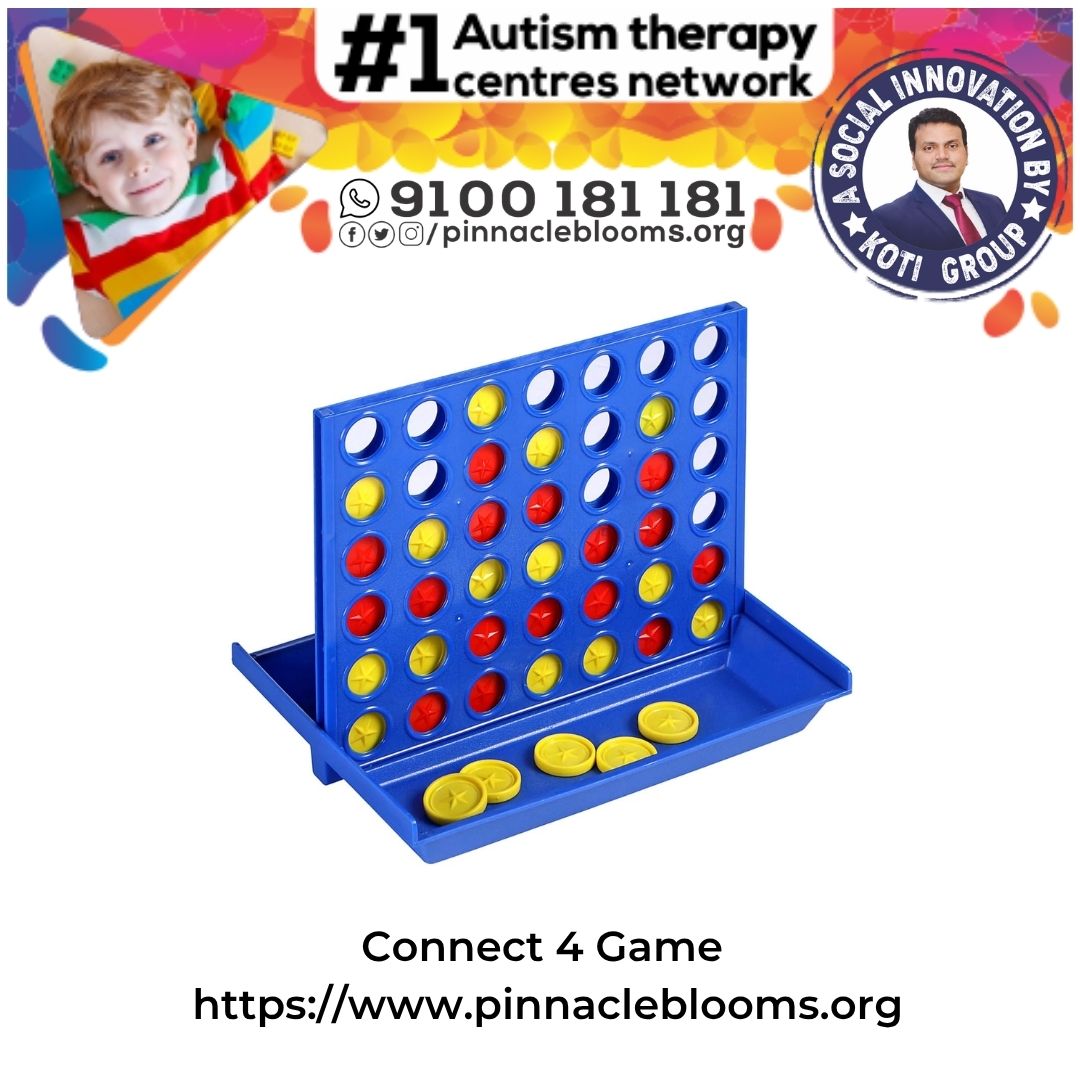
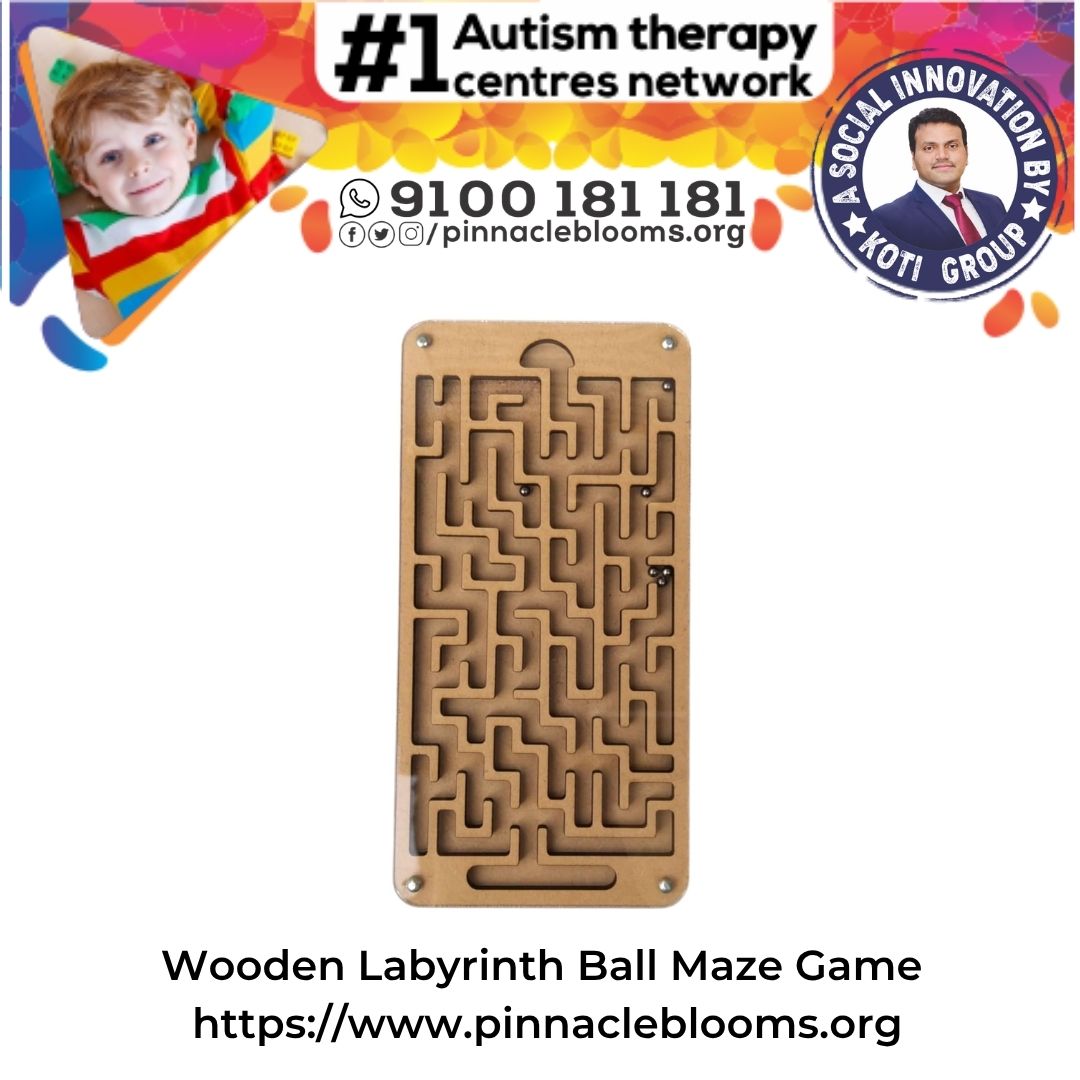
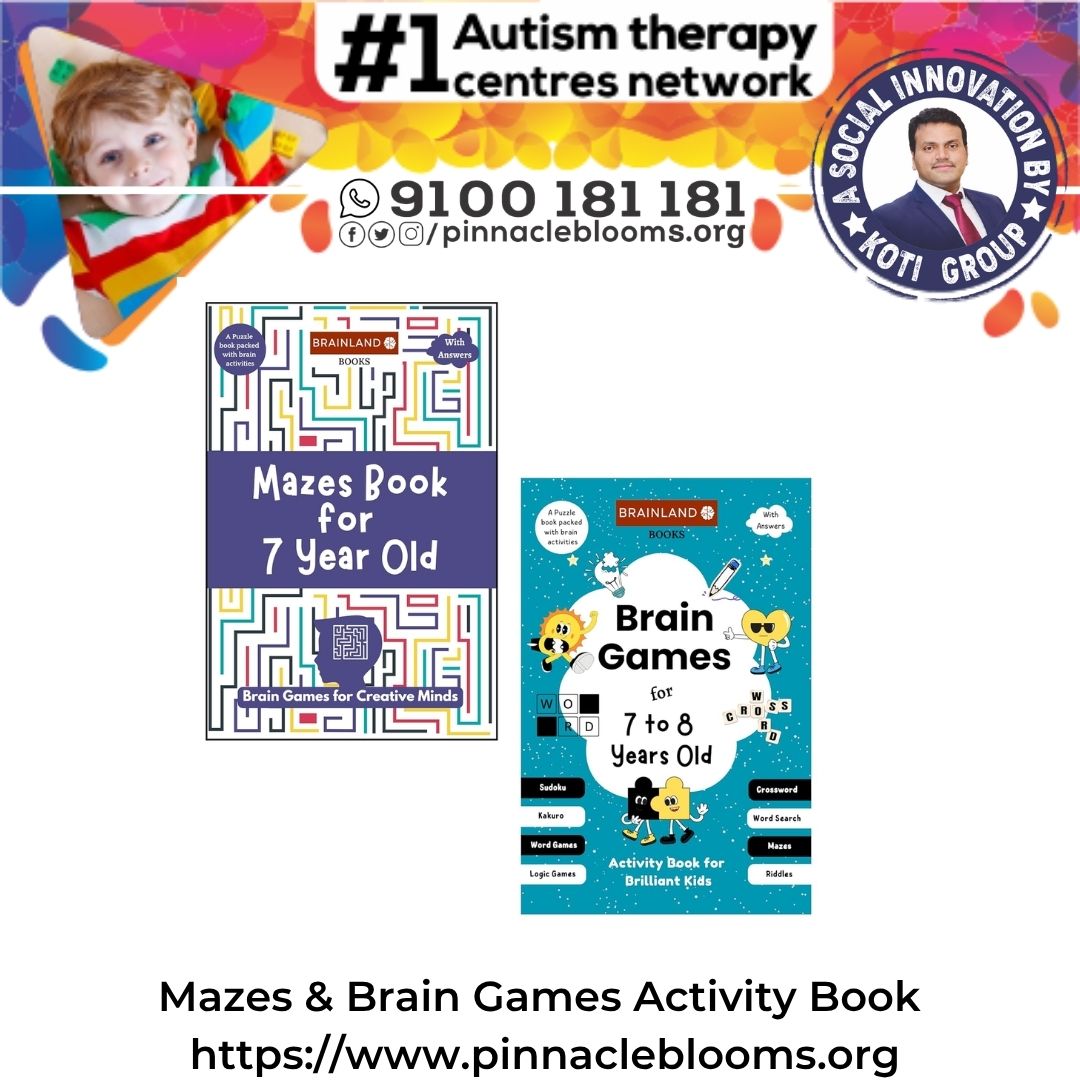
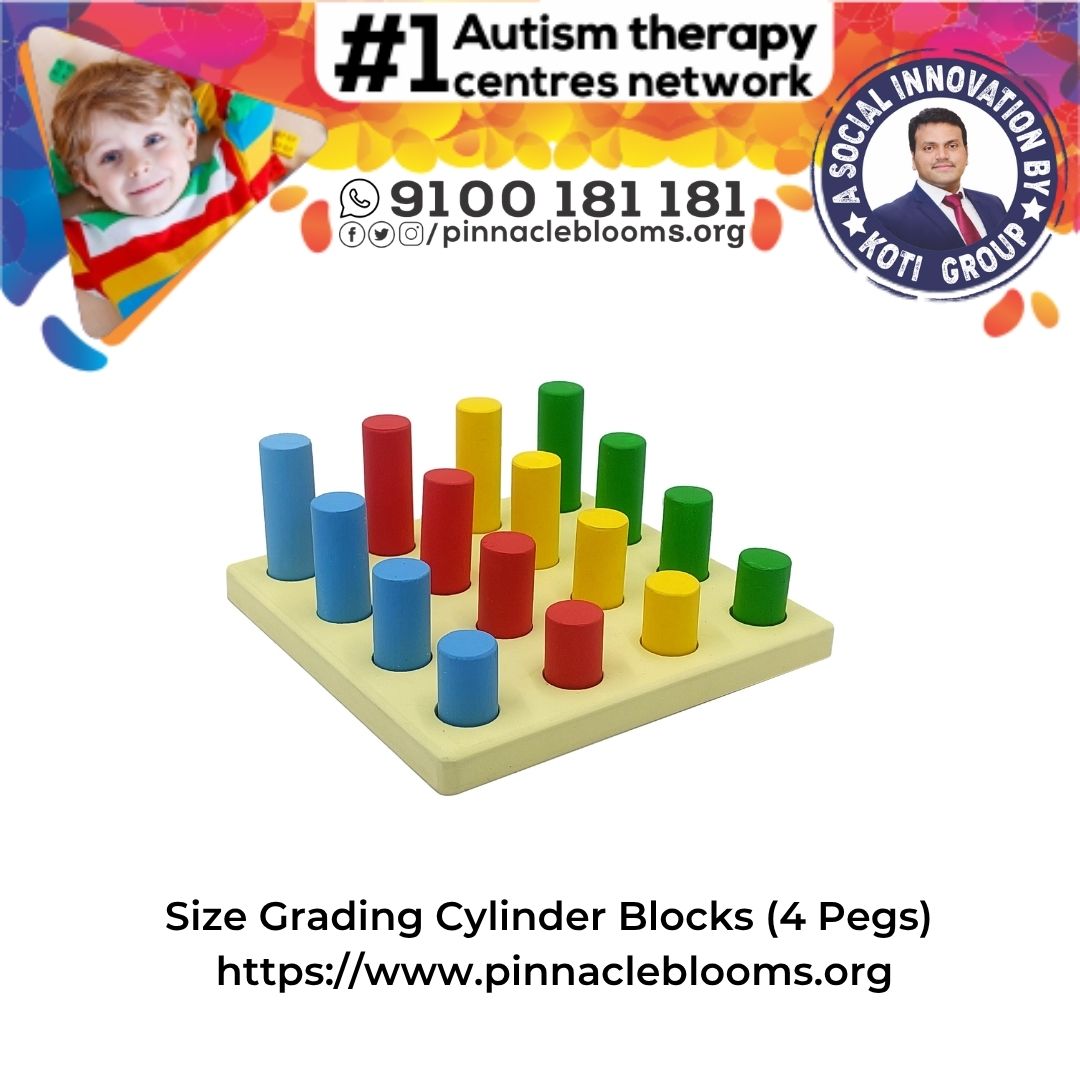
Material 8.9: Problem-Solving Toys
Developing Reasoning and Persistence
Problem-solving toys develop logical reasoning, planning, cognitive flexibility, and persistence through graduated challenges that build executive function. These materials teach children how to think through problems systematically, adjust strategies when something doesn't work, and persist through challenges.
Core Kit Material (Rank 1) with strong evidence support. Problem-solving skills and persistence are teachable through structured practice with appropriate challenge levels.
Cognitive Mechanism
Challenge presented → planning required → trial and error → feedback → adjustment → successful solution → persistence and reasoning developed
Price Range: ₹100 - ₹1,500
Settings: Home, School, Clinic
Start at Success Level
Begin where child can succeed, increase difficulty gradually to maintain motivation
Model Thinking Aloud
Verbalize your problem-solving process: "Hmm, that didn't work. Let me try another way"
Celebrate Process
Praise trying, adjusting strategy, and persisting—not just getting the right answer
Allow Productive Struggle
Some challenge is good—but step in before frustration overwhelms learning
Multiple Solution Paths
Choose toys with multiple ways to solve—builds cognitive flexibility
Target Areas: Logical reasoning, planning, cognitive flexibility, persistence, spatial reasoning, trial-and-error learning, executive function
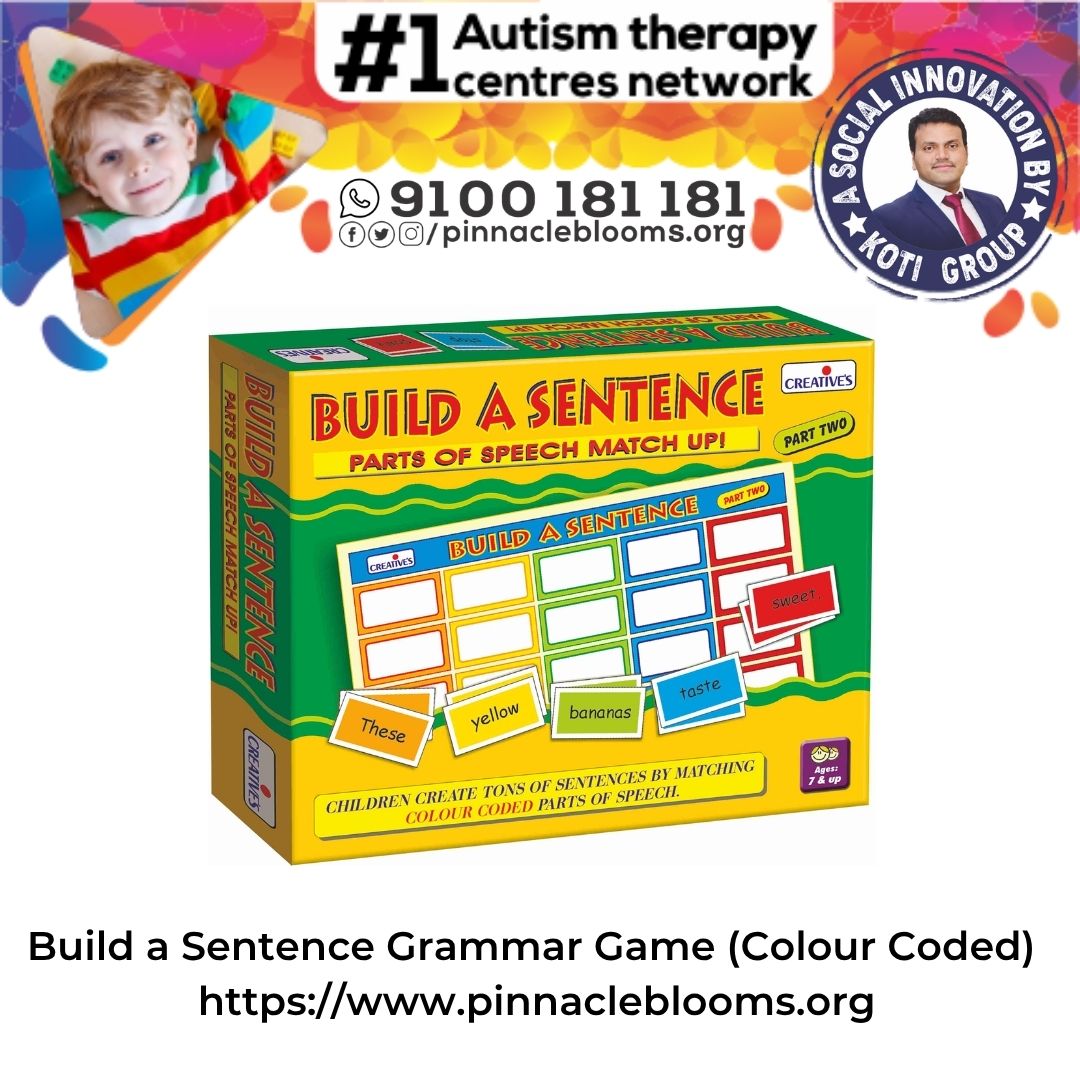
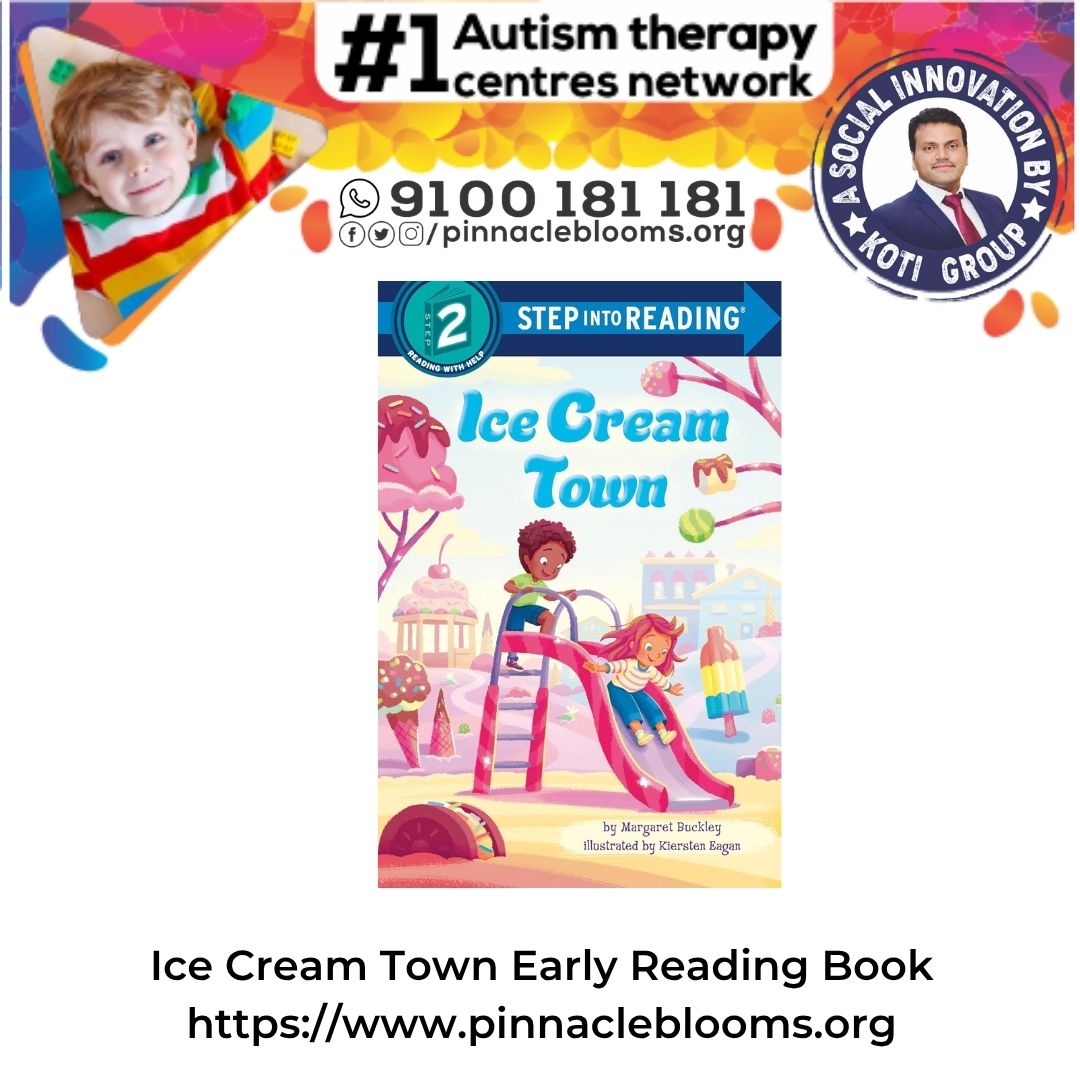
Material 8.10: Early Reading Materials
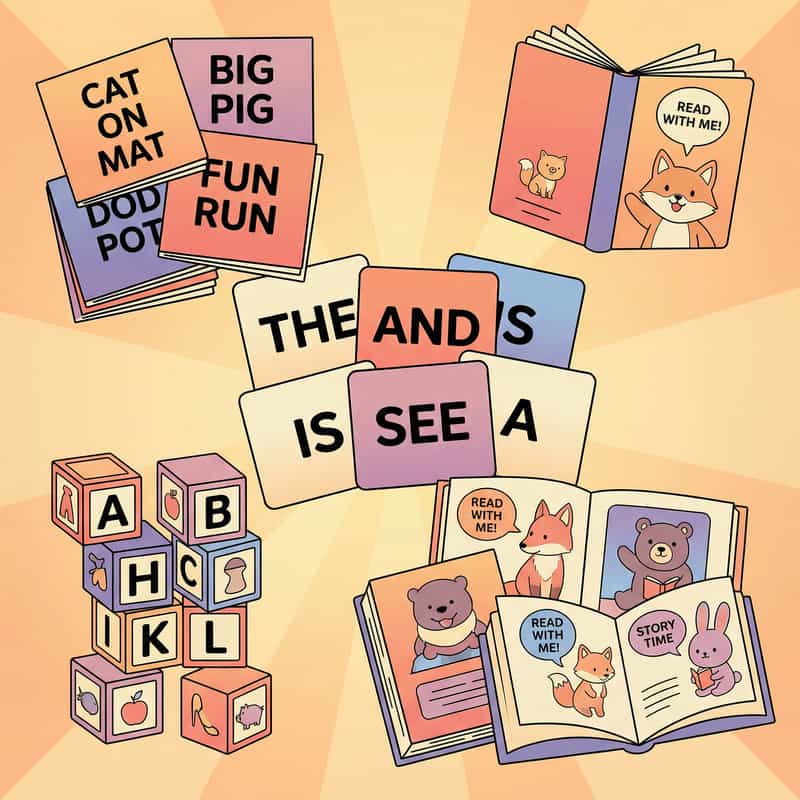
Building Confident Readers
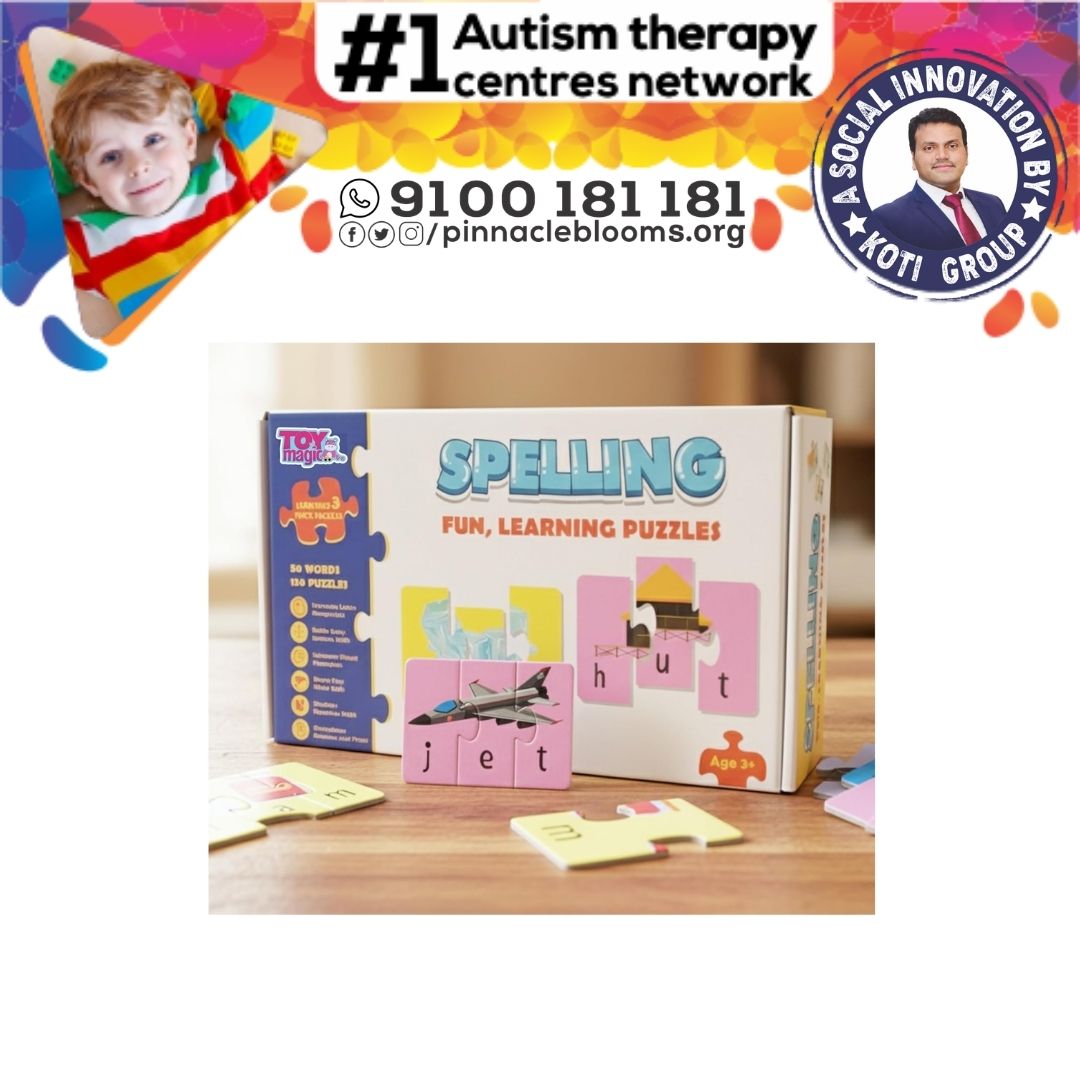
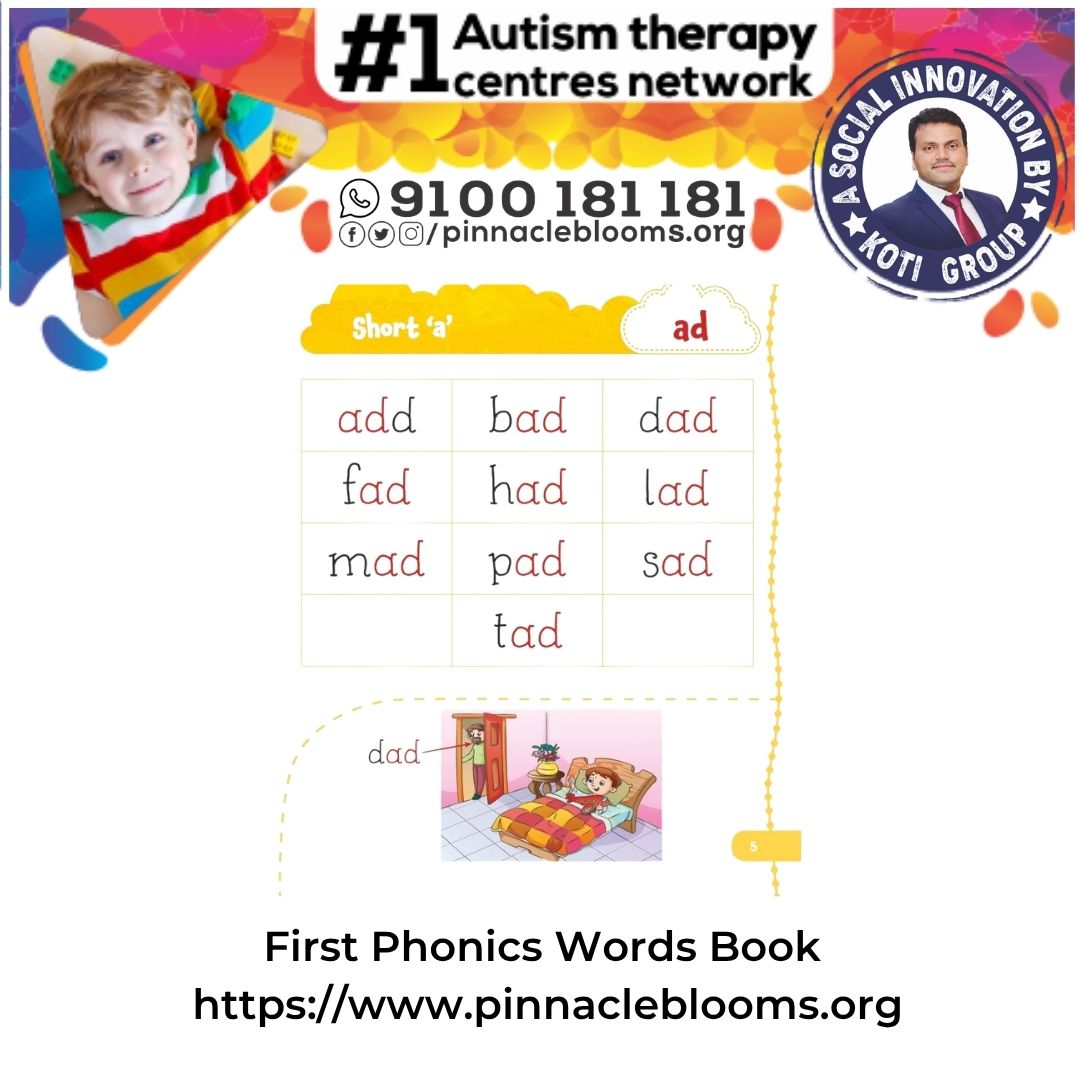
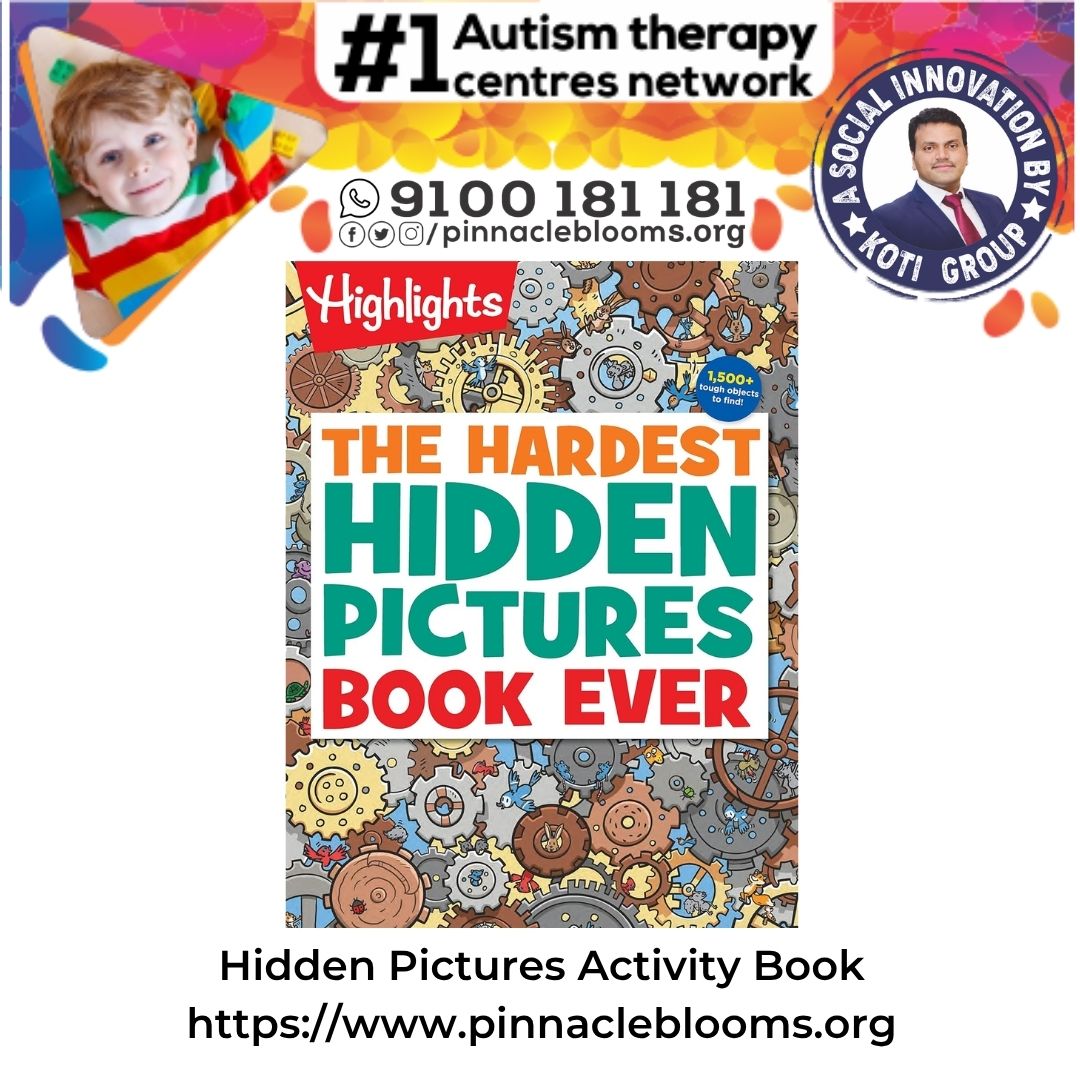
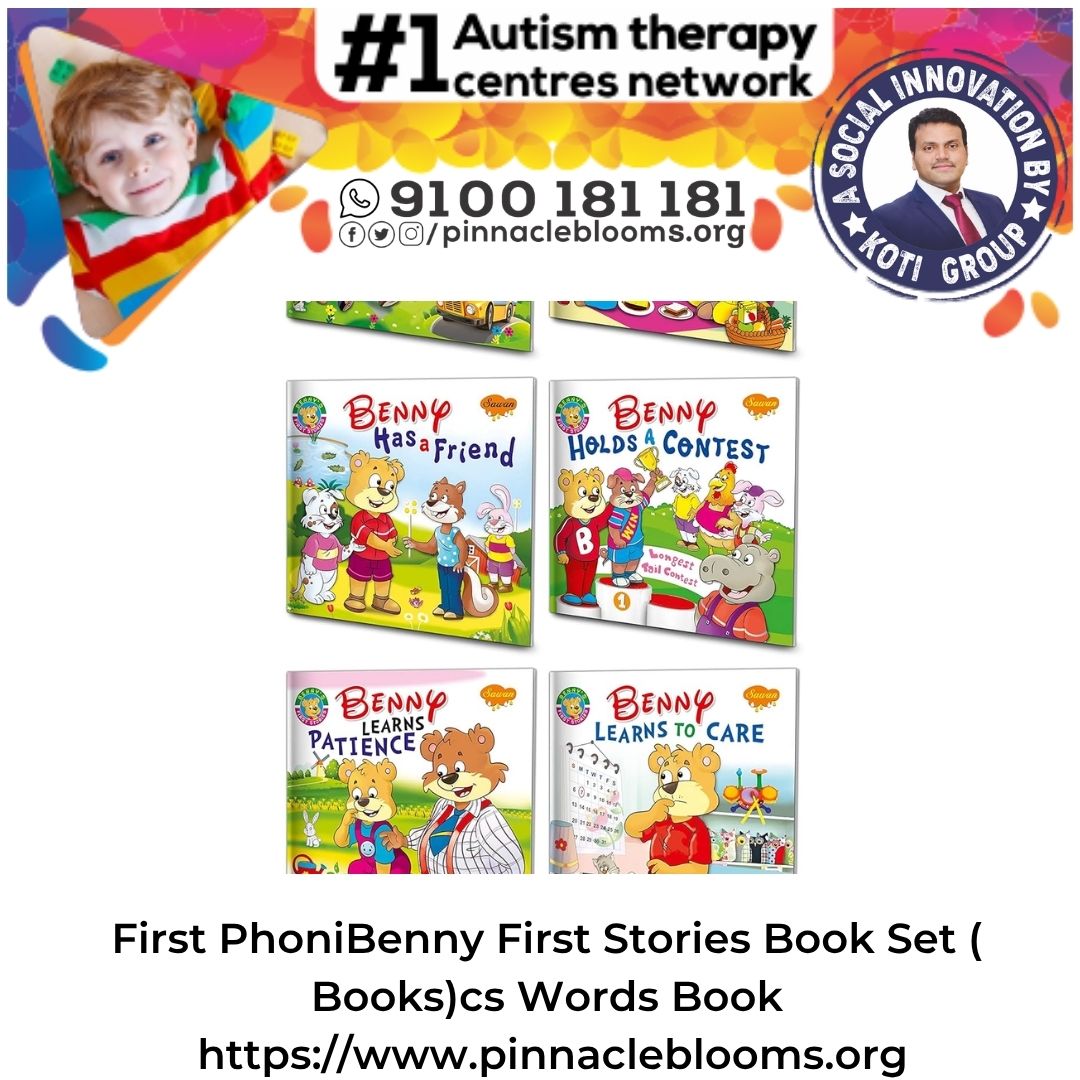
Early reading materials develop literacy through systematic phonics instruction, sight word recognition, and engaging texts that build confident, motivated readers. Reading is a complex cognitive skill requiring integration of phonics, sight words, fluency, and comprehension.
Core Kit Material (Rank 1) with strong evidence. Systematic, explicit phonics instruction combined with decodable texts produces better reading outcomes than whole-language approaches.
Price Range: ₹100 - ₹1,000 | For: Parents, Therapists, Schools
Systematic Phonics
Explicit, sequential phonics instruction—not random letter-sound exposure—builds decoding skills
Decodable Texts
Books that match taught phonics patterns allow children to practice and build confidence
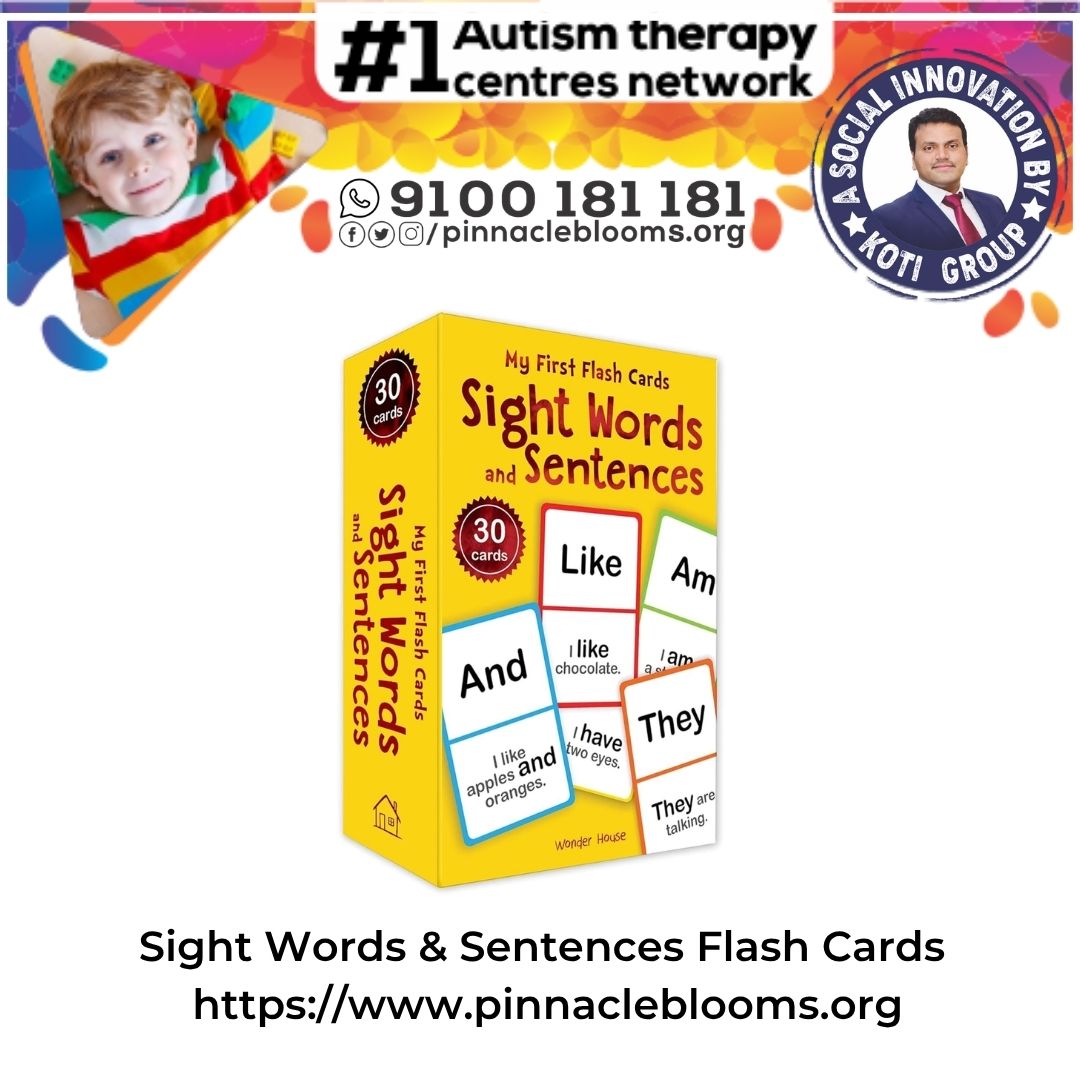
Sight Words
High-frequency words that don't follow phonics rules need explicit teaching and practice
Daily Reading Together
Read aloud WITH child daily—model fluency, build vocabulary, make reading enjoyable
Joyful, Not Stressful
Reading should feel successful and enjoyable, never punitive or frustrating
Cognitive Mechanism: Phonics instruction → decoding skills → sight word automaticity → fluency development → comprehension → confident reading
Target Areas: Phonics/decoding, sight word recognition, reading fluency, comprehension, print awareness, reading motivation
Implementation Across Settings

Home-Based Implementation
Parents implement materials during daily routines, play sessions, and dedicated learning time. Materials are selected for accessibility and ease of use without extensive training, while still maintaining evidence-based approaches.
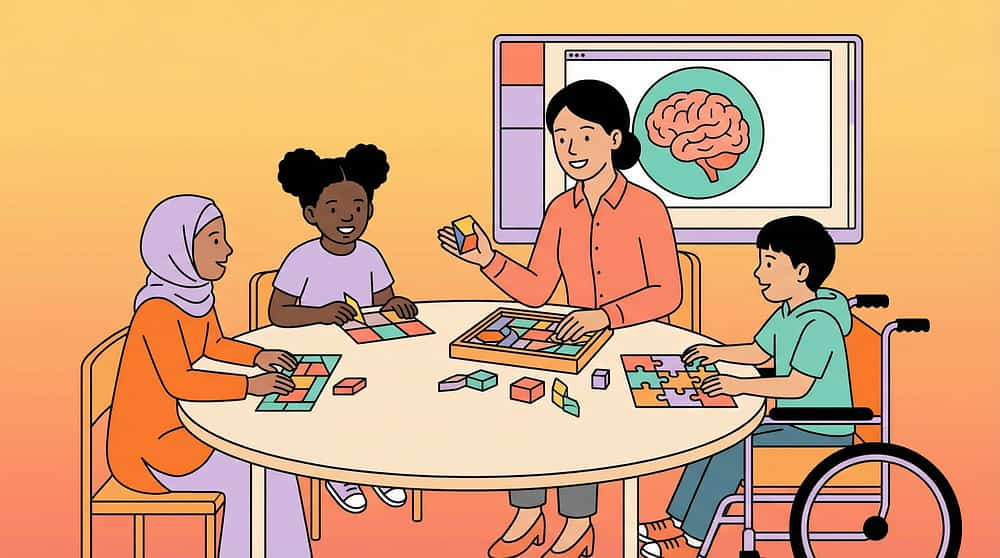
School and Classroom Use
Educators integrate materials into classroom activities, learning centers, and individualized instruction. Materials support inclusive education by providing differentiated learning opportunities at multiple levels.
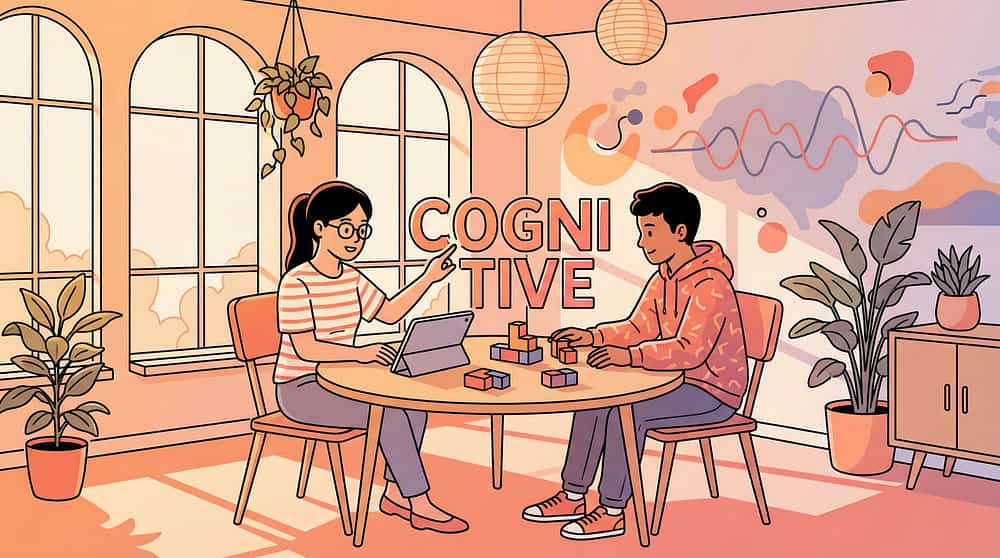
Clinical and Therapeutic Settings
Therapists use materials for formal assessment, systematic intervention, and progress monitoring. Clinical implementation involves detailed documentation, specific skill targeting, and data-driven decision making.
Regardless of setting, materials are most effective when used consistently, at the child's appropriate challenge level, with clear objectives, and as part of a comprehensive developmental support plan coordinated across environments.
Cannons
Cognitive & Learning MaterialsEvidence-based materials supporting cognitive development, academic readiness, memory, sequencing, and problem-solving skills across home, school, and therapy settings.






Link copied!