
Daily Living Skills Materials
Evidence-based resources for building independence in self-care, personal hygiene, and functional life skills
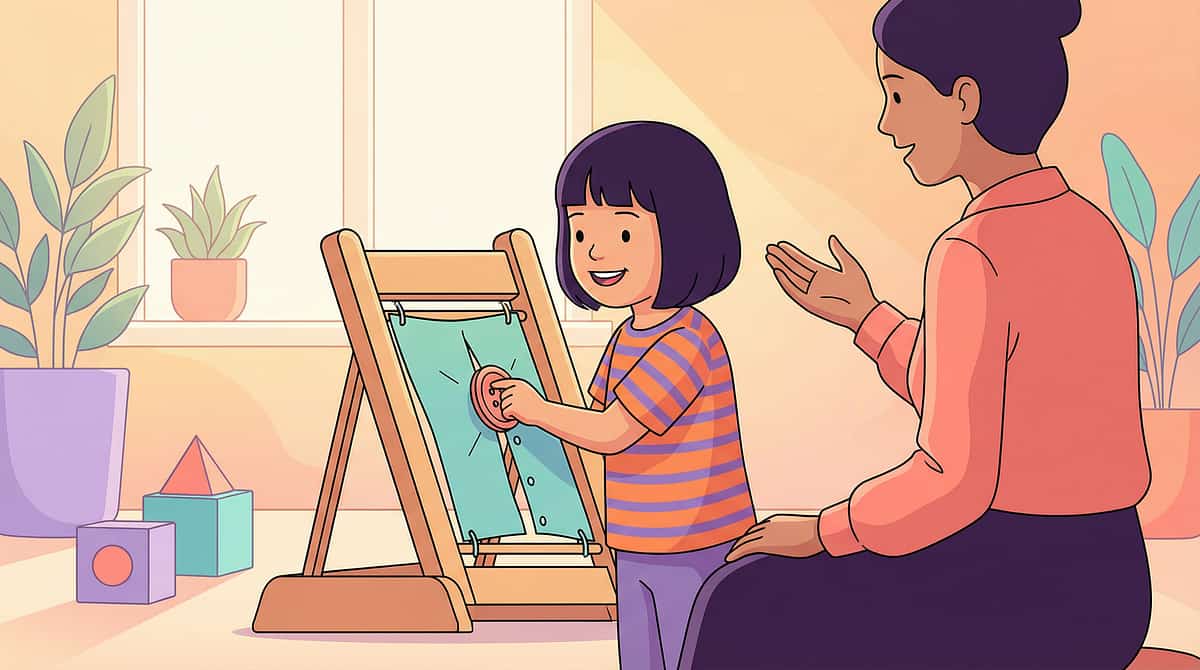
Supporting Independence Through Practical Skills
Materials in this category support independence in self-care, personal hygiene, dressing, feeding, and functional life skills. These resources help children develop the practical skills needed for everyday life, building confidence and autonomy through adapted tools, visual supports, and systematic practice.
Each material addresses specific motor, sensory, or cognitive challenges that may impact daily living activities. When matched appropriately to a child's needs and implemented with professional guidance, these tools create pathways to greater independence in home, school, and community settings.
The focus is always on functional outcomes: enabling children to participate more fully in daily routines, reducing dependence on caregivers, and building the self-confidence that comes from mastering essential life skills.
Guidelines for Effective Use
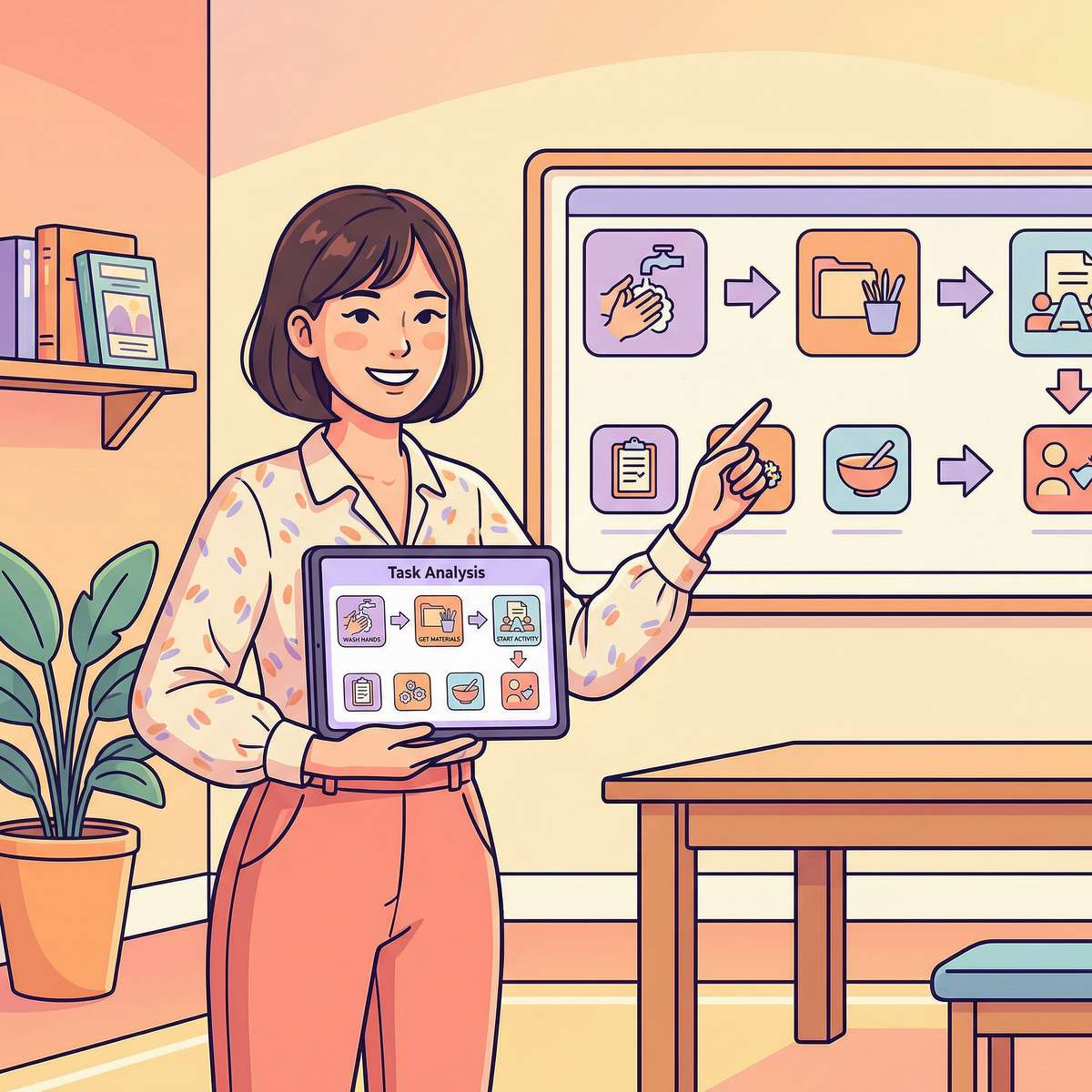
Evidence-Based Implementation
Success with daily living skills materials requires systematic, individualized approaches that respect each child's current abilities and learning style.
- Break complex tasks into small, teachable steps
- Use visual supports and schedules for multi-step routines
- Match adaptations to the child's specific motor and sensory needs
- Practice skills in natural contexts with real materials
- Fade supports gradually as independence develops
- Consult with occupational therapists for individualized daily living plans
These materials work best when integrated into daily routines rather than isolated practice sessions. Consistency across environments—home, school, and clinic—accelerates skill acquisition and generalization.

Material 9.1: Dressing Frames / Button Practice
Core Kit - Rank 1
Strong Evidence
Dressing frames and button practice tools develop the fastening skills essential for dressing independence through isolated, progressive practice. These Montessori-inspired tools allow children to master buttons, zippers, snaps, and buckles before applying these skills to actual clothing.
Function
Develop fastening skills (buttons, zippers, snaps, buckles) required for dressing independence through deliberate, isolated practice on manageable frames.
Mechanism
Isolated practice → skill mastery → transfer to clothing → functional independence in dressing. The progression from frame to garment follows motor learning principles.
Target Areas
Fine motor skills, bilateral coordination, visual-motor integration, sequencing, self-care independence, and motor planning abilities.
Best Practices
- Start with large fasteners, progress to smaller sizes
- Practice on frame/board BEFORE attempting own clothing
- Begin with front-facing practice, then progress to on-body
- Break each fastener type into smallest teachable steps
- Use backward chaining for success and motivation
Implementation Details
Price Range: ₹200 - ₹2,000
Settings: Home, School, Clinic
Intended For: Parents, Therapists, Schools
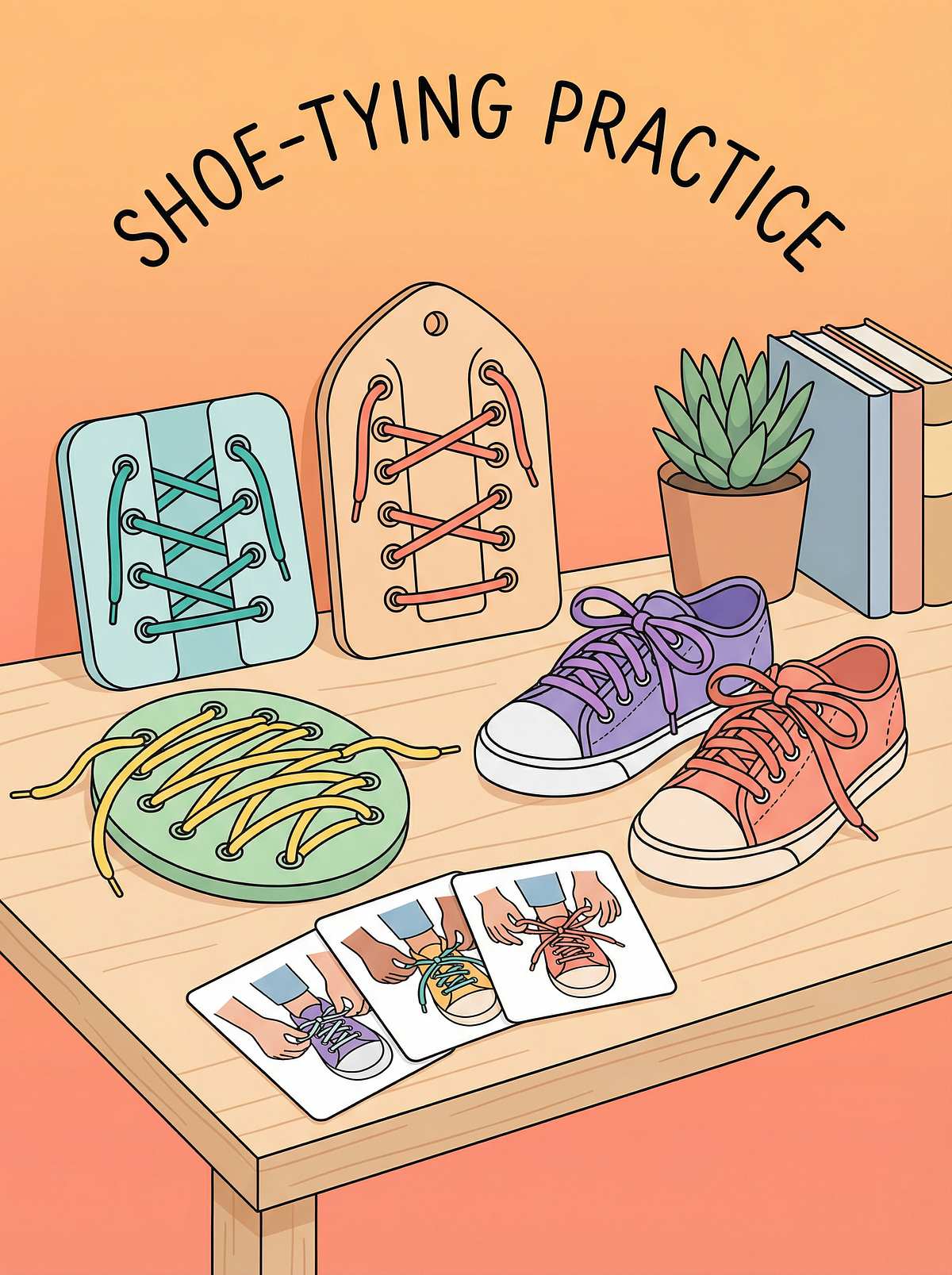
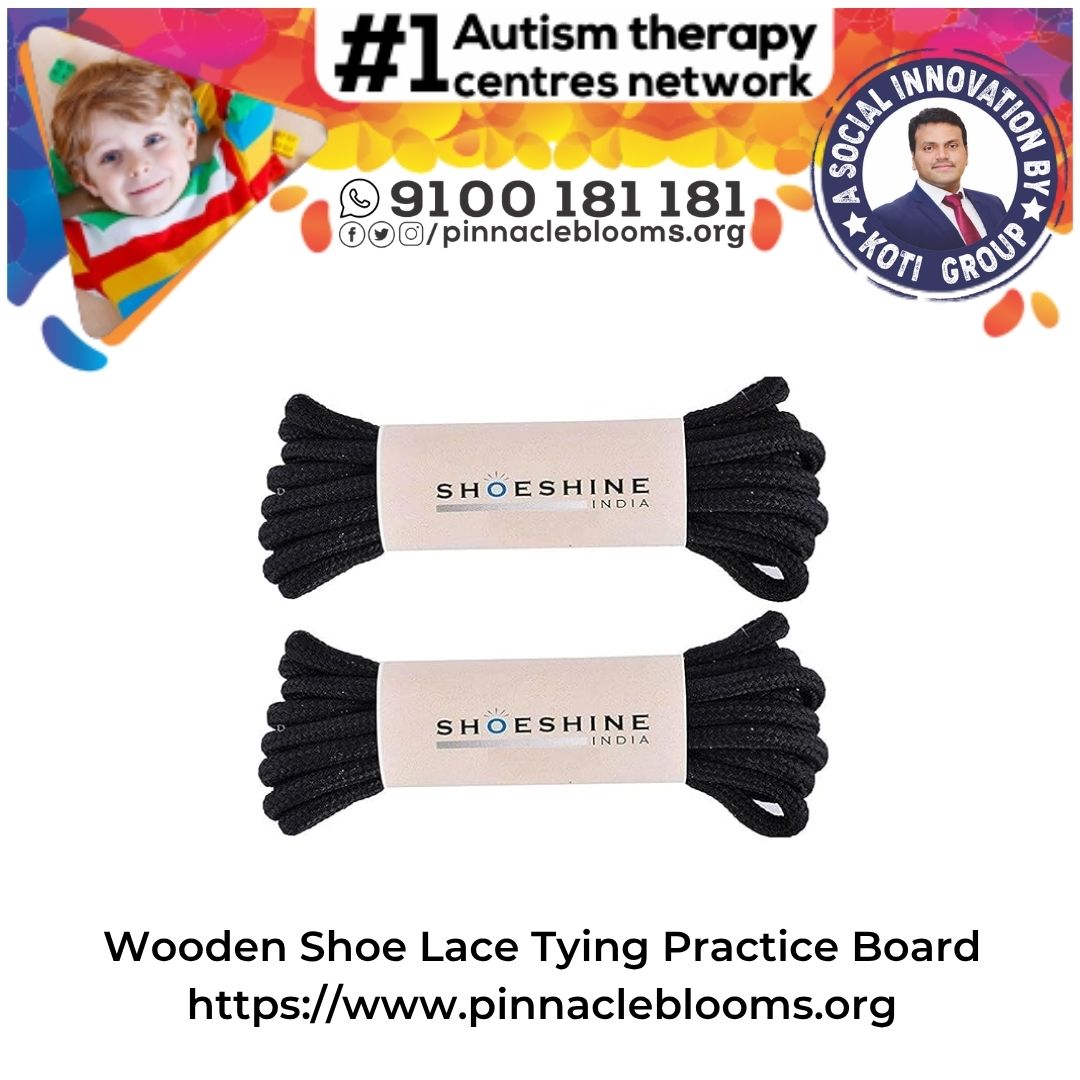
Material 9.2: Shoe Tying Tools
Core Kit - Rank 2
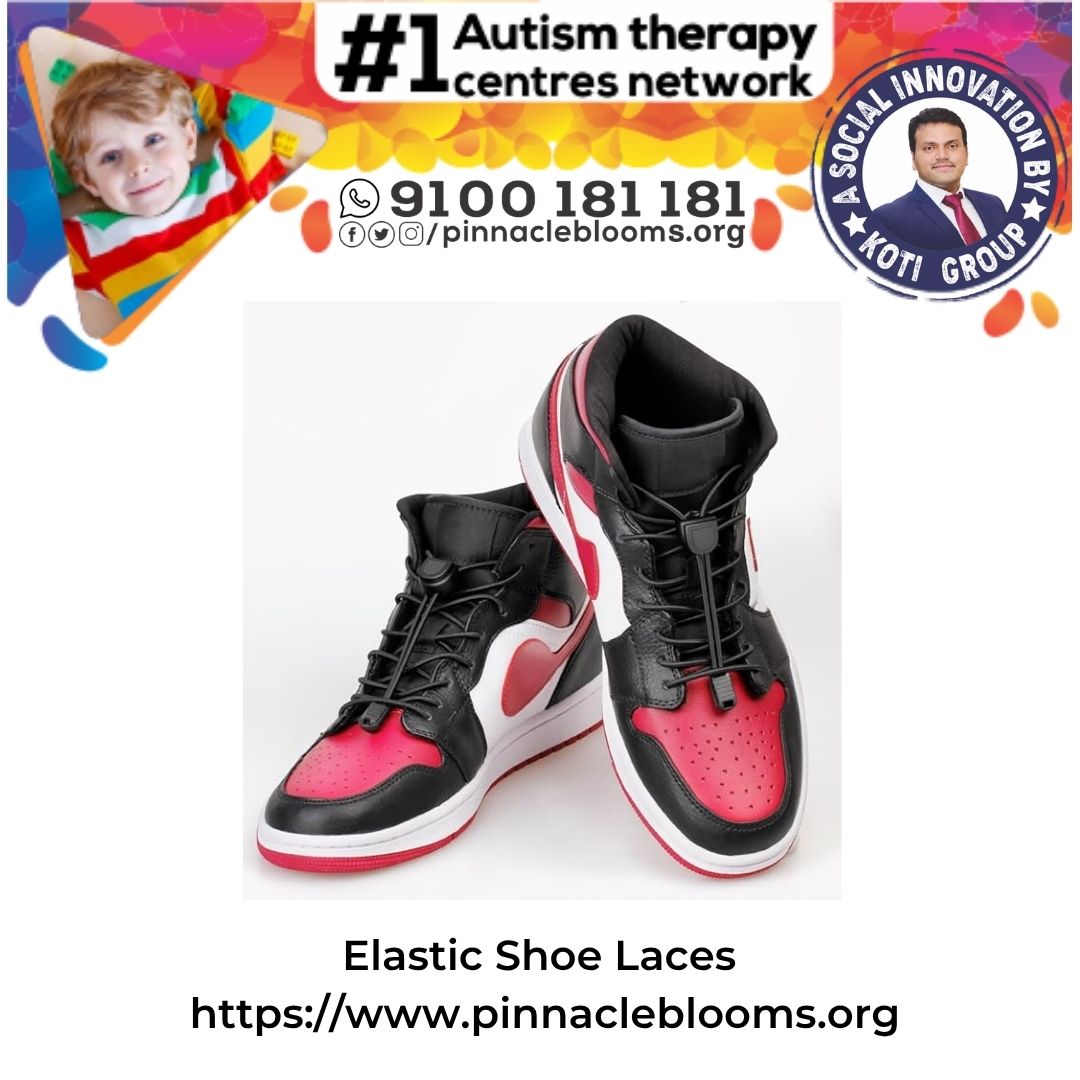
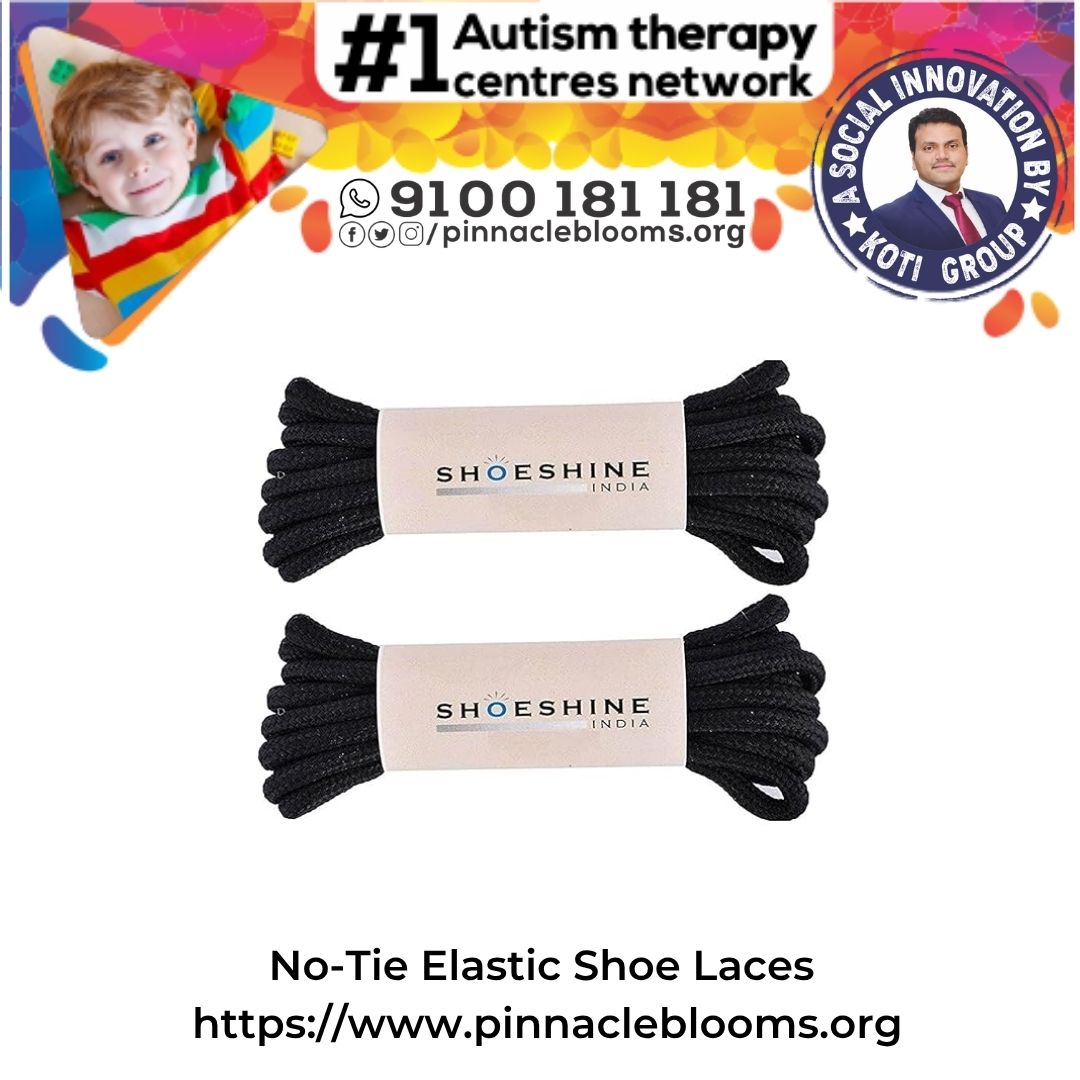
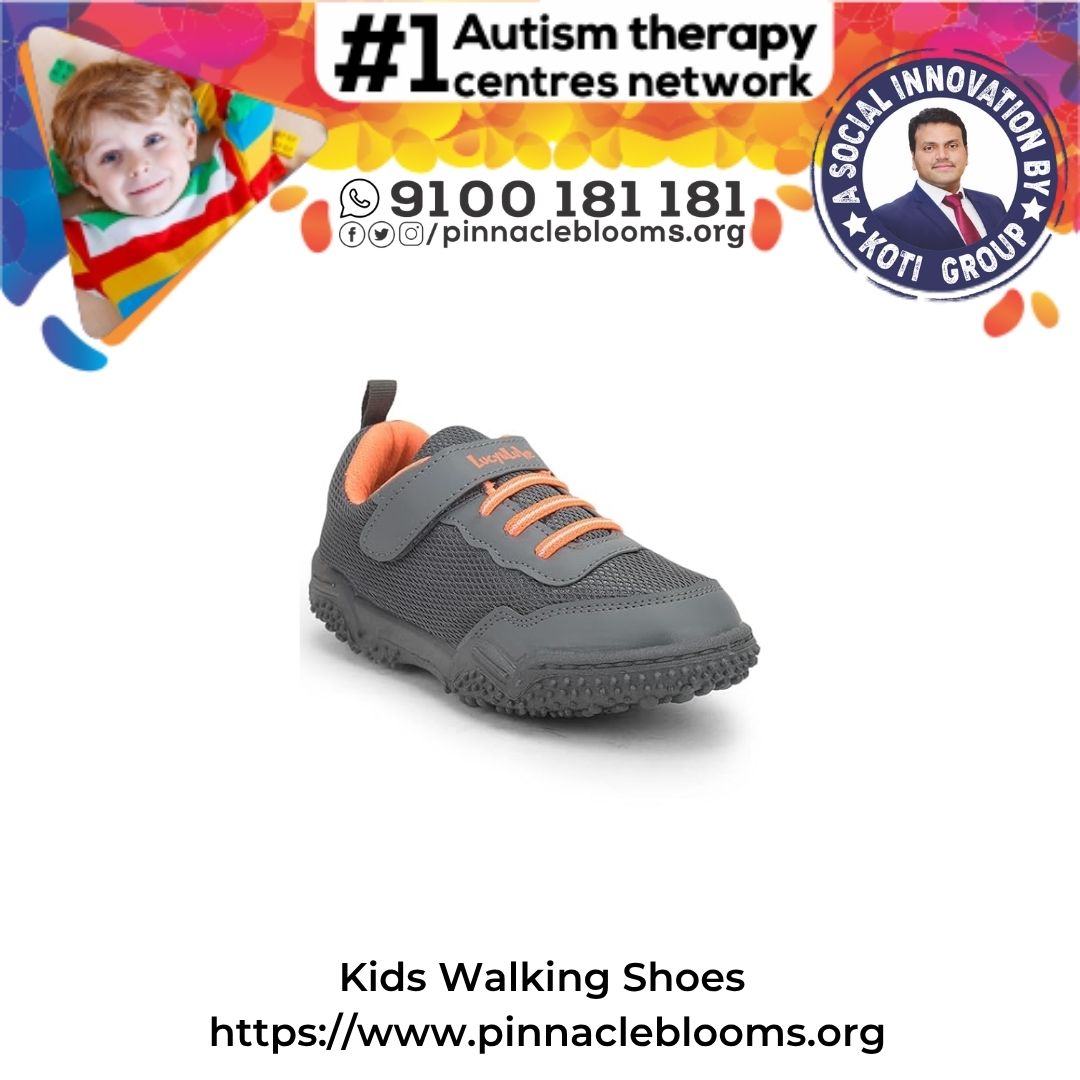
Shoe tying tools develop this complex fine motor skill through visual supports, adapted methods, and practice tools. Importantly, these materials also include adaptive no-tie laces as legitimate alternatives, recognizing that functional independence matters more than the specific method used.
Function
Develop shoe tying skills through systematic practice OR provide adaptive alternatives for footwear independence. Both pathways are valid approaches to achieving the functional goal.
Target Areas
Bilateral coordination, fine motor precision, motor sequencing, visual-motor integration, procedural memory, and self-care independence.
Best Practices
- Consider if traditional tying is essential or if adaptive works
- Two-color laces help distinguish left/right movements
- Practice on board before attempting own shoes
- Break into smallest steps with visual supports
- Adaptive laces are valid independence solutions
Many children achieve complete footwear independence through elastic or coiled no-tie laces, freeing time and energy for other skill development priorities.
Implementation Details
Price Range: ₹50 - ₹600
Settings: Home, School, Clinic
Intended For: Parents, Therapists, Schools
Material 9.3: Utensil Training Tools
Core Kit - Rank 1
Strong Evidence
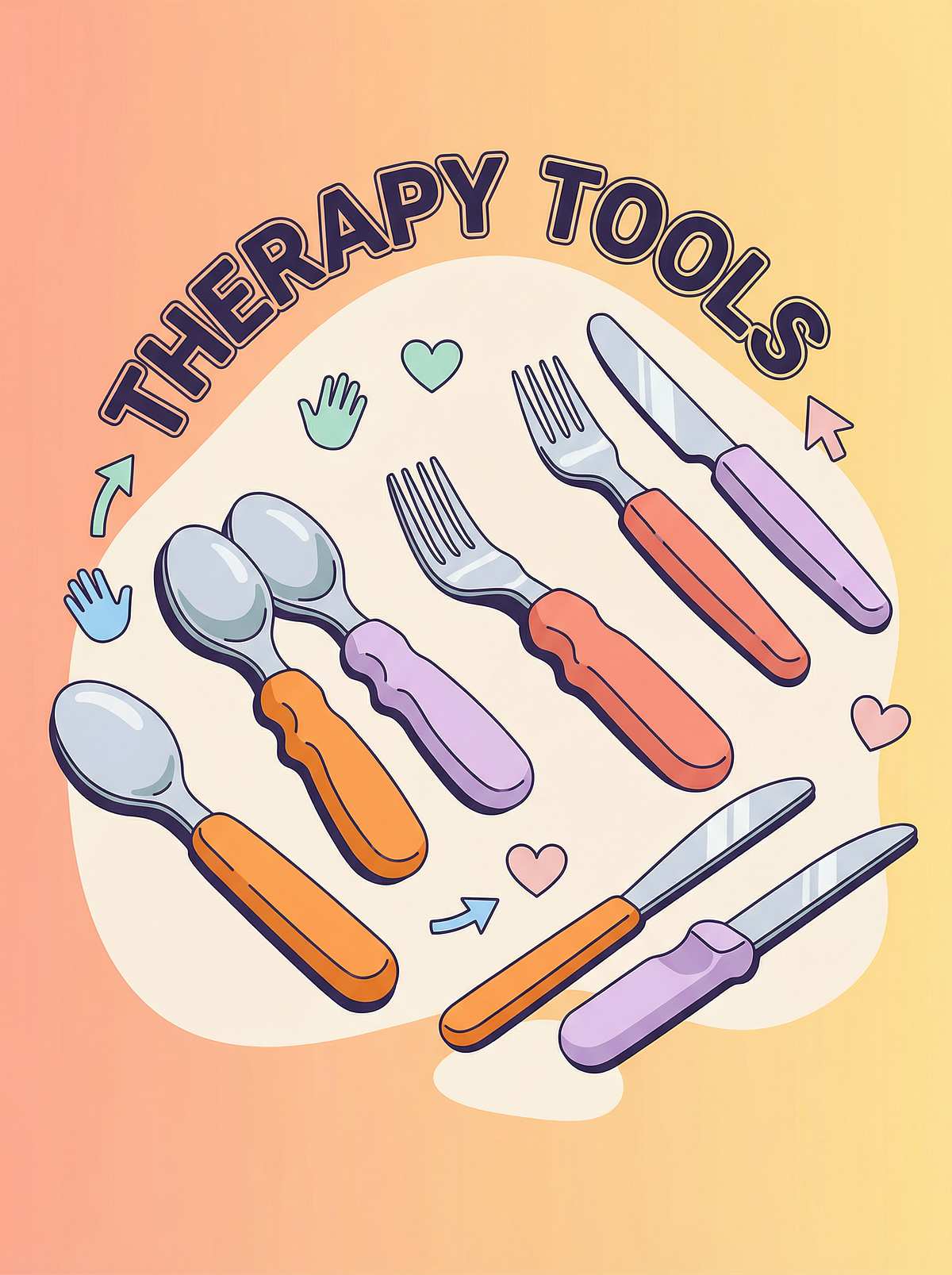
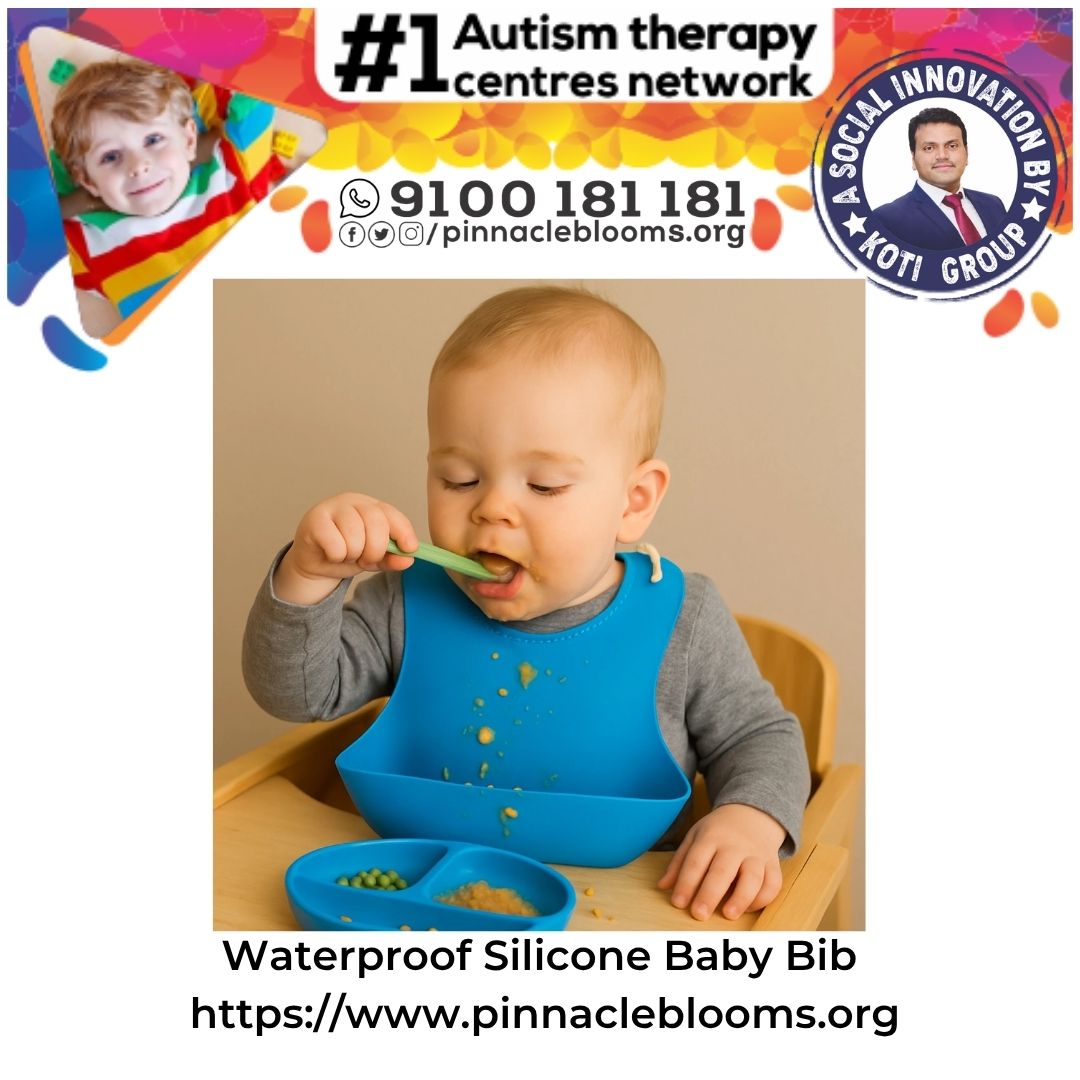
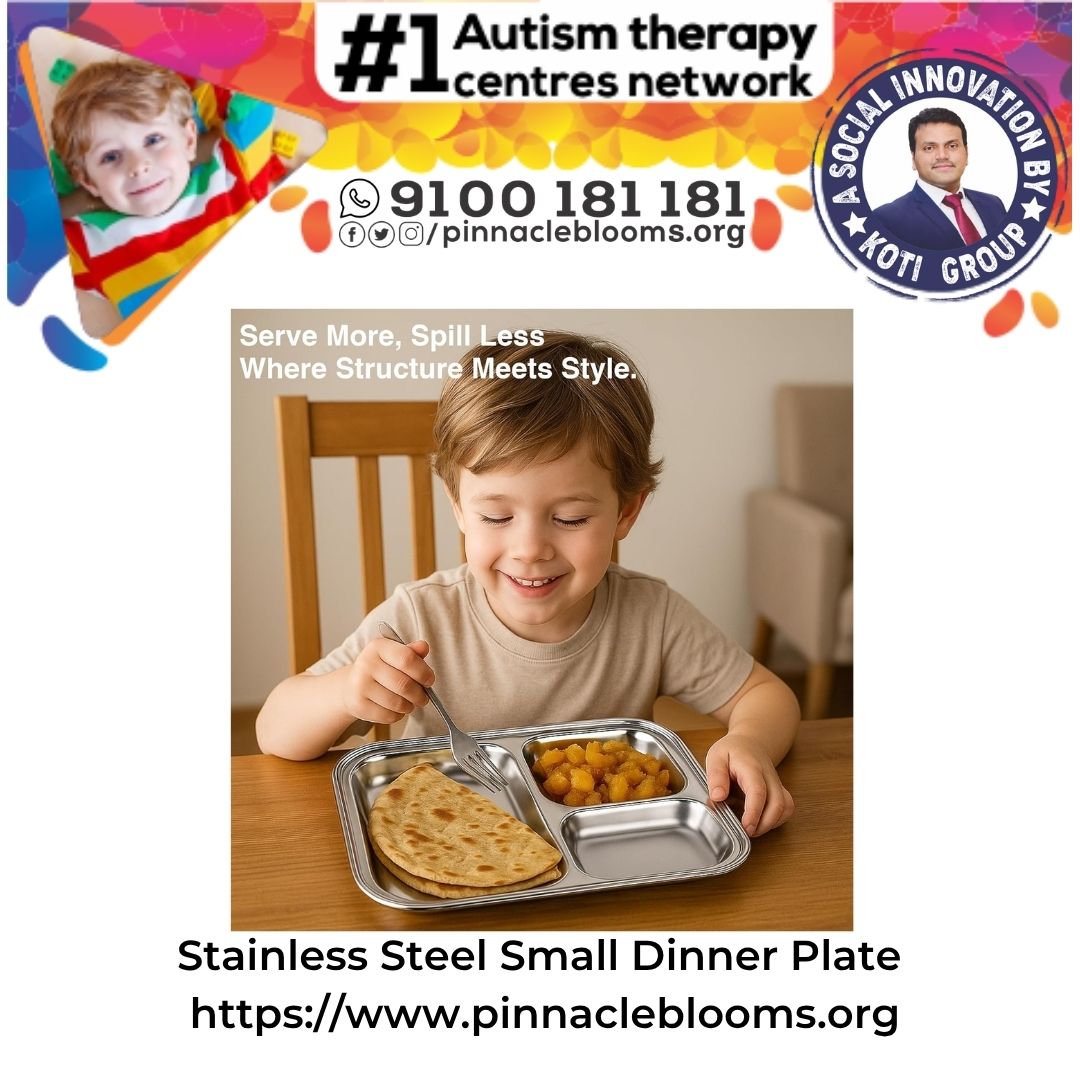
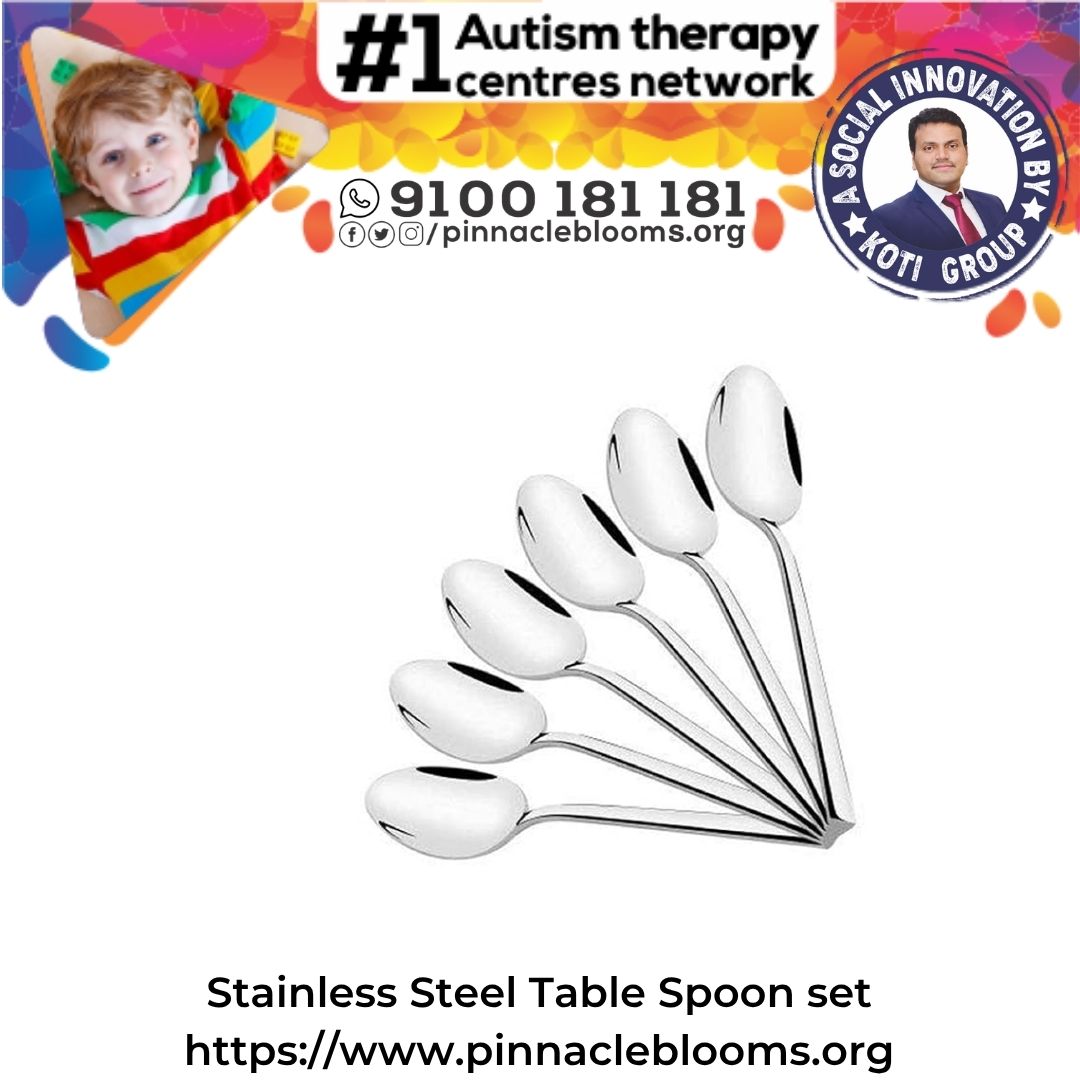
Utensil training tools enable self-feeding independence by matching adaptations (weighted, built-up, angled) to specific motor challenges. The right adaptation compensates for motor difficulties while the child builds underlying skills through successful practice.
Weighted Utensils
Reduce tremor and provide proprioceptive feedback for children with low muscle tone or movement control challenges.
Built-Up Handles
Accommodate weak grasp or limited hand strength by increasing handle diameter for easier grip.
Angled Utensils
Compensate for limited wrist rotation or forearm movement, bringing food to mouth with reduced range.
Universal Cuffs
Secure utensils to hand when grasp is absent or unreliable, enabling self-feeding through arm movement.
Best Practices
- Match utensil adaptation to child's specific motor challenges
- Start with most supportive, fade as skills develop
- Practice with preferred foods first for motivation
- Positioning and seating critically affects feeding success
- Occupational therapist should assess and recommend
Implementation Details
Function: Develop independent self-feeding skills through appropriately adapted utensils that match child's motor abilities.
Price Range: ₹100 - ₹800
Settings: Home, School, Clinic, Restaurant
Material 9.4: Toothbrushing Aids
Core Kit - Rank 1
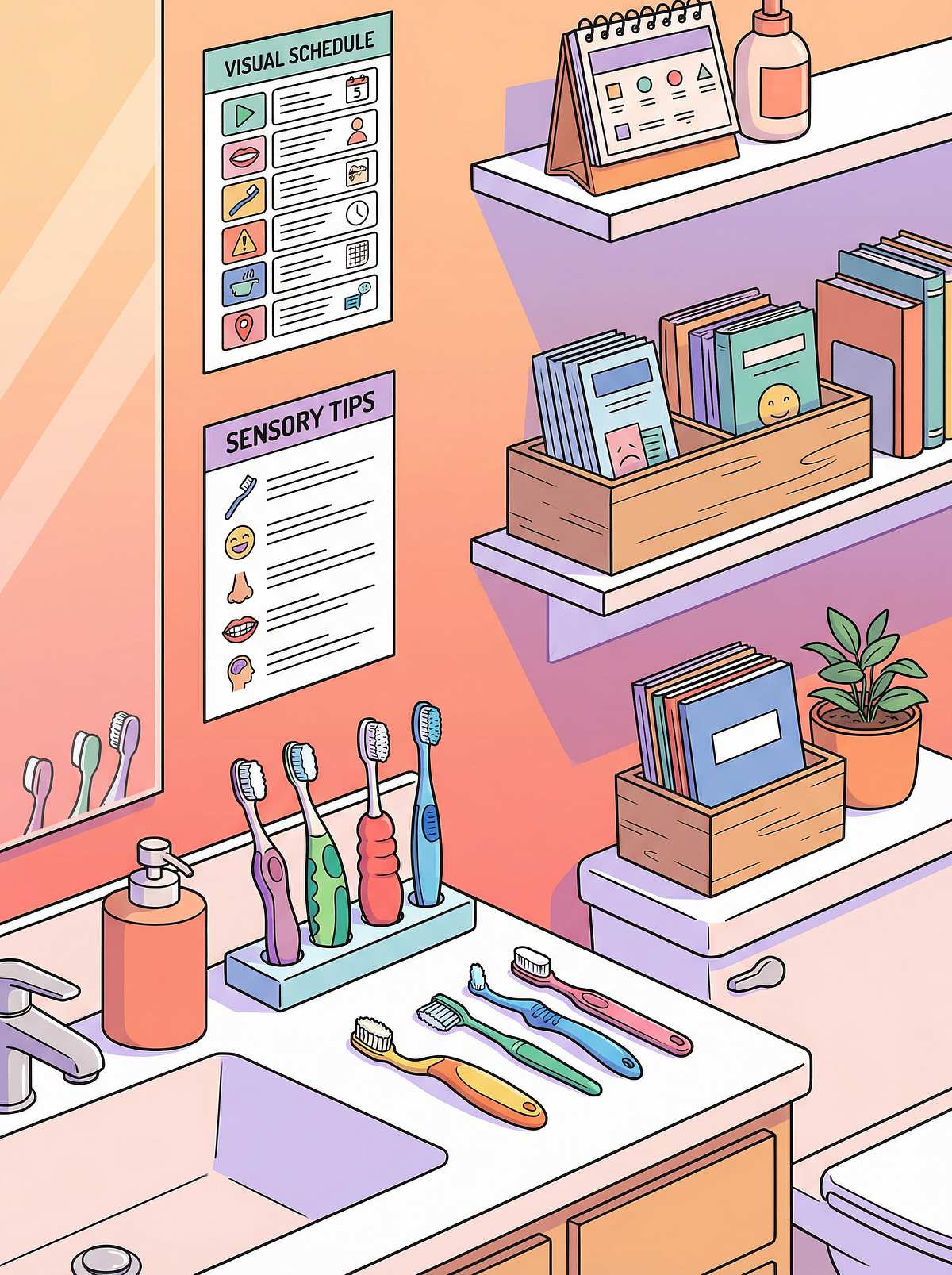
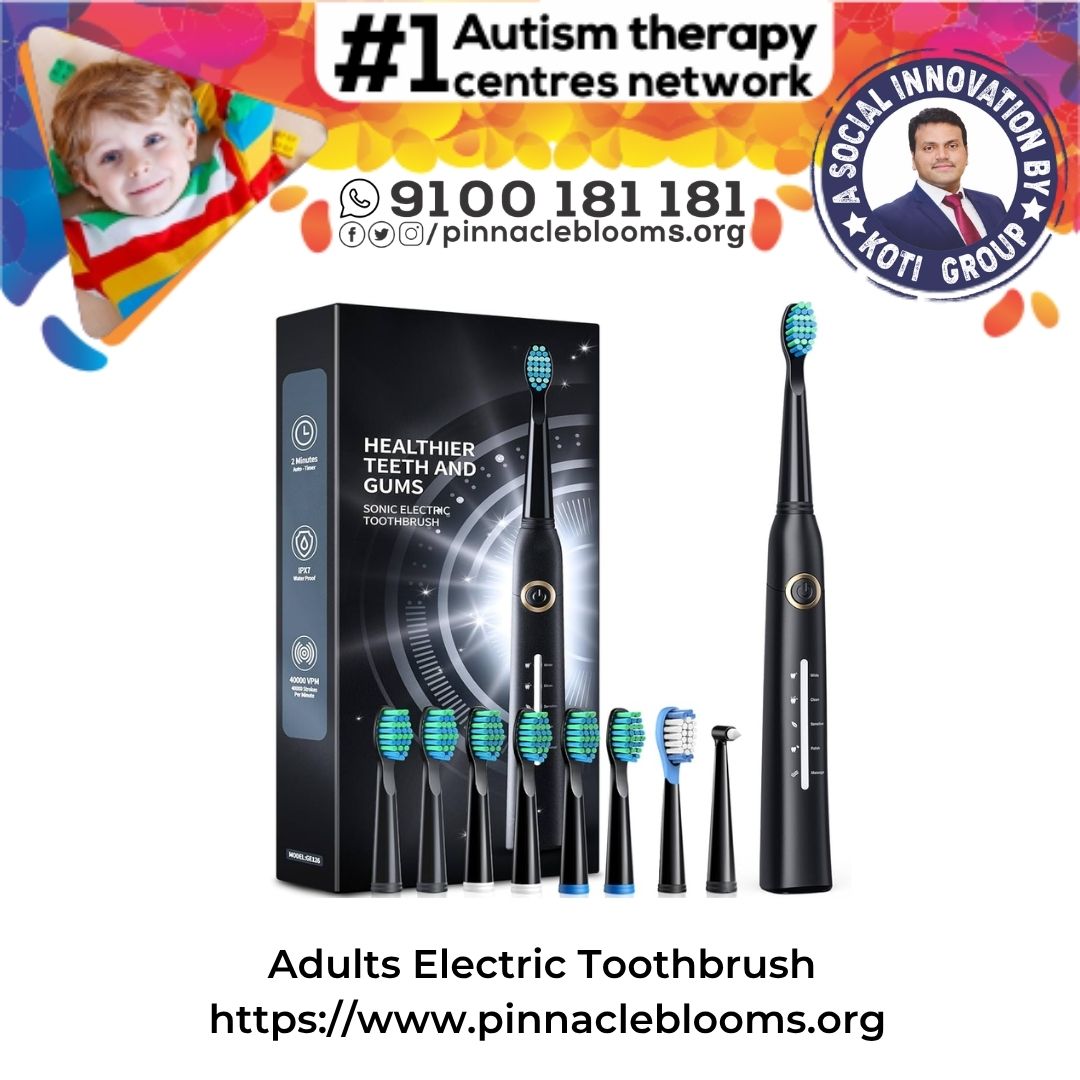
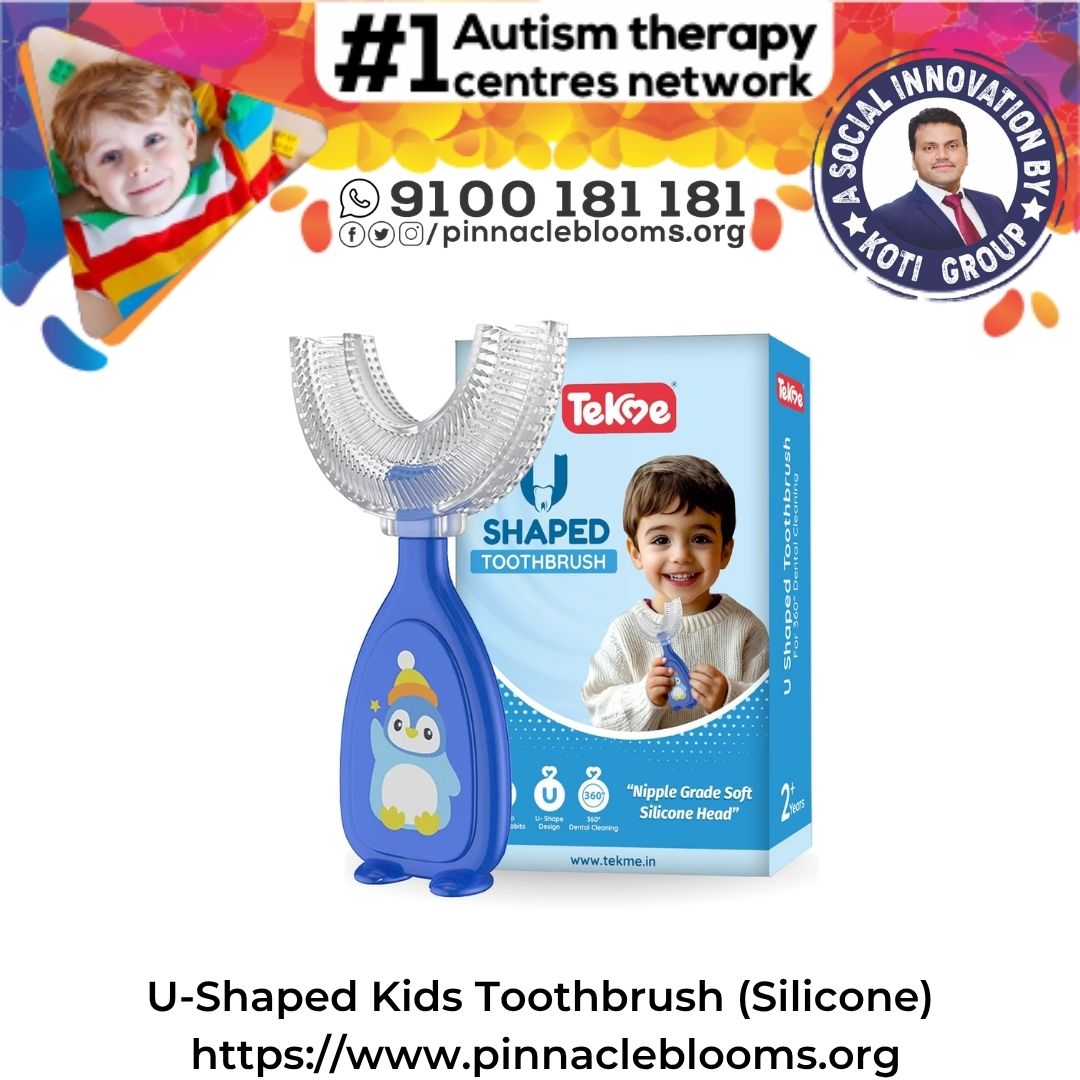
Toothbrushing aids address sensory, motor, and behavioral barriers to enable effective oral hygiene through adapted tools, visual supports, and systematic approaches. Oral hygiene is essential for health but presents multiple challenges for many children with developmental differences.
01
Sensory Accommodation
Many children experience oral hypersensitivity making toothbrushing aversive. Sensory-friendly brushes and gradual desensitization protocols help build tolerance.
02
Motor Adaptation
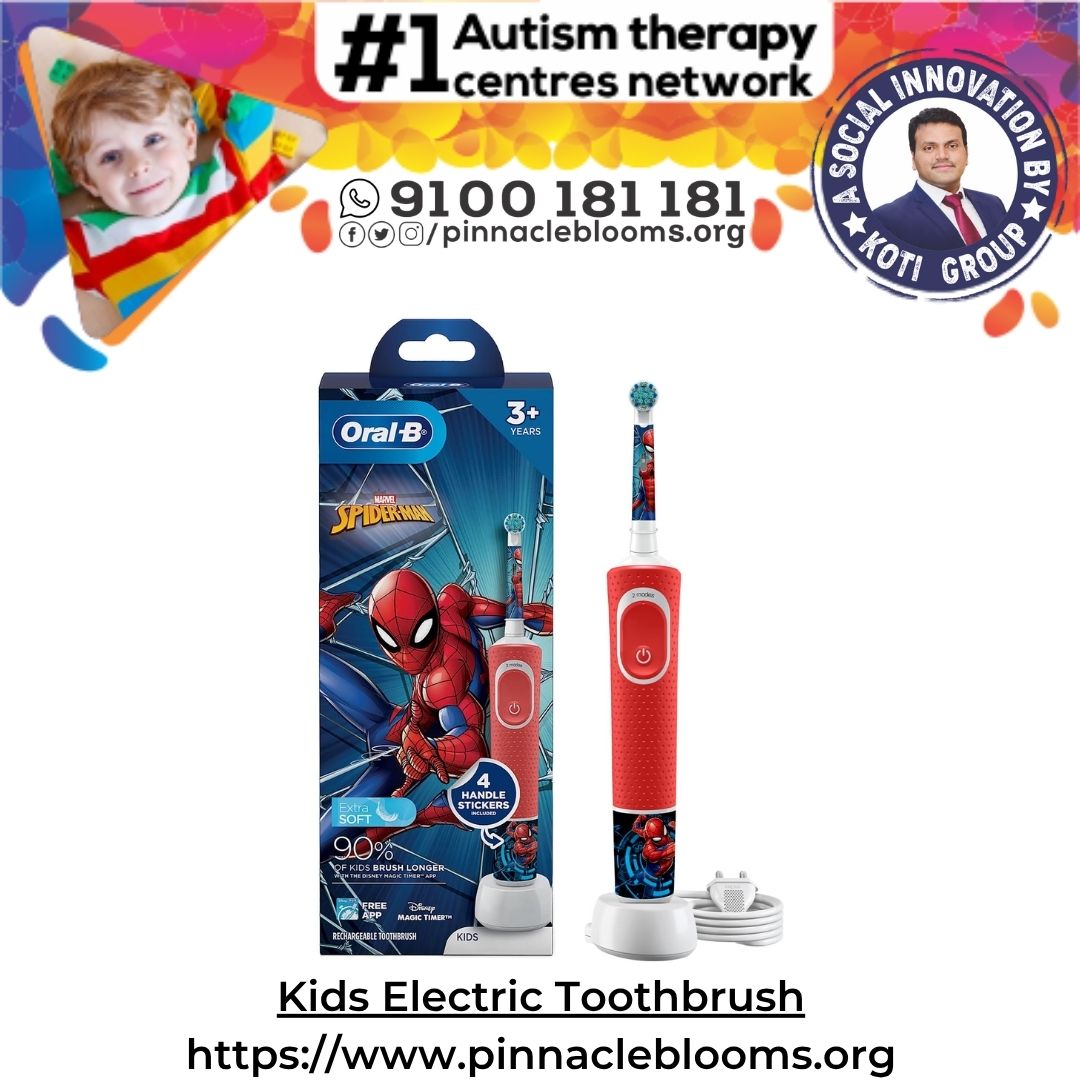
Electric toothbrushes do the brushing motion work for children with limited fine motor control. Three-sided brushes reduce the precision required for effective cleaning.
03
Visual Structure
Visual schedules break the toothbrushing sequence into steps. Timers ensure adequate duration. These supports build routine independence.
Best Practices
- Address sensory issues first if present
- Implement desensitization before brushing if needed
- Use visual schedules for sequence
- Employ timers for duration
- Electric brushes do more work for motor challenges
Implementation Details
Target Areas: Oral hygiene, sensory tolerance, motor skills, routine following, self-care independence, health maintenance.
Price Range: ₹100 - ₹2,000
Settings: Home
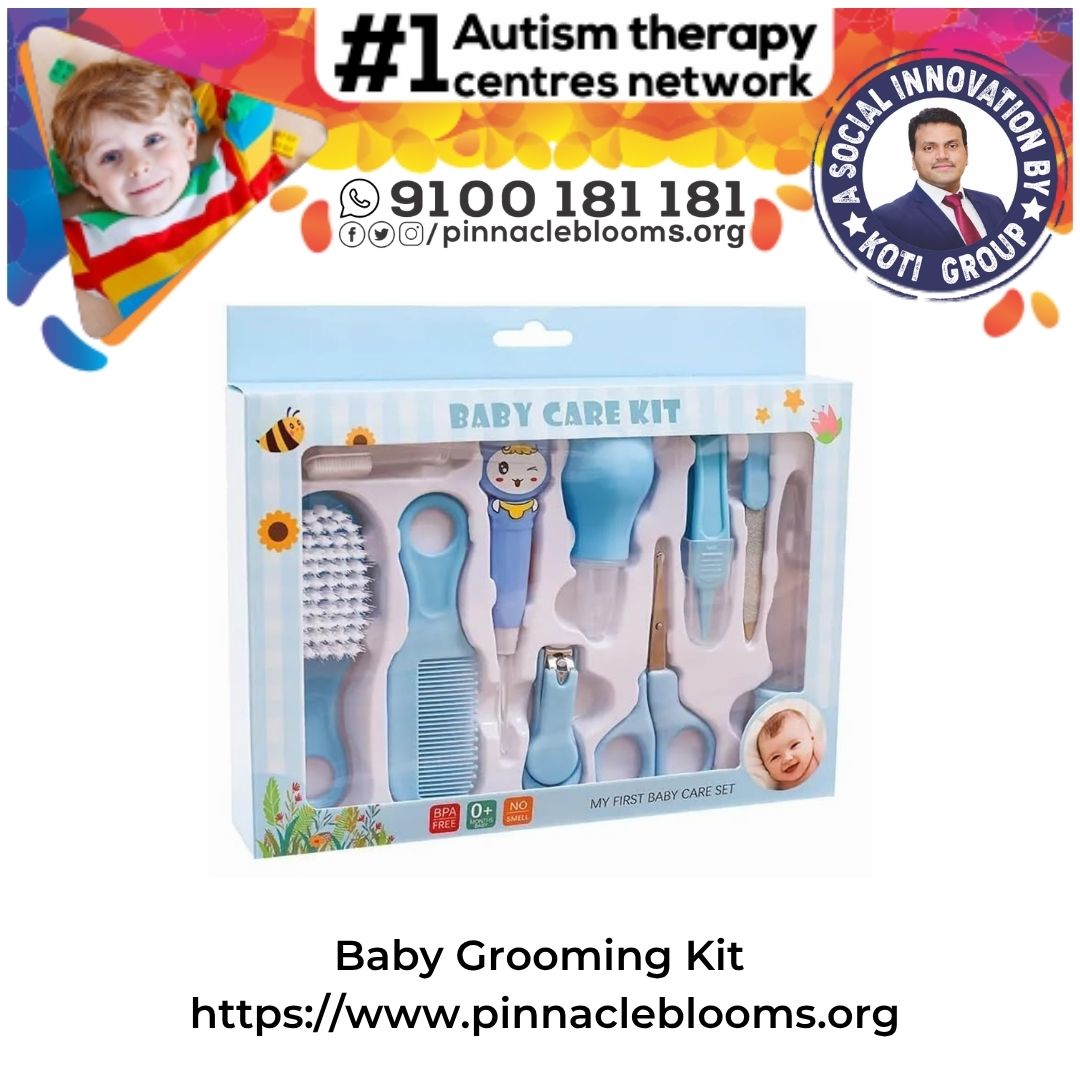
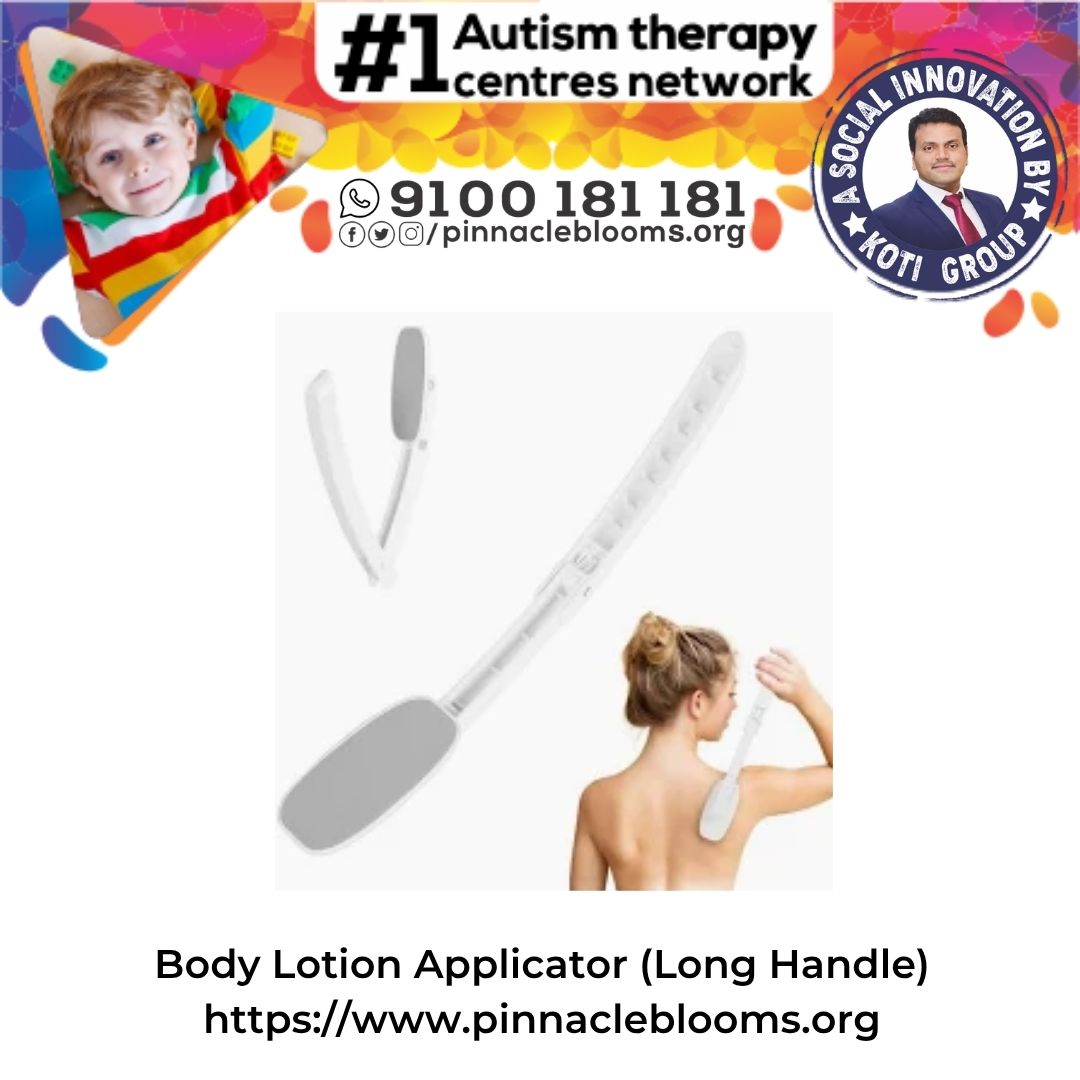
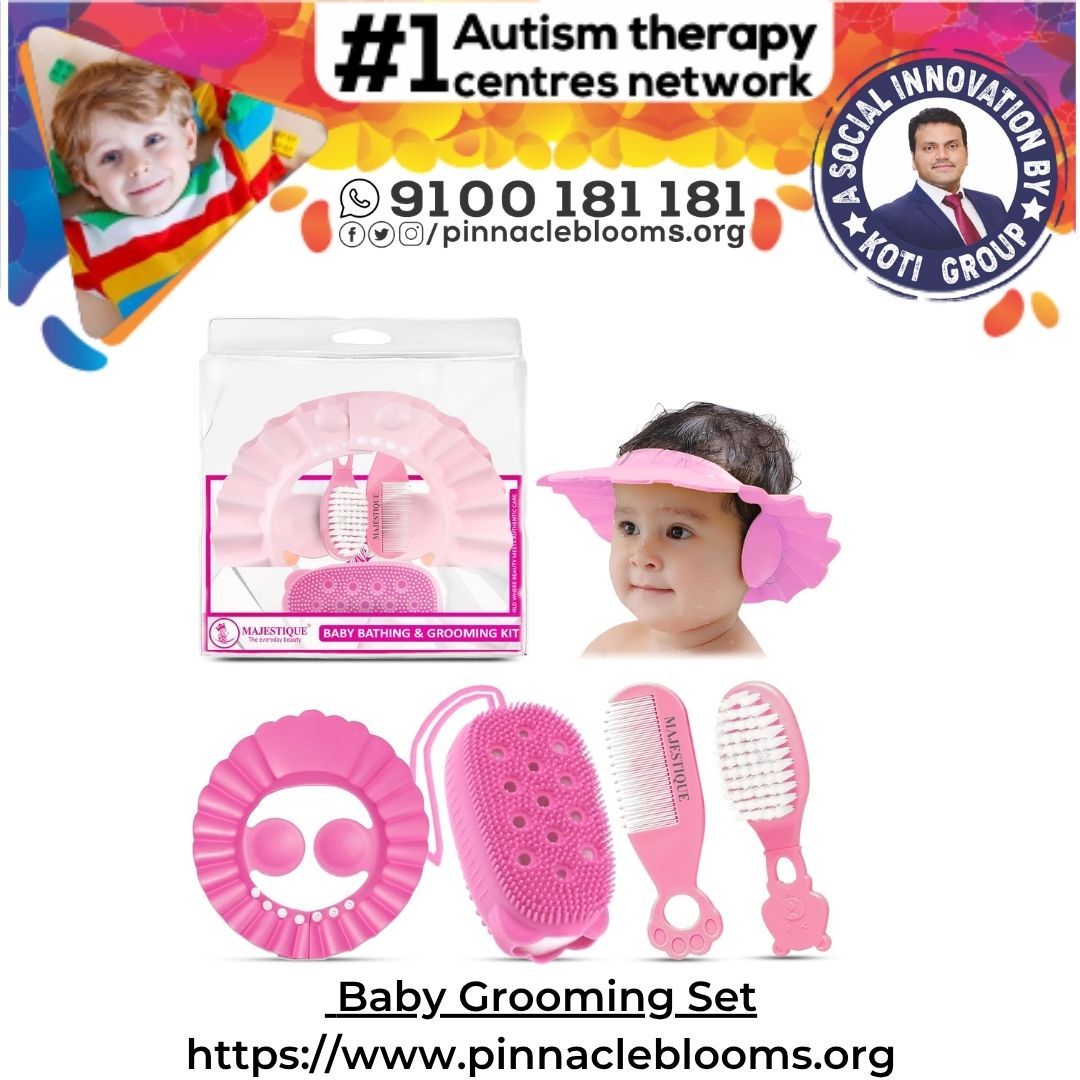
Material 9.6: Grooming Tools (Adapted)
Core Kit - Rank 2
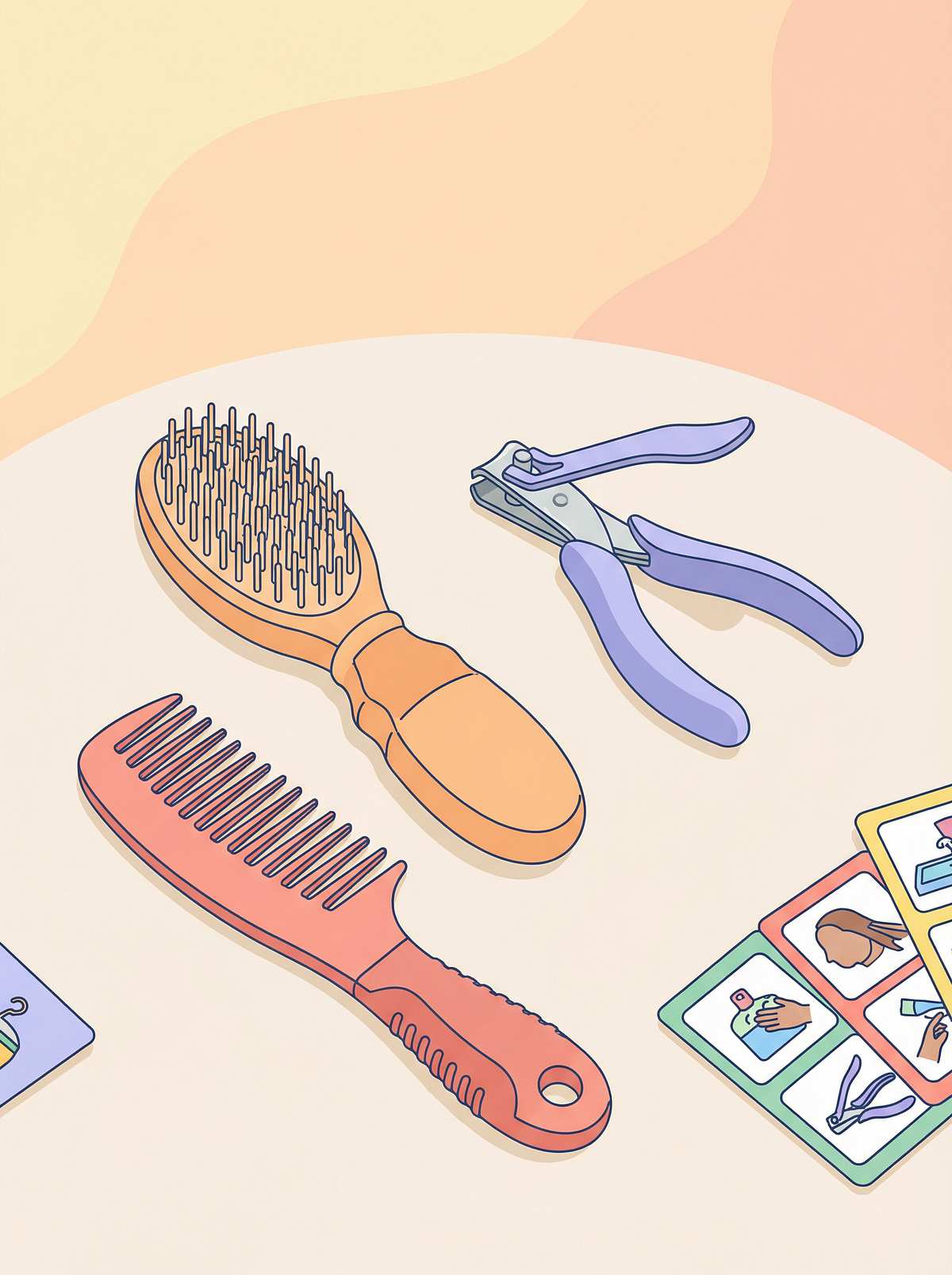
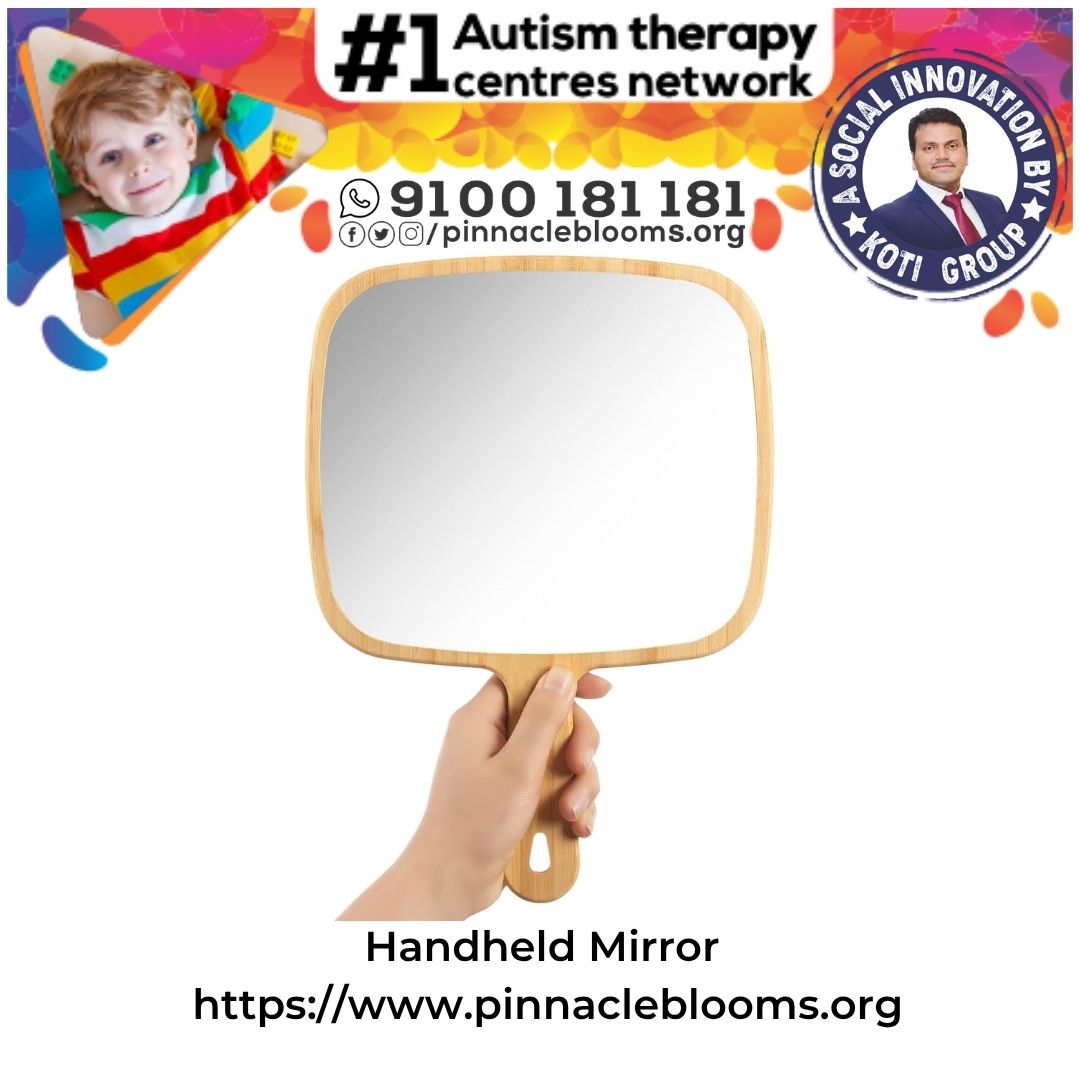
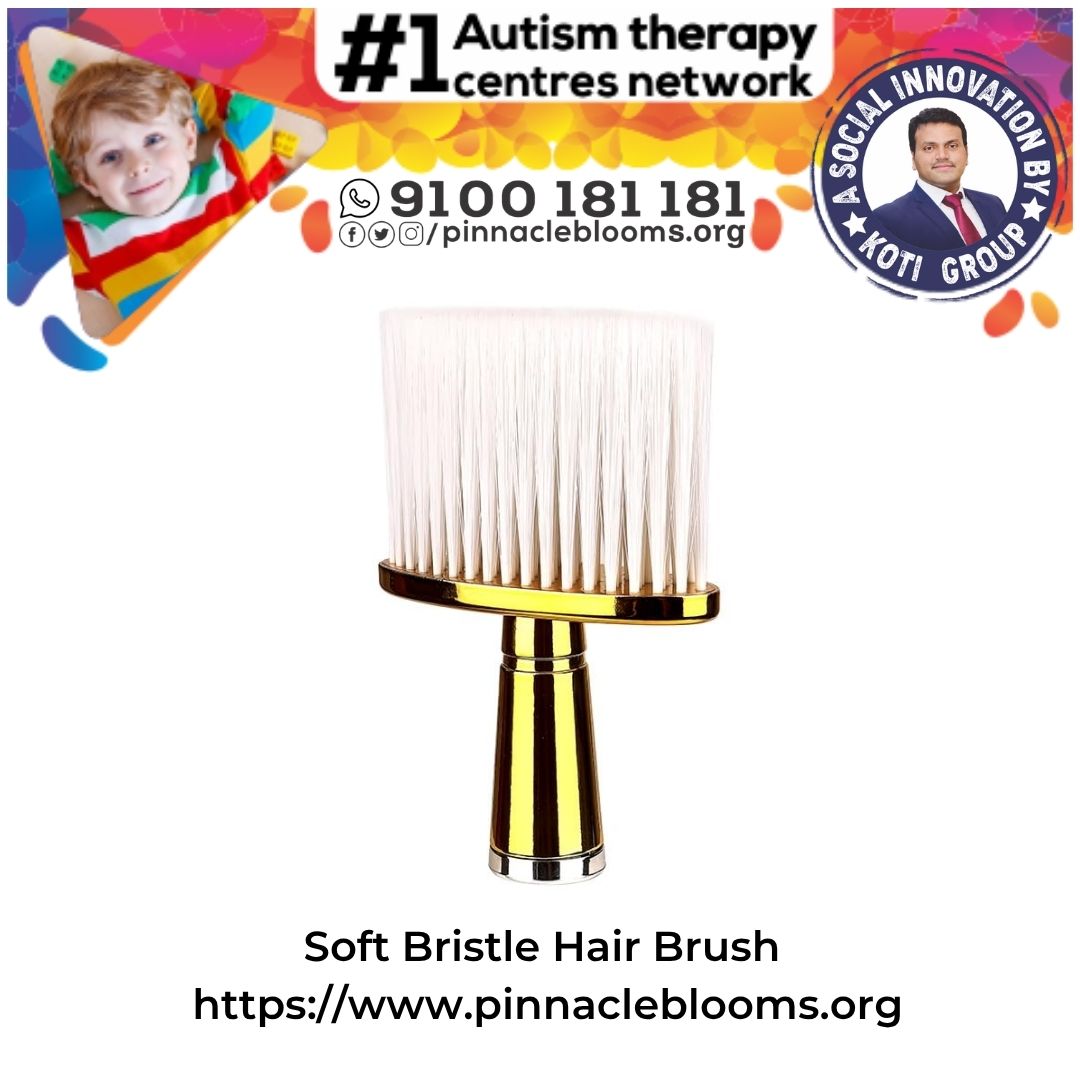
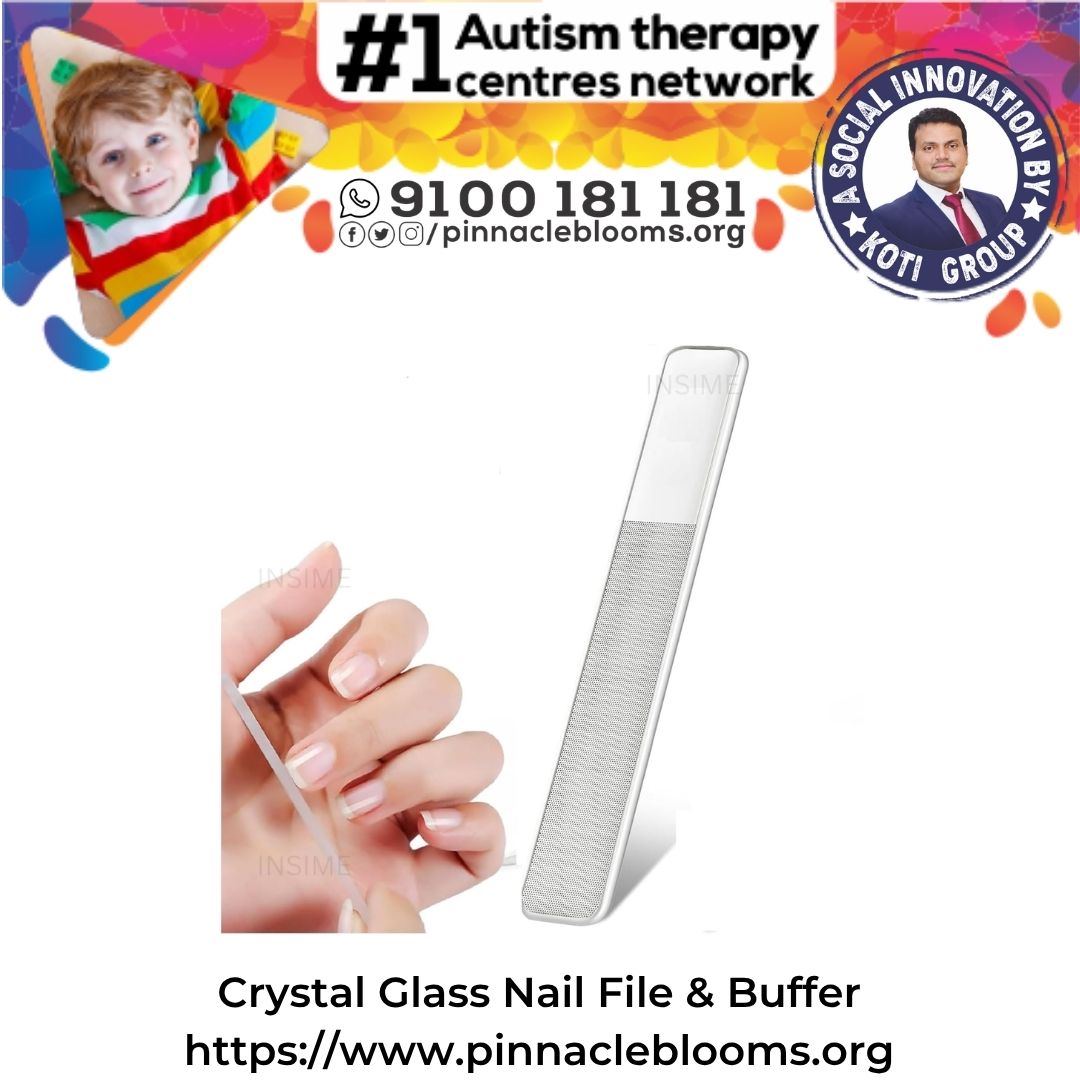
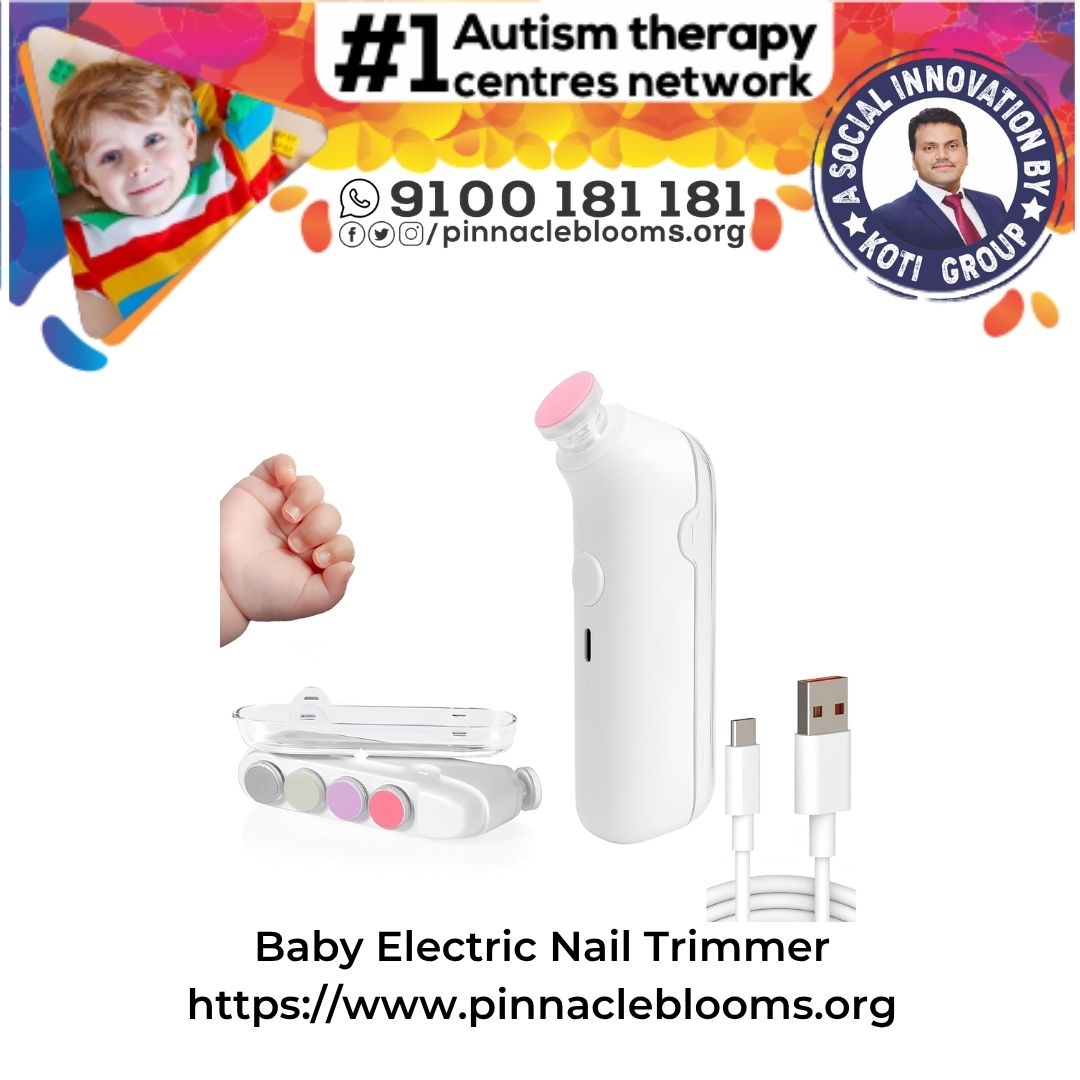
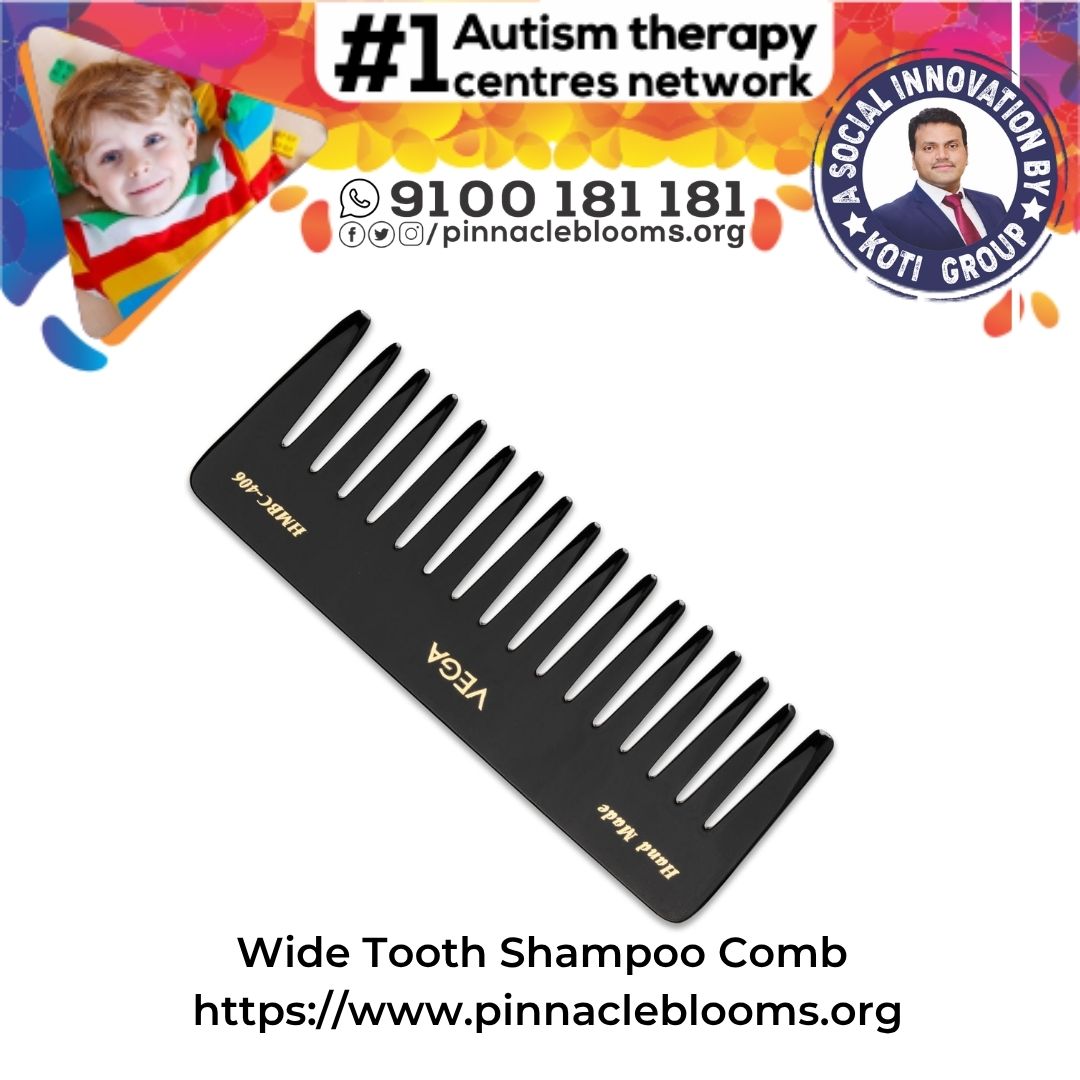
Adapted grooming tools address sensory and motor barriers to personal hygiene through sensory-friendly alternatives, adapted handles, and visual supports. Personal grooming involves multiple challenging tasks: hair brushing (scalp sensitivity), nail cutting (anxiety and precision), face washing (facial hypersensitivity), and maintaining routines.
Addressing Barriers to Grooming
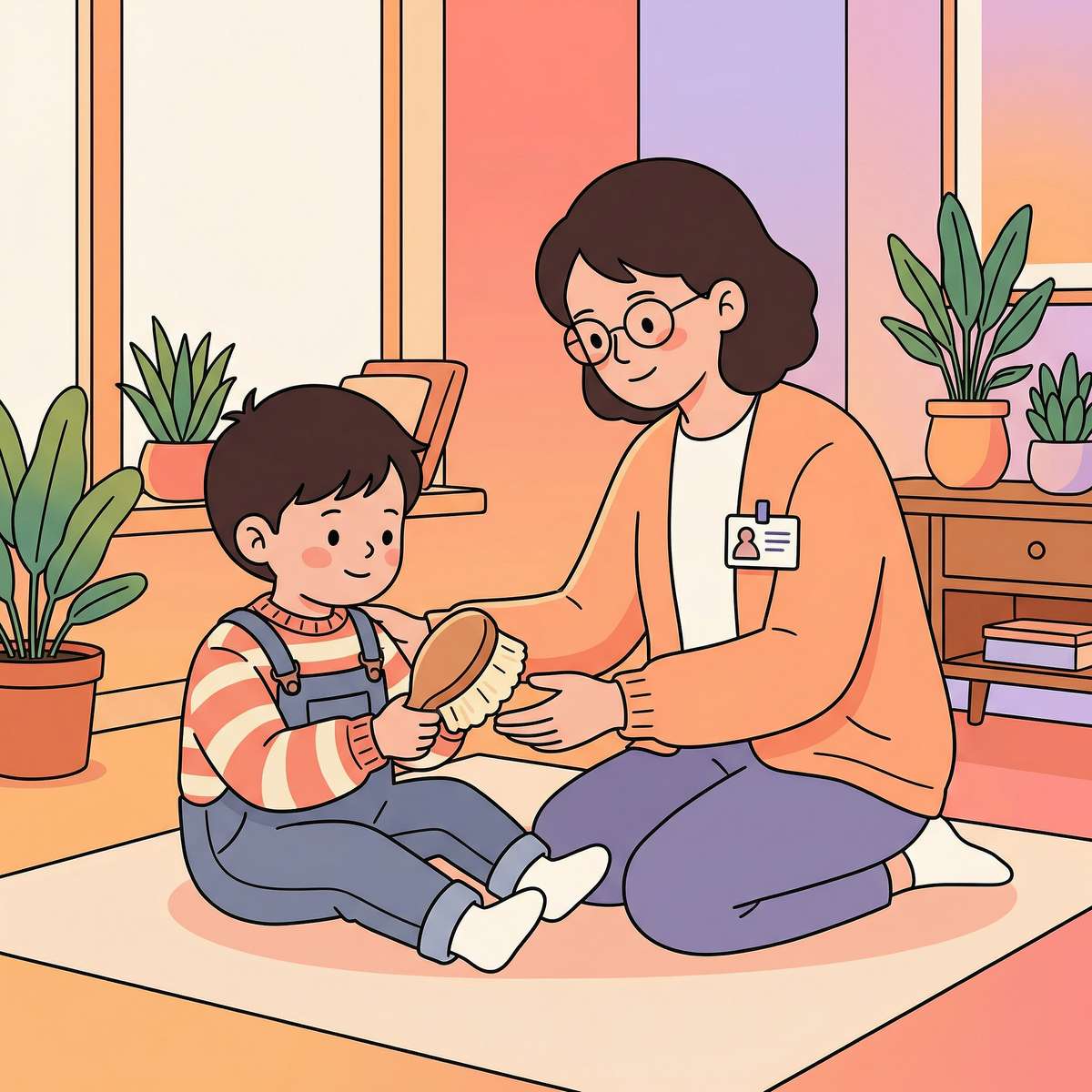
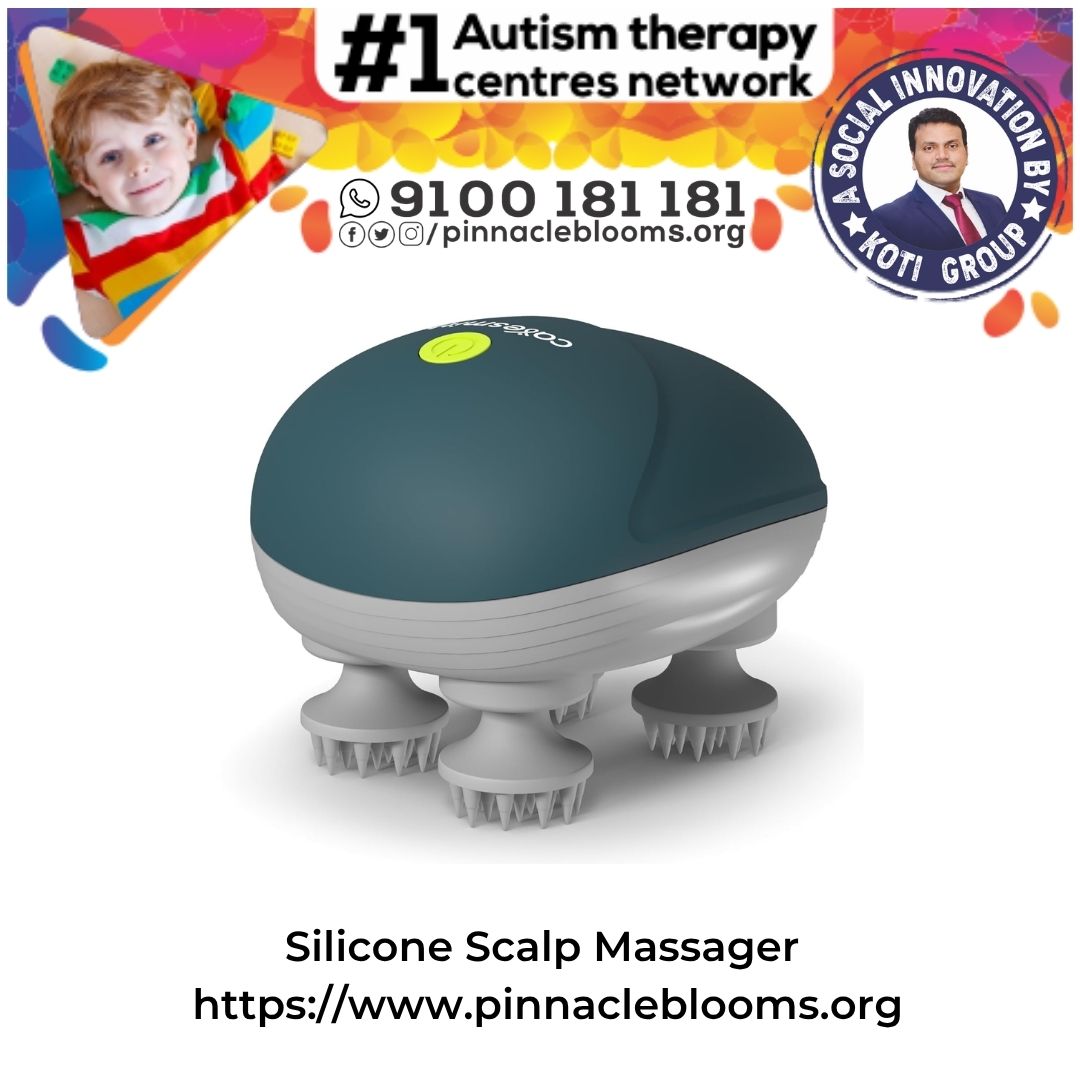
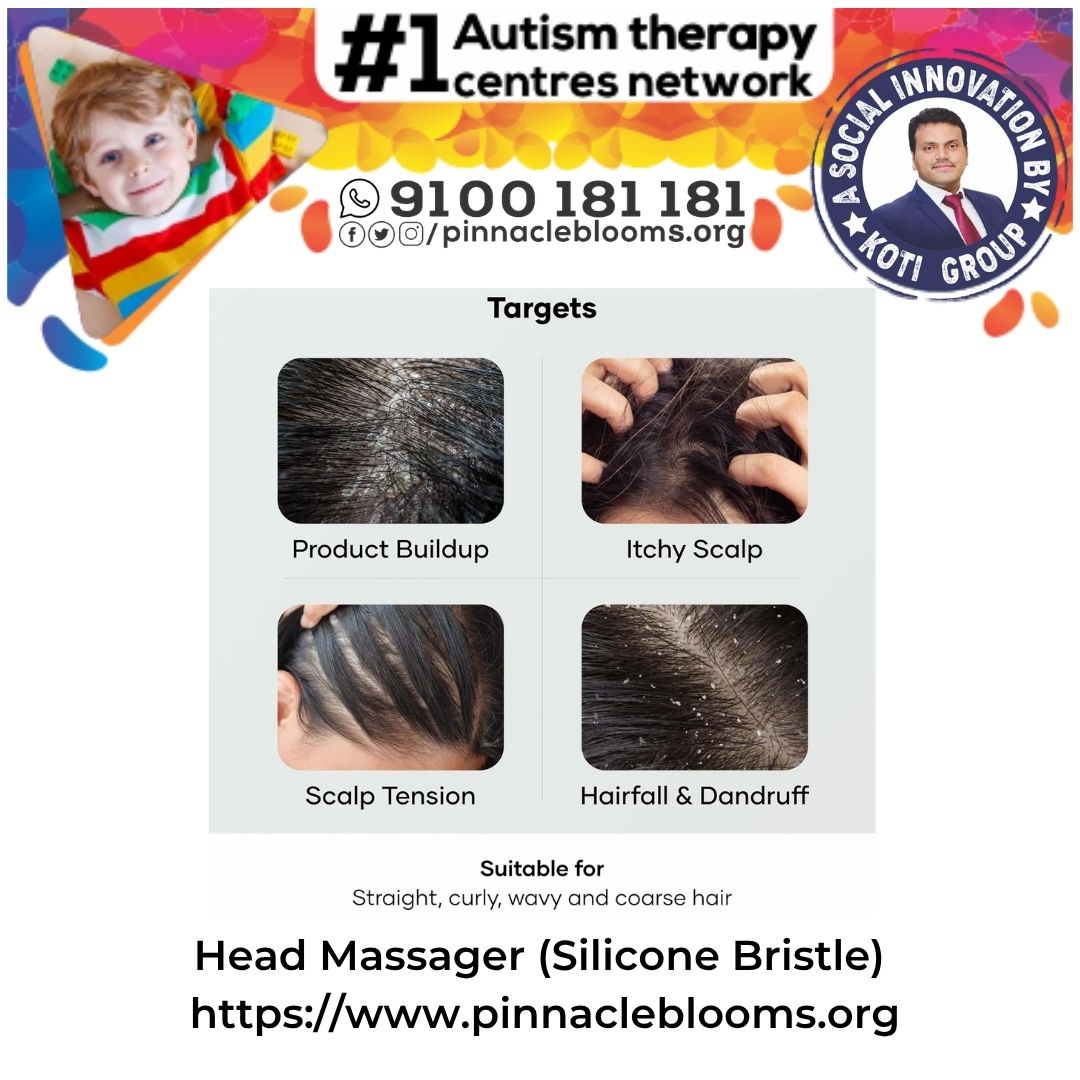
Sensory Challenges: Many children experience tactile hypersensitivity making grooming aversive. Sensory-friendly tools (soft bristles, vibrating options) reduce discomfort. Gradual desensitization builds tolerance over time.
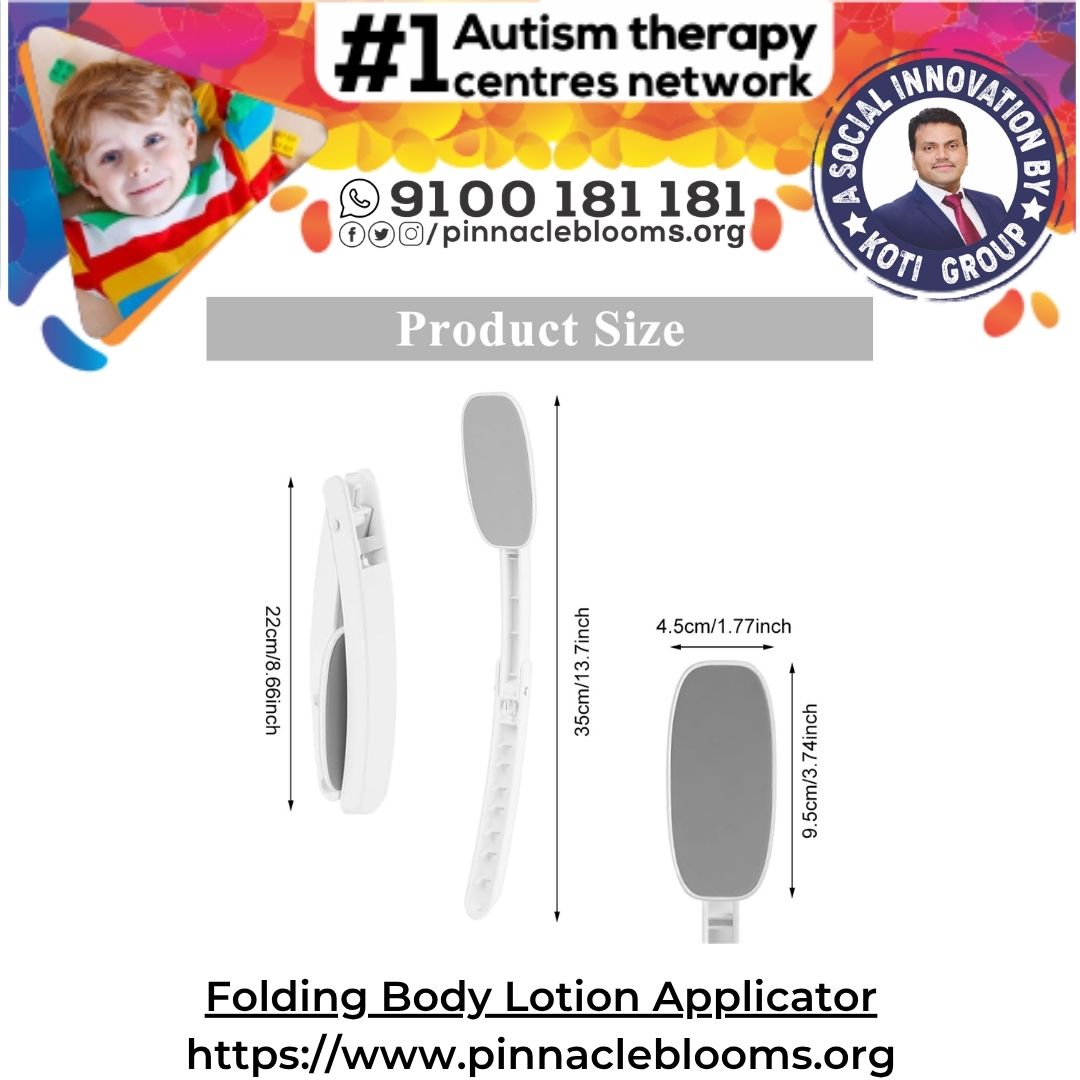
Motor Adaptations: Adapted handles accommodate limited grip strength or hand control. Weighted tools provide proprioceptive feedback. Built-up handles enable grasp with reduced fine motor demand.
Routine Structure: Visual schedules break grooming into discrete steps. First-then boards motivate completion. These supports build independence in personal hygiene routines.
Best Practices
Address sensory issues with sensory-friendly tools. Create visual schedules for grooming routines. Use gradual desensitization if tasks are aversive. Provide adapted tools for motor challenges. Practice during calm, non-rushed times to reduce stress and resistance.
Price Range: ₹100 - ₹2,000 | Settings: Home primarily | For: Parents, Therapists
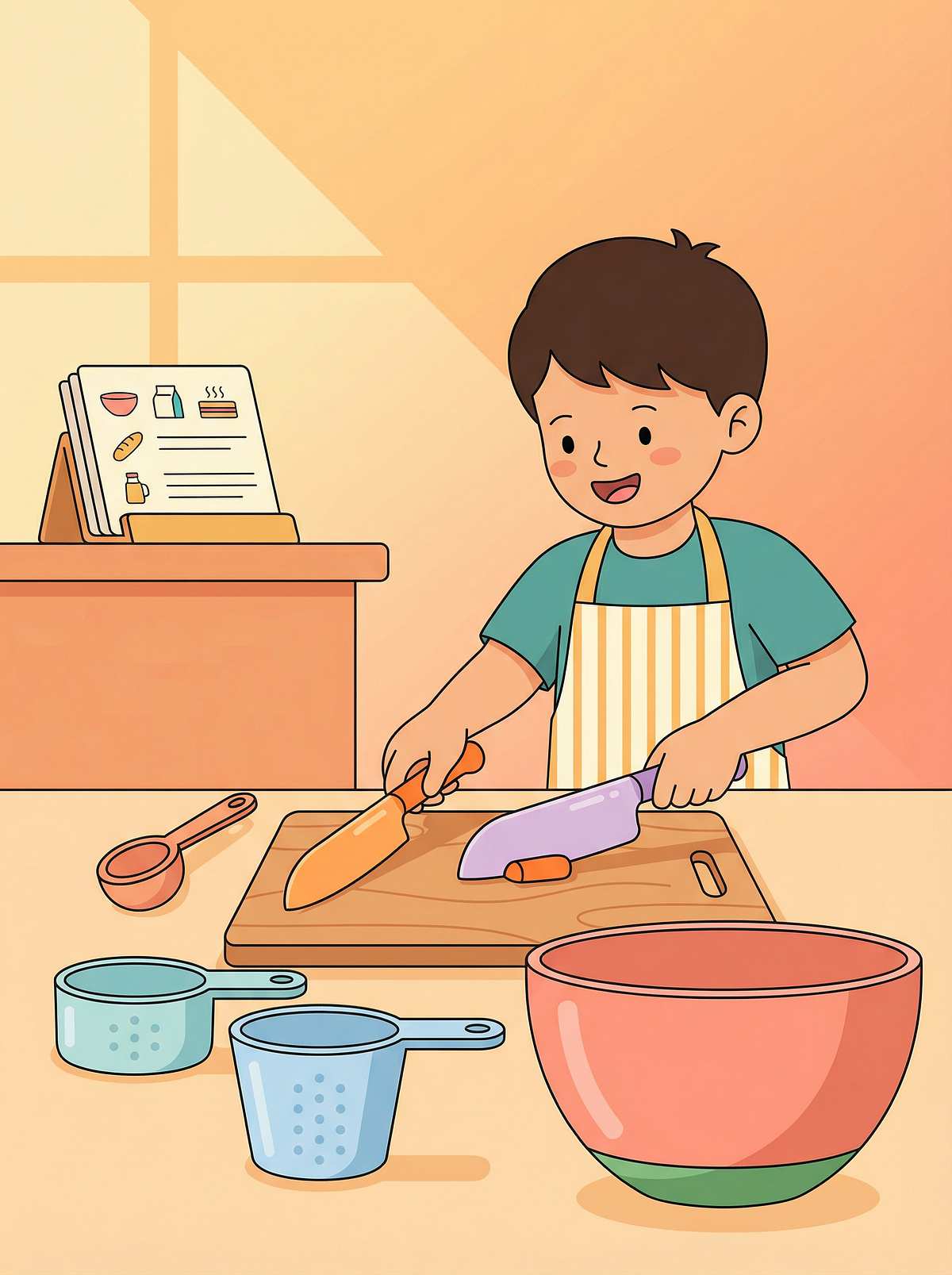
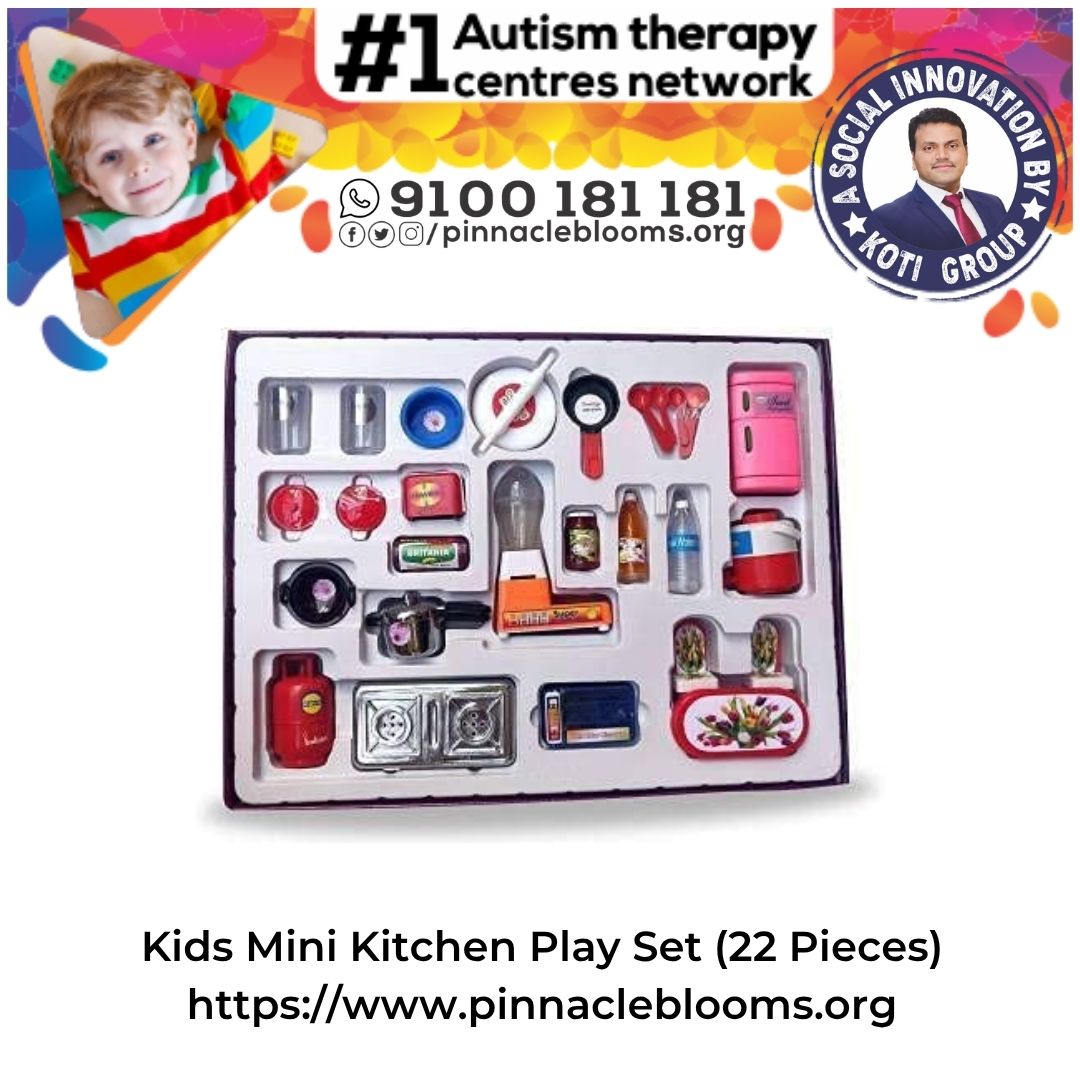
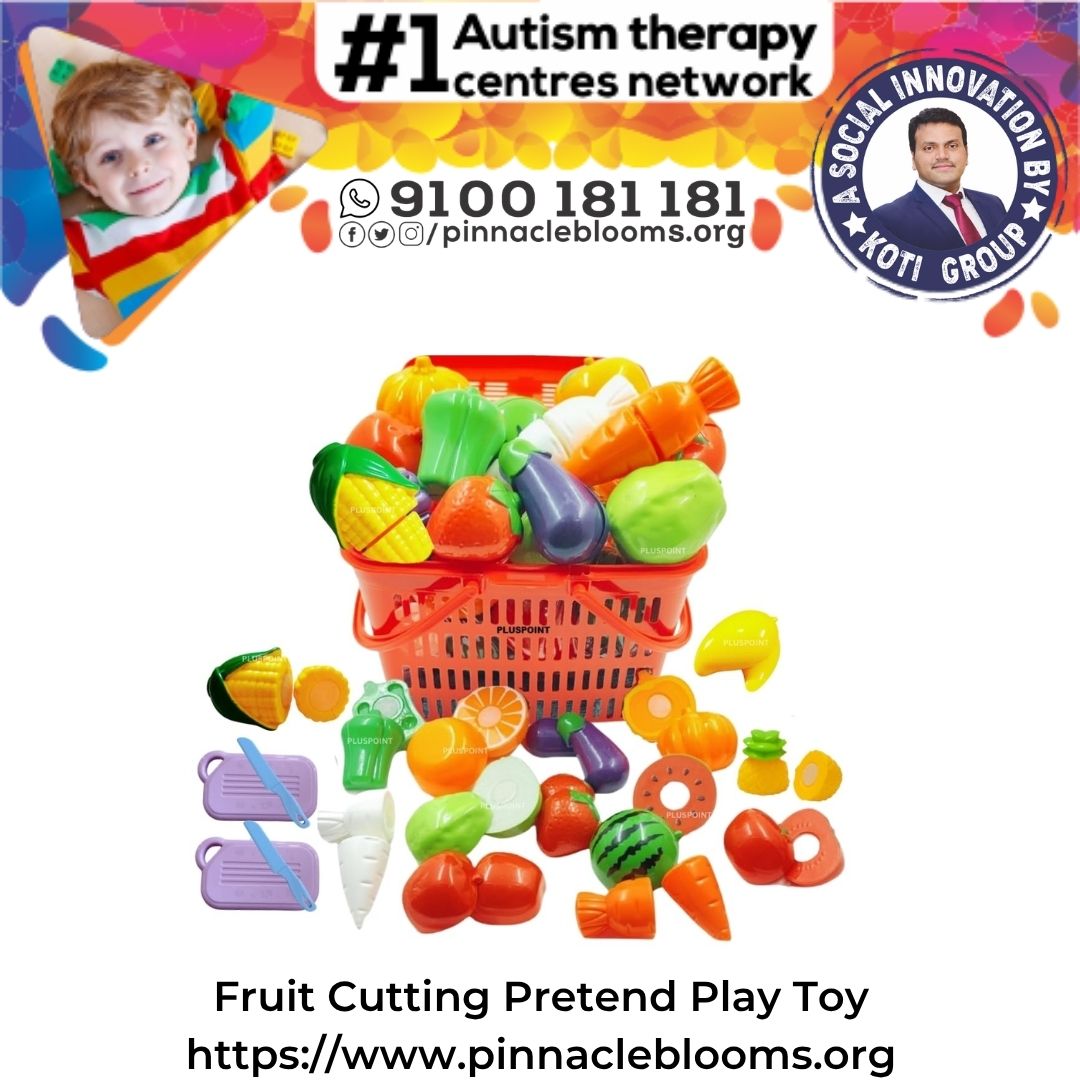
Material 9.7: Cooking/Kitchen Tools (Adapted)
Core Kit - Rank 2
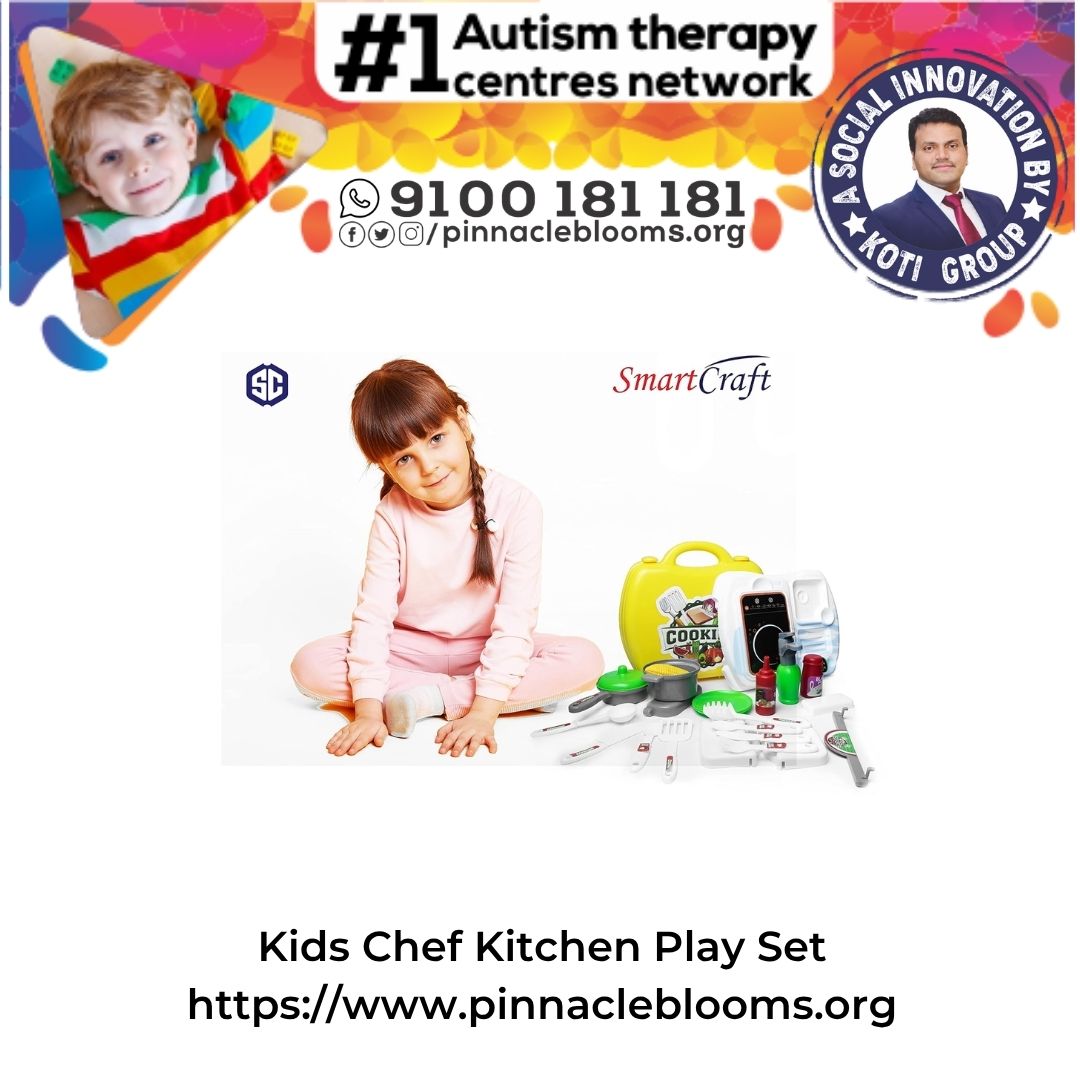
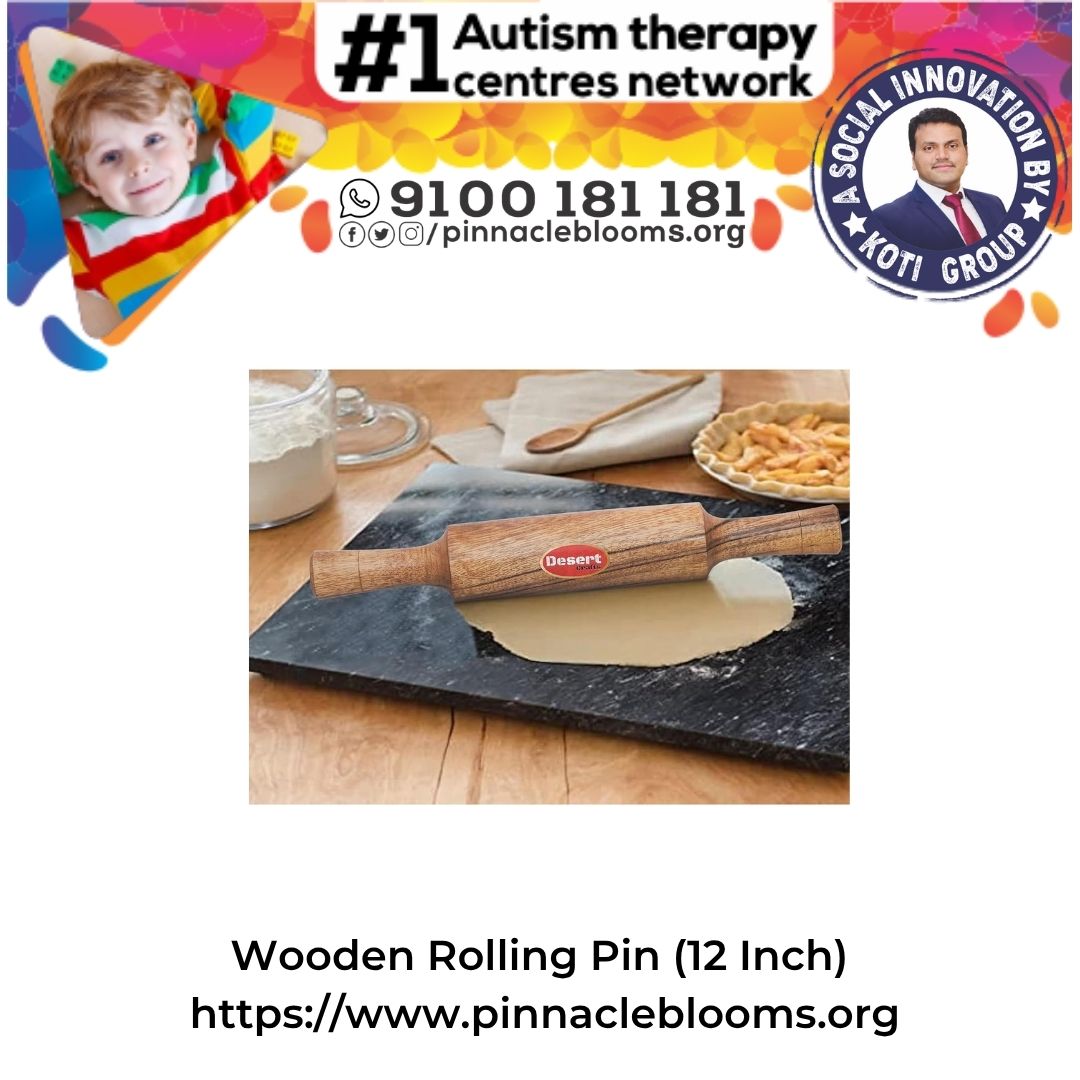
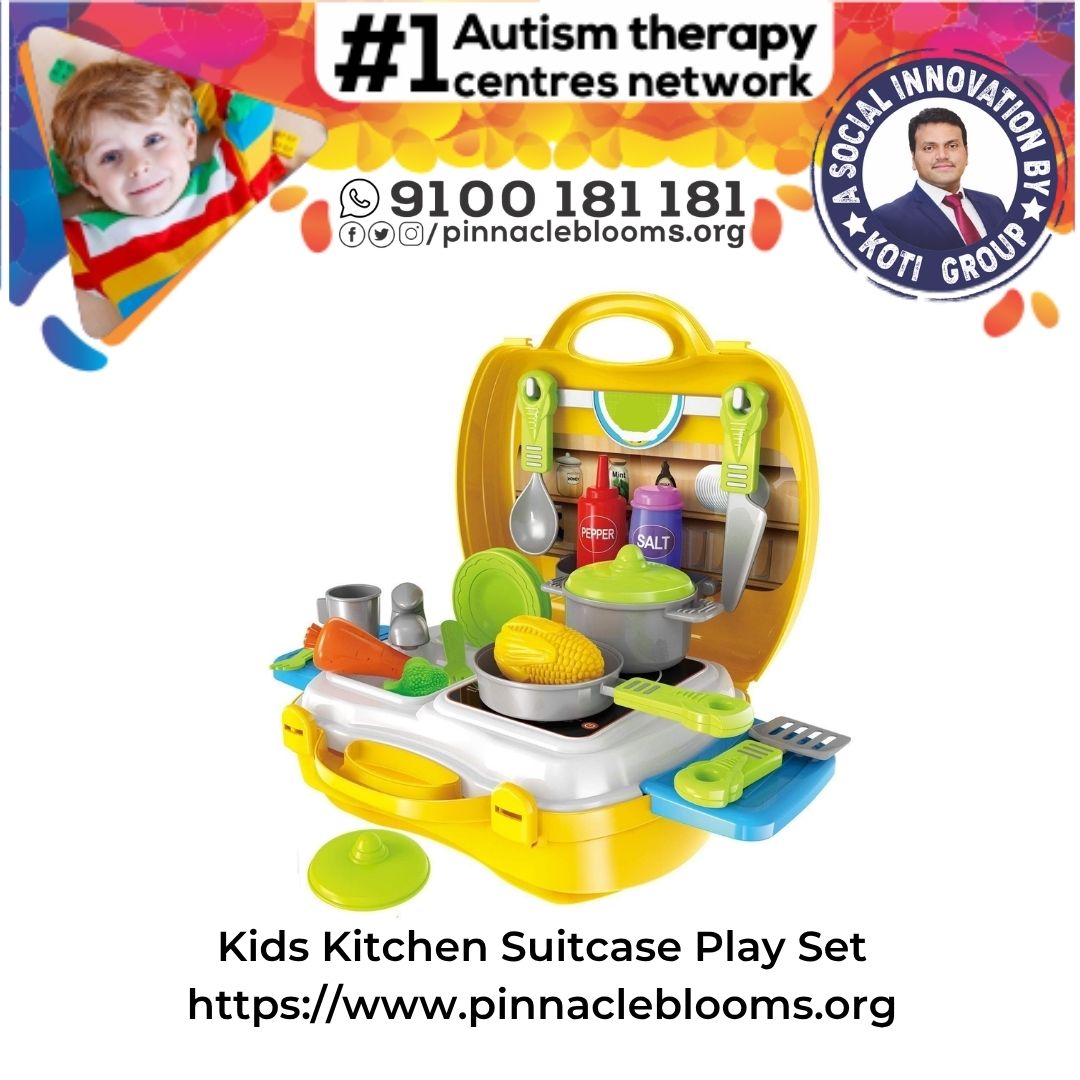
Adapted cooking and kitchen tools enable safe participation in food preparation through child-safe equipment, visual recipes, and motor adaptations. Kitchen skills build independence, sequencing abilities, following multi-step directions, and practical life competencies essential for adult functioning.
Safe Tools
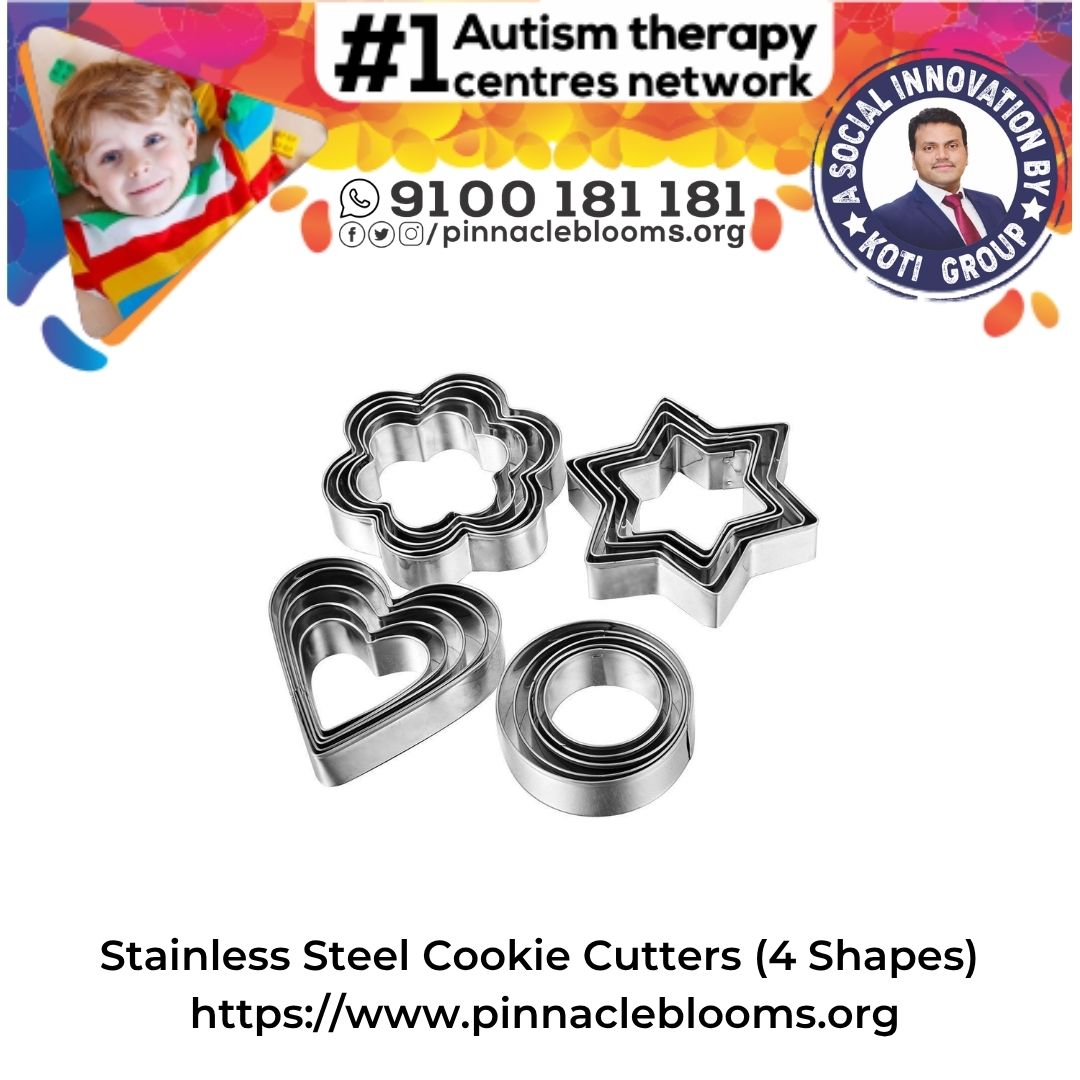
Child-safe knives with protective designs. Stable cutting boards with grips. Adapted utensils matching motor abilities.
Visual Recipes
Step-by-step photo sequences. Written and picture combinations. Clear ingredient lists with images.
Practice & Build
Start with no-cook recipes. Progress to simple cooking. Build toward complex meal preparation.
Kitchen Independence
Functional skill for current and adult life. Confidence and autonomy in daily living.
Best Practices
- Start with safe, no-cook recipes (sandwiches, salads)
- Use visual recipes with step-by-step pictures
- Provide adapted tools matching motor abilities
- Maintain supervision appropriate to skill level
- Build progression from simple to complex tasks
Implementation Details
Target Areas: Kitchen skills, fine motor, sequencing, following directions, safety awareness, independence, executive function.
Price Range: ₹100 - ₹800
Settings: Home, School cooking programs
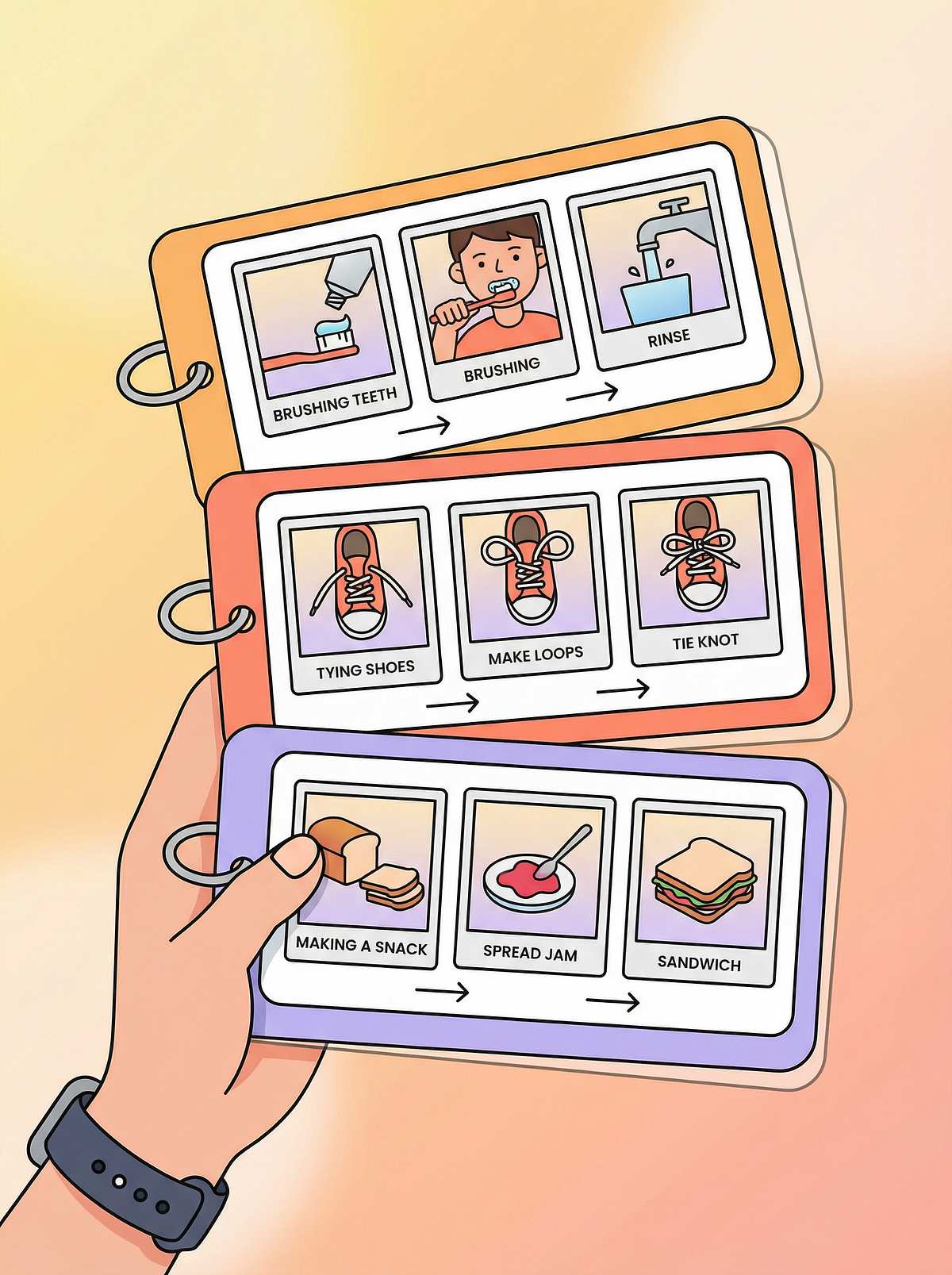
Task Analysis: Breaking Skills Into Steps
Task analysis—breaking complex skills into smallest teachable components—is fundamental to teaching daily living skills. What appears simple to adults often involves dozens of discrete steps, each requiring specific motor, cognitive, and sensory abilities.
Why Task Analysis Matters
A child may fail at "getting dressed" not because they can't learn, but because that single instruction contains 30+ steps, any of which could present barriers. Task analysis reveals exactly where breakdown occurs.
Once you identify the specific step causing difficulty, you can provide targeted support—an adaptation, a visual cue, hand-over-hand guidance, or additional practice—for just that component.
This precision dramatically accelerates learning compared to repeated practice of the entire complex chain where the child fails at the same step repeatedly.
Backward Chaining for Success
Backward chaining means teaching the LAST step first. The adult completes all steps except the final one, which the child completes independently, experiencing immediate success.
Then teach the second-to-last step while the child still completes the final step. Gradually work backward through the sequence.
This ensures every practice session ends with success and completion, maintaining motivation while systematically building the entire skill chain from end to beginning.
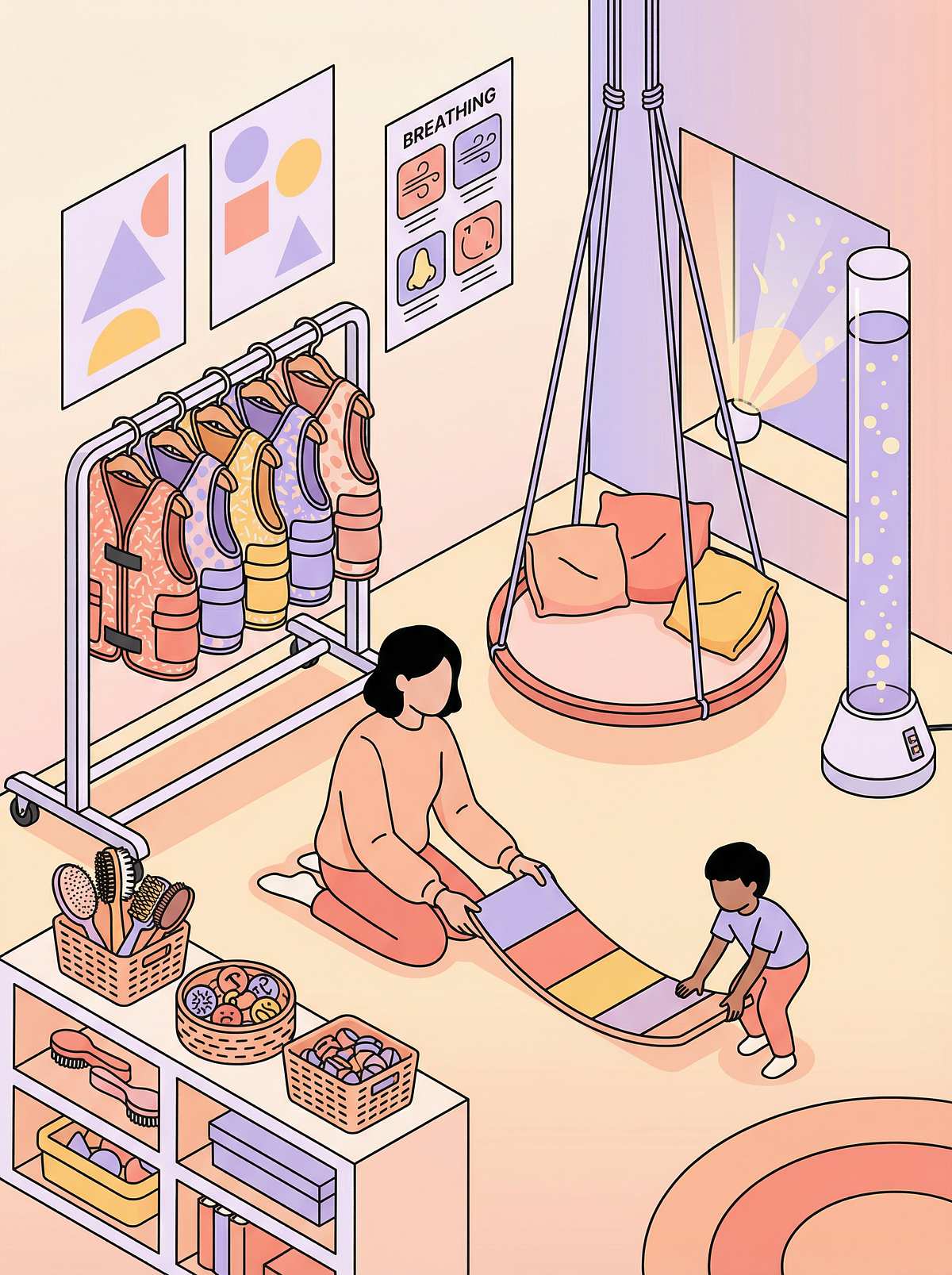
Sensory Considerations in Self-Care
Many daily living activities involve significant sensory input that can be overwhelming or aversive for children with sensory processing differences. Addressing sensory barriers is often prerequisite to skill building.
Tactile Sensitivities
Hair brushing, face washing, tooth brushing, nail cutting, and clothing textures all provide tactile input. Hypersensitivity makes these aversive. Sensory-friendly tools and gradual desensitization protocols help build tolerance.
Oral Hypersensitivity
The mouth is highly sensitive for many children. Toothbrushing becomes a battle. Start with oral desensitization—touching lips, gums, teeth with gradually firmer textures—before introducing toothbrush.
Clothing Sensitivities
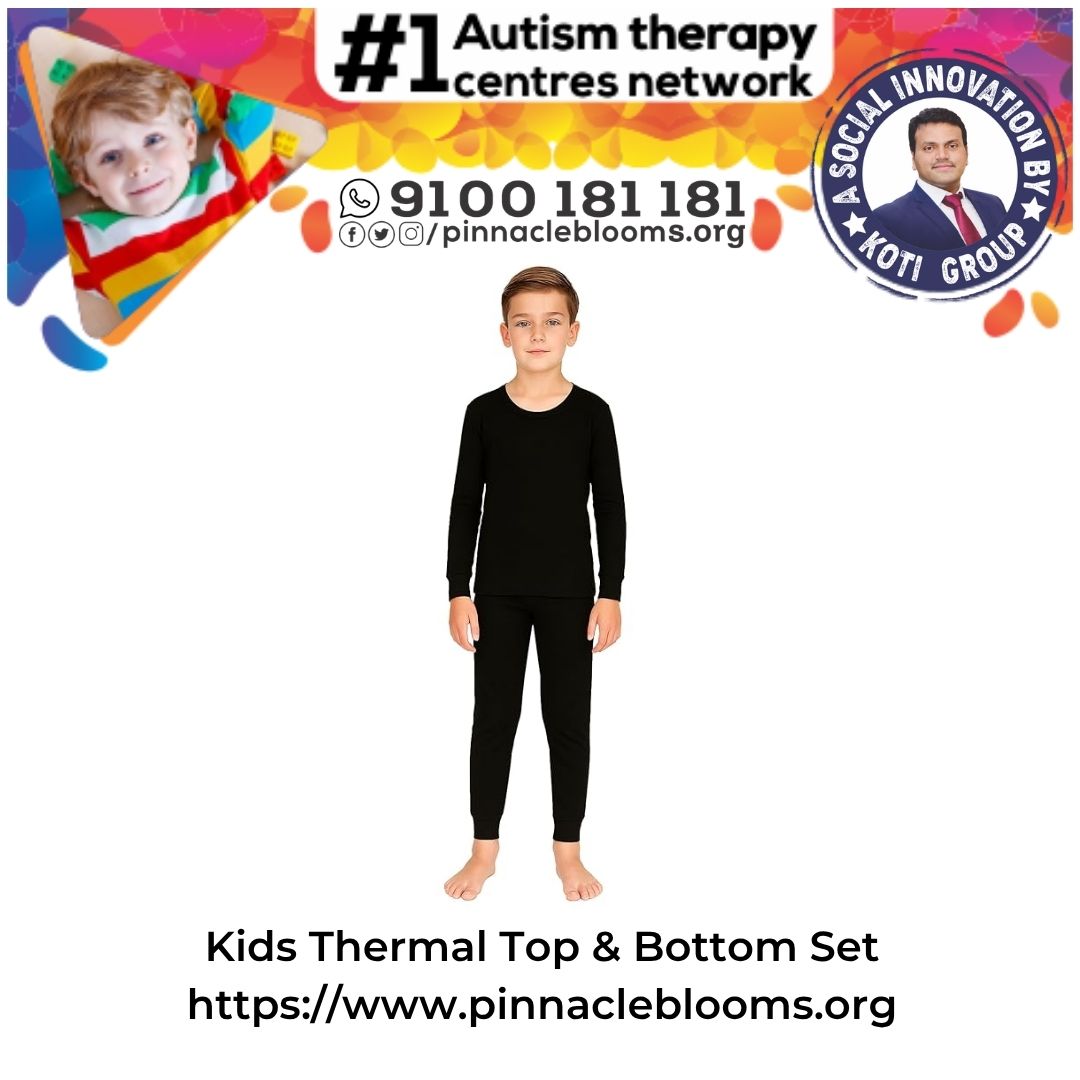
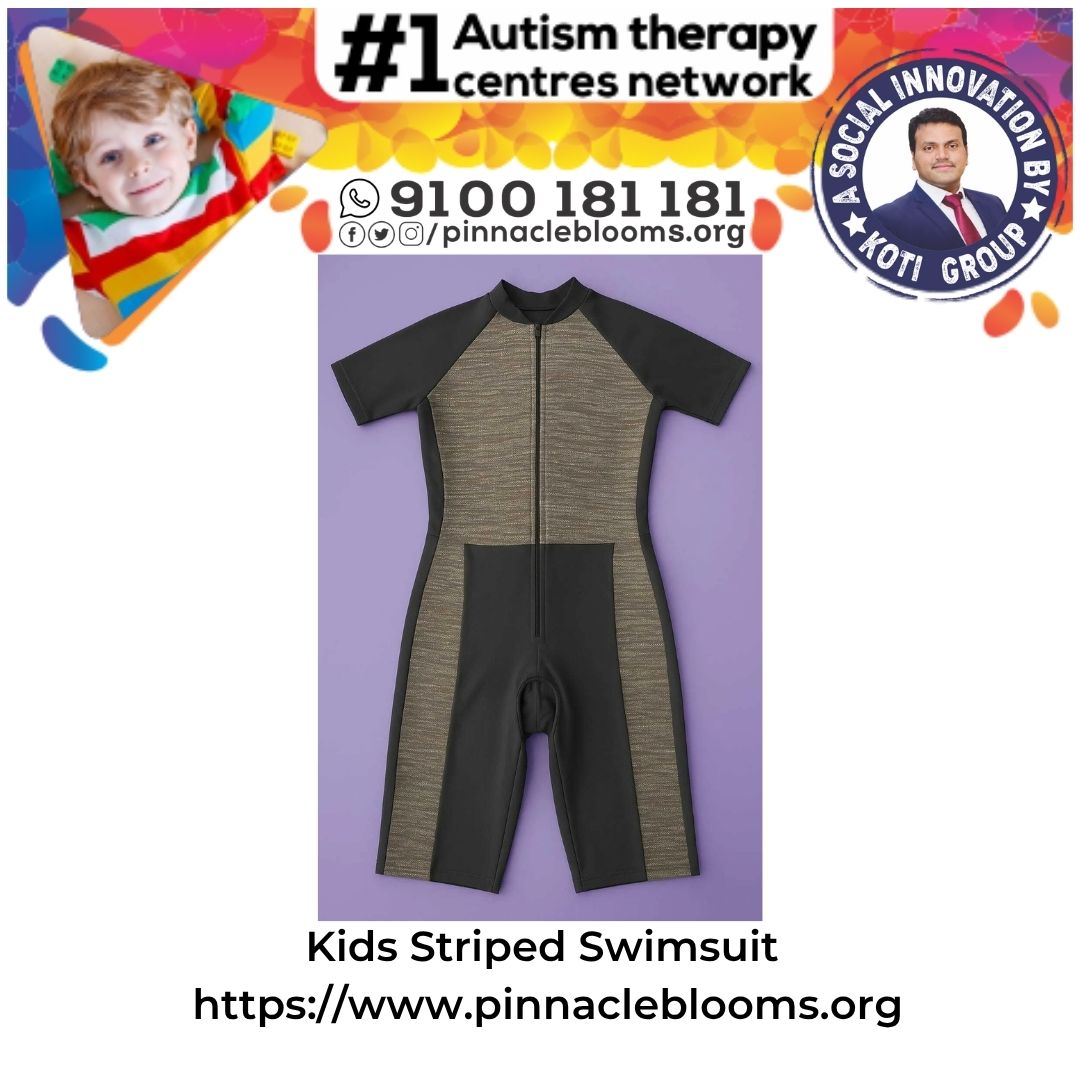
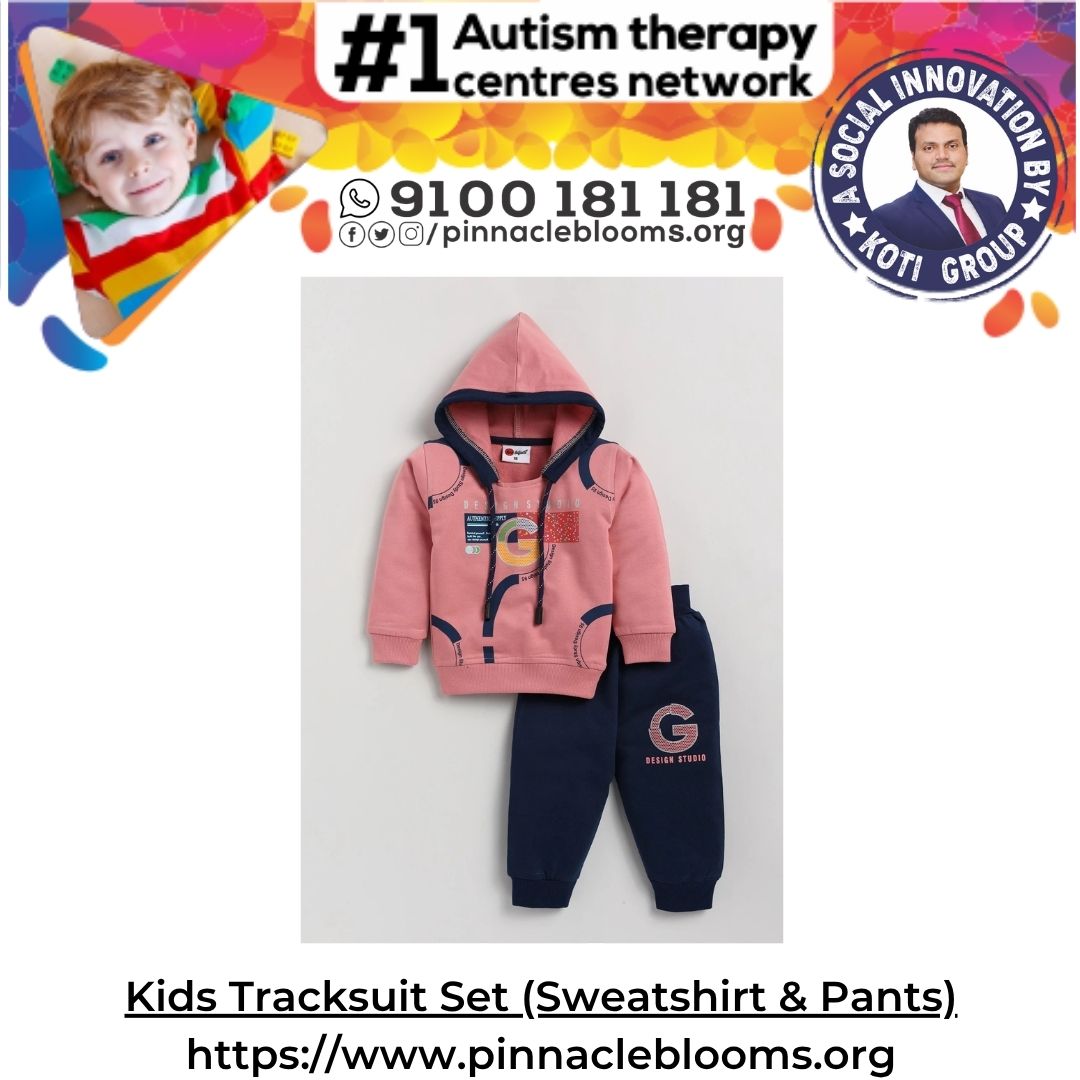
Tags, seams, certain fabrics, or tight/loose fit can be intolerable. Address clothing sensory issues before expecting dressing independence. Tagless, seamless, or preferred textures remove barriers.
Proprioceptive Needs
Some children need MORE sensory input for body awareness. Weighted utensils, firm pressure in grooming, or compression clothing provide proprioceptive feedback that aids motor control.
Occupational therapists specializing in sensory integration can assess sensory processing patterns and recommend specific accommodations and desensitization protocols.
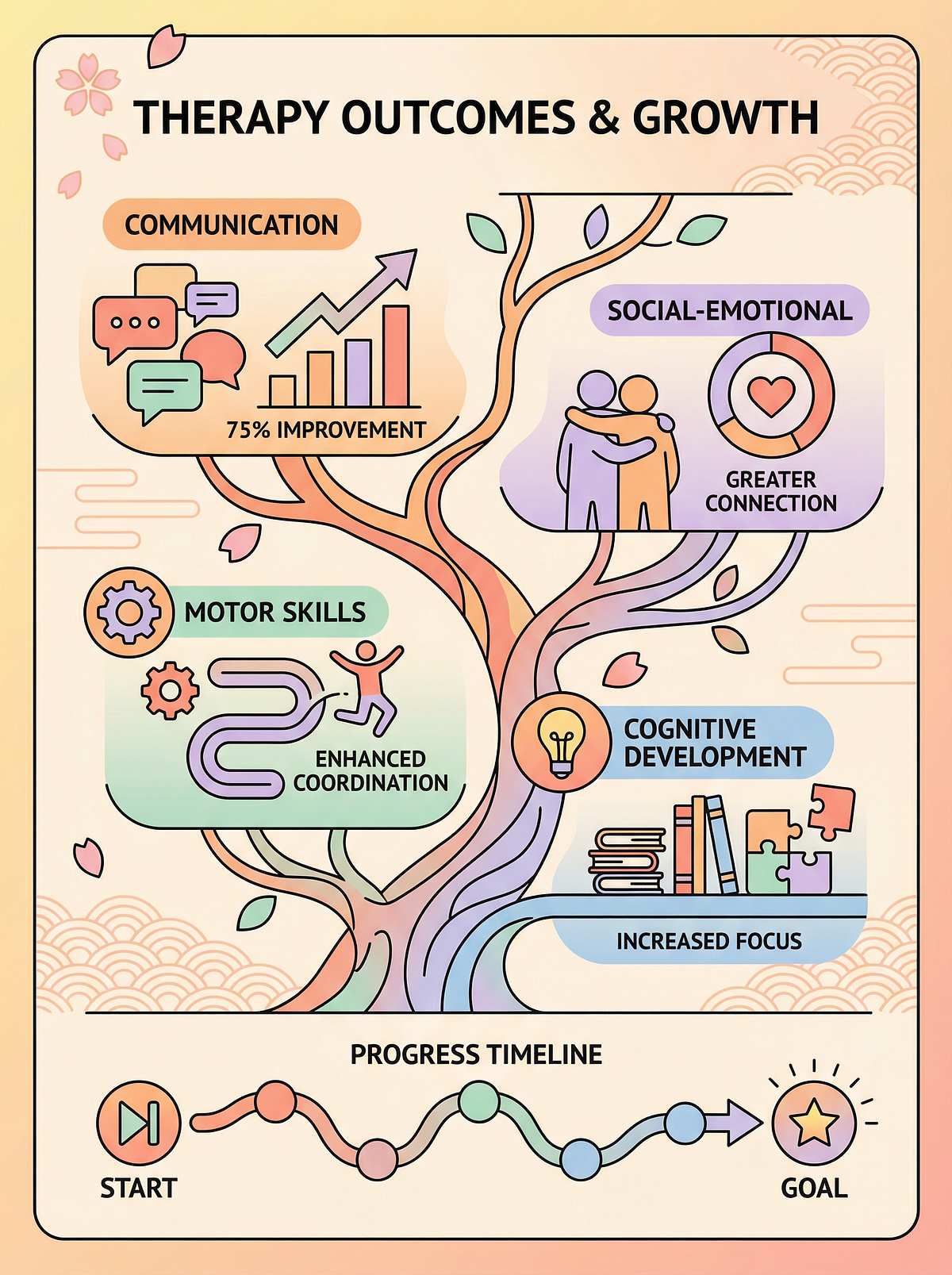
Measured Outcomes at Scale
21M+
Exclusive 1:1 Sessions
Across converged therapy disciplines delivered through the Pinnacle network, representing depth of clinical engagement and systematic intervention delivery.
97%+
Measured Improvement
Across one or more readiness indexes, documented through systematic assessment using standardized protocols across all network centers.
70+
Centers
Operating under a single clinical system (GPT-OS®) with unified protocols, training standards, and outcome measurement ensuring consistency at population scale.
These statistics represent aggregate outcomes across the Pinnacle Blooms Network, documented through systematic data collection and analysis. Individual results vary based on child-specific factors, intervention intensity, family engagement, and developmental variables.
Access and Support
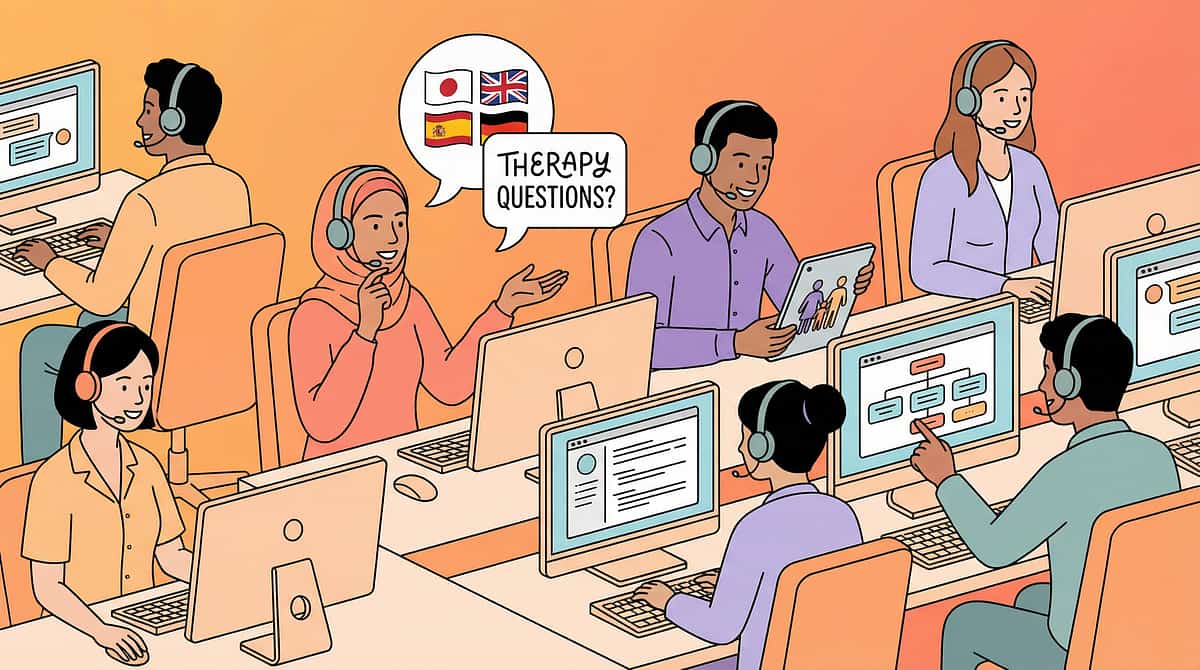
FREE National Autism Helpline
Available in 16+ languages, the Pinnacle Blooms helpline provides immediate access to clinical guidance, resource navigation, and assessment scheduling.
Call: 9100 181 181
The helpline connects families to appropriate services, answers questions about materials and interventions, and schedules AbilityScore® assessments when indicated.
Additional Resources
Website: pinnacleblooms.org
Email: care@pinnacleblooms.org
Materials Library: materials.pinnacleblooms.org
Statutory Identifiers: CIN: U74999TG2016PTC113063 | DPIIT: DIPP8651 (Govt. of India) | MSME: Udyog Aadhaar: TS20F0009606 | GSTIN: 36AAGCB9722P1Z2 | ISO 13485: Medical Device QMS | ISO/IEC 27001: Information Security
Cannons
Daily Living Skills MaterialsEvidence-based materials supporting independence in self-care, hygiene, dressing, feeding, home management, and community life skills.







Link copied!