

Oral Motor & Feeding Materials
Comprehensive therapeutic resources supporting oral sensory regulation, jaw strengthening, feeding skills development, and speech preparation through evidence-based tools and systematic approaches.
Guidelines for Effective Use

Essential Implementation Principles
Successful oral motor and feeding intervention requires thoughtful application of evidence-based principles. These guidelines ensure safety, effectiveness, and developmental appropriateness in your therapeutic approach.
- Address oral sensory issues before expecting feeding progress
- Match tool intensity and resistance to child's current abilities
- Use low-pressure approaches for food exploration
- Progress gradually from supported to independent skills
- Replace oral motor chews when showing wear or damage
- Consult with speech-language pathologists for individualized feeding and oral motor plans
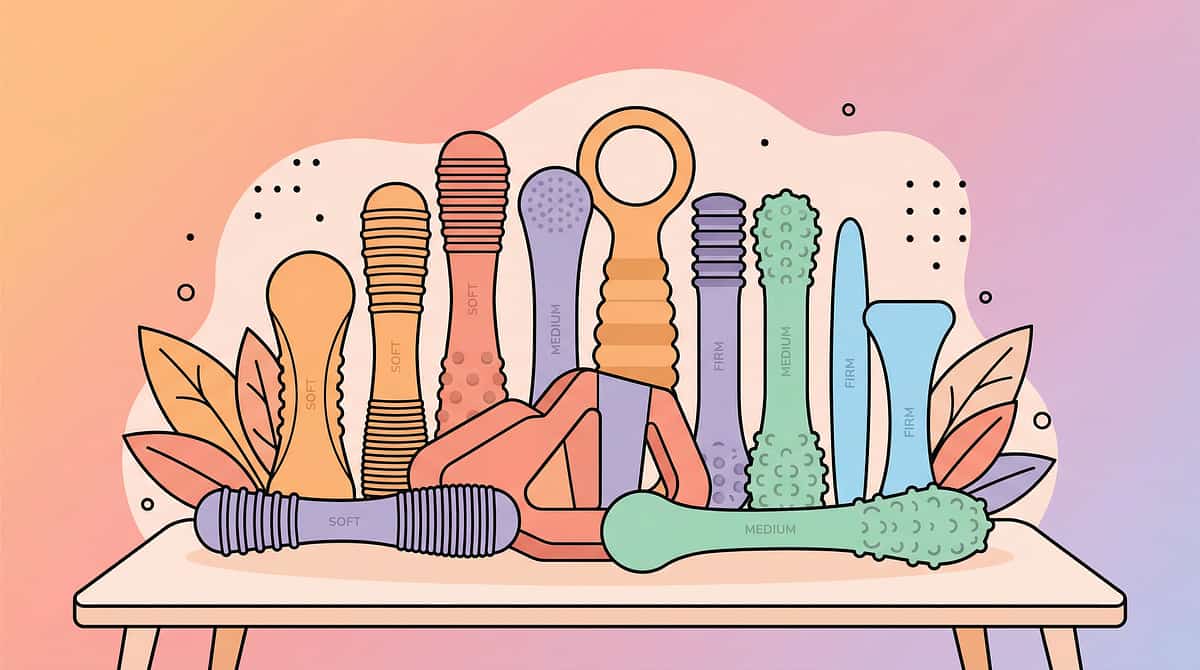
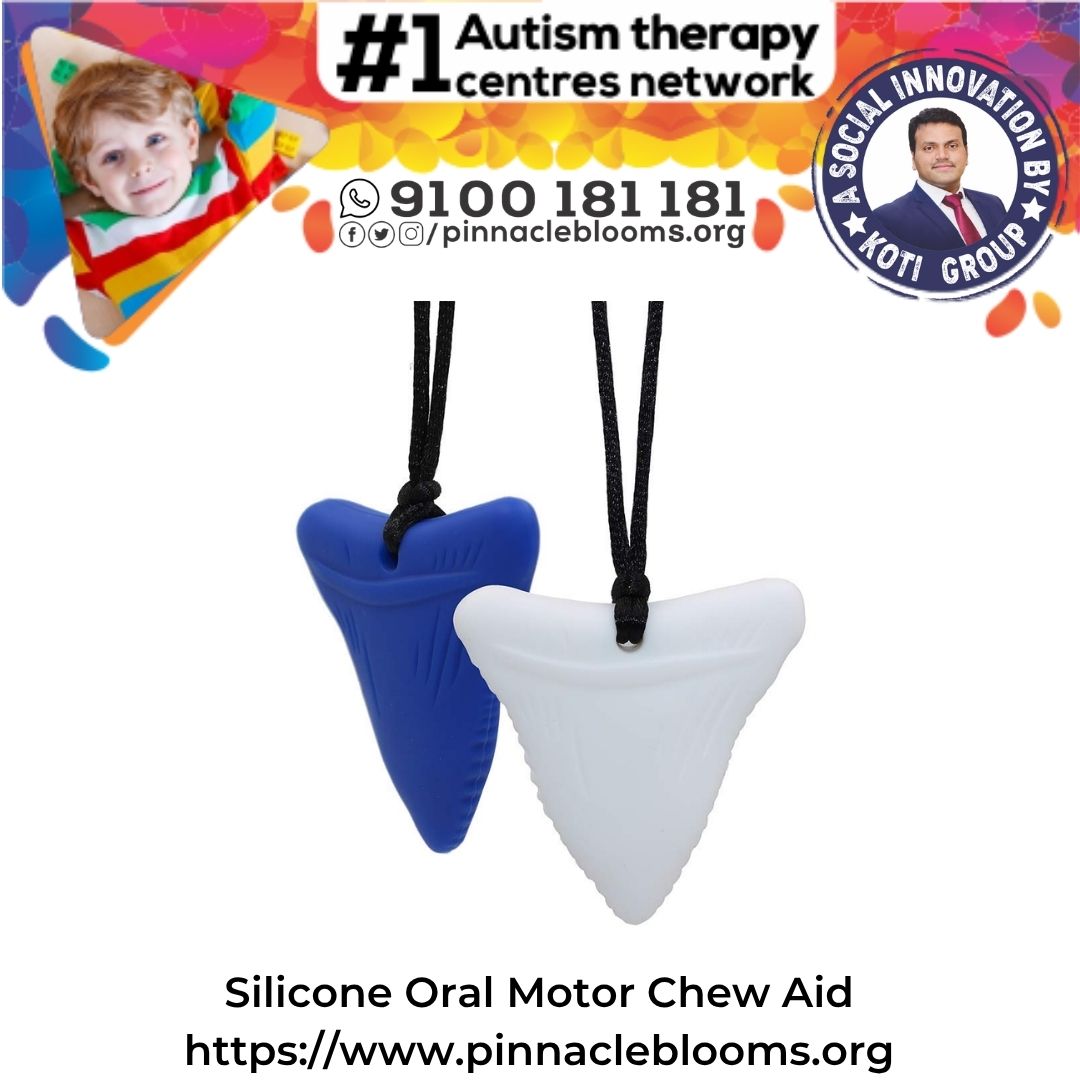
Oral Motor Chews
Material 11.1
Core Kit
Safe Oral Sensory Regulation
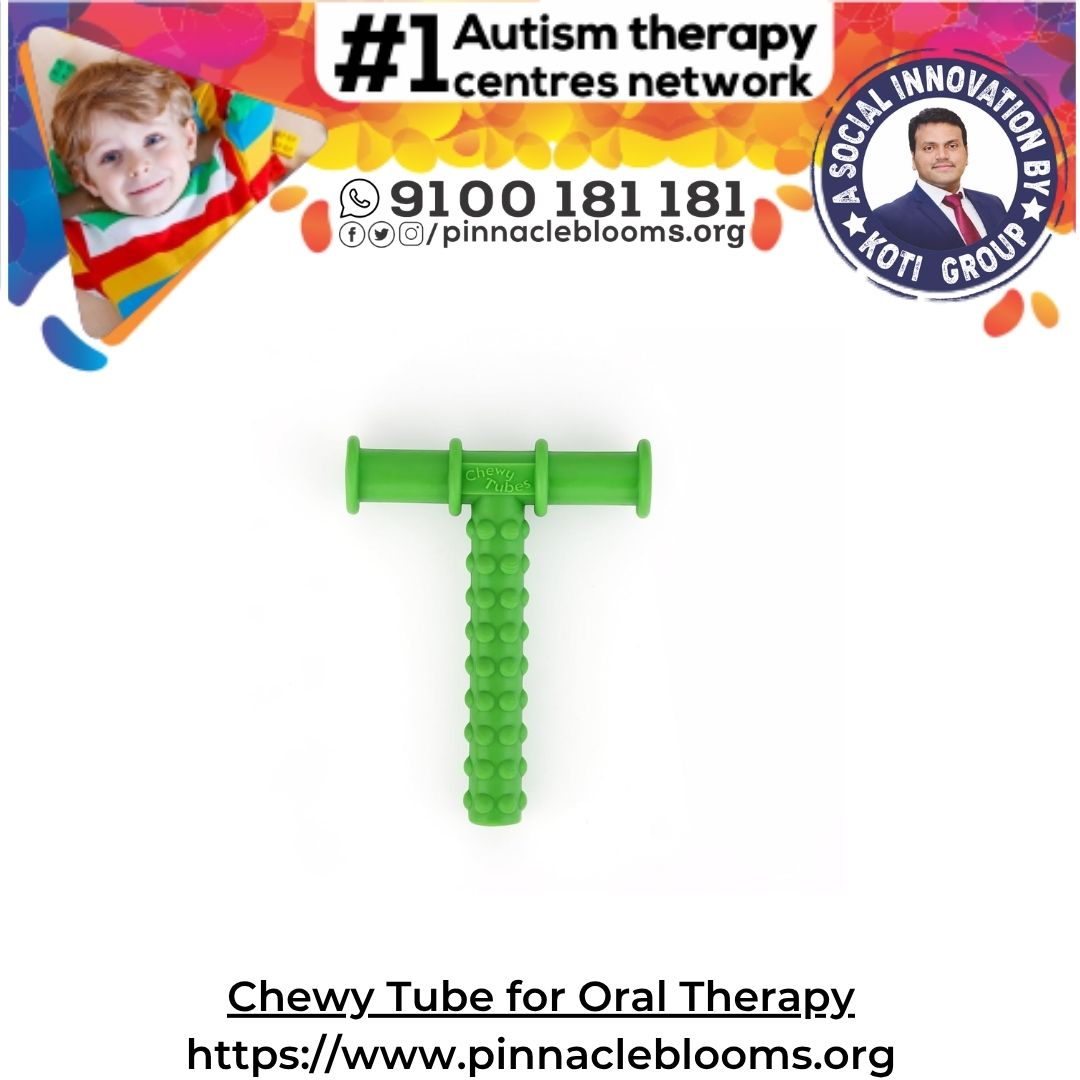
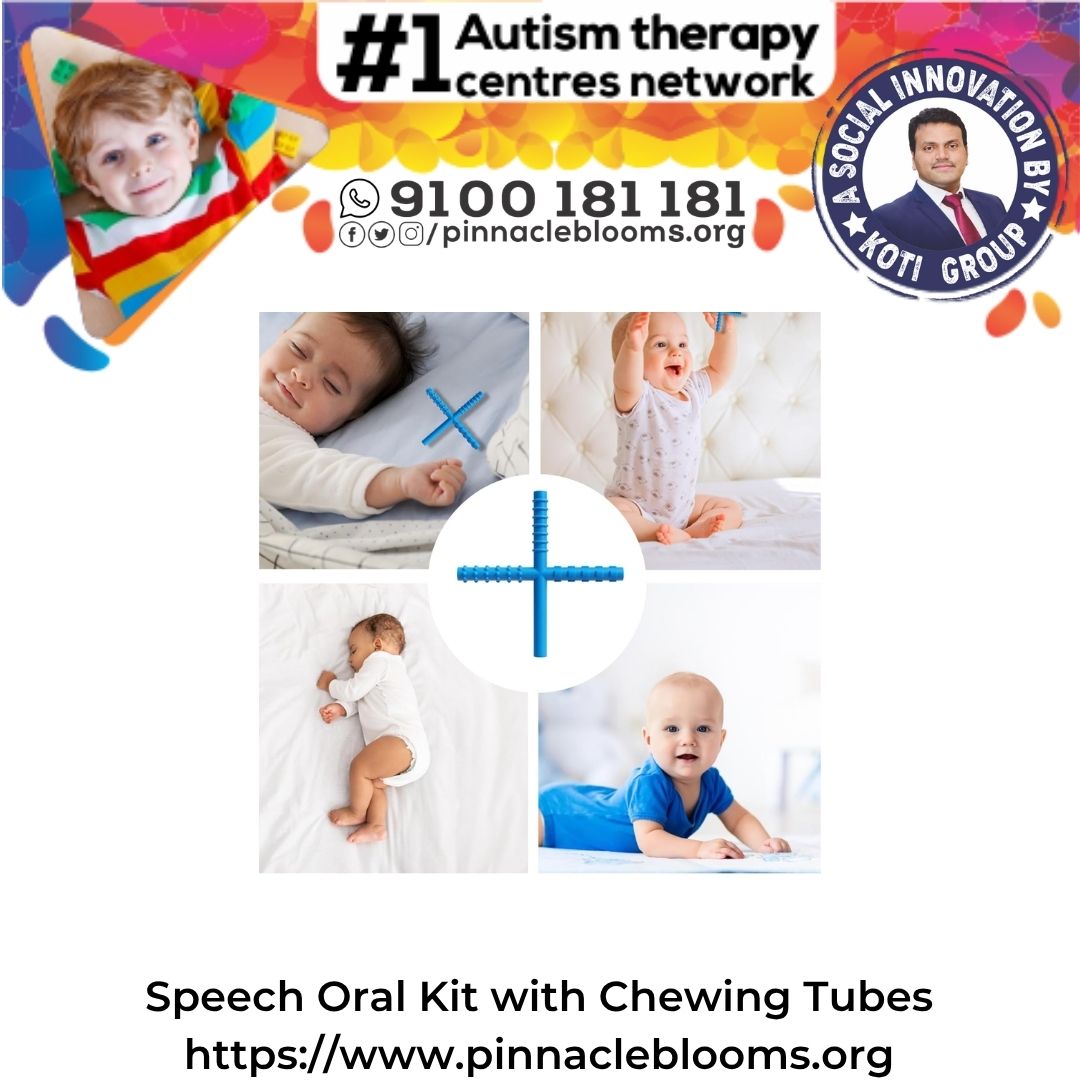
Oral motor chews provide therapy-grade chewing tools that offer safe, appropriate outlets for oral sensory seeking while building jaw strength. These specialized tools address the need for oral input in children who seek sensory stimulation through chewing, replacing unsafe behaviors with therapeutic alternatives.
Available in progressive resistance levels, these chews support jaw muscle development essential for feeding and speech. The systematic strengthening approach prepares the oral mechanism for more complex eating tasks and articulation demands.
Target Areas
- Oral sensory regulation and self-soothing
- Jaw strengthening and endurance building
- Oral awareness and sensory processing
- Replacing unsafe chewing behaviors
- Foundation building for feeding and speech
Implementation Guidelines
How It Works: Safe chewing outlet provides oral sensory input, which strengthens jaw muscles, supports regulation, and builds foundation for feeding and speech development.
Match resistance level to child's jaw strength
Replace when showing wear or damage
Clean regularly (most are dishwasher safe)
Provide consistent access for self-regulation
Progress resistance as strength develops
Price Range: ₹100 - ₹1,200 | Settings: Home, School, Clinic, Community

Straws (Therapy/Specialty)
Material 11.2
Core Kit
Oral Motor Skill Development
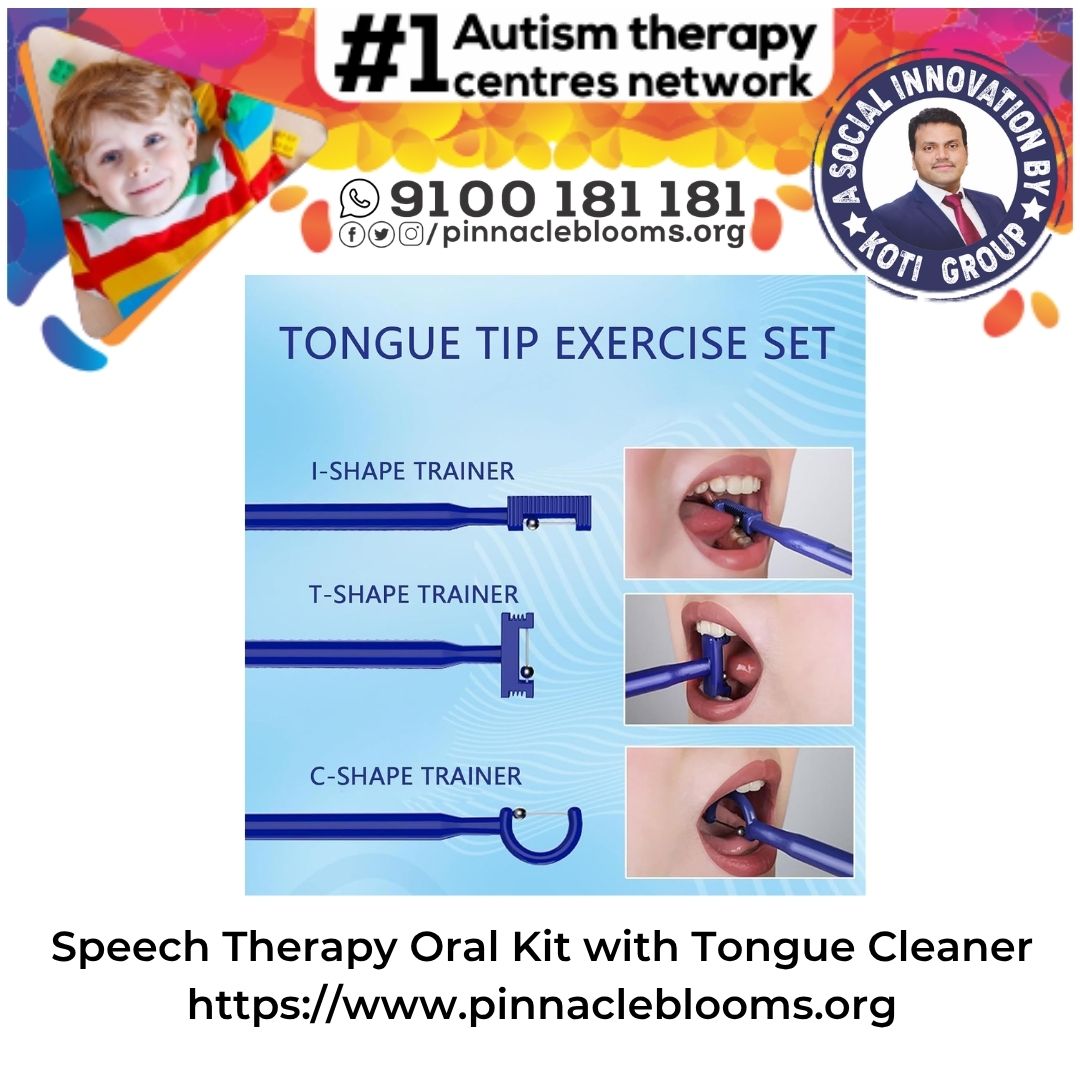
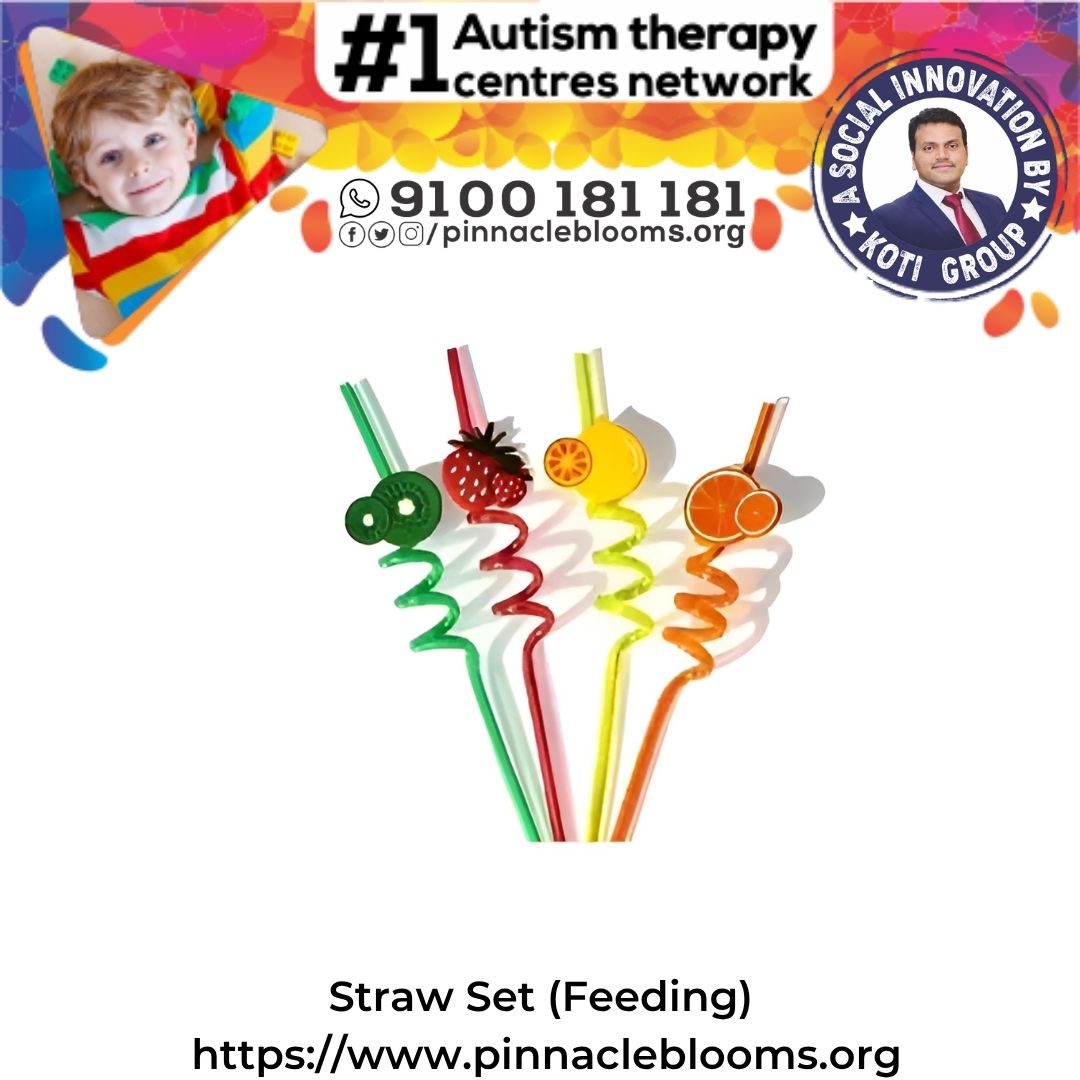
Therapeutic and specialty straws systematically develop critical oral motor skills including suction strength, lip closure, and tongue retraction through progressive drinking challenges. These specialized tools transform a daily activity—drinking—into a therapeutic opportunity for skill building.
From honey bear trainers for beginning straw users to curly straws that increase suction demands, this progression supports oral motor development essential for both feeding safety and speech articulation. Each straw variation targets specific oral motor components in a functional, motivating context.
Target Areas
- Lip closure strength and coordination
- Suction strength and endurance
- Cheek stability during drinking
- Tongue retraction and positioning
- Swallowing coordination improvement
- Speech preparation through oral motor work
Progressive Implementation
How It Works: Straw drinking requires lip closure, which builds suction strength and proper tongue positioning, leading to improved overall oral motor skills for feeding and speech.
01
Honey Bear Introduction
Teaches basic straw drinking to beginners with squeezable assistance
02
Lip Blok Progression
Prevents over-insertion and promotes proper lip placement
03
Diameter Variation
Progress from thicker to thinner straws for increased challenge
04
Curly Straw Mastery
Increases suction demand for advanced skill development
Price Range: ₹100 - ₹800 | Settings: Home, Clinic, School

Vibrating Oral Tools
Material 11.3
Extended Kit
Sensory Modulation Through Vibration
Vibrating oral tools provide controlled sensory input that normalizes oral sensitivity, increases awareness, and prepares oral muscles for feeding and speech activities. These specialized tools address oral defensiveness and sensory processing challenges that often underlie feeding difficulties.
The therapeutic vibration stimulates oral tissues and muscles, promoting desensitization in hypersensitive children while increasing awareness in children with reduced oral sensation. This dual capability makes vibrating tools valuable across a wide range of oral sensory profiles.
Target Areas
- Oral sensitivity normalization and desensitization
- Oral awareness and sensory processing
- Muscle activation and preparation
- Feeding readiness and tolerance building
- Speech preparation through muscle awareness
Application Protocol
How It Works: Vibration input normalizes sensory processing, increases oral awareness, prepares muscles for activity, and improves overall feeding and speech readiness.
Start with less sensitive areas, gradually work toward mouth
Follow child's lead on intensity and duration preferences
Use before feeding sessions for muscle preparation
Maintain consistent, predictable application patterns
SLP guidance recommended for therapeutic applications
Price Range: ₹200 - ₹3,500 | Settings: Home, Clinic
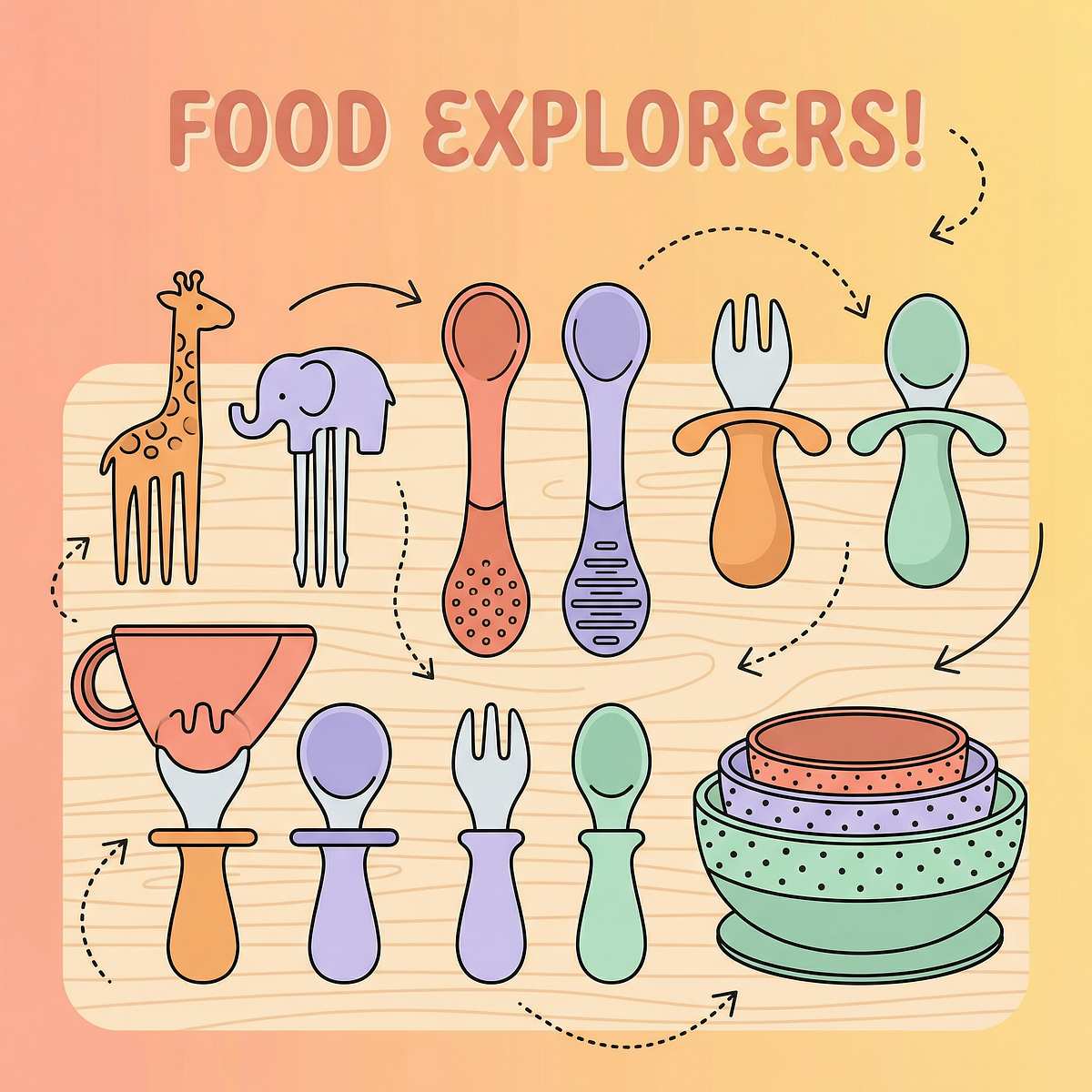
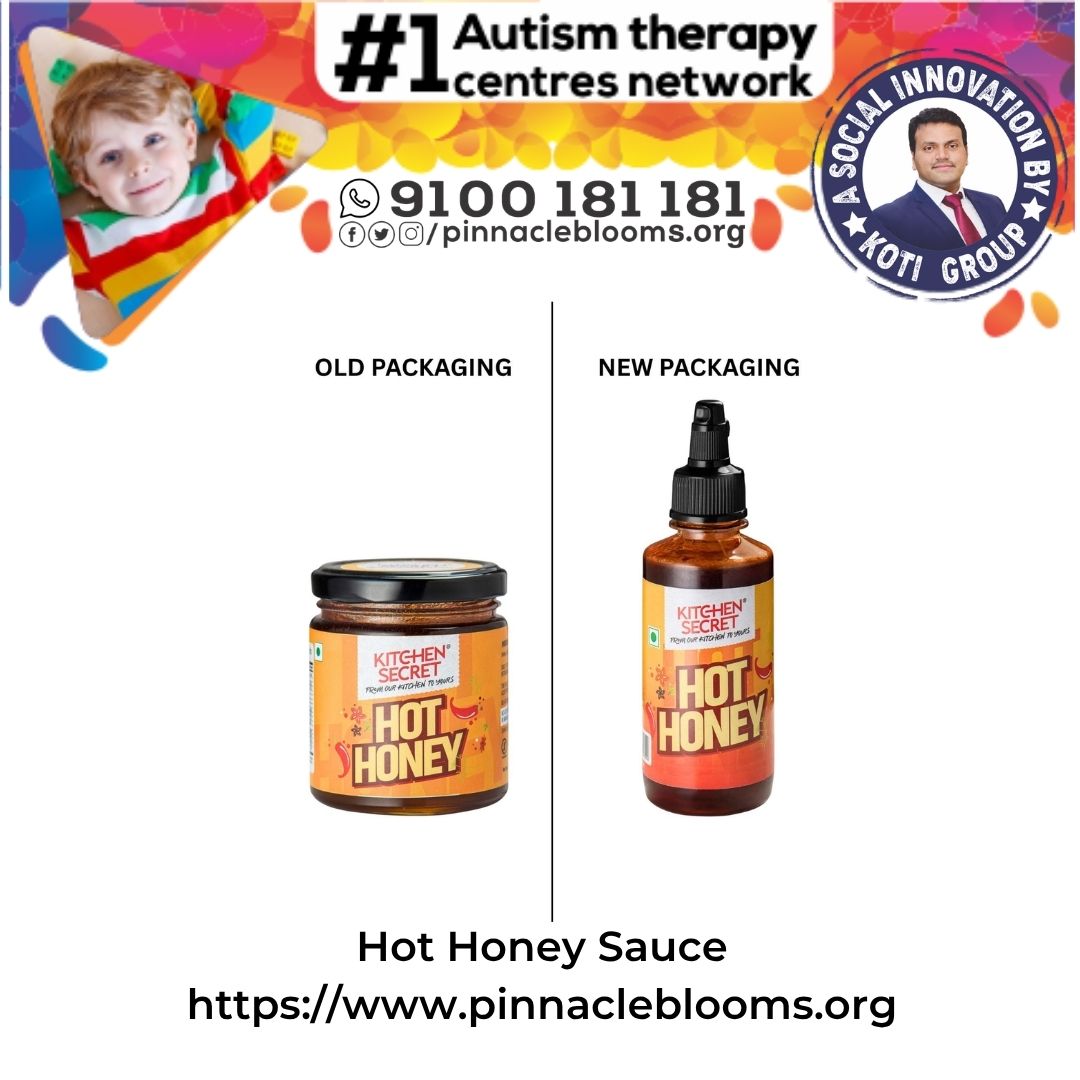
Food Exploration Tools
Material 11.4
Core Kit
Low-Pressure Food Acceptance
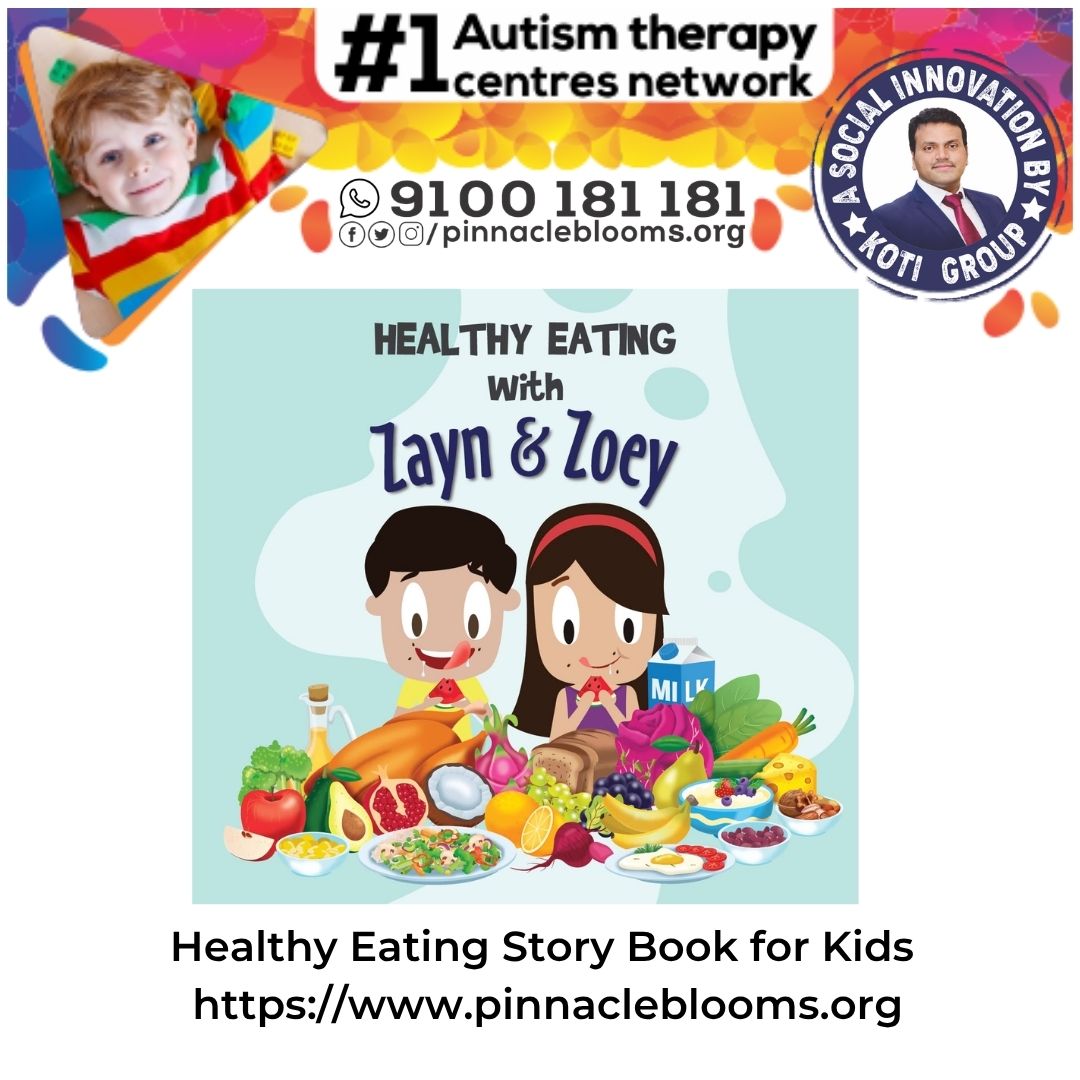
Food exploration tools expand food acceptance and dietary variety through systematic, low-pressure sensory exploration and food chaining approaches. These materials recognize that food acceptance is a sensory journey requiring repeated exposure without eating pressure.
By facilitating touching, smelling, playing with, and gradually exploring new foods, these tools reduce mealtime stress while building tolerance. The food chaining method systematically bridges from accepted foods to new similar foods, creating manageable steps toward dietary expansion.
Target Areas
- Food variety expansion and dietary diversity
- Sensory tolerance building for new textures
- Mealtime stress and anxiety reduction
- Food acceptance through graduated exposure
- Nutritional improvement and balance
- Family mealtime participation enhancement
Evidence-Based Approach
How It Works: Low-pressure exposure allows sensory exploration without eating demands, reducing fear and gradually building acceptance that leads to expanded food variety.
Explore Without Eating Pressure
Touching, smelling, and playing all count as meaningful progress
Food Chaining Method
Bridge from accepted foods to similar new foods systematically
Consistent Exposure
Expect 15-20 exposures before acceptance becomes likely
Never Force
Pressure and force create lasting food aversion and mealtime stress
Price Range: ₹50 - ₹600 | Settings: Home, Clinic
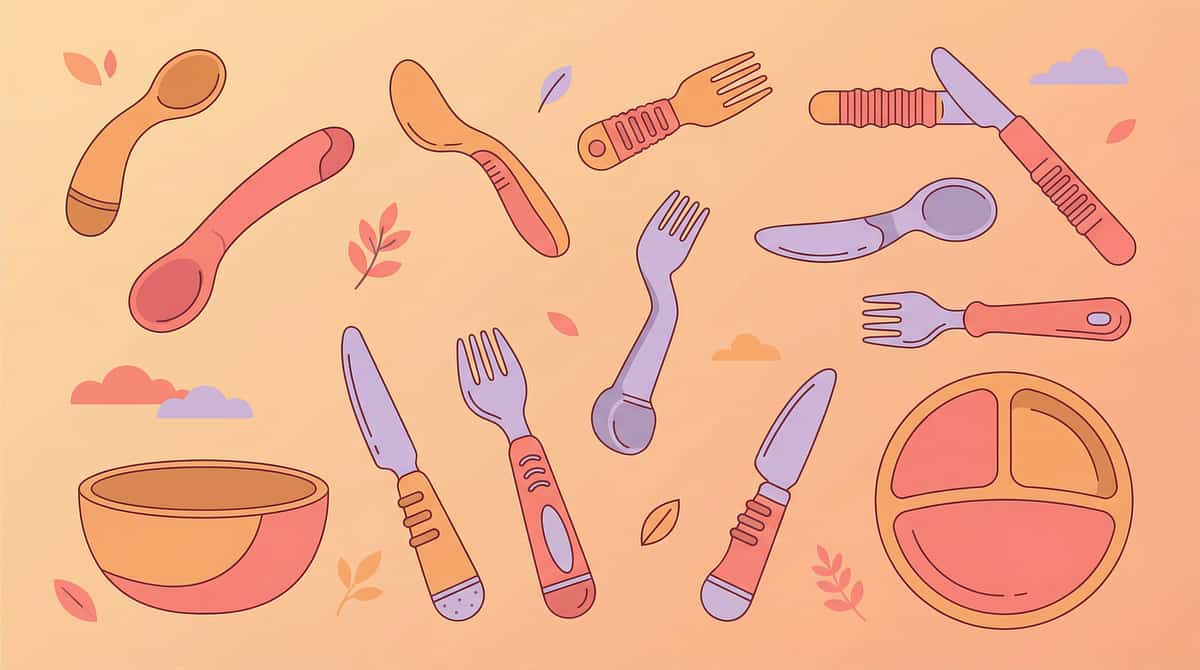
Adaptive Utensils (Feeding)
Material 11.5
Core Kit
Independence Through Adaptation
Adaptive feeding utensils enable independent eating by matching specific adaptations—weighted, built-up handles, curved designs—to individual motor and sensory challenges. These specialized tools compensate for motor limitations while maintaining dignity and promoting self-feeding success.
The right adaptation transforms frustrating feeding attempts into successful, independent eating experiences. From weighted utensils that provide stability for tremors to built-up handles accommodating weak grip, each adaptation addresses specific functional challenges that interfere with self-feeding.
Target Areas
- Self-feeding skill development and mastery
- Independence in daily eating activities
- Motor challenge accommodation and compensation
- Oral motor support through proper positioning
- Nutritional intake improvement through success
- Dignity and confidence at mealtimes
Selection and Implementation
How It Works: Matched adaptations compensate for motor challenges, enabling successful self-feeding that builds independence and improves nutrition and dignity.
Price Range: ₹150 - ₹800 | Settings: Home, School, Clinic, Community
Assessment-Based Selection
Match specific adaptation to identified challenge
1
Trial Before Purchase
Test utensils when possible to ensure proper fit
2
Combined Adaptations
Consider multiple features like weighted plus built-up
3
Professional Guidance
OT assessment optimizes utensil selection
4
Fade When Appropriate
Transition to standard utensils as skills develop
5

Cup/Bottle Adaptations
Material 11.6
Core Kit
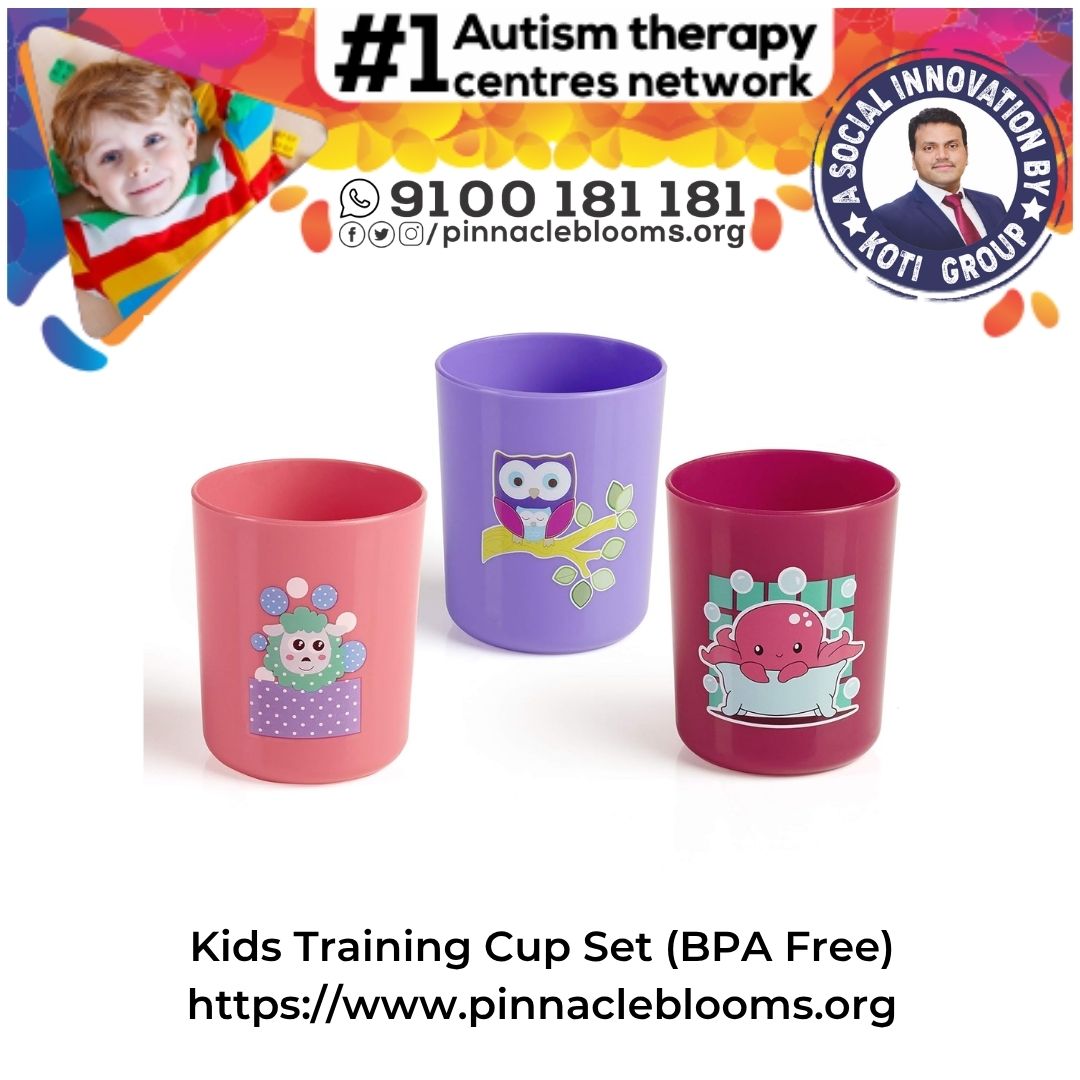
Safe Independent Drinking
Cup and bottle adaptations enable safe, independent drinking by matching specific modifications to positioning, motor, and oral challenges. These specialized drinking vessels address the complex coordination required for successful liquid intake while preventing aspiration and promoting skill development.
From cut-out cups that accommodate positioning needs to two-handled trainers supporting bilateral coordination, each adaptation serves specific functional requirements. The progression from adapted cups to open cup drinking represents a crucial developmental milestone in feeding independence.
Target Areas
- Independent drinking skill acquisition
- Hydration adequacy and fluid intake
- Safety during drinking and aspiration prevention
- Oral motor development through drinking challenges
- Motor accommodation for physical limitations
- Transition skills from bottle to cup drinking
Systematic Progression
How It Works: Matched adaptations compensate for motor and positioning challenges, enabling successful drinking that builds independence and ensures adequate hydration.
Safety First
Cut-out cups for aspiration risk management
Bilateral Support
Two handles for coordination development
Flow Control
Consider flow rate for oral motor skill level
Open Cup Goal
Progress from trainers to standard open cups
Price Range: ₹100 - ₹700 | Settings: Home, School, Clinic, Community
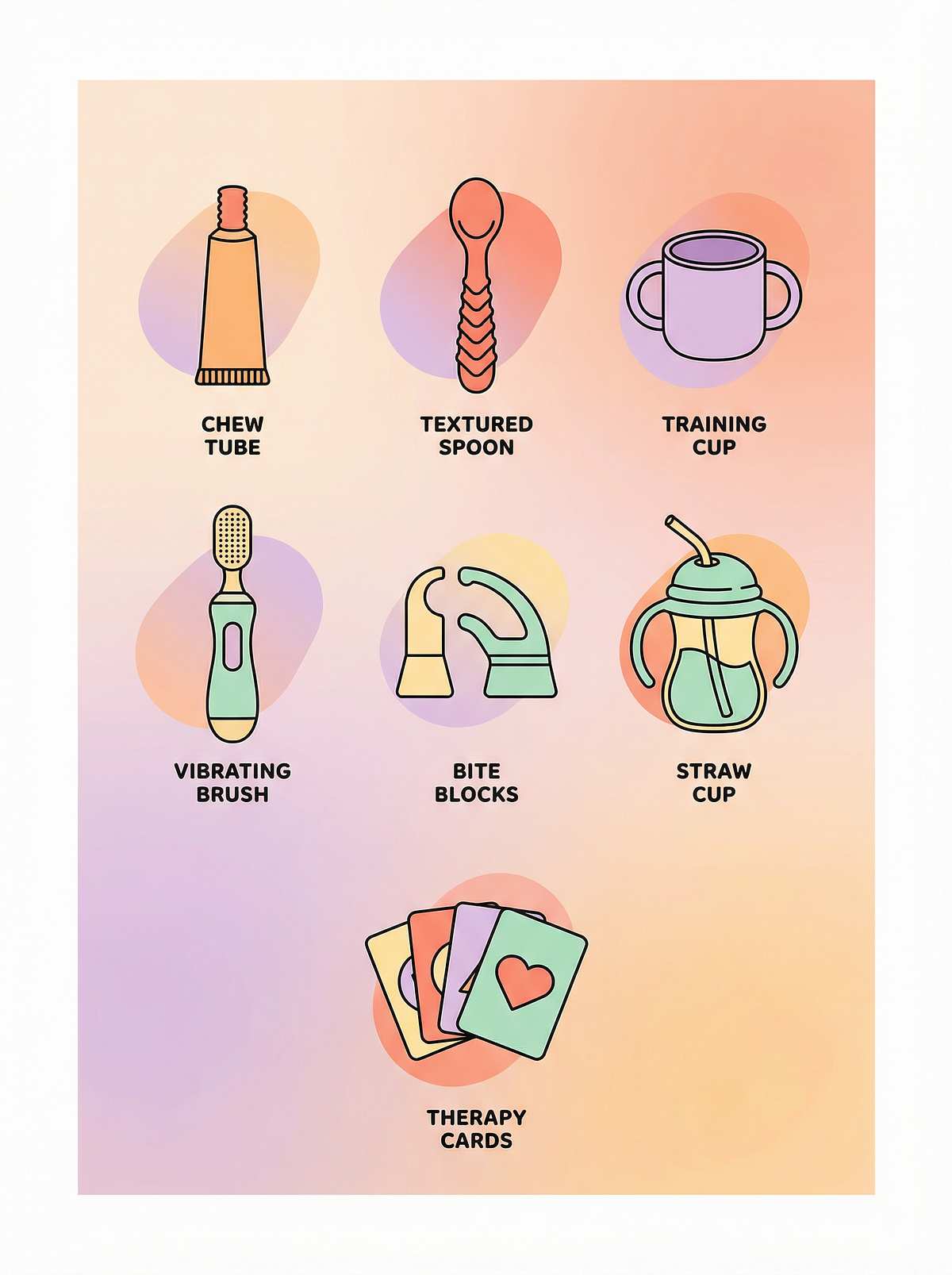
Complete Material Overview
The Oral Motor & Feeding Materials category comprises seven evidence-aligned therapeutic resources systematically addressing oral sensory regulation, motor skill development, feeding challenges, and speech preparation. Each material targets specific functional areas while contributing to comprehensive oral motor and feeding intervention.
7
Total Materials
Complete oral motor and feeding toolkit
5
Core Kit Materials
Essential foundational therapeutic tools
2
Extended Kit Materials
Specialized advanced intervention resources
Materials by Therapeutic Function
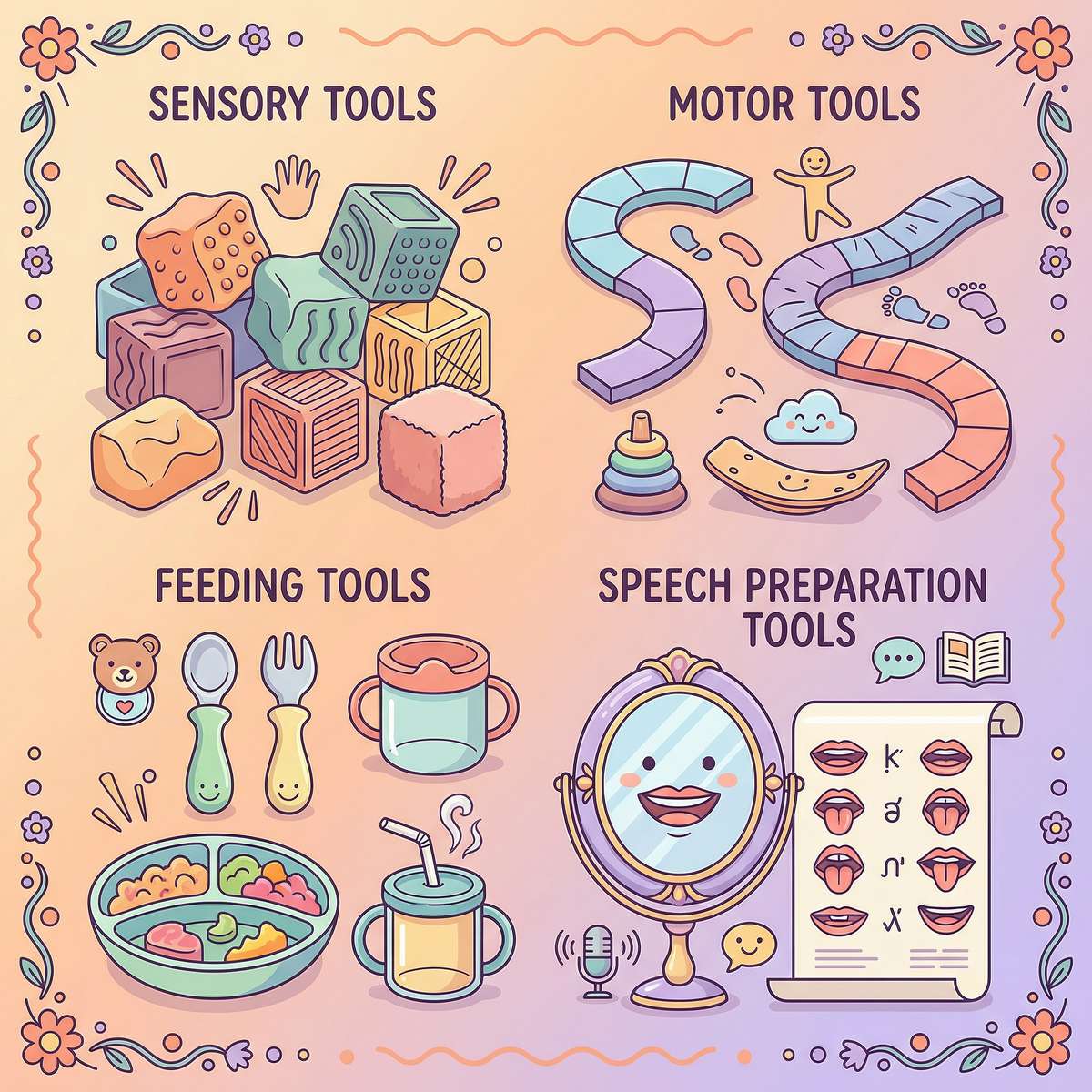
Functional Organization
Understanding how materials group by therapeutic function helps guide appropriate selection and implementation. This functional organization reveals how individual tools work together within comprehensive intervention plans.
Sensory Regulation
Oral motor chews, vibrating tools
Motor Strengthening
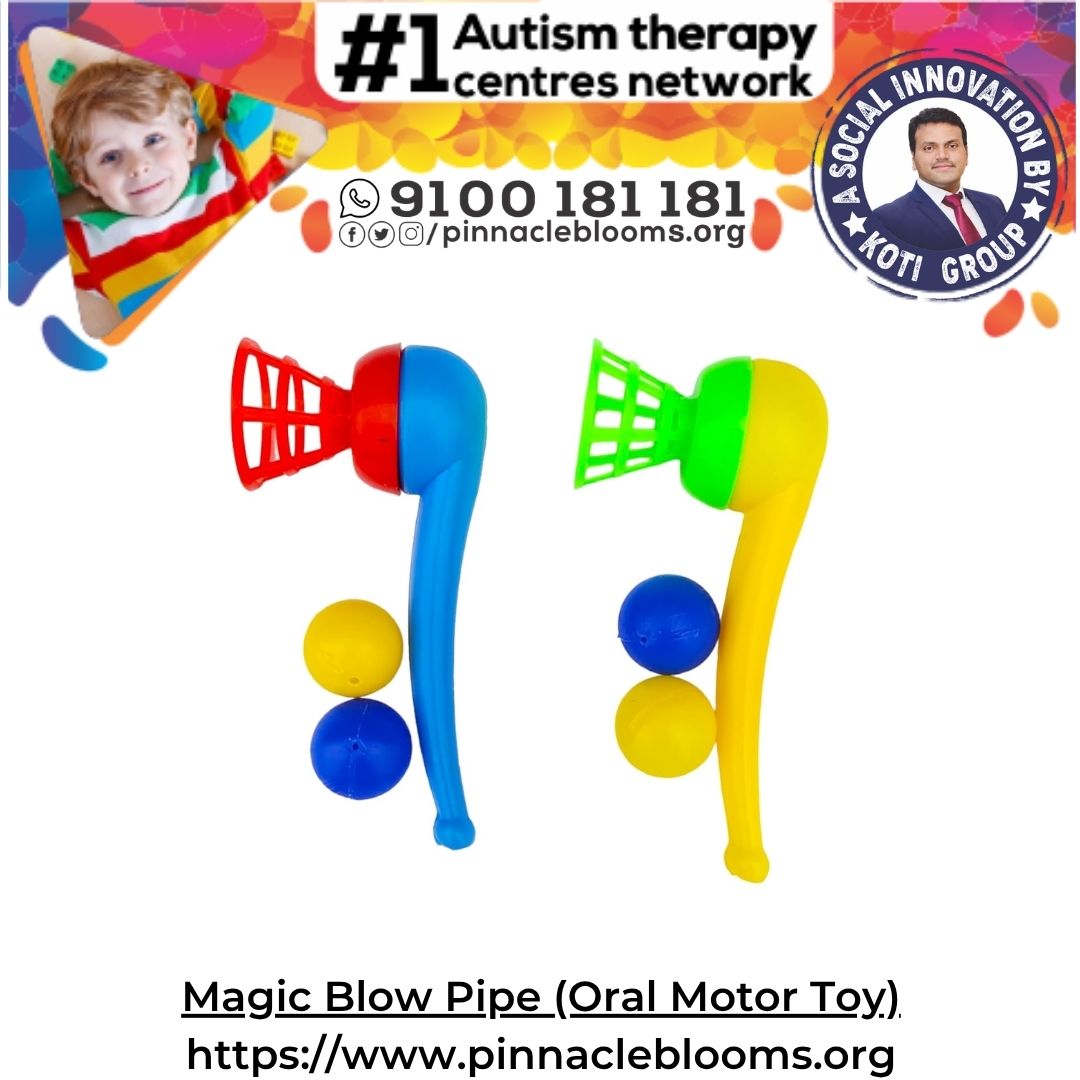
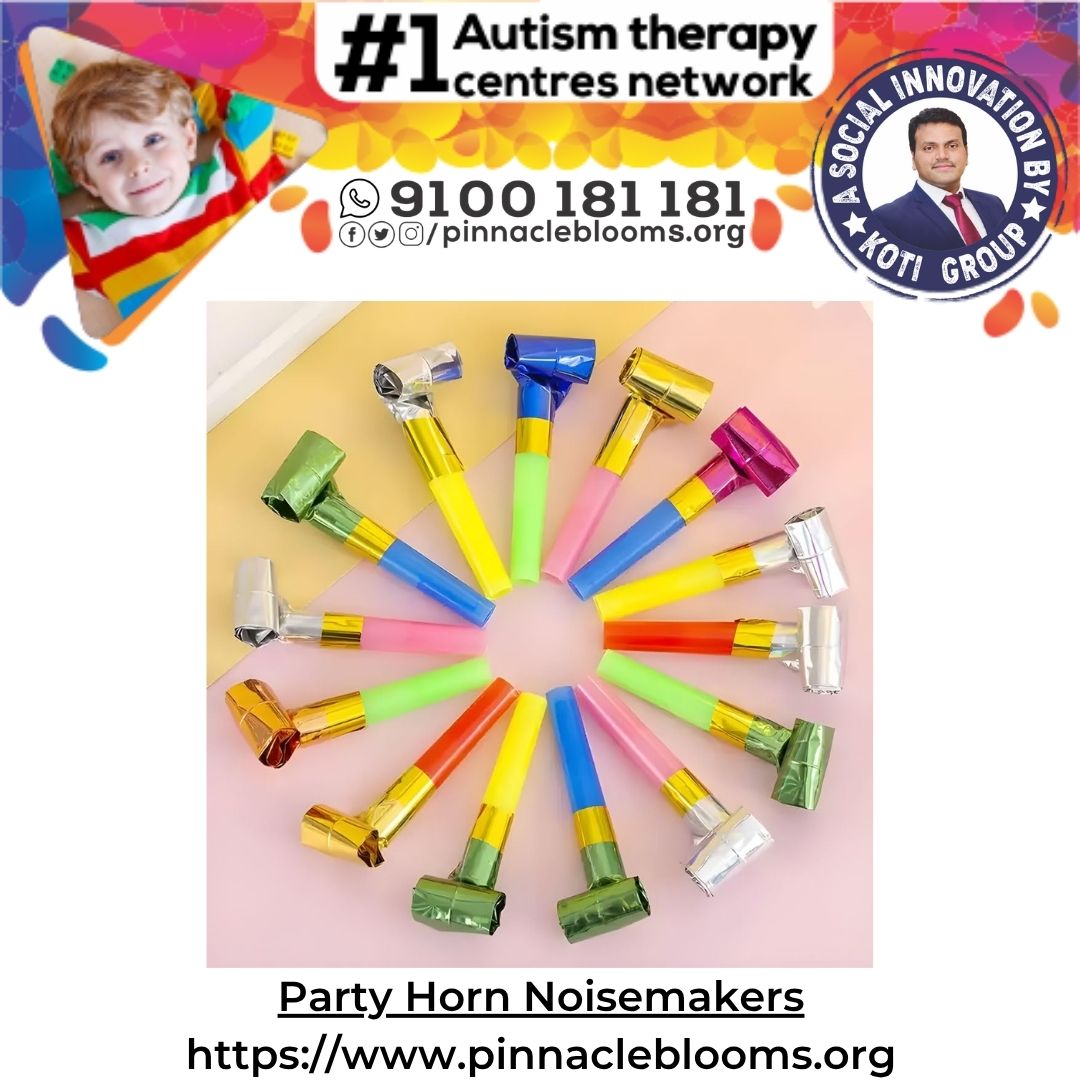
Chews, straws, blowing tools
Feeding Skills
Exploration tools, adaptive utensils, cups
Speech Preparation
All materials support speech readiness
Evidence Base and Clinical Support

Research-Aligned Approaches
The materials in this category reflect evidence-based practices documented in peer-reviewed literature on feeding disorders, oral motor development, and sensory processing. Core materials represent interventions with strong research support and widespread clinical acceptance.
Extended materials address specialized needs with emerging evidence or targeted applications. All materials align with best practices established by speech-language pathology and occupational therapy professional organizations.
Clinical outcomes across the Pinnacle Blooms Network demonstrate measurable improvements in oral motor skills, feeding acceptance, and dietary variety when materials are implemented under professional guidance with systematic progression protocols.
Safety and Maintenance Considerations
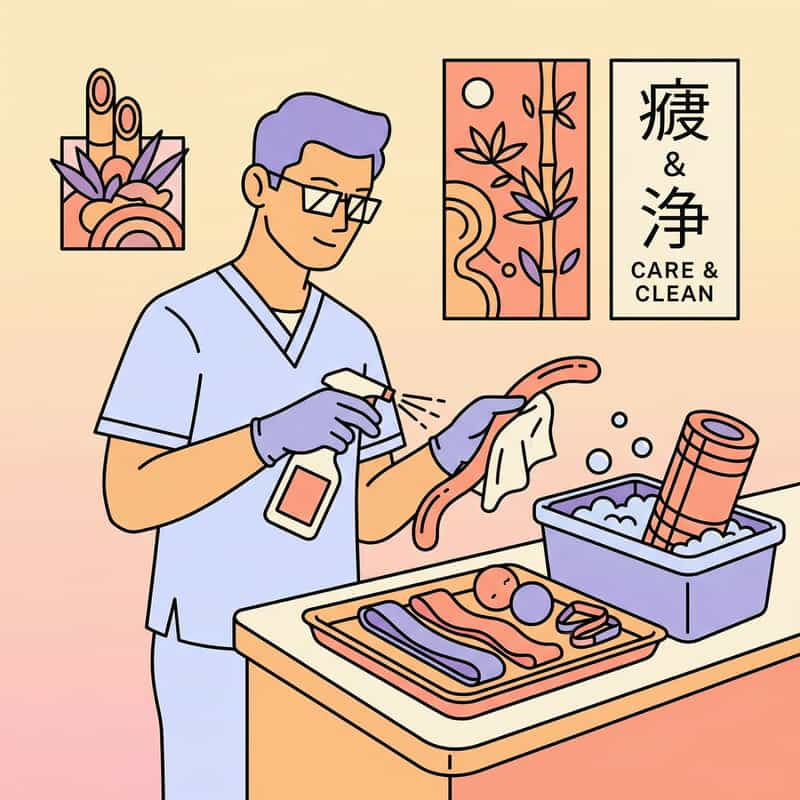
Ensuring Safe Therapeutic Use
Proper safety protocols and maintenance practices ensure oral motor and feeding materials remain effective and hygienic throughout their therapeutic lifespan. These considerations protect children while maximizing material longevity.
1
Regular Inspection
Check for wear, tears, or damage before each use, especially on chewable items
2
Cleaning Protocols
Follow manufacturer guidelines for sanitization; most items are dishwasher safe
3
Timely Replacement
Replace worn items promptly to maintain safety and therapeutic effectiveness
4
Proper Storage
Store materials in clean, dry environments between uses to prevent contamination
Proven Outcomes at Scale
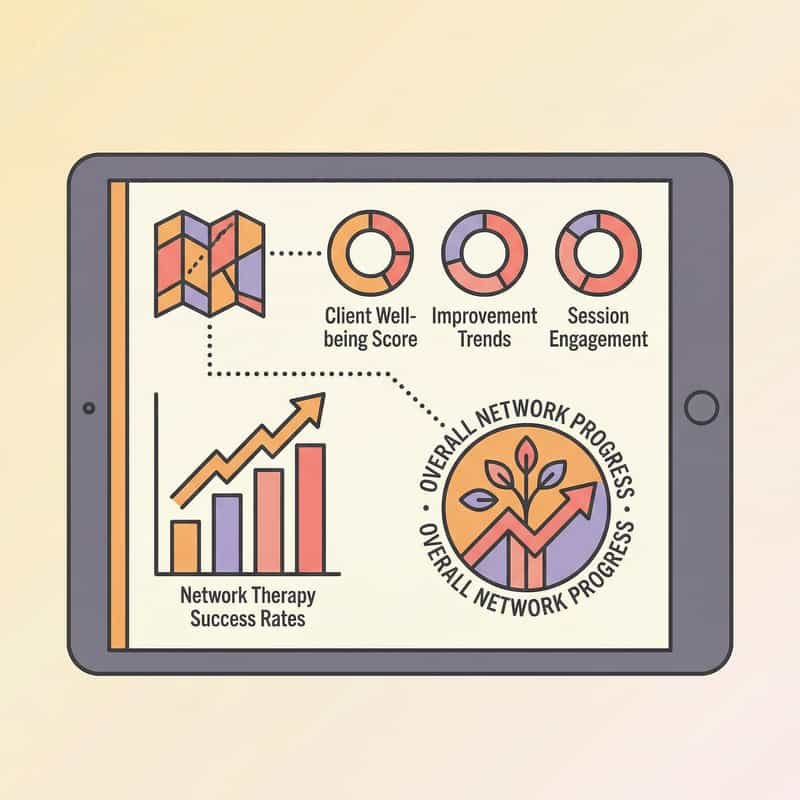
Measurable Impact Across the Network
The Pinnacle Blooms Network has delivered over 21 million exclusive one-to-one therapeutic sessions across converged therapy disciplines, demonstrating sustained operational excellence and clinical reach. Our outcomes reflect systematic implementation of evidence-based protocols across diverse settings.
With 97% of children showing measured improvement across one or more readiness indexes, our data validates the effectiveness of the GPT-OS® approach. These outcomes represent real families achieving meaningful developmental gains through coordinated, high-quality therapeutic intervention.
Our 70+ center network operates under a single clinical system, ensuring consistency and quality across all locations. This integrated approach enables continuous quality monitoring, outcome measurement, and systematic improvement cycles.
21M+
Therapy Sessions
Exclusive 1:1 sessions across converged disciplines
97%+
Measured Improvement
Progress across one or more readiness indexes
70+
Network Centers
Operating under unified clinical system standards
Cannons
Oral Motor & Feeding MaterialsEvidence-based materials supporting oral motor development, feeding skills, jaw strength, breath control, and mealtime independence across home, school, and therapy settings.
Link copied!