






Tool ID: 11.7
Tool ID: 11.7
SLP + OT
Moderate Evidence
Rank #2
Daily Use
₹0–600
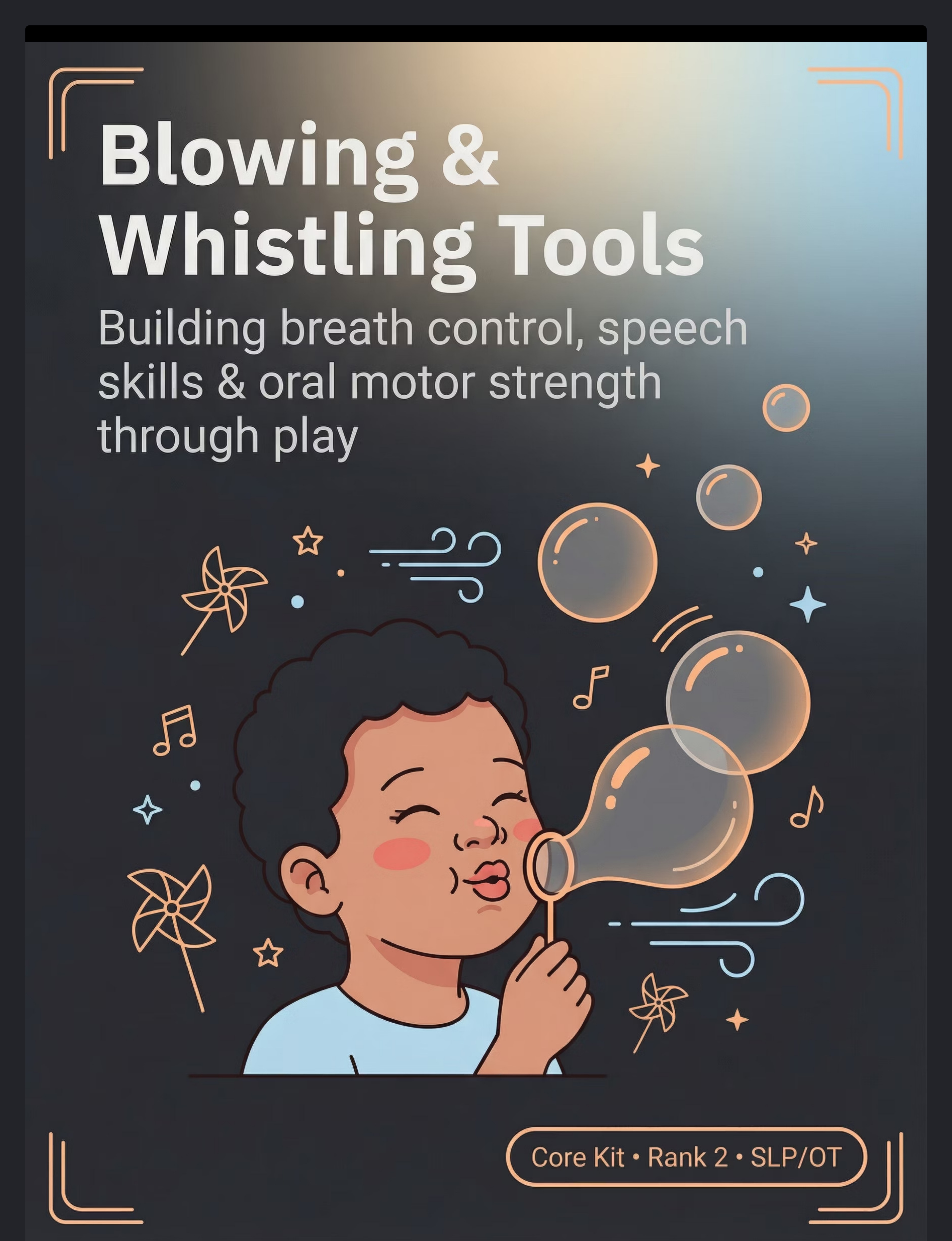
Blowing & Whistling Tools
Oral motor control and breath support system
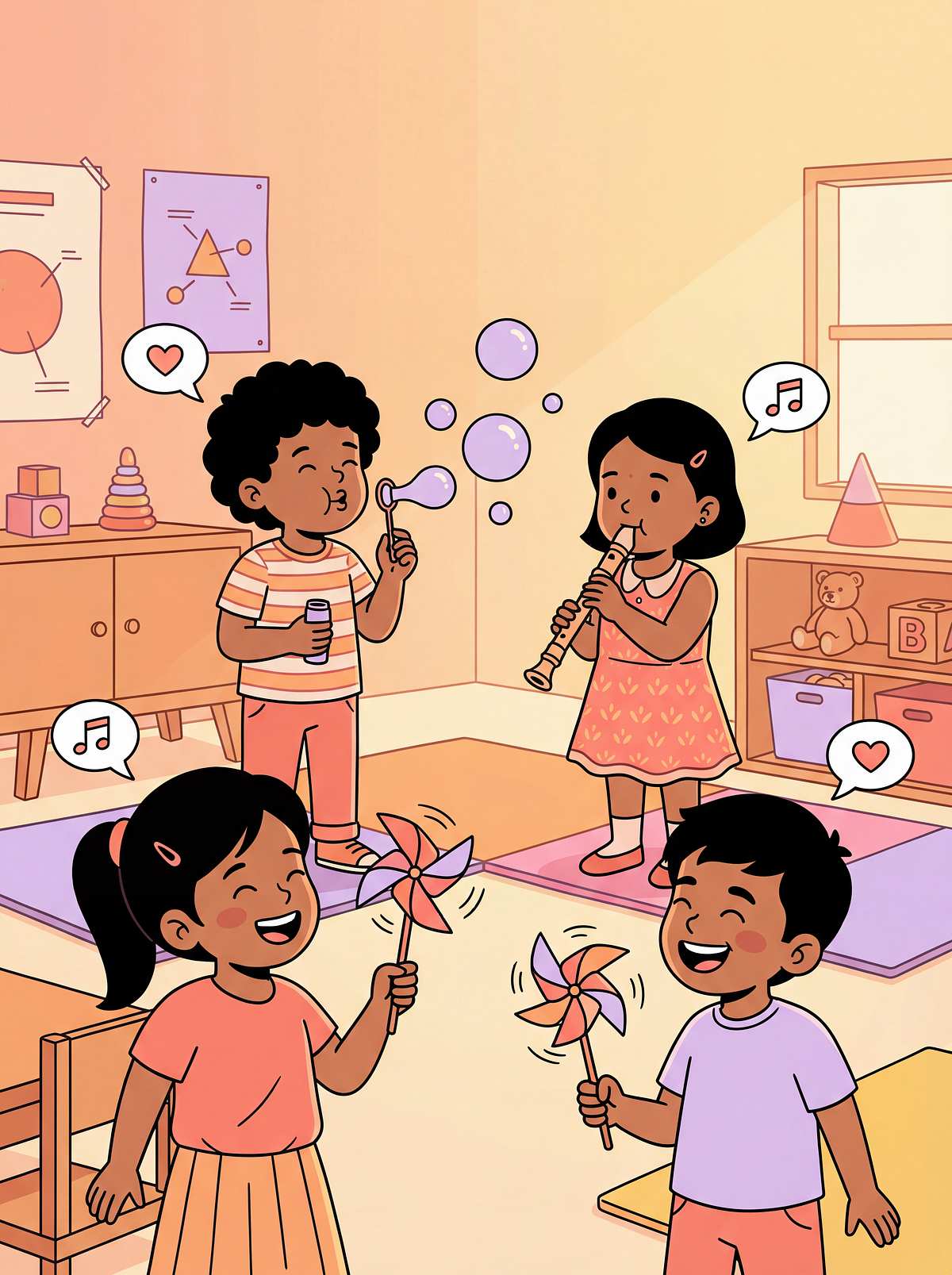
Develop essential oral motor skills through engaging, play-based activities that support speech clarity, feeding development, and breath control. These evidence-based tools make therapeutic practice feel like pure fun—from birthday candles to bubble time.
Who This Helps
Lip Rounding & Closure
Strengthens lip muscles and teaches proper rounding patterns essential for clear speech sounds and preventing drooling.
Breath Support & Control
Builds respiratory strength and teaches controlled airflow needed for sustained speech and physical activities.
Cheek Stability
Develops the muscle control in cheeks that supports both speech production and efficient feeding patterns.
Speech Preparation
Creates the oral motor foundation that makes articulating clear speech sounds physically possible and easier.
Ages 2+ years
Home
Clinic
School
Outdoors
Best for: Children developing speech sounds, those with oral motor weakness affecting feeding or speech, kids who can't blow nose or birthday candles, and anyone building breath control for clearer communication.
Does This Sound Familiar?
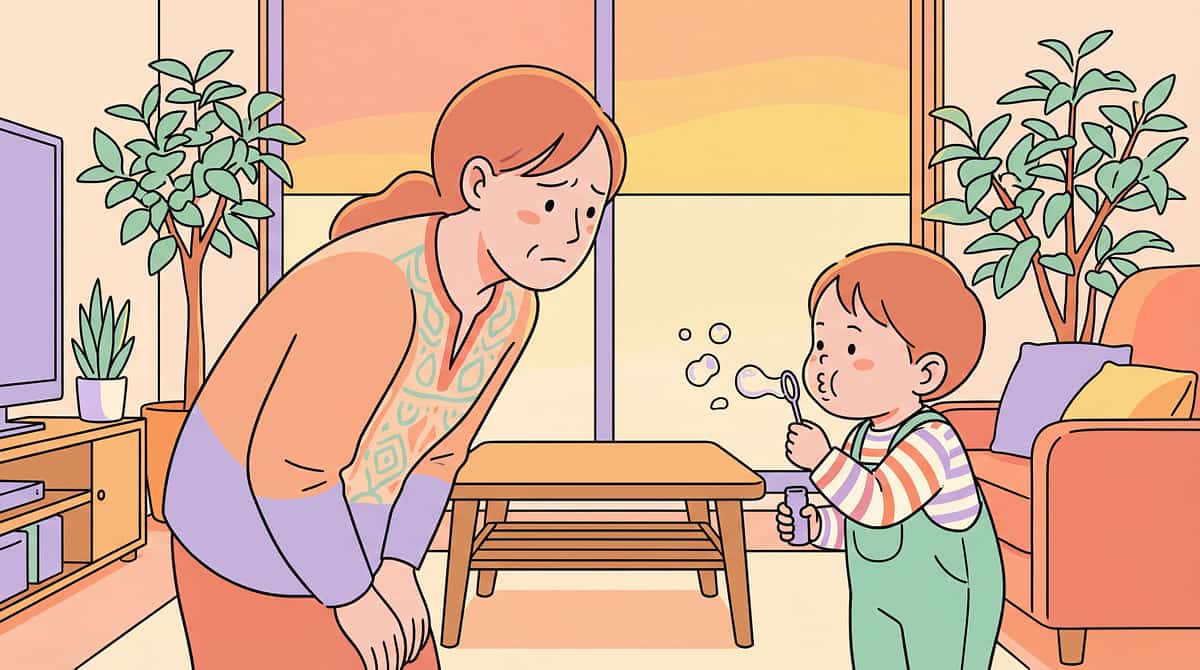
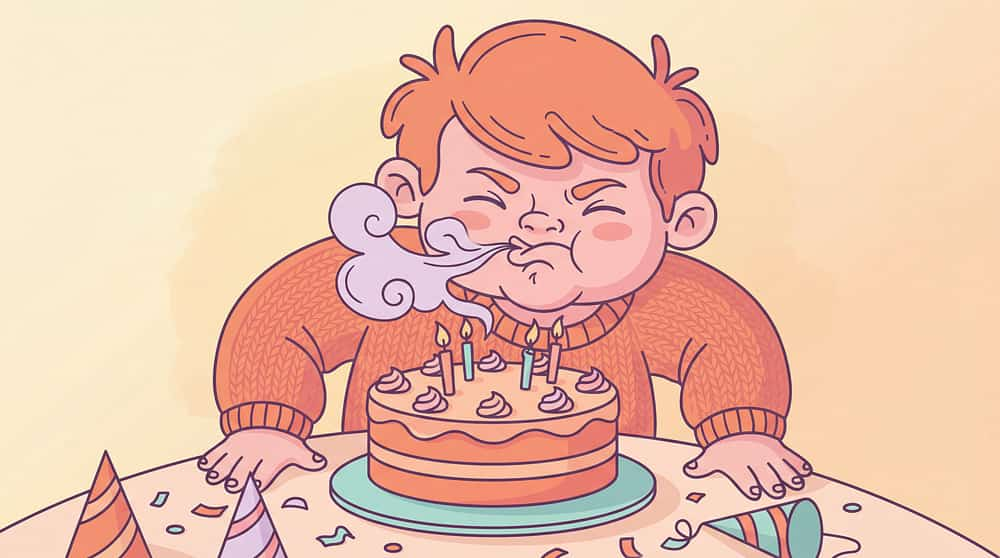
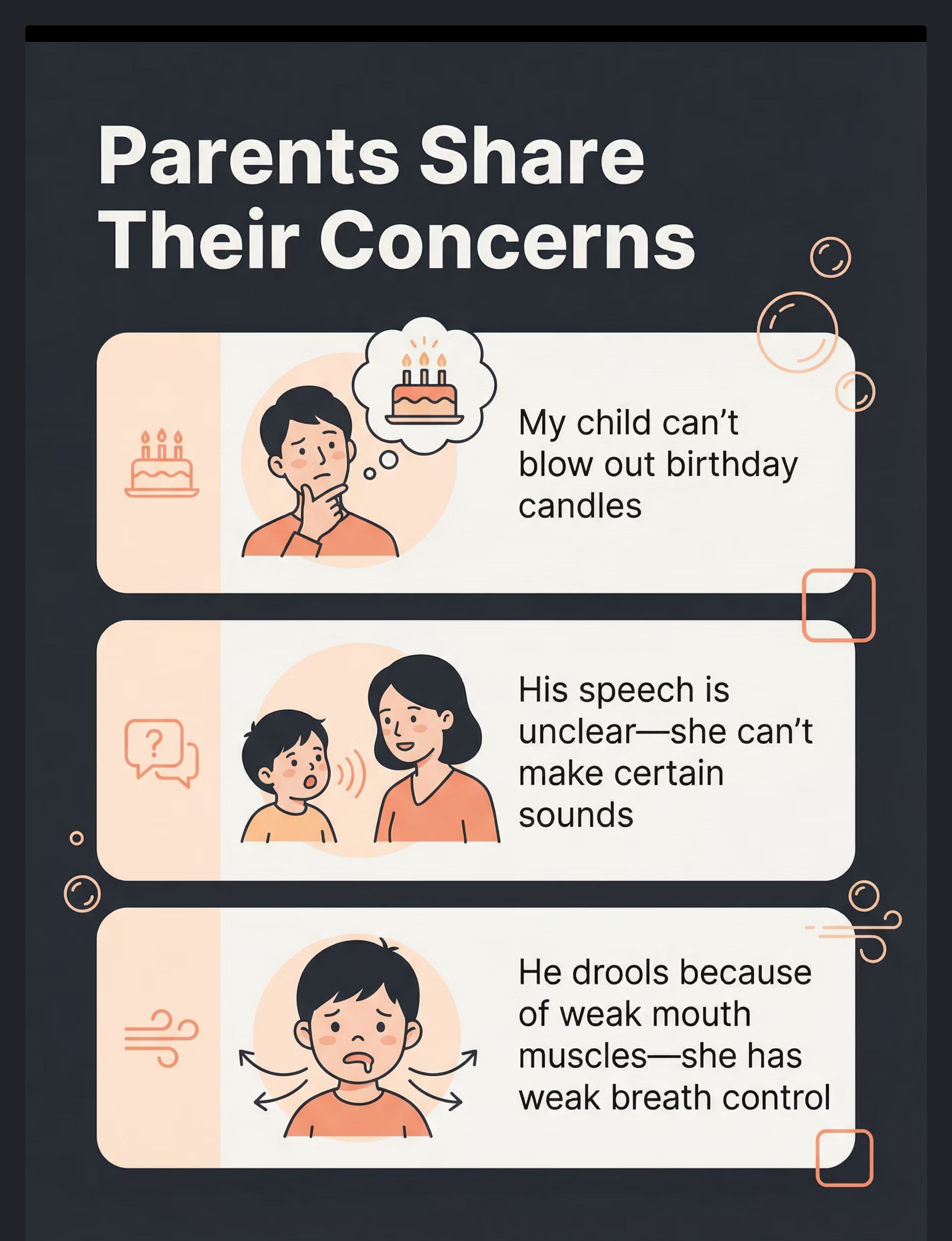
"My child can't blow out birthday candles—we've tried every year and it breaks my heart to see them disappointed."
"She can't blow her nose, so every cold becomes such a struggle and discomfort for her."
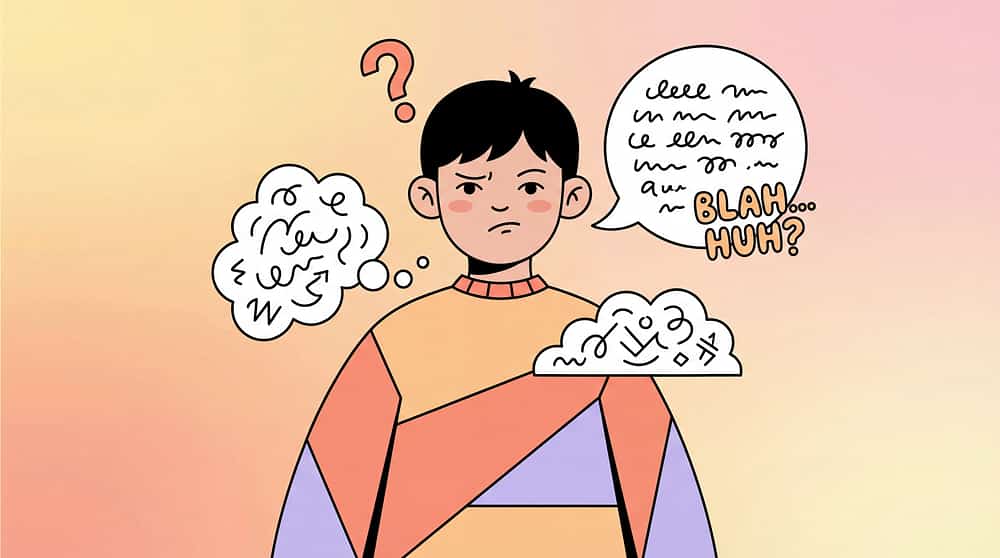
"His speech is unclear and the therapist says his oral motor skills are weak—I don't know where to start."
"She can't make certain sounds like 'w' and 'oo'—her lips just don't seem to work that way."
"He drools because of weak mouth muscles—it affects his confidence and social interactions."
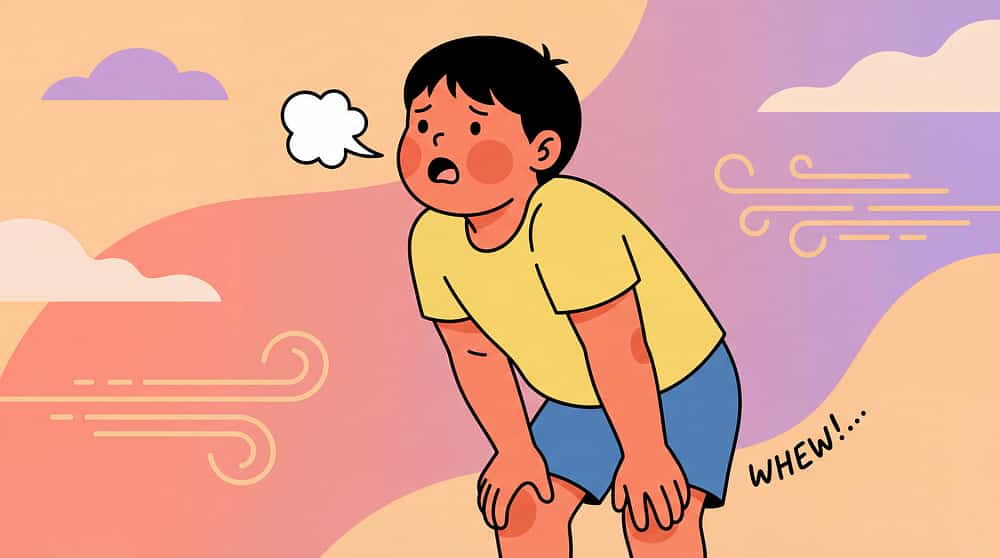
"She has weak breath control—she runs out of air mid-sentence and gets so frustrated trying to speak."
You're not alone. These are common challenges that thousands of families face. Oral motor development varies widely, and with the right support through play-based activities, children can build these essential skills at their own pace.
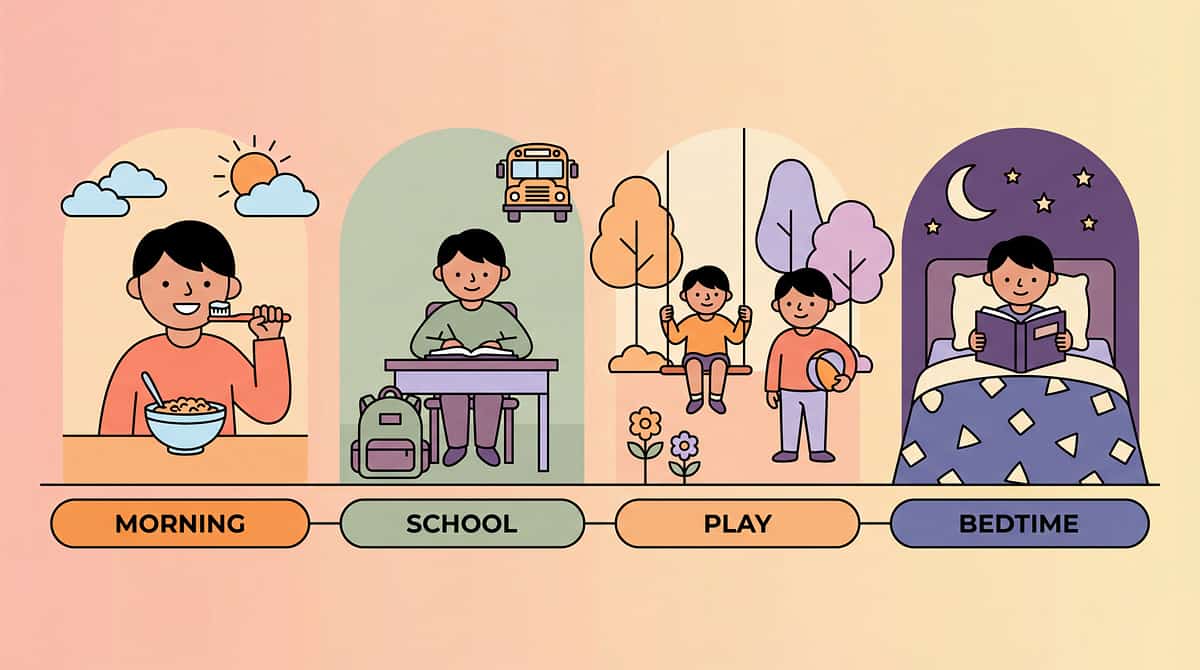
A Day Without the Right Support
Morning Routine
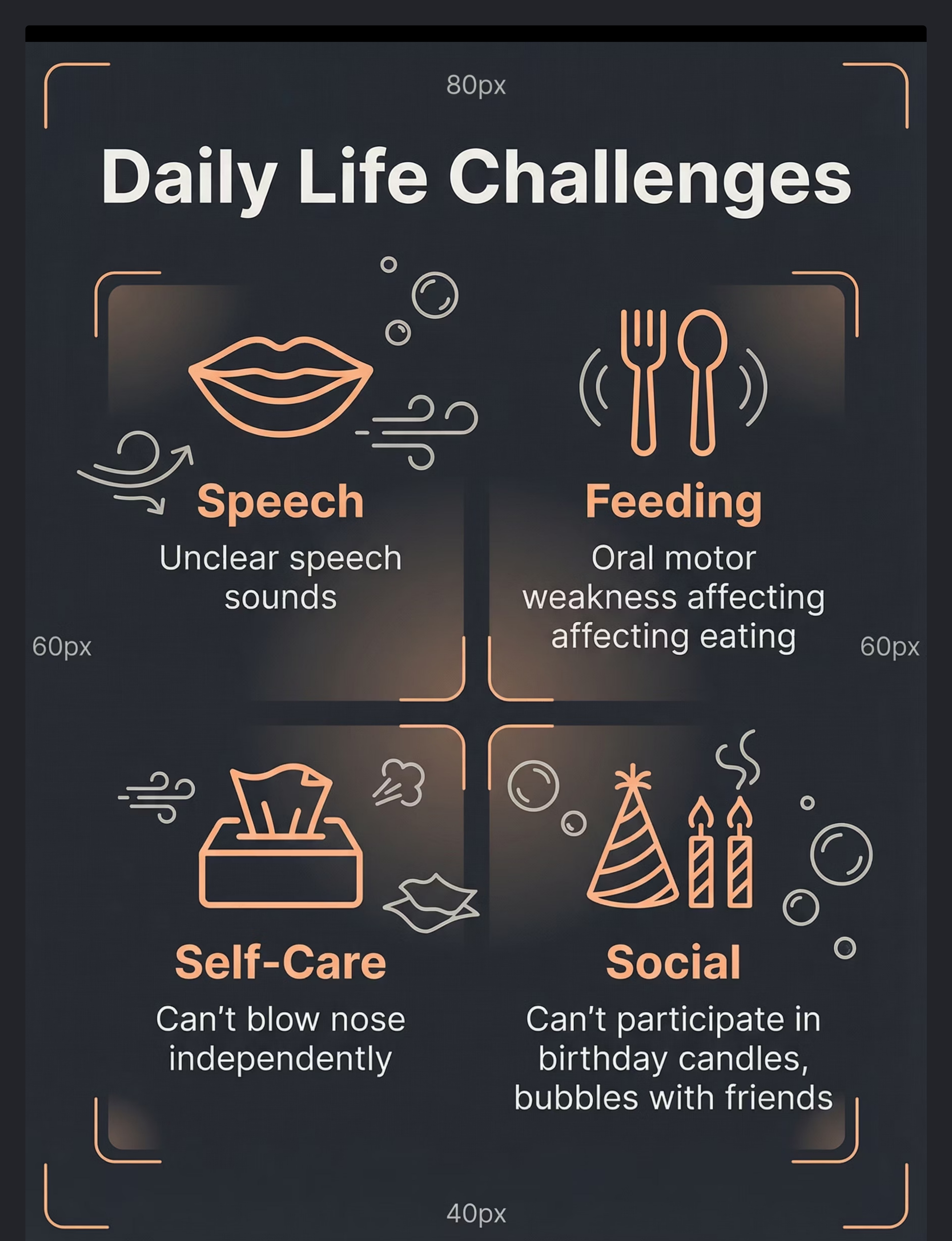
Speech is unclear during breakfast conversation. Struggles to communicate needs, leading to frustration before the day even begins.
School Transitions
Oral motor weakness affects eating lunch with peers. Self-conscious about drooling or difficulty with certain foods, pulling back from social meals.
Therapy & School Time
Can't participate in group activities involving bubbles or whistles. Watches others have fun while feeling left out and incapable.
Bedtime & Self-Care
Can't blow nose when needed. Congestion makes sleep uncomfortable, and the dependence on others for basic self-care feels limiting.
The Science Behind It
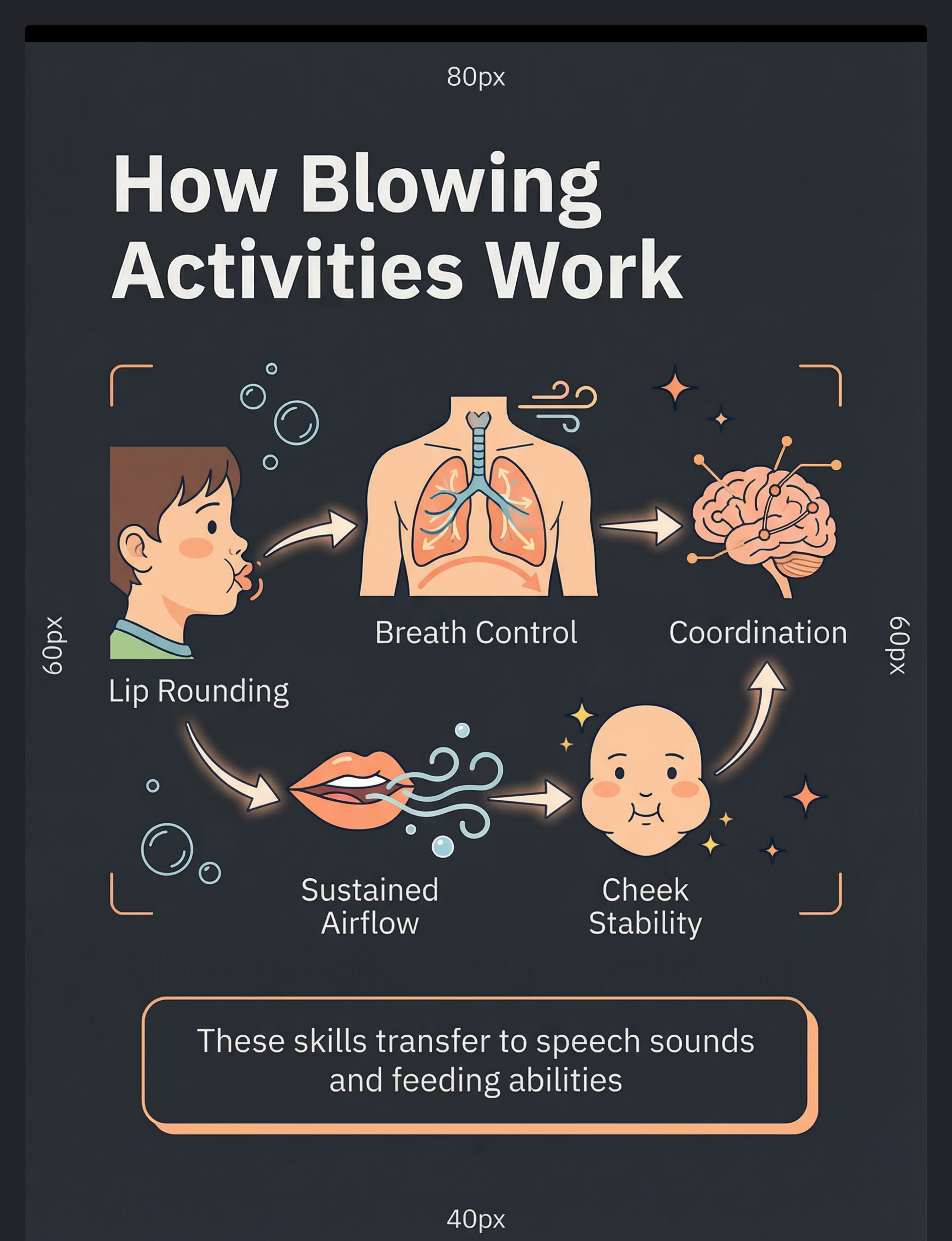
Blowing activities aren't just fun—they create a precise sequence of oral motor development that builds the physical foundation for speech and feeding skills.
Lip Rounding
Blowing requires lips to form a controlled 'O' shape, strengthening the precise muscle patterns needed for speech sounds.
Breath Control
Sustained airflow teaches the respiratory system to deliver steady, controlled breath for speaking and physical tasks.
Sustained Airflow
Maintaining continuous breath pressure builds stamina and coordination between breathing and oral movements.
Cheek Stability
Controlled blowing engages and strengthens cheek muscles, creating stability for both speech and efficient eating.
Coordination
All these elements work together, training the brain-body connection for complex oral motor tasks.
Skills Transfer
These practiced patterns naturally transfer to speech sounds and feeding—the body applies what it's learned.
Lip Rounding
Breath Support
Cheek Stability
Oral Motor Control
Speech Preparation
Feeding Skills
How to Use It Right
Start with Easy Activities
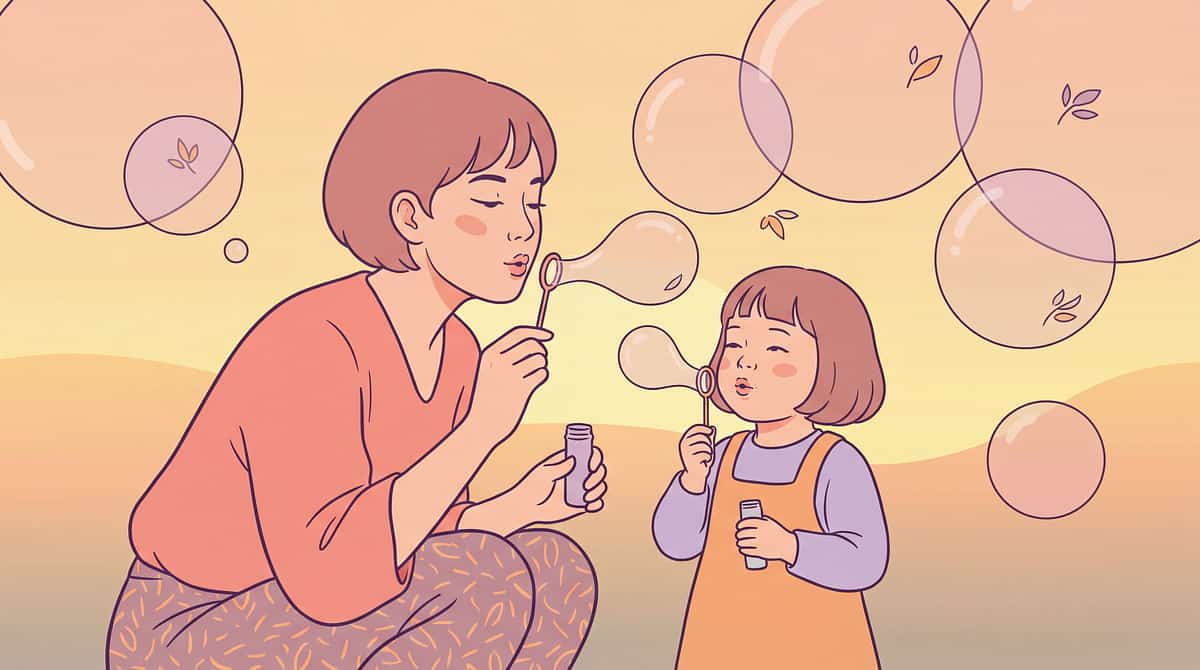
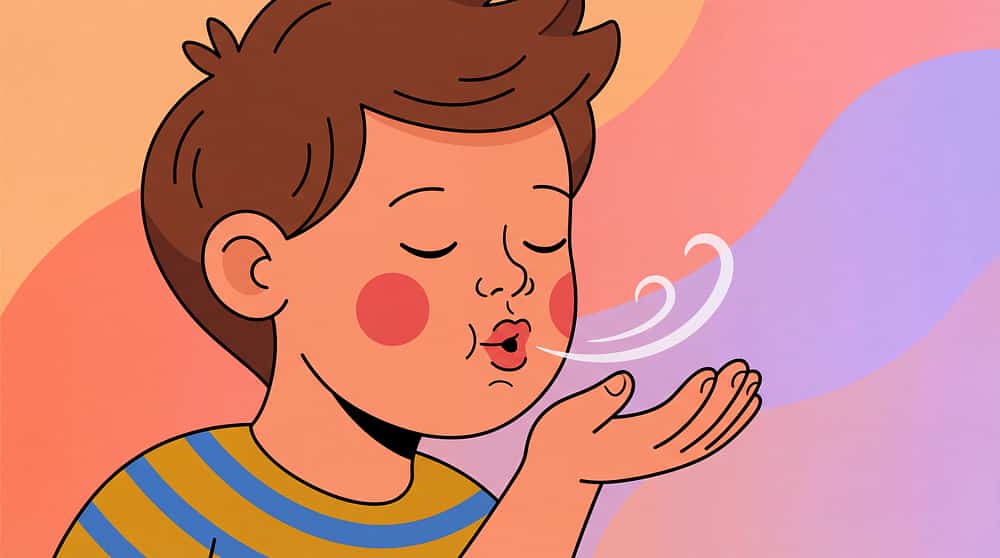
Begin with bubbles or blowing on their hand—immediate success builds confidence and shows them they CAN do this.
Progress to Sustained Blowing
Once they master short puffs, gradually increase to whistles and pinwheels that require holding their breath steady.
Make It Fun and Game-Based
Cotton ball races, bubble contests, blow painting—when it feels like play rather than therapy, children practice willingly and enthusiastically.
Connect to Speech Sounds
If appropriate, link blowing patterns to speech sounds like "w" or "oo"—help them feel how the same lip shape makes both happen.
Consider Respiratory Capacity
Adjust difficulty based on your child's breathing strength—some children need gentler activities, while others can handle more resistance.
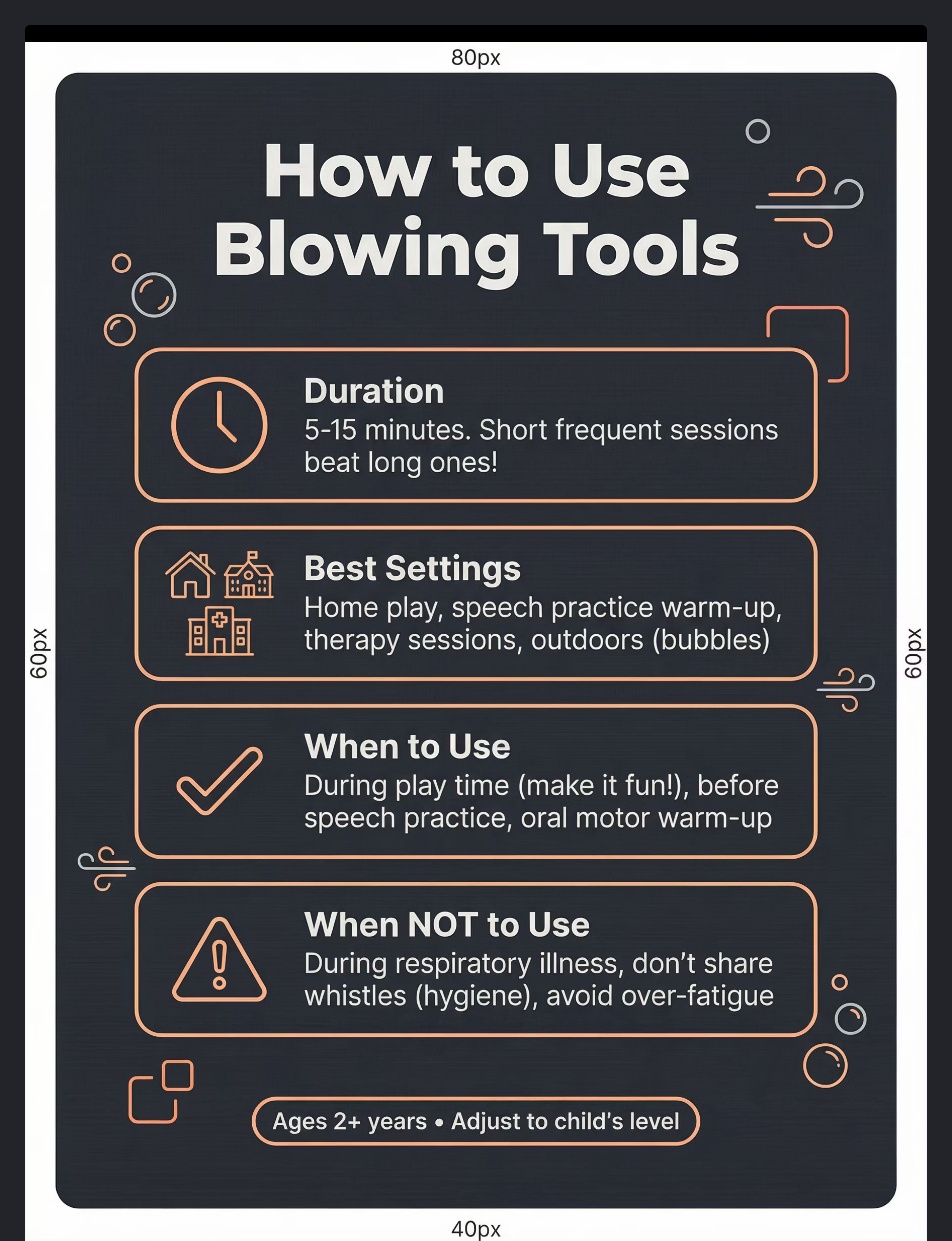
Short Frequent Practice Beats Long Sessions
Five focused minutes three times daily is far more effective than one exhausting 30-minute session that leaves everyone frustrated.
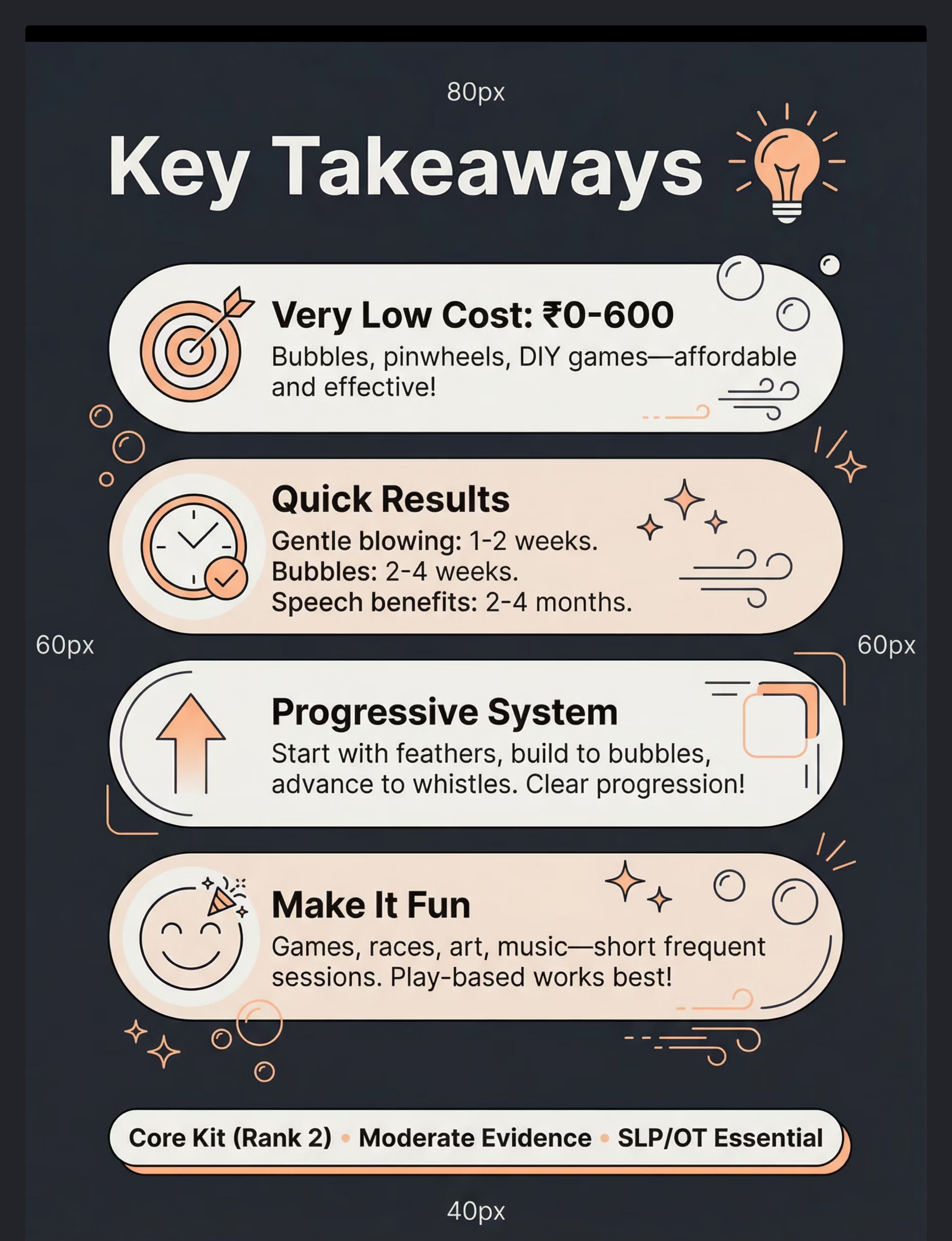
Typical Duration: 5-15 minutes per session, several times weekly. Watch for fatigue and always end on a successful, positive note.
Expert Endorsement
"Blowing activities develop lip rounding, breath control, and cheek stability—all skills needed for clear speech. Make it play-based! Bubbles, whistles, and blowing games make oral motor work fun and effective."
— Speech-Language Pathologist
SLP + OT Recommended
Moderate Evidence
Rank #2 in Category
Core Kit Level
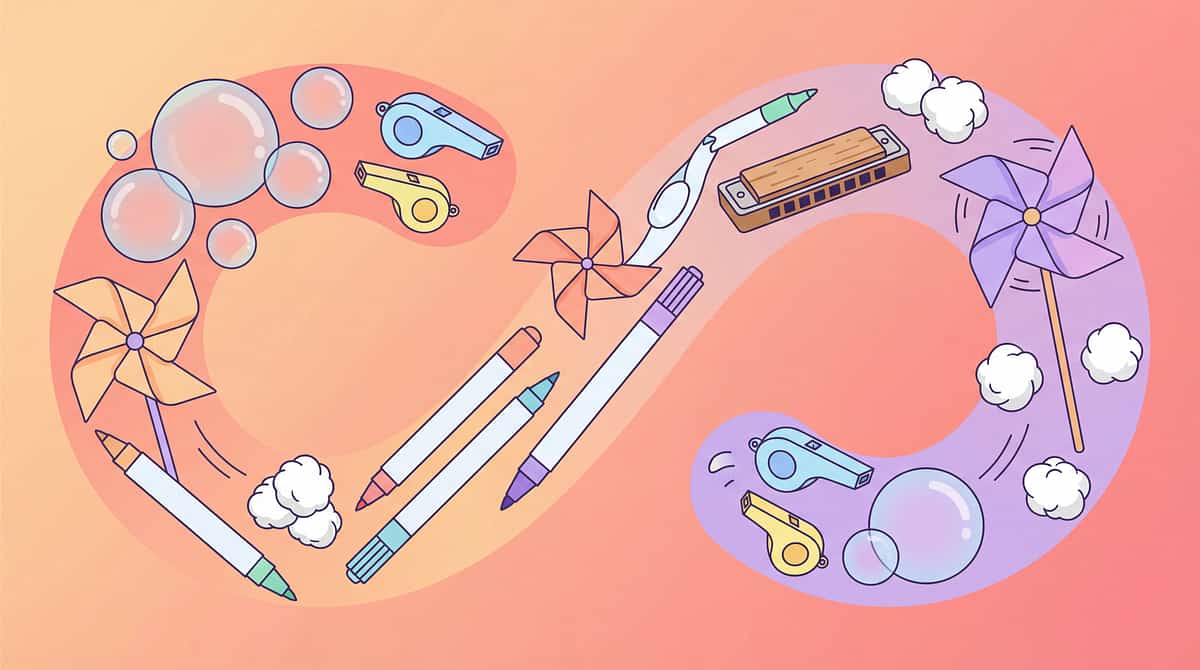
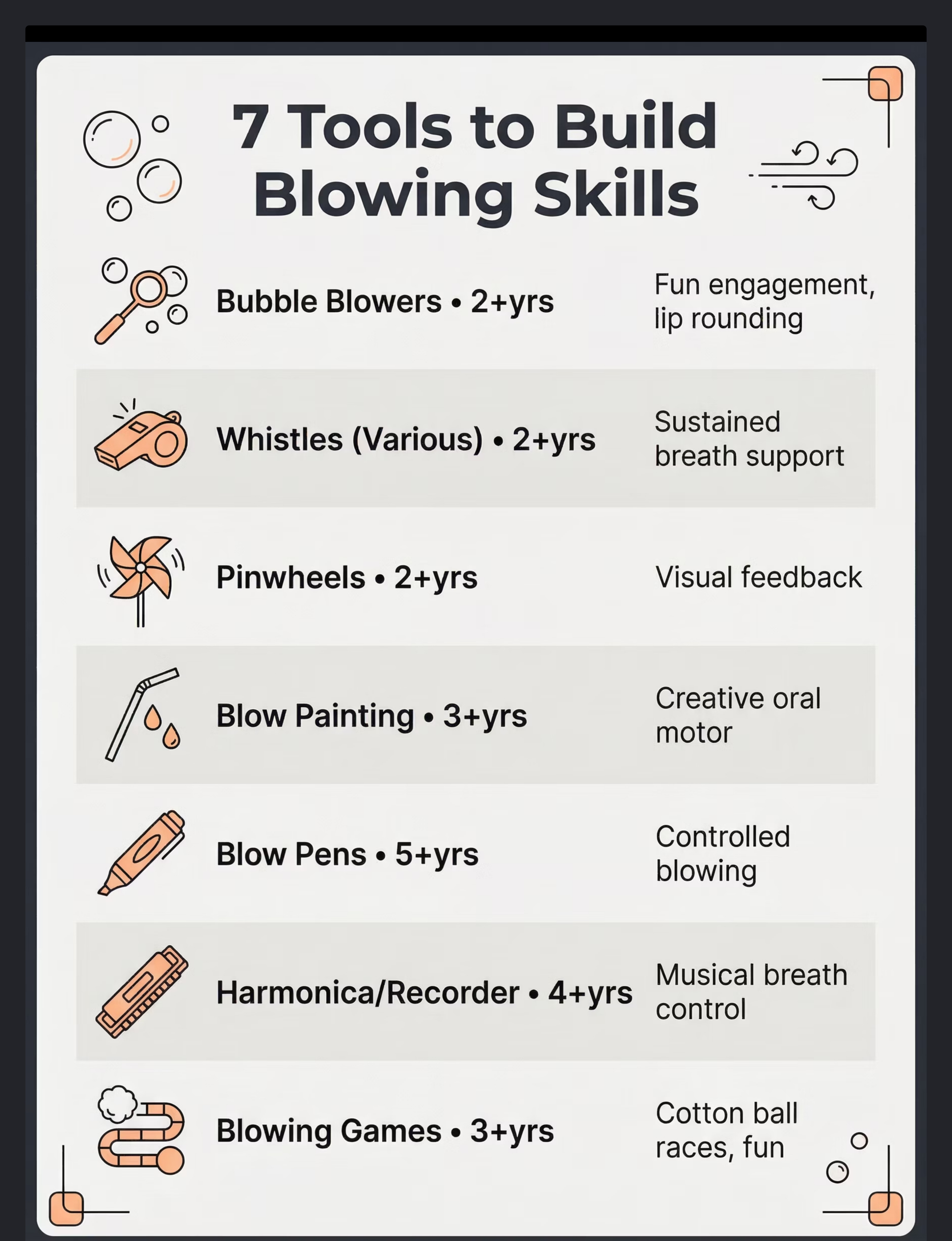
Choose Your Option (7 Variants)
1
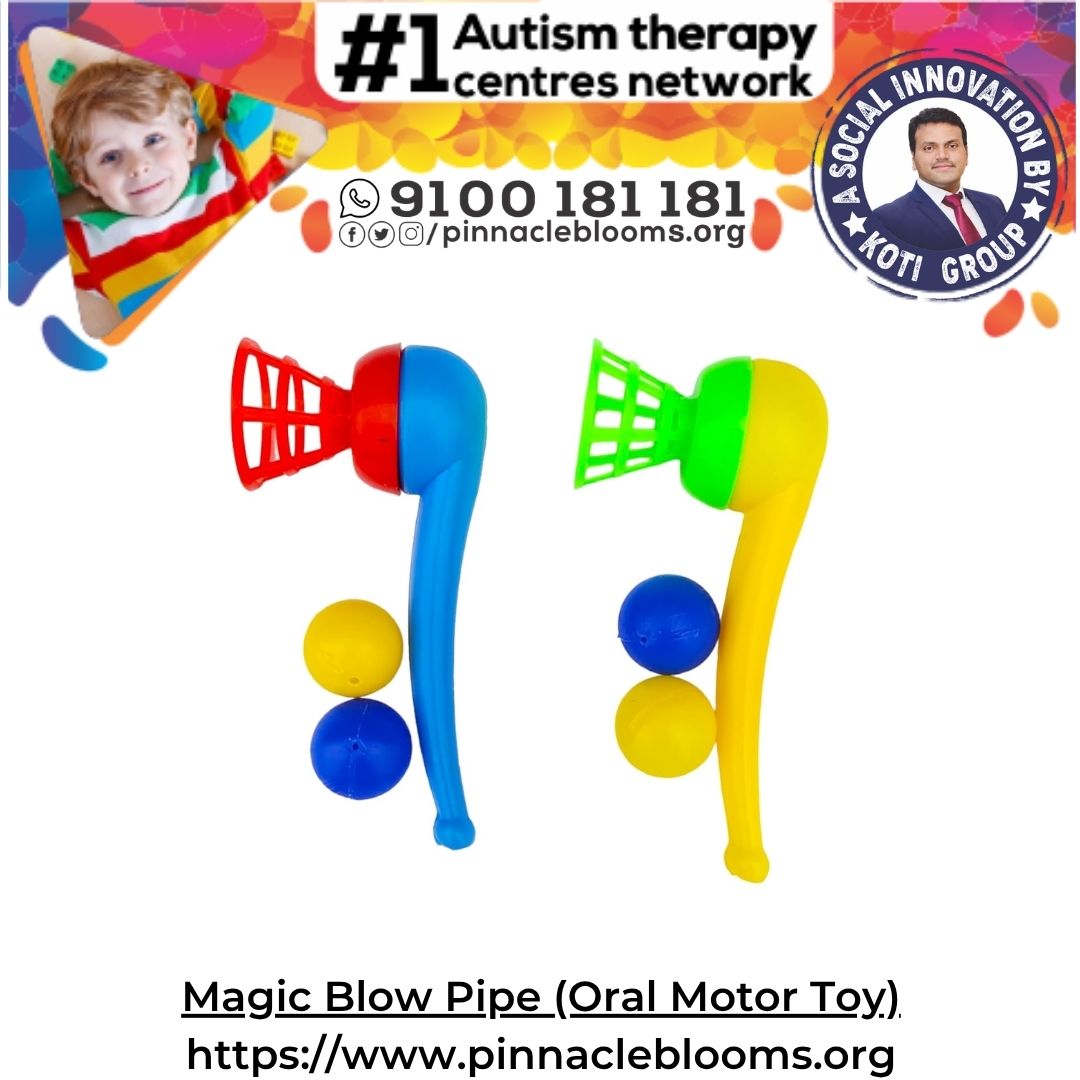
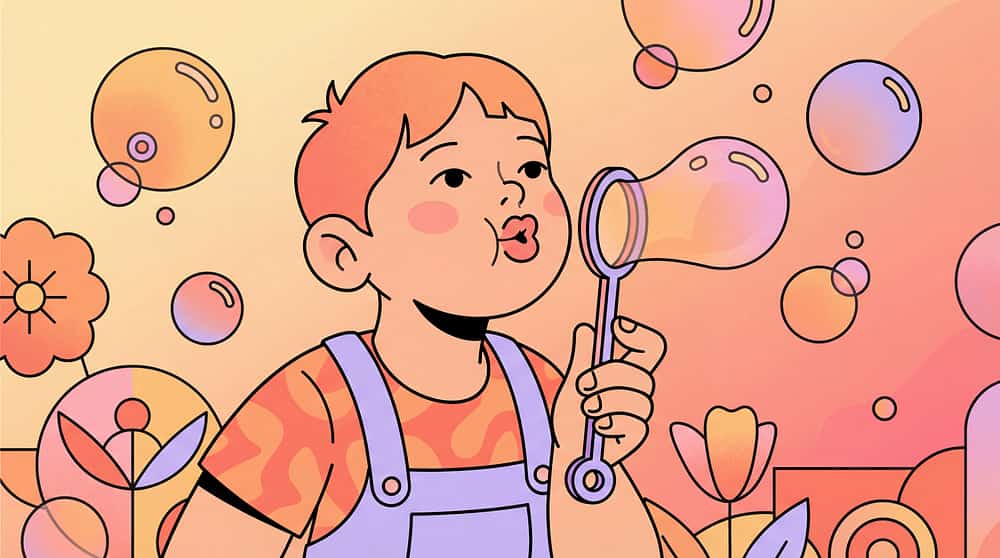
Bubble Blowers
Best for: Breath control, lip rounding, fun engagement
2
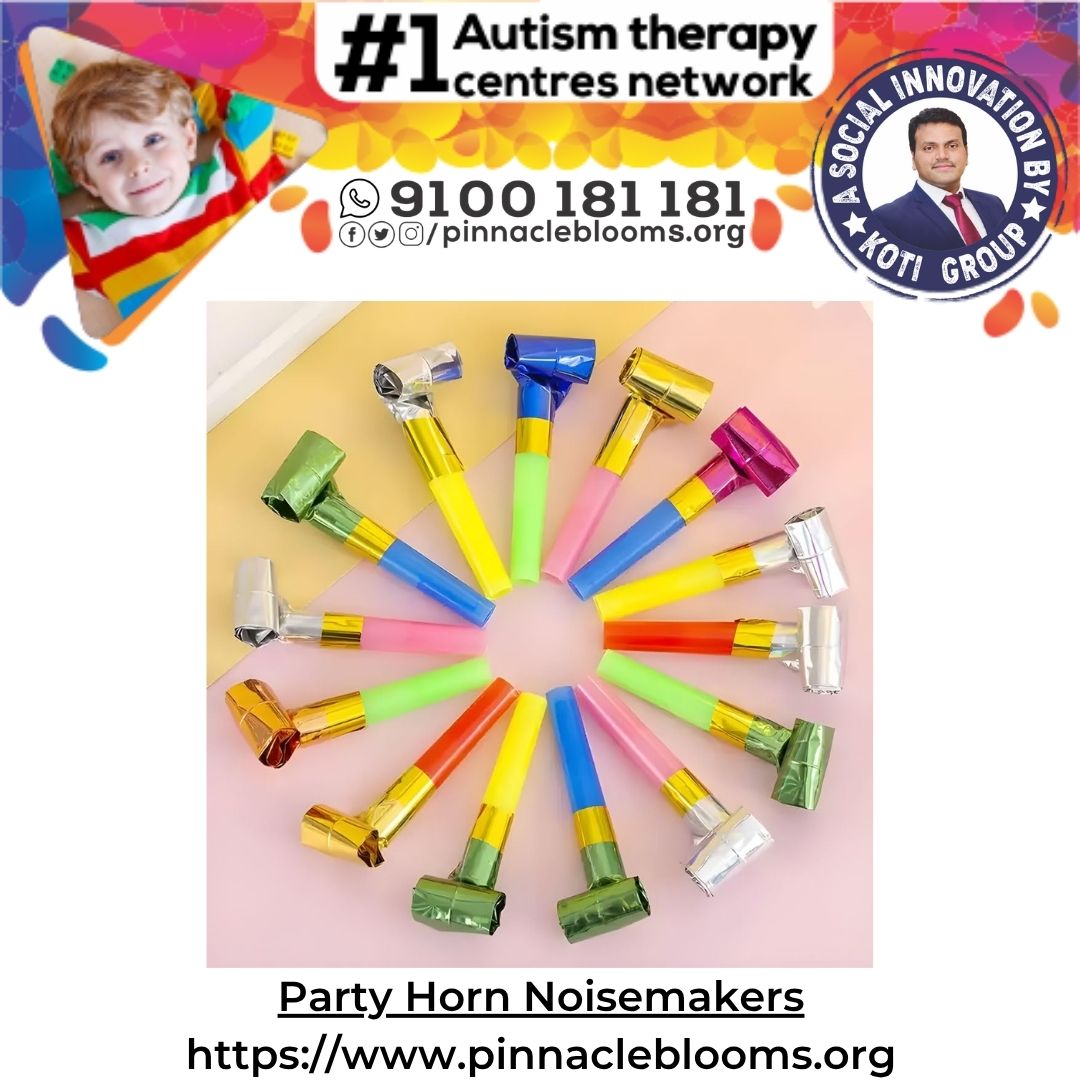
Whistles
Best for: Breath support, lip closure, cause-effect learning
3
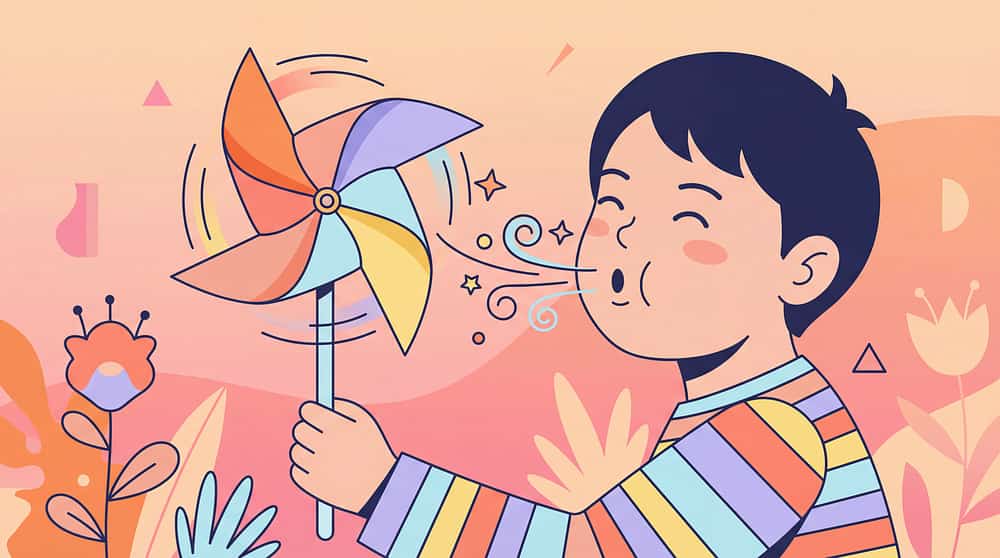
Pinwheels
Best for: Visual reinforcement of blowing effort
4
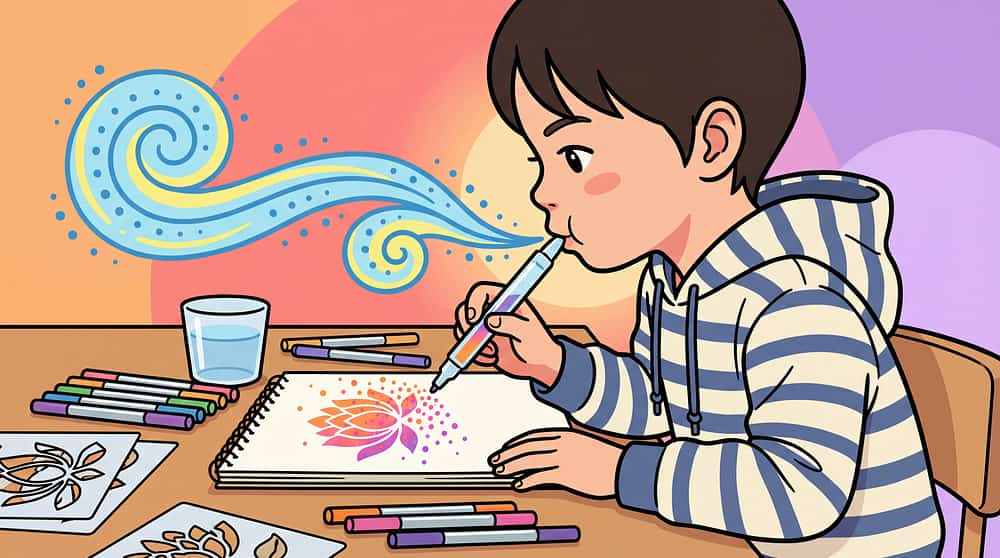
Blow Painting/Art
Best for: Oral motor work with creative expression
5
Blow Pens/Air Markers
Best for: Breath control with artistic activity
6
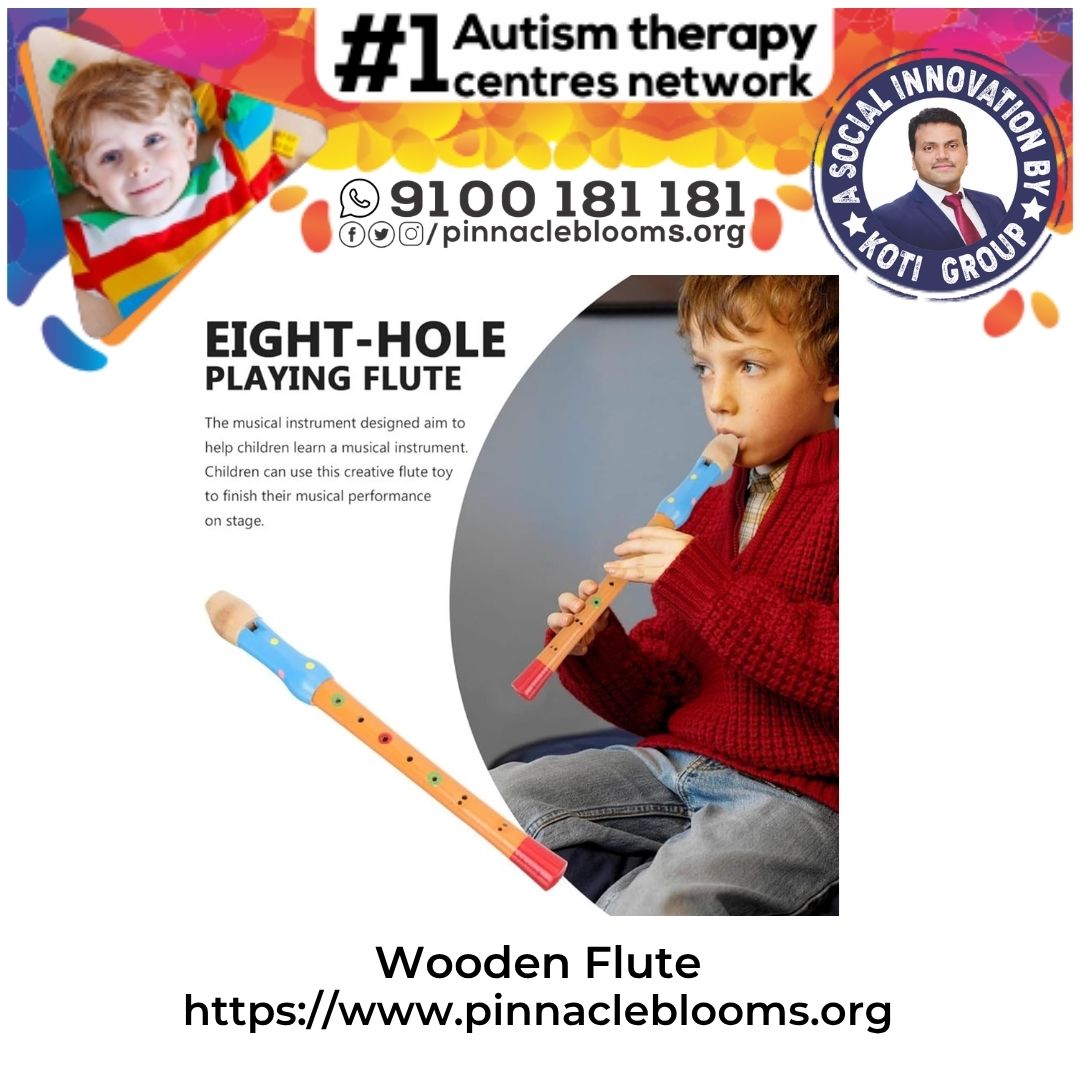
Harmonica/Recorder
Best for: Sustained breath, lip control, musical engagement
7
Blowing Games
Best for: Fun practice with graded difficulty options
Each tool targets different aspects of oral motor development. Start simple and progress based on your child's success and interest. Most families begin with bubbles and expand from there.

How to Choose
  • By Goal: Calming/fun (bubbles), visual feedback (pinwheels), sustained control (whistles, harmonica)
  • By Setting: Outdoors (bubbles), any setting (whistles, games), messy-friendly spaces (blow painting)
  • By Portability: Pocket-sized (whistles), medium transport (bubbles), stay-at-home (blow art)
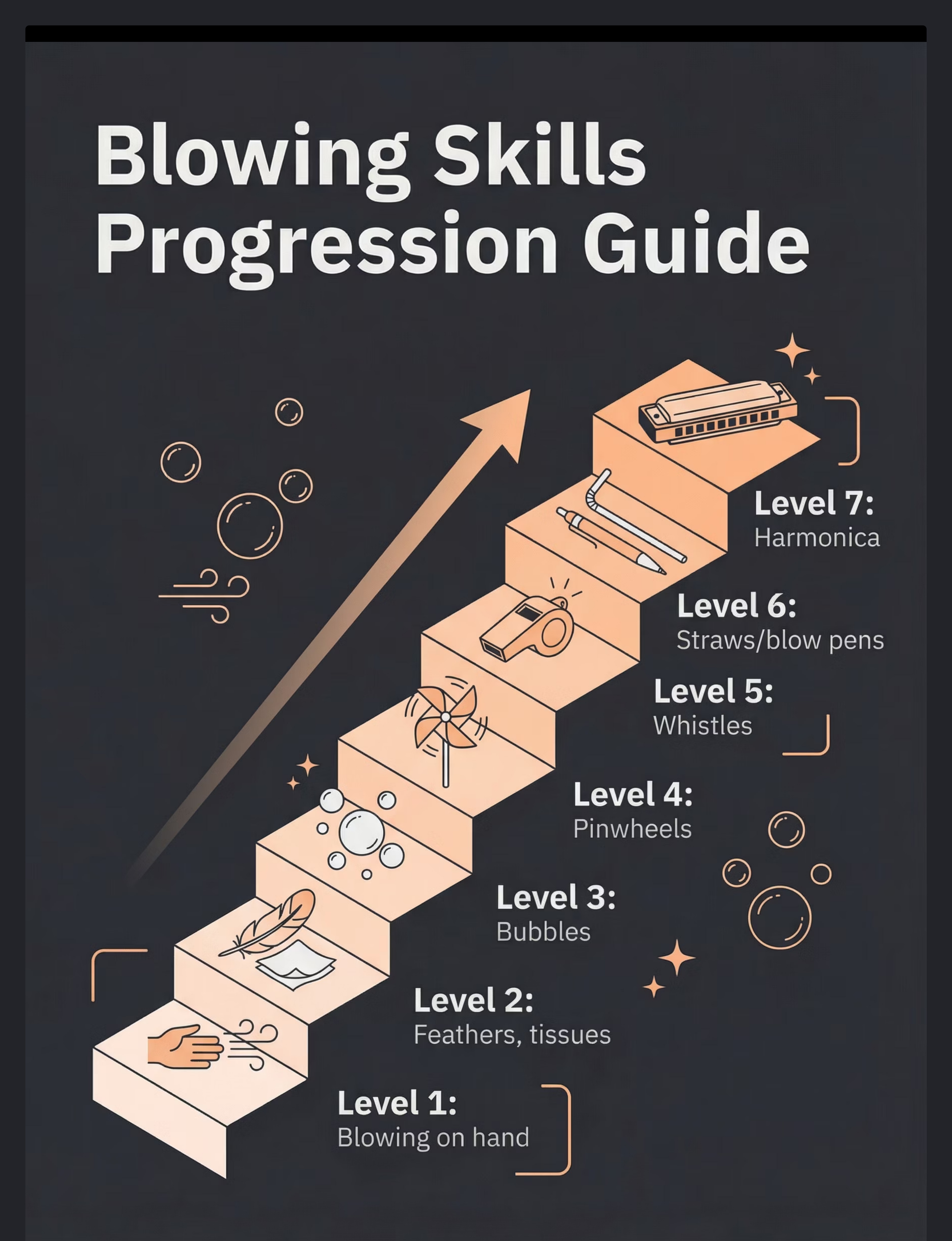
Blowing Progression Guide
Oral motor development follows a natural sequence. Start where your child succeeds and gradually increase challenge. This progression typically spans 2-6 months depending on starting ability.
Level 1: Feeling Air
Blow on hand to feel air movement—establishes awareness and the basic mouth position.
Level 2: Lightweight Items
Blow feathers or tissues—builds confidence with immediate, visible success.
Level 3: Bubbles
Intermittent gentle blowing—teaches controlled puffs and lip rounding.
Level 4: Pinwheels
Sustained gentle blow—develops breath endurance with visual feedback.
Level 5: Whistles
Sustained blow with resistance—strengthens all oral motor components significantly.
Level 6: Straws/Blow Pens
Directed precise airflow—refines control and coordination for speech patterns.
Level 7: Harmonica/Recorder
Controlled musical blowing—masters complex breath control and pitch variation.
Key Features: Graded difficulty progression, engaging and fun at every level, appropriate resistance, safe materials throughout the journey.
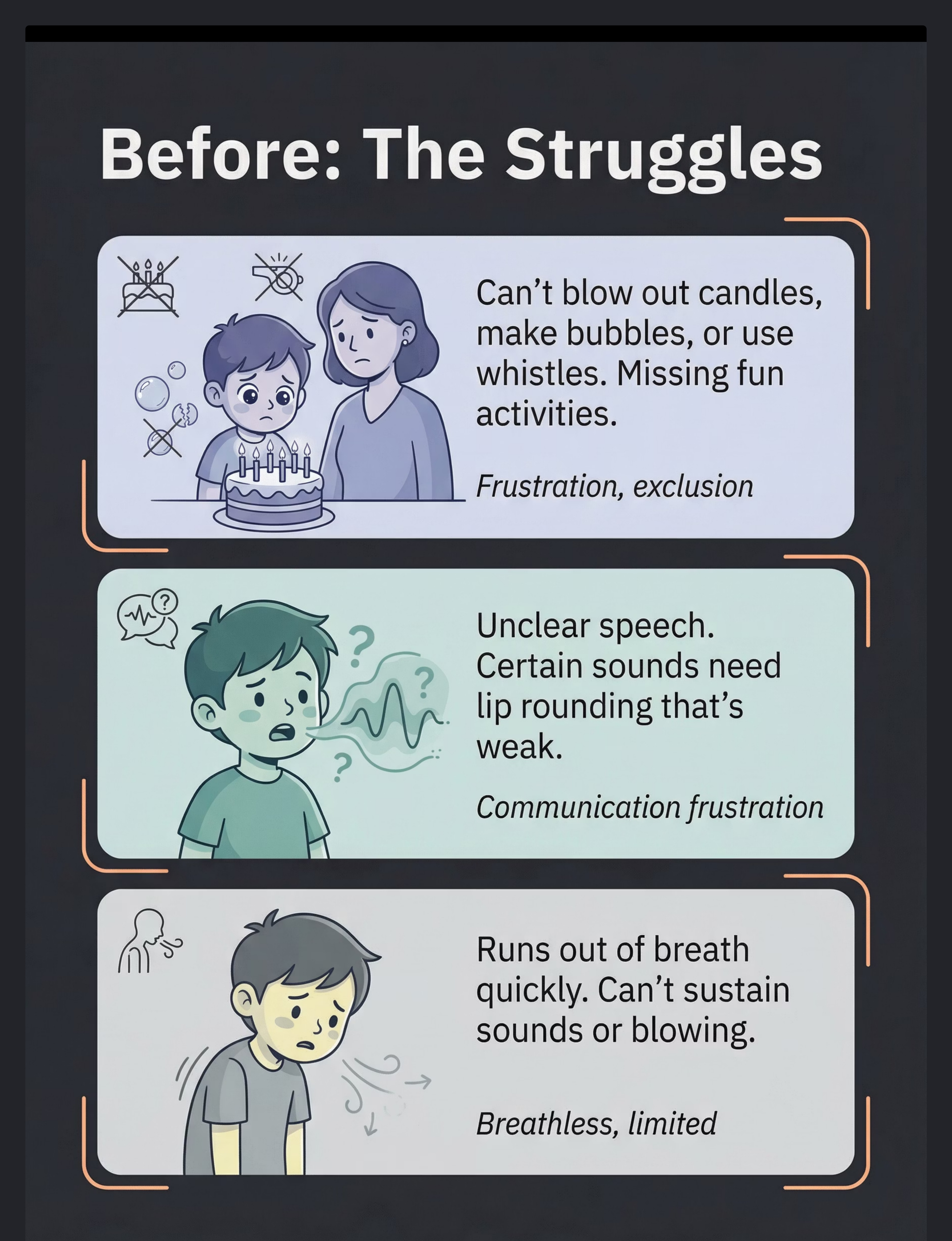
The Struggle (Before)
Can't Blow
A child's inability to blow out candles, make bubbles, or use whistles due to oral motor weakness. This leads to frustration and a sense of exclusion from fun activities.
Speech Sound Difficulty
Unclear speech caused by oral motor weakness, particularly affecting sounds requiring lip rounding. This results in communication breakdowns and social withdrawal.
Weak Breath Support
Limited respiratory control causes a child to run out of breath quickly during speech and physical activities, affecting their ability to sustain sounds and engage in play.
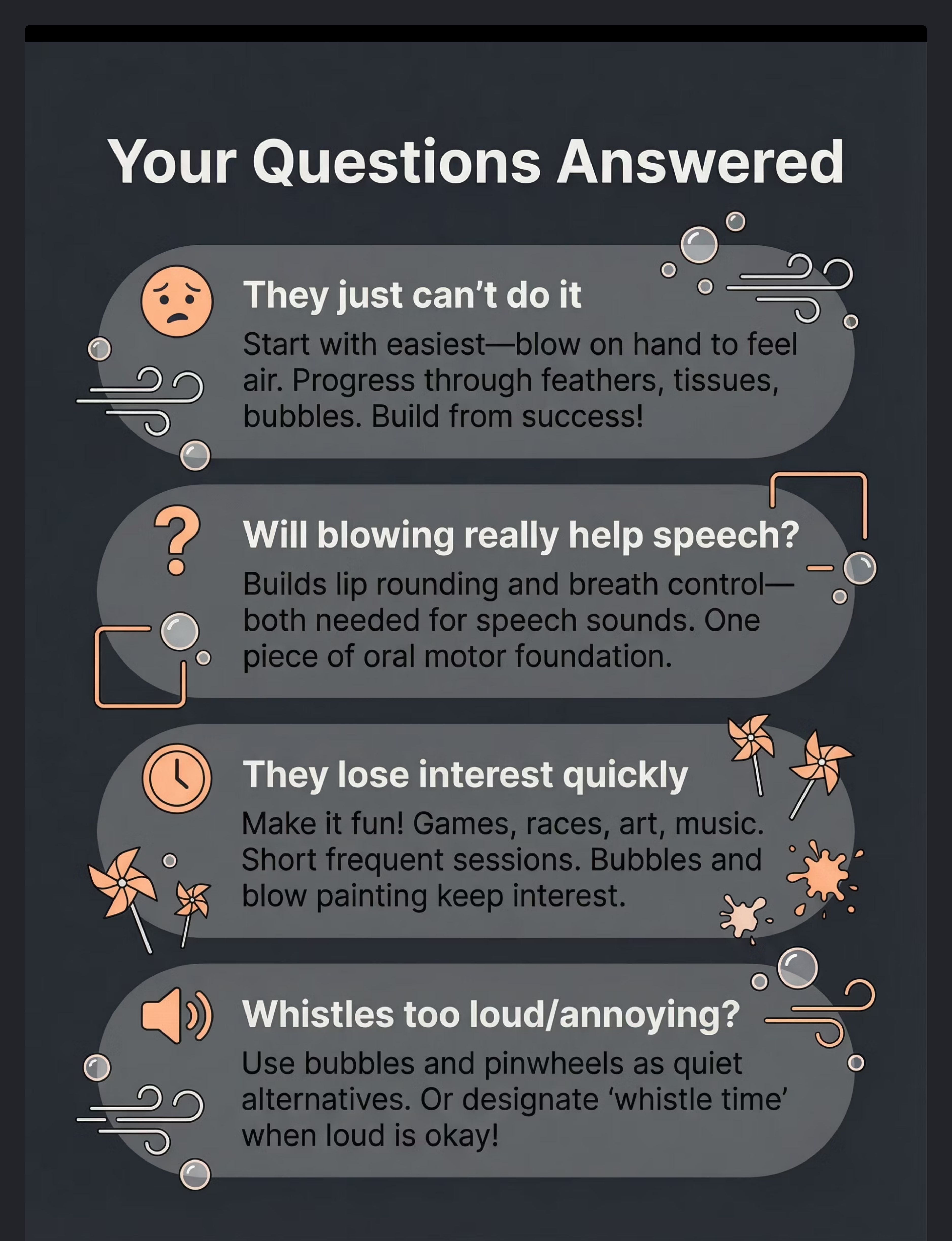
Common Questions (Honest Answers)
Q: They just can't do it—we've tried
A: Start with the absolute easiest task—blowing on their hand to simply feel air movement. Then progress through feathers and tissues before attempting bubbles. Build from success to success. With the right progression, everyone can learn to blow. Sometimes we start too hard.
Try this: Start simplest possible; progress extremely gradually; celebrate every tiny success.
Q: Will blowing really help speech?
A: Blowing builds lip rounding and breath control—both are physically required for certain speech sounds. It's not magic and won't fix everything, but it's one important piece of oral motor development that genuinely supports speech production. Think of it as building the "hardware" that speech needs.
Try this: Part of oral motor foundation; combine with speech therapy for best results.
Q: They lose interest quickly
A: Make it highly engaging! Cotton ball races, bubble contests, blow painting art, musical instruments—blowing activities can be incredibly fun when presented as games rather than exercises. Keep sessions short (5-10 minutes) and vary the activities frequently. Novelty maintains motivation.
Try this: Game-based approach; very short sessions; rotate activities; make it genuinely fun.
Q: Whistles are too loud and annoying
A: Completely fair concern! Use whistles only in appropriate settings and times. Bubbles, pinwheels, and blow painting are quiet alternatives that work just as well. Or designate specific 'whistle time' when louder practice is acceptable. You have many options beyond whistles.
Try this: Quiet alternatives exist; designated whistle time; set clear boundaries.
Usage Guide
When TO Use
Play Time
Making therapy fun ensures willing practice and positive associations
Before Speech Practice
Warm up oral muscles before targeted speech therapy sessions
Oral Motor Warm-Up
Prepare mouth for feeding therapy or other oral activities
Structured Therapy
Incorporate into formal therapy sessions with clear goals
Birthday Preparation
Practice candle blowing before actual events to ensure success
When NOT to Use
Respiratory Illness
Wait until child is healthy—breathing exercises can worsen congestion
Sharing Whistles
Never share mouthpieces—hygiene and infection control are critical
Long Exhausting Sessions
Fatigue reduces effectiveness and creates negative associations

Supervision by Age
Age Range
Supervision Level
Notes
2-4 years
Close supervision
Safety with small pieces; hygiene monitoring; encouragement needed
5-7 years
Moderate supervision
Can practice many activities independently; check-ins for technique
8+ years
Minimal supervision
Independent practice for most activities; guidance on progression
Duration: 5-15 minutes per session, several times weekly. Short frequent sessions are dramatically more effective than long exhausting ones.
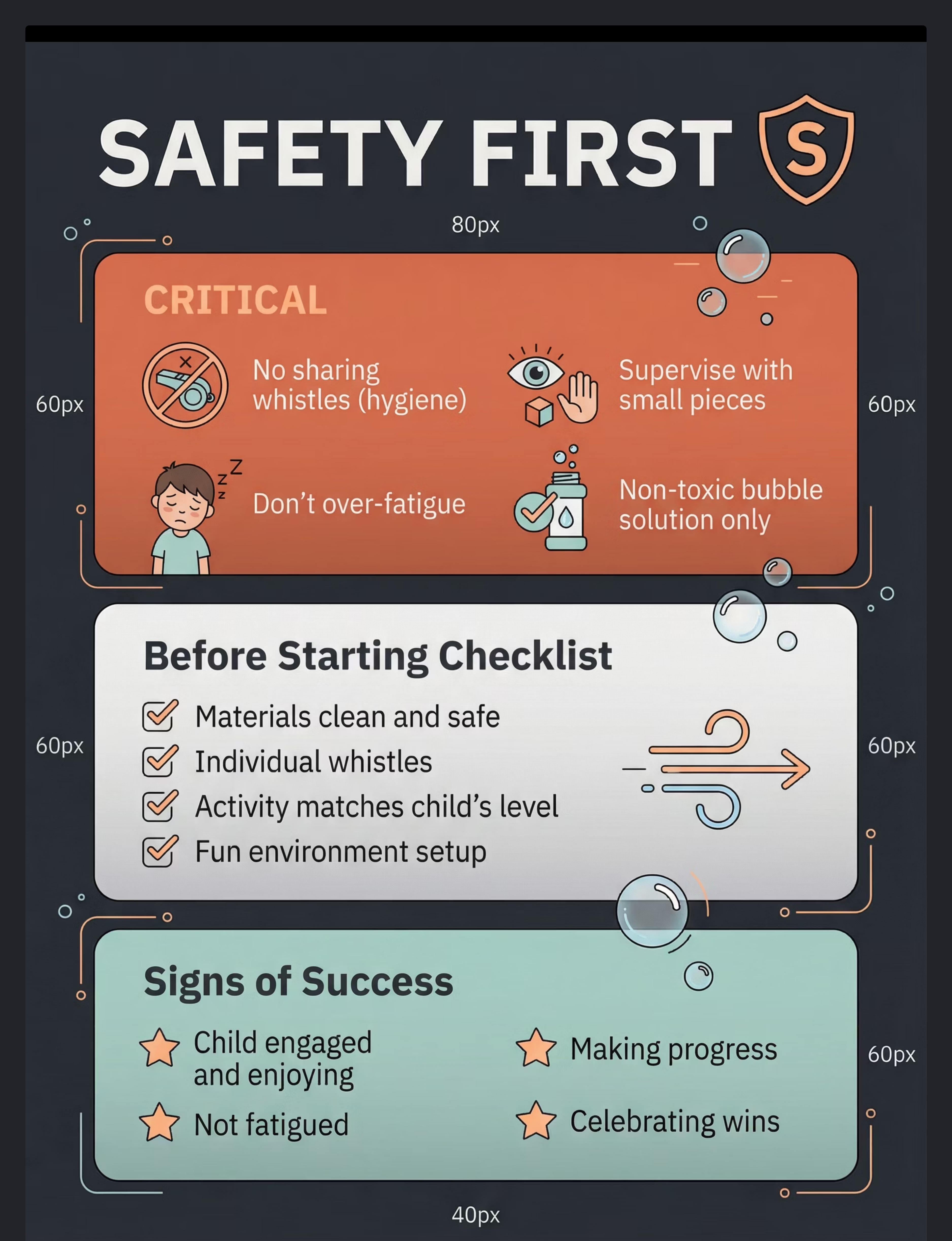
Safety First
CRITICAL: No Sharing Whistles
Each child must have their own mouthpieces. Sharing whistles, harmonicas, or any mouth toys spreads illness and infections. This is non-negotiable for hygiene.
Supervise Small Pieces
Whistle parts can be choking hazards, especially for younger children. Keep small components away from children under 3, and supervise closely with all ages.
Don't Over-Fatigue
Watch for signs of exhaustion—breathlessness, frustration, or declining performance. Stop immediately if child shows fatigue. Short sessions prevent burnout.
Safe Bubble Solution
Use only non-toxic bubble solutions clearly labeled safe for children. If ingested, it should be harmless. Keep solution away from eyes.
Warnings
Small whistle pieces can be choking hazards—inspect toys regularly for broken parts and supervise young children closely.
Bubble solution should not be ingested—while typically non-toxic, it can cause stomach upset. Teach children to blow, not suck.
Whistles can be very loud—protect hearing by using appropriately, not directly in ears, and limiting continuous use.
Safety Checklist
Before Use
  • Materials are safe, clean, and age-appropriate
  • Individual whistles assigned (no sharing)
  • Activity matches child's current ability level
  • Environment is fun and encouraging, not stressful
During Use
  • Child appears engaged and enjoying activity
  • No signs of fatigue or breathlessness
  • Making measurable progress or maintaining skill
  • Celebrating successes with positive reinforcement
Signs to Stop Immediately
  • Breathlessness or respiratory distress
  • Extreme frustration or refusal
  • Physical exhaustion or declining performance
  • Any signs of respiratory illness developing
Investment Guide
Blowing tools are among the most affordable therapeutic options, with effective solutions available at every budget level. Most families start simple and expand their collection over time.
Budget Option
Items: Bubbles + pinwheel + straws for blow painting
Cost: ₹50-150
Why it works: Covers all essential skill levels from basic to sustained blowing. Highly effective and genuinely engaging for children. Often all you need to start.
Premium Option
Items: Blow pens + harmonica + variety of whistles (different types and difficulties)
Cost: ₹300-600
Brands: Various toy and music brands
Why upgrade: Adds creative art component, musical element, and broader range of challenge levels. Excellent for maintaining long-term interest and progression.
Overall Range: ₹0–600 (including free DIY options like cotton ball races)

Best Starting Point
Begin with budget option (₹50-150). This covers all essential skill building effectively. Add premium items later only if your child shows strong interest and has mastered basic skills. Many children progress excellently with just bubbles, pinwheels, and DIY games.
Where to Buy in India
Availability: Widely Available across online and offline retailers throughout India
Amazon.in
Search: "bubble wand kids"
Price Range: ₹50-150
Amazon.in
Search: "pinwheel toy"
Price Range: ₹50-100
Amazon.in
Search: "kids whistle set"
Price Range: ₹50-200
Amazon.in
Search: "blow pens kids"
Price Range: ₹200-500
Music Stores
Search: "kids harmonica"
Price Range: ₹100-400
Buying Tips
Bubbles are the classic, universally successful starter activity—nearly impossible to go wrong
Pinwheels provide instant visual feedback that reinforces effort and success
Varied whistles offer different challenges—buy a set with multiple difficulty levels
Cotton ball races are completely free—no need to purchase everything
Make it game-based for natural engagement—presentation matters as much as the tool
Red Flags to Avoid
Sharp or unsafe whistle pieces—inspect carefully; cheap whistles may have rough edges or break easily
Starting too difficult—beginning with harmonicas before mastering bubbles sets up frustration and failure
Making it feel like 'therapy' rather than play—the same activity can succeed or fail based on presentation
Long exhausting sessions causing fatigue—more is not better; short frequent practice wins
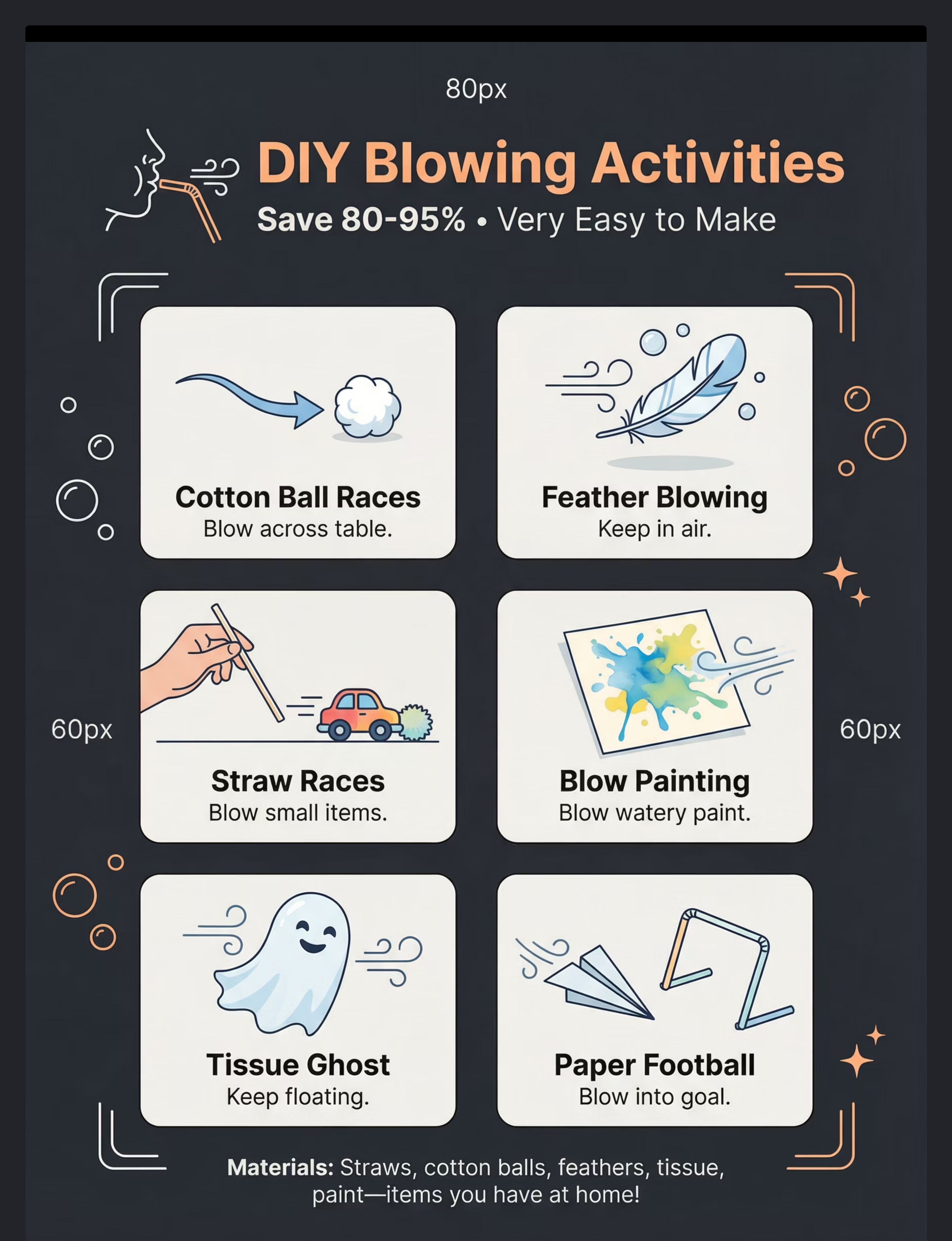
DIY Alternative (Save 80-95%)
Feasibility: Very High | Time Required: Minimal | Cost Savings: 80-95%
Materials Needed
  • Drinking straws (any kind)
  • Cotton balls or pom-poms
  • Feathers (craft store or natural)
  • Tissue paper
  • Washable paint diluted with water (for blow painting)
Step-by-Step Instructions
1
Cotton Ball Races
Place cotton ball on table. Mark start and finish lines. Child blows cotton ball across table to finish line. Race against siblings or timer.
2
Feather Blowing
Hold feather above child's face. They blow upward to keep feather floating in air. Increases difficulty by timing how long they can keep it up.
3
Straw Races
Blow small lightweight objects (small pom-poms, paper balls) through straws across a track. Creates races or obstacle courses for engagement.
4
Blow Painting
Drop diluted washable paint on paper. Child blows paint through straw to spread it and create art. Combine therapy with creativity.
5
Tissue Ghost
Crumple tissue into loose ball. Child blows to keep tissue floating in air like a ghost. Makes it silly and fun.
6
Paper Football
Fold paper into small triangle. Create goal posts with fingers. Blow paper triangle into goal. Makes therapy competitive and engaging.
DIY vs Commercial: Making the Choice
When to DIY
  • Most blowing games work excellently with household items
  • Cotton ball and feather activities are completely free and highly effective
  • Blow painting combines art and therapy beautifully
  • Straw activities use items you already have
When to Buy Commercial
  • Quality bubbles have better consistency and last longer
  • Whistles and harmonicas can't be easily DIY replicated
  • Blow pens add novelty that maintains motivation
  • Novel commercial toys sustain engagement for some children
Trade-offs: DIY options lack some of the novelty and special appeal of commercial toys, but they work just as effectively for skill building. Many families use both—DIY for daily practice, commercial for special motivation.
Integrated Approach: Tracking Progress, Resources & Next Steps
As your child continues their journey with oral motor skills, it's essential to track progress, leverage additional resources, and plan for future development. This section guides you through ensuring sustained success and finding support when needed.
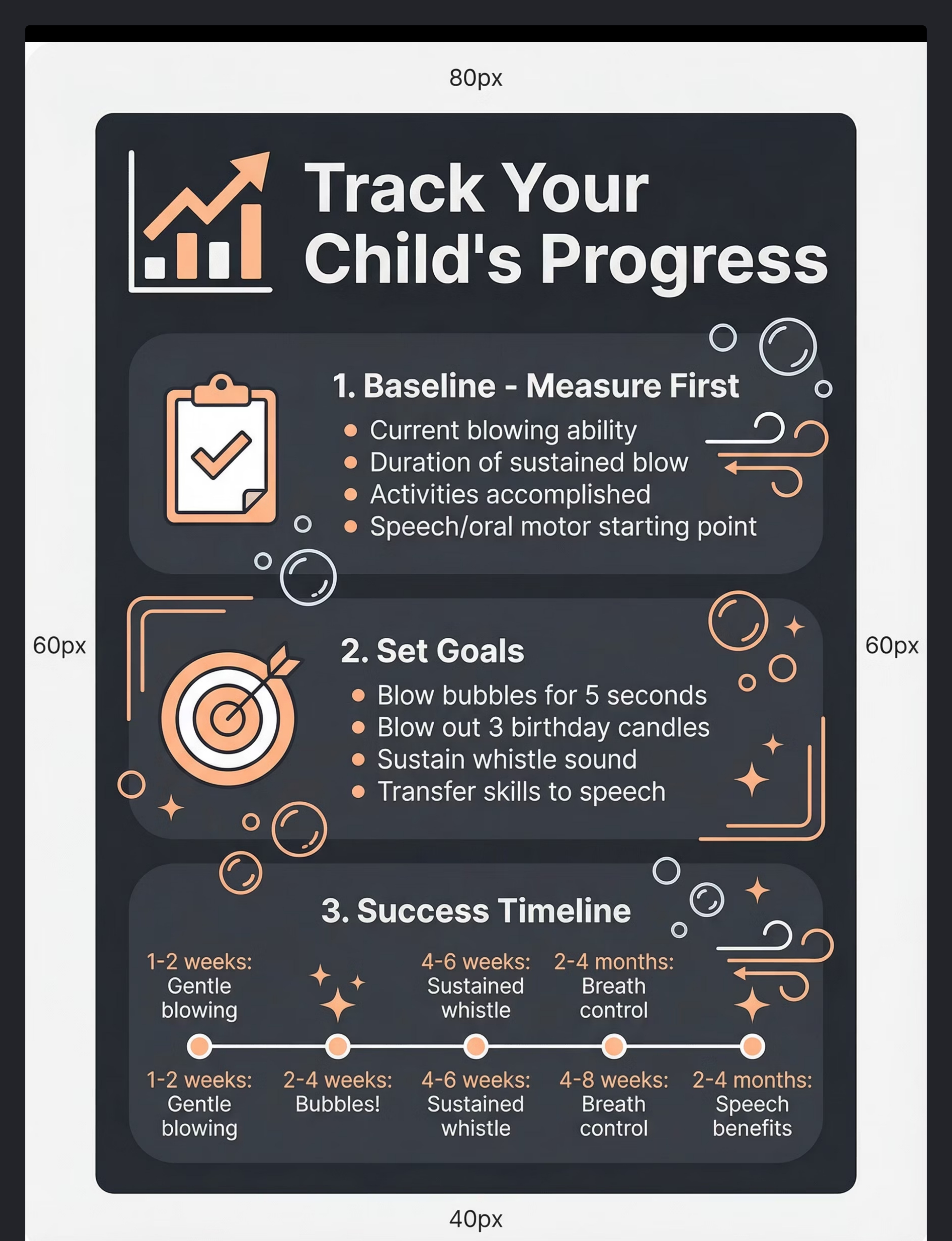
Tracking Progress & Celebrating Milestones
Keep a simple log of improvements: longer blowing duration, stronger puffs, ability to blow smaller/heavier objects, or mastering new tools. Celebrate every small victory to maintain motivation and show your child their efforts are paying off. Consistent, positive reinforcement is key.
Related Tools & Complementary Activities
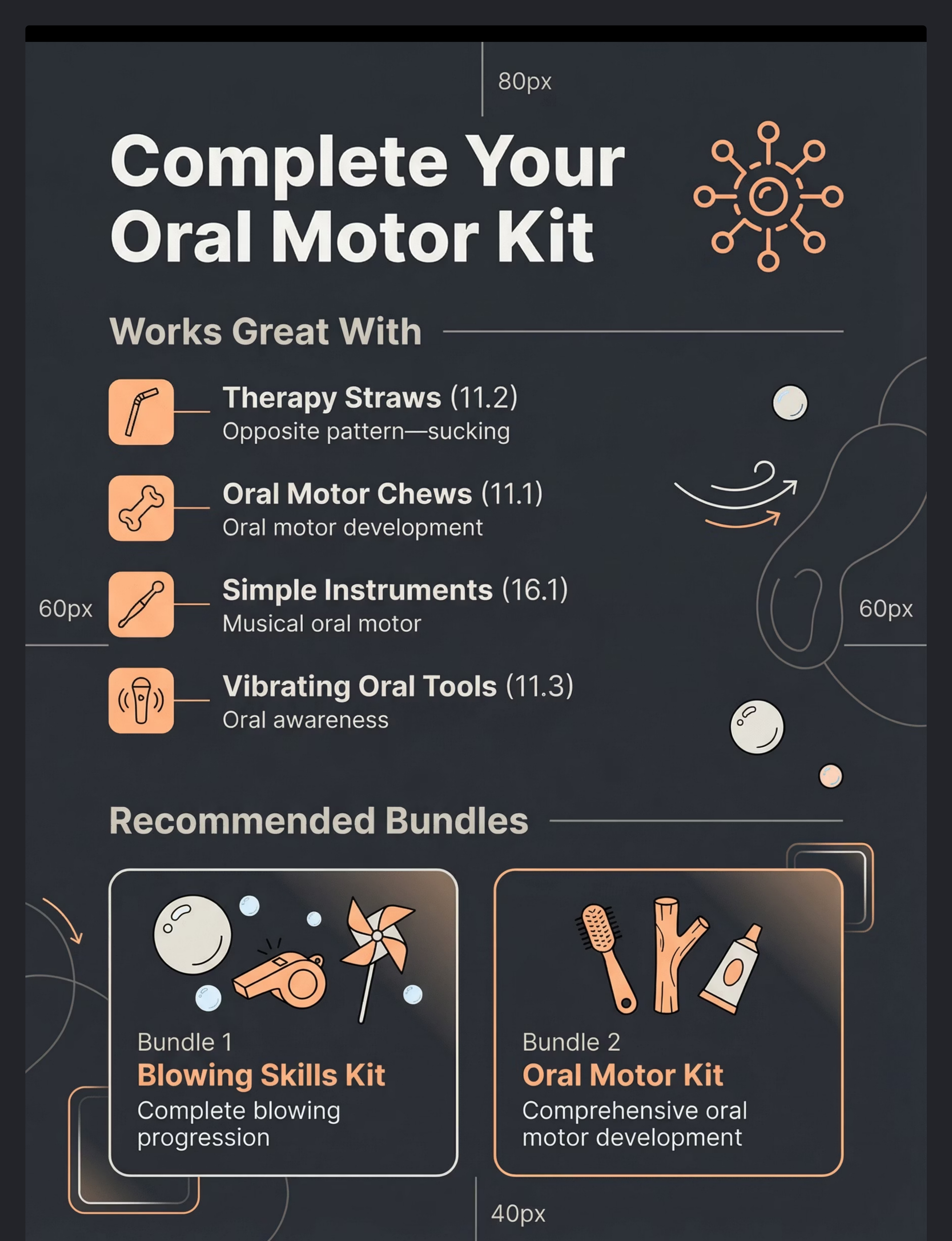
Beyond blowing, explore other oral motor activities. Chew tubes can help with jaw strength, while straw drinking from various cup types can refine oral coordination. Consult with a specialist to identify if specific speech sound exercises or feeding therapy could also be beneficial.
Support Resources & Professional Guidance
If you have concerns about your child's progress or speech development, don't hesitate to seek professional advice. Your pediatrician can provide initial guidance, and referrals to a Speech-Language Pathologist (SLP) or Occupational Therapist (OT) are invaluable for personalized strategies and support.
Next Steps for Continued Development
Oral motor skills are foundational for clear speech and efficient feeding. Once basic blowing is mastered, encourage more complex activities like playing wind instruments, blowing bubbles into water to create froth, or engaging in pretend play that involves a variety of mouth movements. Always keep it fun and integrated into play!
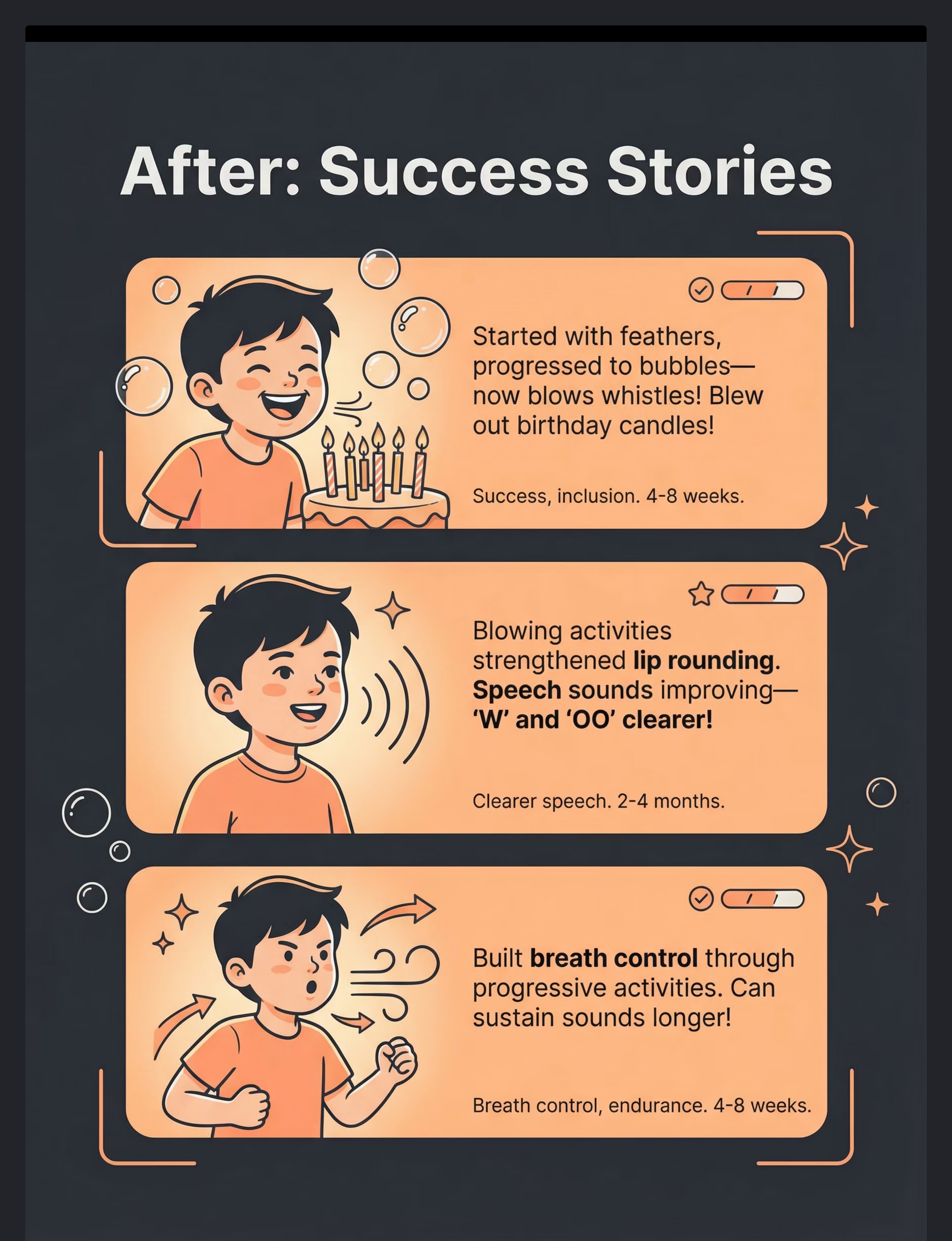
Real Parent Stories & Testimonials
Hear directly from parents who've seen remarkable progress in their children's oral motor development through consistent engagement with simple blowing tools and activities. Their journeys highlight the transformative power of playful intervention.
Priya Sharma, Parent of Aarav (4)
"Our son, Aarav, struggled with certain speech sounds. After incorporating simple blowing games into our daily routine, his speech clarity has improved significantly. We can understand him so much better, and he's less frustrated!"
Rohan Mehta, Parent of Siya (6)
"Siya was always a bit shy, but the confidence she gained from mastering blowing bubbles and whistles was incredible. Her self-esteem has soared, and she now participates more actively in class activities."
Ananya Singh, Parent of Maya (3)
"Mealtimes used to be a struggle for Maya. The straw games and blowing exercises strengthened her oral muscles, making her a more efficient eater. Her feeding skills are much better, and she's even trying new foods now!"
When to Seek Professional Help
While many oral motor skills can be developed through playful home activities, some situations warrant a specialist's evaluation. Recognizing these signs early ensures your child receives the support they need for healthy development.
Limited Progress
If consistent practice over 2-3 months yields no noticeable improvement in oral motor skills, it's time for expert evaluation.
High Frustration
Persistent frustration, refusal, or significant resistance from your child during activities signals a need for professional insight.
Feeding Challenges
Difficulties with chewing, swallowing, excessive drooling, or gagging during meals are critical indicators for assessment.
Speech & Language Delays
If your child's speech development lags behind age-appropriate milestones, oral motor issues may be contributing factors.
Oral Movement Difficulties
Inability to close lips, move the tongue independently, or manage food in the mouth warrants a specialist's attention.
Persistent Drooling
Consistent, excessive drooling beyond toddlerhood, not related to teething, may indicate weak oral motor control.

Preview of blowing whistling tools Therapy Material

Below is a visual preview of blowing whistling tools therapy material. The pages shown help educators, therapists, and caregivers understand the structure and content of the resource before use. Materials should be used under appropriate professional guidance.

Page 1
Page 2
Page 3
Page 4
Page 5
Page 6
Page 7
Page 8
Page 9
Page 10
Page 11
Page 12
Page 13
Page 14
Page 15
Page 16
Page 17
Page 18
Page 19
Page 20
Link copied!
Your Child's Journey Starts Today
Every small effort you make now can significantly impact your child's development. Embrace these playful activities with consistency and patience, knowing that you're building crucial foundational skills for their future.
Start Today, Keep it Simple
Begin with easy, enjoyable blowing games using items you already have. No need for complex setups—just pure fun.
Consistent Daily Practice
Dedicate just 5-10 minutes each day. Regular, short bursts of activity are more effective than infrequent long sessions.
Celebrate Every Small Win
Acknowledge and praise every improvement, no matter how tiny. Positive reinforcement boosts confidence and motivation.
Seek Help When Needed
If you have concerns, consult a specialist. Early intervention can make a significant difference in your child's progress.
Believe in your child's potential for growth. With your support and these simple strategies, they can achieve remarkable milestones in their oral motor development.