
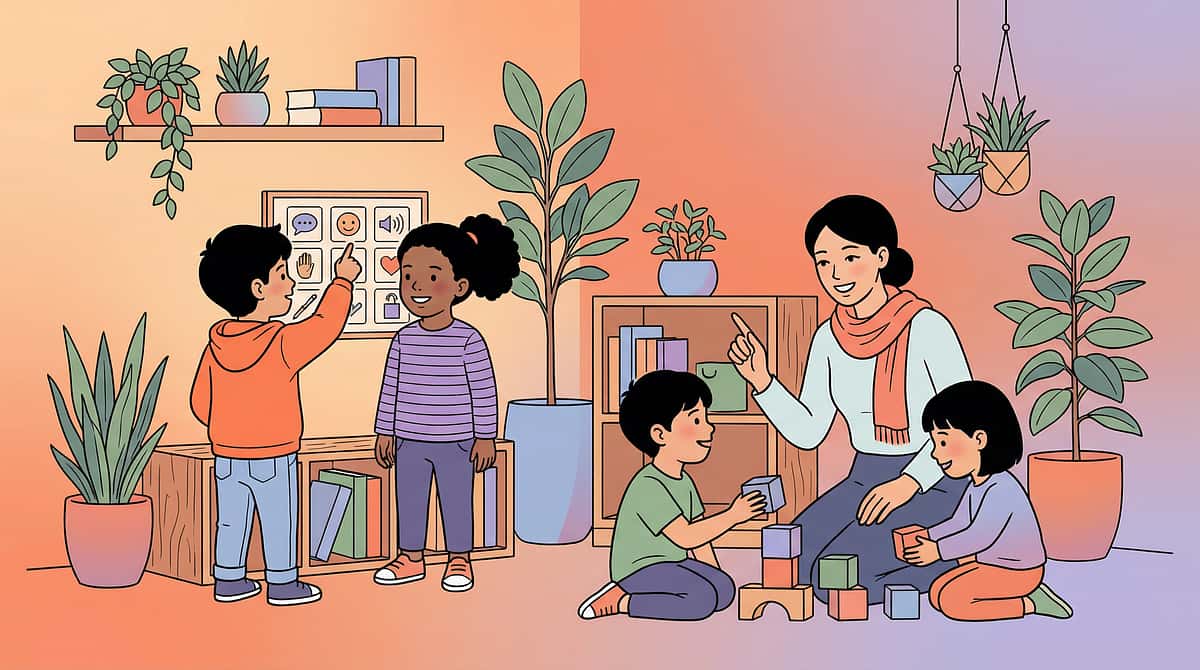
Social Skills Development Materials
Evidence-based resources to support social cognition, perspective-taking, and meaningful relationships for children with autism.
Core Principles for Teaching Social Skills
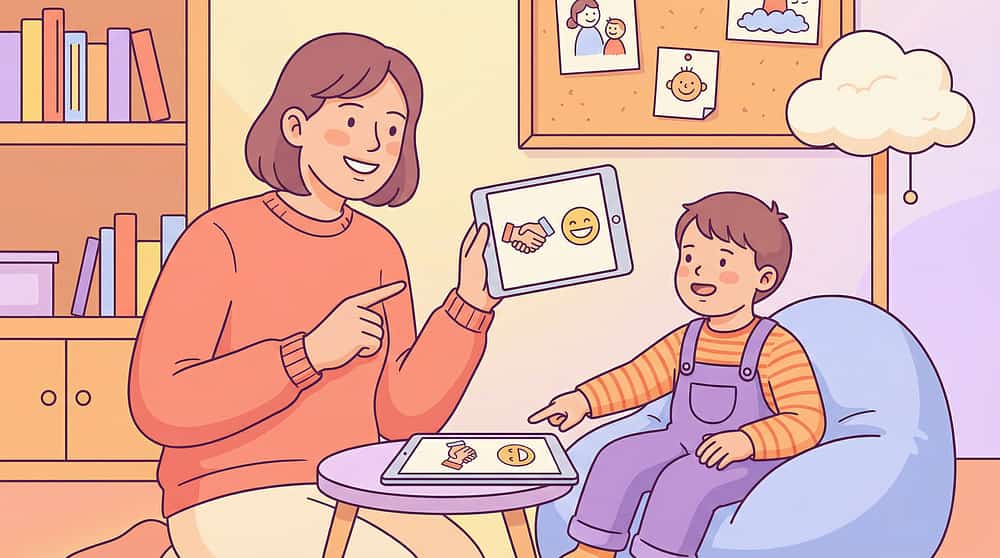
Explicit Instruction First
Never assume implicit learning. Teach social rules directly and clearly, breaking down each skill into observable steps.
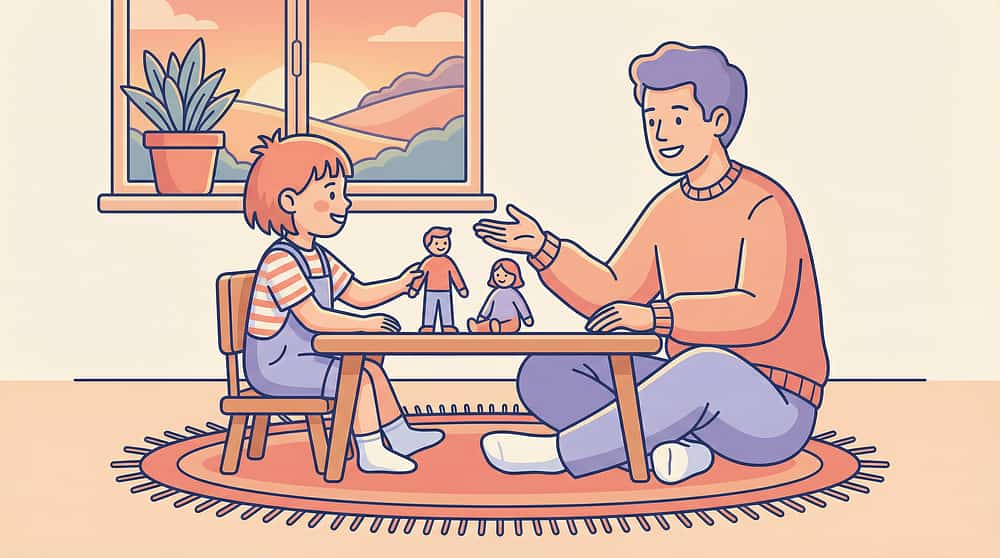
Low-Pressure Practice
Begin in calm, supportive environments before generalizing to complex social settings. Reduce anxiety to maximize learning.
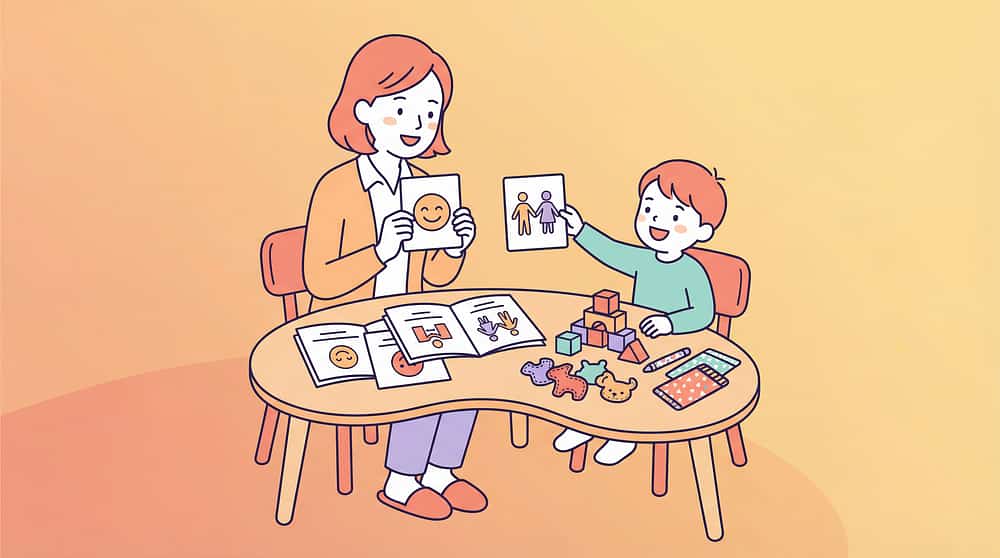
Make Abstract Concrete
Use visual supports and role-play to transform invisible social concepts into tangible, understandable experiences.
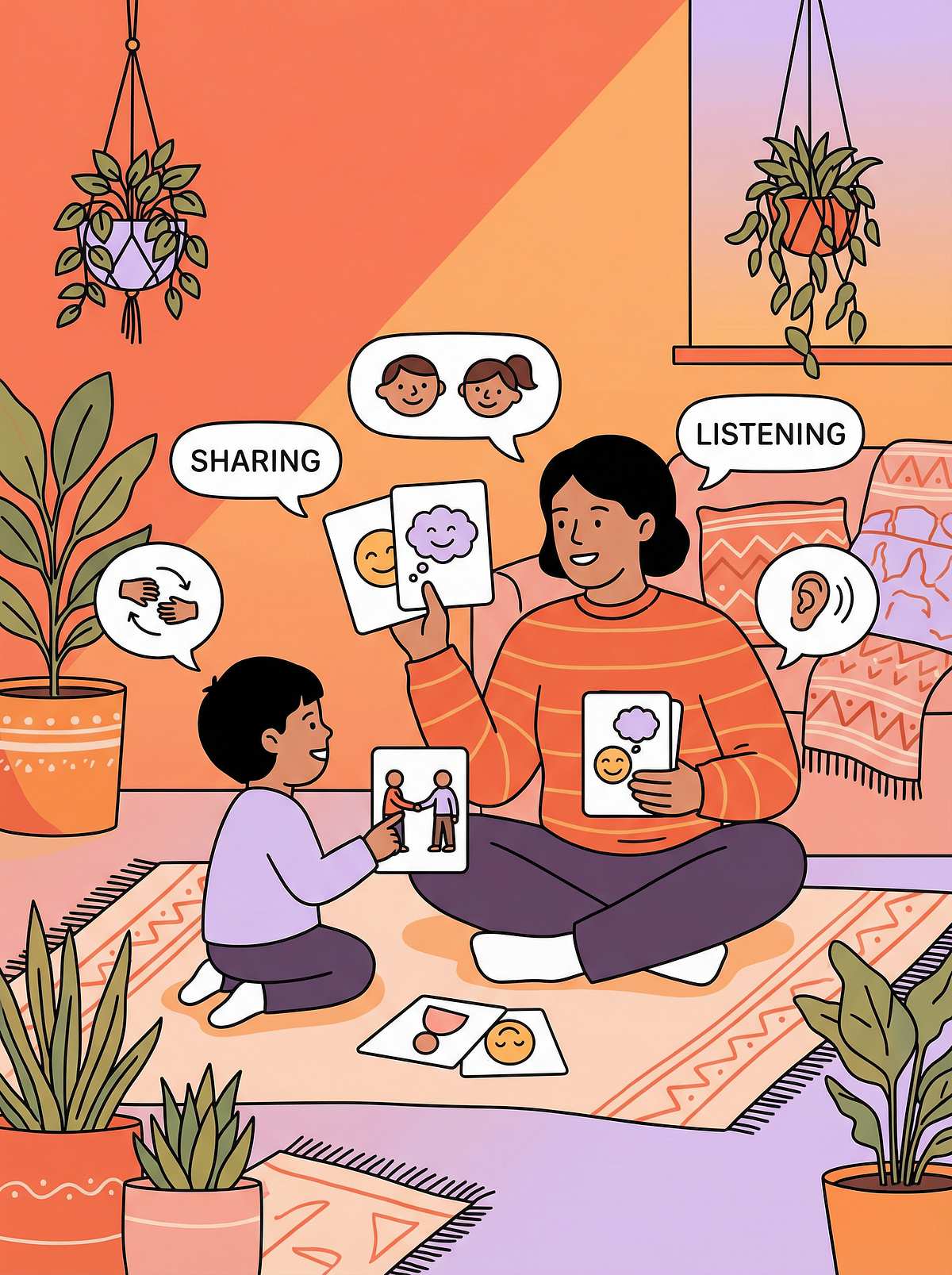
Evidence-Based Implementation Guidelines
Essential Best Practices
- Connect social concepts directly to the child's real-life experiences and relationships
- Celebrate every attempt at social interaction, not just successful outcomes
- Maintain consistency across home, school, and therapy settings
- Consult with psychologists or special educators for individualized social skills plans
Why This Matters
Social skills development requires systematic, evidence-aligned approaches. Research shows that explicit teaching combined with supported practice in natural contexts produces the strongest outcomes for children with autism.
These materials provide the structure and visual supports needed to make abstract social concepts concrete and learnable, supporting measurable progress in social competence.
Who These Materials Serve
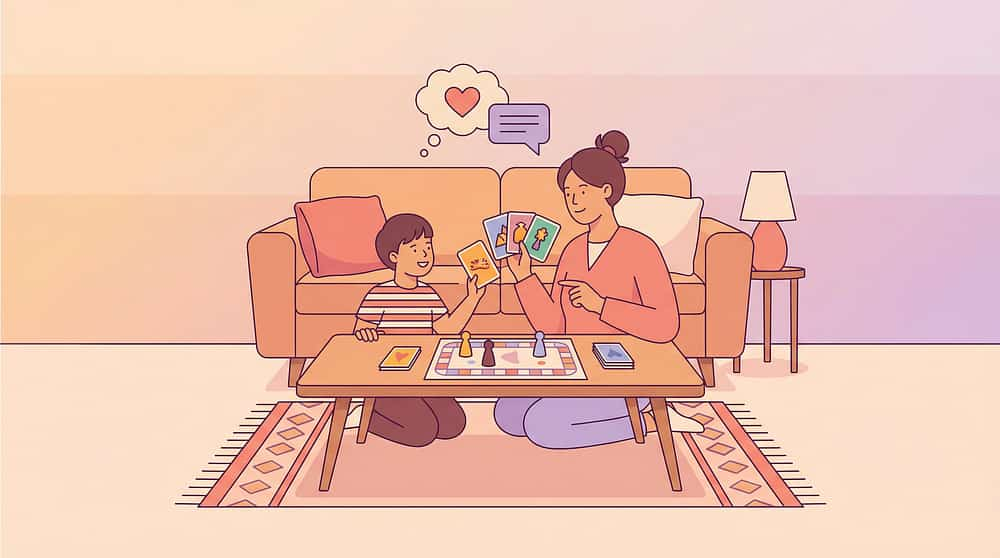
For Parents
Home-based social skills practice with professional guidance. Build social competence through daily opportunities and structured activities.

For Therapists
Clinical social skills assessment and intervention planning. Evidence-based tools for systematic skill development and progress monitoring.
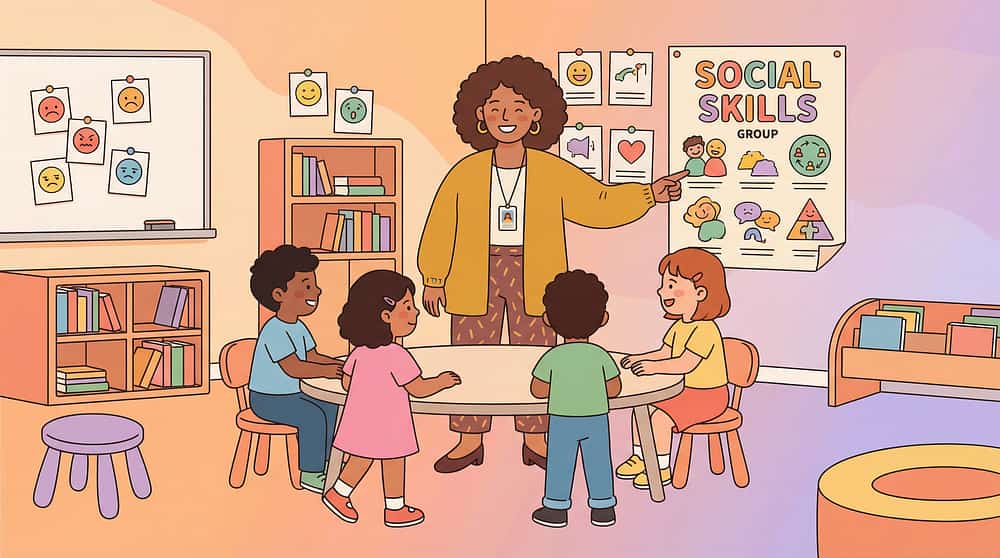
For Schools & Educators
Classroom social skills instruction and peer interaction support. Resources for inclusive education and social integration.

For Doctors & Clinicians
Social development recommendations for therapeutic planning. Clinical tools for comprehensive autism intervention strategies.
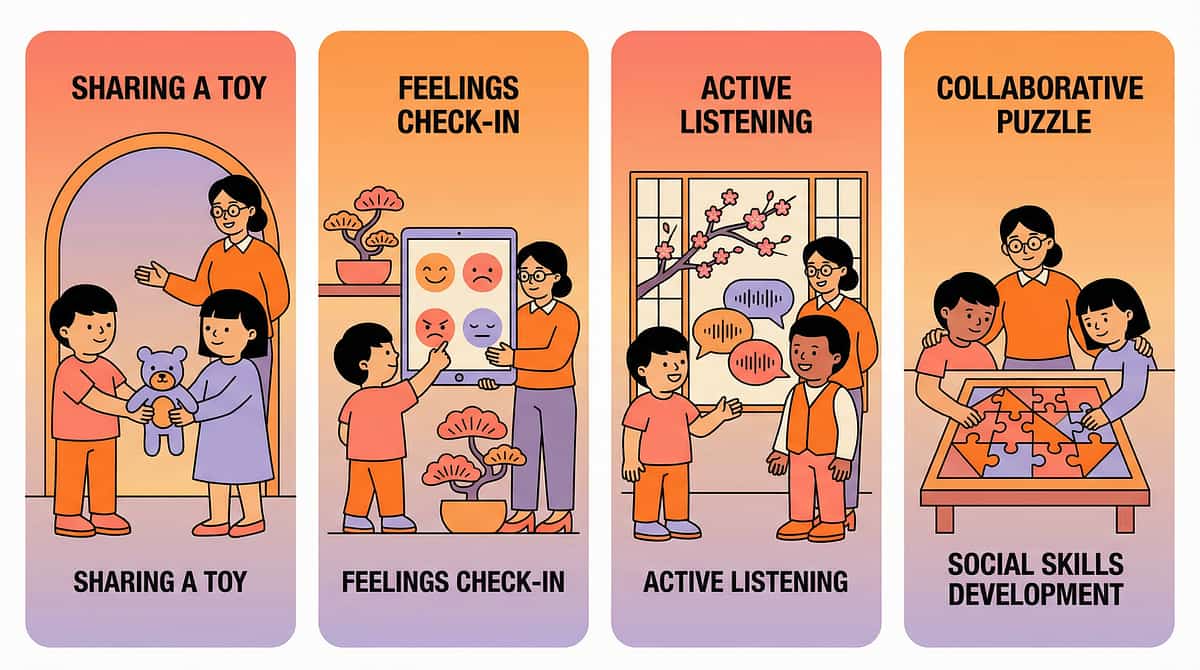
Material 4.1
Core Kit - Rank 1
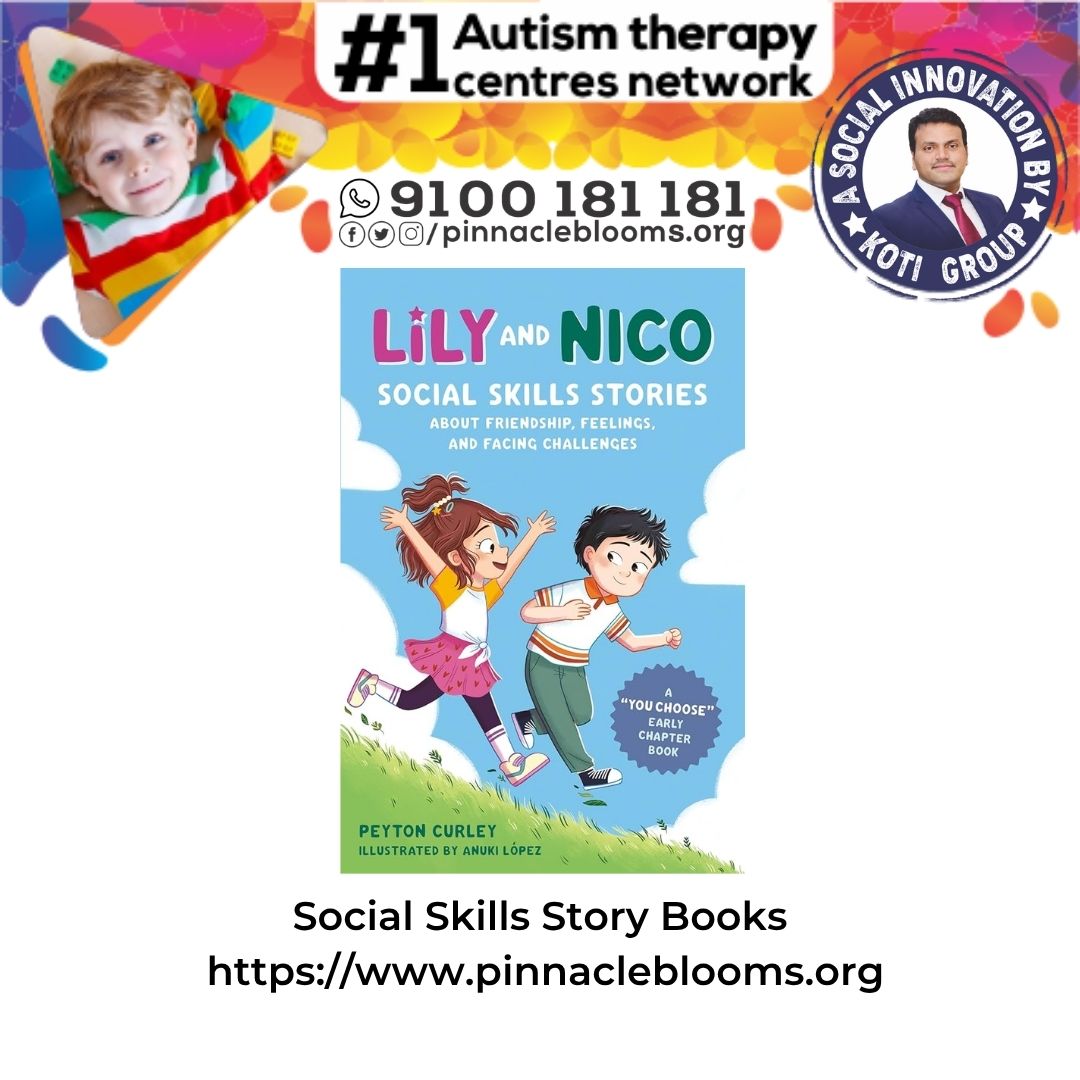
Social Skills Cards / Scenarios
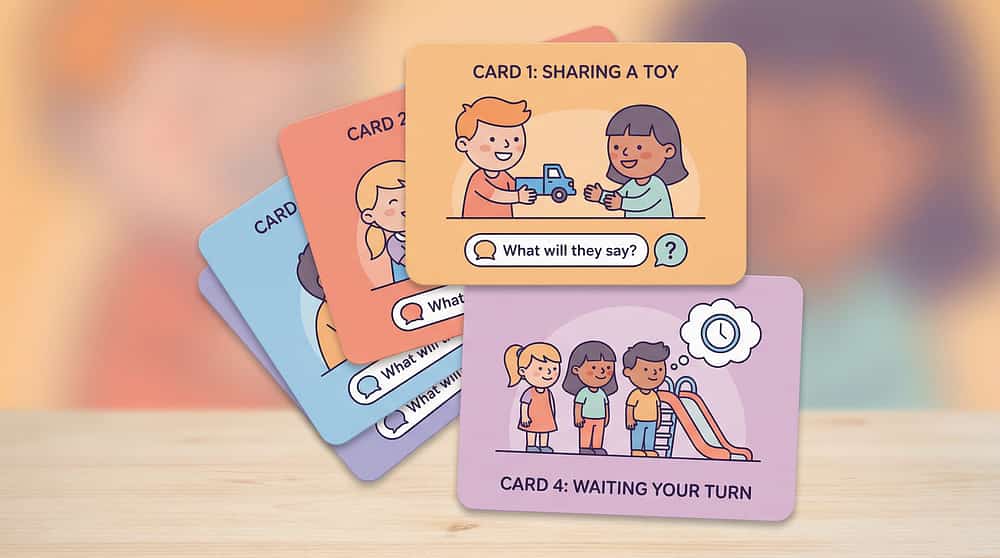
Social skills cards explicitly teach the implicit social rules that children with autism miss. These visual teaching tools break down complex social interactions into clear, understandable scenarios that can be practiced and mastered systematically.
Each card presents a specific social situation—like greeting a friend, asking to join play, or sharing materials—with visual cues and step-by-step guidance. This explicit instruction approach transforms invisible social expectations into concrete learning opportunities.
Target Areas
Social skills, perspective-taking, conversation, friendship building, social problem-solving, reading social cues
Evidence Level
Strong evidence, essential for social learning. Core Kit designation indicates critical importance.
Settings
Home, school, clinic, social skills groups
Material 4.2
Core Kit - Rank 1
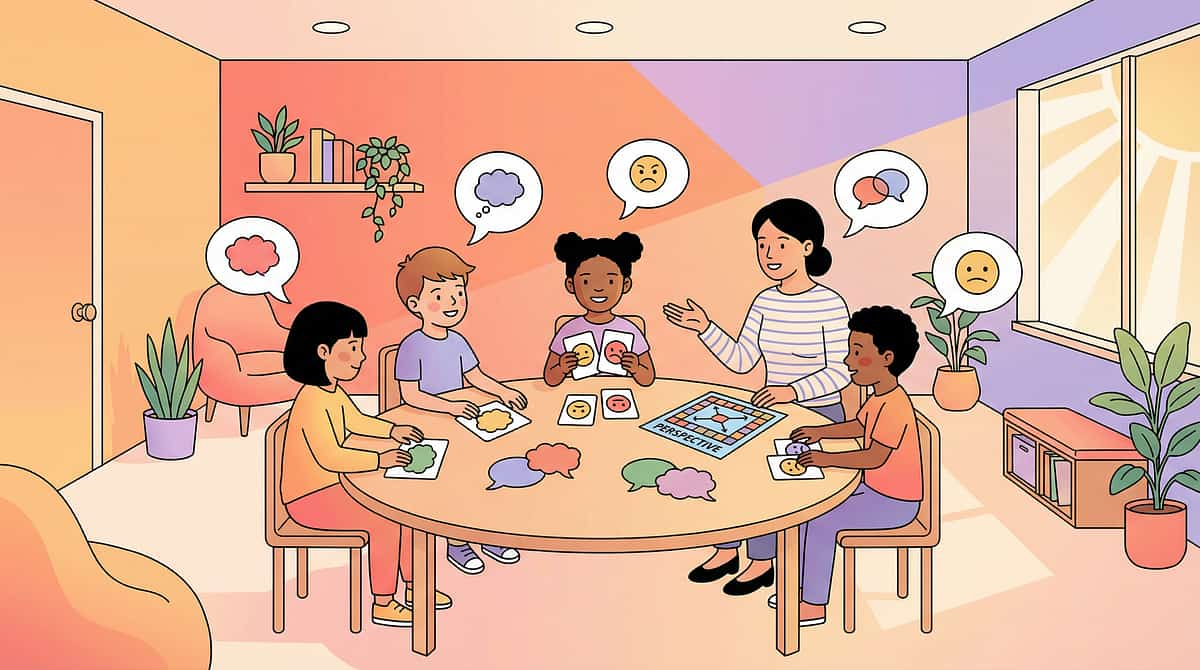
Perspective-Taking / Theory of Mind Games
Theory of mind—understanding that others have different thoughts, feelings, and perspectives—is a foundational social cognition skill that many children with autism find challenging. These games make internal mental states visible and teachable through explicit instruction and visual supports.
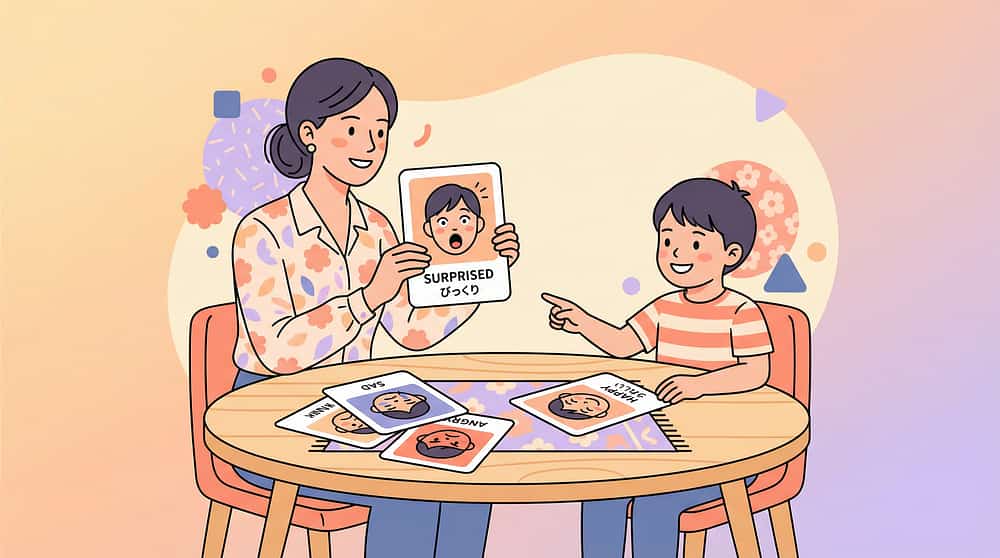
Perspective-taking games use thought bubbles, emotion cards, and structured scenarios to help children understand that what they see, think, or feel may differ from what others experience. This understanding is essential for predicting behavior, interpreting intentions, and navigating social interactions successfully.

Theory of Mind Development
Understanding others' mental states, beliefs, and perspectives
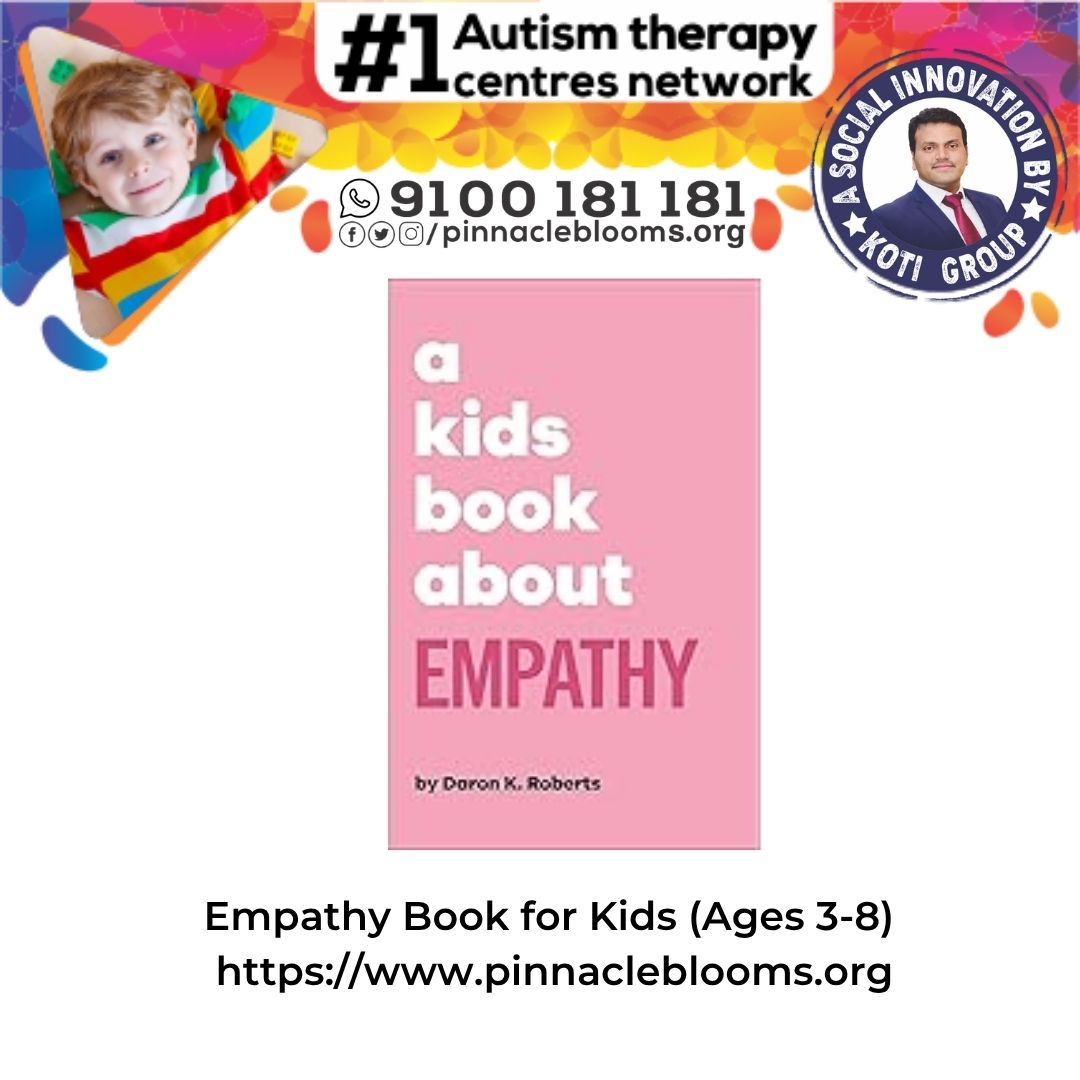
Cognitive Empathy Building
Recognizing emotions and viewpoints different from one's own
Social Prediction Skills
Anticipating others' responses and understanding intentions
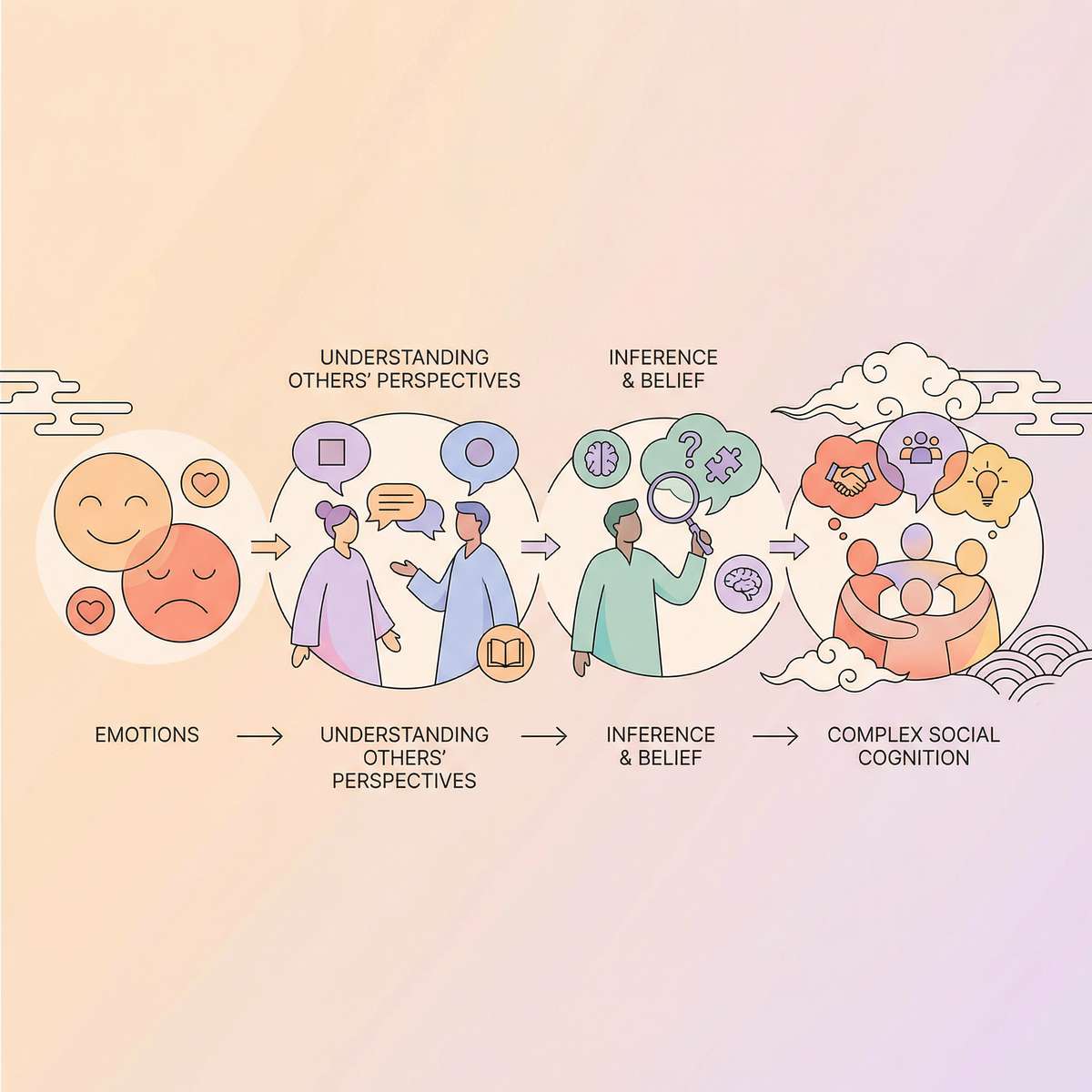
Progressive Theory of Mind Development
Price Range: ₹200 - ₹1,200 | Settings: Home, school, clinic
Developmental Sequence
Basic Emotions
Start with recognizing simple facial expressions: happy, sad, angry, scared
Visual Perspective
Understanding that others see things from different physical viewpoints
Mental States
Recognizing thoughts, beliefs, and knowledge that differ from one's own
Complex Scenarios
Navigating layered social situations with multiple perspectives
Material 4.3
Core Kit - Rank 1
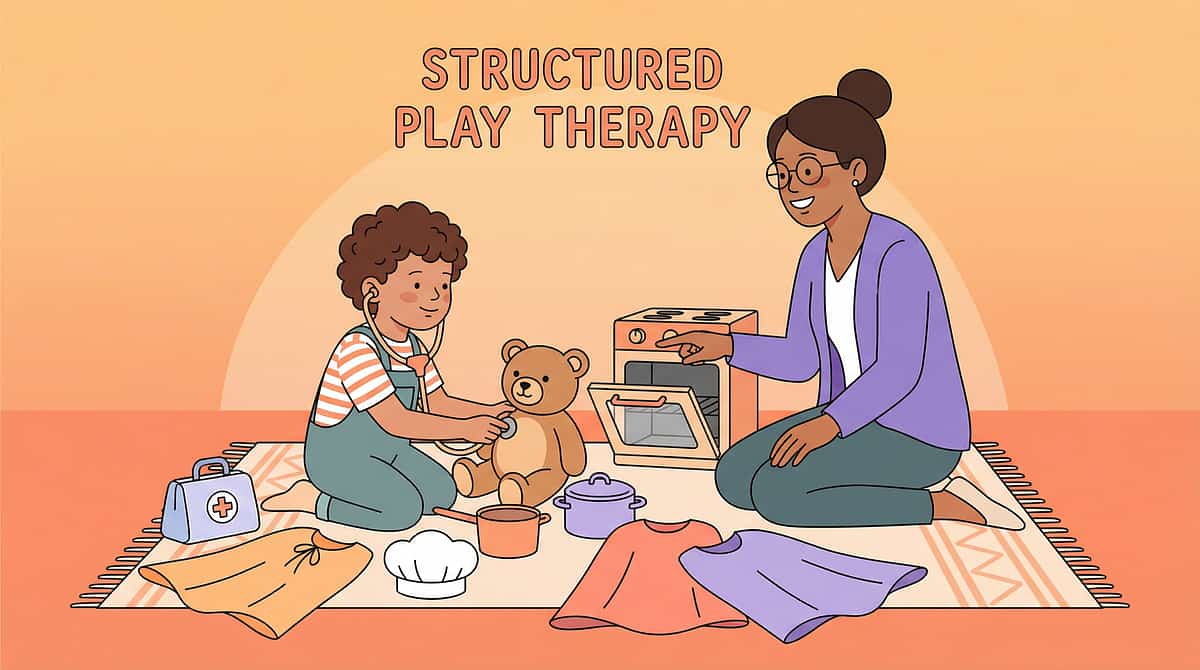
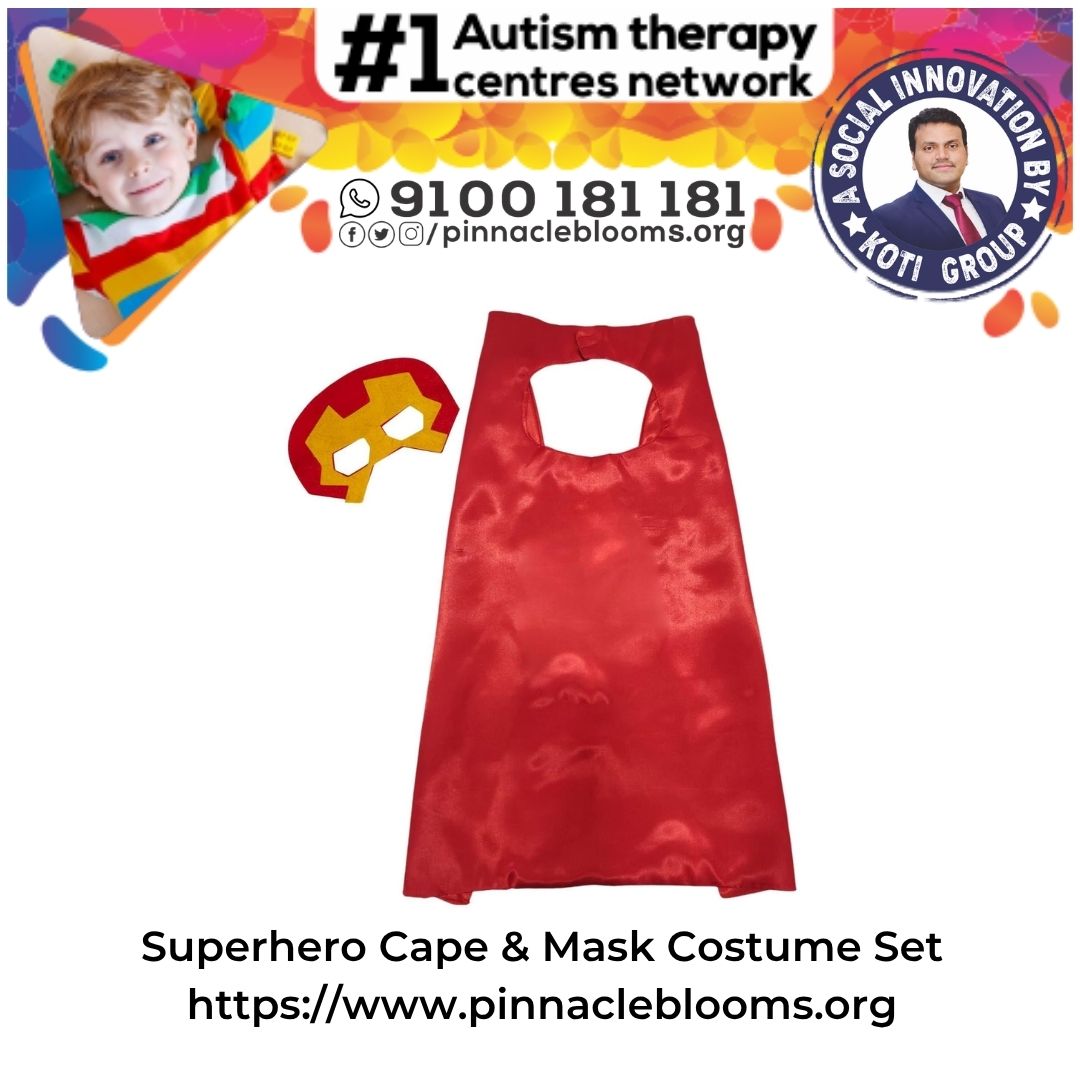
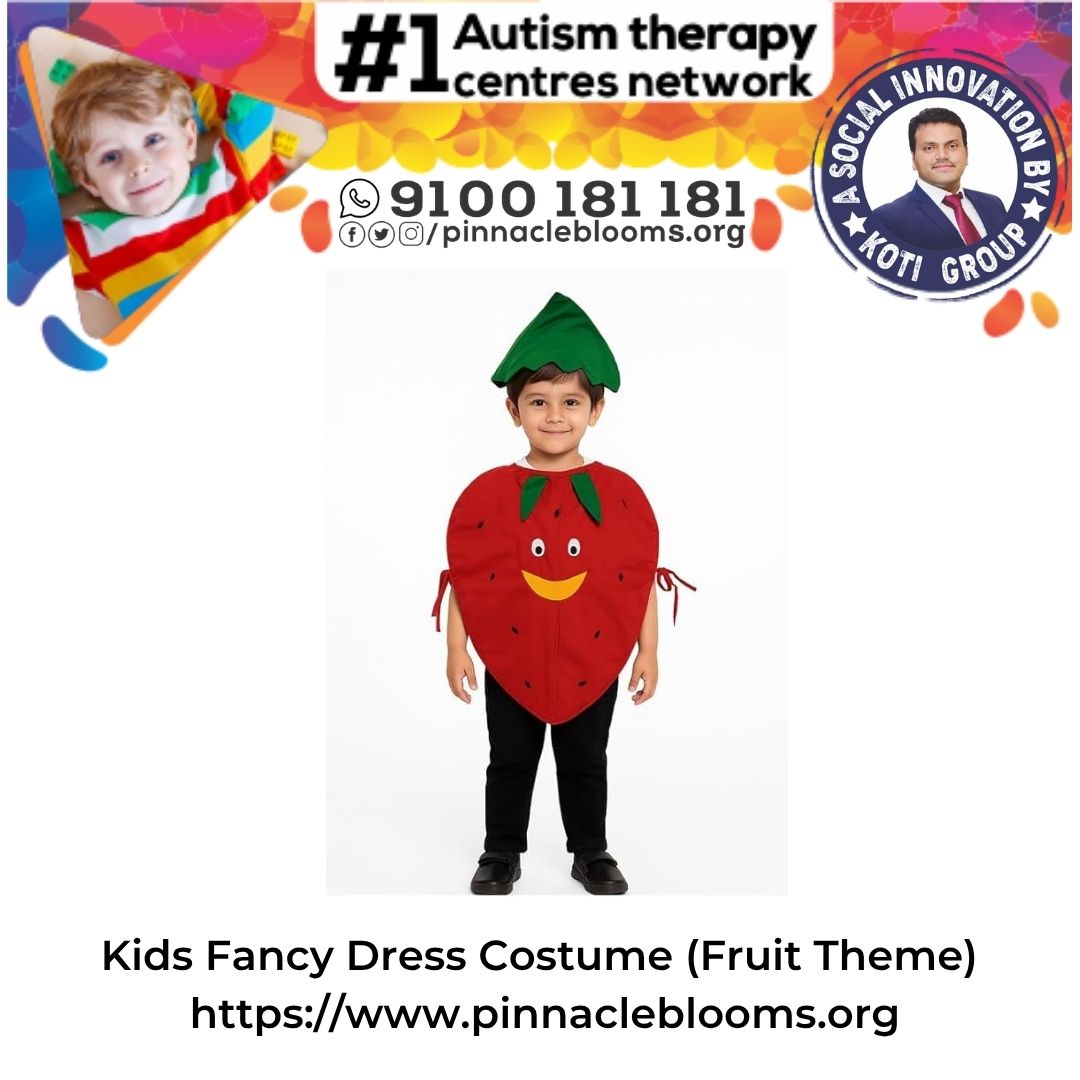
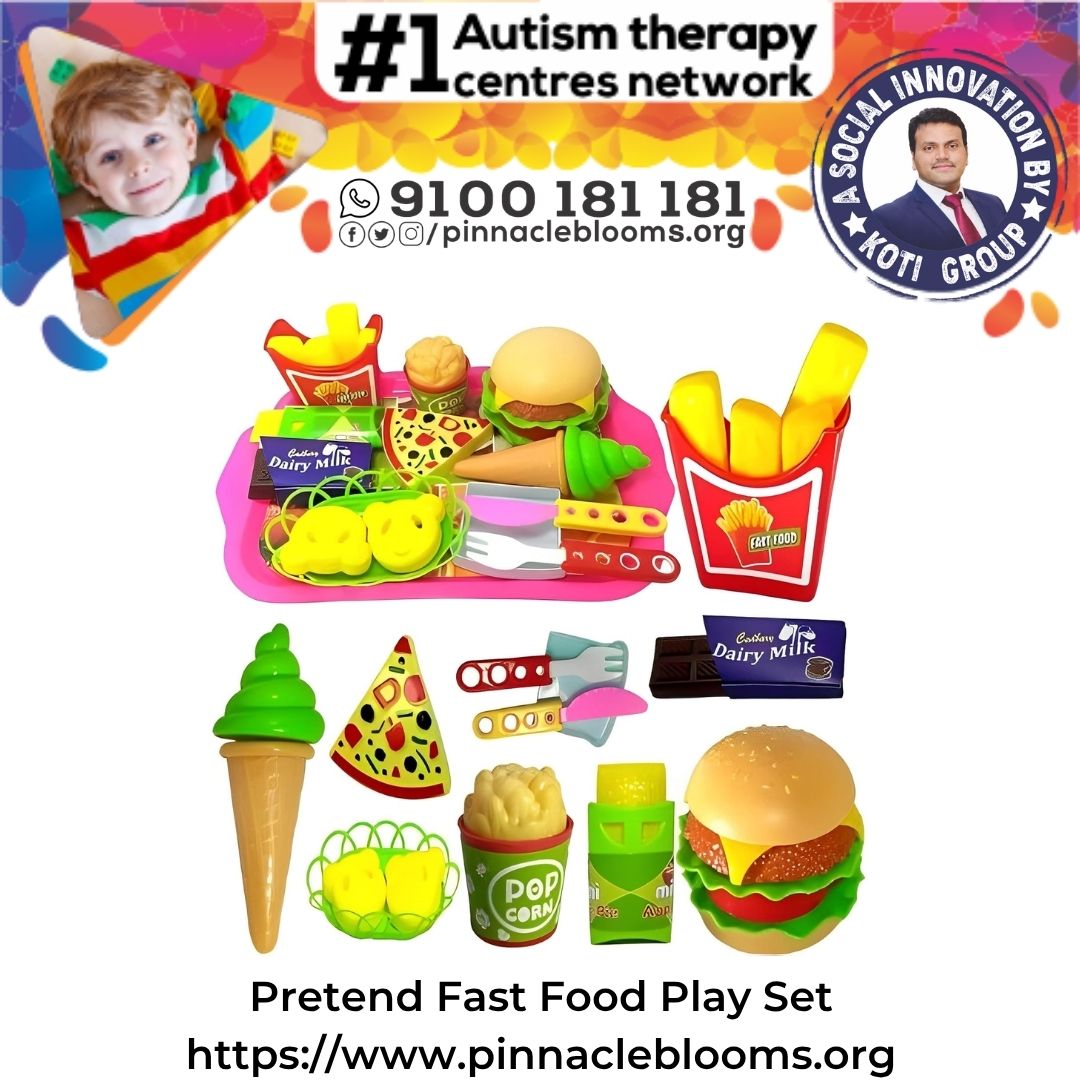
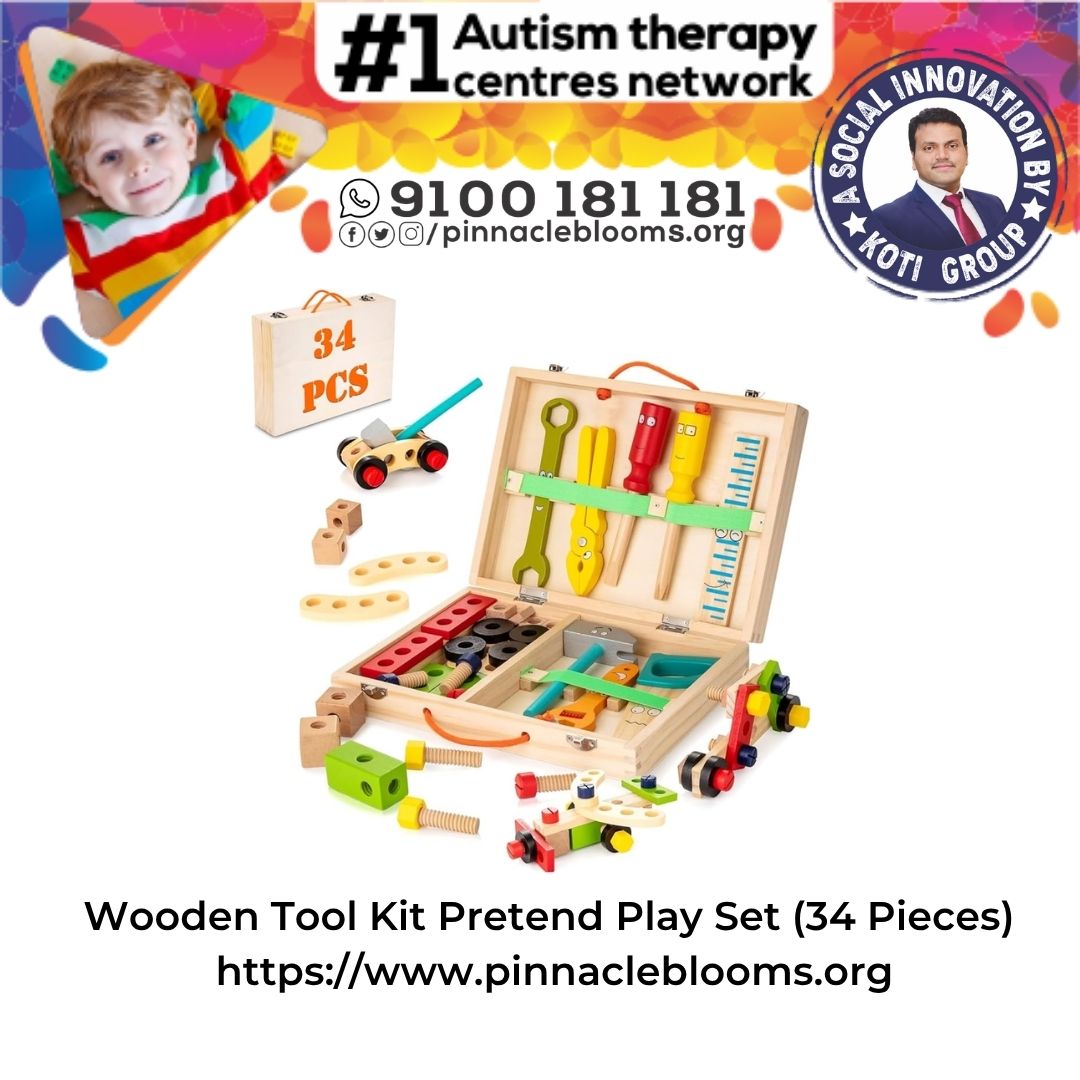
Role-Play / Pretend Play Props
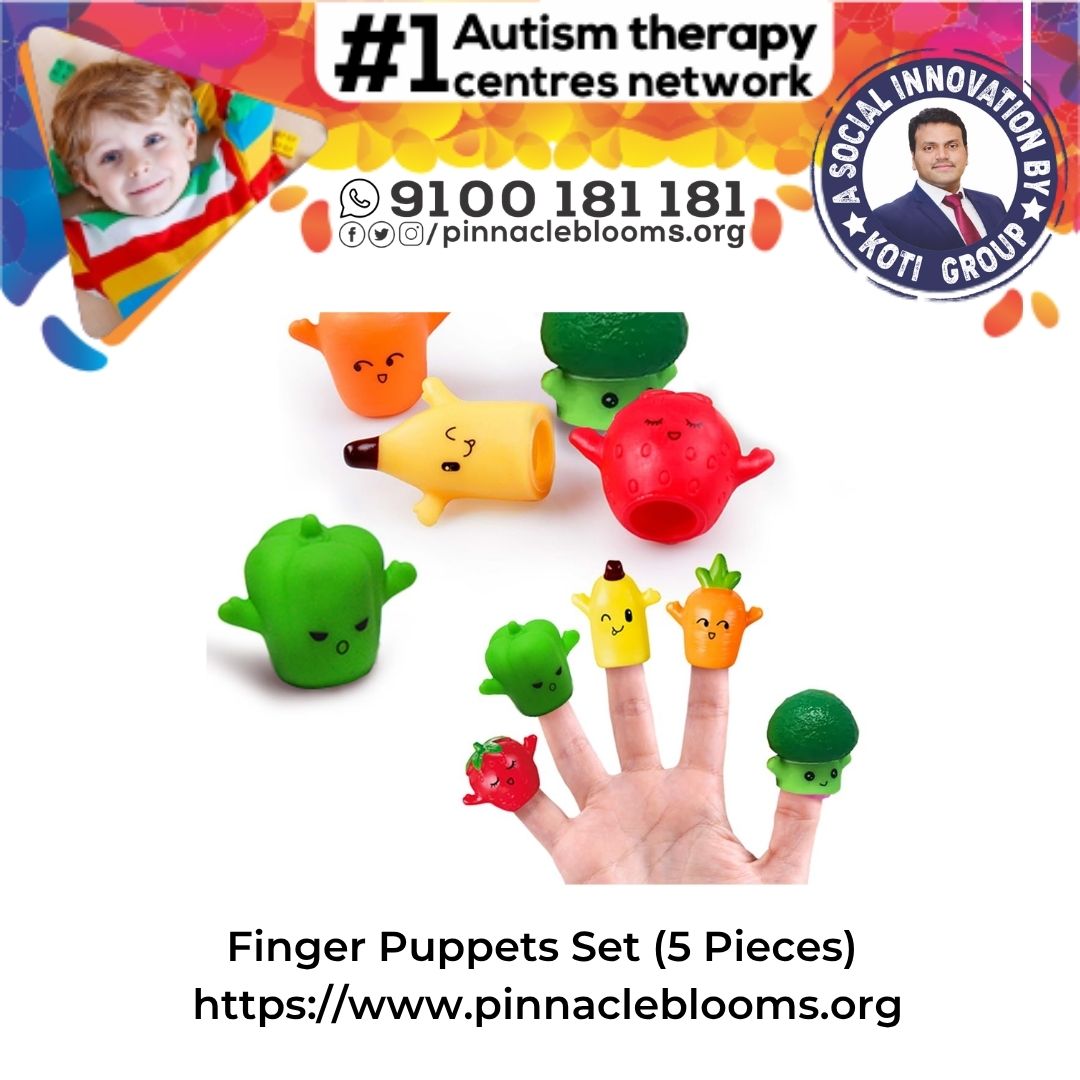
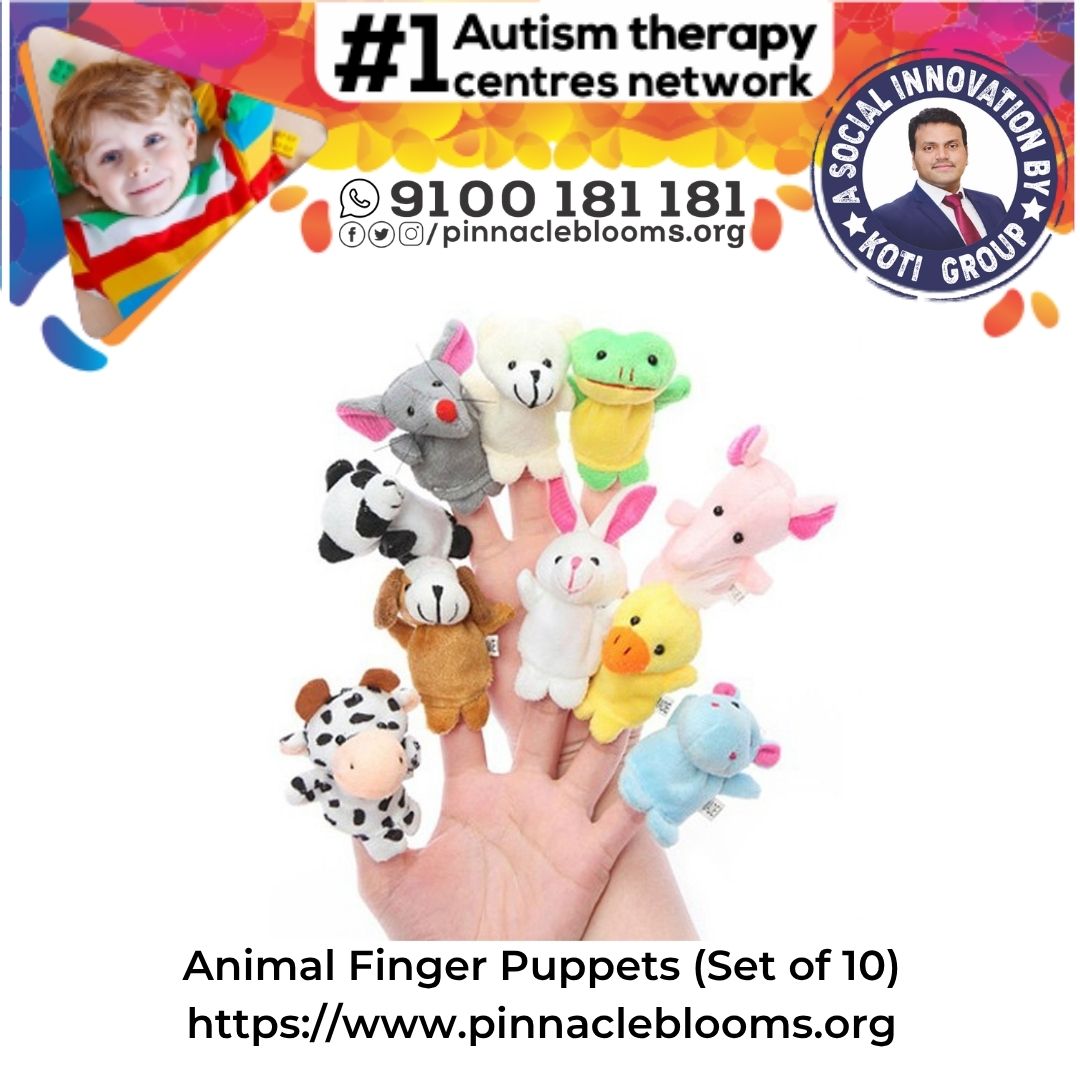
Pretend play represents a critical developmental milestone that supports symbolic thinking, language development, and social understanding. For children with autism, pretend play often requires explicit teaching and structured support through carefully selected props and guided practice.
Role-play props provide concrete tools for exploring social scripts, practicing perspective-taking, and developing flexibility in thinking. Through supported pretend play, children learn to represent experiences symbolically, understand different roles and viewpoints, and rehearse social interactions in a safe, low-pressure environment before encountering them in real life.
Symbolic Thinking
Supports development of symbolic representation and abstract thinking through concrete props.
Social Scripts
Provides structured practice for learning social interactions and conversation patterns.
Perspective-Taking
Helps children explore different roles and viewpoints in safe, supported contexts.
Material 4.5
Core Kit - Rank 2
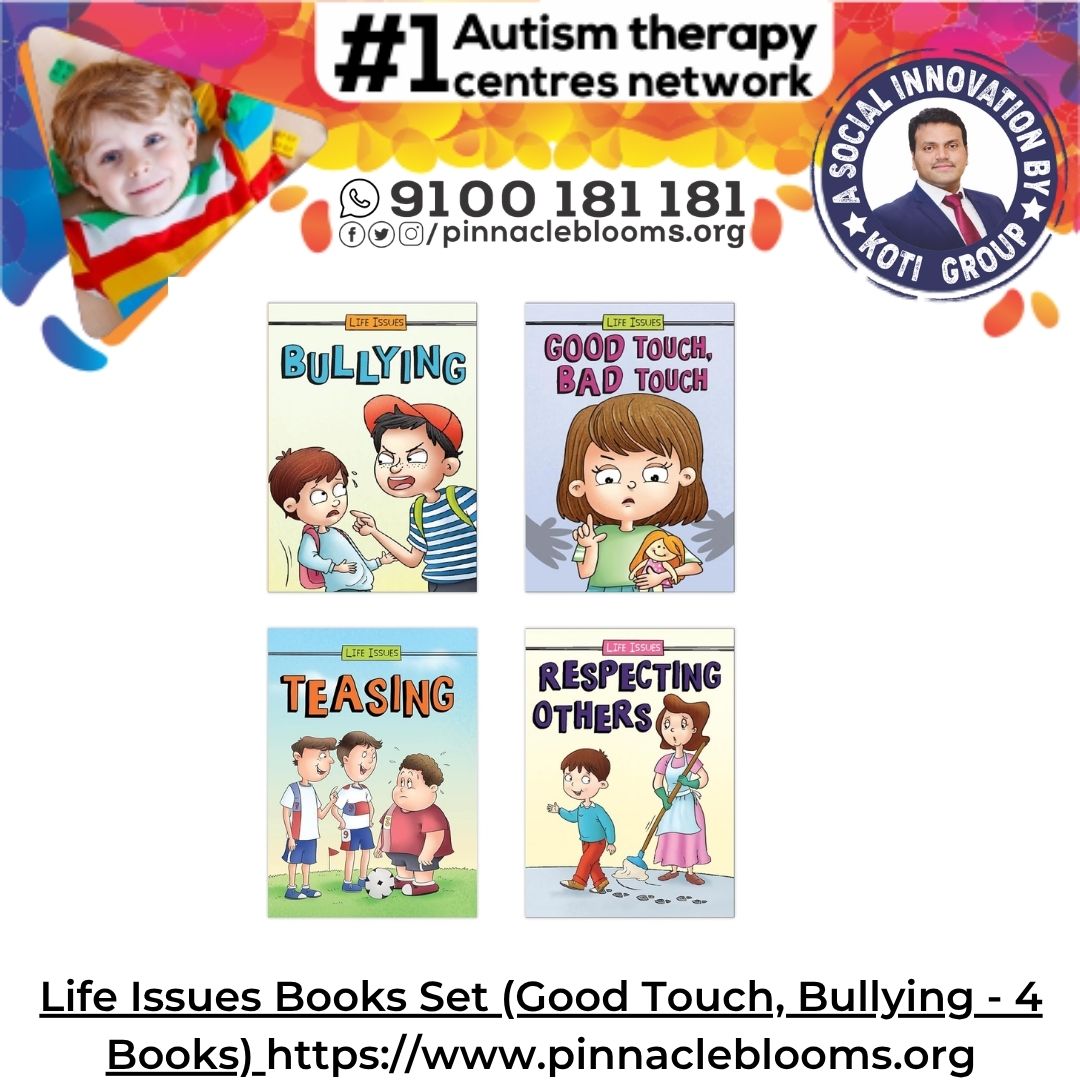
Personal Space / Body Boundaries Tools
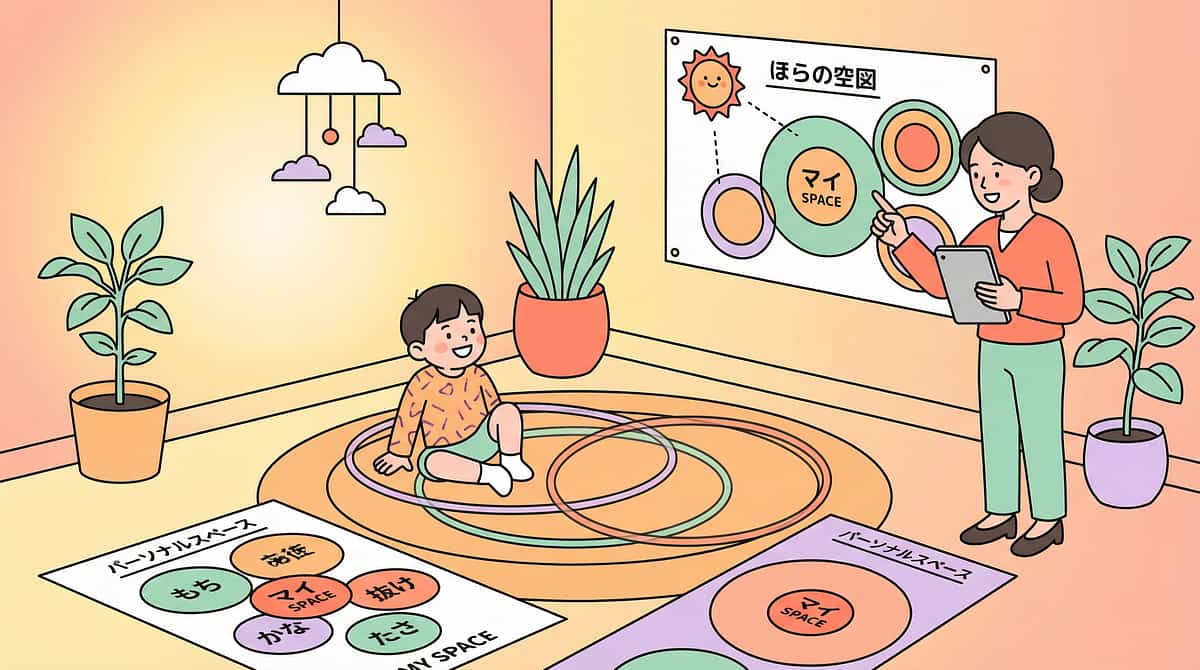
Personal space and physical boundaries represent invisible social rules that neurotypical children learn implicitly but must be taught explicitly to many children with autism. Understanding appropriate physical distance, acceptable touch, and body safety concepts is essential for social acceptance, safety, and relationship development.
Personal space tools make these invisible boundaries visible and concrete through physical props like hula hoops, visual zone diagrams, and arm's-length measurements. These tangible supports help children understand that different relationships require different levels of physical proximity and that respecting others' space contributes to their comfort and the success of social interactions.
Teaching Personal Space Concepts
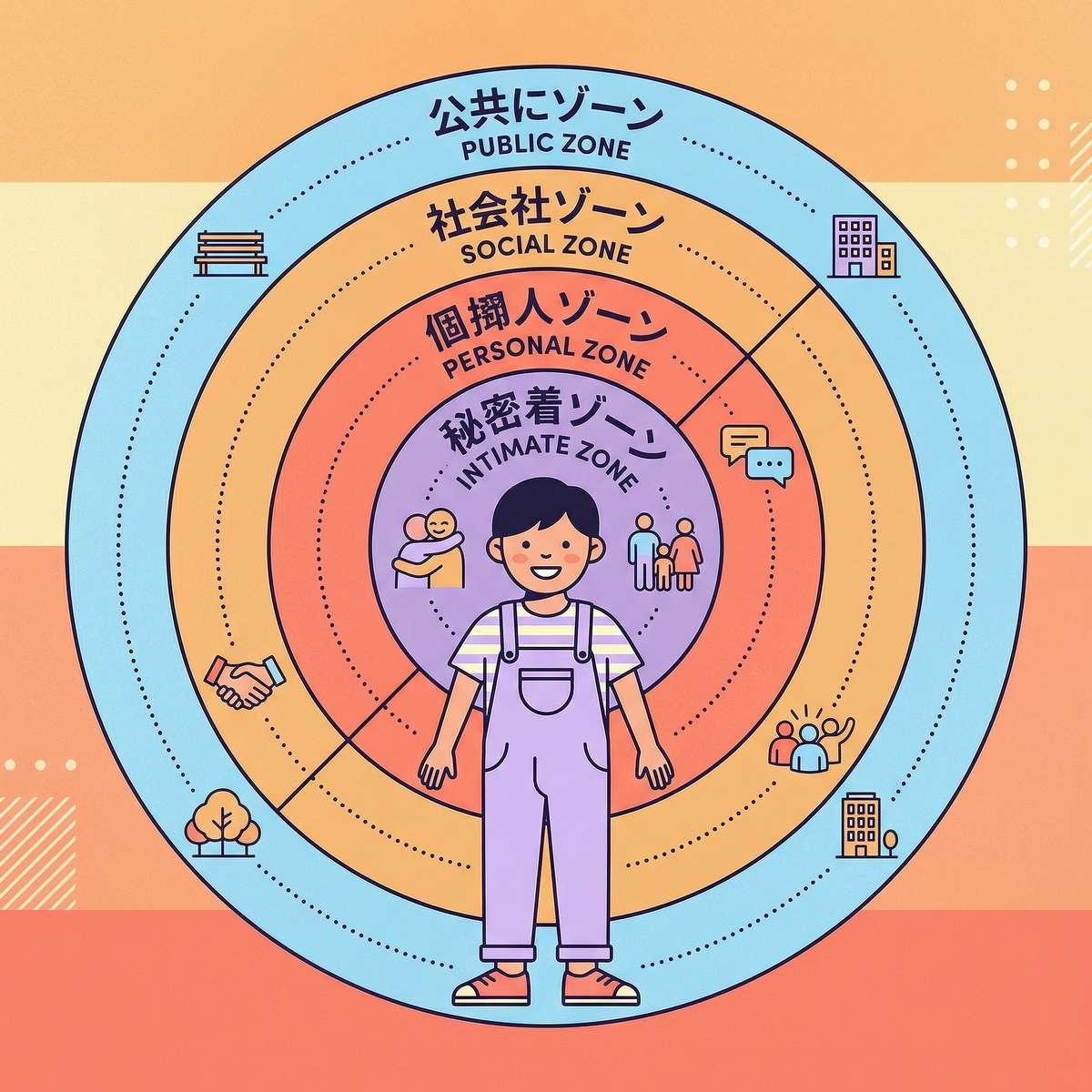
Zones of Physical Proximity
Intimate Zone
Very close family only (parents, siblings)
Personal Zone
Close friends and familiar people
Social Zone
Classmates, acquaintances, casual interactions
Public Zone
Strangers and public settings
Teaching these zones explicitly helps children understand that physical boundaries vary based on relationship type and context. Concrete visuals like hula hoops or arm's-length measurements make abstract concepts tangible and learnable.
Price Range: ₹50 - ₹600 | Settings: Home, school, clinic, community
Pinnacle Blooms Network®
Built by Mothers. Engineered as a System.
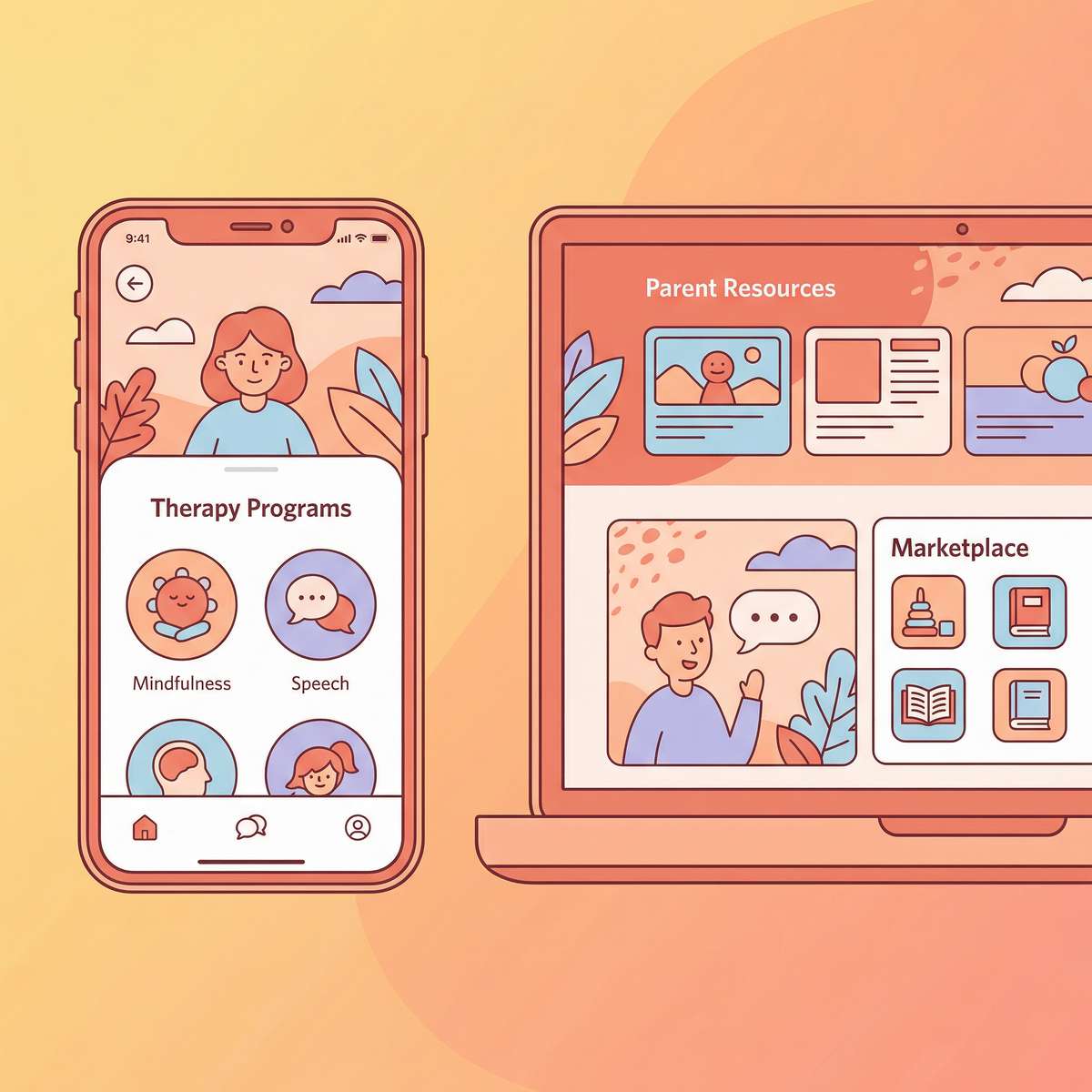
Pinnacle is the execution layer of GPT-OS® — delivering therapy, daily programs, digital continuity, and marketplace access at population scale. Our platform combines on-demand therapy guidance, hyperlocal marketplace connections, and 70+ physical centers operating under unified clinical standards.
21M+
Exclusive 1:1 Sessions
Across converged therapy disciplines
97%+
Measured Improvement
Across one or more readiness indexes
70+
Centers
Operating under a single clinical system
Platform Layers
Pediatric Therapeutic OTT Platform
On-demand therapy guidance, parent education, and EverydayTherapyProgramme™ delivery accessible anytime, anywhere.
Hyperlocal Pediatric Therapeutic Marketplace
Connects families to verified therapists, centers, programs, and resources mapped to AbilityScore® and readiness needs.
Center Network Execution
70+ physical centers operating under GPT-OS® standards with measurable accountability and consistent outcomes.
Cannons
Social Skills Development MaterialsEvidence-based materials supporting turn-taking, peer interaction, conversation skills, empathy, cooperative play, and social understanding across home, school, and therapy settings.

Link copied!