

Sensory Regulation & Nervous System Modulation Materials
Materials in this category support sensory processing and nervous system regulation across tactile, vestibular, proprioceptive, auditory, visual, oral, and olfactory systems. These evidence-based resources help children and individuals achieve and maintain optimal arousal states necessary for participation in daily activities, meaningful learning experiences, and successful social engagement.
The sensory regulation materials presented here are designed to address the diverse sensory processing needs that impact daily functioning. From tactile defensiveness that affects clothing tolerance and food exploration to auditory sensitivities that prevent classroom participation, these tools provide concrete solutions grounded in occupational therapy principles and neurodevelopmental science.
Intended Users and Applications
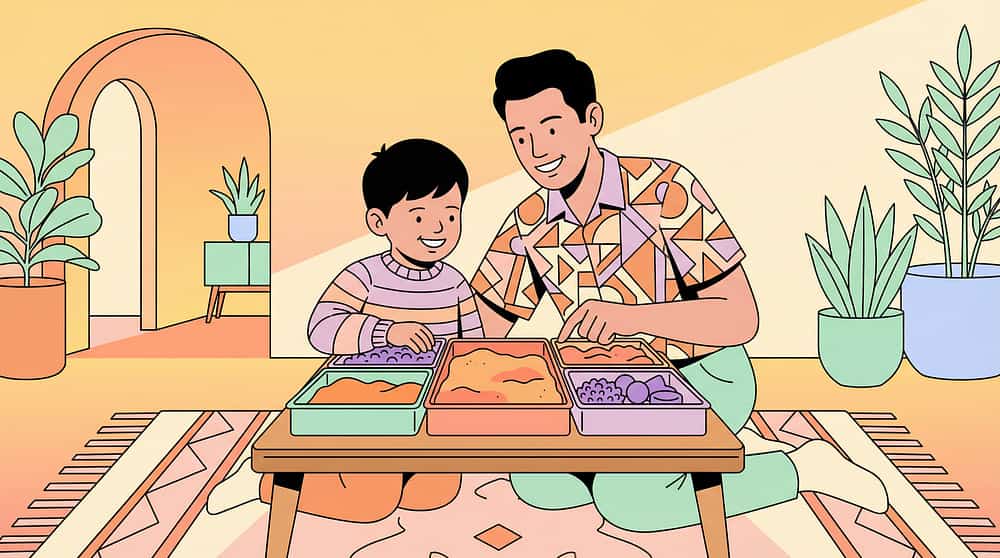
For Parents
Home-based sensory activities implemented with professional guidance. Parents learn to recognize sensory needs and provide appropriate regulation support throughout daily routines.
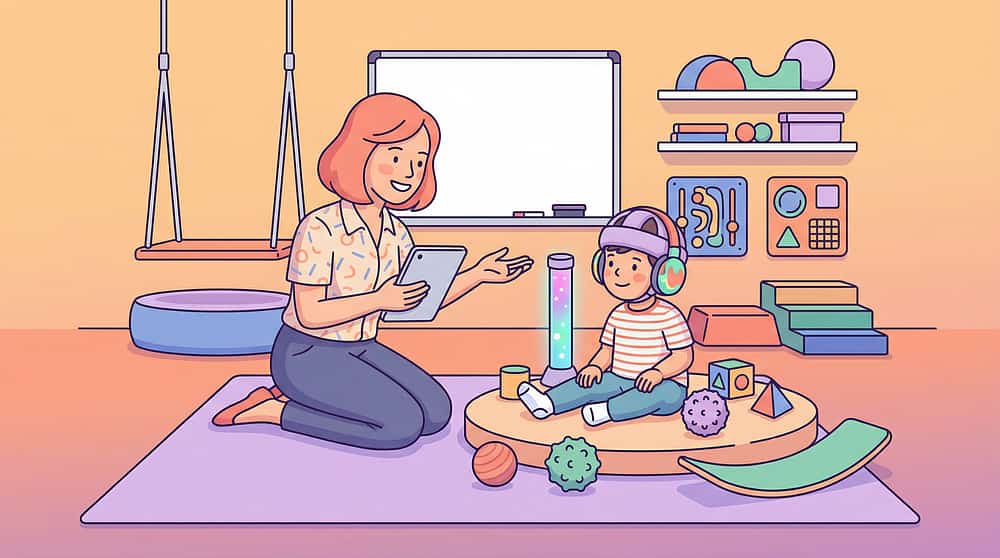
For Therapists
Clinical sensory intervention planning and implementation. Therapists use these materials for systematic sensory integration therapy and nervous system modulation protocols.
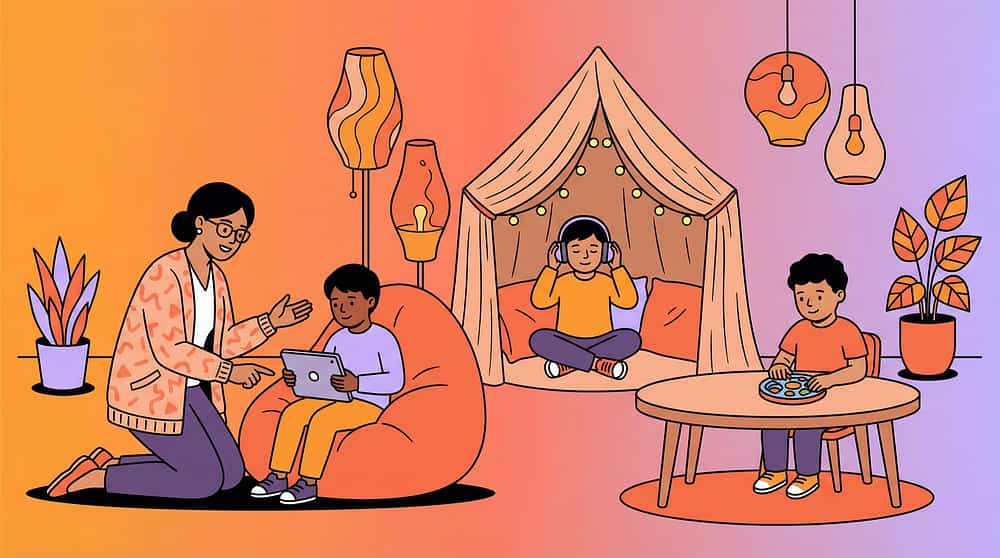
For Schools & Educators
Classroom sensory supports and regulation strategies. Educators integrate sensory breaks and accommodations to support student attention, participation, and learning readiness.

For Doctors & Clinicians
Sensory-informed recommendations for developmental support. Clinicians integrate sensory considerations into comprehensive treatment plans and referral decisions.
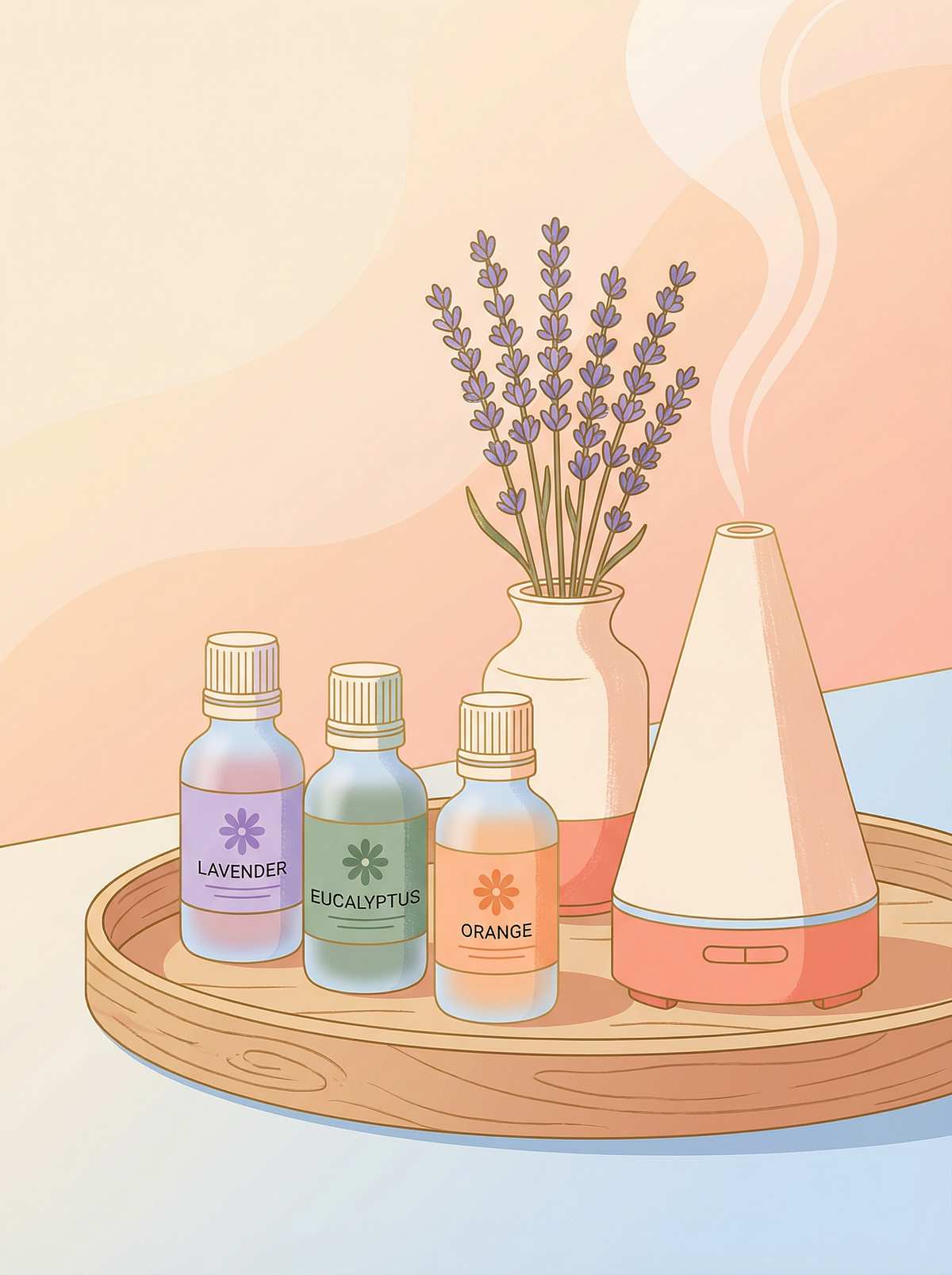
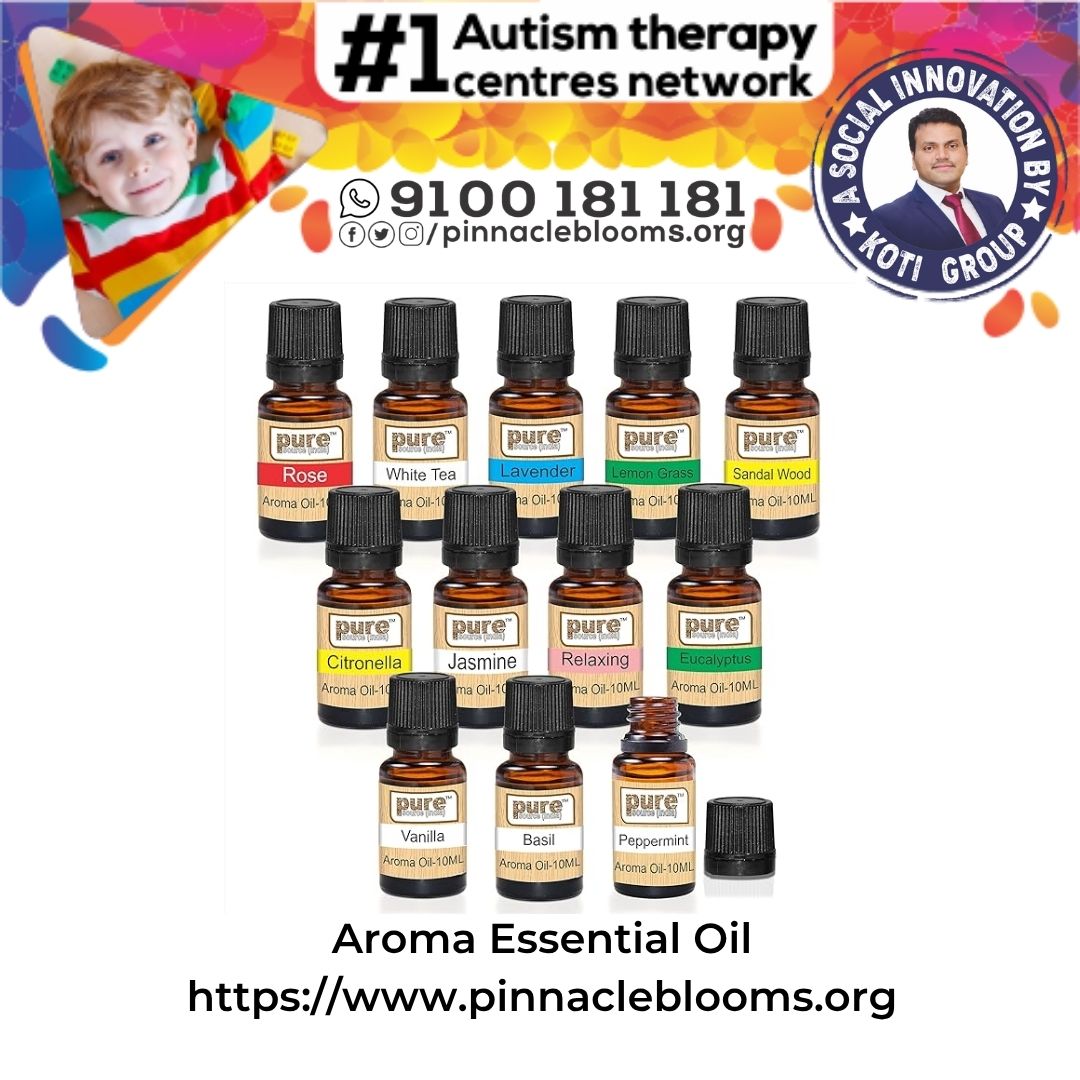
Material 1.1: Aromatherapy / Scent Kit
Olfactory Sensory Modulation System
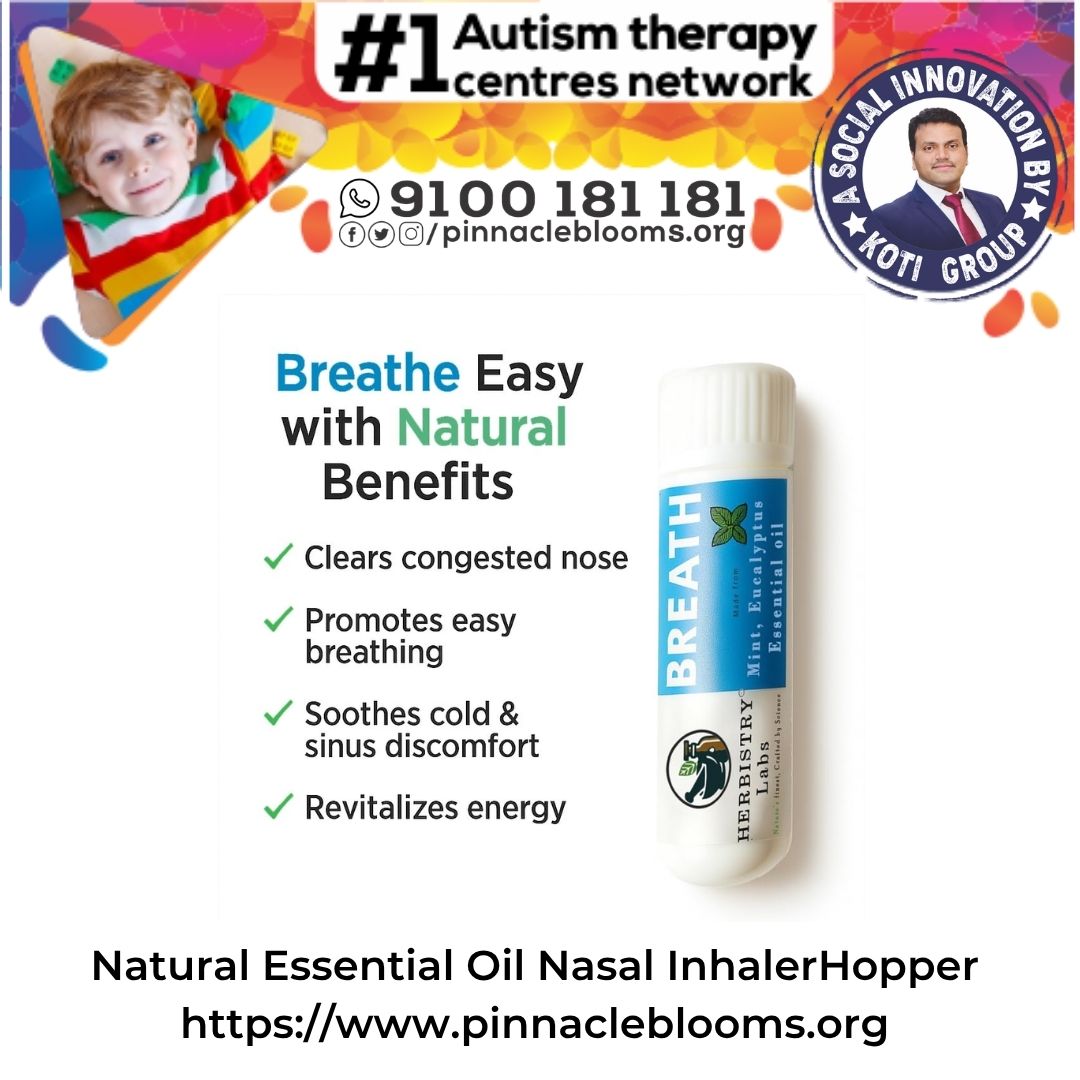
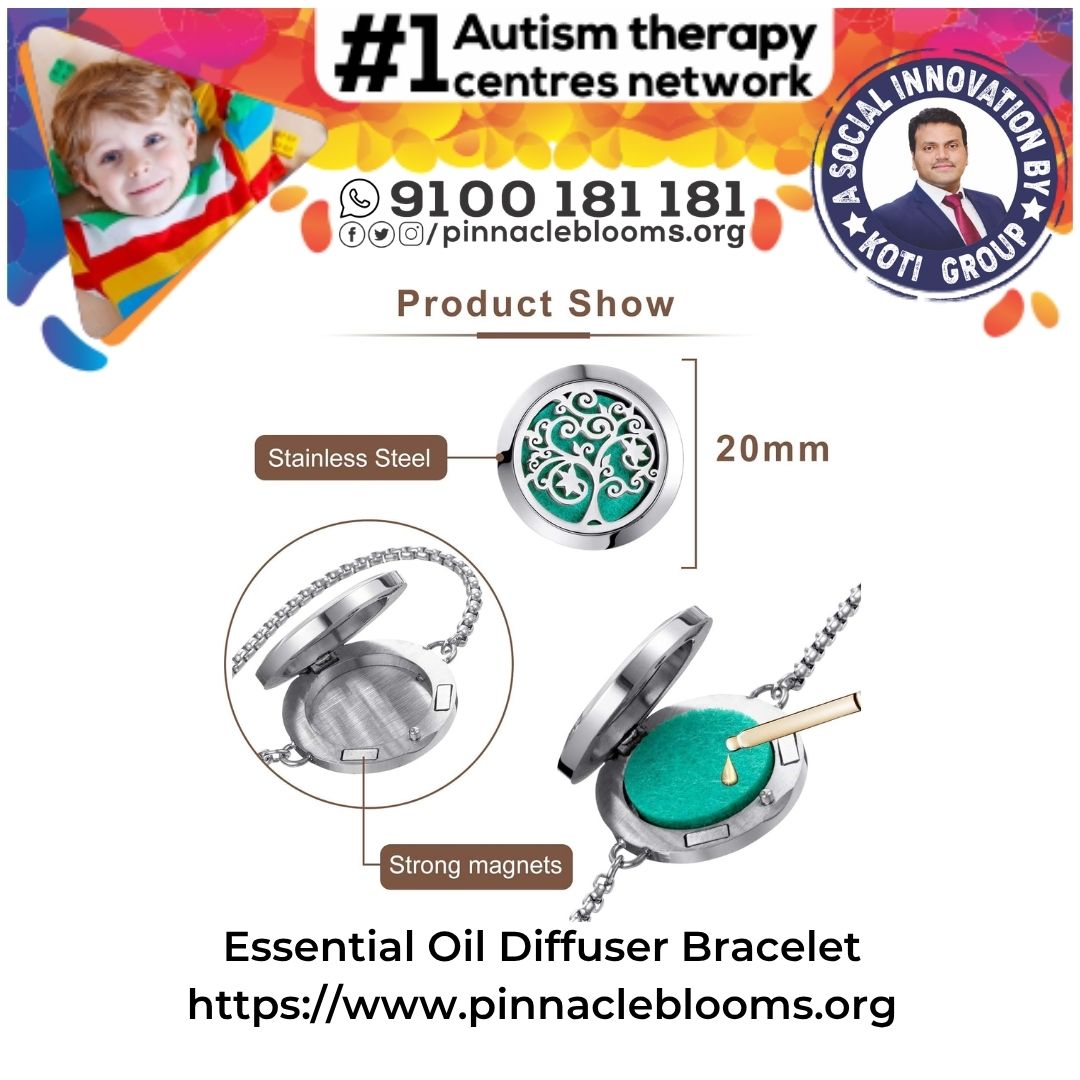
Aromatherapy harnesses the direct olfactory-limbic pathway for rapid emotional regulation. Unlike other sensory pathways that route through the thalamus, olfactory information travels directly to the amygdala and hippocampus, enabling immediate emotional and arousal responses.
Calming scents like lavender and chamomile activate parasympathetic nervous system responses, while alerting scents like citrus and peppermint increase arousal and attention. This material is particularly effective for children who respond well to olfactory input for state regulation.
Best Practices
- Test for sensitivity before regular use
- Never apply undiluted oils to skin
- Use child-safe, therapeutic-grade oils only
- Calming: lavender, chamomile
- Alerting: citrus, peppermint
Applications
Price Range: ₹150 - ₹2,500
Settings: Home, Clinic, School (limited), Travel (roll-ons)
Target Areas: Olfactory processing, emotional regulation, arousal modulation
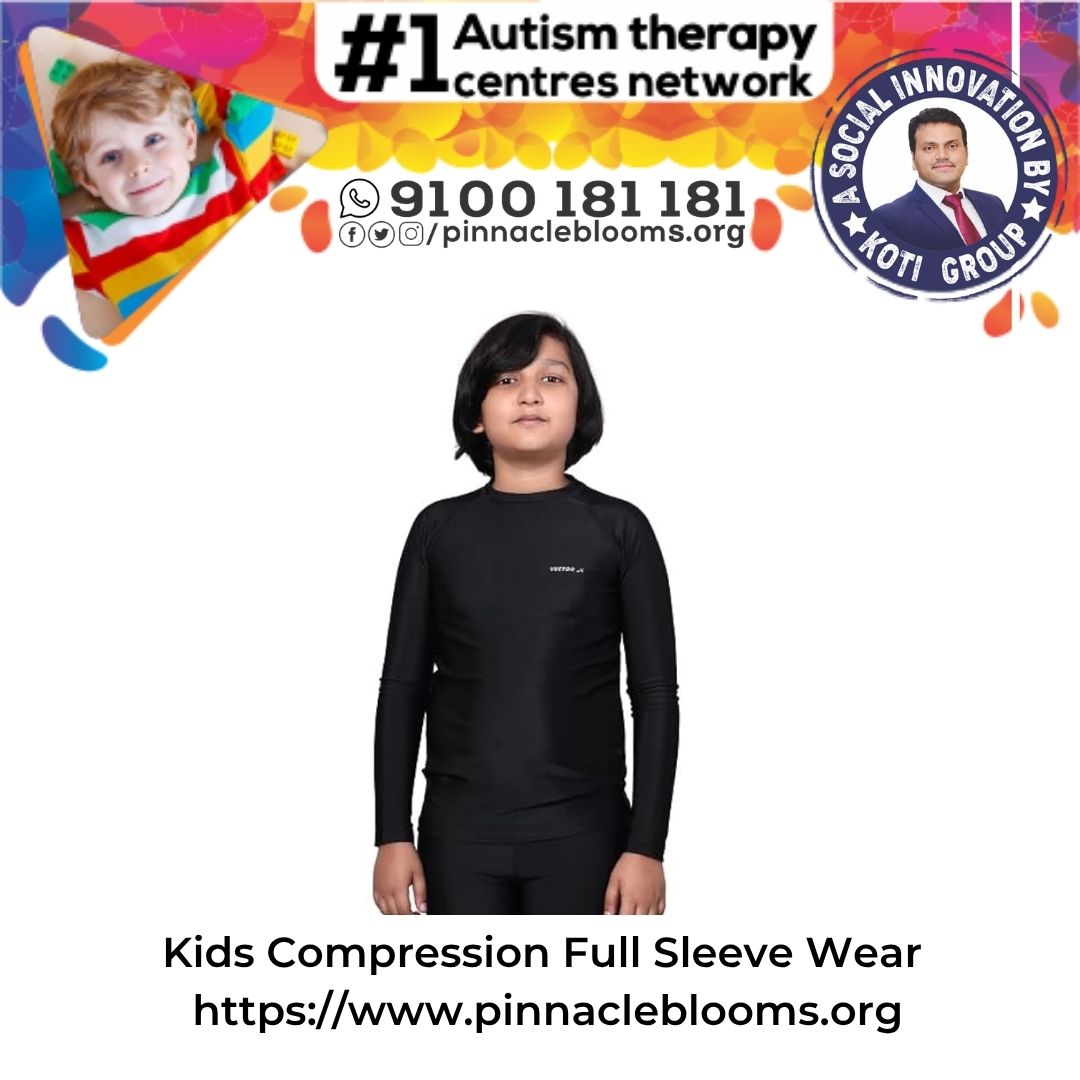
Material 1.2: Compression Vest / Body Sock
Compression/Proprioceptive Garment
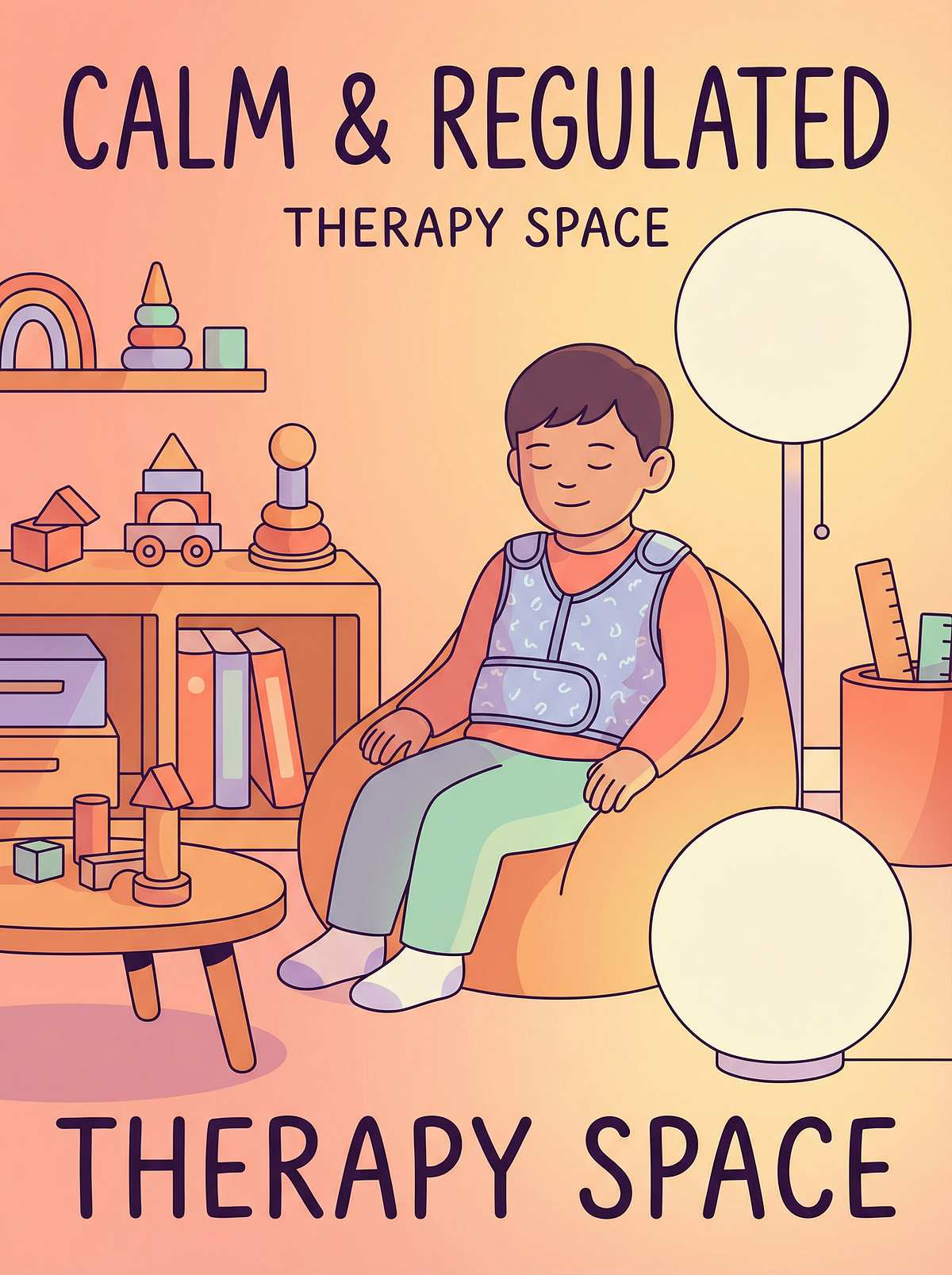
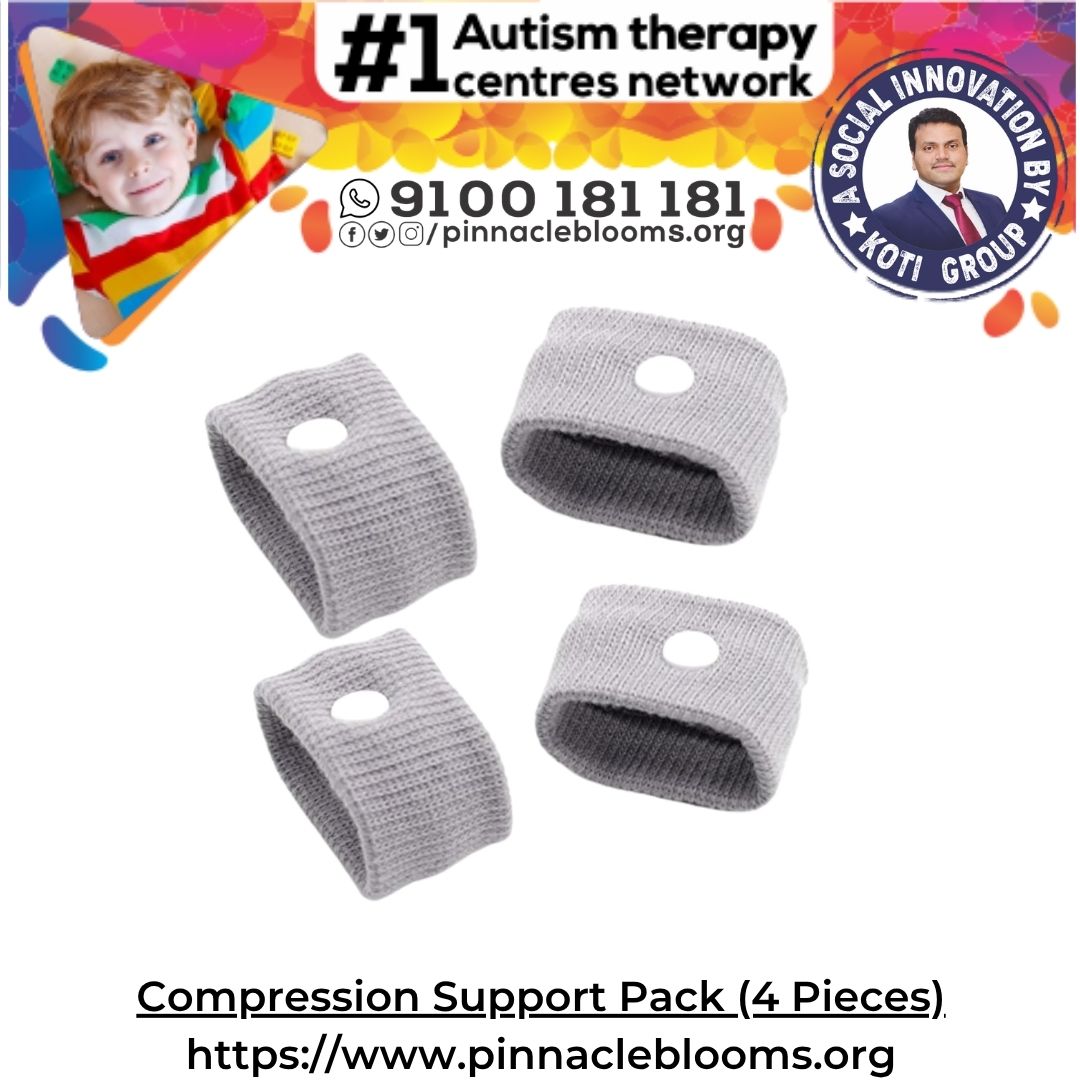
Compression garments provide continuous, wearable proprioceptive input for children who actively seek deep pressure throughout their day. These core kit items (Rank 1) offer strong evidence for improving body awareness, reducing sensory-seeking behaviors, and supporting sustained attention in school and home environments.
The compression fabric delivers sustained proprioceptive input to pressure receptors in the skin and deeper mechanoreceptors, enhancing body awareness and providing the organizing sensory input that many children with sensory processing differences require to maintain regulated states during activities.
Fitting and Safety
- Snug but not restrictive (two-finger test)
- Start with 15-20 minutes, increase gradually
- Child controls on/off
- Body sock: always supervised
- Check for skin irritation regularly
Implementation
Price Range: ₹500 - ₹3,500
Settings: Home, School, Clinic, Travel
Target Areas: Proprioception, body awareness, self-regulation, attention

Material 1.3: Noise-Reducing Headphones / Ear Defenders
Auditory Modulation/Protection System
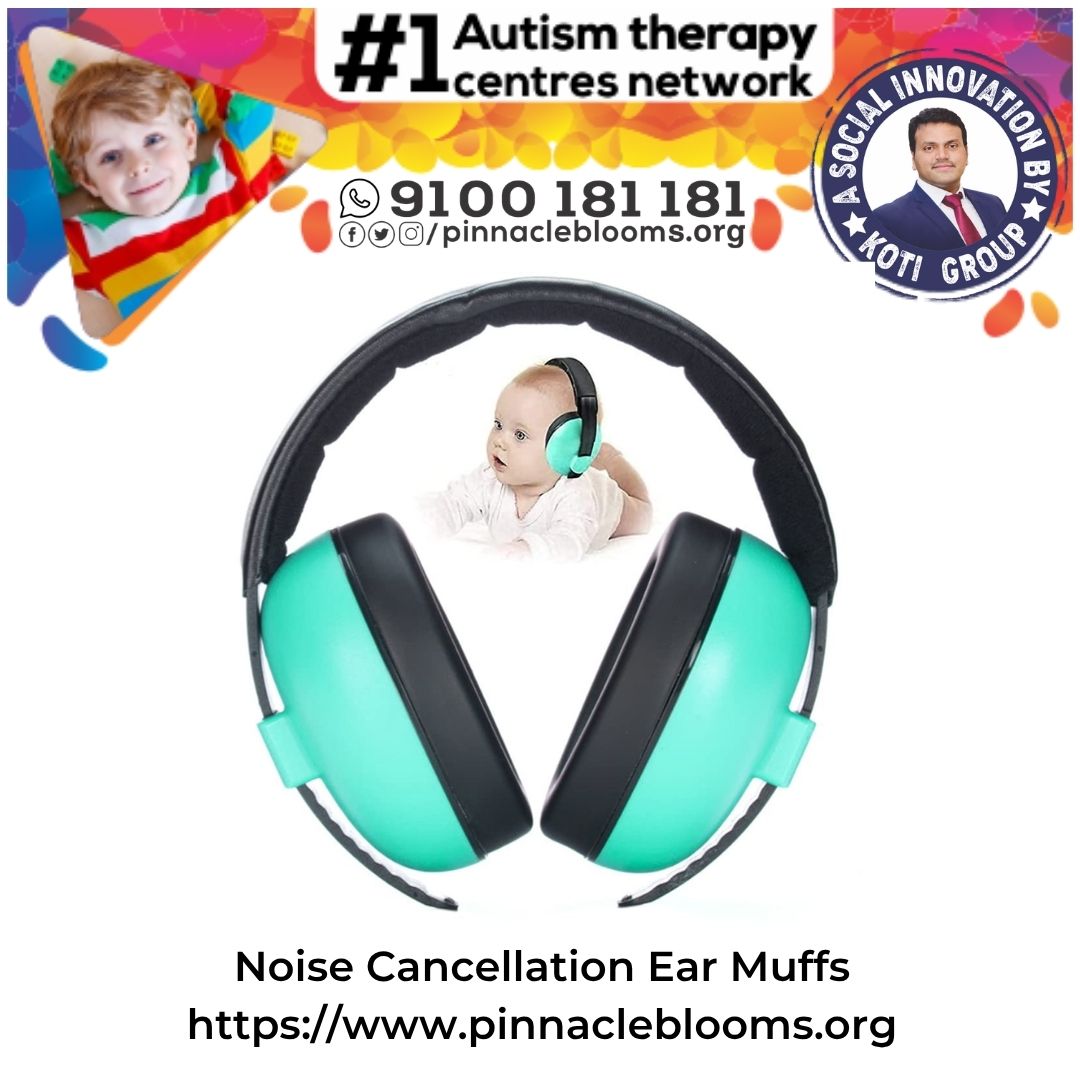
Noise-reducing headphones and ear defenders are essential accommodations for auditory-sensitive children, enabling participation in environments that were previously impossible due to overwhelming sound levels. This core kit item (Rank 1) has strong evidence for preventing sensory overload, reducing anxiety, and maintaining regulation in loud environments.
Physical sound dampening reduces auditory stimulation reaching the cochlea, preventing sympathetic nervous system activation that leads to fight-or-flight responses. When available before entering challenging auditory environments, these tools enable children to participate in school assemblies, cafeterias, public transportation, and community events.
Implementation Guidelines
- Introduce gradually in low-stress situations
- Child controls when to use
- Have available BEFORE entering loud environment
- Practice putting on/off independently
- Clean ear cups regularly
Specifications
Price Range: ₹100 - ₹8,000
Settings: Home, School, Travel, Events, Outdoors
Target Areas: Auditory processing, sensory regulation, anxiety reduction, participation

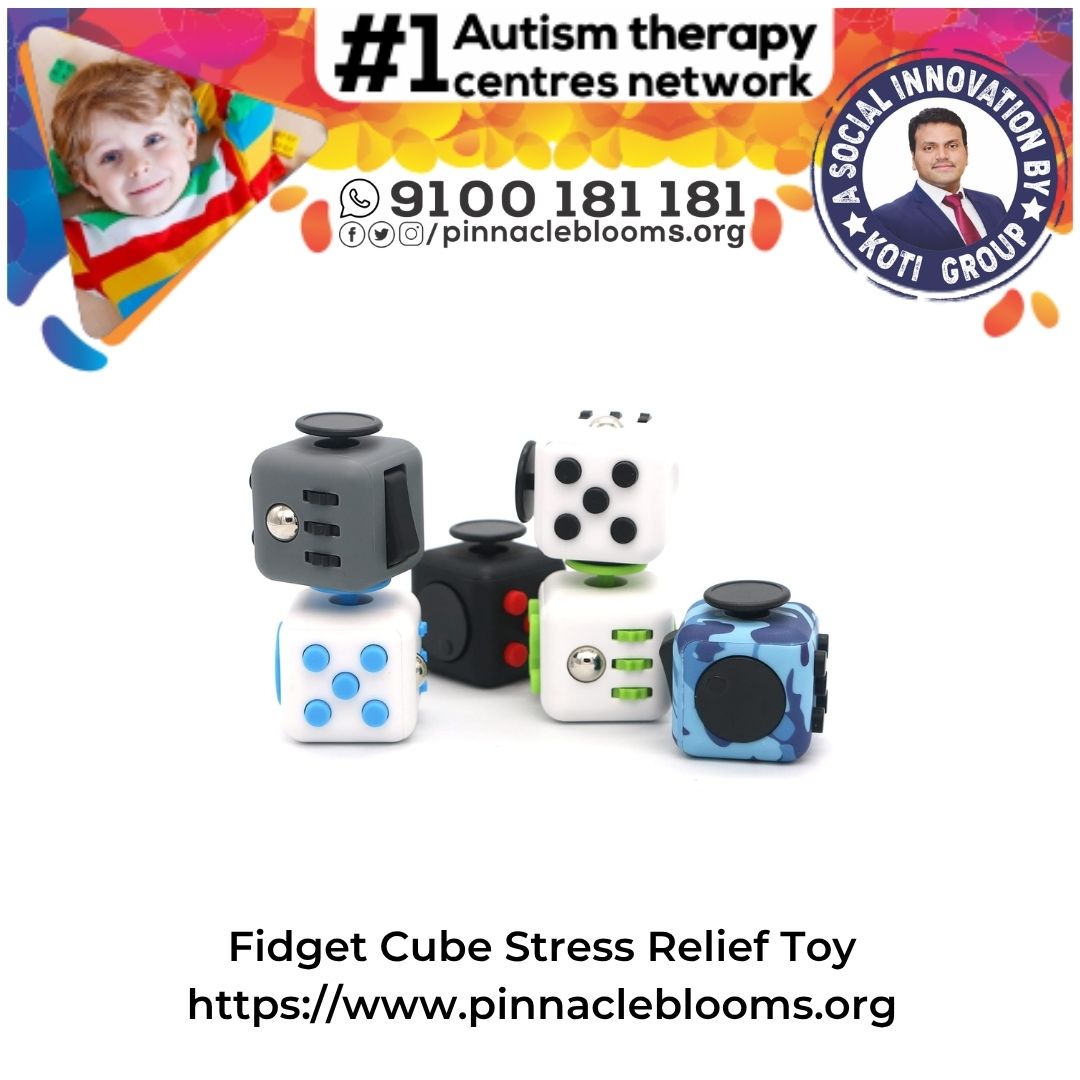
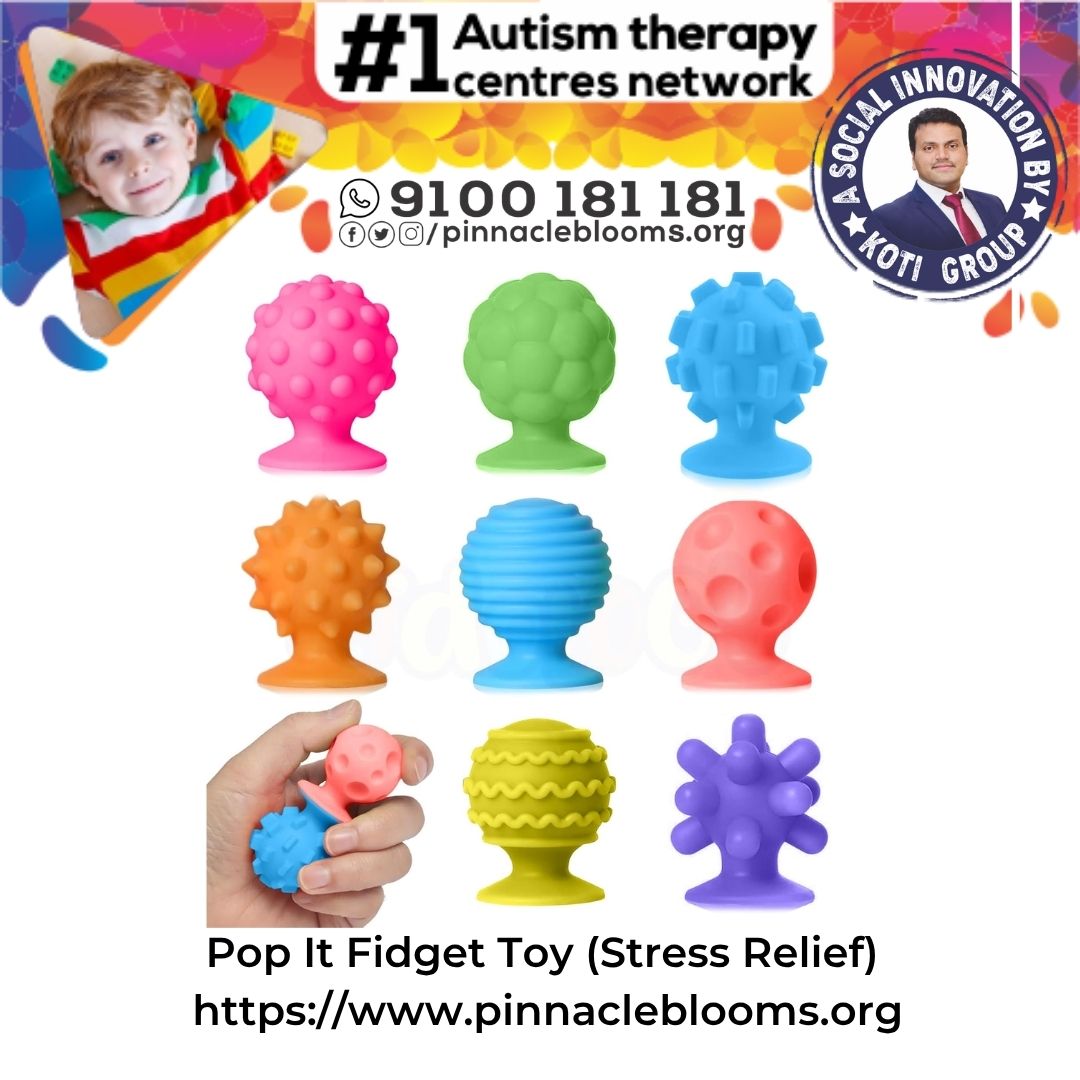
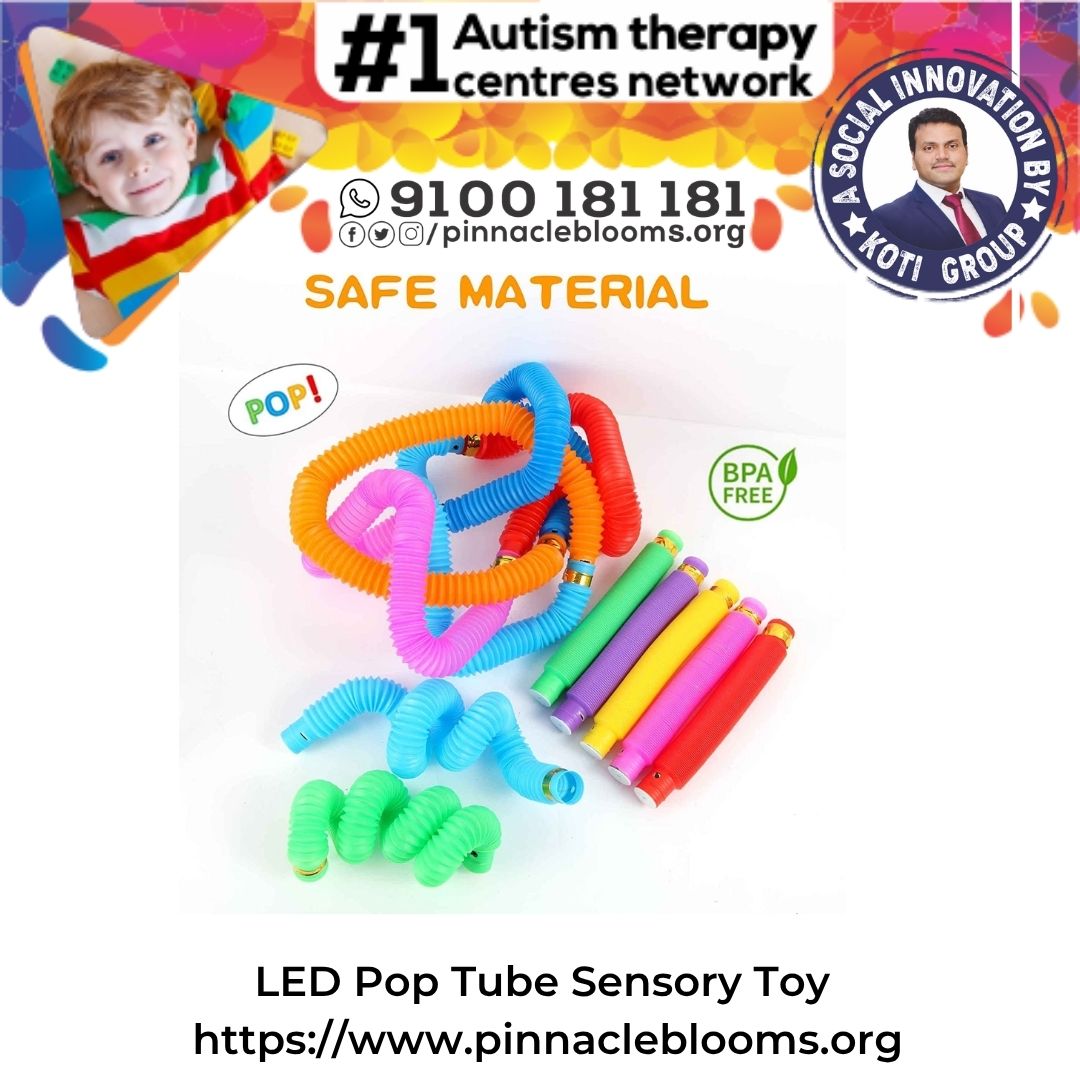
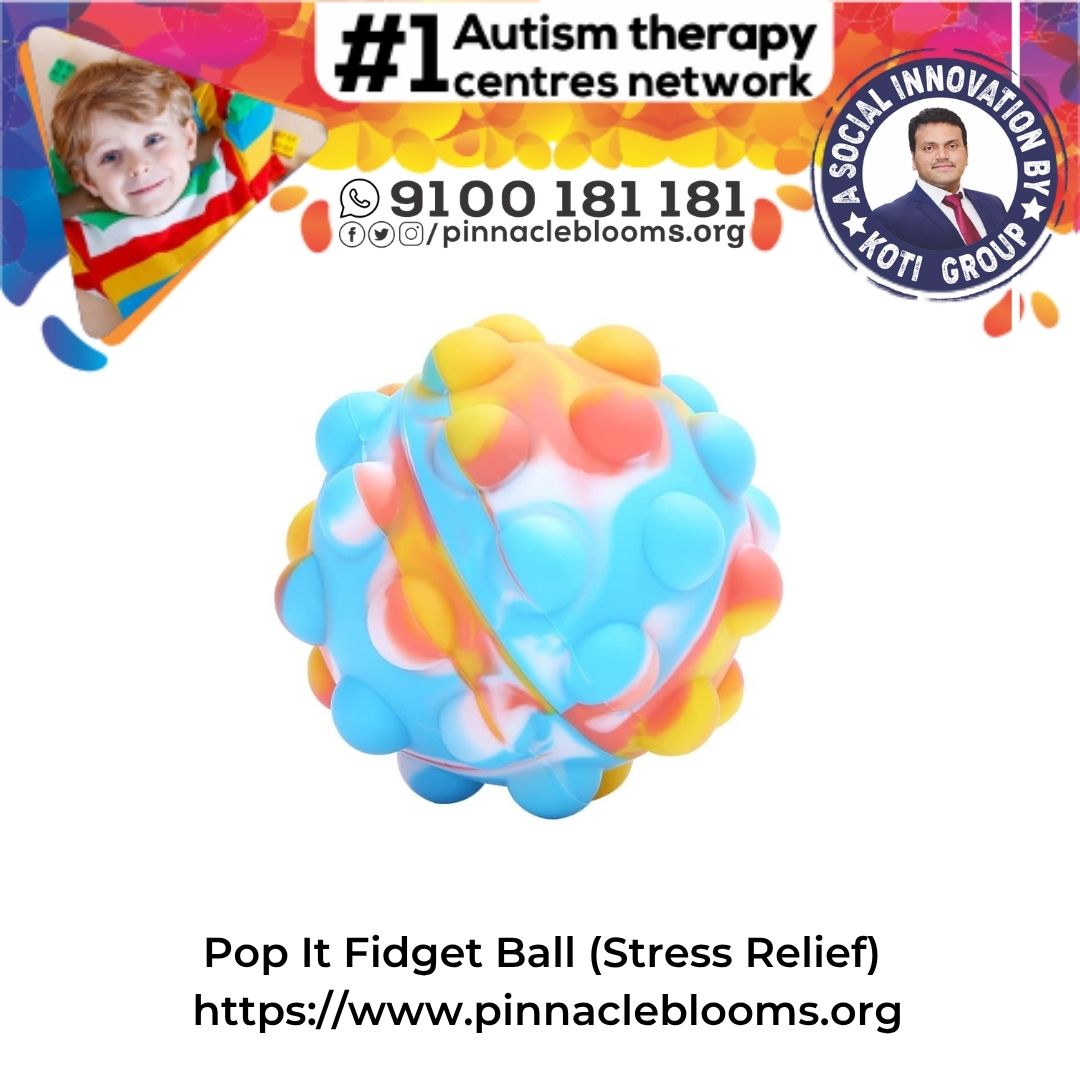
Material 1.4: Fidget Tool Set
Tactile/Proprioceptive Self-Regulation Tools
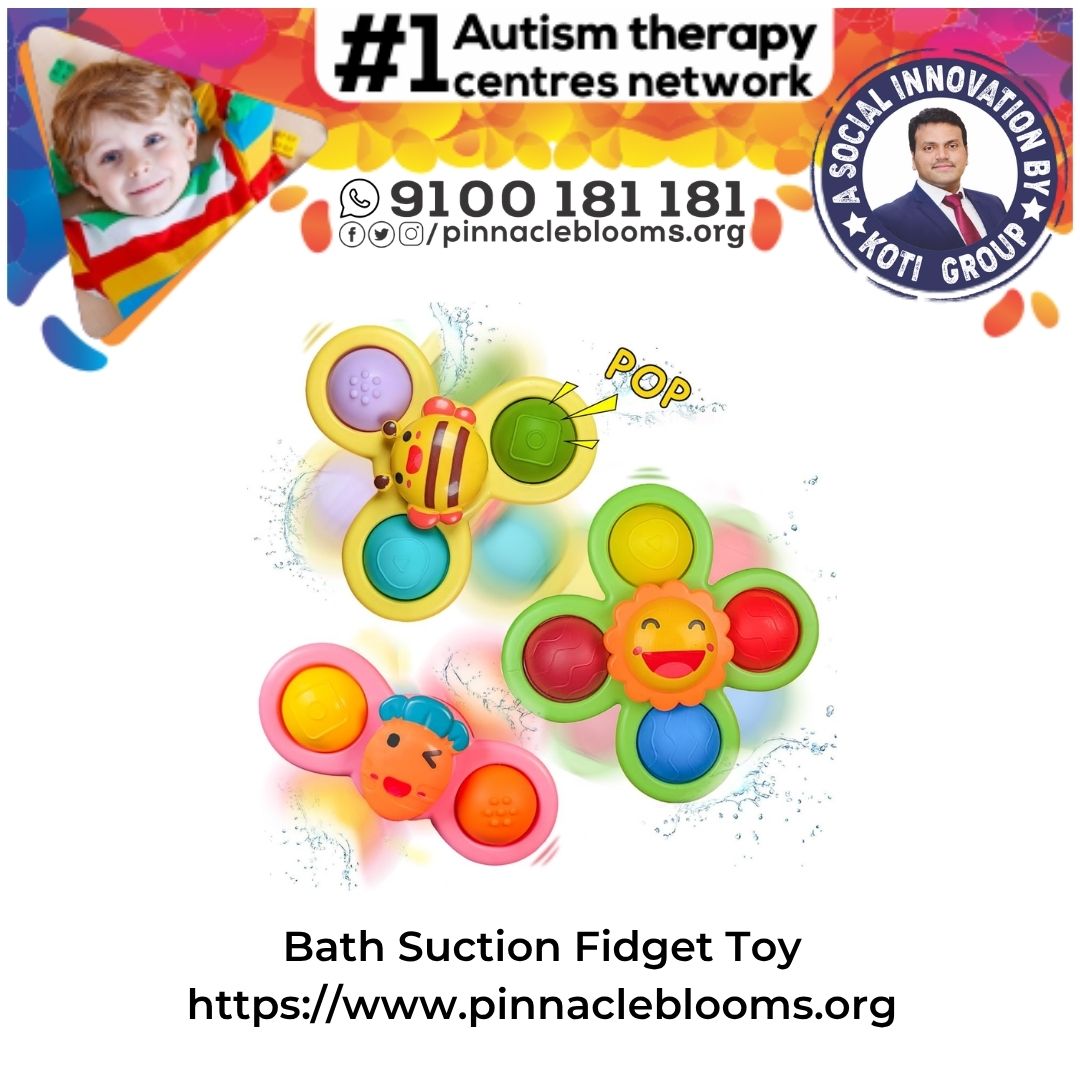
Fidget tools provide tactile and proprioceptive input that satisfies sensory-seeking needs while improving attention and self-regulation. This core kit item (Rank 1) has moderate to strong evidence for supporting sustained attention in children who require movement or tactile input to maintain focus during seated tasks.
Repetitive sensory input from fidget tools occupies sensory-seeking pathways, reducing the need to seek input through disruptive behaviors. This frees cognitive resources for attention to task, making fidgets valuable tools for classroom learning, homework completion, and focused activities. The key is matching the fidget type to the specific sensory need.
Selection and Use
- Match fidget to sensory need (oral, tactile, proprioceptive)
- Trial multiple types to find preference
- Teach appropriate use (tool, not toy)
- Select quiet fidgets for classroom
- Rotate fidgets to maintain effectiveness
Details
Price Range: ₹50 - ₹1,000
Settings: Home, School, Clinic, Travel
Target Areas: Self-regulation, attention, anxiety reduction, fine motor, oral motor

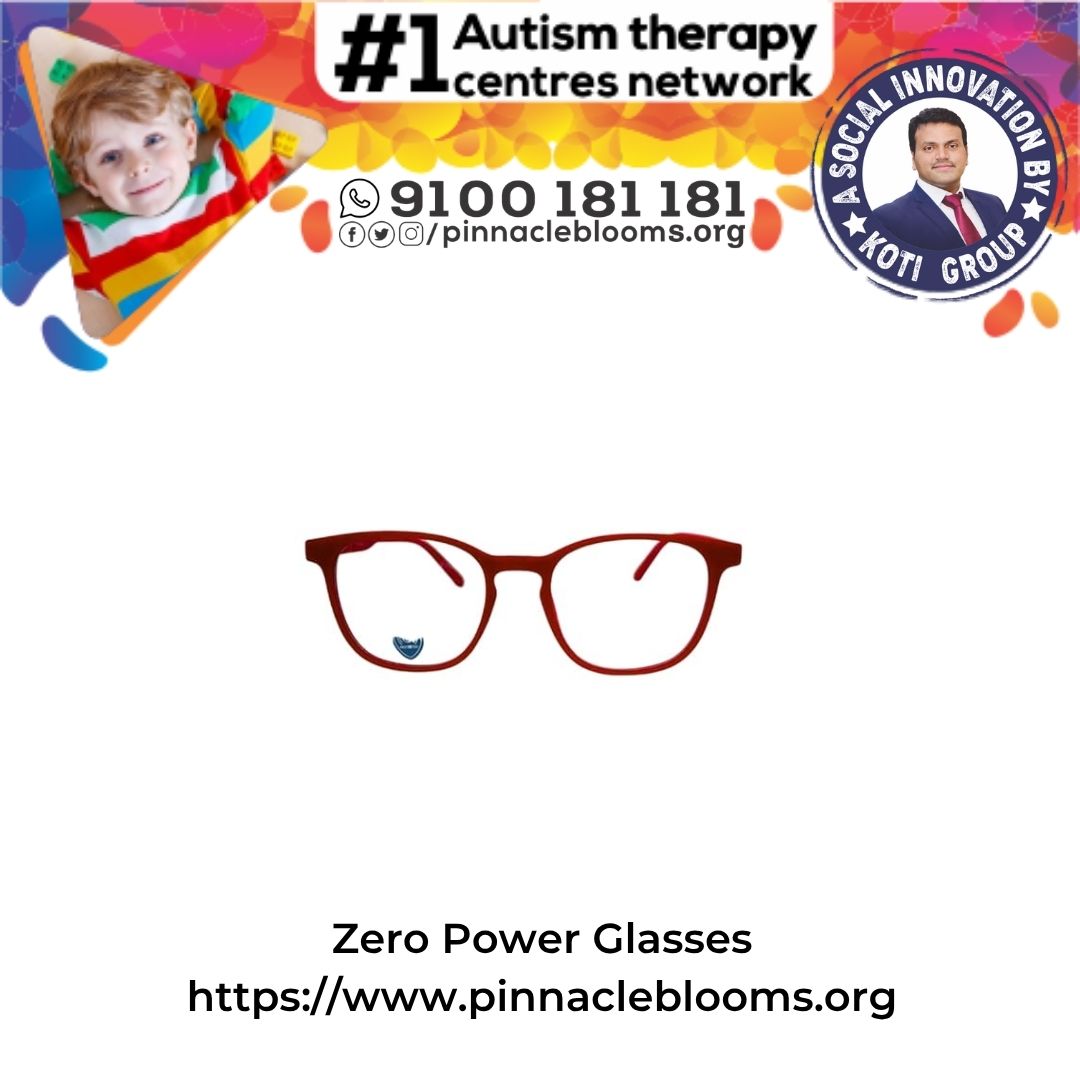
Material 1.5: Sunglasses / Light Filtering Glasses
Visual Modulation/Protection System
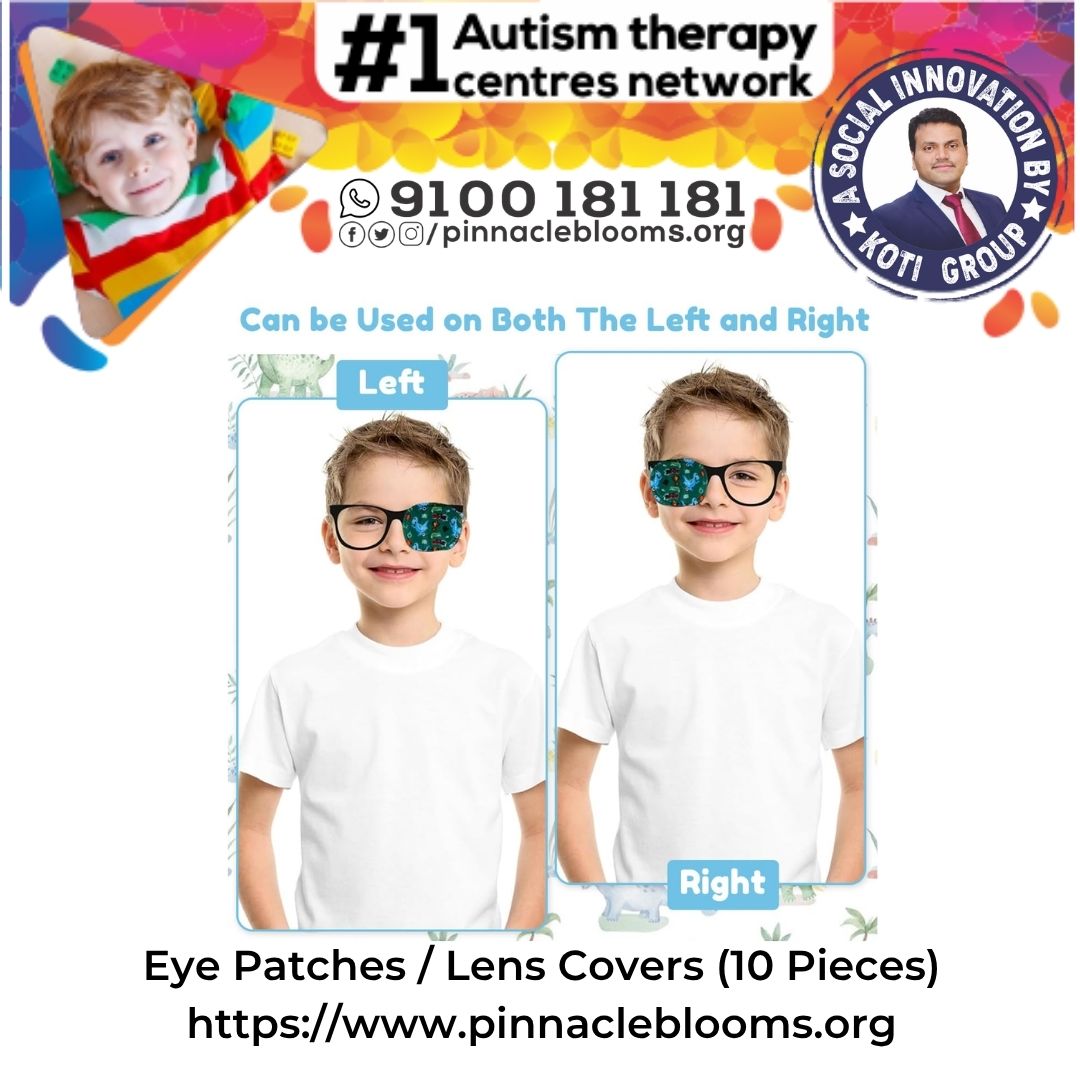
Light filtering glasses help visually sensitive children participate in environments that were previously overwhelming due to bright or fluorescent lighting. This Rank 2 material has moderate evidence and is essential for children who experience light-triggered distress, headaches, or visual overstimulation that impacts function.
Physical light filtering reduces visual stimulation reaching the retina, preventing sympathetic nervous system activation that leads to squinting, avoidance, headaches, and behavioral dysregulation. Different lens types address specific sensitivities: FL-41 lenses filter the wavelengths most associated with photophobia and migraine, while blue light filters address screen-related visual stress.
Implementation
- Have available BEFORE entering bright environment
- Child controls when to use
- Match lens type to specific sensitivity
- Consider prescription options if needed
- Allow wearing indoors if needed
Applications
Price Range: ₹100 - ₹3,500
Settings: Outdoors, Bright indoor, School, Travel, Screen time
Target Areas: Visual processing, sensory regulation, headache prevention
Material 1.6: Therapy Putty / Resistive Hand Tools
Resistive Proprioceptive Hand Input System
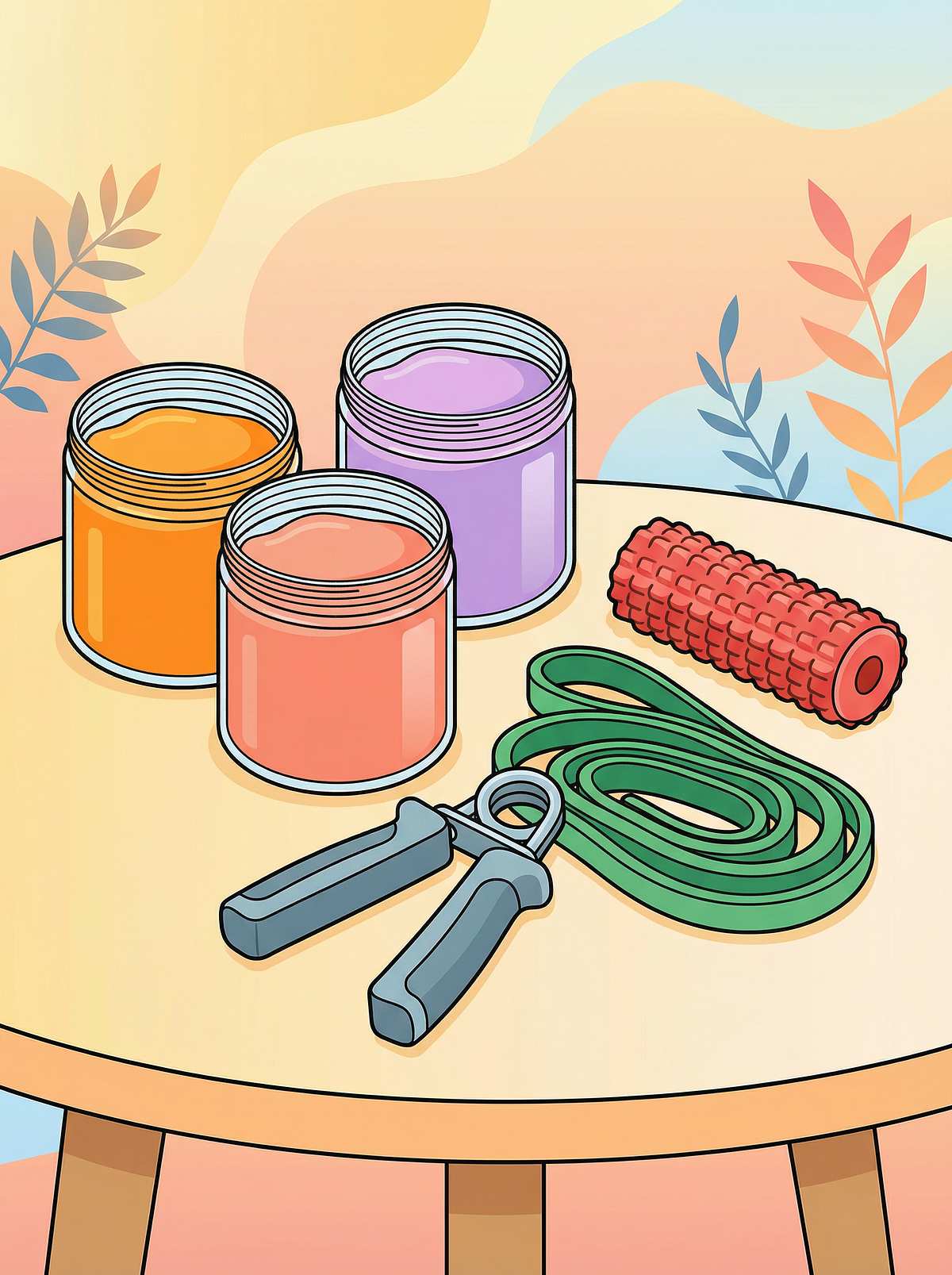
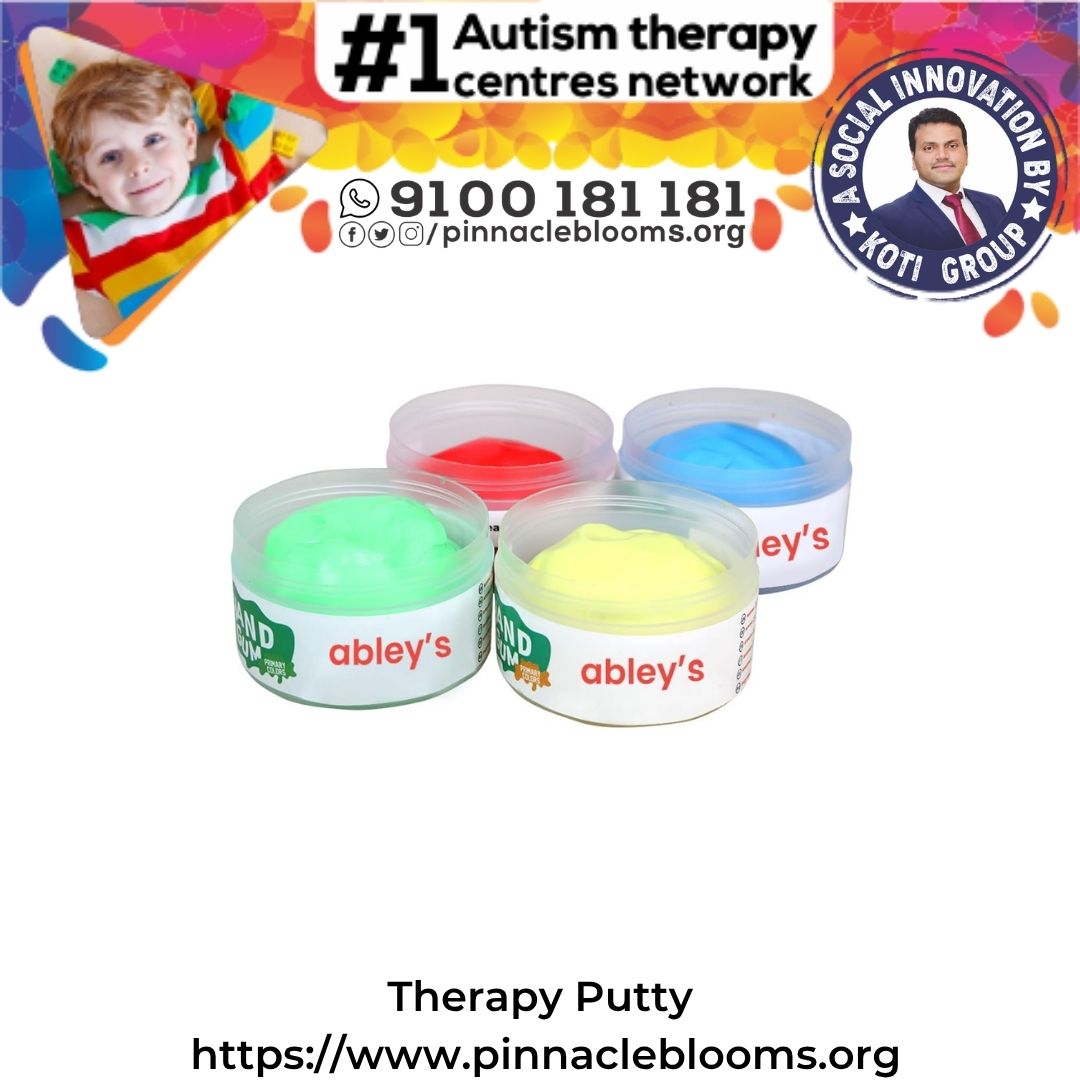
Therapy putty provides resistive proprioceptive input through hand muscles while simultaneously building hand strength essential for handwriting and fine motor tasks. This Rank 2 material has strong evidence for both sensory regulation and hand strengthening, making it a dual-purpose tool in occupational therapy.
Resistive input activates proprioceptors in hand and arm muscles, providing organizing input to the nervous system that improves body awareness and promotes calm. Simultaneously, the resistive work strengthens intrinsic hand muscles, improves grip strength, and builds the endurance needed for extended writing tasks. Progressive resistance levels allow gradual strengthening.
Therapeutic Use
- Start with softer resistance, progress as strength builds
- 5-10 minute sessions, multiple times daily
- Combine with functional activities
- Store properly to maintain consistency
- Monitor for mouthing with younger children
Specifications
Price Range: ₹100 - ₹1,000
Settings: Home, School, Clinic
Target Areas: Proprioception, hand strength, fine motor, self-regulation, handwriting prep

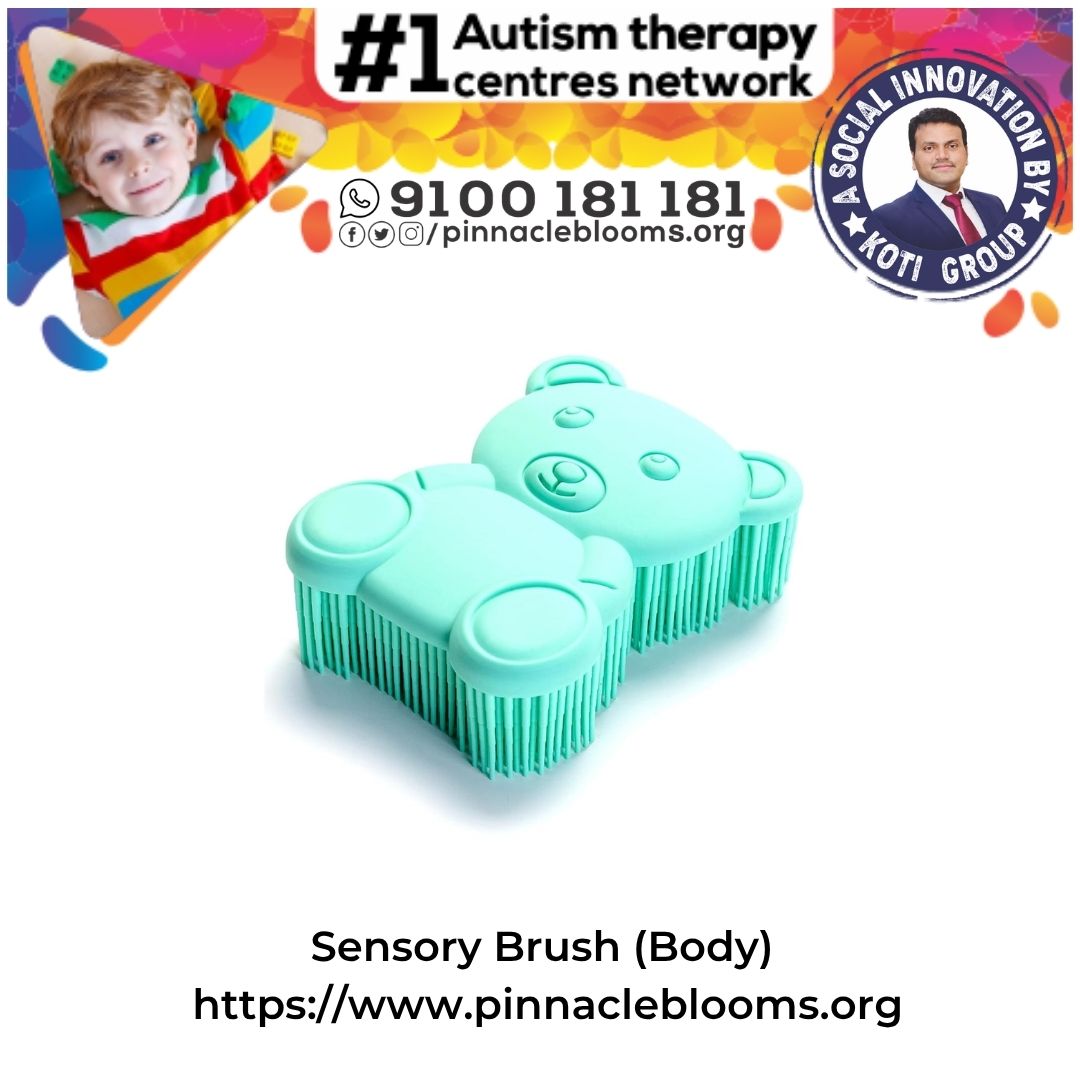
Material 1.7: Tactile Sensory Kit
Tactile Input and Desensitization System
Tactile sensory kits provide controlled texture exposure for systematic desensitization or seeking, addressing tactile defensiveness that significantly impacts clothing tolerance, food exploration, and participation in messy play activities. These kits support both children who avoid tactile input and those who actively seek it.
Graded tactile exposure allows tactile receptors to adapt over time, reducing defensive responses that trigger avoidance behaviors. For sensory seekers, organized tactile input provides the stimulation they crave in appropriate contexts. The key principle is child-led exploration at the child's pace, never forcing contact with challenging textures, which can increase defensive responses.
Desensitization Protocol
- Start with preferred textures, gradually introduce challenging ones
- Child controls pace - never force
- Pair challenging textures with preferred activities
- Allow hand washing/wiping as needed
- Use systematic desensitization protocols
Implementation
Price Range: ₹100 - ₹2,000
Settings: Home, Clinic, School (limited)
Target Areas: Tactile processing, sensory modulation, fine motor, messy play tolerance
Material 1.8: Oral Motor Tools / Chewy Tubes
Oral Proprioceptive Input and Motor Development System
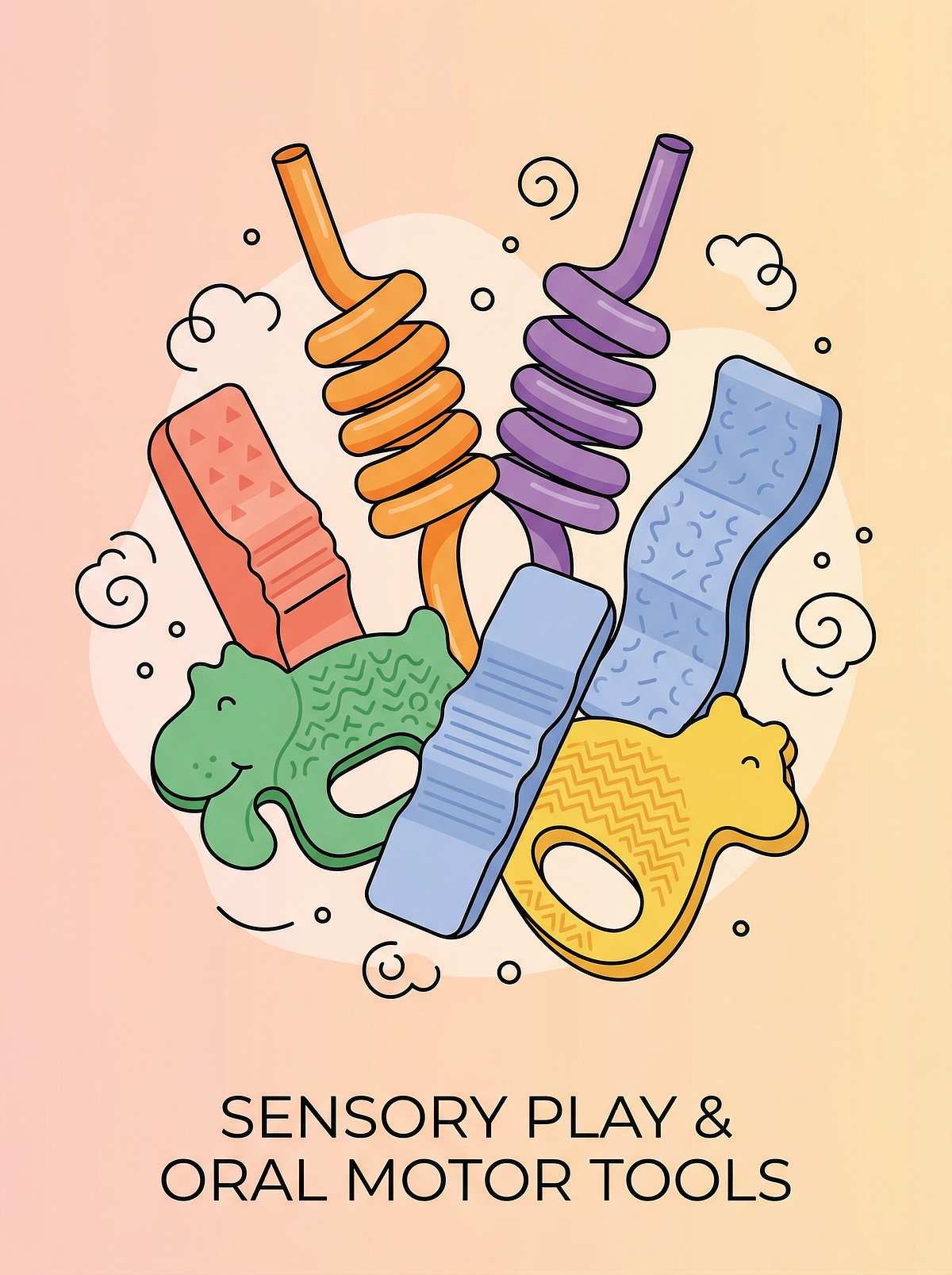
Oral motor tools provide appropriate chewing input for oral sensory seekers while simultaneously supporting feeding skill development and speech clarity. This Rank 2 material is co-owned by both occupational therapists and speech-language pathologists, addressing both sensory regulation needs and oral motor skill development.
Oral proprioceptive input through chewing, resistance, or vibration activates oral sensory receptors, providing organizing sensory input that many children require for self-regulation. Simultaneously, resistive chewing strengthens jaw muscles, improves jaw stability, and develops the oral motor control needed for mature feeding patterns and clear speech articulation.
Safe Implementation
- Match resistance to child's strength
- Replace chews when damaged
- Chews are tools, not toys
- Vibrating tools: introduce gradually for sensitive children
- Clean regularly for hygiene
Details
Price Range: ₹100 - ₹3,000
Settings: Home, School, Clinic, Travel
Target Areas: Oral sensory processing, self-regulation, feeding skills, speech clarity, jaw stability
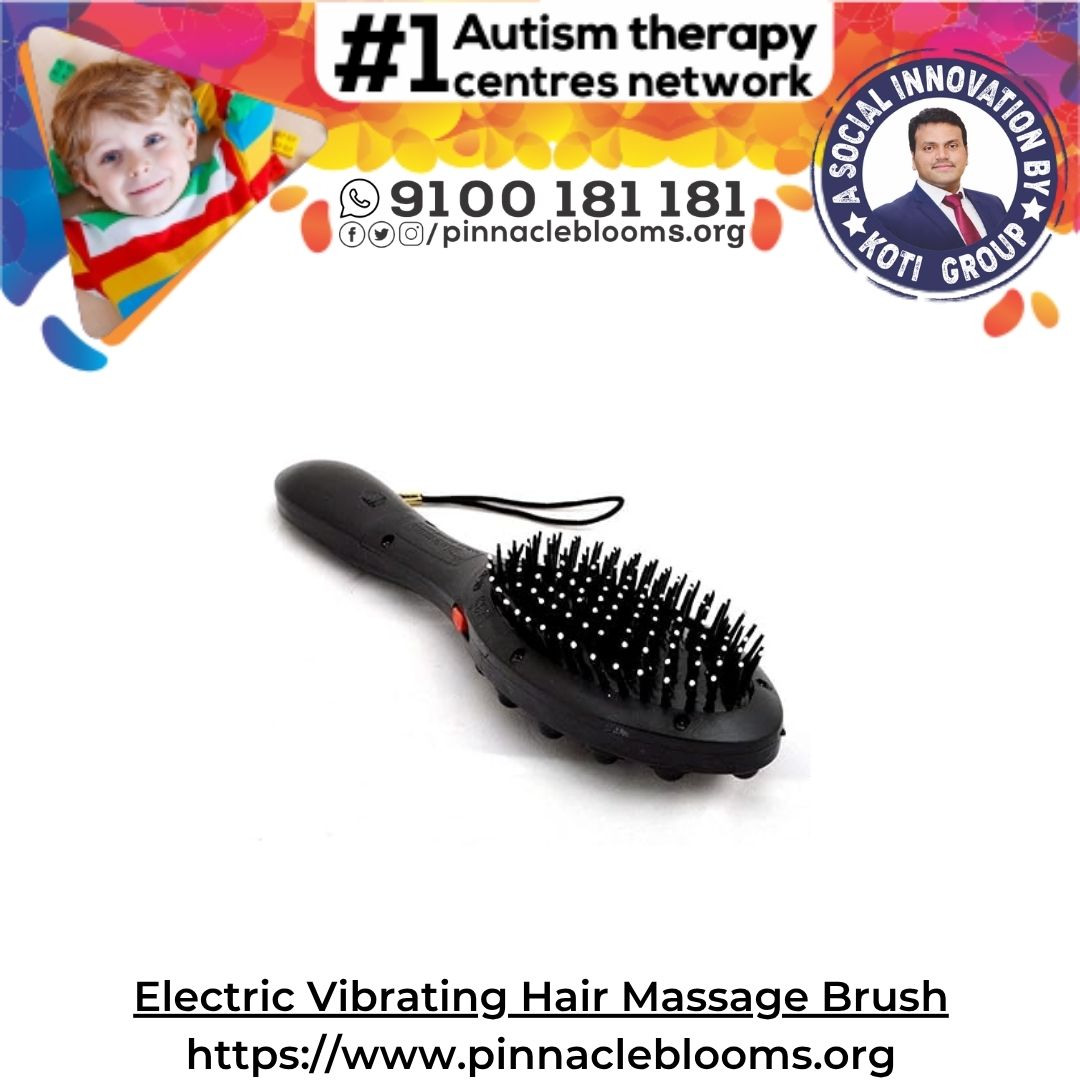
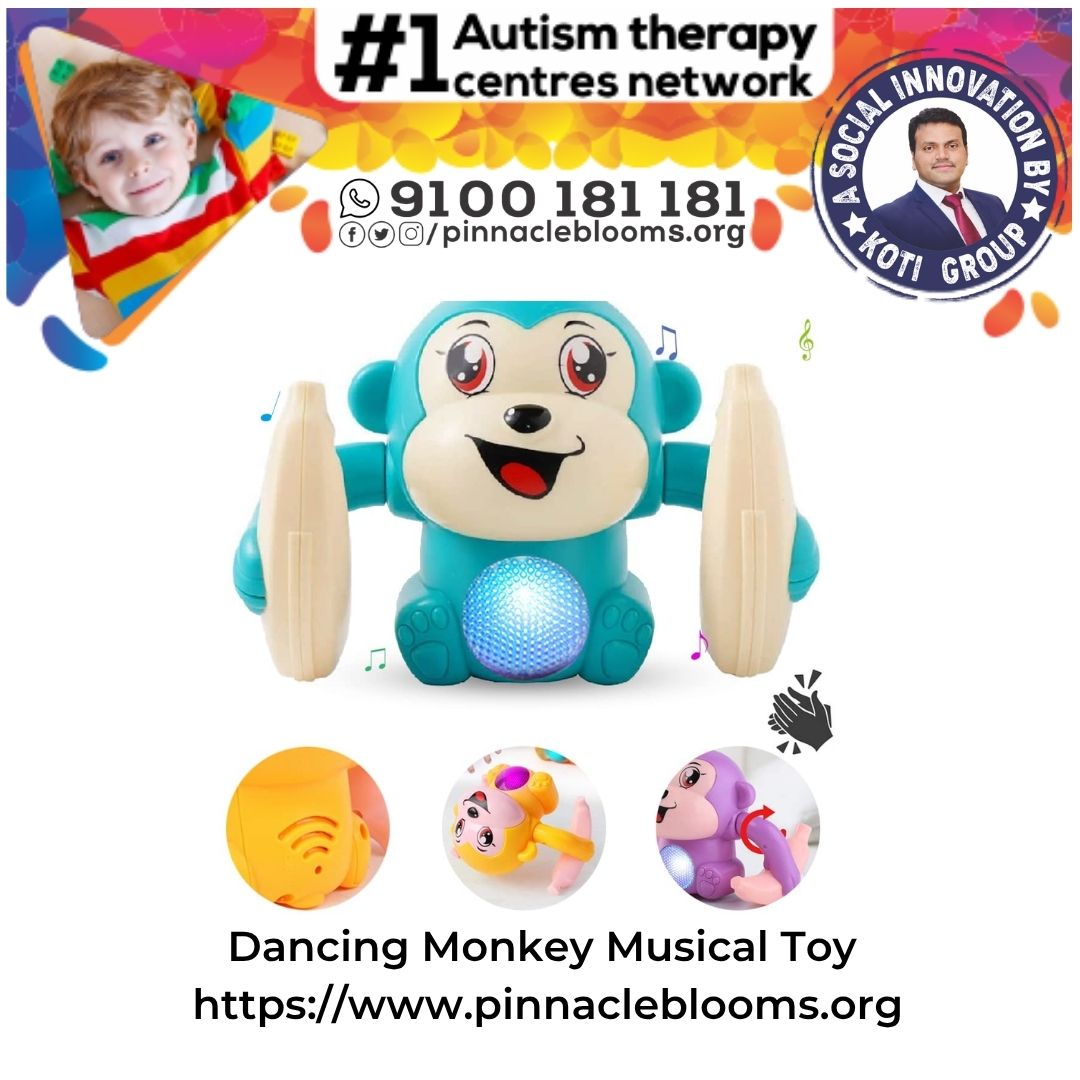
Material 1.9: Vibrating Sensory Tools
Vibration-Based Sensory Input System
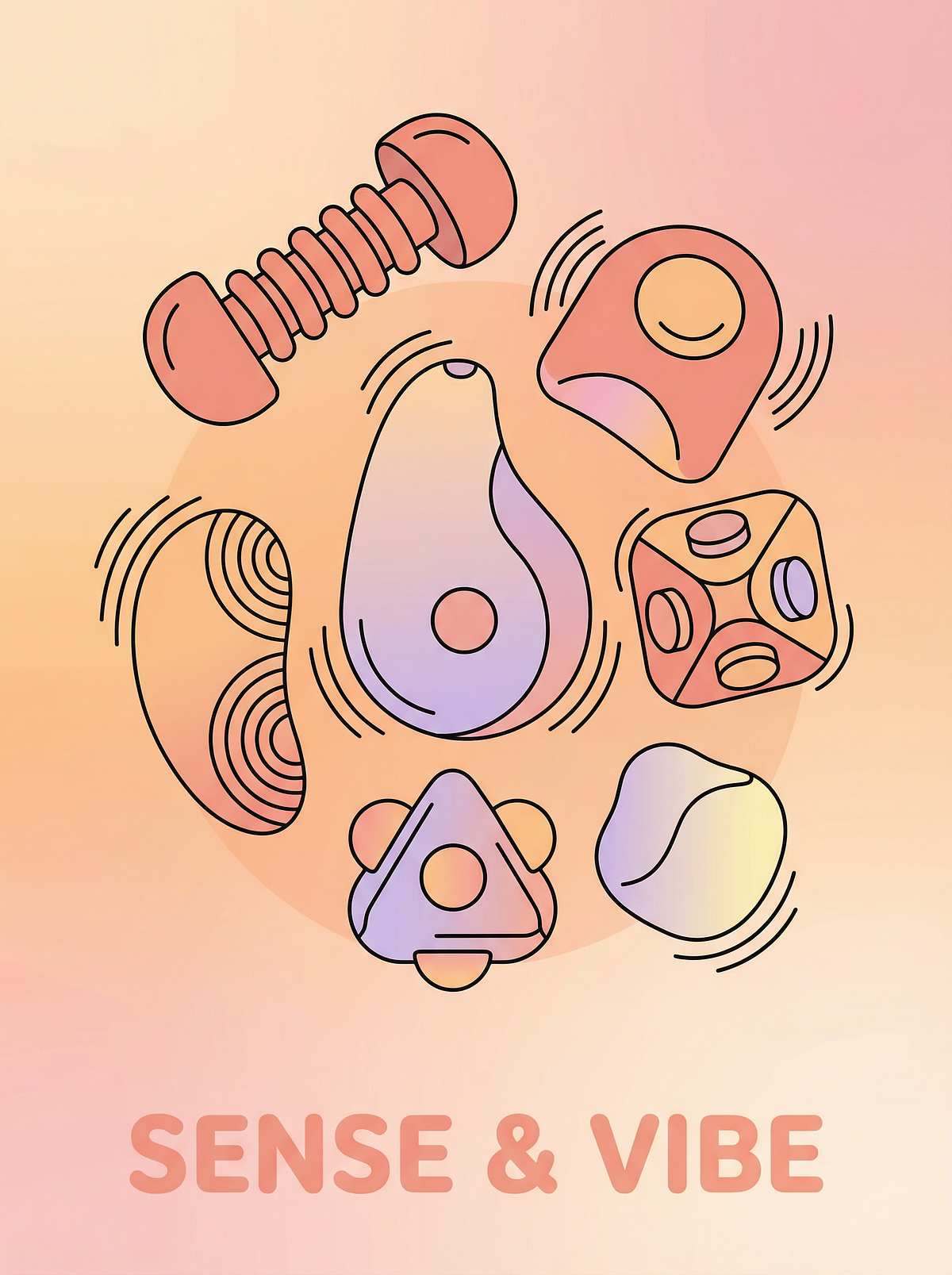
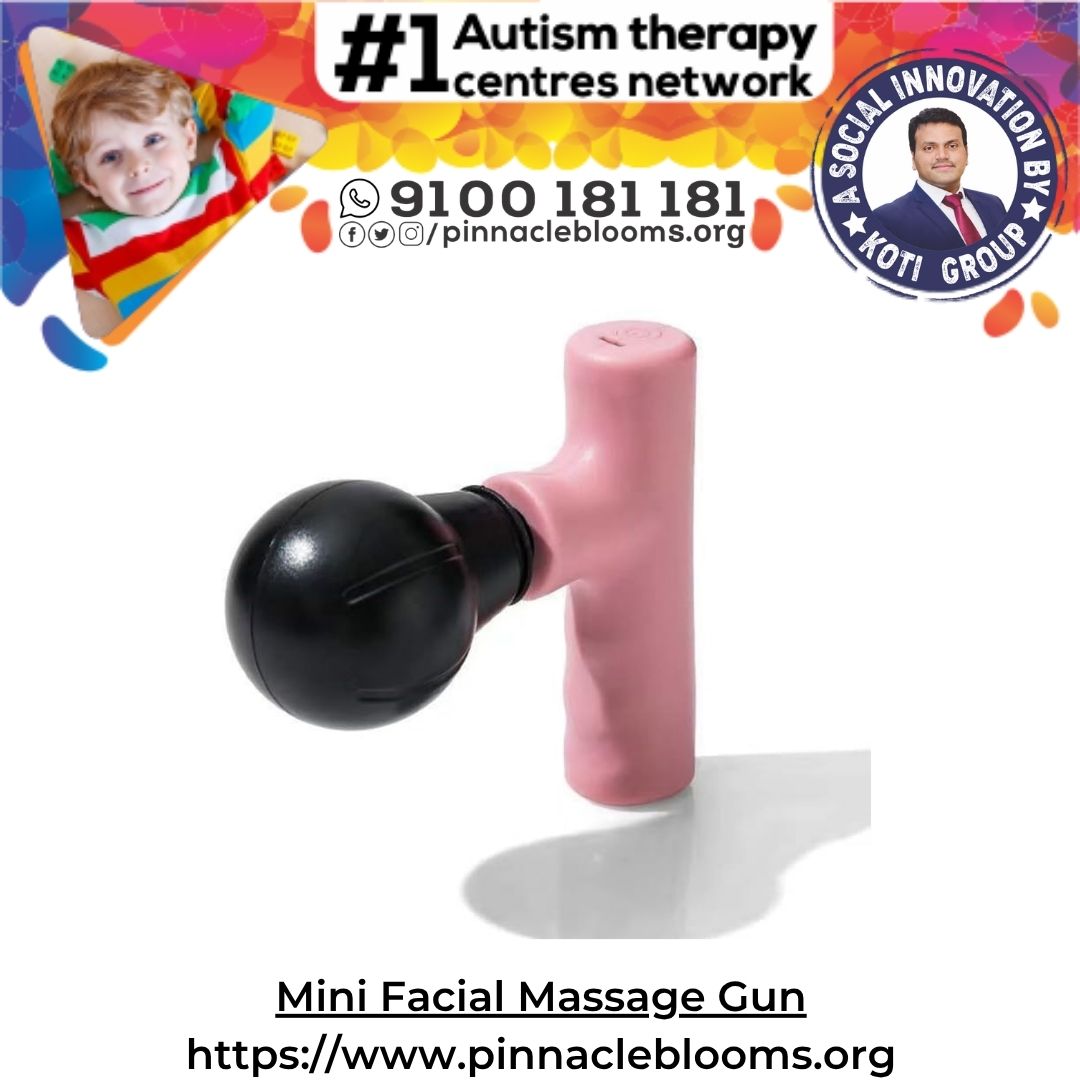
Vibrating sensory tools provide unique input that can be either alerting or calming depending on application location, intensity, and duration. This Rank 2 material with moderate evidence is particularly essential for children with low arousal states who require alerting input to achieve optimal attention and engagement levels.
Vibration activates both proprioceptors and mechanoreceptors in the skin and deeper tissues. When applied to hands and feet, vibration tends to be alerting and increase arousal. When applied to the back or trunk, the same vibration can be calming. This bidirectional effect requires careful observation of each child's unique response pattern to vibration input.
Application Guidelines
- Test reaction first - can be alerting or calming
- Start with low intensity, brief duration
- Vibration on hands/feet often alerting
- Vibration on back/trunk often calming
- Check battery safety regularly
Specifications
Price Range: ₹300 - ₹3,000
Settings: Home, Clinic, School (select tools)
Target Areas: Sensory modulation, arousal regulation, oral motor, body awareness, alerting

Material 1.10: Sensory Tent / Hideaway / Calm-Down Space
Enclosed Calming Space System
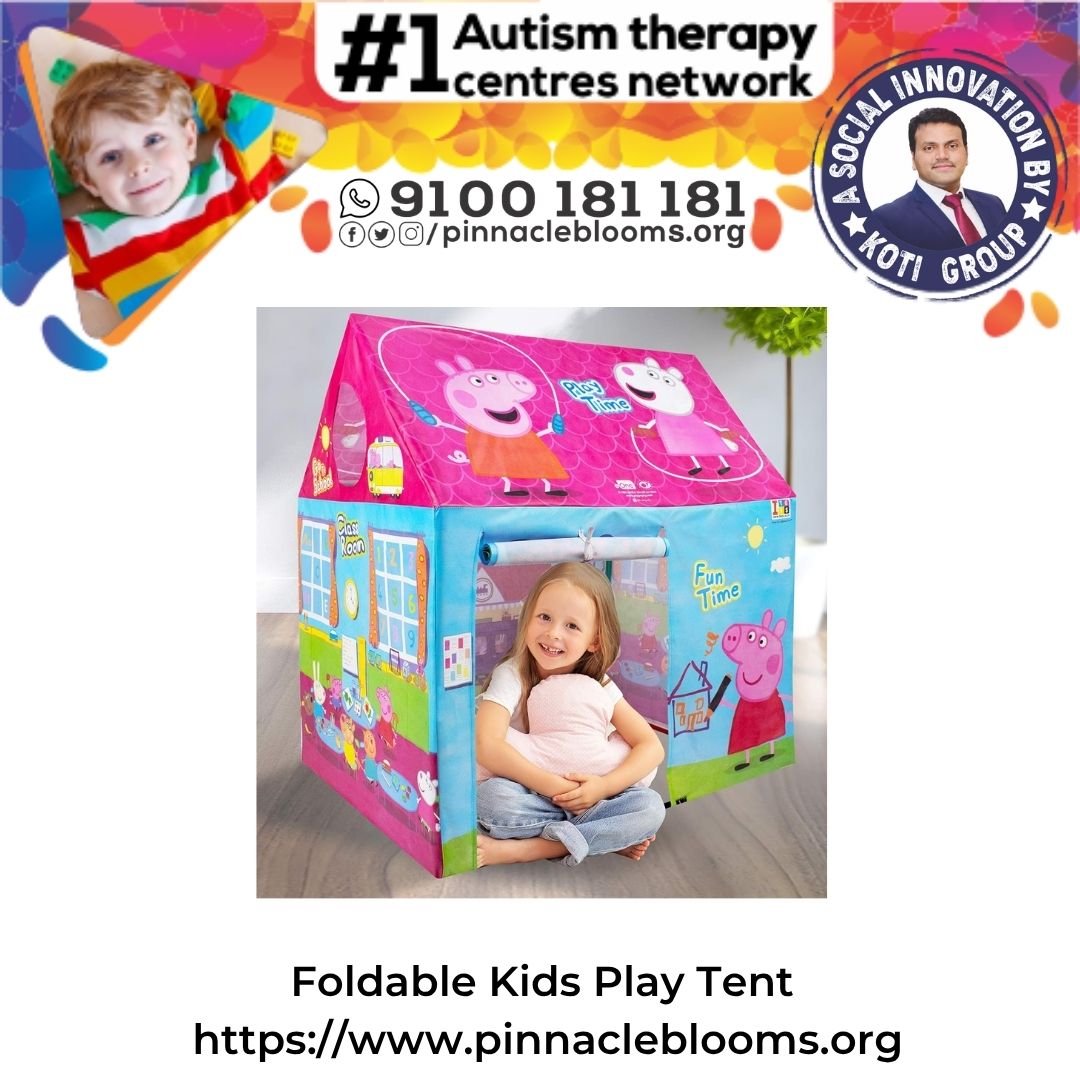
Sensory tents and hideaways provide enclosed, reduced-stimulation spaces where children can self-regulate and recover from sensory overload or emotional dysregulation. These spaces are essential for overwhelmed children who need to escape environmental bombardment to reset their nervous systems. DIY options make this accessible to all families.
The enclosed space reduces visual and auditory input reaching the nervous system, decreasing overall sensory bombardment. With less incoming stimulation to process, the child's nervous system can shift from sympathetic activation back to regulated states. The key therapeutic principle is that the child must be able to enter and exit freely - this is a regulation tool, never a punishment or forced isolation.
Therapeutic Setup
- Child must be able to enter/exit freely
- Never use as punishment or time-out
- Add calming items inside (weighted blanket, fidgets)
- Teach as positive coping tool
- Respect child's need for space
Implementation
Price Range: ₹0 - ₹4,000
Settings: Home, School, Clinic
Target Areas: Sensory modulation, self-regulation, emotional regulation, overwhelm recovery

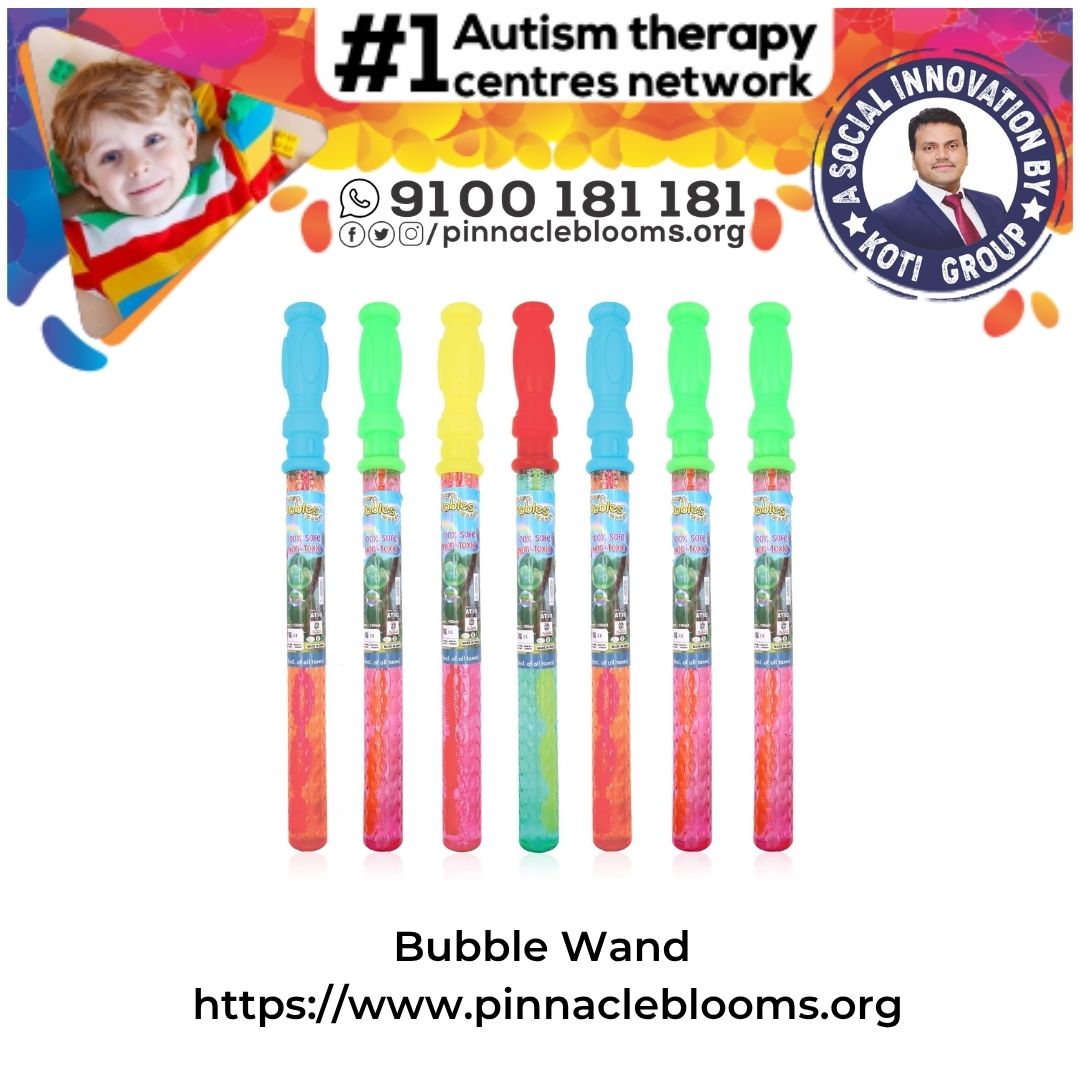
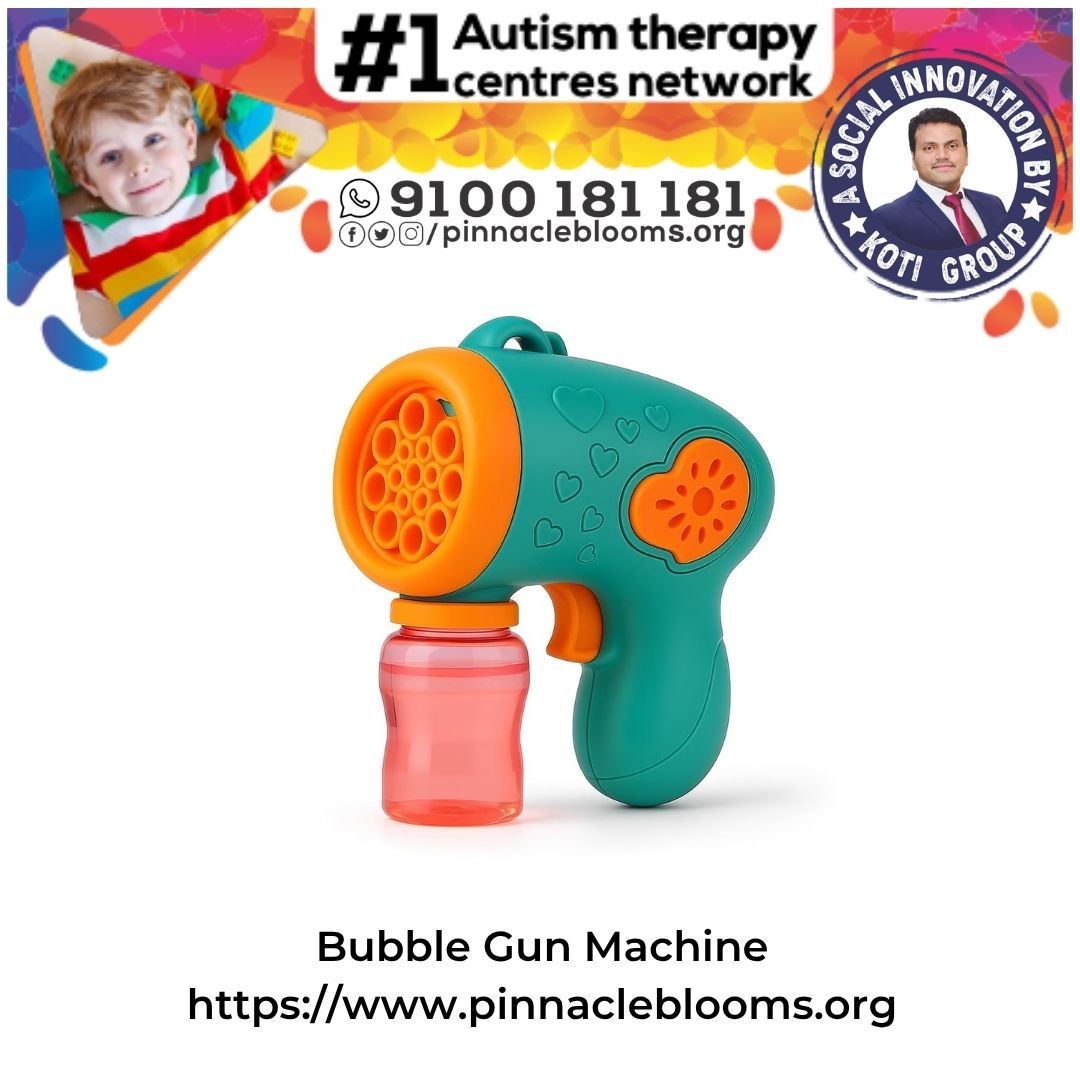
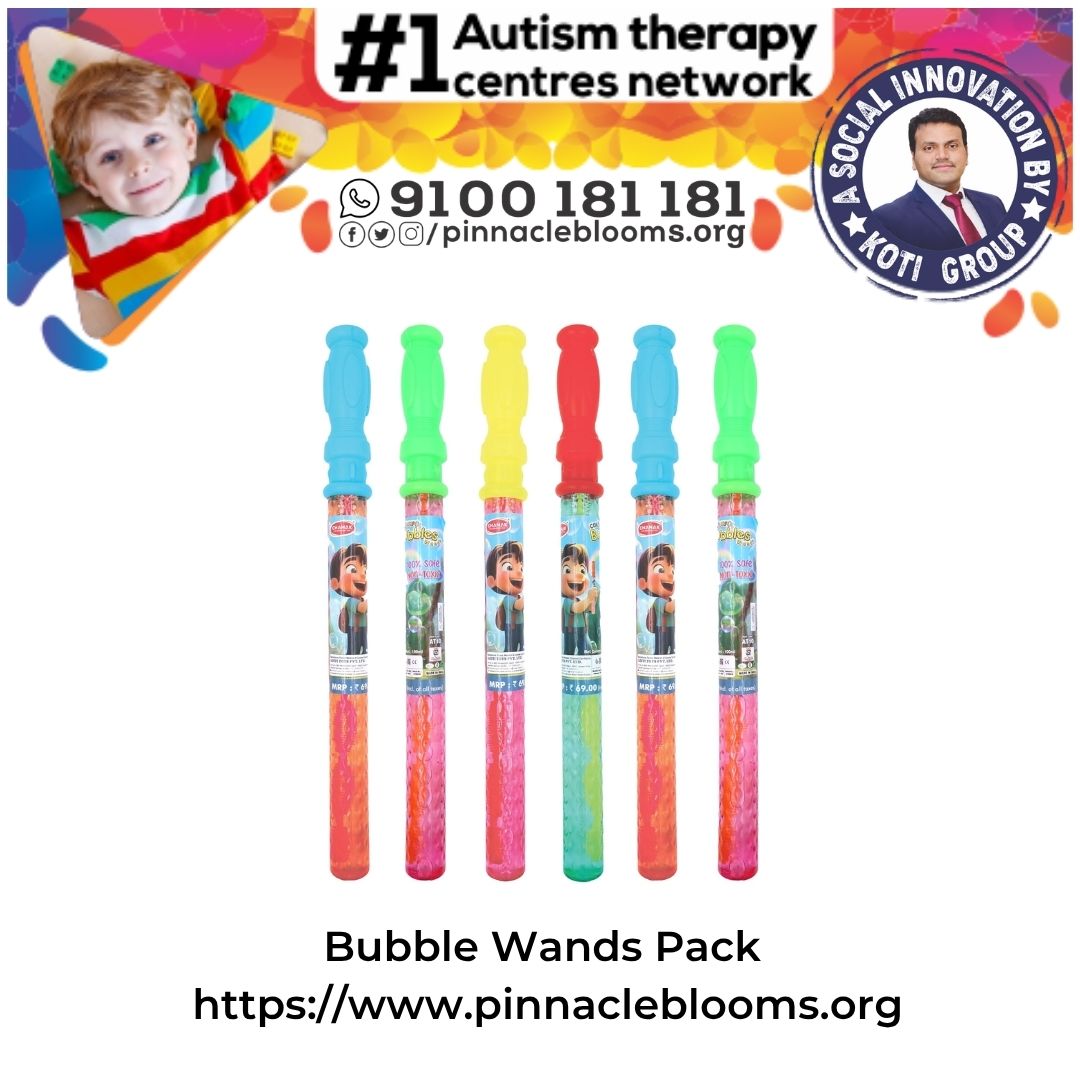
Material 1.11: Bubble Tools

Respiratory Regulation
Blowing bubbles requires slow, controlled exhalation, providing respiratory regulation that activates the parasympathetic nervous system and promotes physiological calming.
Visual Tracking
Tracking the slow, predictable movement of floating bubbles offers significant visual tracking benefits, providing organizing visual input to the nervous system.

Parasympathetic Activation
The controlled exhalation inherent in bubble blowing activates the parasympathetic nervous system, promoting physiological calming and helping children self-regulate.

Transition Tool
Bubble play is a naturally calming activity that children willingly engage in, making it an excellent transition tool or regulation strategy between activities.
This extremely affordable material offers multiple therapeutic benefits simultaneously while being universally appealing to children across developmental levels.
Therapeutic Application
- Slow, controlled blowing - not forceful
- Use as calming transition activity
- Pair with deep breathing teaching
- Visual tracking: follow one bubble at a time
- Clean up spills to prevent slipping
Details
Price Range: ₹30 - ₹1,500
Settings: Home, School, Clinic, Outdoors
Target Areas: Respiratory control, visual tracking, oral motor, self-regulation, attention, calming
Cannons
Sensory Regulation & Nervous System ModulationEvidence-based materials supporting sensory processing, nervous system regulation, proprioceptive and vestibular input, and calming strategies across home, school, and therapy settings.



Link copied!