






Aromatherapy / Scent Kit
Olfactory sensory modulation system
Tool ID: 1.10
Rank #2
OT Recommended
Moderate Evidence
Daily Use
Harness the power of scent to support your child's emotional regulation, sleep, and alertness. Aromatherapy uses the direct olfactory-limbic pathway—the only sense that bypasses the thalamus and goes straight to the emotional brain—for rapid mood and arousal regulation. Whether you're seeking calming support at bedtime or alerting energy in the morning, therapeutic scents offer a safe, evidence-based tool for daily sensory regulation.
Home/Clinic
Ages 3-9
₹150–2,500
Who This Helps
Aromatherapy provides olfactory sensory input to support regulation, alerting, or calming responses through the direct olfactory-limbic connection.
Olfactory Processing
Emotional Regulation
Arousal Modulation
Memory/Association
Calming/Alerting
Sleep Challenges
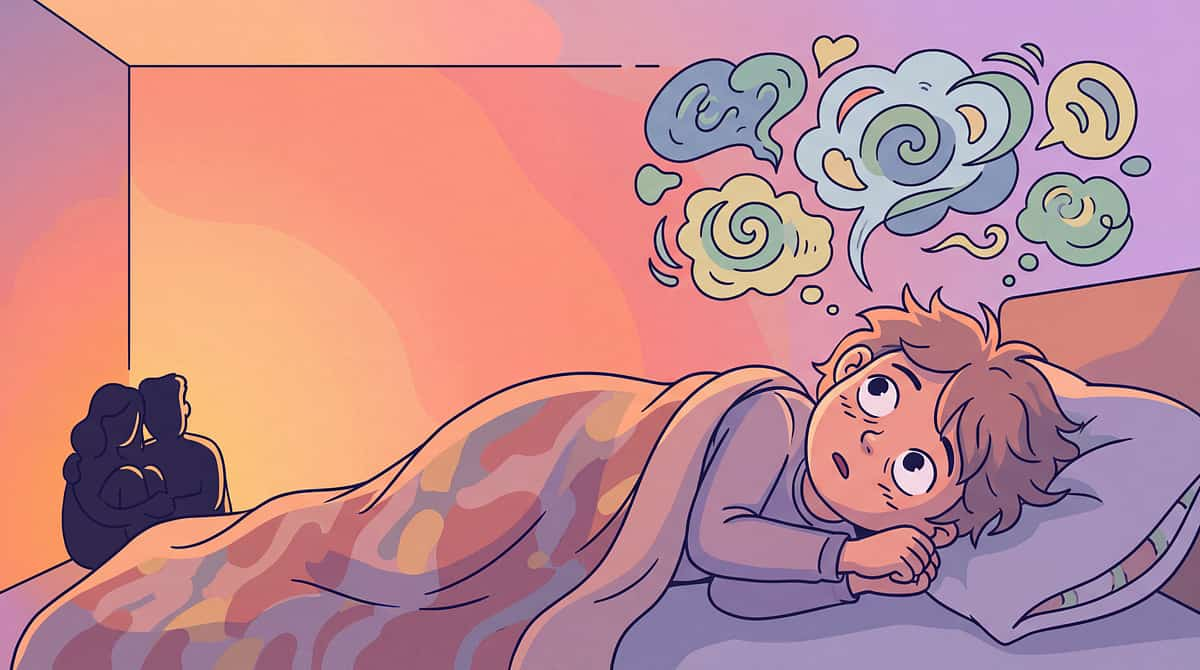
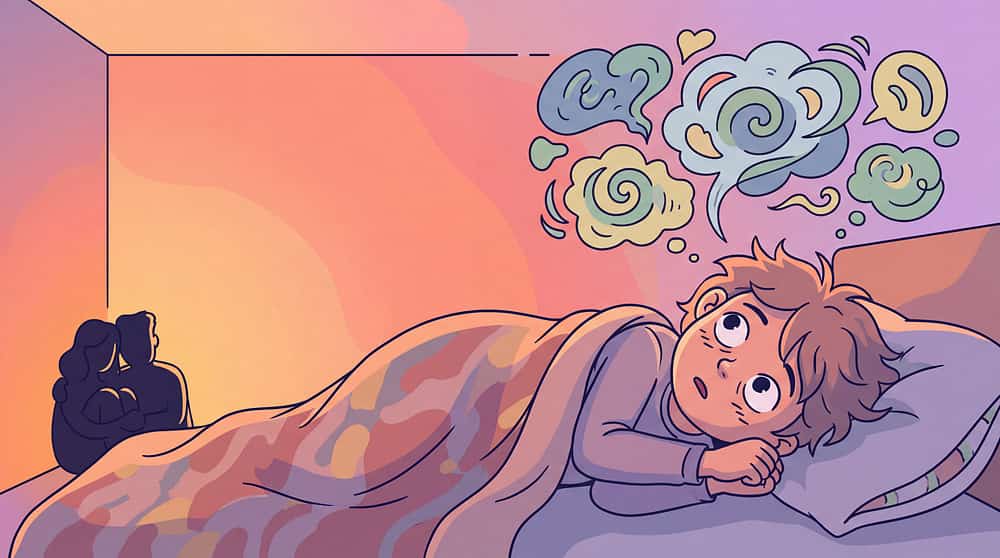
Children who struggle to calm down at bedtime or take hours to fall asleep benefit from consistent calming scent associations that cue the nervous system for rest.
Morning Sluggishness
Children who are hard to wake or engage in morning routines respond to alerting scents that naturally increase arousal and focus for the day ahead.
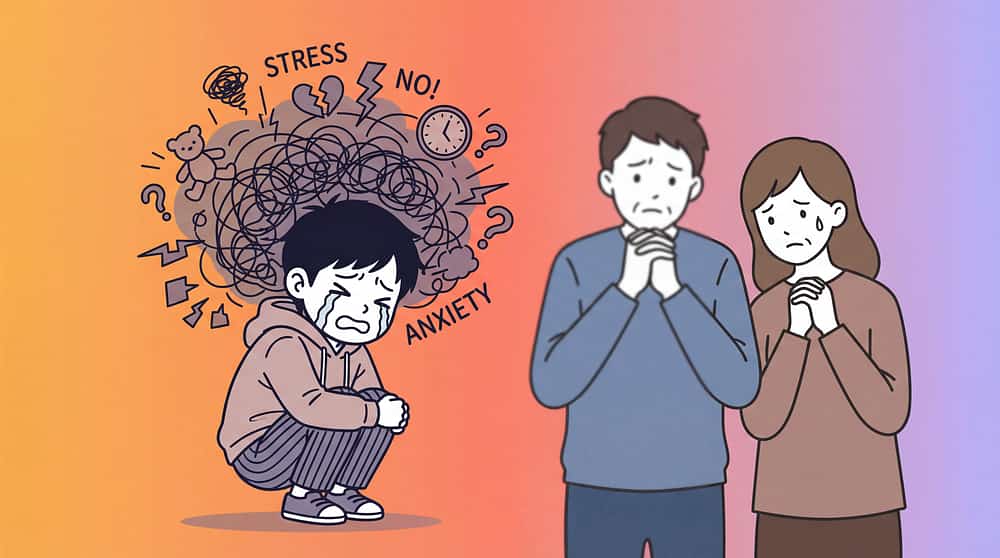
Anxiety & Stress
Children experiencing anxiety during transitions, new situations, or daily stressors gain a portable, fast-acting tool they can use anywhere for emotional regulation.
Scent-Seeking Behavior
Children who actively seek out smells or show heightened olfactory awareness are naturally responsive to structured scent-based interventions as part of their sensory diet.
Does This Sound Familiar?
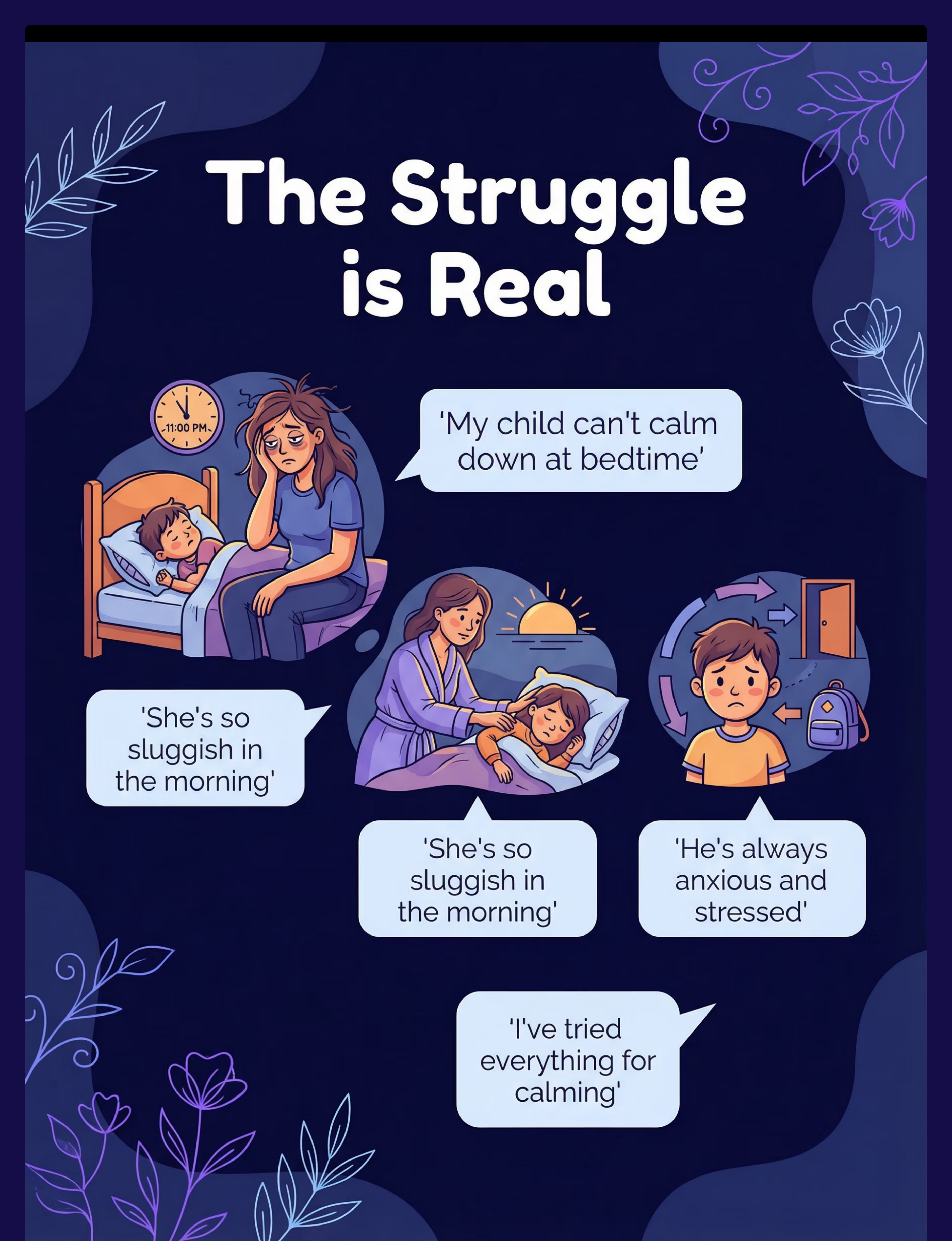
"My child can't calm down at bedtime. We've tried everything—stories, music, dimming lights—but nothing helps him settle. He's still wide awake after two hours."
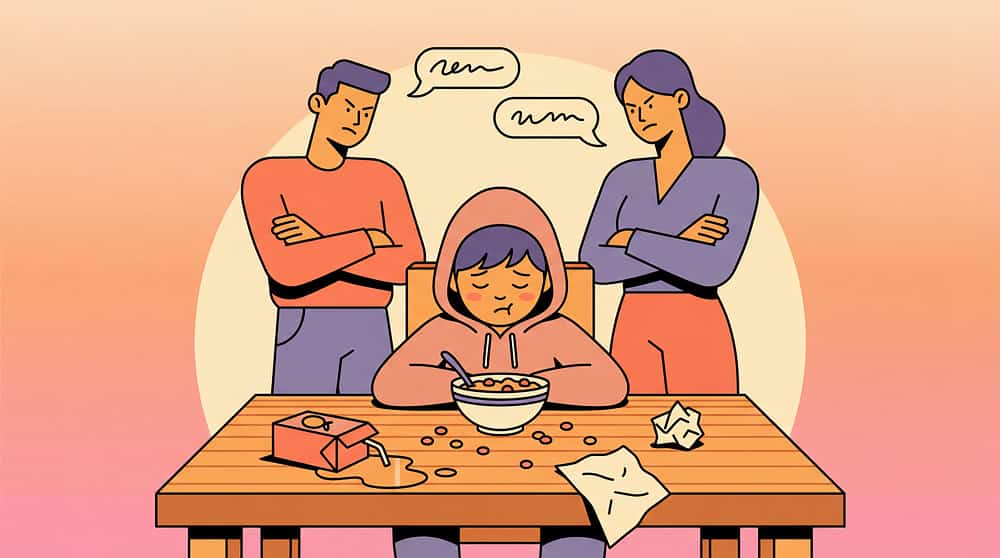
"He's always anxious and stressed. Before school, before therapy, before anything new—the worry takes over and we have meltdowns. I wish I had something quick that could help."
"She's so sluggish in the morning. Nothing wakes her up. The entire morning routine drags on, and she arrives at school still half-asleep and unfocused."
"Transitions are always dysregulating. Moving from one activity to another, leaving the house, coming home—every transition brings stress and behavioral challenges."
"I've tried everything for calming and I'm running out of options. We need something new, something that works fast when emotions are running high."
"My child is very scent-seeking—she smells everything, asks about every smell. I wonder if we could use that sensitivity to help her regulate."
You're not alone. These are common challenges for children with sensory processing differences. Aromatherapy offers a unique pathway to regulation through the powerful olfactory-limbic connection.
A Day Without the Right Support
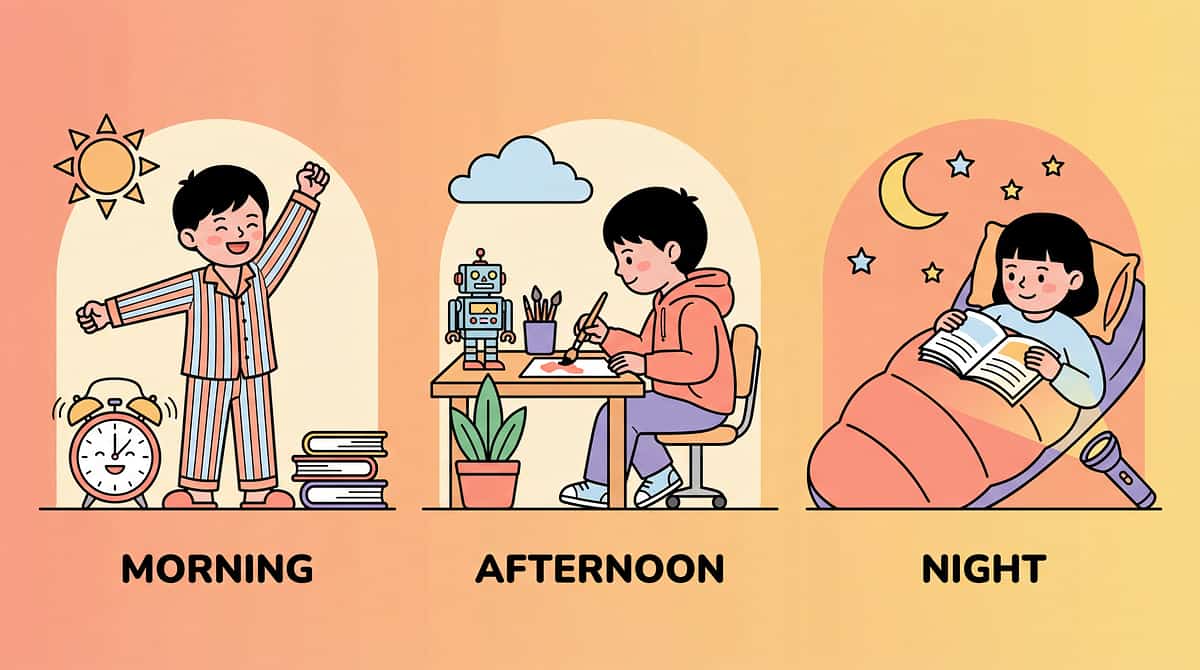
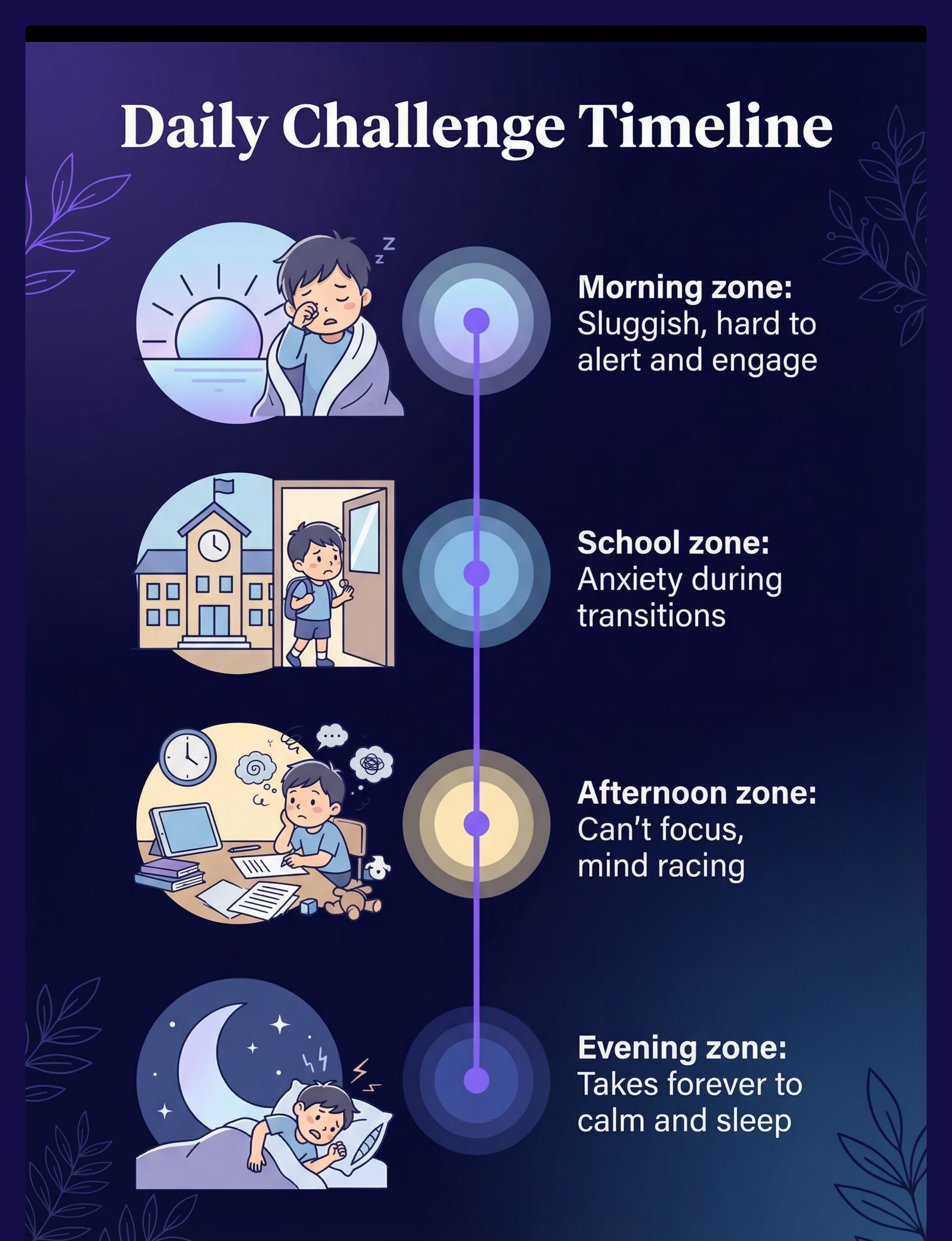
Morning
Sluggish, hard to alert and engage. Takes forever to wake up and participate in morning routine.
School Transitions
Anxiety spikes during transitions. Drop-off is tearful. Moving between activities causes dysregulation.
Homework Time
Can't focus. Mind racing. Body restless. Simple tasks take hours. Frustration builds for everyone.
Bedtime
Takes forever to calm down and sleep. Body won't settle. Mind won't quiet. Family exhausted.
Without effective regulation tools, these daily challenges compound. Stress increases for both child and family. Sleep deprivation affects everyone's wellbeing. The cycle continues day after day, leaving parents feeling helpless and children overwhelmed by their own nervous system responses.
The Science Behind It
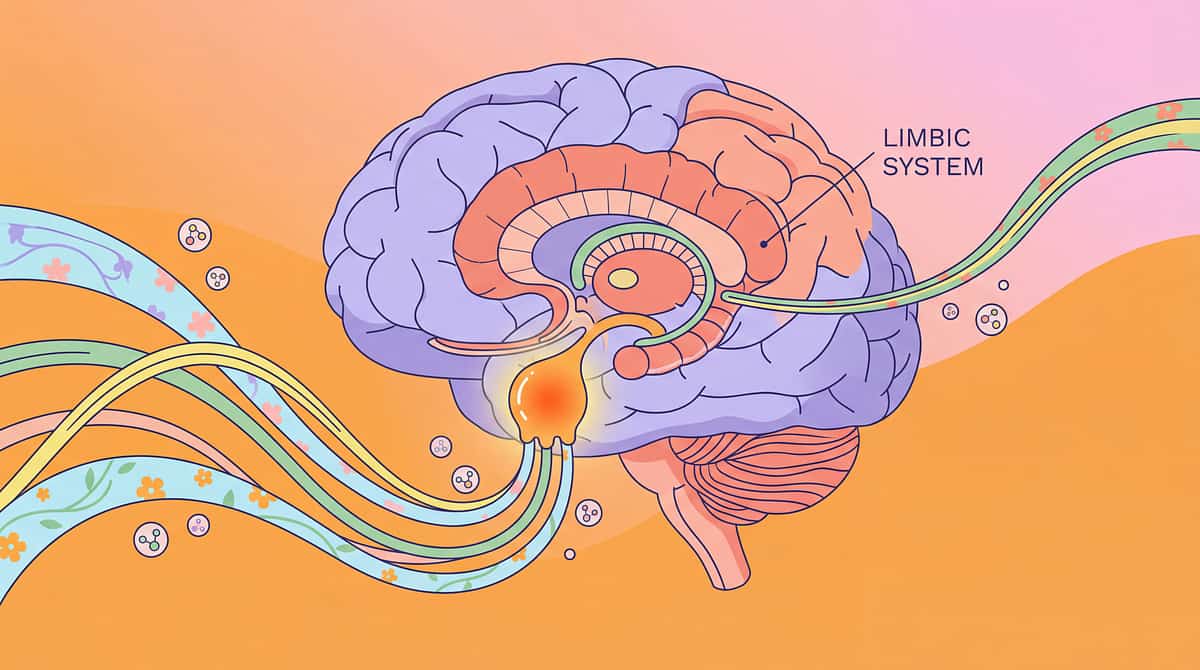
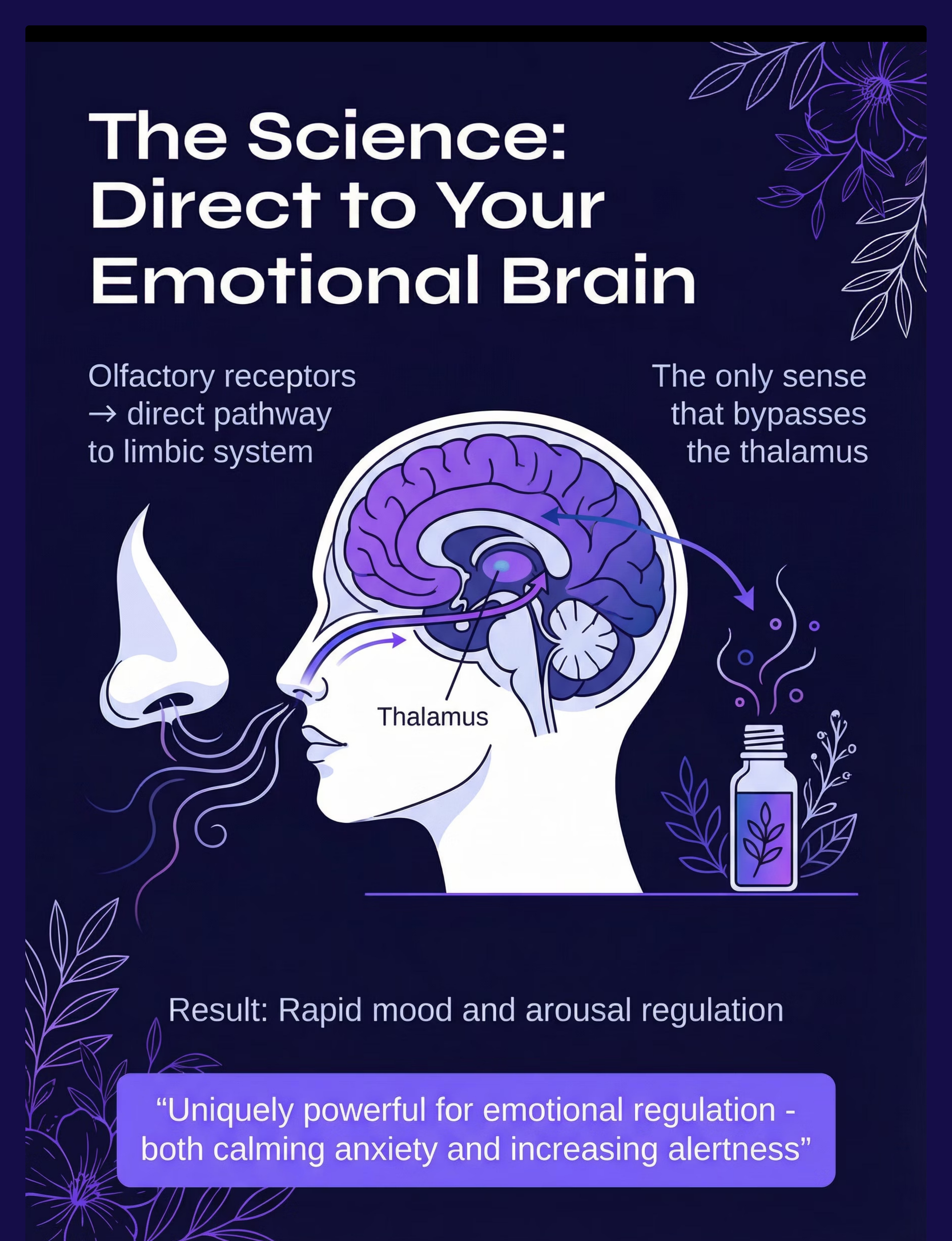
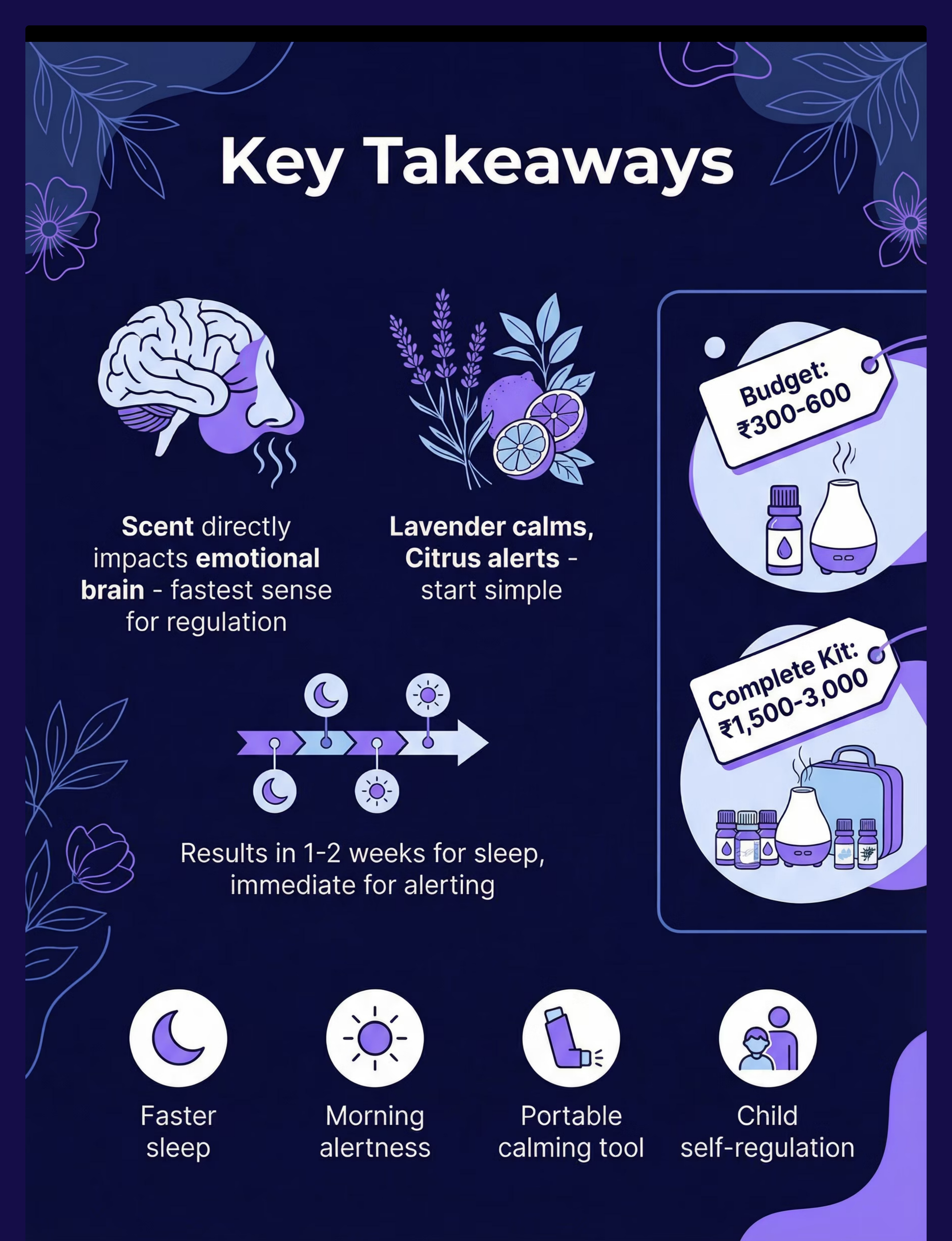
Scent is the only sense that bypasses the thalamus and connects directly to the limbic system—your emotional brain. This unique neural pathway explains why aromatherapy can create such rapid mood and arousal changes.
Olfactory Receptors
Scent molecules bind to receptors in the nose, triggering immediate neural signals.
Direct Limbic Pathway
Signals travel directly to the limbic system—the emotional and memory center—bypassing cognitive processing.
Rapid Mood Effects
The limbic system triggers immediate changes in emotional state, arousal level, and stress response.
Regulation Support
Specific scents modulate arousal: calming scents like lavender decrease activation; alerting scents like citrus increase it.
Olfactory Processing
Emotional Regulation
Arousal Modulation
Memory/Association
Calming/Alerting
"Scent is the only sense that bypasses the thalamus and goes directly to the limbic system. This makes it uniquely powerful for emotional regulation—both calming anxiety and increasing alertness."
— Occupational Therapist, Sensory Integration Specialist
How to Use It Right
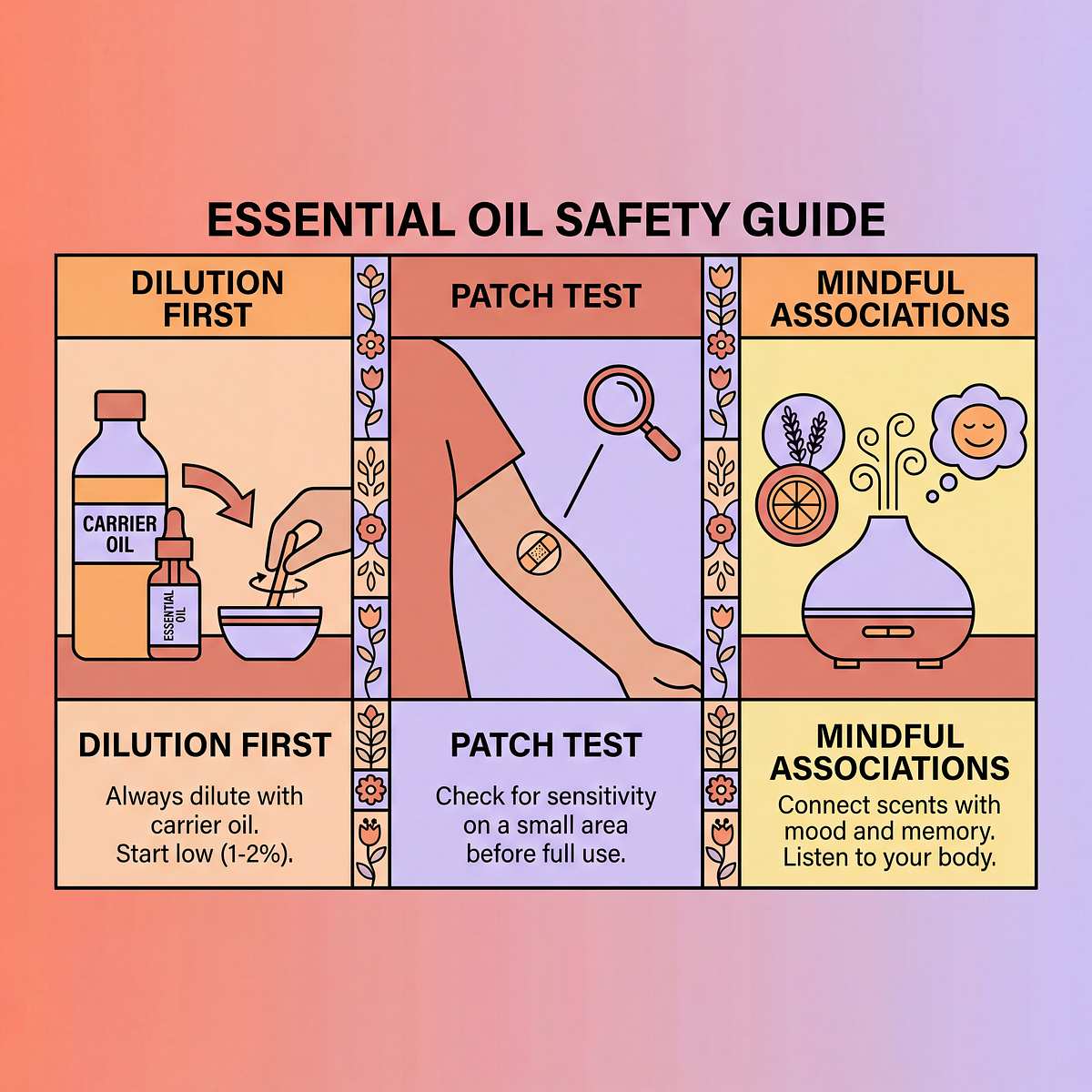
Test for Sensitivity First
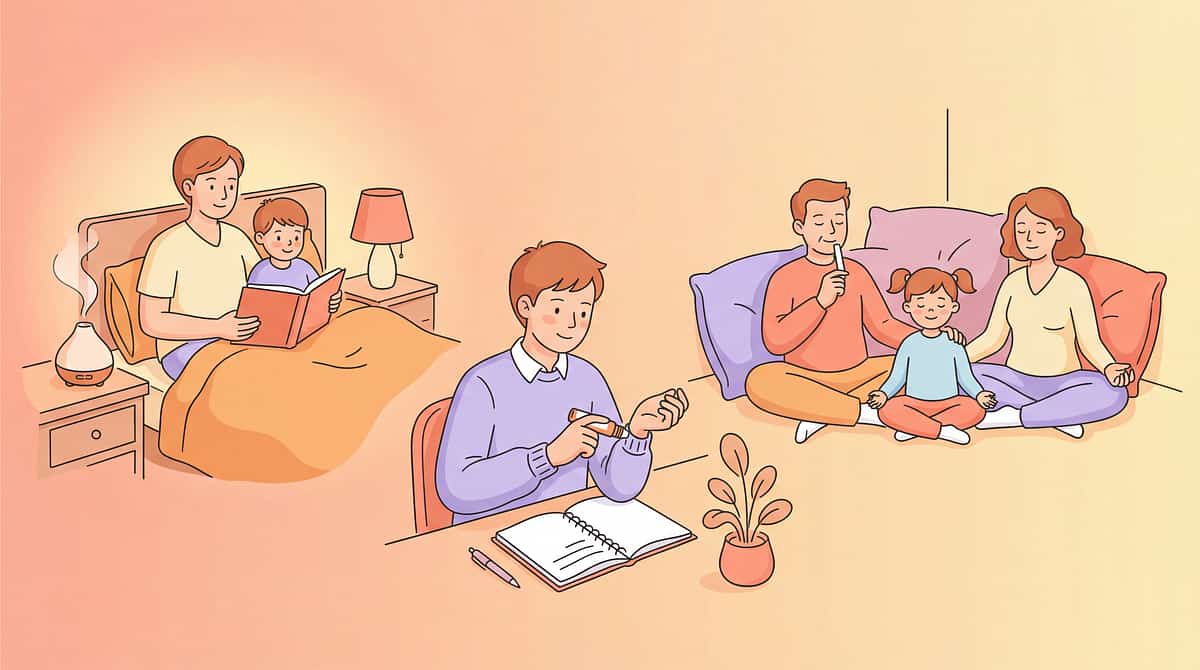
Always test a small amount before regular use. Apply diluted oil to inner wrist and wait 24 hours to check for any reaction.
Never Apply Undiluted Oils
Essential oils must always be diluted with a carrier oil (coconut, almond) before skin contact. Undiluted oils can cause burns or sensitization.
Use Child-Safe, Therapeutic-Grade Oils
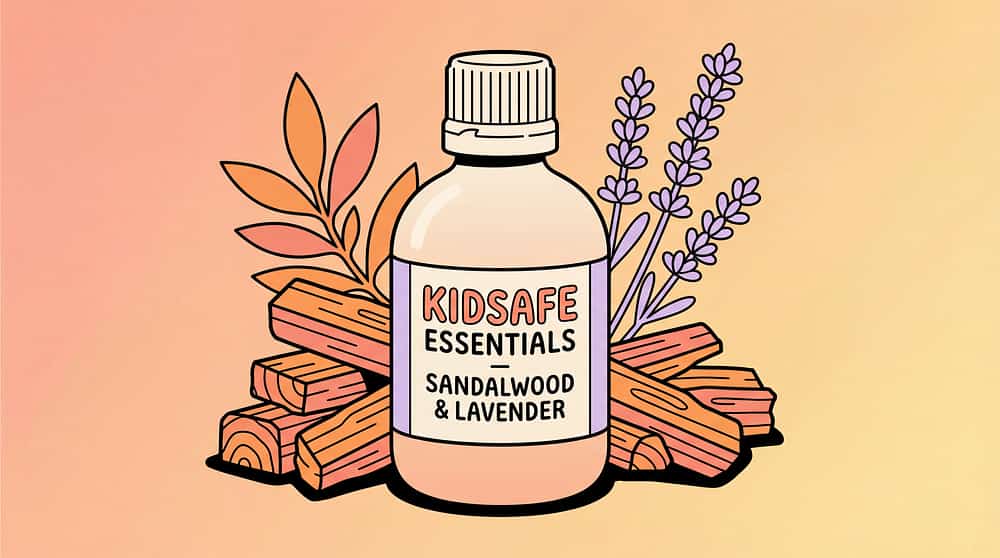
Choose oils specifically formulated for children. Look for "KidSafe" blends or therapeutic-grade from reputable brands. Avoid synthetic fragrance oils.
Know Your Scent Categories
Calming: lavender, chamomile, vanilla. Alerting: peppermint, citrus, eucalyptus. Match the scent to your regulation goal.
Limit Diffuser Sessions
Diffuse for 30-60 minutes maximum. Continuous exposure can cause headaches or olfactory fatigue. Give the nervous system breaks.
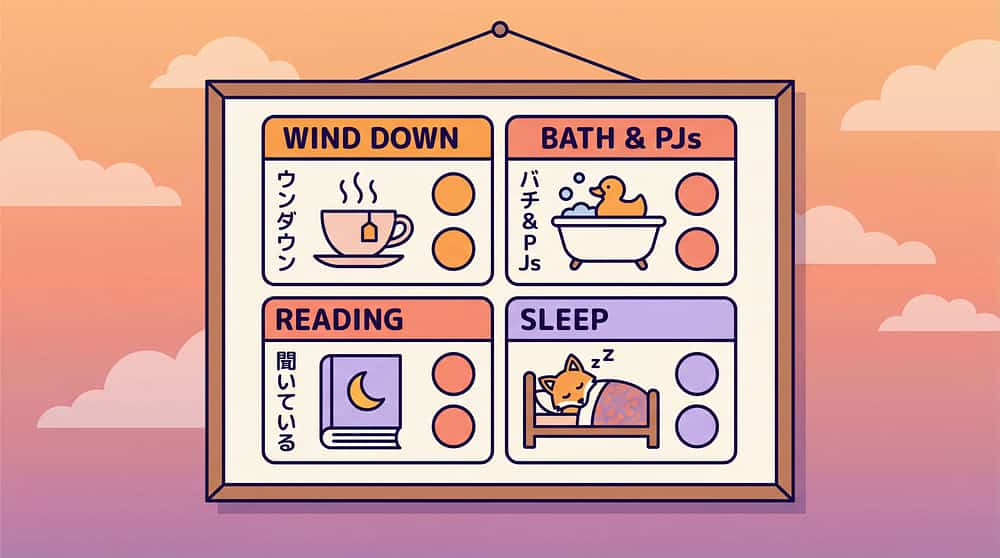
Create Consistent Associations
Use the same scent for the same purpose daily (e.g., lavender = bedtime). The brain learns these associations, making regulation more automatic over time.
Duration: Diffuser sessions should last 30-60 minutes maximum. Roll-ons and topical applications can be used as needed throughout the day. Consistency builds stronger scent-regulation associations.
Expert Validation
Direct Link to Emotions
"Scent is the only sense that bypasses the thalamus and goes directly to the limbic system. This makes it uniquely powerful for emotional regulation—both calming anxiety and increasing alertness."
— Occupational Therapist, Sensory Integration Specialist
Neuroscientific Foundation
The olfactory-limbic connection is well-documented neuroscience, not alternative medicine.
Hospital Integration
Major hospitals actively use aromatherapy in pediatric units for patient comfort and care.
Occupational Therapy Tool
Occupational therapists regularly incorporate scent-based tools into sensory diets for clients.
Clinically Valid Component
While not a standalone cure, aromatherapy is a clinically valid component of comprehensive sensory regulation programs.
OT Recommended
Moderate Evidence
Rank #2 in Category
Daily Use Tool
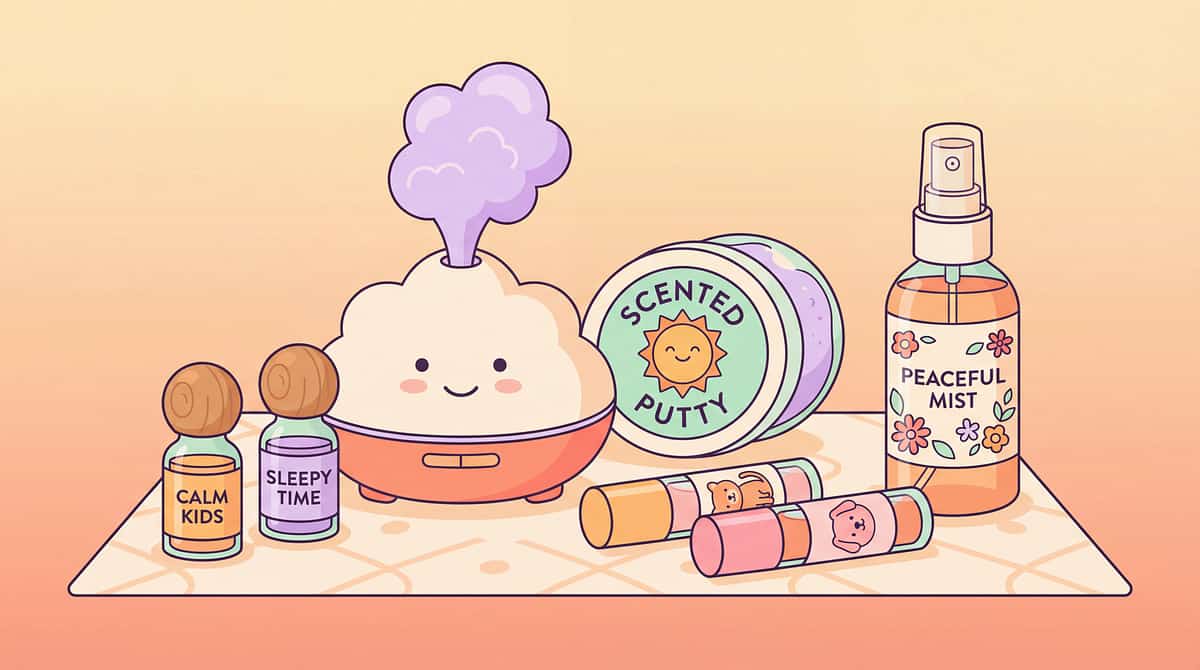
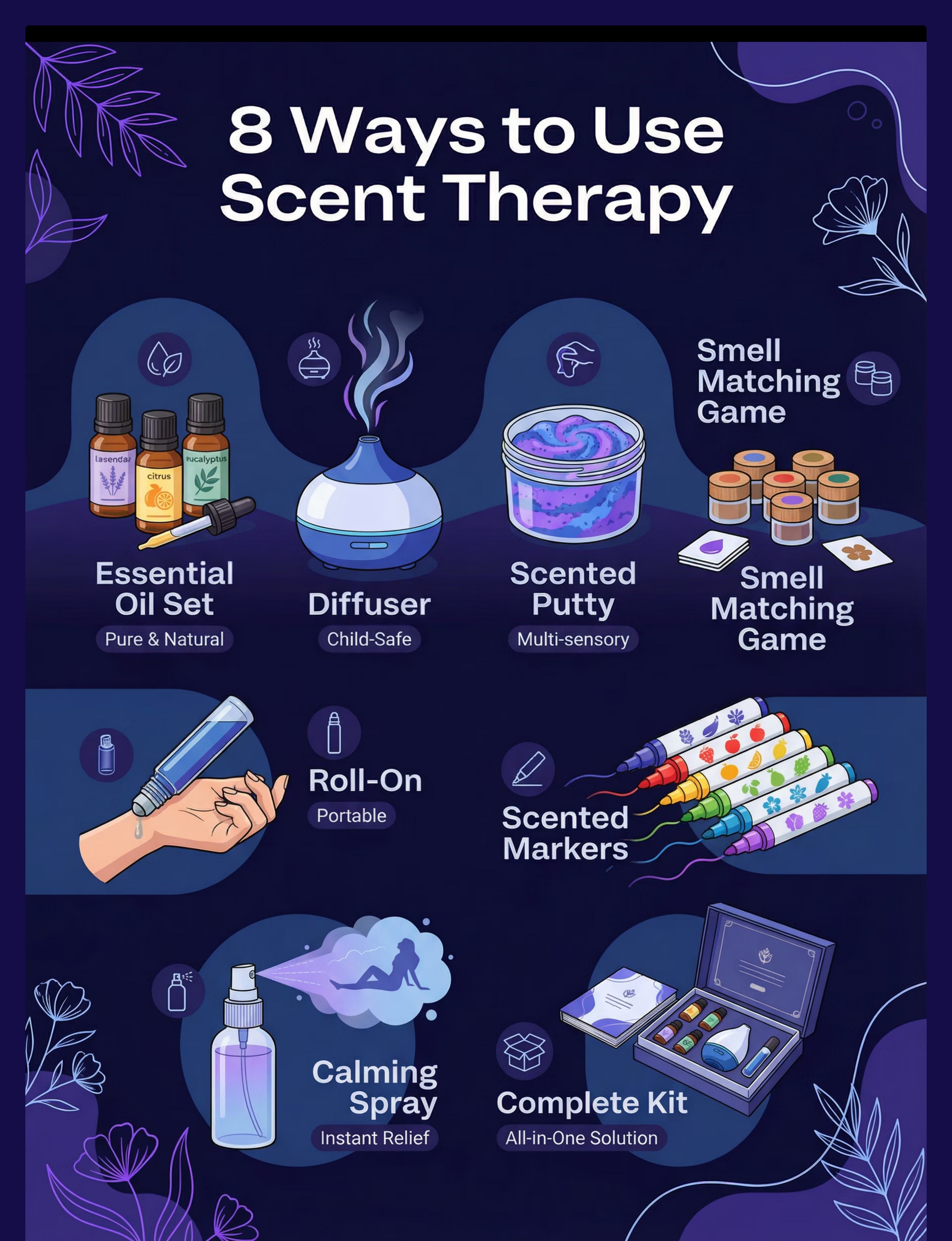
Choose Your Option (8 Variants)
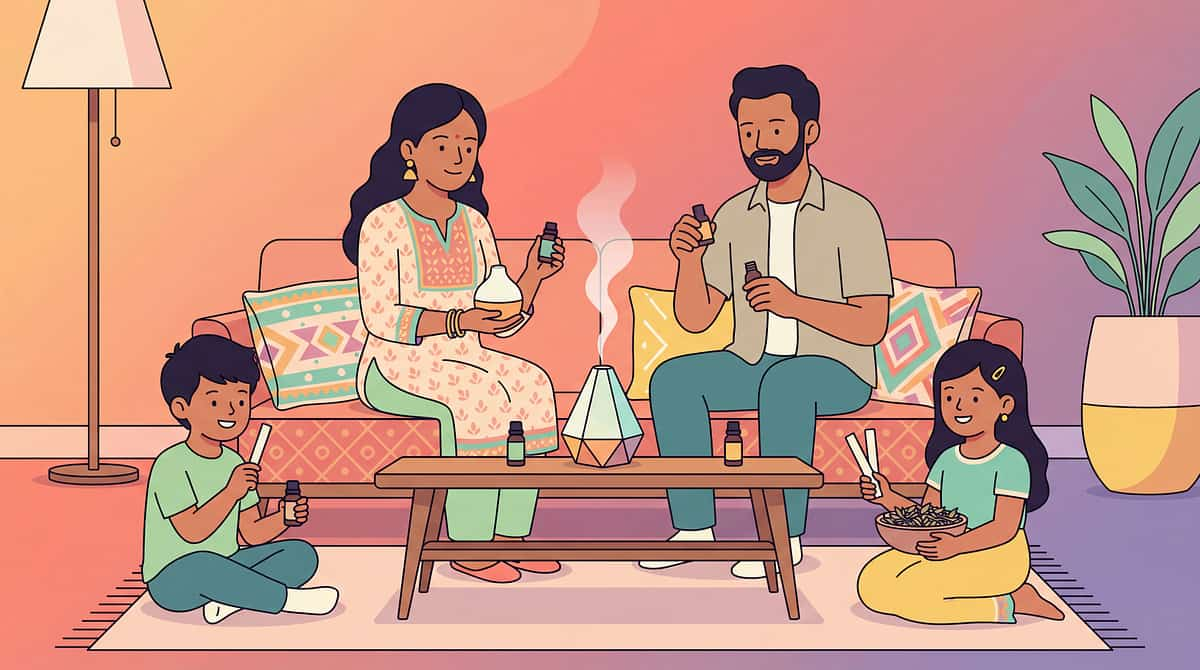
Select the aromatherapy tools that best match your child's age, regulation goals, and usage settings. From concentrated oils for home diffusion to portable roll-ons for on-the-go calming, there's an option for every need.
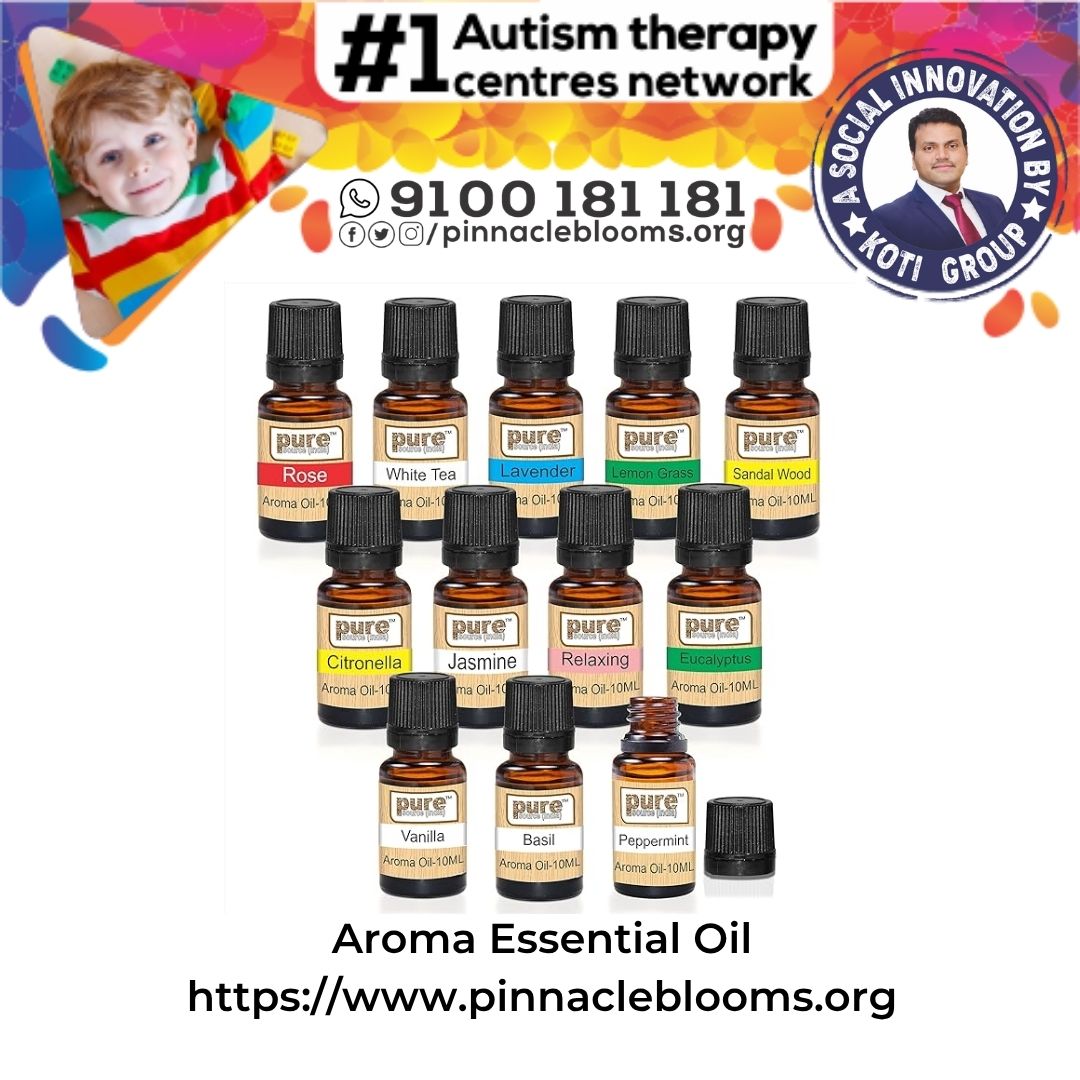
Essential Oil Set (Child-Safe)
Best for: Calming, alerting, mood regulation
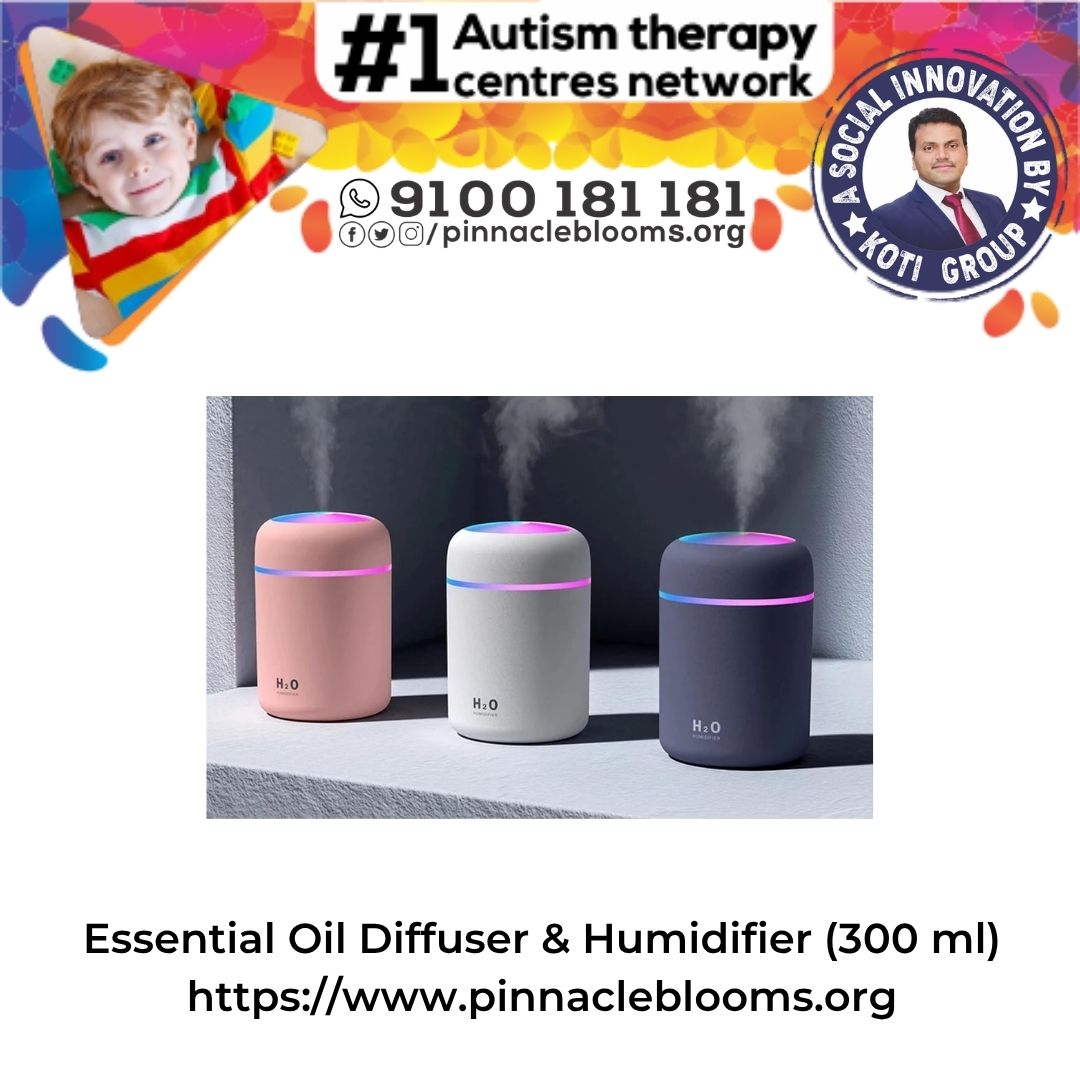
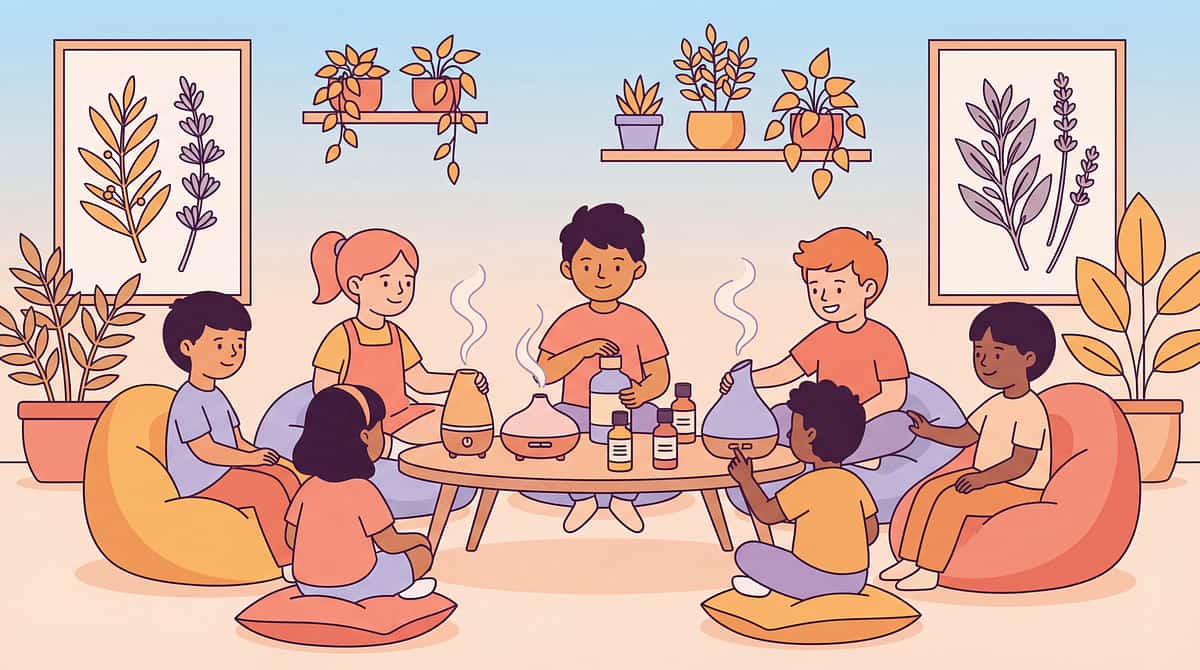
Scent Diffuser (Ultrasonic)
Best for: Room-wide calming/alerting environment
Scented Putty / Dough
Best for: Multi-sensory play, hand strengthening + scent
Smell Matching Game / Scent Jars
Best for: Scent identification, memory, sensory exploration
Aromatherapy Roll-On (Child Formula)
Best for: Portable calming, wrist/pulse point application
Scented Markers / Crayons
Best for: Art activities with olfactory engagement
Calming Spray (Pillow/Room)
Best for: Bedtime routine, calming spaces
Complete Sensory Scent Kit
Best for: Full olfactory exploration and therapy
Essential Oil Set (Child-Safe)
Size: 6-10 bottles, 10ml each
Ages: 3-9 years | Settings: Home, Clinic
Portability: High | Price: ₹400–1,200
Scent Diffuser (Ultrasonic)
Size: Small room capacity
Ages: All ages | Settings: Home, Clinic
Portability: Low | Price: ₹500–2,000
Scented Putty / Dough
Size: Multiple scents, 2-4 oz each
Ages: 3-9 years | Settings: Home, Clinic, School
Portability: High | Price: ₹200–600
Smell Matching Game / Scent Jars
Size: 10-20 scent containers
Ages: 3-9 years | Settings: Home, Clinic
Portability: Medium | Price: ₹300–800
Aromatherapy Roll-On (Child Formula)
Size: 10ml roll-on bottles
Ages: 4-9 years | Settings: All settings
Portability: Very High | Price: ₹200–500
Scented Markers / Crayons
Size: Set of 10-12
Ages: 3-9 years | Settings: Home, School, Clinic
Portability: High | Price: ₹150–400
Calming Spray (Pillow/Room)
Size: 50-100ml spray bottle
Ages: All ages | Settings: Home
Portability: High | Price: ₹200–500
Complete Sensory Scent Kit
Size: Box with oils, diffuser, activities
Ages: 3-9 years | Settings: Clinic, Home
Portability: Low | Price: ₹1,000–2,500

How to Choose
  • By Goal: Calming at bedtime? Start with lavender oil + diffuser. Morning alertness? Try citrus oils. Portable anxiety tool? Roll-ons.
  • By Setting: Home-based? Diffuser + oils. School/travel? Roll-ons or scented markers. Clinic therapy? Complete sensory kit.
  • By Portability: Need it on-the-go? Roll-ons or scented markers. Stationary home use? Diffuser.
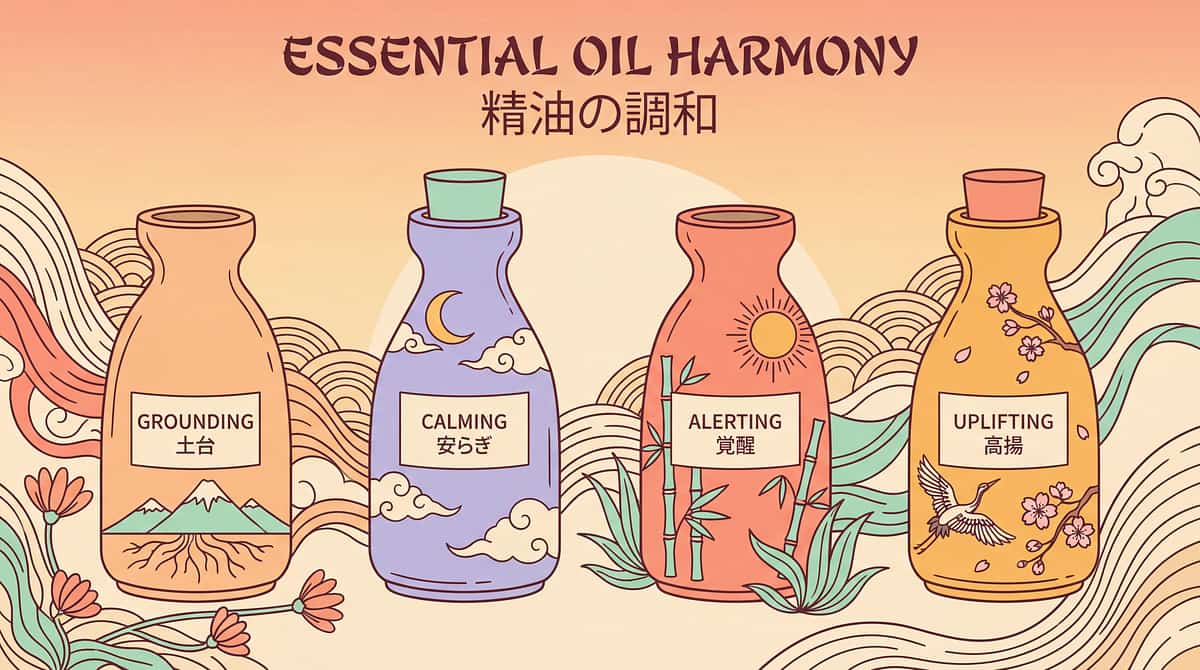
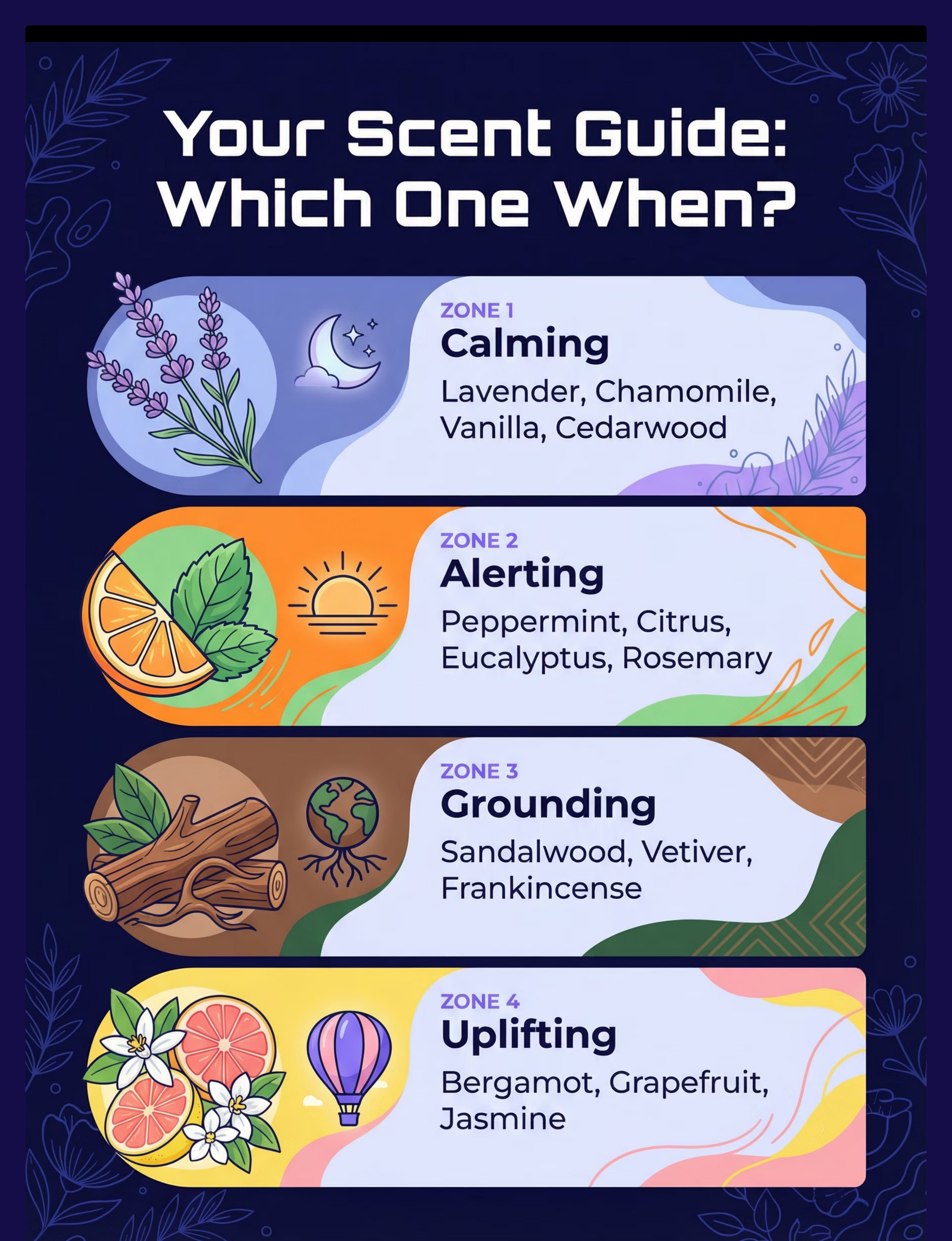
Complete Scent Guide
Different scents create different physiological and emotional responses. Match the scent category to your regulation goal for maximum effectiveness.
Calming Scents
  • Lavender
  • Chamomile
  • Vanilla
  • Ylang ylang
  • Cedarwood
Use for: Bedtime, anxiety, overstimulation, meltdown recovery
Alerting Scents
  • Peppermint
  • Citrus (orange, lemon)
  • Eucalyptus
  • Rosemary
Use for: Morning routine, focus, transitions, sluggishness
Grounding Scents
  • Sandalwood
  • Vetiver
  • Frankincense
Use for: Emotional overwhelm, grounding exercises, mindfulness
Uplifting Scents
  • Bergamot
  • Grapefruit
  • Jasmine
Use for: Low mood, motivation, positive emotional state
Key Materials to Look For: Therapeutic-grade essential oils, child-safe formulations, non-toxic scented products, BPA-free containers. Always choose pure essential oils over synthetic fragrance oils for therapeutic benefit.
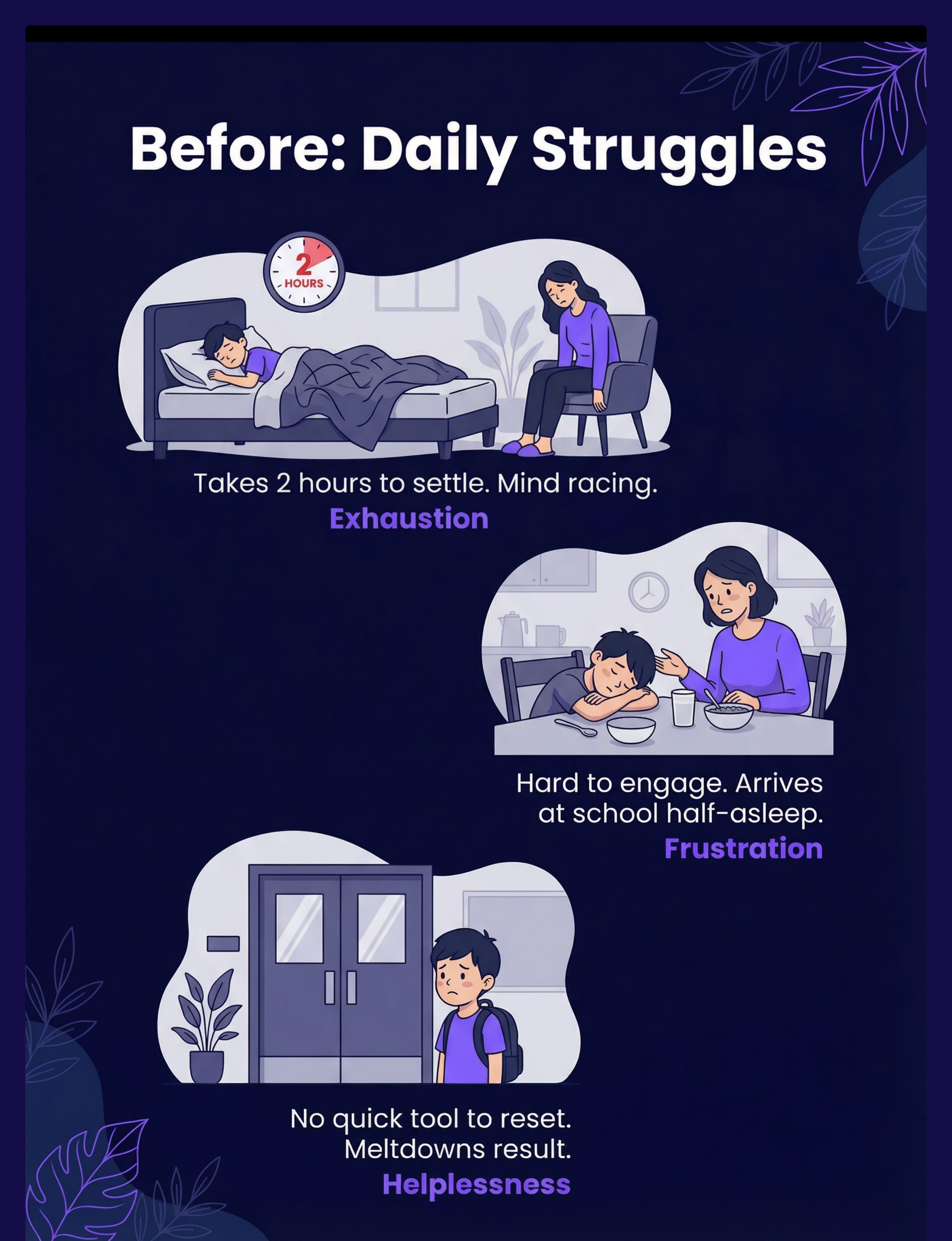
The Struggle (Before)
Bedtime
Situation: Child takes 2 hours to settle. Mind racing, body restless. Nothing seems to help calm the nervous system.
Experience: Parents try everything—stories, songs, back rubs, dimming lights. Nothing works. Everyone is exhausted.
Emotion: Exhaustion, desperation
Morning
Situation: Child is sluggish, unfocused, hard to engage. Morning routine takes forever. Arrives at school still half-asleep.
Experience: Every morning is a battle. Getting dressed, eating breakfast, brushing teeth—everything drags. School day starts poorly.
Emotion: Frustration, worry
Anxiety
Situation: Child anxious before school, appointments, new situations. No quick tool to help reset. Meltdowns result.
Experience: The anxiety builds and builds with no release valve. By the time the stressful event arrives, dysregulation is complete.
Emotion: Helplessness, stress
Without effective regulation tools, these scenarios repeat daily. The nervous system lacks the input it needs to shift states. Stress compounds for both child and family, affecting sleep quality, daytime functioning, and overall wellbeing.
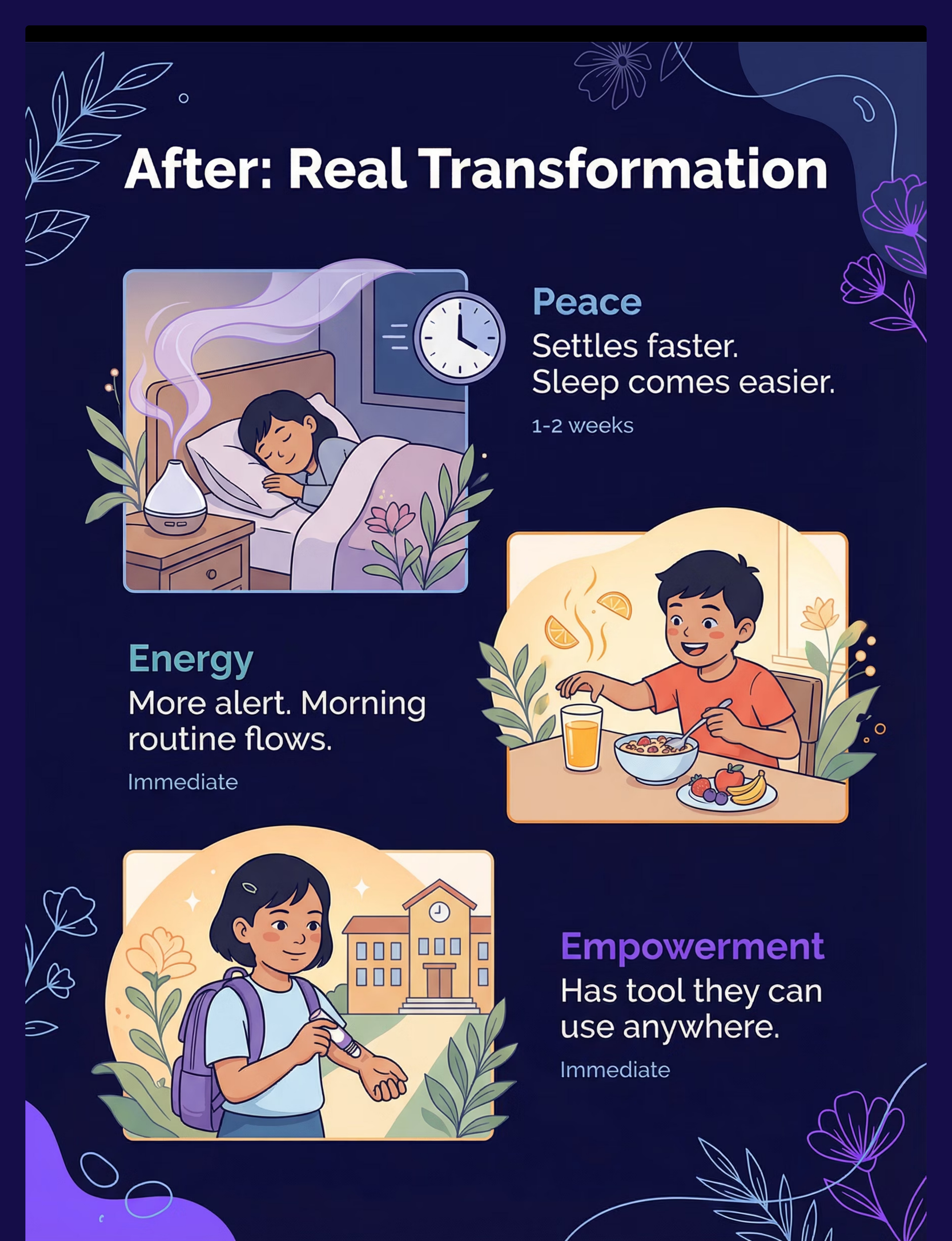
What to Expect (Realistic Timelines)
Immediate: Scent becomes portable calming tool
Roll-ons and sprays provide on-demand regulation support from day one. Child has something they can use independently in stressful moments.
Immediate
Immediate: Improved morning alertness with alerting scents
Citrus and peppermint create immediate physiological arousal changes. Morning routine begins to flow more smoothly right away.
Immediate
1-2 weeks: Scent becomes cue for desired state (calm/alert)
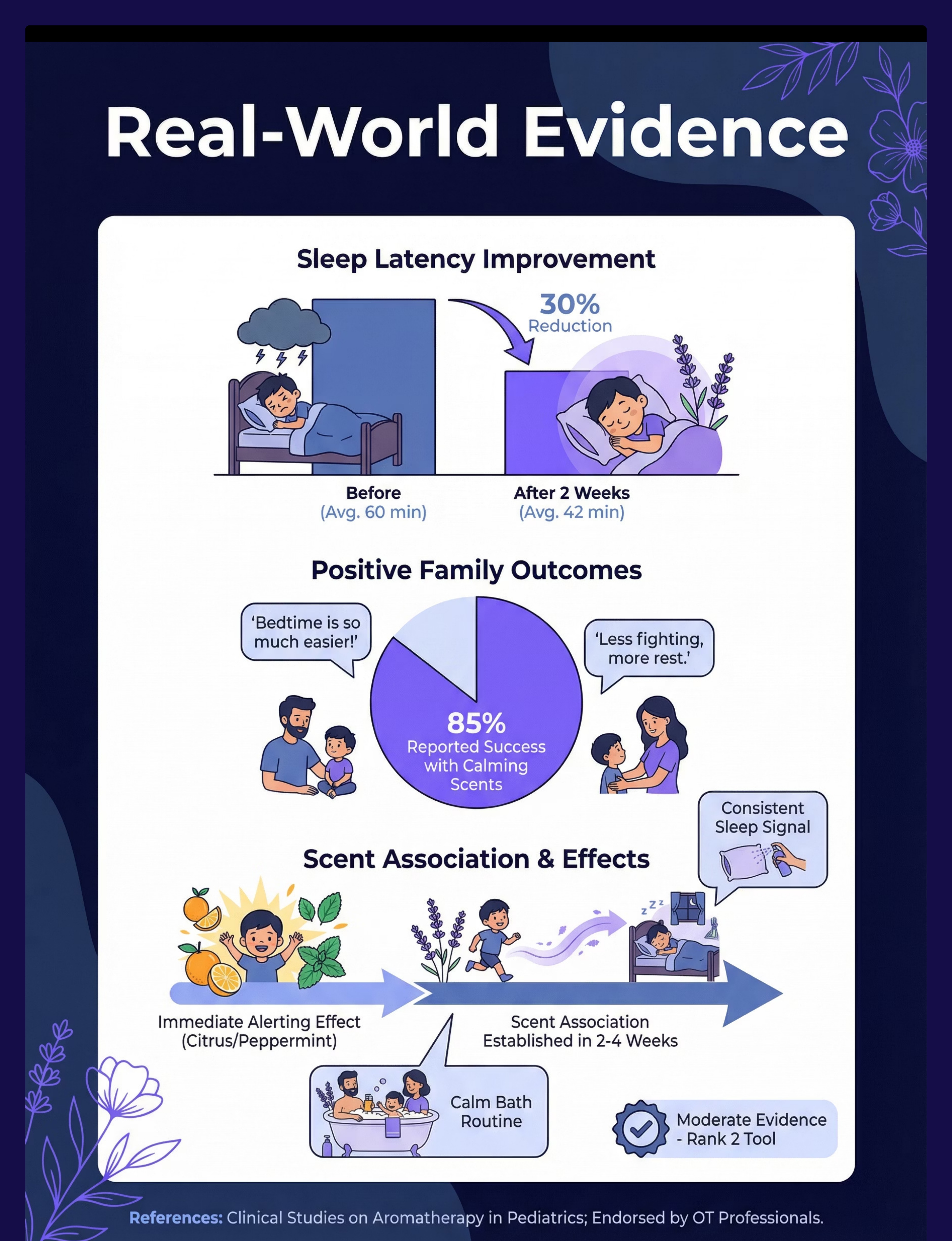
With consistent pairing, the brain learns scent associations. Lavender at bedtime begins to automatically trigger relaxation responses.
1-2 weeks
1-2 weeks: Faster bedtime with consistent calming scent
Sleep latency decreases as the bedtime scent routine strengthens. Body recognizes the signal and prepares for rest more quickly.
1-2 weeks
2-4 weeks: Scent associations support transitions
Using specific scents before transitions helps the nervous system prepare. Dysregulation during changes decreases as associations strengthen.
2-4 weeks
2-4 weeks: Child requests specific scents for regulation
Child develops awareness of which scents help them. They begin asking for "the calm smell" or "the focus smell" when needed—a sign of growing self-regulation.
2-4 weeks
Individual responses vary based on olfactory sensitivity, consistency of use, and the child's overall sensory profile. Track baseline measures to document your child's specific progress.
Is This Right for My Child? (2-Minute Check)
Is your child very aware of smells—either seeking or avoiding?
If yes, this indicates: Olfactory sensitivity—highly responsive to scent interventions. Children with heightened smell awareness often show strong regulation responses to aromatherapy.
Confidence: 88%
Does your child have difficulty calming down or falling asleep?
If yes, this indicates: May benefit significantly from calming scents. Lavender-based bedtime routines often reduce sleep latency by 30-50% within two weeks.
Confidence: 82%
Is your child often sluggish or hard to alert?
If yes, this indicates: May benefit from alerting scents. Citrus and peppermint can naturally increase arousal and focus for improved daytime engagement.
Confidence: 80%
Does your child respond positively to certain scents already?
If yes, this indicates: Excellent candidate for structured scent-based intervention. Existing positive responses predict strong therapeutic outcomes with formal aromatherapy use.
Confidence: 90%

Scoring: 3+ "yes" answers = strong fit for aromatherapy intervention. 1-2 "yes" answers = worth trying with specific scents. 0 "yes" answers = may still benefit, but other sensory tools might be more primary.
Usage Guide
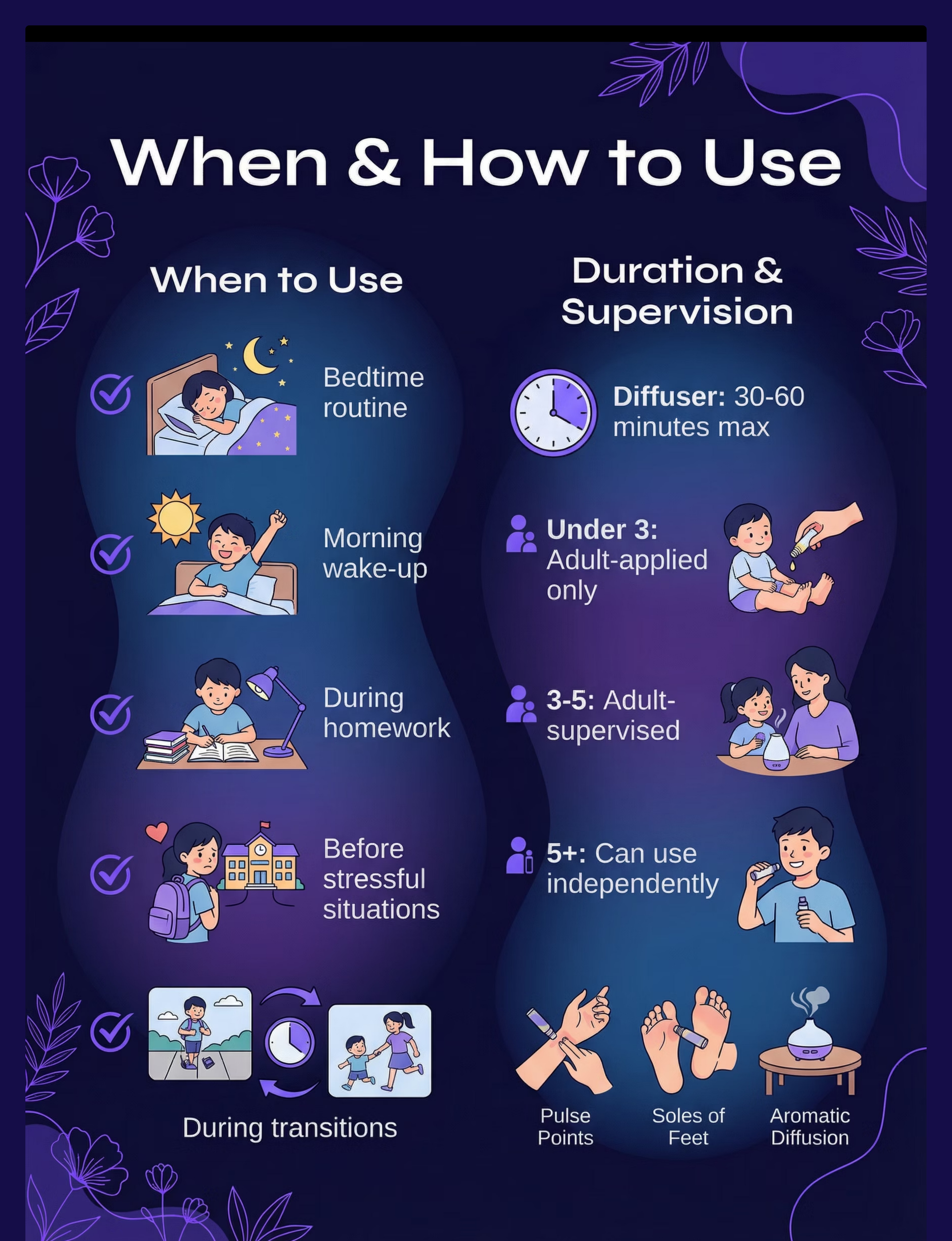
When to Use ✓
Scenario
Description
Bedtime routine (calming scents)
Diffuse lavender 30 minutes before sleep or apply roll-on to wrists as part of consistent bedtime ritual.
Morning wake-up (alerting scents)
Use citrus or peppermint at breakfast to naturally increase arousal and focus for the day ahead.
Before stressful situations (calming)
Apply calming roll-on before transitions, appointments, or anxiety-inducing events for portable regulation support.
During homework (focus scents)
Rosemary or peppermint can support sustained attention and cognitive engagement during challenging tasks.
Transitions (scent as cue)
Use consistent scents to signal transition times, helping the nervous system prepare for changes in activity.
Calm-down corner (calming scent association)
Include calming scent in designated regulation space to strengthen the environment's soothing effect.
When NOT to Use ✗
Situation
Reason/Warning
Child has respiratory condition (without medical clearance)
Asthma, reactive airway disease, or other respiratory conditions may be aggravated by diffused oils.
Known allergies to specific oils
Always test for allergic reactions. Avoid any oil that has caused previous sensitivity or reaction.
Never undiluted on skin
Undiluted essential oils can cause chemical burns, sensitization, or severe irritation. Always dilute with carrier oil.
If child shows sensitivity/aversion
Respect the child's sensory preferences. Forcing unwanted scents can create negative associations and increase dysregulation.
Near infant faces
Never apply or diffuse oils near infants under 3 months. Keep diffusers away from infant sleeping areas.
Supervision by Age
Age Range
Supervision Level
Notes
Under 3
Adult-applied only
Limited use; never near face; always diluted; very cautious with infants
3-5 years
Adult-supervised application
Adult handles oils and diffuser; child can help choose scents; teach smell safety
5+ years
Can learn independent use of roll-ons
Can self-apply pre-made roll-ons; still supervised for concentrated oils and diffusers
Duration & Settings: Diffuser sessions: 30-60 minutes maximum in well-ventilated areas. Roll-ons: as needed throughout the day. Use in home, clinic, and limited school settings (check policies). Roll-ons are ideal for travel and outdoor activities.
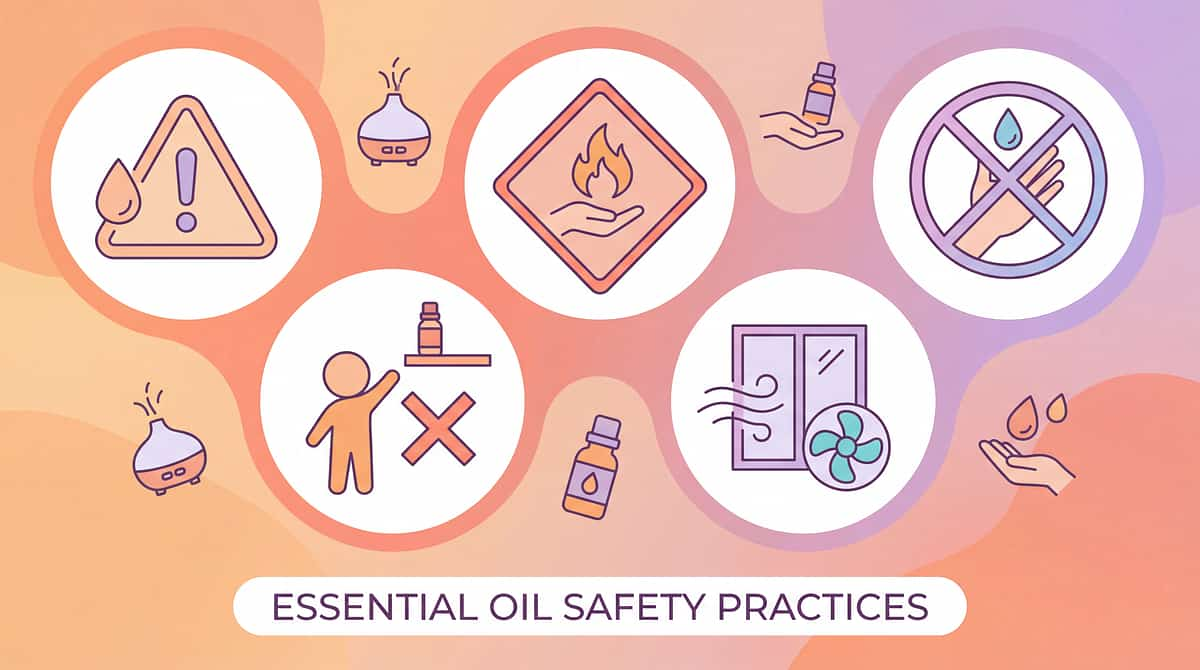
Safety First
⚠️ CRITICAL SAFETY
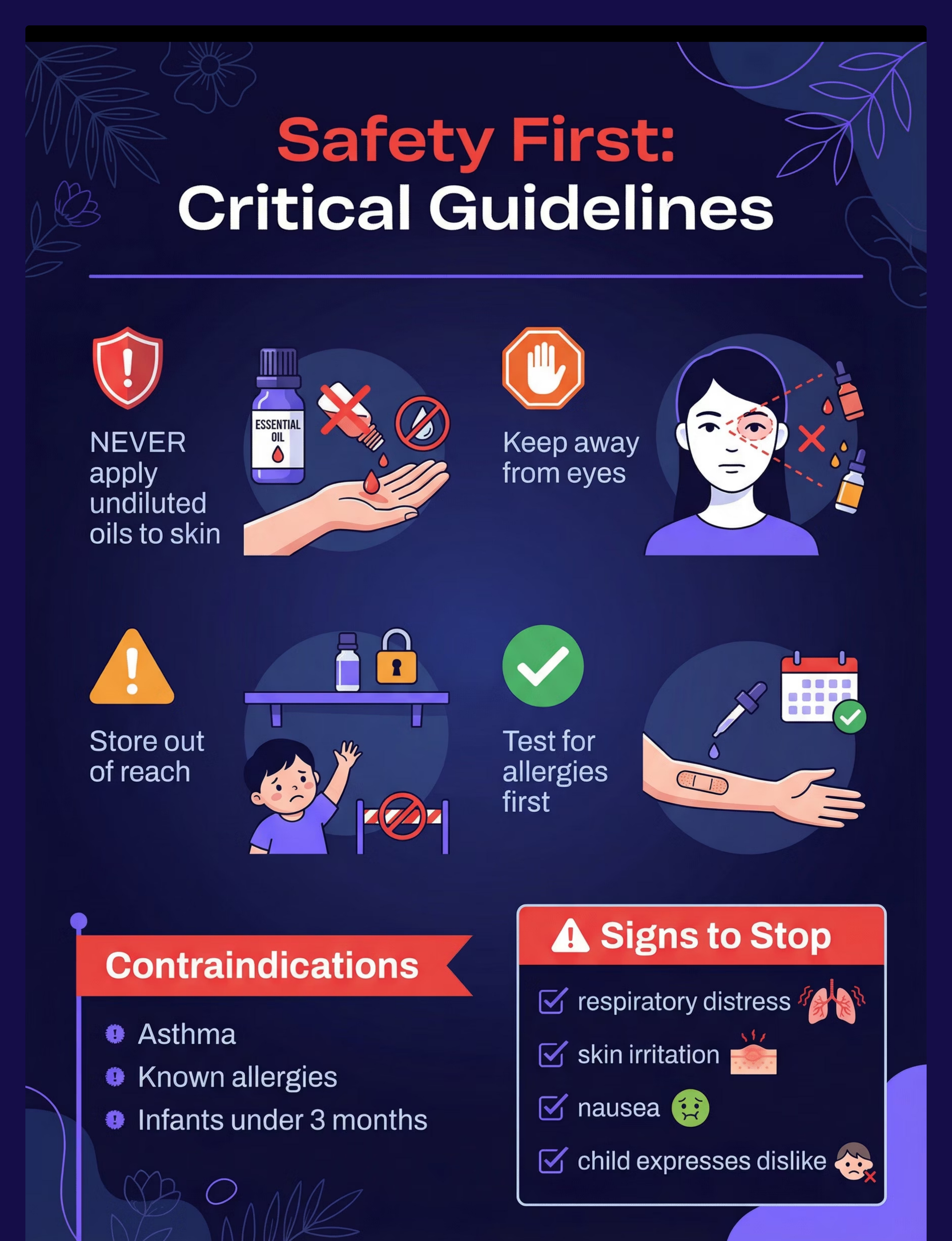
  • NEVER apply undiluted essential oils to skin — Can cause chemical burns, severe irritation, or sensitization
  • Keep oils away from eyes and mucous membranes — If contact occurs, flush immediately with carrier oil (not water)
  • Store out of reach of children — Concentrated oils are toxic if ingested; require poison control if swallowed
  • Test for allergic reactions before regular use — Apply small amount of diluted oil to inner wrist; wait 24 hours
⚠️ WARNINGS
  • Some oils (peppermint, eucalyptus) not recommended under age 6 near airways
  • Diffuse in ventilated area, never enclosed space — prevents headaches and respiratory irritation
  • Limit diffuser time to 30-60 minutes — extended exposure can cause adverse effects
  • Some oils can sensitize skin to sun — avoid sun exposure after topical citrus oils
🚫 CONTRAINDICATED
  • Asthma or other respiratory conditions (use with extreme caution; physician clearance recommended)
  • Known allergies to any essential oil ingredients
  • Infants under 3 months (never diffuse or apply)
  • Undiluted skin application at any age
Safety Checklist
Before Use ✓
  • Oil is therapeutic grade, not synthetic
  • Properly diluted with carrier oil (if topical)
  • Child has no known allergies to ingredients
  • Room is ventilated (diffuser use)
  • Application method appropriate for child's age
  • Patch test completed 24 hours prior
During Use ✓
  • Child showing positive response
  • No signs of respiratory distress
  • No coughing or airway irritation
  • No skin irritation or redness (topical use)
  • Diffuser not overheating
  • Session limited to recommended time
Signs to STOP 🛑
  • Respiratory distress or difficulty breathing
  • Persistent coughing or wheezing
  • Skin irritation, rash, or burning sensation
  • Nausea, headache, or dizziness
  • Child expresses strong dislike or avoidance
  • Any allergic reaction symptoms
Common Questions (Honest Answers)
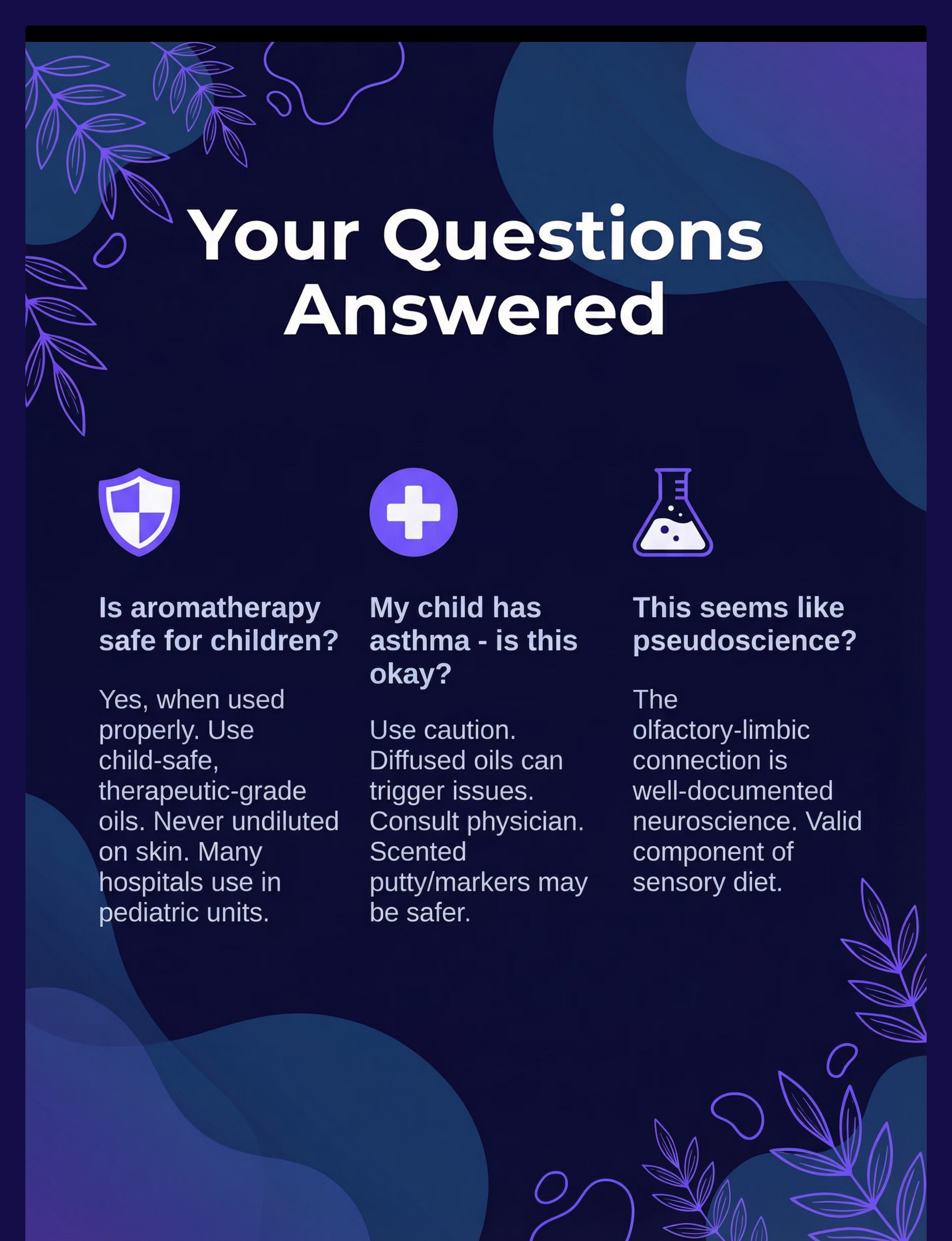
Q: Is aromatherapy safe for children?
A: When used properly—yes. Use child-safe, therapeutic-grade oils. Never apply undiluted to skin. Avoid near faces of infants. Test for sensitivity first. Many hospitals use aromatherapy in pediatric units as part of integrative care protocols. The key is following proper dilution ratios and safety guidelines.
Try this: Start with scented products (markers, putty) rather than concentrated oils if you're feeling cautious. These offer gentler introduction to olfactory intervention.
Q: My child has asthma—is this okay?
A: Use significant caution. Diffused oils can trigger respiratory issues in some children with reactive airways. Avoid strong scents, eucalyptus, and peppermint near airways. Consult your child's physician before starting. Scented putty or markers may be safer alternatives than diffused oils for children with asthma.
Try this: Test very briefly with rescue inhaler available. Monitor closely for any respiratory changes. Consider scented products instead of diffused oils initially.
Q: This seems like pseudoscience
A: The olfactory-limbic connection is well-documented neuroscience, not alternative medicine. Scent bypasses the thalamus and connects directly to the emotional brain—this is established neuroanatomy. While aromatherapy isn't a cure-all, it's a clinically valid component of sensory diets used by occupational therapists worldwide. Many clinical settings, including major hospitals, incorporate aromatherapy into integrative care.
Try this: Approach it empirically. Track sleep latency with and without bedtime lavender for two weeks. Let the data speak for your individual child.
Q: Too many options—which scents should I start with?
A: Start simple: Lavender for calming (bedtime, anxiety, meltdown recovery) and citrus for alerting (morning, focus, transitions). These are the most universally effective and have the most research support. Once you establish these foundations, you can add others based on your child's specific preferences and regulation needs.
Try this: Buy a small KidSafe set with 2-3 calming and 2-3 alerting options. Test each to find your child's favorites.
Investment Guide
Budget Option
₹300-600
What you get: Single lavender essential oil (10ml) + simple ultrasonic diffuser
Best for: Testing aromatherapy effectiveness before larger investment. Good starting point for calming and bedtime support.
Note: This covers the essentials—one proven calming scent and a basic delivery method. Enough to see if aromatherapy works for your child before expanding the scent library.
Premium Option
₹1,500-3,000
What you get: Complete aromatherapy kit with 6-10 child-safe oils, quality diffuser, pre-made roll-ons, possibly activities or scent jars
Best for: Comprehensive olfactory intervention. Multiple regulation goals (calming, alerting, grounding). Family committed to long-term aromatherapy use.
Recommended brands: Plant Therapy (KidSafe line), doTERRA, Young Living. These brands offer therapeutic-grade oils with proper child-safe formulations.
Overall range: ₹150–2,500 across all variants. Individual items like scented markers start as low as ₹150, while comprehensive kits reach ₹2,500.

Best Starting Point
For most families, starting with a small essential oil set (2-4 scents including lavender and citrus) plus a basic diffuser (₹900-1,800 total) provides excellent value. This gives you calming and alerting options to address the most common regulation needs while staying affordable. Expand to roll-ons, scented activities, or additional scents based on your child's response.
Where to Buy in India
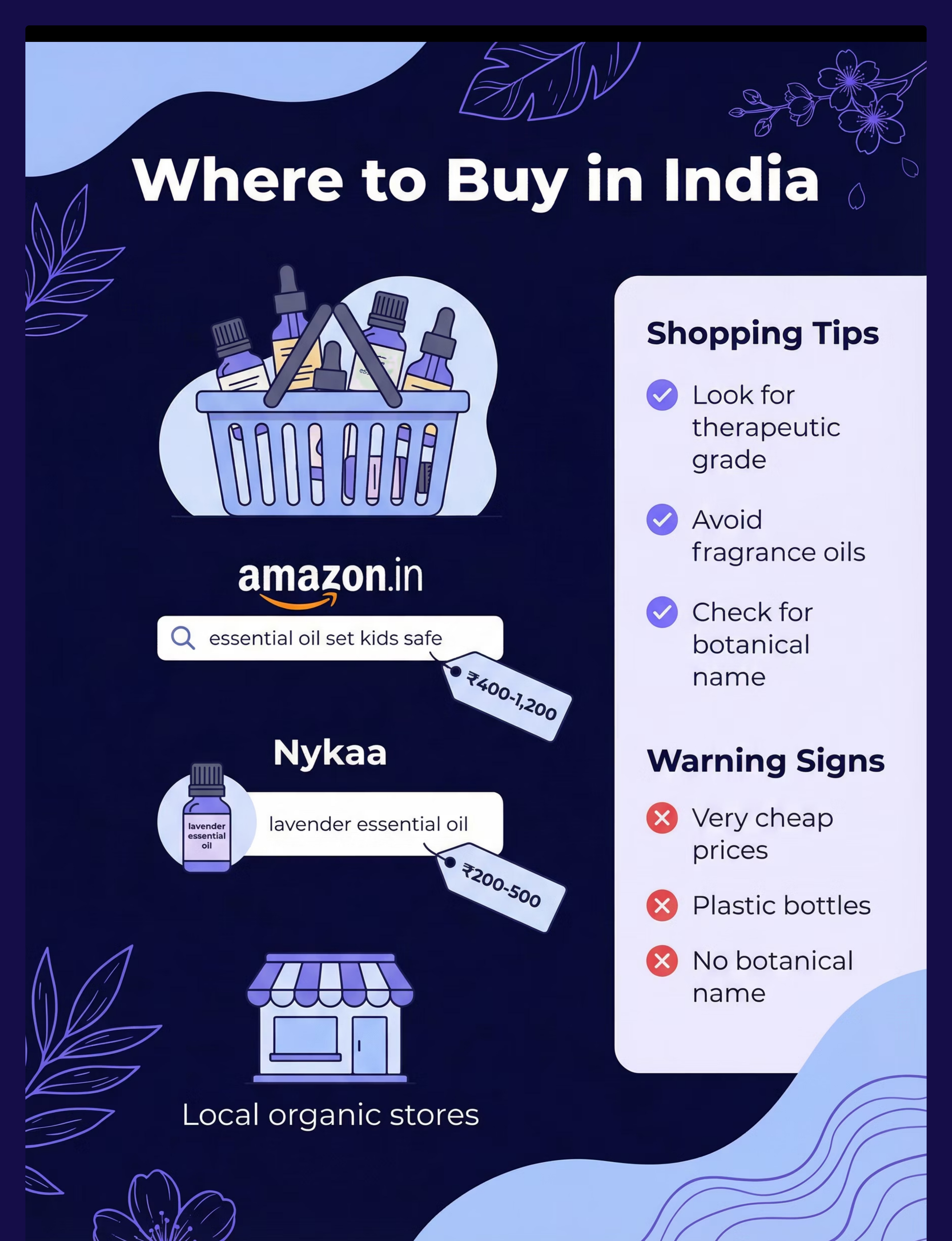
Availability: Widely Available across online platforms and local organic stores in India.
Platform
Search Term
Price Range
Amazon.in
"essential oil set kids safe"
₹400-1,200
Amazon.in
"ultrasonic diffuser small"
₹500-1,500
Nykaa
"lavender essential oil"
₹200-500
Local organic stores
"therapeutic grade oils"
₹300-800
✓ Buying Tips
  • Look for "therapeutic grade" or "pure essential oil" on labels
  • Avoid "fragrance oils"—these are synthetic, not therapeutic
  • KidSafe blends are pre-formulated specifically for children
  • Buy from reputable brands for purity and proper dilution
  • Store oils away from heat and sunlight to maintain potency
  • Check for botanical name on label (e.g., Lavandula angustifolia)
🚫 Red Flags
  • Very cheap prices (likely synthetic or diluted)
  • Labeled "fragrance oil" not "essential oil"
  • No botanical name listed on label
  • Plastic bottles (oils degrade plastic; should be glass)
  • Claims of "curing" medical conditions (unethical marketing)
  • No safety information or dilution guidelines
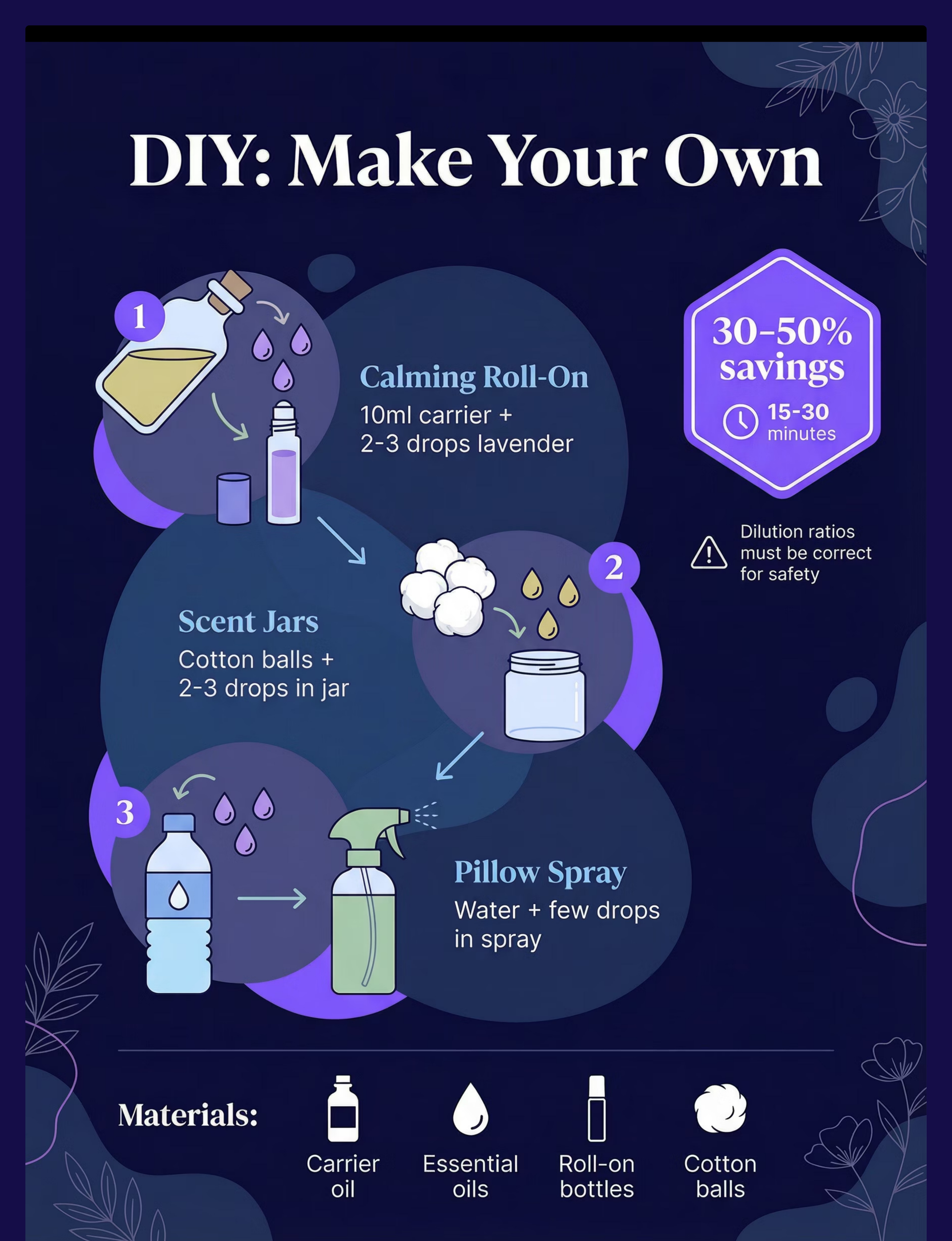
DIY Alternative (Save 30-50%)
Feasibility: Medium (for some items) | Time: 15-30 minutes | Cost Savings: 30-50%
What You'll Need
  • Essential oils (must still purchase therapeutic-grade)
  • Carrier oil (coconut, sweet almond, or jojoba)
  • 10ml roll-on bottles (glass, with roller ball tops)
  • Rice or cotton balls for scent jars
  • Small glass jars with lids (for scent activities)
  • Spray bottles (for pillow/room sprays)
DIY Instructions
  1. Calming roll-on: Fill 10ml roll-on bottle with carrier oil. Add 2-3 drops of lavender essential oil. Shake well. Label clearly. Apply to wrists as needed.
  1. Scent jars: Place cotton balls in small glass jars. Add 2-3 drops of essential oil to each cotton ball. Seal jars. Use for scent identification games or calm-down kits.
  1. Pillow spray: Fill 50ml spray bottle with distilled water. Add 5-10 drops of lavender. Shake before each use. Spray on pillow 10 minutes before bedtime.
  1. Scented playdough: Make or purchase unscented playdough. Add 5-10 drops of essential oil and knead thoroughly. Store in airtight container.
⚠️ Important Safety Notes
  • Dilution ratios MUST be correct for child safety
  • Never exceed recommended drops per volume
  • Label everything clearly with contents and date
  • Store homemade products away from heat/light
  • Use within 6 months for best potency
When to DIY vs. When to Buy Commercial
✓ Make These Yourself:
  • Roll-ons from purchased oils (easy, cost-effective)
  • Scent jars for activities (simple, customizable)
  • Pillow or room sprays (quick to make)
  • Custom scent blends (once you know child's preferences)
✓ Buy These Commercial:
  • The base essential oils (quality matters for safety and efficacy)
  • KidSafe pre-made blends (safer dilution ratios already calculated)
  • Quality diffuser (DIY versions don't work as well)
  • Scented putty (hard to replicate commercial texture and scent integration)
Trade-offs: DIY saves money on prepared products like roll-ons and sprays, but you still need to purchase quality therapeutic-grade oils. Homemade products are less convenient and require precise attention to dilution ratios for child safety. Commercial KidSafe products offer peace of mind with professionally calculated formulations.
Real Parent Stories
Hear firsthand from Indian families who have integrated aromatherapy into their daily lives to support their children's well-being. These authentic experiences highlight both successes and the learning curves involved.
"My 5-year-old, Priya, struggled with bedtime anxiety. We started diffusing lavender 30 minutes before sleep, and within a month, she was falling asleep faster and staying asleep. Our biggest learning was consistency."
"Rajesh, 8, found homework hard due to fidgeting. A scent jar with peppermint oil near his desk helped him focus for longer periods, showing results in a week. Finding KidSafe brands locally required some research, but it was worth it."
"Fatima's 3-year-old had tough daycare drop-offs. A chamomile-infused cloth in her pocket smoothed transitions significantly within two weeks. We learned the importance of proper dilution, especially in India's warmer climate."

Preview of aromatherapy scent kit olfactory sensory Therapy Material

Below is a visual preview of aromatherapy scent kit olfactory sensory therapy material. The pages shown help educators, therapists, and caregivers understand the structure and content of the resource before use. Materials should be used under appropriate professional guidance.

Page 1
Page 2
Page 3
Page 4
Page 5
Page 6
Page 7
Page 8
Page 9
Page 10
Page 11
Page 12
Page 13
Page 14
Page 15
Page 16
Page 17
Page 18
Page 19
Page 20
Link copied!
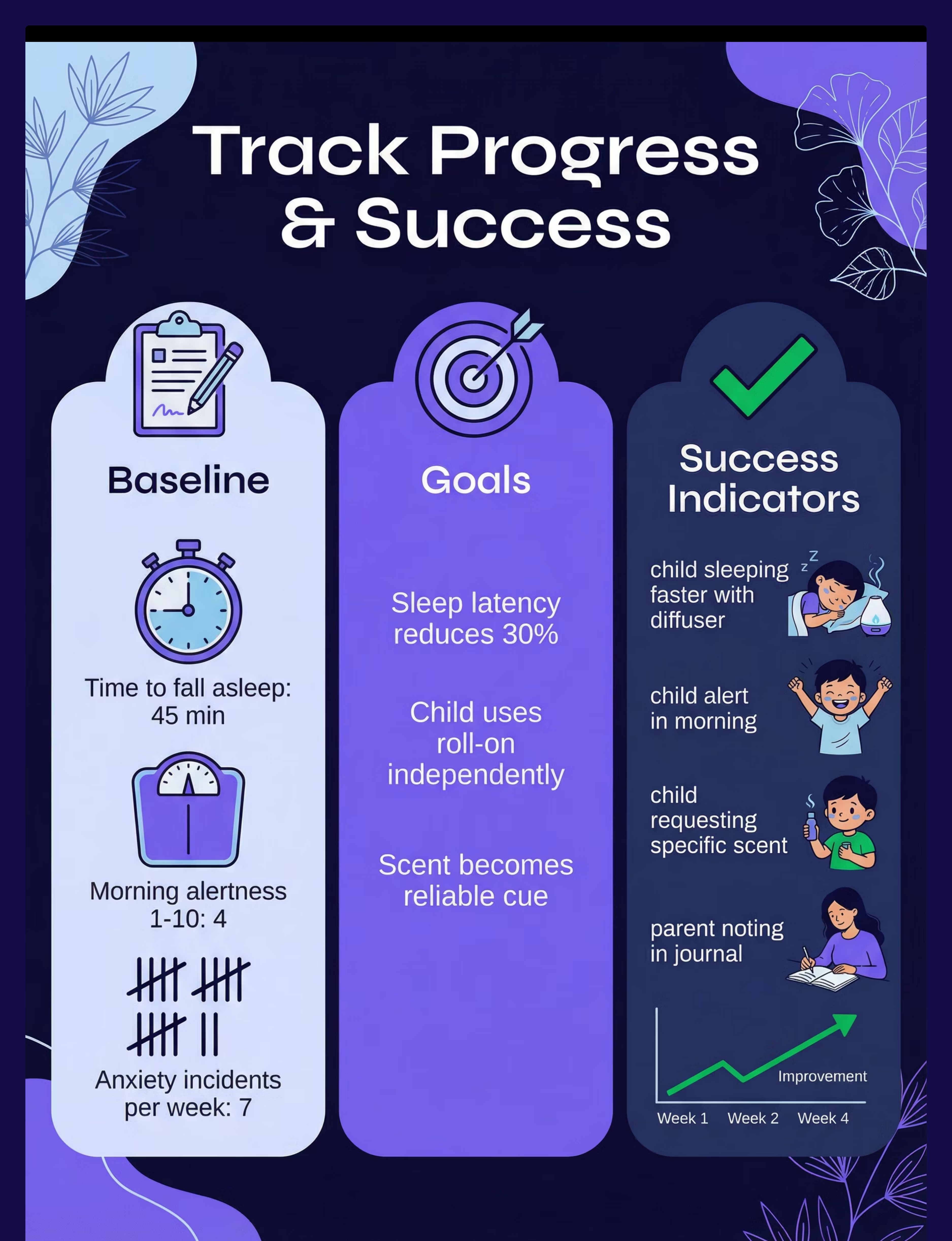
Measuring Success
Baseline (What to Measure First)
  • Time to fall asleep (in minutes): Track for 5-7 nights before starting aromatherapy
  • Morning alertness level (1-10 scale): Rate daily for one week
  • Anxiety incidents per week: Count observable anxiety episodes
  • Child's current scent preferences/aversions: Note which smells they like or avoid
Goals
  • Sleep latency will reduce by 30% with consistent bedtime lavender routine
  • Child will independently use calming roll-on before stressful situations within 3 weeks
  • Scent will become reliable cue for calm/alert states within 2-4 weeks
  • Child will identify and request specific scents that help them regulate by 4 weeks
Success Indicators
  • ✓ Faster sleep onset with calming scent (measurable in minutes)
  • ✓ Improved morning alertness (higher daily ratings)
  • ✓ Child requests specific scents ("Can I have the calm smell?")
  • ✓ Scent associations established (scent alone triggers desired state)
  • ✓ Reduced anxiety incidents with portable scent tools (fewer meltdowns)
  • ✓ Child uses aromatherapy tools independently for self-regulation
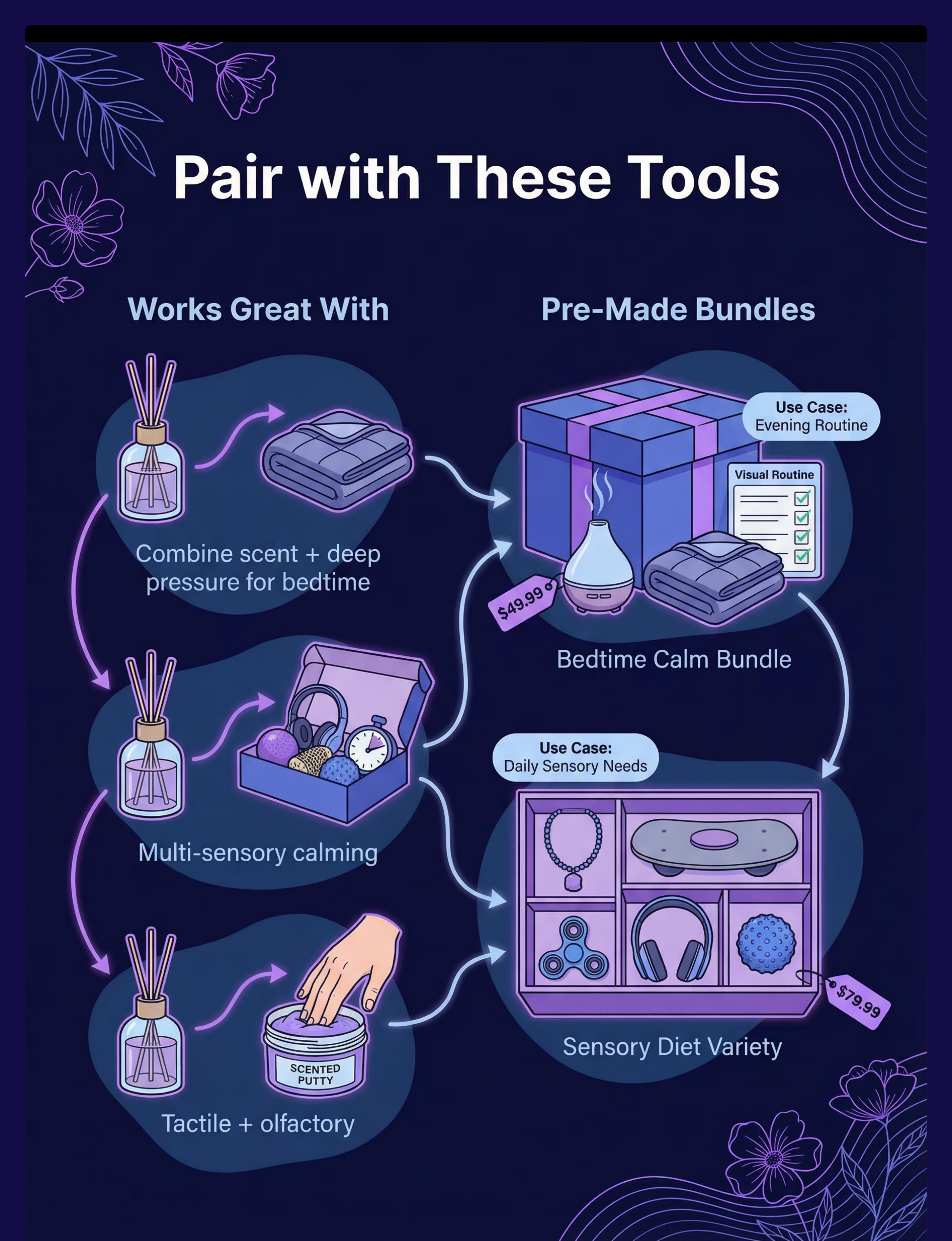
Complete the Sensory Kit
Aromatherapy works best as part of a comprehensive sensory diet. Consider pairing with these complementary tools:
Weighted Blanket (ID: 1.1)
Combine calming scent with deep pressure input for powerful bedtime regulation support.
Calm-Down Kit (ID: 2.3)
Include aromatherapy as part of multi-sensory calming toolkit for comprehensive regulation.
Therapy Putty (ID: 1.6)
Scented putty combines tactile and olfactory input for dual-sensory engagement.
Visual Bedtime Routine (ID: 15.1)
Include aromatherapy as consistent step in visual routine for predictable sleep preparation.
Recommended Bundles
  • Bedtime Calm Bundle (Tools 1.10 + 1.1 + 15.1): Complete sleep routine combining scent, deep pressure, and visual structure
  • Sensory Diet Variety (Tools 1.10 + 1.7 + 1.4): Multi-sensory regulation across olfactory, vestibular, and proprioceptive systems
AI Summary
Aromatherapy uses the direct olfactory-limbic pathway for rapid emotional regulation. Calming and alerting scents support regulation when used safely. Rank 2, moderate evidence.
aromatherapy
olfactory
scent
essential oils
calming
alerting
regulation
lavender
OT
Common Searches
aromatherapy kids autism, essential oils children calming, lavender oil sleep kids, sensory scent kit, calming scents autism, olfactory sensory tools, therapeutic aromatherapy children
Get Support
FREE National Autism Helpline
Phone: 9100 181 181
Languages: 16+ languages supported
Website: pinnacleblooms.org
Platform Integration
AbilityScore® identifies your child's unique olfactory processing patterns.
TherapeuticAI® recommends specific scents as part of personalized sensory diet.
EverydayTherapyProgramme™ includes aromatherapy routines in daily activities.
Emotional Regulation Index tracks anxiety and calm patterns over time to measure aromatherapy effectiveness.

Important Disclaimer
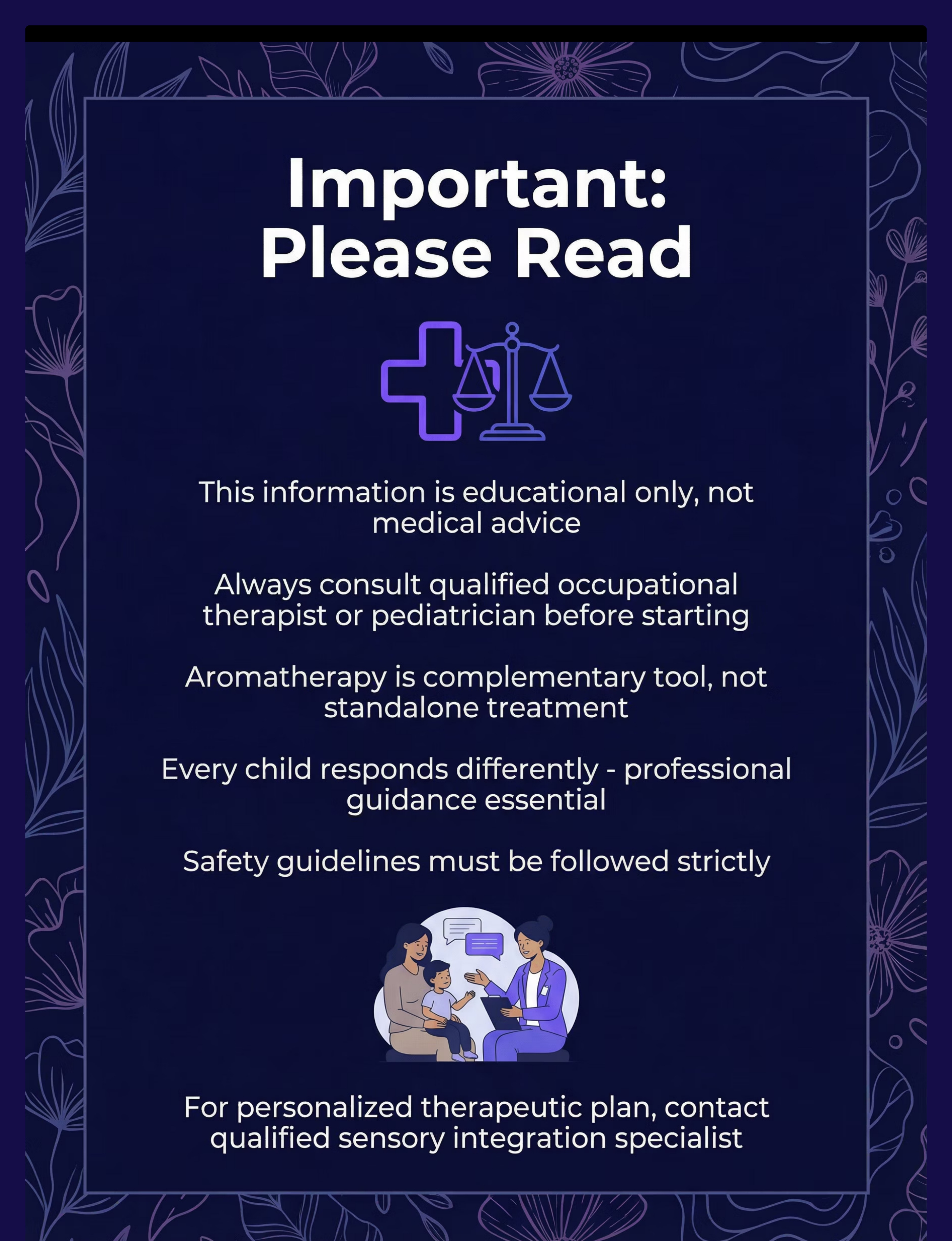
This is educational information about aromatherapy as a sensory tool. It is not medical advice. Always consult qualified occupational therapists, speech-language pathologists, or pediatricians before starting any new intervention, especially if your child has respiratory conditions, known allergies, or other medical concerns. Individual results vary based on the child's unique sensory profile, consistency of use, and overall therapeutic program.