

Sleep Materials | Pinnacle Blooms® Therapy Materials Library
Evidence-aligned resources supporting healthy sleep through environmental modifications, sensory accommodations, and structured bedtime routines. These materials address common sleep challenges including difficulty with sleep onset, night waking, early rising, and sensory barriers to restful sleep.
Understanding Sleep Support Materials

Materials in this category provide practical support for families facing sleep challenges. Each resource addresses specific aspects of the sleep environment or bedtime routine, allowing for customized approaches based on individual needs and preferences.
These tools work through various mechanisms including sensory regulation, environmental optimization, and behavioral structure. When implemented consistently and matched appropriately to the child's needs, they can significantly improve sleep quality and family well-being.
The materials range from Core Kit items recommended for most families to Extended Kit options for specific sensory profiles. All recommendations follow evidence-based practices and safety guidelines established by sleep specialists and occupational therapists.
Safety Considerations
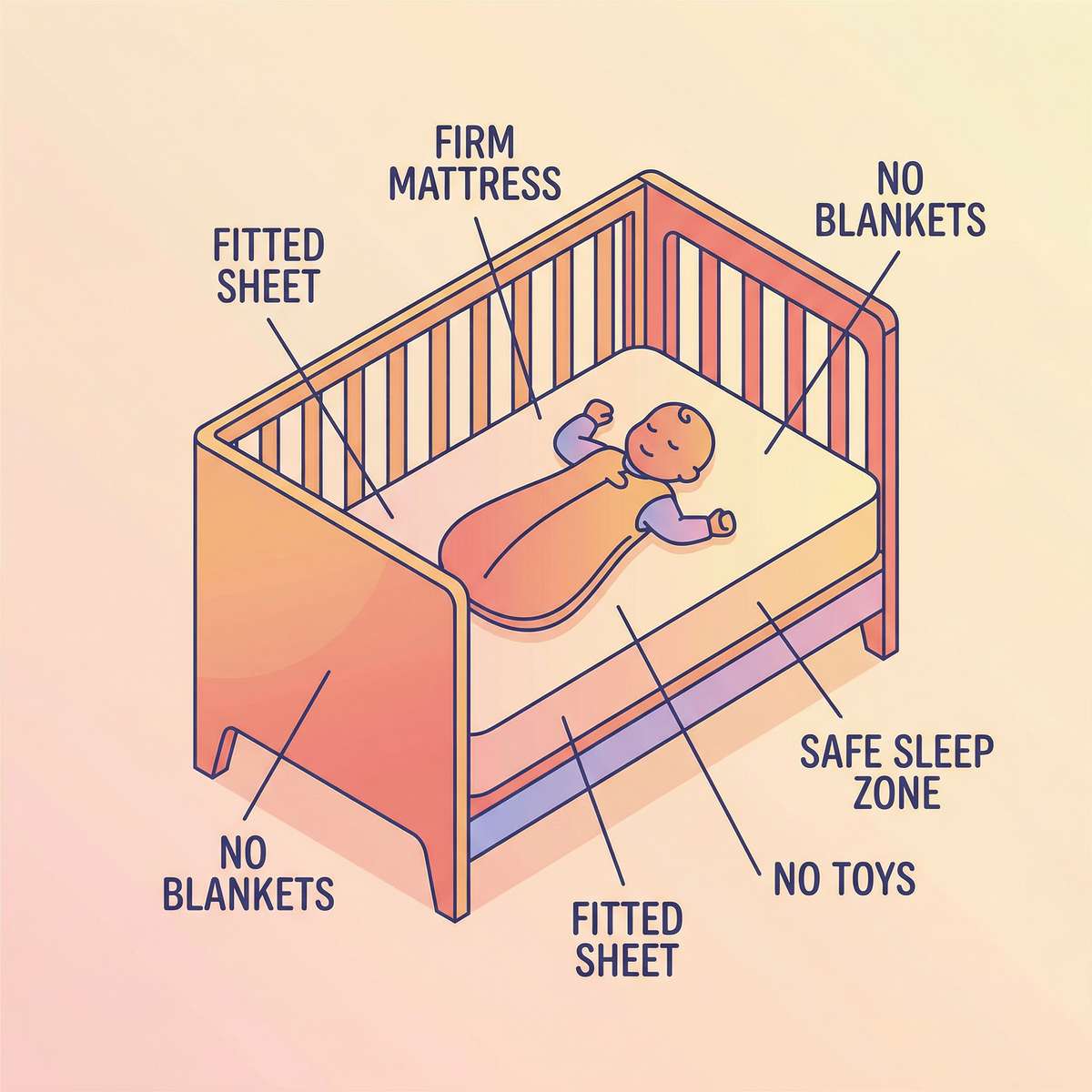
Safety must guide all sleep material selection and use. Follow manufacturer guidelines carefully, particularly for weighted items which have specific age and weight restrictions. Children must be able to remove weighted blankets independently.
Monitor all sleep environment modifications for potential hazards. Ensure bed tents and canopies are properly secured. Keep the sleep space free of loose items that could present suffocation risks for younger children.
For persistent sleep challenges, consult with sleep specialists or pediatricians before implementing multiple interventions. Some sleep difficulties may have underlying medical causes requiring professional assessment and treatment beyond environmental modifications.
Who Benefits From These Materials

For Parents
Home-based sleep environment optimization. These materials provide practical tools for creating consistent, calming bedtime routines and optimizing the bedroom environment for better sleep quality.
For Therapists
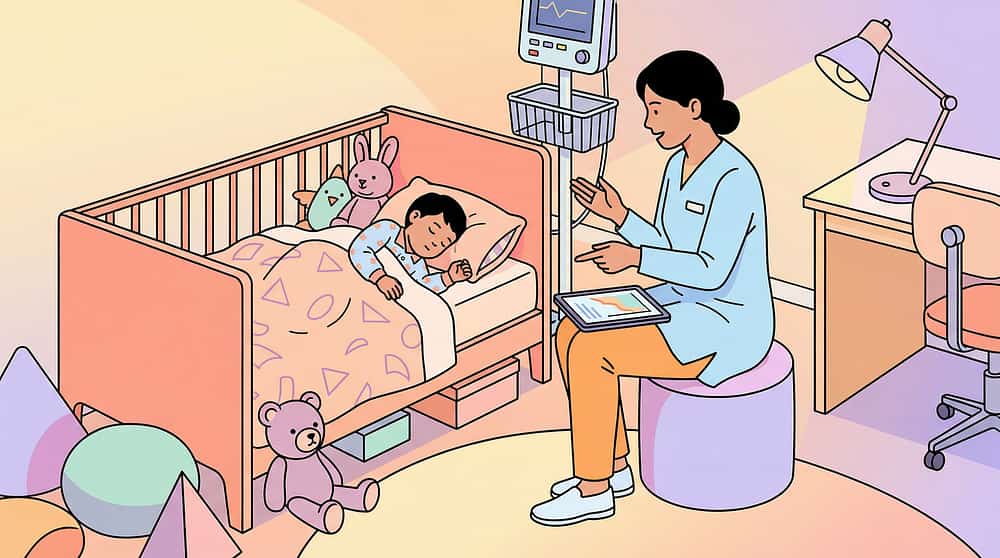
Sleep assessment and sensory-based sleep intervention. Therapists use these materials to evaluate sleep challenges and recommend evidence-based interventions matched to sensory profiles.

For Schools & Educators
Understanding sleep impact on daily function. Educators benefit from understanding how sleep quality affects attention, behavior, and learning capacity in the classroom environment.

For Doctors & Clinicians
Sleep recommendations for comprehensive planning. Clinicians incorporate sleep strategies into broader treatment plans, recognizing sleep's foundational role in health and development.
5 Evidence-Aligned Sleep Resources
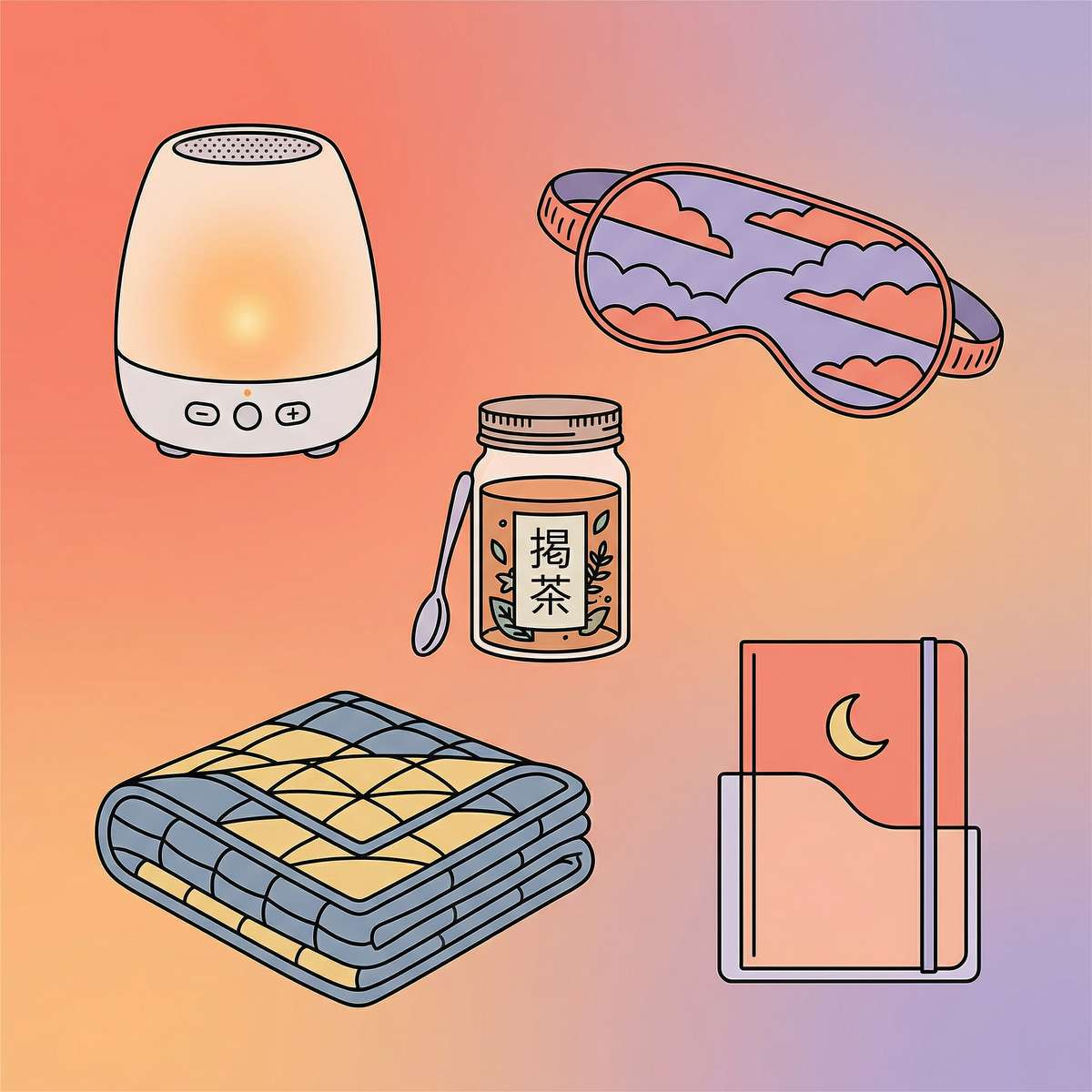
The Pinnacle Blooms® Sleep Materials collection includes five carefully selected resources addressing the most common sleep challenges faced by children with sensory processing differences and developmental variations.
These materials are organized into Core Kit and Extended Kit categories. Core Kit items (Rank 1) represent foundational interventions recommended for most families addressing sleep challenges. Extended Kit items (Rank 2) address specific needs and preferences.
Each material targets specific mechanisms—from sensory regulation through deep pressure to environmental control through light and sound management. When combined appropriately, these materials create comprehensive sleep support systems.
Material 14.1: Weighted Sleep Items
Core Kit
Deep Pressure
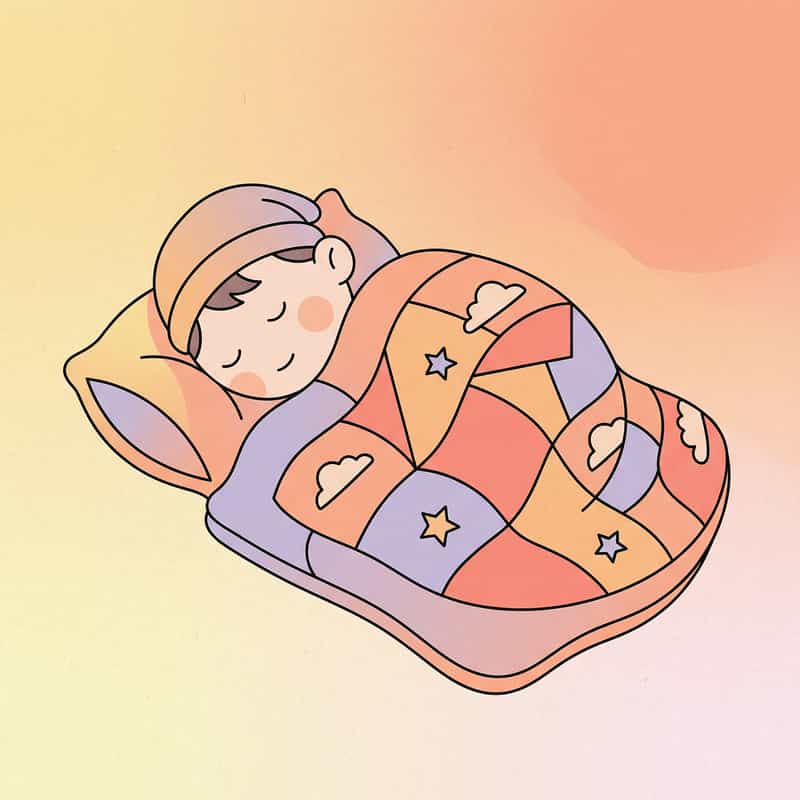
Weighted sleep items provide deep pressure input to calm the nervous system, reduce anxiety, and improve sleep onset and quality for children with sensory needs. These items work through proprioceptive input that activates the parasympathetic nervous system, promoting relaxation and readiness for sleep.
How It Works
Deep pressure stimulates proprioceptive receptors, sending calming signals to the nervous system. This reduces cortisol levels and increases serotonin production, creating physiological conditions conducive to sleep onset and maintenance.
Safety Guidelines
Weight should be 5-10% of child's body weight. Child must be able to remove blanket independently. Never use for children under 2 years. Start with shorter periods and gradually build tolerance over time.
Implementation
Introduce weighted items during calm activities before sleep. Consider weighted alternatives like lap pads or stuffed animals if full blankets feel overwhelming initially. Monitor child's response and adjust weight as needed.
Price Range: ₹300 - ₹8,000 | Setting: Home - bedroom | Target Areas: Sleep onset, sleep quality, anxiety reduction, sensory regulation, nighttime calming
Material 14.2: Blackout / Light Control
Core Kit
Light Management
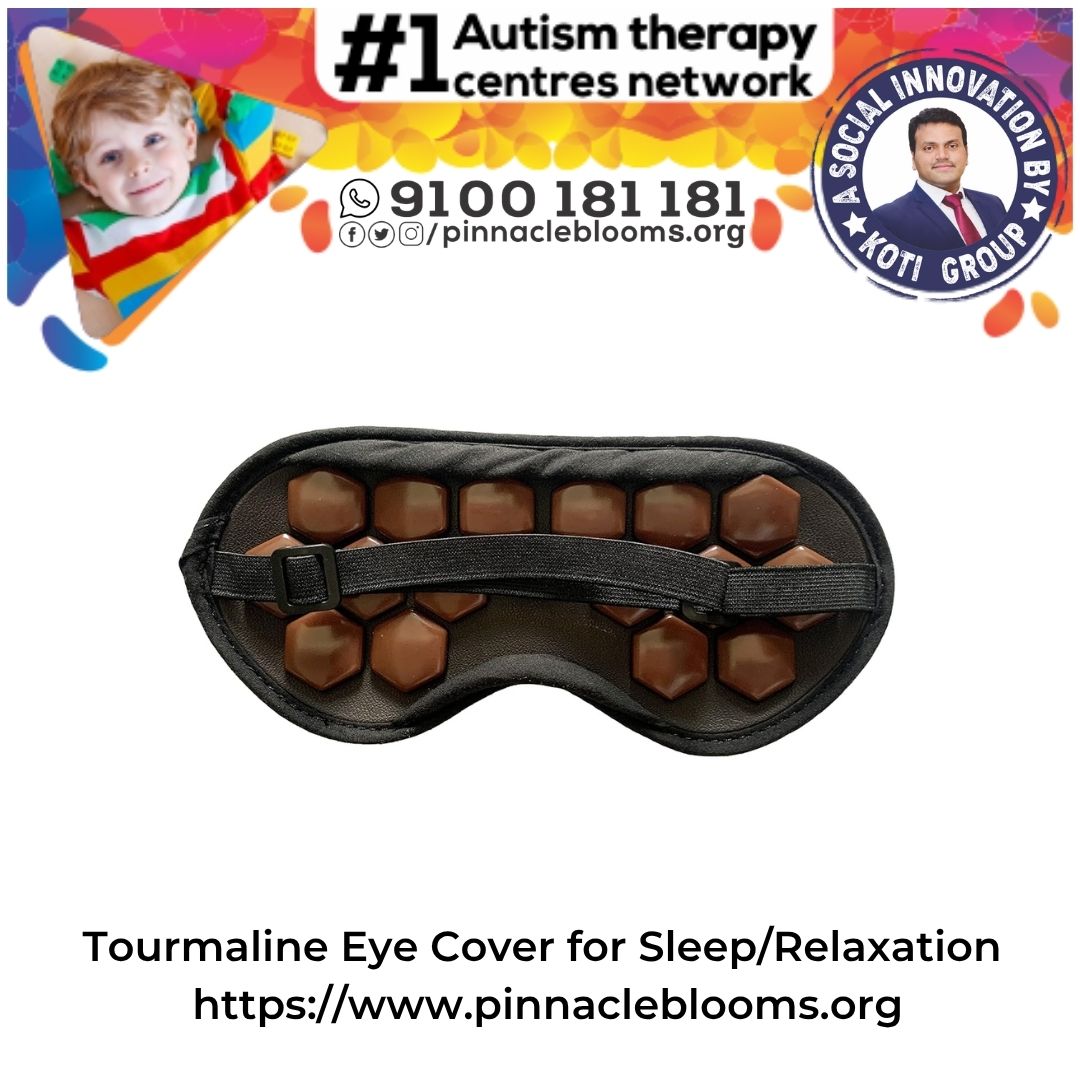
Blackout and light control create optimal darkness for sleep by blocking light that suppresses melatonin and disrupts circadian rhythm. Even small amounts of light during sleep hours can interfere with melatonin production, leading to difficulty falling asleep and early morning waking.

Achieving complete darkness is crucial for regulating the sleep-wake cycle and ensuring restful sleep, particularly for individuals sensitive to light exposure. High-quality blackout solutions effectively eliminate external light sources, supporting natural melatonin production and maintaining circadian rhythm.
Why Complete Darkness Matters
Light exposure during sleep hours suppresses melatonin, the hormone that regulates sleep-wake cycles. Even small amounts of ambient light from windows, electronics, or hallway lighting can disrupt this delicate hormonal balance.
Children with sensory sensitivities may be particularly reactive to light during sleep. Early morning light can trigger premature waking, while evening light exposure delays sleep onset by shifting circadian rhythm later.
Implementation Strategy
Block ALL light sources for maximum effectiveness. Cover window edges where light typically leaks around standard curtains. Cover device LEDs with electrical tape or dedicated covers.
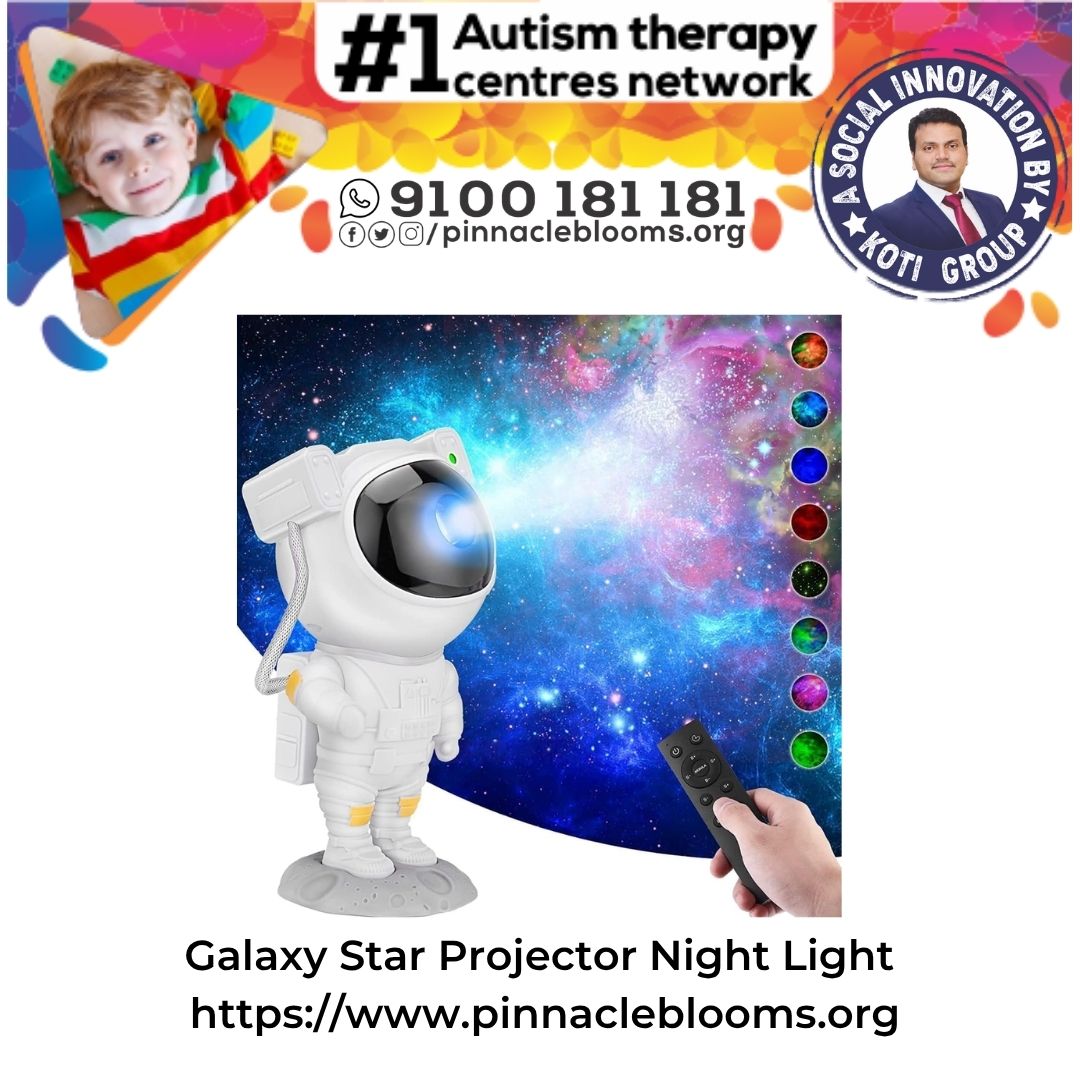
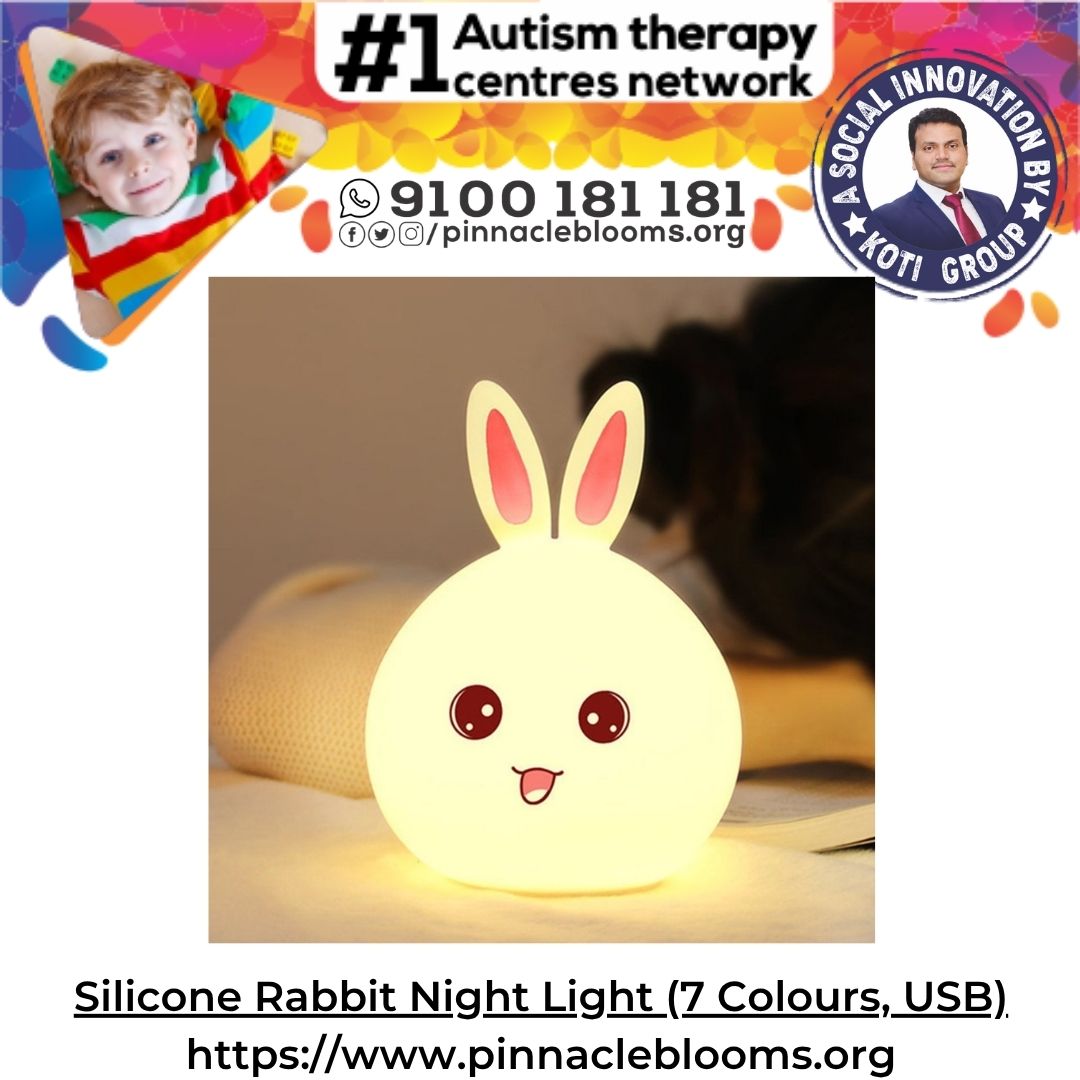
Red or orange night lights don't suppress melatonin and can be used if some visibility is needed for safety. Portable blackout solutions maintain consistency during travel.
Price Range: ₹50 - ₹4,000 | Setting: Home - bedroom | Target Areas: Sleep onset, sleep quality, circadian rhythm, early waking prevention, melatonin production
Material 14.3: White Noise / Sound Machines
Core Kit
Auditory Control
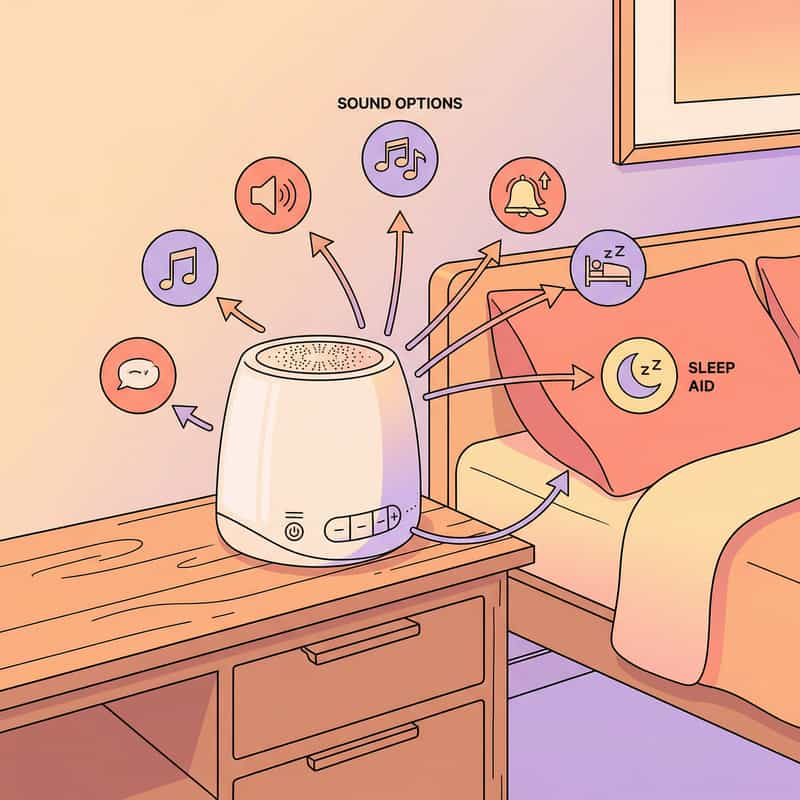
Price Range: ₹0 - ₹4,000 | Setting: Home - bedroom, Travel | Target Areas: Sleep onset, sleep maintenance, noise masking, auditory regulation, sleep environment
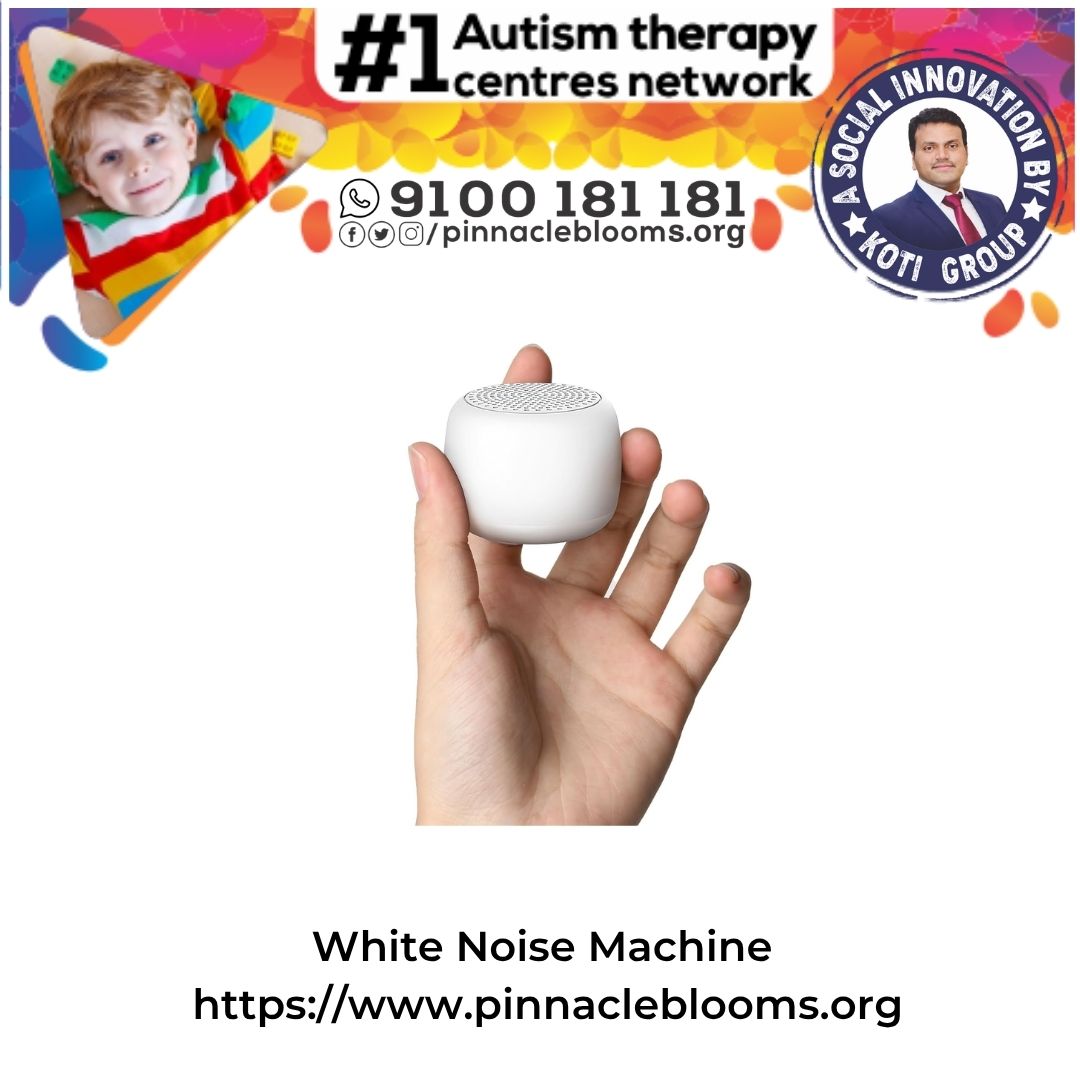
White noise and sound machines create consistent auditory environment that masks disruptive sounds, reduces auditory hypervigilance, and promotes better sleep. These devices work by providing steady, predictable sound that prevents sudden noises from triggering arousal responses.
Mechanism of Action
Consistent sound masks disruptive environmental noises like traffic, household sounds, or outside activity. This masking prevents sudden auditory stimuli from triggering arousal responses that disrupt sleep cycles.
Volume and Placement
Volume should be 50-65 decibels maximum—loud enough to mask disruptions but not so loud it becomes a sleep disruptor itself. Place machine away from child's head to prevent direct sound exposure.
Consistency Requirements
Use continuous play throughout entire sleep period with no auto-off features. Consistent sound is more effective than variable or gradually changing sounds. Maintain same sound type for predictability.
Material 14.4: Sleep Routine Supports
Core Kit
Behavioral Structure
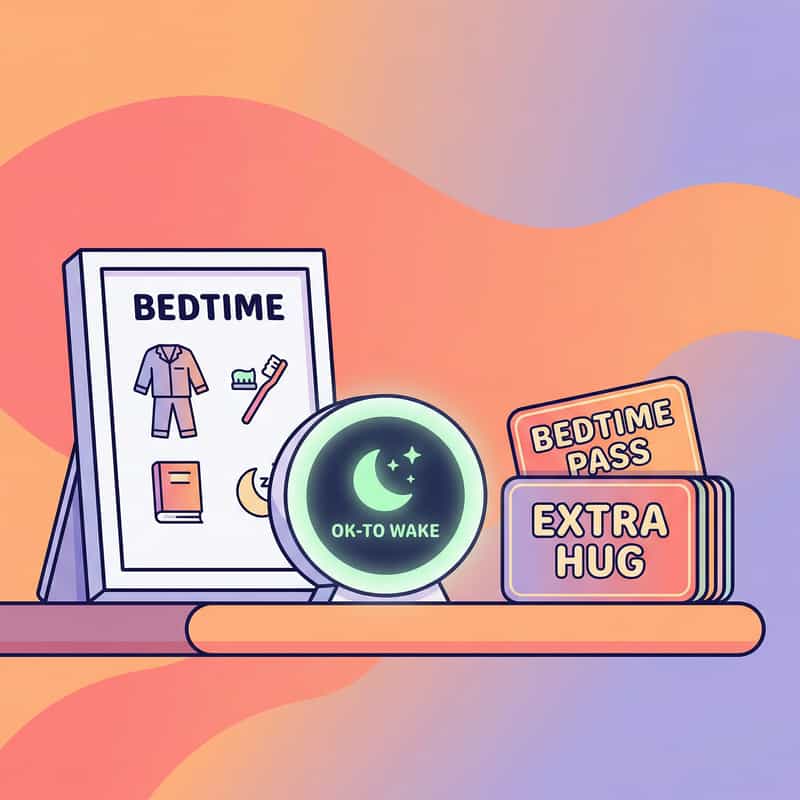
Sleep routine supports provide structure, predictability, and visual guidance for bedtime through schedules, OK-to-wake clocks, bedtime passes, and relaxation tools. These supports reduce bedtime anxiety by making expectations clear and transitions predictable.
Visual Schedules
Visual bedtime schedules show each step of the routine in sequence, reducing uncertainty and power struggles. Children know what to expect and when, decreasing resistance and anxiety about the transition to sleep.
OK-to-Wake Clocks
These clocks teach appropriate wake times through color changes that children can understand without reading clock faces. Red or blue indicates sleep time; green or yellow signals it's acceptable to get up or call for parent.
Establish Consistent Sequence
Same routine activities in same order every night
1
Post Visual Schedule
Place where child can reference independently
2
Include Calming Activities
Relaxation exercises in latter half of routine
3
Set Wake Time Boundaries
Use OK-to-wake clock to teach appropriate rising time
4
Price Range: ₹0 - ₹2,500 | Setting: Home - bedroom/bathroom | Target Areas: Bedtime routine, transitions, anxiety reduction, independence, sleep onset, wake time boundaries
Material 14.5: Specialty Bedding / Sleep Environment
Extended Kit
Sensory Customization
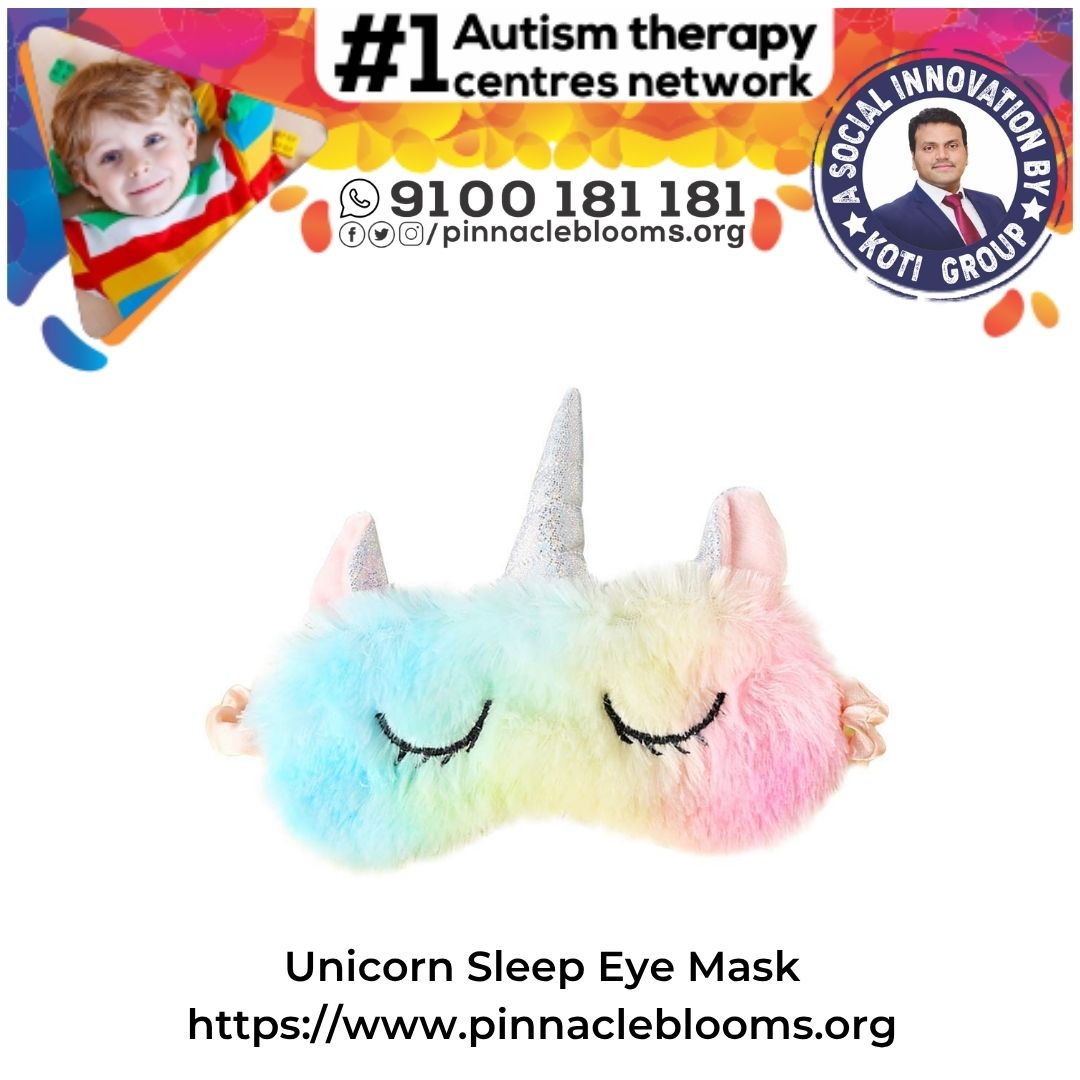
Specialty bedding and sleep environment items optimize the physical sleep space through compression sheets, bed tents, body pillows, and bed rails for comfort and safety. These modifications address specific sensory preferences and physical needs that standard bedding may not accommodate.

Compression Sheets
Provide gentle all-over pressure for children who seek deep pressure input throughout the night. Works like a lighter-weight alternative to weighted blankets with broader surface area coverage.

Bed Tents
Create visual containment and reduced sensory input for children who feel overwhelmed by open space or visual stimulation in the bedroom. Provides sense of security and boundaries.
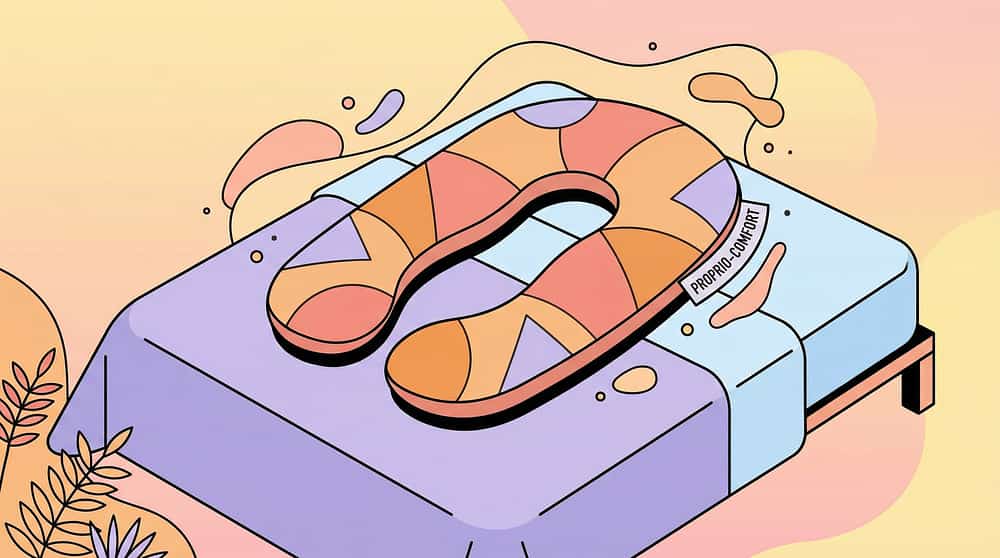
Body Pillows
Offer proprioceptive input and physical boundaries during sleep. Children can position them for pressure input or use them to define personal space within the bed.

Bed Rails
Provide fall prevention and physical containment for children who move significantly during sleep or have difficulty maintaining awareness of bed boundaries.
Price Range: ₹500 - ₹25,000 | Setting: Home - bedroom | Target Areas: Sleep comfort, sensory preferences, containment, fall prevention, physical security, sleep quality
Combining Materials for Maximum Effect

Sleep materials work synergistically when combined appropriately. A comprehensive sleep support system typically includes environmental controls (blackout and
Measuring Progress
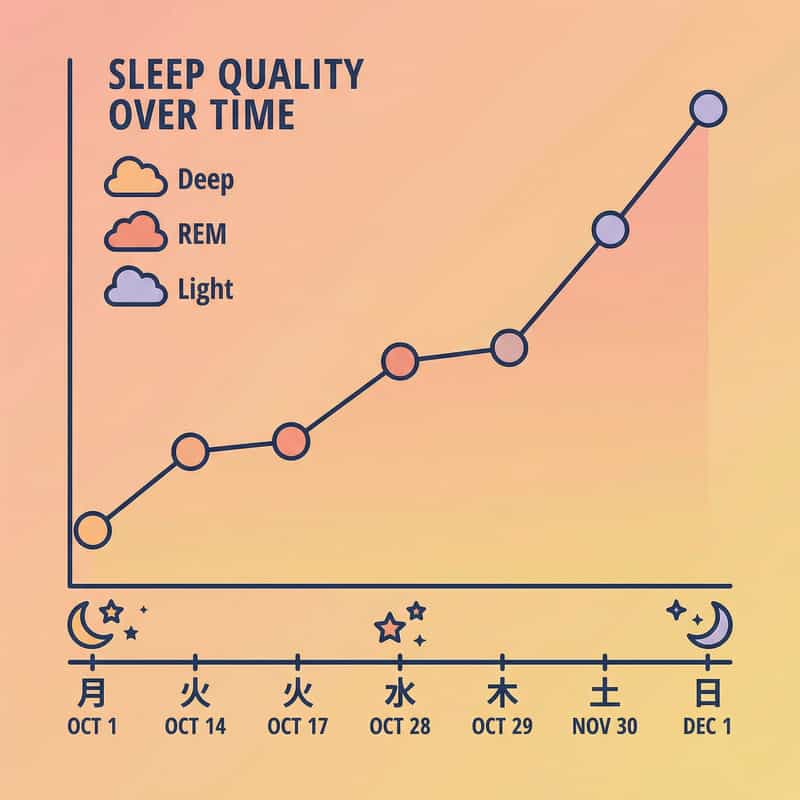
Track sleep outcomes systematically to evaluate material effectiveness. Subjective impressions can be misleading—consistent data collection provides objective evidence of improvement or lack thereof.
Key Metrics to Track
- Sleep onset time (minutes from lights out to sleep)
- Number of night wakings
- Duration of night wakings
- Wake time (consistency and appropriateness)
- Total sleep duration
- Daytime functioning and behavior
Track for at least two weeks before making judgments about effectiveness. Sleep patterns naturally vary night to night, and trends become clear only with sufficient data points.
When to Seek Professional Support

Some sleep challenges require professional assessment beyond environmental modifications and behavioral supports. Persistent difficulties despite consistent implementation of evidence-based materials may indicate underlying issues requiring specialized evaluation.
Indicators for Professional Referral
- Sleep difficulties persist beyond 4-6 weeks of consistent intervention
- Loud snoring or breathing pauses during sleep
- Excessive daytime sleepiness despite adequate sleep opportunity
- Significant sleep-related anxiety or fear
- Parasomnias (sleepwalking, night terrors, sleep talking)
- Suspected sleep apnea or restless leg syndrome
Sleep specialists can conduct comprehensive evaluations including sleep studies when indicated. They can identify medical conditions affecting sleep quality and provide targeted interventions beyond environmental modifications.
Platform Architecture
Pediatric Therapeutic OTT Platform
On-demand therapy guidance, parent education, and EverydayTherapyProgramme™ delivery accessible anytime. Provides continuity between in-person sessions through structured home programming and digital progress tracking.
Hyperlocal Pediatric Therapeutic Marketplace
Connects families to verified therapists, centers, programs, and resources mapped to the child's AbilityScore® and readiness needs. Location-based matching ensures geographic accessibility alongside clinical appropriateness.
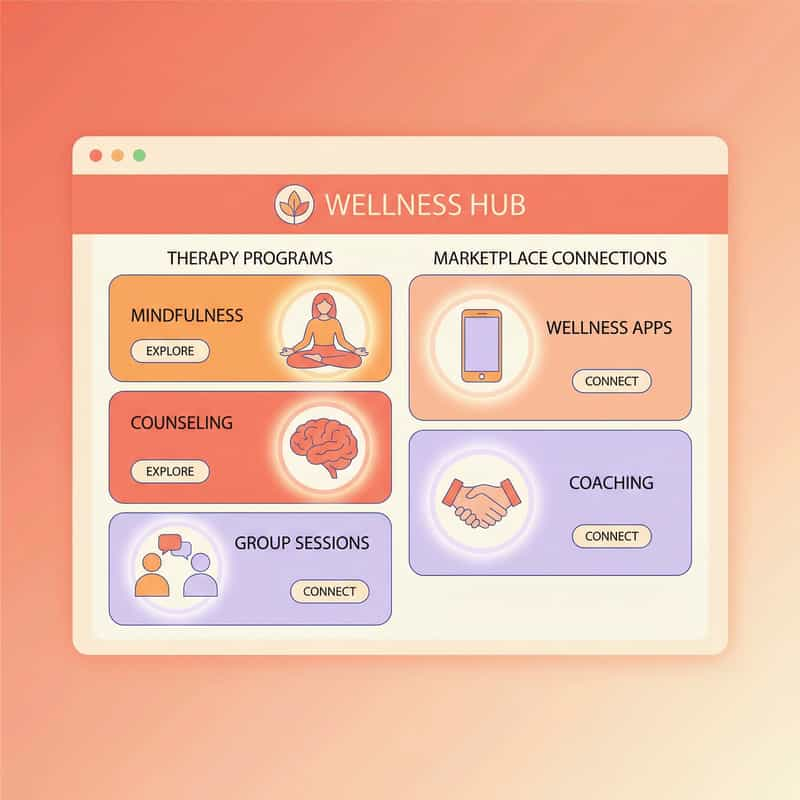
Center Network Execution
70+ physical centers operating under GPT-OS® standards with measurable accountability. Consistent clinical protocols ensure quality across geographic locations and service settings.
Cannons
Sleep MaterialsEvidence-based materials supporting healthy sleep routines, bedtime regulation, sensory comfort, and sleep environment management across home and therapy settings.



Link copied!