

Behavior Support Materials
Evidence-based tools for positive behavior change and skill development
Guidelines for Effective Use
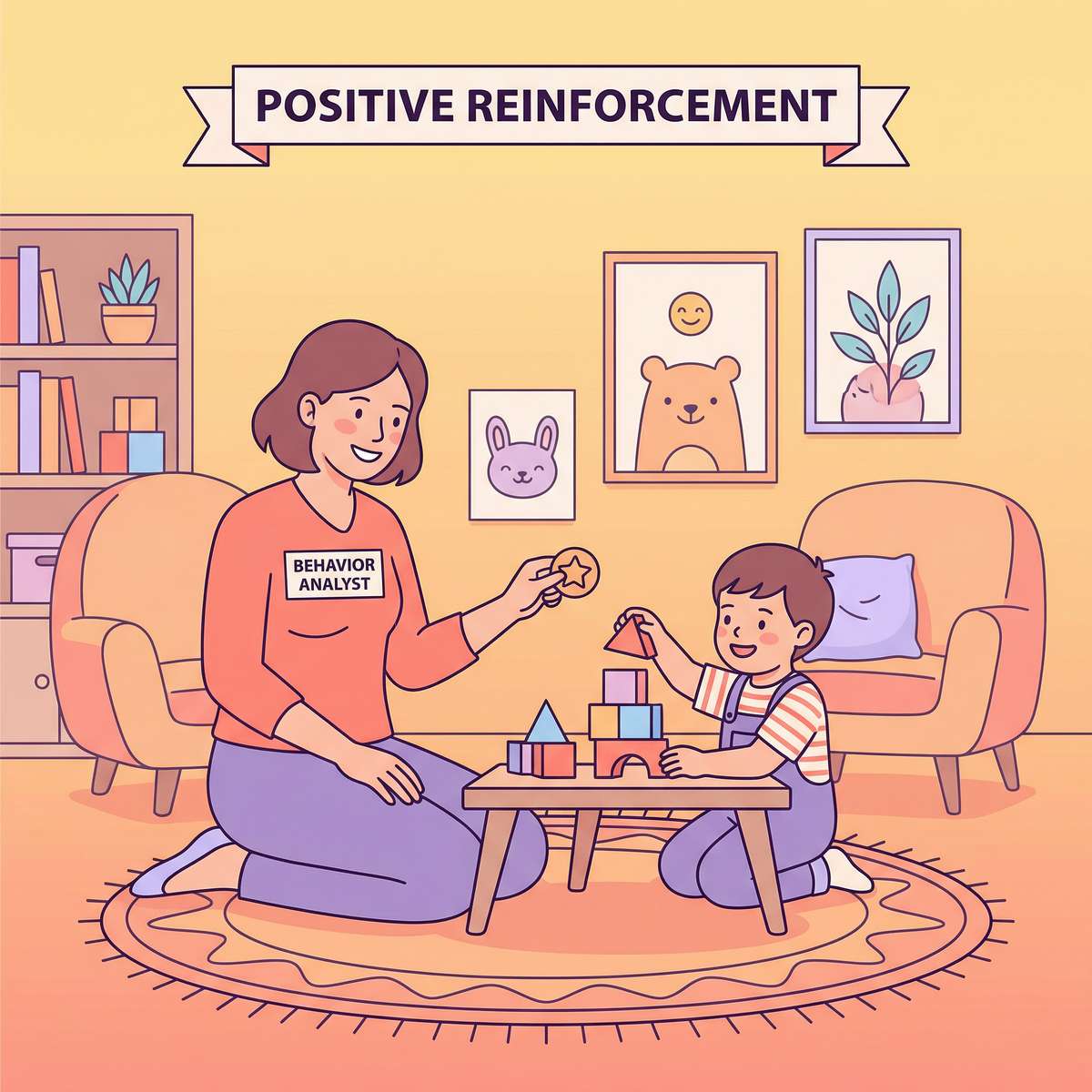
Evidence-Based Principles
Successful behavior support follows established principles from applied behavior analysis and positive psychology. Focus on positive reinforcement rather than punishment, as research consistently shows reinforcement produces lasting change while maintaining relationships and motivation.
- Identify the function of behavior before selecting interventions
- Use data to track patterns and measure progress objectively
- Modify environments proactively to prevent problem behaviors
- Teach replacement behaviors that serve the same function
- Consult with behavior analysts (BCBA) for individualized plans
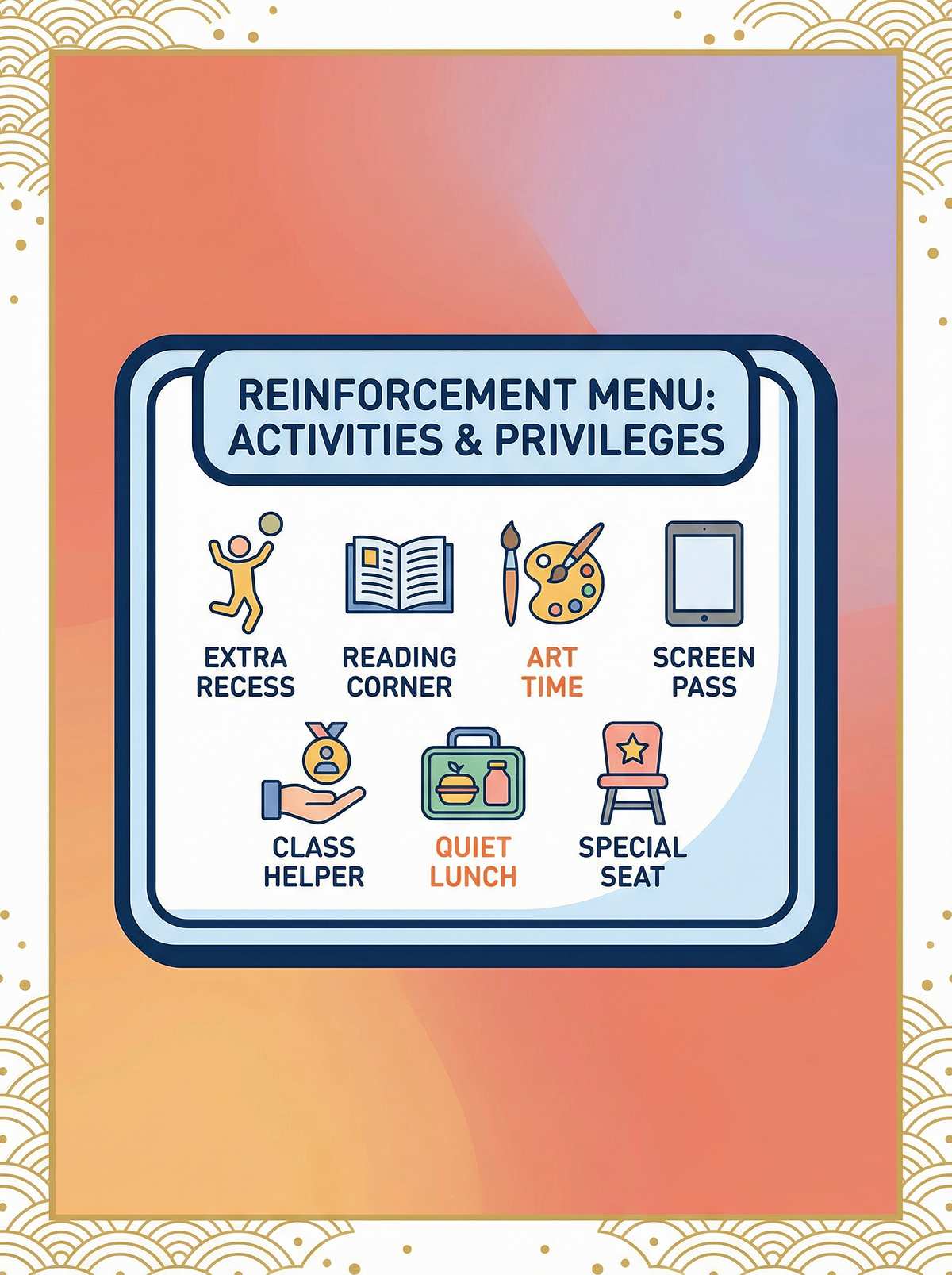
Material 10.1: Reinforcement Menus
Core Kit (Rank 1) • Positive behavior support and motivation system
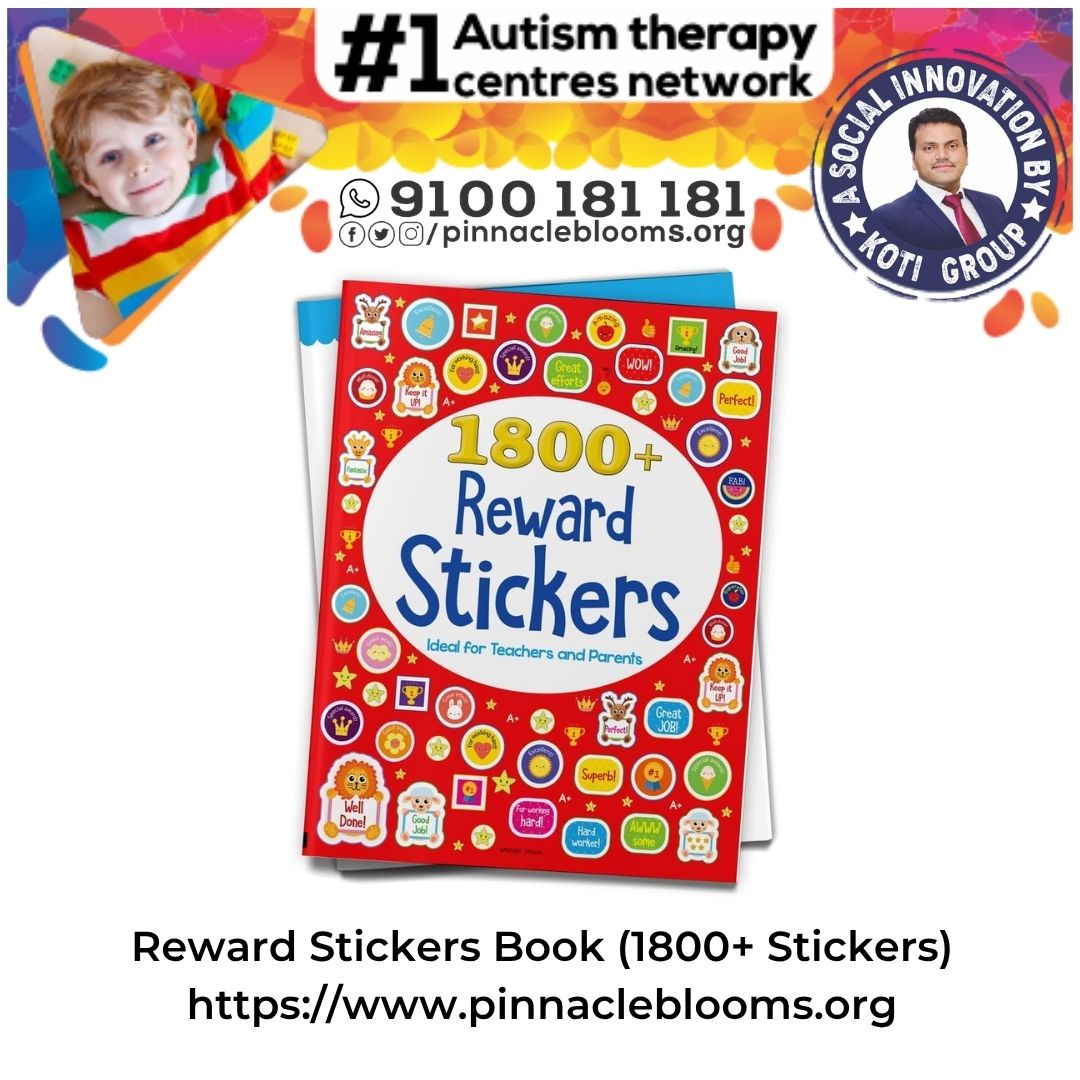
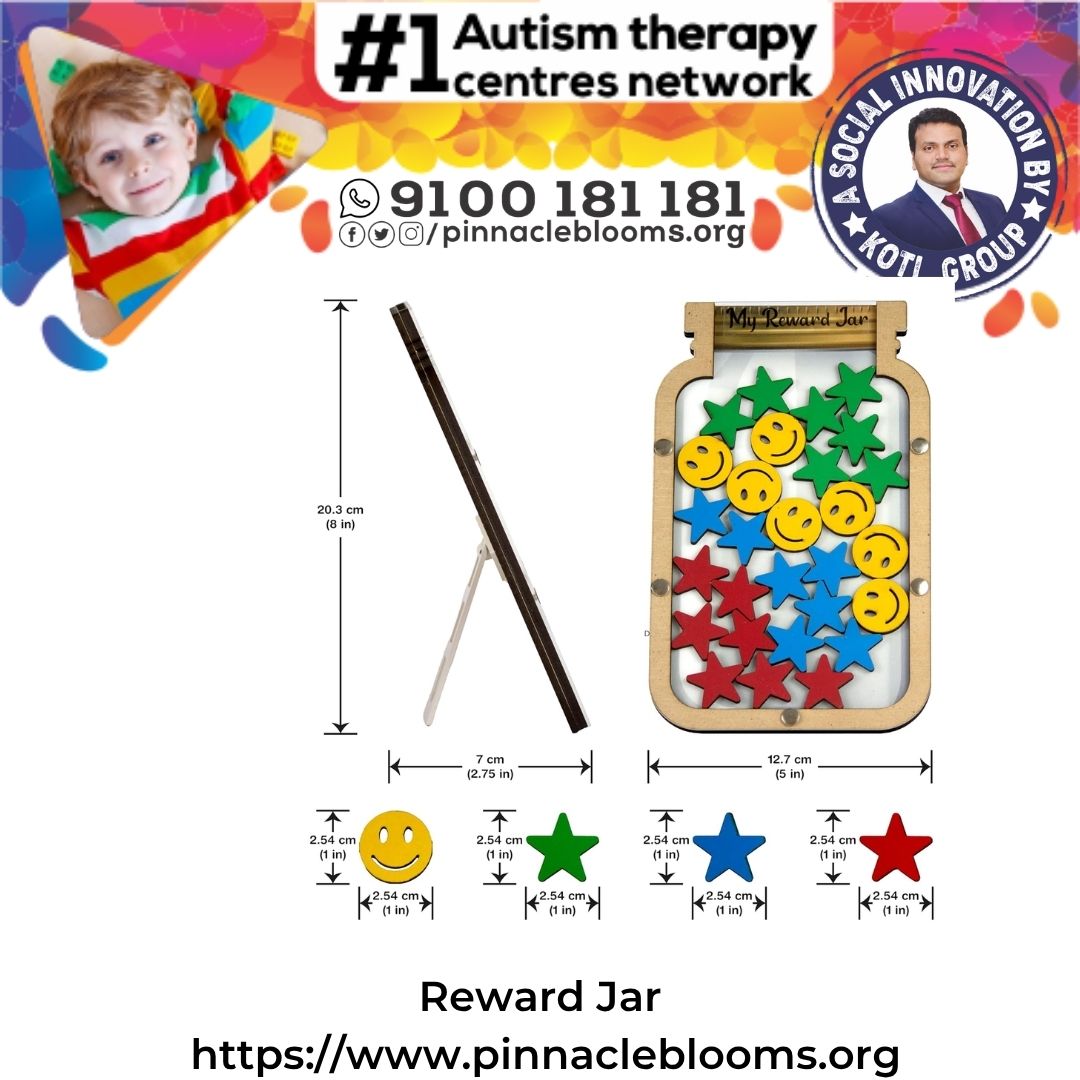
Reinforcement menus provide visual choice of motivating consequences to strengthen desired behaviors through positive reinforcement with variety and child control. When children select their own reinforcers from a menu of options, motivation increases significantly compared to adult-selected rewards. This autonomy creates investment in the behavior change process.
How It Works
Visual choice increases motivation, behavior is performed, reinforcer is delivered immediately, and behavior is strengthened over time through repeated pairing of behavior with preferred consequences.
Target Areas
- Motivation and engagement
- Behavior increase strategies
- Choice-making skills
- Communication development
- Self-regulation abilities
Best Practices: Reinforcement Menus

Implementation Strategies
Offer choice from the menu to increase motivation—research shows choice alone can increase behavior rates by 30-40%. Assess preferences regularly because they change, especially with young children and those with developmental differences. What motivated last month may not work today.
Vary reinforcers to prevent satiation. If the same reward is used repeatedly, it loses effectiveness. Deliver reinforcement immediately after the target behavior occurs—delays reduce the learning connection. Include variety in reinforcer types: tangible items, activities, social praise, privileges, and sensory experiences.
Settings: Home, School, Clinic, Community
Price Range: ₹50 - ₹500
Best Practices: Behavior Tracking
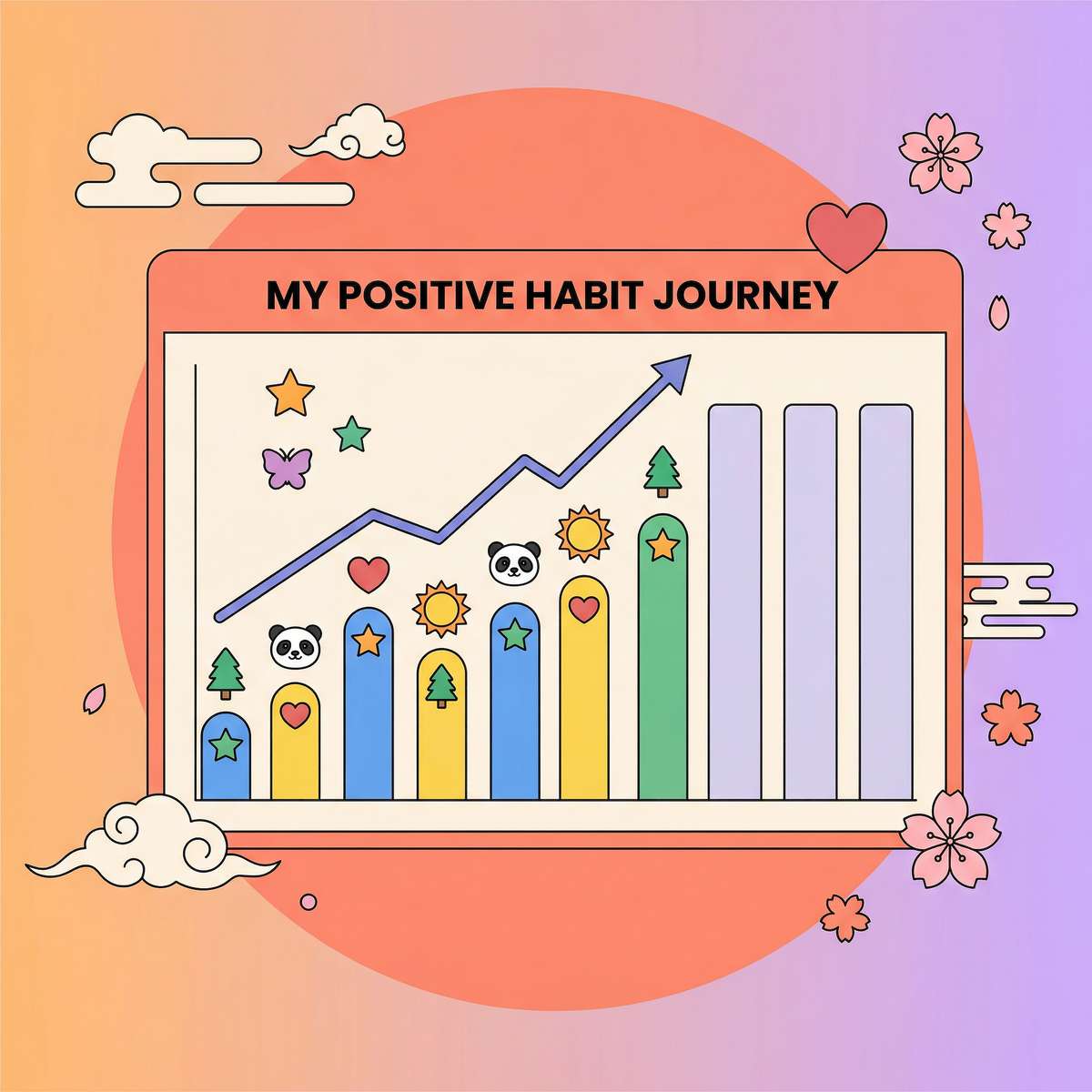
Effective Data Collection
Track specific, observable, measurable behaviors. Instead of "bad attitude," track "refusal to follow instructions within 5 seconds." Concrete definitions ensure everyone tracks the same way, making data reliable and useful for decision-making.
Maintain consistent tracking across settings when possible. If behaviors occur at home and school, coordinate tracking to see the complete picture. Use tracking for positive behavior monitoring, not punishment—celebrate successes visually with the child. Share progress regularly so children see their growth. Use collected data to make intervention decisions rather than relying on memory or feelings about how things are going.
Settings: Home, School, Clinic
Price Range: ₹50 - ₹200

Material 10.3: Self-Monitoring Tools
Core Kit (Rank 1) • Self-awareness and behavior regulation system
Self-monitoring tools develop self-awareness and self-regulation by teaching children to evaluate their own behavior with decreasing external prompts. This metacognitive skill—thinking about one's own thinking and behavior—is crucial for independence. Children transition from external control to internal self-management, a key developmental milestone.
1
Self-Observation
Child notices their own behavior in real-time with initial adult support
2
Self-Evaluation
Child judges whether behavior meets defined criteria using clear standards
3
Self-Recording
Child documents their evaluation using tracking tools independently
4
Increased Awareness
Pattern recognition develops as child sees their behavior data over time
5
Self-Regulation
Child adjusts behavior based on self-evaluation with less external direction
Best Practices: Self-Monitoring

Building Independent Skills
Start with adult comparison to calibrate accuracy. Initially, both adult and child rate the same behavior, then compare. This teaches the child what accurate self-assessment looks like. Use clear, objective criteria that eliminate ambiguity—"I stayed in my seat for the entire activity" rather than "I was good."
Reinforce accurate self-monitoring even when monitoring reveals challenges. If a child honestly reports difficulty, praise the honesty. This prevents incentive to "cheat" the system. Fade adult prompts gradually as accuracy improves, moving from constant checking to spot-checks to full independence. The ultimate goal is self-management across settings without external monitoring.
Settings: School, Home, Clinic, Community
Price Range: ₹50 - ₹2,000

Material 10.4: Transition Objects & Comfort Items
Core Kit (Rank 1) • Transition support and emotional security system
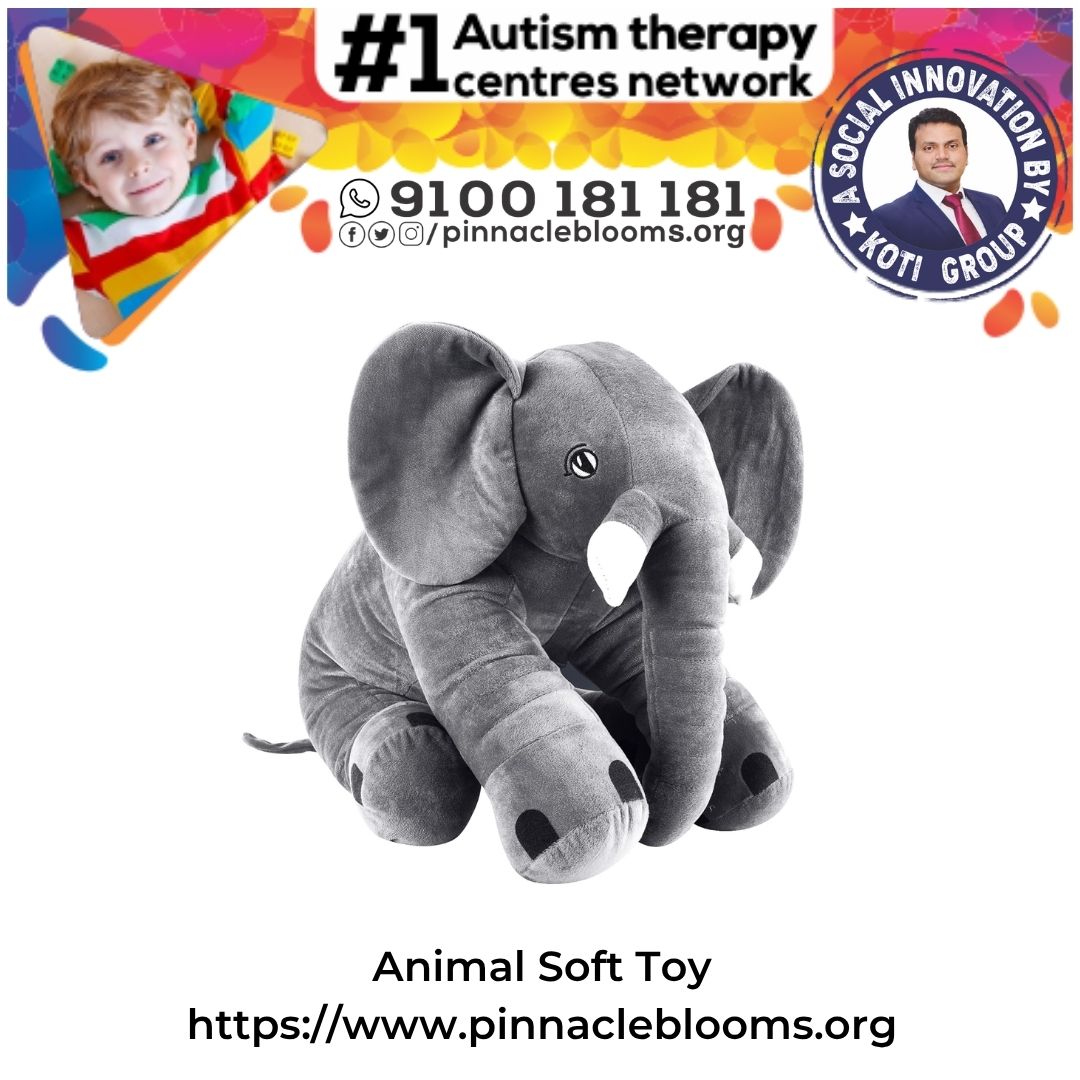
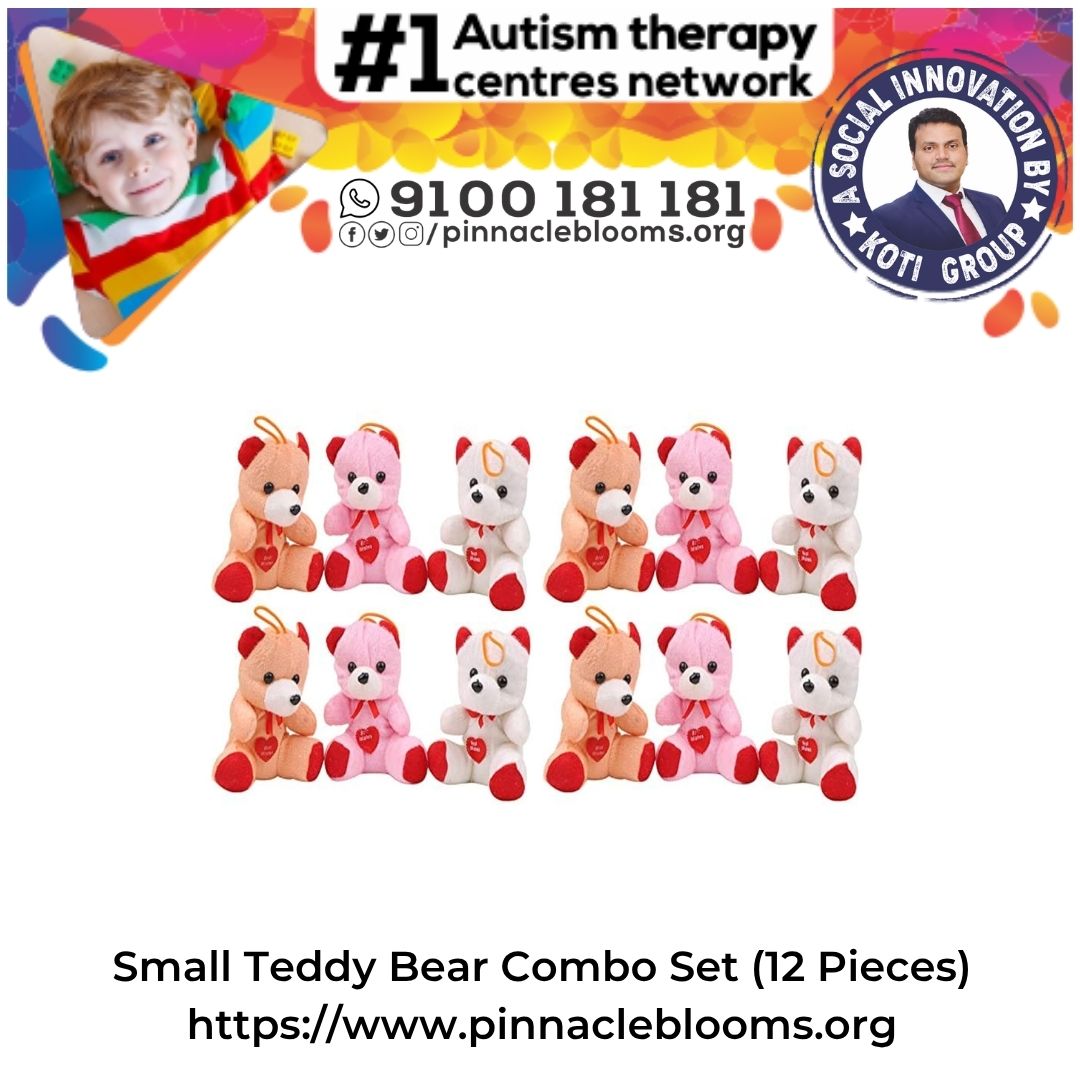
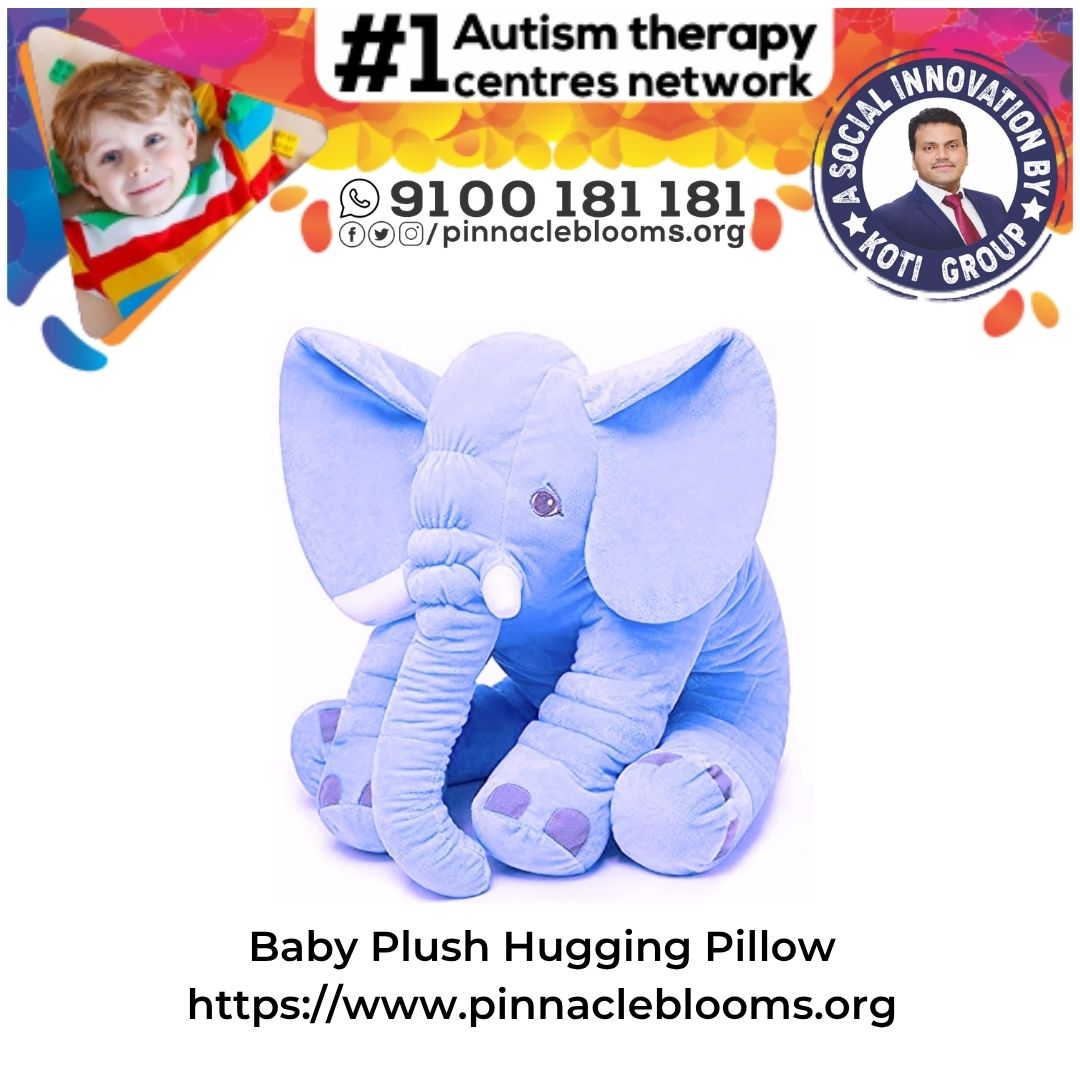
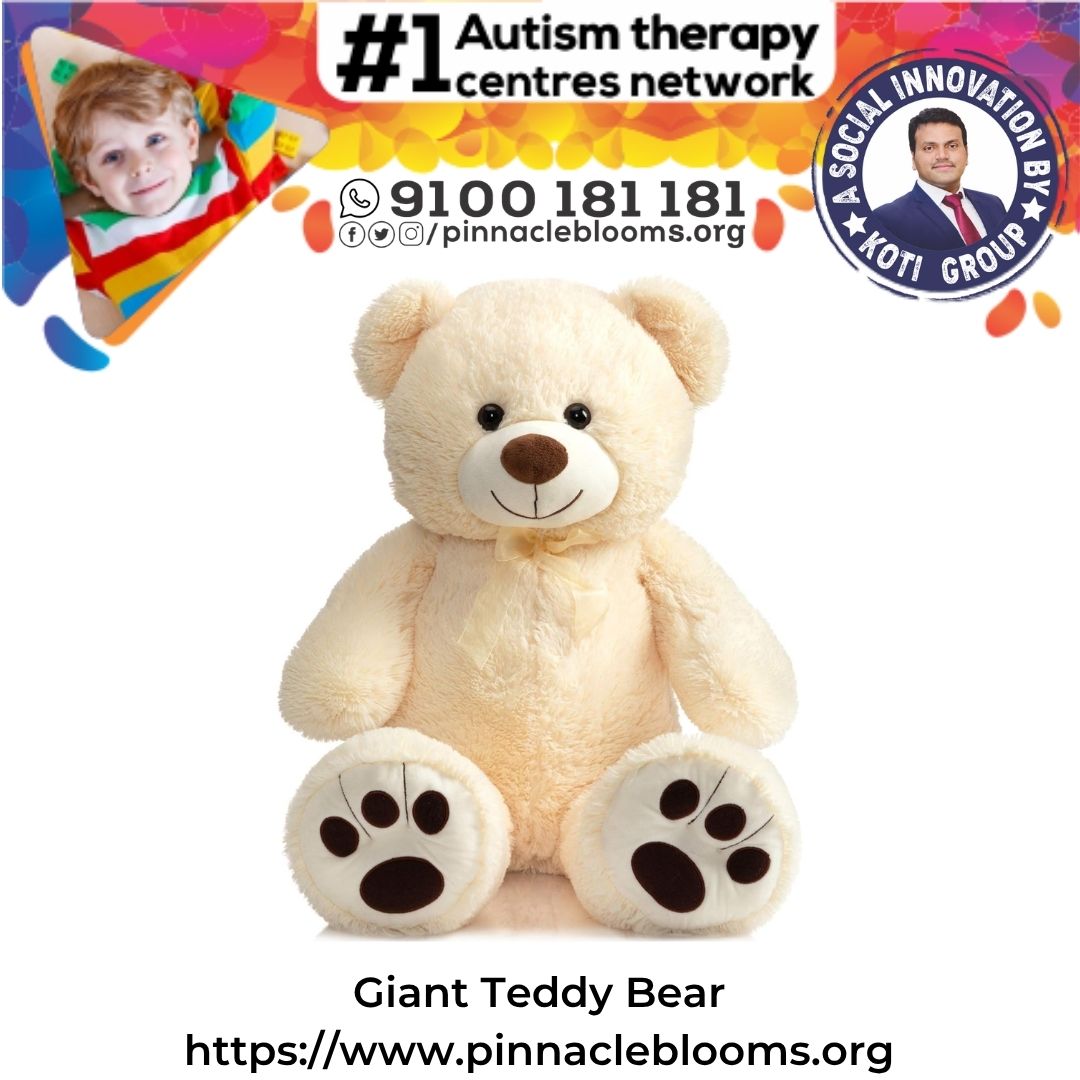
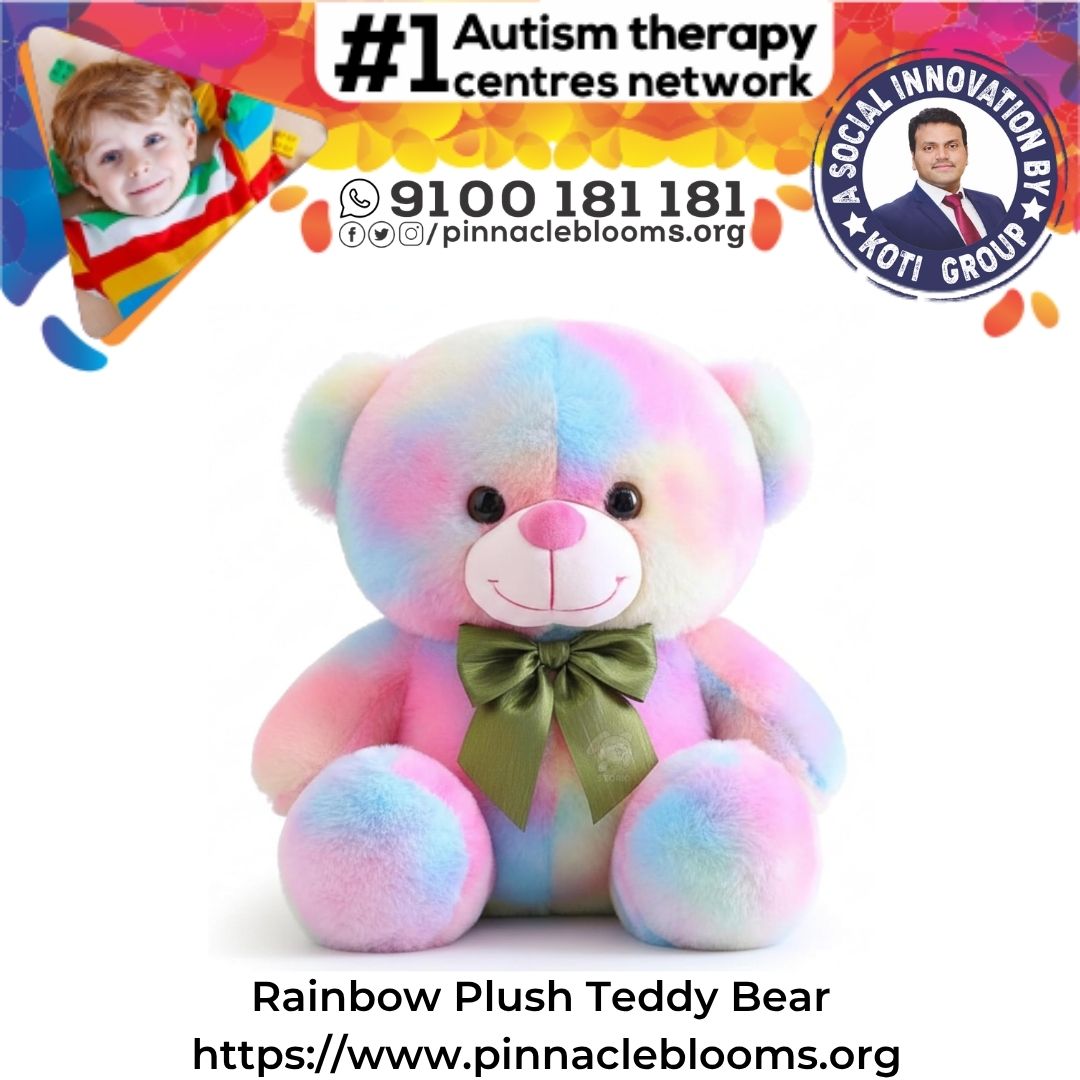
Transition objects and comfort items provide emotional security and reduce anxiety during changes through maintaining connection and regulatory support. Transitions—moving between activities, people, or places—are often the most challenging moments for children with developmental differences. Predictable comfort items bridge these moments, providing emotional anchoring when the world feels uncertain.
Transition Support
Objects maintain continuity during changes between activities or environments
Anxiety Reduction
Familiar items decrease stress responses during new or challenging situations
Emotional Security
Comfort objects provide sense of safety when separated from caregivers
Self-Regulation
Items serve as tools for co-regulation and independent calming strategies
Best Practices: Comfort Items

Supporting Emotional Security
Allow comfort objects during difficult transitions rather than removing them. These items aren't "crutches"—they're legitimate regulatory tools. If fading becomes necessary for developmental progression, do so gradually. Never suddenly remove a comfort item, which can cause significant distress and erode trust.
Use transition objects specifically for separation anxiety. A photo of family members, a parent's scarf, or a small item from home helps maintain connection when apart. Small, portable items work best—they can travel to school, therapy, or community settings without disruption. Respect the child's attachment to comfort items. What seems trivial to adults often carries profound meaning for children navigating complex emotional experiences.
Settings: Home, School, Clinic, Community
Price Range: ₹50 - ₹1,000
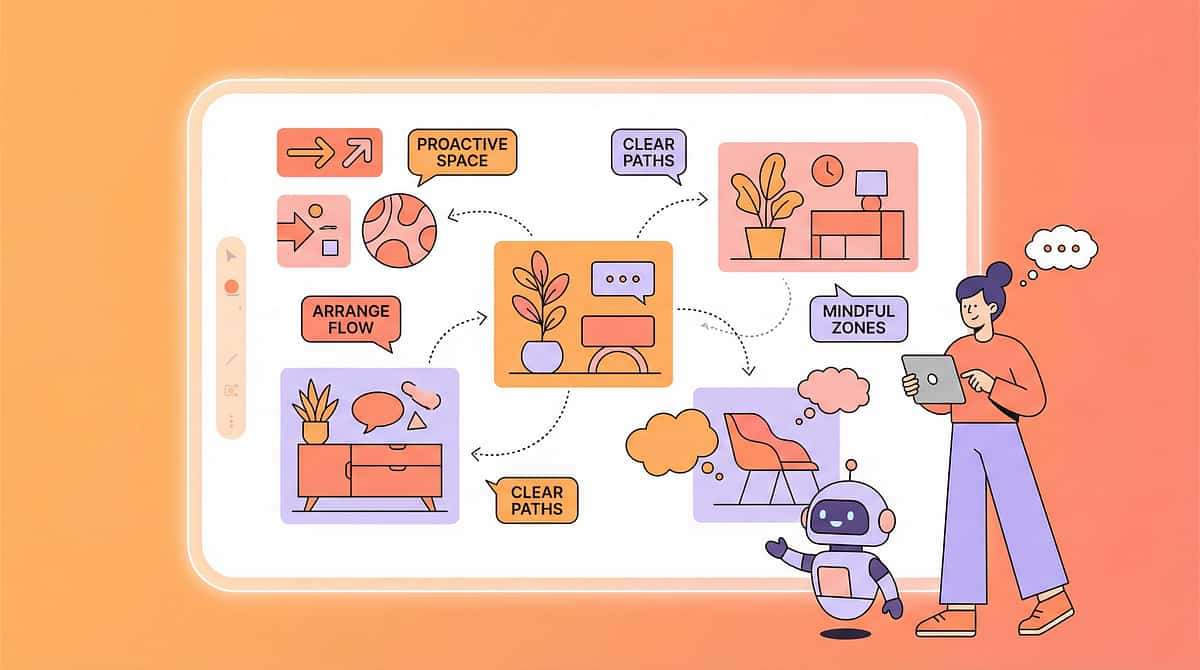
Material 10.5: Antecedent Modification Tools
Core Kit (Rank 1) • Proactive behavior prevention system
Antecedent modification tools prevent problem behaviors before they occur by modifying triggers, environment, and demands through proactive strategies. The most effective behavior support happens before behaviors occur. By changing antecedents—what happens immediately before behavior—we prevent problems rather than reacting to them. This proactive approach is more respectful, less stressful, and more effective than reactive strategies.
1
Identify Triggers
Analyze what consistently happens before problem behaviors occur
2
Modify Antecedents
Change environmental conditions, demands, or sequences proactively
3
Prevent Behavior
Problem behavior doesn't occur because trigger has been removed or modified
4
Proactive Success
System becomes preventive rather than reactive, reducing stress for everyone
Best Practices: Antecedent Modification

Prevention Strategies
Identify what happens immediately before problem behavior. Does the behavior occur during transitions? When demands are placed? In noisy environments? When preferred items are unavailable? Functional patterns reveal modification opportunities.
Modify the environment to reduce triggers. If crowded spaces cause distress, arrange furniture differently or adjust schedules to avoid peak times. Provide predictability through visual schedules and advance warnings before transitions. Offer choices within limits—children can select the order of activities, which materials to use, or how to complete a task, increasing cooperation without removing necessary structure.
Prevention is consistently easier than reaction. Time invested in antecedent modification saves hours of crisis management and builds more positive relationships.
Settings: Home, School, Clinic, Community
Price Range: ₹50 - ₹1,000
Data-Based Decision Making

Why Data Matters
Without objective data, we rely on memory and perception, both of which are notoriously unreliable. We might remember dramatic behaviors while forgetting days of success. Data collection provides objective measurement of what's actually happening, how often, and under what conditions.
Data reveals patterns invisible to casual observation. A behavior that "happens all the time" might actually occur three times weekly, primarily during math class, usually after poor sleep nights. These patterns guide precise intervention rather than broad, ineffective approaches.
Progress measurement requires baseline data and ongoing tracking. Without knowing where we started, we can't know if we're improving. Regular data review allows quick strategy adjustments when something isn't working, preventing weeks of ineffective intervention.
Platform Capabilities
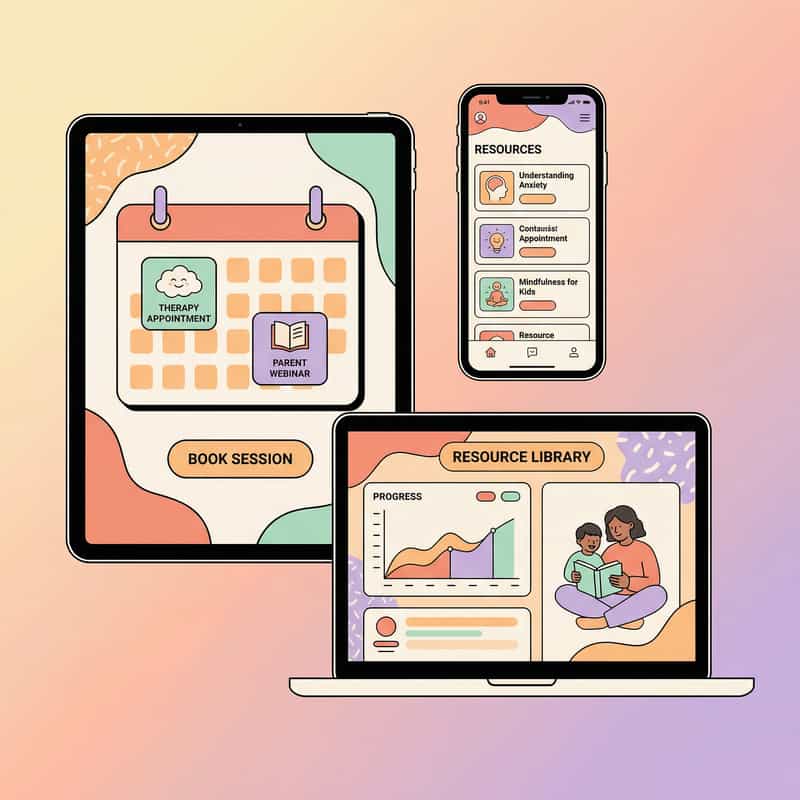
Integrated Service Delivery
Our platform operates through three synchronized layers. The Pediatric Therapeutic OTT Platform provides on-demand therapy guidance, parent education, and EverydayTherapyProgramme™ delivery accessible anytime from any device.
The Hyperlocal Pediatric Therapeutic Marketplace connects families to verified therapists, centers, programs, and resources—mapped precisely to the child's AbilityScore® and readiness needs. No more searching blindly for services.
Our Center Network Execution includes 70+ physical centers operating under GPT-OS® standards with measurable accountability. Every center follows evidence-based protocols with quality assurance and outcome tracking.
FREE National Autism Helpline: 9100 181 181 (16+ languages)
Email: care@pinnacleblooms.org
Preview of behavior support tools Therapy Material
Below is a visual preview of behavior support tools therapy material. The pages shown help educators, therapists, and caregivers understand the structure and content of the resource before use. Materials should be used under appropriate professional guidance.
Cannons
Behavior Support MaterialsEvidence-based materials supporting positive behaviour reinforcement, token economies, self-monitoring, antecedent strategies, and structured behaviour intervention across home, school, and therapy settings.

Link copied!