

School Supplies & Accommodations Materials
Supporting academic success through evidence-based classroom accommodations and educational tools
Supporting Academic Success Through Accommodations
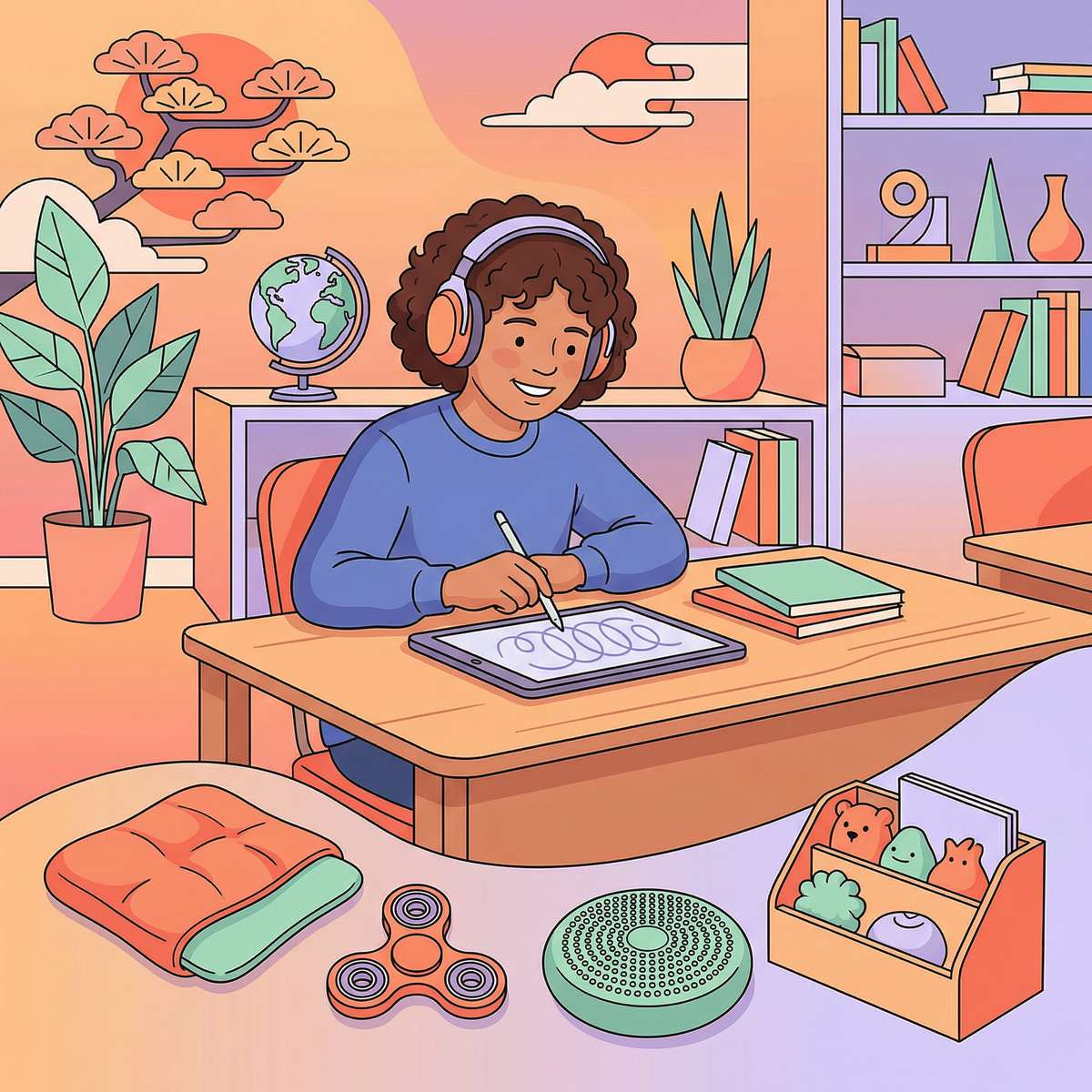
Materials in this category support academic success through classroom sensory accommodations, writing supports, visual organization tools, testing accommodations, and IEP advocacy resources. These evidence-aligned tools ensure children have equitable access to learning by addressing sensory, motor, and organizational challenges in educational settings.
Each resource is designed to remove barriers to learning, allowing students to demonstrate their true capabilities. From sensory regulation supports to testing accommodations, these materials create inclusive educational environments where every child can thrive. When properly implemented through IEP or 504 plans, these accommodations level the playing field and promote genuine academic achievement.
Who Uses These Materials
For Parents
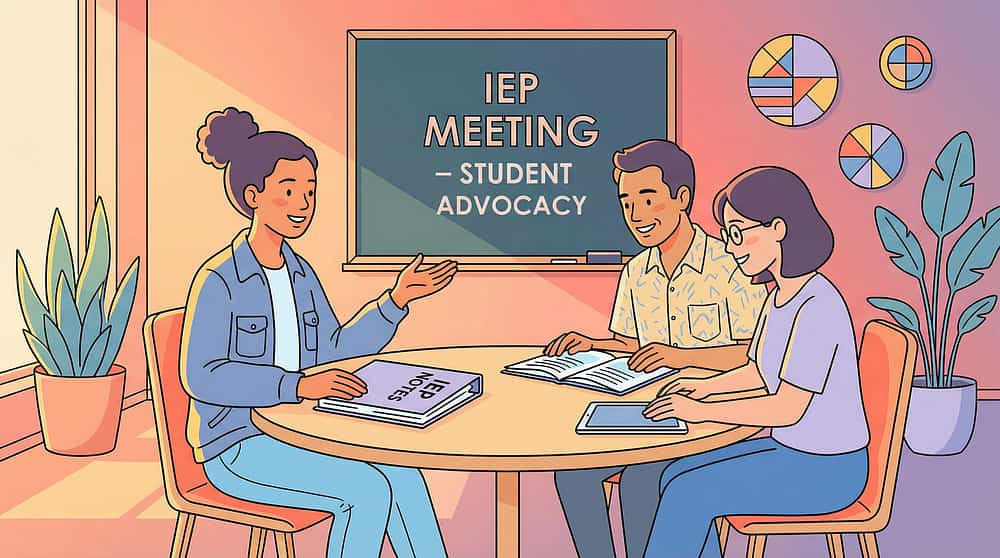
Home support coordination and school advocacy. Materials help parents understand rights, organize documentation, and effectively advocate for their child's educational needs during IEP meetings and school interactions.

For Therapists
School accommodation assessment and evidence-based recommendations. Therapists use these materials to evaluate functional needs and recommend specific accommodations documented in therapy reports.
For Schools & Educators
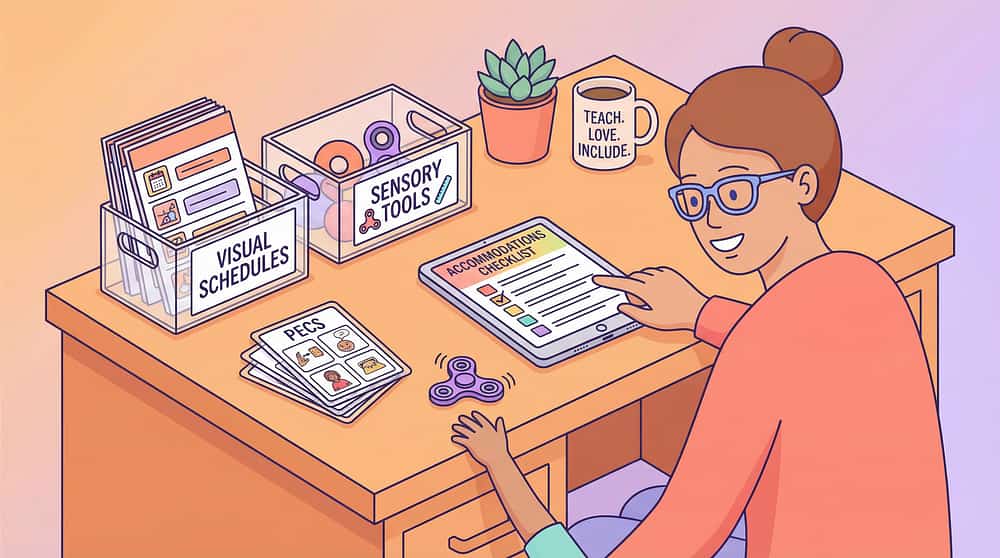
Classroom implementation and IEP execution. Teachers and special educators use these materials to provide documented accommodations and create inclusive learning environments for diverse learners.

For Doctors & Clinicians
Medical documentation for educational accommodations. Physicians and clinicians provide diagnostic information and accommodation recommendations that support IEP and 504 plan development.
Five Essential Accommodation Categories
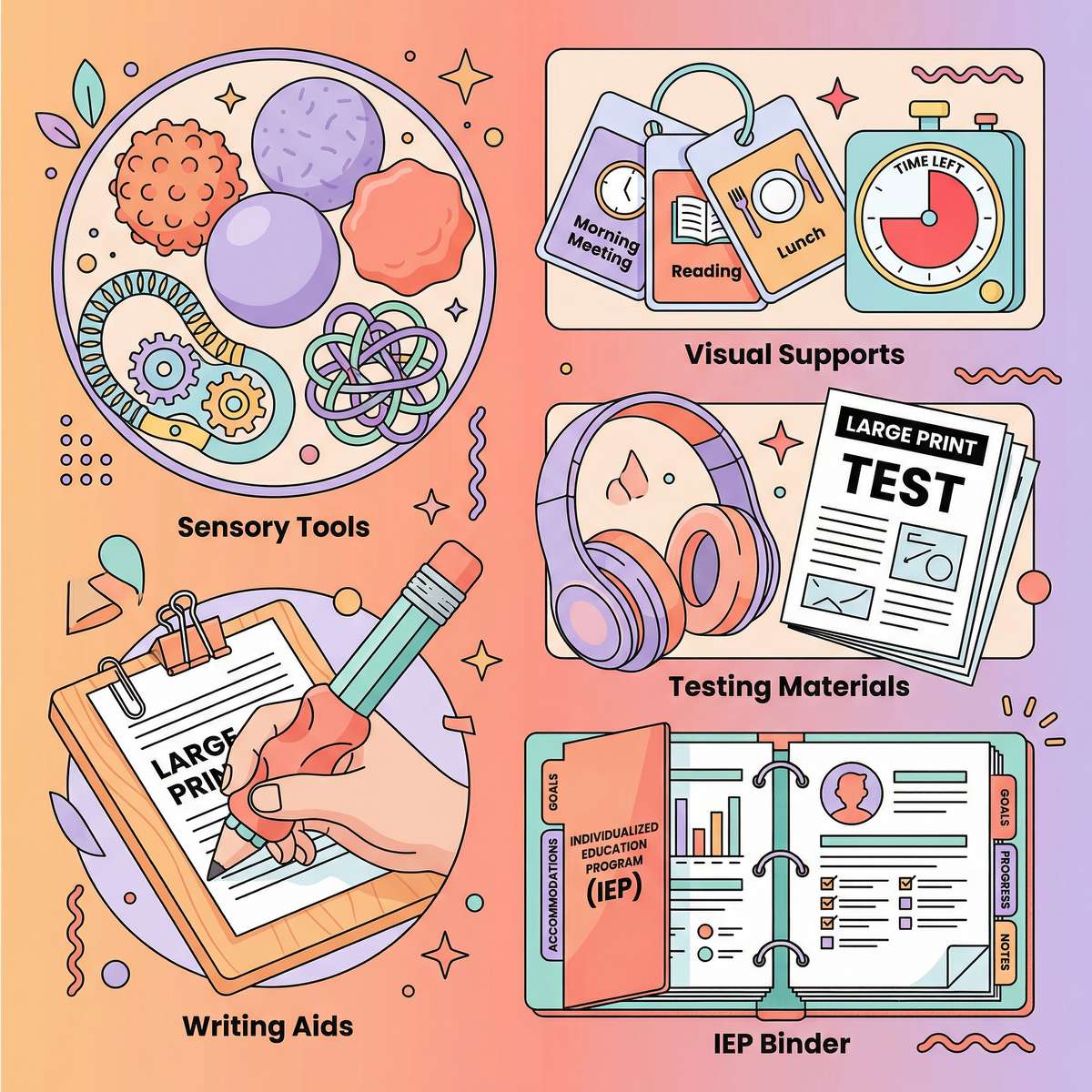
This category contains five evidence-aligned material families, each addressing a specific barrier to educational access. From sensory regulation in the classroom to formal testing accommodations, these resources work together to create comprehensive support systems.
Each material represents years of clinical development and implementation across diverse educational settings. When used systematically, these accommodations transform learning outcomes by removing barriers and allowing students to demonstrate their true capabilities. All materials are designed for documentation in IEP or 504 plans and implementation by trained school staff.

Best Practices for Sensory Accommodations
School OT Collaboration
Collaborate with school occupational therapist for assessment and specific accommodation recommendations based on sensory profile
IEP Documentation
Include all sensory accommodations in IEP or 504 plan with specific implementation details and responsible parties
Teacher Training
Train all teachers and staff on proper use of sensory accommodations and the neurological basis for their effectiveness
Non-Stigmatizing Options
Prioritize accommodations that don't single out the child when possible, such as flexible seating options for entire class
Multiple Options Available
Provide several accommodation options so child can choose based on current needs and varying sensory states
Regular Effectiveness Review
Review accommodation effectiveness regularly and adjust based on changing sensory needs and developmental progress

Material 18.2: Desk & Writing Accommodations
Supporting Written Expression and Fine Motor Success
Desk and writing accommodations support fine motor and written expression through pencil grips, slant boards, adapted paper, and alternative output methods for academic success. These accommodations address handwriting challenges, hand fatigue, and written expression difficulties that create barriers to demonstrating knowledge.
Fine motor challenges should never limit a child's ability to show what they know. Writing accommodations level the playing field by reducing motor demands while preserving the cognitive and creative aspects of written work. Research shows these accommodations improve both writing quality and quantity while reducing frustration.
Core Implementation Details
Target Areas: Fine motor skills, written expression, hand fatigue reduction, letter formation, organization, academic output
Settings: School, home, therapy sessions, and homework completion
Price Range: ₹50 - ₹5,000 depending on specific accommodations
Classification: Core Kit (Rank 1) essential for writing access
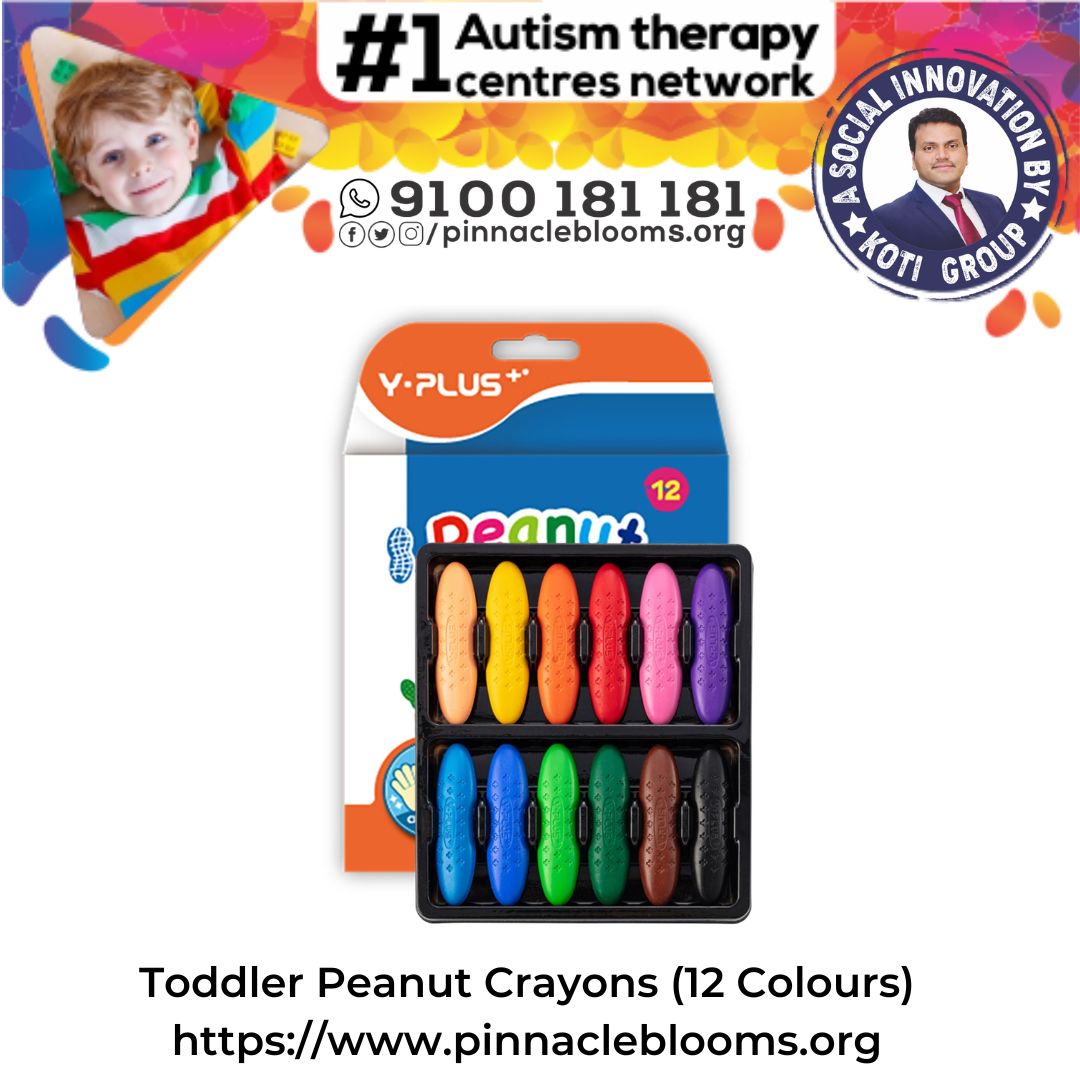
Pencil Grips
Multiple grip styles to find optimal hand position and reduce fatigue during extended writing
Slant Boards
Angled writing surface improving wrist position and visual access for all desk work
Adapted Paper
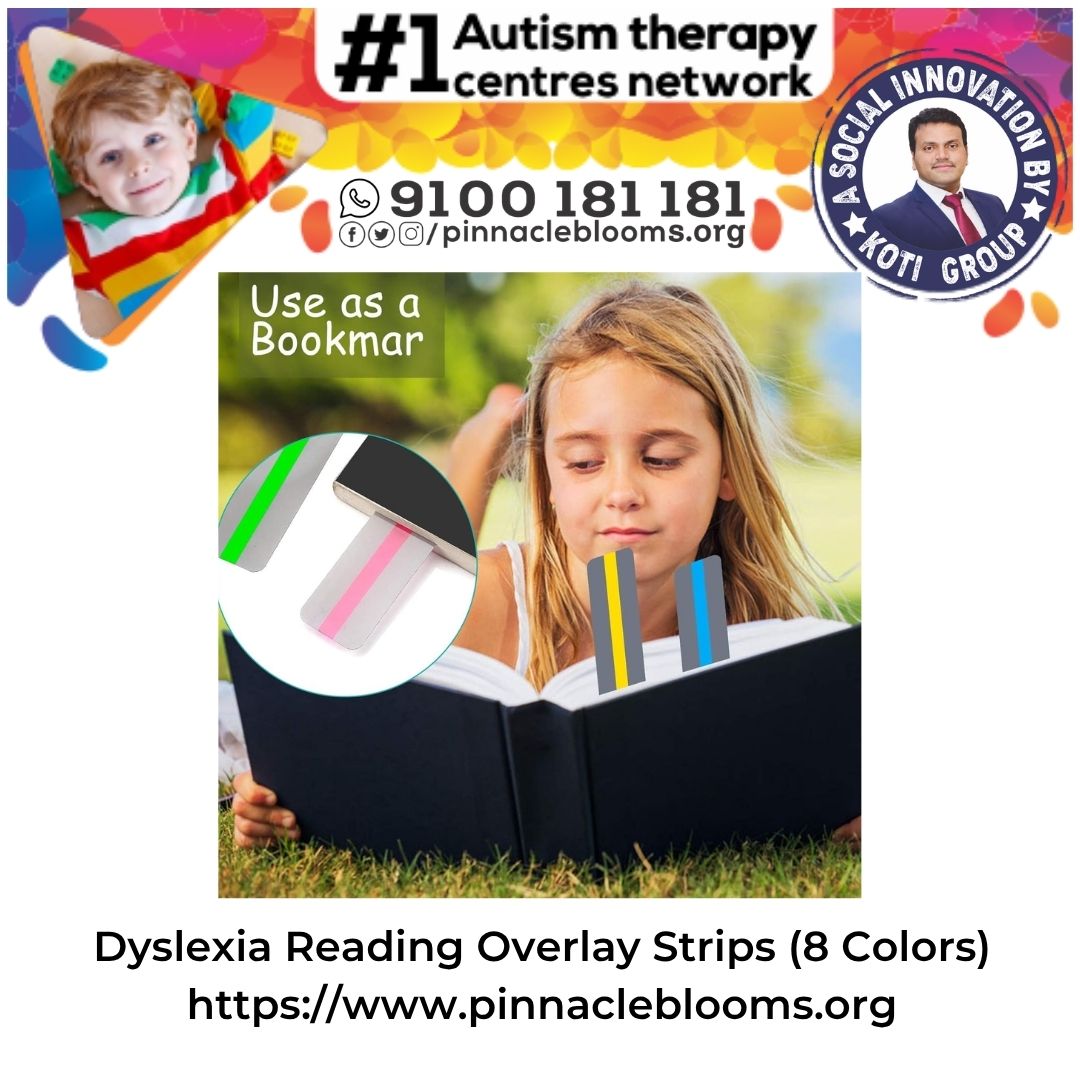
Raised lines, highlighted baselines, and specialized spacing supporting letter formation
Alternative Output
Typed responses and assistive technology when handwriting barriers persist despite accommodations
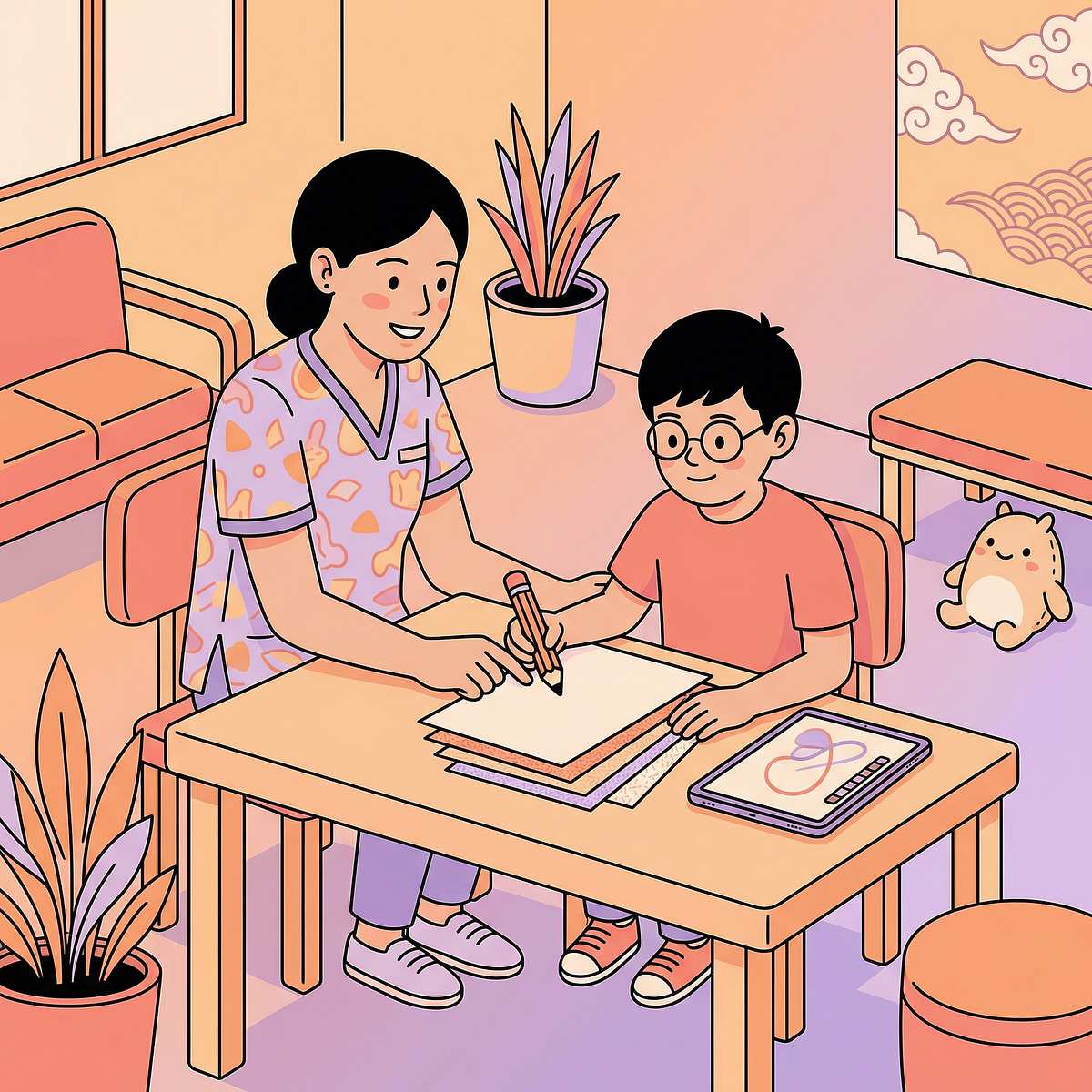
Writing Accommodation Best Practices
1
OT Evaluation Required
Occupational therapy evaluation identifies specific fine motor and visual-motor challenges requiring accommodation
2
Try Multiple Grips
Test various pencil grip styles to find the one that provides optimal comfort and control for the individual child
3
Slant Board for All Work
Use slant board for all desk activities, not just writing tasks, to maintain consistent ergonomic positioning
4
Consider Typed Alternatives
When appropriate, allow typed responses to reduce motor demands while preserving academic expression
5
Reduce Writing Demands
Minimize unnecessary copying and writing when possible, focusing on content over handwriting production
6
Quality Over Quantity
Evaluate written work based on content and understanding rather than volume or handwriting appearance
Material 18.3: Visual Supports for School
Increasing Understanding and Independence Through Visual Communication
Visual supports for school provide schedules, task checklists, rules visuals, and communication cards to increase understanding, independence, and success in educational settings. These evidence-based tools address comprehension, sequencing, and communication challenges that interfere with school functioning.
Visual supports reduce anxiety by making expectations clear, increase independence by providing external memory aids, and improve behavior by clarifying rules and consequences. Research demonstrates significant improvements in task completion, transitions, and overall school success when visual supports are implemented consistently across all school environments.
Core Implementation Details
Target Areas: Comprehension, independence, organization, communication, behavior, anxiety reduction
Settings: All school environments including classrooms, hallways, cafeteria, and buses
Price Range: ₹0 - ₹500 (often created with free or low-cost materials)
Classification: Core Kit (Rank 1) essential school accommodation
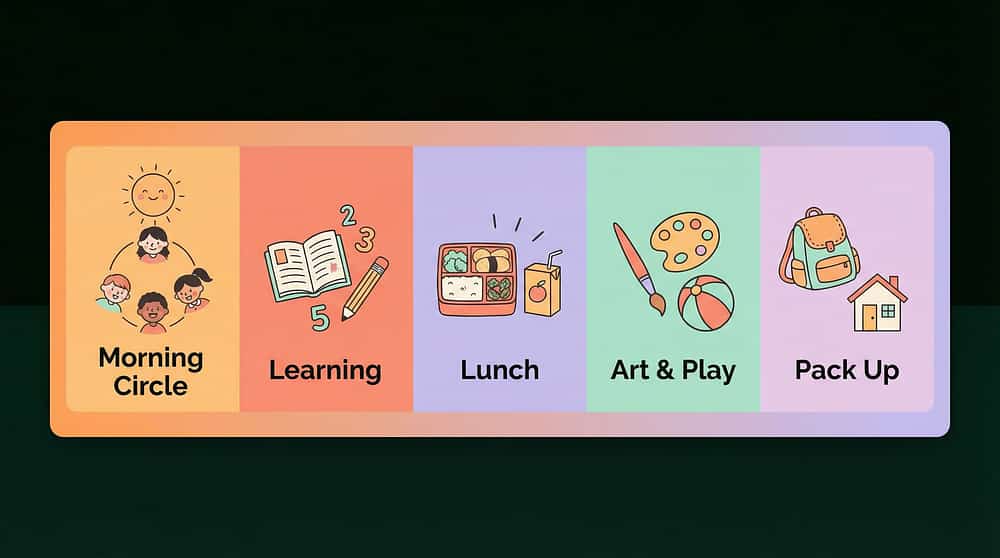
Visual Schedules
Picture and word schedules showing the sequence of activities, reducing anxiety about transitions and unknowns
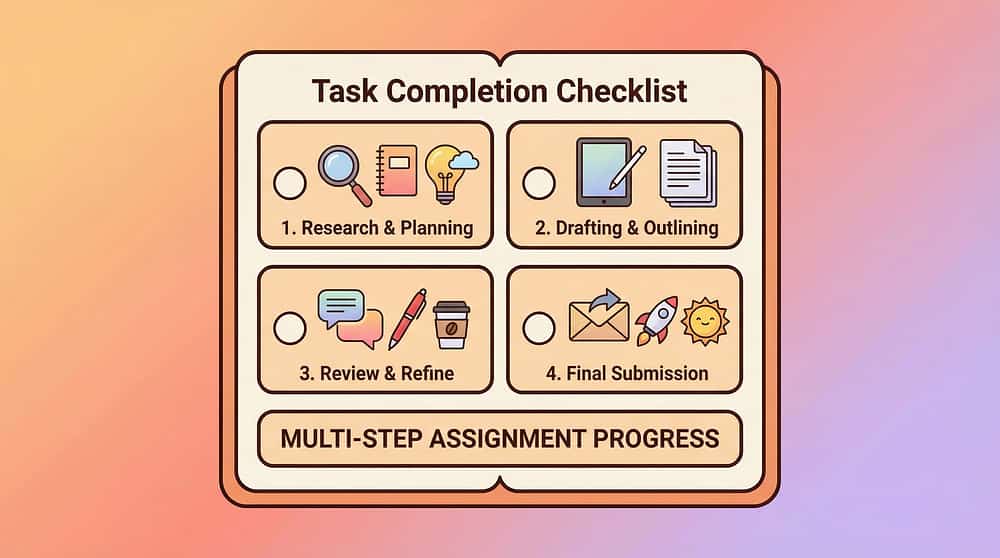
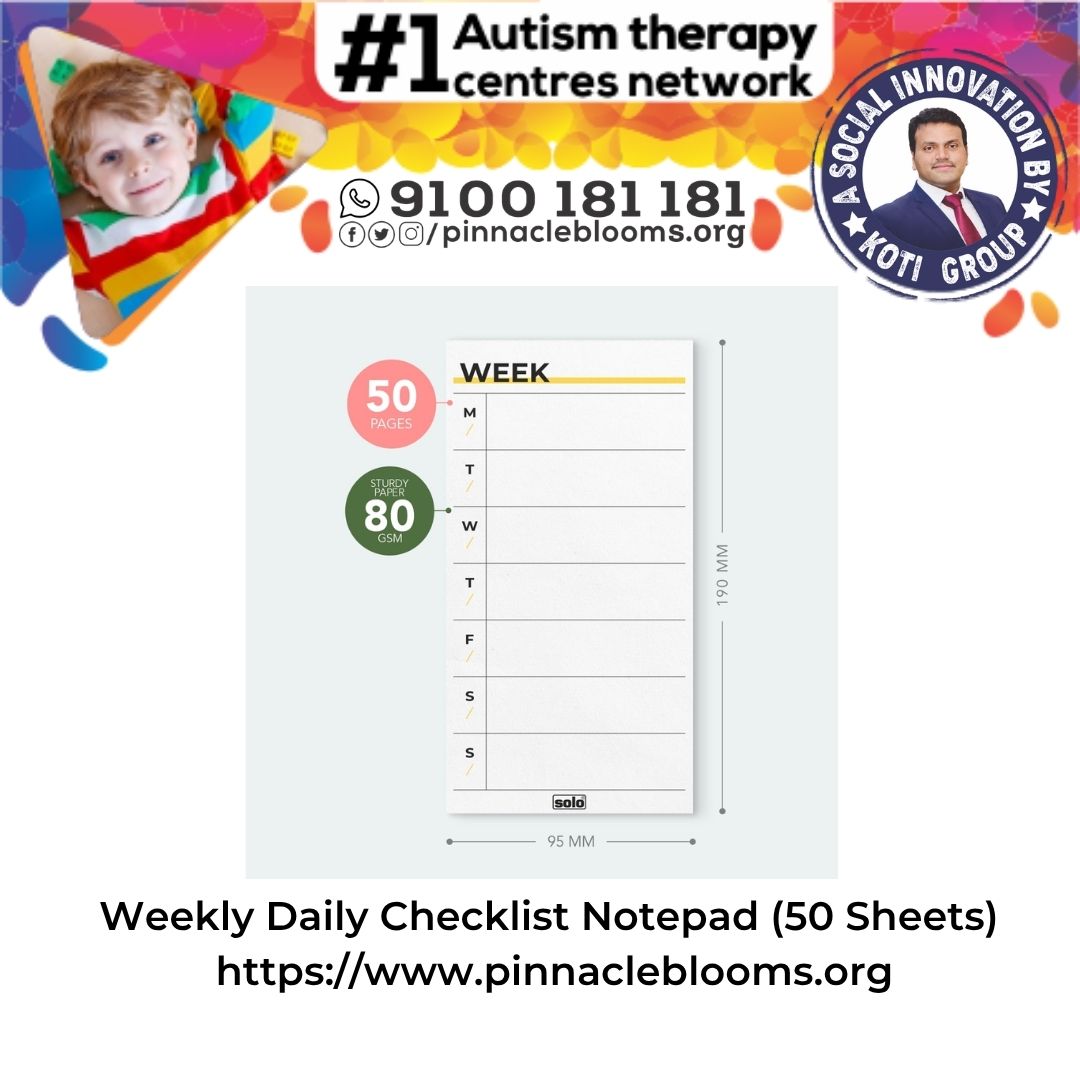
Task Checklists
Step-by-step visual breakdowns of complex tasks supporting independence and task completion
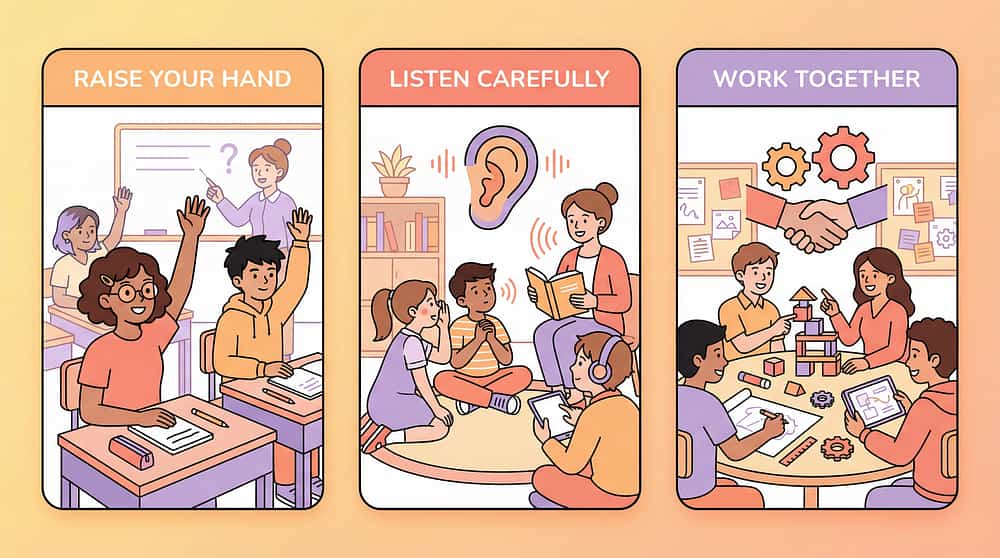
Rules Visuals
Clear visual representation of behavioral expectations and classroom rules
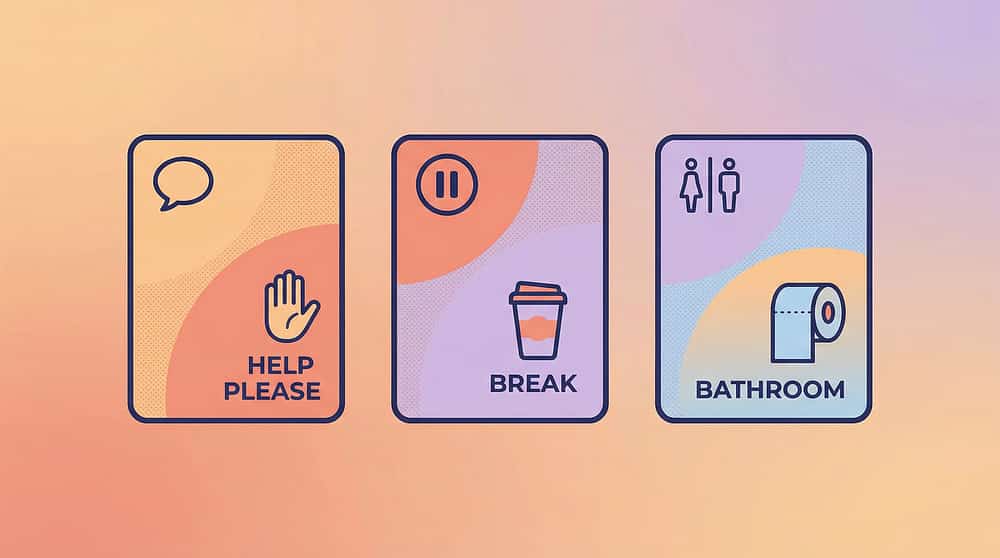
Communication Cards
Visual communication supports for requesting needs, making choices, and expressing basic wants

Material 18.4: Testing & Assessment Accommodations
Ensuring Fair Evaluation of Knowledge and Skills
Testing and assessment accommodations ensure fair evaluation through extended time, separate setting, format modifications, and response alternatives documented in IEP or 504 plans. These accommodations remove barriers to demonstrating knowledge while maintaining test validity and academic standards.
Without appropriate testing accommodations, assessments measure disability rather than knowledge. Research confirms that properly implemented testing accommodations allow accurate evaluation of academic skills without providing unfair advantage. Extended time, in particular, shows strong evidence for reducing anxiety and improving performance for students with processing speed or attention challenges.
Core Implementation Details
Target Areas: Fair assessment, anxiety reduction, accurate evaluation, access, self-efficacy, academic success
Settings: All testing situations including classroom tests, standardized assessments, and high-stakes exams
Price Range: ₹0 (accommodations rather than purchased materials)
Classification: Core Kit (Rank 1) essential for accurate assessment
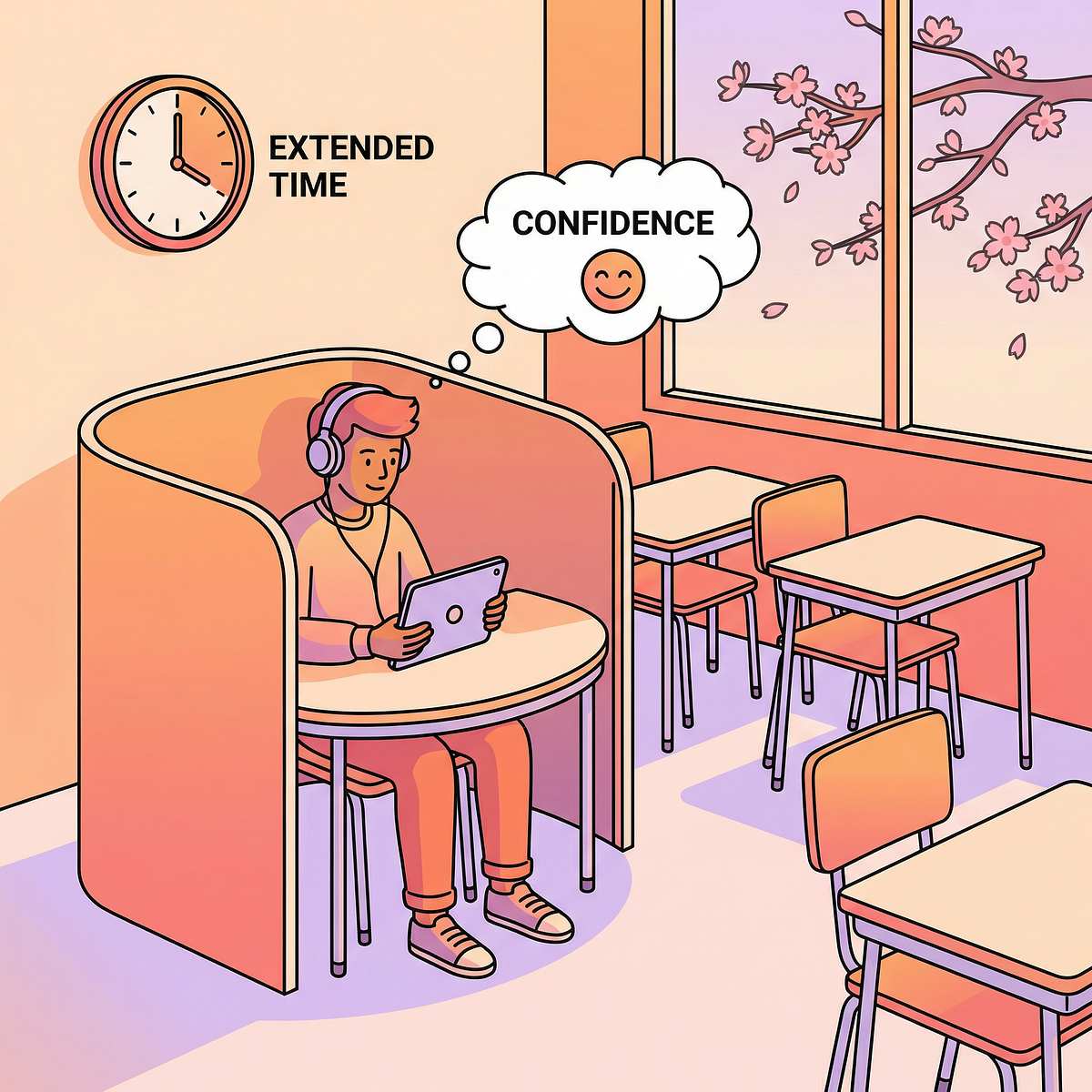
Extended Time
Additional time for test completion based on processing speed or motor challenges (typically 1.5x or 2x standard time)
Separate Setting
Quiet testing location reducing distractions and anxiety associated with large group testing
Format Modifications
Large print, oral administration, or simplified language maintaining content while improving access
Response Alternatives
Typed responses, oral responses, or use of scribe for students with written expression challenges
Critical Testing Accommodation Practices
Document in IEP/504 Plan
All testing accommodations must be formally documented in IEP or 504 plan with specific details
Practice Before High-Stakes Tests
Student must experience accommodations in low-stakes situations before major assessments
Consistent Use for All Tests
Apply same accommodations for all assessments, not just high-stakes tests
Child Understanding
Student understands their accommodations and can advocate for proper implementation
Regular Review
Periodically review accommodation effectiveness and adjust based on changing needs
Coordinate for Standardized Tests
Contact testing organizations early to arrange accommodations for standardized assessments

Material 18.5: IEP Support & Advocacy Materials
Empowering Parents as Effective Educational Advocates
IEP support and advocacy materials help parents organize documents, understand rights, prepare for meetings, and effectively advocate for their child's educational needs. These resources address the complexity and emotional challenge of navigating special education systems to secure appropriate services.
Effective advocacy requires organization, knowledge, and preparation. Parents who arrive at IEP meetings with organized documentation, clear understanding of their rights, and specific requests based on their child's needs achieve better educational outcomes. These materials provide the structure and knowledge necessary for parents to become confident, effective advocates for their children.
Core Implementation Details
Target Areas: Parent advocacy, IEP quality, service provision, accountability, educational rights, child success
Settings: Home organization, IEP meetings, school visits, and communication with school staff
Price Range: ₹0 - ₹500 (binders, folders, and organizational materials)
Classification: Core Kit (Rank 1) essential for educational success
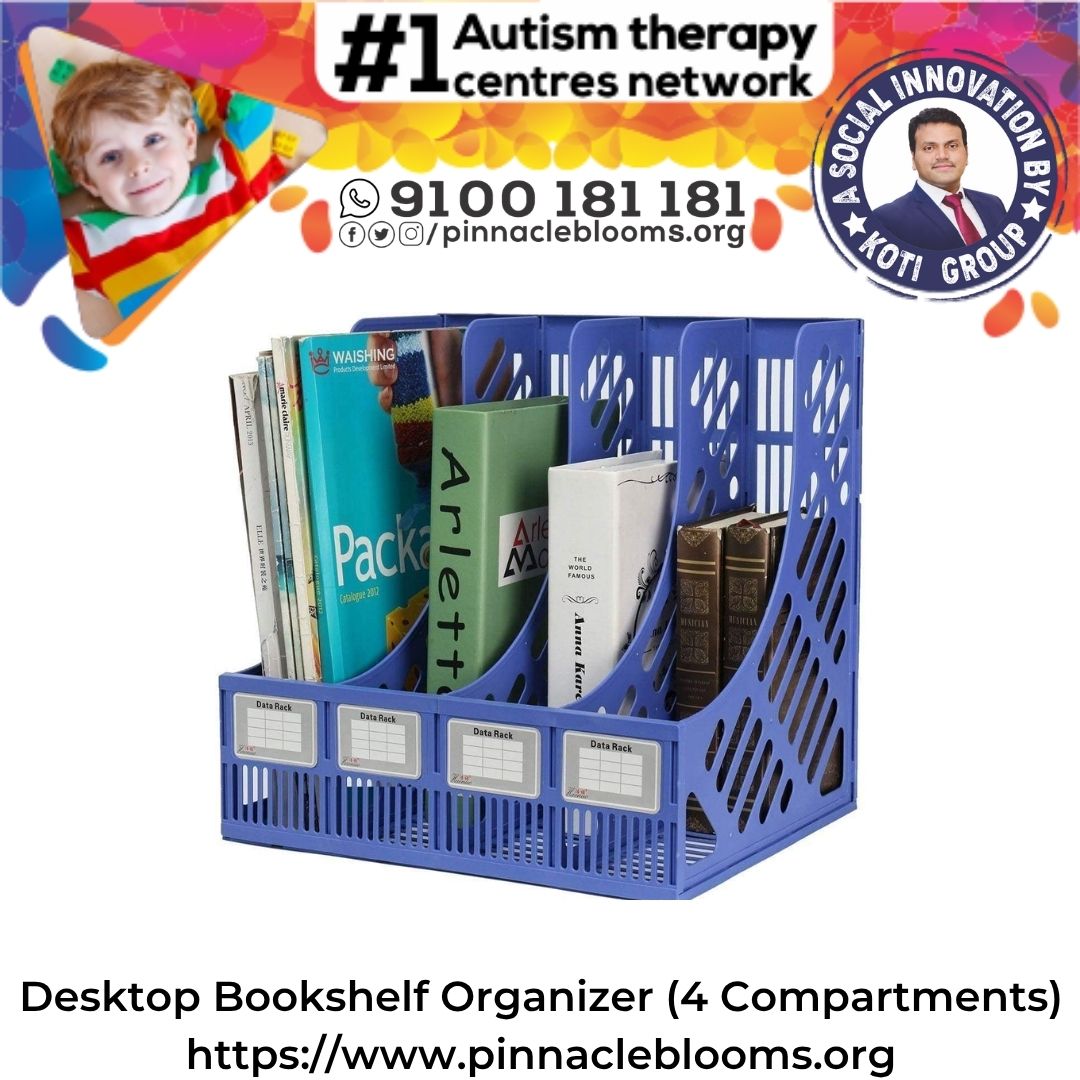
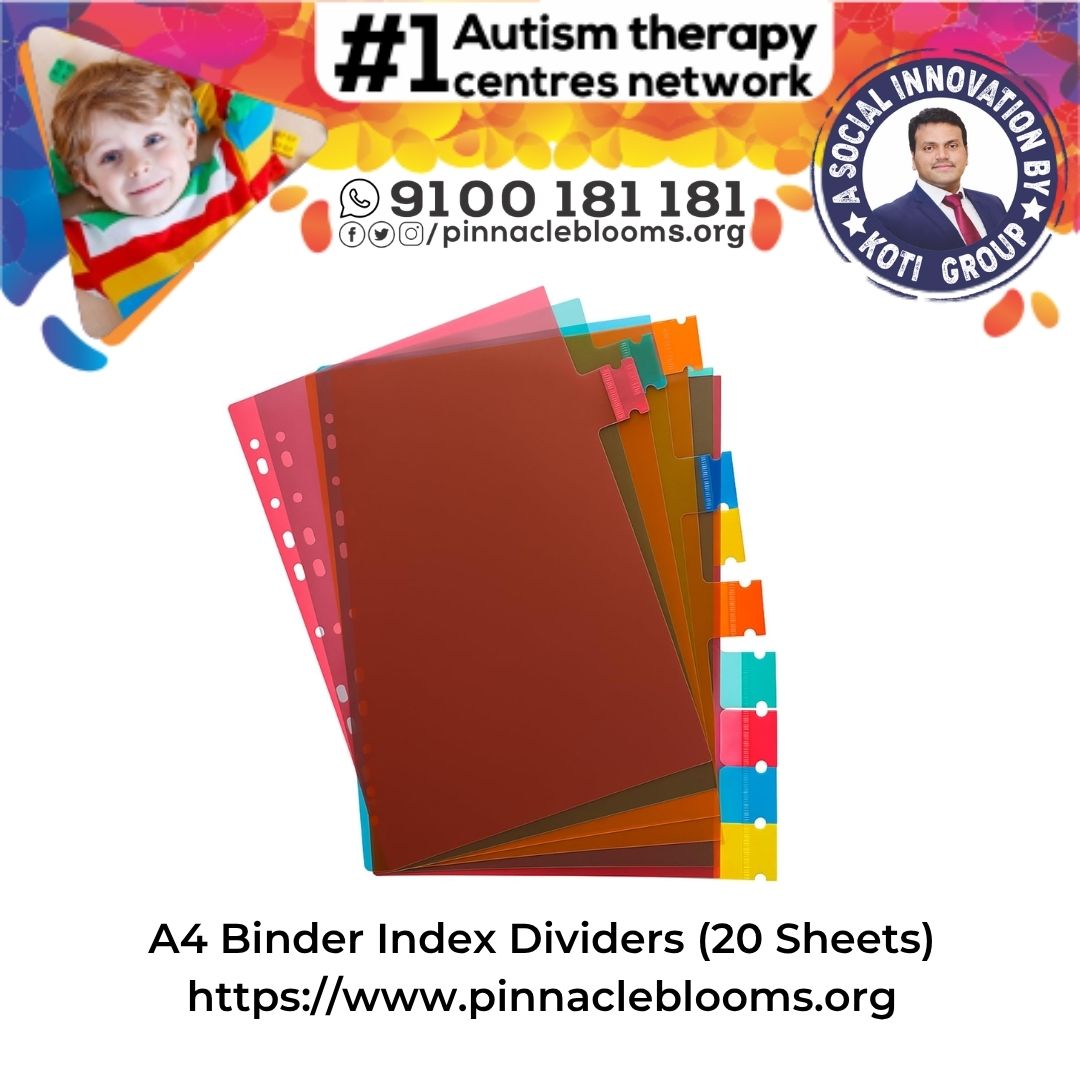
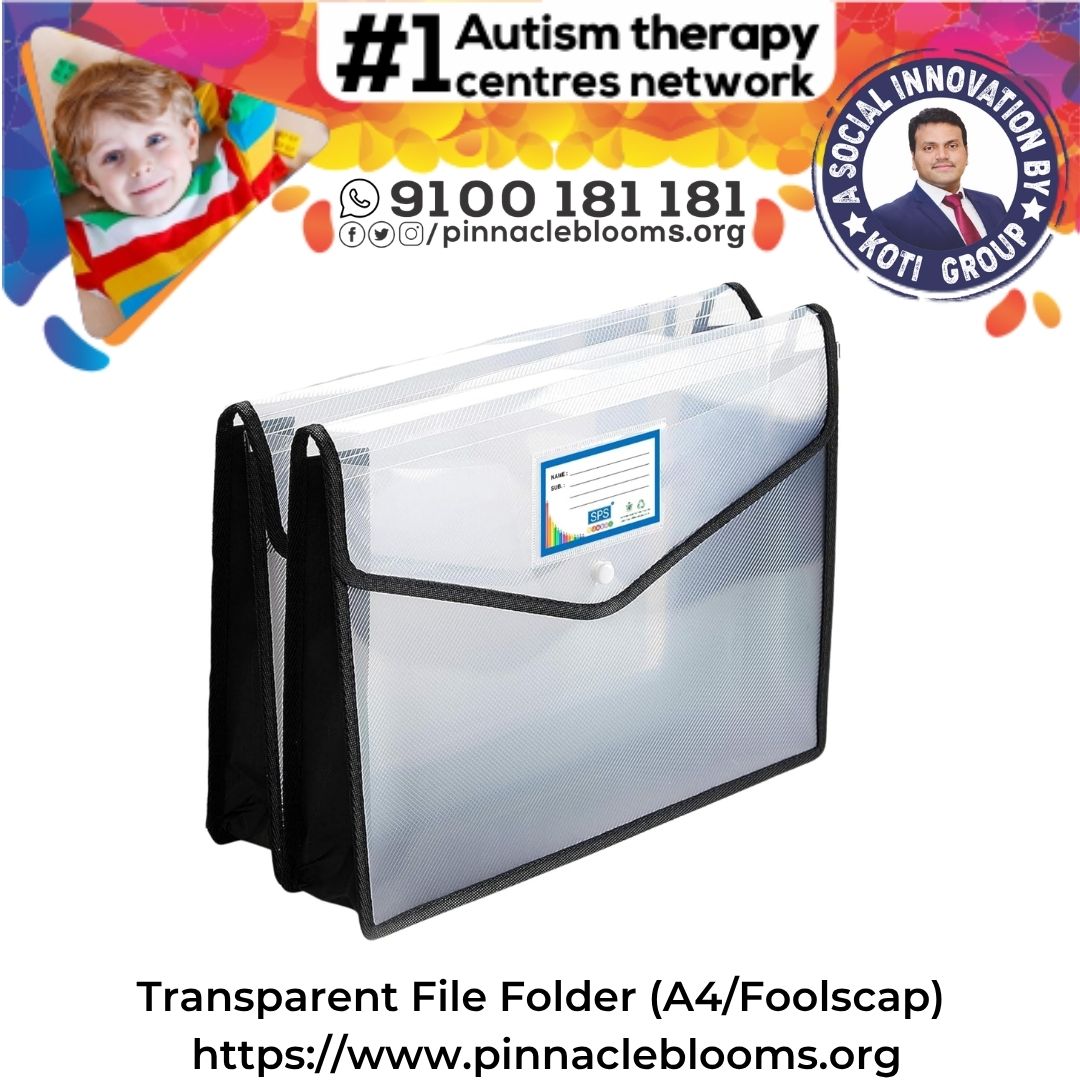
Document Organization
Systematic filing system for evaluations, IEPs, progress reports, and correspondence maintaining chronological records
Rights Information
Parent rights handbooks covering RPWD Act (India) or IDEA (US) educational protections and procedural safeguards
Meeting Preparation
Checklists and templates for preparing goals, documenting concerns, and tracking discussion points
Support Person Coordination
Guidance for bringing advocates, therapists, or support people to IEP meetings for assistance
Essential IEP Advocacy Practices

Organize Documents
Maintain all documents chronologically with easy access during meetings
Know Your Rights
Understand legal protections under RPWD Act (India) or IDEA (US)
Prepare in Advance
Review documents and prepare specific requests before meetings
Get Everything Written
Request written documentation of all agreements and decisions
Follow Up
Monitor IEP implementation and document service delivery

Evidence Base Across All Materials
Evidence-Based Practices
All materials in this category represent practices with strong research support, translating to comprehensive support systems for equitable educational access.
Sensory Accommodations
Demonstrate significant improvements in attention and engagement, directly supported by research findings.
Writing Accommodations
Improve both quantity and quality of written output, enhancing academic performance.
Visual Supports
Increase independence and reduce behavioral incidents, fostering a more conducive learning environment.
Testing Accommodations
Ensure valid assessment of knowledge rather than measurement of disability, providing accurate student evaluations.
IEP Advocacy Structure
While not directly researched, these materials represent the organizational framework necessary to secure evidence-based services for students.
Implementation Fidelity
Crucial for success: accommodations must be consistently used. Training, proper documentation in IEP/504 plans, and regular review of effectiveness are key to real-world educational success.
Pinnacle Blooms Network: Delivering GPT-OS® at Scale
Built by Mothers. Engineered as a System.
Pinnacle is the execution layer of GPT-OS® — delivering therapy, daily programs, digital continuity, and marketplace access at population scale. The platform integrates on-demand guidance, hyperlocal marketplace connections, and 70+ physical centers operating under unified clinical standards.
21M+
Exclusive 1:1 Sessions
Across converged therapy disciplines
97%+
Measured Improvement
Across one or more readiness indexes
70+
Centers Operating
Under single clinical system
Pediatric Therapeutic OTT Platform
On-demand therapy guidance, parent education, and EverydayTherapyProgramme™ delivery accessible anytime
Hyperlocal Therapeutic Marketplace
Connects families to verified therapists, centers, programs, and resources mapped to child's AbilityScore®
Center Network Execution
70+ physical centers operating under GPT-OS® standards with measurable accountability
Access Free National Autism Helpline

9100 181 181
FREE National Autism Helpline providing guidance in 16+ languages. Connect with trained specialists for assessment coordination, therapy recommendations, and educational advocacy support.
Statutory Identifiers: CIN: U74999TG2016PTC113063 | DPIIT: DIPP8651 (Govt. of India) | MSME: Udyog Aadhaar TS20F0009606 | GSTIN: 36AAGCB9722P1Z2 | ISO 13485: Medical Device QMS | ISO/IEC 27001: Information Security
Cannons
School Supplies & AccommodationsEvidence-based materials supporting classroom participation, desk organisation, writing accommodations, and inclusive learning environments across home, school, and therapy settings.



Link copied!