
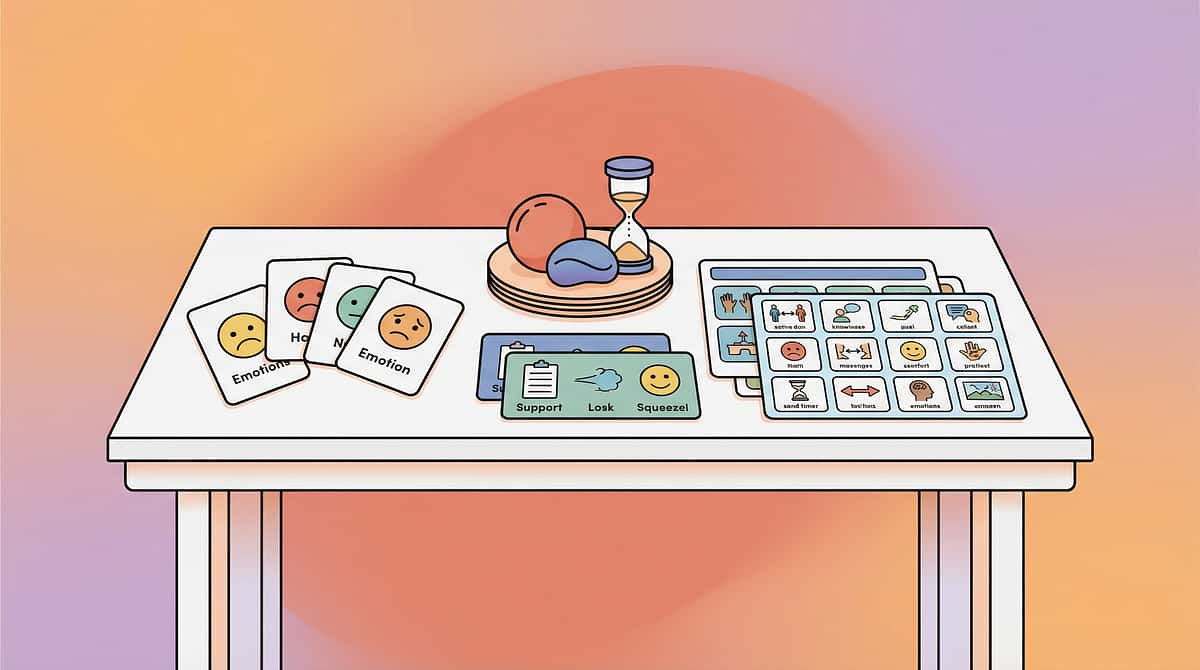
Emotional Regulation & Coping Materials
Comprehensive resources designed to support emotional identification, regulation, and coping skills development in children. These evidence-based materials help individuals recognize, understand, and manage their emotions effectively, preventing meltdowns and building lifelong self-regulation strategies.

Guidelines for Effective Use
Successfully implementing emotional regulation tools requires thoughtful timing and consistent practice. These materials work best when introduced proactively during calm moments rather than reactively during crisis situations.
Timing Matters
Introduce emotional tools during calm times, not during crisis. Practice coping strategies regularly before they are needed in high-stress situations.
Child-Centered Approach
Allow the child to help select and personalize their tools. Use visual supports to make abstract emotions concrete and accessible.
Validation First
Honor the child's emotional experience as valid. Consult with psychologists or behavior specialists for individualized emotional regulation plans.
Intended Users & Applications

For Parents
Home-based emotional regulation with professional guidance. Implement evidence-based strategies in daily routines and challenging moments.
For Therapists
Clinical emotional intervention planning and implementation. Structured tools for assessment, treatment planning, and progress monitoring.
For Schools & Educators
Classroom emotional supports and coping strategies. Universal design tools that benefit all students while supporting specific needs.
For Doctors & Clinicians
Emotional regulation recommendations for developmental support. Evidence-based prescriptions and family guidance materials.
Material 2.1
Core Kit
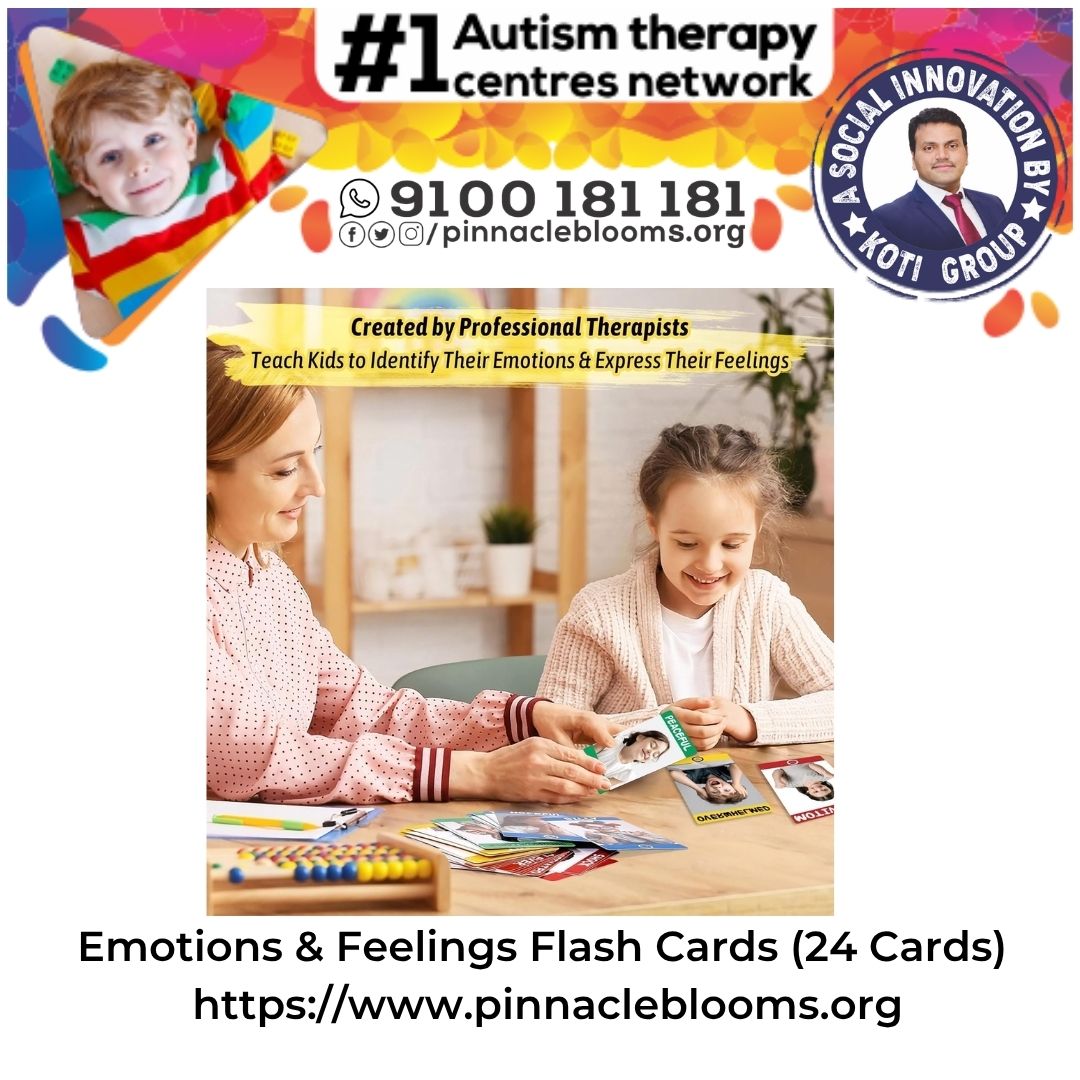
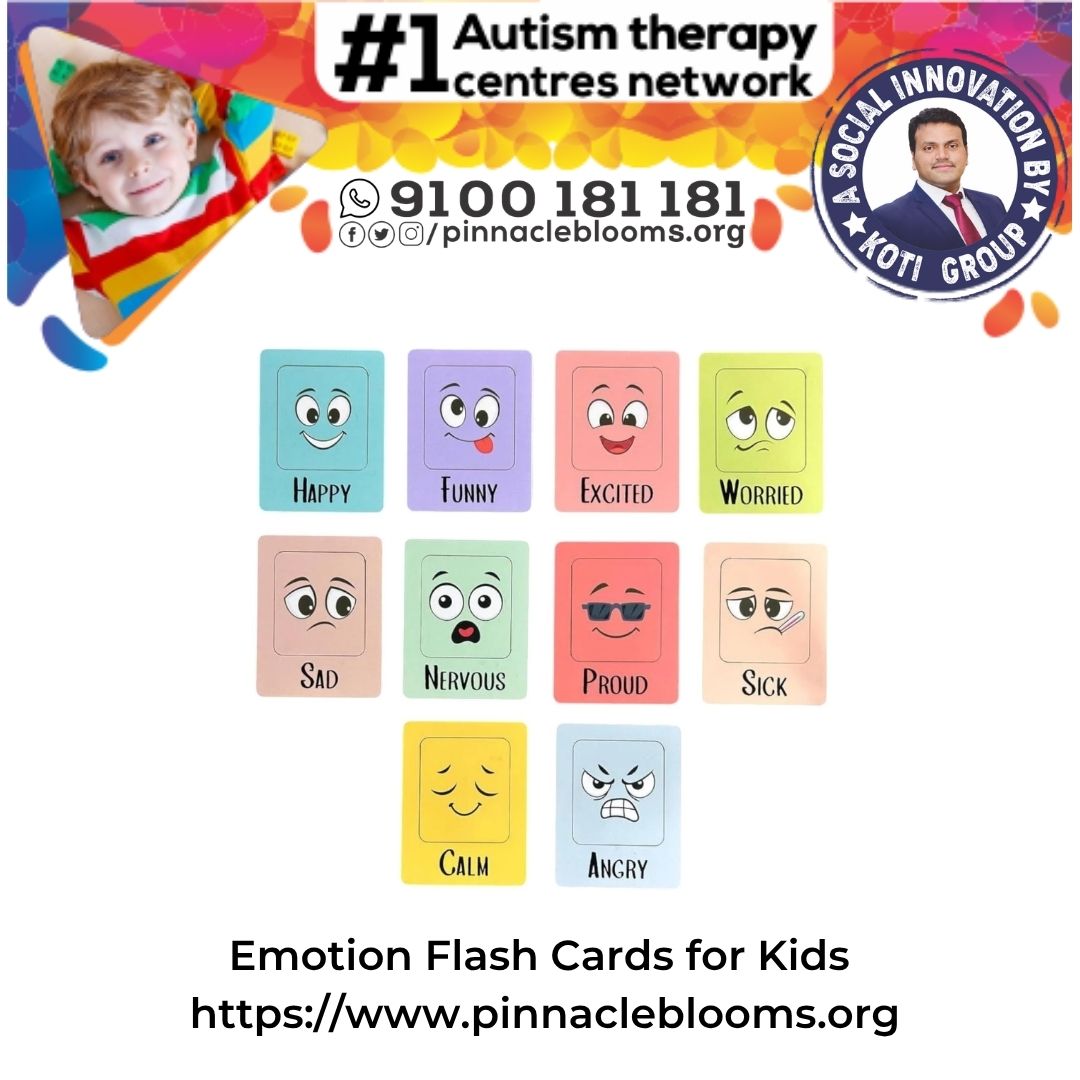
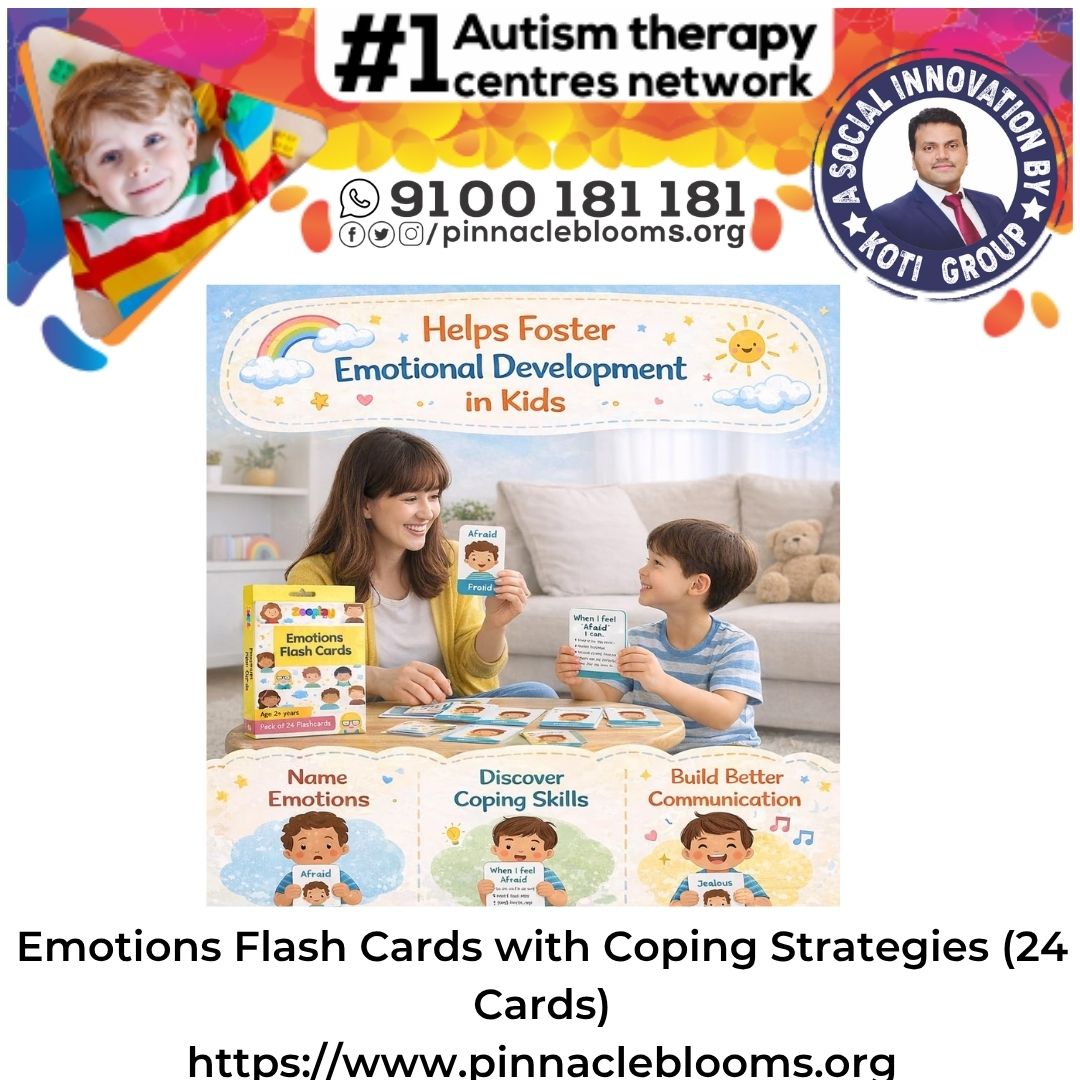
Emotion Cards / Feelings Faces
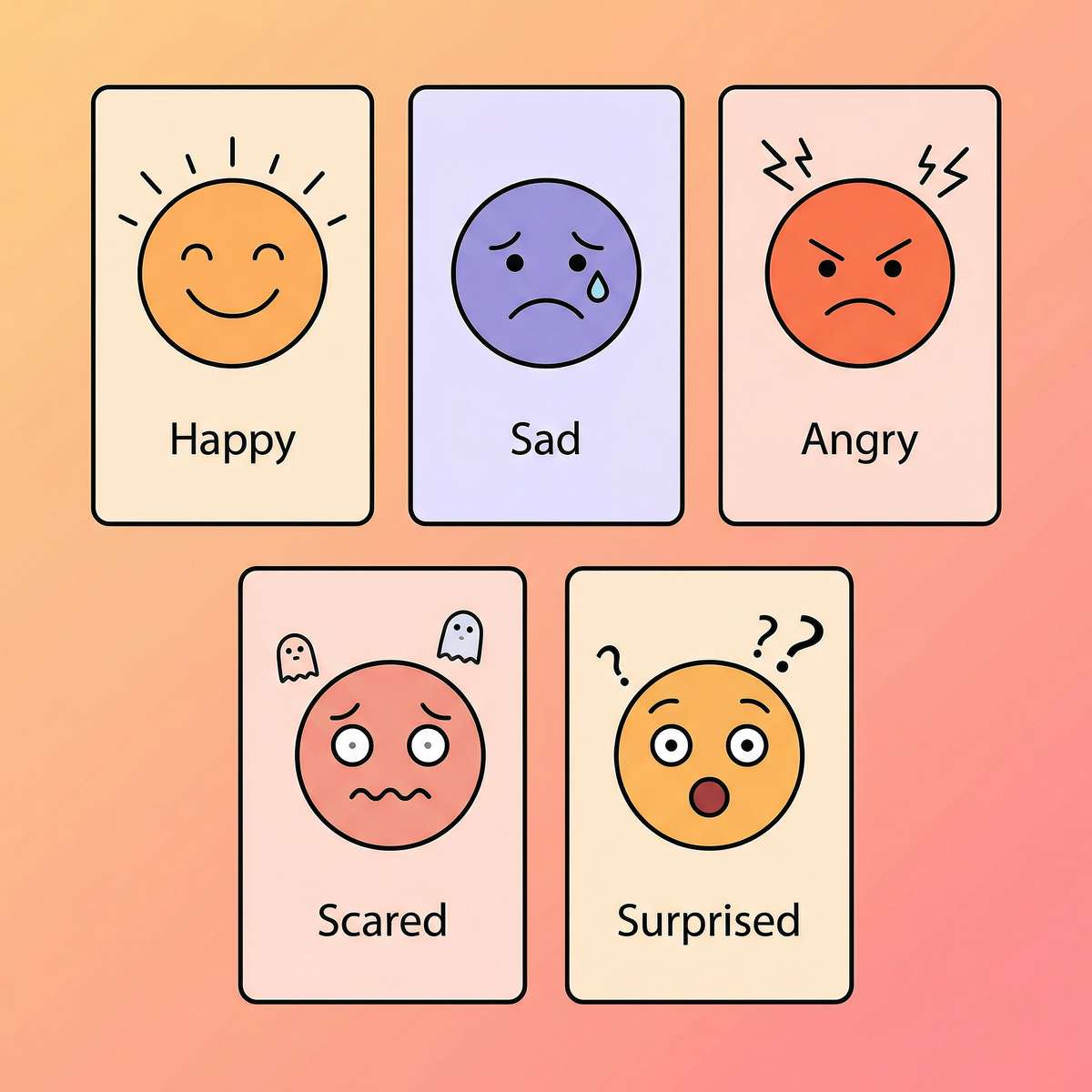
Emotion cards develop emotional literacy—the fundamental ability to identify and name feelings. This Core Kit material provides strong evidence-based foundation for all emotional regulation work. By giving children concrete visual representations of emotions, these cards bridge the gap between internal experiences and external communication.
Target Areas: Emotional Literacy, Emotional Regulation, Self-Awareness, Social Skills, Communication
Function: Develop emotional vocabulary and identification skills through visual representation of emotions, enabling labeling of feelings, increased self-awareness, better communication, and earlier intervention opportunities.
Start Simple
Begin with basic emotions (happy, sad, angry, scared) before progressing to complex emotions gradually. Use during calm times to teach, not during meltdowns.
Make It Personal
Connect cards to child's own experiences. Use real photos alongside illustrated faces to increase relevance and understanding.
Practice Regularly
Consistent daily practice builds fluency. Regular use helps children develop automatic emotion recognition and labeling skills.
Price Range: ₹100 - ₹1,000 | Settings: Home, School, Clinic
Material 2.2
Core Kit
Social Stories / Narrative Supports
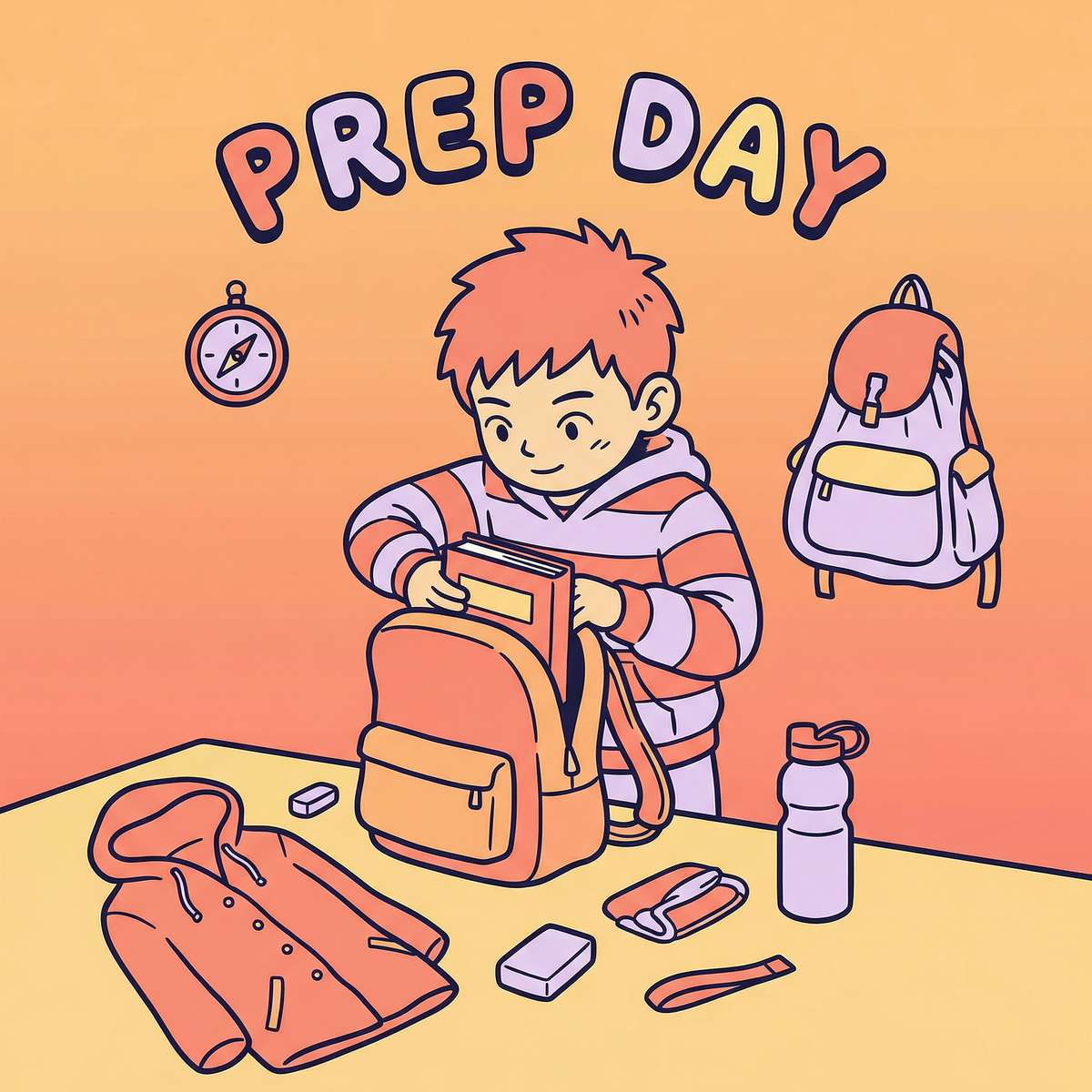
Social Stories provide explicit narrative preparation for challenging situations, reducing anxiety and improving behavioral outcomes. This Core Kit material uses evidence-based narrative frameworks to make expectations clear, reduce uncertainty, and build coping capacity before difficult moments arise.
Target Areas: Anxiety Reduction, Behavioral Preparation, Social Understanding, Transition Support, Perspective-Taking
Function: Prepare children for situations and teach expected behaviors through written narrative that creates explicit expectations, reduces uncertainty, decreases anxiety, and improves behavior and coping.
Price Range: ₹0 - ₹1,000 | Settings: Home, School, Clinic, Travel
Timing is Critical
Read BEFORE the situation (not during crisis). Stories work best when reviewed multiple times before the actual event occurs.
1
Use First Person
Write stories using "I will..." to increase personal relevance. Include descriptive, perspective, and directive sentences for comprehensive understanding.
2
Keep Language Simple
Use concrete, accessible language appropriate to the child's comprehension level. Avoid abstract concepts or complex vocabulary.
3
Personalize Everything
Include the child's name and photos. Personalized stories are significantly more effective than generic templates.
4
Material 2.3
Core Kit
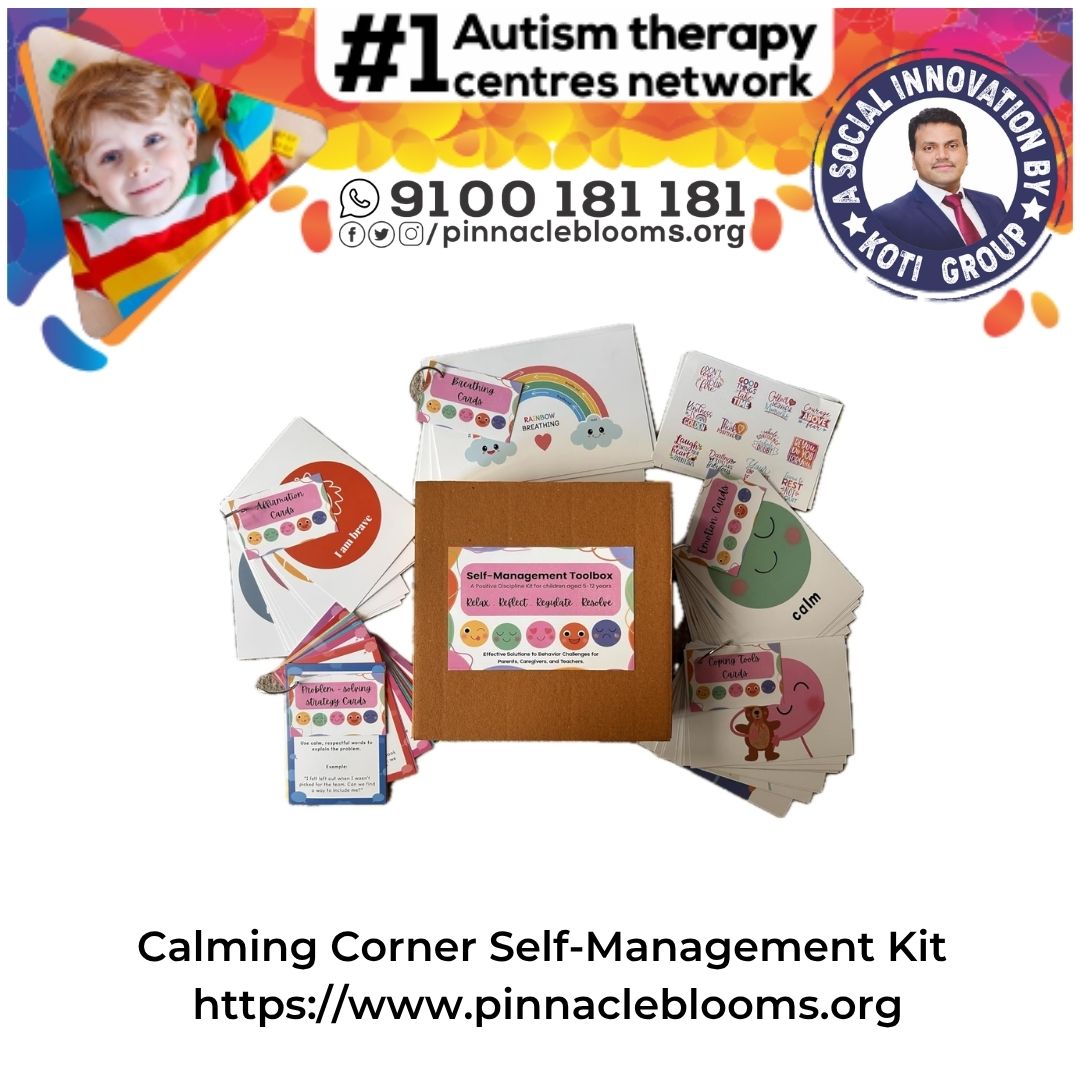
Calm-Down Kit / Self-Regulation Toolbox
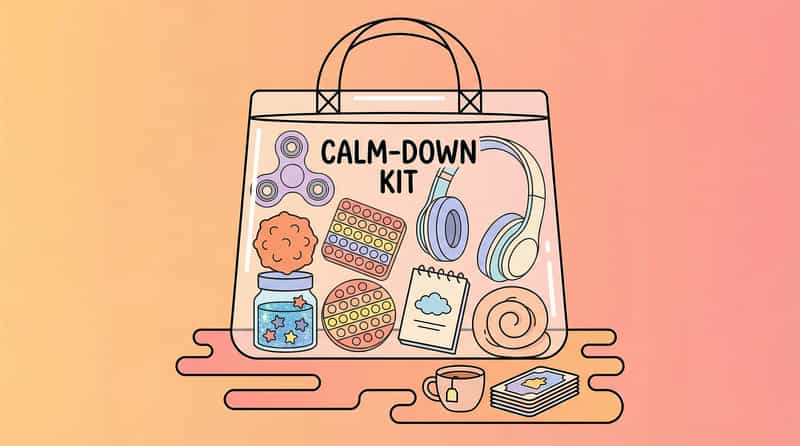
Calm-down kits provide concrete, multi-sensory tools for self-regulation, replacing abstract instructions like "calm down" with tangible strategies children can actually use. This Core Kit material offers strong evidence-based support for emotional regulation by giving children agency and choice in their coping strategies.
Target Areas: Emotional Regulation, Self-Calming, Coping Skills, Anxiety Management, Meltdown Prevention
How It Works
Calm-down kits operate through a concrete mechanism: tangible tools provide accessible strategies, the child selects what works best for them in the moment, successful self-regulation occurs, and the child's coping repertoire increases through repeated positive experiences.
The multi-sensory nature of these kits is critical—different children respond to different sensory inputs, and the same child may need different tools at different times.
Introduce During Calm
Present tools during CALM times, not during crisis. Practice strategies before they're needed in high-stress situations.
Child Choice Matters
Child helps select kit contents. Include multiple sensory modalities. Keep kit accessible at all times.
Price Range: ₹100 - ₹3,000 | Settings: Home, School, Clinic, Travel
Material 2.4
Core Kit
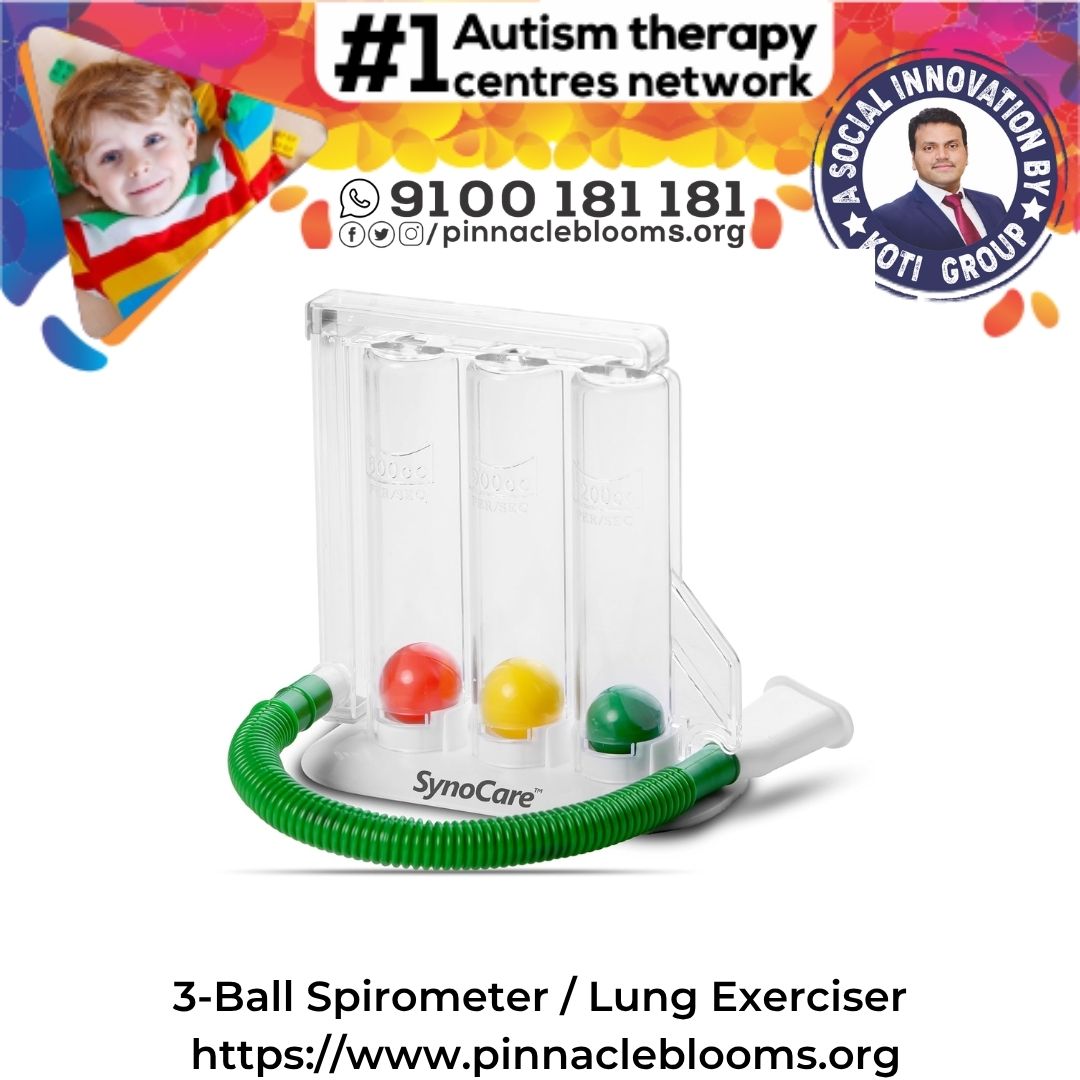
Breathing / Relaxation Tools

Breathing tools make the abstract concept of "deep breathing" concrete and accessible for children. This Core Kit material provides strong evidence-based support for nervous system regulation—one of the most fundamental and portable coping strategies available.
Target Areas: Respiratory Regulation, Anxiety Reduction, Self-Calming, Focus, Sleep, Emotional Regulation
Function: Teach and support controlled breathing for nervous system regulation through visual or tactile supports that guide controlled exhalation, activate the parasympathetic nervous system, reduce heart rate, and produce a calmer physiological state.
Price Range: ₹0 - ₹1,000 | Settings: Home, School, Clinic, Travel
Practice Daily When Calm
Daily practice during calm times builds skill fluency. Children cannot learn breathing regulation during crisis—it must be pre-taught.
1
Make It Fun, Not Clinical
Use games, bubbles, pinwheels, and playful approaches. Clinical approaches often increase anxiety rather than reducing it.
2
Exhale Longer Than Inhale
A 2:1 exhale-to-inhale ratio activates parasympathetic calming. This is the physiological mechanism behind breathing's effectiveness.
3
Use Visual/Tactile Supports
Visual and tactile supports make the abstract concept concrete. Model breathing yourself—children learn by observing trusted adults.
4
Material 2.5
Core Kit
Behavior / Feelings Thermometer
Behavior and Feelings thermometers enable self-monitoring of emotional intensity, allowing for earlier intervention and meltdown prevention. This Core Kit material provides strong evidence-based support for developing self-awareness—the critical precursor to self-regulation.
Target Areas: Self-Awareness, Emotional Regulation, Meltdown Prevention, Escalation Awareness, Self-Monitoring
The Mechanism
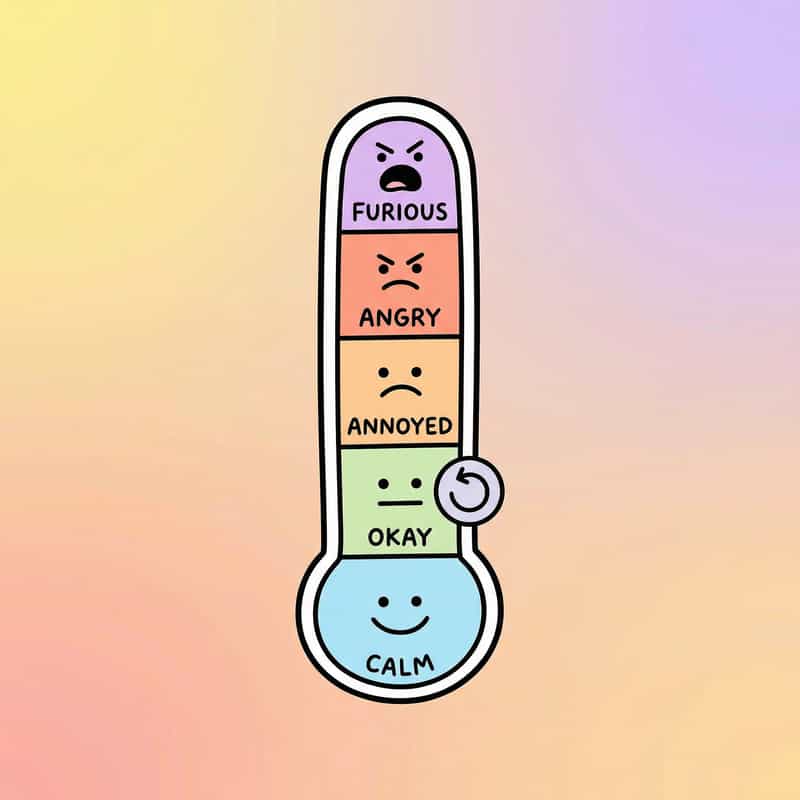
The thermometer works through a clear pathway: the visual scale prompts self-rating, which builds awareness of emotional escalation, enabling earlier intervention, ultimately preventing crisis situations before they fully develop.
This proactive approach is fundamentally different from reactive crisis management—it shifts the focus from managing meltdowns to preventing them entirely.
Child's Rating is Always Valid
Emotional intensity is subjective. Never dismiss or contradict a child's self-rating. Trust their internal experience.
Link Levels to Strategies
Each level should connect to specific coping strategies. Create a clear action plan for each thermometer level.
Use Preventively
Check in regularly throughout the day. Don't wait for visible signs of distress—build proactive awareness.
Price Range: ₹0 - ₹1,500 | Settings: Home, School, Clinic
Material 2.6
Rank 2
Worry Eater / Emotion Plush
Worry Eaters and emotion plush toys externalize anxiety through concrete ritual, helping children "release" worries that might otherwise lead to rumination. This Rank 2 material provides moderate evidence for effectiveness, with particularly strong results for bedtime anxiety and worry management.
Target Areas: Anxiety Management, Emotional Expression, Bedtime Worries, Comfort, Emotional Literacy
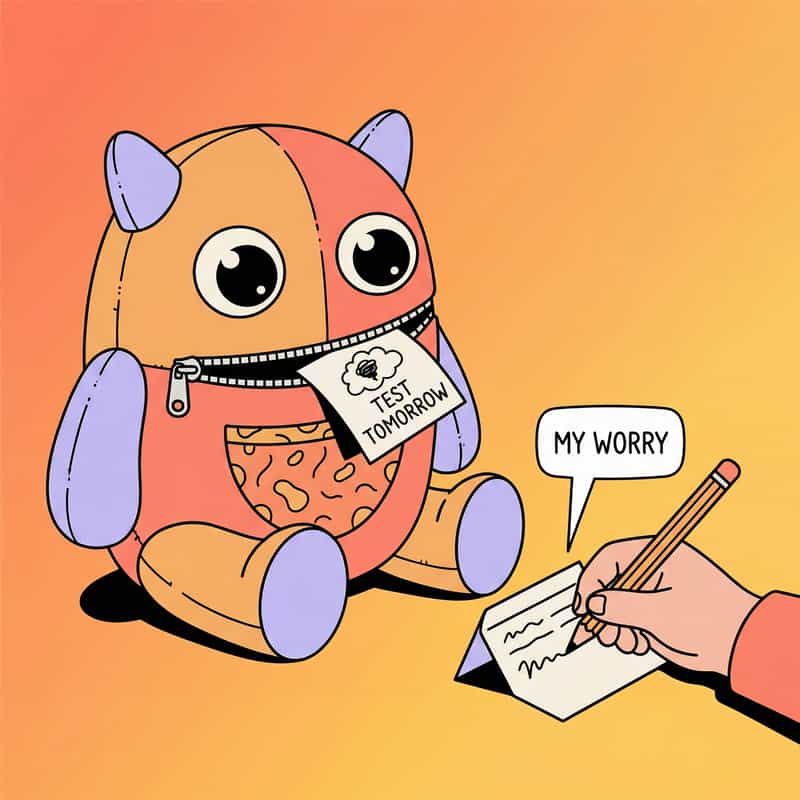
Function: Provide transitional objects that facilitate emotional expression and externalization through a concrete ritual: writing the worry, giving it to the eater, experiencing psychological release, and reducing rumination.
1
Establish Clear Ritual
Write worry → give to eater → worry is gone. Consistency in the ritual is what makes it psychologically effective.
2
Don't Re-Discuss After
Once the worry is "eaten," avoid lengthy discussion. The power is in the release and externalization.
3
Combine with Coping
Use alongside reassurance and coping strategies. Worry Eaters complement but don't replace other anxiety management tools.
Price Range: ₹100 - ₹5,000 | Settings: Home, Clinic
Material 2.7
Core Kit
Reward Charts / Token Economy Systems
Reward charts and token economy systems provide visual, systematic positive reinforcement for behavior motivation. This Core Kit material offers strong evidence-based support rooted in Applied Behavior Analysis (ABA) principles—one of the most researched and effective behavioral intervention approaches available.
Target Areas: Behavior Motivation, Task Completion, Routine Building, Delayed Gratification, Self-Monitoring
The Behavioral Mechanism
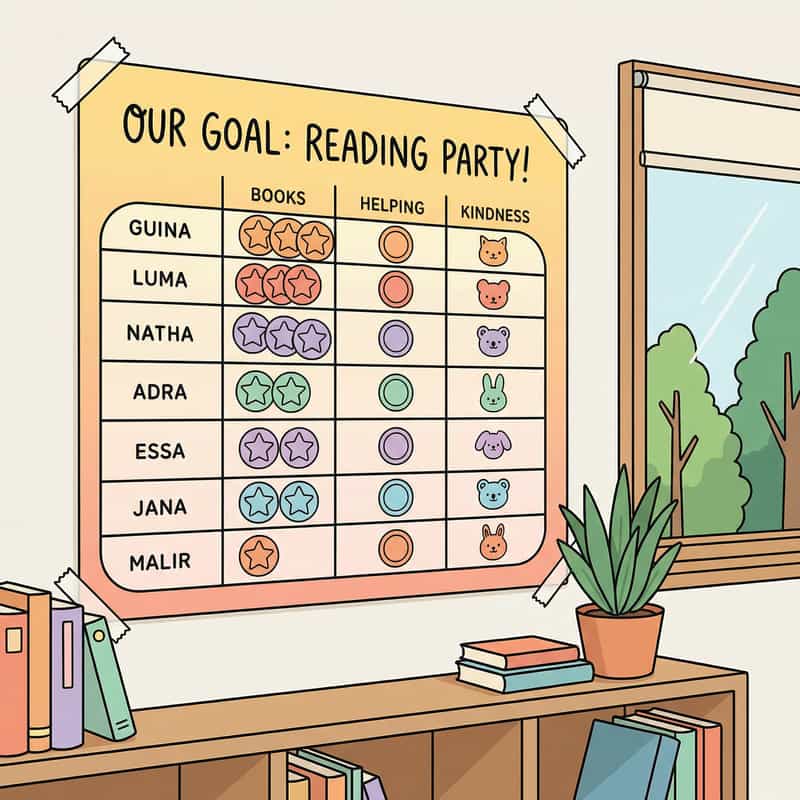
Token systems work through a clear reinforcement pathway: target behavior occurs, immediate token is delivered, visual progress accumulates, backup reinforcer is earned, and behavior frequency increases over time.
Start Achievable
Begin with easily achievable goals to build success momentum. Early wins are critical for engagement.
Reward Immediately
Provide tokens with minimal delay. Consistency matters—reward EVERY time initially before gradually increasing requirements.
Meaningful Reinforcers
Use motivating, individualized reinforcers. What's rewarding to one child may not motivate another.
Price Range: ₹0 - ₹600 | Settings: Home, School, Clinic
The visual nature is critical—it makes abstract concepts like "working toward a goal" concrete and trackable for children who struggle with delayed gratification.
Material 2.8
Core Kit
Choice Boards
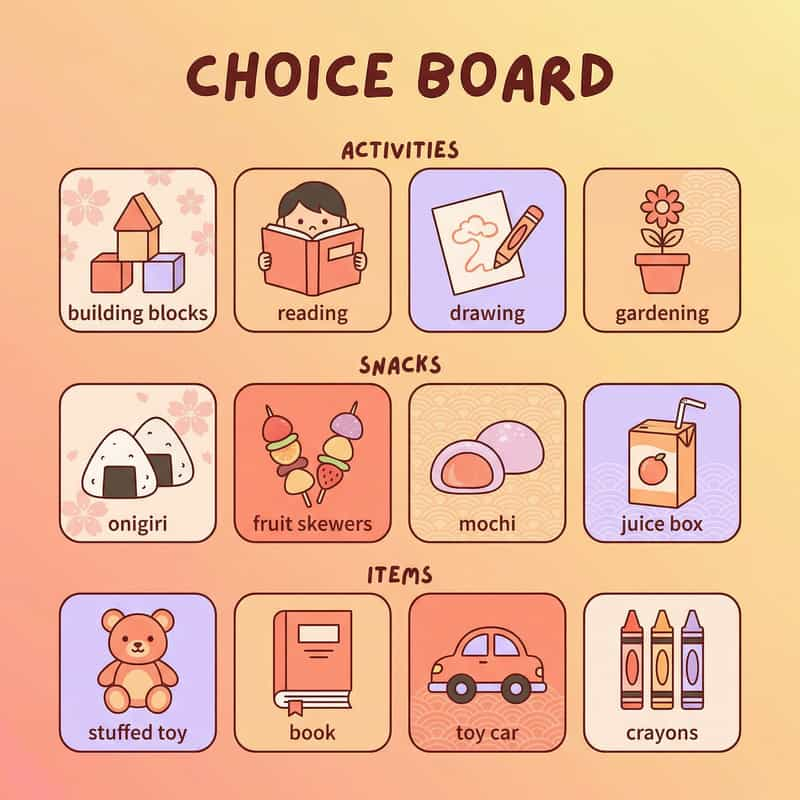
Choice boards provide visual options for decision-making, reducing frustration and enabling communication. This Core Kit material offers strong evidence-based support for building autonomy, reducing behavioral challenges, and supporting communication development—particularly for children with limited verbal skills.
Target Areas: Communication, Decision-Making, Autonomy, Frustration Reduction, Behavior Prevention
Function: Provide visual options to support decision-making by presenting clear choices, enabling child selection through pointing or gesturing, fostering autonomy and control, and reducing frustration and behavioral challenges.
Start with Two Choices
Begin with 2 options and increase as the child demonstrates readiness. Too many options can overwhelm rather than empower.
All Options Must Be Available
Never show options that aren't actually available—this breaks trust and increases frustration rather than reducing it.
Use Real Photos
Include photographs of actual items when possible. Real photos are more concrete and recognizable than generic clipart.
Honor Their Choice
Honor the child's choice consistently. If you're not prepared to follow through, don't offer the option.
Price Range: ₹0 - ₹500 | Settings: Home, School, Clinic, Community
Integration Across Settings
Effective emotional regulation support requires consistency across all environments where a child spends time. These materials are designed for seamless integration across home, school, clinic, and community settings—ensuring that coping strategies learned in one context transfer to others.

Home Implementation
Parents integrate materials into daily routines, bedtime, and challenging transitions. Home is where most emotional learning happens—it's the primary practice environment.
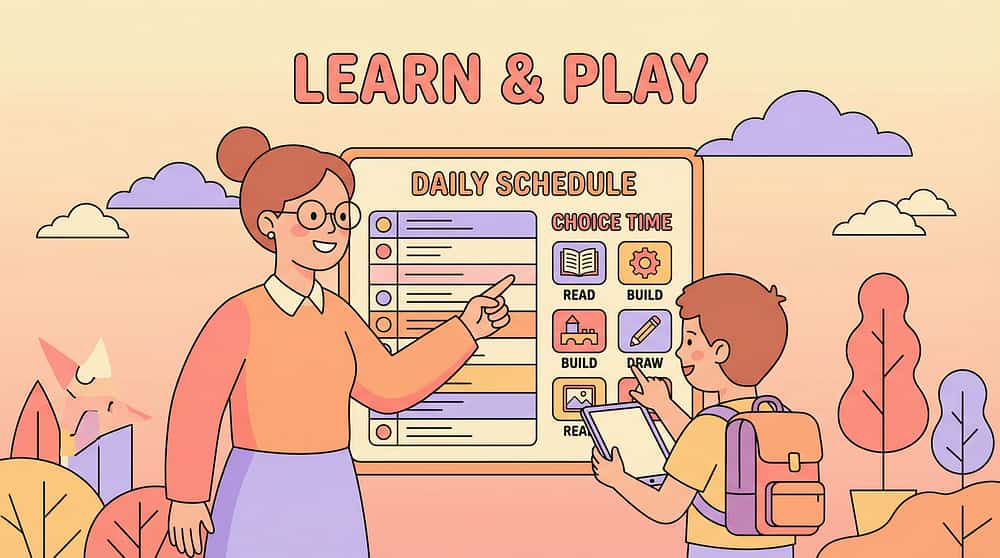
School Settings
Educators implement universal supports that benefit all students while providing targeted intervention for those with specific needs. Classroom integration normalizes emotional tools.
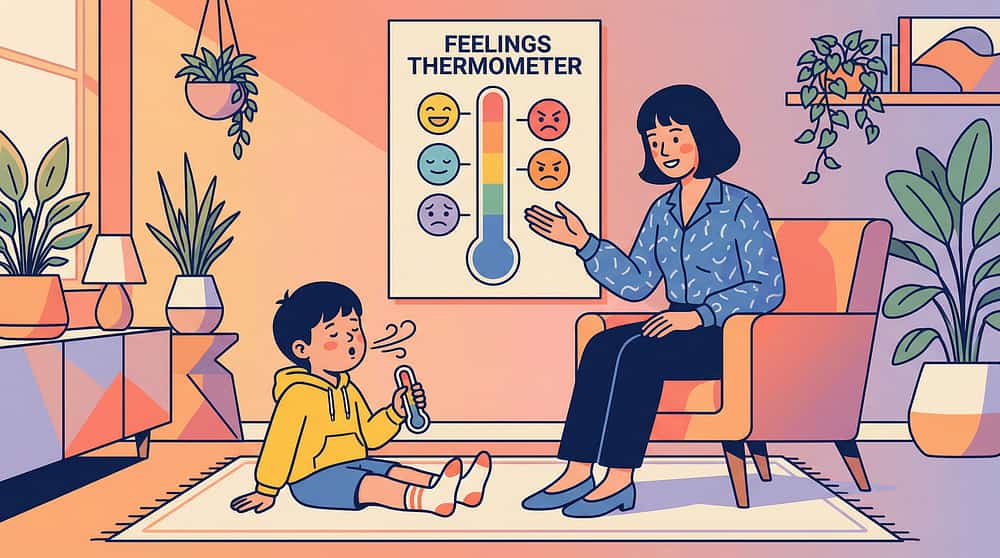
Clinical Environments
Therapists use materials for assessment, structured intervention, progress monitoring, and parent training. Clinic is where strategies are initially taught and refined.

Community Generalization
Portable versions of materials support generalization to real-world settings like stores, restaurants, and appointments. Community practice ensures skills transfer beyond controlled environments.
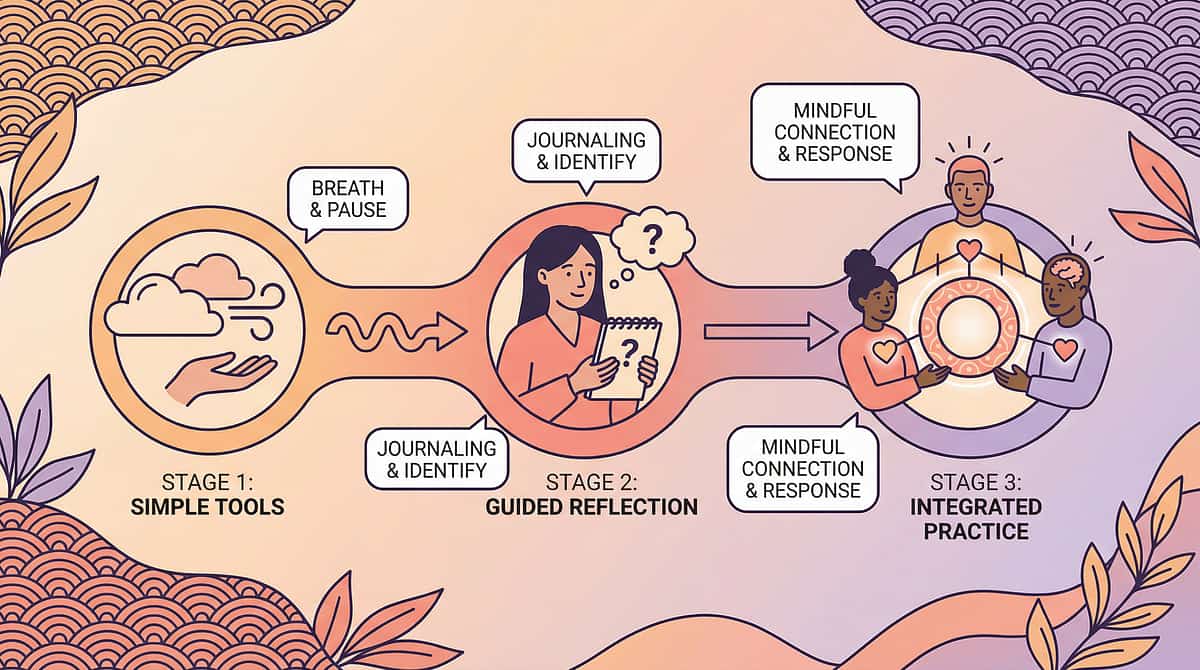
Building a Progressive Implementation Plan
Not all materials should be introduced simultaneously. A thoughtful, progressive implementation approach ensures that foundational skills are established before more complex tools are added. This staged approach prevents overwhelm and maximizes effectiveness.
1
Phase 1: Foundation (Weeks 1-4)
Emotion Cards, Choice Boards. Build basic emotional literacy and communication. Focus: Recognition and labeling.
2
Phase 2: Awareness (Weeks 5-8)
Feelings Thermometer, Breathing Tools. Develop self-awareness and basic regulation. Focus: Monitoring and calming.
3
Phase 3: Active Coping (Weeks 9-12)
Calm-Down Kit, Social Stories. Implement active coping strategies. Focus: Prevention and skill application.
4
Phase 4: Motivation (Weeks 13+)
Reward Charts, specialized tools. Build consistency and sustained practice. Focus: Long-term habit formation.

Evidence-Based Foundations
The materials in this category are grounded in decades of research across multiple disciplines including clinical psychology, applied behavior analysis, occupational therapy, and special education. Understanding the evidence base helps professionals and families make informed decisions about implementation.
Research Support
Emotional Intelligence
Materials draw from research demonstrating that identifying and labeling emotions is foundational for regulation, leading to better emotional control and social functioning in children.
Behavioral Interventions (ABA)
Token economy and reward systems are extensively researched behavioral interventions with consistent evidence across decades of Applied Behavior Analysis literature.
Visual Supports
Visual supports like choice boards and social stories have strong evidence, particularly for individuals with autism spectrum and developmental disabilities.
Mechanism of Action
Increased Awareness & Recognition
Materials increase awareness and recognition of emotions and appropriate responses.
Concrete Strategies
They provide concrete, actionable strategies, replacing abstract instructions.
Early Intervention
Enables early intervention to address issues before crisis escalation.
Skill Building
Builds skills through repeated practice, strengthening emotional regulation abilities.
Fostering Autonomy
Fosters autonomy and self-efficacy, empowering individuals to manage their own emotions.
The multi-modal nature of this toolkit—combining visual, tactile, narrative, and behavioral approaches—ensures that diverse learning styles and needs are addressed.
The Pinnacle Blooms Network® Platform
Built by Mothers. Engineered as a System.
Pinnacle Blooms Network® serves as the execution layer of GPT-OS®—delivering therapy, daily programs, digital continuity, and marketplace access at population scale. The platform integrates on-demand therapy guidance, parent education, and EverydayTherapyProgramme™ delivery accessible anytime, anywhere.
21M+
Exclusive Sessions
Across converged therapy disciplines
97%+
Measured Improvement
Across readiness indexes
70+
Centers
Operating under unified clinical system
Platform Components
- Pediatric Therapeutic OTT Platform: On-demand therapy guidance and parent education
- Hyperlocal Therapeutic Marketplace: Connects families to verified therapists and resources
- Center Network Execution: 70+ physical centers with measurable accountability
National Autism Helpline & Support

Access free, multilingual support through the Pinnacle Blooms Network® National Autism Helpline. Available in 16+ languages, the helpline provides guidance on material selection, implementation strategies, and connection to local therapeutic resources.
Free National Helpline
9100 181 181
Available in 16+ languages for material guidance and therapeutic resource connection
Email Support
care@pinnacleblooms.org
Written inquiries and detailed consultation requests
Digital Resources
pinnacleblooms.org
Access materials library, AbilityScore® assessment, and educational content
Cannons
Emotional Regulation & Coping MaterialsEvidence-based materials supporting emotion identification, self-regulation strategies, coping skills, mindfulness, and social-emotional learning across home, school, and therapy settings.
Link copied!