



























Tool ID: 2.8
SLP + SpEd
Strong Evidence
Rank #1
Daily Use
₹0–500
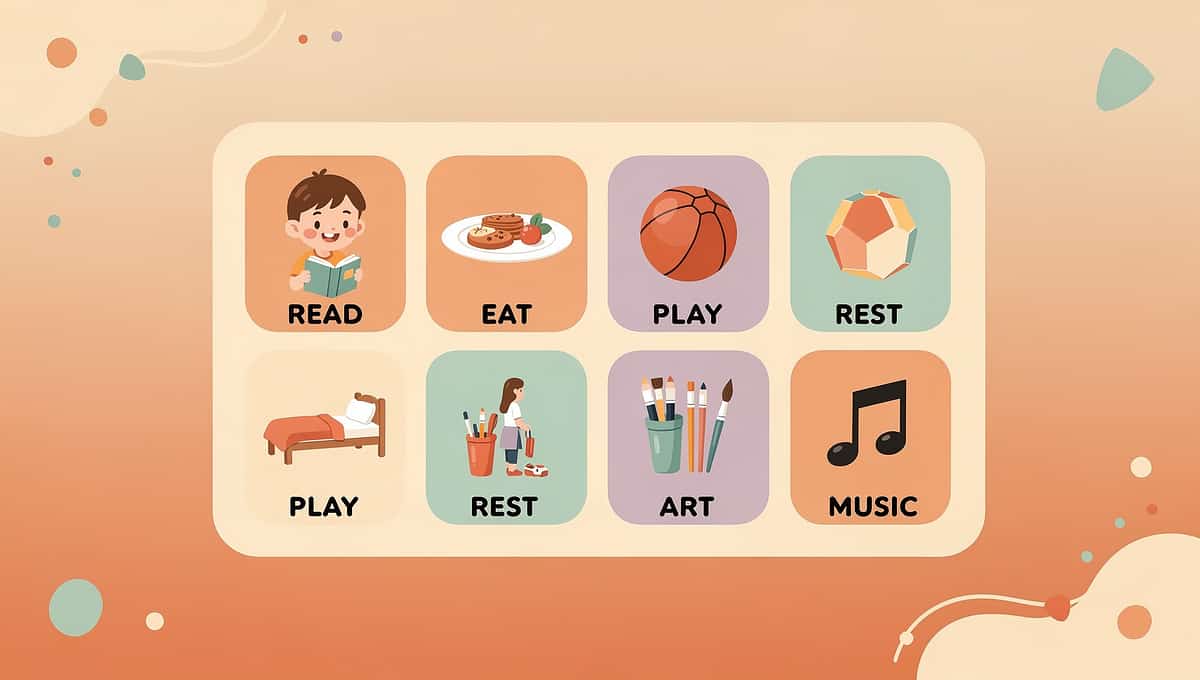
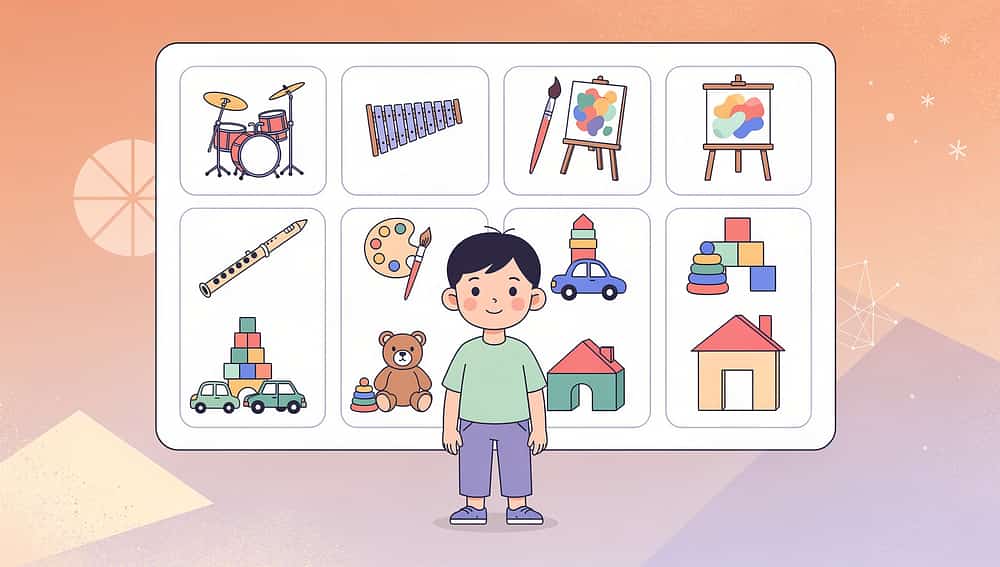
Choice Boards
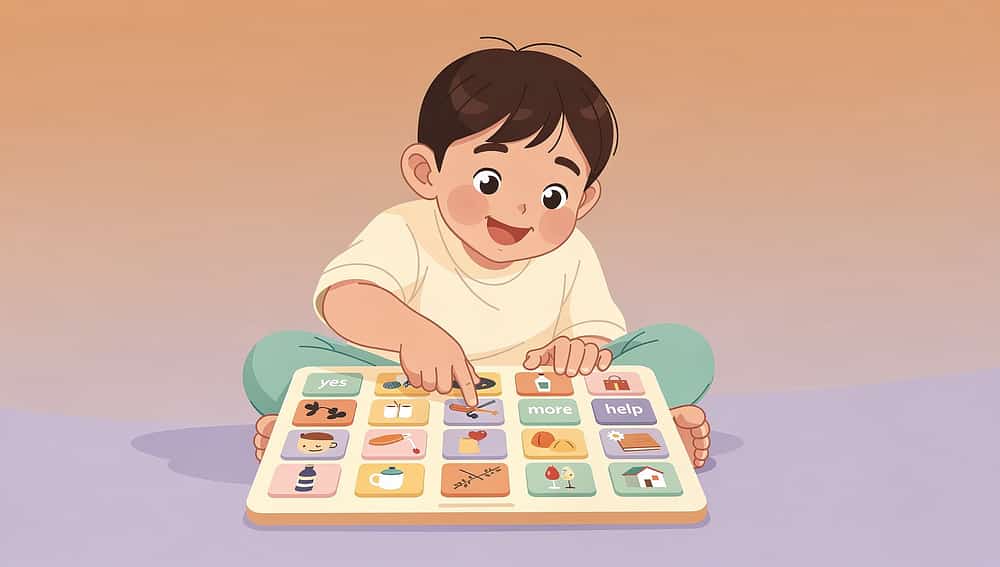
Empowering Communication for Children: Visual decision-making and autonomy support system
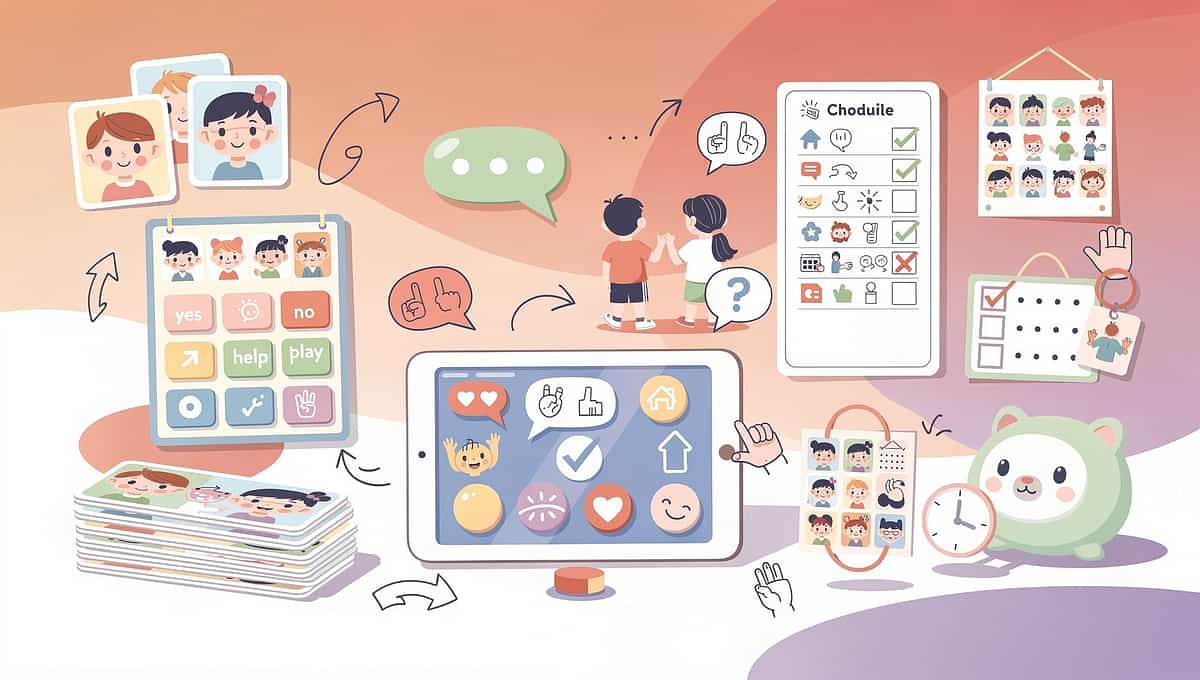
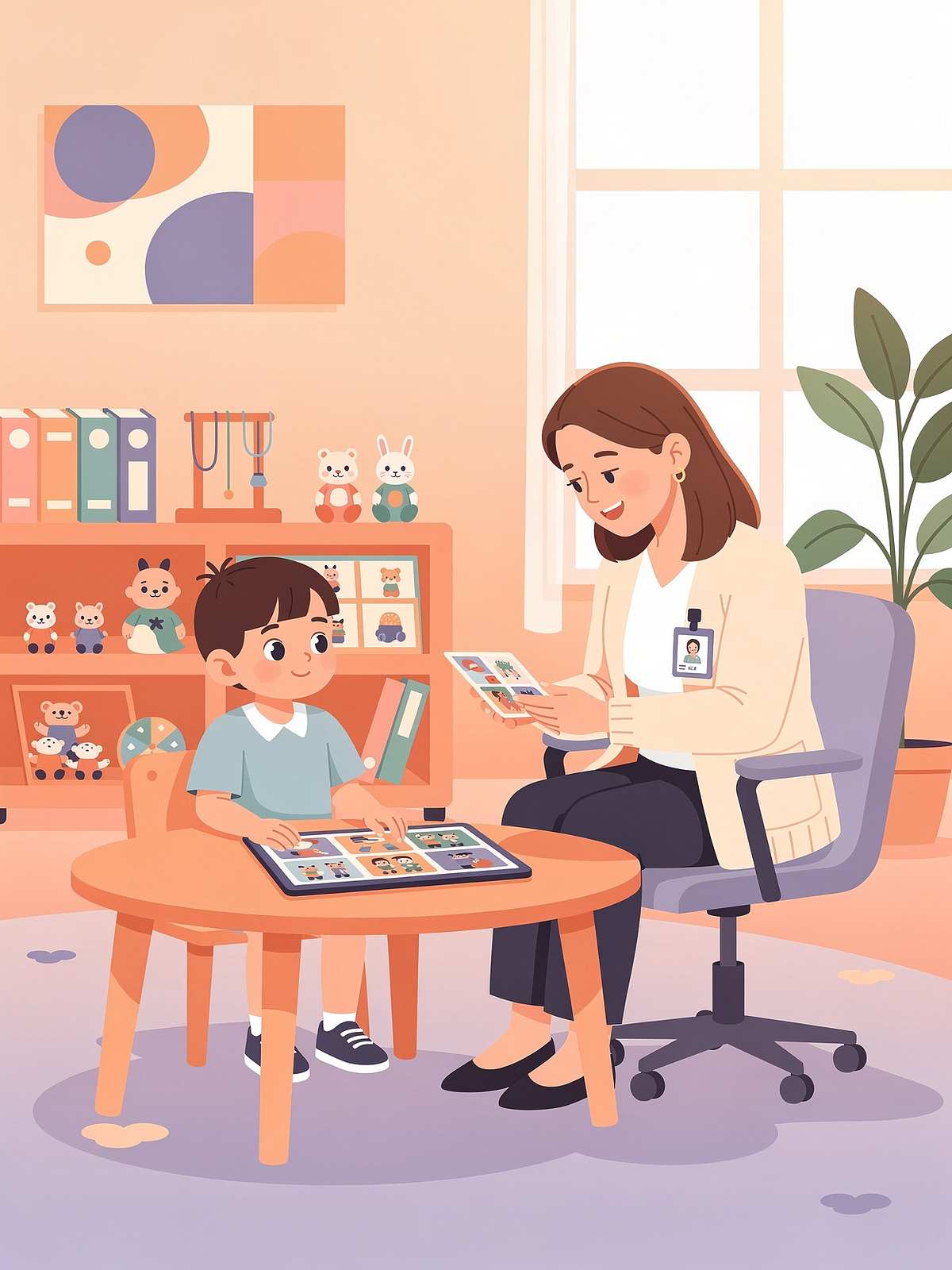
Empower your child to express preferences, reduce frustration, and build communication skills through clear visual options. Choice boards transform daily battles into opportunities for connection and autonomy.

Who This Helps

Empower Communication
Provides a clear way for children to express their needs and preferences.

Facilitate Decision-Making
Offers visual choices to support children in making their own decisions.

Reduce Frustration
Minimizes stress by removing verbal demands and providing clear options.

Foster Autonomy
Supports independence by allowing children to control their choices.
Ages 1-9 years (and beyond for AAC)
Home
Clinic
School
Community

Young Children with Limited Language
Provides accessible communication before verbal skills fully develop.

Non-Verbal or Minimally Verbal Children
Creates a foundation for augmentative and alternative communication (AAC).

Children Overwhelmed by Open-Ended Questions
Structured options reduce cognitive load and decision anxiety.

Does This Sound Familiar?
"Everything is a battle - even simple decisions"
"He melts down when he can't have something"
"She can't tell me what she wants"
"Open-ended questions overwhelm him"
"I never know what he wants - guessing game"
"Food battles every single meal"
You're not alone. These are common challenges that choice boards are specifically designed to address. Thousands of families across India have found relief through this evidence-based tool.

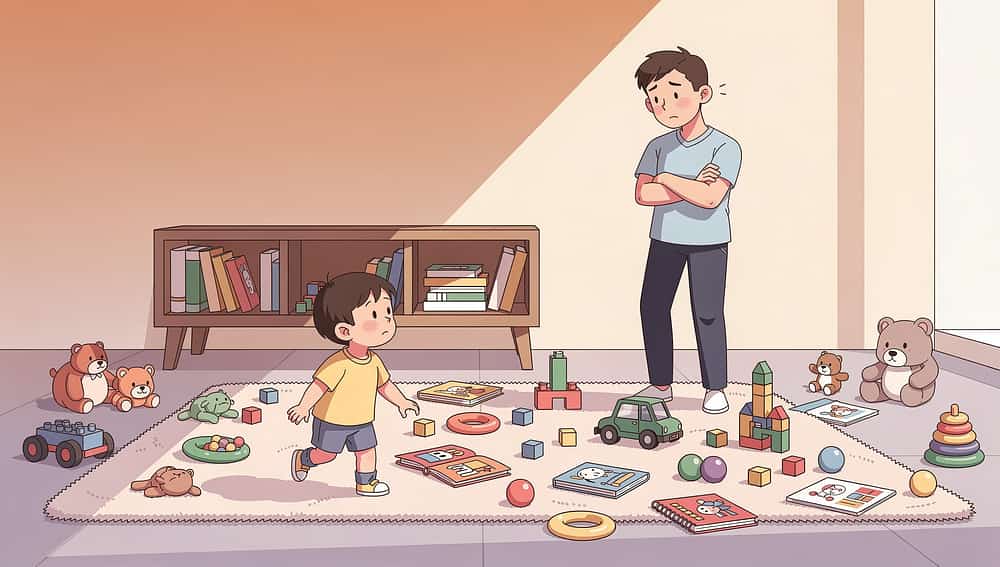
A Day Without the Right Support
Morning
Parent asks "What do you want?" Child overwhelmed. Points at everything. Melts down. Parent guesses wrong. Frustration escalates.
Transitions
Moving between activities triggers resistance. Child can't express what they want to do next. Power struggles begin.
Therapy/School
Child wanders during free time, can't settle on activity. When adult chooses for them, child refuses. Wasted time and opportunity.
Bedtime
Non-verbal child can't express needs. Cries, points, behaviour escalates. Parent guessing desperately. Both frustrated and exhausted.

The Science Behind It

Visual Options Presented
Clear pictures reduce language processing demands

Reduced Cognitive Load
Child can focus on choice rather than language

Point to Preference
Simple gesture enables successful communication

Sense of Control
Autonomy reduces frustration and behaviour challenges
This mechanism supports development across multiple areas simultaneously: communication skills improve as children learn they can influence their environment, decision-making abilities strengthen, and autonomy grows. The result is reduced frustration, increased communication attempts, and prevention of behaviour difficulties before they escalate.
Communication
Decision-Making
Autonomy
Frustration Reduction
Behaviour Prevention

How to Use It Right

Start with 2 choices, increase as ready
Begin simply to build confidence and understanding. Gradually expand options as your child demonstrates readiness and success with fewer choices.

All options shown must be available
Never display items you can't provide immediately. This builds trust and prevents frustration from unmet expectations.

Include photos of actual items when possible
Real photos of YOUR snacks, toys, and activities are far more effective than generic clipart. Children recognise their own belongings.
Update regularly to maintain relevance
Rotate options, add new interests, remove items that are no longer available or interesting. Keep boards fresh and current.
Honour the choice made
Always provide what the child selects. This is critical for building communication trust and teaching that their voice matters.
Duration: Ongoing tool for daily use across multiple settings and situations. Some children use choice boards for years as their primary communication system.

Expert Perspective
"Choice boards are foundational in AAC and behaviour support. By offering controlled choices, we give children power over their world whilst maintaining structure. The result is less frustration and more communication."— Speech-Language Pathologist, AAC Specialist
SLP + SpEd Recommended
Core tool in both speech therapy and special education programmes
Strong Evidence
Extensively researched and validated in clinical practice
Rank #1 in Category
Top-rated tool for emotional regulation and communication support

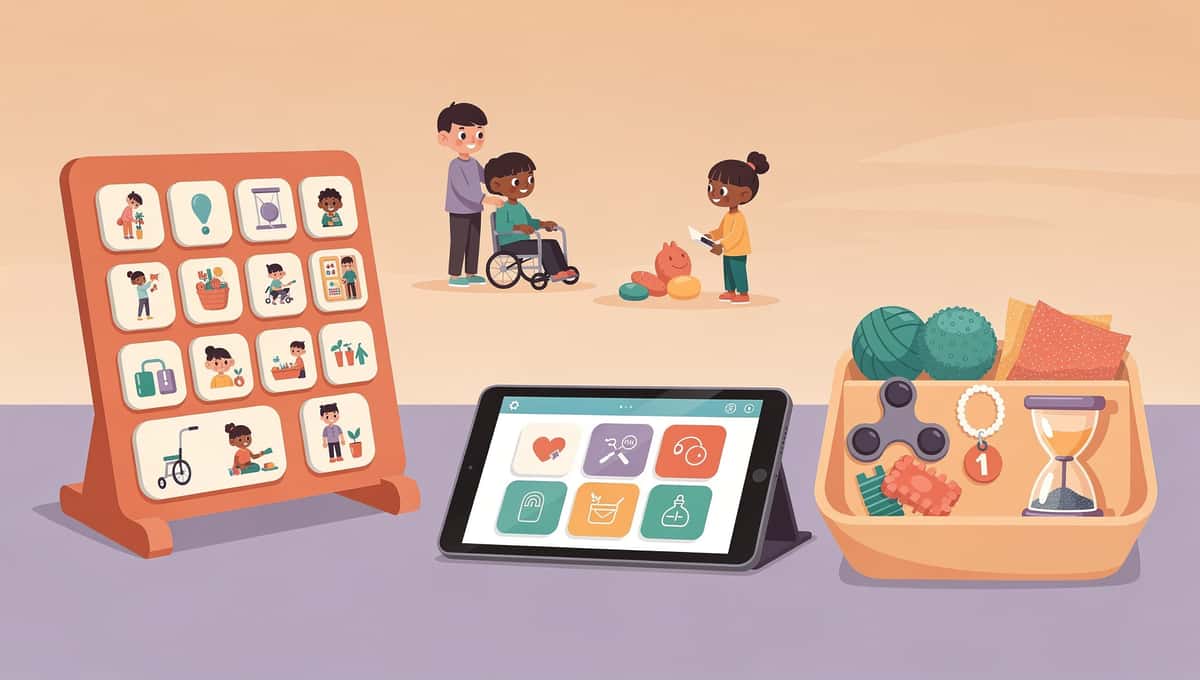
Choose Your Option (6 Variants)
Basic Choice Board
Young children, limited language, simple decisions
Activity Choice Board
Free time, transitions, reward choices
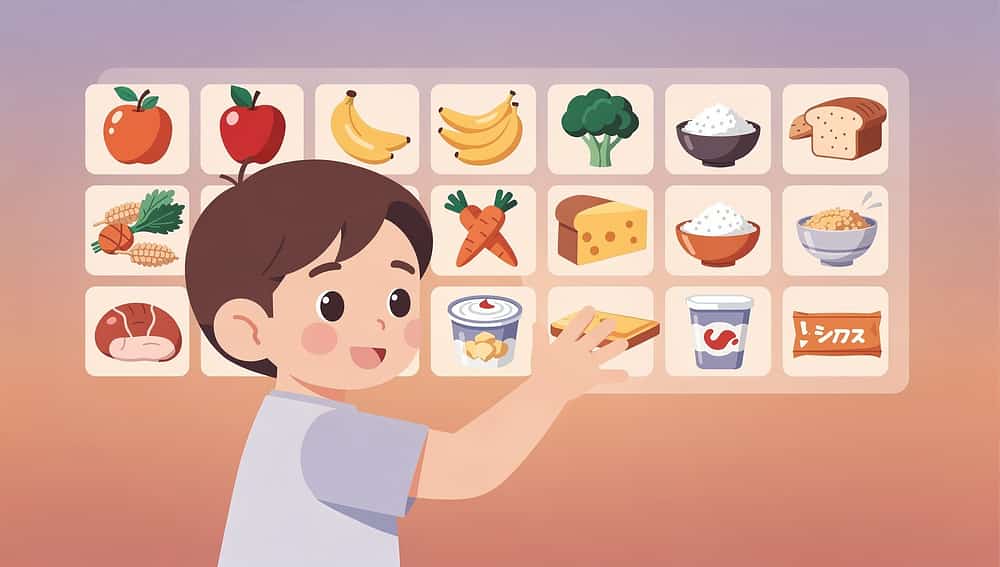
Food/Snack Choice Board
Reducing food battles, picky eaters
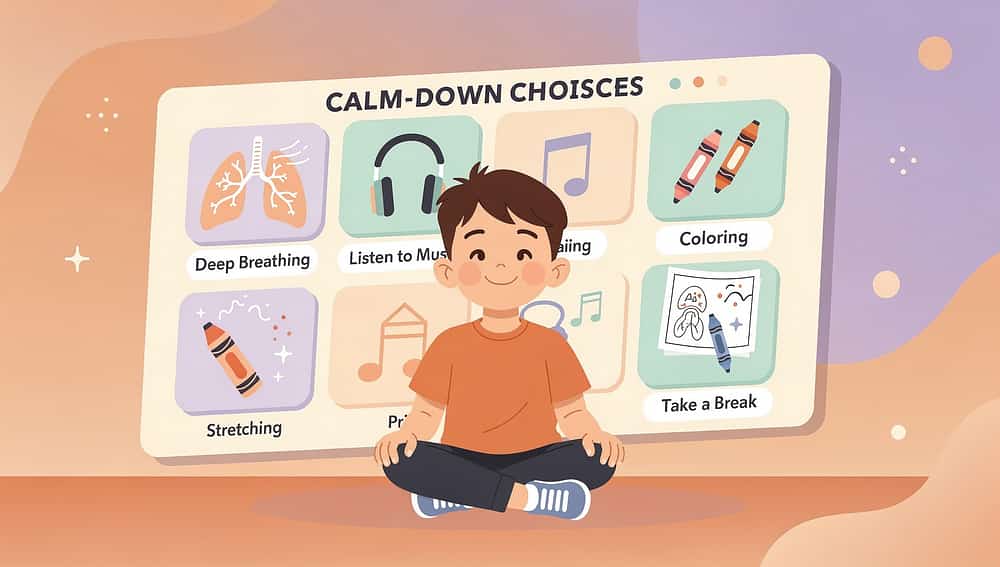
Calm-Down Choice Board
Self-regulation, choosing calming strategies
Communication Choice Board
Non-verbal or limited verbal children
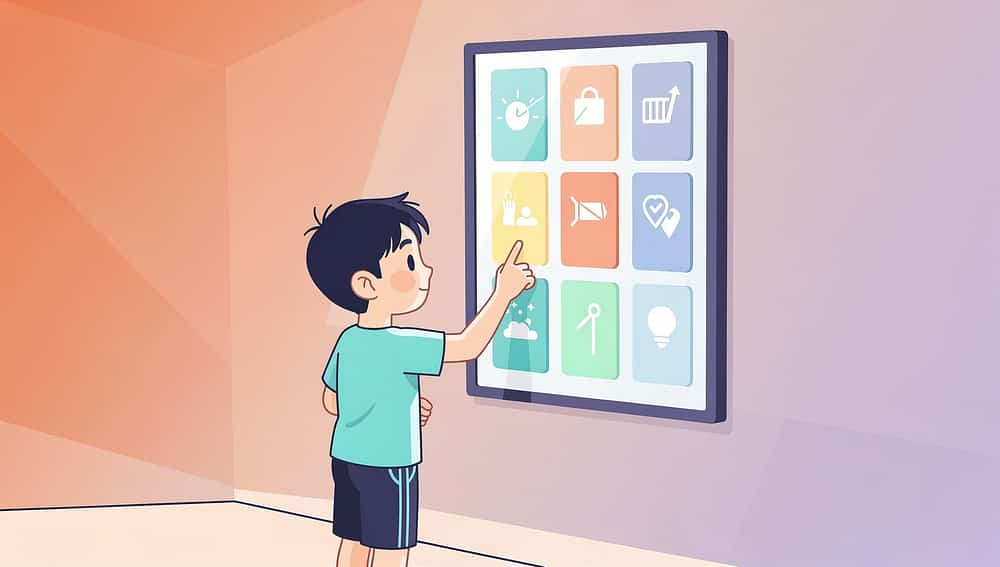
Digital Choice Board (App)
Tech-engaged, customisable, portable
Select the variant that best matches your child's needs, age, and primary challenges. You can use multiple boards for different situations throughout the day.
Basic Choice Board (2-4 options)
Best for: Young children, limited language, simple decisions
Size: A5 or A4 with velcro | Ages: 2-6 years
Settings: Home, Clinic, School | Portability: High
Price: ₹100–300
Size: A5 or A4 with velcro | Ages: 2-6 years
Settings: Home, Clinic, School | Portability: High
Price: ₹100–300
Activity Choice Board
Best for: Free time, transitions, reward choices
Size: Medium board with activity photos | Ages: 2-9 years
Settings: Home, Clinic, School | Portability: Medium
Price: ₹150–400
Size: Medium board with activity photos | Ages: 2-9 years
Settings: Home, Clinic, School | Portability: Medium
Price: ₹150–400
Food/Snack Choice Board
Best for: Reducing food battles, picky eaters
Size: Kitchen-accessible board | Ages: 2-9 years
Settings: Home | Portability: Low
Price: ₹100–300
Size: Kitchen-accessible board | Ages: 2-9 years
Settings: Home | Portability: Low
Price: ₹100–300
Calm-Down Choice Board
Best for: Self-regulation, choosing calming strategies
Size: Small, portable board | Ages: 3-9 years
Settings: All settings | Portability: High
Price: ₹100–300
Size: Small, portable board | Ages: 3-9 years
Settings: All settings | Portability: High
Price: ₹100–300
Communication Choice Board
Best for: Non-verbal or limited verbal children
Size: Portable with core vocabulary | Ages: All ages
Settings: All settings | Portability: High
Price: ₹150–400
Size: Portable with core vocabulary | Ages: All ages
Settings: All settings | Portability: High
Price: ₹150–400
Digital Choice Board (App)
Best for: Tech-engaged, customisable, portable
Size: Tablet/phone app | Ages: 3-9 years
Settings: All settings | Portability: Very High
Price: ₹0–500
Size: Tablet/phone app | Ages: 3-9 years
Settings: All settings | Portability: Very High
Price: ₹0–500
How to choose:
- By goal: Communication needs → Communication Board; Behaviour support → Calm-Down Board; Meal struggles → Food Board
- By setting: Need portability → Digital or small boards; Home-based → Larger specialised boards
- By age: Younger children (2-6) → Basic or Activity; Older children (6+) → Communication or Digital
Specifications & Types Guide

Board Types by Function: Activity
What to do/play choices during free time or transitions

Board Types by Function: Food
Snack, meal, and drink options to reduce mealtime battles

Board Types by Function: Calm-Down
Regulation strategy choices when child needs to self-soothe

Board Types by Function: Communication
Core words for expressing basic needs and wants

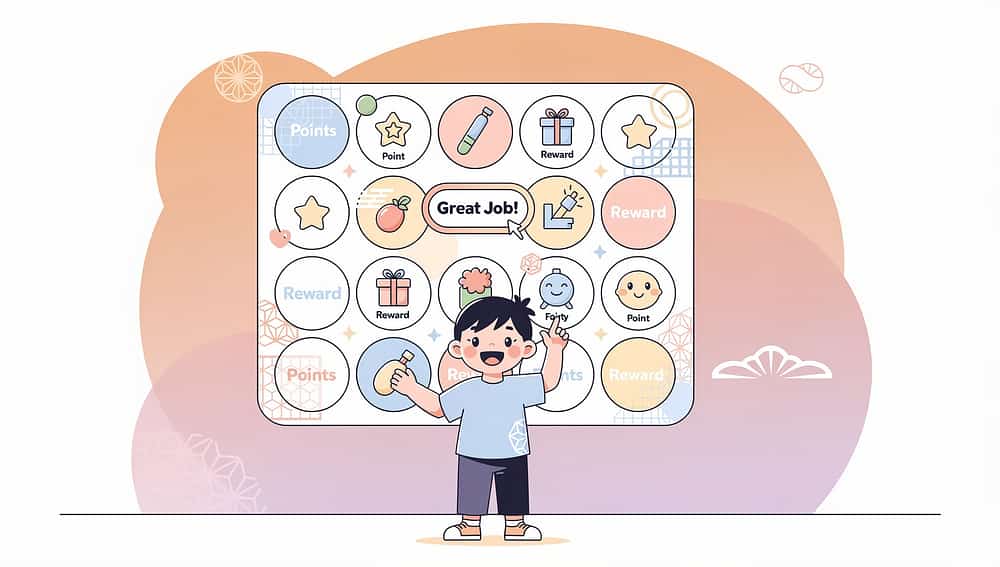
Board Types by Function: Reward
What to earn or receive as motivation

Board Types by Function: Location
Where to go for transitions or outings

Materials & Key Features: Materials
Laminated boards, velcro, photo cards, digital apps

Materials & Key Features: Clear visuals
High-contrast, recognisable images

Materials & Key Features: Limited options
2-6 choices to prevent overwhelm

Materials & Key Features: Actually available items
Only show what you can provide

Materials & Key Features: Portable versions
Take boards where decisions happen
The Struggle (Before)

Snack Time
Situation: Parent asks "What do you want?" Child overwhelmed. Points at everything. Melts down. Parent guesses wrong. Frustration escalates.
Emotion: Frustration, confusion

Free Time
Situation: Child wanders, can't settle on activity. When parent chooses for them, child refuses. Power struggle. Wasted time.
Emotion: Frustration, wasted opportunity

Communication
Situation: Non-verbal child can't express needs. Cries, points, behaviour escalates. Parent guessing desperately. Both frustrated.
Emotion: Helplessness, disconnection

The Breakthrough (After)
Snack Time
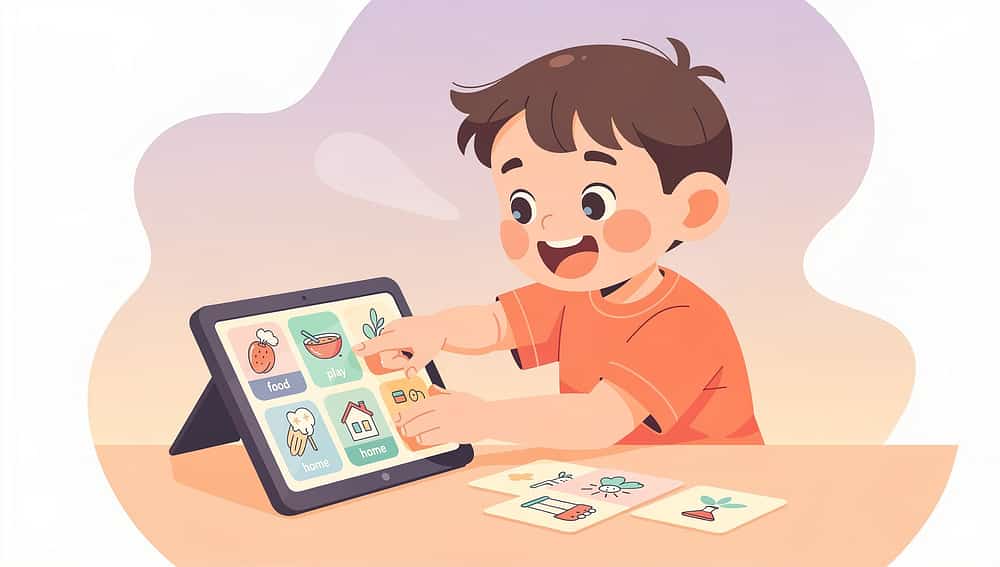
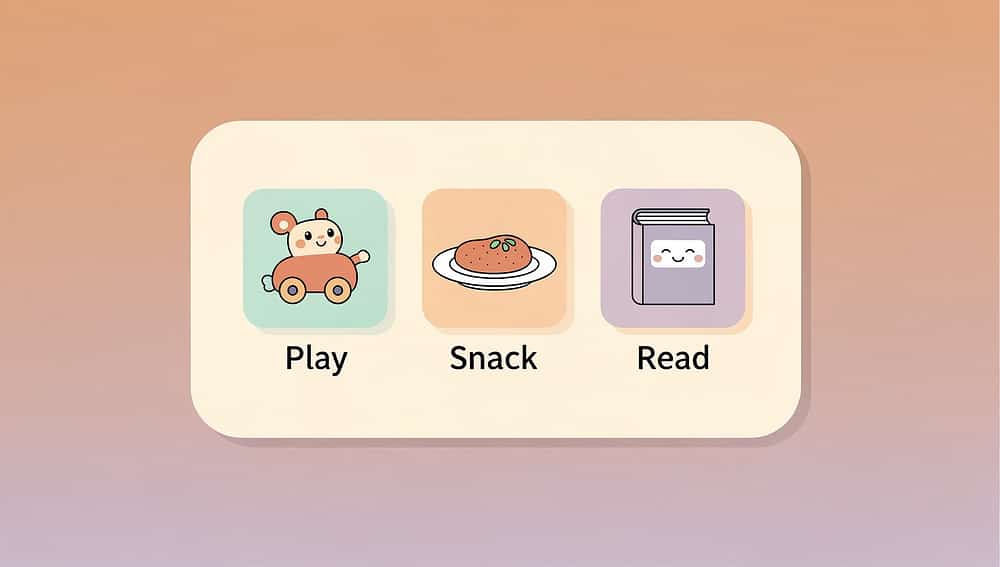
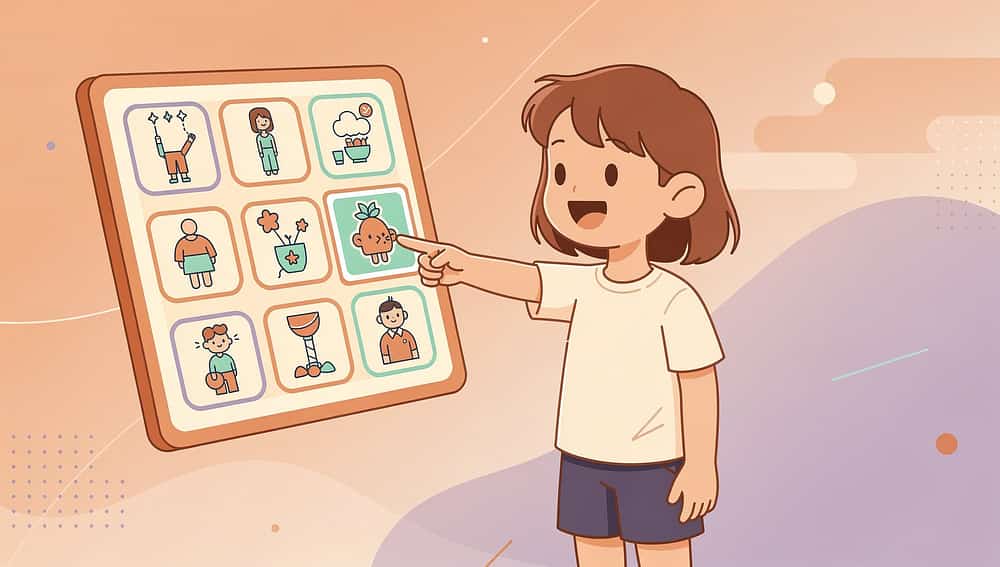
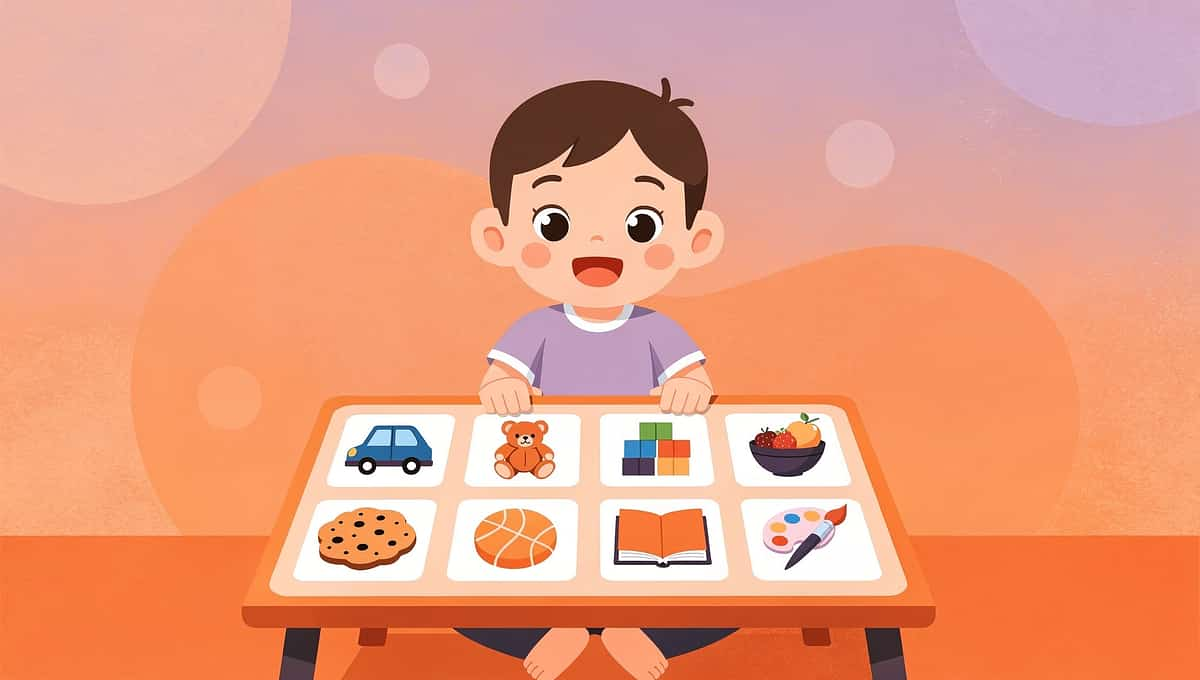
Situation: Snack choice board with 4 photos. Child points to apple. Gets apple. Done. No meltdown. Communication successful.
Emotion: Success, efficiency
Immediate
Free Time
Situation: Activity choice board presented. Child selects colouring. Engages for 20 minutes. No wandering. Autonomous choice.
Emotion: Engagement, autonomy
Immediate
Communication
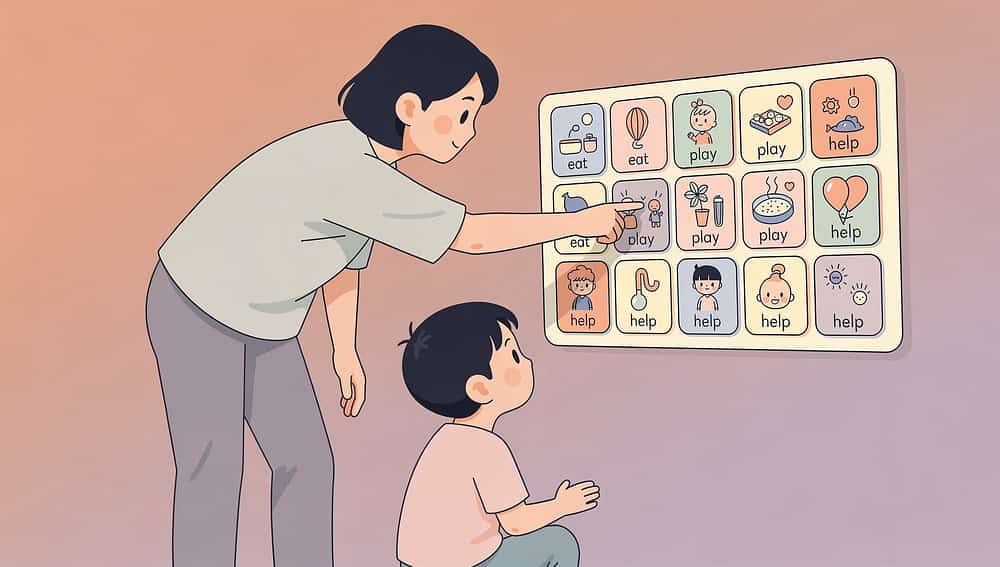
Situation: Communication board with core needs. Child points to "drink." Gets drink. Communication achieved. Frustration eliminated.
Emotion: Connection, success
Immediate

What to Expect (Realistic Timelines)

Visual Preference Expression
Children will quickly learn to express their preferences visually. Immediate

Fewer Decision Meltdowns
Expect a noticeable reduction in meltdowns related to decision-making. Immediate

Less Parental Frustration
Parents will experience less guessing and frustration due to clearer communication. Immediate

Enhanced Communication
You'll observe an increase in your child's attempts to communicate. Within 1-2 weeks

Greater Independence
Children will start making more independent choices using the boards. Within 1-2 weeks

Advanced AAC Foundation
This lays a strong foundation for future, more complex Augmentative and Alternative Communication (AAC). Ongoing
The beauty of choice boards is their immediate impact combined with long-term benefits. Whilst you'll see reduced frustration from day one, the communication skills and autonomy built through consistent use create lasting developmental gains.

Is This Right for My Child? (2-Minute Check)
Does your child have difficulty expressing preferences or choices?
If yes, this indicates: Choice board will help
Confidence score: 95%
Does open-ended "What do you want?" overwhelm your child?
If yes, this indicates: Needs limited visual options
Confidence score: 92%
Does your child melt down when can't communicate needs?
If yes, this indicates: Will benefit from visual communication
Confidence score: 90%
Would your child point to pictures to communicate?
If yes, this indicates: Choice boards appropriate
Confidence score: 88%
3+ "yes" answers = strong fit
If you answered yes to three or more questions, choice boards are very likely to support your child's communication and reduce daily frustration.

Usage Guide
When to Use
- Any time choices need to be made
- Mealtimes (food choices)
- Free time (activity choices)
- Transitions (what comes next)
- Communication of needs
- Coping strategy selection
When NOT to Use
- To limit options artificially
- Showing options that aren't available
- As punishment (removing choices)
- When child is fully verbal and doesn't need support
Supervision by Age
Age Range | Supervision Level | Notes | |
Under 3 years | Adult presents and guides | Direct teaching of how to use board, immediate response to choices | |
3-6 years | Adult supports, child selects | Reduce prompting as independence grows, continue verbal modelling | |
6+ years | Independent use, adult available | Child can access boards independently, adult honours choices made |
Duration: Ongoing tool for daily use. Many children continue using choice boards for years, evolving to more sophisticated AAC systems over time.

Safety First
Critical Safety
- ONLY show options that are actually available
- Honour the choice made (builds trust)
- Don't overwhelm with too many options
- Keep boards accessible to child
Warnings
- Update boards when items change
- Don't use boards to trick or control
- Watch for child becoming frustrated with limited options
- Expand options as skills grow
Contraindicated
- Showing unavailable options
- Using to limit autonomy unfairly
- Ignoring child's selection
Before Use ✓
- All items shown are available
- Number of options appropriate
- Images are clear and relevant
- Board is accessible
During Use ✓
- Honouring the selection made
- Modelling words with selection
- Celebrating communication attempts
- Not forcing different choice
Signs of Success ✓
- Child approaches board independently
- Frustration at choice times decreases
- Communication attempts increase
- Child advocates for needs

Common Questions (Honest Answers)

Q: "This limits their options too much"
A: Structured choice is NOT limiting - it's enabling. An overwhelmed child has NO functional choice. Three clear options they can access is better than 100 options they can't choose from. Expand options as skill grows.
Try this: Rotate items on board to maintain variety.

Q: "They should learn to use words instead"
A: Choice boards SUPPORT language development, not replace it. Whilst pointing, model the word. Visual options reduce frustration, allowing communication attempts. Many children develop words faster with visual support.
Try this: Pair picture pointing with verbal model every time.

Q: "I don't have time to make all these boards"
A: Start with ONE board for your biggest challenge (usually food or activities). Digital apps make it fast. Photos on phone work. Doesn't need to be fancy - just functional.
Try this: Phone photos + laminated page = instant board.

Q: "What if they always choose the same thing?"
A: That's valuable information! Maybe they really love that thing. Offer slightly different versions, or remove temporarily to encourage variety. Autonomy includes choosing favourites.
Try this: Rotate options; include "something new" as option.

Investment Guide
Choice boards are one of the most cost-effective therapeutic tools available. The DIY approach is highly effective and recommended for most families.
Option Type | Item | Cost (INR) | Details | |
Budget Option | DIY Printed Photos | ₹50-100 | Highly effective, fully customised to your child's actual items and interests | |
Premium Option | Commercial PECS System | ₹400-800 | Brands: PECS, Boardmaker, AAC apps |
Key Considerations
Overall Investment Range
The total investment for choice boards typically ranges from ₹0–500 (USD $0-6), making it an accessible therapeutic tool.
Recommended Starting Point
The best way to begin is with a DIY version using photos of your actual items. This allows for immediate implementation and helps you assess if your child benefits without significant upfront cost.
Investment Progression
Step 1: DIY Exploration
Start with homemade choice boards to test effectiveness and customize for your child's immediate needs.
Step 2: Observe & Assess
Monitor your child's engagement and communication improvements with the initial setup.
Step 3: Consider Upgrade
If beneficial, evaluate commercial systems for durability, expanded options, and professional resources.
Step 4: Continuous Adaptation
Regularly update options, whether DIY or commercial, to match your child's evolving interests and skills.

Where to Buy in India
Availability: DIY approach is preferred and most effective for personalisation
Platform Options
1
Amazon.in
Search Term: "visual choice board autism"
Price Range: ₹200-500
2
App Store
Search Term: "choice board app AAC"
Price Range: ₹0-500
3
DIY Materials
Search Term: "Photo + velcro + cardboard"
Price Range: ₹50-100
4
Teachers Pay Teachers
Search Term: "choice board printables"
Price Range: ₹0-200
Buying Tips
- Real photos are better than clipart
- Start with 2-3 options maximum
- Laminate for durability
- Velcro allows customisation
- Keep boards where decisions happen (kitchen, play area)
Red Flags to Avoid
- Too many options (overwhelming)
- Images not clear
- Items shown but not available (breaks trust)
- Board inaccessible to child

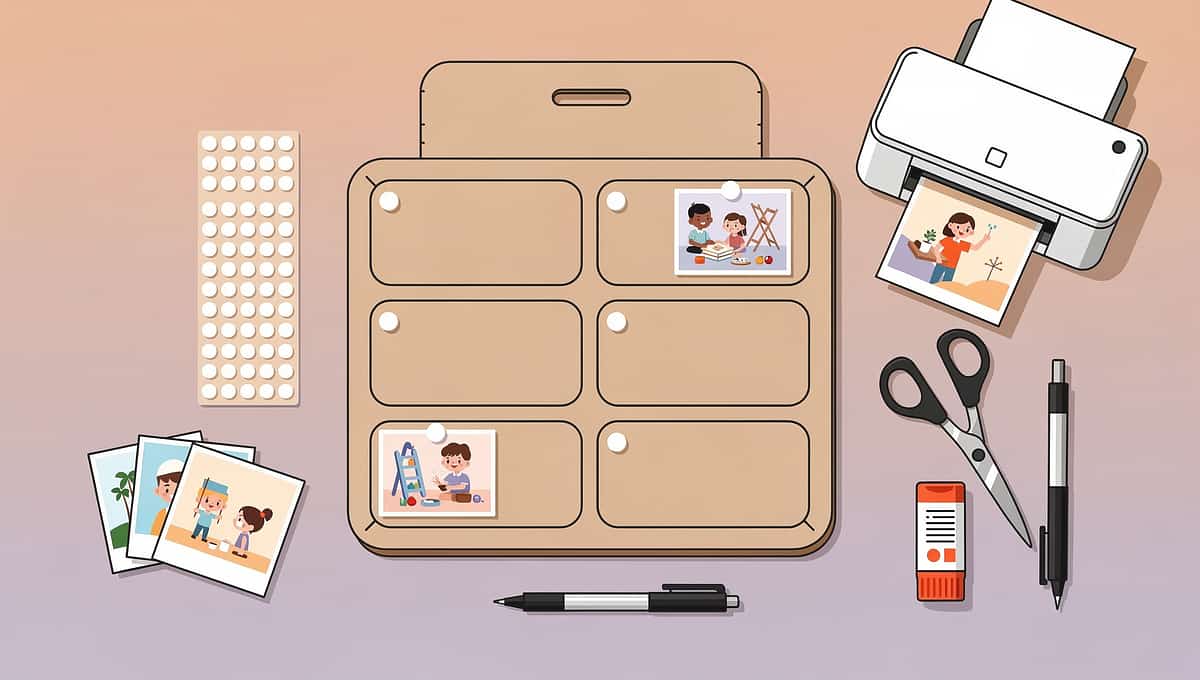
DIY Alternative (Save 90-100%)
Feasibility: Very High | Time Required: 15-30 minutes per board
The DIY approach is not just budget-friendly - it's often MORE effective because you use photos of YOUR actual items, making them immediately recognisable to your child.
Materials Needed
- Phone camera
- Printer or printed photos
- Cardboard or folder
- Velcro dots
- Laminating pouches (optional but recommended)
Step-by-Step Instructions
Take photos of actual items/activities
Photograph your child's actual toys, snacks, activities - things they recognise
Print and laminate photos
Print at home or local shop, laminate for durability
Add velcro to backs
Stick velcro dots on back of each photo card
Create board with velcro receiving strip
Attach velcro strips to cardboard or folder
Organise by category
Make separate boards for food, activities, etc.
Place where decisions are made
Keep food board in kitchen, activity board in play area
Teach child how to point/select
Model the behaviour, provide immediate access to chosen item
DIY vs Commercial Comparison
When to DIY:
- Want real photos of YOUR items
- Budget-conscious
- Need immediate solution
- Personalising to child's world
When to Buy Commercial:
- Want systematic AAC approach
- Need professional-looking materials
- Want app-based flexibility
- Therapy clinic setting
Trade-offs: DIY requires time to photograph and create initially, and may need regular updates as interests change. However, the personalisation and cost savings make it ideal for most families.
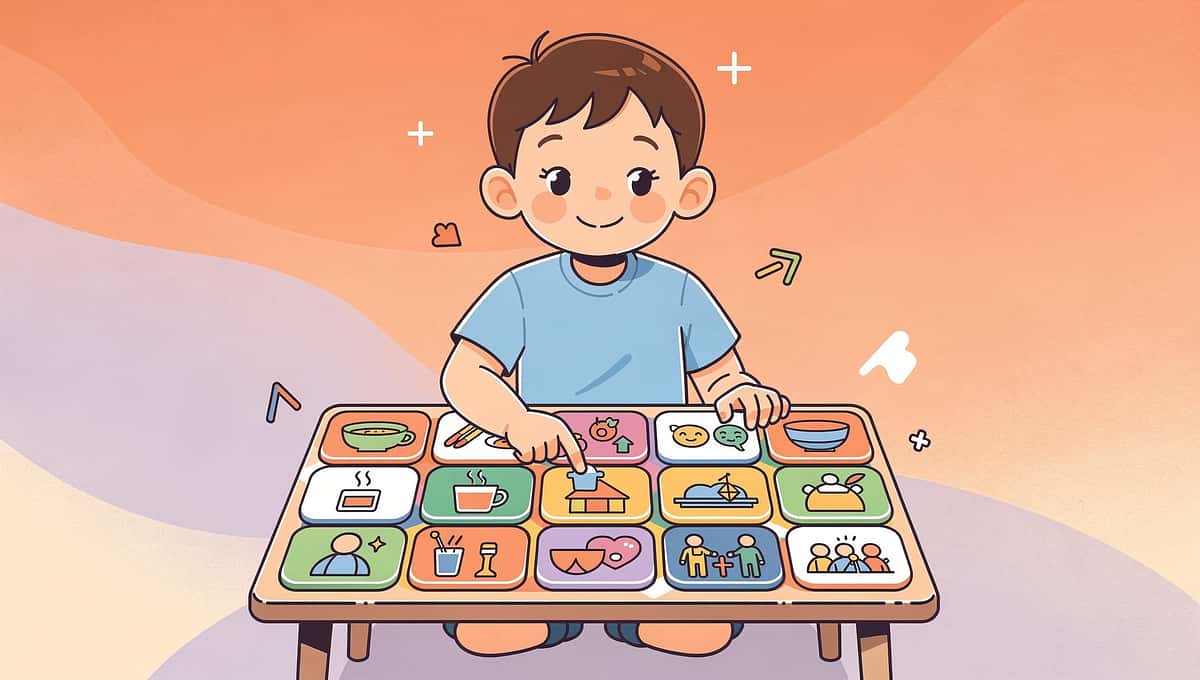
Preview of choice boards visual options Therapy Material
Below is a visual preview of choice boards visual options therapy material. The pages shown help educators, therapists, and caregivers understand the structure and content of the resource before use. Materials should be used under appropriate professional guidance.


Share this resource
Help others discover thisLink copied!

Research & Evidence: The Foundation of Choice Boards

Evidence-Based Practice Status
Visual supports meet evidence-based practice criteria with 18+ single-case design studies (AFIRM, 2024)
Effective for ages 3-22 years with autism spectrum disorder
Recognized by National Clearinghouse on Autism Evidence and Practice (NCAEP)

Professional Consensus
92% of educational professionals perceive aided AAC systems as most effective for individuals with ASD (Alexander & Dille, 2018)
Visual supports widely utilized across clinical and school settings
Recommended by ASHA (American Speech-Language Hearing Association)

Measured Effectiveness
AAC interventions show Tau-U effect sizes ranging from 0.80 to 1.00 (Aftab et al., 2023)
Improvement Rate Difference (IRD) scores: 0.90 to 0.95 in randomized controlled trials
Medium-to-strong effects for requesting, strong effects for answering questions

Real-World Outcomes
Immediate reduction in decision-related meltdowns
Enhanced communication attempts within 1-2 weeks
Foundation for more complex AAC systems (ongoing development)
Reduces anxiety by providing predictability in daily activities
Key Citations
- AFIRM Team (2024). Visual Supports Evidence-Based Practice. UNC Frank Porter Graham Child Development Institute
- Alexander, E., & Dille, L. (2018). Professional perceptions of visual communication systems. Augmentative and Alternative Communication
- Aftab, A., et al. (2023). Clinical effectiveness of AAC intervention in minimally verbal children with ASD. NeuroRegulation
Disclaimer: This is educational information. Always consult qualified occupational therapists, speech-language pathologists, or paediatricians. Individual results vary. Choice boards support communication development but should be implemented under professional guidance for optimal outcomes.