
Parent & Caregiver Resources Materials
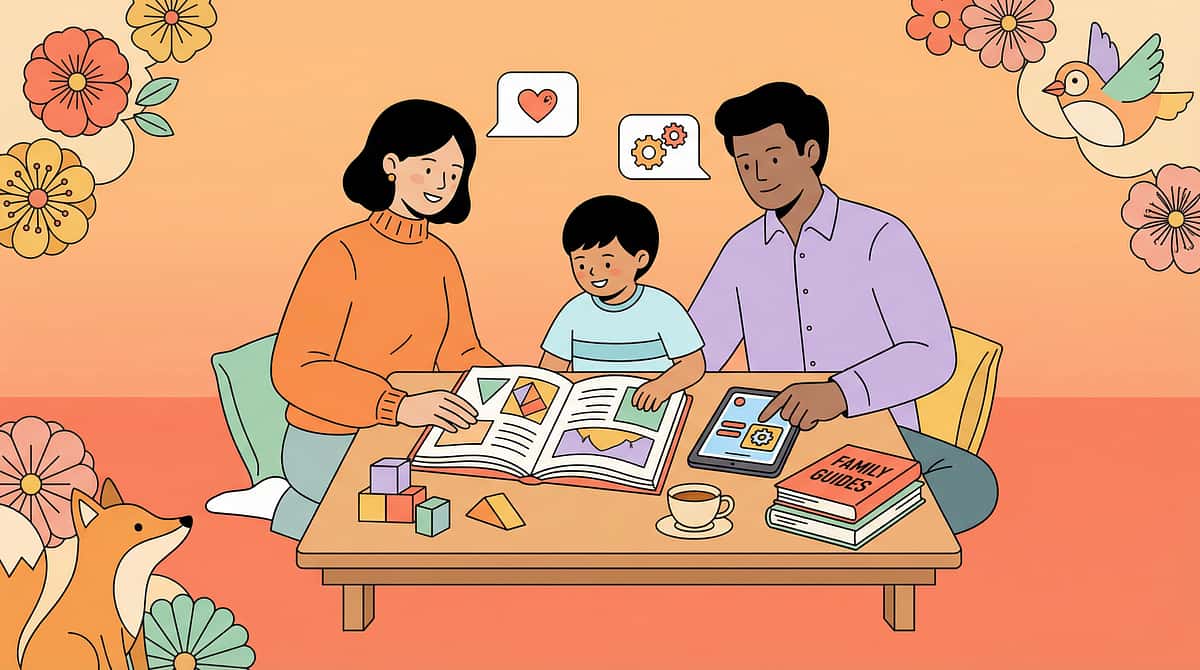
We believe in empowering the entire family system. Our comprehensive resources and dedicated support are designed to recognize caregivers as essential and invaluable partners in their child's therapeutic journey, fostering an environment where every member can thrive.

A Family-Centered Approach
Materials in this category are thoughtfully curated to support the entire family system. This encompasses a robust offering of parent education programs, designed to equip caregivers with practical strategies and a deeper understanding of autism spectrum disorder. It also includes access to vital peer support networks, where families can share experiences, reduce feelings of isolation, and build community. Crucially, we provide dedicated self-care resources for parents and caregivers, recognizing the immense demands placed upon them and promoting their overall well-being. Furthermore, resources extend to sibling support initiatives, fostering understanding and resilience among the child's brothers and sisters, and offering avenues for professional counseling when specific needs arise for any family member. These comprehensive resources underscore the fundamental principle that supporting caregivers is not merely beneficial, but absolutely essential for achieving optimal child outcomes and ensuring enduring family wellbeing.
When families thrive holistically, children naturally flourish, demonstrating greater progress and adaptability. Extensive research consistently highlights that key factors such as informed parent knowledge, robust caregiver wellness, and harmonious family functioning are direct and powerful determinants of positive therapeutic outcomes. Studies indicate that children whose parents actively participate in and feel supported within their child's therapy often show accelerated skill acquisition and improved generalization of learned behaviors. Therefore, investing proactively in the health and resilience of the entire family system creates a foundation for sustainable, long-term success, empowering children with autism to achieve their fullest potential, fostering greater independence, and enhancing the overall quality of life for every member.
Guidelines for Effective Use
Invest in Learning
Parent education directly improves child outcomes. Commit to ongoing learning and skill development.
Connect Early
Peer support reduces isolation. Connect with other families as soon as possible after diagnosis.
Prioritize Self-Care
Self-care is essential, not optional. Prevent burnout proactively through regular wellness practices.
Supporting Every Family Member

Comprehensive Family Support
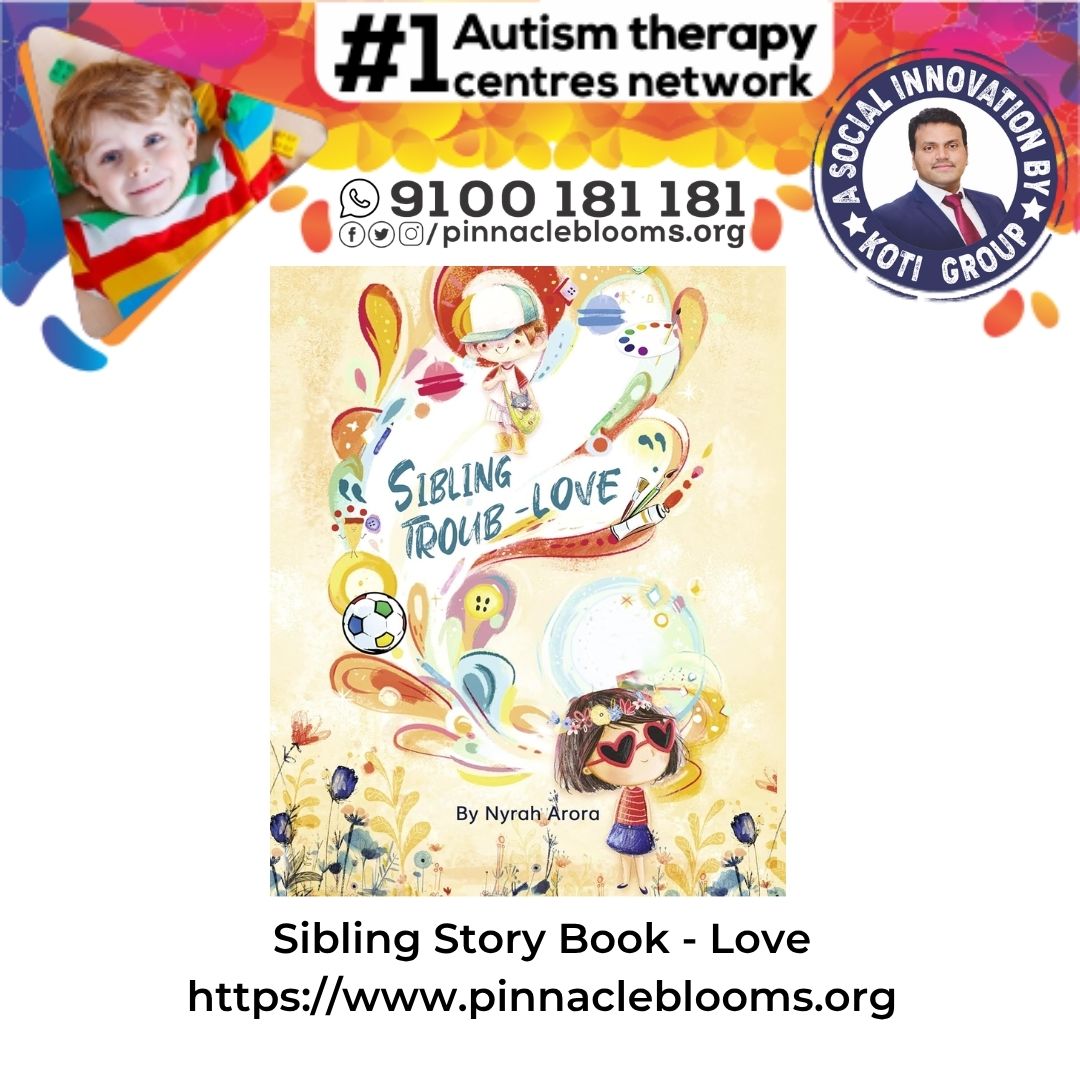
Siblings need attention and support too—address their unique needs throughout the therapeutic journey. Professional counseling helps families navigate challenges before crisis emerges.
Consult with family therapists experienced in autism for comprehensive support that strengthens the entire family system. Early intervention at the family level prevents long-term difficulties and builds resilience.

Who Benefits from These Resources
For Parents
Direct resources for education, support, and wellbeing to empower your journey as a caregiver.
For Therapists
Family support recommendations and caregiver coaching tools to enhance therapeutic outcomes.
For Educators
Parent partnership strategies and family support connections that bridge home and school.
For Clinicians
Family wellbeing resources and appropriate referral pathways for comprehensive care.
Material 20.1: Parent Education Resources
Core Kit
Rank 1
Knowledge That Transforms
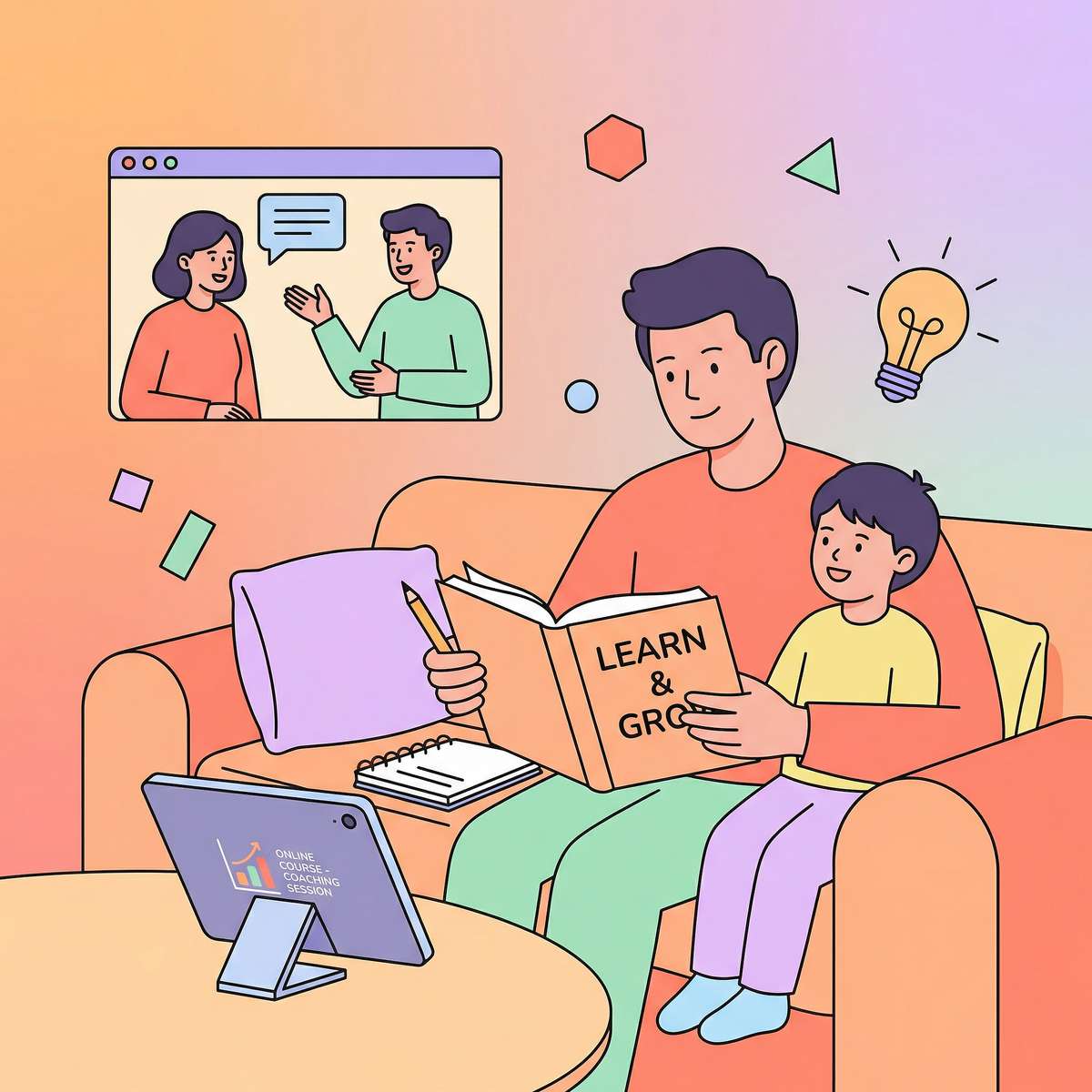
Parent education resources empower caregivers with knowledge and skills through books, courses, training programs, videos, and coaching to effectively support their child's development at home.
Evidence Level: Very strong evidence, foundational for outcomes. Education leads to knowledge, skill development, home implementation, and improved child outcomes.
Investment Range: ₹0 - ₹25,000

Best Practices for Parent Education
Match Resources to Learning Style
Some learn best through reading, others through videos or hands-on coaching. Choose what works for you.
1
Start with Basics, Build Complexity
Master foundational concepts before advancing to specialized techniques. Solid foundations prevent confusion.
2
Combine Reading with Coaching
Theory plus practice creates real competence. Apply learning immediately with professional support.
3
Embrace Ongoing Learning
Parent education is never "done." New skills and knowledge accumulate over time as your child develops.
4
Material 20.2: Parent Support Groups & Networks
Core Kit
Rank 1
Connection Reduces Isolation
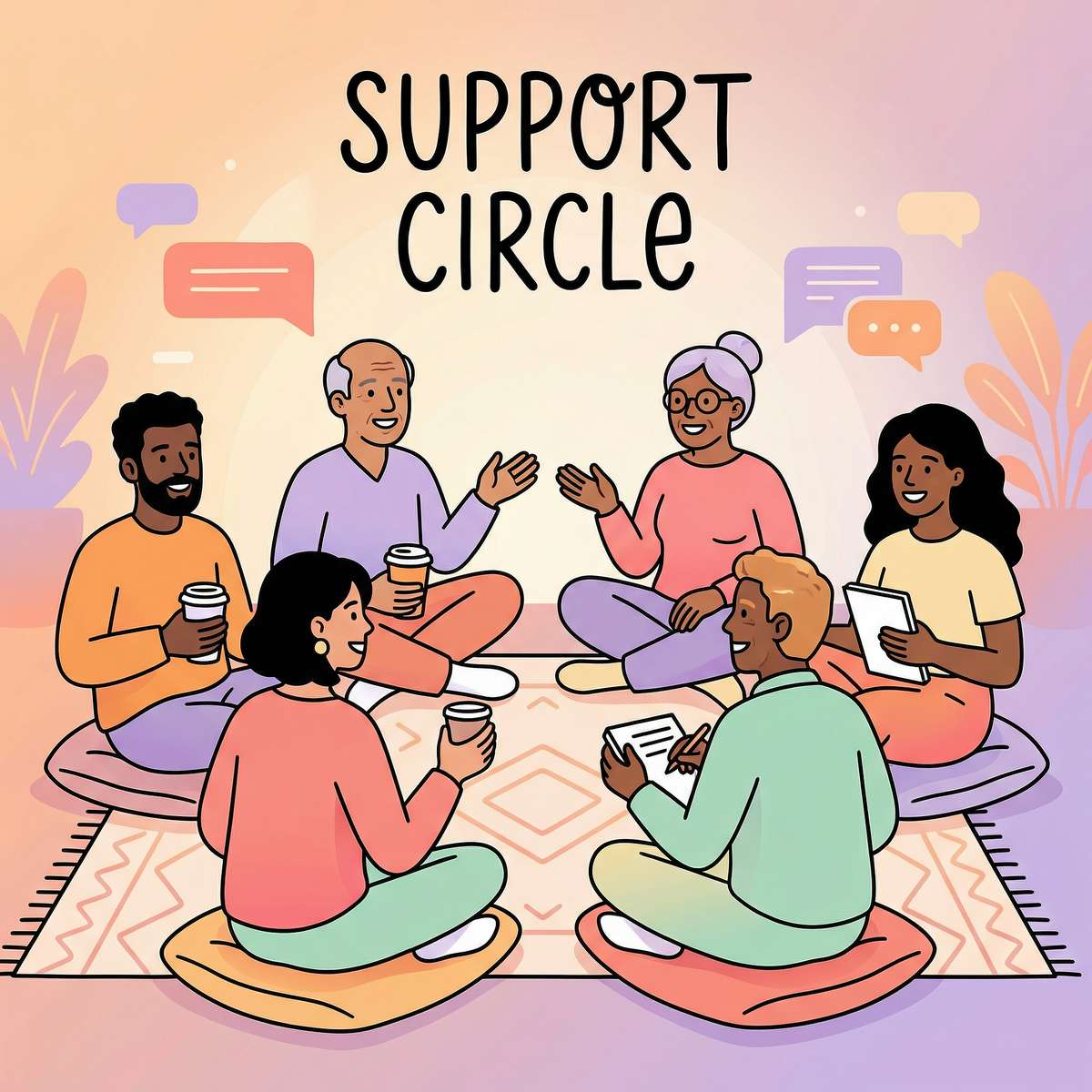
Parent support groups and networks provide peer connection through in-person groups, online communities, mentoring programs, family events, and advocacy organizations to reduce isolation and build resilience.
Evidence Level: Strong evidence, essential for family wellbeing. Peer connection leads to shared experience, reduced isolation, mutual support, and increased coping.
Investment Range: ₹0 - ₹2,000
Material 20.3: Parent Self-Care Resources

Core Kit
Rank 1
Self-Care Is Not Selfish
Parent self-care resources support caregiver wellbeing through respite care, stress management, counseling, mindfulness, and physical health practices to prevent burnout and improve parenting.
Evidence Level: Strong evidence, essential for family functioning. Self-care practices reduce stress, prevent burnout, sustain energy, and lead to better parenting outcomes.
Investment Range: ₹0 - ₹10,000
Self-Care: Essential Components
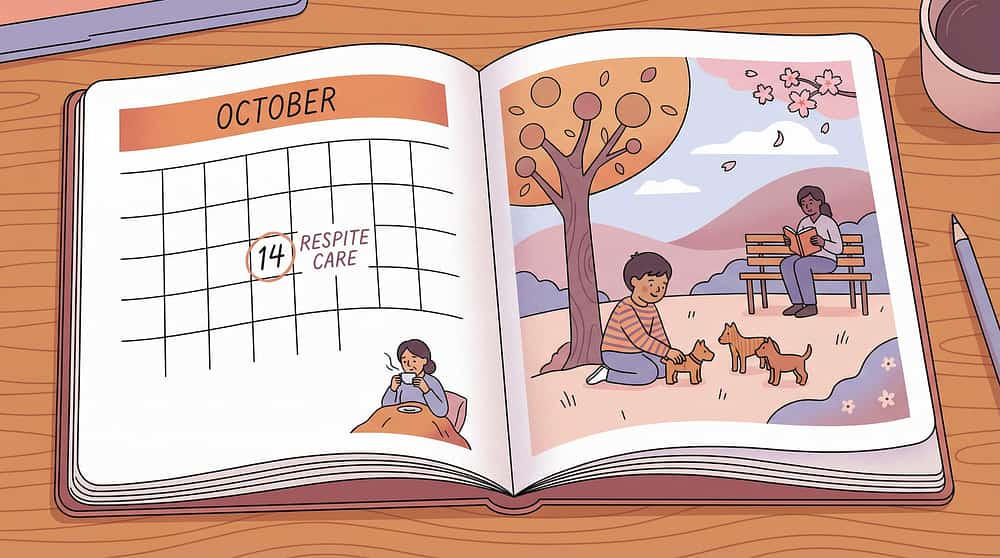
Respite Care
Regular breaks from caregiving responsibilities are essential, not luxury. Schedule respite proactively.

Stress Management
Daily practices like deep breathing, meditation, or progressive relaxation reduce cumulative stress.

Professional Counseling
Addressing mental health proactively prevents crisis and builds sustainable coping strategies.

Physical Health
Exercise, sleep, and nutrition support mental health. Physical wellness enables emotional resilience.
Material 20.4: Sibling Support Resources
Recommended Kit
Rank 2
Supporting Neurotypical Siblings
Sibling support resources provide peer connection, education, individual attention, and professional support for neurotypical siblings to promote healthy adjustment and family wellbeing.
Evidence Level: Moderate-strong evidence, important for family health. Sibling support leads to understanding, validated feelings, peer connection, and healthy adjustment.
Investment Range: ₹0 - ₹2,000
Material 20.5: Family Counseling & Therapy

Core Kit
Rank 1
Professional Mental Health Support
Family counseling and therapy provides professional mental health support through family therapy, couples counseling, and individual therapy to strengthen coping, relationships, and family functioning.
Evidence Level: Strong evidence, essential family resource. Professional support builds skills, improves communication, strengthens relationships, and enhances family functioning.
Investment Range: ₹800 - ₹5,000 per session
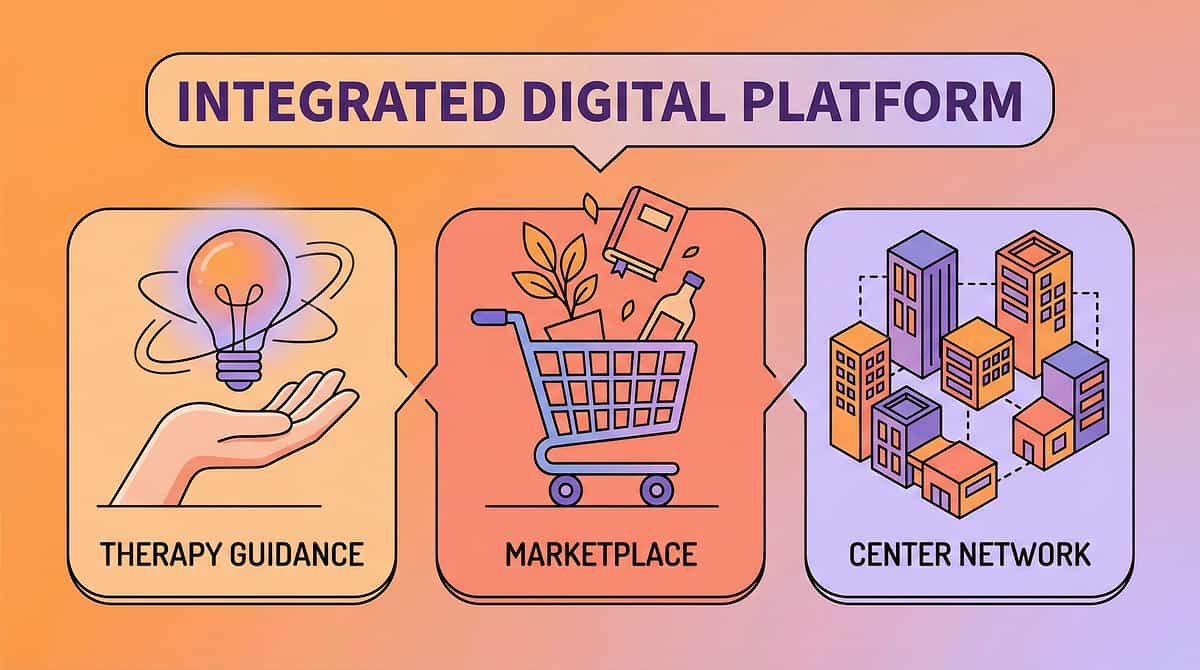
Platform Layers
Pediatric Therapeutic OTT Platform
On-demand therapy guidance, parent education, and EverydayTherapyProgramme™ delivery accessible anytime.
Hyperlocal Therapeutic Marketplace
Connects families to verified therapists, centers, and resources mapped to AbilityScore® and readiness needs.
Center Network Execution
Physical centers operating under GPT-OS® standards with measurable accountability and clinical continuity.
Cannons
Parent & Caregiver ResourcesEvidence-based resources supporting parent training, home programme implementation, caregiver wellbeing, and family-centred practice across home and therapy settings.
Link copied!

Important Disclaimer
Educational Content: This content is educational and informational in nature. It does not replace professional mental health support, medical advice, or therapeutic intervention.
Seek Professional Support: If you or a family member are experiencing significant stress, anxiety, depression, or relationship difficulties, please consult a qualified mental health professional experienced in working with families navigating autism.
Individual Variation: Individual results may vary. Statistics represent aggregate outcomes across the Pinnacle Blooms Network. Supporting the whole family improves outcomes for everyone.
Statutory Identifiers: CIN: U74999TG2016PTC113063 | DPIIT: DIPP8651 (Govt. of India) | MSME: Udyog Aadhaar TS20F0009606 | GSTIN: 36AAGCB9722P1Z2
© 2025 Pinnacle Blooms Network®, unit of Bharath Healthcare Laboratories Pvt. Ltd. All rights reserved.