










Tool ID: 20.1
OT + SLP + All Disciplines
Very Strong Evidence
Rank #1
Ongoing Use
₹0–25,000
Parent Education Resources
Caregiver knowledge and skill development system
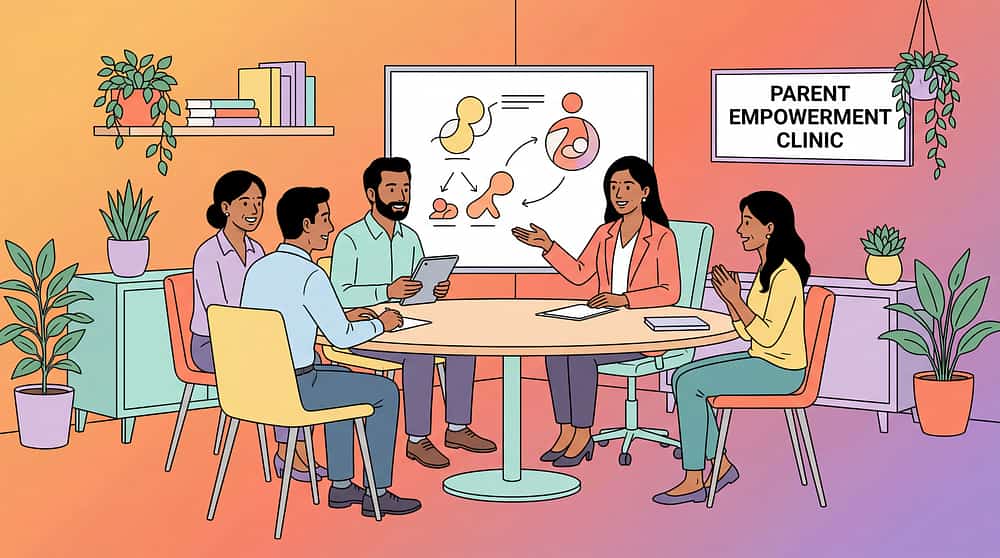
Empower yourself with the knowledge, skills, and evidence-based strategies you need to effectively support your child's development and create meaningful progress at home. Parent education is not optional—it's the foundation of your child's success. When you understand your child and have proven strategies to support them, outcomes improve dramatically. You spend more time with your child than any therapist ever will, making you the most powerful intervention in their life.

Who Parent Education Resources Help
These resources empower parents with knowledge, skills, and strategies to effectively support their child's development and implement therapeutic approaches at home, creating consistency and maximizing outcomes across all settings.
Parent Knowledge
Implementation Skills
Advocacy Ability
Family Coping
Intervention Fidelity
Child Outcomes
Parents at diagnosis seeking understanding
Just received a diagnosis and need to understand what autism means, what to expect, and how to help your child thrive from the very beginning.
Caregivers wanting to implement therapy at home
Watching therapy sessions but struggling to replicate strategies between appointments, wanting to maximize every moment with your child.
Families seeking evidence-based guidance
Overwhelmed by conflicting online information and needing trusted, proven approaches that actually work for children with developmental differences.
Best for: N/A (parent resource) • Settings: Home, Anywhere, Clinic (for coaching)

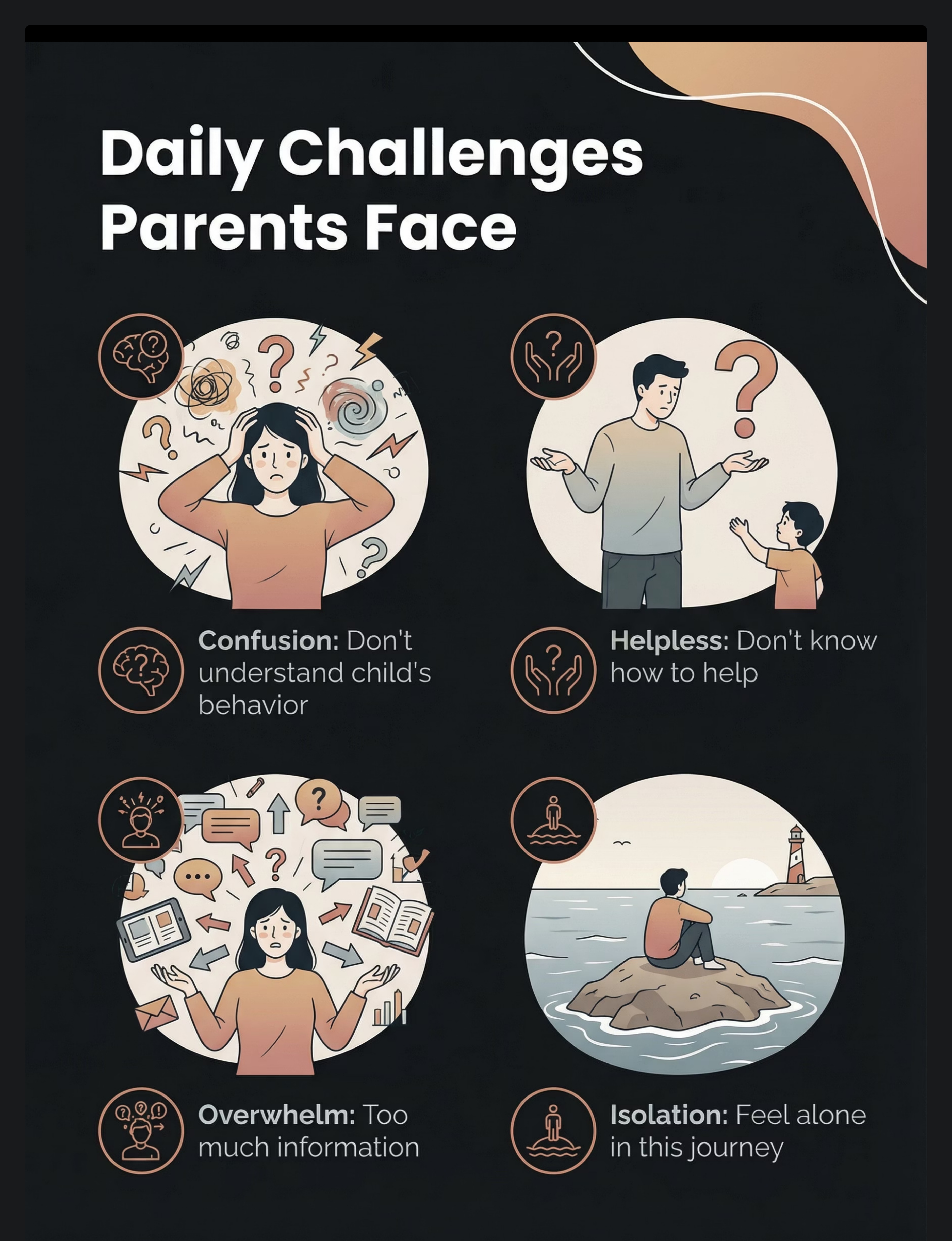
Does This Sound Familiar?
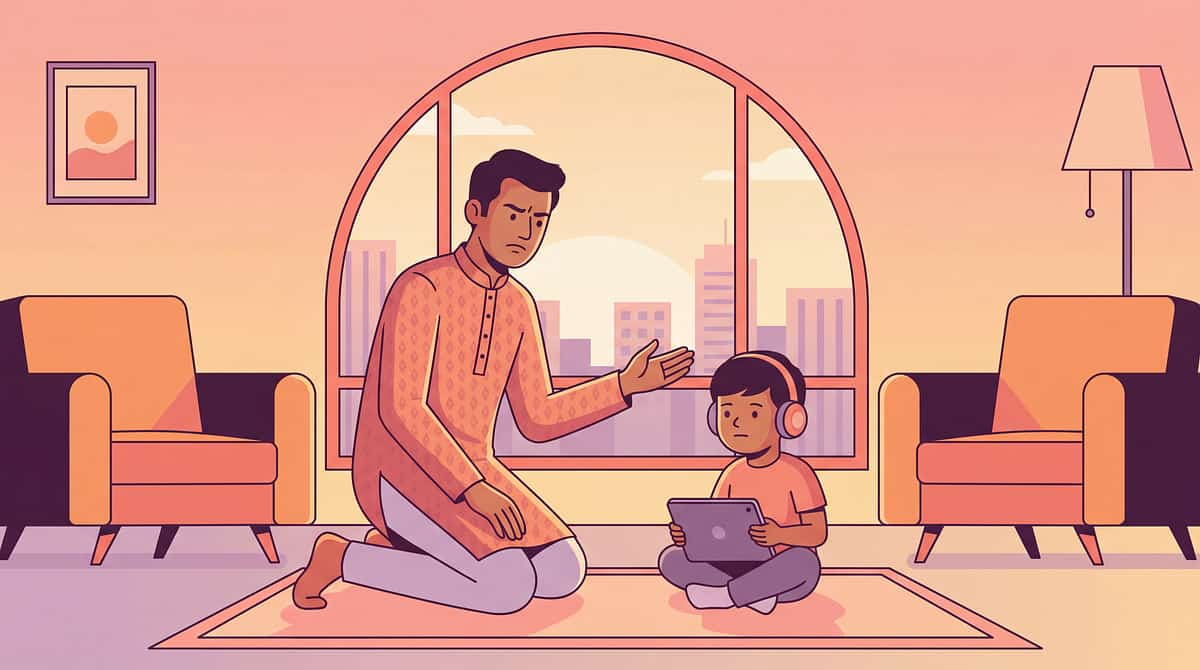
"I don't understand my child. Their behavior confuses me, and I don't know what triggers their meltdowns or how to help them feel safe and understood."
"I don't know how to help. I want to support my child, but no one has taught me what to do. I feel lost and inadequate."
"No one teaches me what to do. Therapists work with my child, but I don't understand how to practice those strategies at home between sessions."
"I watch therapy but can't replicate it. I see what the therapist does, but when I try the same thing at home, it doesn't work."
"I feel lost and overwhelmed. There's so much information online, and I don't know what's reliable or where to start."
"I need to learn more. I know education will help, but I don't have time to read, and I'm not sure which resources are worth investing in."
You're not alone. These are the most common challenges parents face when navigating their child's developmental journey. The good news? Education and the right resources can transform confusion into confidence, helplessness into empowerment.

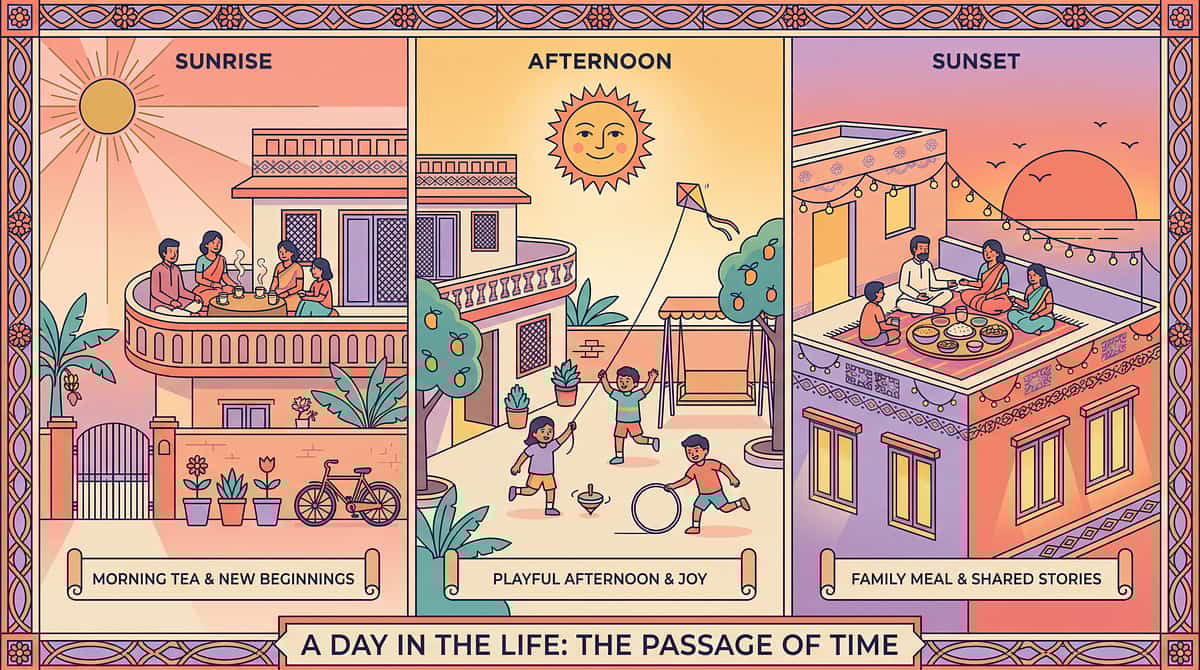
A Day Without the Right Support
Morning: Confusion
Don't understand why child resists morning routine. Behavior seems random. Reacting to meltdowns instead of preventing them. Starting the day stressed and defeated.
Transitions: Helplessness
Transitions are terrible, but don't know why or how to help. Every change triggers resistance. Feeling helpless watching child struggle without knowing what to do.
Therapy/School: Overwhelm
Therapist uses strategies that work, but can't figure out how to use them at home. Hours between sessions feel wasted. Overwhelmed by all the information but no clear guidance.
Bedtime: Isolation
Bedtime battles every night. Don't understand sleep issues. Exhausted and isolated, feeling like the only parent struggling this way. No one to ask for help.
Every day without the right knowledge and skills means missed opportunities for progress. But it doesn't have to be this way. Education changes everything.

The Science Behind Why Parent Education Works
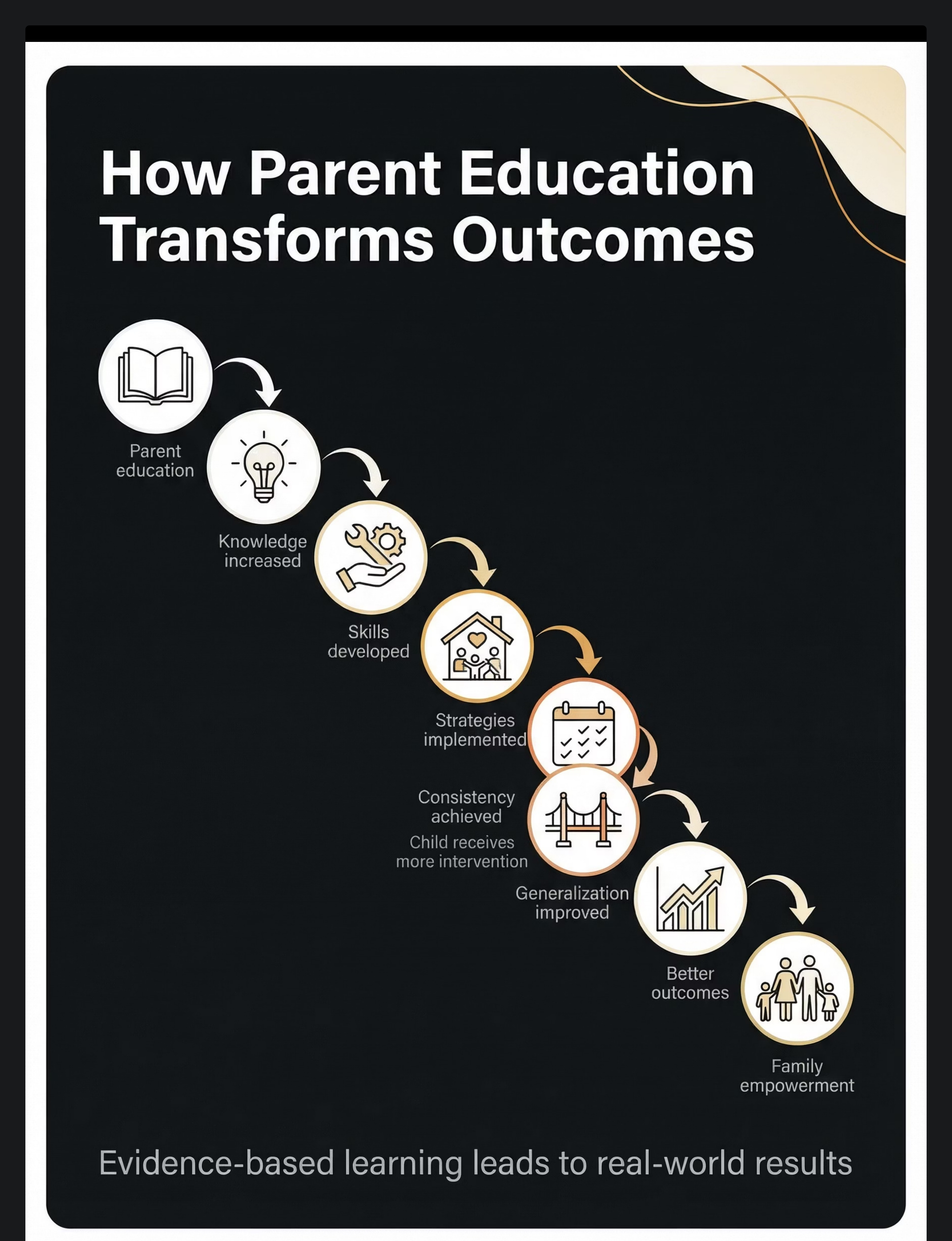
Parent Education
Access to books, courses, videos, coaching, and training programs
Knowledge Increases
Understanding autism, sensory needs, communication differences, behavior patterns
Skills Develop
Learning evidence-based strategies and practicing implementation techniques
Strategies Implemented
Using learned approaches consistently throughout daily routines at home
Consistency Achieved
Child receives intervention all day, not just during therapy sessions
Better Outcomes
Improved generalization, faster progress, family empowerment and confidence
Parent Knowledge
Implementation Skills
Advocacy Ability
Family Coping
Intervention Fidelity
Child Outcomes
The mechanism is clear: educated parents become empowered partners in their child's development. You spend 100+ hours per week with your child compared to 1-5 hours with therapists. When you have the knowledge and skills to support development throughout the day, outcomes multiply exponentially.

How to Use Parent Education Resources Right
Match resources to your learning style
Choose formats that work for you—books for deep learning, videos for visual demonstrations, courses for structure, coaching for personalized guidance. Honor how you learn best.
Start with basics, build complexity
Begin with foundational understanding of autism and development. Don't jump to advanced strategies before mastering basics. Layer knowledge gradually for sustainable growth.
Combine reading with hands-on coaching
Theory without practice is incomplete. Pair book learning with direct coaching from therapists who can demonstrate techniques and give you real-time feedback.
Apply learning immediately
Don't wait to "finish learning" before implementing. Try new strategies the same day you learn them. Immediate application reinforces knowledge and builds confidence.
Connect with other parents
Join parent support groups for peer learning and shared experiences. Other parents offer unique insights professionals can't provide. Learning happens in community.
Ongoing learning—never 'done'
Parent education is lifelong. Your child grows, needs change, new challenges emerge. Commit to continuous learning as your child develops and transitions through life stages.
Duration: Lifelong learning journey. Start at diagnosis, continue indefinitely as needs evolve.

Expert Perspective on Parent Education
"Parent education is the single highest-impact intervention we can provide. Parents spend more time with their children than any therapist ever will. When parents understand their child and have strategies to support them, outcomes improve dramatically. Educated parents are empowered parents."— Developmental Pediatrician, Autism Center Director
OT + SLP + All Disciplines Recommended
Very Strong Evidence
Rank #1 in Category
Ongoing Use
This isn't just one therapist's opinion—it's the consensus across occupational therapy, speech-language pathology, applied behavior analysis, and developmental pediatrics. Parent education is classified as Core Kit with Very Strong Evidence because the research is unequivocal: when parents learn, children thrive. You are not a passive recipient of services—you are the primary intervention.

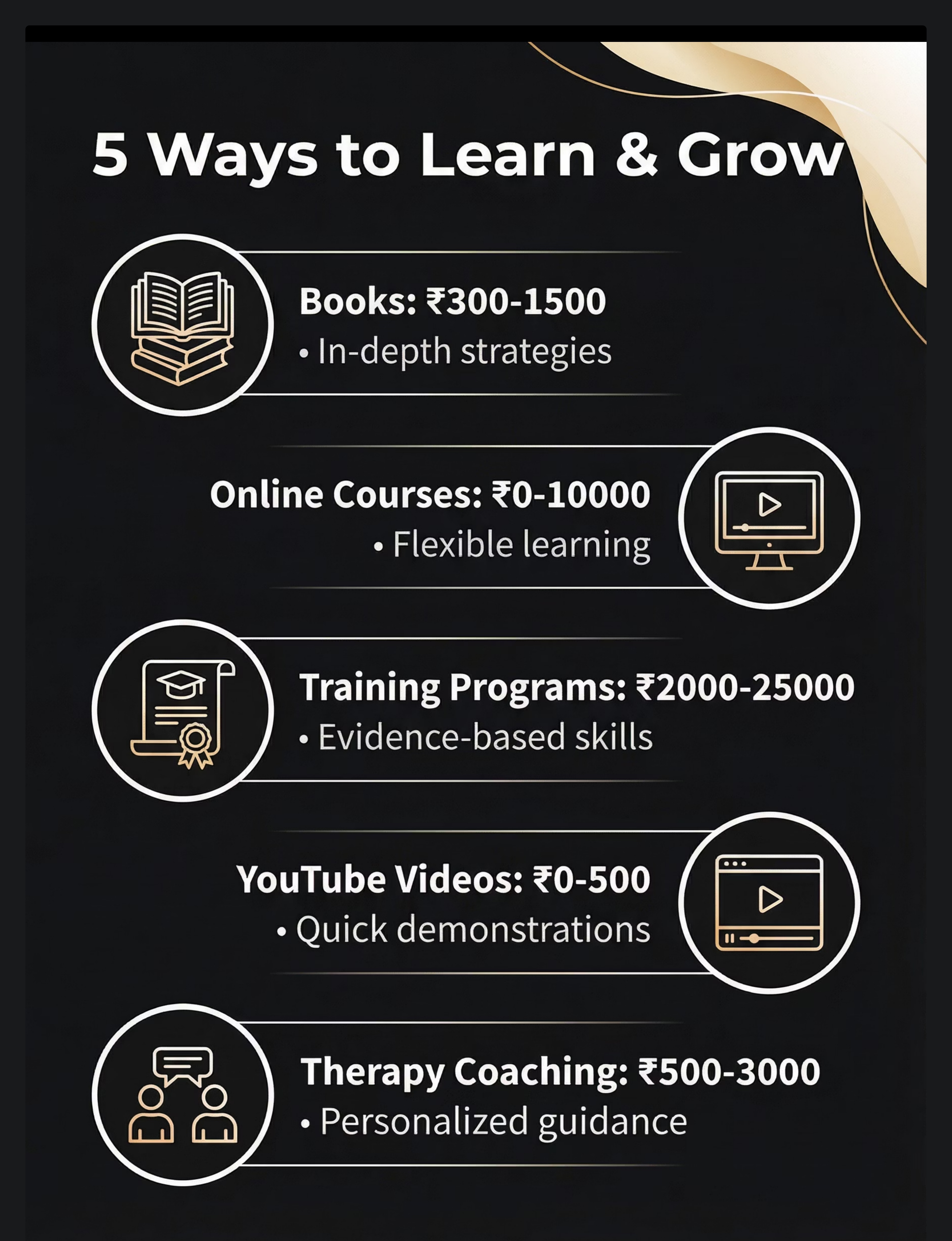
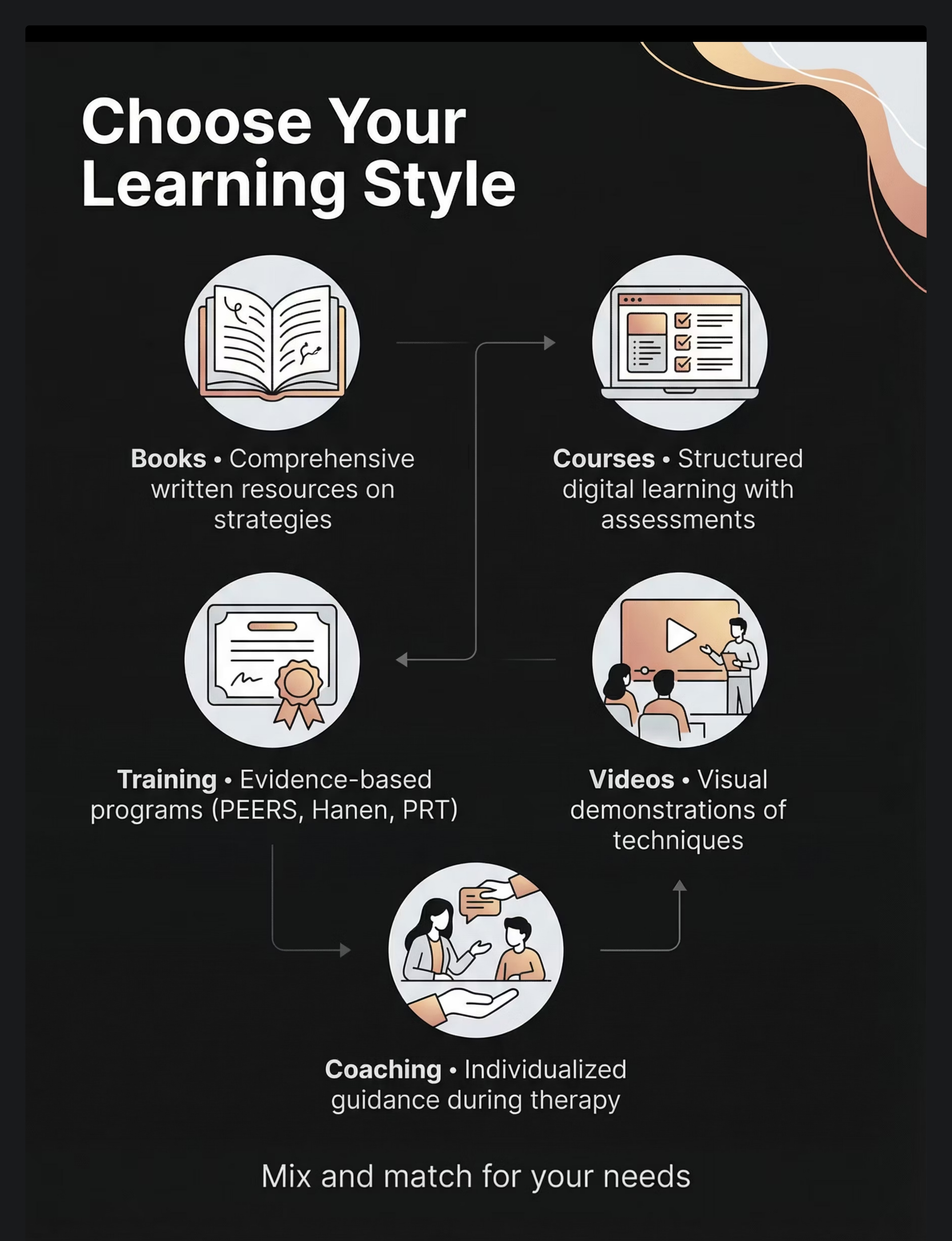
Choose Your Parent Education Path (5 Options)
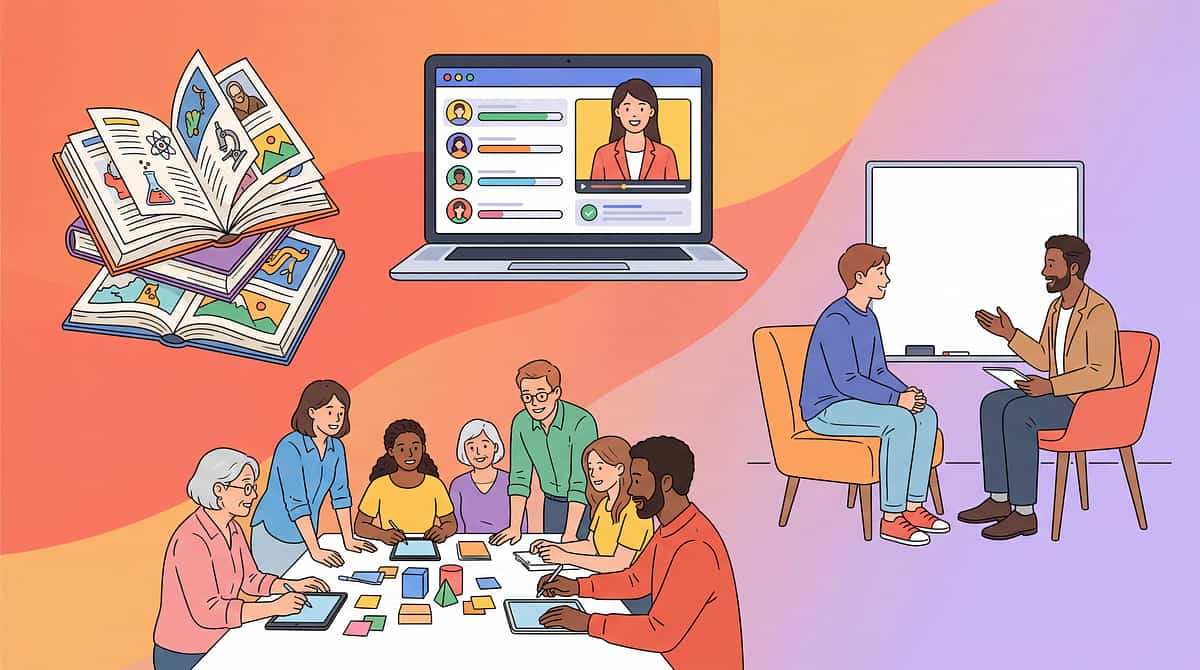
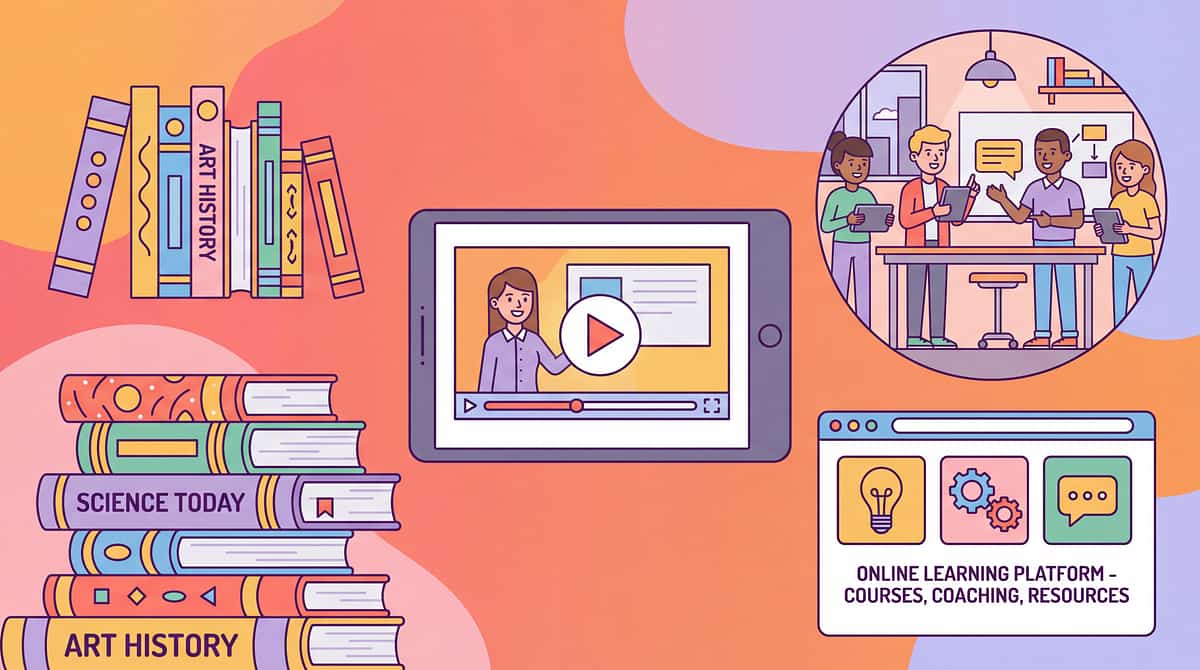
Every parent learns differently. Choose the format and combination that matches your learning style, schedule, and budget. All paths lead to the same destination: confident, skilled, empowered parenting.

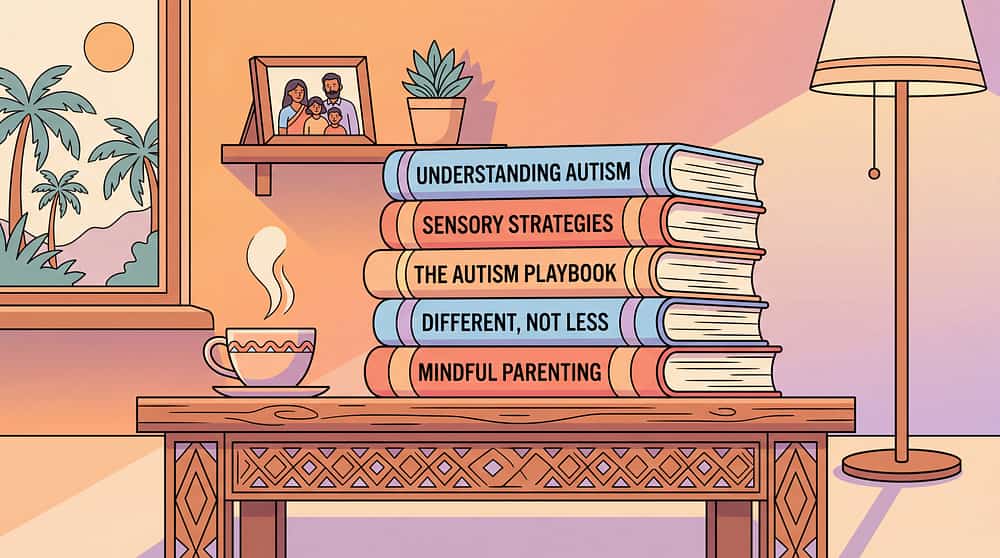
Books on Autism/Development
Best for: In-depth understanding, comprehensive strategies
Portability: High | Settings: Home
Price: ₹300–1,500
Comprehensive written resources covering autism, sensory processing, communication development, behavior support, and evidence-based intervention strategies. Read at your own pace, refer back anytime.

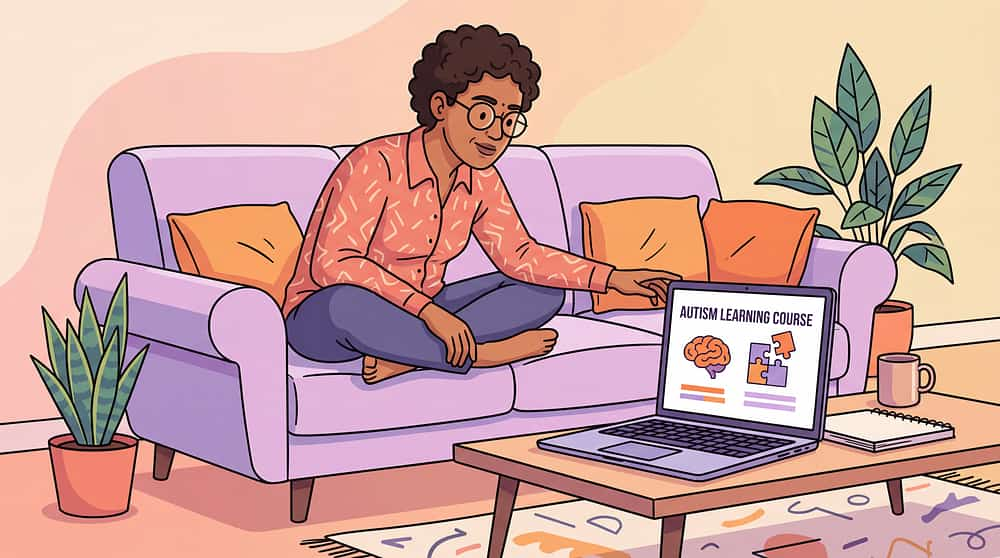
Online Courses / Webinars
Best for: Structured learning, flexibility
Portability: Very High | Settings: Home, Anywhere
Price: ₹0–10,000
Digital learning programs with modules, videos, assessments, and certificates. Learn on your schedule from anywhere. Many free options available on Coursera, edX, and autism organizations.

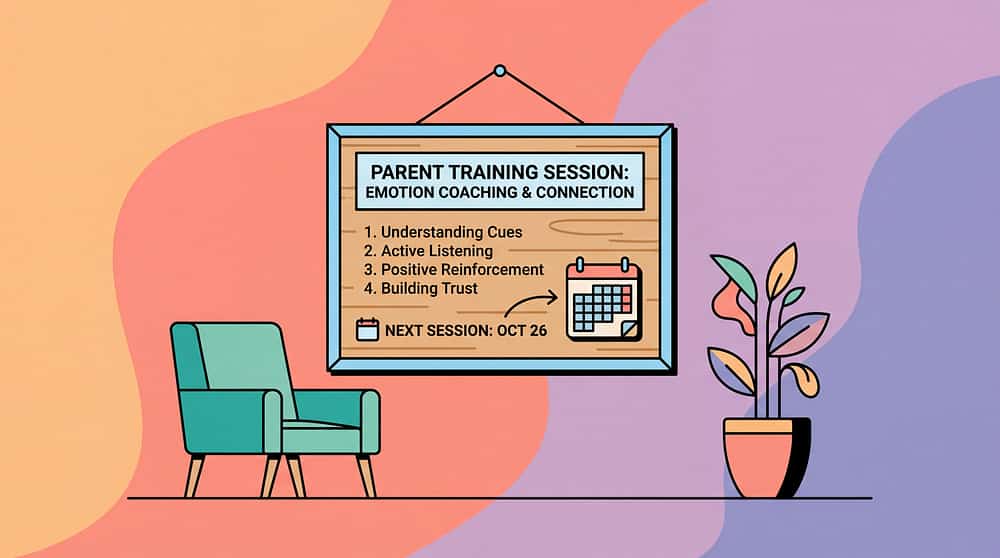
Parent Training Programs
Best for: Evidence-based strategies, skill building
Portability: Low (attend sessions) | Settings: Clinic, Online
Price: ₹2,000–25,000
Structured, evidence-based curriculum like Hanen, ESDM Parent Training, or Pivotal Response Treatment. Formal training with practice, feedback, and certification. Highest impact but requires commitment.

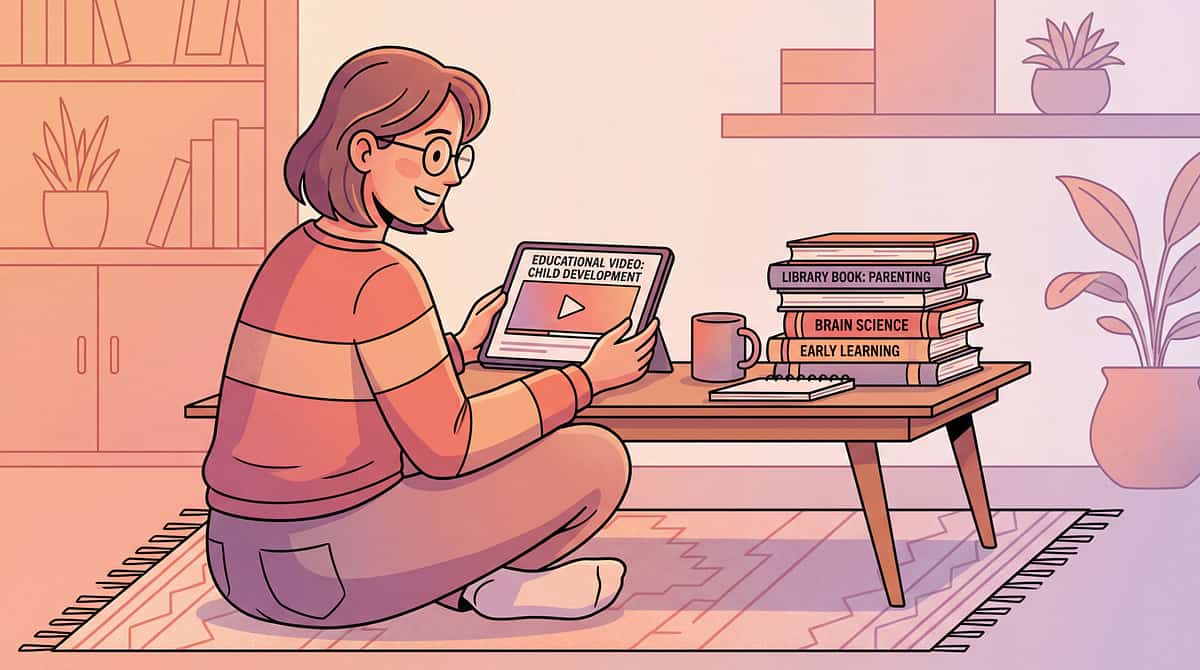
Video Resources / YouTube
Best for: Quick learning, visual demonstrations
Portability: Very High | Settings: Home, Anywhere
Price: ₹0–500
Educational videos showing techniques in action. See exactly how to implement strategies. Free YouTube channels and paid video libraries. Great for visual learners who want to see, not just read.

Therapy Observation / Coaching
Best for: Personalized skill transfer, hands-on practice
Portability: Low (attend) | Settings: Clinic, Home
Price: ₹500–3,000 per session
Direct coaching from your child's therapists. Observe sessions, ask questions, practice techniques with real-time feedback. Most personalized and immediately applicable learning format.
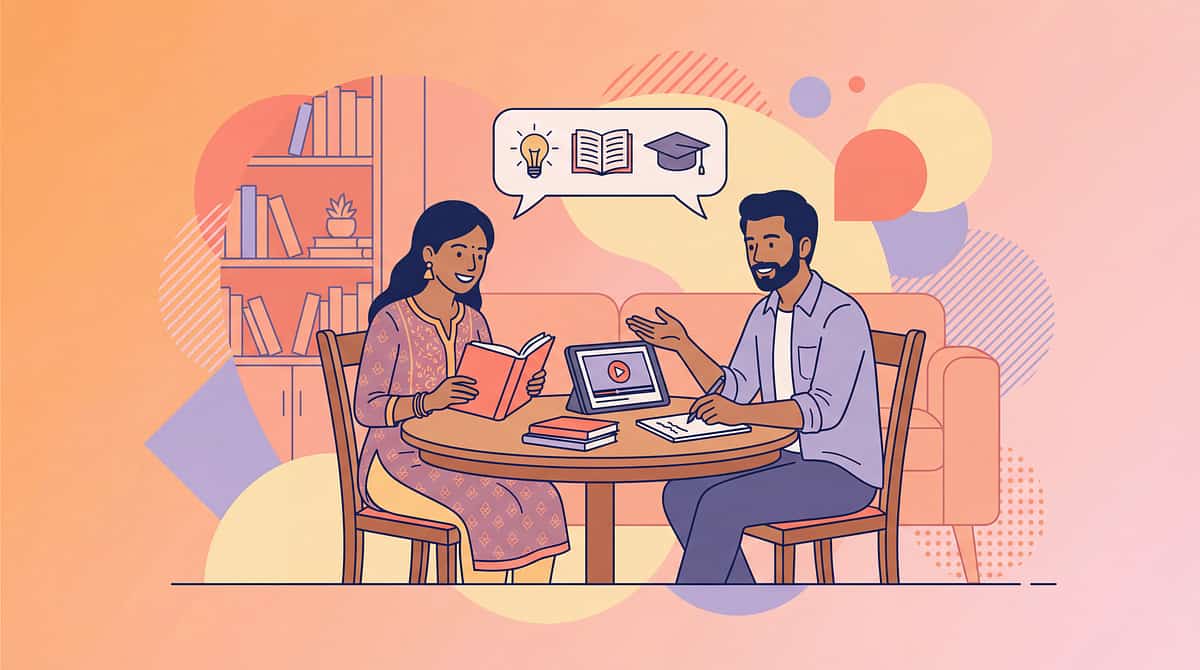
How to choose: Combine formats for best results. Start with 1-2 recommended books for foundation, watch videos for demonstrations, request coaching during therapy for practice, and consider formal training for comprehensive skill development.

Understanding Different Types of Parent Education
Written Resources (Books)
Comprehensive resources covering autism, development, sensory processing, communication, and behavior strategies. Deep learning at your own pace with ability to reference specific chapters when challenges arise.
Key Topics: Understanding autism, communication strategies, sensory needs, behavior support, daily living skills
Digital Learning (Online Courses)
Structured learning with modules, videos, quizzes, and certificates. Progress through content systematically with built-in accountability and assessments to ensure understanding.
Platforms: Coursera, edX, autism organization websites, therapy clinic online programs
Formal Training Programs
Evidence-based curricula like PEERS, Hanen (More Than Words), Pivotal Response Treatment, or ESDM parent training. Multi-week programs with homework, practice, and certification.
Benefit: Proven frameworks with research backing, structured implementation support
Visual Learning (Videos)
Demonstrations of techniques and strategies in action. Watch how professionals or experienced parents implement approaches, see exactly what to do and what success looks like.
Best Use: After reading about a strategy, watch video to see implementation before trying yourself
Individualized Coaching
Personalized parent coaching during or after your child's therapy sessions. Therapist demonstrates with your child, you practice with coaching, receive immediate feedback tailored to your specific situation.
Gold Standard: Most effective for skill transfer and building confidence with real-time guidance
Materials used: Books, videos, online courses, training programs, coaching sessions, practice activities, handouts, and ongoing support resources.

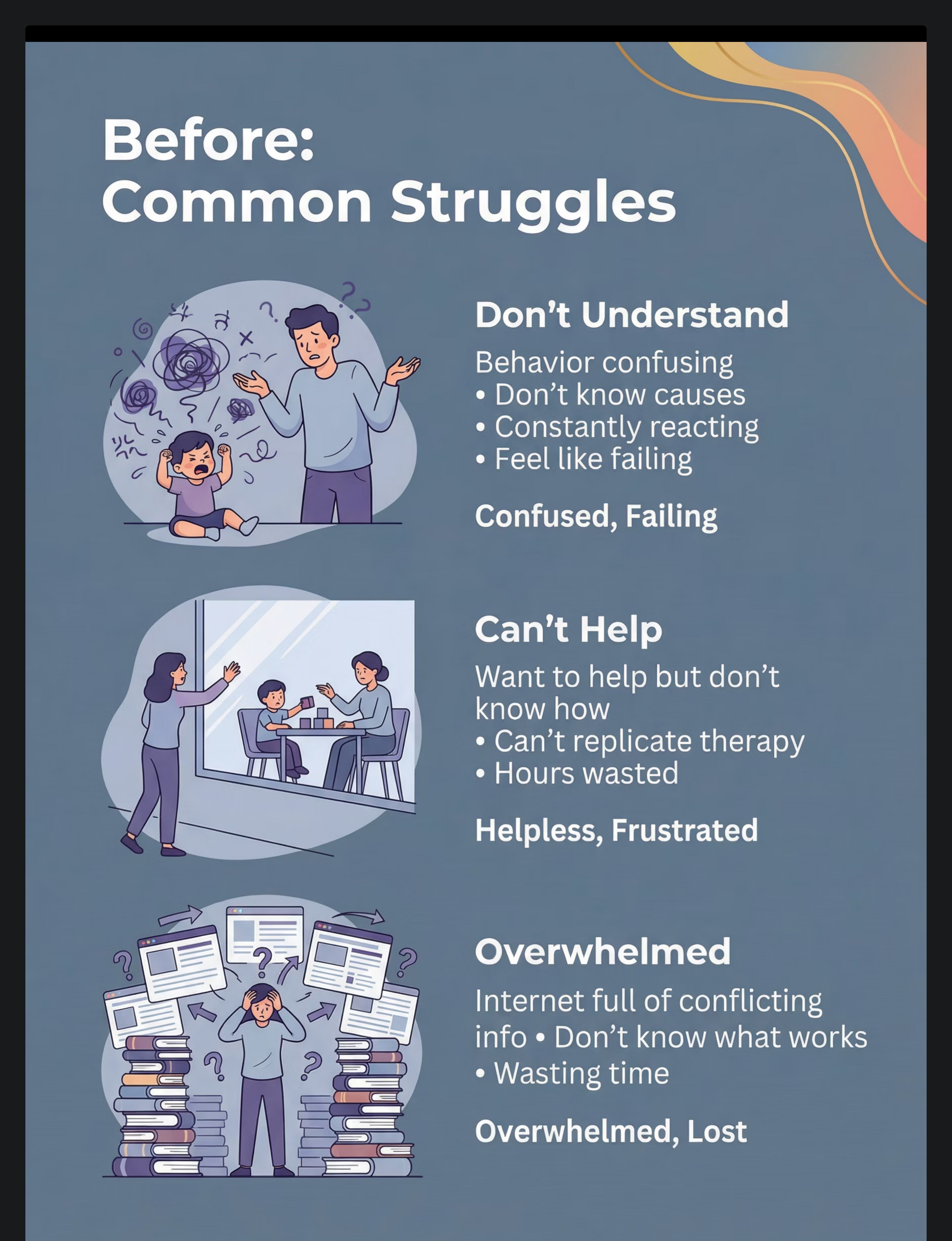
The Struggle: Life Before Parent Education
Don't Understand Child's Behavior
Situation: Child's behavior is confusing. Don't know what causes meltdowns, why certain things trigger distress, or how sensory needs impact daily life.
Experience: Constantly reacting to behaviors instead of preventing them. Every day feels unpredictable. Trying strategies that don't work because they're not addressing the root cause.
Emotion: Confused, feeling like a failure, stressed all the time
Don't Know How to Help
Situation: Desperately want to help child but don't know what to do. Watch therapy sessions and see strategies work, but can't figure out how to replicate them at home.
Experience: Hours between therapy sessions feel wasted. Child needs support all day, but only getting help during those few weekly hours. Feeling helpless watching struggles without tools to intervene.
Emotion: Helpless, frustrated, inadequate as a parent
Overwhelmed by Information
Situation: Internet is full of conflicting information about autism. Everyone has different advice. Can't tell what's evidence-based and what's pseudoscience or false promises.
Experience: Wasting time and money on ineffective approaches. Reading everything but unable to filter quality information from noise. Analysis paralysis—too overwhelmed to take action.
Emotion: Overwhelmed, lost, anxious about making wrong choices
These struggles are exhausting and isolating. But they're also completely normal and shared by thousands of parents. The good news? Education provides the roadmap out of confusion and into confidence.

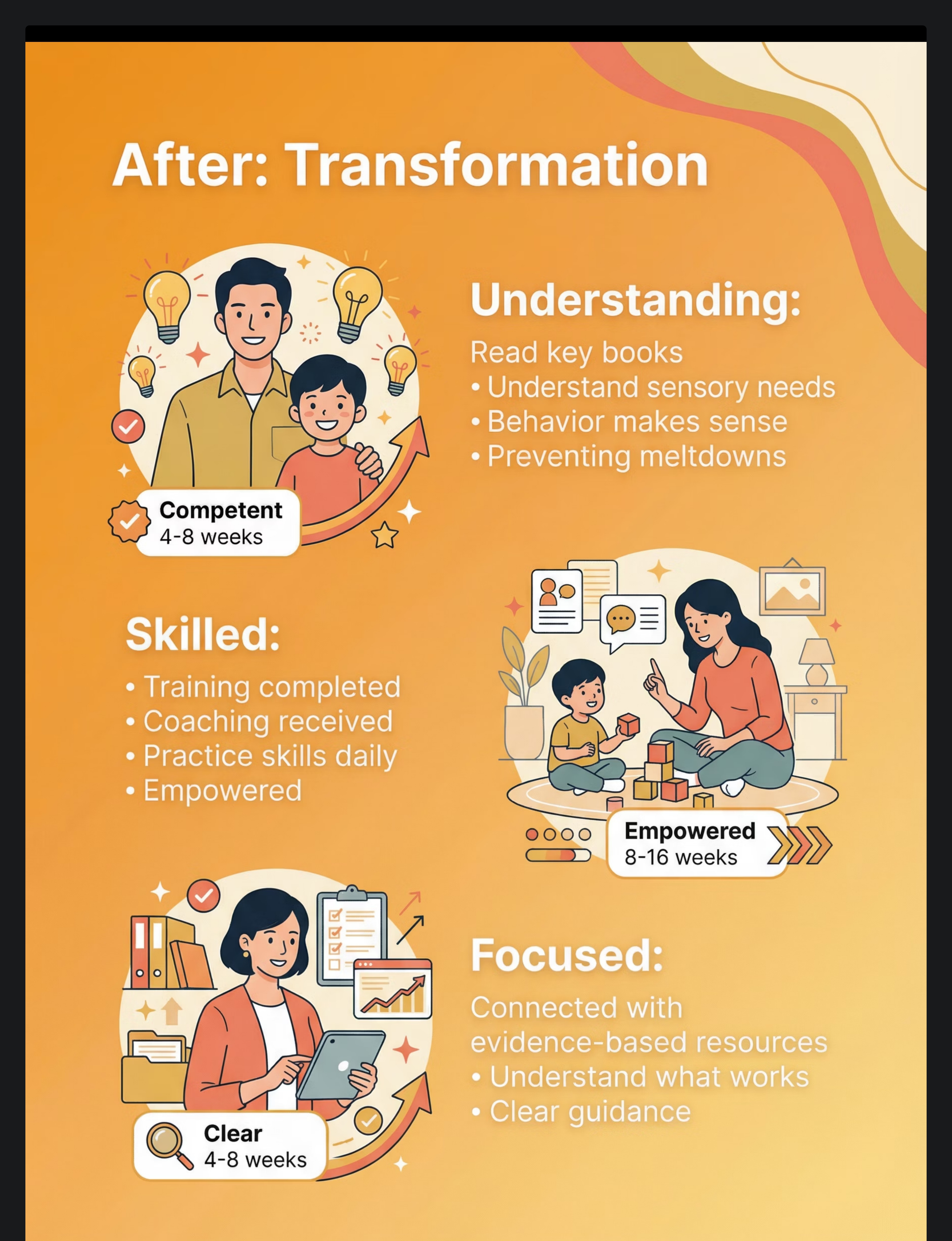
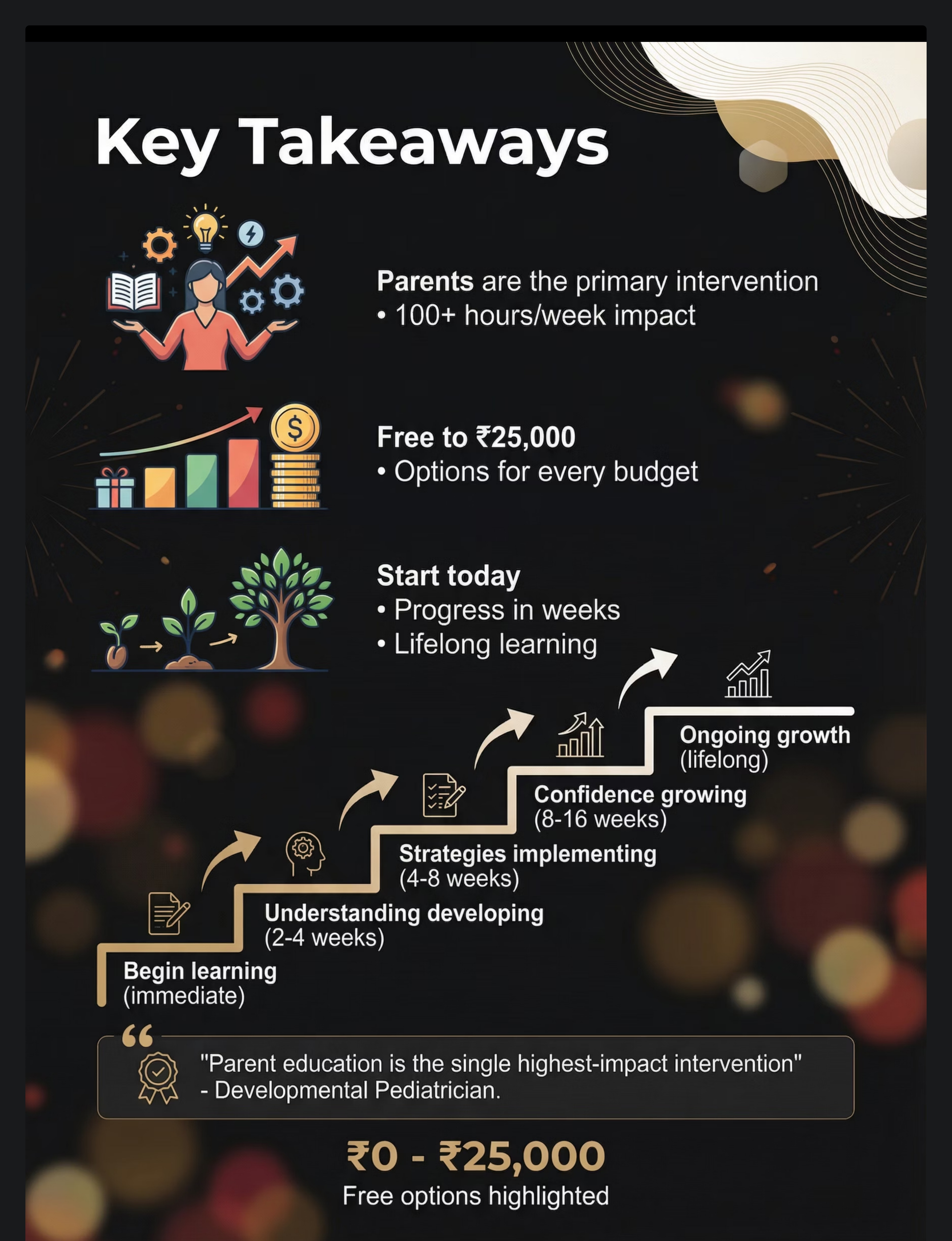
What to Expect: Realistic Progress Timelines
Begin learning journey
Choose first resource, start reading or watching videos, ask therapists for guidance on where to begin
Immediate
Basic understanding developing
Autism makes more sense, behaviors have explanations, beginning to see patterns and identify triggers
2–4 weeks
Strategies being implemented
Using learned approaches at home, implementing techniques during daily routines, practicing with increasing confidence
4–8 weeks
Confidence growing
Feeling more competent, able to problem-solve challenges, understanding when to modify approaches for your child
8–16 weeks
Ongoing learning and growth
Continuing education as child develops, learning new skills for new challenges, building expertise over time
Lifelong
Parent education is not a one-time event—it's a continuous journey that evolves with your child. Early learning builds foundation, but you'll continue gaining knowledge and refining skills throughout your child's development. The timeframes above are typical, but every family's pace is different.

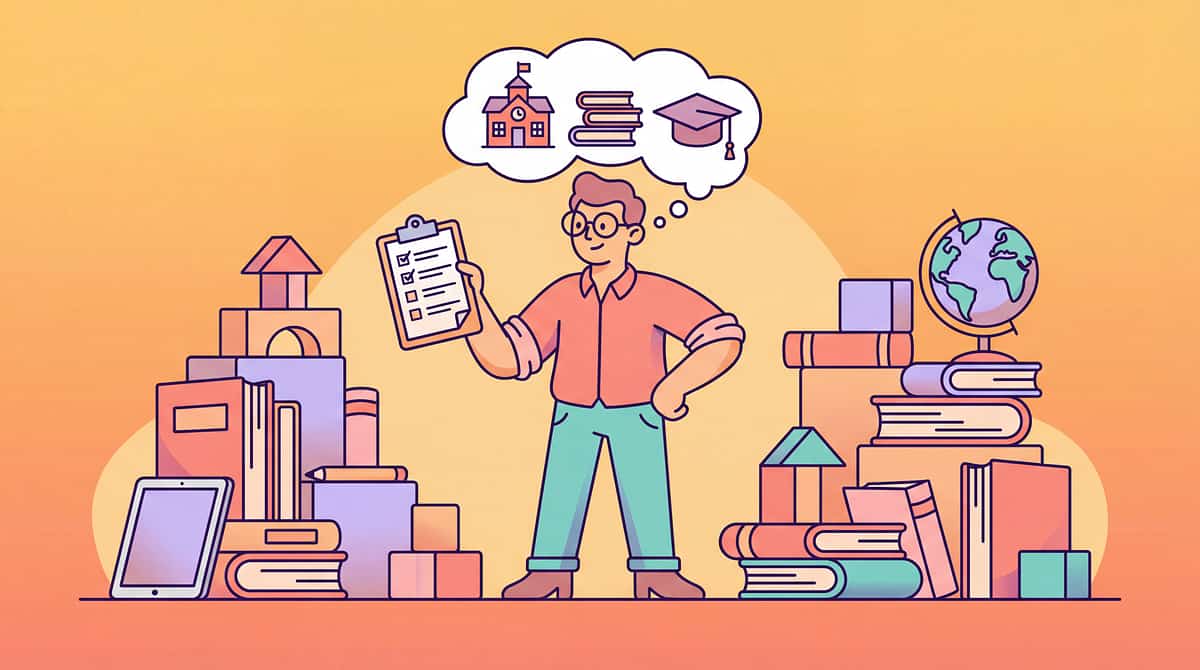
Is Parent Education Right for You? (2-Minute Check)
1
Do you feel you understand your child's condition?
If YES: Good foundation in place—continue building knowledge
If NO: Education resources will provide crucial understanding and framework for supporting your child
Confidence: 90%
2
Do you know how to support your child at home?
If YES: Implementation skills in place—keep learning advanced techniques
If NO: Training and coaching will build practical skills for daily intervention
Confidence: 92%
3
Have you participated in parent training?
If YES: Excellent—continue with ongoing learning and refresher content
If NO: Parent training programs strongly recommended for evidence-based skill building
Confidence: 88%
4
Do you feel confident advocating for your child?
If YES: Advocacy skills present—use education to stay current on best practices
If NO: Advocacy education will help you navigate systems and secure services
Confidence: 85%
Interpreting results: If you answered "no" to 3 or more questions, parent education is a strong fit and should be prioritized immediately. Even if you answered "yes" to most questions, ongoing learning remains essential—there's always more to learn as your child grows and needs change.

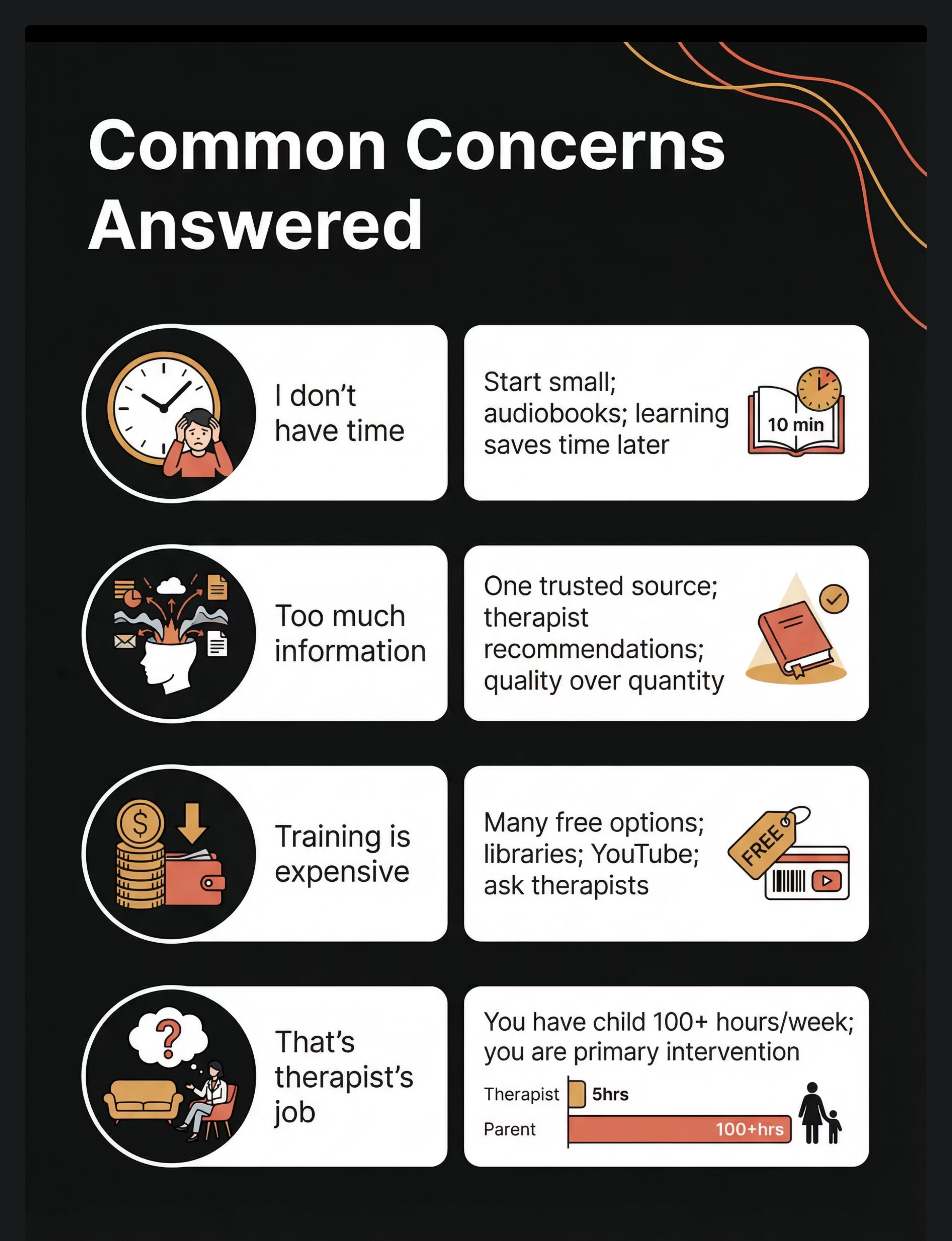
Common Questions (Honest Answers)
Q: "I don't have time to read or learn"
A: Start incredibly small—just 10 minutes per day makes a difference. Listen to audiobooks during your commute. Watch short videos while child naps. Learning is an investment that actually saves time later by preventing problems and reducing stress. Prioritize one resource to start.
Try this: Start small with audiobooks or videos; remember that learning saves time by preventing future challenges and building efficiency
Q: "There's too much information out there"
A: You're right—the internet is overwhelming. That's why you start with ONE trusted source recommended by your child's therapists. Evidence-based programs and professional recommendations cut through the noise. Quality over quantity. Focus beats overwhelm.
Try this: Ask therapists for their top 3 resource recommendations; choose one trusted source rather than trying to consume everything
Q: "Parent training programs are expensive"
A: Many excellent free resources exist. Libraries have books. YouTube has quality content from reputable organizations. Ask therapy providers for parent coaching during regular sessions—often included or low-cost add-on. Some formal programs offer scholarships. Start with free options.
Try this: Utilize free library books, YouTube educational channels, and request parent coaching from current therapists
Q: "That's the therapist's job, not mine"
A: This is the most common misconception. Therapists see your child 1-5 hours per week. You have your child 100+ waking hours per week. Parent implementation doesn't replace therapy—it multiplies therapy's impact. You are not the therapist, but you ARE the primary intervention. Your involvement determines outcomes.
Try this: Recognize you have 100+ hours weekly while therapists have 1-5; you are the primary intervention that makes or breaks progress

Essential Reading: Recommended Books for Indian Parents
Evidence-Based Books Every Parent Should Consider
These titles are consistently recommended by therapists and have helped thousands of parents gain understanding and practical skills. Choose based on your child's age and your learning priorities.
An Early Start for Your Child with Autism (Rogers & Dawson)
The definitive guide to early intervention using the Early Start Denver Model. Perfect for parents of young children (12 months–5 years) seeking evidence-based strategies for teaching communication, social skills, and daily living through play-based approaches.
More Than Words (Hanen Centre)
Specifically designed for parents of children with autism or social communication difficulties. Teaches how to create communication opportunities throughout daily routines. Accompanies the Hanen parent training program.
The Out-of-Sync Child (Kranowitz)
Essential reading for understanding sensory processing differences. Explains why children seek or avoid certain sensations and provides practical strategies for supporting sensory needs at home and school.
Uniquely Human (Prizant)
A compassionate, neurodiversity-affirming perspective on autism. Helps parents understand behavior as communication and shift from "fixing" to supporting their child's unique way of experiencing the world.
Ten Things Every Child with Autism Wishes You Knew (Notbohm)
Written from the child's perspective, this book builds empathy and understanding. Short, accessible chapters perfect for busy parents. Helps you see the world through your child's eyes.
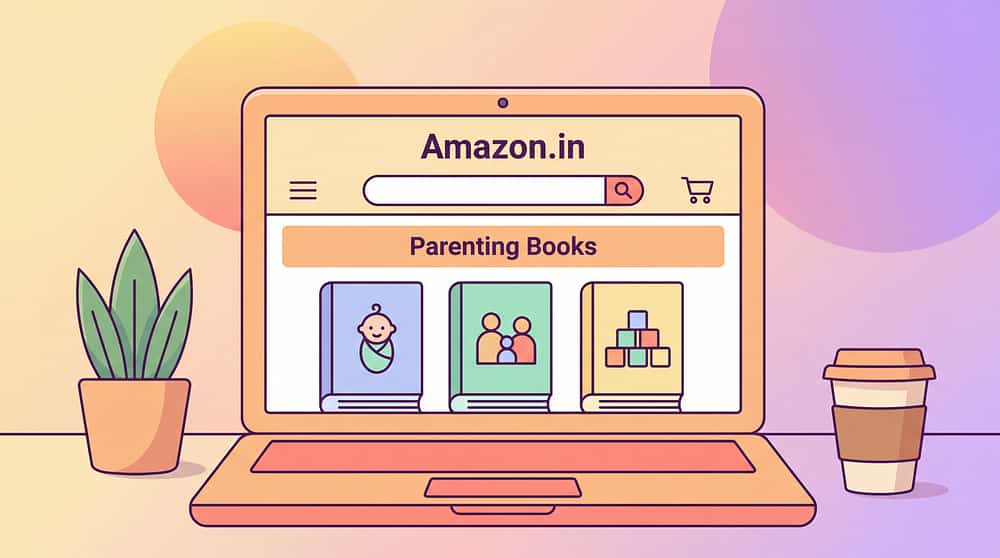
Where to find these books: Available on Amazon.in (₹300-1,500 each), many public libraries carry them, or ask your therapy clinic if they have lending libraries for parents.

Complete Usage Guide
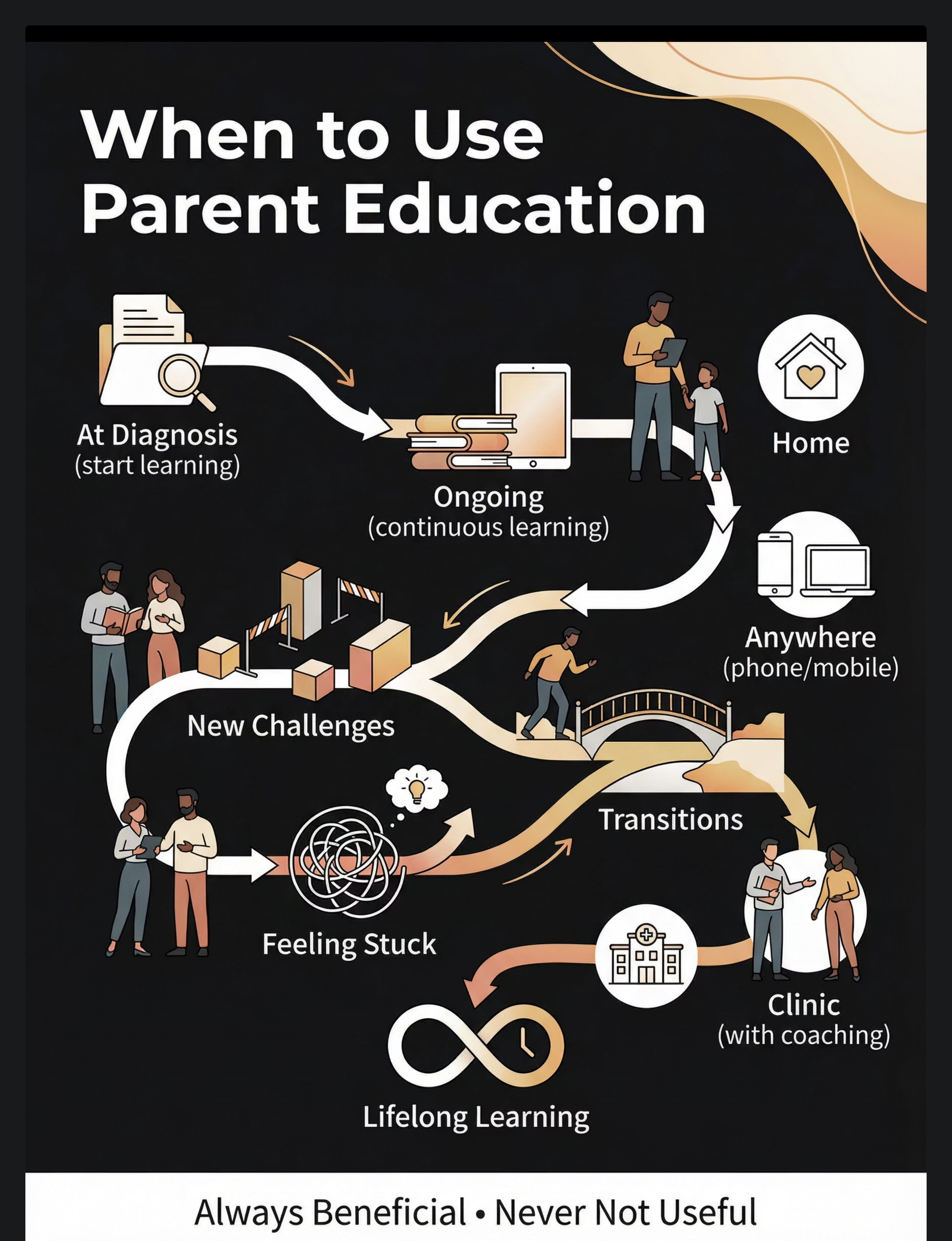
When to Use Parent Education
- At diagnosis: Start learning immediately to understand your child and access early intervention
- Ongoing: Continuous learning as child develops and needs change
- Facing new challenges: When behaviors change or new difficulties emerge
- During transitions: Starting school, moving to new therapy, developmental milestones
- When feeling stuck: Progress plateaus or current strategies stop working
When NOT to Use
Never—parent education is always beneficial
- There are no situations where parent learning is contraindicated
- However, balance learning with self-care to prevent burnout
Duration & Frequency
Duration: Lifelong learning journey that evolves with your child's development
Daily commitment: Even 10-15 minutes daily builds knowledge over time
Intensive periods: First 3-6 months after diagnosis benefit from concentrated learning
Supervision Notes
Age Range | Note | |
All ages | N/A—this is a parent resource, not child-directed intervention | |
Parent learning | No supervision needed; learn at your own pace and comfort level |
Settings: Home (for self-study and reading), Anywhere (for online courses and videos), Clinic (for coaching and training sessions)

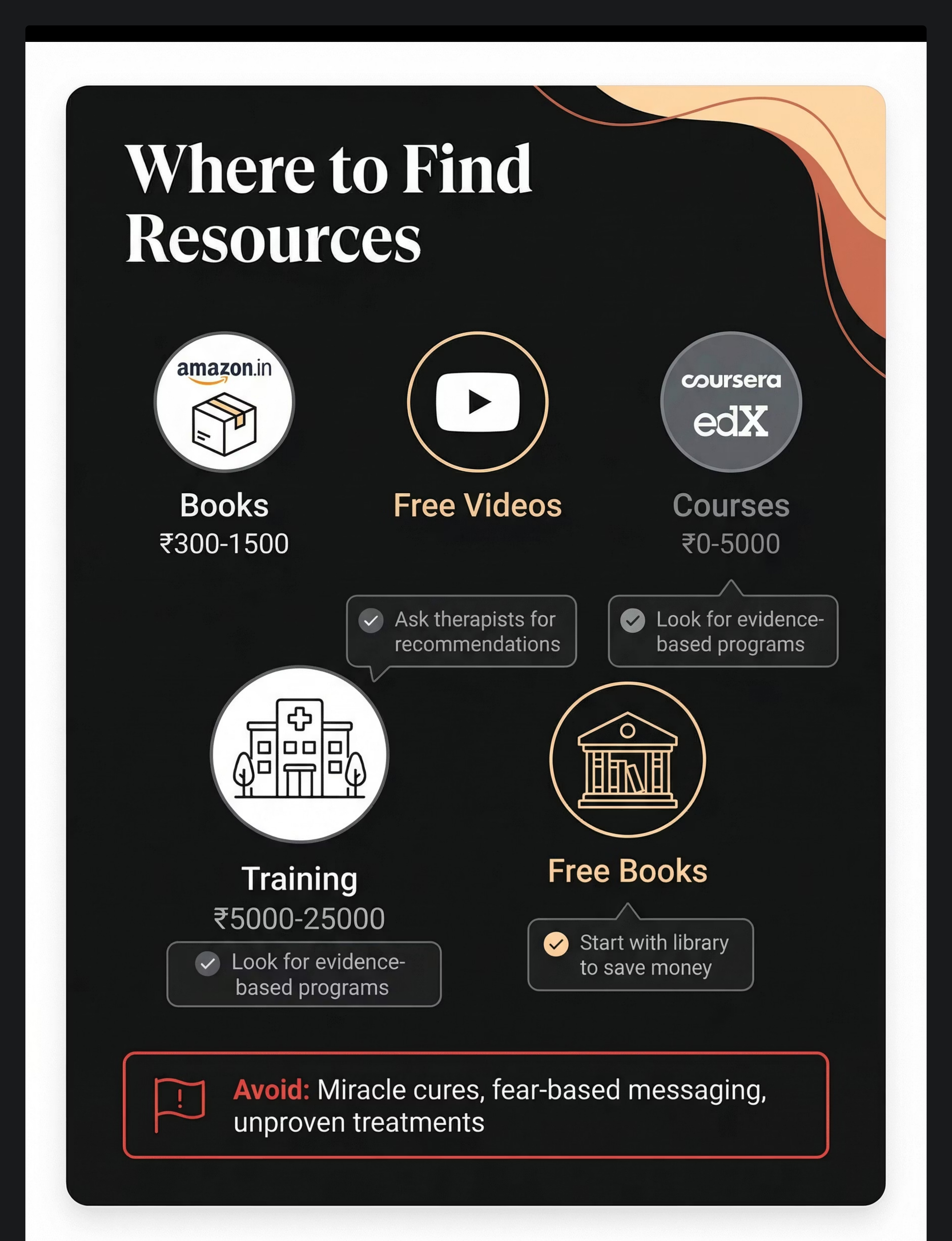
Where to Find Parent Education Resources in India
Availability: Widely available through online platforms, libraries, therapy clinics, and digital learning sites

Amazon.in
Search: "autism books parents" or specific titles
Price: ₹300–1,500 per book
Largest selection, customer reviews, fast delivery across India

YouTube
Search: "autism parenting strategies" or "autism parent training"
Price: Free
Thousands of educational videos from therapists and autism organizations

Coursera / edX
Search: "autism course parents" or "developmental disabilities"
Price: Free–₹5,000
University-level courses, many free to audit, certificates available

Therapy Clinics
Search: "parent training program" at your child's clinic
Price: ₹5,000–25,000 for complete programs
Formal training like Hanen, ESDM, PRT from certified trainers

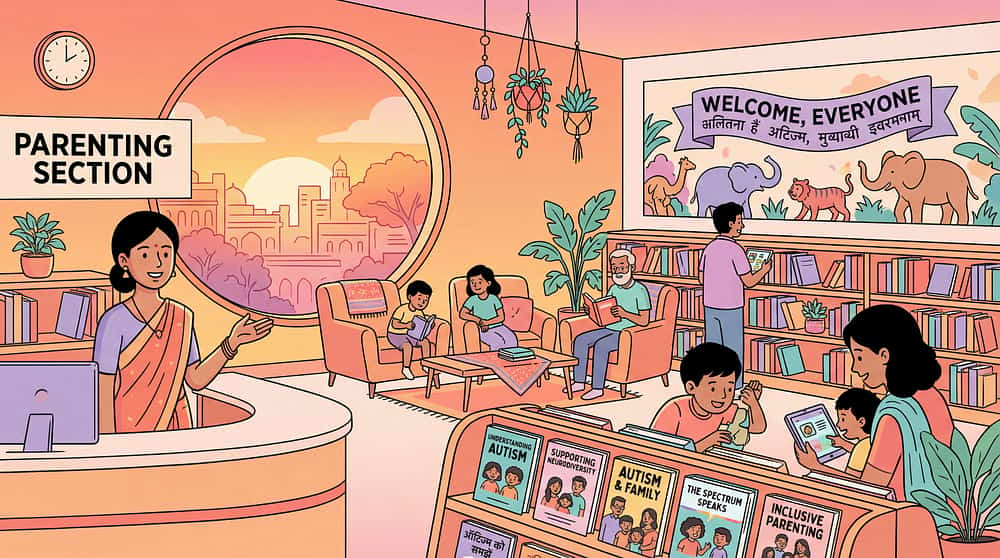
Public Libraries
Search: "autism parenting" or "child development" section
Price: Free with library membership
Many libraries stock popular parenting and autism titles
Buying Tips (Maximize Value)
- Start with highly recommended, evidence-based books
- Ask your child's therapists for specific resource recommendations
- Look for programs and courses with research backing
- Combine self-learning with hands-on coaching from professionals
- Join parent groups for peer learning and shared resources
- Check if therapy clinics have parent lending libraries
Red Flags to Avoid
- Non-evidence-based approaches: Treatments lacking research support
- Miracle cure claims: Promises of "recovery" or "cure"
- Fear-based messaging: Resources using scare tactics about autism
- Expensive unproven treatments: High costs without evidence backing

Investment Guide: Budget to Premium Options
Budget-Friendly Learning Path
Free Library Books + Online Resources + YouTube
Total Cost: ₹0
Get books free from library, watch educational YouTube channels from reputable organizations, access free online courses, and request parent coaching during regular therapy sessions.
Note: Excellent free resources exist—cost is not a barrier to quality parent education
What this includes:
- Library membership for borrowing books
- Free YouTube educational content from autism organizations
- Free-to-audit online courses (Coursera, edX)
- Parent coaching during existing therapy sessions
- Free parent support group connections
Premium Learning Investment
Formal Training + Key Books + Coaching
Total Cost: ₹10,000–25,000
Invest in evidence-based formal parent training program (Hanen, ESDM, PRT), purchase key recommended books, and receive structured individualized coaching throughout.
Programs: Hanen Programs, ESDM Parent Training, Pivotal Response Treatment Training
What this includes:
- 8-12 week formal training curriculum
- Video feedback on your implementation
- Individualized coaching sessions
- Comprehensive recommended book library
- Certification upon completion
- Ongoing alumni support group access
Overall range: ₹0–25,000 depending on combination of resources chosen. Remember: the best learning path combines free resources with strategic investment in coaching and formal training.

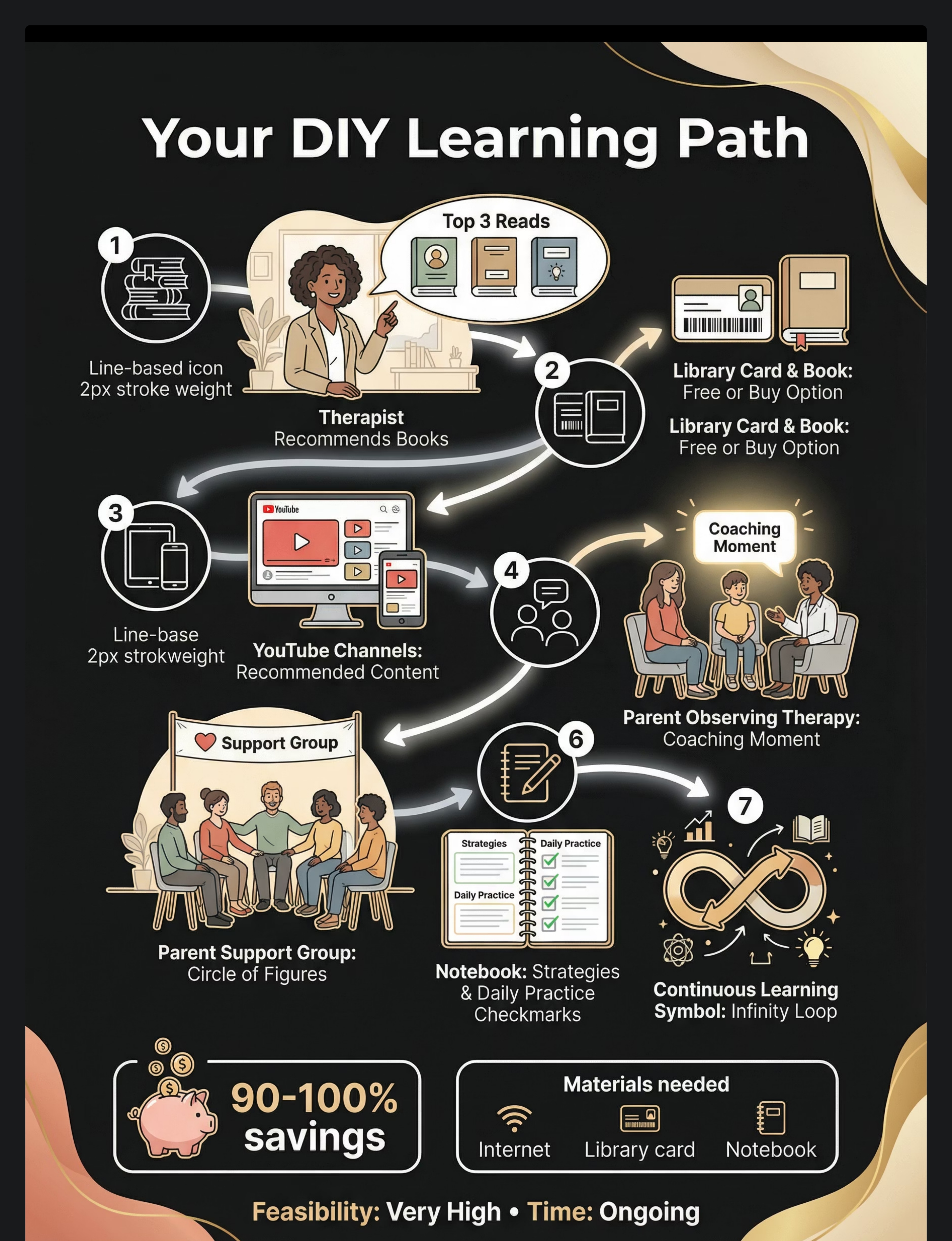
DIY Learning Path (Save 90-100% of Costs)
Feasibility: Very High | Cost Savings: 90-100% | Time Required: Ongoing commitment
DIY Parent Education Steps
1
Ask therapists for top 3 book recommendations
Request specific titles based on your child's needs and your learning goals
2
Get books from library or purchase one to start
Begin with just one book—don't overwhelm yourself with too many at once
3
Watch recommended YouTube channels
Follow channels from autism organizations, therapy clinics, and certified professionals
4
Request parent coaching during therapy
Ask therapist to involve you in last 10-15 minutes of each session for practice and questions
5
Join parent support group for peer learning
Connect with other parents for shared experiences, tips, and emotional support
6
Take notes and practice strategies daily
Implementation is key—apply what you learn immediately in daily routines
7
Continue learning—never 'done'
Commit to ongoing education as your child grows and needs evolve
Materials needed: Internet access, library card, notebook for tracking learning and strategies
DIY vs. Formal Training
Approach | Best For | |
DIY Learning | Reading books, watching videos, online free courses, peer learning from other parents | |
Formal Training | Evidence-based programs with certification, individualized coaching, structured curriculum |
Tradeoffs
Self-learning is excellent and cost-effective. Formal training adds structure, accountability, video feedback, and certification but requires financial investment. Many parents successfully combine both approaches.
When to Choose DIY
- Starting your learning journey
- Budget is very limited
- Self-motivated learner
- Comfortable learning independently
When to Choose Formal Training
- Want structured curriculum with accountability
- Benefit from personalized coaching
- Desire certification or credentials
- Struggling to implement strategies independently

Your Complete Parent Empowerment Toolkit
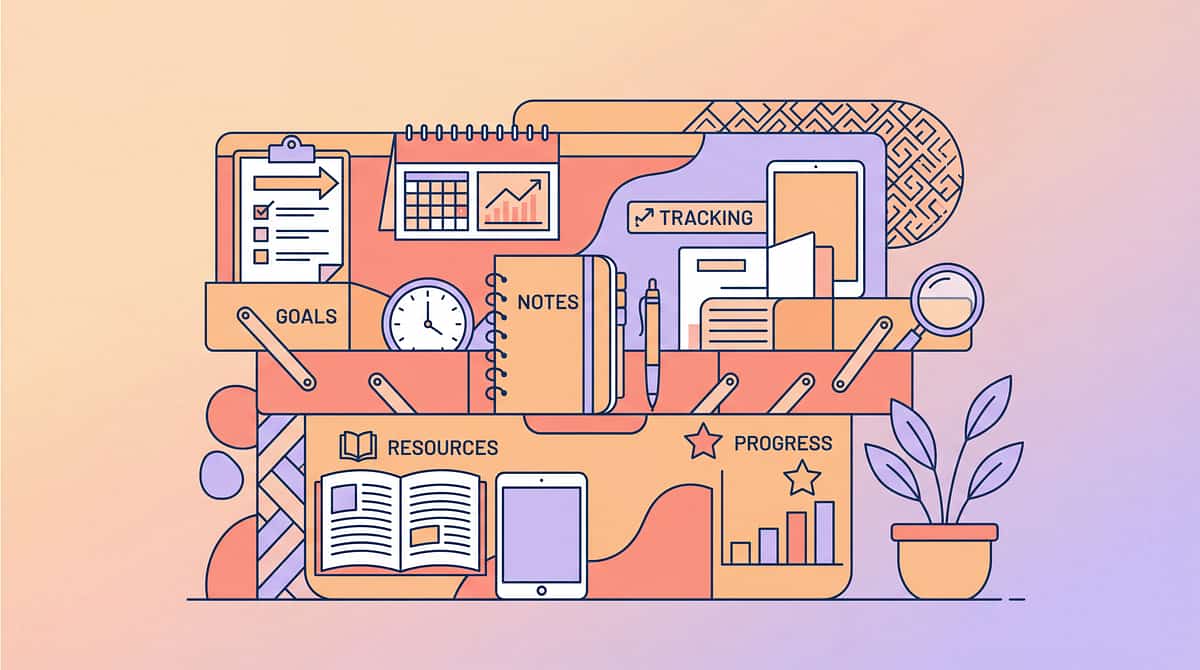
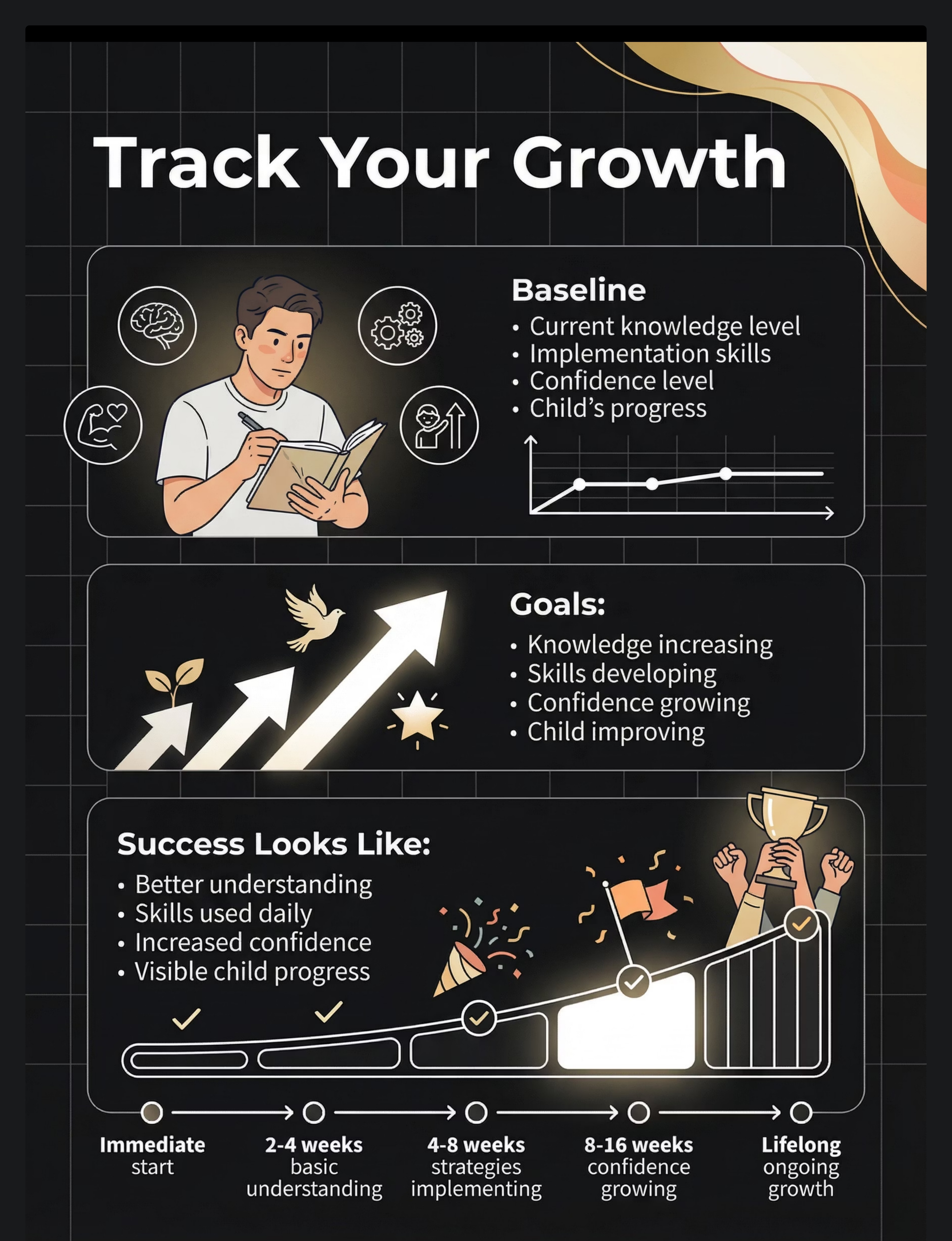
Track Your Learning Progress
Measure your growth as an educated, empowered parent to stay motivated and identify areas for continued development.
Baseline: Where You're Starting
- Current level of understanding about your child's condition
- Existing implementation skills and confidence with strategies
- Current confidence level in parenting and advocating for child
- Child's current progress and developmental baseline
Goals: What You're Building Toward
- Knowledge will increase—understanding autism, sensory needs, communication
- Implementation skills will develop—using strategies effectively at home
- Confidence will grow—feeling competent as parent and partner in therapy
- Child outcomes will improve—generalization, progress, family quality of life
Success Indicators: How You'll Know It's Working
- Better understanding of child's behavior and needs
- Successfully using learned skills daily in routines
- Increased confidence in parenting and decision-making
- Measurable child progress in targeted areas
- Reduced family stress and improved quality of life
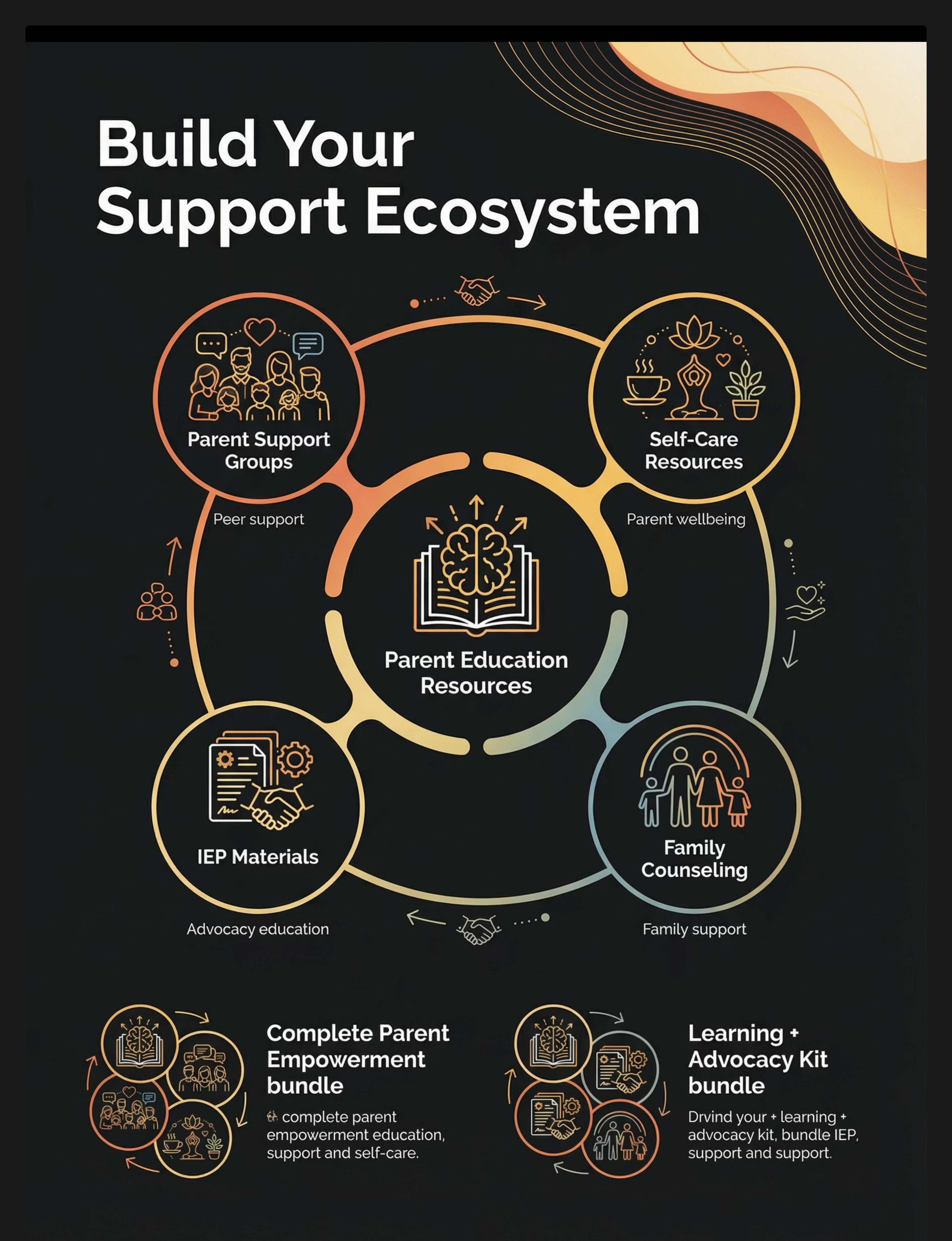
Complete Your Parent Empowerment Kit
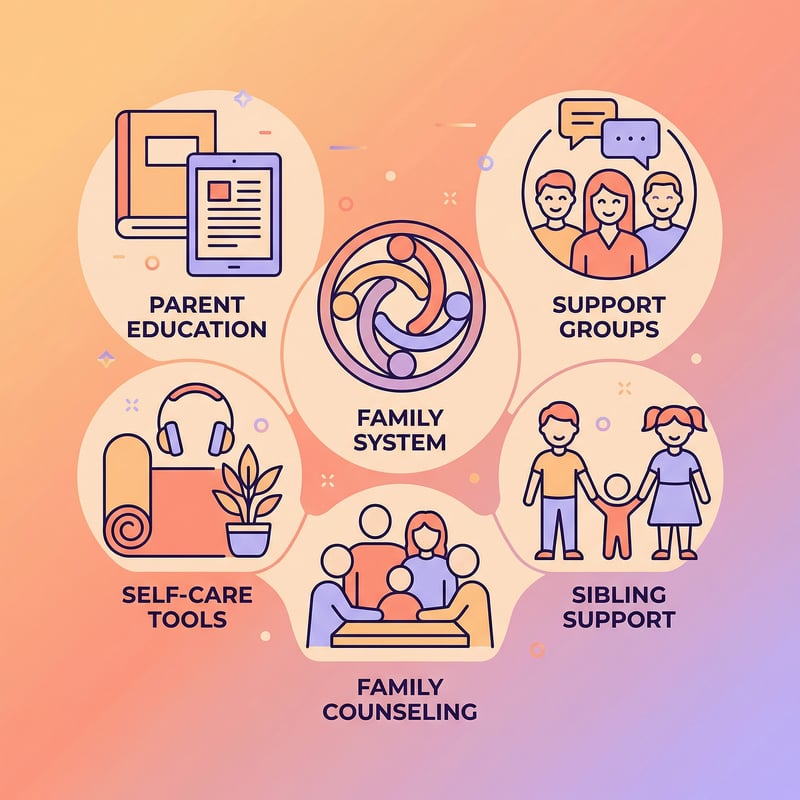
Parent education works best when combined with peer support, self-care, and advocacy skills. Consider adding these complementary resources:
Parent Support Groups (20.2)
Connect with other parents for peer support, shared experiences, and practical tips from those who understand your journey firsthand.
Self-Care Resources (20.3)
Protect your own wellbeing so you can sustainably support your child. Parent burnout helps no one—self-care is essential.
IEP Materials (18.5)
Learn to advocate effectively in educational settings, understand your child's rights, and secure appropriate services and accommodations.
Family Counseling (20.5)
Support entire family system in adjusting to diagnosis, improving communication, and building resilience together.
Recommended Bundles:
Complete Parent Empowerment: Parent Education Resources (20.1) + Parent Support Groups (20.2) + Self-Care Resources (20.3) — Full parent support addressing learning, connection, and wellbeing
Learning + Advocacy Kit: Parent Education Resources (20.1) + IEP Materials (18.5) + Parent Support Groups (20.2) — Education and advocacy skills for navigating systems
Quick Summary
Parent education resources empower caregivers with knowledge and skills through books, courses, training programs, videos, and coaching to effectively support their child's development at home. Core Kit (Rank 1), very strong evidence, foundational for outcomes.
parent education
training
books
courses
coaching
empowerment
evidence-based
core-kit
Common searches: autism parent education, autism parenting books, parent training autism, autism courses parents, understanding autism parent, autism strategies home, parent coaching autism
Get Support from Pinnacle Blooms Network
FREE National Autism Helpline
Phone: 9100 181 181
Languages: 16+ Indian languages
Website: pinnacleblooms.org
Connect with trained professionals who can guide you to appropriate resources, answer questions, and provide support throughout your learning journey.
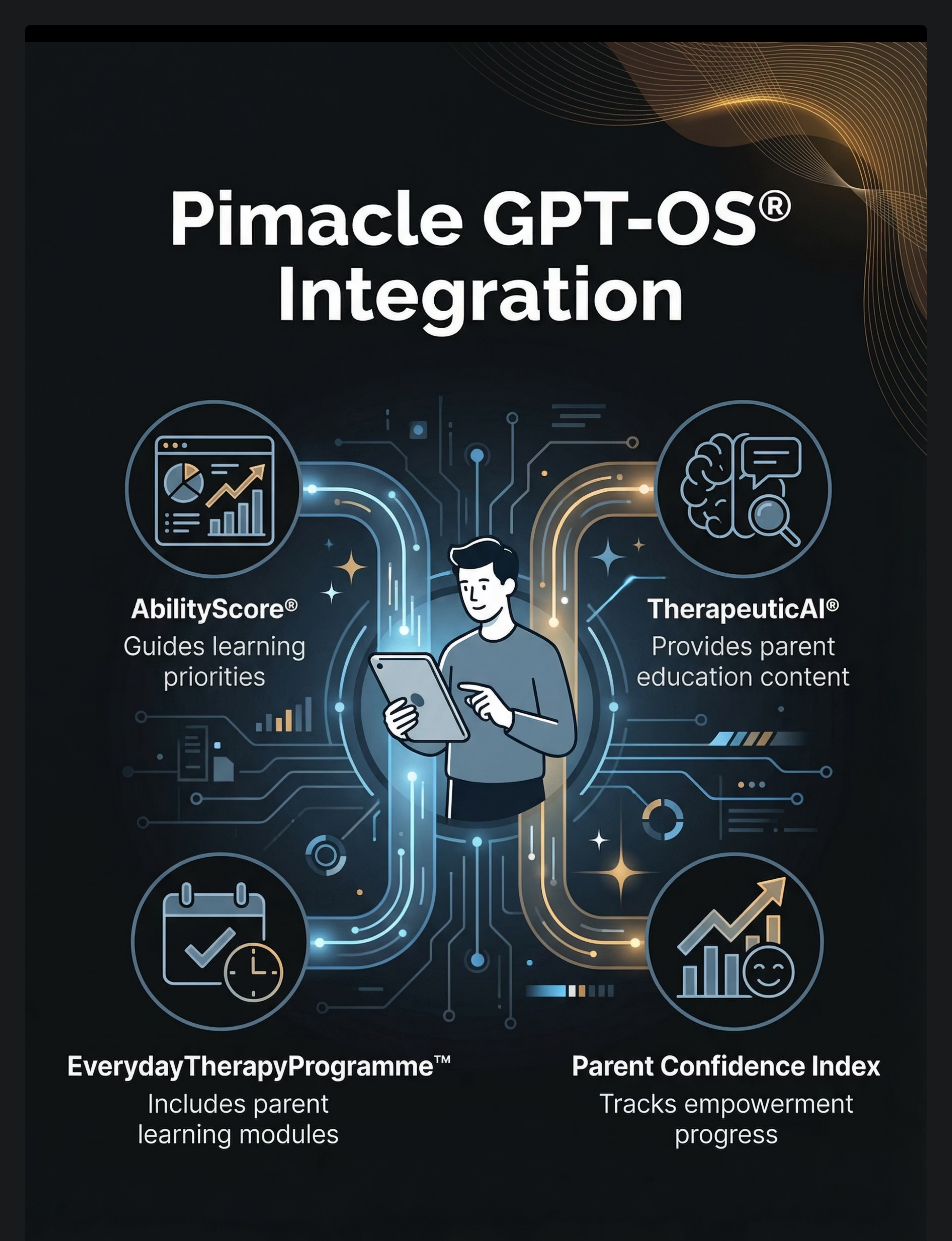
Pinnacle GPT-OS® Platform Integration
AbilityScore® identifies your learning priorities based on child's assessment results
TherapeuticAI® provides personalized parent education content matched to your needs
EverydayTherapyProgramme™ includes parent learning modules integrated with daily activities
Parent Confidence Index tracks your empowerment growth over time
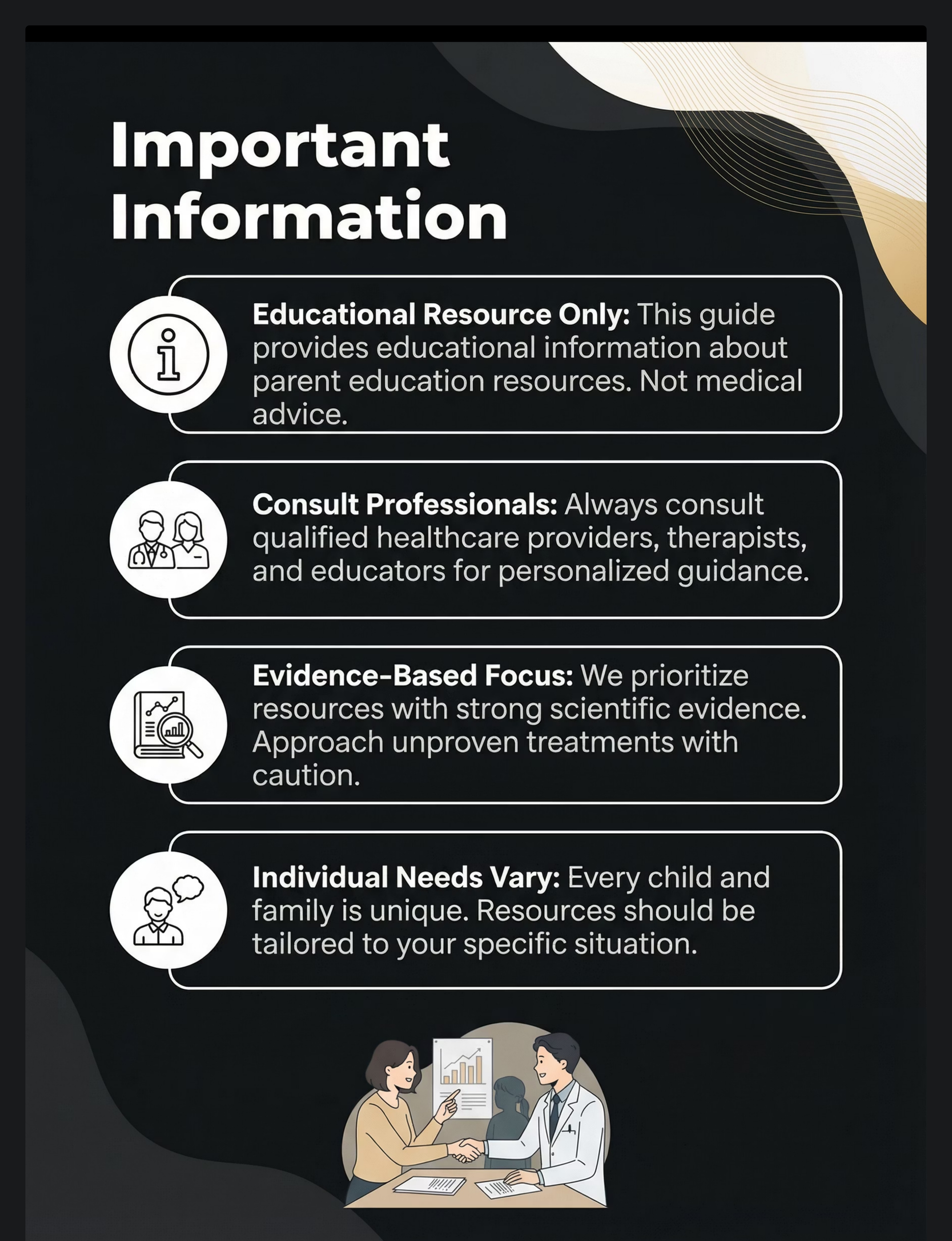
Disclaimer: This is educational information designed to empower parents with knowledge about evidence-based approaches. Always consult qualified occupational therapists, speech-language pathologists, applied behavior analysts, or developmental pediatricians for personalized guidance. Individual results vary based on child's needs, family commitment, and consistency of implementation. Parent education supports but does not replace professional therapy services.
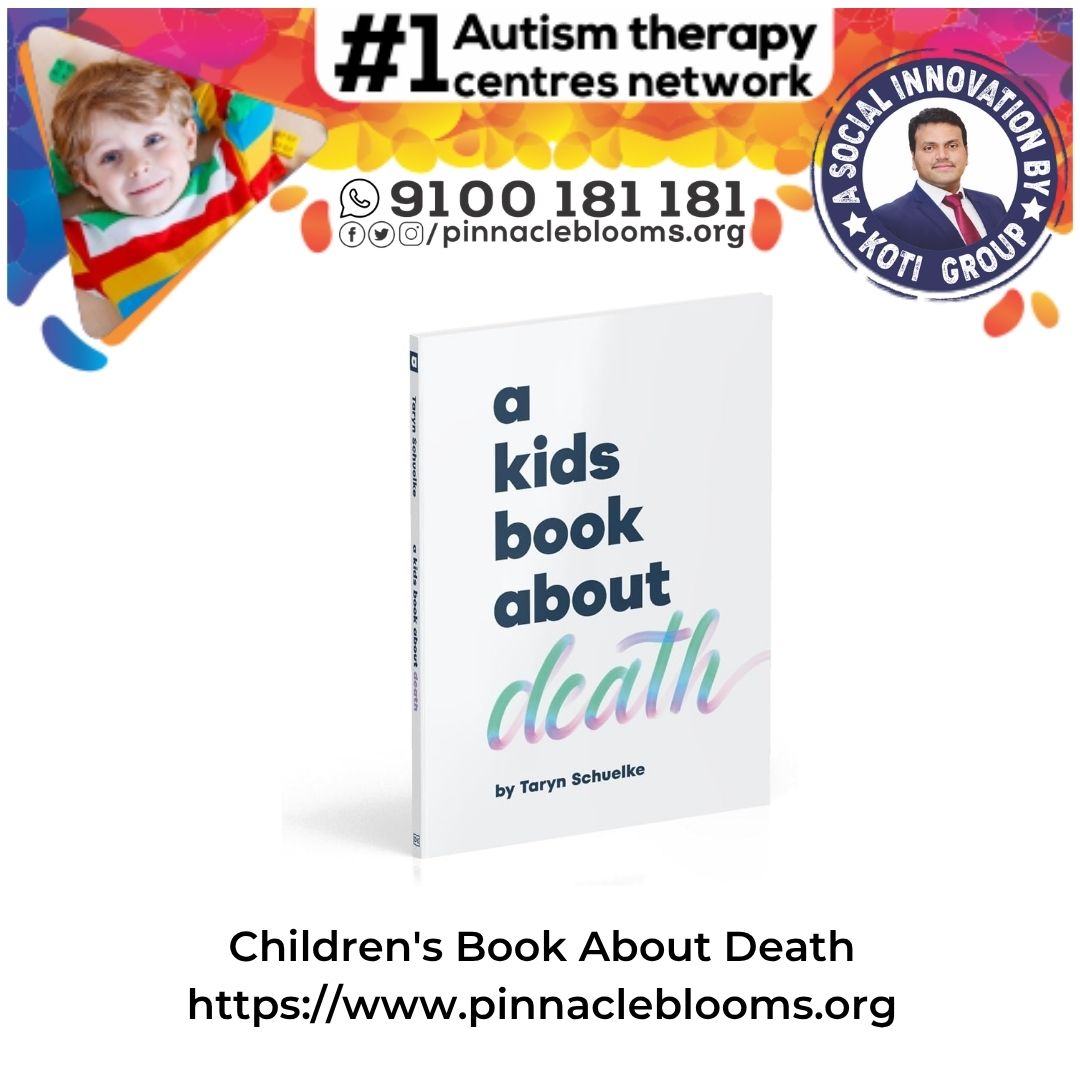
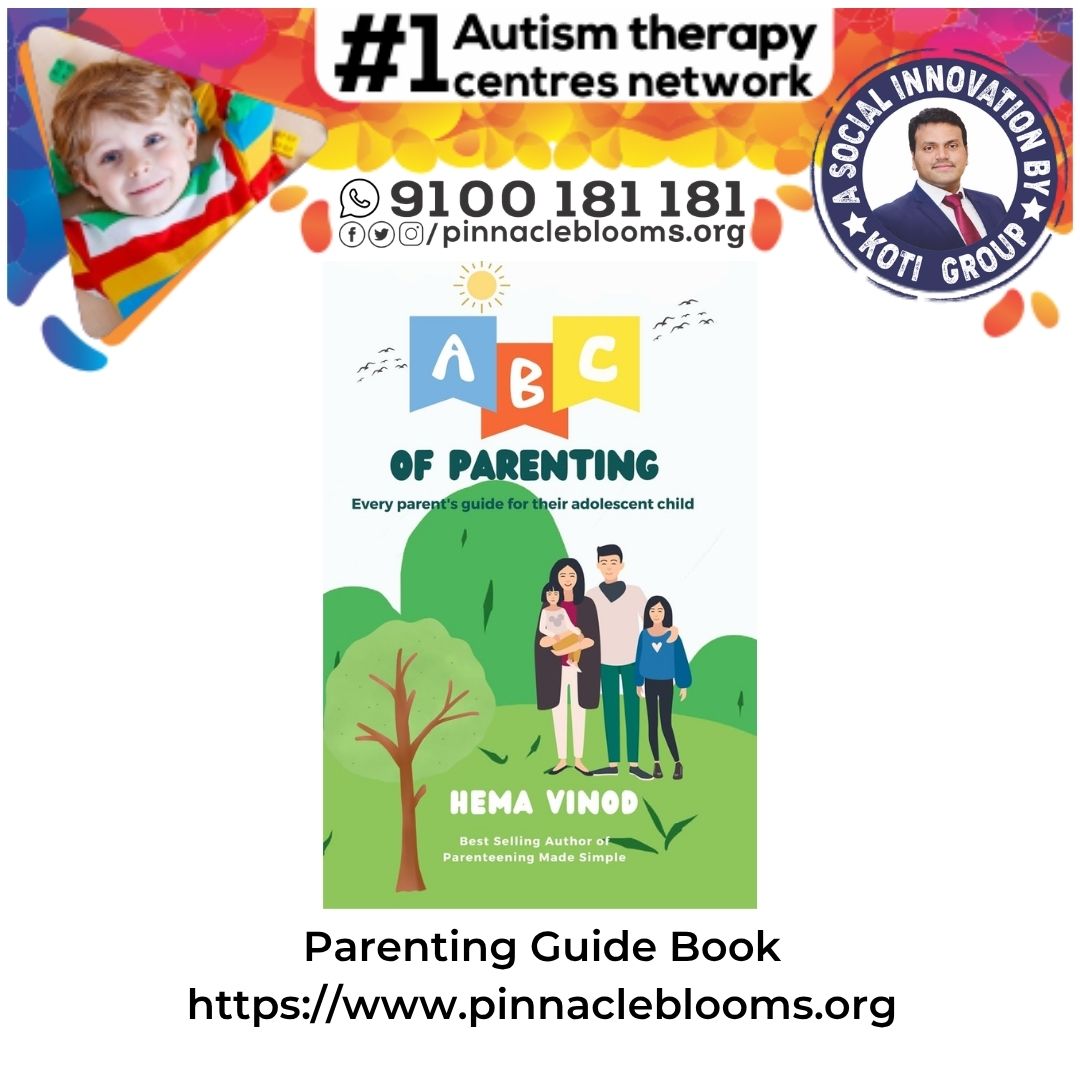
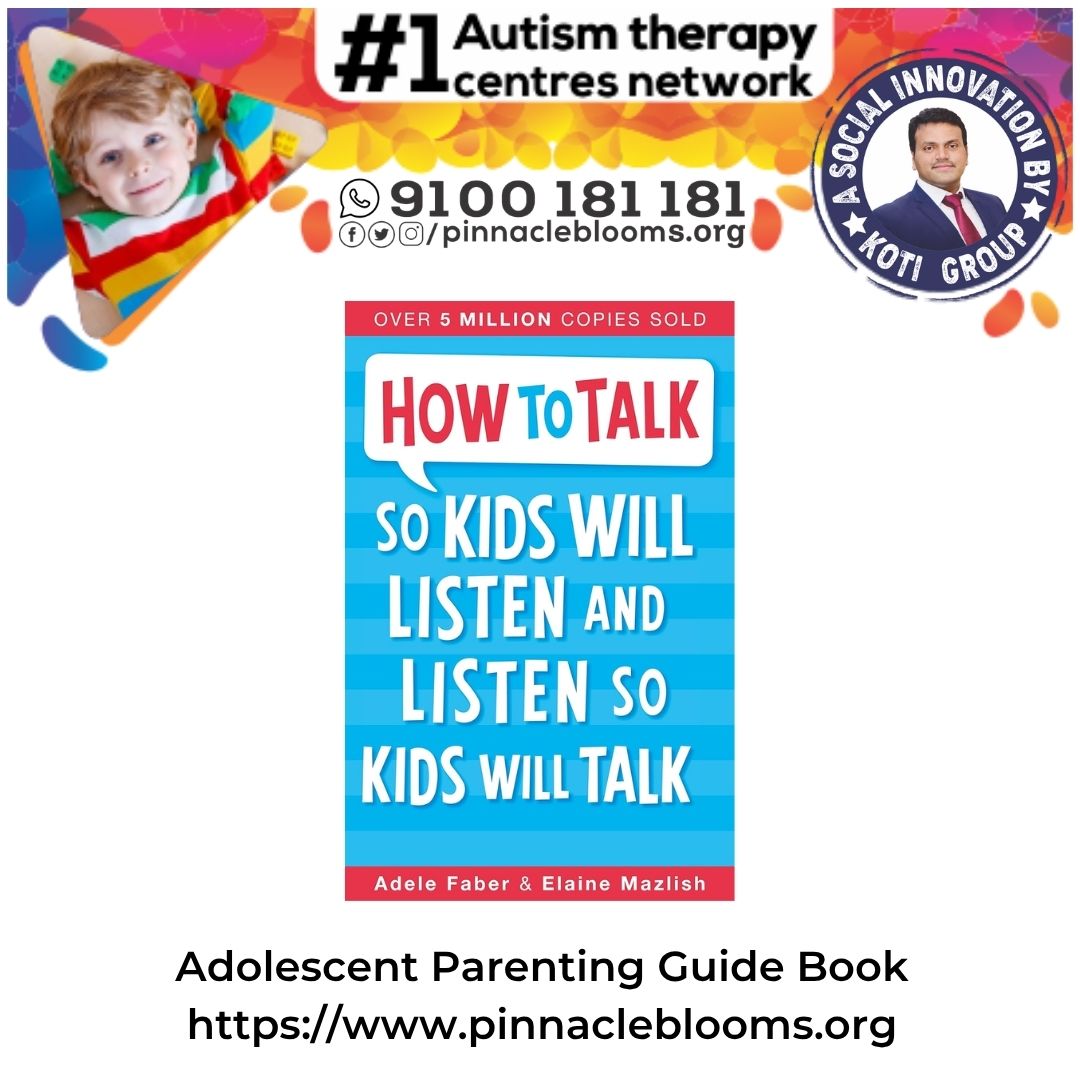
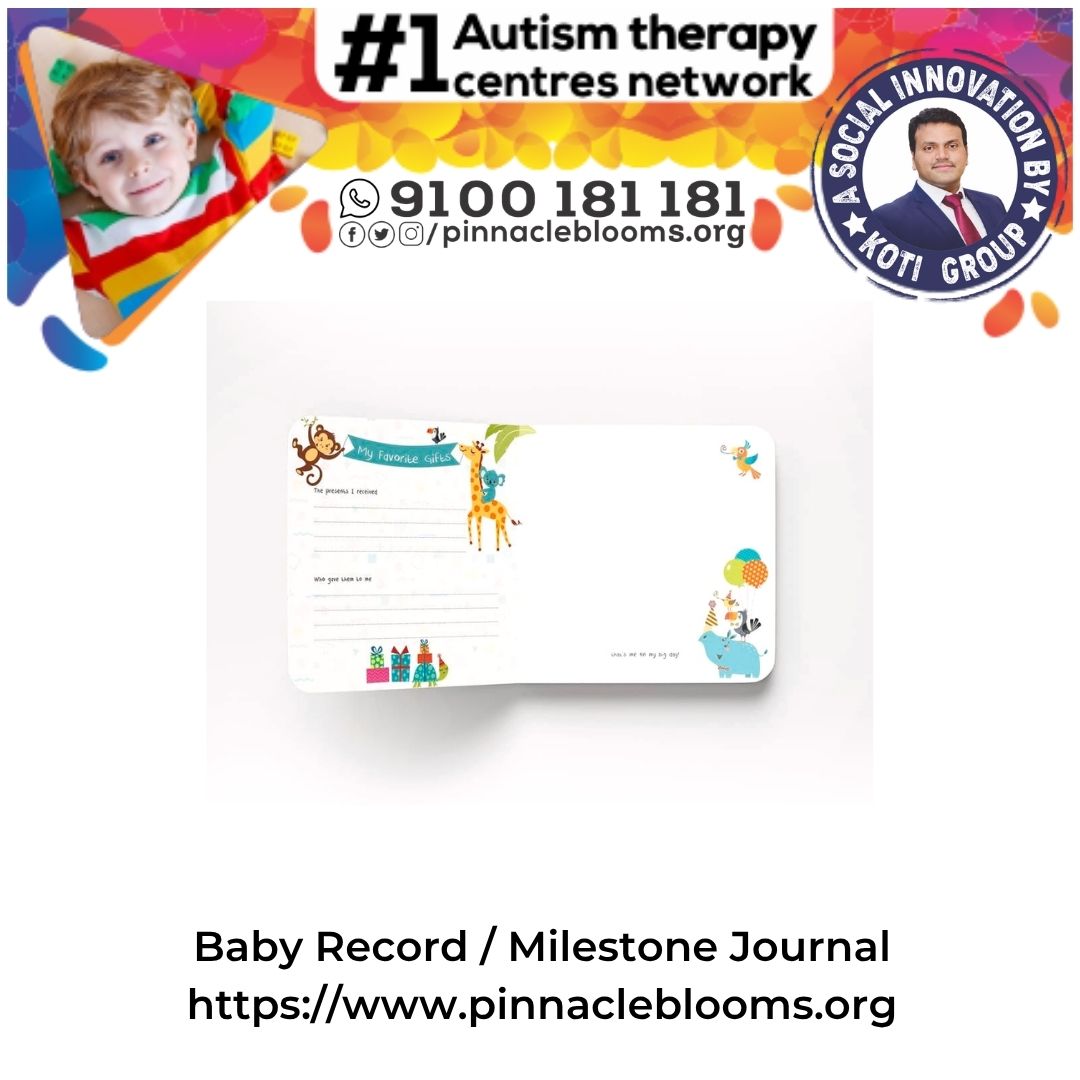
Preview of parent education resources Therapy Material
Below is a visual preview of parent education resources therapy material. The pages shown help educators, therapists, and caregivers understand the structure and content of the resource before use. Materials should be used under appropriate professional guidance.


Share this resource
Help others discover thisLink copied!

Your Next Step: Start Your Parent Education Journey Today
Empower Yourself, Empower Your Child
Every great journey begins with a single step. You have the power to transform your child's future, and it all starts with empowering yourself through knowledge. Don't wait—begin building your expertise today.
Choose Your First Resource
Pick one book, course, or video to start with today.
Set a Learning Schedule
Commit to just 10-15 minutes daily for consistent progress.
Apply What You Learn
Implement one new strategy with your child this week.
Remember: As a parent, you are your child's first teacher, fiercest advocate, and most powerful intervention. Your dedicated efforts make an immeasurable difference.
Every expert parent started exactly where you are now. The difference is they took the first step.