Visual Supports & Schedules Materials
Evidence-based tools for making time, routines, and expectations visible and predictable for autistic children

Why Visual Supports Matter
Visual supports are the #1 environmental accommodation for autism — making abstract concepts concrete, reducing anxiety, building independence, and creating predictability in daily life. They transform invisible expectations into visible structure, allowing autistic children to navigate their world with greater confidence and reduced stress.
Materials in this category provide visual structure for time, routines, expectations, and transitions. When implemented consistently across environments, these tools create a foundation for learning, cooperation, and emotional regulation. They're not just helpful — they're essential for many autistic children to function independently.
Reduces Anxiety
Makes the unpredictable predictable
Builds Independence
Children can self-monitor and navigate routines
Improves Transitions
Prepares the brain for upcoming changes
Guidelines for Effective Use
Visual supports work best when implemented thoughtfully and consistently. These evidence-based guidelines ensure maximum benefit for your child across all environments and situations.
Use Consistently
Implement visuals across all environments and caregivers for maximum effectiveness
Personalize with Photos
Include photos of actual activities and locations when possible for better recognition
Enable Participation
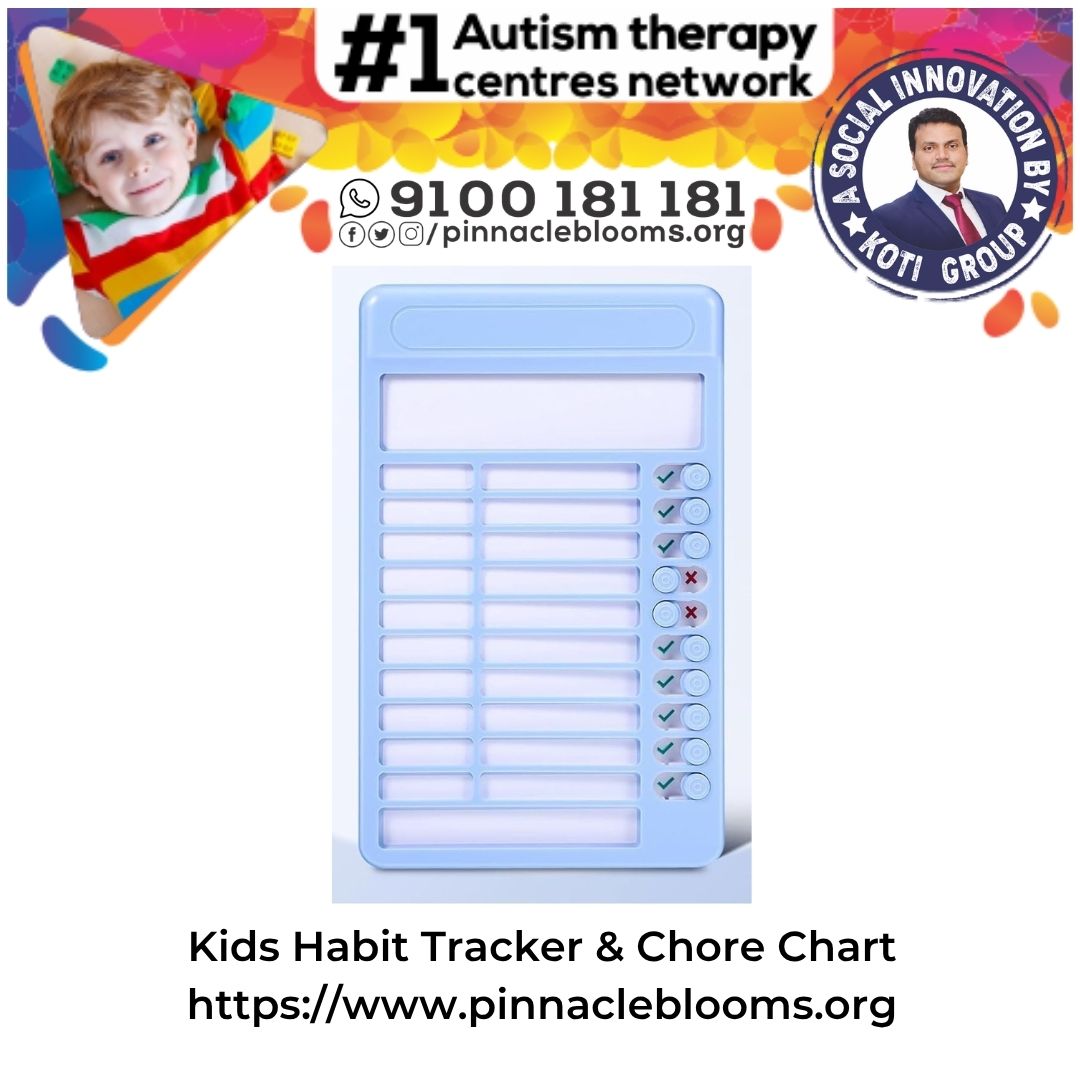
Allow child to check off or move completed items to build ownership
Review Proactively
Review visual supports before activities, not only during crisis moments
Update Regularly
Refresh visuals as routines and abilities change and develop
Seek Professional Input
Consult with special educators or behavior specialists for individualized plans
Who Uses These Materials
For Parents
Home-based visual structure with professional guidance to create predictable routines and reduce daily stress

For Therapists
Clinical visual support planning and implementation tools for evidence-based practice
For Schools & Educators
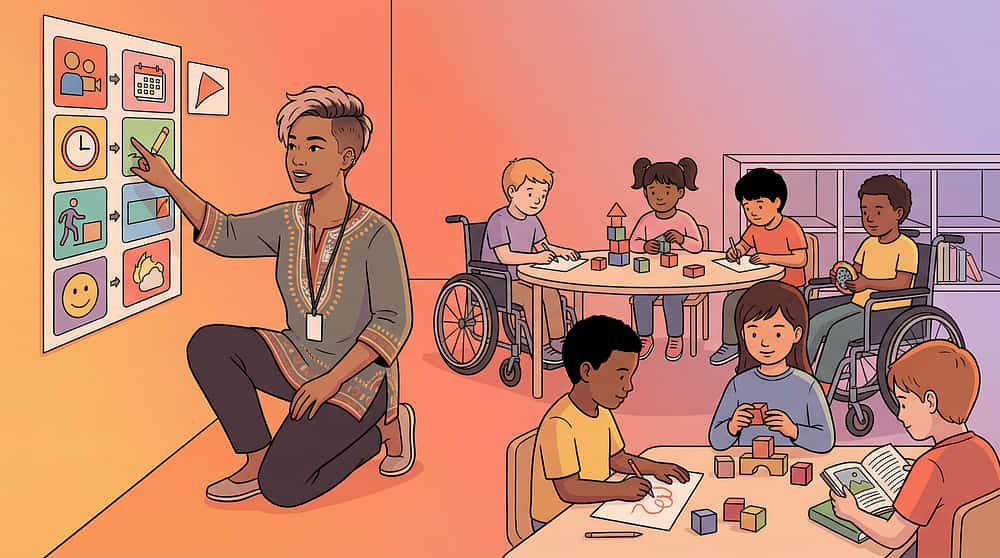
Classroom visual schedules and expectation supports for structured learning environments

For Doctors & Clinicians
Visual support recommendations for comprehensive developmental planning and care coordination
5 Evidence-Aligned Materials Available
Our library includes five essential visual support materials, each targeting specific aspects of daily functioning. These tools are ranked by evidence strength and clinical necessity, with all five materials classified as Core Kit (Rank 1) due to their foundational importance in autism support.
Each material has been carefully designed based on TEACCH principles, ABA methodology, and special education best practices. They work independently but are most powerful when used together as an integrated system of visual communication and structure.
Material 3.1
Core Kit Rank 1
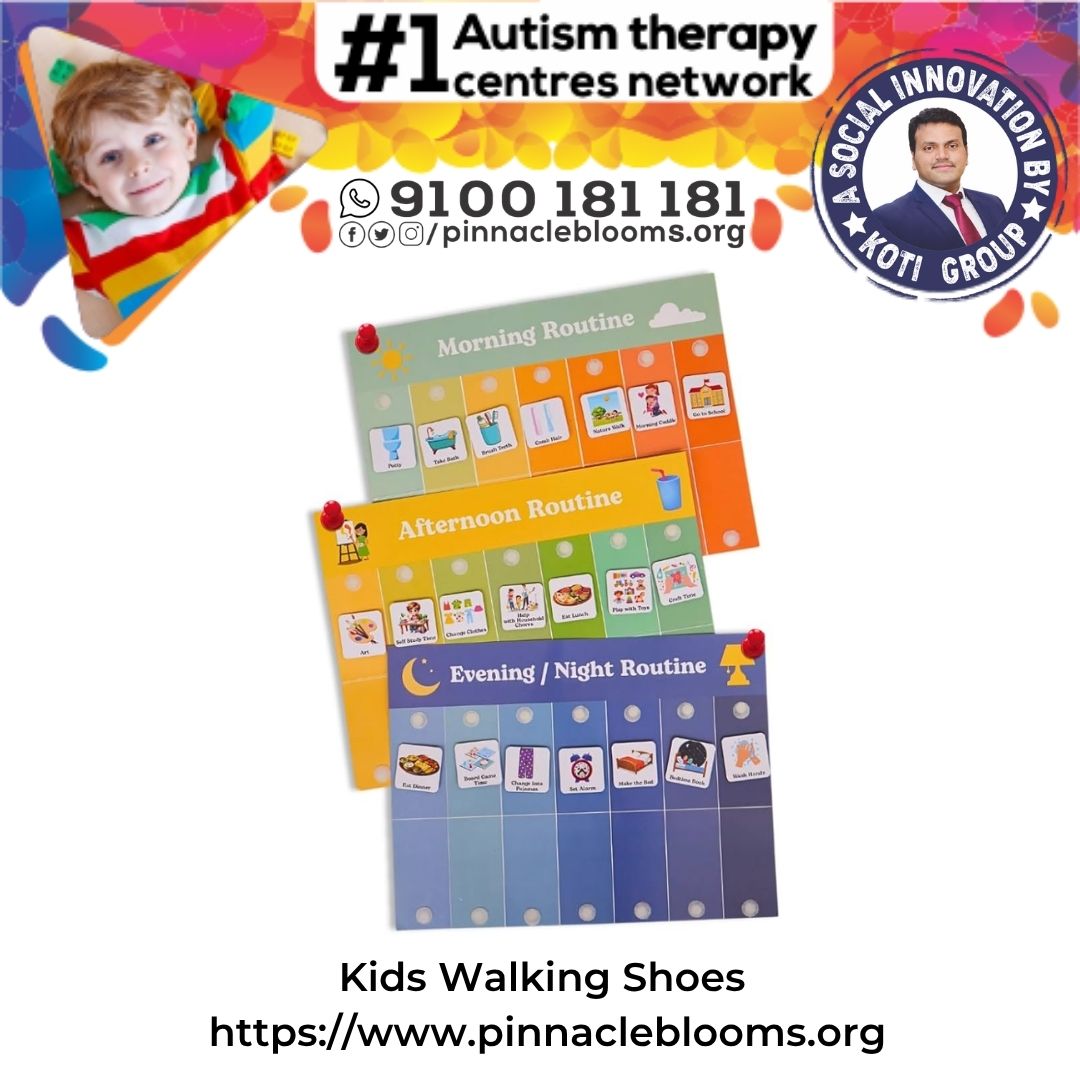
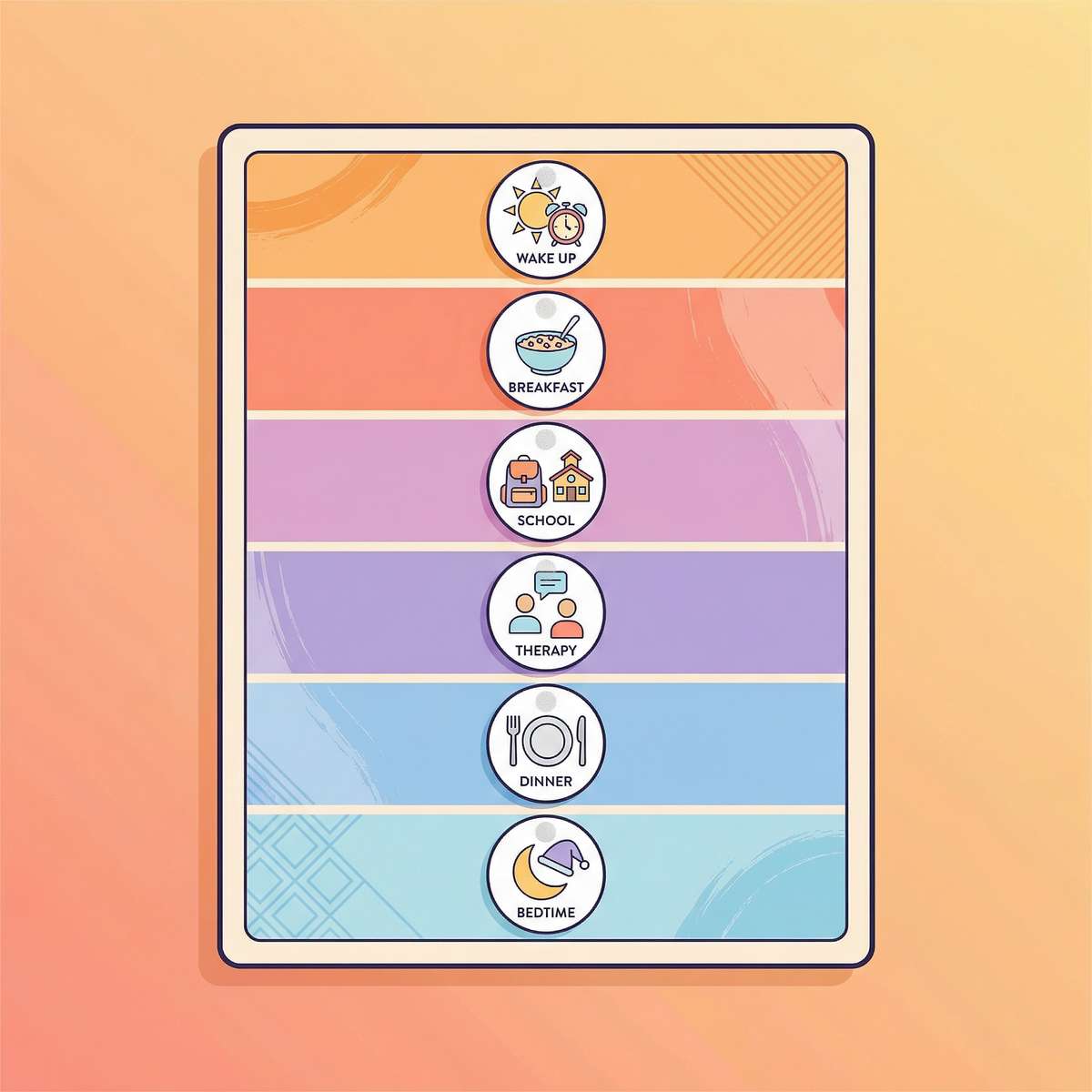
Visual Schedule System
visual-supports-schedules therapy material
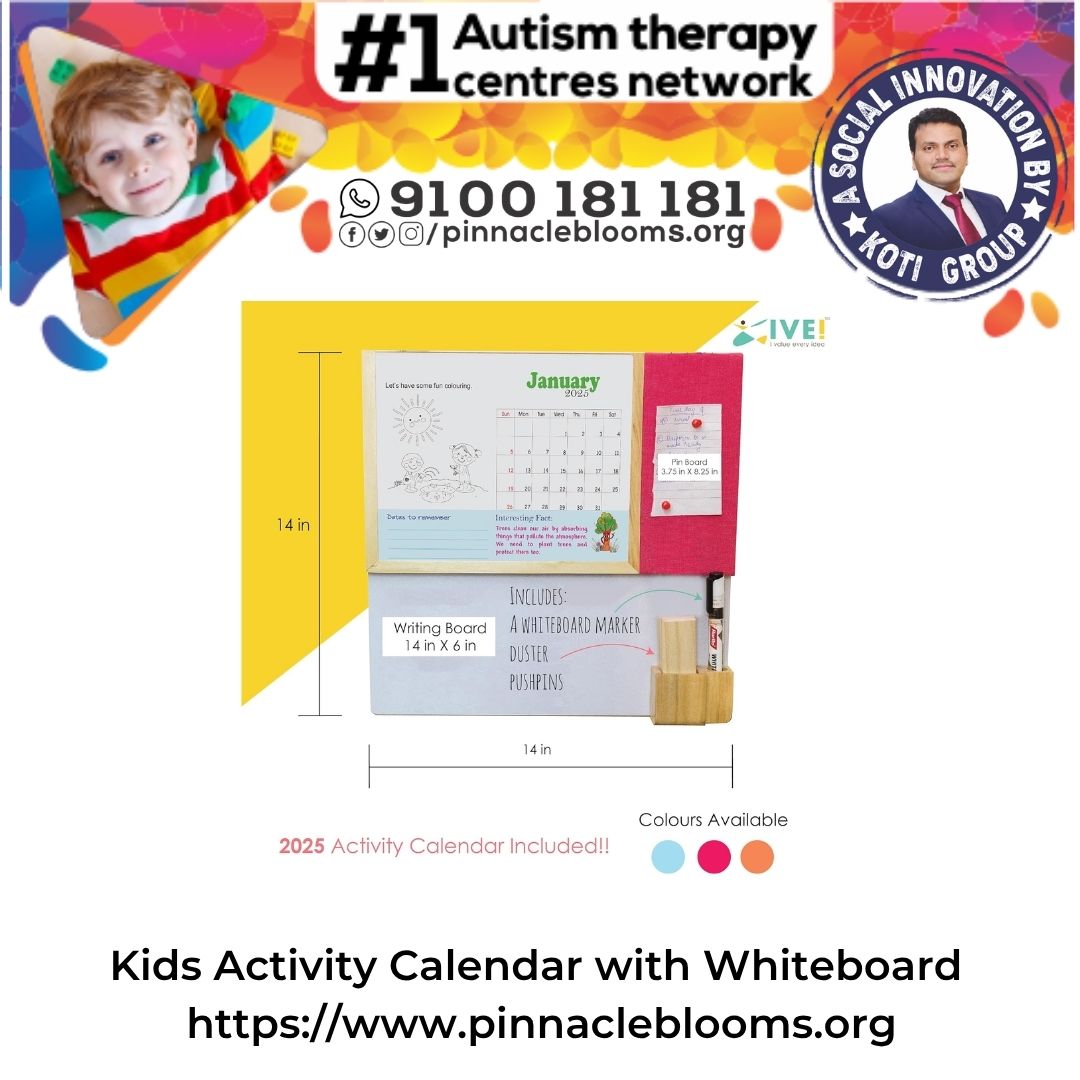
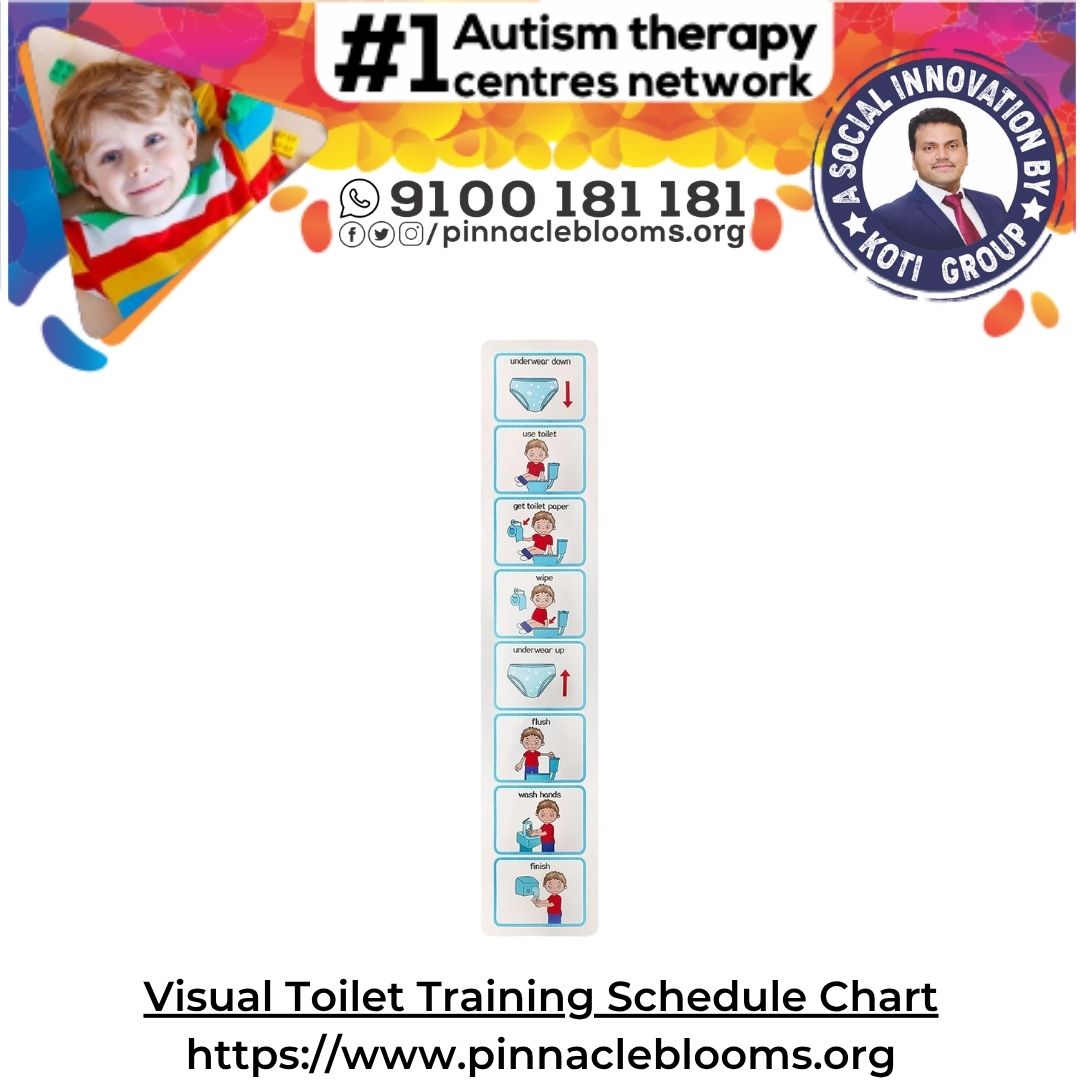
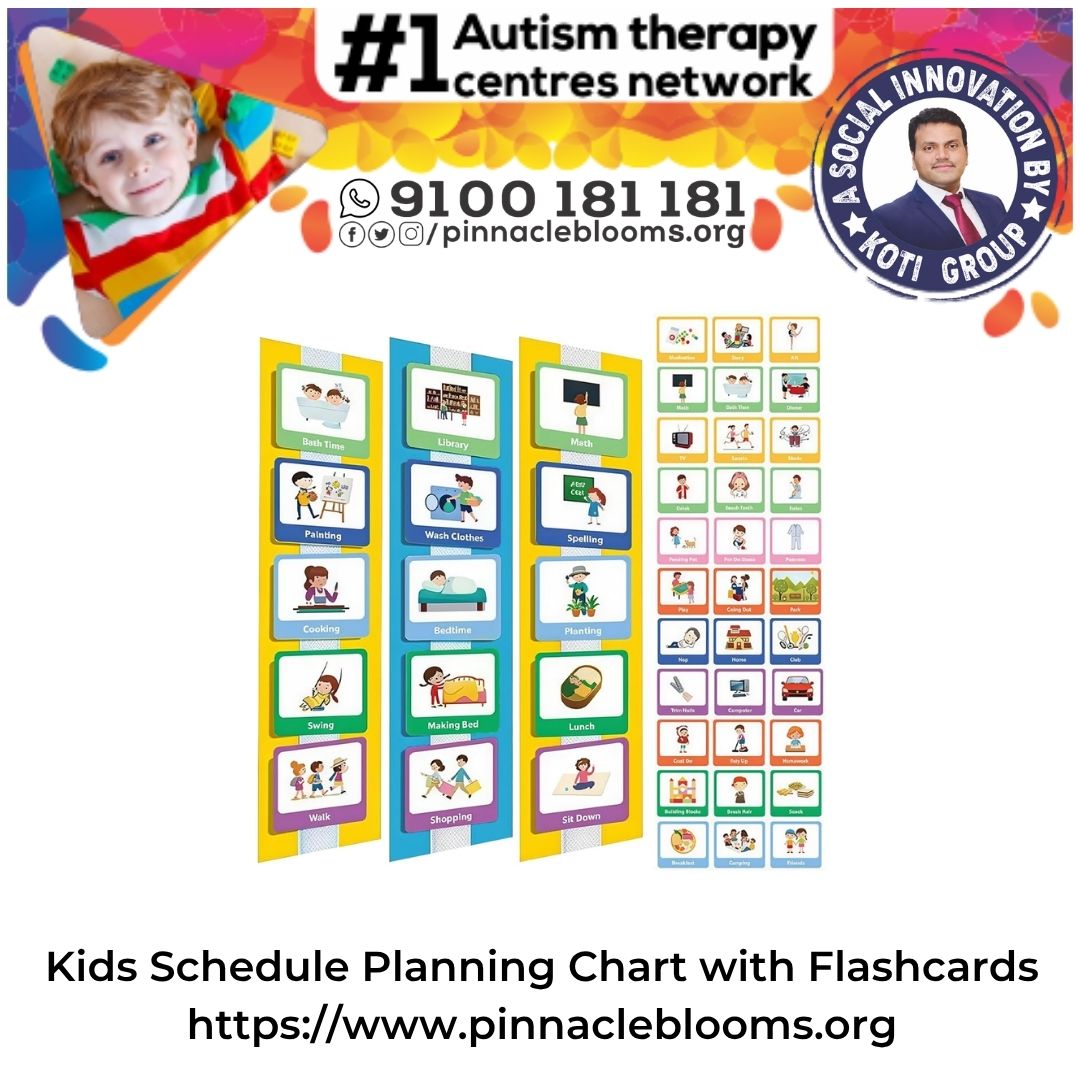
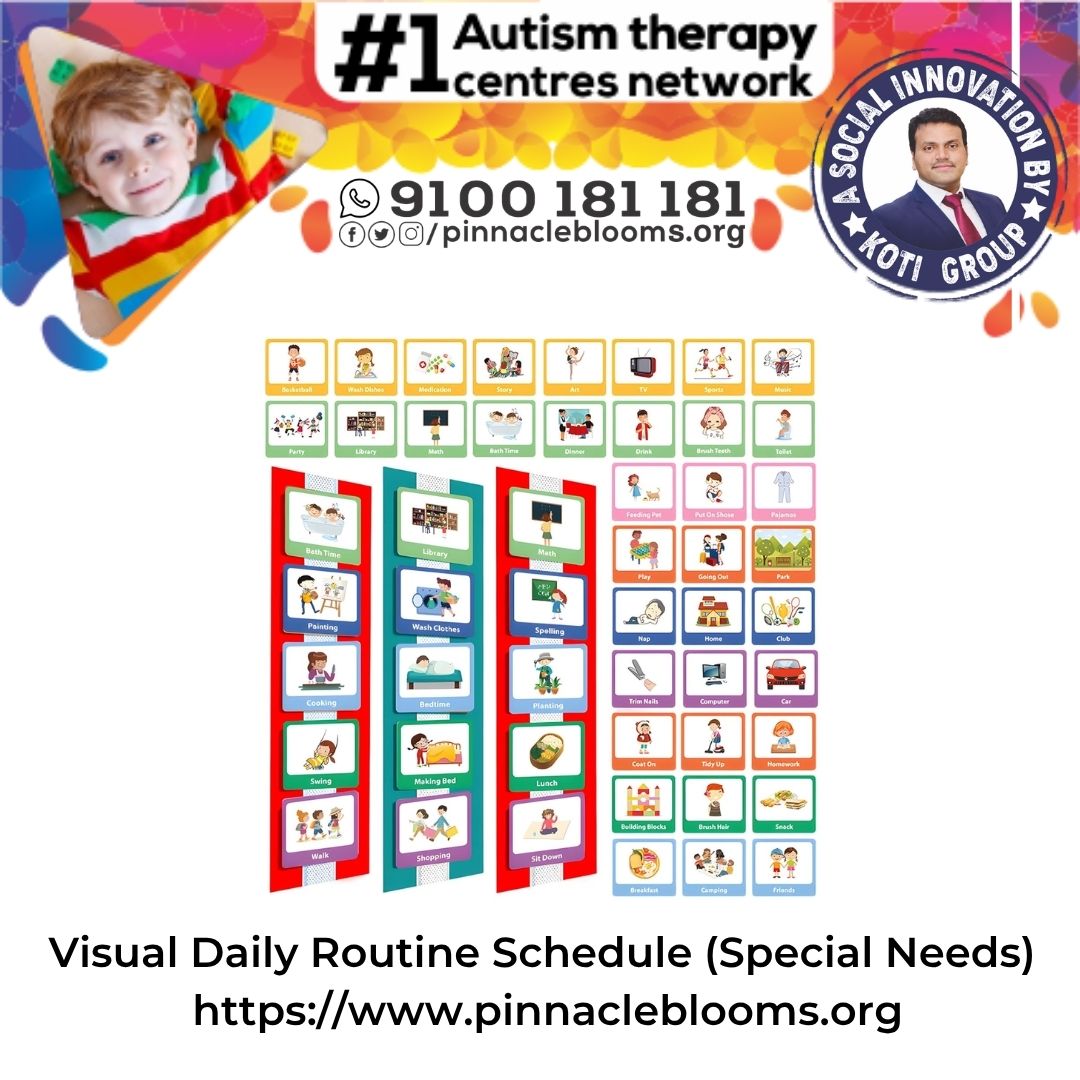
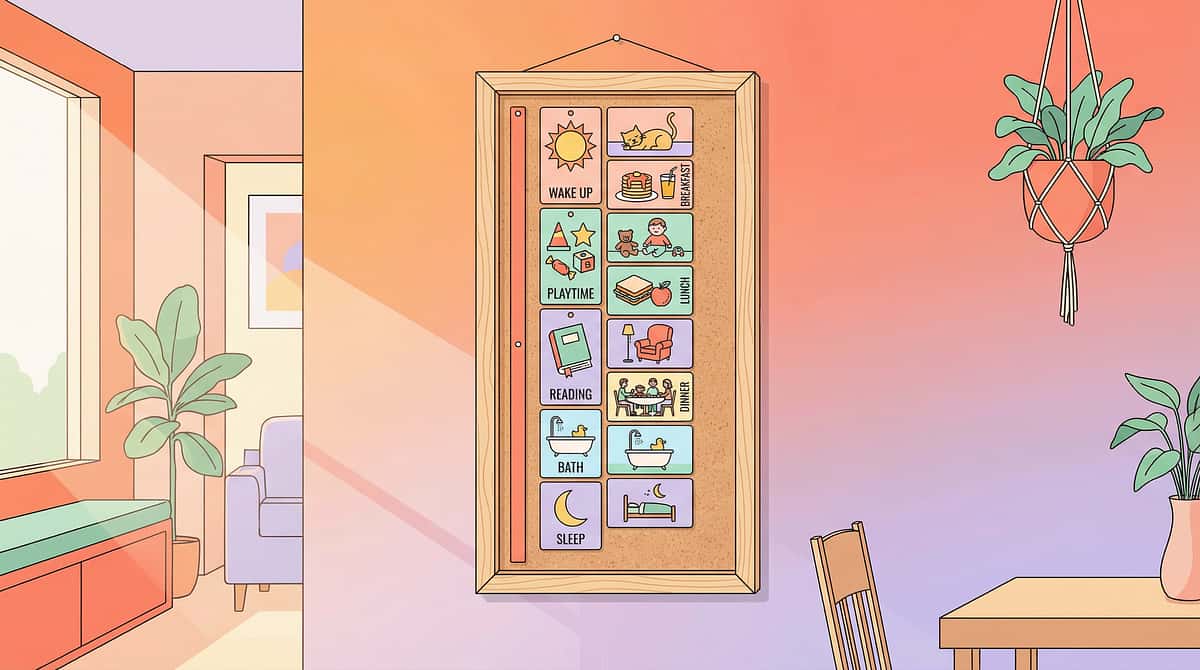
Visual schedules are the #1 environmental support for autism — making time visible, reducing anxiety, and building independence. This fundamental tool provides a visual representation of time, sequence, and expectations to create predictability throughout the day.
How it works: Visual sequence → predictable expectations → reduced anxiety → increased independence → smoother transitions. Children can see what's happening now, what's coming next, and what the entire day holds.
Target Areas
  • Predictability and routine establishment
  • Transition support between activities
  • Independence in daily living
  • Anxiety reduction through structure
  • Executive function development
  • Time concepts and understanding
Visual Schedule System: Best Practices
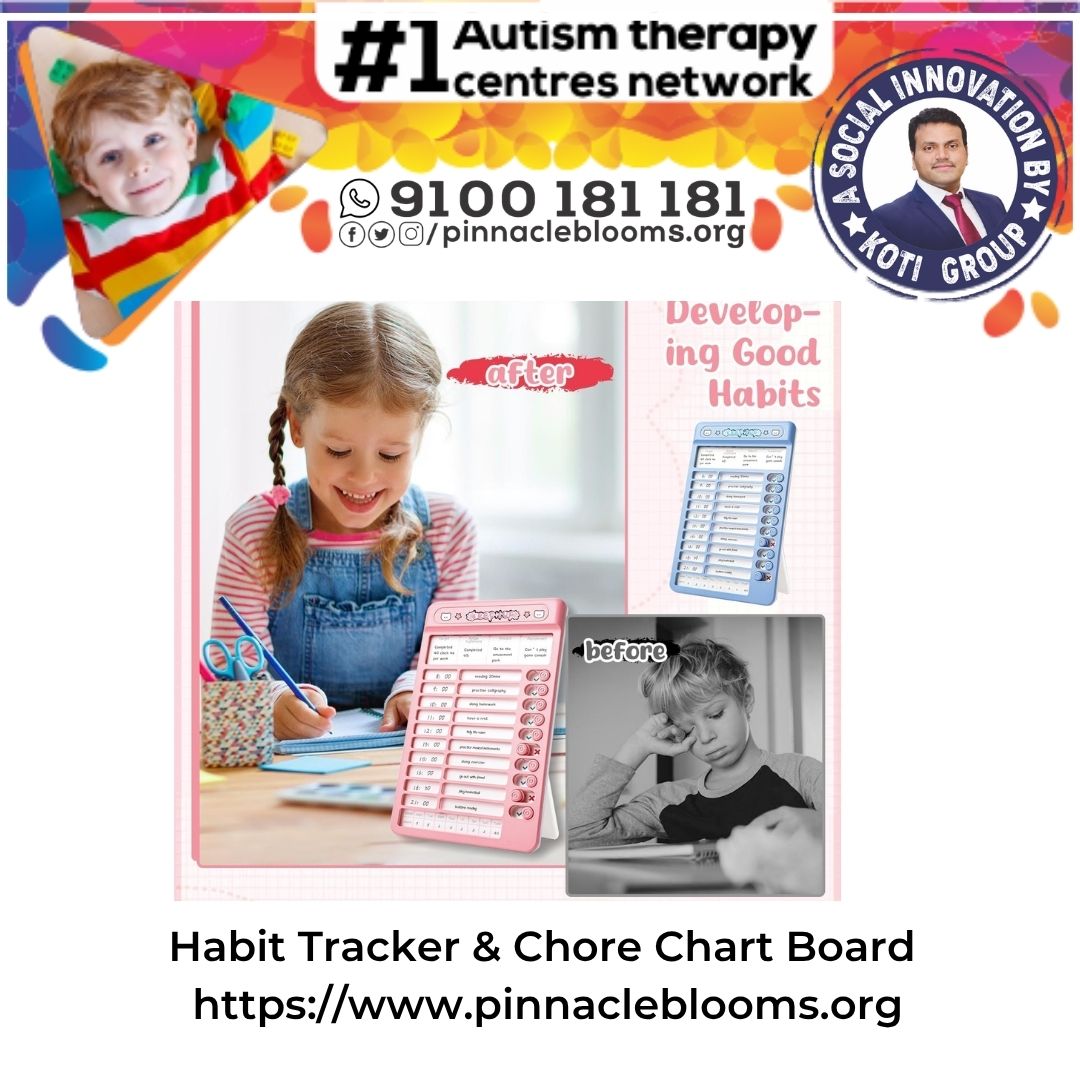
Use Real Photos
Include photos of actual activities and locations from your child's environment when possible for better recognition and connection
1
Include Transitions
Don't just show major activities — include transition times like "get in car" or "wash hands" to eliminate surprises
2
Enable Active Participation
Child checks off or physically moves completed items to "finished" section, building ownership and engagement
3
Keep Visible
Schedule must remain visible and accessible throughout the day, not hidden away in a drawer
4
Update for Changes
Review and update schedule in advance when changes occur — last-minute surprises undermine trust in the system
5
Settings: Home, School, Clinic, Community | Price Range: ₹0 - ₹1,000
Material 3.2
Core Kit Rank 1
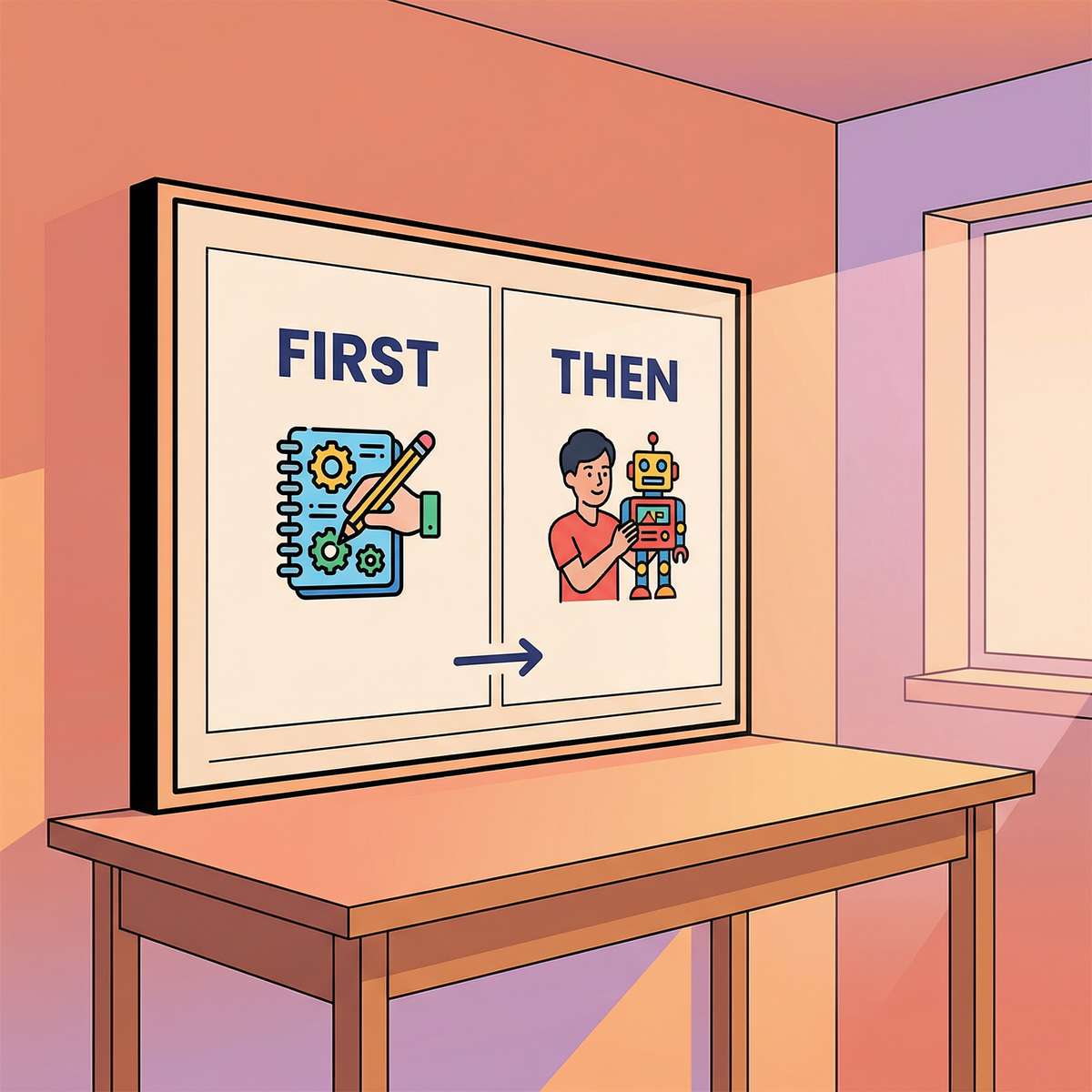
First-Then Board
visual-supports-schedules therapy material
First-Then boards create visual contracts showing work → reward contingency. This fundamental ABA tool makes the relationship between non-preferred tasks and preferred rewards concrete and visible, building motivation and compliance.
How it works: Visual contract → clear expectation → motivation from preferred item → task completion → reinforcement delivered. The child learns that completing the "first" task reliably leads to the "then" reward.
Target Areas
  • Task completion and follow-through
  • Motivation for non-preferred activities
  • Compliance with requests
  • Transition support
  • Delayed gratification skills
Critical Rule: ALWAYS deliver the "then" after "first" is complete. Consistency builds trust in the system.
First-Then Board: Implementation Guide
Always Follow Through
ALWAYS deliver the "then" after "first" is complete — this is non-negotiable for building trust
1
Keep First Achievable
Start with small, achievable "first" tasks, especially initially, to build success and confidence
2
Use True Preferences
The "then" must be something the child actually wants — not what you think they should want
3
Be Consistent
Follow through every single time — inconsistency destroys the effectiveness of the entire system
4
Gradually Increase Demands
As trust builds, gradually increase the difficulty or duration of "first" tasks
5
Settings: Home, School, Clinic, Community | Price Range: ₹0 - ₹400
Material 3.3
Core Kit Rank 1
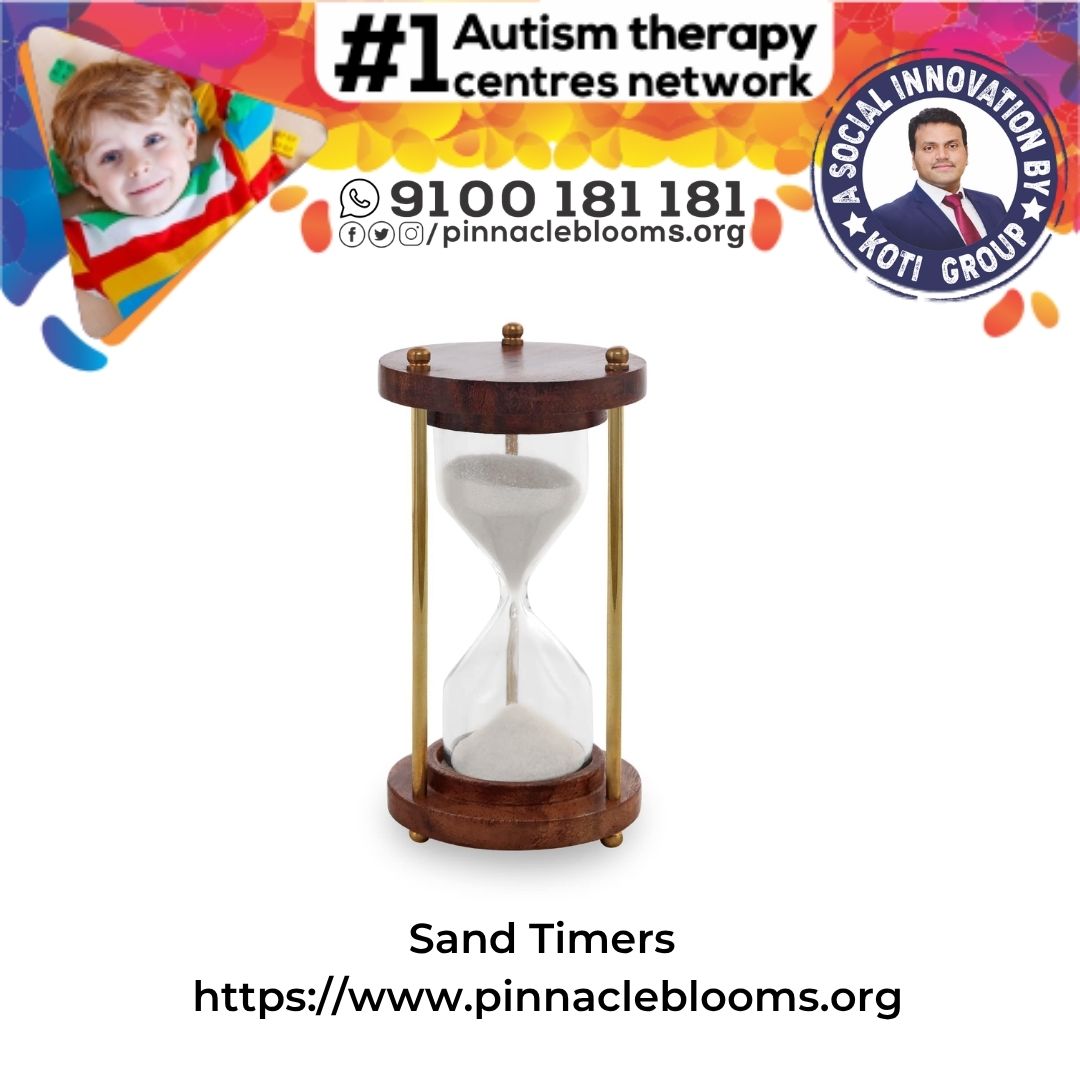
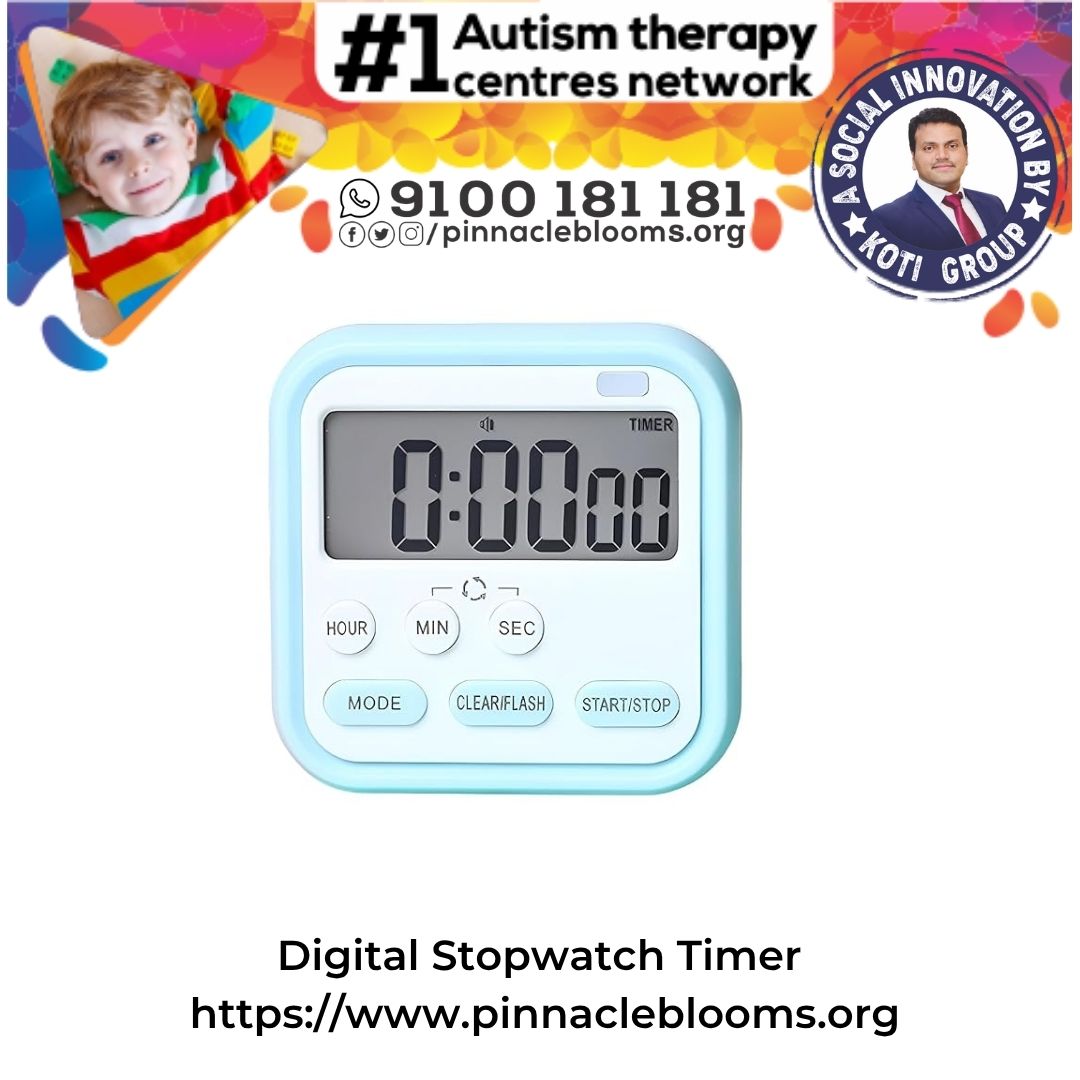
Visual Timer
Visual timers make abstract time concrete and visible, essential for transitions, waiting, and developing time concepts. Time is invisible and abstract — visual timers give it shape, color, and predictability, allowing autistic children to "see" time passing.

visual-supports-schedules therapy material
How It Works
Visual representation of time → concrete understanding → anticipation becomes possible → reduced anxiety → smoother transitions. Children can watch time decrease, preparing mentally and emotionally for what comes next.
Target Areas
  • Time concepts and understanding
  • Transitions between activities
  • Patience and waiting skills
  • Task duration management
  • Independence in time monitoring
Best Practices
Honor the timer: When time is up, the transition must happen — consistency is crucial
Give warnings: Announce before timer ends: "Timer almost done!"
Use for all activities: Use timer for both non-preferred AND preferred activities
Start short: Begin with shorter durations and gradually build up tolerance
Add verbal cues: Pair visual timer with verbal countdown for reinforcement
Settings: Home, School, Clinic, Community | Price Range: ₹100 - ₹4,000
Material 3.4
Core Kit Rank 1
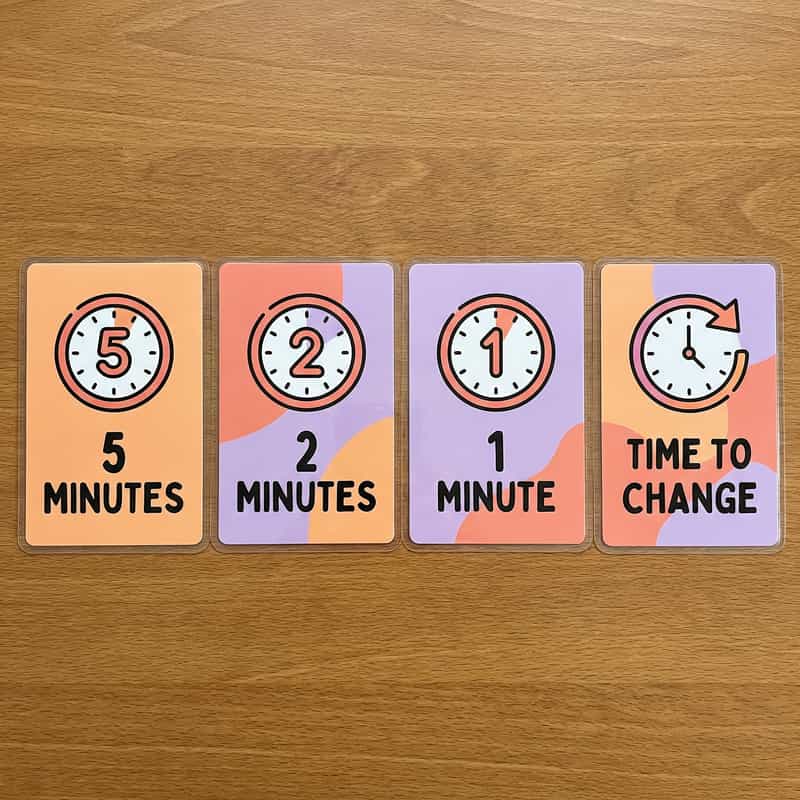
Transition Warning Cards & Cues
visual-supports-schedules therapy material
Transition warning cards provide consistent, predictable cues before changes, allowing the brain time to prepare. These simple tools are powerful meltdown prevention strategies, giving autistic children the advance notice they need to mentally and emotionally shift gears.
How it works: Warning cue → brain prepares for change → reduced surprise → less anxiety → smoother transition. The predictable sequence of warnings creates a reliable pattern the child learns to trust.
Target Areas
  • Transition support and preparation
  • Anxiety prevention before changes
  • Predictability in daily routines
  • Flexibility development
  • Self-regulation during shifts
Transition Warning Cards: Critical Success Factors
Consistent Cue = Consistent Outcome
The same warning must always mean the same thing — reliability builds trust and cooperation
Predictable Intervals
Give warnings at consistent intervals: typically 5 minutes, 2 minutes, and "all done"
Pair with Visual Timer
When possible, use transition cards alongside a visual timer for dual reinforcement
Always Follow Through
Transition MUST happen after warnings are given — warnings without follow-through lose all meaning
Use Across Environments
Same warnings should be used at home, school, therapy, and community settings for maximum consistency
Settings: Home, School, Clinic, Community | Price Range: ₹0 - ₹500
Material 3.5
Core Kit Rank 1
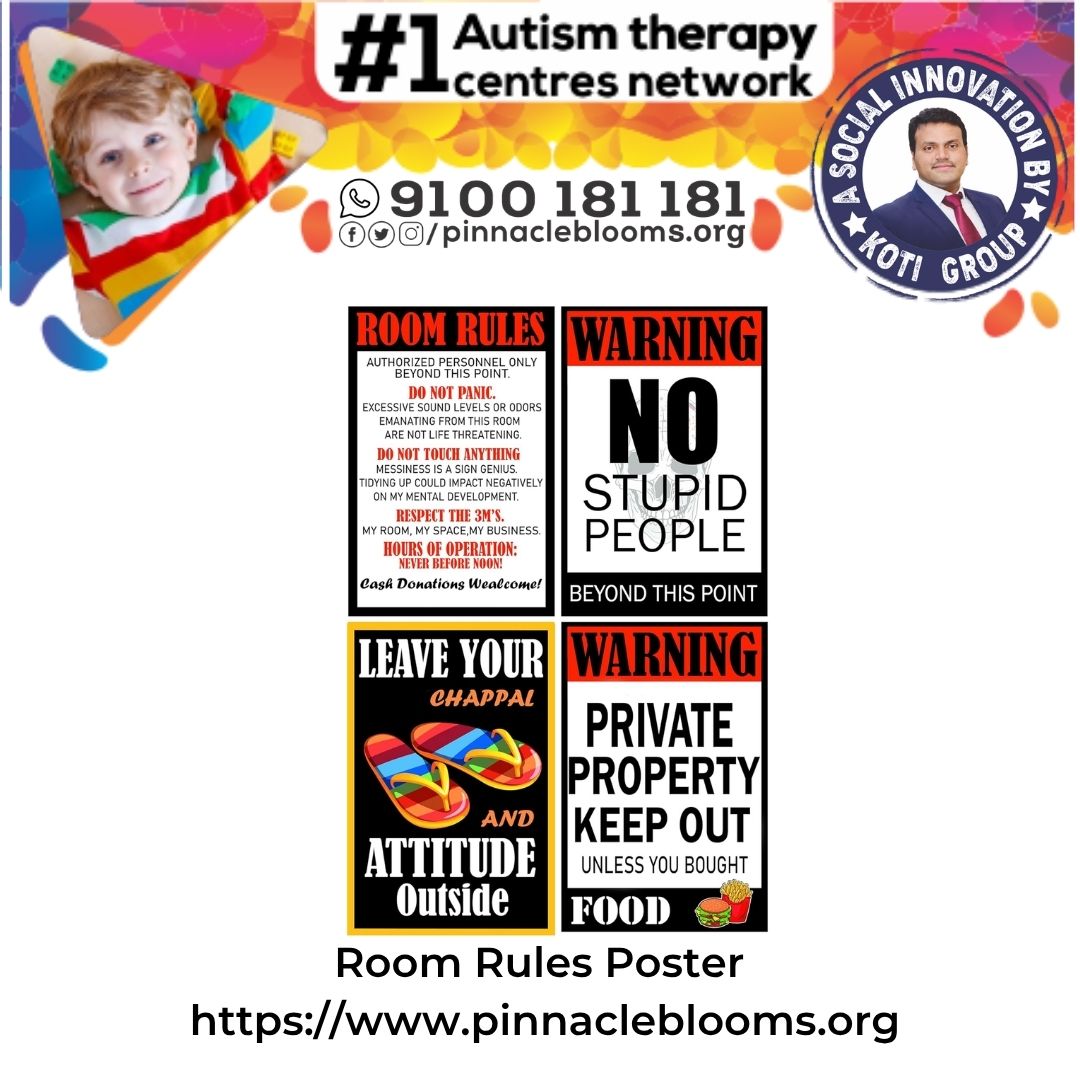
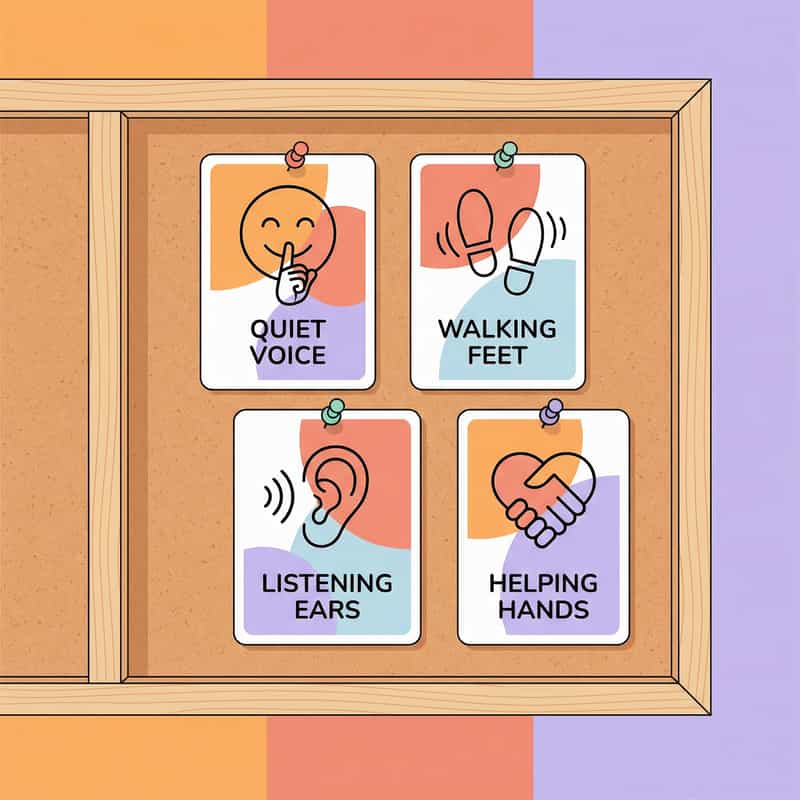
Visual Rules & Expectations Cards
visual-supports-schedules therapy material
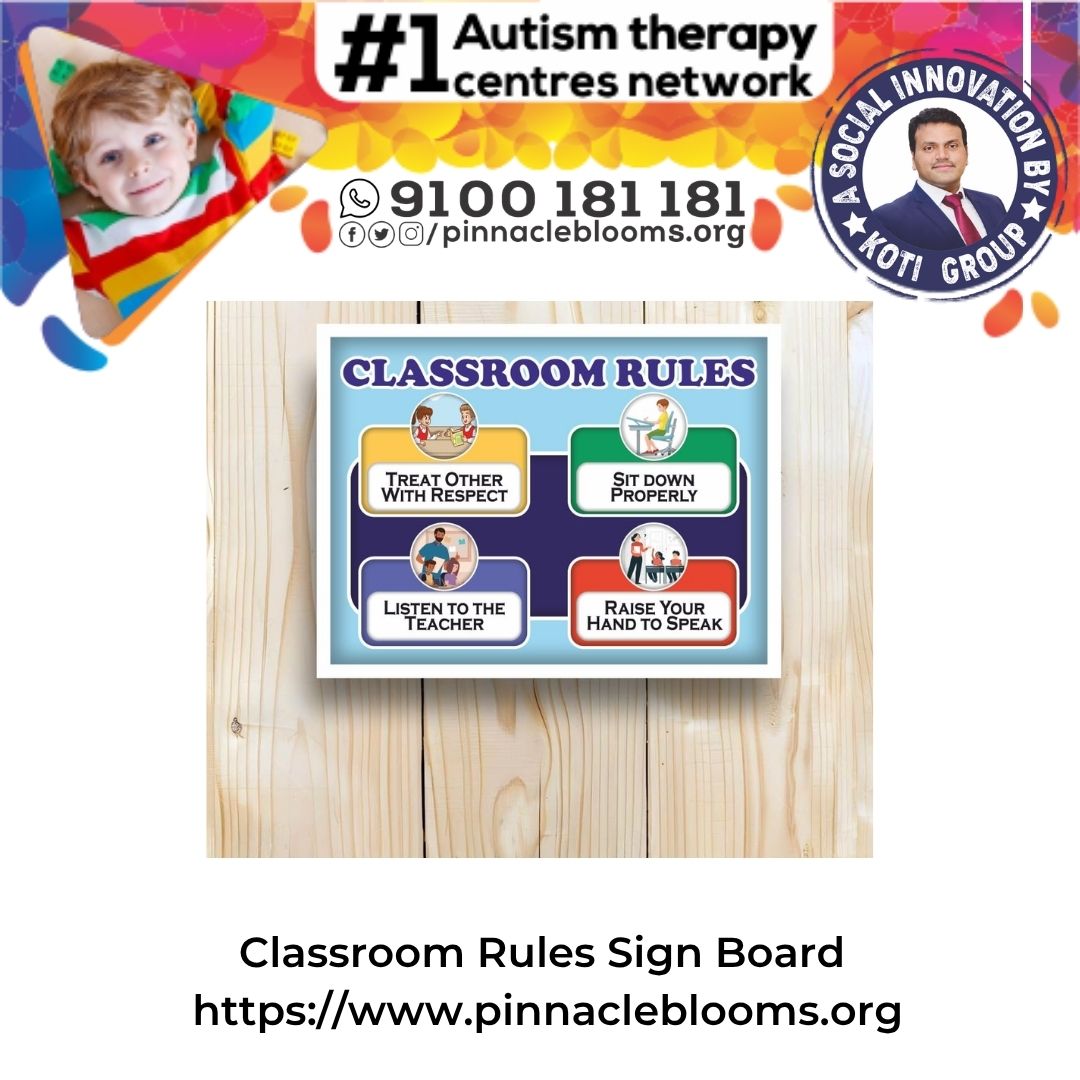
Visual rules make implicit behavioral expectations explicit and concrete, essential for children who miss "unwritten rules" that neurotypical children absorb naturally. These tools clarify what's expected in different environments and situations.
How it works: Visual rule → clear expectation → reduced ambiguity → decreased anxiety → improved compliance. When children know exactly what's expected, they can meet those expectations more successfully.
Target Areas
  • Behavioral expectations clarity
  • Social rules understanding
  • Self-monitoring abilities
  • Anxiety reduction through clarity
  • Independence in following rules
Visual Rules: Design & Implementation
State Rules Positively
Show what TO do, not just what not to do: "Walking feet" instead of "No running"
1
Keep Rules Simple
Maximum 3-5 rules per environment — too many rules overwhelm and reduce effectiveness
2
Include Pictures
Combine pictures or icons with text for visual reinforcement and comprehension
3
Review Proactively
Review rules BEFORE entering the situation, not during or after a problem occurs
4
Post Visibly
Display rules in visible, relevant locations at child's eye level where they can reference them independently
5
Settings: Home, School, Clinic, Community | Price Range: ₹0 - ₹400
Creating an Integrated Visual Support System
While each visual support material works independently, they're most powerful when used together as an integrated system. The visual schedule provides overall structure, timers make durations concrete, transition warnings prepare for changes, first-then boards motivate task completion, and visual rules clarify expectations.
System Integration Benefits
  • Multiple reinforcement of the same concepts
  • Redundancy reduces anxiety and confusion
  • Children can reference multiple supports simultaneously
  • System works even if one component fails
  • Comprehensive coverage of daily challenges
Implementation Sequence
Start with the visual schedule as your foundation. Once established, add first-then boards for motivation, then layer in timers and transition warnings. Finally, introduce visual rules as needed for specific situations.
Don't try to implement everything at once — introduce one tool at a time, allowing the child to become comfortable before adding the next layer.
Common Implementation Challenges
Child Ignores Visuals
Solution: Ensure visuals are at eye level, use actual photos of YOUR activities, and actively reference them together rather than expecting independent use initially. Build engagement through participation.
Inconsistent Use Across Settings
Solution: Create portable versions for travel, share photos of home visuals with school, and train all caregivers on the same system. Consistency is crucial for effectiveness.
Child Becomes Rigid About Schedule
Solution: This is actually progress! Gradually introduce "surprise" or "flexible choice" cards in the schedule to build tolerance for changes within the structure.
Visuals Become Outdated
Solution: Schedule monthly reviews, keep extra blank cards/pictures ready, and involve child in updating process. Dynamic visuals stay relevant and useful.

Evidence Base & Research Support
Visual supports have one of the strongest evidence bases in autism intervention. Research consistently demonstrates significant improvements in independence, anxiety reduction, task completion, and behavioral regulation when visual supports are implemented systematically.
The TEACCH method, developed at the University of North Carolina, pioneered structured teaching using visual supports and has over 40 years of research validation. Applied Behavior Analysis (ABA) incorporates visual supports as a core strategy for skill building and behavior management.
85%
Reduction in Transition Difficulties
When visual schedules and warnings are used consistently
70%
Increase in Independent Task Completion
With systematic use of visual supports across settings
92%
Parents Report Reduced Daily Stress
When implementing comprehensive visual support systems
Pinnacle Blooms Network®
Built by Mothers. Engineered as a System.
Pinnacle is the execution layer of GPT-OS® — delivering therapy, daily programs, digital continuity, and marketplace access at population scale.
Pediatric Therapeutic OTT Platform
On-demand therapy guidance and EverydayTherapyProgramme™ delivery
Hyperlocal Therapeutic Marketplace
Connects families to verified therapists and resources
Center Network Execution
70+ physical centers operating under GPT-OS® standards
21M+
Exclusive 1:1 Sessions
Across converged therapy disciplines
97%
Measured Improvement
Across one or more readiness indexes
70+
Centers Operating
Under single clinical system
Get Support & Resources
FREE National Autism Helpline
Expert guidance available in 16+ languages for families navigating autism support and therapeutic resources.
Contact Information
Website: pinnacleblooms.org
Email: care@pinnacleblooms.org
Materials Library: materials.pinnacleblooms.org
Request AbilityScore® Assessment
Comprehensive evaluation mapped to your child's readiness needs and developmental profile.
Statutory Identifiers
CIN: U74999TG2016PTC113063 • DPIIT: DIPP8651 (Govt. of India) • MSME: Udyog Aadhaar TS20F0009606 • GSTIN: 36AAGCB9722P1Z2
Link copied!
Important Medical Disclaimer

Educational Content Only: This content is educational and informational in nature. It does not replace assessment, diagnosis, or treatment planning by a licensed special educator, behavior specialist, occupational therapist, or other qualified healthcare professional.
Consult Qualified Professionals: If you're concerned about your child's need for visual supports or have questions about implementation, please consult a qualified professional who can assess your child's individual needs and create a personalized intervention plan.
Individual Results Vary: Individual results may vary based on the child's specific needs, abilities, developmental level, and consistency of implementation. Statistics represent aggregate outcomes across the Pinnacle Blooms Network. Visual supports should be individualized based on comprehensive professional assessment.
No Medical Advice: This material does not constitute medical advice and should not be used as a substitute for professional medical consultation, diagnosis, or treatment.

© 2025 Pinnacle Blooms Network®, unit of Bharath Healthcare Laboratories Pvt. Ltd. All rights reserved. Version 1.0 | Last Updated: January 27, 2025 | Category 3: Visual Supports & Schedules