

















Tool ID: 3.1
Tool ID: 3.1
SpEd + ABA/BCBA
Strong Evidence
Rank #1
Constant Use
₹0–1,000
Visual Schedule System
Temporal organization and predictability system
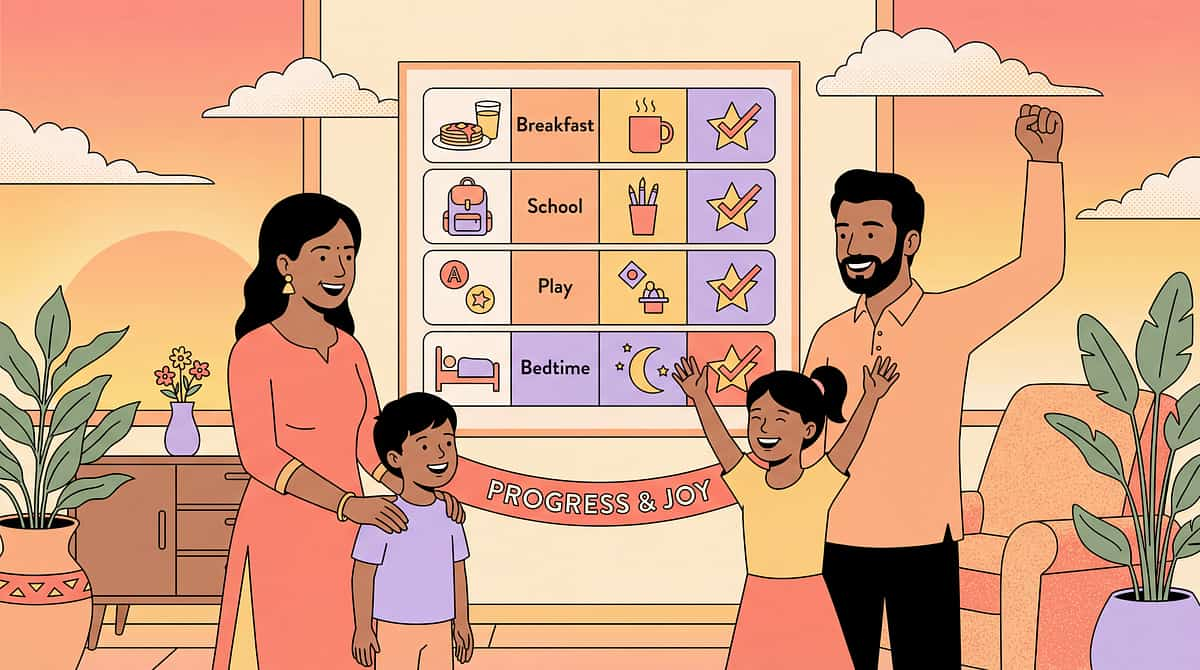
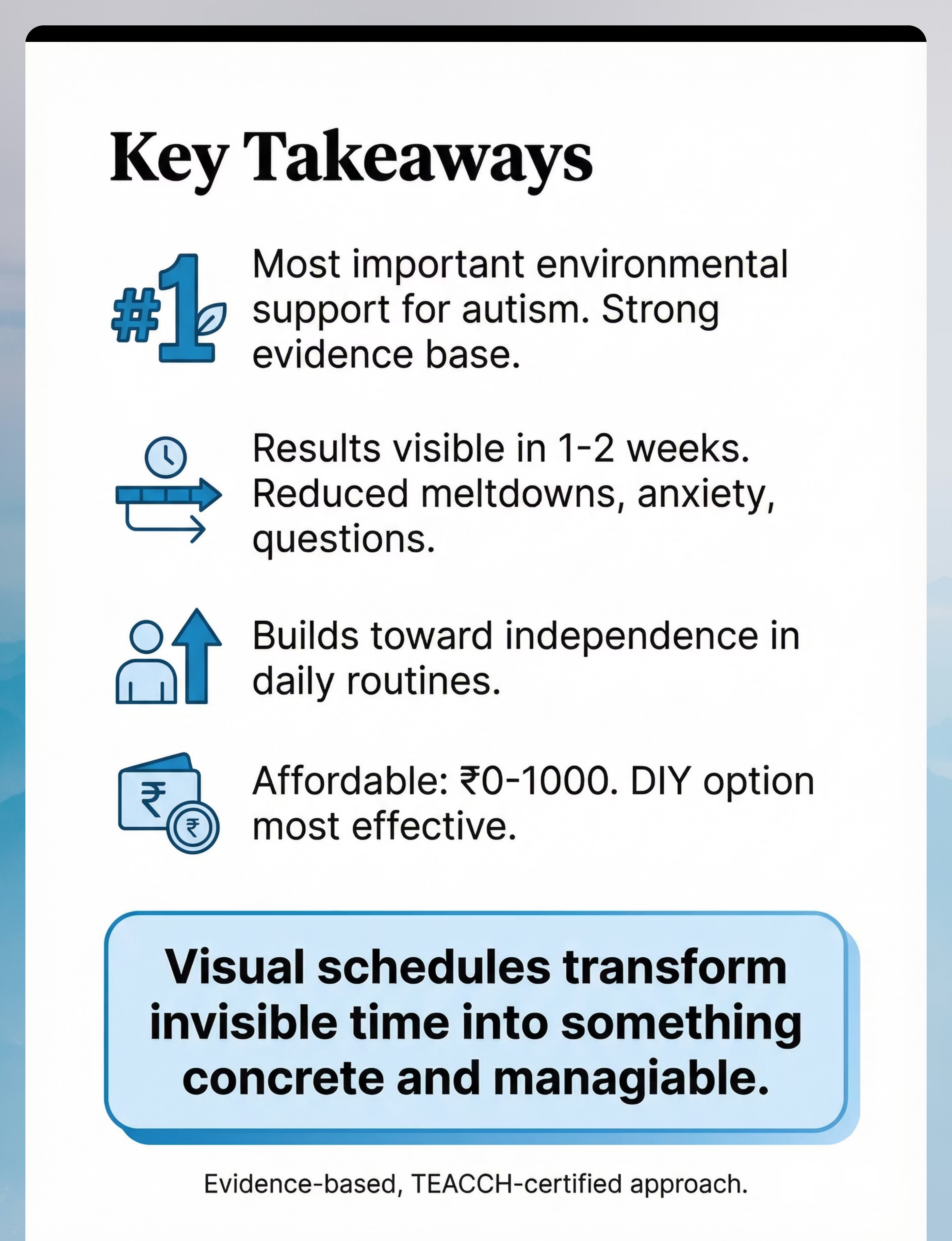
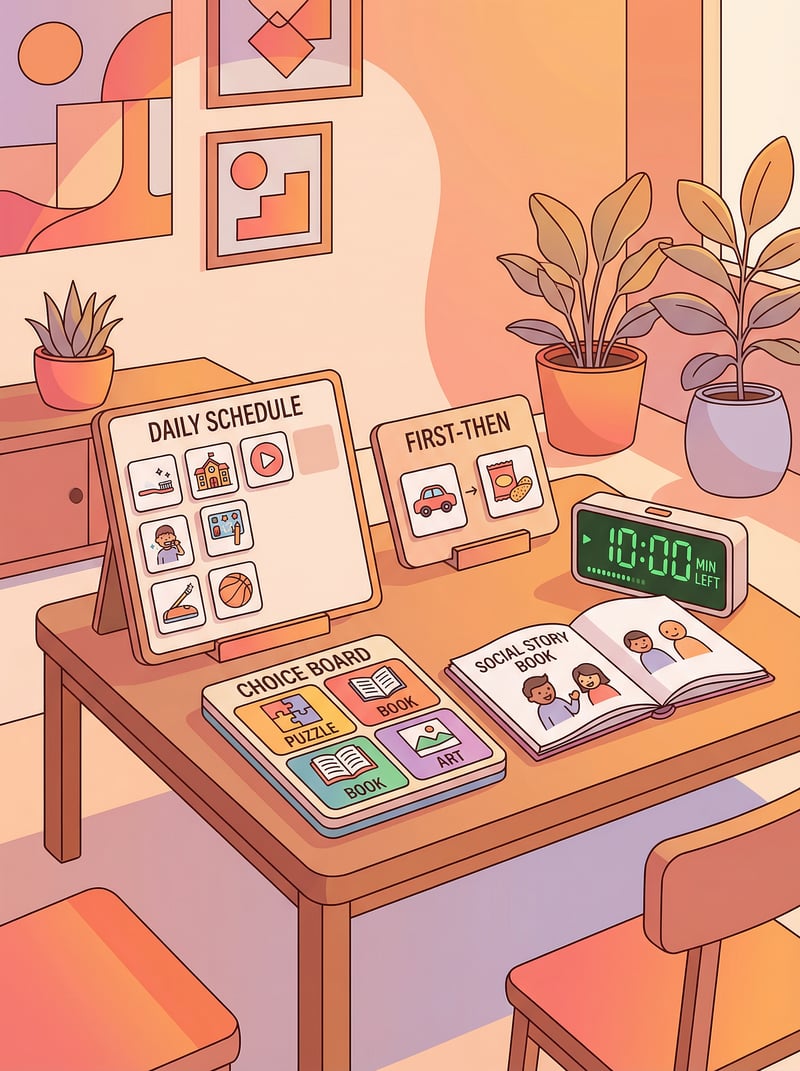
Transform chaos into calm by making time visible. Visual schedules are the #1 environmental support for children with autism—creating predictability, reducing anxiety, and building independence throughout every moment of the day.
Who This Helps
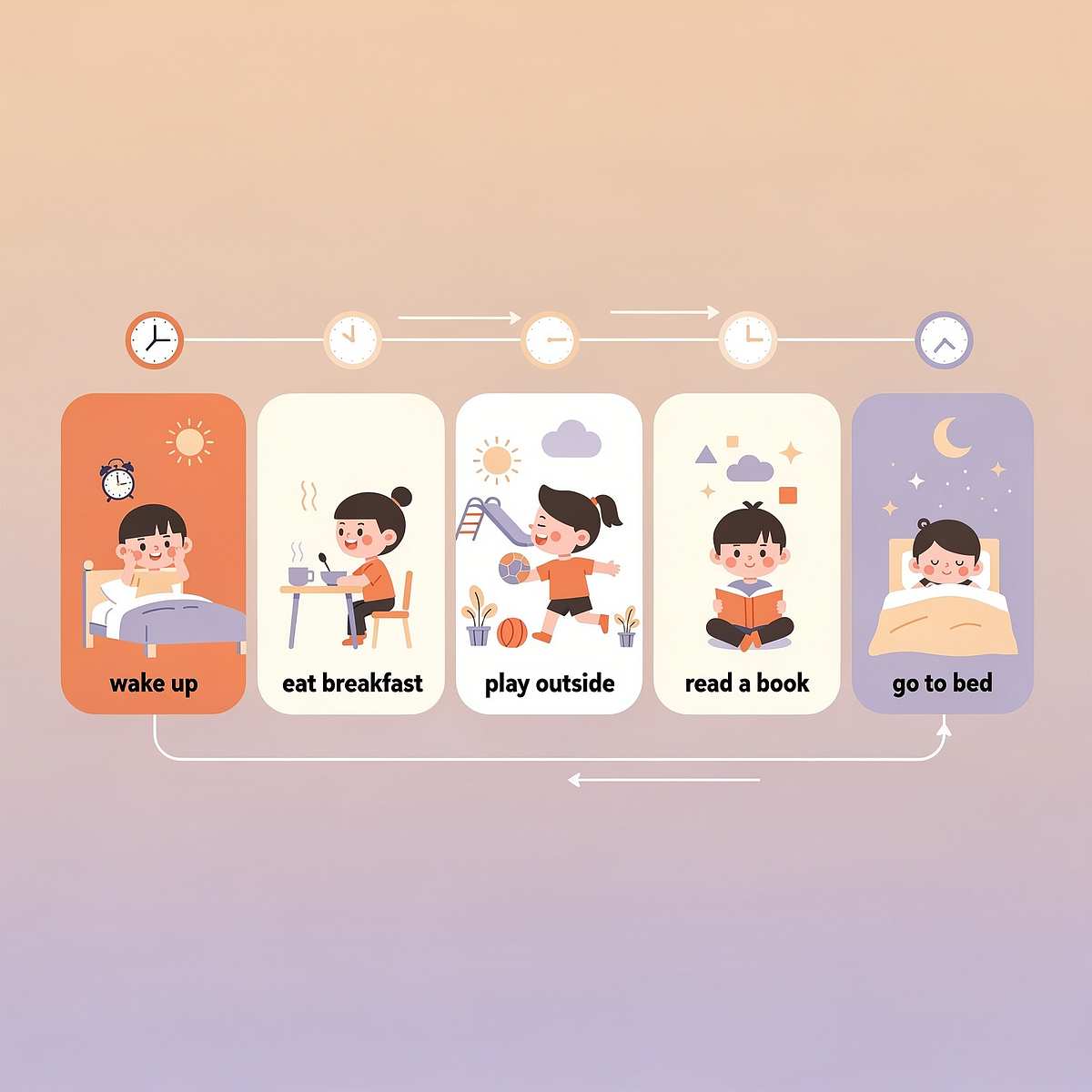
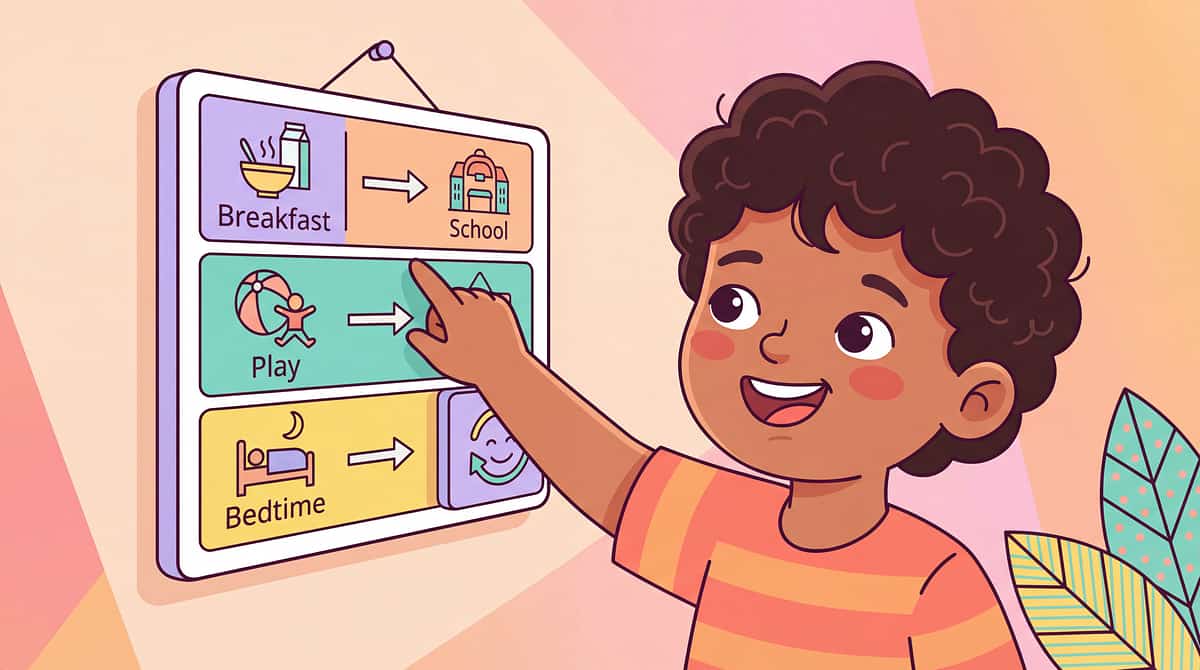
Visual schedules provide visual representation of time, sequence, and expectations to create predictability—helping children understand what's happening now and what comes next.
Predictability
Transition Support
Independence
Anxiety Reduction
Executive Function
Time Concepts
Ages: 18 months – 9 years (and beyond)
Home
School
Clinic
Community
Best for children who struggle with transitions
When every change feels like a battle and uncertainty triggers meltdowns
Best for reducing constant questioning
When "what's next?" becomes an endless loop of anxiety
Best for building routine independence
When children need constant verbal prompting for daily activities
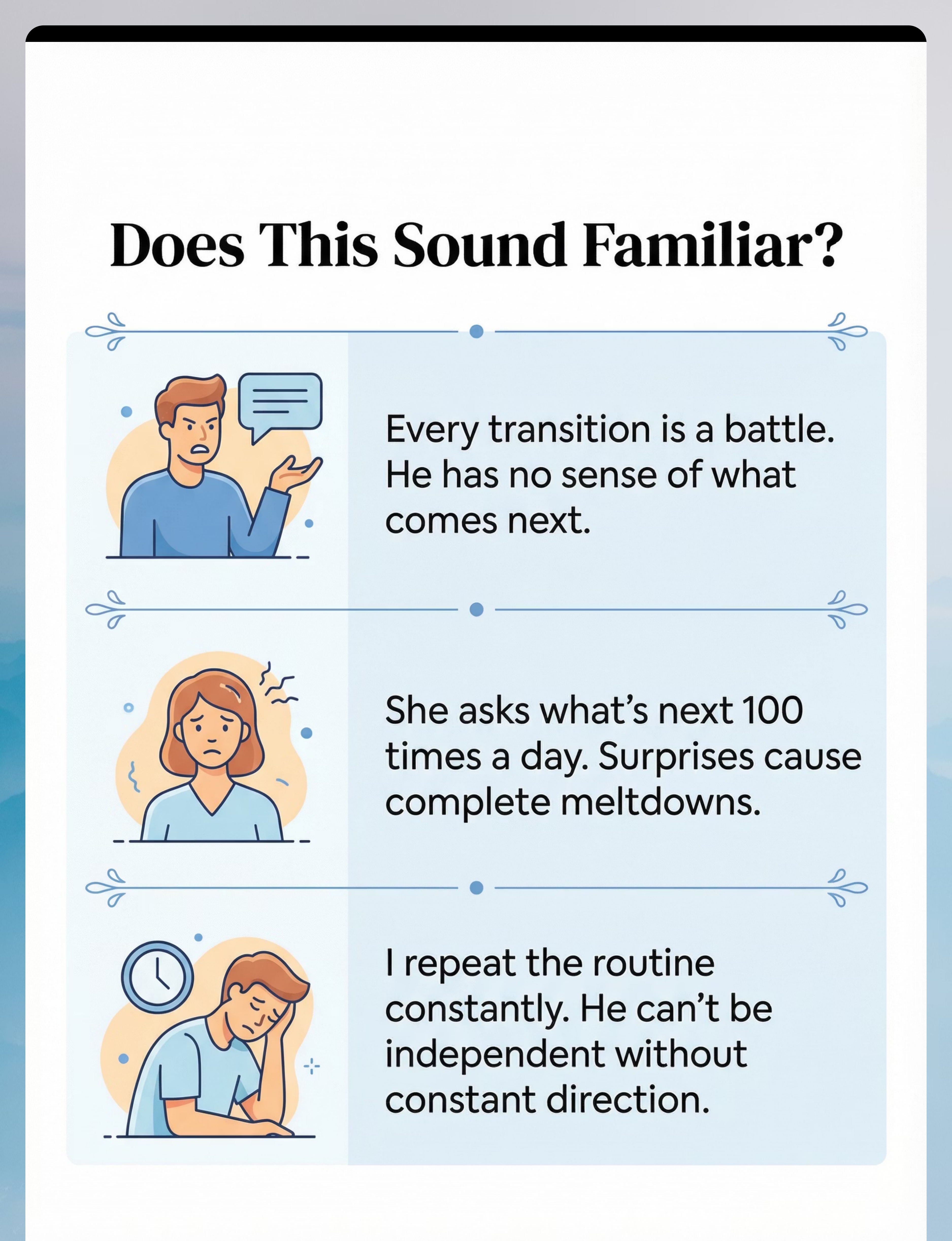
Does This Sound Familiar?
"Every transition is a battle—even simple ones like stopping play for dinner trigger complete meltdowns."
"He has no sense of what comes next. I have to explain the routine over and over, and he still doesn't seem to understand."
"She asks 'what's next' 100 times a day. No matter how many times I answer, the anxiety doesn't go away."
"Surprises cause complete meltdowns—even happy surprises. He needs everything to be exactly as expected."
"I have to repeat the routine constantly. 'Brush teeth, get dressed, eat breakfast'—over and over like a broken record."
"He can't be independent at all. Every single step needs constant direction and supervision."
You're not alone. These are common challenges that thousands of families face every day. Visual schedules transform these struggles into manageable, predictable routines.
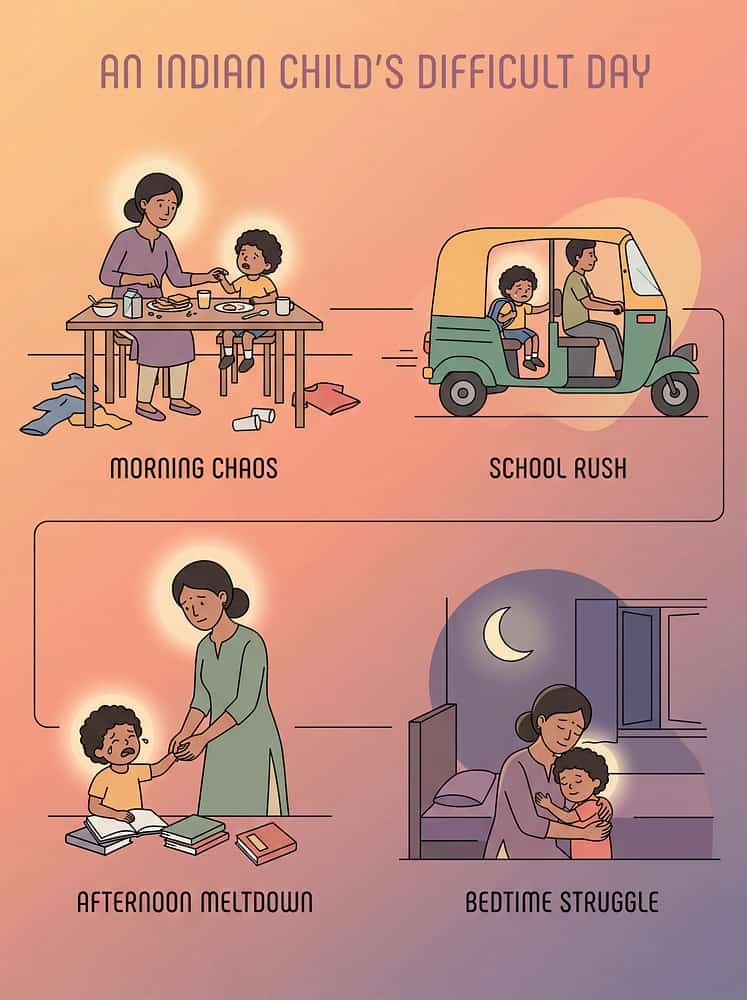
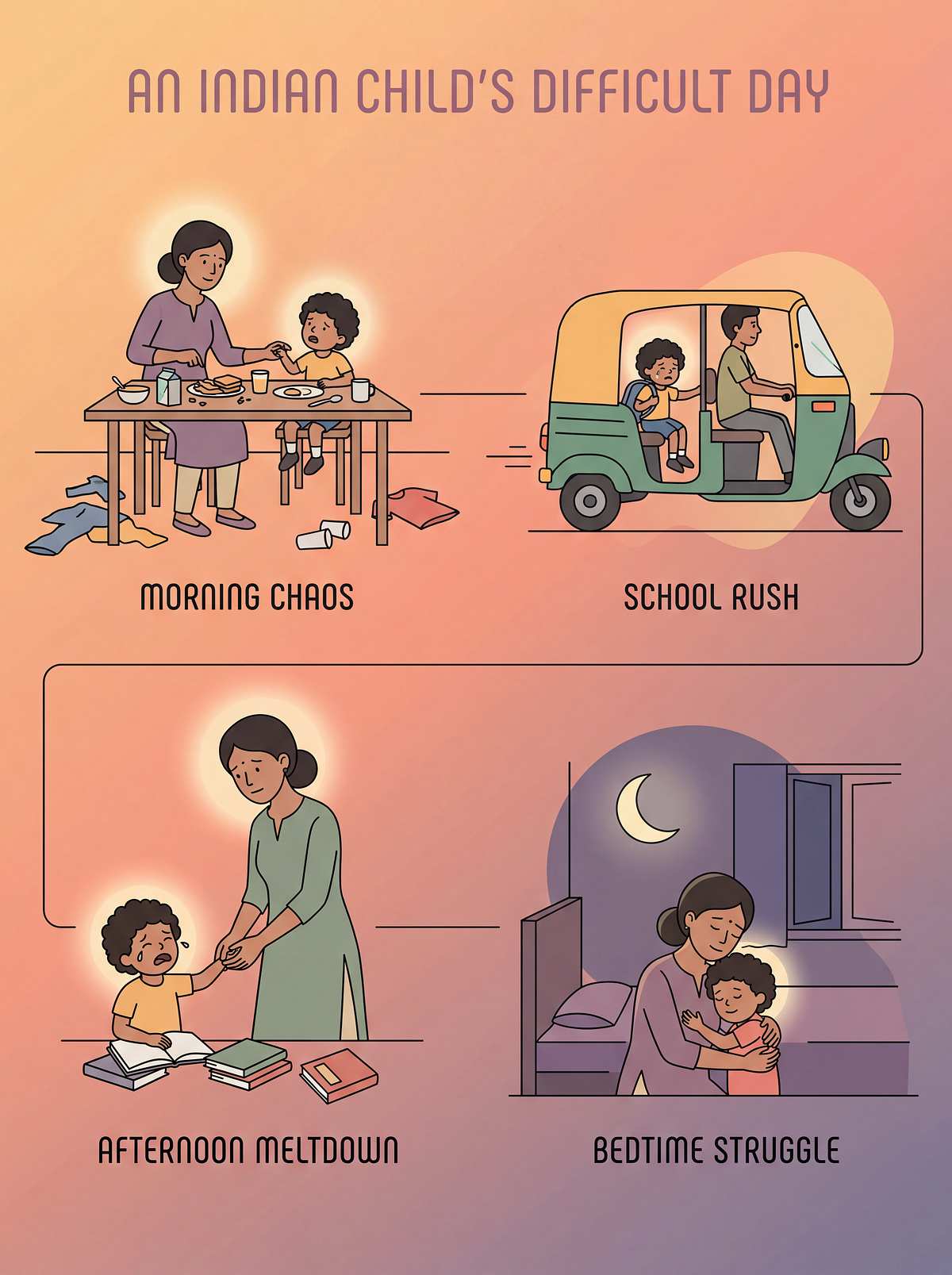
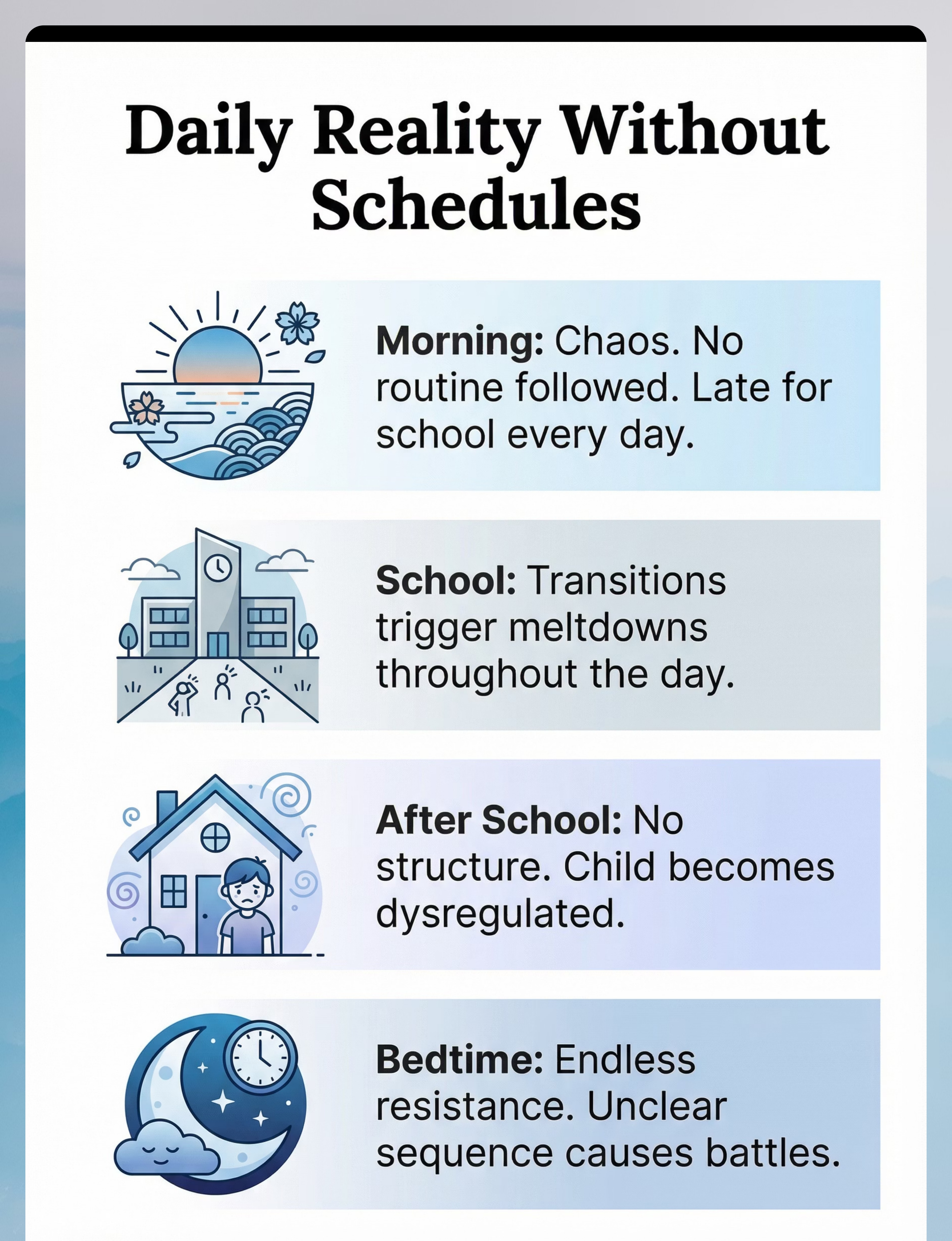
A Day Without the Right Support
Morning Chaos
No routine followed. Constant battles. Late for school every single day. Exhaustion before 8 AM.
School Transitions
Every activity change triggers meltdowns. Teachers struggle. Child dysregulated. Learning impossible.
After School
No structure. Completely dysregulated. Anxiety about what's happening next. Constant questioning.
Bedtime Resistance
Endless resistance. Unclear sequence. Battles until everyone is exhausted. Sleep delayed by hours.
Without visual support, every transition feels like navigating in the dark—unpredictable, anxiety-provoking, and exhausting for everyone involved.
The Science Behind It
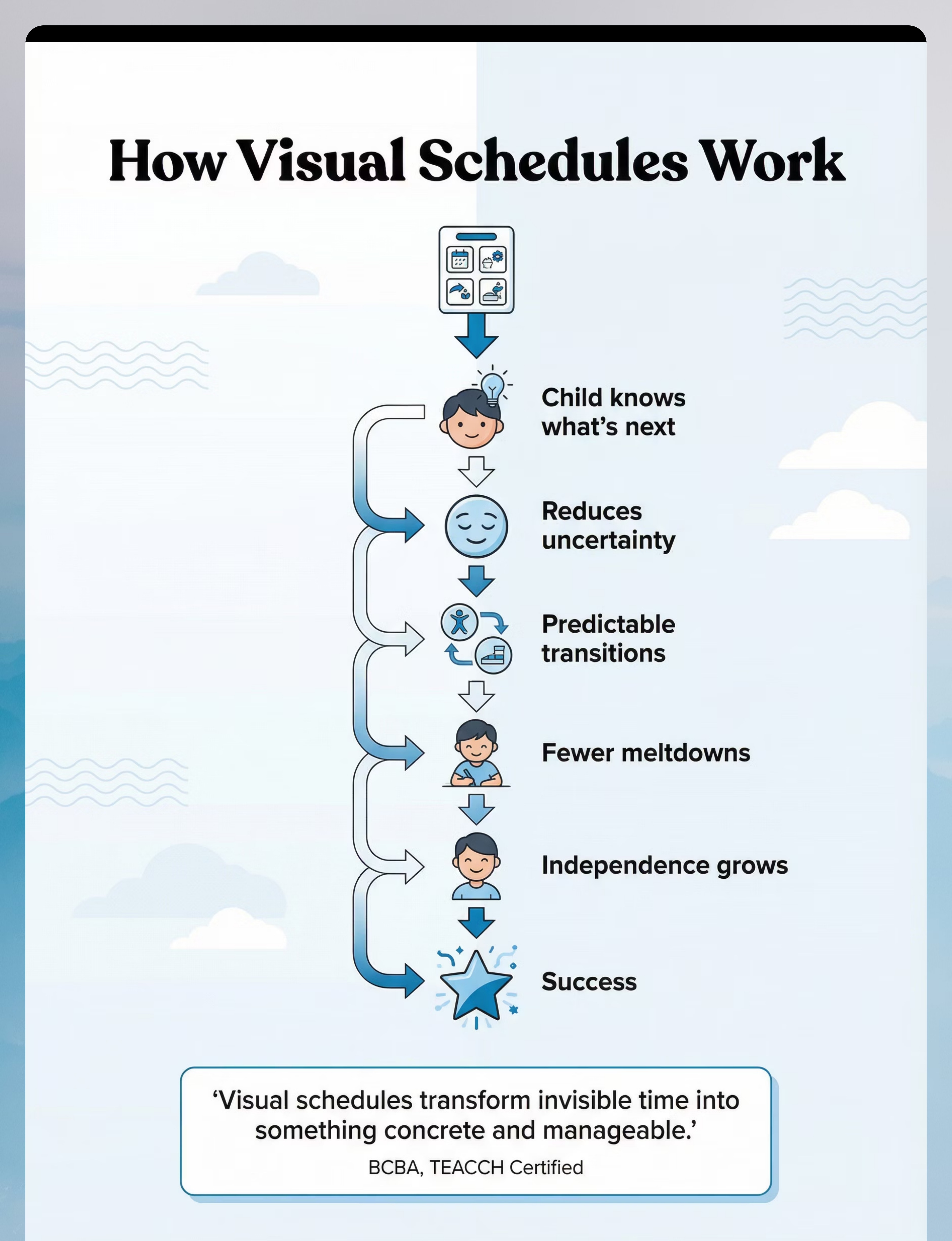
Visual schedules work because they transform the invisible flow of time into something concrete and manageable. Here's the proven mechanism:
Visual Sequence
Child sees what's happening now and what comes next in concrete visual form
Understanding
Brain processes visual information more easily than verbal—reducing cognitive load
Reduced Uncertainty
Knowing what's coming eliminates anxiety about the unknown—predictability creates safety
Smooth Transitions
Mental preparation time leads to cooperation—fewer meltdowns, more independence
Targets: Predictability
Targets: Transition Support
Targets: Independence
Targets: Anxiety Reduction
Targets: Executive Function
Targets: Time Concepts
How to Use It Right
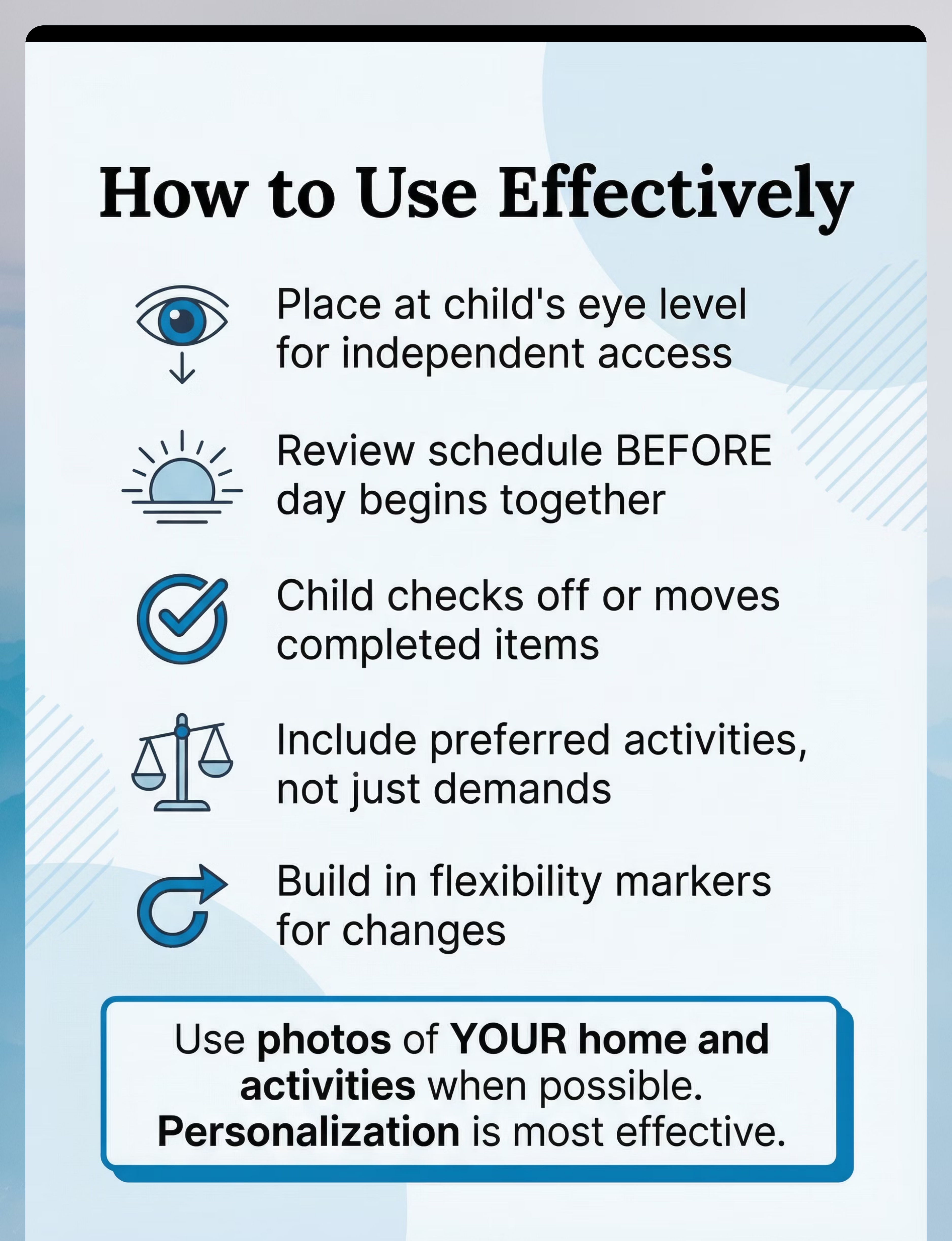
Use real photos when possible
Photos of actual activities and locations from YOUR home are most effective—children recognize familiar settings immediately
Include transitions, not just activities
Show the "getting ready to go" and "clean up" moments—these in-between times trigger most challenges
Child checks off completed items
Active participation builds ownership—moving cards or checking boxes creates engagement and satisfaction
Review schedule BEFORE day begins
Morning preview prepares mind for entire day—reduces anxiety and repeated questioning throughout
Include preferred activities
Balance demands with enjoyable moments—schedule shouldn't feel like endless work
Build in flexibility markers
Use "surprise" or "?" cards to practice handling changes—gradually improves flexibility skills

Duration: Ongoing—becomes embedded in daily life. Constant use throughout the day is key to success.
Trusted by Experts
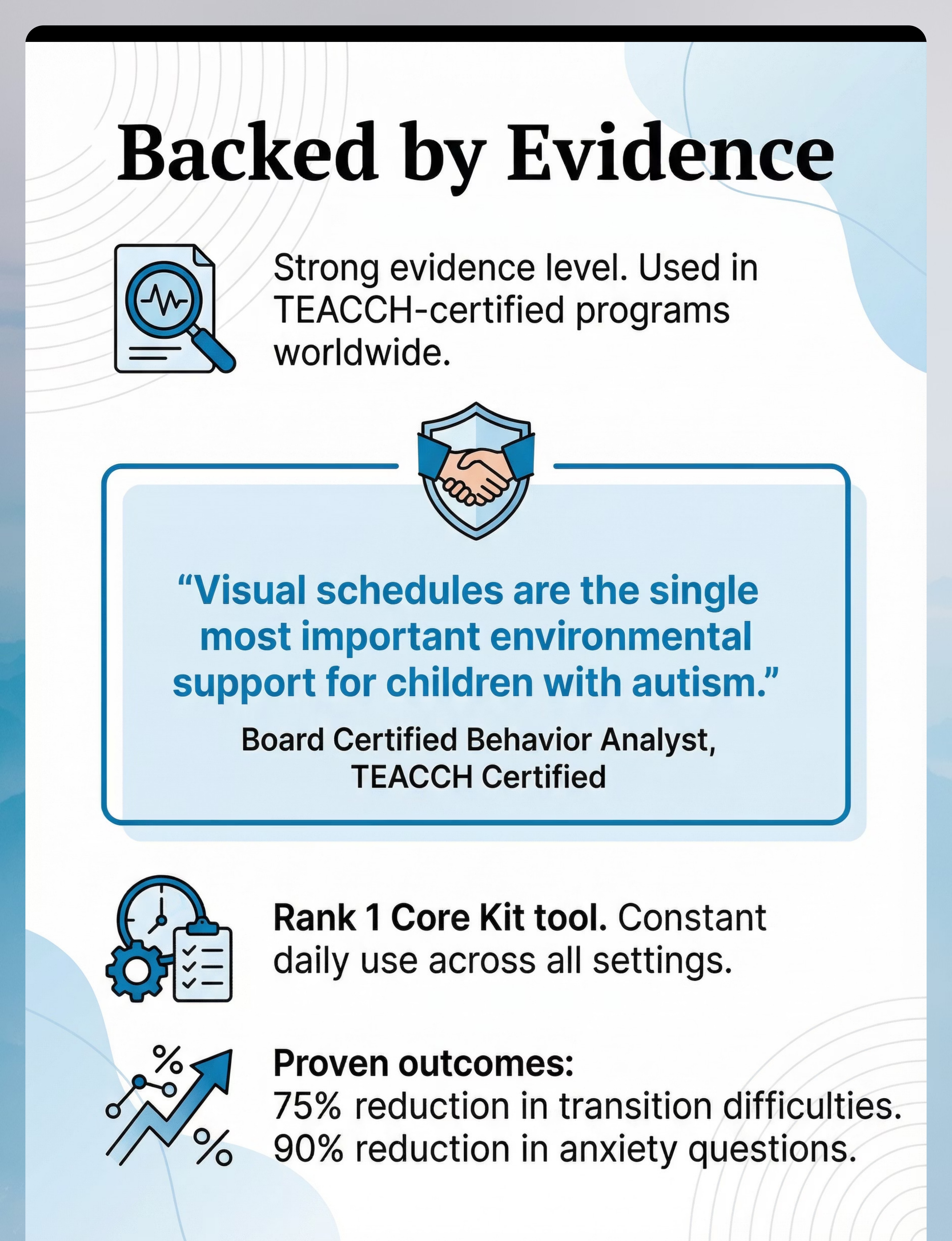
"Visual schedules are the single most important environmental support for children with autism. They transform the invisible flow of time into something concrete and manageable."
— Board Certified Behavior Analyst, TEACCH Certified
SpEd + ABA/BCBA Recommended
visual-schedule-system therapy material
Co-owned by special education and applied behavior analysis professionals
Strong Evidence Base
visual-schedule-system therapy material
Decades of research supporting effectiveness across autism spectrum
Rank #1 in Category
visual-schedule-system therapy material
Top-rated tool in Visual Supports & Schedules category—Core Kit essential
visual-schedule-system therapy material
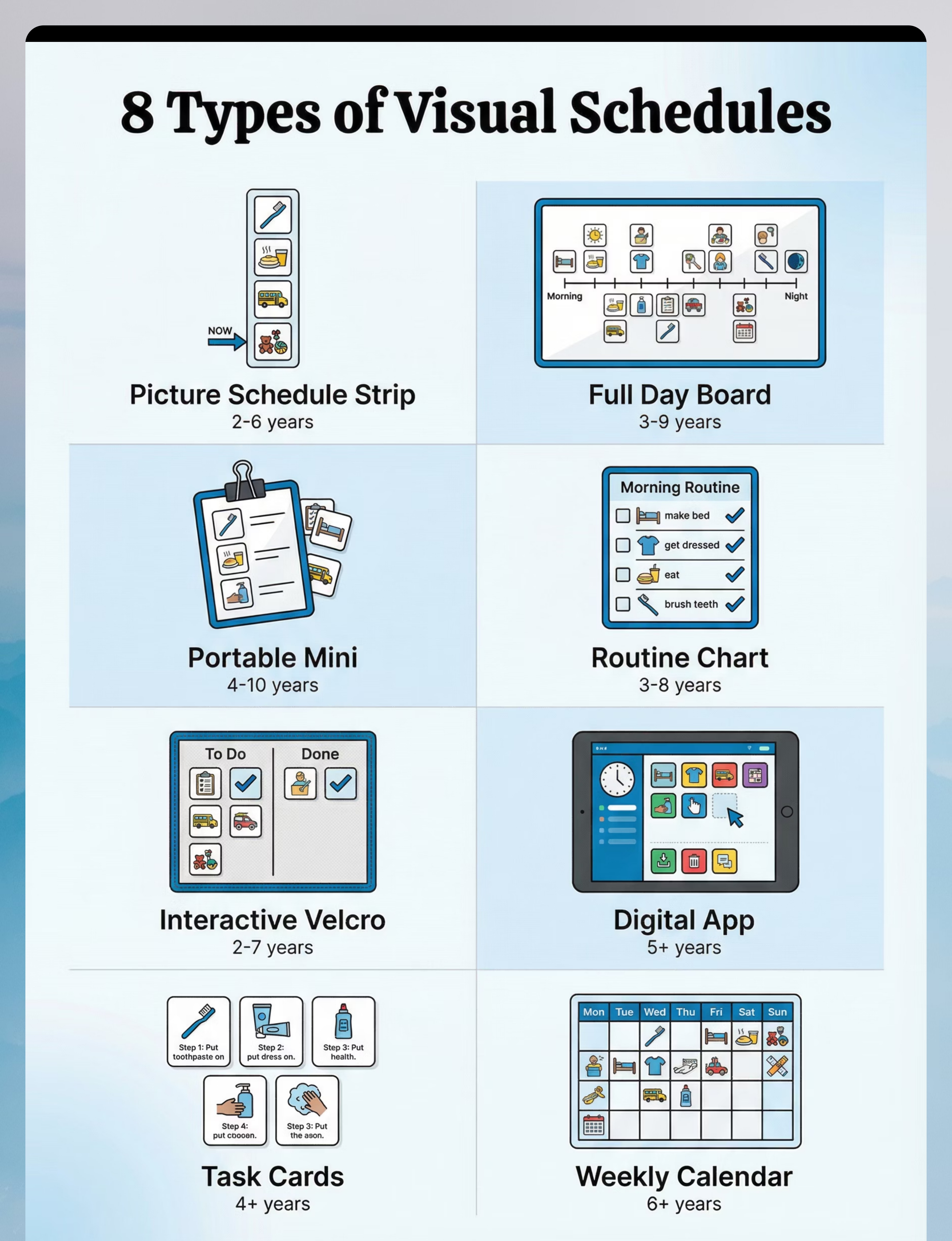
Choose Your Option (8 Variants)
Select the format that best matches your child's needs, setting, and portability requirements. All variants serve the same core purpose—making time visible and predictable.
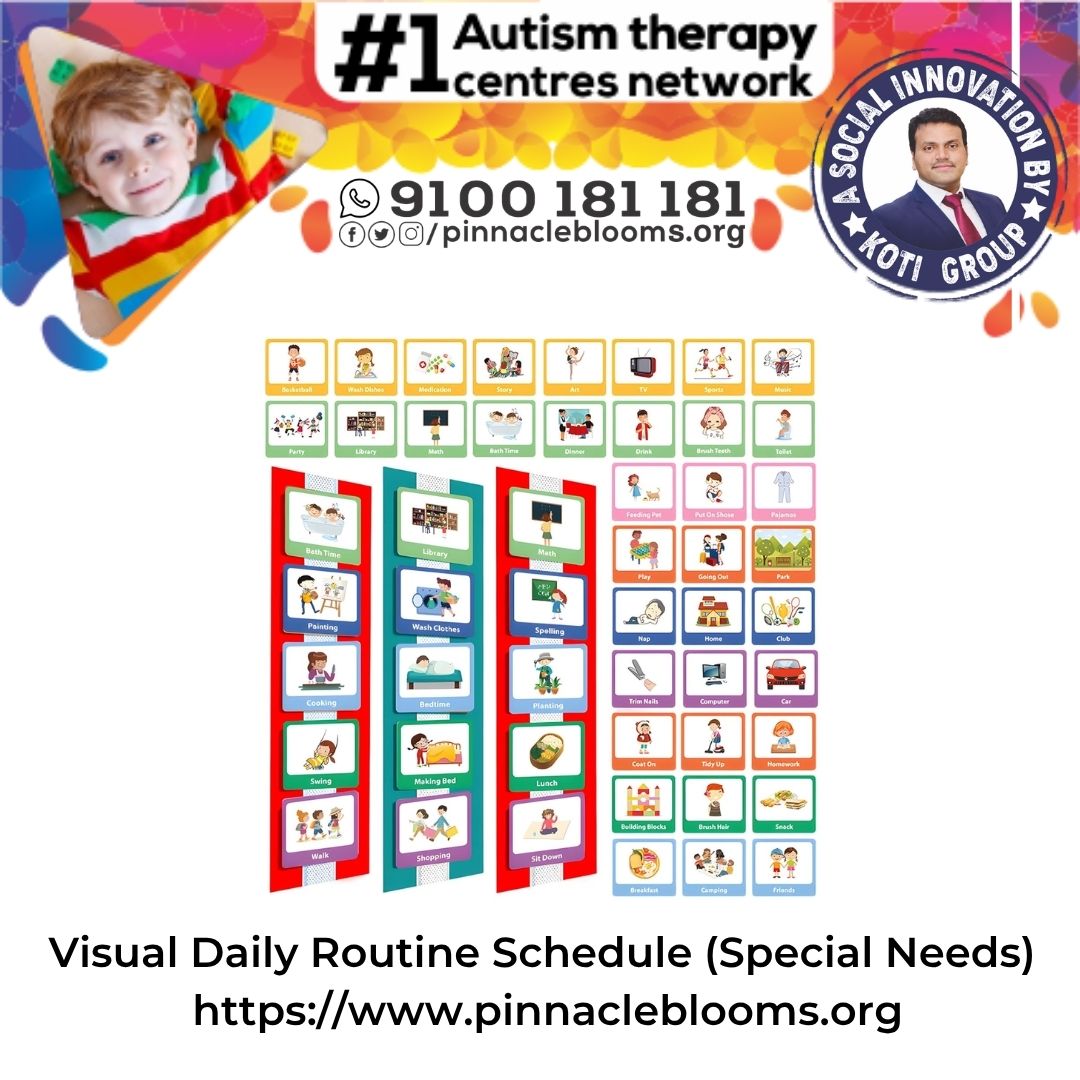
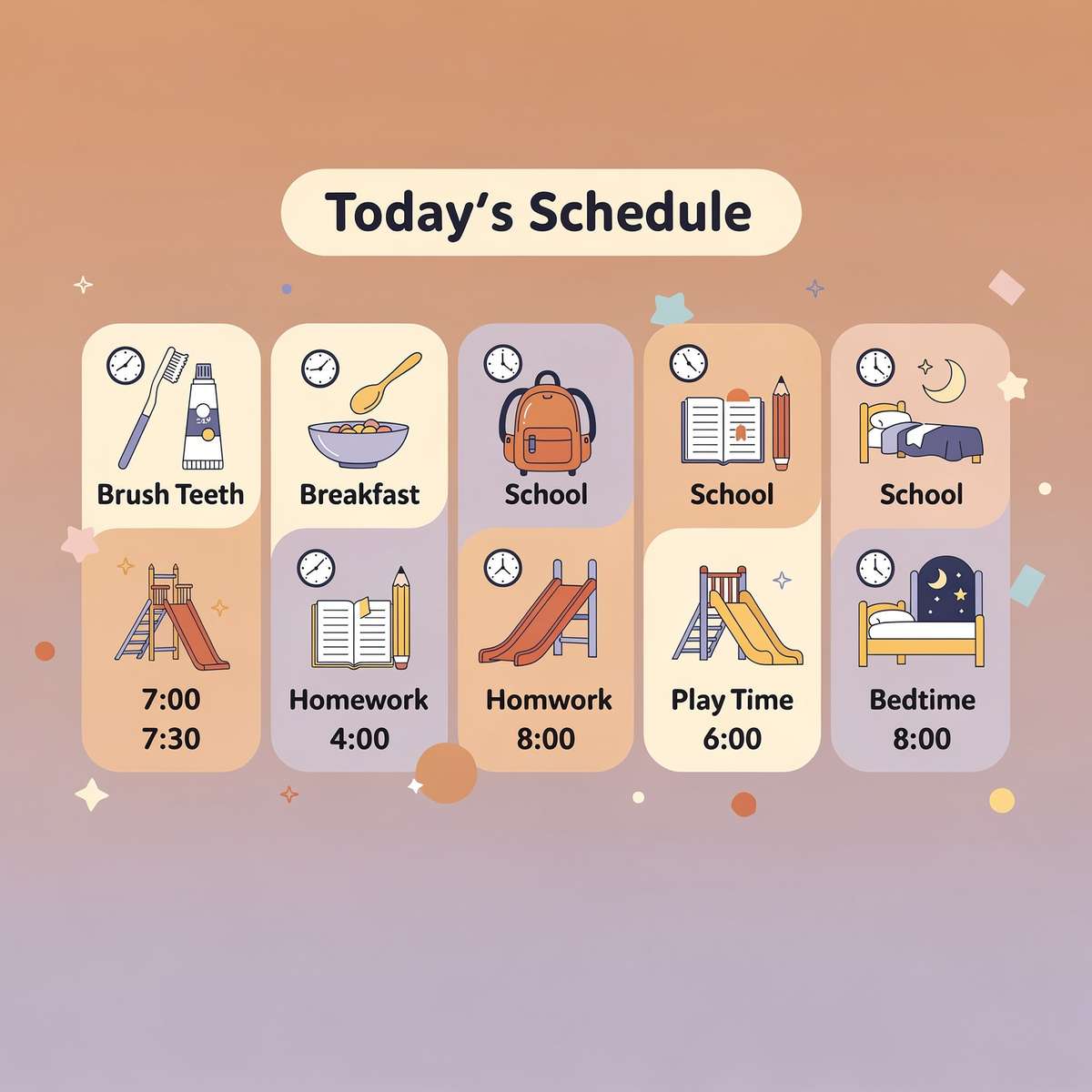
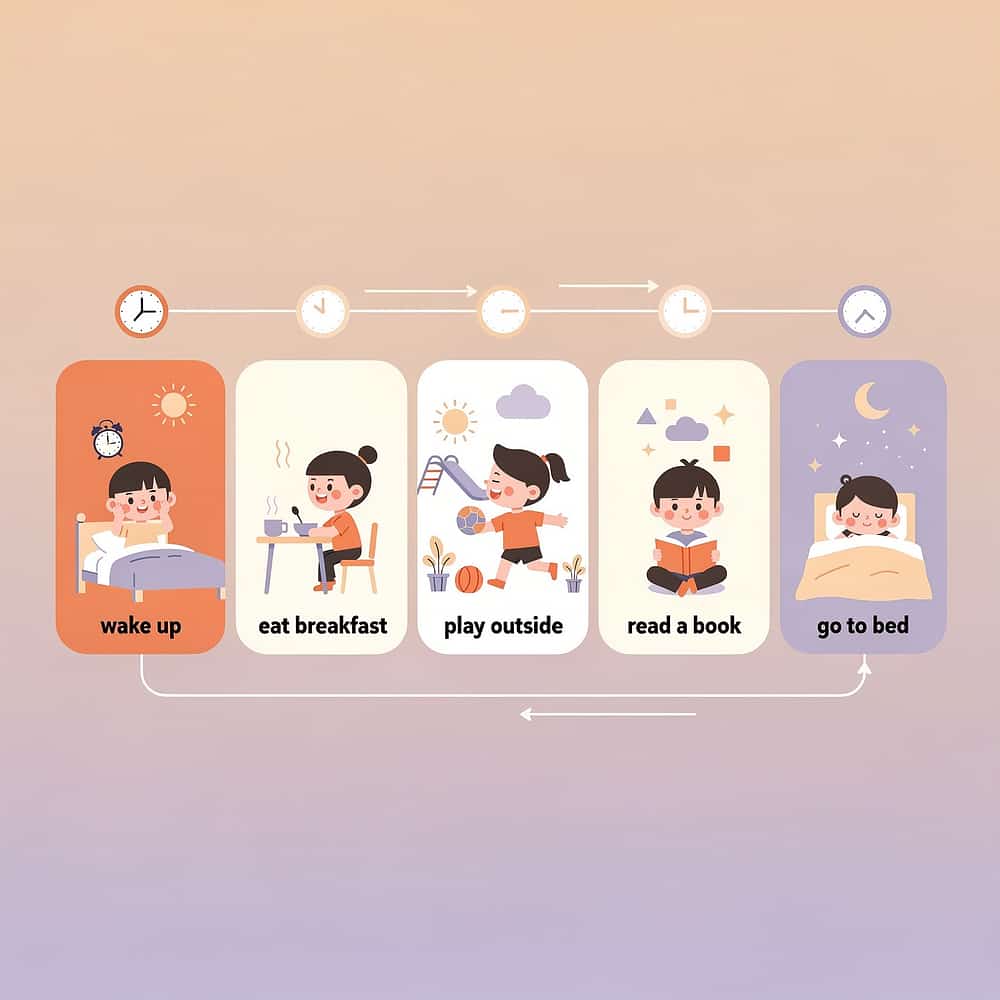
Basic Picture Schedule Strip
Best for: Young children, simple routines, portability
Ages: 2-6 years | Settings: Home, School, Clinic
Portability: High | Price: ₹100–300
Vertical or horizontal strip (30-60 cm) showing linear sequence of activities
Full Day Visual Schedule Board
Best for: Full day planning, home base, classroom
Ages: 3-9 years | Settings: Home, School, Clinic
Portability: Low | Price: ₹300–800
Large board (A2 or larger) for comprehensive daily schedule
Portable Mini Schedule
Best for: Community outings, transitions, travel
Ages: 3-9 years | Settings: Community, Travel
Portability: Very High | Price: ₹100–250
Pocket or wallet-sized for on-the-go schedule reference
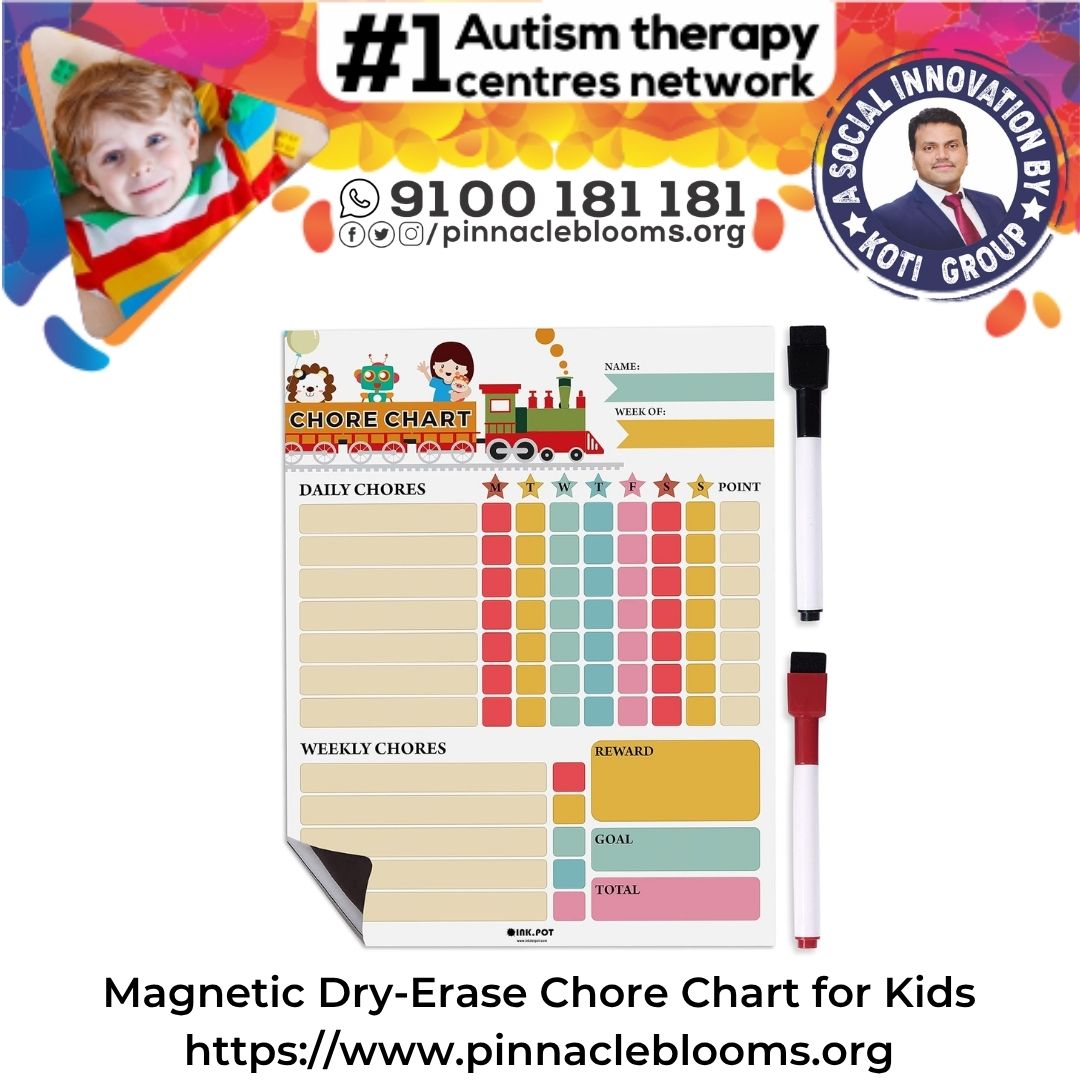
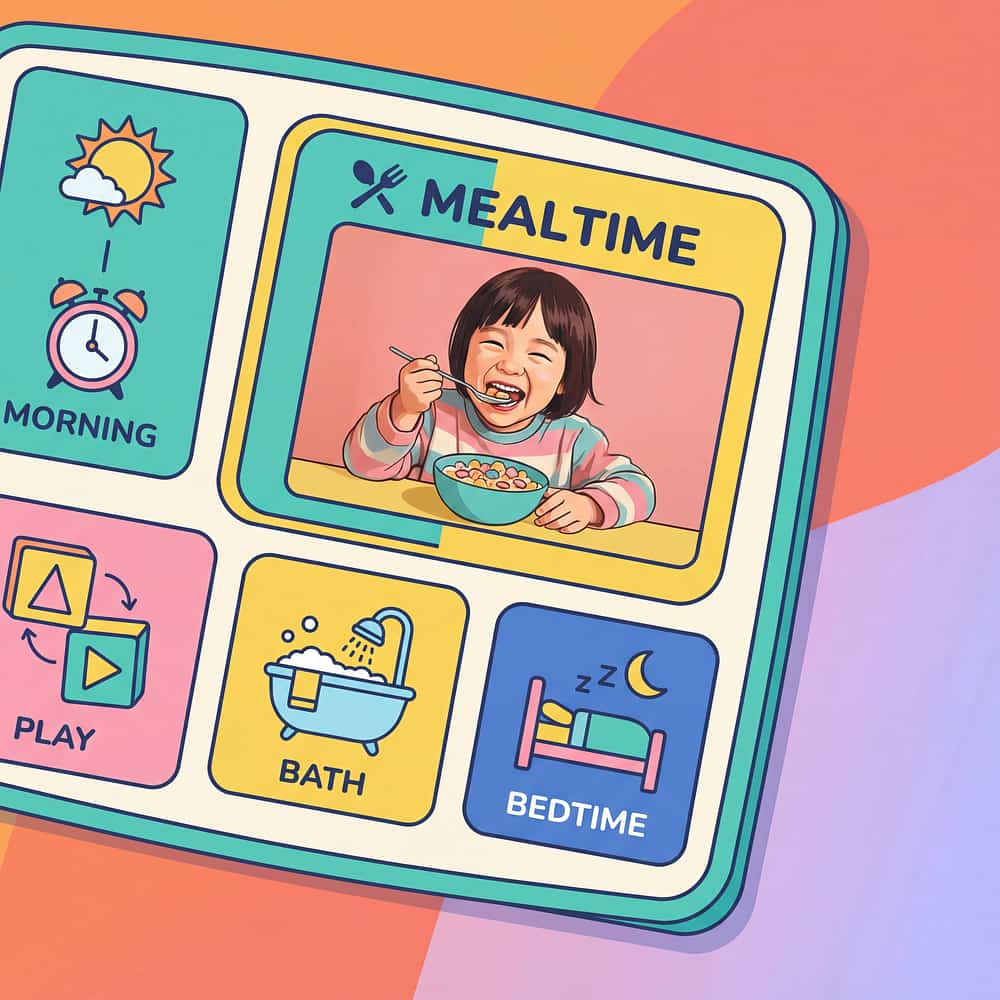
Morning/Bedtime Routine Chart
Best for: Targeted routines, independence building
Ages: 2-9 years | Settings: Home
Portability: Low | Price: ₹100–300
A4 or A3 poster focusing on specific routine sequence
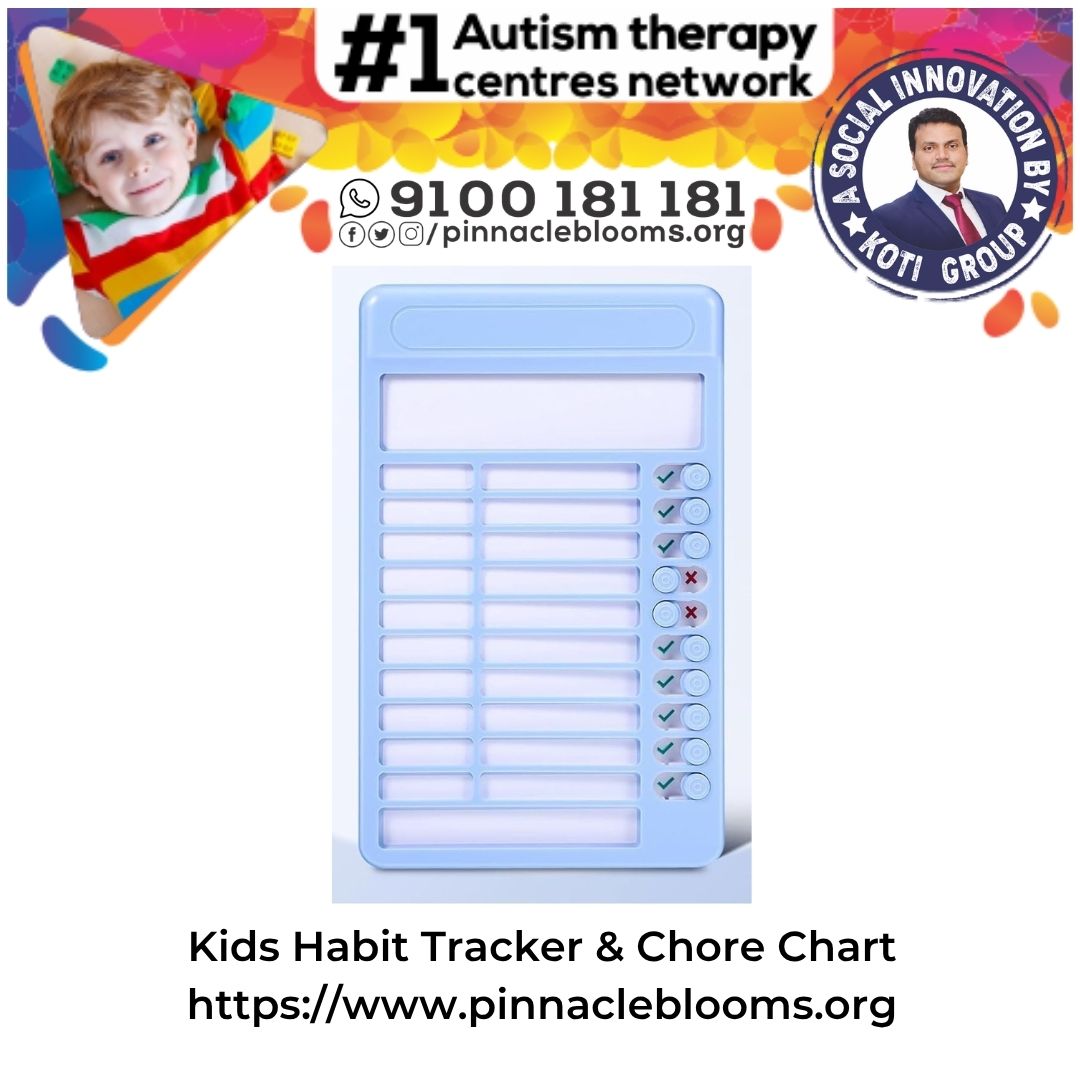
Interactive Schedule with Velcro
Best for: Active participation, flexibility, ABA settings
Ages: 2-9 years | Settings: Home, School, Clinic
Portability: Medium | Price: ₹200–600
Board with removable cards—manipulable and customizable daily
Digital Visual Schedule App
Best for: Tech-engaged, audio support, portability
Ages: 4-9 years | Settings: All
Portability: Very High | Price: ₹0–1,000
Tablet/phone app with interactive digital schedule features
Task Analysis Cards (Multi-Step)
Best for: Teaching independence, self-care, chores
Ages: 3-9 years | Settings: Home, School, Clinic
Portability: High | Price: ₹150–400
Card set breaking down complex multi-step activities
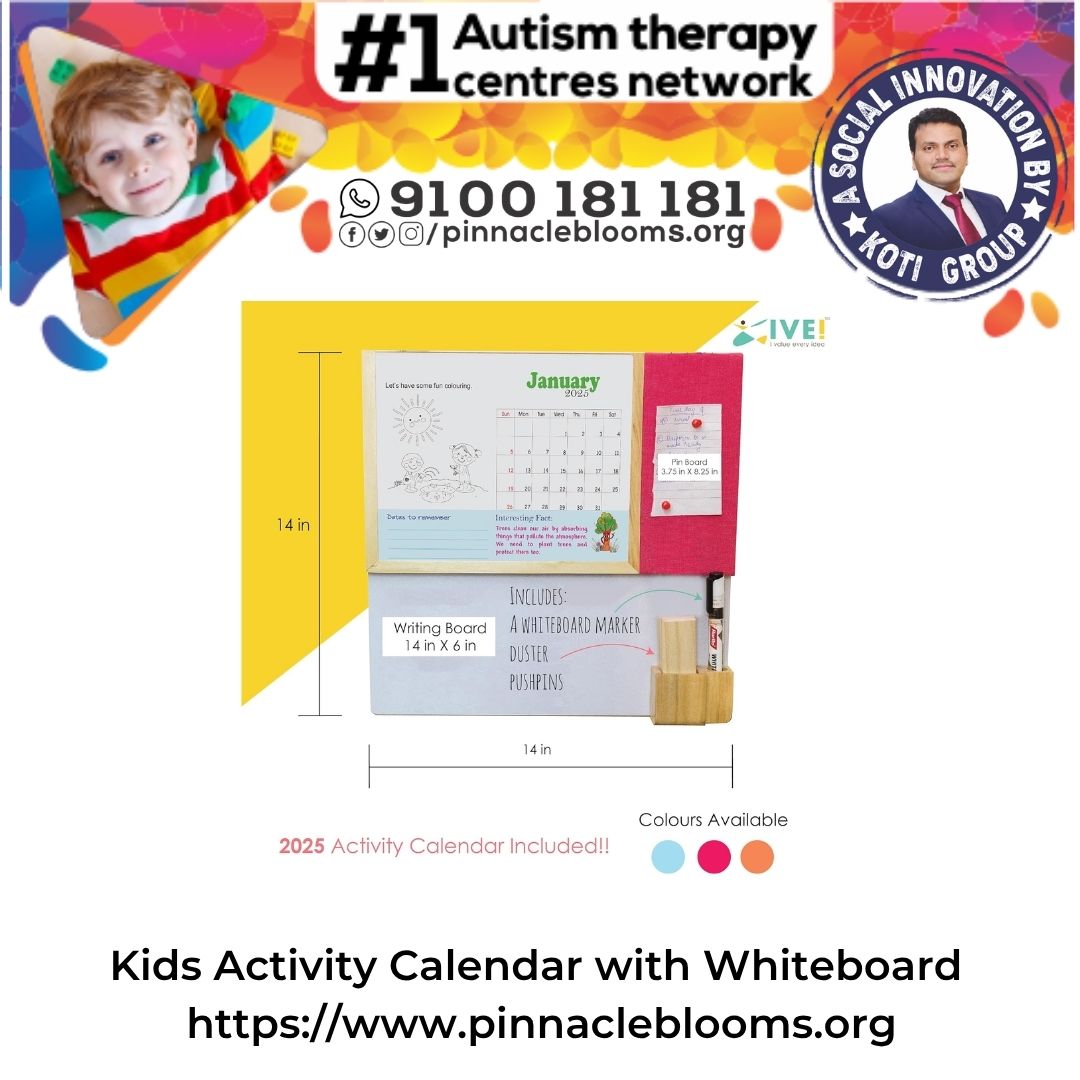
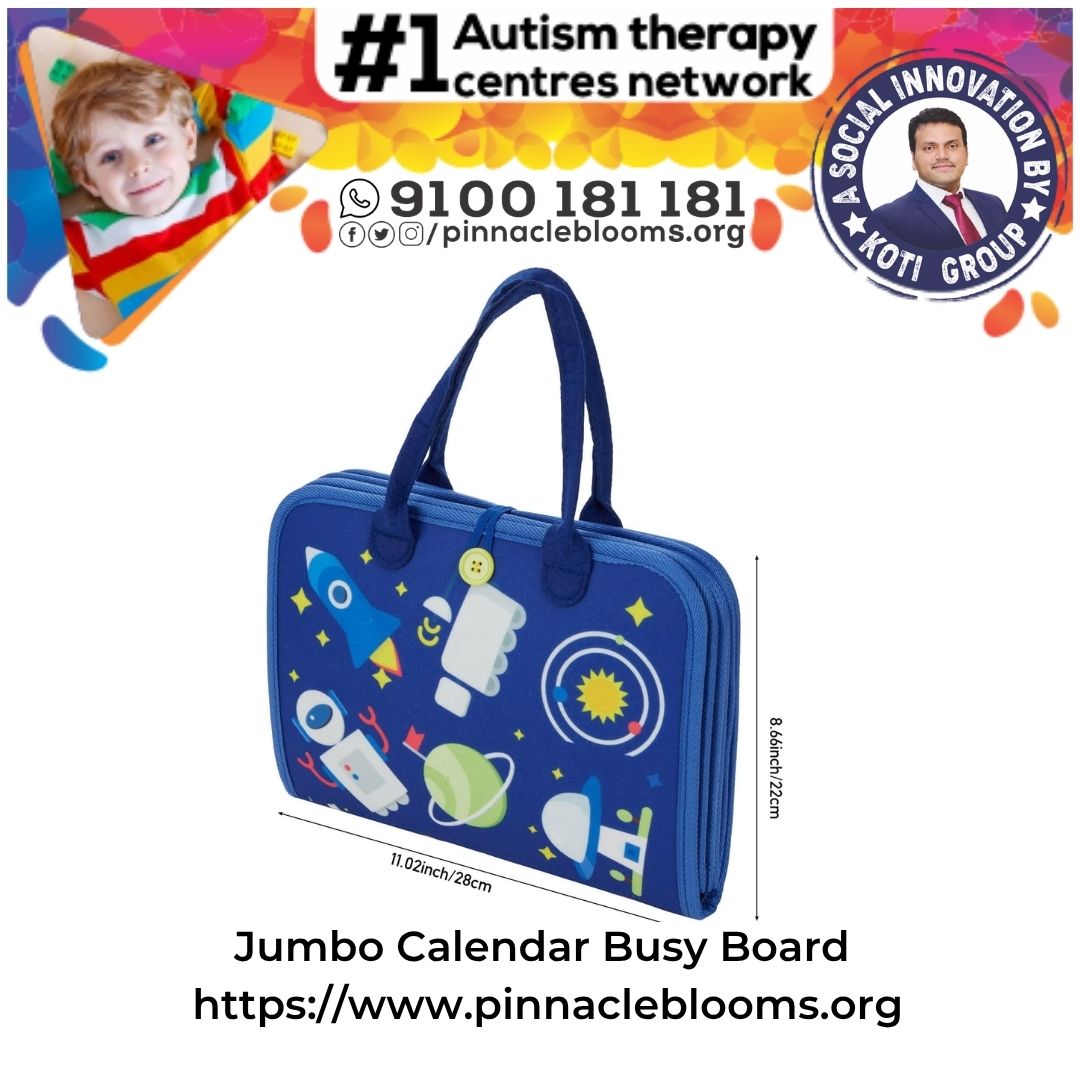
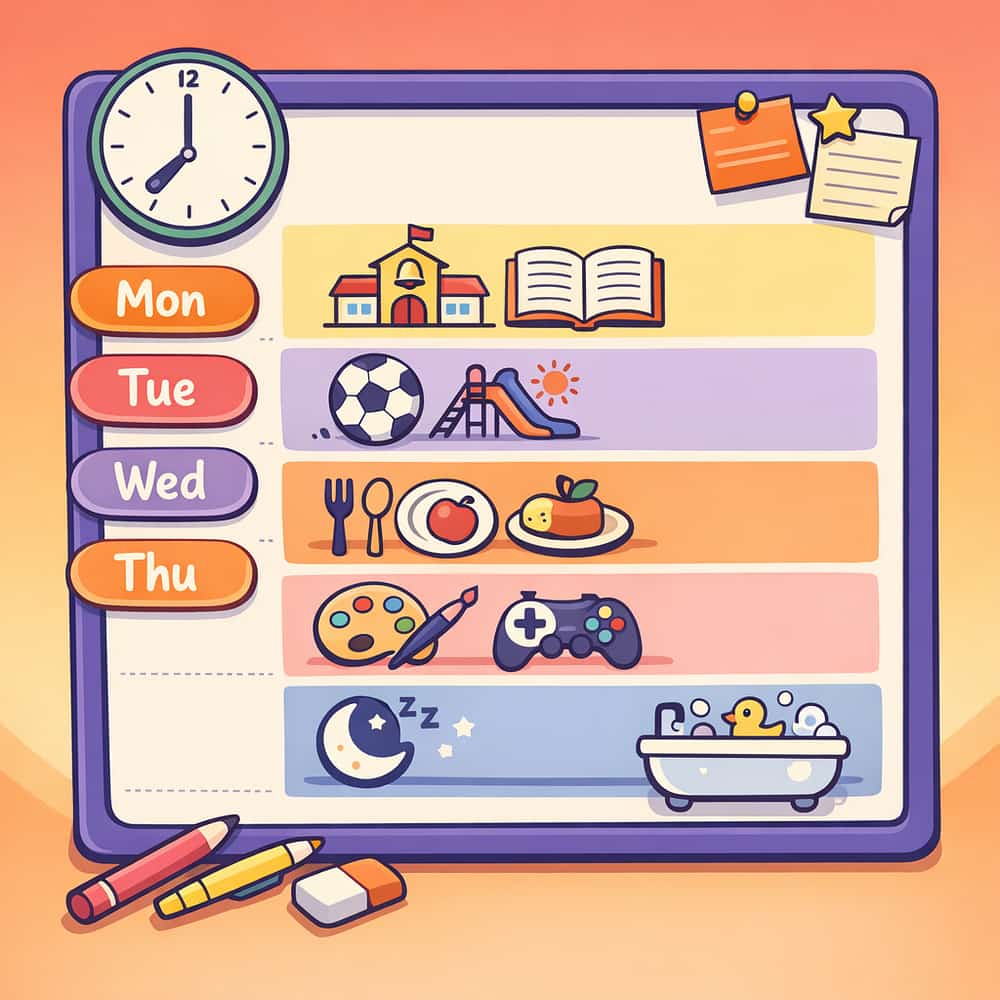
Weekly Visual Calendar
Best for: Understanding week structure, anticipating events
Ages: 5-9 years | Settings: Home, School
Portability: Low | Price: ₹200–500
Large weekly grid for week-at-a-glance planning
Understanding the Options
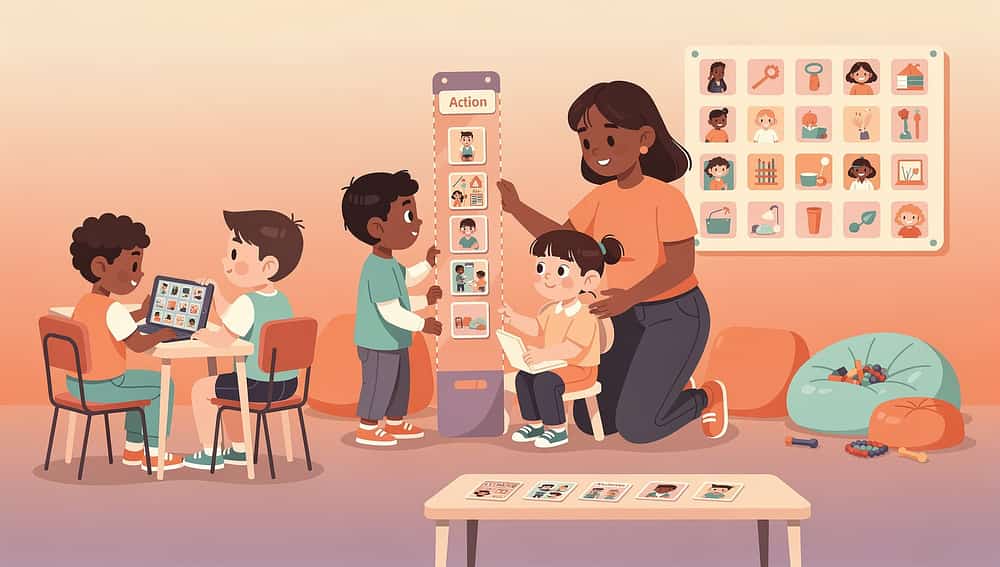
Explore the eight distinct visual schedule variants below, each designed to cater to specific needs, developmental stages, and environmental contexts. From highly portable options for on-the-go support to comprehensive boards for daily routines, you'll find the perfect tool to enhance predictability and independence for your child.

How to Choose:
  • By goal: Simple routines → strips; Full day → boards; Independence → task analysis
  • By setting: Home base → large boards; Community/travel → portable/digital
  • By portability: High mobility needs → mini schedules or apps
Specifications & Schedule Format Guide
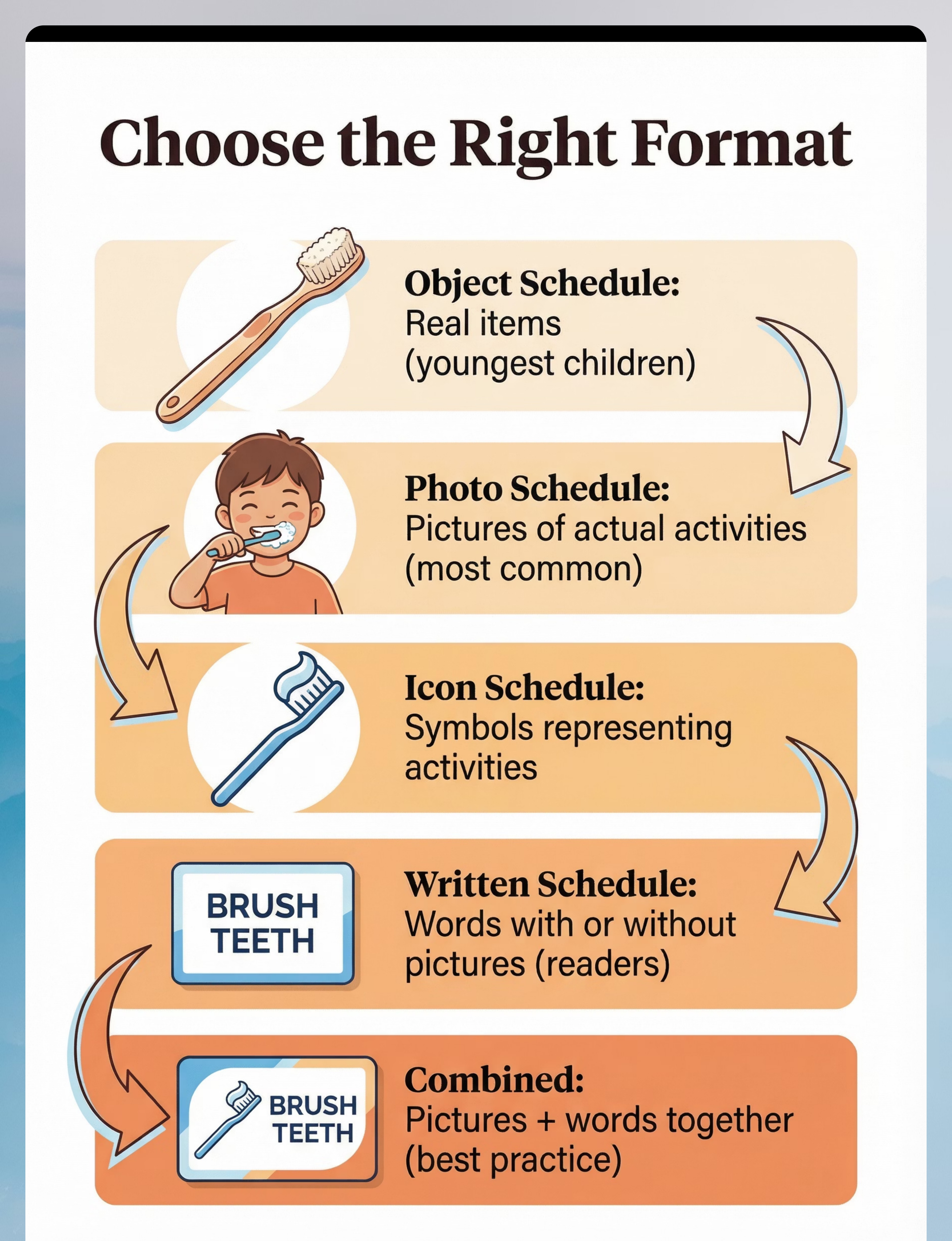
Schedule Format Types
Object Schedule
Best for: Youngest children, beginning communicators
Real objects representing activities (actual toothbrush = brushing teeth)
Photo Schedule
Best for: Most children with autism—highly recognizable
Photos of actual activities, places, and people in child's life
Icon Schedule
Best for: Children ready for symbolic representation
Symbols or clipart representing activities—more abstract
Written Schedule
Best for: Older children, readers
Words with or without accompanying pictures
Combined Schedule
Best for: Building literacy, transition support
Pictures with words together—supports reading development
Materials & Key Features
Common Materials:
  • Laminated cards (durability for daily use)
  • Velcro dots (customization flexibility)
  • Poster board or foam board (structure)
  • Digital apps (portability and tech engagement)
  • Photo paper (personalization with real images)
Essential Features:
  • Clear visuals: Unambiguous representation of each activity
  • Logical sequence: Left-to-right or top-to-bottom progression
  • Completion system: Check-off or card-moving for active participation
  • Accessible placement: Child's eye level, within reach
  • Appropriate complexity: Match to developmental level—not overwhelming
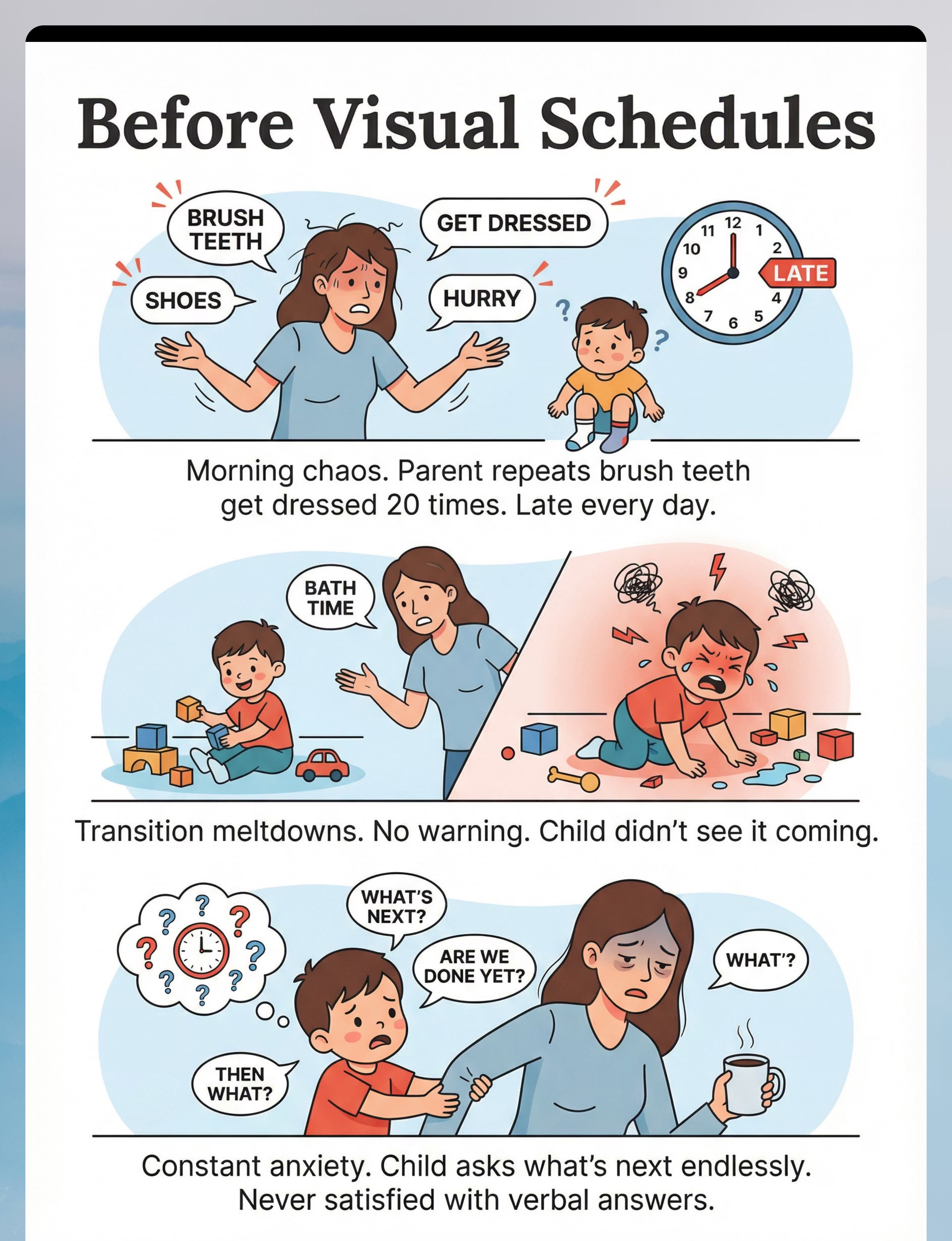
The Struggle (Before)
Morning Routine
Situation: Parent repeats "brush teeth, get dressed" 20 times. Child doesn't know the sequence. Chaos. Late for school every day.
Experience: Constant verbal prompting with no independence. Battles over every step.
Emotion: Exhaustion, frustration
Transitions
Situation: Child happily playing. Parent announces "time for bath." Immediate meltdown. Child didn't know it was coming. No warning worked.
Experience: Every transition feels like ambush. Resistance and tears.
Emotion: Dread, avoidance
Anxiety About Day
Situation: Child asks "what's next?" constantly. Never satisfied with verbal answer. Anxiety about the unknown. Can't relax.
Experience: Endless loop of questions. No answer brings peace.
Emotion: Anxiety, exhaustion
visual-schedule-system therapy material
What to Expect (Realistic Timelines)
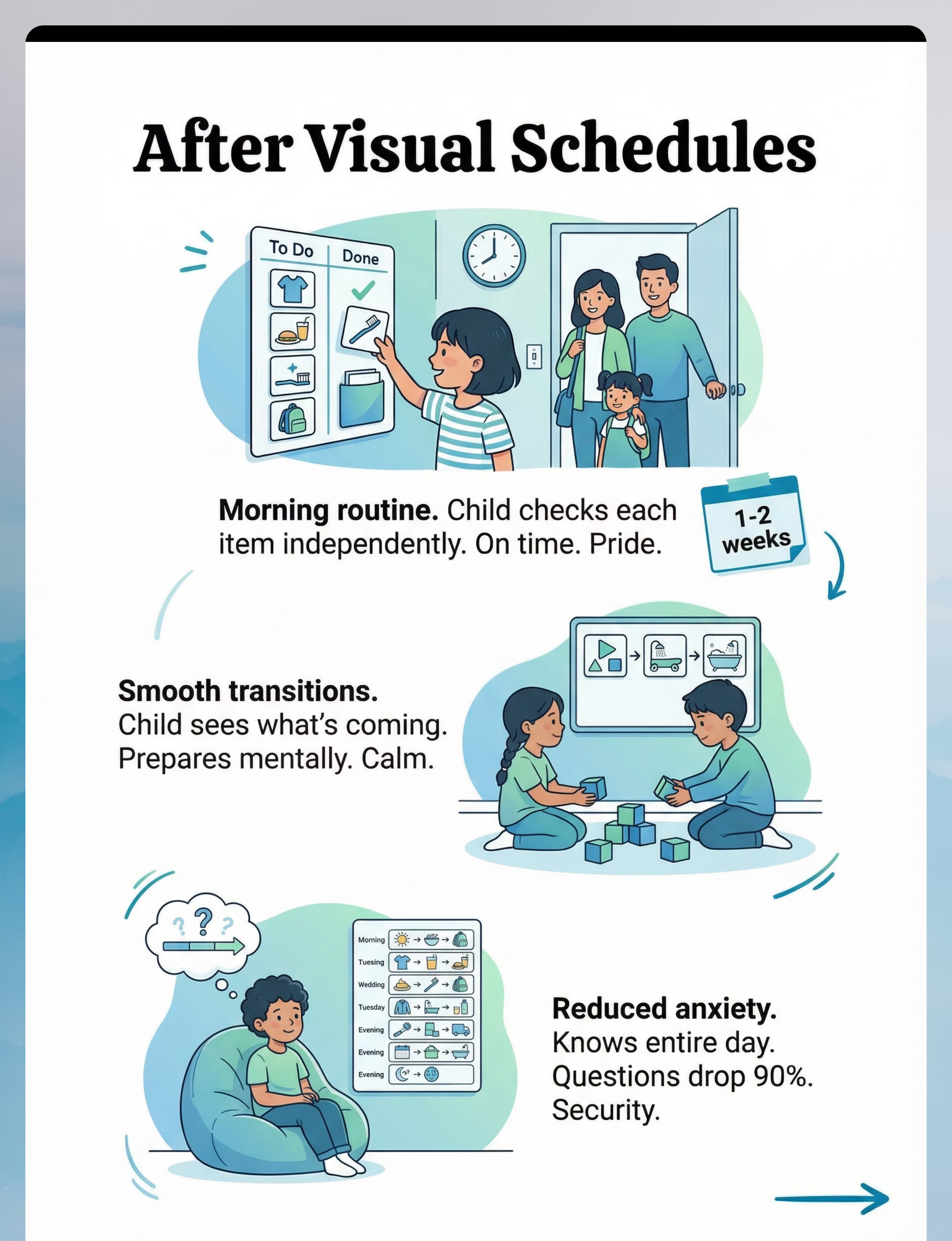
Child knows what to expect throughout day
Immediate understanding of sequence and flow
Immediate
Transition meltdowns reduce significantly
75% reduction in resistance when changes are visible
1-2 weeks
Child gains independence in routines
Completes familiar sequences with minimal verbal prompting
2-4 weeks
Reduced repetitive questioning
"What's next?" questions decrease by 80%—visual reference replaces verbal loop
1-2 weeks
Child can anticipate and prepare for activities
Mental preparation time improves emotional regulation
1-2 weeks
Flexibility improves with visual change warnings
Tolerance for unexpected events increases when shown visually
4-8 weeks
Is This Right for My Child? (2-Minute Check)
visual-schedule-system therapy material
Answer these questions to determine if a visual schedule is a strong fit for your child's needs:
Does your child struggle with transitions between activities?
If yes, this indicates: Visual schedule will help make transitions predictable and manageable
Confidence score: 98%
Does your child become anxious about what's coming next?
If yes, this indicates: Needs predictability support—visual schedule reduces uncertainty anxiety
Confidence score: 95%
Do you repeat routine instructions constantly?
If yes, this indicates: Visual support will reduce verbal prompts and build independence
Confidence score: 92%
Does your child have difficulty with time concepts?
If yes, this indicates: Visual schedule makes abstract time concrete and understandable
Confidence score: 90%

Scoring: 3+ "yes" answers = strong fit. Visual schedules benefit most children with autism—this is a Core Kit essential for a reason.
Usage Guide: When to Use & When NOT to Use
visual-schedule-system therapy material
When to Use ✓
All day, every day—consistent use is the key to success
Review at start of day or session for preview
Before and during transitions—show what's coming
When child asks "what's next?"—point to schedule instead of verbal answer
When preparing for changes—show visual update
To teach new routines—break into visual steps
When NOT to Use ✗
If schedule won't be followed—breaks trust and defeats purpose
As punishment tool—never remove preferred items from schedule as discipline
Without teaching how to use it—child needs explicit instruction
If too complex for developmental level—will overwhelm instead of help
Supervision by Age
Age Range
Supervision Level
Notes
Under 3 years
Adult guides through each step
Direct hand-over-hand support; building understanding
3-6 years
Adult prompts to check; child executes
Fading verbal prompts; increasing independence
6+ years
Independent checking with adult monitoring
Child self-directs; adult available for support
Duration & Settings: Ongoing—becomes embedded in daily life across home, school, clinic, and community settings. Constant use throughout the day maximizes effectiveness.
Safety First: Critical Guidelines
visual-schedule-system therapy material
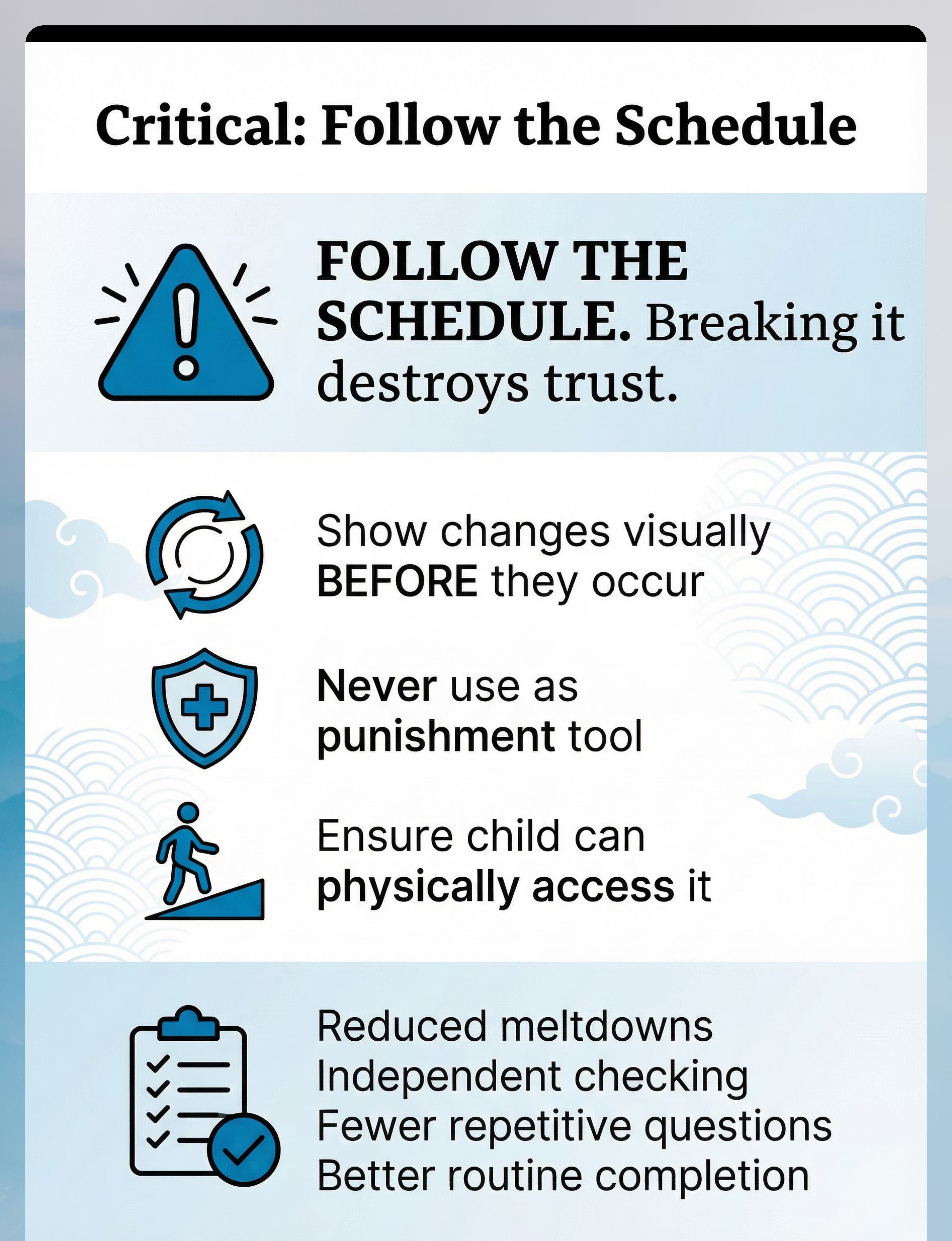
CRITICAL: FOLLOW THE SCHEDULE
Breaking the schedule destroys trust. If you show it, you must follow it. This is non-negotiable.
Show changes BEFORE they occur
If schedule must change, update it visually BEFORE the change happens. Never surprise after showing schedule.
Never use as punishment tool
Don't remove activities or use schedule manipulatively. This damages the trust foundation.
Ensure physical accessibility
Child must be able to see and reach schedule independently—place at their eye level.
⚠️ Warnings
  • Don't make schedule too rigid without flexibility practice
  • Update when routines genuinely change—keep current
  • Avoid over-reliance—gradually build toward internalization
  • Watch for schedule-anxiety (obsessive checking)—may need support
🚫 Contraindicated
  • Schedule not followed consistently (breaks trust)
  • Too complex for child's developmental level
  • No flexibility markers built in for inevitable changes
Safety Checklist
Before Use:
  • ✓ Schedule accurately reflects day
  • ✓ Visuals appropriate for level
  • ✓ Placed at accessible height
  • ✓ Completion system in place
During Use:
  • ✓ Child referencing (independently or prompted)
  • ✓ Following sequence shown
  • ✓ Moving/checking completed items
  • ✓ Adults following schedule too
Signs of Success:
  • ✓ Reduced transition meltdowns
  • ✓ Independent schedule checking
  • ✓ Reduced repetitive questioning
  • ✓ Increased routine independence
Common Questions (Honest Answers)
visual-schedule-system therapy material
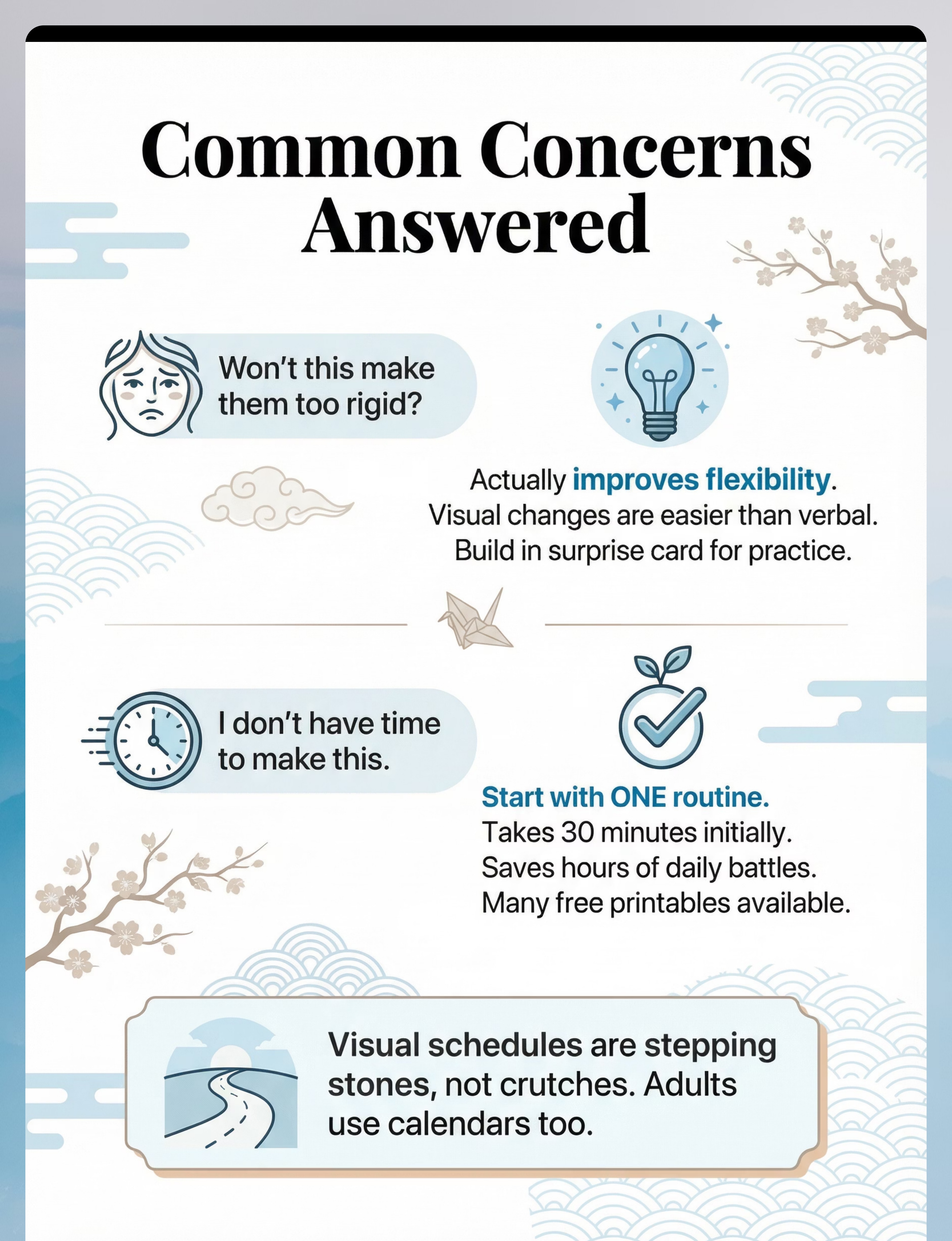
Q: "Won't this make them too rigid?"
A: Actually, visual schedules IMPROVE flexibility. When changes happen, you can show them visually (cross out, move card). This is easier than verbal explanation. The key is building in "surprise" or "?" cards for practice with unexpected changes.
Try this: Include flexibility practice—sometimes add surprise activities to normalize change.
Q: "Real life doesn't have a schedule."
A: Actually, it does—adults use calendars, planners, phone reminders constantly. We've just internalized schedule-following. Children with autism need external support until they internalize it. This is a stepping stone, not a crutch.
Try this: Gradually fade to less detailed schedules as independence and internalization grows.
Q: "I don't have time to make this."
A: Start with ONE routine (morning or bedtime). Use phone photos, print, laminate once. Takes 30 minutes initially, but saves HOURS of daily battles. Many free printables also exist online.
Try this: Buy pre-made system or use app for immediate start—customize later.
Q: "My child can't read pictures yet."
A: Start with objects (actual toothbrush represents brushing teeth) or pair objects with photos. Children learn the system through consistent use. Symbolic understanding develops gradually with exposure.
Try this: Object schedule for youngest children—transition to photos when ready.
Investment Guide: Budget to Premium Options
visual-schedule-system therapy material
Understanding the investment levels for visual schedules can help you choose the best option for your needs and budget. From cost-effective DIY solutions to comprehensive professional systems, there's a range of choices available.
DIY
100-200
Personalized
Any user
Basic Kit
300-700
Convenient
New users
Complete System
500-1,500
Comprehensive
Experienced users
Digital Apps
0-500/year
Flexible
Tech-savvy users
Key Considerations for Your Investment
  • Personalization: How much do you need the schedule to be tailored to your child's specific routines and interests?
  • Durability: Will the schedule be used frequently and need to withstand wear and tear?
  • Ease of Use: Do you prefer a ready-to-use system or enjoy the process of creating one yourself?
  • Scalability: Will your child's needs evolve, requiring more complex or varied schedules over time?
1
Step 1: Assess Needs
Evaluate your child's specific routine, communication style, and sensory preferences.
2
Step 2: Research Options
Explore DIY methods, free templates, and commercial systems based on your assessment.
3
Step 3: Start Simple
Begin with a basic, low-cost solution (like DIY) to test effectiveness and gather feedback.
4
Step 4: Gradually Expand
If successful, consider upgrading to more comprehensive systems or digital apps as needs evolve.
Budget Option: DIY
Item: DIY photo schedule with phone pictures and laminating
Cost: ₹100-200
Why it works: Most effective because it's personalized with YOUR child's actual activities and locations—maximum recognition and engagement
  • Take photos with phone camera
  • Print at local shop
  • Laminate for durability
  • Add velcro dots for flexibility
Premium Option: Complete System
Item: Complete visual schedule system with board, cards, and timer
Cost: ₹500-1,500
Brands: SchKIDules, Learning Resources, Autism Speaks resources
  • Professional quality materials
  • Extensive card library
  • Integrated timer system
  • Immediate implementation

Overall range: ₹0–1,000 (including free digital app options)
Best starting point: DIY with personalized photos—highest effectiveness and lowest cost. Upgrade to commercial systems later if needed for variety or clinic settings.
Where to Buy in India
visual-schedule-system therapy material
Availability: DIY preferred for personalization; commercial options widely available online
Platform Guide
Amazon.in
Search Terms: "visual schedule autism"
Price Range: ₹300-800
Amazon.in
Search Terms: "daily routine chart kids"
Price Range: ₹150-400
Teachers Pay Teachers
Search Terms: "visual schedule printable autism"
Price Range: ₹0-300
App Store / Google Play
Search Terms: "visual schedule app autism"
Price Range: ₹0-500/year
Buying Tips ✓
  • Photos of YOUR home and YOUR child's items are most effective
  • Laminate everything for durability—schedules get heavy daily use
  • Velcro allows daily customization and active participation
  • Place at child's eye level for independent access
  • Include a "finished" pocket or designated area
Red Flags 🚫
  • Generic images child doesn't recognize—reduces effectiveness
  • Too many items showing at once (overwhelming)
  • Placed where child can't access independently
  • No completion or checking system built in
DIY Alternative (Save 80-95%)
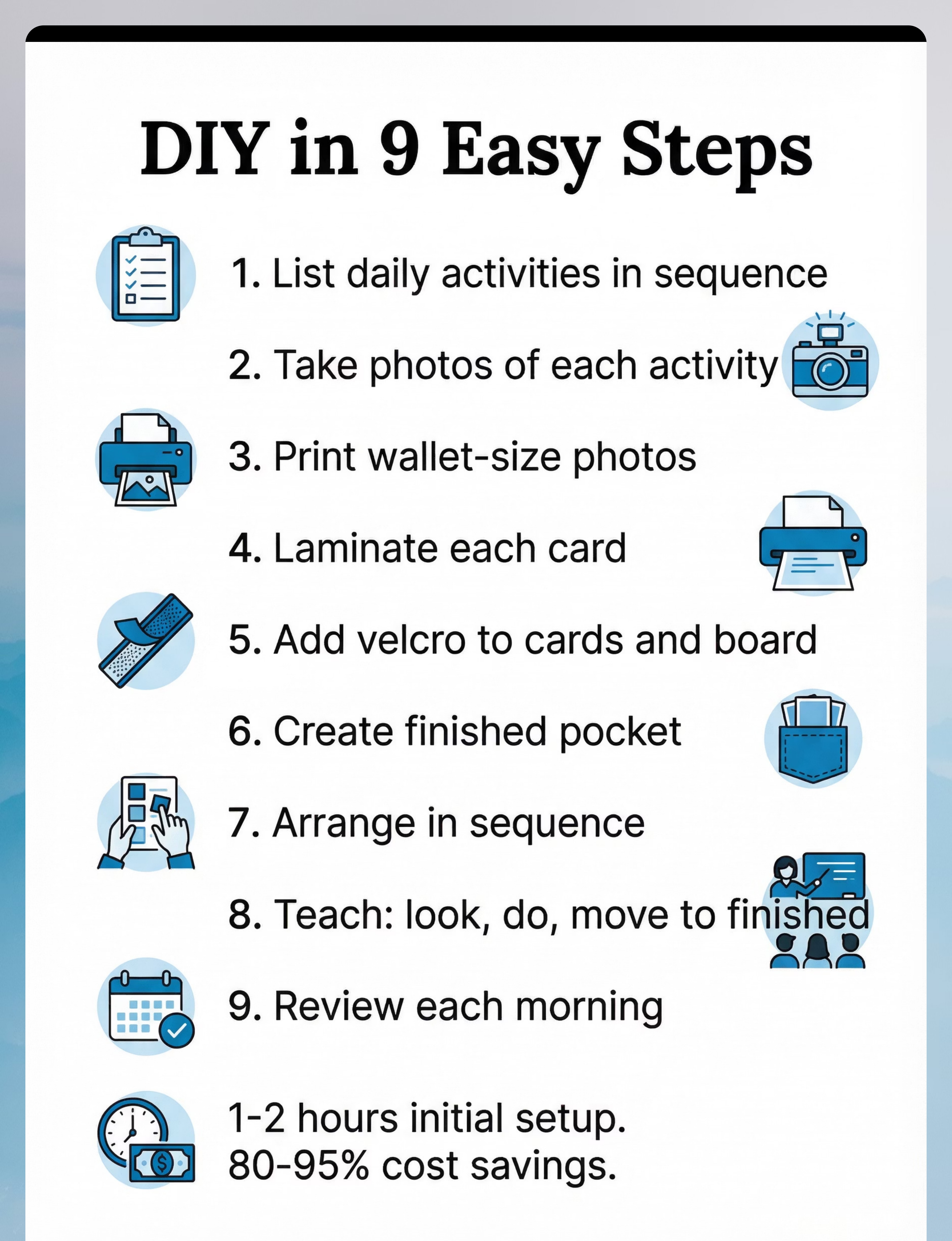
Feasibility: Very High | Time Required: 1-2 hours initial setup | Cost Savings: 80-95%
1
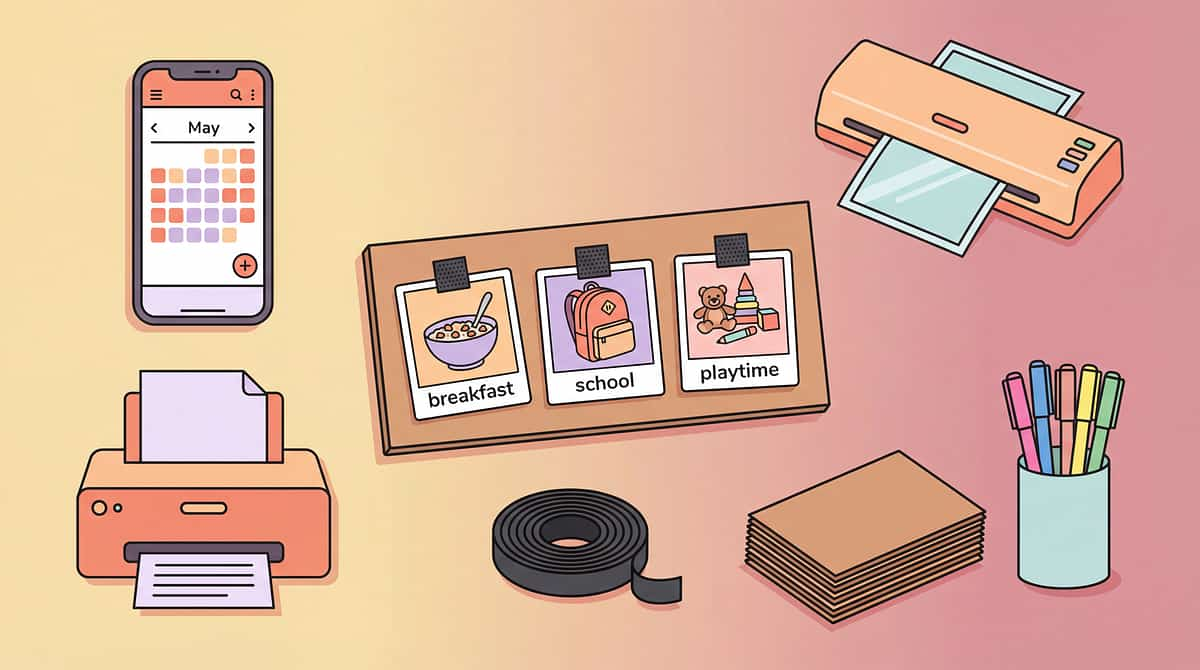
What You'll Need:
  • Phone camera (for taking activity photos)
  • Printer (or local print shop)
  • Laminating pouches or clear contact paper
  • Velcro dots (available at stationery shops)
  • Cardboard, foam board, or poster board
  • Markers for labels
Step-by-Step Instructions:
1
List daily activities in sequence
Write down your child's actual routine from morning to bedtime
2
Take photos of each activity
Photograph child doing activity, or the location/object associated with it
3
Print photos
Wallet size or 3x3 inches works well—large enough to see clearly
4
Laminate each photo card
Ensures durability for daily handling and manipulation
5
Add velcro to backs and board
Allows cards to be moved and rearranged daily
6
Create "finished" pocket
Envelope or designated area for completed activity cards
7
Arrange sequence on board
Top-to-bottom or left-to-right logical flow
8
Teach the system
Show child: look → do → move to finished. Practice with support.
9
Review each morning
Go through entire day's schedule before starting
DIY vs Commercial Comparison:
When to DIY:
  • Want personalized with real photos from YOUR home
  • Budget-conscious—save significant money
  • Specific or unique routine not covered by generic cards
  • Child responds better to familiar images
When to Buy Commercial:
  • Need immediate solution—no time for DIY
  • Want variety of pre-made professional images
  • Prefer digital/app format with audio support
  • Clinic needs standardized materials for multiple children
Tradeoffs: DIY requires initial time investment and needs updating as routines change, but provides maximum personalization and cost savings.
Real Parent Stories: Before & After
Priya & Rohan (Age 5)
Before: "Every morning was a battle. Rohan would resist getting ready, leading to tears and delays. We'd have to tell him each step multiple times, and still, he'd often miss school transport."
After: "With his personalized visual schedule, mornings are incredibly calm! Rohan now checks his schedule, brushes his teeth, and gets dressed with minimal prompting. He feels in control and proud of his independence. Our morning meltdowns are down from 3-4 daily to almost none."
Amit & Sara (Age 7)
Before: "Sara struggled immensely with transitions. Any unexpected change, like an early school pickup or a new activity, would trigger intense anxiety and frequent meltdowns lasting over an hour."
After: "The visual schedule has been a game-changer for Sara's anxiety. She can now anticipate what's coming next and understands changes better. We've seen a significant drop in meltdowns—from 5-6 per week to just 1 or 2, and they're much shorter."
Anjali & Veer (Age 4)
Before: "Veer was very dependent, constantly needing verbal cues for simple tasks like washing hands or packing his toys. Getting him to focus on one activity was nearly impossible."
After: "Using the schedule, Veer has gained so much independence! He follows his 'wash hands' and 'tidy up' cards on his own. His attention span has improved, and he transitions between play and learning with much less resistance. It's truly empowering for him."
These stories highlight the transformative power of visual schedules in fostering independence and reducing stress for both children and parents. Remember, every child is unique, and progress may look different for each family. Celebrate every small step forward!

Preview of visual schedule system Therapy Material

Below is a visual preview of visual schedule system therapy material. The pages shown help educators, therapists, and caregivers understand the structure and content of the resource before use. Materials should be used under appropriate professional guidance.

Page 1
Page 2
Page 3
Page 4
Page 5
Page 6
Page 7
Page 8
Page 9
Page 10
Page 11
Page 12
Page 13
Page 14
Page 15
Page 16
Page 17
Page 18
Page 19
Page 20
Link copied!
Measuring Success & Building Your Complete Support System
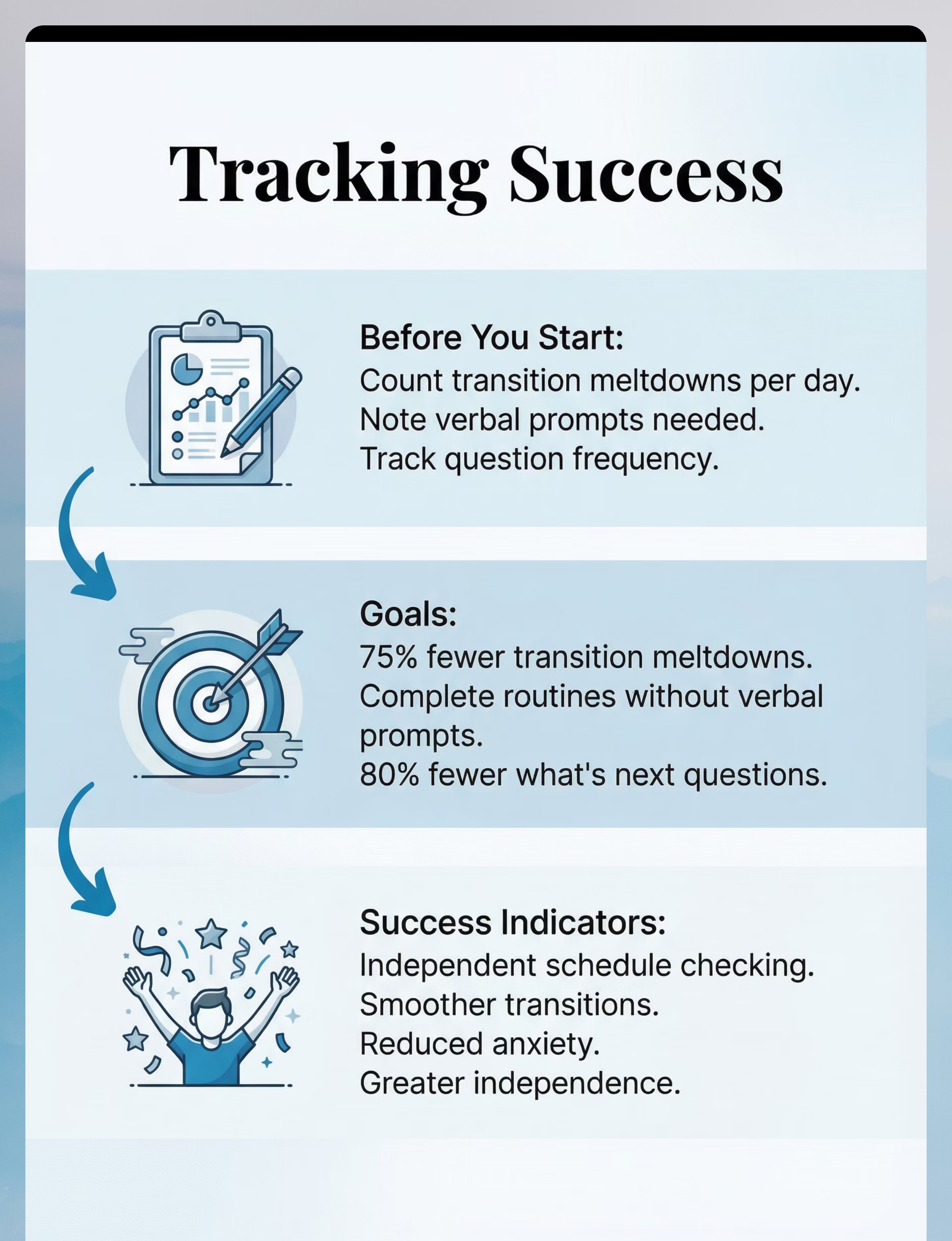
Track Progress: What to Measure
Baseline Measurements:
  • Number of transition meltdowns per day
  • Verbal prompts needed for routine completion
  • Frequency of "what's next?" questions
  • Independence in daily routines (1-10 scale)
Goals to Set:
  • Transition meltdowns will decrease by 75%
  • Child will complete [routine] with schedule and no verbal prompts
  • Child will check schedule independently
  • "What's next?" questions will decrease by 80%
Success Indicators:
  • ✓ Child references schedule independently
  • ✓ Smoother transitions throughout day
  • ✓ Reduced anxiety about activities
  • ✓ Independence in routine completion
  • ✓ Acceptance of visual schedule changes

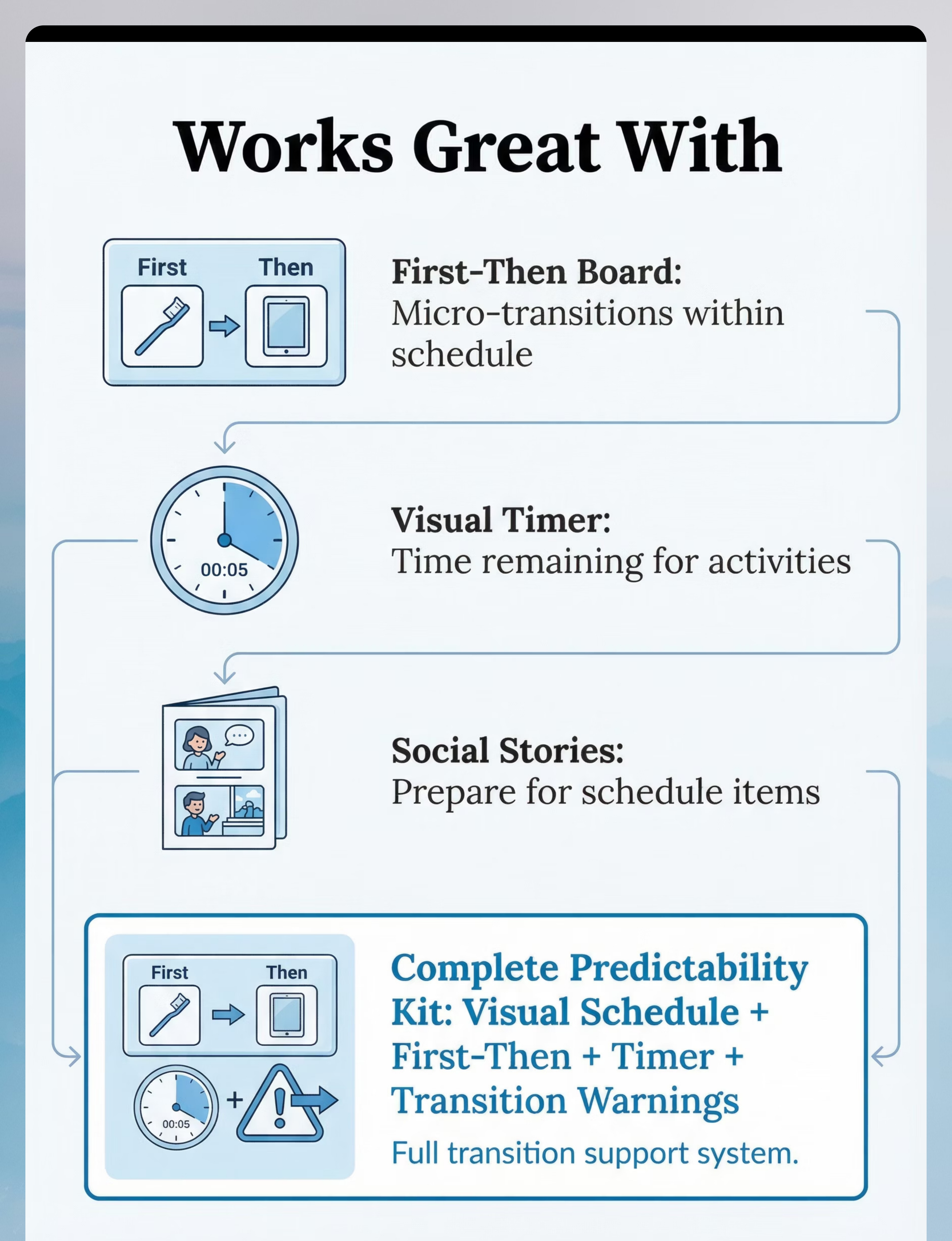
Complete the Kit: Pair It With...
Visual schedules work even better when combined with complementary supports:
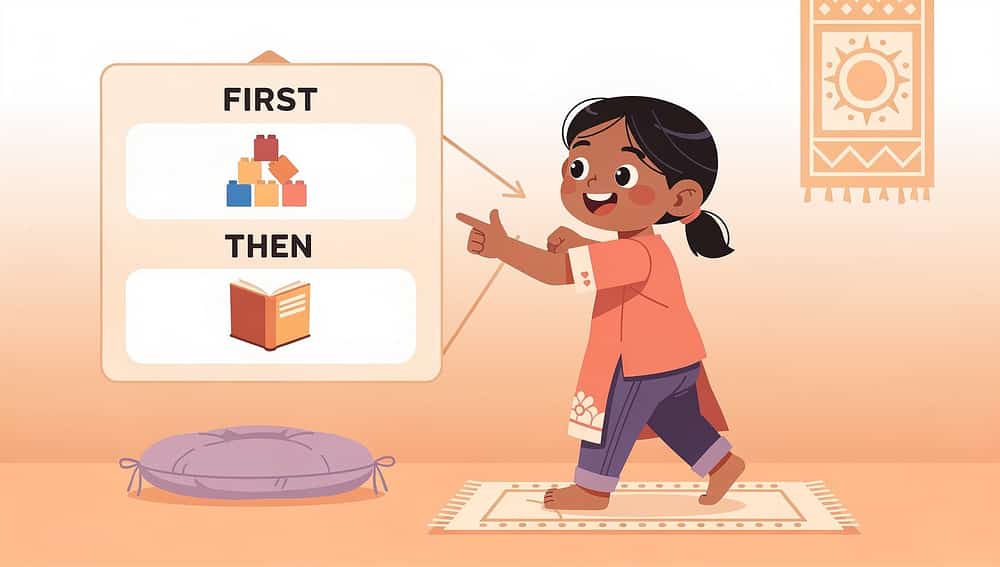
First-Then Board (ID: 3.2)
For micro-transitions within scheduled activities—breaks down single steps
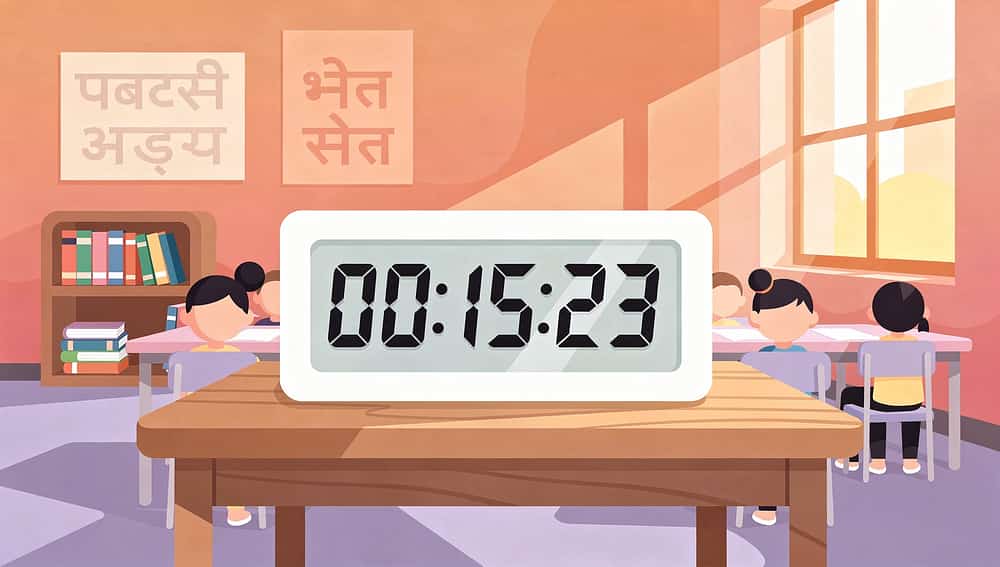
Visual Timer (ID: 3.3)
Shows time remaining for each scheduled activity—makes duration concrete
Social Stories (ID: 2.2)
Prepares child emotionally for scheduled activities—builds understanding
Transition Warnings (ID: 3.4)
Supports smooth movement between scheduled activities—countdown support
Recommended Bundles:
  • Complete Predictability Kit: Visual Schedule (3.1) + First-Then Board (3.2) + Visual Timer (3.3) + Transition Warnings (3.4) — Full transition support system
  • Independence Builder: Visual Schedule (3.1) + Task Analysis Cards (3.1.7) + Self-Management Tools (2.7) — Comprehensive self-management skills development

AI Summary & Search Terms
Visual schedules are the #1 environmental support for autism—making time visible, reducing anxiety, and building independence. Core Kit essential (Rank 1) with strong evidence base, recommended for all settings and constant daily use.
visual schedule
routine
transitions
predictability
independence
TEACCH
SpEd
ABA
core-kit
Common searches: visual schedule autism, picture schedule autism, daily routine chart autism, TEACCH schedule, visual timetable autism, autism schedule board, transition support autism

Platform Integration & Support
How This Integrates with Pinnacle Blooms Network:
  • AbilityScore®: Diagnostic assessment identifies executive function and transition patterns—determines optimal schedule complexity
  • TherapeuticAI®: Generates personalized visual schedules based on your child's specific routines and needs
  • EverydayTherapyProgramme™: Includes schedule-based routines and activities for home implementation
  • Adaptive Behavior Index: Tracks independence gains and transition improvements over time
FREE National Autism Helpline
Phone: 9100 181 181
Languages: 16+ Indian languages supported
Website: pinnacleblooms.org
Get expert guidance on implementing visual schedules, troubleshooting challenges, and accessing comprehensive therapeutic support.

Disclaimer: This is educational information designed to support families and professionals. Always consult qualified occupational therapists, speech-language pathologists, board-certified behavior analysts, or pediatricians for personalized assessment and recommendations. Individual results vary based on child's unique profile and consistent implementation.