

Communication & Language Materials
Explore evidence-based resources that support functional communication, augmentative and alternative communication (AAC), language development, and speech clarity for every child.
Who These Materials Support
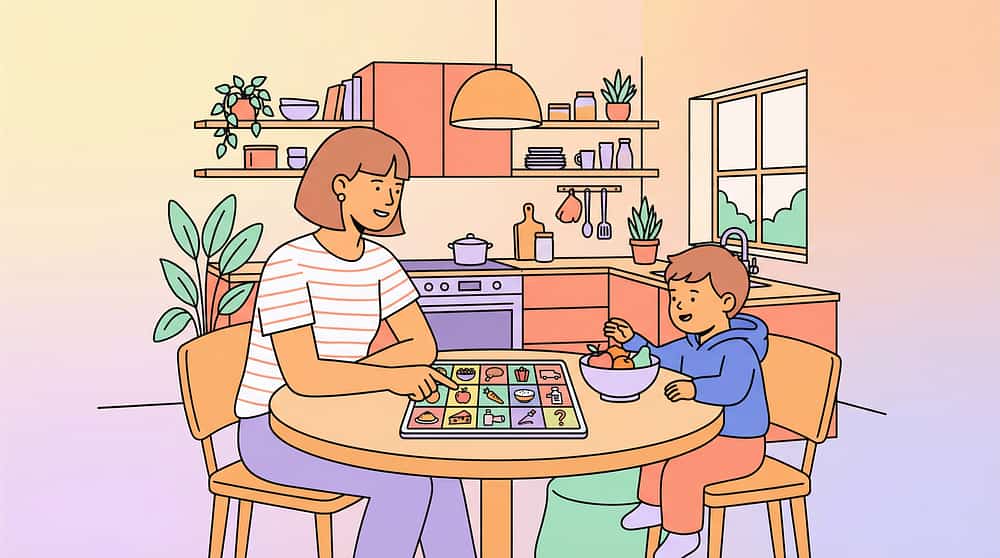
For Parents
Home-based communication support with professional guidance. These materials help you facilitate communication throughout daily routines and activities.

For Therapists
Clinical communication assessment and intervention planning. Access evidence-based tools for comprehensive evaluation and targeted therapy.
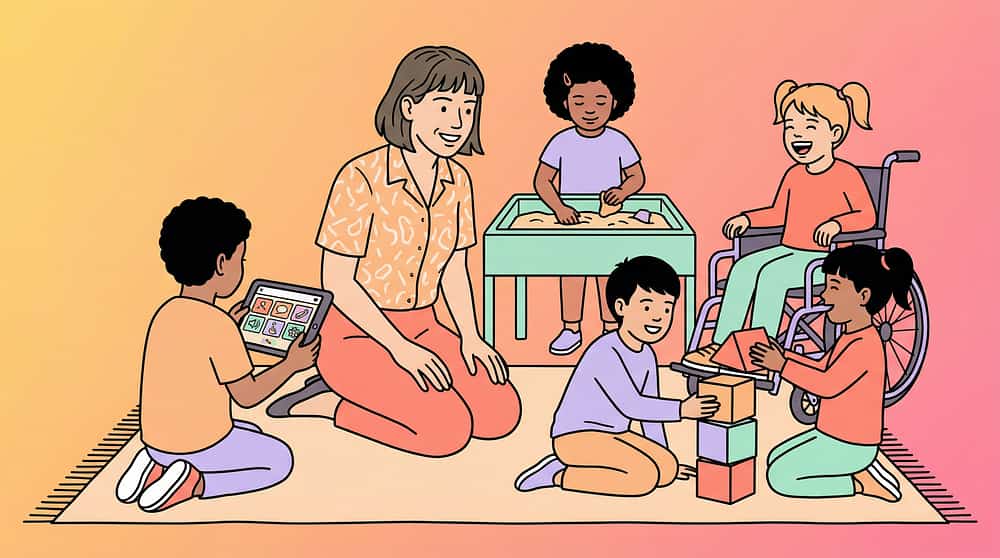
For Schools & Educators
Classroom communication supports and AAC implementation. Integrate communication tools seamlessly into educational activities and peer interactions.

For Doctors & Clinicians
Communication recommendations for developmental planning. Make informed referrals and understand available intervention options.

Material 5.1
Core Kit
Picture Exchange Communication System (PECS)
PECS is an evidence-based AAC system teaching communication initiation through picture exchange. This structured approach begins with simple requests and progresses to sentence building, enabling non-verbal or minimally verbal children to communicate functionally across environments.
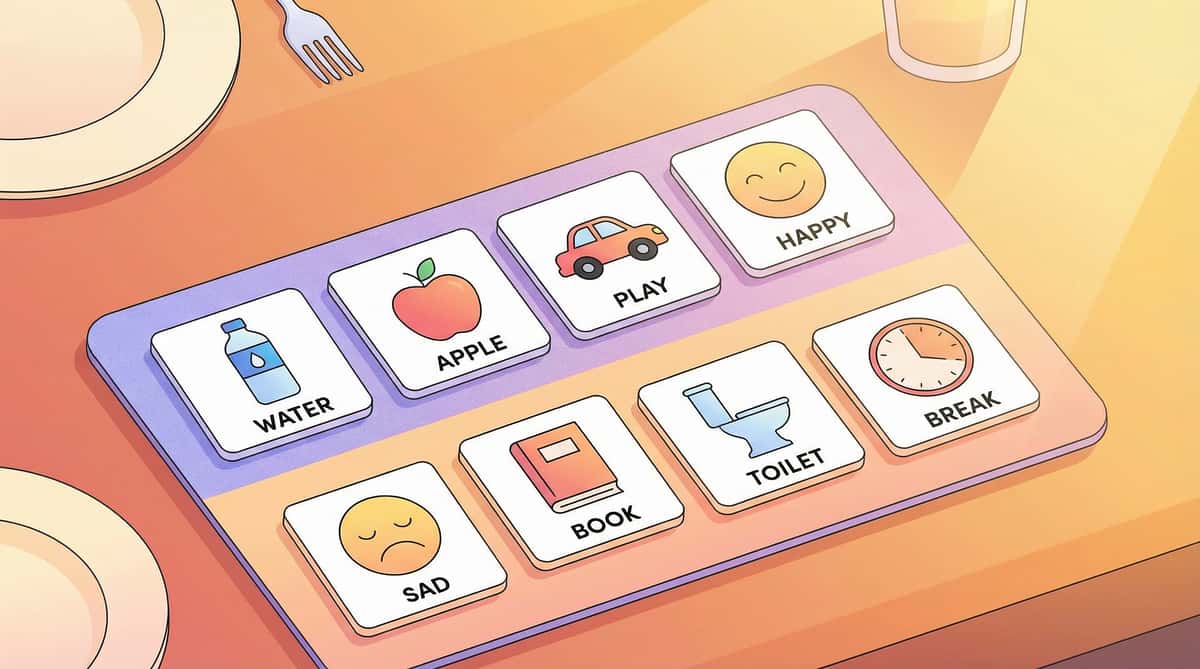
Target Areas
- Functional Communication
- Communication Initiation
- Requesting
- Vocabulary Building
- Sentence Formation
Best Practices
- Follow the 6-phase protocol precisely
- Start with highly motivating items
- Child must physically exchange the picture
- Don't prompt pointing - prompt exchange
- Generalize across people and settings
Implementation Details
Price Range: ₹500 - ₹5,000
Settings: Home, School, Clinic, Community
Intended For: Parents, Therapists, Schools
The mechanism is straightforward: physical exchange leads to communication initiation learned, which expands vocabulary, builds sentences, and results in functional communication across contexts.
Material 5.2
Core Kit
Communication Boards (Low-Tech AAC)
Communication boards provide immediate, low-cost visual vocabulary access for children who need AAC. These stationary displays offer core vocabulary that can be used across contexts, supporting both receptive understanding and expressive communication through pointing or eye gaze.

How It Works
Visual vocabulary display allows the child to point to communicate, the message is understood, communication succeeds, and vocabulary expands naturally over time.
Target Areas
- Receptive Language
- Expressive Communication
- Vocabulary Building
- Participation
- Choice-Making
Essential Practices
- Include CORE vocabulary (go, stop, want, more, help, etc.)
- Place boards where communication happens
- Model pointing while speaking
- Honor all communication attempts
- Update vocabulary based on needs
₹0-600
Price Range
Extremely affordable or free to create
4
Settings
Home, School, Clinic, Community

Material 5.3
Core Kit
AAC Device / Speech-Generating App
AAC devices and apps provide voice output for non-speaking individuals, supporting communication and language development. These high-tech solutions range from free apps on tablets to dedicated speech-generating devices, offering dynamic vocabulary organization and natural-sounding voice output.
Research definitively shows that AAC does NOT prevent speech development. In fact, AAC often supports and accelerates language learning by reducing frustration and providing consistent communication access.
Voice Output
Immediate auditory feedback helps children understand cause and effect while communicating their message clearly to others.
Core Vocabulary
Start with core vocabulary, not just nouns. High-frequency words like "go," "stop," "more," and "help" are used across all contexts.
Always Available
Device must be available ALL the time. Communication is not something children earn — it's a fundamental right.
Aided Language Input
Model use constantly. Show children how to use their device by touching symbols while you speak to them.
Implementation Across Settings
Settings: ALL environments — home, school, community, everywhere the child goes
Price Range: ₹0 - ₹3,00,000 (free apps to dedicated devices)
Target Areas: Expressive Communication, Voice Output, Language Development, Social Participation, Literacy
Material 5.4
Core Kit
Sign Language / Gesture Communication Resources
Sign language provides a motor-based communication system that bridges to speech for many children. Manual signs and gestures offer a low-tech, always-available communication method that reduces frustration while language skills develop.

Why Sign Language Works
Motor gestures allow children to express themselves immediately, reducing frustration and supporting language development. Many children use signs as a bridge to spoken language, while others rely on signing as a primary communication mode.
Getting Started
Start with highly motivating signs like "more," "eat," "help," and "all done." These functional words give children immediate power to communicate their most important needs throughout the day.
Accept approximations initially — any attempt at the correct hand shape or movement is meaningful communication. Consistency matters more than perfection.
01
Pair signs WITH speech (total communication)
02
Be consistent - same sign every time
03
Accept approximations initially
04
Teach communication partners the signs too
Price Range: ₹0 - ₹1,000 | Settings: All — signs are always available | Target Areas: Expressive Communication, Language Bridge, Motor-Based Communication, Frustration Reduction, Speech Support

Material 5.5
Core Kit
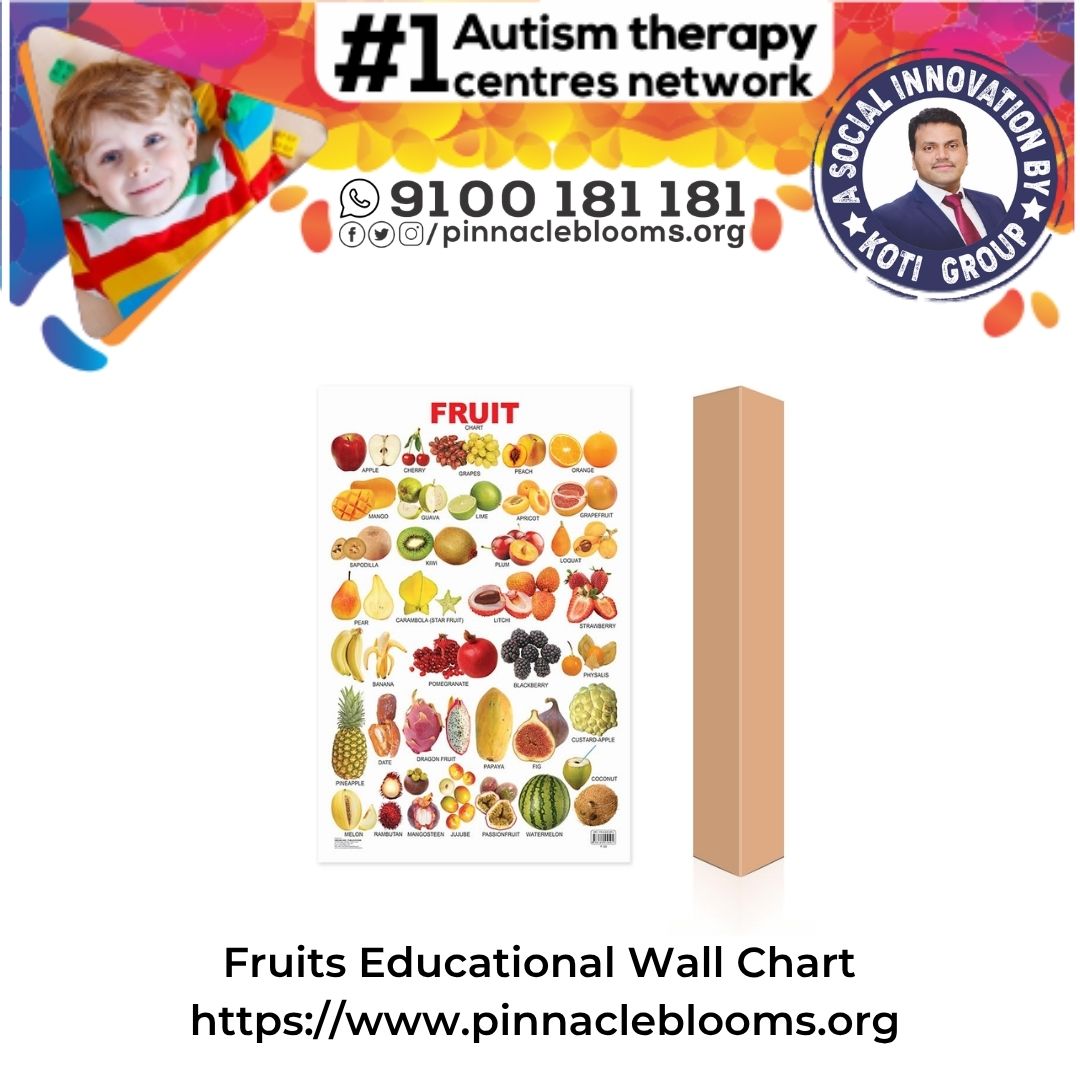
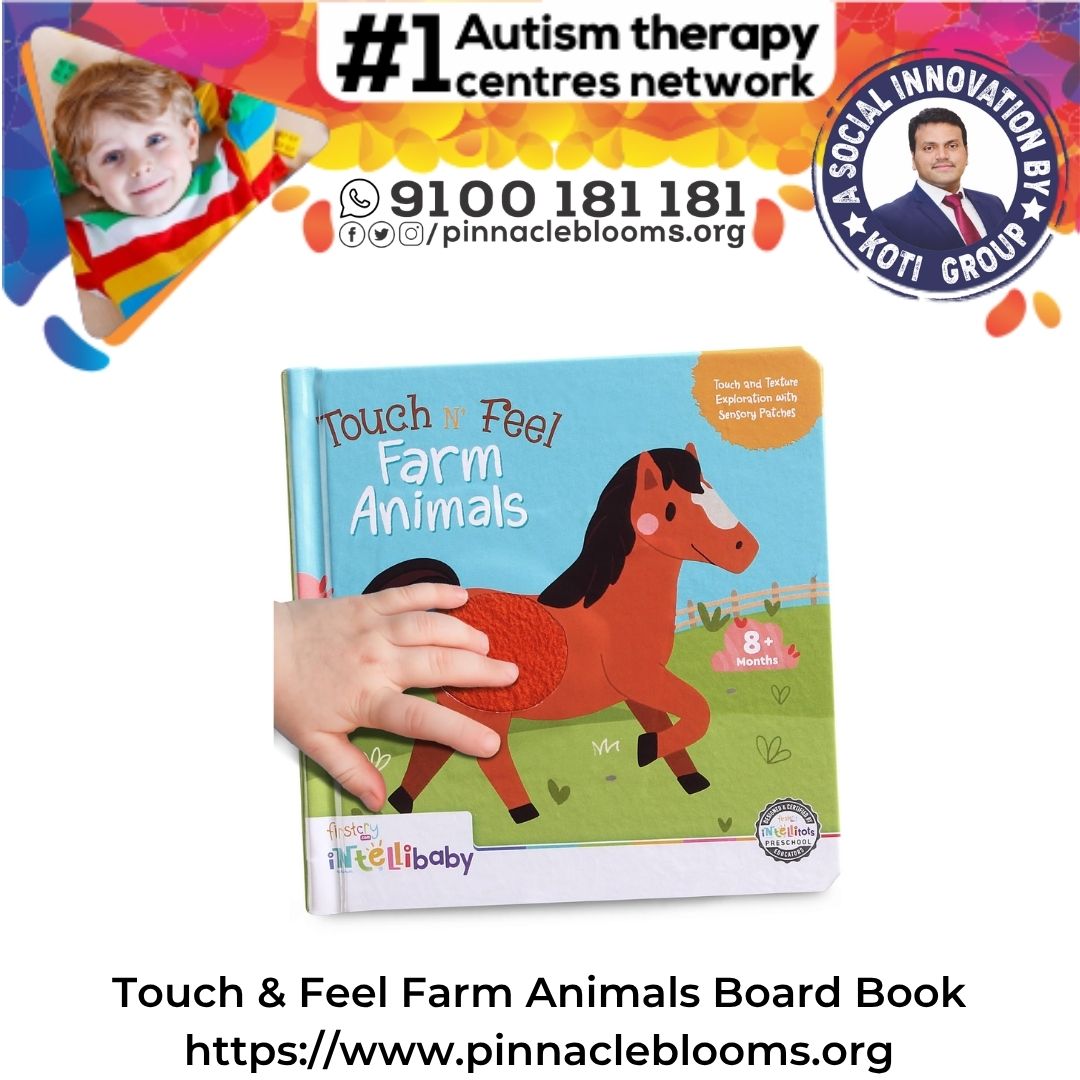
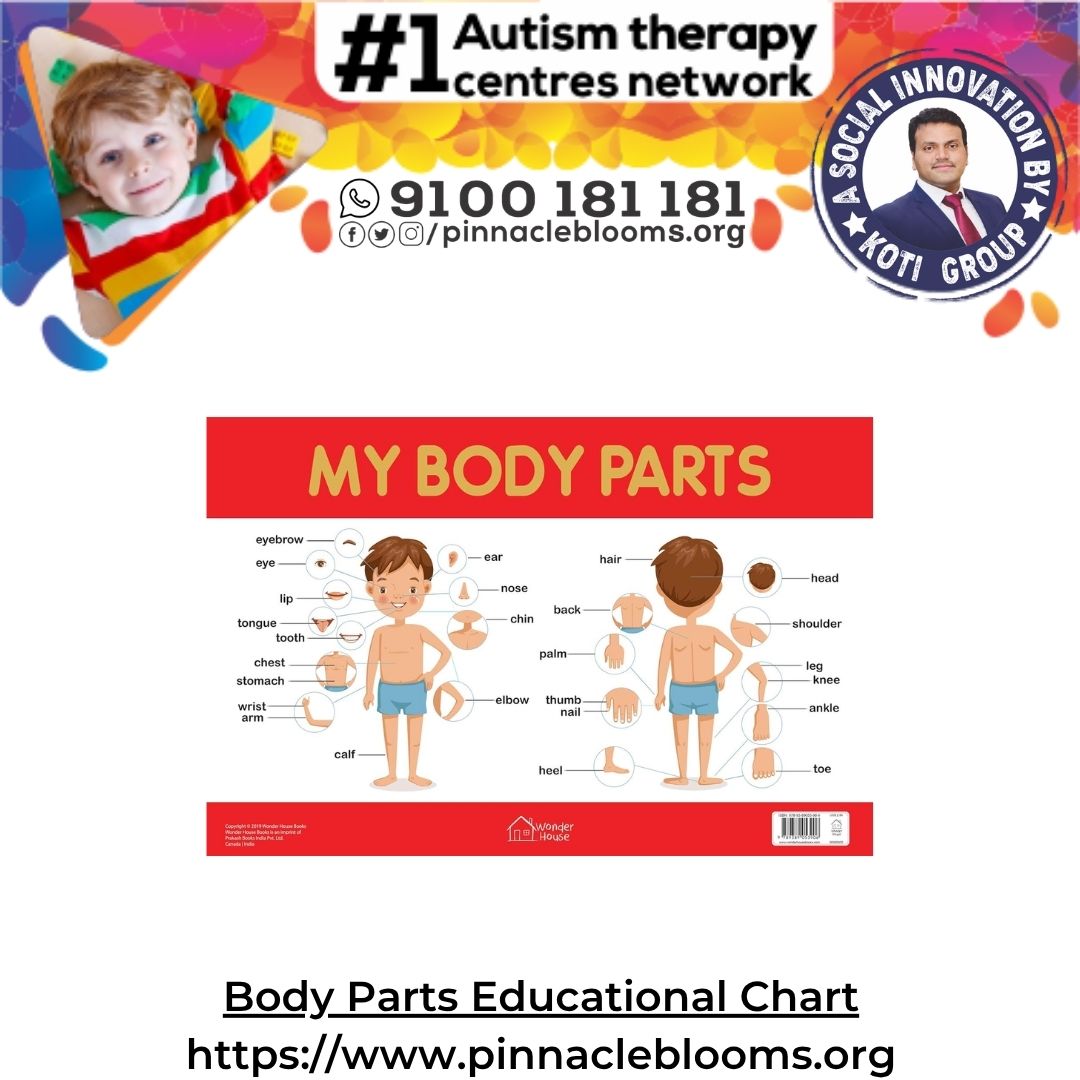
Language Expansion / Vocabulary Building Tools
Language expansion tools systematically build vocabulary and sentence complexity through modeling, expansion, and varied word types. These materials support both receptive and expressive language development across all daily activities and contexts.
Effective vocabulary instruction goes beyond teaching object names. Including verbs, descriptors, prepositions, and social words gives children the language to describe actions, feelings, locations, and relationships — enabling richer, more complete communication.
Vocabulary Exposure
Introduce new words in meaningful contexts
Adult Modeling
Demonstrate word use naturally throughout activities
Expansion
Build on child's utterances to model next level
Practice
Child uses new vocabulary across contexts
Mastery
Increased complexity and communication success
Evidence-Based Strategies
- Teach vocabulary in natural contexts throughout the day
- Include verbs and descriptors, not just nouns
- Expand child's utterances (child: "ball" → adult: "Big red ball!")
- Use parallel talk and self-talk throughout daily routines
- Read books and label the environment constantly
Price Range: ₹0 - ₹1,000 | Settings: All — throughout the day | Target Areas: Receptive Vocabulary, Expressive Vocabulary, Sentence Length, Language Complexity, Categorization
Material 5.6
Specialist Kit
Articulation / Speech Sound Tools
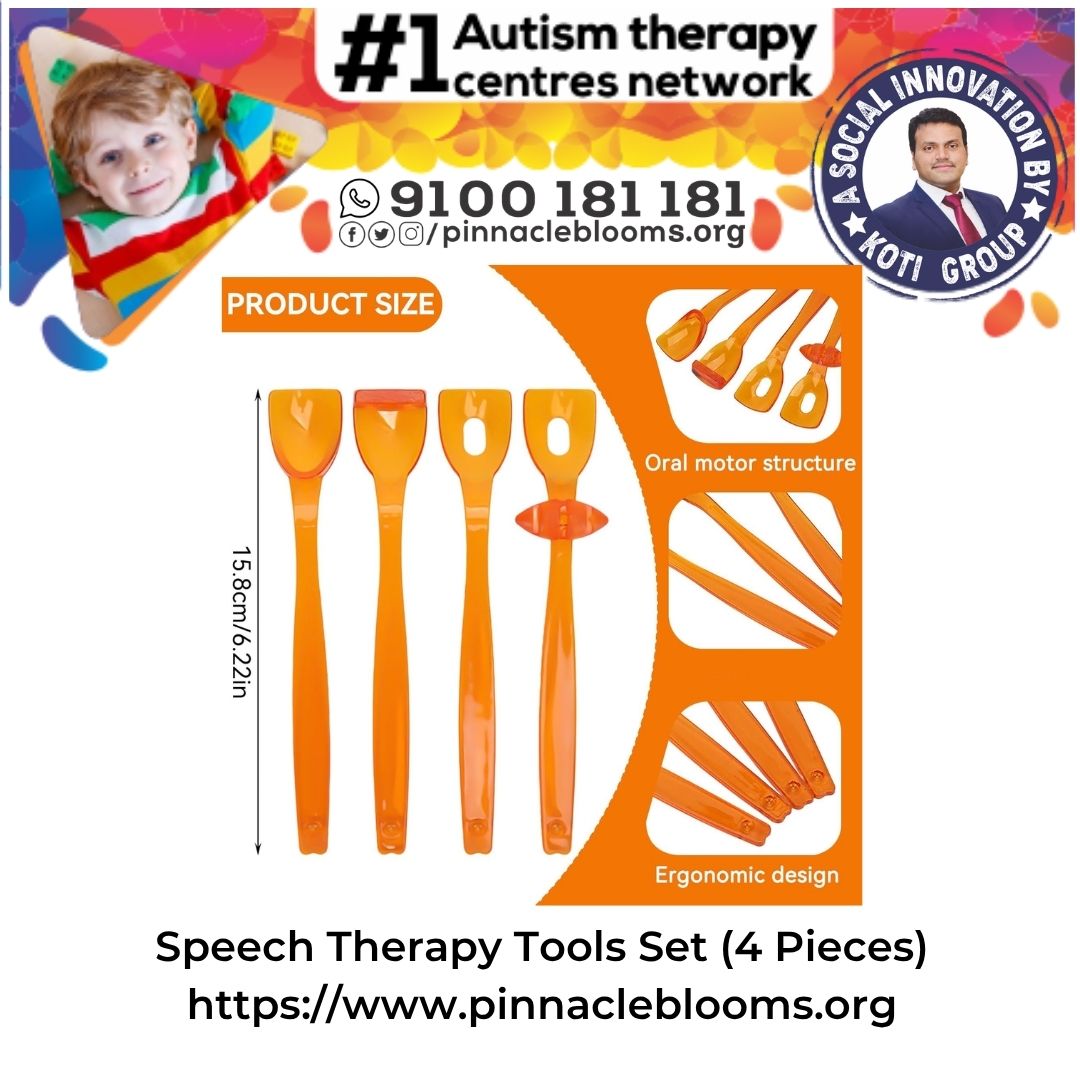
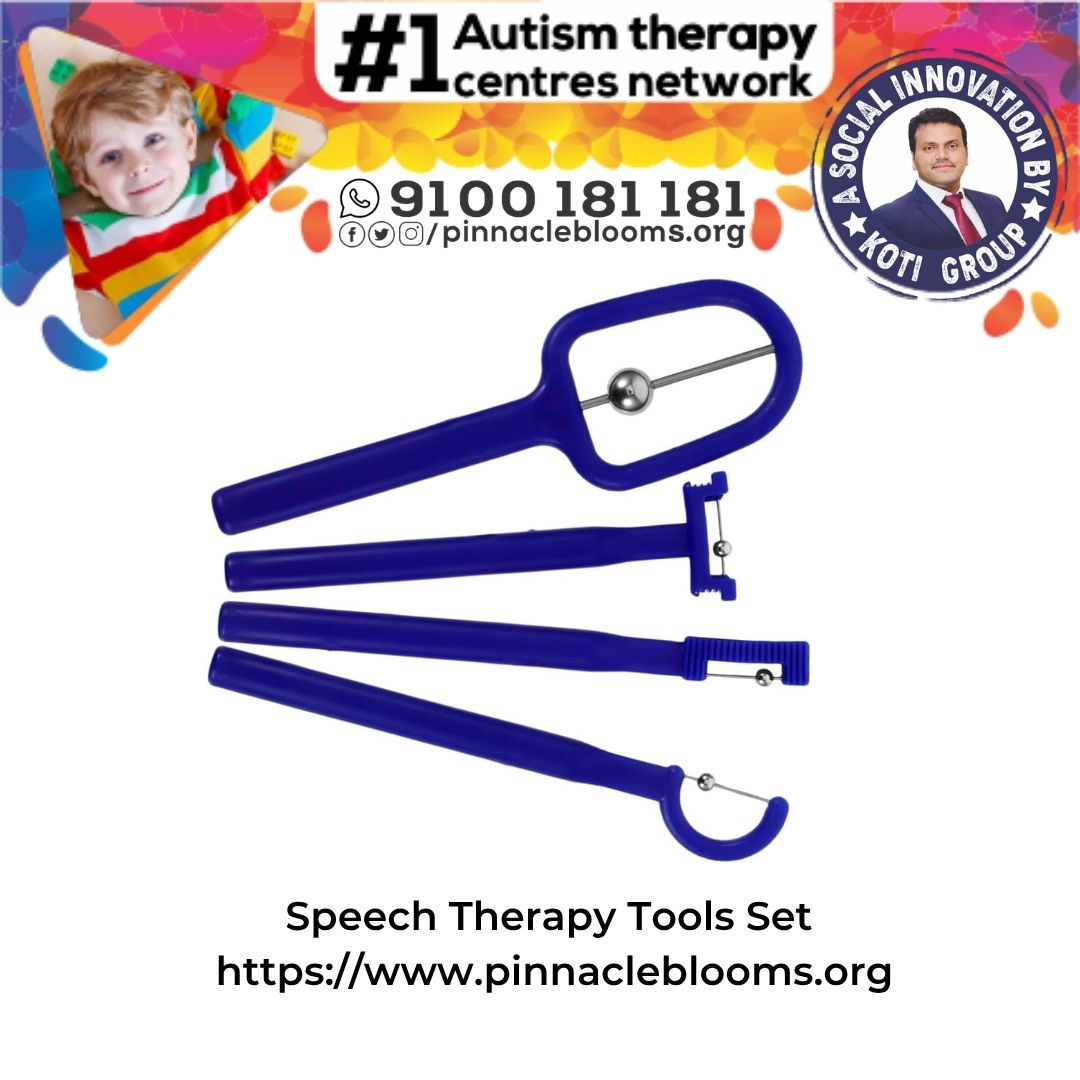
Articulation tools support SLP-guided therapy to improve speech sound production and intelligibility. These specialized resources target specific speech sounds through systematic practice, visual feedback, and motor learning principles.

Professional Guidance Required
A speech-language pathologist should assess and guide intervention. SLPs identify which sounds to target, determine the appropriate level of practice, and monitor progress systematically.
Practice should be fun, not drilling. Effective articulation therapy incorporates games, meaningful activities, and natural communication contexts while targeting specific sound patterns.
Target Areas
- Speech Sound Production
- Intelligibility
- Oral Motor Skills
- Phonological Awareness
1
Sound Assessment
SLP evaluates sound production patterns
2
Targeted Practice
Systematic practice at appropriate level
3
Feedback
Visual and tactile cues support learning
4
Improved Production
Sounds produced correctly in practice
5
Clearer Speech
Generalization to natural communication
Best Practices for Home Practice
- Target sounds systematically (isolation → words → sentences)
- Use visual and tactile cues as taught by SLP
- Practice regularly but in short sessions
- Make it playful and engaging
Price Range: ₹100 - ₹1,000 | Settings: Clinic, Home (for practice) | Intended For: Therapists, Parents with SLP guidance
Material 5.7
Core Kit
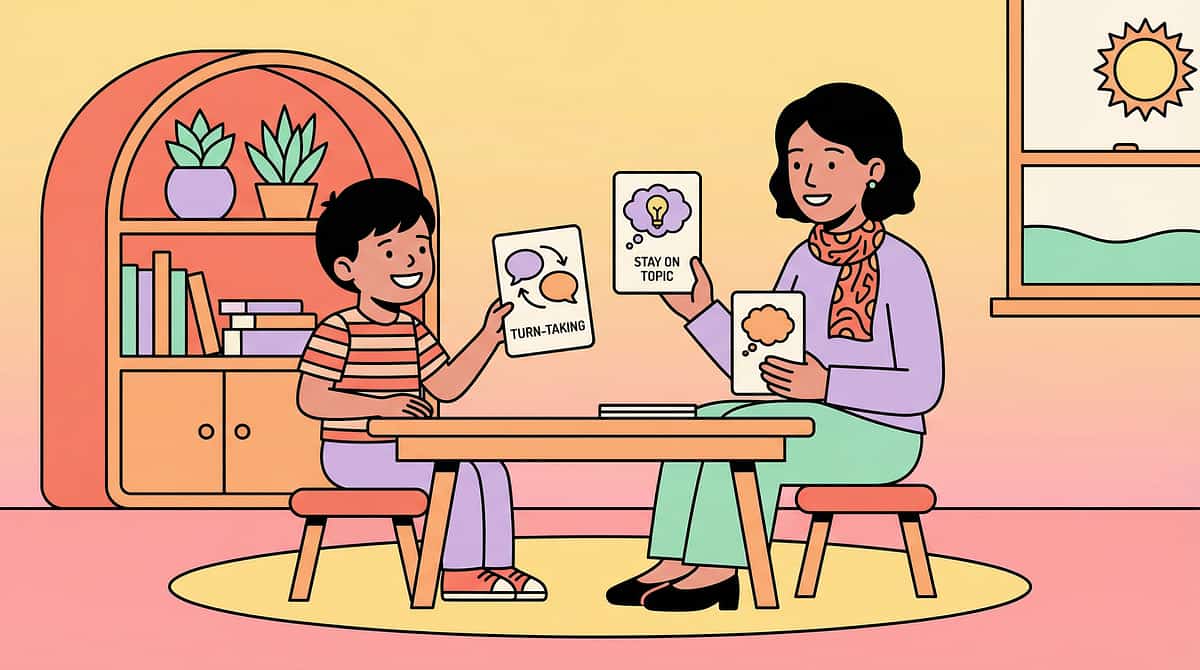
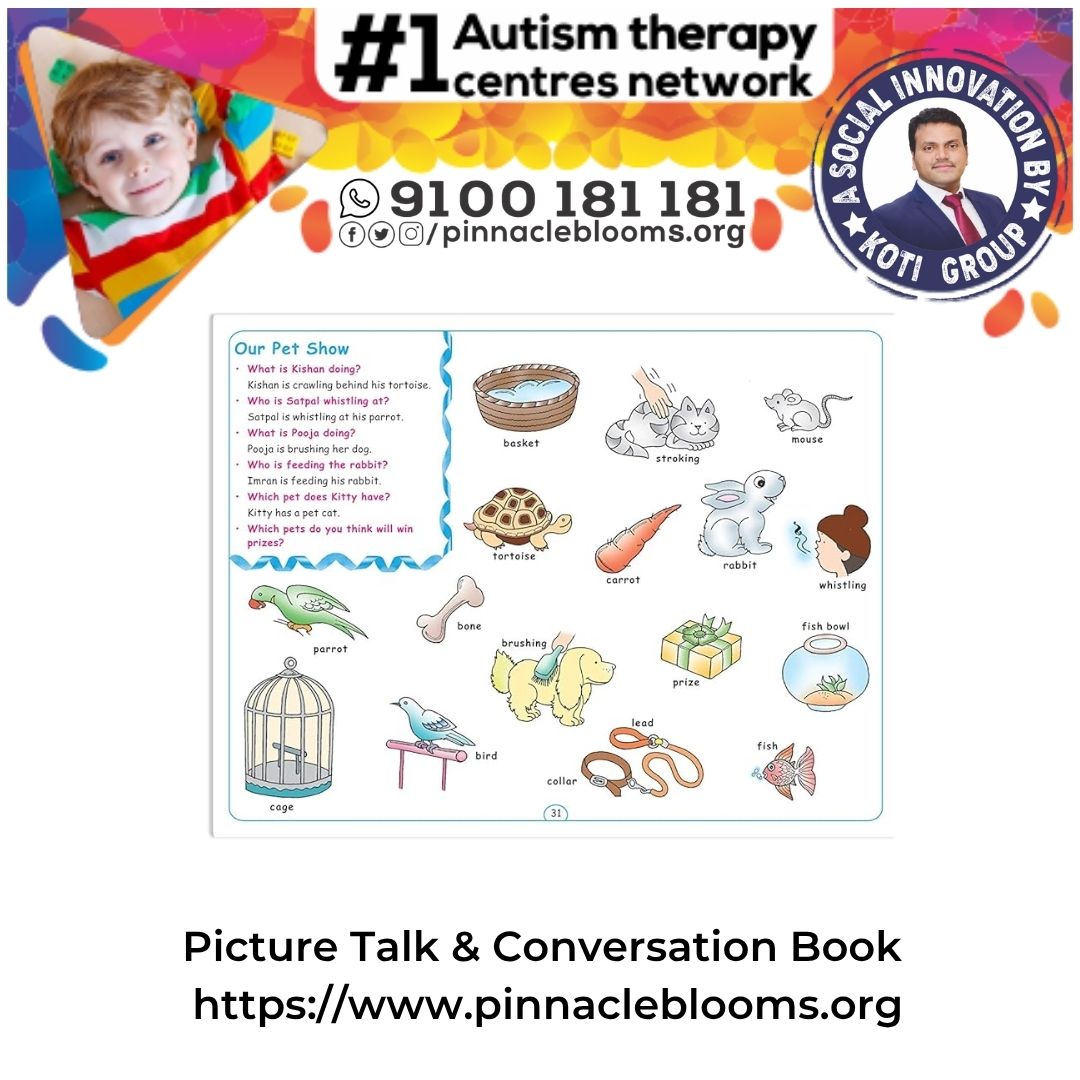
Conversation Visual Supports
Conversation visual supports explicitly teach implicit pragmatic language rules for successful reciprocal communication. These tools make the invisible rules of conversation visible, supporting children who struggle with the social aspects of language.
Many children with communication differences have strong language skills but struggle with the pragmatic — or social — aspects of conversation. They may interrupt, struggle to maintain topics, ask too many or too few questions, or miss social cues that neurotypical speakers use intuitively.
Pragmatic Language
Understanding and using social communication rules appropriately across contexts and conversation partners.
Turn-Taking
Knowing when to speak, when to listen, and how to recognize conversational cues from partners.
Topic Maintenance
Staying on topic, adding relevant information, and transitioning appropriately between subjects.
Question Asking
Asking appropriate questions to show interest, gather information, and maintain conversational flow.
Implementation Approach
Visual supports break down complex social expectations into concrete, learnable steps. With explicit teaching, supported practice, and positive feedback, children develop conversational competence that generalizes across settings.
Price Range: ₹50 - ₹400 | Settings: Home, School, Clinic, Social situations | Target Areas: Pragmatic Language, Conversation Skills, Turn-Taking, Topic Maintenance, Question Asking, Social Communication
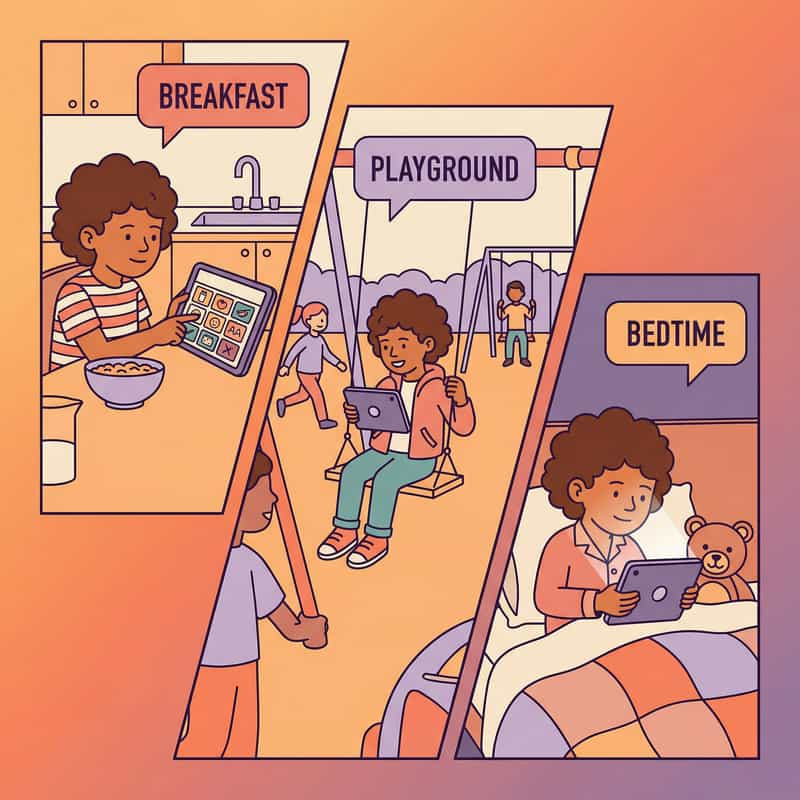
Core Vocabulary: The Foundation of AAC
Core vocabulary consists of high-frequency words that are used across many contexts, by all people, throughout the day. Research shows that just 100-200 core words make up approximately 80% of everything we say.
Core vocabulary is essential for AAC success because it allows functional communication immediately, supports language development, and transfers across activities and environments. Unlike fringe vocabulary (specific nouns like "dinosaur" or "trampoline"), core words like "go," "more," "help," "stop," "like," and "want" can be used in countless situations.
Core vs. Fringe Vocabulary
Core Vocabulary: High-frequency words used across contexts (go, more, help, stop, want, like, need, here, my, you)
Fringe Vocabulary: Low-frequency, context-specific words (pizza, dinosaur, trampoline, specific names)
Both are important, but core vocabulary should be prioritized and easily accessible on any communication system.
Implementing Core Vocabulary
- Make core words the most accessible on any communication system
- Model core vocabulary constantly throughout daily activities
- Teach flexibility — show how "go" works in many contexts
- Don't require mastery before moving forward
- Combine core words to make novel messages
Pinnacle Blooms Network®
Built by Mothers. Engineered as a System.
Pinnacle Blooms Network® is the execution layer of GPT-OS® — delivering therapy, daily programs, digital continuity, and marketplace access at population scale. Our platform transforms evidence-based practices into accessible, measurable interventions for families across India.
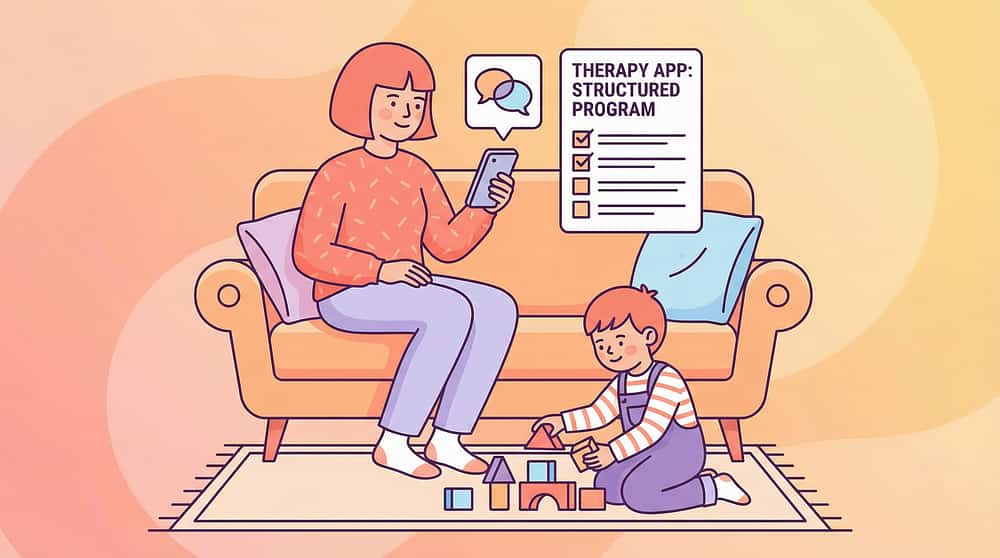
Pediatric Therapeutic OTT Platform
On-demand therapy guidance, parent education, and EverydayTherapyProgramme™ delivery — accessible anytime, anywhere families need support.
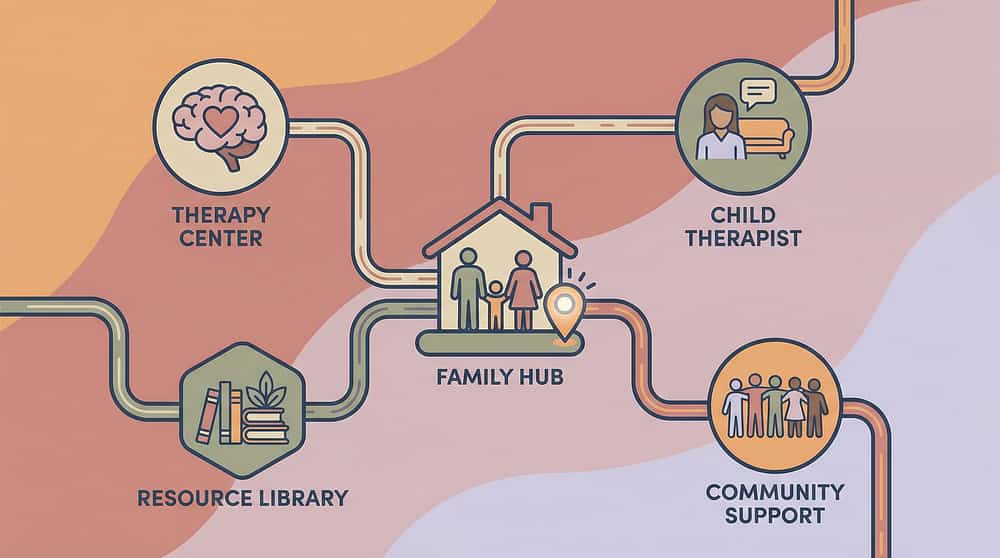
Hyperlocal Therapeutic Marketplace
Connects families to verified therapists, centers, programs, and resources — mapped to the child's AbilityScore® and readiness needs.
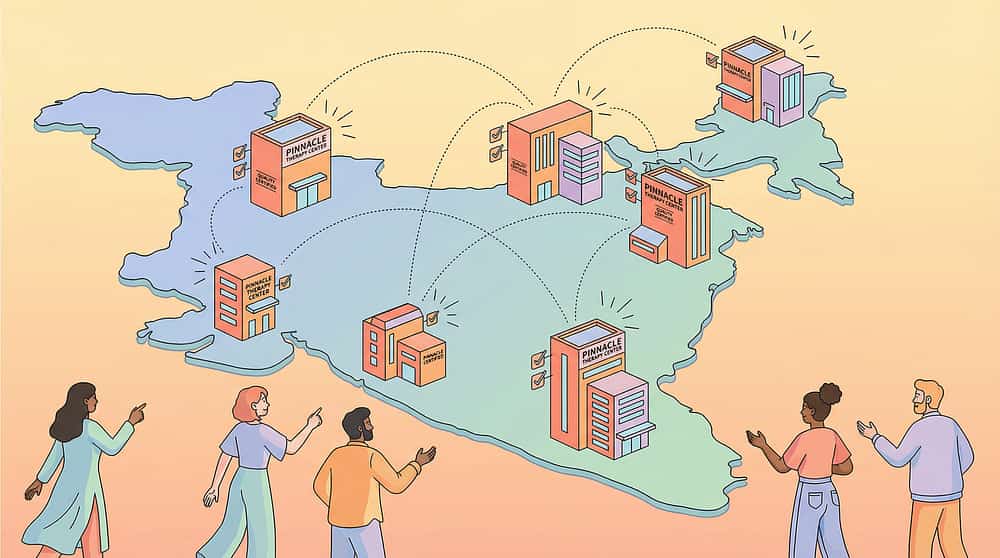
Center Network Execution
70+ physical centers operating under GPT-OS® standards with measurable accountability, ensuring consistent quality across locations.
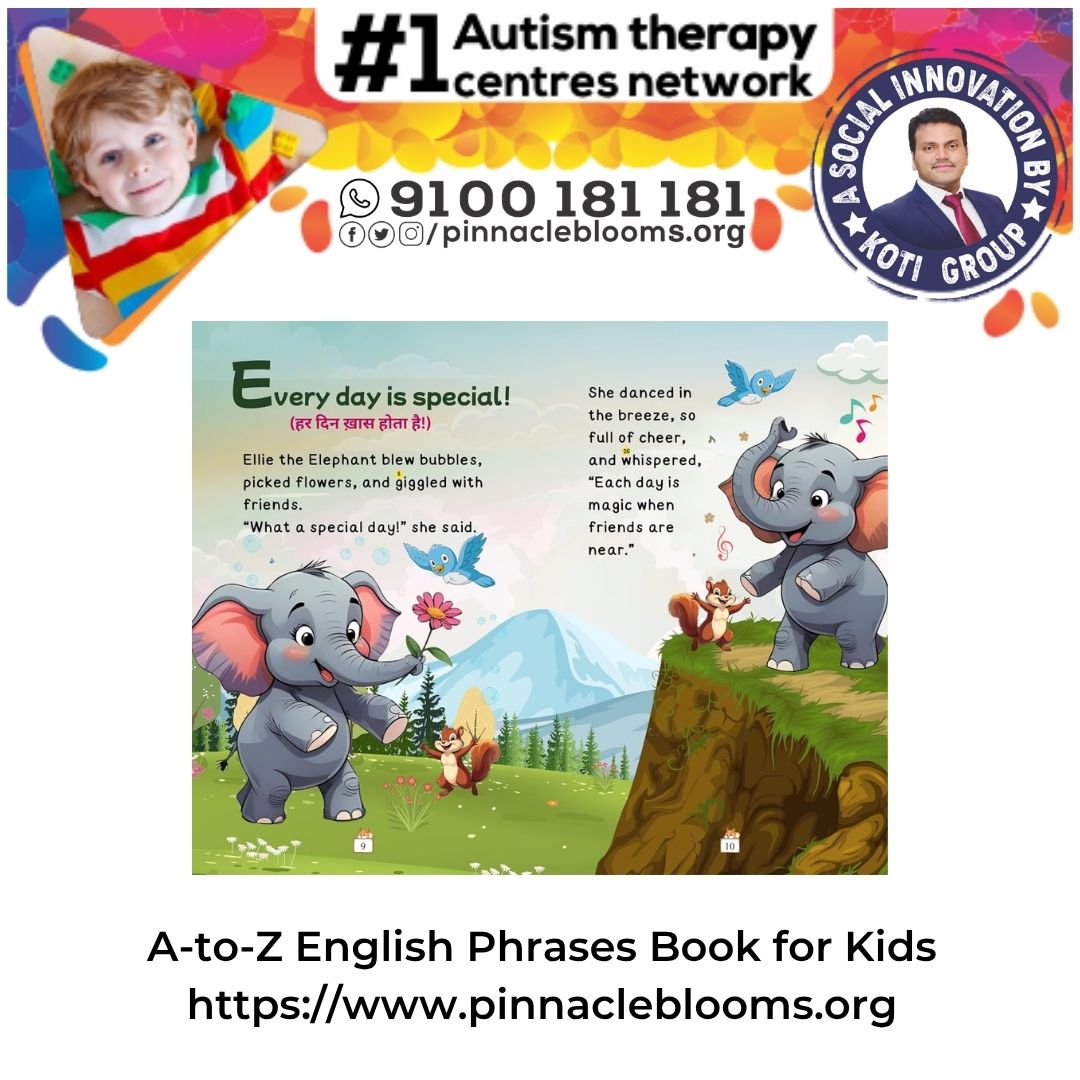
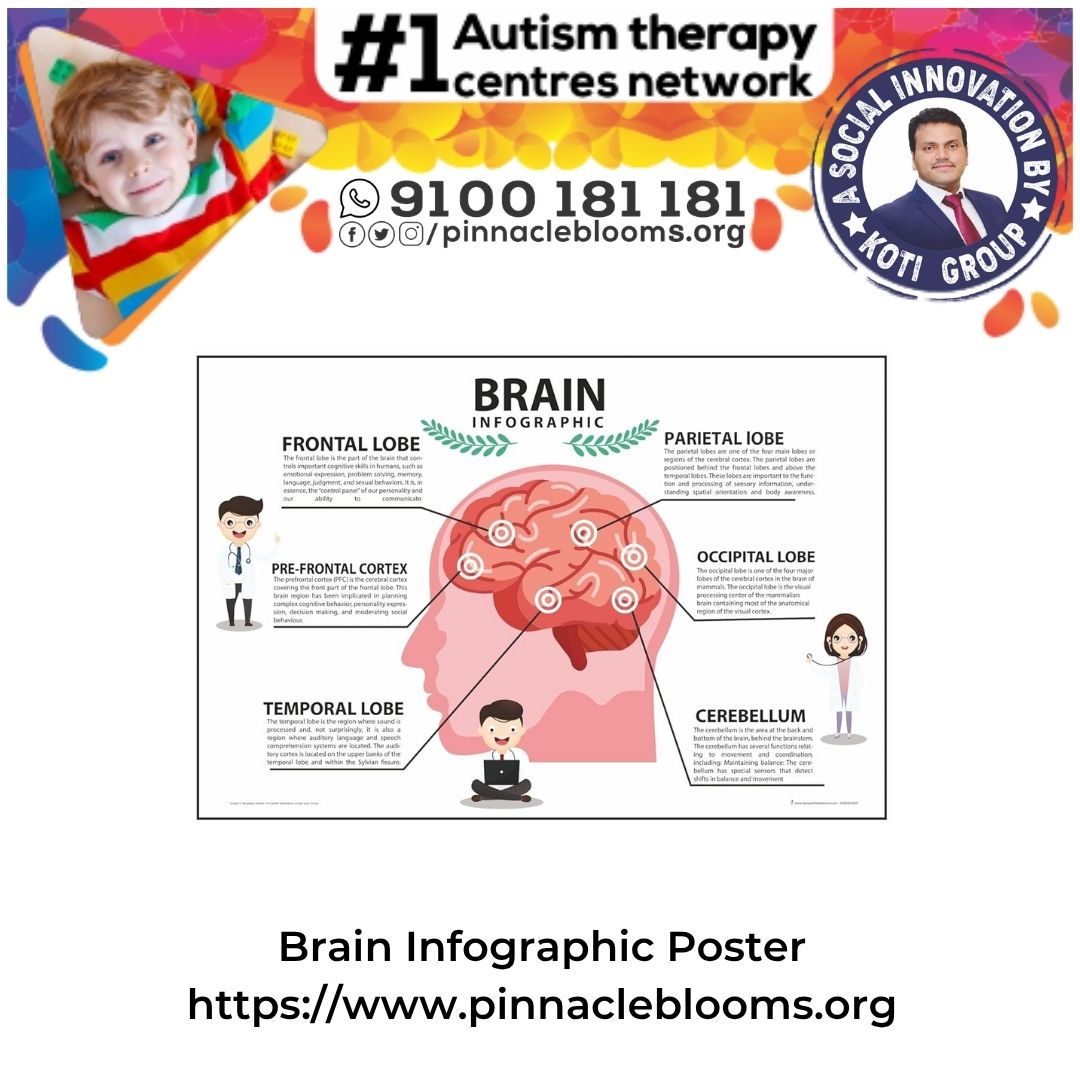
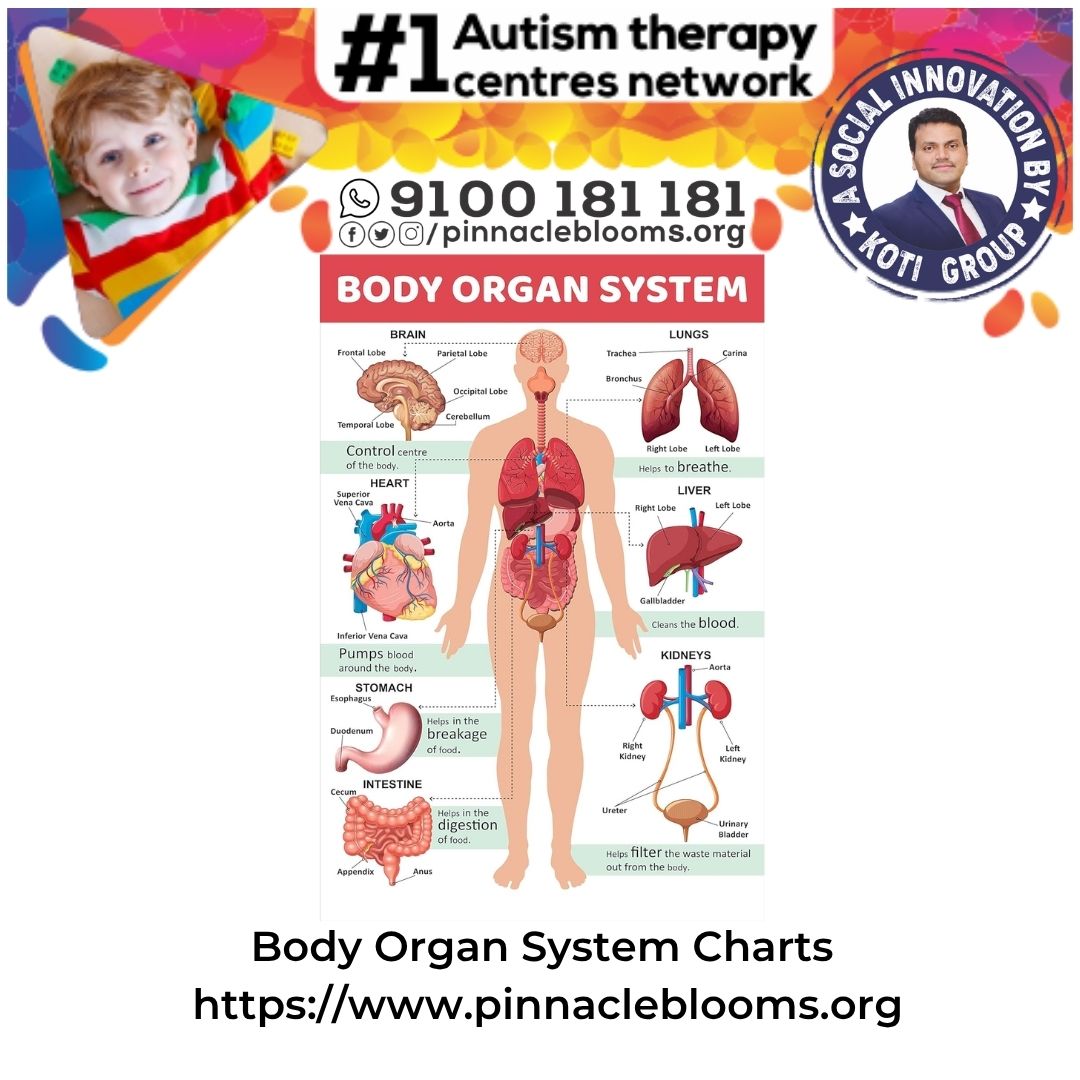
Preview of communication language tools Therapy Material
Below is a visual preview of communication language tools therapy material. The pages shown help educators, therapists, and caregivers understand the structure and content of the resource before use. Materials should be used under appropriate professional guidance.
Cannons
Communication & Language MaterialsEvidence-based materials supporting expressive and receptive language, AAC, articulation, vocabulary, and social communication across home, school, and therapy settings.


Link copied!