










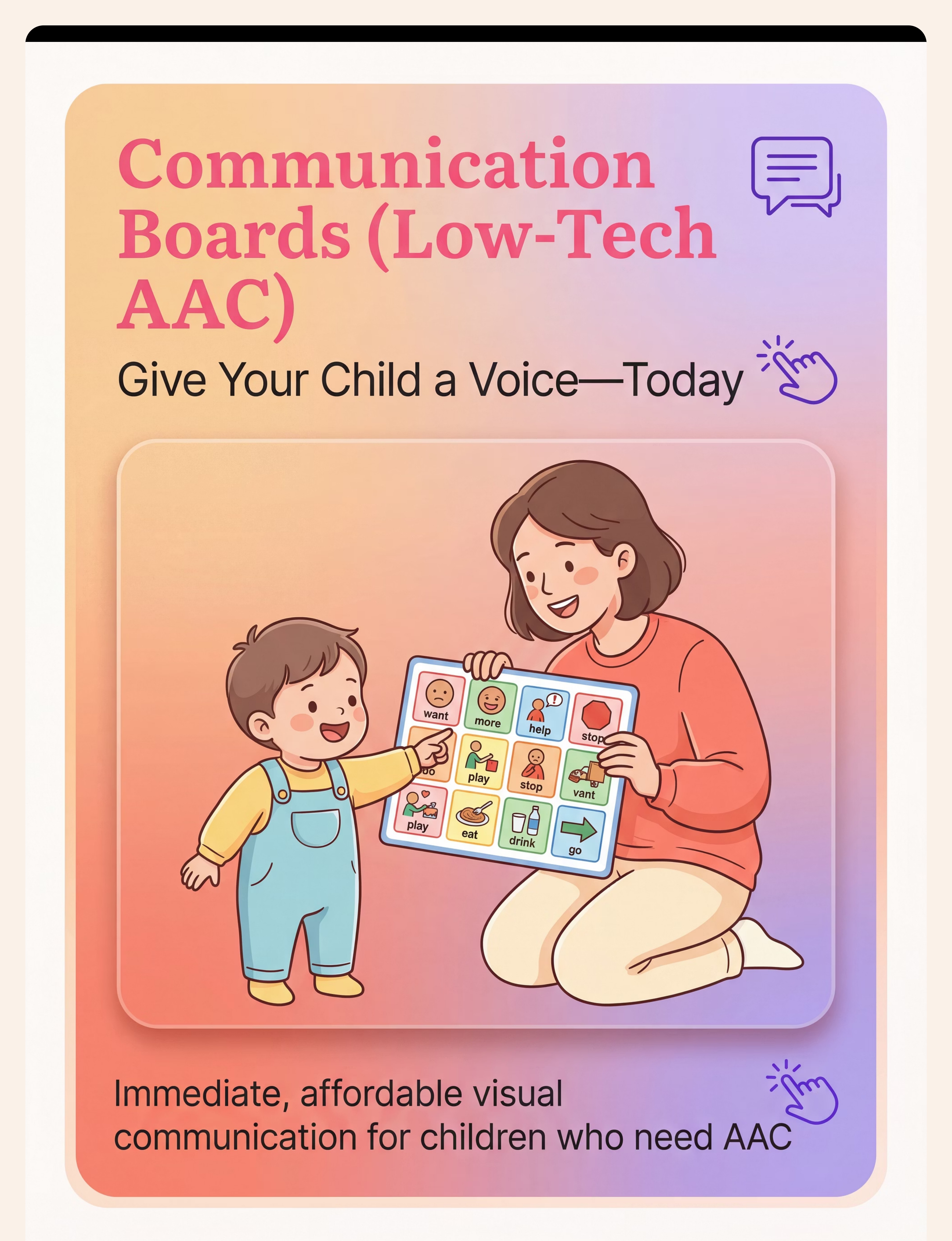
Communication Boards
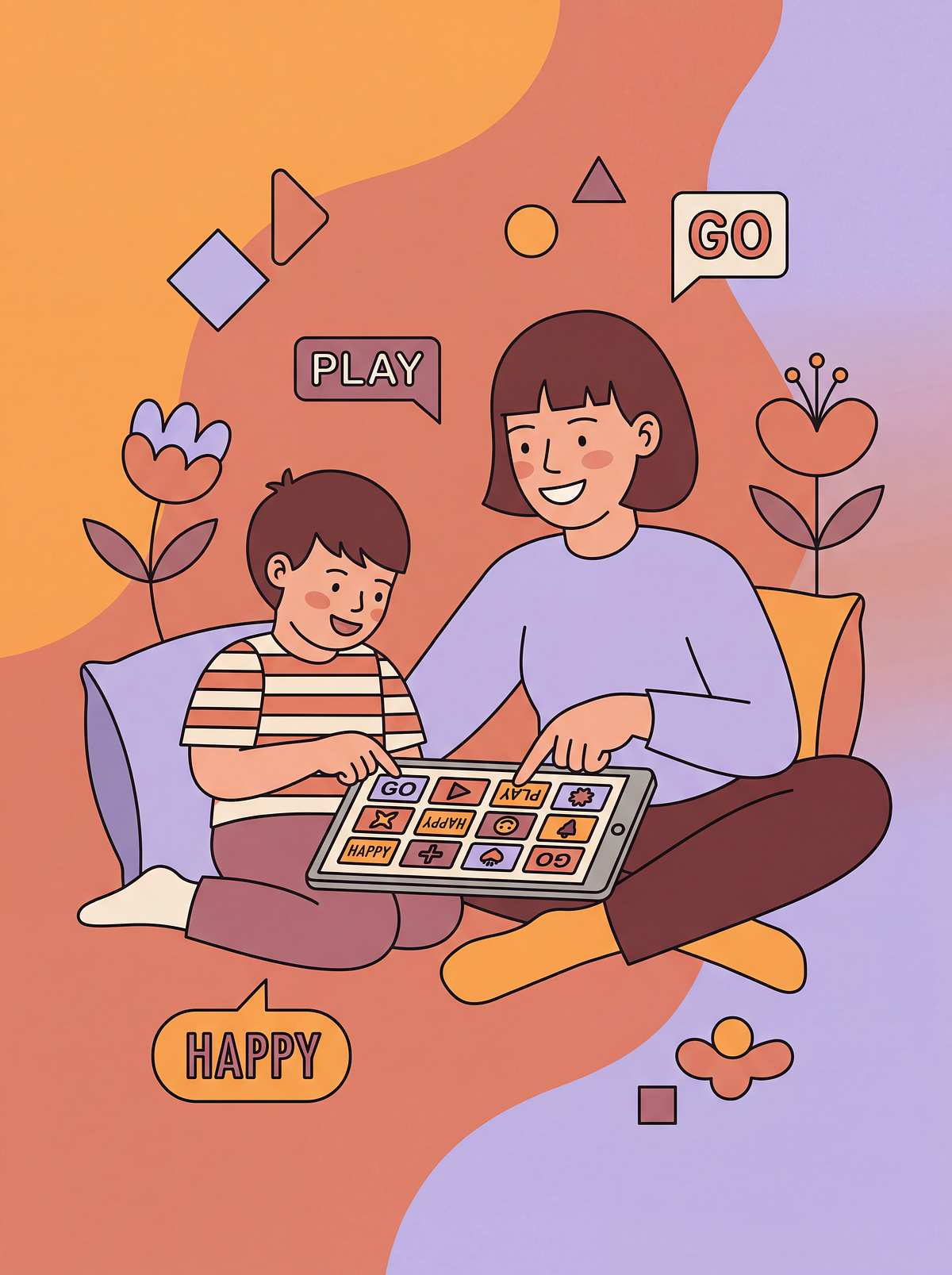
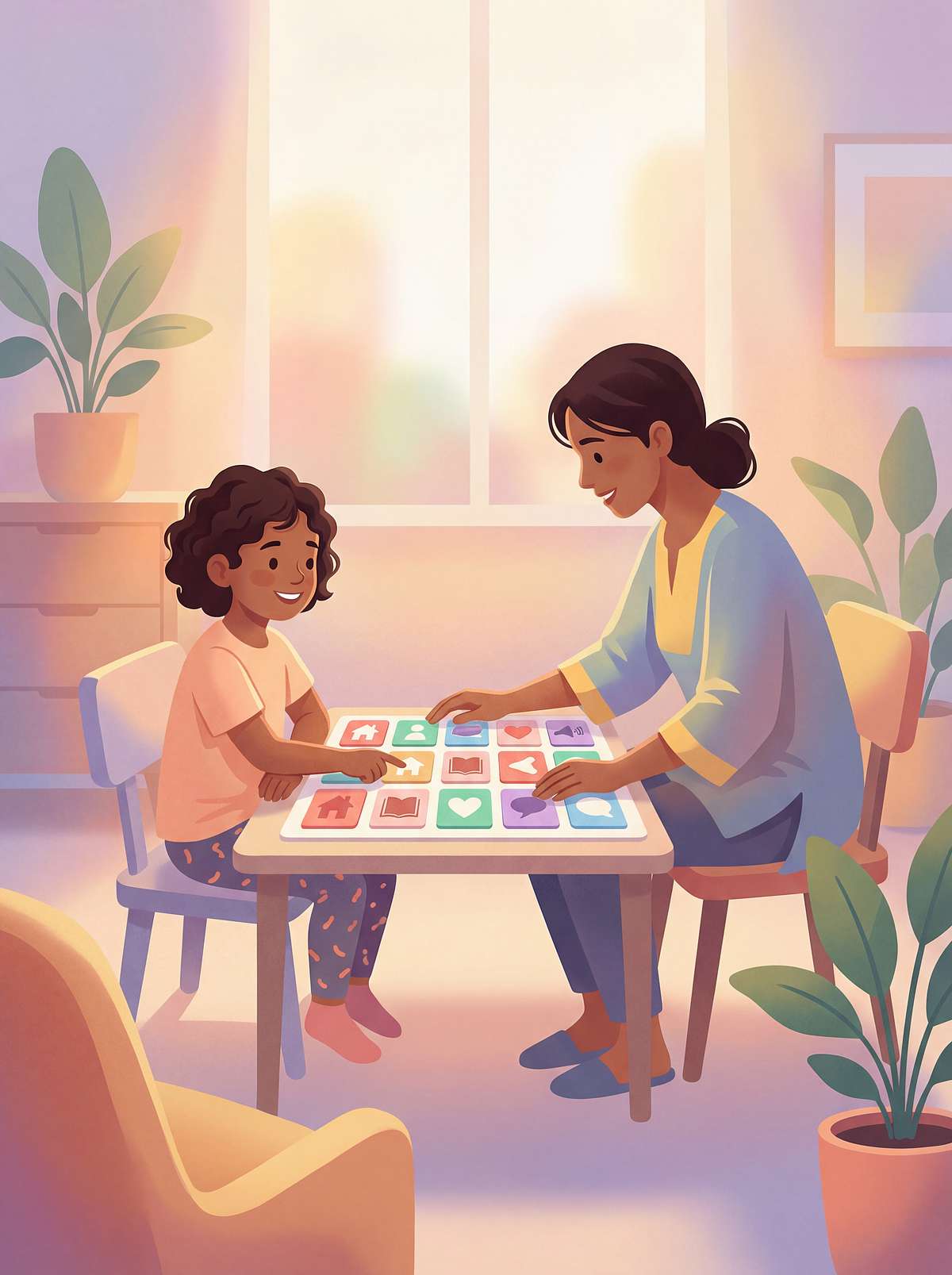
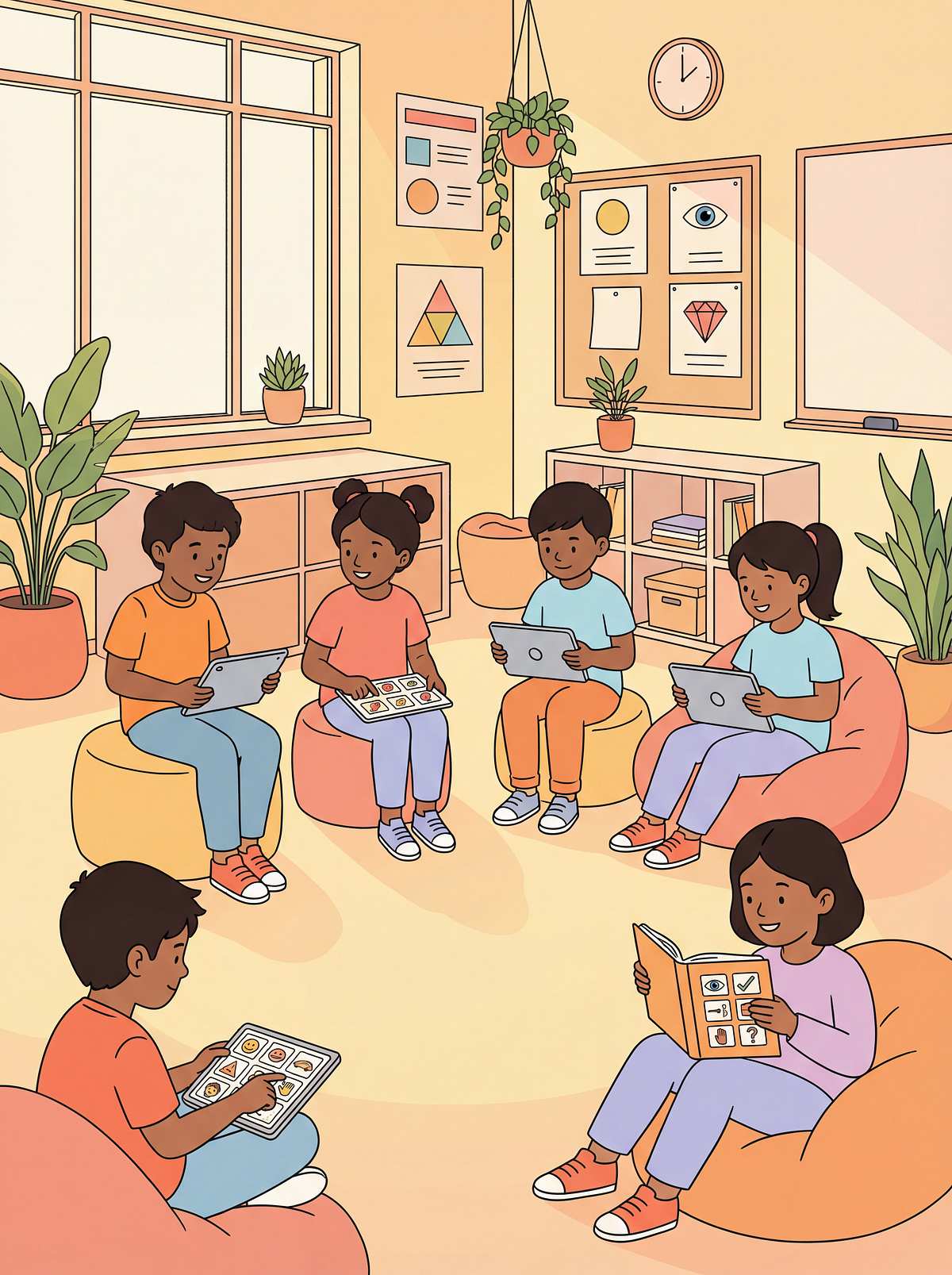
Low-Tech Visual Communication System for Children with Speech Delays
Who This Helps
Children with Autism
Facilitates expression and understanding for those on the autism spectrum.
Children with Speech Delays
Offers a visual foundation to develop and practice verbal communication.
Children with Apraxia
Supports motor planning for speech, aiding in word and sentence formation.
Children with Diverse Needs
Empowers any child struggling with verbal expression to communicate effectively.
Does This Sound Familiar?
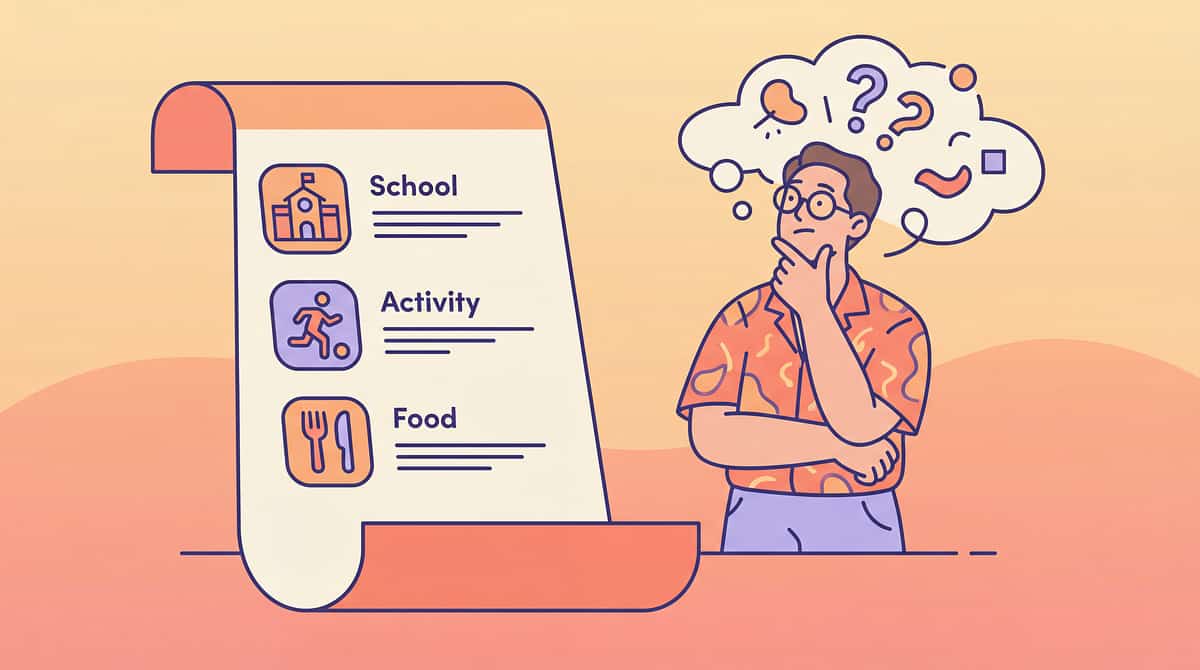
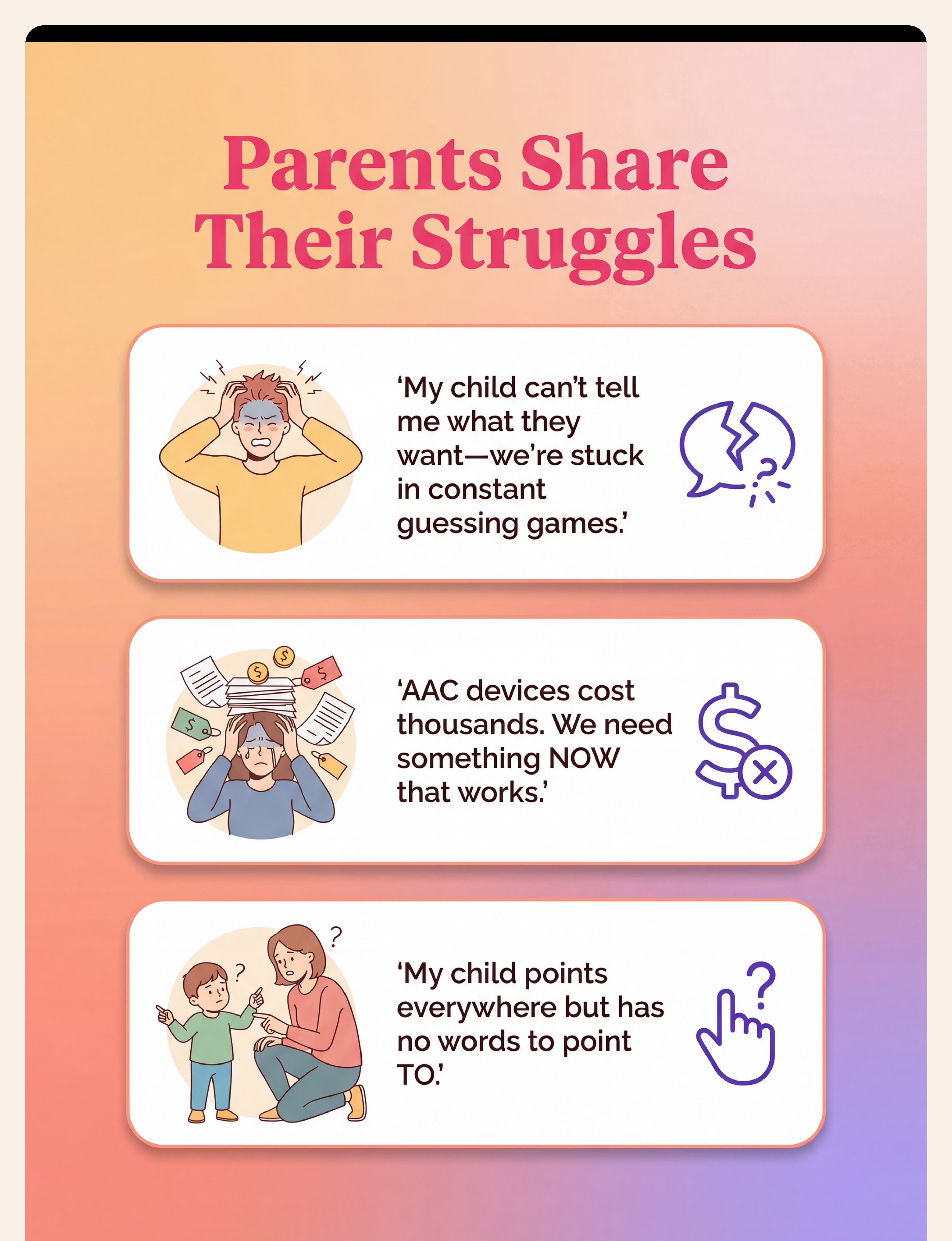
"My child can't tell me what they want. We're stuck in endless guessing games that end in tears."
"High-tech AAC devices cost lakhs. Is there something simpler we can start with today?"
"My child points, but to what? There's nothing for them to point to that helps me understand."
"We need communication tools everywhere - kitchen, bathroom, car - not just in therapy sessions."
You're not alone. These are common challenges faced by thousands of families. Communication boards offer an immediate, affordable solution that works right where life happens.
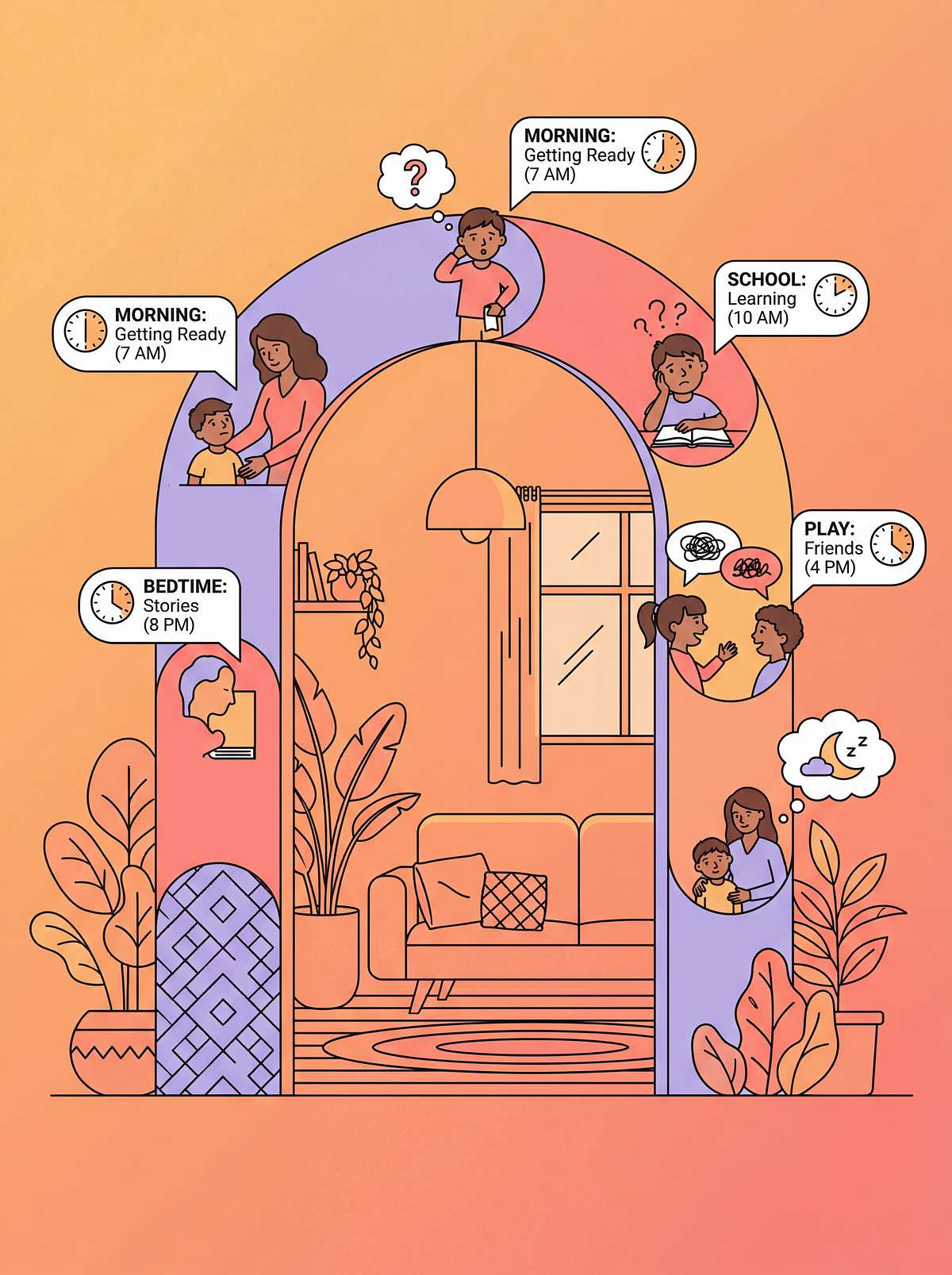
A Day Without the Right Support
Morning Rush Misunderstandings
Child points to clothes or breakfast items, but parent dresses them in the wrong outfit or serves the wrong food. Frustration builds as communication breaks down before the day even begins.
School/Mid-day Communication Gaps
At school or during a mid-day activity, the child tries to express a need or desire, like wanting a specific toy or needing the restroom. Their attempts are misunderstood, leading to feelings of isolation and sadness.
Afternoon Activity Frustrations
After school, the child wants to engage in a particular play activity or watch a specific show. Vague gestures or sounds lead to confusion, incorrect guesses from parents, and inevitable meltdowns.
Evening Wind-Down Woes
Before bed, the child can't communicate a simple request, like wanting a favorite blanket, a specific story, or a glass of water. This prolongs bedtime struggles, causes tears, and leaves everyone exhausted, ending the day on a stressful note.
The Science Behind It
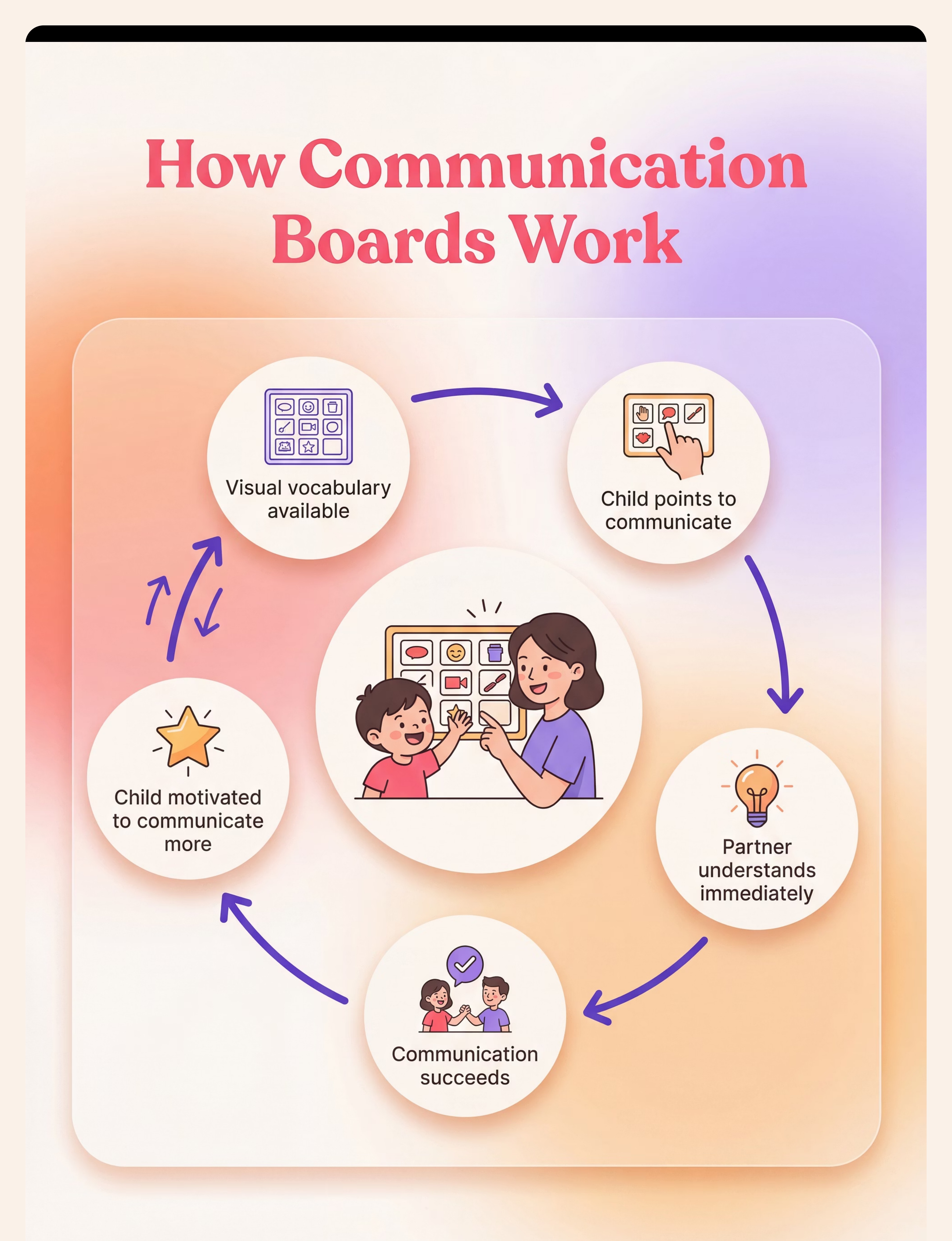
Communication boards create a powerful neurological pathway that transforms frustration into connection. Here's how this evidence-based tool builds communication success:
Visual Symbols Available
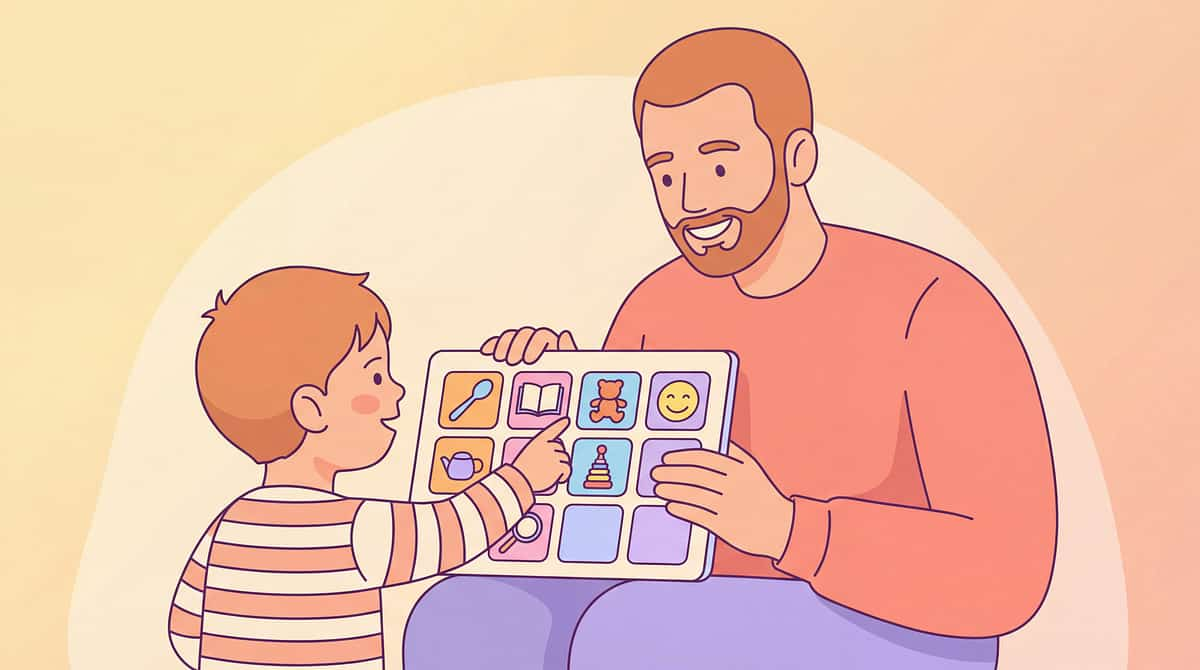
Child sees vocabulary options displayed clearly on accessible board
Child Points to Communicate
Indicates choice through pointing, establishing intentional communication
Partner Understands
Visual reference eliminates guessing, creates immediate comprehension
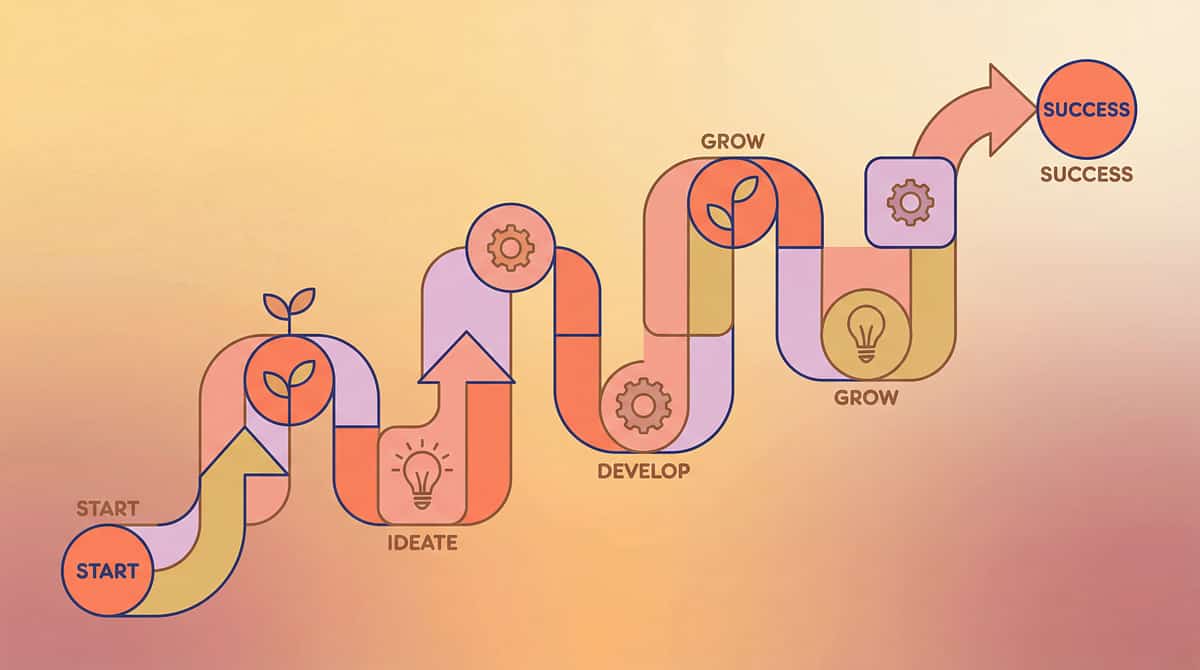
Communication Succeeds
Need is met, connection happens, positive reinforcement established
Motivation Increases
Success drives more attempts, vocabulary naturally expands over time
Target Areas:
Receptive Language
Expressive Communication
Vocabulary Building
Participation
Choice-Making
How to Use It Right
Communication boards are simple to use, but these best practices ensure maximum effectiveness and natural language development:
1
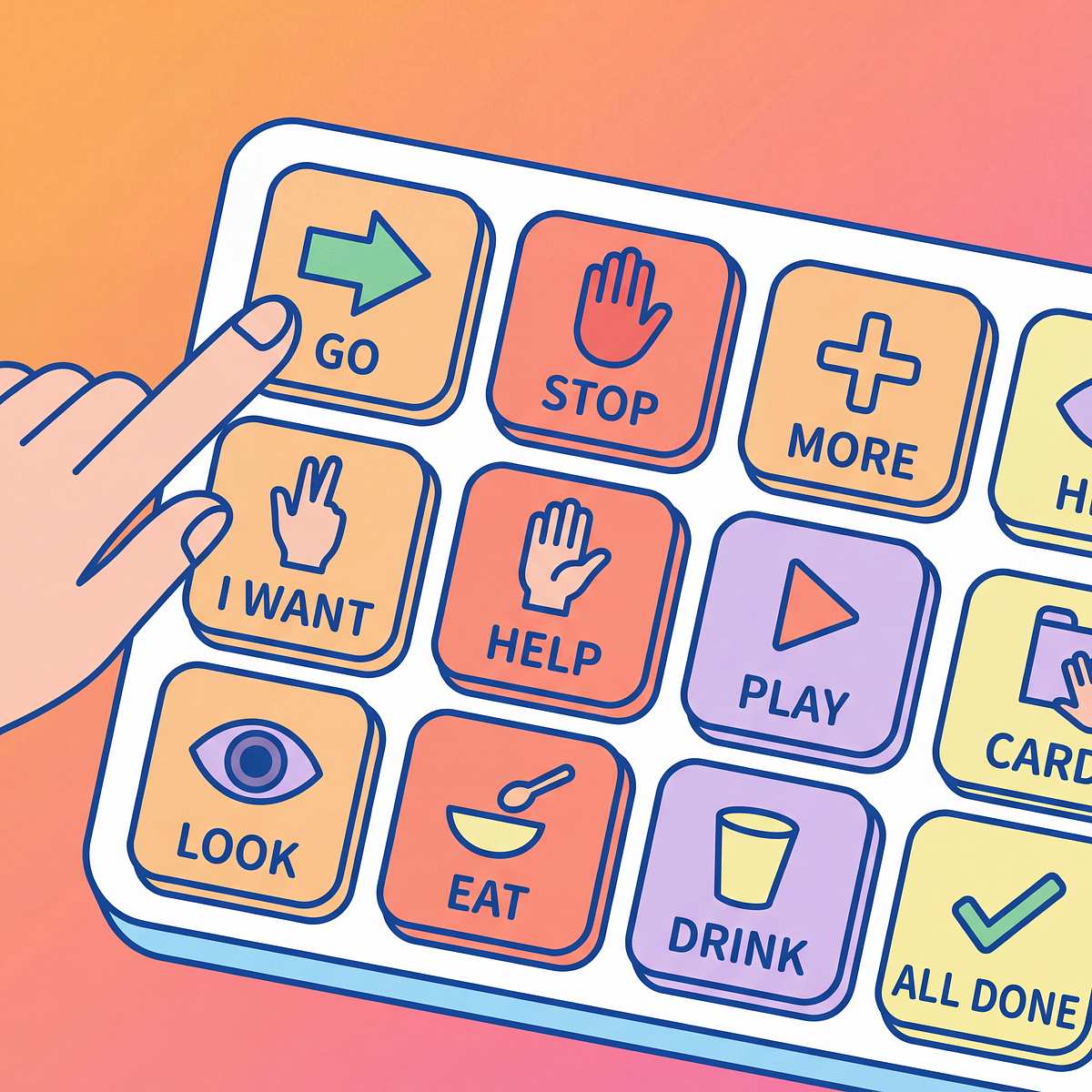
Include CORE Vocabulary
Focus on high-frequency words like go, stop, want, more, help that work in any situation - these form 80% of daily communication
2
Place Boards Where Communication Happens
Kitchen board at mealtime, bathroom board near toilet, car board in vehicle - vocabulary must be available at point of need
3
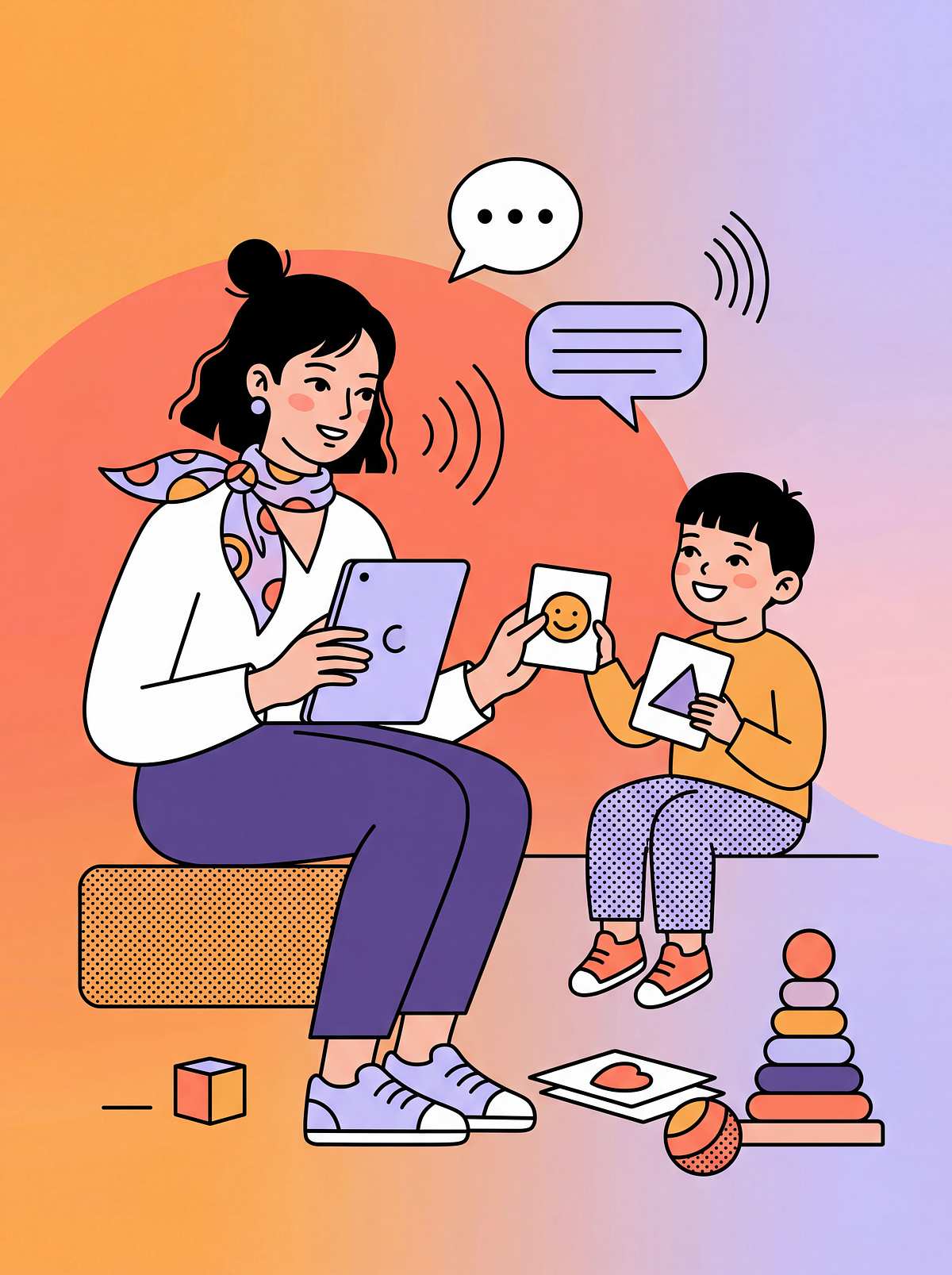
Model Pointing While Speaking
Point to symbols as you talk throughout the day - children learn by watching, not just being told to point
4
Honor All Communication Attempts
Respond to every point, even approximate - this builds confidence and motivation to keep communicating
5
Update Boards as Vocabulary Grows
Add new symbols when child masters current ones, keeping communication dynamic and developmentally appropriate
6
Combine with Other AAC Systems
Use alongside gestures, signs, and devices - multimodal communication is strongest communication

Duration: Communication boards should be constantly available. This is a lifelong tool that evolves with your child's needs, not a temporary intervention.
Expert Perspective
"Communication boards are low-tech but high-impact. Core vocabulary boards especially - 80% of what we say comes from about 400 words. Give children access to those words visually, everywhere."
— Speech-Language Pathologist, AAC Specialist
SLP + SpEd Recommended
Endorsed by both speech-language pathologists and special educators as foundational AAC tool
Strong Evidence Base
Decades of research support effectiveness across ages, diagnoses, and communication levels
Rank #1 in Category
Top-rated communication tool in Core Kit for immediate implementation
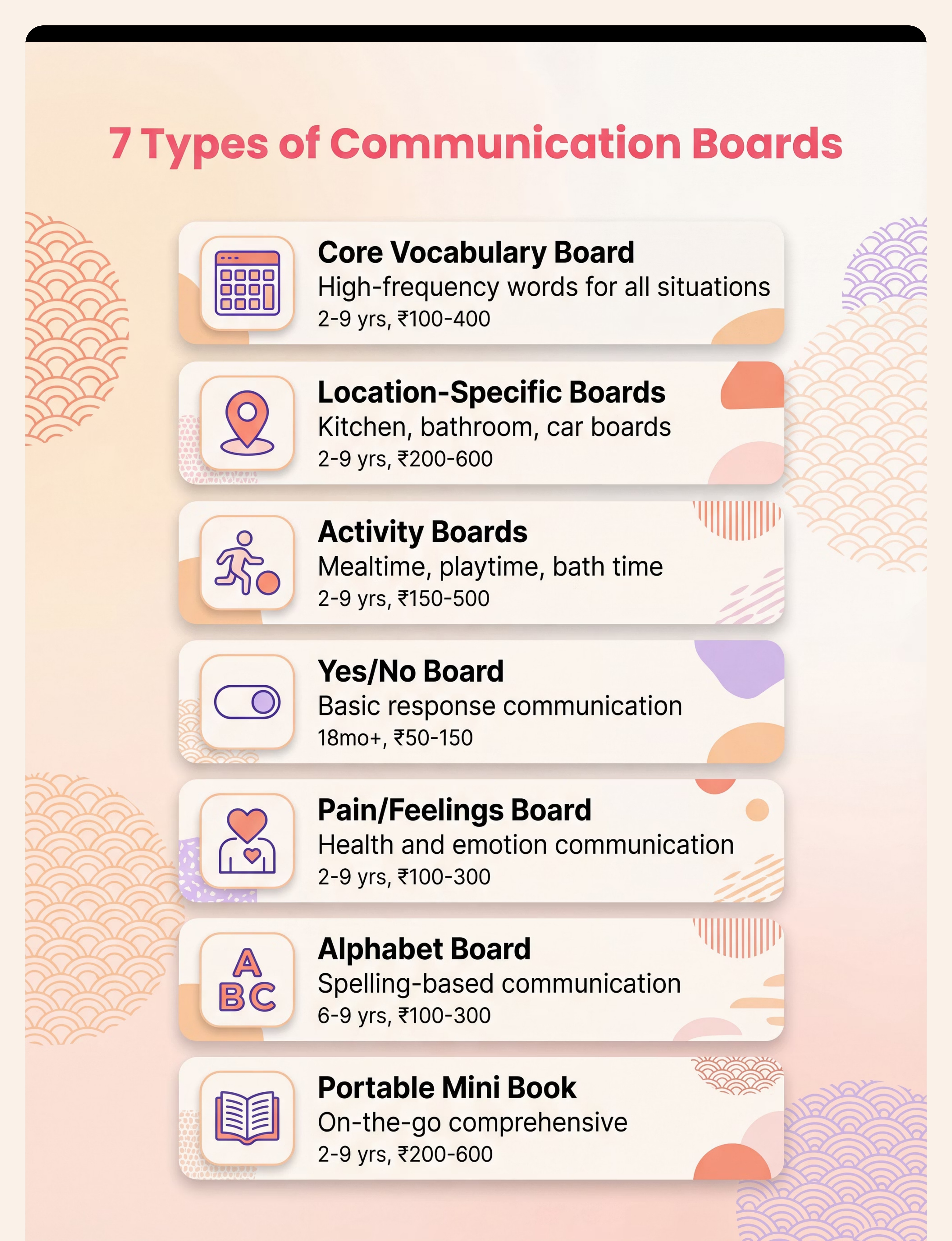
Choose Your Option (7 Variants)
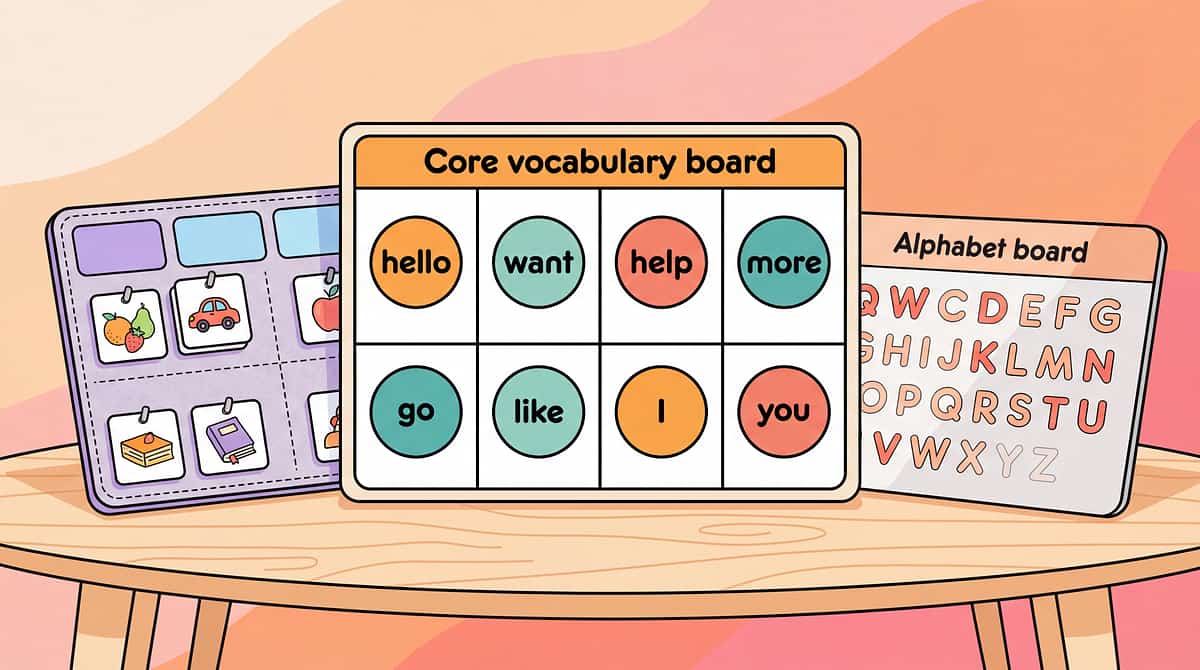
Communication boards come in multiple formats to meet different needs, contexts, and communication goals. Choose based on your child's current abilities, where they communicate most, and portability requirements:
Yes/No Board
Basic response for questions and choices.
Core Vocabulary Board
High-frequency words for foundational communication.
Location-Specific Boards
Contextual vocabulary for specific environments (e.g., kitchen).
Activity Communication Boards
Vocabulary for participation in routines (e.g., mealtime).
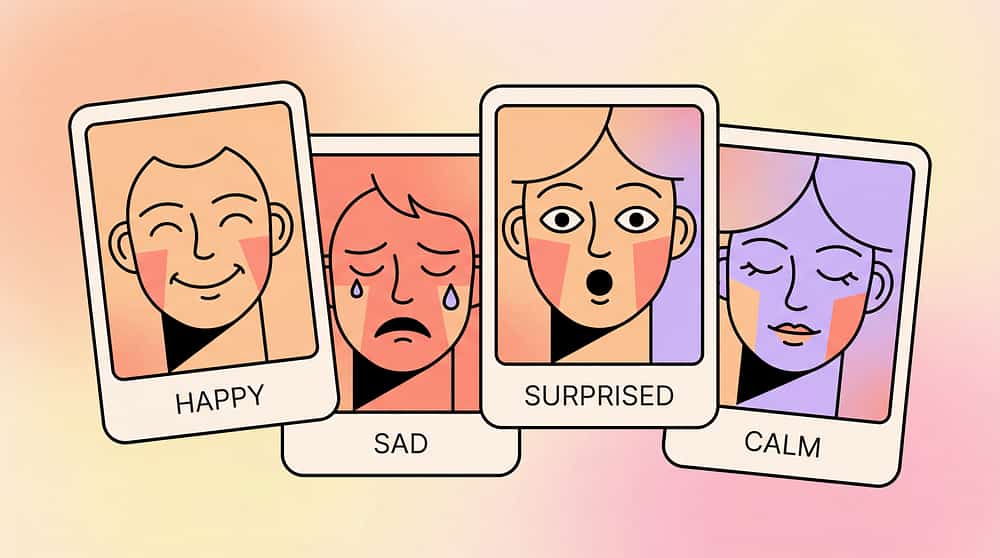
Pain/Feelings Board
Body map and indicators for expressing discomfort or emotions.
Alphabet/Letter Board
Spelling-based communication for literate users.
Portable Mini Communication Book
Small flip book with categories for on-the-go communication.
Choose by Goal
  • Starting out → Core Vocabulary
  • Medical needs → Pain/Feelings
  • Literacy ready → Alphabet
Choose by Setting
  • Home only → Location-Specific
  • On-the-go → Portable Book
  • All contexts → Core Vocabulary
Choose by Portability
  • Stationary → Location Boards
  • Somewhat mobile → Activity Boards
  • Highly portable → Mini Book
Specifications & Vocabulary Types
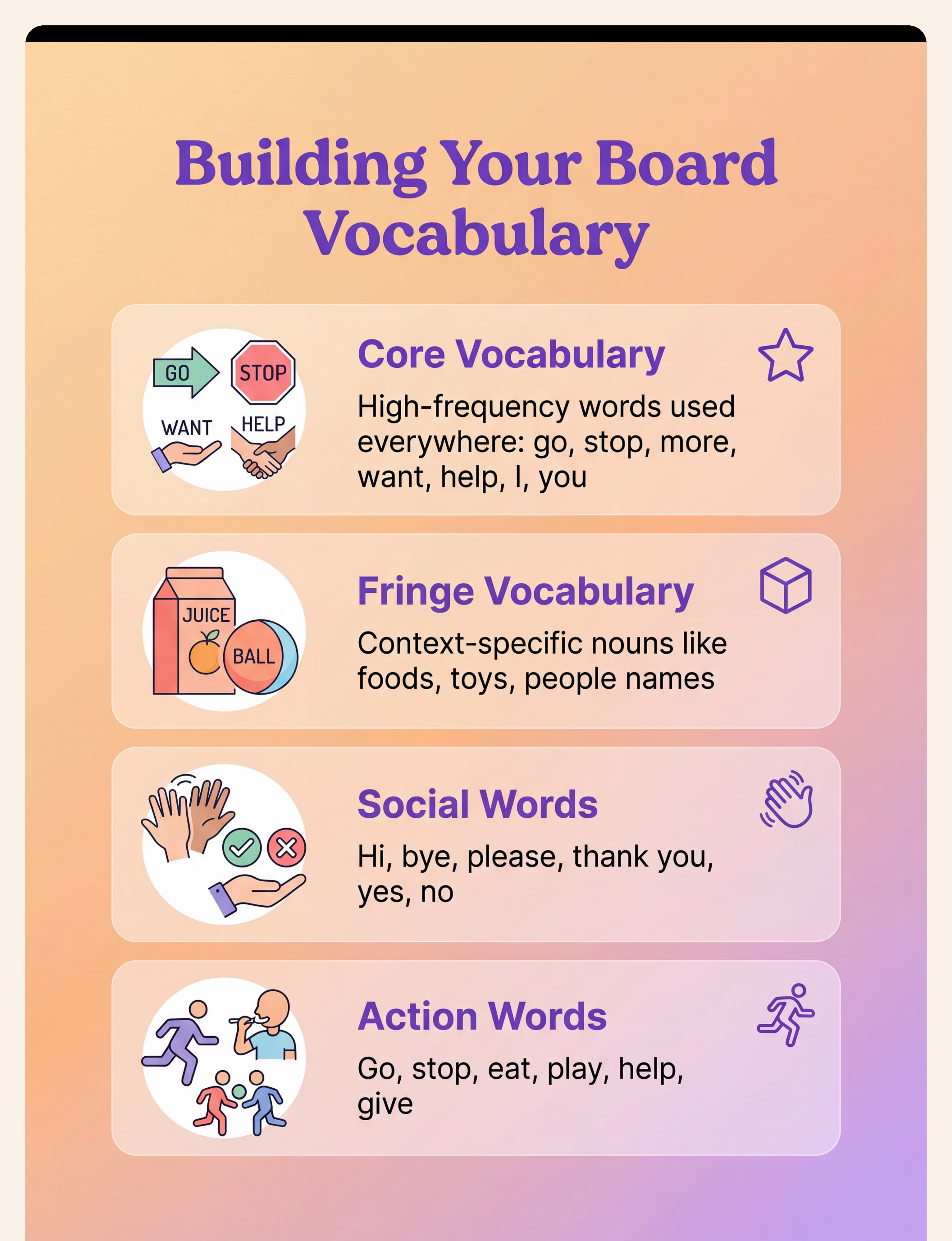
Understanding vocabulary types helps you build boards that truly support communication. Effective boards balance core words (used everywhere) with fringe words (context-specific) and organize them for easy access.
Core Vocabulary
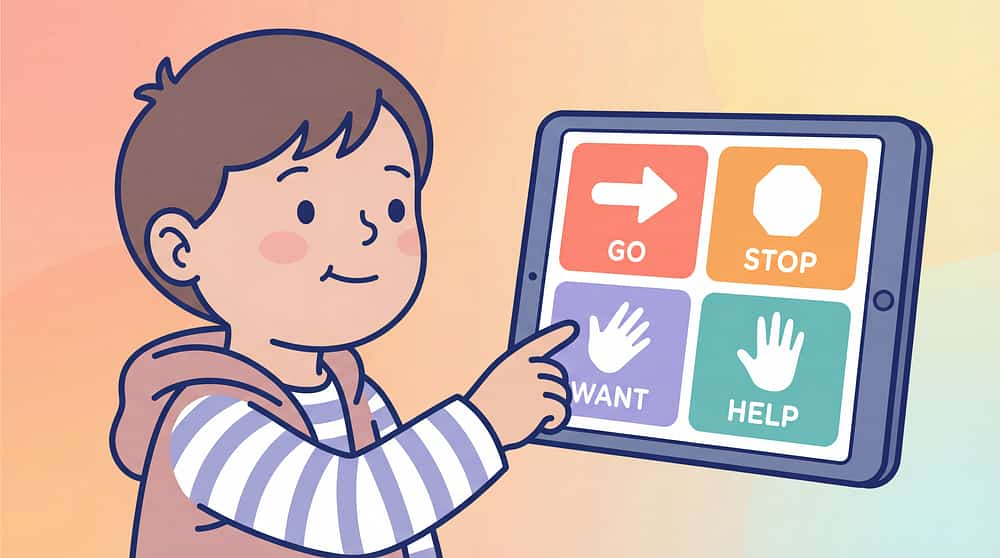
High-frequency words like go, stop, more, want that power 80% of daily communication across all contexts.
Fringe Vocabulary
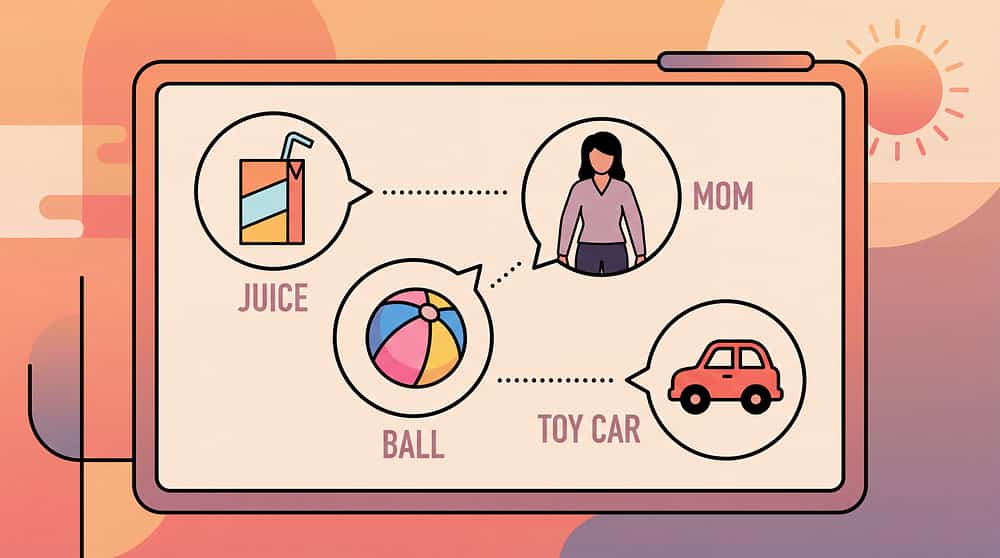
Context-specific nouns like juice, ball, mom – important for specific situations but used less frequently.
Social Words
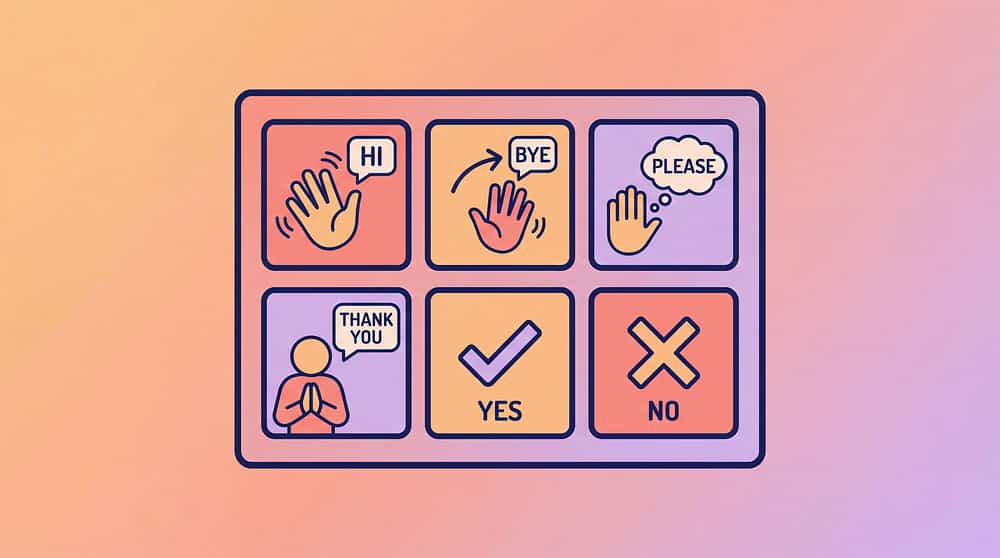
Words like hi, bye, please, thank you that help build relationships and politeness.

There was an error generating this image

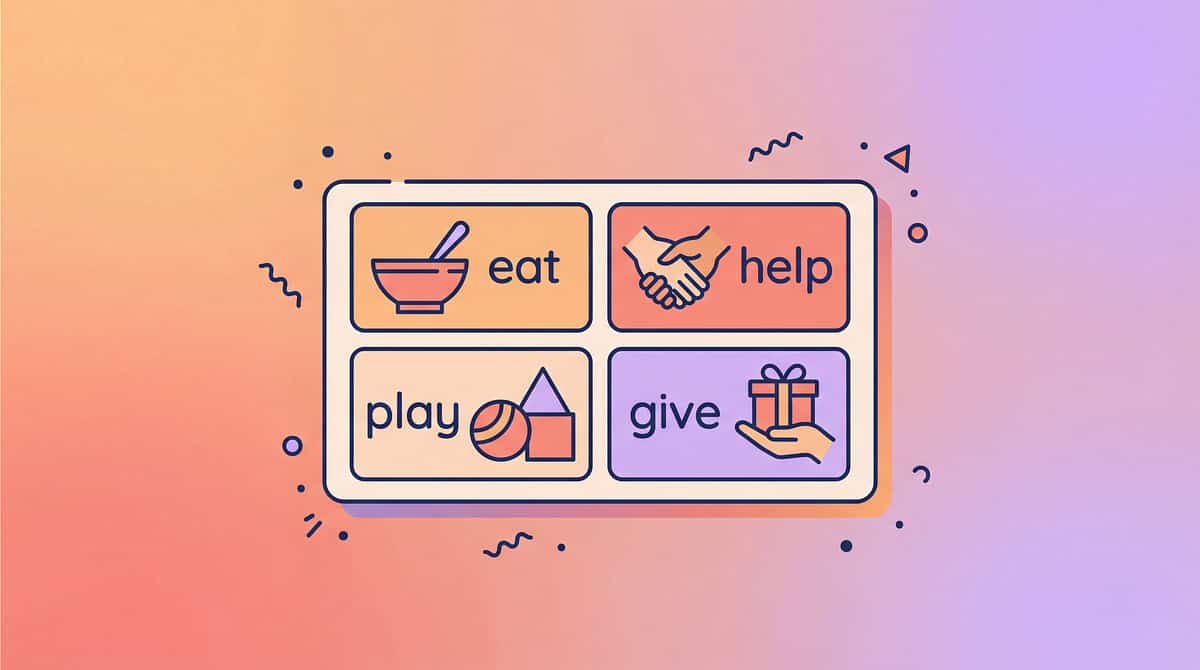
Action Words
Verbs like eat, play, help, give that drive communication forward and express needs or desires.
Descriptors
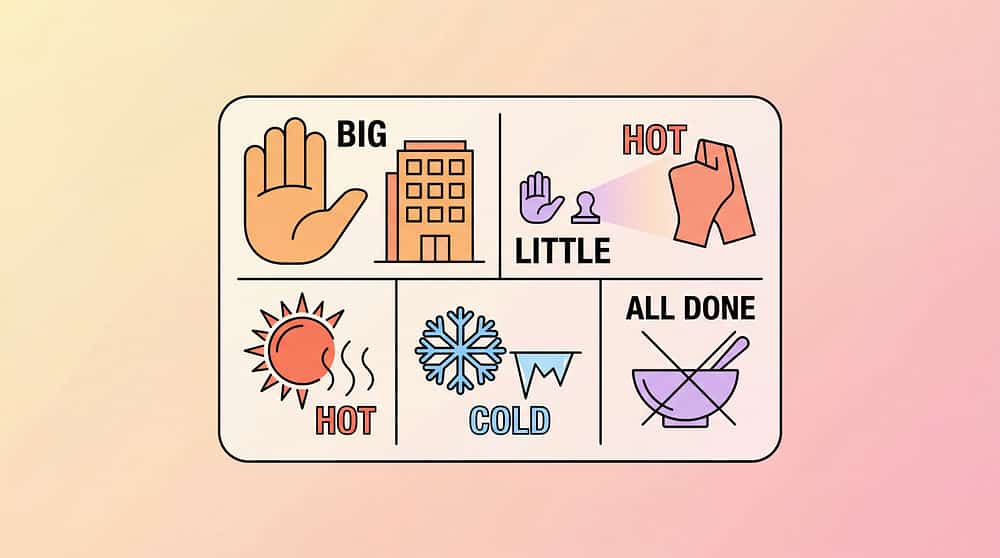
Words like big, little, hot, cold that add detail and clarity to communication.
Physical Board Specifications
For effective communication, boards should feature durable materials, clear visuals, and logical organization:
Key Design Elements
  • Clear, high-contrast visuals
  • Laminated, durable & waterproof
  • Appropriate symbol size for age & vision
  • Organized, logical layout
  • Balance of core and fringe vocabulary
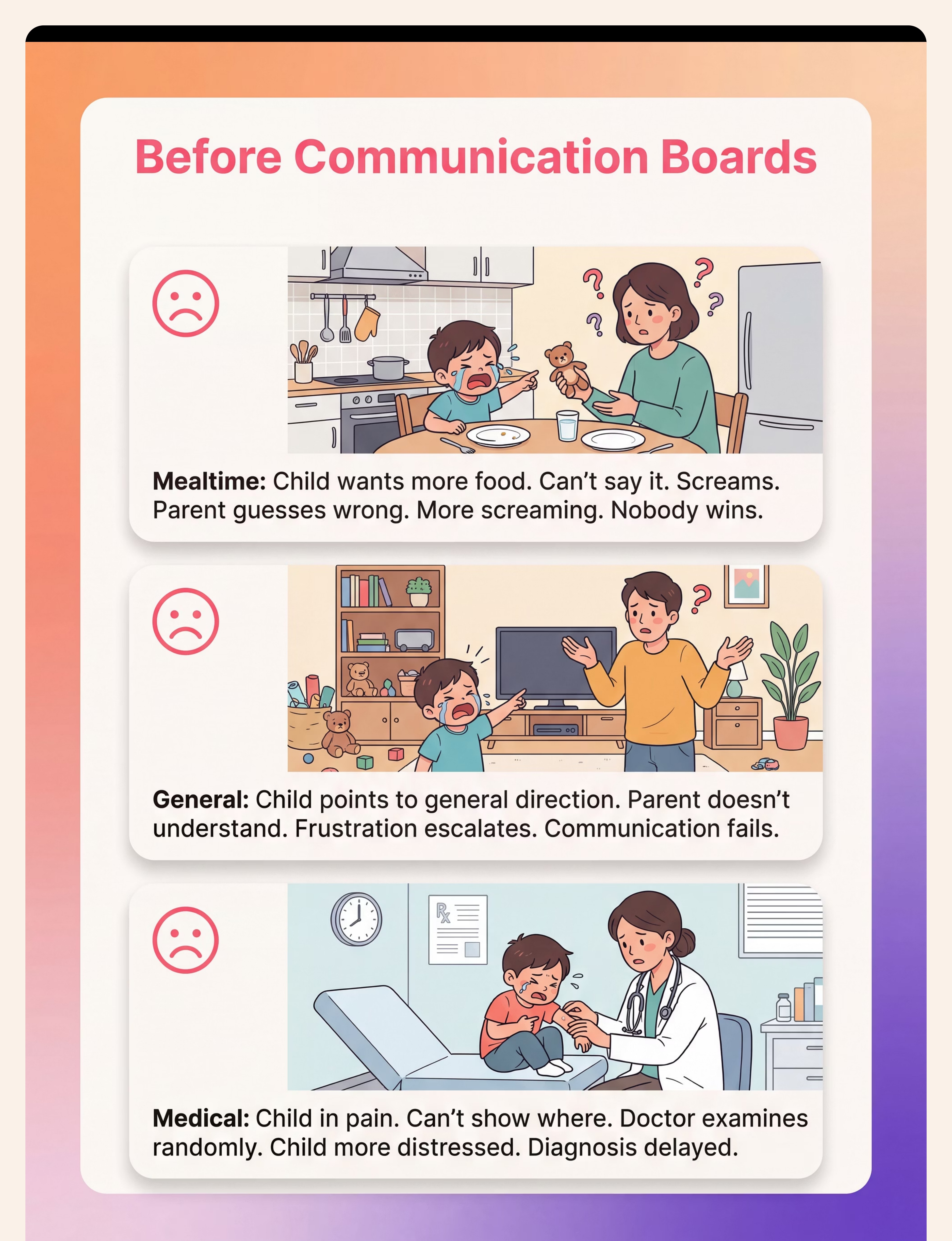
The Struggle (Before Communication Boards)
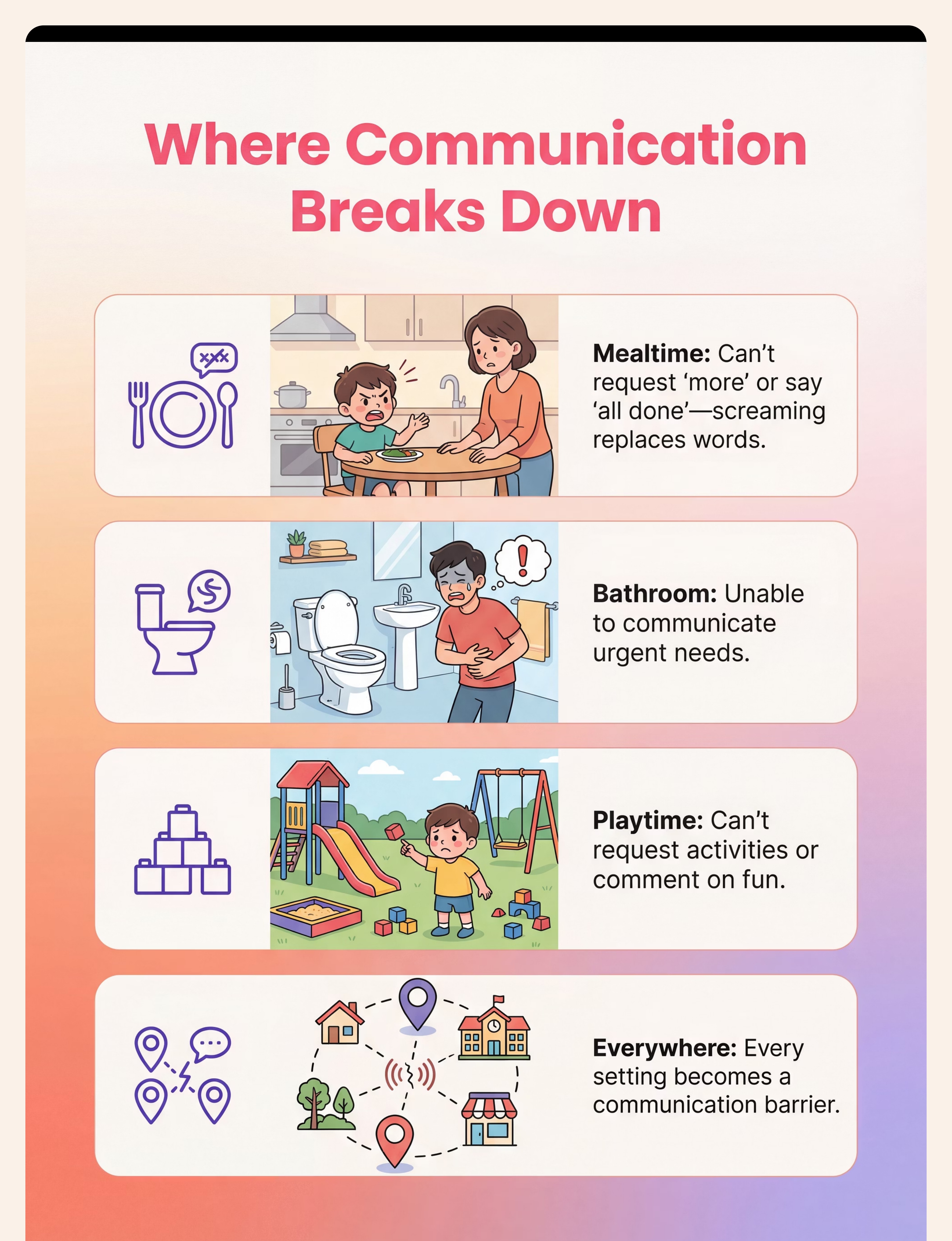
Mealtime Breakdown
Situation: Child finishes food and wants more
Experience: Can't communicate need. Screams. Parent guesses wrong. More screaming. Eventually figures out after 10 exhausting minutes of trial and error.
Emotion:Frustration, endless guessing game, everyone exhausted
General Communication Failure
Situation: Child tries to communicate throughout the day
Experience: Points to general direction. Parent doesn't understand what they mean. Child gets increasingly frustrated. Behavior escalates. Communication fails repeatedly.
Emotion:Disconnection, powerlessness, mounting frustration
Medical Visit Crisis
Situation: Child in pain at doctor's office
Experience: Can't indicate where it hurts. Doctor examines randomly. Child becomes more distressed. Diagnosis delayed. Everyone struggling to help but can't understand.
Emotion:Helplessness, suffering, medical care compromised
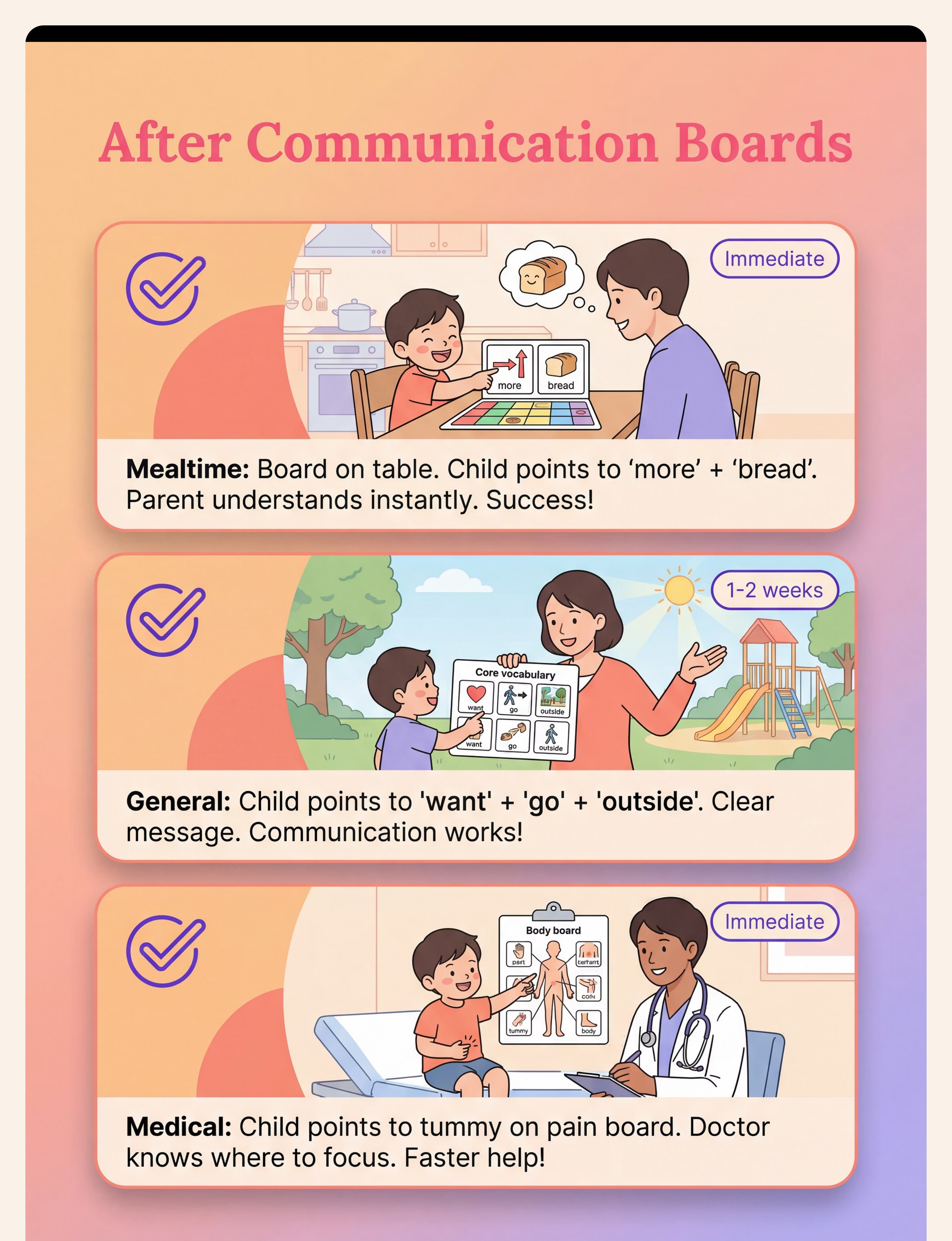
What to Expect (Realistic Timelines)
Communication boards create rapid positive change. Here's what families typically experience at each stage:
Child can communicate in board locations
Immediate
Pointing becomes meaningful communication
1-2 weeks
Vocabulary expands with board exposure
2-4 weeks
Child participates more in activities
2-4 weeks
Frustration-based behavior decreases
2-4 weeks
Foundation for higher AAC built
Ongoing

These timelines assume consistent board availability and regular modeling. Every child progresses at their own pace - celebrate each communication success along the way.
Is This Right for My Child? (2-Minute Check)
Answer these questions to determine if communication boards are a strong fit for your child's current needs:
Does your child need a visual way to communicate?
If yes: Communication boards will help.
Can your child point or indicate choices?
If yes: This indicates they have the motor skills for board use.
Do you need a low-cost, immediate communication solution?
If yes: Communication boards are an ideal starting point.
Would having visual vocabulary available throughout the day help?
If yes: This suggests location-specific boards could be beneficial.
3+ 'yes' answers = strong fit. Communication boards are appropriate for most children with communication needs, from early communicators to those transitioning to high-tech AAC.
Usage Guide: When & How to Use
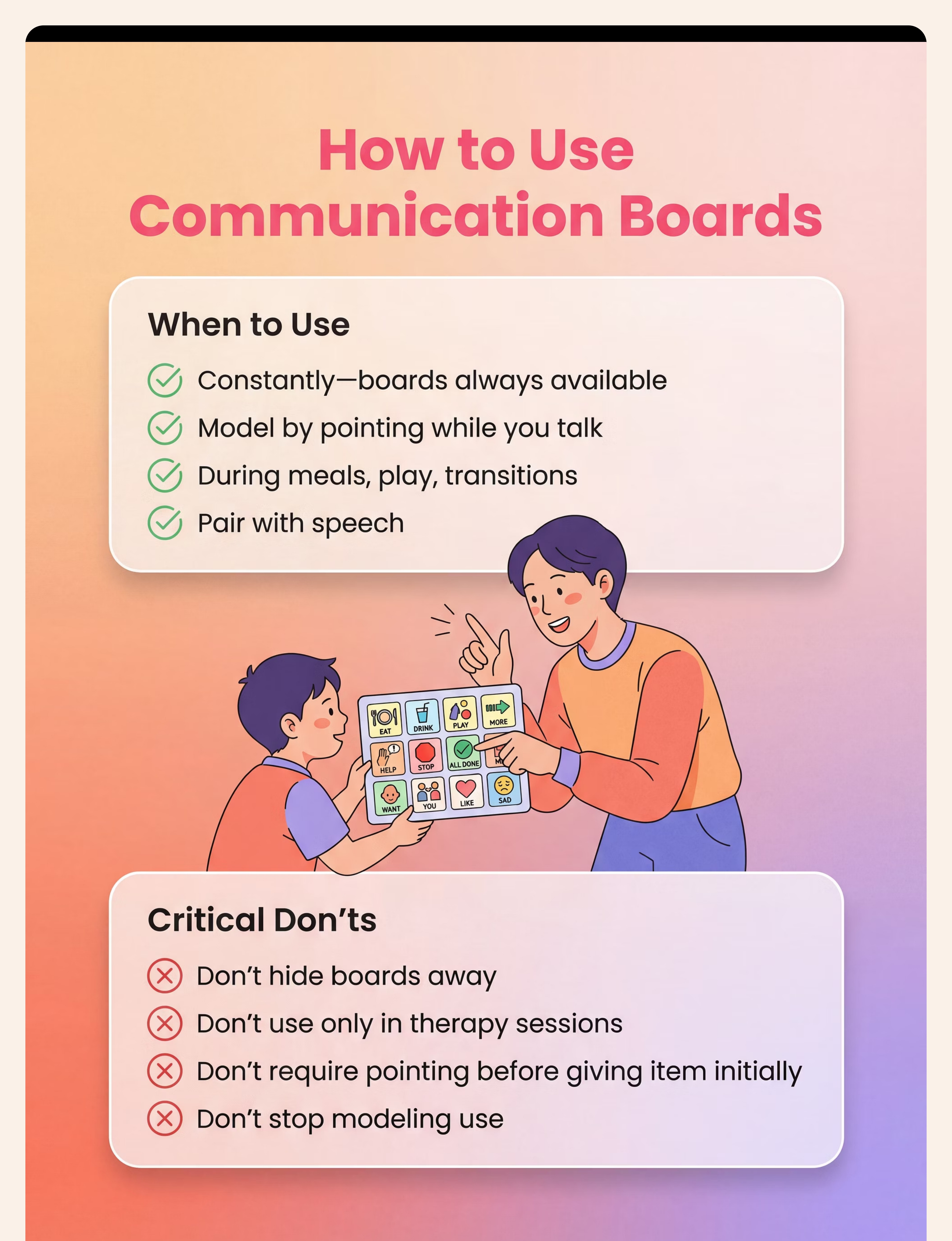
When to Use
Constantly - boards should always be available where communication happens
Model during natural interactions throughout the day
When child is communicating or attempting to communicate
During activities, meals, transitions, and routines
Pair with speech - point to symbols while talking
How to Use
Stage
Supervision Level
Guidelines
Initial Learning
Adult models constantly
Point to board while speaking all day long - child learns through observation
Developing Skills
Adult supports, child initiates
Child begins pointing independently, adult responds immediately and expands
Independent Use
Child uses across settings
Child uses board naturally throughout day, adult continues occasional modeling
Ages: 18 months - 9 years (and beyond)
Duration: Constant availability; lifelong tool
Safety First
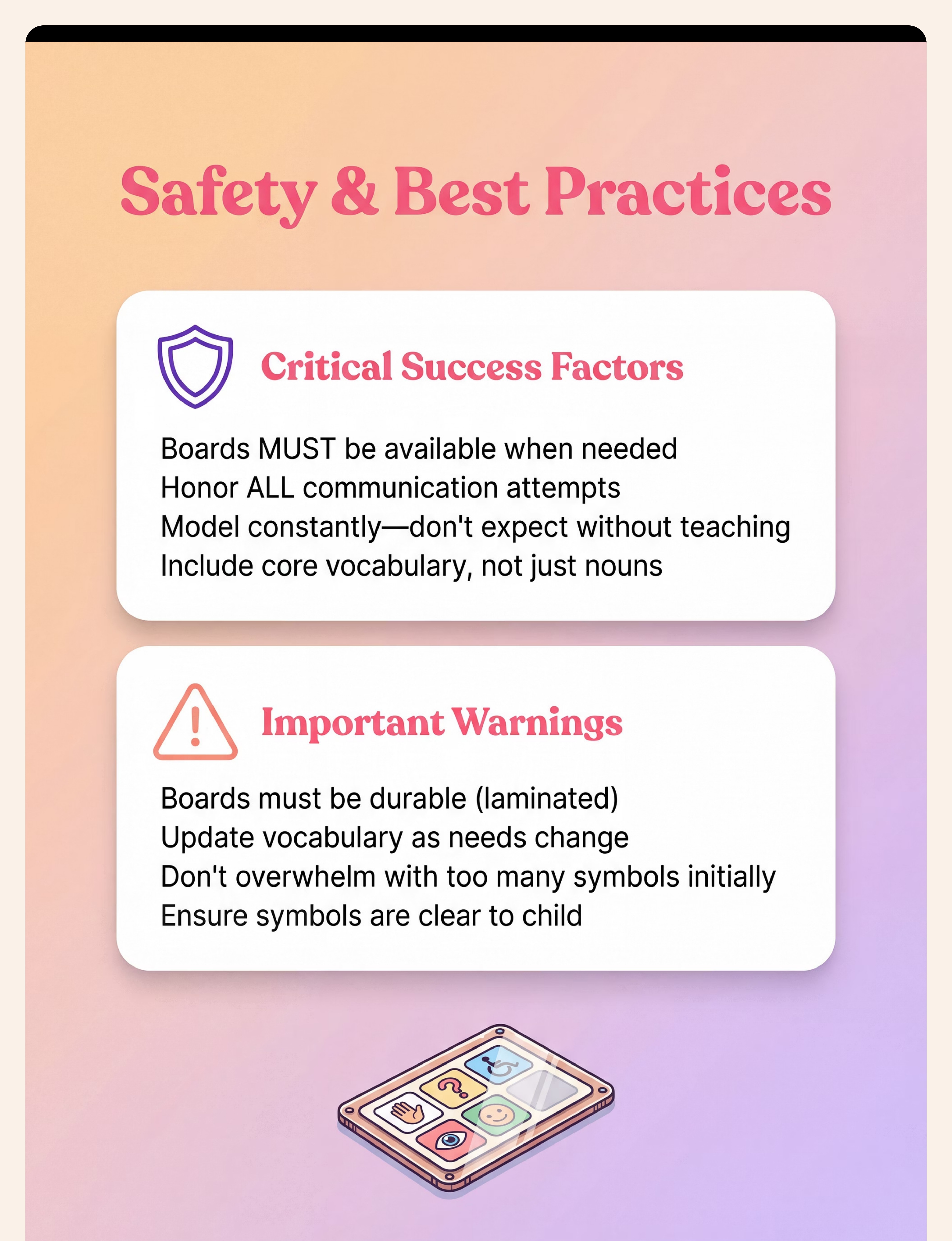
Critical Requirement 1
Boards must be AVAILABLE when communication is needed - not stored away
Critical Requirement 2
Honor ALL communication attempts - ignoring attempts teaches learned helplessness
Critical Requirement 3
Model use constantly - don't expect pointing without teaching
Critical Requirement 4
Include core vocabulary, not just nouns - nouns alone don't enable real communication
Important Warning 1
Boards should be durable and laminated for daily use
Important Warning 2
Update vocabulary regularly as child's needs change
Important Warning 3
Don't overwhelm with too many symbols initially
Important Warning 4
Ensure symbols are clear and recognizable to child
Contraindicated Practice 1
Keeping boards inaccessible when needed
Contraindicated Practice 2
Ignoring or dismissing communication attempts
Contraindicated Practice 3
Expecting use without consistent modeling
Safety Checklist
1
Before Use
  • ✓ Vocabulary appropriate for child's current level
  • ✓ Board placed where communication happens
  • ✓ Plan to model use throughout day
  • ✓ Core vocabulary included, not just nouns
2
During Use
  • ✓ Modeling pointing while speaking regularly
  • ✓ Honoring all communication attempts
  • ✓ Board remains accessible throughout day
  • ✓ Adding vocabulary as child's needs grow
3
Signs of Success
  • ✓ Child pointing to board independently
  • ✓ Communication becoming successful
  • ✓ Frustration levels decreasing
  • ✓ Vocabulary use expanding naturally
  • ✓ Generalization to other contexts occurring
Common Questions (Honest Answers)
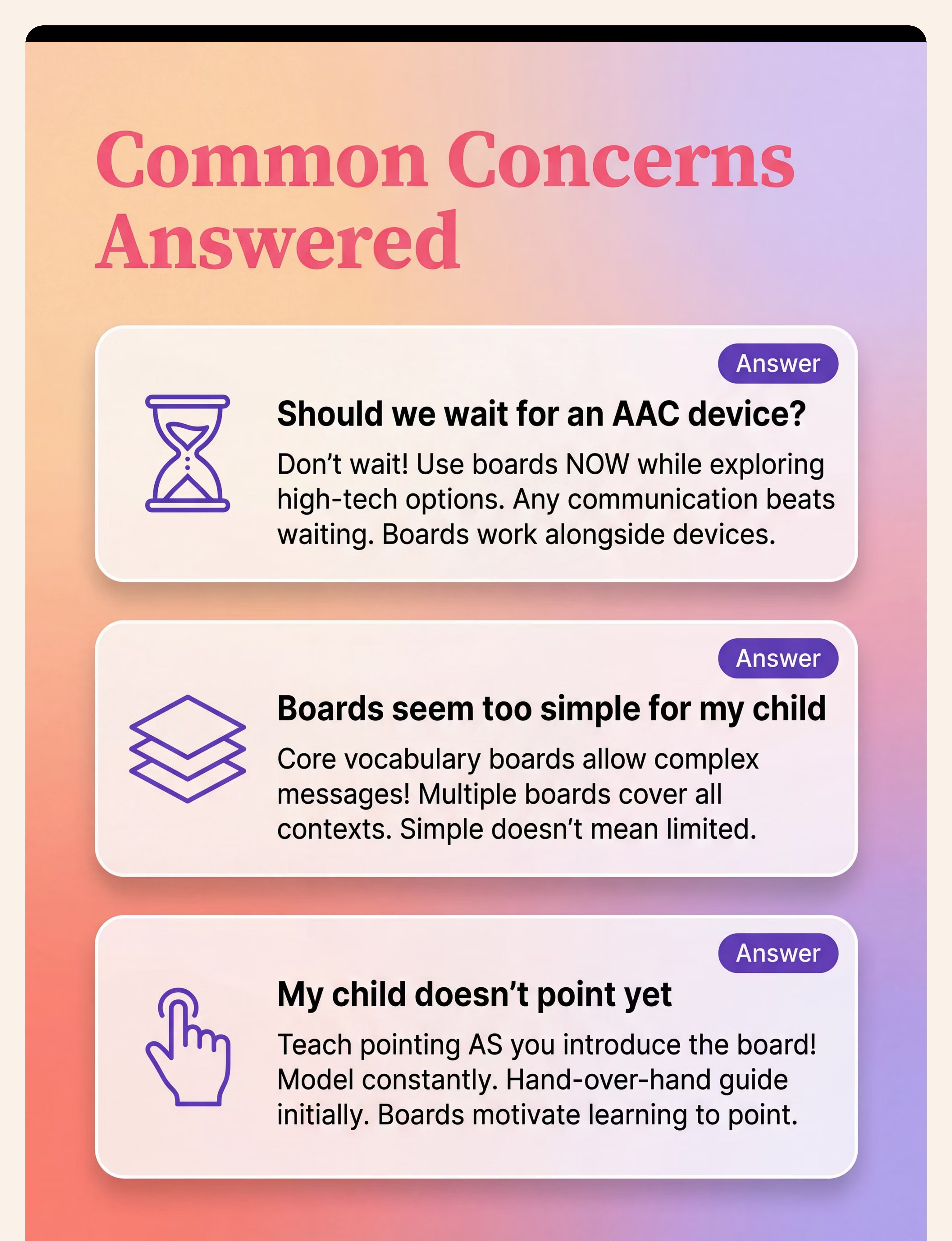
Should we wait for an AAC device?
Concern: "We should wait for an AAC device before starting communication support."
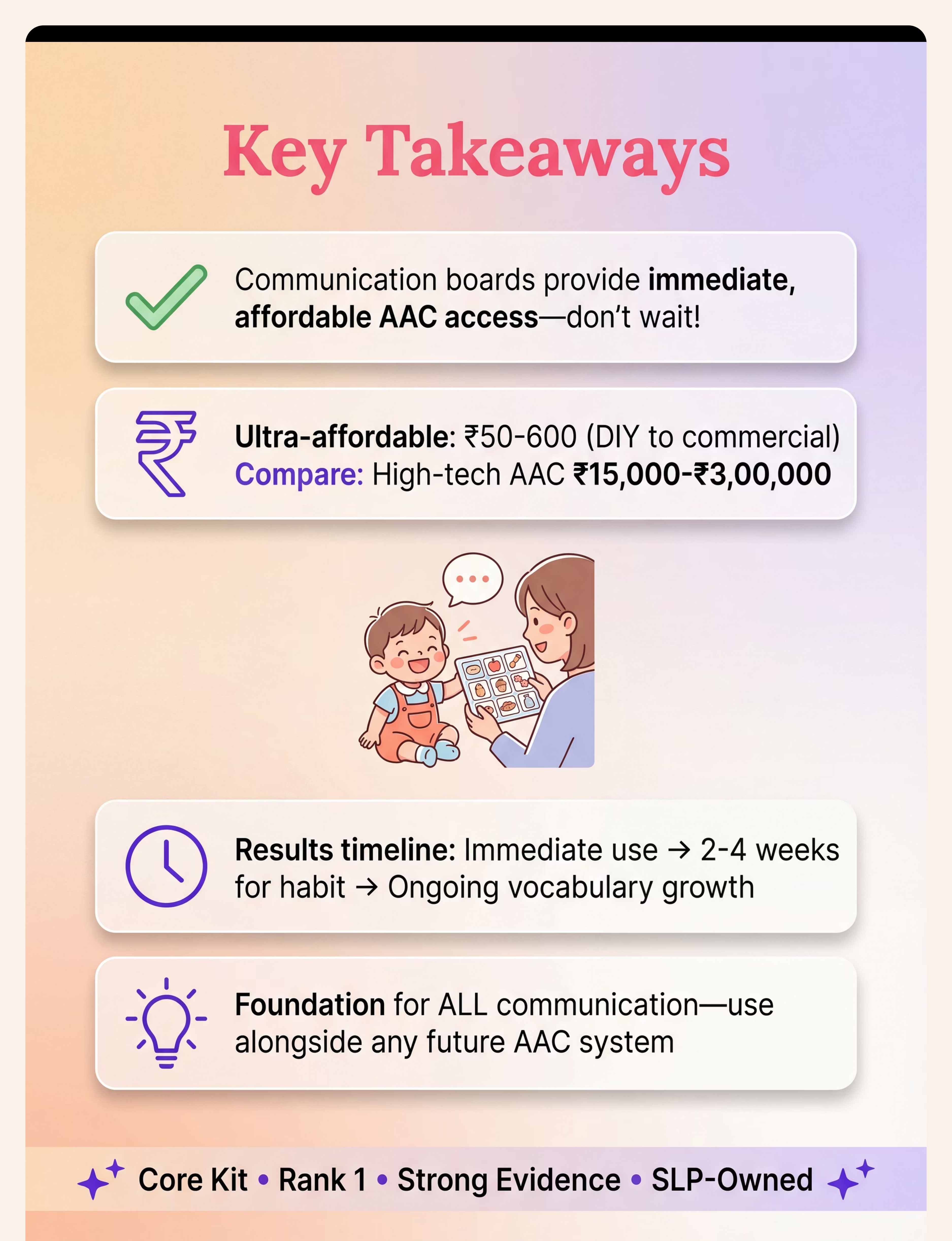
Answer: Don't wait! Communication boards are immediate, low-cost, and effective. Use boards NOW while exploring high-tech options. Any communication access is better than waiting. Boards can be used alongside devices. Try this: Use boards immediately; add device later when available.
Are boards too simple?
Concern: "Boards are too simple - my child needs more sophisticated communication."
Answer: Boards can be comprehensive! Core vocabulary boards allow generative language. Multiple boards cover all contexts. Boards are foundation for any AAC system. 'Simple' doesn't mean 'limited.' Try this: Create comprehensive core vocabulary board with 50-100 words.
My child doesn't point
Concern: "My child doesn't point yet, so boards won't work."
Answer: Teach pointing! Model pointing to board while talking. Hand-over-hand guide initially. Some children use eye gaze or touch. Pointing is a learnable skill, and boards motivate learning it. Try this: Teach pointing AS you introduce board through modeling.
What vocabulary to include?
Concern: "I don't know what vocabulary to include on boards."
Answer: Start with CORE vocabulary - the 50-100 most-used words (I, you, want, go, stop, more, help, like, don't like, yes, no). These work in ANY context. Add fringe vocabulary for specific needs. Try this: Use established core vocabulary lists available free online.
Investment Guide
Communication boards are among the most affordable therapeutic tools, with highly effective DIY options. Here's how to invest wisely:
Budget Option
DIY Printed & Laminated Boards
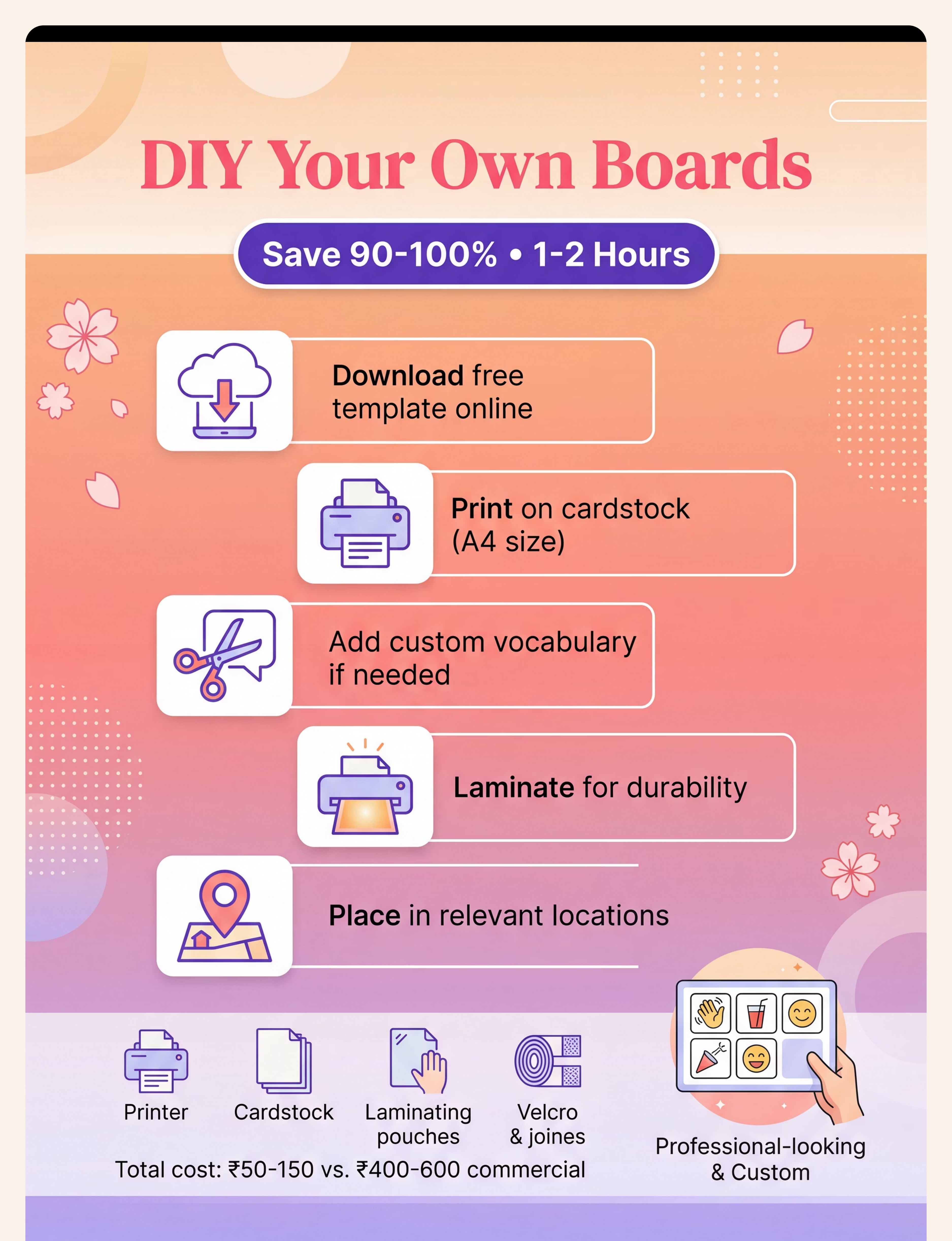
Cost: ₹50-150
Download free templates online, print on regular paper, laminate at local shop or with home laminator
Highly effective, easily customized to your child's exact vocabulary needs
Premium Option
Professional AAC Board Set
Cost: ₹400-800
Complete set with core + fringe vocabulary, professional symbols, organized categories
Brands: Boardmaker, Tobii Dynavox low-tech, AssistiveWare resources
₹0-600
Total Price Range
Complete communication board system
₹50
Starting Point
DIY core vocabulary board
90-100%
Savings with DIY
Compared to commercial options
Best starting point: Begin with DIY core vocabulary board (₹50-150) to start communication immediately. Add location-specific and activity boards as needs become clear. Premium sets work well for schools/clinics needing standardization.
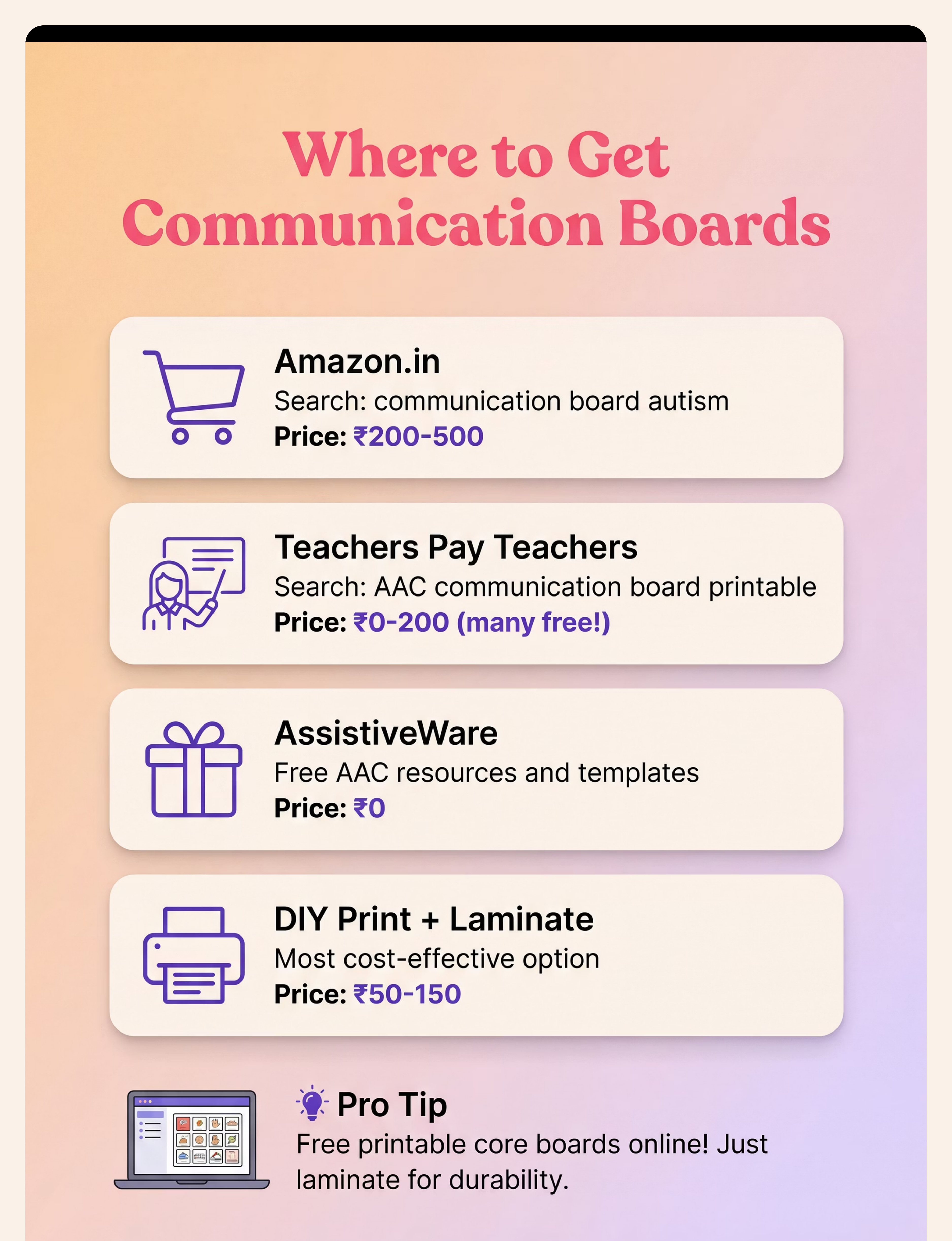
Where to Buy in India
Availability: DIY highly recommended - most cost-effective and customizable option
Platform Options
Amazon.in
Price Range: ₹200-500
Pre-made boards
Teachers Pay Teachers
Price Range: ₹0-200
Downloadable templates
AssistiveWare
Price Range: ₹0
Professional free downloads
DIY
Price Range: ₹50-150
Most cost-effective
Platform
Search Term
Price Range
Notes
Amazon.in
"communication board autism"
₹200-500
Pre-made boards
Teachers Pay Teachers
"AAC communication board printable"
₹0-200
Downloadable templates
AssistiveWare
"Free AAC resources"
₹0
Professional free downloads
DIY
"Print + laminate"
₹50-150
Most cost-effective
Buying Tips
Free printable core boards available online from AAC specialists
Laminate EVERYTHING for durability - worth the small extra cost
Place boards at point of communication, not stored away
Include core vocabulary, not just nouns
Model use constantly for child to learn
Red Flags

  • Only nouns, no core vocabulary words
  • Board not accessible when needed
  • Too cluttered or overwhelming layout
  • Symbols child doesn't recognize or understand
DIY Alternative (Save 90-100%)
Feasibility: Very High | Time Required: 1-2 hours | Cost Savings: 90-100%
Materials Needed
  • Printer (color preferred)
  • Paper or cardstock
  • Laminating pouches or access to lamination service
  • Velcro strips (optional for customization)
  • Binder or folder (optional for portable book)
Download free core vocabulary board template
Search "free core vocabulary board printable" or visit AssistiveWare resources
Print at appropriate size
A4 or larger depending on child's visual and motor needs
Add context-specific fringe vocabulary if desired
Customize with child's favorite foods, activities, people
Laminate for durability
Essential for daily use - home laminator or local shop
Place in relevant locations
Kitchen, bathroom, car - wherever communication happens
Create portable mini-book version
Bind laminated pages for on-the-go communication
DIY vs Commercial Comparison
Factor
When to DIY
When to Buy Commercial
Cost
Need immediate solution, budget-conscious
Budget less constrained, want convenience
Customization
Customizing for child's specific vocabulary needs
Want comprehensive standard vocabulary
Use Case
Creating location-specific boards, trying different layouts
Clinic/school standardization needed
Appearance
Function over form, home use
Want professional polished appearance
Tradeoffs: DIY requires printer access and is less polished than commercial options, but offers immediate implementation, perfect customization, and 90-100% cost savings. Most families find DIY boards equally effective.
Measuring Success & Next Steps
Track Progress
Baseline Measures
  • Current communication methods used
  • Symbols/words child understands
  • Communication frustration level
  • Contexts where communication fails
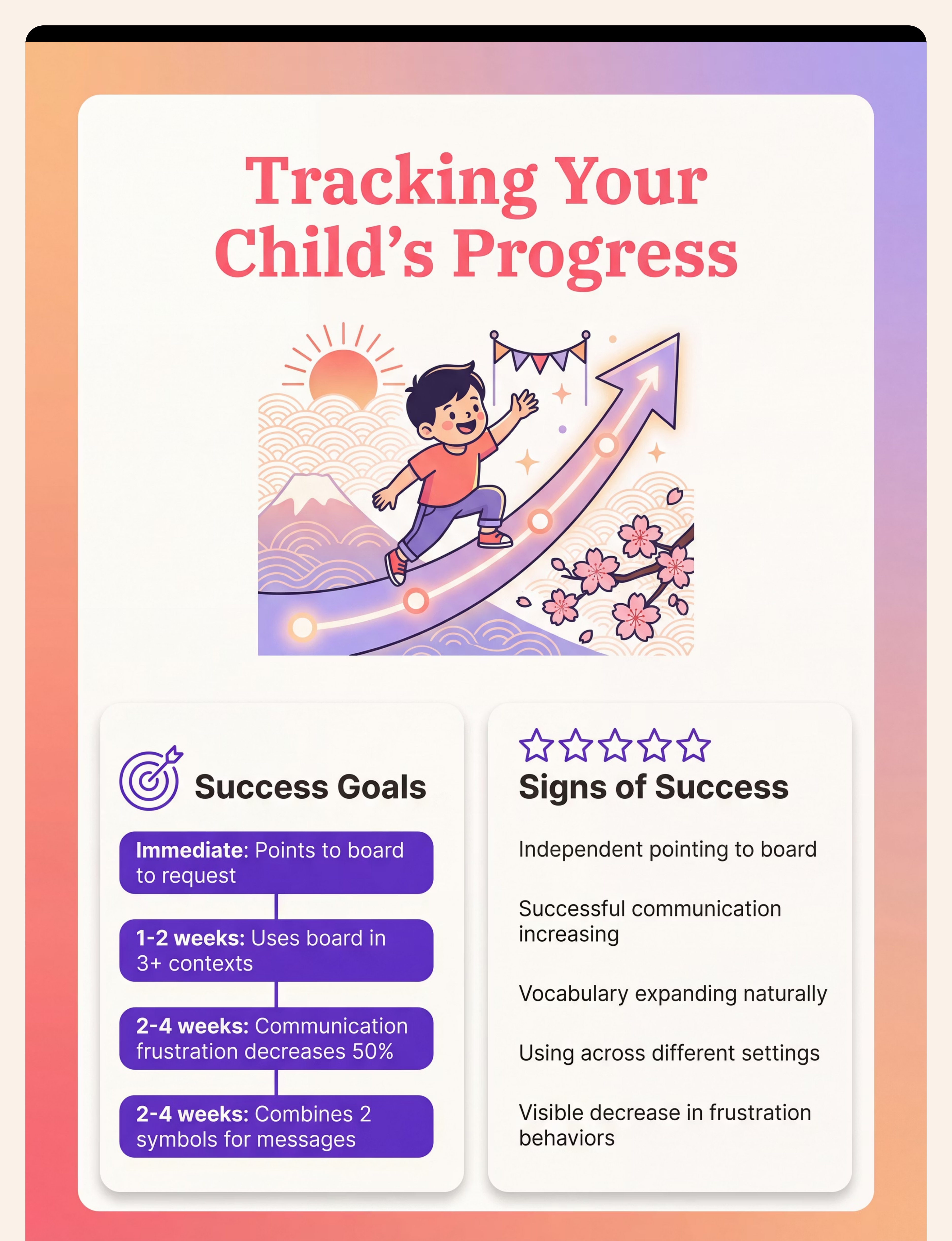
Goals to Set
  • Child will point to board to make request
  • Child will use board in 3+ contexts
  • Communication breakdowns decrease 50%
  • Child combines 2 symbols for message
Success Indicators
  • Independent pointing to board
  • Successful communication occurring
  • Expanding vocabulary naturally
  • Use across multiple settings
  • Decreased frustration behaviors

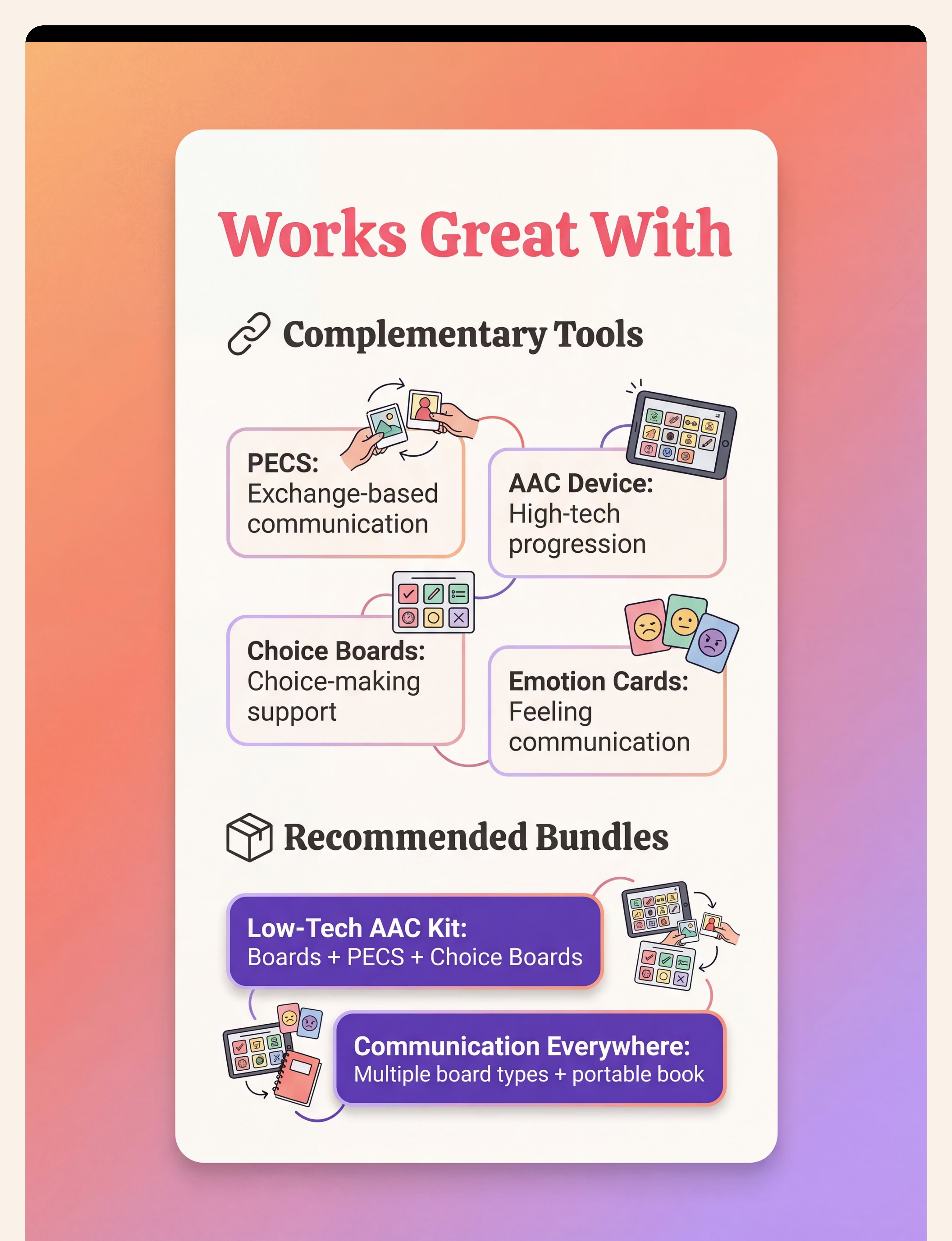
Complete the Kit: Pair It With...
PECS (ID: 5.1)
Exchange-based communication system that complements stationary boards
AAC Device (ID: 5.3)
High-tech progression when ready for dynamic communication
Choice Boards (ID: 2.8)
Choice-making support for decision-making skills
Emotion Cards (ID: 2.1)
Feeling communication and emotional literacy
Recommended Bundles:
  • Low-Tech AAC Kit: Communication Boards (5.2) + PECS (5.1) + Choice Boards (2.8) — Comprehensive low-tech communication across all contexts
  • Communication Everywhere: Communication Boards (5.2) + Portable Mini Book (5.2.7) + related tools — Multi-context communication access

Quick Summary
AI Summary: Communication boards provide immediate, low-cost visual vocabulary access for children who need AAC. Core Kit (Rank 1), strong evidence, foundation for all communication.
communication board
AAC
low-tech
core vocabulary
pointing
visual
SLP
SpEd
core-kit
Common searches: communication board autism, AAC board, low tech AAC, core vocabulary board, picture communication board, visual communication autism, pointing board autism

Get Support
FREE National Autism Helpline
Phone: 9100 181 181
Languages: 16+ Indian languages
Website: pinnacleblooms.org
Platform Integration
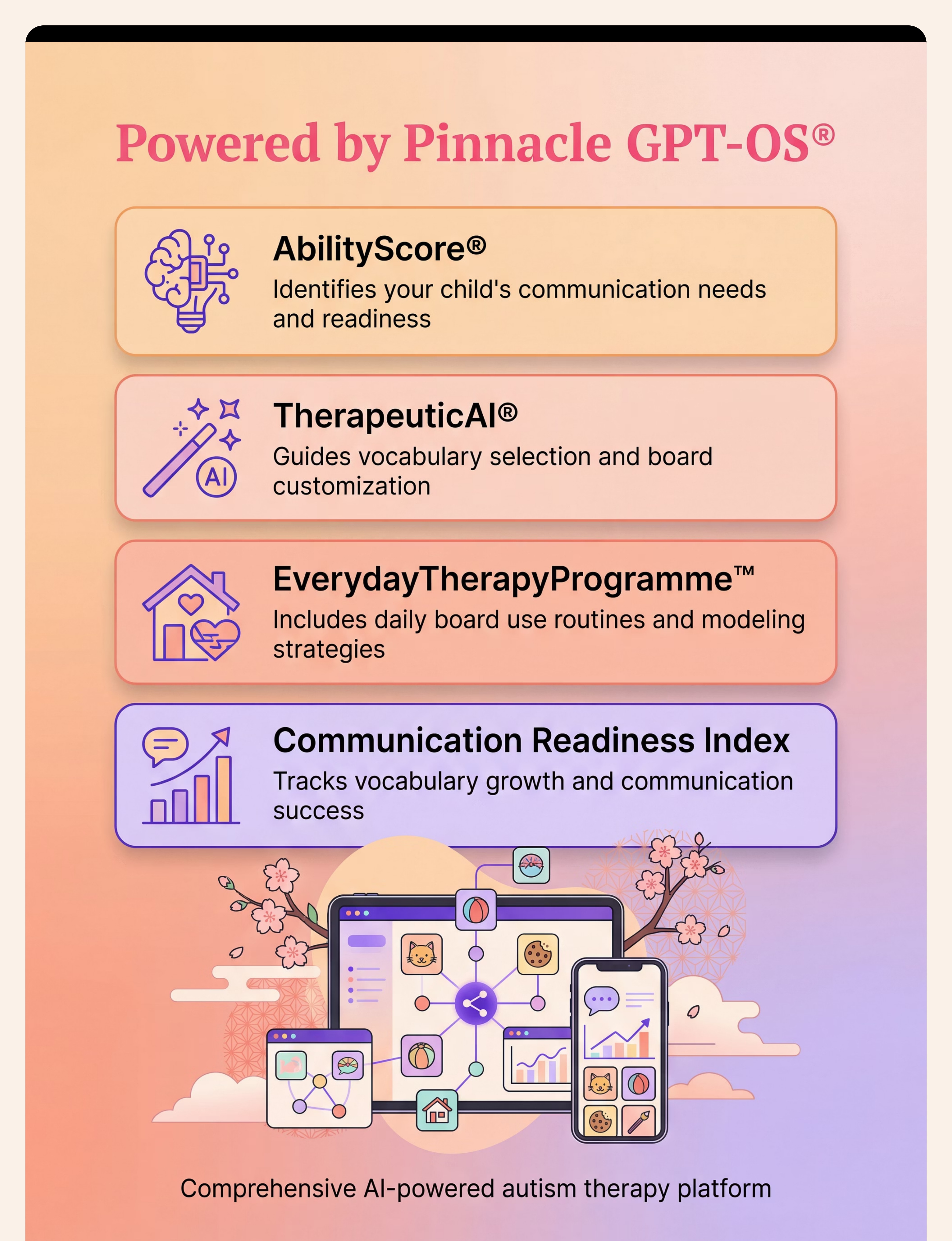
Communication boards integrate seamlessly with Pinnacle Blooms Network's comprehensive platform:
  • AbilityScore® identifies communication needs
  • TherapeuticAI® guides vocabulary selection
  • EverydayTherapyProgramme™ includes board use routines
  • Communication Readiness Index tracks vocabulary growth

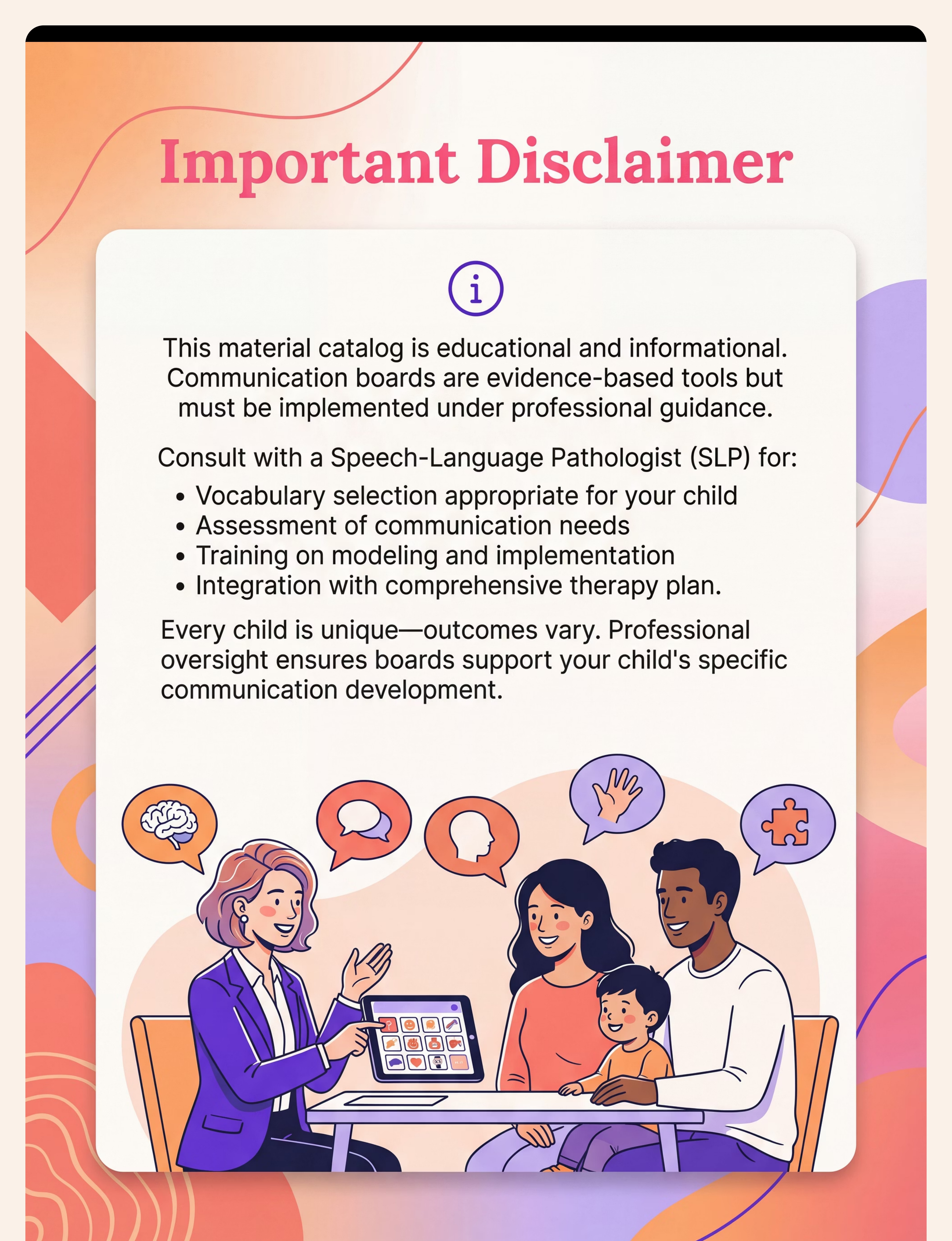
Disclaimer: This is educational information. Always consult qualified occupational therapists, speech-language pathologists, or pediatricians. Individual results vary. Communication boards are a clinical tool that should be implemented with professional guidance for optimal outcomes.

Preview of communication boards low tech aac Therapy Material

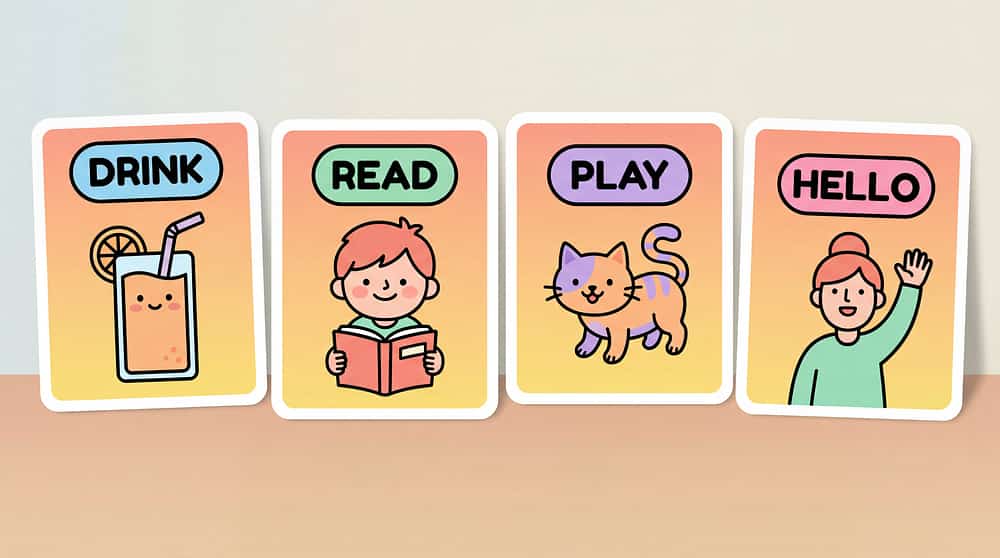
Below is a visual preview of communication boards low tech aac therapy material. The pages shown help educators, therapists, and caregivers understand the structure and content of the resource before use. Materials should be used under appropriate professional guidance.

Page 1
Page 2
Page 3
Page 4
Page 5
Page 6
Page 7
Page 8
Page 9
Page 10
Page 11
Page 12
Page 13
Page 14
Page 15
Page 16
Page 17
Page 18
Page 19
Page 20
Link copied!
Take Action Today
Start your child's communication journey now. Every small step makes a significant impact on their ability to express themselves and connect with the world.
Download a Template
Find a free core vocabulary board template online and download it.
Print Your First Board
Print the template on paper or cardstock, ideally in color.
Place it Strategically
Put the board in a key location where communication often happens, like the kitchen or play area.
Model One Word
Point to a symbol on the board and say the word. Consistency builds understanding.
Your efforts, no matter how small, empower your child's voice. Each attempt to communicate is a success worth celebrating.
Communication is a fundamental human right, not a privilege.