

Therapy Equipment (Clinic) Materials
Professional-grade therapy equipment is essential for dynamic clinical settings, providing critical support across various therapeutic disciplines. Our comprehensive range specifically targets key developmental areas, including sensory integration, gross motor development, speech-language intervention, and comprehensive assessment.
For sensory integration, our inventory includes specialized swings (such as platform swings, lycra swings, and T-swings), crash pads for proprioceptive input, tactile bins with varied textures, weighted blankets, and visual/auditory stimulation tools. These are designed to help individuals process and respond to sensory information more effectively. Our **gross motor development tools** encompass a wide array of equipment like balance beams, climbing walls and ladders, diverse therapy balls (physio balls, peanut balls), trampolines, and tunnel crawls, all crucial for enhancing coordination, strength, balance, and motor planning skills.
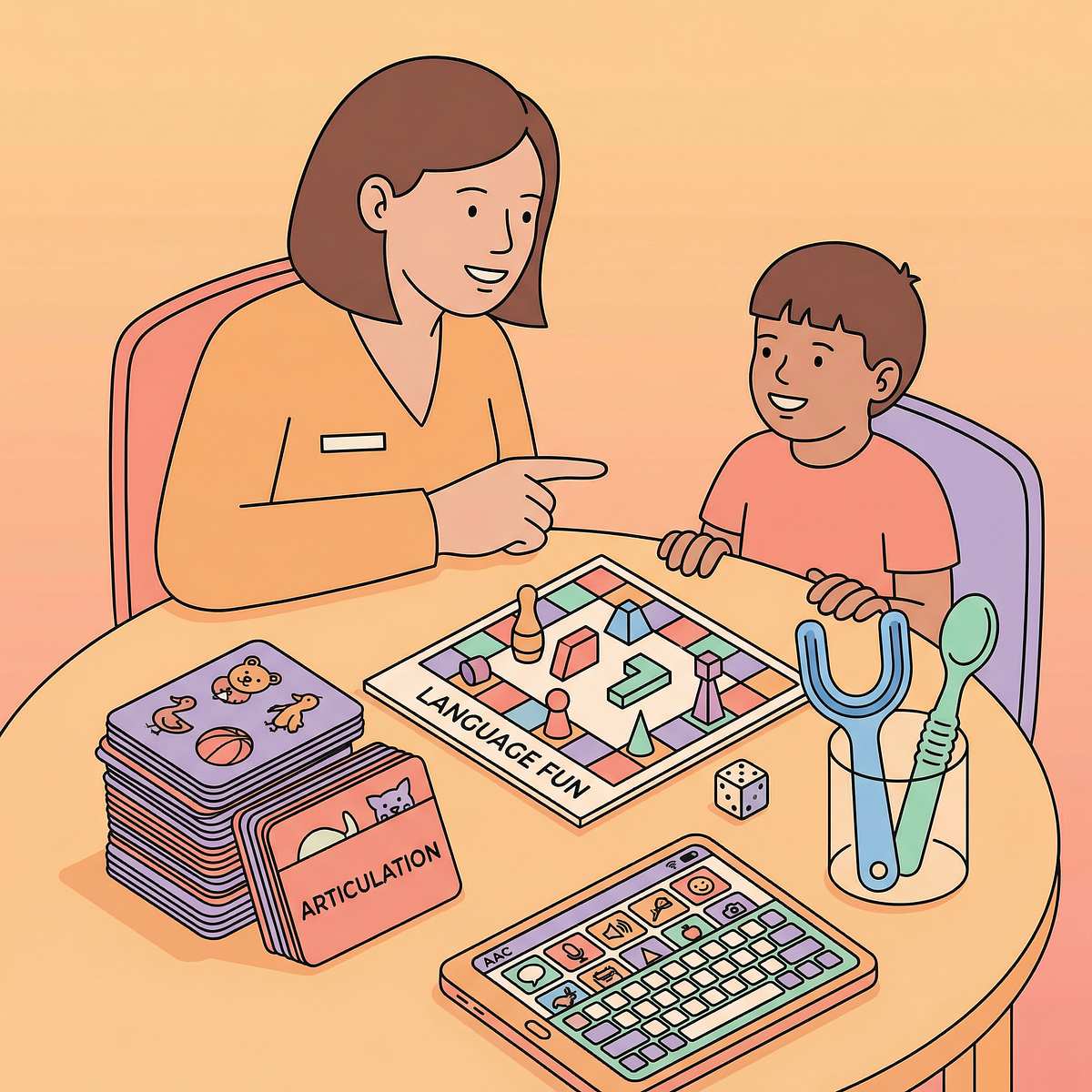
In the realm of speech-language intervention, we supply articulation cards, augmentative and alternative communication (AAC) devices including speech-generating devices, oral motor tools, picture exchange communication systems (PECS), and language development kits. These materials are vital for fostering communication abilities and addressing speech impediments. Furthermore, for comprehensive assessment, our collection features standardized developmental assessments and functional observation tools, enabling therapists to accurately evaluate client needs and track progress.
This professional equipment is deployed in diverse clinical settings, from dedicated pediatric therapy clinics and rehabilitation centers to hospitals, schools, and private practices. Its effective and safe application necessitates a high level of expertise, typically requiring certified and licensed occupational therapists (OTs), physical therapists (PTs), and speech-language pathologists (SLPs) who possess the specialized training to integrate these tools into individualized treatment plans.

Clinical-Grade Equipment for Trained Professionals
The materials in this category represent professional-grade therapy equipment used exclusively in clinical settings by trained occupational therapists, physical therapists, and speech-language pathologists. These resources are designed for comprehensive intervention across multiple developmental domains including sensory integration, gross motor development, speech-language intervention, and standardized assessment protocols.
Unlike home-based materials, clinical therapy equipment requires specialized training for safe and effective implementation. Professional installation is mandatory for suspension equipment, and regular safety inspections ensure ongoing equipment integrity. Each piece of equipment serves specific therapeutic objectives within evidence-based intervention frameworks, requiring clinical judgment to match equipment challenges to individual children's abilities and therapeutic goals.
Essential Guidelines for Clinical Equipment Use
Professional Standards and Safety Protocols
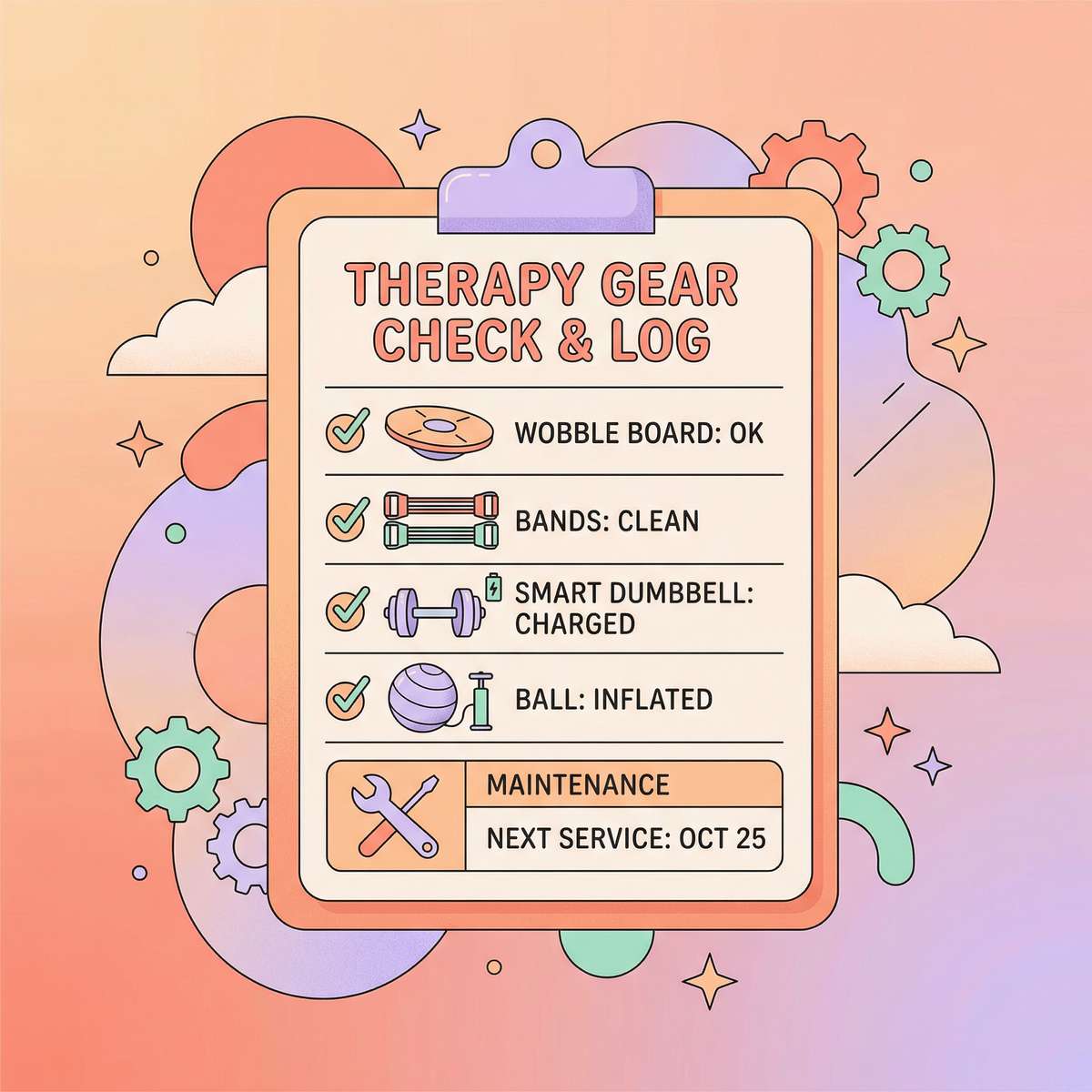
Clinical therapy equipment demands strict adherence to professional standards and safety protocols. Professional installation is required for all suspension equipment, including therapy swings and ceiling-mounted systems. Only trained occupational therapists, physical therapists, and speech-language pathologists should operate clinical equipment.
Regular safety inspections and equipment maintenance are essential to ensure child safety and equipment longevity. Therapists must carefully match equipment challenges to each child's current abilities, following standardized protocols for assessment tools. Consultation with qualified professionals is necessary for appropriate equipment selection and implementation planning.
Material 19.1: Therapy Swings & Suspension Equipment

Target Areas
- Vestibular Processing
- Postural Control
- Motor Planning
- Core Strength
- Bilateral Coordination
- Sensory Modulation
- Arousal Regulation
Controlled Vestibular Stimulation System
Therapy swings and suspension equipment provide controlled vestibular stimulation essential for sensory integration therapy. This professional-grade equipment addresses postural control, motor planning, and sensory modulation through carefully calibrated movement experiences. The system includes platform swings, bolster swings, frog swings, and ceiling-mounted suspension hardware designed for clinical environments.
As a Professional Kit (Rank 1) with strong evidence support, suspension equipment represents a clinic essential for occupational therapy practice. The controlled vestibular input activates sensory integration processes, triggering postural responses and challenging motor planning abilities while promoting nervous system organization.
Price Range: ₹5,000 - ₹50,000
Suspension Equipment: Best Practices
Implementation Protocols
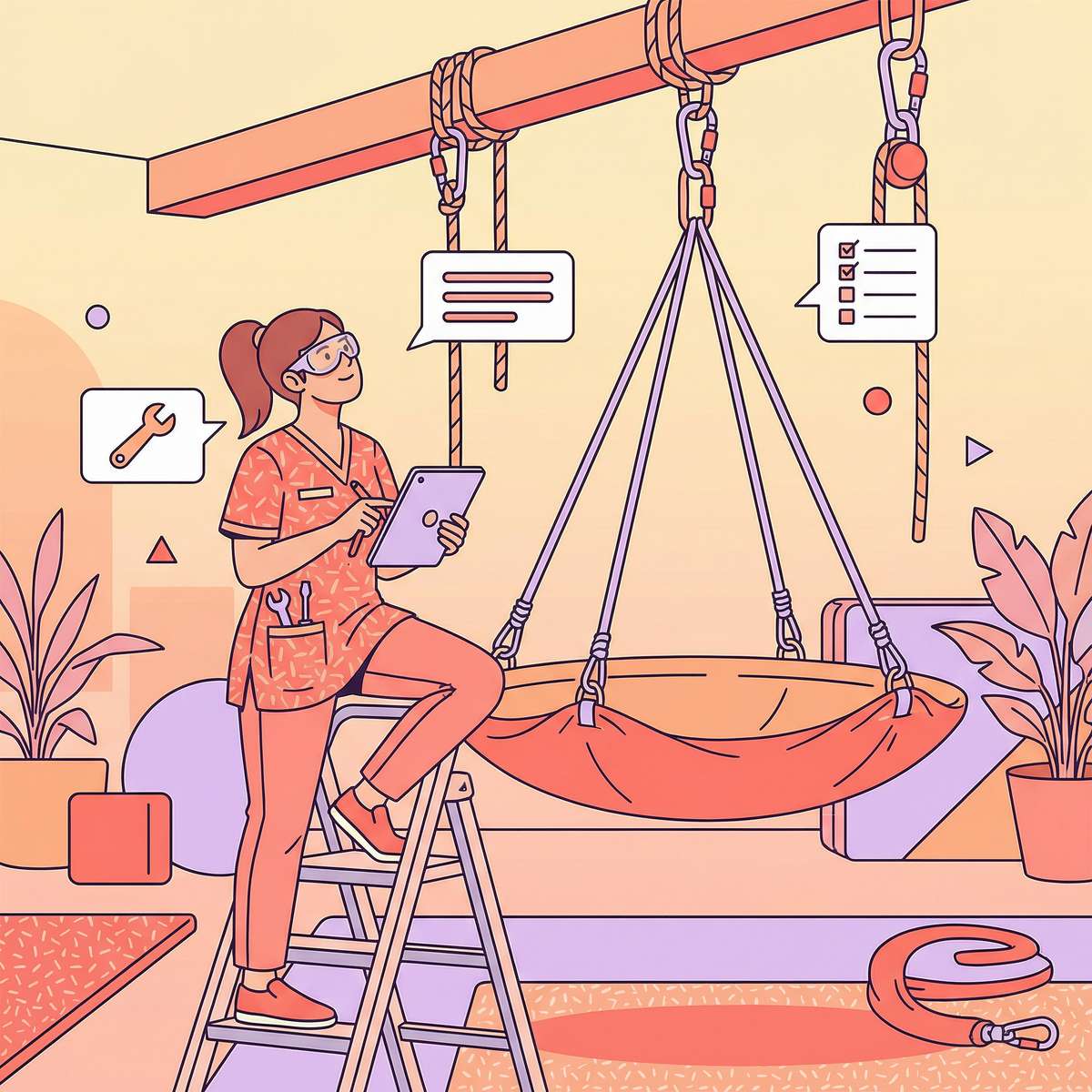
Professional installation is absolutely essential for all suspension equipment. Only occupational therapists and physical therapists trained in sensory integration should operate suspension systems. Therapists must start slowly with vestibular-sensitive children, carefully monitoring for signs of overstimulation including pallor, nausea, or behavioral changes.
Effective suspension therapy combines vestibular input with purposeful activities rather than passive swinging. This approach enhances motor planning development and functional skill acquisition. Regular equipment safety checks ensure structural integrity and child safety throughout clinical use.

Material 19.2: Balance & Vestibular Equipment
Ground-Based Vestibular Training
Balance and vestibular equipment provides ground-based challenges for developing postural control, core strength, and balance reactions. This versatile equipment category includes therapy balls, balance boards, balance beams, stepping stones, and wobble boards. Unlike suspension equipment, ground-based vestibular tools offer safer entry points for home and school environments while maintaining clinical efficacy.
As a Professional Kit (Rank 1) with strong evidence, this equipment serves both clinical and home settings. The mechanism involves unstable surfaces creating balance challenges that trigger postural adjustments, activate core musculature, and ultimately improve balance and coordination through repeated practice and adaptation.
Price Range: ₹500 - ₹15,000
Clinical Applications
- Balance development
- Postural control enhancement
- Core strength building
- Vestibular processing
- Proprioceptive input
- Motor planning challenges
- Coordination improvement
Balance Equipment: Progression Principles

Stable Surfaces First
Begin with stable surfaces like wide balance beams or partially deflated therapy balls to build confidence and foundational skills, ensuring a safe entry point for training.
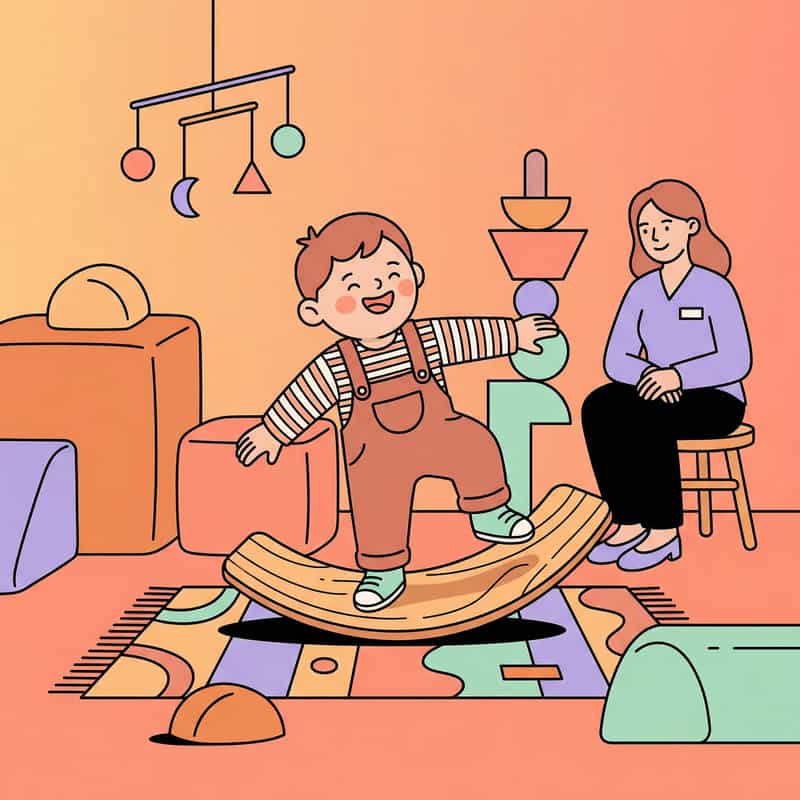
Progress to Instability
As postural control improves, gradually introduce more unstable surfaces such as wobble boards and balance discs to further challenge and refine balance reactions.
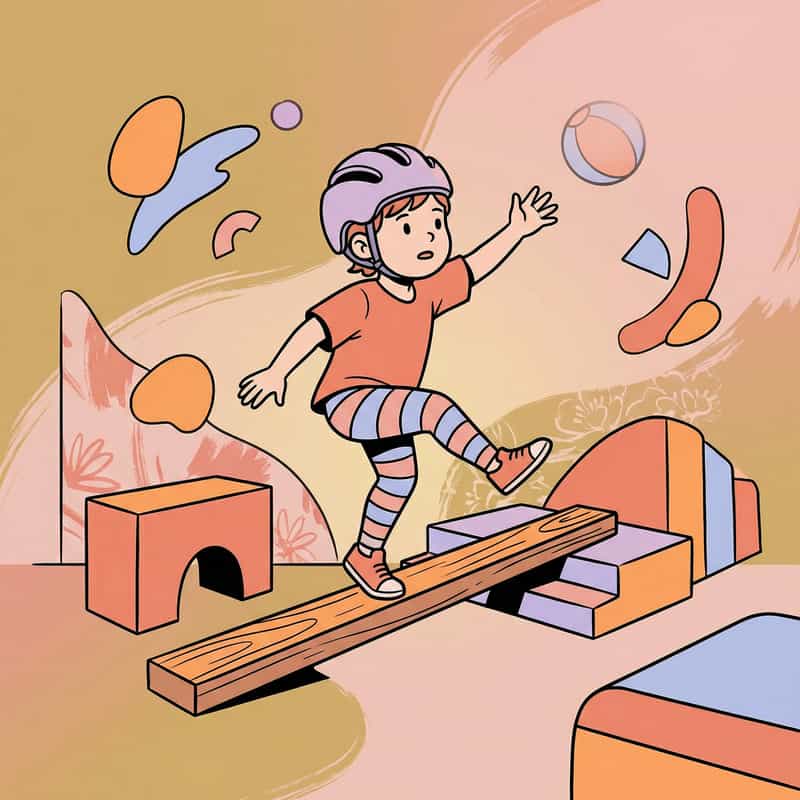
Functional Integration
Combine balance challenges with functional activities like reaching, throwing, or cognitive tasks, fostering real-world skill development and adaptability.

Material 19.3: Climbing & Gross Motor Equipment
Motor Planning and Strength Development
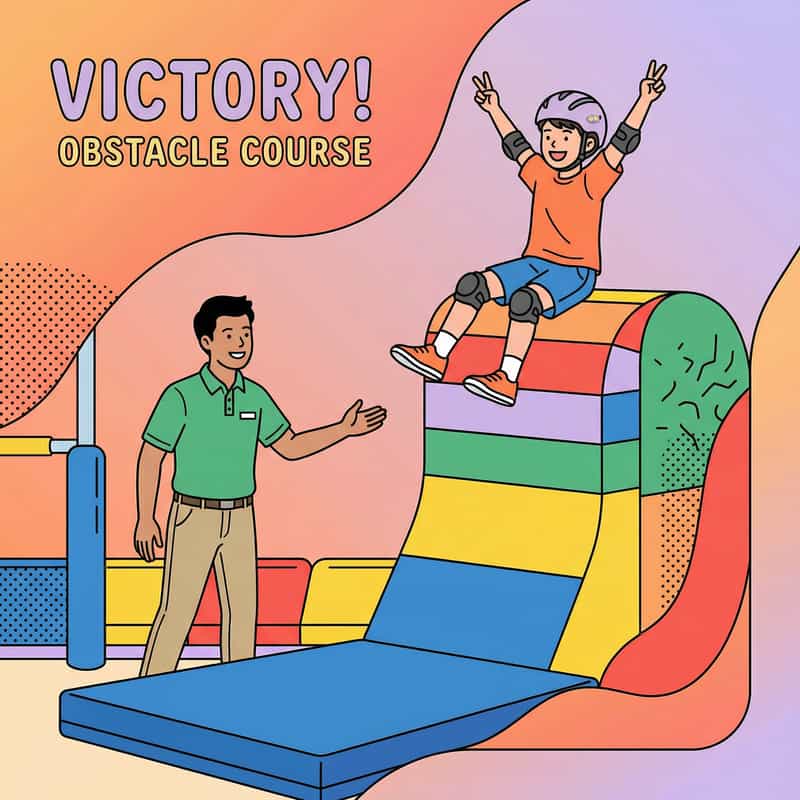
Climbing and gross motor equipment provides opportunities for comprehensive strength building, motor planning development, and confidence enhancement. This equipment category includes climbing walls, obstacle course elements, crash mats, and soft play shapes designed for therapeutic environments. The equipment challenges children to plan complex movement sequences while building upper body and core strength.
As a Professional Kit (Rank 1) with strong evidence support, climbing equipment represents a clinic essential for developing gross motor skills. The therapeutic mechanism involves motor challenges that require planning, strength engagement for successful navigation, and resulting confidence and skill development through repeated successful experiences.
Price Range: ₹2,000 - ₹80,000
Developmental Targets
- Gross motor skills
- Motor planning (praxis)
- Upper body strength
- Core strength
- Body awareness
- Bilateral coordination
- Confidence building
Climbing Equipment: Safety and Progression
Safety-First Approach
Safety mats are absolutely required for all climbing and gross motor equipment. Appropriate supervision levels must match the challenge level presented by each activity. Therapists carefully grade activities to each child's current ability level, ensuring success while providing appropriate challenge.
Effective implementation combines climbing challenges with purposeful activities rather than aimless movement. This approach enhances motor planning while building functional capabilities. Confidence develops gradually through carefully structured success experiences. Regular equipment safety checks ensure structural integrity and prevent accidents throughout clinical use.
Material 19.4: Speech Therapy Tools & Materials
Comprehensive Communication Intervention
Speech therapy tools and materials provide professional resources for speech-language pathologists to assess and treat the full spectrum of communication disorders. This comprehensive toolkit addresses articulation, language, fluency, voice, and augmentative and alternative communication (AAC) needs through evidence-based intervention approaches.
As a Professional Kit (Rank 1) with strong evidence support, these tools represent SLP essentials for clinical practice. The system includes standardized assessment materials, articulation cards, language therapy games, oral motor tools, AAC devices, and progress monitoring instruments. The intervention mechanism utilizes evidence-based tools for targeted intervention, structured skill practice, regular progress monitoring, and measurable communication improvement.
Price Range: ₹500 - ₹50,000
Communication Domains
- Articulation and phonology
- Receptive and expressive language
- Fluency disorders
- Voice quality and resonance
- AAC implementation
- Oral motor function
- Social communication skills
Material 19.5: Assessment & Evaluation Tools
Standardized Diagnostic Instruments
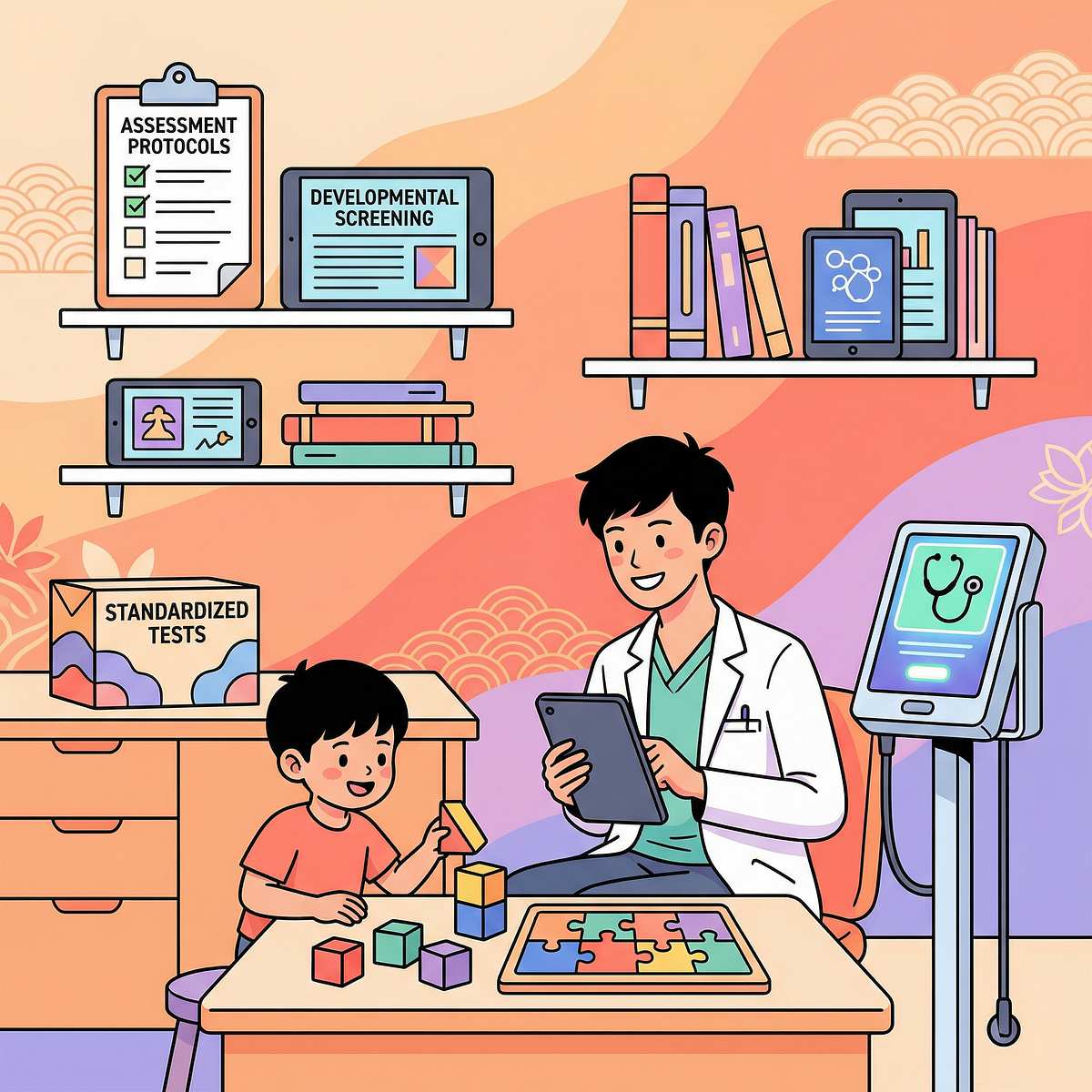
Assessment and evaluation tools provide standardized, valid, and reliable instruments for comprehensive diagnostic evaluation, treatment planning, and progress monitoring. These professional-grade tools span multiple disciplines including developmental assessment, autism diagnosis, speech-language evaluation, occupational therapy screening, behavioral analysis, and cognitive testing.
As a Professional Kit (Rank 1) with strong evidence, assessment tools represent clinic essentials for accurate diagnosis and treatment planning. The systematic mechanism involves standardized assessment to establish accurate baselines, evidence-based treatment planning, regular progress monitoring, and objective outcome measurement that demonstrates intervention effectiveness and guides clinical decision-making.
Price Range: ₹3,000 - ₹1,00,000
Assessment Domains
- Diagnostic evaluation
- Baseline establishment
- Treatment planning
- Progress monitoring
- Outcome measurement
- Research applications
- Multi-disciplinary coordination
Assessment Best Practices
Professional Standards
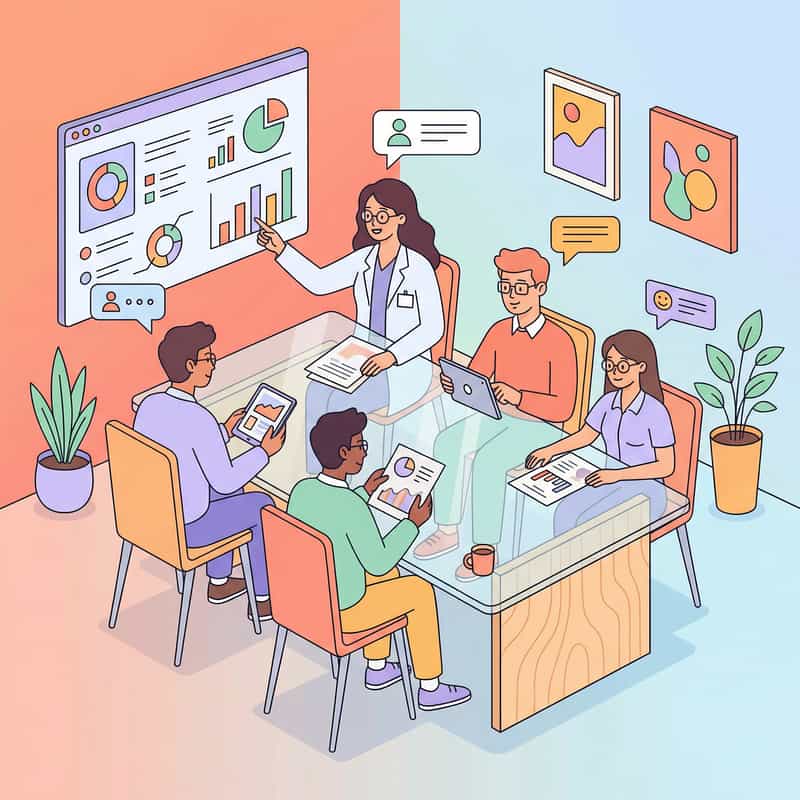
Clinicians must use assessment tools only within their scope of training and professional competence. Standardized administration protocols must be followed precisely to ensure validity and reliability of results. Cultural and linguistic factors require careful consideration to avoid bias and ensure accurate interpretation.
Comprehensive evaluation combines standardized assessment with clinical observation and parent report for complete understanding. Regular progress monitoring documents intervention effectiveness and guides treatment modifications. Multi-disciplinary assessment is indicated when children present with complex developmental profiles requiring expertise across multiple domains.

Clinical Equipment Investment Considerations
1
Safety and Compliance
Verify equipment meets safety standards and regulatory requirements. Professional installation and regular inspections are non-negotiable for suspension equipment and climbing structures.
2
Evidence-Based Selection
Choose equipment with strong evidence supporting clinical effectiveness. Professional Kit (Rank 1) materials represent investments with documented therapeutic value and measurable outcomes.
3
Versatility and Growth
Select equipment that accommodates multiple skill levels and therapeutic objectives. Versatile equipment maximizes clinical utility and serves diverse patient populations effectively.
4
Training Requirements
Ensure clinical staff receive appropriate training for equipment operation. Training investments protect patients, optimize therapeutic outcomes, and maintain professional standards.
Equipment Settings and Applications
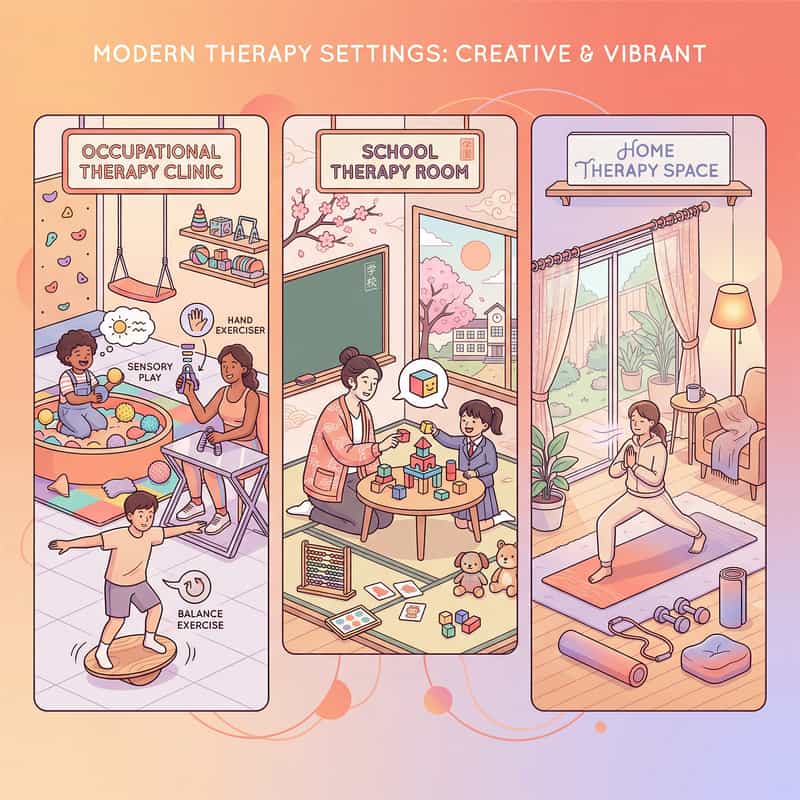
Clinical to Home Continuum
Professional therapy equipment serves multiple settings depending on complexity and safety requirements. OT and PT clinics utilize the full range of equipment including suspension systems and climbing structures. Specialized schools implement school-appropriate equipment with trained staff supervision.
Some equipment categories extend to home settings when proper installation and family training support safe use. Balance equipment, oral motor tools, and certain speech therapy materials adapt well to home environments. SLP clinics maintain specialized assessment and intervention materials requiring clinical expertise. Hospital settings utilize assessment tools and specific intervention equipment for acute care needs.
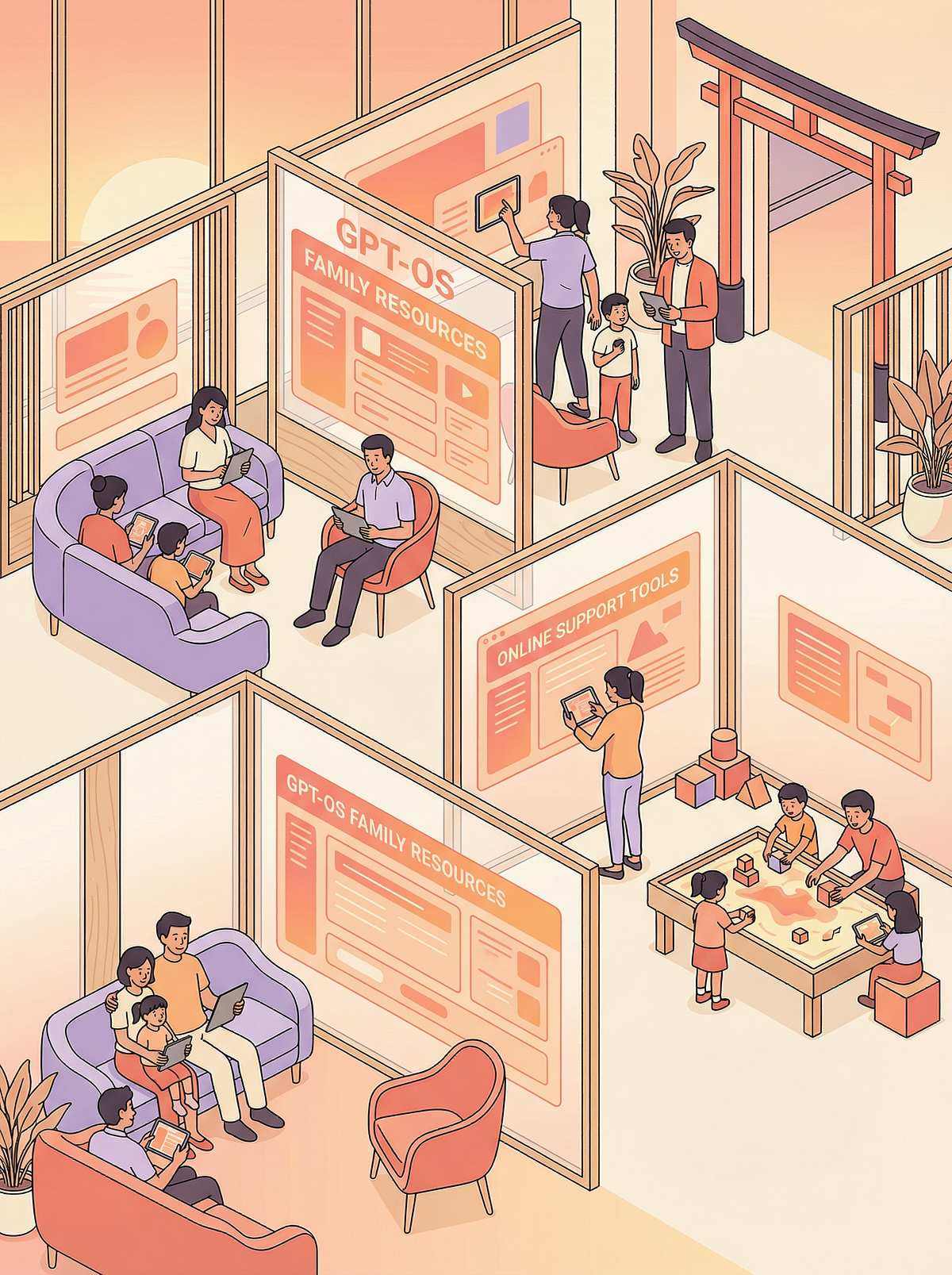
Pinnacle Blooms Network®
Built by Mothers. Engineered as a System.
Pinnacle is the execution layer of GPT-OS® — delivering therapy, daily programs, digital continuity, and marketplace access at population scale. The platform integrates three critical layers to support families navigating pediatric therapy equipment needs and comprehensive intervention services.
Our pediatric therapeutic OTT platform provides on-demand therapy guidance, parent education, and EverydayTherapyProgramme™ delivery accessible anytime. The hyperlocal pediatric therapeutic marketplace connects families to verified therapists, centers, programs, and resources mapped to the child's AbilityScore® and readiness needs.
21M+
Exclusive Sessions
Across converged therapy disciplines
97%
Measured Improvement
Across readiness indexes
70+
Operating Centers
Under GPT-OS® standards
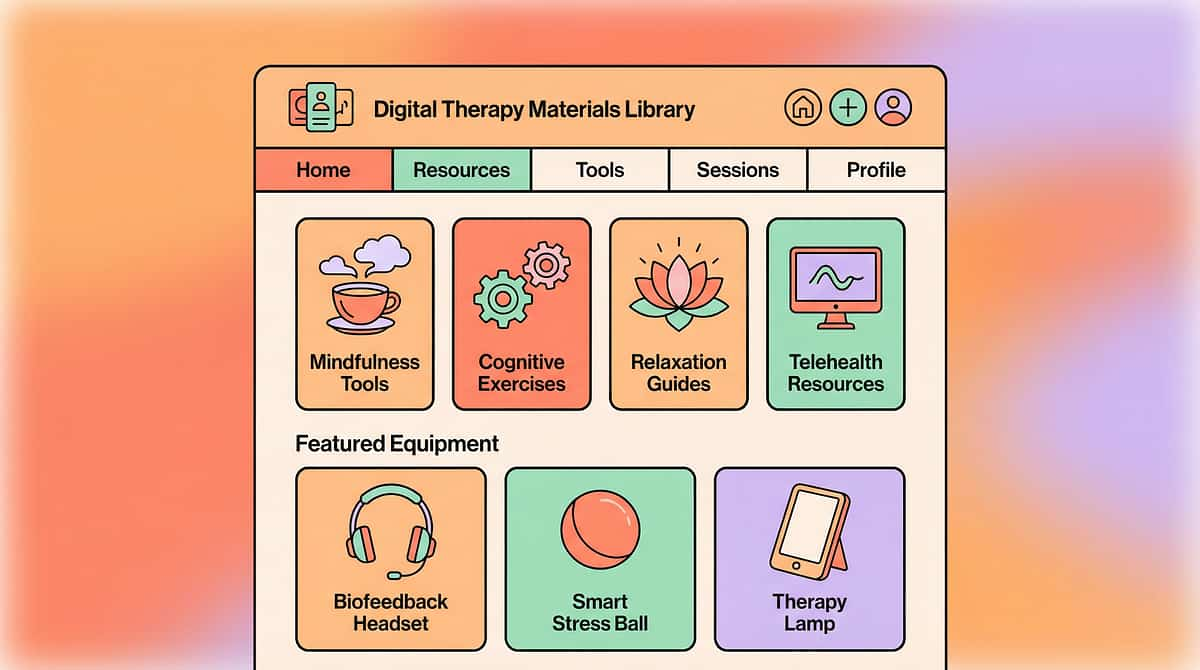
Therapy Materials Library Navigation
The Therapy Materials Library provides comprehensive guidance across all therapy equipment categories. Clinical equipment represents one category within a broader system of therapeutic resources. Parents, therapists, schools, and clinicians access detailed information on equipment functions, mechanisms, best practices, and implementation protocols.
Each material includes canonical identification, evidence ranking, target areas, price ranges, and setting recommendations. The library supports informed decision-making for equipment selection, purchase planning, and clinical implementation. Professional consultation remains essential for equipment selection matched to individual child needs and therapeutic goals.
Cannons
Therapy Equipment (Clinic)Professional-grade clinic equipment supporting vestibular integration, proprioceptive input, sensory regulation, and structured therapeutic intervention across occupational and physical therapy settings.
Link copied!
Important Medical Disclaimer
Educational Content Notice
This content is educational and informational in nature. Professional therapy equipment requires trained clinicians for safe and effective use. Assessment tools should only be administered by qualified professionals within their scope of practice. Individual results may vary based on child-specific factors and intervention implementation.
Statistics represent aggregate outcomes across the Pinnacle Blooms Network. Clinical equipment requires professional installation, regular maintenance, and appropriate supervision. Consultation with qualified occupational therapists, physical therapists, speech-language pathologists, or other relevant professionals is essential before equipment selection or purchase.
Statutory Identifiers: CIN: U74999TG2016PTC113063 • DPIIT: DIPP8651 (Govt. of India) • MSME: Udyog Aadhaar TS20F0009606 • GSTIN: 36AAGCB9722P1Z2
© 2025 Pinnacle Blooms Network®, unit of Bharath Healthcare Laboratories Pvt. Ltd. All rights reserved.