



OT + PT Recommended
OT + PT Recommended
Strong Evidence
Rank #1
Daily Use
₹2,000–80,000
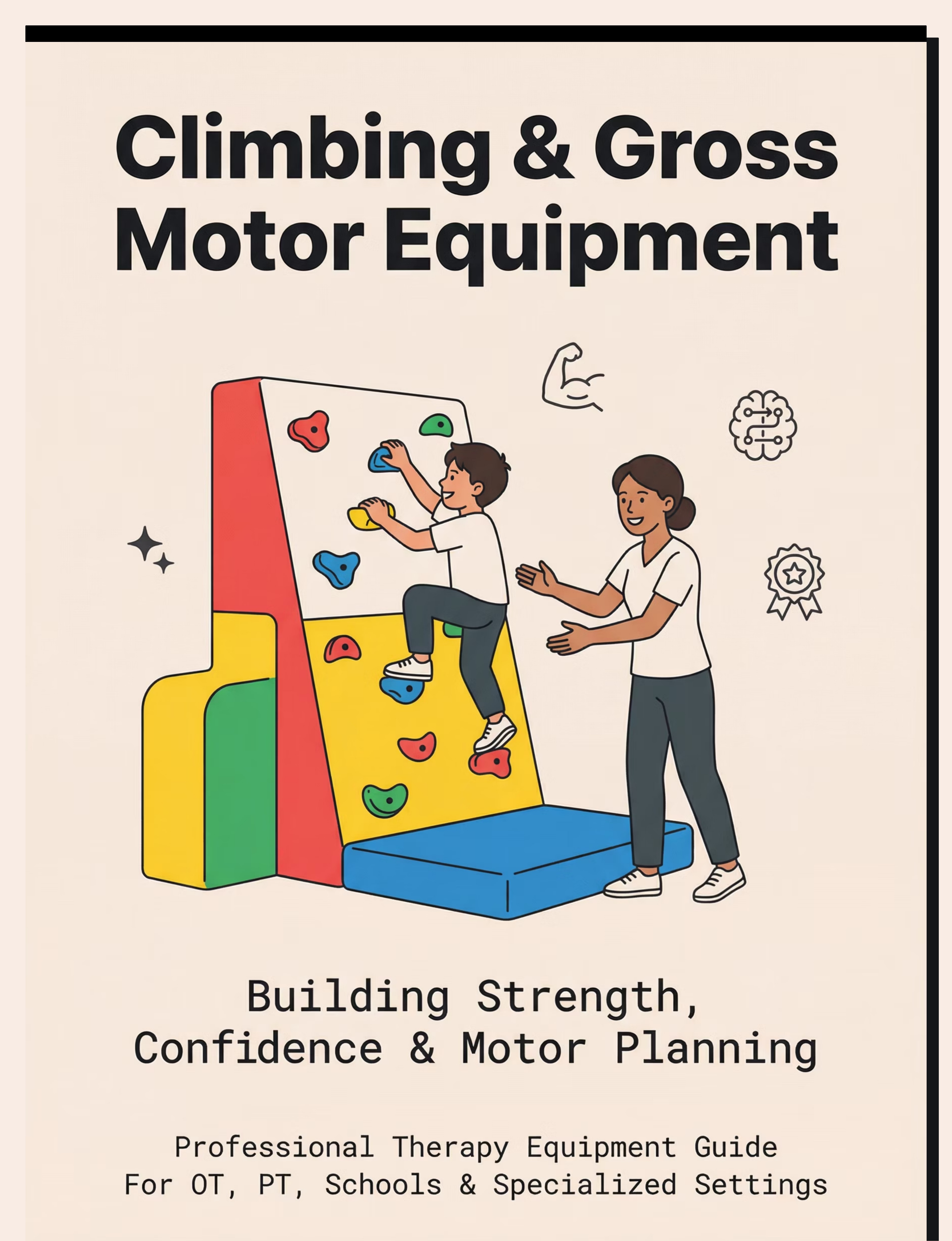
Climbing & Gross Motor Equipment
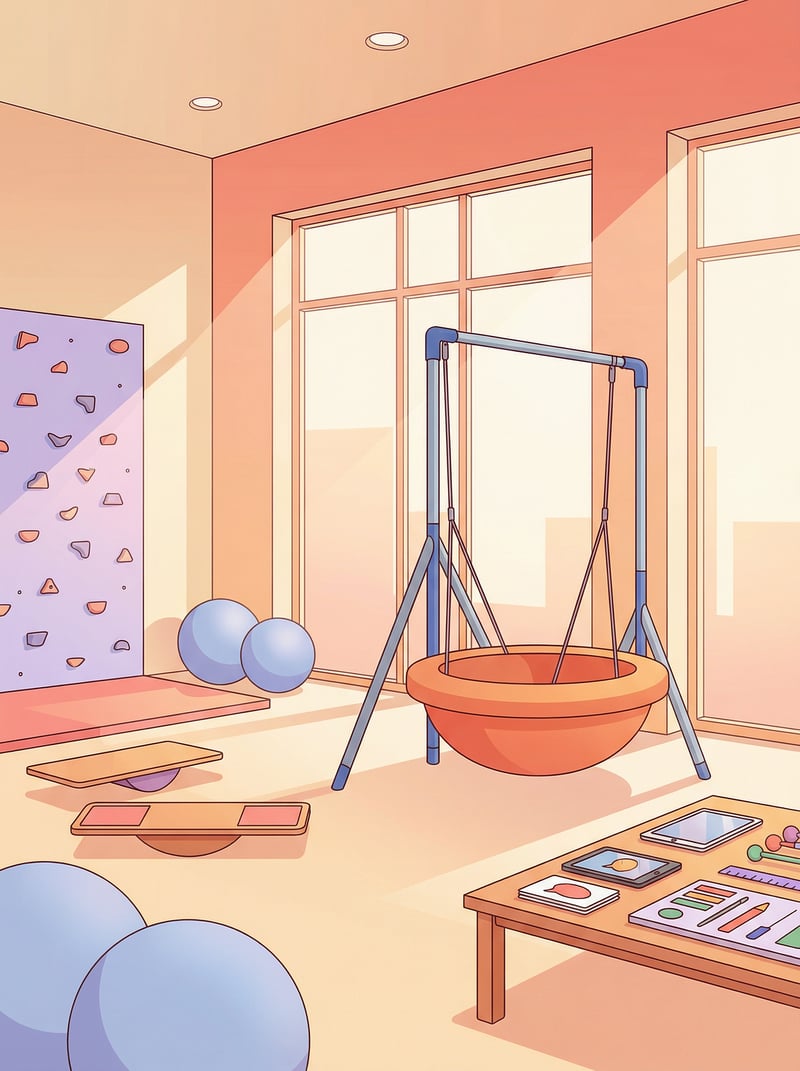
Large motor and climbing development system for occupational therapy
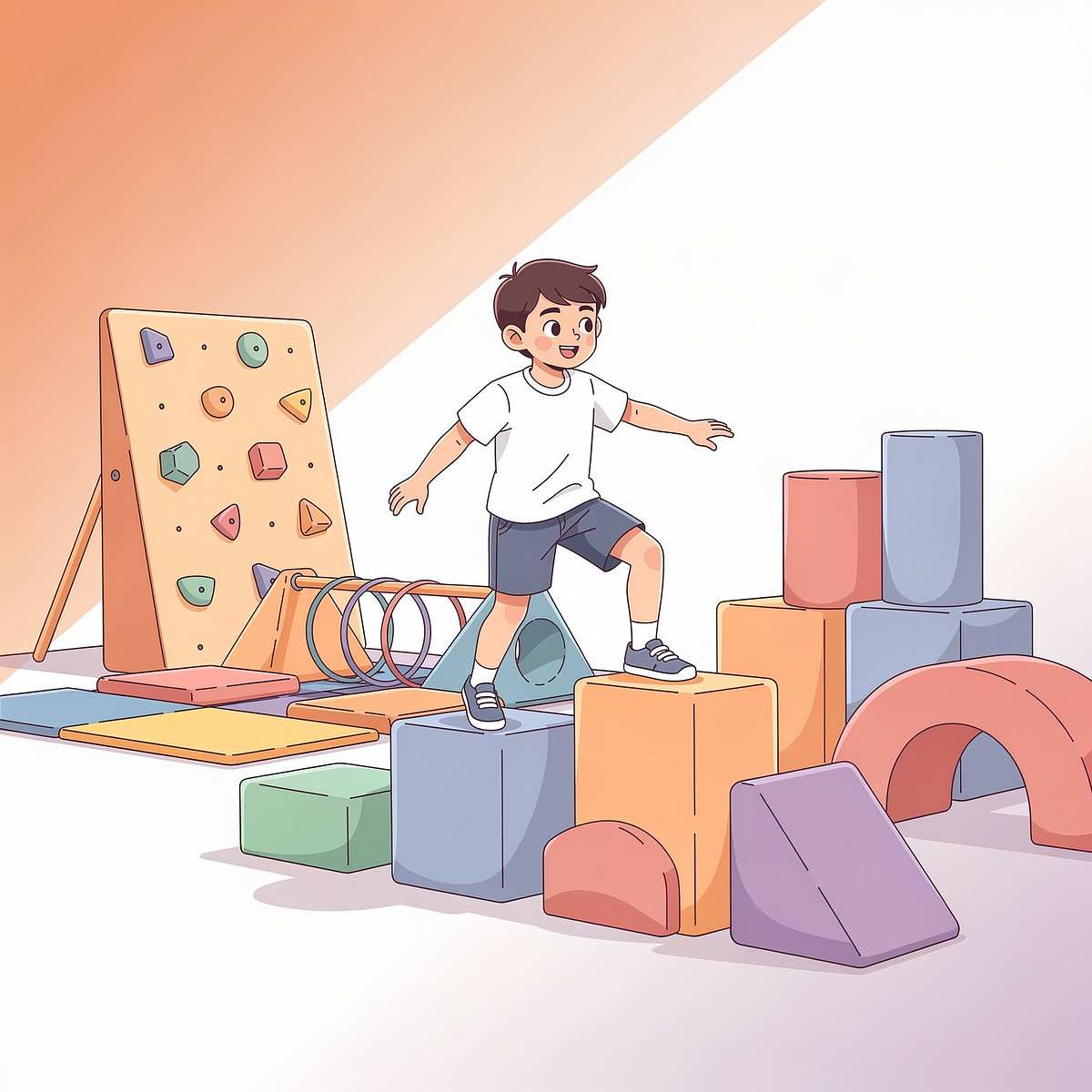
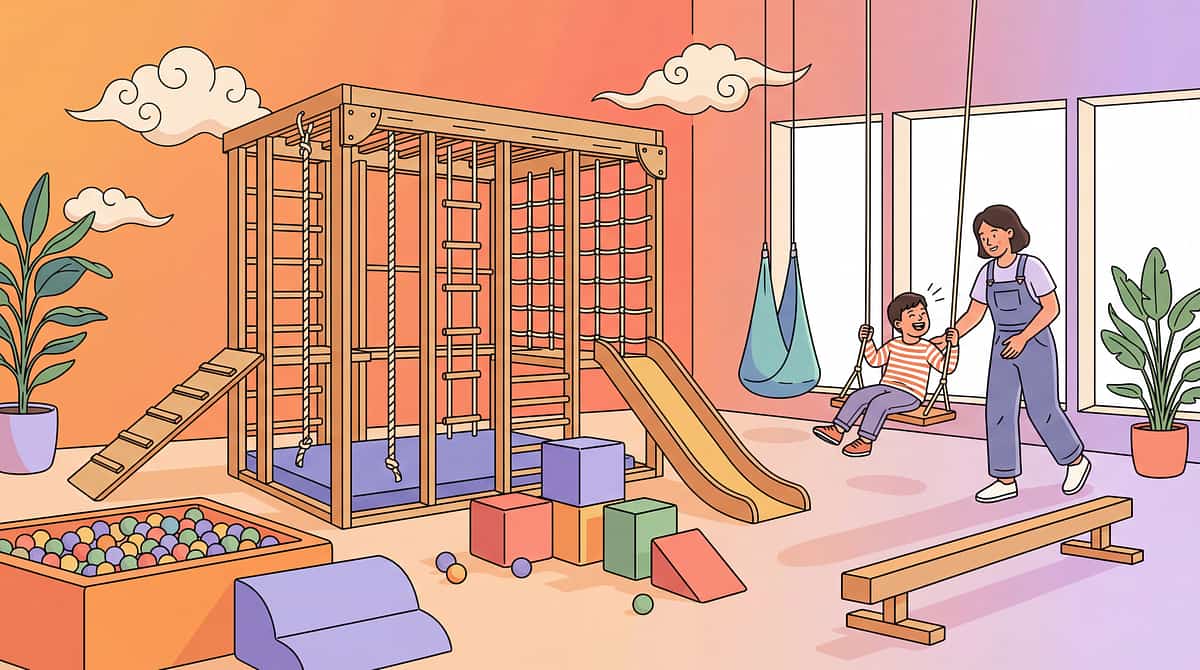
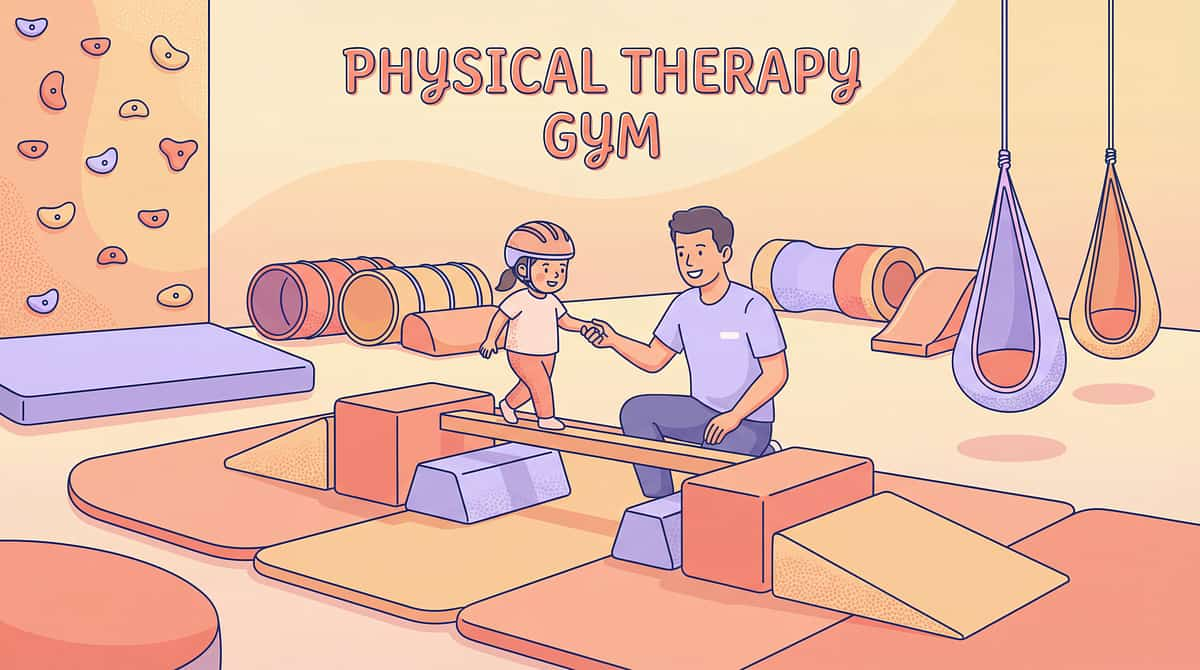
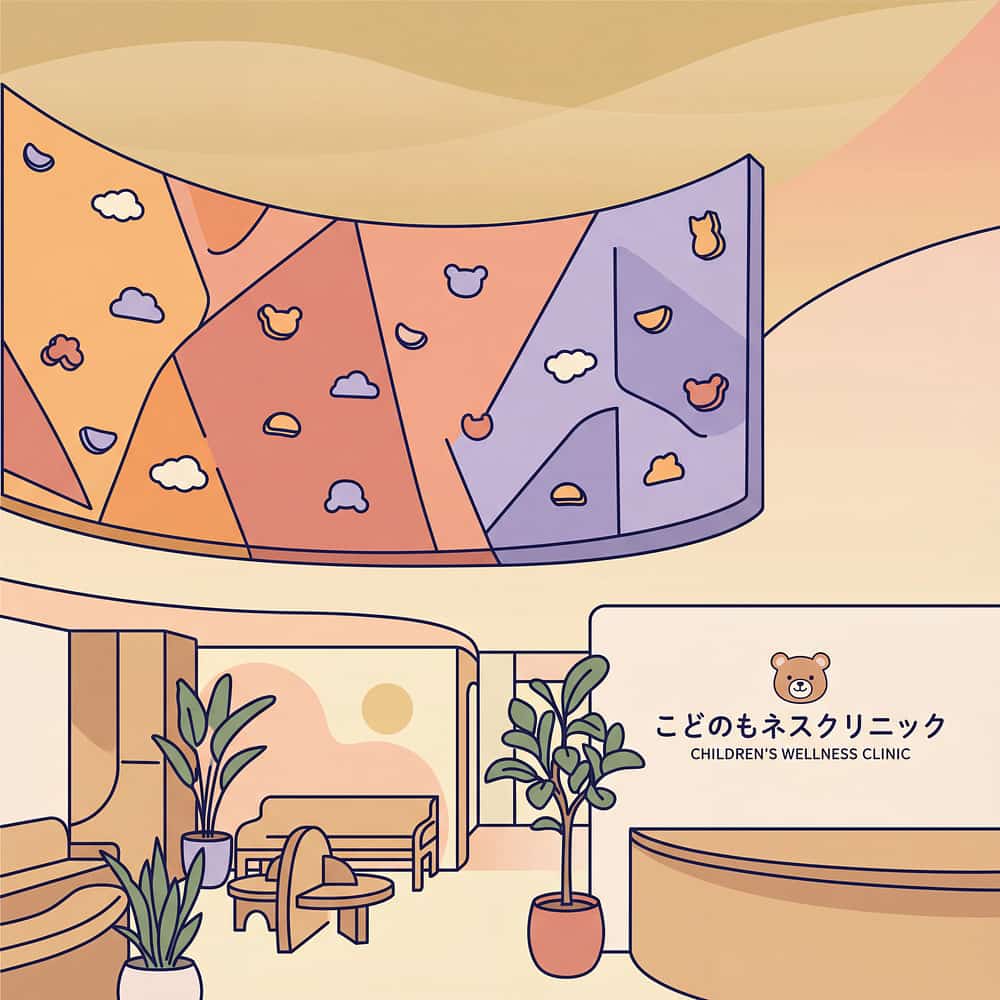
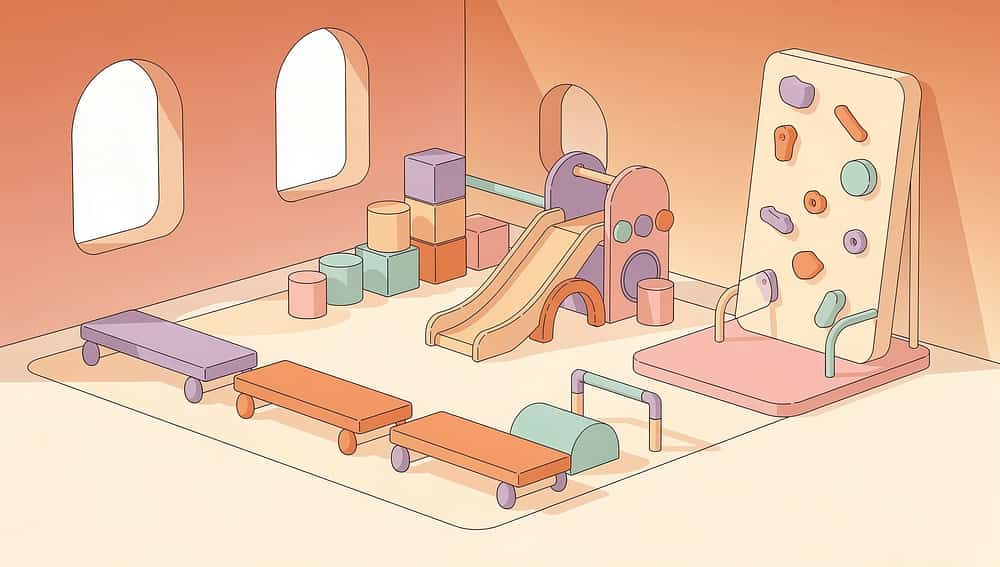
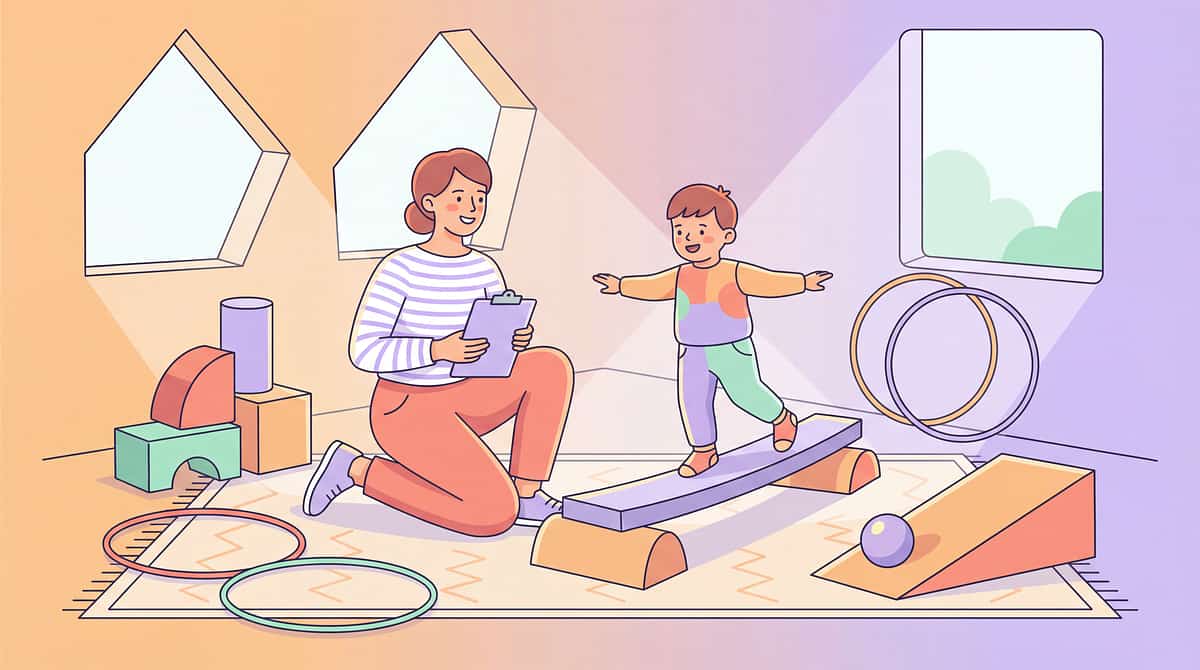
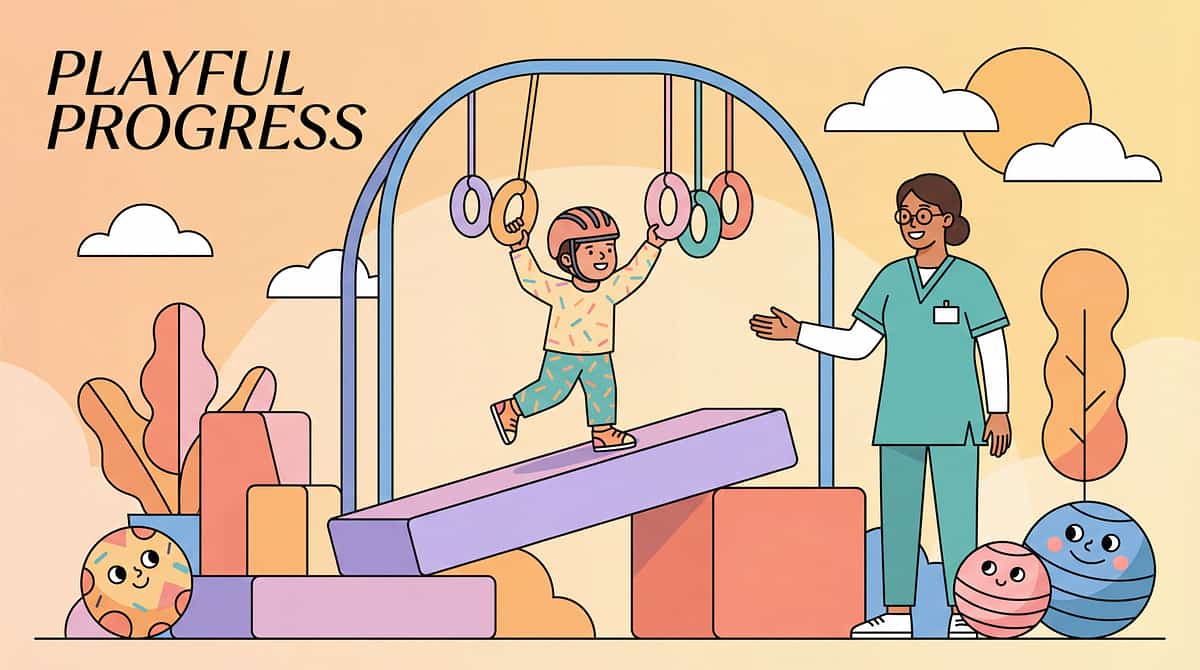
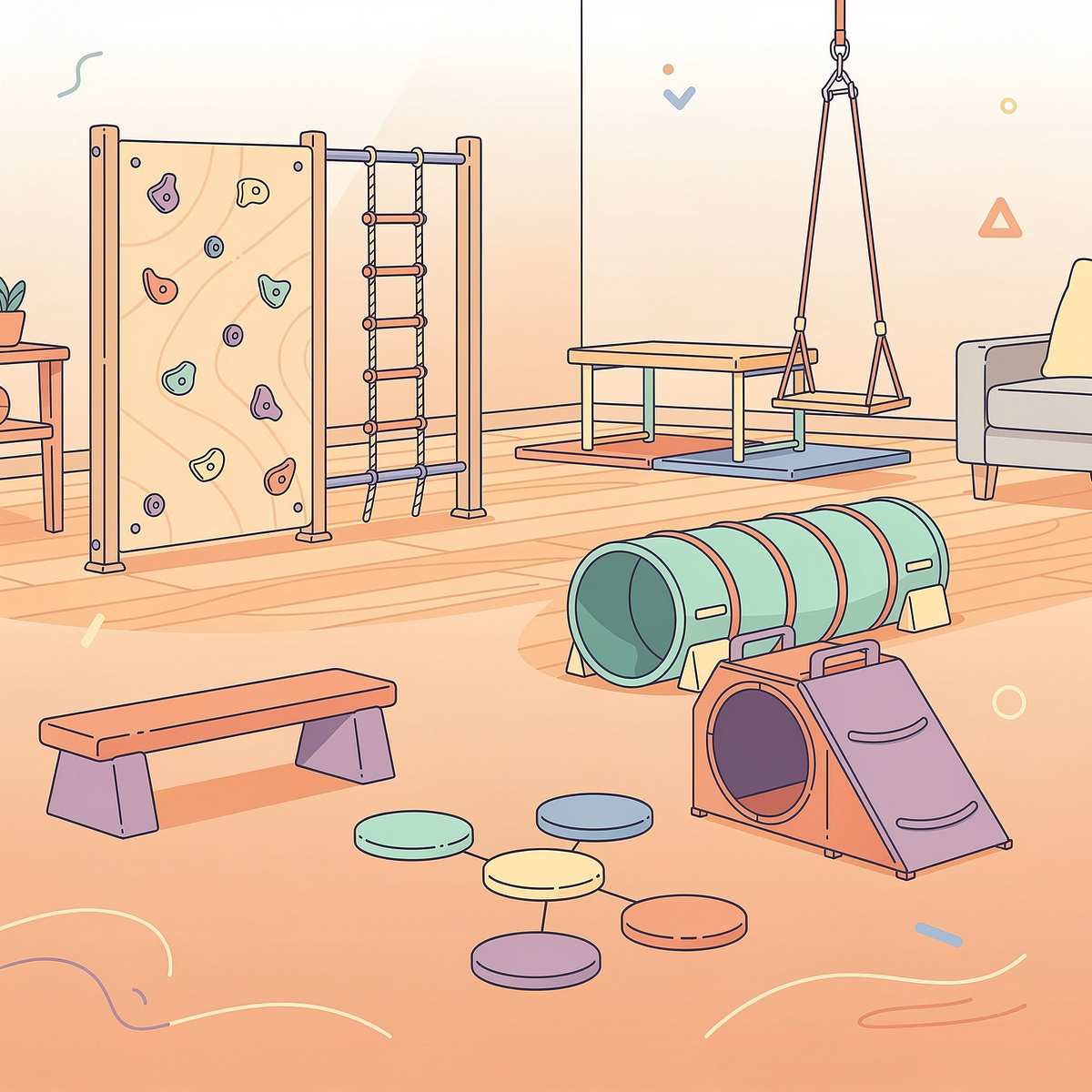
Professional-grade climbing walls, obstacle courses, crash mats, and soft play equipment designed to build strength, motor planning, and confidence in children with developmental needs. Essential clinic equipment for gross motor therapy.
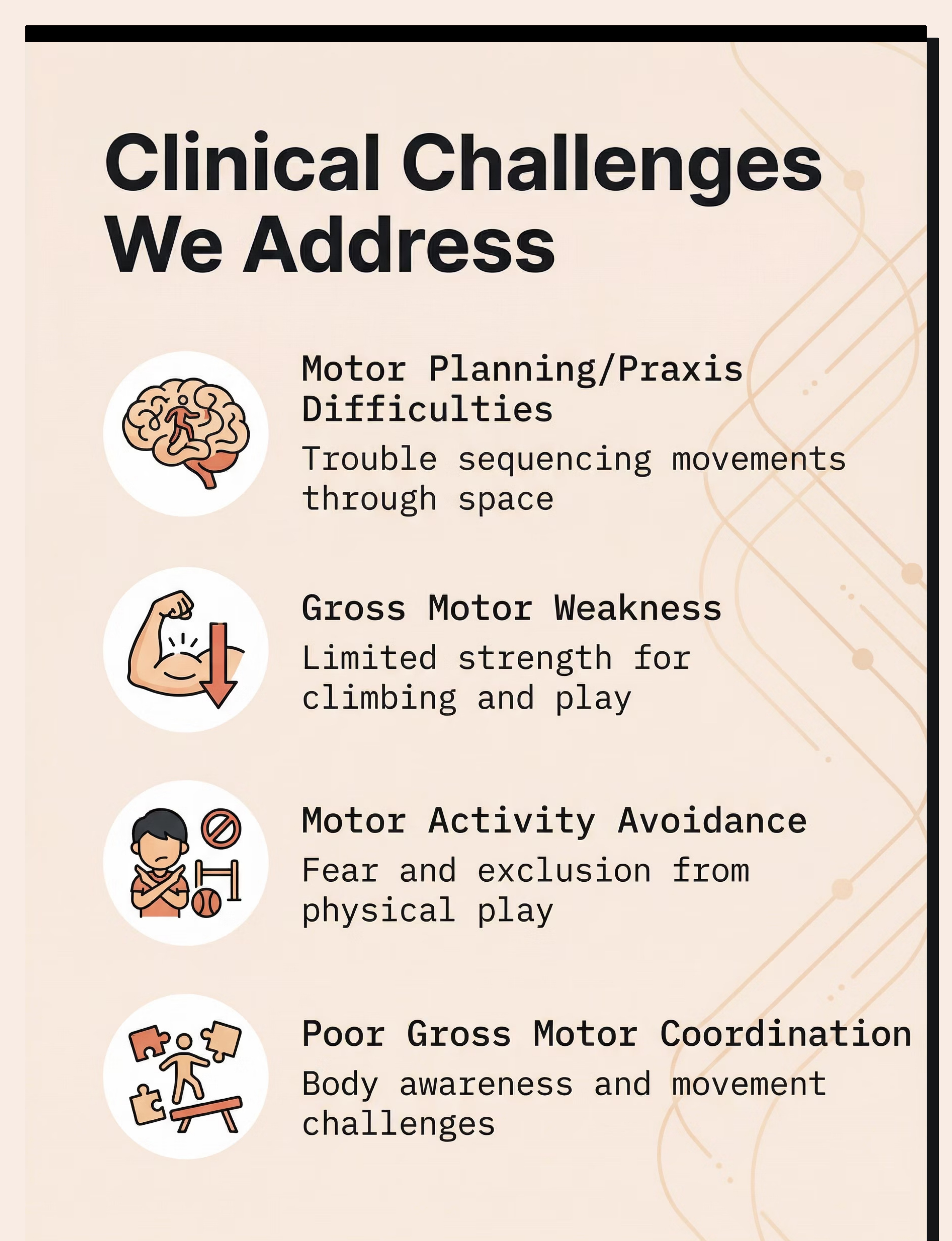
Who This Helps
Gross Motor Development
Focuses on strengthening gross motor skills, building core strength, and improving coordination through climbing, obstacle courses, and challenging activities. This equipment is ideal for children who avoid gross motor activities and those with upper body weakness.
Motor Planning & Body Awareness
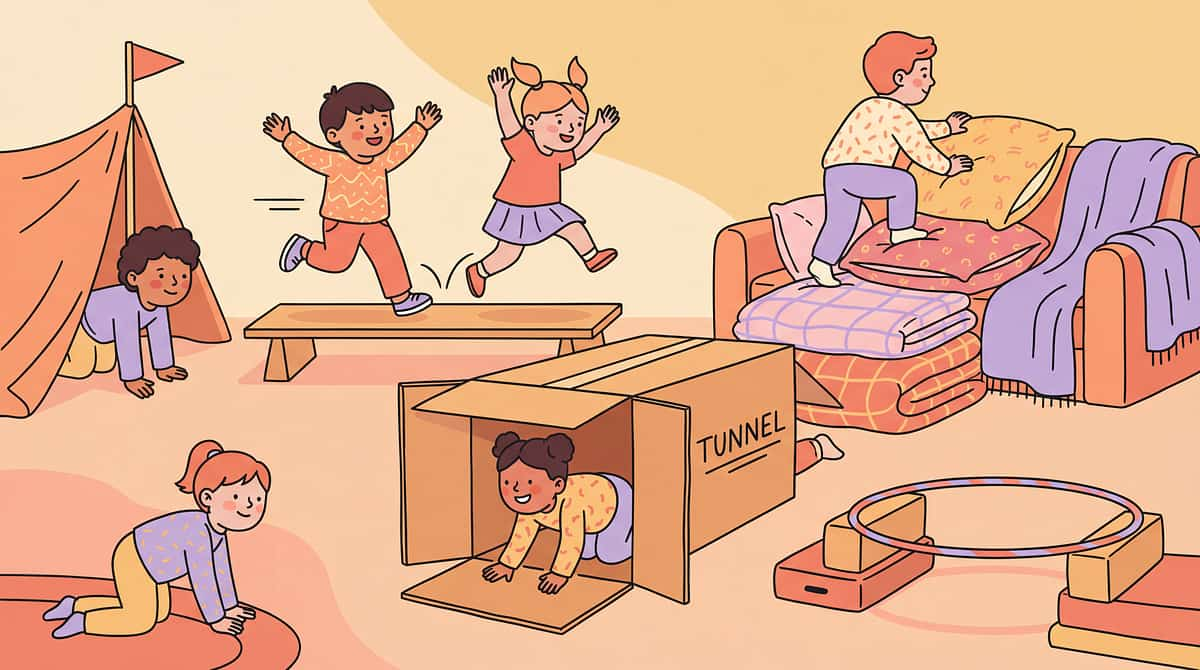
Enhances motor planning and body awareness by guiding children through tunnels, barrels, and obstacle sequences. It helps them learn to plan movement sequences and understand their body's position in space, especially beneficial for those with motor planning difficulties.
Confidence & Engagement
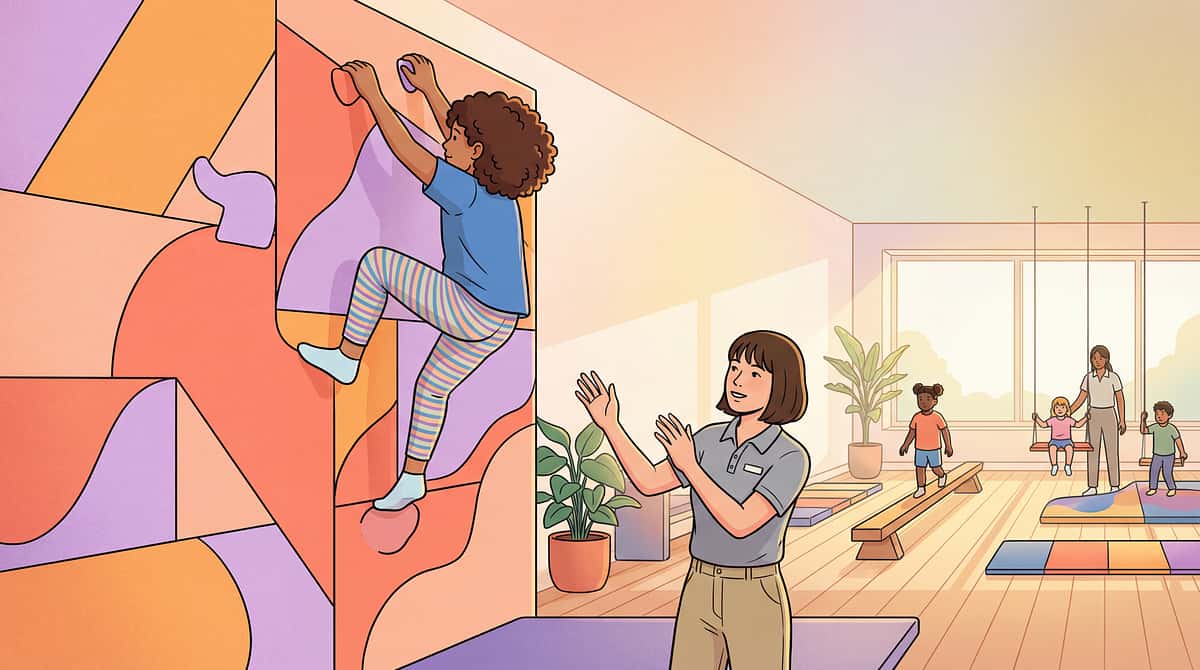
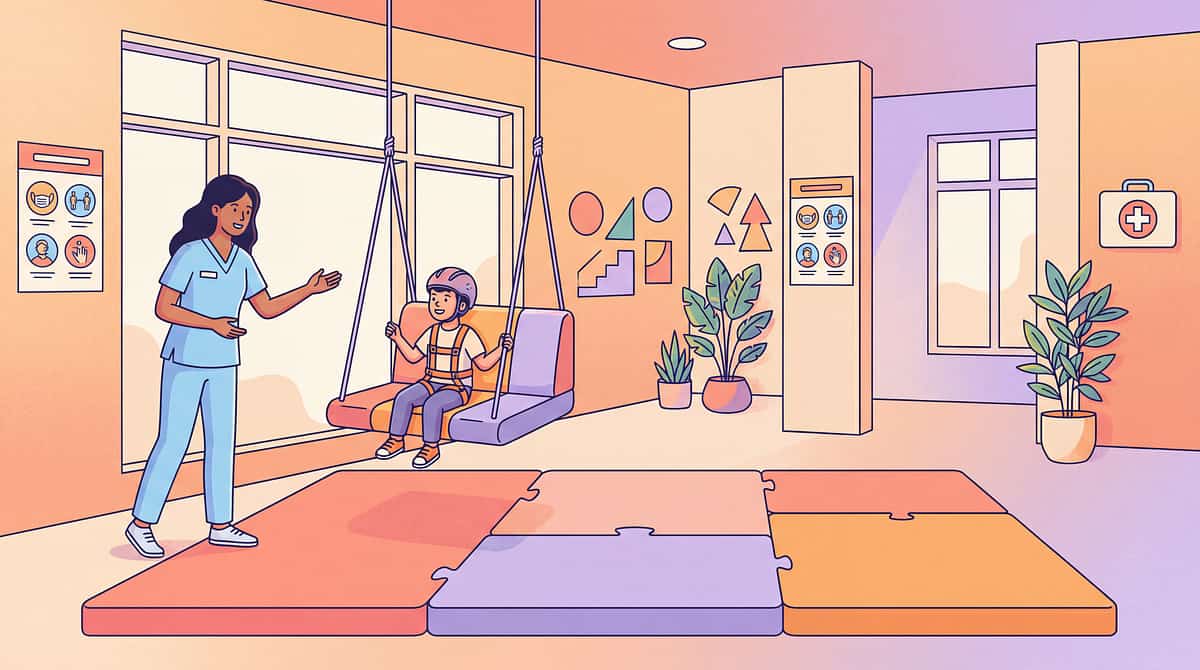
Cultivates confidence and encourages active participation in physical activities within a safe and supportive environment. Graded climbing challenges and obstacle courses, combined with therapist guidance and crash mats, foster a sense of achievement and reduce hesitation.
2+ years
Clinic
School
Home (select items)
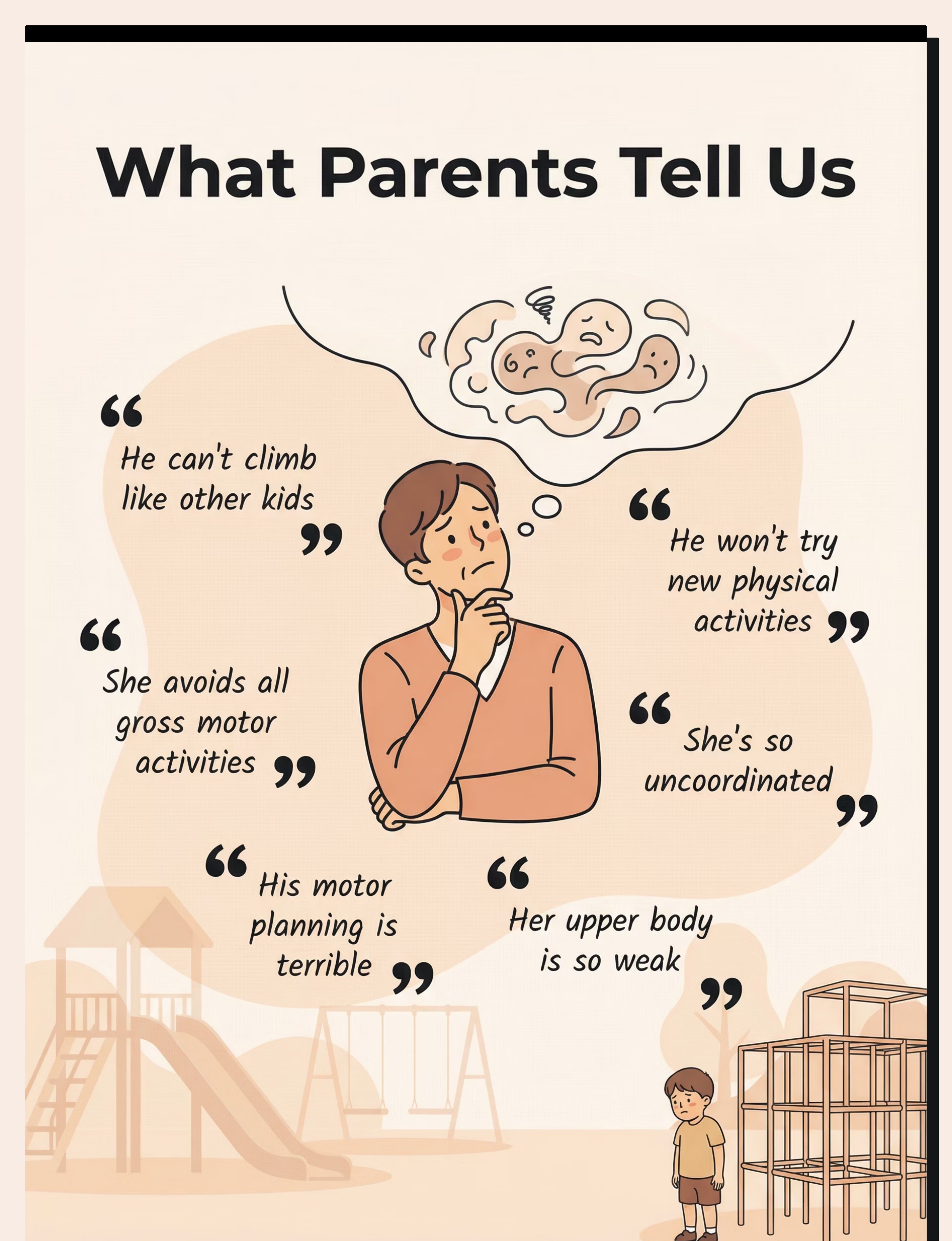
Does This Sound Familiar?
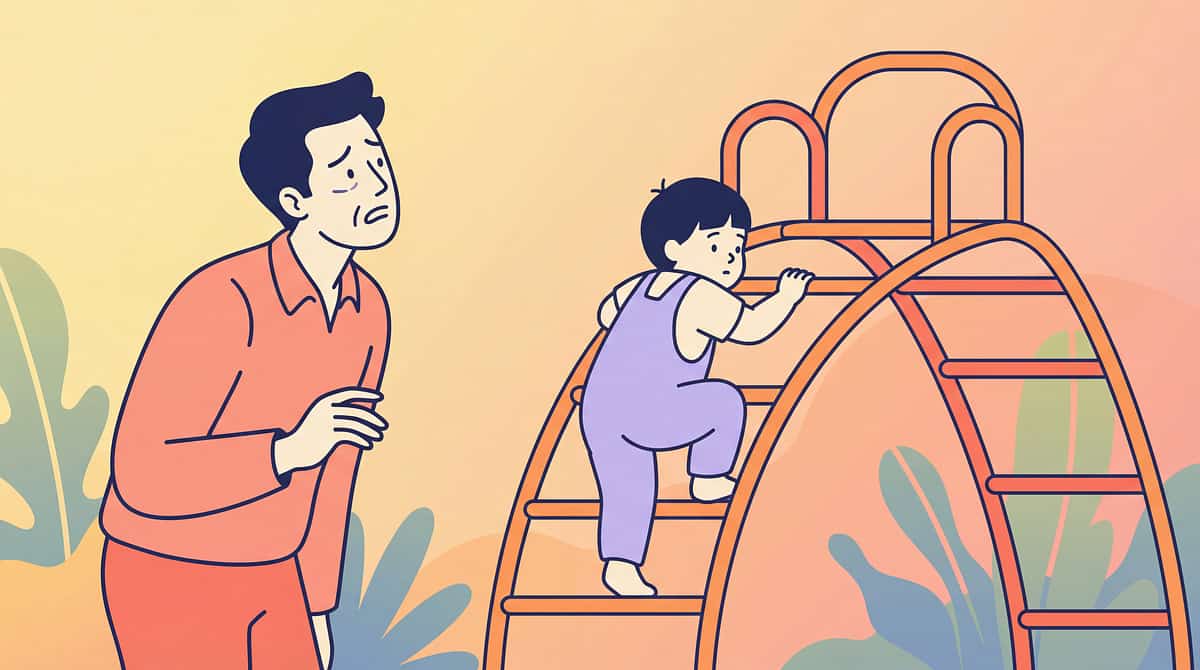
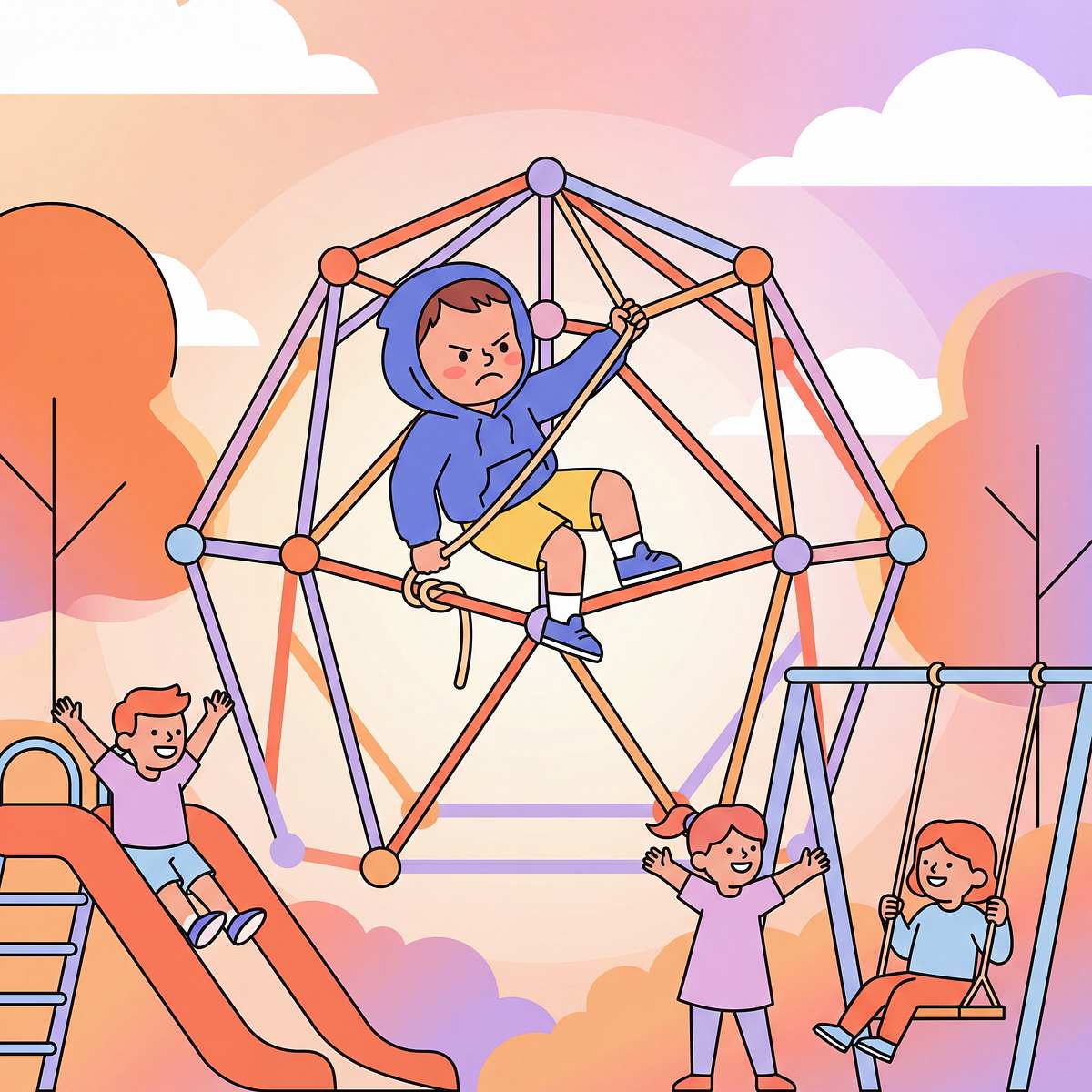
"He can't climb like other kids. I watch him try at the playground and my heart breaks when he gives up."
"She avoids all gross motor activities. PE class is a nightmare. She won't even try anymore."
"His motor planning is terrible. He gets stuck on simple obstacle courses that other kids breeze through."
"She's so uncoordinated. I worry about her safety and her confidence. She knows she's different."
"He won't try new physical activities. The avoidance is getting worse as he gets older and peers pull ahead."
"Her upper body is so weak. She can't do monkey bars, can't pull herself up. She's being left behind."

You're not alone. These are common challenges for children with developmental coordination difficulties, autism, and sensory processing differences. Motor planning and gross motor skills can be systematically developed with the right therapeutic equipment and expert guidance.
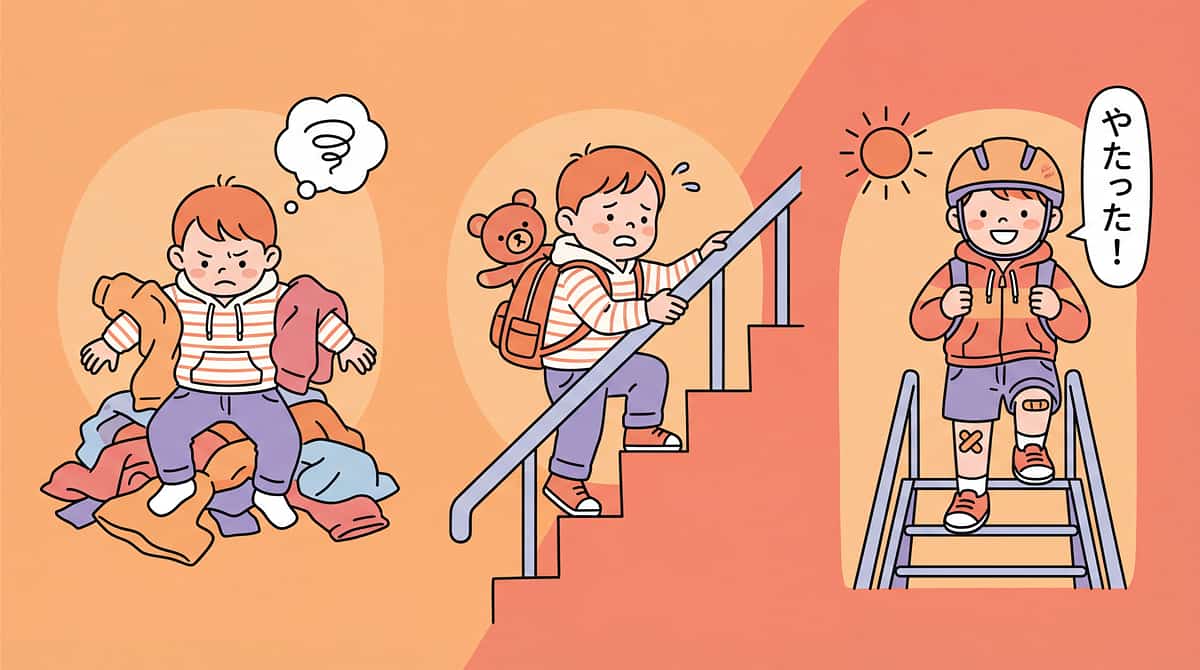
A Day Without the Right Support
1
Morning Routine
Struggles to climb stairs, tie shoes, button shirt. Simple motor tasks take forever. Day starts with frustration and delays.
2
School Transitions
PE class dreaded. Can't keep up with peers. Avoids playground equipment. Feels left out during active play and recess.
3
Therapy or Afternoon
Exhausted from compensating all day. Motor tasks avoided. Falls behind in physical development. Confidence eroding daily.
4
Evening & Bedtime
Too tired to play actively. Prefers sedentary activities. Missing opportunities for motor development. Cycle continues tomorrow.
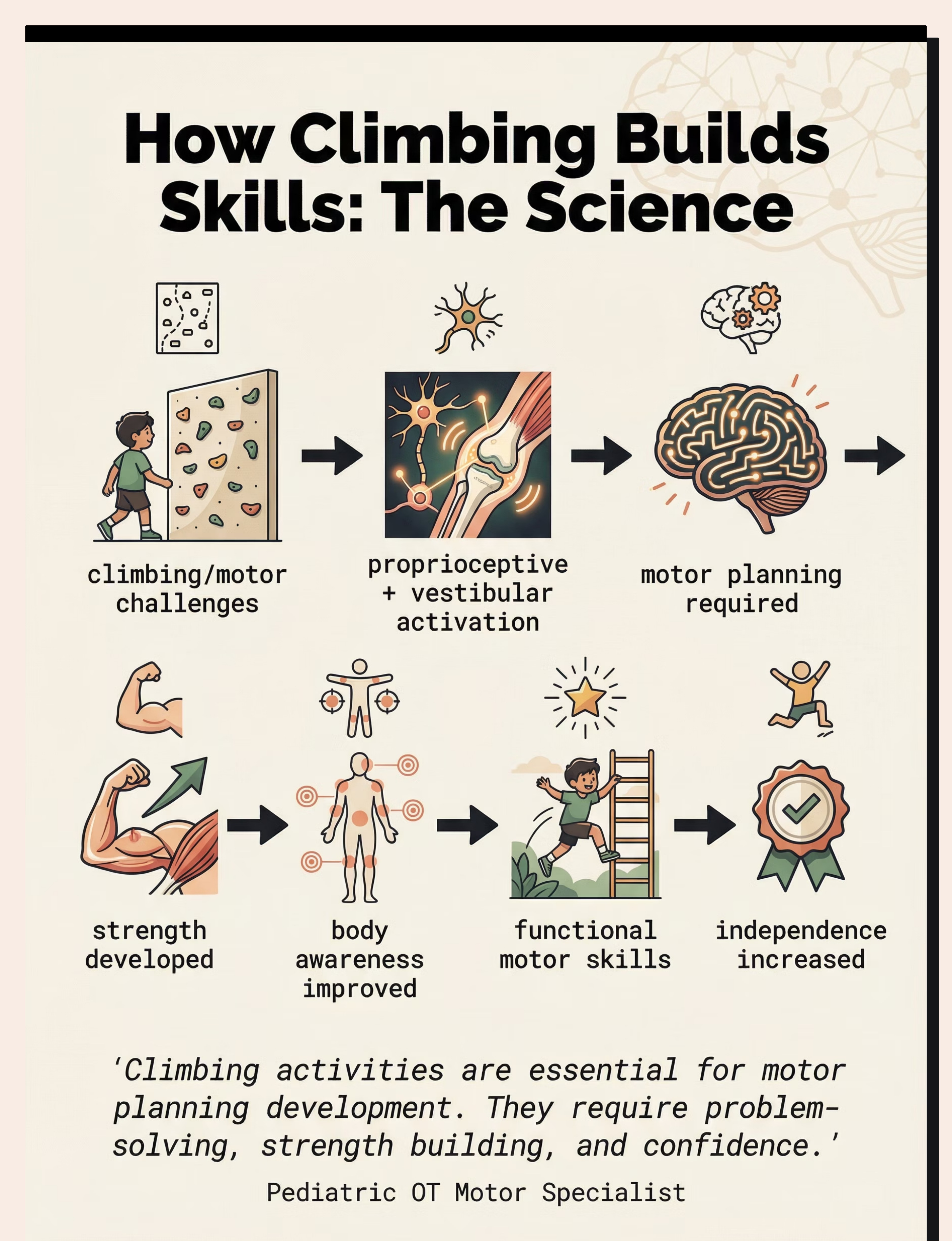
The Science Behind It
Climbing & Motor Challenges
Child engages with age-appropriate climbing equipment and obstacle courses
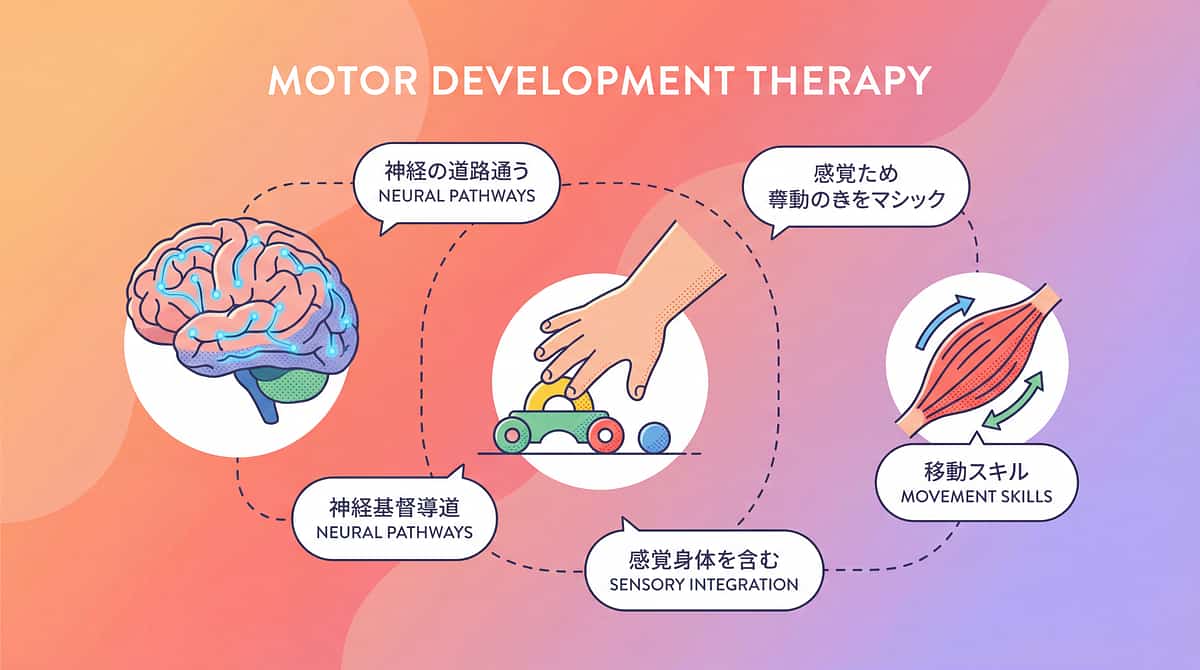
Sensory Systems Activated
Proprioceptive and vestibular systems provide critical body awareness feedback
Motor Planning Required
Brain must sequence movements, problem-solve spatial challenges, coordinate body parts
Strength Developed
Muscles build through repeated safe practice, core and upper body strengthened
Body Awareness Improved
Child learns where body is in space, how to move efficiently and safely
Confidence Built
Success with graduated challenges increases willingness to try new motor activities
Functional Skills & Independence
Improved gross motor abilities transfer to daily activities, play, and participation
Gross Motor Skills
Motor Planning (Praxis)
Upper Body Strength
Core Strength
Body Awareness
Coordination
Confidence
How to Use It Right
Safety Mats Required
Always use appropriate crash mats or safety surfaces under and around all climbing equipment. Safety is non-negotiable in gross motor therapy.
Match Supervision to Challenge Level
Provide hands-on support for new or challenging activities. Adjust supervision as child's skills develop, but maintain visual oversight always.
Grade Activities to Child's Ability
Start below current skill level to build confidence. Increase challenge gradually as child demonstrates mastery and readiness for next step.
Combine with Purposeful Activities
Make motor challenges meaningful. Use games, obstacle courses with goals, treasure hunts. Functional context increases engagement and learning.
Build Confidence Gradually
Success builds success. Ensure child experiences wins at each session. Confidence is as important as physical skill development.
Regular Equipment Safety Checks
Inspect equipment before each use. Check for loose bolts, worn surfaces, damaged mats. Maintain equipment according to manufacturer guidelines.

Duration Note: Typical therapy sessions use gross motor equipment for 10-20 minutes per activity, with multiple activities per session. Activities should be engaging and fun, not exhausting or frustrating.
Expert Perspective
"Climbing and obstacle activities are essential for motor planning development. They require the child to problem-solve movement sequences, develop strength, and build confidence. These activities address the 'praxis' component that is often challenging for children with autism and developmental coordination disorder."
— Occupational Therapist, Pediatric Motor Specialist
OT + PT Recommended
Strong Evidence
Rank #1 in Category
Daily Use in Clinics
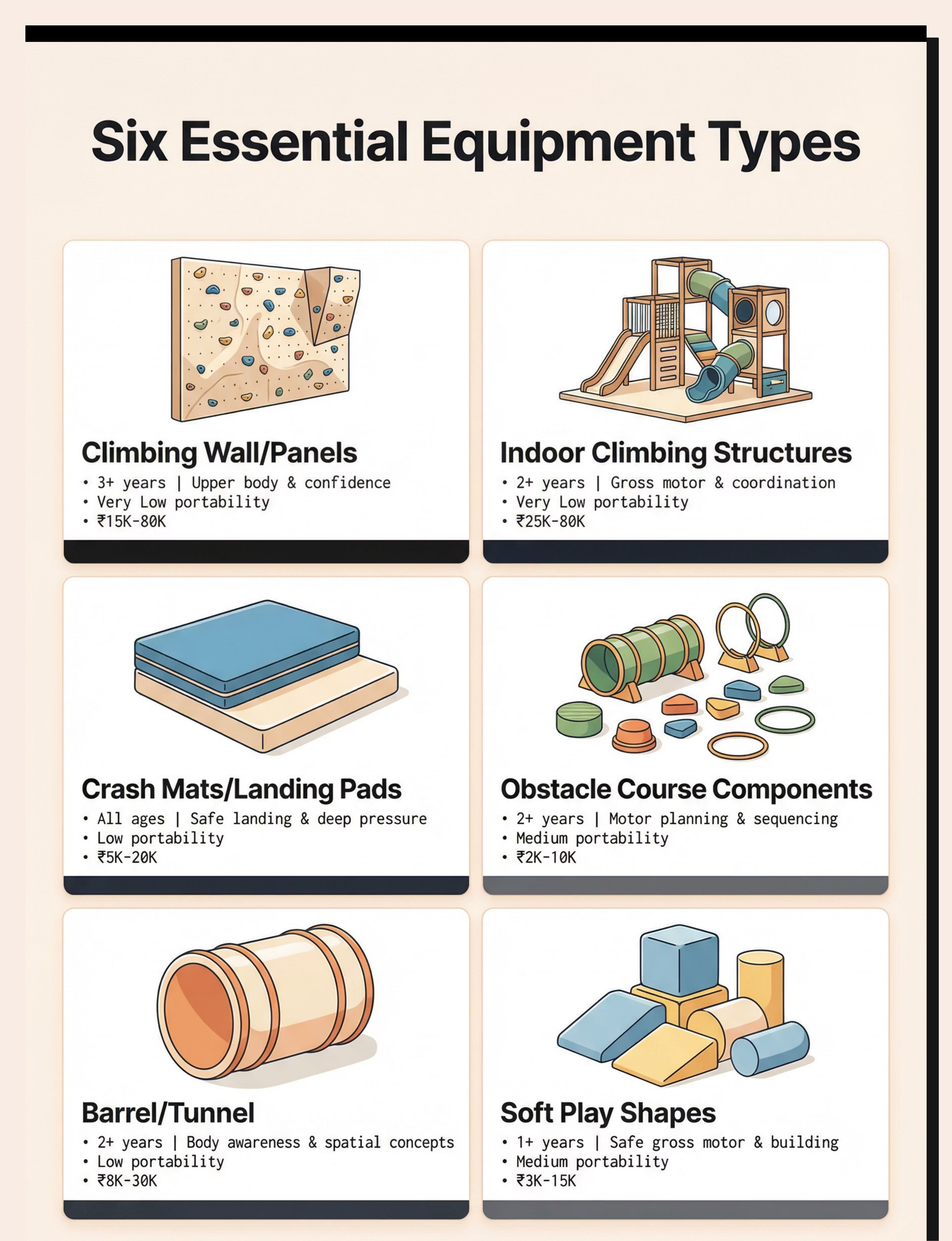
Choose Your Option (6 Variants)
Climbing Wall / Panels
Best for: Upper body, motor planning, confidence
Type: Vertical climbing | Wall-mounted climbing surface
Ages: 3+ years | Settings: Clinic, School, Specialized home
Portability: Very Low (installed) | Price: ₹10,000–50,000
Indoor Climbing Structures
Best for: Gross motor, strength, coordination
Type: Multi-planar climbing | Multi-level climbing structures
Ages: 2+ years | Settings: Clinic, Indoor playground
Portability: Very Low | Price: ₹15,000–80,000
Crash Mats / Landing Pads
Best for: Safe landing, crashing, deep pressure
Type: Safety / proprioceptive | Thick foam safety mats
Ages: All ages | Settings: Clinic, Home
Portability: Low | Price: ₹3,000–15,000
Obstacle Course Components
Best for: Motor planning, sequencing, coordination
Type: Motor planning course | Tunnels, hoops, hurdles, etc.
Ages: 2+ years | Settings: Clinic, School, Home
Portability: Medium | Price: ₹2,000–15,000
Barrel / Tunnel
Best for: Body awareness, crawling, spatial concepts
Type: Proprioceptive / motor planning | Roll-through or crawl-through tube
Ages: 2+ years | Settings: Clinic, School, Home
Portability: Low | Price: ₹2,000–10,000
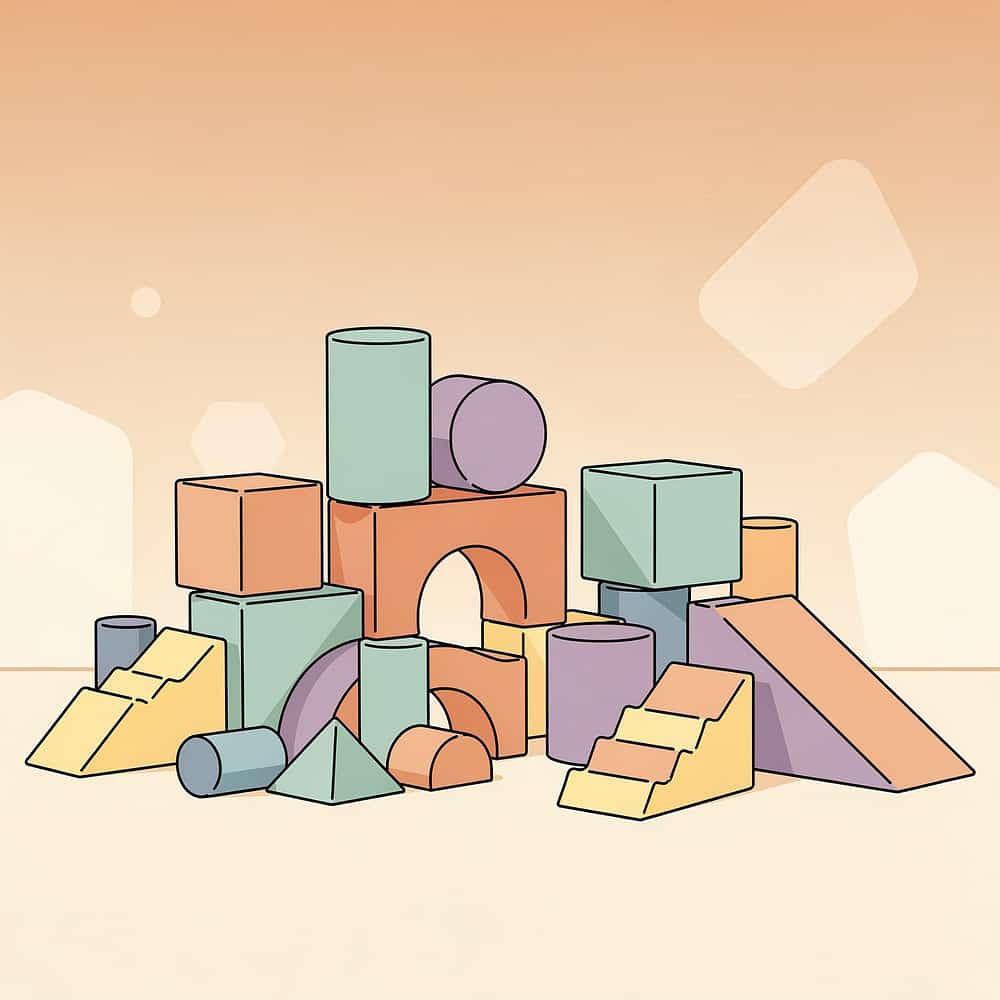
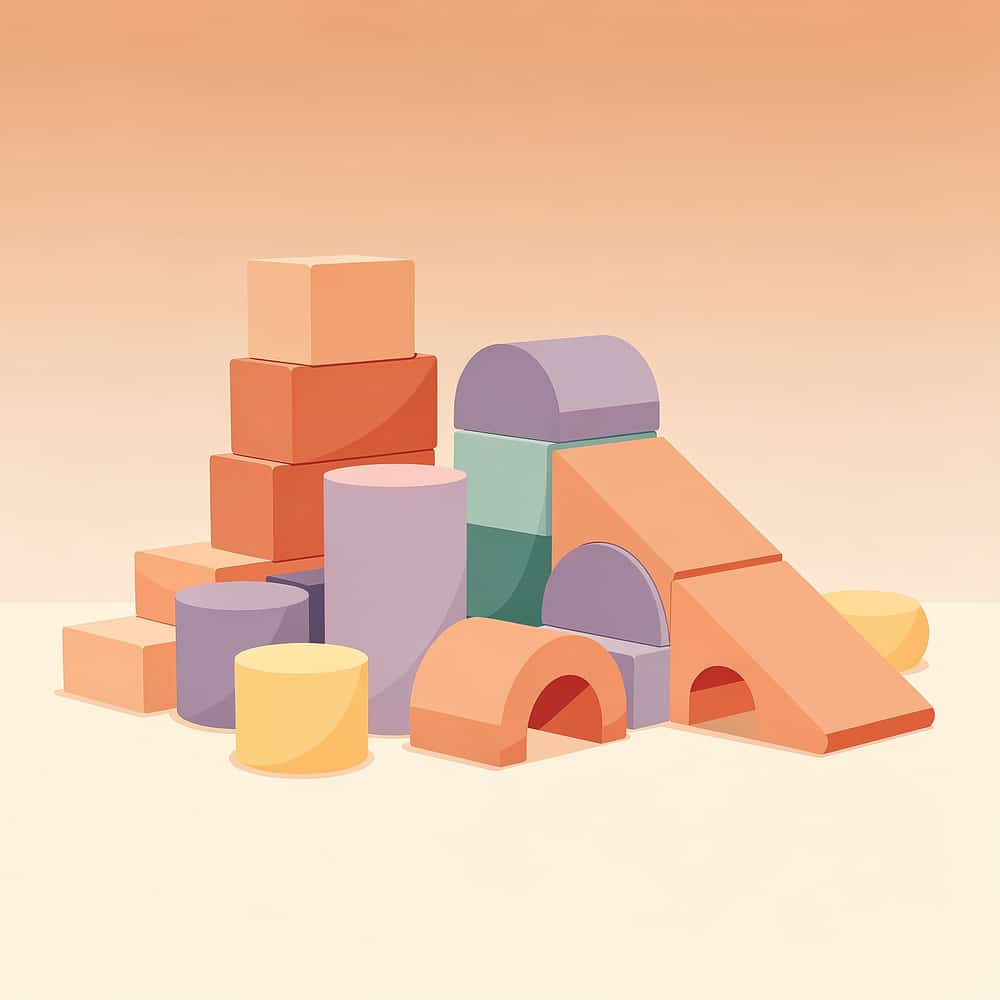
Soft Play Shapes
Best for: Safe gross motor, building, imagination
Type: Safe climbing/building | Large foam shapes for climbing/building
Ages: 1+ years | Settings: Clinic, Home, School
Portability: Medium | Price: ₹5,000–25,000
From wall-mounted climbing panels to portable obstacle courses, select equipment based on your goals, setting, and space. Each variant addresses specific gross motor and motor planning needs.

How to Choose
By Goal: Upper body strength → Climbing wall | Motor planning → Obstacle courses | Safety/proprioception → Crash mats | Spatial awareness → Tunnels/barrels | Confidence building → Soft play shapes
By Setting: Clinic → Any option | Home → Crash mats, obstacles, tunnels, soft play | School → Obstacles, climbing structures, soft play
By Portability: Need to move equipment → Obstacle components, soft play | Permanent installation → Climbing walls, large structures
Specifications & Equipment Types
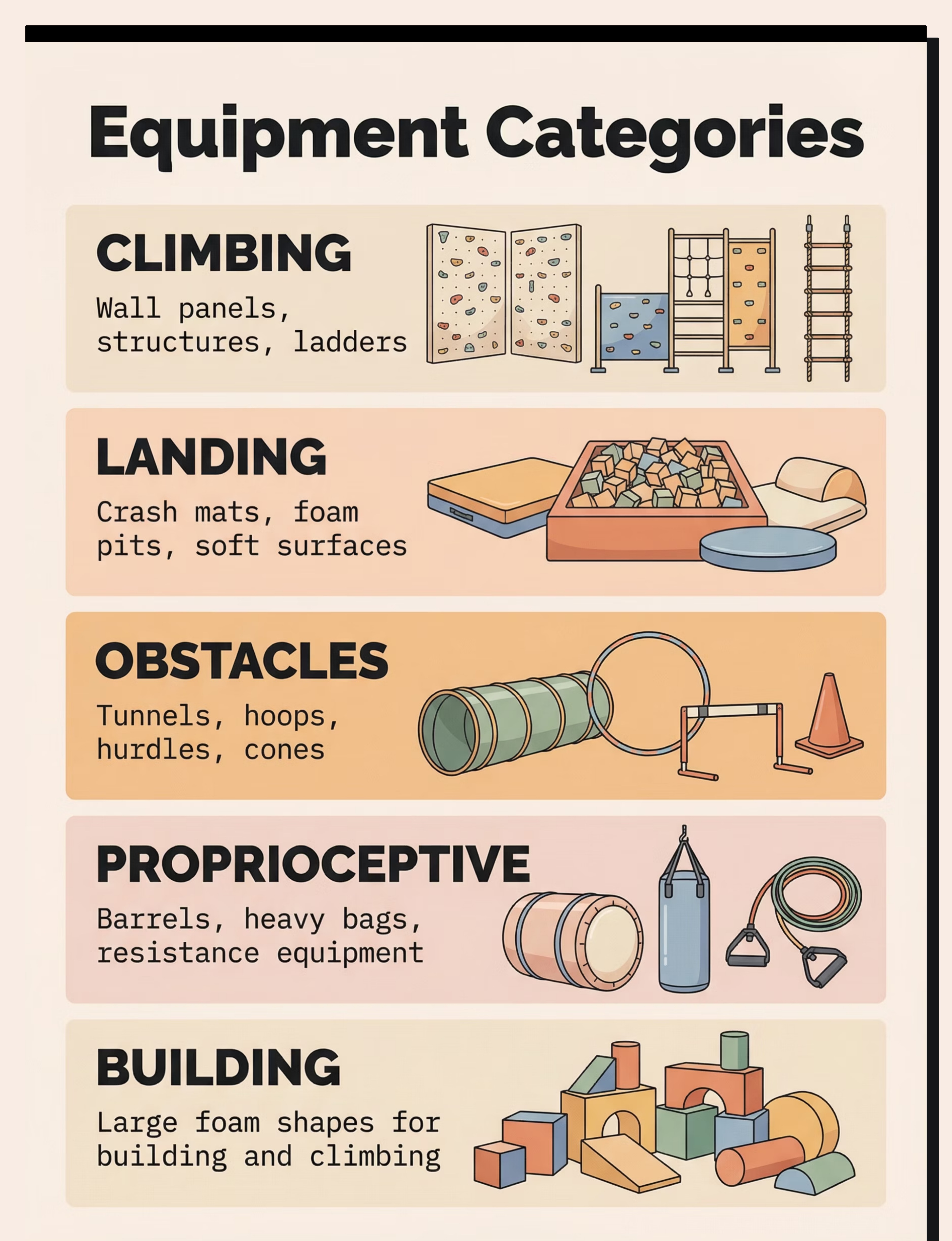
Equipment Categories
Climbing Equipment
Wall panels, structures, ladders for vertical challenges and upper body development
Landing & Safety
Crash mats, foam pits, soft surfaces for safe landing and proprioceptive input
Obstacle Components
Tunnels, hoops, hurdles, cones for motor planning sequences and coordination
Proprioceptive Equipment
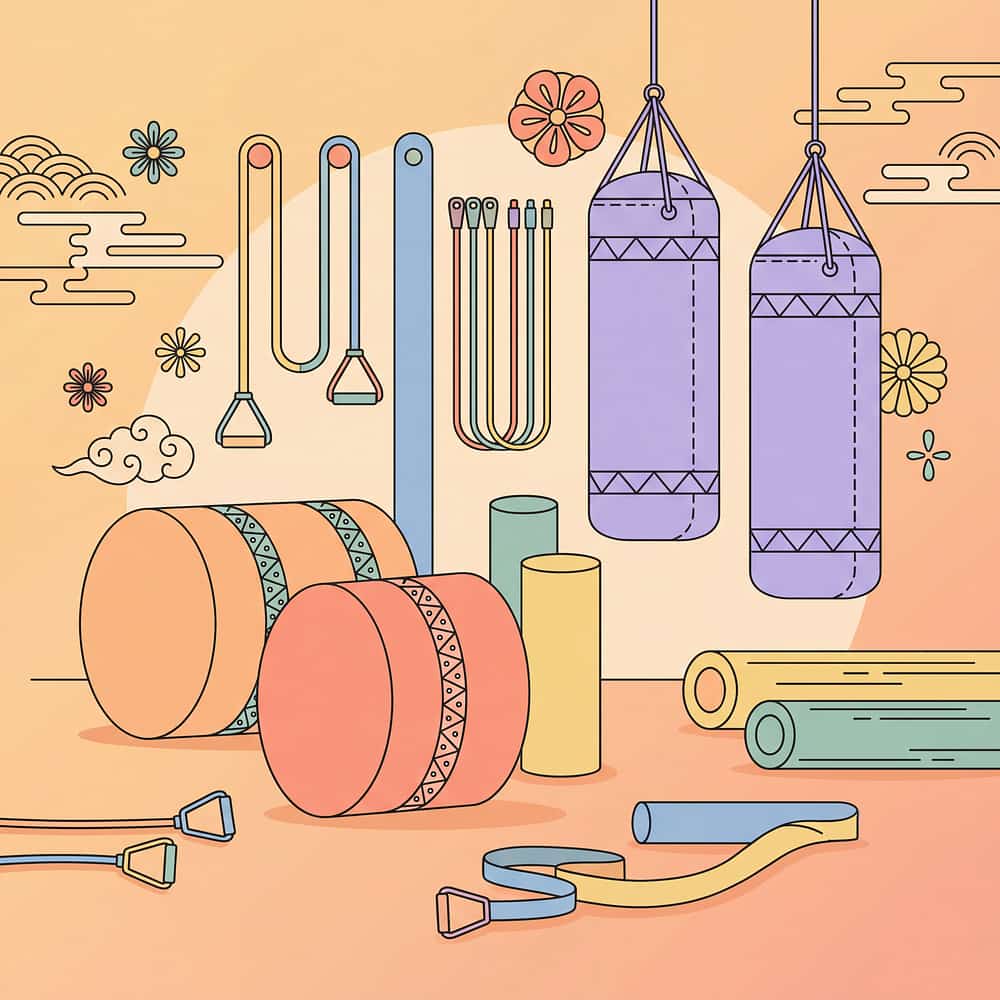
Barrels, heavy bags, resistance tools for body awareness and deep pressure
Building & Play
Large foam shapes for building, climbing, and imaginative gross motor play
Materials & Features
Common Materials
  • Wood: Climbing panels, structures (sealed, smooth)
  • Metal: Frames, climbing holds (powder-coated, rust-resistant)
  • Heavy-duty foam: Crash mats, soft play (high-density, durable covers)
  • Plastic: Tunnels, some components (thick, UV-resistant)
Key Features to Look For
  • Safety rated: Meets safety standards for pediatric use
  • Appropriate difficulty range: Adjustable or graduated challenges
  • Durable construction: Withstands daily clinical use
  • Engaging design: Appeals to children, motivates participation
  • Easy to clean: Wipeable surfaces for hygiene
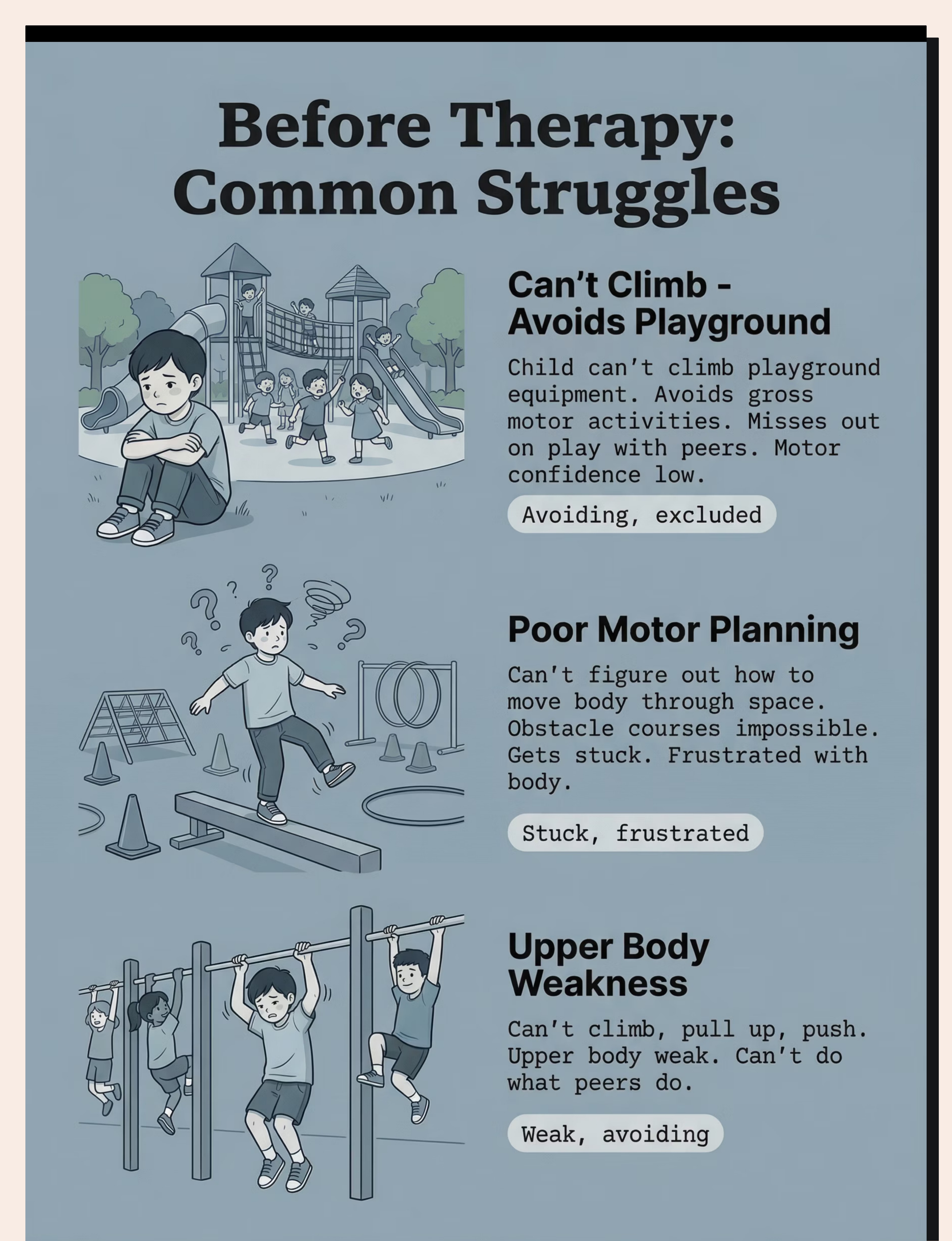
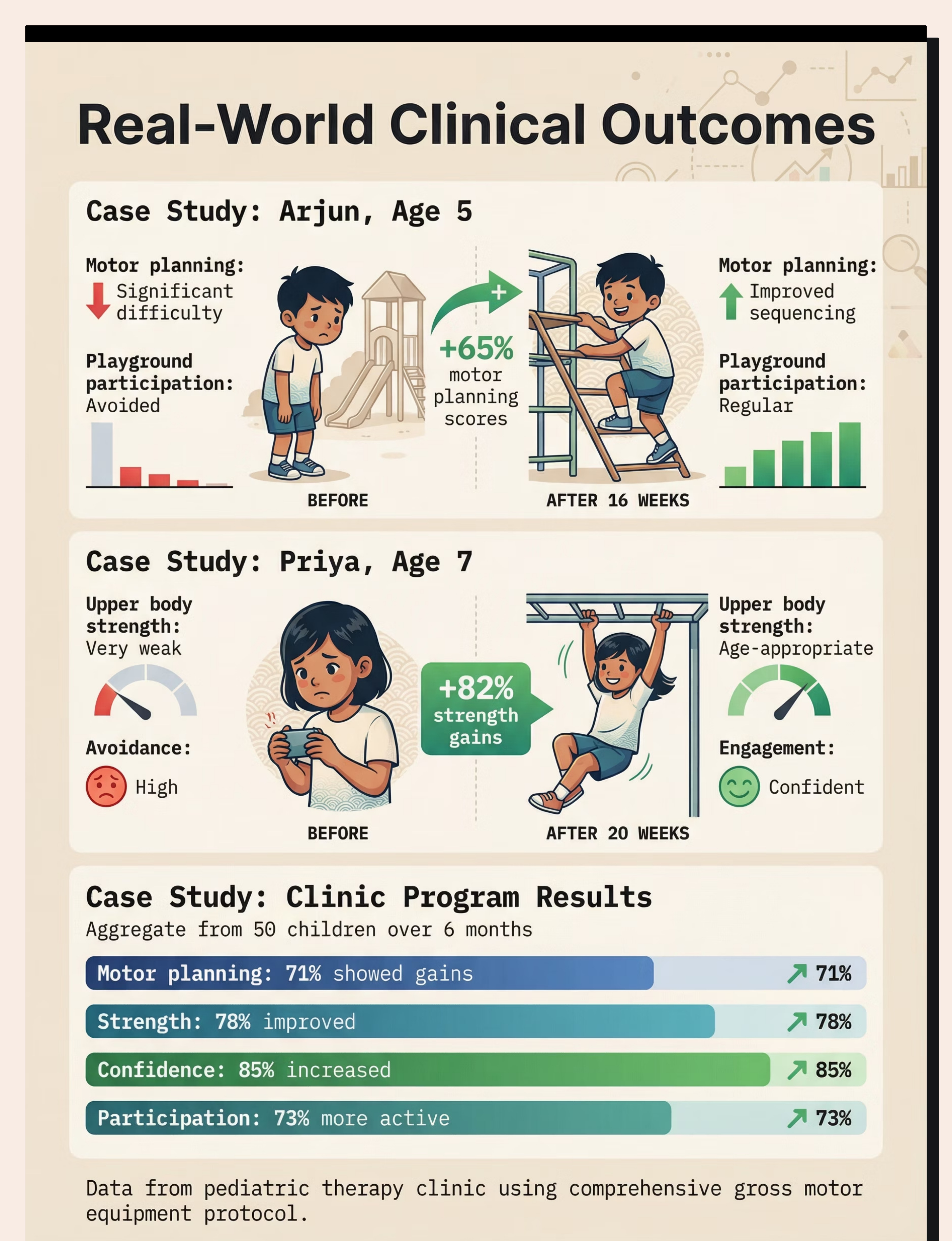
The Struggle (Before)
Situation: Can't Climb - Avoids Playground
Experience: Child can't climb playground equipment. Avoids gross motor activities completely. Misses out on active play with peers. Motor confidence at rock bottom.
Emotion: Avoiding, excluded, left behind
Situation: Poor Motor Planning
Experience: Can't figure out how to move body through space. Obstacle courses feel impossible. Gets "stuck" on simple sequences. Frustrated with own body daily.
Emotion: Stuck, frustrated, confused
Situation: Upper Body Weakness
Experience: Can't climb, pull up, or push effectively. Upper body noticeably weak compared to peers. Can't participate in activities others do easily. Avoiding all upper body activities now.
Emotion: Weak, avoiding, inadequate
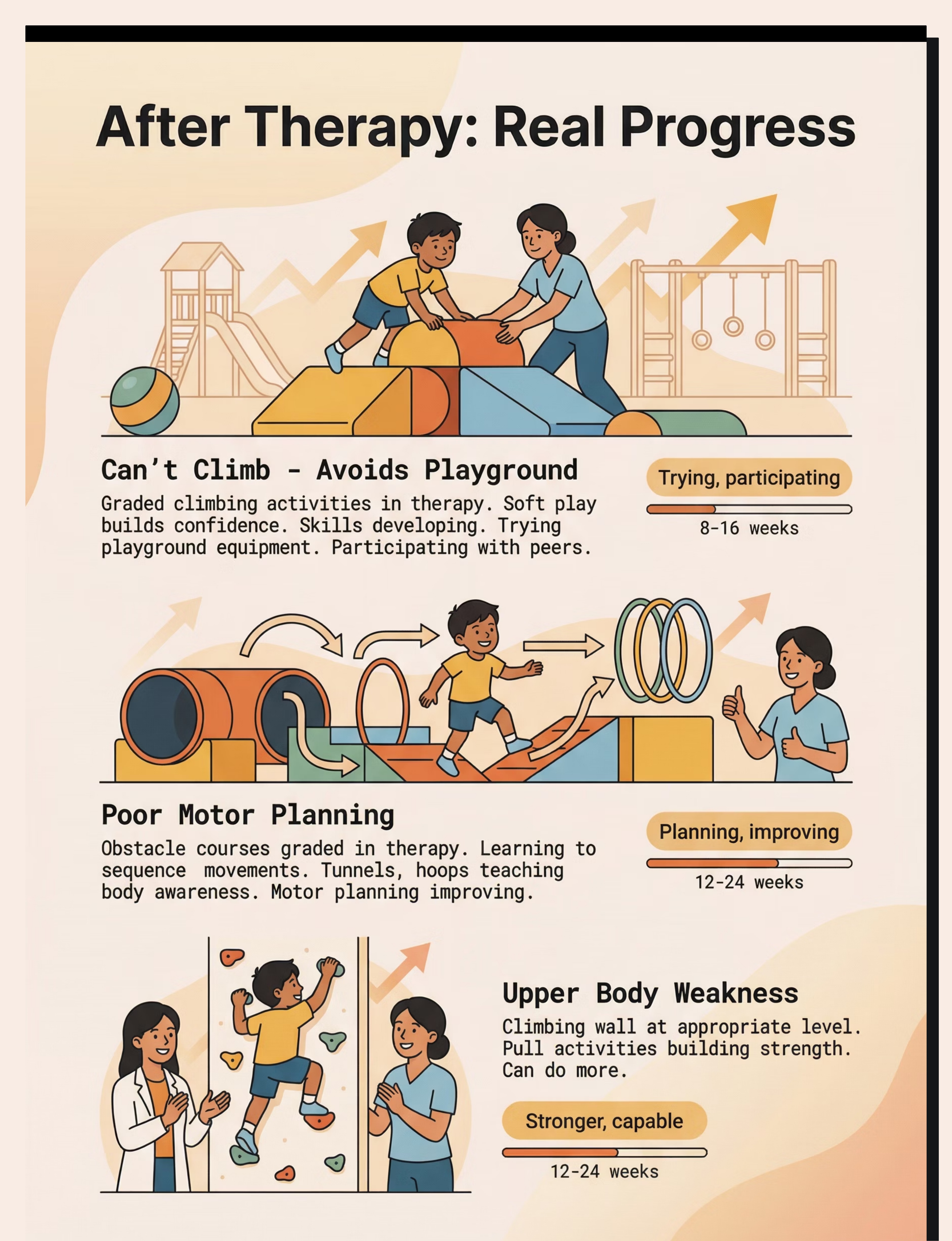
The Breakthrough (After)
Situation: Can't Climb - Avoids Playground
Experience: Graded climbing activities in therapy building skills systematically. Soft play equipment builds confidence in safe environment. Climbing skills developing week by week. Trying playground equipment with peers now. Participating instead of watching.
Emotion: Trying, participating, included
8-16 weeks
Situation: Poor Motor Planning
Experience: Obstacle courses carefully graded in therapy sessions. Learning to sequence movements step by step. Tunnels and hoops teaching body awareness and spatial concepts. Motor planning noticeably improving.
Emotion: Planning, improving, capable
12-24 weeks
Situation: Upper Body Weakness
Experience: Climbing wall at appropriate level building strength safely. Pull activities incorporated weekly. Graduated challenges increasing as strength improves. Upper body getting stronger each month. Can do more activities now.
Emotion: Stronger, capable, proud
12-24 weeks
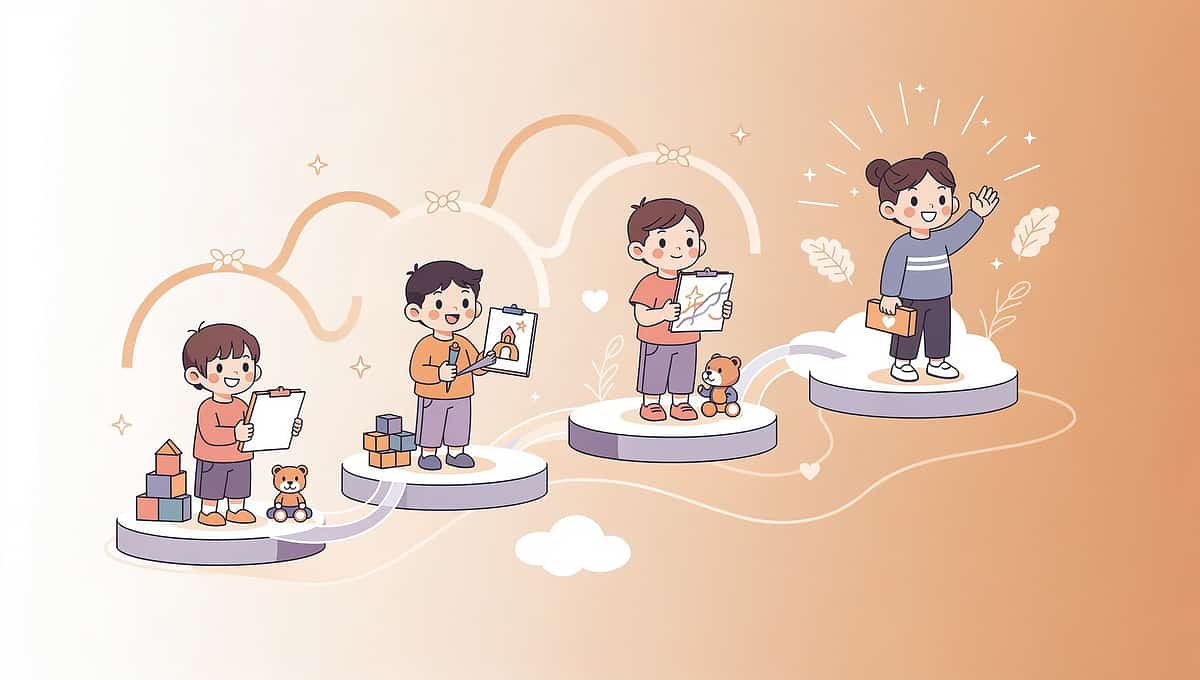
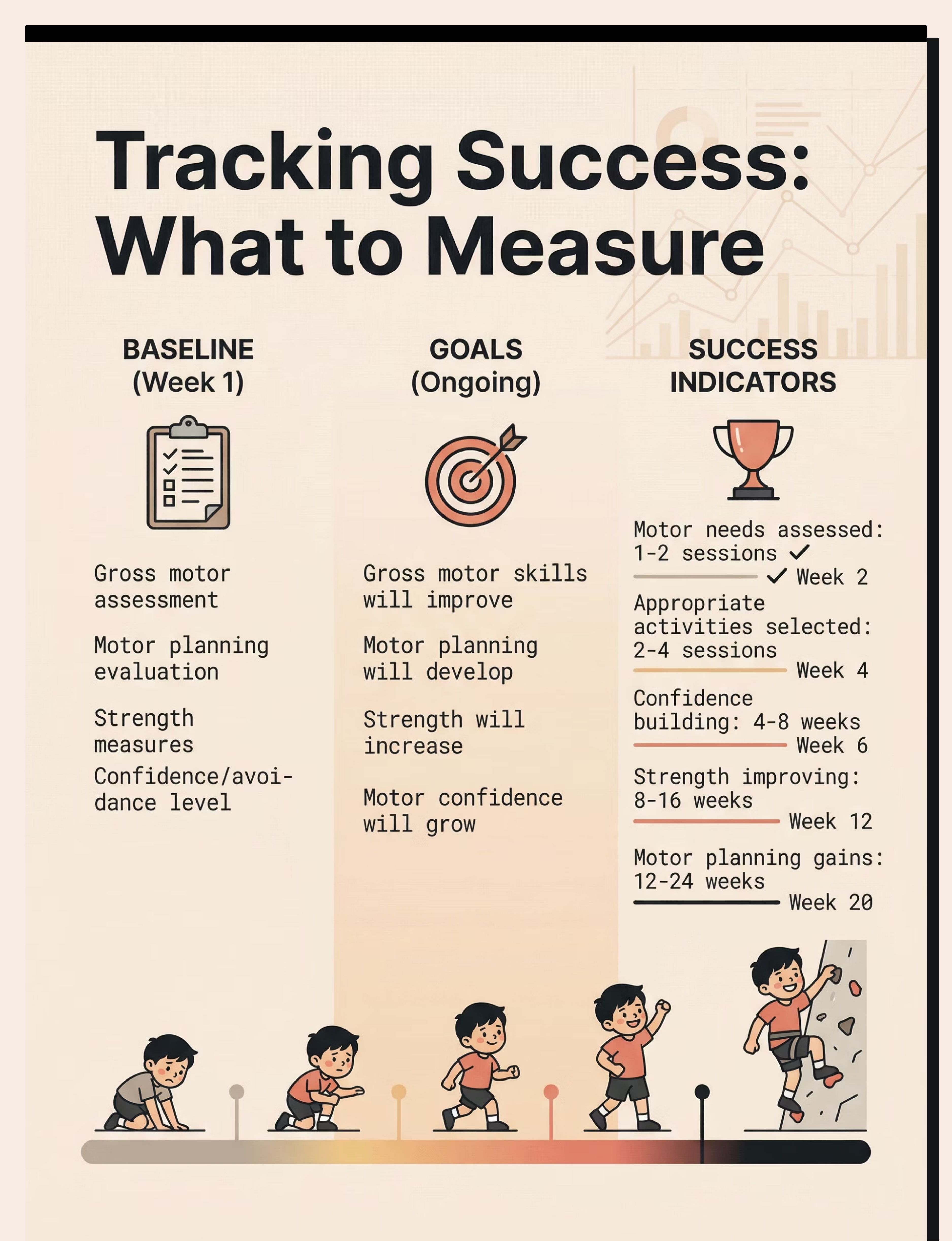
What to Expect (Realistic Timelines)
Motor Needs Assessed
Comprehensive gross motor and motor planning evaluation completed by OT/PT
1-2 sessions
Appropriate Activities Selected
Equipment and challenge level matched to child's current abilities and goals
2-4 sessions
Confidence Building
Child begins experiencing success with gross motor challenges, willingness to try increases
4-8 weeks
Strength Improving
Noticeable gains in upper body and core strength, can do more repetitions and harder challenges
8-16 weeks
Motor Planning Gains
Can sequence movements more efficiently, problem-solve spatial challenges, improved coordination
12-24 weeks

Important: Timelines vary by individual child, starting skill level, frequency of therapy, and home practice. These are typical ranges observed in clinical practice. Consistency and appropriate challenge level are key to progress.
Is This Right for My Child? (2-Minute Check)
Does your child avoid gross motor/climbing activities?
If yes, this indicates: Graded climbing therapy beneficial — structured, safe environment can rebuild confidence and develop skills that transfer to playgrounds and daily activities.
Confidence score: 90%
Does your child have difficulty with motor planning?
If yes, this indicates: Obstacle/sequencing activities helpful — equipment specifically targets praxis skills, teaching the brain to plan and execute movement sequences.
Confidence score: 92%
Is your child's upper body weak?
If yes, this indicates: Climbing/pulling activities indicated — graduated vertical challenges systematically build upper body and core strength essential for functional activities.
Confidence score: 85%
Does your child struggle at playgrounds?
If yes, this indicates: Gross motor therapy may help — therapeutic equipment provides stepping stones to playground success, with appropriate support and graded challenges.
Confidence score: 88%

Interpretation: 3+ "yes" answers = strong fit for gross motor therapy equipment. 2 "yes" answers = likely beneficial, discuss with OT/PT. 1 "yes" answer = may benefit from evaluation. These questions screen for common motor development needs addressed by climbing and gross motor equipment.
Usage Guide
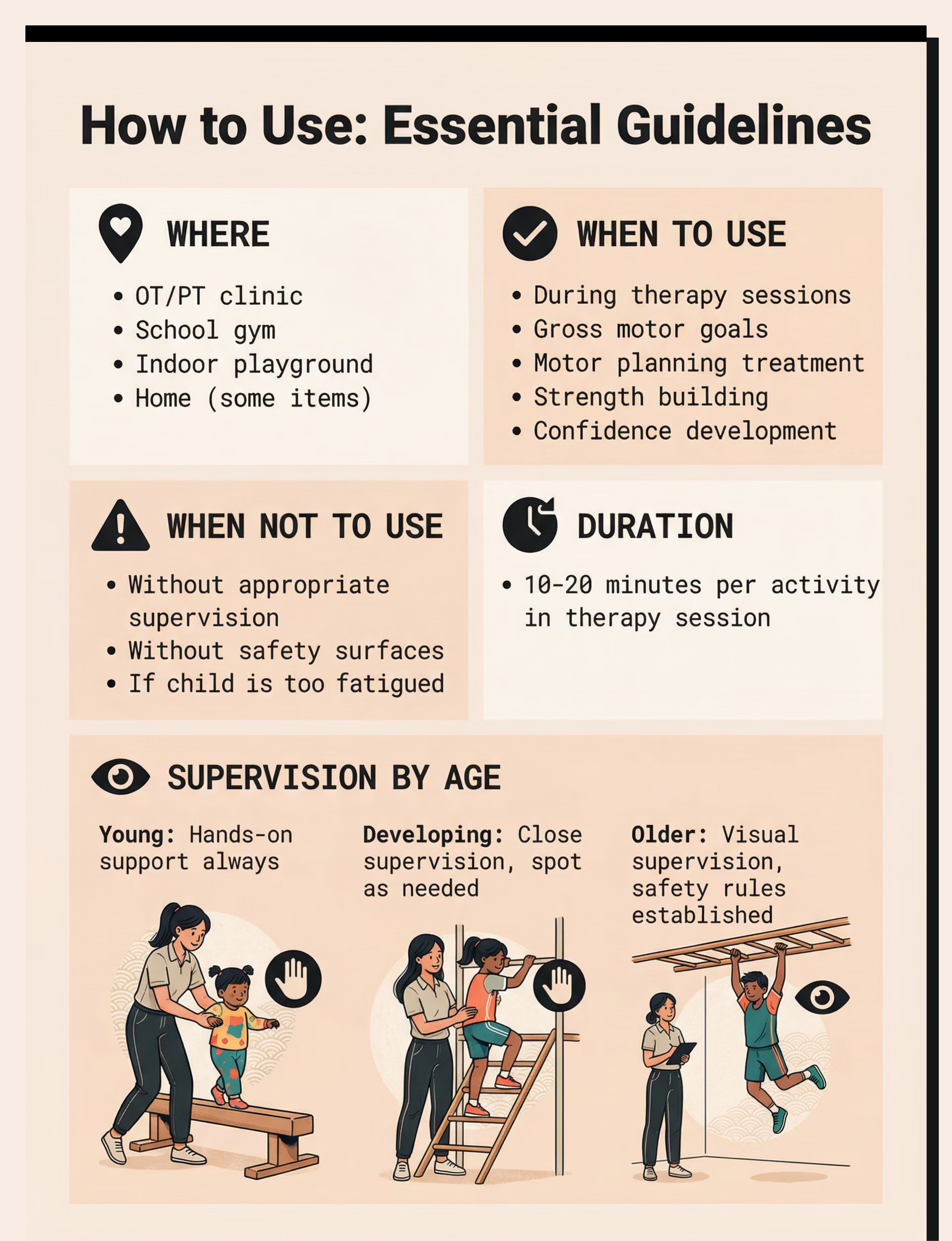
When to Use ✓
When NOT to Use ✗
During scheduled therapy sessions with OT/PT
Without appropriate professional supervision
When targeting gross motor skill development
Without required safety surfaces and mats
For motor planning and praxis treatment
If child is too fatigued to participate safely
During strength building programs
During illness or acute injury recovery
For confidence and motor skill development
Supervision by Age
Age/Stage
Supervision
Notes
Young children (2-4 years)
Hands-on support always
Physical support, demonstration, high assistance
Developing skills (5-8 years)
Close supervision, spotting
Nearby support, ready to assist, teaching safe techniques
Older/skilled (9+ years)
Visual supervision, safety rules
Child knows rules, therapist monitors, intervenes as needed
Duration & Settings
Typical Duration: 10-20 minutes per activity in therapy session
OT/PT clinic
School gym
Indoor playground
Home (some items)
Safety First
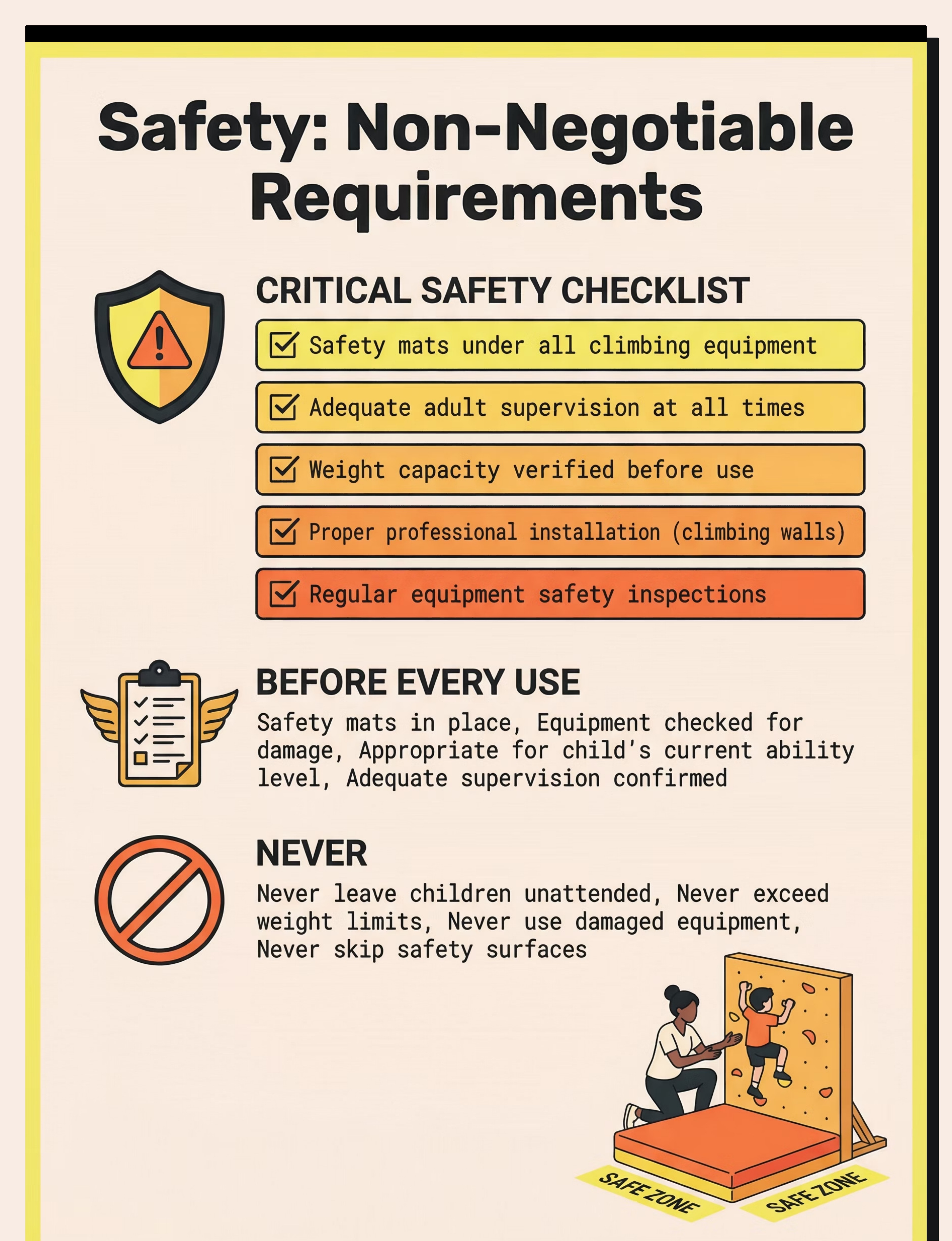
🚨 Critical Safety Requirements
  • Safety mats under all climbing: Thick crash mats or appropriate landing surfaces required without exception
  • Adequate supervision: Trained therapist or adult present at all times during use
  • Weight capacity verified: Check and follow manufacturer weight limits for all equipment
  • Proper installation (climbing): Wall-mounted equipment must be professionally installed
  • Regular equipment checks: Inspect equipment before each use for damage or wear
⚠️ Important Warnings
  • Never leave children unattended on climbing or gross motor equipment
  • Match challenge level to child's current ability — too advanced is dangerous
  • Check all equipment before each use for loose parts or damage
  • Know emergency procedures and have communication device nearby
🛑 Contraindicated / Do Not Use
  • Without appropriate supervision at all times
  • Without required safety surfaces properly positioned
  • With significant physical disabilities without professional adaptation
  • During acute injury or illness recovery periods
Safety Checklist
Before Use
  • Safety mats in place and adequate
  • Equipment inspected and secure
  • Activity appropriate for child's level
  • Supervision adequate for challenge
During Use
  • Child appropriately challenged
  • Safety maintained throughout
  • Activity fun and engaging
  • Progress noted for next session
Signs of Success
  • Improved gross motor skills
  • Better motor planning
  • Increased strength
  • Greater confidence
Common Questions (Honest Answers)
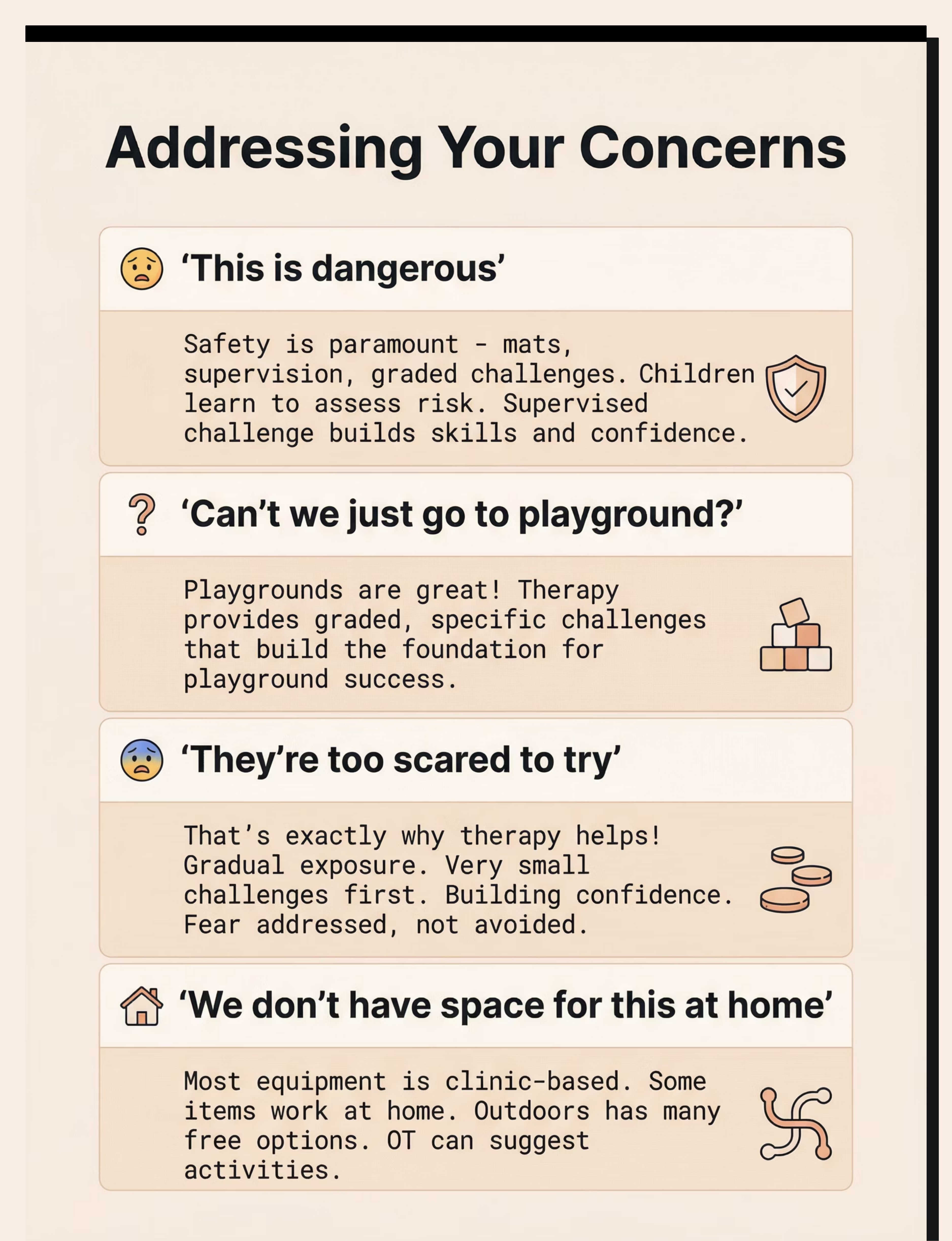
Q: "This is dangerous. I'm worried about injuries."
Q: "Can't we just go to the playground instead?"
Q: "My child is too scared to even try climbing."
Q: "We don't have space for this equipment at home."
A: Safety is paramount.
The truth is, children need to learn to assess and manage risk. Avoiding all physical challenge is actually more harmful long-term because motor skills don't develop. Supervised, graduated challenge builds both skills and safety awareness.
Try this: Start with very small, safe challenges. Observe how therapists structure activities. Safety equipment and expert supervision make this safe.
A: Playgrounds are wonderful, and therapy is specific.
Playgrounds are wonderful! AND therapy provides something different — graded, specific challenges that match your child's exact developmental level. You can't "skip steps" at a playground. Therapy builds the foundational skills that make playground success possible. Many children need the therapeutic bridge first.
Try this: Both are valuable. Therapy builds foundation; playground provides practice and generalization.
A: That's exactly why therapy helps!
Gradual exposure is key. We start with very small challenges — maybe just touching equipment, then sitting on the first step, then trying with maximum support. Fear is addressed, not avoided. Building confidence is part of the therapy process. Most children who start "too scared" make significant progress.
Try this: Gradual exposure works. Start very small. Celebrate tiny wins. Fear addressed systematically.
A: Most equipment is clinic-based.
Most climbing and gross motor equipment is clinic-based — that's where the expertise and space are. Some items like soft play shapes, tunnels, and obstacle course components can work in home settings. Outdoor spaces offer many free gross motor opportunities. Your OT can suggest home-appropriate activities that complement clinic therapy.
Try this: Clinic for major equipment. Home for portable obstacles and tunnels. Outdoor spaces for free gross motor play.
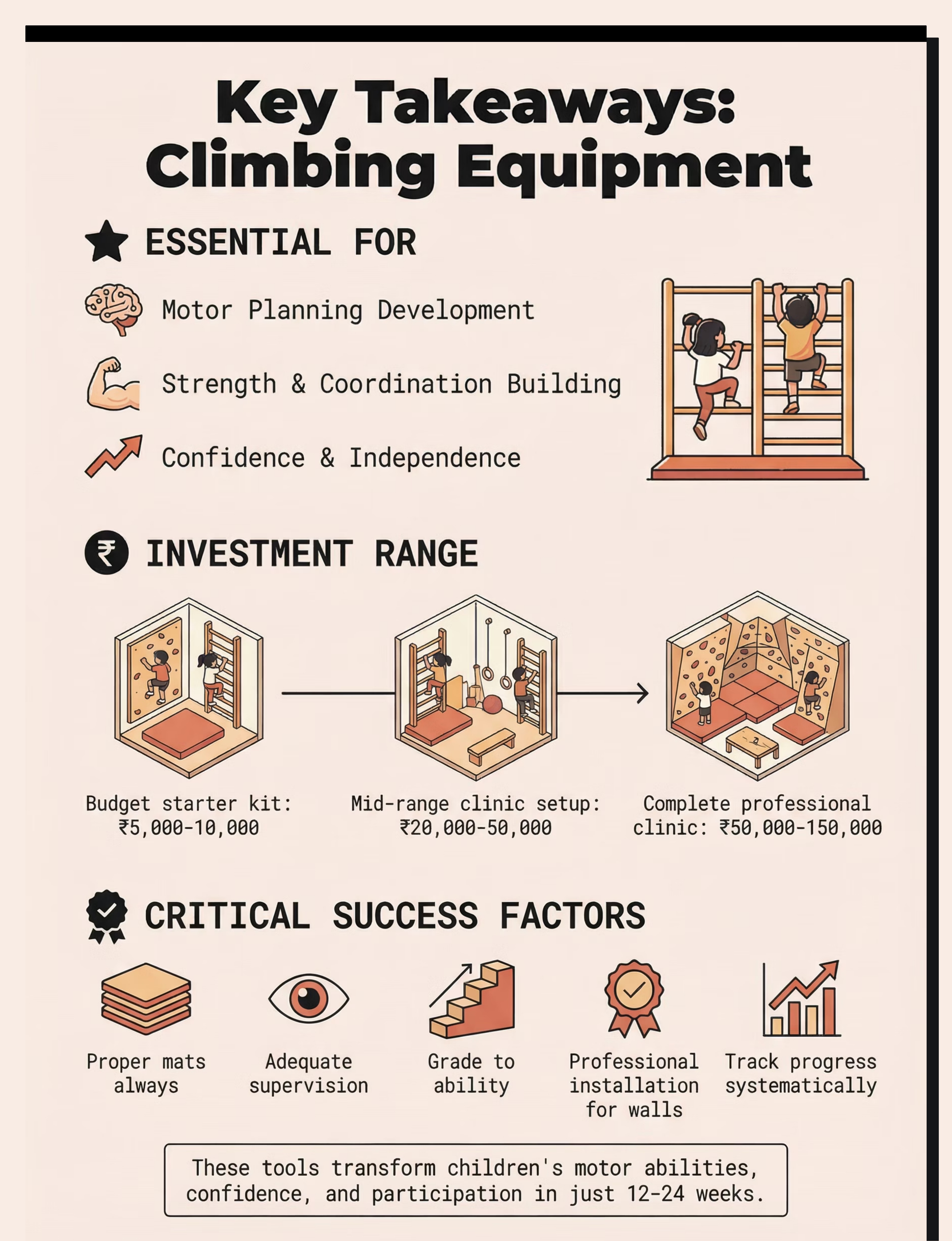
Investment Guide
Gross motor equipment ranges from affordable portable obstacles to professional climbing installations. Investment depends on setting (clinic vs. home), frequency of use, and specific motor goals.
Investment Tiers Comparison
Budget Option
Tunnel, obstacle course basics, crash mat
5000
Basic home use, proprioceptive activities
Mid-Range
Quality crash mats, initial climbing equipment
20000
Foundational clinic setup, safety focus
Premium Option
Complete clinic setup: climbing walls, structures, comprehensive obstacle equipment
50000
Professional clinic, advanced therapy, durability
Overall Range: ₹2,000 – ₹150,000 (USD $24 – $1,800). Equipment quality matters for safety and durability — this is not where to cut corners.
Key Features & Benefits
Safety First
High-quality equipment ensures child safety, preventing injuries and building confidence during therapy sessions.
Durability
Investing in robust gear means it will withstand frequent use, providing long-term value and reducing replacement costs.
Therapeutic Impact
Appropriate equipment supports targeted motor skill development, leading to better therapeutic outcomes and faster progress.
Investment Progression & Value
Initial Setup
Start with essential, safe components like crash mats and basic obstacles to establish a foundation.
Gradual Expansion
As needs evolve, add specialized items such as tunnels, swings, or more complex climbing structures.
Professional Upgrade
For clinic settings, transition to durable, multi-functional installations that cater to diverse developmental goals.
Sustained Impact
Continuous investment in quality equipment enhances therapeutic effectiveness and supports long-term child development.
Where to Buy in India
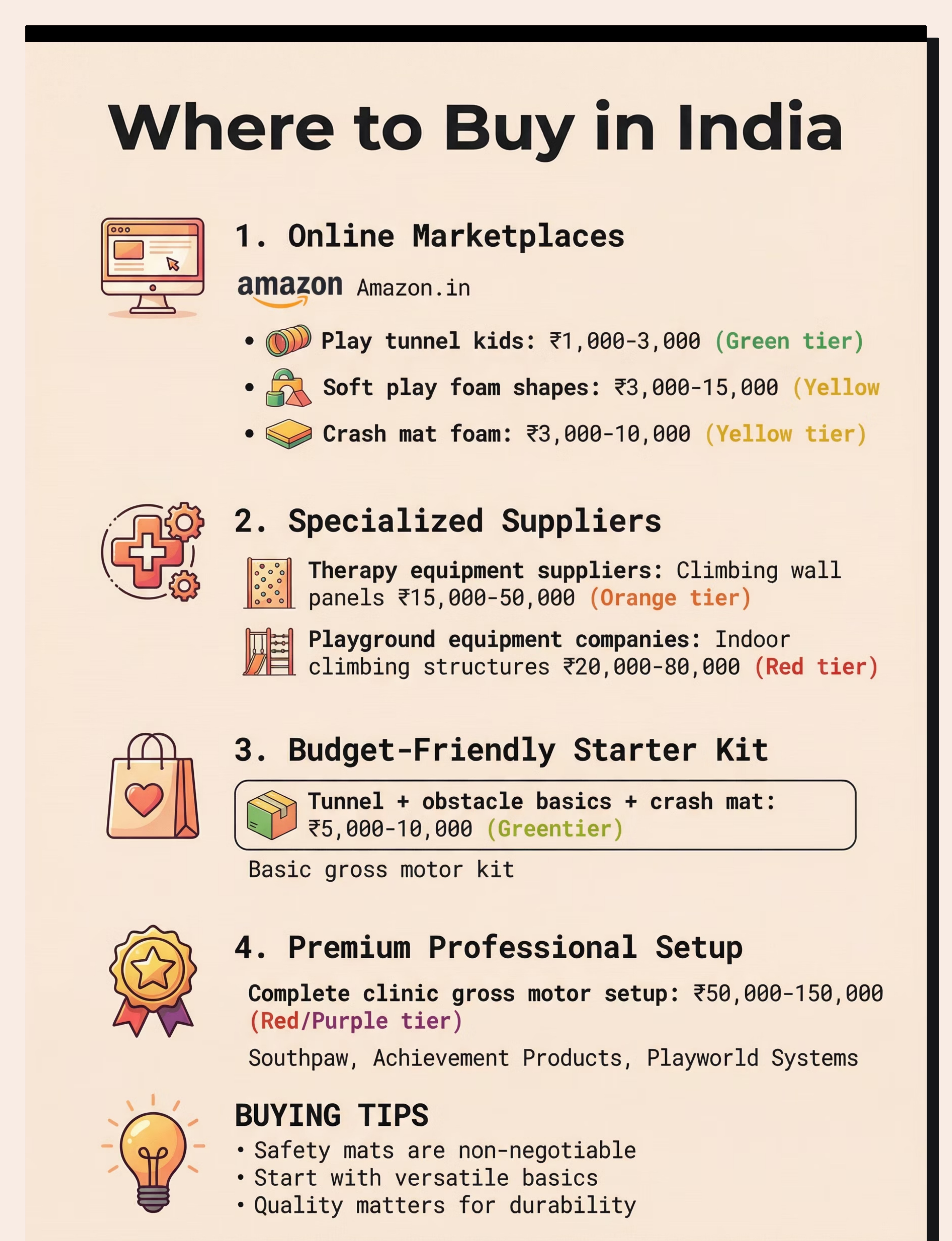
Availability: Specialized Suppliers — gross motor equipment available through therapy suppliers, playground equipment companies, and select online retailers. Professional climbing equipment requires specialized suppliers.
Platform Options & Search Terms
Amazon.in
Search Terms: "play tunnel kids", "soft play foam shapes", "crash mat foam"
You'll find: Crawl tunnels, pop-up tunnels, foam building blocks, soft play sets, landing mats, exercise mats.
Price Range: ₹1,000-15,000
Therapy Suppliers
Search Term: "climbing wall panels"
You'll find: Wall-mounted climbing panels.
Price Range: ₹15,000-50,000
Playground Equipment Companies
Search Term: "indoor climbing structure"
You'll find: Multi-level climbing systems.
Price Range: ₹20,000-80,000
✓ Buying Tips
  • Safety mats are non-negotiable — never compromise on landing surfaces
  • Start with versatile basics that address multiple motor needs
  • Quality matters for durability — this equipment takes heavy use
  • Consider space requirements carefully before purchasing
  • Check weight ratings match your child's current and projected weight
  • Read reviews from therapy professionals, not just parents
🚩 Red Flags — Avoid These
  • Inadequate safety surfaces or no mat included with climbing equipment
  • Poor quality construction — thin materials, weak joints, instability
  • Insufficient supervision plan or guidance materials
  • Equipment too advanced for the children who will use it
  • No weight ratings or safety certifications provided
  • Equipment designed for recreation only, not therapeutic use
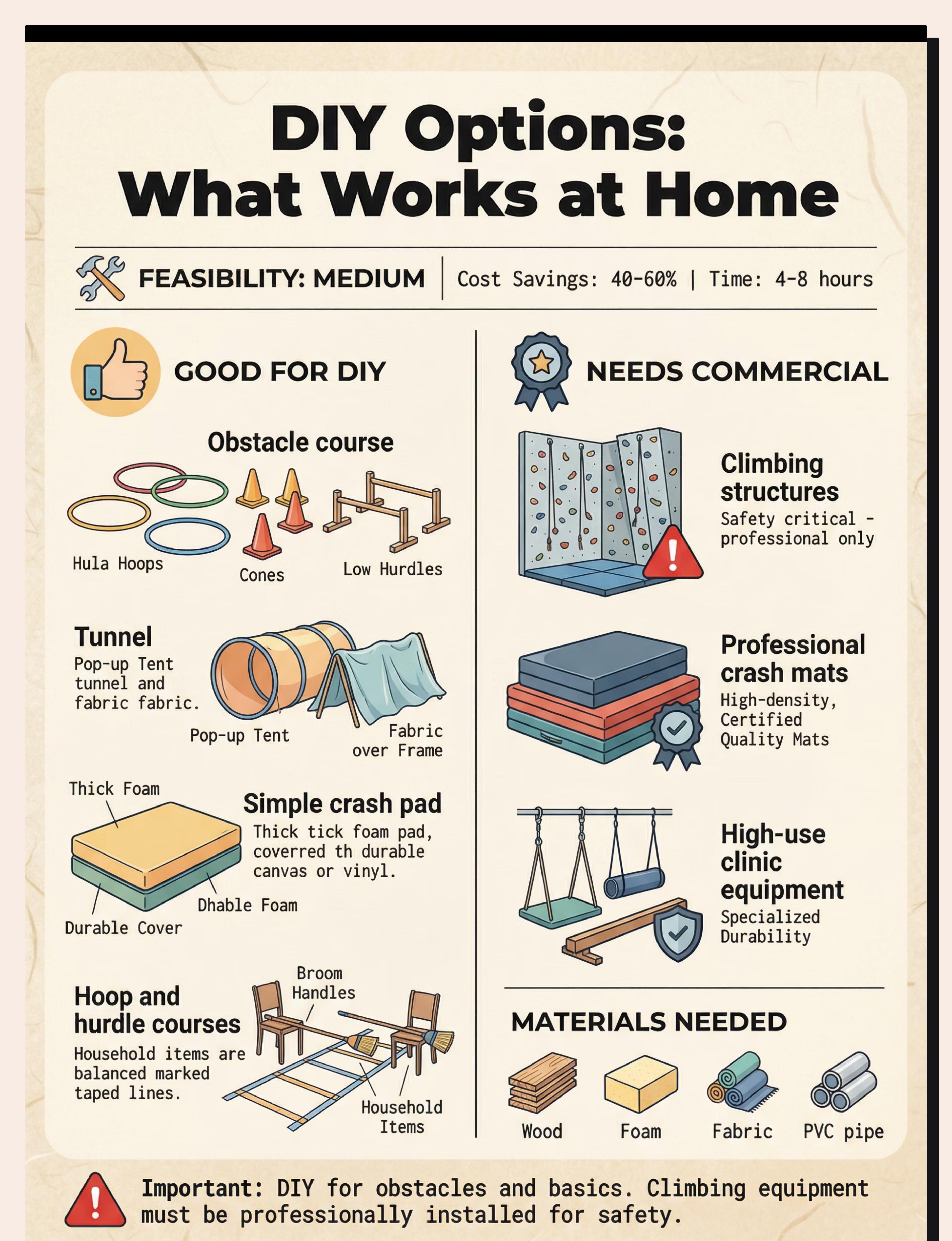
DIY Alternative (Save 40-60%)
Feasibility: Medium | Time Investment: 4-8 hours | Cost Savings: 40-60% compared to commercial options
1
Materials Needed
  • Wood: Plywood, 2x4s for obstacle bases
  • Foam: High-density foam for crash pads (multiple layers)
  • Fabric: Durable canvas or vinyl for covers
  • PVC pipe: For tunnel frames, hurdles, goal posts
  • Household items: Hula hoops, cones, tape, pillows
2
DIY Steps
  1. Obstacle course: Use hula hoops as targets, cones for weaving, low hurdles from PVC and pool noodles
  1. Tunnel: Pop-up play tent tunnel or fabric draped over PVC frame
  1. Soft shapes: Cut high-density foam into blocks and cover with durable fabric
  1. Crash pad: Stack thick foam pieces (mattress foam) in sturdy, removable cover with zipper
  1. IMPORTANT: Climbing equipment requires professional installation — do not DIY climbing walls or structures
3
DIY vs. Commercial Comparison
When to DIY ✓
  • Obstacle course components (low risk, easy to make)
  • Basic tunnels (pop-up or simple fabric versions)
  • Simple crash pads (for low heights only)
  • Hoop and hurdle courses (minimal safety risk)
When to Buy Commercial ✗
  • Climbing structures (safety critical — never DIY)
  • Professional crash mats (for higher impacts)
  • Clinic-grade equipment (durability matters)
  • High-use equipment (will wear out quickly if DIY)
DIY is excellent for obstacle course elements and basic proprioceptive tools. Commercial equipment is essential for climbing and safety-critical applications. Professional equipment lasts longer and meets safety standards. DIY saves money but requires time and skill.

Preview of climbing gross motor equipment Therapy Material

Below is a visual preview of climbing gross motor equipment therapy material. The pages shown help educators, therapists, and caregivers understand the structure and content of the resource before use. Materials should be used under appropriate professional guidance.

Page 1
Page 2
Page 3
Page 4
Page 5
Page 6
Page 7
Page 8
Page 9
Page 10
Page 11
Page 12
Page 13
Page 14
Page 15
Page 16
Page 17
Page 18
Page 19
Page 20
Link copied!
Complete Support & Resources
Track Progress & Measure Success
Baseline Assessment
Comprehensive gross motor assessment, motor planning evaluation, strength measures, confidence/avoidance level documentation
Therapy Goals
Gross motor skills will improve, motor planning will develop, strength will increase, motor confidence will grow
Success Indicators
Better motor skills observed, improved planning abilities, increased strength measurements, less motor activity avoidance

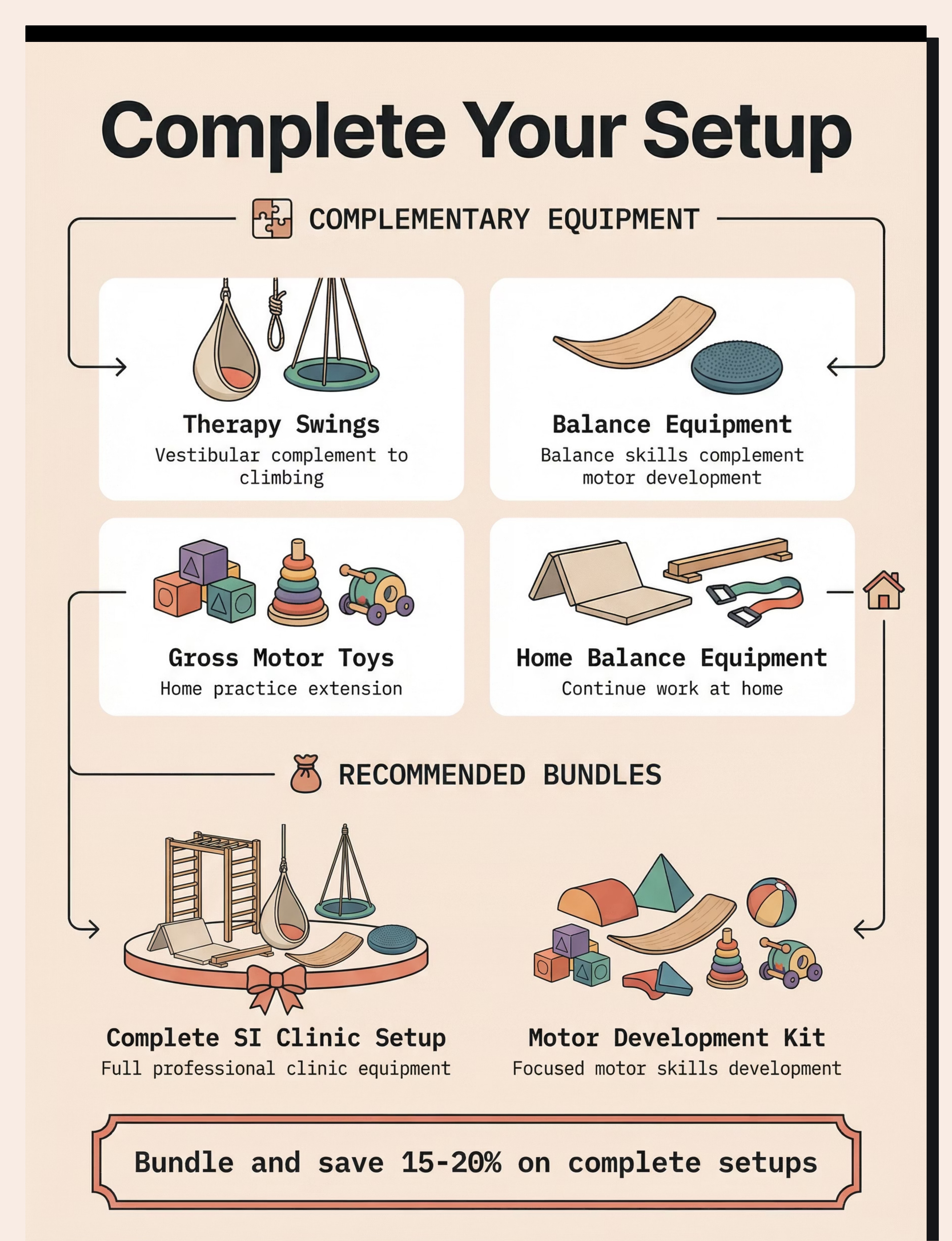
Complete the Kit — Pair It With
Therapy Swings (ID: 19.1)
Why: Vestibular complement — swings provide vestibular input that complements proprioceptive climbing activities for complete sensory integration therapy
Balance Equipment (ID: 19.2)
Why: Balance complement — balance beams and boards address balance skills that pair naturally with gross motor climbing challenges
Gross Motor Toys (ID: 7.3)
Why: Home gross motor — portable home options for continuing gross motor practice outside of therapy sessions
Balance Equipment (Home) (ID: 7.4)
Why: Home balance options — balance tools for home use complement clinic climbing therapy
Recommended Bundles
  • Complete SI Clinic: IDs 19.3, 19.1, 19.2 — Full clinic sensory integration equipment for comprehensive therapy
  • Motor Development Kit: IDs 19.3, 19.2, 7.3 — Clinic and home equipment focused on motor skill development

Quick Summary
AI Summary: Climbing and gross motor equipment provides opportunities for strength building, motor planning development, and confidence through climbing walls, obstacle courses, crash mats, and soft play shapes. Professional Kit (Rank 1), strong evidence, clinic essential.
climbing
gross motor
motor planning
strength
obstacle
OT
PT
professional-kit
Common Searches: climbing equipment therapy, gross motor therapy equipment, crash mat therapy, obstacle course therapy, soft play therapy, motor planning equipment, pediatric climbing wall

Get Support
FREE National Autism Helpline
Phone: 9100 181 181
Languages: 16+ languages supported
Website: pinnacleblooms.org
Expert guidance on gross motor therapy, equipment selection, and connecting with qualified occupational and physical therapists in your area.
Platform Integration
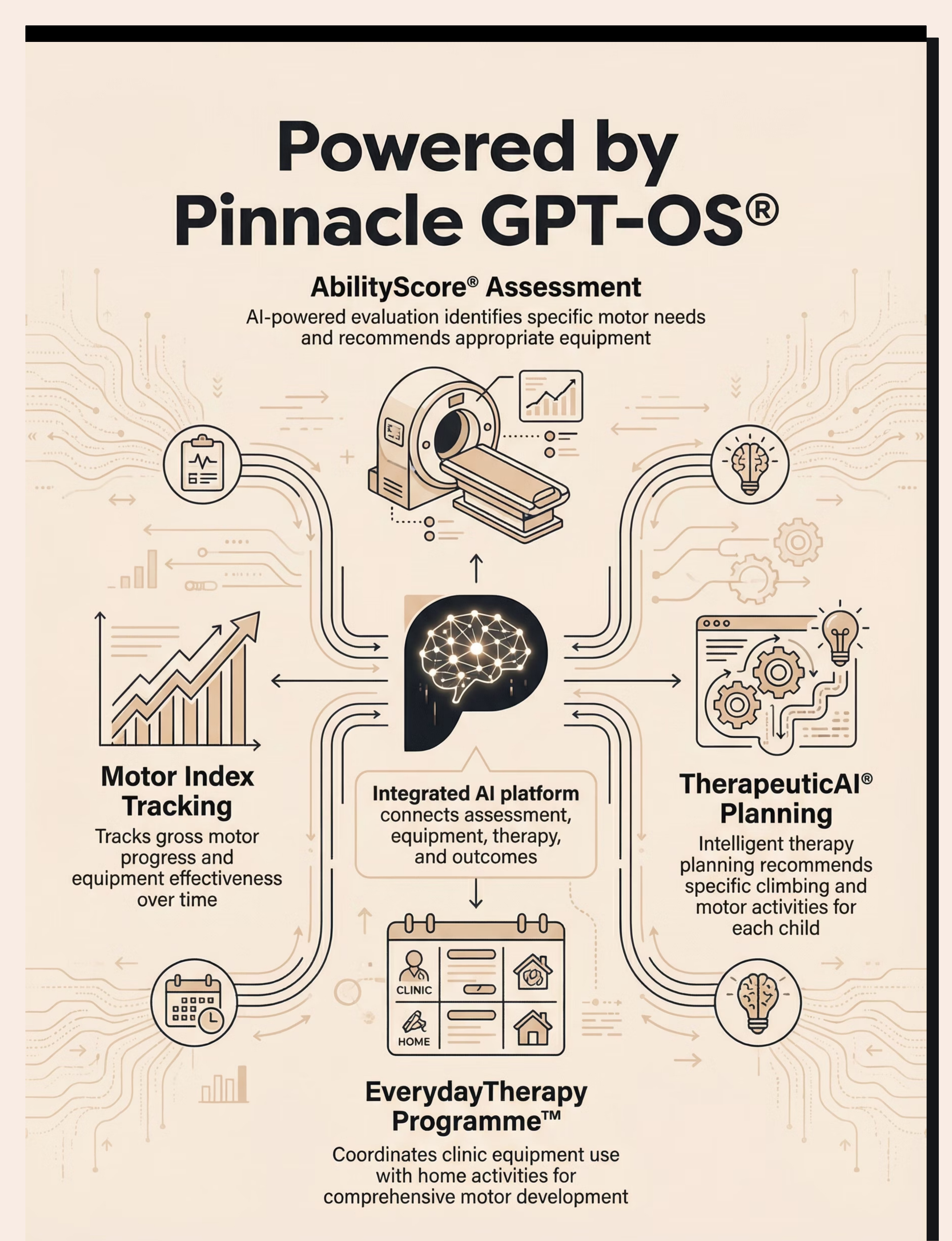
AbilityScore® identifies specific motor needs through comprehensive assessment. TherapeuticAI® recommends appropriate motor activities matched to your child's developmental level. EverydayTherapyProgramme™ coordinates clinic and home activities for consistent progress. Motor Index tracks gross motor progress over time with objective measurements.

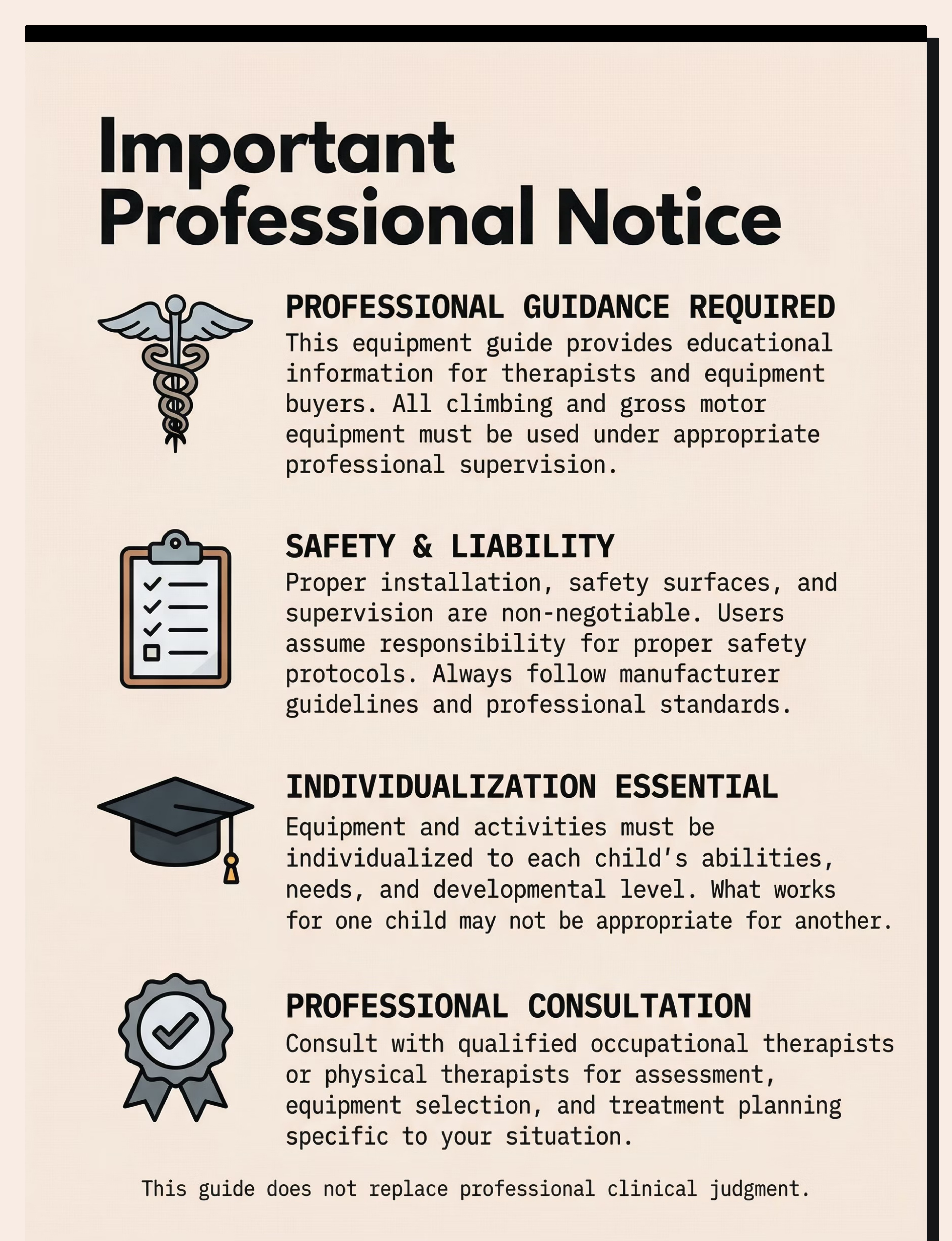
Disclaimer: This is educational information about gross motor therapy equipment and its therapeutic applications. Always consult qualified occupational therapists, physical therapists, or pediatricians before beginning any gross motor therapy program. Individual results vary based on child's specific needs, diagnosis, therapy frequency, and home practice. Safety supervision is essential at all times.