

Safety Materials
Evidence-aligned tools and resources for protecting children with reduced safety awareness

Comprehensive Safety Approach
Materials in this category support physical safety, elopement prevention, identification, and emergency preparedness. These resources are critical for children with reduced safety awareness, providing multiple layers of protection through childproofing, tracking, alarms, and emergency communication tools.
Every family's safety needs are unique. The tools in this library work together to create a comprehensive safety system tailored to your child's specific risks and your home environment. From preventing access to hazards to enabling rapid response during emergencies, these materials form essential components of a complete safety plan.
Core Principle: Never rely on a single safety measure. Effective protection requires multiple overlapping layers that work together to keep children safe.
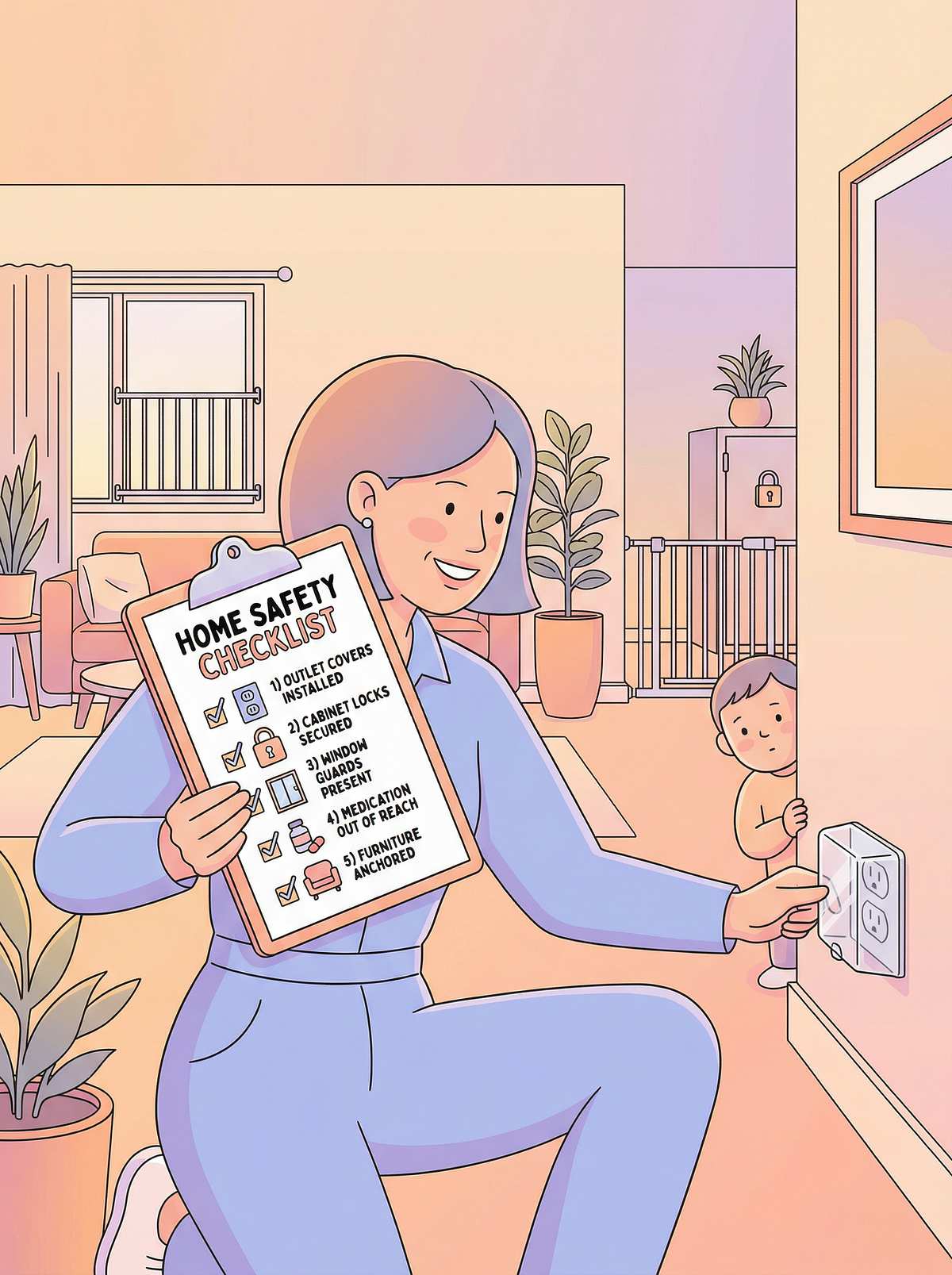
Guidelines for Safe Implementation
Multiple Layers Required
Use multiple layers of protection — never rely on just one safety measure. Redundancy is essential for children with reduced safety awareness.
Environmental Assessment
Assess your home and environment for specific hazards your child may face. Each child's risks are unique and require personalized evaluation.
Current Information
Ensure emergency information is current and accessible at all times. Outdated contact details can delay critical response.
Essential Safety Practices
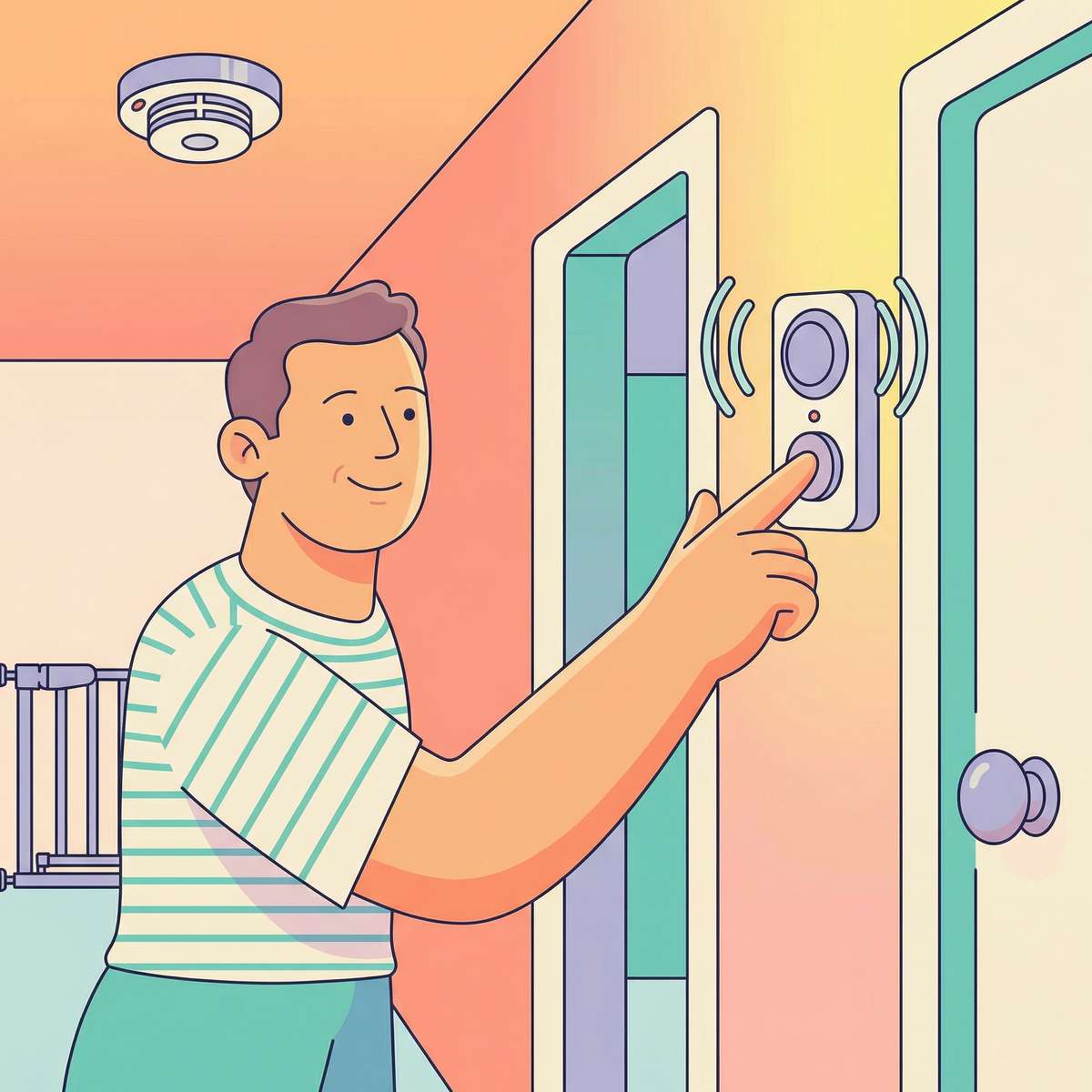
Regular Testing and Maintenance
Test alarms and tracking devices regularly to ensure they function when needed. Safety equipment that fails during an emergency provides false security. Schedule monthly checks of all electronic devices, replace batteries proactively, and verify that GPS tracking shows accurate locations.
Skill Development Alongside Protection
Teach safety skills when possible, while providing environmental protection. Environmental modifications protect children while they develop awareness and judgment. Work with occupational therapists and behavior specialists to identify which safety concepts your child can learn.
Professional Consultation
Consult with safety professionals for comprehensive home safety assessments. Certified child safety specialists can identify hazards parents might overlook and recommend modifications specific to your child's abilities and risks.
Who Uses These Materials

For Parents
Home safety modifications and emergency preparedness tools to protect children with reduced safety awareness in daily living environments.

For Therapists
Safety skill assessment protocols and family safety planning resources to guide intervention and environmental modification recommendations.

For Schools & Educators
School safety accommodations and emergency protocols to protect students who may elope or lack awareness of environmental dangers.
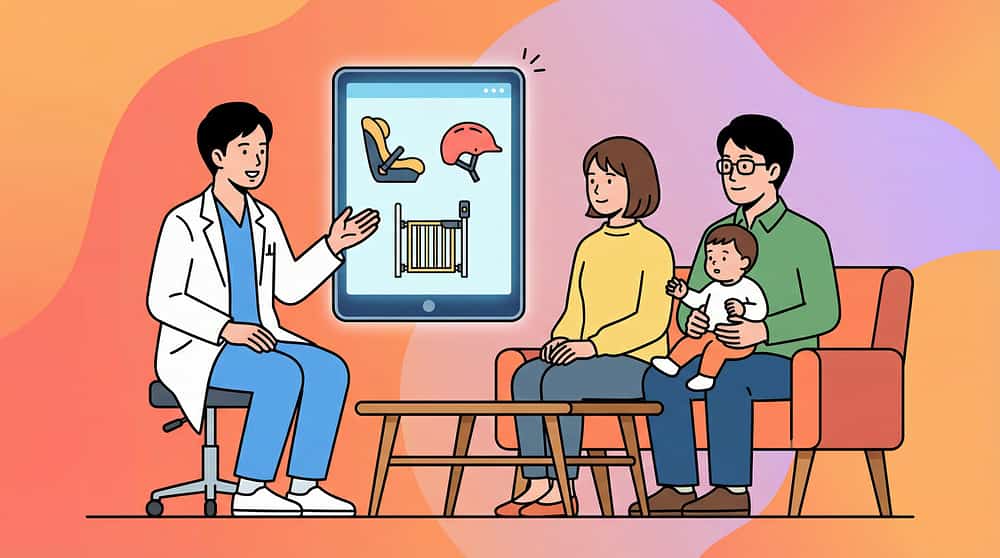
For Doctors & Clinicians
Safety recommendations for developmental planning and medical guidance on risk assessment for children with developmental differences.

Material 13.1: Safety Locks & Childproofing
Core Kit - Rank 1
Environmental Safety
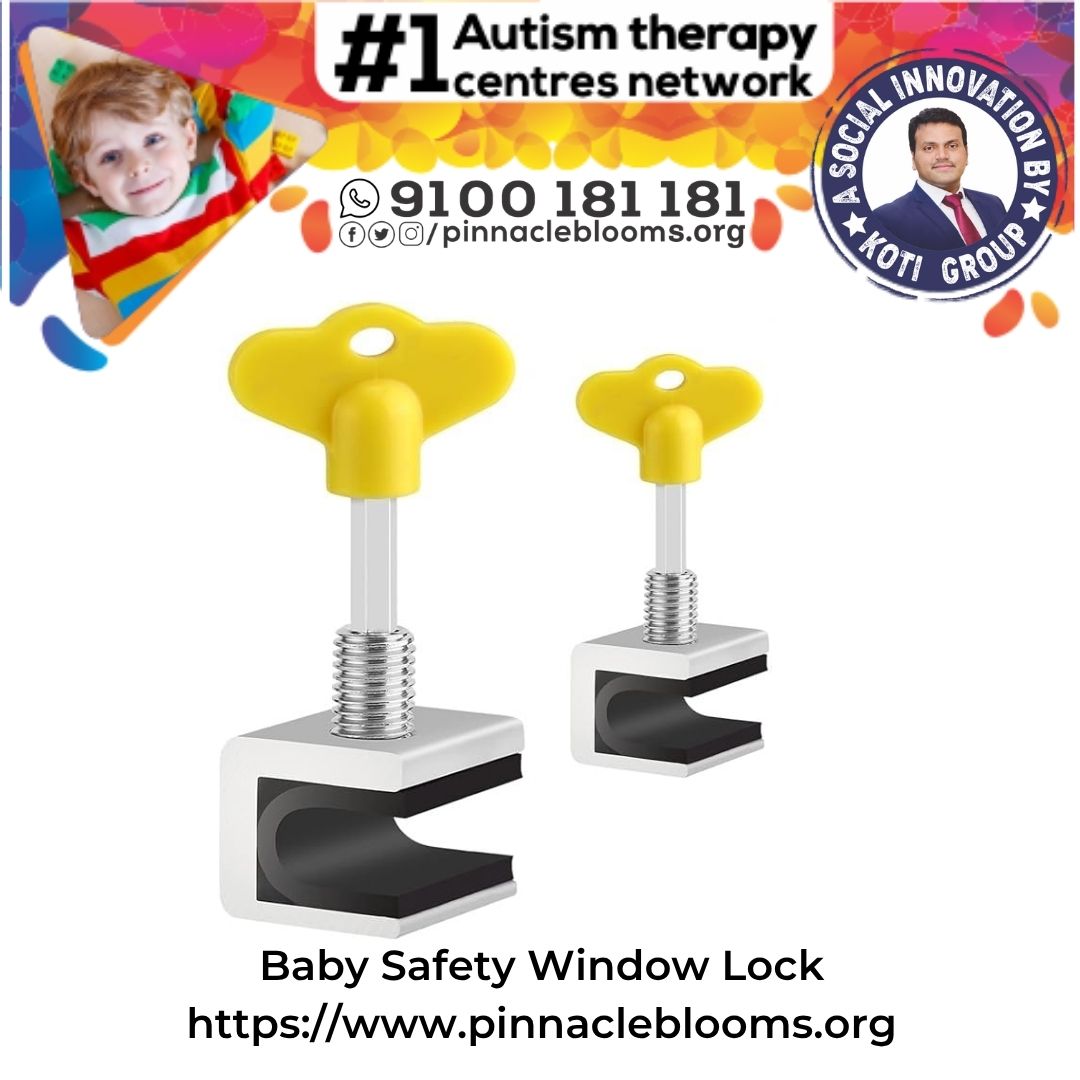
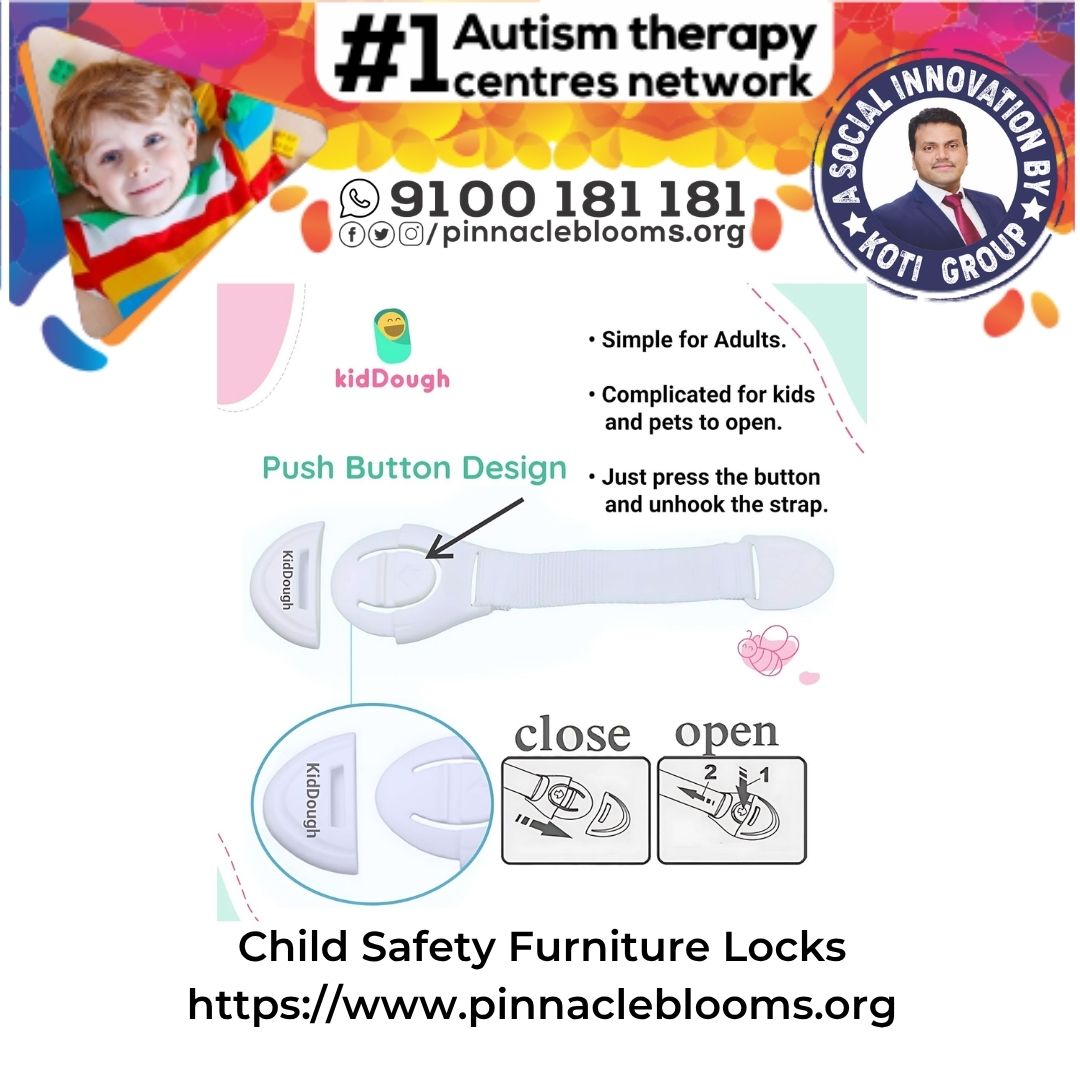
Safety locks and childproofing create secure home environments by restricting access to hazards for children with reduced safety awareness, with special attention to elopement prevention. This foundational material represents the first line of defense in comprehensive safety planning.
How It Works
Physical barriers prevent hazard access, reducing injury risk and preventing elopement while maintaining a safe environment. The mechanism is straightforward: Physical barriers → hazard access prevented → injury risk reduced → elopement prevented → safe environment maintained.
Target Areas
- Physical Safety
- Injury Prevention
- Elopement Prevention
- Hazard Access Control
- Parent Peace of Mind
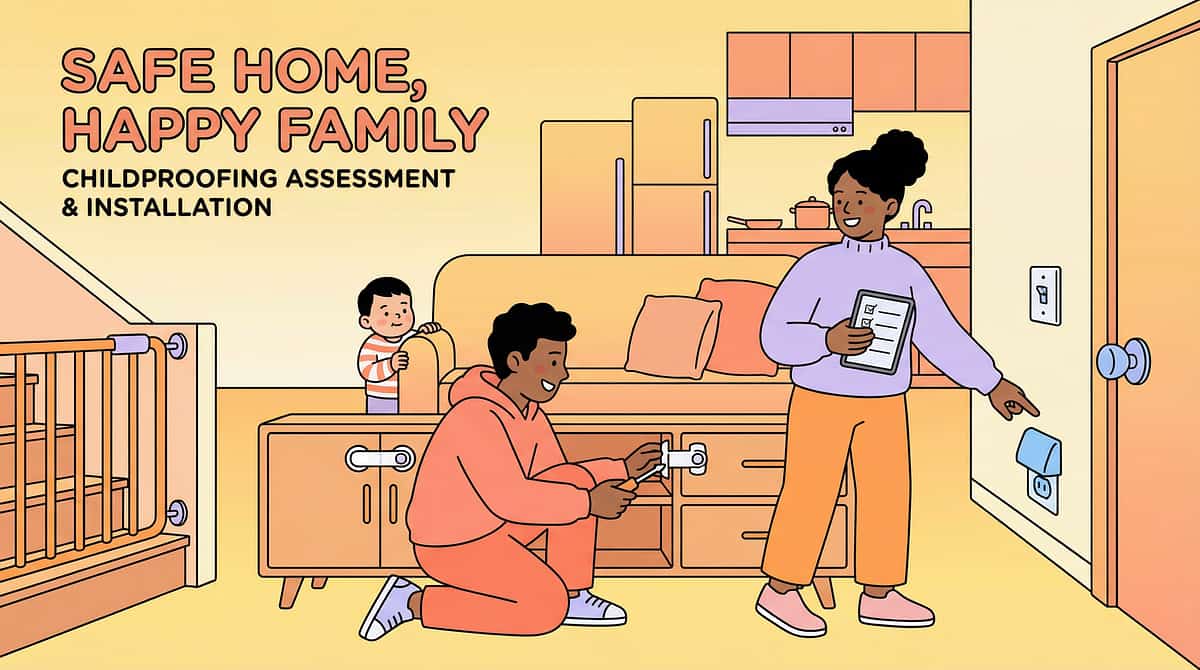
Childproofing Best Practices
1
Complete Home Assessment
Assess home for all potential hazards, considering your child's specific risks including elopement, PICA, sensory-seeking behaviors, and developmental level.
2
Strategic Installation
Install locks at adult height when possible to prevent tampering while ensuring emergency exit access remains available for adults.
3
Developmental Updates
Update childproofing as child grows and abilities change. What works at age 3 may be inadequate at age 8 as strength and problem-solving skills develop.
Price Range: ₹50 - ₹800 | Setting: Home | Intended For: Parents
Material 13.2: ID Bracelets & Tracking Devices
Core Kit - Rank 1
Identification System
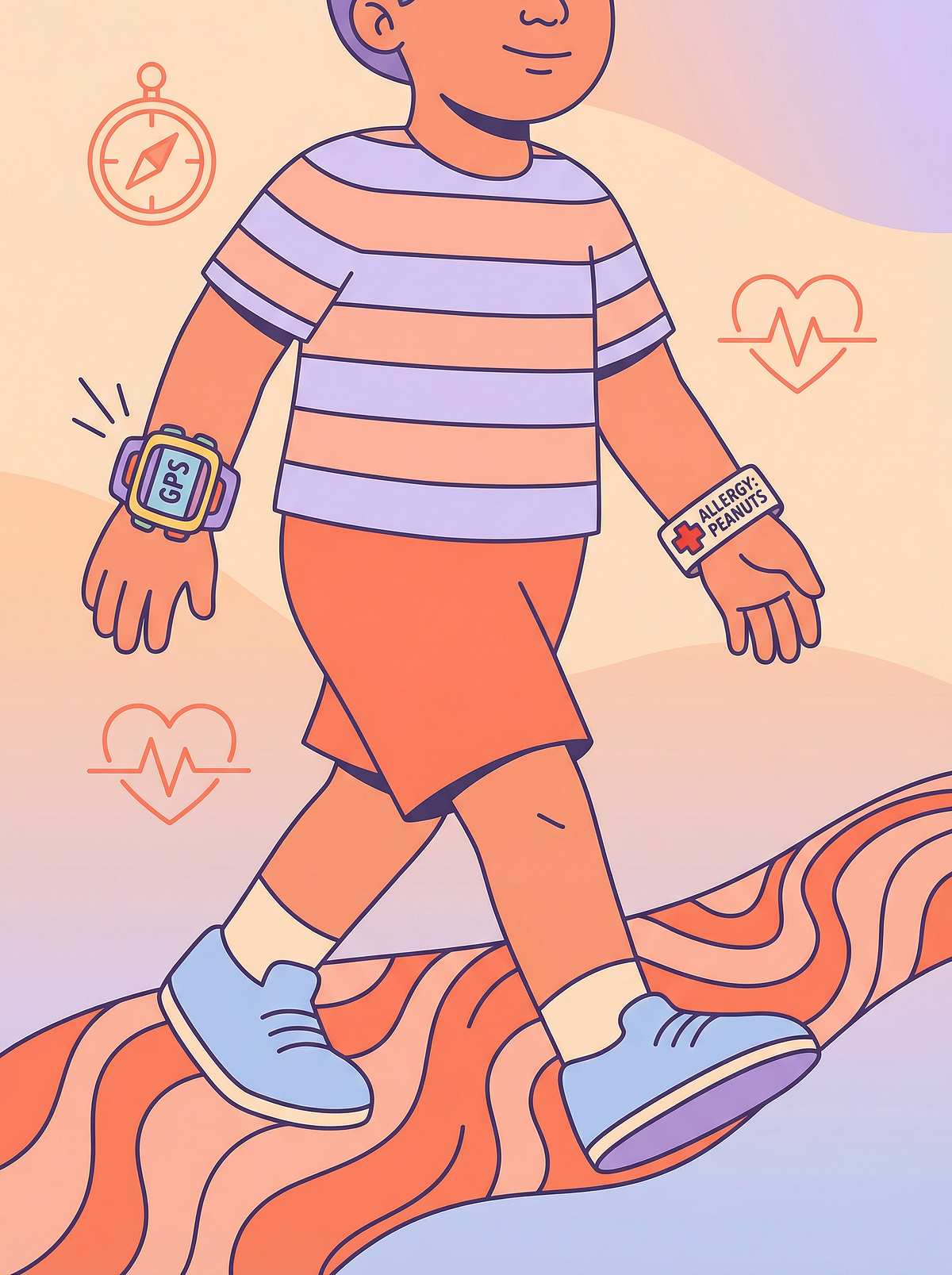
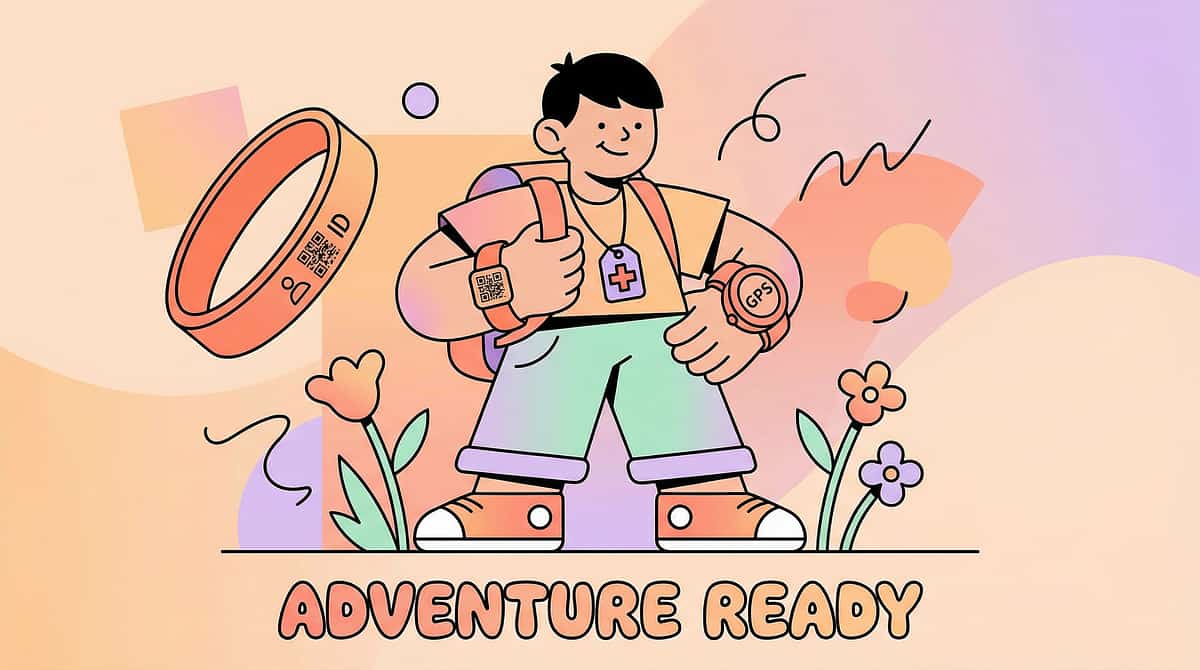
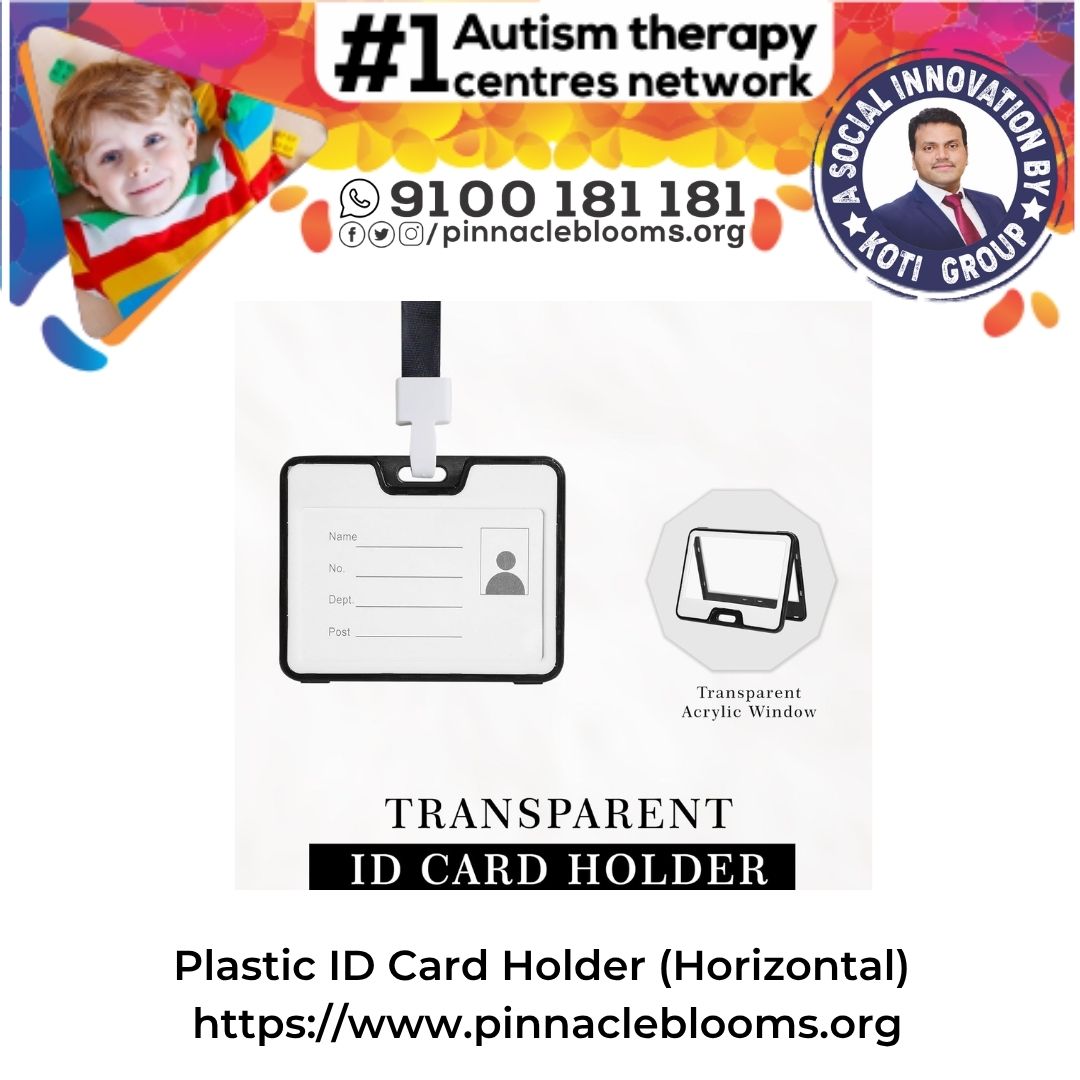
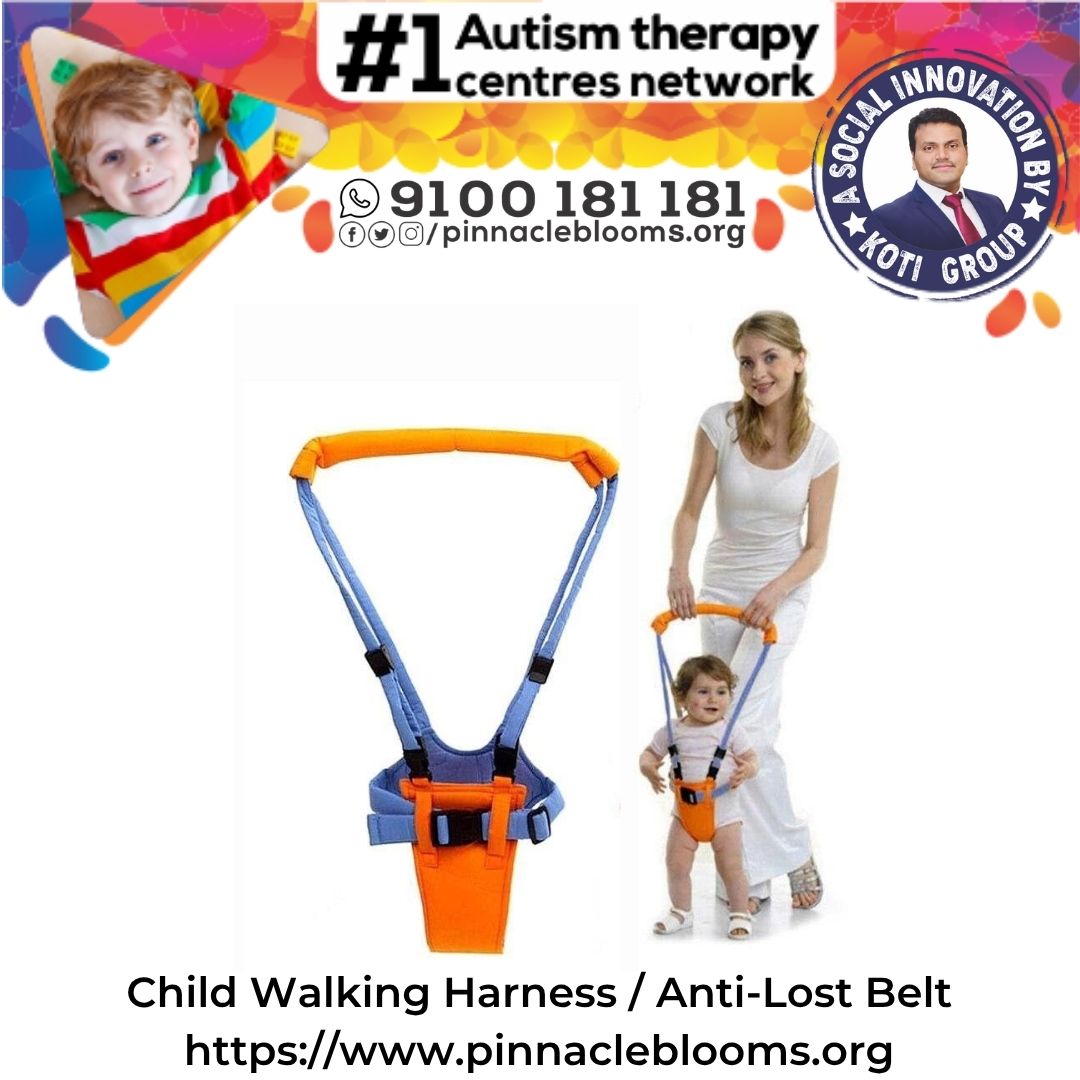
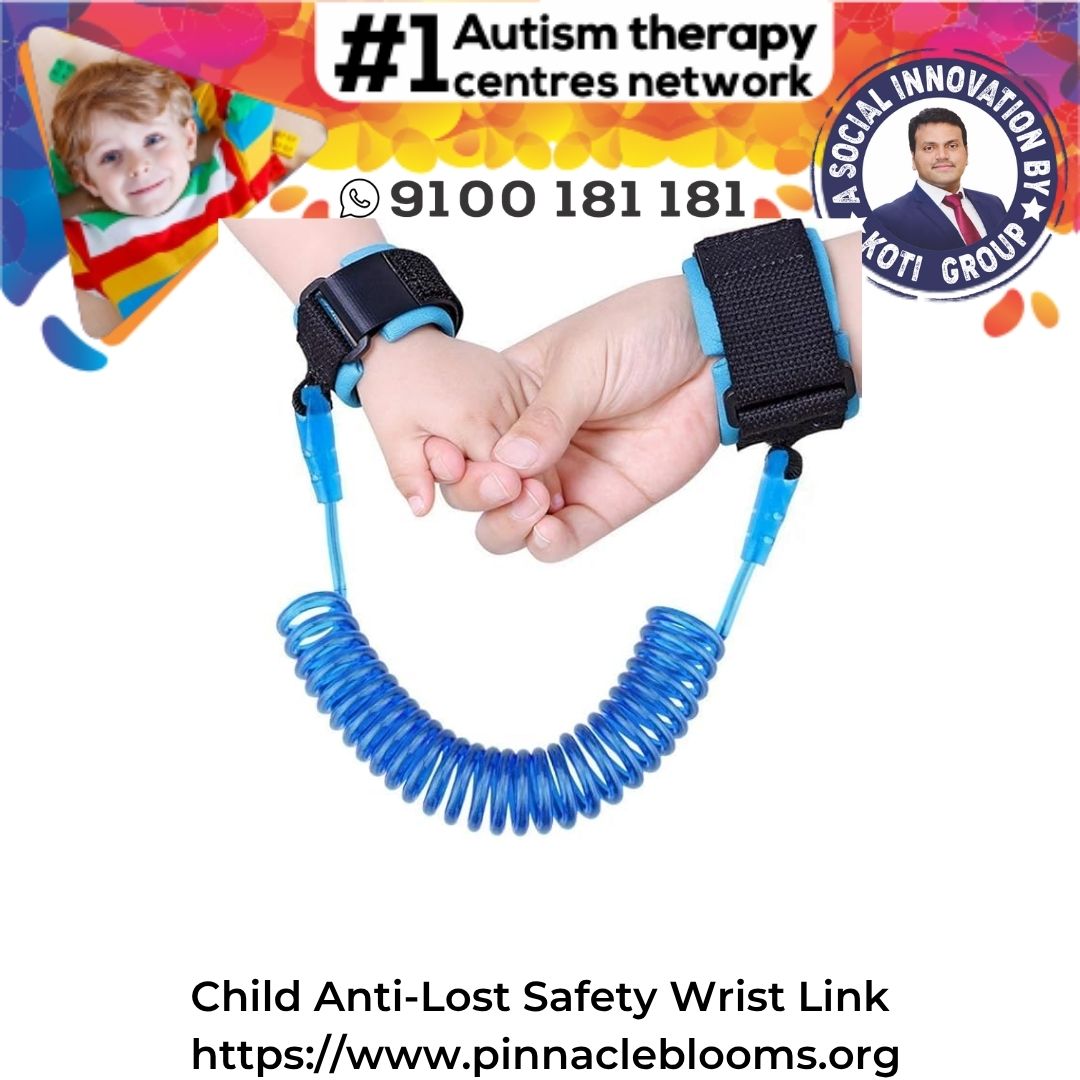
ID bracelets and tracking devices provide critical identification and location capability for children who may elope or cannot communicate their identity. These tools enable rapid response during emergencies when every minute counts.
Identification Information
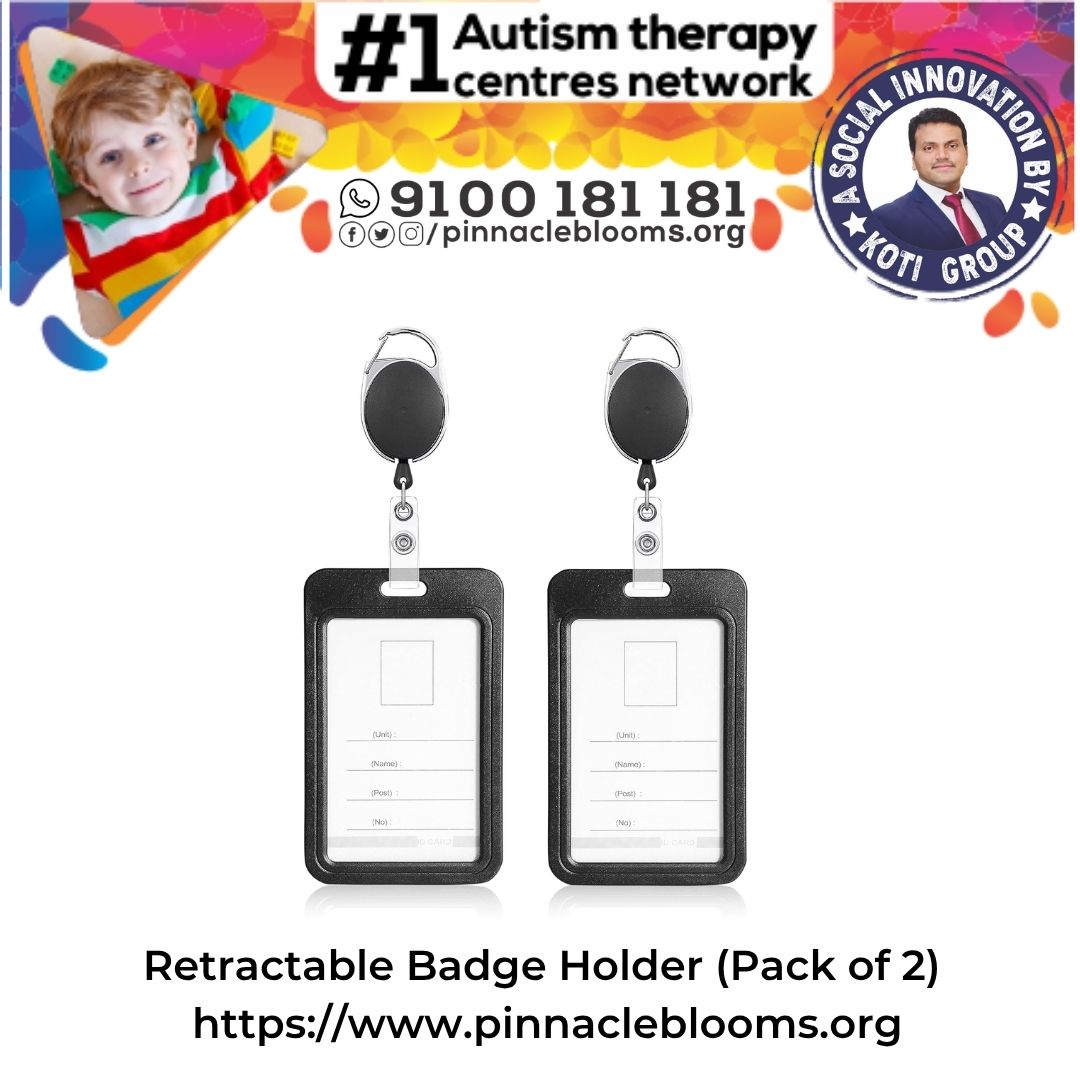
ID should include name, diagnosis (autism/non-verbal if applicable), and emergency contact information that first responders can access immediately.
GPS Tracking Capability
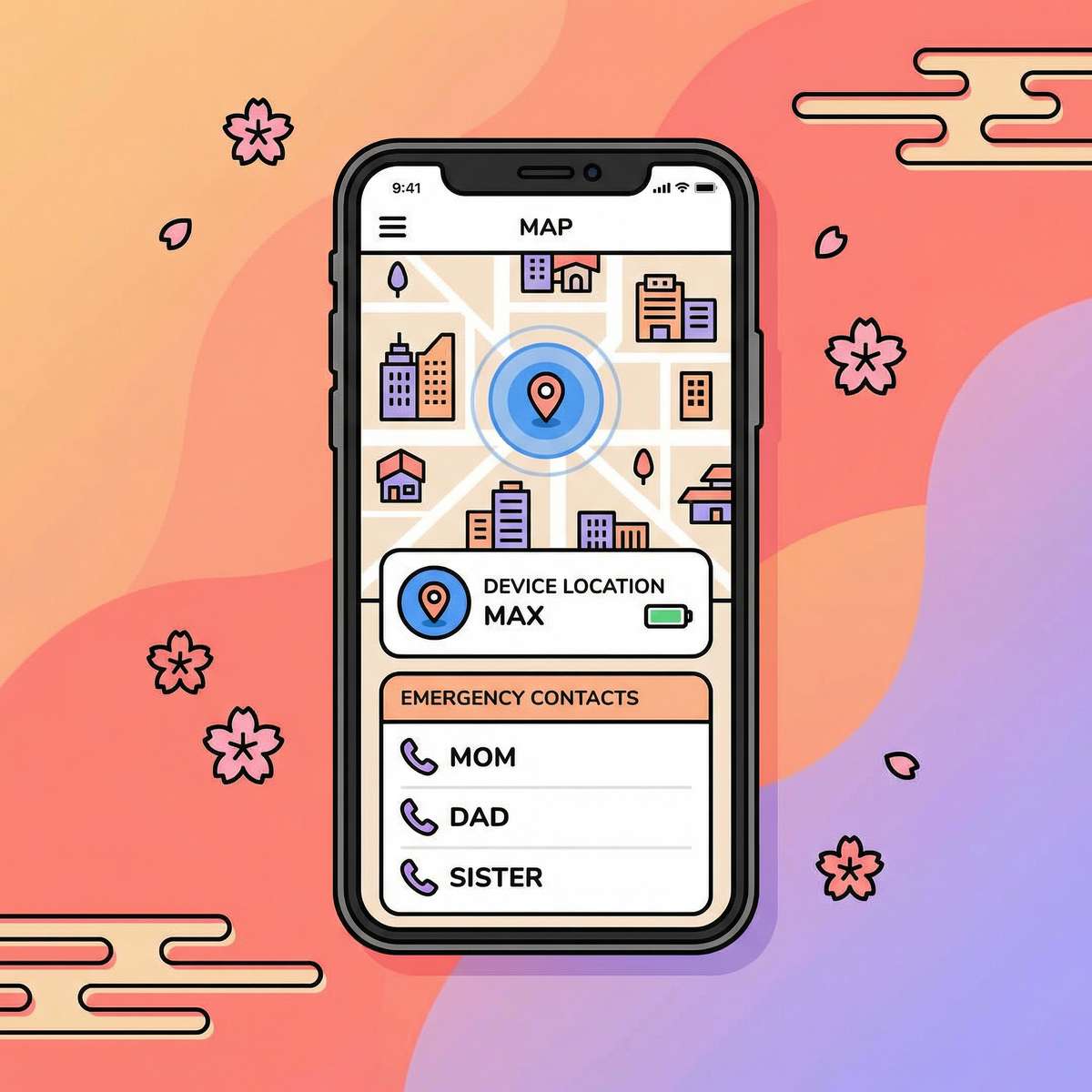
GPS tracking for high elopement risk provides real-time location data, enabling parents and authorities to locate children quickly.
Tamper-Resistant Design
Ensure child can't or won't remove device through secure clasps, comfortable materials, and designs that integrate into daily routines.
Tracking Device Implementation
Function and Mechanism
These devices provide identification and location tracking for children who may elope or cannot communicate their identity. The mechanism works through: Wearable ID/tracker → identification available → location known → rapid response possible → safety maintained.
Target areas include identification, location tracking, elopement response, emergency communication, and parent peace of mind. For non-verbal children or those with limited communication, these devices serve as their voice during critical situations.
Essential Maintenance
Test tracking regularly to ensure GPS accuracy and battery life. Consider waterproof options for children who swim or bathe with devices. Update contact information immediately when phone numbers or addresses change.
Price Range: ₹100 - ₹10,000 | Setting: All - worn at all times | Intended For: Parents
Material 13.3: Water Safety Tools
Core Kit - Rank 1
Drowning Prevention
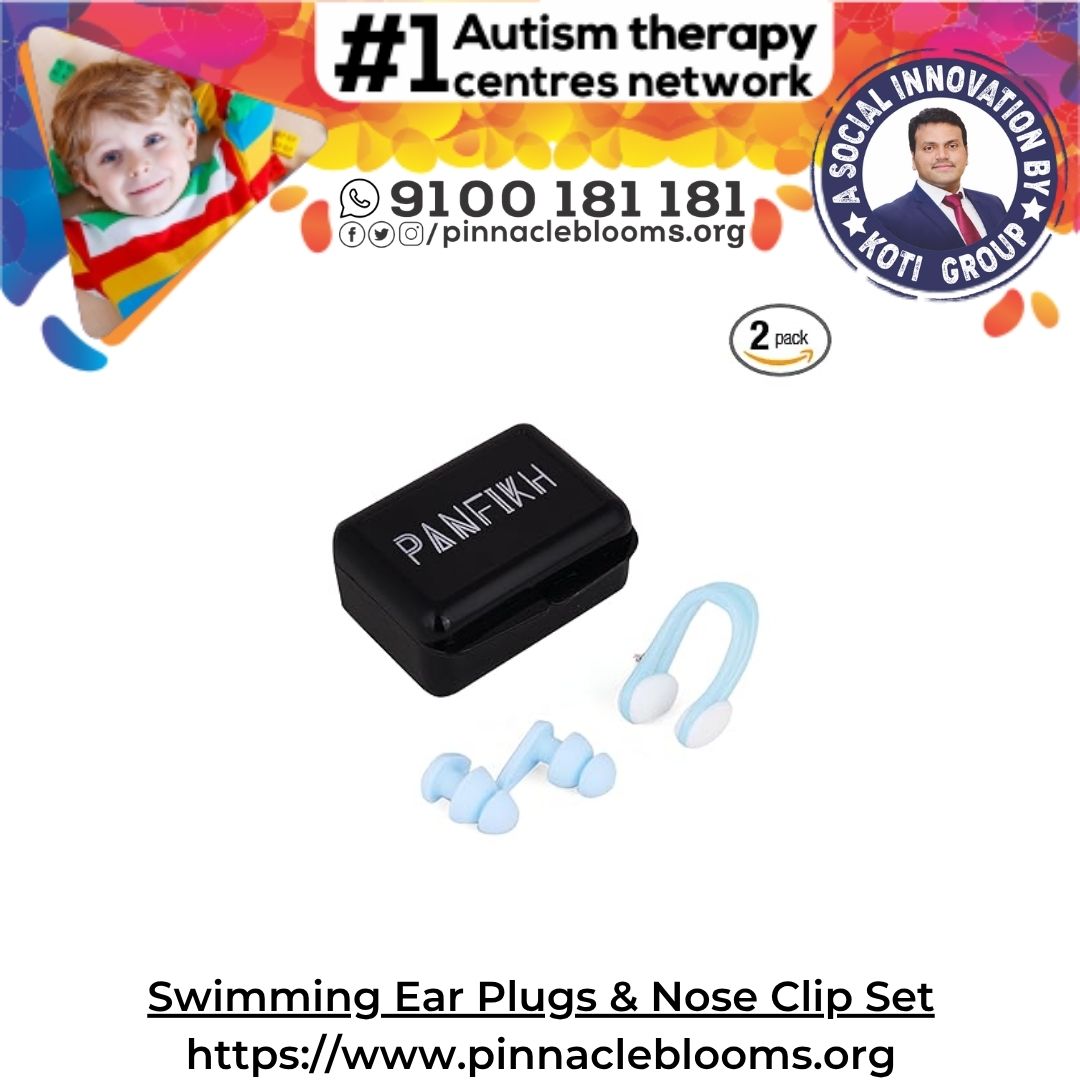
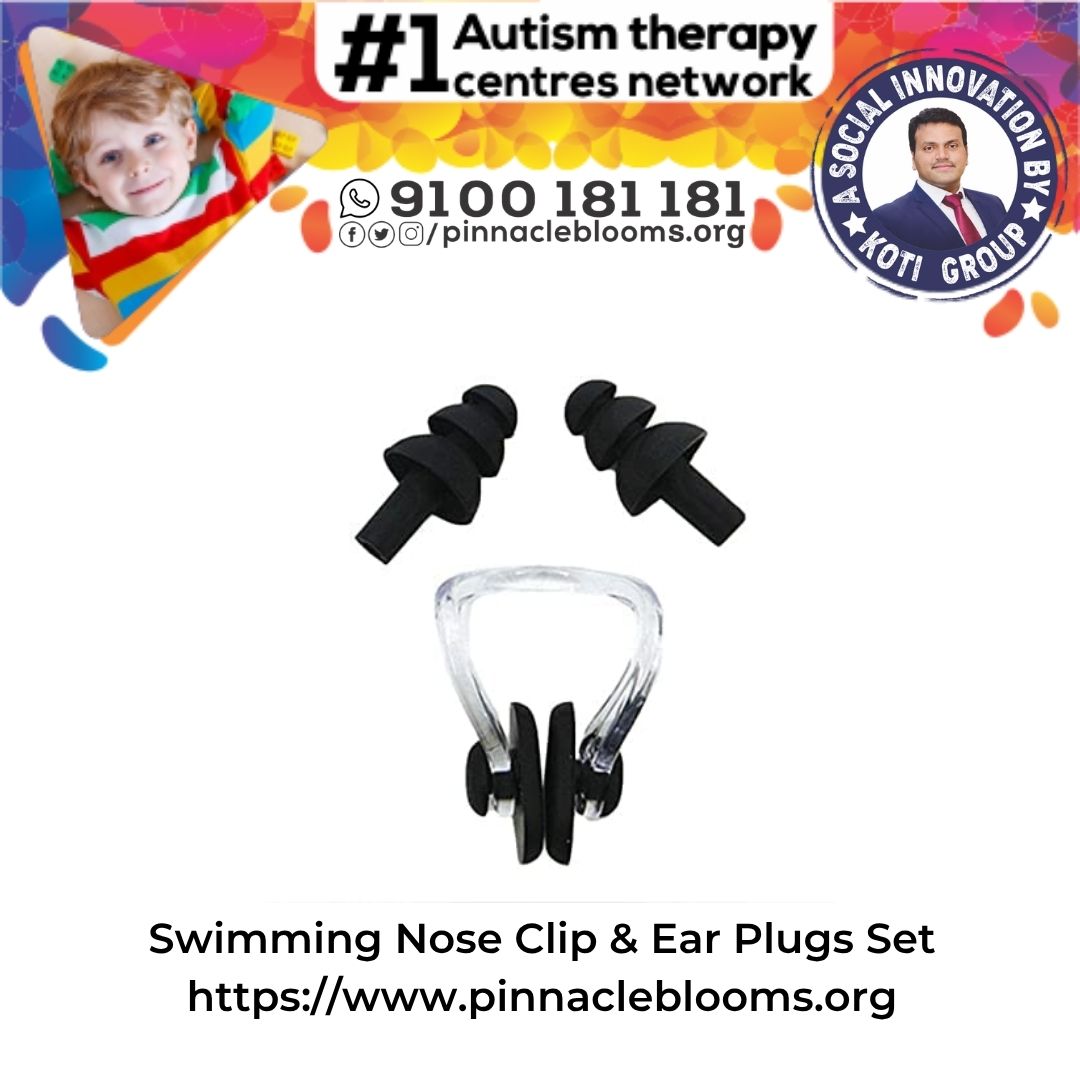
Water safety tools prevent drowning through multiple layers of protection—critical for children with reduced safety awareness. Drowning is a leading cause of death in children with autism, making these tools essential.

Secure Fencing
A crucial physical barrier around pools, preventing unsupervised access. Look for self-closing, self-latching gates that meet safety standards.

Effective Alarms
Door, gate, and pool alarms provide early warning of unauthorized entry to water areas. They are critical for alerting caregivers quickly.

Flotation Devices
Properly fitted life vests and other Coast Guard-approved flotation aids offer essential buoyancy and support, especially for non-swimmers.

Swim Skills Training
Formal swim lessons teach vital water survival skills, building confidence and competence in and around aquatic environments.

Layers of Protection
Critical Warning: Never rely on just one safety measure around water. Each layer acts as a vital backup, ensuring comprehensive protection.
Comprehensive Water Safety

Multiple Protection Layers
Pool fence with self-latching gate is essential as the primary barrier. Alarms serve as backup, not primary protection. Life jackets must be worn during all water activities, regardless of swimming ability. Swim lessons should be appropriate to the child's ability level and comfort in water.
Function and Target Areas
These tools prevent drowning through physical barriers, alerts, flotation devices, and swimming instruction. Target areas include drowning prevention, water access control, flotation, swimming skills, and safety awareness development.
The Safety Mechanism
Multiple barriers → water access controlled → flotation available → swim skills developed → drowning risk minimized. Each layer independently contributes to safety, creating redundancy that saves lives.
Price Range: ₹500 - ₹50,000 | Setting: Home with pool, Near any water, Water activities
Material 13.4: Safety Alarms & Alert Systems
Core Kit - Rank 1
Early Warning System
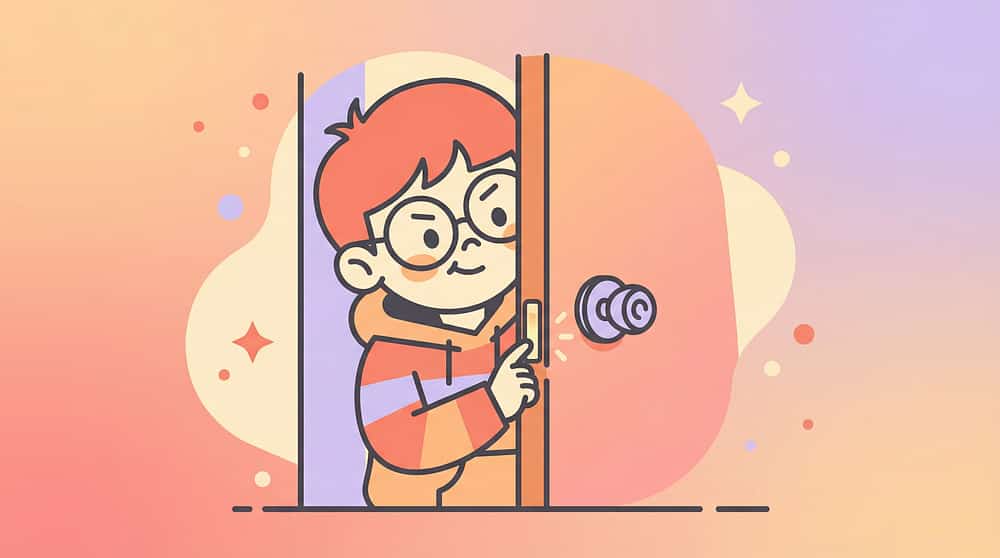
Safety alarms and alert systems are your vigilant 'second set of eyes', providing immediate notification when safety boundaries are crossed. Whether it's a door opening, a window left ajar, or night wandering, these systems enable a rapid response, minimizing risk to your loved ones.
Boundary Crossed
A child opens a monitored door, activates a window sensor, or leaves a designated safe area, triggering the system.
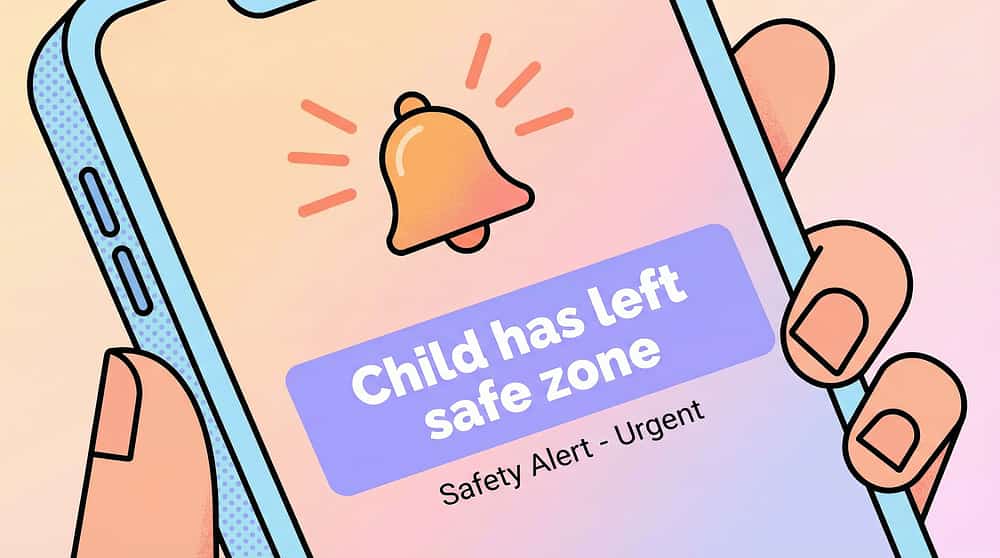
Immediate Alert
An audible alarm sounds, visual indicators flash, or a smartphone notification is instantly triggered to alert caregivers.
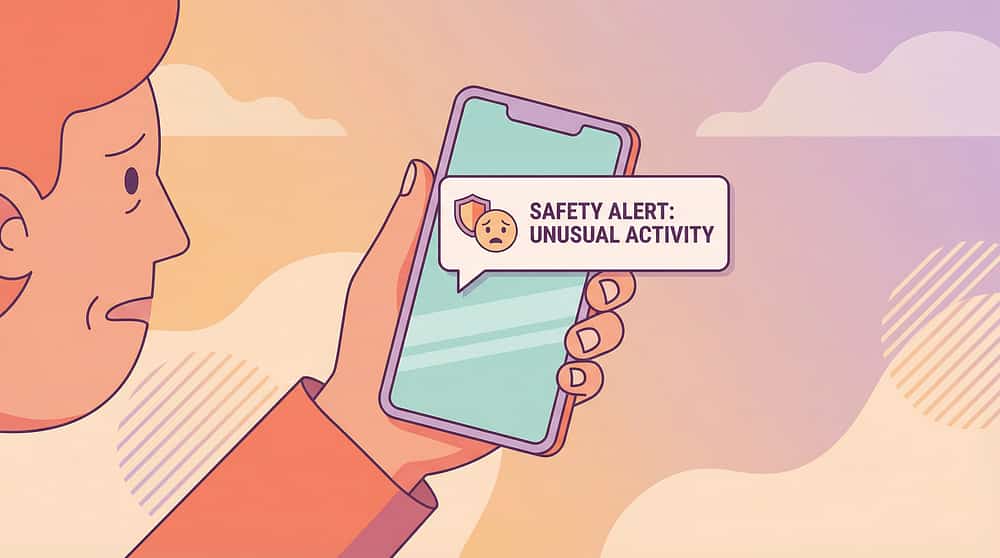
Parent Notified
Caregivers receive instant, direct awareness of the situation through their preferred notification method.

Rapid Response
Immediate intervention is possible, allowing you to quickly address the situation and prevent any unsafe outcomes.

Safety Restored
The child is quickly and safely redirected back to their secure environment, ensuring peace of mind.
Alarm System Best Practices
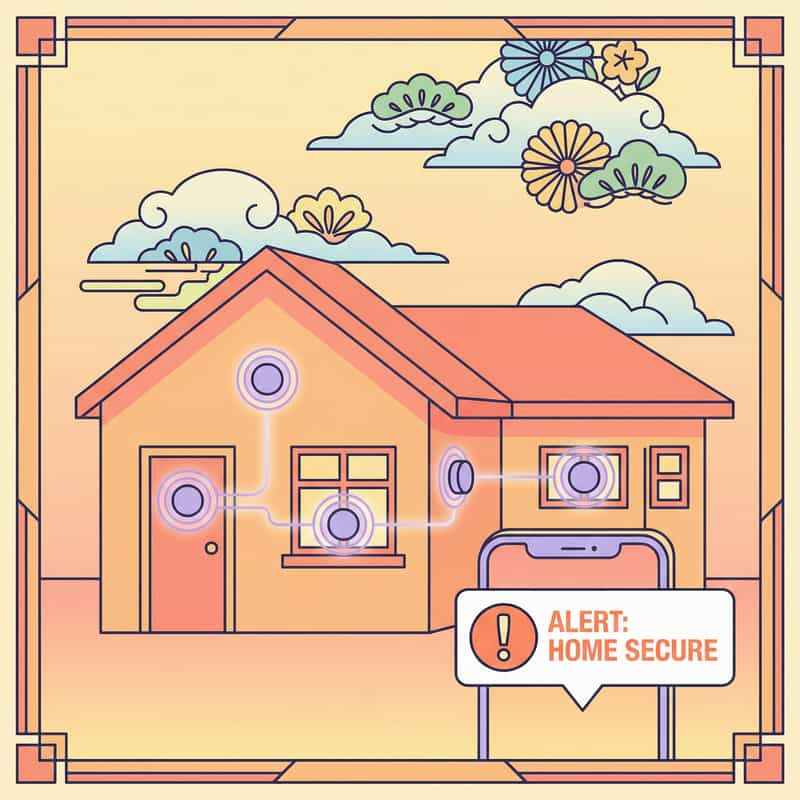
Complete Coverage
Install door and window alarms on ALL exits, not just main entrances. Children find creative escape routes parents don't anticipate.
Night Wandering Protection
Bed alarms alert when child leaves bed during night, preventing unsupervised wandering while family sleeps.
Backup, Not Replacement
Alarms are BACKUP protection, not replacement for locks. Physical barriers prevent exit; alarms notify when barriers are breached.
Regular Testing
Test alarms regularly to ensure functionality. Dead batteries or malfunctioning sensors provide false security.
Audibility Check
Ensure parents can hear alarms from anywhere in home, including bedrooms with doors closed or while showering.
Price Range: ₹200 - ₹15,000 | Setting: Home | Intended For: Parents
The Pinnacle Blooms Platform
Built by Mothers
Engineered as System
Pinnacle Blooms Network®

Integrated Execution Layer
Pinnacle functions as the execution layer of GPT-OS®, an integrated digital platform designed to deliver comprehensive support and services at population scale.

Therapy & Daily Programs
We provide accessible, evidence-based therapy and daily programs, ensuring children receive tailored interventions for their developmental needs.

Digital Continuity
Our platform ensures digital continuity, connecting families, providers, and daily progress for a seamless and consistent therapeutic journey.
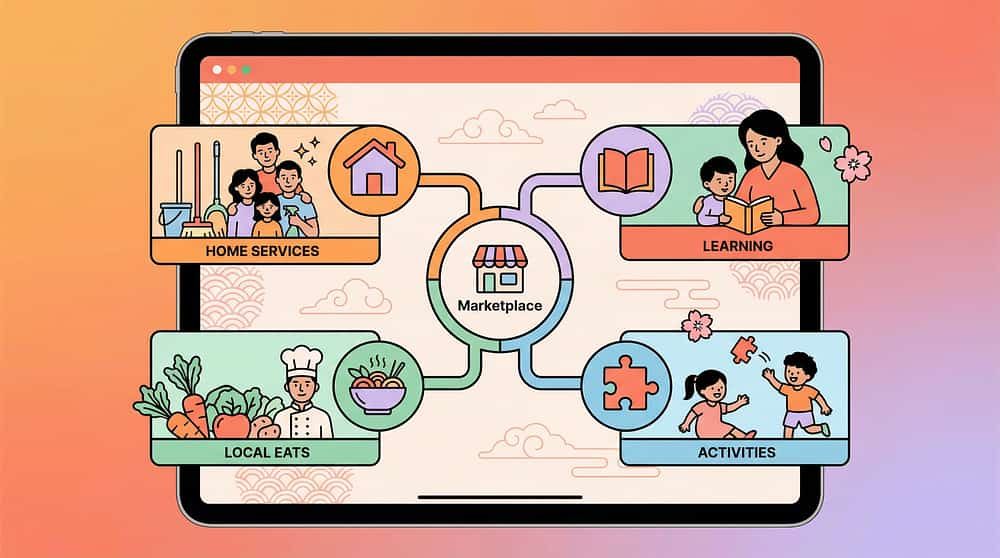
Marketplace Access
Access a comprehensive marketplace connecting families to verified providers and a wide array of resources, all within India's most extensive pediatric therapeutic network.
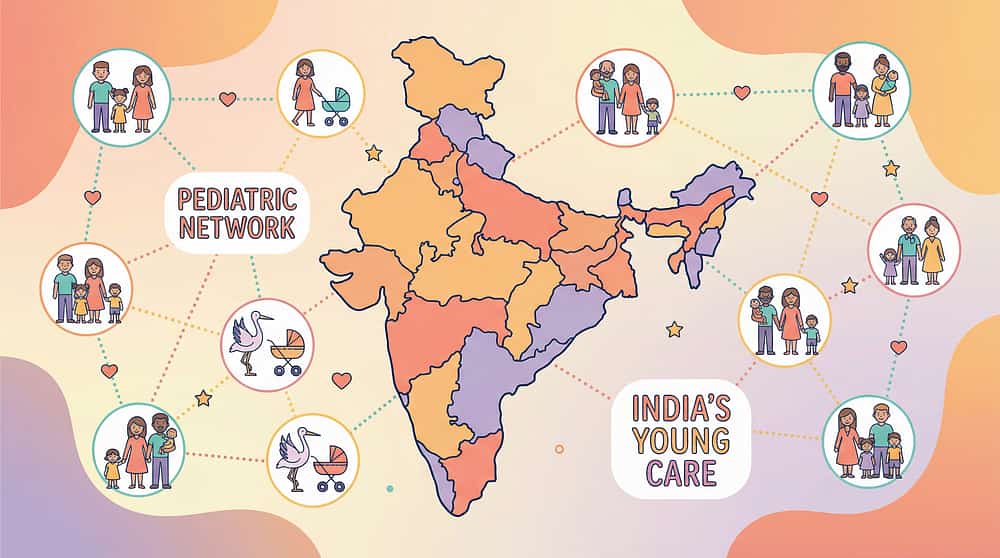
Nationwide Network & Outcomes
This integrated approach connects families to evidence-based interventions and measurable outcomes, spanning India's most comprehensive pediatric therapeutic network.
Platform Architecture
Pediatric Therapeutic OTT Platform
On-demand therapy guidance, parent education, and EverydayTherapyProgramme™ delivery — accessible anytime from any device.
Hyperlocal Pediatric Therapeutic Marketplace
Connects families to verified therapists, centers, programs, and resources — mapped to the child's AbilityScore® and readiness needs.
Center Network Execution
70+ physical centers operating under GPT-OS® standards with measurable accountability and consistent quality protocols.

21M+
Exclusive 1:1 Sessions
Across converged therapy disciplines
97%+
Measured Improvement
Across one or more readiness indexes
70+
Centers
Operating under single clinical system

National Support Network
FREE National Autism Helpline
Support available in 16+ languages across India. Trained specialists provide guidance, resources, and connection to local services.
Call 9100 181 181 for immediate assistance
Digital Access Points
Website: pinnacleblooms.org
Email: care@pinnacleblooms.org
Request AbilityScore® assessment or connect with therapeutic services near you.
21M+ sessions • 97%+ measured improvement • 70+ centers • Global IP protection
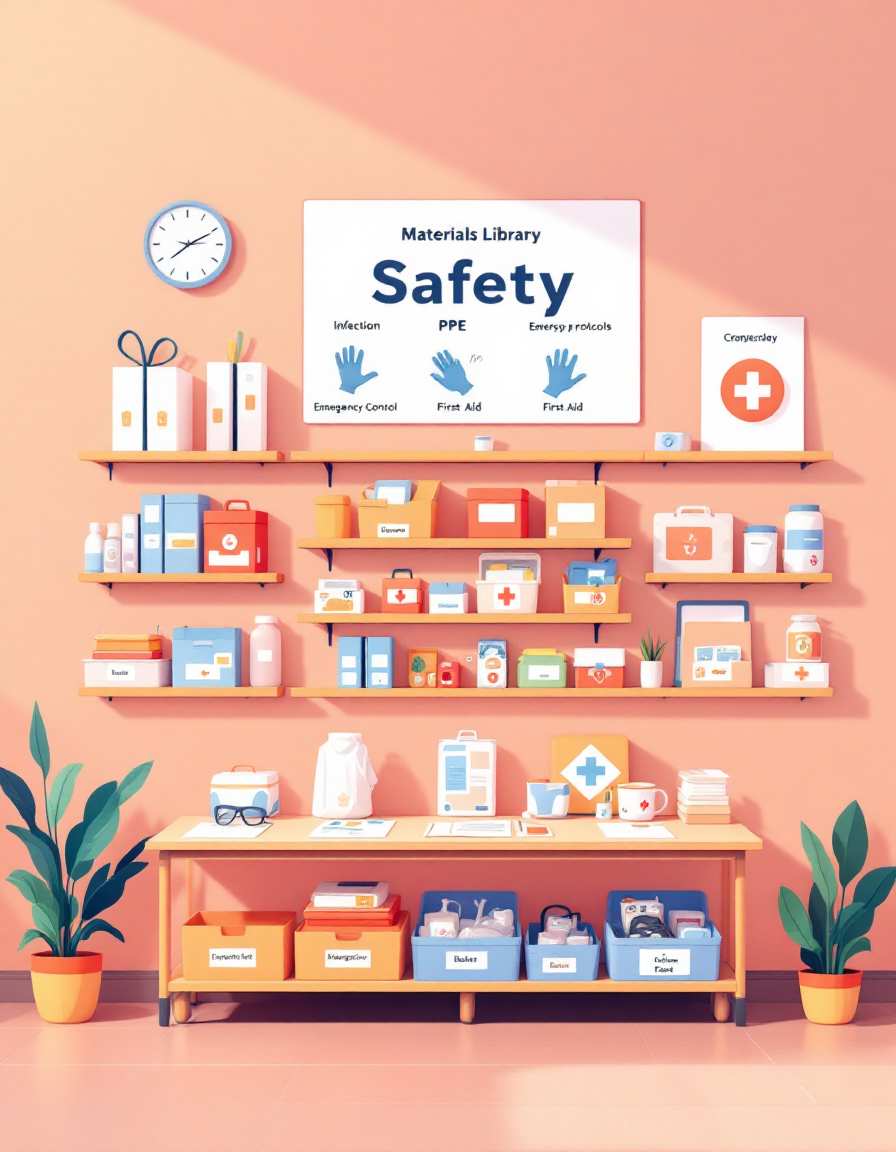
Safety Materials Library Access
All safety materials are catalogued in the Therapy Materials Library at materials.pinnacleblooms.org. Each material includes detailed implementation guidance, evidence basis, pricing information, and practical usage protocols developed through 21 million+ clinical interactions.
Browse Materials
Explore 5 evidence-aligned safety resources designed for children with reduced safety awareness
1
Review Details
Access comprehensive information on function, mechanism, best practices, and implementation
2
Consult Specialists
Connect with safety professionals and therapeutic team for personalized assessment
3
Implement Layers
Apply multiple overlapping safety measures based on your child's specific needs and risks
4
Cannons
Safety MaterialsEvidence-based materials supporting personal safety awareness, home safety, road safety, protective skills, and body safety education across home, school, and therapy settings.






Link copied!