




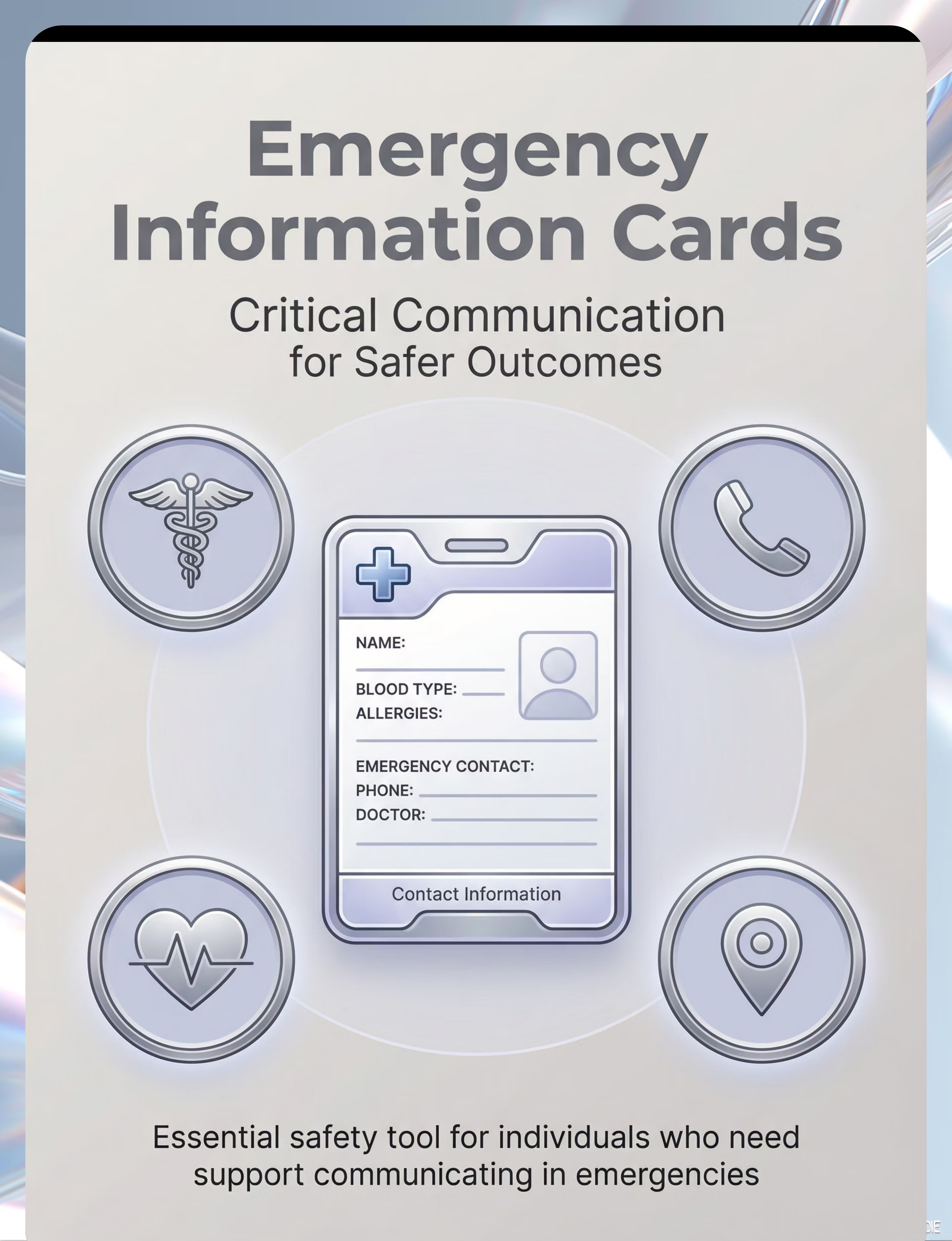
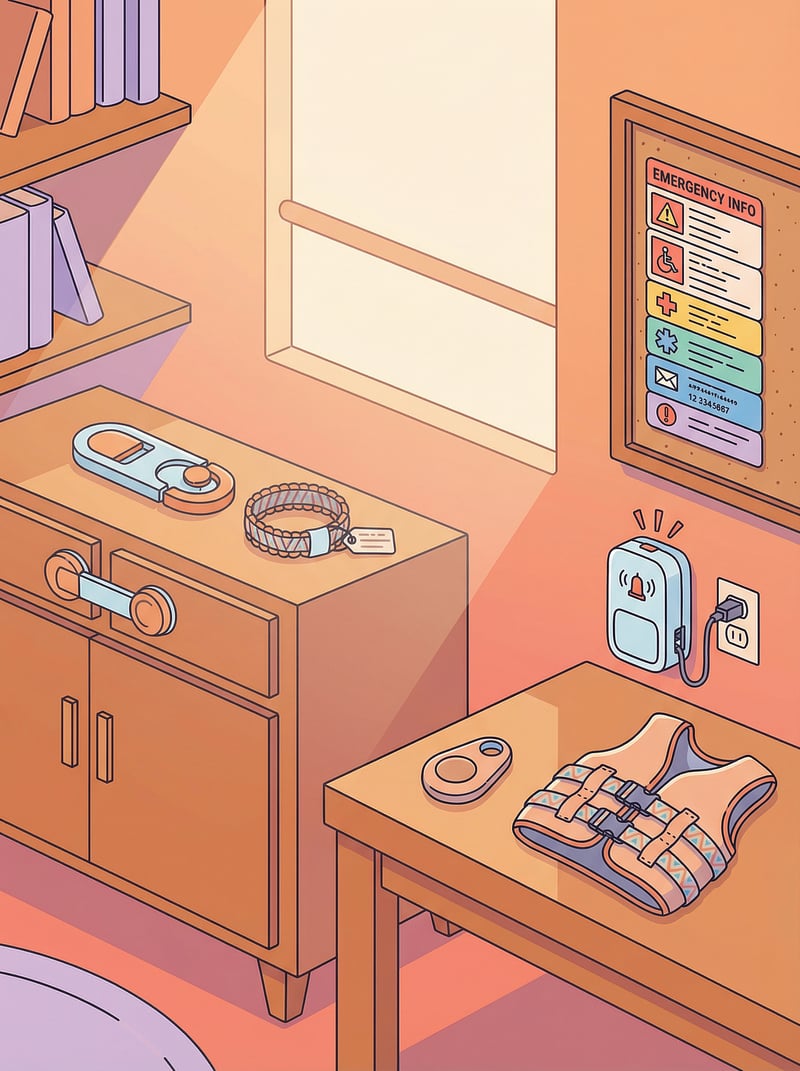
Emergency Information Cards
Critical information communication system
Safety
Parent + All providers
Moderate-Strong Evidence
Rank #2
Emergency Use
₹50–200
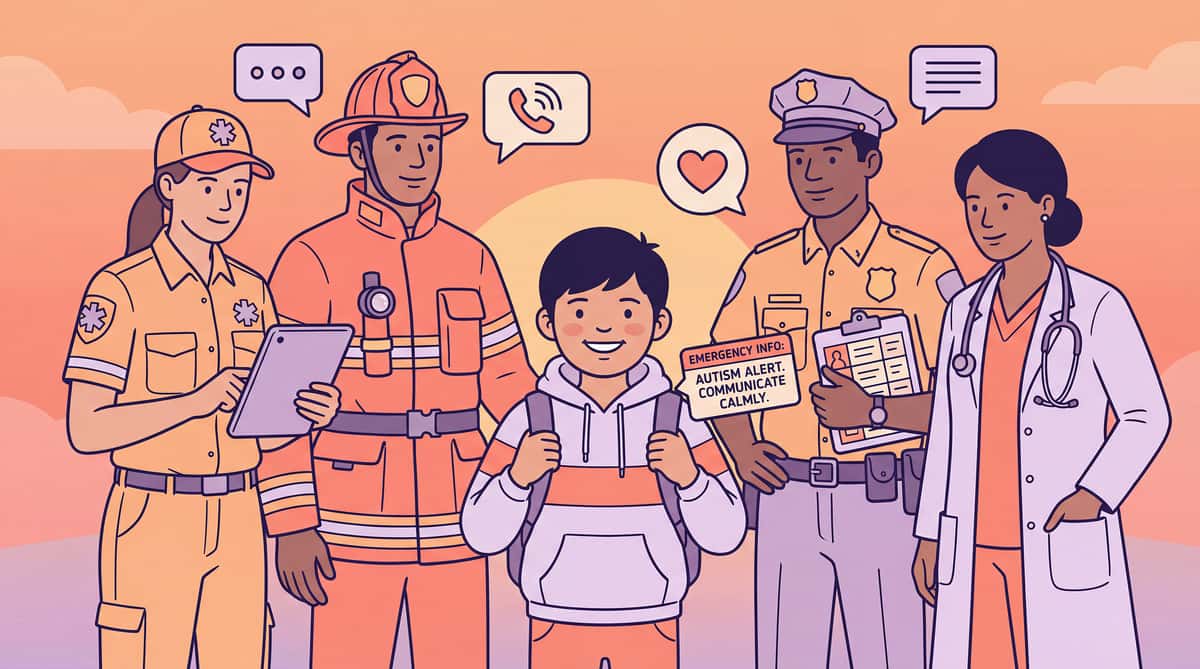
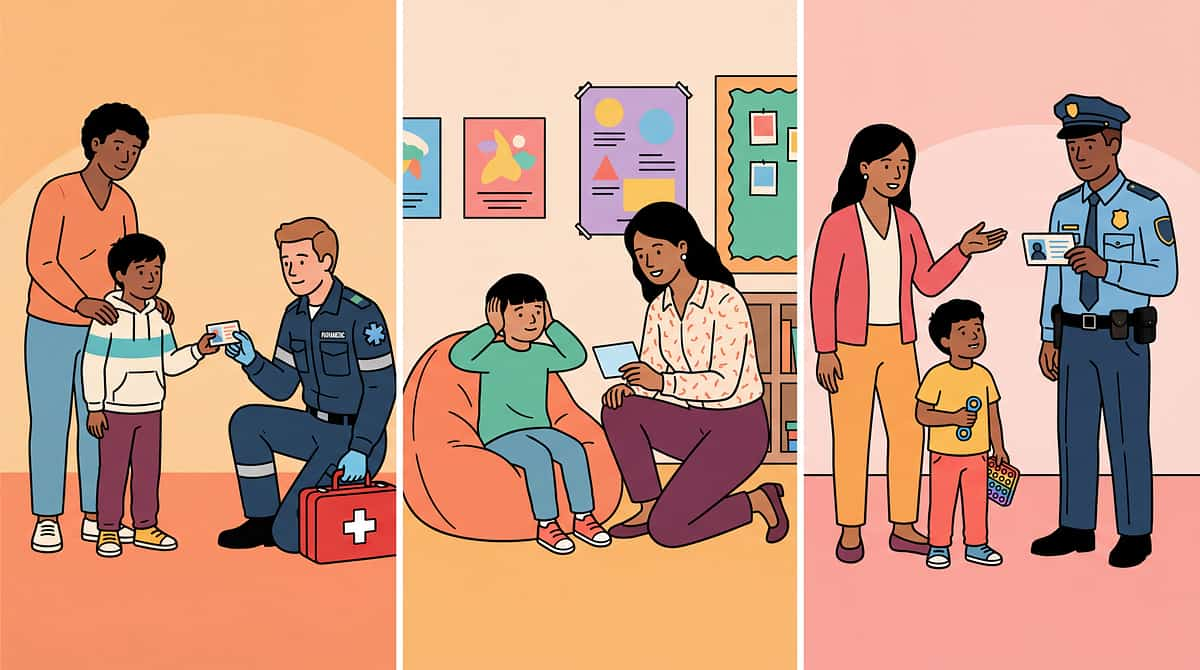
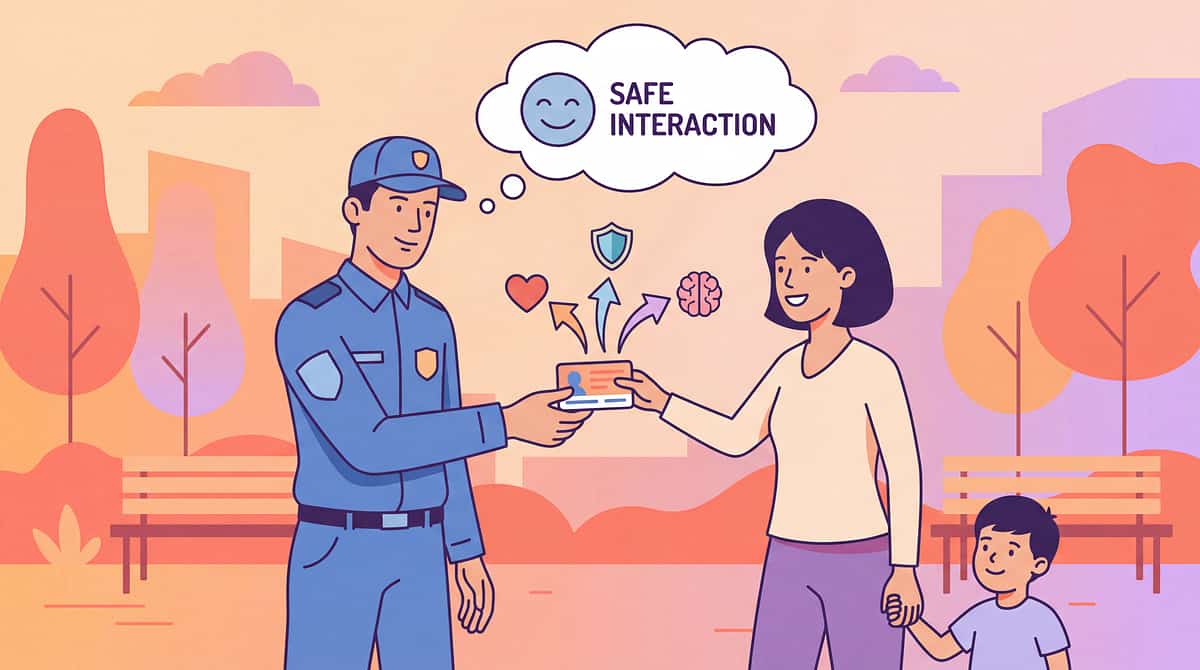
When emergencies happen and your child cannot communicate their needs, emergency information cards become their voice. These simple, laminated cards provide first responders, medical personnel, and helpers with critical information about autism, medical conditions, communication needs, and calming strategies—potentially transforming a dangerous misunderstanding into a safe, informed response.
Who This Helps

Critical Communication
Cards provide vital support when children cannot explain their diagnosis, needs, or medical conditions to others.
Support for Professionals
Ensures first responders, medical personnel, and helpers receive accurate information quickly during critical moments.
Emergency Preparedness
Essential during emergencies or when children are separated from parents, ensuring their safety and appropriate care.
All Ages Covered
Beneficial for any child needing information communicated on their behalf during emergencies or when separated from caregivers.
Carried Everywhere
Designed for accessibility in all settings—wallet, backpack, pocket, car—for information availability whenever needed.
Emergency Communication
First Responder Education
Medical Safety
Appropriate Response
Parent Communication

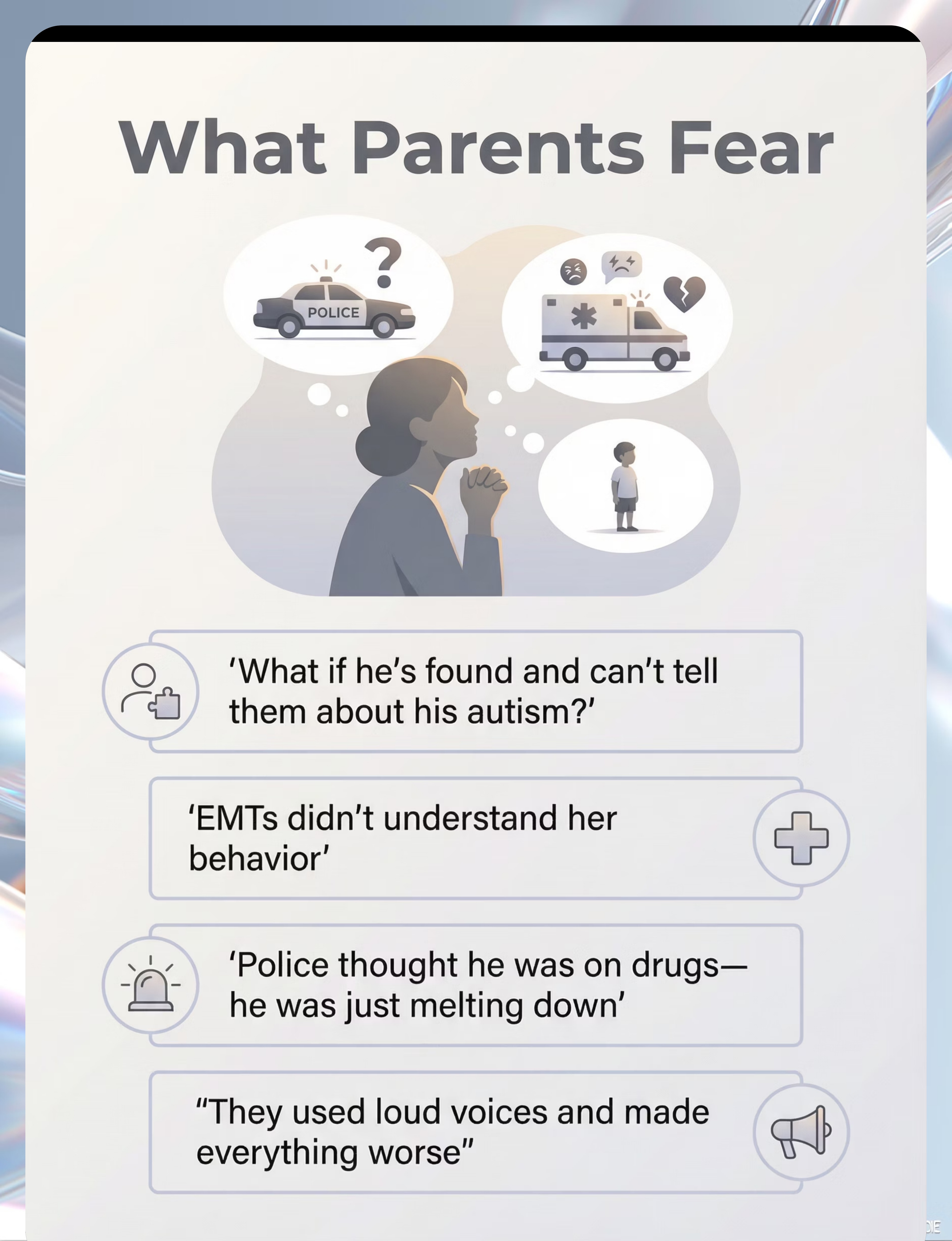
Does This Sound Familiar?
"What if he's found and can't tell them about his autism?"
"EMTs didn't understand her behavior"
"Police thought he was on drugs - he was just melting down"
"They used loud voices and made everything worse"
"No one knew her medical conditions"
"I wasn't there to explain"
You're not alone. These are common challenges faced by families when children with autism encounter emergency situations without proper information systems in place.

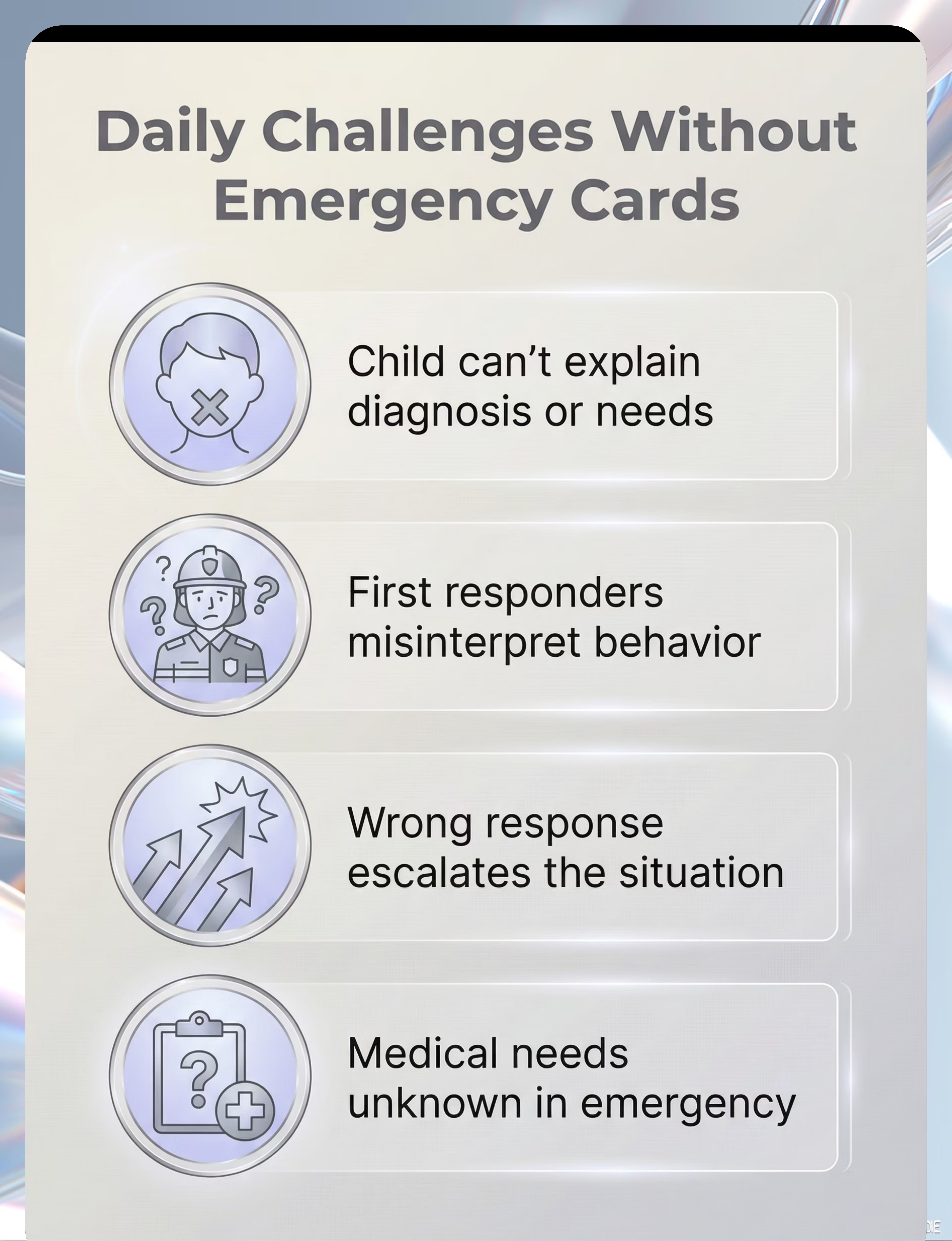
A Day Without the Right Support
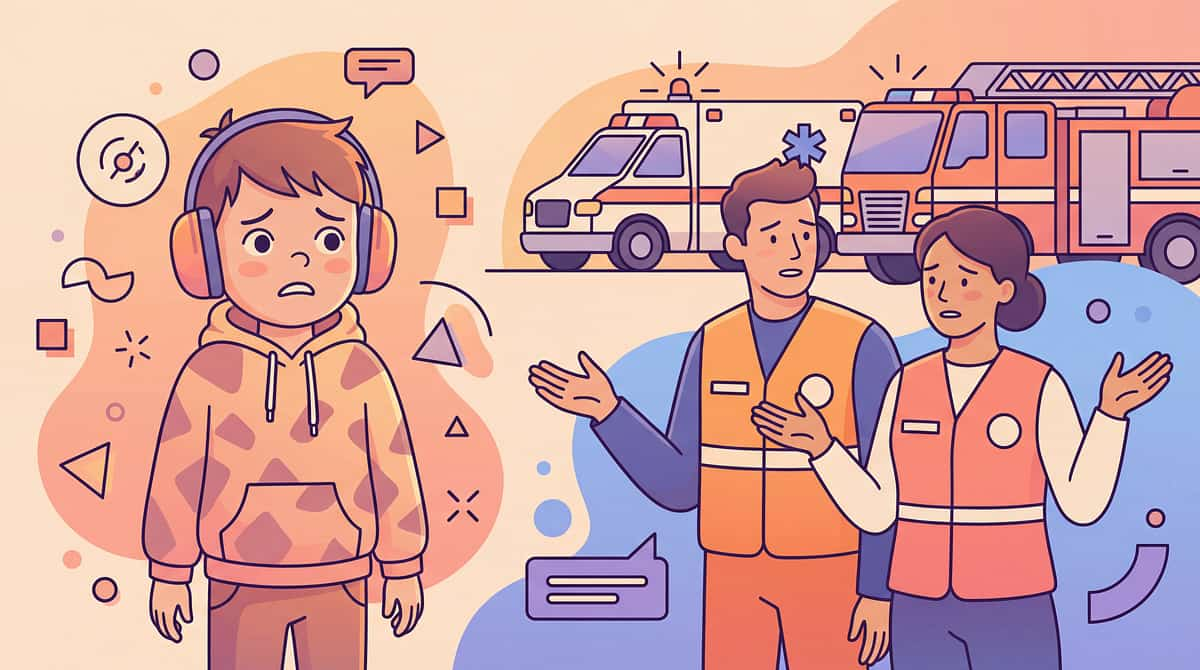
Communication Breakdown
Child can't explain diagnosis or needs to helpers or first responders, creating confusion and potential misunderstanding.
Misinterpreted Behavior
First responders don't understand autism-related behaviors, potentially interpreting meltdowns as defiance or intoxication.
Wrong Response Escalates
Without knowledge of triggers and calming strategies, well-meaning helpers use approaches that escalate distress rather than calm it.
Medical Needs Unknown
Critical medical information—allergies, conditions, medications—remains unknown during emergency treatment, potentially causing harm.

The Science Behind It
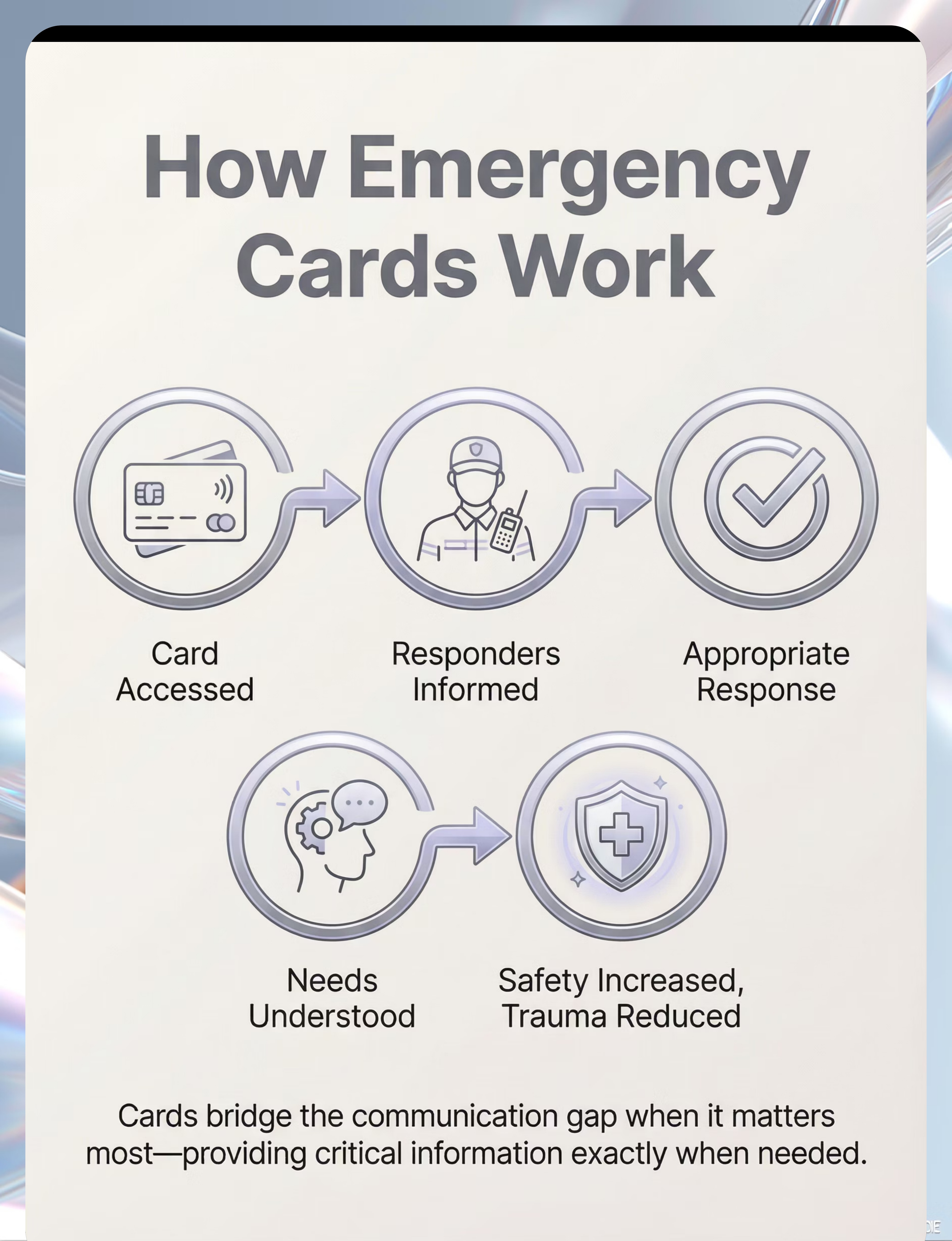
Card Accessed
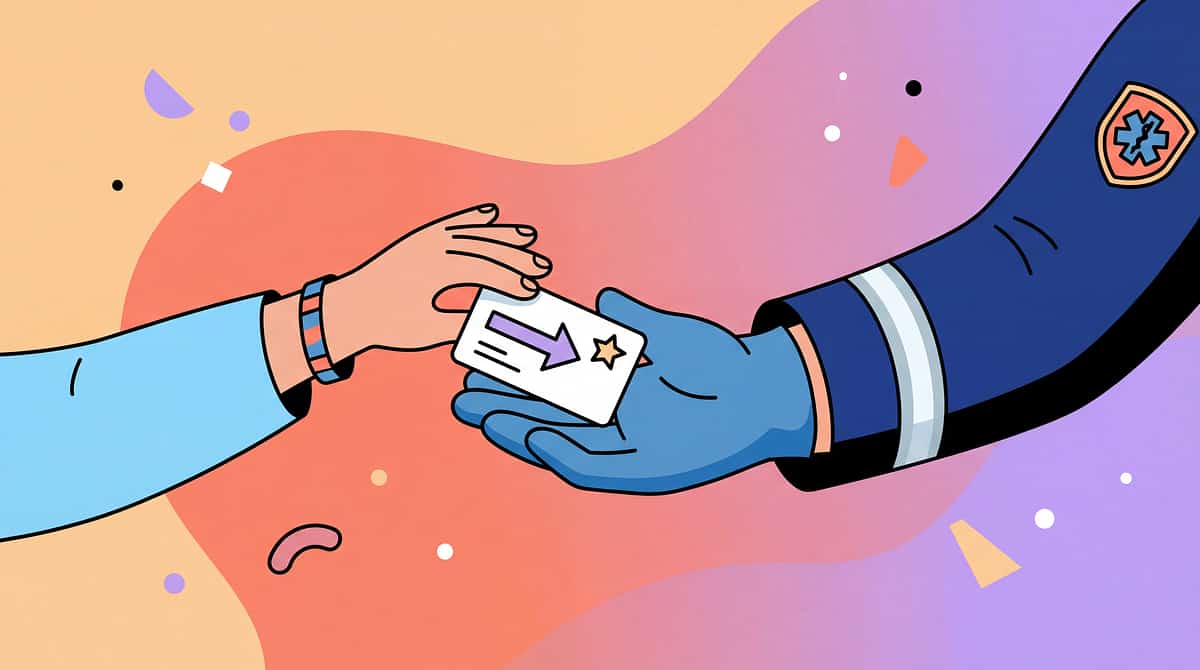
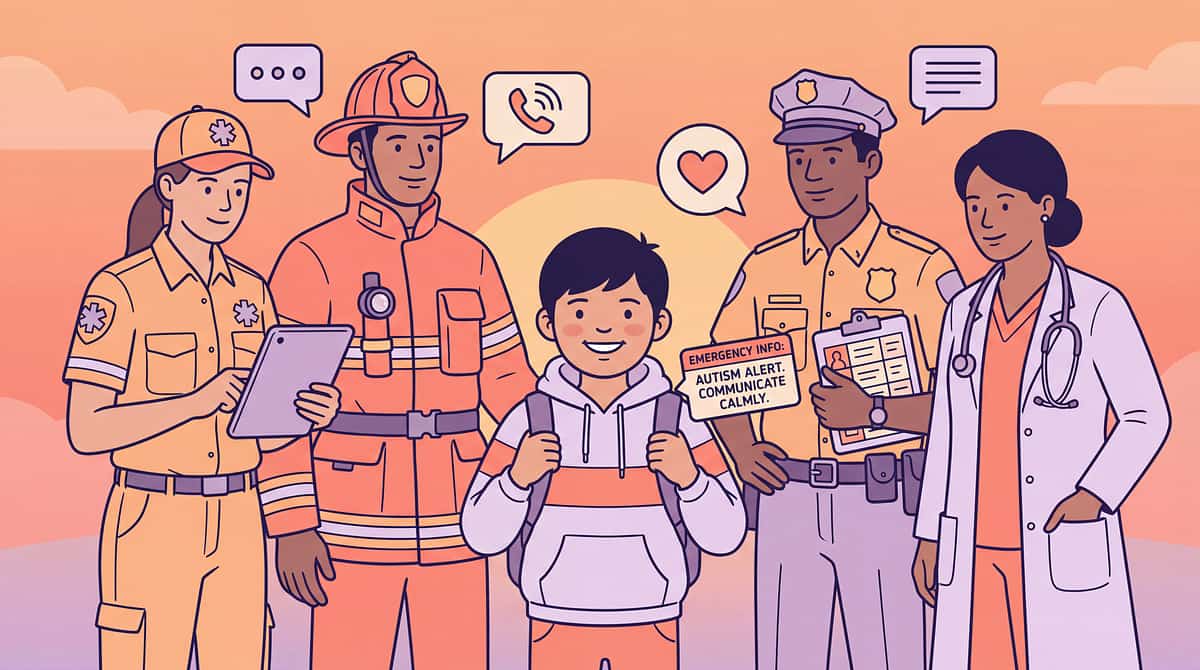
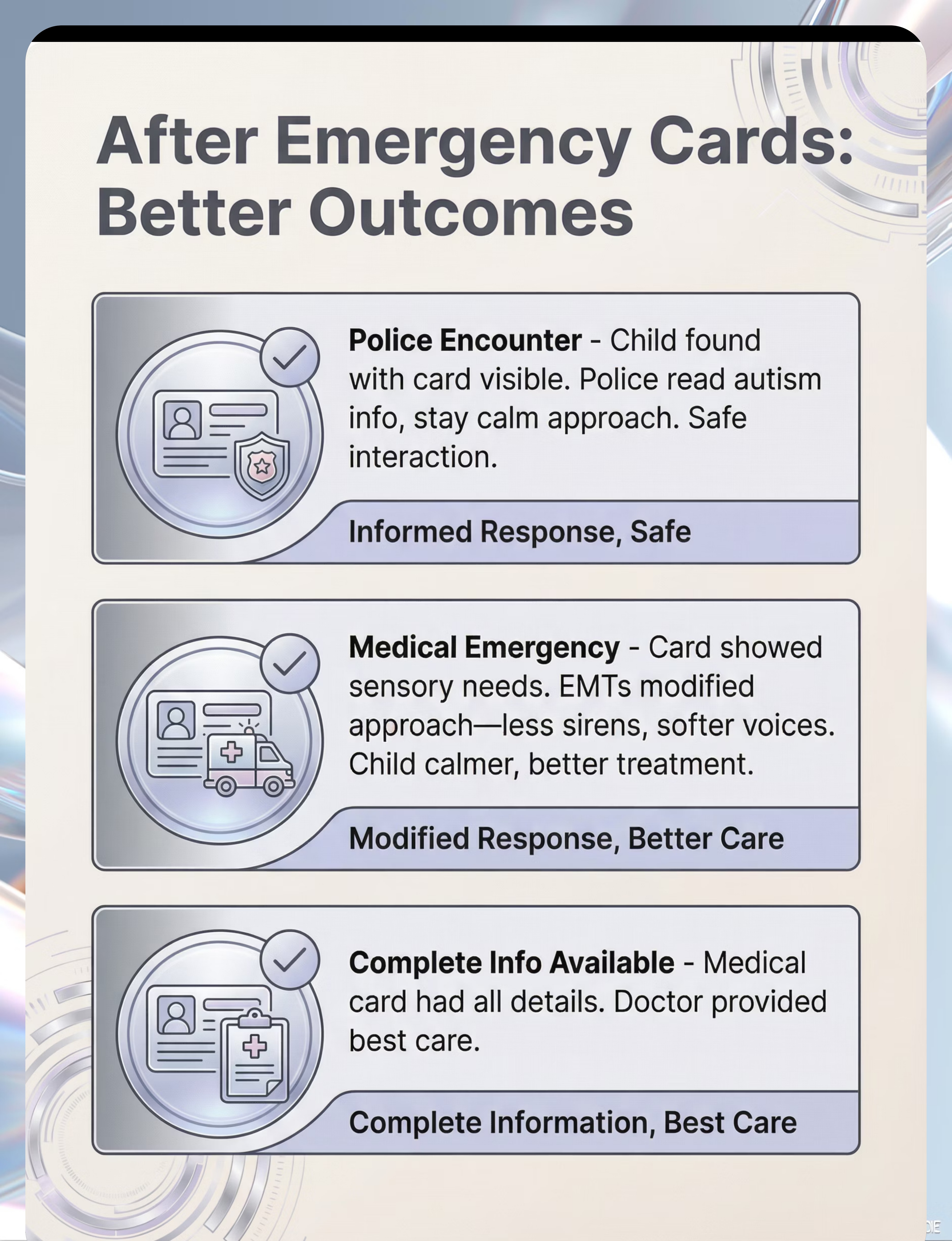
First responder or helper encounters child and locates visible emergency information card.
Responders Informed
Critical information about autism, communication needs, medical conditions, and calming strategies is immediately available.
Appropriate Response
Responders modify their approach based on information—staying calm, avoiding triggers, using appropriate communication methods.
Needs Understood
Child's specific needs, triggers, and calming strategies are recognized and accommodated during the emergency interaction.
Safety Increased
Informed response prevents escalation, reduces misunderstanding, and ensures appropriate medical care is provided.
Trauma Reduced
Modified, informed approach minimizes distress and trauma for the child during an already stressful emergency situation.
This systematic approach transforms emergency interactions from potentially dangerous misunderstandings into safe, informed responses that prioritize the child's unique needs.
Emergency Communication
First Responder Education
Medical Safety
Appropriate Response
Parent Communication

How to Use It Right
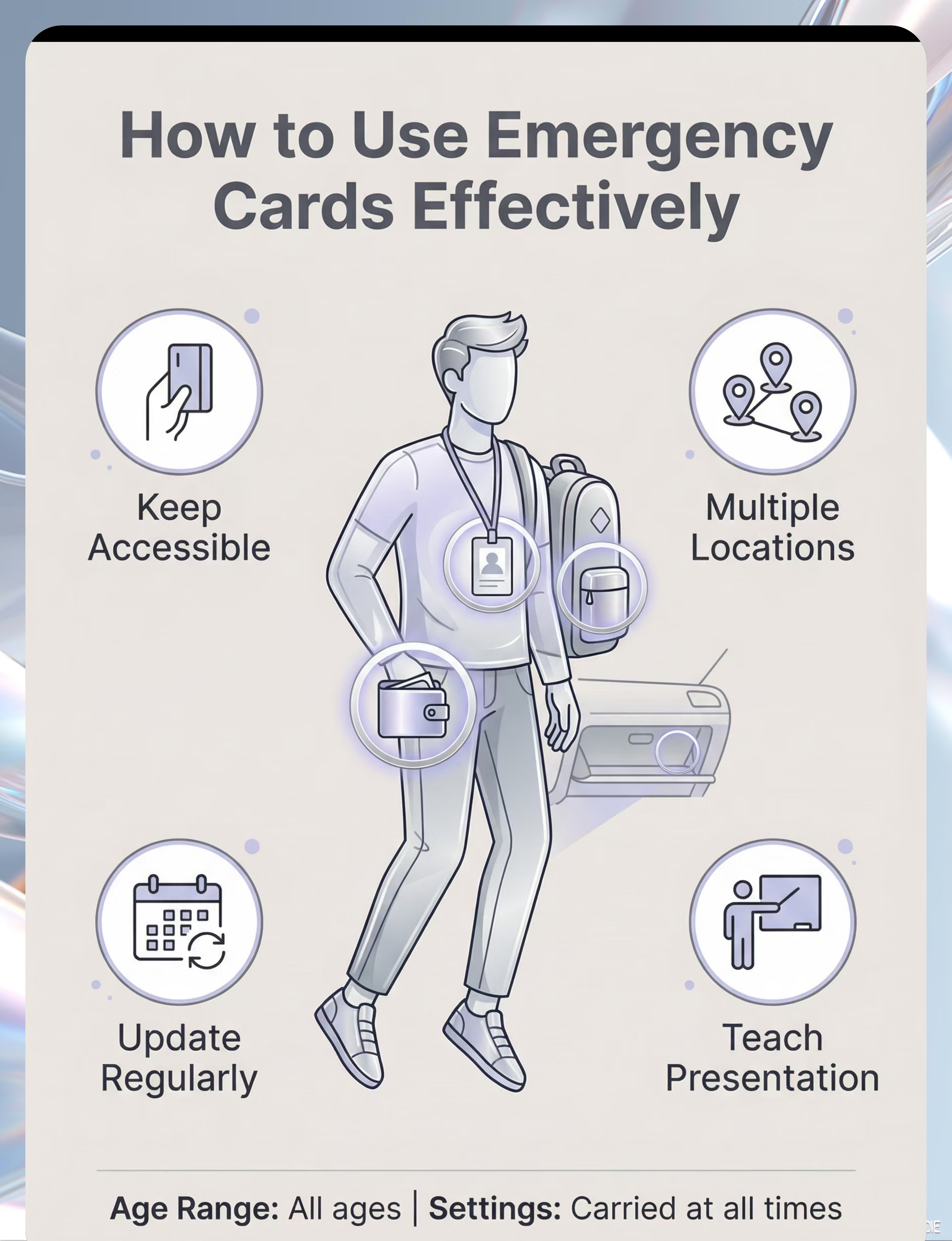
Keep Cards Accessible
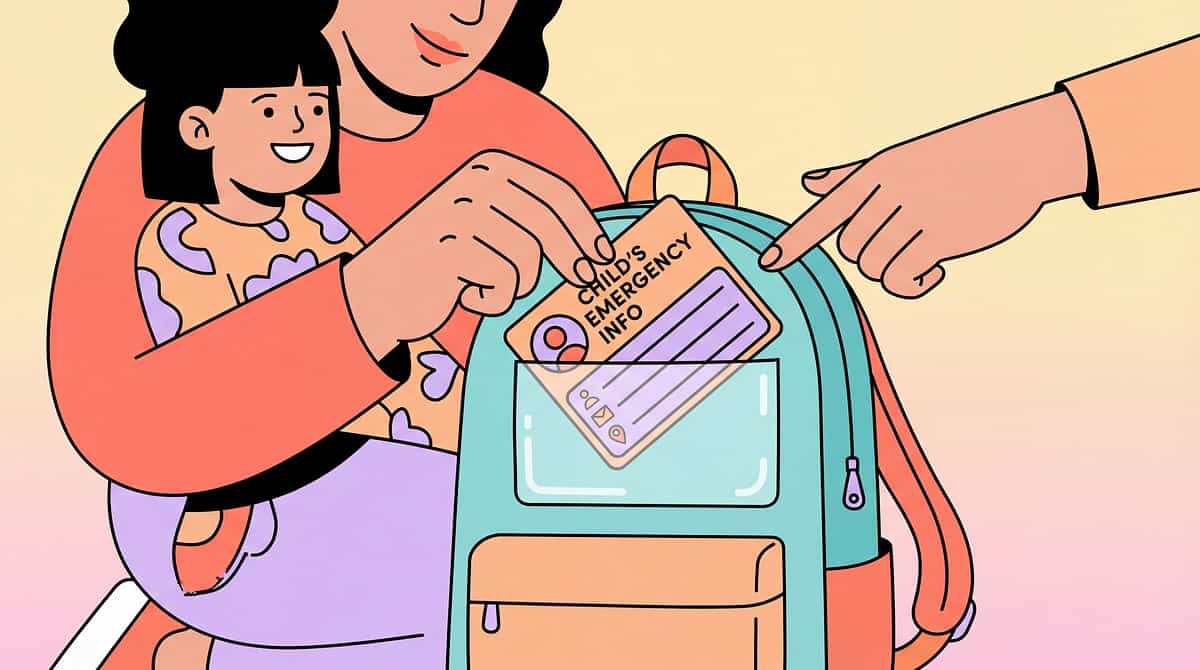
Place cards in wallet, backpack, pocket, and other locations where they can be easily found during emergencies or interactions with first responders.
Include Essential Information
Every card should clearly state diagnosis, communication level, specific triggers, effective calming strategies, and emergency contact information.
Add Critical Medical Details
Include medical conditions, allergies, current medications, and doctor contact information to ensure appropriate medical care during emergencies.
Maintain Multiple Copies
Keep copies in different locations—child's backpack, wallet, car, with caregivers—ensuring information is always available regardless of circumstances.
Update Regularly
Review and update information quarterly or whenever circumstances change, ensuring medical details, contacts, and strategies remain current.
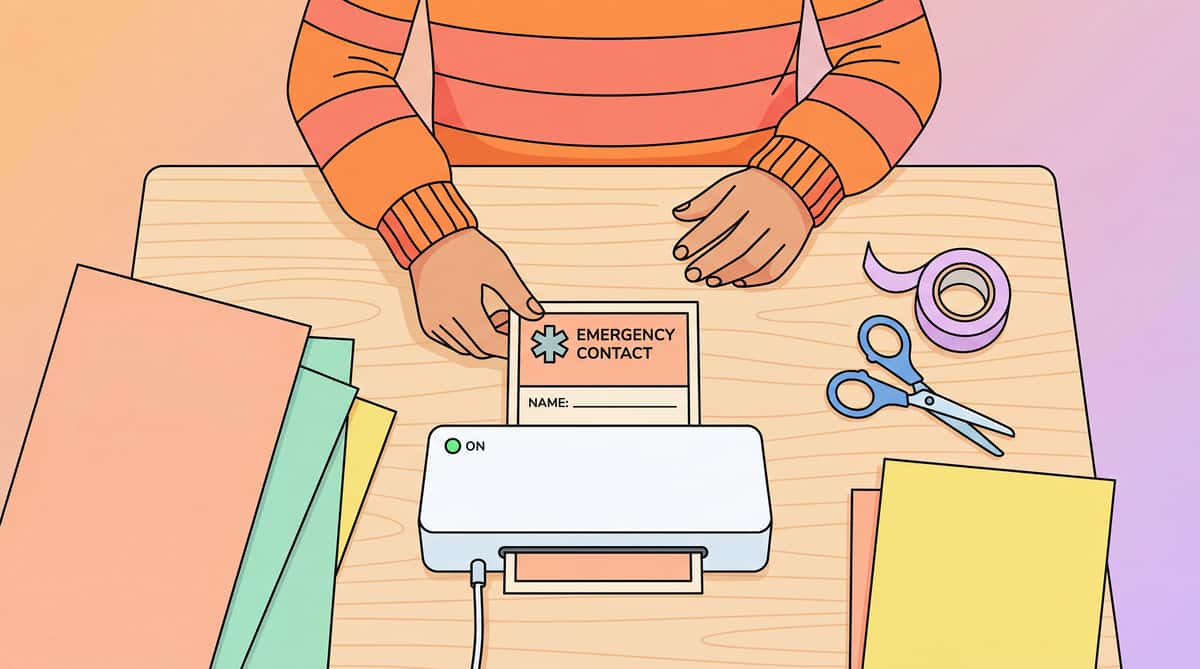
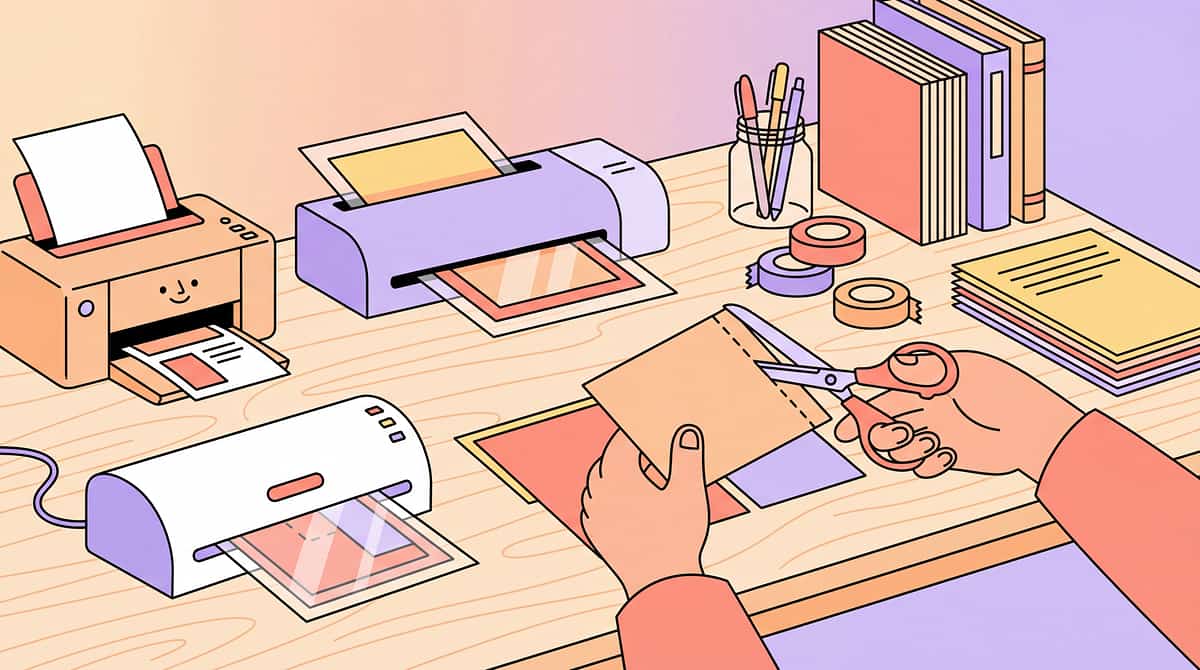
Laminate for Durability
Protect cards with lamination to ensure they remain readable and intact through daily carrying, weather exposure, and emergency handling.
Duration: Cards should be carried at all times and updated regularly to maintain accuracy and effectiveness.
Expert Perspective

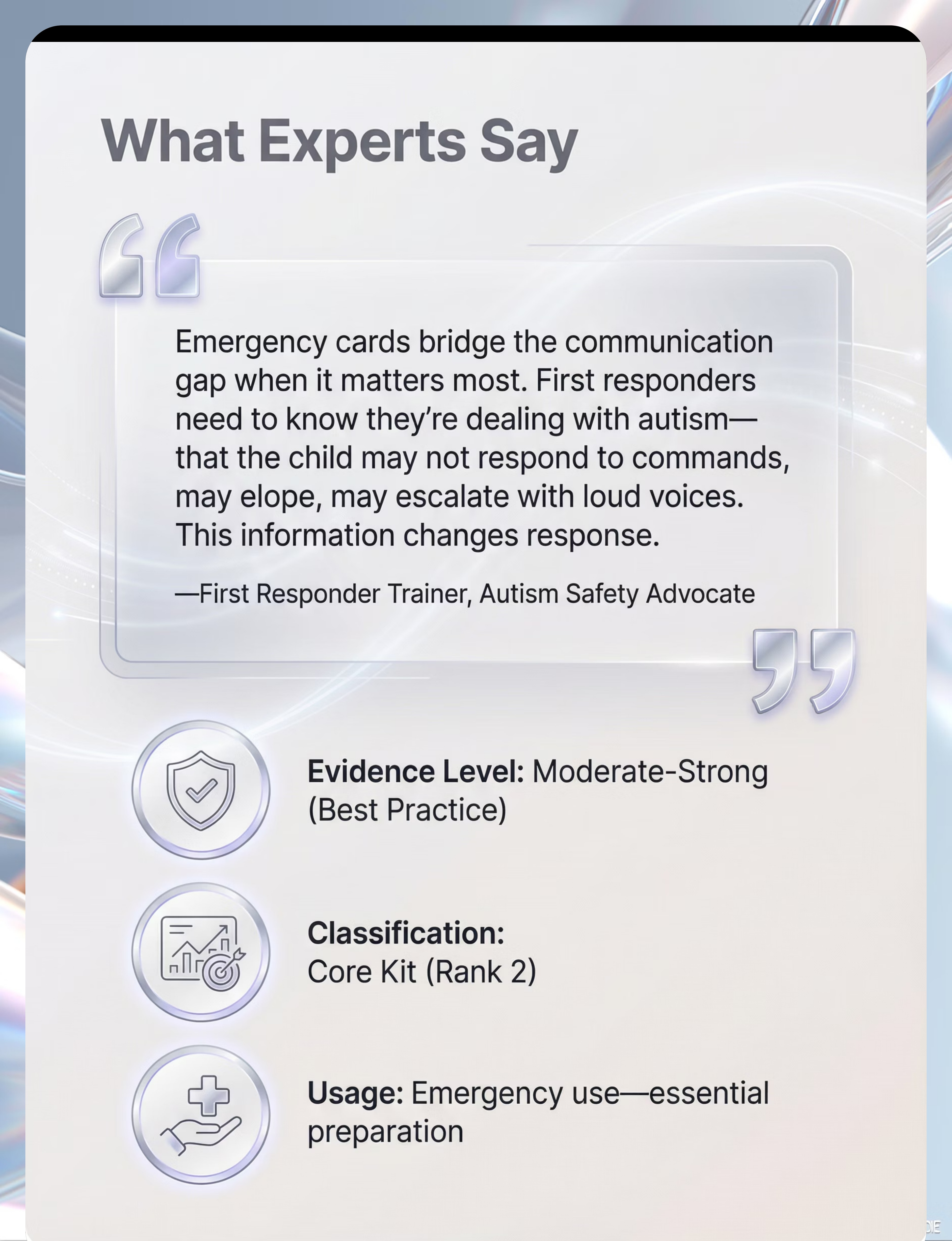
"Emergency cards bridge the communication gap when it matters most. First responders need to know they're dealing with autism - that the child may not respond to commands, may elope, may escalate with loud voices. This information changes response."
— First Responder Trainer, Autism Safety Advocate
Parent + All providers Recommended
Moderate-Strong Evidence
Rank #2 in Safety Category
Emergency information cards represent best practice in autism safety planning, recognized by first responders, medical professionals, and autism advocates as essential tools for preventing dangerous misunderstandings and ensuring appropriate emergency response.

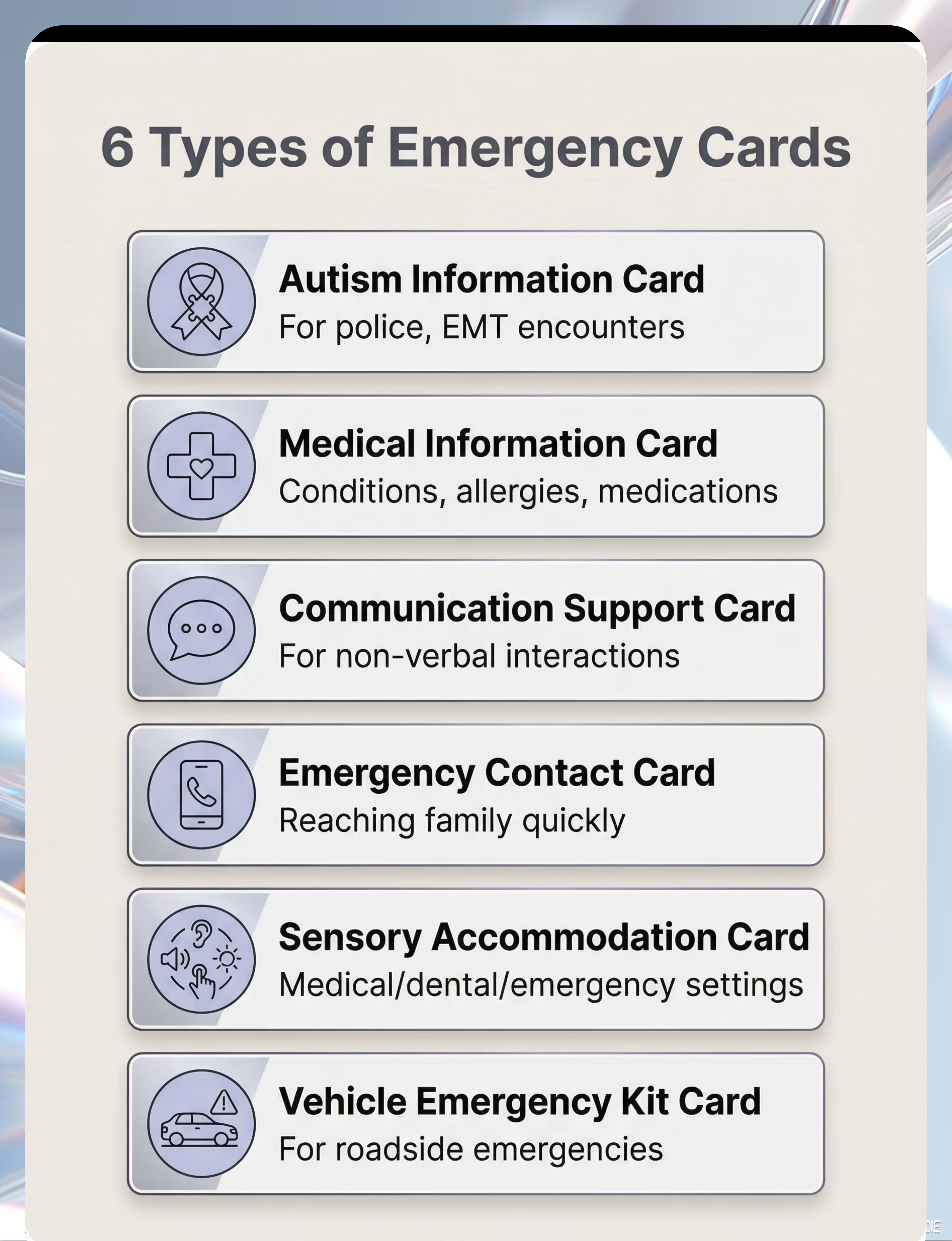
Choose Your Option (6 Variants)
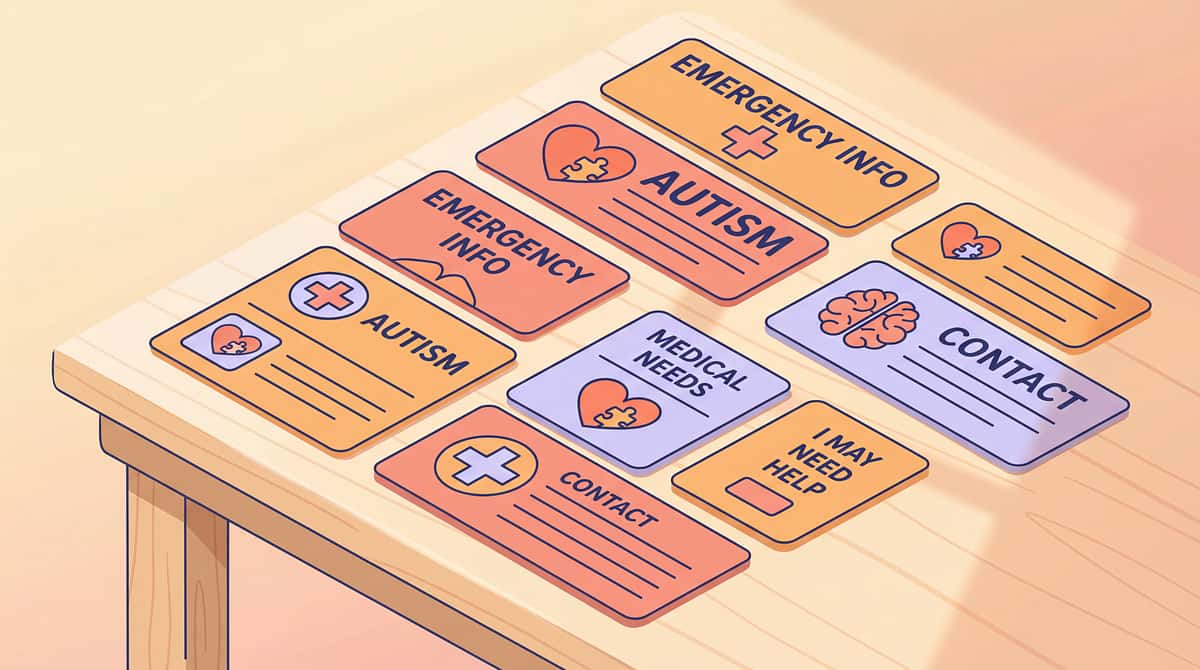
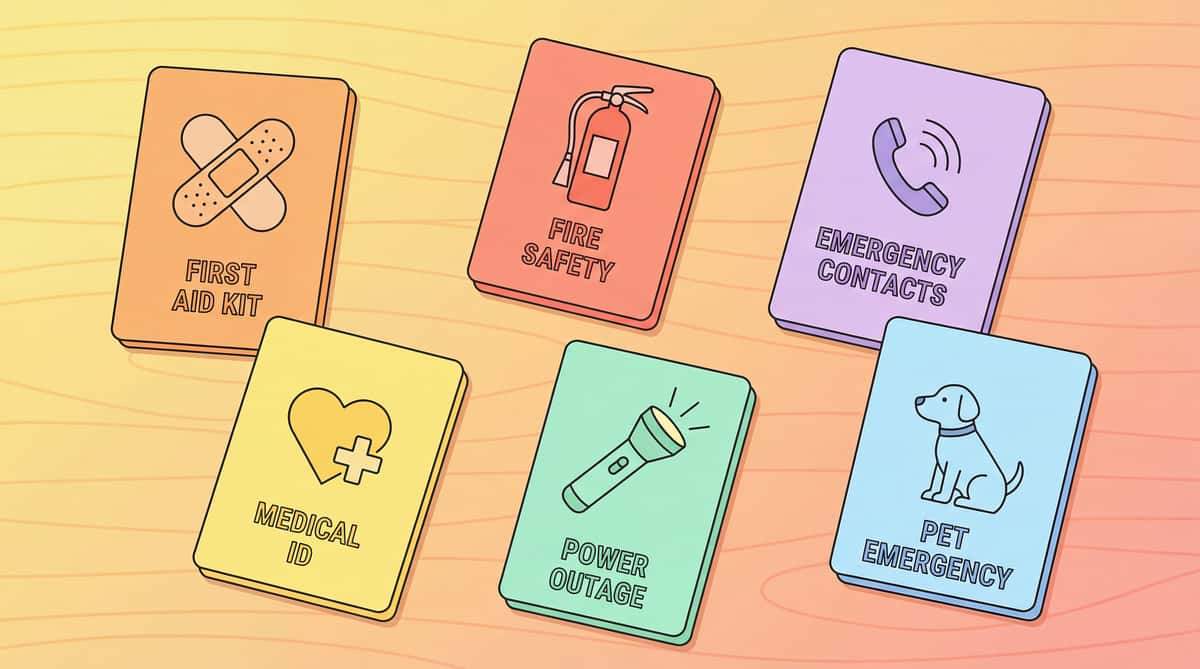
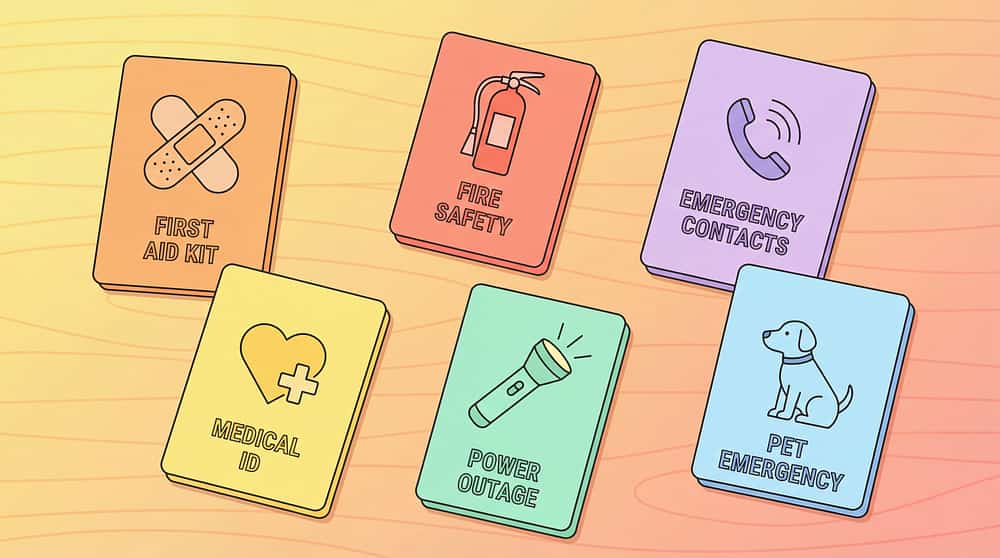
Select the emergency cards that match your child's specific needs and the situations they're most likely to encounter. Most families benefit from having multiple card types distributed across different locations.
Autism Information Card
For police, EMT encounters, and general emergencies.
Medical Information Card
Essential for medical emergencies and hospital visits.
Communication Support Card
Aids non-verbal or limited verbal interactions.
Emergency Contact Card
Ensures quick contact with family members.
Sensory Accommodation Card
Helpful in medical, dental, and emergency settings.
Vehicle Emergency Kit Card
Designed for car accidents and roadside emergencies.
Understanding Your Options
Each card type serves a specific purpose, designed to provide critical information in moments of need. Consider your child's unique profile and your family's daily routines when deciding which cards are most appropriate.
Autism Information Card
This card is crucial for interactions with first responders like police and EMTs, explaining key aspects of autism to prevent misunderstandings during emergencies. Suitable for all ages and highly portable.
Medical Information Card
Contains vital medical details, including conditions, allergies, and medications. Invaluable during medical emergencies or hospital stays, ensuring healthcare providers have immediate access to necessary information.
Communication Support Card
Specifically designed for individuals who are non-verbal or have limited verbal communication. It can explain communication methods (e.g., AAC devices) and how best to interact with your child.
Emergency Contact Card
A simple yet essential card providing immediate contact information for family members or guardians, ensuring you can be reached quickly in any situation.
Sensory Accommodation Card
Helpful in environments that can be overwhelming for individuals with sensory sensitivities, such as medical or dental offices. It provides guidance on creating a more comfortable experience.
Vehicle Emergency Kit Card
Kept in the vehicle, this card is vital for roadside emergencies or car accidents. It contains information relevant to the vehicle and its occupants, ensuring preparedness for unexpected situations on the road.
How to Choose
- By goal: Diagnosis explanation (Autism Card), medical safety (Medical Card), communication support (Communication Card), quick contact (Emergency Contact)
- By setting: General emergency (Autism + Medical + Contact), medical/dental (Sensory Accommodation), vehicle (Vehicle Kit Card)
- By portability: All except vehicle card are designed for daily carrying in wallet, backpack, or pocket
Specifications & Information Guide
Understanding the key information to include and the materials used is crucial for effective emergency cards.

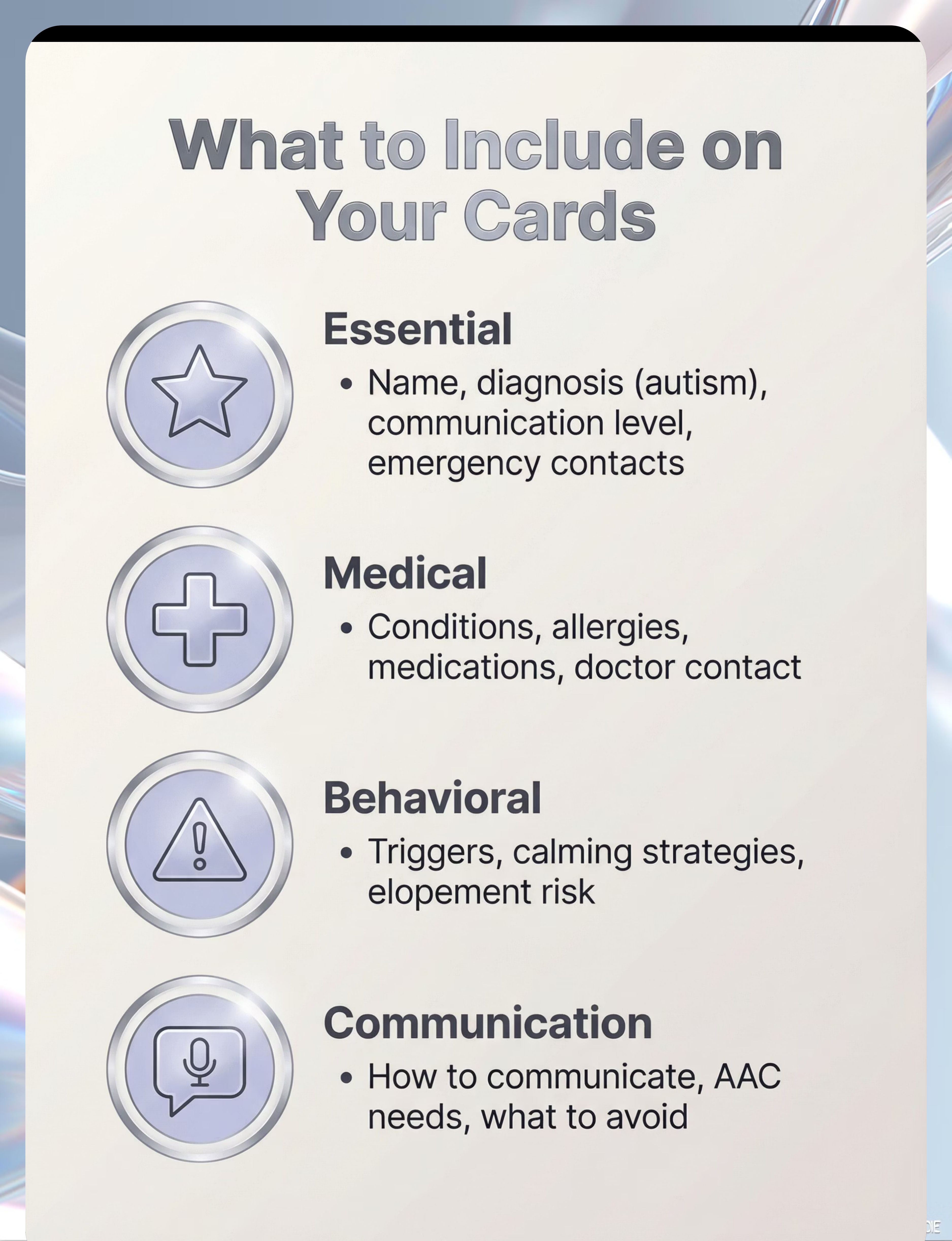
Essential Information
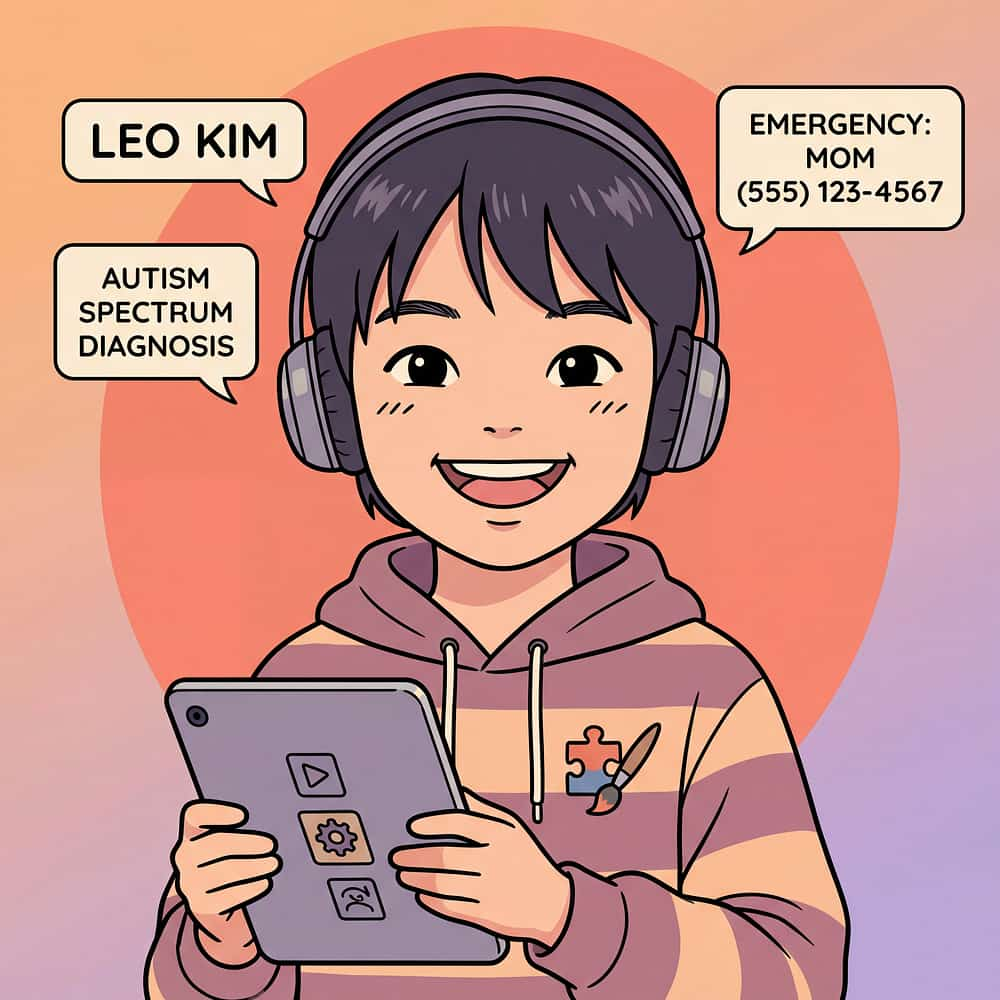
Include the child's full name, a clear "autism" diagnosis, communication level (verbal, non-verbal, limited), and parent phone numbers for emergency contacts.

Medical Details
List all relevant medical conditions, a complete allergy list, current medications and dosages, and primary physician contact information for quick medical response.

Behavioral Information
Detail what escalates distress (triggers), effective calming strategies, and whether there is an elopement risk (tendency to wander or run).

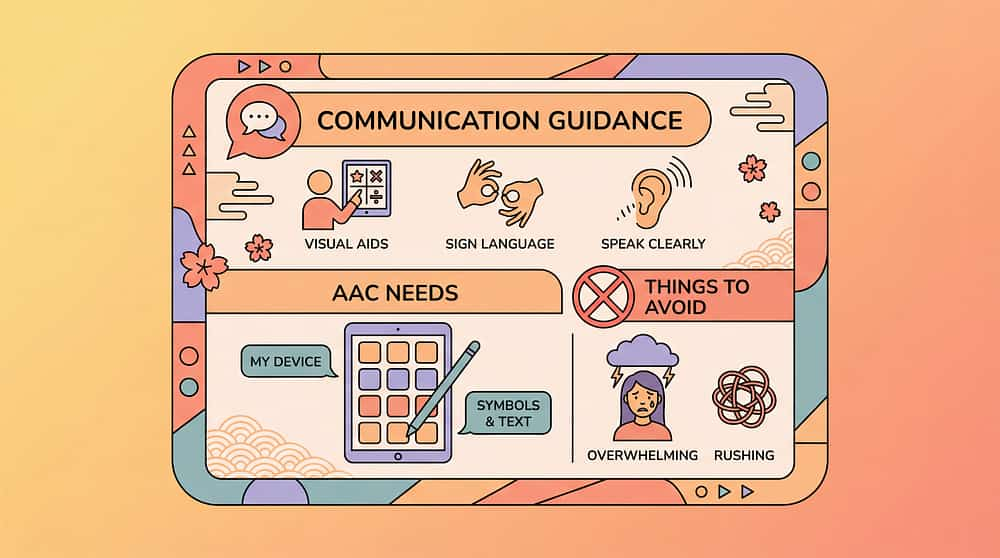
Communication Guidance
Explain preferred communication methods (e.g., simple language, visual supports), any AAC device or picture system used, and what to avoid (e.g., loud voices, sudden movements).
Materials & Features

Laminated Cardstock
A durable DIY option that is water-resistant and can last for years with proper care, offering flexibility and affordability.

Plastic Cards
A professional, highly durable, wallet-sized option with credit card thickness, ideal for maximum longevity and everyday carry.

Key Features
All cards should feature durable construction, easily accessible placement, clear concise information, and content that is regularly updated to ensure accuracy.

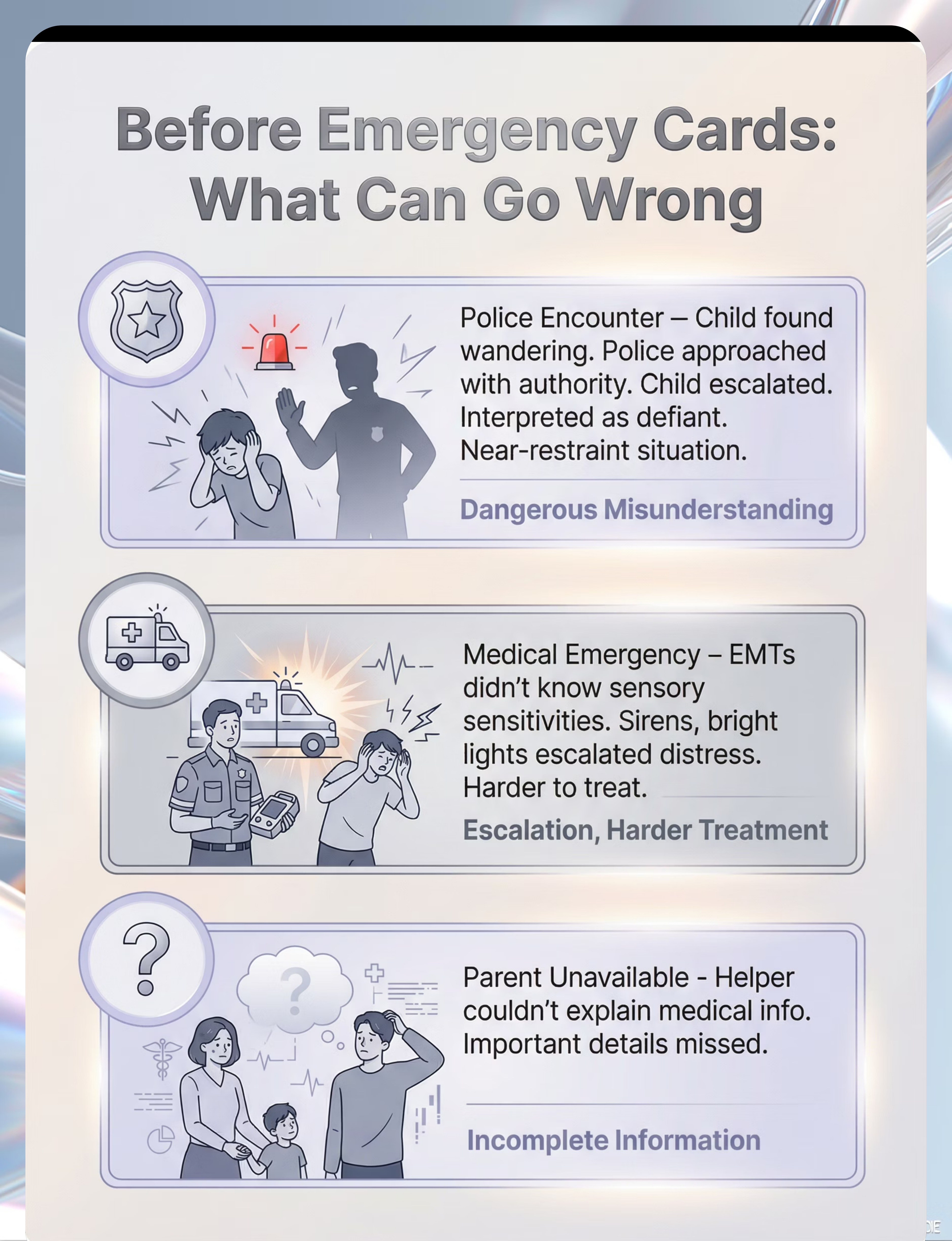
The Struggle (Before)
Police Encounter
Situation: Child was found wandering. Police approached with authority. Child escalated. Police interpreted as defiant. Near-restraint situation.
Emotion: Dangerous misunderstanding
Medical Emergency
Situation: Child had emergency. EMTs didn't know about sensory sensitivities. Sirens, bright lights escalated distress. Harder to treat.
Emotion: Escalation, harder treatment
Parent Unavailable
Situation: Child with helper when emergency occurred. Helper couldn't explain all medical info. Important details missed.
Emotion: Incomplete information
Without emergency information cards, critical details remain unknown, leading to misunderstandings, inappropriate responses, and escalated distress during already frightening emergency situations.

What to Expect (Realistic Timelines)
Cards Created
Design, print, and laminate emergency information cards with all essential information
1-2 days
Cards Distributed
Place copies in all key locations—wallet, backpack, car, with caregivers
1-2 days
First Responders Informed
Cards provide critical information to emergency personnel when needed
At time of emergency
Better Emergency Response
Informed responders modify approach based on autism and medical information
At time of emergency
Reduced Escalation
Appropriate response prevents dangerous misunderstandings and reduces trauma
At time of emergency
The benefit of emergency information cards is immediate—the moment a first responder reads the card, response quality improves. The key is ensuring cards are created, distributed, and kept current.

Is This Right for My Child? (2-Minute Check)
Does your child have difficulty communicating their diagnosis/needs?
If yes, this indicates: Emergency cards essential
Children who cannot independently explain their autism diagnosis or specific needs to first responders require emergency information cards for safety.
Does your child have medical conditions responders should know?
If yes, this indicates: Medical emergency cards essential
Medical conditions, allergies, and medications must be immediately available to medical personnel during emergencies to ensure appropriate safe care.
Does your child carry emergency information currently?
If yes: Good - review and update
If no: Create cards immediately
Cards should be accessible at all times. If not currently carrying, this is a critical safety gap to address.
Are there cards in all locations (backpack, wallet, car)?
If yes: Good coverage
If no: Distribute copies
Multiple copies in multiple locations ensure information is available regardless of circumstances or location of emergency.
Interpretation: 3+ 'yes' answers = strong fit. Emergency cards are essential safety tools for most children with autism, particularly those who may have difficulty communicating during emergencies.

Usage Guide
When to Use
Available at all times
Present during emergency interactions
When separated from parent
During medical encounters
When child cannot communicate needs
When NOT to Use
Never - always have accessible
Emergency cards should be carried at all times without exception.
Supervision by Age
Age Group | Supervision Level | Notes | |
Young children | Parent ensures cards accessible | Parent responsible for placement and updating | |
Older children | Teach child to present card | Train child to show card to helpers when possible | |
All ages | Update regularly; check location | Quarterly review of information accuracy and card placement |
Carried at all times
All settings

Safety First
Critical Safety
- Information must be current and accurate
- Cards must be accessible
- Include emergency contacts that will answer
- Include critical medical info
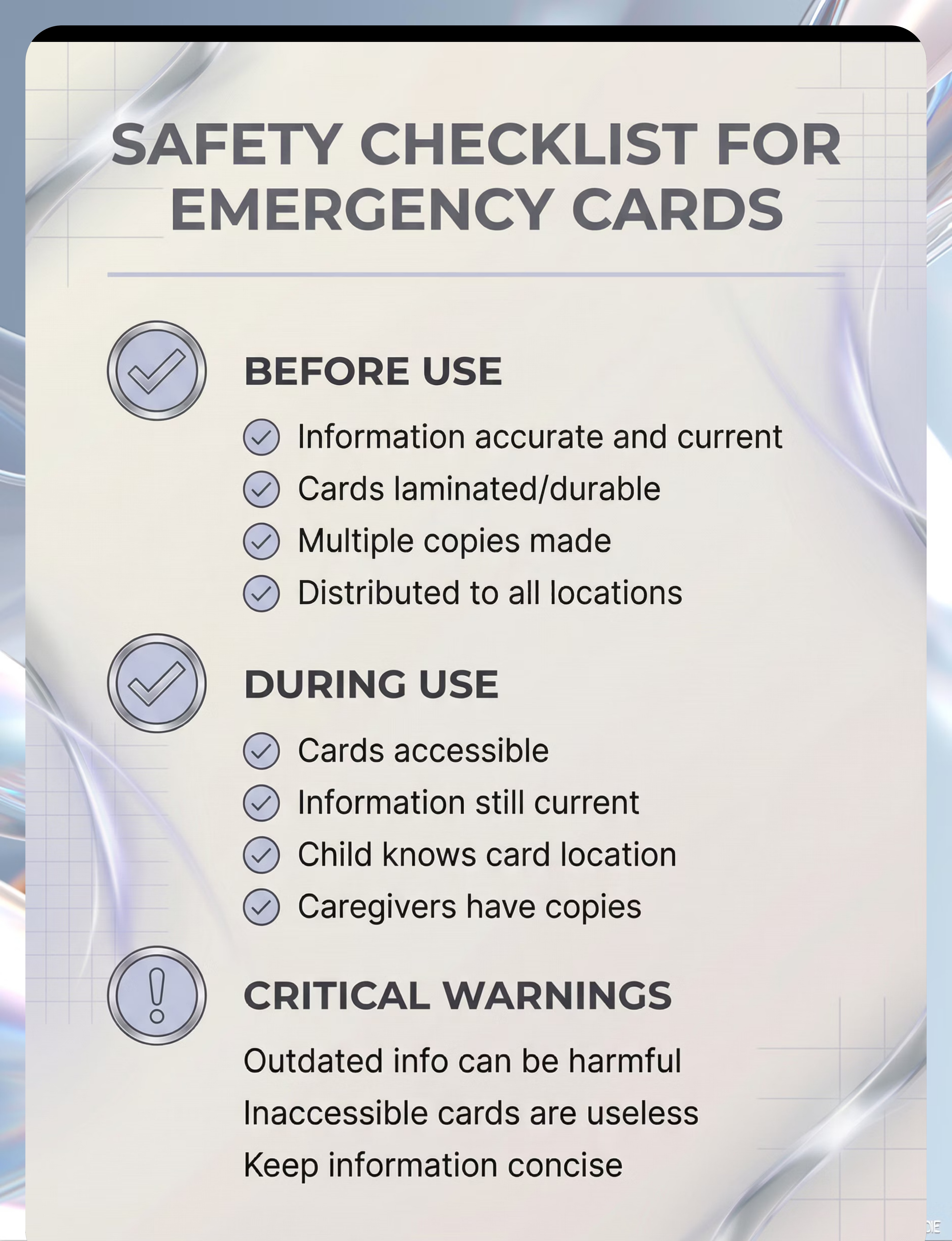
Warnings
- Outdated info can be harmful
- Inaccessible cards are useless
- Too much info won't be read - keep concise
Contraindicated
- Inaccurate information: Never include outdated or incorrect details
- Inaccessible placement: Cards hidden away or impossible to find defeat their purpose
Before Use Checklist
- Information accurate and current
- Cards laminated/durable
- Multiple copies made
- Distributed to all locations
During Use Checklist
- Cards accessible
- Information still current
- Child knows where cards are
- Caregivers have copies
Signs of Success
- Cards present in all locations
- Information current
- First responders use info
- Better emergency outcomes

Common Questions (Honest Answers)
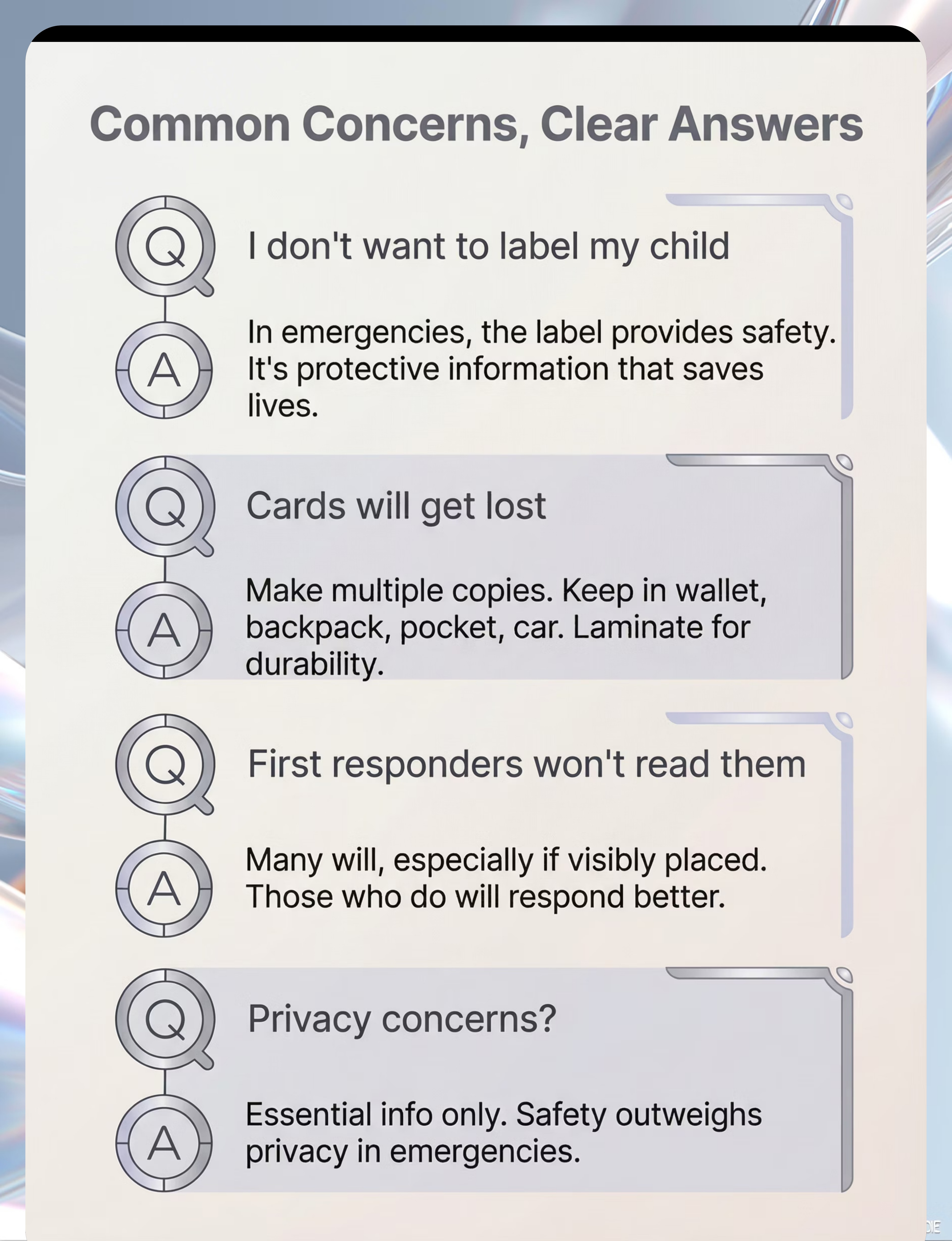
Q: "I don't want to label my child"
A: In emergencies, the label provides safety. 'Autism' tells first responders to modify approach. It's protective information. It saves lives.
Try this: Label is protective information in emergencies.
Q: "Cards will get lost"
A: Make multiple copies. Keep in wallet, backpack, pocket, car, with caregivers. Laminate for durability. Some get lost - have backups.
Try this: Multiple copies in multiple locations.
Q: "First responders won't read them"
A: Many will, especially if visibly placed. Train child to present card if possible. Register with local police. Some won't read - but those who do will respond better.
Try this: Many will read; visible placement helps.
Q: "Privacy concerns"
A: Include only essential information. Cards are only seen in emergencies. Privacy concerns < safety concerns. Balance what's shared.
Try this: Essential info only; safety > privacy in emergencies.

Investment Guide
Emergency information cards are one of the most affordable safety tools available, with highly effective DIY options requiring minimal investment while providing maximum protection.
DIY Printed & Laminated Cards | ₹50-100 | Fully effective | Print on cardstock at home or print shop, laminate with pouches or contact paper. Creates durable, professional-looking cards at minimal cost. | |
Professional Printed Cards / Card Wallet Set | ₹100-200 | Polished appearance | Professional printing services and card wallet sets from autism organizations provide polished appearance and convenient storage. |
Key Features & Benefits
Maximum Protection
Provides critical safety information in emergencies, ensuring appropriate response.
Minimal Investment
Highly affordable, with effective DIY options costing as little as ₹50.
High Effectiveness
Protection is identical whether DIY or commercial; the information is paramount.
Customizable & Accurate
Allows for personalized, comprehensive information crucial for specific needs.
Investment Progression
Initial Setup
Start with DIY printing and lamination, focusing on content accuracy.
Durability & Distribution
Laminate cards for longevity and distribute multiple copies to key individuals and locations.
Consider Professional Upgrade
If desired, invest in professionally printed cards for a polished look and added convenience.
Ongoing Review
Regularly review and update card information to ensure continued relevance and effectiveness.
Best starting point: DIY printed and laminated cards provide excellent durability and effectiveness at the lowest cost. Invest time in creating accurate comprehensive information rather than spending more on professional printing.

Where to Buy in India
Availability: DIY / Templates Available
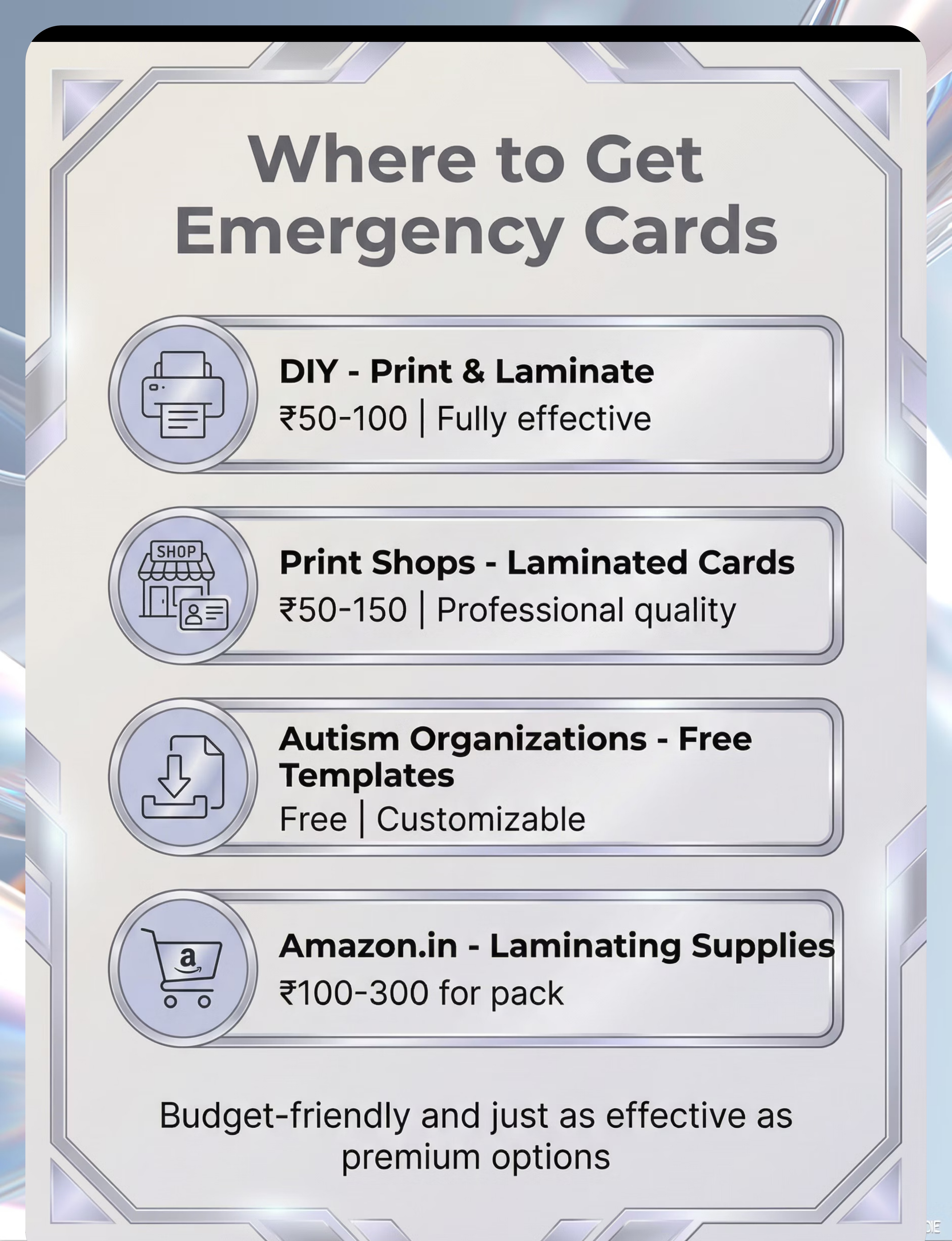
DIY (Print and Laminate Yourself)
Price: ₹50-100
Most cost-effective option, offering full control over content and design.
Print Shops (Laminated Card Printing)
Price: ₹50-150
Achieve professional quality with durable laminated cards from local print shops.
Autism Organizations (Emergency Card Templates)
Price: Free templates
Download and customize templates. Often provide guidelines and support.
Amazon.in (Laminating Pouches)
Price: ₹100-300
Purchase laminating pouches for DIY cards; packs usually contain multiple for several cards.
Buying Tips
- Utilize free templates from autism organizations.
- Print on cardstock and laminate for enhanced durability.
- Ensure multiple copies are kept in all necessary locations.
- Include a clear photo of the child for easy identification.
- Regularly review and update information to maintain accuracy.
Red Flags to Avoid
- Absence of any emergency cards.
- Outdated or incorrect information on cards.
- Cards that are not easily accessible when needed.
- Overly detailed cards; keep information concise and critical.

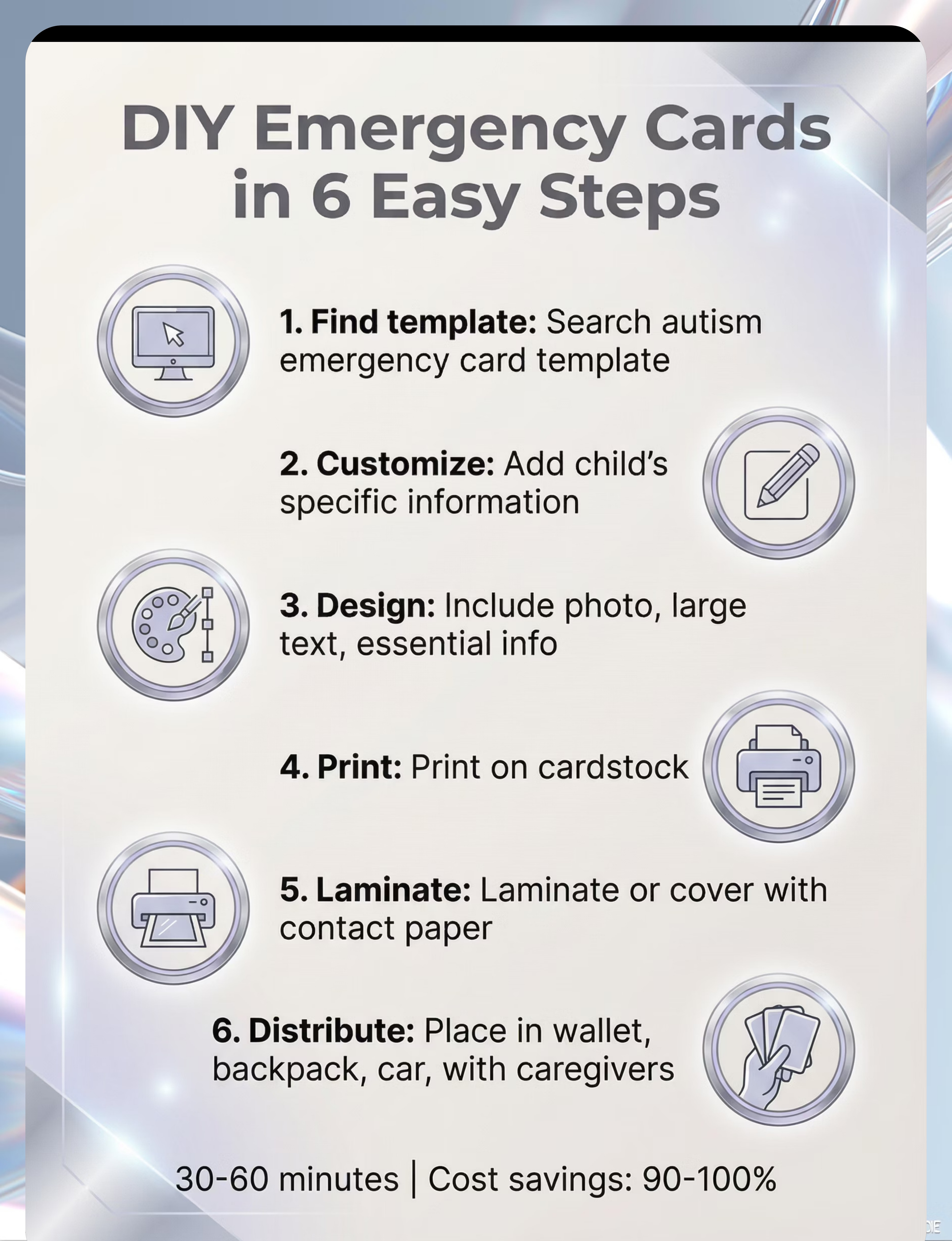
DIY Alternative (Save 90-100%)
₹50
Total Cost
Complete DIY card set costs ₹50-100
90%
Cost Savings
Save 90-100% compared to commercial options
60min
Time Required
30-60 minutes total to create complete set
Materials Needed
- Computer/printer (or print shop access)
- Cardstock paper
- Laminating pouches or contact paper
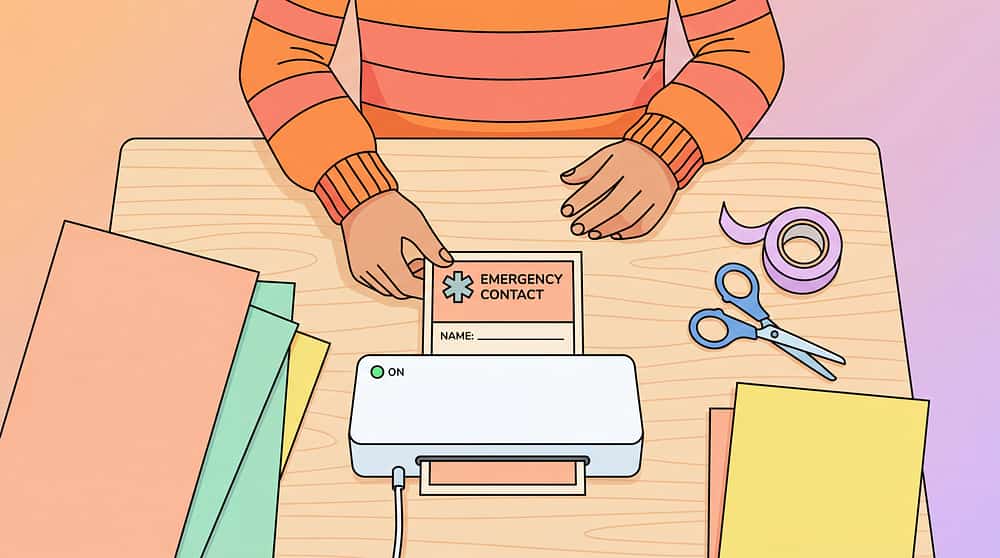
Step-by-Step Instructions
1
Find template
Search 'autism emergency card template' to find free downloadable templates from autism organizations
2
Customize
Add child's specific information—diagnosis, communication level, triggers, calming strategies, medical details, emergency contacts
3
Design
Include photo of child, use large clear text, organize essential information in easy-to-scan format
4
Print
Print multiple copies on cardstock at home or local print shop for durability
5
Laminate
Laminate with pouches and laminating machine, or cover with contact paper for water-resistance and durability
6
Distribute
Place copies in all critical locations—child's wallet, backpack, car glove box, with all regular caregivers
DIY vs Commercial Comparison
1
When to DIY
Almost always - DIY is highly effective
DIY emergency cards are just as effective as commercial options. The information content is what matters, not professional printing.
2
When to Buy Commercial
- If you want professional appearance
- Bulk ordering for organization
Tradeoffs: DIY is just as effective as commercial. There are no significant tradeoffs—homemade laminated cards provide identical protection to professionally printed cards.

Real Stories from Indian Families
Across India, parents are finding peace of mind and vital support in emergencies, thanks to personalized emergency information cards. These testimonials reflect the profound impact these simple tools have on the safety and well-being of children with autism.
Priya, Mumbai
During an unexpected seizure, my son's emergency card immediately informed paramedics about his medical history and communication needs. It streamlined his care, ensuring he received the right treatment without delay.
Rahul, Bengaluru
My daughter wandered off in a crowded market. Thanks to her card, a kind stranger and then the police quickly understood her non-verbal cues, identified her, and contacted us directly. It was a terrifying moment, but the card saved us precious time.
Anjali, Delhi
When my son experienced a public meltdown, his emergency card helped bystanders and police understand his autism and de-escalate the situation. It prevented misunderstandings and ensured he was treated with empathy and appropriate support.
Preview of emergency information cards Therapy Material
Below is a visual preview of emergency information cards therapy material. The pages shown help educators, therapists, and caregivers understand the structure and content of the resource before use. Materials should be used under appropriate professional guidance.


Share this resource
Help others discover thisLink copied!

Measuring Success & Complete Support
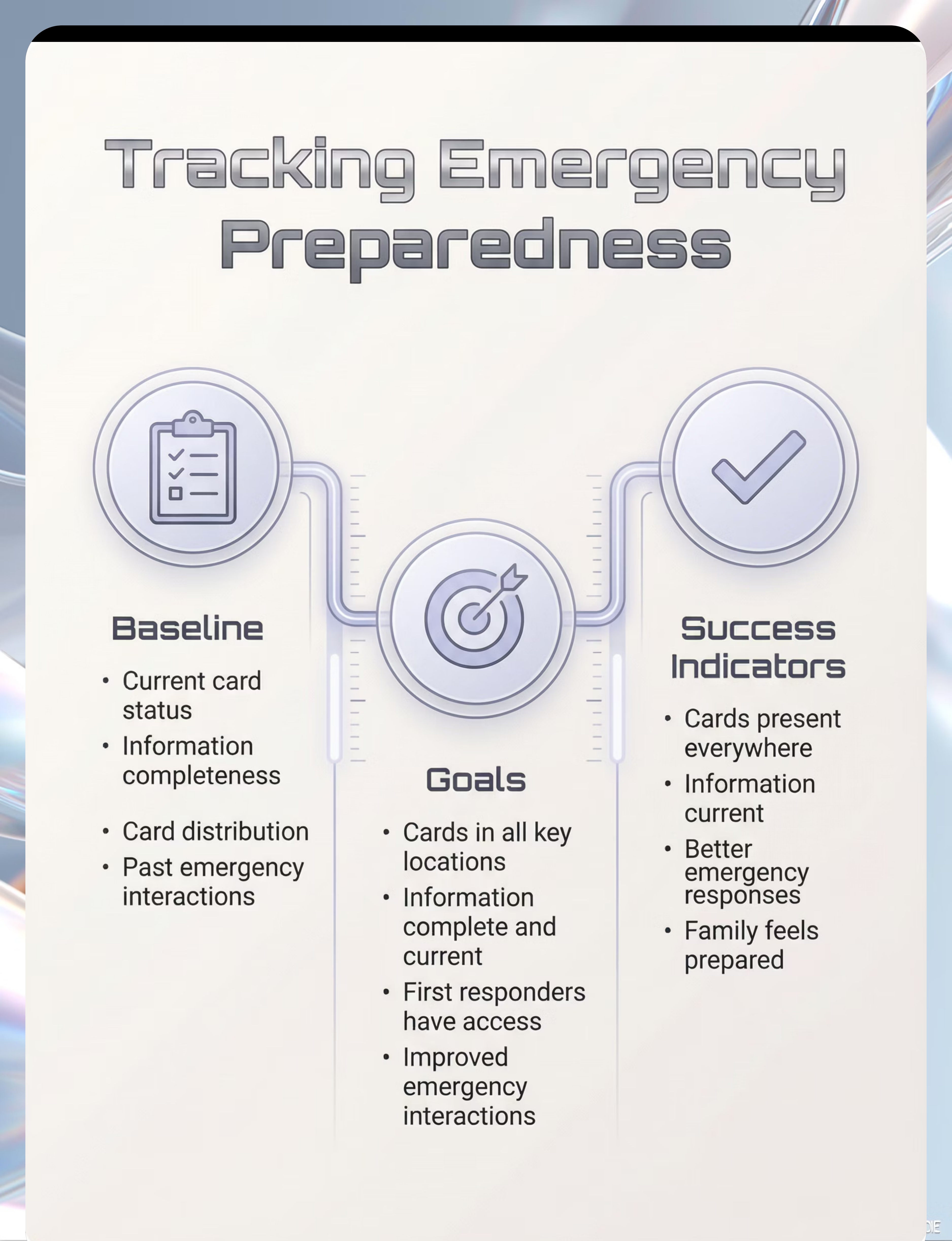
Track Progress
Baseline
- Current emergency card status
- Information completeness
- Card distribution
- Past emergency interactions
Goals
- Cards in all key locations
- Information complete and current
- First responders have access
- Emergency interactions improved
Success Indicators
- Cards present everywhere
- Information current
- Better emergency responses
- Family feels prepared
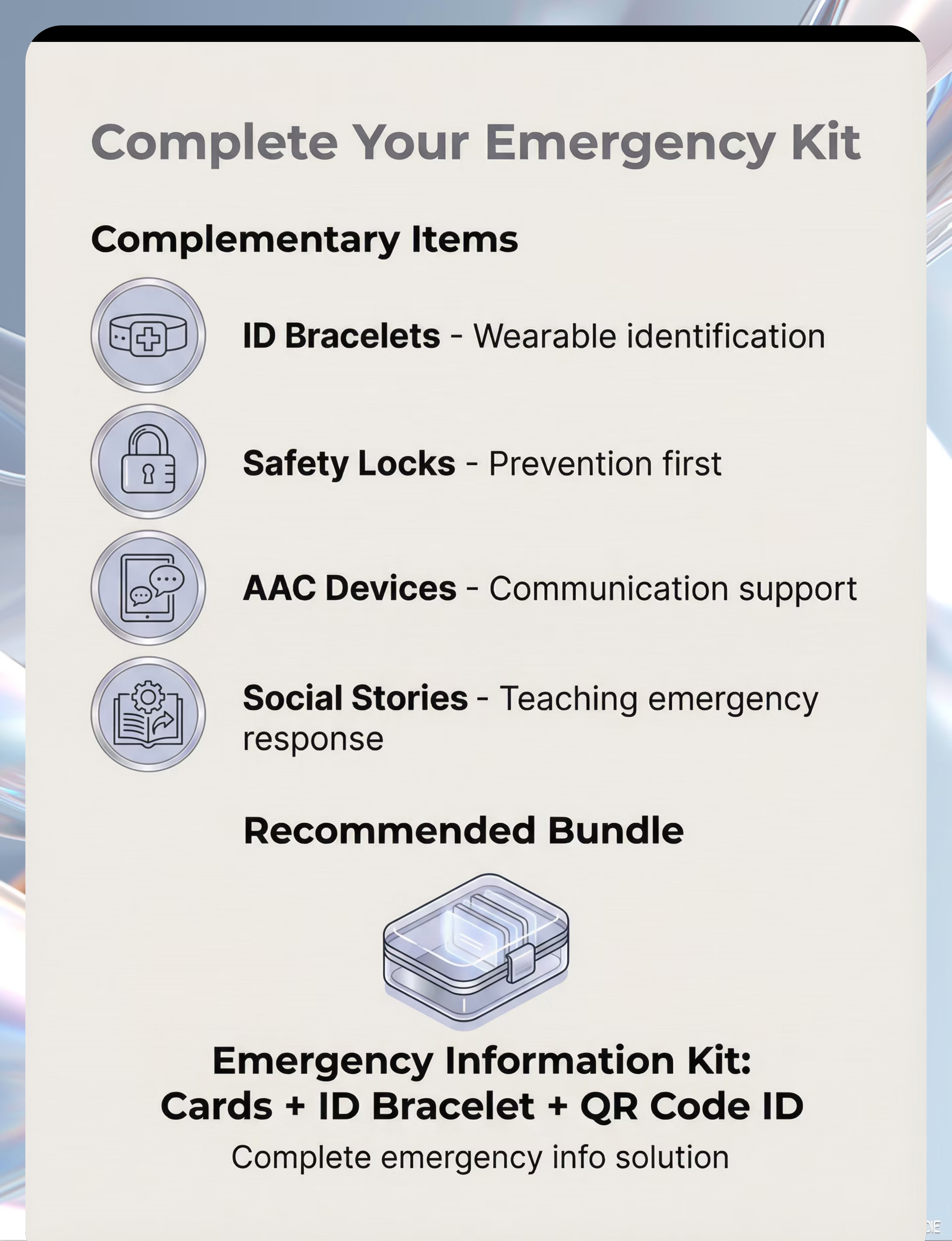
Complete the Kit
Pair emergency information cards with these complementary tools:
ID Bracelets (13.2)
Wearable identification that remains with child even if cards are lost or inaccessible
Safety Locks (13.1)
Prevention-first approach—prevent emergencies through environmental safety modifications
AAC Devices (5.1)
Communication support that helps child express needs directly, reducing reliance on cards alone
Social Stories (4.1)
Teaching tools that prepare child for emergency situations and appropriate responses
Emergency Information Kit Bundle: Emergency Information Cards (13.5) + ID Bracelet (13.2.1) + QR Code ID (13.2.4) = Complete emergency information system
First Responder Kit Bundle: Autism Information Card (13.5.1) + Medical Information Card (13.5.2) + Communication Support Card (13.5.3) = All essential cards for emergencies
Quick Summary
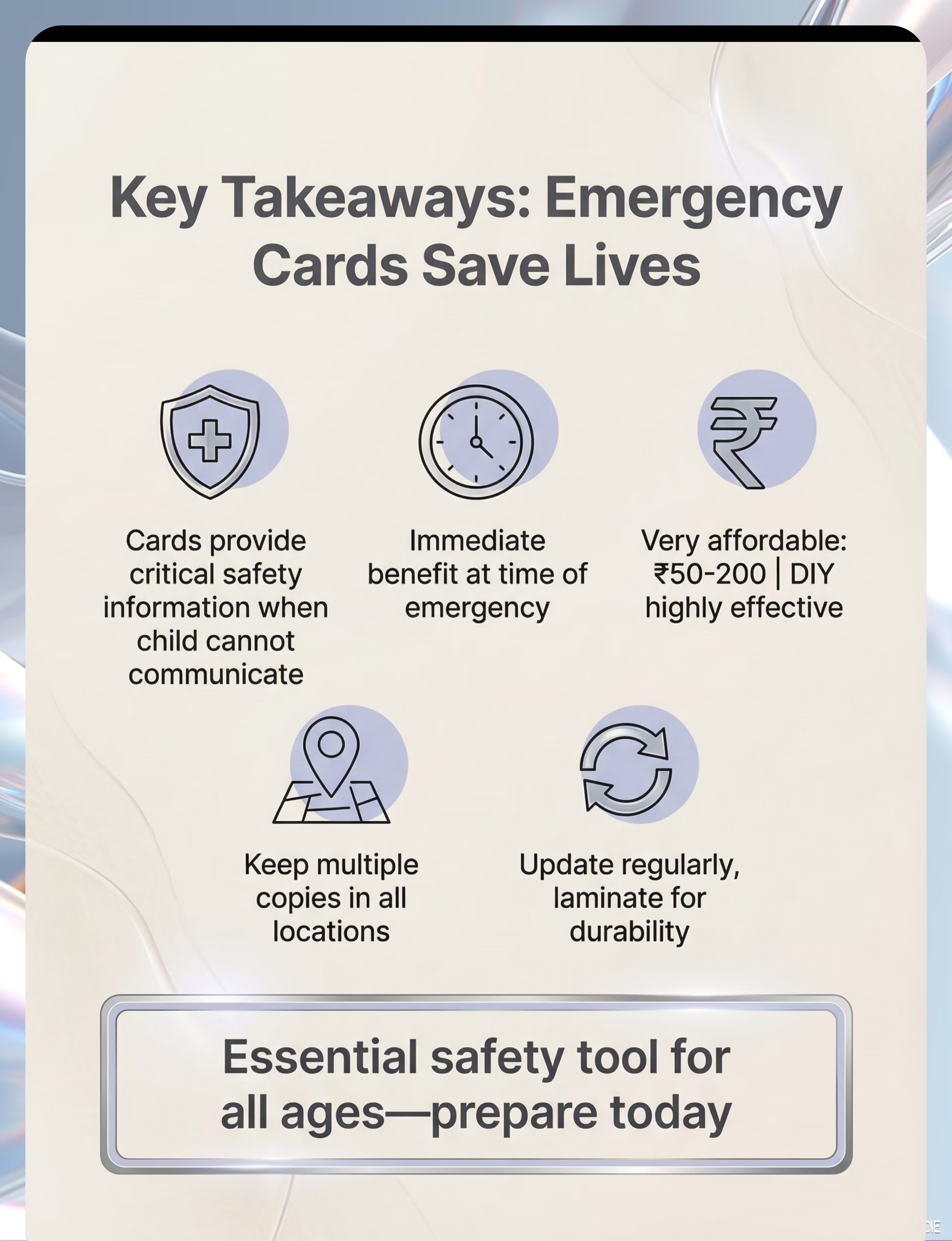
Emergency information cards provide critical communication when children cannot explain their autism, medical conditions, or needs to first responders and helpers. These simple, inexpensive tools bridge the communication gap during emergencies, transforming dangerous misunderstandings into informed, appropriate responses. Core Kit (Rank 2), moderate-strong evidence, essential emergency preparation.
emergency
information
cards
first responders
medical
communication
core-kit
Common searches: autism emergency card, medical information card, first responder autism, emergency contact card, autism police card, sensory accommodation card, non-verbal emergency
Get Support
FREE National Autism Helpline
Phone: 9100 181 181
Languages: 16+ languages supported
Website: pinnacleblooms.org
Expert guidance on creating emergency information cards, registering with local first responders, and comprehensive autism safety planning.
Platform Integration
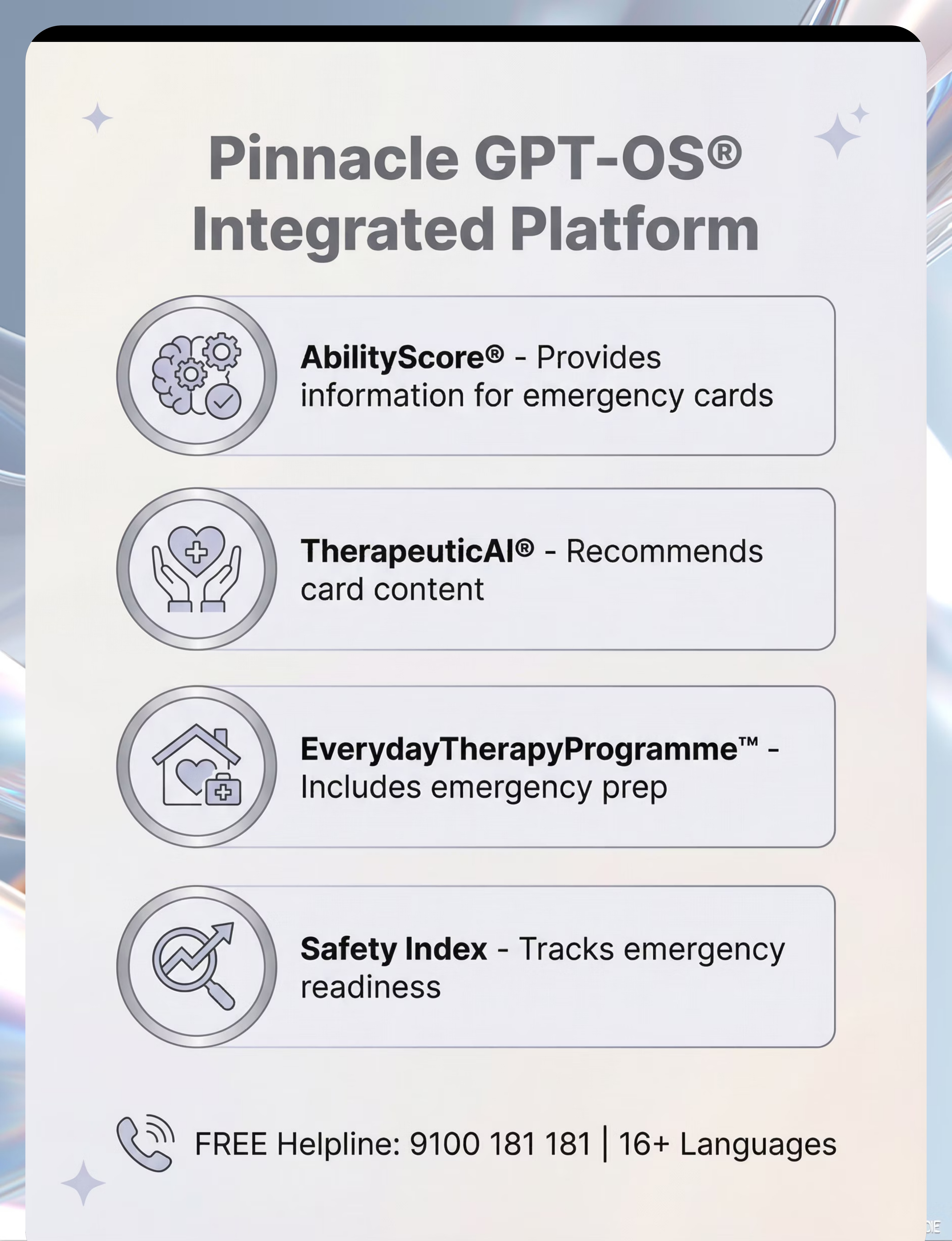
AbilityScore® assessment provides specific information to include on cards based on your child's unique profile. TherapeuticAI® recommends card content customization. EverydayTherapyProgramme™ includes emergency preparedness modules. Safety Index tracks emergency readiness.
Disclaimer: This is educational information. Always consult qualified occupational therapists, speech-language pathologists, or pediatricians. Individual results vary. Emergency information cards are protective tools but do not guarantee specific outcomes in emergency situations.