
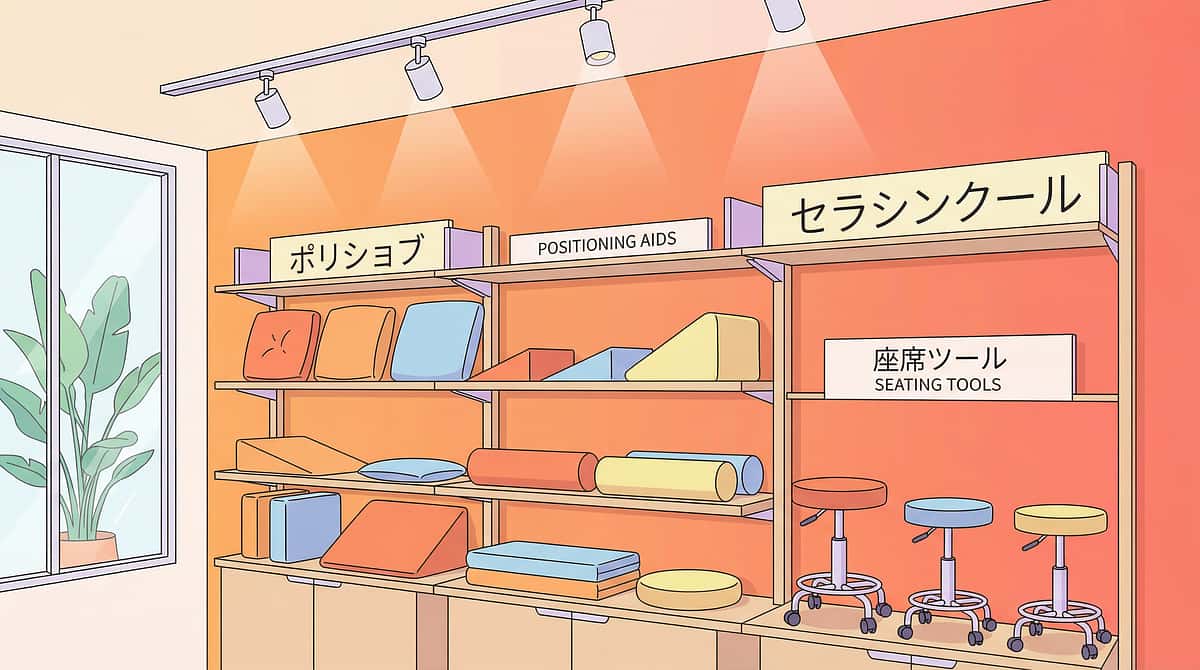
Positioning & Seating Materials
Evidence-based resources for proper positioning, postural control, and dynamic seating needs in therapy and educational settings
Intended Users
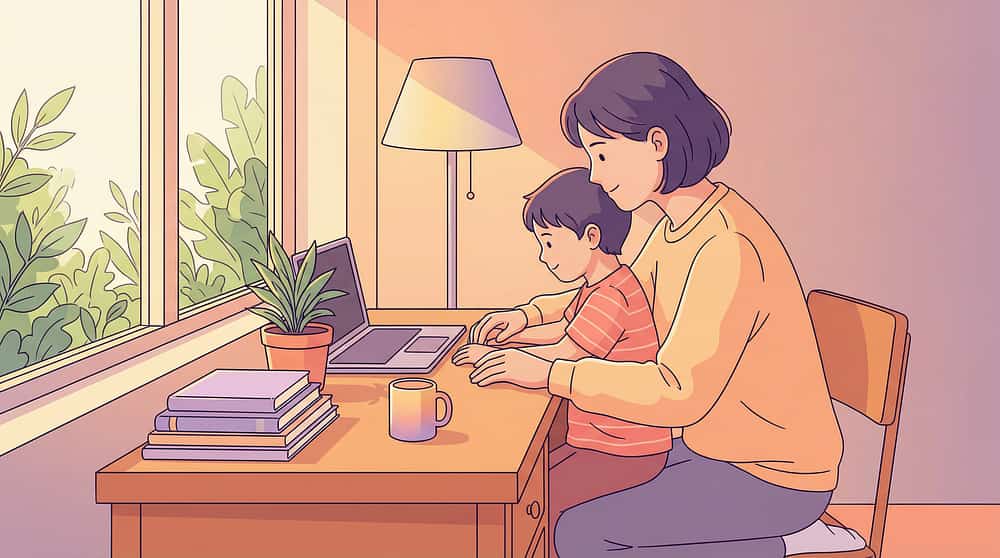
For Parents
Home-based positioning support with professional guidance for daily routines, homework sessions, and mealtime seating. These materials enable parents to implement therapist recommendations consistently across home environments.
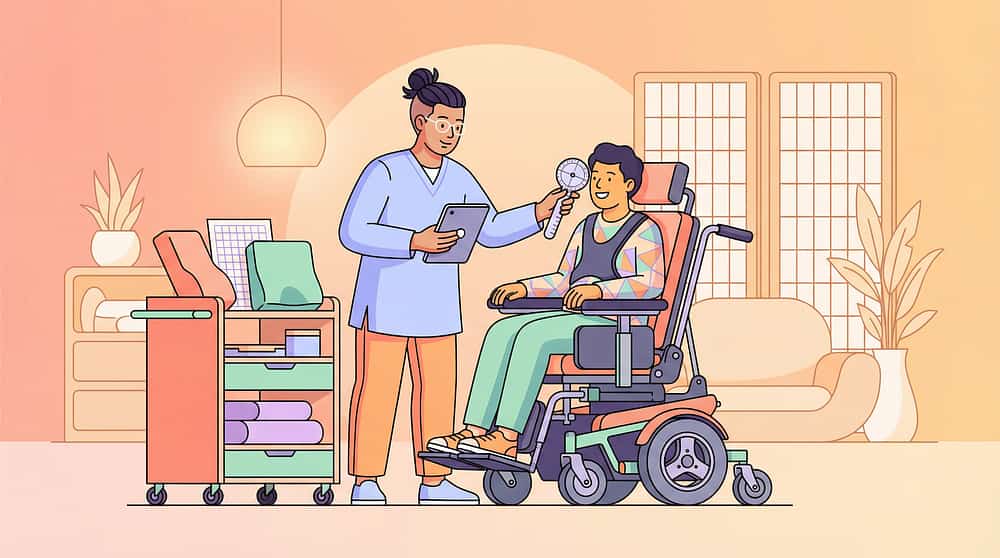
For Therapists
Clinical seating assessment tools and positioning intervention materials for occupational and physical therapy sessions. Supports evidence-based practice in addressing postural control and sensory regulation goals.
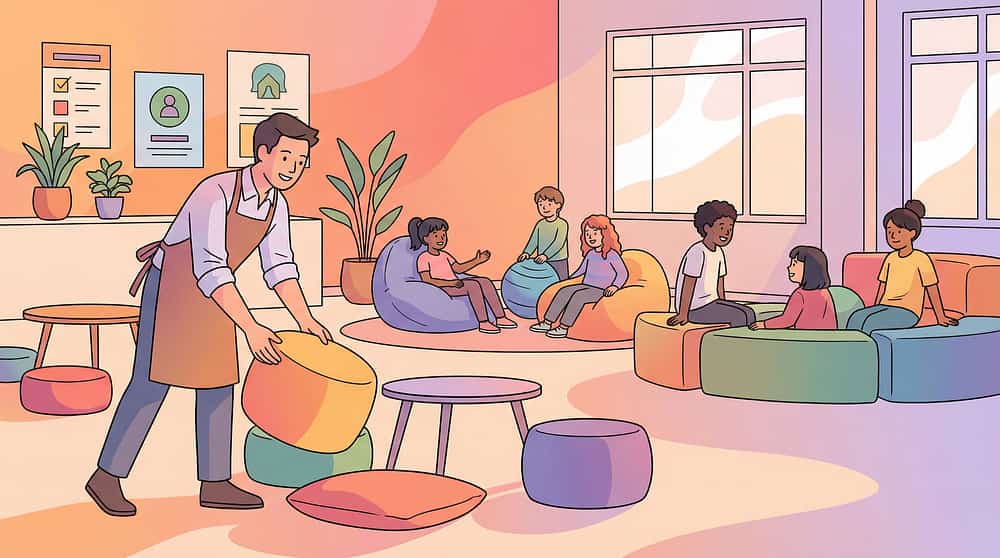
For Schools & Educators
Classroom seating accommodations and flexible seating options that support diverse learning needs. Enables special educators and general education teachers to provide appropriate positioning modifications.

For Doctors & Clinicians
Positioning recommendations for developmental planning and medical management. Supports pediatricians and developmental specialists in making appropriate referrals and understanding positioning interventions.

Material 12.1: Wobble Cushions / Seating Discs
Core Kit - Rank 1
Dynamic Seating
Overview
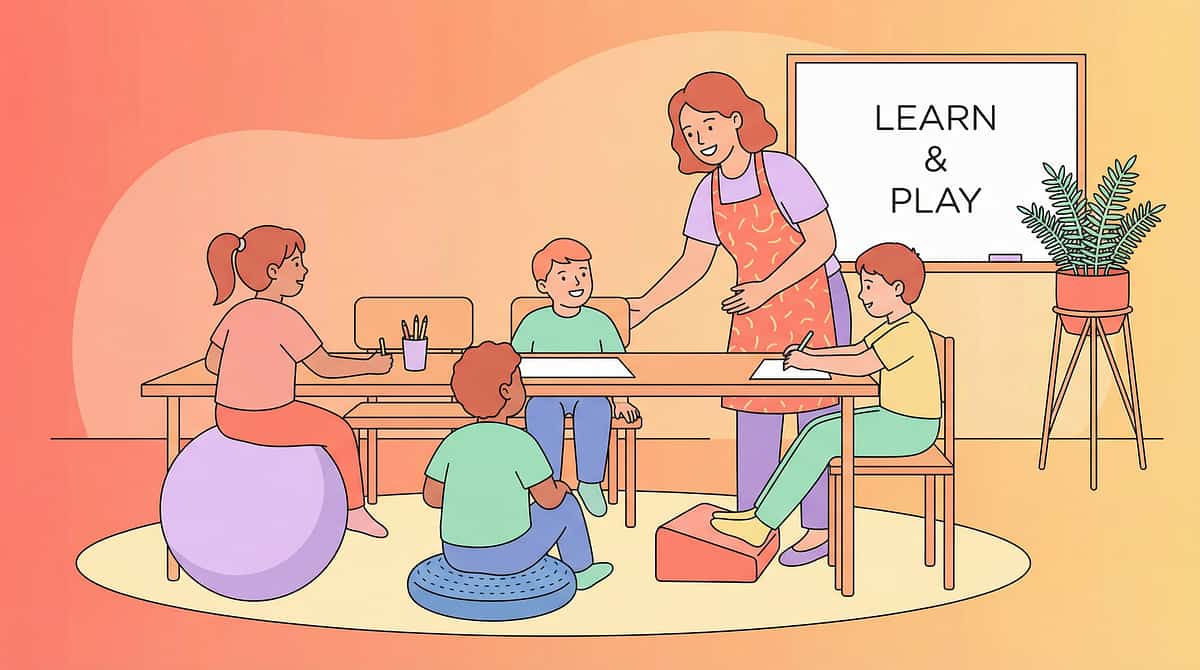
Wobble cushions provide dynamic seating surfaces that channel movement needs while maintaining seated position. These inflatable discs create an unstable surface requiring constant micro-adjustments, which engage core muscles and deliver regulated proprioceptive input. The continuous subtle movement satisfies sensory-seeking needs without requiring the child to leave their seat, making them particularly valuable in classroom and home settings.
The mechanism operates through a feedback loop: the unstable surface requires constant micro-adjustments from postural muscles, which engages the core musculature and provides proprioceptive input to the nervous system. This sensory input often improves regulation and attention, particularly for children who seek movement throughout the day. The amount of instability can be adjusted by varying inflation levels, allowing customization to individual needs and gradual progression as core strength improves.
Target Areas
- Core strength and postural muscle activation
- Postural control and dynamic sitting balance
- Sustained attention during seated tasks
- Sensory regulation for movement seekers
- Sitting tolerance for tabletop activities
- Balance responses and equilibrium reactions
Price Range
₹300 - ₹1,200 depending on size, quality, and texture features
Inflation Adjustment
Adjust inflation level for the child's specific needs. More air creates greater instability, while less air provides gentler input. Start with lower inflation and increase gradually.
Proper Positioning
Position cushion properly on the chair seat, ensuring it doesn't hang off edges. Child's feet should reach floor or footrest for optimal stability foundation.
Individual Response
Monitor carefully as dynamic seating isn't appropriate for all children. Some benefit significantly while others become more distracted. Assess response objectively.
Texture Options
Place textured side up for additional tactile sensory input when appropriate. Smooth side may be preferable for children sensitive to texture.
Material 12.2: Therapy Ball Chairs
Core Kit - Rank 2
Maximum Dynamic Seating
Overview
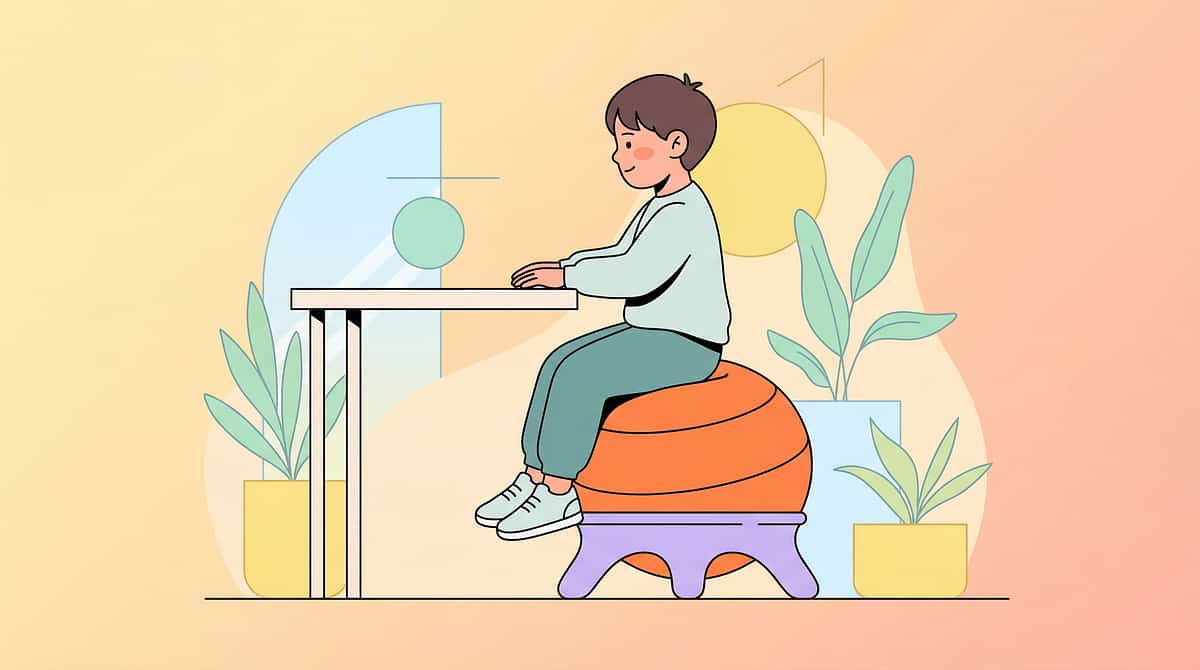
Therapy ball chairs provide maximum dynamic seating for children with high movement-seeking profiles. These chairs deliver intense vestibular input and require constant core engagement, making them appropriate for children who need significant movement input to maintain regulation and attention. The therapy ball creates a highly unstable surface that demands continuous postural adjustments and balance responses.
The mechanism provides maximum instability, which generates intense vestibular system activation through the continuous rocking and balancing movements. This constant core muscle activation channels the child's movement needs in a socially acceptable, task-appropriate manner. For high sensory seekers, this intense input can improve regulation where less dynamic options prove insufficient. However, the high level of movement makes these chairs inappropriate for many children, requiring careful assessment before implementation.
Target Areas
- Core strength with maximum engagement demands
- Vestibular input for high sensory seekers
- Sensory regulation for movement-driven profiles
- Postural control with dynamic challenge
- Attention regulation (for specific profiles)
- Channeled movement outlet during seated work
Price Range
₹1,500 - ₹5,000 for ball chair with stability base
1
Appropriate Sizing
Size ball chair appropriately so hips and knees achieve 90-degree angles when seated. Proper sizing ensures safety and optimal postural alignment despite the dynamic surface.
2
Stability Base
Use stability ring or base design in classroom settings for safety. This prevents the ball from rolling away while maintaining the dynamic movement benefits.
3
Not Universal
Carefully assess individual response as ball chairs are not appropriate for all children. Many children require less dynamic options like wobble cushions instead.
4
Safety Supervision
Supervise use until safe seating habits are firmly established. Teach appropriate use and monitor for safety concerns during initial implementation period.
Material 12.3: Foot Rests / Positioning Aids
Core Kit - Rank 1
Foundational Support
Overview
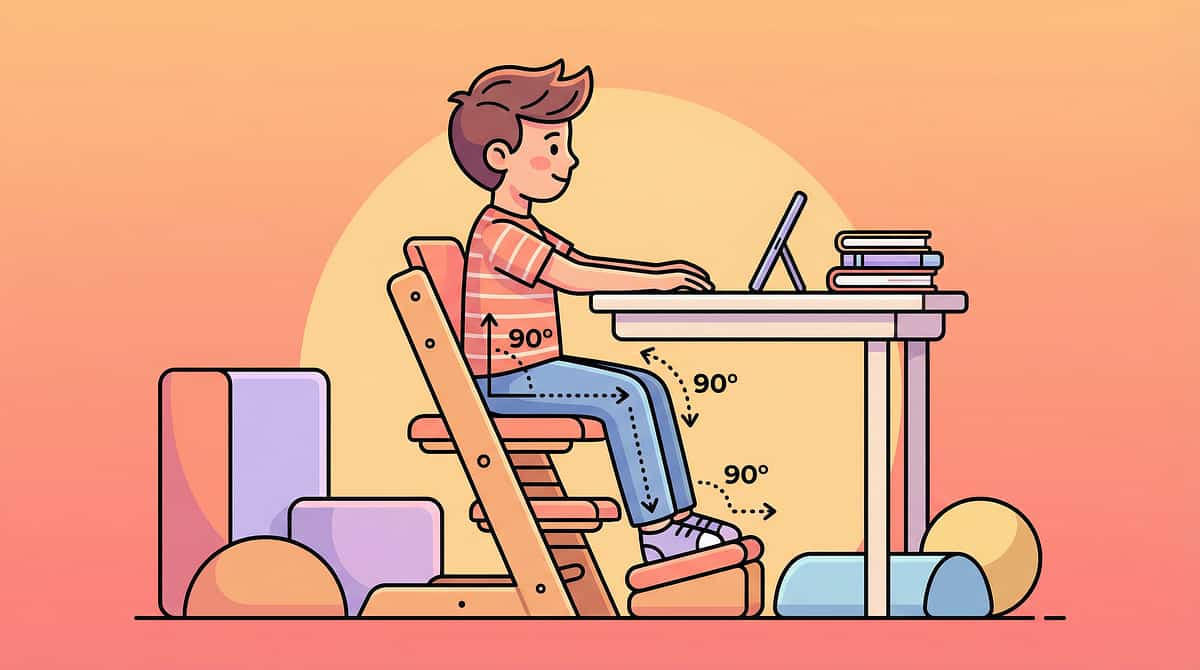
Foot rests and positioning aids provide the foundational support necessary for proper seated posture by ensuring feet have a stable surface. When feet dangle without support, the body lacks a stable base, compromising postural control and increasing physical fatigue during seated tasks. Foot rests address this fundamental positioning need while some designs also offer movement outlets for children who benefit from lower extremity fidgeting.
The mechanism works through biomechanical principles: supported feet create a stable base, which allows the pelvis to maintain proper positioning, which enables the trunk and spine to achieve optimal alignment. This reduces the energy expenditure required to maintain upright posture, decreasing fatigue and freeing attentional resources for learning tasks. Optional movement features like resistance bands provide a subtle proprioceptive outlet that can enhance attention for some children without compromising postural stability.
Target Areas
- Postural stability through stable base of support
- Core support via proper pelvic positioning
- Sensory regulation through optional movement
- Movement outlet for lower extremity fidgeting
- Sustained attention during seated activities
- Seated tolerance and reduced fatigue
Price Range
₹50 - ₹1,500 depending on adjustability and features
Proper Positioning
Feet should rest flat on the support surface with ankles at 90 degrees. This completes the foundational 90-90-90 positioning essential for optimal seated posture.
Movement Options
Consider movement-enabling designs like resistance bands for children who benefit from lower extremity fidgeting during focused tasks. Provides proprioceptive input without leaving seat.
Adjustable Height
Select height-adjustable options when possible to accommodate growth and allow use with different seating surfaces. Maintains proper positioning as child grows.
Foundation First
Address foot support as the essential foundation before implementing other seating modifications. Unsupported feet undermine the effectiveness of other positioning interventions.
Material 12.4: Desk / Chair Modifications
Extended Kit - Rank 2
Ergonomic Optimization
Overview
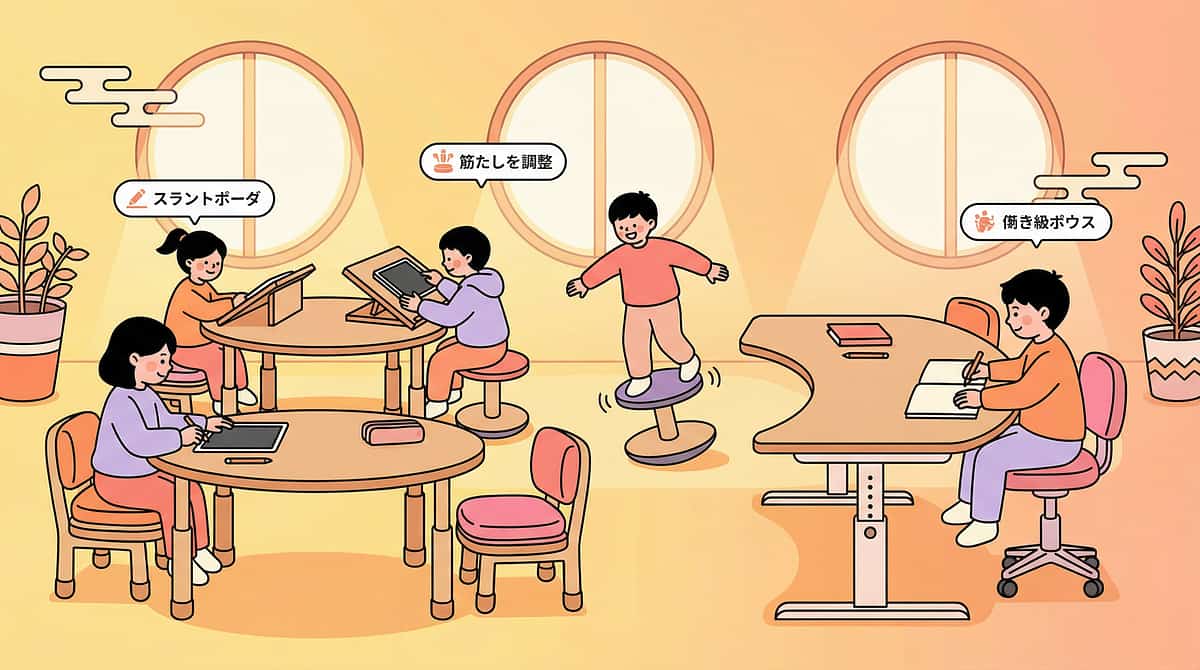
Desk and chair modifications optimize workstation ergonomics to reduce physical strain, improve comfort, and enhance functional performance during seated work activities. These modifications address the interface between the child and their work surface, ensuring appropriate angles for visual access, optimal wrist positioning for writing tasks, and reduced fatigue during extended seated periods. Proper workstation setup supports sustained attention and work tolerance.
The mechanism operates by reducing physical strain and optimizing positioning for specific tasks. When the work surface and seating are properly configured, the child expends less energy maintaining their position and can allocate more cognitive resources to the learning task. Slant boards improve the visual angle to work materials and optimize wrist extension for writing. Wedge cushions tilt the pelvis forward, which can improve arousal and attention for some children. Adjustable furniture allows customization to individual proportions and task demands.
Target Areas
- Workstation ergonomics and positioning optimization
- Writing positioning and wrist alignment
- Sustained attention during tabletop tasks
- Physical fatigue reduction
- Visual positioning and near-point access
- Work tolerance for extended seated periods
Price Range
₹100 - ₹15,000 depending on modification type and adjustability
Slant Boards
Improve writing angle by bringing work surface closer to vertical, which optimizes wrist extension and reduces neck flexion for visual access. Particularly beneficial for writing tasks.
1
Wedge Cushions
Tilt pelvis forward to promote upright trunk positioning. Some children demonstrate improved attention with anterior pelvic tilt, though individual response varies.
2
Desk Height
Adjust desk height so elbows rest at 90 degrees when arms hang naturally. Prevents shoulder elevation and associated fatigue during tabletop activities.
3
Standing Options
Consider standing desk options for children who benefit from positional changes and movement throughout the day. Provides alternative to prolonged static sitting.
4
Material 12.5: Floor Seating Options
Core Kit - Rank 1
Floor Positioning
Overview
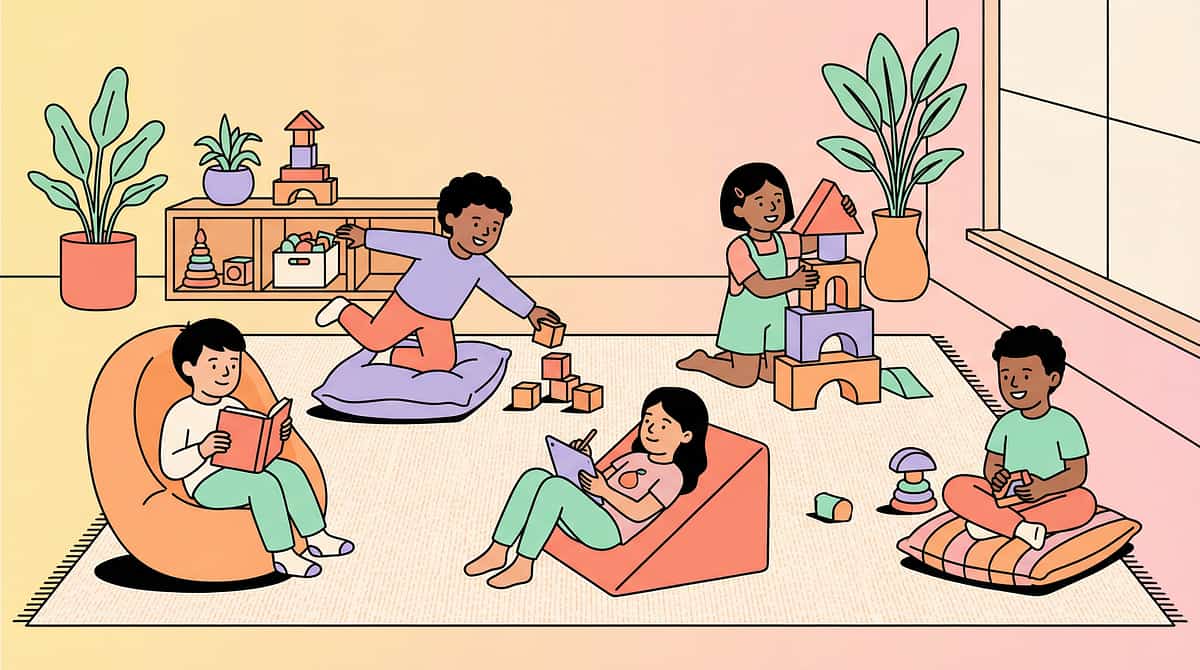
Floor seating options provide appropriate support, containment, or movement opportunities for floor-based activities common in early childhood classrooms and therapy sessions. These seating solutions address the challenges many children face during circle time, floor play, and group activities where traditional chair seating is not used. Options range from structured support for children needing postural assistance to dynamic options for movement seekers.
The mechanism varies by seating type. Floor rockers provide vestibular and proprioceptive input through controlled rocking while maintaining appropriate positioning for participation. Bean bags offer calming deep pressure and comfortable containment for reading or quiet activities. Floor cushions with back support assist children with low muscle tone in maintaining upright positioning during group floor activities. Each option addresses specific needs while enabling participation in floor-based learning and play.
Target Areas
- Floor positioning during group activities
- Core strength support during floor sitting
- Vestibular and proprioceptive input options
- Participation in circle time and floor play
- Comfort during floor-based learning
- Attention and regulation during group time
Price Range
₹200 - ₹3,000 depending on seating type and features
1
Match to Activity
Select floor seating type based on activity demands. Structured activities may require more postural support while free play can accommodate dynamic options.
2
Rockers for Movement
Floor rockers provide movement outlet for sensory seekers during circle time and group activities where movement is otherwise restricted.
3
Back Support
Provide back support options for children with low muscle tone who fatigue quickly during unsupported floor sitting. Enables longer participation.
4
Bean Bags
Use bean bags for calming activities, reading time, and children who benefit from deep pressure input and contained positioning.
Classroom Implementation Strategies
Successful classroom implementation of positioning materials requires systematic planning, teacher training, and ongoing support. Schools implementing flexible seating approaches must balance individual needs with classroom management and safety considerations.

Assess Classroom Needs
Identify students who would benefit from positioning modifications through teacher observation and therapist consultation. Prioritize students with documented positioning needs in IEPs or 504 plans.
There was an error generating this image
Train Staff
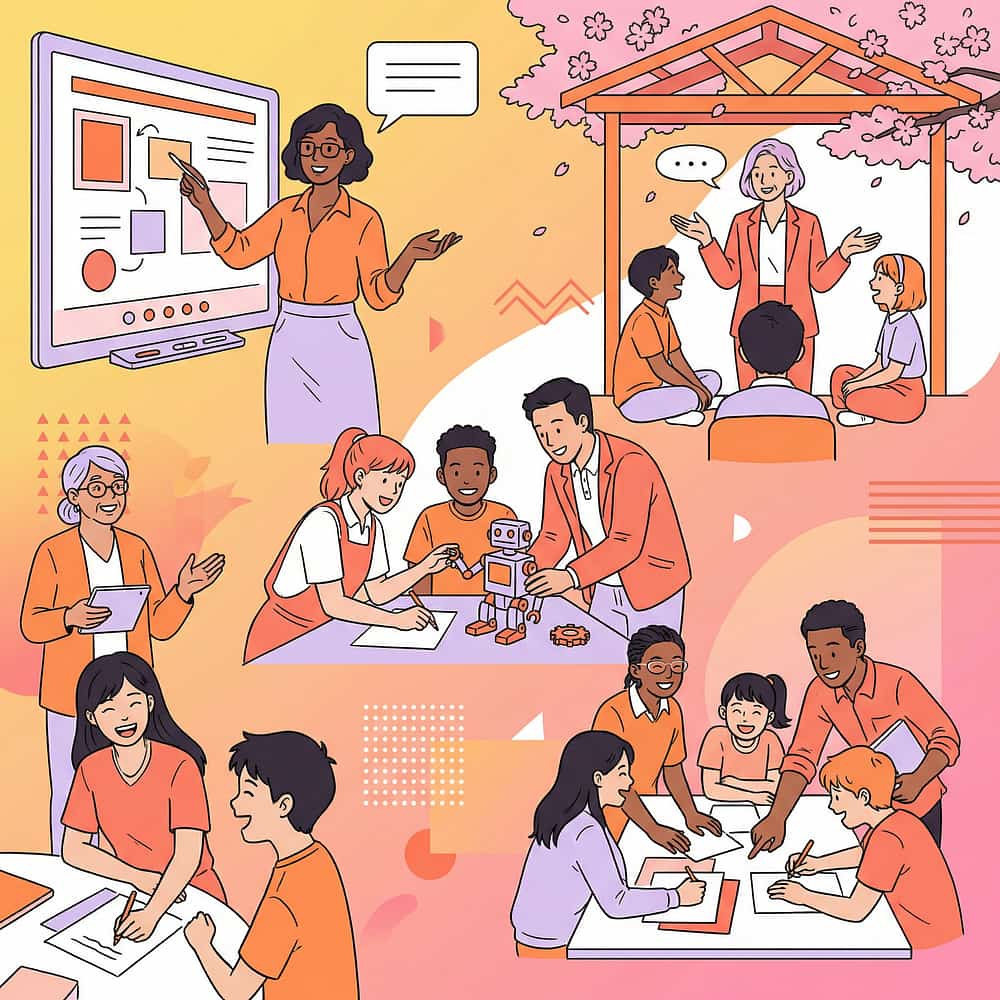
Provide clear instruction on proper use, safety considerations, and troubleshooting. Teachers must understand when materials are helping versus hindering student performance.
Establish Guidelines
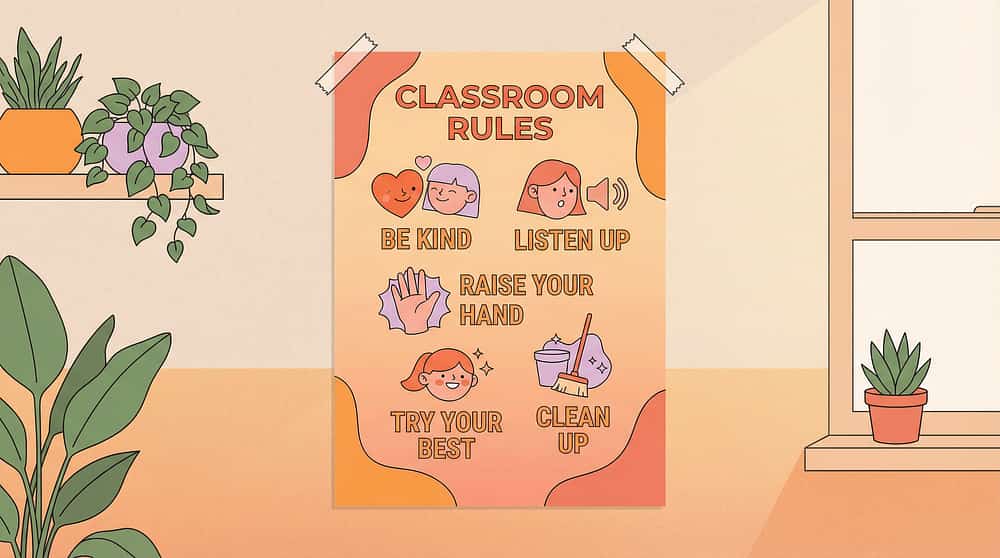
Create classroom expectations for appropriate use of positioning materials. Define when, where, and how materials may be used. Include safety rules and care instructions.

Monitor Implementation
Regularly observe student response to positioning modifications. Track attention, behavior, and academic performance. Adjust as needed based on observed outcomes.
Maintain Communication
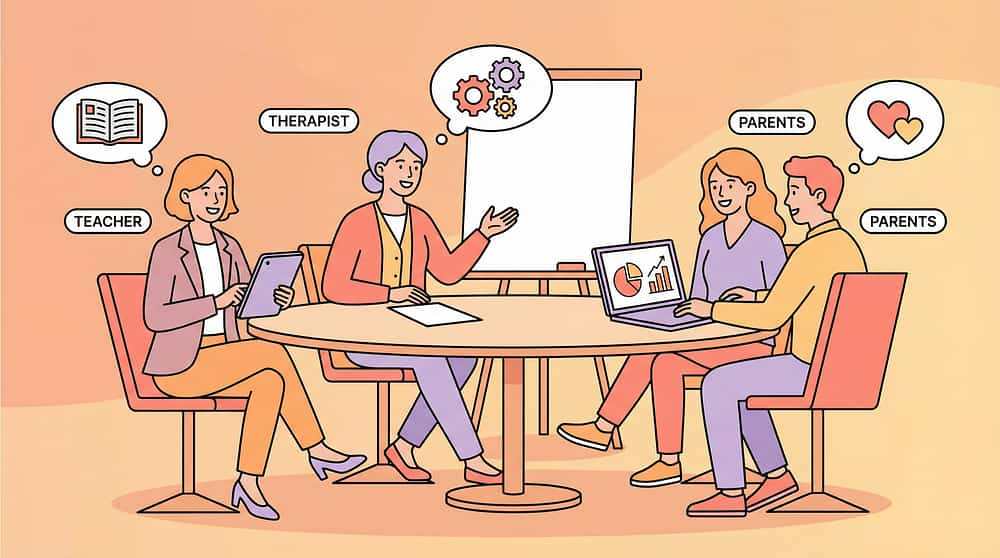
Establish ongoing communication between teachers, therapists, and parents regarding positioning strategies. Ensure consistency across settings when possible.

Organize Materials
Create systems for material storage, assignment, and maintenance. Clear organization prevents loss and ensures materials are available when needed.

Professional Network & Statutory Information
Pinnacle Blooms Network operates under established regulatory frameworks with appropriate statutory identifiers and quality management systems. The organization maintains government recognition and operates as a registered entity under Indian corporate and healthcare regulations.
Corporate Identifiers
CIN: U74999TG2016PTC113063
DPIIT Recognition: DIPP8651 (Government of India)
MSME Registration: Udyog Aadhaar TS20F0009606
GSTIN: 36AAGCB9722P1Z2
Quality Management
ISO 13485: Medical Device Quality Management System certification ensuring systematic approach to device and equipment management
ISO/IEC 27001: Information Security Management certification protecting client data and therapeutic records
These registrations and certifications demonstrate organizational commitment to regulatory compliance, quality management, and systematic operational approaches. Families and professionals can verify credentials through appropriate government and certification body databases.
Cannons
Positioning & Seating MaterialsMaterials in this category support proper positioning, postural control, and dynamic seating needs across home, school, and therapy settings.

PS · 552Baby Plastic ChairLightweight durable toddler seating for structured therapy and classroom sessions.
Seating↗
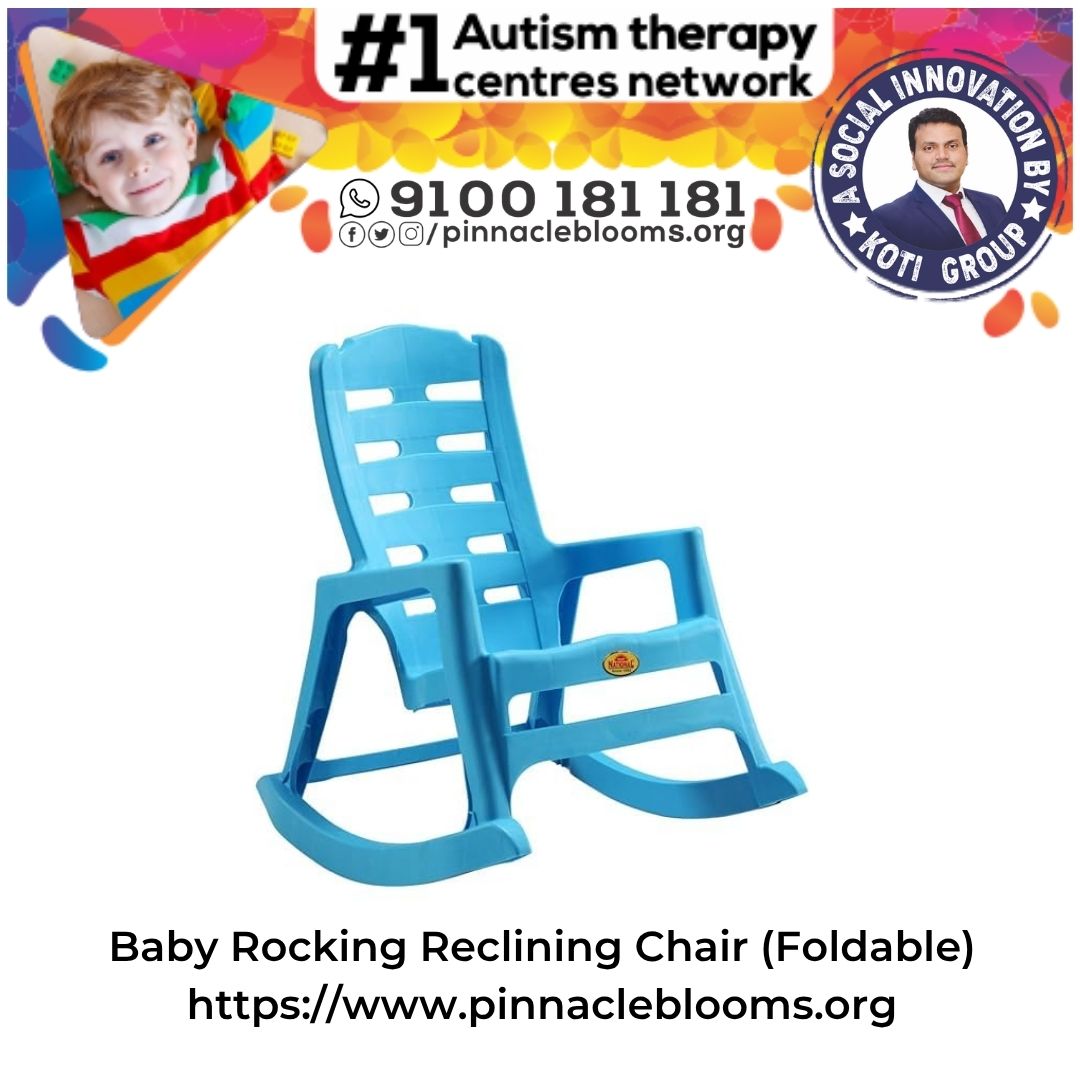
PS · 2082Baby Rocking Reclining Chair (Foldable)Foldable recliner delivering gentle vestibular input and postural support.
Seating↗
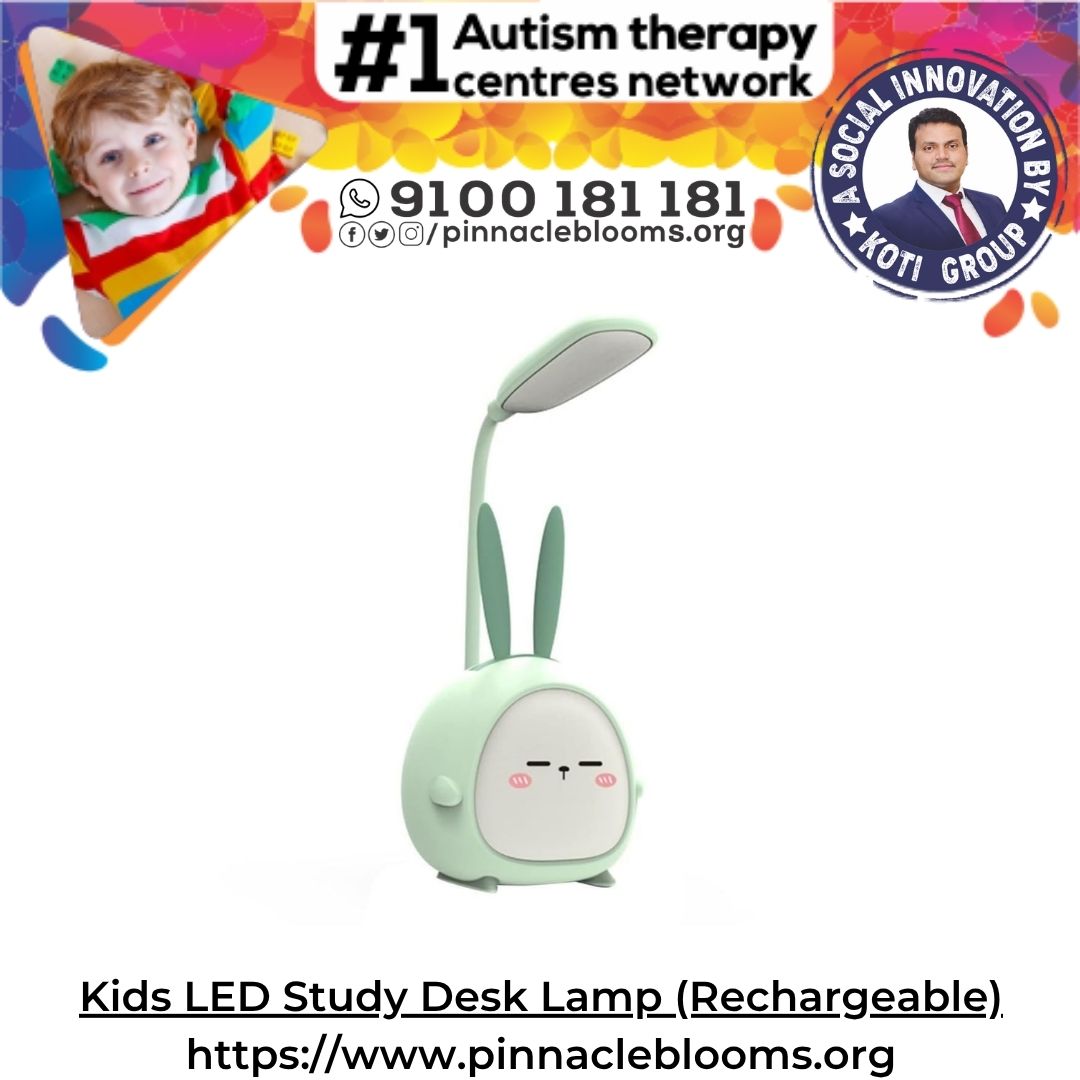
PS · 2336Kids LED Study Desk Lamp (Rechargeable)USB-rechargeable LED lamp providing optimal illumination for focused academic tasks.
Workspace↗
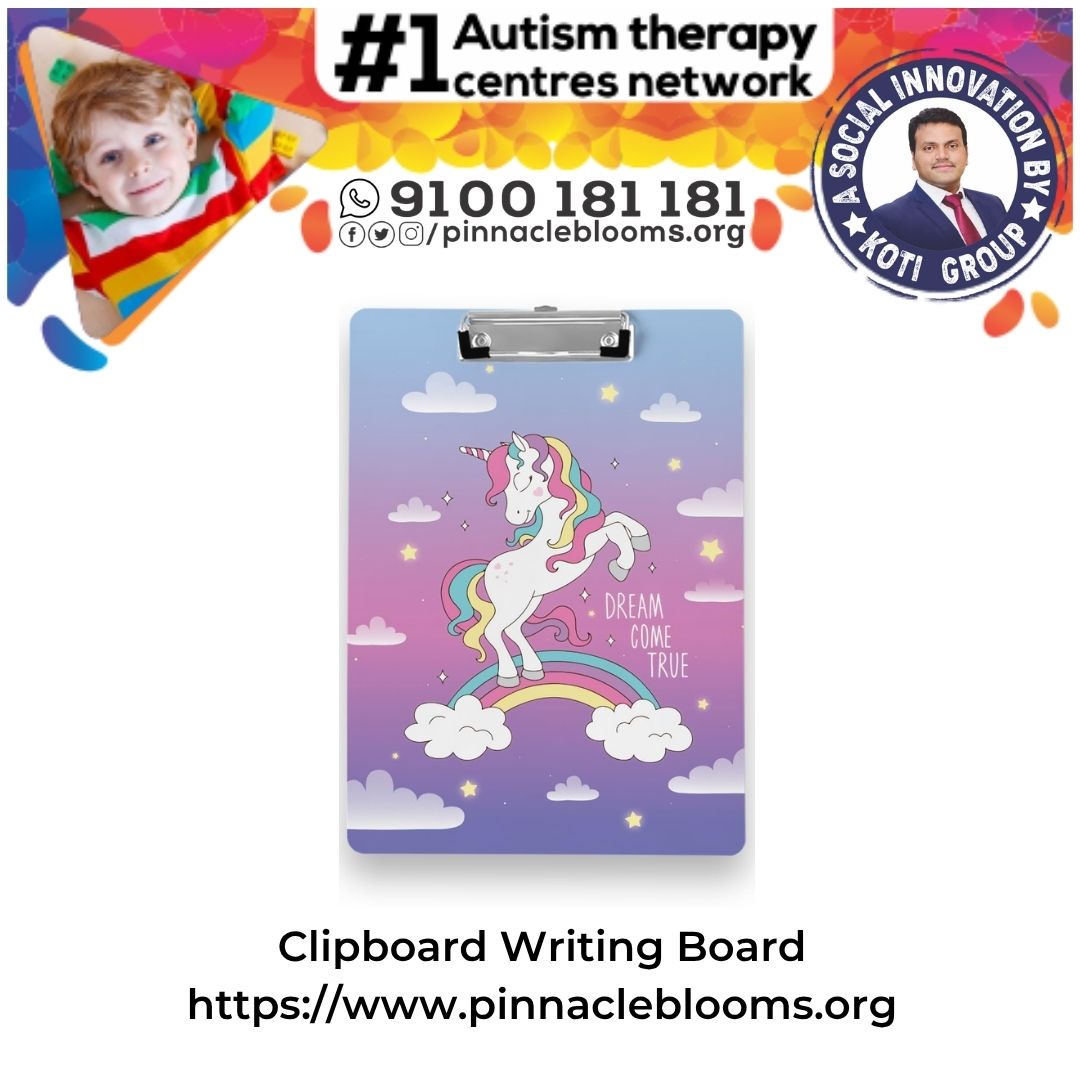
PS · 2075Clipboard Writing BoardPortable writing surface for structured worksheets and seated therapy activities.
Workspace↗
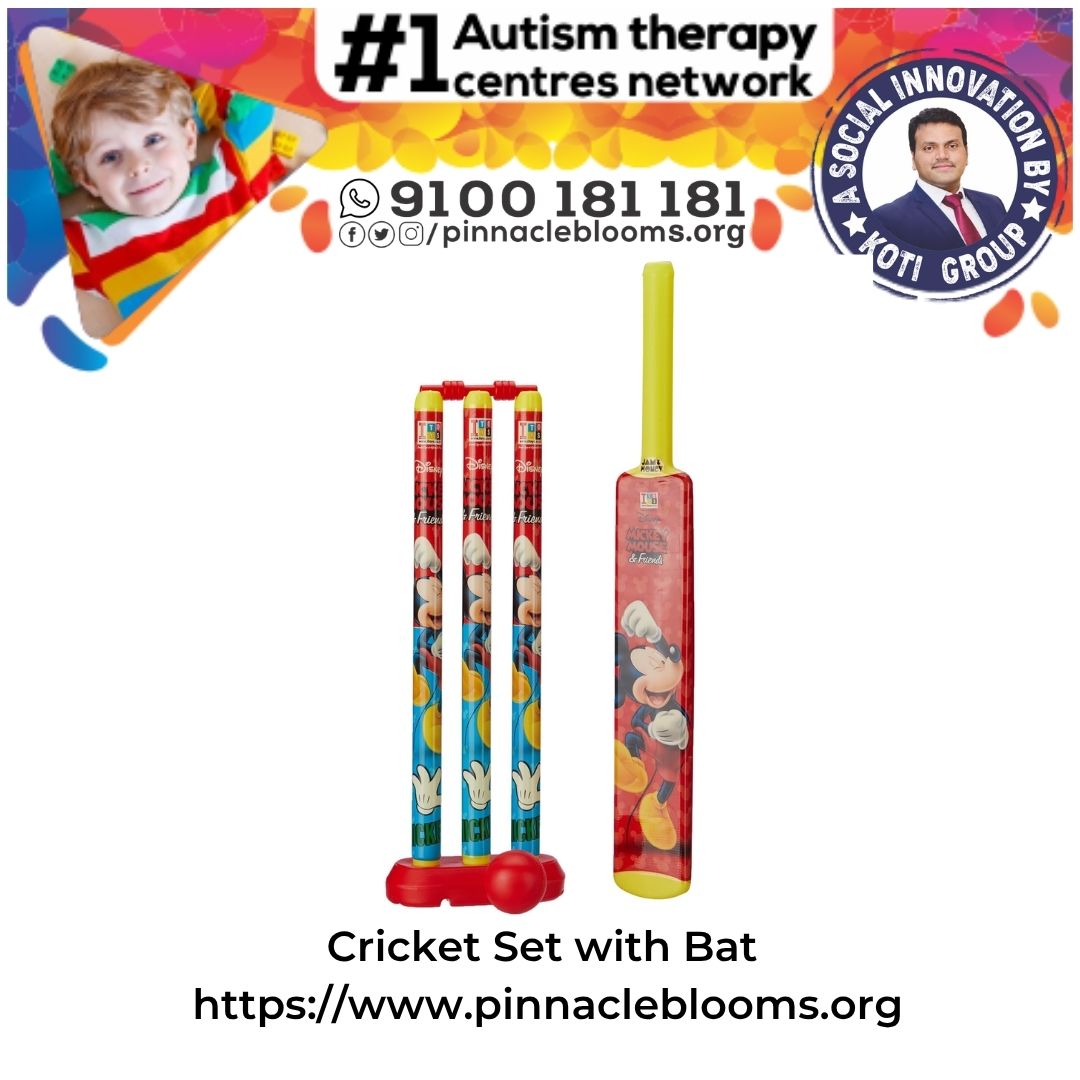
PS · 2083Cricket Set with BatMotor coordination and turn-taking play set for gross motor and social skill goals.
Motor↗
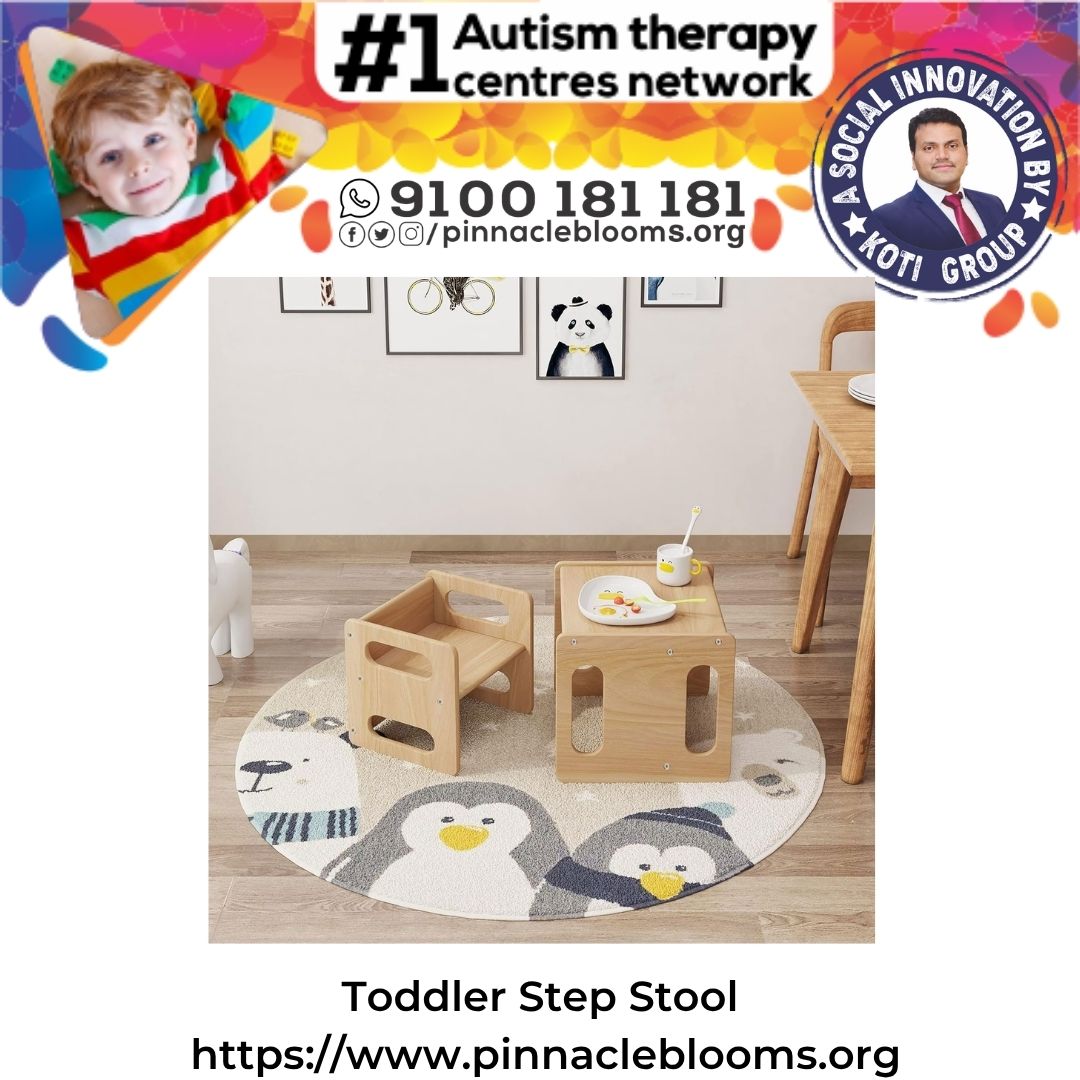
PS · 2481Toddler Step StoolNon-slip step stool building functional independence in daily living transitions.
Daily Living↗
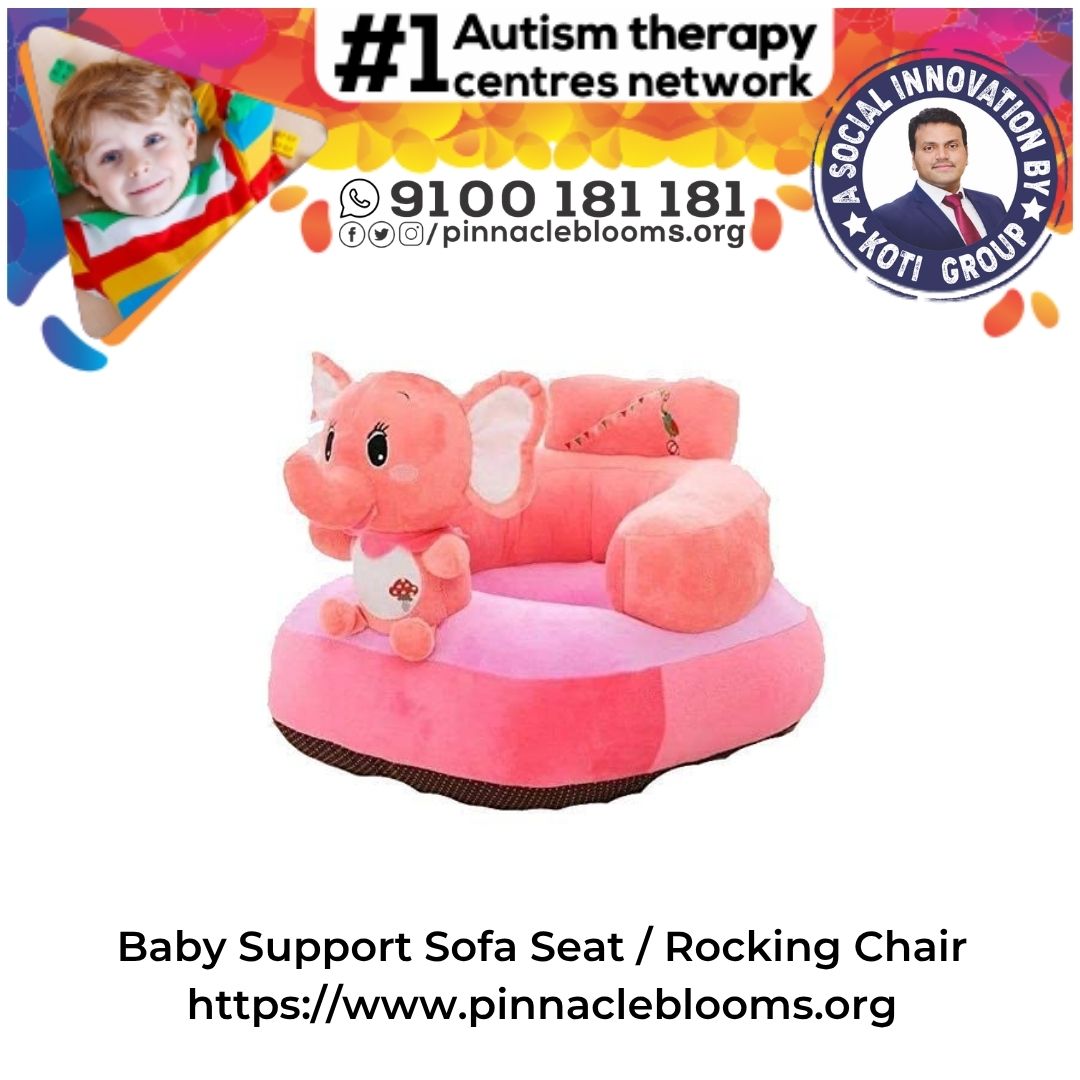
PS · 2079Baby Support Sofa Seat / Rocking ChairSupportive infant seating for early intervention, tummy time, and sensory play.
Seating↗
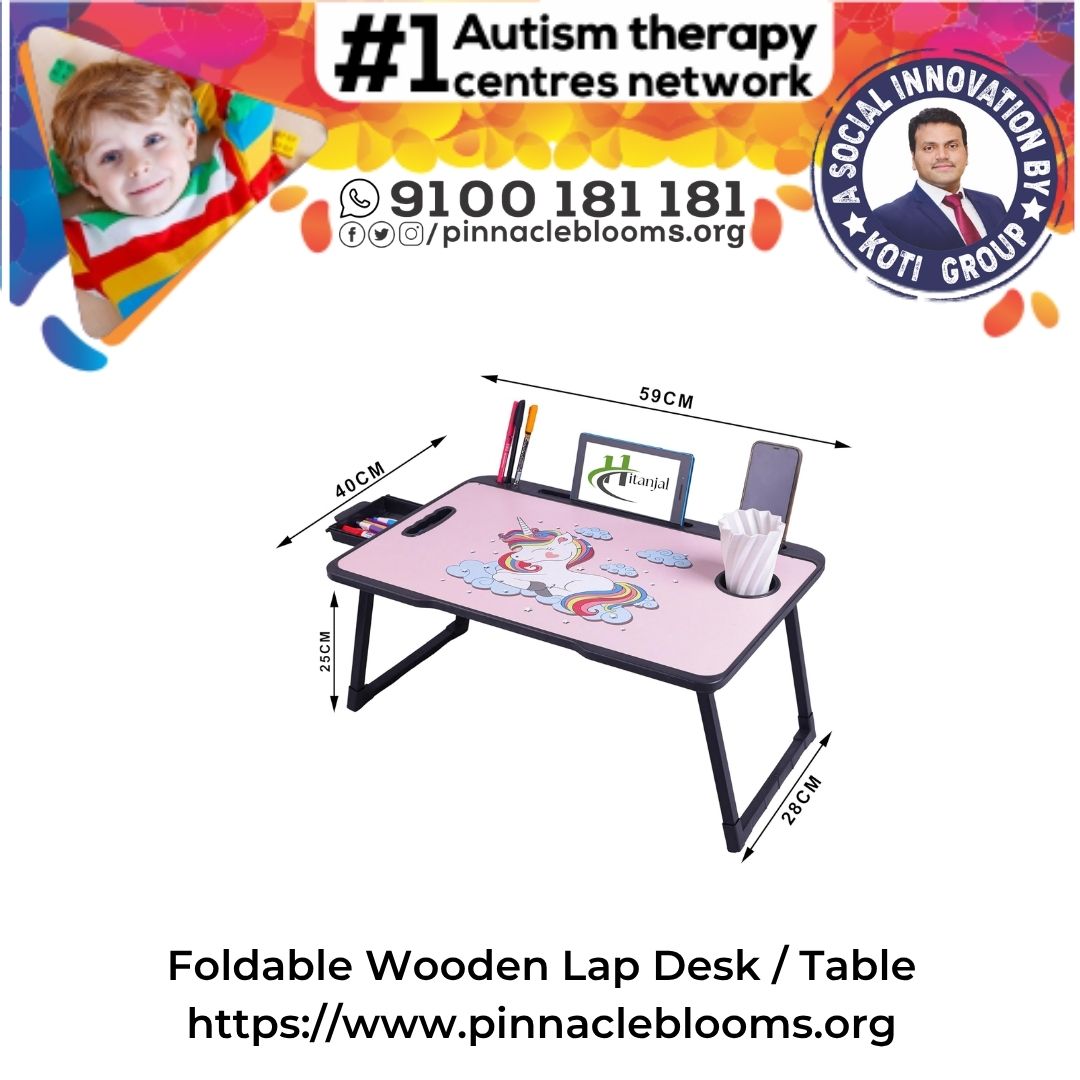
PS · 2219Foldable Wooden Lap Desk / TablePortable lap surface enabling seated work in flexible home and therapy environments.
Workspace↗
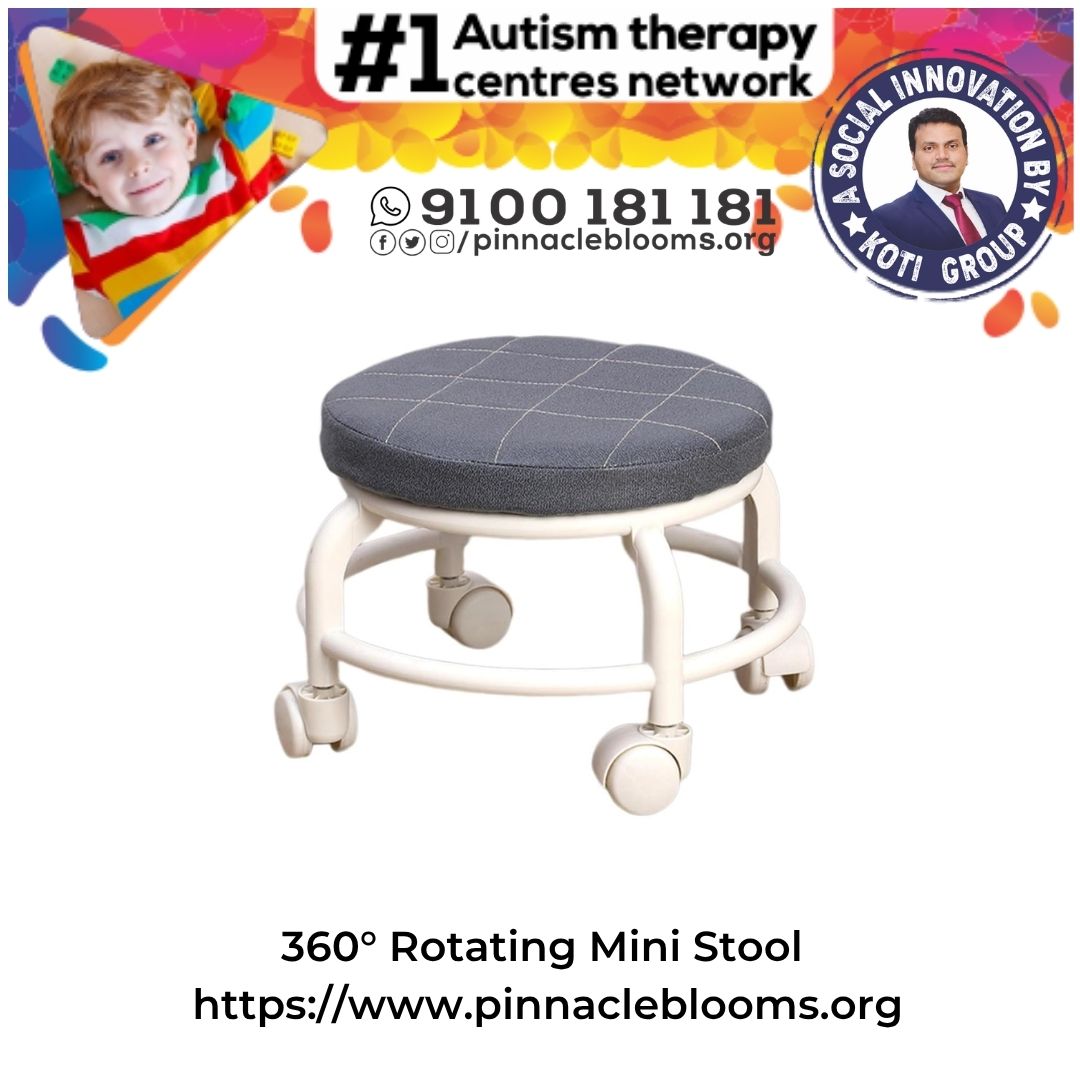
PS · 2517360° Rotating Mini StoolRotating seating providing proprioceptive and vestibular input during therapy sessions.
Seating↗
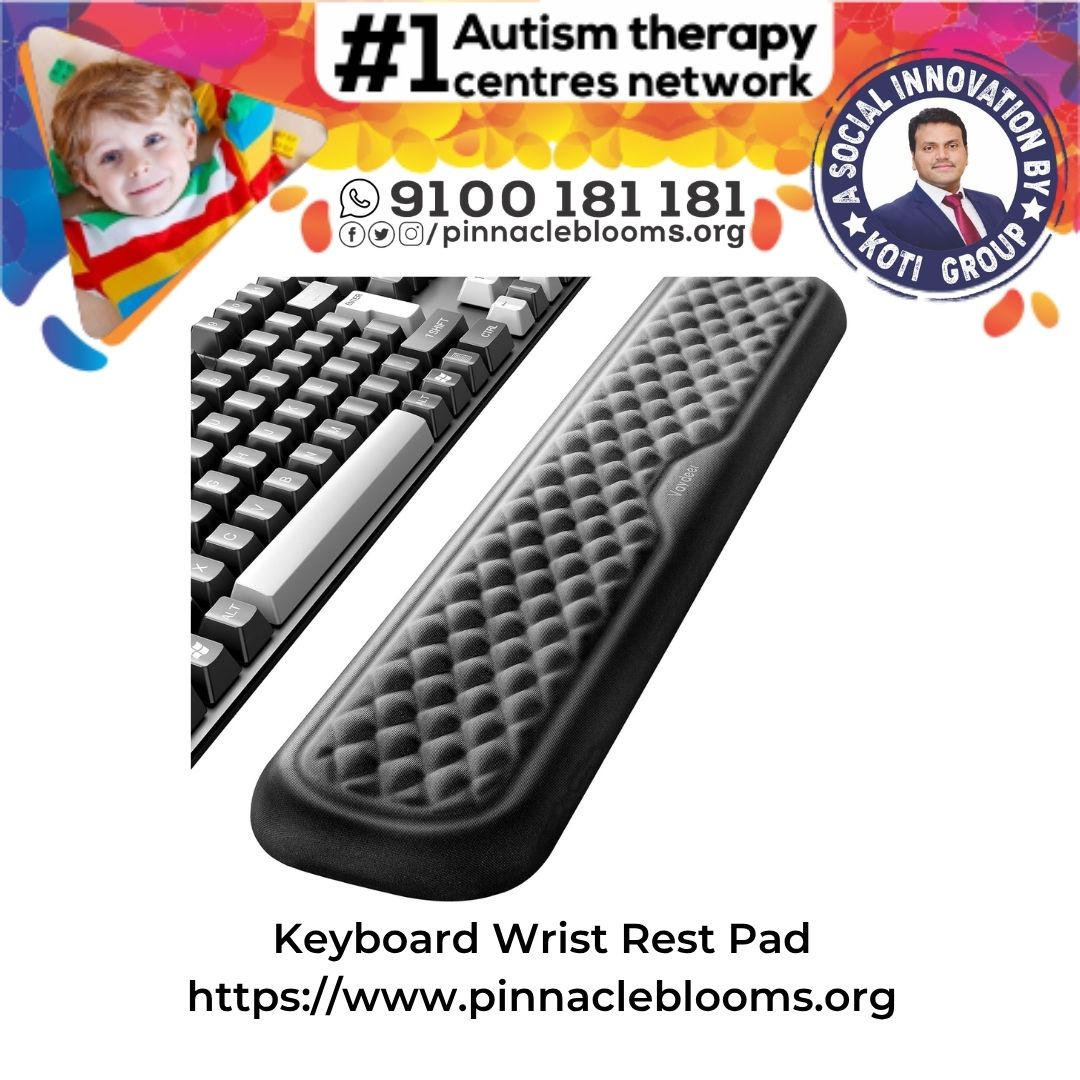
PS · 2538Keyboard Wrist Rest PadErgonomic wrist support for children learning typing and digital communication tools.
Workspace↗
Link copied!