Tool ID: 13.1
Tool ID: 13.1
OT + Parent
Strong Evidence
Rank #1
Constant Use
₹50–800
Safety Locks / Childproofing
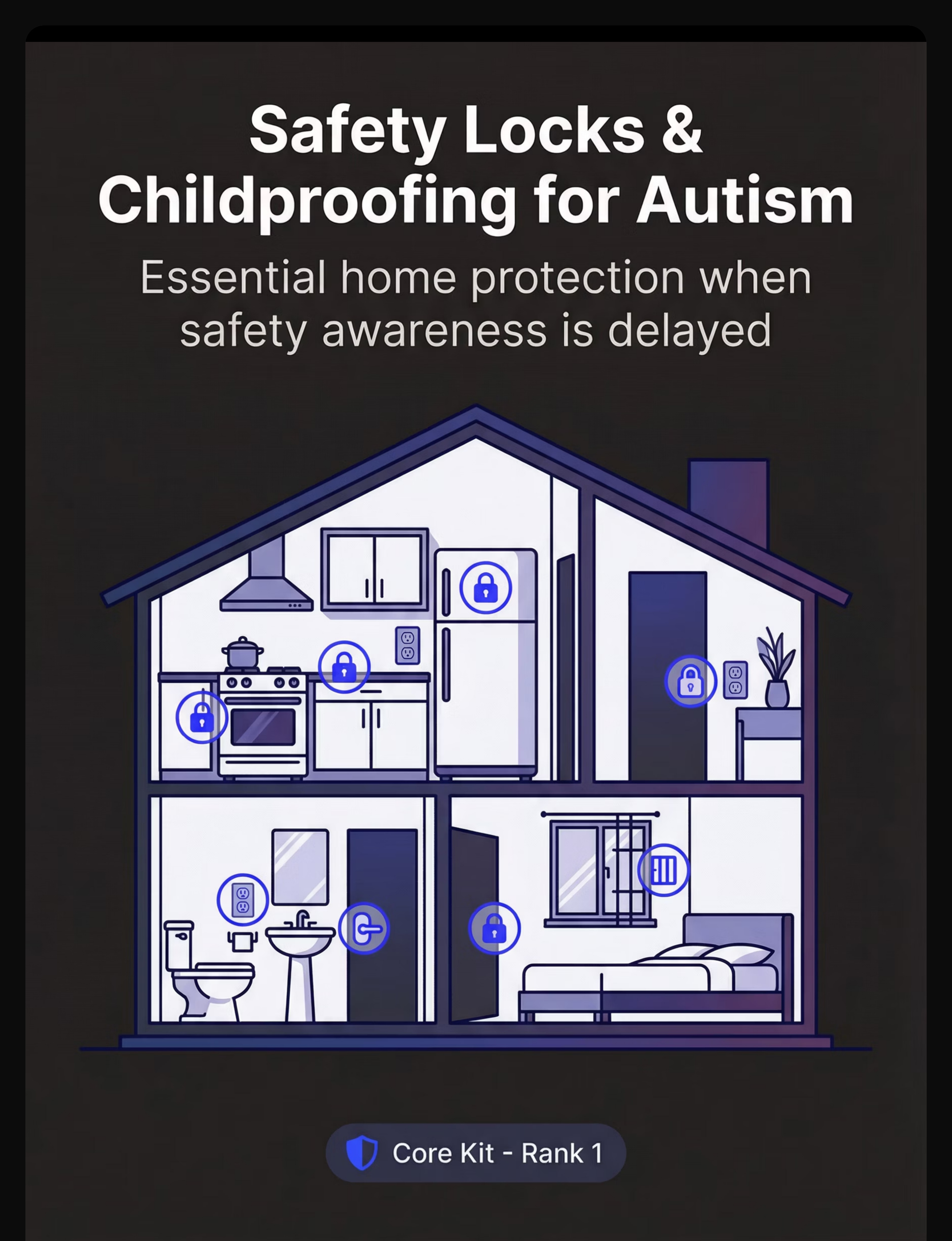
Essential Safety Locks & Childproofing for Children with Autism
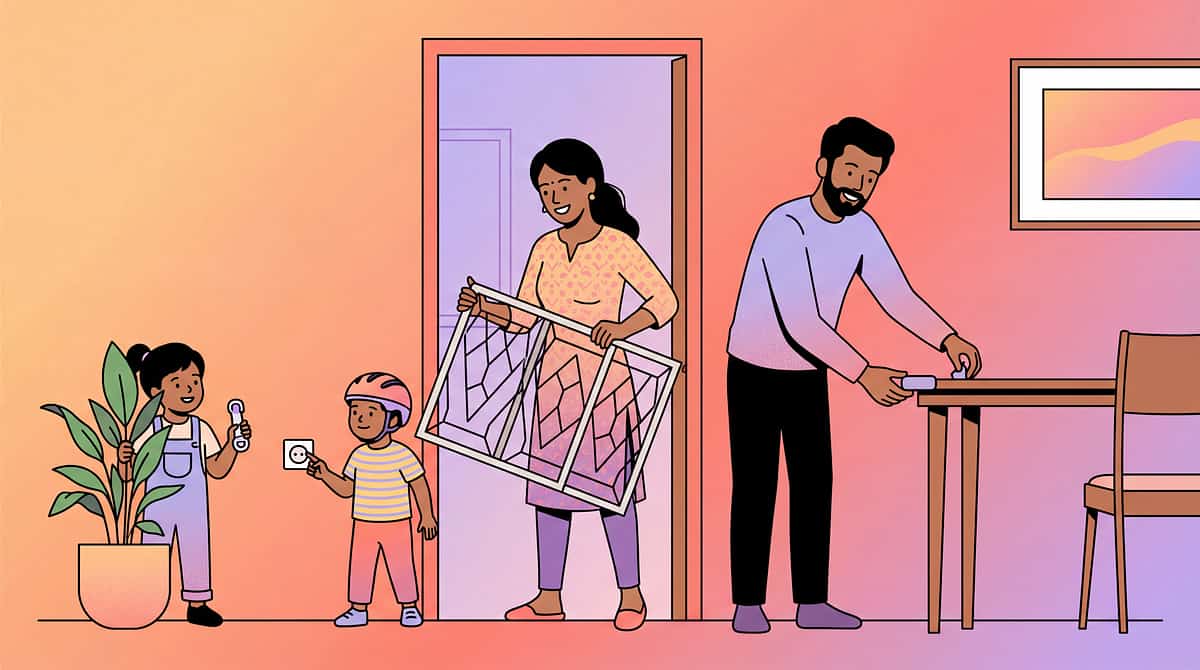
Create a secure home environment by restricting access to hazards and preventing injury for children with reduced safety awareness. From elopement prevention to medication safety, comprehensive childproofing allows your child to explore within safe boundaries while you gain peace of mind.
Who This Helps
Primary Benefit: Create safe home environment by restricting access to hazards and preventing injury for children with reduced safety awareness.
For All Ages & Needs
Childproofing is tailored to safety awareness, not age. Children with autism often require protection for an extended period to ensure their well-being.
Secure Home Environment
Most critical in the home, this solution addresses diverse hazards present where children spend the majority of their time.
Prevents Injury & Elopement
Essential for children at risk of elopement, or accidental access to medication, chemicals, kitchen dangers, and electrical hazards.
Parental Peace of Mind
Allows your child to explore within safe boundaries, providing parents with greater confidence and reducing constant worry.
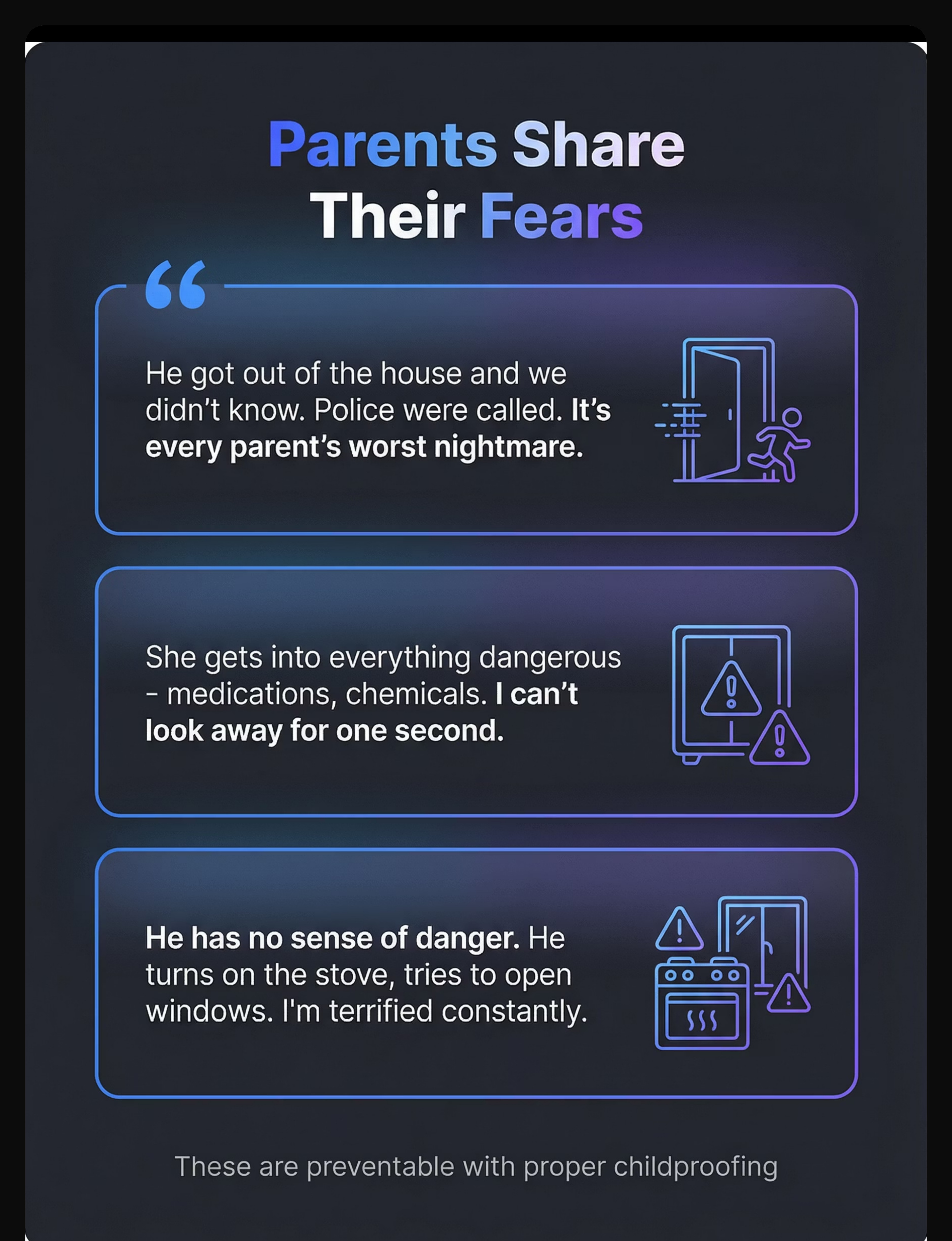
Does This Sound Familiar?
"He got out of the house and we didn't know. The terror of those moments—I can't describe it. We've had police involved twice now."
"She gets into everything dangerous. Medications, chemicals, kitchen knives. I can't turn my back for a second without fear."
"He has absolutely no sense of danger. He'll touch the hot stove, climb out windows, put anything in his mouth."
"I can't keep her out of the medications. We've had two near-miss poisonings. The emergency room knows us by name now."
"He turns on the stove when I'm not looking. We've had small fires. I'm terrified to cook anymore."
"She puts everything in her mouth—PICA means nothing is safe. Coins, batteries, toxic items. It's a constant battle."
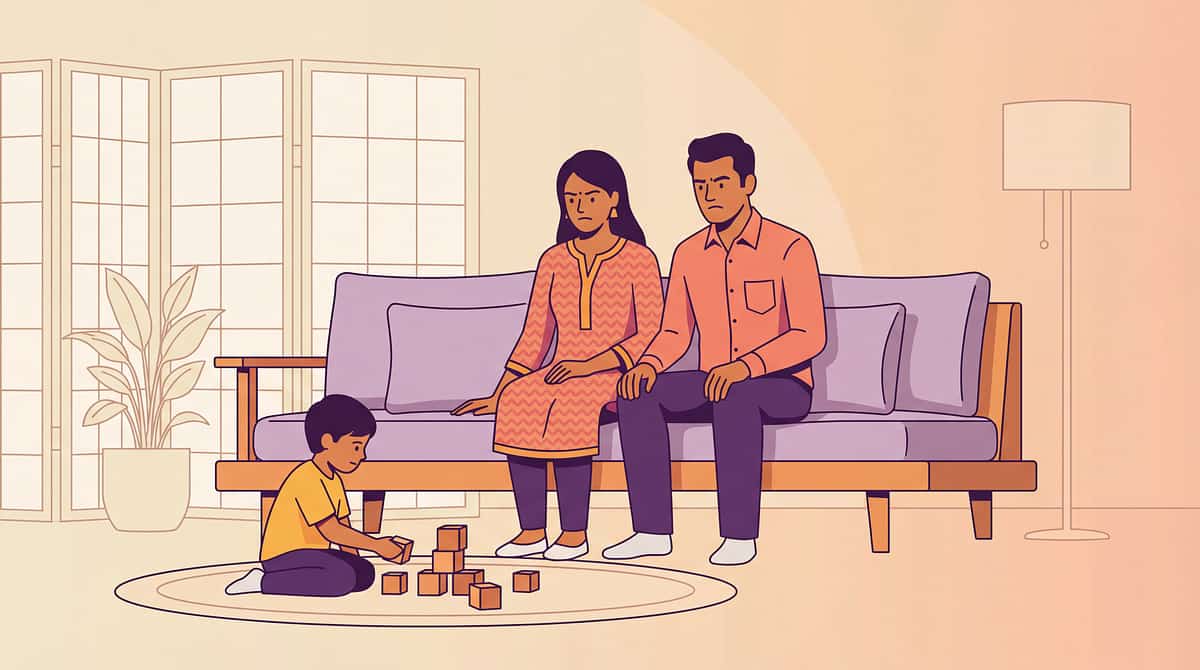
You're not alone. These are common challenges faced by families of children with autism who have reduced safety awareness. Childproofing provides the protection your child needs while they develop understanding of dangers.
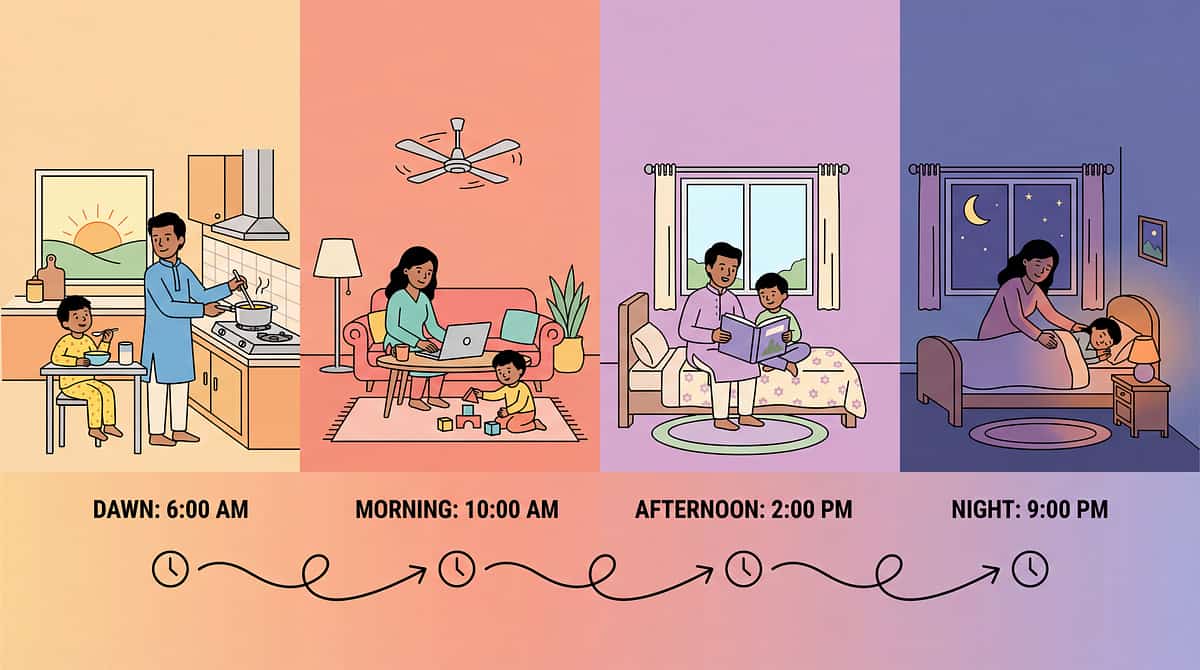
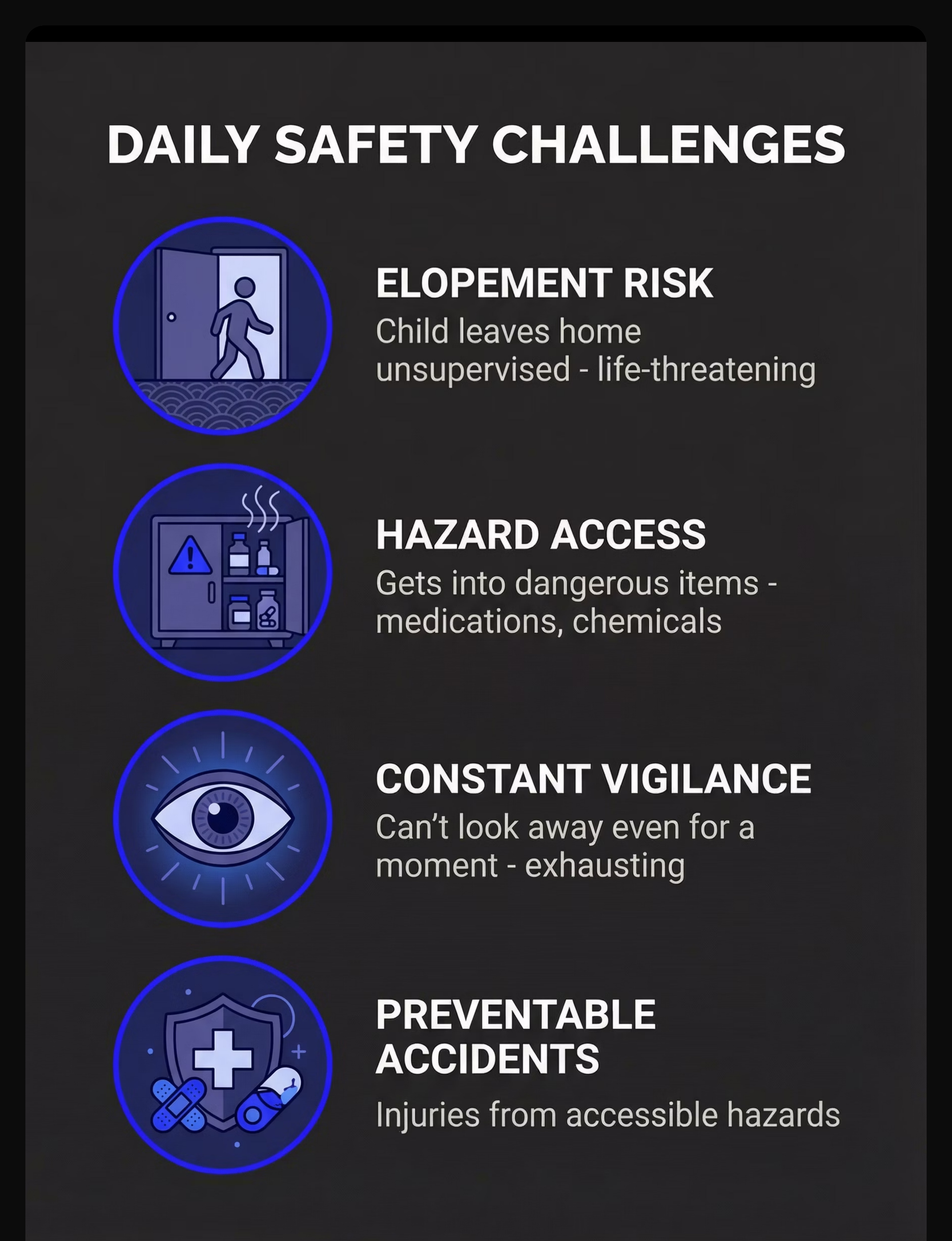
A Day Without the Right Support
Early Morning: Elopement Risk
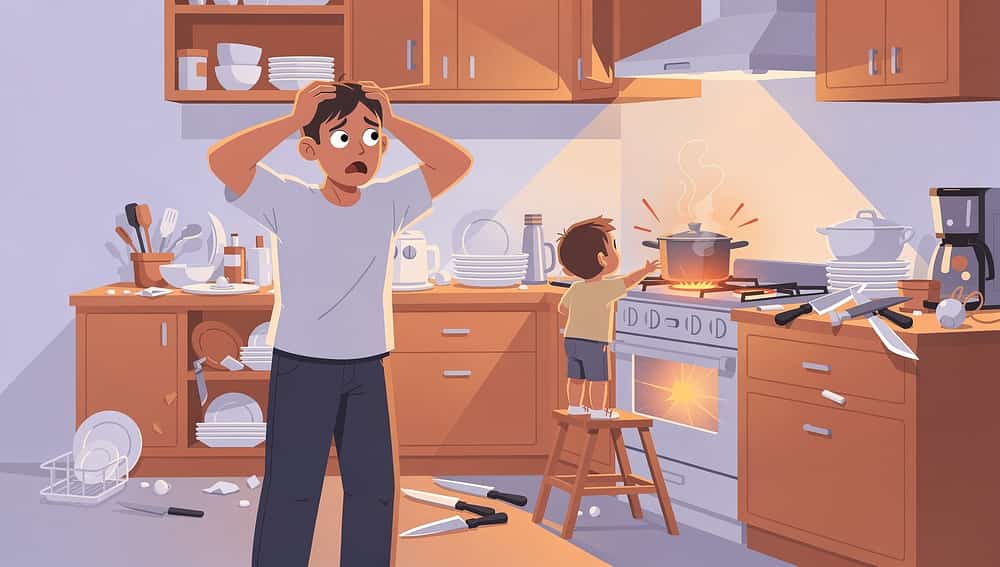
As dawn breaks, the child leaves home unsupervised. Parents wake to find an open door and their child gone. Heart-stopping terror, police searches, and life-threatening situations can unfold in mere seconds.
Mid-Morning: Hazard Access
Throughout the day, the child constantly accesses dangerous items: medications in the bathroom, chemicals under the sink, or knives in the kitchen. Every room holds potential emergencies, leading to near-miss incidents daily.
Afternoon: Constant Vigilance Exhaustion
The need for constant supervision is relentless. Parents cannot look away for a moment, foregoing bathroom breaks, phone calls, or cooking dinner. This hypervigilance is exhausting and unsustainable, inevitably leading to burnout.
Evening: Preventable Accidents
As evening approaches, injuries occur from hazards that could have been secured. Burns from the stove, cuts from sharp objects, or ingestion of dangerous substances result in emergency room visits, leaving parents with guilt and fear.
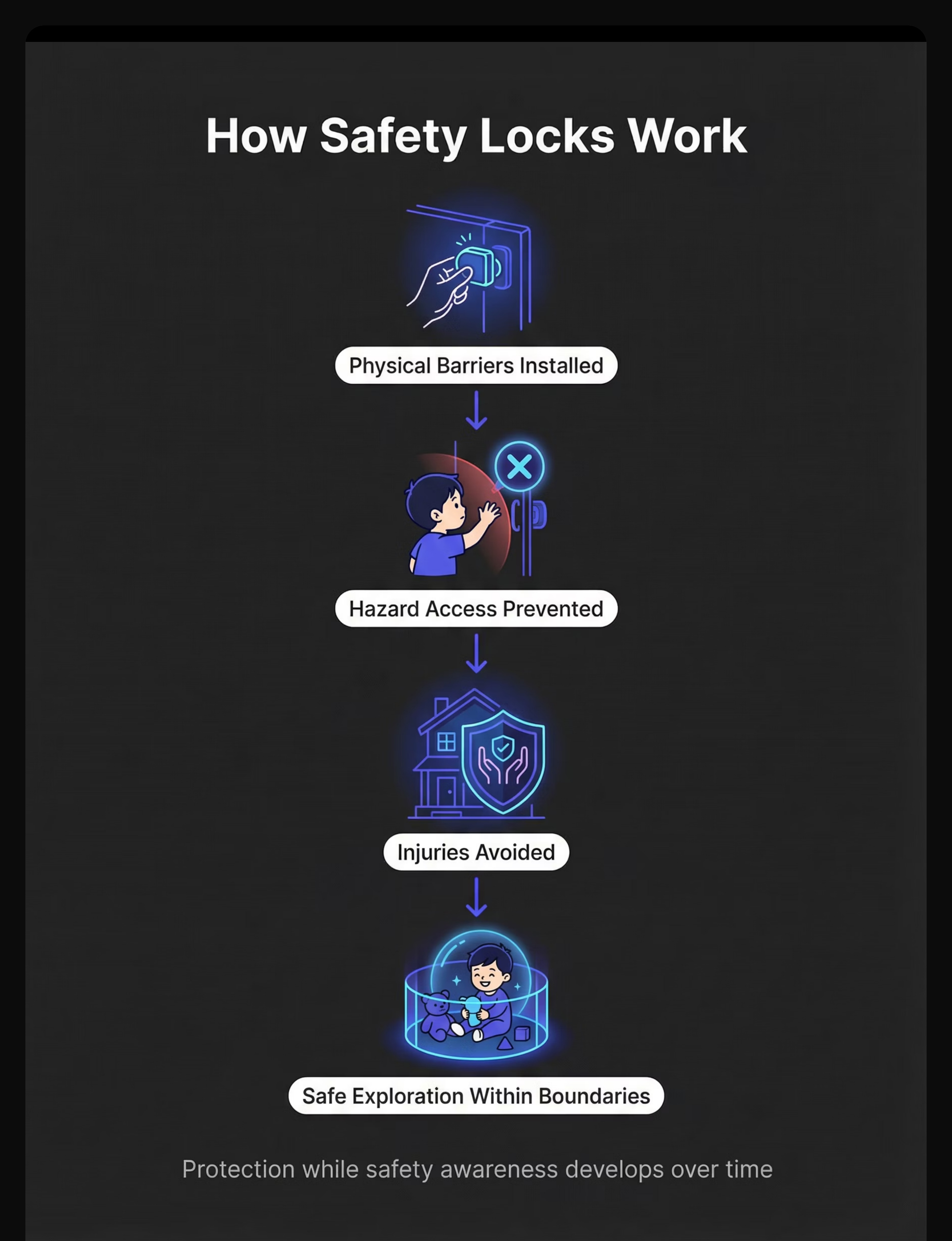
The Science Behind It
Physical Barriers Installed
Locks, covers, and barriers are strategically placed throughout the home on cabinets, doors, windows, appliances, and outlets to prevent access to hazards.
Hazard Access Prevented
Child cannot open locked cabinets, doors, or windows. Cannot turn on stove or access electrical outlets. Physical impossibility replaces constant supervision.
Injuries Avoided
Without access to dangerous items or areas, injury risk drops dramatically. Elopement impossible, poisoning impossible, burns impossible—prevention through barrier.
Child Safe While Learning
Protected environment allows child to explore and develop while safety awareness slowly builds. Time to teach danger concepts without constant crisis intervention.
Safe Exploration Enabled
Within secured boundaries, child can move freely and explore. Parents can breathe. Normal family life becomes possible when baseline safety is ensured.
Target Impact: Physical Safety • Injury Prevention • Elopement Prevention • Hazard Access Control • Parent Peace of Mind
How to Do It Right
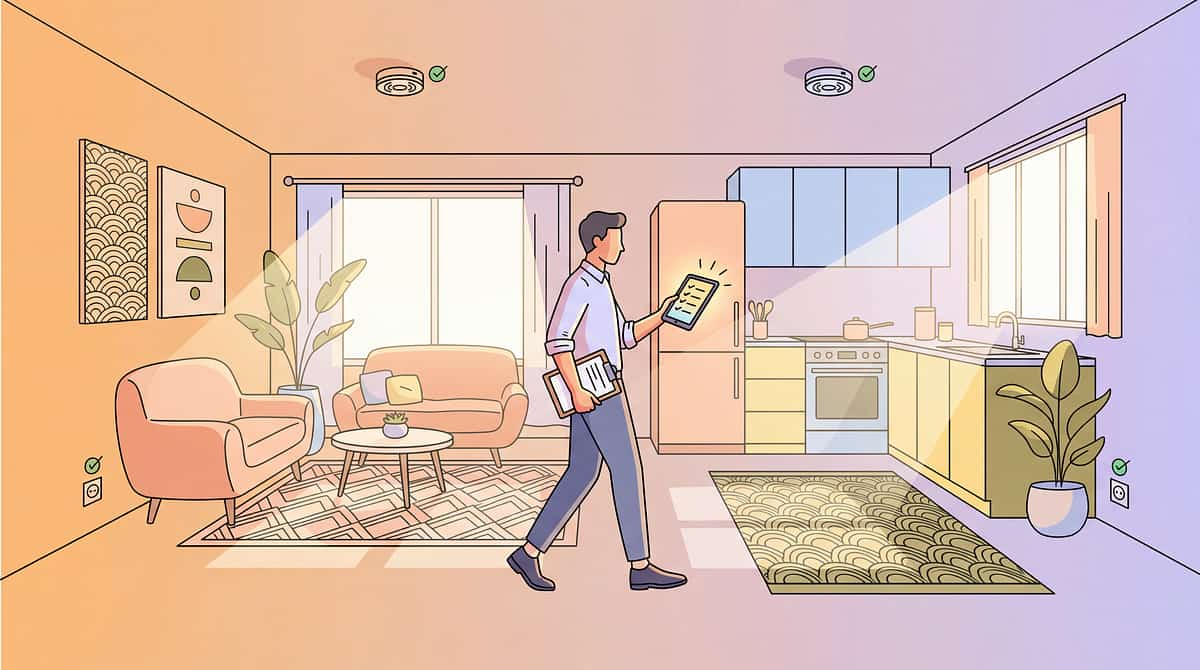
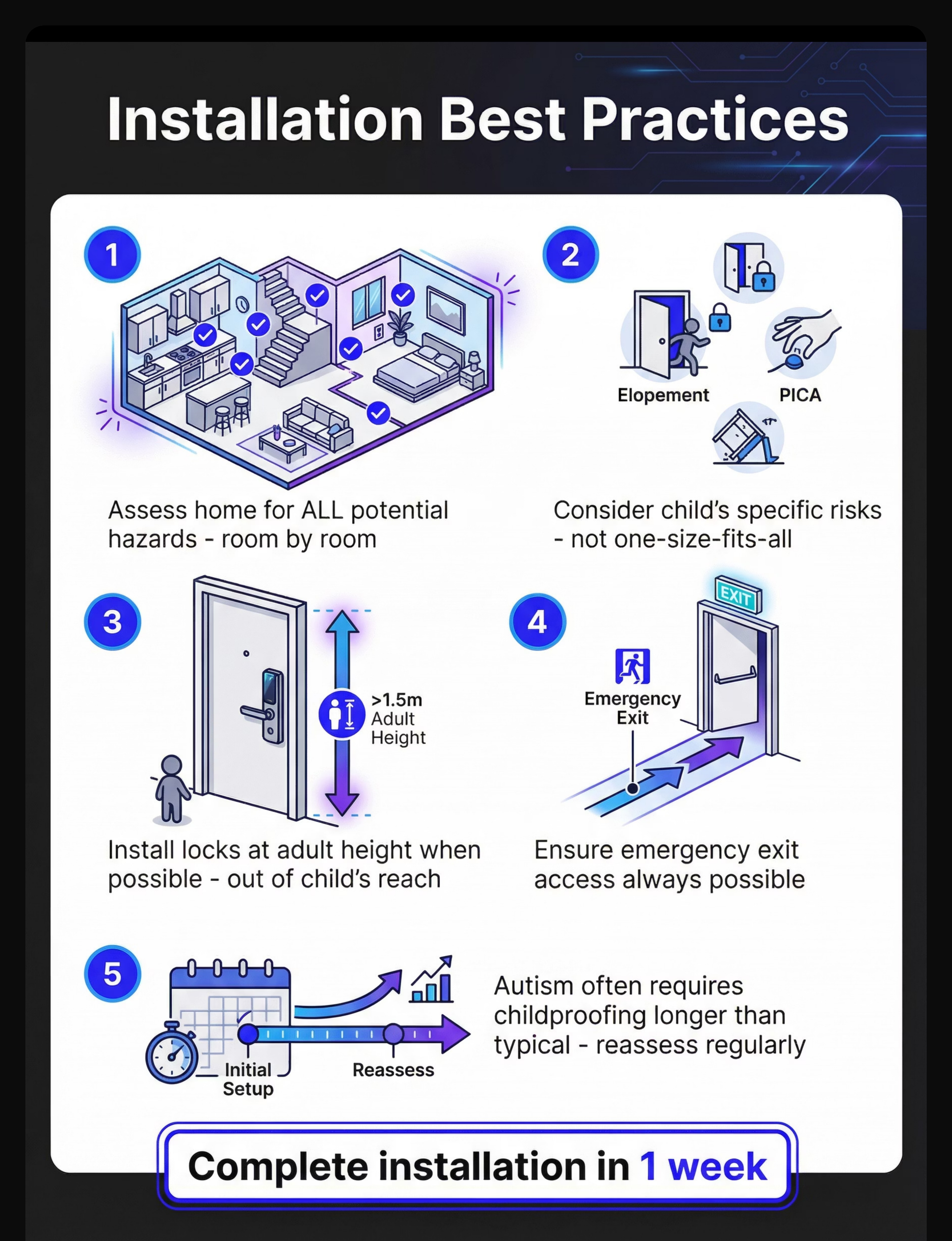
Assess home for all potential hazards
Walk through every room at child's eye level. Consider what they can reach now and soon. Identify all chemicals, medications, sharp objects, electrical hazards, exit points, and water sources.
Consider child's specific risks
Elopement history requires door and window focus. PICA means locking everything potentially ingestible. Sensory seeking may mean water hazards. Tailor protection to your child's pattern.
Install at adult height when possible
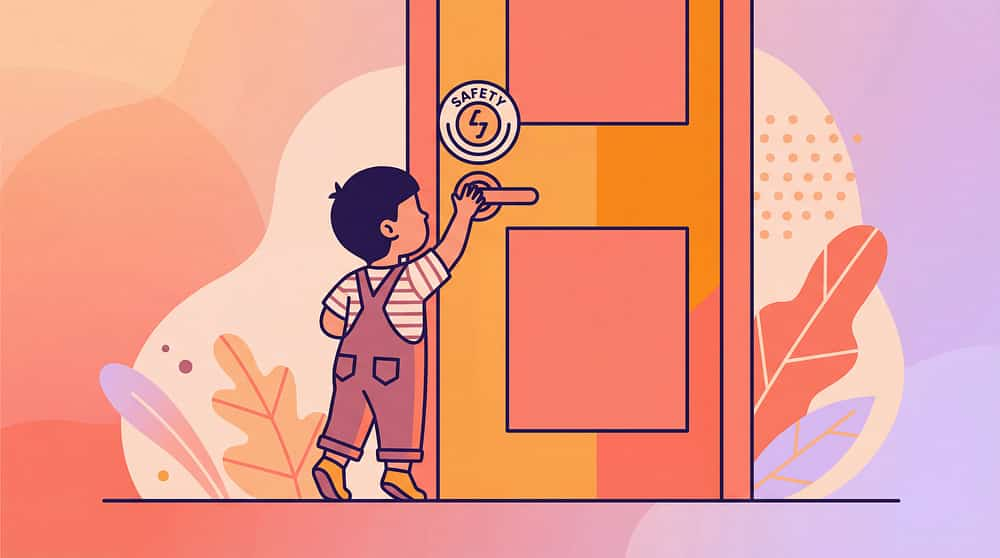
Place door locks at the top of doors where child cannot reach even with climbing. High placement buys you time and makes defeat much harder.
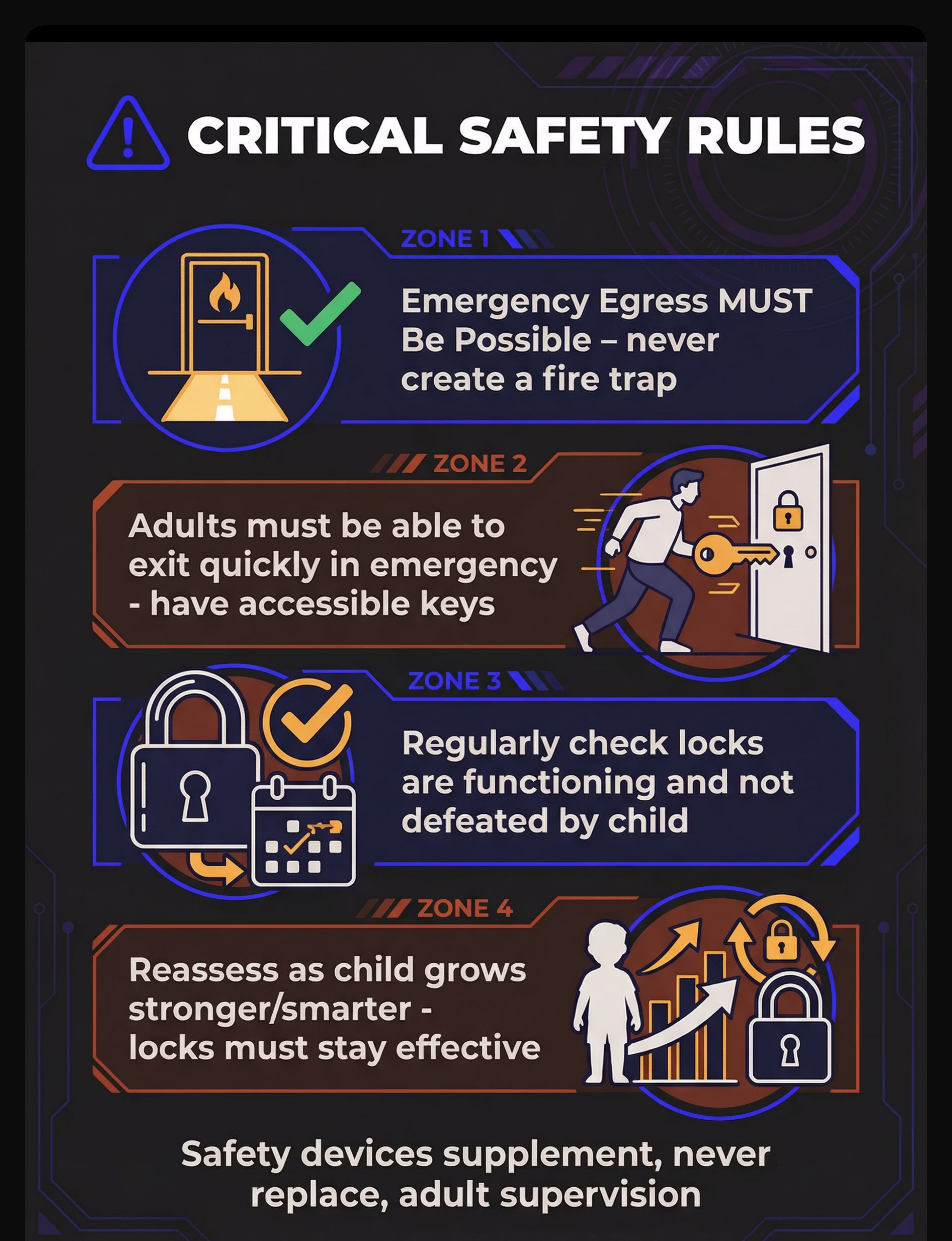
Ensure emergency exit access
Adults must be able to exit quickly in fire or emergency. Never create a trap. Test that you can get everyone out fast if needed.
Childproofing often needed longer for autism
Typical children age out around 3-4 years. Children with autism may need protection much longer—sometimes into teens. Base decisions on awareness, not age.
Reassess as child grows and skills change
What worked at age 5 may be defeated at 8. Growing strength and problem-solving require upgraded security. Check regularly and adapt.
Typical Duration: Permanent installation until safety skills develop. Often many years longer than for typical children.
Expert Perspective
safety-locks-childproofing therapy material
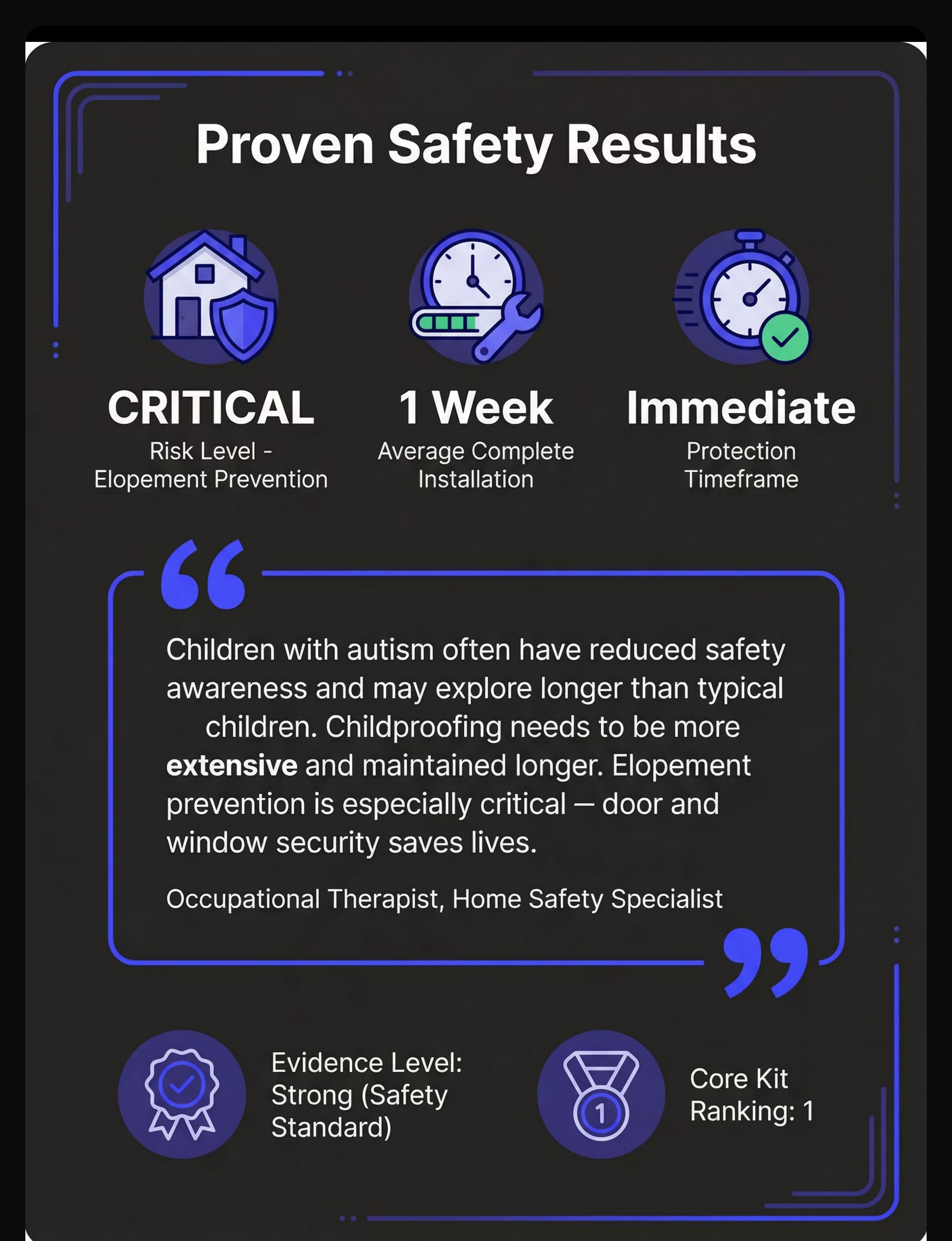
"Children with autism often have reduced safety awareness and may explore longer than typical children. Childproofing needs to be more extensive and maintained longer. Elopement prevention is especially critical—door and window security saves lives. We've seen too many tragedies that were preventable with proper home security."
— Occupational Therapist, Home Safety Specialist
OT + Parent Recommended
Strong Evidence (safety standard)
Rank #1 in Safety Category
Constant Use
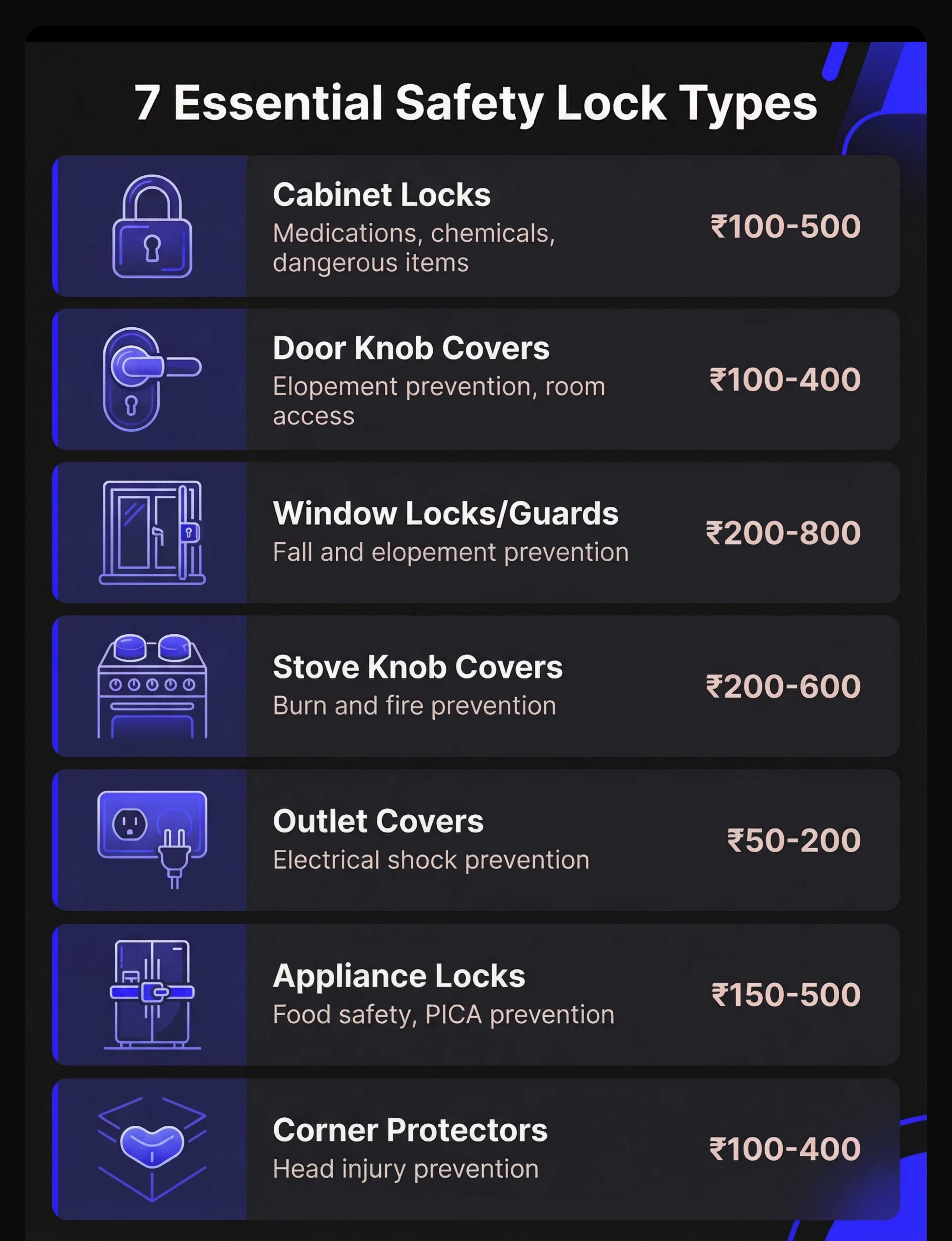
Choose Your Option (7 Variants)
safety-locks-childproofing therapy material
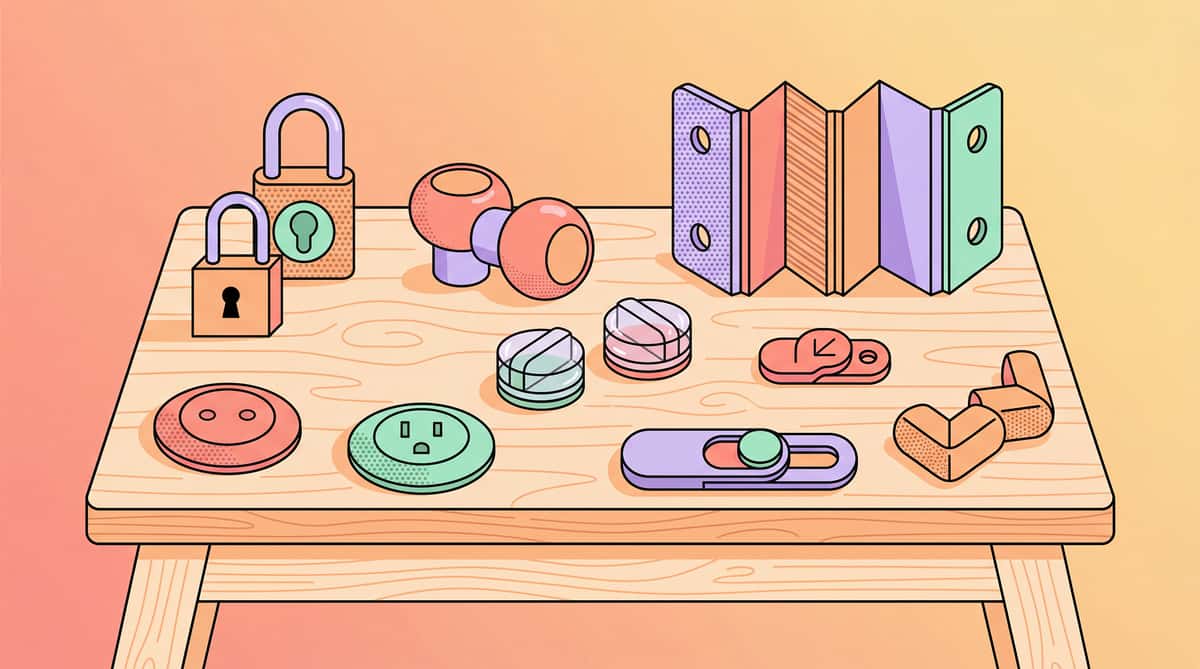
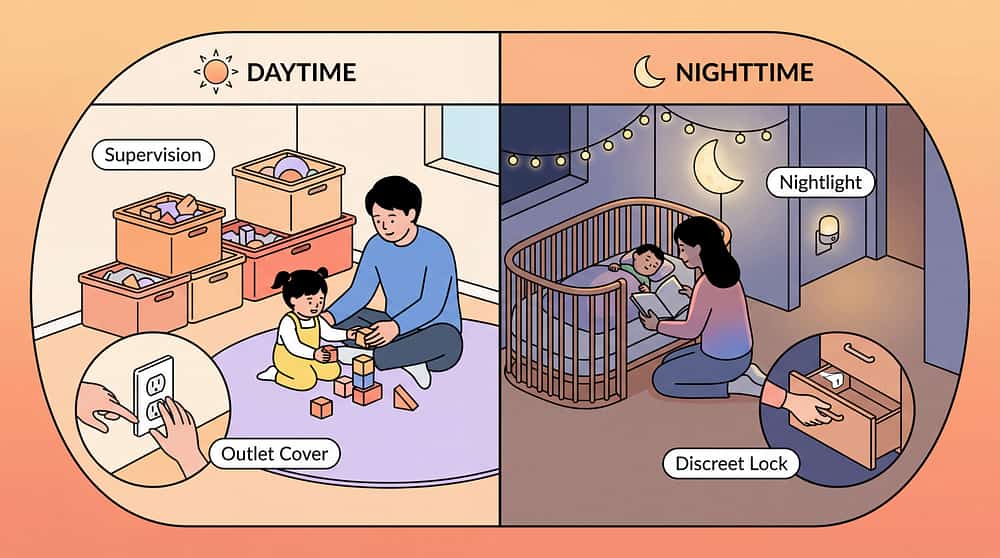
Every home has different hazards and every child different risks. Choose the specific locks and barriers your family needs, starting with the highest-risk areas first.
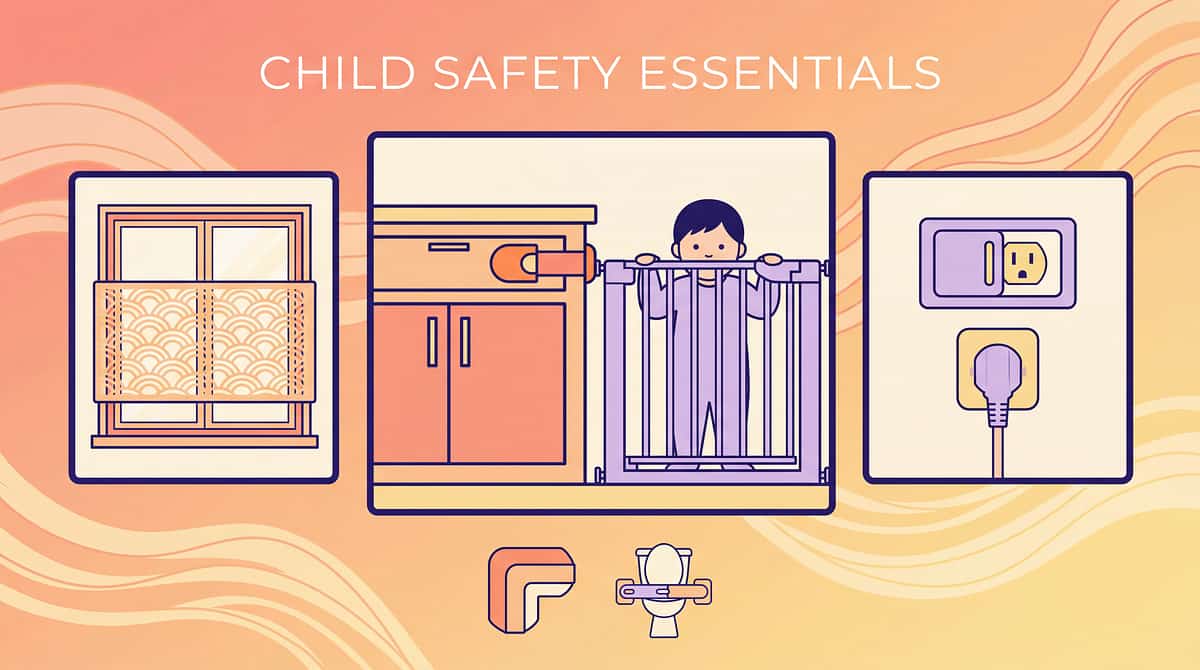
Cabinet Locks
Door Knob Covers / Locks
Window Locks / Guards
Stove Knob Covers / Guards
Outlet Covers / Plugs
Refrigerator / Appliance Locks
Corner / Edge Protectors
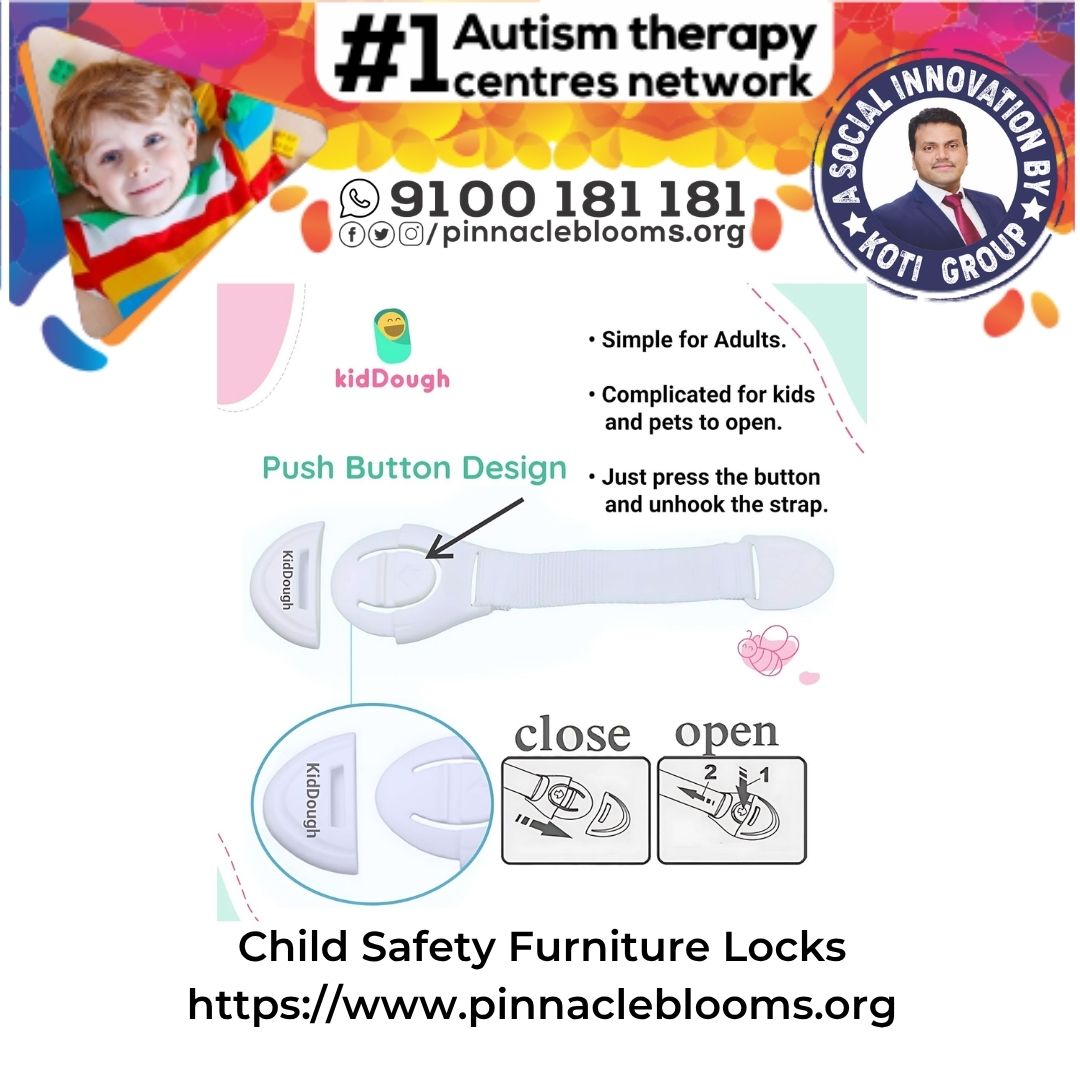
Cabinet Locks
Best for: Dangerous items, medications, chemicals
Type: Storage access prevention
Ages: All ages • Setting: Home
Portability: N/A (installed)
Price: ₹100–500
Door Knob Covers / Locks
Best for: Elopement prevention, dangerous rooms
Type: Room access control
Ages: All ages • Setting: Home
Portability: Low
Price: ₹100–400
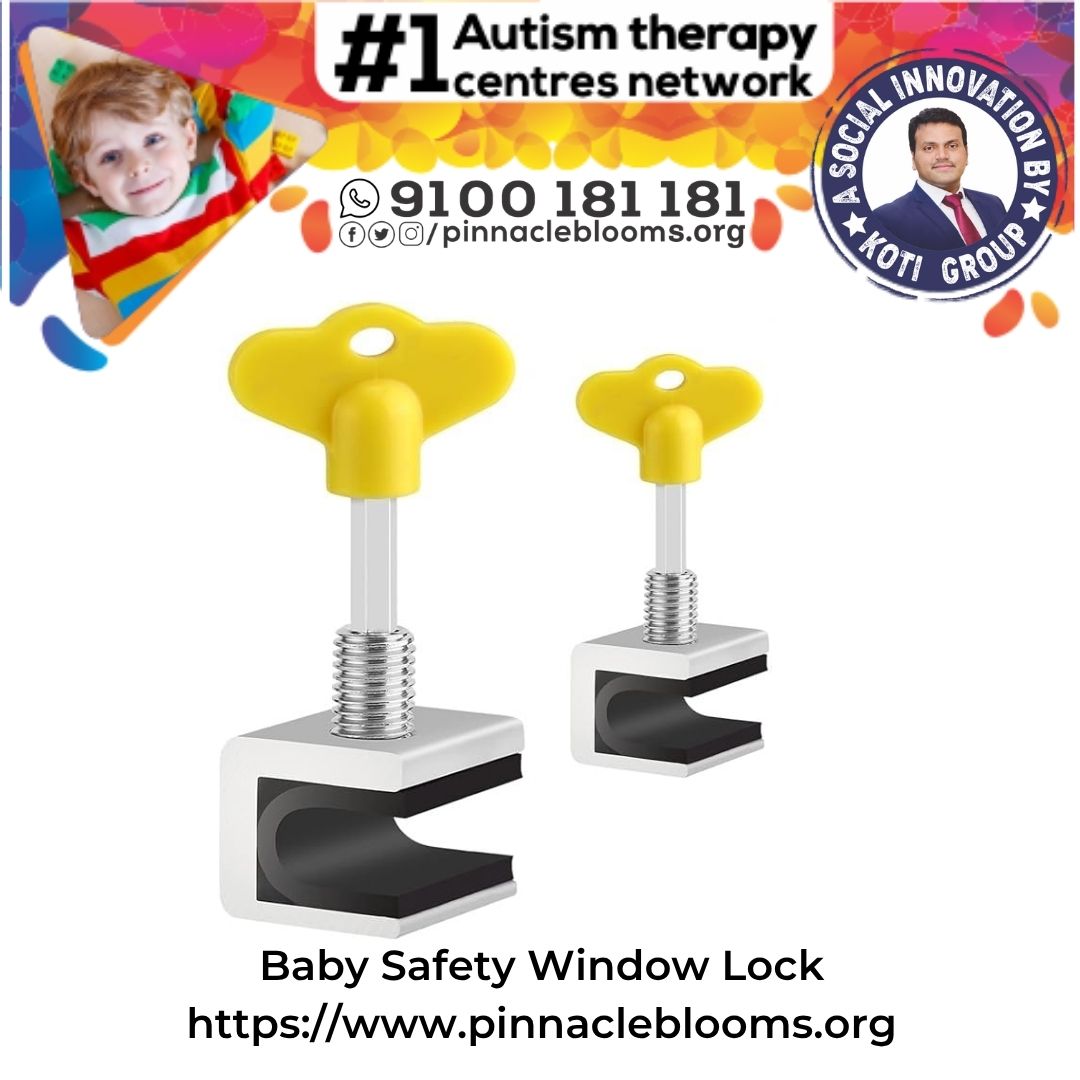
Window Locks / Guards
Best for: Fall prevention, elopement prevention
Type: Window safety
Ages: All ages • Setting: Home
Portability: N/A (installed)
Price: ₹200–800
Stove Knob Covers / Guards
Best for: Burn prevention, fire prevention
Type: Kitchen safety
Ages: All ages • Setting: Home
Portability: Low
Price: ₹200–600
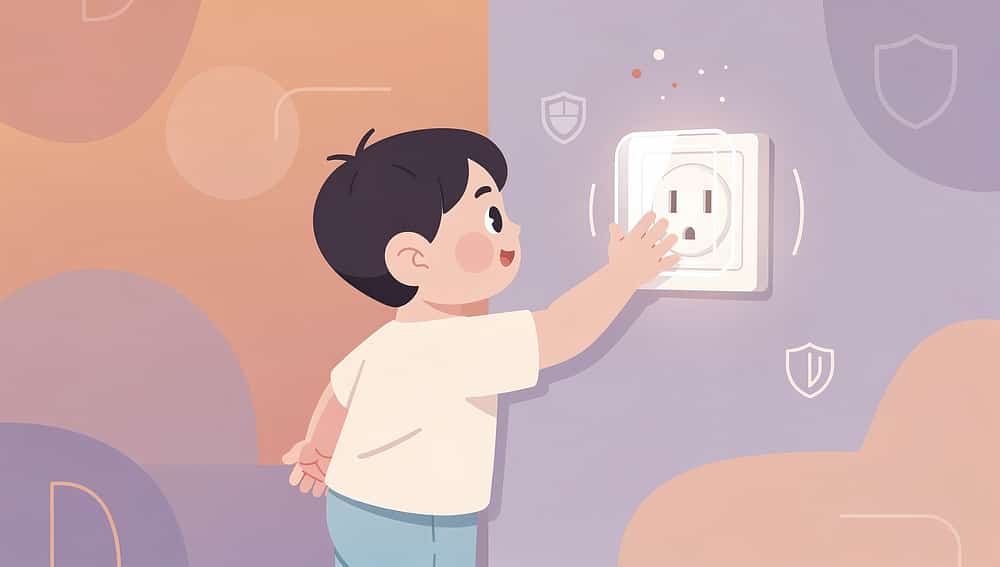
Outlet Covers / Plugs
Best for: Shock prevention
Type: Electrical safety
Ages: All ages • Setting: Home
Portability: Very High
Price: ₹50–200
Refrigerator / Appliance Locks
Best for: Food safety, PICA prevention
Type: Appliance access control
Ages: All ages • Setting: Home
Portability: Low
Price: ₹150–500
Corner / Edge Protectors
Best for: Head injuries, collision protection
Type: Injury prevention
Ages: All ages • Setting: Home
Portability: N/A (installed)
Price: ₹100–400

How to Choose:
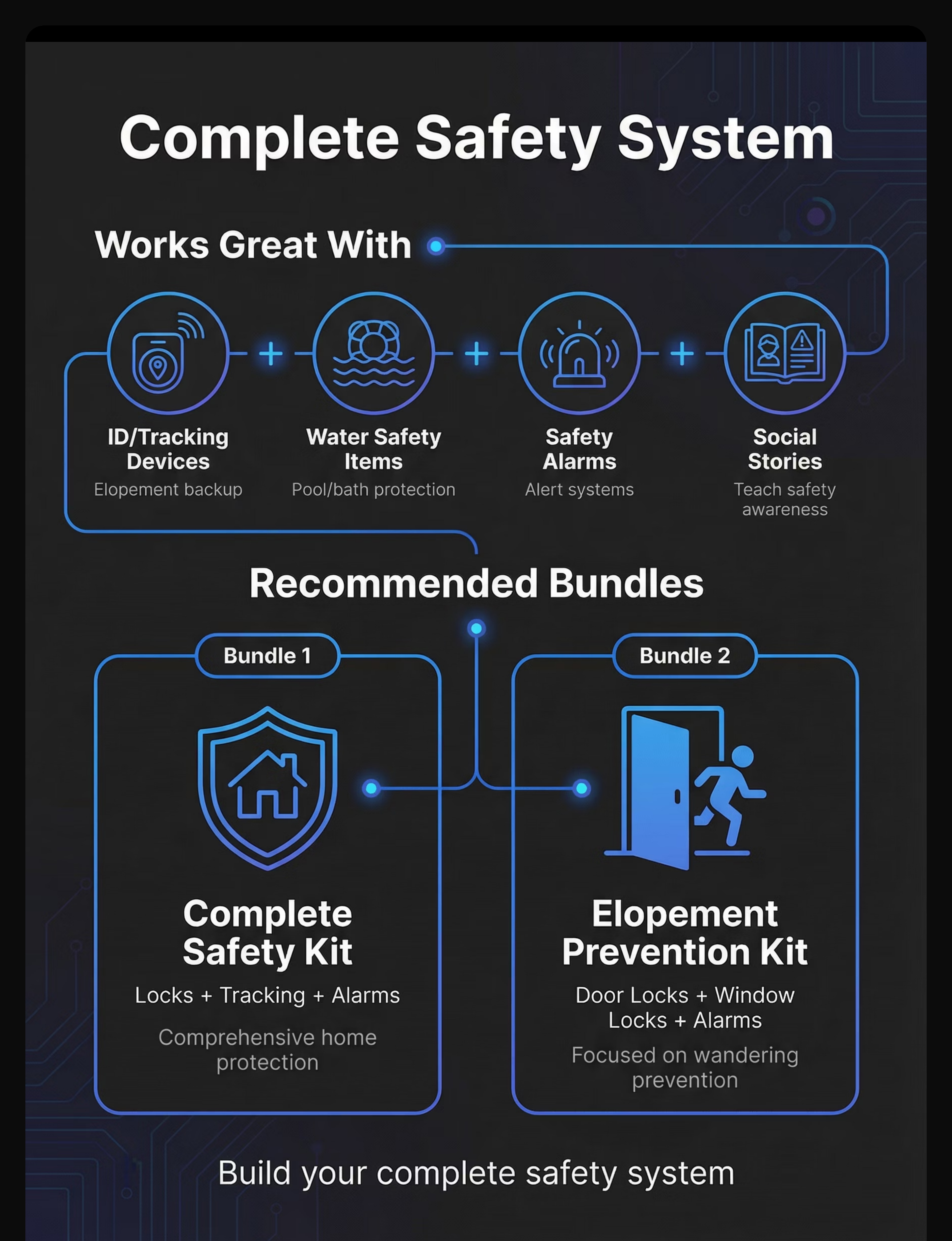
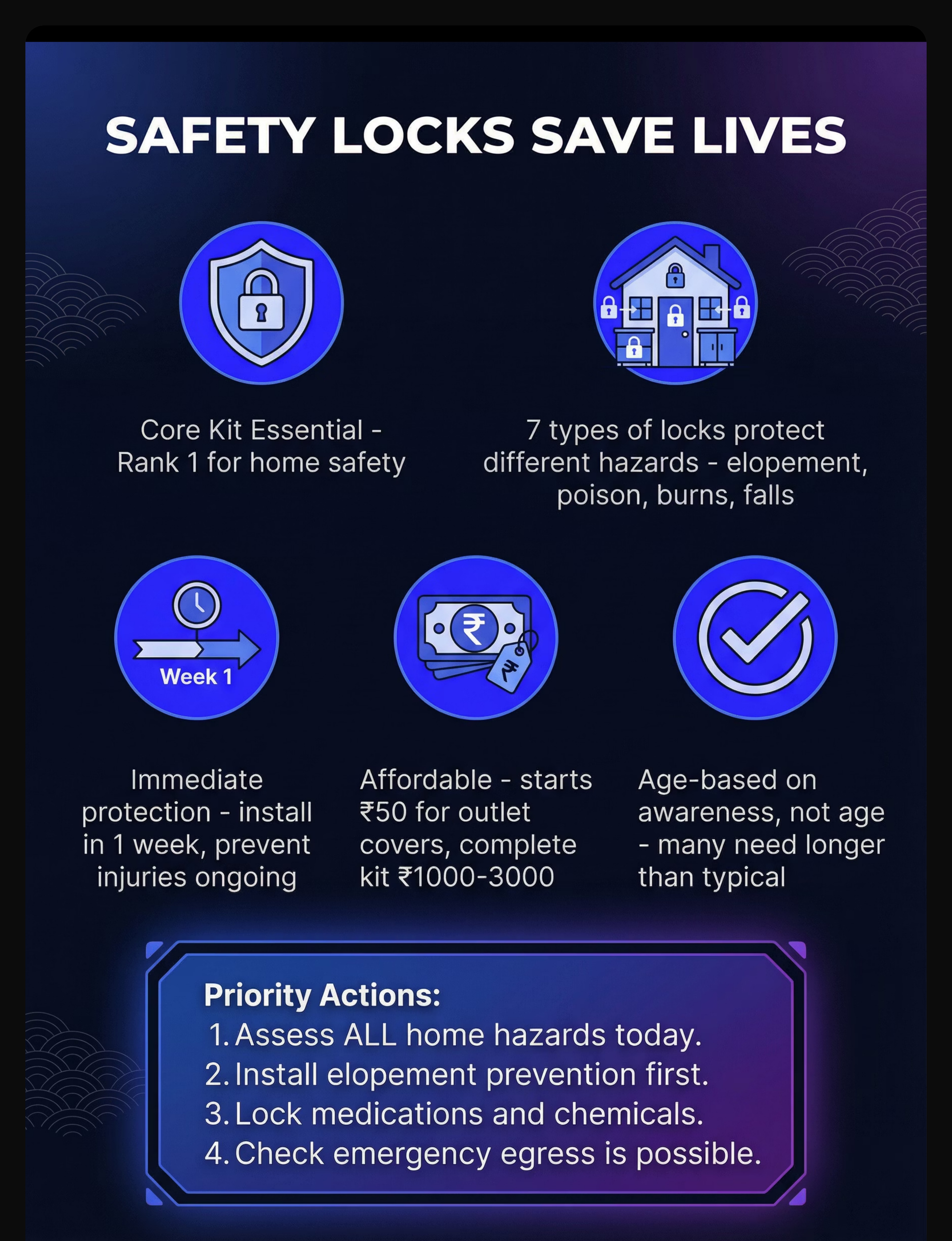
  • By risk level: Elopement and poison access are highest priority—start there
  • By child's pattern: PICA = lock all cabinets; elopement = secure all exits; sensory seeking = water safety
  • By setting: Kitchen requires stove guards, cabinet locks, knife security; bathroom needs medication locks, toilet locks
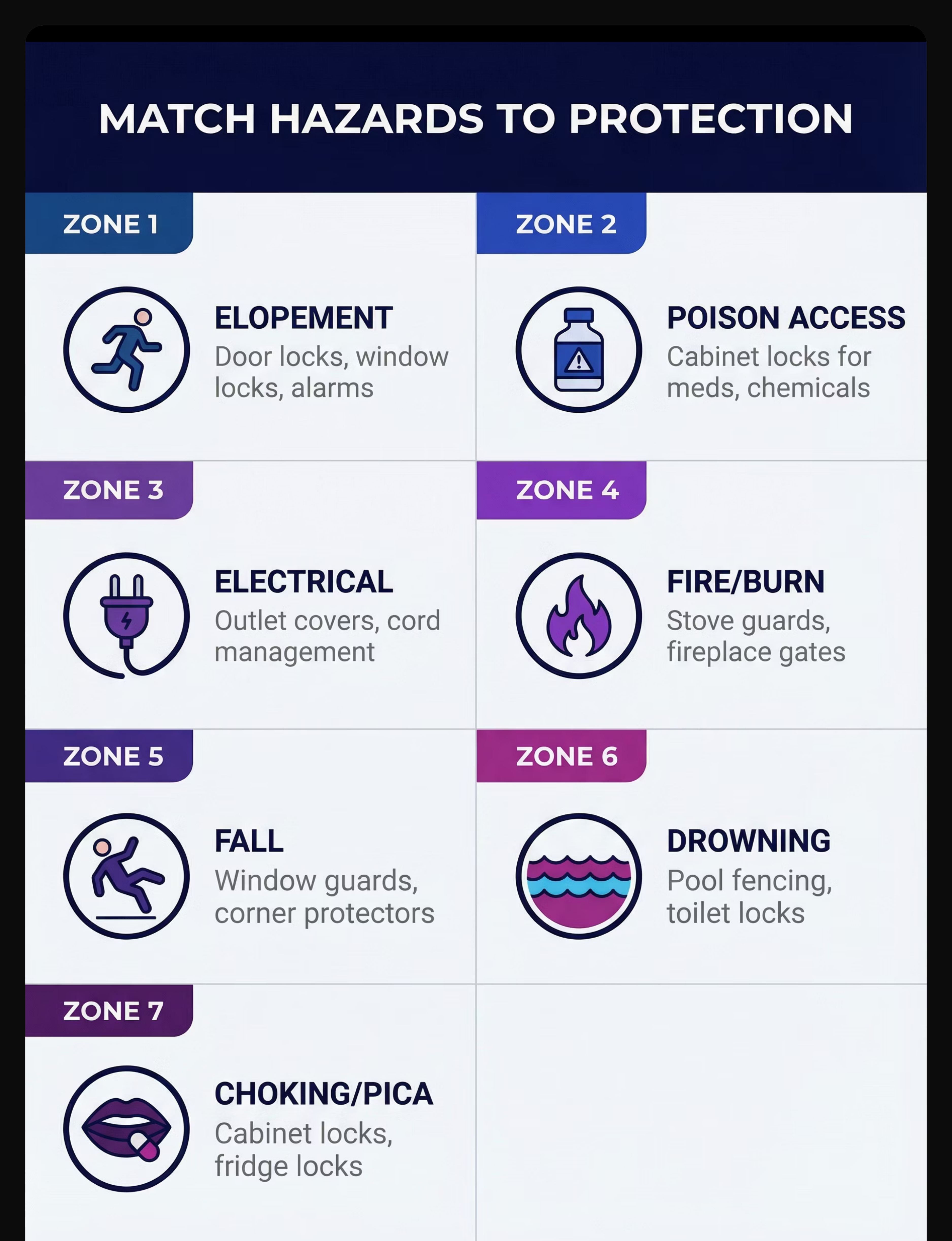
Hazard Categories & Solutions
Elopement
Door locks, window locks, alarms
Poison Access
Cabinet locks for medications, chemicals
Electrical
Outlet covers, cord management
Fire/Burn
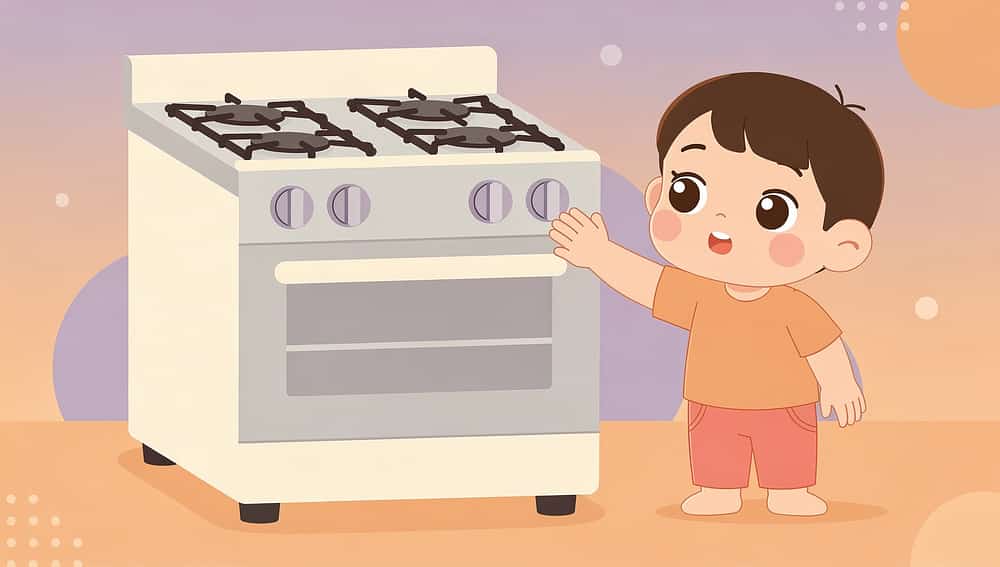
Stove guards, fireplace gates
Fall
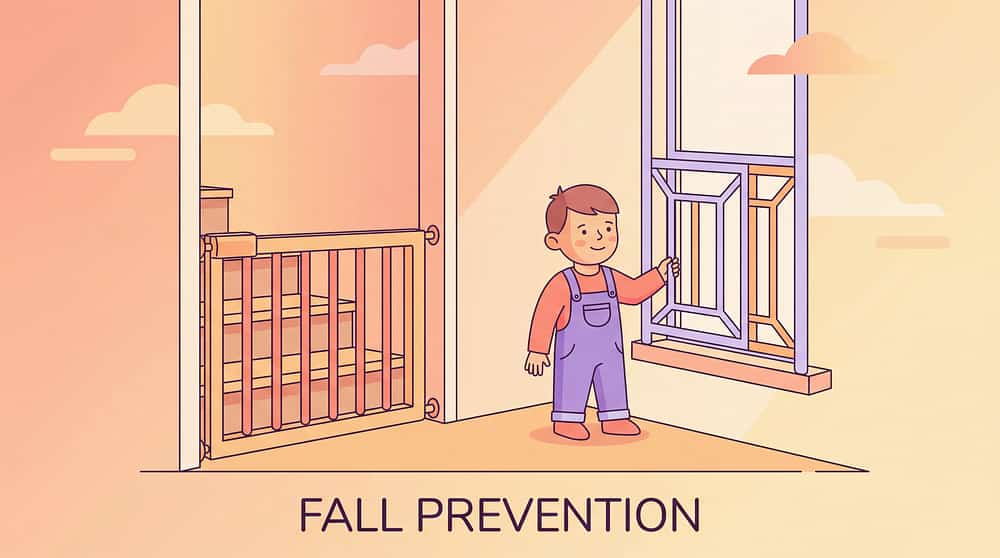
Window guards, stair gates, corner protectors
Drowning
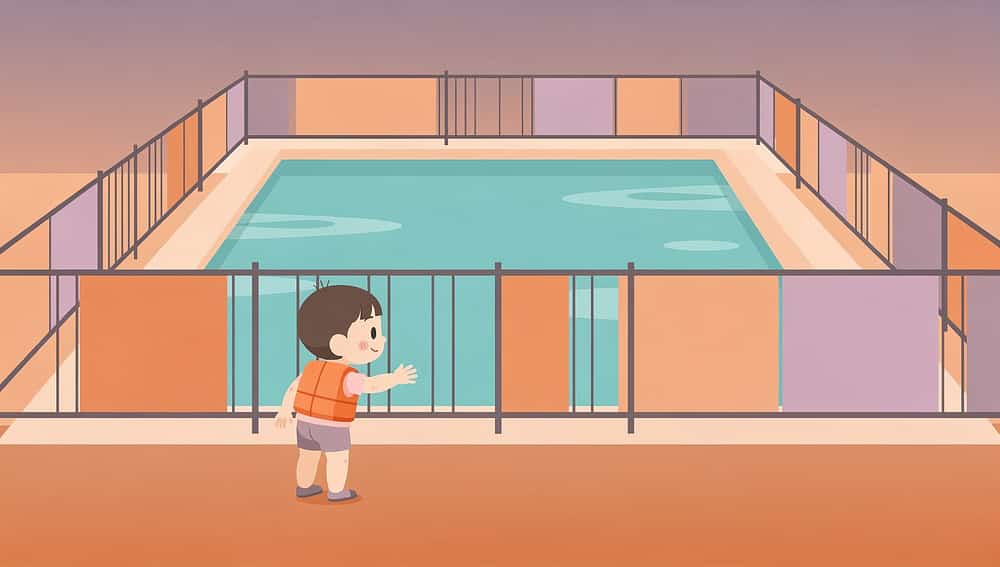
Pool fencing, toilet locks
Choking/PICA
Cabinet locks, refrigerator locks
Key Features Across All Categories:
Child-resistant
Adult-accessible
Durable
Emergency release available
Materials: Plastic, Metal, Adhesive mounting, Screw mounting
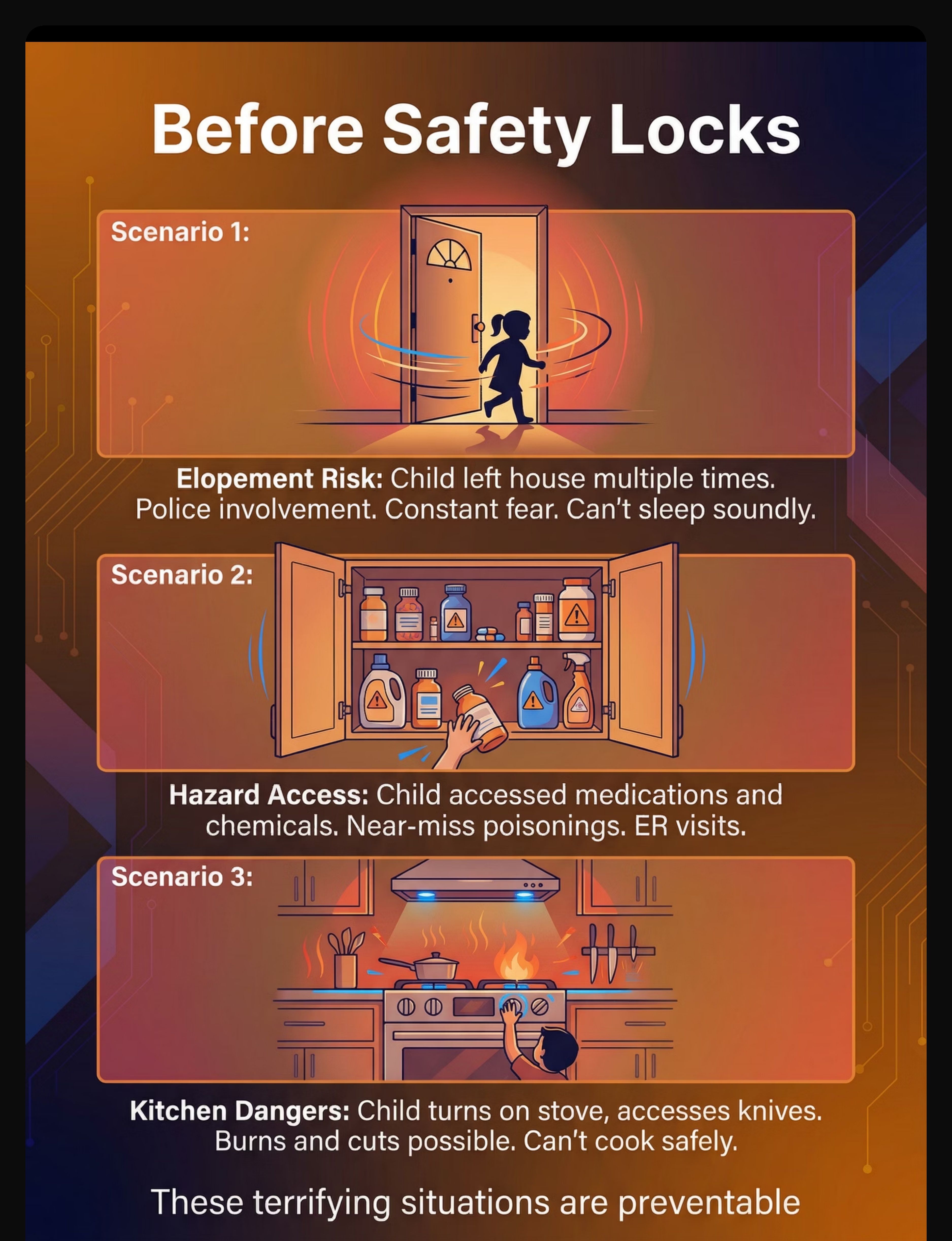
The Struggle (Before)
Elopement Risk
Situation: Child left house multiple times. Police involvement. Constant fear. Can't sleep soundly. Life-threatening risk every day.
Experience: Wake up to find door open, child gone. Heart-stopping terror searching neighborhood. Police know your name. Near-miss traffic incidents. Drowning risk if water nearby.
Emotion: Terror, constant vigilance, can't sleep, hypervigilance exhaustion
Gets Into Dangerous Items
Situation: Child accessed medications, chemicals, knives. Near-miss poisonings. Emergency room visits. Constant supervision impossible.
Experience: Find child with open medication bottle. Race to ER for poison control. Install locks, child defeats them. Kitchen is danger zone. Bathrooms, laundry, garage—everywhere is risk.
Emotion: Fear, exhaustion, guilt, feeling like failing parent
Kitchen Dangers
Situation: Child turns on stove, accesses knives, opens refrigerator at night. Burns, cuts possible. Kitchen is danger zone. Can't cook safely.
Experience: Small fires from stove being turned on. Cuts from knives. Food PICA from unsupervised refrigerator access. Can't turn back to cook. Give up on family meals.
Emotion: Danger, restriction, loss of normal family life
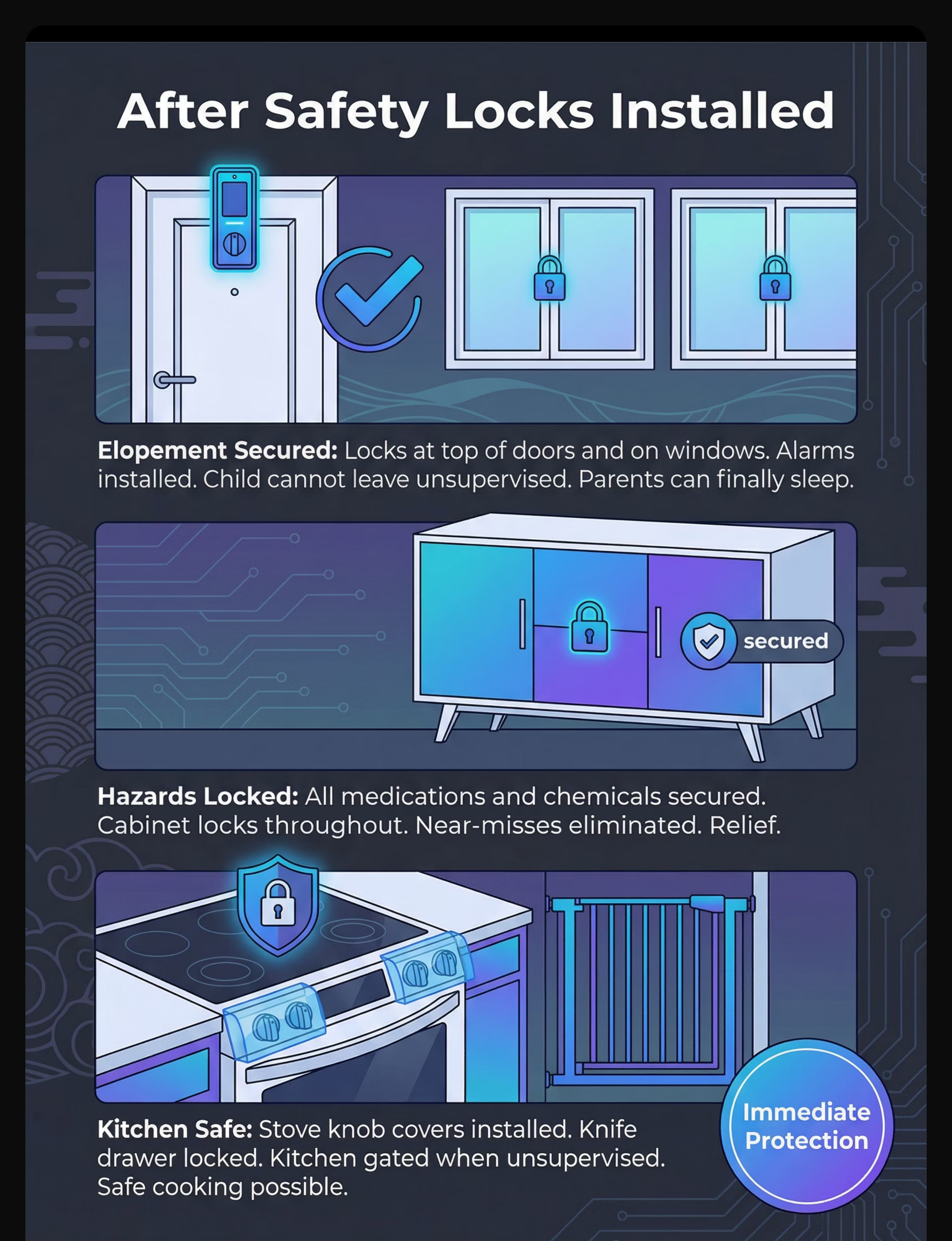
The Breakthrough (After)
Elopement Risk ✓
Situation: Door locks installed at top of all exit doors. Window locks on every window. Alarms on doors alert to opening. Child cannot leave unsupervised. Parents can finally sleep.
Experience: First full night of sleep in years. No more door checks every hour. Can shower without terror. Can focus on other children. Police haven't been called in months.
Emotion: Security, peace, relief, can breathe again
Gets Into Dangerous Items ✓
Situation: All medications locked in high cabinet with magnetic lock. Chemicals in locked cabinets under sink. Cabinet locks throughout house. Dangerous items completely secured. Near-misses eliminated.
Experience: Can store medications safely. No more hiding chemicals in bizarre places. Bathroom, kitchen, laundry room all secured. ER visits stopped. Poison control number no longer on speed dial.
Emotion: Safety, relief, control restored
Kitchen Dangers ✓
Situation: Stove knob covers installed—child cannot turn on burners. Knife drawer has lock. Refrigerator lock prevents night raids. Kitchen baby-gated when not supervised. Safe cooking possible again.
Experience: Can cook dinner without constant surveillance. No more burns or cuts. Food PICA controlled. Kitchen becomes family space again, not danger zone. Normal mealtimes return.
Emotion: Controlled, safer, family life restored
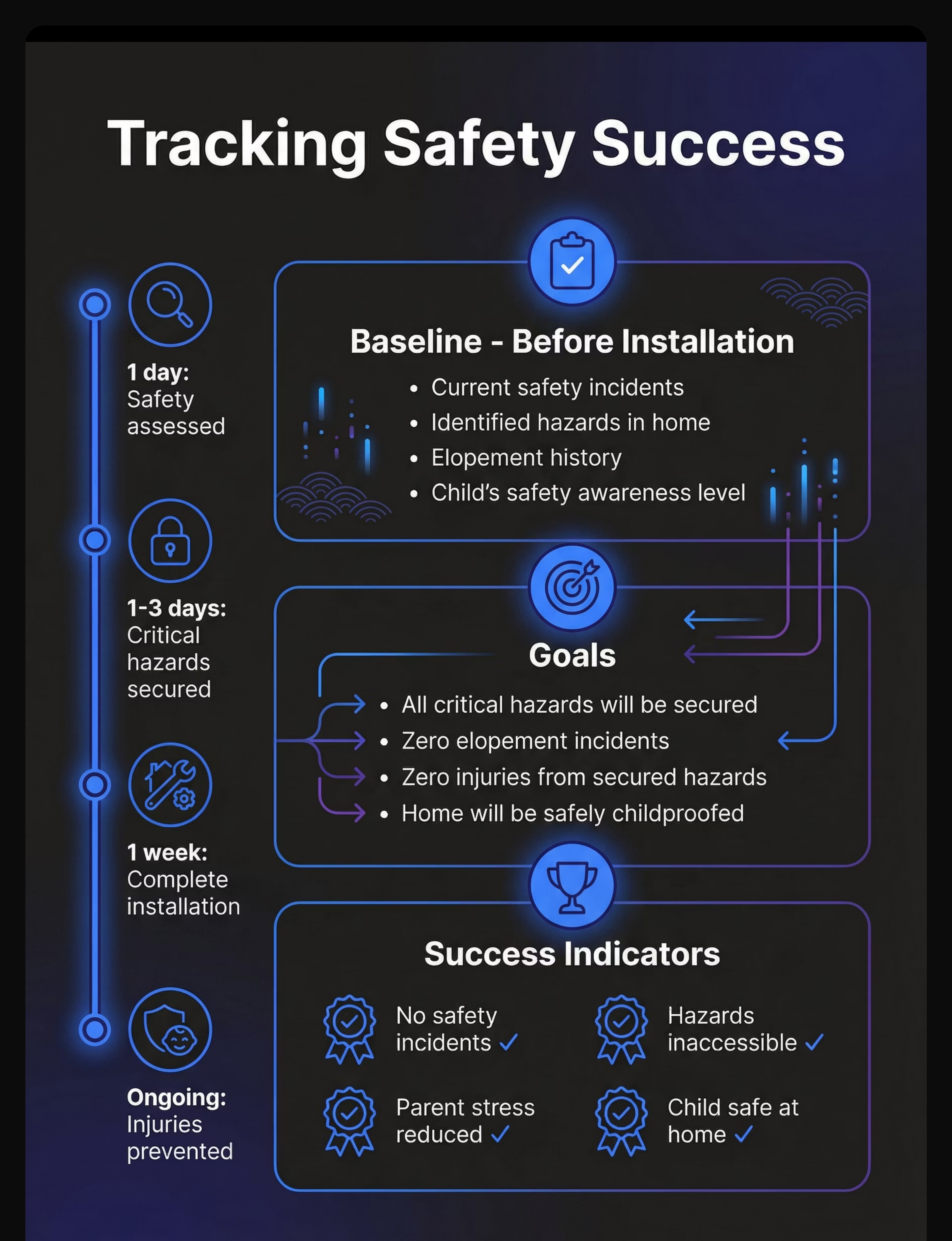
What to Expect (Realistic Timelines)
Home safety assessed
Walk through home identifying all hazards. Create prioritized list. Measure for locks and barriers. Timeframe: 1 day
Critical hazards secured
Elopement exits locked. Medications and chemicals secured. Highest risk items made inaccessible immediately. Timeframe: 1-3 days
Complete childproofing installed
All planned locks, covers, and barriers in place. Every room assessed and secured. Comprehensive protection achieved. Timeframe: 1 week
Injuries prevented
Zero incidents from secured hazards. No elopement events. No poisoning scares. No burns or cuts. Protection working. Timeframe: Ongoing
Parent stress reduced
Can sleep through night. Can cook, shower, use bathroom. Hypervigilance decreases. Quality of life improves. Timeframe: Immediate
Is This Right for My Child? (2-Minute Check)
Has your child ever left the home without supervision?
If yes, this indicates:CRITICAL—elopement prevention essential. This is life-or-death priority. Door and window locks must be installed immediately.
Does your child have reduced awareness of dangers?
If yes, this indicates: Extensive childproofing needed. Standard precautions insufficient. Comprehensive hazard assessment and protection required throughout home.
Does your child put non-food items in mouth (PICA)?
If yes, this indicates: Lock access to all dangerous items. Medications, chemicals, small objects, batteries. Refrigerator lock essential. Comprehensive cabinet security needed.
Is your home fully childproofed for your child's abilities?
If yes, this indicates: Maintain and reassess regularly. If no: Complete assessment and installation needed urgently.

Scoring: 3+ "yes" answers = strong fit and urgent need. Even 1 "yes" to elopement question = critical priority.
Common Questions (Honest Answers)
Question
Answer
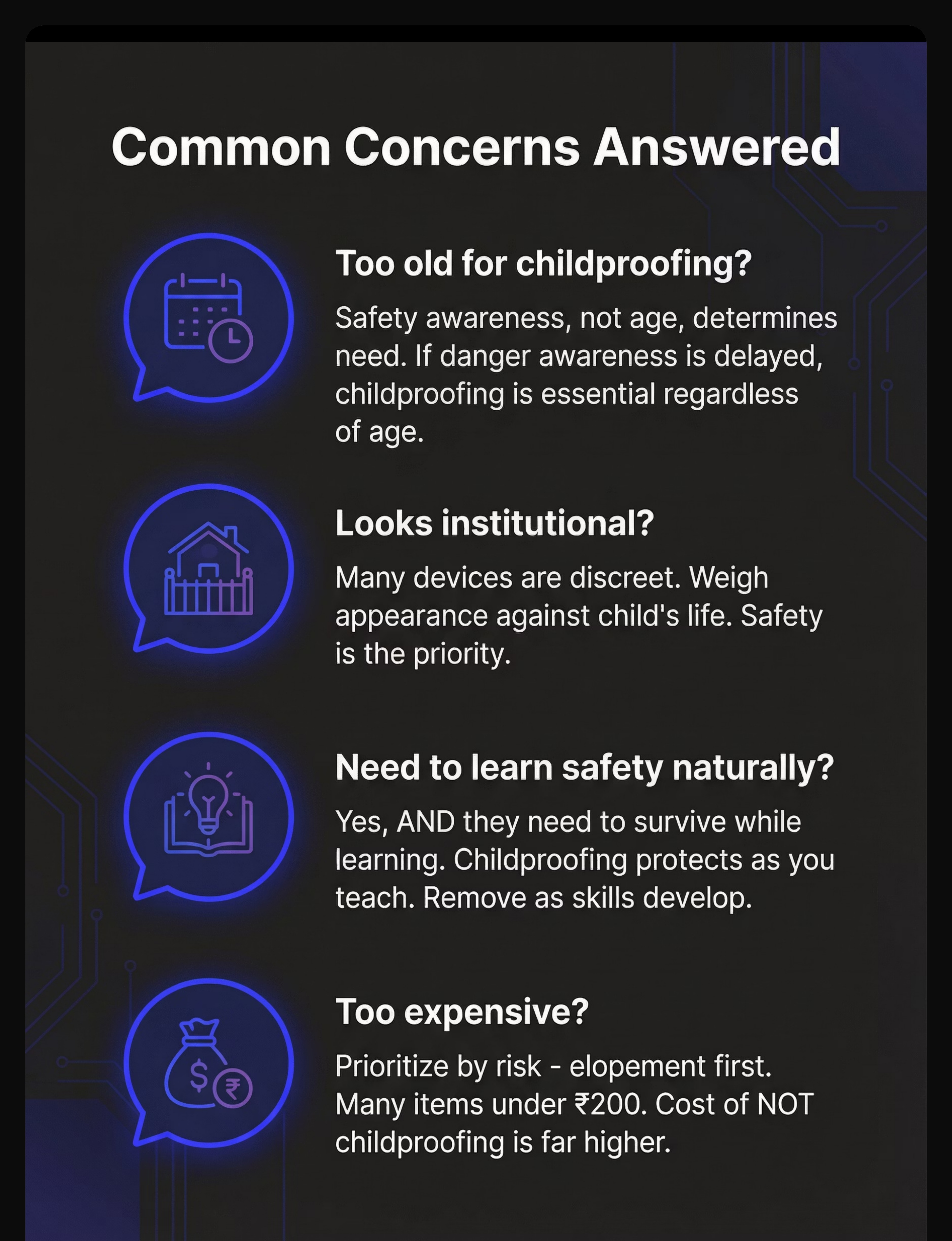
"They're too old for childproofing"
A: Safety awareness, not age, determines need.
If your child lacks danger awareness, childproofing is essential regardless of whether they're 5 or 15. Many children with autism need protection well into adolescence or beyond. Safety has no age limit.
Consider instead: Base needs on awareness level, not developmental age. Many families need locks through teenage years.
"It makes the house look institutional"
A: Many safety devices are discreet.
Many safety devices are discreet and blend into home décor. Weigh appearance concerns against your child's life and safety—there's no comparison. Some modifications can be hidden or disguised. Safety must be the priority.
Consider instead: Discreet options exist; safety always comes before aesthetics. Your child's life matters more than appearance.
"They need to learn safety, not be protected from everything"
A: Yes, AND they need to survive while learning.
Childproofing protects your child while safety skills are gradually taught over time. You can remove protections systematically as skills develop and demonstrate mastery.
Consider instead: Protect while actively teaching; fade protections only when skills proven. Learning takes years—protection keeps them alive during the process.
"It's expensive to childproof everything"
A: Prioritize by risk level.
Prioritize by risk level—elopement prevention and poison access come first. Many items are quite inexpensive (outlet covers ₹50-150). The cost of NOT childproofing—injury, hospital bills, or tragedy—is immeasurably higher.
Consider instead: Start with highest risks; many items are affordable; cost of injury or death is devastating and far exceeds prevention cost.
Usage Guide
When to Use
  • Always—permanent installation for constant protection
  • 24/7 protection—locks work even when you're sleeping or distracted
  • Especially when supervision limited—cooking, showering, caring for other children
When NOT to Use
  • Never remove locks until child has clearly demonstrated consistent safety awareness over extended time
  • Ensure emergency egress always possible—never create fire trap

Supervision by Age
Age/Ability
Supervision Level
Notes
All ages with reduced safety awareness
Locks supplement, don't replace, supervision
Locks are backup layer, not replacement for adult awareness. Visual supervision still needed—locks buy you time and prevent split-second tragedies.
Duration: Permanent installation until safety skills develop—often many years for children with autism. Base removal decisions on demonstrated awareness, never on age alone.
Safety First
Uncompromised Emergency Egress
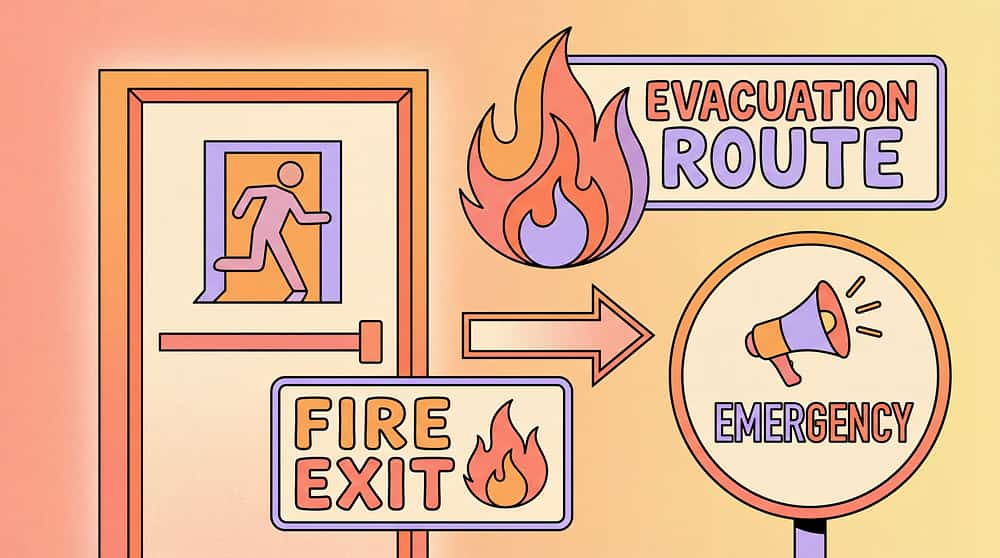
  • EMERGENCY EGRESS must be possible—never trap occupants in fire or emergency.
  • Adults must be able to exit quickly—test your ability to evacuate everyone fast.
  • Fire safety not compromised—locks must allow emergency escape.
  • Never use locks that trap occupants in fire or emergency.
Ongoing Safety Vigilance
  • Regularly check lock function—ensure devices haven't been defeated or failed.
  • Have emergency key accessible to adults, never to children.
  • Check locks regularly—children get stronger and smarter.
  • Reassess as child grows—what worked at 5 may fail at 8.
  • Avoid incomplete coverage leaving major hazards unsecured.

Before Use
  • All hazards identified room by room
  • Appropriate locks selected for each hazard
  • Emergency egress confirmed and tested
  • Installation complete and secure
During Use
  • All locks functioning properly
  • Child not defeating any locks
  • All hazards still secured
  • Adults can access as needed
Signs of Success ✓
  • No unauthorized hazard access
  • Zero elopement incidents
  • No injuries from secured hazards
  • Parents significantly less stressed
Investment Guide: Ensuring Child Safety
Investing in child safety is paramount for every home. This guide outlines different approaches to childproofing, from essential basics to comprehensive solutions, helping you budget effectively while ensuring your child's protection. The cost of prevention is negligible compared to potential injury or tragedy.
Prioritizing immediate high-risk areas like exits, medications, and chemicals is crucial. As your budget allows, you can build comprehensive coverage, systematically adding protections to secure your entire home environment.

Budget Option
Outlet covers, basic cabinet locks
100-300
Focus on highest-risk items first
Premium Option
Comprehensive childproofing kit (all lock types)
1,000-3,000
Safety 1st, Dreambaby, Munchkin
Overall Investment Range: ₹50–800 per item type | Complete home: ₹1,000-5,000 | USD Equivalent: $0.50–$10 per item
Key Protection Features
Elopement Prevention
Secure all doors and windows to prevent unauthorized exits.
Hazardous Substance Security
Lock away medications, cleaning supplies, and chemicals.
Electrical Safety
Cover electrical outlets to prevent shocks and accidents.
Tip-Over Prevention
Anchor heavy furniture and TVs to walls.
Implementation Timeline
Immediate
Prioritize high-risk areas (exits, meds, chemicals).
Short-Term
Address kitchens, bathrooms, and living room hazards.
Ongoing
Continuously assess as child grows and develops new skills.
Periodic Review
Regularly check and maintain all safety devices.
Where to Buy in India
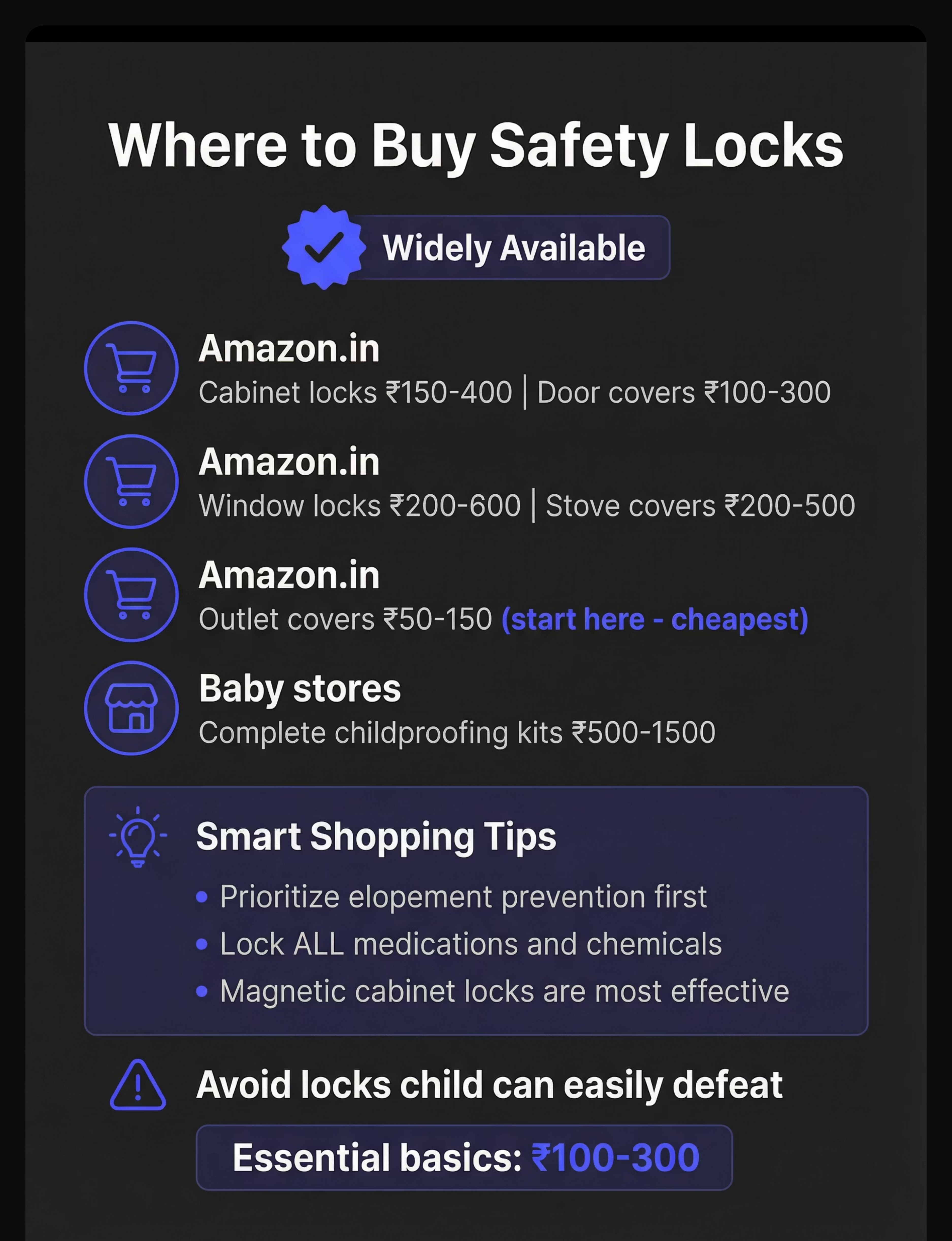
Availability: Widely Available across online and physical retail
Purchasing Options
Amazon.in
  • "child safety cabinet locks": ₹150-400
  • "door knob covers childproof": ₹100-300
  • "window locks safety": ₹200-600
  • "stove knob covers": ₹200-500
  • "outlet covers": ₹50-150
Baby Stores (FirstCry, Mothercare)
  • "childproofing kit": ₹500-1,500

Buying Tips
  • Prioritize elopement prevention first—door and window locks are life-saving
  • Lock ALL medications and chemicals—one miss can be fatal
  • Install door locks at very top of door where child cannot reach even with climbing
  • Consider alarms in addition to locks for extra alert layer
  • Magnetic cabinet locks are very effective and hard to defeat
  • Buy extras—you'll need more than you think as you identify all hazards

Red Flags (Avoid These)
  • Locks that child can easily defeat—test before relying on them
  • Trapping child in room or home in emergency—fire risk
  • Incomplete hazard coverage—one missed hazard can cause tragedy
  • Forgetting window security—major elopement and fall risk
DIY Alternative
Feasibility: Low-Medium for creating locks yourself; Medium-High for installing commercial products
Time Investment: Variable by scope • Cost Savings: Limited—commercial products are already affordable and safety-tested
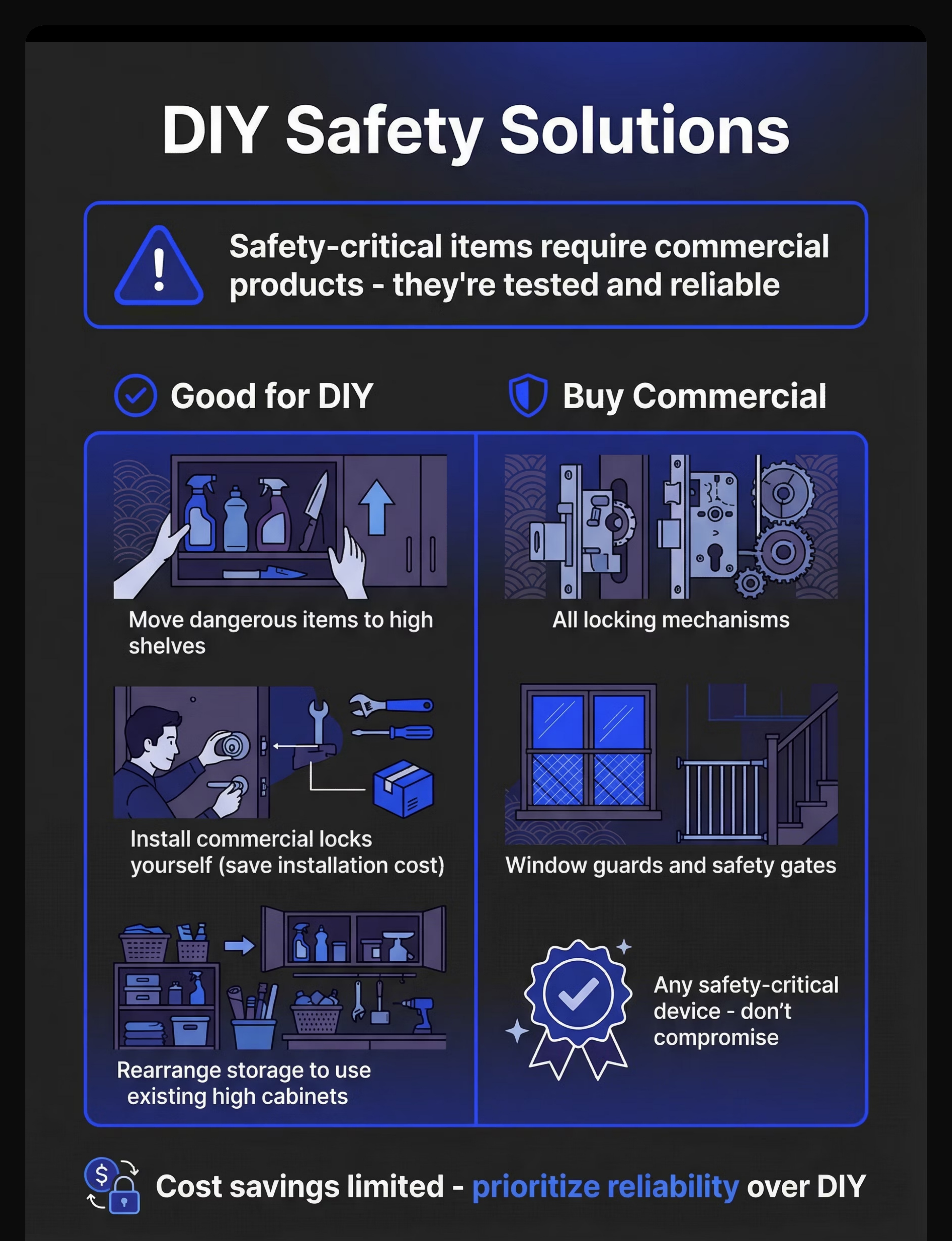
Why Commercial Products Are Recommended
Safety is Critical
DIY locks that fail can cost your child's life. Commercial products are tested, reliable, and have emergency releases. This is not the place to save money through homemade solutions.
Already Affordable
Most safety locks cost ₹50-500. The savings from DIY are minimal compared to the risk of failure. Invest in proven products.
Installation DIY Is Fine
You CAN install commercial products yourself—that's a great way to save money. Just don't try to create the locks themselves.
What You CAN Do Yourself
  1. Move dangerous items to high places out of reach—immediate free protection
  1. Use existing high cabinets that child cannot access for medications and chemicals
  1. Rearrange storage to minimize ground-level hazards
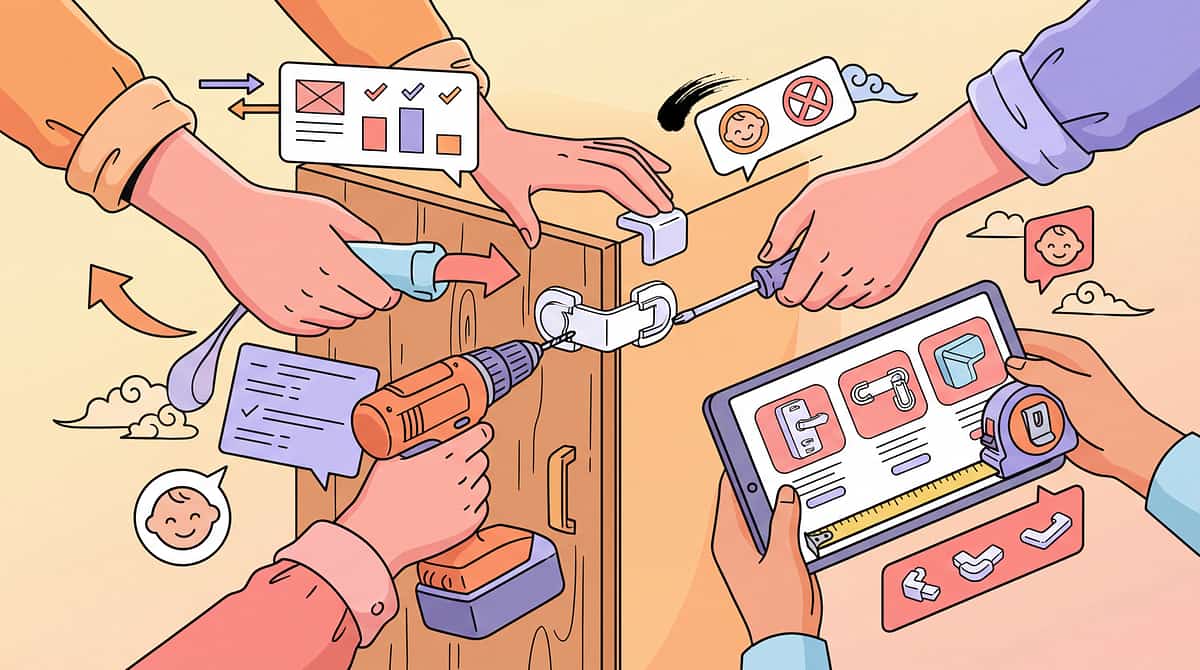
  1. Install commercial locks yourself following instructions—saves installation costs
  1. Install high door locks yourself at top of door frames
DIY vs Commercial Comparison
When to DIY
  • Moving items to high, inaccessible places
  • Rearranging storage for better security
  • Installing commercial locks yourself (not making locks)
When to Buy Commercial
  • All locking mechanisms—proven designs only
  • Window guards—fall prevention too critical
  • Any safety-critical item where failure = injury
Tradeoffs: Safety is critical—commercial products recommended. The small cost savings of DIY locks are not worth the risk of failure.

Preview of safety locks childproofing Therapy Material

Below is a visual preview of safety locks childproofing therapy material. The pages shown help educators, therapists, and caregivers understand the structure and content of the resource before use. Materials should be used under appropriate professional guidance.

Page 1
Page 2
Page 3
Page 4
Page 5
Page 6
Page 7
Page 8
Page 9
Page 10
Page 11
Page 12
Page 13
Page 14
Page 15
Page 16
Page 17
Page 18
Page 19
Page 20
Link copied!
Next Steps: Your Action Plan
Taking action now is crucial for your child's safety. Every small step you take makes a significant difference in creating a secure home environment where your child can explore and learn safely. Don't delay—start today!
  1. Conduct a thorough home safety audit, identifying all potential hazards room by room.
  1. Order essential childproofing locks and covers for immediate high-risk areas like exits, cabinets, and outlets.
  1. Install all safety devices within 48 hours of their arrival, following instructions carefully.
  1. Review and adjust your childproofing measures monthly, especially as your child grows and develops new skills.

Immediate Actions (Today)
  • Identify critical hazards (exits, medications, chemicals).
  • Relocate dangerous items out of reach, high cabinets.
  • Schedule purchases for necessary safety products.
This Week
  • Install all purchased locks, covers, and anchors.
  • Secure heavy furniture and TVs to prevent tip-overs.
  • Test all new installations for reliability and effectiveness.
Ongoing Maintenance
  • Perform monthly home safety checks and device maintenance.
  • Reassess childproofing as your child's mobility and curiosity increase.
  • Stay informed on new safety recommendations and products.
Remember, a secure home is a safe haven. Each action you take builds a stronger protective layer for your child, giving you peace of mind.

Community & Support
You're not alone in this journey. Connect with parent support groups or child safety organizations for additional resources, tips, and shared experiences. Together, we can create safer environments for all children.