



Balance & Vestibular Equipment
Ground-Based Challenges for Postural Control, Core Strength & Balance Development
Professional therapy equipment for building functional balance skills in children
Who This Helps
Children with Balance Difficulties
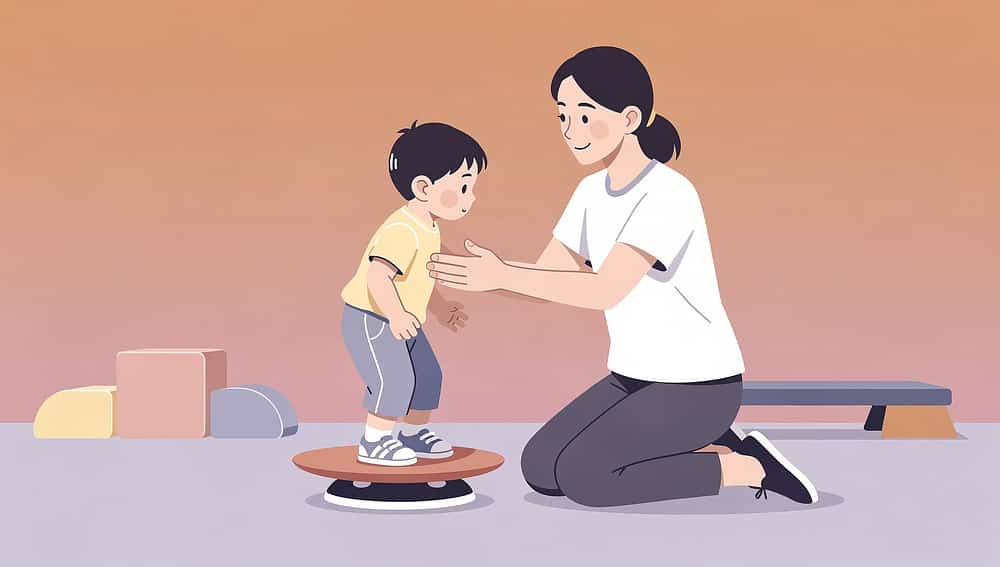
Equipment helps develop balance reactions and overcome difficulties through active movement.
Kids Needing Core Strength Development
Supports the development of core strength, essential for stable sitting and movement.
Those with Postural Control Challenges
Offers ground-based challenges to improve postural control and stability.
Children Working on Motor Planning Skills
Aids in strengthening neural pathways for improved motor planning and functional movement.
Balance
Postural Control
Core Strength
Vestibular Processing
Proprioception
Motor Planning
Coordination
2+ years
Clinic
Home
School
Does This Sound Familiar?
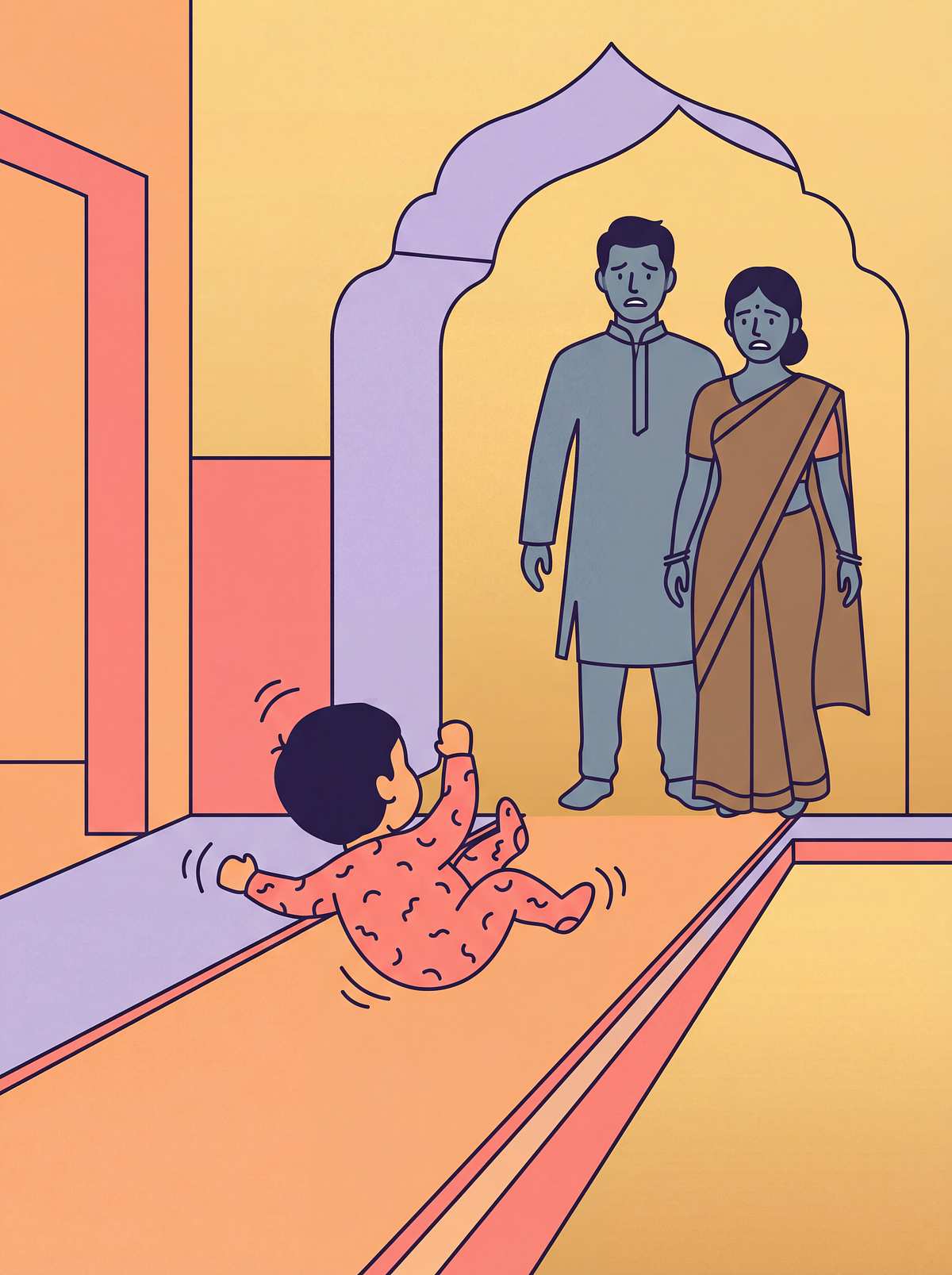
"He falls constantly"
"She can't balance on one foot"
"His coordination is terrible"
"She's afraid to try balance activities"
"He can't ride a bike"
"Her core is so weak she can't sit up"
You're not alone. These are common challenges faced by families when children have balance and postural control difficulties. Professional balance equipment provides the structured support needed to address these concerns systematically.
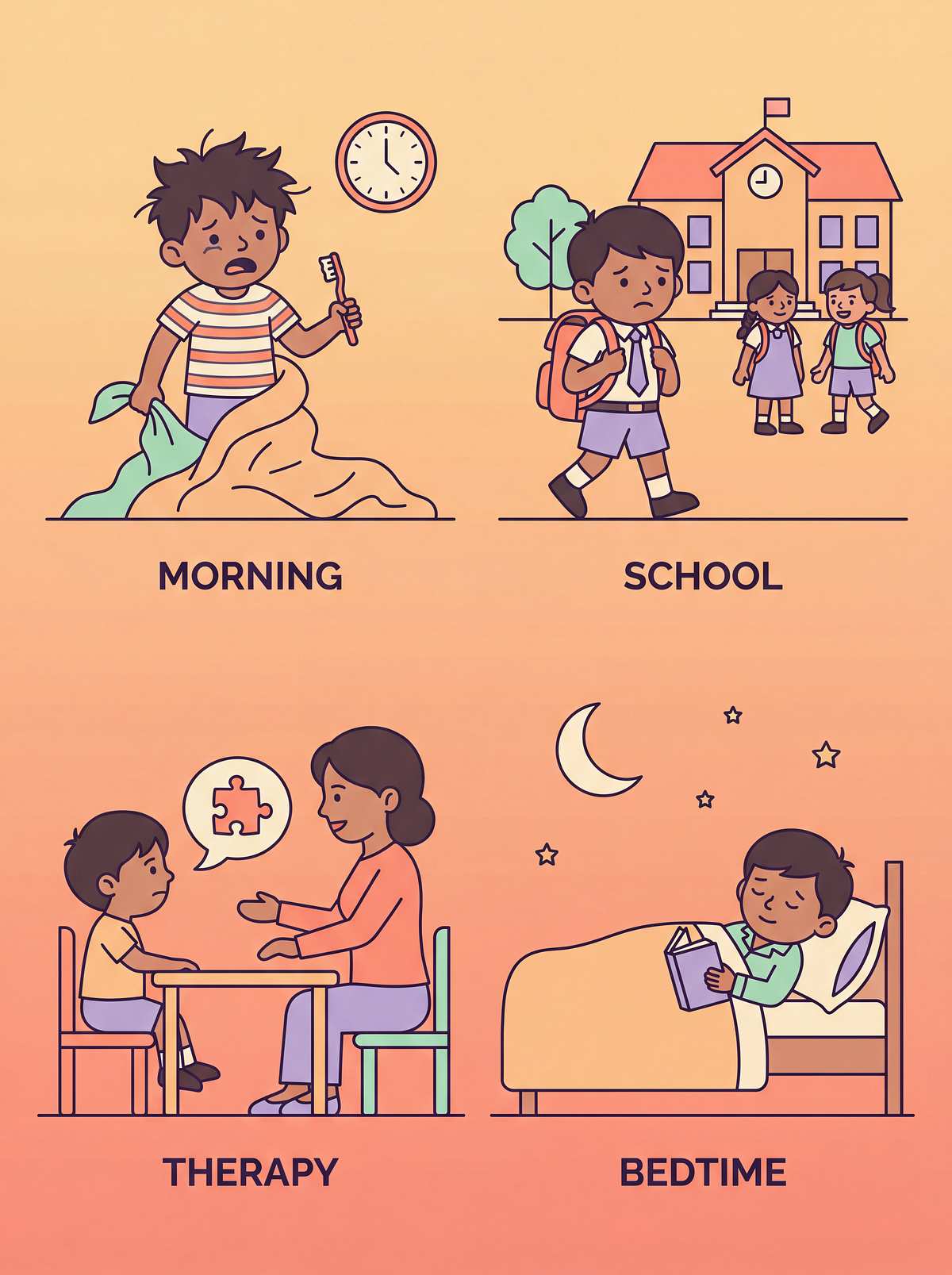
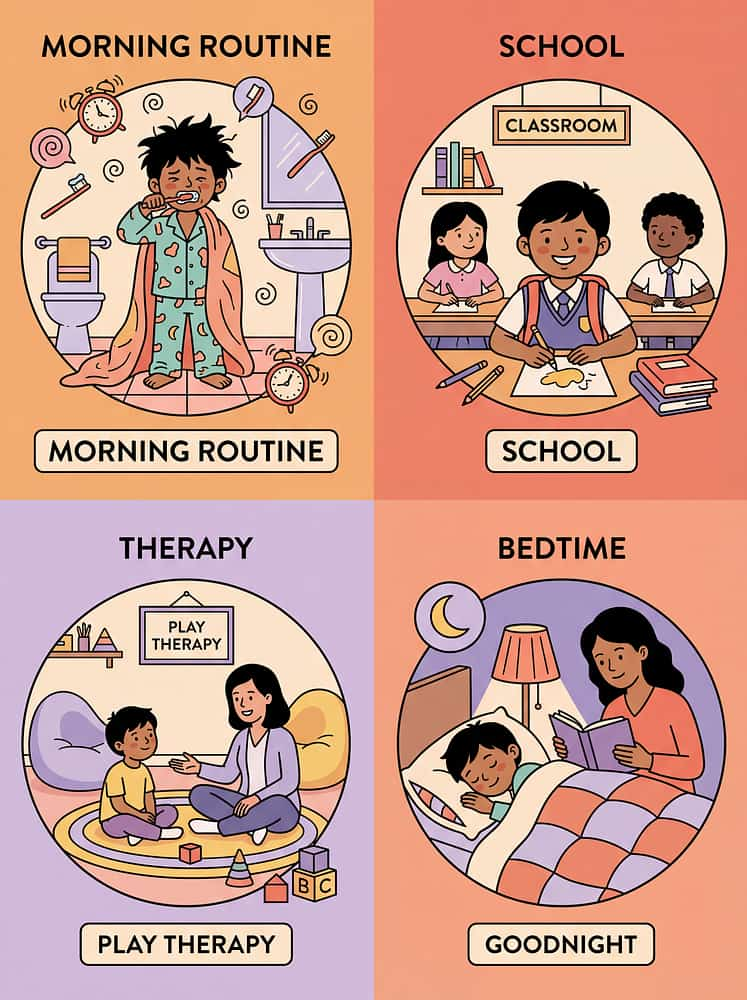
A Day Without the Right Support
Morning Routine
Stumbles getting out of bed, struggles with balance while dressing, takes longer than peers for basic tasks, parents worried about school day ahead
School Transitions
Bumps into peers in hallways, difficulty navigating playground equipment, avoids PE activities, sits out during active games, feels left behind
Therapy Time
Without proper equipment, limited progress on balance goals, frustrated by lack of appropriate challenges, needs specific tools to build skills systematically
Evening Activities
Too tired from compensating all day, avoids family outdoor activities, misses developmental movement experiences, confidence decreasing
The Science Behind It
1
Unstable Surface Challenge
Equipment creates controlled instability requiring active postural response
2
Vestibular & Proprioceptive Activation
Sensory systems detect position changes and activate compensatory mechanisms
3
Postural Adjustments
Body makes constant micro-corrections to maintain balance and control
4
Neural Pathway Strengthening
Repeated practice builds stronger, faster connections between sensory and motor systems
5
Functional Improvement
Enhanced balance reactions, core strength, and postural control transfer to daily activities
Unlike swings which provide passive vestibular input, balance equipment requires active postural responses. This active engagement is crucial for developing functional balance skills that generalize to real-world situations.
Balance
Postural Control
Core Strength
Vestibular Processing
Proprioception
Motor Planning
Coordination
How to Use It Right
1
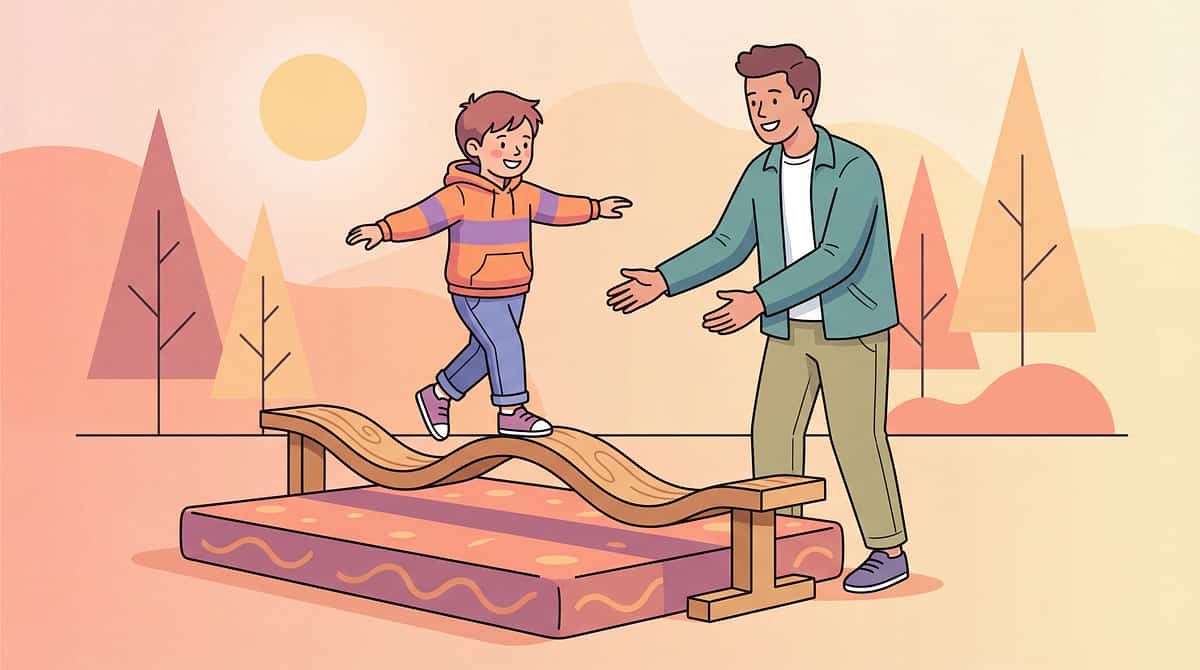
Start with stable surfaces, progress to unstable
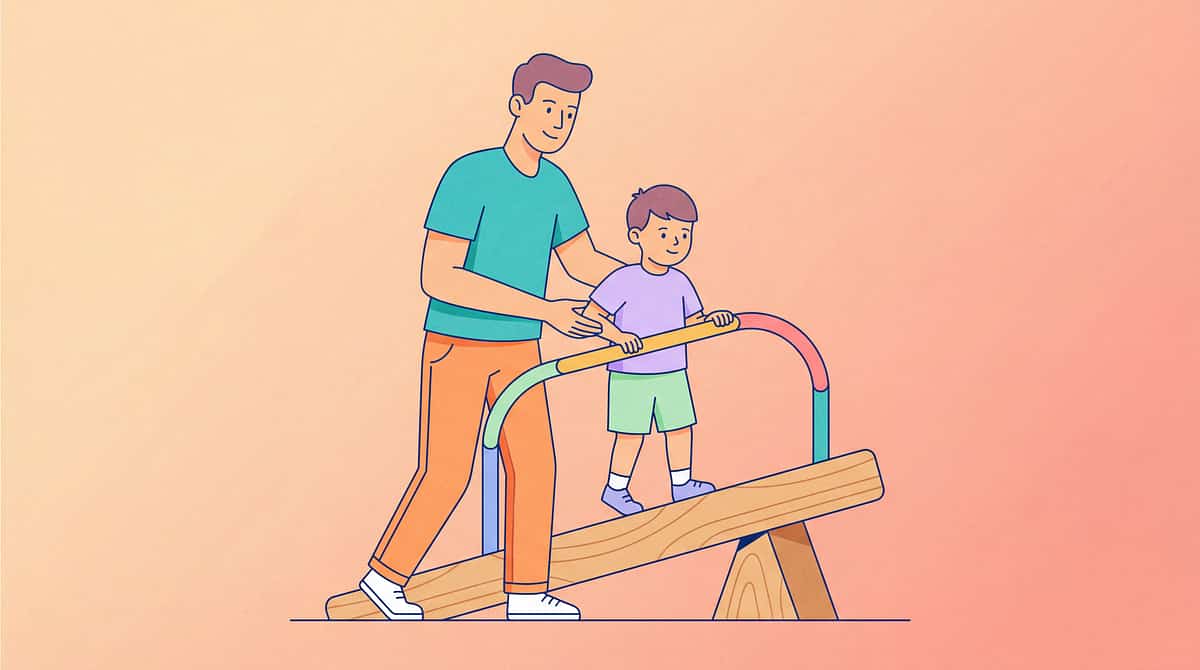
Begin with low, wide beams or partially deflated balls before advancing to narrower or more dynamic challenges
2
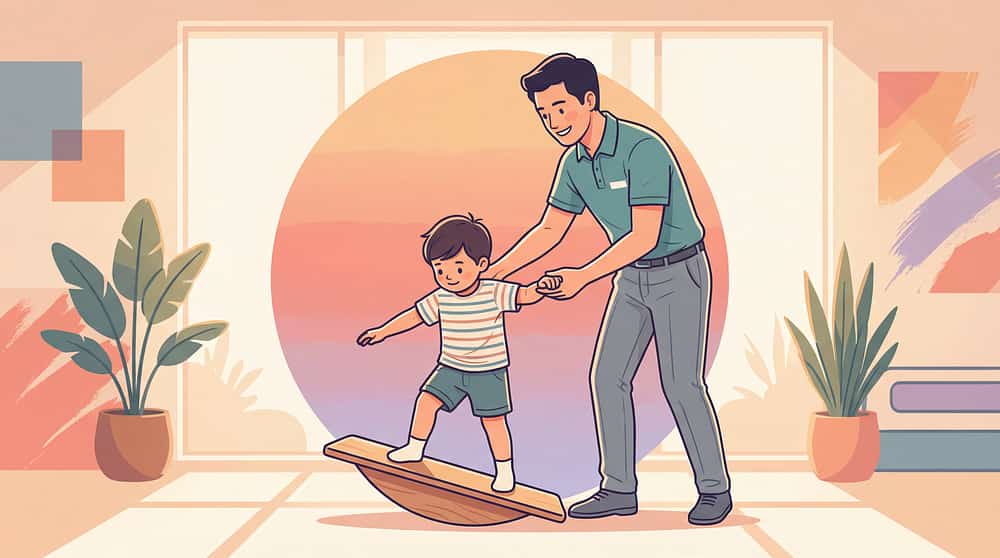
Provide support initially, fade as skills develop
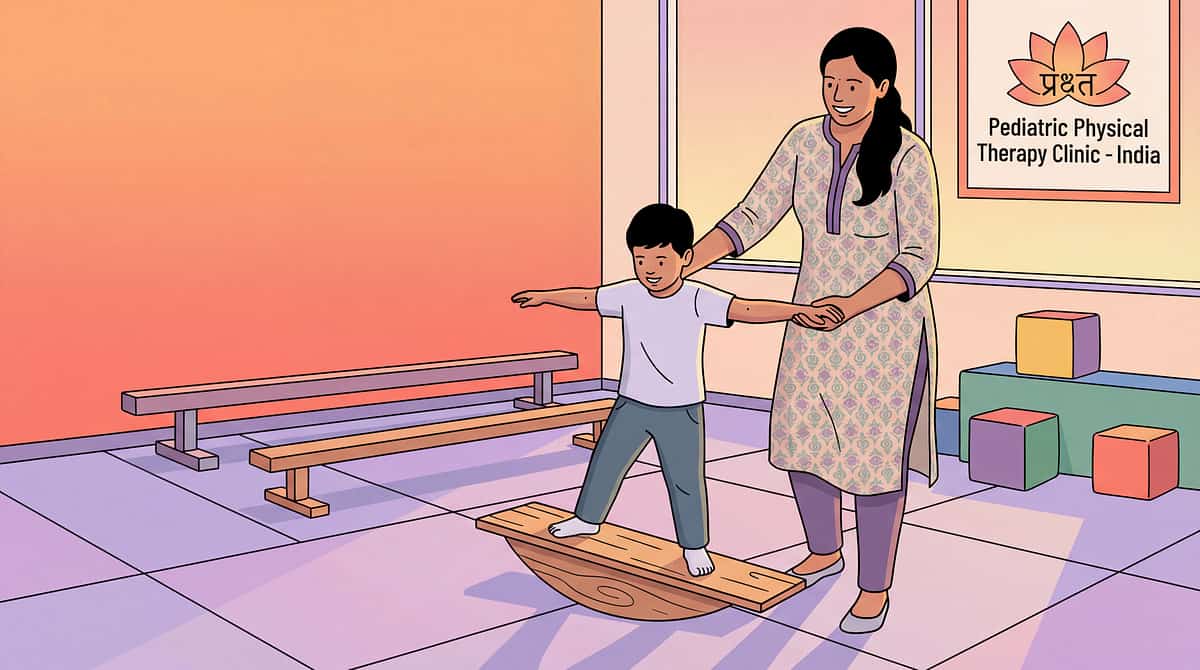
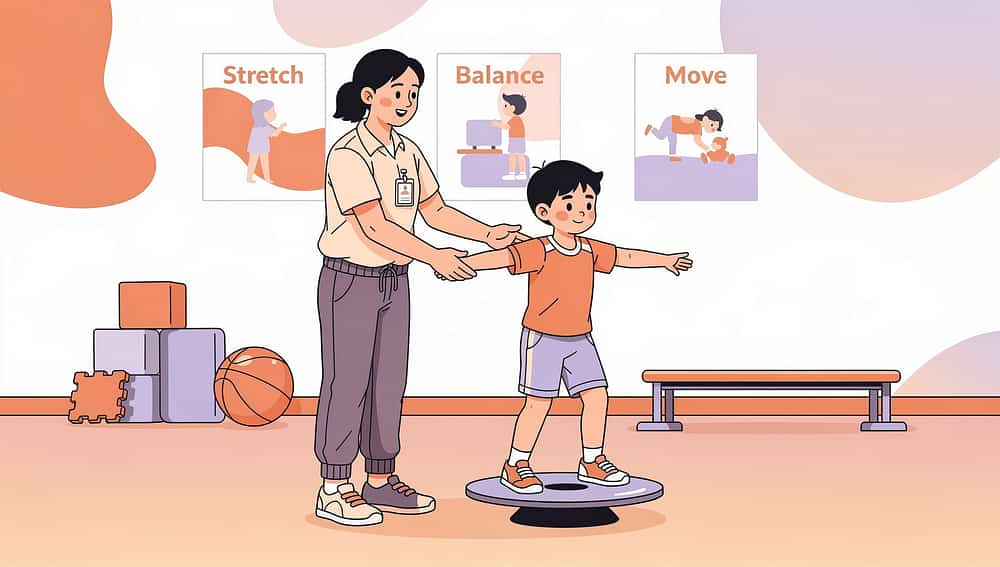
Hands-on assistance transitions to fingertip contact, then visual supervision as confidence builds
3
Combine with functional activities
Integrate balance challenges into games, reaching tasks, or obstacle courses to maintain engagement
4
Match challenge to child's level
Equipment should be difficult enough to require effort but not so hard it causes fear or repeated failure
5
Safety mats around equipment
Proper padding reduces injury risk and increases willingness to attempt challenging activities
6
Supervise appropriately
Level of supervision matches child's skill level and equipment difficulty
Duration: 5-15 minutes per activity in therapy sessions. Equipment-based activities are alerting and engaging but can be fatiguing, so shorter focused sessions work best.
Expert Endorsement
"Balance equipment provides graded challenges to the vestibular and proprioceptive systems. Unlike swings which provide passive input, balance equipment requires active postural responses. This active engagement is crucial for developing functional balance skills."
— Physical Therapist, Pediatric Specialist
OT + PT Recommended
Strong Evidence
Rank #1 in Category
Professional Kit
balance-vestibular-equipment therapy material

Choose Your Option (6 Variants)

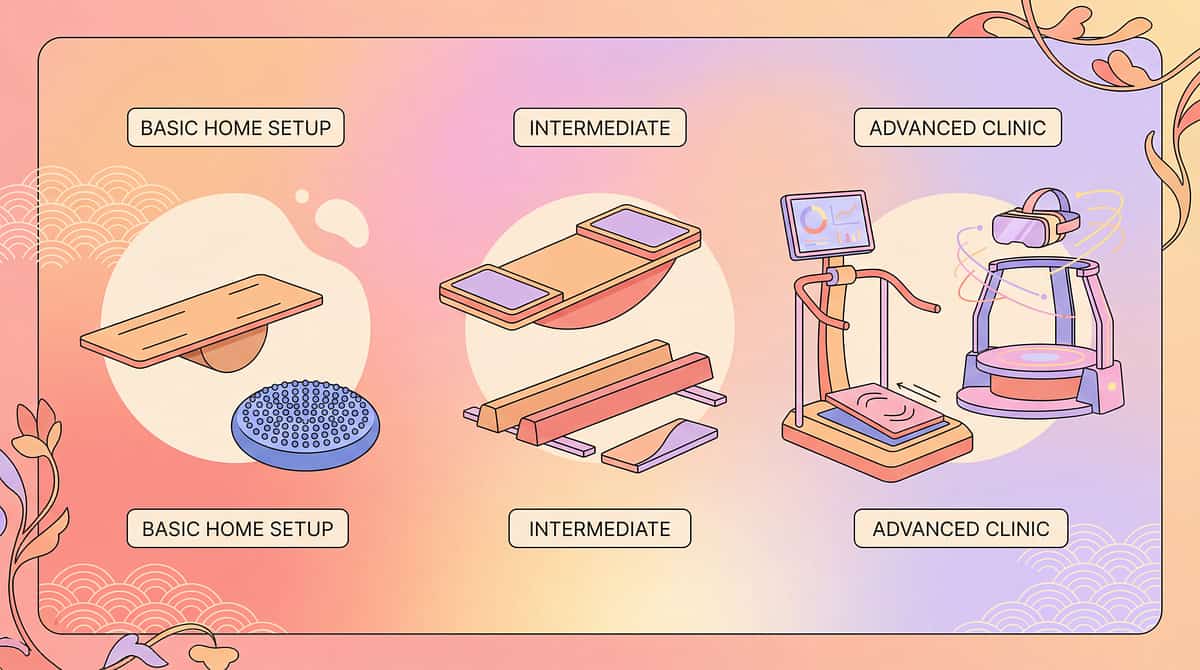
Balance equipment comes in multiple formats to target different aspects of postural control, core strength, and balance reactions. Your OT or PT will recommend specific equipment based on your child's assessment and goals. Therapy Balls (Various Sizes) Beginner-friendly for core strength, balance, and vestibular input. Easily integrates into play. Ages: 2+ years Price: ₹500–2,000 Balance Boards & Wobble Boards Introduces dynamic challenges for balance reactions, core engagement, and ankle stability. Ages: 3+ years Price: ₹500–3,000 Balance Beams (Various Heights) Enhances balance, motor planning, and confidence. Different heights offer increasing difficulty. Ages: 2+ years Price: ₹2,000–15,000 Stepping Stones / Lily Pads Promotes motor planning, balance, and coordination, often used for obstacle courses. Ages: 2+ years Price: ₹1,000–5,000 Rocker Boards Offers calming vestibular input while engaging balance and core muscles with gentle movement. Ages: 2+ years Price: ₹1,000–5,000 BOSU Ball / Half Ball Advanced equipment for significant challenges to balance, core strength, and proprioception. Ages: 5+ years Price: ₹1,500–4,000 How to Choose By Goal Core strength: Therapy balls, BOSU Balance confidence: Low beams, stepping stones Balance reactions: Wobble boards, rocker boards Motor planning: Stepping stones, balance beams By Setting & Portability Home use: Therapy balls, wobble boards, stepping stones (high portability) Clinic: All equipment types, especially beams and specialized items Travel/school: Small wobble boards, deflatable balls

Specifications & Types Guide
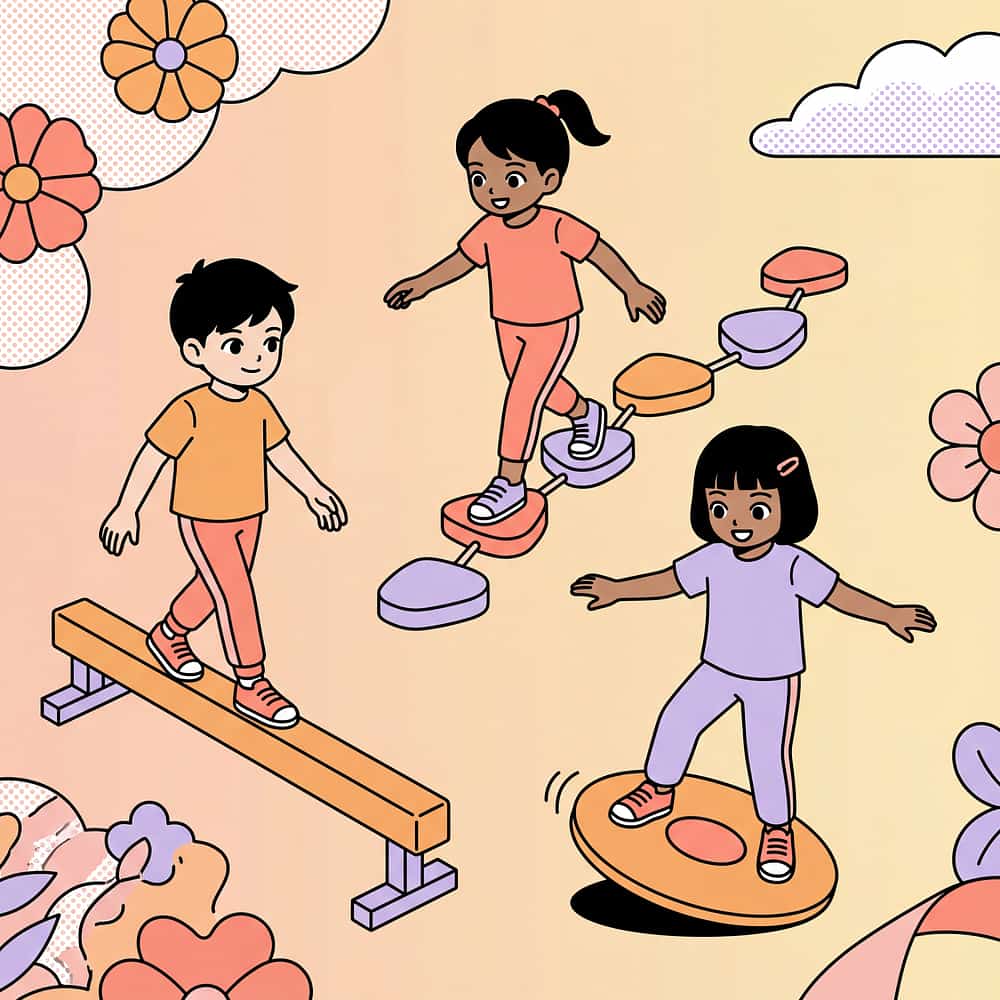
Beams
Linear walking surfaces at various heights for sequential balance challenges and confidence building.
Balls
Large inflatable balls for sitting, prone positioning, dynamic balance and core strengthening activities.
Boards
Flat or curved platforms creating controlled instability to develop balance reactions and ankle stability.
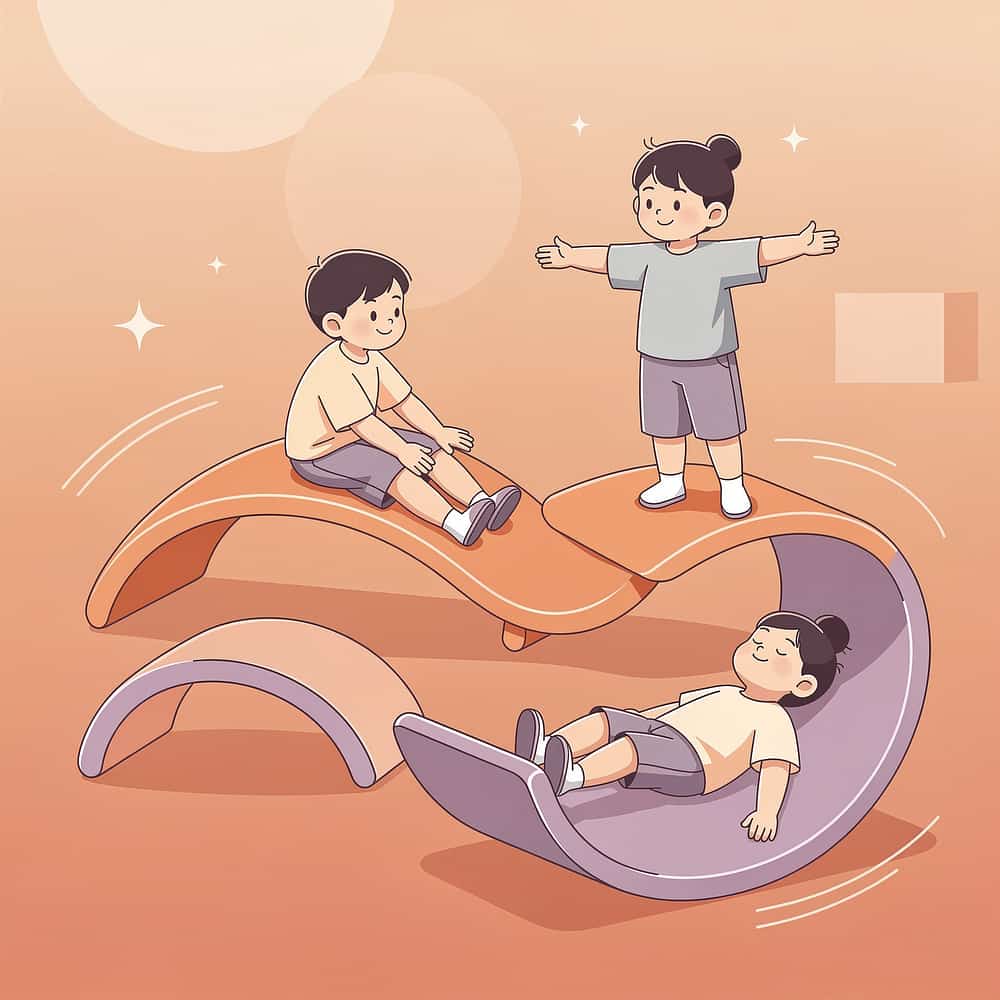
Rockers
Curved bases for linear rocking movement providing calming vestibular input while building balance control.
Stepping
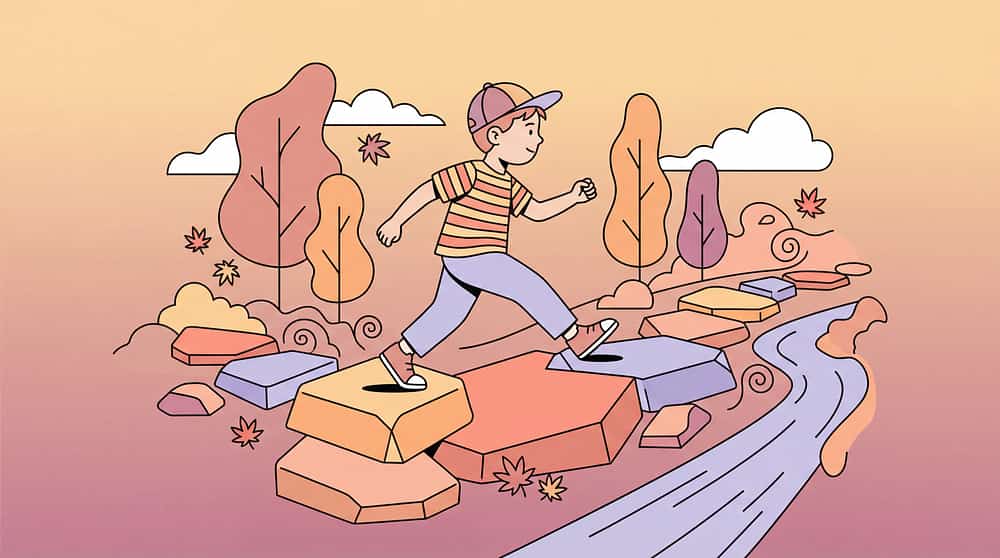
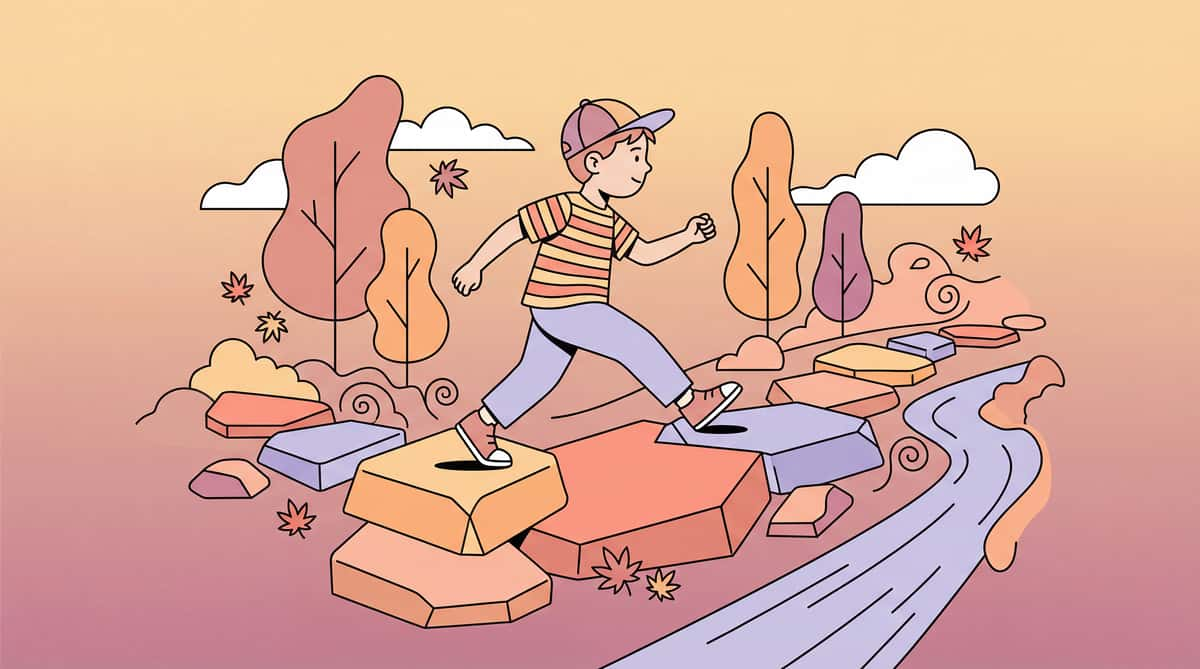
Varied surfaces for stepping and standing challenges that develop motor planning and coordination.
Hemispheres
Half-ball surfaces for advanced balance training combining dynamic and static challenges.
Materials & Key Features
Common Materials
  • Wood (beams, rocker boards)
  • Plastic (stepping stones, some boards)
  • Rubber (non-slip surfaces, mats)
  • Inflatable PVC (therapy balls, BOSU)
Essential Features
  • Appropriate challenge level for child's current skills
  • Safe construction with rounded edges
  • Durable materials for repeated use
  • Varied difficulty options for progression
  • Non-slip surfaces for safety
  • Adequate weight capacity
The Struggle (Before)
Before intervention, children facing balance challenges often experience a series of interconnected struggles, impacting their physical development and emotional well-being.
Falls Constantly
Situation: Child trips, falls, stumbles daily with poor balance reactions
Experience: Can't catch self when losing balance. Injuries becoming common. Avoiding motor activities because of fear and repeated failures.
Emotion: Falling, avoiding
Weak Core Affects Everything
Situation: Can't sit up straight, slumps constantly, tires quickly
Experience: Unable to do motor activities peers do easily. Core weakness is underlying many developmental issues and limiting participation.
Emotion: Weak, limited
Fear of Balance Activities
Situation: Won't try balance activities, shows gravitational insecurity
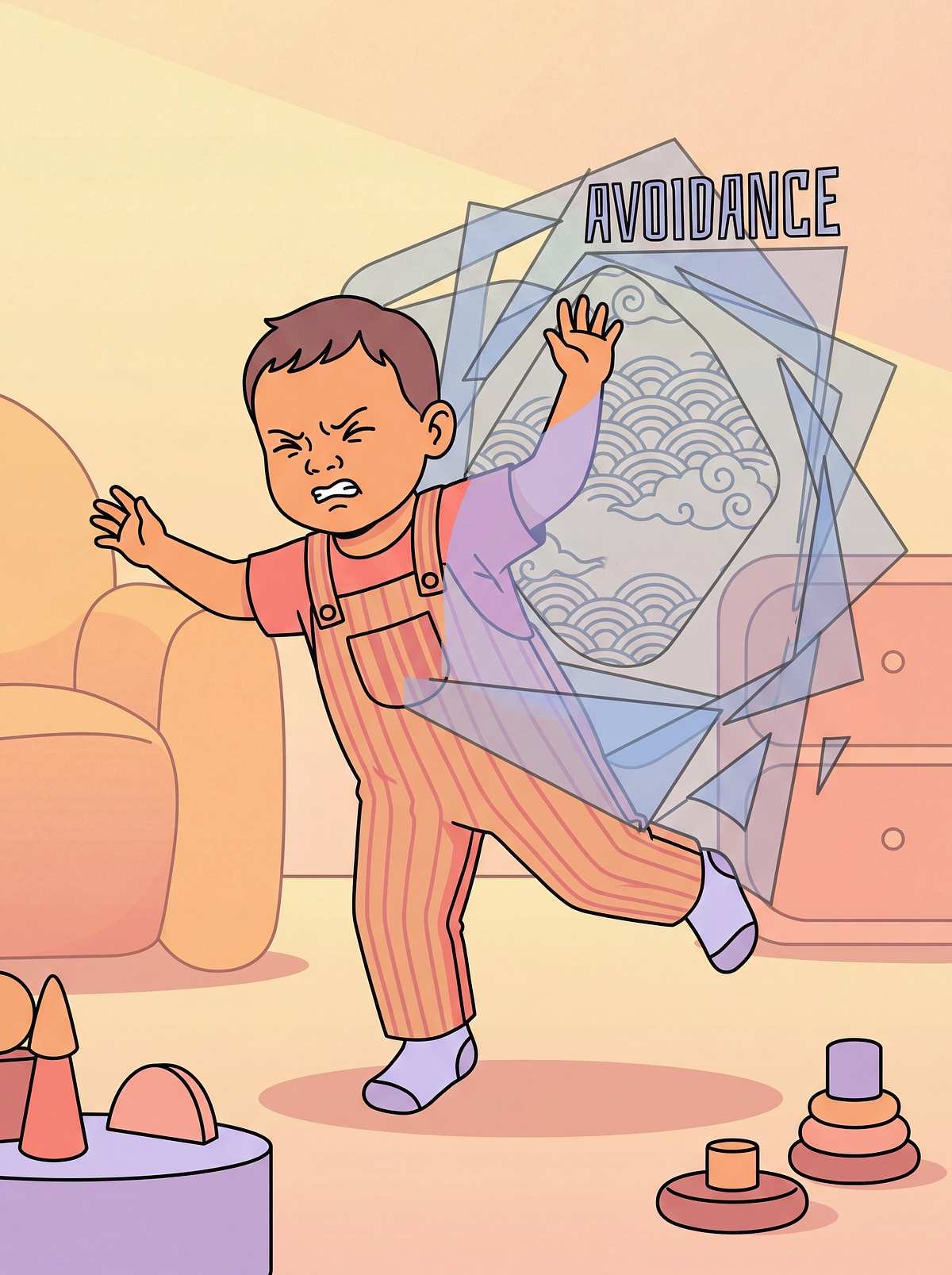
Experience: Extreme fear of falling prevents attempts. Missing critical motor experiences. Development being affected by avoidance patterns.
Emotion: Fearful, missing out
balance-vestibular-equipment therapy material

What to Expect (Realistic Timelines)

Balance and core development require consistent practice over weeks and months. Progress is gradual but cumulative, with small improvements building toward significant functional gains. Week 1-2: Initial Assessment & Setup Comprehensive evaluation identifies specific balance deficits, core strength level, and equipment needs. Goals are established. Foundation Week 3-4: Equipment Integration & Early Practice Therapist recommends specific equipment (e.g., balance boards, swings) matched to child's current level. Initial exercises begin to build awareness. Engagement Month 2-3: Improving Balance Reactions Child begins catching self more quickly, showing better postural adjustments to challenges. Initial confidence grows as minor falls decrease. Developing Skills Month 4-6: Increasing Core Strength & Stability Improved trunk control, longer sitting tolerance, and better posture during activities become noticeable. Movement becomes more fluid and controlled. Building Strength Long-Term: Functional Independence & Confidence Skills transfer to daily life: bike riding, playground confidence, participation in sports, and a significant reduction in falls. Sustained, joyful engagement in activities. Life Integration

Is This Right for My Child? (2-Minute Check)
Answer these questions to determine if balance and vestibular equipment would benefit your child. Three or more "yes" answers indicate a strong fit for this therapeutic approach.
"Does my child frequently trip or fall?"
"Does my child struggle to balance on one foot?"
"Does my child avoid playground equipment or climbing activities?"
"Does my child have poor core strength?"
"Does my child have difficulty with stairs or uneven surfaces?"

3 or more "yes" answers = strong indication that balance and vestibular equipment could be beneficial. We recommend discussing these observations with your child's Occupational Therapist or Physical Therapist for personalized guidance and treatment planning.
Usage Guide
Recommended Scenarios
  • During occupational or physical therapy sessions for targeted skill development
  • Home practice as prescribed by OT/PT with specific exercises
  • Active play incorporating balance challenges into games
  • Before seated tasks as alerting sensory input
  • As part of obstacle course for motor variety
Cautionary Scenarios
  • Without appropriate supervision for child's skill level
  • If equipment is too challenging, causing fear or repeated failure
  • During acute injury or pain
  • When child is overly fatigued
Duration & Settings
Duration: 5-15 minutes per activity in therapy. Equipment activities are engaging but can be fatiguing, so shorter focused sessions work best.
Settings:
OT/PT Clinic
Home
School
Playground
Supervision by Age Group
Age Range
Supervision Level
Notes
Young children (2-4 years)
Hands-on support
Physical assistance, holding hands, spotting closely during all balance activities
Developing skills (5-7 years)
Close supervision, verbal cues
Nearby for safety, providing reminders and encouragement, ready to assist
Older/more skilled (8+ years)
Visual supervision, building independence
Can complete activities more independently with periodic check-ins
Safety First

Critical Safety Measures
  • Ensure appropriate challenge level matches child's current abilities
  • Use safety mats around all balance equipment
  • Provide adequate supervision based on age and skill level
  • Offer support as needed, don't push beyond capability
  • Verify equipment is stable and properly set up before each use
Warning Signs to Stop
  • Don't push child beyond their ability level - this increases fear and risk
  • Watch for signs of fatigue which affect balance and safety
  • Ensure proper footwear or bare feet on safe surfaces
  • No excessive fear present
Supervision Requirements
  • Provide adequate supervision based on age and skill level
  • Supervision plan is clear
  • Offer support as needed, don't push beyond capability
  • Child is appropriately challenged
Equipment Maintenance
  • Verify equipment is stable and properly set up before each use
  • Check equipment stability and integrity before each use
  • Equipment is stable and safe
  • Safety mats are in place
Common Questions (Honest Answers)
Can we do this at home?
How long until we see results?
Is this expensive?
Will insurance cover it?
Can we make our own equipment?
Many balance items are home-appropriate! Therapy balls, wobble boards, and stepping stones all work well at home with proper supervision. Your OT can recommend specific home equipment based on your child's needs. Clinics have specialized items for advanced challenges.
Results vary greatly depending on the child, condition, and consistency of practice. We often see small improvements in weeks and significant progress over several months. Open communication with your therapist about goals and milestones is key.
Therapy is an investment in your child's development. While costs can be a concern, many families find the long-term benefits outweigh the expense. We can discuss payment options and potential resources during your consultation.
Coverage depends on your specific insurance plan and the medical necessity of the therapy. We recommend contacting your insurance provider directly to understand your benefits for occupational or physical therapy. Our office can also assist with billing inquiries.
Some simple items can be safely DIY'd, but specialized therapy equipment is designed for safety and specific therapeutic purposes. Always consult your therapist before using homemade equipment to ensure it's appropriate and safe for your child's needs.
Investment Guide
Investing in balance equipment can significantly aid development. Our range accommodates different budgets, ensuring effective therapy is accessible at various price points.
Equipment Tiers & Pricing Overview
Feature
Budget Option
Mid-Range Option
Premium Option
Cost Range
₹1,000-2,000 (USD $12-24)
₹3,000-8,000 (USD $36-96)
₹15,000-40,000 (USD $180-480)
Key Items
Therapy ball, basic wobble board
Multiple therapy balls, advanced wobble/rocker board, stepping stones
Complete clinic set: varied beams, multiple therapy ball sizes, wobble/rocker boards, BOSU, stepping stones, lily pads
Benefit
Versatile balance and core strengthening for daily home practice
Enhanced progression, varied sensory input, broader skill development at home
Professional-grade durability, comprehensive range for advanced therapeutic needs
Target User
Families starting a home therapy program with supervision
Families seeking more challenging home equipment for growing needs
Therapy clinics, schools, and specialized rehabilitation centers
What's Included at Each Tier
Budget (Home Basics)
  • Therapy ball (sitting, prone)
  • Basic wobble board
  • Sufficient for daily supervised practice
Mid-Range (Expanded Home)
  • Multiple therapy ball sizes
  • Wobble and rocker boards
  • Stepping stones
  • Supports varied progression
Premium (Clinic Grade)
  • Full range of balance beams
  • BOSU balls, lily pads
  • Professional durability
  • Comprehensive therapy options
Return on Investment (ROI) Over Time
Initial Investment
Acquiring suitable equipment tailored to current needs.
Short-Term Gains (Weeks)
Noticeable improvements in balance and core stability with consistent use.
Mid-Term Progress (Months)
Significant development in coordination, motor planning, and confidence.
Long-Term Value (Years)
Sustained benefits in physical well-being, participation in activities, and reduced future therapy needs.

Overall price range: ₹500–15,000 (USD $6–180) depending on equipment type and quantity. Most families start with 2-3 pieces recommended by their OT and add more as needed.
Where to Buy in India
Amazon India
  • Availability: Widely available online.
  • Pricing: ₹500 - ₹8,000 (approx. USD $6-96)
  • Delivery: Nationwide shipping, typically 2-7 days.
Flipkart
  • Availability: Widely available online.
  • Pricing: ₹500 - ₹7,000 (approx. USD $6-84)
  • Delivery: Nationwide shipping, typically 2-7 days.
Specialty Therapy Suppliers
  • Availability: Online stores and specialized distributors.
  • Pricing: Variable, often higher for professional-grade equipment.
  • Delivery: Direct shipping, may include installation/consultation.
Local Medical Equipment Stores
  • Availability: Found in major cities and towns.
  • Pricing: Variable, good for immediate needs.
  • Delivery: In-store pickup, some offer local delivery.
Buying Tips
  • Get OT/PT recommendations for specific needs before purchasing
  • Start with versatile basics like therapy ball and wobble board
  • Quality matters for durability with repeated therapeutic use
  • Check weight ratings to ensure safety
  • Consider storage space in your home
  • Read reviews from other parents and therapists

Red Flags
  • Poor quality construction that won't withstand therapeutic use
  • Inadequate weight capacity for your child
  • Sharp edges or pinch points that pose safety risks
  • Equipment too advanced for child's current skill level
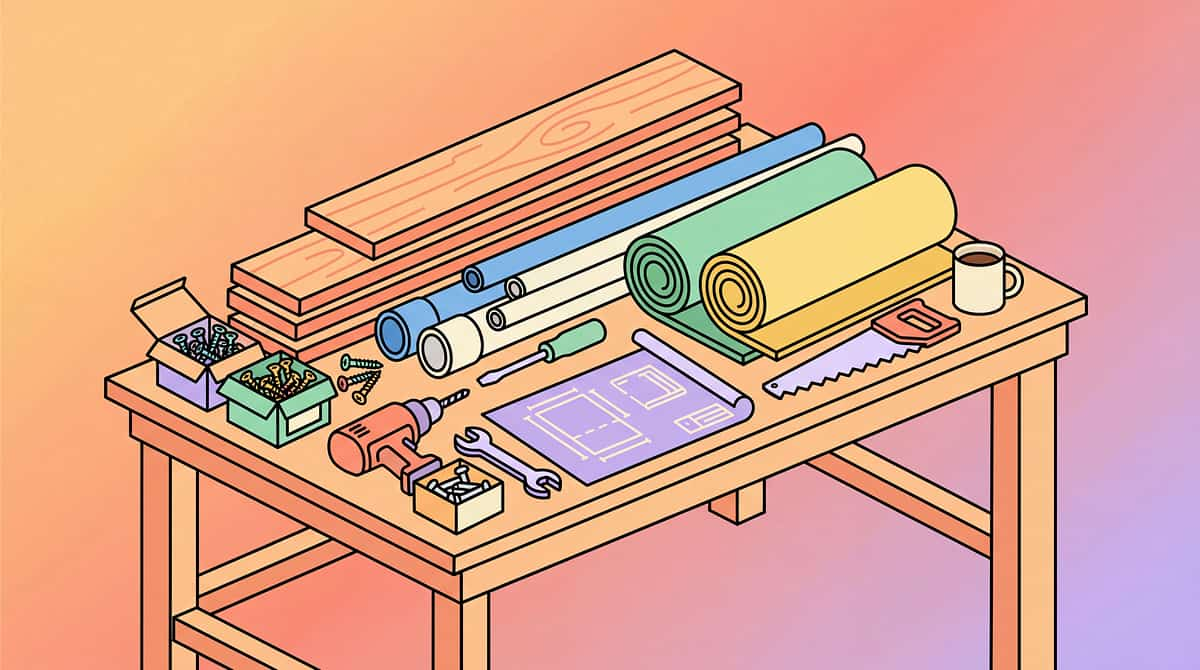
DIY Alternative (Save 50-70%)
Feasibility: Medium-High | Time investment: 1-4 hours | Cost savings: 50-70% compared to commercial options
1
Materials Needed
  • Sanded wood (2x4 lumber for beams, plywood for boards)
  • PVC pipe (for balance bar supports)
  • Non-slip surfaces (rubber mats, grip tape)
  • Wood screws and wood glue
  • Sandpaper (multiple grits)
  • Paint or varnish (optional, non-toxic)
2
Step-by-step Instructions
  1. Balance beam: Use sanded 2x4 lumber mounted on stable wooden base. Adjust height by base thickness. Sand all edges smooth.
  1. Stepping stones: Create from upturned containers or wood rounds. Vary heights slightly. Add non-slip surface to tops.
  1. Wobble board: Cut round wood platform. Attach half-ball or rounded base underneath center. Add grip surface on top.
  1. Rocker board: Use curved plywood as rocker base. Ensure curve is smooth and even. Attach flat platform on top.
  1. Add non-slip surfaces: Attach rubber mat pieces, grip tape, or textured paint to all standing surfaces for safety.
  1. Finish and test: Sand all edges smooth. Paint with non-toxic paint if desired. Test stability before child use.
3
Cost Breakdown
Achieve significant cost savings of 50-70% by building equipment yourself compared to purchasing commercial therapy items.
  • Basic materials are affordable and widely available.
  • Opportunity to repurpose existing items for further savings.
4
Tradeoffs vs Commercial
DIY is ideal for simple, solid equipment like balance beams and wobble boards when budget is a primary concern and time is available.
Commercial options are better for complex items like therapy balls, BOSU balls, or clinic-grade equipment, where quality and immediate availability are priorities.
Measuring Success & Next Steps
Track Progress
Baseline (Measure First)
  • Complete balance assessment by OT/PT
  • Core strength evaluation
  • Functional balance in daily tasks
  • Confidence level with balance activities
Goals to Set
  • Balance will improve on specific tasks
  • Core strength will increase measurably
  • Balance confidence will grow
  • Functional tasks will improve (stairs, playground, sports)
Success Indicators
  • Better balance assessment scores
  • Longer single-leg balance holds
  • Fewer falls in daily activities
  • More participation in motor activities

Complete the Kit
Balance equipment works best as part of a comprehensive sensory and motor program. Consider pairing with these complementary tools:
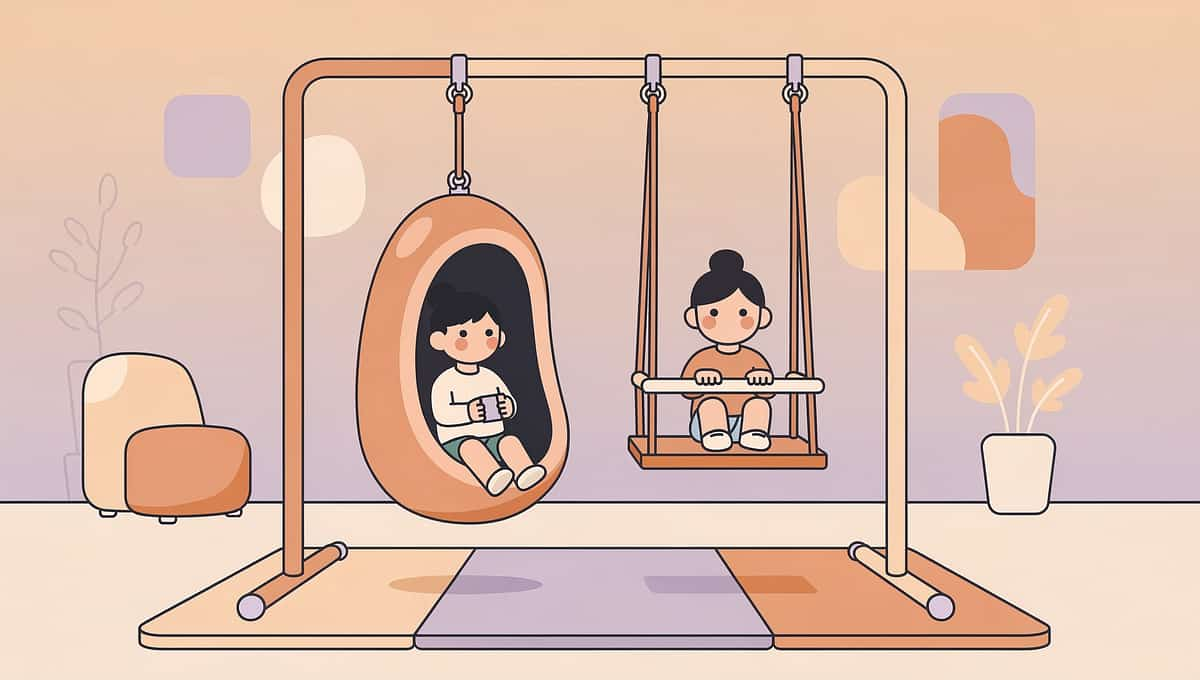
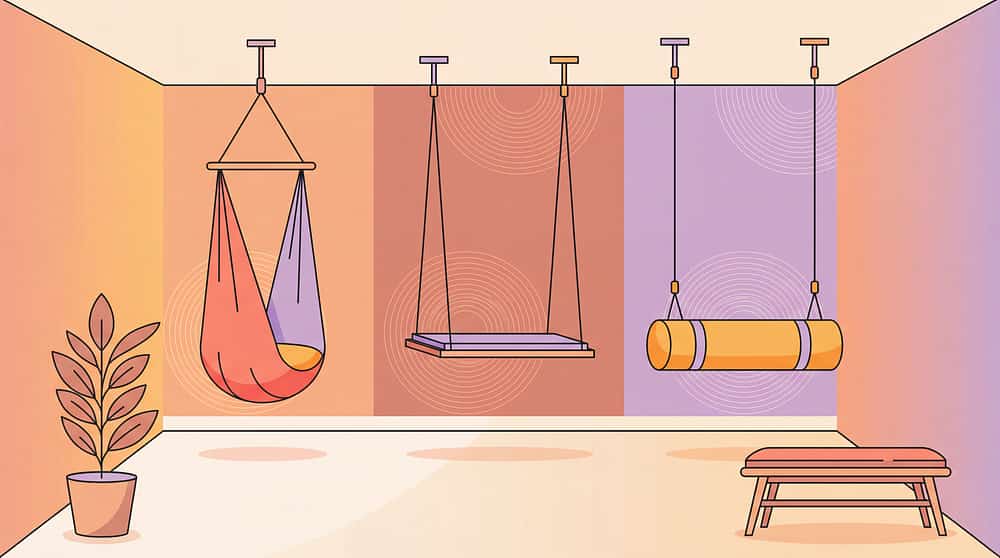
Therapy Swings (ID: 19.1)
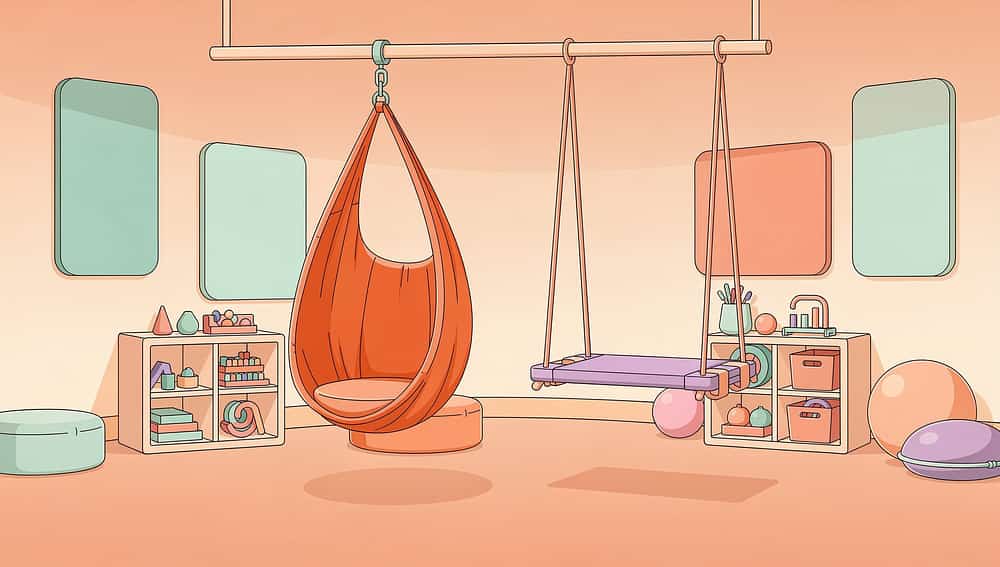
Provides suspension-based vestibular input to complement ground-based balance work
Climbing Equipment (ID: 19.3)
Builds upper body and gross motor strength alongside balance skills

There was an error generating this image

Balance Equipment - Home (ID: 7.4)
Simpler home practice options for daily carryover of clinic skills
Movement Equipment (ID: 1.6)
Additional home movement tools for comprehensive motor development

Quick Summary
Balance and vestibular equipment provides ground-based challenges for developing postural control, core strength, and balance reactions through therapy balls, balance boards, beams, and stepping surfaces. Professional Kit (Rank 1), strong evidence, clinic/home versatile.
balance
vestibular
core
postural
equipment
OT
PT
professional-kit
Common Searches
balance equipment therapy, therapy ball pediatric, wobble board kids, balance beam therapy, vestibular equipment, core strengthening equipment, pediatric balance training

Get Support
FREE National Autism Helpline
Phone: 9100 181 181
Languages: 16+ languages supported
Website: pinnacleblooms.org
Platform Integration
This balance equipment integrates with Pinnacle Blooms Network's comprehensive platform:
  • AbilityScore® identifies balance needs through assessment
  • TherapeuticAI® recommends specific balance activities
  • EverydayTherapyProgramme™ includes home balance practice
  • Motor Index tracks balance progress over time

Disclaimer: This is educational information about balance and vestibular equipment. Always consult qualified occupational therapists, physical therapists, or pediatricians for assessment and treatment planning. Individual results vary based on child's specific needs and consistent participation in therapy.

Preview of balance vestibular equipment Therapy Material

Below is a visual preview of balance vestibular equipment therapy material. The pages shown help educators, therapists, and caregivers understand the structure and content of the resource before use. Materials should be used under appropriate professional guidance.

Page 1
Page 2
Page 3
Page 4
Page 5
Page 6
Page 7
Page 8
Page 9
Page 10
Page 11
Page 12
Page 13
Page 14
Page 15
Page 16
Page 17
Page 18
Page 19
Page 20
Link copied!
Your Action Plan for Balance & Growth
Balance and vestibular equipment offers crucial challenges for developing postural control, core strength, and vital balance reactions in children. Here's how to begin your journey:
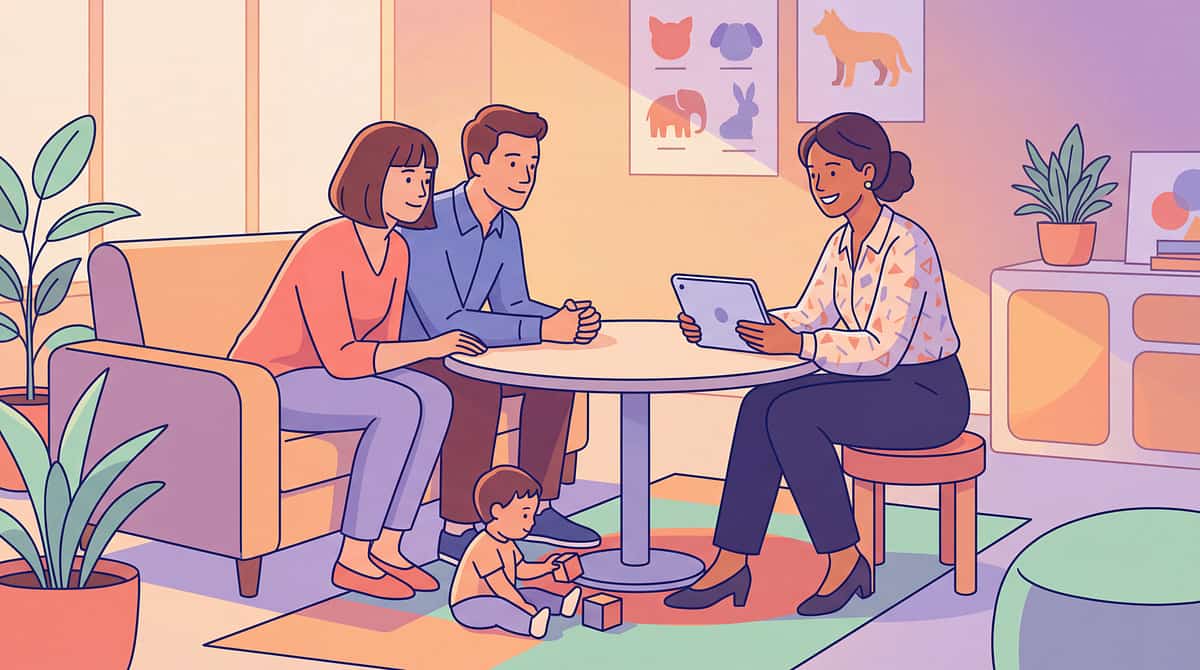
Consult Your Therapist
Before purchasing or building, discuss specific needs and recommendations with your child's Occupational (OT) or Physical Therapist (PT).
Start Simple
Begin with one versatile piece like a therapy ball or a simple balance beam to introduce the concepts and observe your child's engagement.
Practice Daily
Integrate short, fun sessions of 10-15 minutes into your child's daily routine to build consistency and reinforce skills.
Celebrate Progress
Every small step is a victory. Remember that developing balance takes time, patience, and consistent effort, but the benefits are profound.
You are empowering your child on a journey towards greater independence and confidence. Embrace the process, and cherish their progress!