













Tool ID: 3.4
Tool ID: 3.4
SpEd + ABA/BCBA
Strong Evidence
Rank #1
Daily Use
₹0-500
Transition Warning Cards / Cues
Transition anticipation and preparation system
Prepare your child for upcoming transitions to reduce anxiety and meltdowns. These consistent visual or auditory cues give the brain essential time to shift gears, transforming daily battles into peaceful transitions. Used multiple times daily across all settings—home, school, clinic, and community—transition warning cards are the most essential tool in your visual support kit.
Smooth Sailing: Empowering Children Through Every Transition
Visual Support Cards for Seamless Transitions in Autism
Transform challenging moments into opportunities for growth and independence. Our Transition Warning Cards offer a clear, consistent way to prepare children for changes in routine, fostering calm and cooperation in any setting.
Who This Helps
This tool supports children who struggle with transitions between activities, helping their brains prepare for change and reducing the anxiety that comes from unexpected shifts. It's designed for children who need concrete, predictable cues to process upcoming changes successfully.
Children who experience significant difficulty with transitions between activities
Especially those who seem "surprised" even when verbally warned
Verbal or non-verbal children who need concrete visual cues to process change
Works across all communication levels with appropriate adaptation
Children for whom transitions are the biggest source of daily meltdowns
Particularly when ending preferred activities or leaving favourite places
Ages 1-9 years
Home
School
Clinic
Community
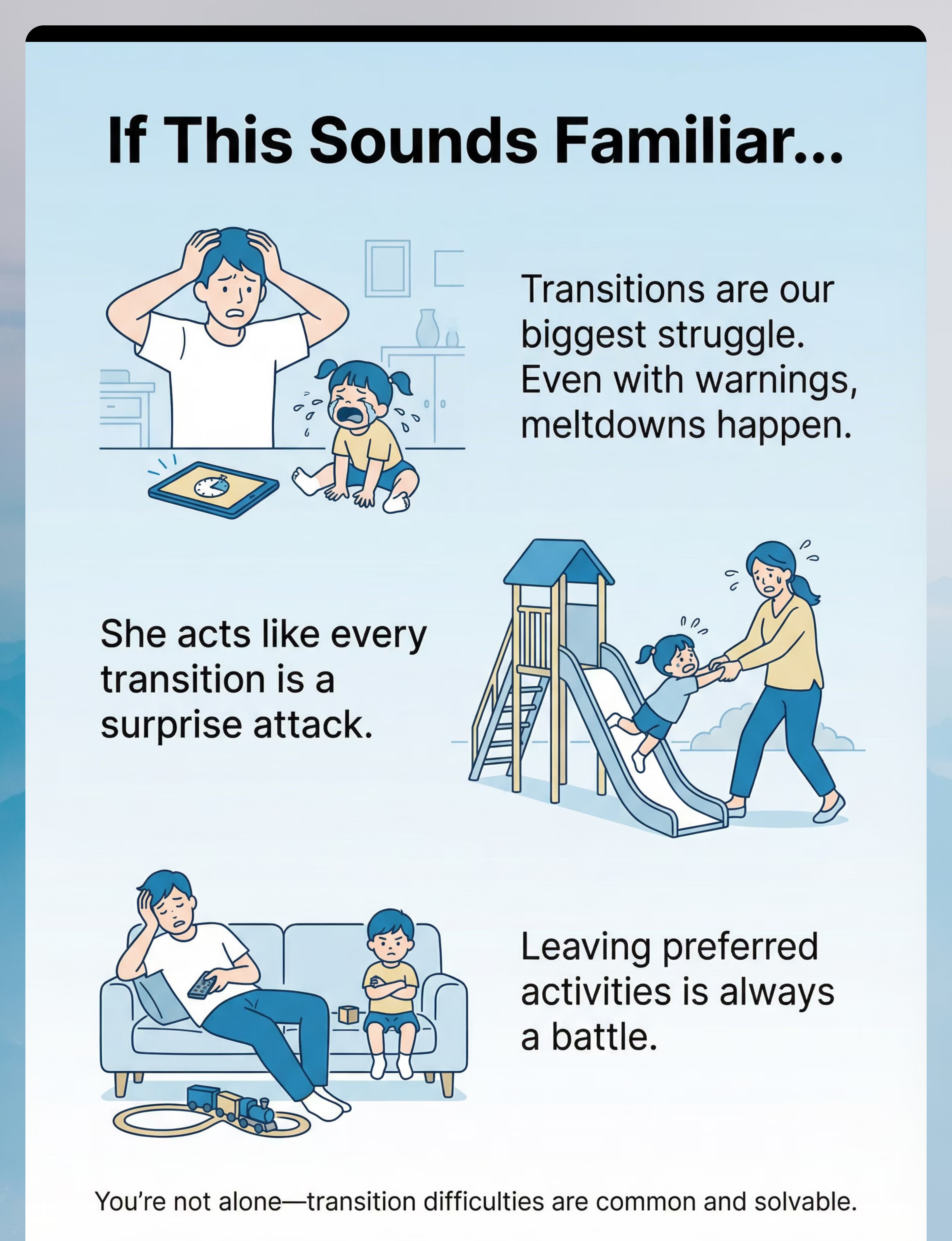
Does This Sound Familiar?
"Transitions are our biggest struggle. Even with warnings, he melts down when it's time to stop. It feels like every transition is a surprise attack."
"I've tried '5 more minutes' but it doesn't help. She acts like I never warned her at all. Leaving preferred activities is always a battle."
"He can't handle change—any change. I dread every transition because I know what's coming. The meltdowns are exhausting."
"Verbal warnings don't seem to register. It's like she doesn't hear me, or the words just don't mean anything to her brain."
"Every morning is a fight to get out the door. Just changing from pajamas to clothes can set off an hour-long tantrum."
"School pickup is the worst. She clings to the teacher, screaming, and refuses to leave the classroom, even when she knows it's time."
You're not alone. These are amongst the most common challenges reported by parents and caregivers of children with autism. Transitions feel like ambushes because their brains process change differently—but structured warning systems can transform these daily battles.
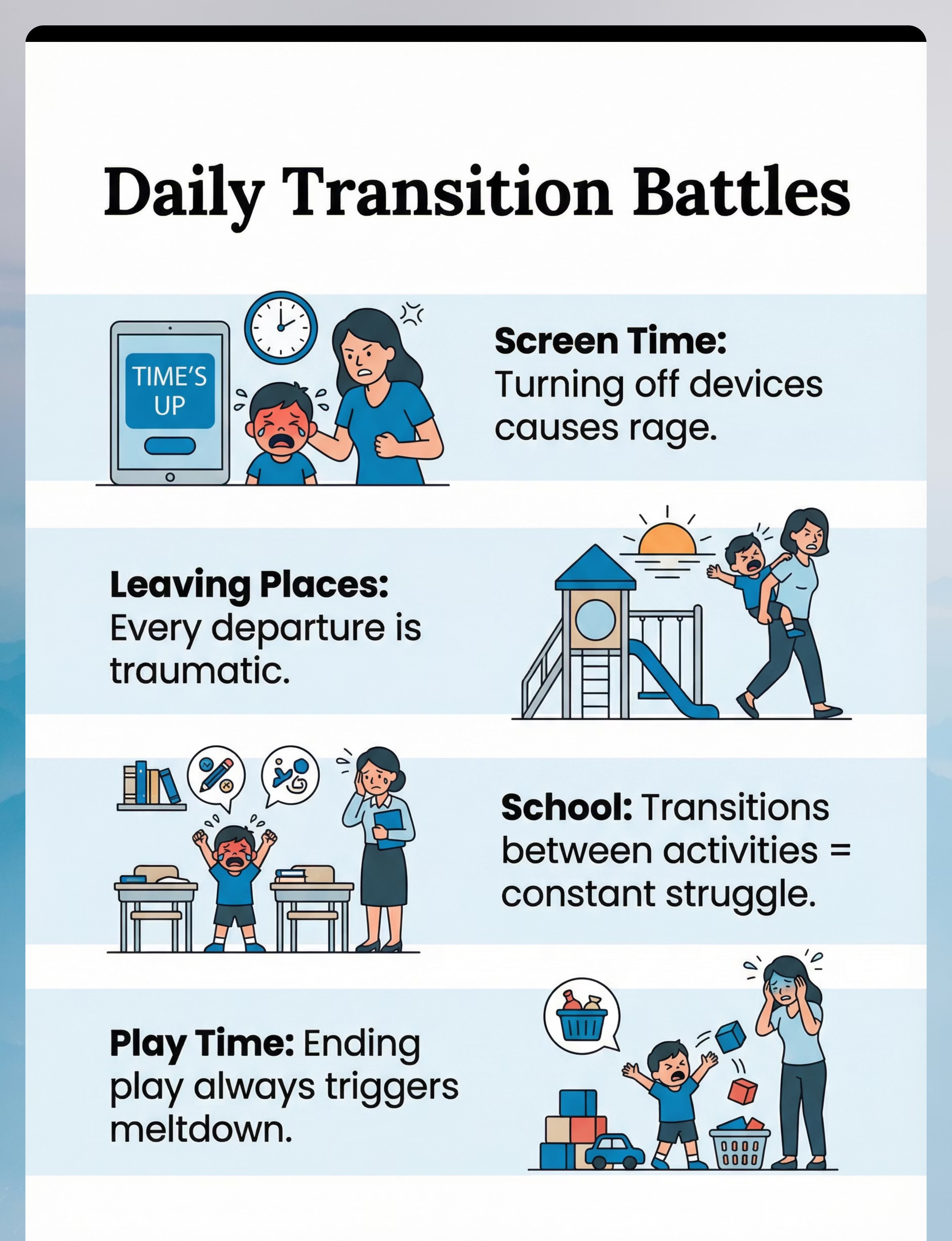
A Day Without the Right Support
Morning Routine
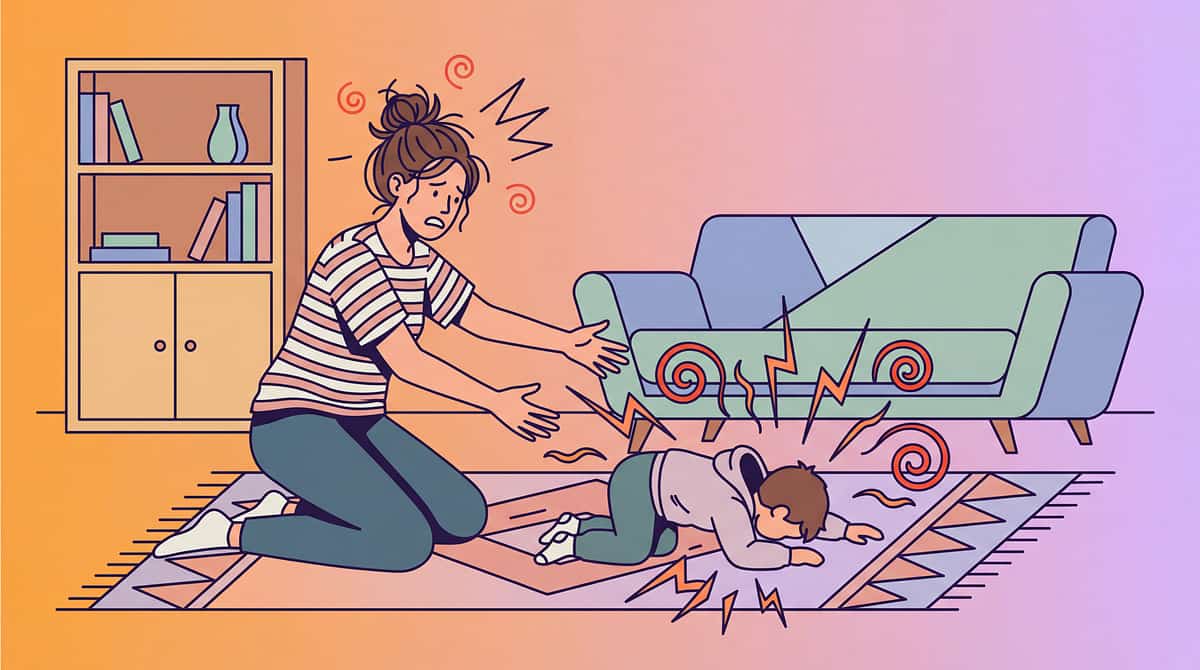
Ending play to get dressed triggers immediate meltdown. Every single morning starts with a battle, setting a difficult tone for the entire day.
Screen Time Ending
Turning off devices causes rage and tears. "You didn't tell me!" becomes the daily cry, even though you did warn—the verbal warning simply didn't register.
School Transitions
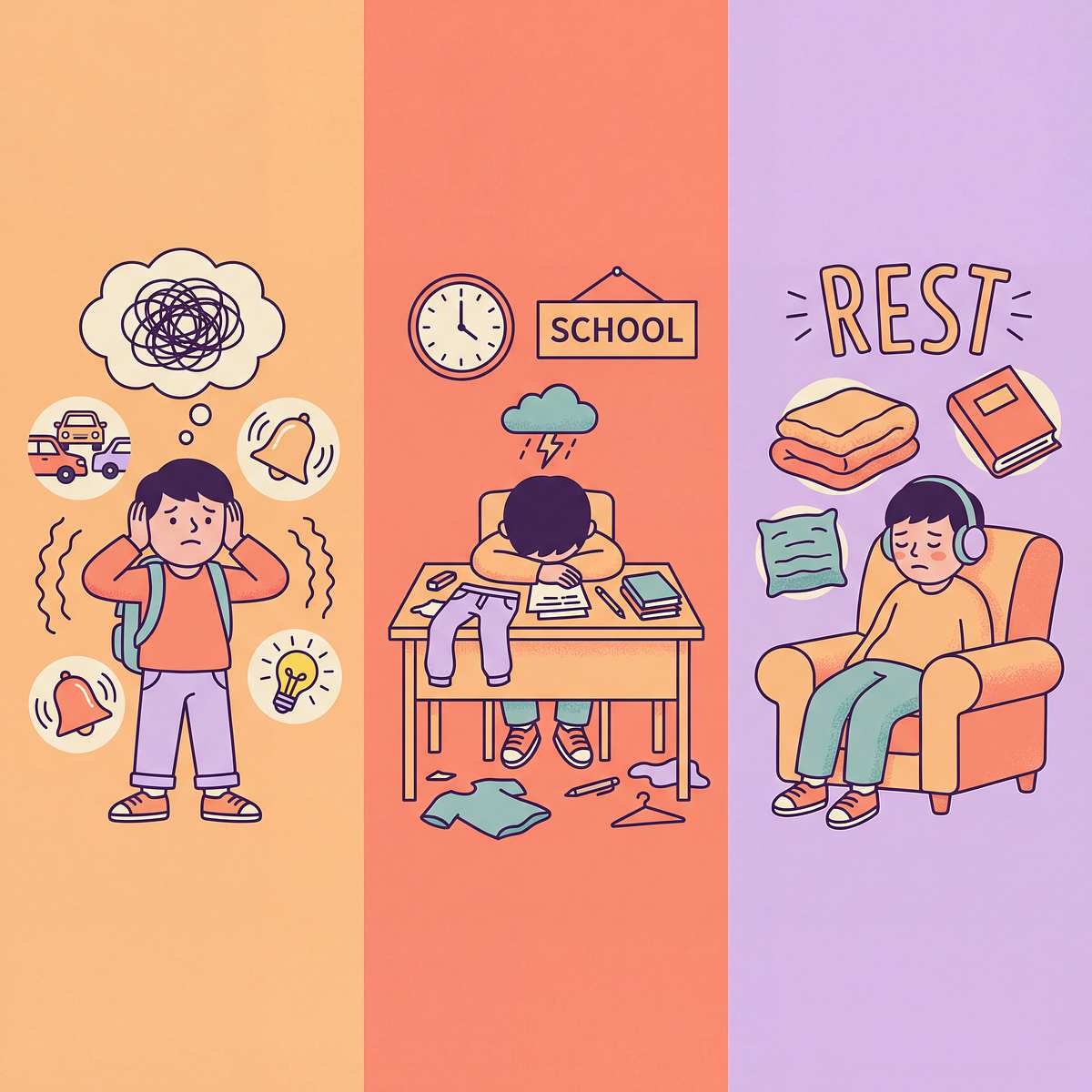
Moving between classroom activities means constant struggle. Child isn't ready when others transition, disrupts class, and gets labelled as having "behaviour problems."
Leaving Anywhere
Playground, friend's house, shopping centre—departing any location becomes traumatic. Physical carrying-out whilst other families watch. Pure exhaustion and embarrassment.
Bedtime
Transitioning from evening activities to bed routine feels impossible. The day that started with a transition battle ends with another, leaving everyone depleted.
The Science Behind It
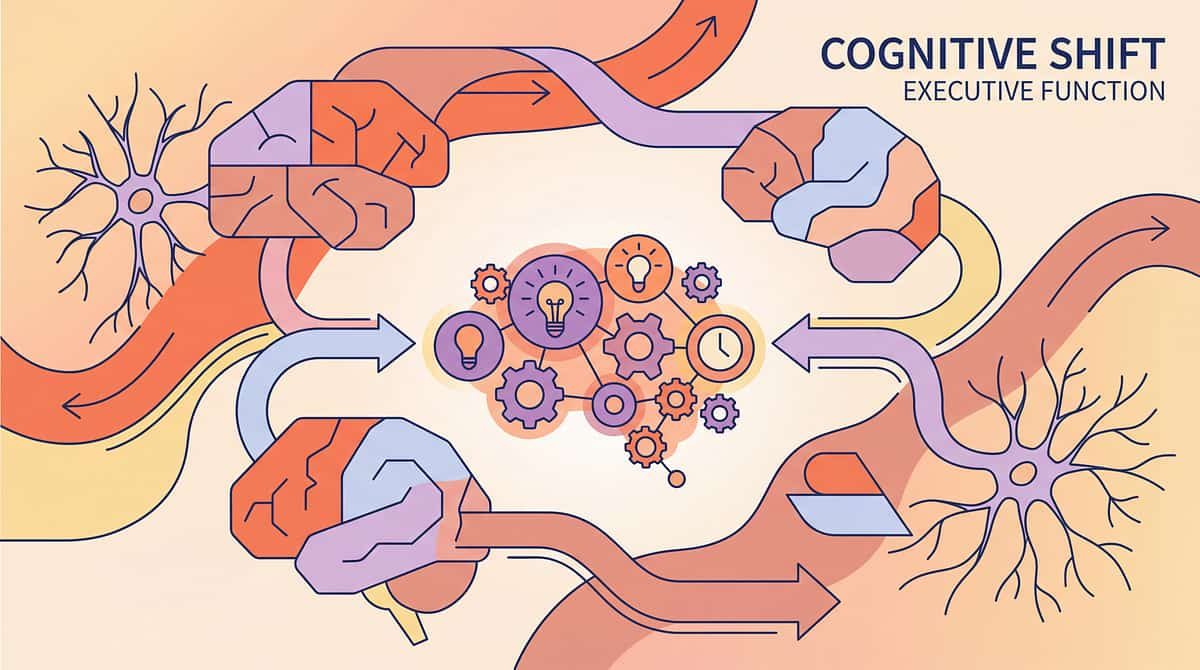
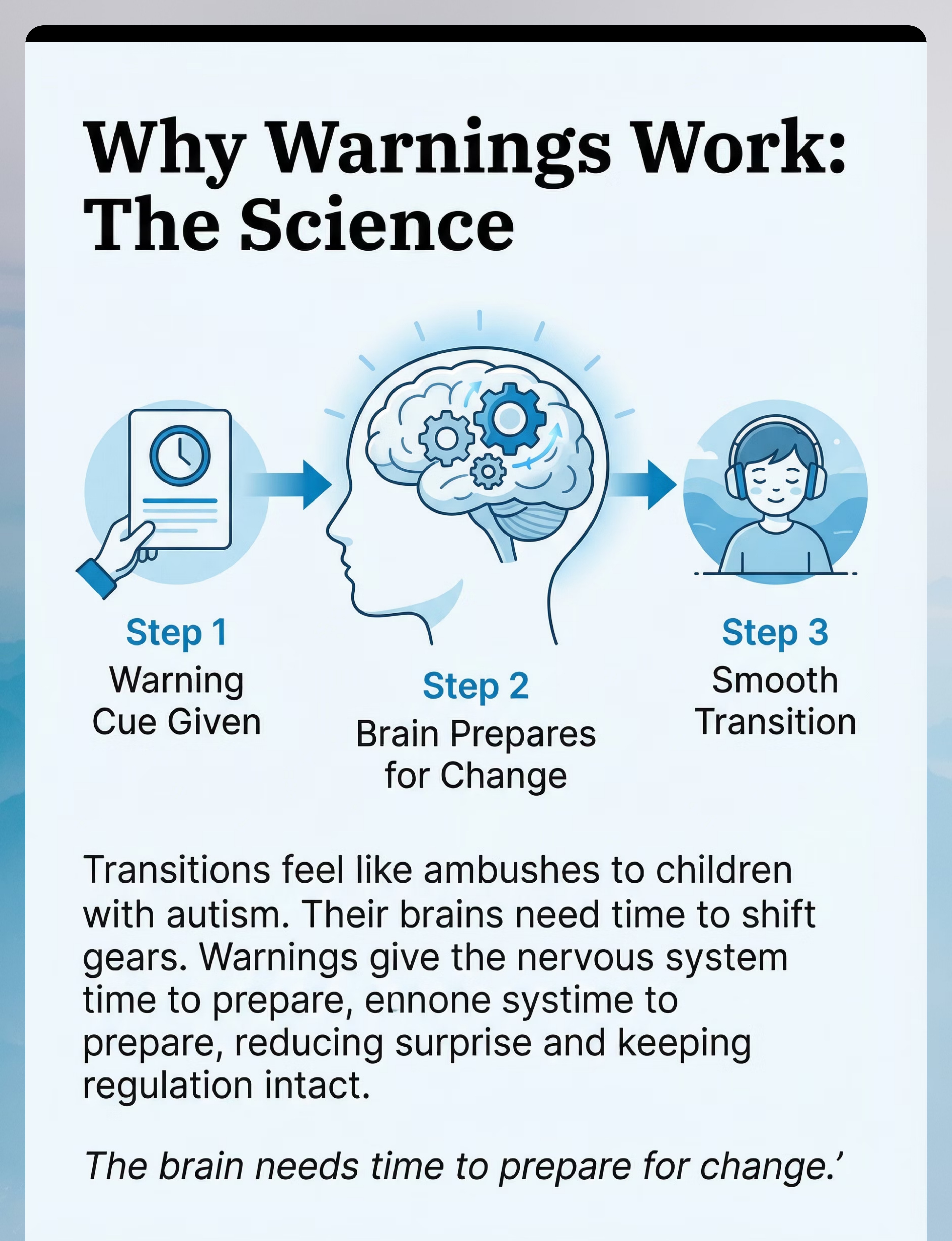
Children with autism often have slower executive functioning—the brain's ability to shift gears between tasks. What seems like "defiance" is actually neurological: their brains need more time to process and prepare for change. Warning systems work by giving the brain advance notice, allowing it to complete its current focus and prepare for what's coming next.
Warning Signal Received
Visual or auditory signal presented consistently
Brain Processing & Anticipation
Brain registers upcoming transition, allowing time to shift focus
Mental Preparation
Neural pathways actively shift focus and prepare for the change
Successful Transition
Regulated response with less distress and no surprise to the nervous system
"Transitions feel like ambushes to children with autism. Their brains are slower to shift gears. Warnings don't just help—they're essential. The brain needs time to prepare for change."
— Developmental Paediatrician
How to Use It Right
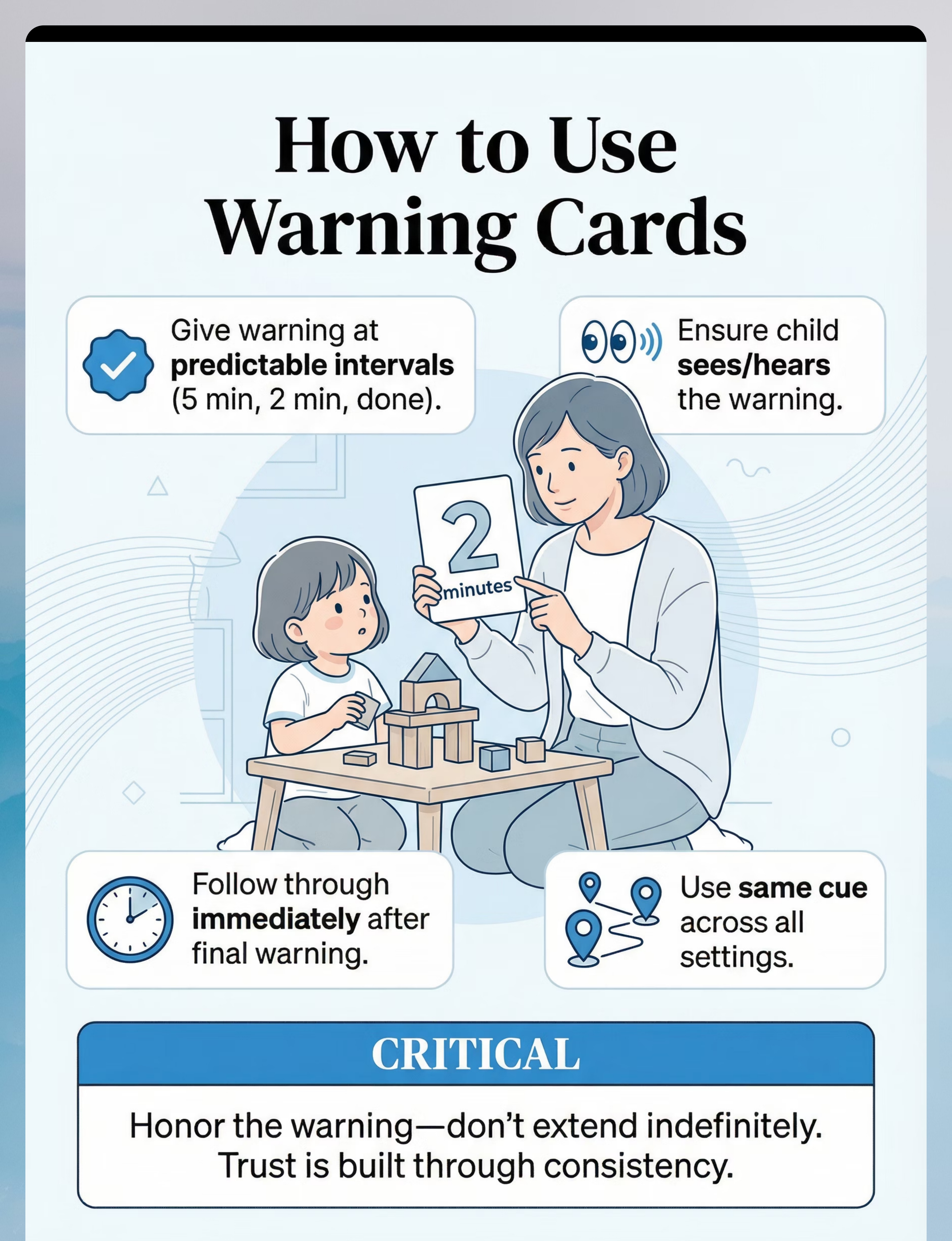
Consistent cue for consistent outcome
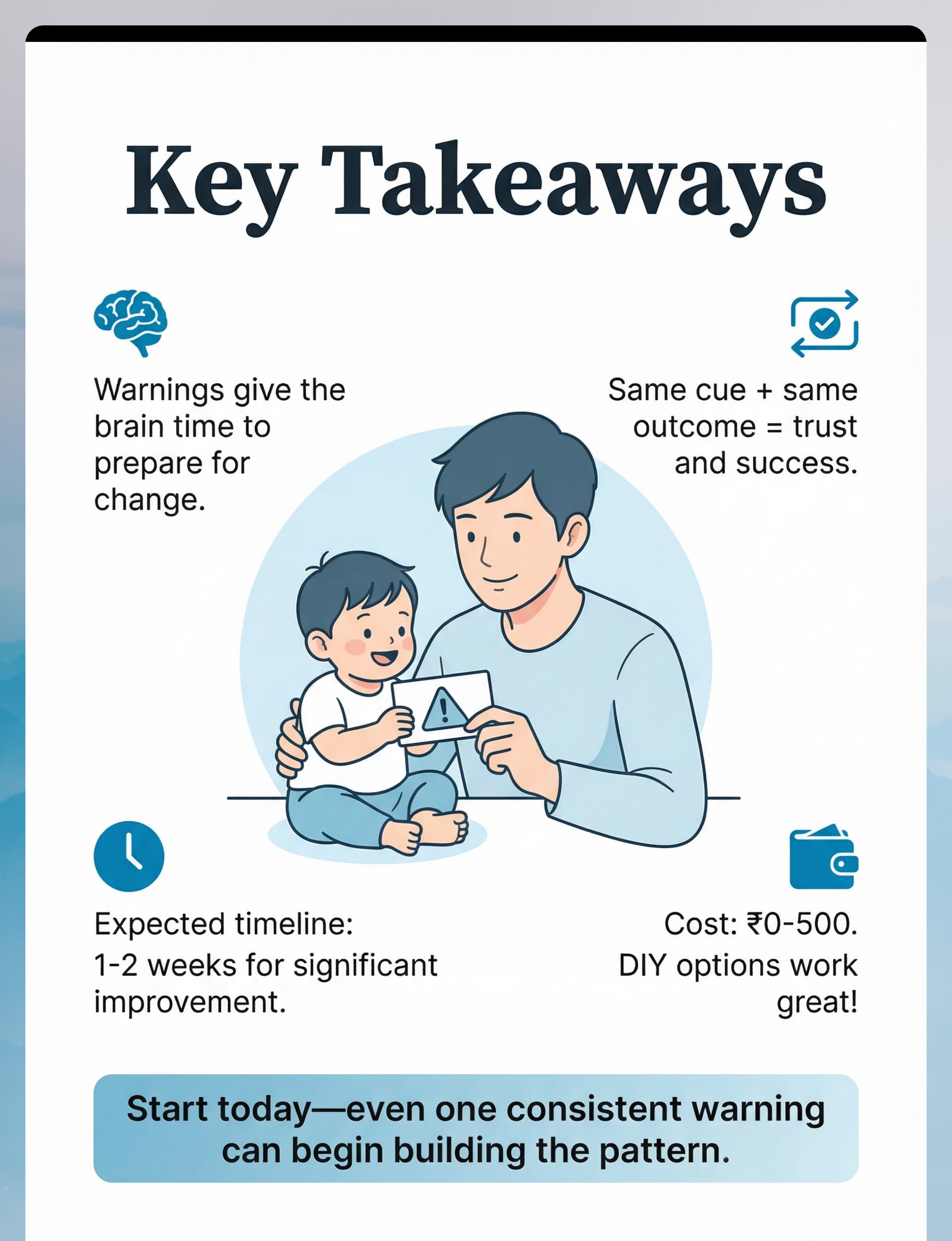
Use the same warning system every time for the same type of transition. The brain learns to trust the pattern when it's reliable and predictable.
Give warnings at predictable intervals
Structure matters: 5 minutes, 2 minutes, done. Or 3 warnings spaced appropriately. Find what works for your child and stick to it religiously.
Pair with visual timer when possible
Multi-modal input strengthens understanding. Let them see time passing alongside the warning cards for maximum effectiveness.
Follow through immediately after final warning
This is non-negotiable. If you say "last one" and then extend time, you've just taught them warnings are meaningless. Trust requires consistency.
Use same cue system across settings
Home, school, therapy, grandparent's house—consistency across environments builds generalisation and trust in the system.
Honour the warning—don't extend indefinitely
Compassion doesn't mean endless extensions. The warning system works because it's truthful. One or two warnings maximum, then follow through.
Duration: Each warning takes just a moment to present. The system works throughout the entire day, integrated into every transition naturally.
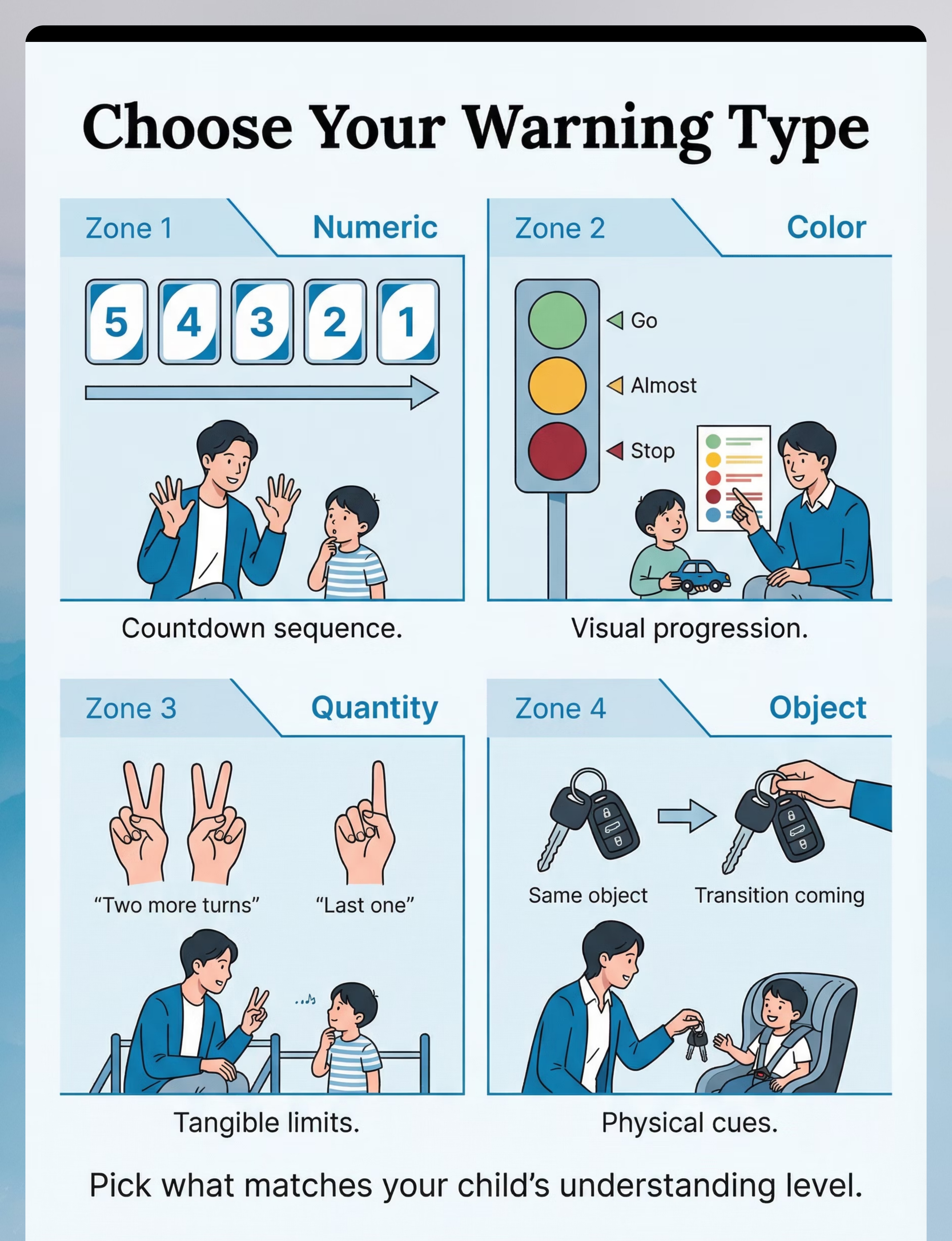
Choose Your Option (7 Variants)
Every child processes information differently. Choose the warning system that matches your child's developmental level, learning style, and daily settings. You may need different systems for different contexts—that's perfectly appropriate.
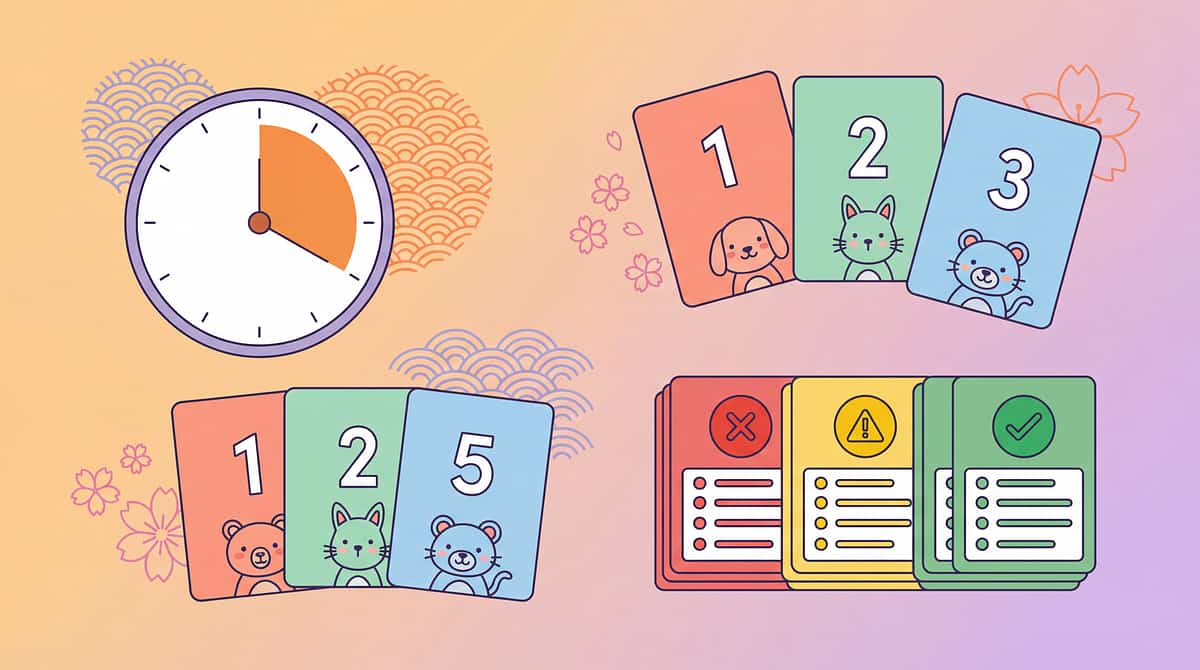
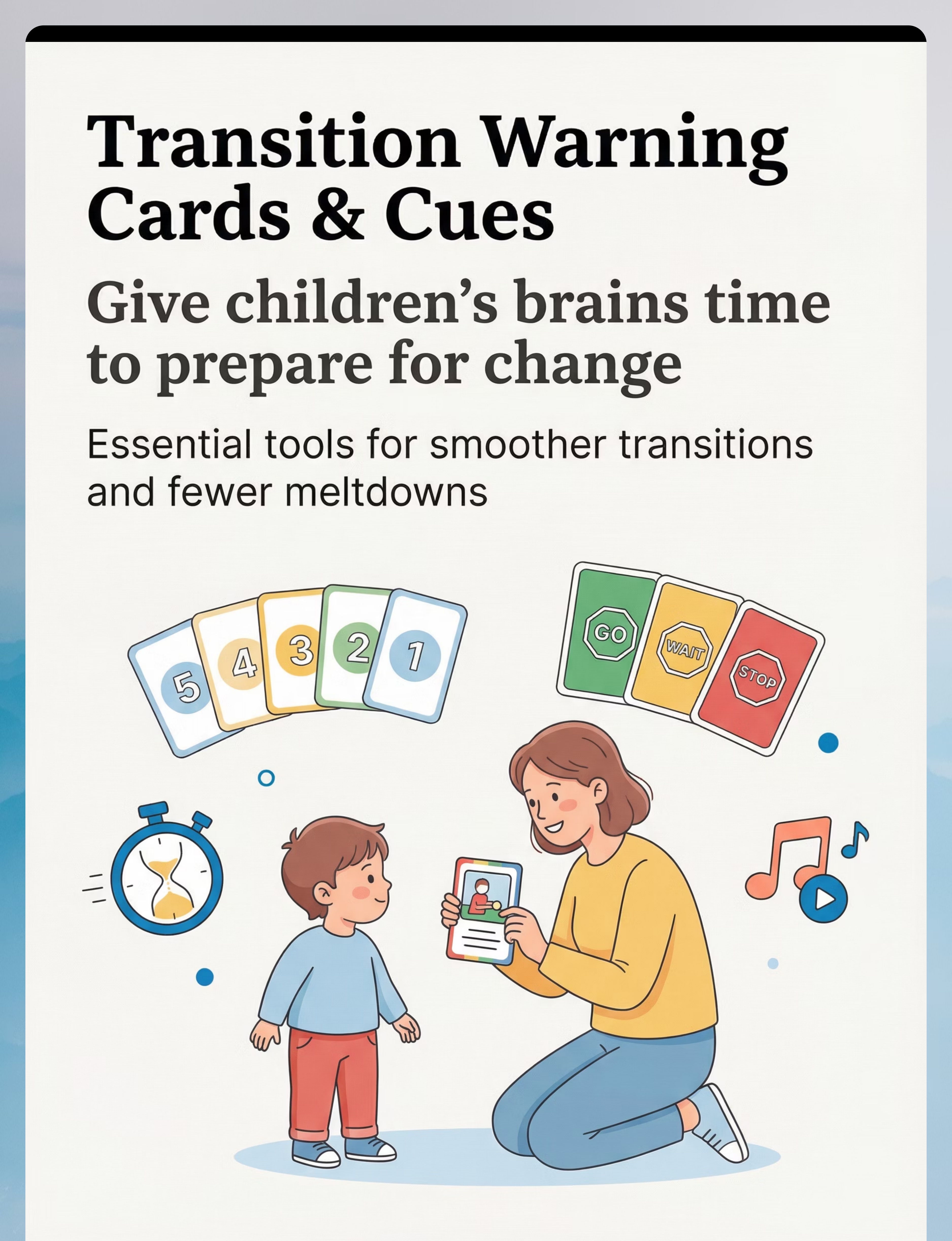
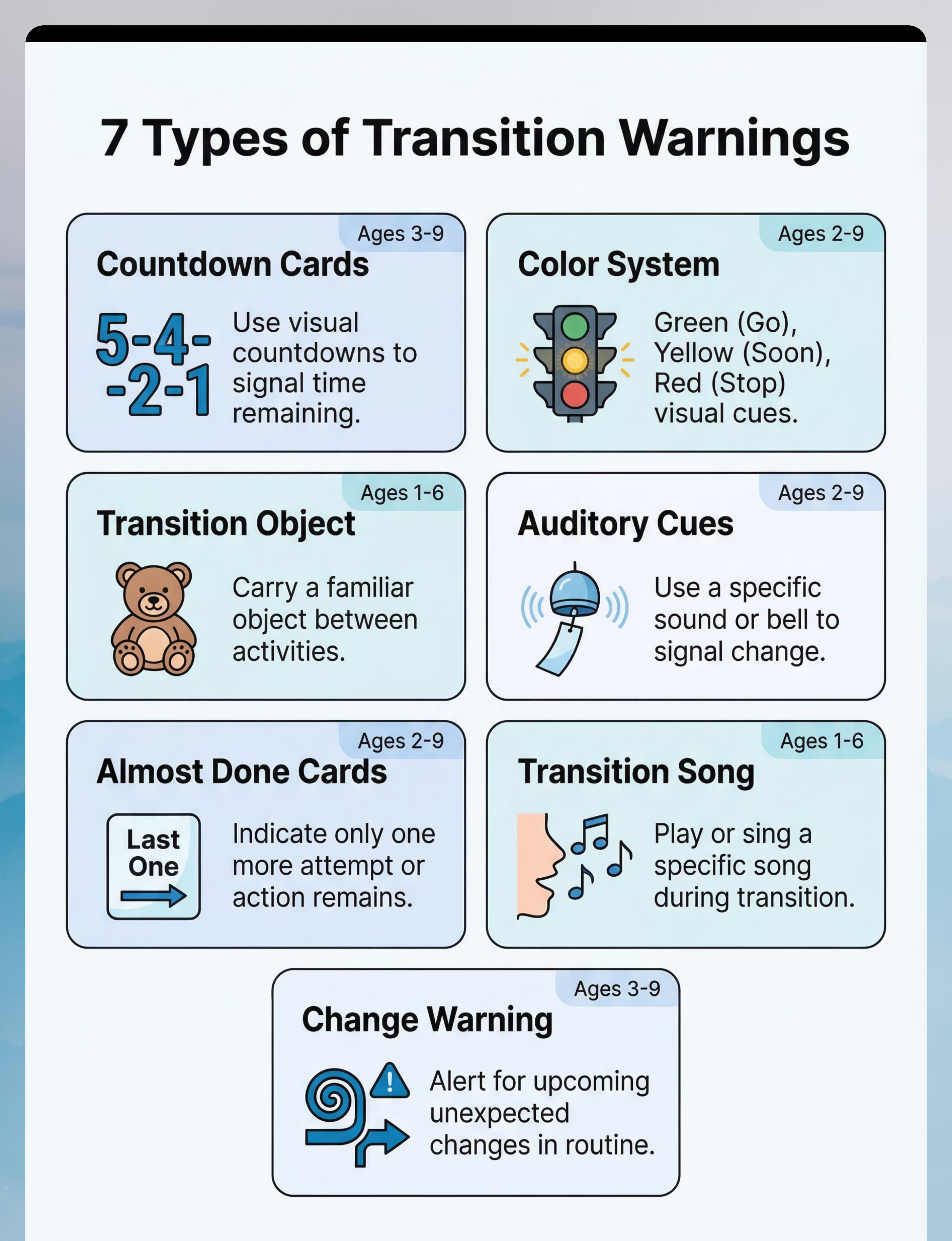
Countdown Warning Cards
Visually show remaining time with numbered cards (e.g., 5-4-3-2-1).
Best for: Verbal children (3-9 years) with numerical understanding; all settings.
Colour-Coded Warning System
Uses a traffic light system (green, yellow, red) for clear visual cues.
Best for: Young children (2-9 years) for universal understanding; all settings.
Transition Object/Symbol
A consistent object or symbol signals an upcoming change in activity.
Best for: Non-verbal children (1-6 years) with object-level understanding; all settings.
Auditory Warning System
Utilizes distinct sounds like chimes or bells to indicate transitions.
Best for: Auditory learners (2-9 years); home, school, and clinic settings.
'Almost Done' / 'Last One' Cards
Simple visual cards to signal the imminent end of an activity.
Best for: Preparing children (2-9 years) during activities; all settings.
Transition Song/Routine
A specific song or routine signals the start or end of an activity.
Best for: Young children (1-6 years) and sensory-seeking; all settings.
Visual Change Card
A card indicating "something different" to prepare for unexpected schedule changes.
Best for: Building flexibility in children (3-9 years); all settings.

How to Choose
  • By developmental level: Object cues for youngest/non-verbal, numbers for verbal, colours for universal understanding
  • By setting: Portable cards for community, songs for classroom, objects for home
  • By sensory preference: Auditory systems for auditory learners, visual for visual processors
  • By goal: Building flexibility? Use "something different" cards alongside consistent warnings
Specifications & Warning Types
Warning Type Categories
Numeric
5, 4, 3, 2, 1 countdown sequence
Colour
Green (go) → Yellow (almost) → Red (stop/change)
Quantity
"Two more turns," "Last one"
Temporal
"Almost done," "One more minute"
Object
Consistent object signals transition
Auditory
Song, chime, verbal phrase
Materials & Key Features
Common Materials:
  • Laminated cards (durability for repeated use)
  • Specific objects (keys, special toys)
  • Sound-making devices (chimes, bells, timers)
  • Coloured lights or cards (traffic light system)
Essential Features:
  • Consistency: Same cue = same outcome, every time
  • Multiple modalities: Visual, auditory, tactile options available
  • Portability: Most systems easily travel to any setting
  • Simplicity: Clear, unambiguous signals the child can understand
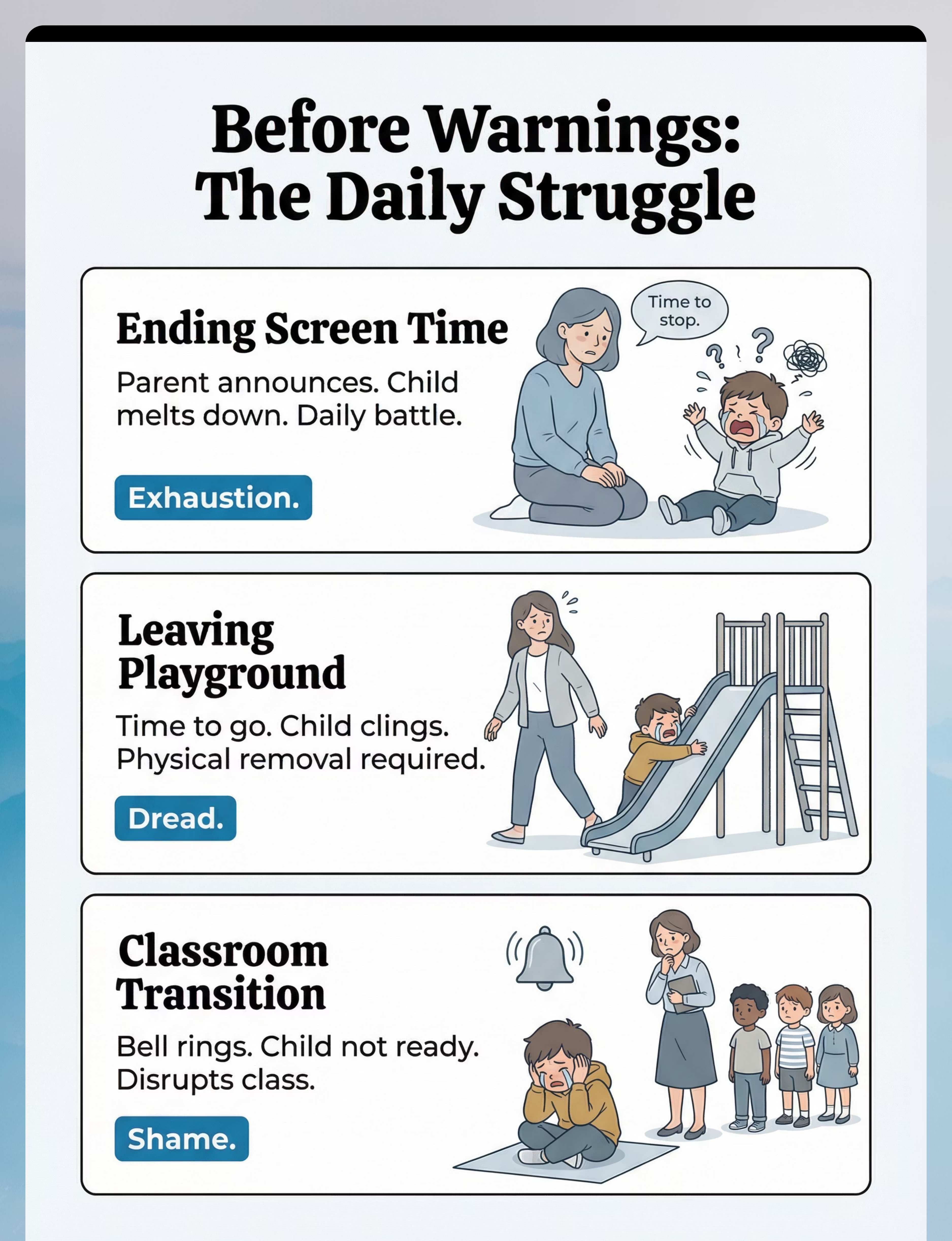
The Struggle (Before)
Ending Screen Time
Situation: Parent says "Time to stop." Child melts down. "You didn't warn me!" Parent did warn... but warnings didn't register. Daily battle, every single evening.
Experience: Verbal warnings go unheard. Child completely absorbed. Transition feels like an attack. Tears, tantrums, exhaustion.
Emotion: Exhaustion, defeat, feeling like a failure as a parent
Leaving Playground
Situation: Time to go home. Parent announces departure. Child clings to equipment. Full tantrum ensues. Had to physically carry child out, screaming. Every single time, same scene.
Experience: Other parents staring. Child distressed. Feels impossible to go anywhere. Dreading outings before they even begin.
Emotion: Embarrassment, dread, social isolation
Classroom Transitions
Situation: Bell rings for next activity. Child not ready. Cries, refuses to move. Disrupts entire class. Teacher frustrated. Child labelled as "behaviour problem."
Experience: Constant notes from school. Child struggling academically because transitions take so long. Falling behind. Feeling excluded.
Emotion: Shame, failure, worry about child's future
What to Expect (Realistic Timelines)
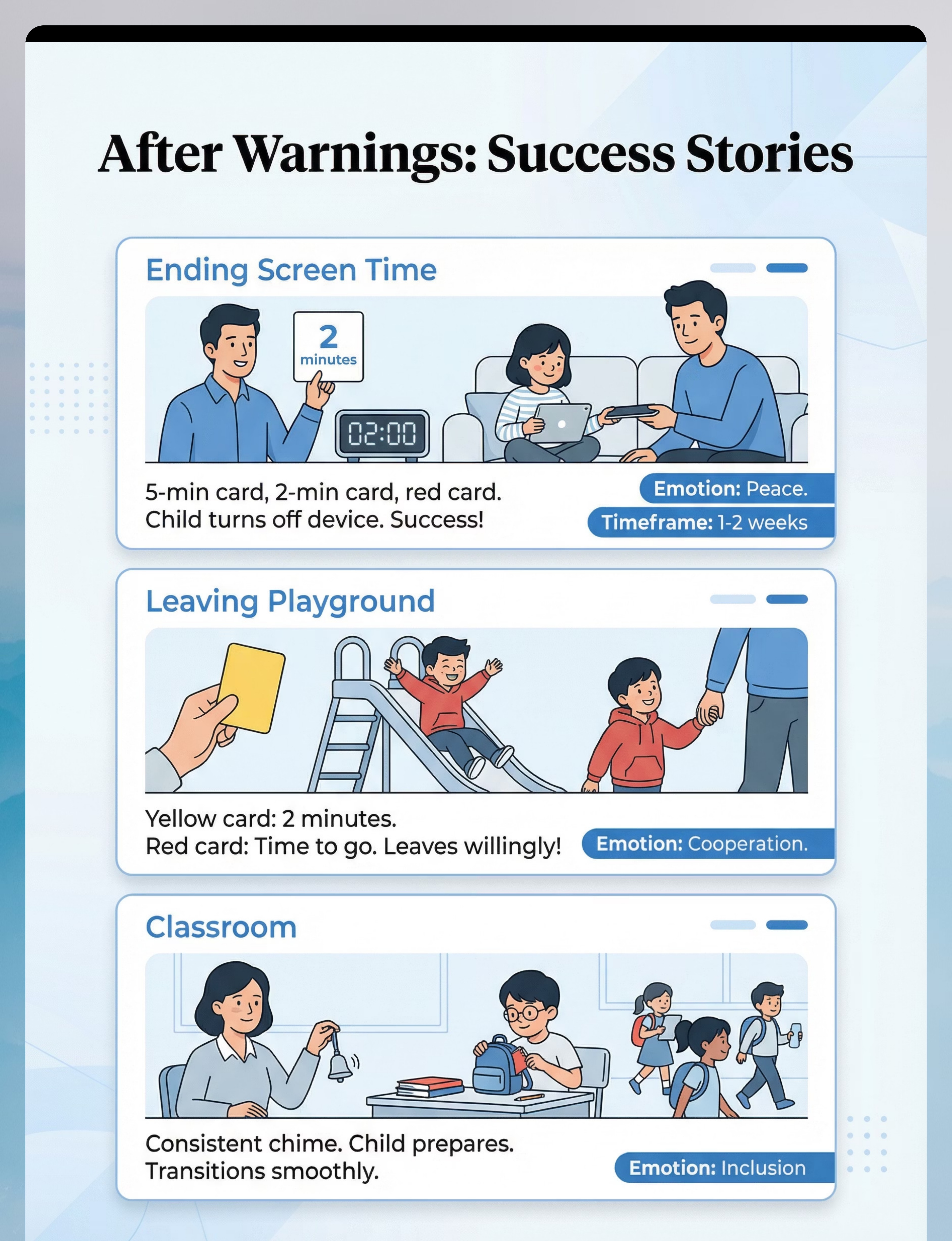
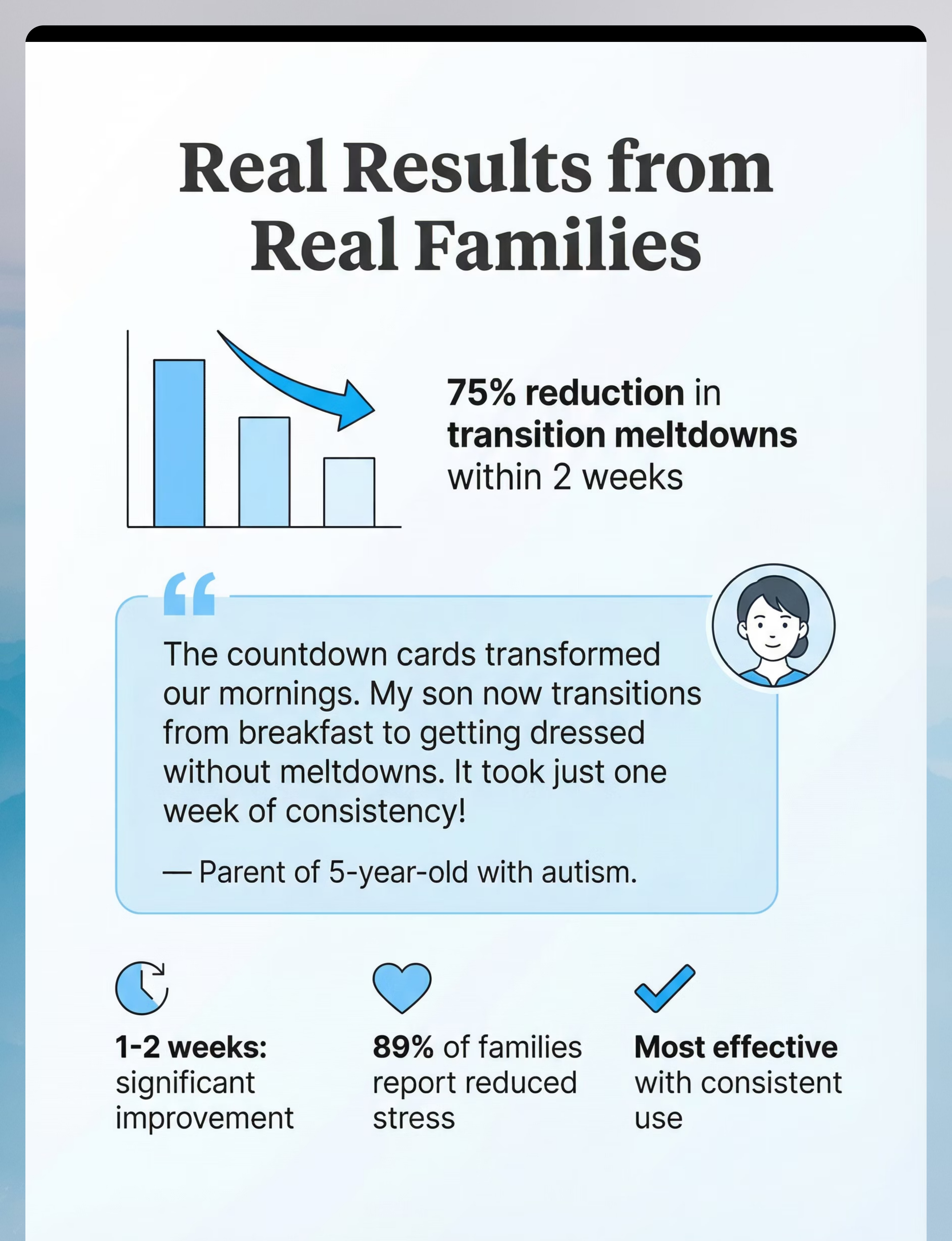
Change happens in stages. Initial trust-building takes 1-2 weeks of absolute consistency. Deeper generalisation and flexibility develop over months. Here's what research and clinical experience show families can typically expect:
Child anticipates and accepts transitions
Begins attending to warnings and showing signs of preparation
1-2 weeks
Meltdowns at transitions significantly decrease
Frequency and intensity of transition-related distress drops measurably
1-2 weeks
Child begins self-preparing when warning given
Independently starts finishing up, putting things away, mentally shifting
2-4 weeks
Trust built—child believes warnings
Confident the warning system is reliable and truthful
2-4 weeks
Can handle warned changes to routine
Even unexpected transitions become manageable when warned appropriately
4-8 weeks
Generalisation to new transitions and settings
Skills transfer to novel situations with warning system in place
1-3 months

Important: These timelines assume consistent, faithful use of the warning system. Inconsistency resets the learning curve. Every broken promise teaches the child not to trust the warnings—so absolute follow-through is non-negotiable for these outcomes.
Is This Right for My Child? (2-Minute Check)
Answer these questions honestly. Three or more "yes" responses indicate transition warning cards are likely to be highly beneficial for your child and family.
1
Does your child have significant difficulty with transitions?
Frequent meltdowns, resistance, or distress when changing activities or locations?
If yes, this indicates: Transition warnings essential for regulation
Confidence: 98%
2
Do verbal warnings ("5 more minutes") not seem to help?
You warn them repeatedly but they still react as if surprised or unprepared?
If yes, this indicates: Need visual/concrete warning system, verbal alone insufficient
Confidence: 94%
3
Does your child seem "surprised" even when warned?
Genuine shock reaction despite advance notice being given?
If yes, this indicates: Current warning system not effective, needs concrete upgrade
Confidence: 92%
4
Are transitions the biggest source of daily meltdowns?
More challenging than other aspects of autism support?
If yes, this indicates: Structured warning system will provide significant relief
Confidence: 96%
3+ "yes" answers = strong fit. Transition warning systems are evidence-based, Core Kit essentials. Even one "yes" suggests benefit—but multiple indicators mean this tool should be implemented immediately as a top priority.
Common Questions (Honest Answers)
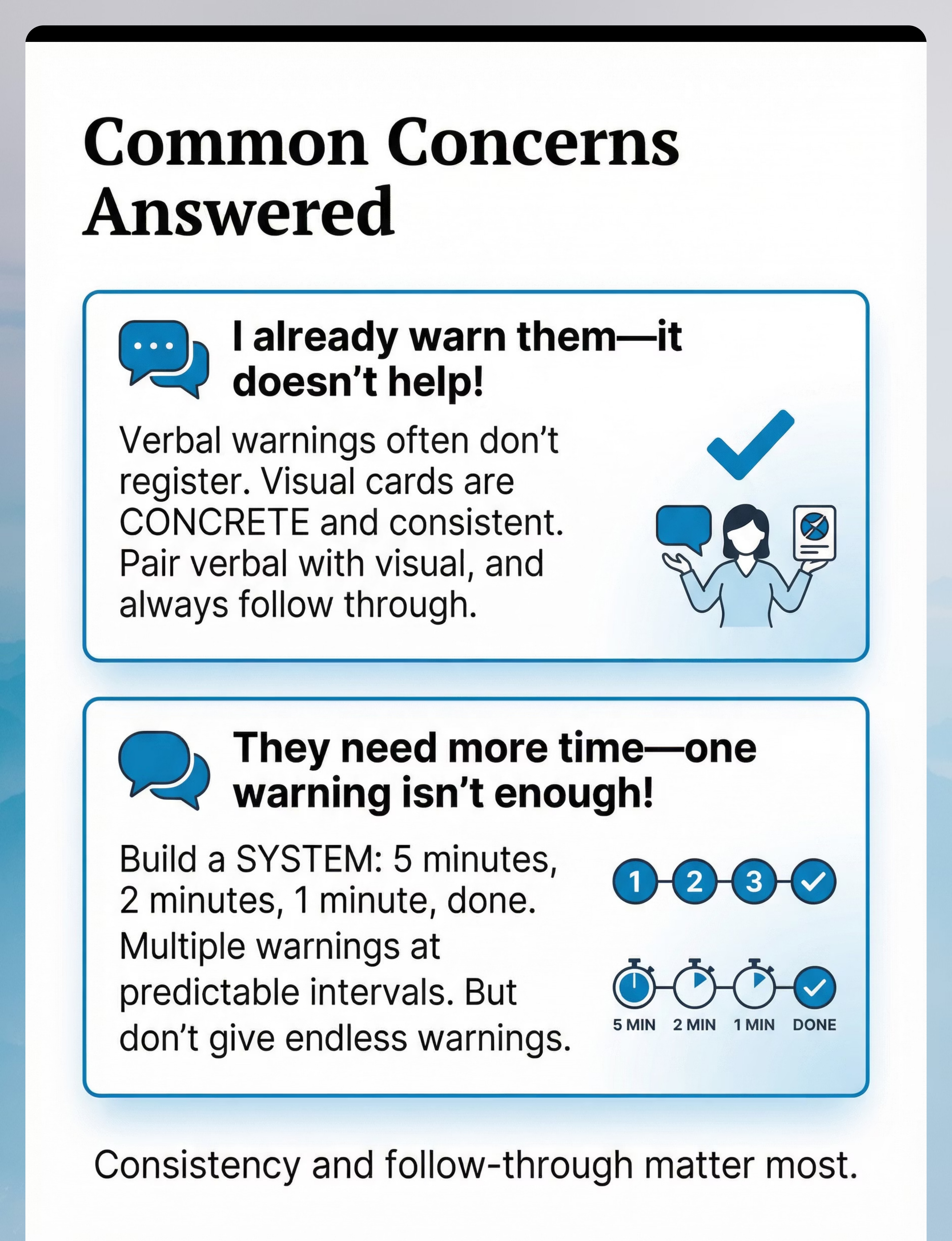
Q: I already warn them and it doesn't help
A: Verbal warnings often don't register because they're abstract and temporary. Visual cards are concrete and consistent—the child can see and touch them. The game-changer is pairing verbal with visual.
Also critical: follow-through. If "last warning" comes and nothing happens, or you extend time repeatedly, warnings become meaningless noise. Consistency is everything.
Try this: Add visual card to every verbal warning. Be absolutely consistent with follow-through—no extensions after final warning.
Q: They need more time—one warning isn't enough
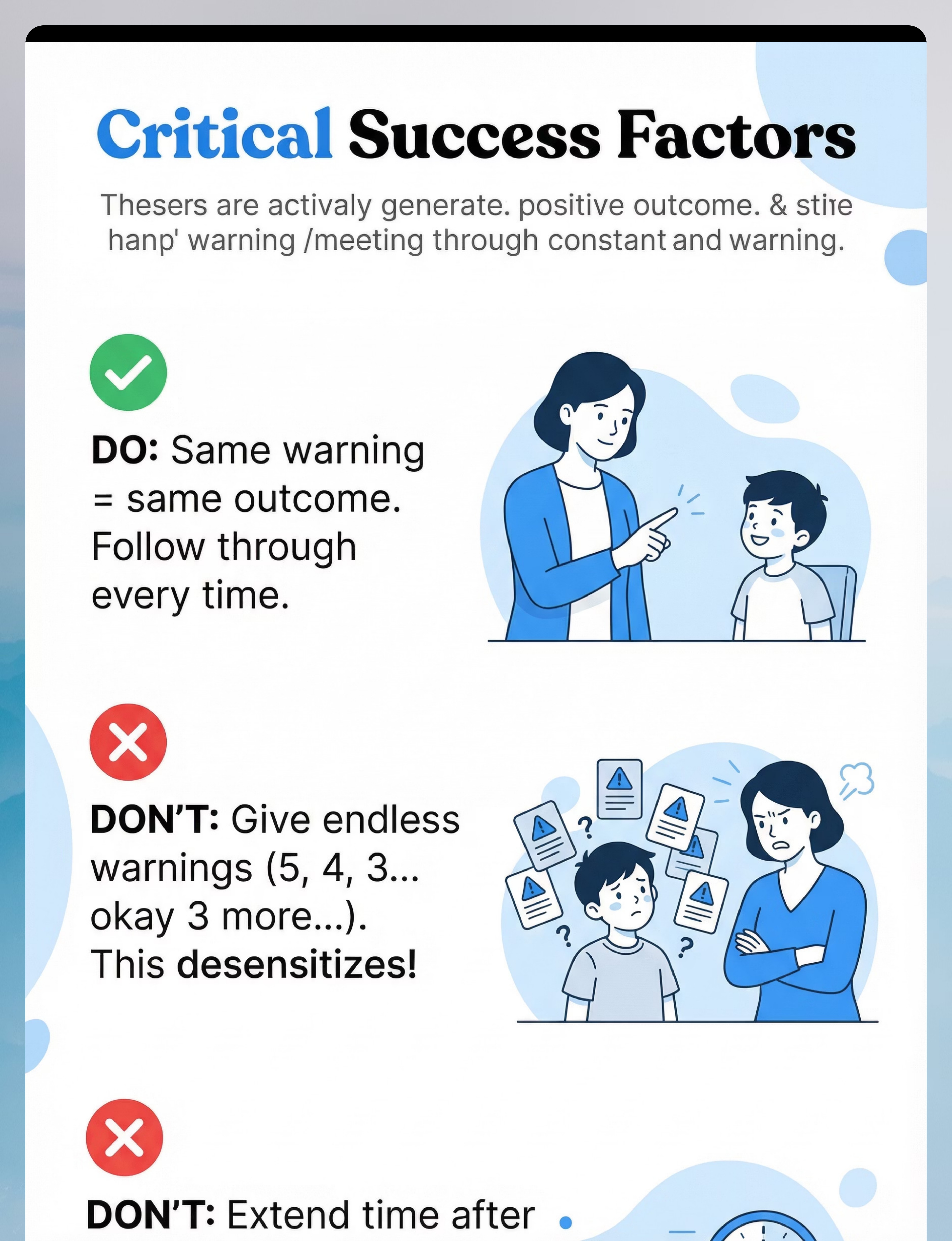
A: Build a multi-step system: 5 minutes, 2 minutes, 1 minute, done. Multiple warnings at predictable intervals work beautifully. But don't give endless warnings—this desensitises the child.
Find the right number for your child (typically 2-4 warnings), then stick to it faithfully. The brain learns the pattern when it's predictable.
Try this: Use consistent 3-warning sequence: first warning, middle warning, final warning. Same intervals every time.
Q: They get anxious when they see the warning
A: Initially, some anxiety is normal—it means they understand! This is actually progress. Over time, with consistent outcomes, anxiety decreases because they learn to trust the system.
Also ensure preferred activities get warnings too—frame warnings as "time left to enjoy" not just "time to stop." Make warnings neutral information, not threats.
Try this: Start with longer warning periods (10 minutes, 5 minutes). Pair with reassurance: "When red card comes, we'll be all done."
Q: Can't use cards everywhere—what about when we're out?
A: Build a portable system. Keychain cards fit in your pocket or bag. Consistent verbal phrase plus finger gesture (3 fingers, 2 fingers, 1 finger) works anywhere.
Transition songs are infinitely portable. Objects work too—car keys mean "time to go." The system adapts; consistency matters more than the format.
Try this: Develop consistent verbal + gesture cue you can use anywhere. Backup with cards when home.
Usage Guide: When & How
When TO Use
Before every transition
Consistency is the key to success
Especially before ending preferred activities
Screen time, play, special interests
Before schedule changes
Unexpected visitors, cancelled plans
Before leaving places
Playground, shops, friend's house
Before stopping mid-task
Building project, puzzle, activity
Before unexpected changes
If possible—"something different" card
When NOT to Use
Don't give warning without follow-through
Breaks trust in entire system
Don't give endless warnings
"5, 4, 3, 2, 1... okay 3 more... 2 more..."
Don't use as threat or punishment
Warnings are neutral information, not discipline
Don't skip when in a hurry
That's when most needed! Plan time buffer
Supervision by Age
Under 3 years
Adult gives all warnings, child learns to respond
3-6 years
Adult gives warnings, child responds and begins anticipating
6+ years
Child may request warnings, anticipates independently
Settings: Home, School, Clinic, Community—all settings benefit from consistent warning systems adapted to context.
Duration: Each warning takes just a moment to present. System integrates into daily rhythm naturally.
Safety First

Critical Safety Requirements
  • FOLLOW THROUGH after warning—consistency is everything. This is the foundation of the entire system.
  • Same warning = same outcome. Never give a warning and then not follow through. Trust is built or broken here.
  • Don't use warnings as threats. Warnings are information, not punishment or control.
  • Warn before enjoyable transitions too. Creates positive association with warning system overall.

Important Warnings
  • Inconsistent warnings make things worse—teaches child not to trust any warning
  • Too many warnings desensitise—child learns warnings are meaningless
  • Extending time after "last" warning breaks trust permanently
  • Don't rush through warning system when in a hurry—that's precisely when it's most needed
Before Use Checklist
  • Warning system chosen and prepared
  • Plan for follow-through in place
  • Same system to be used consistently
  • Timing of warnings decided
  • All caregivers trained on system
During Use Checklist
  • Warning given at appropriate intervals
  • Child attending to warning
  • Transition happens exactly as warned
  • Positive framing when possible
  • Consistency maintained
Signs to Stop/Adjust
  • Child ignoring warnings completely
  • Anxiety increasing rather than decreasing
  • System becoming inconsistent
  • Need to change warning type/method
  • Consult therapist if not improving

Contraindicated Practices
  • Inconsistent follow-through
  • Using warnings as threats or punishment
  • Giving endless warnings without consequence
  • Different systems in different settings (confusion)
Investment Guide
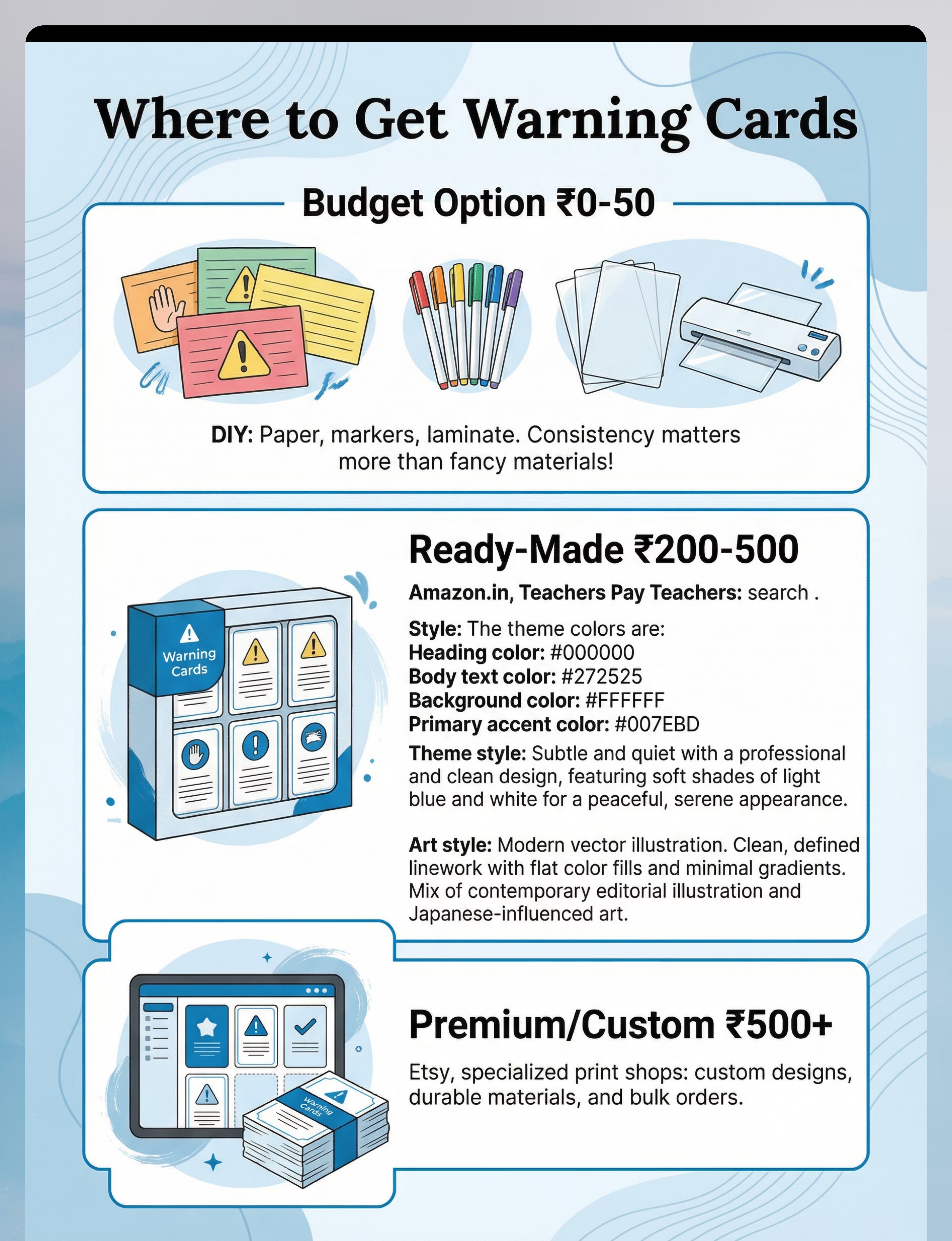
Transition warning systems are amongst the most cost-effective interventions in autism support. Consistency and follow-through matter infinitely more than expensive materials—many families succeed with completely free DIY solutions.
Budget-Friendly Option
₹0-50
DIY Warning System
What you get: DIY laminated countdown cards or consistent verbal phrase with gesture
Perfect for: Testing the system, immediate implementation, budget-conscious families
Note: Consistency matters infinitely more than fancy materials. Free systems work brilliantly when used faithfully.
Premium Option
₹300-600
Complete Support Kit
What you get: Professional transition card set, visual timer, coordinated visual schedule system
Perfect for: Multiple settings (home + school + clinic), professional presentation, comprehensive system
Available from: Special education stores, ABA therapy suppliers, occupational therapy clinics
Overall Range: ₹0-500 (USD $0-6)
Best Starting Point: Begin with free DIY version to establish routine and test what works for your child. Invest in premium materials if desired once system is proven effective for your family.
Where to Buy in India
Availability: DIY creation strongly preferred and recommended. Commercial options available as backup.
Platform
Search Terms
Price Range
Amazon.in
"transition cards autism" or "countdown warning cards"
₹200-500
Teachers Pay Teachers
"transition warning cards printable"
₹0-150 (digital)
DIY Creation
Paper + laminate pouches + marker
₹0-100
Buying Tips
Consistency is more important than materials
Use same cue across all settings if possible
Laminate for durability with repeated use
Pair visual cards with verbal warnings (multi-modal)
Create portable version essential for community
Start simple, add complexity only if needed
Red Flags—Avoid These Mistakes

  • Using different warning systems in different places (creates confusion)
  • Buying fancy system but using inconsistently (waste of money)
  • Too many warning types used simultaneously (overwhelming)
  • Materials that aren't portable (limits usefulness)
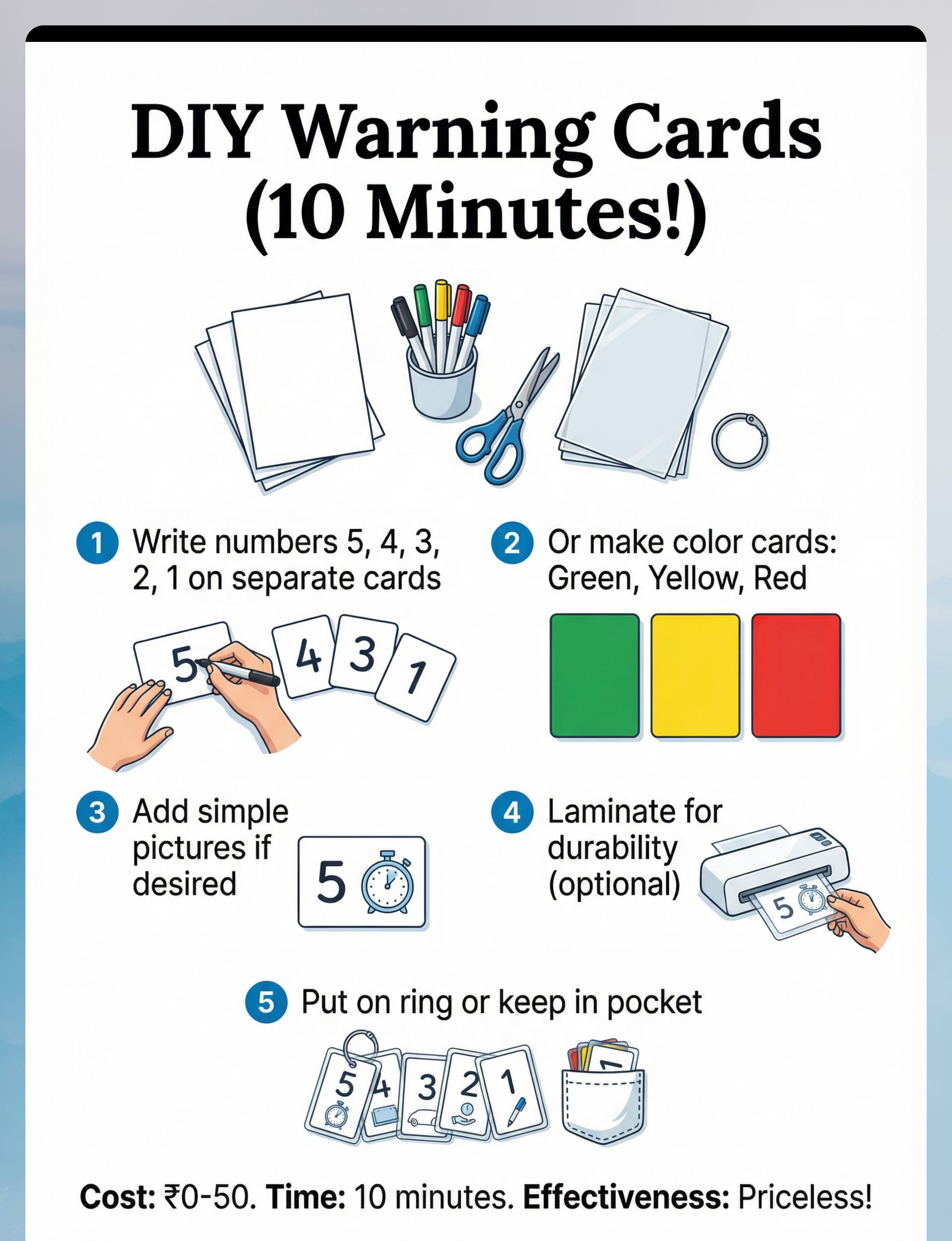
DIY Alternative (Save 95-100%)
Feasibility: Extremely High | Time Required: 10-20 minutes | Cost Savings: 95-100%
01
Create countdown cards
Write 5, 4, 3, 2, 1 on separate pieces of paper or cardstock in large clear numbers
02
Make colour-coded cards
Create Green ("keep going"), Yellow ("almost time"), Red ("stop/change") cards with meanings written clearly
03
Design "Almost Done" card
Write words in large print, add simple picture or symbol
04
Laminate if desired
Use laminating pouches or clear contact paper for durability (optional but helpful)
05
Create portable set
Put cards on keyring or clip, or keep in pocket/small pouch
06
Alternative: Establish verbal routine
Consistent phrase ("Time is almost up") plus gesture (showing fingers: 3, 2, 1)
Materials Needed: Paper or cardstock, markers, laminating pouches (optional), ring or clip for portability (optional)
When to DIY
  • Testing system before investing in commercial version
  • Budget-conscious families (works equally well)
  • Personalising to child's specific understanding level
  • Need immediate solution—can't wait for shipping
  • Want full control over design and format
When to Buy Commercial
  • Want professional materials for school or clinic settings
  • Need complete pre-made coordinated system
  • Limited time for creation and lamination
  • Prefer ready-made durability and polish
Trade-offs: DIY versions may look less polished and you must remember to carry them—but they work just as effectively as commercial products when used consistently. Function over form.
Measuring Success
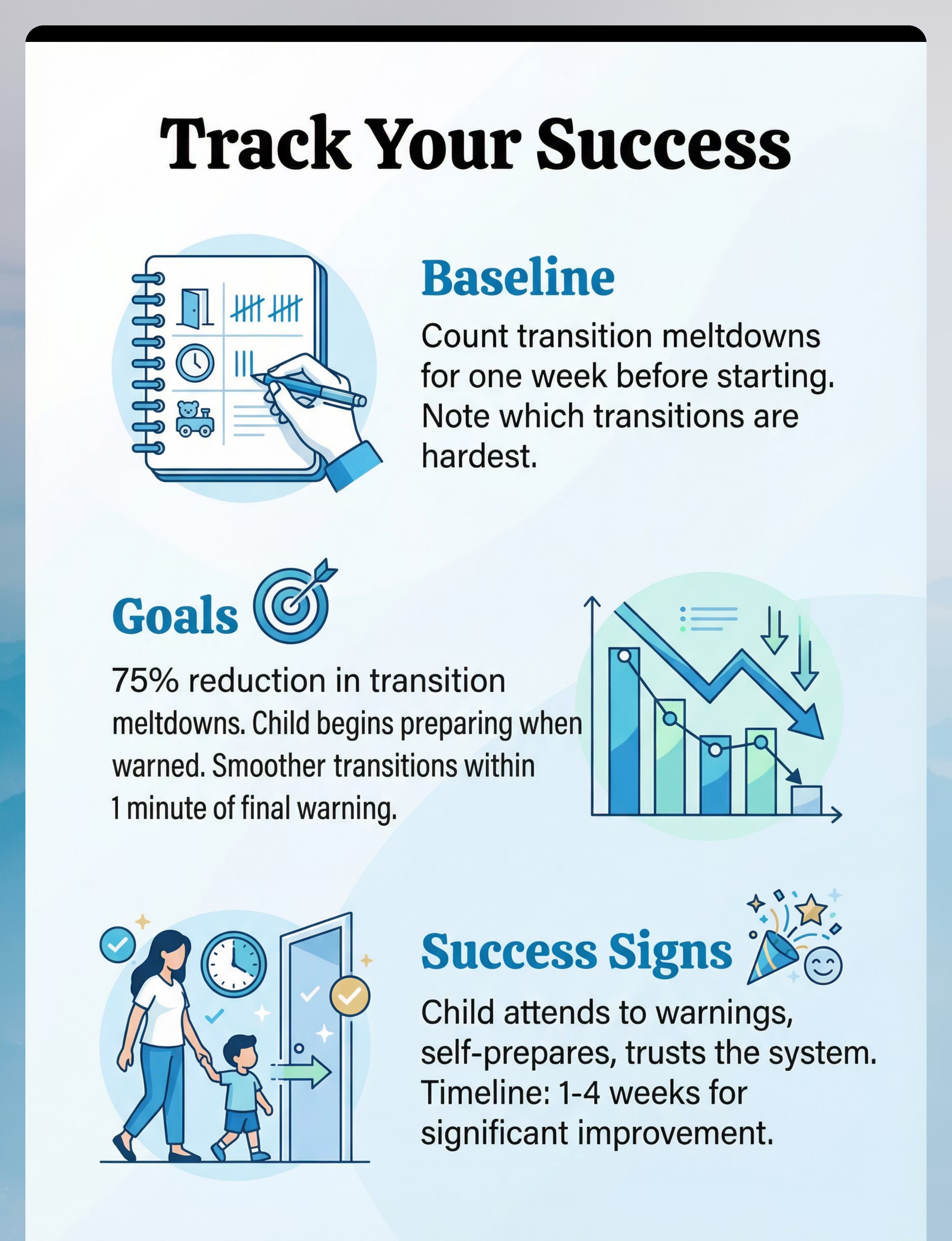
Establish Your Baseline
Before implementing warning system, measure current state for 3-5 days:
  • Transition meltdown frequency: How many per day?
  • Severity of transition difficulties: Rate 1-10 scale
  • Which transitions are hardest? Screen time, leaving places, activities?
  • Current warning methods: What have you tried? What happened?
Set Clear Goals
  • Transition meltdowns will decrease by 75% within 2 weeks
  • Child will begin preparing when warning given
  • Child will transition within 1 minute of final warning
  • System will work consistently across home, school, and community
Success Indicators to Track
Child attends to warnings
Looks at card, acknowledges cue, shows understanding
Self-preparation begins
Child starts finishing up when warned, gets ready
Smoother transitions overall
Less resistance, faster transitions, calmer demeanour
Fewer meltdowns
Measurable decrease in frequency and intensity
Trust in warning system
Child believes and relies on warnings
Generalisation to new situations
System works in novel settings and transitions

Track weekly: Keep simple daily log of transition successes vs. difficulties. Review weekly to identify patterns and progress. Celebrate small wins—each successful transition is rebuilding your child's trust and regulation capacity.

Preview of transition warning cards cues Therapy Material

Below is a visual preview of transition warning cards cues therapy material. The pages shown help educators, therapists, and caregivers understand the structure and content of the resource before use. Materials should be used under appropriate professional guidance.

Page 1
Page 2
Page 3
Page 4
Page 5
Page 6
Page 7
Page 8
Page 9
Page 10
Page 11
Page 12
Page 13
Page 14
Page 15
Page 16
Page 17
Page 18
Page 19
Page 20
Link copied!
Complete the Kit: Related Tools & Support
Pair It With These Complementary Tools
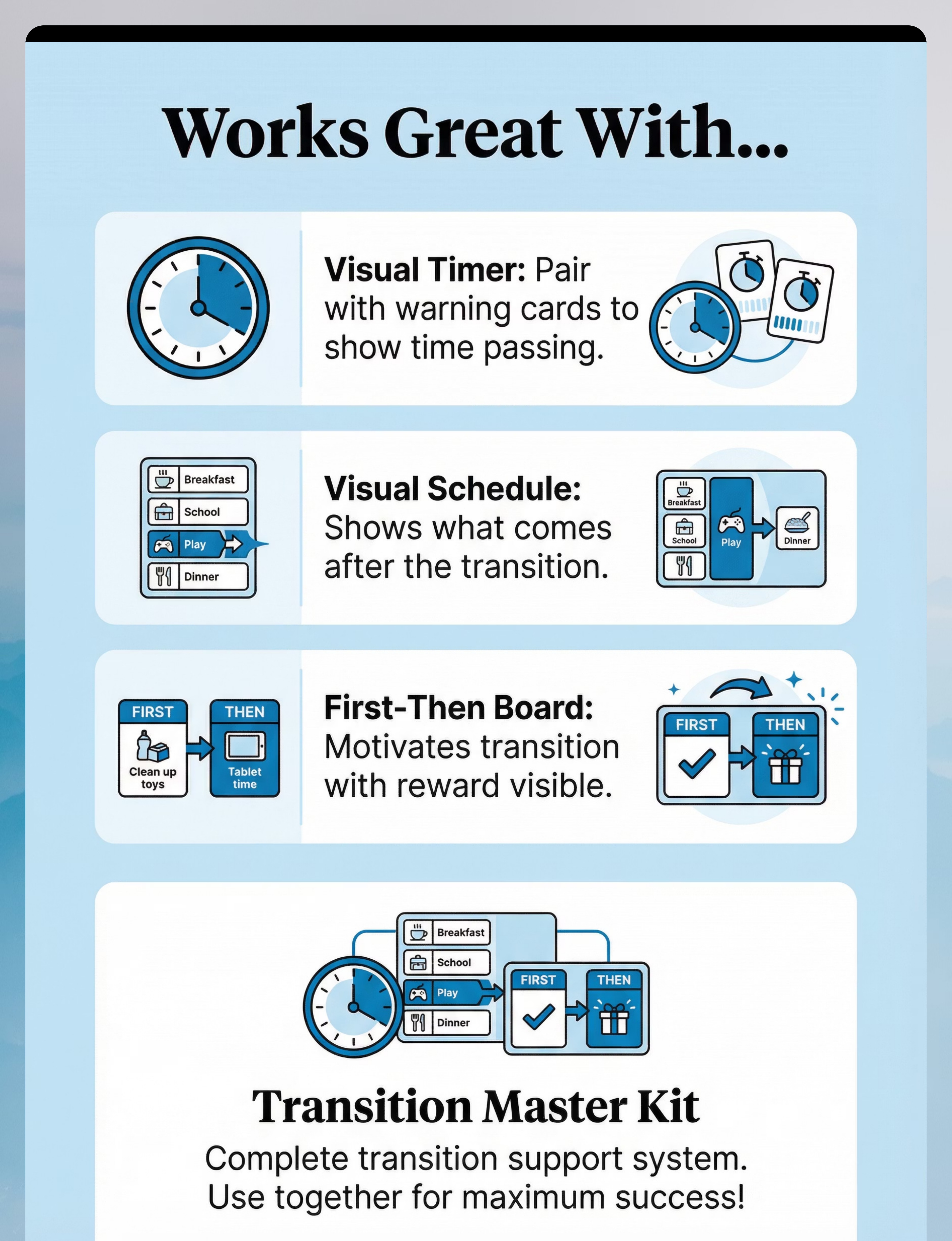
Transition warning cards work even better when combined with other visual supports. Build a comprehensive system:
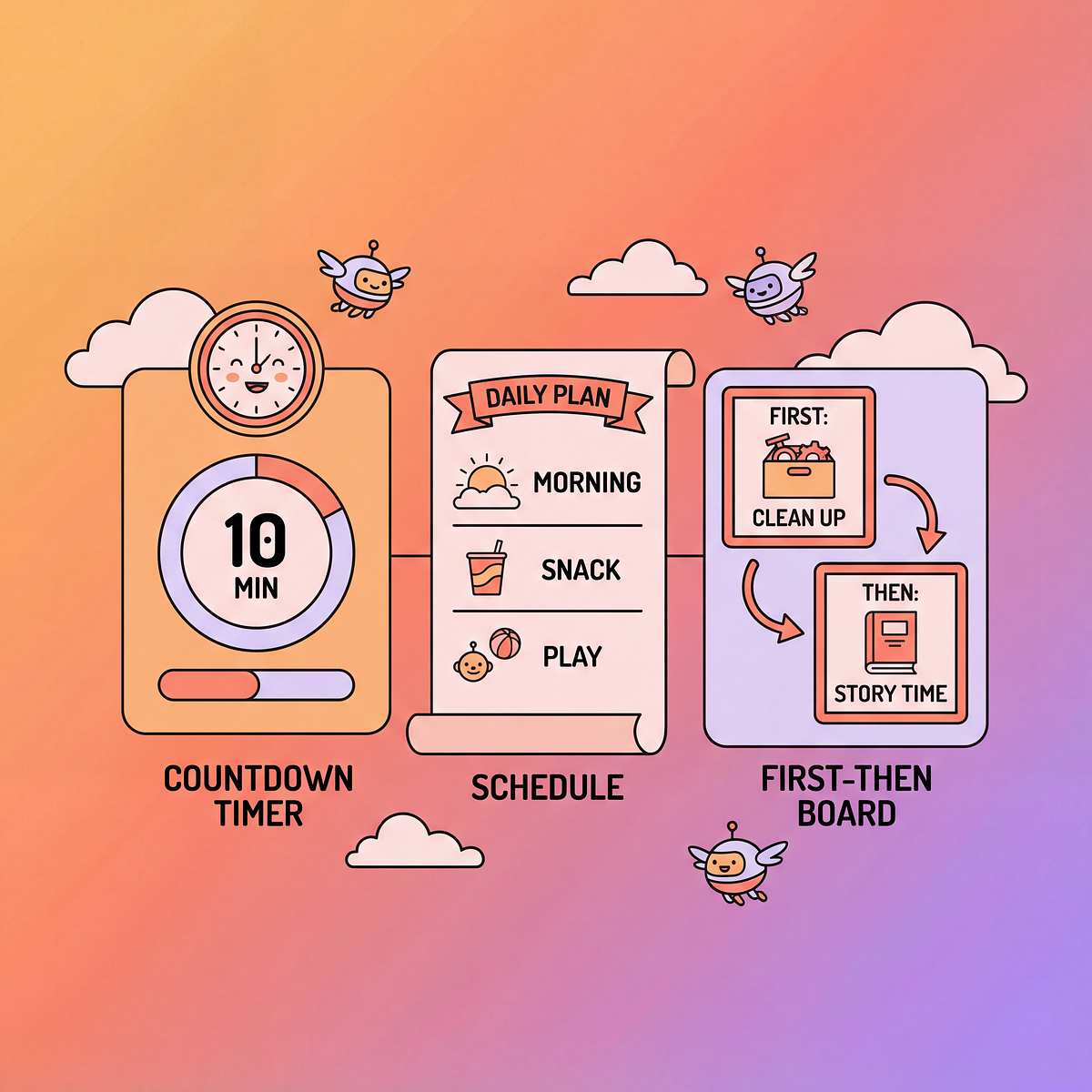
Visual Timer (ID: 3.3)
Pair countdown cards with visual timer so child sees time passing alongside warnings. Powerful multi-modal combination.
Visual Schedule (ID: 3.1)
Shows what comes after the transition, providing context and motivation for change. Reduces "transition to unknown" anxiety.
First-Then Board (ID: 3.2)
Motivation tool showing preferred activity coming after transition. Makes transitions purposeful rather than just "stopping."
Social Stories (ID: 2.2)
Create stories specifically about transitions to build understanding and reduce anxiety about the change process itself.
Recommended Bundles
Transition Master Kit
Includes: Warning Cards (3.4) + Visual Timer (3.3) + Visual Schedule (3.1)
Use case: Complete transition support system for home and school
Leaving Places Kit
Includes: Warning Cards (3.4) + Social Stories (2.2) + First-Then Board (3.2)
Use case: Community outings, playground departures, shopping trips

AI Summary & Search Terms
Quick Summary: Transition warning cards provide consistent, predictable cues before changes, allowing the brain essential time to prepare. Ranked #1 Core Kit tool with strong evidence base, these systems are essential for reducing transition meltdowns and building regulation capacity.
Common searches:
transition warning cards autism
transition cues autism
ending activities autism
change warnings autism
transition support autism
countdown cards transitions
leaving cues autism

Get Expert Support

FREE National Autism Helpline
Phone: 9100 181 181
Languages: 16+ Indian languages supported
Connect with qualified therapists for personalised guidance on implementing transition warning systems effectively for your child's unique needs.
Platform Integration
Transition warning cards integrate seamlessly with Pinnacle Blooms Network's comprehensive support system:
  • AbilityScore® identifies your child's specific transition difficulty patterns and severity
  • TherapeuticAI® recommends the optimal warning system type for your child's learning style
  • EverydayTherapyProgramme™ includes structured transition routines for home implementation
  • Adaptive Behaviour Index tracks transition success and regulation improvements over time

Disclaimer: This is educational information based on clinical evidence and therapeutic best practices. Always consult qualified occupational therapists, speech-language pathologists, special educators, or developmental paediatricians for personalised assessment and guidance. Individual results vary based on child's unique profile, consistency of implementation, and family circumstances.