












Tool ID: 3.5
SpEd + ABA/BCBA
Strong Evidence
Rank #1
Constant Reference
₹0–400
Visual Rules for Autism
Make behavioral expectations clear, concrete, and accessible for children with autism
Make implicit behavioral expectations explicit and visible. Essential visual support for children who struggle with unwritten social rules and behavioral expectations across home, school, and community settings.

Who This Helps
Who This Helps
Primary function: Make implicit behavioral expectations explicit and visible, reducing anxiety about unwritten rules and increasing behavioral success.
Behavioral Expectations
Social Rules
Self-Monitoring
Anxiety Reduction
Independence
Ages 2-9 years
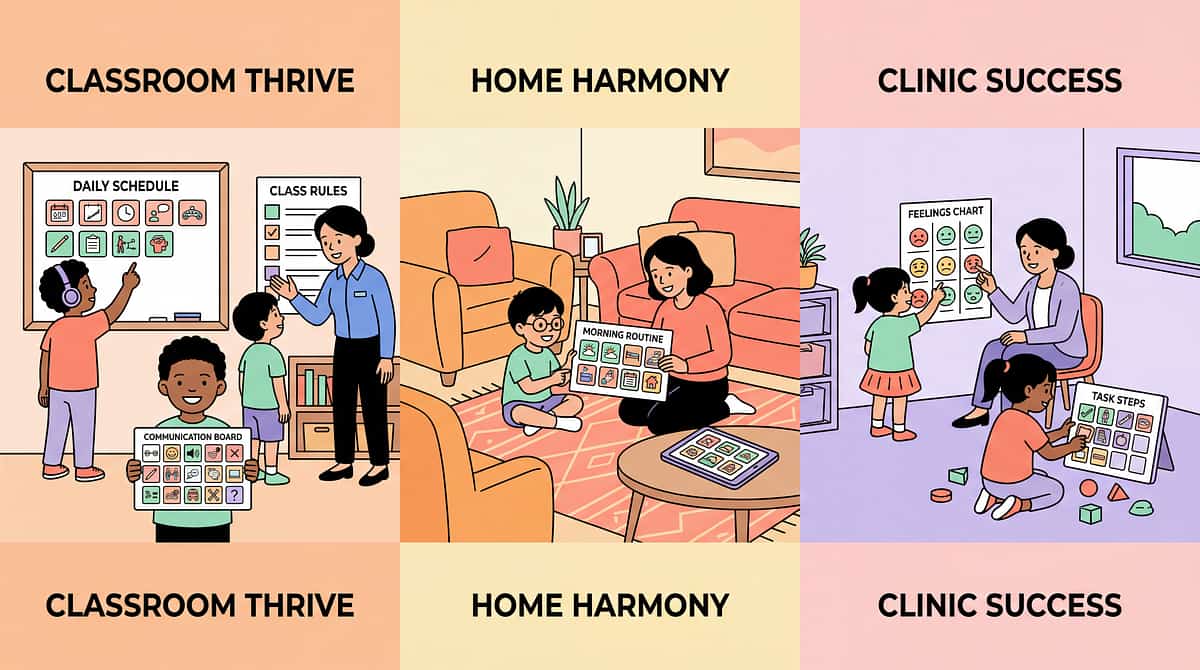
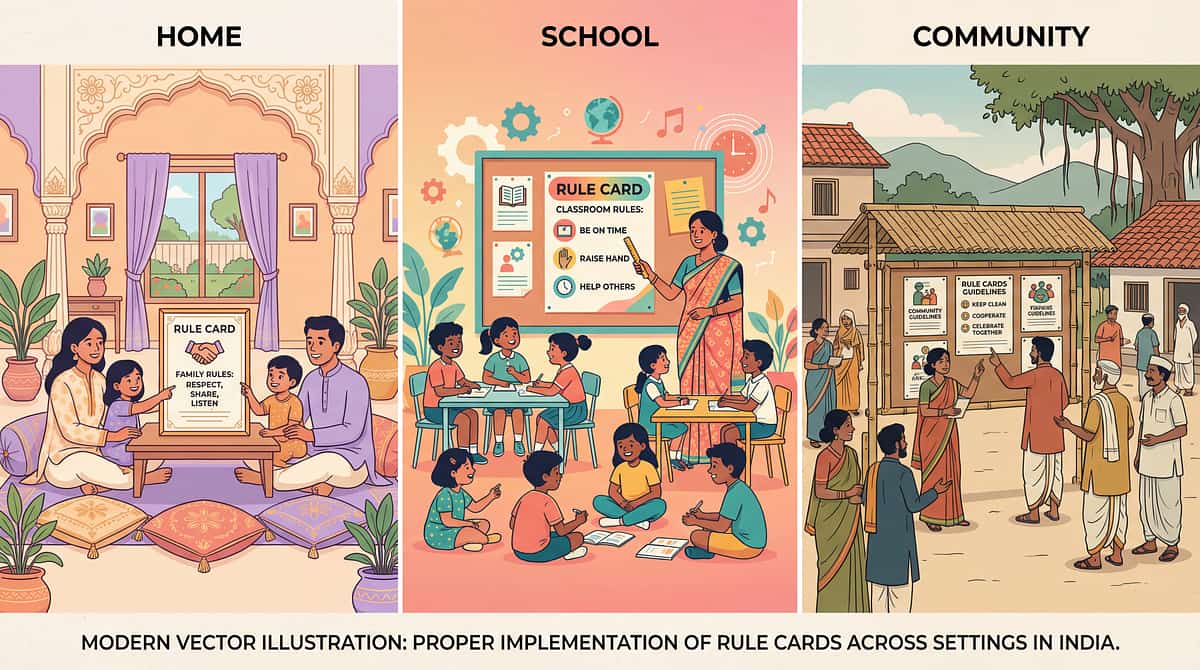
Home
School
Clinic
Community
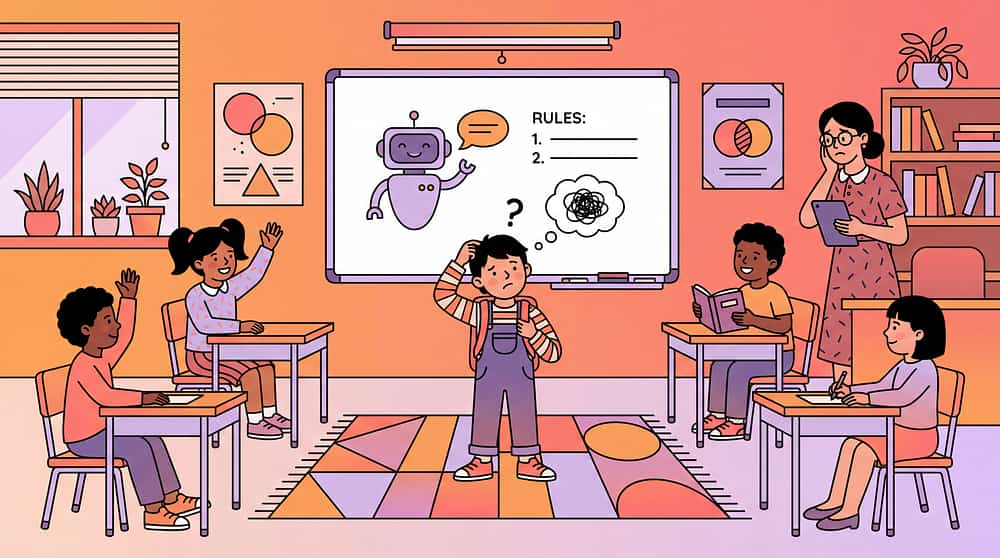
Children who struggle with implicit social rules
Makes the invisible visible for concrete learners
Those who need visual memory supports
External reference until rules become internalized
Kids experiencing constant behavioral corrections
Clarity reduces anxiety and increases success

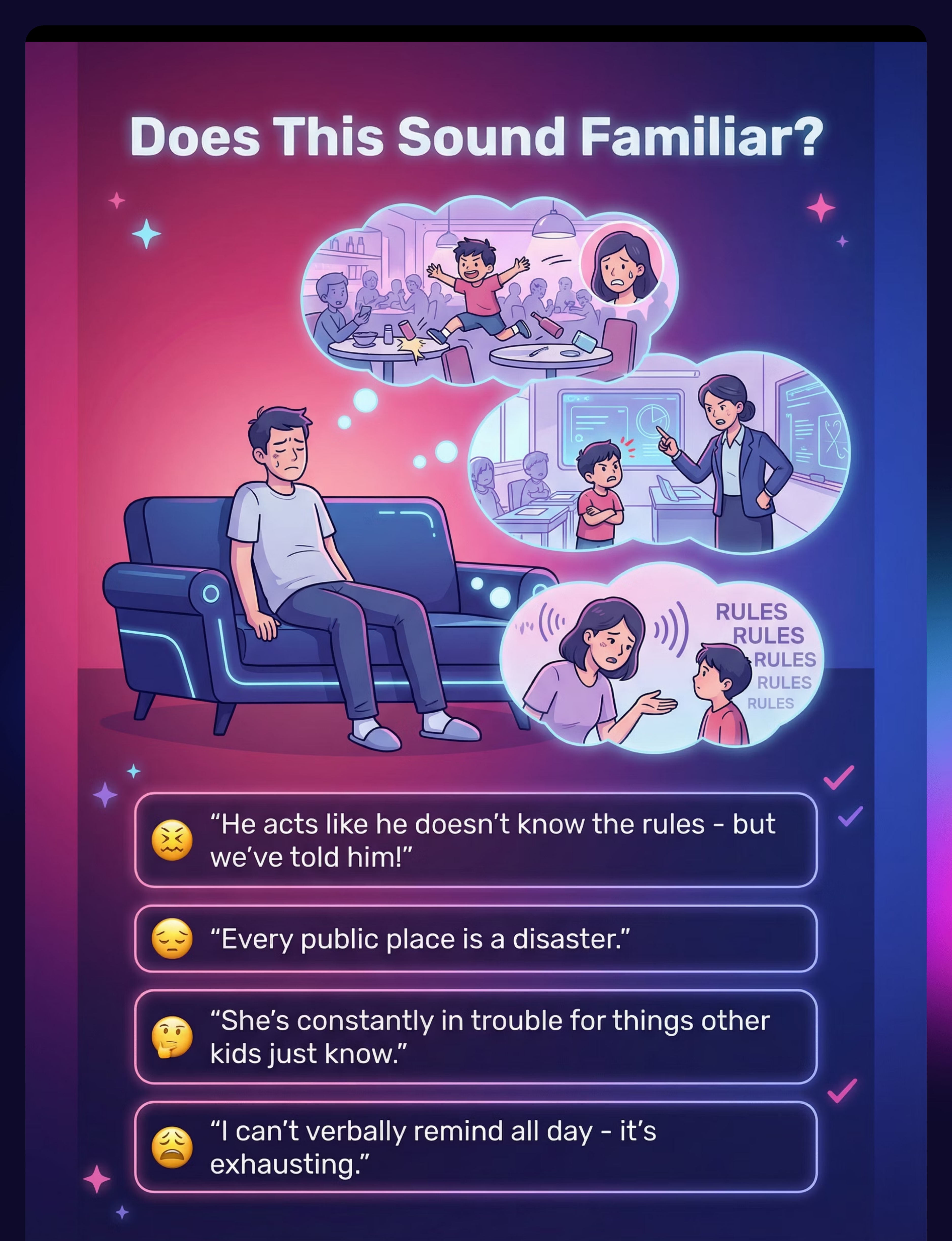
Does This Sound Familiar?
"He doesn't understand unwritten social rules"
"She acts like she doesn't know the rules - but we've told her!"
"Every public place is a disaster"
"He's constantly in trouble for things other kids 'just know'"
"Rules seem to disappear from his brain"
"I can't verbally remind all day - exhausting"
You're not alone. These are common challenges that visual rules are specifically designed to address.

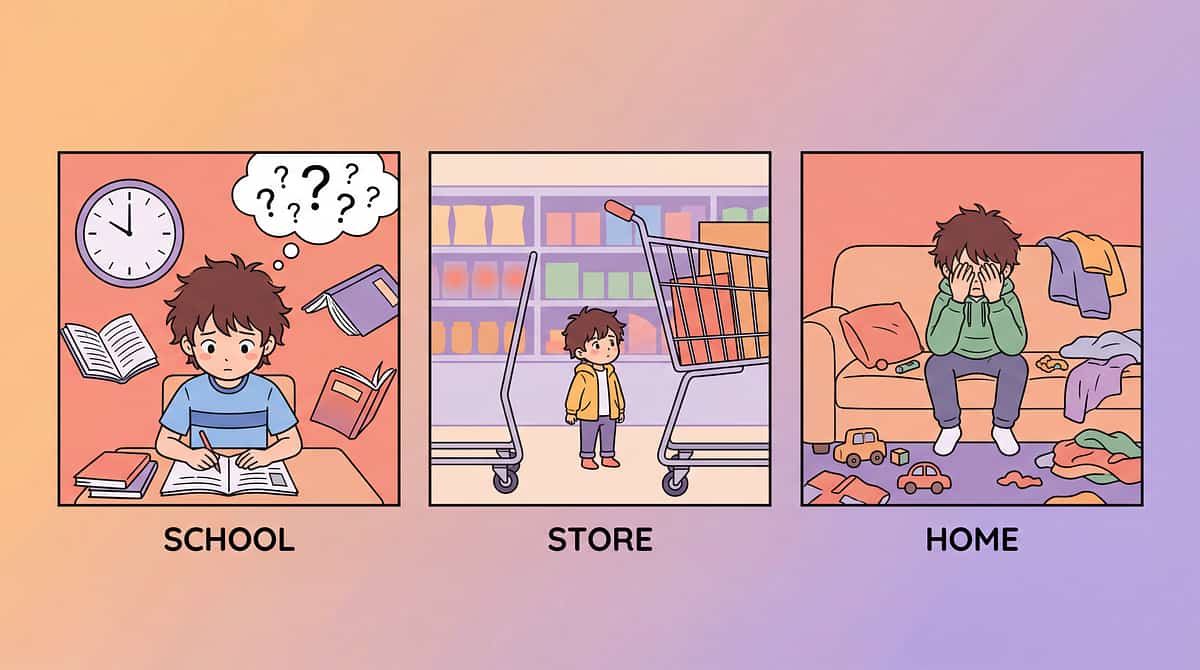
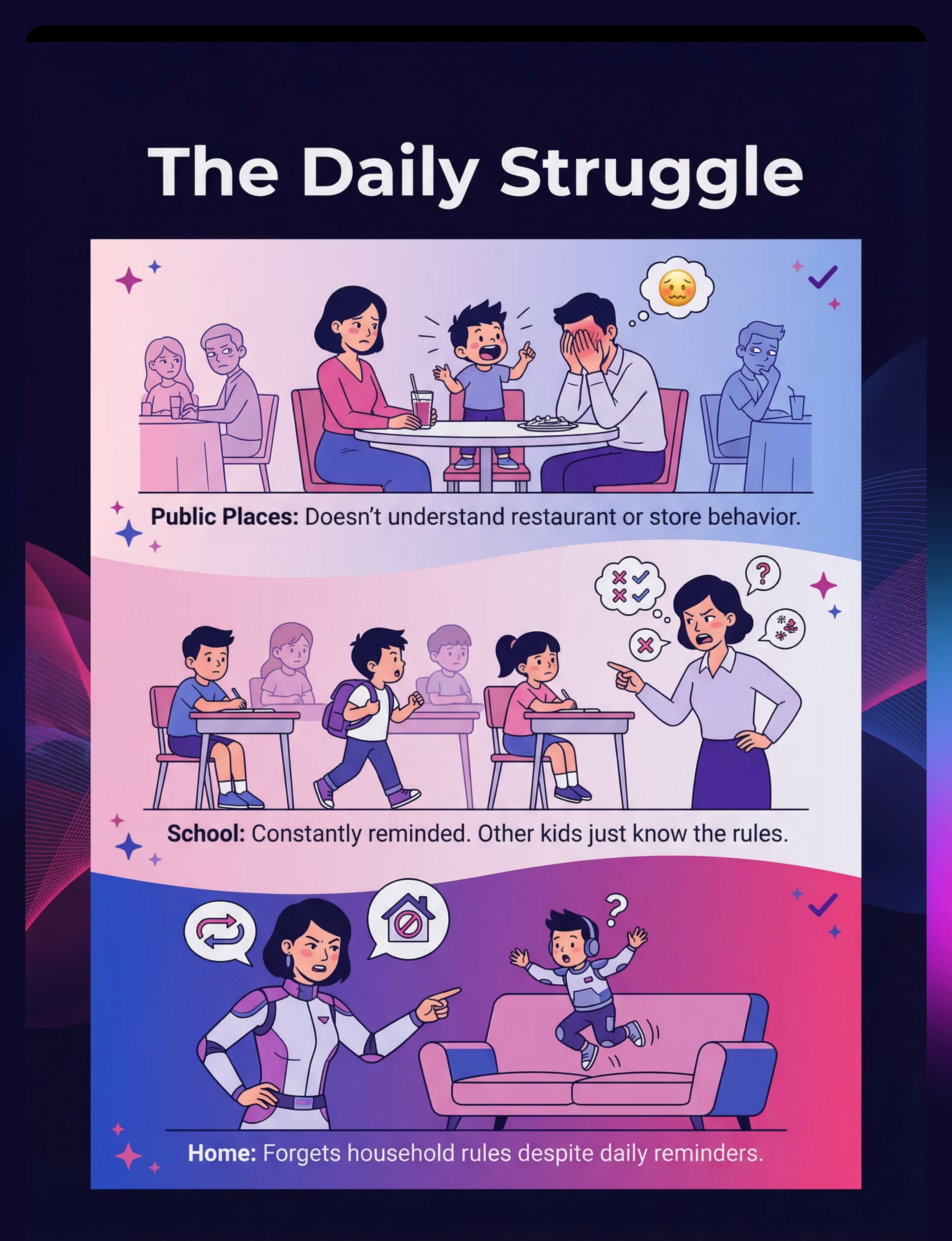
A Day Without the Right Support
Public Outings
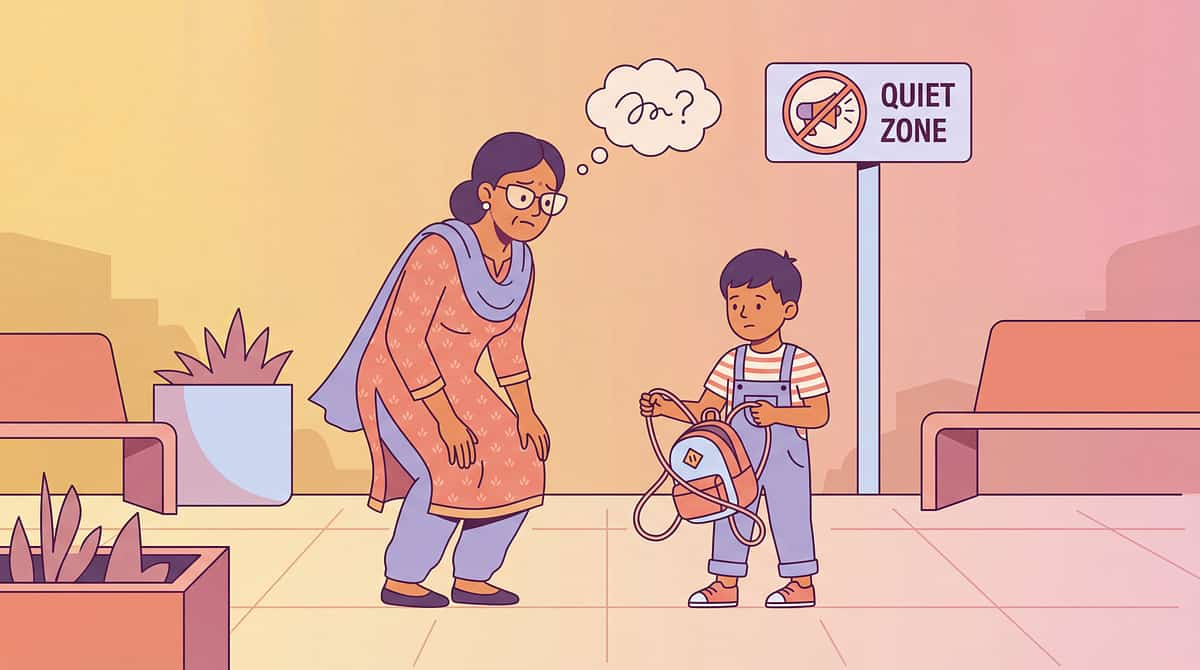
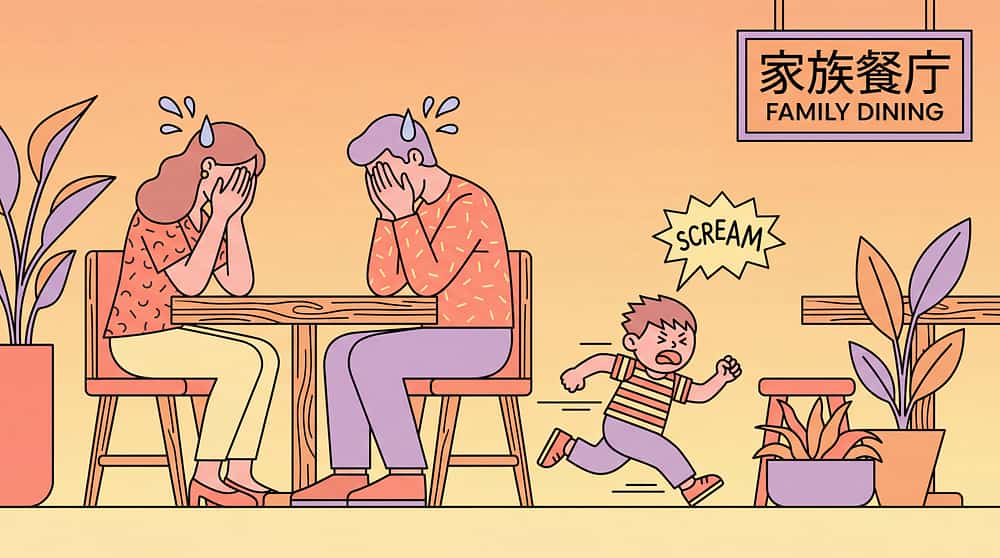
Doesn't know behavior expectations in stores, restaurants. Family avoids community activities.
School Hours
Constantly corrected for rule violations. Other children seem to "just know" while your child struggles.
Home Routines
Forgets household rules despite daily reminders. Same conversations repeated endlessly.
Social Situations
Doesn't understand social expectations. Acts surprised when corrected for behaviors that confuse them.
"I didn't know I wasn't supposed to do that. The rules change everywhere. People get mad and I don't know why."— Child's perspective

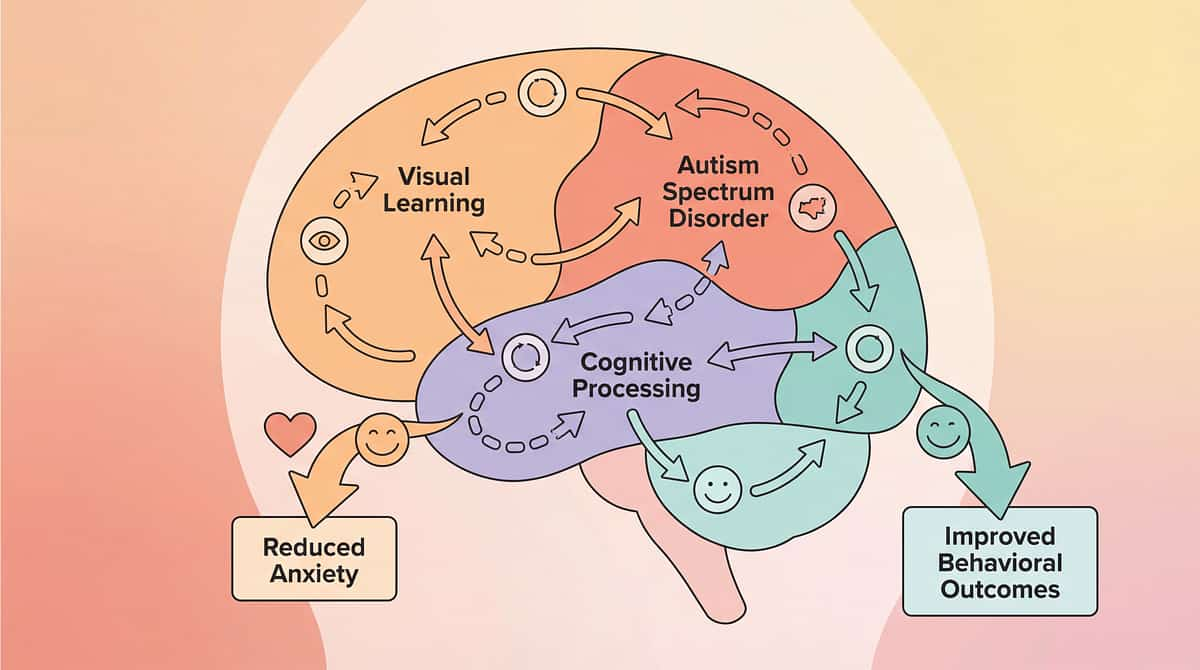
The Science Behind It
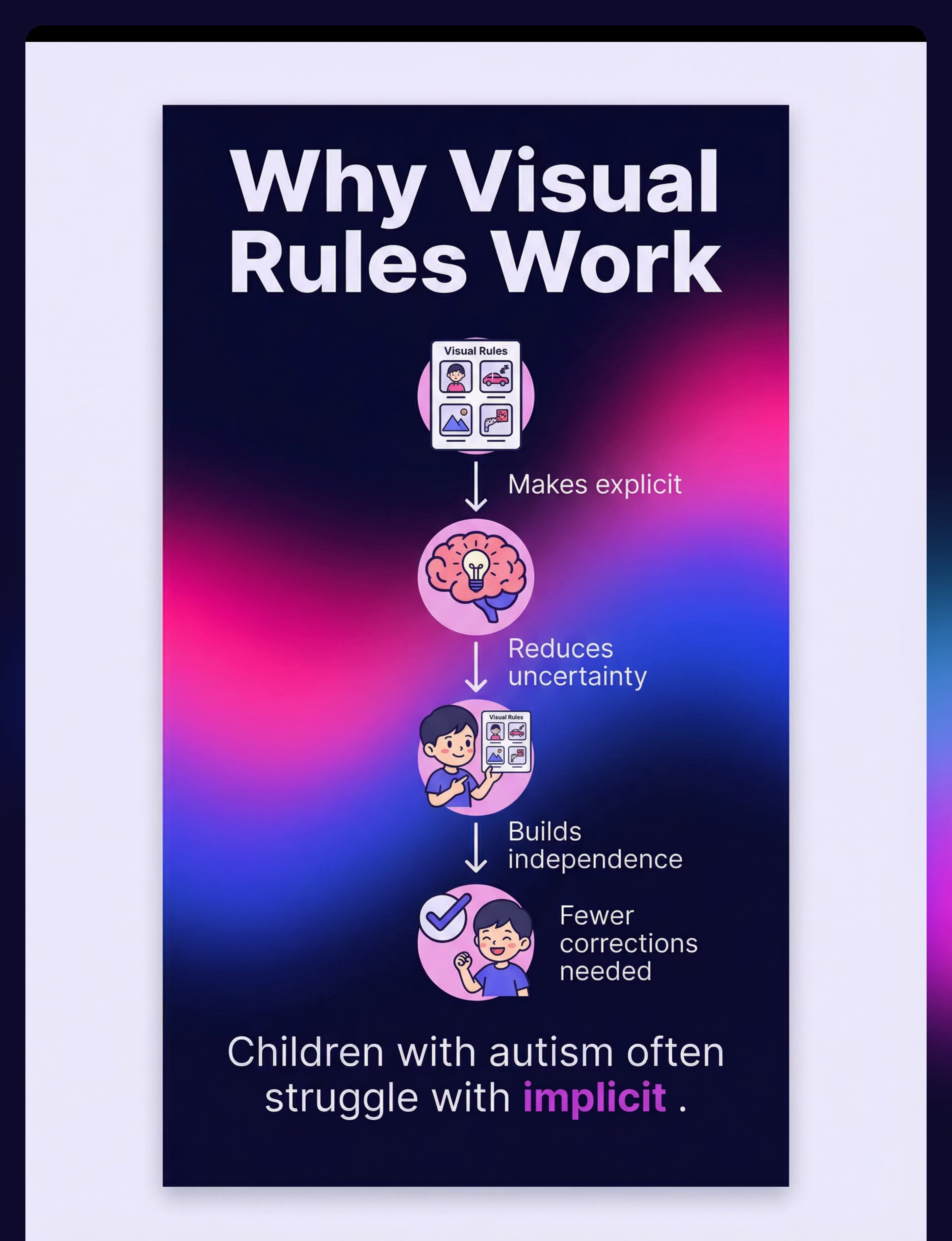
Visual Rules Displayed
Expectations become concrete and visible, accessible when needed
Cognitive Processing / Uncertainty Reduced
Child can reference visual when unsure, removing guesswork from social navigation
Anxiety Decreases
No more fear of unknown "unwritten rules" - clarity brings confidence
Clearer Behavior
Child knows what's expected and can meet those expectations successfully
Increased Success
Fewer corrections, more independence, better outcomes across all settings
Evidence-Based Approach
Reduces Anxiety
Promotes Independence
Self-Monitoring

How to Use It Right
1
Rule Formulation
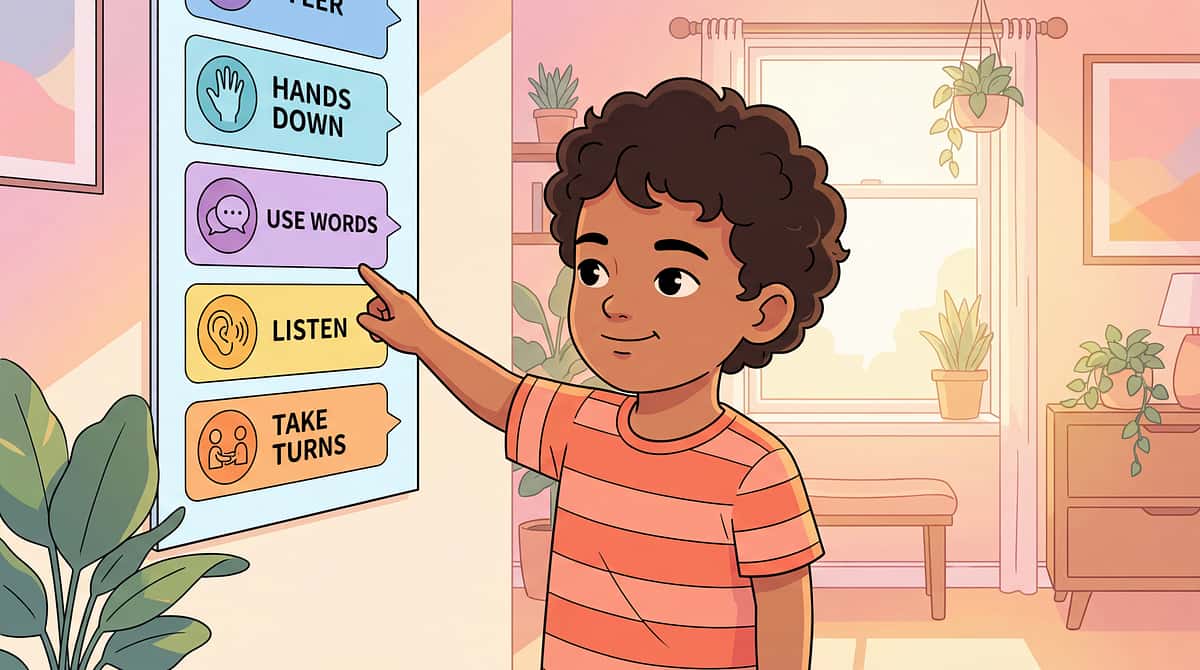
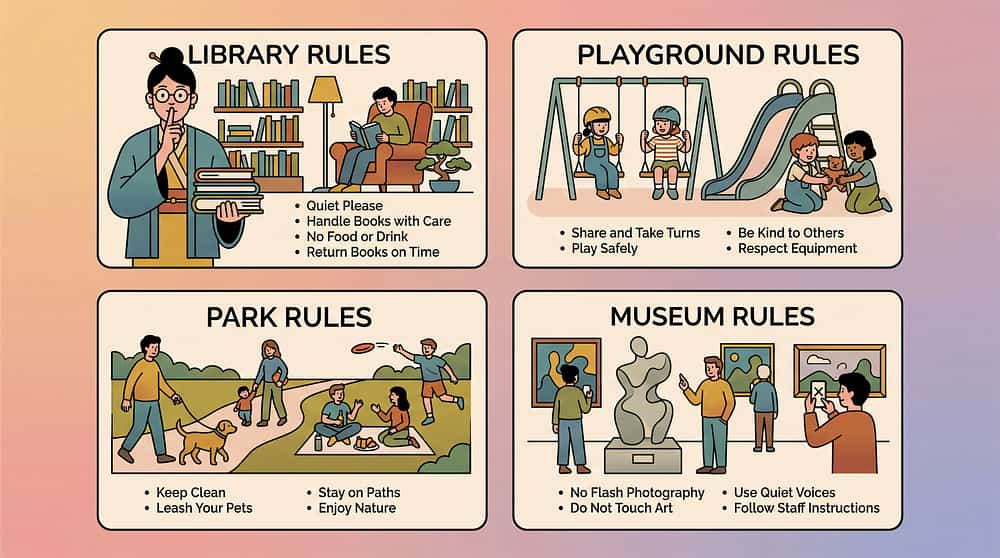
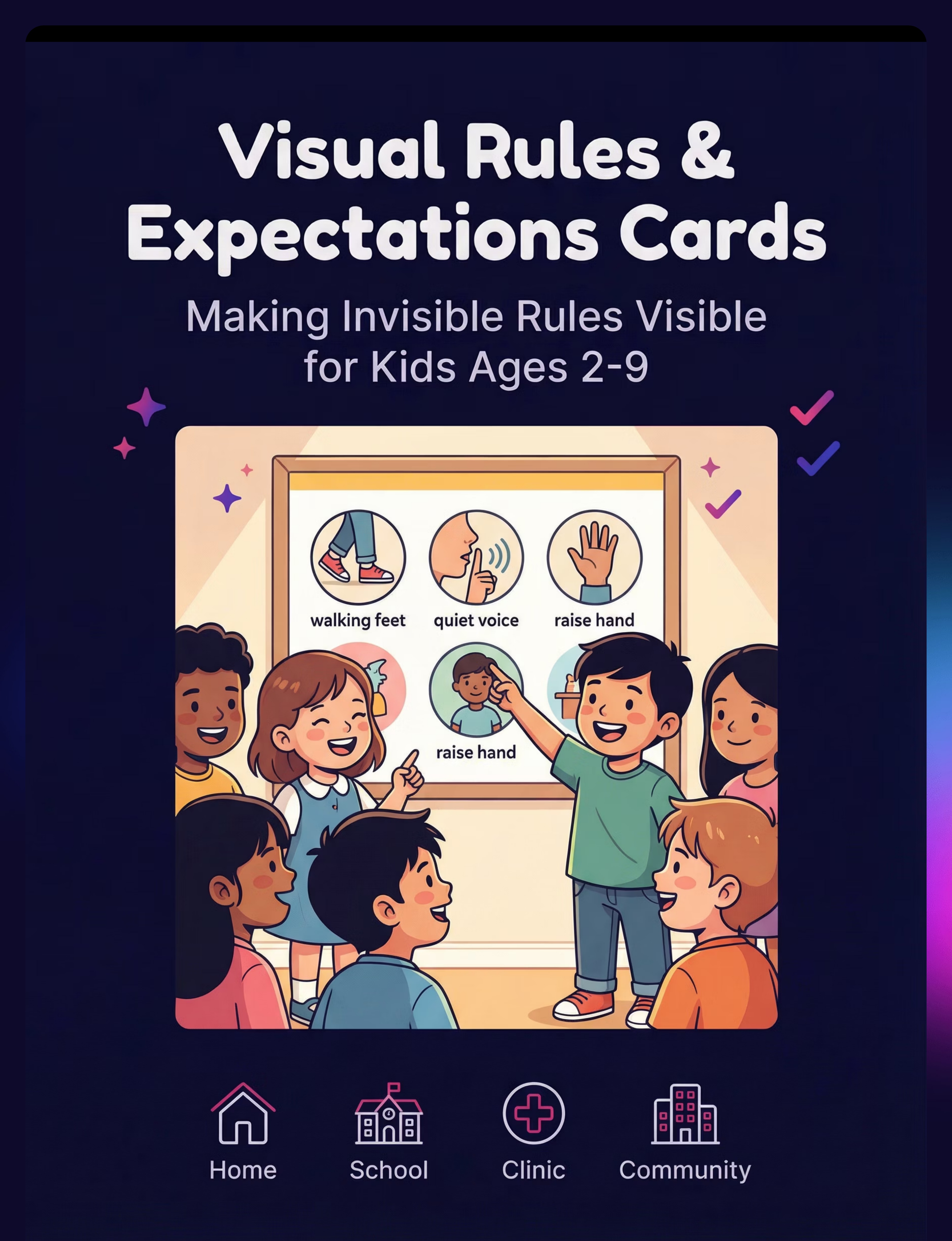
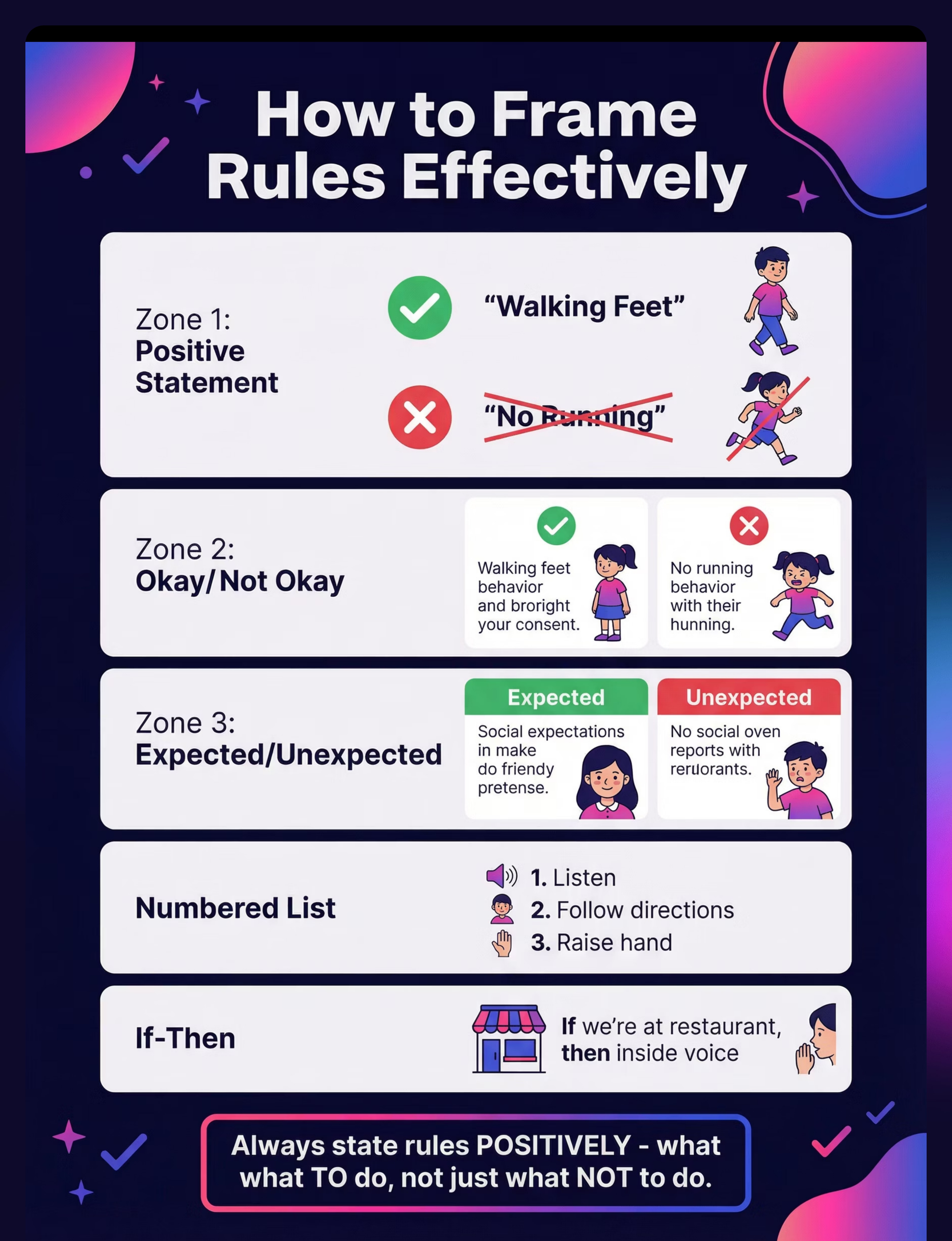
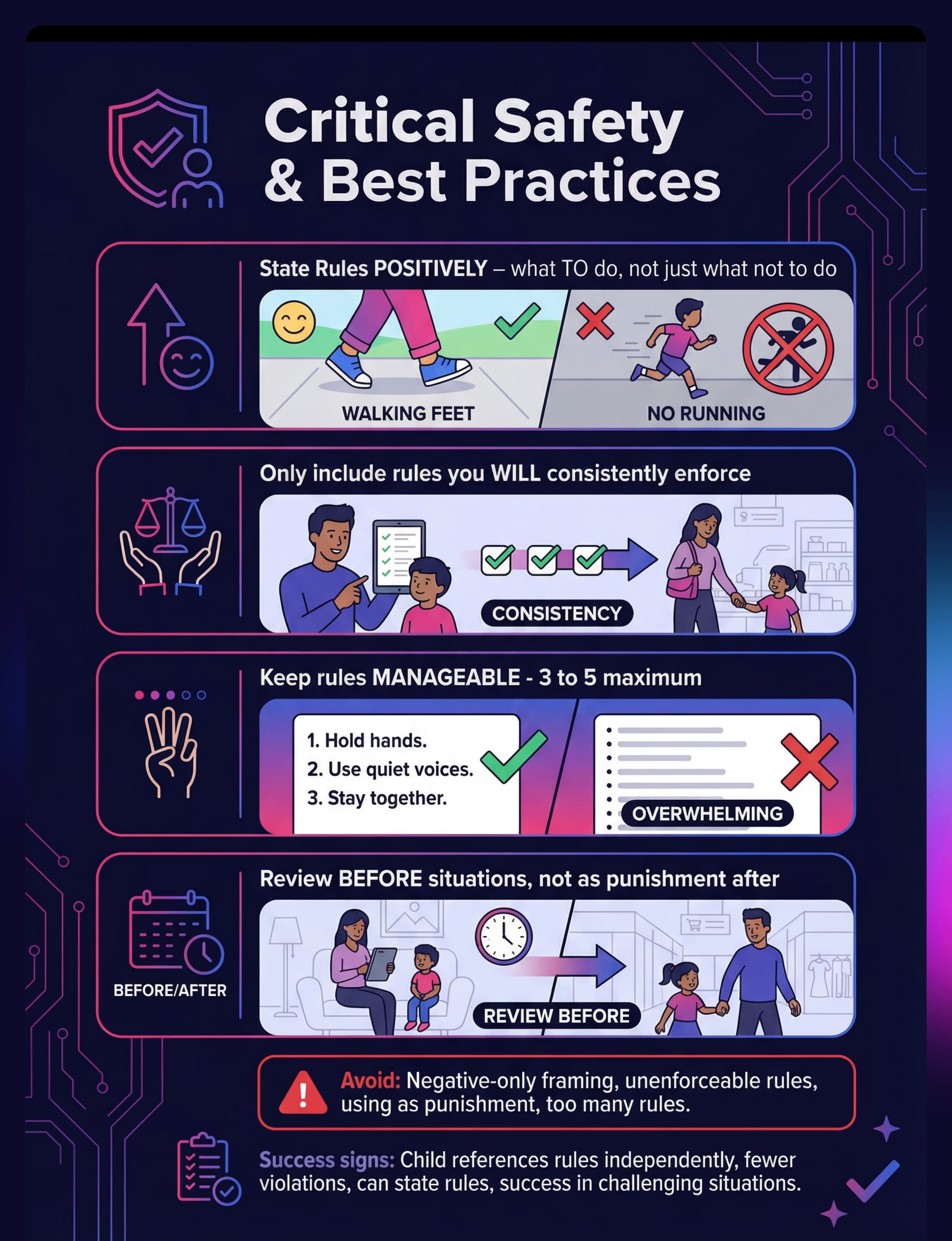
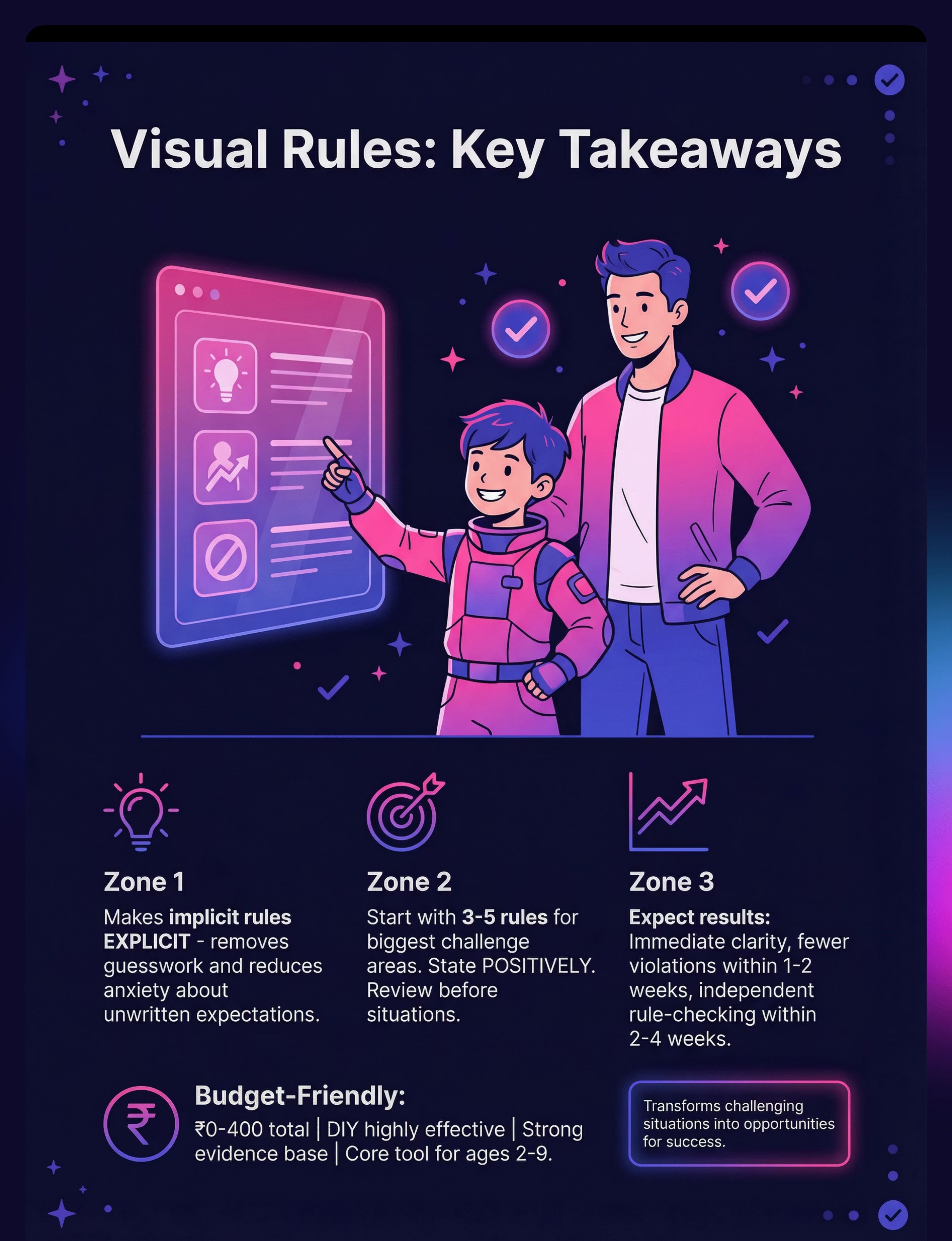
- State Rules Positively: Focus on what TO do, not just what not to do. "Walking feet" instead of "no running".
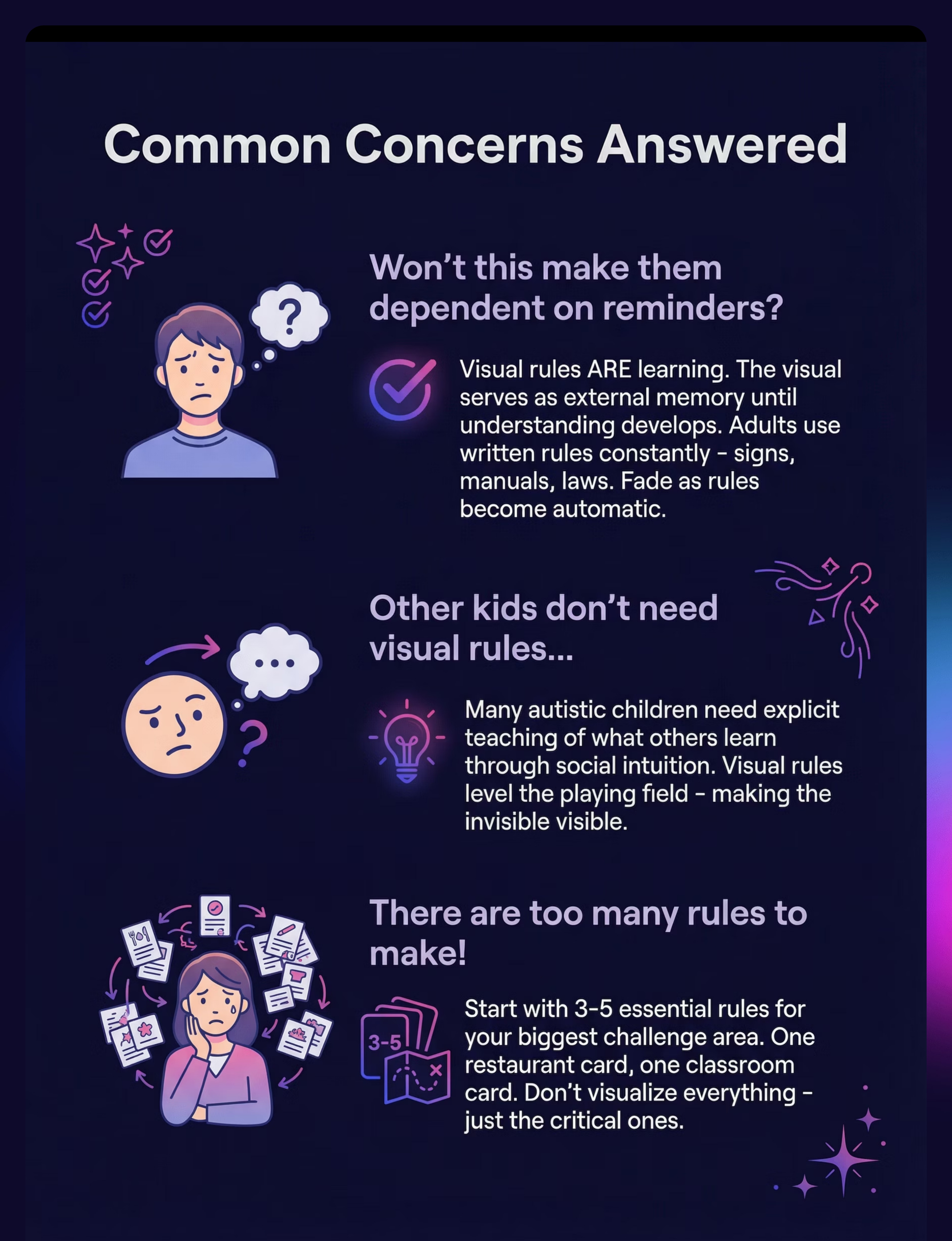
- Keep Rules Simple & Few: Maximum 3-5 rules per chart to prevent overwhelming and maintain effectiveness.
- Include Pictures with Text: Visuals alongside words create dual coding for enhanced understanding and memory.
2
Implementation & Reinforcement
- Review Proactively: Review rules before entering situations to prevent problems. Never use as punishment after violations.
- Ensure Consistent Enforcement: Only create rules you will actually enforce every time. Inconsistency confuses the child.
3
Progression & Maintenance
- Update as Child Masters Rules: Fade support gradually as understanding develops and rules become internalized.
Recommended duration: Ongoing reference; review before challenging situations. Supervision varies by age and independence level.

Expert Insight
"Implicit rules are a major hurdle."
"Children with autism struggle with implicit rules - the unspoken expectations everyone else just 'knows.' Making rules explicit and visual removes the guesswork and reduces the anxiety of social navigation."
— Social Thinking Specialist
"Visuals reduce anxiety and increase predictability."
"For many autistic individuals, unpredictability is a significant source of anxiety. Visual rules provide a clear, consistent roadmap for expectations, fostering a sense of control and reducing behavioral challenges."
— Dr. Anya Sharma, Behavioral Psychologist
"Empowering communication and independence."
"Visual rules are not just about compliance; they are a powerful tool for communication and self-regulation. They help individuals express their needs and understand expectations, promoting greater independence and reducing reliance on verbal prompts."
— Sarah Lee, Special Education Consultant
SpEd + ABA/BCBA Recommended
Strong Evidence Base
Rank #1 in Category
Constant Reference Tool

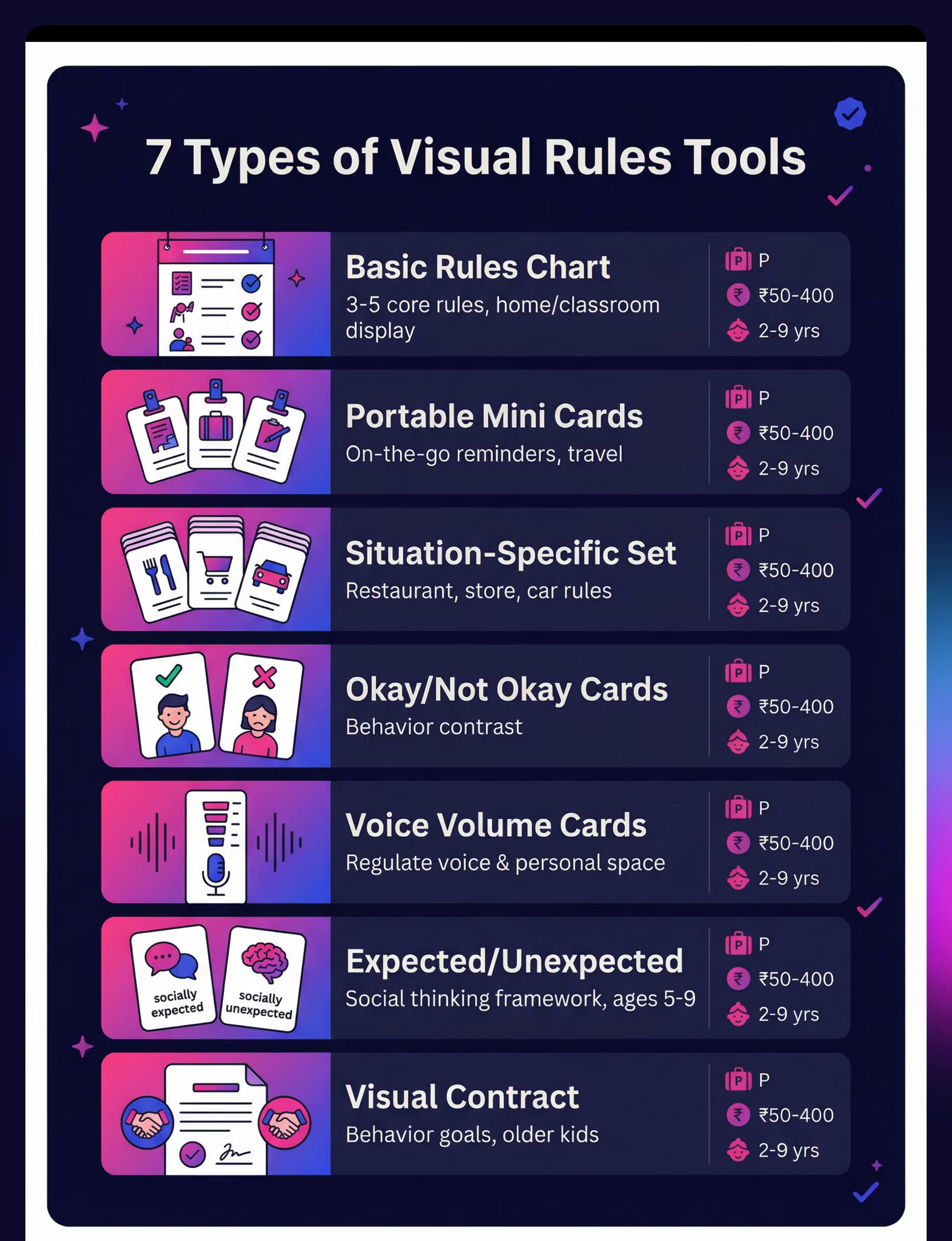
Choose Your Option (7 Variants)
Select the format that best matches your child's needs, target settings, and portability requirements. Each variant serves specific situations and developmental stages.
How to Choose
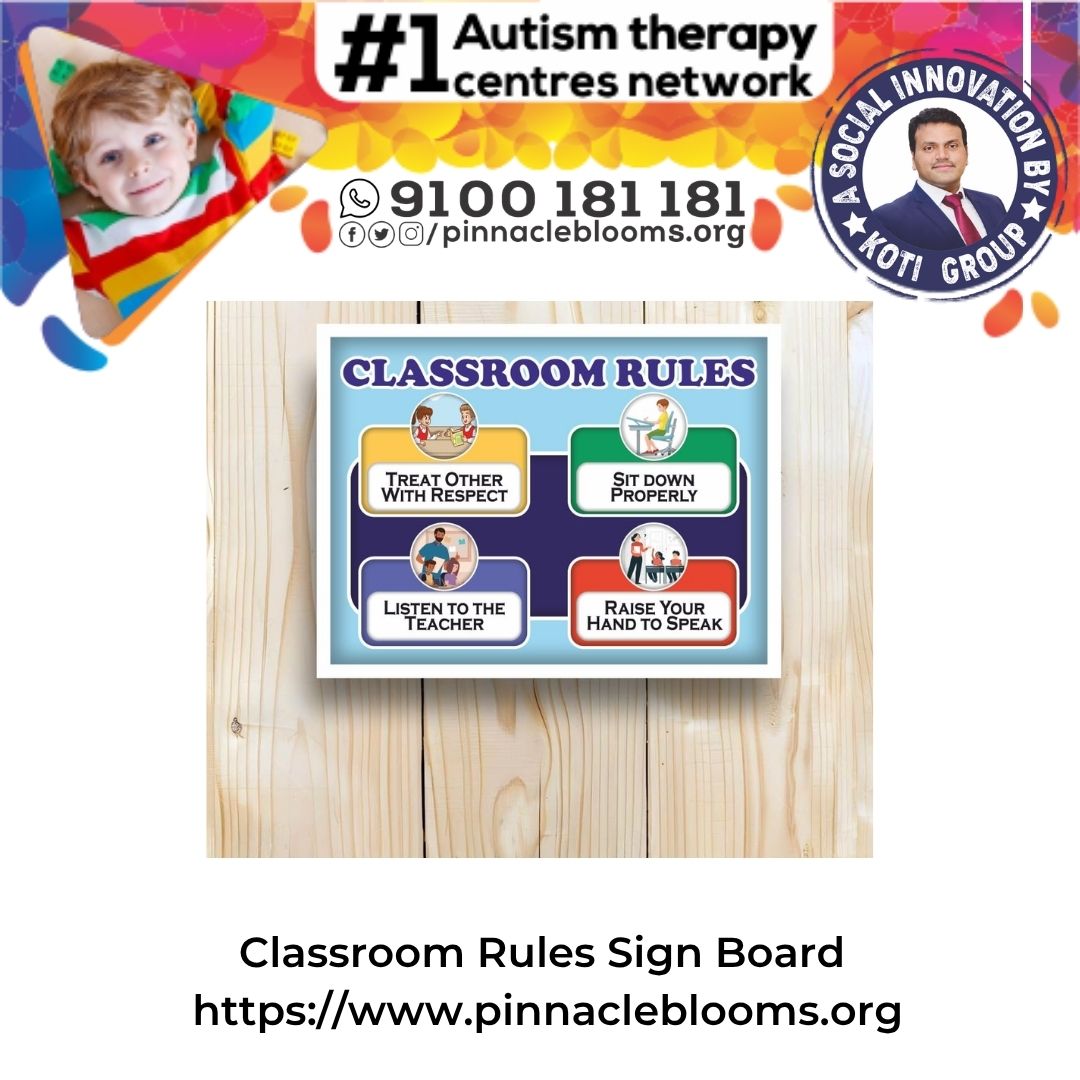
- By setting: Home displays (basic chart), community outings (portable mini cards), specific locations (situation-specific sets)
- By goal: General behavior (basic chart), social understanding (expected/unexpected), self-regulation (voice volume cards)
- By portability: Stationary reference (posters), on-the-go (mini cards), targeted situations (situation-specific)
1
Basic Rules Chart
2
'Okay / Not Okay' Cards
3
Portable Rules Cards (Mini)
4
Voice Volume / Body in Space
5
Situation-Specific Cards
6
'Expected / Unexpected'
7
Visual Contract / Agreement
1. Basic Visual Rules Chart
Best for: Home or classroom display, foundational rules
Ages: 2-9 years | Size: A3 poster
Type: 3-5 core rules with pictures
Home
School
Clinic
Low Portability
Price: ₹100–300
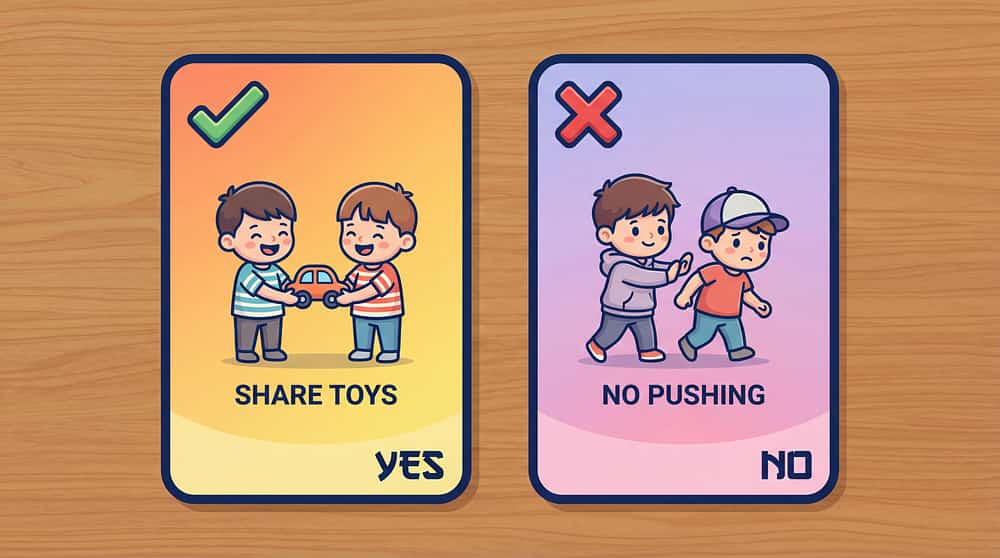
2. 'Okay / Not Okay' Cards
Best for: Concrete learners, behavioral contrast
Ages: 2-9 years | Size: Visual comparison cards
Type: Shows correct vs incorrect behavior
All Settings
High Portability
Price: ₹100–300
3. Portable Rules Cards (Mini)
Best for: Community, travel, specific situations
Ages: 3-9 years | Size: Wallet or pocket-sized
Type: On-the-go rule reminders
Community
School
Very High Portability
Price: ₹50–200
4. Voice Volume / Body in Space Cards
Best for: Regulating voice, personal space, body control
Ages: 3-9 years | Size: Visual scale cards
Type: Specific behavior modulation
All Settings
High Portability
Price: ₹100–250
5. Situation-Specific Cards Set
Best for: Preparing for specific environments
Ages: 3-9 years | Size: Card set by location
Type: Restaurant rules, store rules, car rules, etc.
Community
High Portability
Price: ₹150–400
6. 'Expected / Unexpected' Behavior Cards
Best for: Social situations, perspective-taking
Ages: 5-9 years | Size: Social thinking framework
Type: Social expectations visual
School
Home
Clinic
High Portability
Price: ₹150–400
7. Visual Contract / Agreement
Best for: Specific behavior goals, older children
Ages: 5-9 years | Size: A4 laminated agreement
Type: Behavior contract with visuals
Home
School
Medium Portability
Price: ₹50–150
Specifications & Rule Formats

Positive Framing
Focus on desired behavior with statements like "Walking feet" instead of "no running."

Okay / Not Okay Format
Side-by-side visual comparison clearly showing correct versus incorrect behaviors.

Visual + Text Integration
Combines clear images or icons with concise text for dual coding and enhanced understanding.

Situation-Specific Rules
Customizable rules designed for specific environments like restaurants, stores, or travel.

Portable Options
Available in various sizes, including mini cards, for easy portability and on-the-go use.

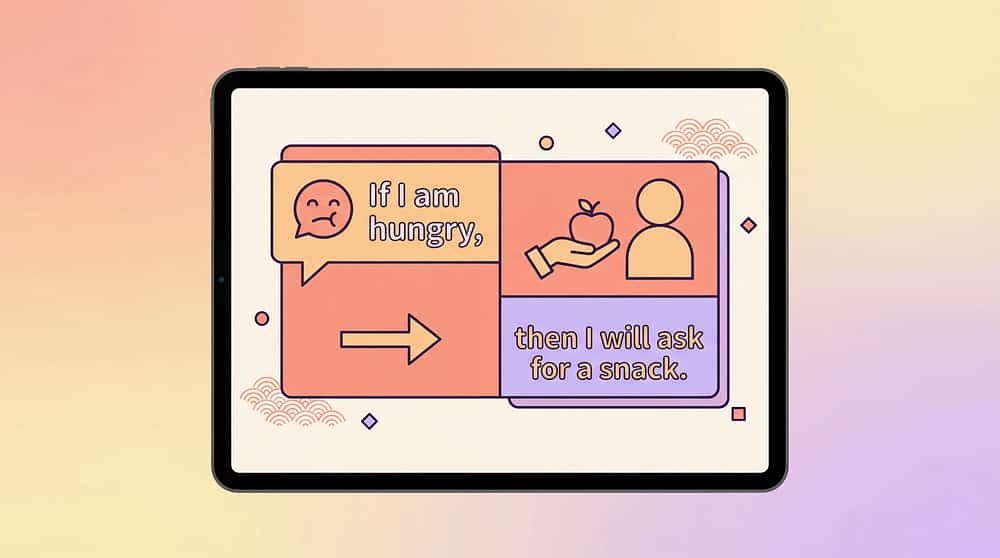
If-Then Format
Clearly defines consequences or expected actions based on specific situations: "If [situation], then [behavior]."
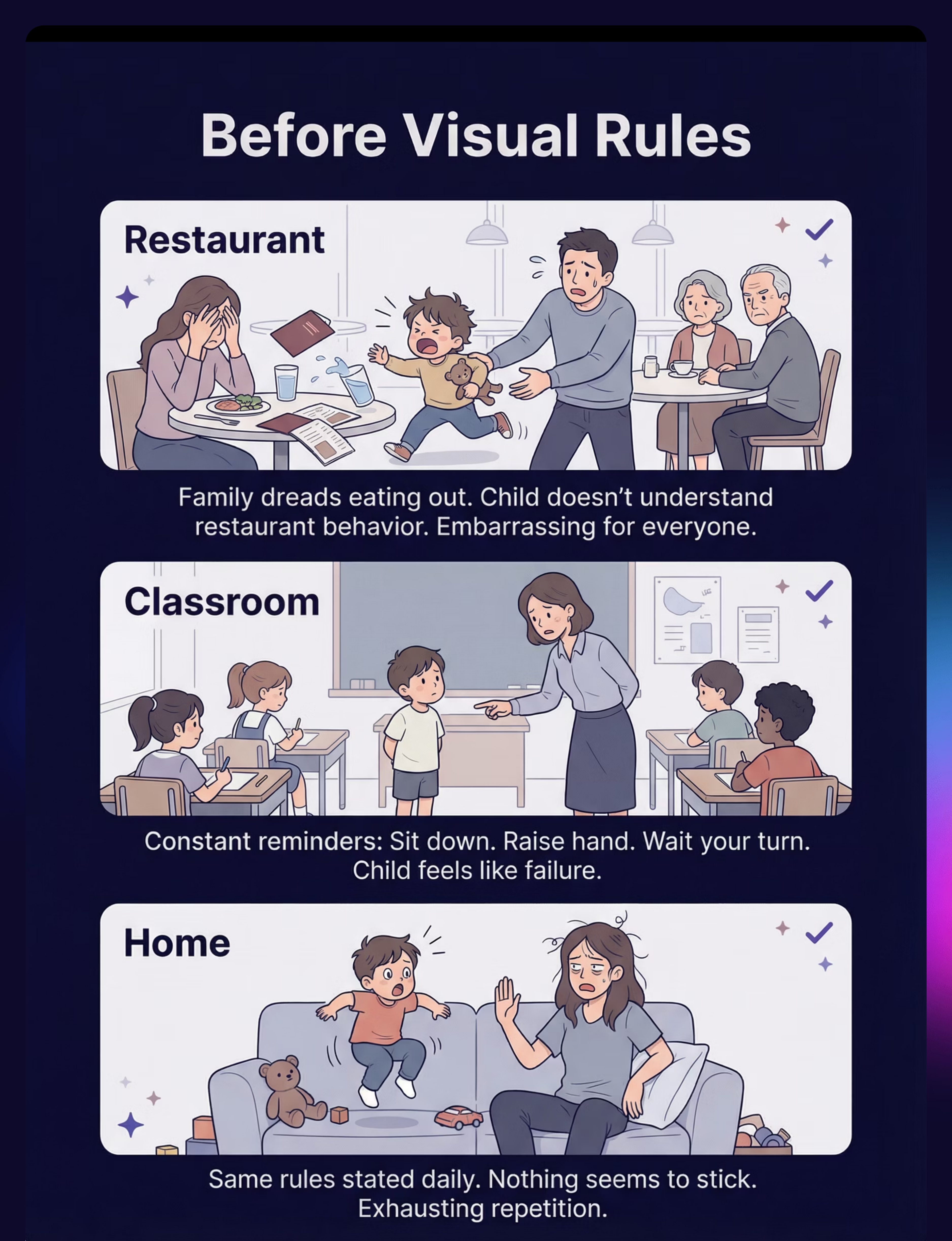
The Struggle (Before)

Experience: Family dreads eating out. Child runs, talks loudly, bothers other tables. Doesn't seem to understand 'restaurant behavior.' Embarrassing.
Emotion: Avoidance, embarrassment

Experience: Child constantly reminded of rules. "Sit down. Raise hand. Wait your turn." Feels like failure. Other kids 'just know.'
Emotion: Frustration, shame

Experience: Same rules stated daily: no jumping on couch, inside voice, etc. Child acts surprised each time. Nothing sticks.
Emotion: Exhaustion, repetition

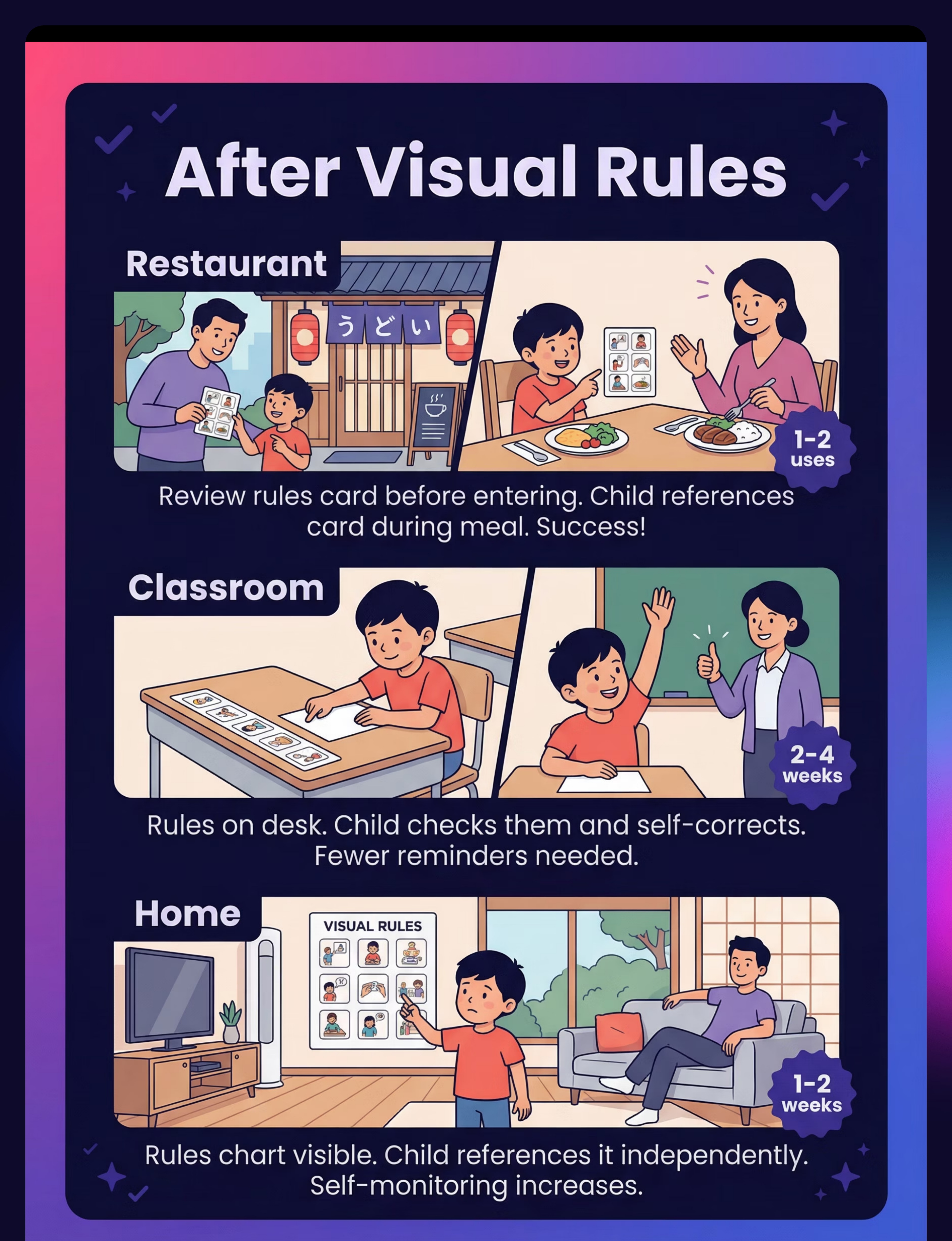
The Breakthrough (After)
Week 1: Introduction to visual rules
Experience: Visual rules cards are introduced for specific settings like restaurants and home. Child reviews the restaurant rules card before entering, leading to initial success. A visual chart at home clarifies expectations.
Emotion: Success, clarity, initial inclusion.
Week 2-3: Recognition and reference
Experience: Child actively recognizes and references the visual rules. In the classroom, visual rules on the desk prompt self-correction, reducing the need for constant reminders. Child points to rules when uncertain at home.
Emotion: Independence, self-correction, growing confidence.
Week 4-6: Independent use
Experience: Consistent independent application of visual rules across various settings. Child applies learned behaviors without constant prompting, demonstrating increased self-monitoring and mastery of expectations.
Emotion: Mastery, sustained independence, achievement.
Week 8+: Generalization to new situations
Experience: Learned behaviors generalize effectively to new situations and environments. Child proactively assesses new social settings and applies appropriate visual rules, leading to sustained positive behavior and integration.
Emotion: Adaptability, full inclusion, lasting success.
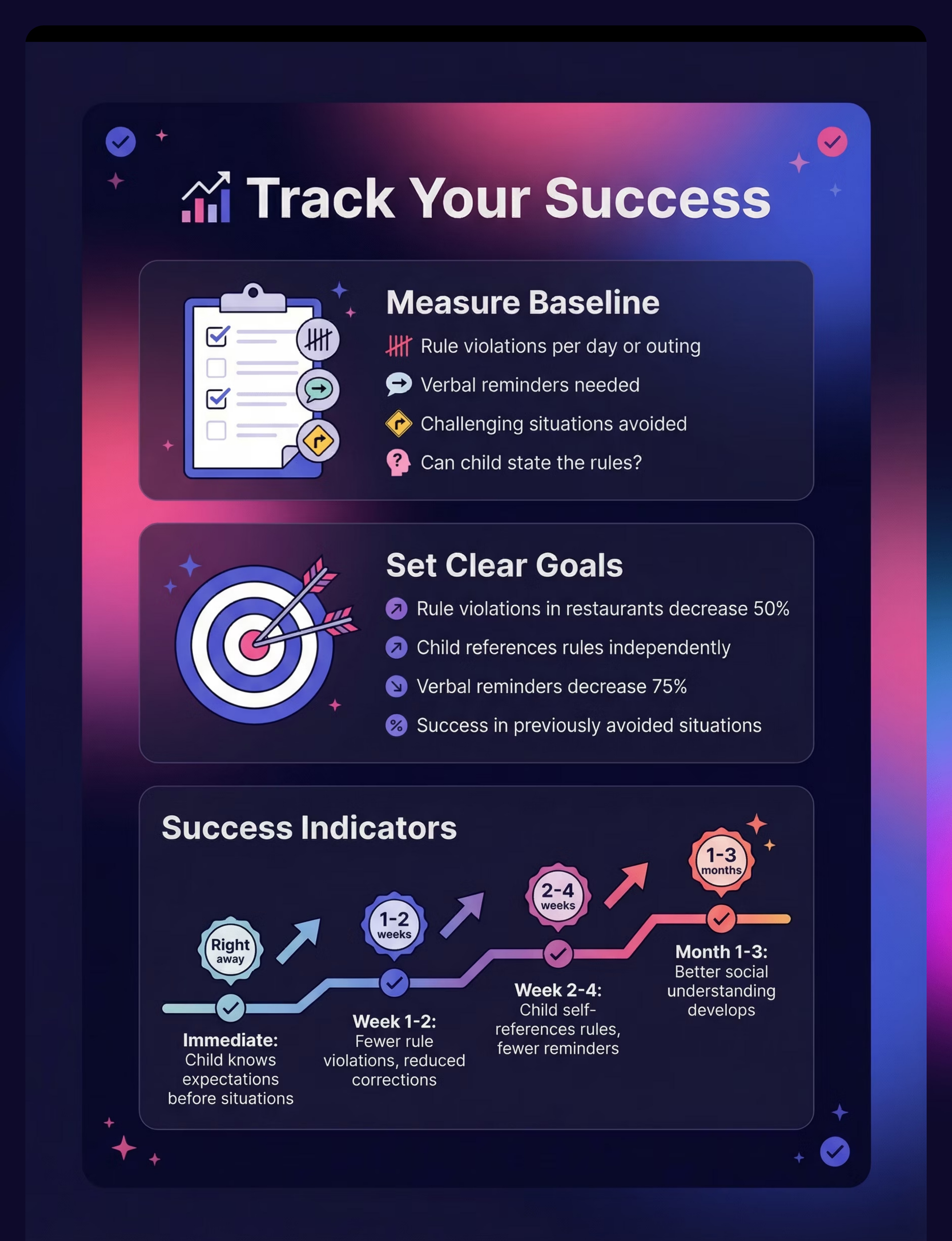
What to Expect (Realistic Timelines)
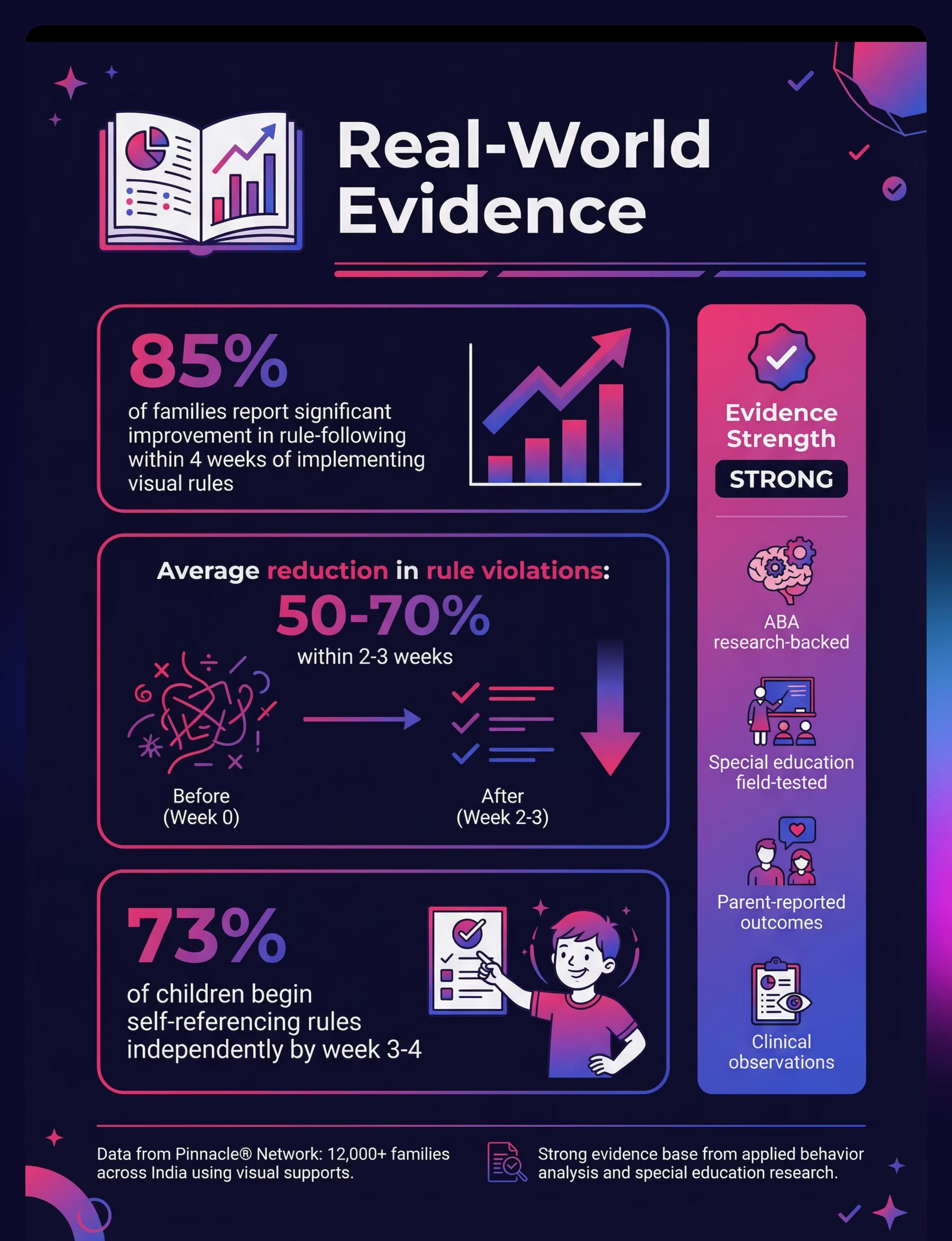
Immediate (Week 1): Knows Expectations (100%)
Child knows expectations before situations, leading to immediate understanding of rules. This foundation ensures a clear starting point.
Short-term (2-4 Weeks): Reduced Reminders (50-75%)
Expect fewer verbal reminders from adults and reduced rule violations due to increased clarity. There will also be increased success in challenging environments as the child starts to adapt.
Medium-term (1-2 Months): Independent Reference (75%)
The child begins to self-reference rules when uncertain, demonstrating growing autonomy and problem-solving skills in various settings.
Long-term (3+ Months): Internalized Understanding (90%)
Over time, better social understanding develops, and behaviors are generalized. The child internalizes the rules, leading to sustained positive behavior and full integration.

Is This Right for My Child? (2-Minute Check)
"Does your child struggle with unspoken social rules?"
Visual rules provide clarity where words fail, transforming unspoken social norms into understandable actions.
"Do behavioral issues increase in new situations?"
With visual rules, unfamiliar environments become less daunting, helping children navigate transitions with greater ease and fewer surprises.
"Does your child respond well to visual information?"
Children who learn visually thrive with this system; it's designed to leverage their strengths for consistent positive behavior.
Scoring Guidance:
If you answered 'Yes' to 3 or more questions, our visual rules system is likely an excellent fit, turning abstract expectations into tangible guides for your child.

Guidance on Using Visual Rules
When to Use Visual Rules
Social Understanding | Group activities, new social settings | Difficulty with unspoken social rules, interpreting non-verbal cues | ||
Behavior Regulation | Transitions, challenging routines | Increased behavioral issues in new situations, difficulty staying on task | ||
Learning Style | Instruction, task completion | Responds well to visual information, struggles with purely verbal instructions | ||
Skill Acquisition | Daily routines, new skills | Needs external memory support to internalize rules, struggles with abstract concepts |
When NOT to Use Visual Rules
Resistance to Visuals | Child actively avoids or dislikes visual aids | May cause frustration; explore other support methods | |
Over-Reliance/Rigidity | Child struggles to generalize rules without specific visuals | Focus on teaching underlying principles; fade visuals gradually | |
Fluent Implicit Learning | Child naturally absorbs social rules without explicit instruction | Unnecessary for children who learn implicitly; could overcomplicate | |
Excessive Volume | Attempting to visualize every single rule or scenario | Prioritize 3-5 key rules for most challenging areas; keep it simple |

Usage Guide
Setup & Preparation
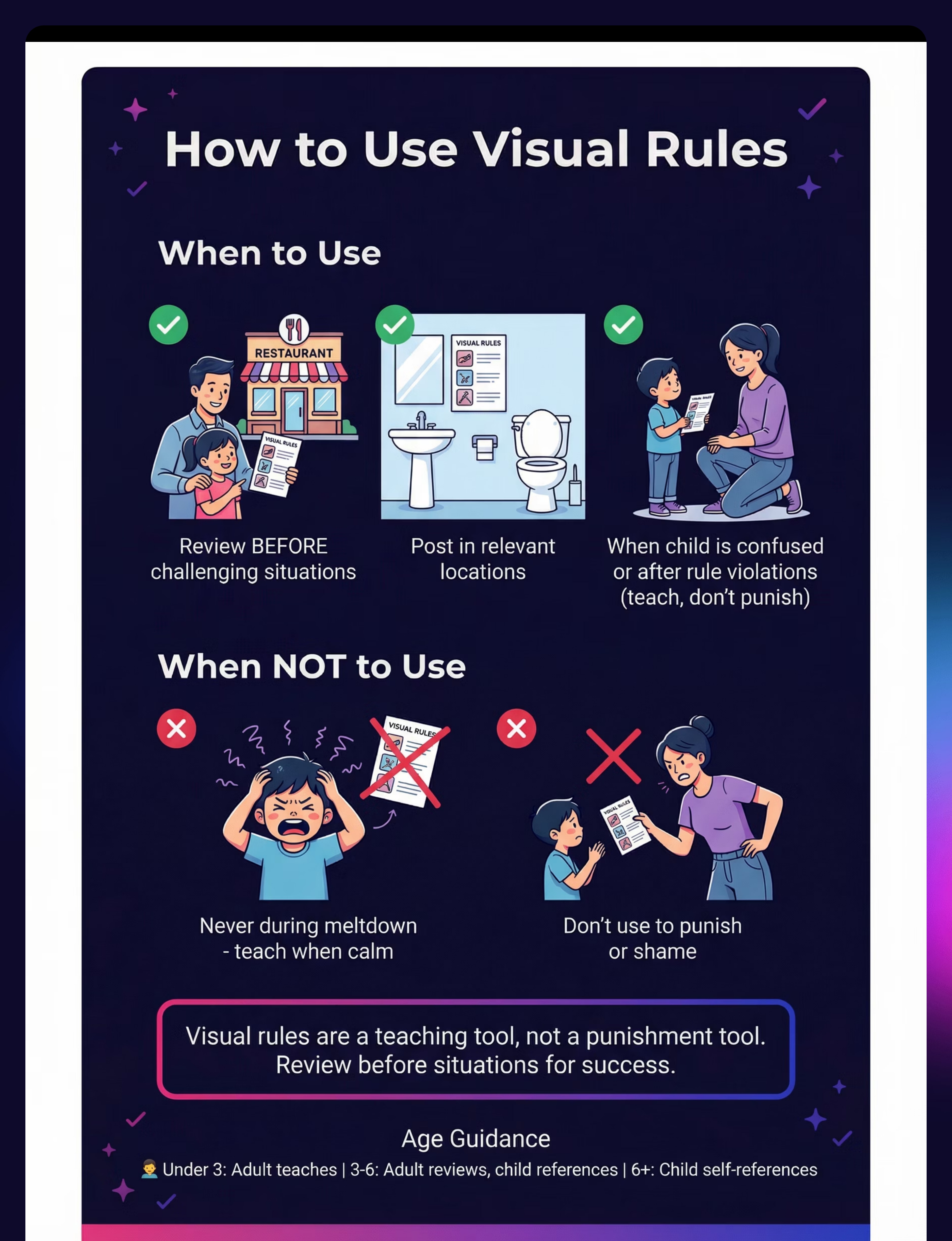
- Post rules in relevant locations (e.g., bathroom rules in the bathroom).
- Ensure rules created can and will be consistently enforced.
Consider supervision needs based on age:
Age Range Supervision Level Notes Under 3 years Direct adult support Adult presents and teaches rules 3-6 years Guided reference Adult reviews, child references independently 6+ years Independent use Child self-references, adult available for support
Daily Implementation
- Review rules BEFORE entering challenging situations.
- Present when the child is confused about expectations.
- Use when teaching new environments or social skills.
- Teach when calm, do not show during a meltdown.
Troubleshooting
- Review rules AFTER violations (focus on teaching, not punishment).
- Avoid using rules to punish or shame (e.g., "Look what you broke!").
Maintenance & Updates
- Avoid overwhelming with too many rules; prioritize 3-5 key areas.
- Rules should be an Ongoing Reference in All Settings.
- Review Before Situations to ensure relevance and understanding.

Safety First
Critical Safety Rules
- State rules POSITIVELY (what to do)
- Only include rules you WILL consistently enforce
- Keep number of rules manageable (3-5)
- Review before entering situations, not as punishment after
Warning Signs to Watch For
- Rules become too complex for understanding
- Shaming or negative language is used
- Rules are not updated as the child progresses
- Rules are unreasonable or unachievable for the child
When to Seek Professional Help
- Consistent negative-only framing of rules persists
- Inability to consistently enforce rules despite efforts
- Rules are frequently used for punishment or shaming
- An overwhelming number of rules leads to child frustration or anxiety
Safety Checklist
Before Use
- ✓ Rules stated positively
- ✓ Visuals clear and appropriate
- ✓ Number of rules manageable
- ✓ Rules will be enforced consistently
During Use
- ✓ Reviewing before situations
- ✓ Child can reference visuals
- ✓ Calm, teaching tone
- ✓ Praise when rules followed
Signs of Success
- ✓ Child references rules independently
- ✓ Fewer rule violations
- ✓ Child can state rules
- ✓ Success in previously challenging situations

Investment Guide
Starter Option
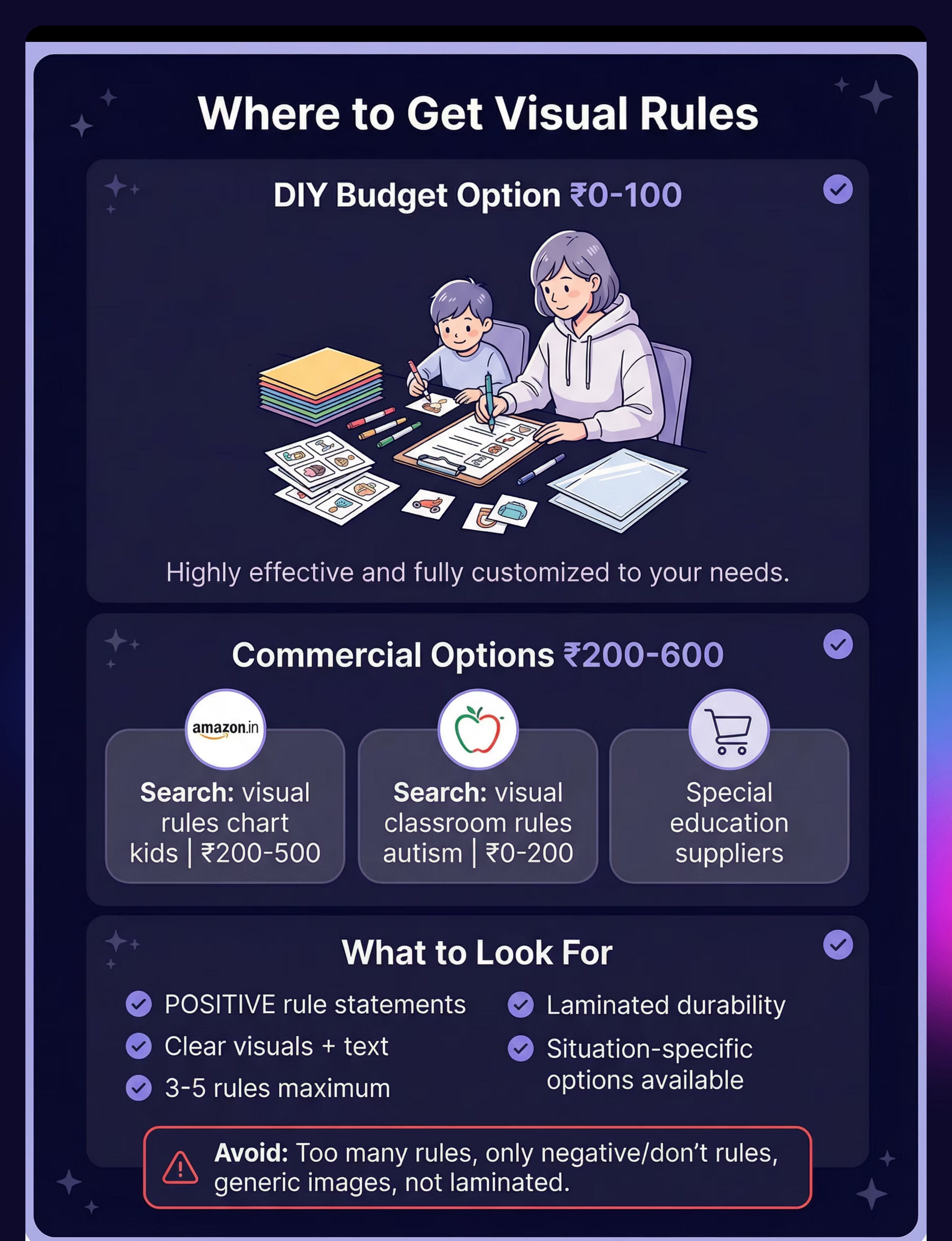
- Price range: ₹0-100
- What's included: DIY rules chart with drawings/printed pictures
- Best for: Families seeking highly customized, budget-friendly solutions tailored to specific needs.
Premium Option
- Price range: ₹300-600
- What's included: Complete situation-specific rules card set
- Best for: Those who prefer professional quality, pre-made sets from brands like Social Thinking or special education suppliers.

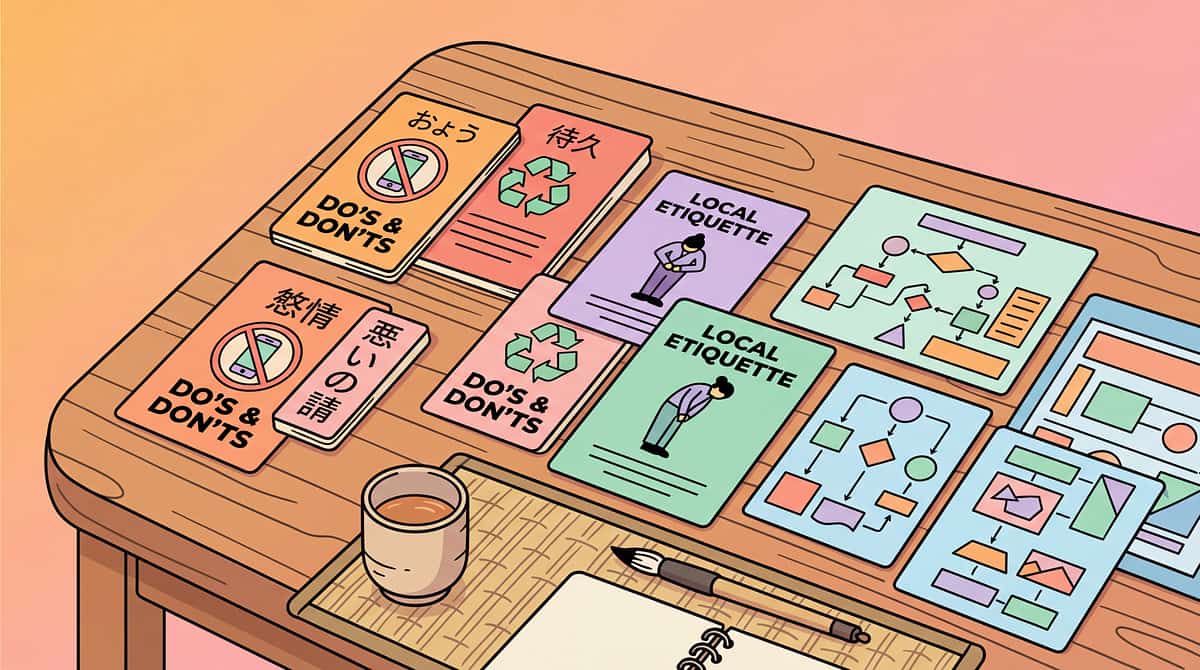
Where to Buy in India
Availability: DIY strongly preferred for customization and effectiveness
Explore various options for obtaining visual rules charts, from ready-made solutions to personalized DIY approaches, tailored for the Indian context.
Amazon.in | Pre-made charts | 200-500 | Online | |
Teachers Pay Teachers | Digital templates | 0-200 | Online (print yourself) | |
DIY Option | Customizable | 0-100 | Self-created | |
Flipkart | Pre-made charts | 150-450 | Online |
Online Retailers for Visual Aids
Search for "visual rules chart kids" for a variety of options.
Flipkart
Offers similar products, check for "kids behavior chart" or "visual schedule".
Teachers Pay Teachers
Digital templates available; search "visual classroom rules autism" for printable resources.
Procurement Process Steps
1. Identify Needs
Determine specific behaviors or routines for your child. Focus on 3-5 positive rules.
2. Choose Method
Decide between DIY for customization or pre-made for convenience. Consider budget.
3. Gather Materials / Purchase
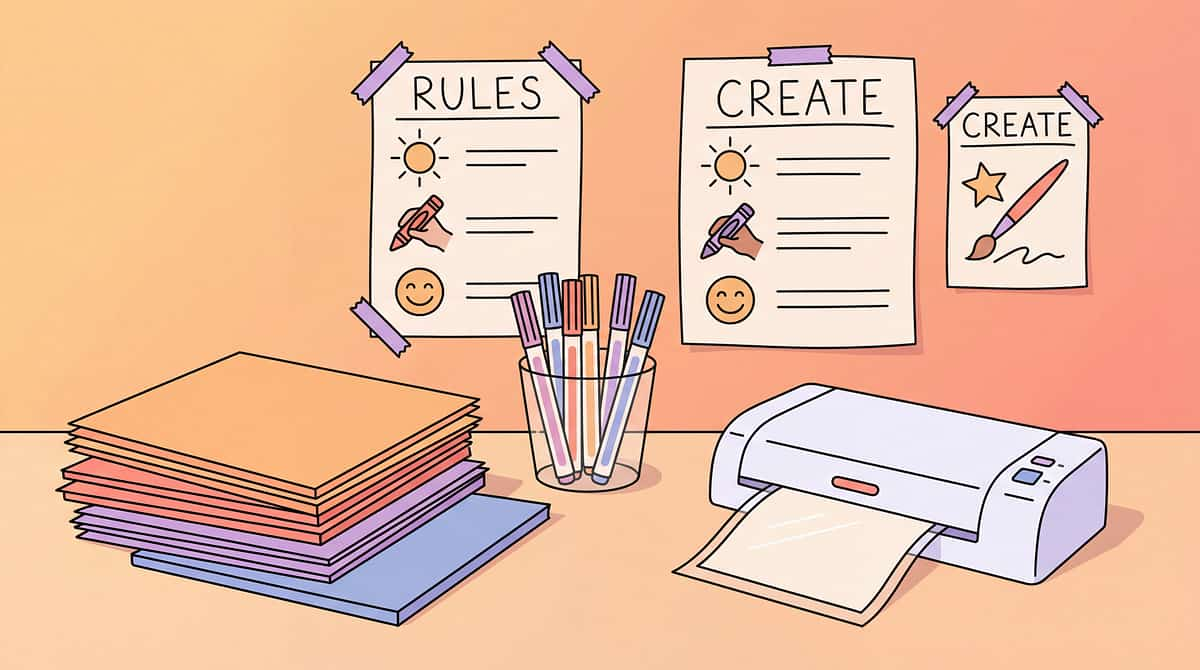
For DIY: paper, markers, laminator. For pre-made: order online or from suppliers.
4. Personalize & Create
Use photos of your child (if DIY), keep language positive and clear. Avoid overwhelming with too many rules.
5. Laminate & Use
Laminate for durability and allow pointing. Create mini cards for specific situations.
6. Review & Adapt
Consistently enforce rules and adjust as child's needs change. Avoid generic images they don't connect with.

DIY Alternative (Save 90-100%)
Very High Feasibility
90-100% Cost Savings
20-30 minutes per chart
1
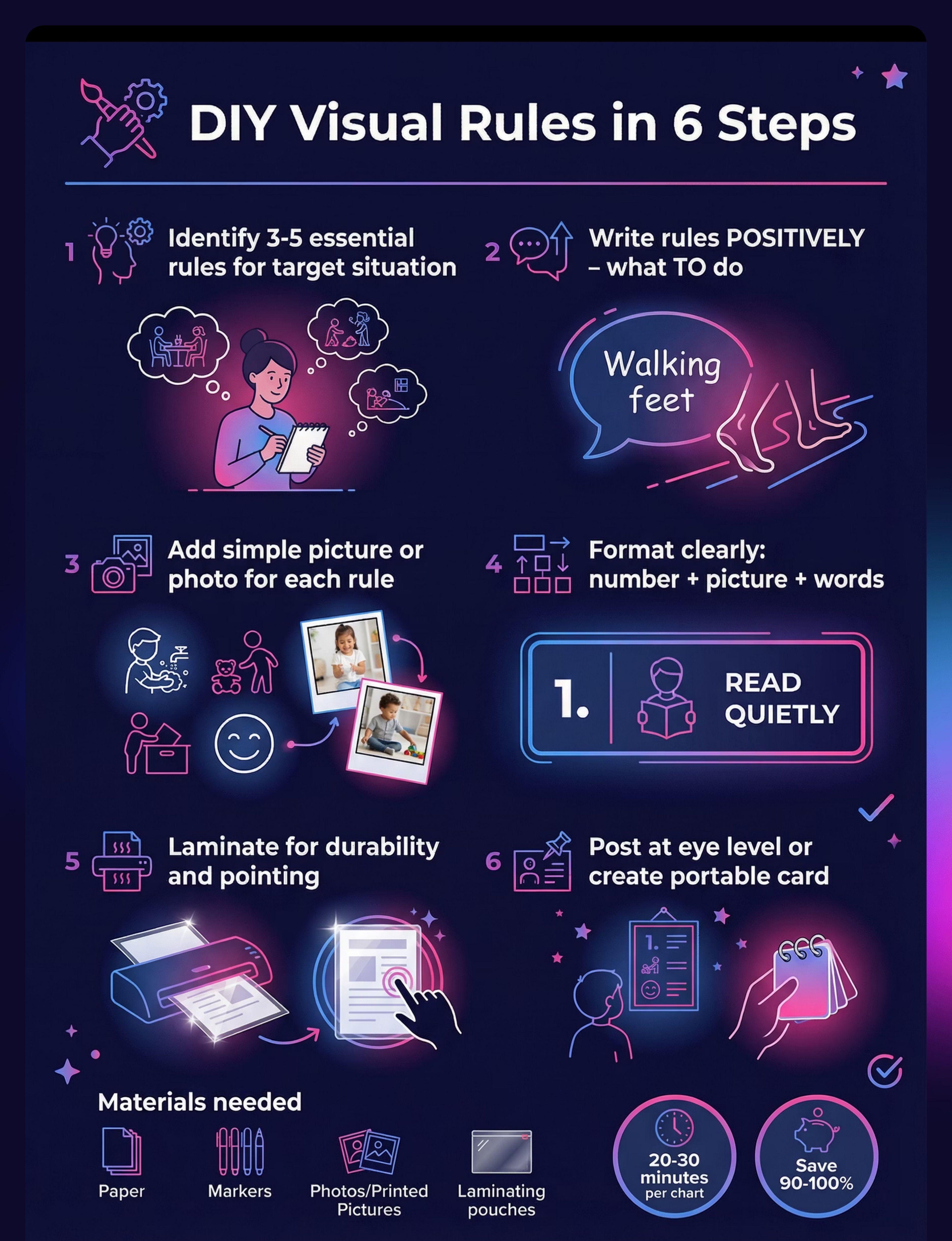
Materials Needed
- Paper or poster board
- Markers or colored pencils
- Photos or printed pictures
- Laminating pouches (optional but recommended)
2
Step-by-Step Process
- Identify Essential Rules: Choose 3-5 essential rules for your target situation (home, restaurant, school, etc.)
- Write Positively: Frame each rule positively - focus on what TO do, not what not to do
- Add Visuals: Add simple picture or photo for each rule - use your child's photos when possible
- Format Clearly: Create clear format: number + picture + words for each rule
- Laminate: Laminate for durability and to allow child to point to rules
- Display Strategically: Post at child's eye level or create portable card for on-the-go use
3
Cost Breakdown
DIY Cost: ₹0-₹100
Commercial: ₹150-₹500+
Potential for 90-100% cost savings over pre-made options.
4
Time Investment
Approximately 20-30 minutes per chart.
Initial setup may require slightly more time.
5
Quality Comparison
DIY: Highly personalized, uses child's photos, budget-friendly, unique to specific needs. Less polished appearance.
Commercial: Professional materials, quick comprehensive sets, good for Social Thinking curriculum. Higher cost, may not match specific needs.
Preview of visual rules expectations cards Therapy Material
Below is a visual preview of visual rules expectations cards therapy material. The pages shown help educators, therapists, and caregivers understand the structure and content of the resource before use. Materials should be used under appropriate professional guidance.


Share this resource
Help others discover thisLink copied!

Your Integrated Success Journey
1. Track Progress
- Establish baseline metrics for behavior.
- Schedule weekly check-ins to monitor changes.
- Look for signs like independent rule referencing.
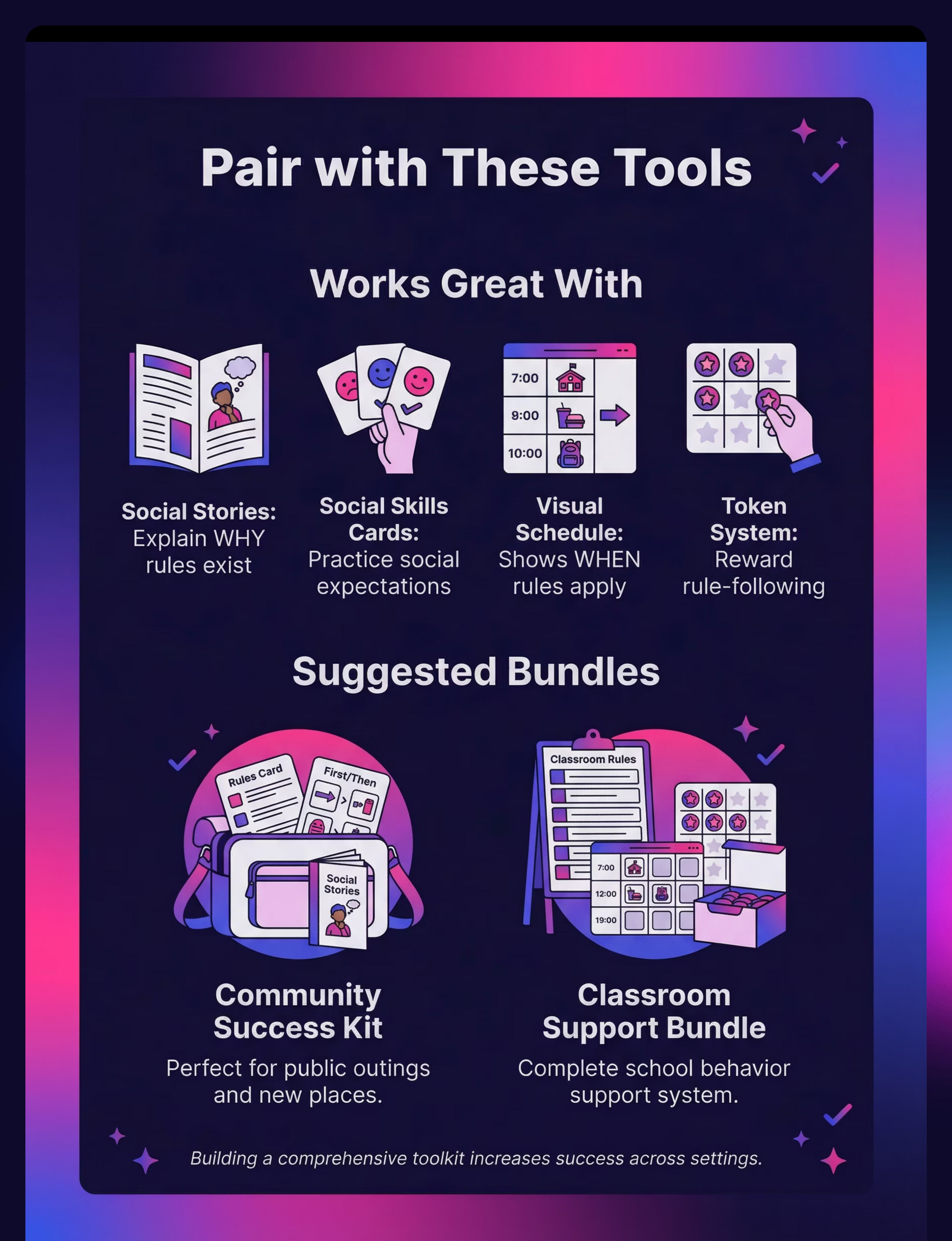
2. Complete Your Kit: Related Tools
- Visual Schedules: Structure daily routines.
- Token Boards: Reward positive rule-following.
- Social Stories: Explain specific social situations.
3. Get Support
- Join a parent community for shared insights.
- Access video tutorials for implementation tips.
- Schedule a consultation with a specialist.
- Download a customizable progress tracker.
4. Next Steps
- Order or create your personalized visual rules kit.
- Begin with 3 core, positively stated rules.
- Gradually expand as your child masters basics.
- Share your success stories with our community!