










Tool ID: 20.4
Rank #2
Recommended Kit
Sibling Support Resources
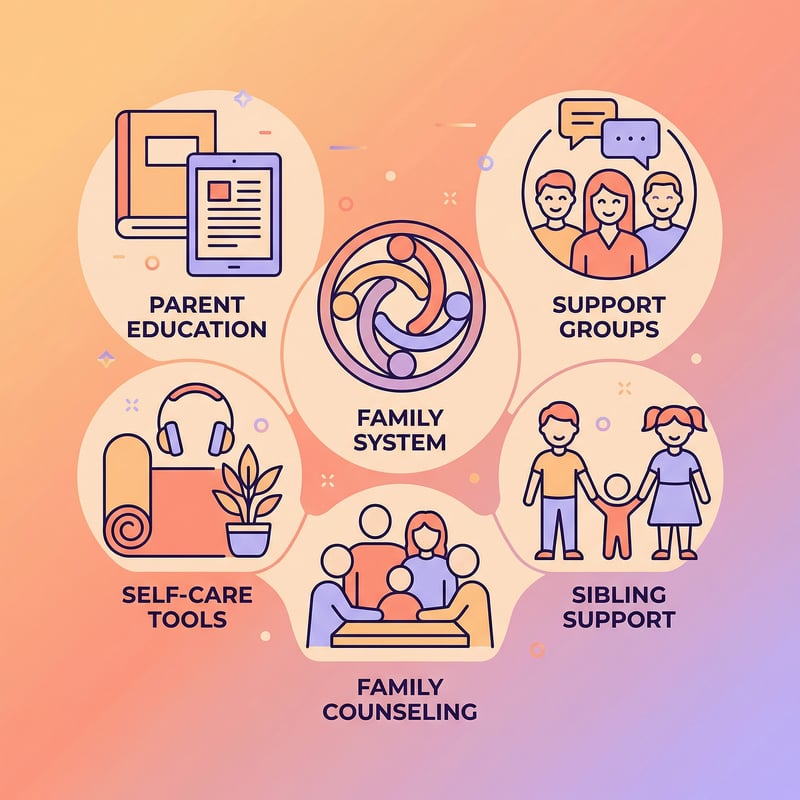
Neurotypical sibling wellbeing and support system
Parent + Mental Health
Moderate-Strong Evidence
Ongoing Use
₹0–2,000
Supporting your neurotypical child through their unique journey as a sibling of an autistic child—building connection, validating feelings, and ensuring every child in your family thrives.

Who This Helps
Sibling Wellbeing
Supports neurotypical siblings through peer connection, education, and individual attention to promote healthy adjustment and family wellbeing
Family Relationships
Strengthens bonds between siblings and family cohesion through understanding and support
Understanding & Coping
Builds age-appropriate understanding of autism and develops healthy coping skills
All Sibling Ages
Home
Community
Clinic
Online
Best for: Families wanting to ensure every child feels seen, heard, and supported—validating the unique experience of being a sibling while building resilience and strong family relationships.
Does This Sound Familiar?
These are the quiet struggles many parents notice in their neurotypical children—feelings that deserve validation and support.
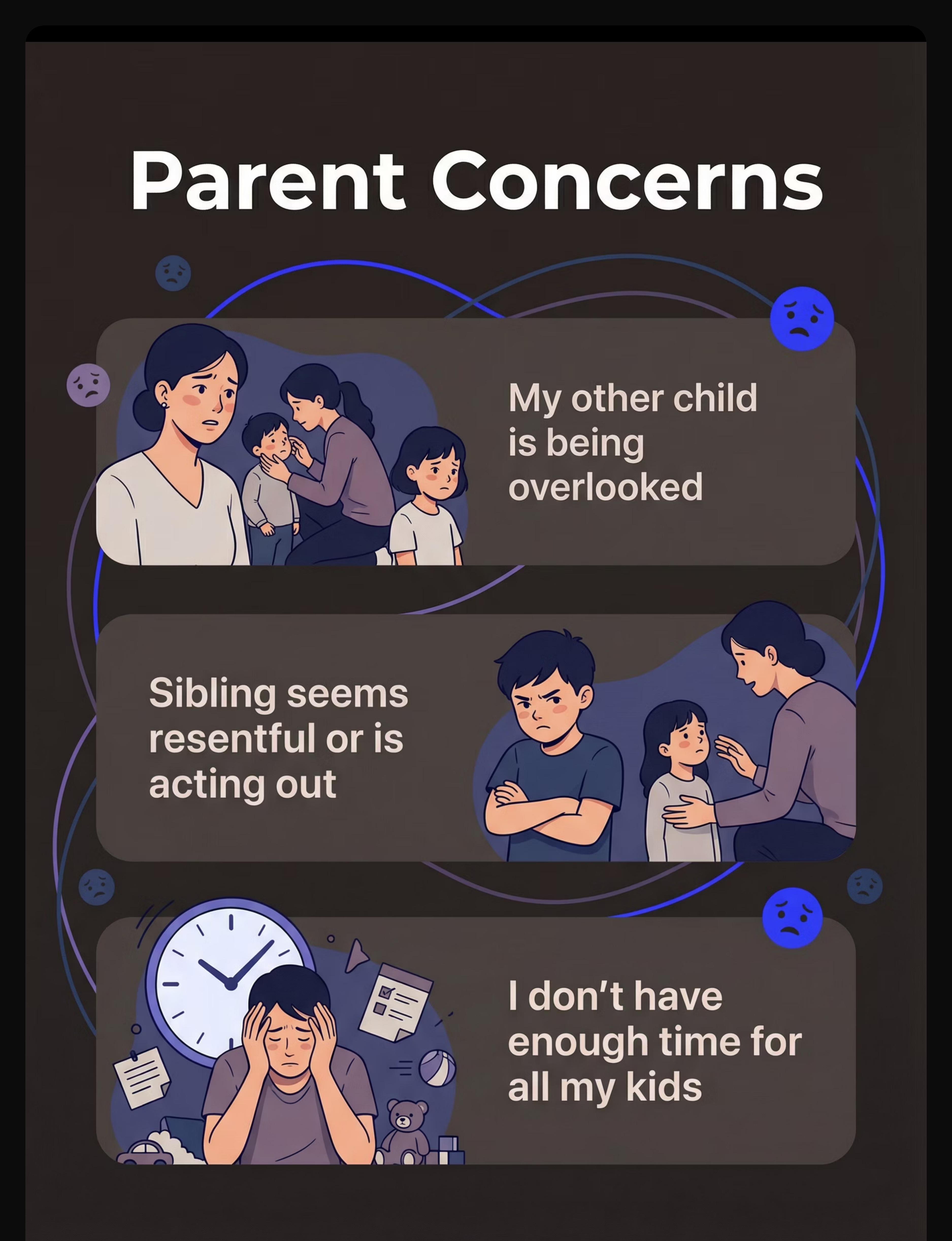
"My other child is being overlooked—all our attention goes to therapy appointments and managing behaviors."
"My neurotypical child seems resentful, and I see it in the way they act out for attention."
"I don't have enough time for all my kids—I'm stretched so thin between therapies and work."
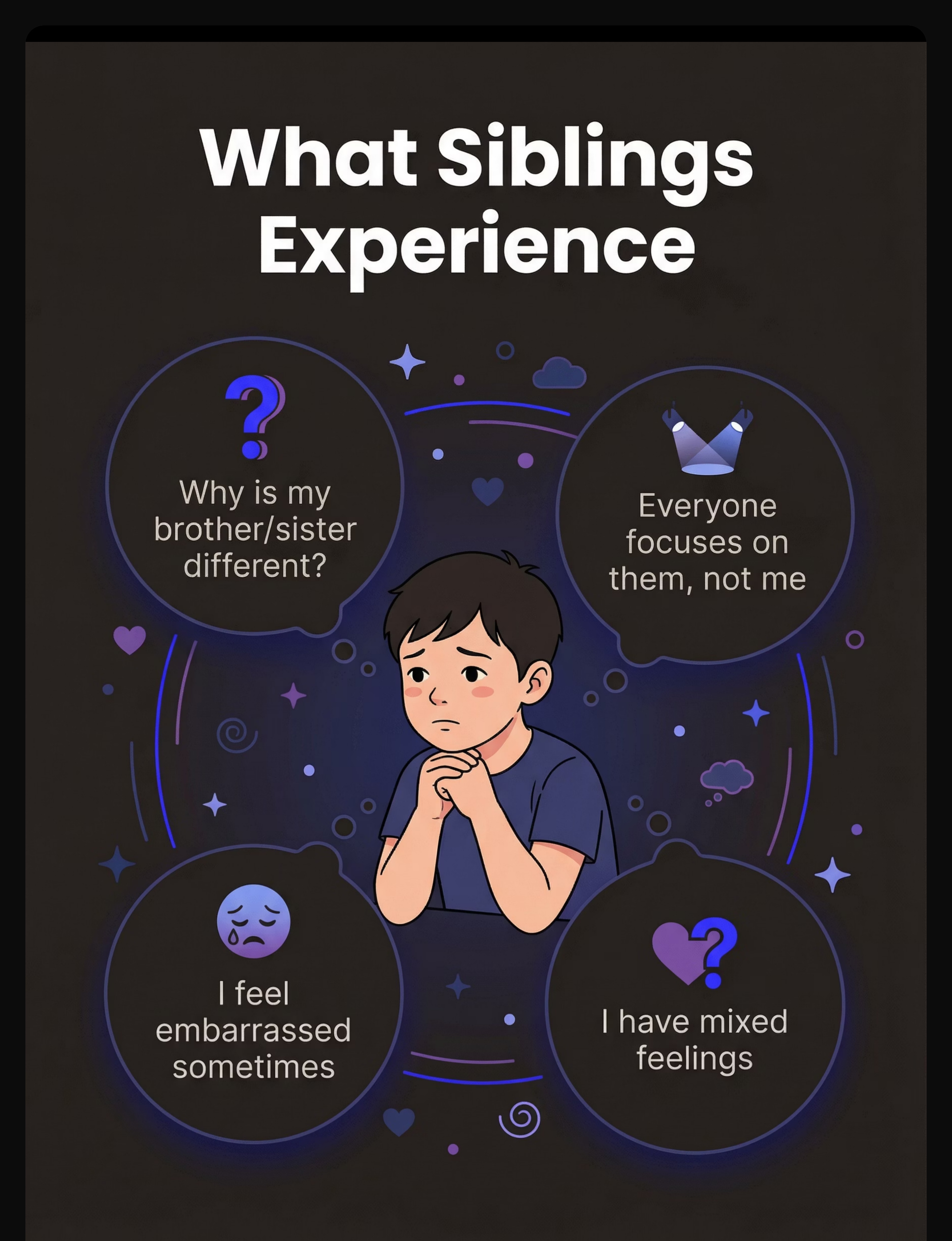
"My child doesn't understand why their brother or sister is different, and I don't know how to explain it."
"I worry constantly about my neurotypical child's emotional wellbeing in all of this."
You're not alone. These are common challenges that many families face—and there are proven ways to support every child in your family.
A Day Without the Right Support
Understanding the sibling experience helps us know where support is most needed.
Feeling Overlooked
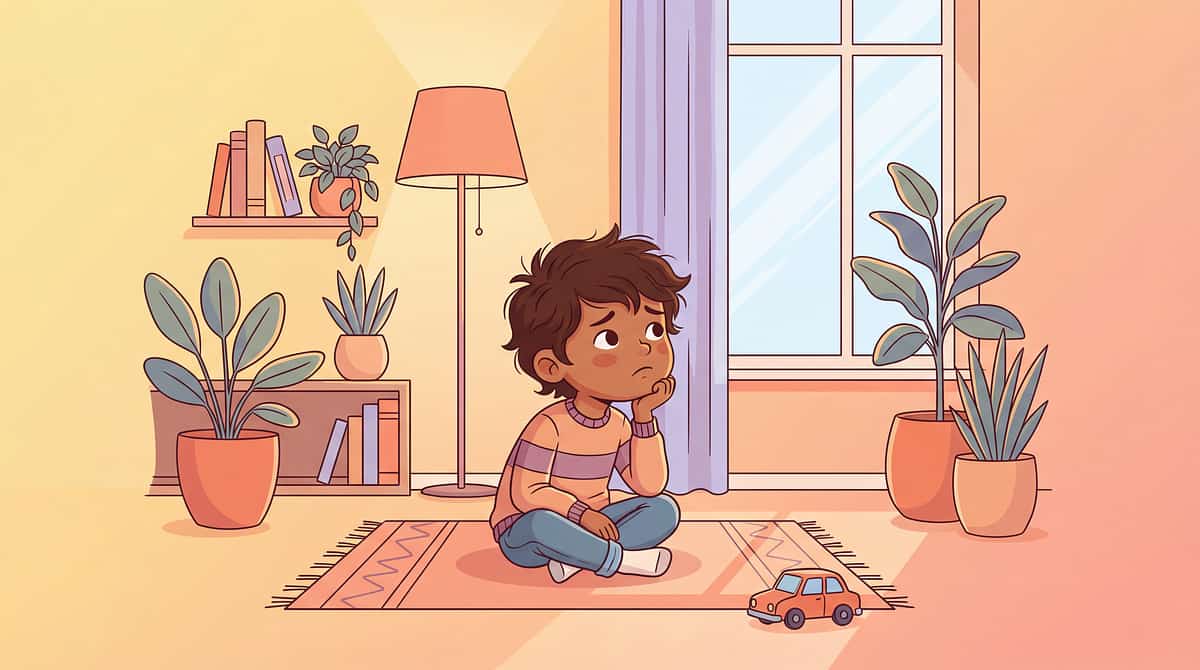
Throughout the day, the sibling notices all attention focused on their brother or sister—therapy appointments, special needs, behavioral support. They feel invisible.
Complex Feelings Build
The sibling experiences confusing emotions—love mixed with resentment, pride alongside embarrassment. They feel guilty about these negative feelings with no one to talk to.
Misunderstood Experience
Friends at school don't understand what life is like. The sibling can't explain their family experience. They feel isolated and different from peers.
Isolated Struggles
By evening, the sibling bottles up feelings, acts out for attention, or withdraws. No peer understands. They're alone in their experience.

The Science Behind It
Understanding how comprehensive sibling support creates lasting positive change for the whole family.
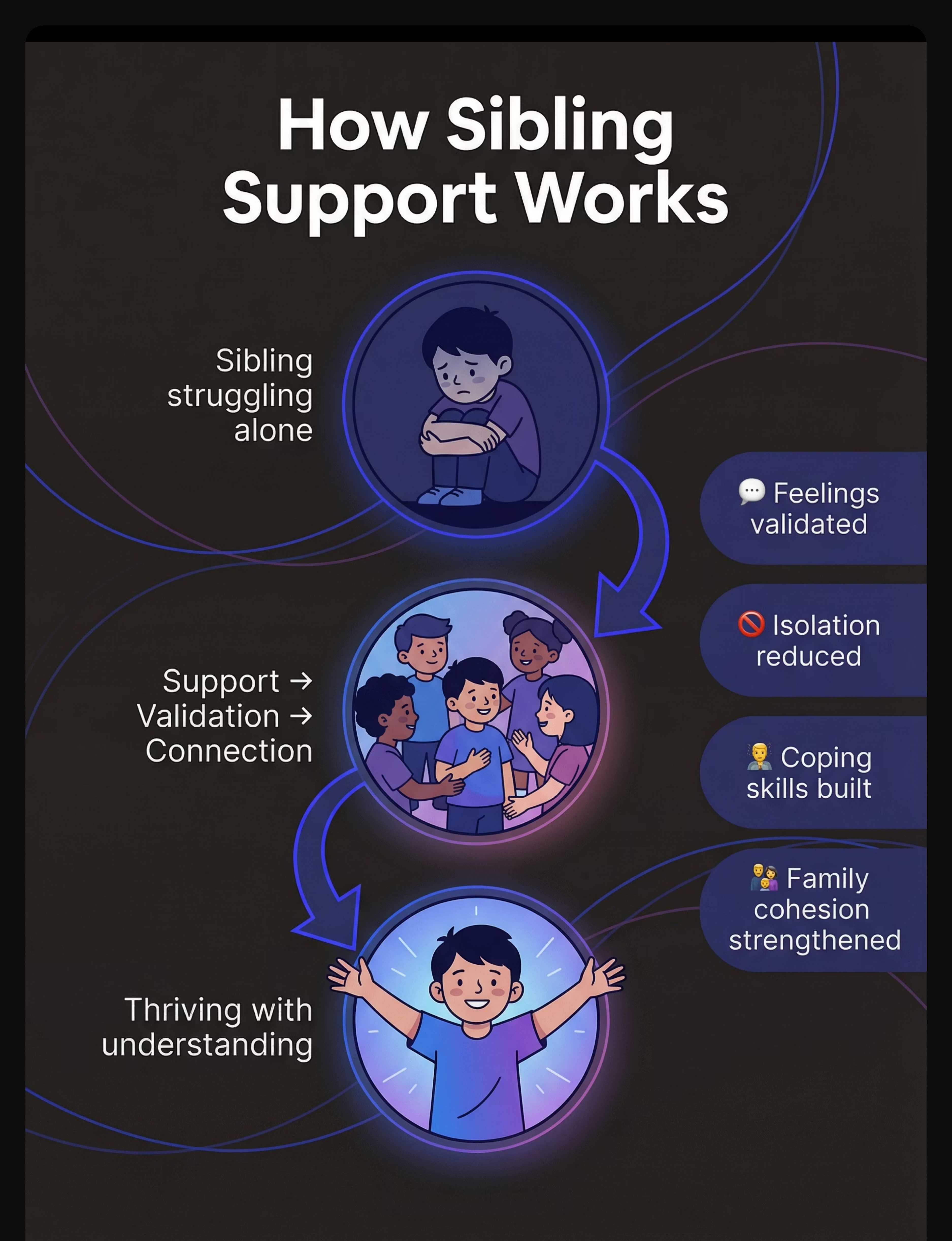
Sibling Support Provided
Peer connection, education, individual attention, and professional resources offered
Feelings Validated
All emotions acknowledged as normal—including complex and negative feelings
Isolation Reduced
Connection with other siblings who truly understand the unique experience
Understanding Increased
Age-appropriate education about autism builds comprehension and acceptance
Coping Skills Built
Healthy strategies developed for processing emotions and managing challenges
Sibling Thrives
Improved relationship with autistic sibling, strengthened family cohesion, overall wellbeing enhanced
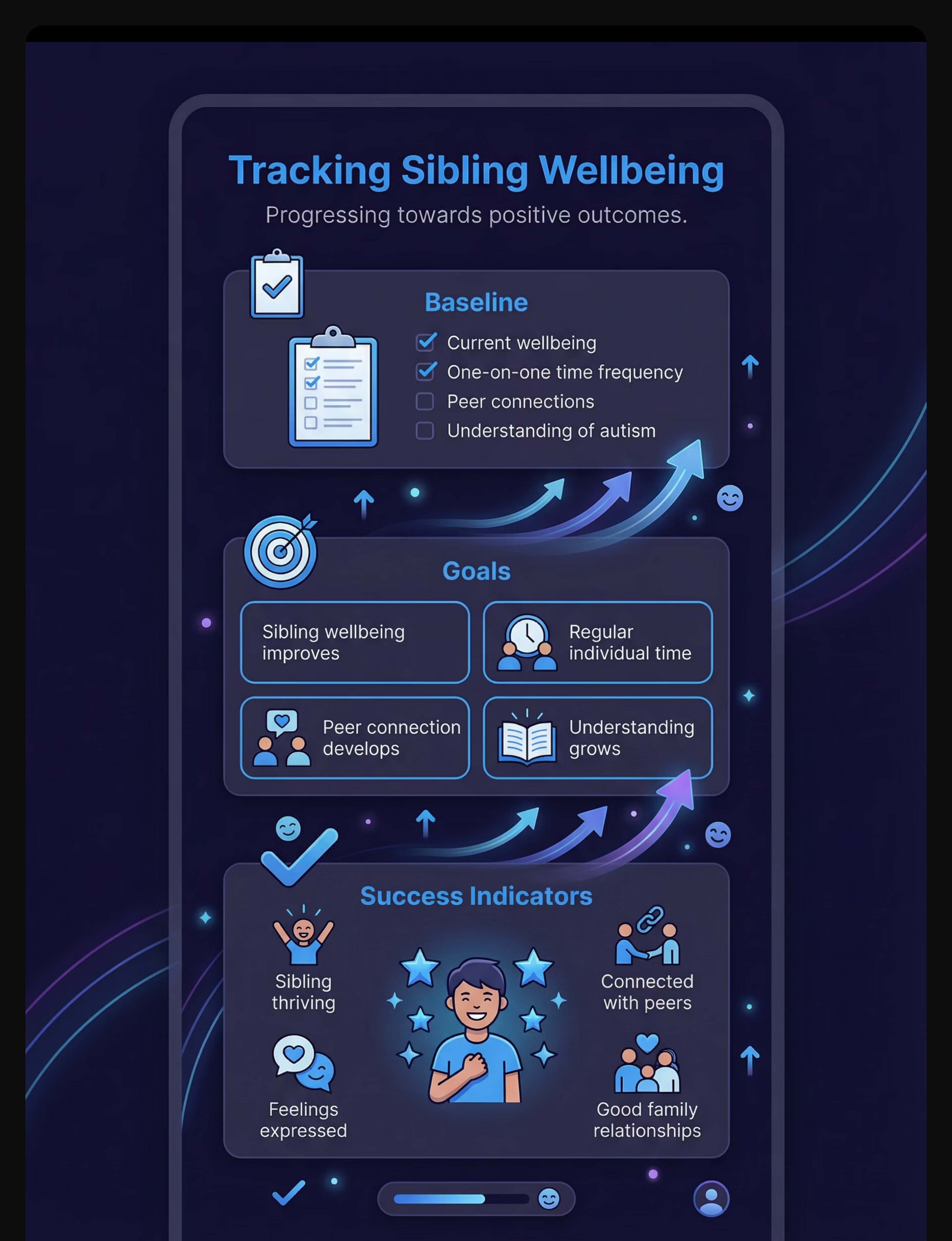
Sibling Wellbeing
Family Relationships
Understanding Autism
Coping Skills
Peer Connection
Individual Attention
How to Do It Right
Evidence-based best practices for supporting your neurotypical children effectively and compassionately.
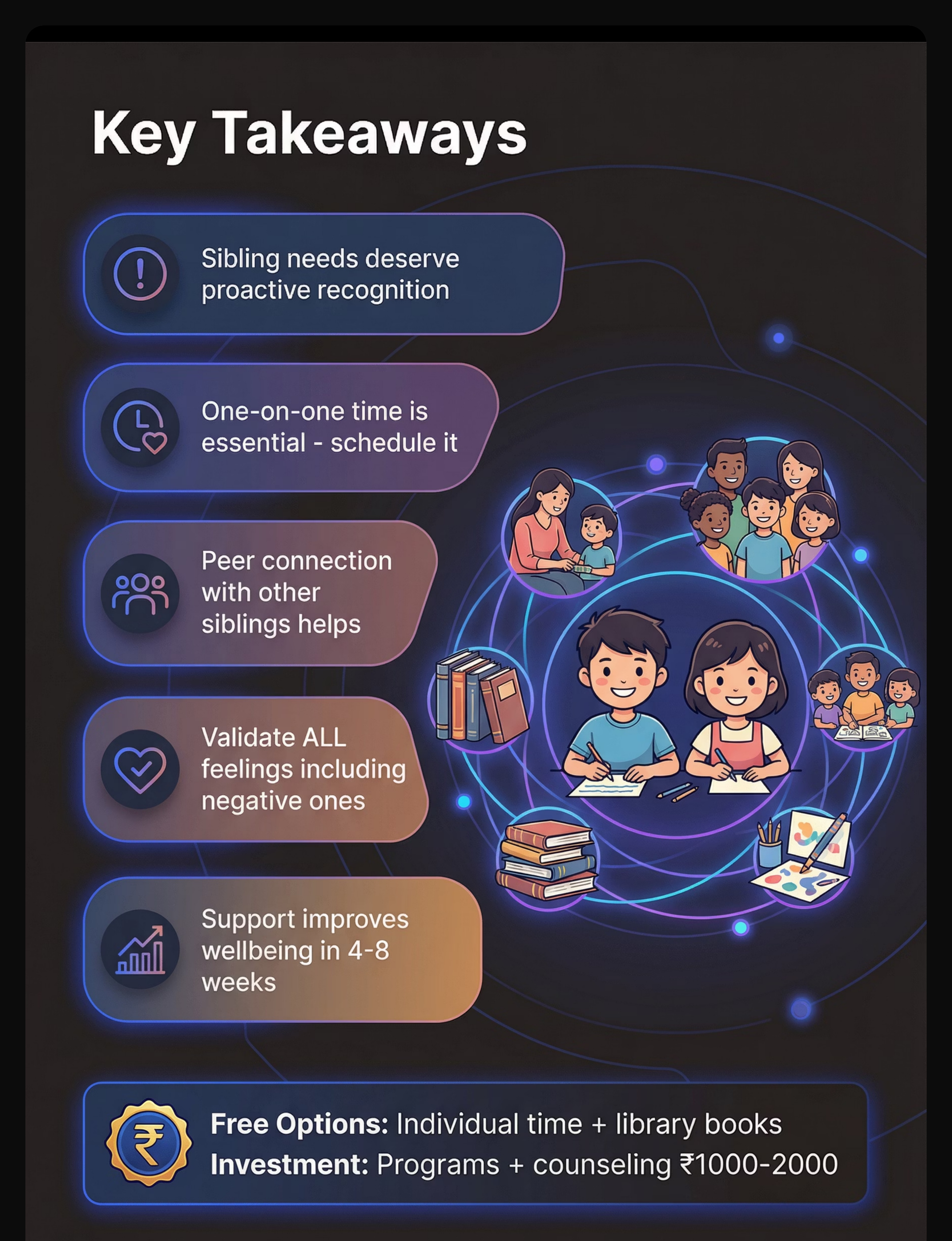
Address Needs Proactively
Don't wait for problems to emerge—start supporting your neurotypical child from the beginning of your autism journey
Regular One-on-One Time
Schedule dedicated individual time with each child—this is essential, not optional. Even 15 minutes makes a profound difference
Validate ALL Feelings
Welcome every emotion, including negative ones like resentment or embarrassment. All feelings are valid and deserve acknowledgment
Connect with Other Siblings
Help your child find peer connections—other siblings who truly understand their unique experience
Age-Appropriate Education
Provide developmentally suitable information about autism so siblings can understand their brother or sister
Monitor for Difficulties
Watch for signs of adjustment challenges and seek professional support if needed—early intervention helps
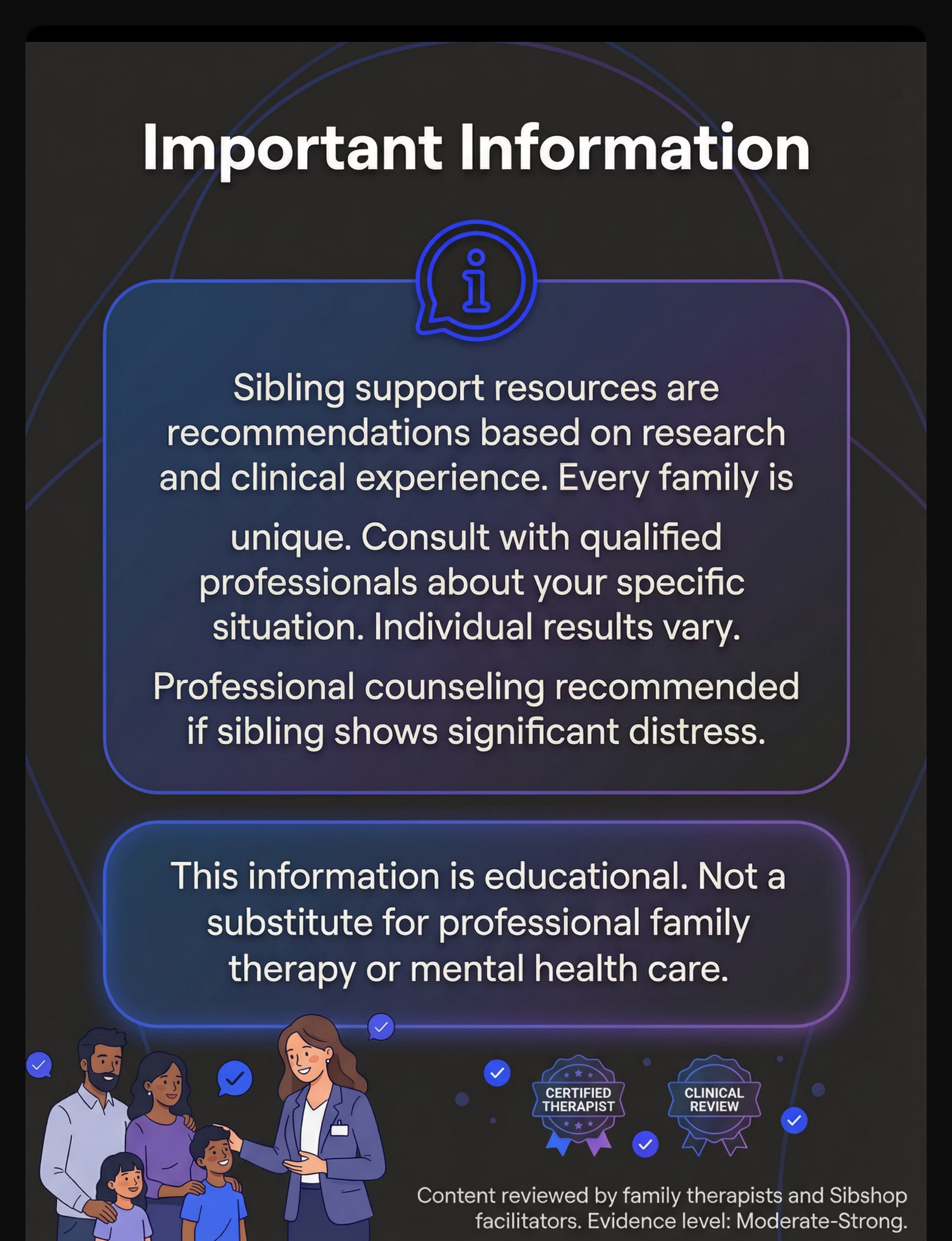
Duration Note: Sibling support is an ongoing family practice that evolves as your children grow—not a one-time intervention but a continuous commitment to every child's wellbeing.

Expert Perspective
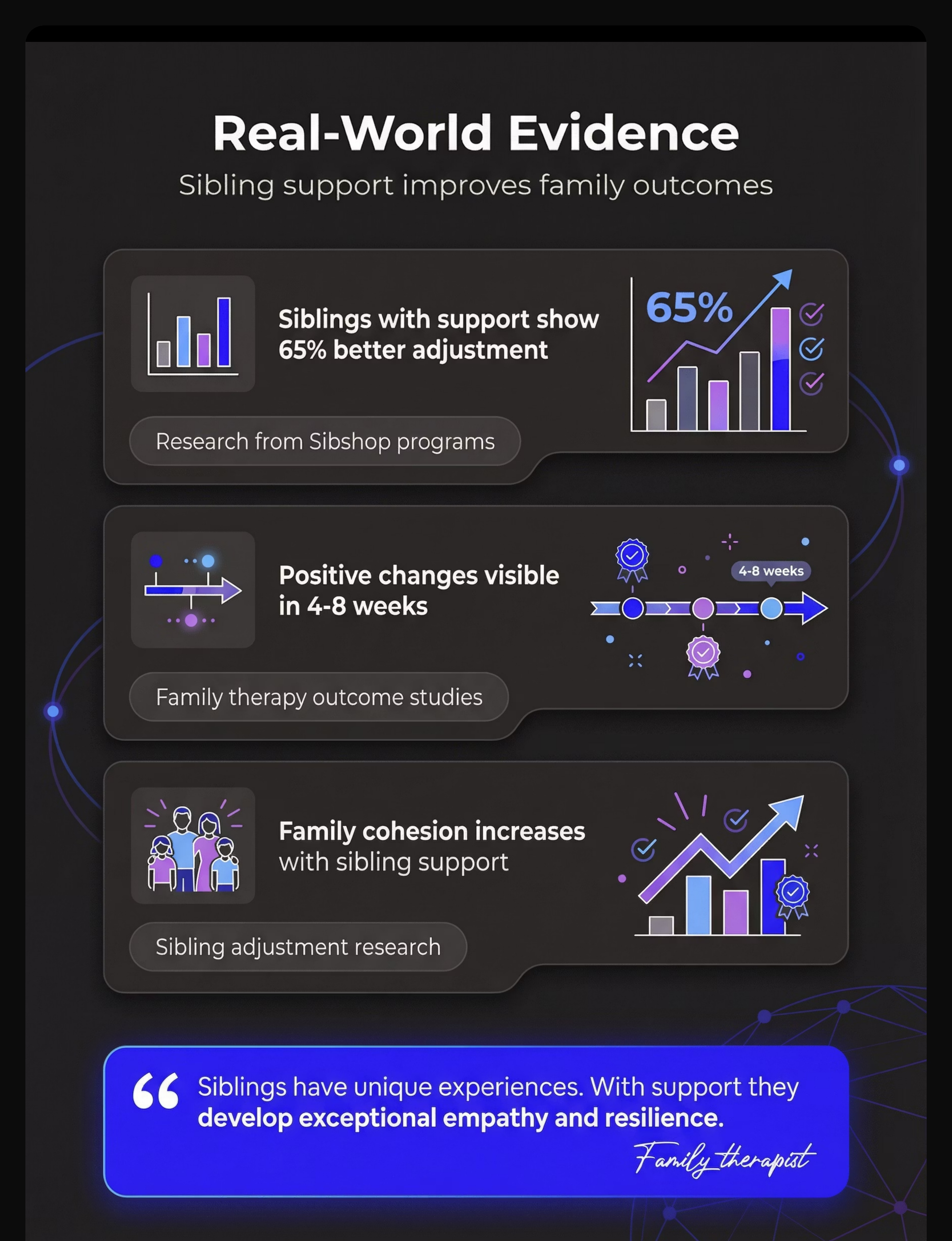
"Siblings of children with autism have unique experiences—both challenges and gifts. Without support, they can struggle with complex emotions, feel overlooked, or have difficulty coping. With support, they often develop exceptional empathy, resilience, and strong relationships. Sibling support is family support."— Family Therapist, Sibshop Facilitator
Parent + Mental Health Recommended
Moderate-Strong Evidence
Rank #2 in Category
Ongoing Use

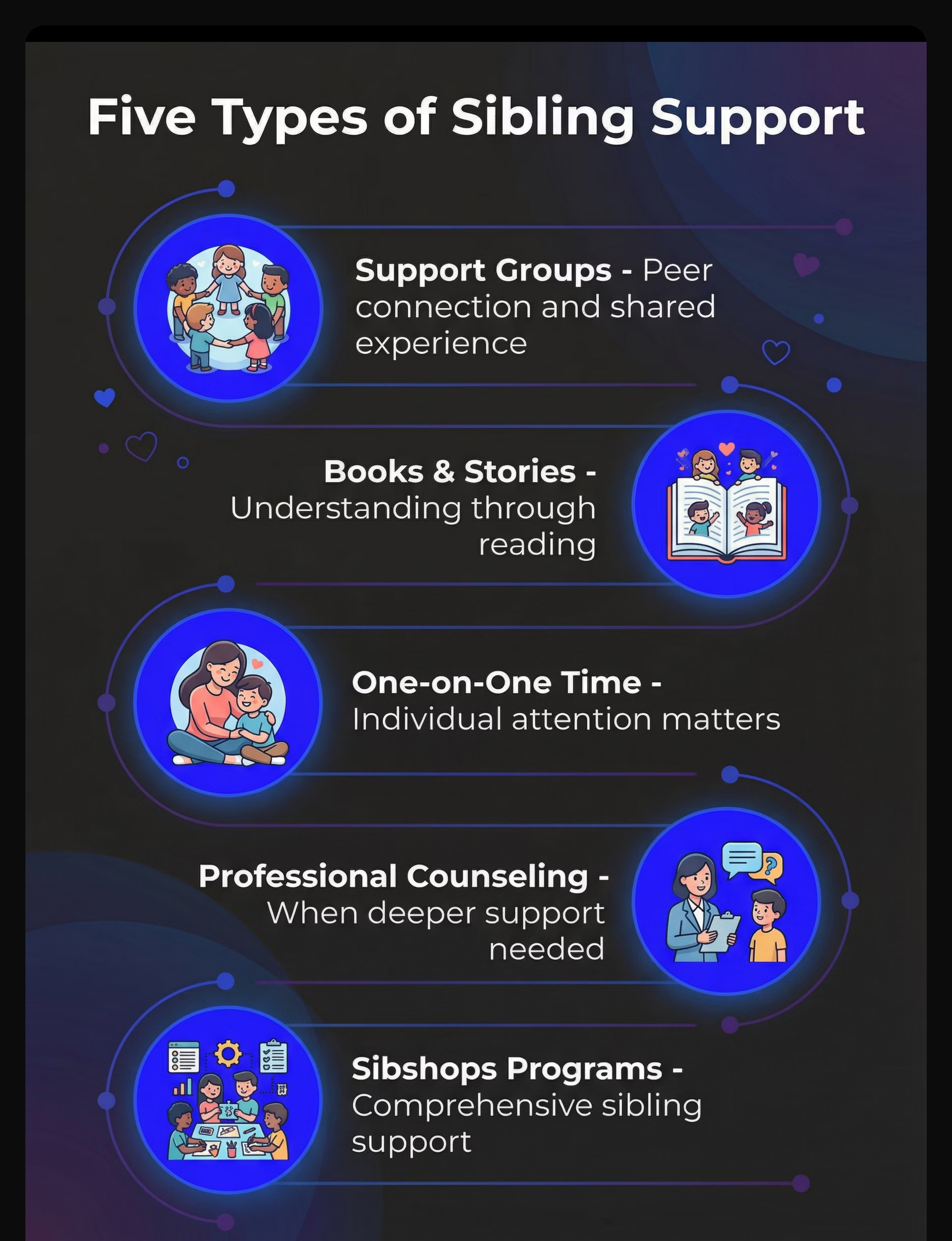
Choose Your Support Option (5 Variants)
Different types of sibling support for different needs—from peer connection to professional counseling. Mix and match based on your family's unique situation.
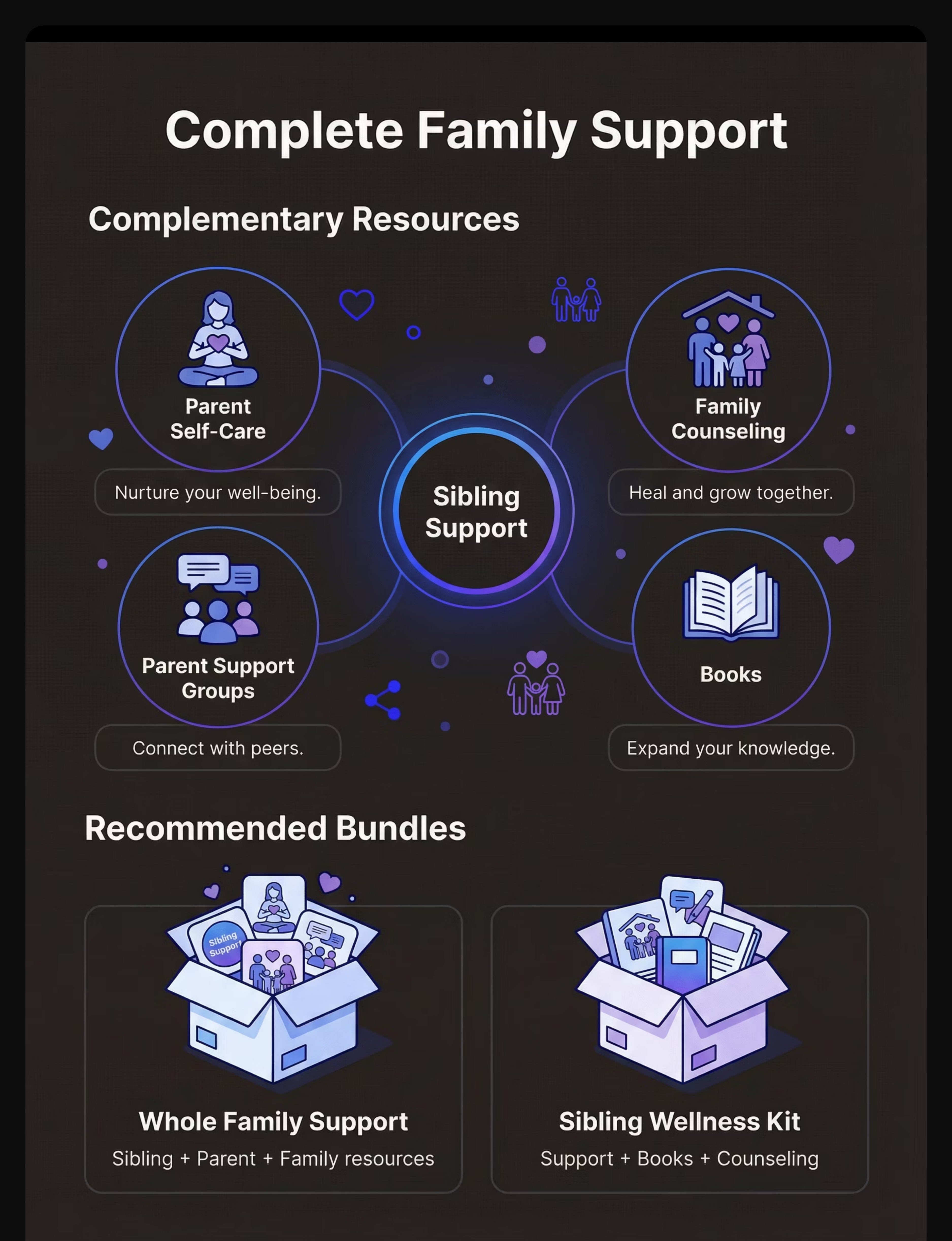
Sibling Support Groups
Best for: Peer connection, shared experience
Ages: Siblings (various ages) | Settings: Community, Clinic, School
Portability: N/A (attend) | Price: ₹0–500
Sibling Books & Stories
Best for: Understanding, normalization, coping
Ages: 3-18 years | Settings: Home
Portability: High | Price: ₹200–800
One-on-One Parent Time
Best for: Individual attention, relationship
Ages: All sibling ages | Settings: Home, Community
Portability: N/A (scheduling) | Price: ₹0
Sibling Counseling
Best for: Processing, coping, adjustment
Ages: Siblings needing support | Settings: Clinic, Online
Portability: N/A (attend) | Price: ₹500–2,000
Sibshops / Programs
Best for: Comprehensive sibling support
Ages: Typically 5-15 years | Settings: Community, Clinic
Portability: N/A (attend) | Price: ₹0–2,000
How to Choose:
- By goal: Connection (Groups, Sibshops) • Understanding (Books) • Individual attention (One-on-one) • Professional support (Counseling)
- By setting: Home (Books, One-on-one) • Community (Groups, Sibshops) • Clinical (Counseling)
- By budget: Free (One-on-one, some groups) • Low-cost (Books, some programs) • Investment (Professional counseling)
Support Types & Specifications
Understanding the different approaches to sibling support and what makes each one effective.
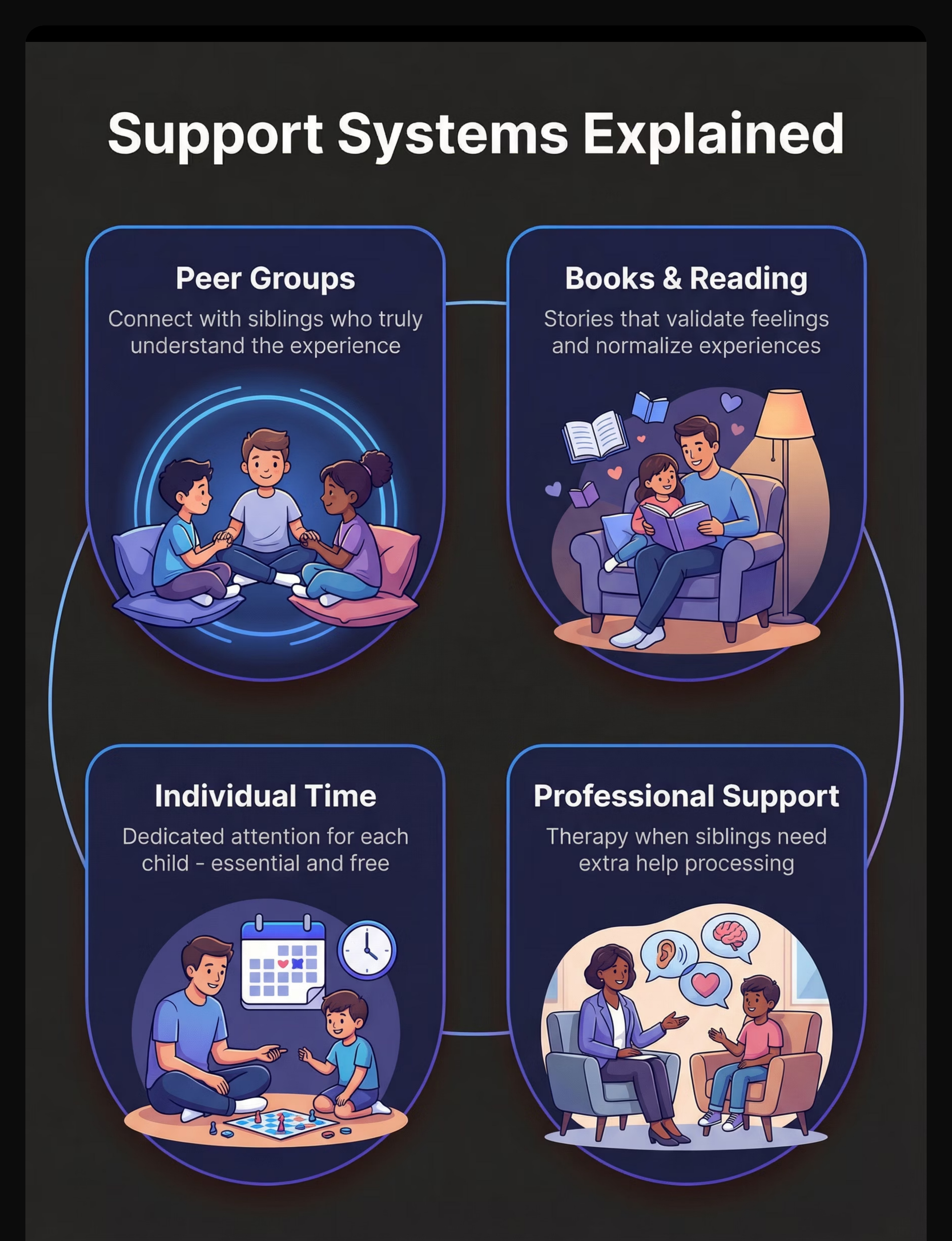
Support Approaches
Peer Support Groups
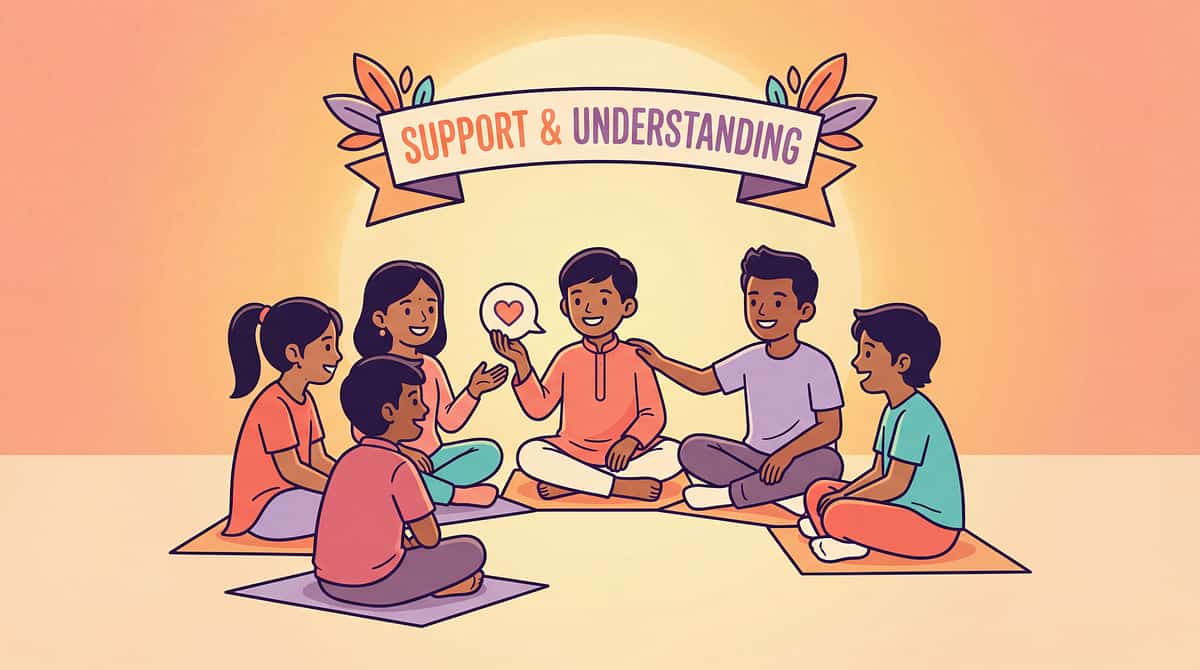
Groups for siblings to connect with others who share their unique experience
Bibliotherapy (Books)
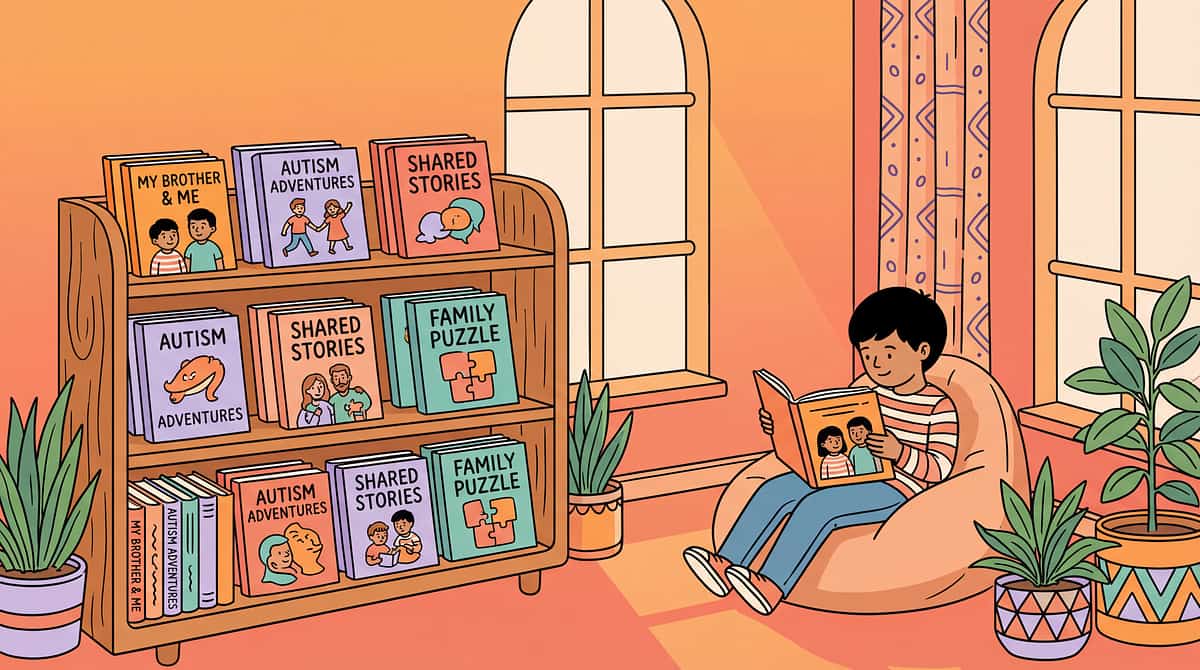
Stories and resources about being a sibling of an autistic child
Parent Connection
Dedicated individual time with each child for relationship building
Professional Counseling
Mental health support when siblings need help processing and coping
Structured Programs
Sibshops and formal sibling support programs offering comprehensive support
Key Features

- Validates Experience: Acknowledges the unique journey of being a sibling
- Connects with Peers: Reduces isolation through shared experience
- Provides Individual Attention: Ensures each child feels seen and important
- Builds Coping Skills: Develops healthy strategies for managing complex emotions
- Materials used: Groups, Books, Programs, Dedicated Time

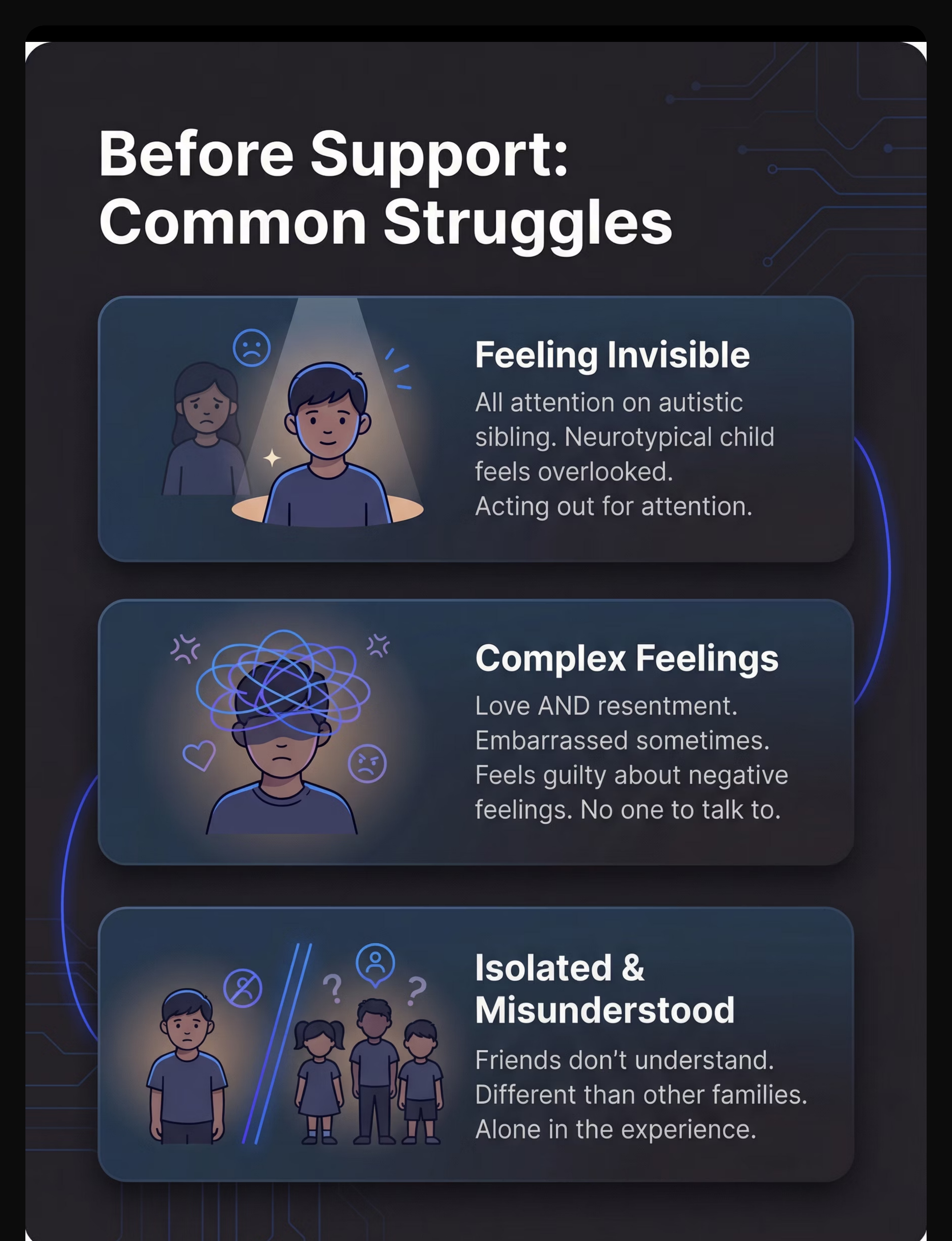
The Struggle (Before Support)
Understanding what siblings face without adequate support—real experiences that show why intervention matters.
Sibling Feels Overlooked
Situation: All attention on autistic sibling. Parent time focused on therapy, needs. Neurotypical child feels invisible. Acting out for attention.
Experience: Every day feels like being in the background—therapists come and go, parents are exhausted, and there's never time for "just us."
Emotion: Invisible, acting out
Complex/Negative Feelings
Situation: Sibling has mixed feelings—love AND resentment, embarrassment. Feels guilty about negative feelings. No one to talk to. Bottling up.
Experience: "I love my brother, but sometimes I'm embarrassed when friends are over. Then I feel terrible for feeling that way. Nobody understands."
Emotion: Confused, guilty
No One Understands
Situation: Friends don't get what life is like. Different than other families. Feels isolated. Can't explain experience. Alone in it.
Experience: Friends complain about normal sibling stuff—"My sister borrowed my clothes!"—while I'm dealing with something completely different that I can't even describe.
Emotion: Isolated, misunderstood
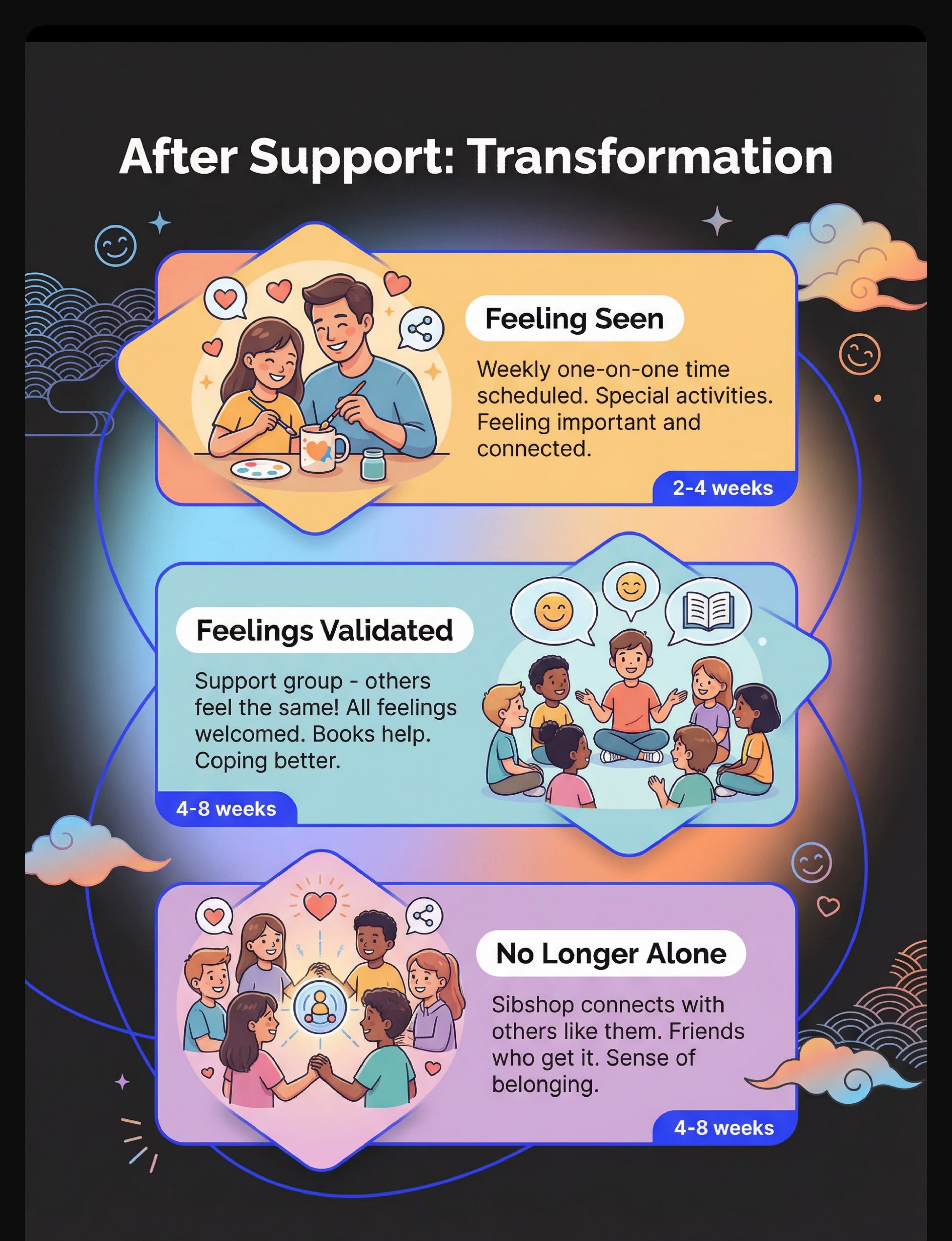
The Breakthrough (After Support)
What changes when siblings receive the support they deserve—transformation stories showing the power of validation and connection.
Sibling Feels Seen
Situation: Weekly one-on-one time scheduled. Special activities just for them. Feeling important and seen. Acting out decreased. Connected.
Experience: "Mom and I have ice cream every Tuesday, just us. Dad takes me to the park on Saturdays. They make time for me too now."
Emotion: Seen, connected
2-4 weeks
Feelings Validated
Situation: Sibling support group—others feel same! All feelings validated. Read books about being a sibling. Feelings processed. Coping better.
Experience: "At Sibshop, other kids said they feel the same way I do! It's okay to have mixed feelings. I'm not a bad person."
Emotion: Validated, coping
4-8 weeks
Peer Connection Found
Situation: Sibshop connects with others like them. Friends who get it. Not alone. Shared experience. Sense of belonging.
Experience: "I made friends who actually understand. We text and share memes about sibling life. Finally, people who get it."
Emotion: Understood, belonging
4-8 weeks
What to Expect (Realistic Timelines)
The journey of sibling support unfolds in stages—here's what meaningful change looks like over time.
Sibling needs recognized
Family acknowledges that neurotypical children have unique experiences deserving support
Immediate
One-on-one time established
Regular individual parent time scheduled and consistently maintained for each child
1-2 weeks
Support resources found
Books, groups, or programs identified and accessed—connection resources in place
2-4 weeks
Sibling feeling better
Improved mood, decreased acting out, better relationship with autistic sibling, processing feelings
4-8 weeks
Ongoing support maintained
Support becomes integrated into family life—sustainable practices that grow with children
Ongoing
Is This Right for My Child? (2-Minute Check)
A quick assessment to understand if your neurotypical child would benefit from sibling support resources.
Does your neurotypical child seem to feel overlooked?
Acting out for attention, mentioning that you're always busy with their sibling, or seeming withdrawn
If yes, this indicates: Individual attention and support needed
Does your child have complex or negative feelings about their sibling?
Expressing resentment, embarrassment, guilt, or confusing mixed emotions about their brother or sister
If yes, this indicates: Support to process feelings needed
Do you have regular one-on-one time with each child?
Dedicated individual time scheduled consistently, not just grabbed moments here and there
If yes: Good—maintain this essential practice
If no: Schedule individual time immediately
Is your sibling connected with other siblings of autistic children?
Access to peer support groups, Sibshops, or friends who share similar family experiences
If yes: Good peer support in place
If no: Peer connection recommended
Scoring Guide: 3+ "yes" answers indicating need = strong fit for sibling support resources. However, all siblings benefit from proactive support regardless of current struggles.
Common Questions (Honest Answers)
Addressing the concerns and hesitations parents have about sibling support—with compassionate, evidence-based responses.
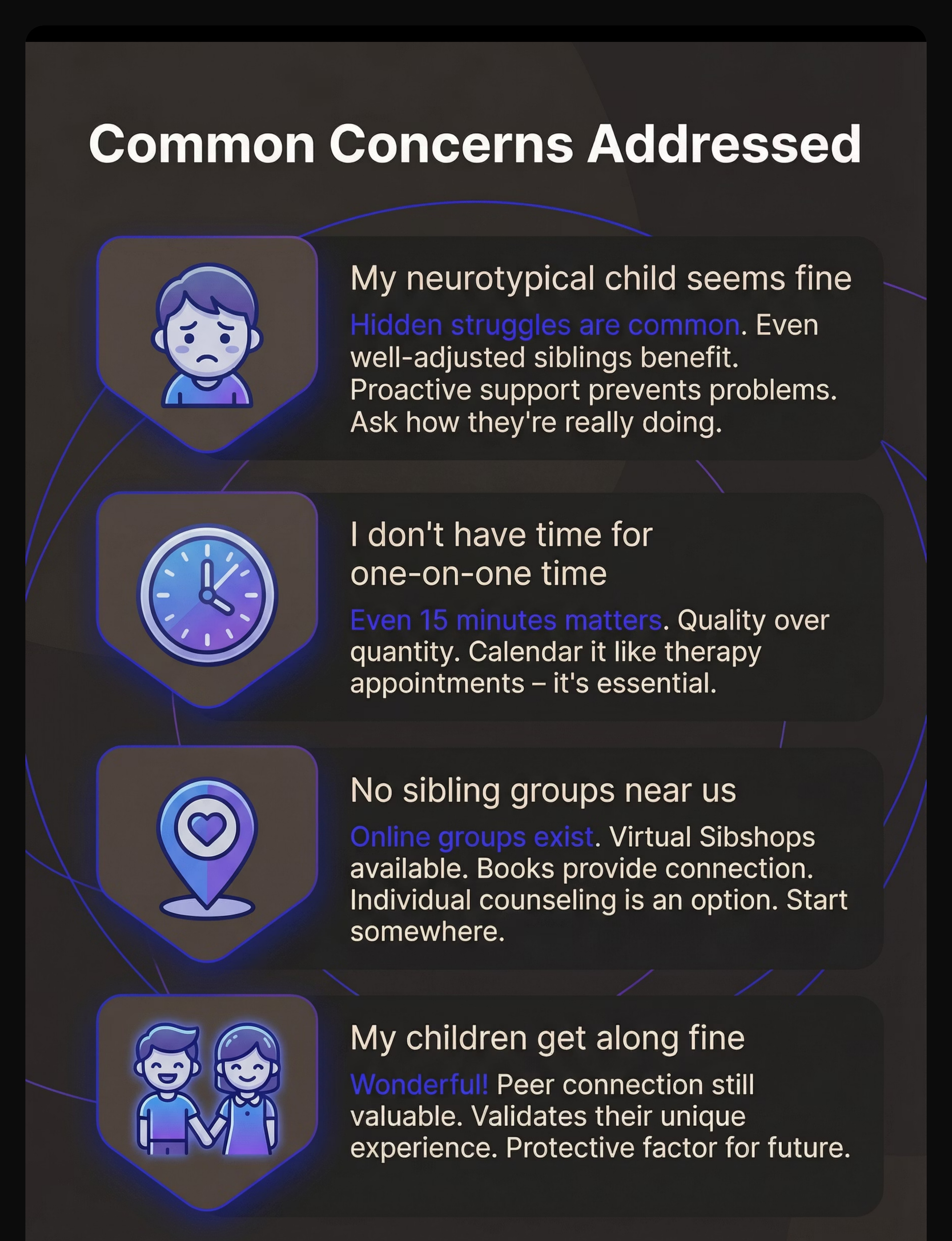
"My neurotypical child is fine"
Response: They may seem fine but have hidden struggles—even well-adjusted siblings benefit from validation. Proactive support prevents problems before they emerge. Ask them directly how they're really doing, and listen carefully.
Quick version: Hidden struggles possible; proactive support helps; ask them.
"I don't have time for one-on-one time"
Response: Even 15 minutes matters deeply. Quality over quantity always. Combine one-on-one time with errands if needed. This is essential, not optional—calendar it like therapy appointments that you'd never skip.
Quick version: 15 minutes matters; calendar it like appointments.
"There are no sibling groups near us"
Response: Online sibling groups exist and work well. Many Sibshops are now virtual. Individual counseling is another option. Books provide connection too. Start somewhere—any support is better than none.
Quick version: Online groups; virtual Sibshops; books; counseling.
"My children get along fine"
Response: That's wonderful! AND siblings still have a unique experience that deserves acknowledgment. Peer connection is still valuable even in positive sibling relationships. Validate their experience regardless. It's a protective factor for the future.
Quick version: Great; peer connection still valuable; protective factor.

Recommended Books for Siblings
Evidence-based bibliotherapy resources that help siblings understand, process, and normalize their experiences.

There was an error generating this image
My Brother Charlie
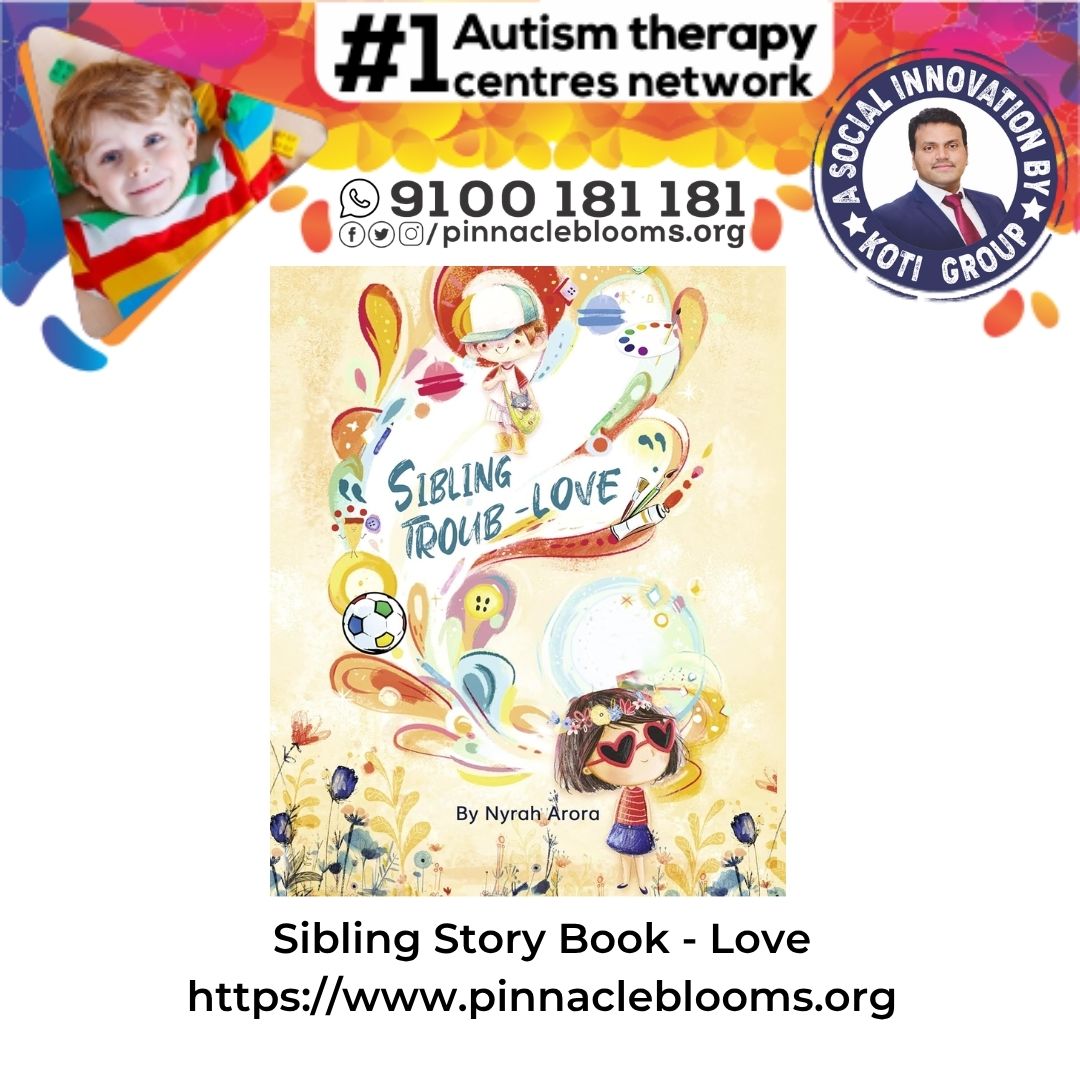
By Holly Robinson Peete & Ryan Elizabeth Peete. Beautiful story celebrating the unique bond between siblings.

There was an error generating this image
The Sibling Survival Guide
By Don Meyer. Practical resource written specifically for siblings of children with special needs.

There was an error generating this image
Rules
By Cynthia Lord. Award-winning novel about a girl navigating life with an autistic brother.

There was an error generating this image
Views from Our Shoes
By Don Meyer. Collection of essays written by siblings themselves—powerful peer voices.

There was an error generating this image
Since We're Friends
By Celeste Shally. Tender story about friendship and understanding differences.
Access tip: Many of these books are available at libraries in India (free!), or can be ordered through Amazon.in (₹200-800). Start with library access to explore different options.
Usage Guide
When to provide support, how much supervision is needed, and what to watch for as your children grow.
When to Use
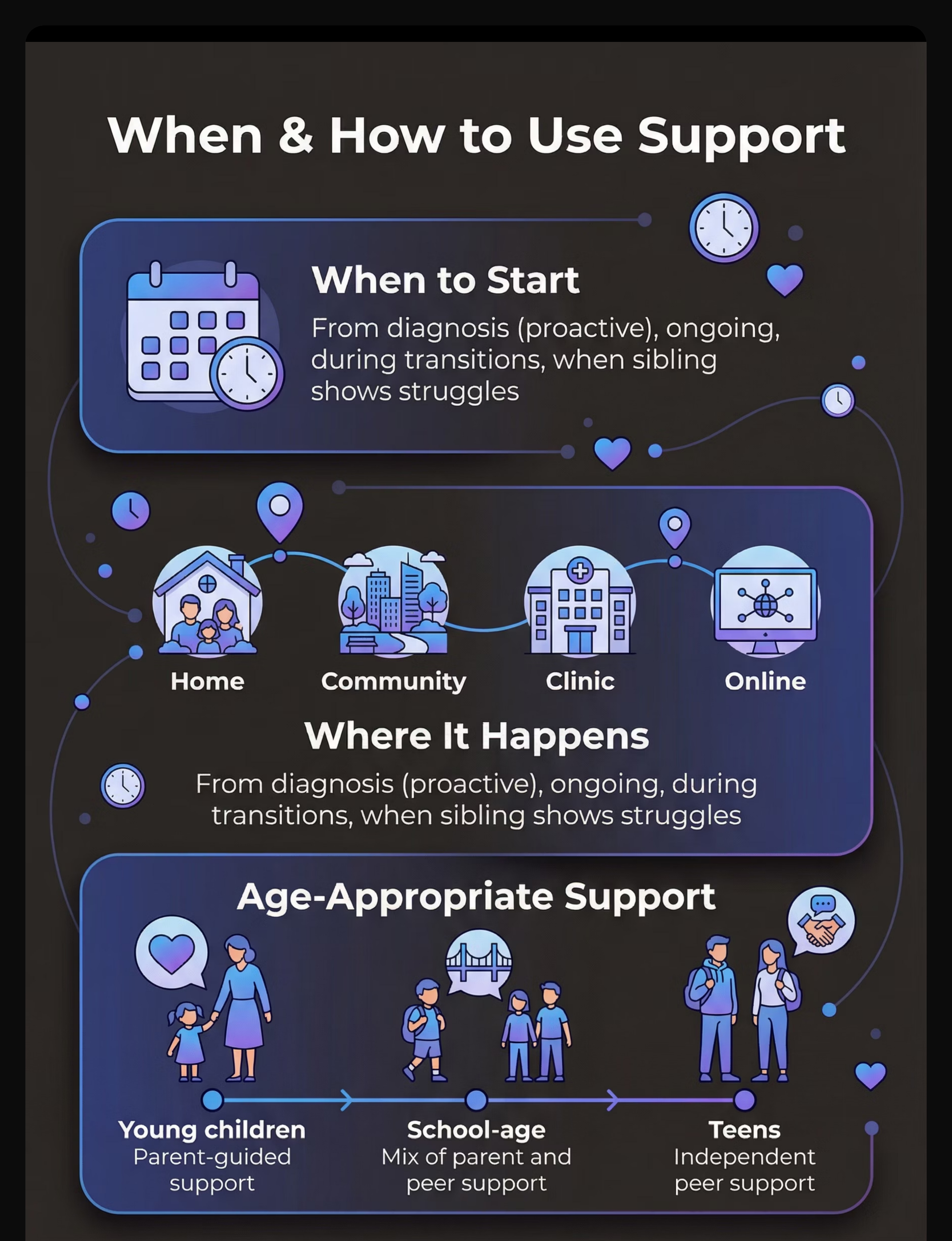
- From diagnosis (proactively): Start support immediately, not after problems emerge
- Ongoing (regular support): Continuous practice as children grow and needs evolve
- When sibling showing struggles: Acting out, withdrawing, or expressing distress
- During transitions: New schools, developmental changes, family events
- When asked questions: Child expressing curiosity or confusion about sibling
When NOT to Use
Important: Sibling support is never inappropriate—it's always beneficial for neurotypical children. There are no situations where supporting your child's wellbeing would be contraindicated.
Duration
Ongoing family practice that evolves with your children—not a short-term intervention but a continuous commitment to family wellbeing.
Supervision by Age
Age Range | Supervision Level | Notes | |
Young children (3-7 years) | Parent-guided support | Adults facilitate connections, choose books, structure one-on-one time | |
Developing (8-12 years) | Mix of parent and peer support | Growing independence in peer groups with parental oversight | |
Older (13+ years) | More independent peer support | Teen siblings may lead own support connections, parents maintain check-ins |
Home
Community
Clinic
Online

Safety First
Protecting your neurotypical child's emotional wellbeing while supporting the whole family.
Critical Safety Considerations
- Validate all feelings without judgment—including negative emotions like resentment
- Don't parentify sibling by making them responsible for caregiving or therapy
- Watch for adjustment problems like depression, anxiety, or acting out
- Maintain appropriate expectations—siblings are children, not mini-therapists
Warnings
- Don't burden sibling with excessive caregiving responsibilities
- Seek professional help if sibling is struggling emotionally
- Balance family needs—every child deserves individual attention
- Each child deserves to feel important and valued in the family
Never Do These
- Ignoring sibling needs while focusing only on autistic child
- Dismissing feelings or telling sibling they "shouldn't feel that way"
Safety Checklist
Before Starting Support
- Sibling needs have been recognized and acknowledged
- Support resources identified and accessible
- Time allocated in family schedule for individual attention
- All feelings welcomed without judgment
During Support
- Regular one-on-one time consistently maintained
- All feelings validated, including negative emotions
- Peer connection opportunities available
- Monitoring for signs of adjustment struggles
Signs of Success
- Sibling feels important and seen in family
- Complex feelings being processed healthily
- Peer connections made with understanding friends
- Good adjustment and thriving overall
Investment Guide
Most essential sibling support is free—but here's the full range of options from budget-friendly to comprehensive.
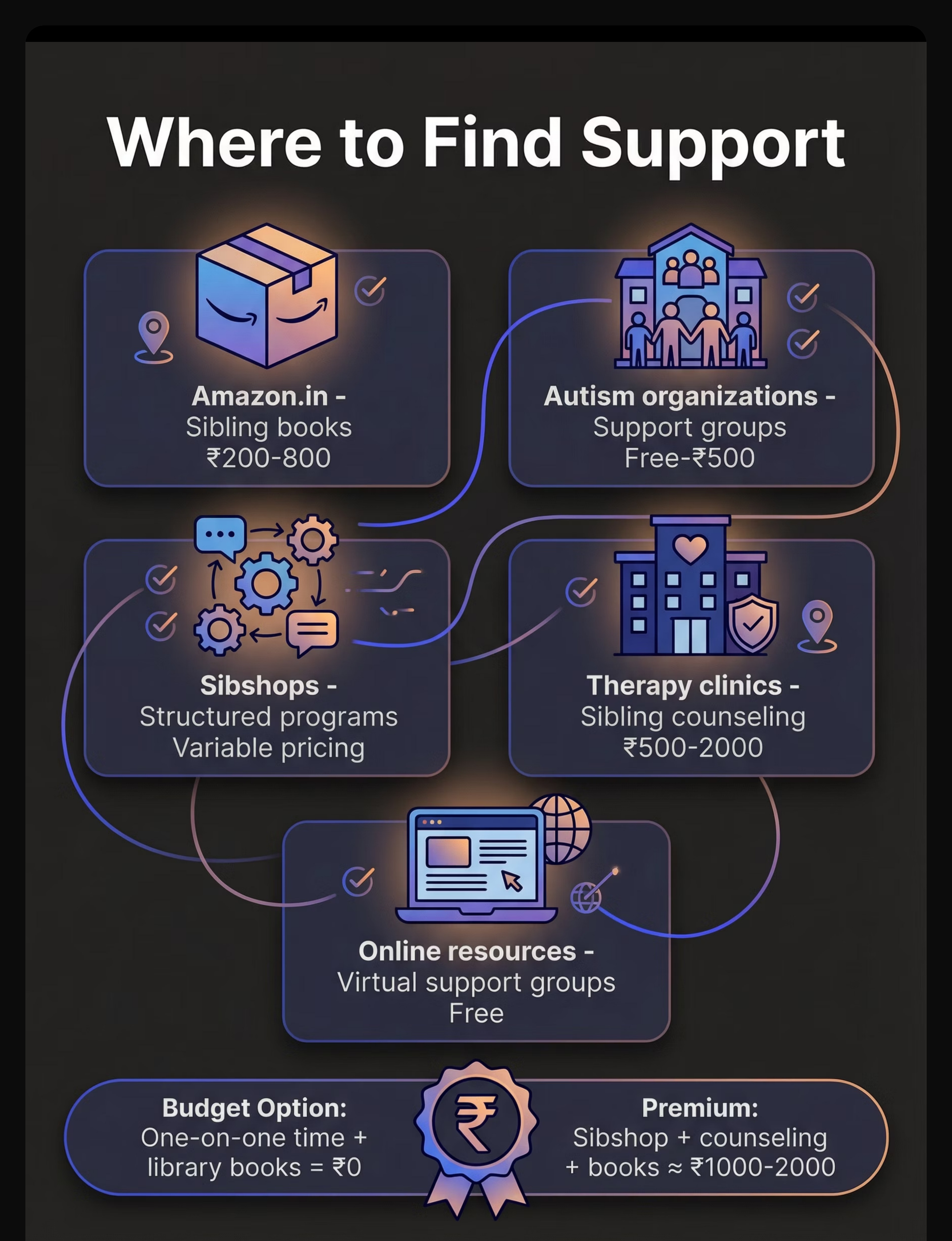
Budget Option (Start Here)
One-on-one time + library books
₹0
What you get: The most important support—dedicated individual time with each child plus free sibling books from your local library
Why start here: Most impactful support costs nothing. Build this foundation first.
- 15-30 minutes weekly per child
- Borrow sibling books from library
- Free online sibling resources
- Parent validation and listening
Premium Option (Comprehensive Support)
Sibshop program + counseling + books
₹1,000–2,000
What you get: Professional Sibshop facilitation, individual counseling sessions when needed, purchased books for home library
Consider if: Sibling showing significant distress or your family wants comprehensive support
- Monthly Sibshop sessions
- 4-6 counseling sessions as needed
- Personal sibling book collection
- Professional guidance
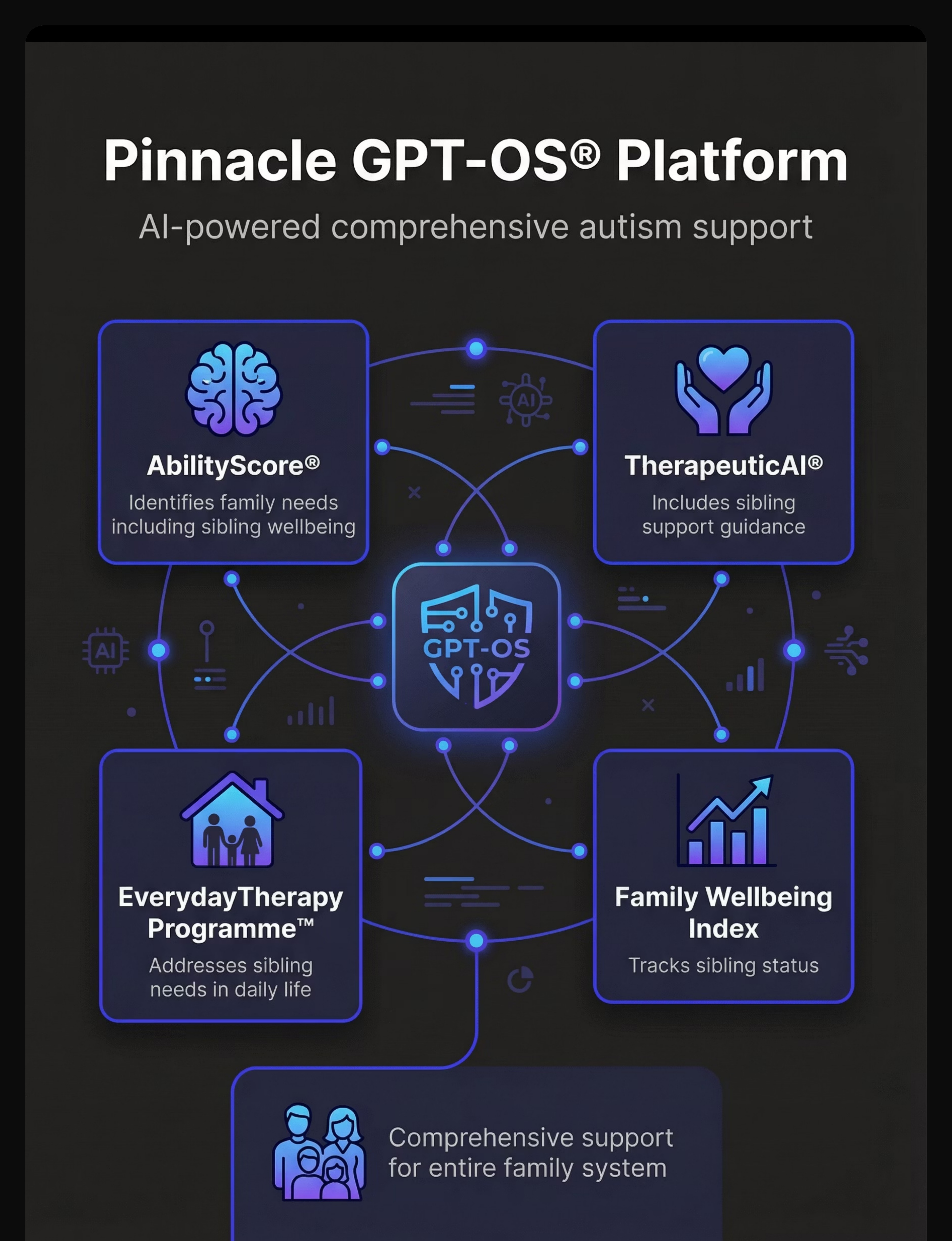
Recommended organizations: Sibshops, Local autism organizations
Overall Investment Range: ₹0–2,000 (USD $0–24)
Best starting point: Begin with free options (one-on-one time and library books) which provide the foundation. Add peer groups and professional support as needed based on your child's adjustment and family resources.
Where to Find Support in India
Connecting with sibling resources across platforms—from free community groups to professional programs.
Availability: Various Sources (Local, Online, National)
Platform | Search For | Price Range | Access | |
sibling autism book children | ₹200-800 | Online delivery | ||
Autism organizations | sibling support group | Free-₹500 | Local/online | |
Sibshops | Sibshop program near me | Variable | Community programs | |
Therapy clinics | sibling counseling | ₹500-2,000 | In-person/online | |
Online platforms | sibling support autism online | Free | Virtual groups |
Buying Tips
One-on-one time costs nothing—schedule it today and protect that time
Your local library likely has sibling books—check there first (free!)
Ask autism organizations about free or low-cost sibling support groups
Sibshops may be available in your area—search for programs nearby
Online options work well if nothing available locally—don't let location limit access
Red Flags
Ignoring sibling needs—assuming they're "fine" without checking in
Dismissing sibling feelings—invalidating their emotions or telling them not to feel certain ways
No individual attention—neurotypical child never gets dedicated parent time
Sibling showing distress—acting out, withdrawn, or expressing struggles without intervention
Preview of sibling support resources Therapy Material
Below is a visual preview of sibling support resources therapy material. The pages shown help educators, therapists, and caregivers understand the structure and content of the resource before use. Materials should be used under appropriate professional guidance.


Share this resource
Help others discover thisLink copied!
DIY Support Alternative
You can provide meaningful sibling support at home with time and intention—here's how to do it effectively.
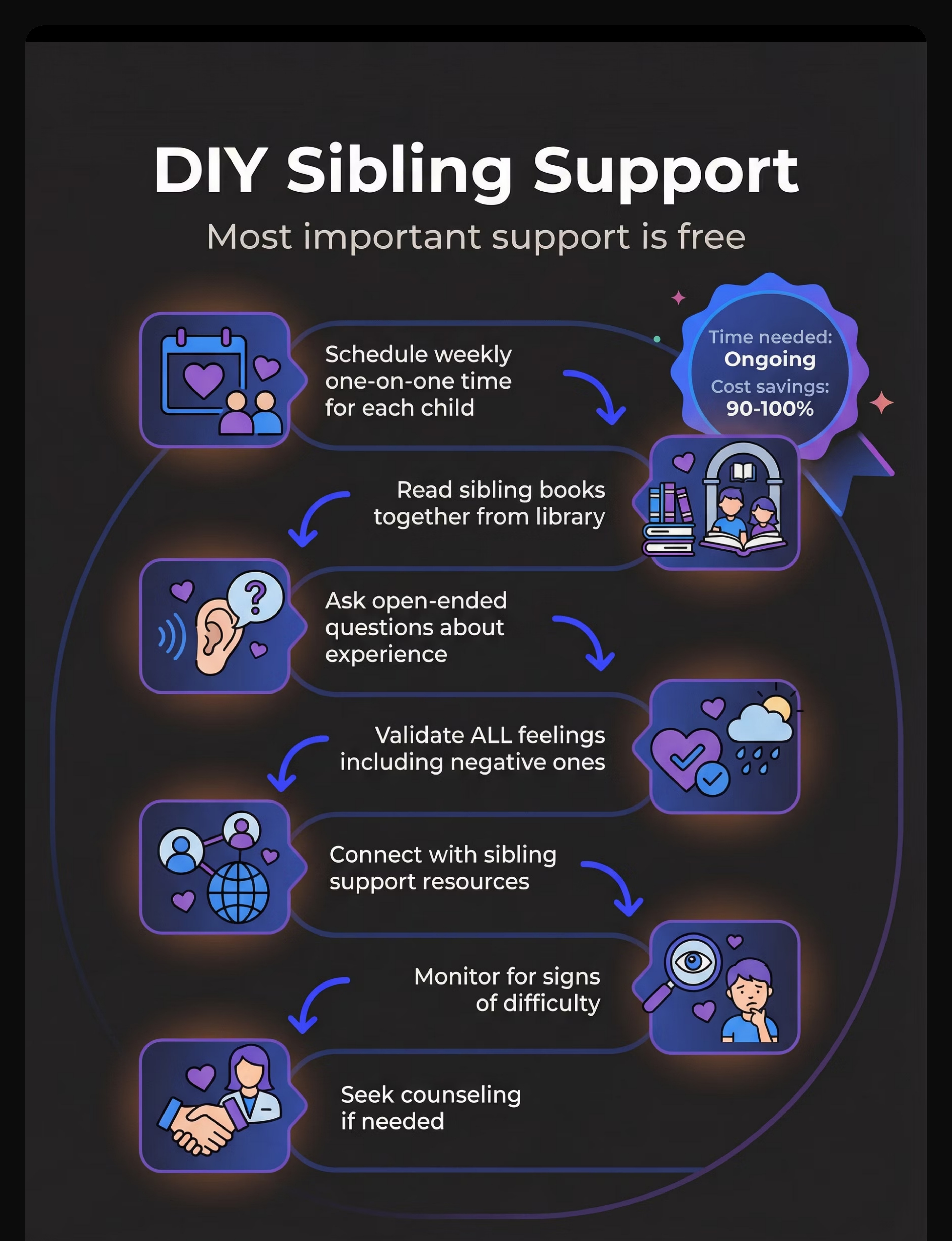
DIY Feasibility: High | Cost Savings: 90-100% | Time: Ongoing
Materials You Need
- Calendar for scheduling one-on-one time
- Library card for accessing sibling books
- Your presence and willingness to listen
Step-by-Step DIY Support
- Schedule weekly one-on-one time for each child—put it on the calendar like a non-negotiable appointment
- Read sibling books together—borrow from library and discuss the stories
- Ask open-ended questions about their experience: "How do you feel about..." "What's hard about..." "What do your friends say..."
- Validate ALL feelings including negative ones—"It's okay to feel embarrassed sometimes" "Those mixed feelings are normal"
- Connect with sibling support resources—find online groups or local organizations
- Monitor for signs of difficulty—watch for acting out, withdrawal, or expressed distress
- Seek counseling if needed—don't hesitate to get professional help if sibling is struggling
DIY vs. Professional Programs
When to DIY | When to Buy | |
One-on-one time (essential foundation) | Sibling support groups for peer connection | |
Reading books together at home | Sibshop programs for comprehensive support | |
Validation and active listening | Professional counseling when struggling | |
Family discussions about autism | Structured programs with trained facilitators |
Trade-offs: Most important sibling support is free and happens at home through dedicated time and validation. Professional groups add valuable peer connection that parents can't provide alone. The best approach combines both.