













Tool ID: 2.6
Tool ID: 2.6
Rank #2
Daily Use
Worry Eater / Emotion Plush
Transitional object and emotional expression system
Psychologist
SpEd
Moderate Evidence
₹100–5,000
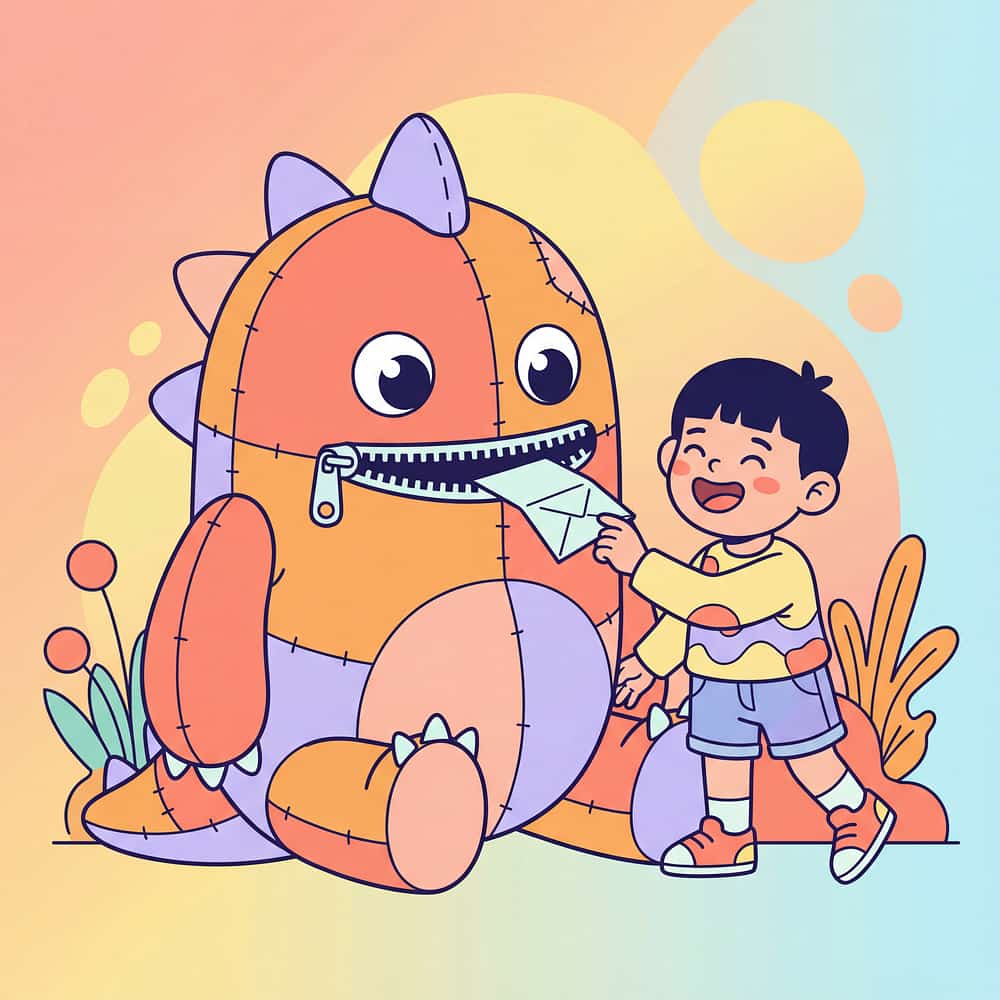
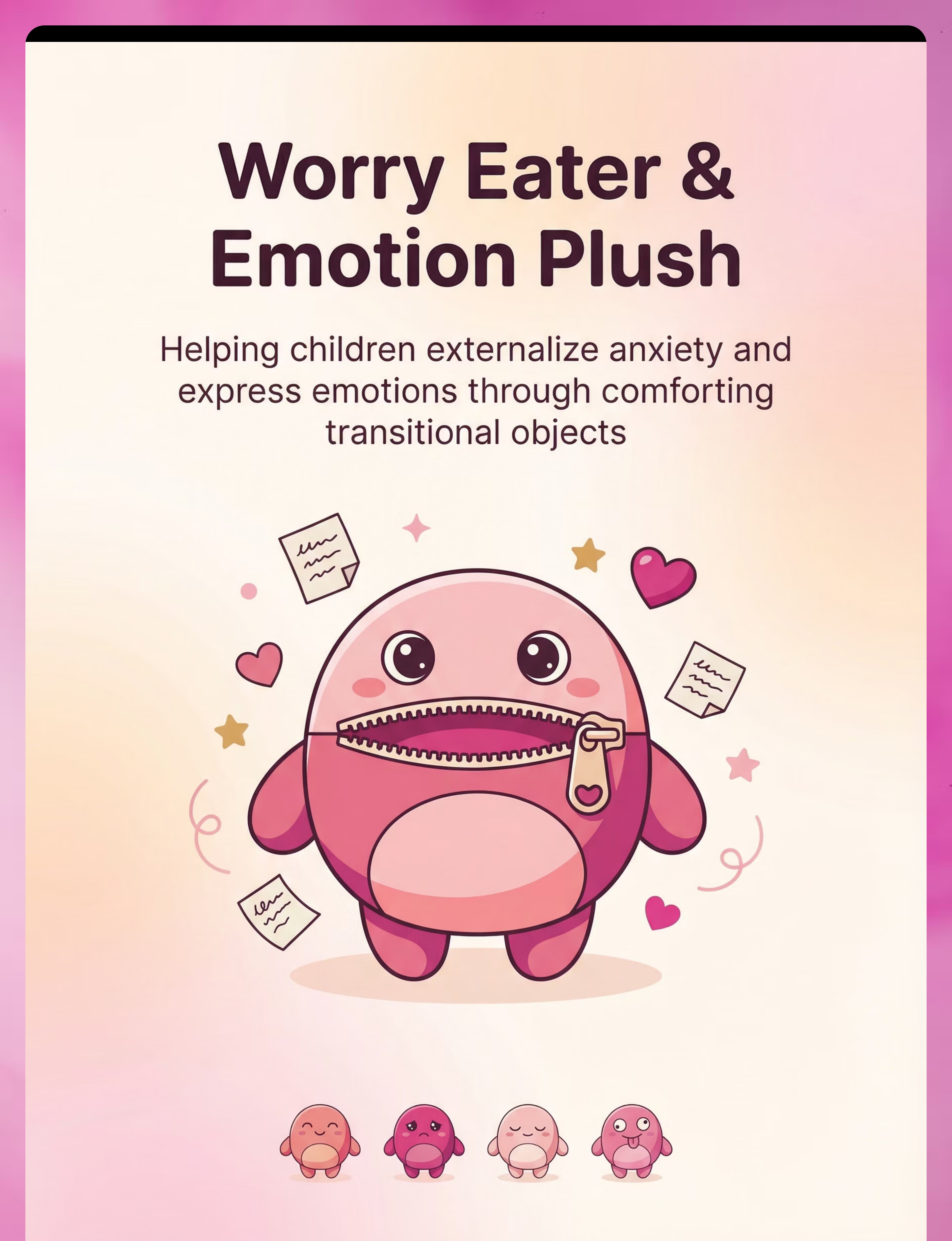
A tangible, comforting way for children to externalize anxiety and express emotions. These soft plush characters help young minds release worries through concrete rituals, transforming bedtime struggles into peaceful routines. From classic Worry Eaters to emotion identification plush sets, these tools provide children aged 2-9 with a safe container for overwhelming feelings.
Who This Helps
These tools provide transitional objects that facilitate emotional expression and externalization, helping children move anxiety from inside their minds to outside their bodies.
Anxiety Management
Helps children externalize worries, reducing internal anxiety and making it easier to process difficult emotions.
Emotional Expression
Provides a concrete way for children to communicate feelings, especially those who struggle to express themselves verbally.
Bedtime Worries
Transforms evening routines by offering a comforting ritual to offload worries before sleep, promoting peaceful nights.
Emotional Comfort
Offers a tangible source of comfort and security, especially during stressful times or transitions.
Emotional Literacy
Encourages children to identify and name their emotions, fostering a deeper understanding of their inner world.
Ages 2-9 Years
Developmentally appropriate across preschool and early elementary, with variants tailored for different stages.
Home & Clinic Settings
Ideal for use in daily home routines, therapeutic sessions, or as a consistent emotional support in any familiar environment.
Does This Sound Familiar?
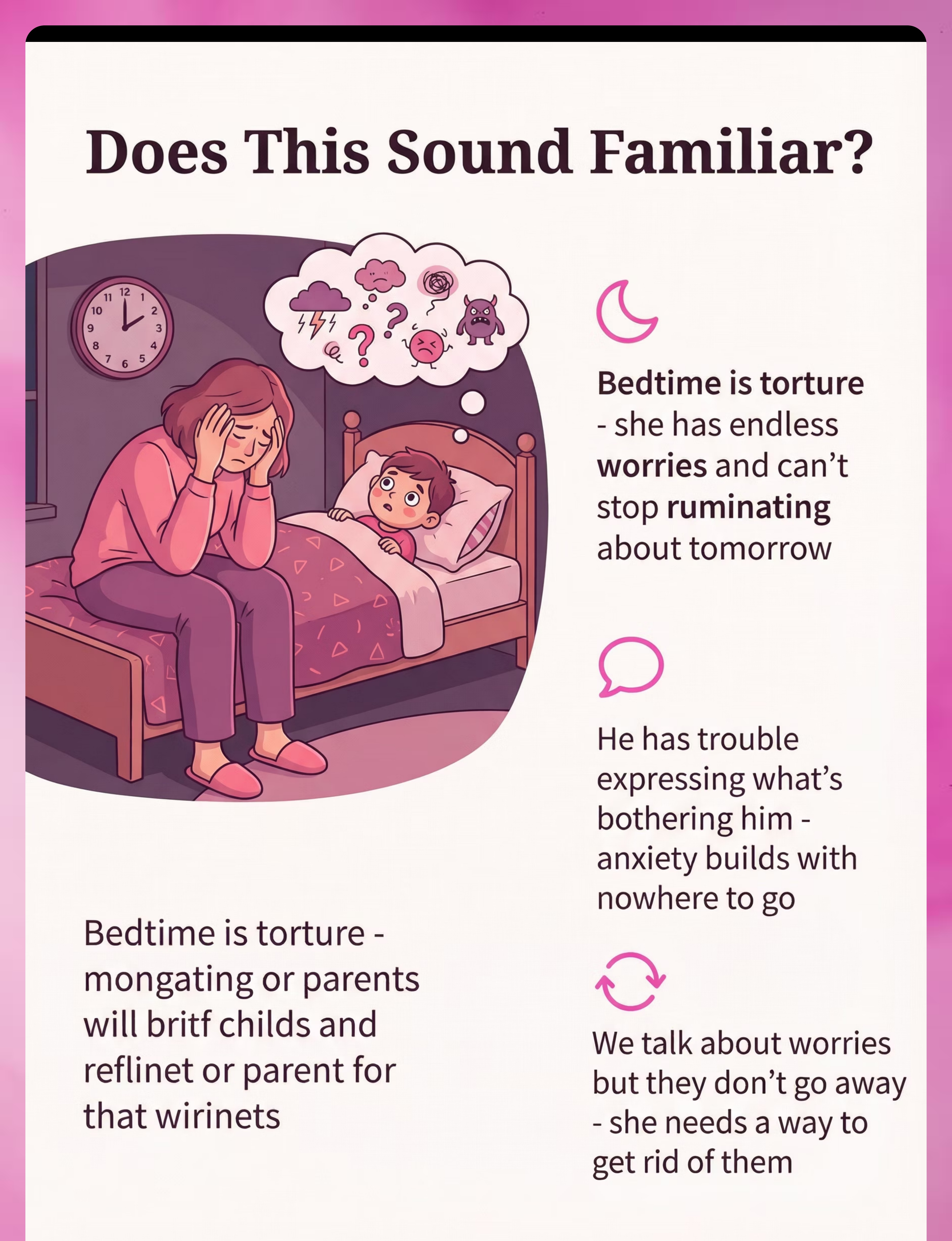
"Bedtime is torture - she has endless worries"
"He can't stop ruminating about school tomorrow"
"She needs a way to 'get rid of' her worries"
"Anxiety builds up with nowhere to go"
"He has trouble expressing what's bothering him"
"We talk about worries but they don't go away"
You're not alone. These are common challenges that many families face. The cycle of worry and sleepless nights can feel overwhelming for both children and parents, but there is a path forward.
A Day Without the Right Support
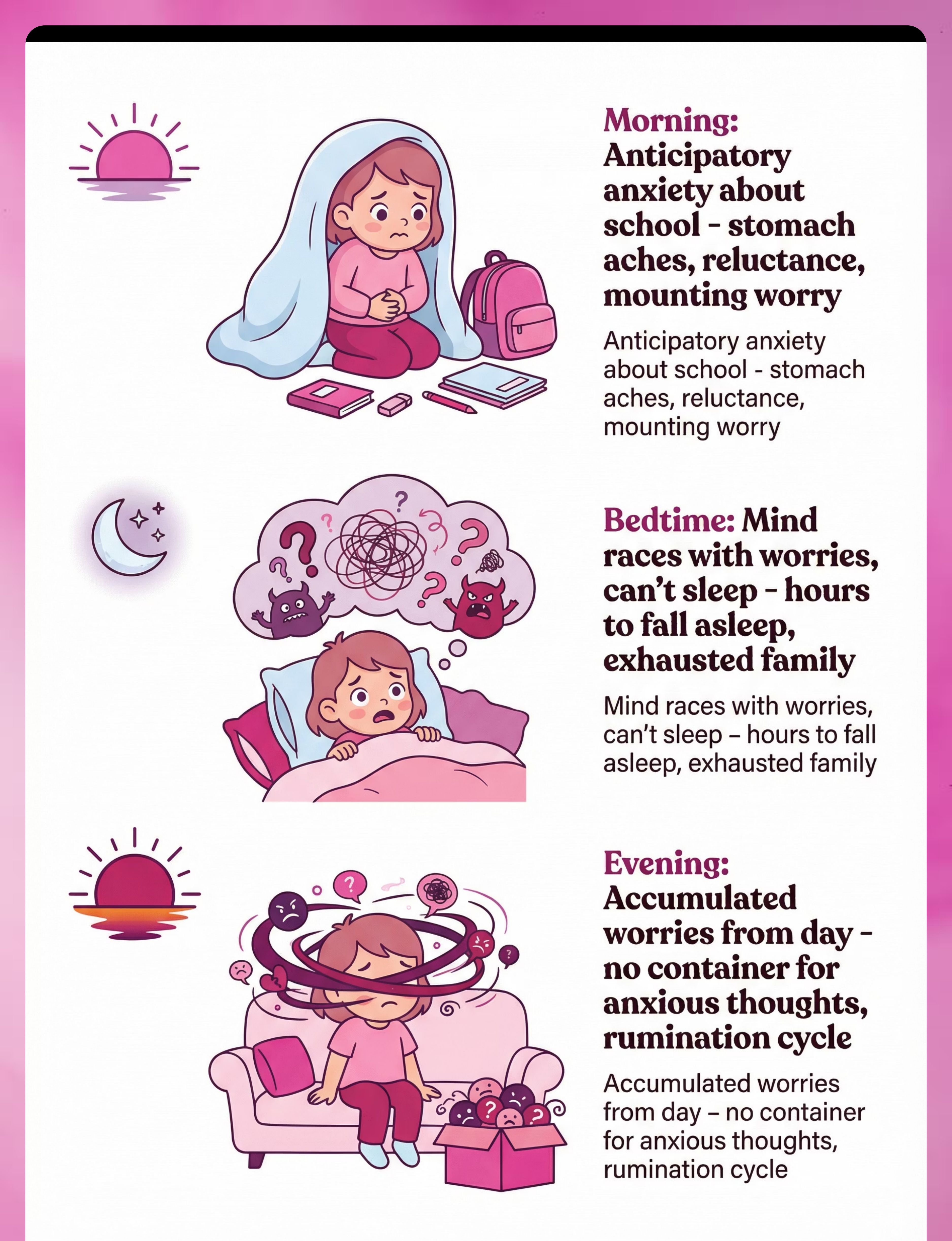
Morning
Anticipatory anxiety about school builds before the day even begins, making morning routines difficult and stressful.
School
Worry spikes during school transitions and activities, without coping mechanisms, making learning and social interactions challenging.
After School
Accumulated worries from the school day build up with nowhere to go, creating increasing tension as evening approaches.
Bedtime
Mind races with endless worries, unable to shut down. Hours pass without sleep. The whole family is exhausted.
Each moment compounds the next, creating a cycle where anxiety has no container and worries have no release. Children become trapped in their own thoughts, and parents feel helpless watching their child struggle.
The Science Behind It
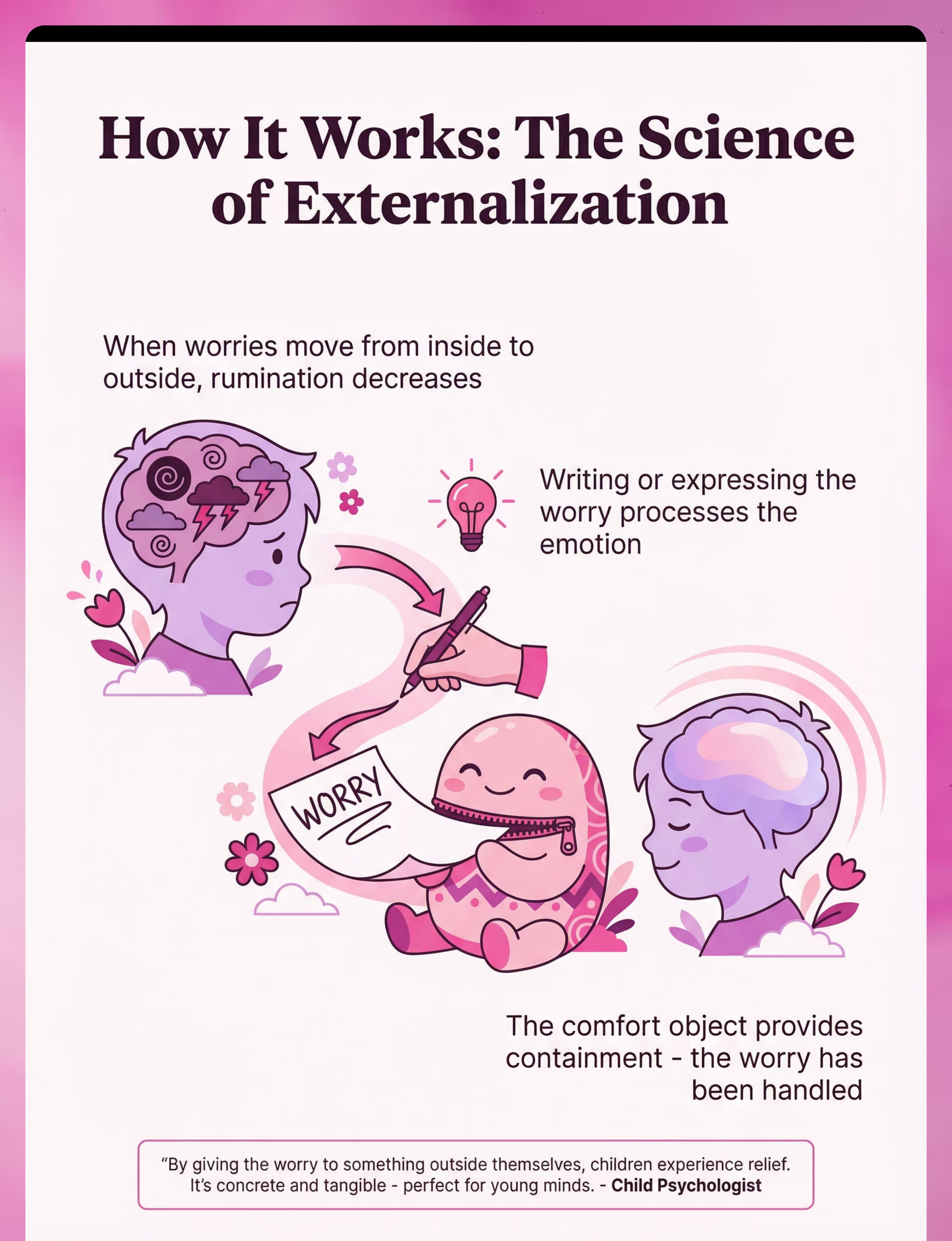
Worry Eaters use the powerful psychological principle of externalization to help children process and release anxiety.
Externalization of Worry
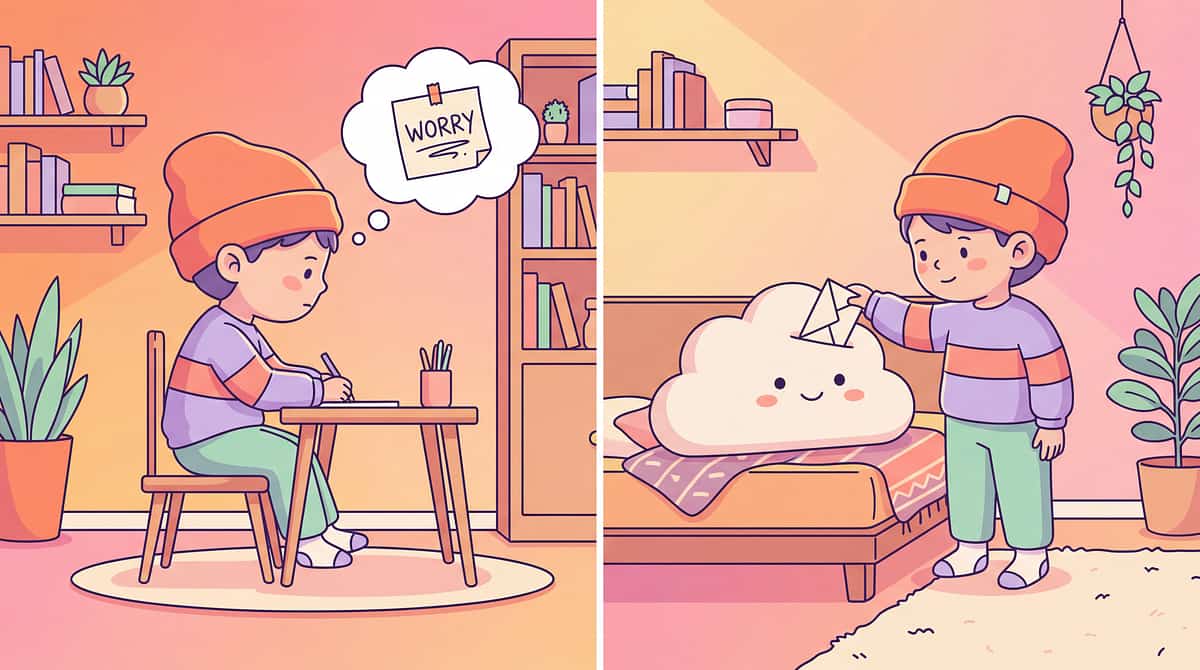
The child actively articulates or writes down their "inside" worries, moving them to an "outside" concrete form.
Physical Action
Engaging in the concrete act of expressing and then 'feeding' the worry to the Worry Eater provides a tangible release.
Symbolic Release
The child feels the worry is safely contained by the Worry Eater, shifting the burden from their mind.
Emotional Relief
The sense of security and the physical comfort from the plush object provide immediate soothing and reduced anxiety.
Anxiety Management
Emotional Expression
Bedtime Worries
Comfort
Emotional Literacy
How to Use It Right
1
Establish Routine
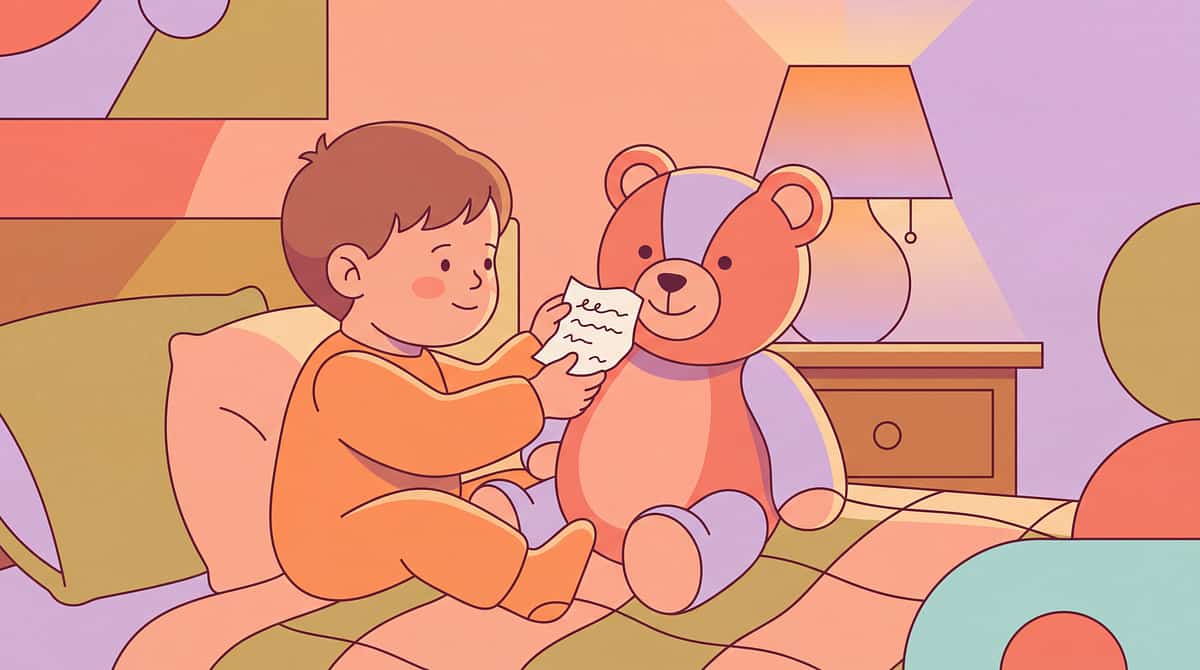
Create a consistent ritual: write the worry, feed it to the Worry Eater, and say goodbye. Regular, predictable use builds effectiveness.
2
Maintain Boundaries
Once the worry is 'eaten,' let it go. Avoid re-discussing the worry immediately after the ritual to reinforce the sense of release.
3
Integrate Support
Use the Worry Eater as one tool within a broader emotional support system. Combine it with parental reassurance and other coping strategies.
4
Encourage Personalization
Allow your child to develop a unique connection with their Worry Eater, giving it a name or personality to enhance its comforting role.
Expert Perspective
"Worry eaters use the psychological principle of externalization. By giving the worry to something outside themselves, children experience relief. It's concrete and tangible - perfect for young minds."
— Child Psychologist, Anxiety Specialist
worry-eater-emotion-plush therapy material
Psychologist
SpEd
Recommended By
Both Psychologists and Special Educators recognize this tool's value in emotional regulation support.
Moderate Evidence
Evidence Level
Supported by moderate clinical evidence demonstrating effectiveness for childhood anxiety management.
Rank #2
Category Ranking
Ranked #2 in the Emotional Regulation & Coping category, reflecting strong clinical validation and parent satisfaction.
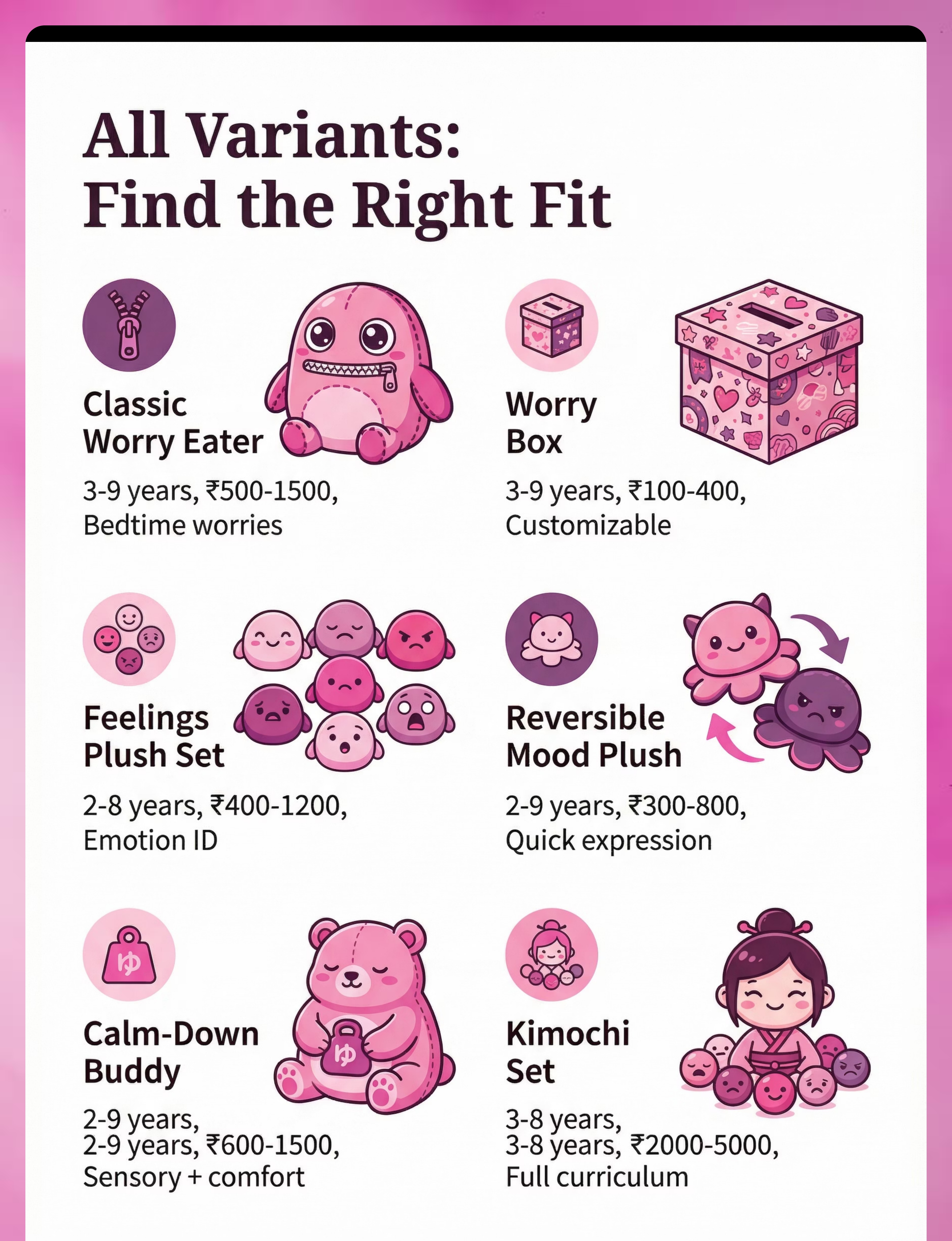
Choose Your Option (6 Variants)
Every child connects differently with emotional support tools. Choose based on your child's age, personality, and specific needs. All options support the same core principle of externalization, but offer different formats and features.
1
Classic Worry Eater (Zippered Mouth)
Best for: Bedtime worries, anxiety expression, externalization
Ages: 3-9 years | Settings: Home | Portability: High
Size: 20-40 cm plush | Price: ₹500-1,500
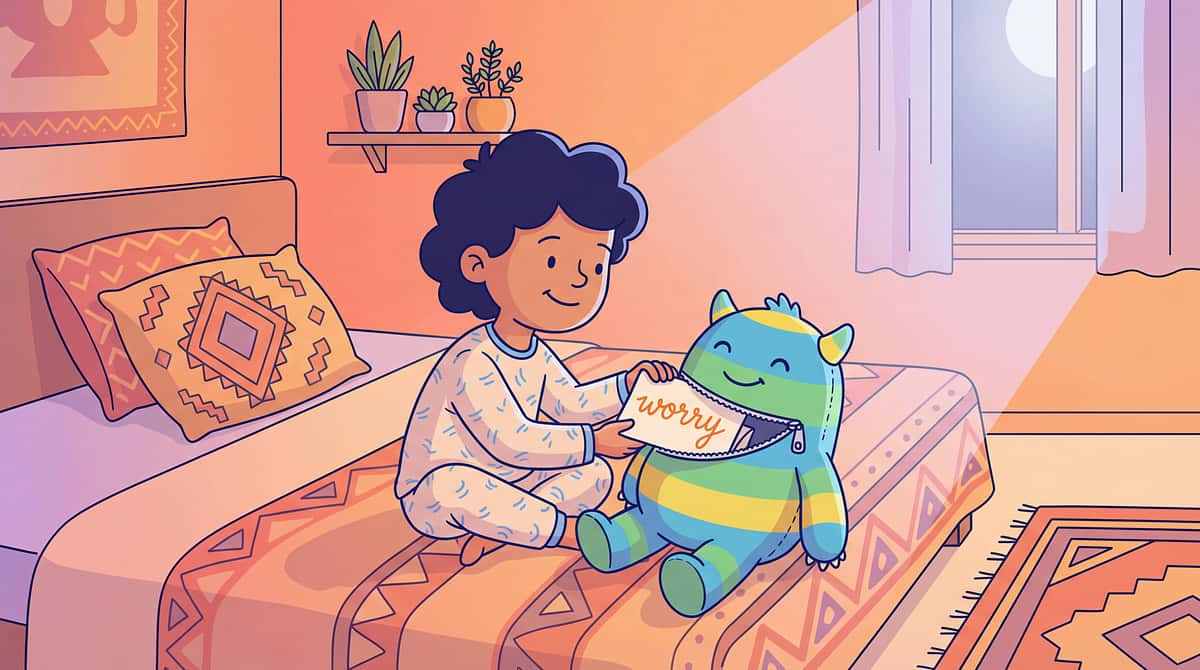
The classic approach - write worries on paper and physically feed them into the monster's zippered mouth. Highly engaging ritual.
2
Worry Box / Monster Box
Best for: Similar concept, lower cost, customizable
Ages: 3-9 years | Settings: Home, School, Clinic | Portability: Medium
Size: Small decorated box with slot | Price: ₹100-400
Budget-friendly alternative using a decorated box. Less cuddly but equally effective for externalization. Great for older kids.
3
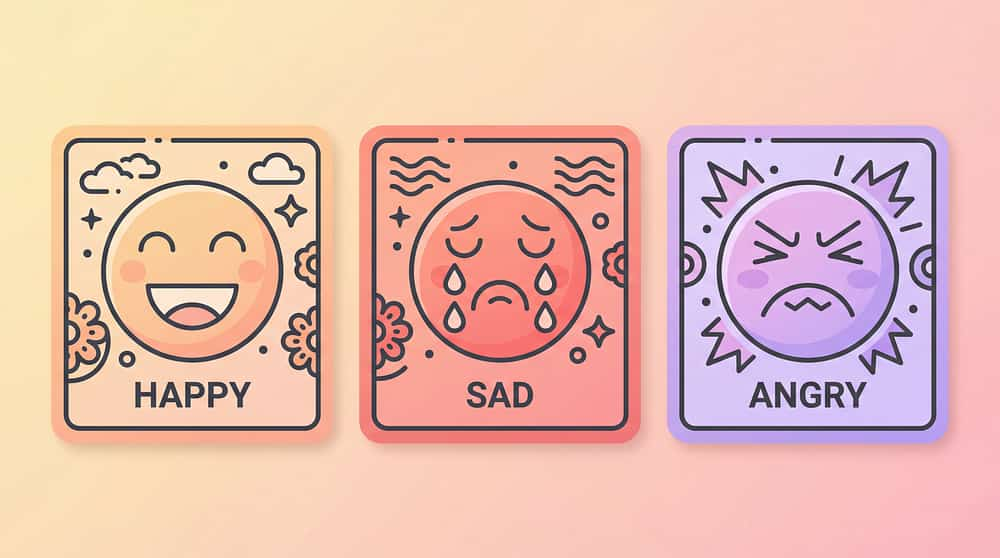
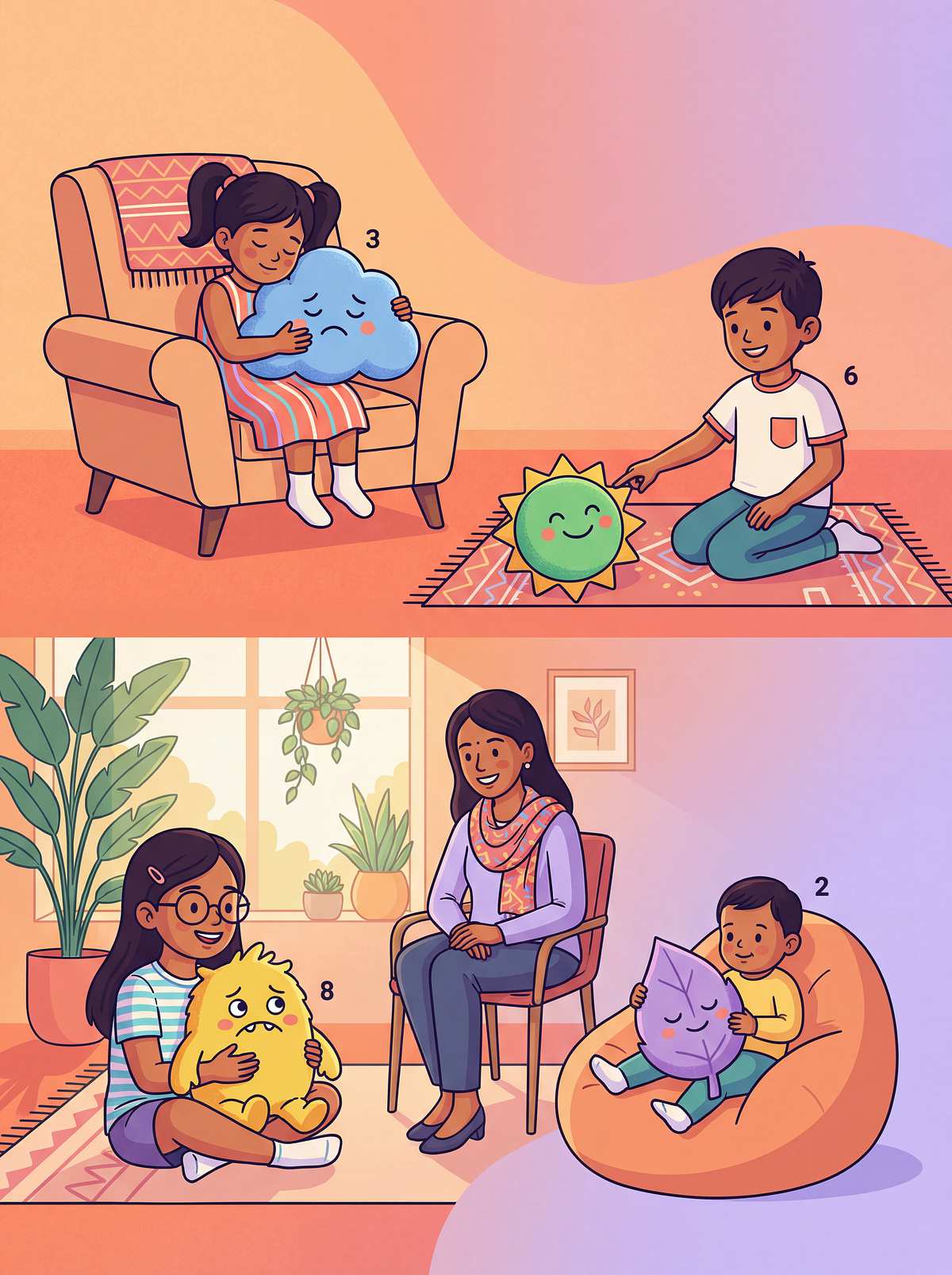
Feelings/Emotion Plush Set
Best for: Identifying emotions, comfort, expression
Ages: 2-8 years | Settings: Home, Clinic | Portability: High
Size: Multiple small plush (15-20 cm) | Price: ₹400-1,200
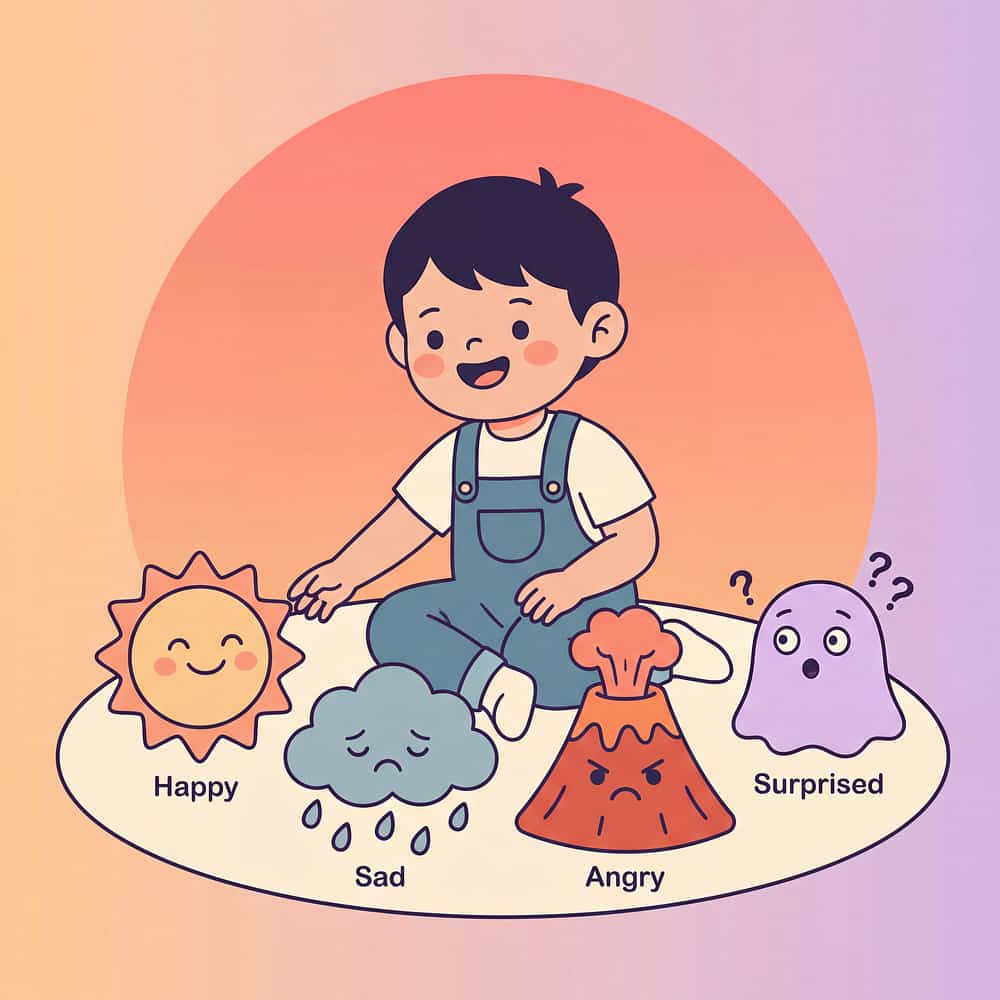
Different characters represent different emotions. Helps children identify and express what they're feeling through character selection.
4
Reversible Mood Plush (Flip)
Best for: Quick mood expression, non-verbal communication
Ages: 2-9 years | Settings: Home, School | Portability: High
Size: 20-30 cm reversible plush | Price: ₹300-800
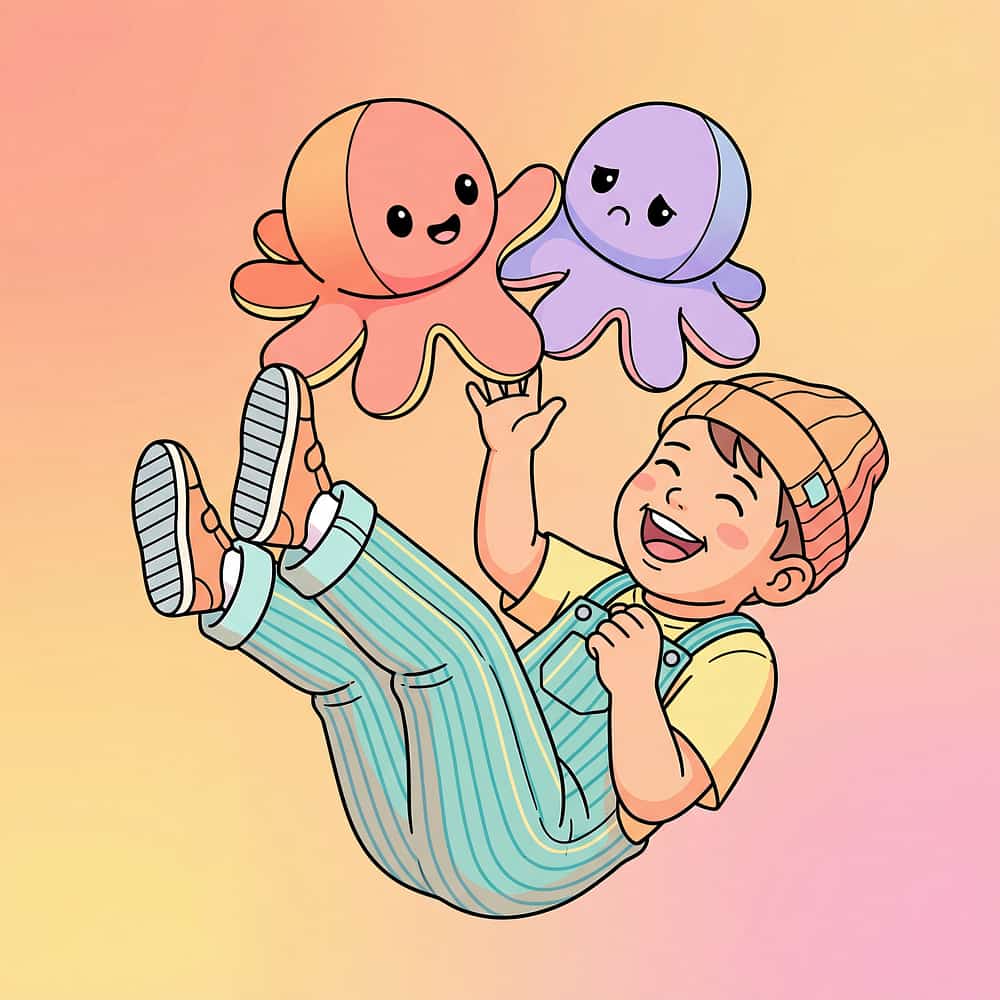
Flip the plush to show current emotion. Perfect for non-verbal children or quick emotional check-ins throughout the day.
5
Calm-Down Buddy with Weighted Center
Best for: Comfort + calming, bedtime, anxiety
Ages: 2-9 years | Settings: Home | Portability: Medium
Size: 25-35 cm weighted plush | Price: ₹600-1,500
Combines emotional comfort with sensory input through weighted center. Provides deep pressure along with emotional support.
6
Kimochi Feelings Characters Set
Best for: Comprehensive emotional learning, therapy use
Ages: 3-8 years | Settings: Clinic, Home | Portability: Medium
Size: Character plush + emotion balls | Price: ₹2,000-5,000
Premium structured emotion curriculum with toys. Most comprehensive option, ideal for therapeutic settings and systematic emotional learning.

How to Choose
By Goal
  • Anxiety externalization: Classic Worry Eater or Worry Box
  • Emotion identification: Feelings Plush Set or Kimochi
  • Quick expression: Reversible Mood Plush
  • Sensory + emotional: Weighted Calm-Down Buddy
By Setting
  • Home only: Classic Worry Eater, Weighted Buddy
  • Multiple settings: Worry Box, Reversible Plush
  • Therapy focus: Kimochi Set, Feelings Plush
By Portability
  • High (travel-friendly): Classic Eater, Feelings Plush, Reversible
  • Medium: Worry Box, Weighted Buddy, Kimochi
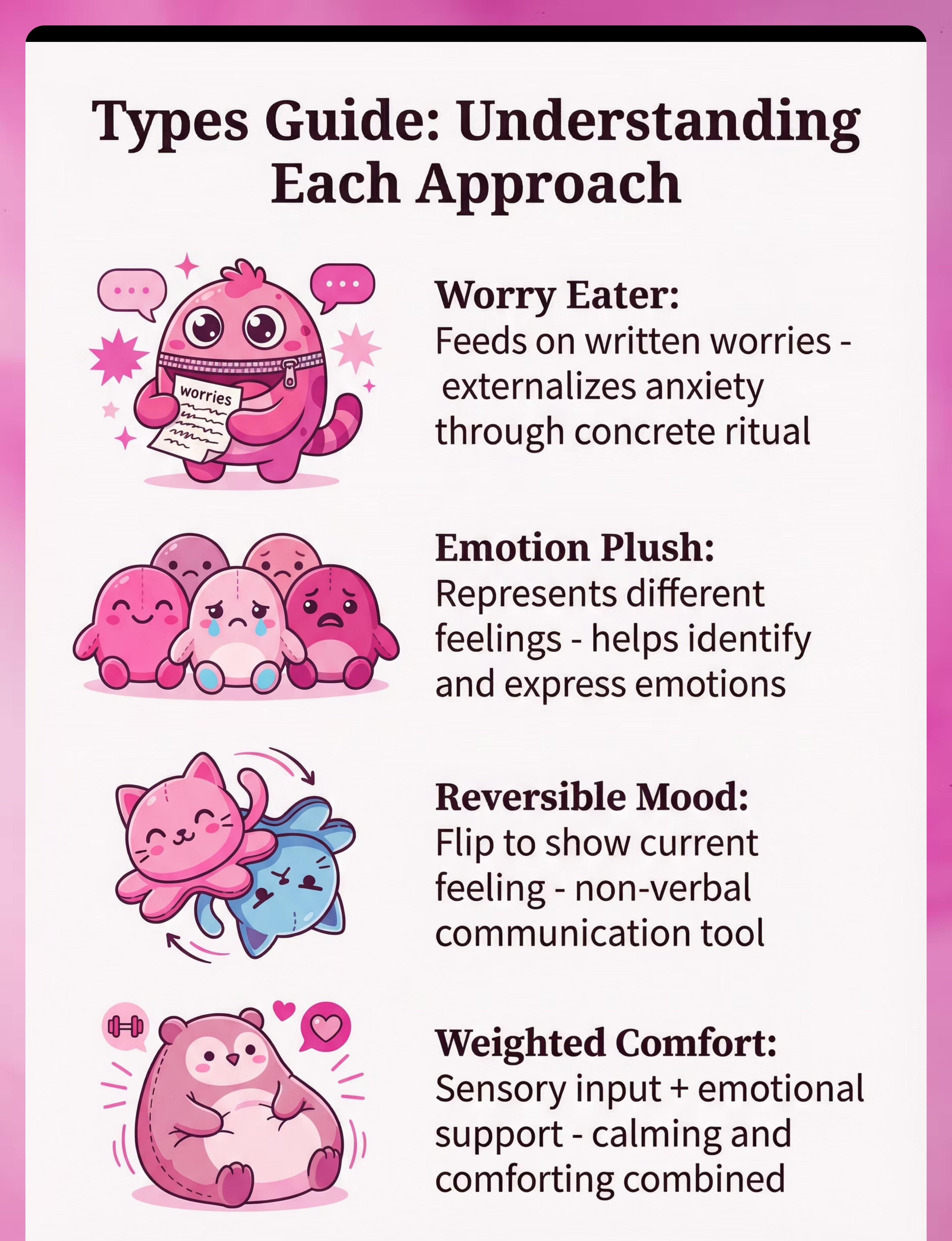
Specifications & Types Guide
Types & Functions
Worry Eater
Feeds on written worries - actively externalizes anxiety through concrete feeding ritual
Emotion Plush
Represents different feelings - supports emotion identification and vocabulary building
Reversible Mood
Flip to show current feeling - enables quick non-verbal emotional communication
Materials & Features
  • Soft plush fabric - comforting texture that invites cuddling and engagement
  • Zippered or slot mouth - functional opening for "feeding" worries or papers
  • Child-safe materials - non-toxic, age-appropriate, meeting safety standards
  • Washable construction - important for hygiene, especially with regular use
  • Engaging design - friendly appearance that appeals to children, not scary
  • Age-appropriate sizing - manageable for small hands, comforting to hold
Weighted Comfort
Sensory + emotional comfort combined - provides deep pressure input alongside emotional support
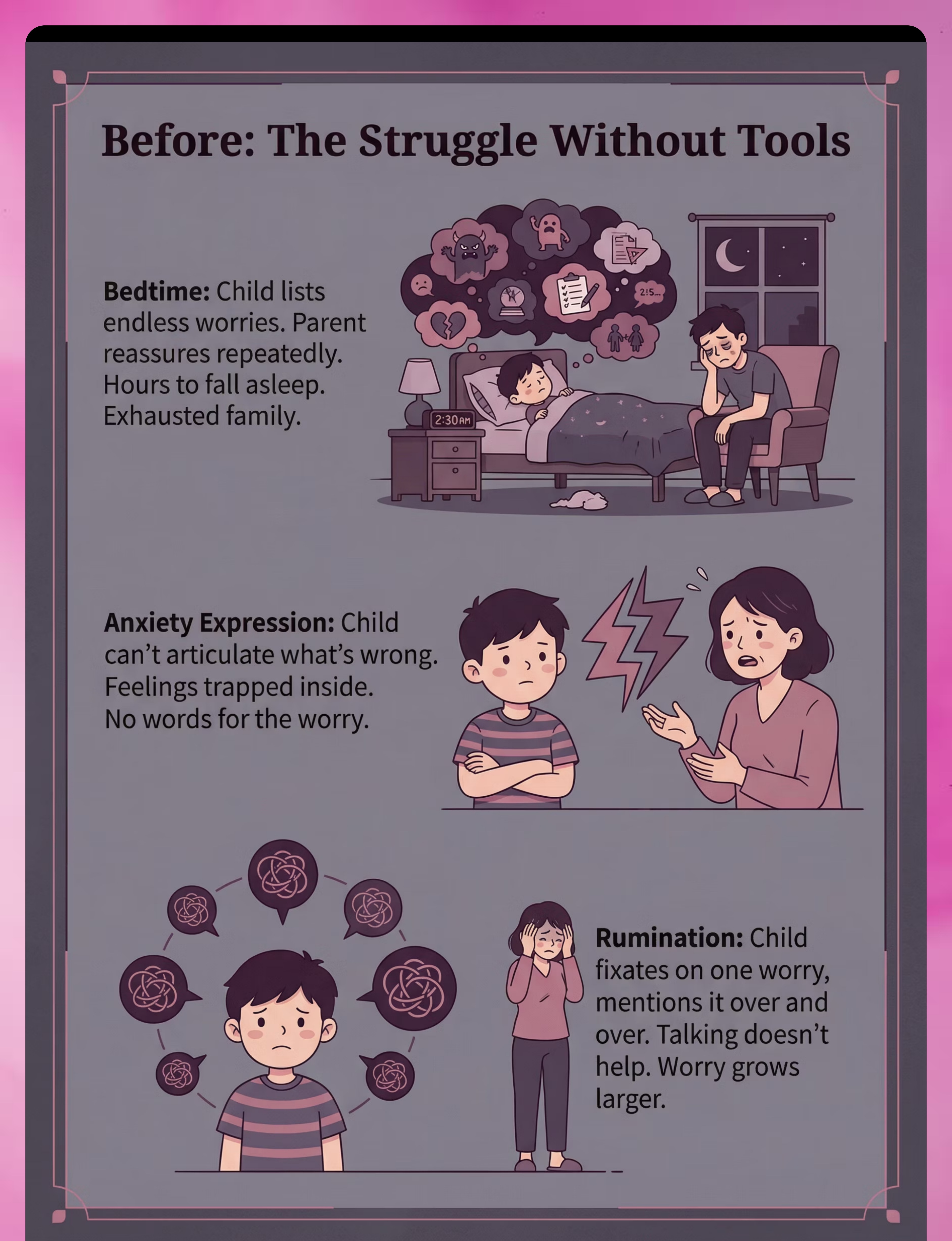
The Struggle (Before)
Bedtime Struggles
Situation: Child lies awake listing worries, hours to fall asleep. Parent reassures repeatedly.
Emotion: Exhaustion, helplessness
School Morning Meltdowns
Situation: Child expresses strong reluctance or resistance to school. Difficulty getting ready.
Emotion: Frustration, confusion
Social Anxiety
Situation: Child fixates on social worries, avoids interactions, or feels overwhelmed in groups.
Emotion: Frustration, concern
These scenarios represent the daily reality for many families. The cycle feels endless - worries compound, sleep suffers, and emotional regulation becomes increasingly difficult. Parents watch their child struggle without a clear path to relief. The weight of unprocessed anxiety affects the entire family's wellbeing, creating tension and exhaustion that carries into every aspect of life.
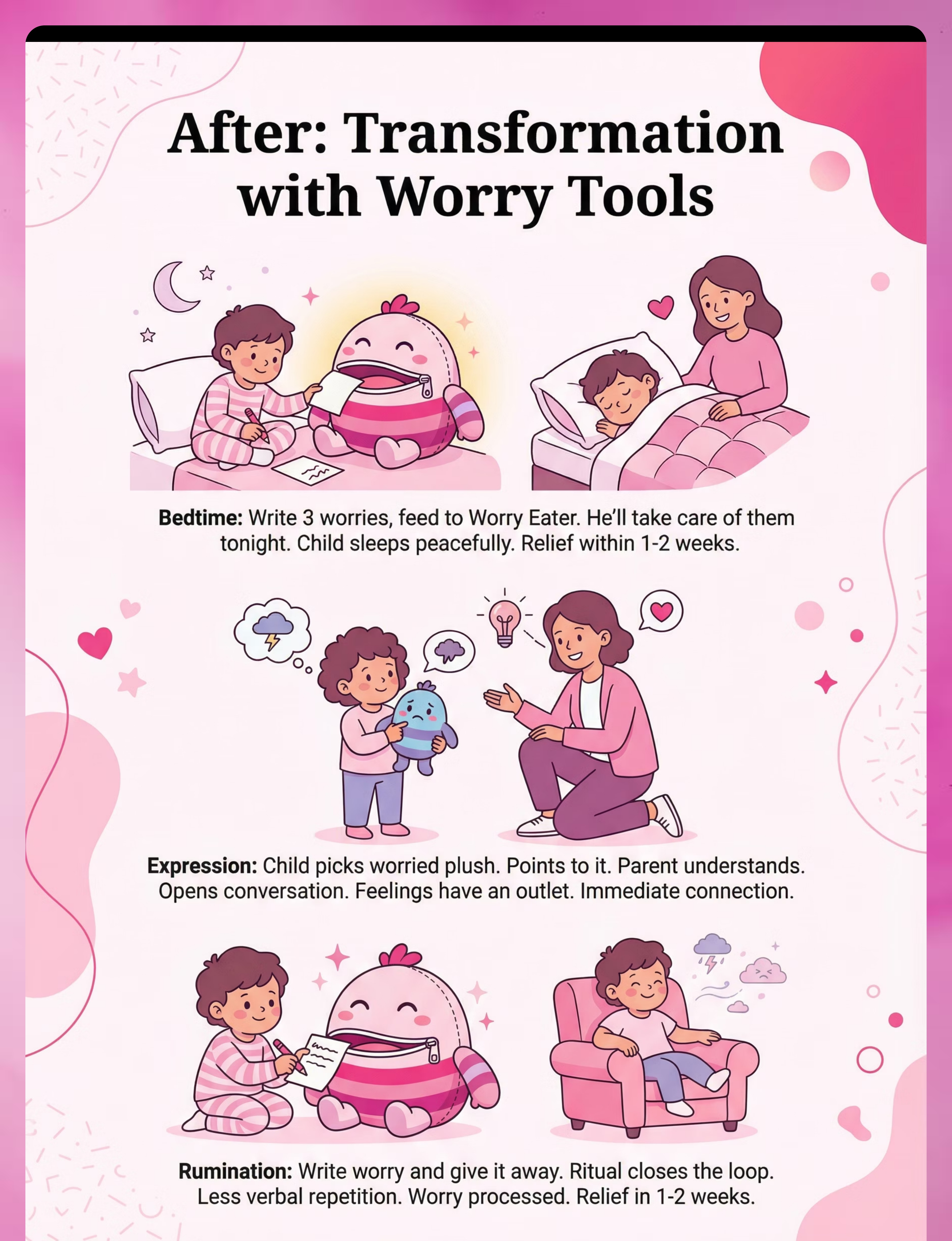
The Breakthrough (After)
Bedtime Peace
Situation: Child writes worries and feeds them to the Worry Eater. 'He'll take care of them tonight.' Child sleeps soundly, parent feels relief.
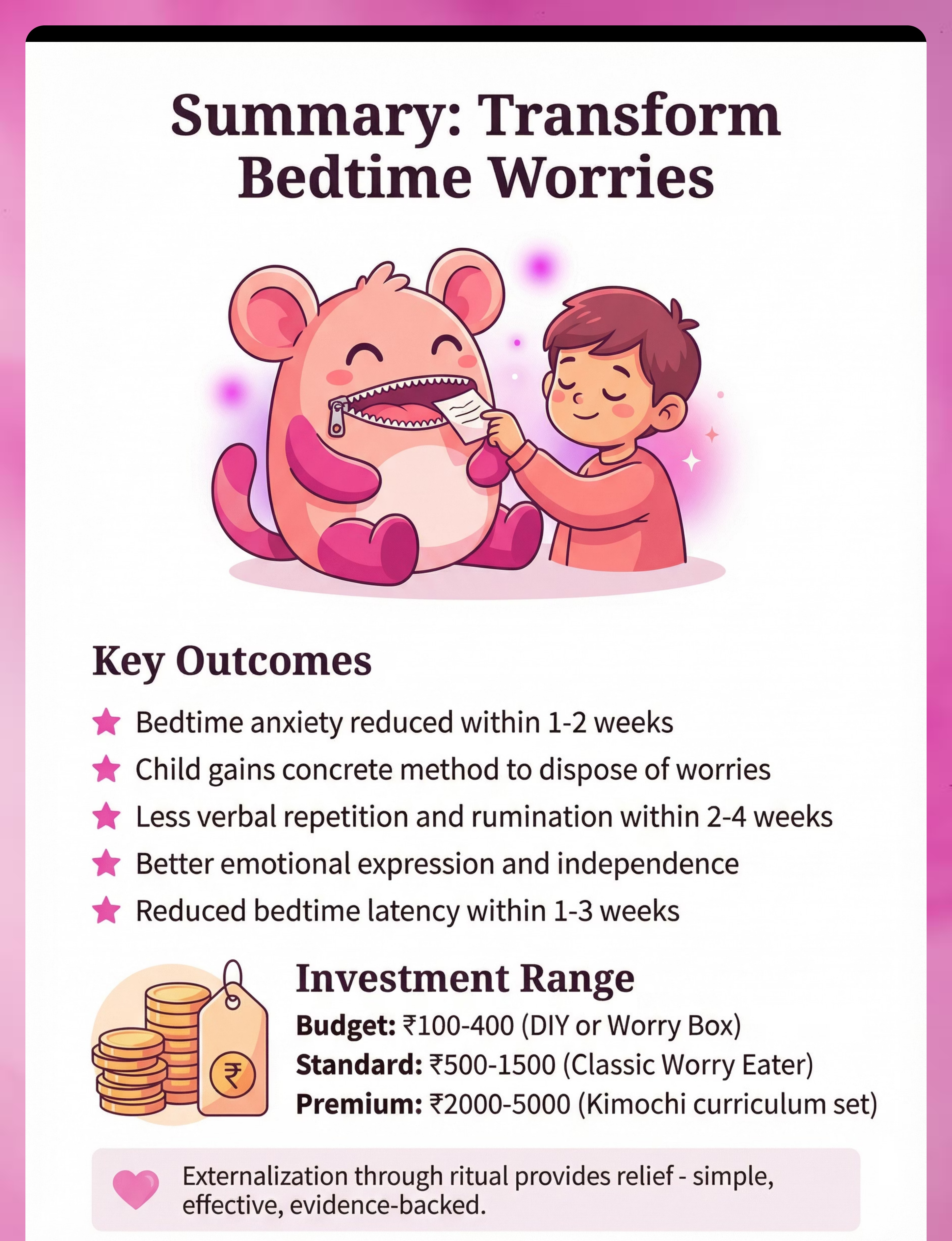
1-2 weeks
Smooth School Mornings
Situation: Child proactively uses a worry tool before school. Expresses any lingering feelings, then approaches the day with confidence and less resistance.
Immediate
Confident Social Interactions
Situation: Child learns to identify and process social worries using the tool. Approaches interactions more calmly, reducing avoidance and overwhelm in groups.
2-4 weeks
The transformation is tangible and measurable. Bedtimes become peaceful rituals rather than battles. Children gain agency over their anxiety through a concrete, manageable action. Parents witness their child developing healthy emotional coping strategies. The entire family benefits from better sleep, reduced tension, and improved emotional communication. What once felt overwhelming becomes something the child can actively manage with confidence.
What to Expect (Realistic Timelines)
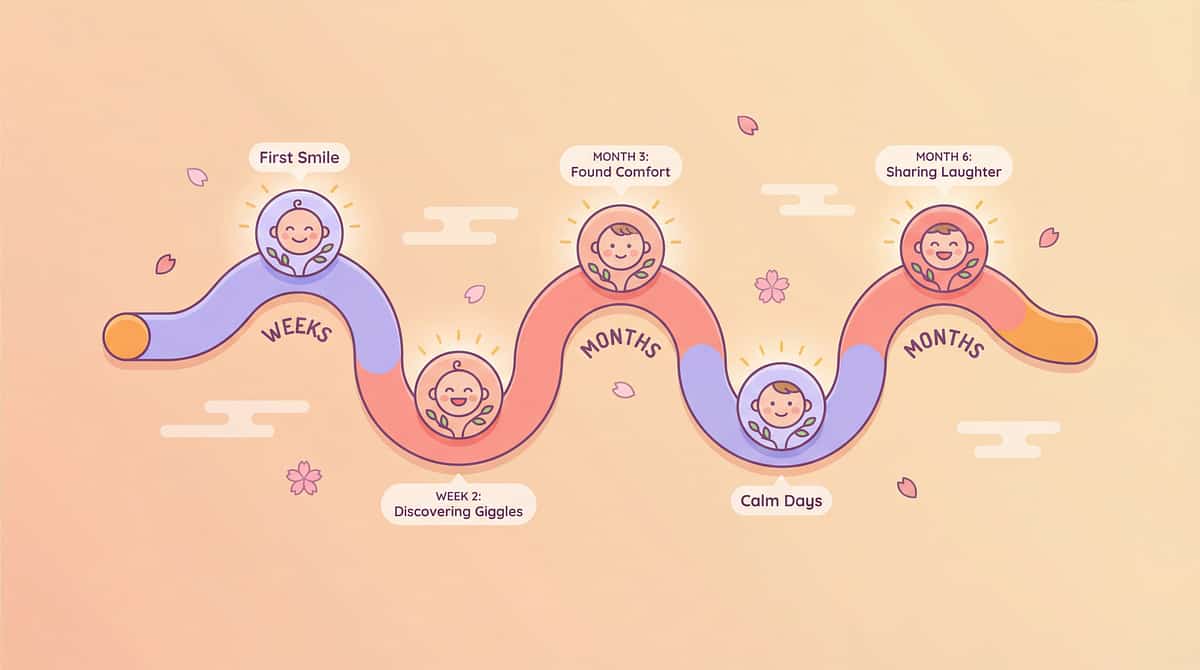
Transformation doesn't happen overnight, but most families see meaningful changes within the first few weeks. Here's what research and clinical experience tell us about realistic timelines for improvement.
Week 1: Initial Engagement
Child actively uses the worry tool, gaining a concrete method to 'dispose' of worries, and experiences initial reduction in bedtime anxiety.
Week 2-3: Developing Habits
Bedtime rituals become more established, leading to faster sleep onset. The child shows less verbal repetition of worries and begins using the tool independently, fostering better emotional expression.
Month 2+: Sustained Empowerment
Continued use of the tool leads to consistent confidence in managing worries, improved overall emotional regulation, and a sustained reduction in anxiety symptoms across various situations.

Important Note: Every child is unique. These timelines represent typical patterns, but your child's progress may be faster or slower. Consistency with the ritual is key to seeing results. If you don't see any improvement after 4 weeks of consistent use, consider consulting with a child psychologist or therapist.
Is This Right for My Child? (2-Minute Check)
Answer these four questions to determine if a Worry Eater or emotion plush would benefit your child. Three or more 'yes' answers indicate a strong fit.
"Does your child struggle with bedtime worries?"
If yes, this indicates a strong fit (95% confidence). A Worry Eater can provide a concrete ritual to externalize anxiety and improve sleep.
"Does your child repeat worries over and over?"
If yes, this is a highly likely indicator (90% confidence) that they need an externalization strategy to break the rumination cycle.
"Does your child have difficulty expressing emotions?"
If yes, an emotion plush is a good fit (85% confidence) to support expression by giving feelings a tangible form and vocabulary.
"Would your child connect with a comforting plush character?"
If yes, they are a strong candidate (88% confidence) and will likely engage with and benefit from this emotional support tool.

Interpretation: If you answered 'yes' to 3 or more questions, a Worry Eater or emotion plush is likely to be highly beneficial for your child. Even 1-2 'yes' answers suggest potential value, especially if those answers relate to your primary concerns.
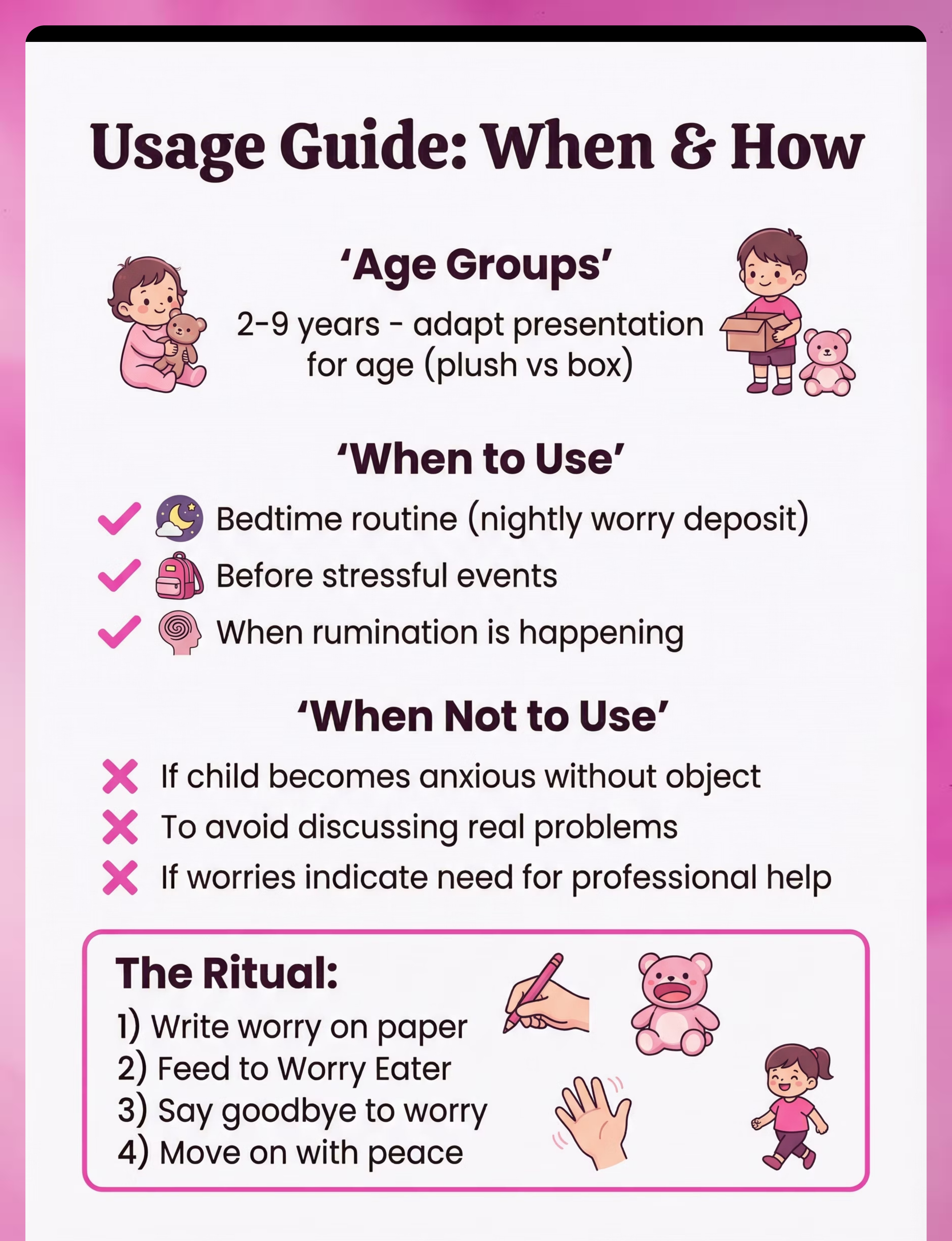
Usage Guide
When to Use
Bedtime routine (nightly worry deposit ritual)
When child expresses worries during the day
Before stressful events (morning of school)
When rumination is happening repeatedly
During transition times between activities
When NOT to Use
If child becomes anxious without the object
To avoid discussing real problems that need attention
If worries indicate need for professional help
To dismiss child's concerns rather than validate them

Supervision by Age
Age Range
Supervision Level
Notes
Under 3 years
Adult-led ritual
Parent fully guides the process, child participates with support
3-6 years
Adult guides, child participates
Parent provides structure and prompts, child increasingly active
6+ years
Child uses independently
Child can self-initiate and complete ritual with minimal adult involvement

Duration: Brief ritual lasting 3-5 minutes per use. Can be used multiple times per day as needed when worries arise.
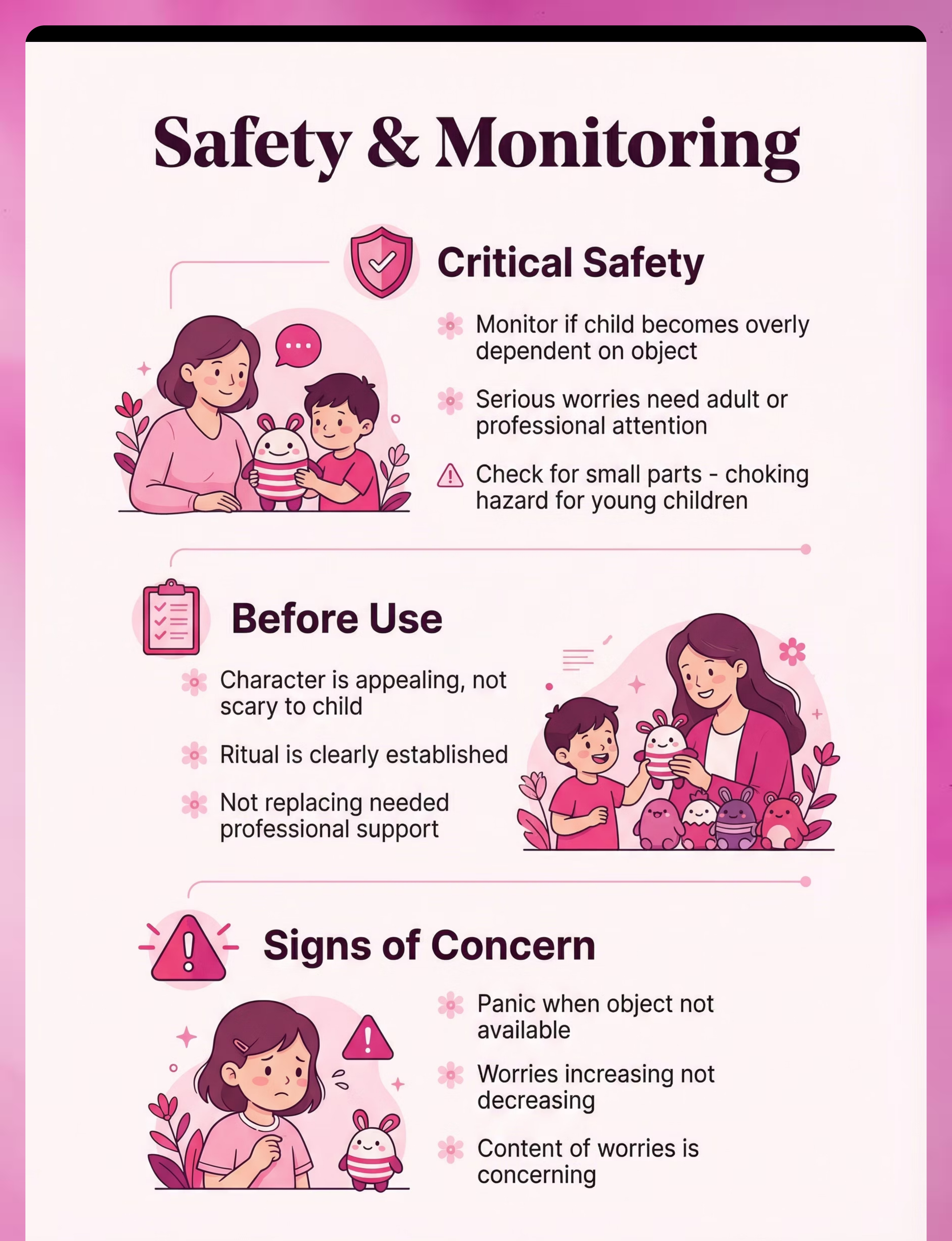
Safety First
Critical Safety
  • Monitor if child becomes overly dependent on the object
  • Serious worries need adult or professional attention immediately
  • Don't use to avoid addressing real problems that require intervention
  • Check for small parts that could pose choking hazard
Age Considerations
  • Ensure object is age-appropriate (e.g., no small parts for children under 3)
  • Supervision level should align with child's developmental stage
  • Adjust complexity of ritual based on child's cognitive abilities
  • Choose designs that are friendly and not scary for younger children
Limitations
  • Not a replacement for addressing real issues or professional therapy
  • Monitor content of worries for concerning themes (trauma, safety, abuse)
  • Avoidance of real issues that need to be addressed is contraindicated
  • Do not use if worries indicate trauma, abuse, or crisis situations

Safety Checklist
Before Use
  • Character is appealing, not scary to child
  • Ritual is established clearly with child
  • Materials are age-appropriate and safe
  • Not replacing needed professional support
During Use
  • Child engaged in ritual positively
  • Worries being 'released' not avoided
  • Healthy relationship with object
  • Reduction in worry behavior observed
Signs to Stop
  • Panic when object not available
  • Worries increasing not decreasing
  • Content of worries is concerning
  • Object becoming compulsion not comfort
Common Questions (Honest Answers)
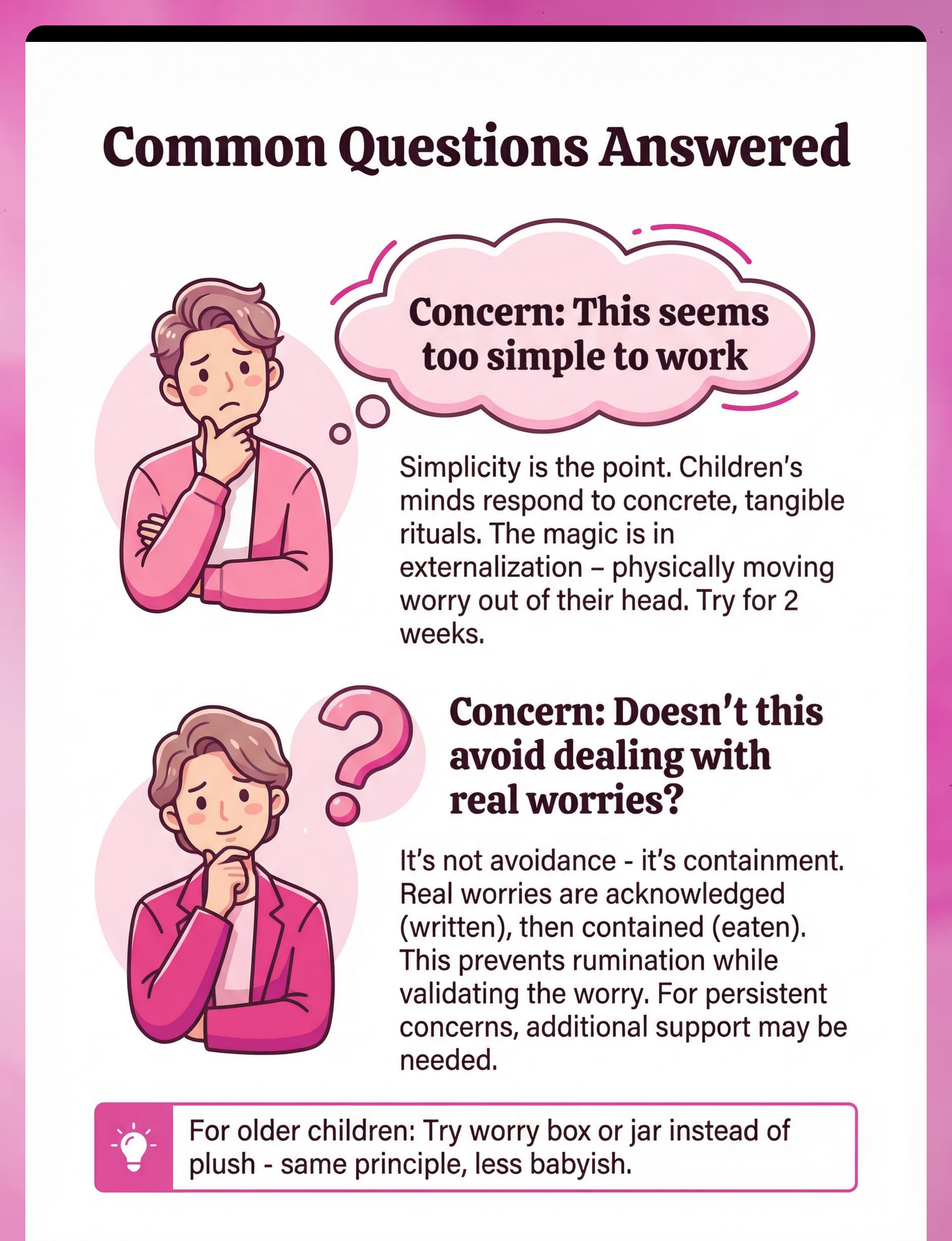
Q: This seems too simple to work
Answer: Simplicity is its strength! Children's minds thrive on concrete, tangible rituals. The 'magic' is in the externalization – physically moving the worry out of their head. It works precisely because it's simple and tangible, not despite it.
Try this: Commit to using it consistently for 2 weeks before judging effectiveness. Most families observe positive changes within this timeframe, leading to calmer kids and happier homes.
Q: Doesn't this avoid dealing with real worries?
Answer: This isn't avoidance – it's healthy containment. Real worries are acknowledged (written down), then symbolically contained (eaten). This process prevents rumination while still validating the child's feelings. For persistent concerns, additional support remains crucial.
Try this: Periodically review 'eaten' worries with your child to identify any recurring patterns that might require further discussion or professional guidance. It's a stepping stone, not the only solution.
Q: My child is too old for a stuffed animal
Answer: No problem! The principle applies beyond plush toys. Consider a 'worry box' – decorate it together, add a slot for worries. It's the same effective externalization ritual, just in a more mature format. Many older children and teens successfully use worry jars as a coping strategy.
Try this: Empower older children by involving them in creating their own worry box or jar. This hands-on approach can increase their buy-in and effectiveness.
Q: What if worries are serious?
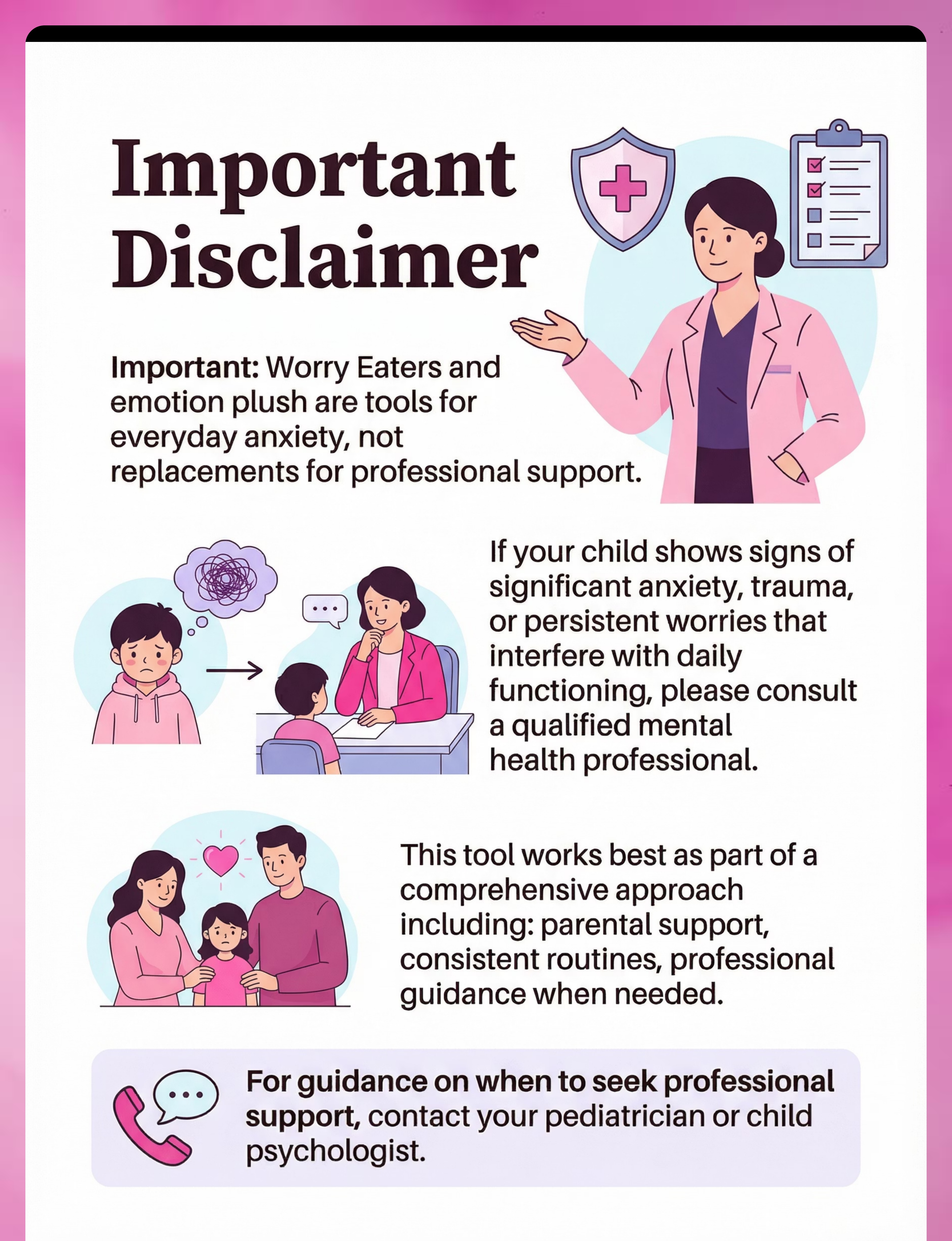
Answer: For serious worries – those involving safety, trauma, or persistent anxiety – professional support is always essential. Worry tools like these are designed for everyday anxieties and are not a replacement for therapy. If worries suggest deeper issues, please consult a professional immediately for tailored guidance.
Try this: Integrate this tool as one supportive element within a broader strategy, ideally alongside professional help, for comprehensive anxiety management. Your child's well-being is the top priority.
Investment Guide: Choosing Your Worry Tool
Worry tools like Worry Eaters and emotion plush items come in a range of prices, making them accessible for various family budgets. Understanding the options can help you select the best fit for your needs and financial comfort.
The overall price range for these tools typically spans from ₹100 to ₹6,000 (approximately $1-75 USD). Mid-range options (₹500-1,500) often provide excellent value and functionality for most families, offering a balance between cost and features.

Budget
100-200
1-3
Mid-Range
500-1500
6-18
Premium
3000-6000
36-75
Budget Option: DIY Worry Box
Create your own personalized worry box using simple craft materials. It's an equally effective and fully customizable way to introduce the concept of externalizing worries. Perfect for families who enjoy crafting or have older children who prefer a less toy-like option.
Mid-Range Option: Classic Worry Eater
These popular plush characters offer a tangible way for children to 'feed' their worries. They are durable, engaging, and available at a price point that provides excellent value for most families.
Premium Option: Emotional Learning Sets
Brands like Kimochis offer comprehensive feelings character sets, often accompanied by curricula for structured emotional education. These are ideal for therapy settings, or families seeking professional-grade materials for in-depth emotional development.

Best Starting Point: For most families, the classic Worry Eater (₹500-1,500) or a simple DIY Worry Box (₹100-200) provides an excellent introduction to externalization techniques. You can always upgrade or add emotion plush sets later if needed.
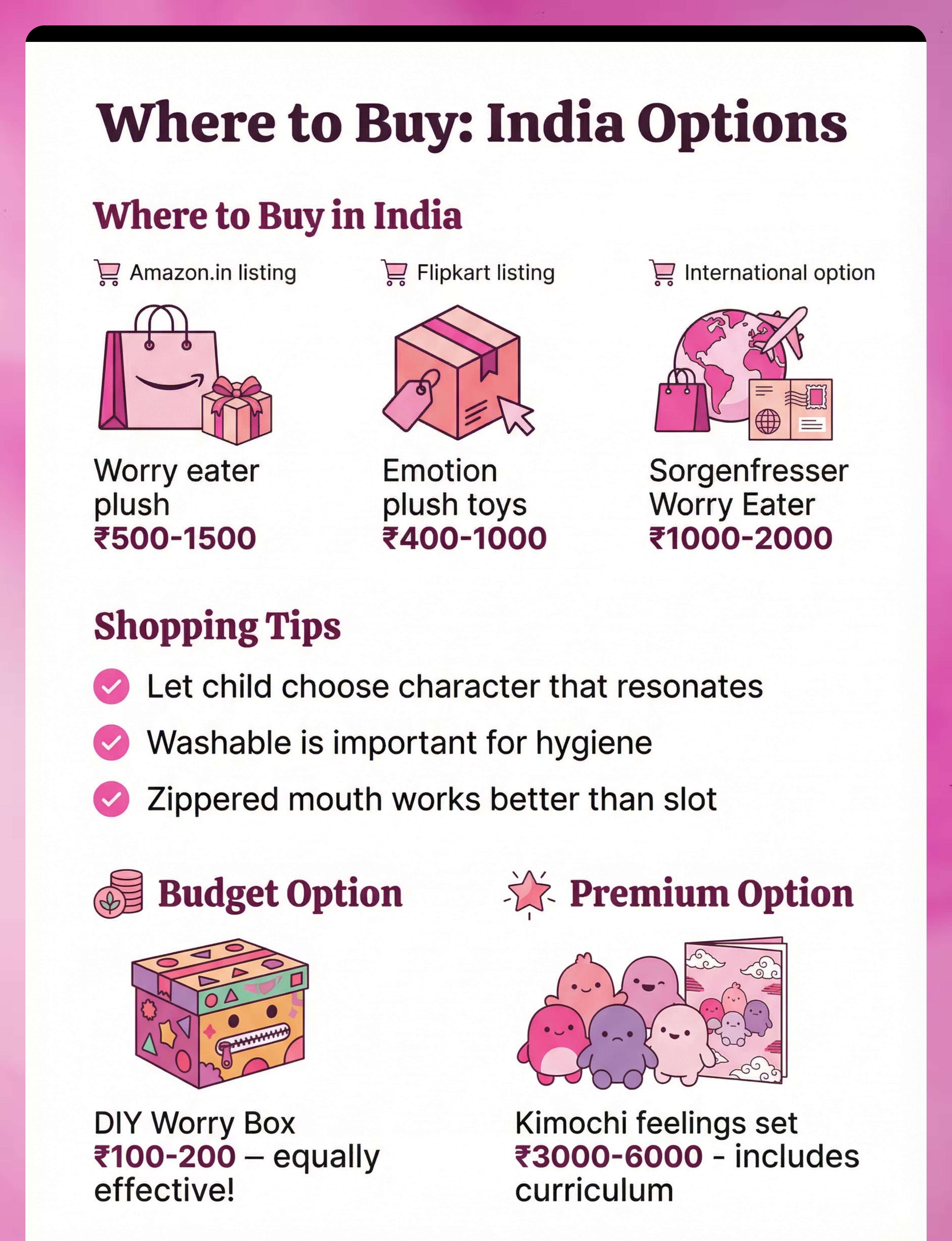
Where to Buy in India
Availability: Available through multiple online and international platforms
Amazon India
Search Terms: "worry eater plush", "reversible mood plush"
Price Range: ₹300-1,500
FirstCry
Search Terms: "baby emotion plush India", "soft toy anxiety"
Price Range: ₹300-1,000
Etsy India
Search Terms: "handmade worry dolls India", "anxiety plush toy"
Price Range: ₹400-1,200
International Shipping
Search Term: "Sorgenfresser Worry Eater"
Price Range: ₹1,000-2,000

Buying Tips
  • Worry box is equally effective DIY option
  • Let child choose character that resonates with them
  • Washable is important for hygiene and longevity
  • Reversible mood plush great for non-verbal kids
  • Zippered mouth works better than slot for 'eating'
Red Flags
  • Not washable - hygiene concerns
  • Small parts that pose choking hazard
  • Character seems scary - defeats purpose
  • Poor quality that will fall apart quickly
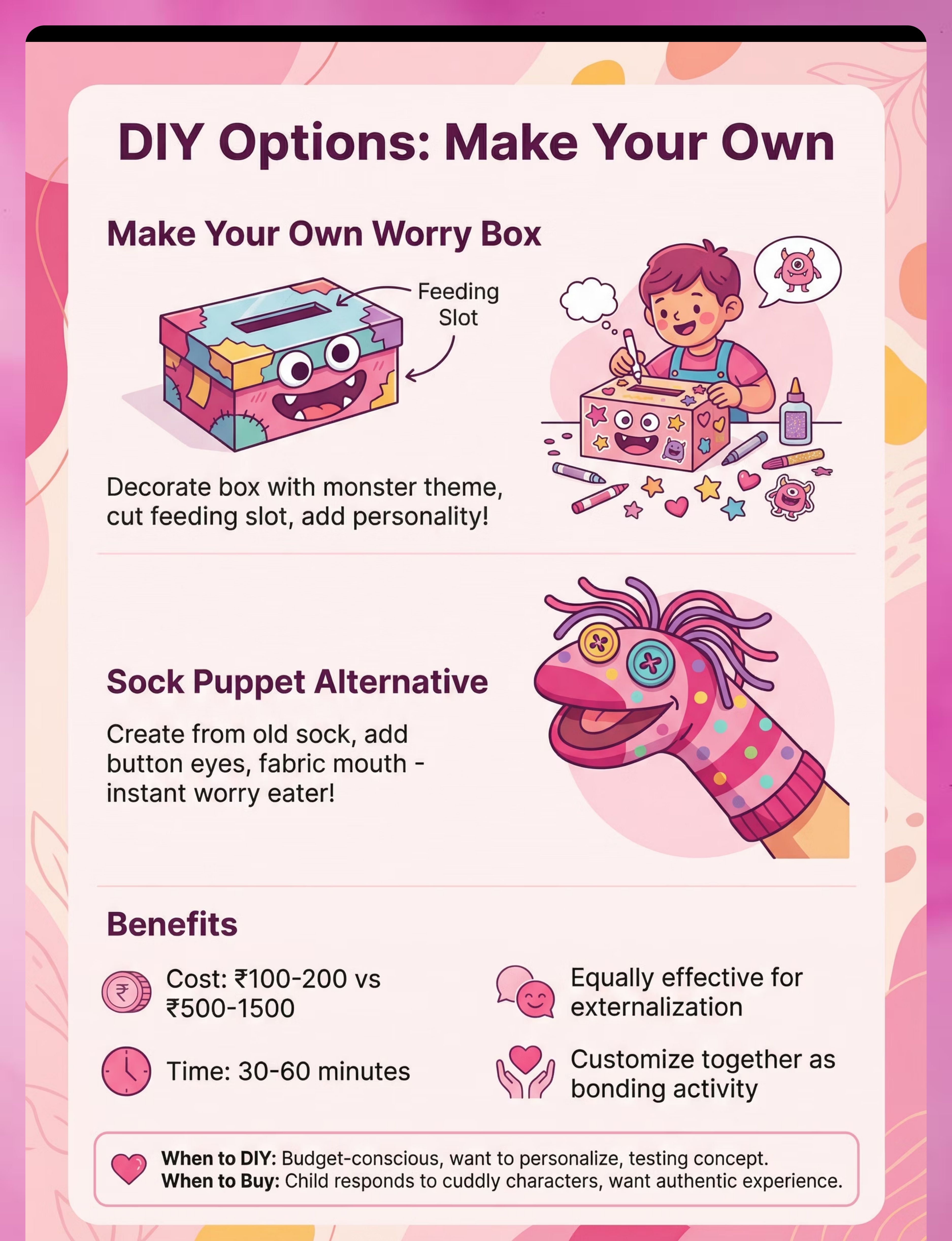
DIY Alternative (Save 80-95%)
Feasibility: High | Cost Savings: 80-95% | Time Required: 30-60 minutes
Materials Needed
  • Box or container (shoe box, tissue box)
  • Decorating supplies (markers, paint, stickers)
  • Slot cut in lid for 'feeding'
  • Optional: sock puppet alternative
  • Paper for writing worries
Step 1: Decorate Box
Decorate shoe box or tissue box with 'monster' theme together with child.
Step 2: Create Slot
Cut slot in top for 'feeding' worries - make it visible and accessible.
Step 3: Personalize
Add name and personality to the 'worry eater' - let child personalize.
Step 4: Alternative Options
Consider a simple monster from an old sock (sock puppet) or a decorated worry jar.
Step 5: Establish Ritual
Create a routine: write worry, deposit, say goodbye to the worry.

DIY vs Commercial Comparison
Consideration
When to DIY
When to Buy Commercial
Budget
Budget-conscious families
Budget allows for investment
Personalization
Want to customize with child's input
Prefer professional design
Age
Older child who won't connect with plush
Younger child responds to cuddly characters
Testing
Testing concept before investing
Confident in approach, want authentic experience
Special Needs
Simple container works fine
Kimochis curriculum desired for structured learning

Tradeoffs: DIY options are less cuddly than plush and may be less engaging for some children, but they work on the same psychological principle and can be equally effective for externalizing worries.

Preview of worry eater emotion plush Therapy Material

Below is a visual preview of worry eater emotion plush therapy material. The pages shown help educators, therapists, and caregivers understand the structure and content of the resource before use. Materials should be used under appropriate professional guidance.

Page 1
Page 2
Page 3
Page 4
Page 5
Page 6
Page 7
Page 8
Page 9
Page 10
Page 11
Page 12
Page 13
Page 14
Page 15
Page 16
Page 17
Page 18
Page 19
Page 20
Link copied!
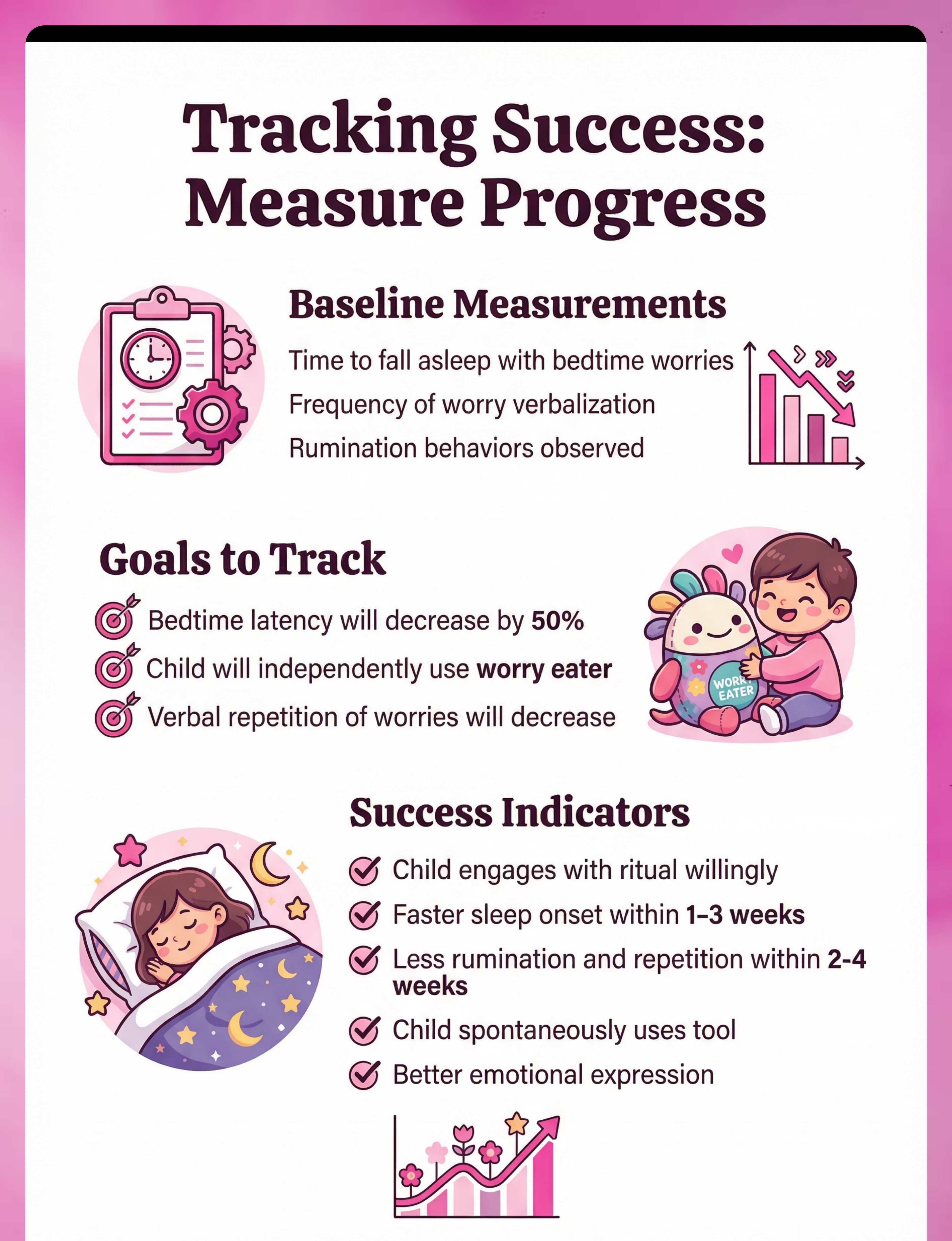
Measuring Success
Baseline (What to Measure First)
  • Time to fall asleep with bedtime worries
  • Frequency of worry verbalization throughout day
  • Child's ability to express emotions
  • Rumination behaviors and repetitive worry patterns
What to Expect (Realistic Timelines)
Child engages with ritual willingly and positively
Faster sleep onset - reduced time to fall asleep
Less rumination and repetition of same worries
Child spontaneously uses tool without prompting
Better emotional expression and vocabulary overall

Goals
  • Bedtime latency will decrease by 50% with worry ritual
  • Child will independently use worry eater when anxious
  • Verbal repetition of worries will decrease measurably
  • Child will identify and express emotions using plush

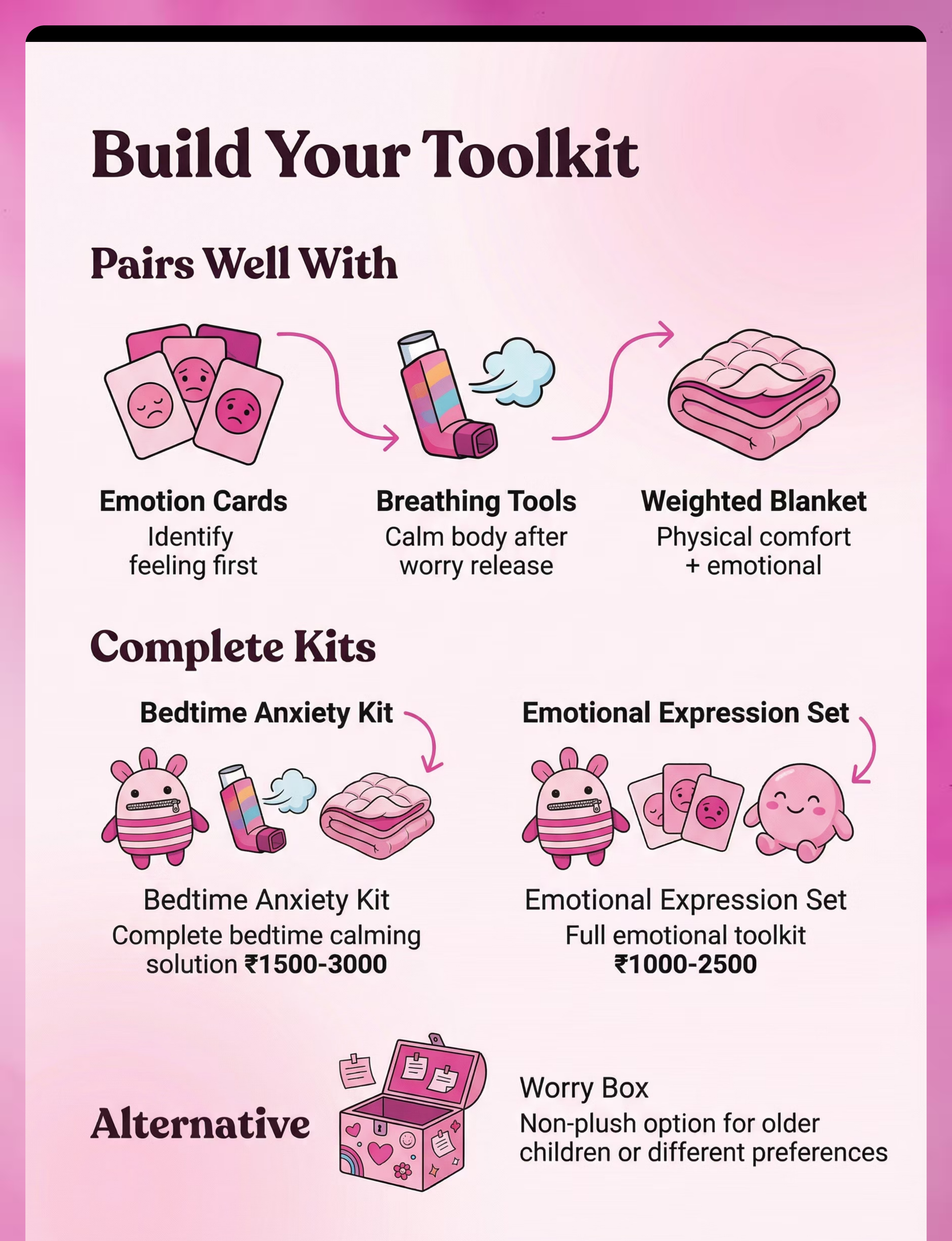
Complete the Kit
Pair It With...
Emotion Cards (ID: 2.1)
Identify the feeling before expressing it to the Worry Eater
Breathing Tools (ID: 2.4)
Calm body after worry release for complete regulation
Weighted Blanket (ID: 1.1)
Physical comfort combined with emotional support

Recommended Bundles
Bedtime Anxiety Kit
Includes: Worry Eater (2.6) + Breathing Tools (2.4) + Weighted Blanket (1.1)
Use Case: Complete bedtime calming system addressing anxiety, breathing regulation, and sensory comfort for comprehensive sleep support
Emotional Expression Set
Includes: Worry Eater (2.6) + Emotion Cards (2.1) + Social Stories (2.5)
Use Case: Full emotional toolkit supporting identification, expression, and processing of feelings across multiple modalities

Quick Summary
AI Summary: Worry Eaters and emotion plush externalize anxiety through concrete ritual, helping children 'release' worries. Rank 2, moderate evidence, especially effective for bedtime anxiety.
worry
anxiety
plush
externalization
bedtime
comfort
emotion
Psychologist
SpEd
Common searches: worry eater plush, Sorgenfresser India, anxiety plush kids, emotion stuffed animals, reversible mood plush, bedtime worry toy, feelings toys autism

Get Support
FREE National Autism Helpline
Phone: 9100 181 181
Languages: 16+ languages available
Website: pinnacleblooms.org
Get personalized guidance on choosing and using emotional regulation tools for your child's unique needs.

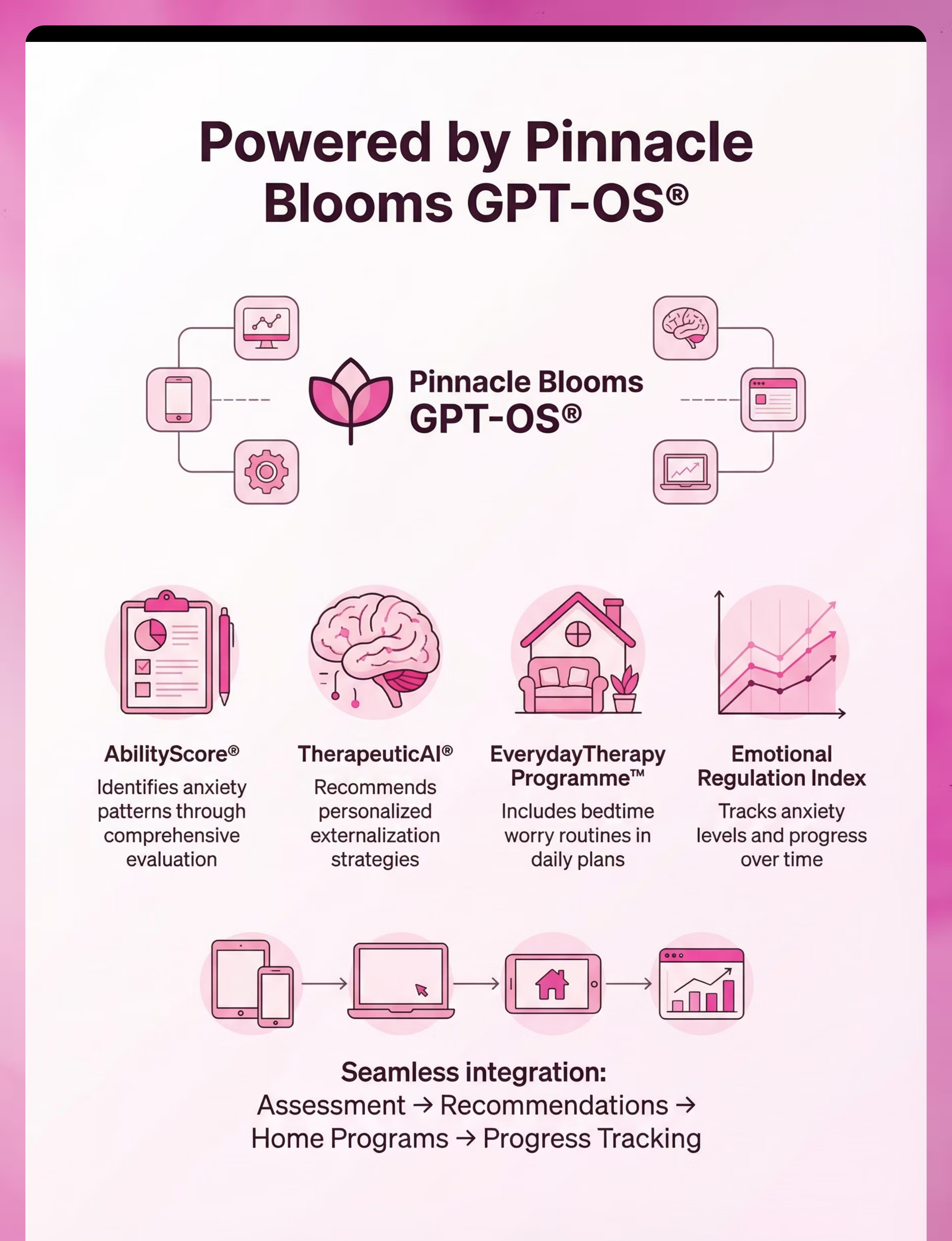
Platform Integration
AbilityScore® identifies anxiety patterns and emotional regulation needs through comprehensive assessment
TherapeuticAI® recommends externalization strategies personalized to your child's profile
EverydayTherapyProgramme™ includes bedtime worry routines and emotional expression activities
Emotional Regulation Index tracks anxiety levels and measures progress over time

Disclaimer: This is educational information. Always consult qualified occupational therapists, speech-language pathologists, or pediatricians for individual assessment and recommendations. Individual results vary. Worry Eaters are not a replacement for professional mental health treatment when needed.