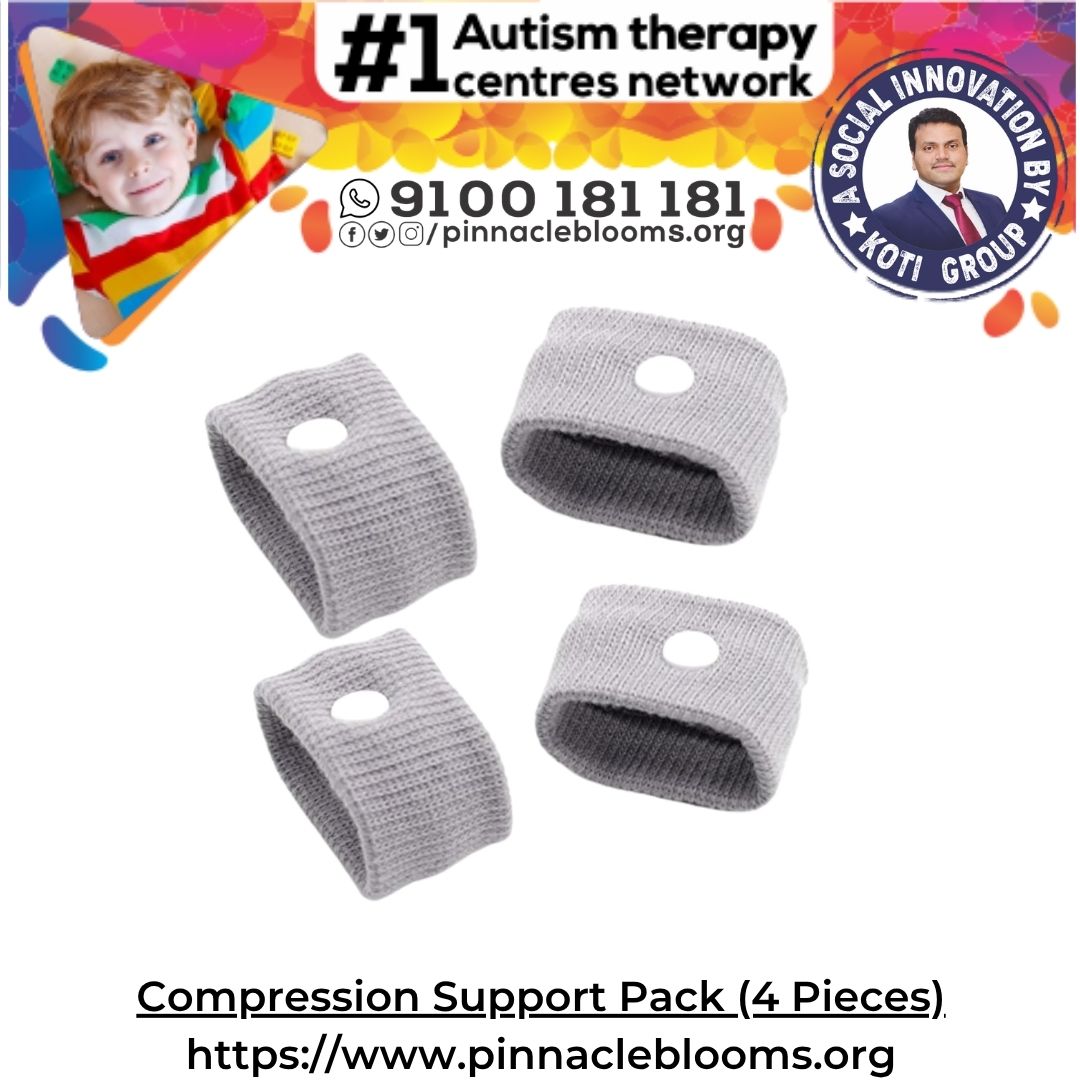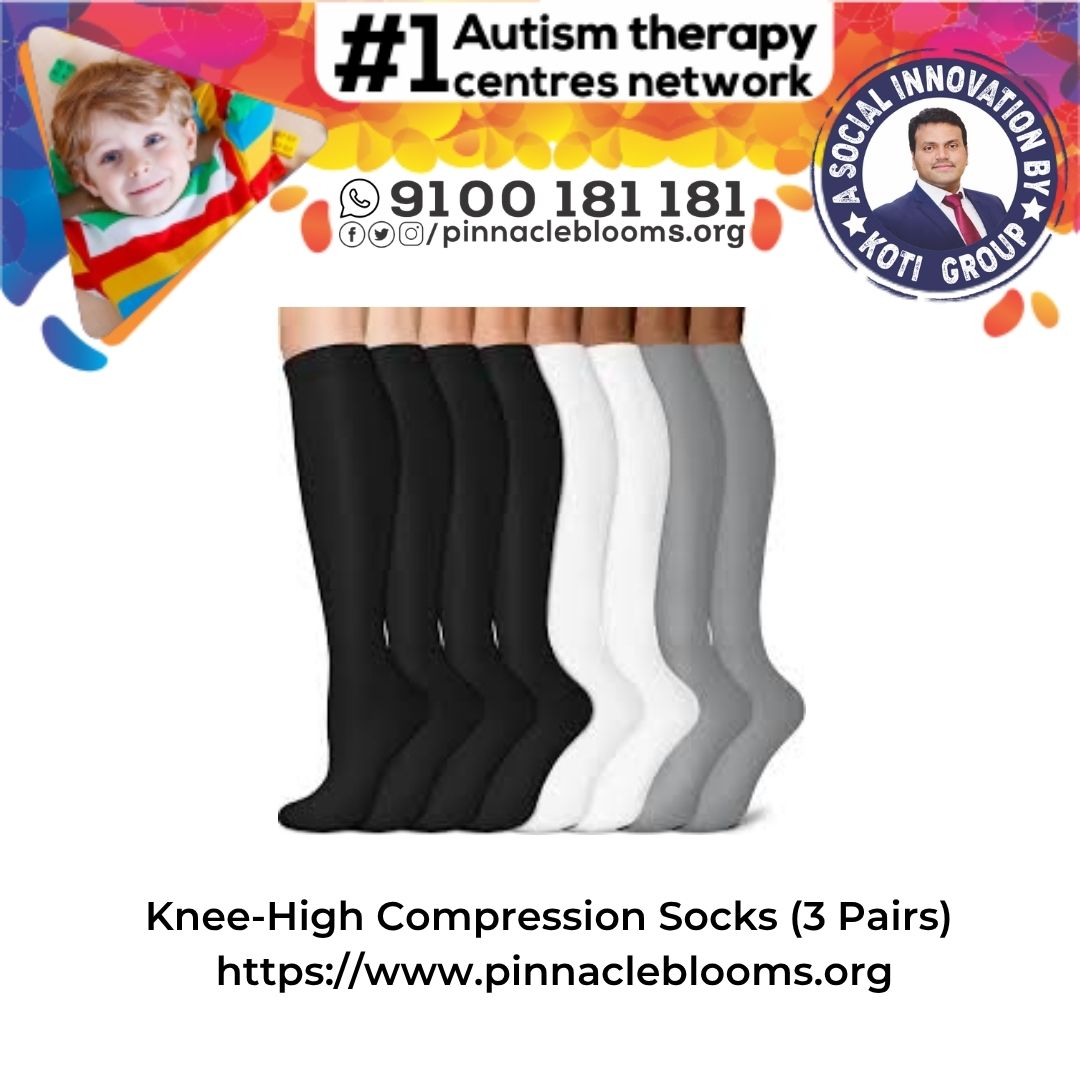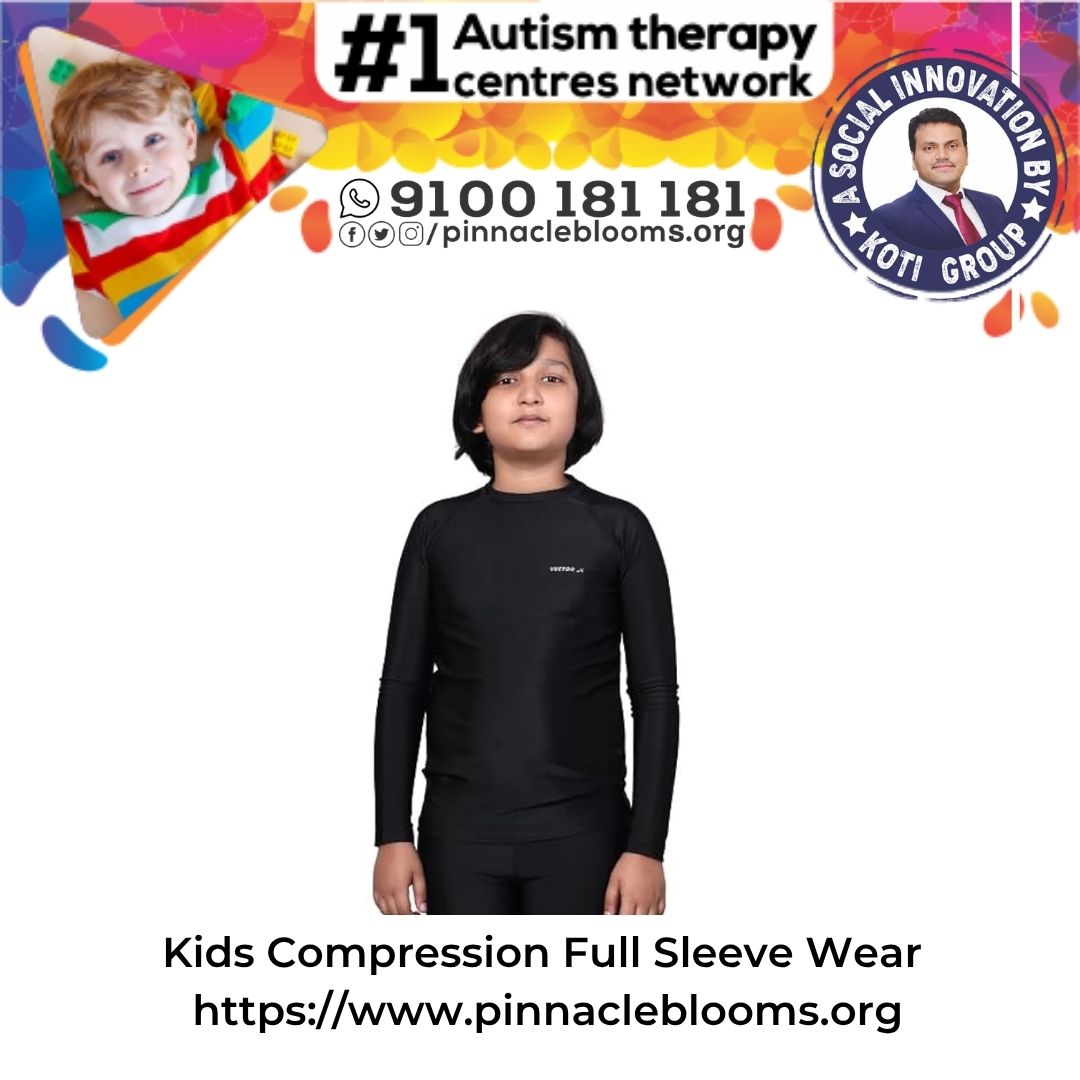







Compression-vest-body-sock-proprioceptive
Compression/proprioceptive garment
Evidence-based proprioceptive tools for school, home, and everyday regulation
Tool ID: 1.2
OT Recommended
Strong Evidence
Rank #1
Daily Use
₹500–3,500
Wearable deep pressure support that travels with your child—perfect for school, home, and everywhere they need consistent proprioceptive input to feel organized and focused.

Who This Helps
Compression garments provide continuous deep pressure input via wearable compression, helping children who need constant proprioceptive feedback to feel calm, organized, and focused throughout their day.
Proprioception
Body Awareness
Self-Regulation
Attention
Motor Planning
Ages 2-9 years
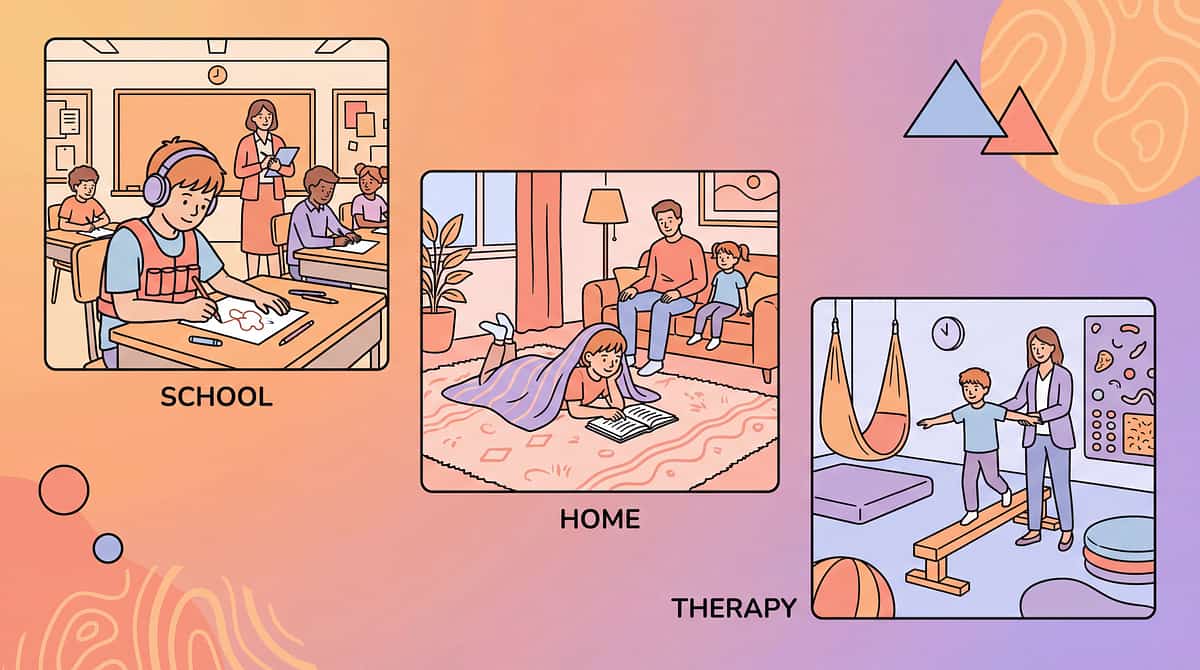
Home
School
Clinic
Travel
Children who constantly seek tight hugs and squeezes
Provides the deep pressure input their nervous system craves, reducing the need for constant physical contact from caregivers.
Kids who crash into walls, furniture, or people
Delivers consistent proprioceptive feedback that helps them understand where their body is in space without seeking impact.
Students who struggle to maintain personal space
Organizes their sensory system so they can better regulate their need for physical input around peers and in group settings.

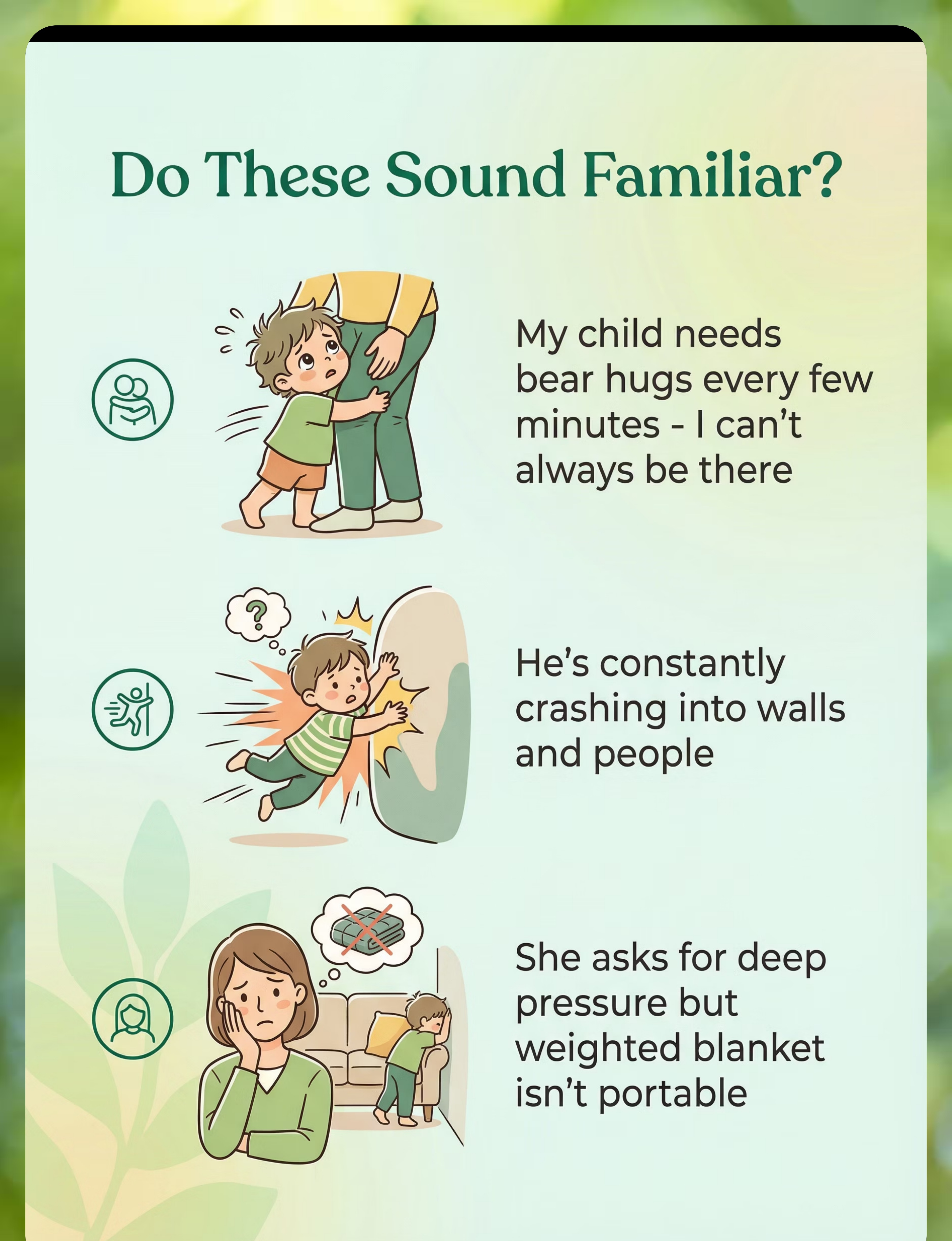
Does This Sound Familiar?
"My child needs deep pressure but weighted blanket isn't portable. What can we use at school or on outings?"
"He's constantly crashing into walls and people. Teachers think he's being aggressive, but I know he's just seeking input."
"She asks for bear hugs every few minutes throughout the day. I can't always be there to provide that pressure she needs."
"The OT recommended something for school but I don't know what would work. How do I give him proprioceptive input all day?"
You're not alone. These are common challenges for children with proprioceptive seeking patterns. The constant need for deep pressure isn't behavioral—it's neurological. Their sensory system genuinely needs this input to feel organized and calm.

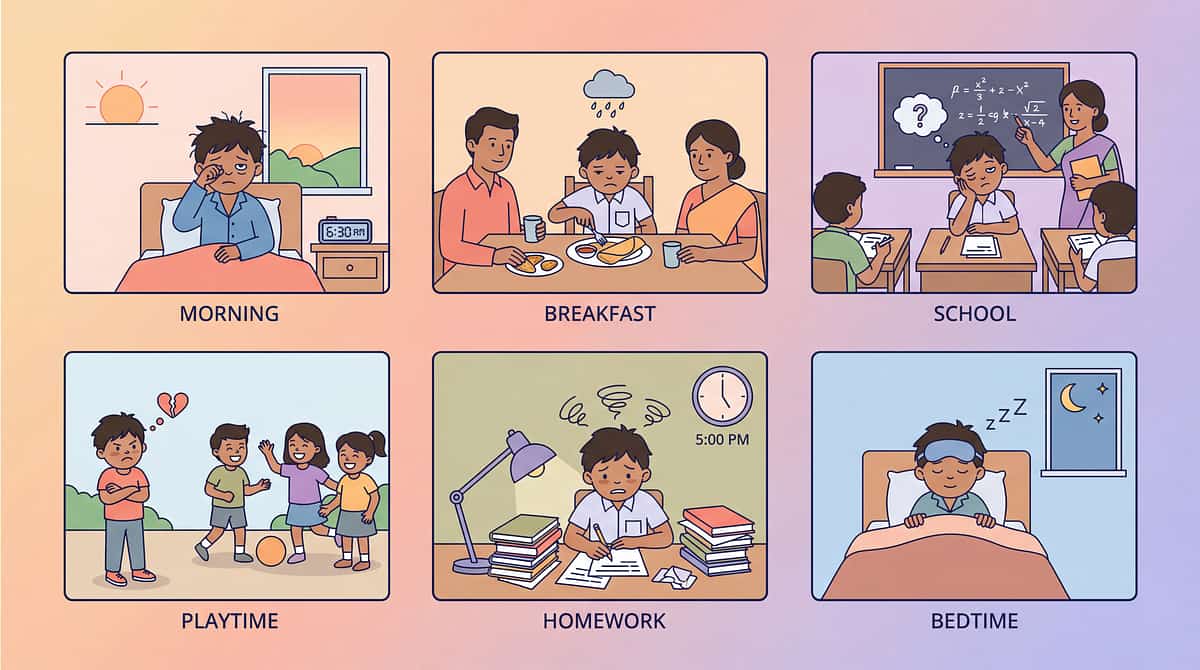
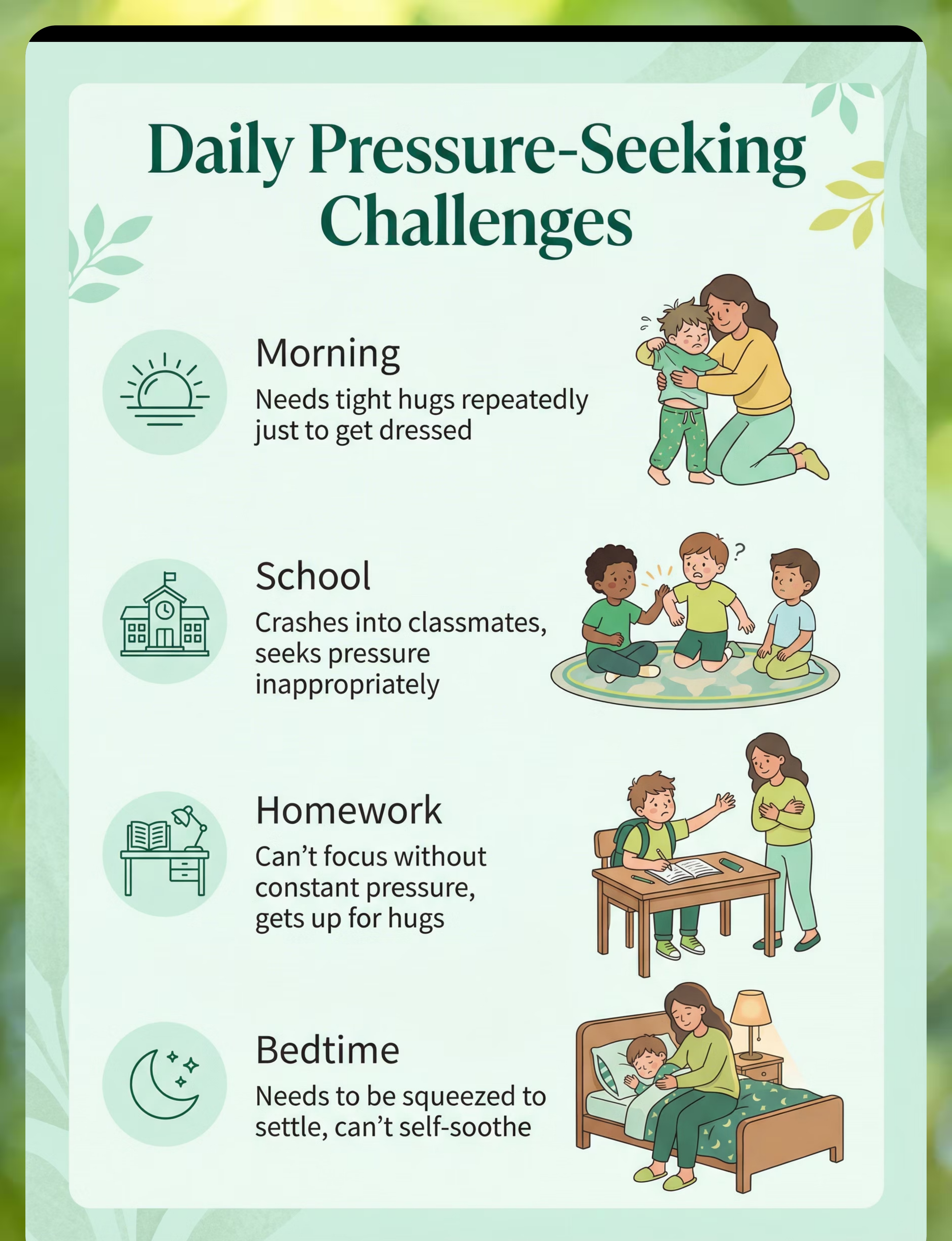
A Day Without the Right Support
Morning Routine
Needs tight hugs repeatedly just to get dressed. Every transition requires physical pressure. Parents start the day already exhausted from providing constant sensory input.
School & Transitions
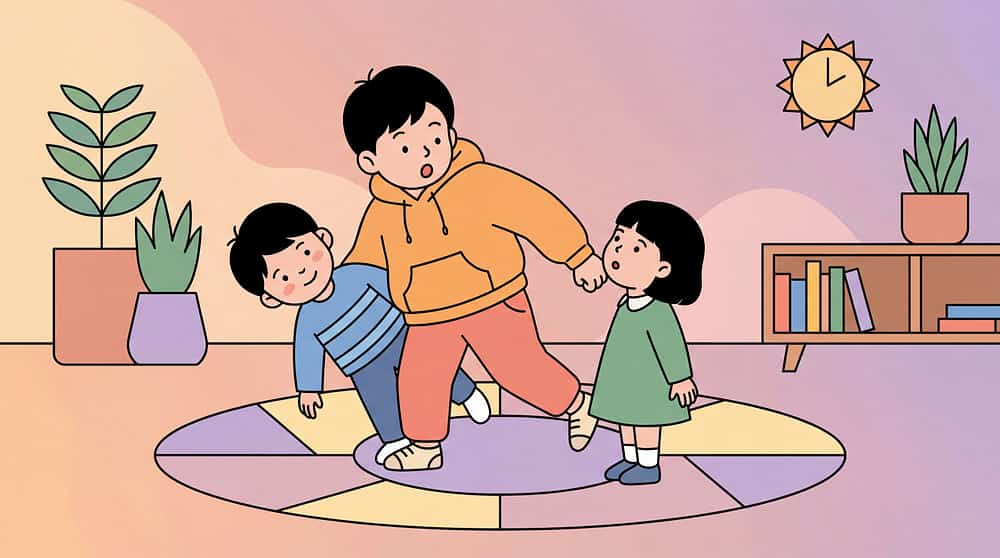
Crashes into classmates during circle time. Seeks pressure inappropriately from peers and teachers. Gets labeled as aggressive when they're actually seeking sensory regulation.
Homework Time
Can't focus without constant pressure input. Gets up repeatedly for hugs. Simple tasks take hours because their body feels disconnected and disorganized.
Bedtime Struggle
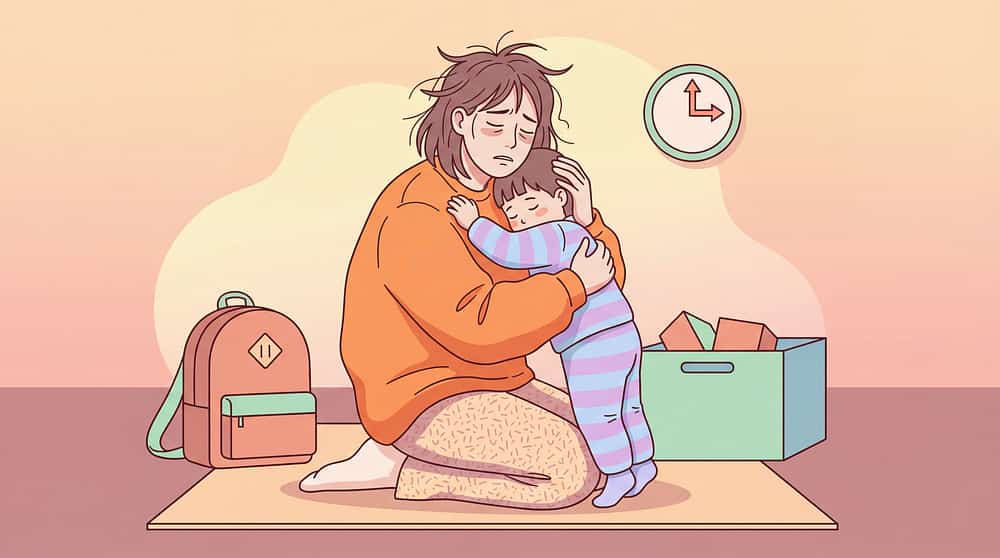
Needs to be squeezed tightly to settle down. Can't self-soothe. Parents physically exhausted from being their child's only source of pressure and regulation all day.

The Science Behind It
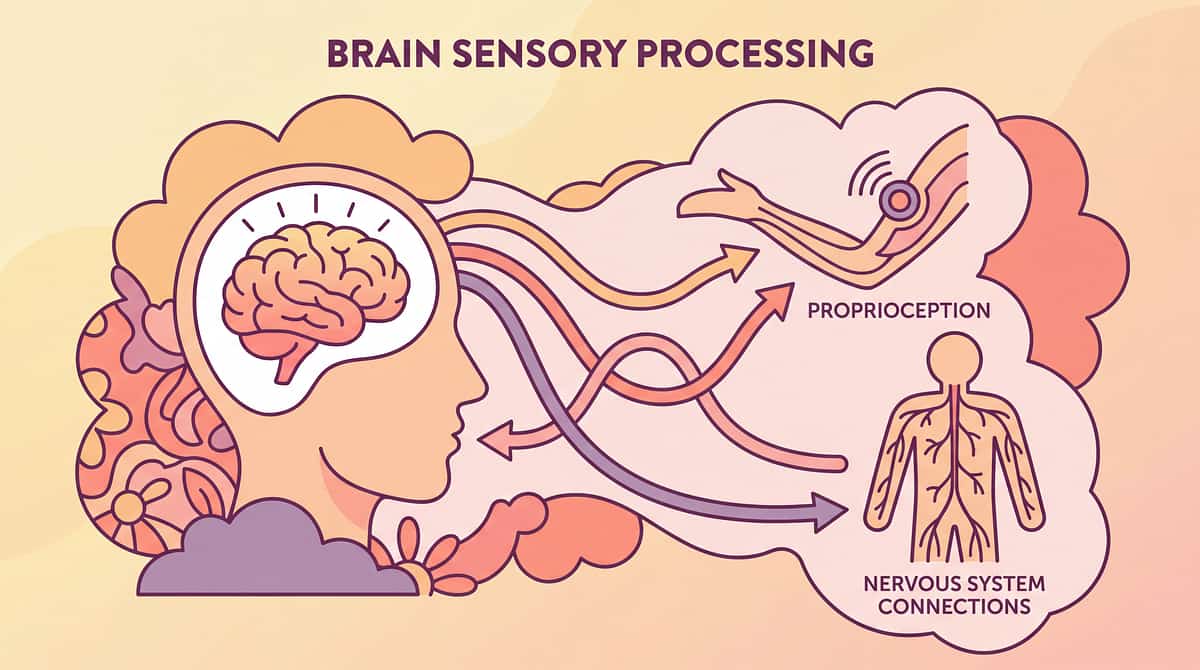
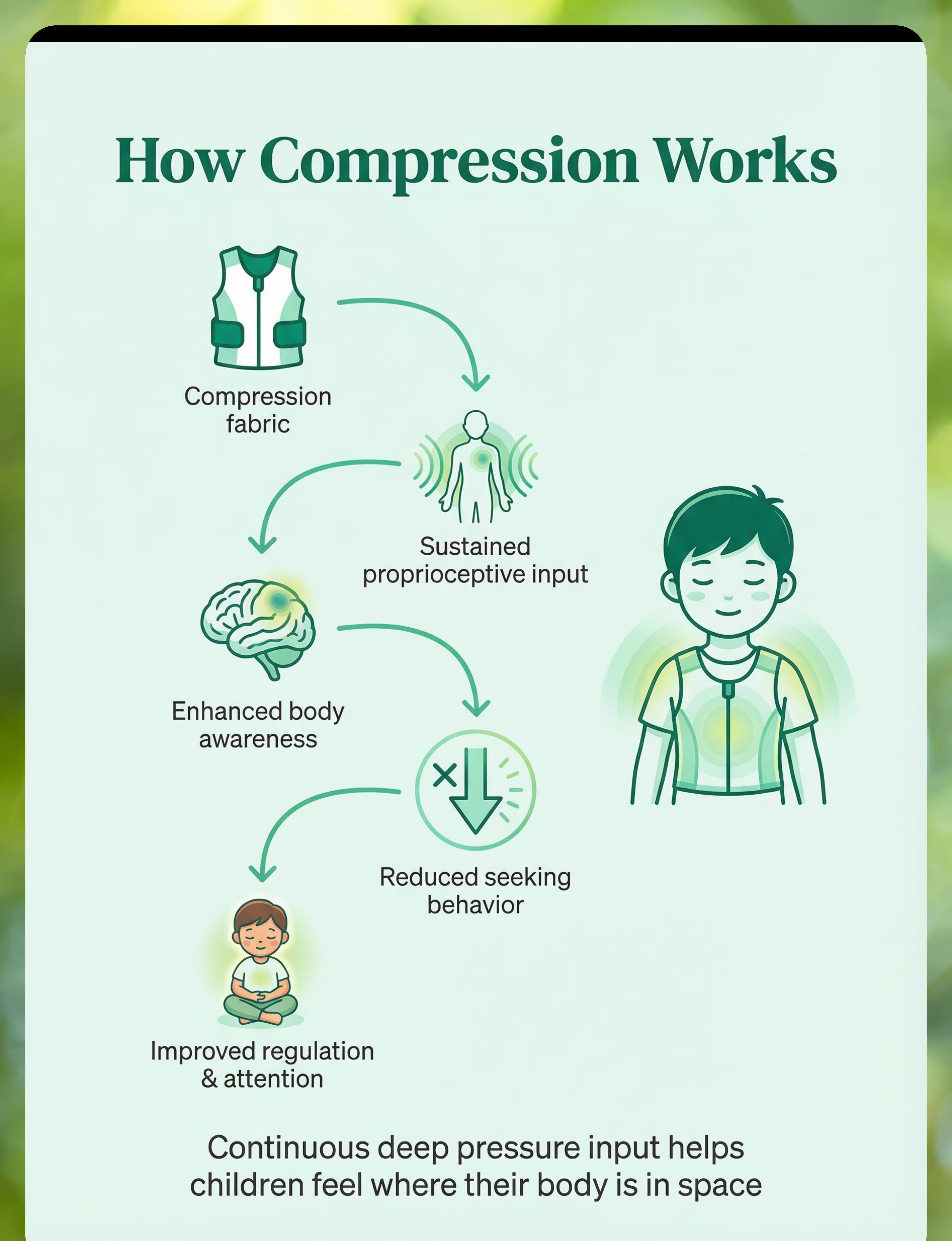
Compression garments work by providing continuous proprioceptive input—the sensory information that tells our brain where our body is in space. This deep pressure stimulation helps organize the nervous system, reduces sensory seeking behaviors, and improves body awareness and self-regulation.
Compression Fabric
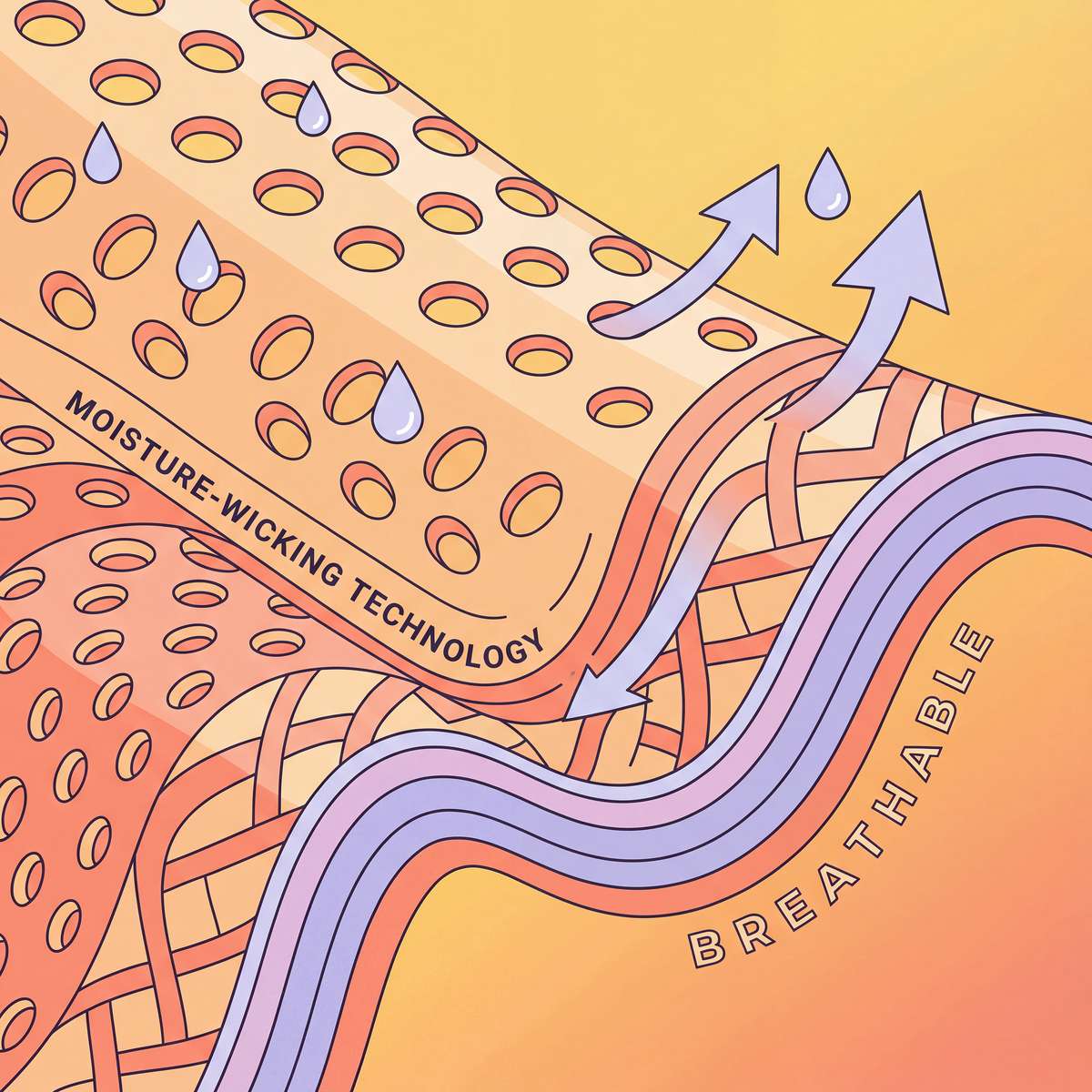
Snug, breathable material provides consistent gentle pressure across the body
Sustained Input
Continuous proprioceptive feedback to muscles and joints throughout wear time
Enhanced Awareness
Brain receives clear signals about body position, reducing need to seek external input
Improved Regulation
Organized sensory system leads to better attention, coordination, and self-control
Target Areas:
Proprioception
Body Awareness
Self-Regulation
Attention
Motor Planning

How to Use It Right
Getting the most from compression garments requires proper fit, gradual introduction, and child-led use. When used correctly, these tools provide powerful sensory support while maintaining comfort and safety throughout the day.
Ensure Proper Fit
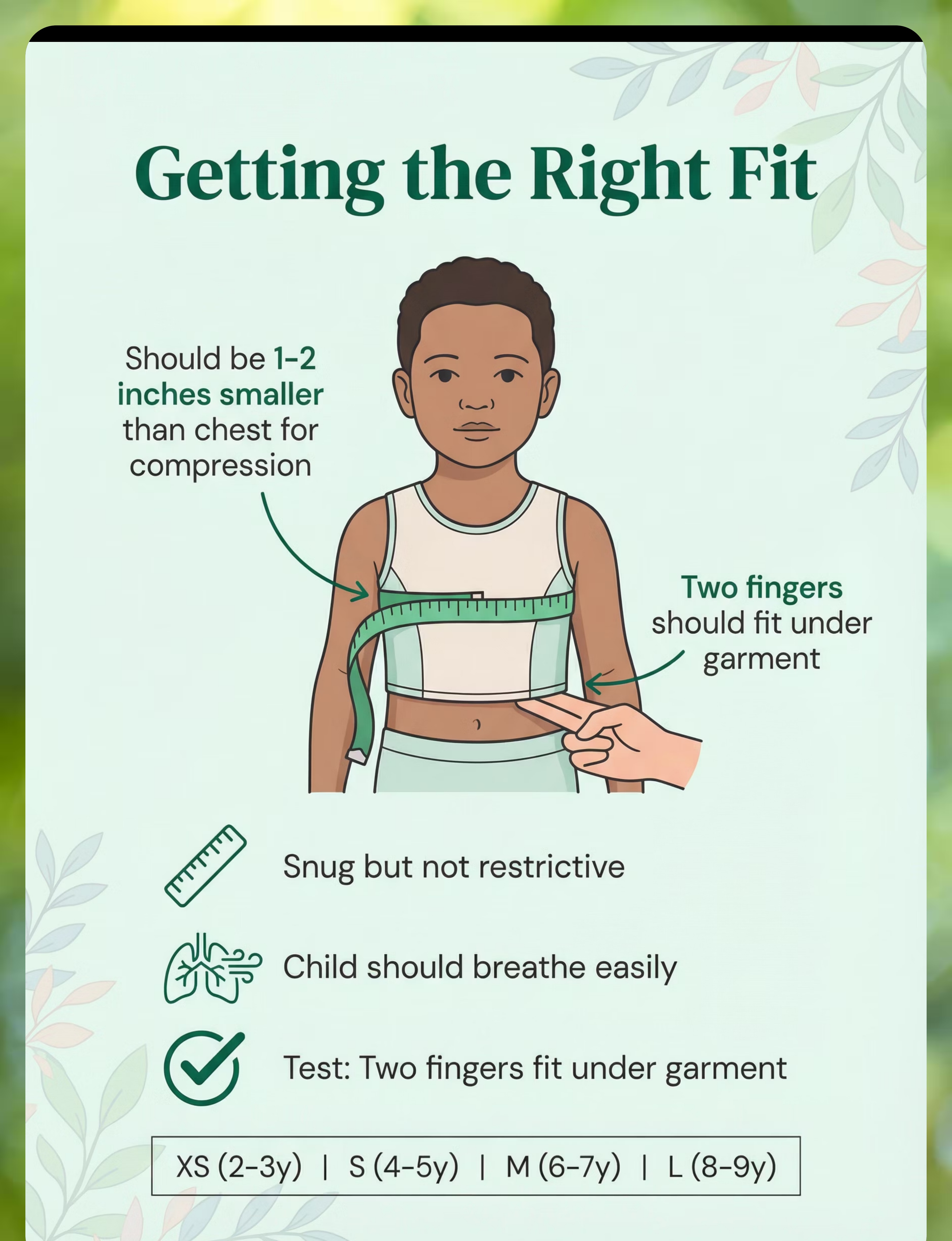
Garment should be snug but not restrictive. Use the two-finger test: you should be able to fit two fingers comfortably under the fabric. Child should breathe easily and move freely.
Start Gradually
Begin with 15-20 minute wearing periods and increase gradually as child becomes comfortable. Monitor for acceptance and positive response before extending duration.
Child Controls Use
Let your child decide when to put on and take off the garment. Forced wear creates negative associations. The goal is self-regulation, which requires autonomy.
Body Sock Supervision
Body socks always require active supervision. Child must be able to exit independently. Use only for short 5-10 minute regulation breaks, never extended wear.
Monthly Fit Checks
Children grow quickly. Check fit monthly to ensure garment still provides appropriate compression. Too loose won't provide input; too tight restricts movement and breathing.
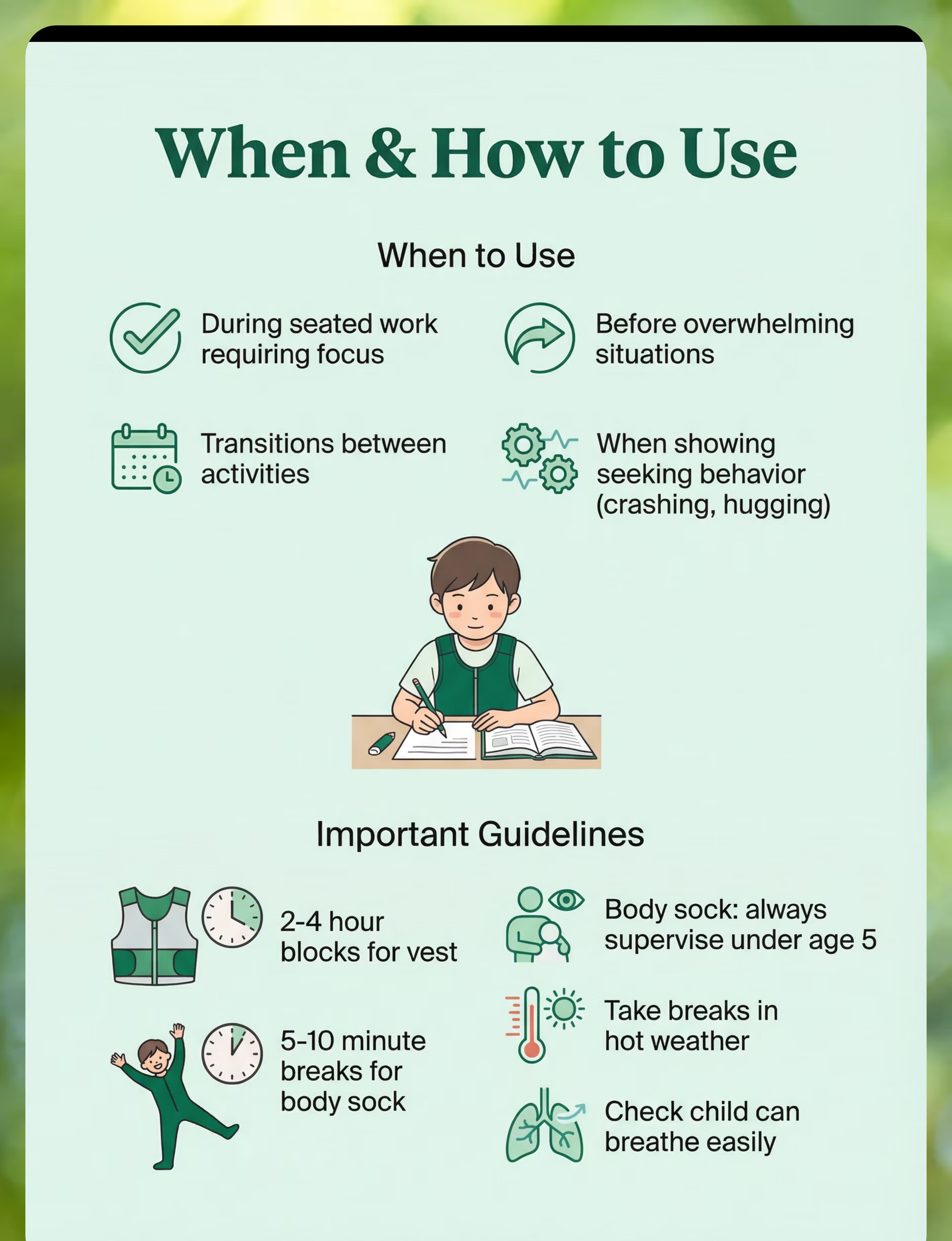
Recommended Duration: Compression vests can be worn for 2-4 hour blocks throughout the day. Body socks should be used for short 5-10 minute sensory breaks only, always with supervision.

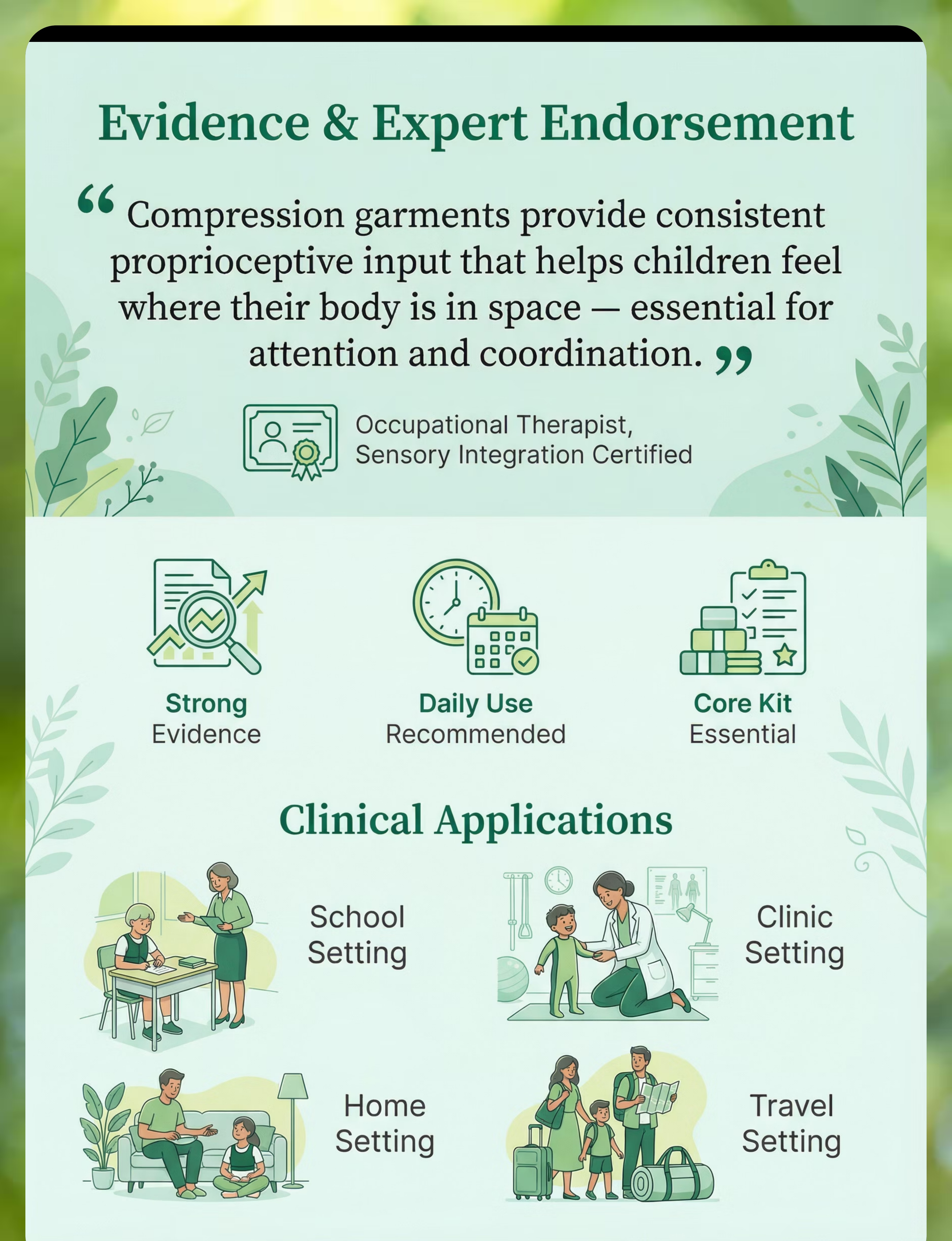
Expert Endorsement
"Compression garments provide consistent proprioceptive input that helps children feel where their body is in space—essential for attention and coordination. These are evidence-based tools that make a real difference in daily functioning."
— Occupational Therapist, Sensory Integration Certified
OT Recommended
Strong Evidence
Rank #1 in Category
Core Kit Essential

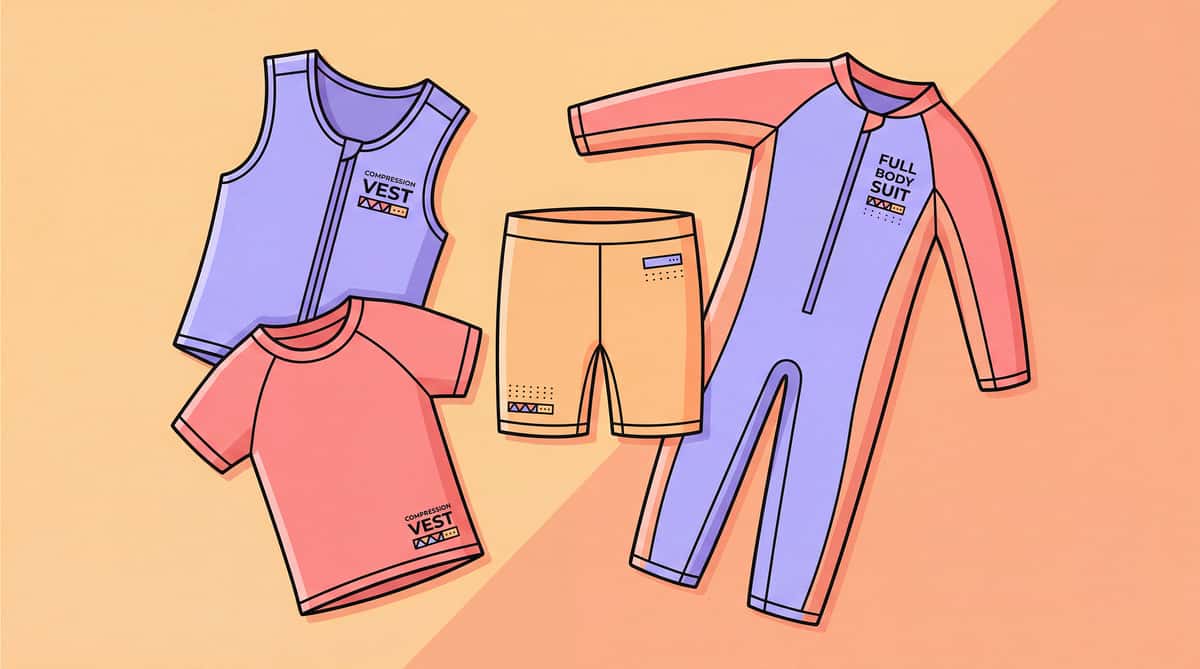
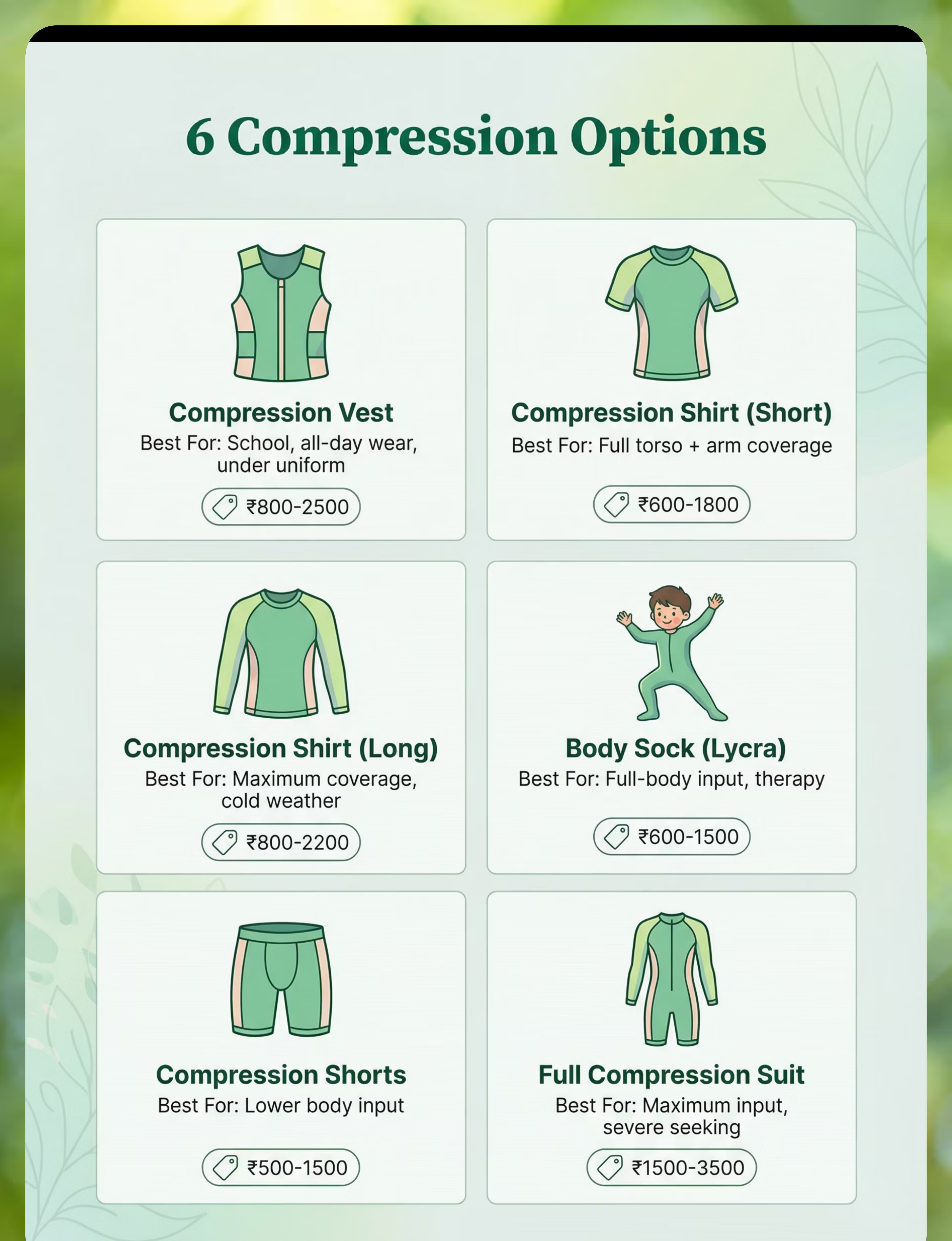
Choose Your Option (6 Variants)
1
Compression Vest
Best for: School, all-day wear, under uniform
2
Short Sleeve Shirt
Best for: Full torso + arm coverage, athletics
3
Long Sleeve Shirt
Best for: Maximum coverage, cold weather, full-body input
4
Body Sock (Lycra)
Best for: Full-body input, play-based regulation, therapy sessions
5
Compression Shorts/Leggings
Best for: Lower body input, under clothing
6
Full Compression Suit
Best for: Maximum proprioceptive input, severe seeking
Each variant serves different needs, settings, and sensory profiles. Consider your child's age, sensory preferences, primary challenge areas, and where they need support most—school, home, or both.
Selection Criteria
By Goal:
- All-day wear: Compression vest
- Maximum coverage: Long sleeve shirt or full suit
- Play-based regulation: Body sock
- Lower body input: Compression shorts/leggings
By Setting:
- School: Vest under uniform
- Home/clinic: Body sock or full suit
- Athletics: Short sleeve compression shirt
- Travel: Any vest or shirt option
By Portability:
- High: All vests, shirts, shorts (wearable)
- Medium: Body sock, full suit (needs space)
Specifications & Sizing Guide

Materials & Features
- Fabrics: Lycra, spandex, breathable mesh, moisture-wicking
- Key Features: Seamless options, tagless for comfort, machine washable
- Durability: Designed for daily wear and frequent washing
- Breathability: Prevents overheating during extended wear

Available Sizes
- XS: Ages 2-3 years
- S: Ages 4-5 years
- M: Ages 6-7 years
- L: Ages 8-9 years
Critical Sizing Guidelines
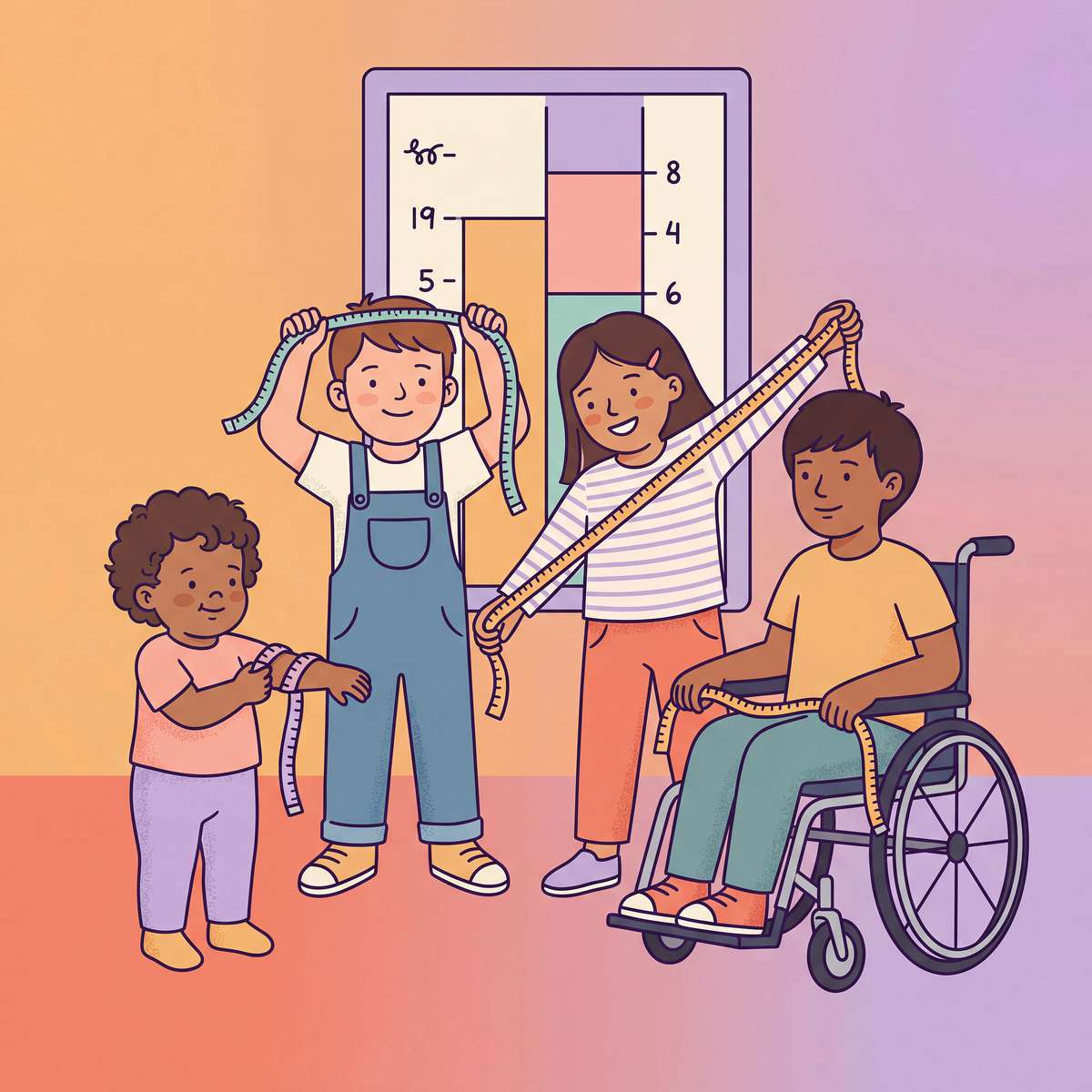
Chest Measurement: Garment should be 1-2 inches smaller than your child's chest measurement to provide appropriate compression.
Fit Test: The garment should be snug but not restrictive. Your child should be able to breathe easily and move all body parts freely.
Two-Finger Rule: You should be able to comfortably fit two fingers between the garment and your child's skin. If you can't, it's too tight. If you can fit your whole hand, it's too loose.
Growing Children: Check fit monthly. Children grow quickly and compression that's too loose won't provide the sensory input needed, while too-tight compression can restrict breathing and movement.
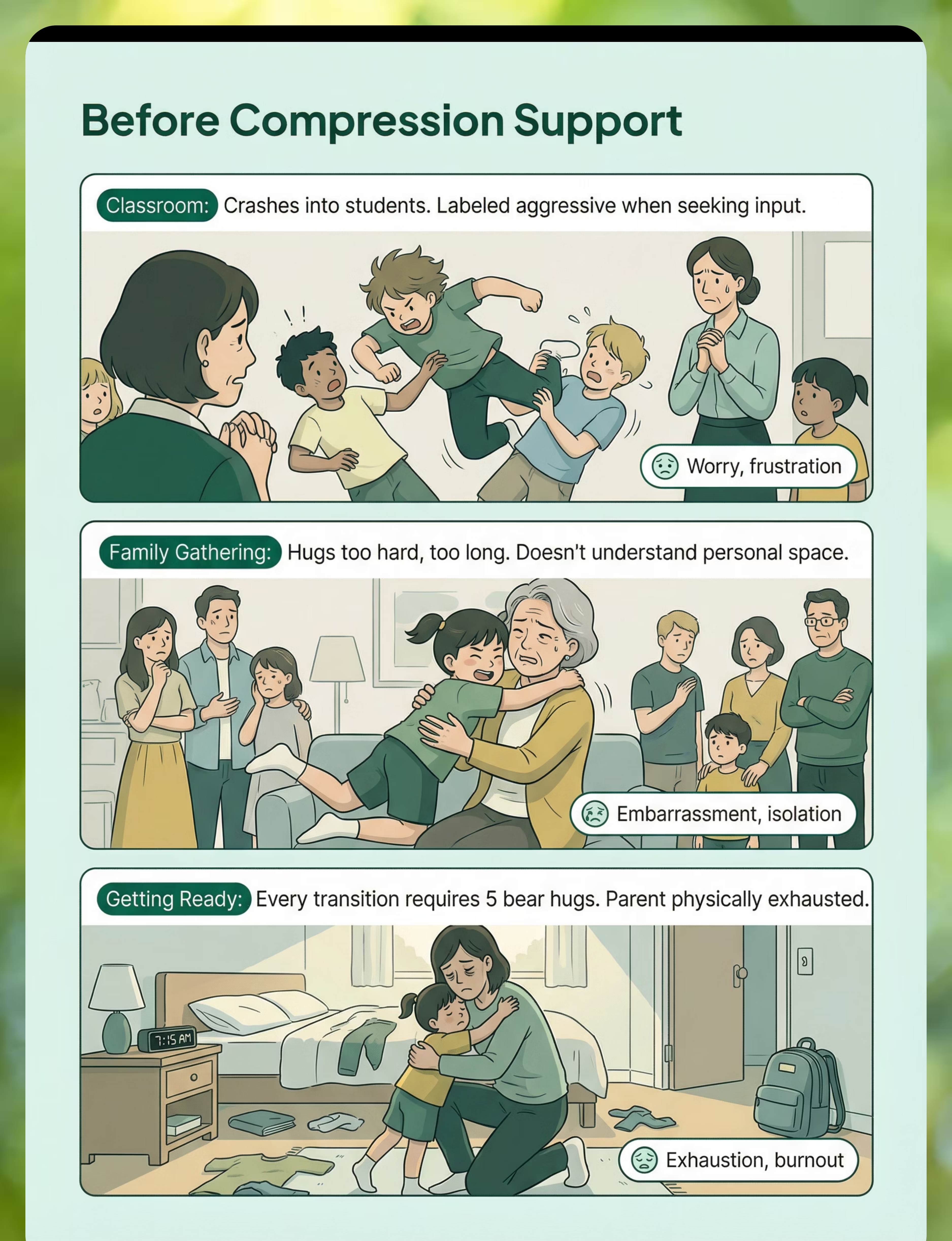
The Struggle (Before)

Classroom Challenges
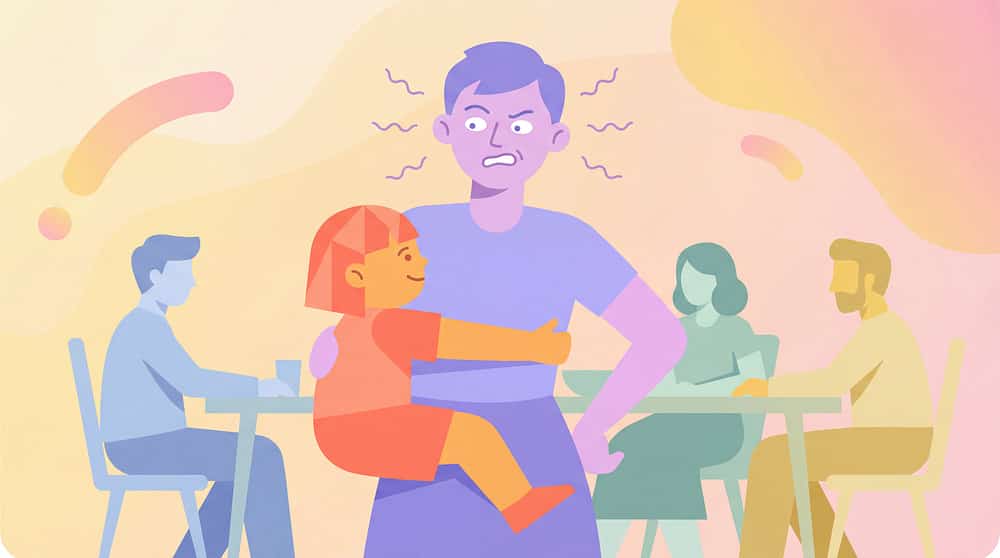
Situation: Child crashes into other students during circle time, seeks pressure by pushing and hugging peers too hard.
Experience: Gets labeled as 'aggressive' or 'disruptive' when actually seeking proprioceptive input their body desperately needs.
Emotion: Parents feel worry and frustration. Child feels misunderstood and confused about why they keep getting in trouble.

Family Gatherings
Situation: Hugs relatives too hard and for too long. Doesn't understand personal space boundaries or appropriate touch.
Experience: Family members get uncomfortable. Meltdowns happen from sensory hunger. Parents constantly apologize and intervene.
Emotion: Embarrassment for parents, isolation as family invitations decrease, confusion for child about social expectations.

Daily Transitions
Situation: Every single transition throughout the day requires 5+ bear hugs just to move from one activity to the next.
Experience: Parent becomes the only source of deep pressure. Physically exhausted from providing constant sensory input all day long.
Emotion: Complete burnout for parents. Child becomes dependent and anxious when parent isn't immediately available for pressure.
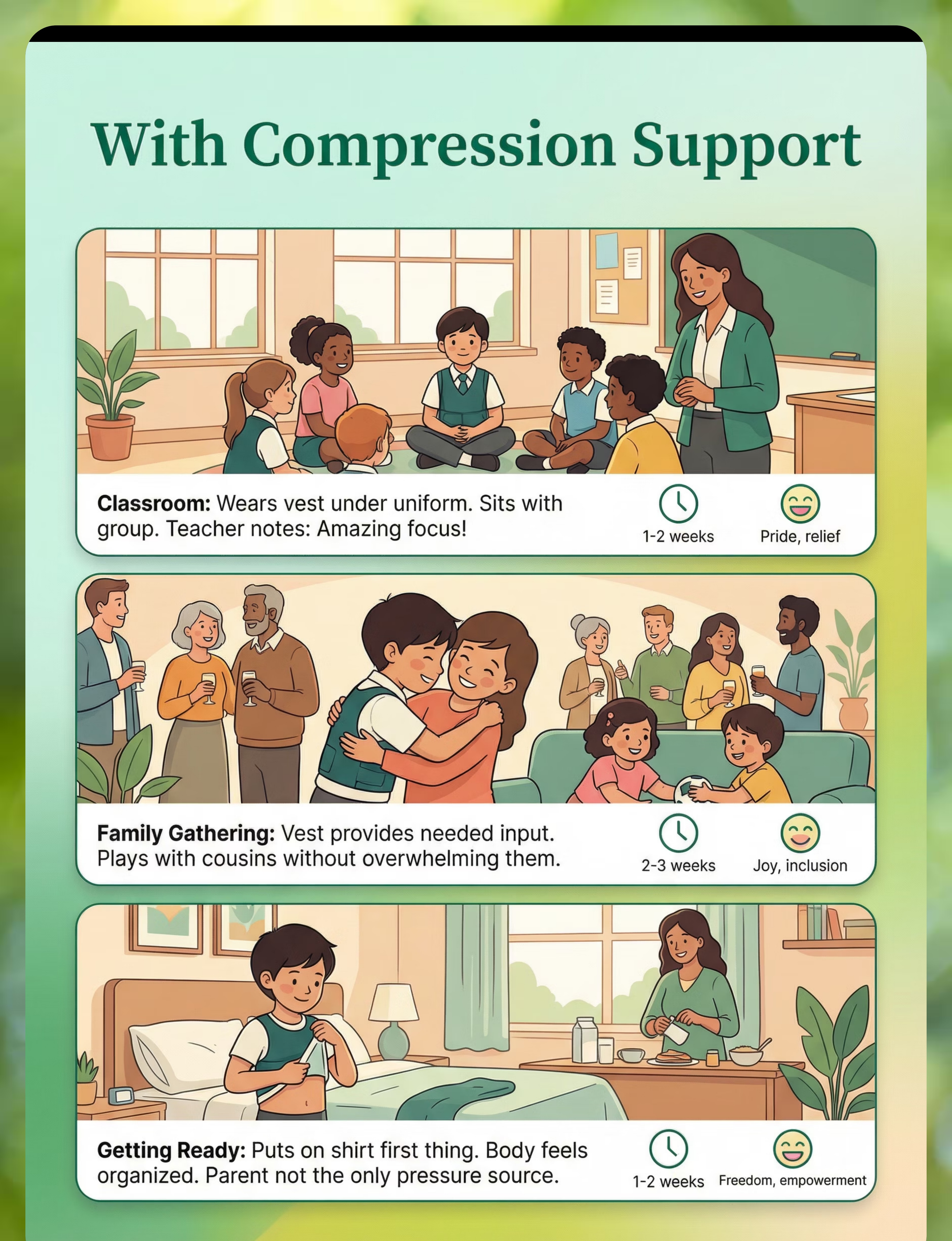
The Breakthrough (After)

Classroom Success
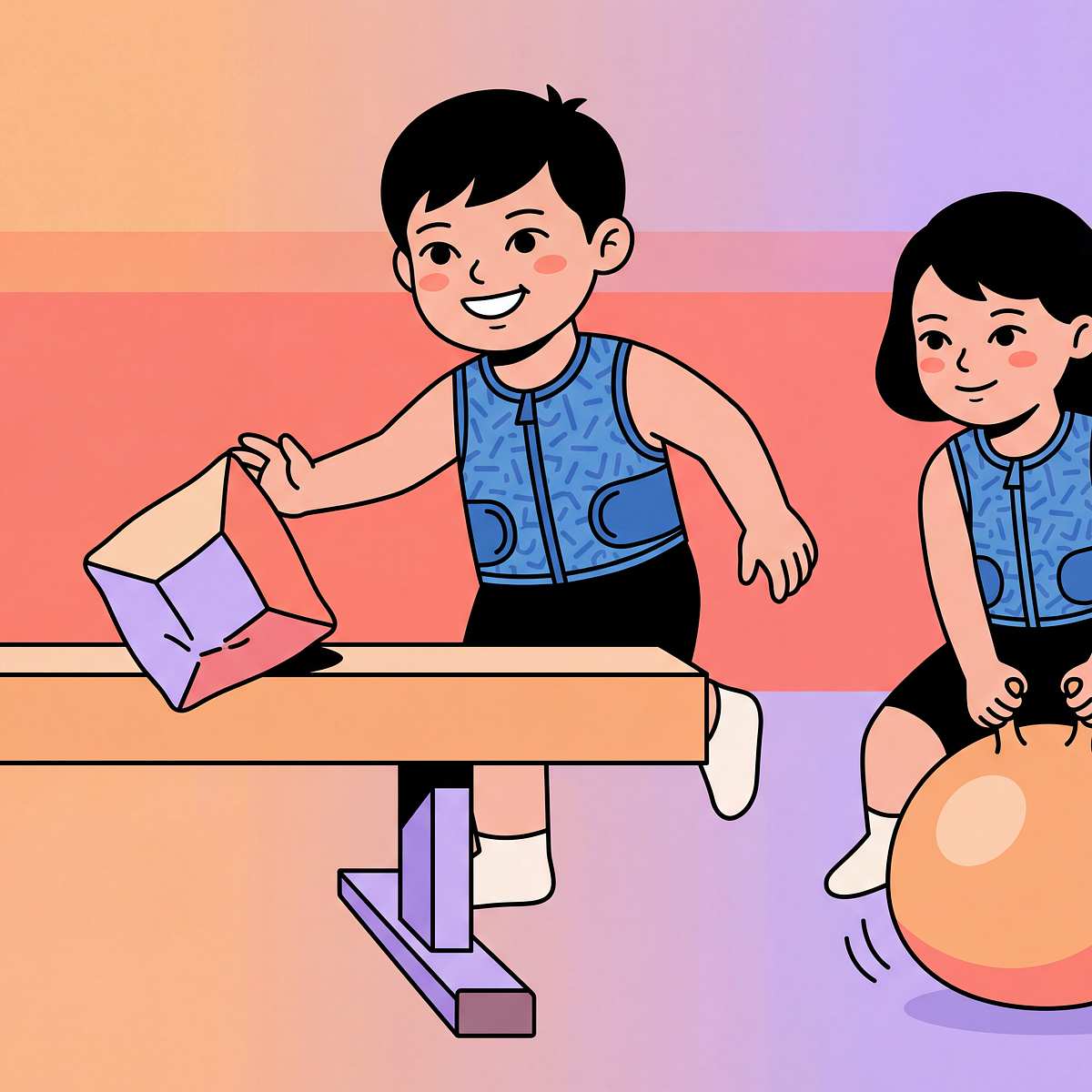
Situation: Child wears compression vest under school uniform. Sits calmly with group without seeking pressure from peers.
Experience: Teacher sends note home: "Amazing focus today! Noticed great improvement in circle time and group work."
Emotion: Pride for both parent and child. Relief that the school day is finally going smoothly.
1-2 weeks

Social Confidence
Situation: Greets relatives with appropriate hugs at family gathering. Vest provides the input needed without overwhelming others.
Experience: Plays with cousins successfully. No meltdowns from sensory hunger. Family members comment on positive changes.
Emotion: Joy and inclusion. Family relationships strengthen. Child feels successful in social situations.
2-3 weeks

Independent Regulation
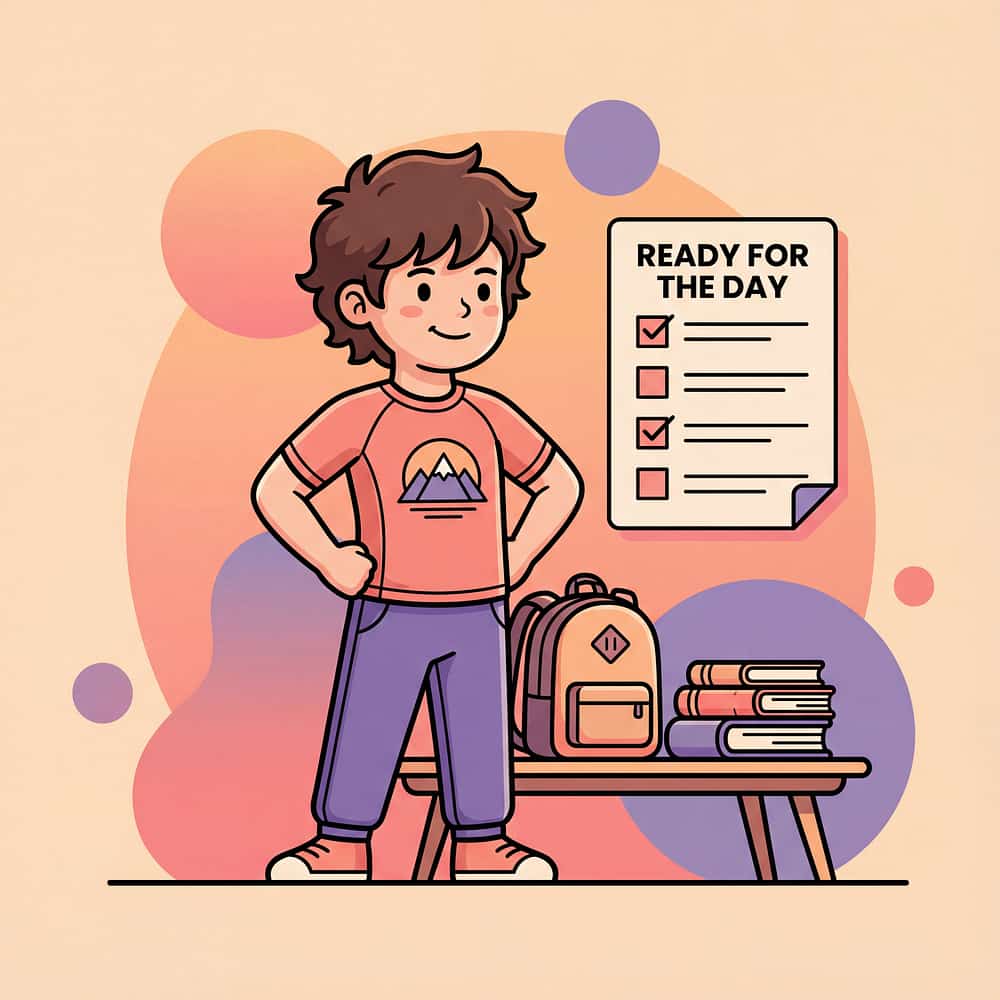
Situation: Child puts on compression shirt first thing each morning. Body feels organized and ready for the day.
Experience: Transitions happen more smoothly. Still asks for hugs sometimes, but not constantly. Parent not the only pressure source.
Emotion: Freedom and empowerment for both child and parent. Child developing self-regulation skills.
1-2 weeks
What to Expect (Realistic Timelines)
Change happens gradually as your child's nervous system learns to use the compression input for regulation. Some improvements appear quickly, while deeper sensory integration develops over weeks. Every child's timeline is unique—these are typical patterns we see.
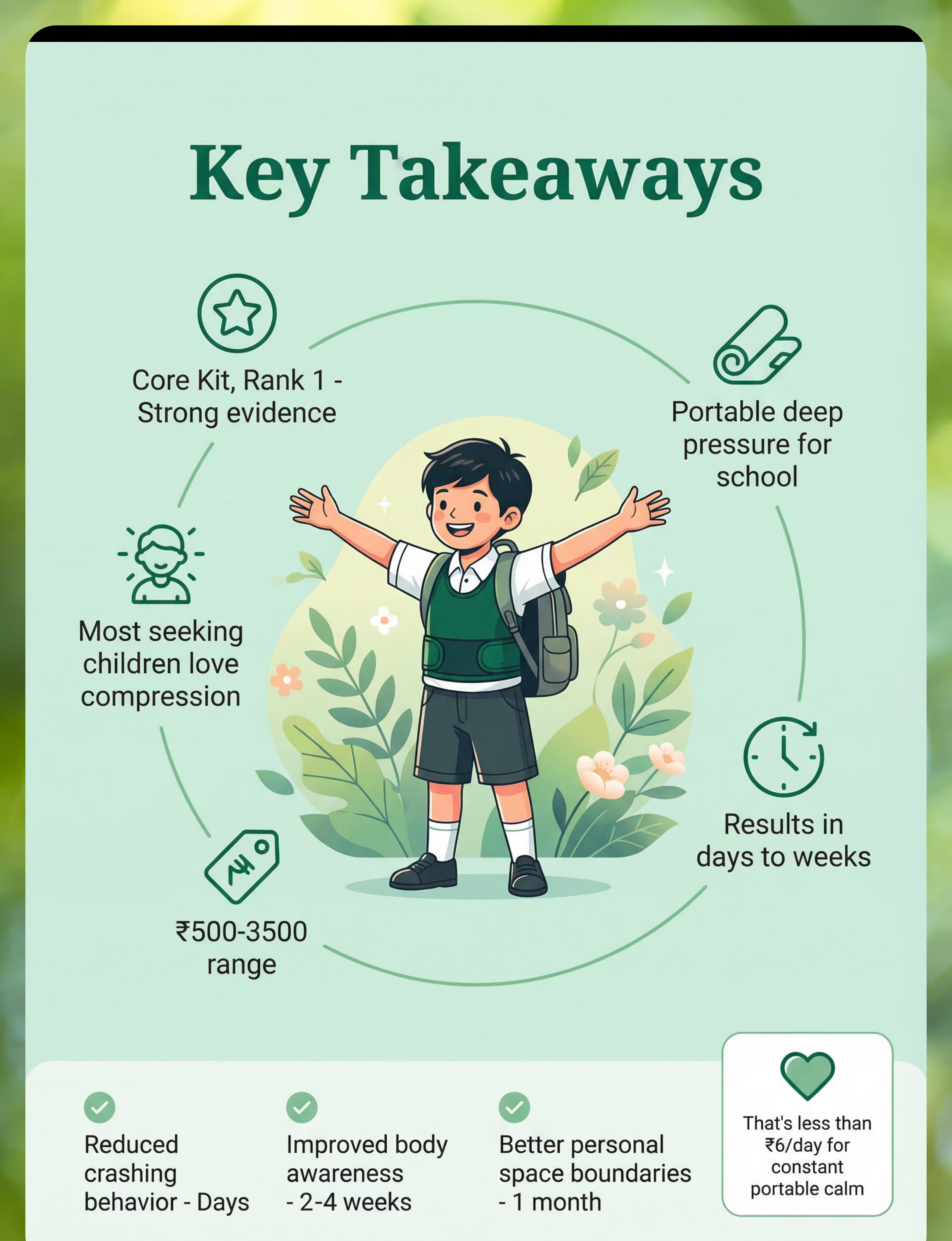
Days: Initial Response
Reduced crashing and pressure-seeking behavior. Many children show immediate positive response to the deep pressure input.
1 Week: Acceptance Phase
Child accepts wearing vest or sock willingly, often requesting it. Beginning to associate garment with feeling organized and calm.
1-2 Weeks: Reduced Demands
Fewer constant demands for bear hugs and squeezes. Parent no longer the only source of proprioceptive input throughout the day.
2-4 Weeks: Body Awareness
Improved body awareness and coordination in daily activities. Better motor planning and less bumping into objects accidentally.
1 Month: Social Improvements
Better personal space boundaries with peers. Reduced inappropriate pressure-seeking from others. More successful social interactions.
1-2 Months: Self-Regulation
Child recognizes when they need pressure input and asks for their compression garment. Developing self-awareness and regulation skills.

Is This Right for My Child? (2-Minute Check)
Answer these questions honestly. Three or more "yes" responses indicate compression garments could be a strong fit for your child's sensory needs.
Question 1
Does your child frequently ask for tight hugs or squeezes throughout the day—not just for comfort, but seeming to genuinely need that pressure?
If yes, this indicates: Seeking proprioceptive input (98% confidence match)
Question 2
Does your child crash into furniture, walls, or people on purpose? Does this seem like they're seeking the impact rather than being clumsy?
If yes, this indicates: Seeking deep pressure through impact (95% confidence match)
Question 3
Does your child prefer very tight clothing? Do they dislike loose-fitting clothes and always want things pulled tight around their body?
If yes, this indicates: Responds positively to compression input (92% confidence match)
Question 4
Does your child seem unaware of their body position in space? Do they bump into things accidentally or have difficulty with coordination?
If yes, this indicates: Poor proprioceptive awareness that compression can help organize (88% confidence match)
Scoring: Three or more "yes" answers indicate compression garments could make a significant difference in your child's daily regulation and functioning. Consider starting with a basic compression vest or shirt to test acceptance.
Usage Guide
When to Use ✓
- During seated work requiring focus and attention
- During transitions between activities throughout the day
- Before potentially overwhelming situations or environments
- When showing seeking behavior like crashing or hugging excessively
- Body sock: as 5-10 minute regulation break when overwhelmed
When NOT to Use ✗
- If child shows any distress or resistance to wearing
- In very hot weather without regular cooling breaks
- If garment is too tight and affects breathing
- Body sock: never unsupervised with young children
- During sleep (use weighted blanket instead)
Supervision by Age
Age Range | Vest/Shirt Supervision | Body Sock Supervision | |
Under 3 years | Use with supervision | Not recommended | |
3-5 years | Okay for independent use | Constant supervision required | |
5+ years | Independent use fine | Periodic check-ins needed |
Vest Duration: 2-4 hour blocks
Body Sock Duration: 5-10 minute breaks only
Safety First
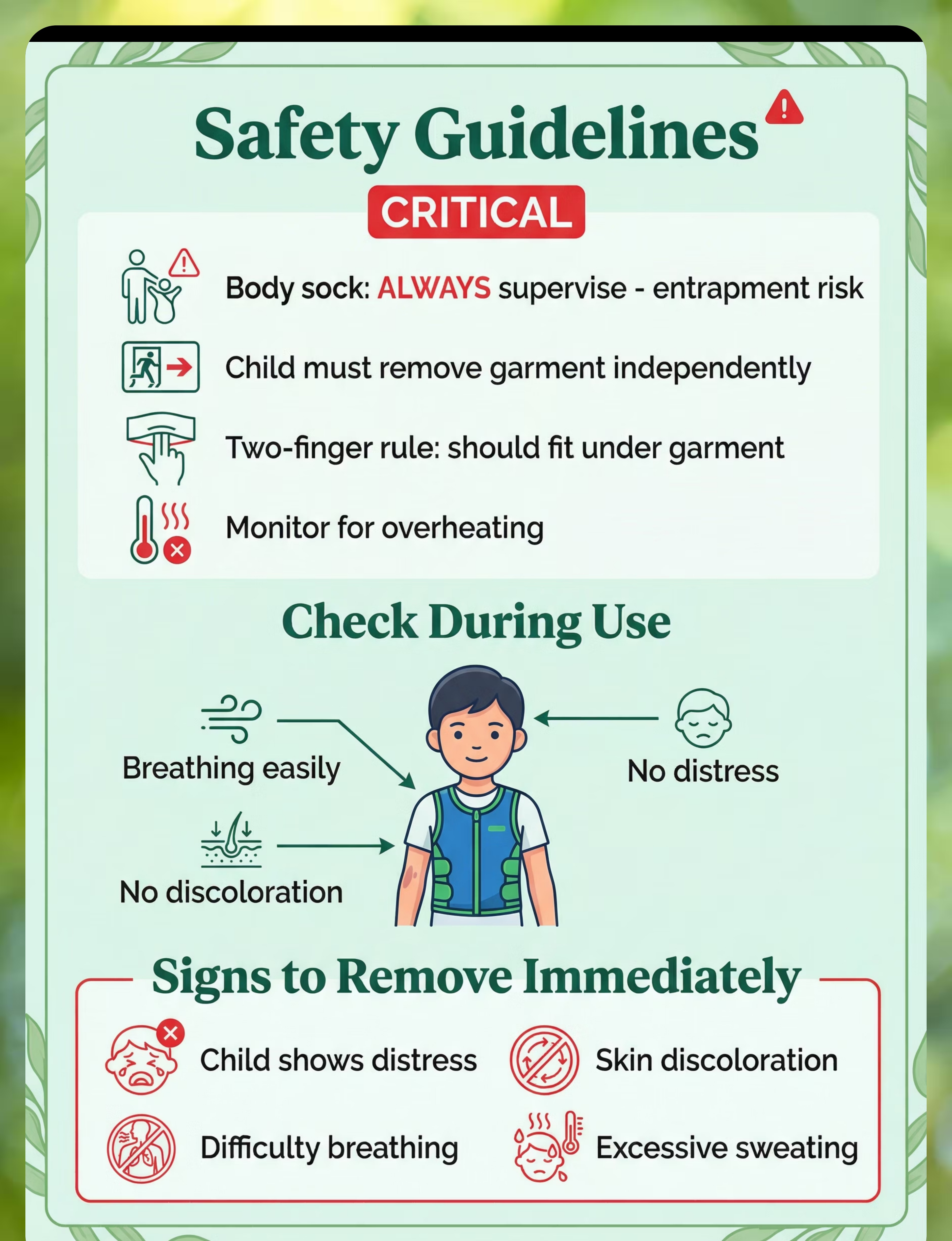
Critical Safety Requirements
- Body sock ALWAYS requires supervision due to entrapment risk. Never leave young children unsupervised in body sock.
- Child must be able to remove garment independently without help. Test this before first use.
- Two-finger rule is non-negotiable: You should fit two fingers under garment. Check regularly as children grow.
- Monitor for signs of overheating, especially in warm weather or during physical activity.
Warnings
- Check for circulation issues: discoloration, numbness, tingling
- Ensure breathing is never restricted by compression
- Give regular breaks during extended wear periods
- Check fit monthly—growing children outgrow quickly
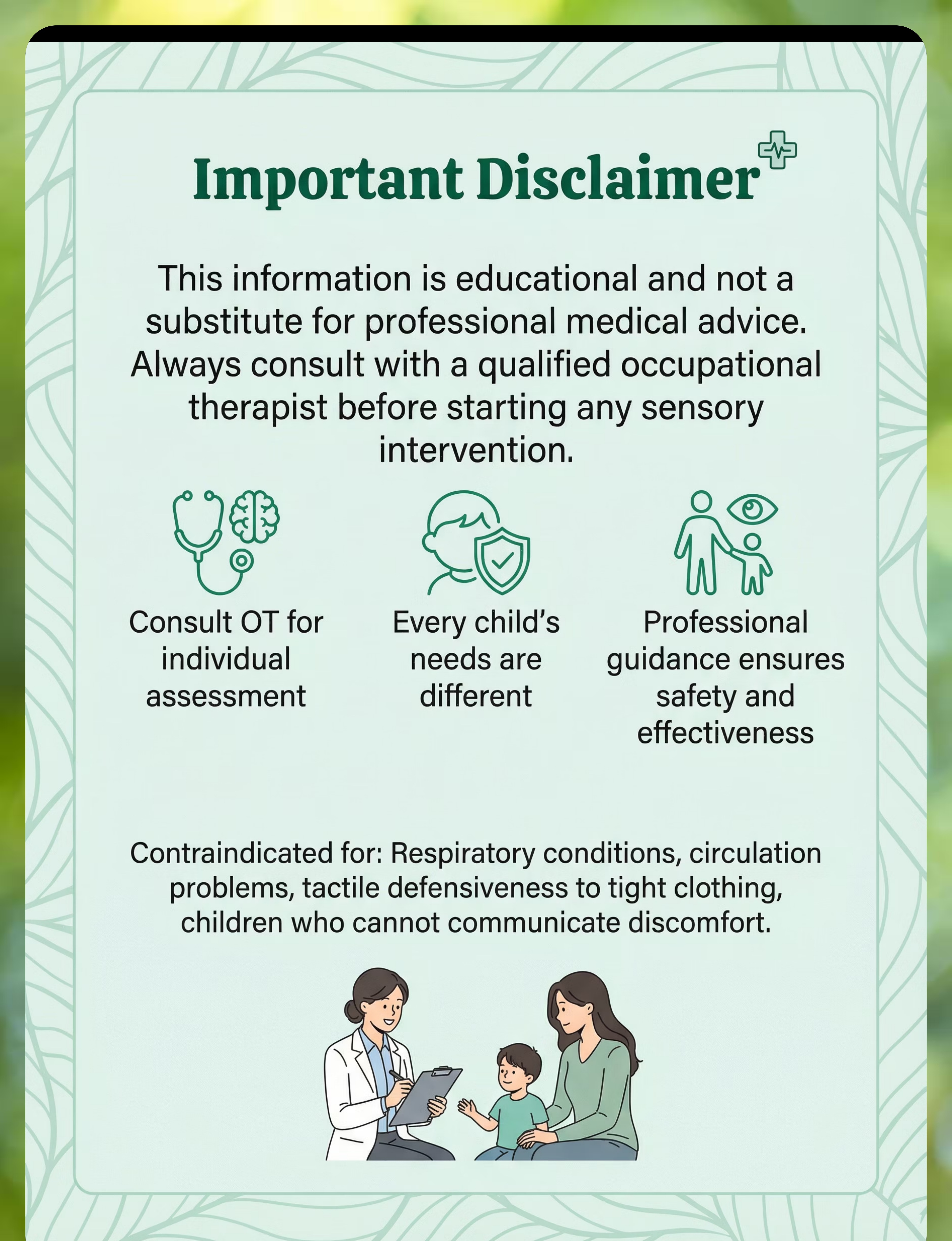
Contraindicated For
- Children who cannot communicate discomfort clearly
- Any respiratory conditions or breathing difficulties
- Claustrophobia (body sock especially)
- Circulation problems or blood flow issues
Safety Checklist
Before Use
- Size is correct: snug but not restrictive
- Child can put on and remove independently
- No damaged seams or torn fabric
- Body sock: supervision plan is in place
During Use
- Child breathing easily and comfortably
- No signs of overheating or excessive sweating
- No skin irritation or red marks
- Child can exit body sock at will
Signs to Remove Immediately
- Child asks or shows any distress
- Skin discoloration or unusual color changes
- Any difficulty breathing
- Excessive sweating or overheating
- Red marks or indentations from seams
Common Questions (Honest Answers)
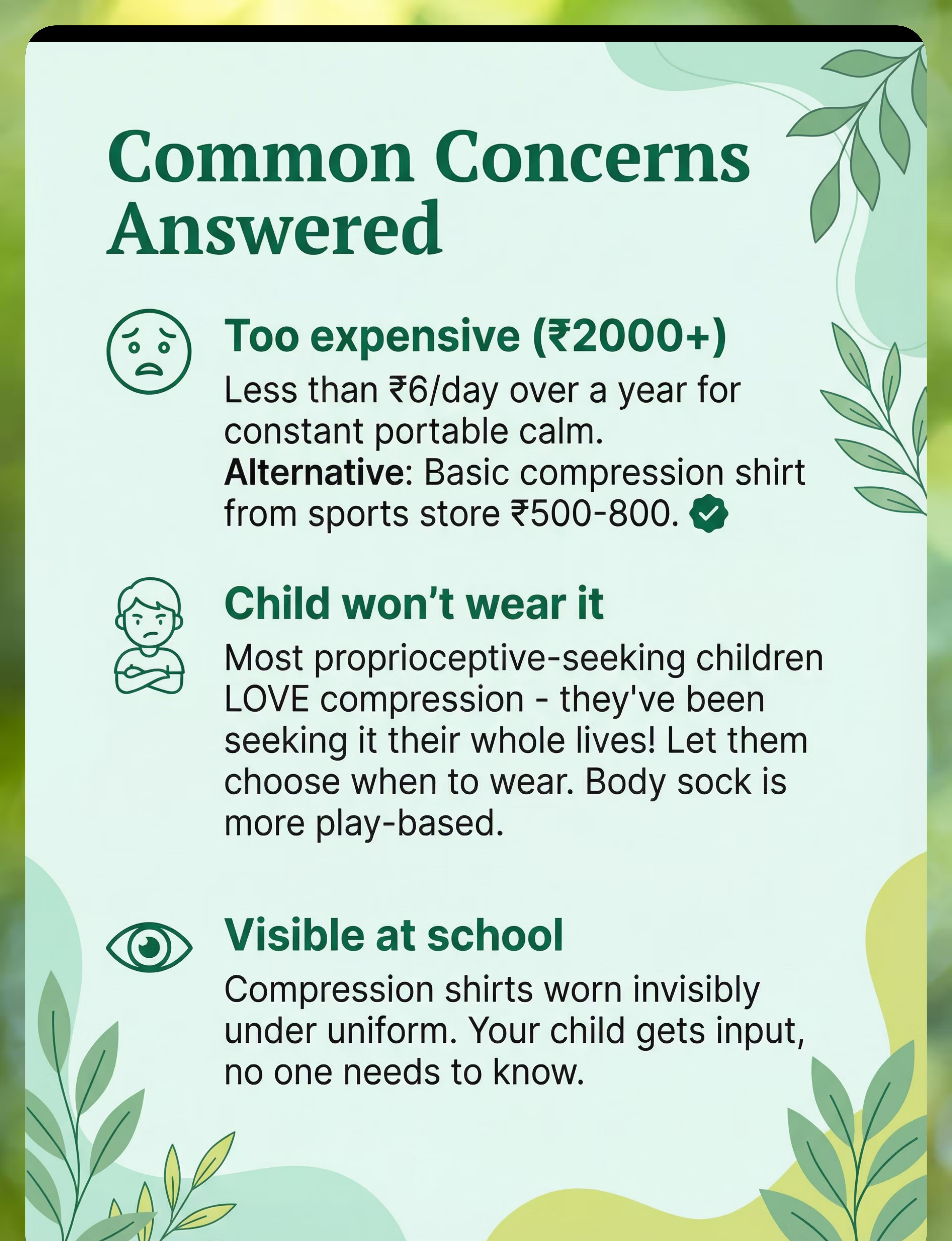
Concern: Too expensive (₹2000+)
Response: That's less than ₹6 per day over a year for constant, portable calm and regulation. Consider the cost of not having this support: ongoing social issues, teacher complaints, therapy sessions addressing behaviors, and your own physical and emotional exhaustion from being the constant source of deep pressure.
Try this alternative: Start with a basic compression shirt from a sports store (₹500-800) to test whether your child responds positively to compression before investing in therapy-grade options.
Concern: My child won't wear it
Response: Actually, most proprioceptive-seeking children LOVE compression garments—they've been seeking exactly this kind of input their whole lives! The key is introduction: start during preferred activities when your child is already calm, and let them have control over when they wear it.
Try this alternative: Try a body sock first as a more play-based introduction. Many kids find it fun and engaging, which creates positive associations with compression that carry over to vests and shirts.
Concern: Will it be visible at school?
Response: Compression shirts and vests can be worn completely invisibly under school uniform. Your child gets the proprioceptive input they need throughout the school day, and no one needs to know unless you choose to share. Body sock is designed for home and therapy use, not school.
Concern: Is the body sock safe?
Response: Body sock requires active supervision—never leave a young child unsupervised due to entrapment risk. Child must be able to exit independently. When used correctly for short 5-10 minute regulation breaks with appropriate supervision, body sock is a safe and effective sensory tool recommended by occupational therapists.
Investment Guide
Compression garments range from ₹500 to ₹3,500 depending on type, quality, and specialized features. Most families find that even basic options provide significant benefit, while therapy-grade garments offer enhanced durability and precise compression for daily long-term use.
Budget-Friendly Option
Athletic compression shirt from sports store
Cost: ₹400-600
Note: Not specifically designed for all-day sensory use, but works well for testing whether your child responds positively to compression input before investing in specialized options.
Great for: Initial trial period, determining if compression helps, temporary solution while saving for therapy-grade.
Premium Option
Therapy-grade adjustable compression vest
Cost: ₹3,500-5,000
Available Brands: Fun and Function, SPIO, Harkla
Benefits: Designed specifically for sensory needs, adjustable compression levels, superior durability for daily use, breathable for all-day wear, professional appearance.
Overall Price Range: ₹500–3,500 (approximately $6–42 USD)
Best Starting Point: For most families, a mid-range compression vest (₹800-1,500) provides excellent value—durable enough for daily school use, affordable enough to purchase two (one to wear, one to wash), and specifically designed for sensory regulation rather than just athletics.
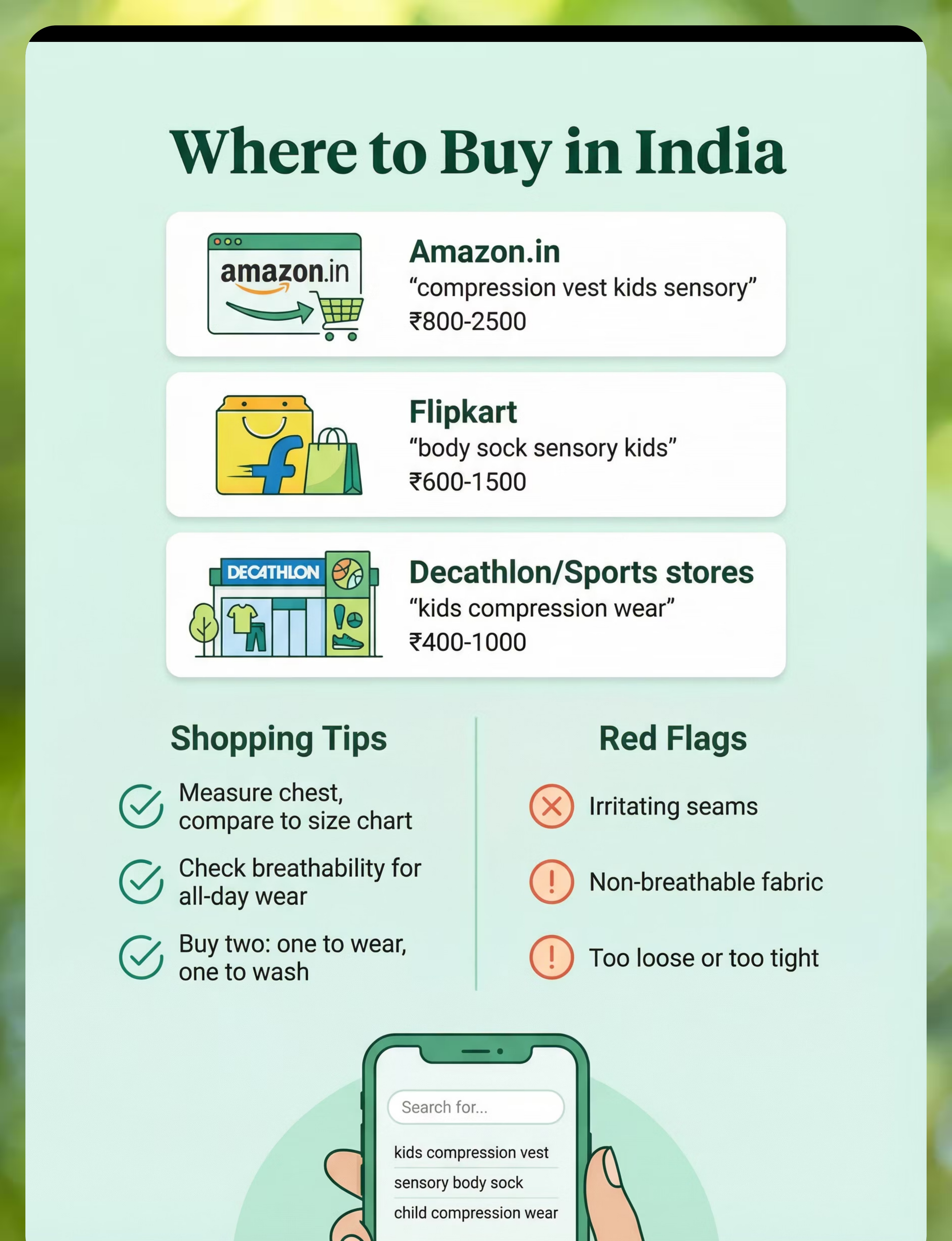
Where to Buy in India
Availability: Compression garments are readily available through online platforms and select sports stores across India. Specialized sensory therapy garments may require online ordering from dedicated therapeutic equipment retailers.

Amazon.in
Search: "compression vest kids sensory"
Price Range: ₹800-2,500
Widest selection, customer reviews helpful, easy returns

Flipkart
Search: "body sock sensory kids"
Price Range: ₹600-1,500
Good options for body socks and budget compression wear

Decathlon / Sports Stores
Search: "kids compression wear"
Price Range: ₹400-1,000
Athletic compression, try on in person, budget-friendly
Buying Tips ✓
- Measure your child's chest and compare carefully to size chart—fit should be snug
- Check fabric breathability specs for all-day wear without overheating
- Consider seamless options if your child has tactile sensitivity
- Body sock: get one size up to allow room for movement
- Buy two if using daily—one to wear, one to wash
Red Flags ✗
- Seams that could irritate sensitive skin
- Non-breathable fabric that will cause overheating
- Too loose—won't provide the compression input needed
- Too tight—will restrict breathing and movement
- Body sock with no clear way for child to exit safely
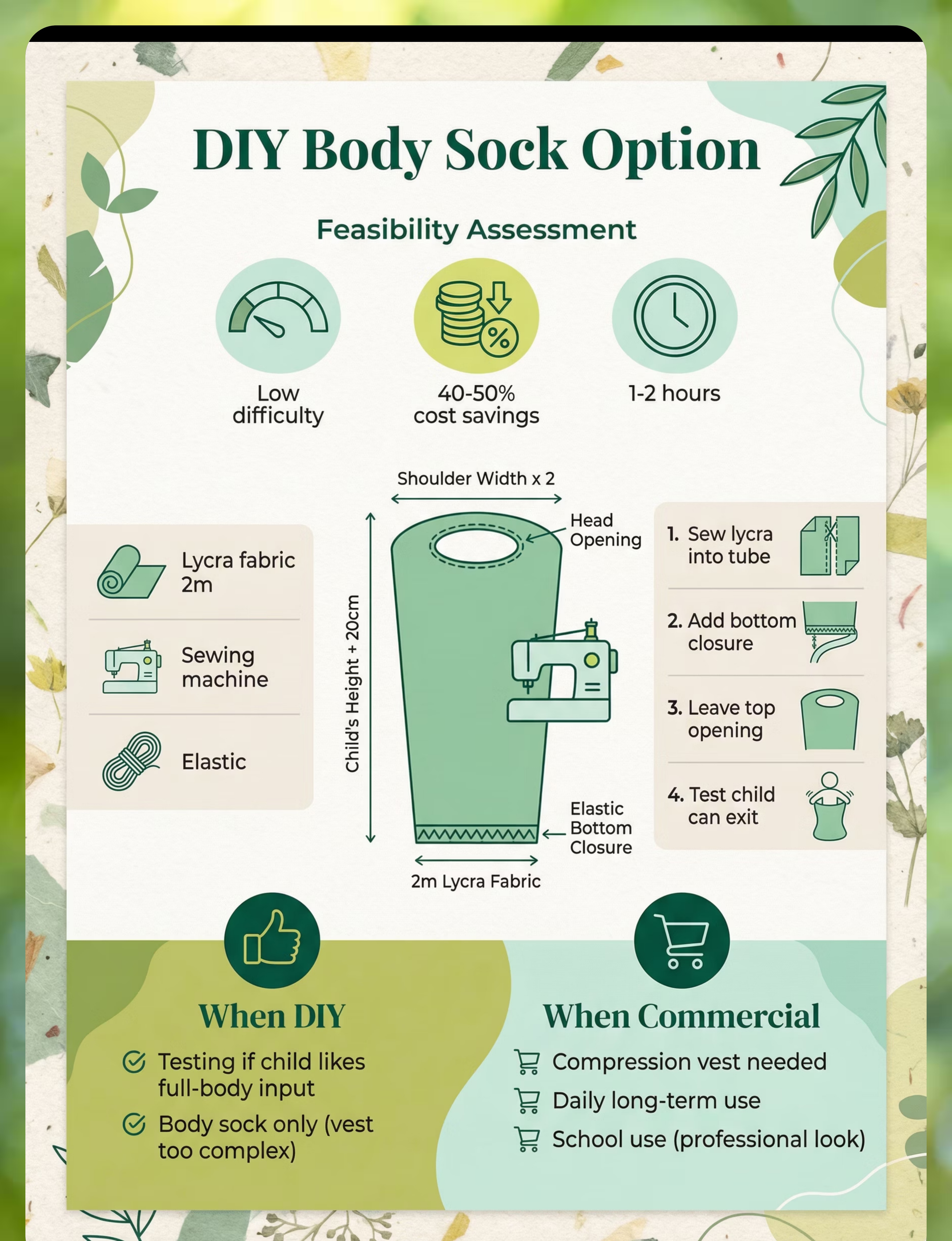
DIY Alternative (Save 40-50%)
Feasibility: Low overall (vest not feasible DIY), but body sock is doable with basic sewing skills
Cost Savings: 40-50% compared to commercial body sock
Time Required: 1-2 hours for simple body sock
Materials Needed
- 2 meters lycra fabric (choose 4-way stretch)
- Sewing machine (straight stitch capability)
- Elastic for waistband (optional)
- Thread matching fabric color
- Measuring tape
- Scissors or rotary cutter
Basic Steps
- Purchase 2m lycra fabric from fabric store
- Measure child from shoulder to toe, add 10cm
- Sew fabric into tube with bottom closure
- Leave opening at top for head and arms
- Reinforce all seams for durability
- Test that child can exit easily and safely
DIY vs Commercial Comparison
Factor | When to DIY | When to Buy Commercial | |
Item Type | Body sock only (vest too complex) | Compression vest or any daily-wear item | |
Usage | Testing if child likes full-body input | Daily long-term use requiring durability | |
Fit Needs | Approximate sizing acceptable | Precise fit required for effectiveness | |
Setting | Home-based sensory breaks | School use (needs professional appearance) |
Key Tradeoffs: DIY body sock works well for home trial periods and play-based regulation, but compression vests require precise engineering for proper sustained compression and professional appearance. DIY may not be as durable for daily use, and sizing may not be as precise as commercial options specifically designed for sensory regulation.
Preview of compression vest body sock proprioceptive Therapy Material
Below is a visual preview of compression vest body sock proprioceptive therapy material. The pages shown help educators, therapists, and caregivers understand the structure and content of the resource before use. Materials should be used under appropriate professional guidance.


Share this resource
Help others discover thisLink copied!
Measuring Success & Building Your Complete Kit
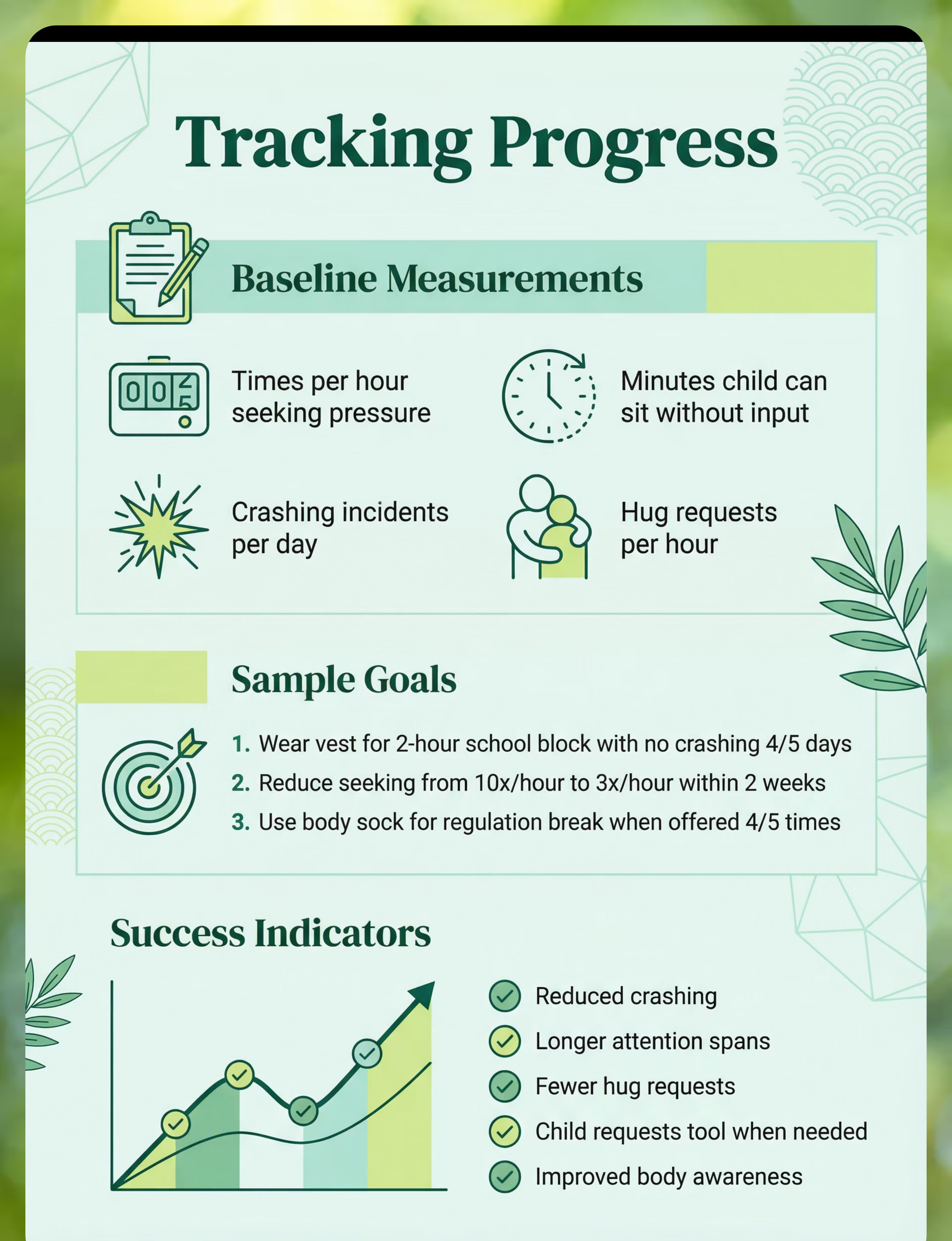
Track Progress
Establish baseline measurements before introducing compression garments, then track specific improvements weekly. This data helps you understand what's working and guides conversations with therapists and teachers.
Baseline Measurements
- Count times per hour child seeks pressure inappropriately
- Record minutes child can sit without seeking pressure input
- Track crashing incidents per day
- Note hug requests per hour
Set Realistic Goals
- Wear compression vest for 2-hour school block with no crashing 4/5 days
- Pressure-seeking behavior reduces from 10x/hour to 3x/hour within 2 weeks
- Child uses body sock for 5-minute regulation break when offered 4/5 times
Success Indicators
- Reduced crashing into furniture and people
- Longer periods of seated attention
- Fewer requests for bear hugs
- Child requests compression tool when needed
- Improved body awareness in motor tasks
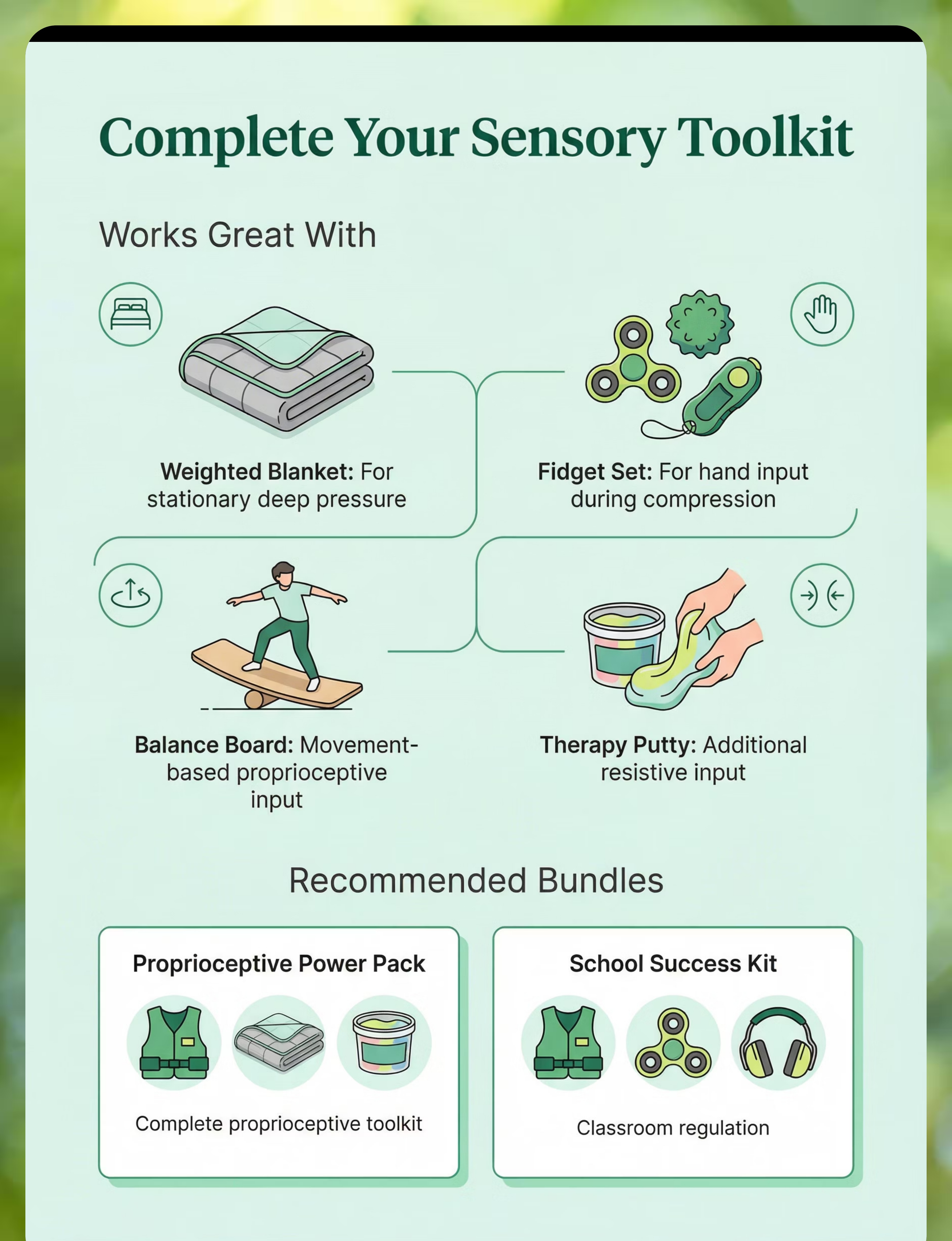
Complete the Kit: Pair It With...
Compression garments work best as part of a comprehensive sensory diet. These complementary tools address different sensory needs throughout your child's day.
1.1 Weighted Blanket
For stationary deep pressure during homework and bedtime when compression vest needs a break.
View Weighted Blanket (ID: 1.1) →
1.4 Fidget Set
Provides hand-based proprioceptive input while body is getting compression input—keeps hands busy.
View Fidget Set (ID: 1.4) →
8.1 Balance Board
Adds movement-based proprioceptive input through weight shifts and balancing challenges.
View Balance Board (ID: 8.1) →
1.6 Therapy Putty
Resistive hand activity provides additional proprioceptive input during seated work.
View Therapy Putty (ID: 1.6) →
Recommended Bundles
- Proprioceptive Power Pack (Items 1.2 + 1.1 + 1.6): Complete proprioceptive toolkit for home and school
- School Success Sensory Kit (Items 1.2 + 1.4 + 3.3): Everything needed for classroom regulation
Quick Summary
Compression garments provide continuous, wearable proprioceptive input for children who seek deep pressure. As a Core Kit essential (Rank #1) with strong evidence, these tools are ideal for school settings where weighted items aren't practical. They support body awareness, self-regulation, attention, and motor planning through sustained compression input.
compression
proprioceptive
wearable
body sock
vest
deep pressure
portable
school
OT
core-kit
Common Searches: compression vest autism, body sock sensory, compression shirt kids, proprioceptive clothing, sensory compression vest India, lycra body sock, deep pressure vest, sensory body sock autism
Get Support
FREE National Autism Helpline
Phone: 9100 181 181
Languages: 16+ Indian languages supported
Website: pinnacleblooms.org
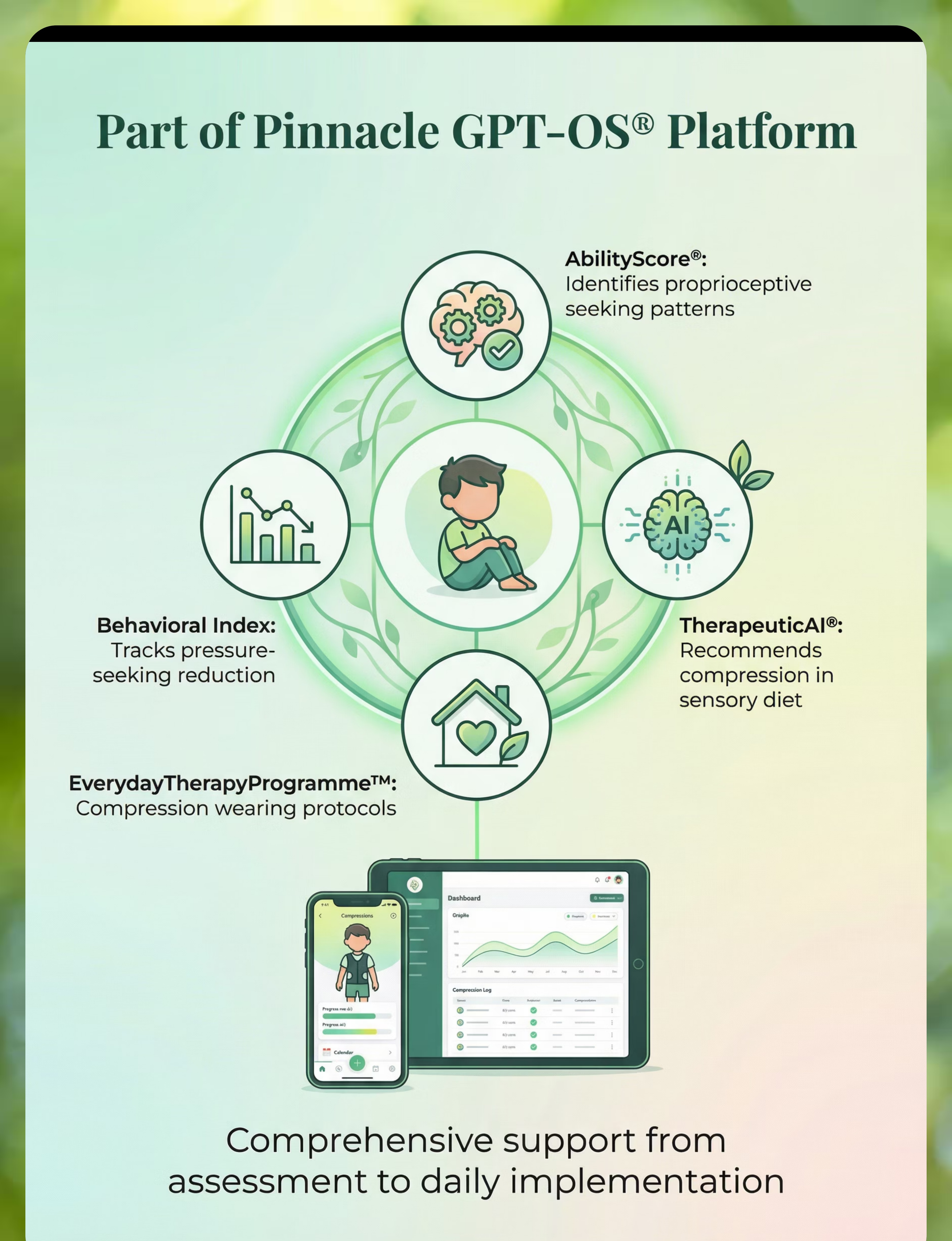
Platform Integration: Compression garments integrate seamlessly with Pinnacle Blooms Network's comprehensive ecosystem. AbilityScore® identifies proprioceptive seeking patterns during assessment. TherapeuticAI® recommends specific compression options as part of personalized sensory diets. EverydayTherapyProgramme™ includes detailed wearing protocols and schedules. The Behavioral Self-Regulation Index tracks reduction in pressure-seeking behaviors over time, providing data-driven insights into effectiveness.
Important Disclaimer: This is educational information designed to support informed decision-making. Always consult qualified occupational therapists, speech-language pathologists, or pediatricians before introducing new therapeutic tools. Individual results vary based on each child's unique sensory profile, needs, and developmental stage. What works beautifully for one child may not suit another—professional guidance ensures proper tool selection and usage.