






Tool ID: 1.9
Tool ID: 1.9
OT + SLP
Moderate Evidence
Rank #2
Daily Use
Vibrating Sensory Tools
Vibration-based sensory input system
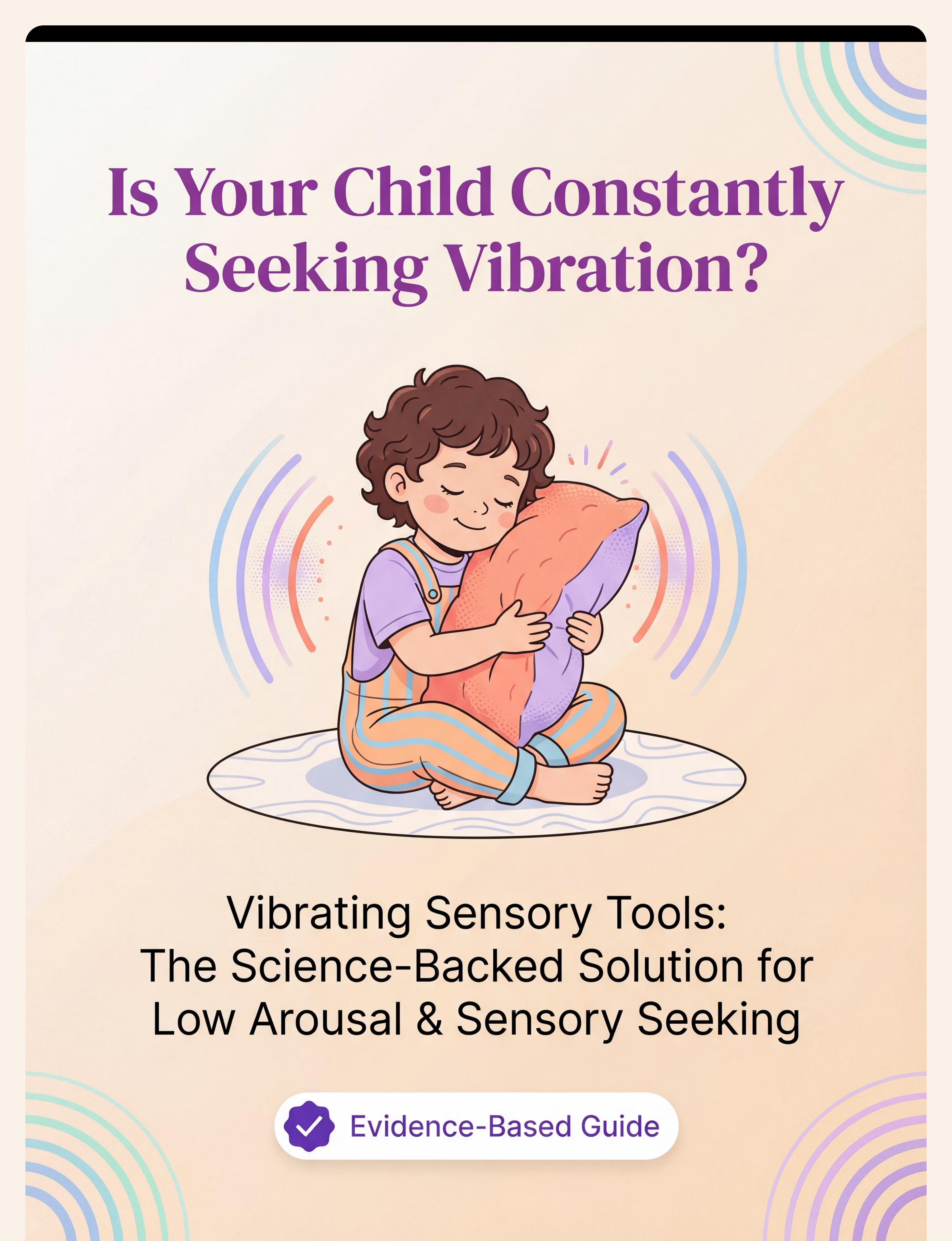
For children who seek vibration constantly or struggle with low arousal and engagement, vibrating sensory tools provide unique nervous system input that can be either alerting or calming depending on how it's applied. These specialized therapeutic tools support arousal regulation, oral motor development, and body awareness through controlled vibration input.
₹300–3,000
3m–9 years
Home/Clinic
Daily Use
Who This Helps
Vibrating sensory tools provide vibration input for alerting, calming, or oral motor development. They're designed to modulate nervous system state and support regulation across multiple areas of development.
Sensory & Arousal Regulation
Supports children with sensory processing differences, helping them achieve optimal arousal levels for engagement and learning.
Oral Motor Development
Assists with oral motor skills for feeding, speech, and reducing oral-seeking behaviors.
Body Awareness
Enhances proprioception and tactile discrimination, contributing to a better understanding of body in space.
Low-Tone & Seeking Behaviors
Alerts and engages children with low muscle tone or those who constantly seek vibration for sensory input.
Ages 3 Months to 9 Years
Tools and intensities are tailored for various developmental stages, from infant teethers to school-aged cushions.
Home, Clinic, & School Settings
Portable options suitable for diverse environments, with guidelines for appropriate supervision.
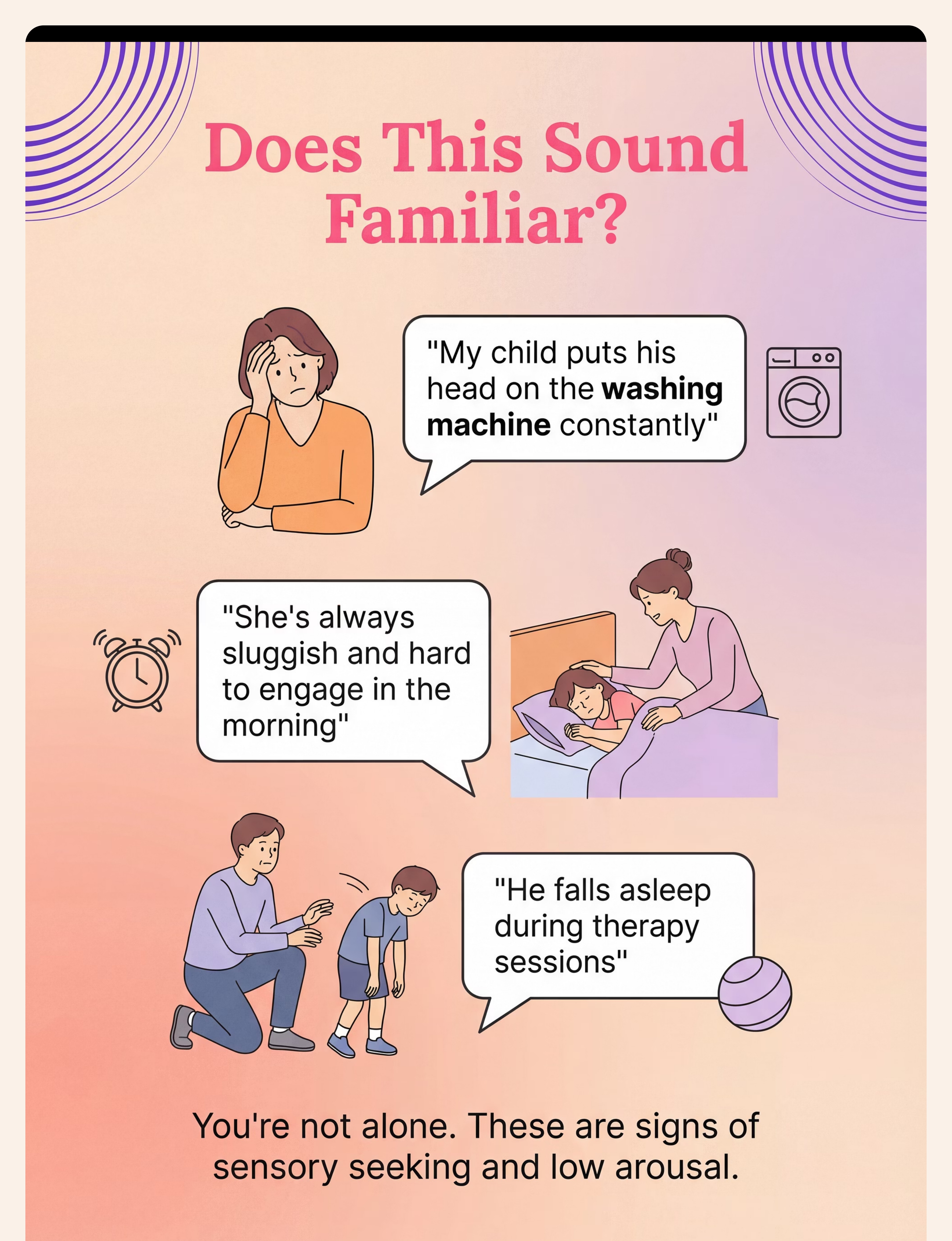
Does This Sound Familiar?
"My child is always sluggish and hard to engage"
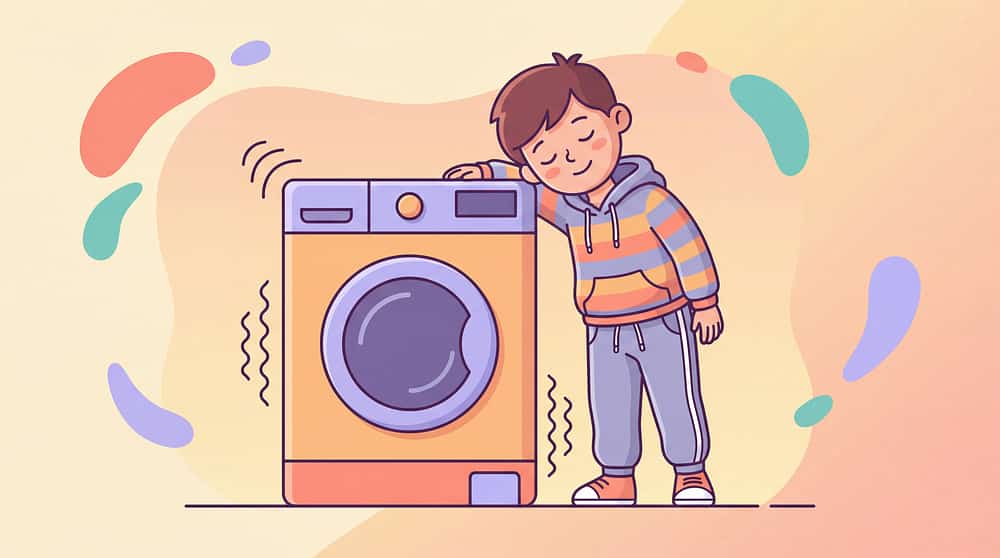
"He seeks vibration constantly - puts head on washer"
"Low muscle tone makes everything harder"
"She falls asleep during activities - can't stay alert"
"Oral motor development is delayed"
"Can't find anything that wakes up his system"

You're not alone. These are common challenges faced by parents of children with sensory processing differences and low arousal patterns. The right vibration input can make a meaningful difference.
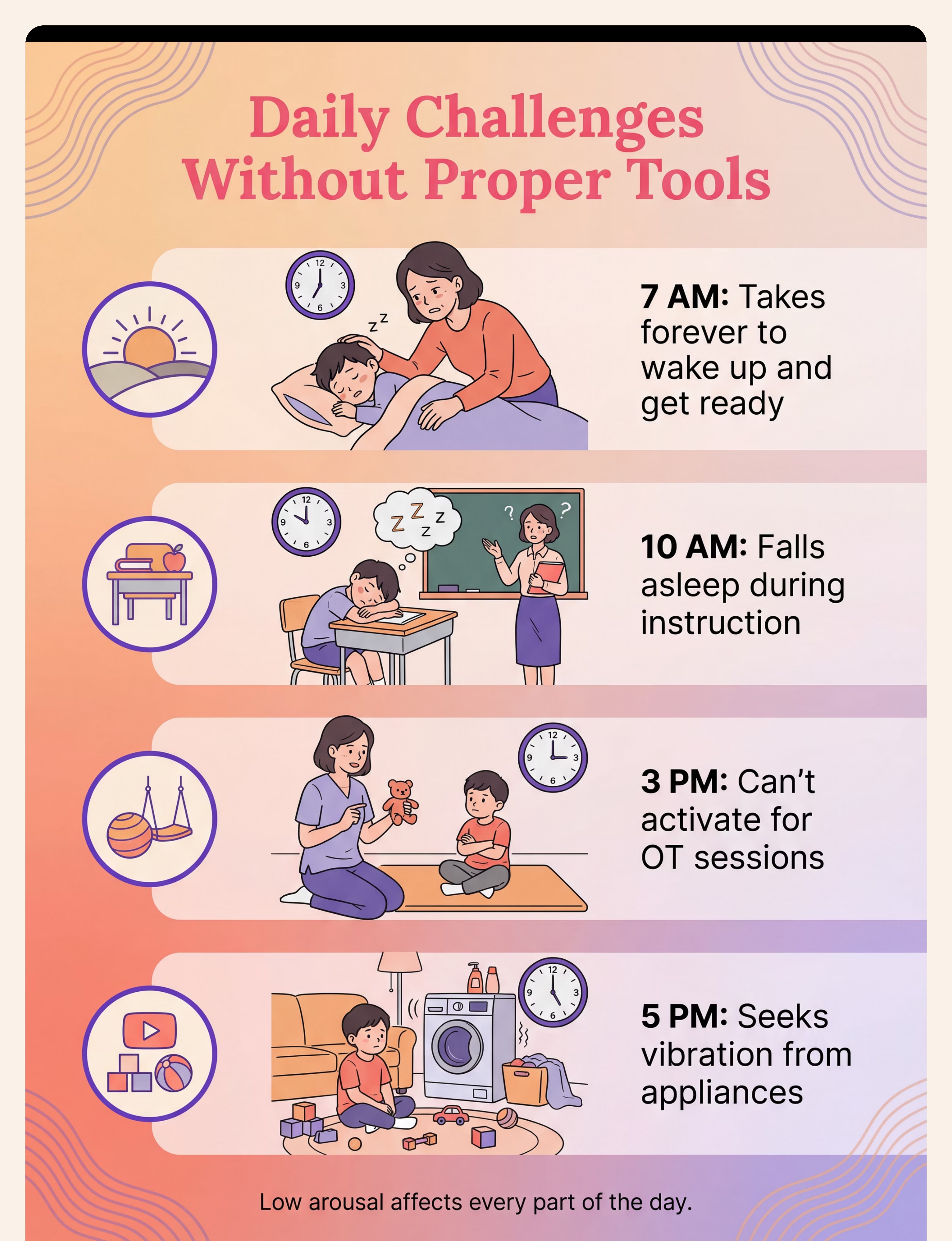
A Day Without the Right Support
Morning
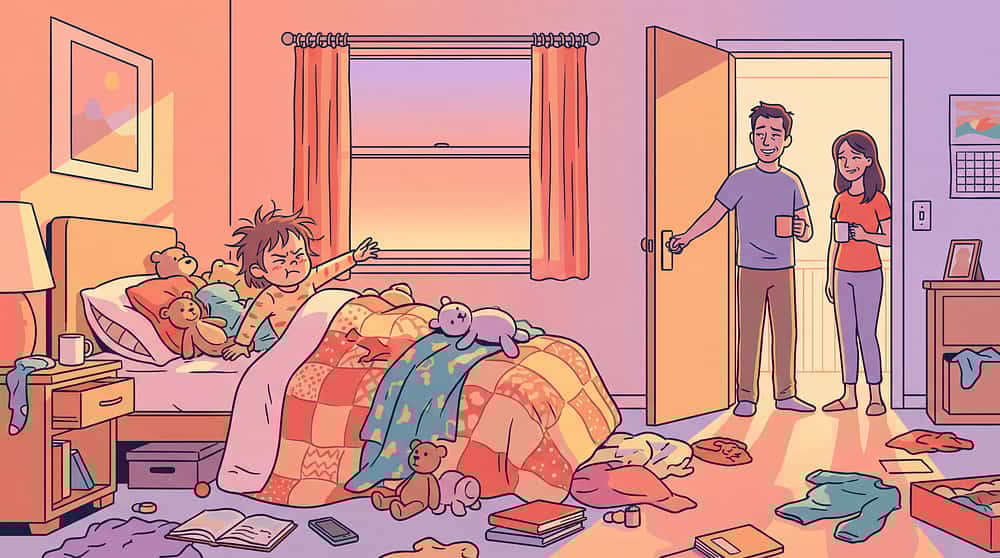
Hard to wake up, sluggish, and low energy. Everything takes longer, delaying the start of the day.
Midday
Struggles to stay alert and engaged in school, often zoning out or falling asleep during instruction.
Evening
Low engagement during therapy and play activities, making sessions unproductive and leading to unusual seeking behaviors.
Night
Difficulty winding down, restless sleep, or continued sensory seeking that interferes with bedtime routines.
These daily moments of struggle compound over time, affecting development, learning, and family routines. Understanding the nervous system's need for appropriate vibration input is the first step toward meaningful change.
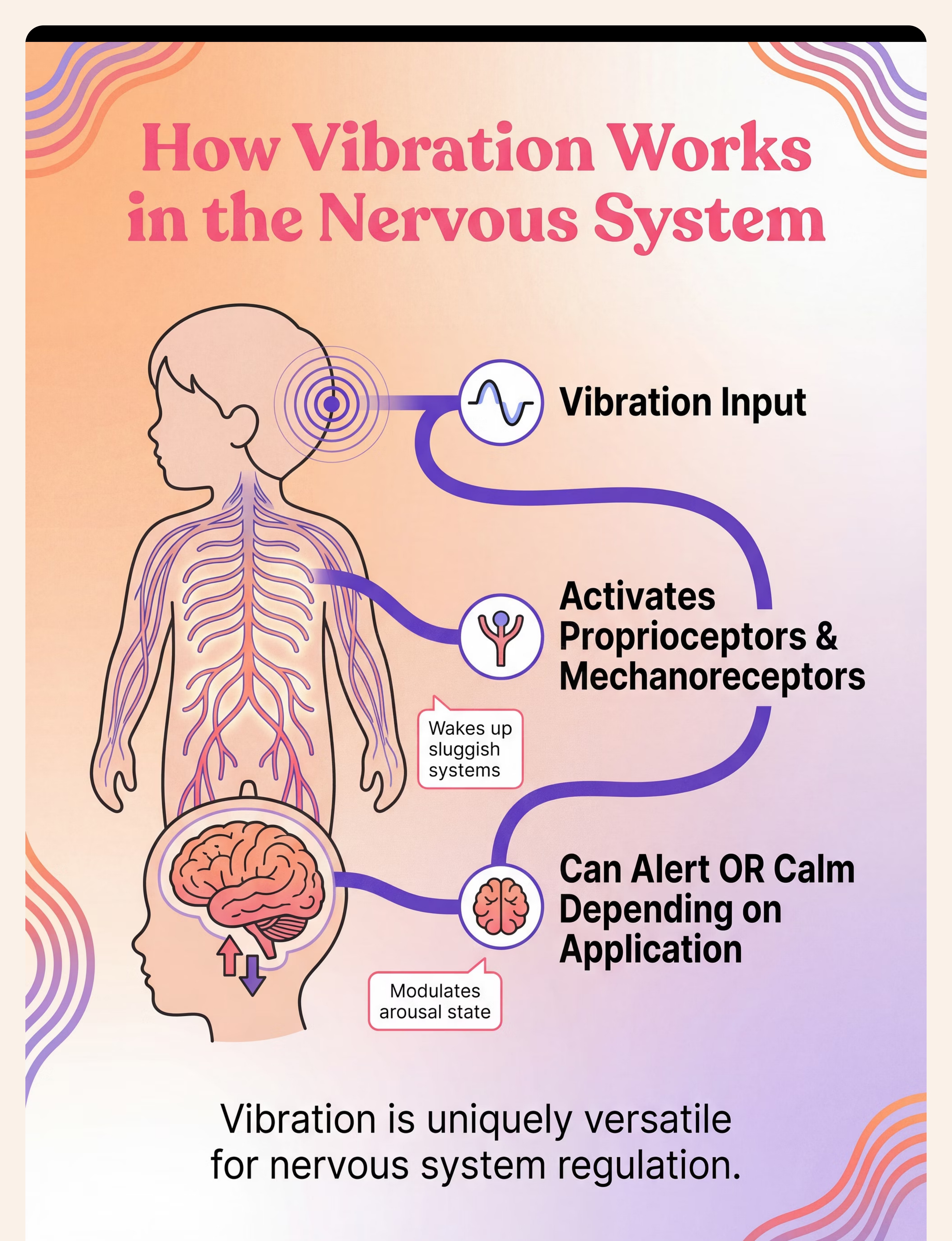
The Science Behind It
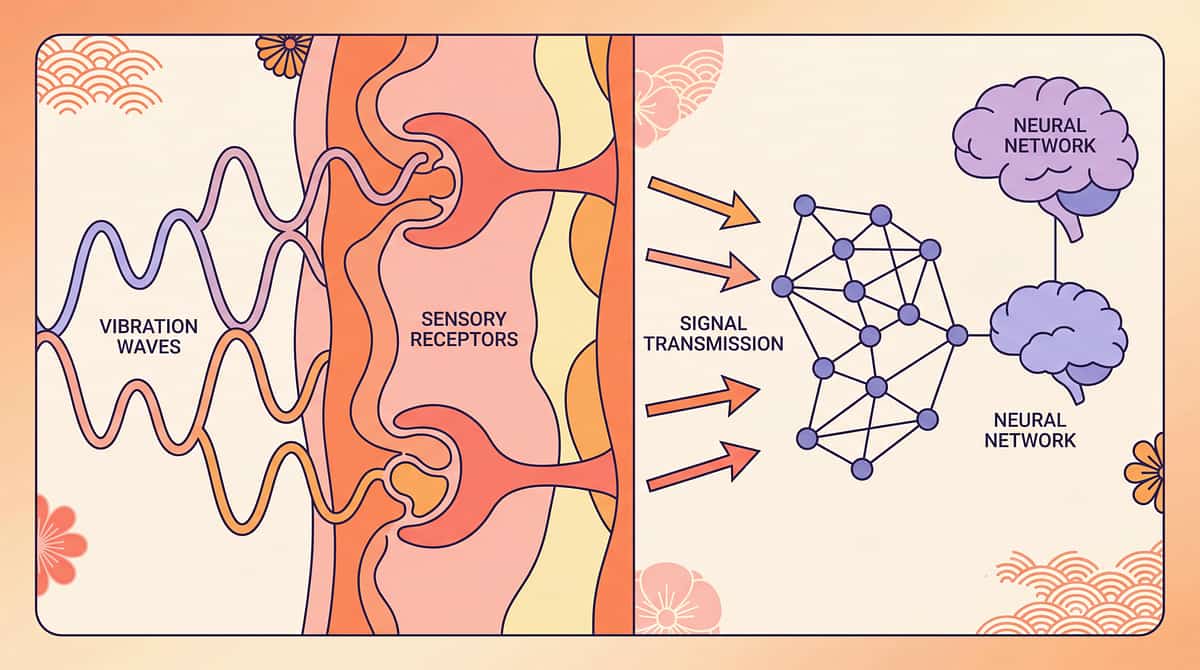
Vibration Input
Gentle to strong vibration applied to body surfaces
Receptors Activated
Proprioceptors and mechanoreceptors respond
Nervous System Response
Can be alerting or calming depending on application
State Modulation
Supports regulation and oral function
Vibration is uniquely versatile in sensory integration. The same input can increase arousal in a sluggish nervous system or provide calming deep pressure depending on location, intensity, and the individual child's response pattern. This makes vibrating tools powerful but requires careful observation and application.
Sensory Modulation
Arousal Regulation
Oral Motor
Body Awareness
Alerting for Low-Tone
How to Use It Right
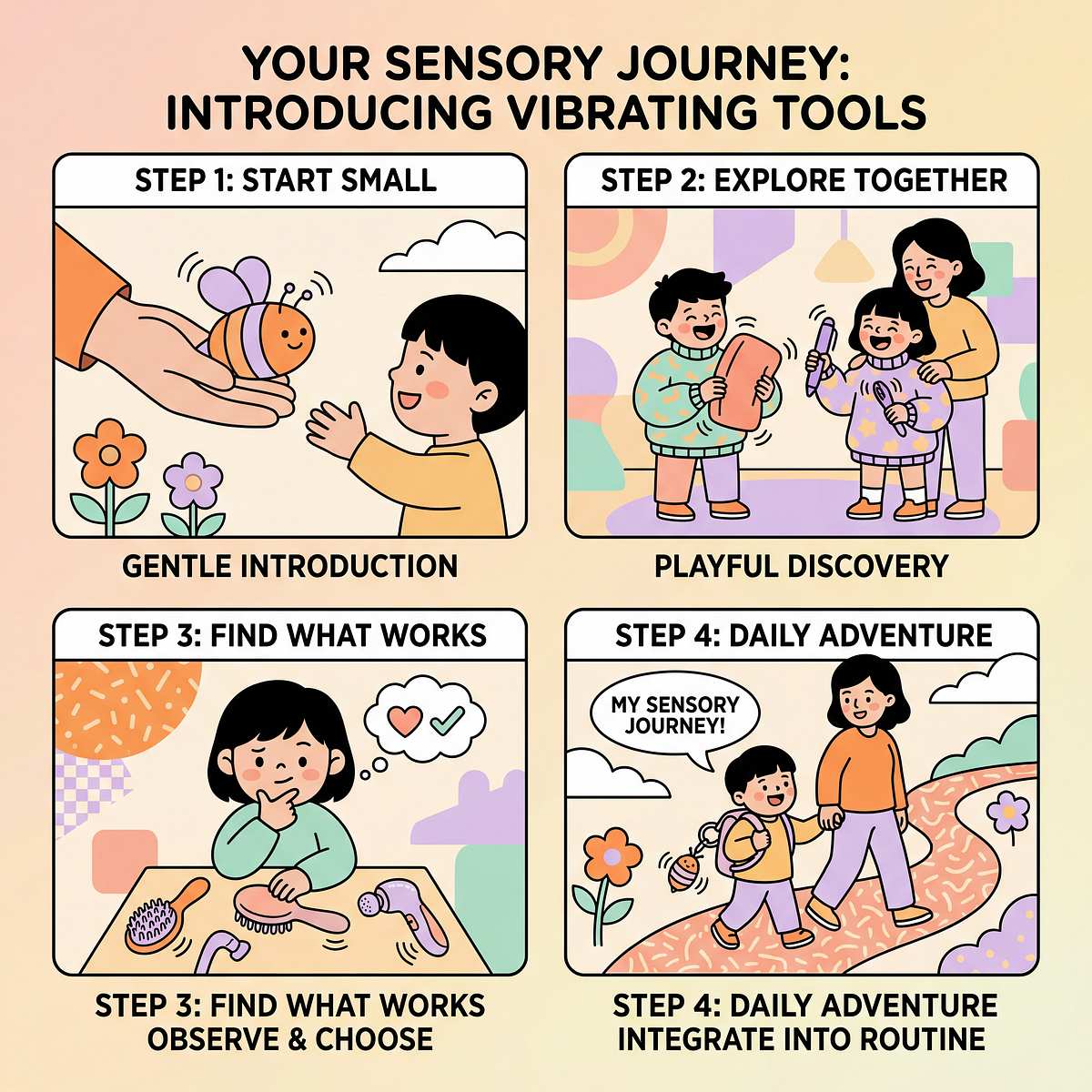
Test reaction first - can be alerting or calming
Every child responds differently. Observe carefully during initial sessions to determine if vibration is alerting or calming for your child.
Start with low intensity, brief duration
Begin with the gentlest setting for just 2-3 minutes. Gradually increase as you understand your child's response.
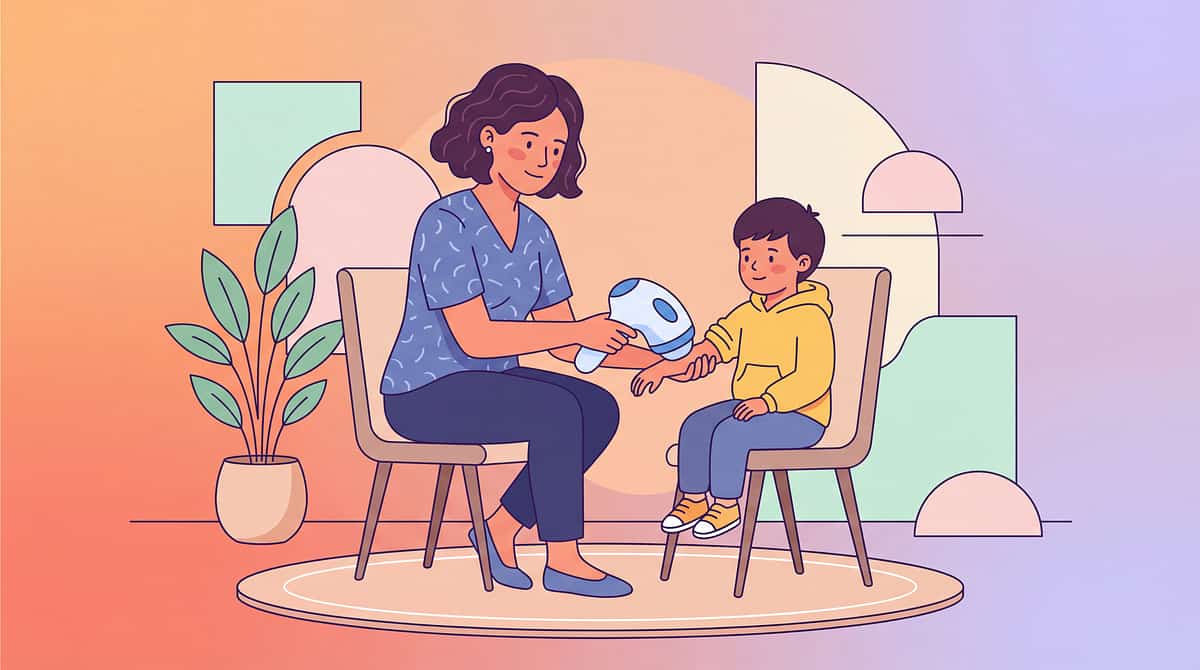
Vibration on hands/feet often alerting
Distal application tends to increase arousal and engagement. Use before activities requiring focus.
Vibration on back/neck often calming
Central body application tends to provide organizing, calming input. Use when child needs to settle.
Oral vibration tools under SLP/OT guidance
Oral motor applications require professional training. Don't use oral tools without therapist instruction.

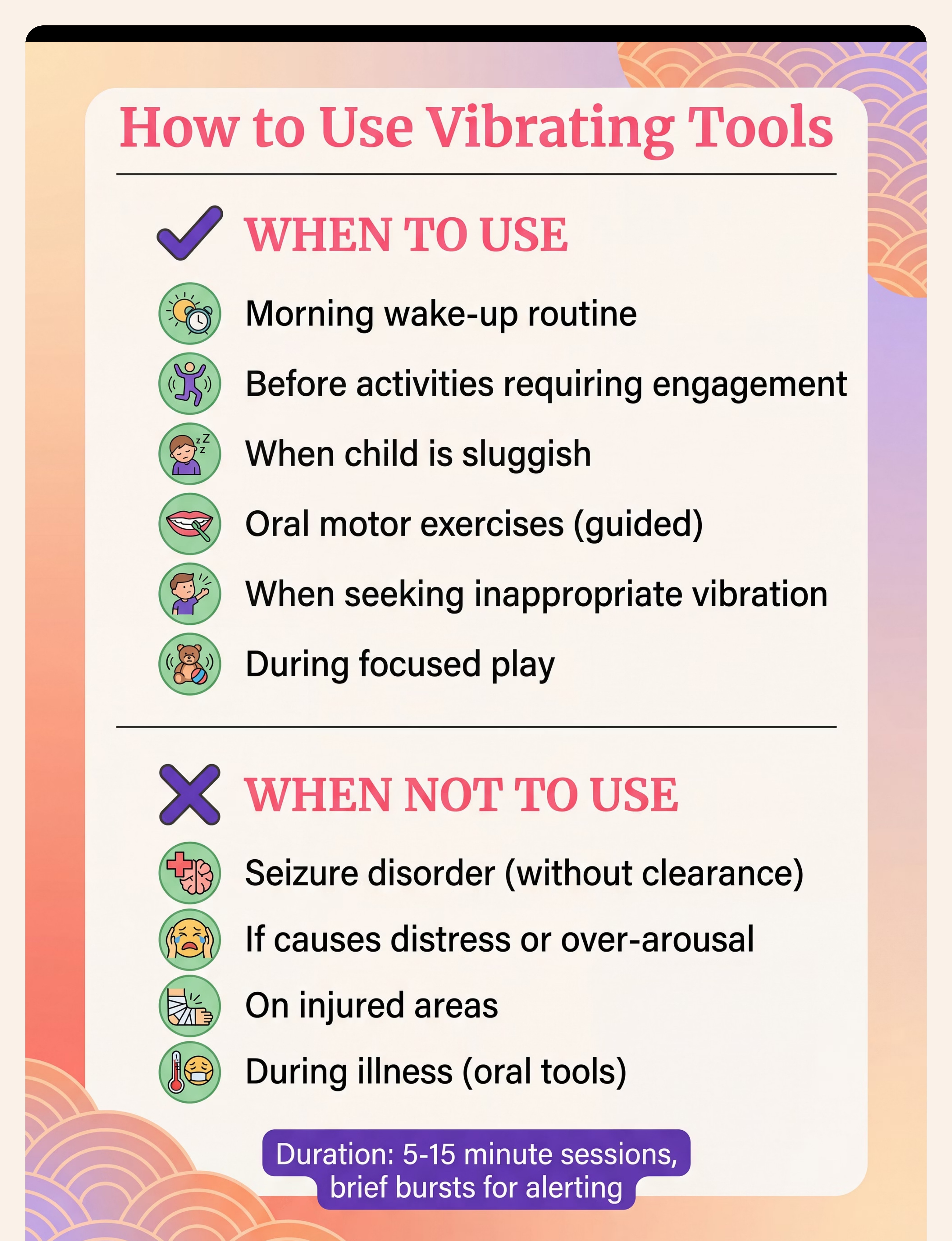
Duration: 5-15 minute sessions; brief bursts for alerting. Longer isn't always better - observe your child's response and adjust accordingly.
Expert Endorsement
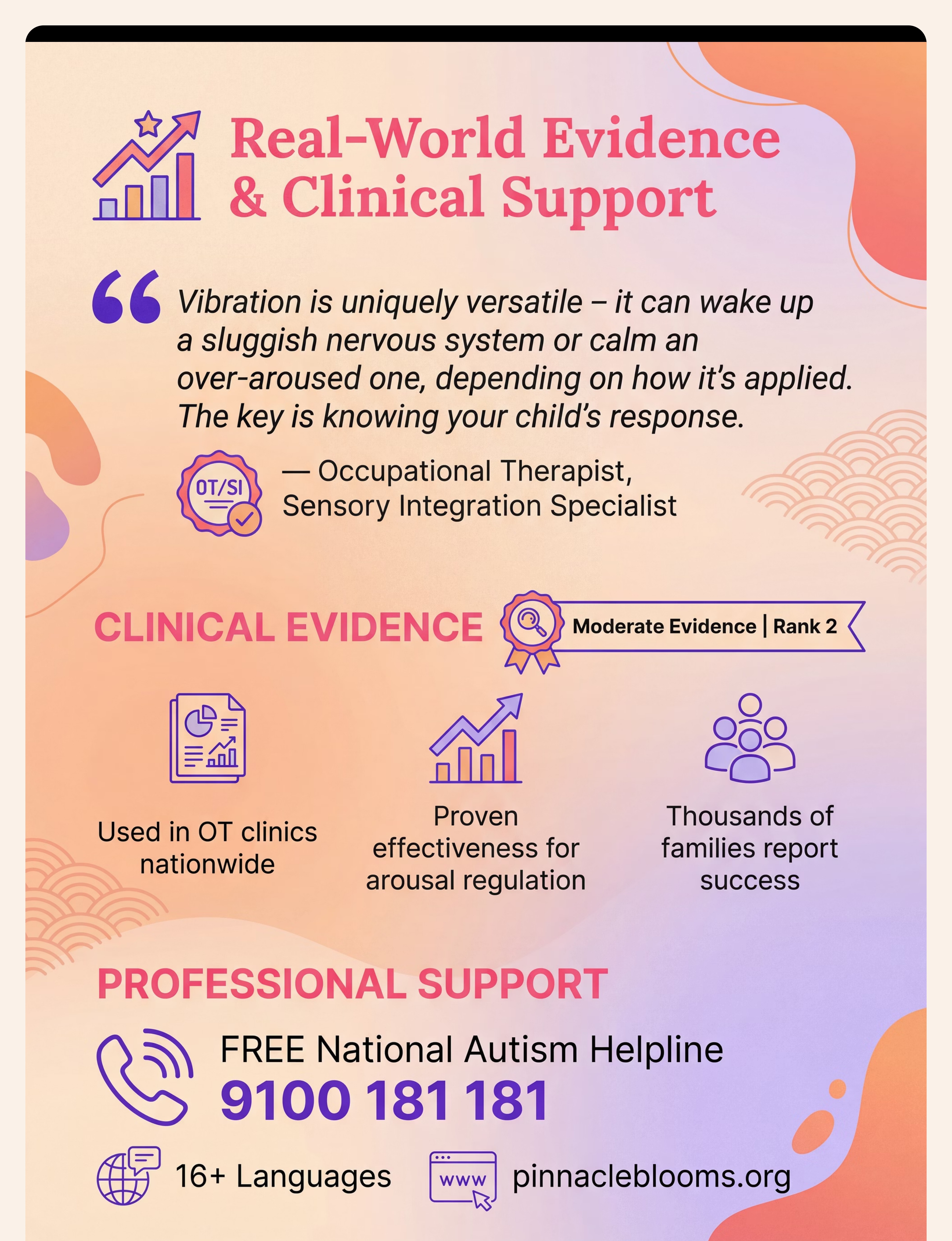
Expert Statement
"Vibration is uniquely versatile - it can wake up a sluggish nervous system or calm an over-aroused one, depending on how it's applied. The key is knowing your child's response."
— Occupational Therapist, Sensory Integration Specialist
Professional Consensus
OT + SLP Recommended
Moderate Evidence
Rank #2 in Category
Daily Use Recommended
This classification reflects extensive clinical experience and moderate research evidence supporting vibration as a therapeutic modality. The dual OT-SLP recommendation indicates value across both sensory integration and oral motor domains.
vibrating-sensory-tools therapy material
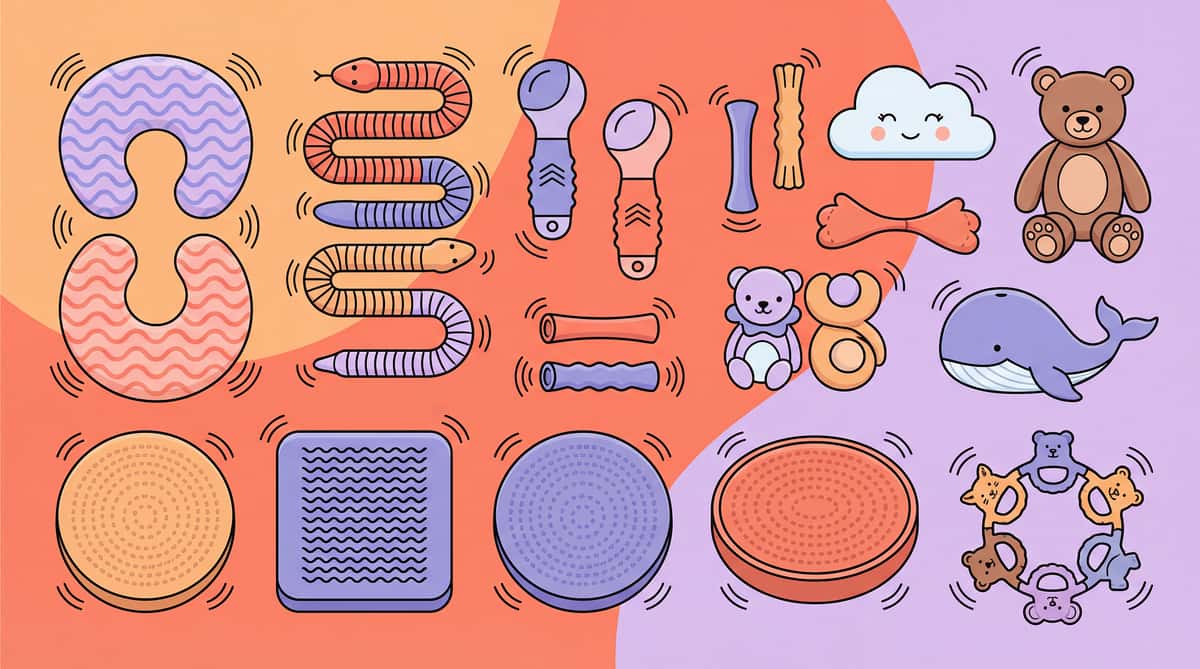
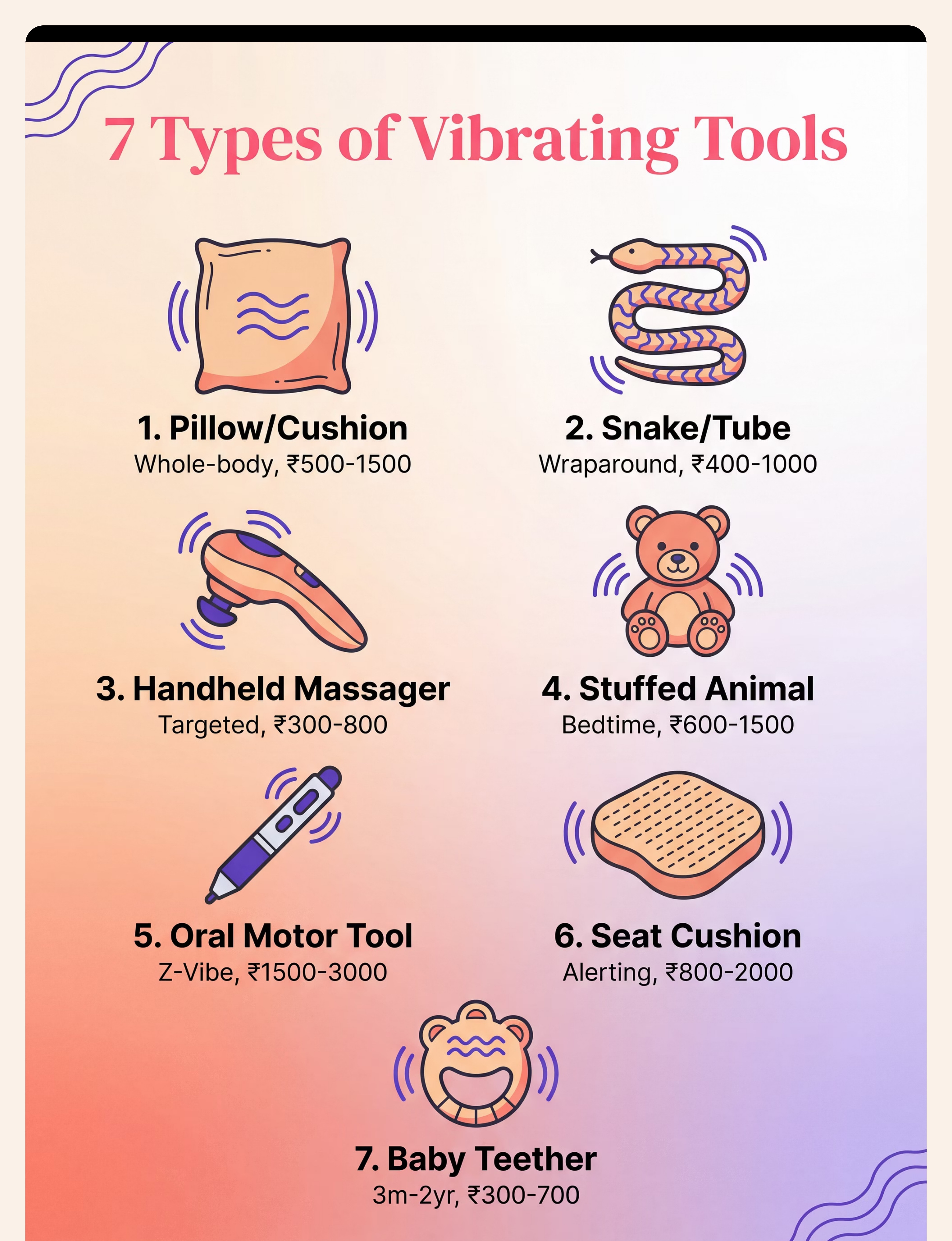
Choose Your Option (7 Variants)
Vibrating Pillow / Cushion
Ages: 1-9 years
Portability: Medium
Price: ₹500–1,500
Vibrating Snake / Tube
Ages: 2-9 years
Portability: High
Price: ₹400–1,000
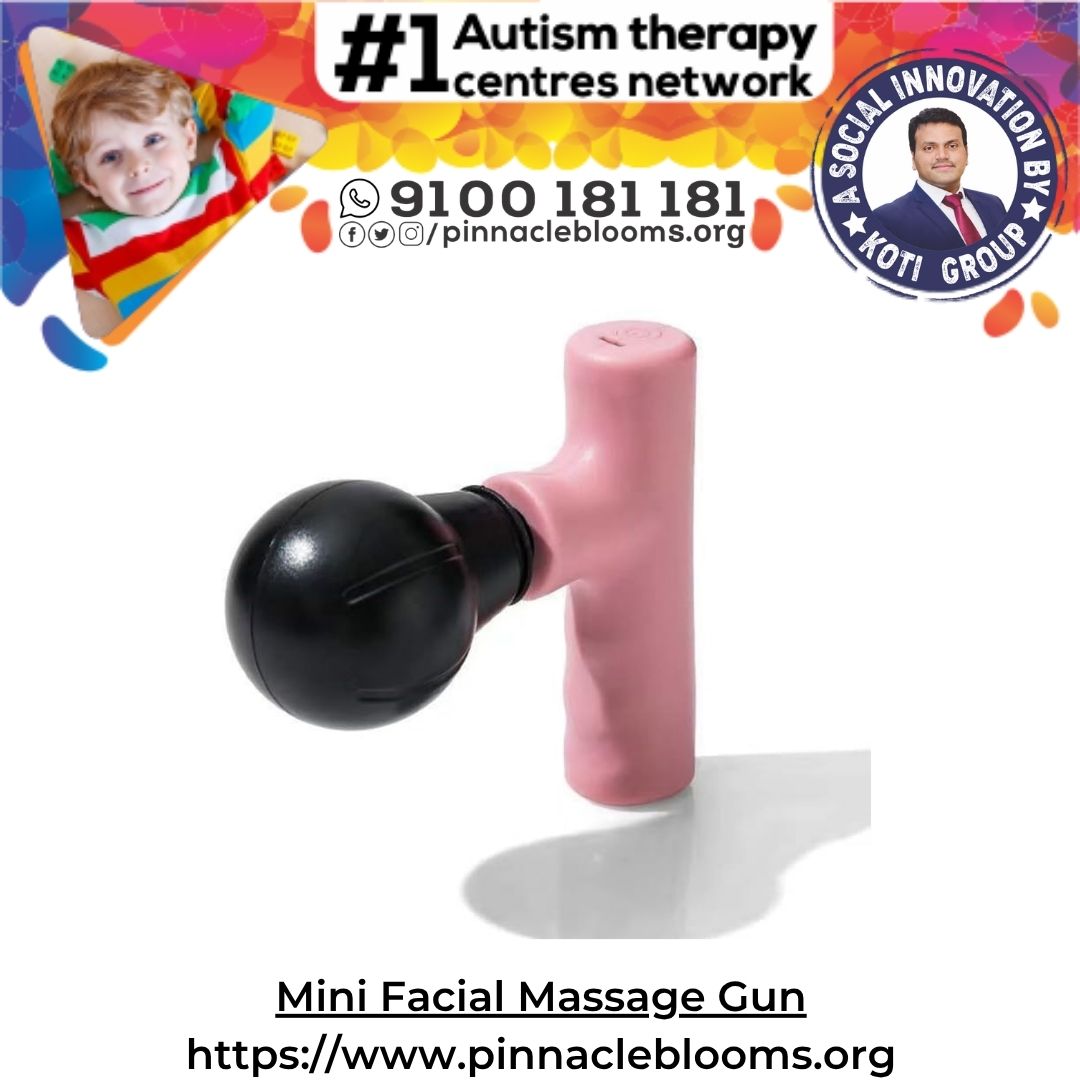
Handheld Vibrating Massager
Ages: 3-9 years
Portability: High
Price: ₹300–800
Vibrating Stuffed Animal
Ages: 1-7 years
Portability: High
Price: ₹600–1,500
Vibrating Oral Motor Tool (Z-Vibe)
Ages: 0-9 years
Portability: Medium
Price: ₹1,500–3,000
Vibrating Seat Cushion
Ages: 4-9 years
Portability: Medium
Price: ₹800–2,000
Vibrating Teether (Baby)
Ages: 3m-2 years
Portability: High
Price: ₹300–700
Each variant serves different needs, settings, and age ranges. Consider your child's specific challenges, portability needs, and therapeutic goals when selecting.

How to choose:
  • By goal: Alerting (hands/feet tools), calming (back/neck), oral motor (Z-Vibe)
  • By setting: Home (pillow, stuffed animal), clinic (all), school (seat cushion)
  • By portability: High (handheld, snake, stuffed animal) vs. medium (pillow, cushion)
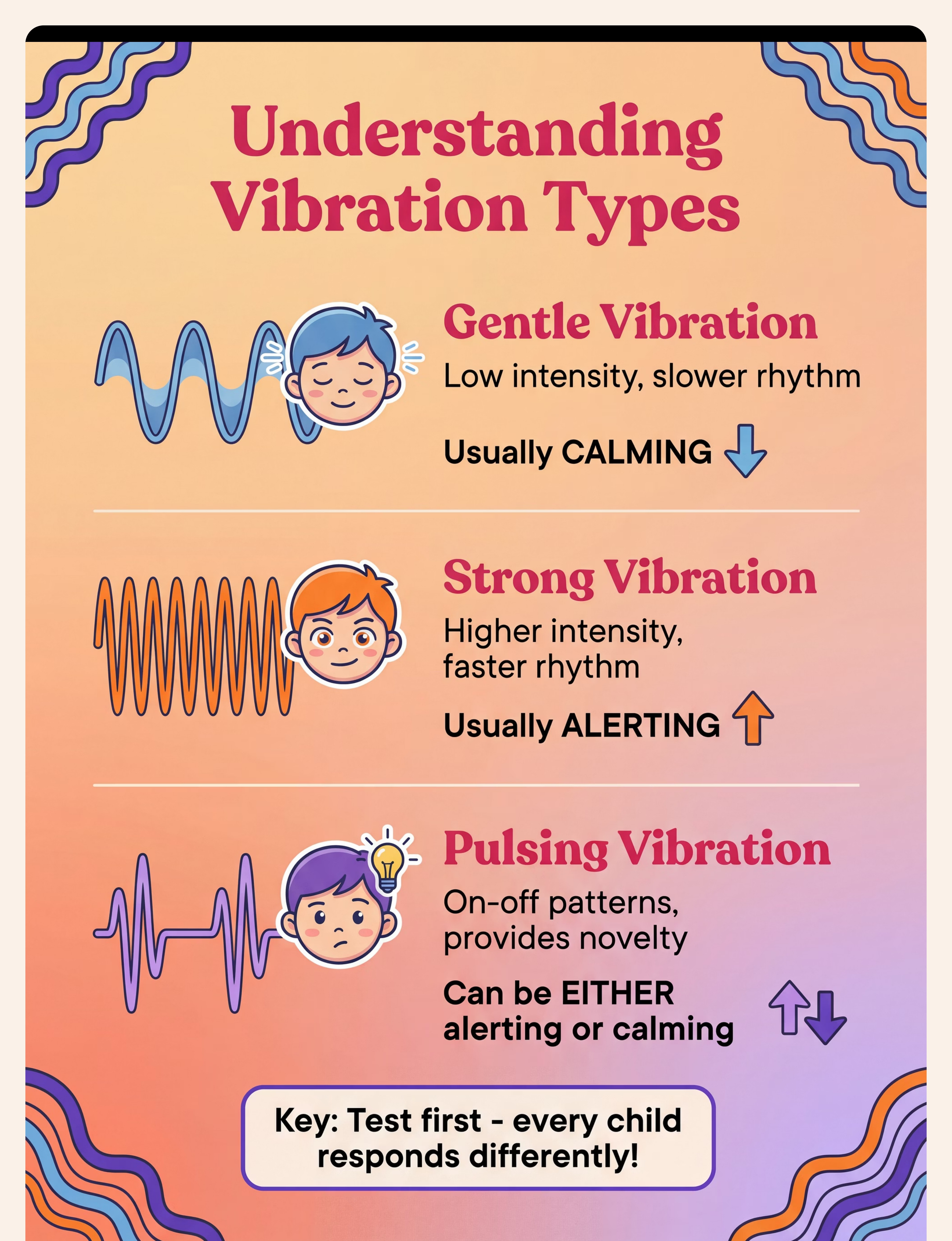
Understanding Vibration Types
Gentle Vibration
Characteristics: Low intensity, slower rhythm
Effect: Often calming and organizing
Best for: Bedtime routines, anxiety reduction, calming overstimulated children
Strong Vibration
Characteristics: Higher intensity, faster rhythm
Effect: Often alerting and energizing
Best for: Morning wake-up, pre-activity preparation, engaging low-arousal children
Pulsing Vibration
Characteristics: On-off patterns, variable rhythm
Effect: Provides novelty, can be alerting or calming
Best for: Maintaining attention, preventing habituation, sensory exploration

Key Features to Look For
Variable intensity (preferred)
Allows customization to child's needs and gradual progression
Washable covers
Essential for hygiene, especially with oral motor or drooling concerns
Safe battery compartments
Secured with screws, not accessible to young children
Auto-shutoff for safety
Prevents overheating and conserves battery life
Materials: BPA-free plastics, soft fabric covers, food-grade silicone (for oral tools), battery-operated motors
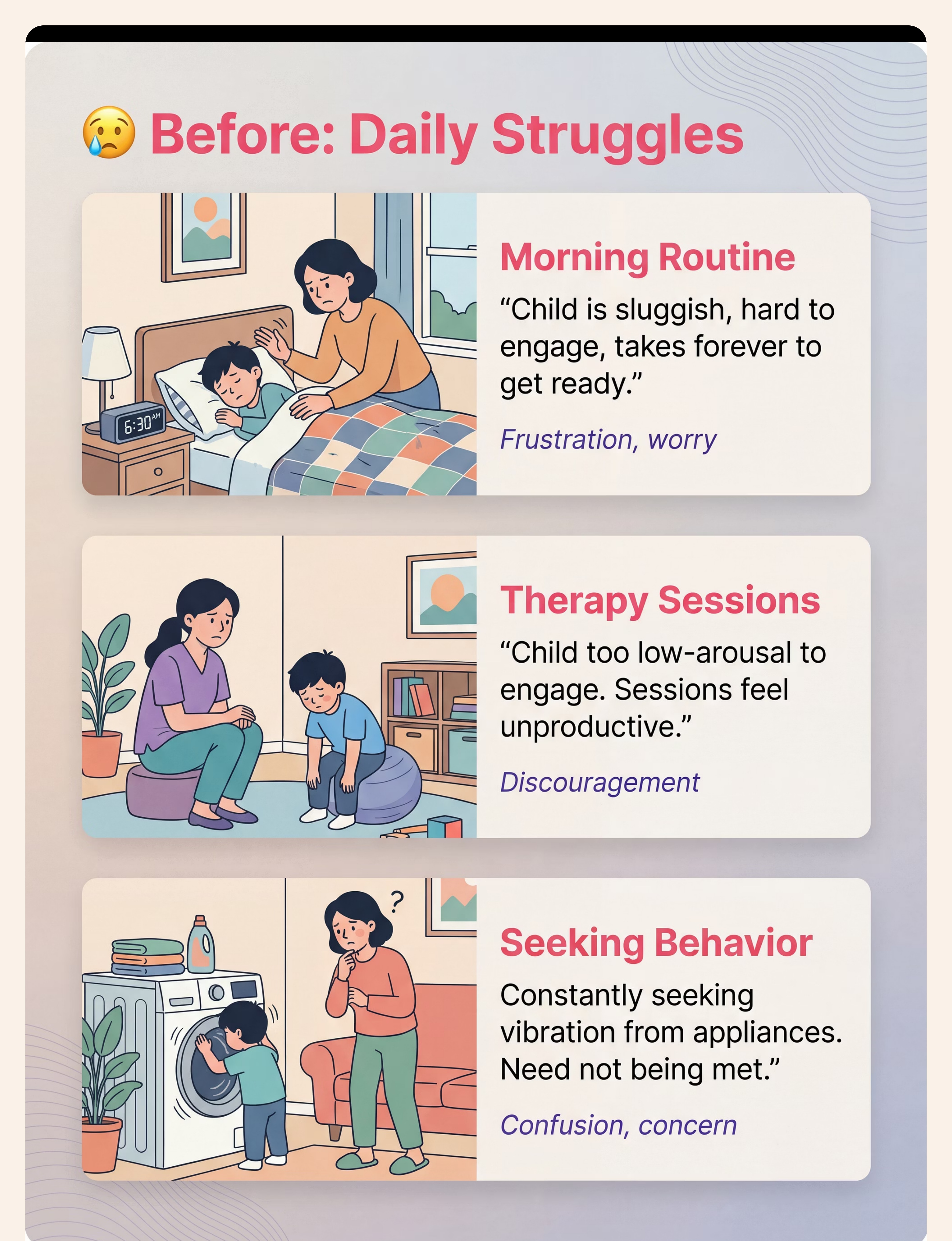
The Struggle (Before)
Morning Routine
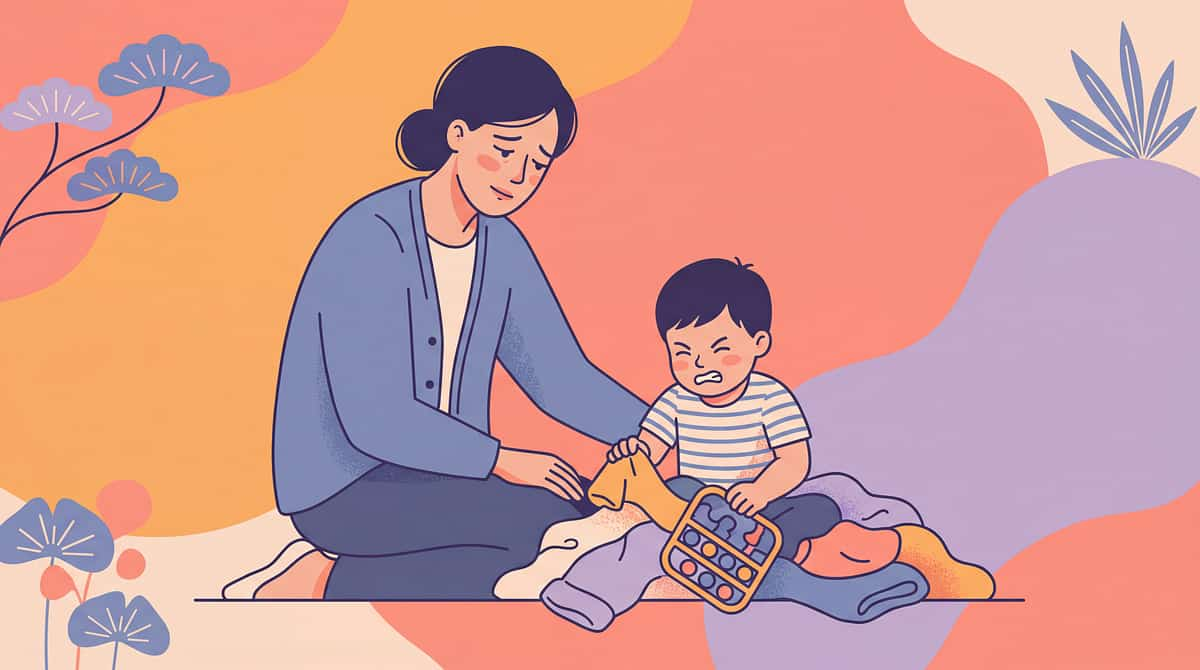
Situation: Child is sluggish, hard to engage, takes forever to get ready. Low muscle tone and energy make everything slow and difficult.
Experience: Parents feel frustrated trying to motivate and move their child through basic morning tasks.
Emotion: Frustration, worry about the day ahead
Therapy Sessions
Situation: Child too low-arousal to engage meaningfully. Occupational therapist struggles to get participation and involvement.
Experience: Sessions feel unproductive and progress seems limited despite everyone's best efforts.
Emotion: Discouragement, questioning the value of therapy
Seeking Behavior
Situation: Child constantly puts head on washing machine, seeks vibrating toys, shows unusual sensory-seeking patterns.
Experience: Need is not being met appropriately. Behaviors draw attention and concern from others.
Emotion: Confusion about what child needs, concern about development
vibrating-sensory-tools therapy material
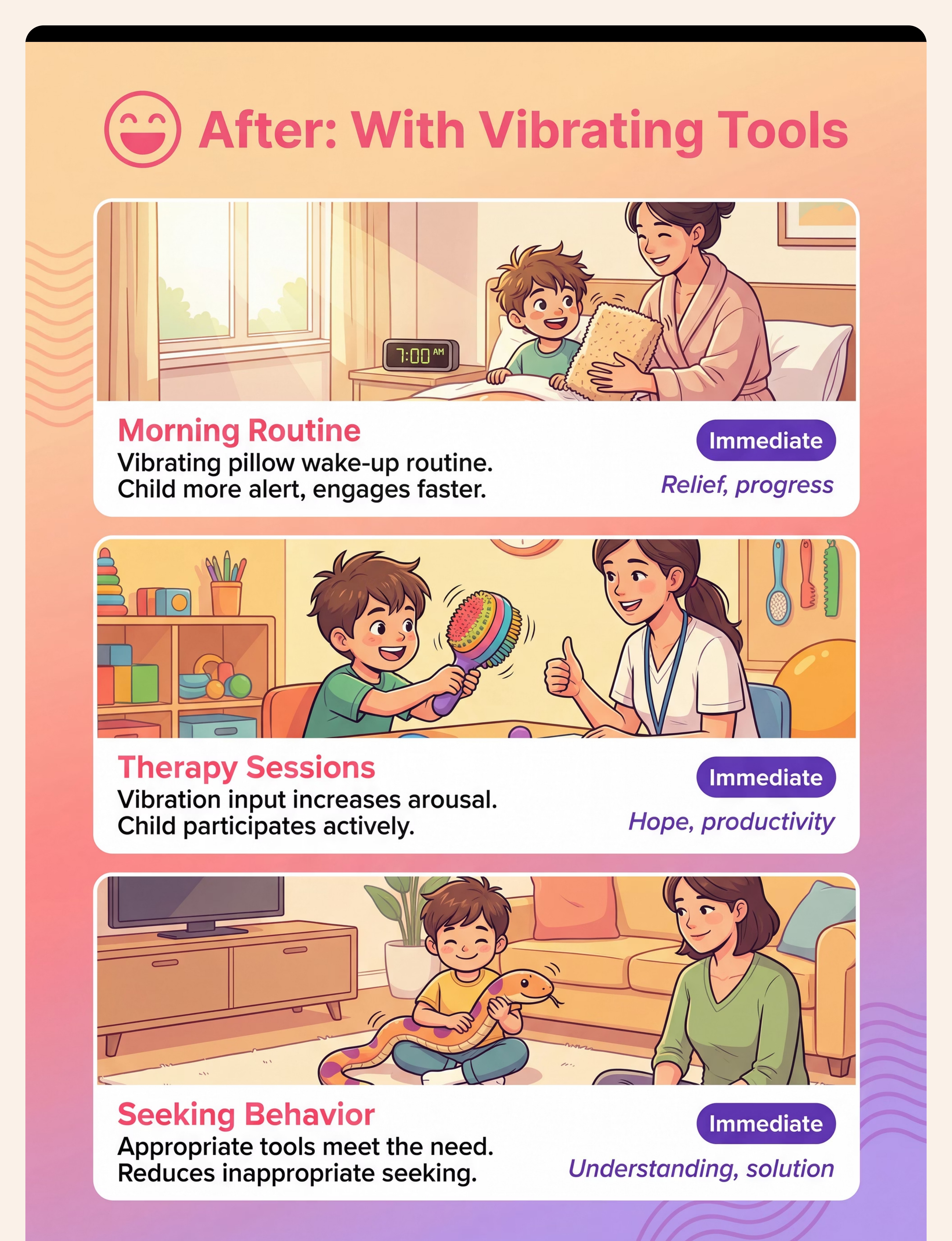
The Breakthrough (After)
Morning Routine
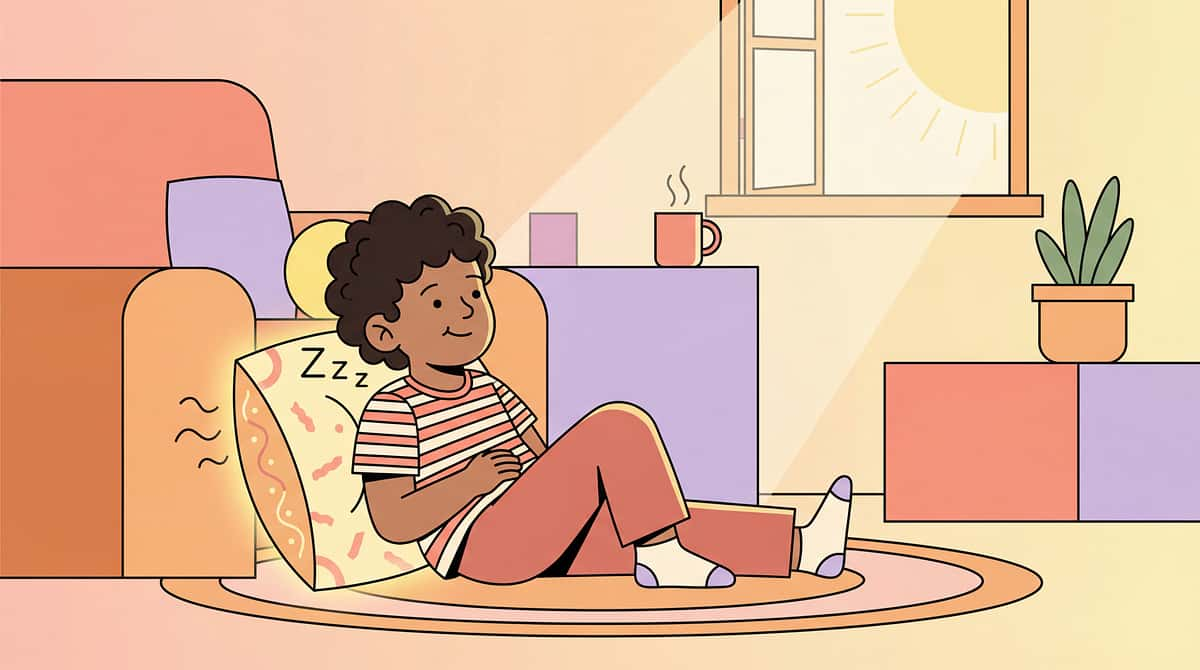
Situation: Vibrating pillow wake-up routine becomes part of morning flow. Child more alert and ready to engage.
Experience: Morning proceeds more smoothly. Child participates more readily in getting dressed and breakfast.
Emotion: Relief, seeing concrete progress
Therapy Sessions
Situation: Vibration input at start of session increases arousal and readiness. Child engaged and participates actively.
Experience: Better therapy outcomes. Therapist can work on meaningful goals with an engaged child.
Emotion: Hope, feeling productive and making progress
Seeking Behavior
Situation: Appropriate vibrating tools meet the nervous system need. Reduces seeking from appliances.
Experience: Child has acceptable, portable way to get needed vibration input throughout the day.
Emotion: Understanding what was needed, relief having solution
vibrating-sensory-tools therapy material
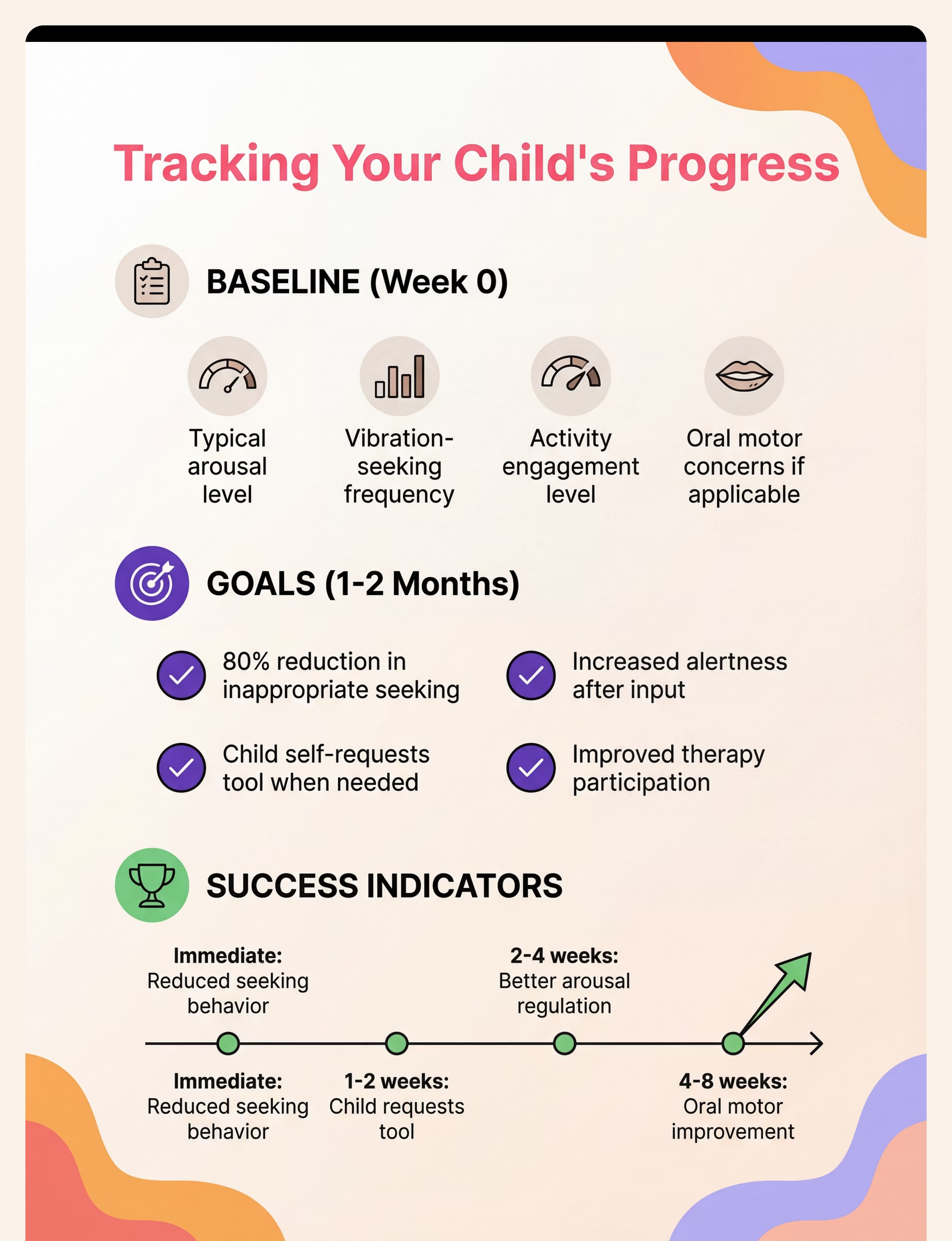
What to Expect (Realistic Timelines)
Increased alertness and engagement
Immediate
Reduced inappropriate vibration-seeking
Immediate
Improved therapy participation
Immediate
Child learns to request vibration input
1-2 weeks
Better arousal regulation throughout day
2-4 weeks
Oral motor improvement (with oral tools)
4-8 weeks

These timelines represent typical patterns observed in clinical practice. Individual results vary based on consistency of use, severity of challenges, and comprehensive therapeutic support. Some benefits like increased alertness appear immediately, while skill development like self-regulation takes weeks of consistent practice.
Is This Right for My Child? (2-Minute Check)
"I've noticed my child actively seeks out vibration from appliances like the washing machine. Is this significant?"
If yes, this indicates: Vibration seeking - nervous system craving this specific sensory input
"My child often seems sluggish, hard to engage, and sometimes falls asleep unexpectedly. Could this mean something?"
If yes, this indicates: Low arousal - may benefit significantly from alerting vibration input
"My child has been diagnosed with low muscle tone. Could vibration therapy help?"
If yes, this indicates: May benefit from vibration for nervous system activation and engagement
"My child engages in unusual sensory experiences. Could vibration be an important component for them?"
If yes, this indicates: Sensory seeking pattern - vibration may be an important component

Interpretation: 3 or more "yes" answers suggest a strong fit for vibrating sensory tools. Even 1-2 "yes" answers may indicate potential benefit. Consult with your occupational therapist for personalized assessment.
Usage Guide
When to Use ✓
Morning wake-up routine (alerting)
Before activities requiring engagement
When child is sluggish or low-arousal
Oral motor exercises (under guidance)
Before feeding (oral prep)
When child is seeking vibration inappropriately
When NOT to Use ✗
If child has seizure disorder (without physician clearance)
If vibration causes distress or over-arousal
On injured areas
Oral tools: during illness or oral injury

Structured Usage Information
Aspect
Description
Recommendation
Notes
Timing
When to introduce vibration
Targeted moments for alerting or regulation
Morning, before tasks, during sensory seeking
Duration
Length of each session
5-15 minute sessions
Brief bursts (seconds) for alerting input
Frequency
How often to use
As needed, up to several times daily
Observe child's response for optimal use
Settings
Environments for use
Home, clinic, select school settings
Oral motor tools require initial therapist guidance

Supervision by Age
Age Range
Supervision Level
Notes
Under 2 years
Constant supervision
Always within arm's reach. Monitor for overheating and appropriate response.
2-4 years
Close supervision
In same room. Check frequently. Guide appropriate use.
4+ years
Can use independently with guidance
After training on safe use. Periodic check-ins. Child can request when needed.
Safety First
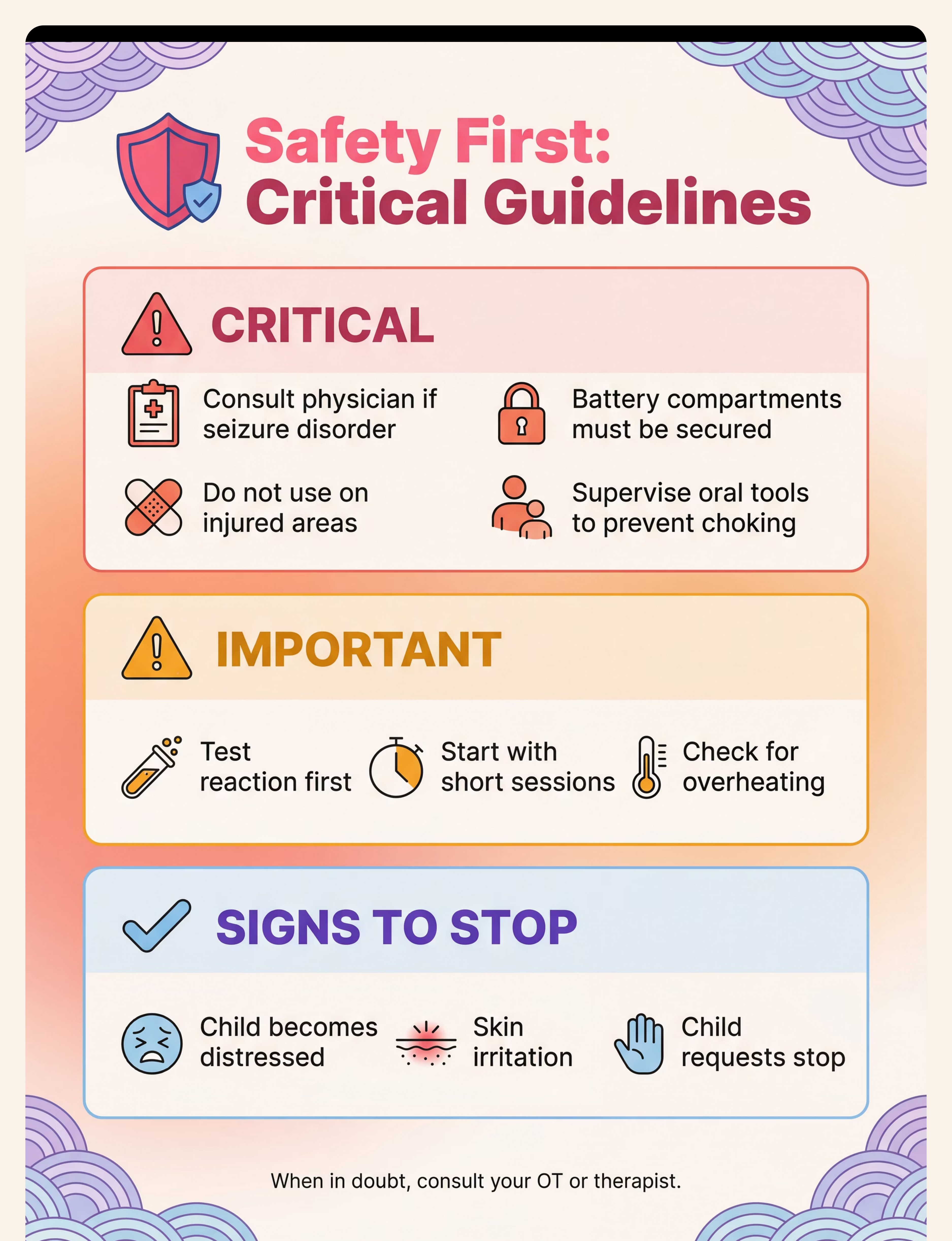
Critical Safety
  • Consult physician if child has seizure disorder before using any vibrating tools
  • Battery compartments must be child-safe (secured with screws, not accessible)
  • Do not use on injured areas or inflamed skin
  • Oral tools: supervise constantly to prevent choking hazard
General Safety Warnings
  • Test reaction first - vibration can be alerting or overwhelming for some children
  • Don't use too long - start with short sessions (2-3 minutes) and observe response
  • Check for overheating after extended use - discontinue if device becomes hot
  • Replace when motor fails or becomes erratic - don't use damaged equipment
Stop Using If
  • Seizure disorders without physician clearance
  • Hypersensitivity to vibration (if child shows extreme distress)
  • Recent injury to application area

Before Use ✓
  • Battery compartment secure
  • Appropriate intensity for child
  • No damage to device
  • Child not showing signs of illness (oral tools)
During Use
  • Child tolerating well
  • Not showing signs of over-arousal
  • Device not overheating
  • Appropriate duration
Signs to Stop 🛑
  • Child becomes distressed or over-aroused
  • Skin irritation develops
  • Device overheating
  • Child requesting stop
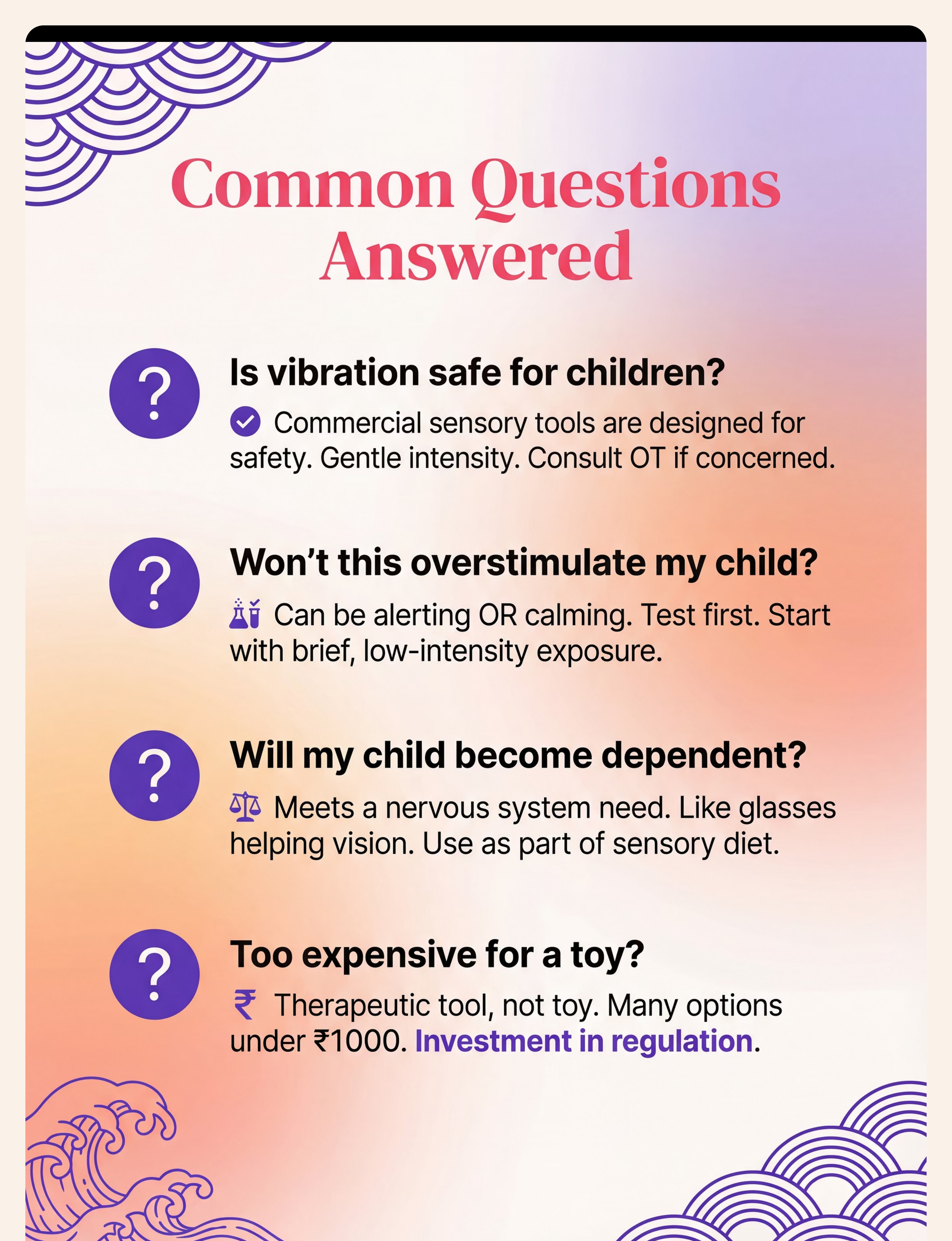
Common Questions (Honest Answers)
Is vibration safe for children?
Answer: Commercial sensory vibrating tools designed for children are safe when used as directed. Intensity is gentle (not industrial strength). Avoid with seizure disorders unless physician approves. Start with short sessions and observe your child's response carefully.
Try this: Consult your occupational therapist for personalized guidance if you have specific concerns about your child's medical history.
Won't this overstimulate my child?
Answer: Vibration can be alerting OR calming depending on the child and application. Test first - some children find it calming, others alerting. If your child becomes more dysregulated, discontinue and try a different approach or location.
Try this: For sensitive children, start with very brief (1-2 minute), low-intensity exposure on back or shoulders rather than hands/feet.
Will my child become dependent on this?
Answer: Like all sensory tools, vibration meets a nervous system need. Over time, with a broader sensory diet, children often need it less. But if it helps them function better - use it. We don't worry about people being 'dependent' on glasses to see clearly.
Try this: Use vibration as part of a comprehensive sensory diet, not as the only tool. Work with your OT to develop multiple regulation strategies.
Too expensive for a toy?
Answer: This is a therapeutic tool, not a toy. Quality vibrating sensory tools are designed for durability and therapeutic use. Many effective options available under ₹1000. Consider the investment in your child's engagement, regulation, and development.
Try this: Start with a basic handheld massager (₹300-500) to test your child's response before investing in more specialized or expensive options.
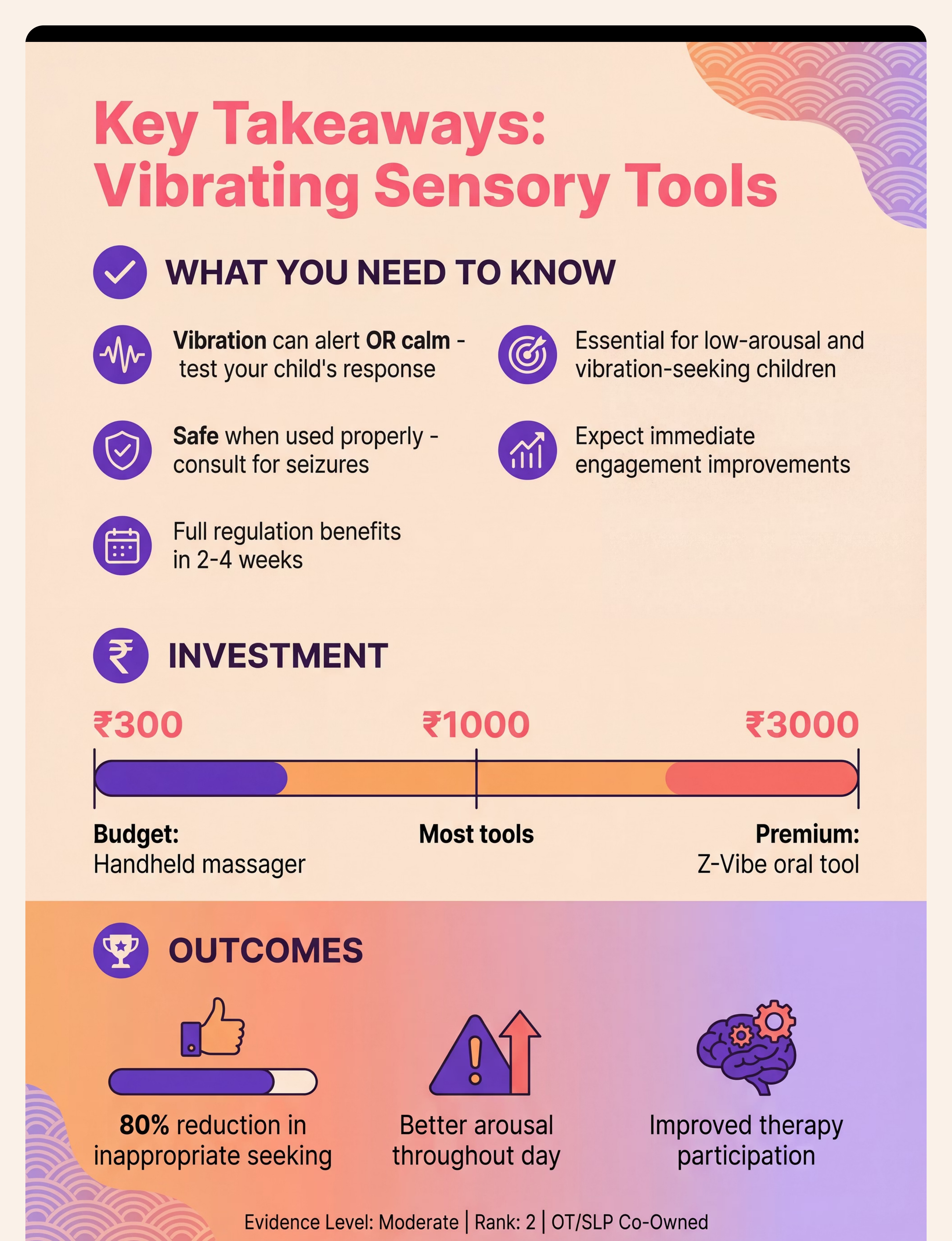
Investment Guide: Choosing the Right Vibrating Sensory Tool
Understanding the costs associated with therapeutic tools is crucial. The investment for vibrating sensory tools can range from ₹300 – ₹3,000, depending on the specific variant and brand. Most families find highly effective options within the ₹500-₹1,500 range.
Your starting point depends on your primary concern. If you're new to vibration therapy, a basic handheld massager is an excellent way to gauge response. For specific oral motor challenges, especially when guided by a therapist, a specialized oral vibration tool offers targeted benefits. For general sensory seeking, versatile items like vibrating pillows or snakes can provide broad support.
Comparing Options
Product
Basic Handheld Massager
ARK Z-Vibe with attachments
Cost
₹300-₹600
₹2,000-₹3,500
Note
Good starting point to test response. Widely available, simple operation, portable.
Specialized brands like ARK Therapeutic, Senseez, Fun and Function. Designed for specific therapeutic applications.
Best For
First-time vibration input, targeted application to hands/feet, travel use.
Oral motor therapy, feeding preparation, comprehensive oral sensory program under professional guidance.
Key Value Points
Assess Response
Allows families to test a child's reaction to vibration without a significant financial commitment.
Targeted Application
Effective for focused sensory input to specific areas like hands, feet, or mouth, depending on the tool.
Versatile Use
Many tools offer adaptability for various sensory needs, from calming to alerting effects.
Durability & Safety
Therapeutic tools are designed for safe and robust use, ensuring longevity and consistent performance.
ROI and Long-Term Value
Initial Discovery
Low-cost options allow for safe exploration of vibration's benefits, confirming its suitability for your child.
Therapeutic Application
Integrating appropriate tools into a sensory diet supports improved regulation, focus, and engagement in daily activities.
Skill Development
Consistent use, especially with oral motor tools, can lead to progress in feeding skills, speech, and overall sensory processing.
Enhanced Well-being
The ultimate return on investment is a child who is better regulated, more comfortable, and engaged in their environment.
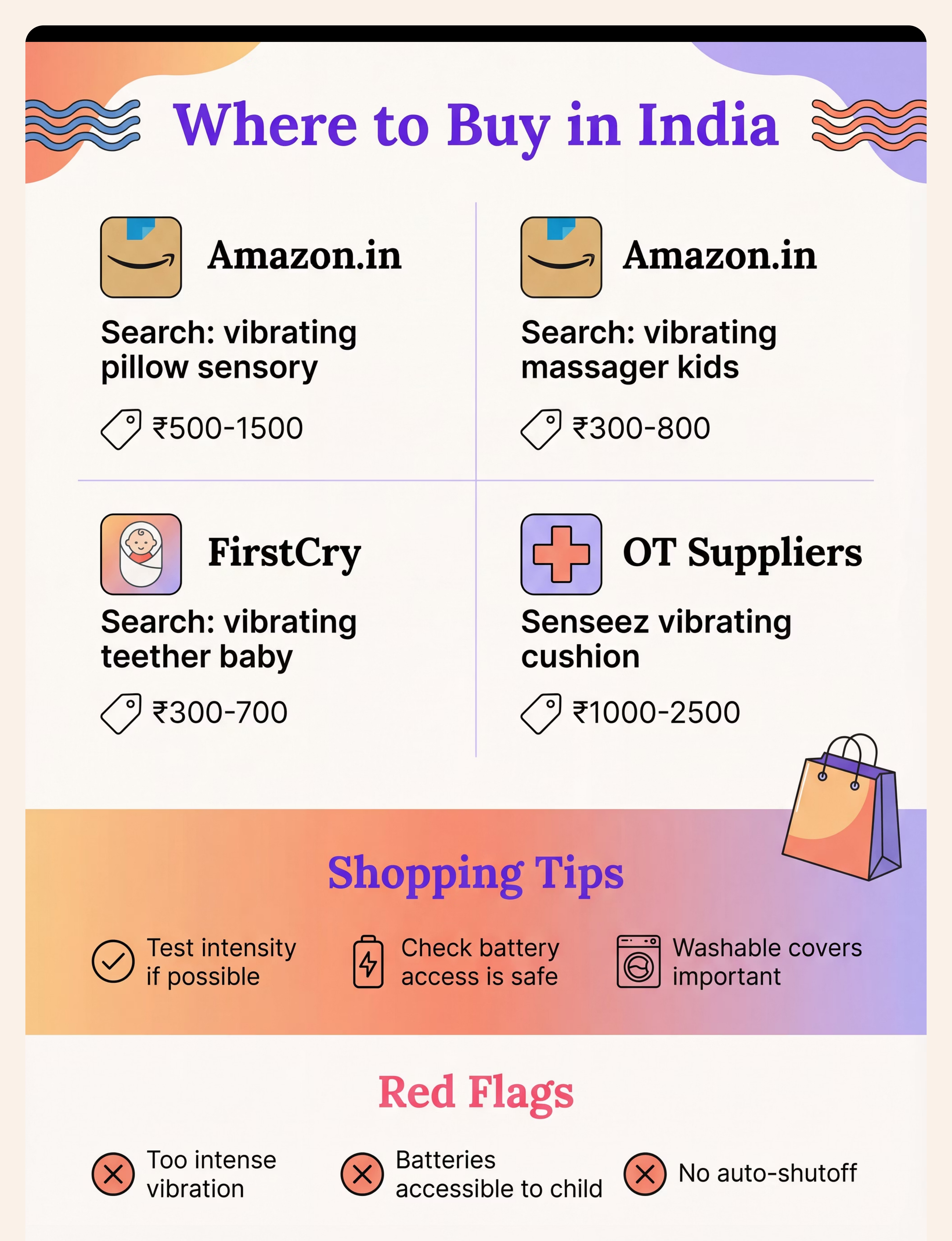
Where to Buy in India
Availability: Vibrating sensory tools are available through major online retailers and specialized OT suppliers in India.
Platform
Search Term
Price Range
Amazon.in
"vibrating pillow sensory"
₹500-1,500
Amazon.in
"vibrating massager kids"
₹300-800
FirstCry
"vibrating teether baby"
₹300-700
OT suppliers
"Senseez vibrating cushion"
₹1,000-2,500
Key Retailers in India
Find tools on major e-commerce platforms like Amazon.in and FirstCry. For specialized therapeutic items, look for local occupational therapy (OT) suppliers or their online storefronts.
Smart Buying Tips
  • Test intensity if possible before purchase.
  • Prioritize models with variable vibration settings.
  • Look for child-safe battery compartments.
  • Ensure covers are washable for hygiene.
What to Avoid
  • Massagers with excessively intense vibration.
  • Tools where batteries are easily accessible to children.
  • Products with poor motor quality or inconsistent function.
  • Non-washable materials, especially for oral tools.
India-Specific Guidance
Consider local brands offering similar products at competitive prices. Always check for product certifications relevant to child safety standards within India.
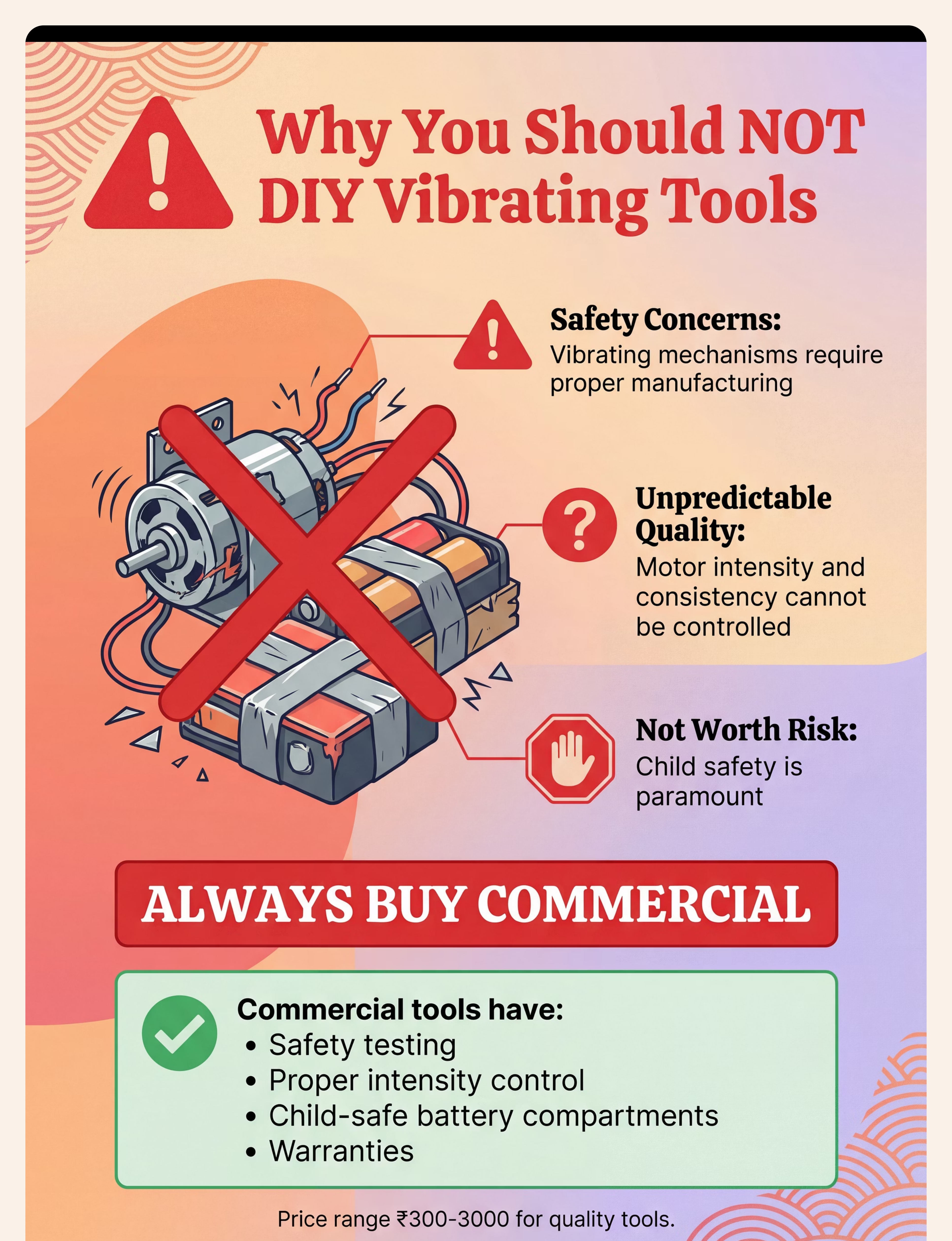
DIY Alternative

NOT RECOMMENDED - Safety Critical
Feasibility: Very Low
Cost Savings: N/A
Time Required: N/A
1
Critical Safety Risks
DIY vibrating tools carry significant safety hazards due to unpredictable motor quality, electrical safety concerns, and potential for overheating or injury. Commercial tools undergo rigorous safety testing.
2
Unpredictable Performance
Homemade vibrating mechanisms lack calibrated intensity, proper manufacturing, and secure battery compartments. This makes them unsuitable for therapeutic use and a risk for children.
3
Commercial Tool Advantages
Professional vibrating tools are designed with specific safety features: appropriate intensity, secure battery access, and auto-shutoff. These cannot be reliably replicated in a home environment.
4
Value vs. Risk
The potential cost savings of a DIY vibrating tool are far outweighed by the safety risks involved. Affordable commercial options are available (starting around ₹300) that ensure child safety.

Preview of vibrating sensory tools Therapy Material

Below is a visual preview of vibrating sensory tools therapy material. The pages shown help educators, therapists, and caregivers understand the structure and content of the resource before use. Materials should be used under appropriate professional guidance.

Page 1
Page 2
Page 3
Page 4
Page 5
Page 6
Page 7
Page 8
Page 9
Page 10
Page 11
Page 12
Page 13
Page 14
Page 15
Page 16
Page 17
Page 18
Page 19
Page 20
Link copied!
Next Steps: Your Action Plan
You've explored the benefits, types, and considerations for vibrating sensory tools. Now, it's time to translate that knowledge into action. Taking the first step, even a small one, can make a significant difference in your child's sensory journey. This guide will help you navigate the initial phase with confidence and clarity.
1
Review the 2-Minute Check
Confirm the tool's suitability for your child's specific sensory needs and preferences, ensuring alignment with their comfort and engagement.
2
Choose Your Variant & Budget
Based on your child's individual needs (oral motor, calming, alerting) and your financial plan, select the most appropriate tool type.
3
Purchase from Trusted Retailers
Refer back to the "Where to Buy" section to find reliable online platforms or specialized OT suppliers in India.
4
Start with Short Sessions
Introduce the tool gradually, beginning with 5-10 minute sessions. Observe your child's reactions for signs of comfort or overstimulation.
5
Consult Your OT
For personalized guidance and integration into a comprehensive sensory diet, always discuss the tool's use with your occupational therapist.

Embrace the Journey
Every small step contributes to progress. Be patient, observe your child closely, and celebrate every milestone. Your dedication is key to unlocking their potential!