






Tool ID: 11.1
Tool ID: 11.1
Rank #1
Core Kit
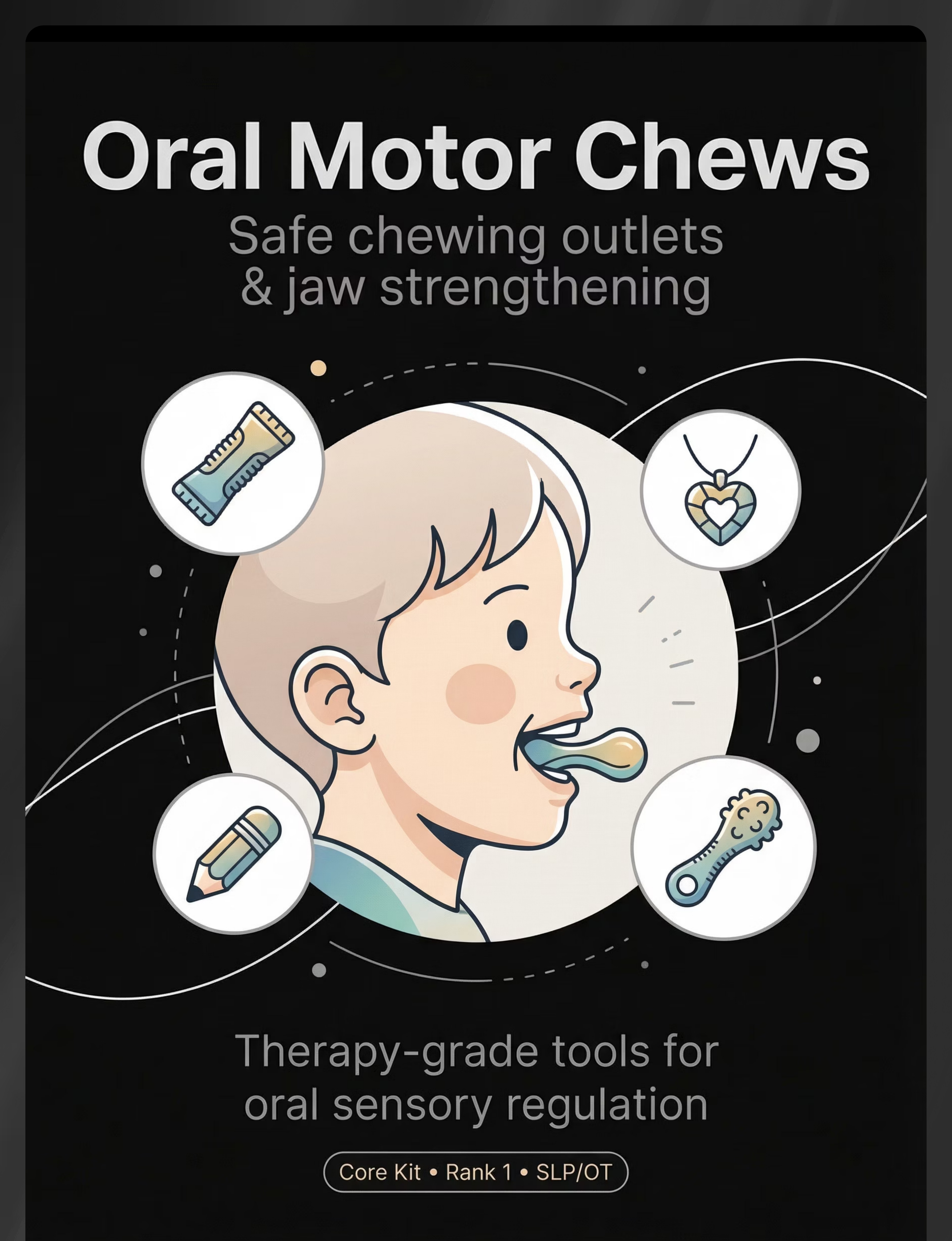
Oral Motor Chews - Safe Sensory Input & Jaw Strengthening
SLP + OT
Moderate-Strong Evidence
Daily Use
₹100–1,200
oral-motor-chews therapy material
Who This Helps
Sensory Regulation
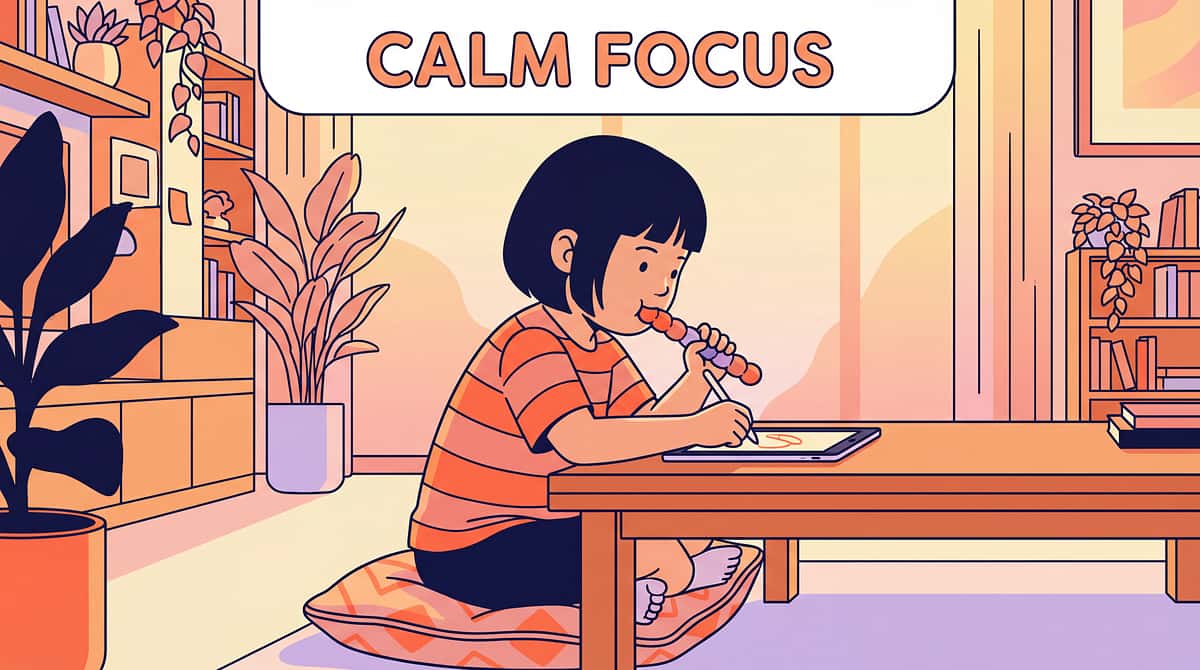
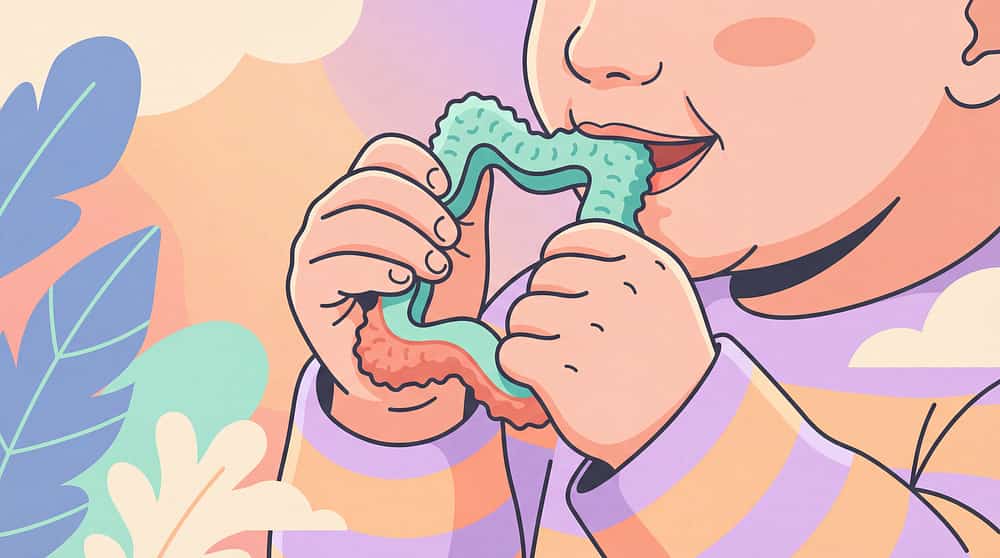
Provides safe oral input to help children self-regulate and stay focused.
Jaw Strengthening
Builds important oral motor skills and supports proper feeding development.
Oral Awareness
Enhances proprioception and understanding of the mouth's position and movement.
Emotional Calm
Offers a constructive outlet for chewing, reducing anxiety and promoting calmness.
Feeding Preparation
Prepares oral muscles for eating, drinking, and speech articulation.
Replaces Unsafe Chewing
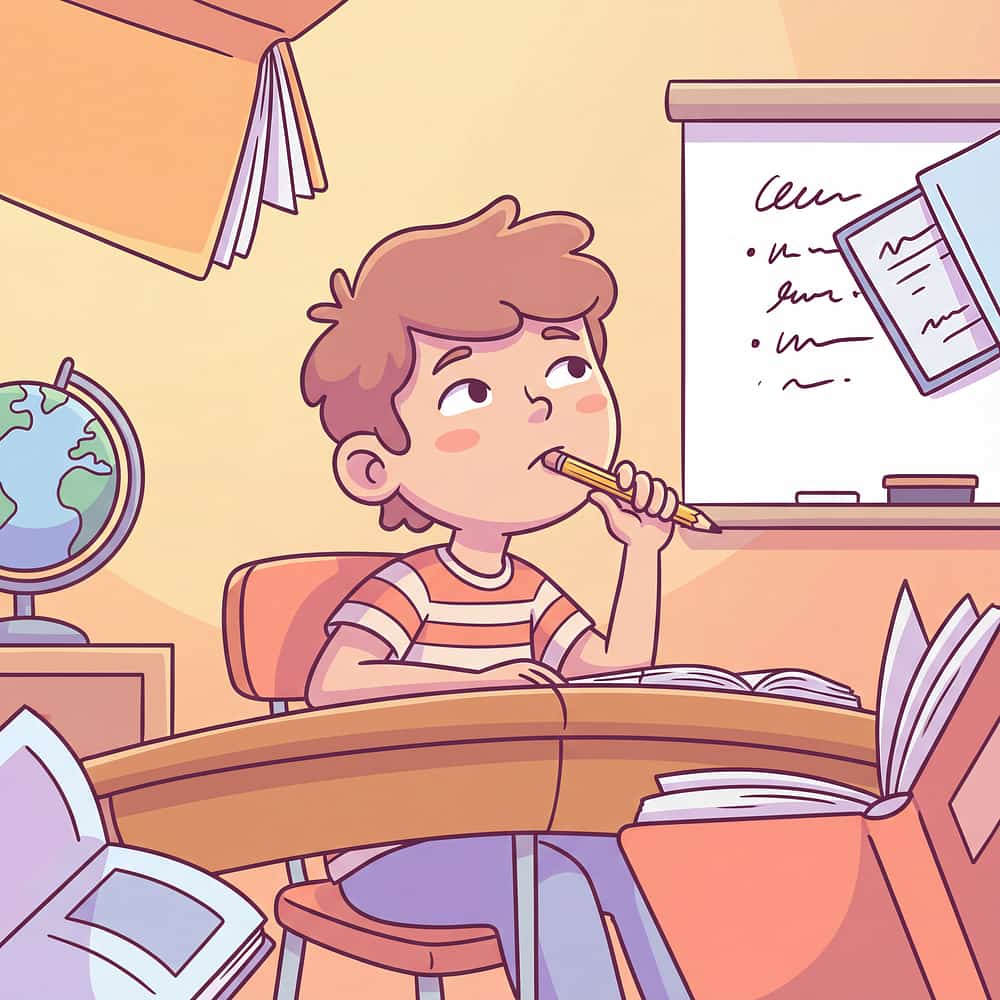
Redirects children from chewing on clothes, pencils, or other inappropriate items.
All Ages & Settings
Suitable for children ages 1-12+ years across home, school, clinic, and community environments.
For Oral Seekers
Ideal for children seeking oral input, with weak jaw muscles, or chewing for sensory regulation.
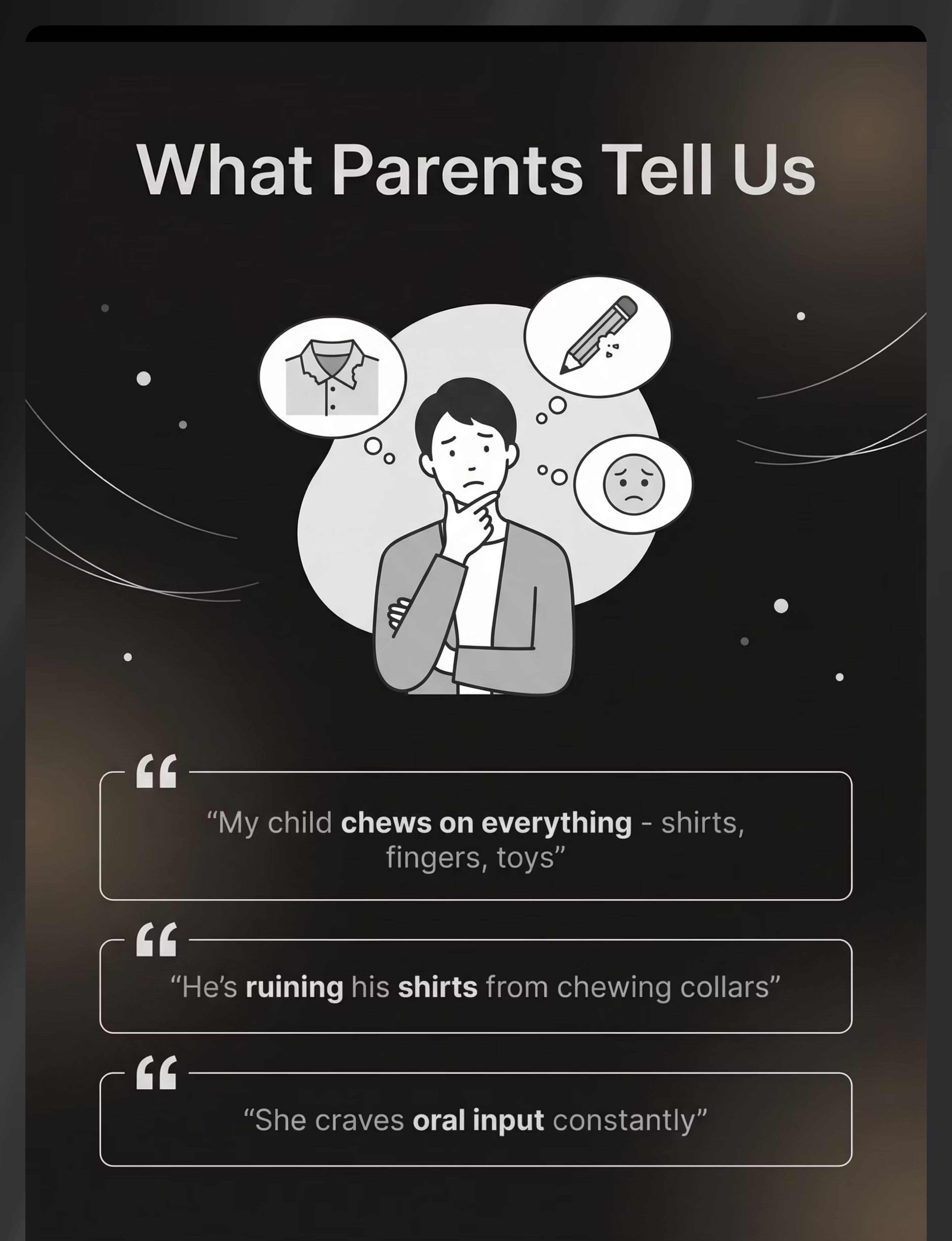
Does This Sound Familiar?
"My child chews on everything - shirts, fingers, toys"
"She's always putting things in her mouth"
"He's ruining his shirts from chewing collars"
"She chews pencils and dangerous items"
"His jaw seems weak"
"She craves oral input constantly"
You're not alone. These are common challenges faced by families of children with oral sensory needs. Many children seek oral input naturally—it's how they regulate, focus, and process their world.
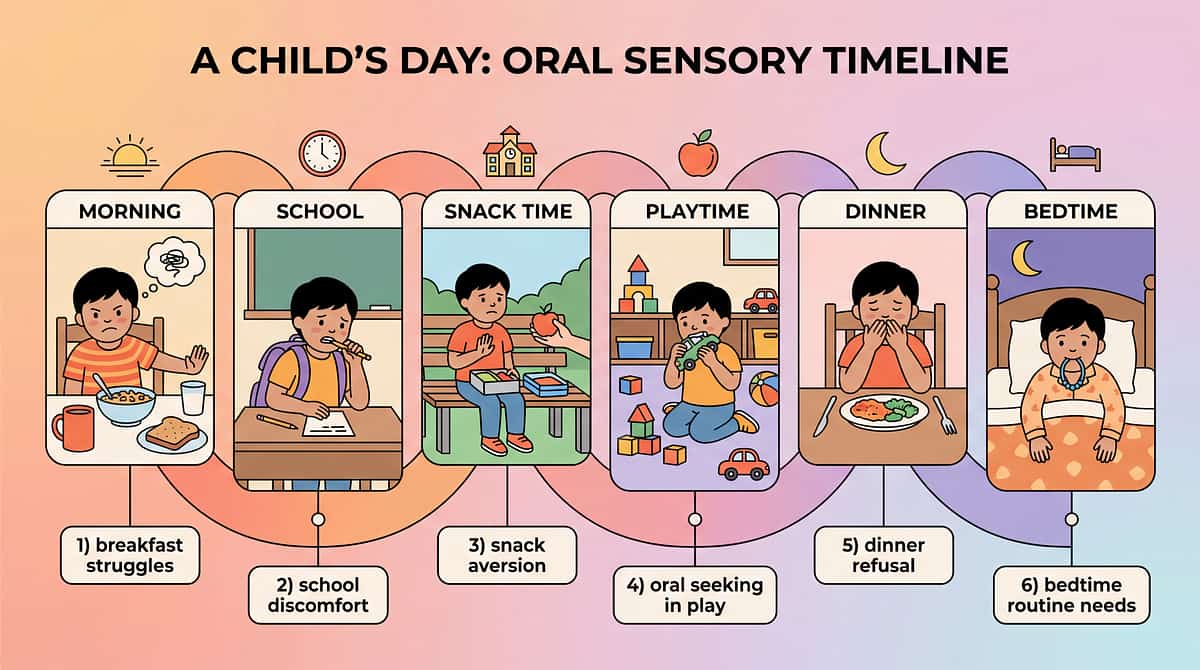
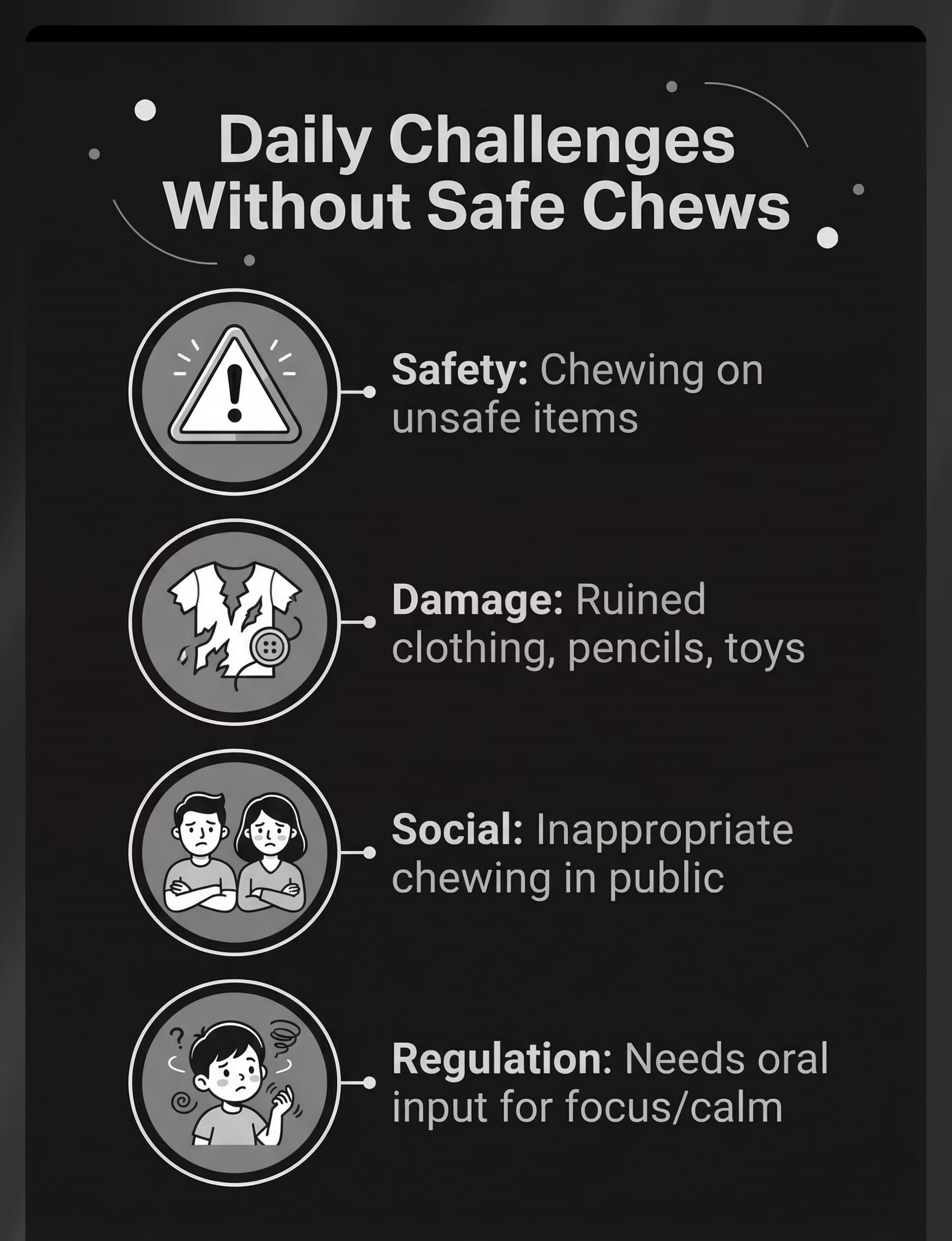
A Day Without the Right Support
Safety Concerns
Chewing on unsafe items throughout the day—toys, furniture, non-food objects that pose risks
Damage Control
Ruined clothing from collar and sleeve chewing, destroyed pencils, damaged toys requiring constant replacement
Social Challenges
Looks inappropriate chewing in public settings, drawing unwanted attention and comments from others
Regulation Struggles
Needs oral input for focus and calm but has no safe, acceptable outlet available
Without appropriate oral sensory tools, children cycle through these challenges daily. The need for oral input doesn't go away—it just gets met in unsafe or socially inappropriate ways.
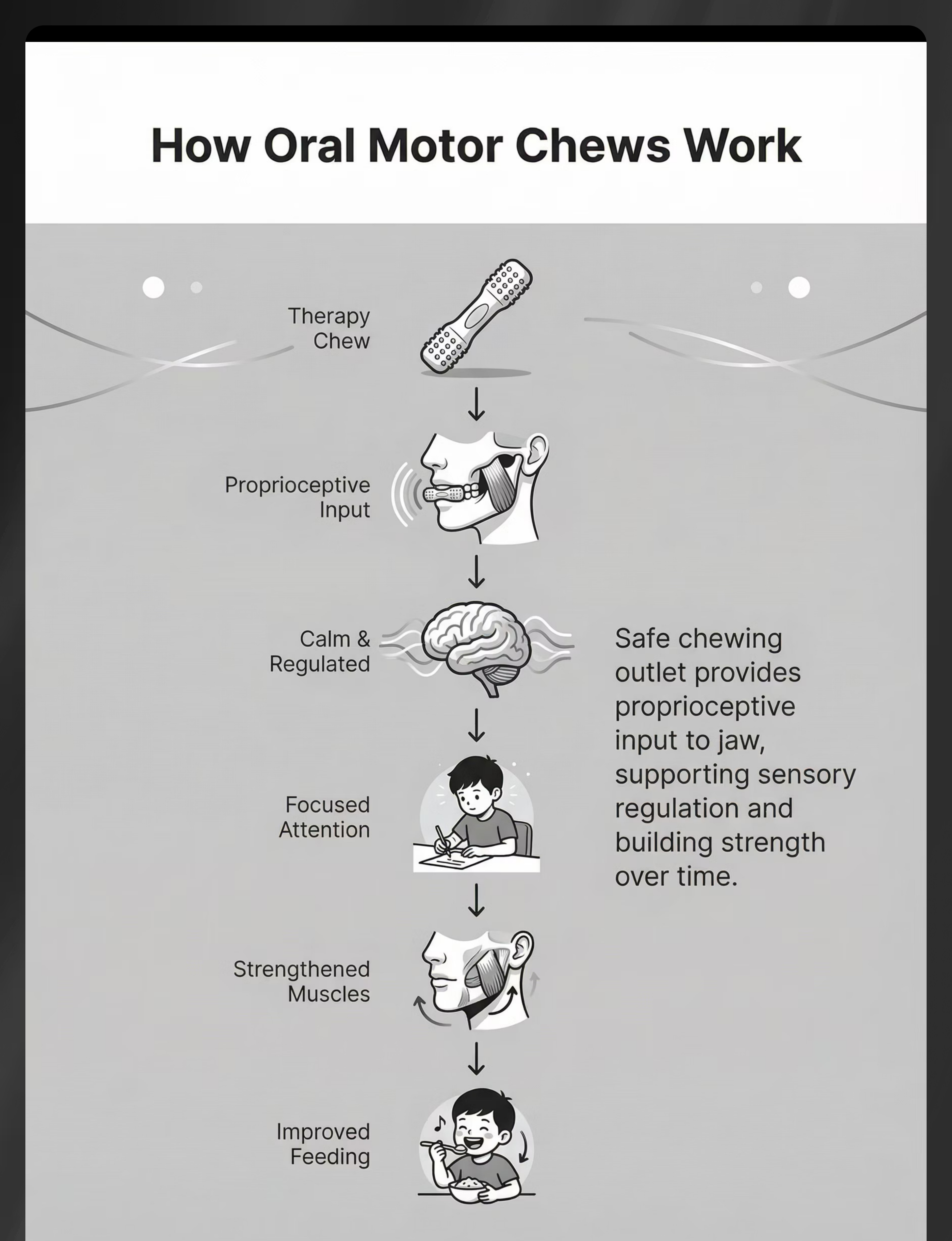
The Science Behind It
Safe Outlet
Child receives appropriate chewing tool matched to their needs
Proprioceptive Input
Jaw receives deep pressure and sensory feedback
Sensory Regulation
Nervous system calms and organizes through oral input
Behavior Change
Inappropriate chewing is replaced with safe alternative
Skill Building
Jaw strength develops, oral motor function and feeding skills improve
Oral Sensory Regulation
Jaw Strengthening
Oral Awareness
Self-Regulation
Replacing Unsafe Chewing
Feeding Preparation
How to Use It Right
Match Resistance Level
Choose soft, medium, firm, or XT based on your child's jaw strength and chewing force
Replace When Worn
Check regularly for damage or wear; replace immediately if showing signs of breakdown
Clean Regularly
Most chews are dishwasher safe; wash frequently to maintain hygiene
Consistent Access
Provide consistent access for sensory seekers—keep chews readily available throughout the day
Wearable Options
Use chewelry (wearable necklaces) for constant availability, especially in school or community settings
Graded Progression
Start with appropriate resistance and gradually progress from soft to firm as jaw strength builds

Typical Duration: Provide access as needed throughout the day. Most children benefit from having their chew available during focus-requiring activities, transitions, and times of stress.
Expert Voice
oral-motor-chews therapy material
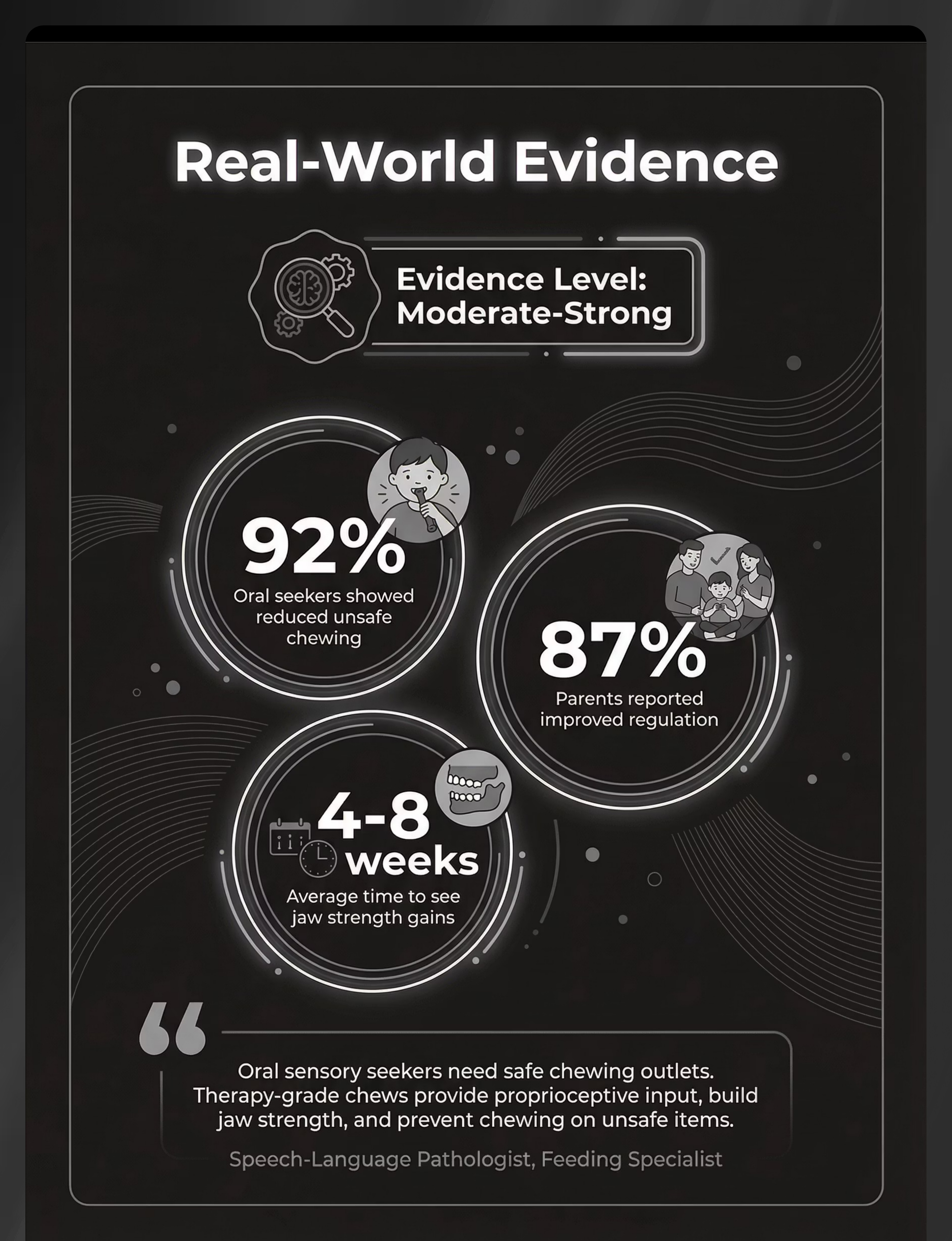
"Oral sensory seekers need safe chewing outlets. Therapy-grade chews provide proprioceptive input, build jaw strength, and prevent chewing on unsafe items. Match the chew to the child's needs - resistance, texture, and accessibility."
— Speech-Language Pathologist, Feeding Specialist
#1
Rank in Category
Top-ranked oral motor tool
3
Disciplines
SLP + OT Recommended
100%
Core Kit
Essential tool for oral motor support
Moderate-Strong Evidence
Daily Use Frequency
oral-motor-chews therapy material
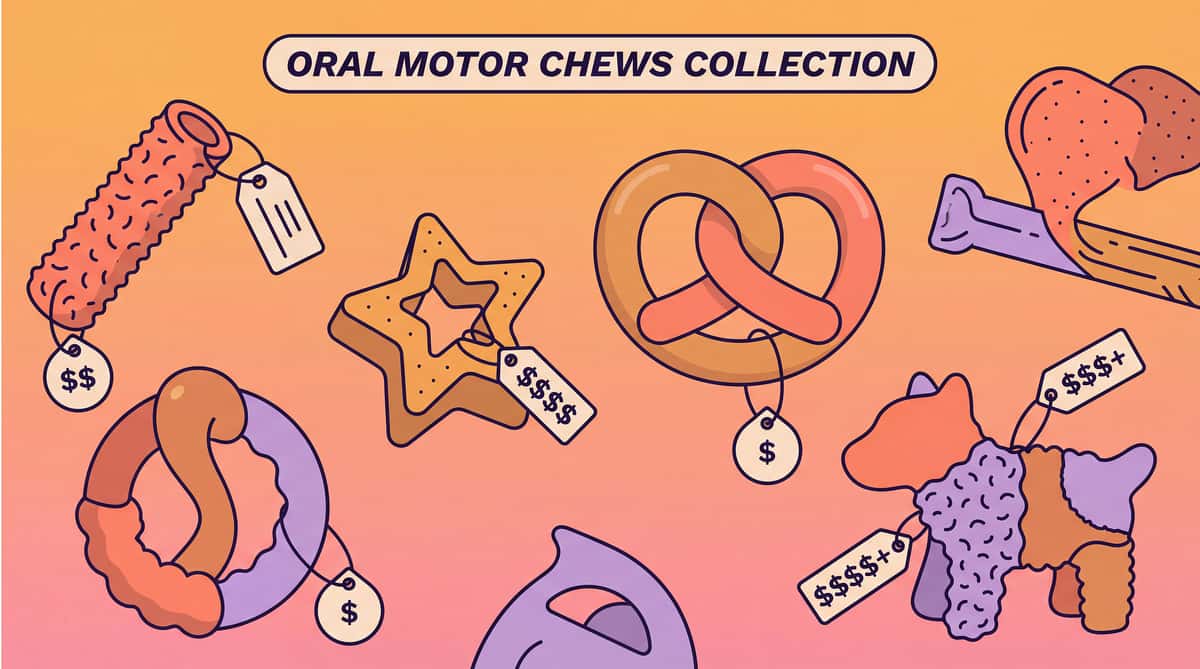
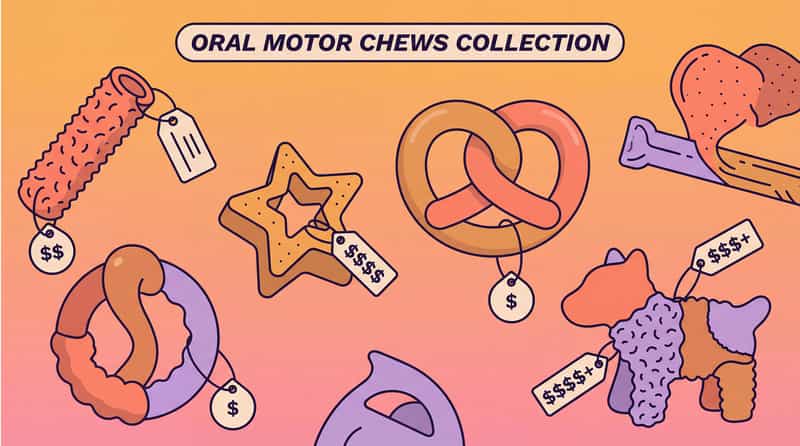
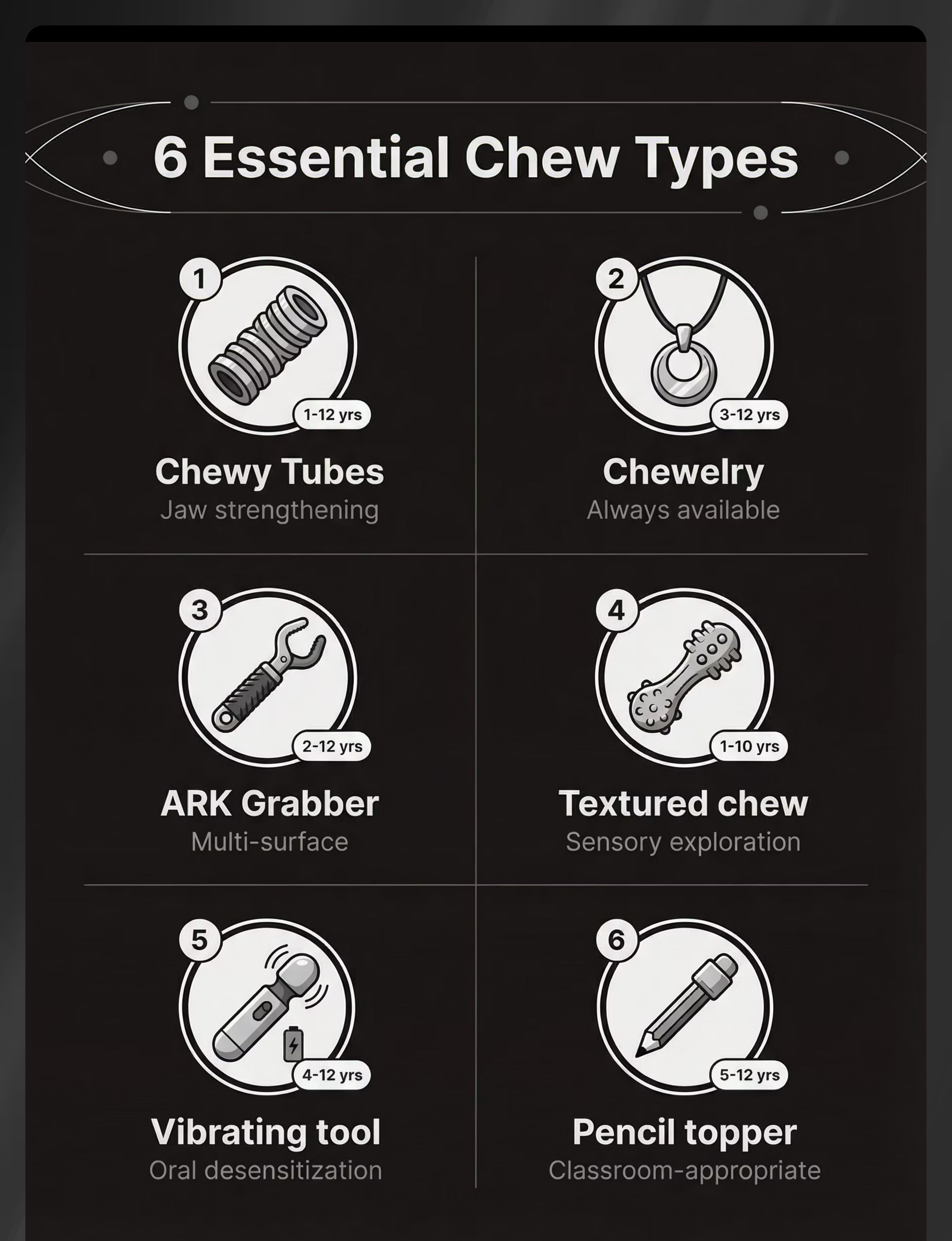
Choose Your Option (6 Variants)
Each variant serves specific needs and settings. Consider your child's age, chewing strength, sensory preferences, and where they'll use the tool most.
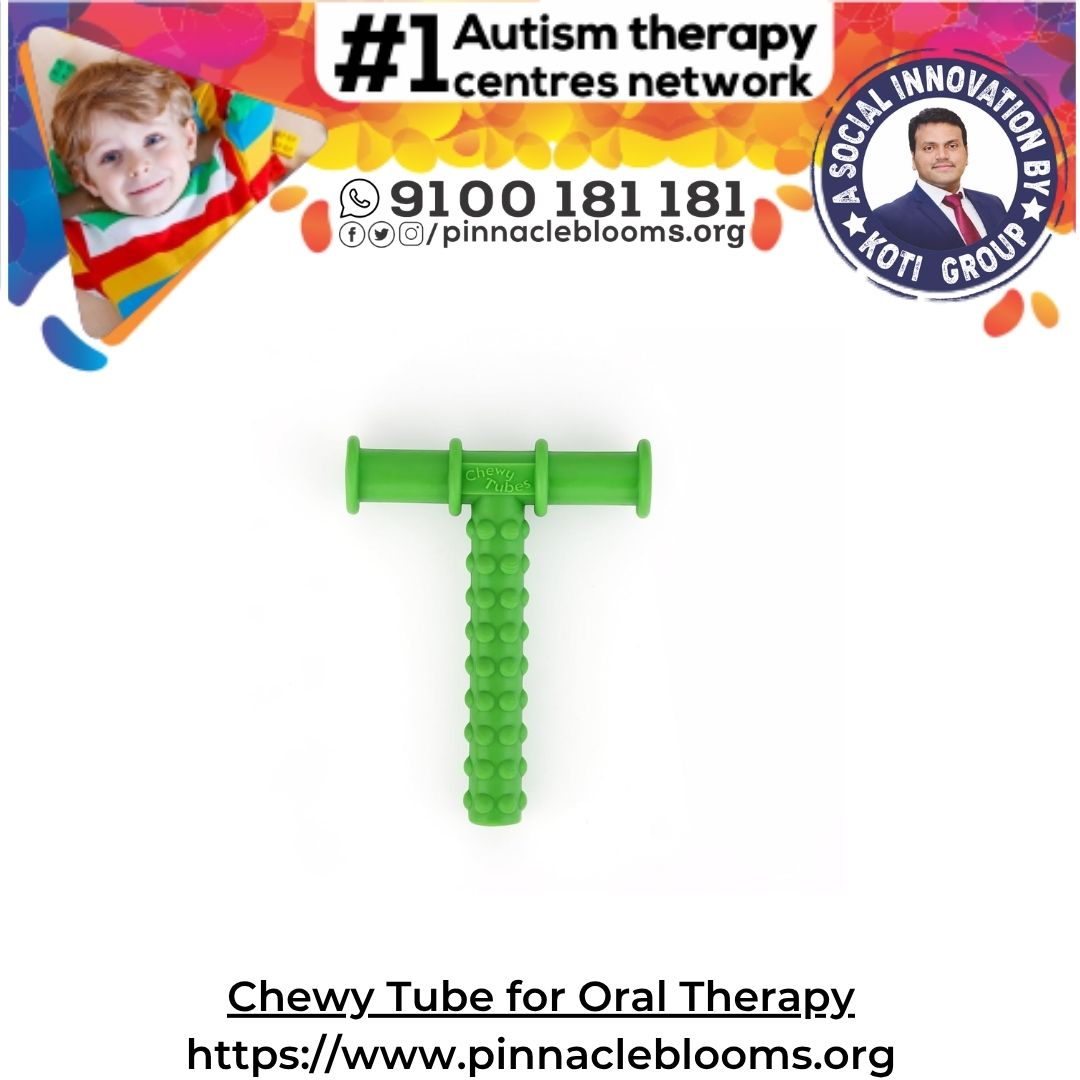
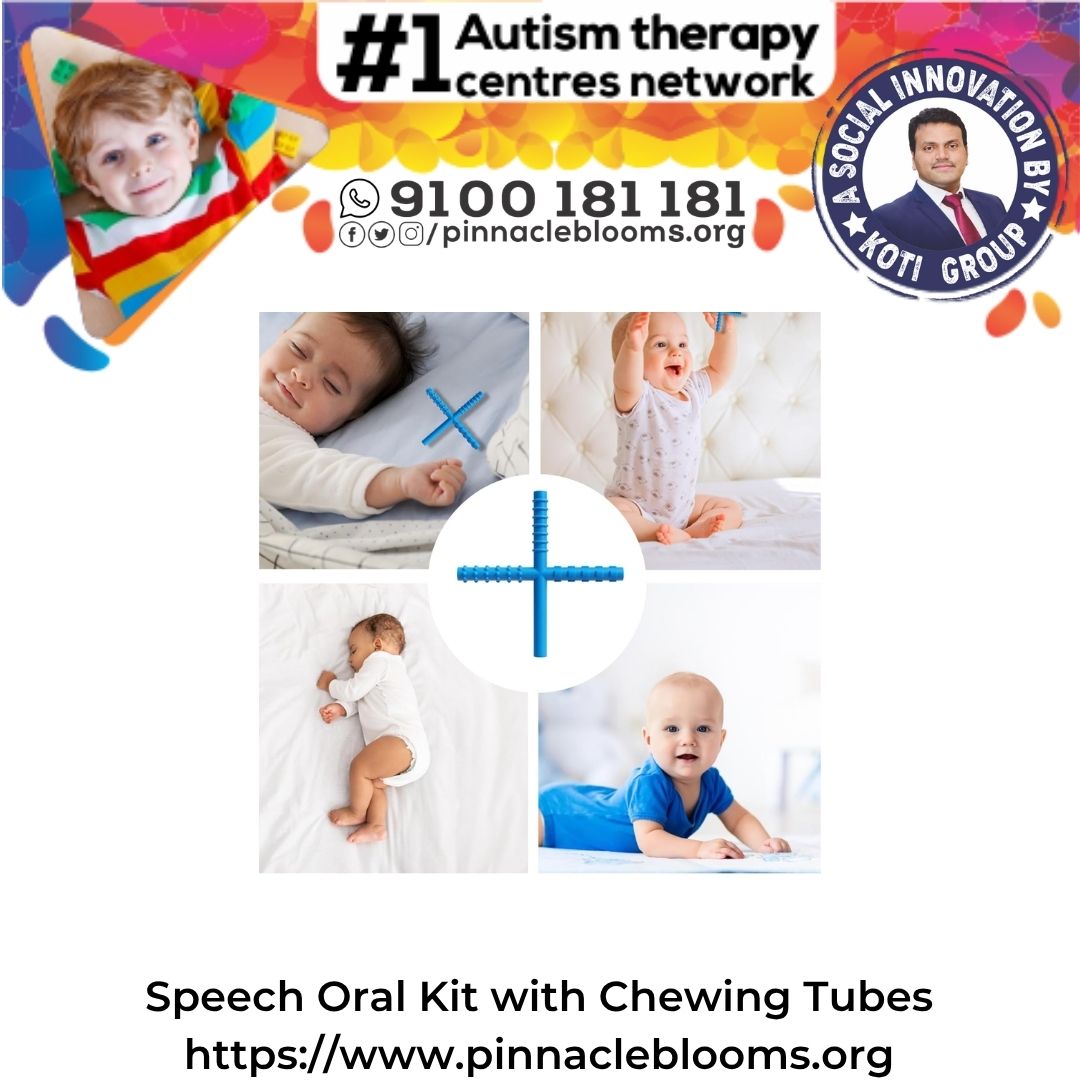
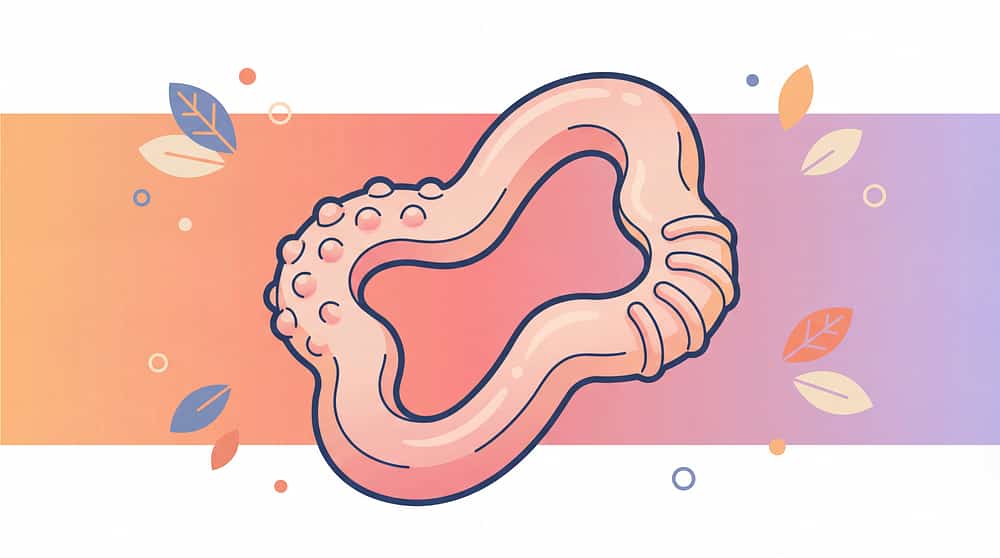
Chewy Tubes
Chewelry
ARK Grabber/Y-Chew
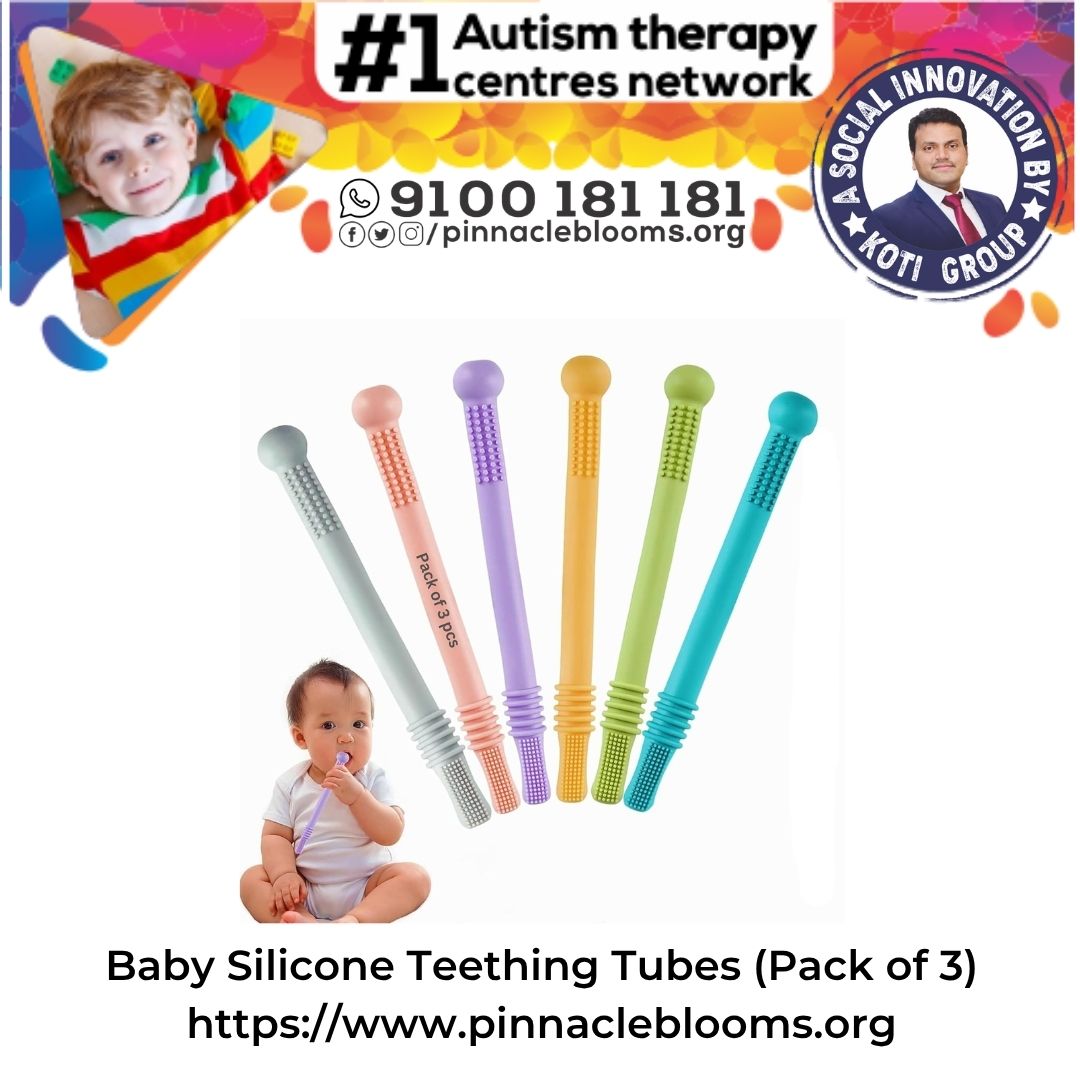
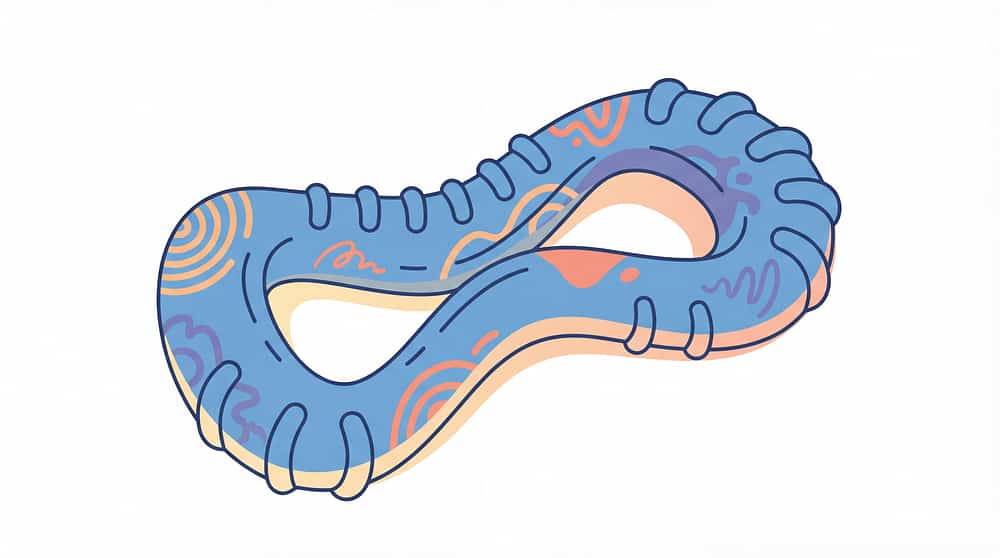
Textured Chews
Vibrating Chews
Pencil Toppers
Chewy Tubes (Therapy Grade)
Best for: Jaw stability, graded resistance
Ages: 1-12 years
Home
Clinic
School
Portability: Very High
Price: ₹200–600
Chewelry (Wearable Chews)
Best for: School, social settings, always available
Ages: 3-12 years
All Settings
Portability: Very High (worn)
Price: ₹150–500
ARK Grabber/Y-Chew
Best for: Oral motor exercise, sensory seeking
Ages: 2-12 years
All Settings
Portability: High
Price: ₹300–700
Textured Chews
Best for: Oral sensory exploration, varied input
Ages: 1-12 years
All Settings
Portability: High
Price: ₹200–500Vibrating Chews
Best for: Oral desensitization, sensory seekers
Ages: 2-12 years
Home
Clinic
Portability: High
Price: ₹500–1,200
Chew Pencil Toppers
Best for: Replacing pencil chewing, school use
Ages: 5-12 years
School
Home
Portability: Very High
Price: ₹100–300

How to Choose
By Goal
  • Jaw strengthening: Chewy Tubes with graded resistance
  • Constant availability: Chewelry (wearable)
  • Oral desensitization: Vibrating or Textured
  • School-appropriate: Chewelry or Pencil Toppers
By Setting
  • Home/Clinic: Any type works well
  • School: Chewelry, Pencil Toppers (discreet)
  • Community: Wearable options best
  • Multiple settings: Get 2-3 for different locations
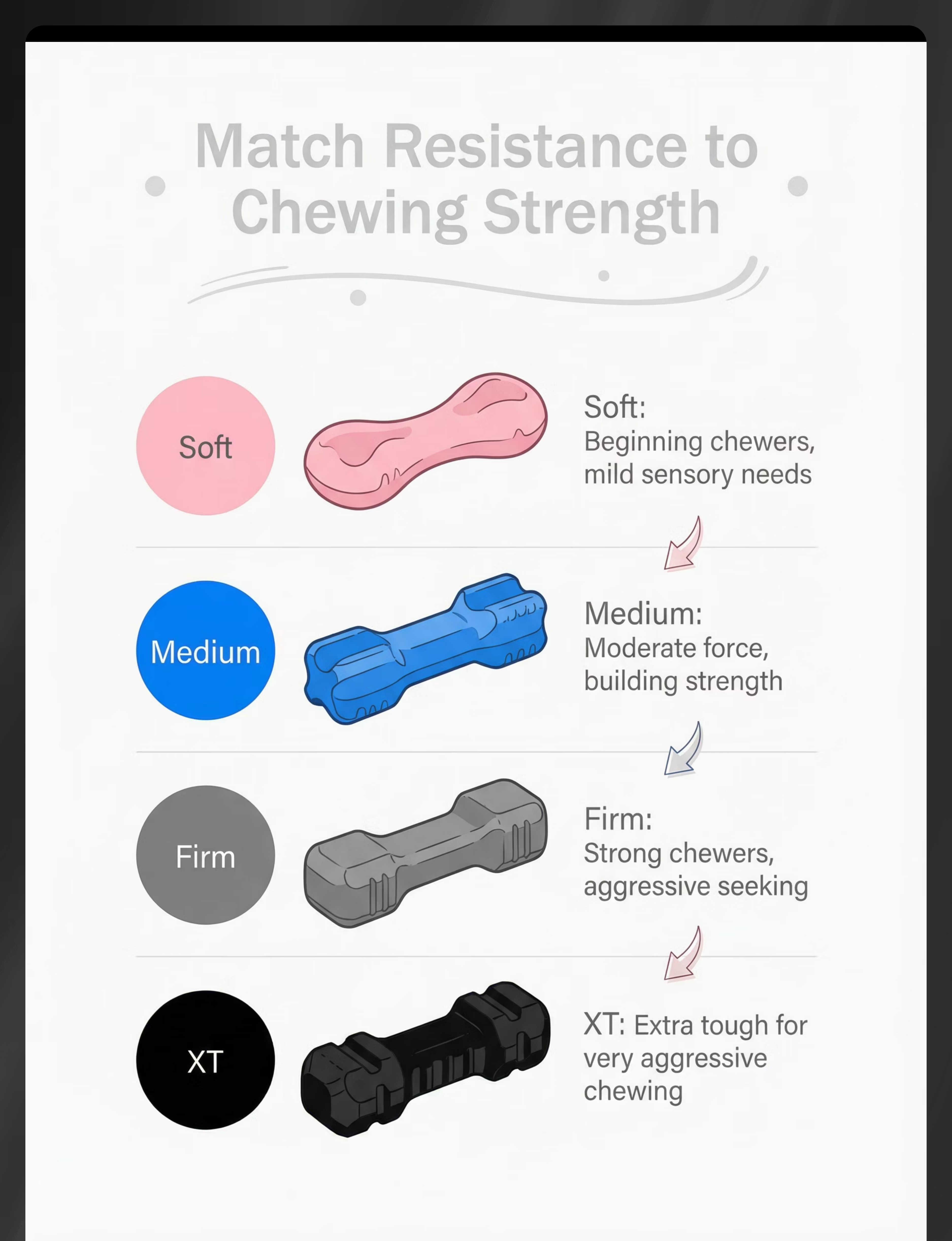
Understanding Resistance Levels
Matching the right resistance level to your child's jaw strength is critical for safety and effectiveness. Too soft won't provide enough input; too hard may be frustrating or unsafe.
Soft (Pink/Red)
For: Beginning chewers, mild sensory needs, young children, or those just starting oral motor work
Medium (Blue/Green)
For: Moderate chewing force, building strength, most school-age children with typical oral motor development
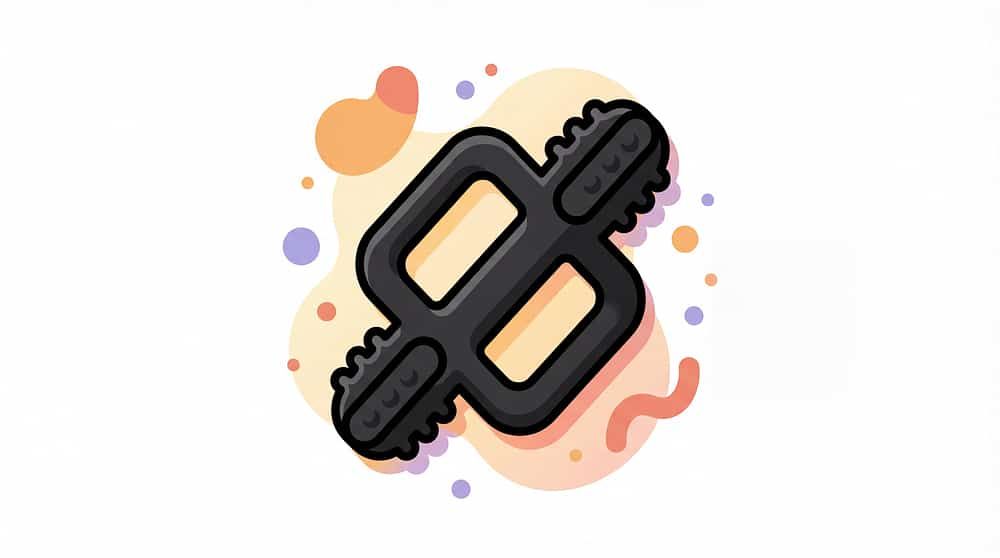
Firm (Black/Grey)
For: Strong chewers, aggressive oral seekers, children who chew through softer materials quickly
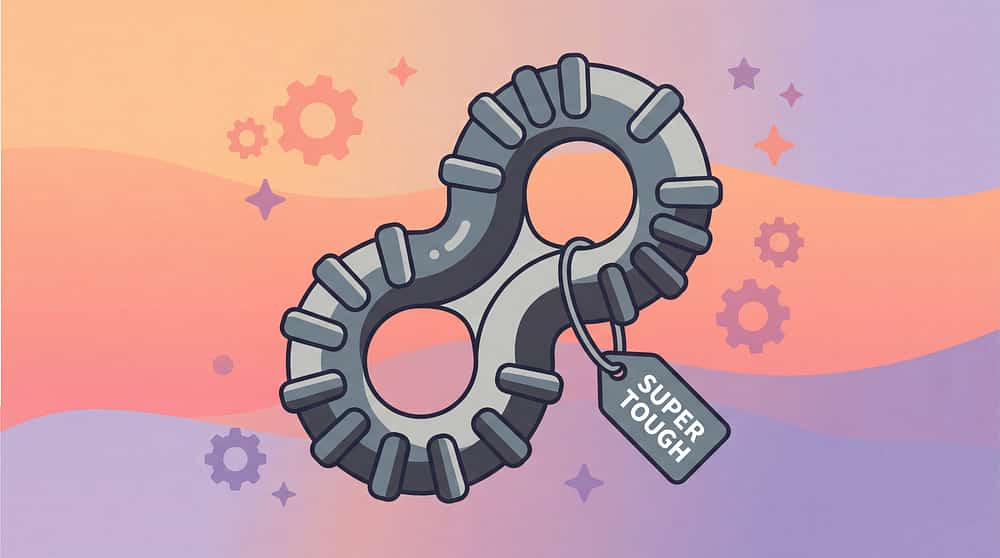
XT (Extra Tough)
For: Very aggressive chewing, children who have destroyed firm-level chews, highest durability needs

Key Safety Note: All chews are made from food-grade silicone or medical-grade materials that are BPA-free, phthalate-free, and latex-free. Always choose therapy-grade products over craft or toy items.
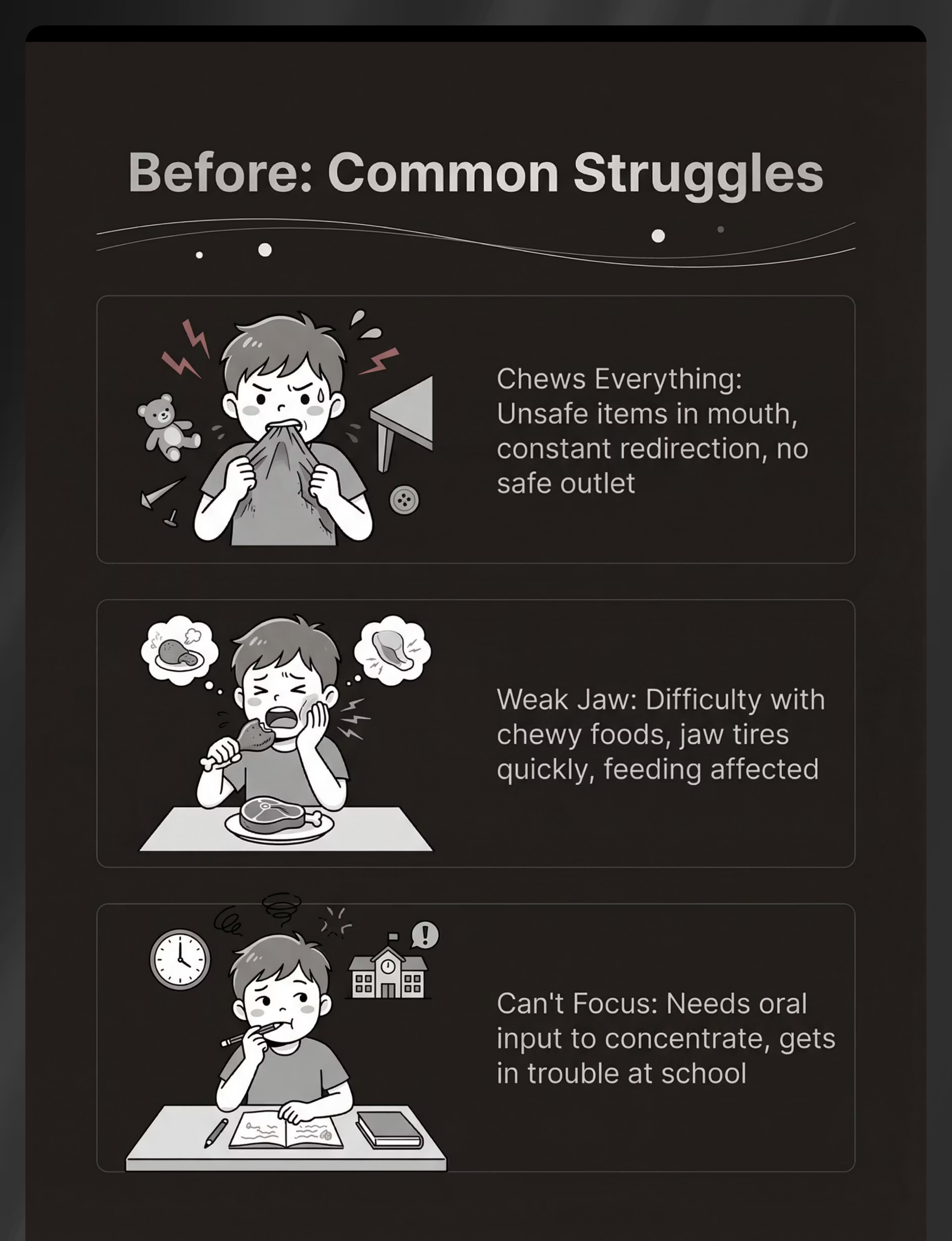
The Struggle (Before)
Chews Everything
Situation: Child chews shirts, toys, furniture. Unsafe items in mouth. Constant redirection. No safe outlet.
Emotion: Unsafe, constant monitoring
Weak Jaw
Situation: Child has difficulty with chewy foods. Jaw tires quickly. Feeding affected. Oral motor weakness.
Emotion: Weakness, feeding difficulty
Can't Focus Without Oral Input
Situation: Child needs to chew to concentrate. Chews pencils in school. Gets in trouble. No acceptable outlet.
Emotion: Distraction, discipline issues
These scenarios represent real daily challenges. The sensory need for oral input is legitimate and neurologically based—without appropriate tools, children meet this need in ways that cause problems.
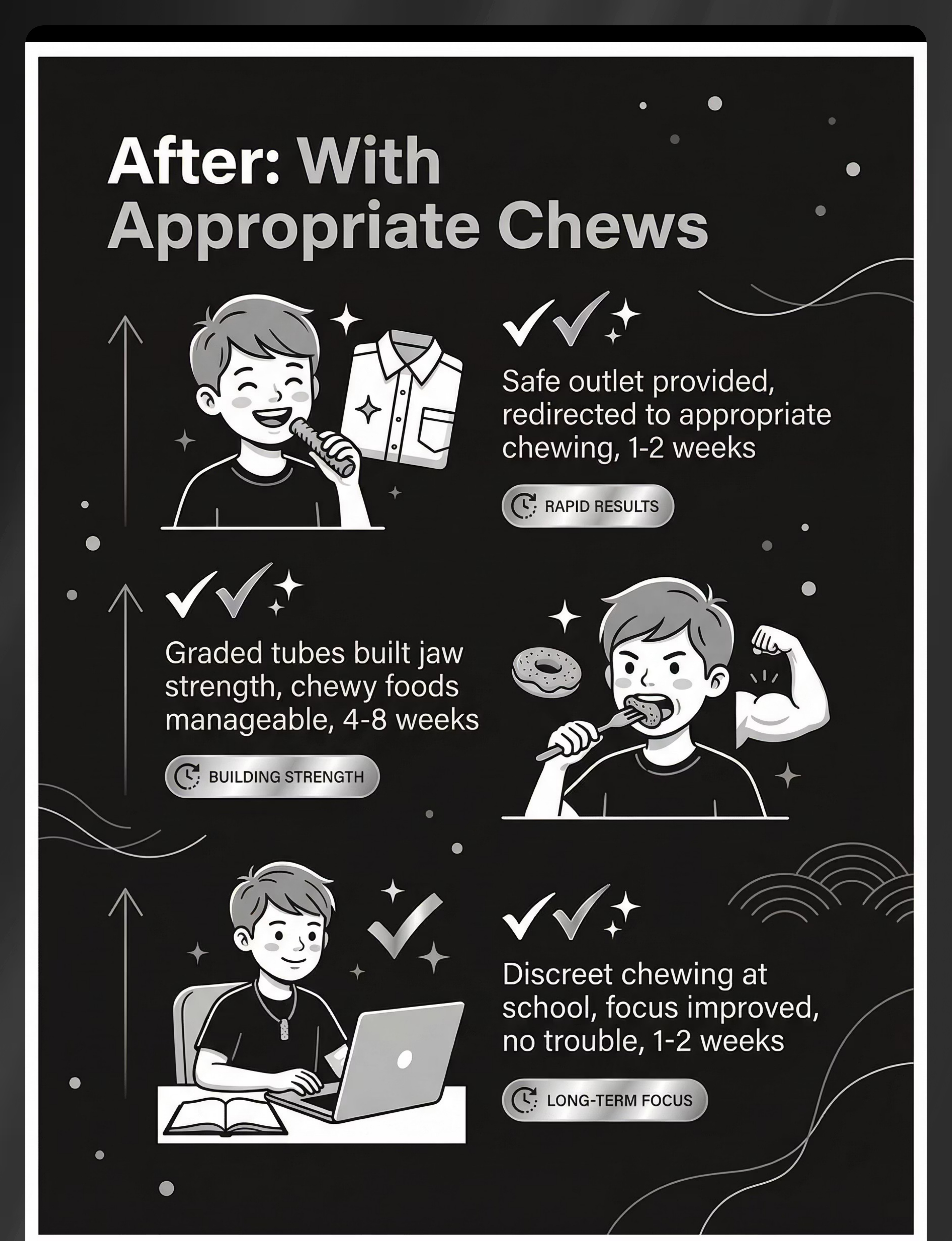
The Breakthrough (After)
Safe Outlet Established
Situation: Therapy-grade chew provides safe outlet. Redirected to appropriate chewing. Shirts saved. Safety improved.
Emotion: Safe outlet, redirected
1-2 weeks
Growing Strength
Situation: Graded chewy tubes built jaw strength. Progressed from soft to medium. Chewy foods now manageable.
Emotion: Strength, capability
4-8 weeks
School Success
Situation: Chewelry necklace provides discreet chewing at school. Focus improved. No more pencil chewing trouble.
Emotion: Focus, acceptable solution
1-2 weeks
With appropriate oral motor tools, children get their sensory needs met safely while building real oral motor skills. The transformation often happens quickly once the right match is found.
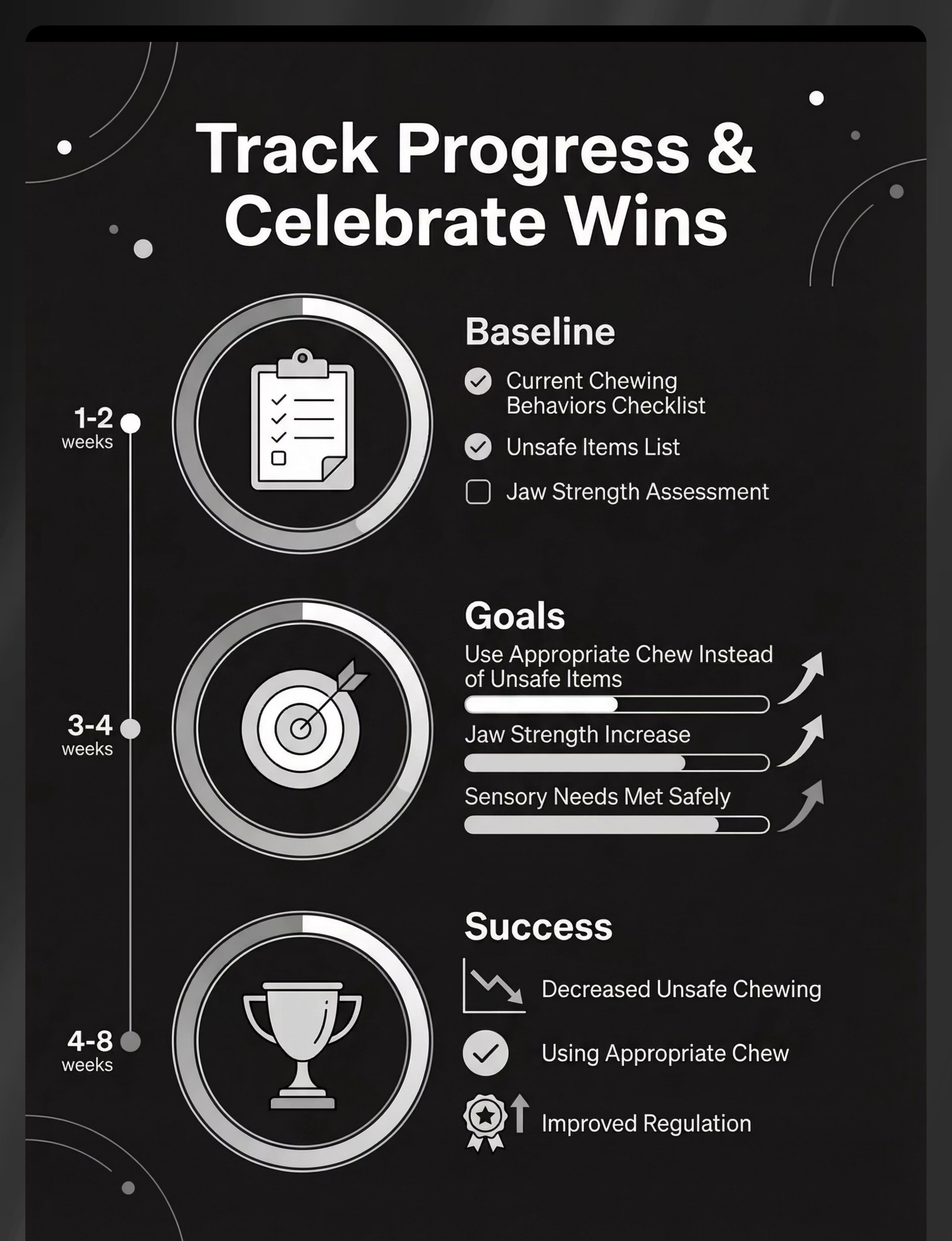
What to Expect (Realistic Timelines)
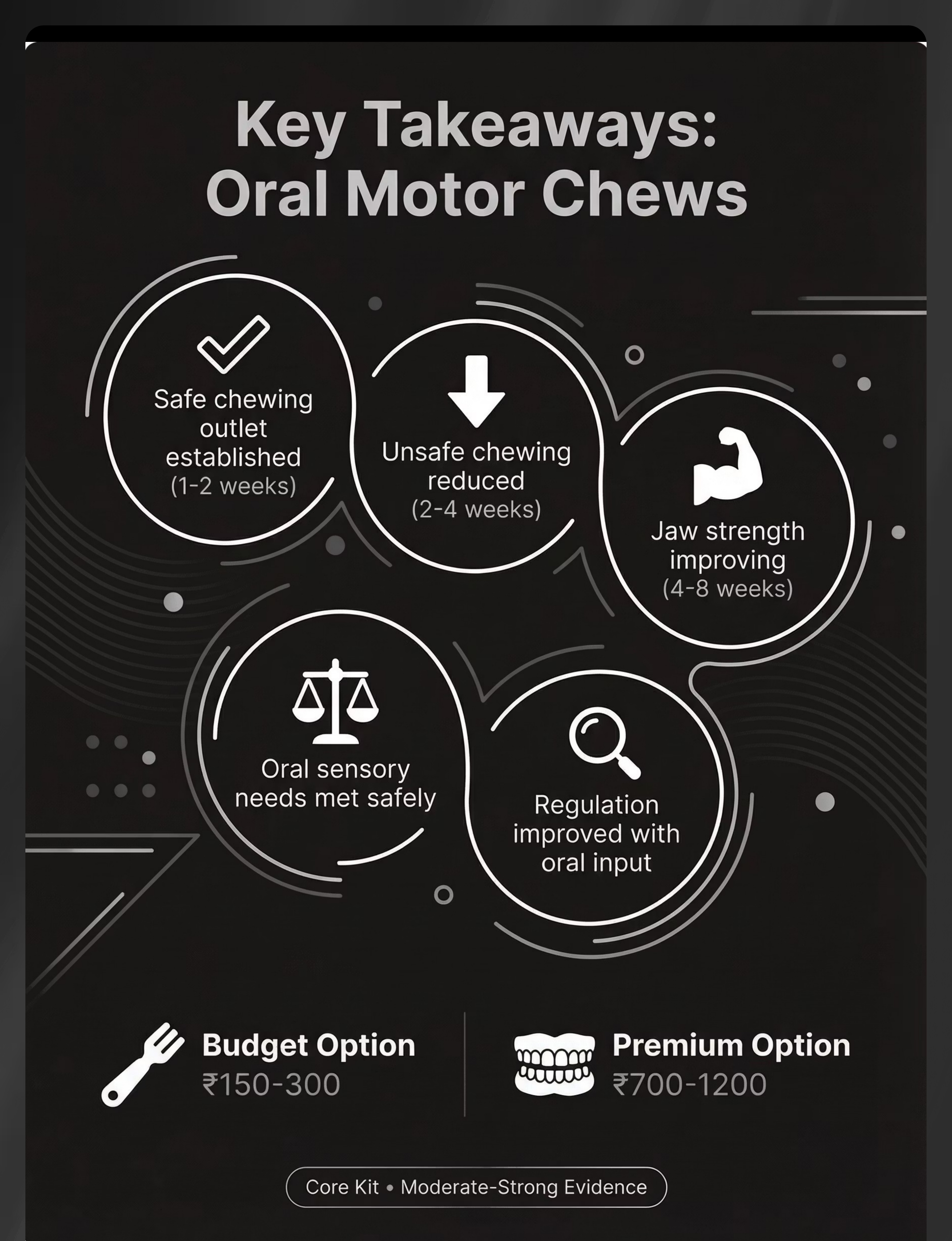
Safe chewing outlet established
1-2 weeks
Child accepts and uses appropriate chew tool; knows where to find it when needed
Unsafe chewing reduced
2-4 weeks
Noticeable decrease in chewing on clothing, furniture, and inappropriate items
Oral sensory needs met
1-2 weeks
Child demonstrates better regulation and satisfaction with oral input
Focus/regulation improved
2-4 weeks
Better attention during tasks, improved emotional regulation with oral tool available
Jaw strength improving
4-8 weeks
Observable increase in jaw endurance; tolerance for chewy foods improves

Important: These timelines represent typical progress. Every child develops at their own pace. Consistent use and appropriate resistance matching are key to success.
Is This Right for My Child? (2-Minute Check)
Answer these four questions to determine if oral motor chews are a good fit for your child's needs:
Does your child chew on non-food items?
If yes, this indicates: Oral sensory seeking - needs safe outlet
Confidence score: 95%
Does chewing seem to help your child focus or calm?
If yes, this indicates: Regulatory chewing - provide appropriate chew
Confidence score: 92%
Does your child have weak jaw/difficulty with chewy foods?
If yes, this indicates: May benefit from jaw strengthening chews
Confidence score: 88%
Is current chewing behavior unsafe or problematic?
If yes, this indicates: Needs appropriate replacement
Confidence score: 90%
3+ "yes" answers = strong fit
If you answered yes to three or more questions, oral motor chews are very likely to be beneficial for your child. The higher your confidence scores, the more essential this tool becomes.
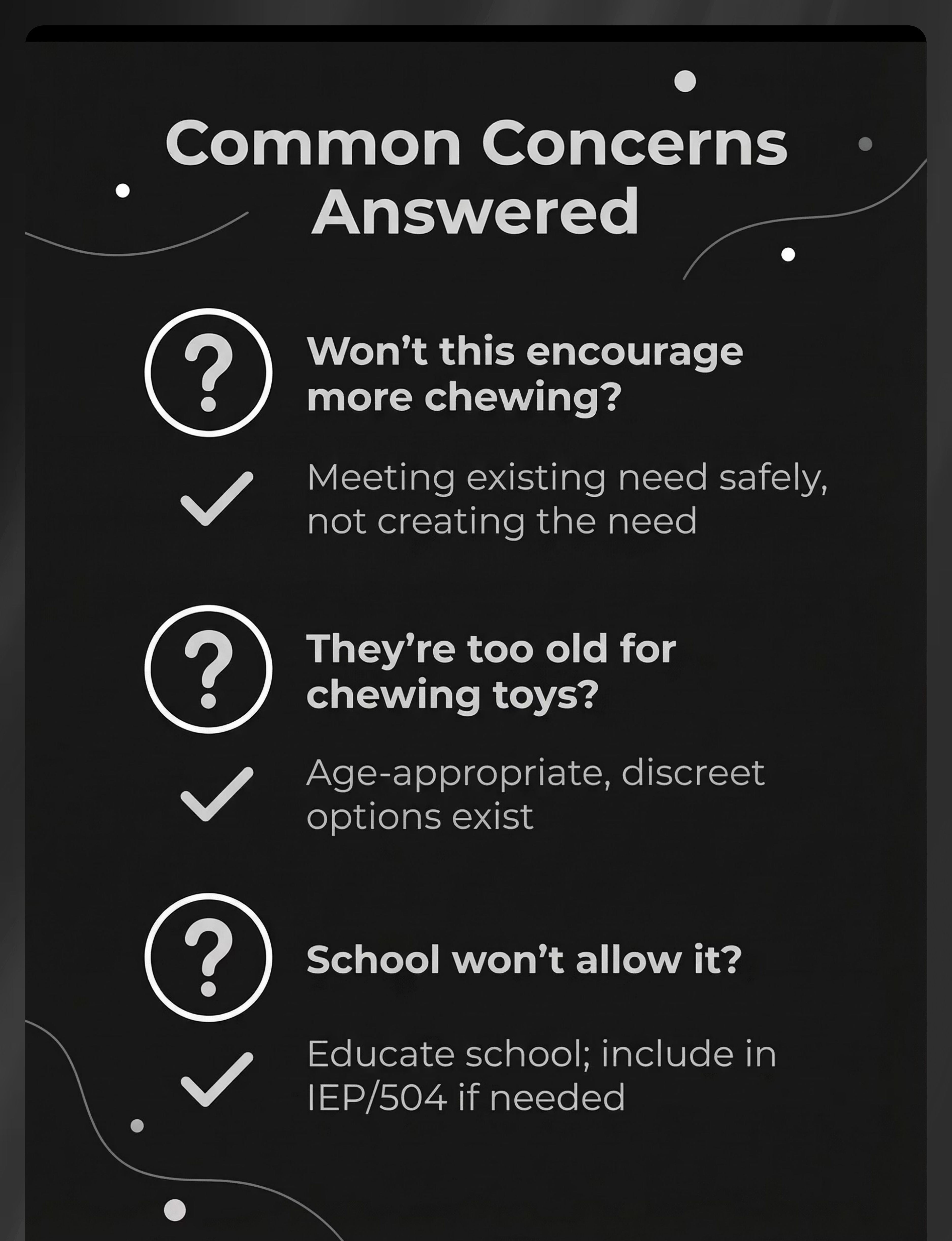
Common Questions (Honest Answers)
Won't this encourage more chewing?
The truth: The sensory need exists regardless. Providing a safe outlet doesn't create the need—it meets it safely. Without an appropriate chew, they'll chew unsafe items. You're not creating a habit; you're redirecting an existing need to something appropriate.
Meeting existing need safely, not creating need.
They're too old for chewing toys
The truth: Chewelry and pencil toppers are age-appropriate and discreet. Many adults chew gum, ice, or pens. Oral sensory needs don't have age limits—solutions can be subtle and socially appropriate for any age.
Age-appropriate, discreet options exist.
School won't allow it
The truth: Explain it's a sensory tool, like fidgets. Chewelry is discreet. Pencil toppers replace pencil chewing that's already happening. Include in IEP/504 if needed. Most schools are accommodating once they understand it's a therapeutic tool.
Educate school; discreet options; IEP accommodation.
They'll just chew through it quickly
The truth: Get appropriate resistance level—aggressive chewers need firm/XT level. Replace when worn. Budget for replacements. Proper match lasts longer. This is an investment in safety and development.
Match resistance to chewing strength; budget for replacement.
oral-motor-chews therapy material
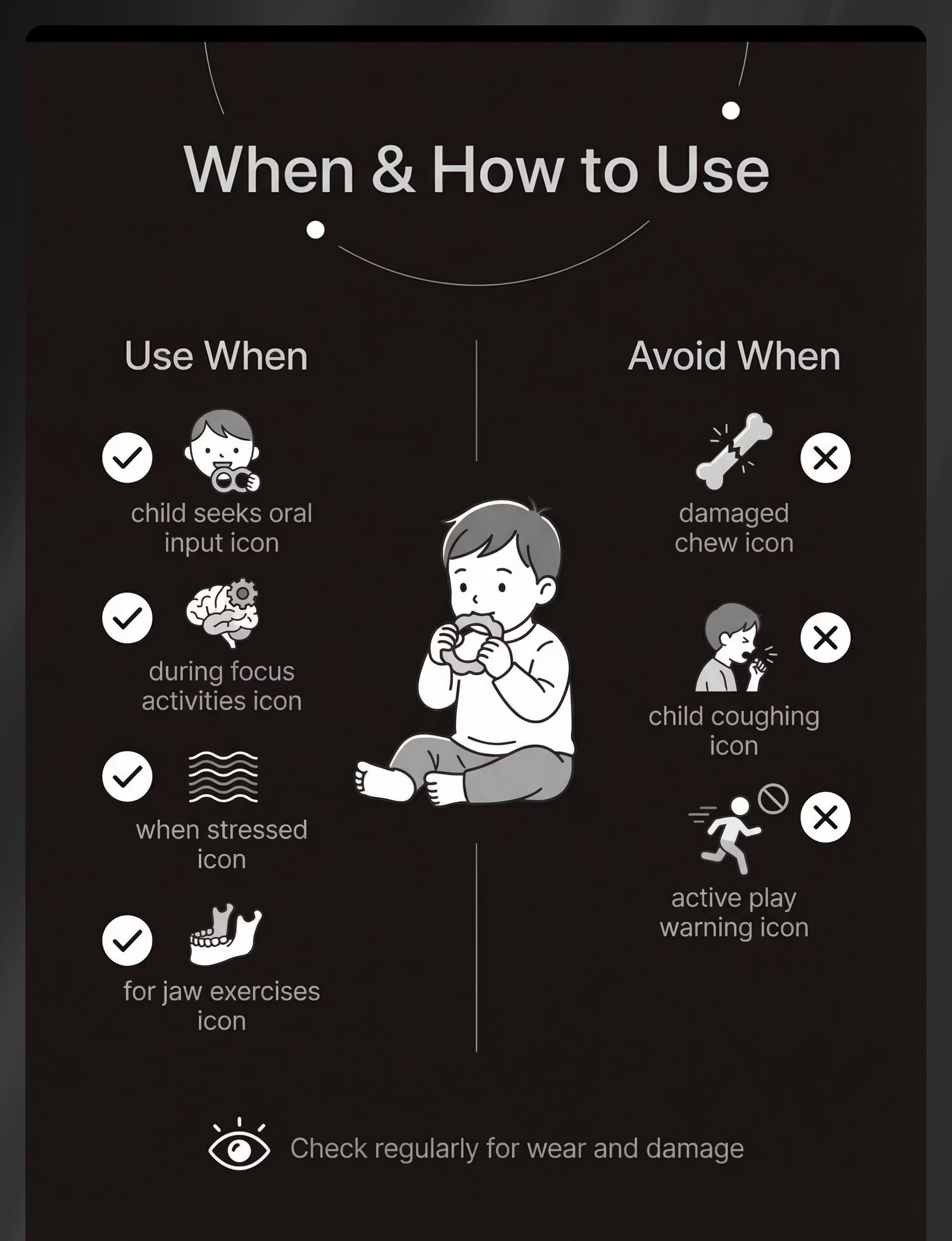
Usage Guide
When to Use ✓
When child seeks oral input
During focus-requiring activities
When stressed or dysregulated
As replacement for unsafe chewing
For jaw strengthening exercises
When NOT to Use ✗
Chew is damaged or worn
Child is coughing/gagging
During active play (choking risk with necklace)

Supervision by Age
Age Range
Supervision Level
Notes
Young children (1-4 years)
Supervised use
Check regularly; stay nearby during use; remove for active play
Older children (5-12 years)
Can use independently
Monitor for wear; teach proper care; check condition weekly
All ages
Regular inspection
Check for damage before each use; replace immediately if worn
Duration: As needed; available throughout day
Settings: Home • School • Clinic • Community
oral-motor-chews therapy material
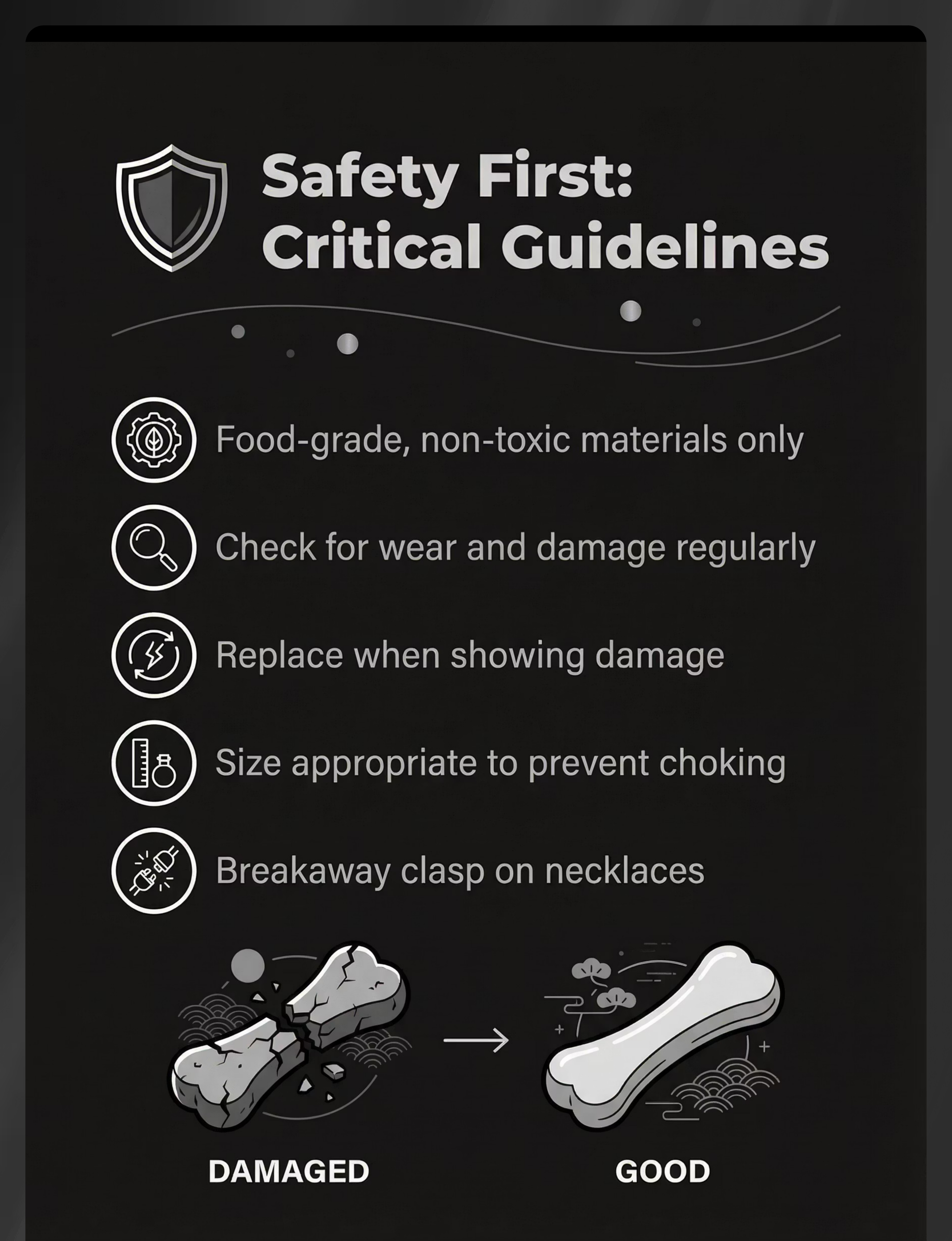
Safety First
Critical Safety
  • Food-grade, non-toxic materials only
  • Check for wear and damage regularly
  • Replace when showing damage
  • Size appropriate to prevent choking
  • Breakaway clasp on necklaces
Warnings
  • Supervise young children
  • Remove during active play (strangulation risk with necklaces)
  • Not for children who bite off pieces
  • Clean regularly

Contraindicated
  • Damaged chews—any visible wear, tears, or pieces breaking off
  • Non-food-grade materials—never use craft or toy items for oral motor work
  • Too small for child—choking hazard
  • Chews too hard for child's bite strength—potential for jaw injury

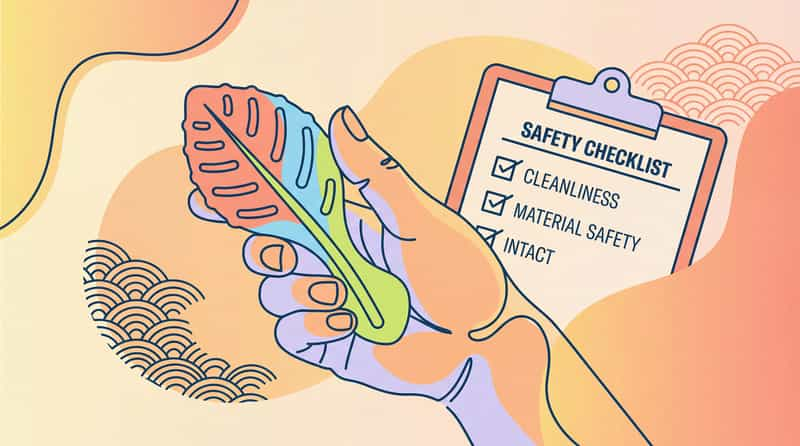
Safety Checklist
Before Use
  • Material is food-safe
  • No damage or wear
  • Appropriate resistance level
  • Size appropriate
During Use
  • Child using appropriately
  • Not biting off pieces
  • Meeting sensory need
  • Safe use
Signs of Success
  • Reduced unsafe chewing
  • Better regulation
  • Jaw strength improving
  • Appropriate oral outlet
oral-motor-chews therapy material
Investment Guide
Oral motor chews are a low-cost, high-impact investment in a child's sensory development. Their quality and features vary significantly, offering a range of options from basic silicone to advanced therapeutic tools. Choosing the right chew depends on individual needs, desired resistance, and durability requirements.
Understanding the different categories and price points can help you make an informed decision that balances effectiveness with budget.
Item Example
Basic chewy tube or silicone pendant
ARK therapeutic set with multiple resistances + chewelry
Cost Range (INR)
150-300
700-1,200
Key Considerations
Single item, appropriate resistance. Great starting point to test acceptance.
Includes multiple resistances, textures, and chewelry. Brands like ARK Therapeutic, Chewigem, SentioCHEWS.
Key Features to Consider
Durability & Safety
Look for food-grade, non-toxic materials. Ensure the chew is appropriate for the child's bite strength and doesn't show signs of wear or damage. Replace immediately if damaged.
Appropriate Resistance
Choose a chew with a resistance level matching the child's oral motor needs. Too soft might be ineffective, too hard could cause discomfort.
Texture & Shape Variety
Different textures and shapes can provide varied sensory input, helping to meet diverse oral sensory needs and preferences.
Ease of Cleaning
Chews should be easy to clean regularly to maintain hygiene and prevent the build-up of bacteria.
Investment Progression
Initial Exploration (₹100-200)
Pencil toppers and very basic chews for a low-risk introduction to oral motor tools.
Optimal Starting Point (₹250-400)
A single, quality mid-range chew with appropriate resistance to gauge acceptance and effectiveness before further investment.
Developing Needs (₹400-700)
Investing in a high-quality single chew or chewelry that offers specific textures or shapes, or a slight increase in resistance.
Therapeutic Sets (₹700-1,200)
Premium ranges offering complete sets with multiple resistances and specialized designs for advanced therapeutic use.

Important Note: Always supervise children during chew use and consult with an occupational therapist or speech-language pathologist for personalized recommendations.
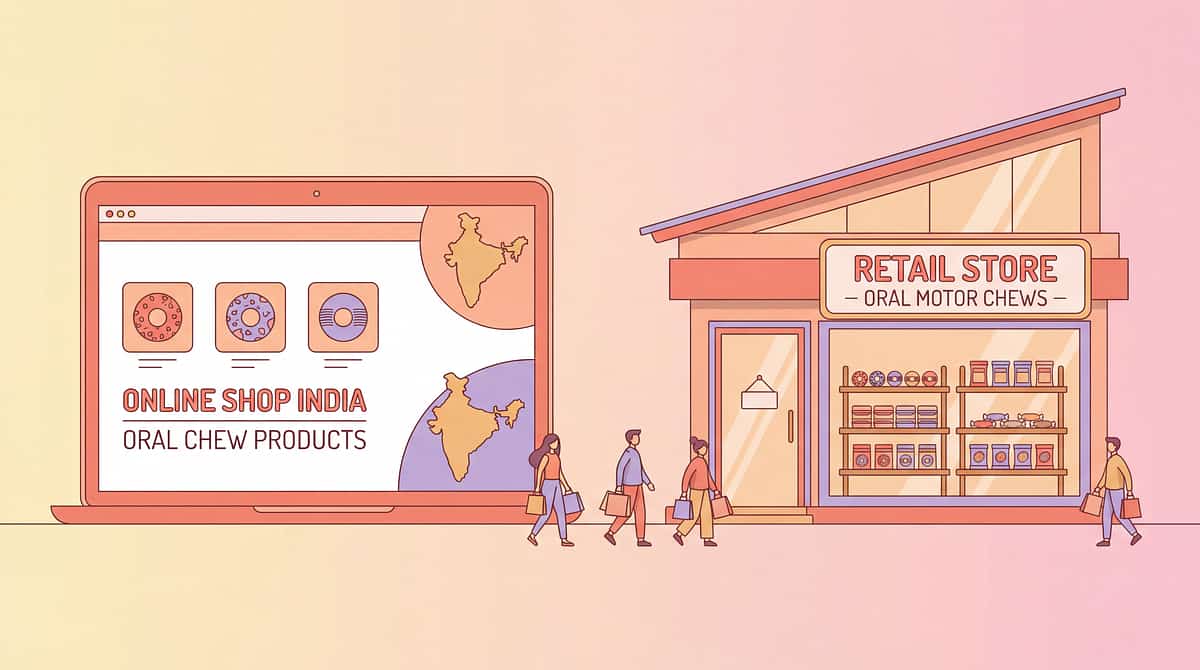
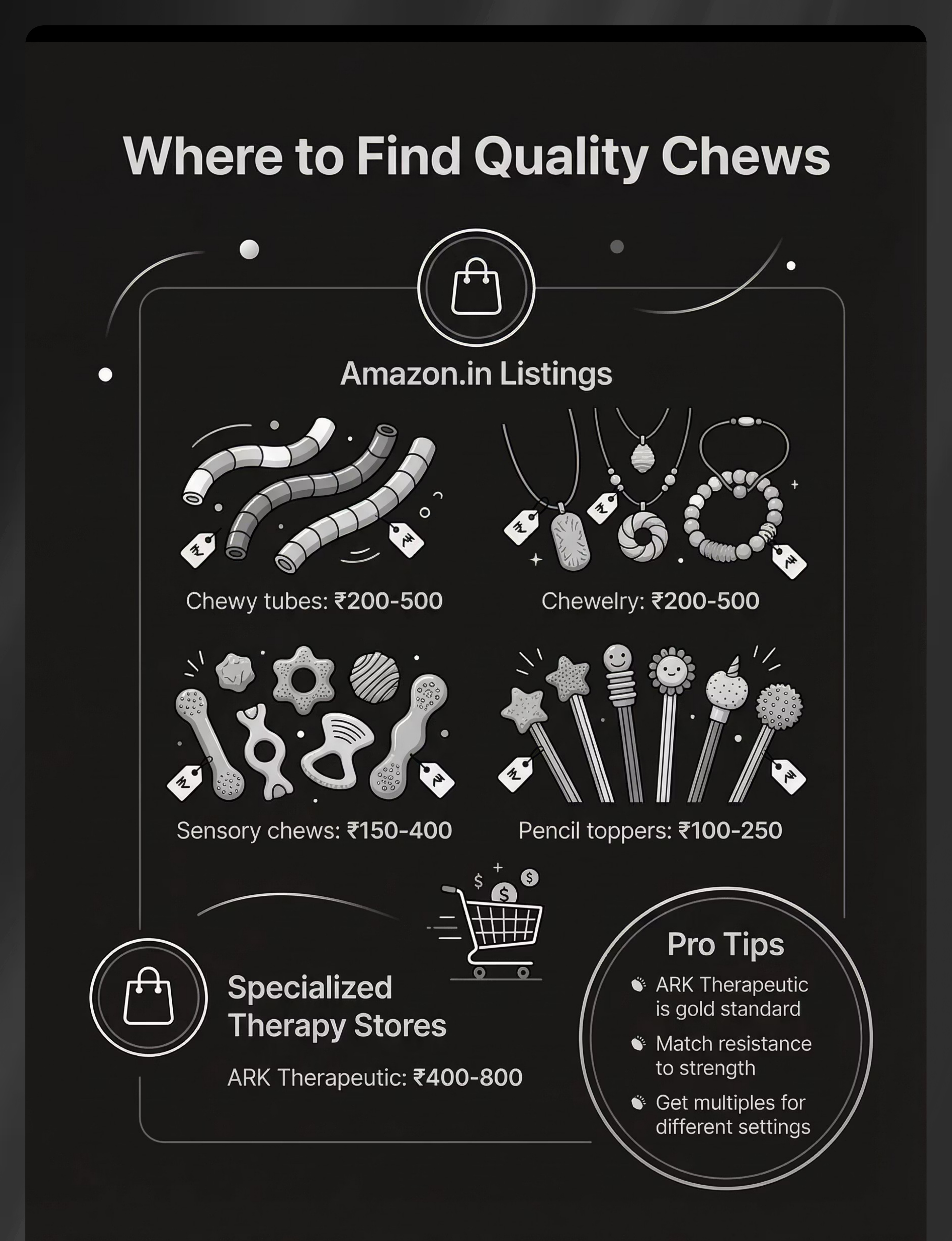
Where to Buy in India
Availability: Moderately Available. Therapy-grade oral motor chews are available through major online platforms and specialized therapy stores.
Online Platforms (e.g., Amazon.in)
Search for specific products like "chewy tube oral motor," "chewelry necklace autism," "sensory chew toys," or "chew pencil topper."
Specialized Therapy Stores
Look for brands like "ARK therapeutic" for higher-end, therapeutic-grade chews.
Platform
Search Term
Price Range
Amazon.in
"chewy tube oral motor"
₹200-500
Amazon.in
"chewelry necklace autism"
₹200-500
Amazon.in
"sensory chew toys"
₹150-400
Amazon.in
"chew pencil topper"
₹100-250
Specialized therapy stores
"ARK therapeutic"
₹400-800

Buying Tips ✓
  • ARK Therapeutic is gold standard brand
  • Match resistance level to chewing strength
  • Get multiple for home, school, on-the-go
  • Wearable options ensure always available
  • Replace when showing wear
Red Flags ✗
  • Non-food-grade materials
  • Too small (choking hazard)
  • Breaks easily (piece could be swallowed)
  • Wrong resistance level
DIY Alternative
1
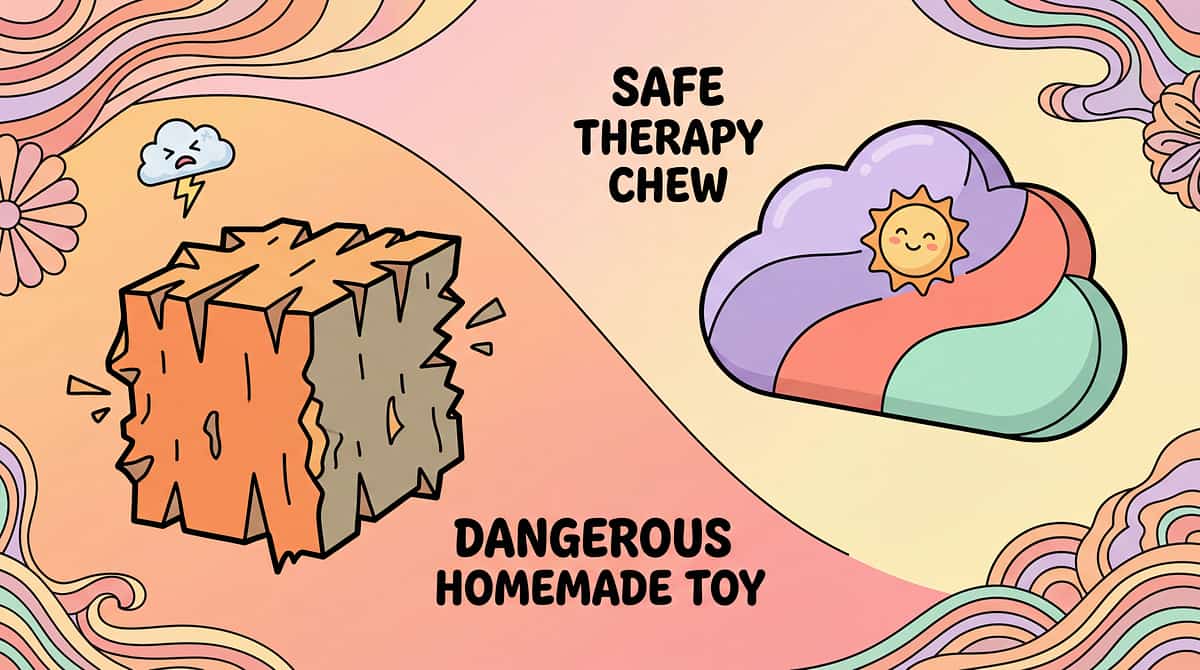
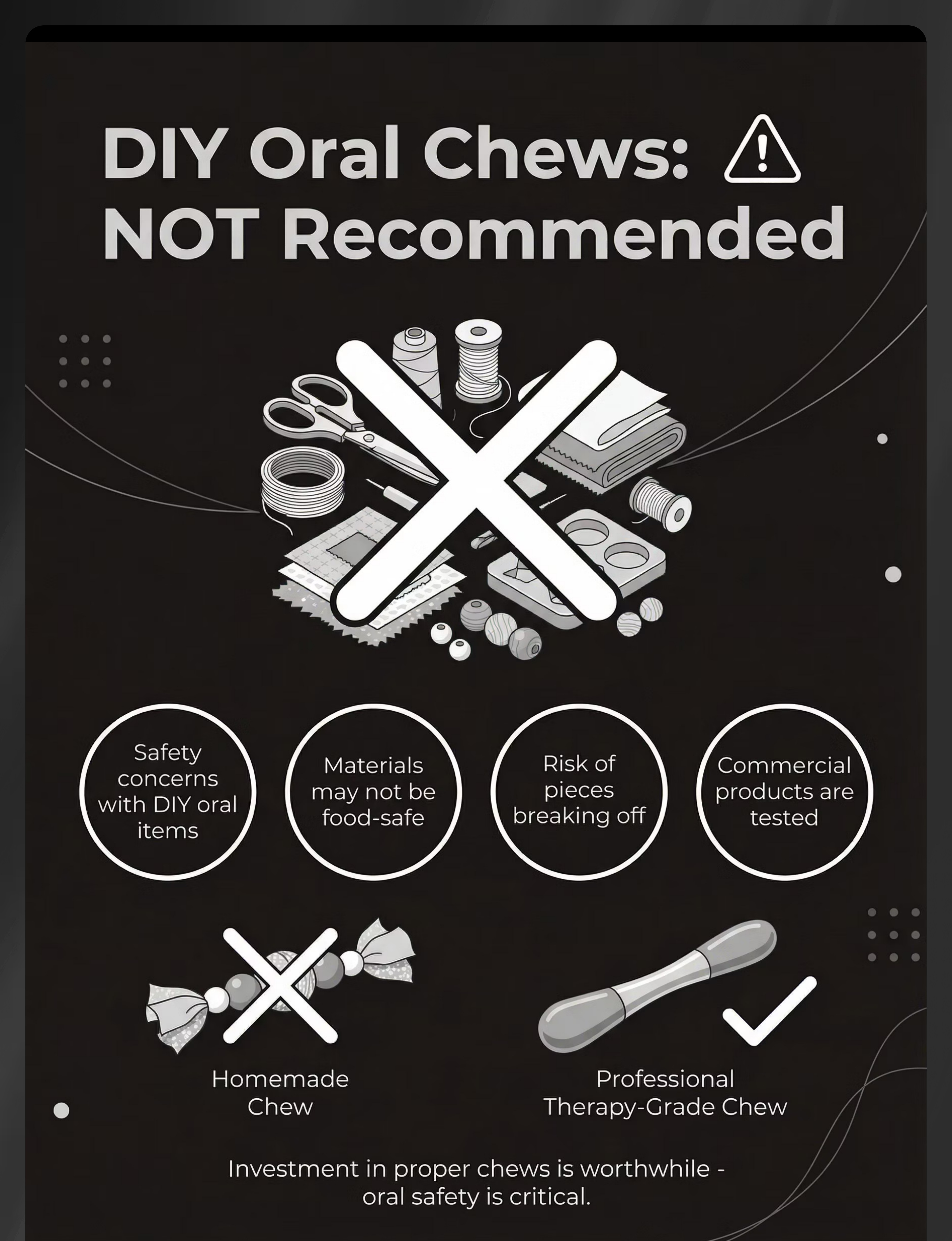
DIY Not Recommended
Feasibility: Low - Not Recommended
Safety Concern: DIY oral chews pose significant safety risks and are NOT recommended for oral motor work.
Why Commercial is Essential
Materials may not be food-safe
Craft materials and non-therapeutic items aren't tested for oral safety
Risk of pieces breaking off
DIY items lack durability testing; pieces could break off and pose choking hazards
Commercial products are safety-tested
Therapy-grade chews undergo rigorous testing for durability and oral safety
Investment in proper chews is worthwhile
Given low cost (₹100-1,200) and critical safety needs, commercial products are essential

Critical Safety Message
Unlike many therapeutic materials, oral motor tools require food-grade, medical-grade materials that have been tested for safety. The potential risks of DIY oral items—choking, ingestion of unsafe materials, breakage—far outweigh any cost savings. This is one tool category where commercial, therapy-grade products are non-negotiable.
DIY vs Commercial Comparison
When to DIY
NOT recommended for oral chews
Safety risk is too high for DIY approaches
When to Buy Commercial
  • Always - oral safety is critical
  • Food-grade, tested materials essential
  • Replace when worn
Tradeoffs: Safety risk outweighs cost savings. Commercial oral motor chews are affordable (starting at ₹100) and represent a small investment in your child's safety and development.

Preview of oral motor chews Therapy Material

Below is a visual preview of oral motor chews therapy material. The pages shown help educators, therapists, and caregivers understand the structure and content of the resource before use. Materials should be used under appropriate professional guidance.

Page 1
Page 2
Page 3
Page 4
Page 5
Page 6
Page 7
Page 8
Page 9
Page 10
Page 11
Page 12
Page 13
Page 14
Page 15
Page 16
Page 17
Page 18
Page 19
Page 20
Link copied!
Your Complete Success Roadmap
Measuring Success (Track These 3 Things)
Reduced destructive chewing
(shirts, pencils, fingers)
Improved focus
during seated tasks
Better jaw strength
for eating challenging foods
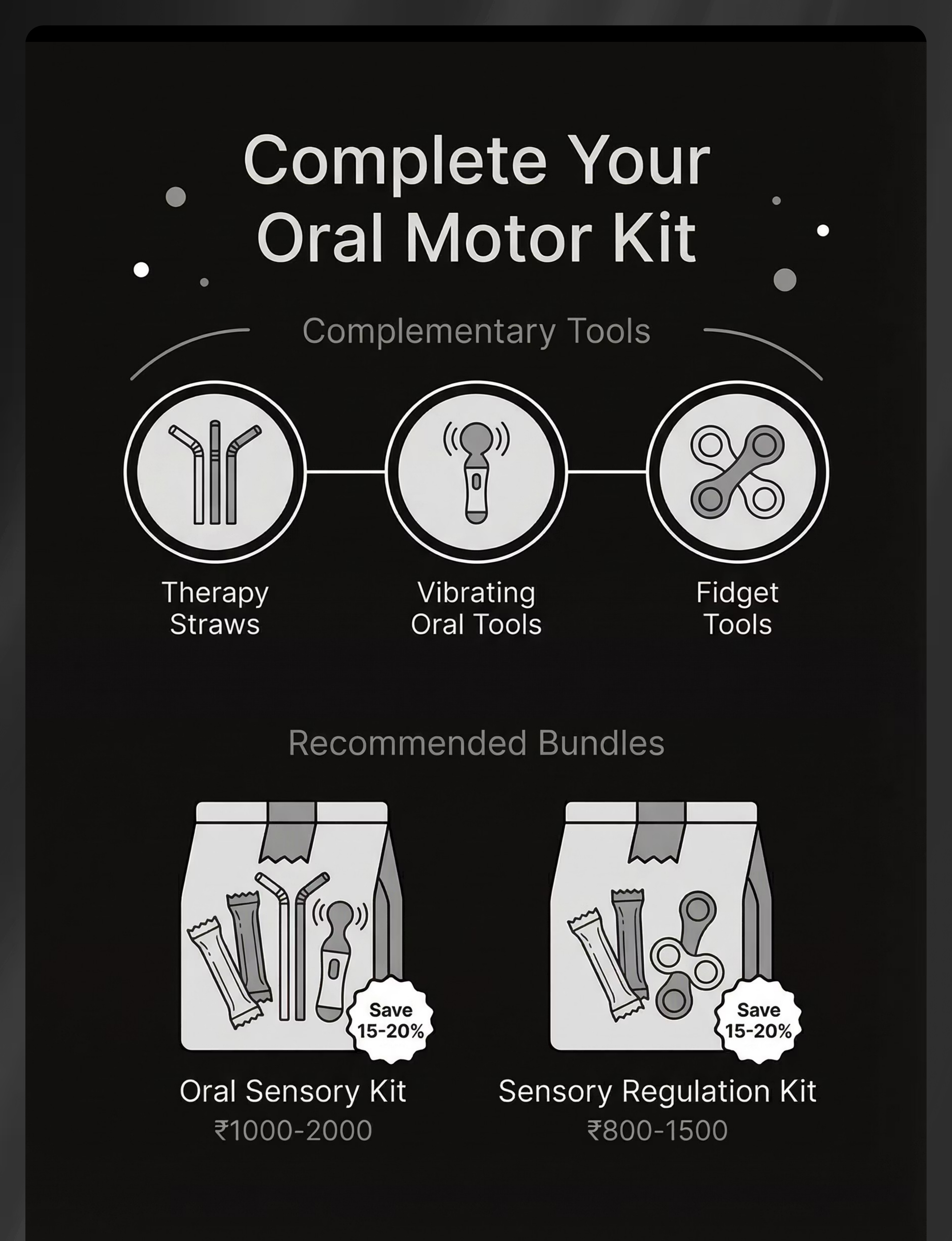
Complete the Kit (Related Tools)
To further support your child's sensory needs, consider these related tools:
  • Weighted lap pad (Tool 11.3) for seated focus
  • Fidget tools (Tool 11.2) for hand-based sensory needs
  • Sensory diet planning guide
AI-Powered Support
Leverage technology for personalized guidance:
  • Use the Parent AI Assistant to:
  • Get personalized chew recommendations based on your child's specific needs
  • Track progress and adjust resistance levels
  • Troubleshoot challenges in real-time
Expert Support Network
Week 1
Connect with occupational therapist for initial assessment
Ongoing
Join parent support groups for oral motor challenges
Monthly
Review progress and adjust tools as needed

Ready to Start? Begin with a starter chew in the appropriate resistance level. Track progress weekly. Adjust as your child grows.