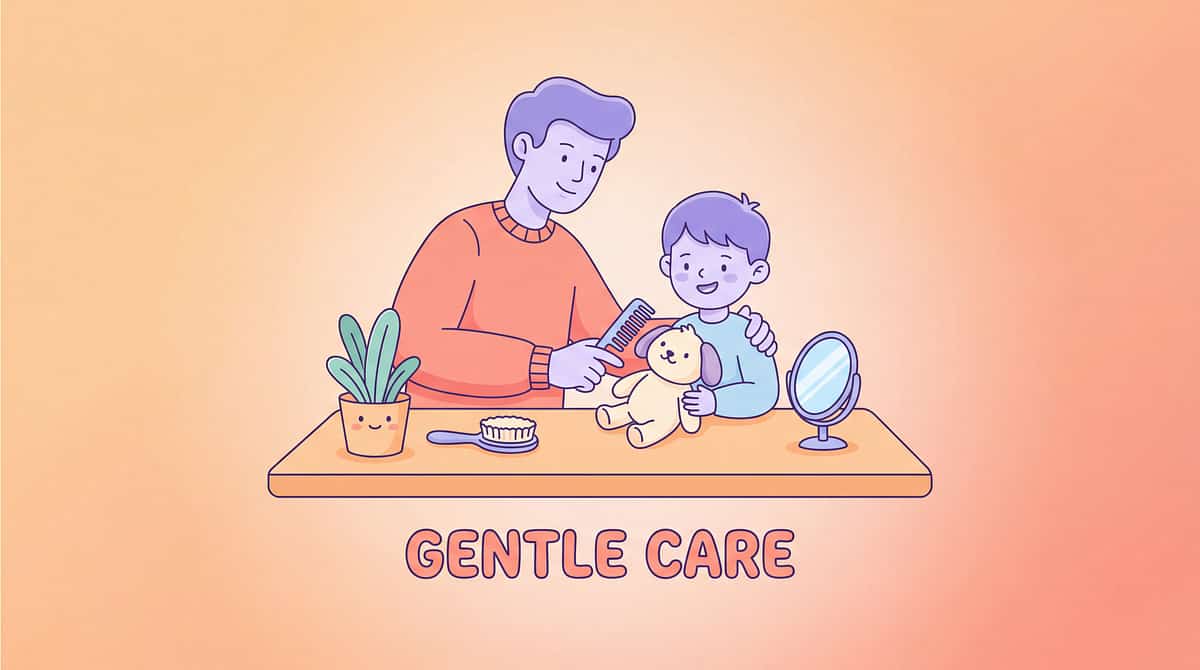
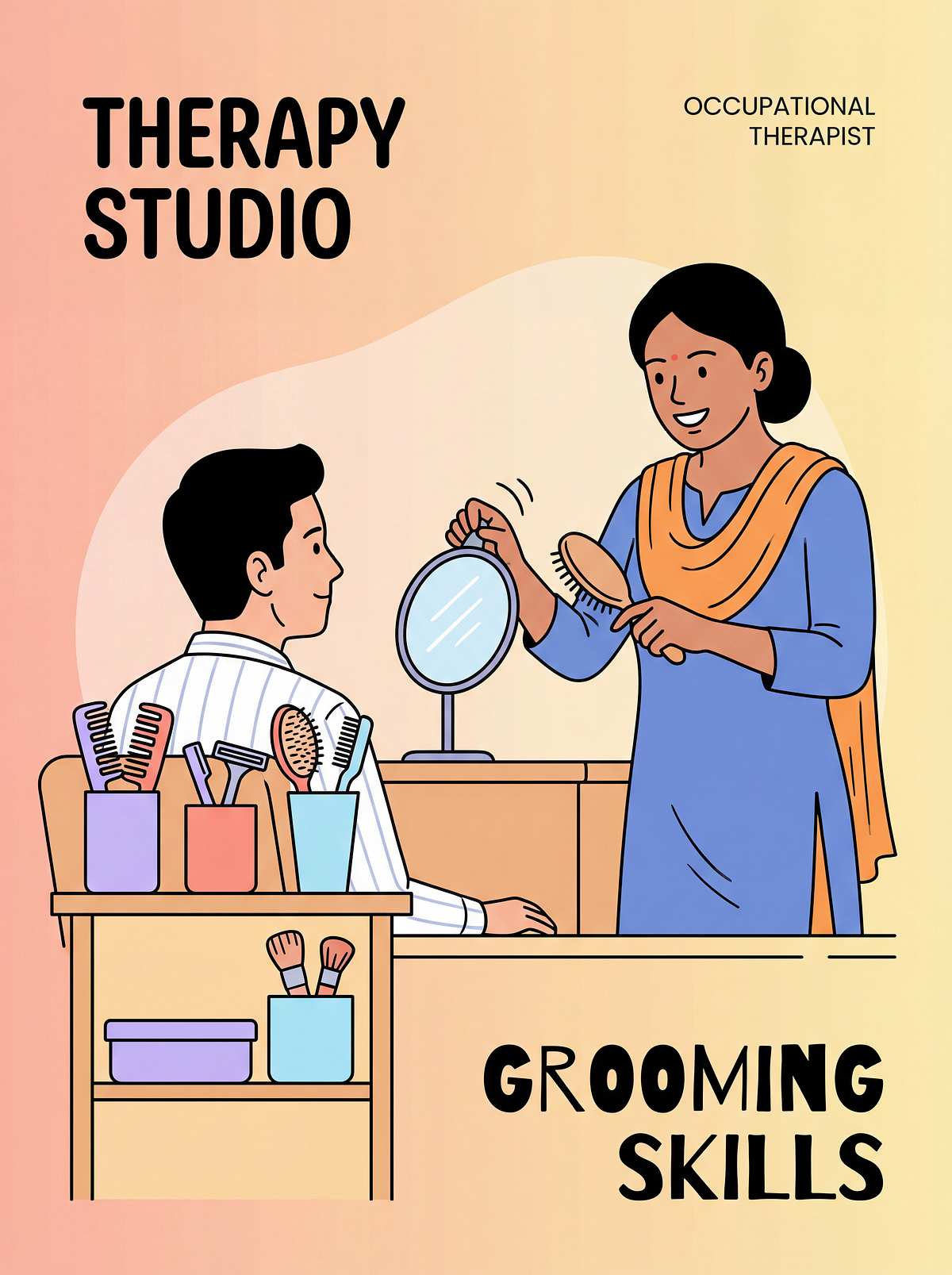
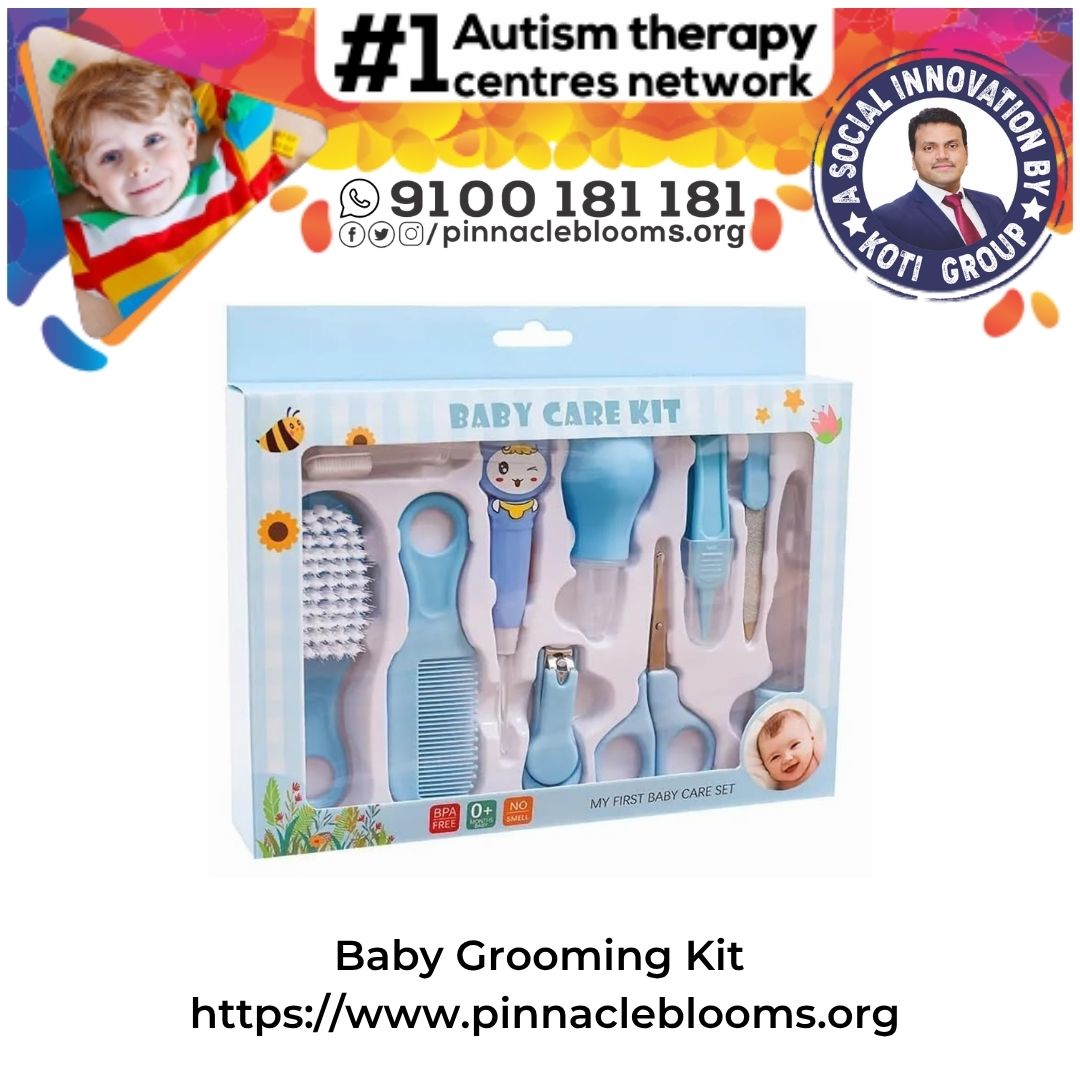
Adapted Grooming Tools
Sensory-Friendly Solutions for Daily Hygiene Independence

Who This Helps
Sensory Sensitivities
Reduces discomfort and hypersensitivity during grooming tasks, making daily hygiene a calmer experience.
Motor Challenges
Simplifies complex movements, assisting children with fine and gross motor difficulties in self-care activities.
Routine Development
Supports the establishment of consistent daily hygiene habits, fostering predictability and independence.
Self-Care Independence
Boosts confidence and dignity by enabling children to successfully manage their personal grooming independently.

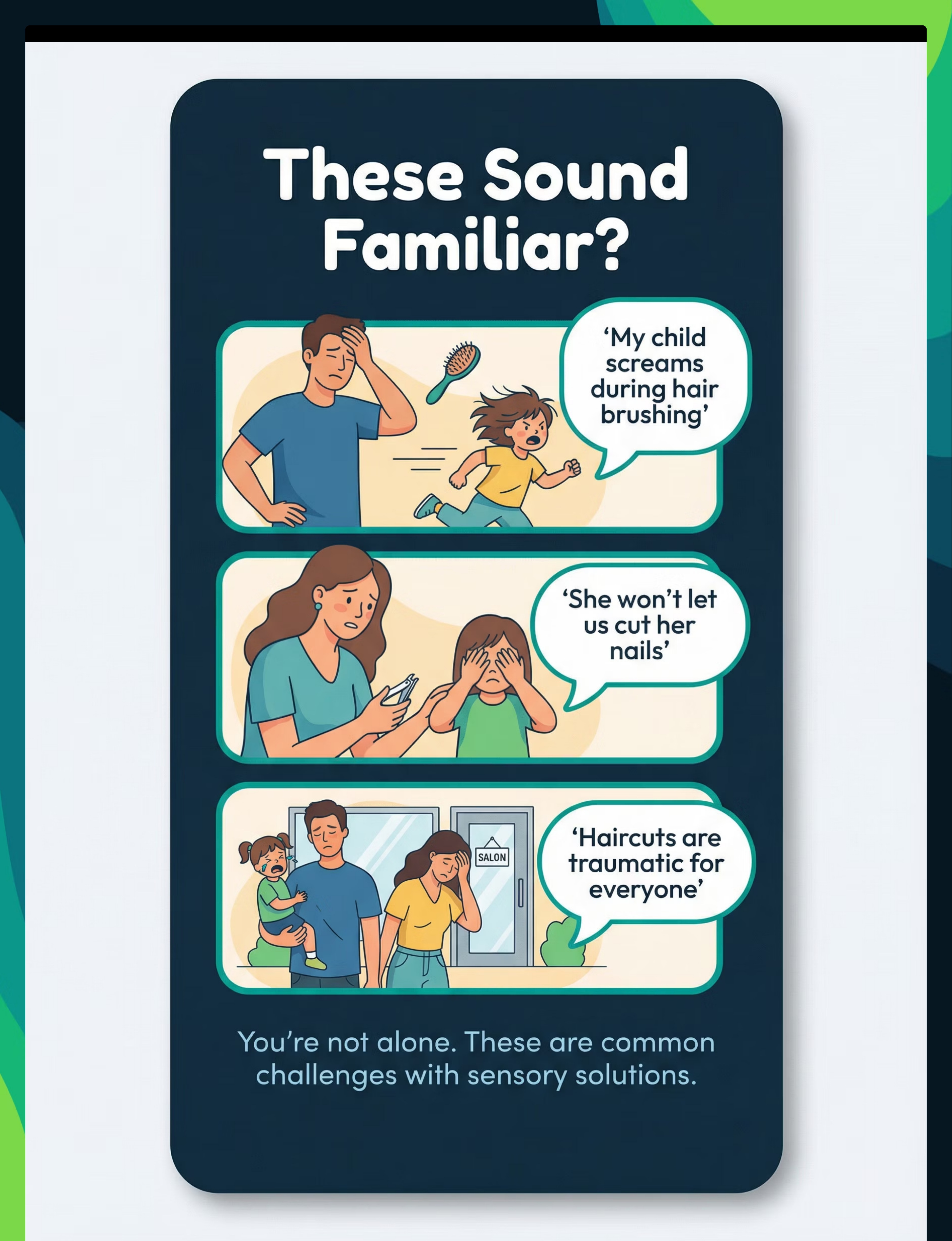
Does This Sound Familiar?
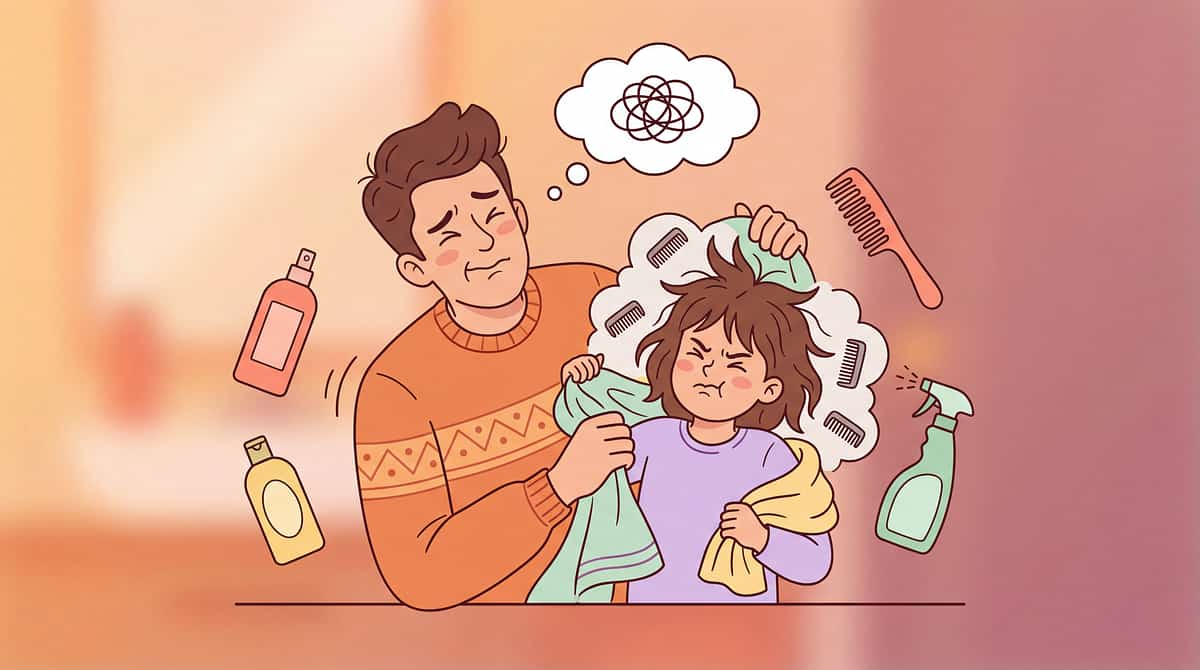
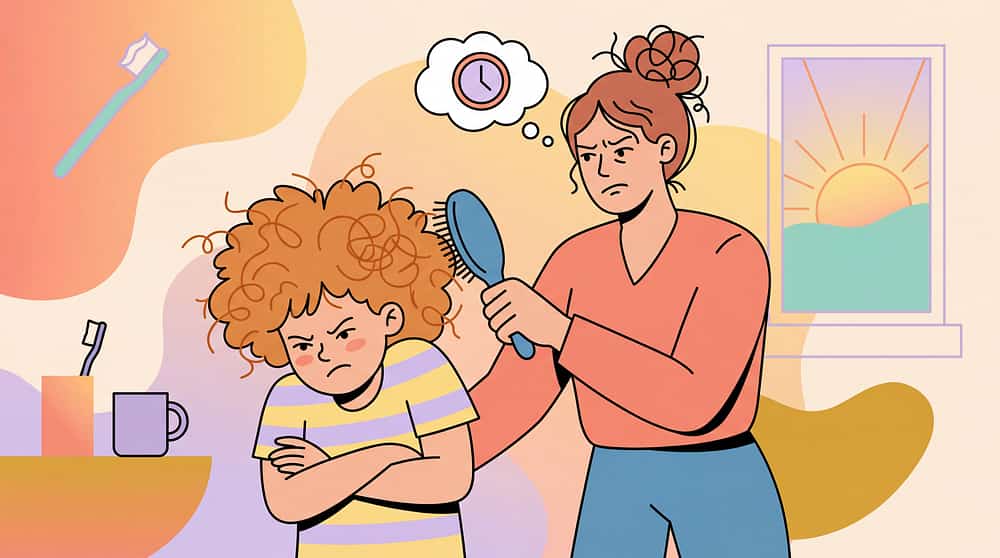
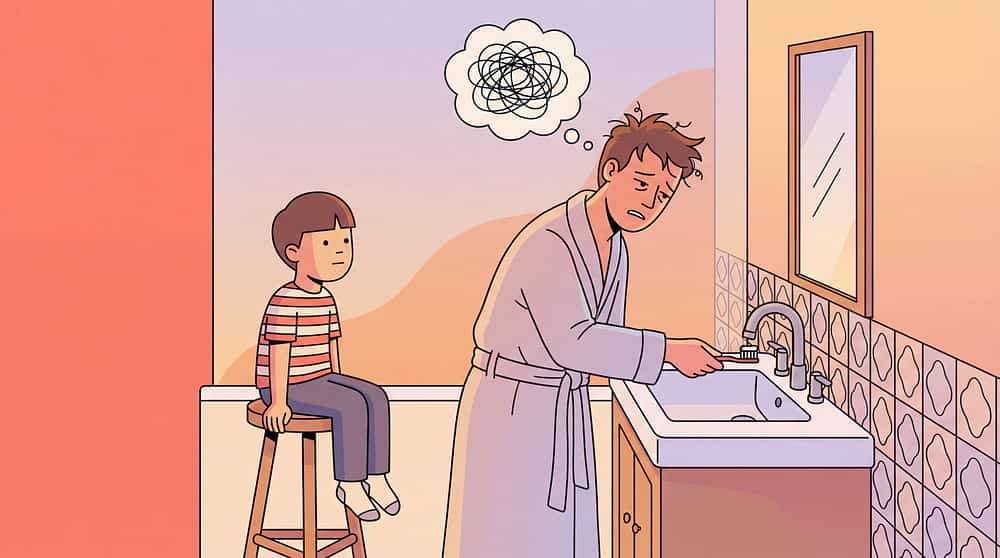
"My child screams during hair brushing. Every morning becomes a battle and I feel terrible forcing it, but their hair gets so tangled."
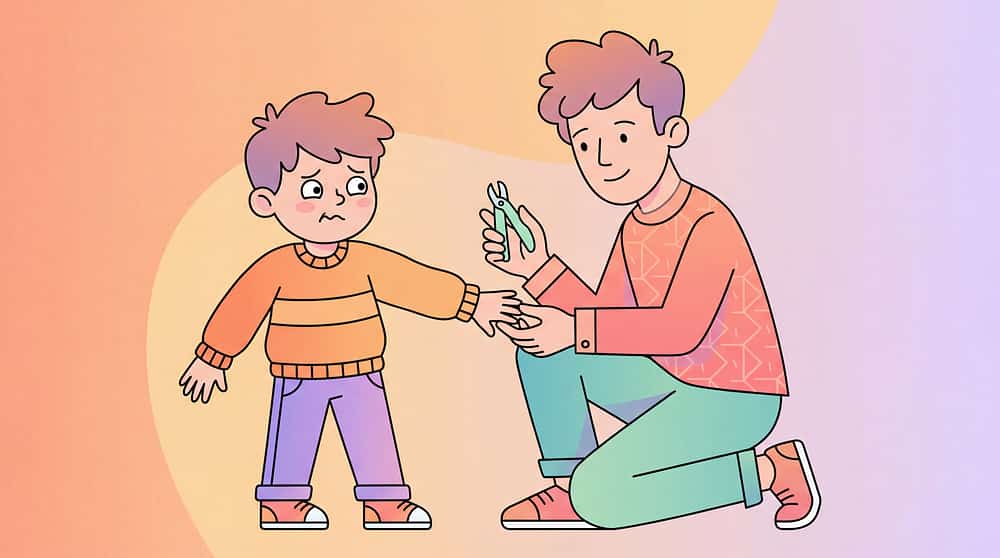
"She won't let us cut her nails. They grow so long but she's terrified of the clippers. We've tried everything."
"Haircuts are traumatic for everyone involved. We avoid them for months, then face a complete meltdown at the salon."
"He can't wash himself properly at eight years old. I'm worried about independence and what happens as he gets older."
"Bath time is a battle every single day. The sensory issues make basic hygiene feel impossible."
"She's not developing any hygiene independence. Will she ever be able to care for herself?"
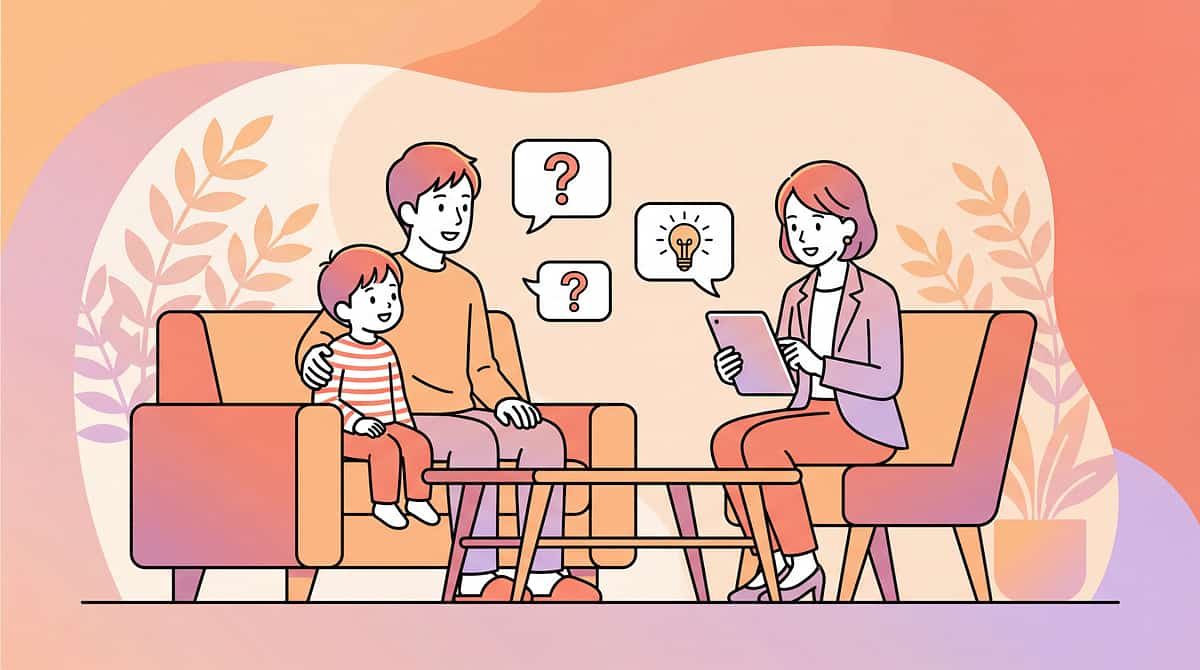
You're not alone. These are common challenges that families face when sensory sensitivities and motor difficulties create barriers to basic grooming routines. The right tools and approaches can transform these daily struggles.

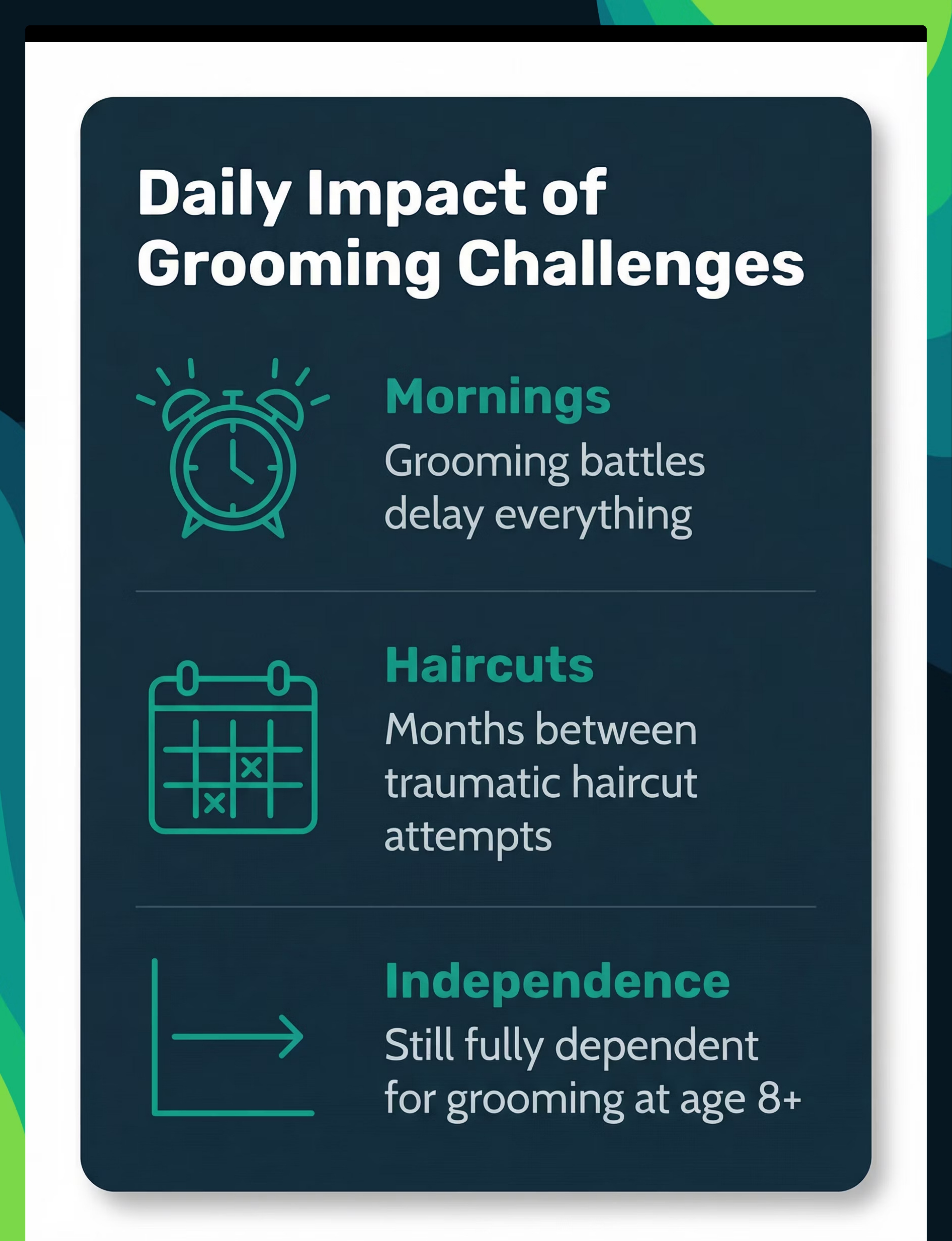
A Day Without the Right Support
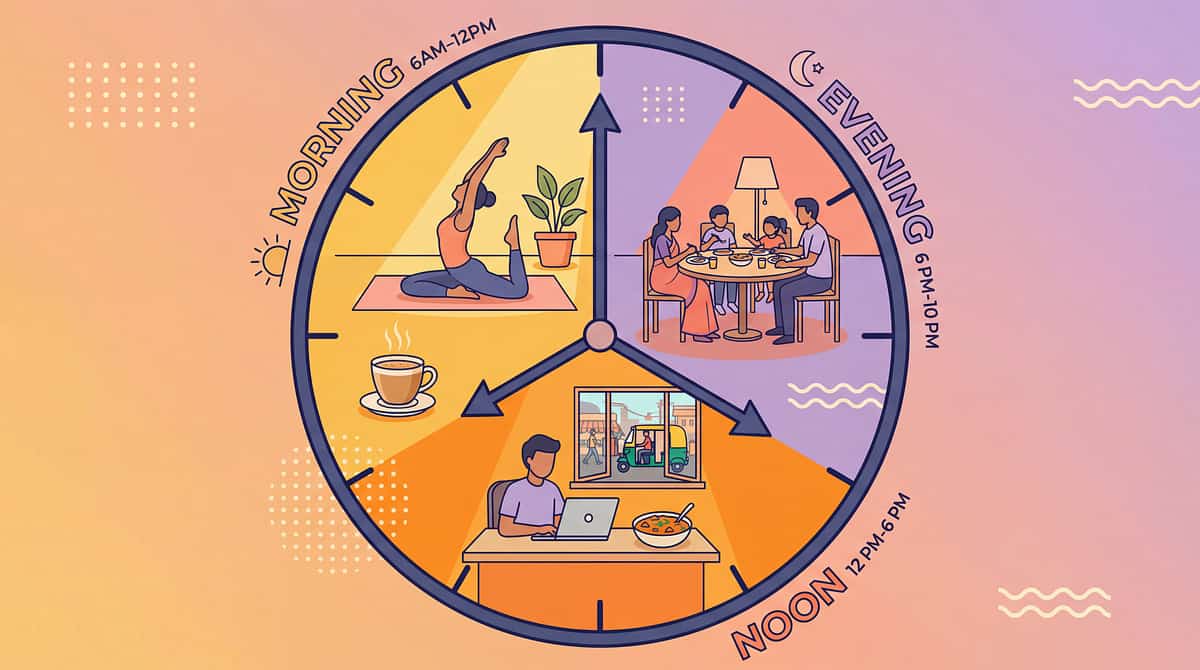
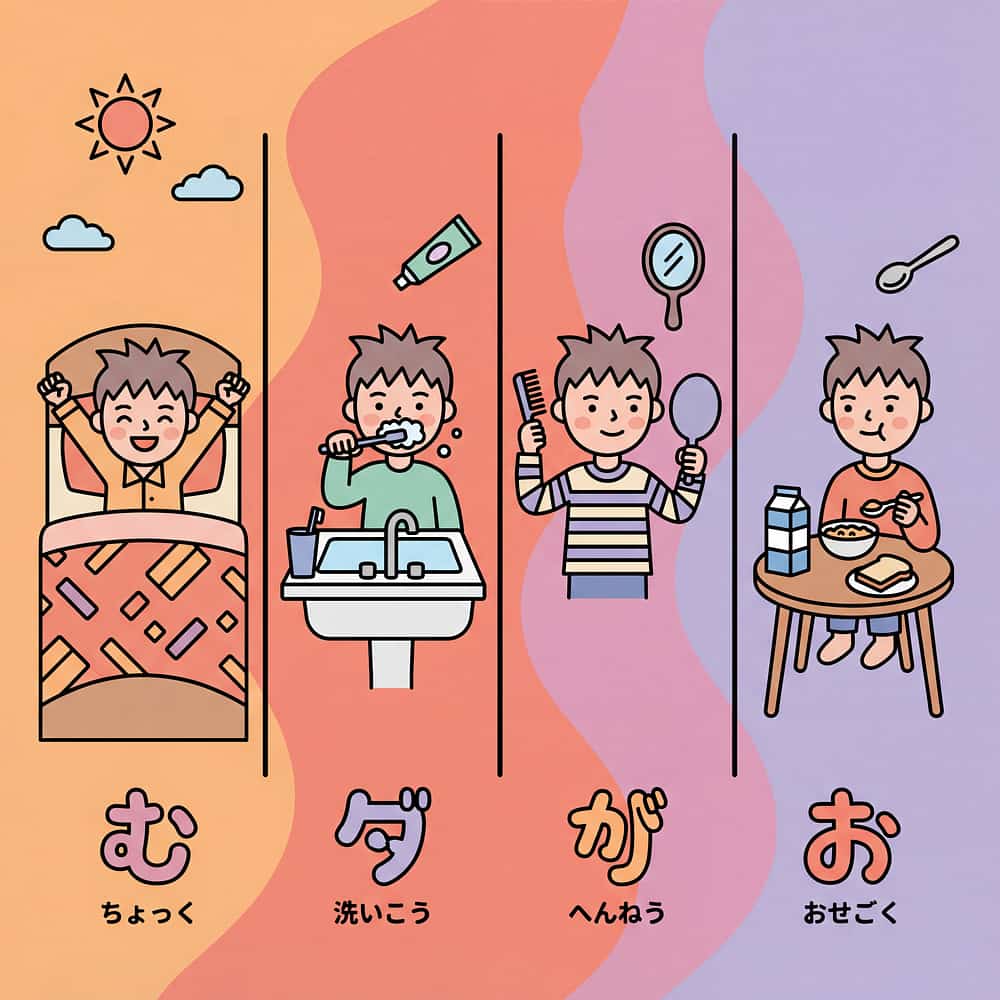
Morning Routine
Grooming battles delay everything. The day starts with tears, resistance, and everyone running late because hair brushing becomes a traumatic event.
Daily Hygiene
Basic hygiene not maintained. Throughout the day, concerns mount about cleanliness, social acceptance, and the gap between age and independence.
Haircut Attempts
Months between traumatic haircut attempts. Each visit to the salon or barber becomes a dreaded event that the whole family tries to postpone.
Evening Struggles
Still fully dependent for grooming. Bath time resistance, teeth brushing battles, and the exhaustion of providing total care for tasks peers do independently.

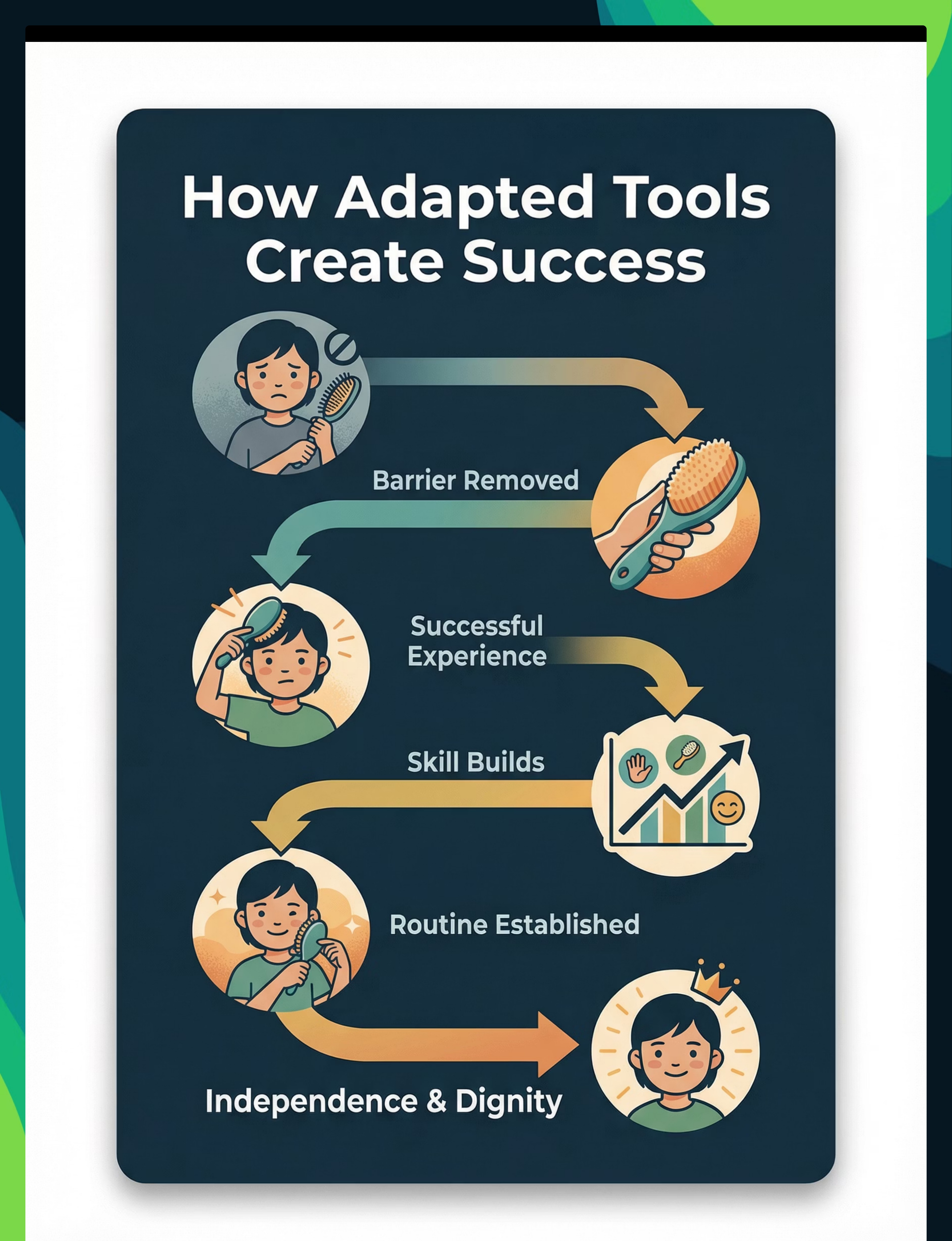
The Science Behind It
Adapted Tools
Specialized equipment reduces motor and sensory barriers to grooming tasks
Success Experiences
Positive grooming interactions replace trauma and resistance
Skill Development
Repeated successful attempts build competence and confidence
Routine Establishment
Consistent positive experiences create predictable hygiene patterns
Independence & Dignity
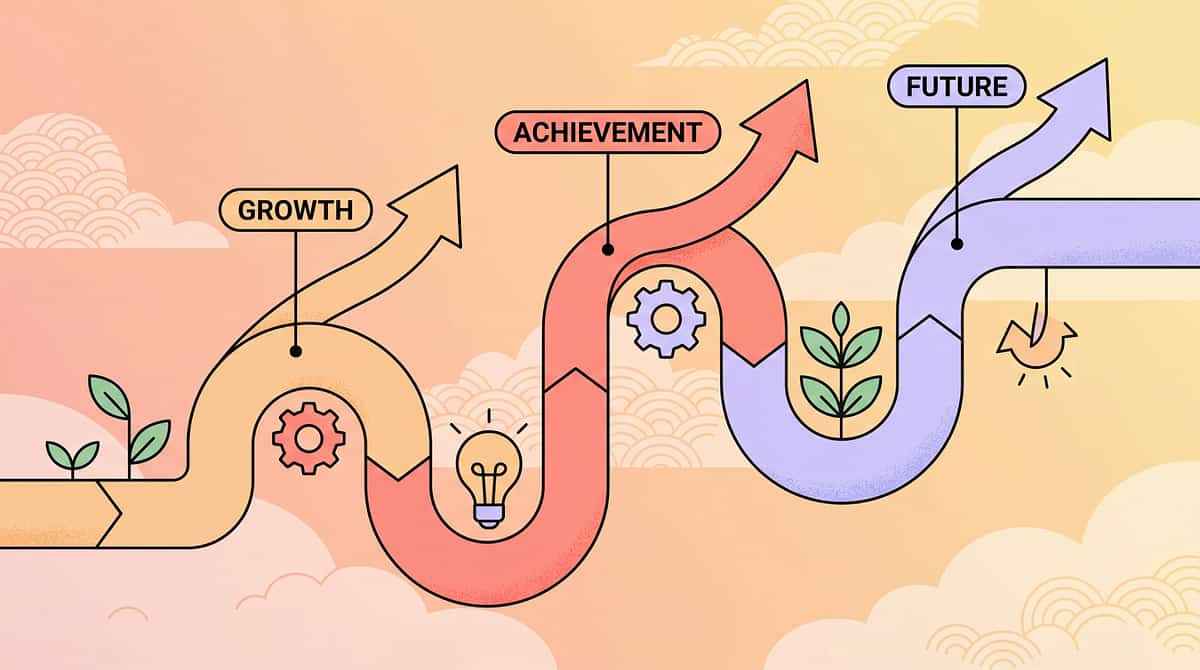
Self-care competence develops, fostering autonomy and self-respect
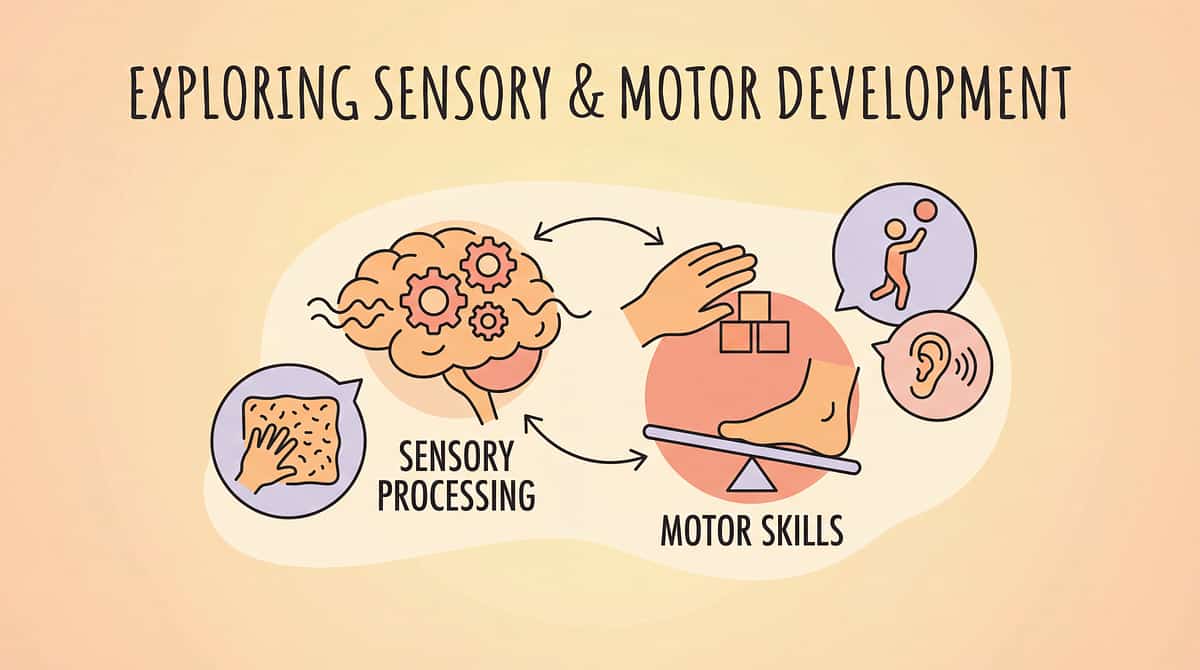
This approach addresses the root causes of grooming resistance. When sensory systems process touch, sound, or texture differently, regular grooming tools can cause genuine pain or overwhelming distress. Motor challenges make standard tools difficult to grip and control. By removing these barriers, children can experience grooming as manageable rather than threatening, allowing natural skill development to unfold.
Personal Hygiene
Sensory Tolerance
Fine Motor
Self-Care Independence
Routine Following
Body Awareness

How to Use It Right
Address Sensory Issues First
Use sensory-friendly tools that eliminate pain and reduce overwhelming input. Choose gentle bristles, quiet motors, and preferred textures to make grooming tolerable.
Implement Visual Schedules
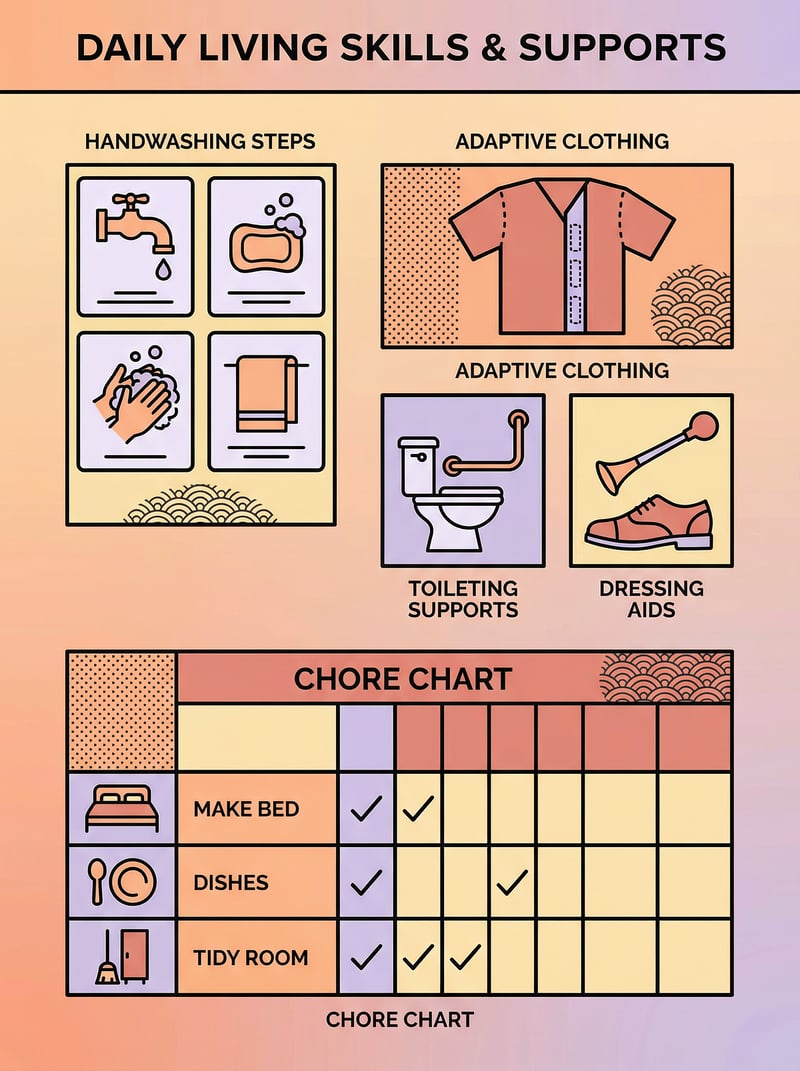
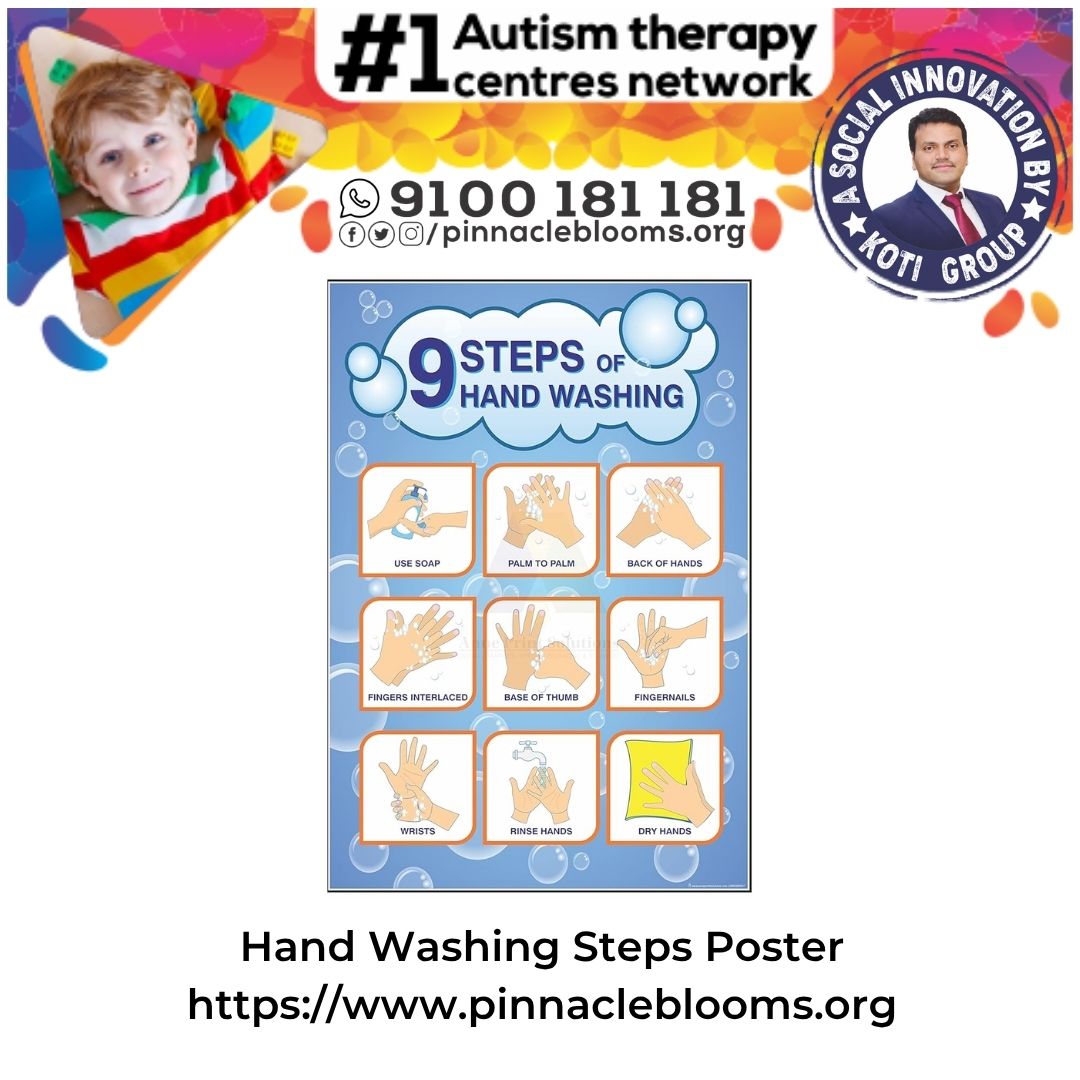
Create step-by-step picture sequences for grooming routines. Visual supports help children understand expectations and follow multi-step hygiene tasks independently.
Practice Gradual Desensitization
If activities are aversive, introduce them slowly in small doses. Build tolerance over time through positive, non-threatening exposures rather than forcing compliance.
Select Motor-Appropriate Tools
For grasp challenges, choose adapted handles, pump dispensers, or extended-reach tools. Remove fine motor barriers so children can succeed with their current abilities.
Choose Calm Practice Times
Introduce new tools and techniques when the child is regulated, not rushed. Successful learning happens in low-stress moments, not during morning time crunches.
Build Routine Consistency
Establish predictable grooming sequences at the same times daily. Consistency creates neural pathways that make self-care automatic over time.
Duration guidance: Keep initial sessions short and positive. As tolerance builds, gradually extend grooming time. Success is measured in cooperation and independence, not perfect technique.

Expert Insight
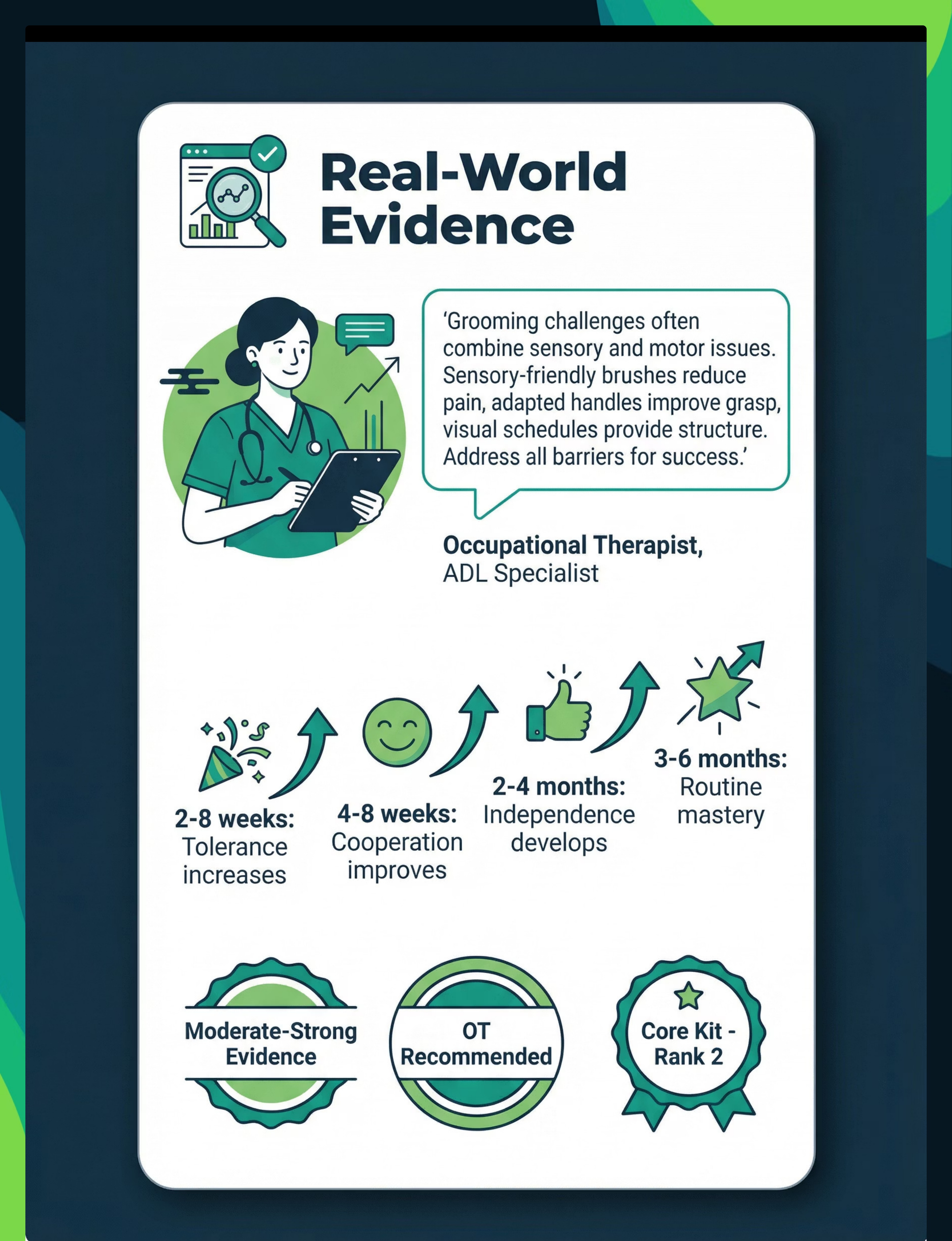
"Grooming challenges often combine sensory and motor issues. Sensory-friendly brushes reduce pain, adapted handles improve grasp, visual schedules provide structure. Address all barriers for success."
— Occupational Therapist, ADL Specialist
OT + SpEd Recommended
Moderate-Strong Evidence
Rank #2 in Daily Living Skills
Core Kit - Daily Use
This comprehensive approach has strong backing from occupational therapy research. By addressing sensory, motor, and behavioral dimensions simultaneously, adapted grooming tools help children develop the self-care skills essential for dignity and independence across their lifespan.

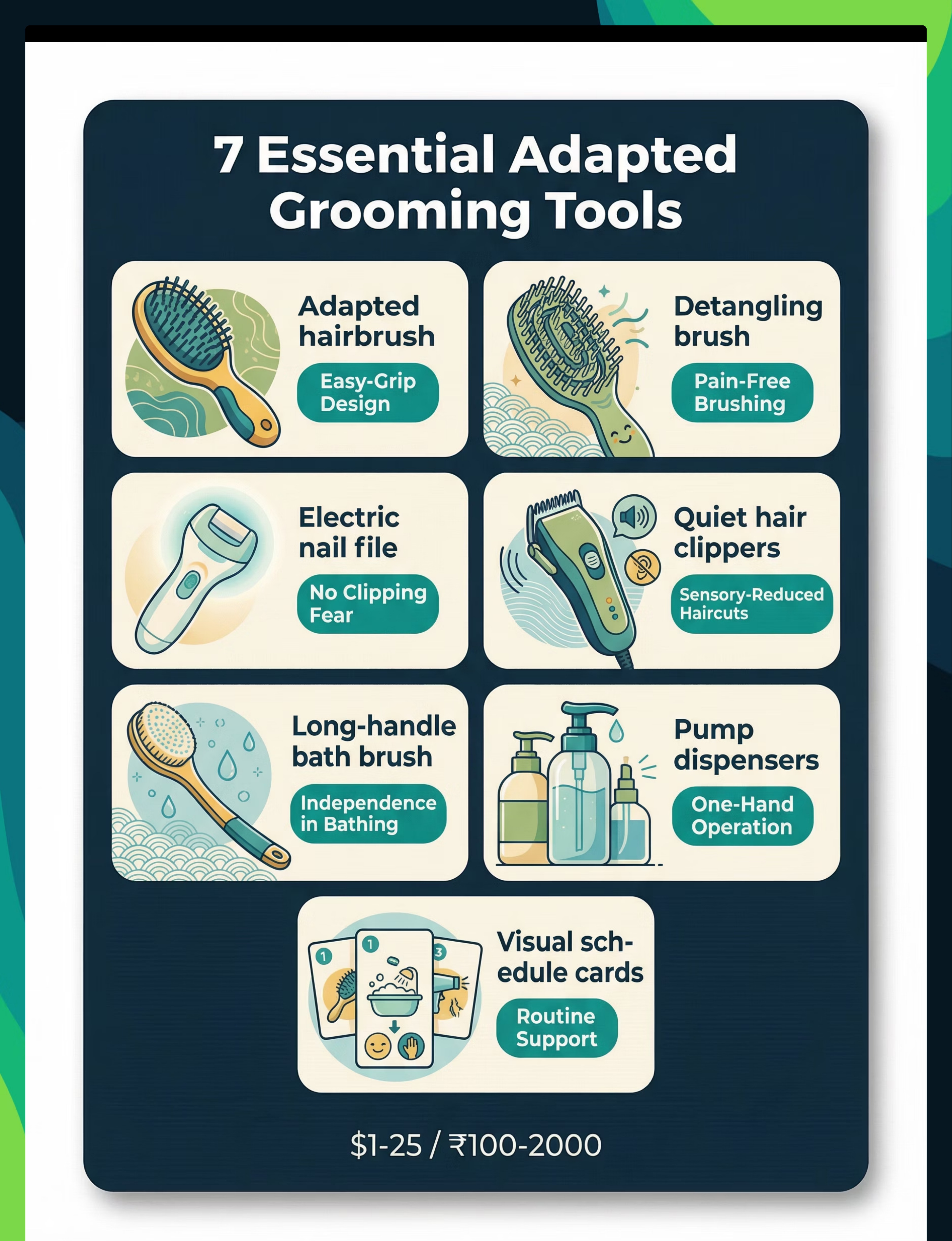
Choose Your Option (7 Variants)
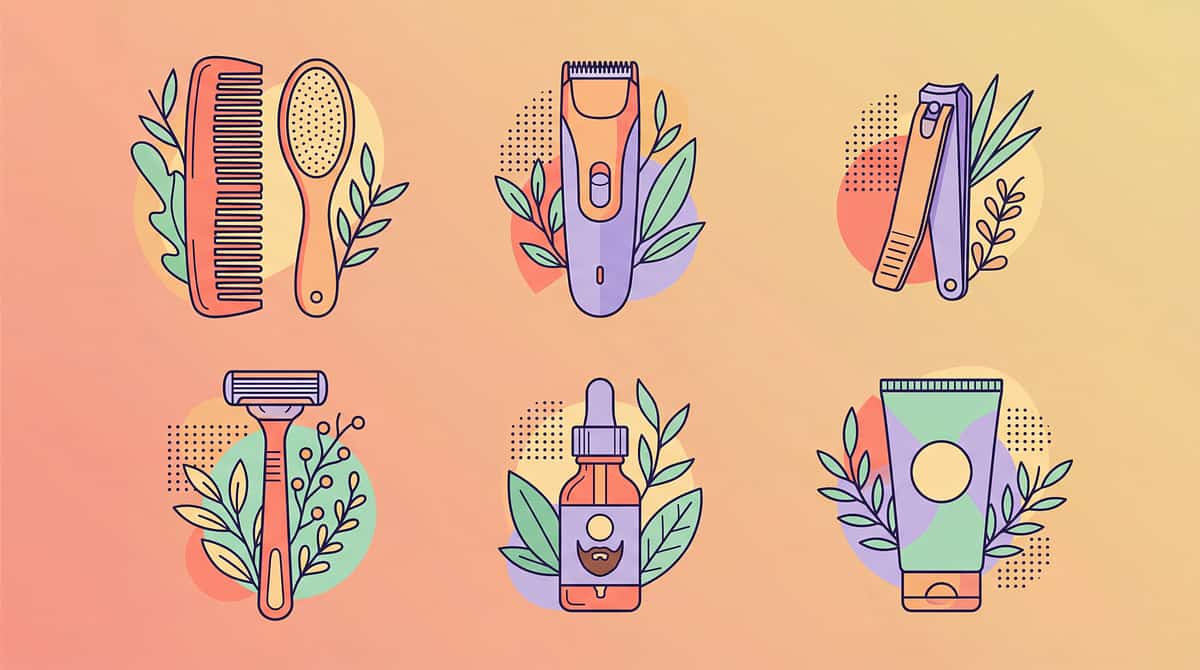
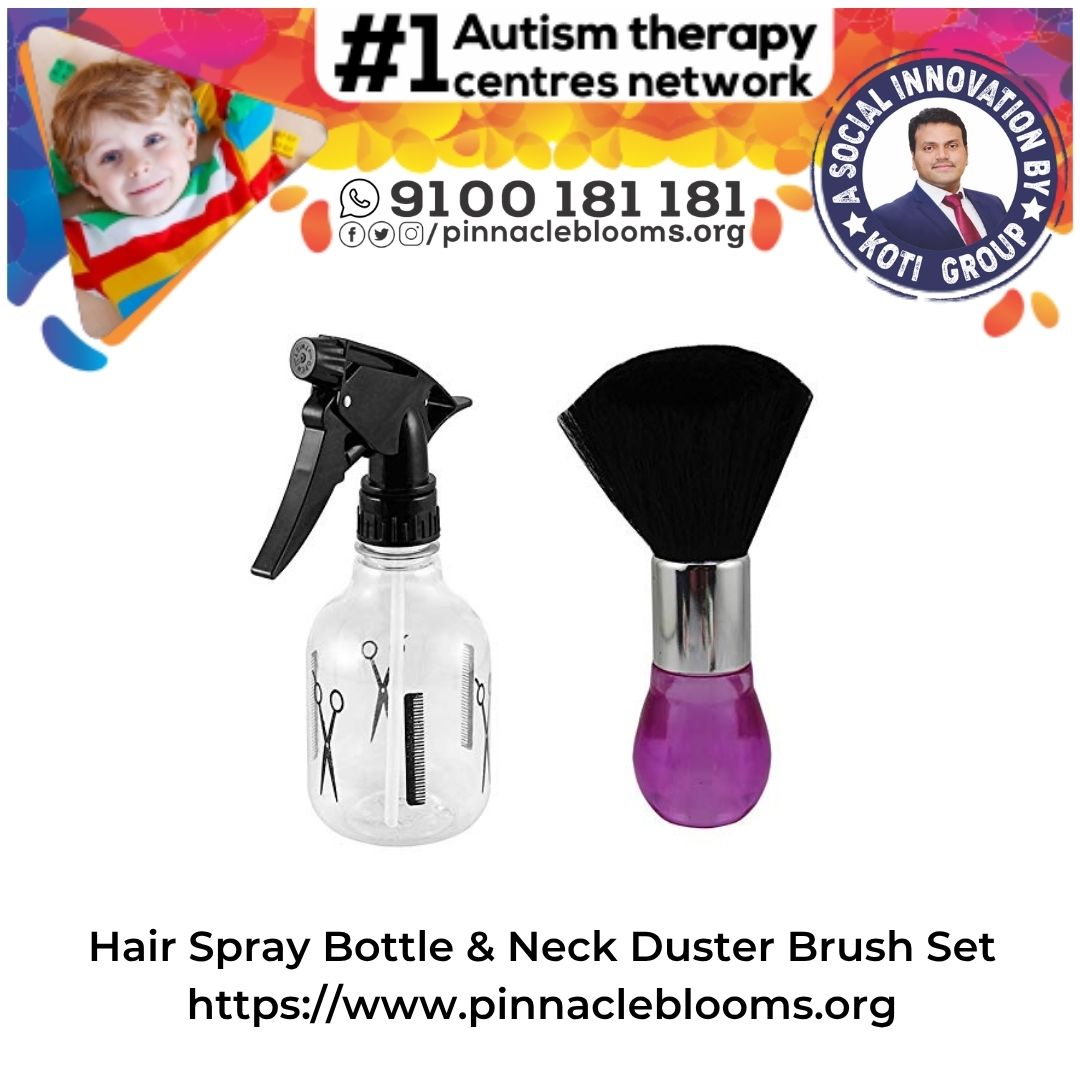
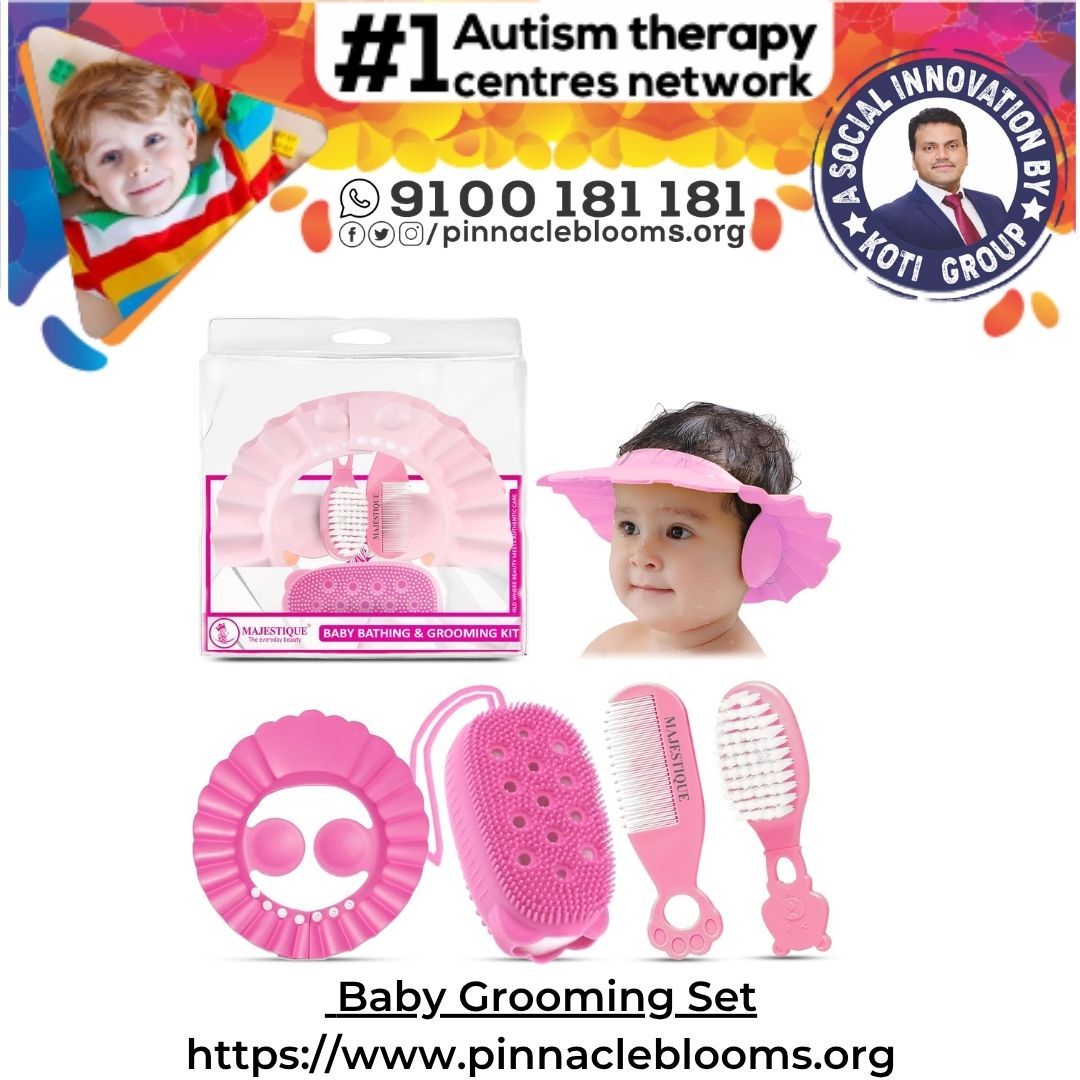
Adapted Hairbrush/Comb
Best for: Weak grasp, sensory sensitivities
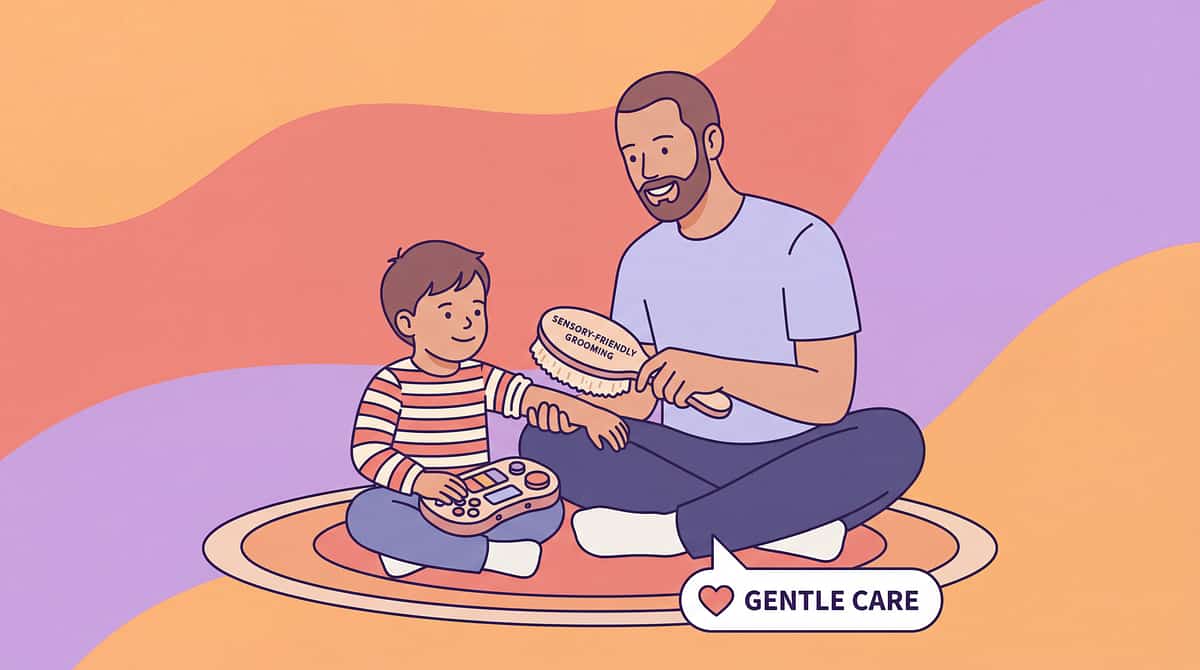
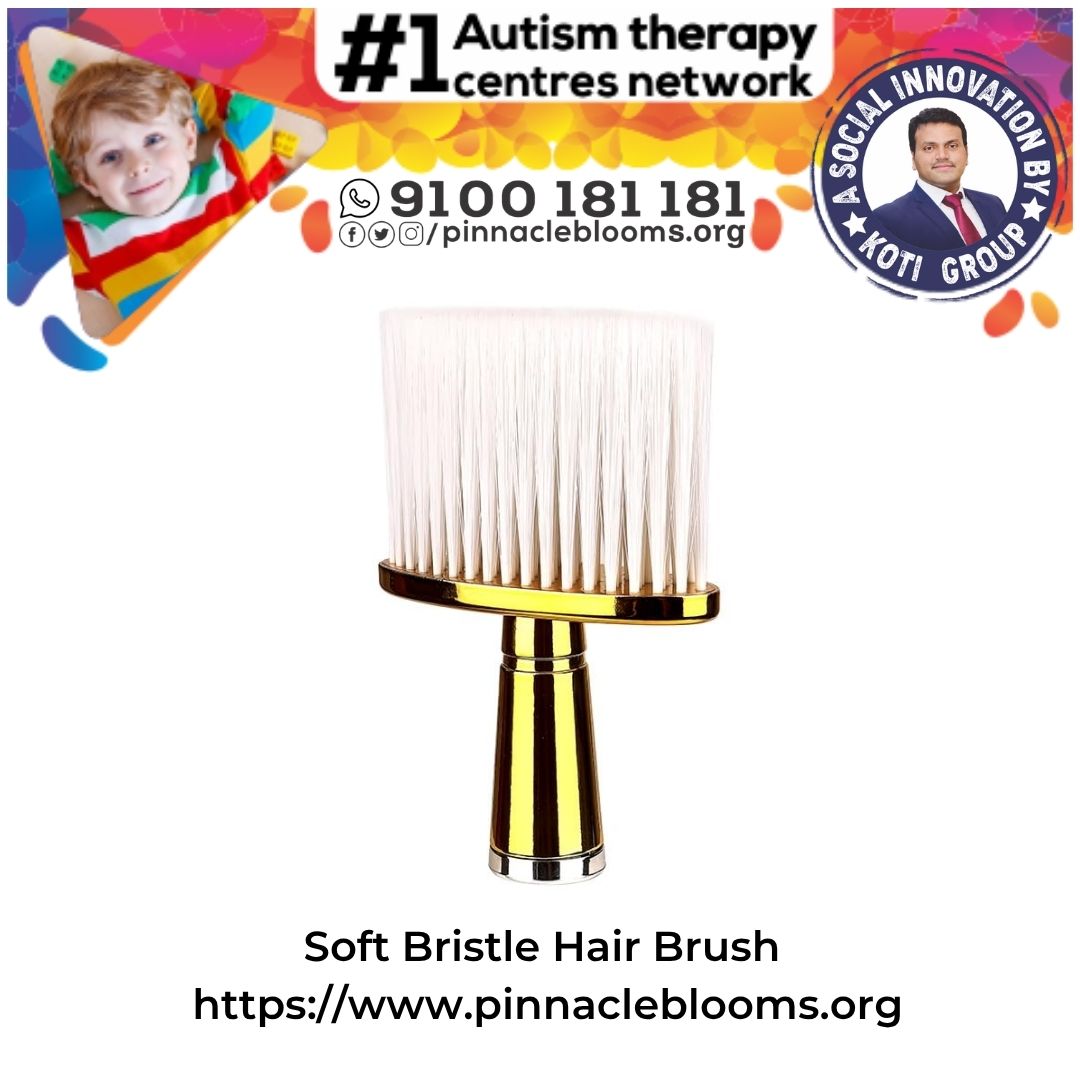
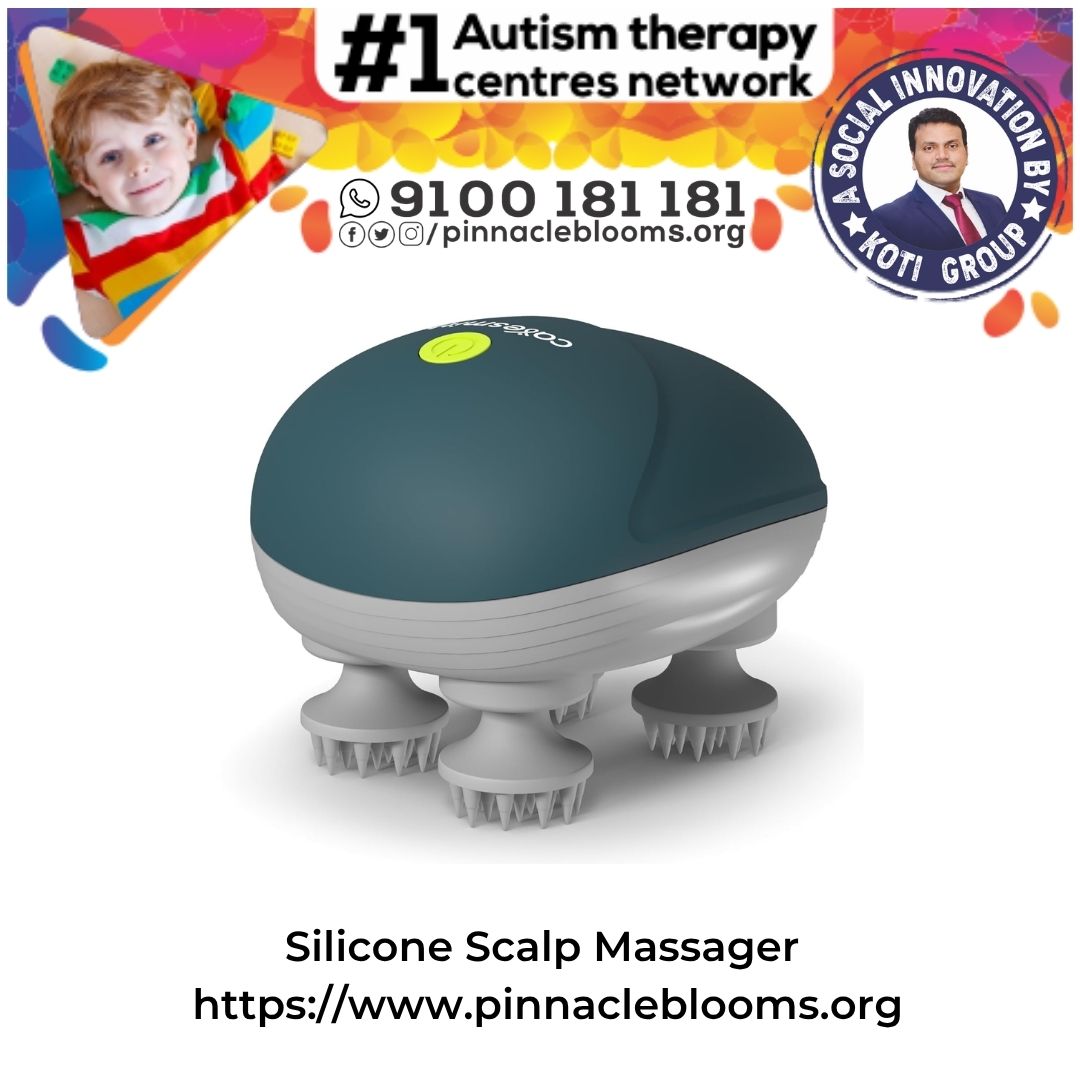
Detangling Brush (Sensory-Friendly)
Best for: Scalp sensitivity, hair sensory issues
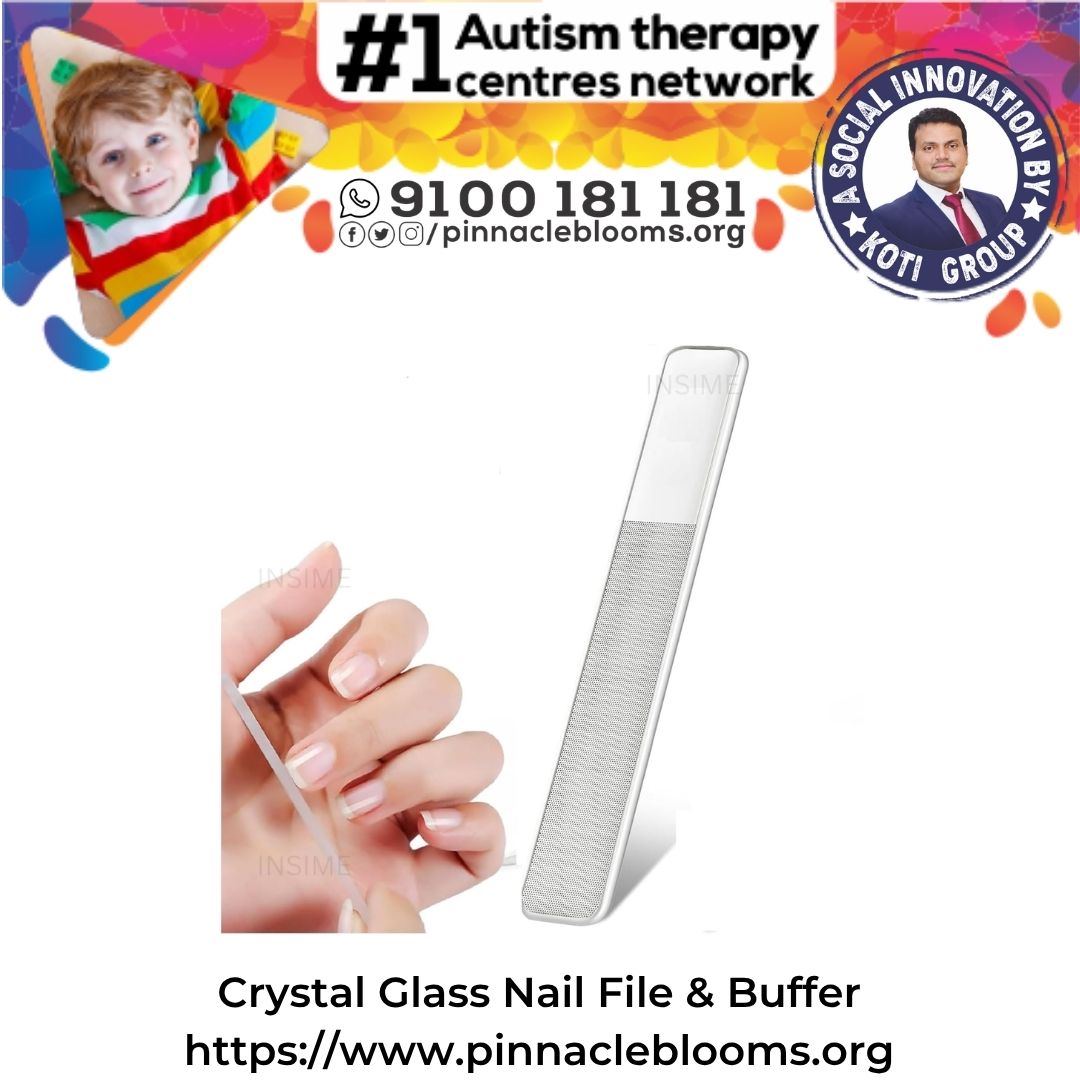
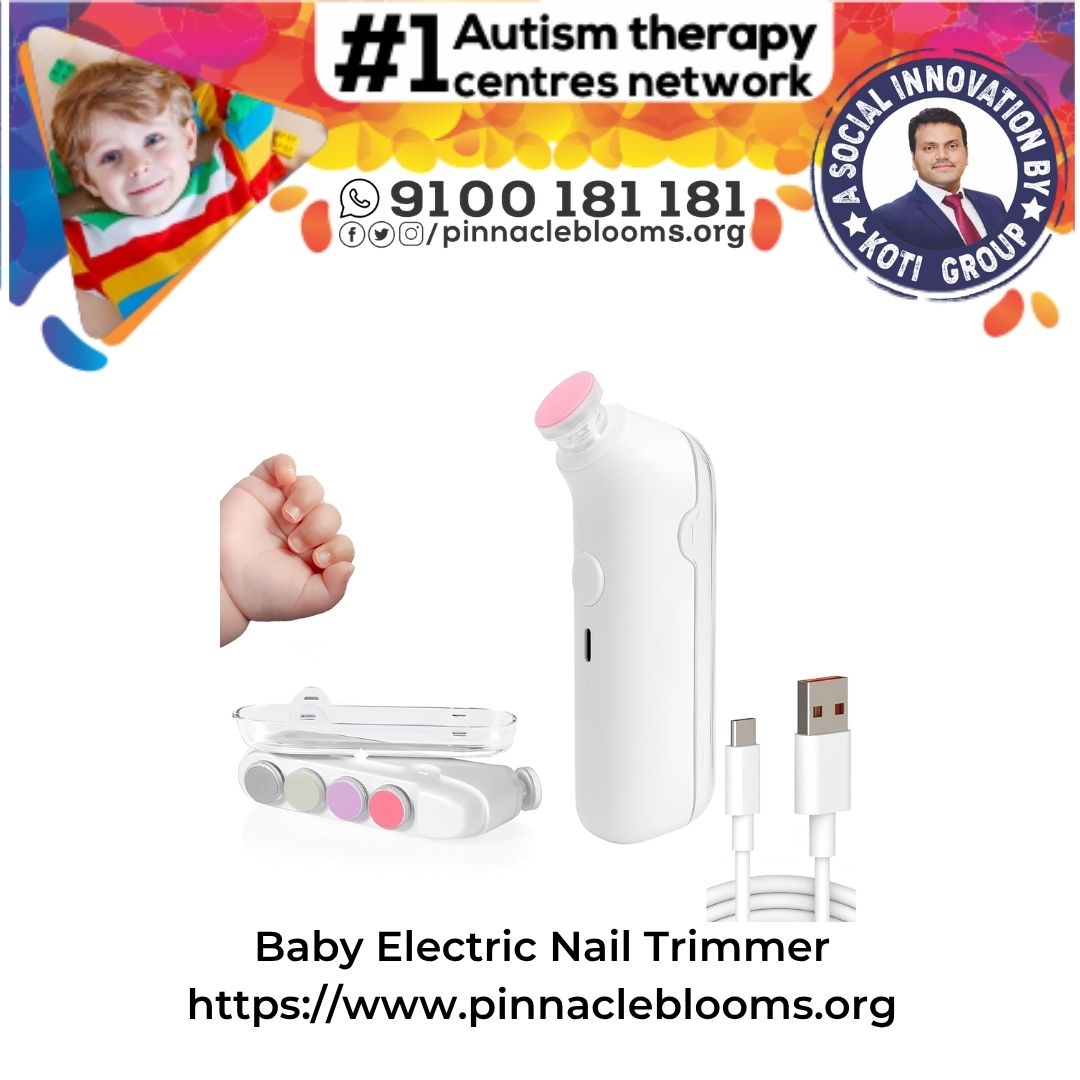
Electric Nail File
Best for: Fear of clippers, sensory issues with cutting
Quiet Hair Clippers
Best for: Sound sensitivity, haircut aversion
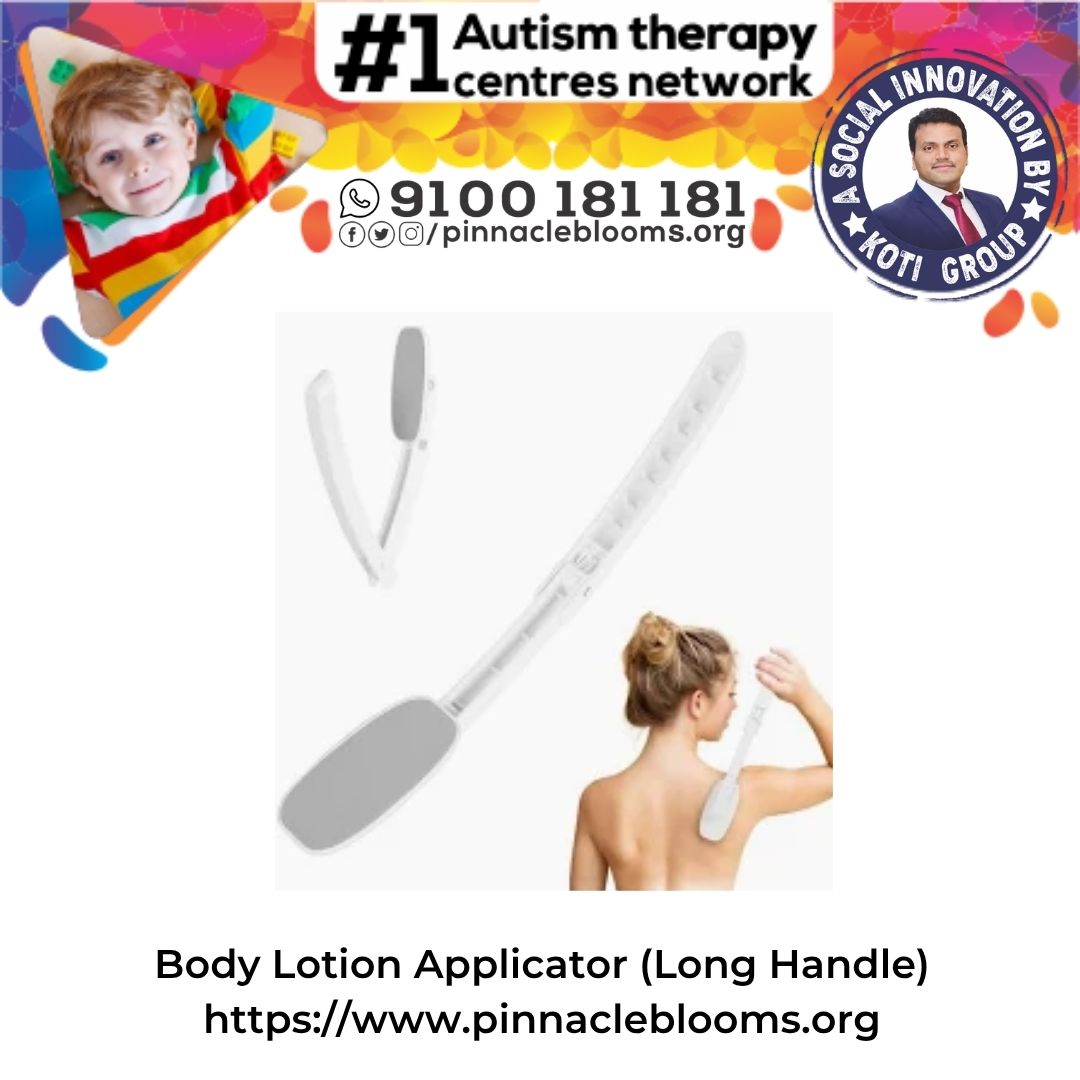
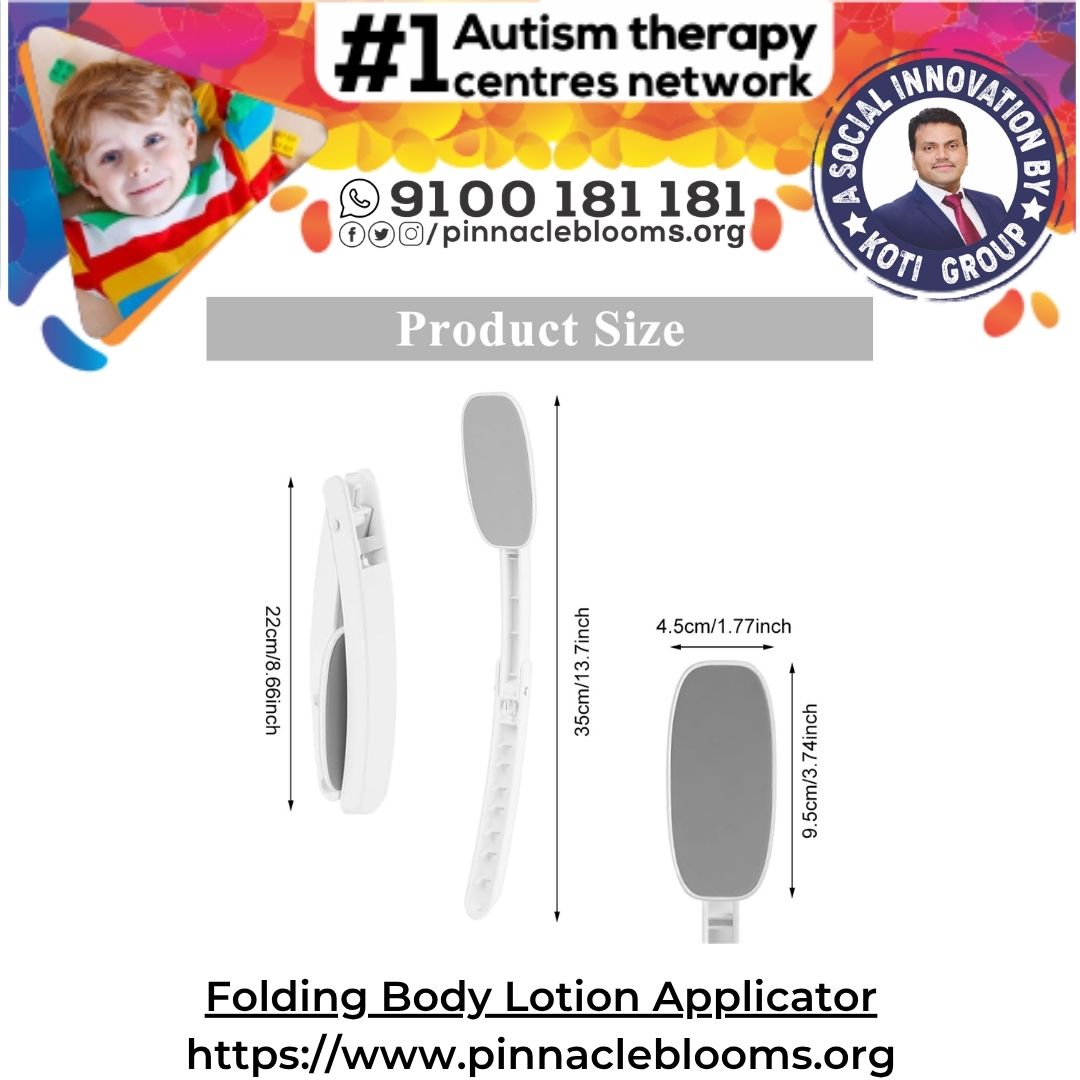
Long-Handle Bath Tools
Best for: Limited reach, motor challenges
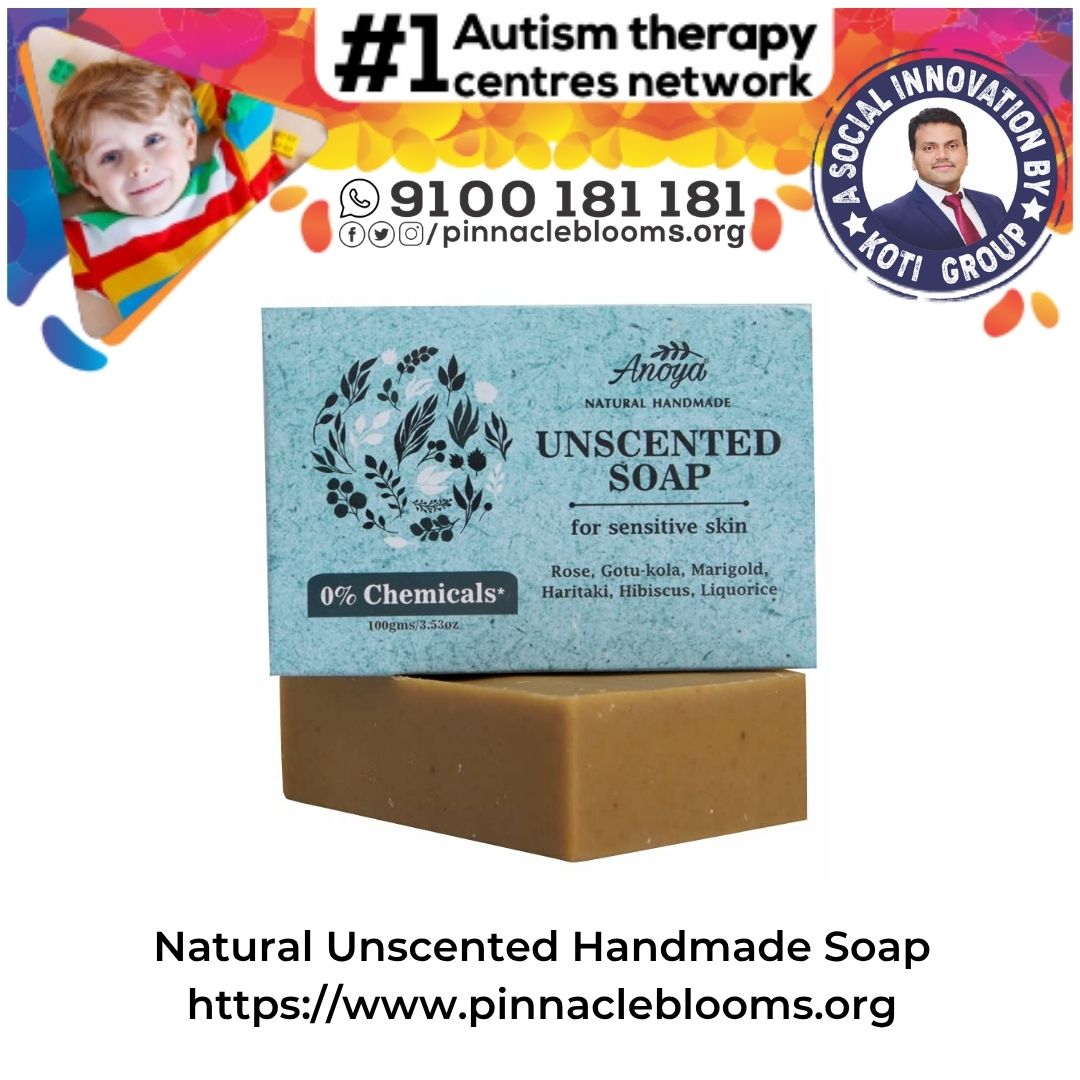
Pump Dispensers (Soap/Shampoo)
Best for: Fine motor challenges, independence
Grooming Visual Schedules
Best for: Routine following, independence
Each variant addresses specific grooming challenges. Select based on your child's primary barriers—whether sensory sensitivities, motor difficulties, or routine-following needs. Many families find success combining several tools to create a complete adapted grooming system.
How to Choose
- By primary barrier: Sensory issues → detangling brush, quiet clippers, electric file | Motor challenges → adapted handles, pump dispensers, long-handle tools | Routine following → visual schedules
- By setting: Most tools designed for home use; quiet clippers can transition to salon settings
- By portability: High portability tools (brushes, schedules) support grooming across locations
Specifications & Adaptation Types
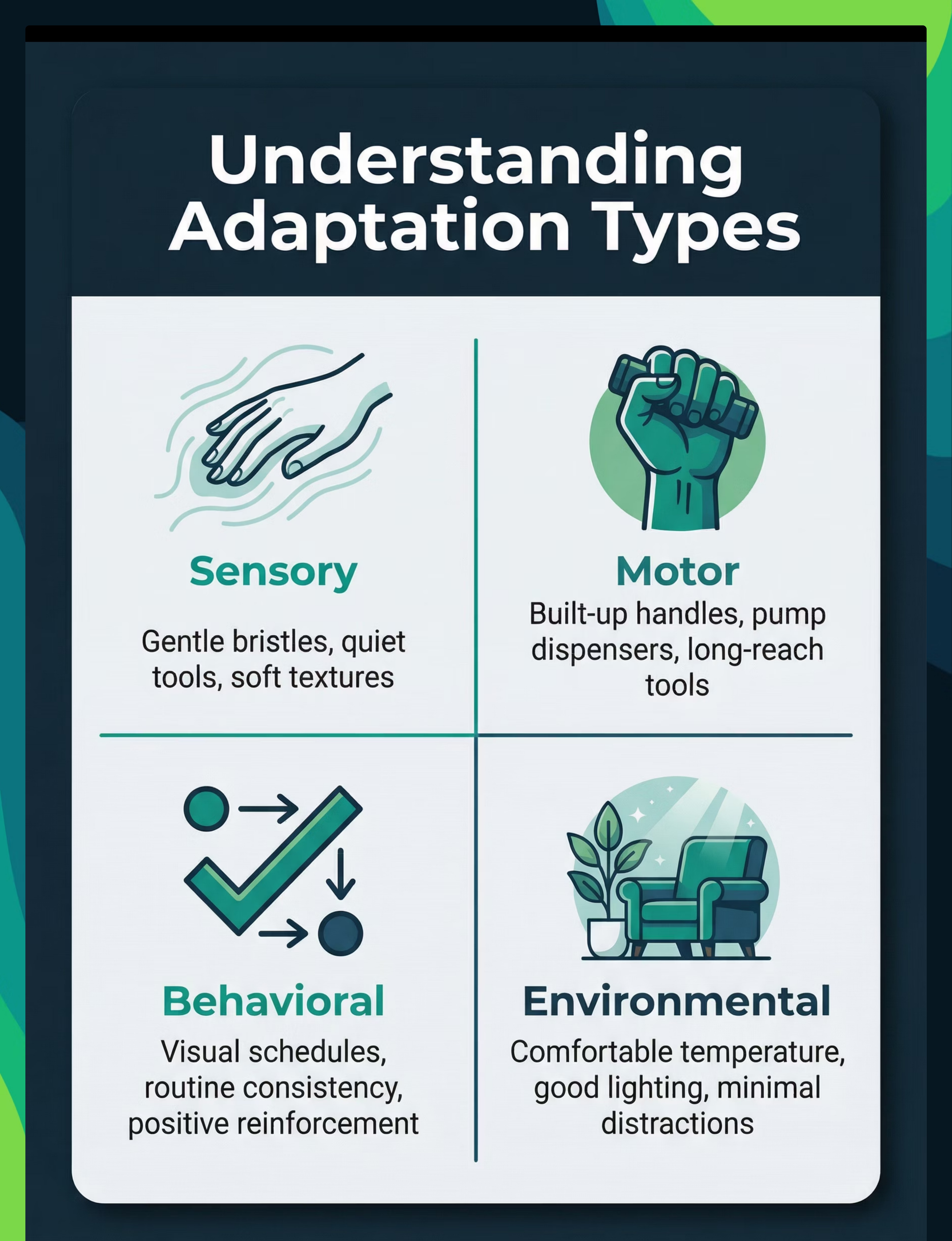
Adaptation Categories

Sensory Adaptations
Gentle bristles, quiet motors, preferred textures that reduce overwhelming sensory input

Motor Adaptations
Built-up handles, pump mechanisms, extended reach for grasp and coordination challenges

Behavioral Supports
Visual schedules, routine consistency, reinforcement systems for skill building

Environmental Modifications
Comfortable temperature, appropriate lighting, reduced distractions during grooming
Materials & Features
Common Materials
- Plastic and silicone (easy to clean, lightweight)
- Soft bristles (gentle on sensitive scalps)
- Easy-grip materials (textured, built-up handles)
Key Features
- Sensory-appropriate: Designed to minimize overwhelming input
- Motor-accessible: Accommodates limited strength and coordination
- Routine-supporting: Visual and structural aids for independence
- Age-appropriate appearance: Respects dignity while meeting needs
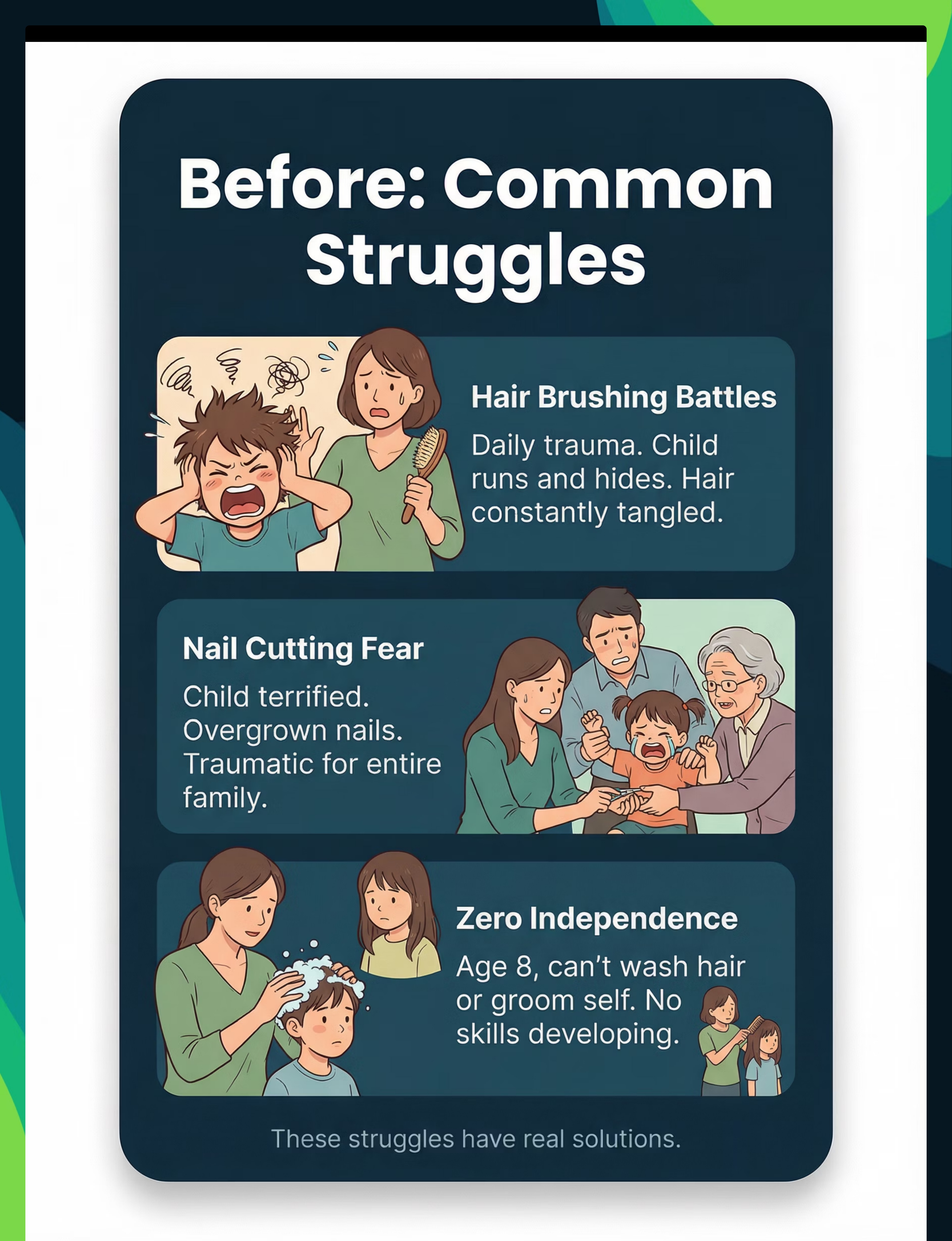
The Struggle (Before)

Hair Brushing Battles
Situation: Child screams, runs, and hides when the brush appears. Hair is constantly tangled. Parents dread brushing time.
Experience: Daily trauma for both parent and child. Every morning starts with tears, resistance, and the painful process of forcing hygiene compliance.
Emotion: Trauma, dread, helplessness

Nail Cutting Fear
Situation: Child is terrified of nail clippers. Nails grow overgrown. Multiple people are needed to hold the child down.
Experience: Traumatic for everyone involved. The anticipation builds for days, then the actual clipping becomes a family crisis requiring physical restraint.
Emotion: Fear, trauma, desperation

No Grooming Independence
Situation: Child at eight years old cannot wash hair, brush teeth, or groom independently. Parents do everything.
Experience: No self-care skills developing. Complete dependence continues while peers master basic hygiene. Future independence feels impossible.
Emotion: Dependence, stagnation, worry

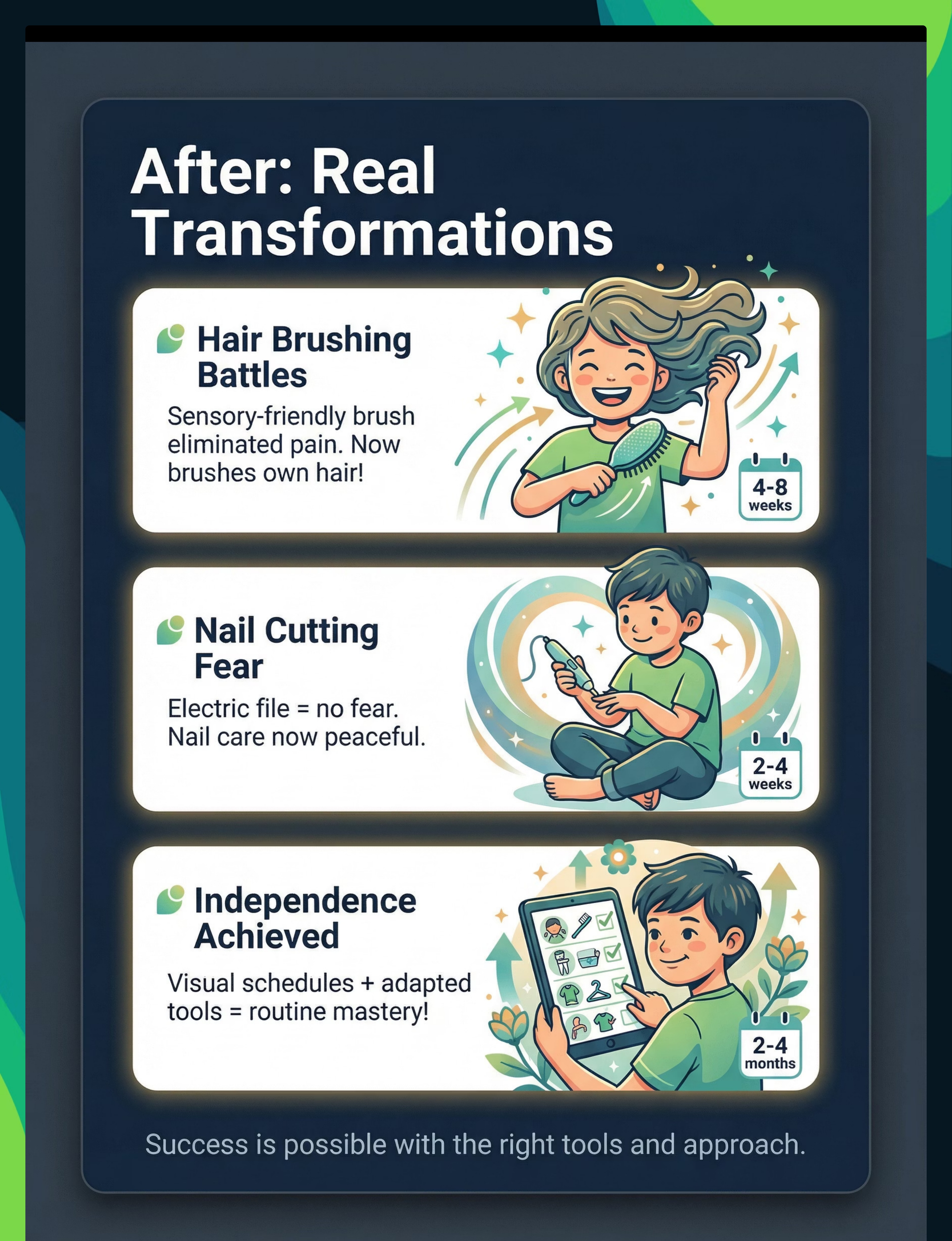
The Breakthrough (After)
Hair Brushing Success
Situation: Sensory-friendly detangling brush eliminated the pain. Gradual desensitization built tolerance.
Experience: Child now tolerates hair brushing and even brushes their own hair independently. Morning routines are peaceful.
Emotion: Acceptance, independence, pride
Nail Care Transformation
Situation: Switched to electric nail file—no clipping sound or sensation to trigger fear responses.
Experience: Child now allows nail care without fear. The quiet filing process is tolerable, even manageable. No more physical restraint needed.
Emotion: Calm, acceptance, relief
Growing Independence
Situation: Visual schedules plus adapted tools plus systematic teaching created a pathway to independence.
Experience: Now completes grooming routine with minimal adult support. Self-care skills are developing. Independence is emerging.
Emotion: Independence, capability, confidence

What to Expect (Realistic Timelines)
Tolerates Grooming Activities
Initial resistance decreases. Child remains present during grooming without extreme distress or escape attempts.
2–8 weeks
Cooperates with Grooming
Active participation begins. Child follows directions, accepts tool contact, shows willingness to engage in hygiene routines.
4–8 weeks
Follows Grooming Routine
With visual supports, completes predictable sequences. Multi-step tasks become manageable through structure and repetition.
4–8 weeks
Performs Tasks with Support
Hands-on skill development emerges. Child completes grooming activities with adult guidance, cueing, or physical assistance.
2–3 months
Increasing Independence
Self-directed grooming develops. Support needs decrease as skills solidify and confidence grows. True self-care capacity emerges.
3–6 months
Remember: Progress is rarely linear. Regression during stress, illness, or transitions is normal. Celebrate small wins—each successful grooming moment builds neural pathways toward independence.

Is This Right for My Child? (A Quick Check for Parents)
Does your child resist or fear grooming activities?
If they struggle with brushing teeth, hair, or even just washing their face, this program could offer a gentle path forward.
Are there specific grooming activities that are most challenging?
Sometimes it's just one or two tasks that cause the most distress. Focusing on those can make a big difference for everyone.
Does your child have sensory sensitivities affecting grooming?
If textures, sounds, or pressure during grooming are overwhelming for them, we can help explore sensory-friendly solutions.
Can your child perform any grooming tasks independently?
Whether they're just starting out or need support with most steps, our approach builds on what they can do, step by step.

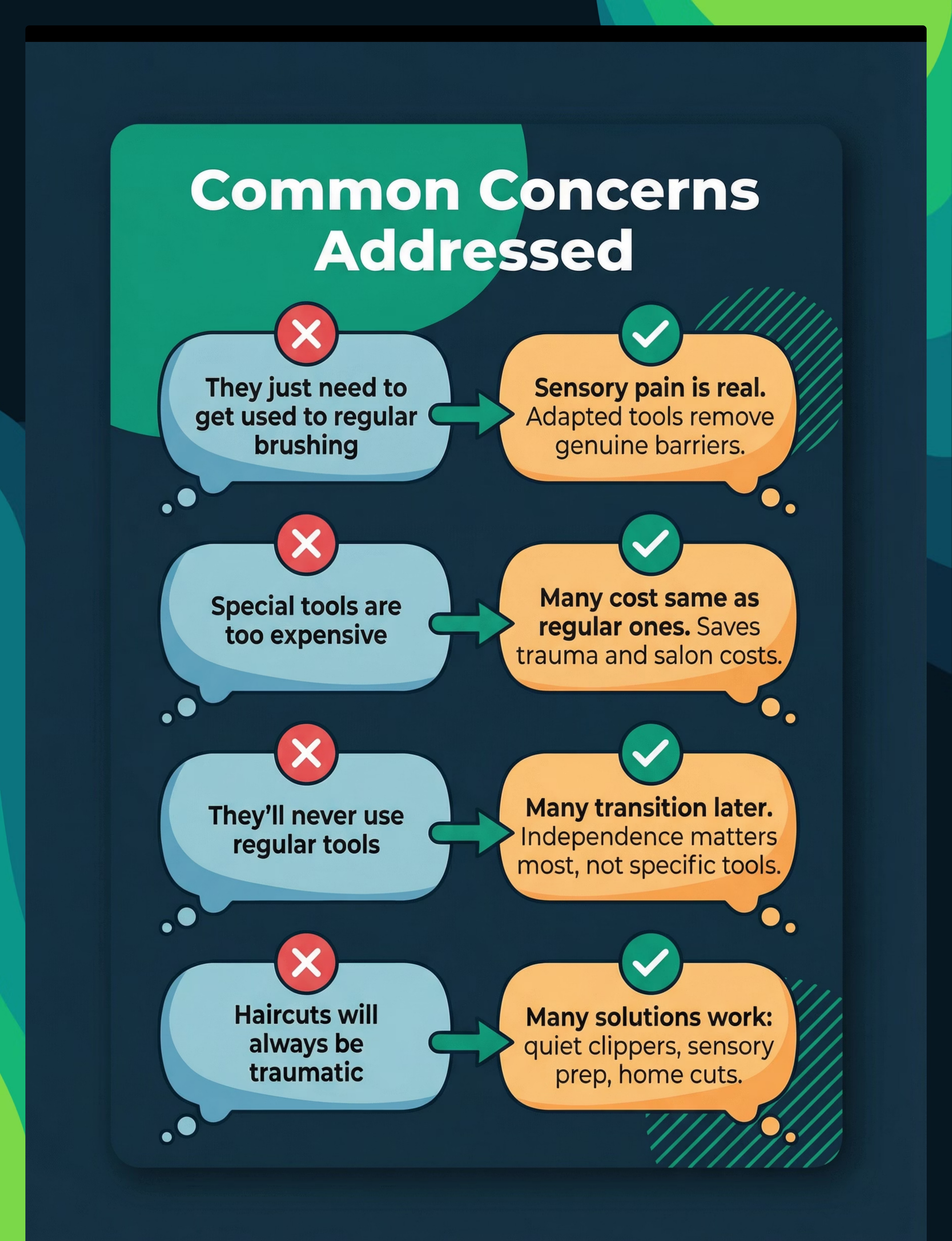
Common Questions (Honest Answers)
Question | Detailed Answer | |
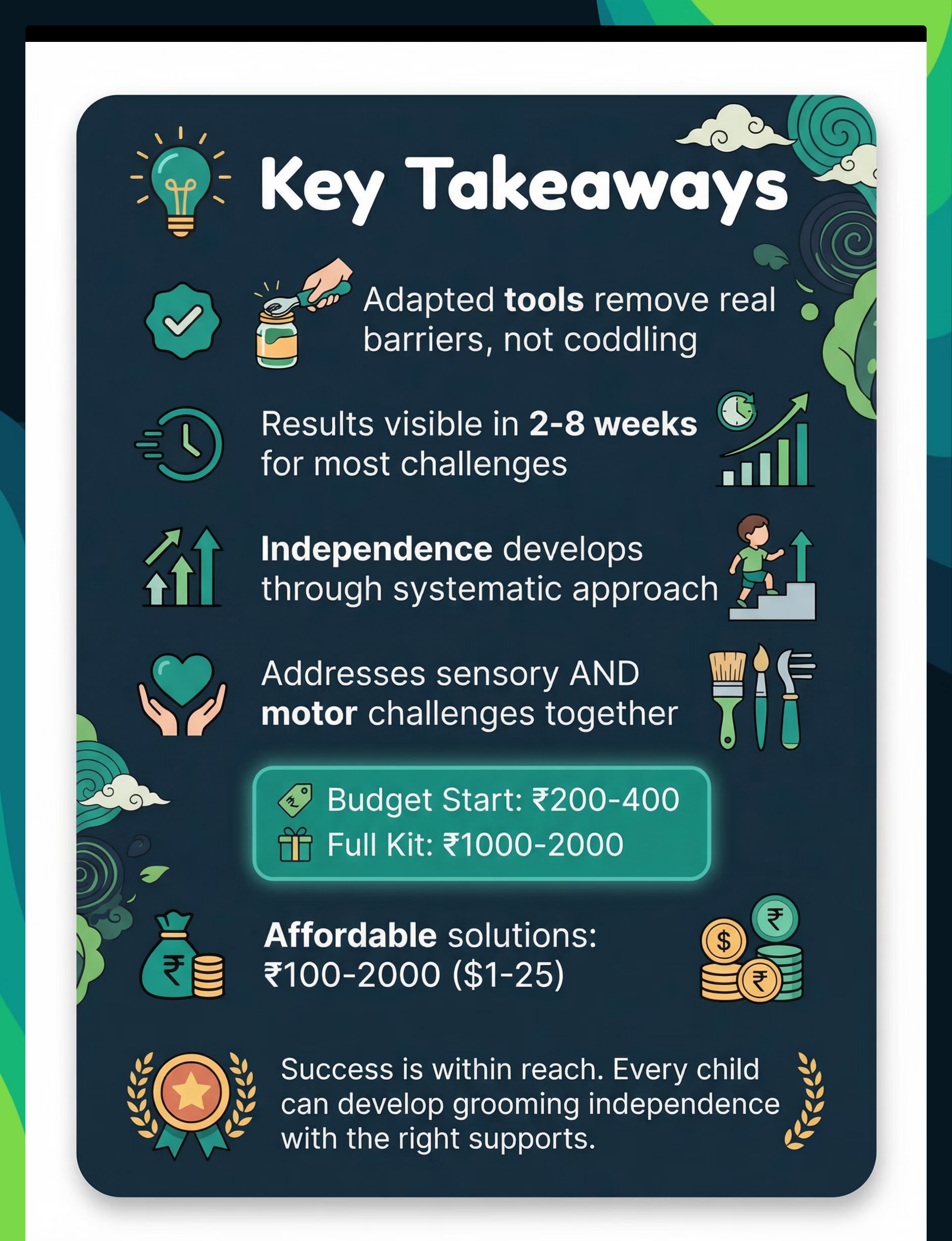
"They just have to get used to regular brushing and cutting" | If the sensory system processes input differently, regular tools can cause genuine pain or distress—not just preference or stubbornness. Sensory-friendly alternatives aren't "coddling"; they remove real neurological barriers. Success and positive experiences, not suffering, build tolerance over time. Try this: Adapted tools remove real barriers while building tolerance through positive associations rather than forced compliance. | |
"Special tools are too expensive for our budget" | Many adapted tools cost the same as standard versions. Detangling brushes, pump dispensers, and visual schedules are quite affordable. Electric nail files save money on salon visits. The investment in appropriate tools prevents years of trauma and supports independence—invaluable returns. Try this: Start with budget options (₹200-400 covers several tools); many adaptations are surprisingly affordable and save money long-term. | |
"They'll never learn to use regular tools if we accommodate" | Many children transition to standard tools as sensory systems mature and tolerance develops. Even if they don't, using adapted tools independently is genuine success. Independence and dignity matter more than which specific tools are used. Try this: Focus on independence first; tool type is secondary. Many do transition to standard tools later as skills and tolerance grow. | |
"Haircuts are just always going to be traumatic" | Not necessarily! Quiet clippers, sensory preparation protocols, gradual desensitization, and sensory-friendly salons have helped many families. Home haircuts with adapted tools are also completely valid and often more successful. Try this: Explore multiple solutions—quiet clippers at home, sensory-friendly salons, desensitization programs. Many paths to success exist. |


Usage Guide
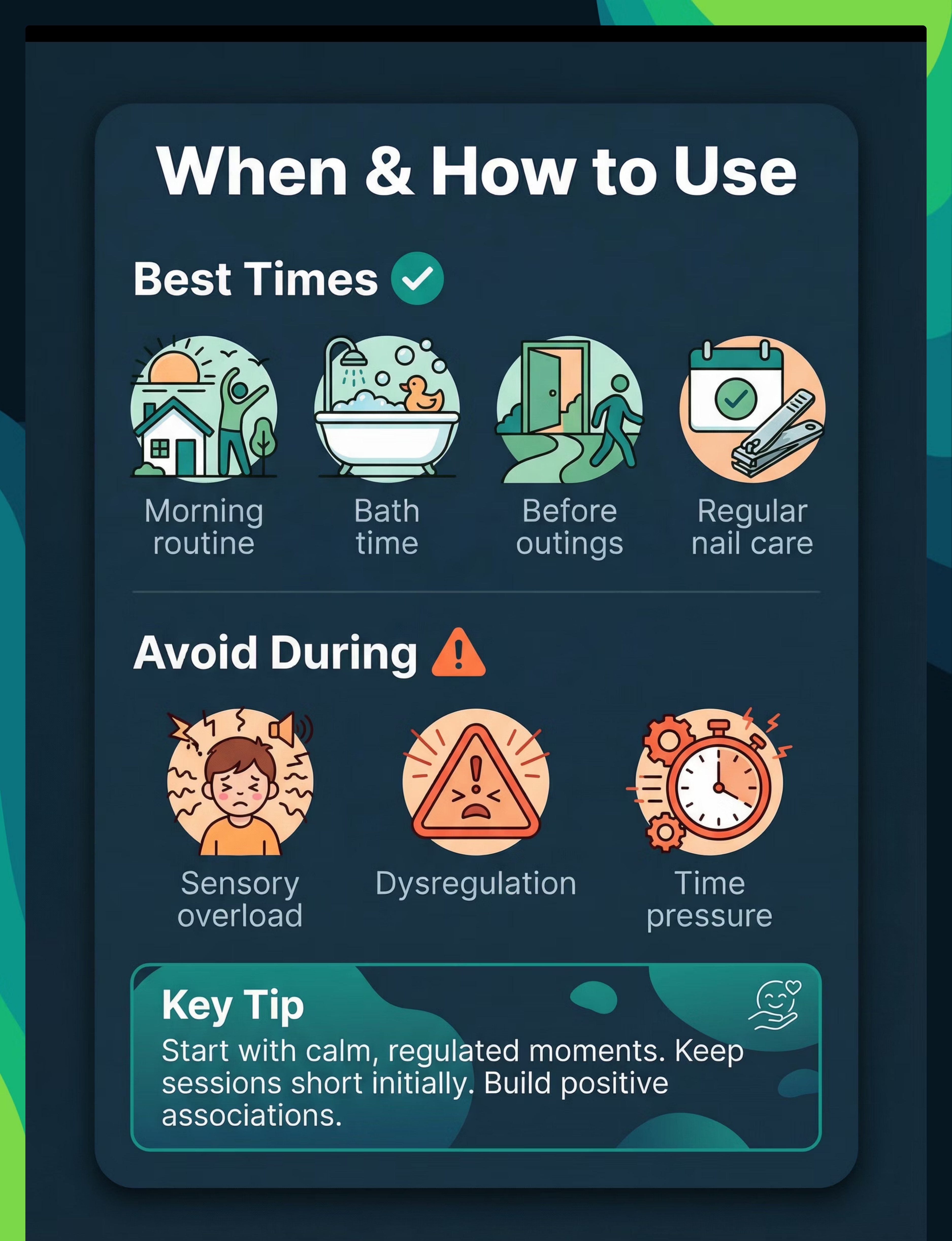
When to Use
Morning grooming routine establishment
Bath time and hygiene activities
Before going out or social situations
Regular nail care sessions
Haircut times (home or salon)
When NOT to Use
During sensory overload or meltdowns
When child is dysregulated or upset
Rushing under severe time pressure
Supervision by Age
Age Range | Supervision | Notes | |
Young children (3-6) | Full assistance | Adult completes tasks with child participation | |
Developing skills (7-10) | Active supervision | Child performs with guidance, cueing, support | |
Older children (11+) | Check-ins | Independence with verification and quality checks |
Duration & Settings
Duration: Varies by activity; keep initial sessions short and positive. Gradually extend time as tolerance builds.
Home (Primary)
Salon (Select tools)

Safety First
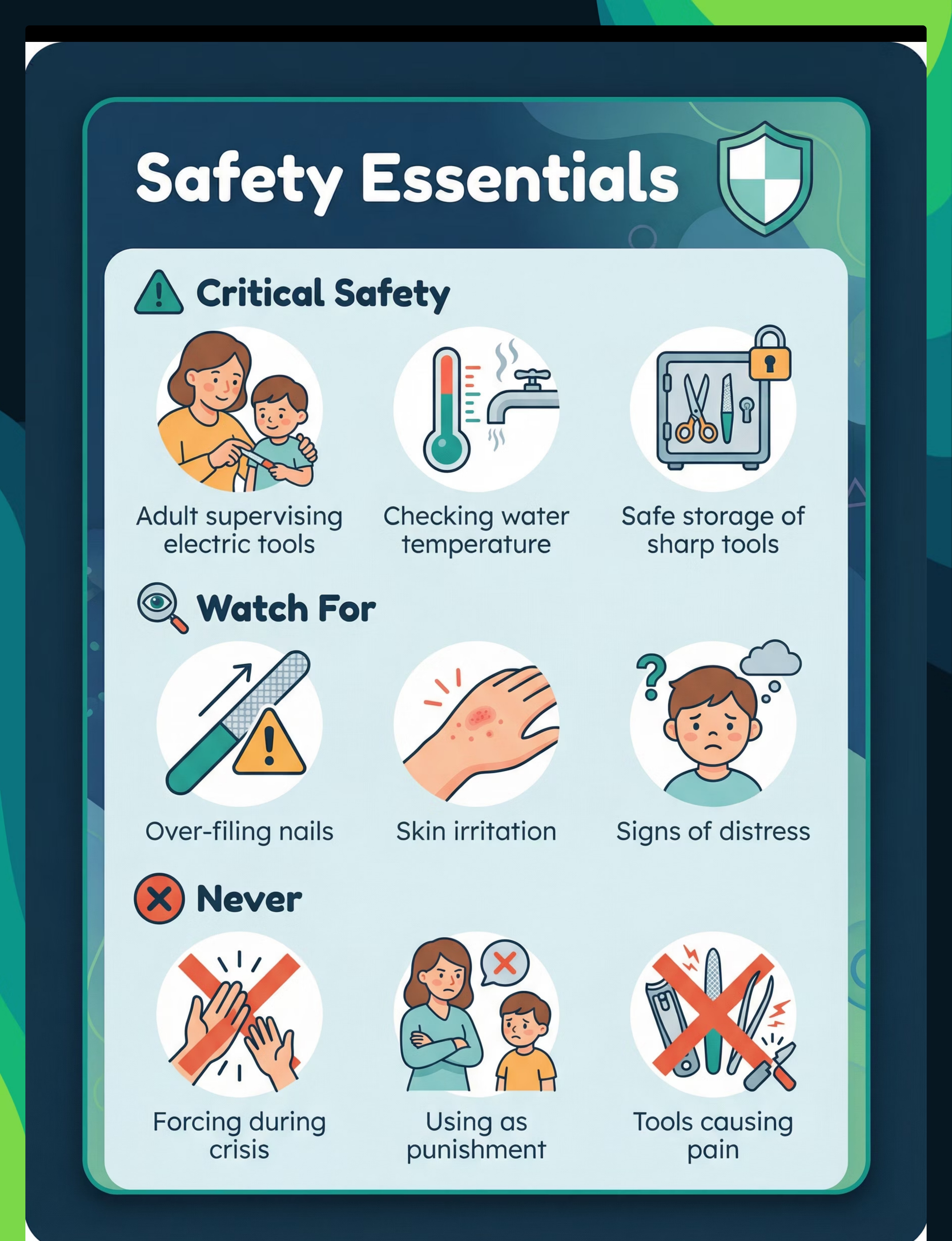
Critical Safety
- Supervise use of all electric tools (nail files, clippers) to prevent injury
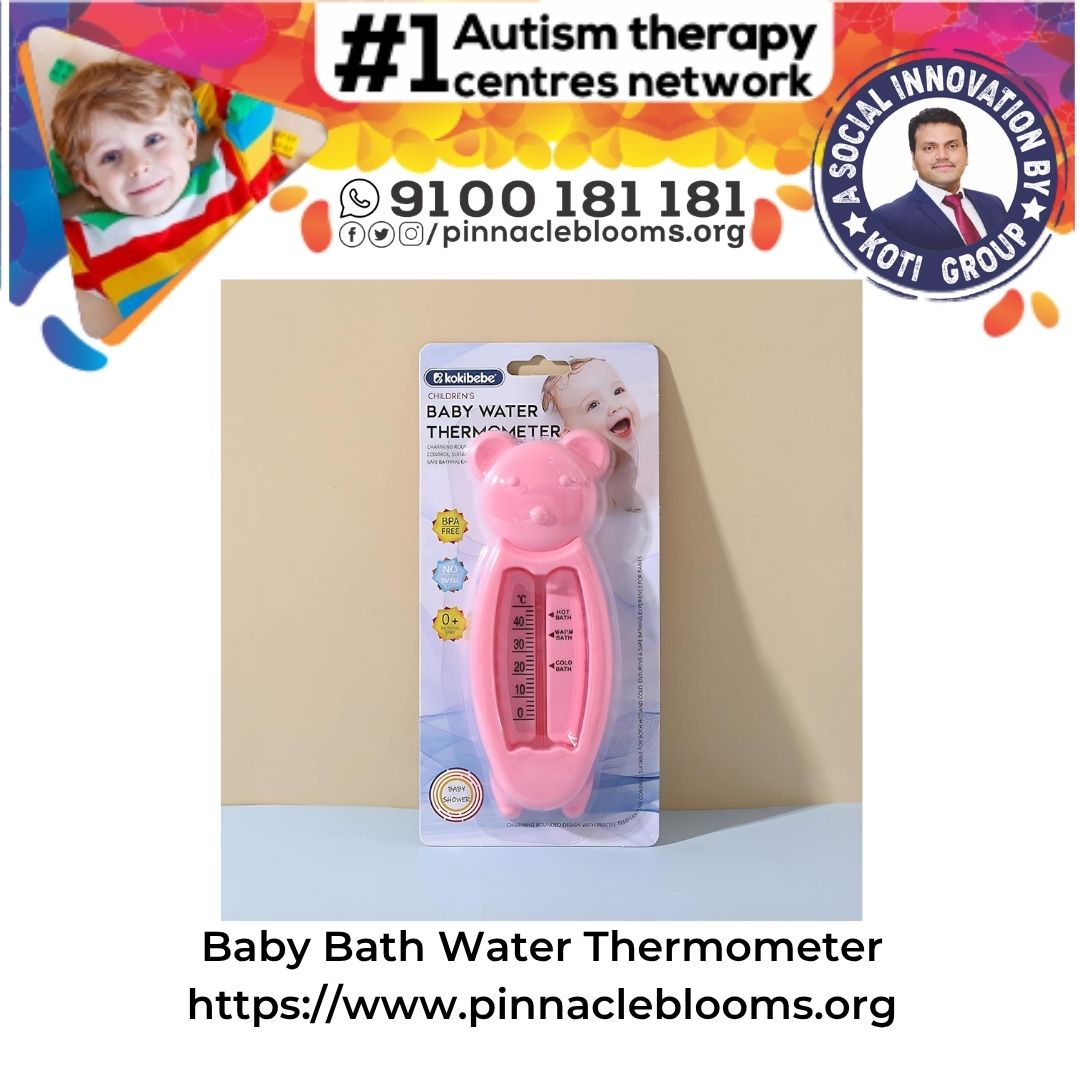
- Always check water temperature before bathing—test with elbow or thermometer
- Store grooming tools safely out of reach when not in supervised use
- Select age-appropriate tools that match developmental level and abilities
Important Precautions
- Electric nail files can over-file and damage nails if held in one spot too long
- Hair clippers require adult operation until child demonstrates safe handling
- Monitor for skin irritation from new products or tools; discontinue if reactions occur
Contraindicated
Never force grooming during sensory crisis or meltdown. Do not use punishment for grooming resistance. Immediately stop using any tool that causes pain or tissue damage.
Safety Checklist
Before Use
- Appropriate tools selected
- Child is regulated
- Visual supports available
- Calm environment prepared
During Use
- Child is tolerating activity
- Using adapted techniques
- Positive interaction maintained
- Stop immediately if distressed
Signs of Success
- Tolerance increasing over time
- Cooperation improving
- Independence developing
- Positive associations forming

Investment Guide
Overall price range: ₹100–2,000 (US $1–25). Most families find success starting with budget options and adding premium tools for specific challenges as needed.
Product | Starter Grooming Kit | Complete Adapted System | |
Includes | Detangling brush + pump dispensers + printed visual schedule | Electric nail file + quiet hair clippers + adapted brush set | |
Cost | ₹200–400 | ₹1,000–2,000 | |
Key Benefits | Affordable, addresses sensory/motor challenges, behavioral support | Comprehensive, reduces sensory trauma, durable, effective | |
Brands | Printable resources, various pump dispensers | Wet Brush, Wahl, baby-specific nail files |
Value Points
Cost-Effective Start
Begin with budget-friendly tools to gauge effectiveness and identify specific needs without significant initial outlay.
Enhanced Independence
Simple tools like pump dispensers can foster self-sufficiency in grooming routines, building confidence.
Reduced Sensory Stress
Adapted tools, both budget and premium, are designed to minimize discomfort and make grooming a more positive experience.
Long-Term Investment
Quality adapted tools can save money by reducing the need for specialized services and improving daily family well-being.
Investment Progression
Assess Needs
Start with basic tools to understand specific sensory and motor challenges.
Budget Kit
Implement affordable options like detangling brushes and visual schedules.
Identify Impact
Observe which basic tools are most effective and where greater investment might help.
Upgrade Strategically
Invest in specific premium tools (e.g., quiet clippers) that offer transformative benefits.
Enjoy Benefits
Experience less stress, increased cooperation, and greater independence.
Recommendation: Begin with budget options to assess efficacy. If specific premium tools prove transformative, consider investing in quality versions. These adapted tools often pay for themselves by eliminating costly salon visits and significantly reducing daily stress.

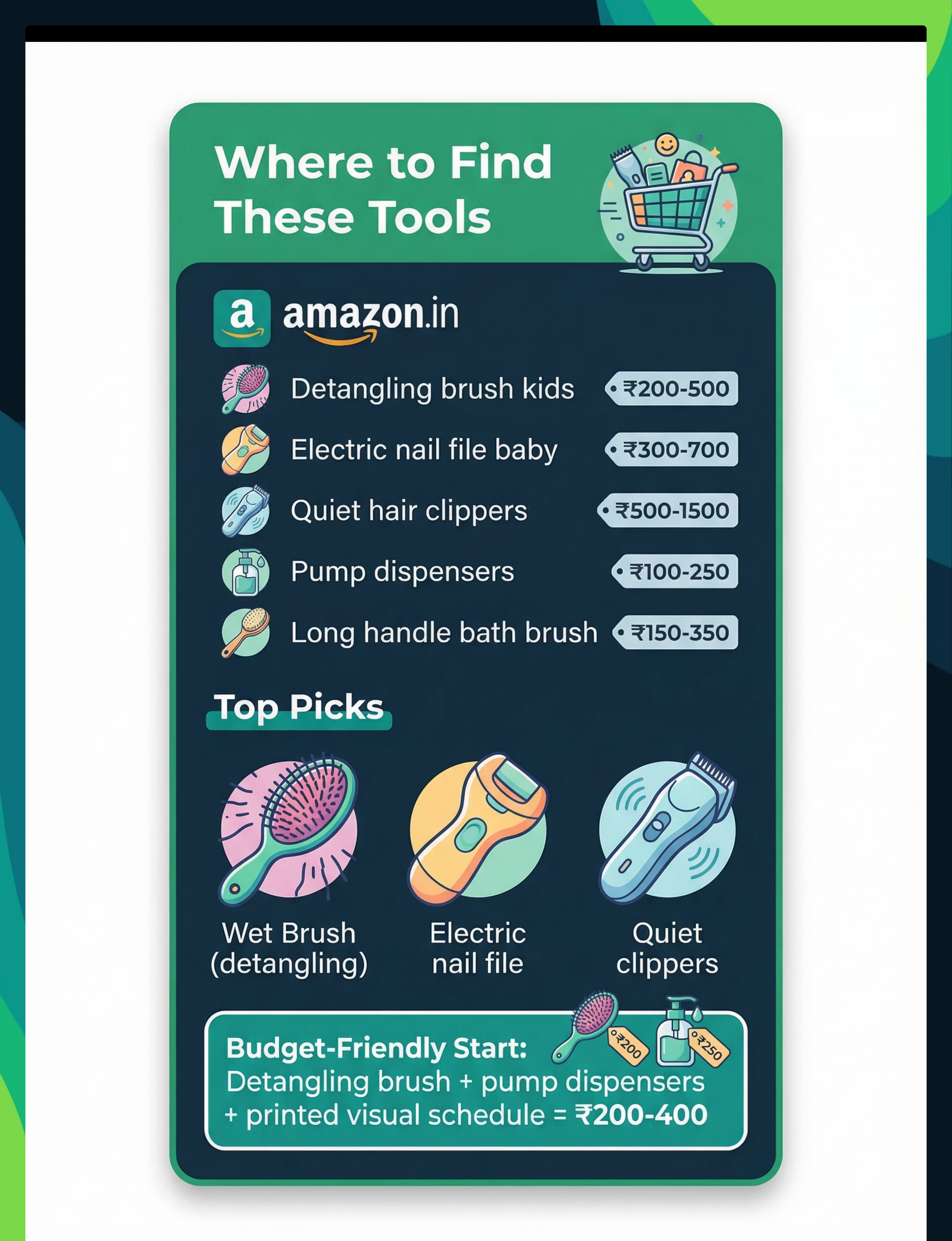
Where to Buy in India
Availability
Widely available through major e-commerce platforms and some specialty stores.
Amazon.in: Detangling Brush
Search: "detangling brush kids"
Price: ₹200–500
Amazon.in: Electric Nail File
Search: "electric nail file baby"
Price: ₹300–700
Amazon.in: Quiet Hair Clippers
Search: "quiet hair clippers"
Price: ₹500–1,500
Amazon.in: Pump Dispenser
Search: "pump dispenser bathroom"
Price: ₹100–250
Amazon.in: Long Handle Bath Brush
Search: "long handle bath brush"
Price: ₹150–350
Buying Tips & Red Flags
Wet Brush & Detanglers
Absolute game-changers for scalp sensitivity.
Electric Nail Files
Completely eliminate clipper trauma—worth the investment.
Quiet Clippers
Make home haircuts possible for sound-sensitive children.
Pump Dispensers
Build independence easily and affordably.
Visual Schedules
Can be printed free from therapy websites.
Stiff Bristles
Avoid those causing pain rather than gentle detangling.
Loud Tools
Marketed for sound-sensitive children? Check reviews carefully.
Incorrect Size
Tools too large or heavy for a child's small hands to control.
Underlying Issues
Avoid buying tools without addressing sensory or motor issues.

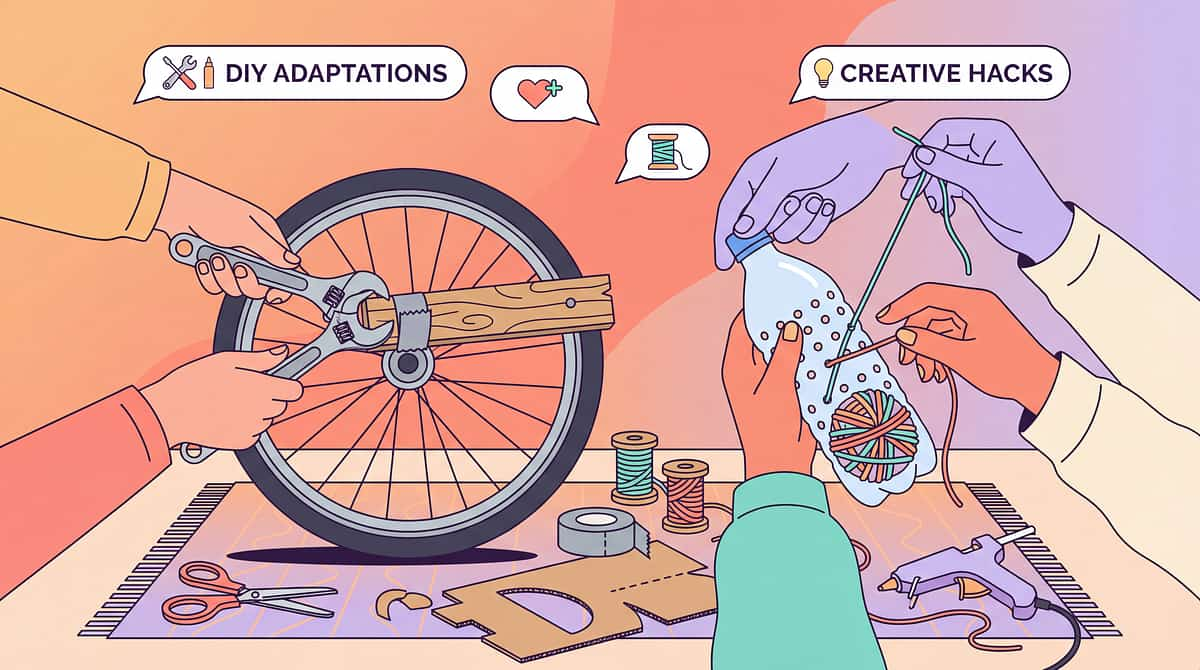
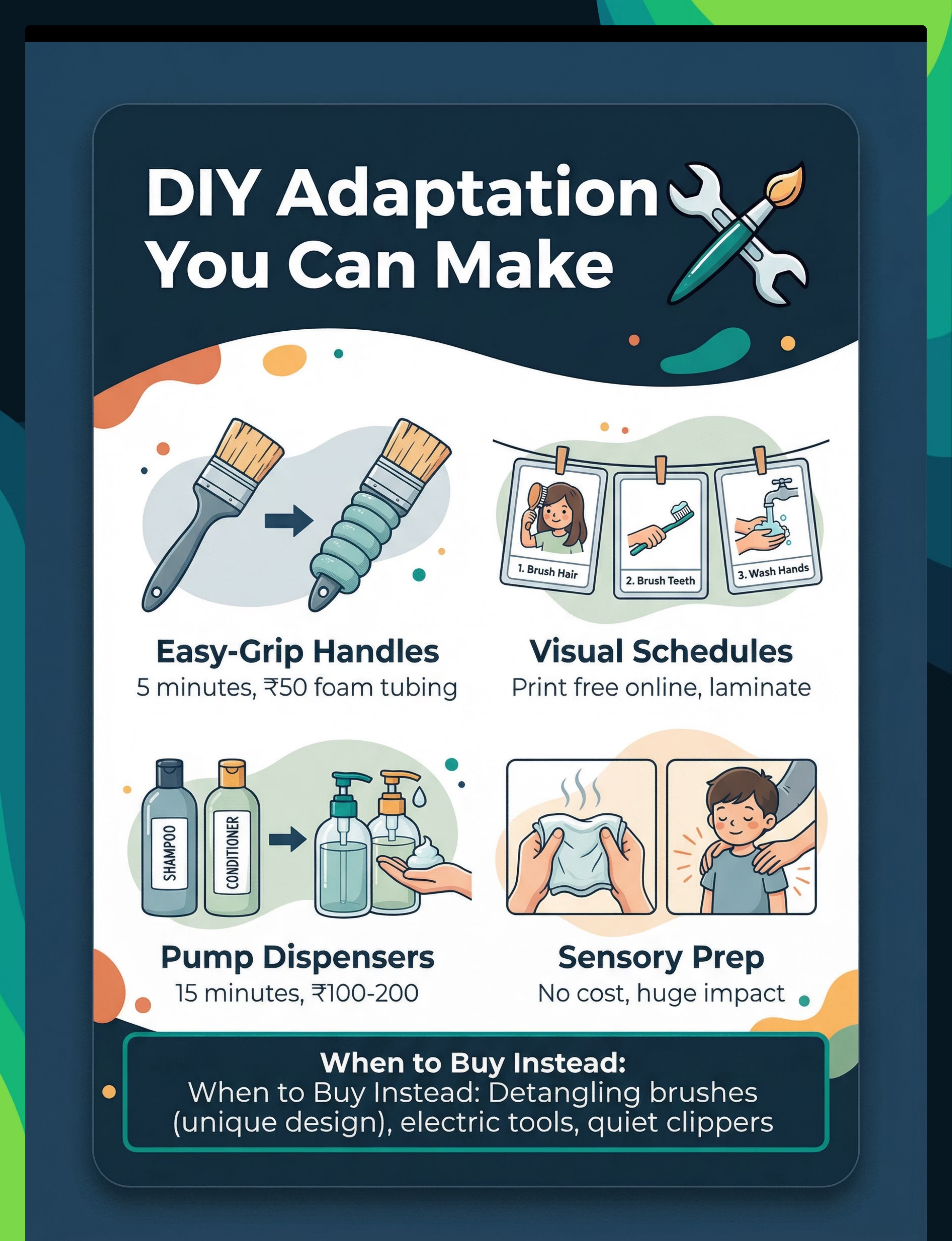
DIY Alternative (Save 40-70%)
Feasibility: Medium | Time investment: 15-30 minutes | Cost savings: 40-70%
Materials Needed
1
Foam tubing
For building up handles.
2
Printer & laminating sheets
For visual schedules.
3
Empty pump dispenser bottles
4
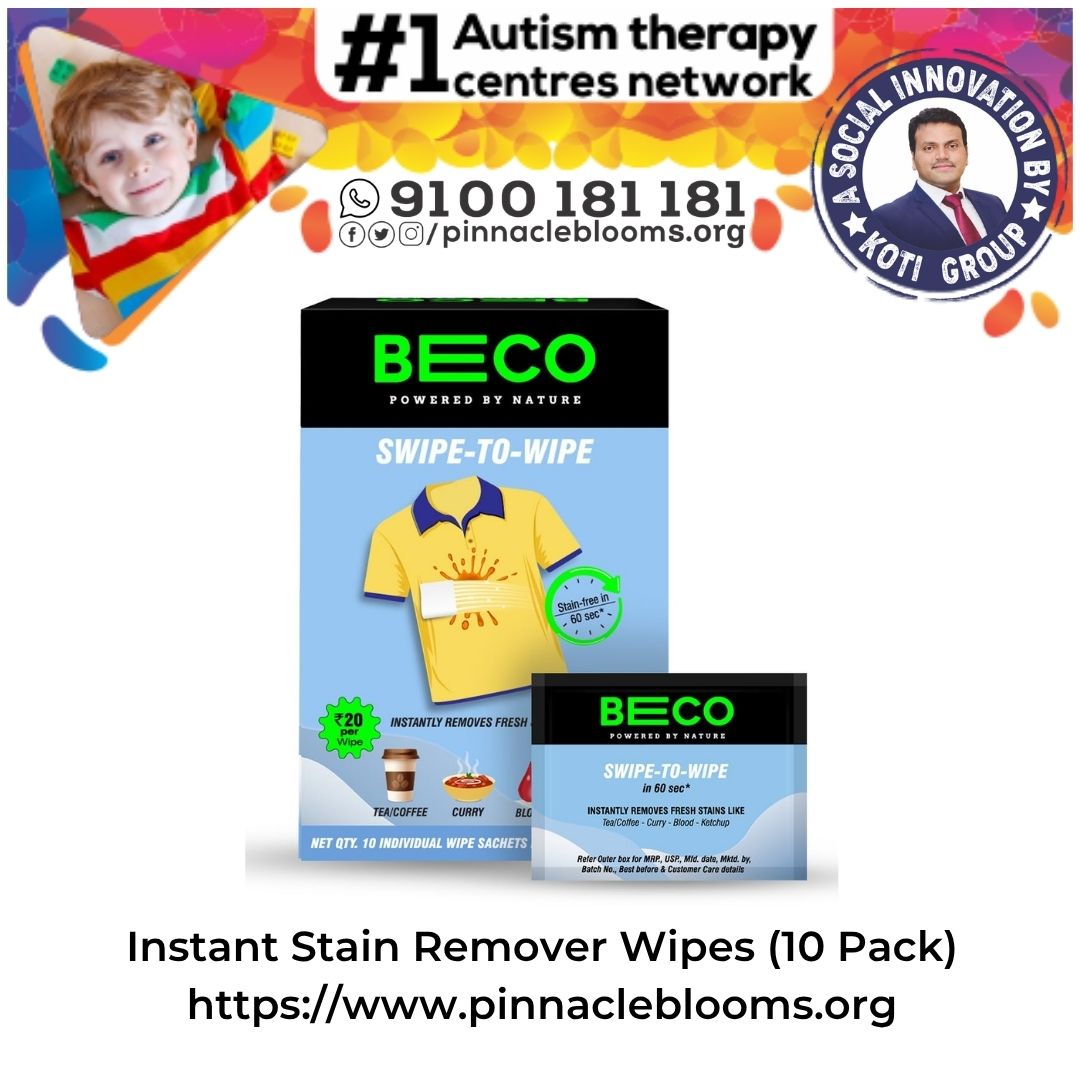
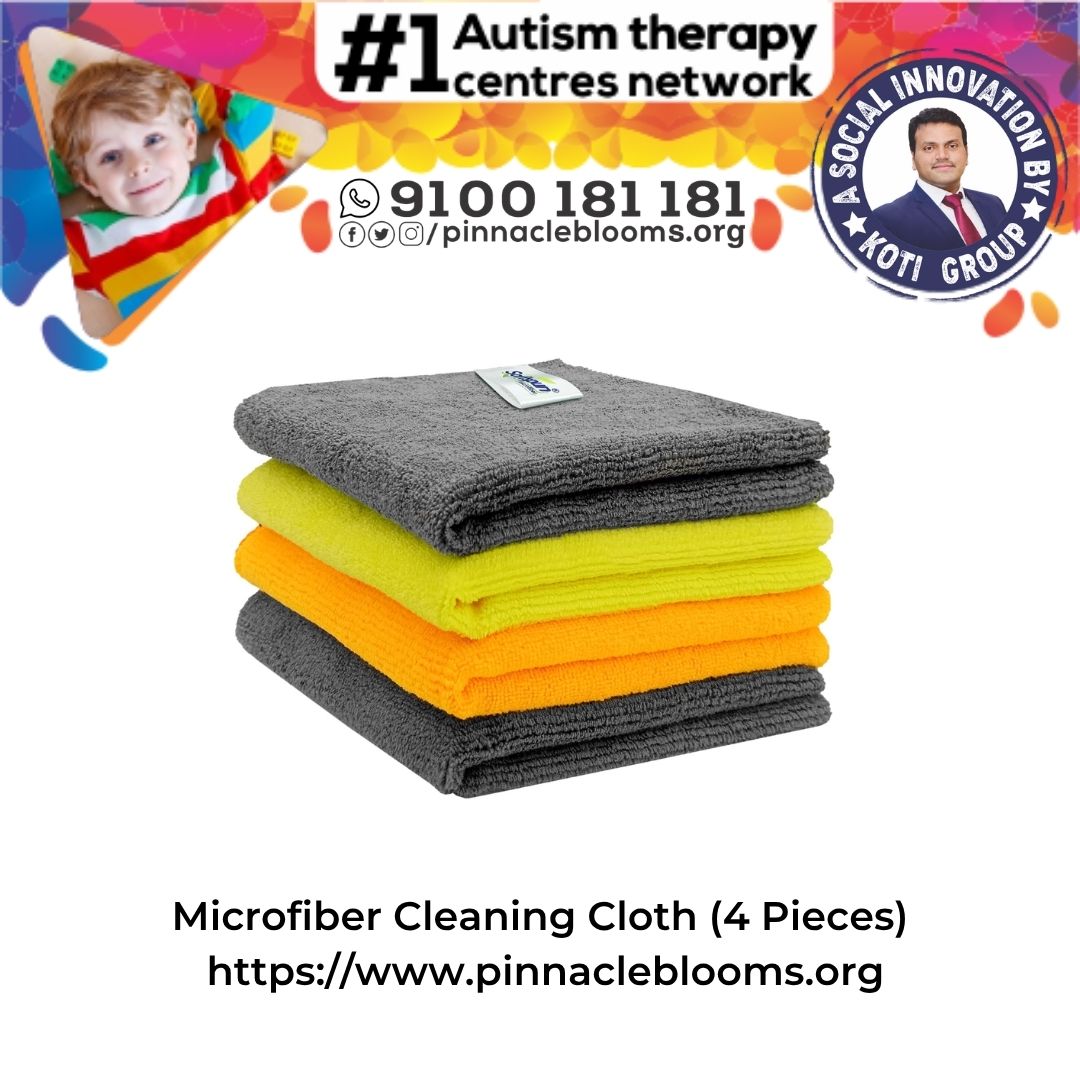
Soft cloths & towels
DIY vs. Commercial
When to DIY | When to Buy | |
Visual schedules | Detangling brushes (specialized design) | |
Handle adaptations | Electric nail files | |
Pump dispensers | Quiet hair clippers | |
Routine charts | Quality long-handle bath tools |
Tradeoffs
Cannot DIY electric tools—safety and effectiveness require commercial options. Specialized detangling brushes have unique flexible bristle design impossible to replicate. However, visual supports, handle modifications, and pump dispensers work excellently as DIY solutions.
DIY Steps
1
Create visual schedule
Print grooming routine steps with pictures, laminate for durability.
2
Adapt handles
Slide foam tubing over brush and comb handles for easier gripping.
3
Pump dispensers
Transfer soap, shampoo, and conditioner into pump bottles for one-handed operation.
4
Sensory preparation
Use warm water, apply deep pressure touch before grooming activities.
5
Gradual desensitization
Slowly introduce aversive tools through play and non-threatening exposure.
6
Routine tracking
Create a chart to track grooming task completion and celebrate successes.
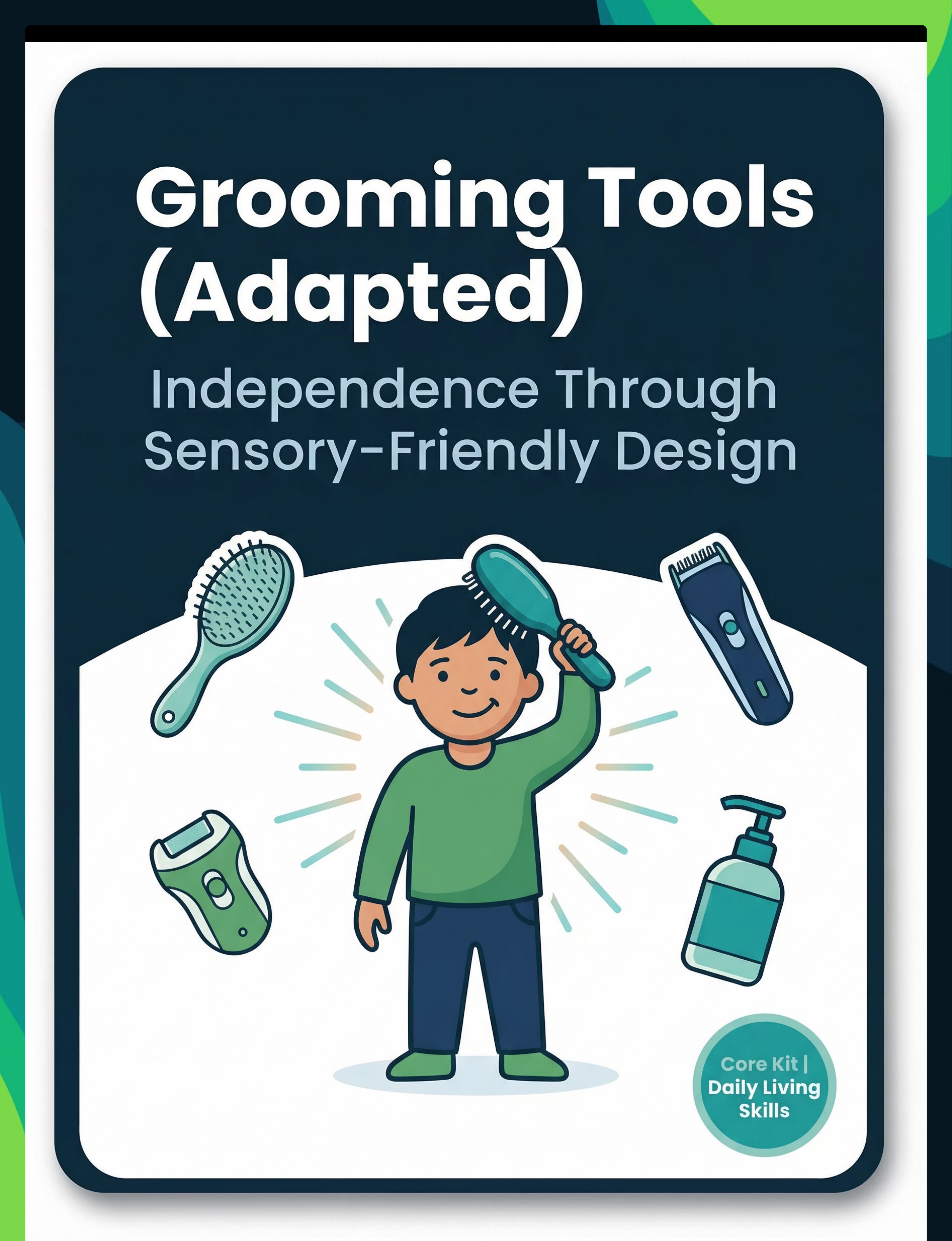
Preview of grooming tools adapted Therapy Material
Below is a visual preview of grooming tools adapted therapy material. The pages shown help educators, therapists, and caregivers understand the structure and content of the resource before use. Materials should be used under appropriate professional guidance.


Share this resource
Help others discover thisLink copied!

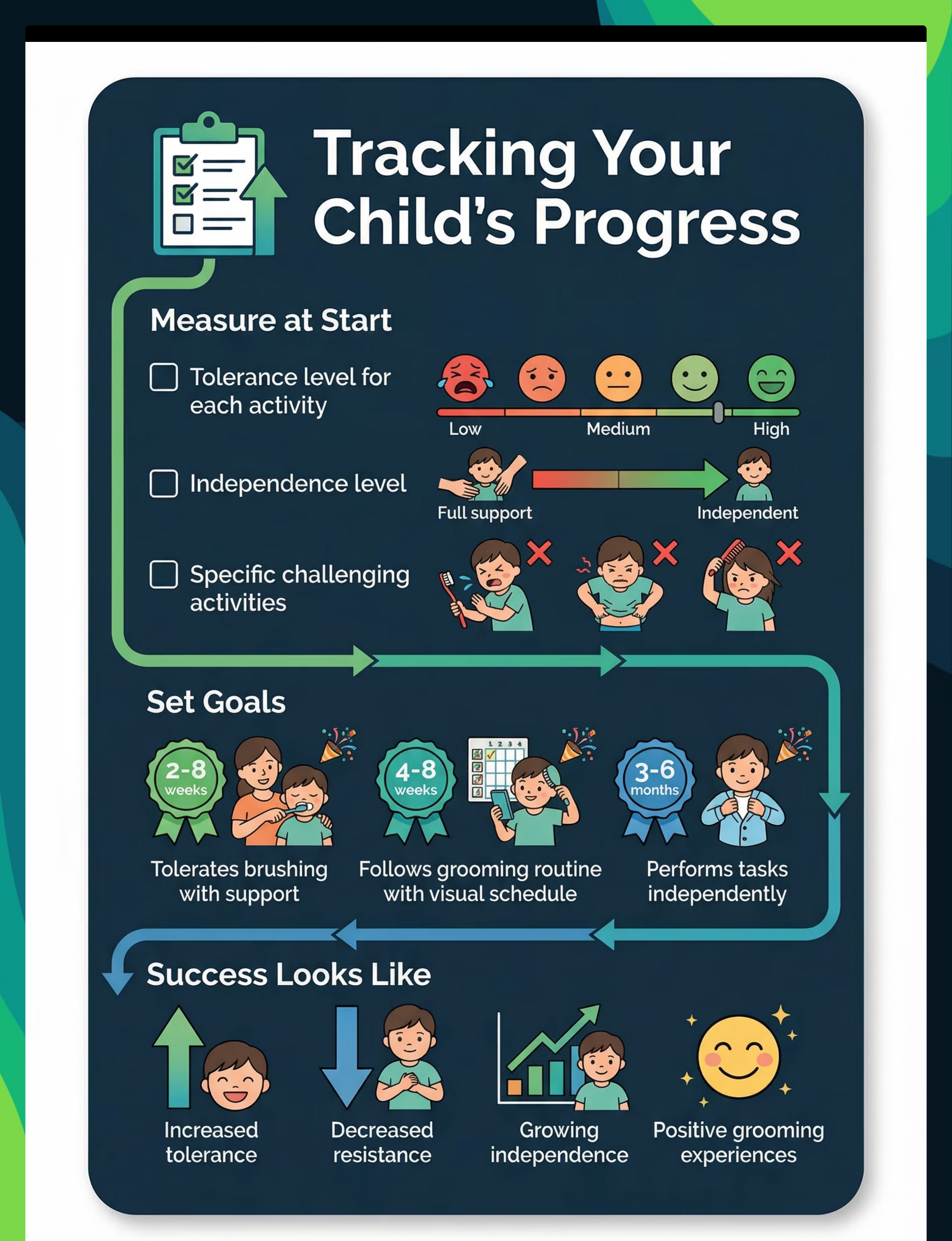
Measuring Success
Baseline (Measure First)
- Current tolerance level for each grooming activity
- Independence level (full assistance to completely independent)
- Identify most challenging activities specifically
- Document existing grooming routine and supports
Goals to Set
- Child will tolerate [specific activity] with [support level]
- Child will complete grooming routine following visual schedule
- Child will perform [specific task] independently
- Grooming time will be positive or emotionally neutral
Success Indicators
- Tolerance for grooming activities increasing
- Active resistance and escape behaviors decreasing
- Independence in self-care tasks growing
- Completing routine steps without adult prompting
- Positive or neutral emotional responses to grooming
Complete the Kit
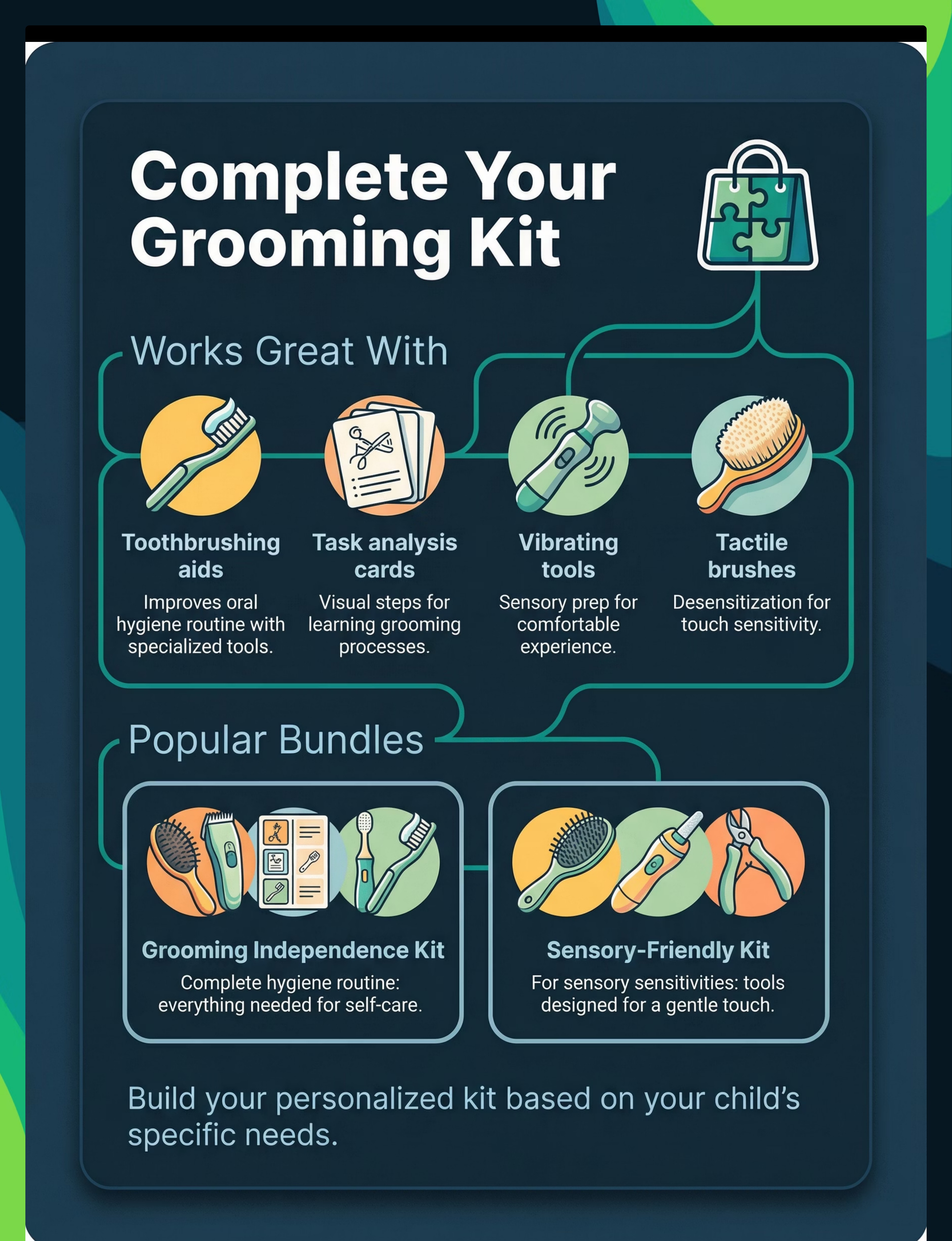
Pair It With...
Toothbrushing Aids (ID: 9.4) — Related hygiene routine that often presents similar sensory and motor challenges
Task Analysis Cards (ID: 3.5) — Visual routine support that complements grooming schedules perfectly
Vibrating Tools (ID: 1.8) — Sensory preparation before grooming reduces defensive responses
Tactile Brushes (ID: 1.11) — Desensitization tool for gradually building touch tolerance
Recommended Bundles
Grooming Independence Kit: Adapted Grooming Tools (9.6) + Grooming Visual Schedules (9.6.7) + Toothbrushing Aids (9.4) — Complete hygiene routine system
Sensory-Friendly Grooming Kit: Detangling Brush (9.6.2) + Electric Nail File (9.6.3) + Quiet Clippers (9.6.4) — Comprehensive sensory-adapted grooming solution
Quick Summary
Adapted grooming tools address sensory and motor barriers to personal hygiene through sensory-friendly alternatives, adapted handles, and visual supports for grooming independence. Core Kit (Rank 2), moderate-strong evidence.
grooming
hygiene
sensory
adapted
self-care
independence
ADL
OT
SpEd
core-kit
Common Searches
grooming autism, sensory friendly hairbrush, electric nail file kids, quiet hair clippers autism, adapted grooming tools, hygiene visual schedule, self care autism
Get Support
FREE National Autism Helpline
Phone: 9100 181 181
Languages: 16+ languages supported
Website: pinnacleblooms.org
Connect with specialists who understand grooming challenges and can guide tool selection and implementation strategies for your child's specific needs.
Platform Integration
AbilityScore® identifies your child's specific grooming patterns and sensory/motor barriers
TherapeuticAI® prescribes personalized grooming approaches matched to your child's profile
EverydayTherapyProgramme™ includes structured hygiene goals and visual supports
ADL Index tracks grooming independence progress over time with detailed metrics
Disclaimer: This is educational information. Always consult qualified occupational therapists, speech-language pathologists, or pediatricians for individualized assessment and recommendations. Individual results vary based on the child's unique needs and consistent implementation.