

Tool ID: 9.2
Tool ID: 9.2
OT + SpEd
Moderate-Strong Evidence
Rank #2
Daily Use
₹50–600
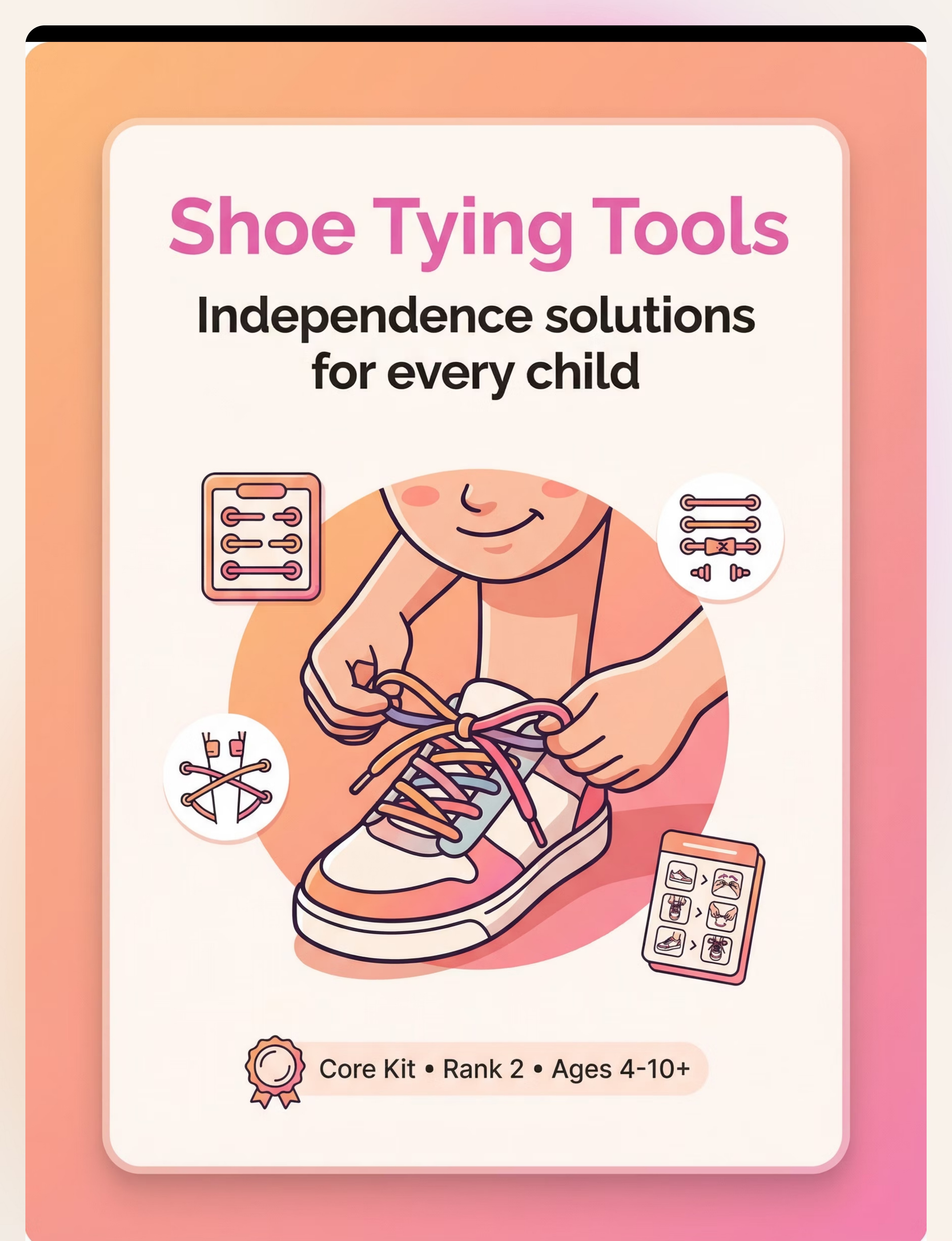
Shoe Tying Tools
Lace management and footwear independence system
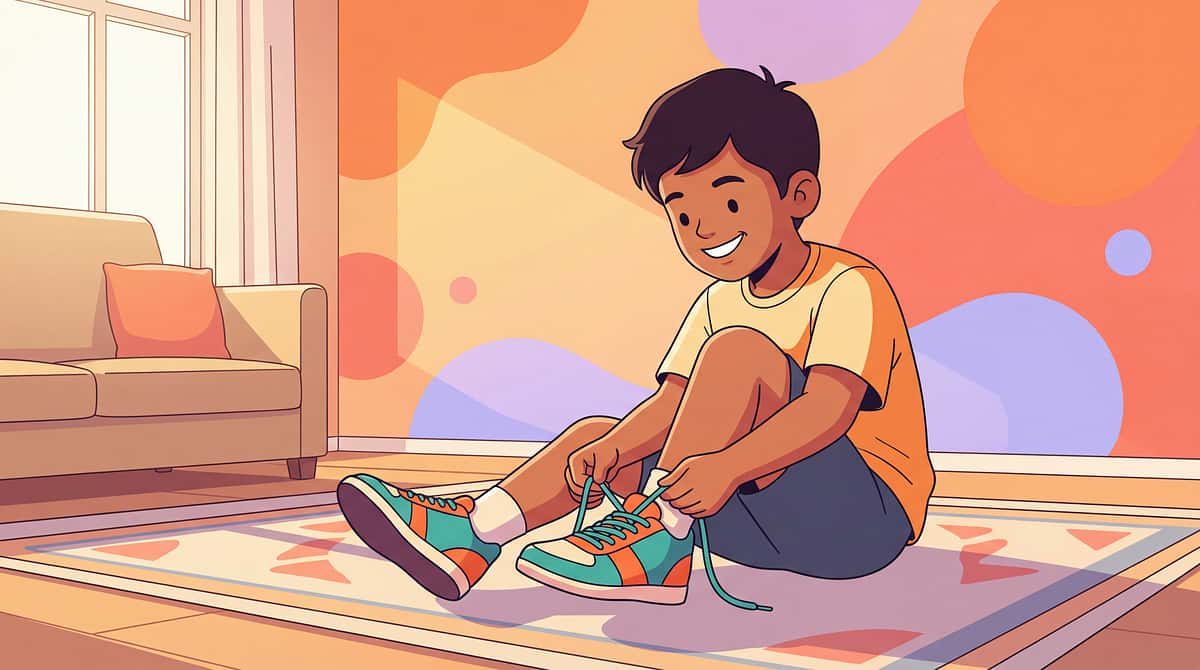
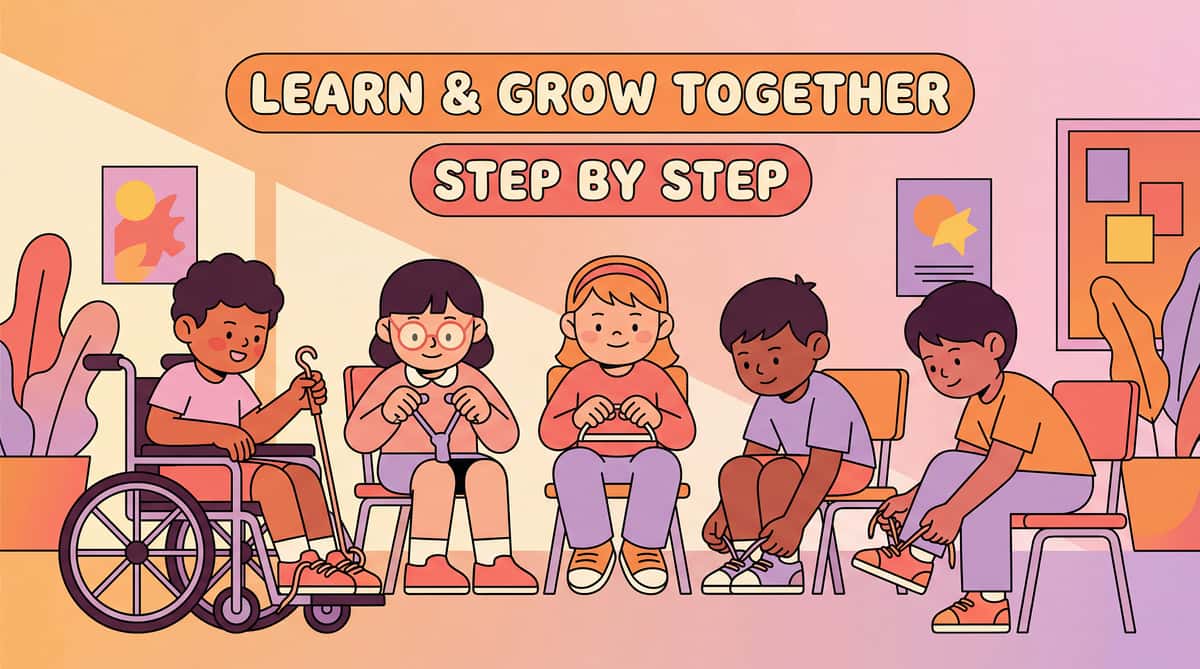
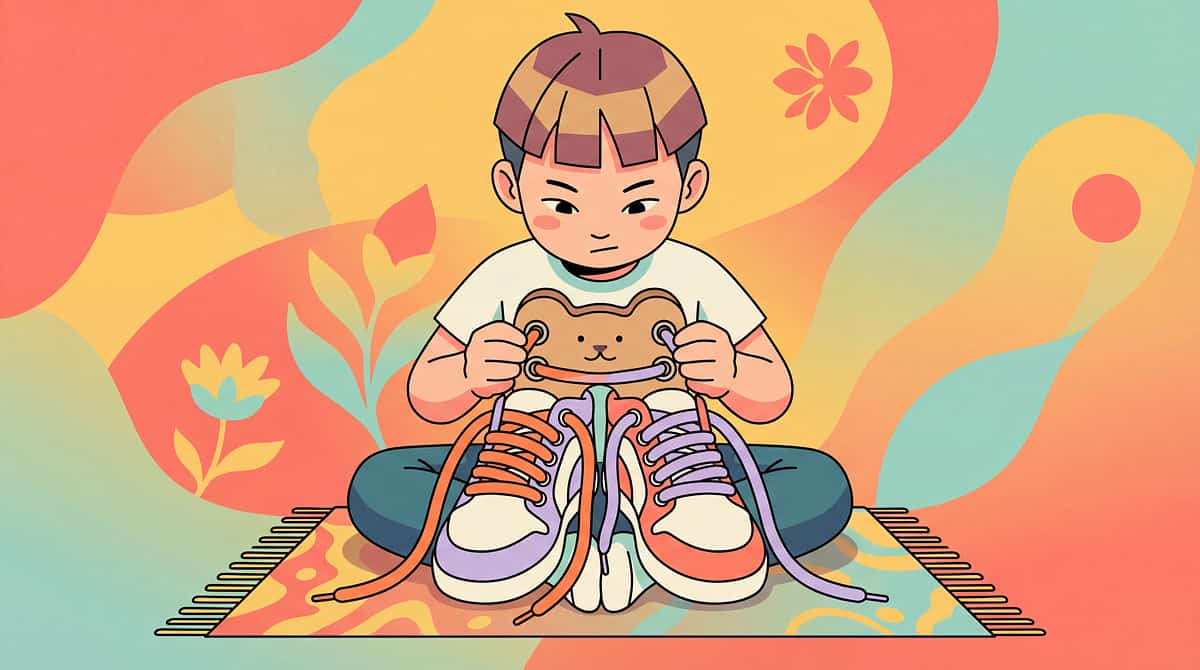
Learning to tie shoes is one of the most complex fine motor sequences children master—requiring bilateral coordination, visual-motor integration, and procedural memory. Whether your child is just beginning to learn or needs adaptive solutions for immediate independence, the right tools and methods can transform frustration into confidence. From visual supports and practice boards to elastic laces that eliminate tying altogether, these evidence-based approaches honor each child's unique pathway to footwear independence.
shoe-tying-tools therapy material
Who This Helps
These tools develop shoe tying skills or provide adaptive alternatives for footwear independence through visual supports, structured practice, and alternative lacing solutions.
Bilateral Coordination
Fine Motor Precision
Motor Sequencing
Visual-Motor Integration
Procedural Memory
Self-Care Independence
Ages 4-10 years (or any age if not yet mastered)
Home
School
Clinic
Children learning to tie shoes for the first time
Visual supports and practice tools break down this complex skill into manageable steps, building confidence through structured learning.
Children who struggle with traditional tying methods
Two-color laces and alternative techniques like "bunny ears" make the sequence clearer and easier to master.
Children needing immediate independence
Adaptive solutions like elastic or lock laces provide instant footwear independence while motor skills develop.
Does This Sound Familiar?
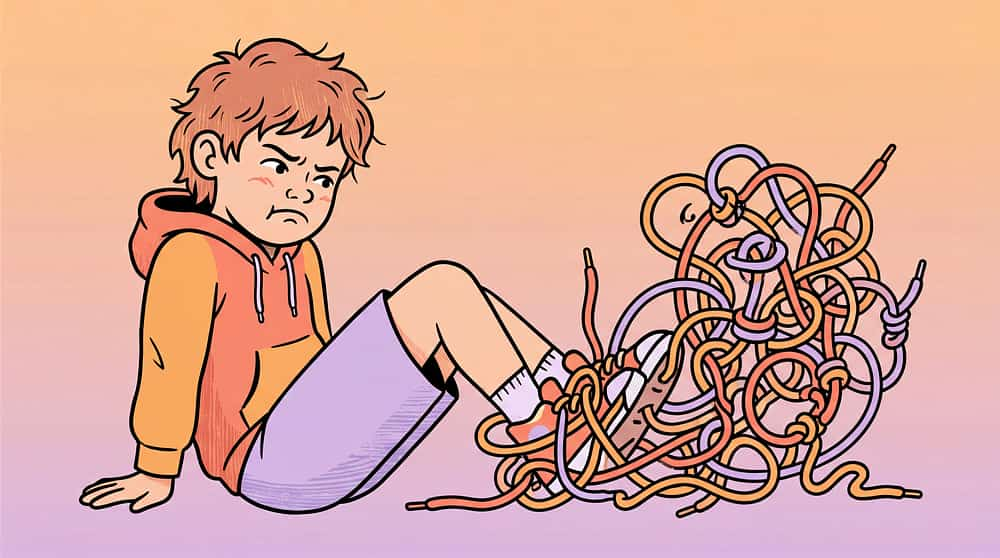
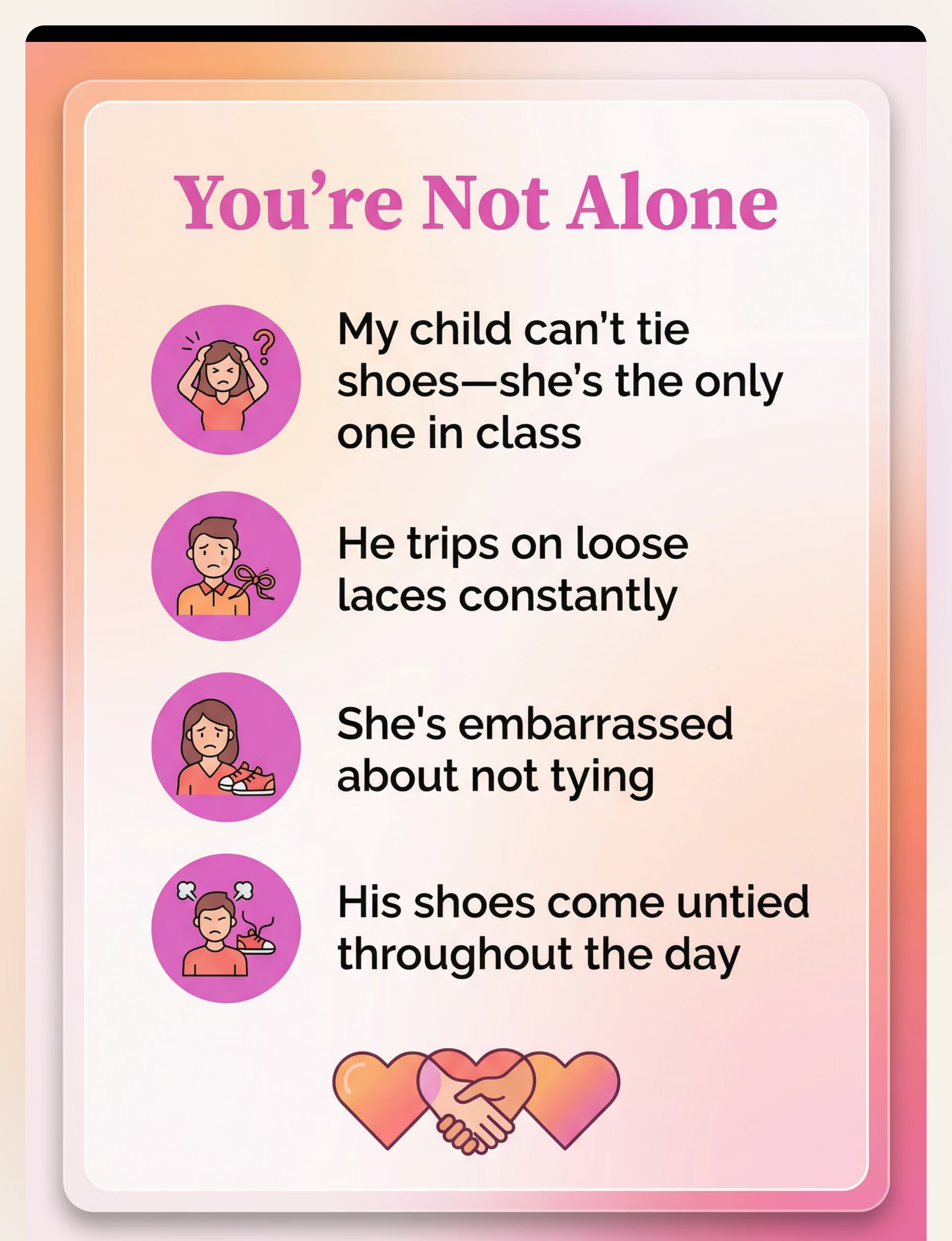
"My child can't tie shoes, and we've tried so many times. It just doesn't click."
"She's the only one in her class who can't tie. I can see how embarrassed she feels."
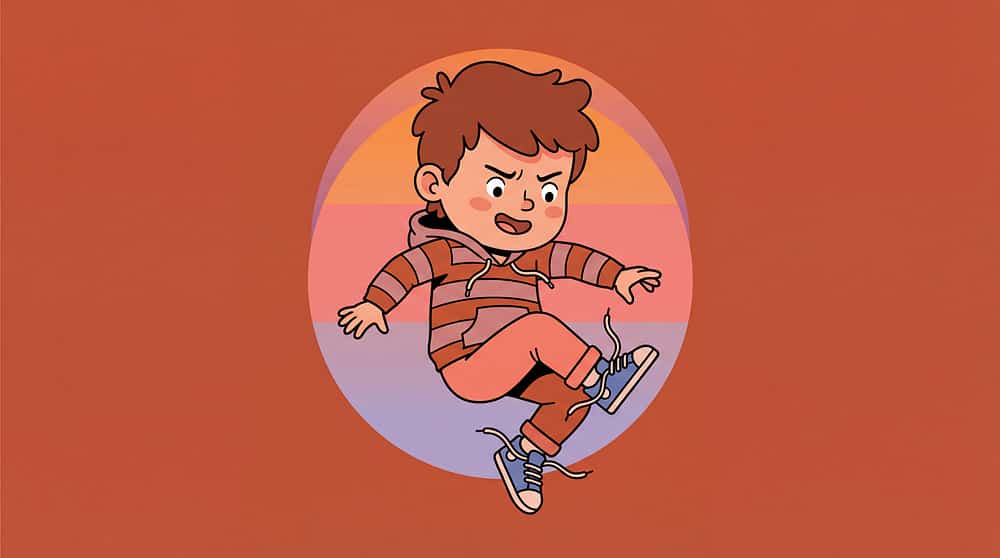
"He trips on loose laces constantly throughout the day. It's a safety concern."
"She's so embarrassed about not being able to tie. She only wants velcro shoes now."
"We can only buy velcro shoes, which limits our options as she gets older."
"His shoes come untied constantly, even when we try to tie them tight."
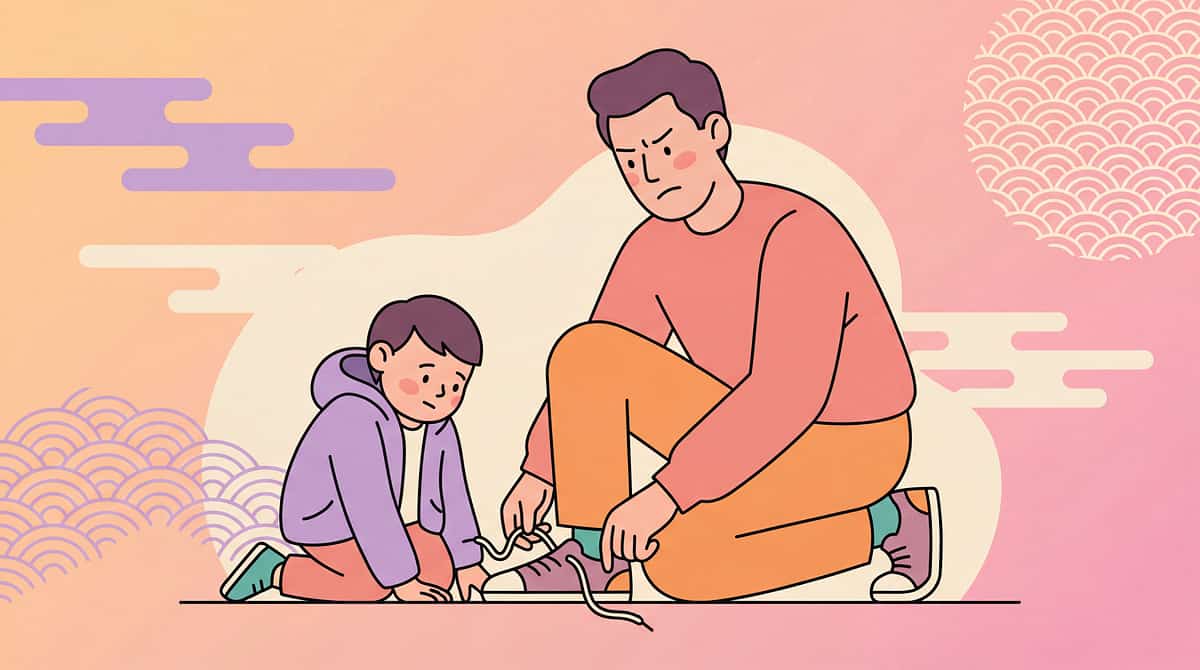
You're not alone. These are common challenges families face when children are developing this complex self-care skill. The frustration you feel is valid, and solutions exist—whether through structured learning approaches or adaptive alternatives that provide immediate independence.
A Day Without the Right Support
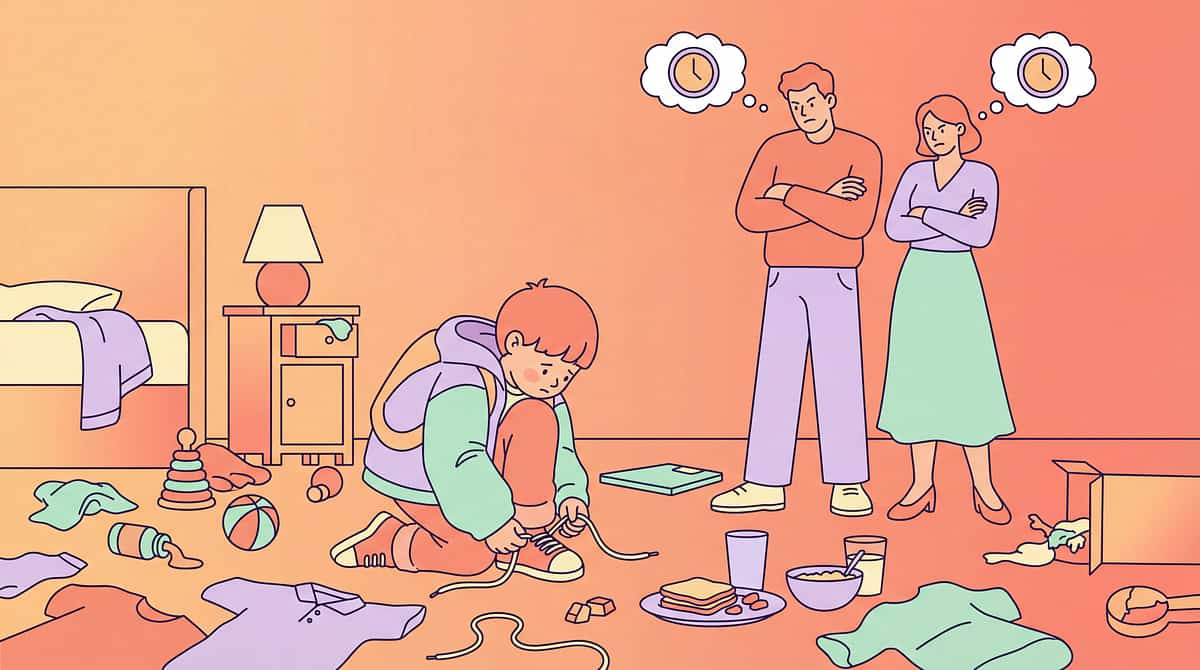
School Morning
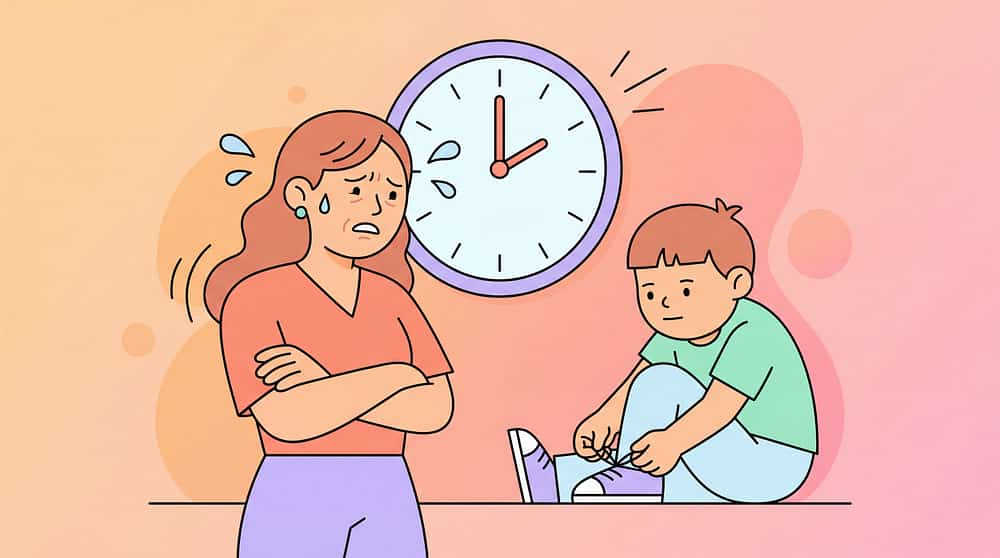
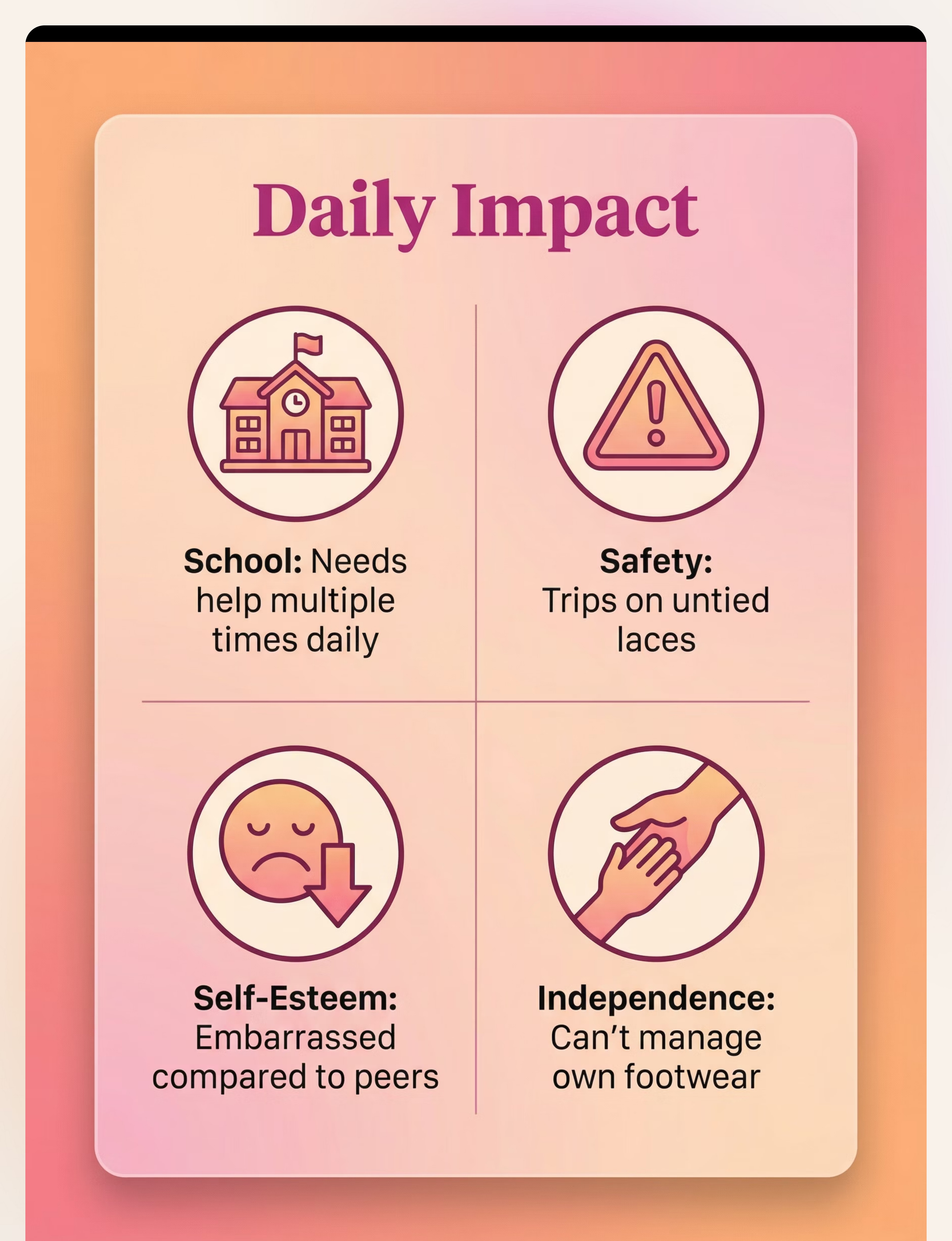
Child needs help tying shoes multiple times before leaving. Morning routine delayed. Rushing causes frustration for everyone.
Transitions
After PE class, playground time, or bathroom breaks—shoes become untied. Child must ask teacher or peer for help repeatedly.
Therapy/School
Loose laces cause tripping during activities. Safety concerns arise. Peer comparisons create self-consciousness and withdrawal.
Bedtime
Another day without mastering this skill. Child feels discouraged. Parent worries about independence and development.
Without appropriate supports or adaptive solutions, shoe tying becomes a daily source of frustration, safety risk, and self-esteem challenges. But with the right approach—whether structured learning or adaptive alternatives—independence is absolutely achievable.
The Science Behind It
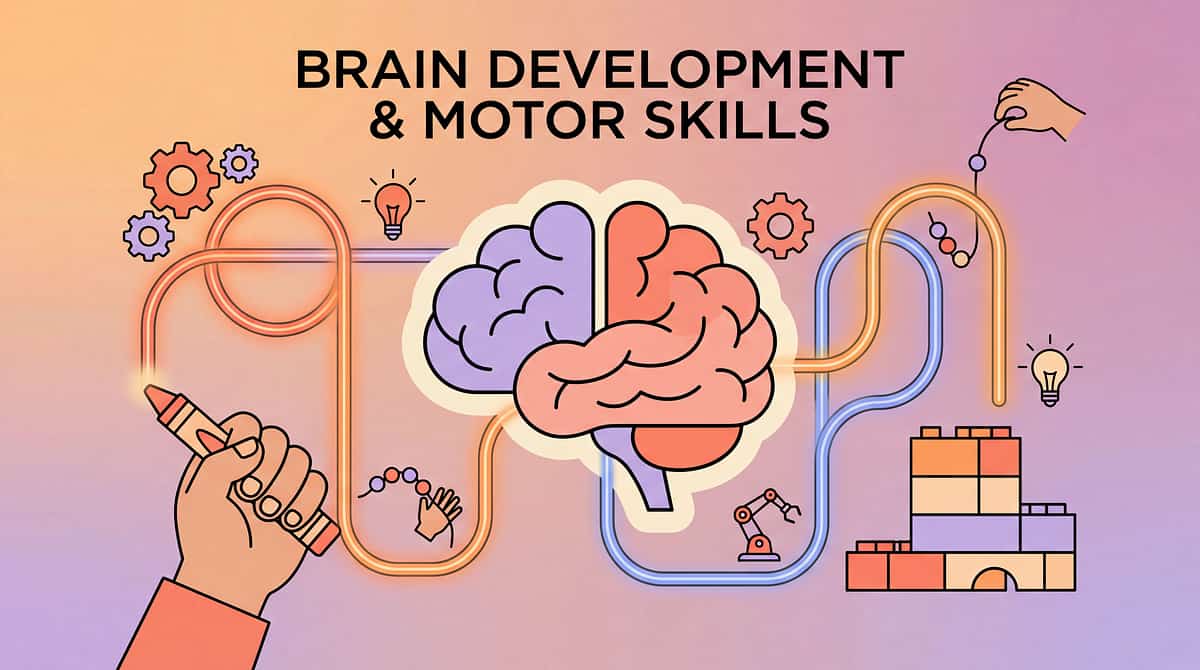
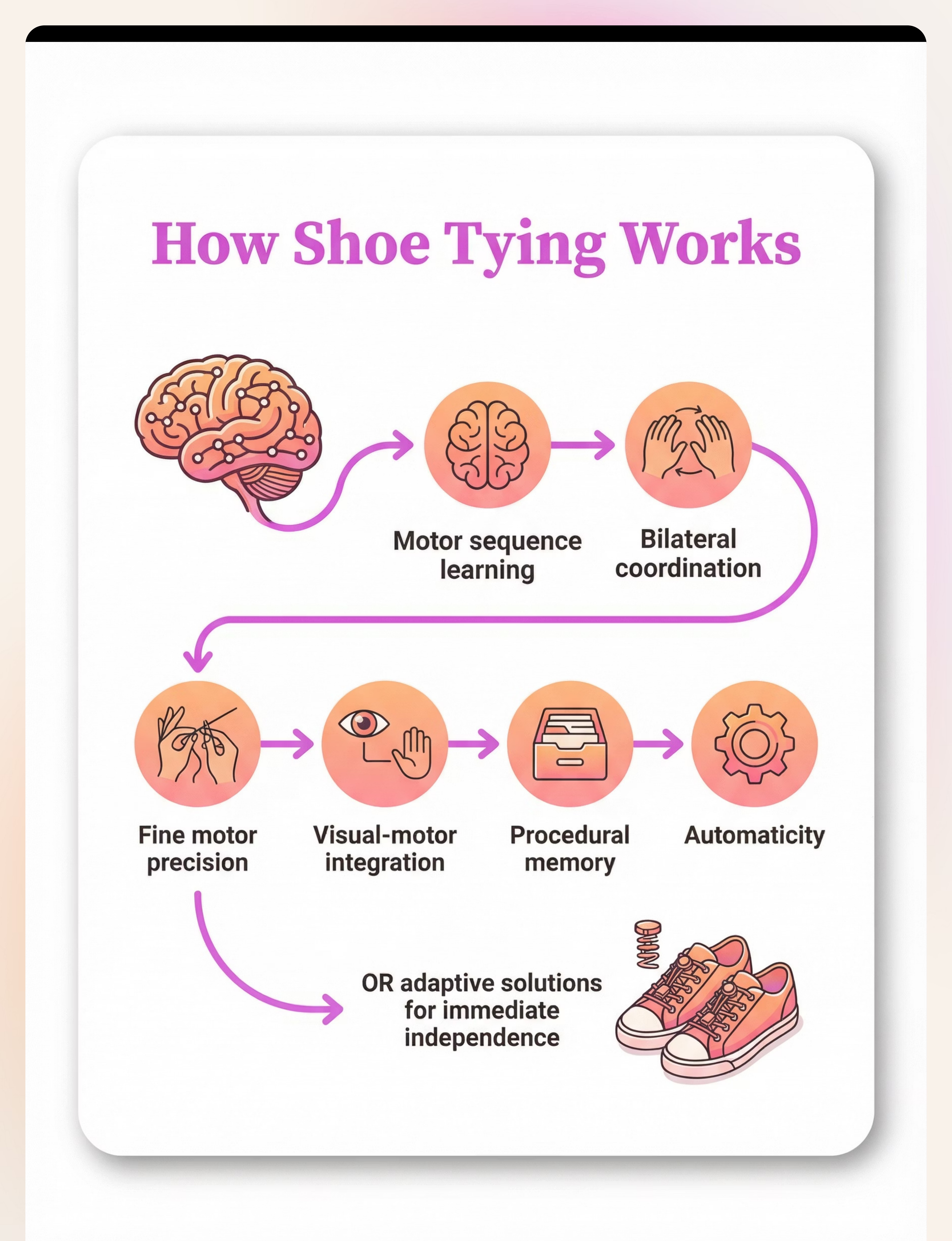
Shoe tying is remarkably complex, integrating multiple developmental systems simultaneously. Understanding why it's challenging helps us choose the right supports and celebrate progress appropriately.
Motor Sequence Learning
Brain encodes 12+ distinct movement steps in precise order
Bilateral Coordination
Both hands perform different movements simultaneously with precision
Fine Motor Precision
Fingers manipulate thin laces with controlled tension and placement
Visual-Motor Integration
Eyes guide hands through complex spatial relationships
Procedural Memory
Sequence becomes automatic through repeated practice patterns
Automaticity & Independence
Skill becomes effortless, enabling functional self-care
The alternative pathway: Adaptive solutions like elastic laces provide immediate independence while these motor systems continue developing, removing frustration and supporting self-esteem during the learning process.
How to Use It Right
Consider if traditional tying is essential
Evaluate whether conventional tying is necessary for your child's context, or if adaptive solutions provide better functional independence.
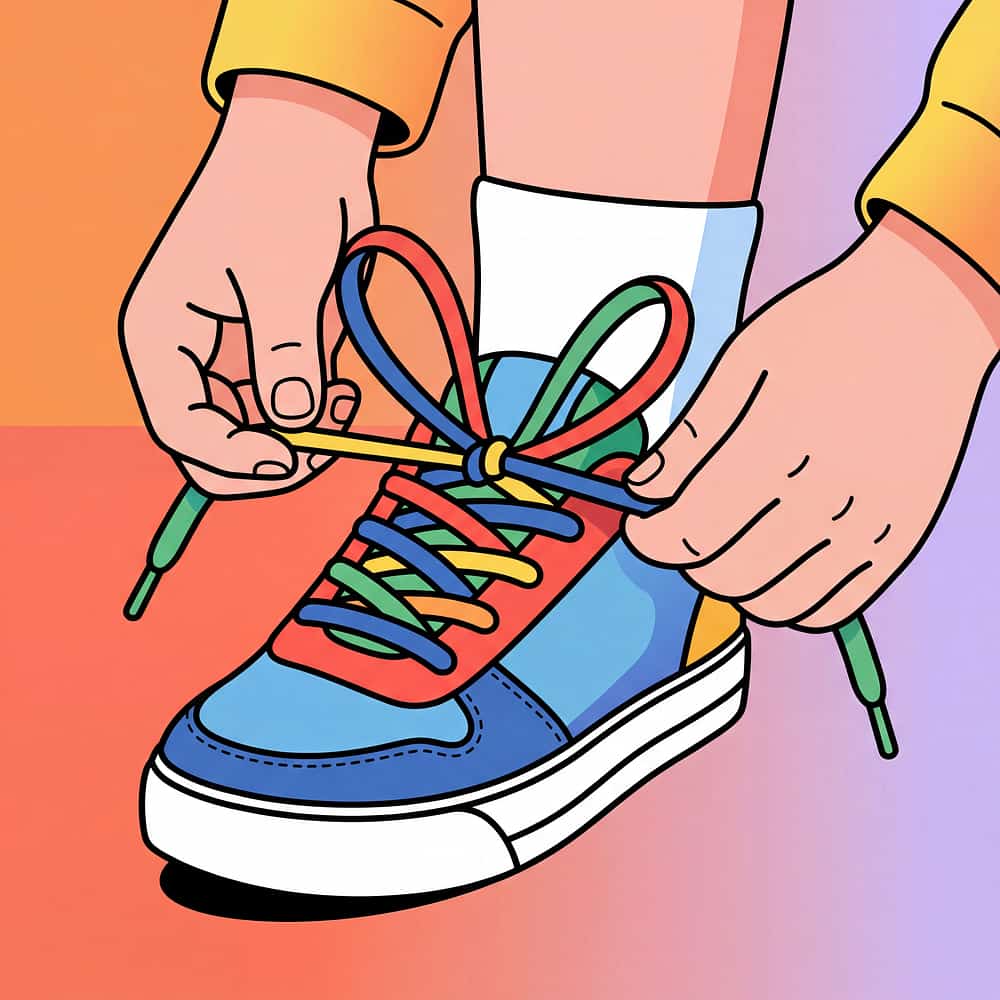
Two-color laces help distinguish left and right
Visual differentiation dramatically reduces cognitive load, making the sequence clearer and easier to remember.
Practice on board before transitioning to own shoes
Stable, flat surface allows focused learning without foot position challenges or balance concerns.
Break the sequence into small steps with visual supports
Picture cards or video modeling provide reference points, reducing memory demands during learning.
Bunny ears method often easier than loop-swoop
Creating two loops and tying them together is more intuitive for many children than the traditional single-loop method.
Elastic laces provide immediate independence while learning
Children can practice tying without daily pressure, using adaptive laces for functional situations.
Practice duration: 5–10 minutes per session works best. Multiple short sessions throughout the week build skill more effectively than long, frustrating practice periods. Consistency matters more than duration.
Expert Perspective
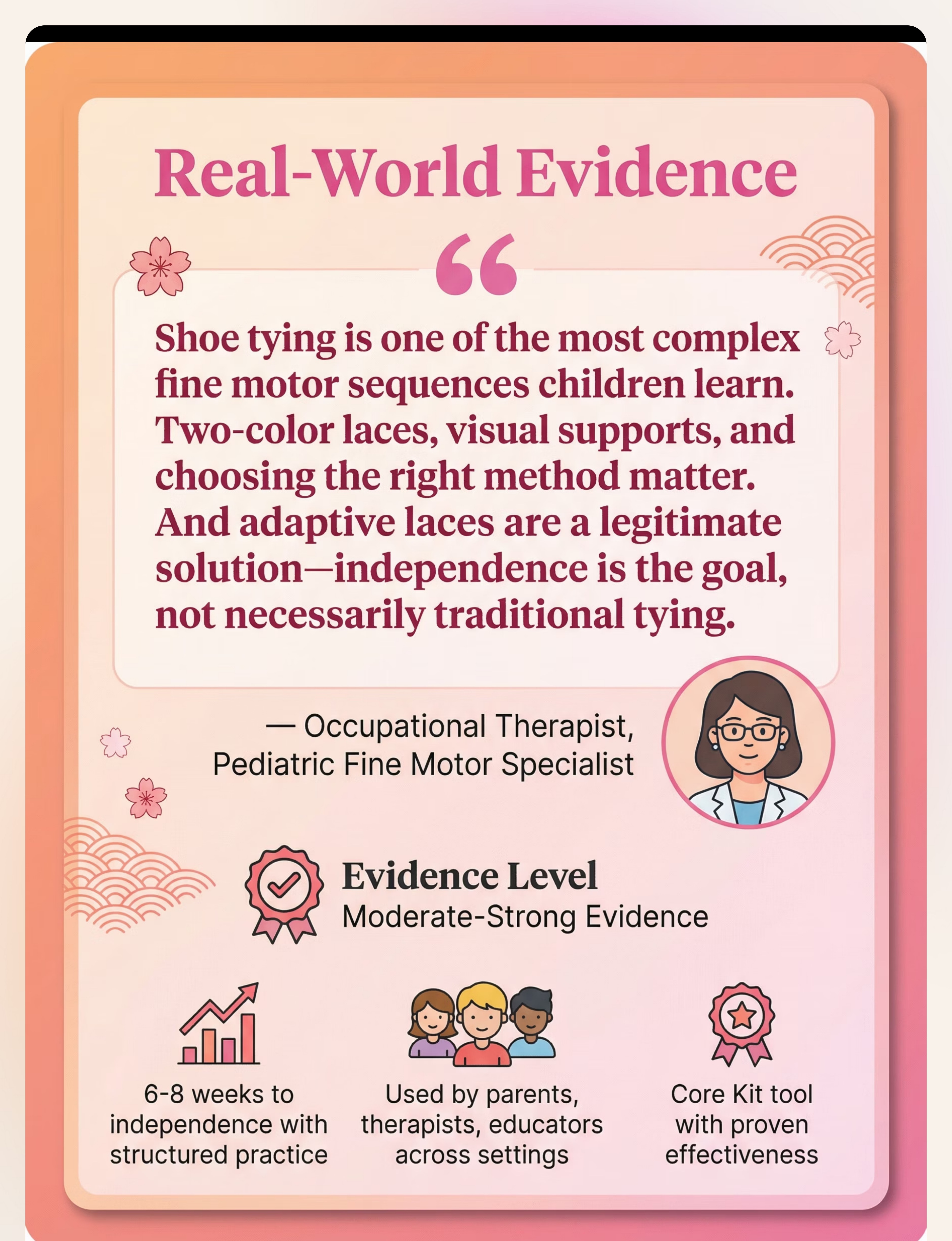
"Shoe tying is one of the most complex fine motor sequences children learn. Two-color laces, visual supports, and choosing the right method matter tremendously. And adaptive laces are a legitimate solution—independence is the goal, not necessarily traditional tying."
— Occupational Therapist, Pediatric Fine Motor Specialist
shoe-tying-tools therapy material
OT + SpEd Recommended
Endorsed across occupational therapy and special education professionals
Moderate-Strong Evidence
Research supports visual supports, task breakdown, and adaptive alternatives
Rank #2 in Category
Core tool in Daily Living Skills development
Professional consensus emphasizes that independence—not a specific technique—is the ultimate goal. Whether through structured learning or adaptive solutions, functional self-care matters most.
Choose Your Option (7 Variants)
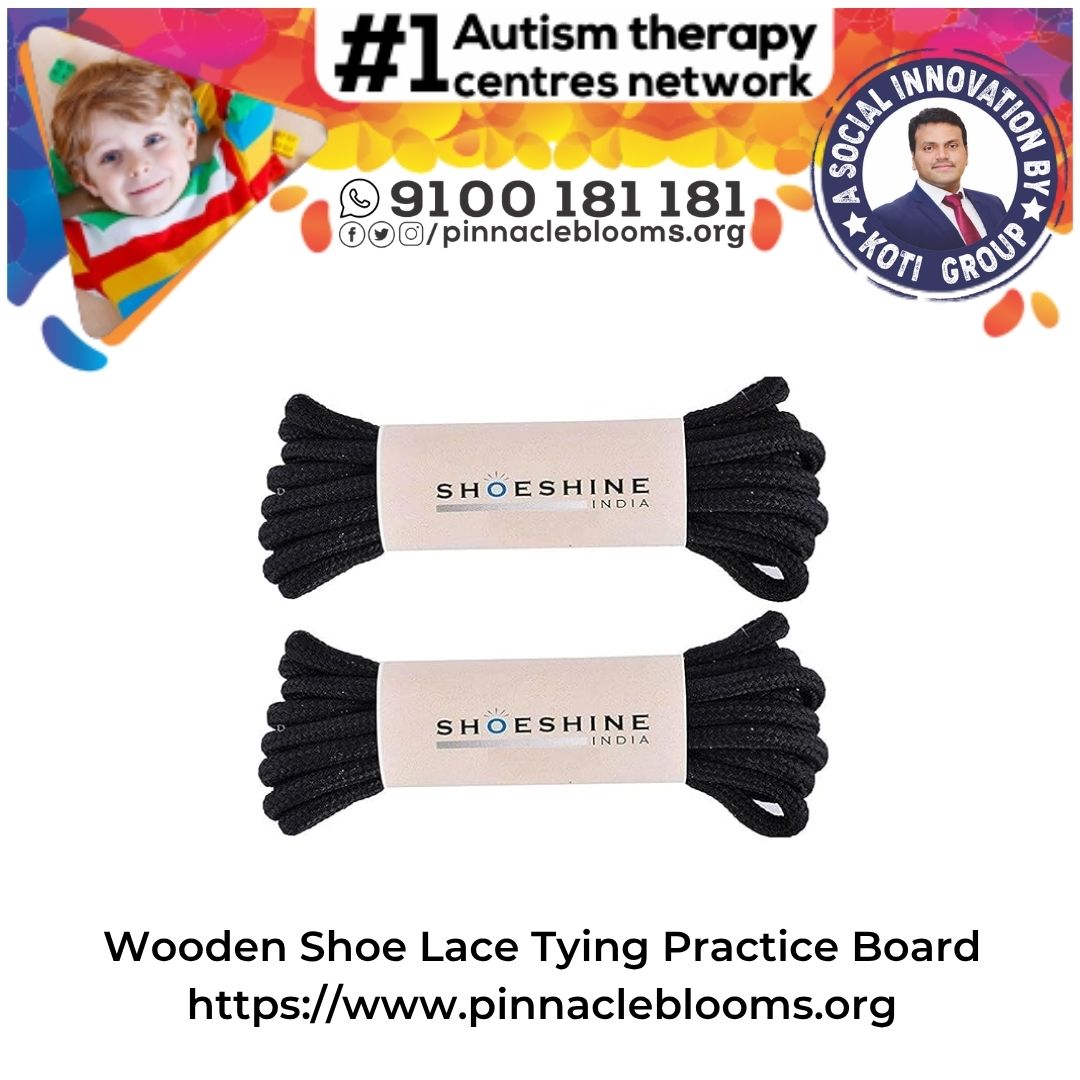
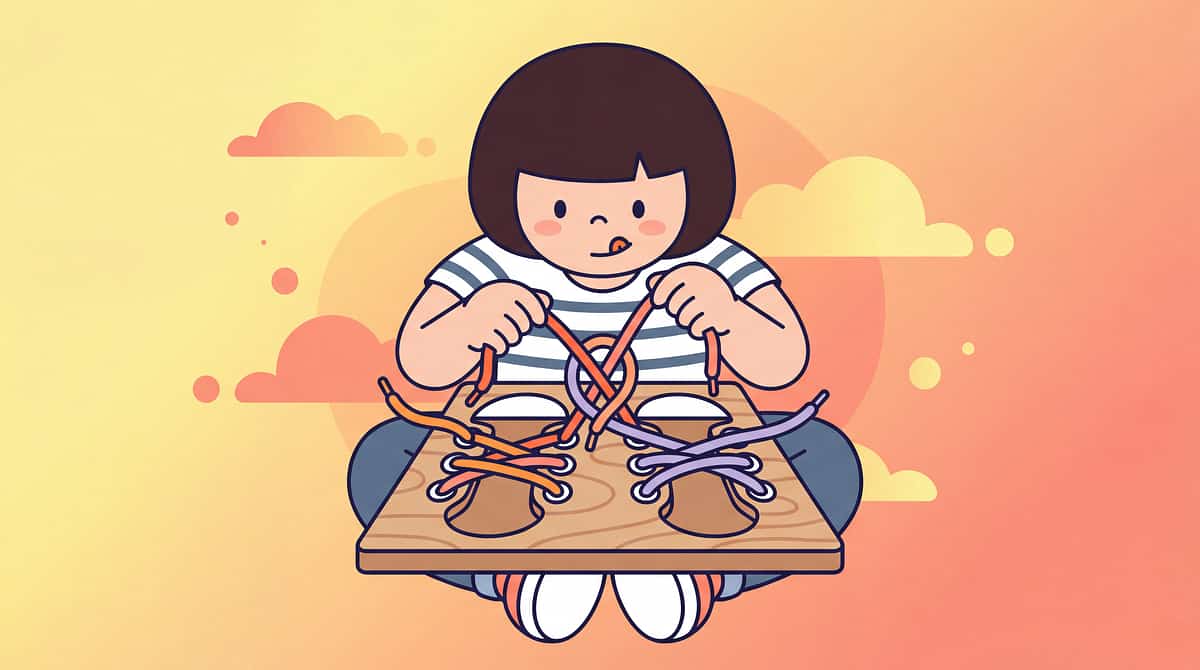
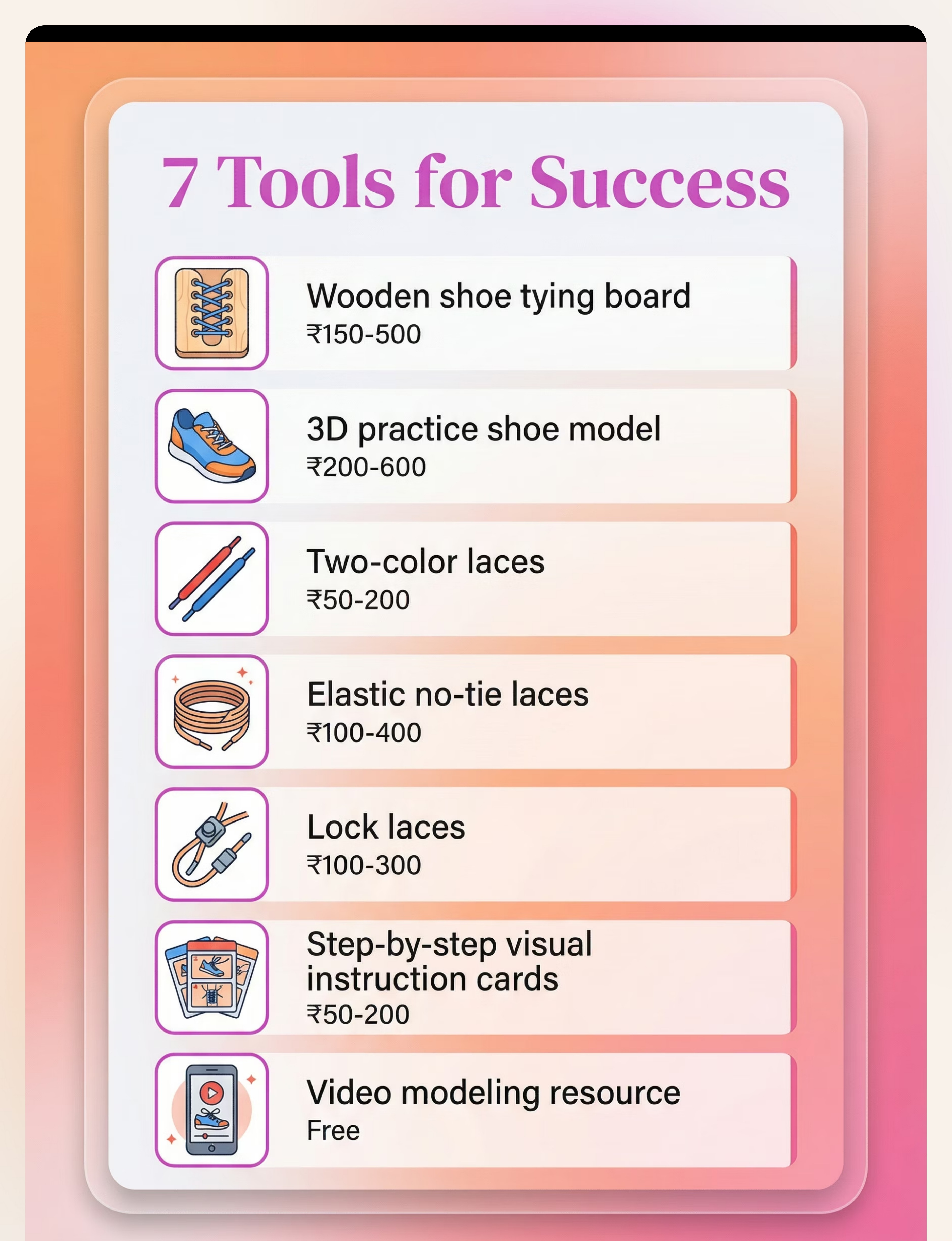
Wooden Shoe Tying Board
Best for: Isolated practice, visual clarity
Type: Practice board for tying
  • Ages: 4-10 years
  • Settings: Home, School, Clinic
  • Portability: Medium
  • Price: ₹150–500
Practice Shoe (3D)
Best for: Real-world transfer, motor planning
Type: Realistic tying practice
  • Ages: 4-10 years
  • Settings: Home, Clinic
  • Portability: Medium
  • Price: ₹200–600
Two-Color Laces
Best for: Distinguishing left/right lace
Type: Visual distinction aid
  • Ages: 4-10 years
  • Settings: All
  • Portability: Very High
  • Price: ₹50–200
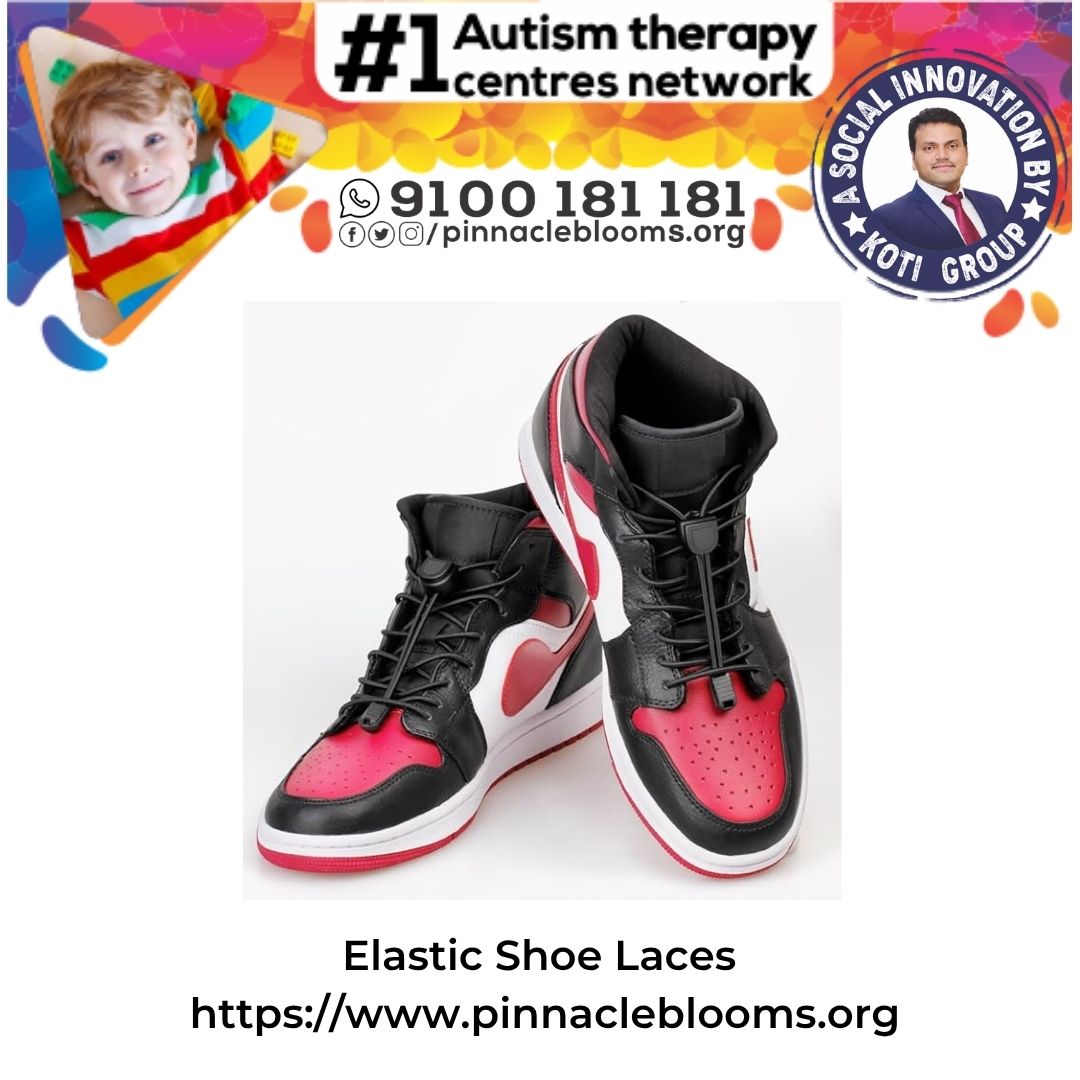
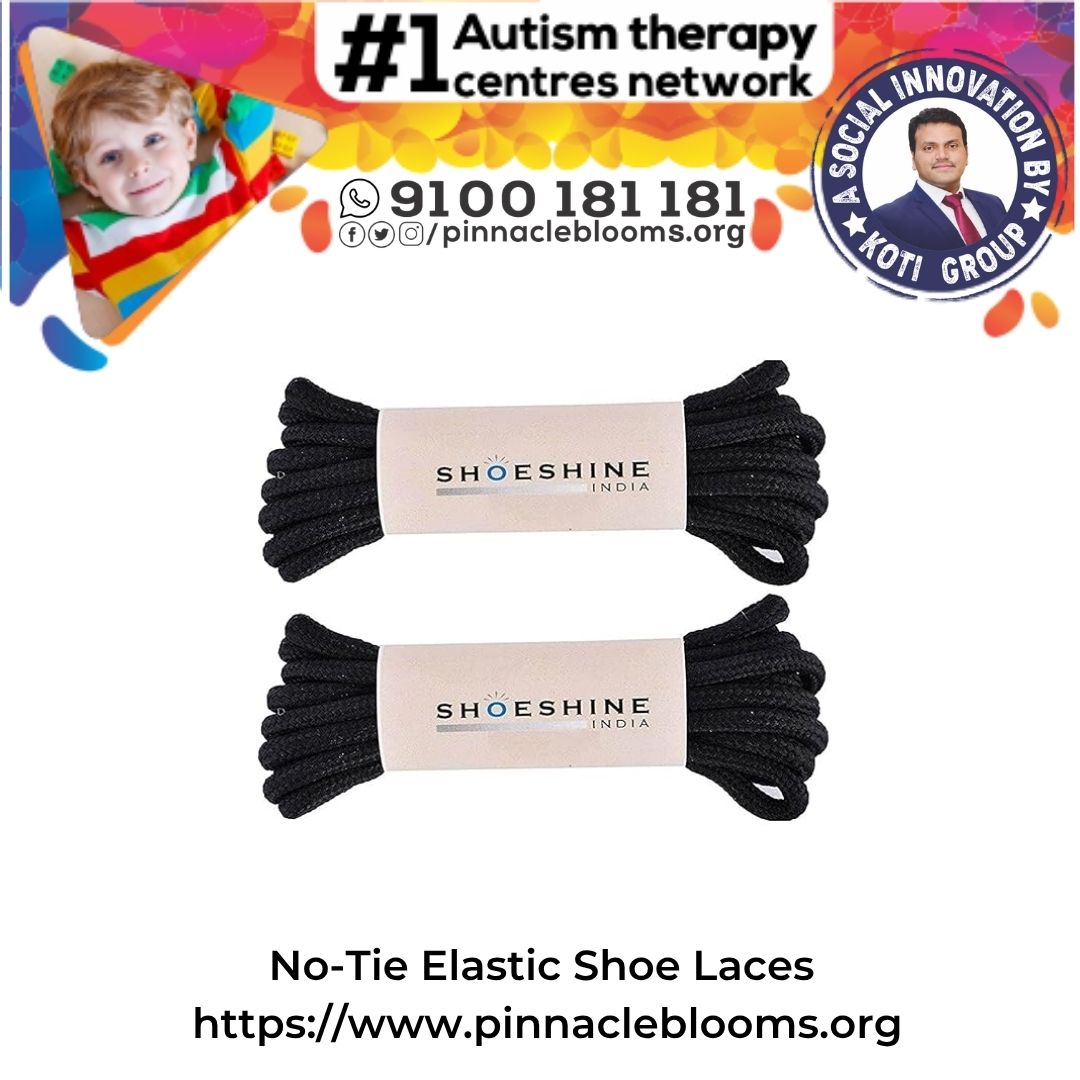
Elastic/No-Tie Laces
Best for: Independence while learning, motor challenges
Type: Adaptive alternative
  • Ages: All ages
  • Settings: All
  • Portability: Very High
  • Price: ₹100–400
Lock Laces / Lace Locks
Best for: Eliminate tying, maintain fit
Type: Adaptive alternative
  • Ages: All ages
  • Settings: All
  • Portability: Very High
  • Price: ₹100–300
Step-by-Step Visual Cards
Best for: Learning steps, visual learners
Type: Visual instruction support
  • Ages: 4-10 years
  • Settings: All
  • Portability: Very High
  • Price: ₹50–200
Video Modeling Resources
Best for: Repeated viewing, self-paced learning
Type: Visual learning via video
  • Ages: 4-10 years
  • Settings: Home, Clinic
  • Portability: High
  • Price: Free
Select the approach that best matches your child's learning style, motor abilities, and immediate needs. You can combine multiple options—for example, using elastic laces for daily independence while practicing traditional tying at home.

How to Choose
By goal: Traditional learning → practice boards + two-color laces. Immediate independence → elastic or lock laces.
By setting: Home practice → boards or 3D shoes. School/daily use → elastic laces or lock laces.
By portability: Highest → laces and visual cards. Medium → practice boards and shoes.
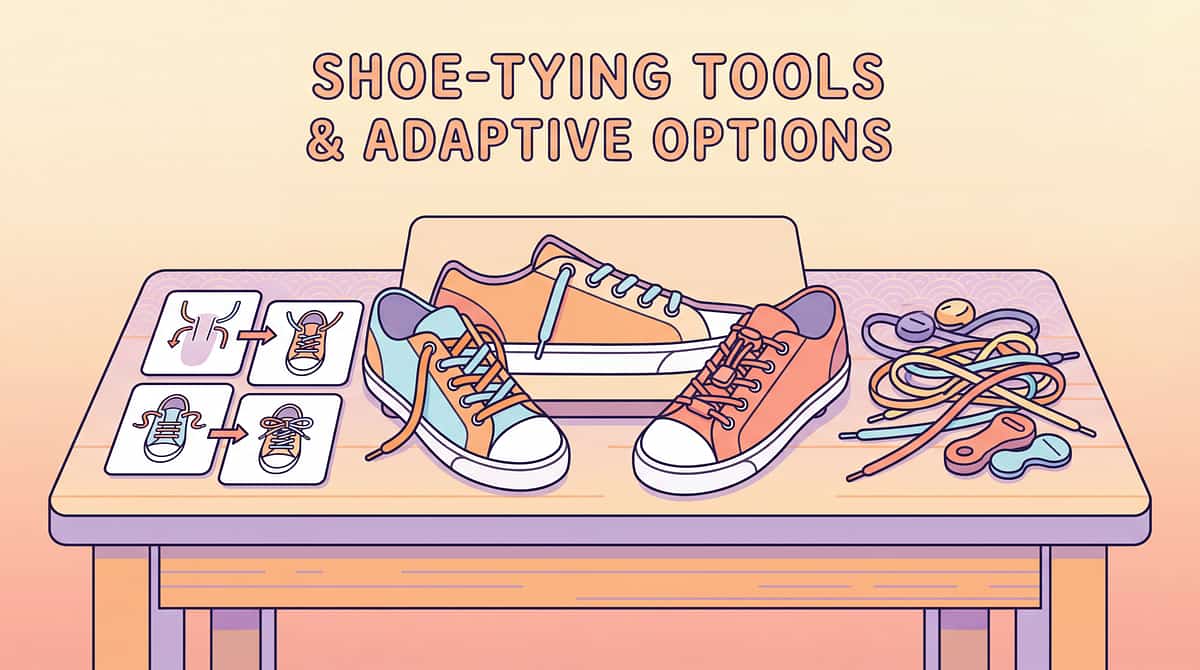
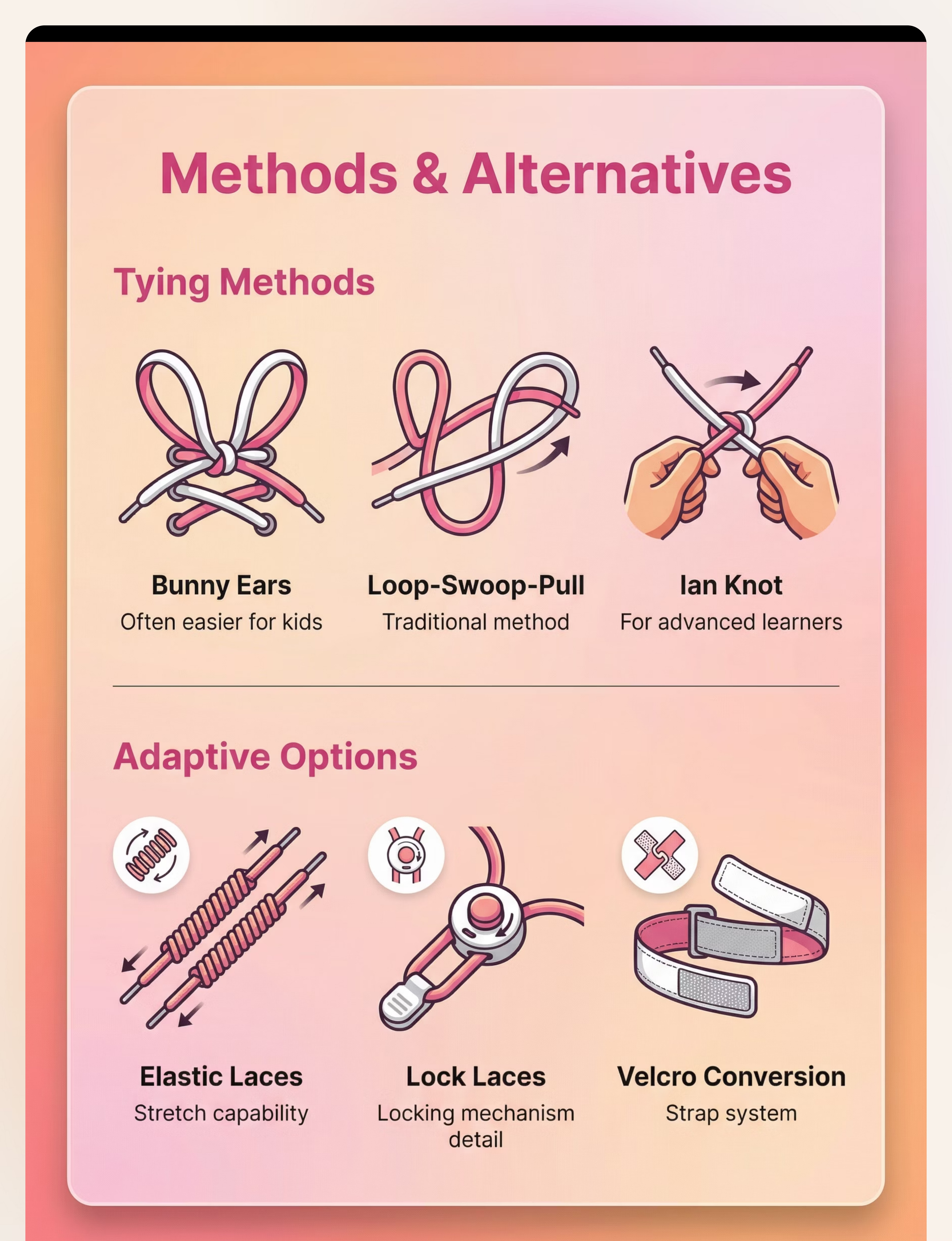
Understanding Tying Methods & Adaptive Options
Traditional Tying Methods
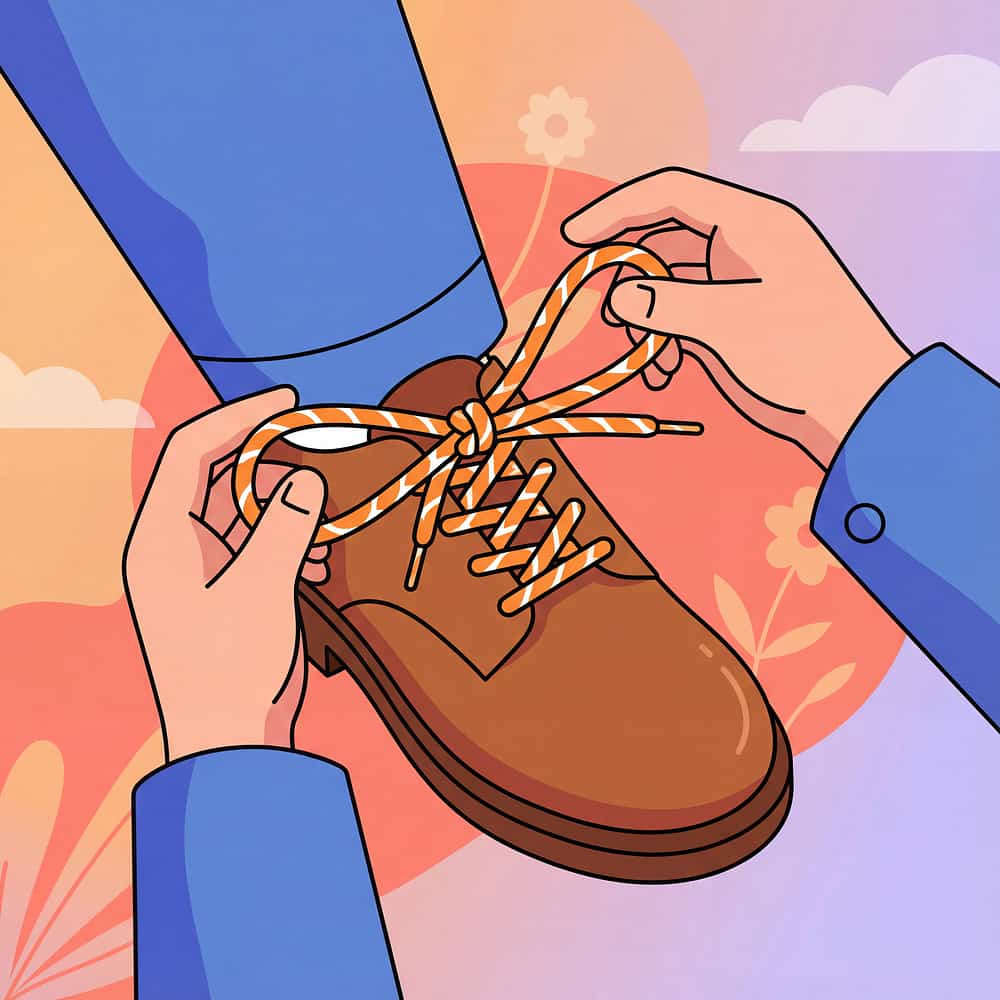
Bunny Ears Method
Two loops tied together—often easier for children to visualize and remember
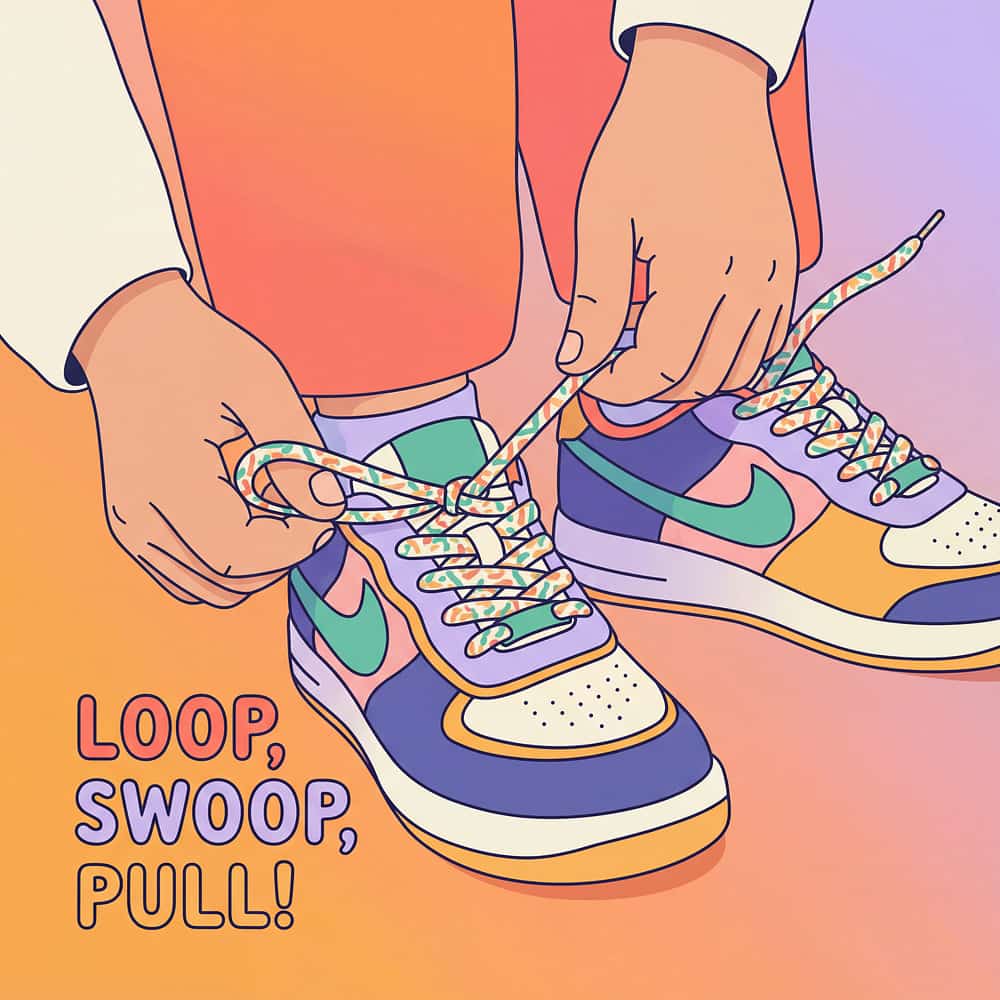
Loop-Swoop-Pull Method
Traditional one-loop technique—requires more complex spatial understanding
Ian Knot
Fast method for older or advanced learners—complex but efficient once mastered
Adaptive Options
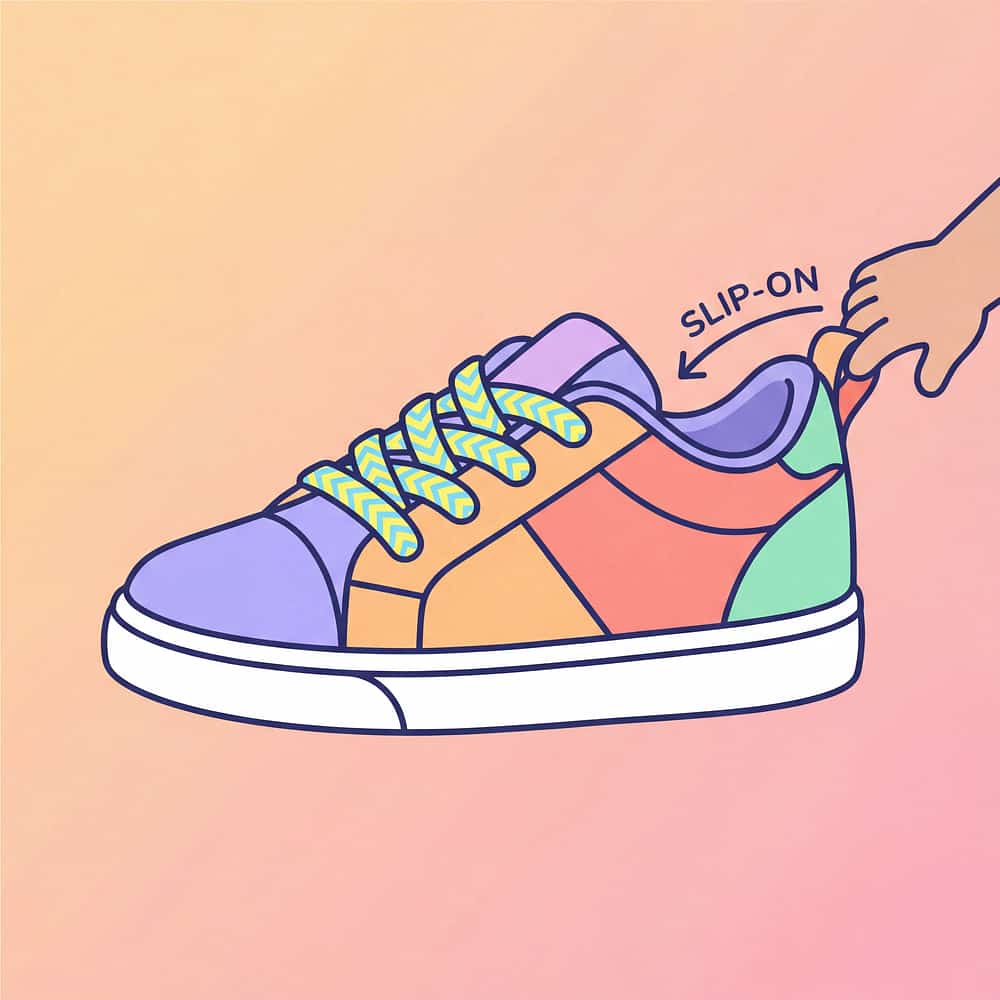
Elastic Laces
Stretch to allow slip-on wear—no tying needed, maintains shoe security
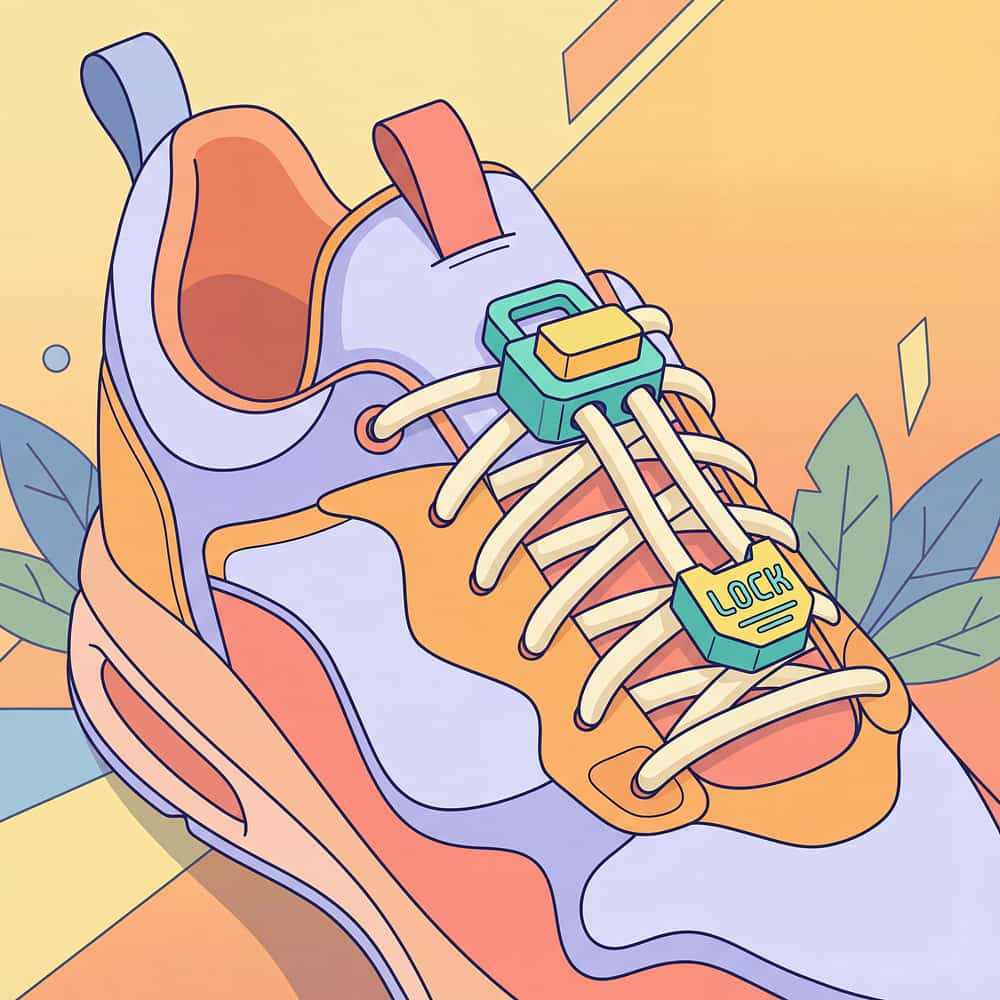
Lock Laces
Lock mechanism holds tension—adjust once, no daily retying required
Velcro Conversion
Replace laces with velcro straps—immediate independence for all ages
Key Features for Success
Clear Visual Distinction
Two-color laces or high-contrast materials make left and right laces immediately recognizable
Stable Practice Surface
Flat, mounted board eliminates balance challenges during initial learning phase
Appropriate Lace Thickness
Not too thin to grip, not too thick to manipulate—just right for small fingers
Step-by-Step Breakdown
Visual cards or video modeling provides clear reference for sequence learning
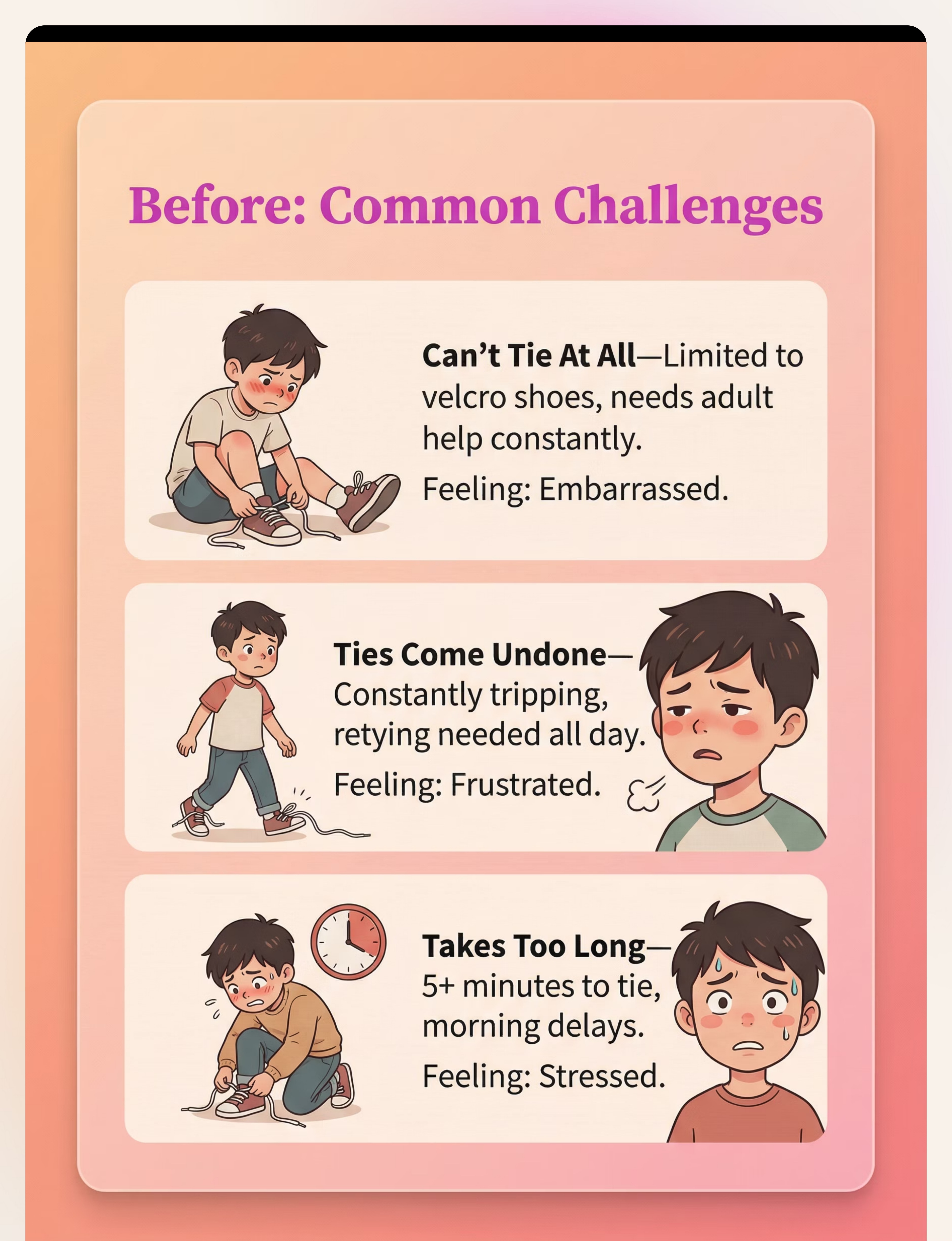
The Struggle (Before)
Scenario: Can't Tie At All
Situation: Child cannot tie shoes independently. Limited to velcro options only.
Experience: Needs adult assistance multiple times every single day. Cannot participate in activities requiring laced shoes.
Emotion: Frustration builds with each failed attempt. Embarrassment grows as peers master the skill.
Scenario: Ties Come Undone
Situation: Child can tie shoes but knots don't hold properly throughout the day.
Experience: Constantly tripping on loose laces. Retying needed after every transition or activity.
Emotion: Ongoing frustration and safety concerns. Feels like the skill isn't really mastered.
Scenario: Takes Too Long
Situation: Child can complete the sequence but requires 5+ minutes per shoe.
Experience: Morning delays cause family stress. Rushing leads to incomplete or loose knots.
Emotion: Slow, stressful process. Morning routine becomes battle of wills and schedules.
These scenarios reflect real challenges families navigate daily. The emotional weight of skill delays extends beyond the physical task—affecting independence, safety, self-esteem, and family routines.
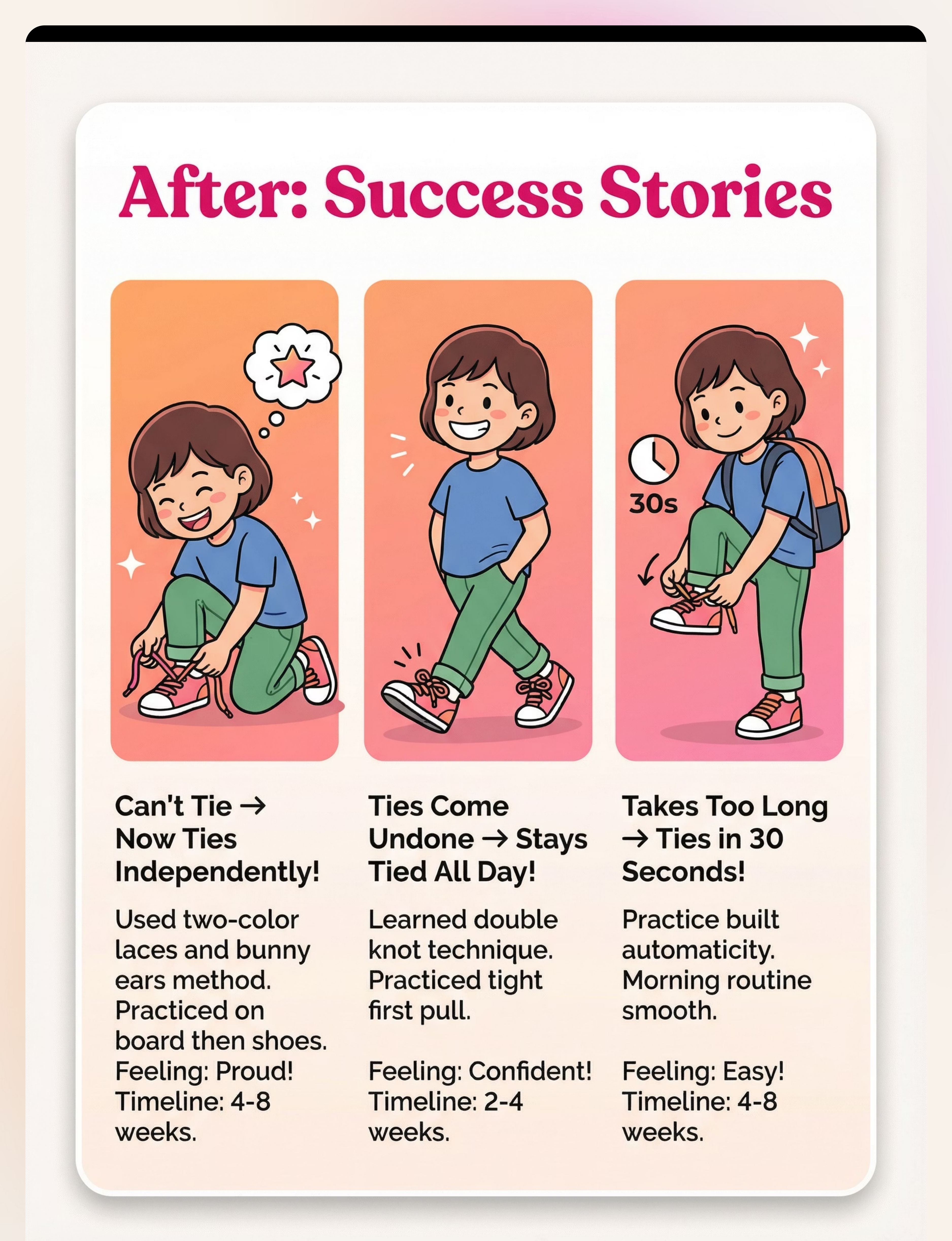
The Breakthrough (After)
Scenario: Can't Tie At All → Independent Success
Situation: With two-color laces and bunny ears method, child now visualizes each step clearly.
Experience: Practiced on stable board first, then transferred to real shoes. Progressed from guided practice to independent completion.
Emotion: Tremendous pride in mastery. Newfound independence transforms self-image.
Timeframe: 4-8 weeks
Scenario: Ties Come Undone → Secure Knots
Situation: Learned double knot technique and proper tension on first pull.
Experience: Practiced making tight foundation knot before bow. Knots now stay secure all day long.
Emotion: Security and confidence. No more interruptions or tripping hazards.
Timeframe: 2-4 weeks
Scenario: Takes Too Long → Quick Efficiency
Situation: Consistent practice built muscle memory and automaticity.
Experience: Tying speed increased from 5+ minutes to under 30 seconds. Morning routine flows smoothly.
Emotion: Efficiency and ease. Morning stress eliminated for entire family.
Timeframe: 4-8 weeks
Alternative pathway: Many families choose elastic laces for immediate independence, allowing practice without daily pressure. This removes frustration while motor skills develop naturally.
What to Expect (Realistic Timelines)
Development of shoe tying skills—or transition to adaptive solutions—follows predictable patterns. Setting realistic expectations prevents frustration and celebrates meaningful progress appropriately.
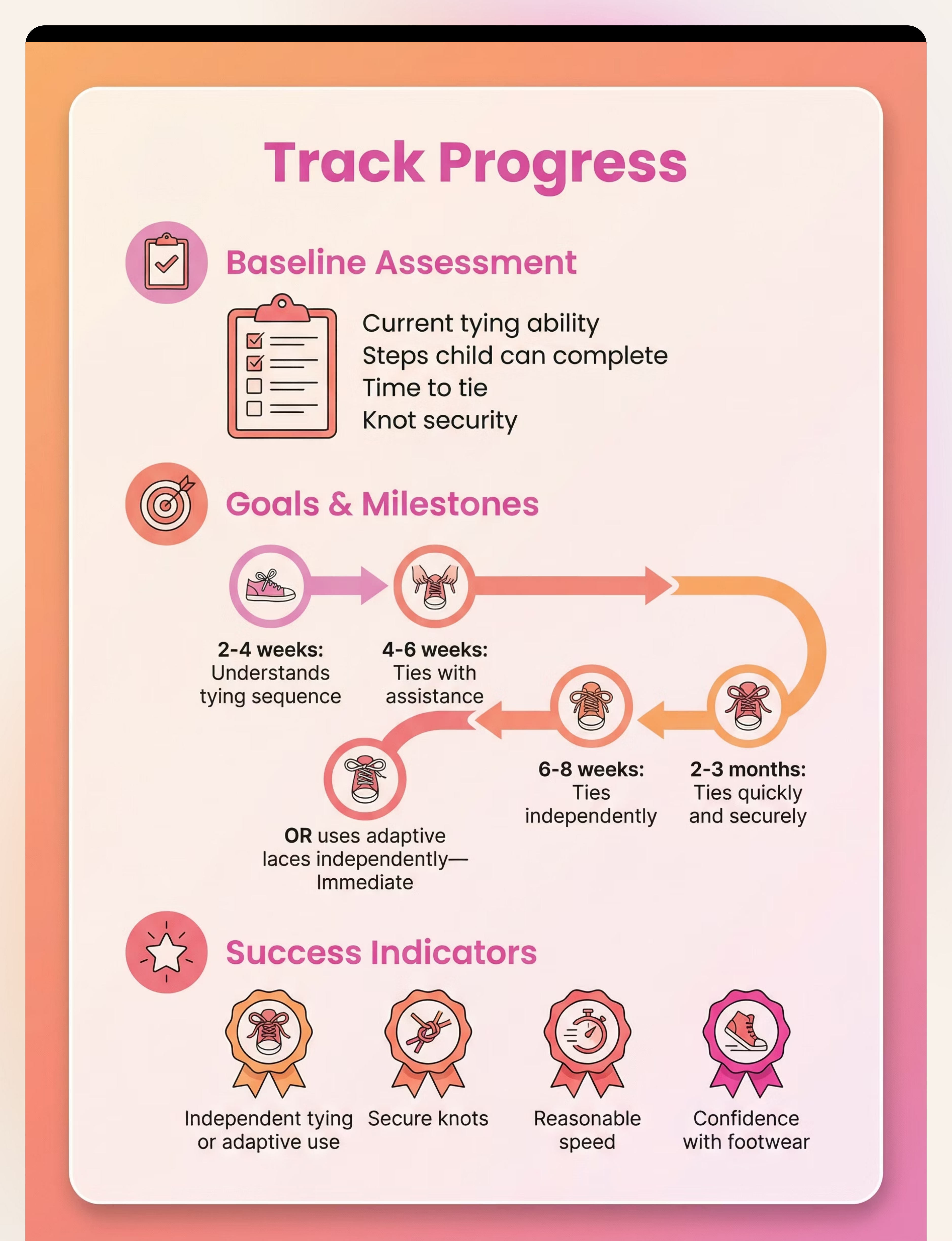
2-4 Weeks
Child understands tying sequence conceptually and can describe or demonstrate steps with support
4-6 Weeks
Child completes tying with physical assistance—hand-over-hand guidance or verbal prompting
6-8 Weeks
Child ties independently without assistance, though slowly and with careful attention
2-3 Months
Child ties quickly and securely—skill becomes automatic and integrated into daily routine
Understands Tying Sequence
Can verbally describe or point to steps in order
2-4 weeks
Ties with Assistance
Completes process with physical or verbal support
4-6 weeks
Ties Independently
No assistance needed, though may be slow initially
6-8 weeks
Ties Quickly and Securely
Automatic skill with proper tension and secure knots
2-3 months
OR Uses Adaptive Laces Independently
Immediate independence through elastic or lock laces
Immediate

Remember: These timelines assume consistent practice (5-10 minutes daily) and appropriate supports. Every child's timeline is unique—slower progress doesn't indicate failure. Adaptive solutions provide valid independence at any point.
Is This Right for My Child? (2-Minute Check)
This quick screening helps determine if traditional shoe tying practice is appropriate now, or if adaptive solutions better serve your child's current needs.
Can your child tie shoes independently?
If YES: Tying skill already present—focus on speed and security
If NO: Practice tools or adaptive solutions needed
Does your child understand the steps of tying?
If YES: Cognitive understanding present—work on motor execution
If NO: Start with teaching sequence using visual supports first
Is traditional tying essential or would adaptive work?
Consider: Child's needs, school requirements, family preferences, and developmental readiness
Both pathways lead to functional independence
Does your child have the fine motor skills for tying?
If YES: Motor readiness present—proceed with structured practice
If NO: Build fine motor foundation or use adaptive solutions

Interpretation: If you answered "yes" to 3+ questions, traditional tying practice with appropriate supports is likely feasible. If multiple "no" answers, consider starting with adaptive solutions while motor skills develop—this removes daily frustration and supports self-esteem.
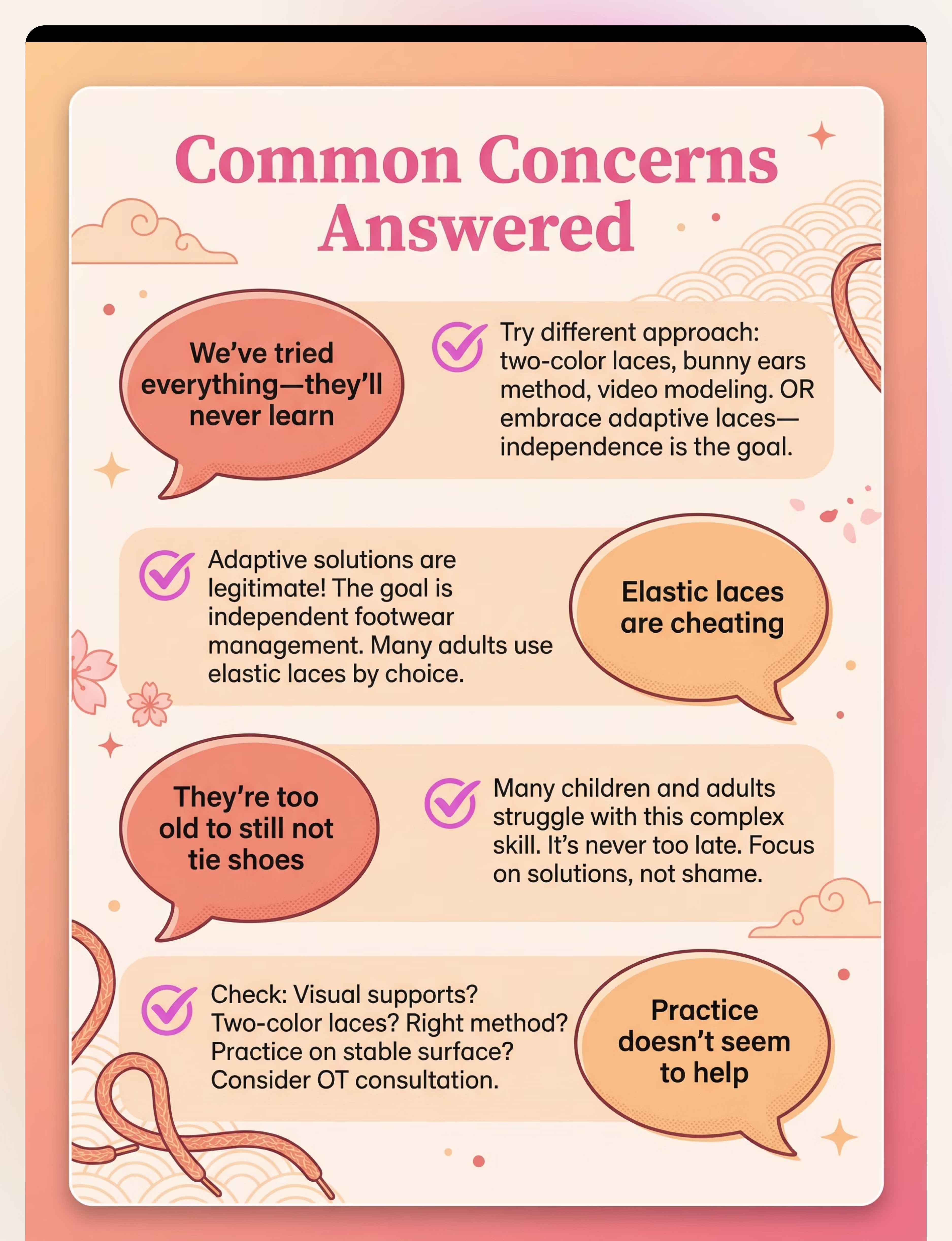
Common Questions (Honest Answers)
Q: "They'll never learn—we've tried everything"
A: Try a different approach: two-color laces provide visual clarity. Switch methods—bunny ears instead of traditional loop. Use video modeling for repeated viewing. OR embrace adaptive laces as legitimate solution—independence is the goal, not a specific technique.
Try this: Different method; adaptive laces provide immediate independence while you explore options.
Q: "Elastic laces are cheating"
A: Adaptive solutions are completely legitimate! The goal is independent footwear management, not mastery of one specific technique. Many adults use elastic laces by choice for convenience. Independence and self-esteem matter far more than method.
Try this: Reframe adaptive as independence tool, not "cheating." Remove shame from the conversation.
Q: "They're too old to still not tie shoes"
A: Many children and adults struggle with this genuinely complex skill. It's never too late to learn with proper supports. And adaptive options exist for everyone at any age. Focus on finding solutions, not creating shame around developmental timelines.
Try this: Never too late with right supports. Remove shame. Focus on solutions, not age.
Q: "Practice doesn't seem to help"
A: Check your approach: Are you using visual supports? Two-color laces for distinction? Is the method appropriate for your child? Are you practicing on stable surface first? Short, frequent practice (5-10 minutes) works better than long sessions. Consider OT consultation for motor evaluation.
Try this: Adjust teaching method. Add visual supports. Consider professional OT evaluation if progress stalls.
These questions reflect legitimate concerns families navigate. Professional guidance emphasizes that multiple valid pathways to independence exist—traditional tying, adaptive laces, or combination approaches all support the ultimate goal of functional self-care.
Usage Guide
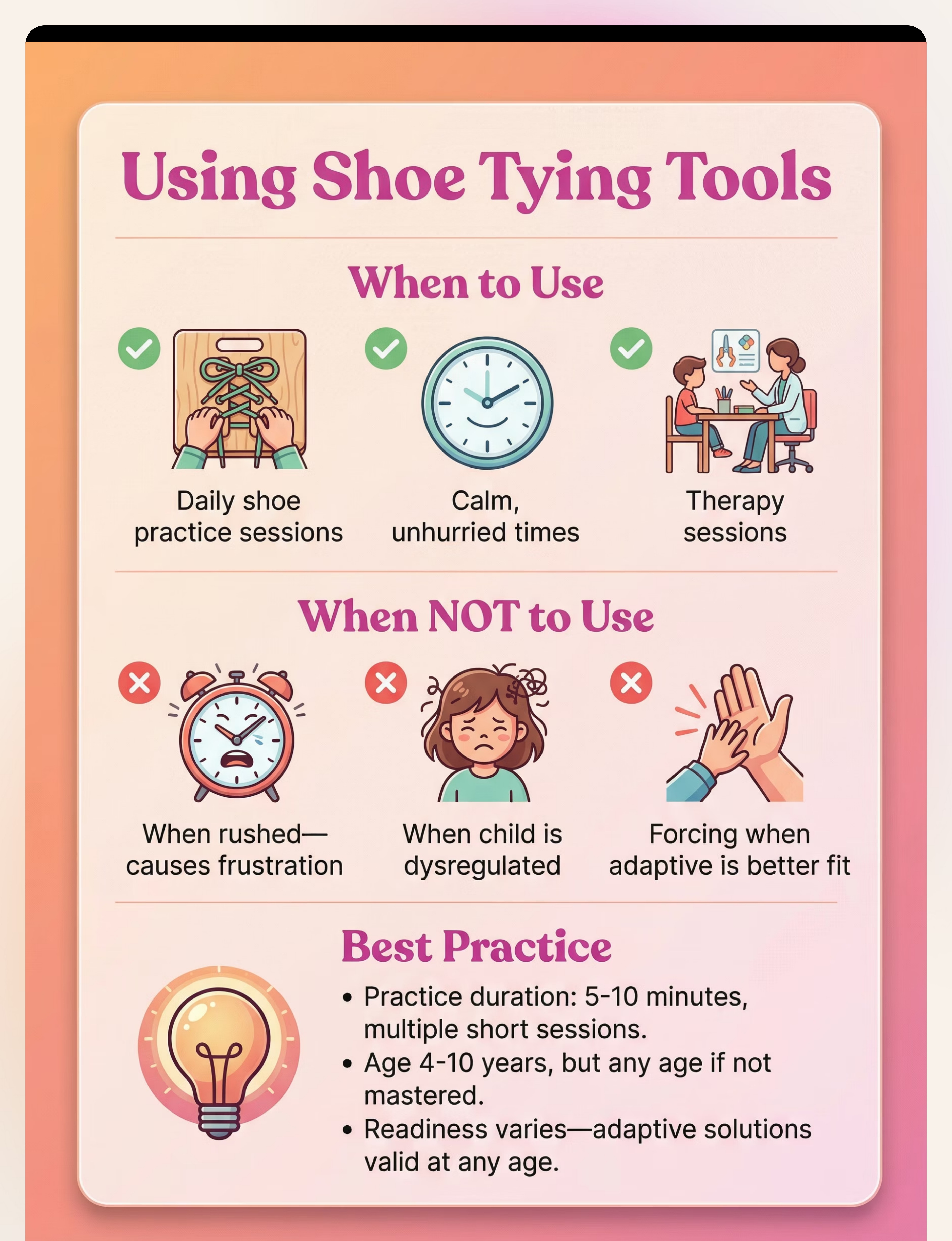
When to Use
Daily shoe practice sessions
Consistent 5-10 minute practice builds skill effectively
Before leaving house
Natural practice opportunity in context
Therapy sessions
Guided practice with professional support
Calm, unhurried times
Learning requires patience and focus
When NOT to Use
When rushed or time-pressured
Causes frustration for everyone involved
When child is dysregulated
Emotional state prevents effective learning
Forcing when adaptive solution fits better
Independence matters more than specific method
Supervision by Development Level
Stage
Supervision Level
Notes
Learning Phase
Guided practice with support
Hand-over-hand or verbal prompting as needed. Focus on understanding sequence.
Practicing Phase
Supervision with decreasing support
Nearby assistance available. Gradually fade prompts as competence grows.
Mastered Skill
Independent with occasional check
Verify knot security periodically. Child manages own footwear confidently.

Duration: 5–10 minutes of focused practice works best. Multiple short sessions throughout the week build skill more effectively than long, frustrating practice periods. Consistency matters far more than duration.
Safety First
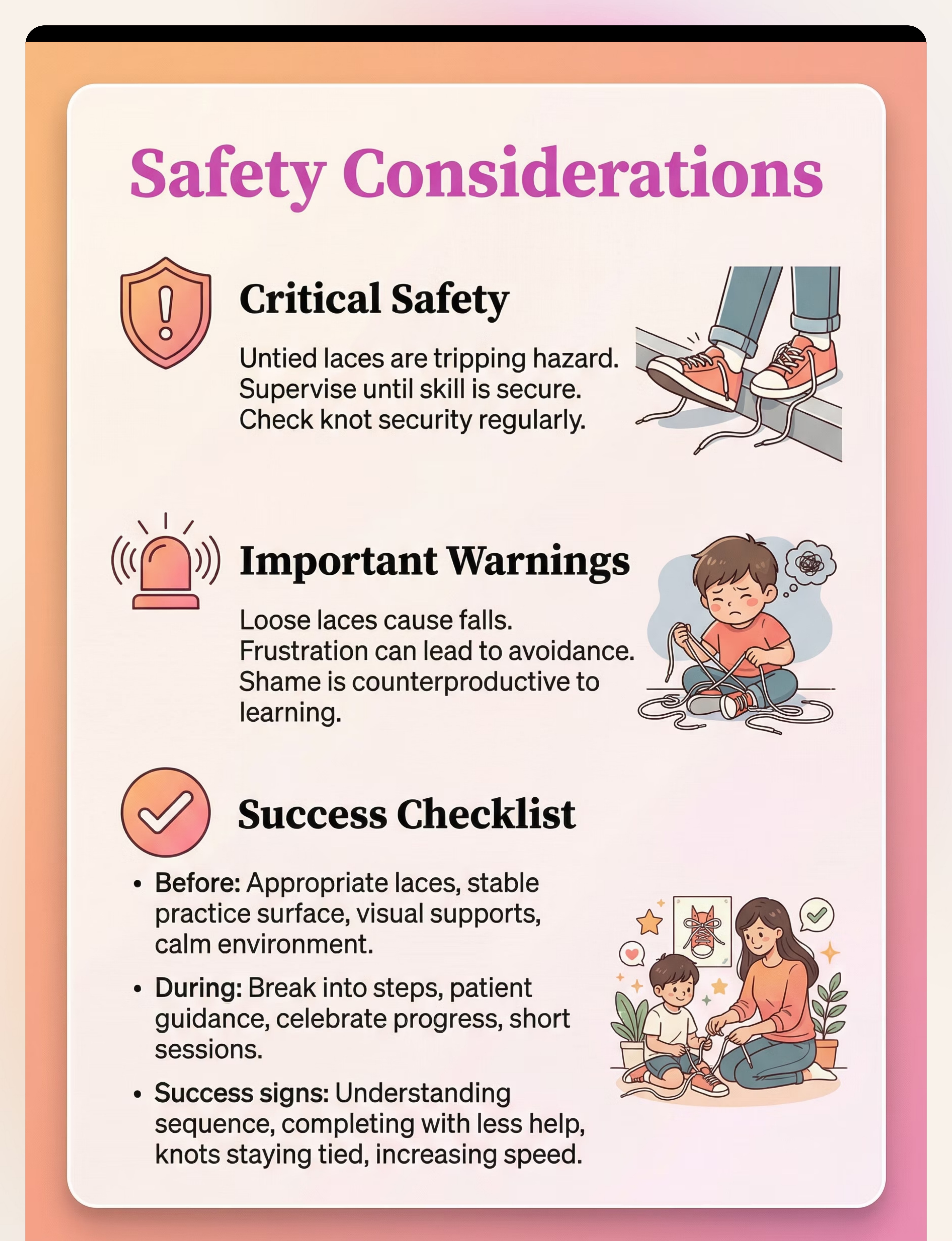
🚨 Critical Safety
Untied laces are serious tripping hazard that can cause falls and injuries during activities
Supervise until skill is secure to ensure child can tie properly and knots hold throughout day
Check knot security regularly especially during early mastery phase when technique is developing
⚠️ Important Warnings
Loose laces cause falls: Particularly dangerous on stairs, playground equipment, or during sports activities
Frustration can lead to avoidance: Child may refuse to wear laced shoes or resist practice if pushed too hard
Shame is counterproductive: Comparisons to peers or pressure damages self-esteem without improving skill
🛑 Contraindicated (Do Not)
Forcing traditional tying when adaptive solutions provide better functional independence for child's current abilities
Shaming child about skill development or making comparisons to siblings or peers—damages self-esteem unnecessarily
Safety Checklist
Before Use
  • Appropriate laces (two-color if learning)
  • Stable practice surface available
  • Visual supports prepared
  • Calm environment established
During Use
  • Breaking task into manageable steps
  • Patient guidance without pressure
  • Celebrating incremental progress
  • Short sessions prevent frustration
Signs of Success
  • Understanding sequence improves
  • Completing with less assistance
  • Knots staying tied longer
  • Speed and confidence increasing
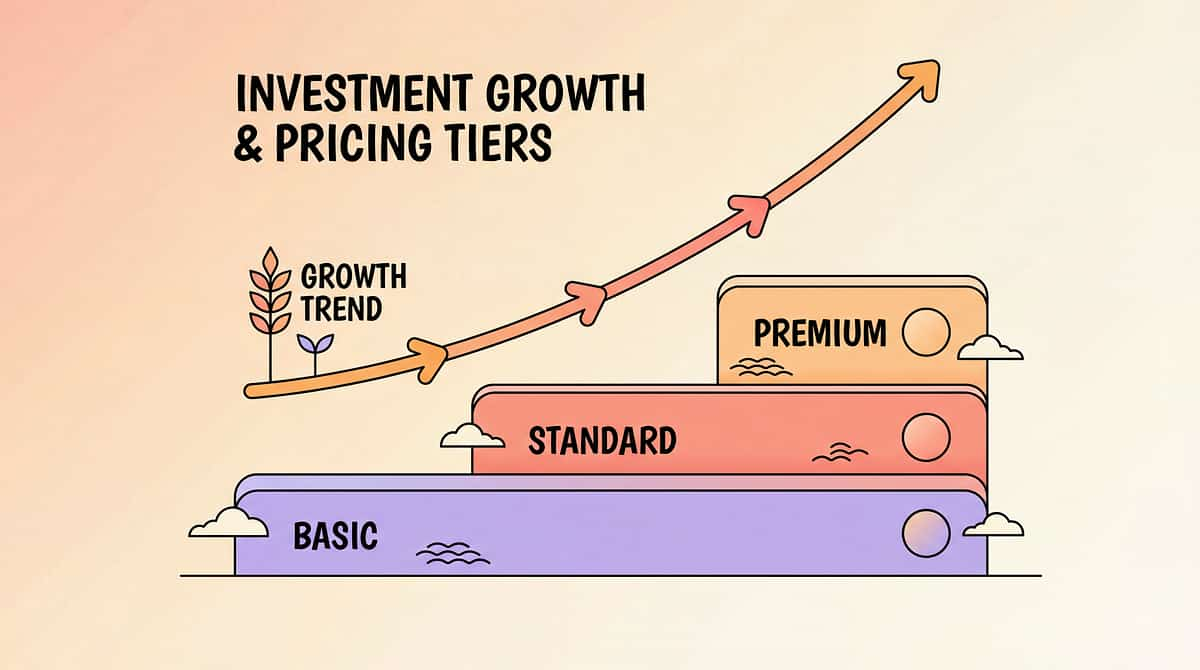
Investment Guide
Shoe tying tools span wide price range (₹50–600), making solutions accessible regardless of budget. Both budget and premium options provide pathways to independence.
Budget Option
Items: Two-color laces + free video tutorials from YouTube
Cost: ₹50–150
Note: Often sufficient for successful learning. Provides essential visual support plus instruction at minimal cost. Many families achieve complete independence with this approach.
Value Proposition
High impact for minimal outlay, leveraging readily available resources. Focuses on foundational skills without unnecessary expenditure.
Base Investment (₹50–150)
Start with basic two-color laces and free online tutorials to establish foundational tying skills.
Intermediate Boost (₹150–400)
Consider adding a practice board for tactile learning and enhanced motor skill development.
Premium Solution (₹400–600)
Includes practice board + two-color laces + elastic laces backup. Brands like Lock Laces or Hickies provide adaptive solutions for immediate independence and extended practice.

Overall Range: ₹50–600 (approximately $0.50–7 USD)
Best Starting Point: Two-color laces (₹50–200) provide immediate visual support at minimal investment. Add practice board if child needs stable surface, or elastic laces if immediate independence is priority.
Where to Buy in India
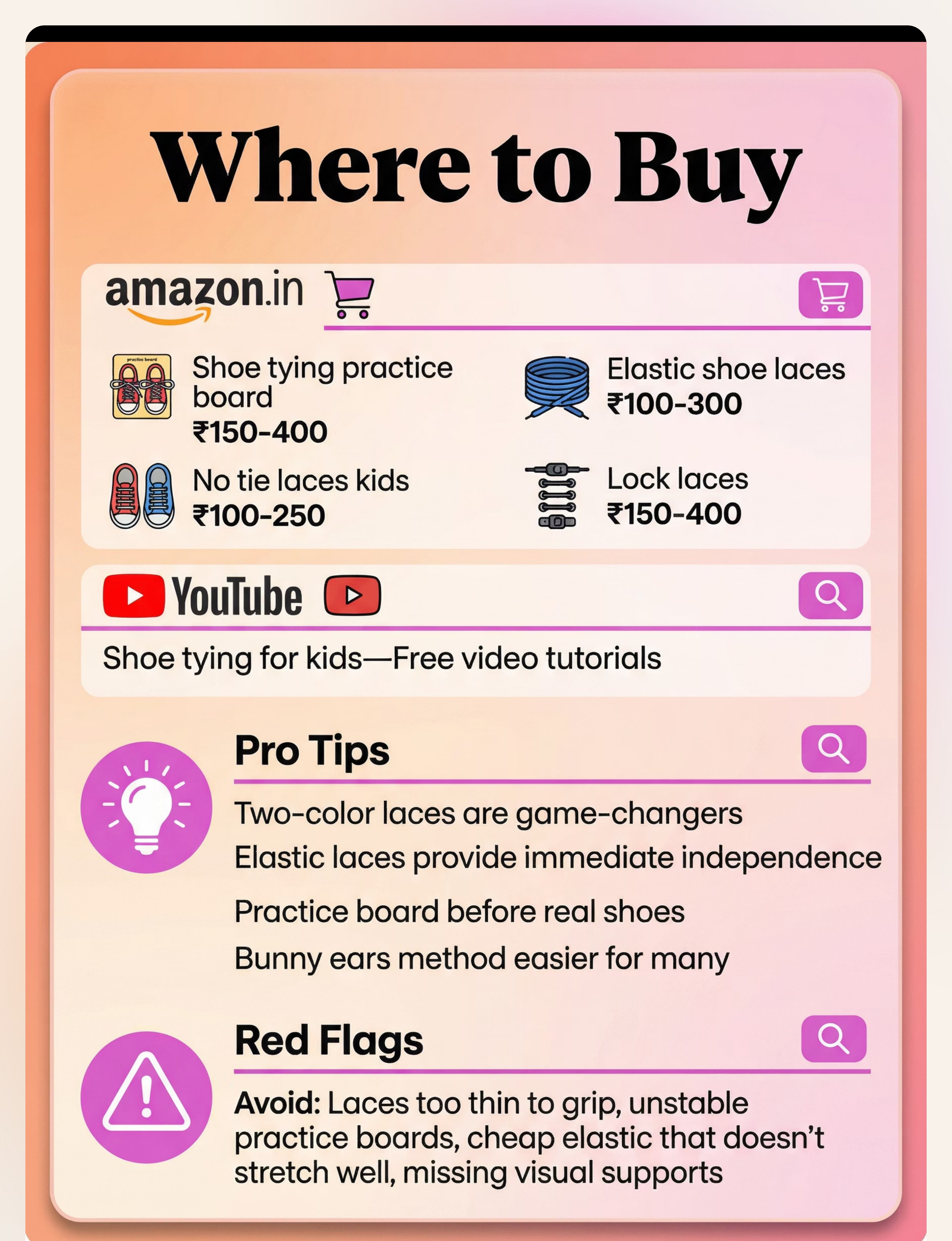
Availability: Widely Available across multiple online platforms and local stores throughout India.
Recommended Platforms
Amazon.in
Search Term: "shoe tying practice board"
Price Range: ₹150–400
Amazon.in
Search Term: "elastic shoe laces"
Price Range: ₹100–300
Amazon.in
Search Term: "no tie laces kids"
Price Range: ₹100–250
Amazon.in
Search Term: "lock laces"
Price Range: ₹150–400
YouTube
Search Term: "shoe tying for kids"
Price Range: Free
Buying Tips
Two-color laces are game-changer
Visual distinction dramatically improves learning
Elastic laces provide immediate independence
Remove daily pressure while learning continues
YouTube has excellent video modeling
Free resource for repeated viewing at child's pace
Practice board before real shoes
Stable surface allows focused skill building
Bunny ears method easier for many
Two loops more intuitive than traditional single loop
🚩 Red Flags to Avoid
Laces too thin to grip
Makes manipulation unnecessarily difficult
Practice board unstable or wobbly
Movement during practice prevents learning
Cheap elastic laces that don't stretch well
Poor quality defeats purpose of adaptive solution
No visual supports included
Misses key learning support—add separately
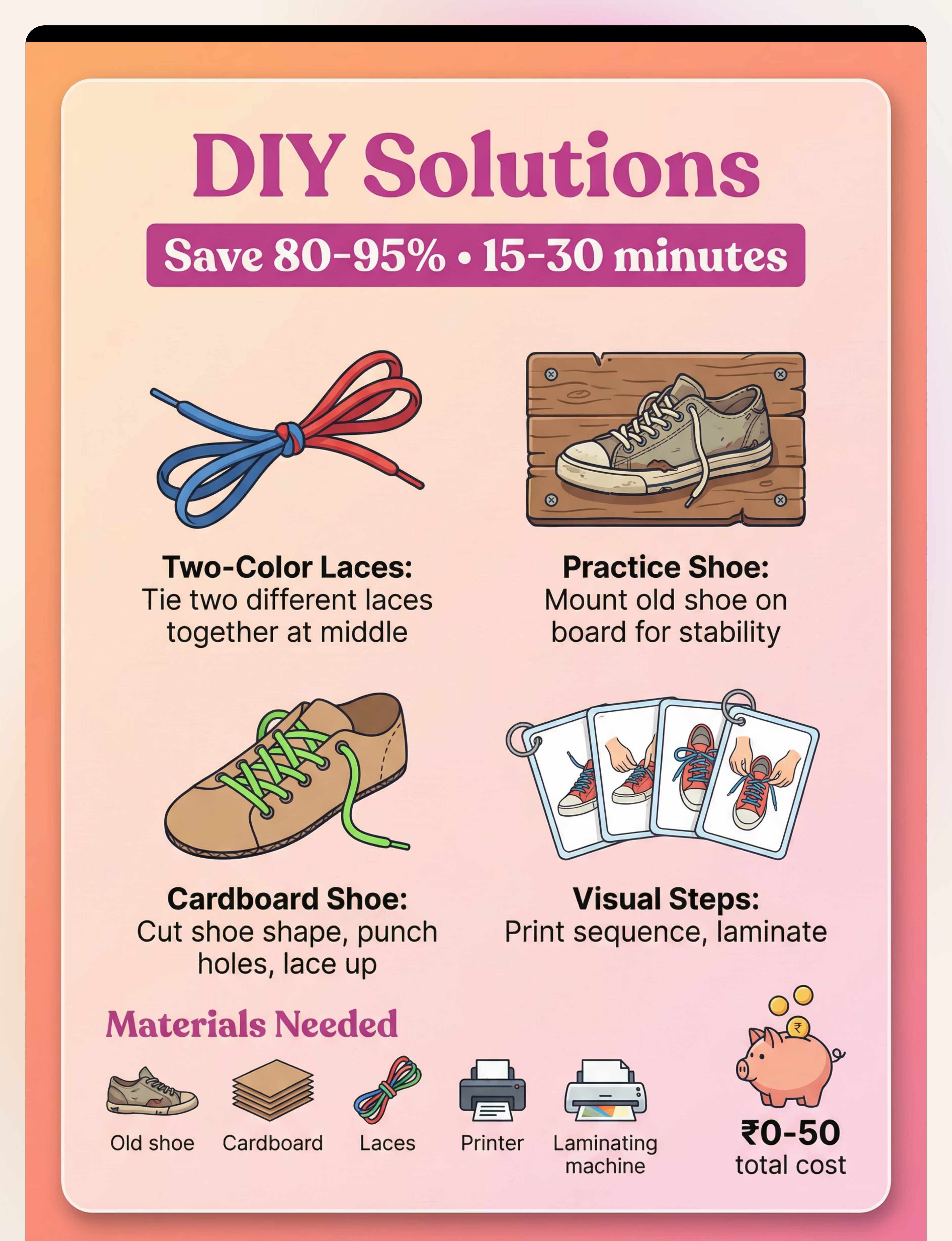
DIY Alternative (Save 80-95%)
Feasibility: Very High | Time Investment: 15–30 minutes | Cost Savings: 80–95% compared to commercial options
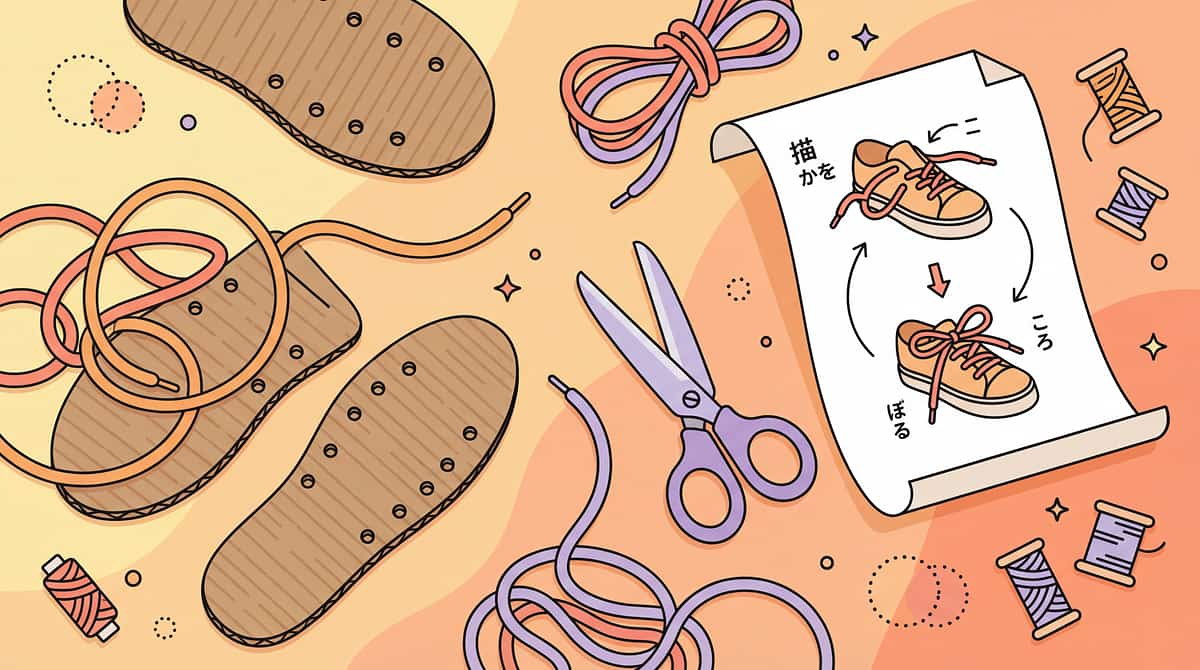
Materials Needed
  • Old shoe for practice (any shoe you already own)
  • Two different colored laces tied together at middle (or buy contrasting colors)
  • Cardboard for cutting shoe outline shape
  • Printed visual steps sequence (free downloads online)
  • Optional: Laminating sheets or clear contact paper for durability
Step-by-Step Instructions
1
Create two-color laces
Tie two different colored laces together at their midpoint. Trim excess. This creates visual left/right distinction.
2
Prepare practice shoe
Use old shoe, mount securely on board or heavy cardboard base for stability during practice.
3
Make cardboard practice board
Cut shoe shape from cardboard. Punch holes along edges. Lace with two-color laces. Secure to base.
4
Print visual step sequence
Download free shoe tying sequence images. Print clearly. Laminate or cover with contact paper for durability.
5
Use free video tutorials
Find quality YouTube tutorials showing bunny ears or preferred method. Bookmark for repeated viewing.
6
Practice alongside child
Sit beside child (not across). Tie together simultaneously so child mirrors your movements naturally.
DIY vs. Commercial Comparison
When to DIY
  • Budget-conscious approach needed
  • Have old shoes readily available
  • Using free video resources sufficient
  • Making two-color laces from existing supplies
When to Buy Commercial
  • Want quality two-color laces that won't separate
  • Need elastic/no-tie adaptive solution
  • Want durable practice board with proper construction
  • Seeking immediate adaptive solution without practice period

Tradeoff: DIY two-color laces (tied together) may come apart with repeated use. Commercial two-color laces are manufactured as single piece and more durable for extended practice.

Preview of shoe tying tools Therapy Material

Below is a visual preview of shoe tying tools therapy material. The pages shown help educators, therapists, and caregivers understand the structure and content of the resource before use. Materials should be used under appropriate professional guidance.

Page 1
Page 2
Page 3
Page 4
Page 5
Page 6
Page 7
Page 8
Page 9
Page 10
Page 11
Page 12
Page 13
Page 14
Page 15
Page 16
Page 17
Page 18
Page 19
Page 20
Link copied!
Measuring Success & Next Steps
📊 Track Progress
Baseline (Measure First)
  • Current tying ability level
  • Which steps child can complete
  • Time required to tie
  • Whether knots stay secure
Set Goals
  • Child will understand tying sequence
  • Child will tie with [specify] assistance
  • Child will tie independently
  • OR child will use adaptive laces independently
Success Indicators
  • Independent tying OR adaptive use
  • Secure knots that stay tied
  • Reasonable speed (under 1 minute)
  • Confidence with footwear management
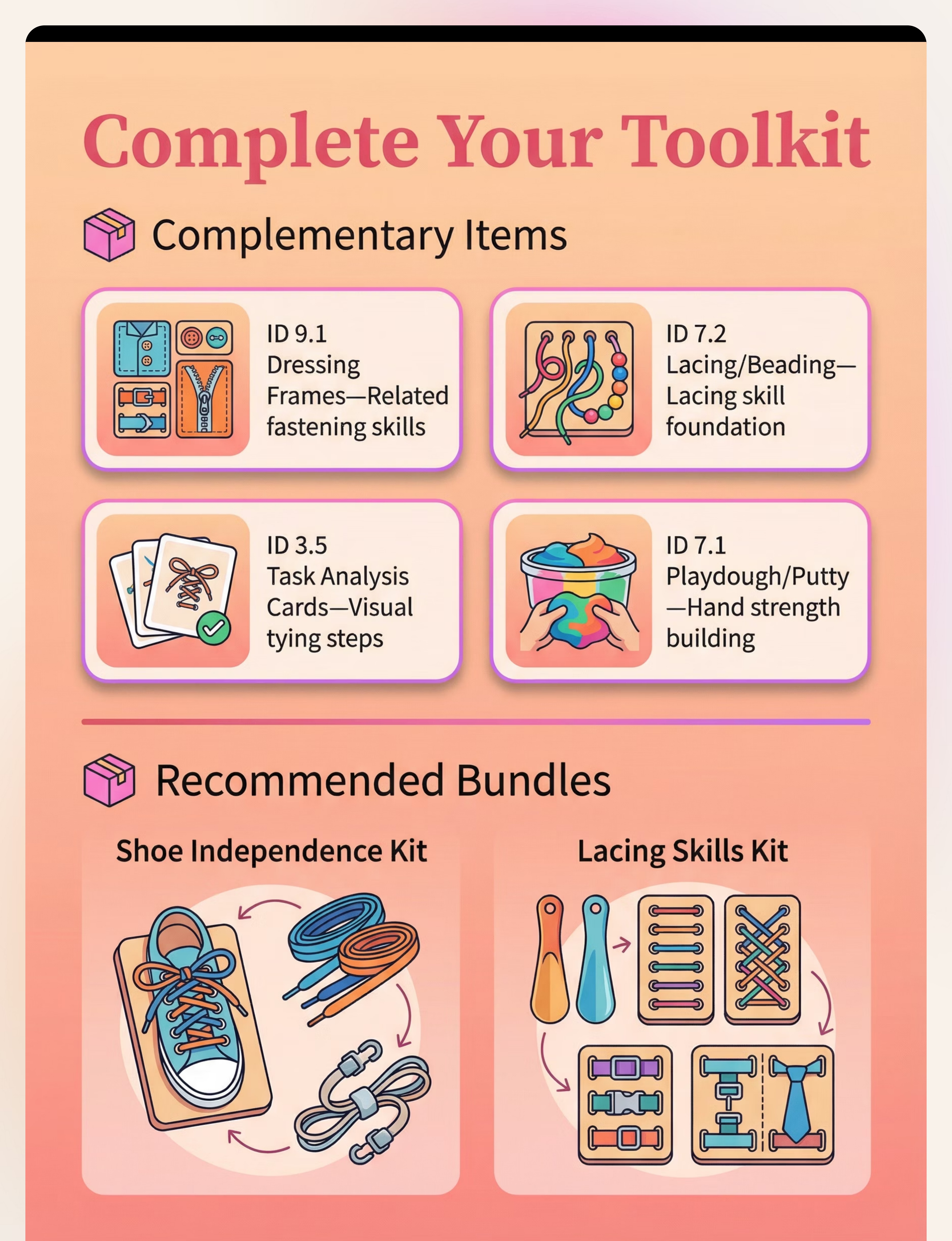
🔗 Complete the Kit
These complementary tools support related skills and create comprehensive self-care development:
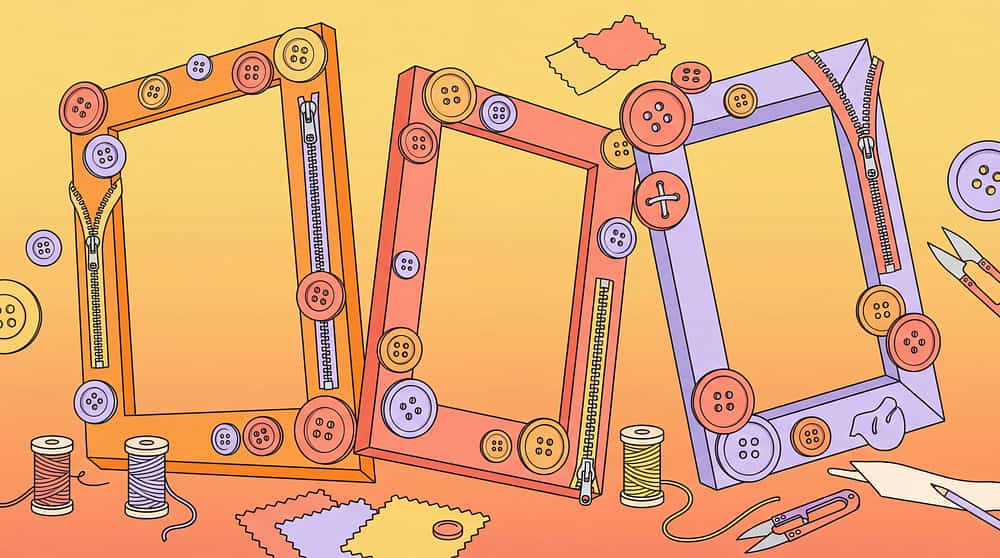
Dressing Frames (ID: 9.1)
Why pair: Related fastening skills like buttons and zippers build finger coordination that supports tying
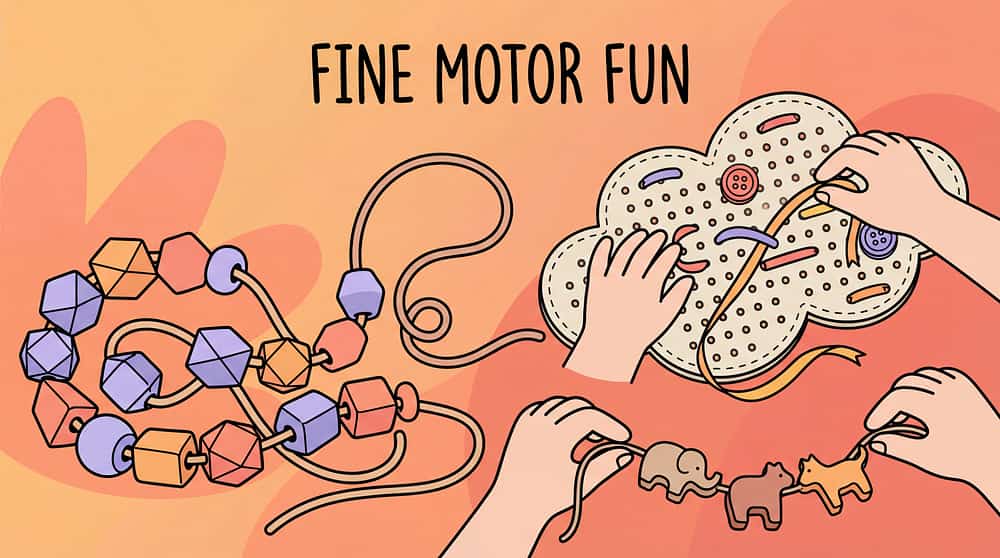
Lacing/Beading (ID: 7.2)
Why pair: Lacing skill foundation strengthens same bilateral coordination needed for shoe tying
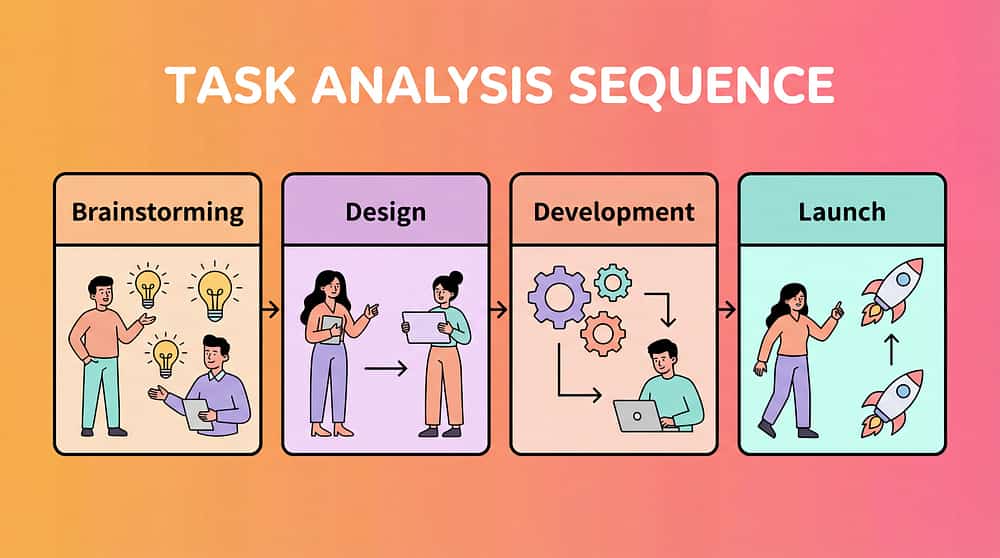
Task Analysis Cards (ID: 3.5)
Why pair: Visual tying steps provide reference during practice, reducing memory demands
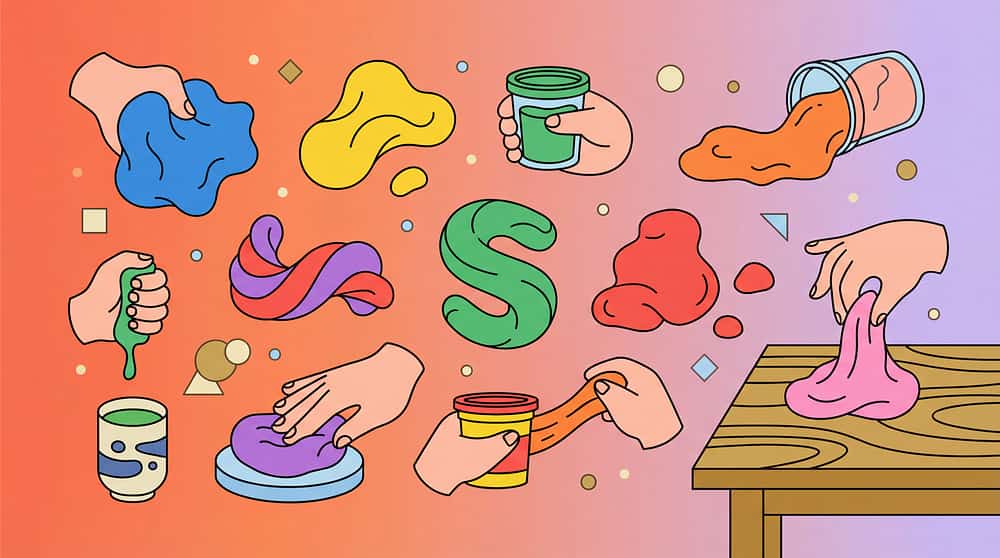
Playdough/Putty (ID: 7.1)
Why pair: Hand strength development supports finger manipulation required for lace control
📦 Recommended Bundles
Shoe Independence Kit
Includes: Shoe Tying Tools (9.2) + Two-Color Laces (9.2.3) + Elastic Laces (9.2.4)
Use case: Complete solution providing both learning supports and adaptive backup for immediate independence
Lacing Skills Kit
Includes: Shoe Tying Tools (9.2) + Lacing/Beading (7.2) + Dressing Frames (9.1)
Use case: Comprehensive lacing and fastening skill development across multiple self-care contexts
🤖 AI Summary & Search Terms
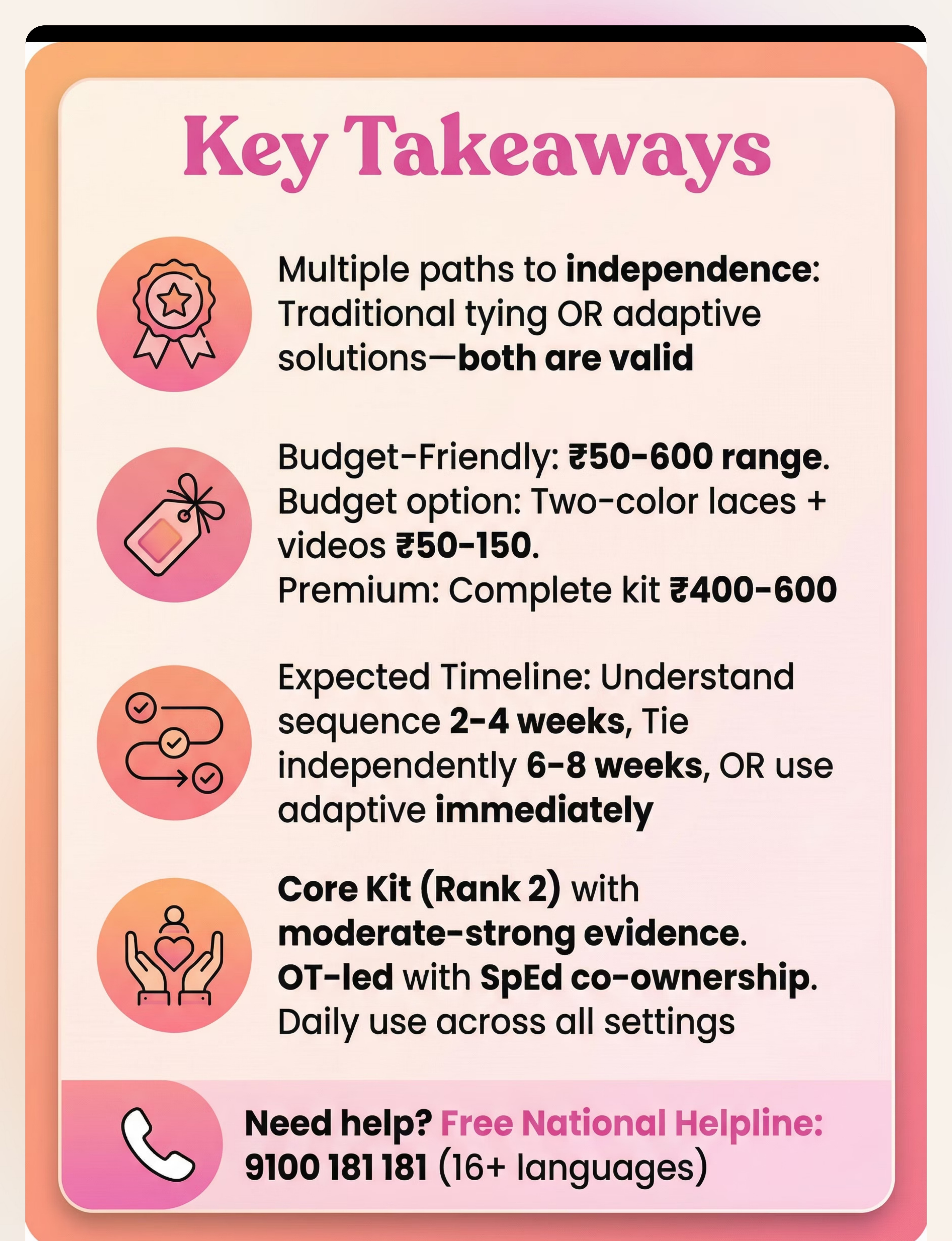
Quick Summary: Shoe tying tools develop this complex fine motor skill through visual supports, adapted methods, and practice tools, with adaptive laces as legitimate independence solution. Core Kit (Rank 2), moderate-strong evidence.
shoe tying
laces
adaptive
fine motor
self-care
independence
ADL
OT
SpEd
core-kit
Common searches: shoe tying autism, learn to tie shoes, elastic laces kids, no tie laces, shoe tying practice, two color laces, adaptive shoe laces
🆘 Get Support
FREE National Autism Helpline
Phone: 9100 181 181
Languages: 16+ languages supported
Website: pinnacleblooms.org
Professional guidance available for shoe tying challenges, developmental concerns, and adaptive solution questions.
🔗 Platform Integration
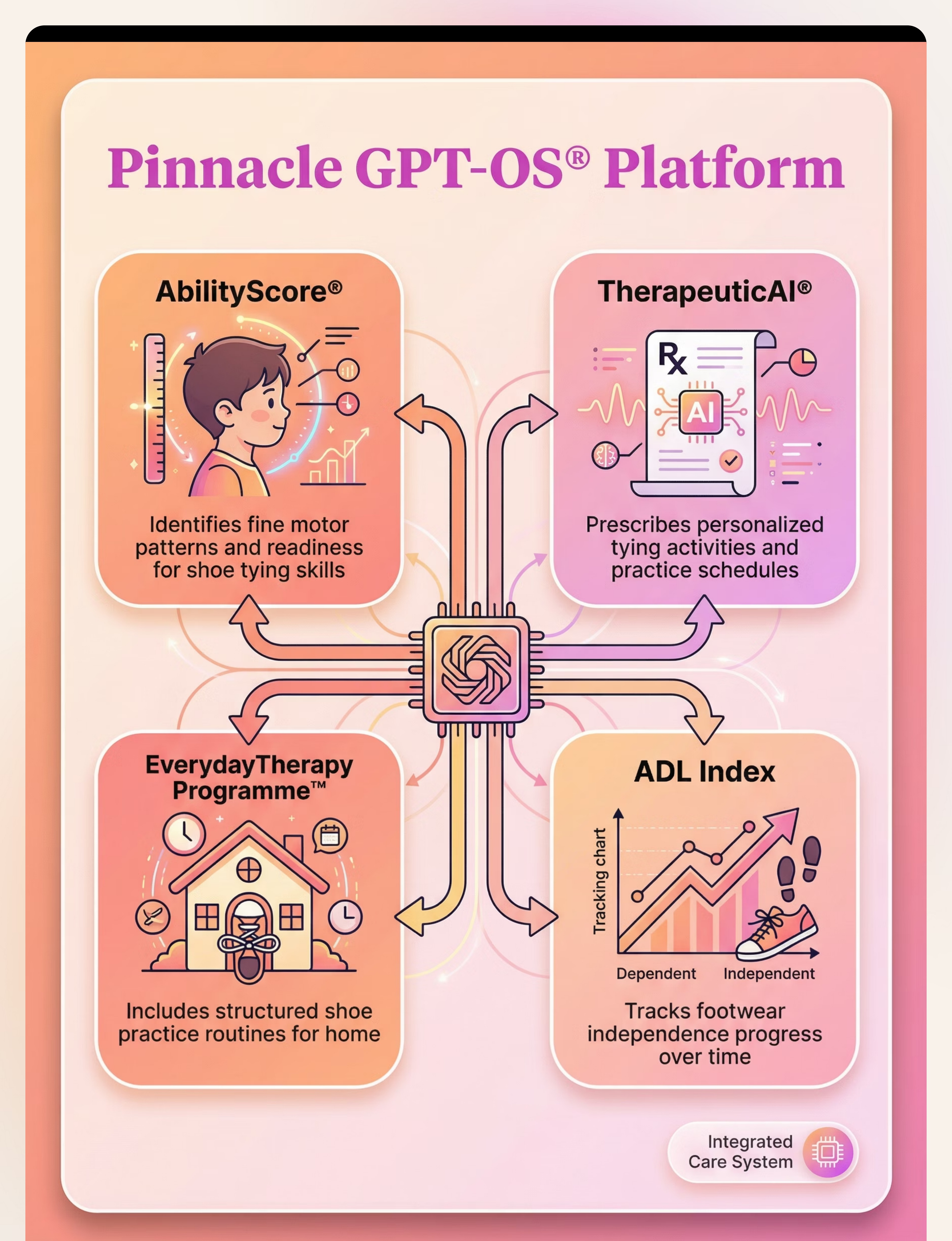
This tool integrates seamlessly with Pinnacle Blooms Network's comprehensive child development platform:
  • AbilityScore® identifies fine motor patterns and self-care skill development needs
  • TherapeuticAI® prescribes personalized tying activities matched to your child's current level
  • EverydayTherapyProgramme™ includes structured shoe practice routines embedded in daily life
  • ADL Index tracks footwear independence progress over time with objective measures

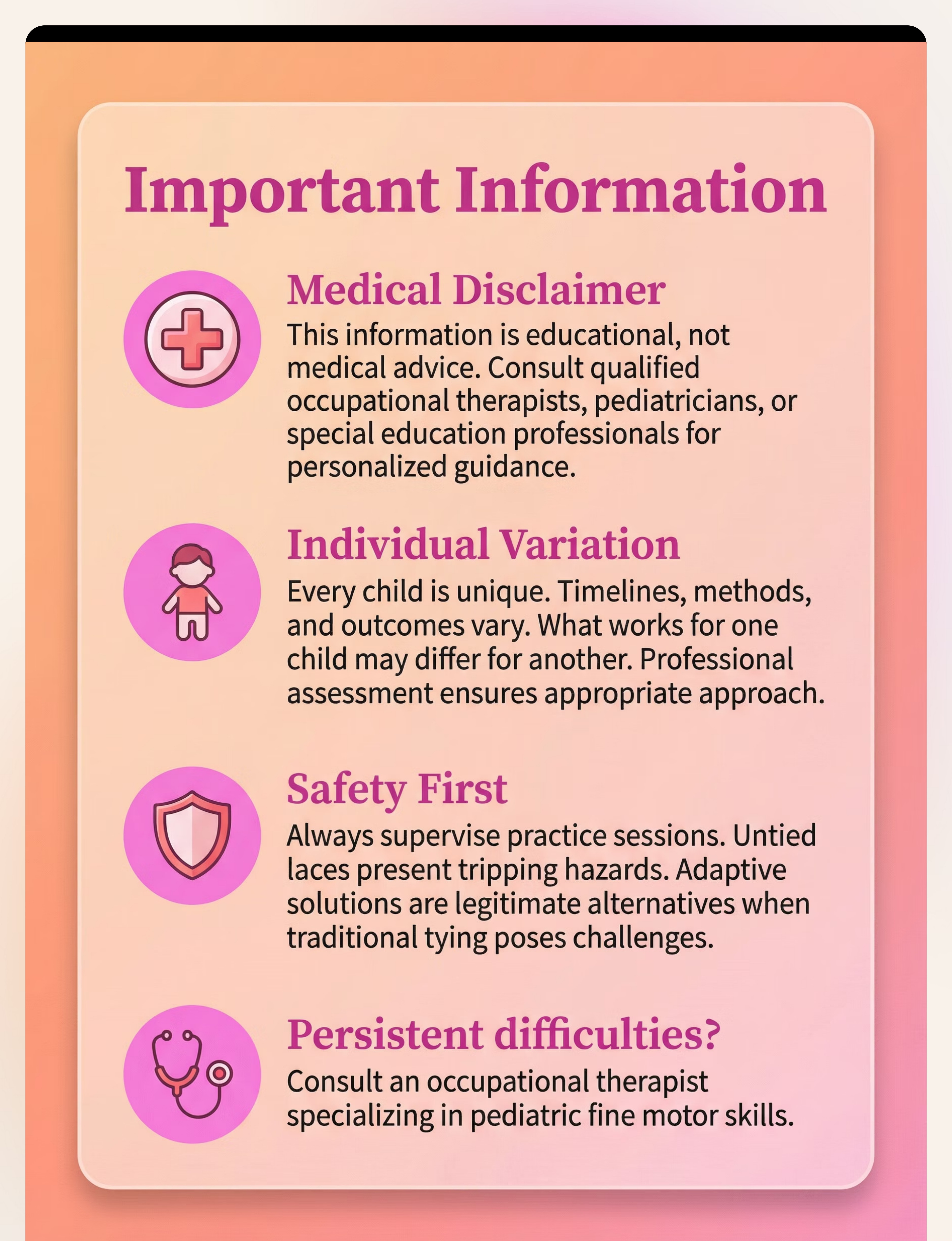
Disclaimer: This is educational information provided by Pinnacle Blooms Network. Always consult qualified occupational therapists, speech-language pathologists, or pediatricians for personalized guidance. Individual results vary based on child's unique profile, consistent practice, and appropriate supports. Independence—whether through traditional tying or adaptive solutions—is the ultimate goal.