

Tool ID: 8.2
SpEd + OT
Strong Evidence
Rank #1
Daily Use
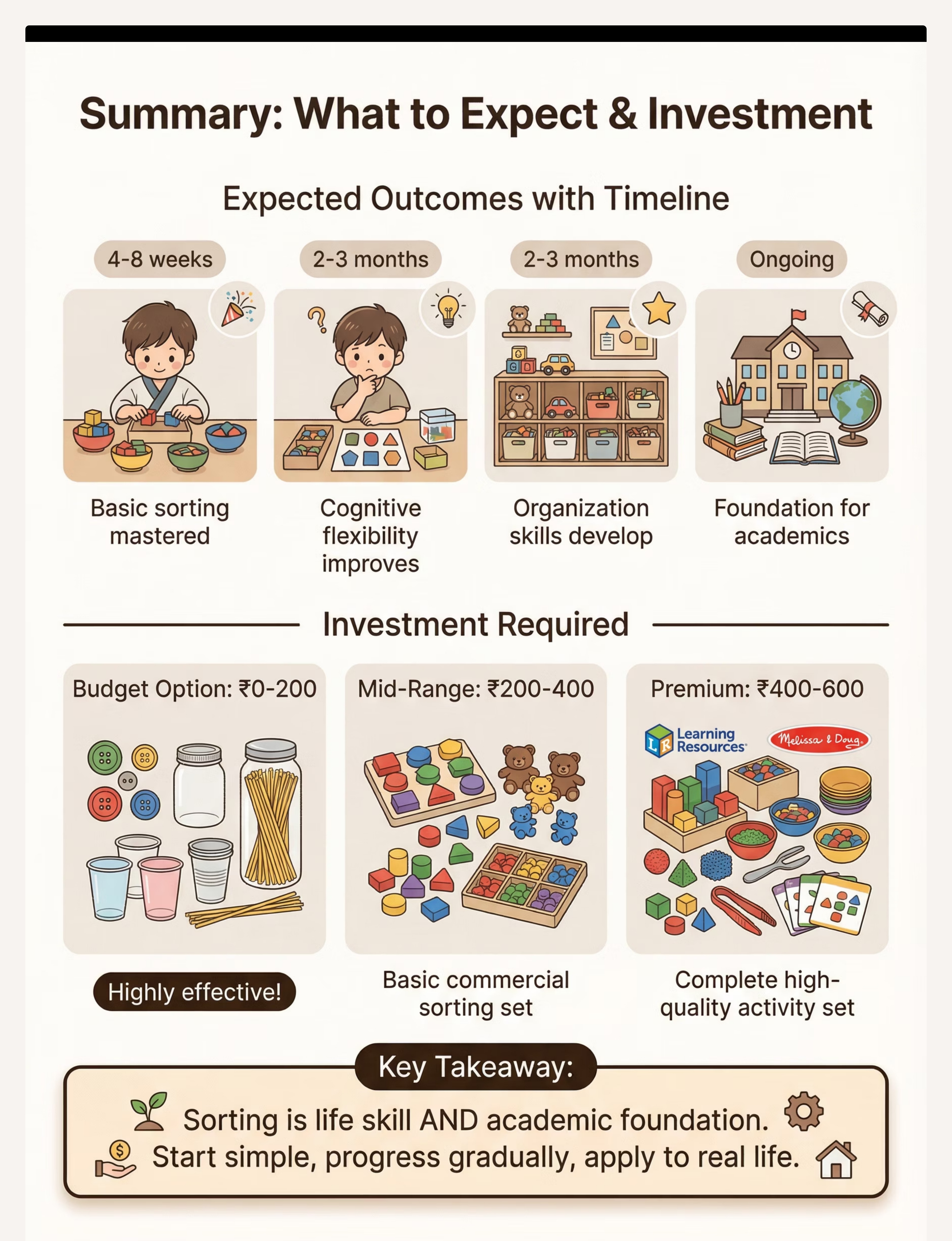
₹0–600
Sorting Activities / Categorization
Classification and categorical reasoning system
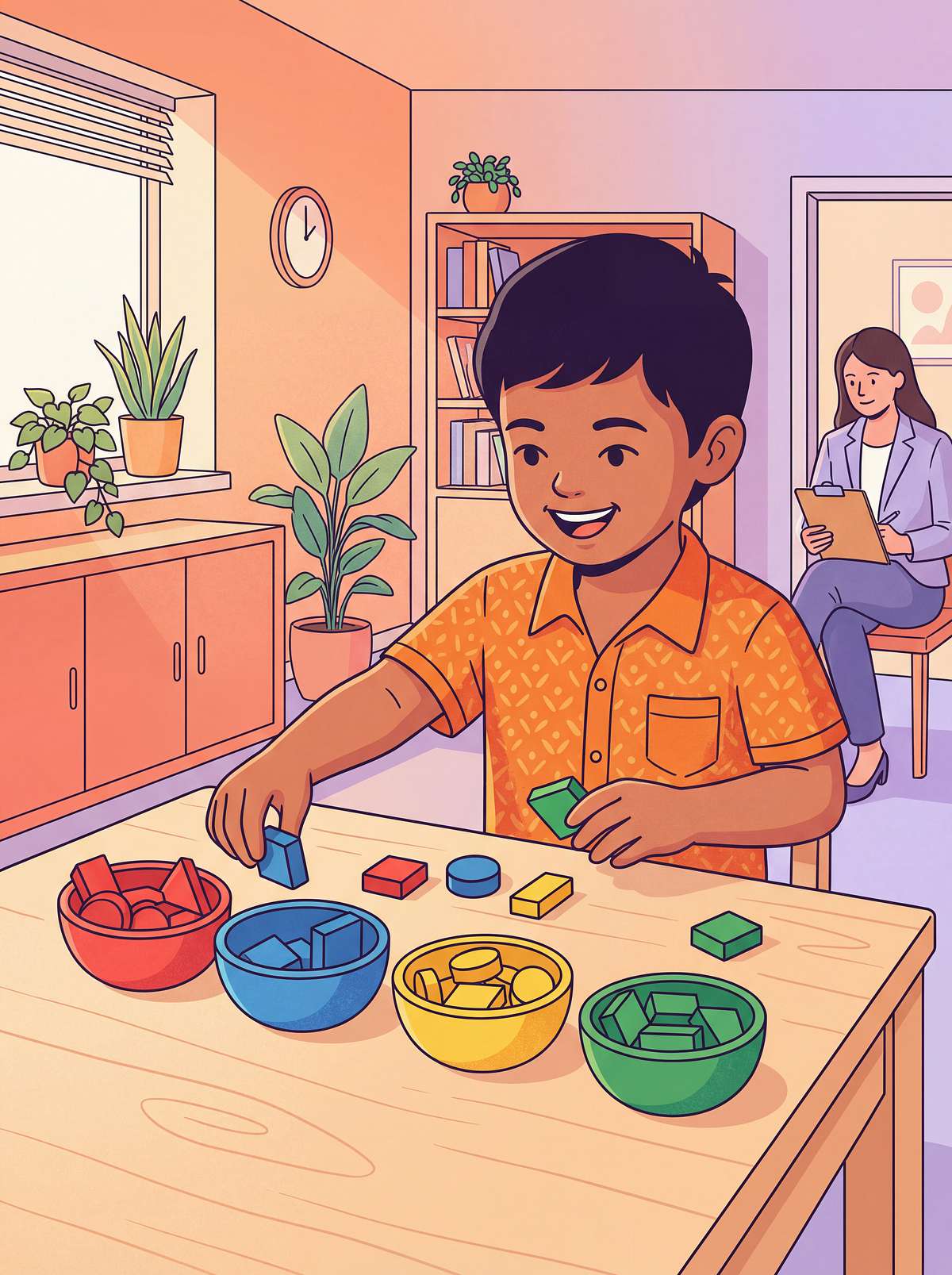
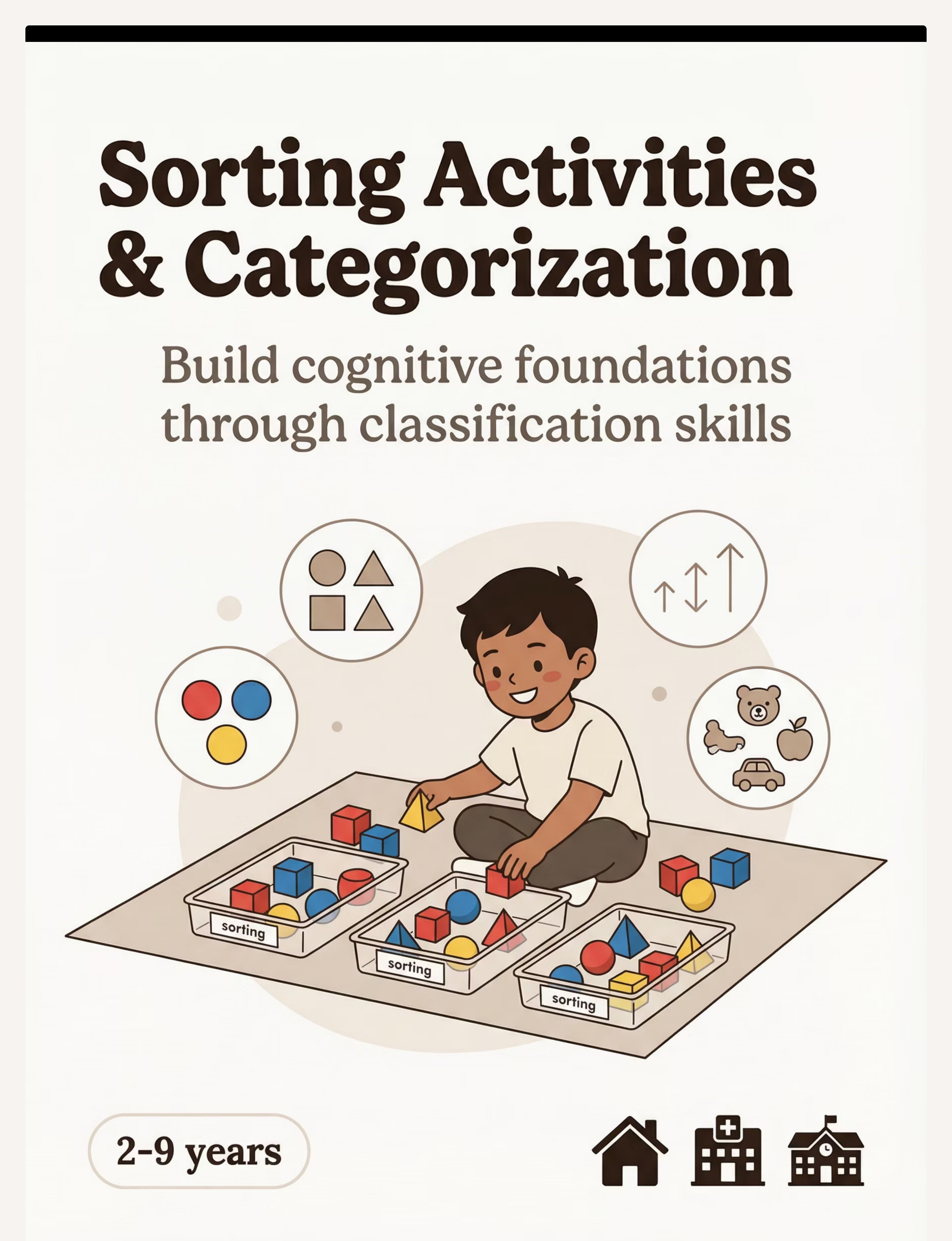
Develop your child's ability to organize, categorize, and think systematically through engaging sorting activities. From simple color matching to complex classification, these foundational skills build the cognitive structures essential for academic learning and daily independence.

Who This Helps
Sorting activities systematically develop categorization, classification, and conceptual thinking through hands-on practice. These skills form the foundation for organized thought, academic success, and practical life skills like organizing belongings and completing household tasks.
Categorization
Classification
Attribute Recognition
Cognitive Flexibility
Organization
Conceptual Thinking
Ages 2-9 years
Home
Clinic
School
Outdoors
Children struggling with categorization and classification
Building foundational cognitive structures for understanding how things relate and belong together
Kids who need organized thinking development
Learning to see patterns, recognize attributes, and create meaningful groups
Children developing flexibility in thinking
Building ability to shift perspectives and re-categorize based on different criteria
Does This Sound Familiar?
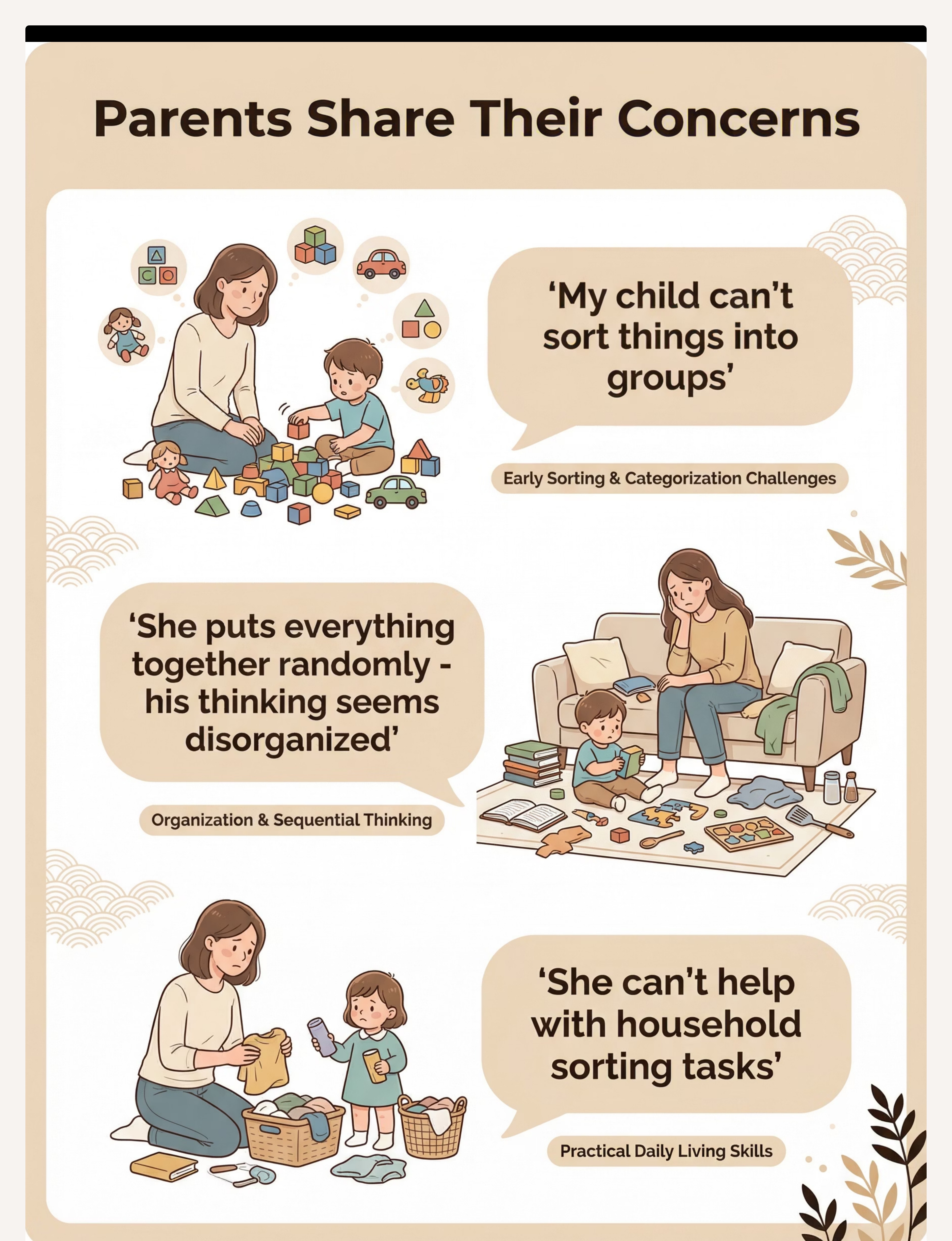
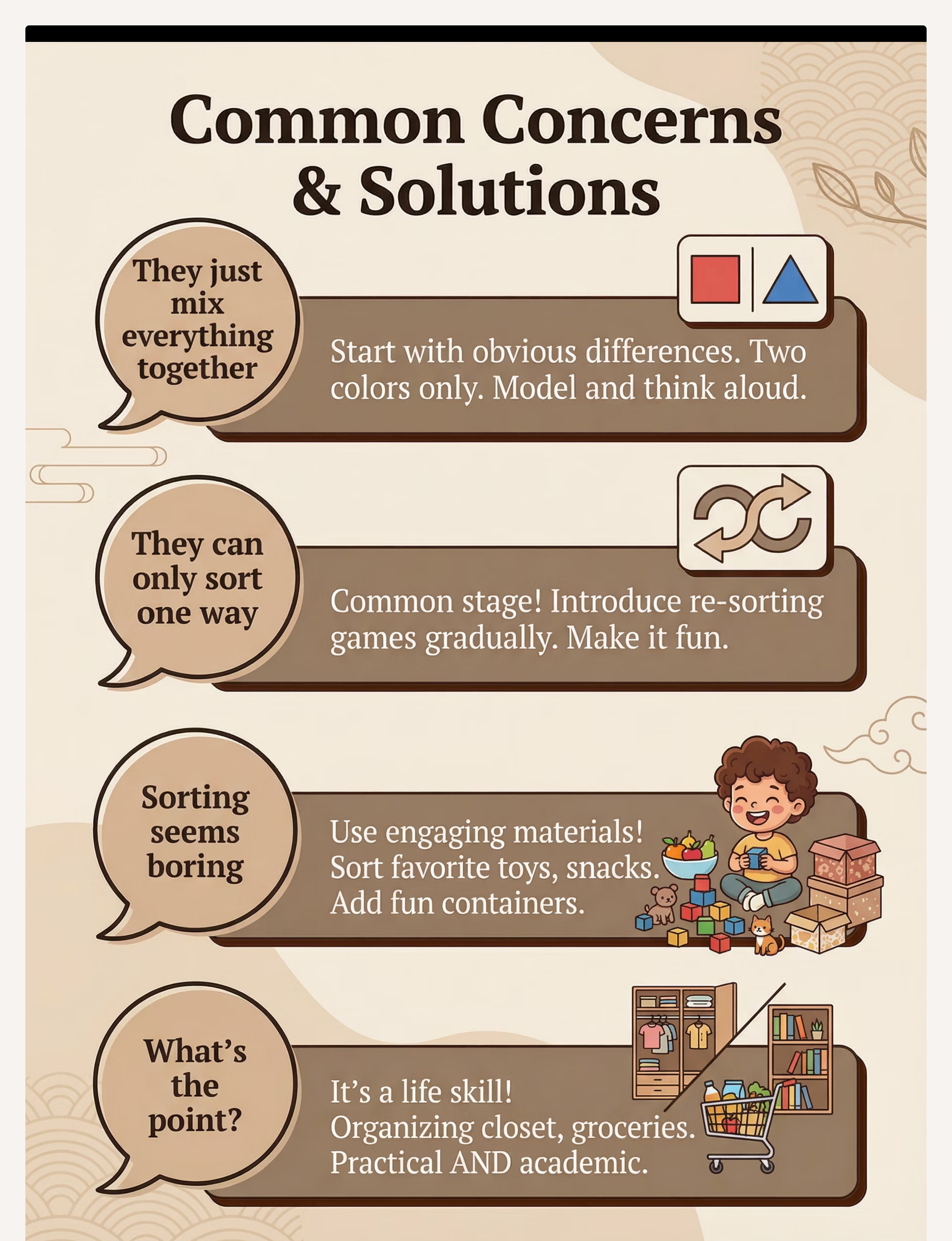
"My child can't sort things into groups. Everything just gets mixed together randomly."
"She doesn't understand categories. When I say 'put the animals together,' she looks confused."
"He can't organize anything. His thinking seems disorganized, and his room is always chaos."
"She puts everything together randomly. There's no system, no understanding of what belongs where."
You're not alone. These are common challenges when categorization skills are still developing. The good news? Sorting activities provide a clear, structured path to building these essential cognitive foundations.

A Day Without the Right Support
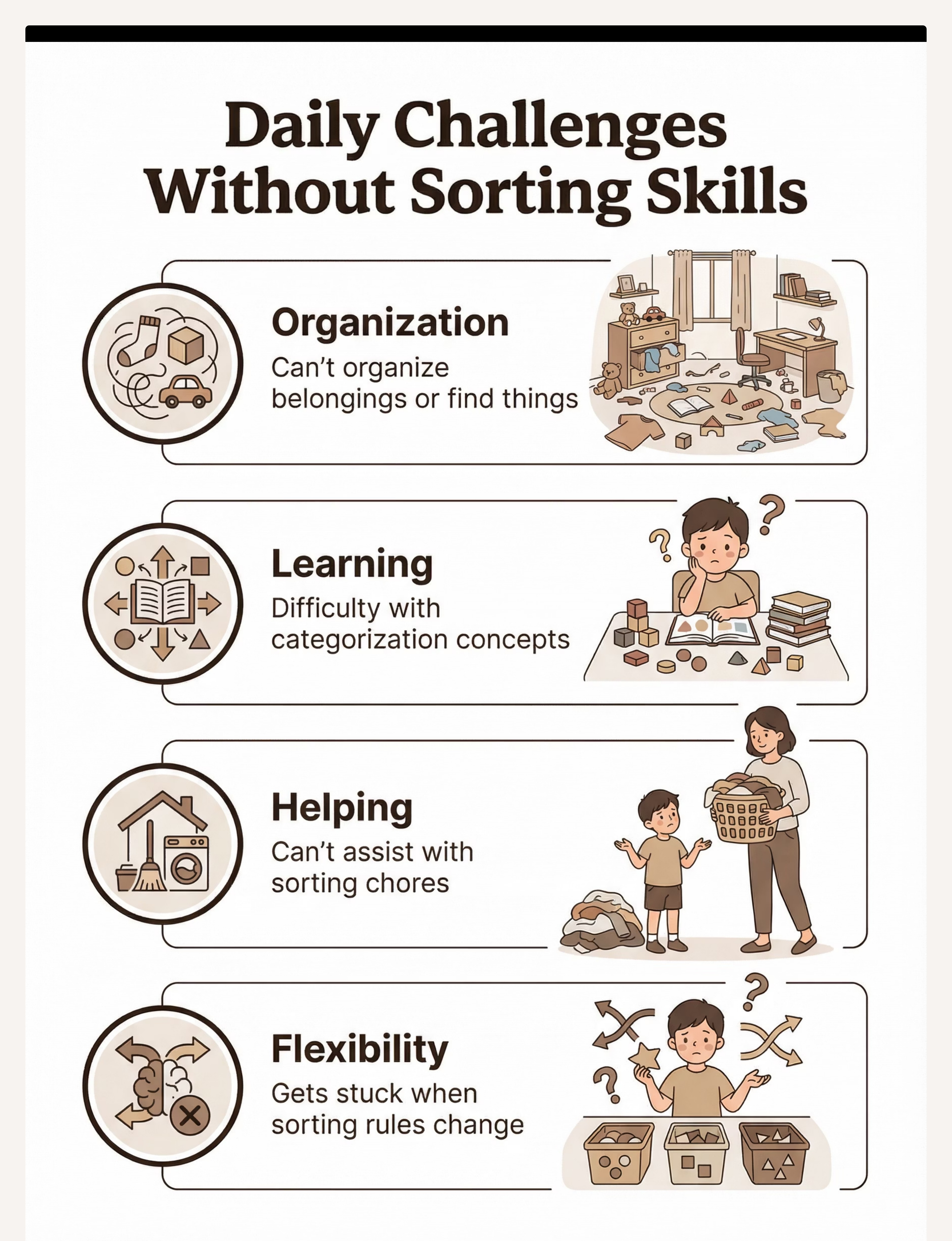
Organization Struggles
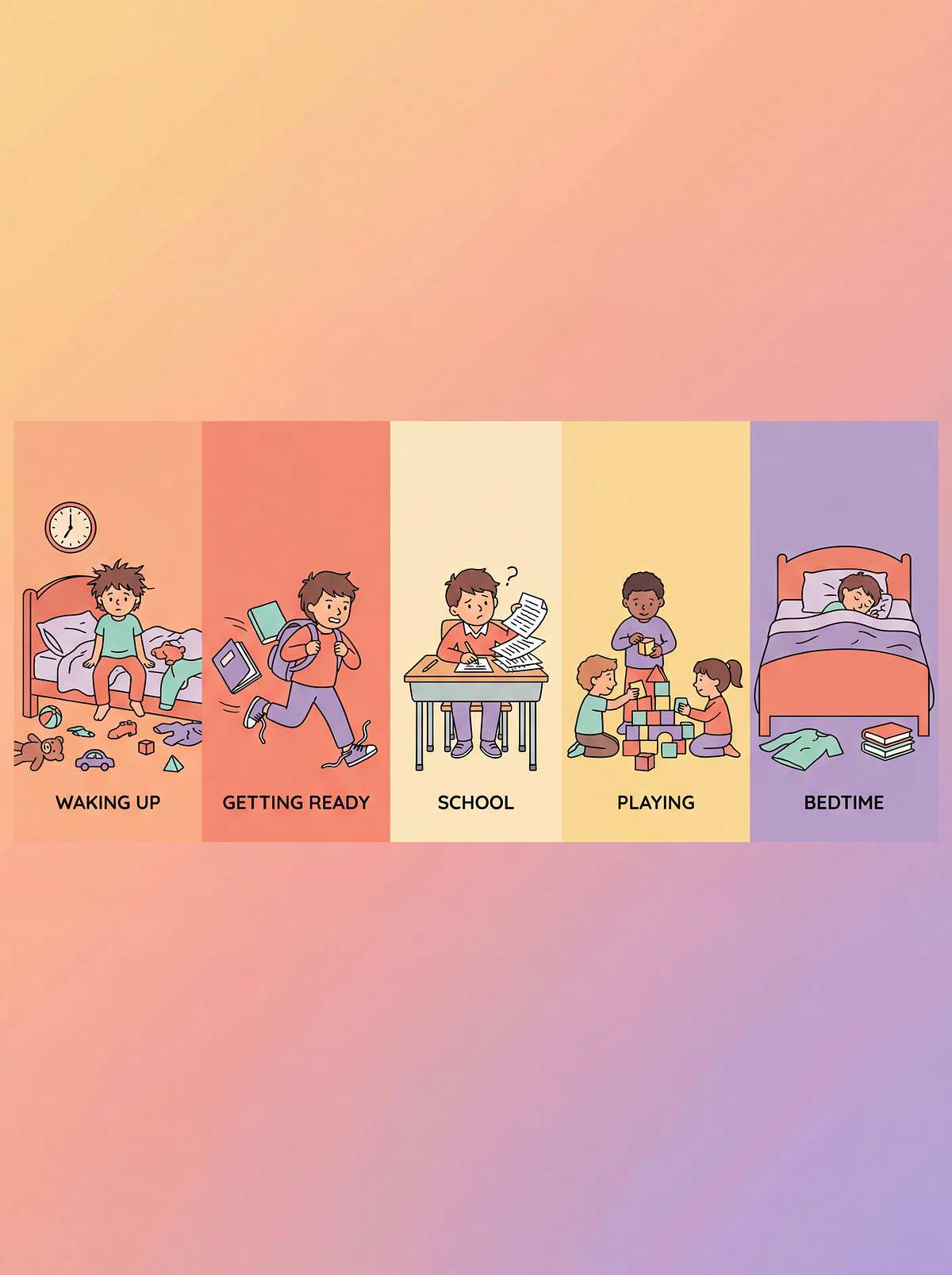
Morning begins with chaos. Your child can't organize belongings, can't find matching socks, can't put toys where they belong. Everything feels random and overwhelming.
Learning Barriers
At school or therapy, categorization concepts feel impossible. "Group the animals" or "sort by color" instructions lead to confusion and frustration.
Can't Help at Home
Simple chores become impossible. Sorting laundry, organizing groceries, putting away dishes - tasks that require classification feel too complex.
Rigid Thinking
When sorting rules change, your child gets stuck. "Now sort by size instead of color" triggers frustration. Cognitive flexibility hasn't developed yet.
The Science Behind It
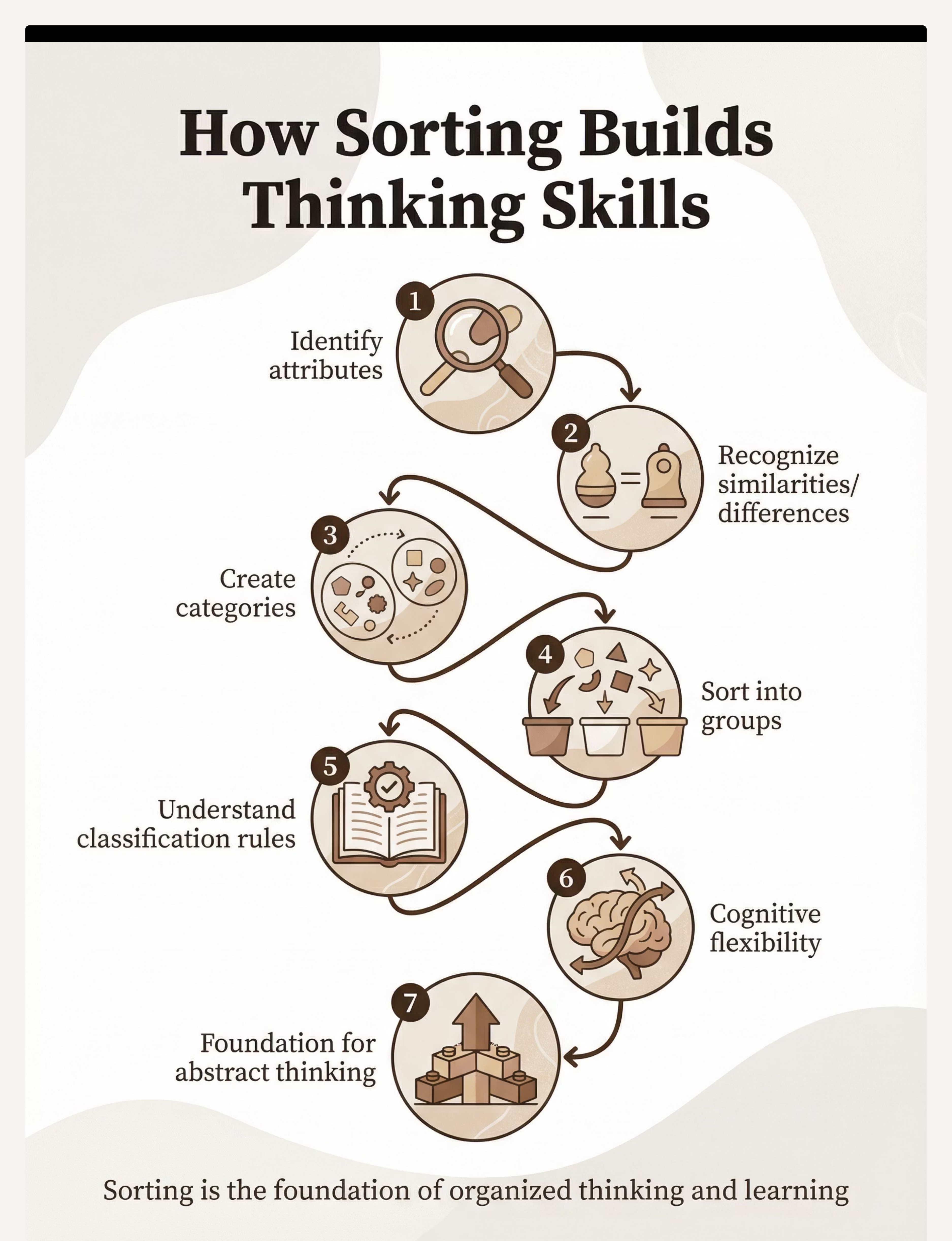
Identify Attributes
Child learns to notice specific qualities: color, shape, size, category
Recognize Similarities
Brain identifies what makes items the same or different
Create Categories
Understanding develops that similar items belong together
Sort Into Groups
Physical practice reinforces mental categorization structures
Build Flexibility
Changing sorting rules develops cognitive flexibility and abstract thinking
This systematic progression builds the neural pathways for organized thinking, laying the foundation for academic learning, problem-solving, and practical life skills.
Categorization
Classification
Attribute Recognition
Cognitive Flexibility
How to Use It Right
Start with Single, Obvious Attributes
Begin with color sorting - the most concrete and visually obvious difference. Use just two colors initially for clearest distinction.
Follow Natural Progression
Move systematically: color → shape → size → category → multiple attributes. Each level builds on previous mastery.
Use Real Objects Before Pictures
Three-dimensional objects are easier to manipulate and understand than two-dimensional images. Start concrete, then move to abstract.
Verbalize Sorting Rules
Think aloud: "All the red ones go here" or "These are all animals." Language reinforces cognitive understanding.
Include Functional Sorting
Practice with real-life tasks: laundry, groceries, toys. This ensures skills generalize beyond therapy activities to daily independence.
Change Sorting Rules to Build Flexibility
Once mastery is achieved, introduce re-sorting: "We sorted by color - now let's try size!" This develops cognitive flexibility.
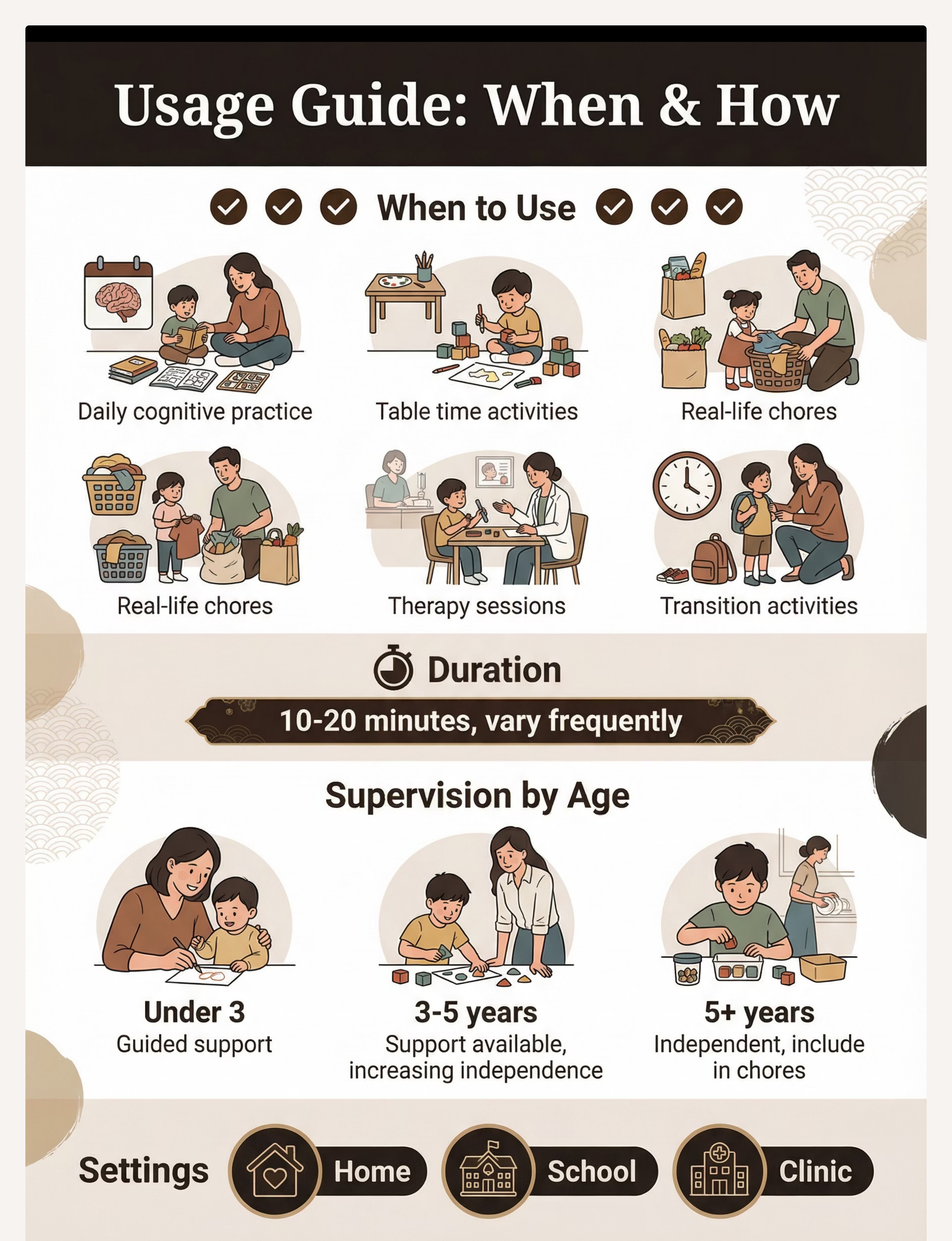
Duration: 10-20 minutes per session. Vary activities frequently to maintain engagement and prevent fatigue.

Expert Perspective
"Sorting is the foundation of classification and categorical thinking. Children who can sort can organize their world, understand concepts, and build the cognitive structures needed for academic learning. It's a core skill."— Special Educator, Cognitive Development Specialist
SpEd + OT Recommended
Strong Evidence
Rank #1 in Category
Core Kit
Daily Use Frequency

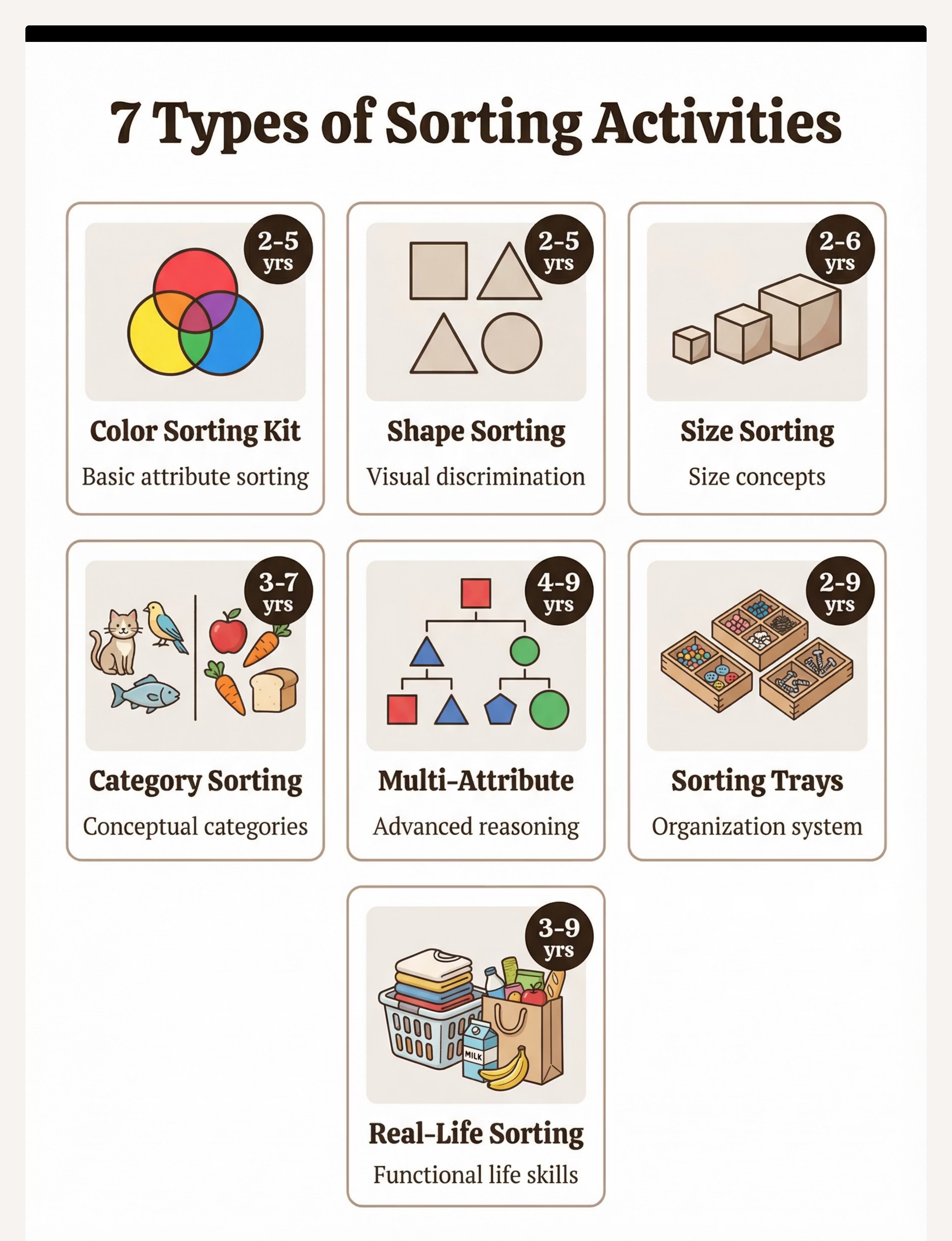
Choose Your Option (7 Variants)
Each variant targets different cognitive skills and developmental levels. Start where your child is, then progress systematically through increasingly complex classification tasks.
1
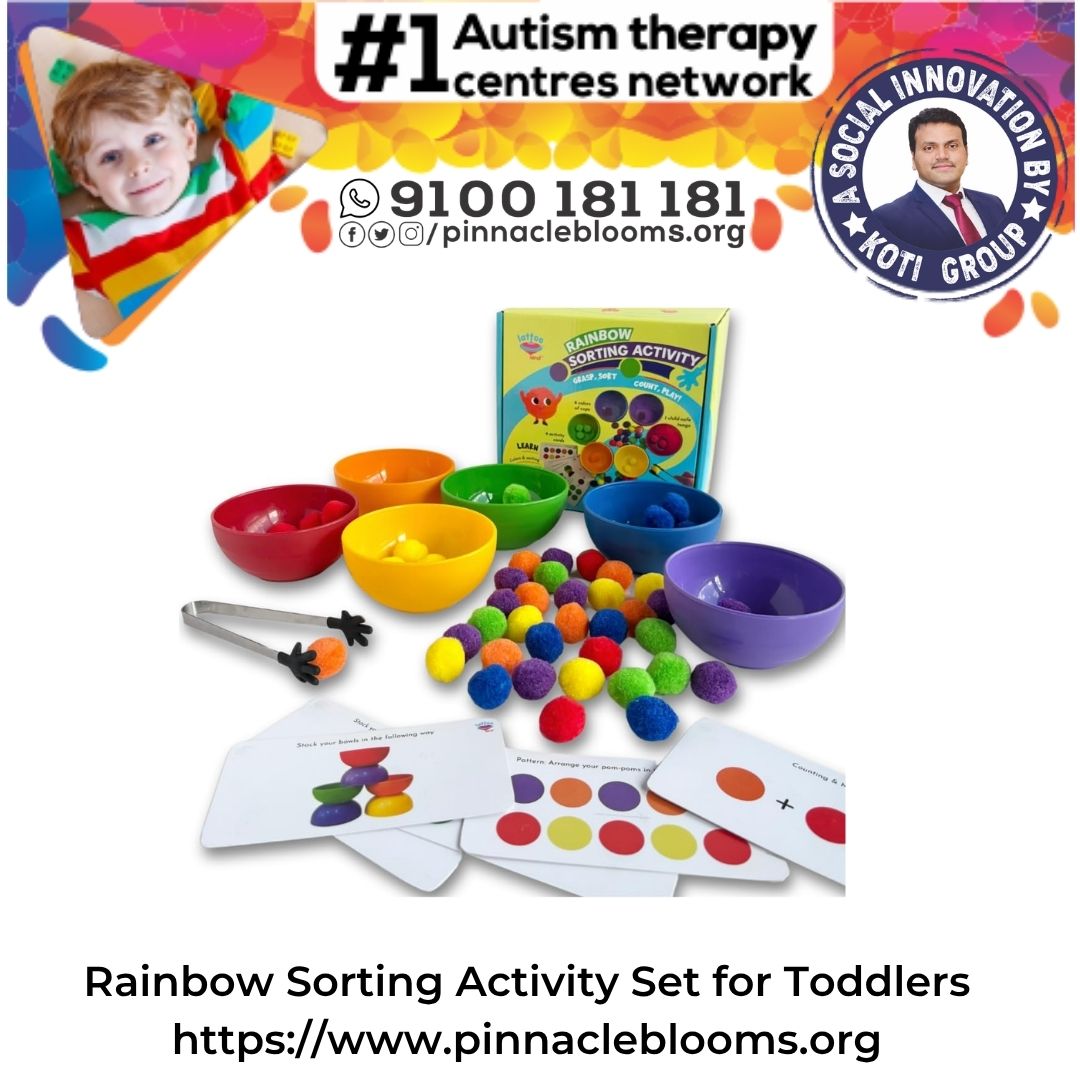
Color Sorting Kit
Best for: Beginners, color recognition, first sorting
Ages: 2-5 years | Settings: Home, Clinic, School
Type: Basic attribute sorting
Portability: Medium | Price: ₹150–500
2
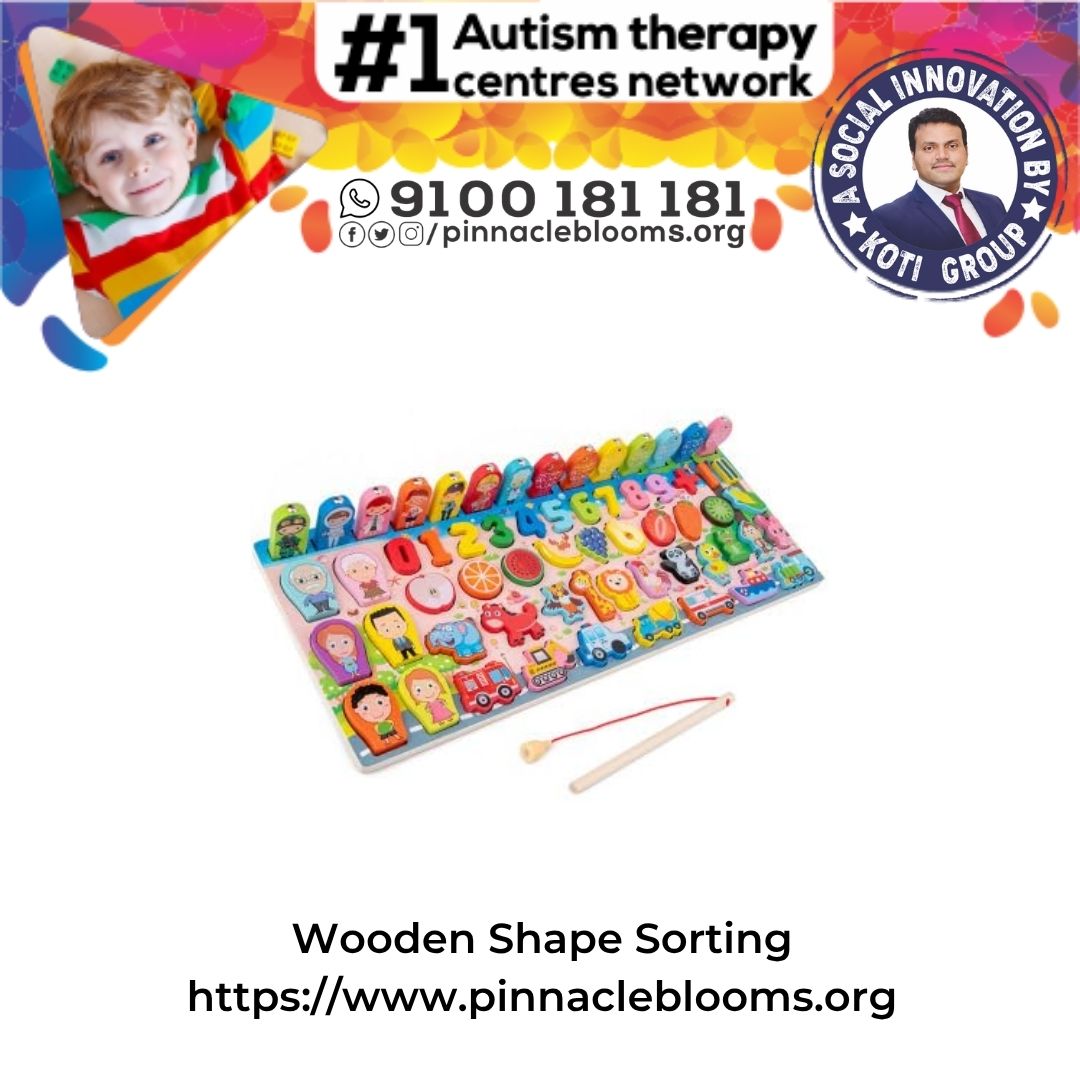
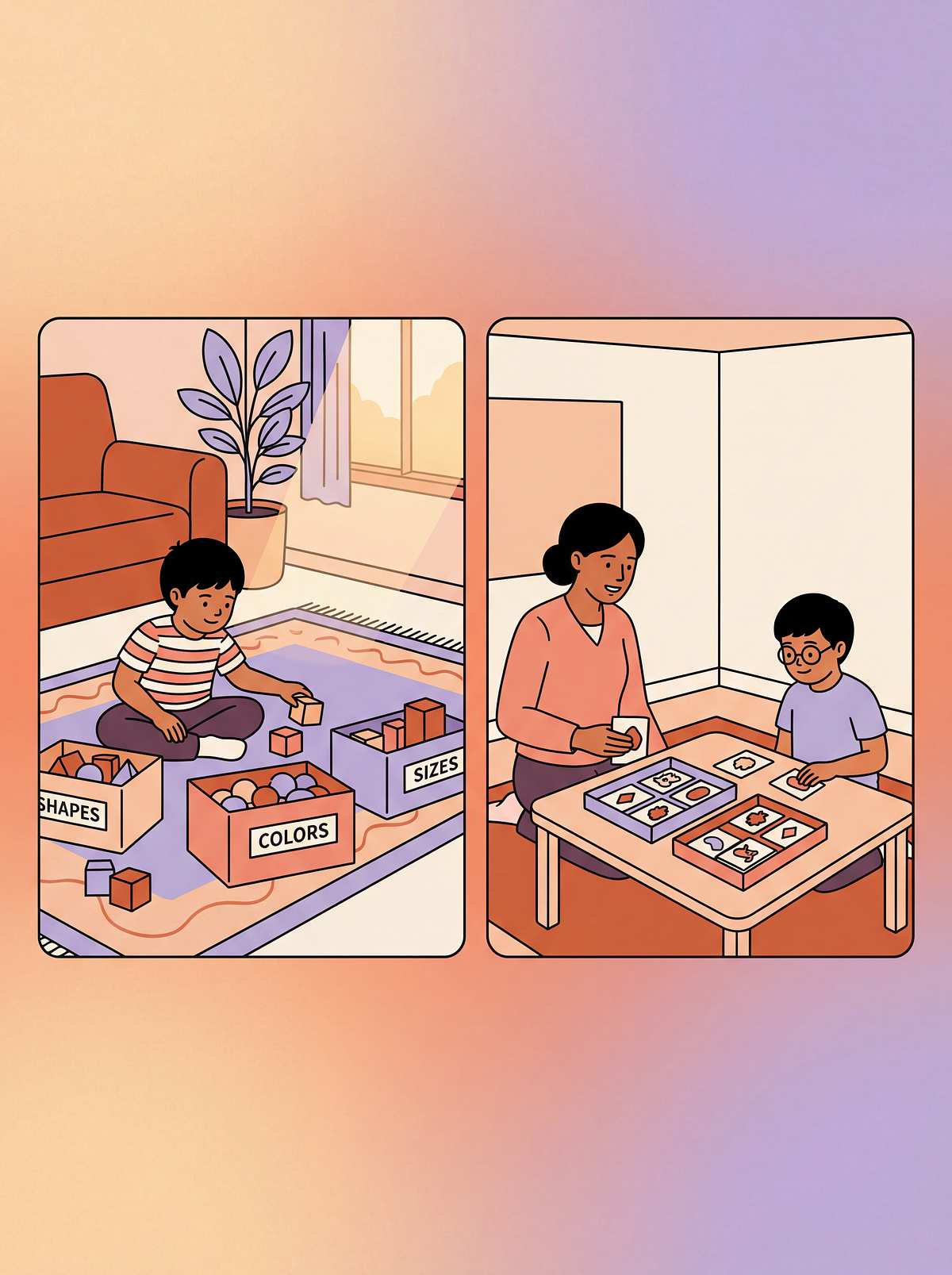
Shape Sorting
Best for: Shape recognition, visual discrimination
Ages: 2-5 years | Settings: All
Type: Geometric attribute sorting
Portability: Medium | Price: ₹150–500
3
Size Sorting
Best for: Size concepts, seriation
Ages: 2-6 years | Settings: All
Type: Relative size concepts
Portability: Medium | Price: ₹150–400
4
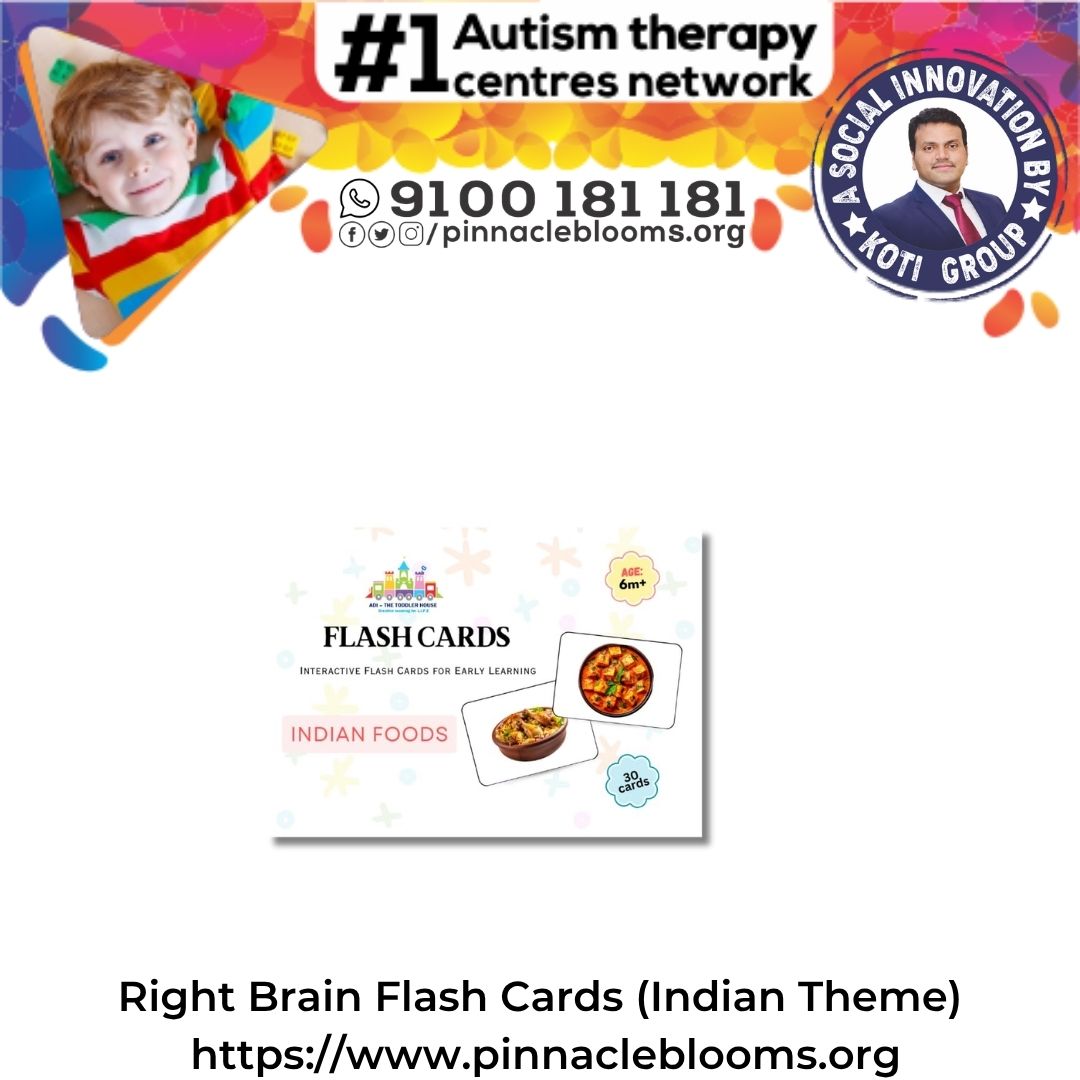
Category Sorting (Animals, Food, etc.)
Best for: Cognitive categories, vocabulary building
Ages: 3-7 years | Settings: All
Type: Conceptual categorization
Portability: High | Price: ₹200–600
5
Multi-Attribute Sorting
Best for: Advanced reasoning, flexibility
Ages: 4-9 years | Settings: Home, Clinic, School
Type: Complex classification
Portability: Medium | Price: ₹200–600
6
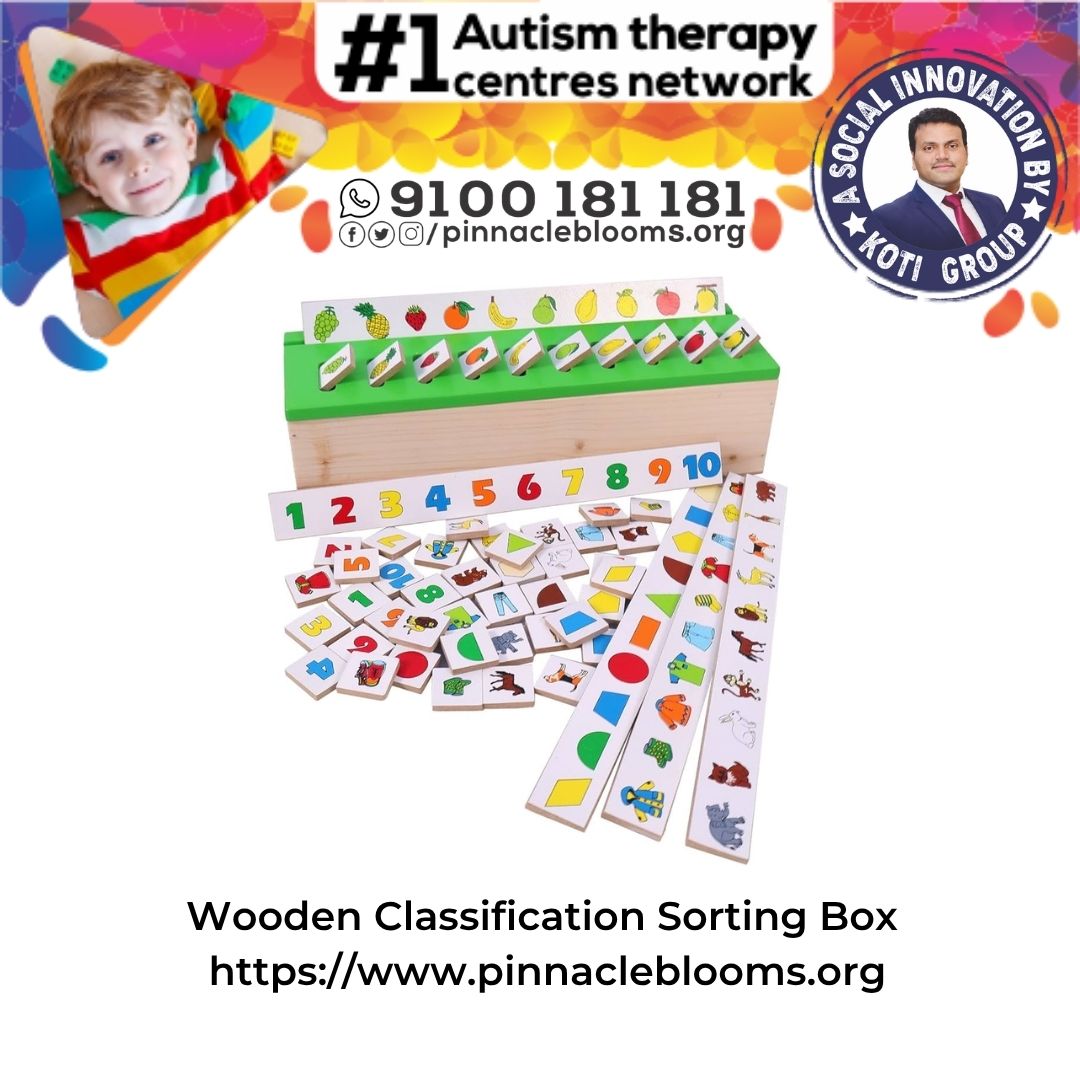
Sorting Trays / Containers
Best for: Structure for any sorting activity
Ages: 2-9 years | Settings: All
Type: Sorting organization system
Portability: Medium | Price: ₹100–400
7
Real-Life Sorting (Laundry, Groceries)
Best for: Practical application, daily living
Ages: 3-9 years | Settings: Home
Type: Functional life skill sorting
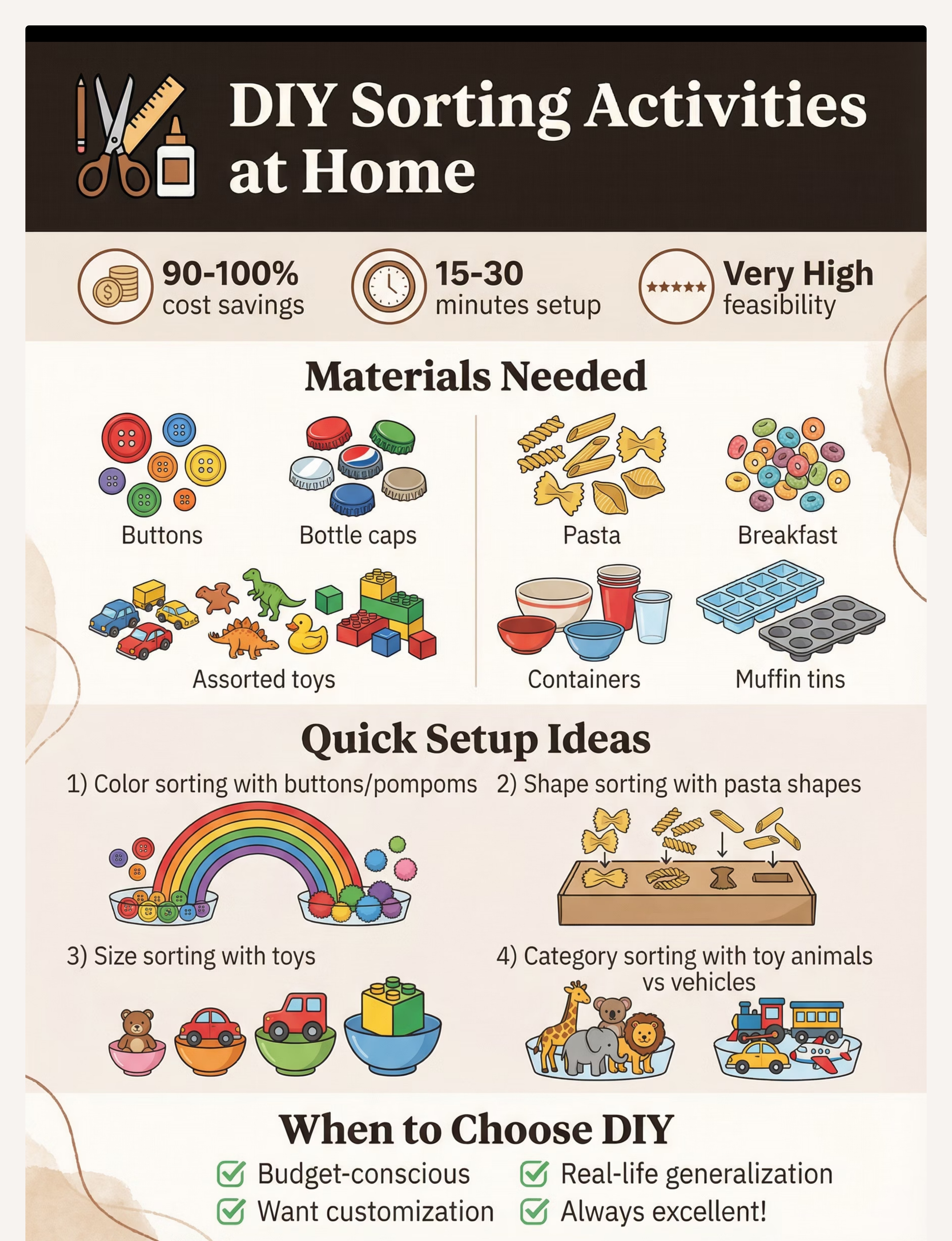
Portability: N/A (home-based) | Price: Free
How to Choose: Start with your child's current ability level. Use color sorting for beginners, progress to shapes and sizes, then advance to conceptual categories. Multi-attribute sorting is the final frontier for developing cognitive flexibility.
Specifications & Sorting Progression
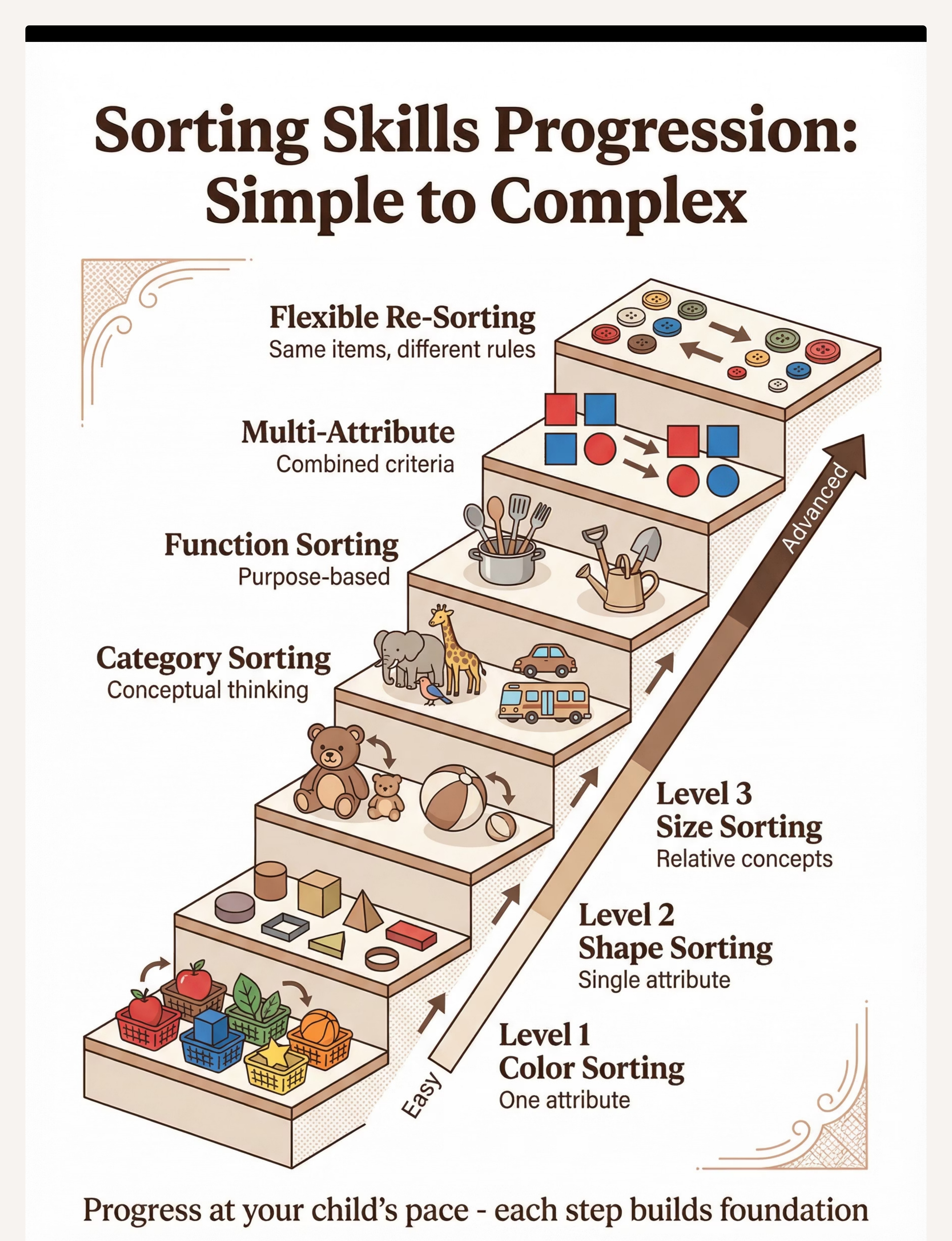
Natural Progression Path
Color Sorting (One Attribute)
Most concrete starting point - visual and obvious
Shape Sorting (One Attribute)
Geometric discrimination develops
Size Sorting (Big/Small)
Relative concepts emerge
Category Sorting (Animals, Vehicles, Food)
Conceptual thinking begins
Function Sorting (Things That Go, Things We Eat)
Abstract categorization develops
Multi-Attribute (Red AND Square)
Complex classification emerges
Flexible Re-Sorting (Same Items, Different Rules)
Cognitive flexibility achieved
Materials & Features
Common Materials
- Plastic objects (durable, colorful)
- Wooden objects (natural, tactile)
- Picture cards (portable, versatile)
- Household items (functional, free)
- Sorting containers (organization)
Key Features to Look For
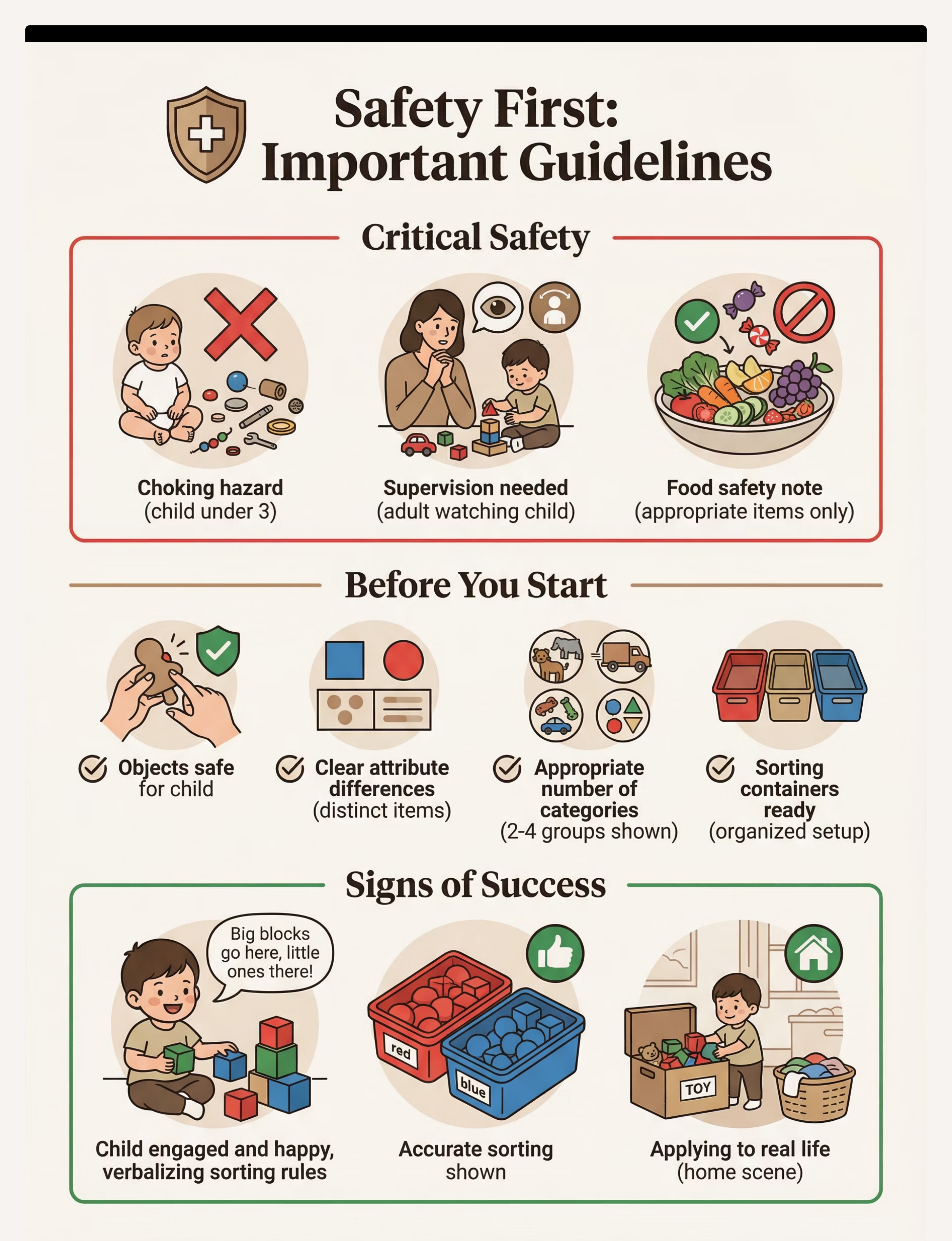
- Clear attribute differences (obvious sorting criteria)
- Appropriate number of categories (not overwhelming)
- Engaging materials (maintains interest)
- Sorting containers included (structured organization)
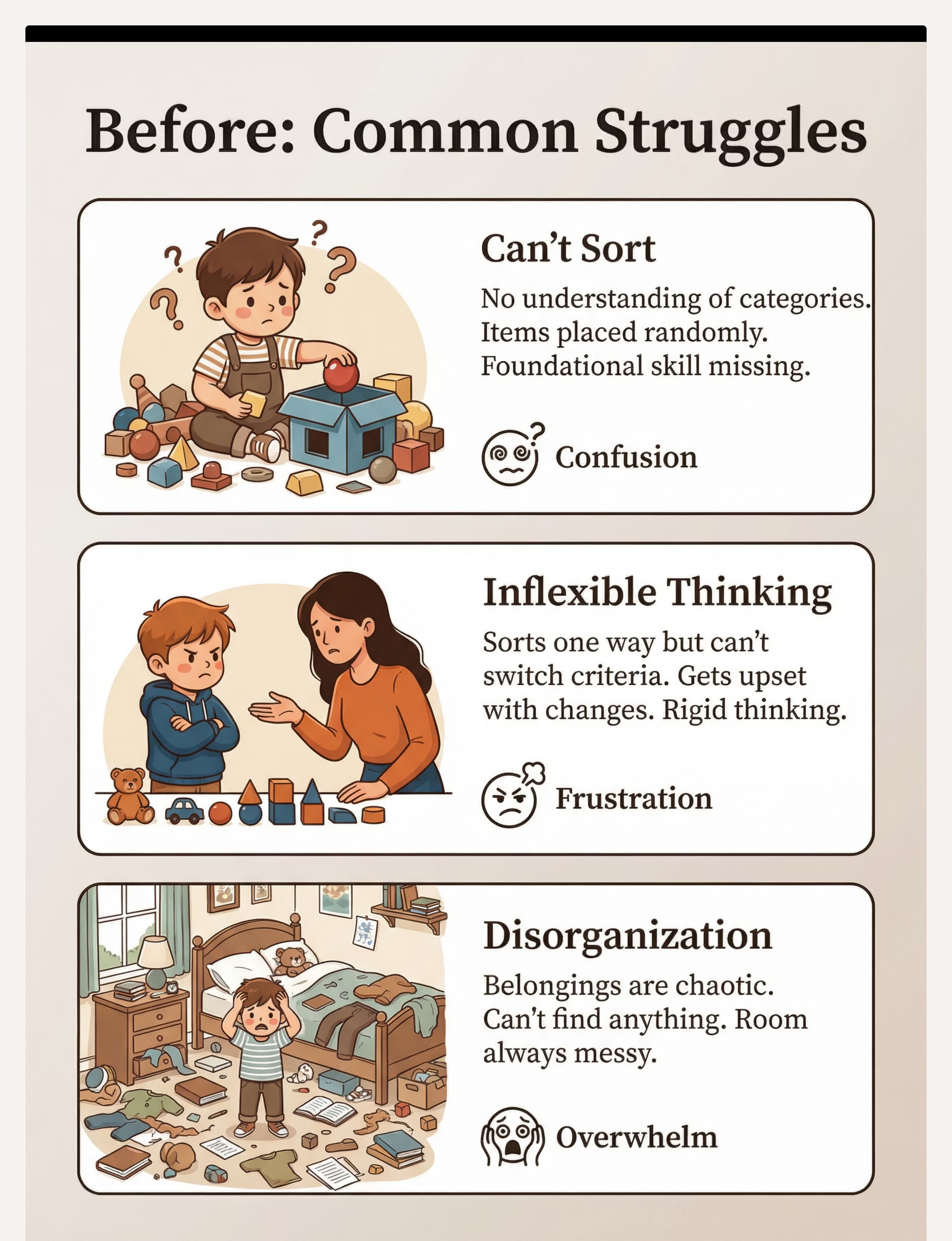
The Struggle (Before)
Can't Sort
Situation: Child can't sort by any attribute. Puts items randomly with no understanding of categories.
Experience: Foundational skill is completely missing. Instructions to "group similar items" lead to random placement.
Emotion: Confusion, randomness, feeling lost
Inflexible Thinking
Situation: Child sorts one way but can't switch criteria. Gets visibly upset when asked to re-sort differently.
Experience: Rigid thinking dominates. Once items are sorted by color, re-sorting by size feels impossible and frustrating.
Emotion: Rigidity, frustration, overwhelm
Disorganization
Situation: Child's belongings exist in constant chaos. Can't find things. No organizational system.
Experience: Room is always a mess. Toys, clothes, school supplies mixed together randomly. Daily life feels chaotic.
Emotion: Chaos, overwhelm, helplessness

Your Next Steps
Getting Started Today
01
Choose Your Starting Point
Review the 7 variants. Select the one that matches your child's current ability level. When in doubt, start simpler.
02
Gather Materials
Collect sorting containers and 10-15 objects in 2-3 clear categories. Keep it simple and visually obvious.
03
Schedule First Session
Pick a consistent time (after breakfast, before dinner). Set up distraction-free space. Plan for just 5-10 minutes initially.
04
Model and Practice
Show the sorting first. Then do it together. Then let them try independently with your support nearby.
05
Track and Celebrate
Record the first attempt. Celebrate any engagement, even if sorting isn't accurate yet. Progress takes time—consistency matters most.
When to Seek Additional Support
1
No Progress After 6-8 Weeks
If child shows no improvement in basic color sorting after consistent daily practice for 2 months, consult an occupational therapist or developmental specialist.
2
Extreme Emotional Reactions
If sorting activities consistently trigger meltdowns, severe anxiety, or aggressive behaviors that don't improve with modifications.
3
Regression in Skills
If child loses previously mastered sorting abilities or shows declining performance over time without clear external cause.
4
Multiple Developmental Concerns
If sorting difficulties are accompanied by significant delays in language, motor skills, social interaction, or other developmental domains.
Remember: Every child progresses at their own pace, but persistent struggles may indicate the need for professional evaluation and individualized intervention strategies.
How Sorting Builds School Readiness
Sorting isn't just about organizing objects—it's the cognitive foundation for multiple academic skills. Here's the direct connection to classroom success.
Math Foundations
Sorting by attributes → Understanding sets and groups → Counting and number sense → Basic addition/subtraction → Pattern recognition
Language Development
Categorizing objects → Vocabulary expansion (category names) → Understanding similarities/differences → Descriptive language → Conceptual thinking
Executive Function
Organizing materials → Planning and sequencing → Task completion → Working memory → Problem-solving strategies
Science Concepts
Classification skills → Observation abilities → Hypothesis testing → Understanding properties → Scientific categorization

Integration with Daily Life
Making It Functional
Once your child masters sorting in structured sessions, the real magic happens when they apply it to everyday life. Here's how to bridge that gap systematically.
Morning Routine
Sort clothes by type (shirts, pants, socks). Sort school supplies into backpack compartments.
Mealtime
Sort utensils into drawer organizers. Group foods by category on plate (vegetables, proteins, grains).
Play Time
Organize toys by type (cars, blocks, dolls). Create labeled bins for different categories.
Cleanup Time
Sort laundry by color. Put books on shelves by size or topic. Group art supplies by type.
Troubleshooting Common Challenges
The Problem
Child Refuses to Engage
Shows no interest, walks away, or becomes upset when sorting materials are presented.
Random Placement
Puts objects in containers without any logical pattern or attention to attributes.
Can't Generalize
Sorts well in therapy but can't apply the skill to real-world situations like organizing toys.
The Solution
Make It Motivating
Use preferred objects (favorite toys, snacks). Start with 2-minute sessions. Pair with rewards. Build positive associations first.
Increase Structure
Use visual models. Sort alongside the child. Provide hand-over-hand guidance initially. Reduce support gradually as understanding develops.
Practice Transfer
Explicitly practice in multiple settings. Start with therapy materials, then use home toys, then real belongings. Verbalize the connection each time.

Progress Tracking Guide
How to Measure Success
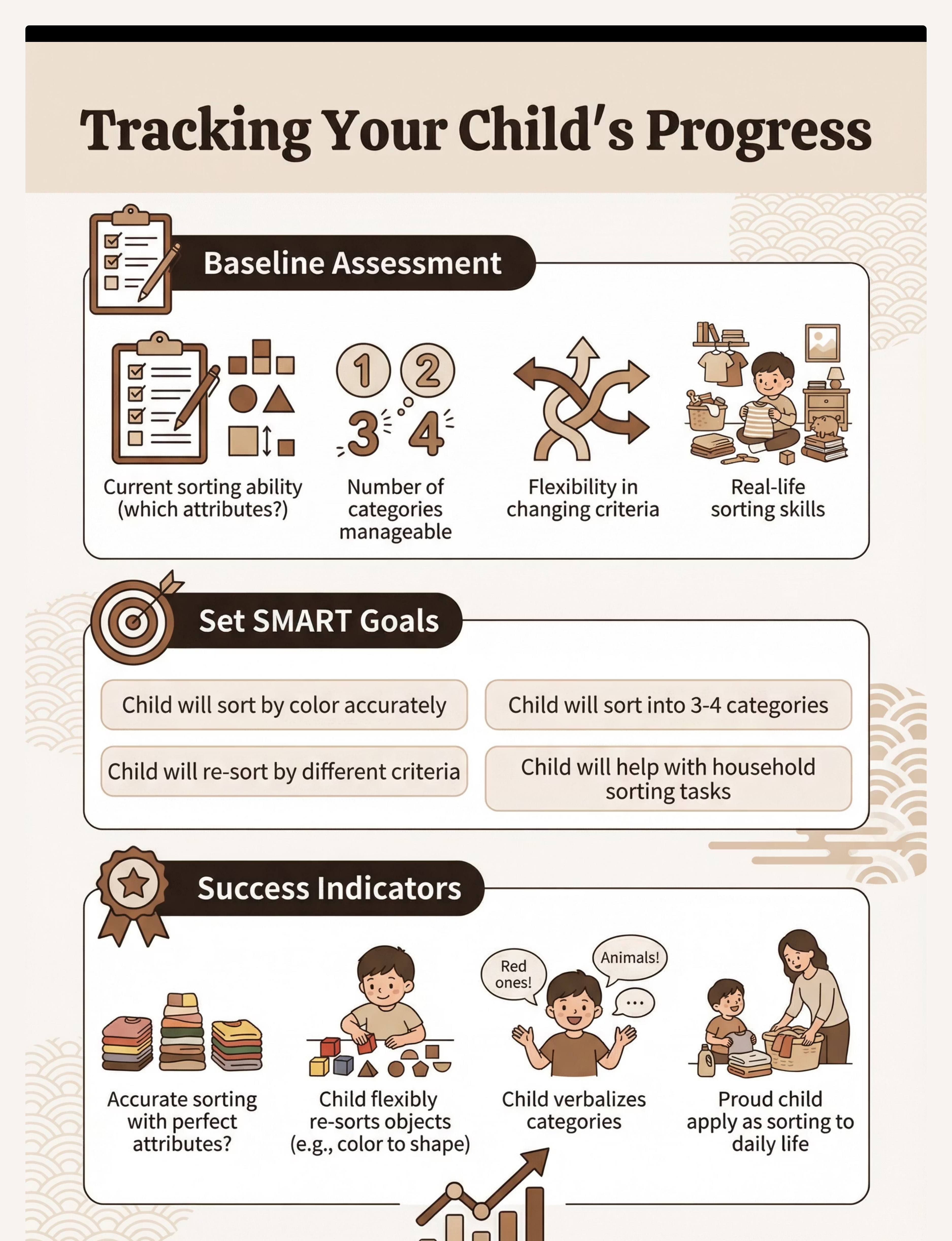
Baseline Assessment
Record current sorting ability: Can they sort at all? By what attributes? How many items? Accuracy percentage?
Weekly Check-ins
Every 7 days, test with the same sorting task. Track: speed, accuracy, independence level, frustration signs.
Milestone Documentation
Celebrate and record: first successful sort, first attribute switch, first complex sort, first real-world application.
Adjust Accordingly
If progress stalls for 2+ weeks, simplify. If child shows 90%+ accuracy for 1 week, increase complexity.
Common Mistakes to Avoid
Starting Too Complex
Don't begin with multiple attributes or abstract categories. Start with single, obvious differences like color before progressing to size or shape.
Rushing the Process
Avoid moving to the next level before mastery. Each sorting skill needs 80%+ accuracy before increasing complexity.
Inconsistent Practice
Don't practice sporadically. Daily short sessions (10-15 min) are far more effective than occasional long sessions.
Correcting Too Quickly
Allow the child to complete their sorting attempt before providing feedback. Immediate correction prevents independent problem-solving and self-correction skills.
What You'll Need
Materials Checklist
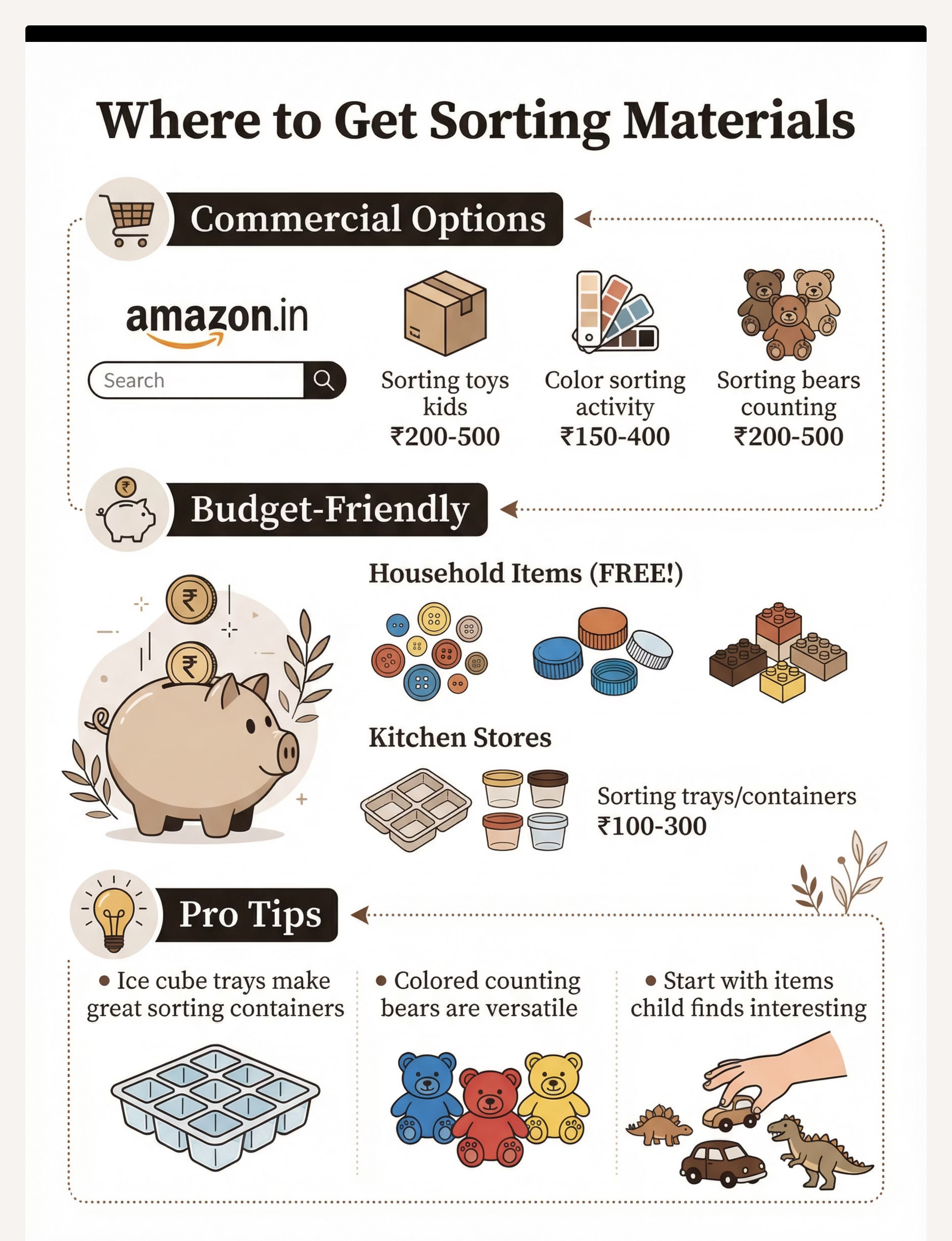
Sorting containers (bowls, trays, or boxes)
Objects to sort (blocks, buttons, beads, toys)
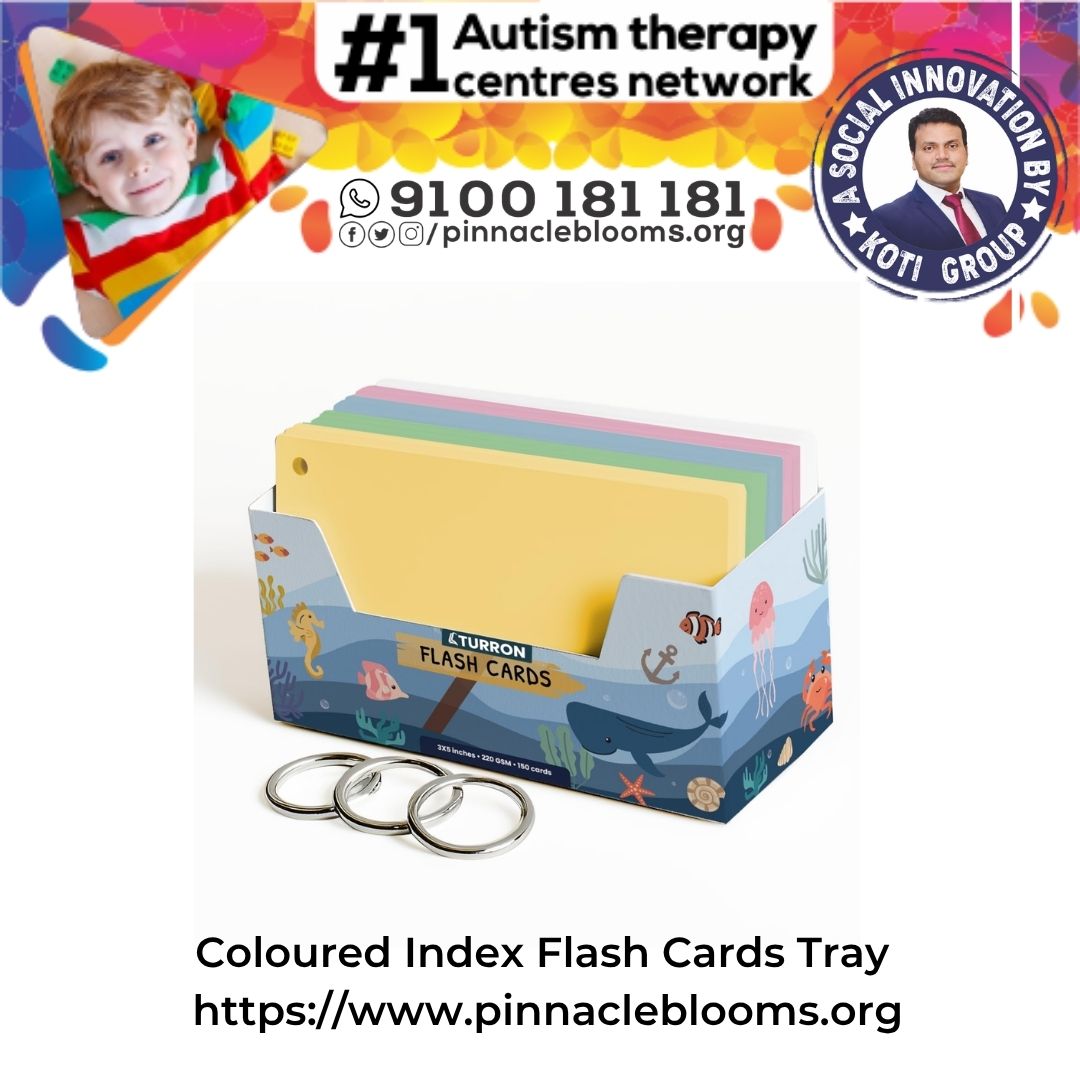
Visual category cards (optional but helpful)
Timer for structured sessions
Reward system materials
Progress tracking sheet
Setup Requirements
Distraction-Free Space
Quiet area with good lighting and flat surface for sorting activities
Consistent Schedule
10-15 minutes daily, same time each day for routine building
Adult Support
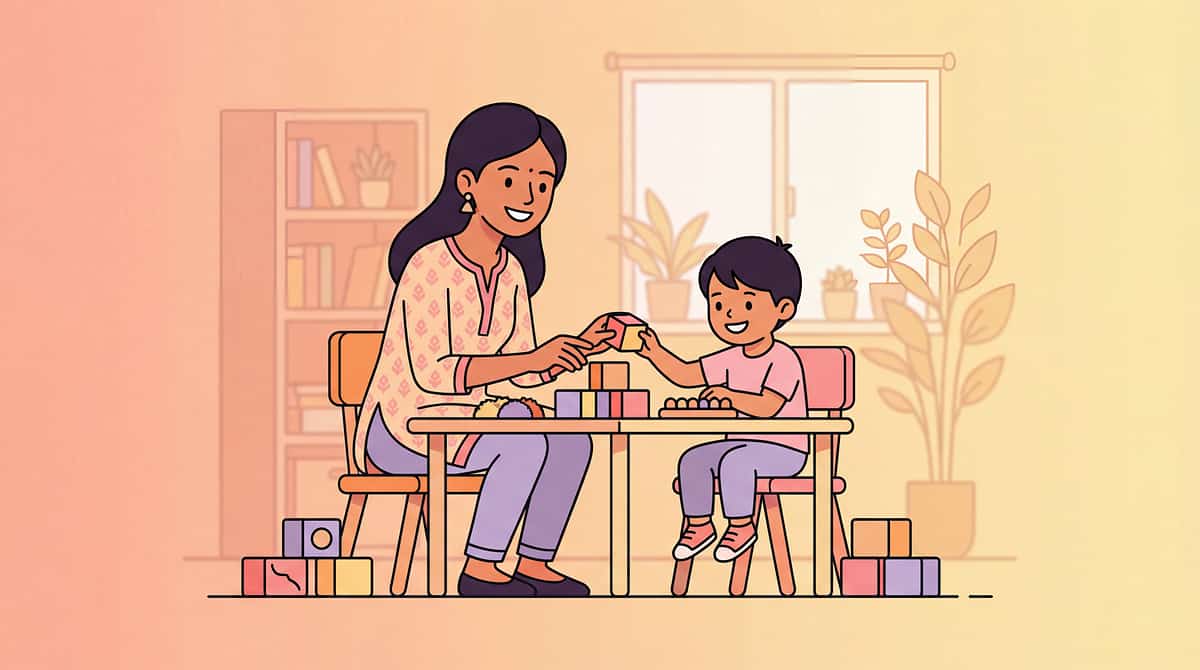
Parent or therapist present initially to model and guide the sorting process

Real Parent Stories
"We started with just red and blue blocks. Within two weeks, my son was sorting his entire toy collection by type. Now his room stays organized, and he's so proud of himself." - Priya M., Mumbai
"The therapist showed us how to make it a game. My daughter went from complete confusion to sorting by three different attributes. Her pre-school teacher noticed the change immediately." - Rajesh K., Bangalore
"I didn't realize how much sorting affects everything else. Once he could classify objects, his language improved, his math concepts clicked, and even getting dressed became easier." - Anjali S., Delhi
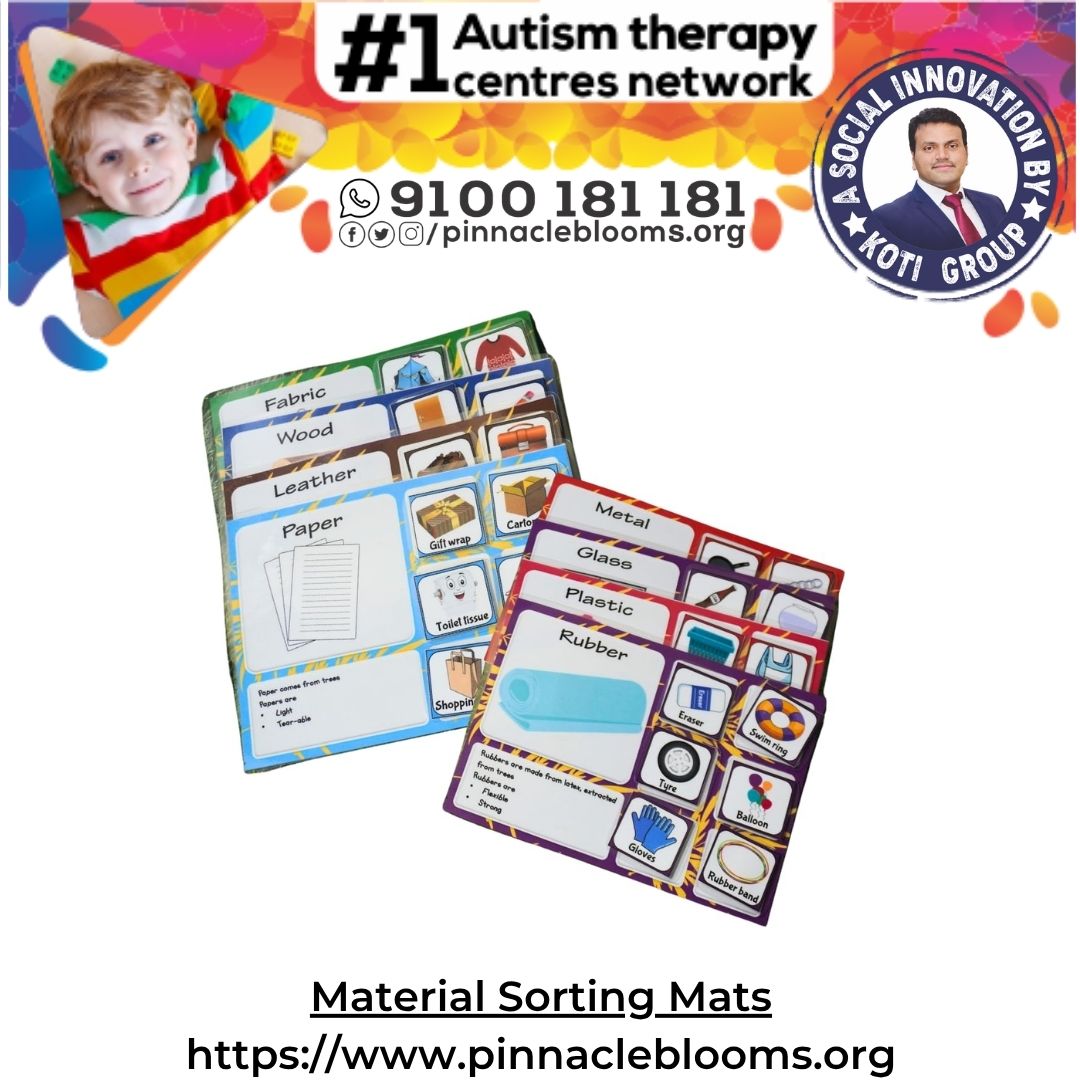
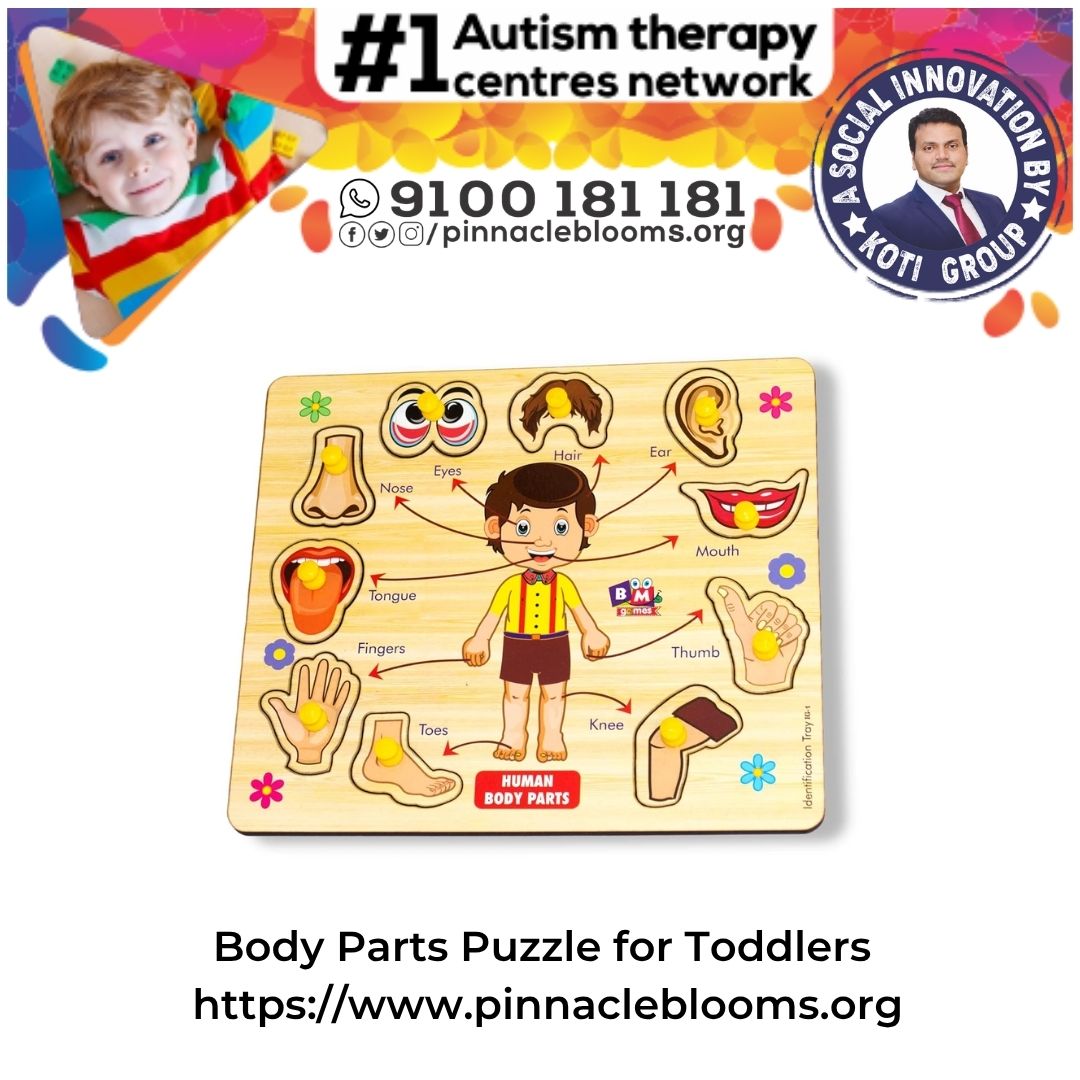
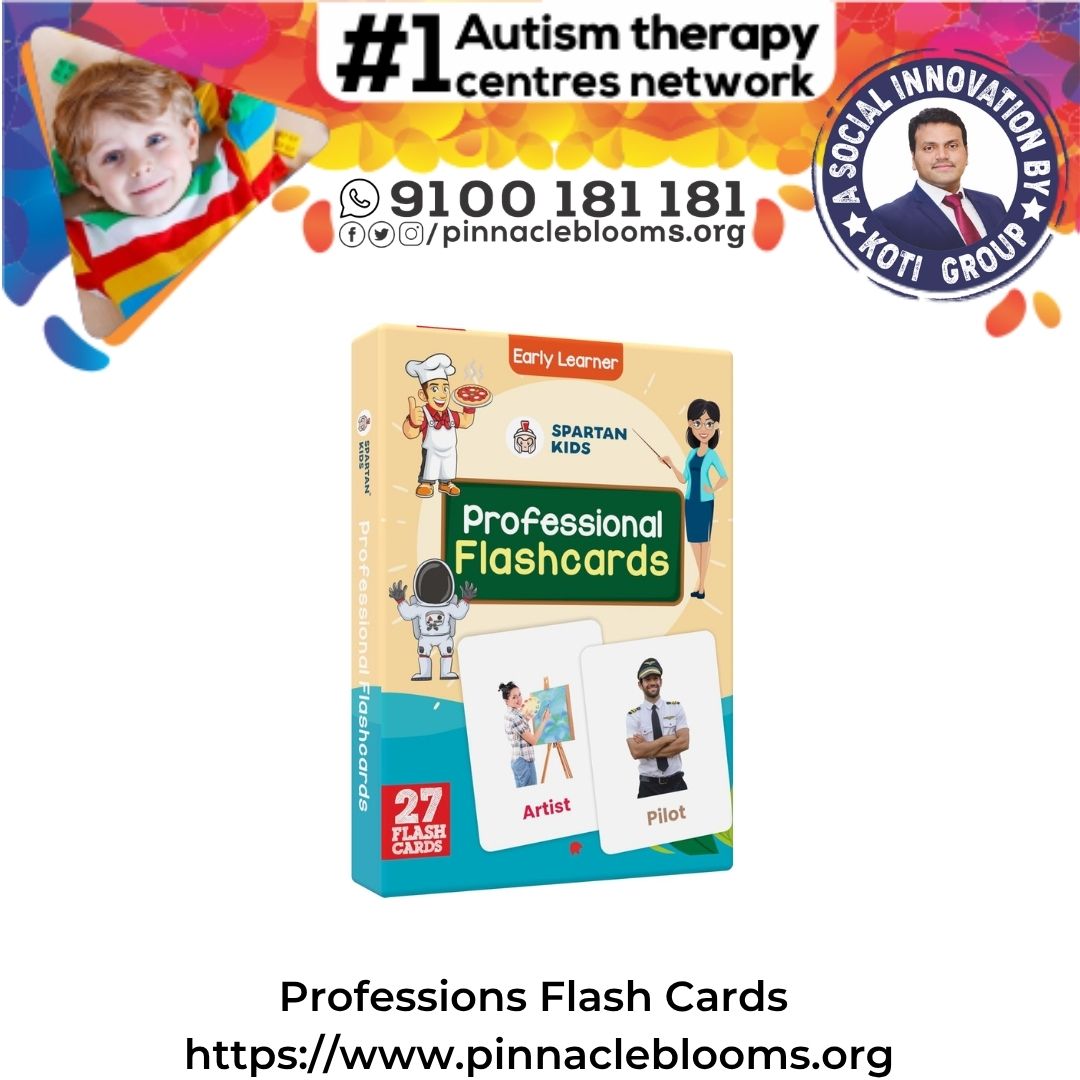
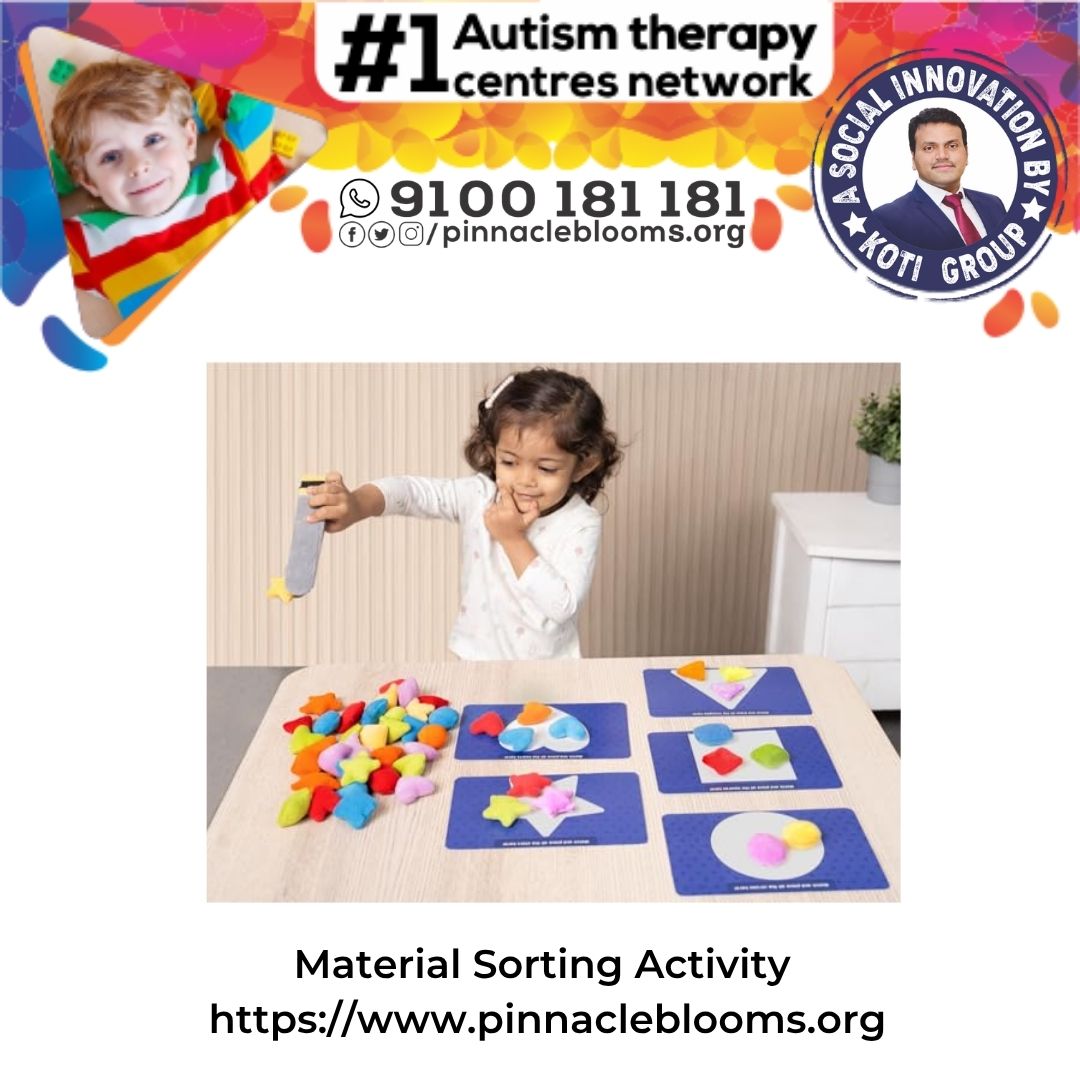
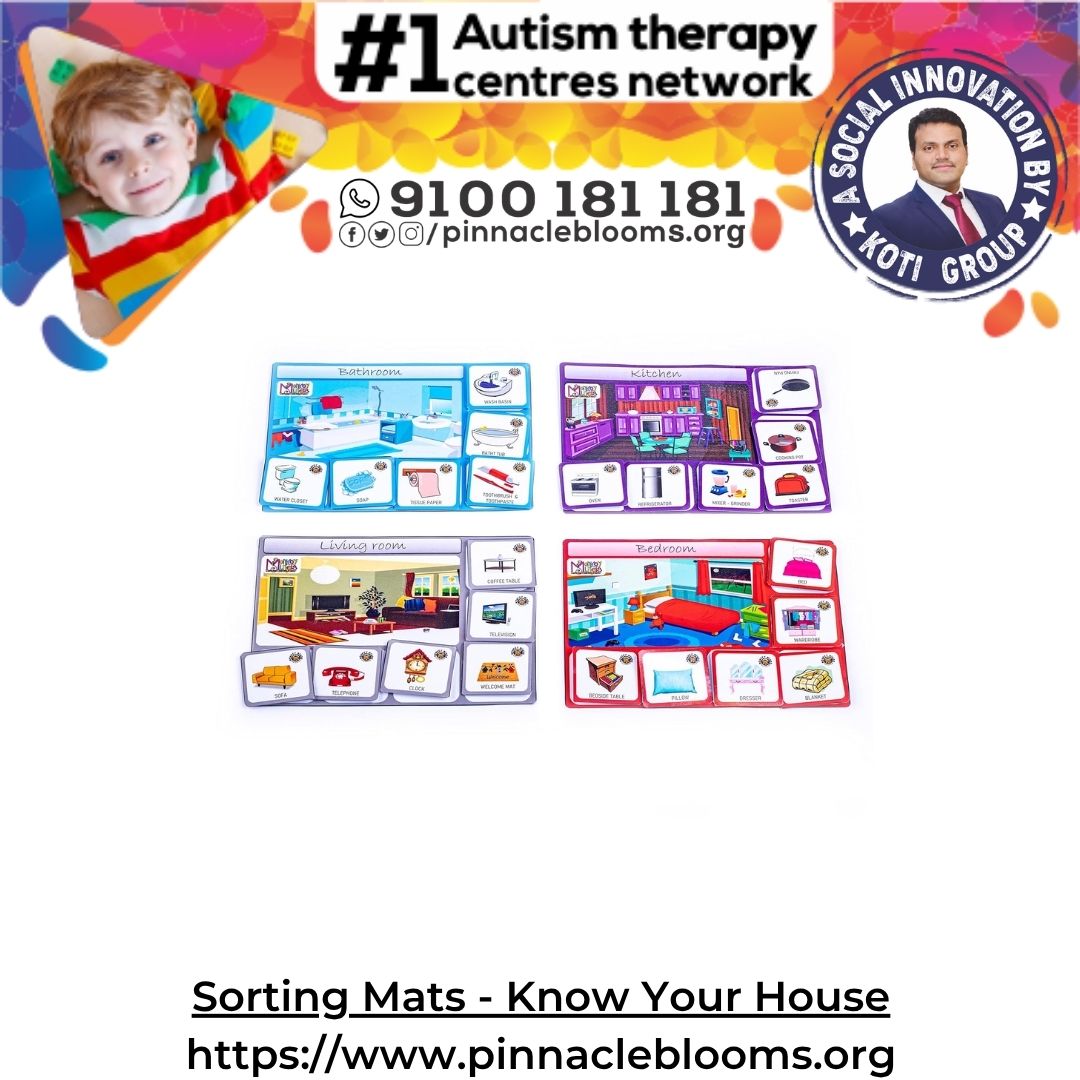
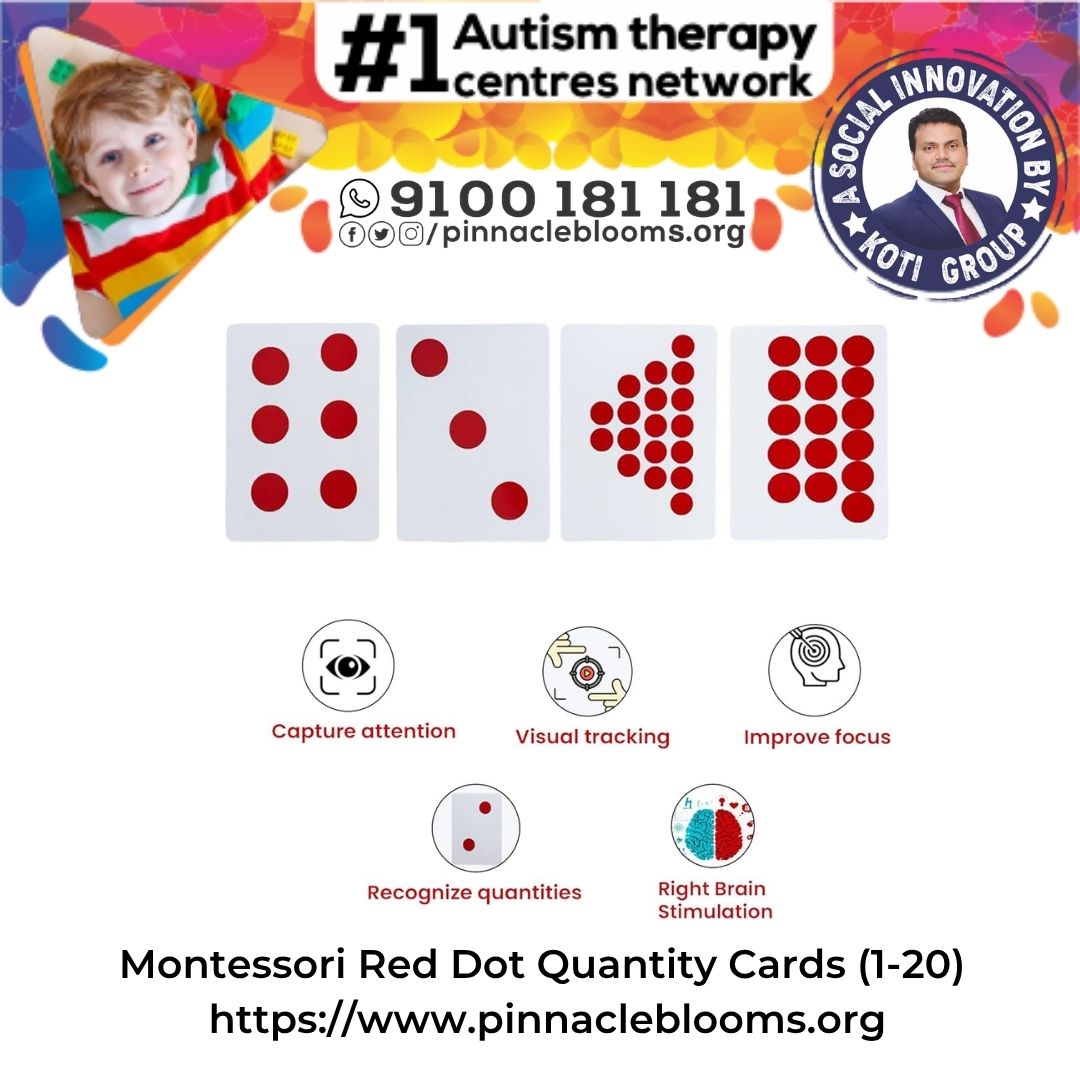
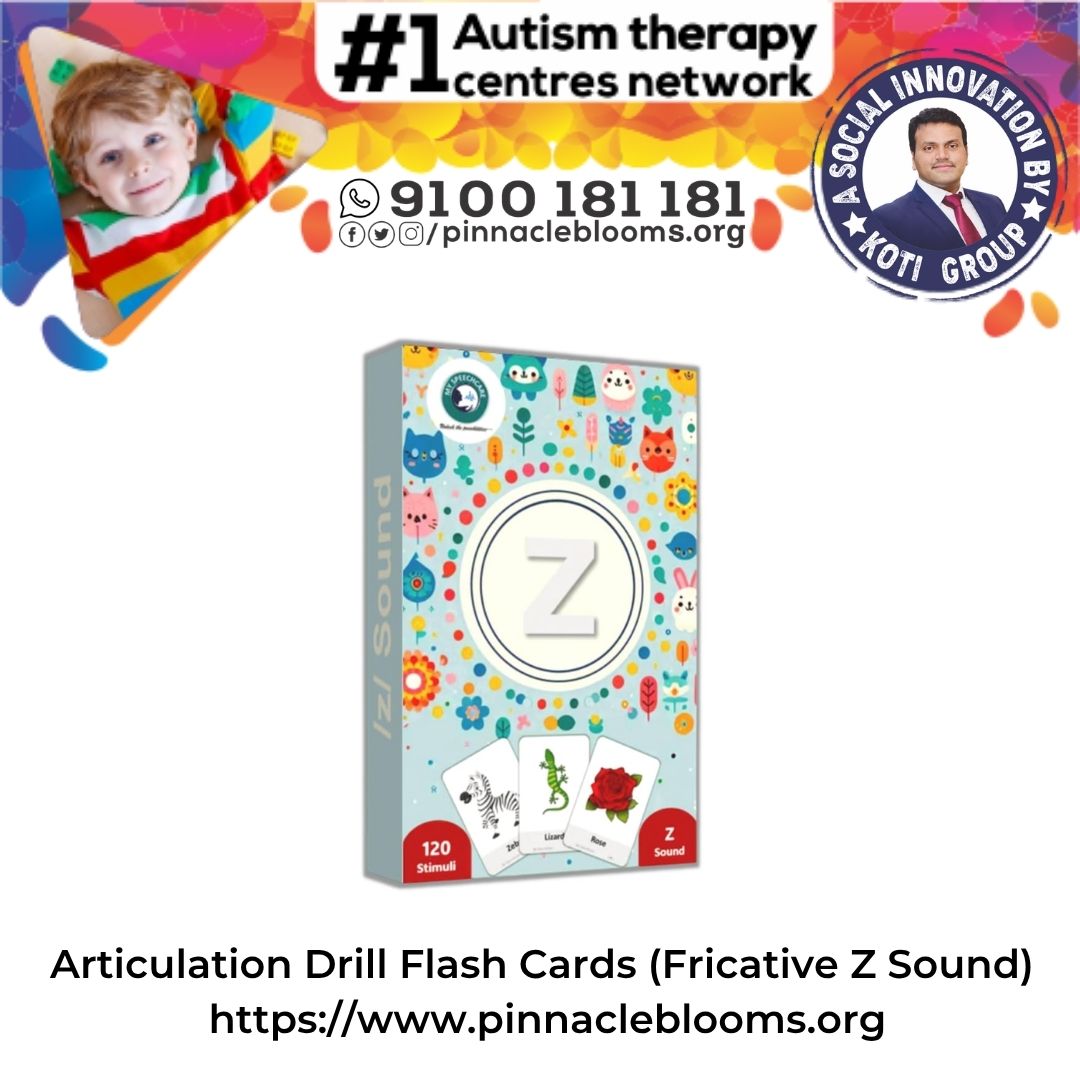
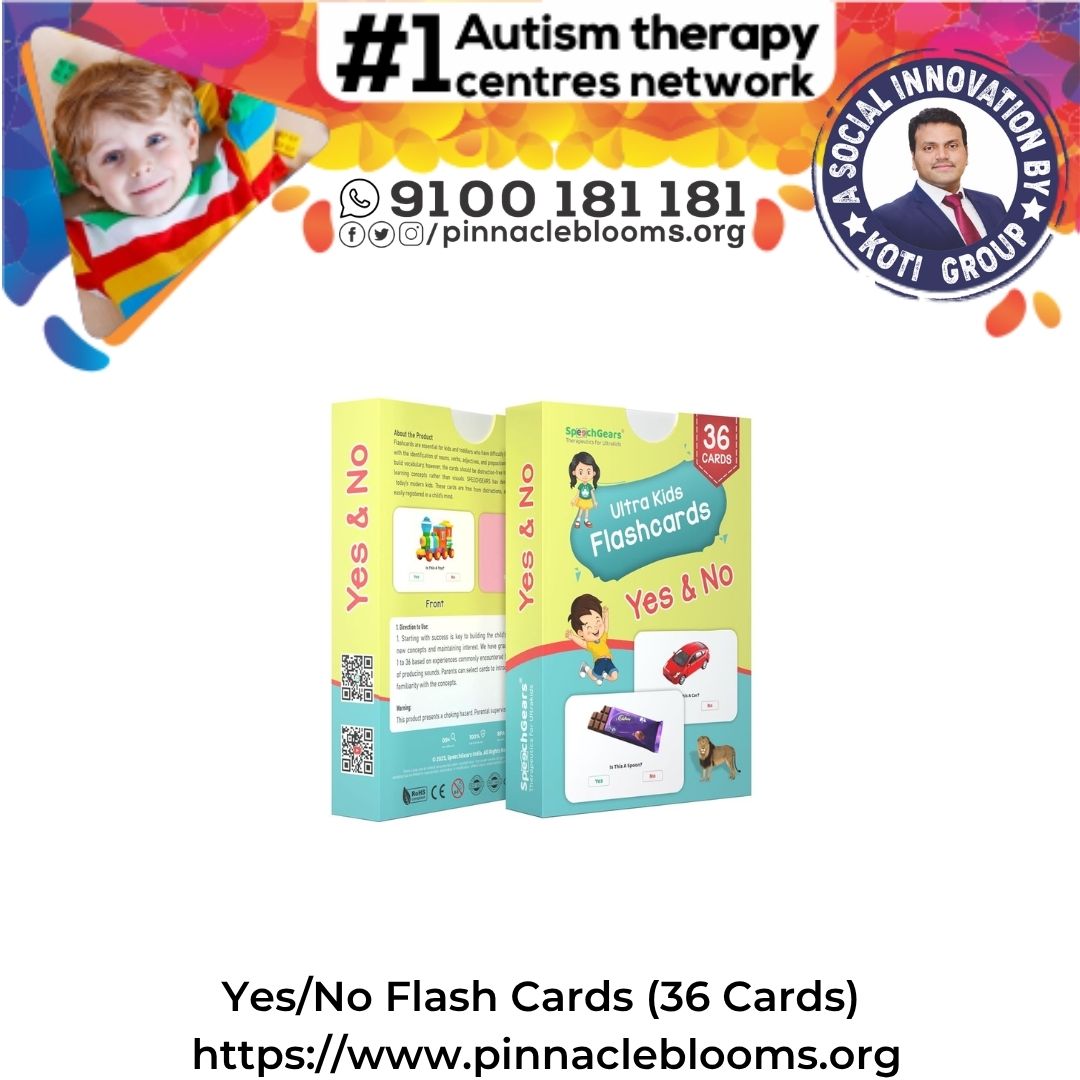
Preview of sorting activities categorization Therapy Material
Below is a visual preview of sorting activities categorization therapy material. The pages shown help educators, therapists, and caregivers understand the structure and content of the resource before use. Materials should be used under appropriate professional guidance.


Share this resource
Help others discover thisLink copied!
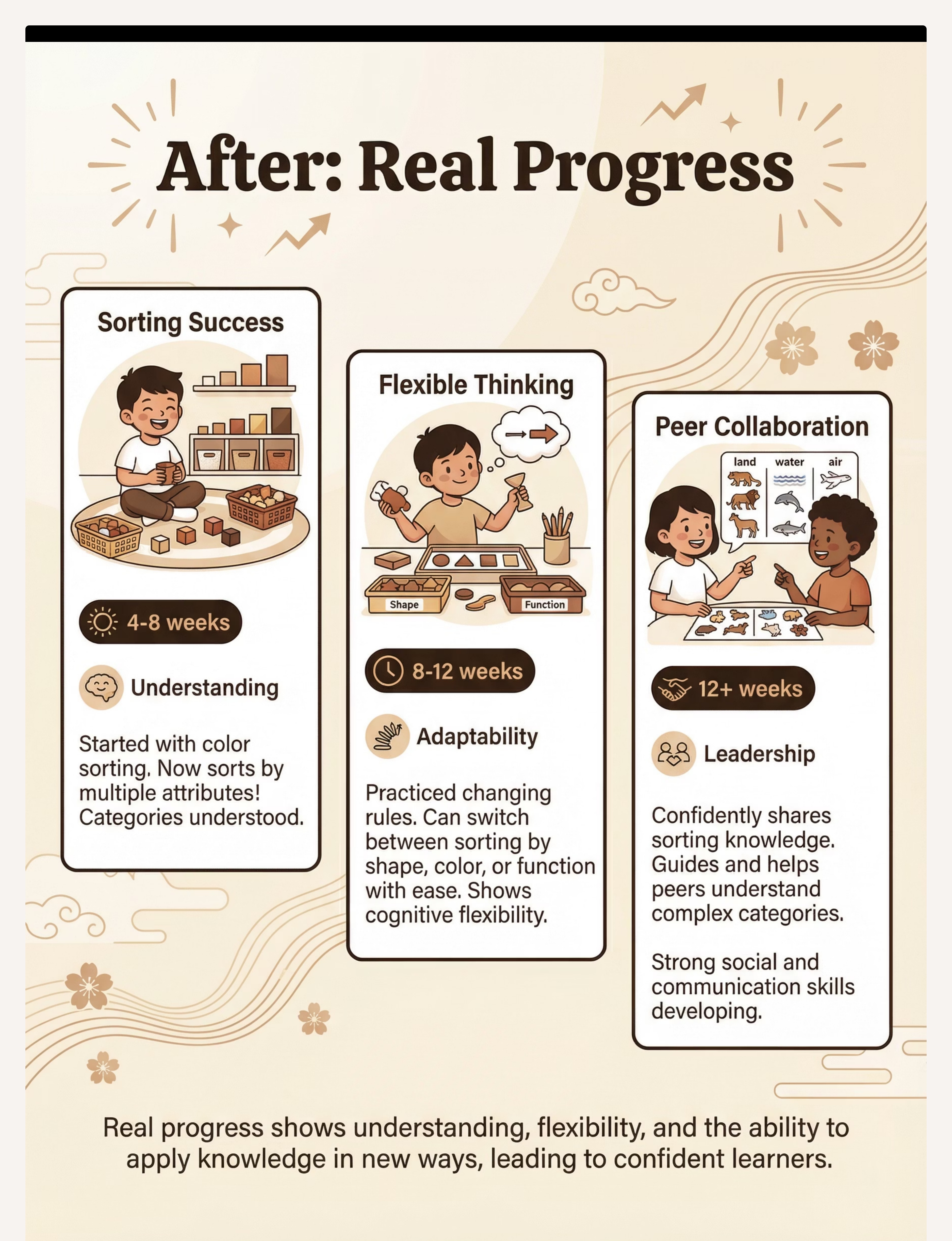
The Transformation (After)
Sorts Independently
Situation: Child confidently sorts objects by color, size, or shape without prompting. Understands categories naturally.
Experience: Sorting becomes automatic. Child can organize toys, materials, and belongings with clear logic and purpose.
Emotion: Confidence, mastery, independence
Flexible Thinking
Situation: Child easily switches between sorting criteria. Can sort by color, then re-sort the same items by size without frustration.
Experience: Mental flexibility develops. Child understands that objects can belong to multiple categories depending on the attribute chosen.
Emotion: Adaptability, cognitive ease, pride
Organized Life
Situation: Child maintains organized spaces. Toys have categories, clothes are sorted, school supplies are grouped logically.
Experience: Daily life becomes smoother. Child can find things quickly, clean up efficiently, and maintain order independently.
Emotion: Control, calm, capability