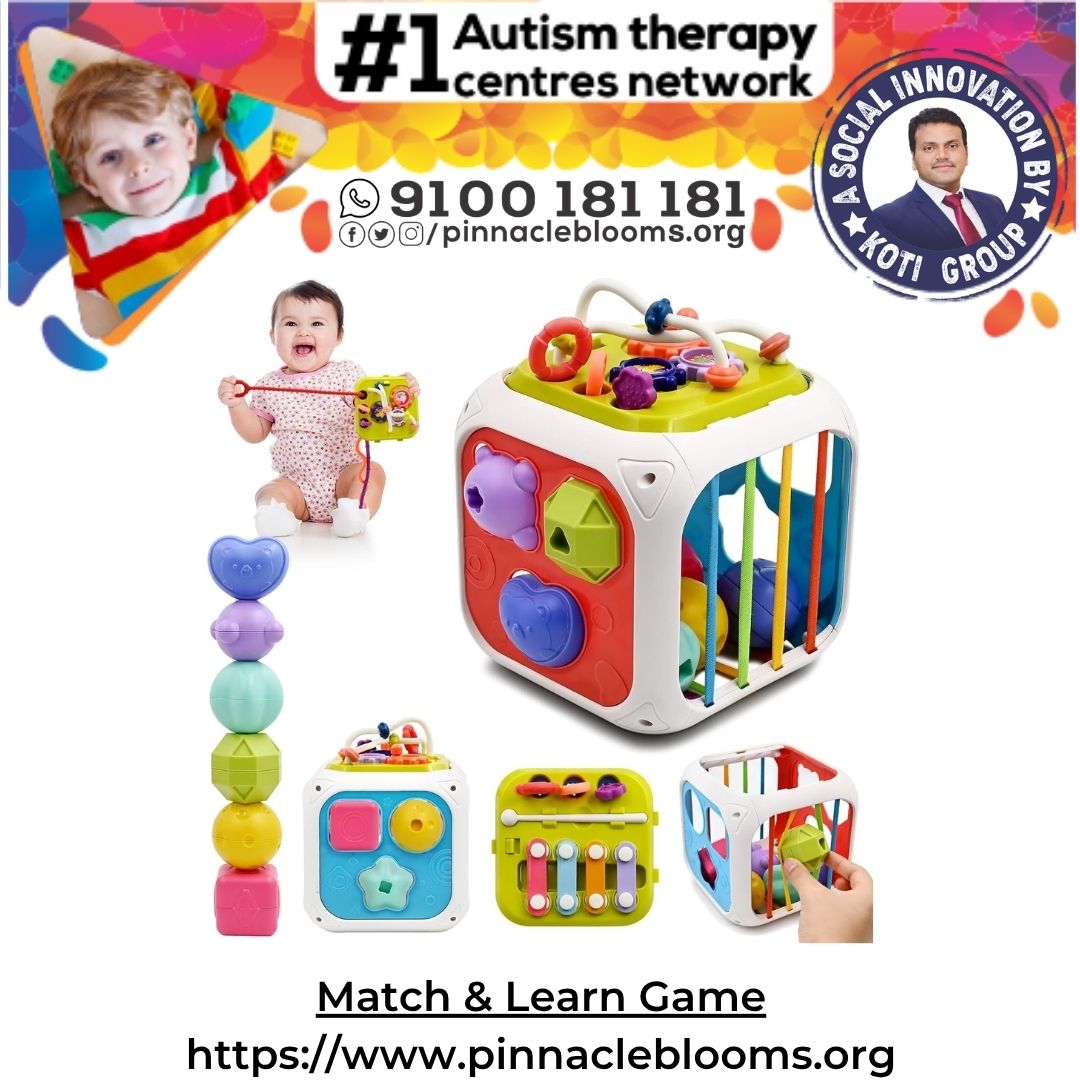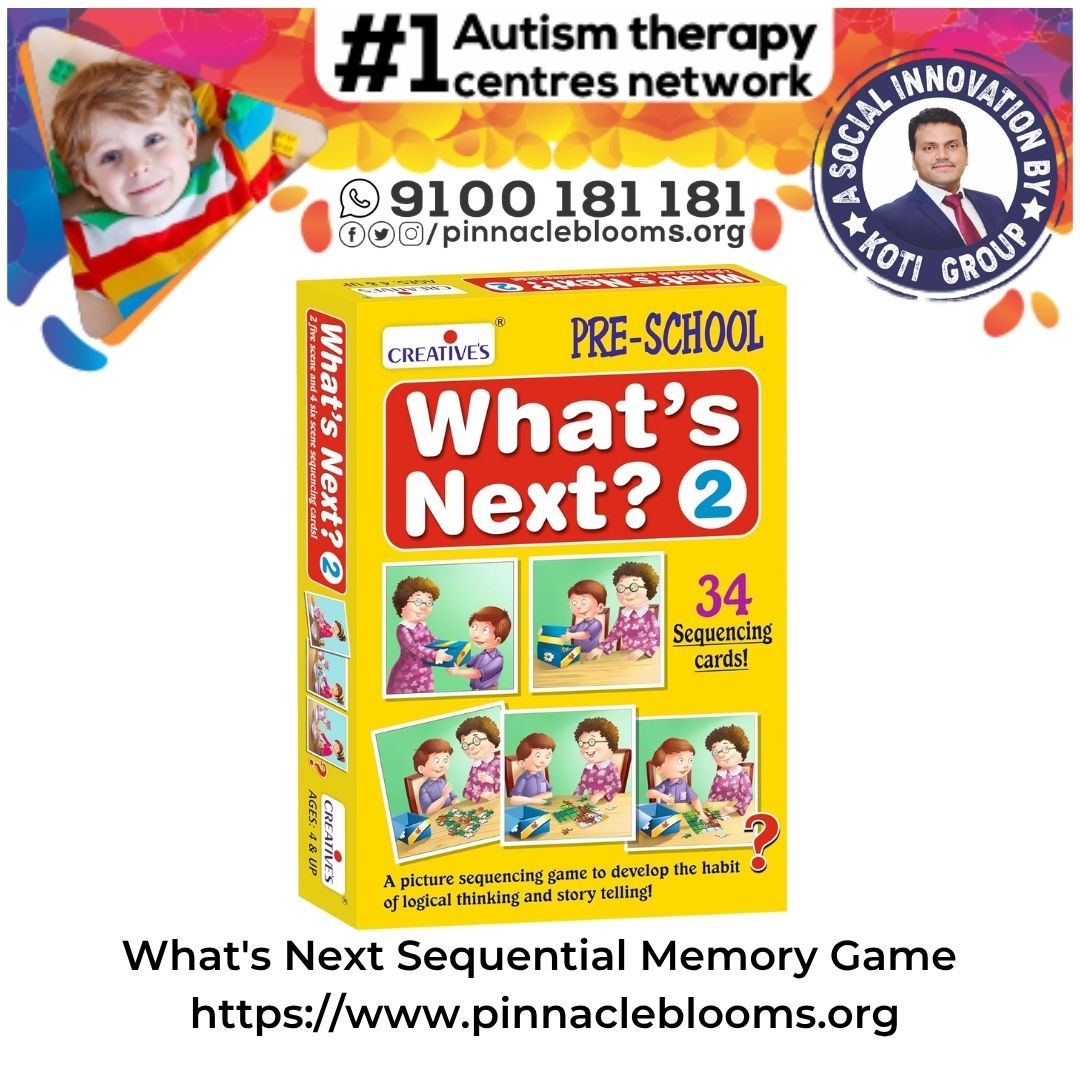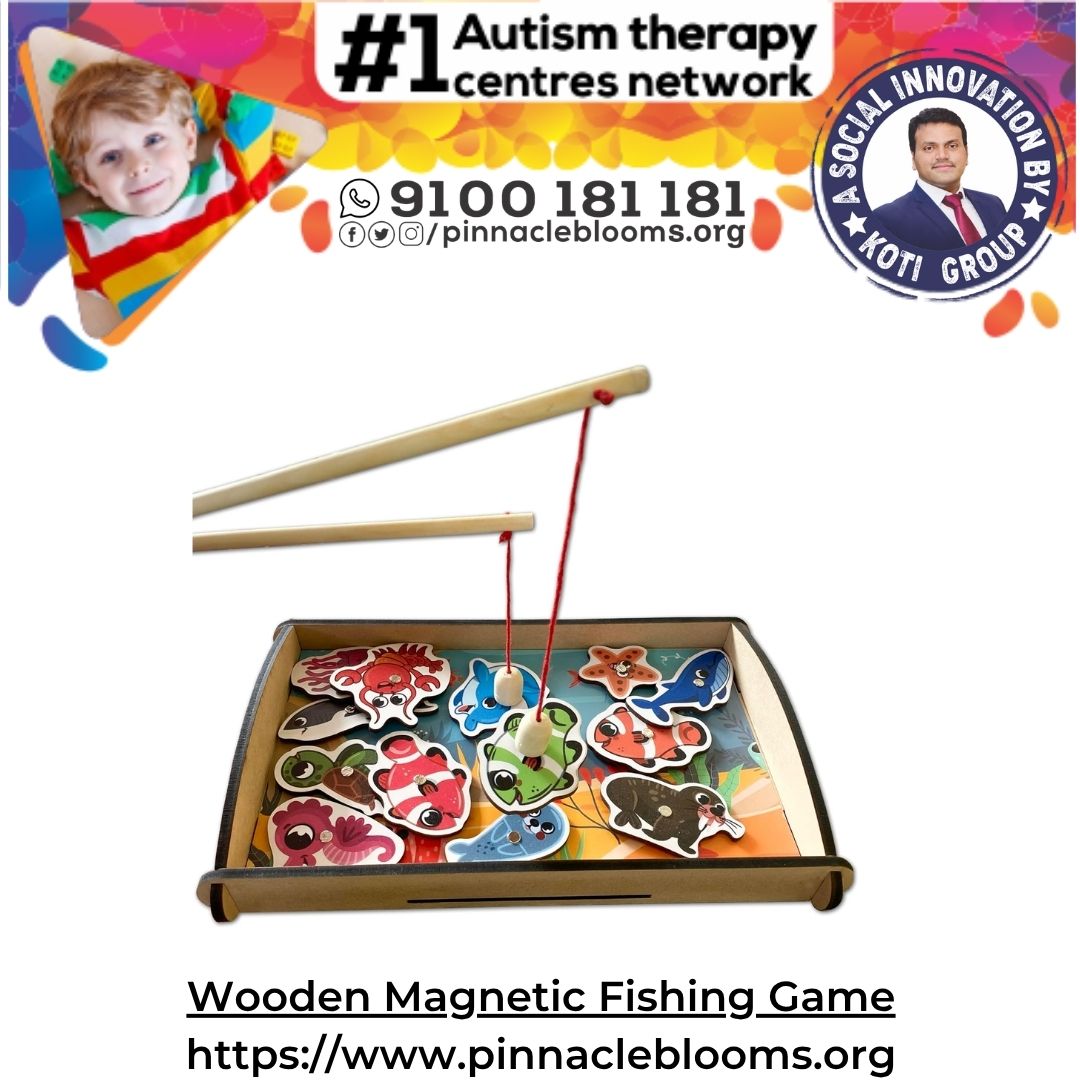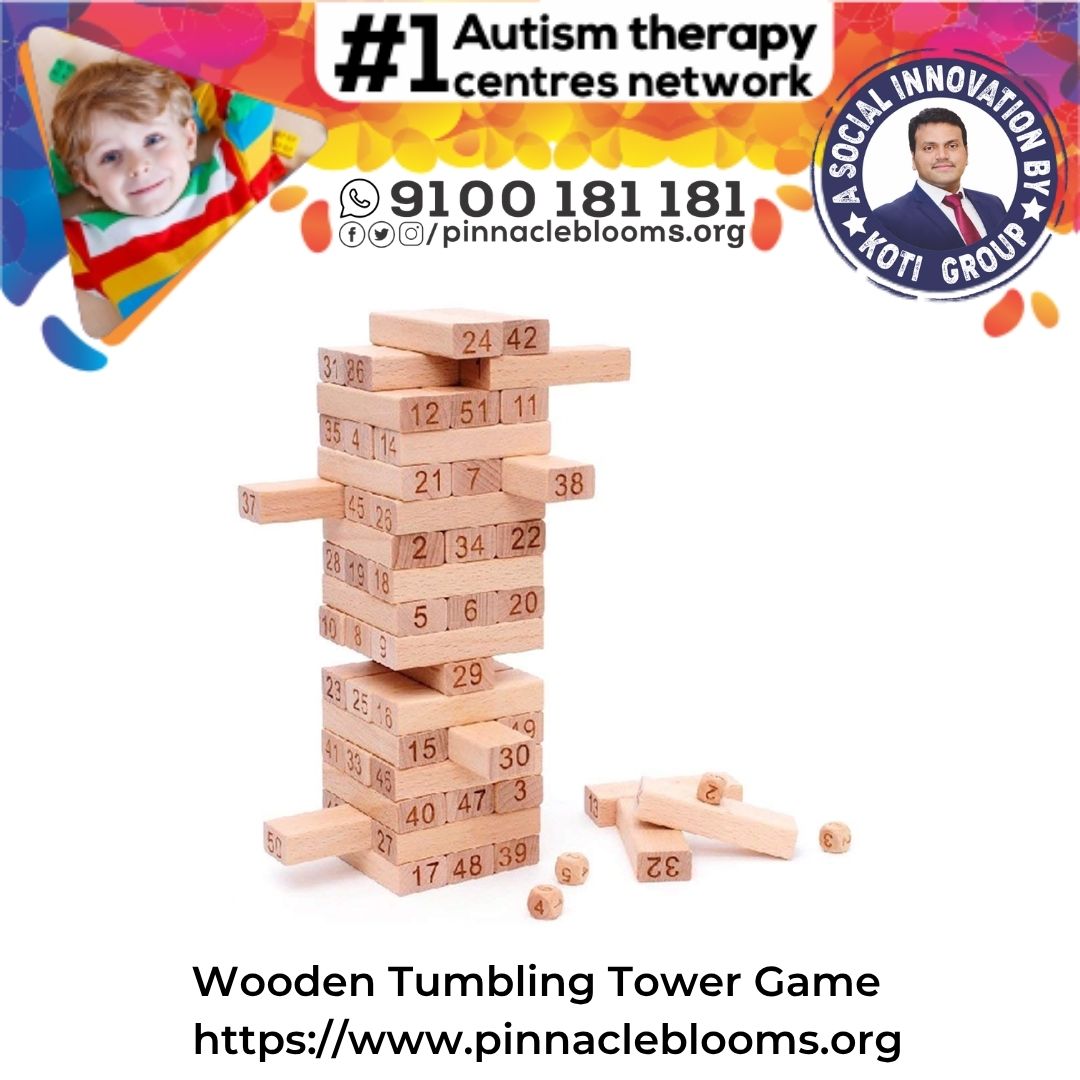












Tool ID: 8.1
Core Kit
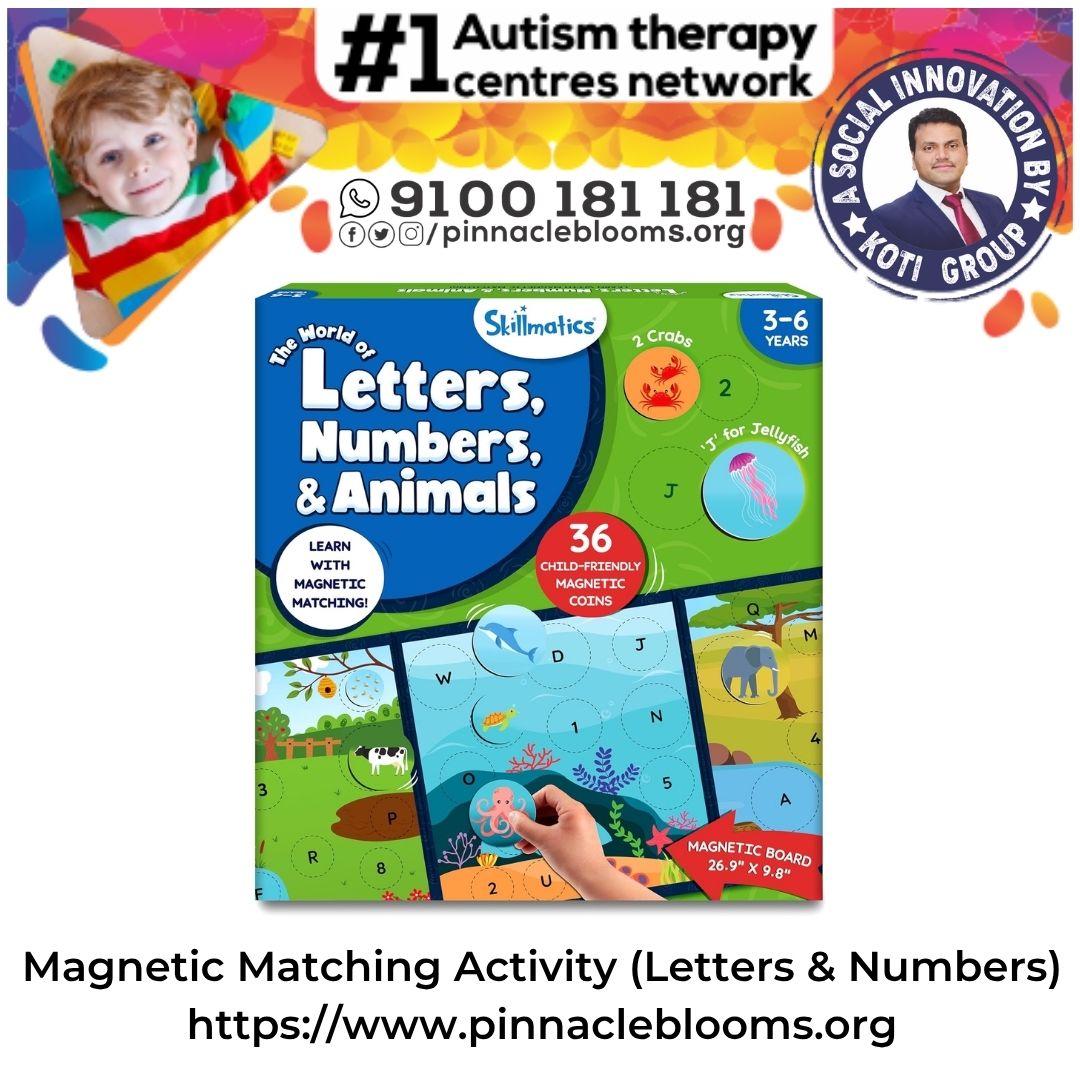
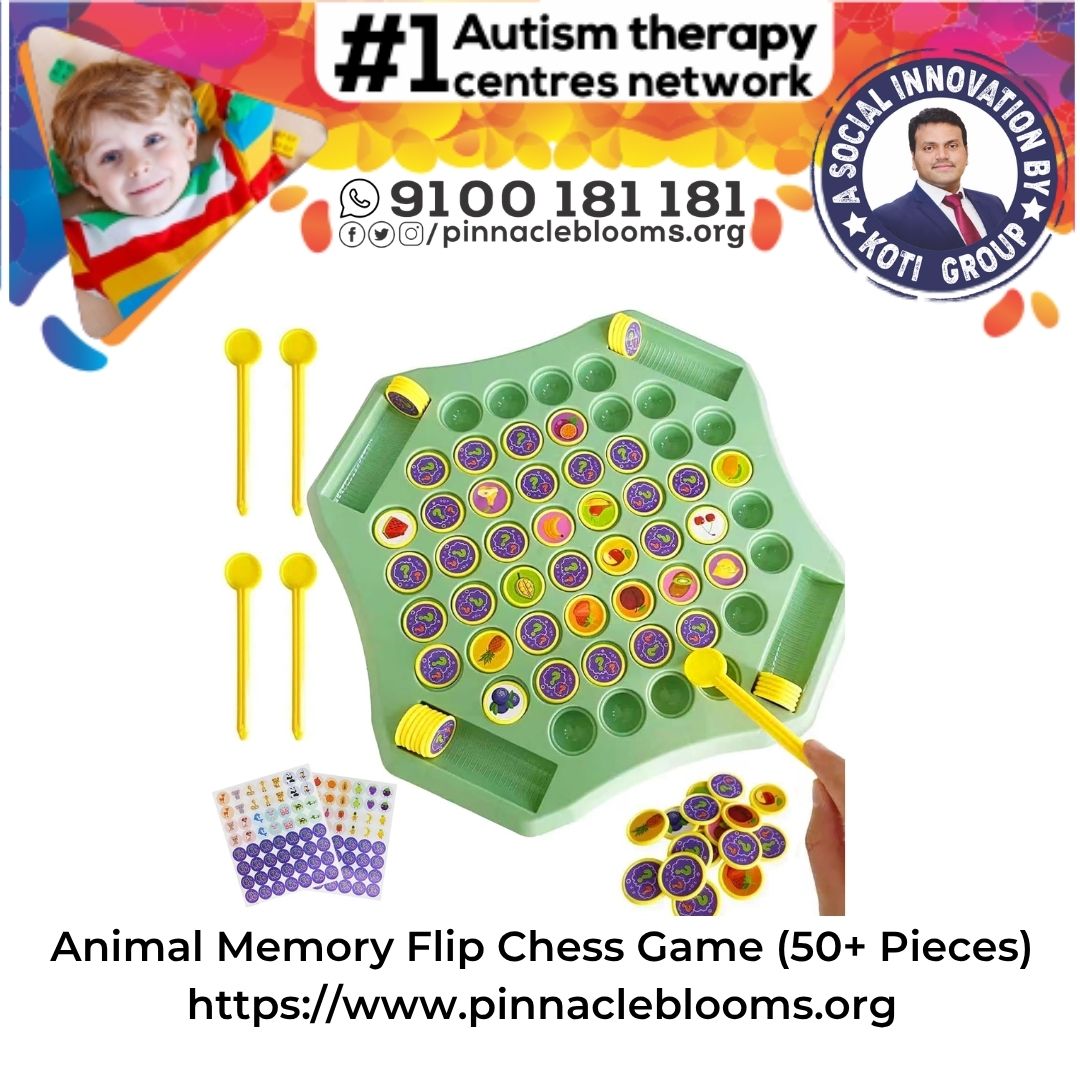
Matching Games / Memory Games
Visual discrimination and working memory system
SpEd + OT
Strong Evidence
Rank #1
Daily Use
₹100–500
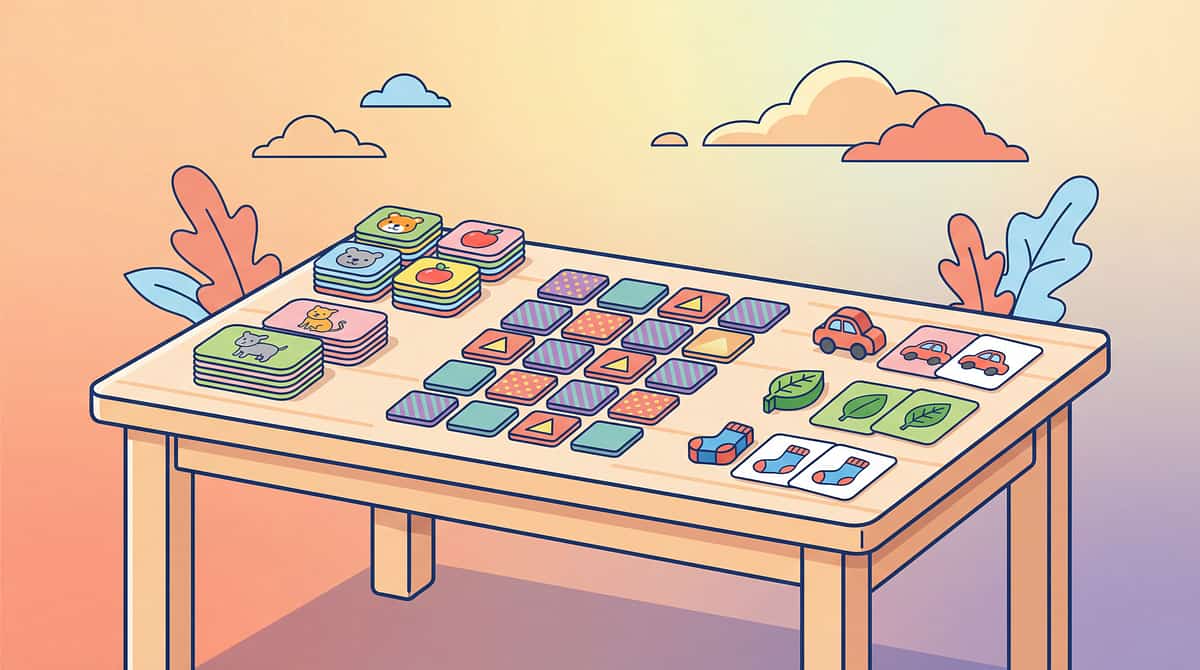
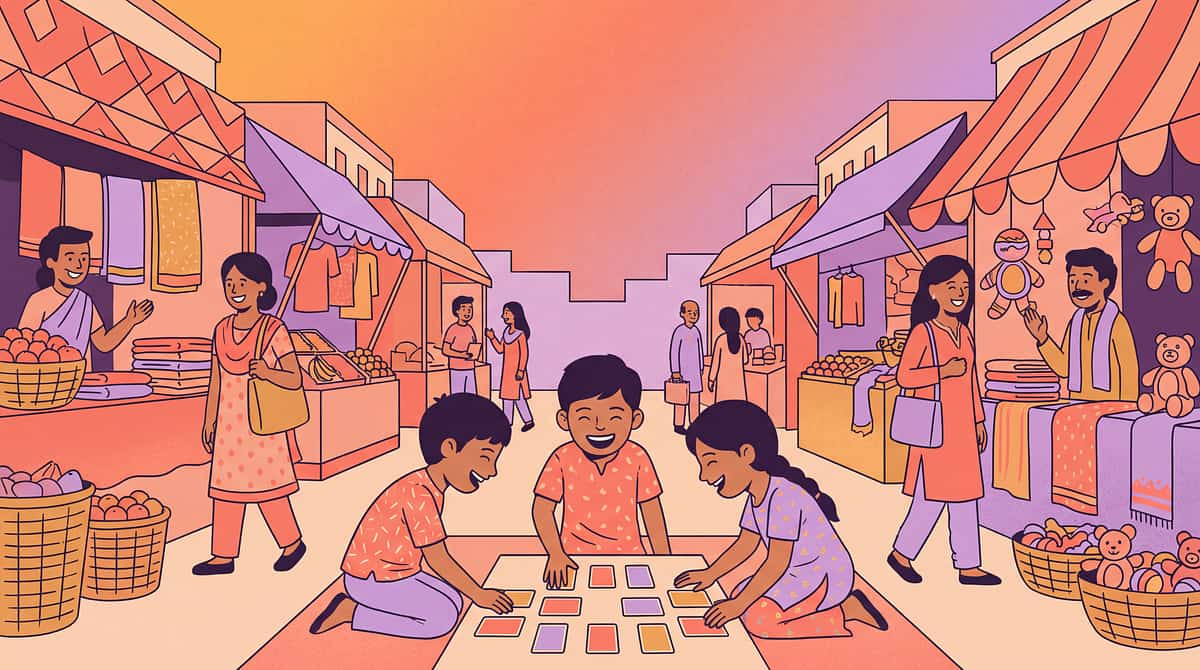
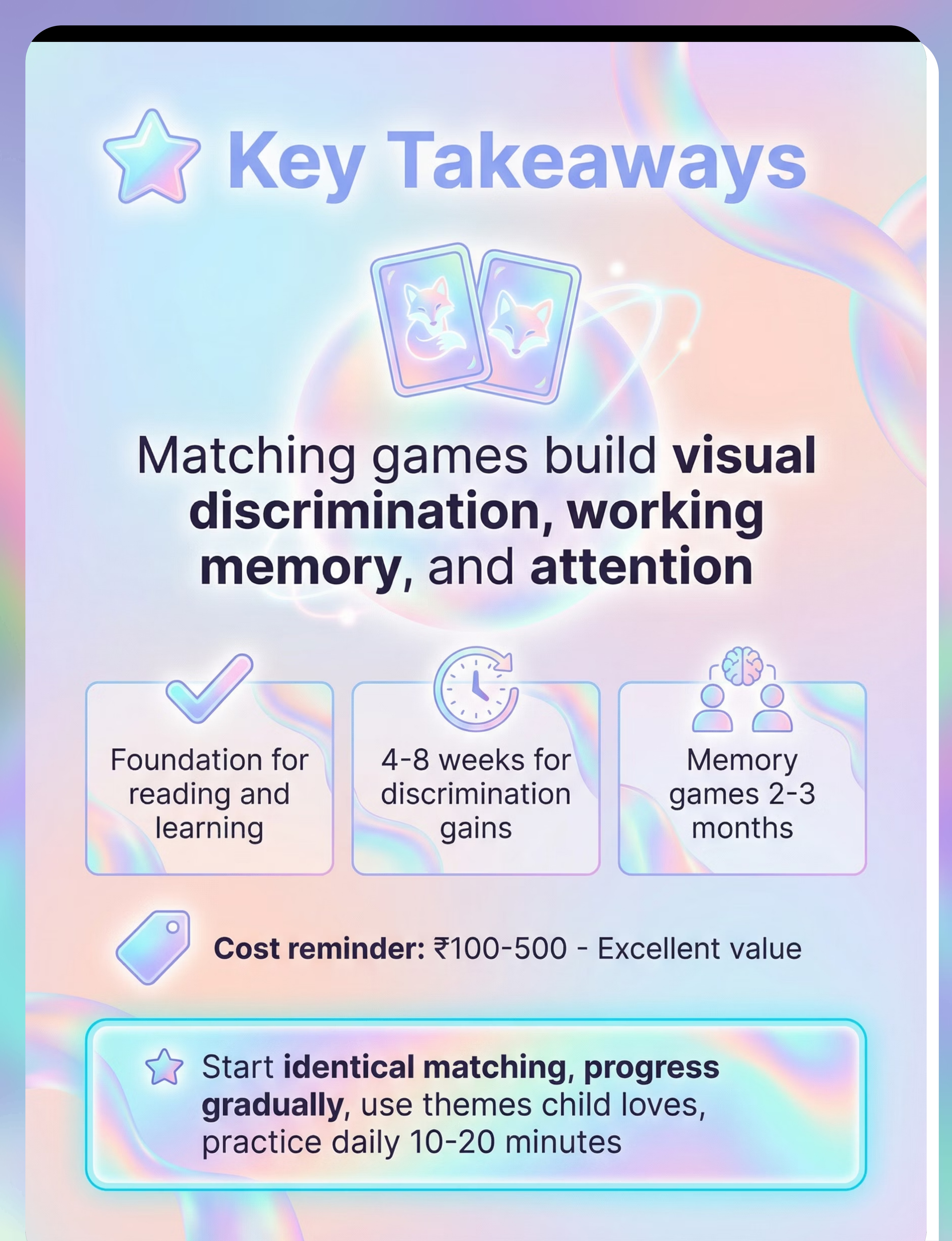
Matching and memory games are powerful cognitive tools that build the foundation for learning. Through play, children develop visual discrimination, working memory, attention, and concentration—essential skills that support reading, learning, and everyday cognitive tasks. These simple yet scientifically-backed activities transform how children process visual information and remember what they see.

Who This Helps
Matching and memory games develop visual discrimination, working memory, attention, and cognitive matching skills—foundational abilities that support all learning. These activities strengthen the visual processing needed for reading, the memory capacity needed for retaining information, and the attention skills needed for academic success.
Visual Discrimination
Working Memory
Attention
Concentration
Visual Scanning
Cognitive Flexibility
Ages 2-9 years
Home
Clinic
School
Beginners
Build visual discrimination with identical matching
Developing Skills
Progress to shadow matching and associations
Advanced
Challenge working memory with concentration games

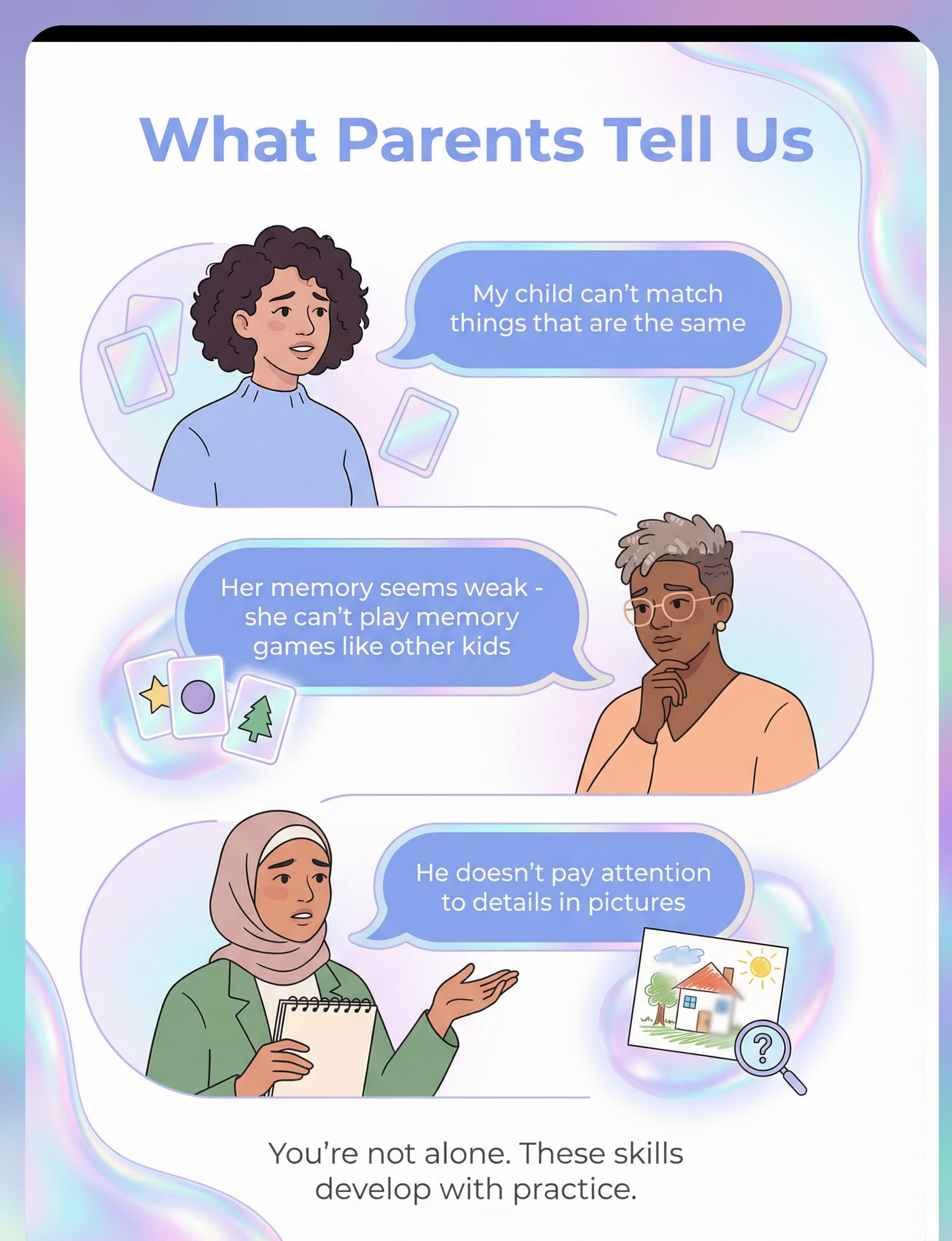
Does This Sound Familiar?
You're not alone. These are common challenges parents face when their child's visual discrimination or memory skills are still developing. Many families experience these exact concerns before discovering the power of matching games.
"My child can't match things that are the same—she picks randomly and doesn't seem to understand the concept."
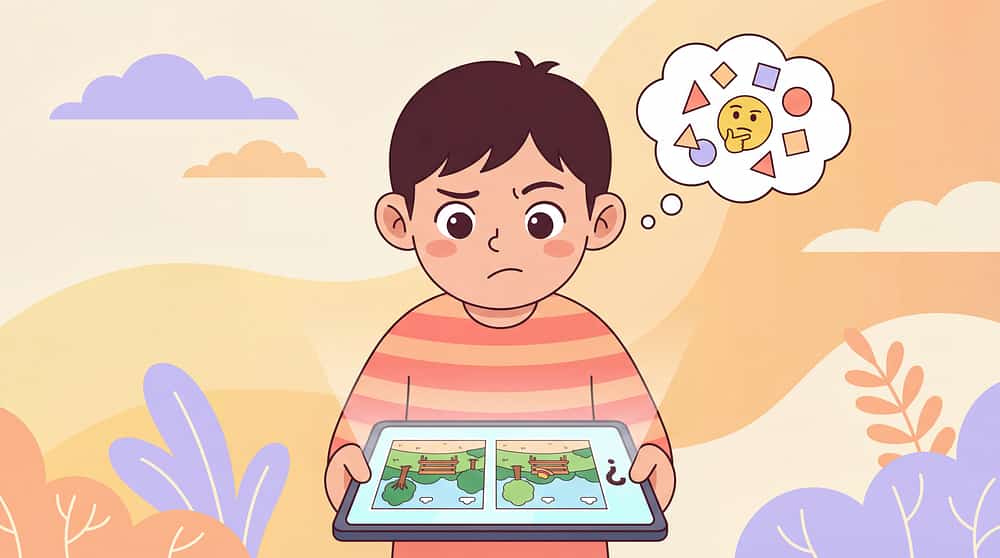
"She doesn't notice differences between pictures. Details just don't register for her."
"His memory seems weak—he can't remember where things are even seconds after seeing them."
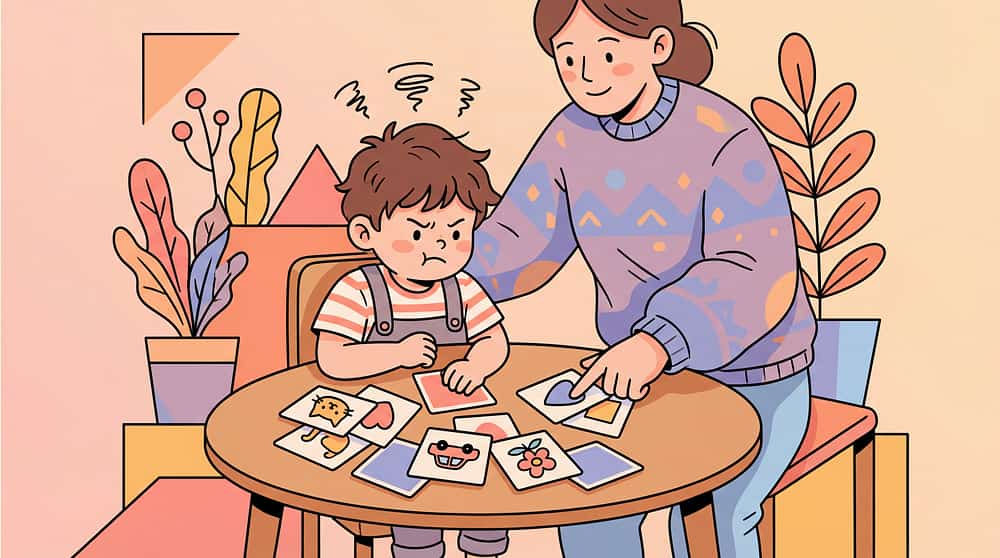
"She can't play memory games like other kids. It's frustrating for everyone."
"He doesn't pay attention to details in pictures or his surroundings."
"She can't remember where the card is, even after just seeing it."
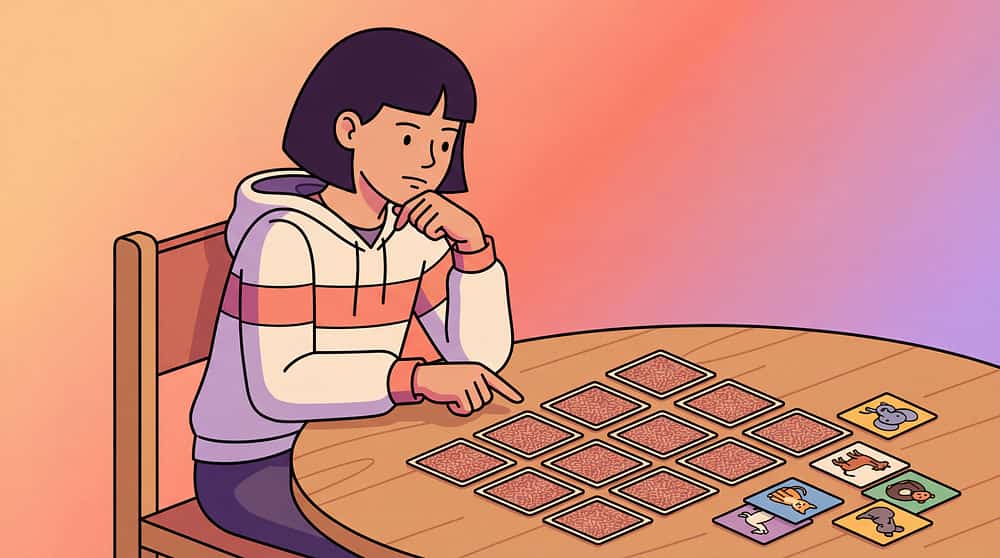
From the child's perspective: "I can't find the same one... I forget where the card is... They all look the same to me... This is too hard."

A Day Without the Right Support
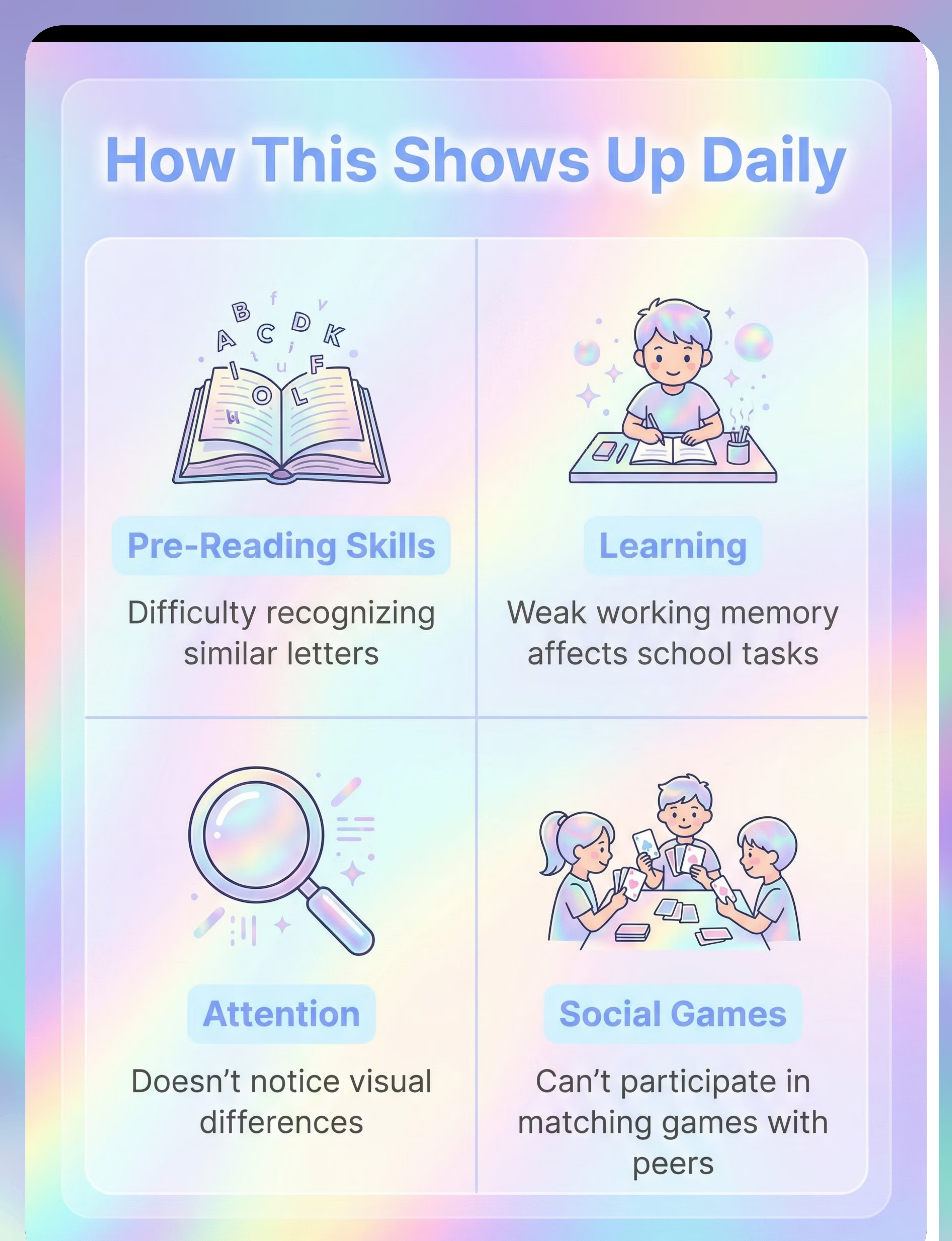
Learning Time
Difficulty with pre-reading skills—can't distinguish between similar letters or match simple pictures. Foundation skills are missing, making early learning frustrating.
Memory Challenges
Weak working memory affects all learning activities. Instructions are forgotten immediately. Information doesn't stick, creating constant repetition needs.
Missing Details
Doesn't notice visual details in pictures, worksheets, or surroundings. Important information is overlooked, leading to errors and misunderstandings.
Social Play
Can't participate in matching games with peers. Left out when friends play memory or concentration games. Social exclusion adds to cognitive challenges.
These daily challenges compound over time, affecting not just academic readiness but also self-confidence and social participation. The good news? Matching and memory games provide a clear, evidence-based path forward.
The Science Behind It
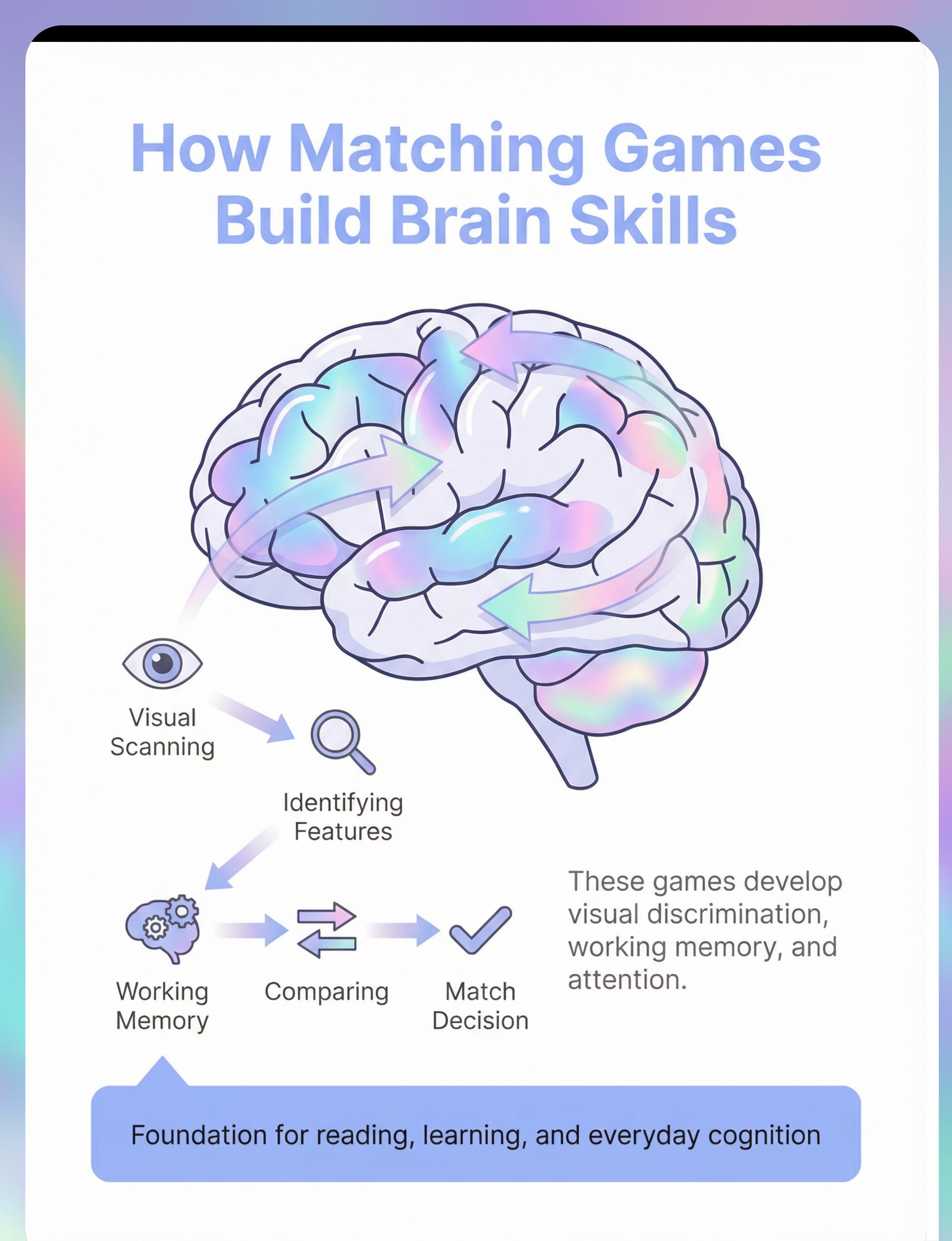
Understanding how matching games work helps you use them more effectively. This cognitive progression builds systematically, creating lasting improvements in visual processing and memory.
Visual Scanning
Child actively scans and examines visual information
Identifying Features
Brain learns to identify distinguishing characteristics
Working Memory
Information is held temporarily in working memory
Comparing
Mental comparison between target and options
Matching Decision
Decision made; match confirmed or corrected
Result
Builds attention, discrimination, memory foundations for all learning
Memory games add a crucial recall component—the child must remember card locations, strengthening working memory capacity. This systematic process builds the neural pathways needed for academic success, particularly in reading and visual learning tasks.
Visual Discrimination
Working Memory
Attention
Concentration
Visual Scanning
Cognitive Flexibility

How to Use It Right
Success with matching games comes from starting at the right level and progressing systematically. These evidence-based practices ensure optimal cognitive development while maintaining engagement.
Start with identical matching
Begin with the easiest level—identical picture matching—to build confidence and establish the matching concept clearly.
Progress systematically
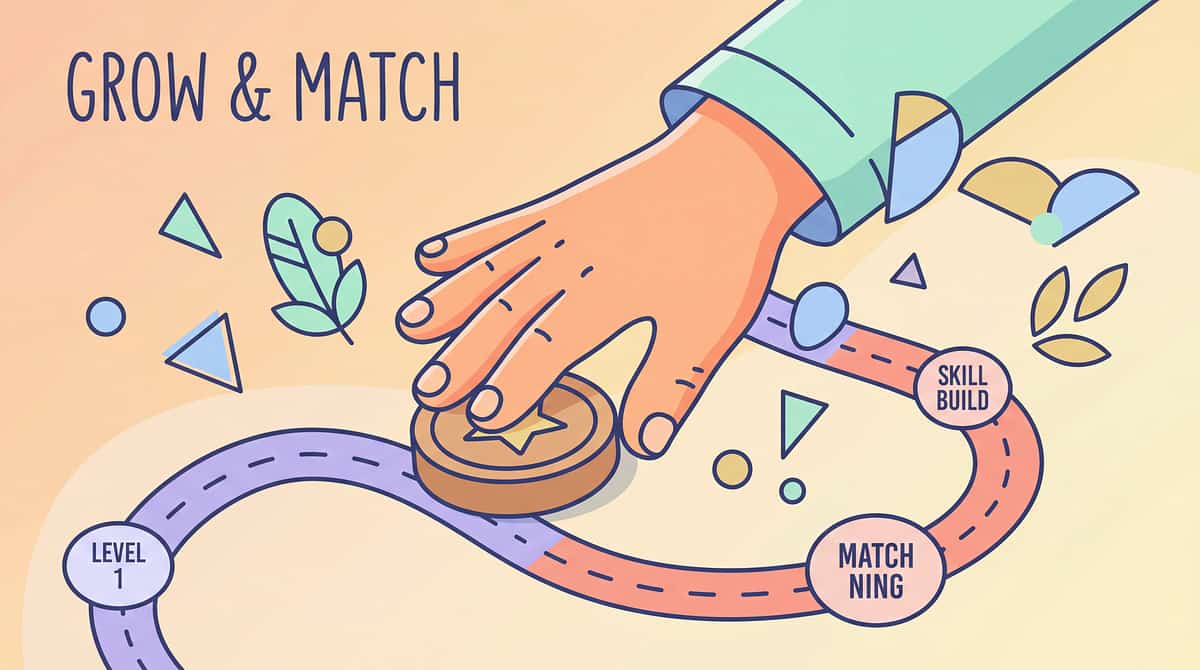
Follow the natural progression: identical → shadow → association → memory. Each level builds on the previous one.
Use themes child loves
Engagement drives practice. Match to special interests—dinosaurs, trains, favorite characters—to maintain motivation.
Adjust quantity appropriately
Fewer cards for beginners, increase gradually. Overwhelming choices lead to frustration and random guessing.
Build memory gradually
Memory games: start with just 4-6 pairs, increase slowly. Some children need many more repetitions than others.
Add language component
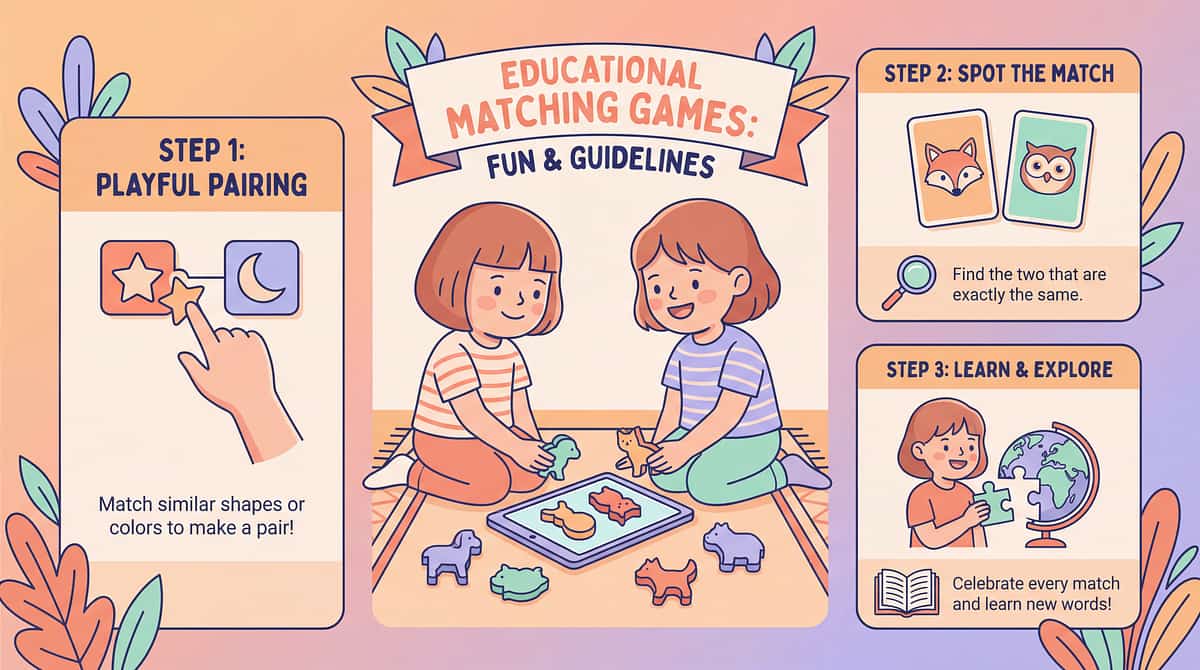
Verbalize matches to integrate language development. "These both have elephants!" builds vocabulary alongside visual skills.
Duration: 10-20 minutes per session, or as engagement allows. Multiple short sessions are often more effective than one long session, especially for younger children.

Expert Perspective
"Matching and memory games are foundational cognitive activities. They develop the visual discrimination needed for reading, the working memory needed for learning, and the attention needed for everything. Simple, powerful, essential."— Special Educator, Early Childhood Specialist
SpEd + OT
Recommended by Specialists
Both Special Educators and Occupational Therapists recognize matching games as core cognitive tools
Strong Evidence
Research-Backed
Extensive research supports the effectiveness of matching activities for cognitive development
Rank #1
Category Leader
Top-ranked tool in the Cognitive & Learning category for essential skill development

Choose Your Option (7 Variants)
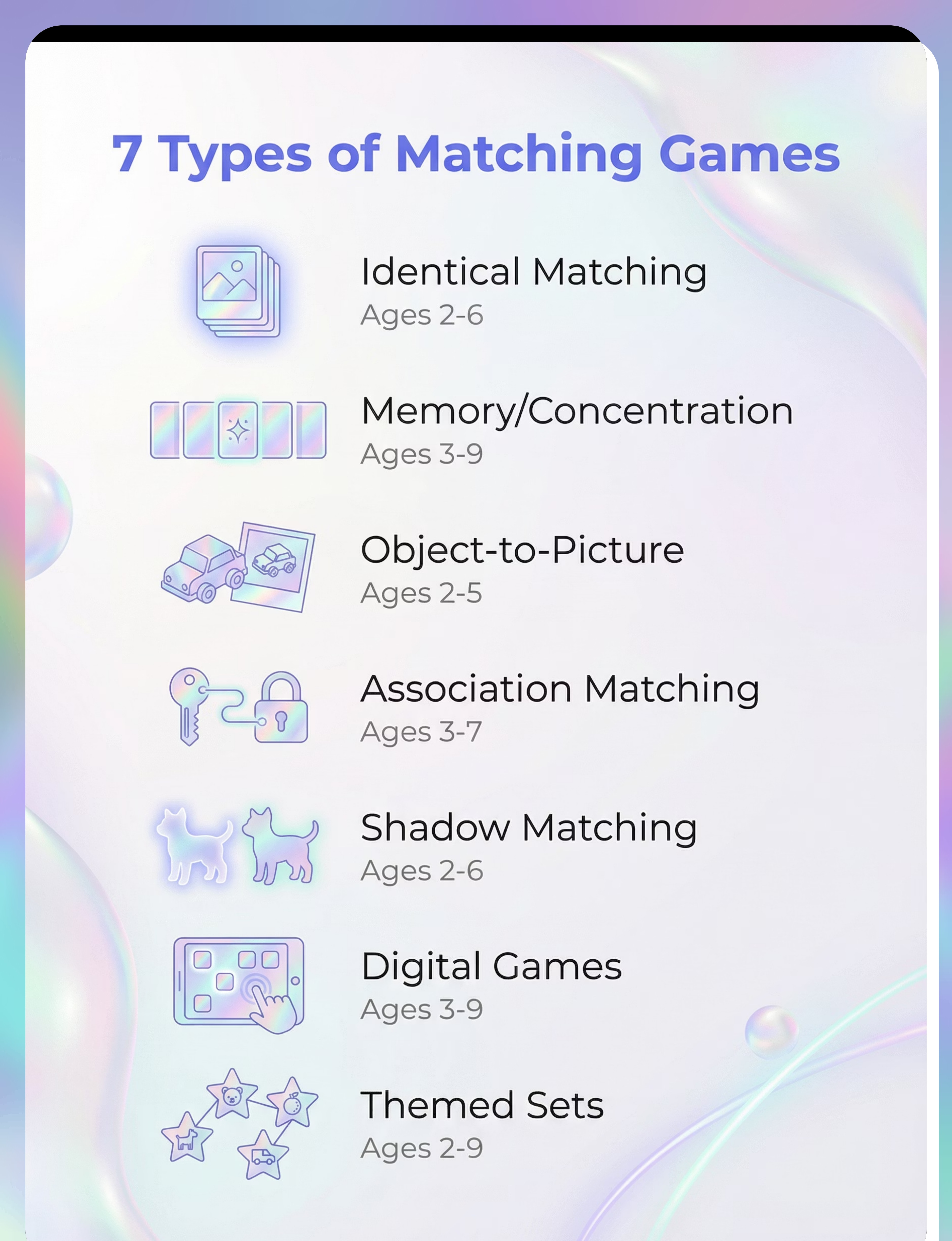
Different matching game types serve different developmental needs and skill levels. Start where your child is and progress systematically. Each variant builds specific cognitive skills while maintaining engagement.
Progression of Matching Games
Start simple and build complexity.
Picture Matching Cards
Ages 2-6: Visual discrimination foundation.
Object-to-Picture Matching
Ages 2-5: Concrete to abstract concept development.
Shadow Matching
Ages 2-6: Visual perception, shape recognition.
Association Matching
Ages 3-7: Cognitive connections, reasoning.
Memory/Concentration
Ages 3-9: Working memory, attention.
Themed Matching Sets
Ages 2-9: Engagement through special interests.
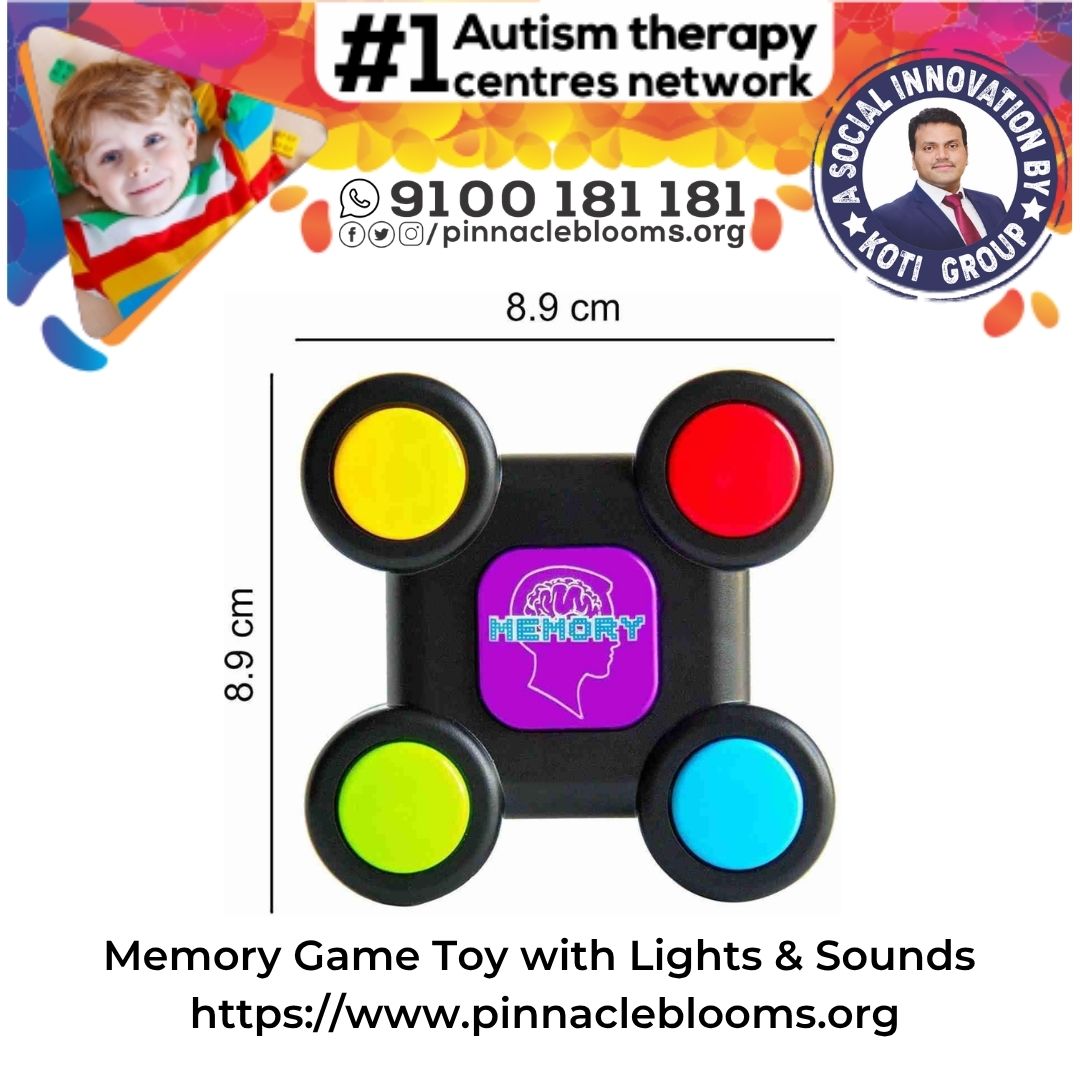
Digital Memory Games
Ages 3-9: Tech-motivated, varied difficulty.
Variant Details
Picture Matching Cards (Identical)
Best for: Beginners, visual discrimination foundation
Ages: 2-6 years | Price: ₹100–400
Home
Clinic
School
Very High Portability
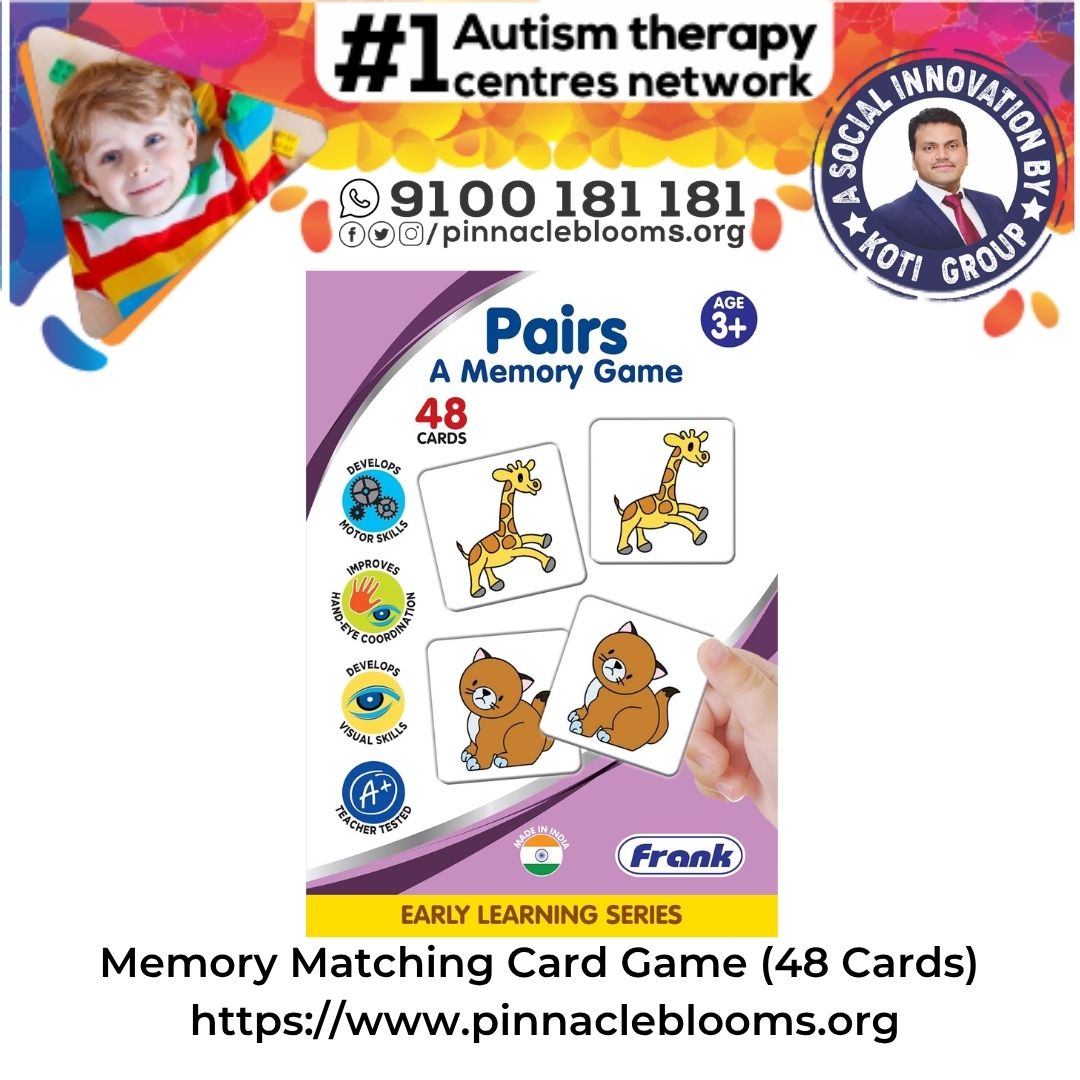
Cards with matching pairs—the foundation for all matching skills. Start here.
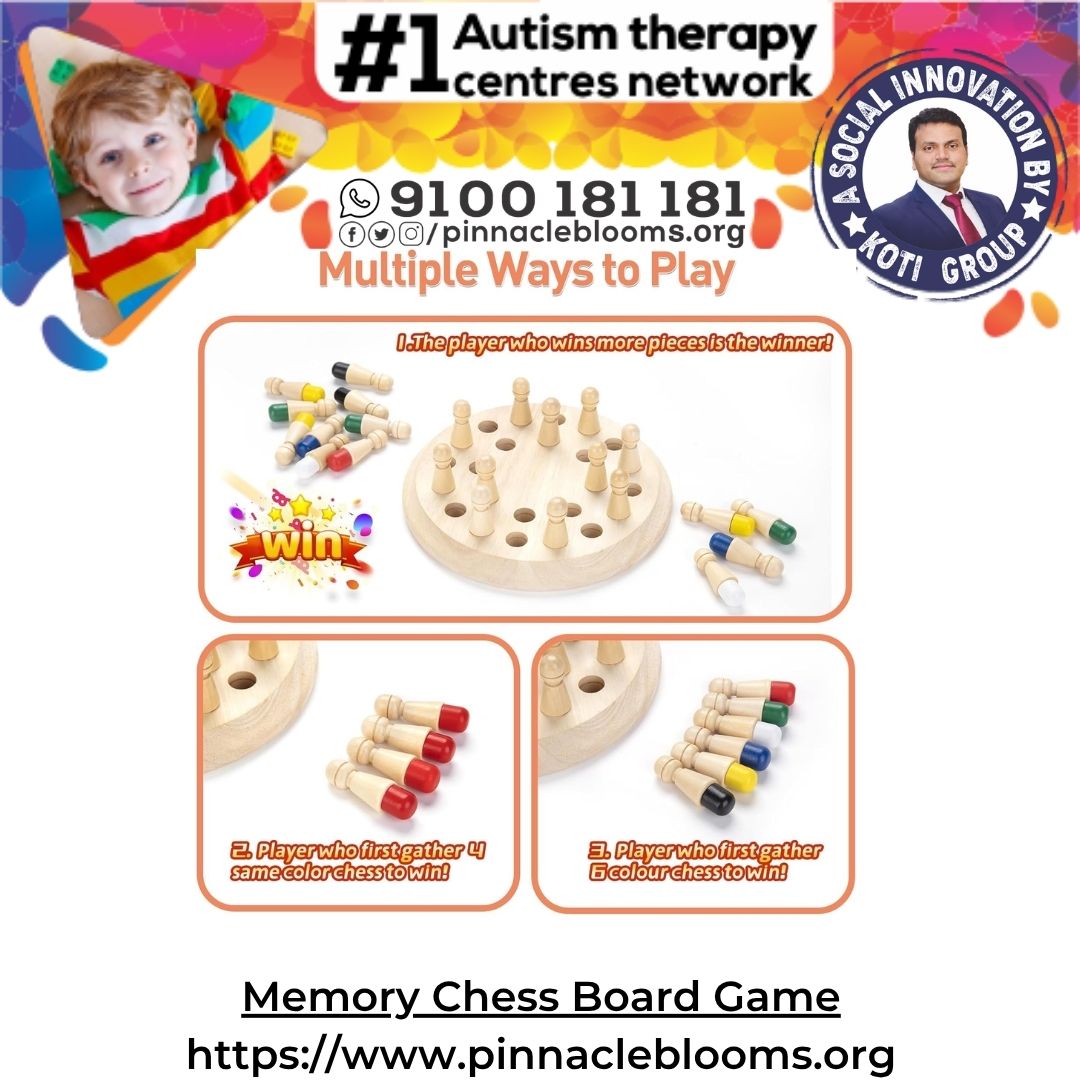
Memory/Concentration Game
Best for: Memory development, attention
Ages: 3-9 years | Price: ₹150–500
All Settings
Very High Portability
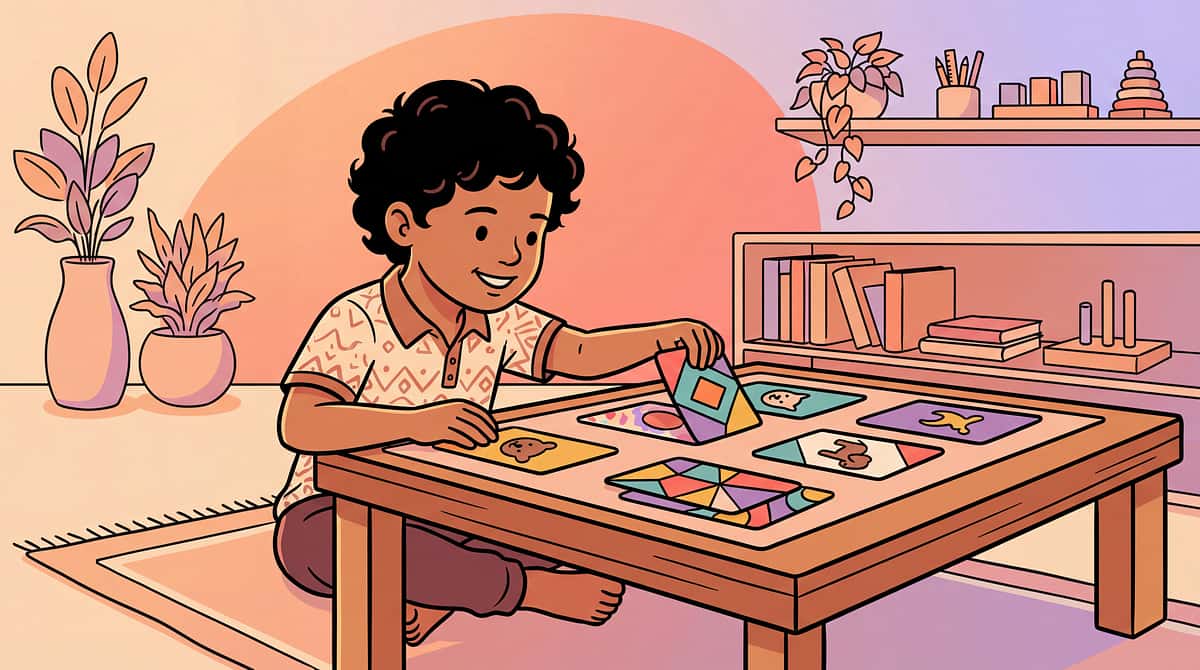
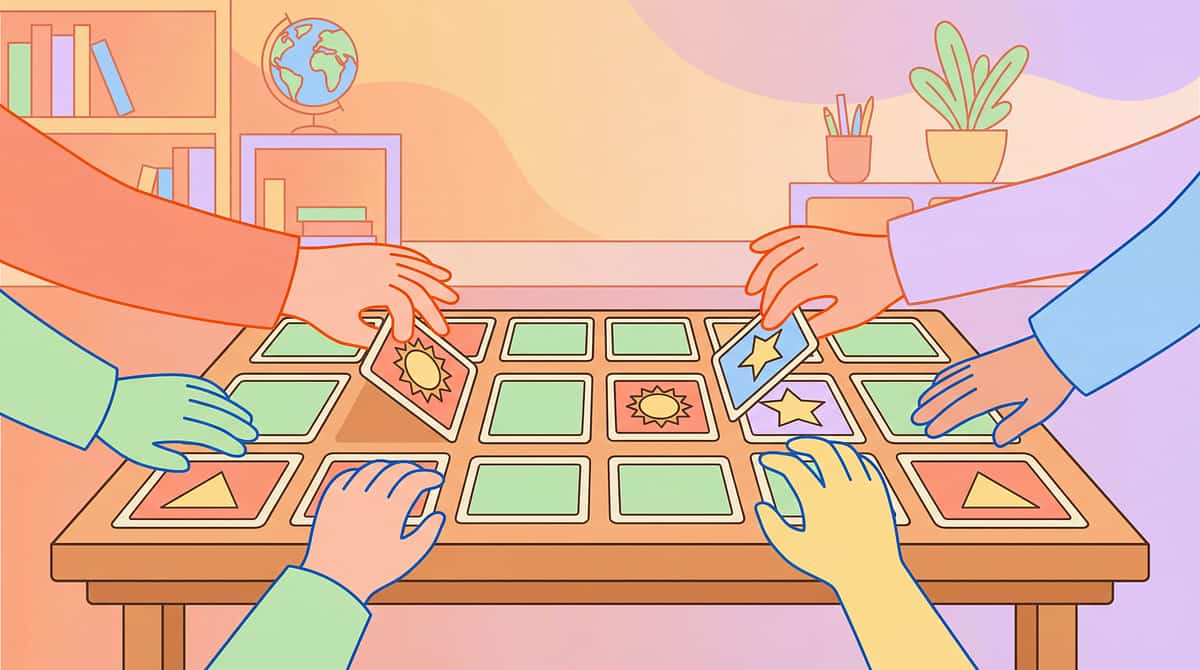
Face-down card matching—the classic memory challenge that builds working memory capacity.
Object-to-Picture Matching
Best for: Young children, concept development
Ages: 2-5 years | Price: ₹200–600
Home
Clinic
School
Medium Portability
3D objects matched to picture cards—concrete to abstract matching for concept development.
Association Matching (Related Items)
Best for: Cognitive connections, reasoning
Ages: 3-7 years | Price: ₹150–500
All Settings
Very High Portability
Cards showing related pairs—builds conceptual thinking and logical connections.
Shadow Matching
Best for: Visual perception, shape recognition
Ages: 2-6 years | Price: ₹150–400
All Settings
High Portability
Match object to its shadow/silhouette—develops visual form perception and shape recognition.
Digital Memory Games (Apps/Tablet)
Best for: Tech-motivated children, varied difficulty
Ages: 3-9 years | Price: ₹0–500
Home
Clinic
High Portability
Screen-based interactive matching with instant feedback and adjustable difficulty levels.
Themed Matching Sets
Best for: Engagement through special interests
Ages: 2-9 years | Price: ₹150–500
All Settings
High Portability
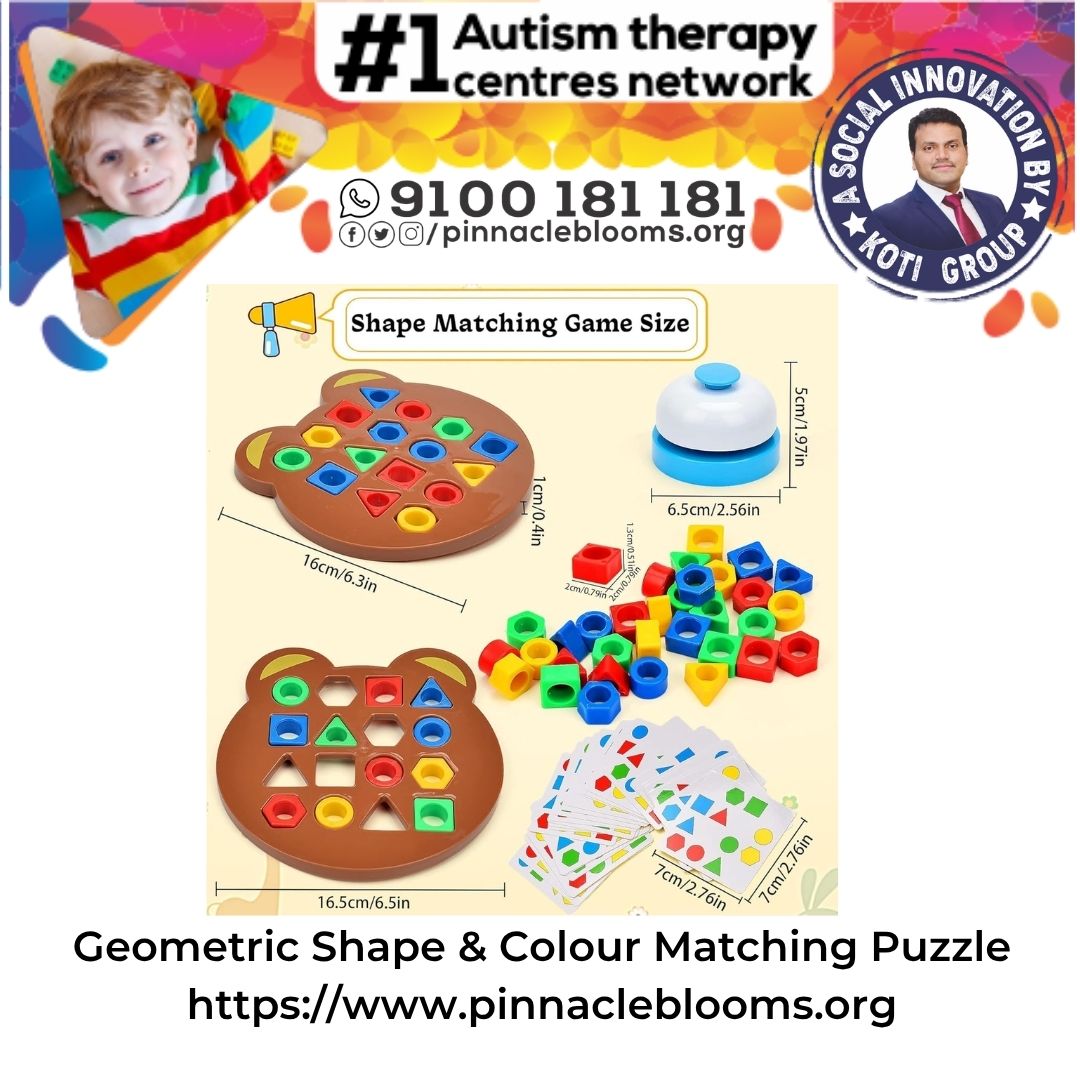
Interest-specific matching games—dinosaurs, vehicles, animals—that leverage motivation for practice.
How to Choose
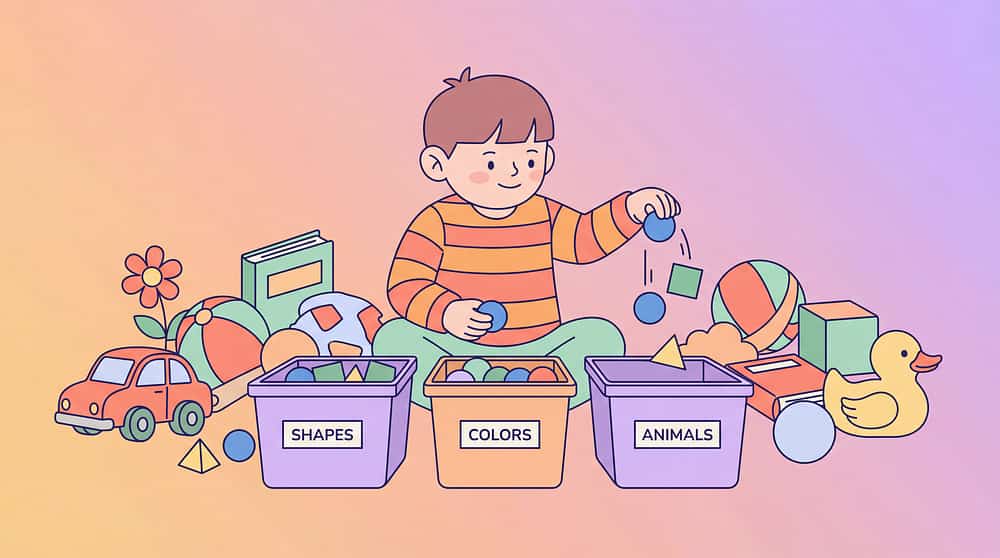
By developmental level: Identical matching → shadow → association → memory (increasing difficulty)
By setting: High portability options for therapy bags and travel; larger sets for home/classroom
By motivation: Theme around your child's special interests for maximum engagement

Matching Progression Guide
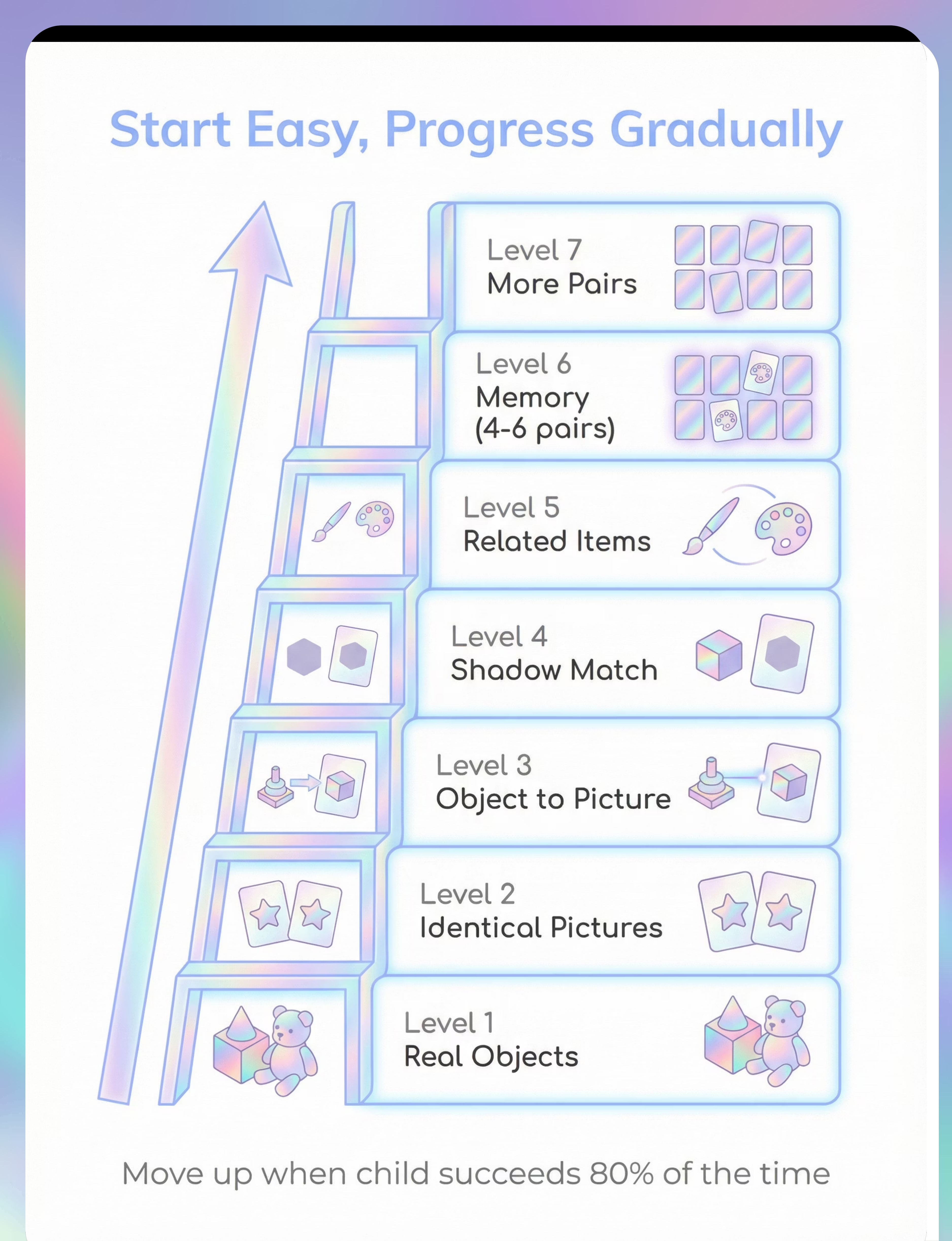
Success with matching games requires understanding the developmental progression. Each level builds systematically on previous skills. Never skip steps—foundation skills must be solid before advancing.

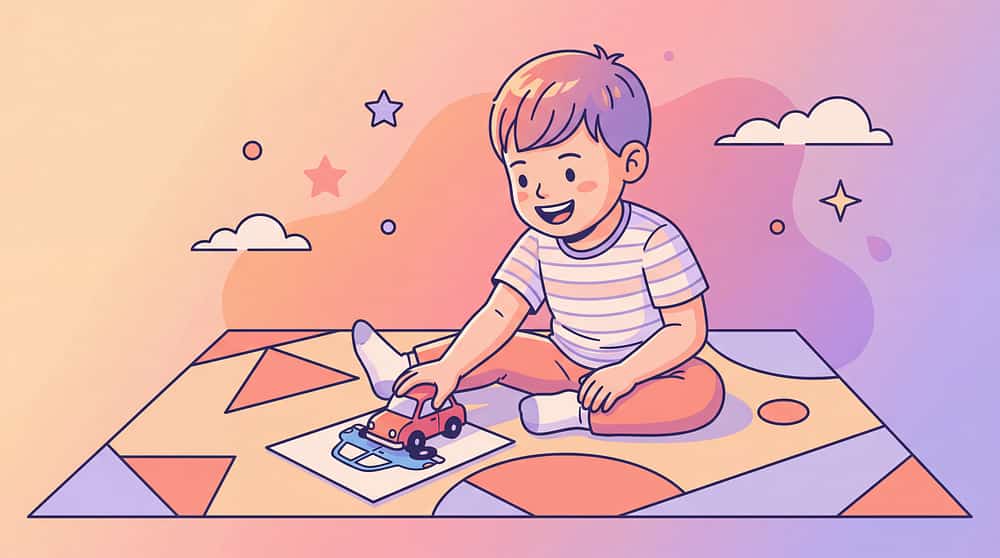
Level 1: Real Objects
Identical object matching—the most concrete starting point. Child matches real toy car to identical real toy car.

Level 2: Identical Pictures
Identical picture matching—matches photo of car to identical photo. First abstraction step.

There was an error generating this image
Level 3: Object to Picture
Object to picture matching—matches real toy car to photo of car. Concrete to abstract thinking.

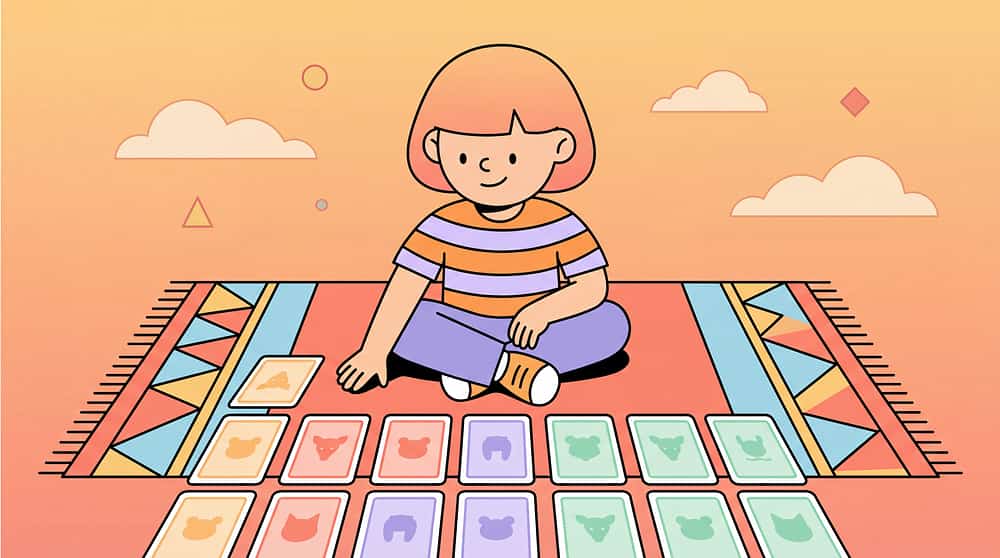
Level 4: Shadow Matching
Shadow/silhouette matching—matches car to its black silhouette. Visual form perception development.

Level 5: Association Matching
Association matching of related items—matches key to lock, spoon to bowl. Conceptual thinking.

Level 6: Memory Game (4-6 pairs)
Memory game with 4-6 pairs—working memory challenge. Start small and build success.

Level 7: Memory Game (increasing pairs)
Memory game with increasing pairs—gradually expand to 8, 10, 12+ pairs as working memory strengthens.
Pro tip: Spend 2-4 weeks at each level before progressing. Mastery at each level ensures confidence and prevents frustration at the next level.

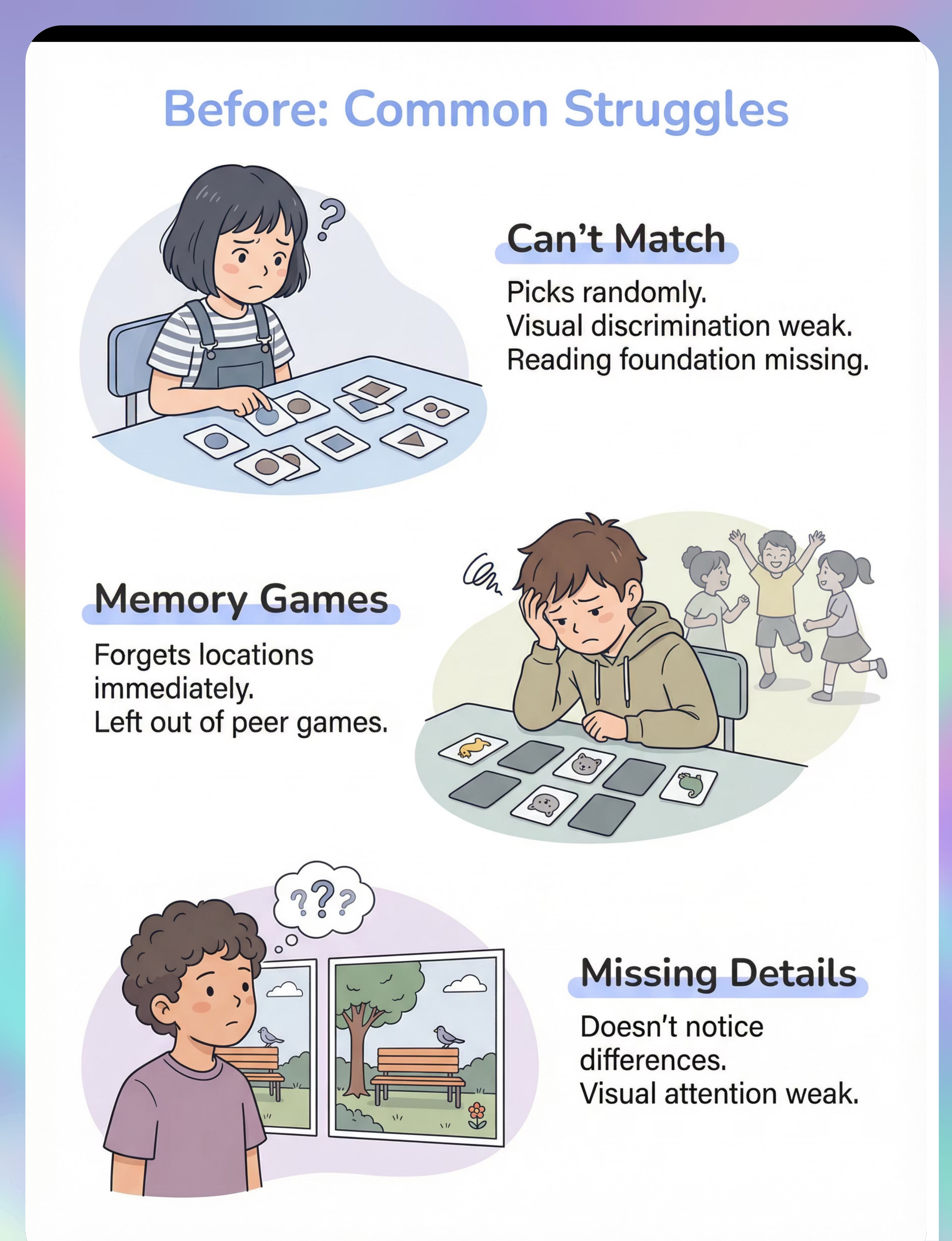
The Struggle (Before)
These scenarios reflect the reality many families face before implementing structured matching practice. The challenges are real, but they're also addressable with the right approach.

Can't Match
Situation: Child can't identify matching pictures. Picks randomly without understanding the concept.
Experience: Visual discrimination is weak—the foundation for reading is missing. Simple matching tasks feel impossible.
Emotion: Frustration, struggle, feeling of being "behind"

Memory Games
Situation: Child can't play memory/concentration games with family or peers.
Experience: Forgets card locations immediately—working memory is weak. Left out when siblings or friends play these common games.
Emotion: Exclusion, difficulty, feeling "different"

Attention to Detail
Situation: Child doesn't notice differences in pictures or visual information.
Experience: Misses important details in worksheets, pictures, environment. Visual attention is weak, affecting all learning.
Emotion: Missing information, overlooking details, constant corrections
These challenges don't reflect a child's potential—they reflect skills that haven't been systematically developed yet. The transformation begins with matching games practiced consistently at the right level.

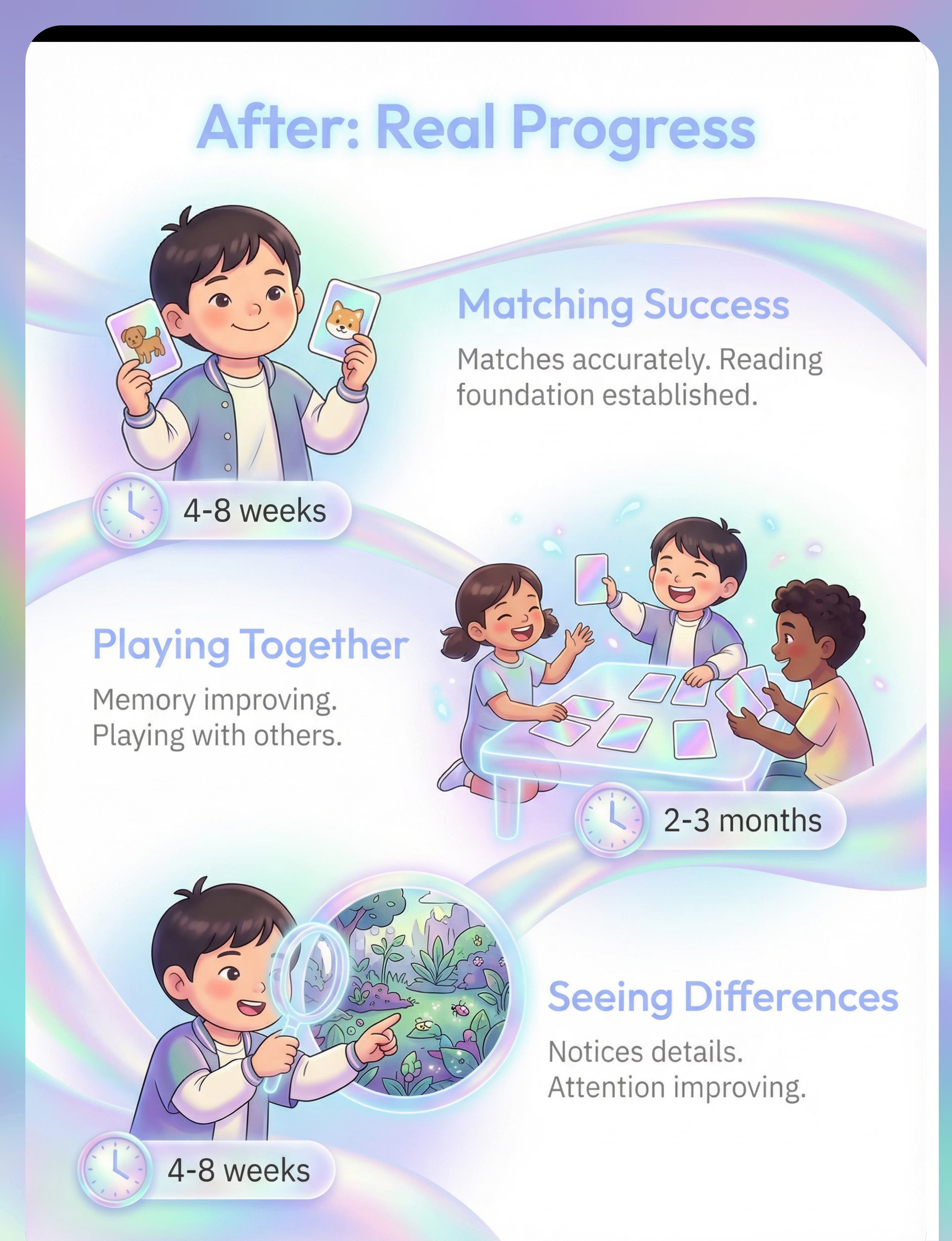
The Breakthrough (After)
With consistent practice using appropriately-leveled matching games, these transformations are achievable. Each child progresses at their own pace, but the pattern of improvement is consistent.
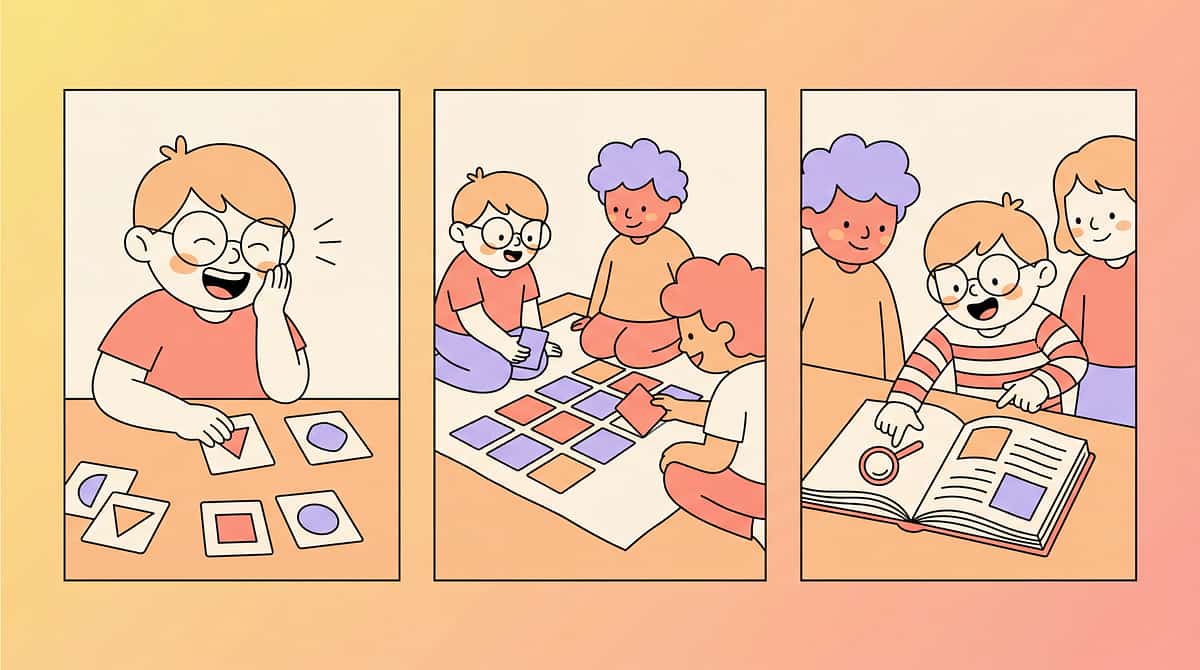
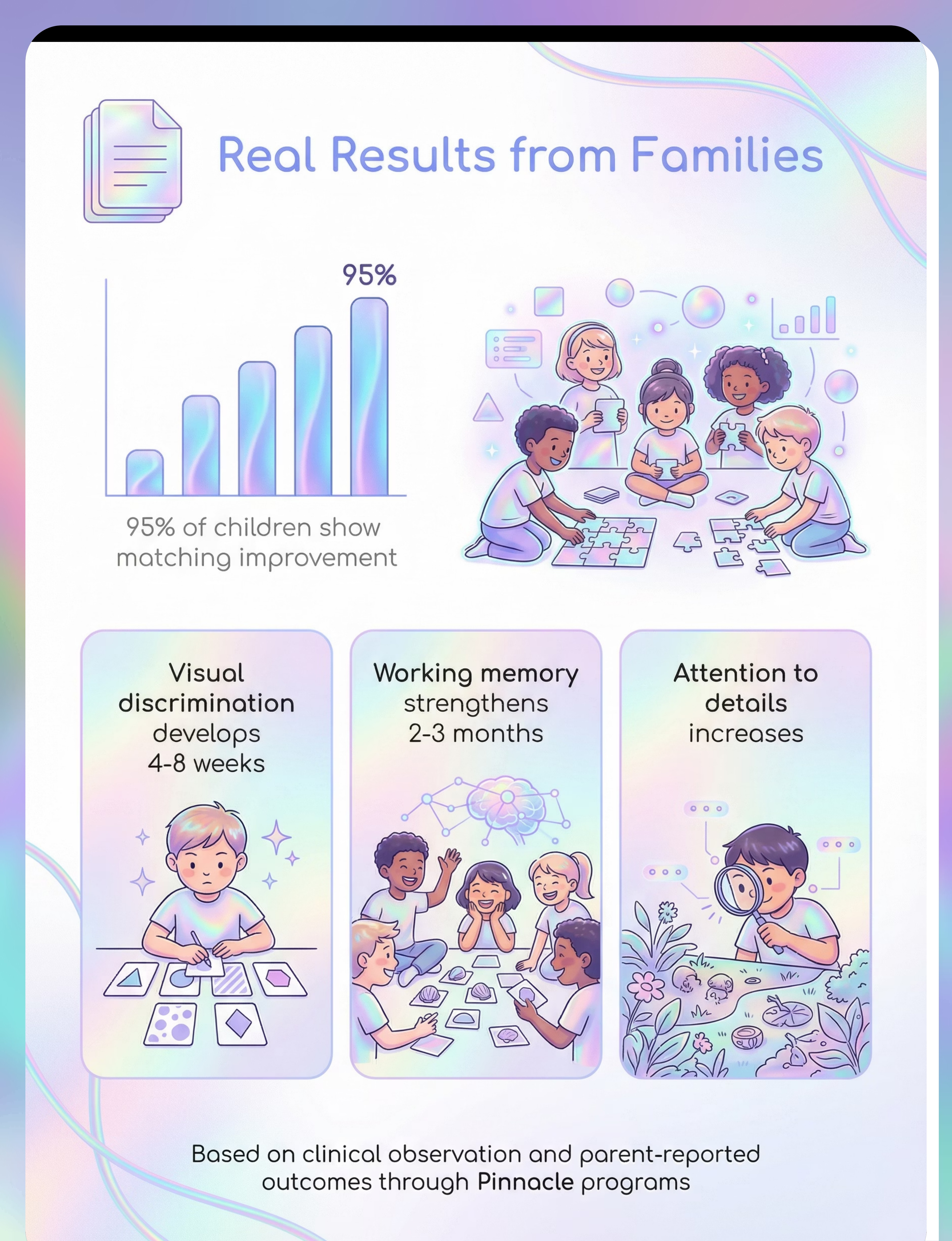
Can Match Confidently
Situation: Started with identical matching—the easiest level—and built visual discrimination systematically.
Experience: Now matches confidently and accurately. Foundation for reading is established. Simple matching is automatic.
Emotion: Capability, confidence, foundation established
Timeframe: 4-8 weeks
Playing Memory Games
Situation: Started with just 4 pairs—very manageable. Practiced daily with themes child loved.
Experience: Now playing memory with more pairs. Working memory capacity is improving. Can participate in family game time.
Emotion: Success, inclusion, participation
Timeframe: 2-3 months
Noticing Details
Situation: Daily matching practice trained visual attention systematically.
Experience: Now notices details in pictures, worksheets, environment. Spot-the-difference games are possible. Visual awareness has expanded.
Emotion: Awareness, attention, capability
Timeframe: 4-8 weeks
These aren't exceptional outcomes—they're typical results from consistent, appropriately-leveled matching practice. The key is starting at the right level and progressing systematically without rushing.

What to Expect (Realistic Timelines)
Progress with matching games follows predictable patterns. Understanding realistic timelines helps maintain motivation and prevents premature advancement to harder levels.
Visual discrimination develops
Child begins accurately distinguishing between similar images, noticing subtle differences, and matching confidently.
4-8 weeks
Working memory improves
Ability to hold and manipulate information increases. More memory game pairs become manageable.
2-3 months
Attention to visual details increases
Child notices details previously overlooked—in pictures, worksheets, environment. Visual scanning becomes more thorough.
4-8 weeks
Can play memory games with peers
Social participation becomes possible. Child can join family game time and peer play involving matching activities.
2-3 months
Foundation for reading established
Visual discrimination skills transfer to letter recognition and early reading. The cognitive foundation is solid.
Ongoing
Cognitive matching skills generalize
Matching ability extends beyond games to real-world tasks—sorting, organizing, categorizing, pattern recognition.
2-3 months
Important: These timelines assume consistent daily practice (10-20 minutes) at the appropriate difficulty level. Rushing progression or inconsistent practice will slow these outcomes. Individual variation is normal—some children progress faster, others need more time.

Is This Right for My Child? (2-Minute Check)
Answer these quick questions to assess fit. Three or more "yes" answers indicate matching games would be highly beneficial for your child.
Can your child match identical pictures?
If yes: Ready to progress to more complex matching types (shadow, association, memory)
If no: Start with basic identical matching—this is the perfect starting point for building visual discrimination
Can your child play memory/concentration games?
If yes: Working memory is developing—increase difficulty gradually by adding more pairs
If no: Build memory skills gradually starting with just 4 pairs. This is a learnable skill with practice
Does your child notice visual differences?
If yes: Visual discrimination is developing—continue challenging with subtle differences
If no: Matching practice will systematically develop this critical pre-reading skill
Does your child pay attention to details in pictures?
If yes: Visual attention is developing—ready for more complex visual tasks
If no: Daily matching practice will train visual attention systematically
Interpretation: Even if you answered "no" to all questions, matching games are still appropriate—they're designed to build these exact skills from the ground up. Start at Level 1 and progress systematically.

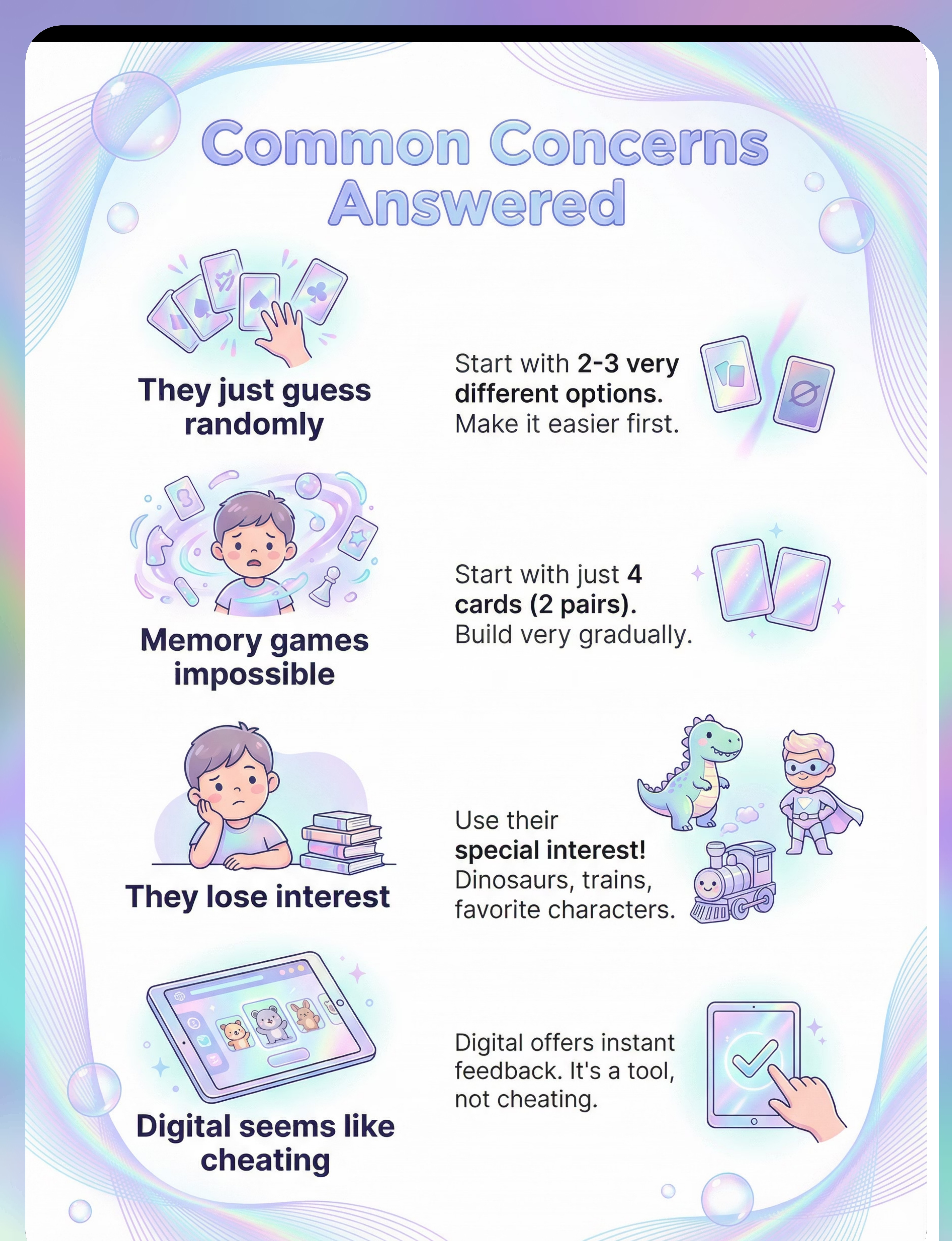
Common Questions (Honest Answers)
These are the real questions parents ask. Here are honest, evidence-based answers that will help you use matching games effectively.
They just guess randomly
The issue: Too many choices or differences too subtle for current skill level
The solution: Reduce choices dramatically! Start with just 2-3 very different options. Make matching obvious at first. Build success, then gradually increase difficulty. Random guessing always means the task is too hard.
Try this: Fewer choices, more distinct differences, easier level first
Memory games are impossible for them
The issue: Starting with too many pairs for current working memory capacity
The solution: Start with just 4 cards (2 pairs)—really! Face up first to demonstrate concept clearly. Then face down. Build very gradually over weeks. Some children need many more repetitions than others—this is normal.
Try this: 2 pairs only, show concept face-up first, add pairs slowly
They lose interest quickly
The issue: Content doesn't match child's interests or motivation
The solution: Use their special interest! Dinosaur matching for dinosaur lovers, train matching for train enthusiasts, favorite character matching for specific interests. The content matters as much as the skill. Engagement drives practice volume.
Try this: Theme around special interest, keep sessions short (10 minutes)
Digital games seem like cheating
The concern: Screen-based tools feel less "real" than physical materials
The reality: Digital games offer instant feedback, perfectly adjustable difficulty, and high engagement for tech-motivated children. They're tools, not cheating. Many excellent educational apps exist. Use as part of balanced approach combining physical and digital.
Try this: Combine physical and digital, use apps as one tool in toolkit

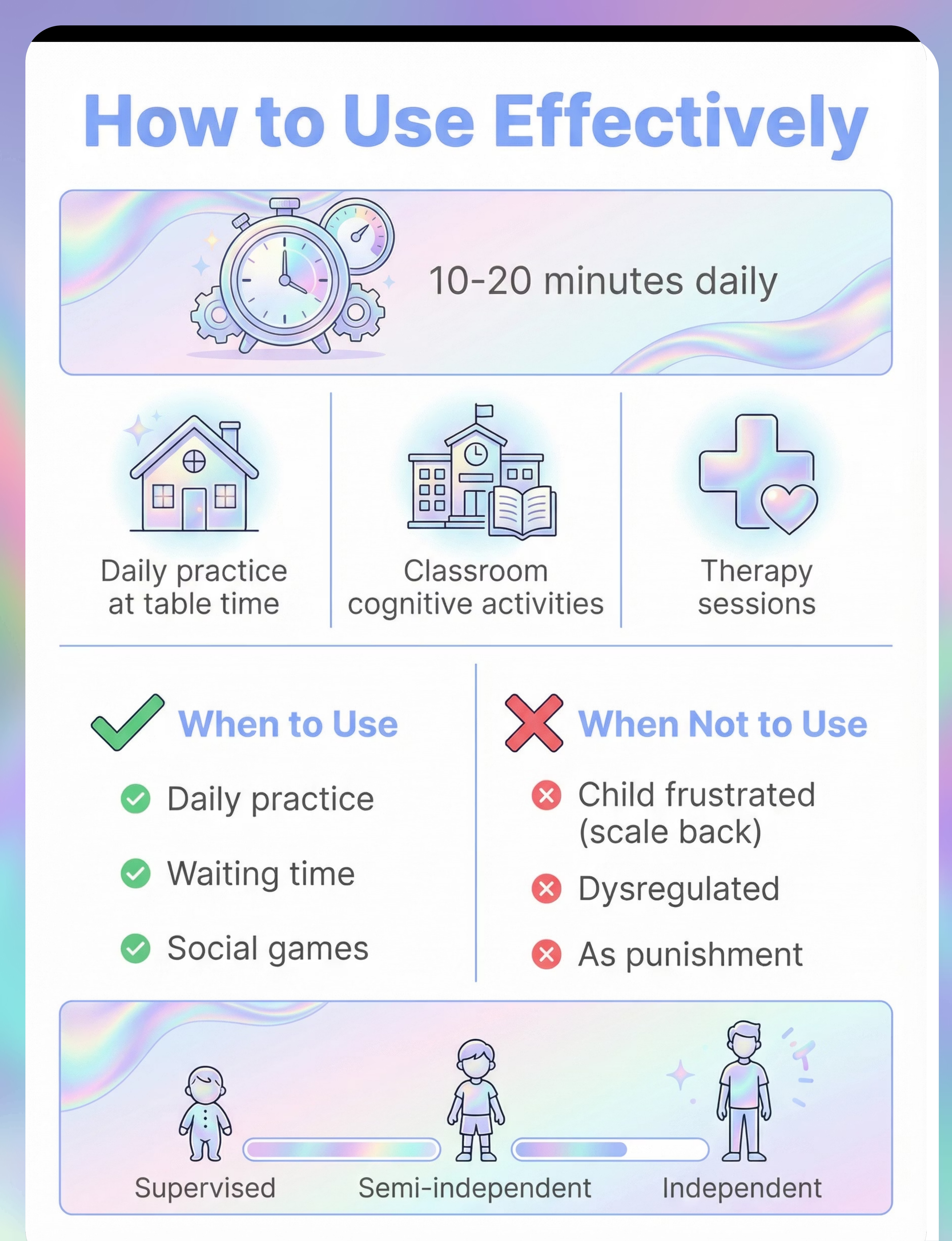
Usage Guide
When to Use
Daily cognitive practice
10-20 minute sessions build skills consistently
Therapy sessions
Core tool for OT and SpEd sessions
Table time activities
Structured learning time at home or school
Waiting time
Portable for appointments, travel
Social game time
Family or peer play opportunities
When NOT to Use
Difficulty is frustrating
Scale back immediately—frustration blocks learning
Child is dysregulated
Emotional regulation first, then cognitive work
As punishment
Never use as forced activity—kills intrinsic motivation
Supervision by Age
Age Range | Supervision Level | Notes | |
Under 3 years | Guided play with adult | Adult participation required; watch for mouthing small pieces | |
3-5 years | Supported play | Adult nearby for help and encouragement; prevent frustration | |
5+ years | More independent | Can play independently or with peers; check in periodically |
Duration: 10-20 minutes per session, as engagement allows. Multiple shorter sessions often more effective than one long session. Daily practice yields best results.

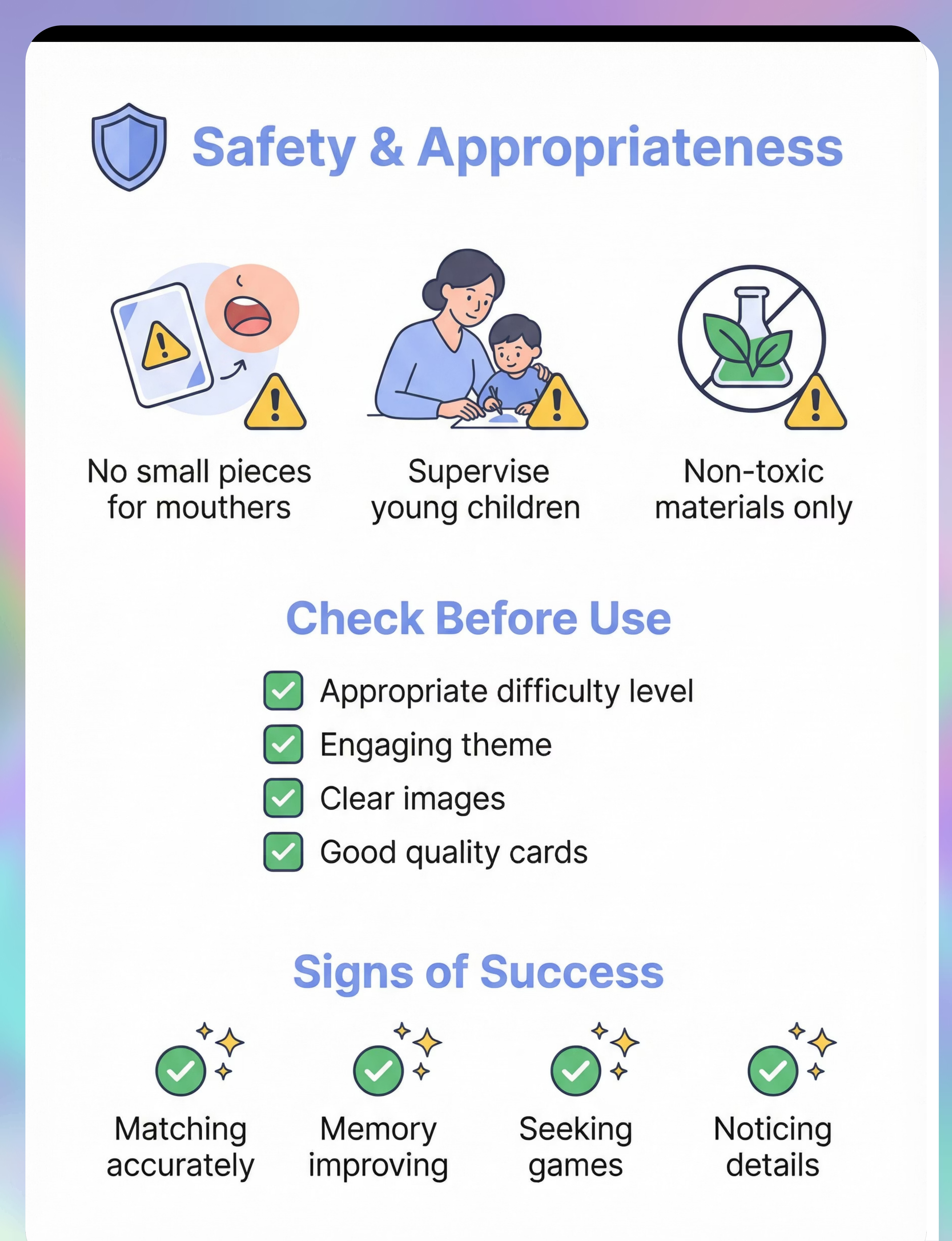
Safety First
Critical Safety
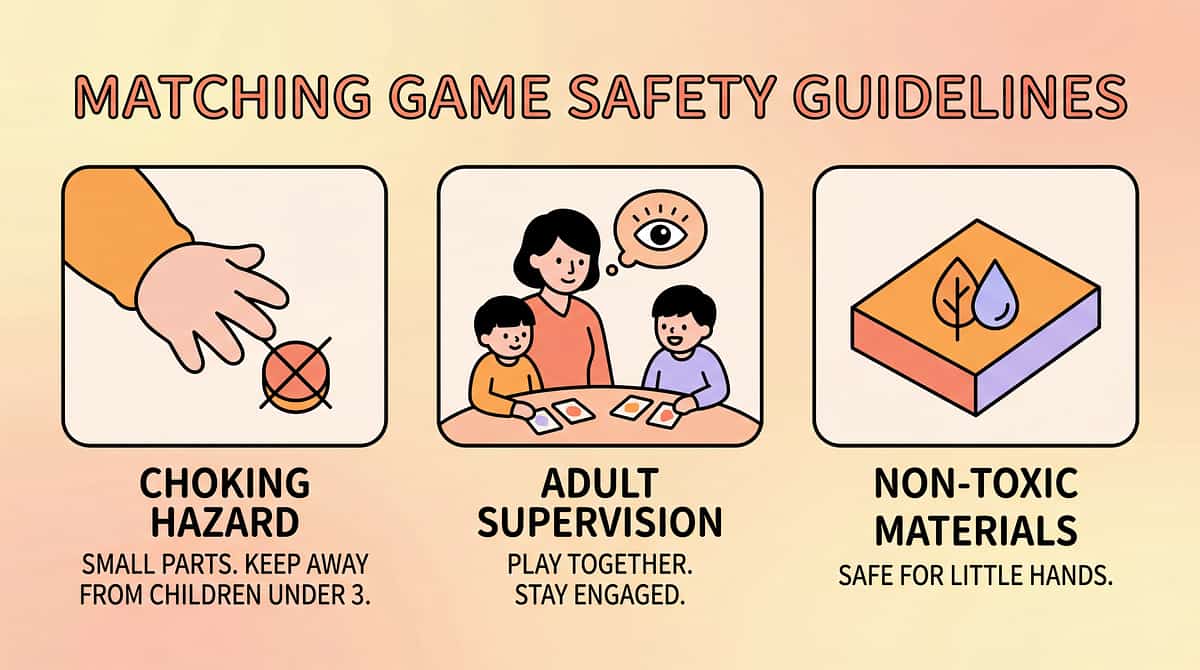
- No small pieces for children who mouth objects—choking hazard
- Supervise young children during play always
- Ensure safe materials with non-toxic inks and finishes
Warnings
- Cards can have sharp edges—check and file smooth if needed
- Small cards are choking hazard for children under 3
- Screen time limits for digital games—follow AAP guidelines
Contraindicated
- Small cards for children who mouth objects
- Frustratingly difficult levels—causes learned helplessness
- Games too complex for current cognitive level—scale back
Safety Checklist
Before Use
- Appropriate difficulty level selected
- Engaging theme for motivation
- Good quality cards checked
- Clear, distinct images confirmed
During Use
- Child engaged, not frustrated
- Appropriate support provided
- Celebrating successes liberally
- Adjusting difficulty as needed
Signs of Success
- Matching accurately and confidently
- Memory capacity improving
- Seeking matching games voluntarily
- Noticing visual details more

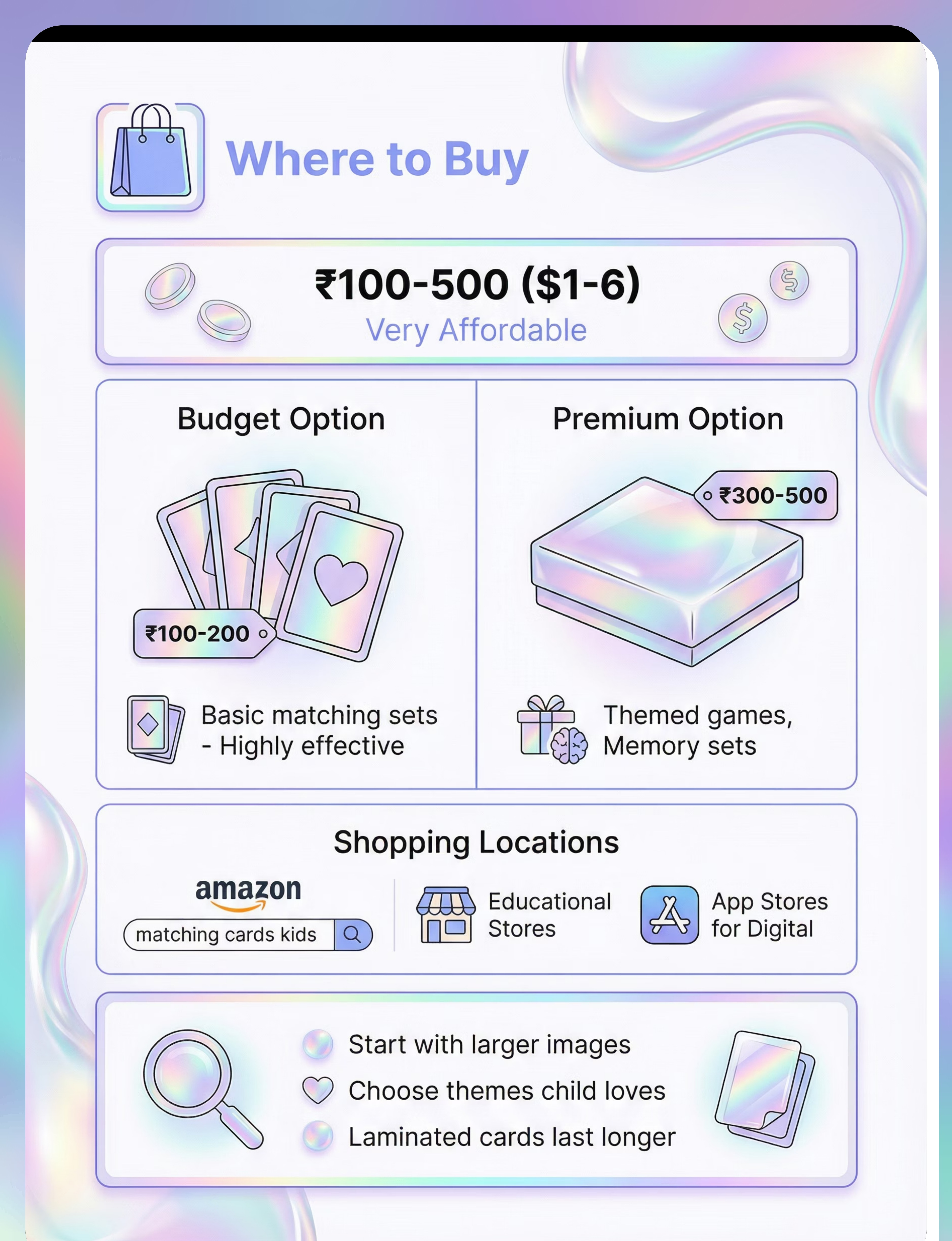
Investment Guide
Matching games are among the most cost-effective therapeutic tools available. Both budget and premium options build the same foundational skills—the difference is primarily in durability and variety.
Pricing Comparison
Category | Budget Option | Premium Option | |
Item | Basic card set or DIY | Themed game set or memory game | |
Cost | ₹100-200 ($1-2.5 USD) | ₹300-500 ($3.5-6 USD) | |
Brands | Homemade, generic | Ravensburger, Melissa & Doug |
Key Features & Benefits
Cognitive Benefits
Both options deliver strong skill building for memory and visual discrimination.
Customization
Budget options are easily tailored to child's specific interests and needs.
Durability & Quality
Premium sets offer professional images and materials for heavy or classroom use.
Replaceability
Budget cards can be easily replaced if damaged, allowing for experimentation.
Value Progression
Start Small
Begin with budget options or DIY sets to explore child's interests.
Gauge Engagement
Identify themes that effectively capture and maintain the child's focus.
Increase Investment
Upgrade to premium sets as durability needs rise or specific themes prove successful.
Overall Range: ₹100–500 ($1–6 USD) makes this one of the most accessible therapeutic tools.

Where to Buy in India
Availability: Widely Available—matching games are easy to find both online and in physical stores across India
Platform | Search Term | Price Range | Notes | |
Amazon.in | "matching cards kids" | ₹100-300 | Widest variety available | |
Amazon.in | "memory game children" | ₹150-400 | Classic concentration games | |
Amazon.in | "picture matching autism" | ₹150-400 | Therapeutic-focused options | |
Educational stores | "matching games" | ₹100-400 | Can see quality in person | |
App stores | "matching game kids" | Free-₹500 | Digital alternatives available |
Buying Tips
Start with larger, clearer images—easier for beginners to distinguish
Choose themes your child loves—engagement drives practice volume
Laminated cards last much longer, especially with heavy use
Fewer pairs for beginners, buy multiple sets to increase gradually
Quality images matter for visual discrimination—fuzzy photos less effective
Red Flags
- Images too similar for child's current skill level—causes frustration
- Too many pairs relative to working memory capacity—set up for failure
- Poor quality printing that makes details hard to see—defeats purpose
- Themes child actively dislikes—kills motivation for practice

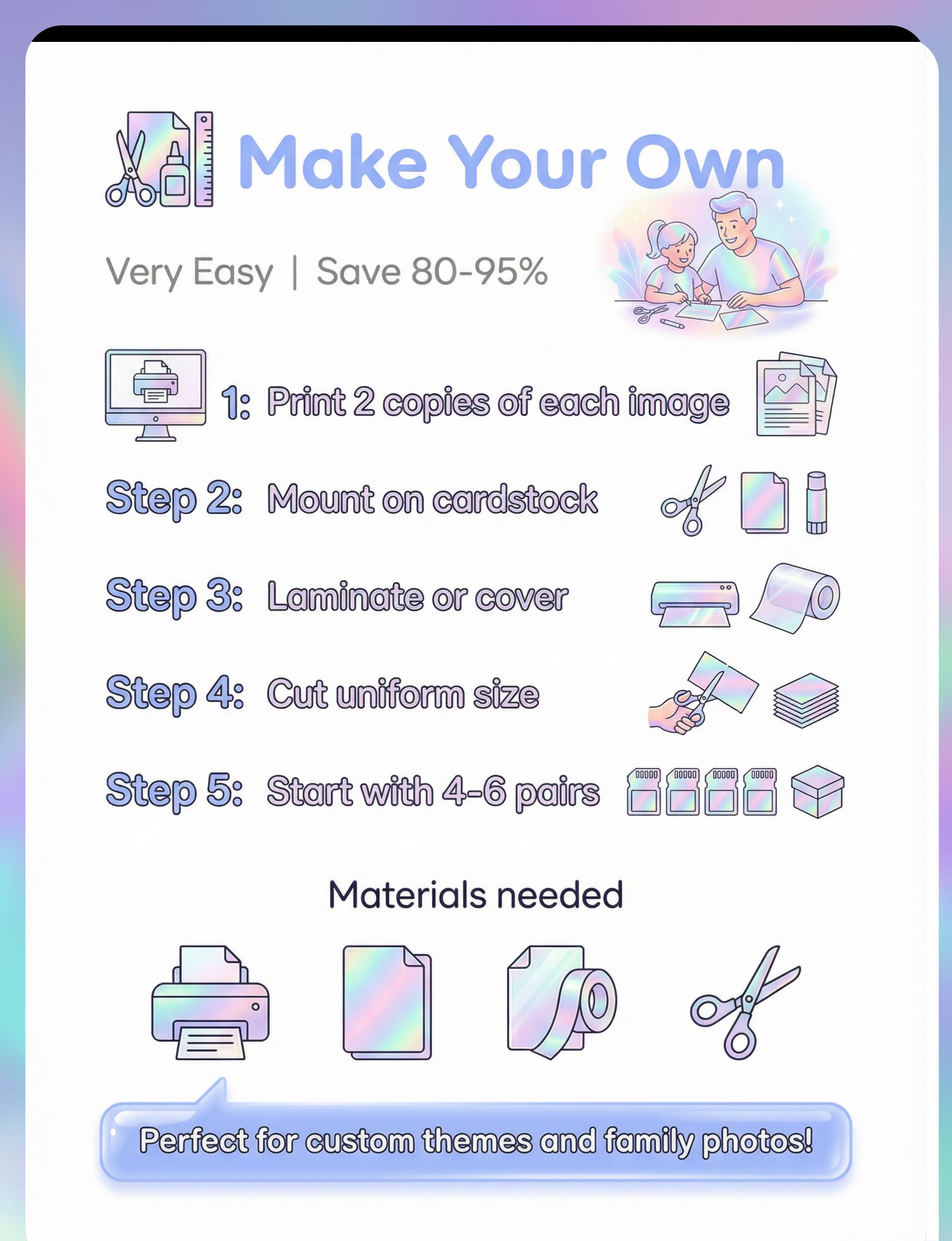
DIY Alternative (Save 80-95%)
1
Feasibility
Very High
2
Time Investment
30-60 minutes
3
Cost Savings
80-95%
DIY matching cards are highly effective and allow perfect customization to your child's interests. Many therapists actually prefer homemade cards because they can be precisely tailored to therapeutic goals and child preferences.
What You Need
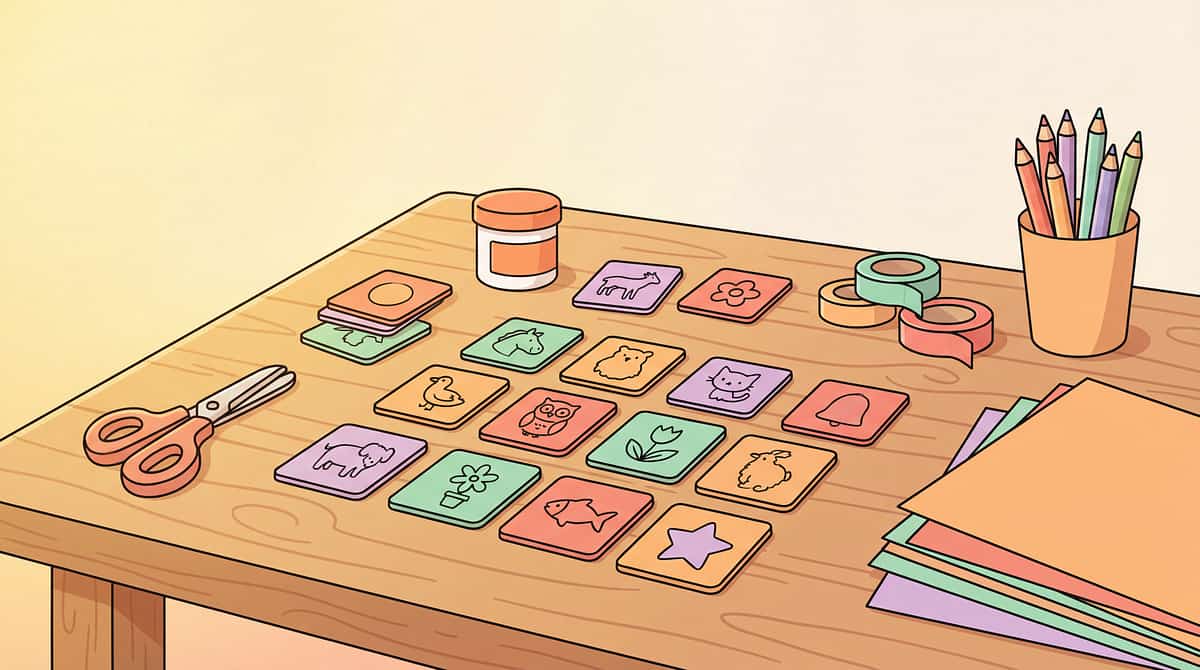
- Printed pictures (2 copies of each image)—print from internet or use photos
- Cardstock or cardboard for backing and durability
- Laminating sheets or clear tape for protection
- Scissors for cutting to uniform size
How to Make Them
1
Choose theme child loves
Print pictures from internet or use family photos—personalization increases engagement significantly
2
Print two copies
Each image needs a matching pair. Keep size consistent (around 3x3 inches works well)
3
Mount on cardstock
Glue pictures onto cardstock or cardboard for durability and easier handling
4
Laminate or tape
Cover with laminating sheets or clear tape to protect from wear and moisture
5
Cut to uniform size
Ensure all cards are identical size and shape so differences are in image only
6
Start with 4-6 pairs
Begin with manageable set, store extras for progressive difficulty
7
Create different sets
Make multiple themed sets for variety and continued engagement over time
DIY vs Commercial: The Honest Comparison
Factor | DIY | Commercial | |
When to choose | Want customized themes, budget-conscious, need specific content, want family photos included | Want durability, need variety quickly, prefer professional quality, gift or classroom use | |
Tradeoffs | Less durable than commercial, time investment required | Higher cost, less customization, may not match child's specific interests |
Pro tip: Many families use both—DIY for highly customized content (family members, special interests, specific vocabulary), commercial for variety and durability. The two approaches complement each other beautifully.
Preview of matching games memory games Therapy Material
Below is a visual preview of matching games memory games therapy material. The pages shown help educators, therapists, and caregivers understand the structure and content of the resource before use. Materials should be used under appropriate professional guidance.


Share this resource
Help others discover thisLink copied!

Complete Resource Guide
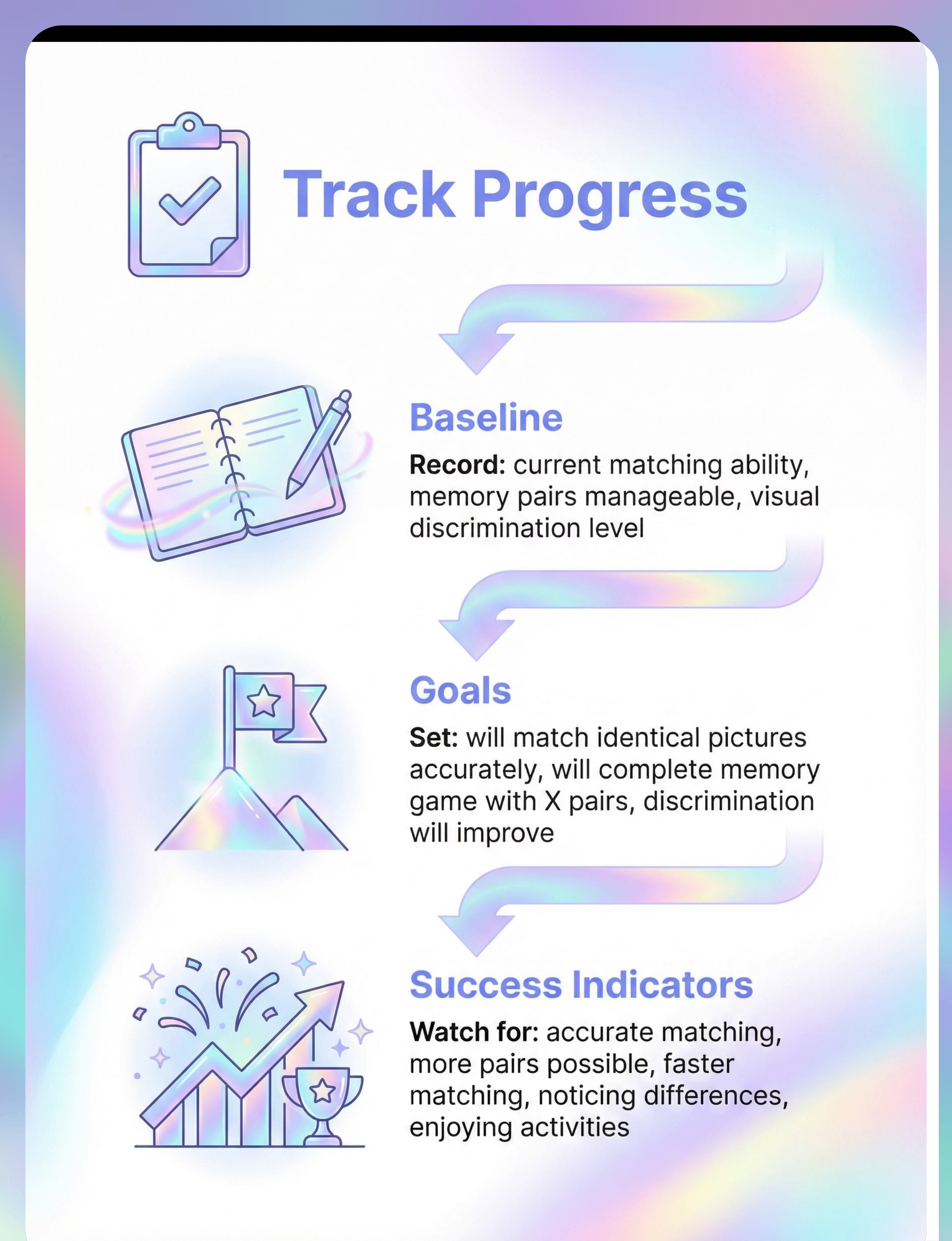
Measuring Success: Track Your Child's Progress
Baseline (Measure First)
- Current matching ability level
- Number of memory pairs manageable
- Visual discrimination capacity
- Engagement and interest level
Goals (Aim For)
- Match identical pictures accurately
- Complete memory game with X pairs
- Visual discrimination improves
- Working memory strengthens
Success Indicators
- Accurate, confident matching
- More memory pairs managed
- Faster matching speed
- Noticing subtle differences
- Enjoying matching activities
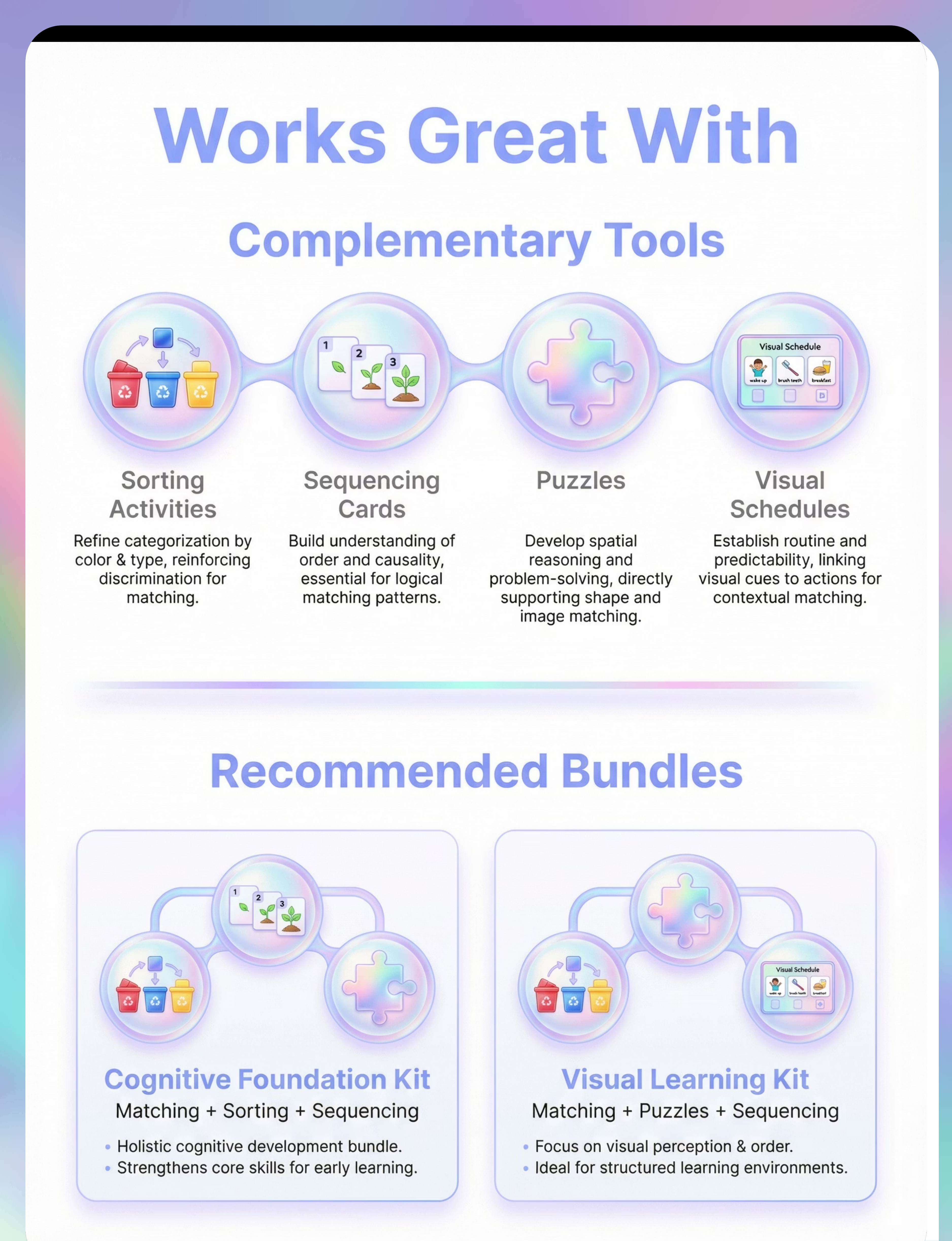
Complete the Kit: Complementary Tools
Matching games work synergistically with other cognitive tools. Consider these complementary items to create a comprehensive cognitive development program:

Sorting Activities (8.2)
Develops categorization skills that build on matching foundations—teaching "same" vs "different" at conceptual level

Sequencing/Patterns (8.3)
Natural cognitive progression from matching—builds temporal ordering and pattern recognition abilities

Puzzles (7.8)
Complements matching with visual-spatial skill development—both require visual discrimination and problem-solving

Visual Schedules (3.1)
Applies visual processing skills to daily life—uses same picture discrimination abilities in functional context
Recommended Bundles
Cognitive Foundation Kit: Matching Games (8.1) + Sorting Activities (8.2) + Sequencing/Patterns (8.3) — Core cognitive skills development
Visual Learning Kit: Matching Games (8.1) + Puzzles (7.8) + Sequencing/Patterns (8.3) — Comprehensive visual processing development
Quick Summary
AI Summary: Matching and memory games develop visual discrimination, working memory, and attention—foundational skills for learning. Core Kit (Rank 1), strong evidence, essential cognitive tool used daily across all settings.
matching
memory
visual
discrimination
cognitive
attention
SpEd
OT
core-kit
Common searches: matching games autism, memory game kids, visual discrimination, concentration game children, picture matching cards, cognitive games autism, working memory activities
Platform Integration & Support
AbilityScore®
Identifies visual discrimination and memory patterns specific to your child's developmental profile
TherapeuticAI®
Prescribes specific matching activities based on assessment results and current skill level
EverydayTherapyProgramme™
Includes daily cognitive games as structured home practice between therapy sessions
Cognitive Index
Tracks memory capacity, discrimination accuracy, and attention improvements over time
FREE National Autism Helpline
Phone: 9100 181 181
Languages: 16+ languages including Hindi, Tamil, Telugu, Kannada, Malayalam, Bengali, Marathi, Gujarati, and more
Website: pinnacleblooms.org
Free support for families across India—clinical guidance, resource recommendations, parent coaching, and connection to local services.
Disclaimer: This is educational information based on clinical best practices and research evidence. Always consult qualified occupational therapists, speech-language pathologists, special educators, or pediatricians for individualized assessment and intervention planning. Individual results vary based on many factors including consistency of practice, starting skill level, and individual learning differences. Matching and memory games are tools that support development—they work best as part of comprehensive intervention approaches.