








Letter & Alphabet Learning: Building Foundational Literacy Skills
Who This Helps
This foundational tool develops letter recognition, letter-sound associations, and alphabetic awareness as the essential gateway to reading success.
Young Learners (Ages 2-7)
Children just beginning their literacy journey, from noticing letters to mastering the full alphabet.
Multi-sensory Learners
Those who thrive with hands-on, engaging experiences to help solidify letter recognition and sound connections.
Educators & Parents
Teachers in school settings and parents at home seeking effective tools for pre-reading foundations and independent reading success.
Therapy Settings
Specialists in clinics supporting children with language development or specific learning needs.
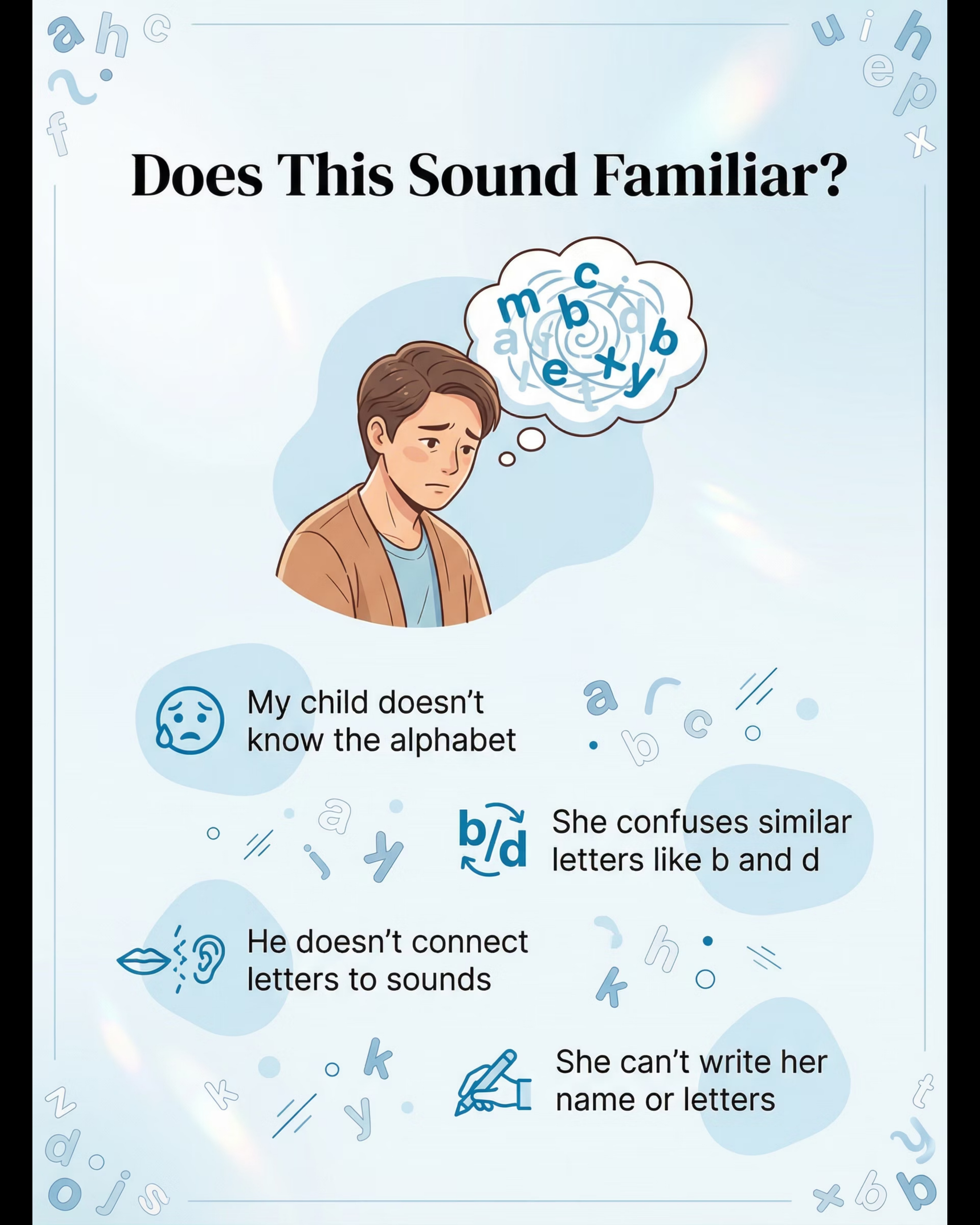
Does This Sound Familiar?
"My child doesn't know the alphabet. He's falling behind and I don't know where to start."
"She can't recognize letters, even in her own name. Everything looks the same to her."
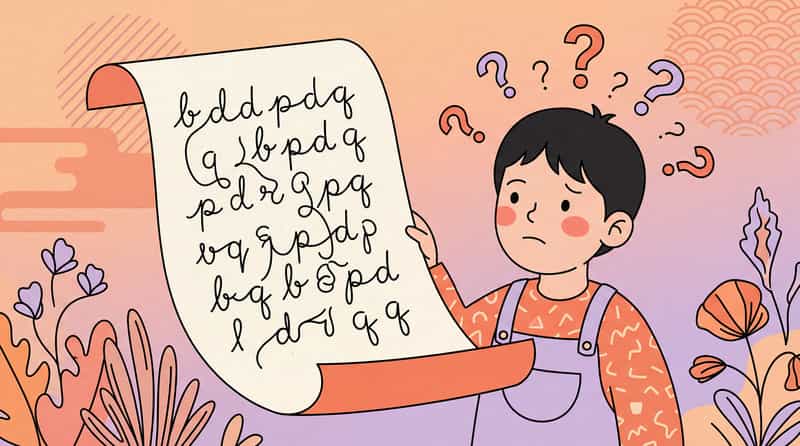
"He constantly confuses similar letters like b and d. Writing is so frustrating for him."
"She doesn't connect letters to sounds. I worry about her pre-reading skills being delayed."
"His pre-reading skills are delayed and I can see him noticing he's different from other kids."
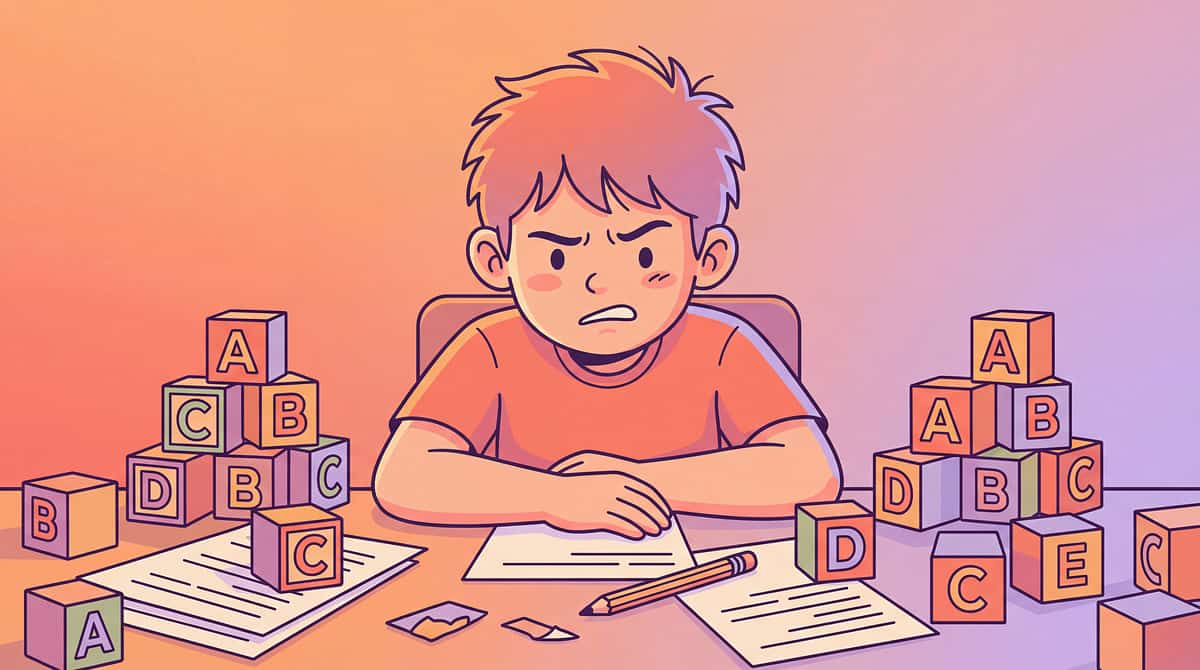
"She can't write letters at all. Even simple attempts end in tears and crumpled paper."
You're not alone. These are common challenges faced by many families. The good news? With the right approach and tools, children can build strong alphabetic foundations that lead to reading success.
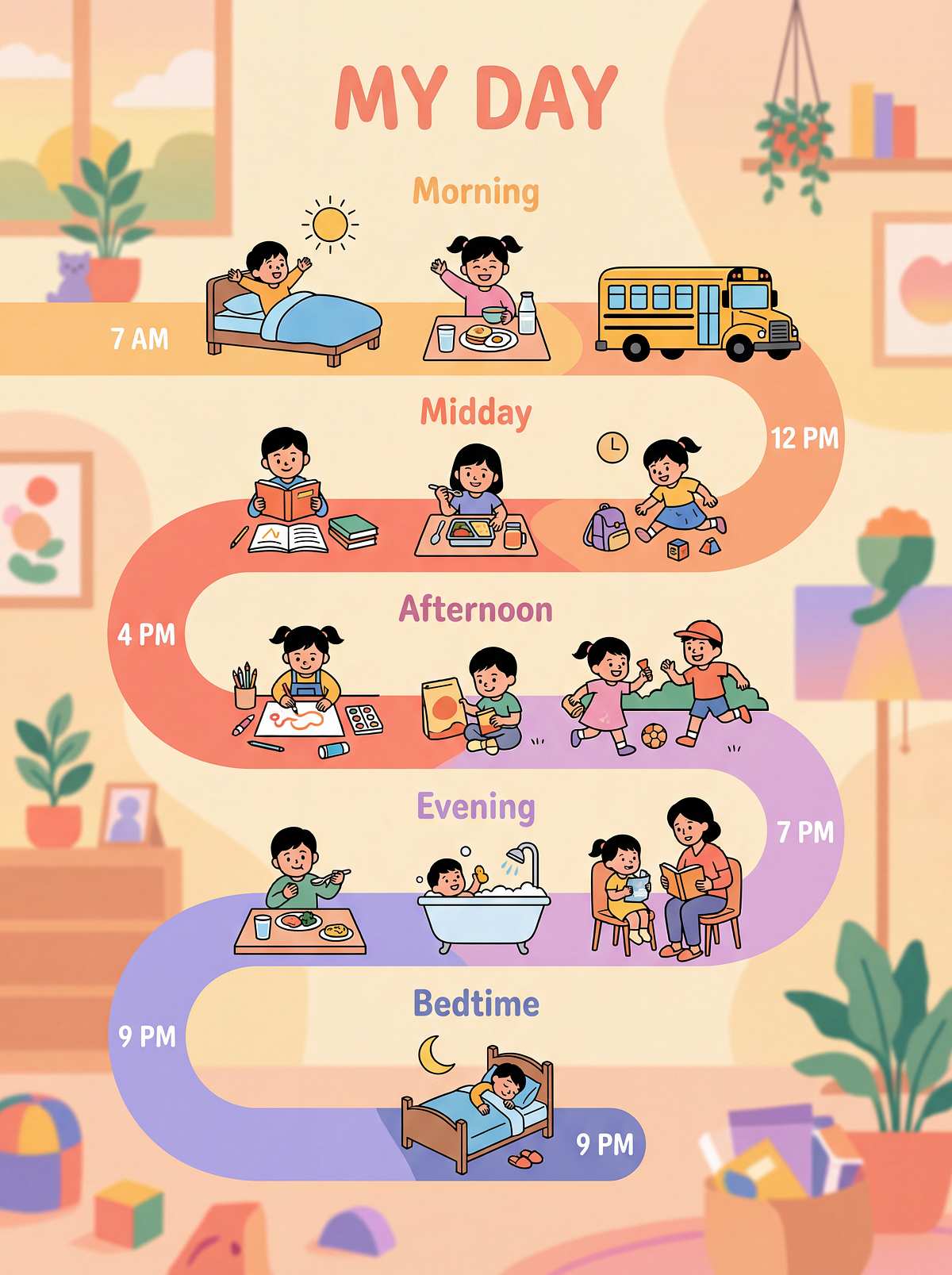
A Day Without the Right Support
Morning Routine
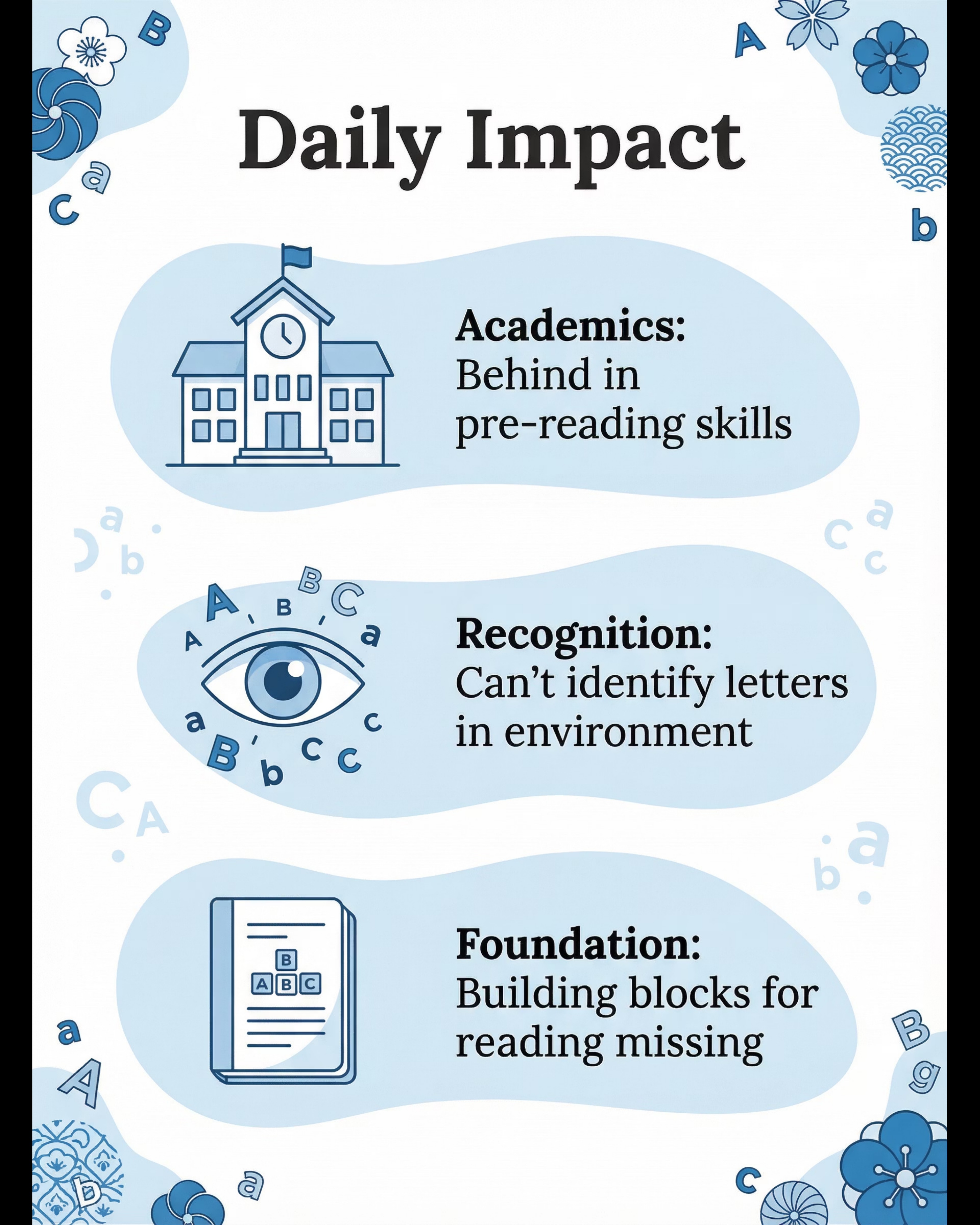
Can't identify letters on cereal boxes or favorite toys. The world of print feels completely foreign and overwhelming.
Transitions & Activities
Behind in pre-reading skills compared to peers. Group activities that involve letters create anxiety and avoidance.
School/Therapy Time
Can't participate in letter activities. Feels left out when classmates recognize letters and start reading simple words.
Bedtime
Story time is passive rather than interactive. Can't point to letters or connect them to sounds in favorite books.
Each moment reveals how foundational alphabetic knowledge shapes a child's confidence, participation, and readiness for the exciting world of reading.
The Science Behind It
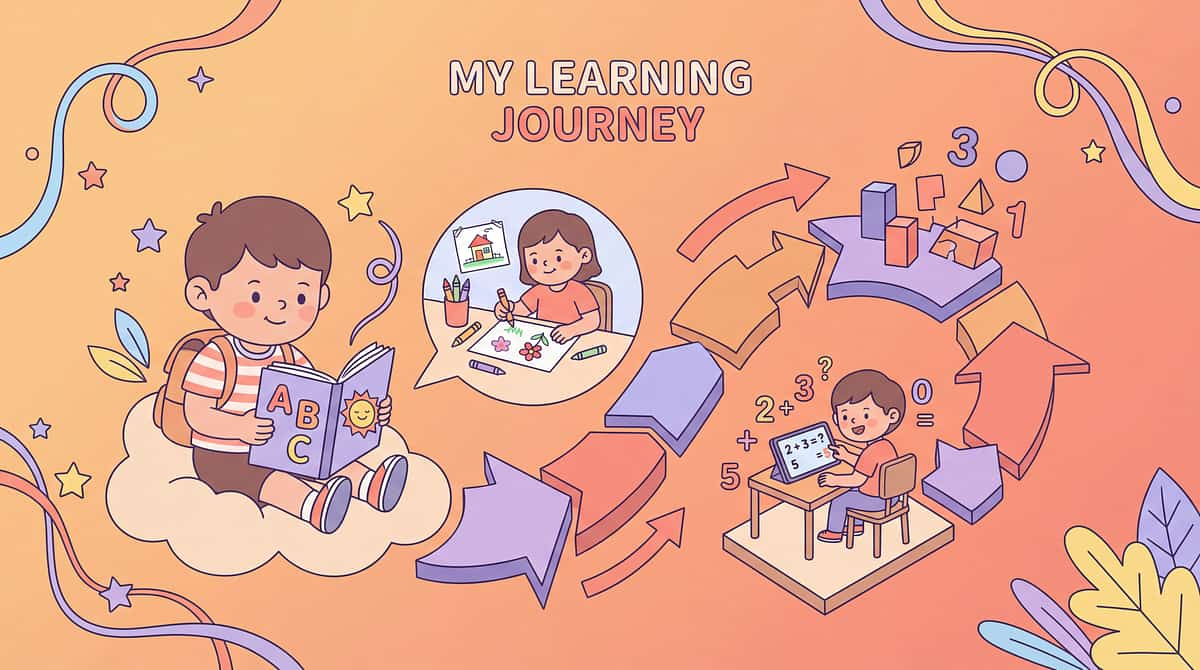
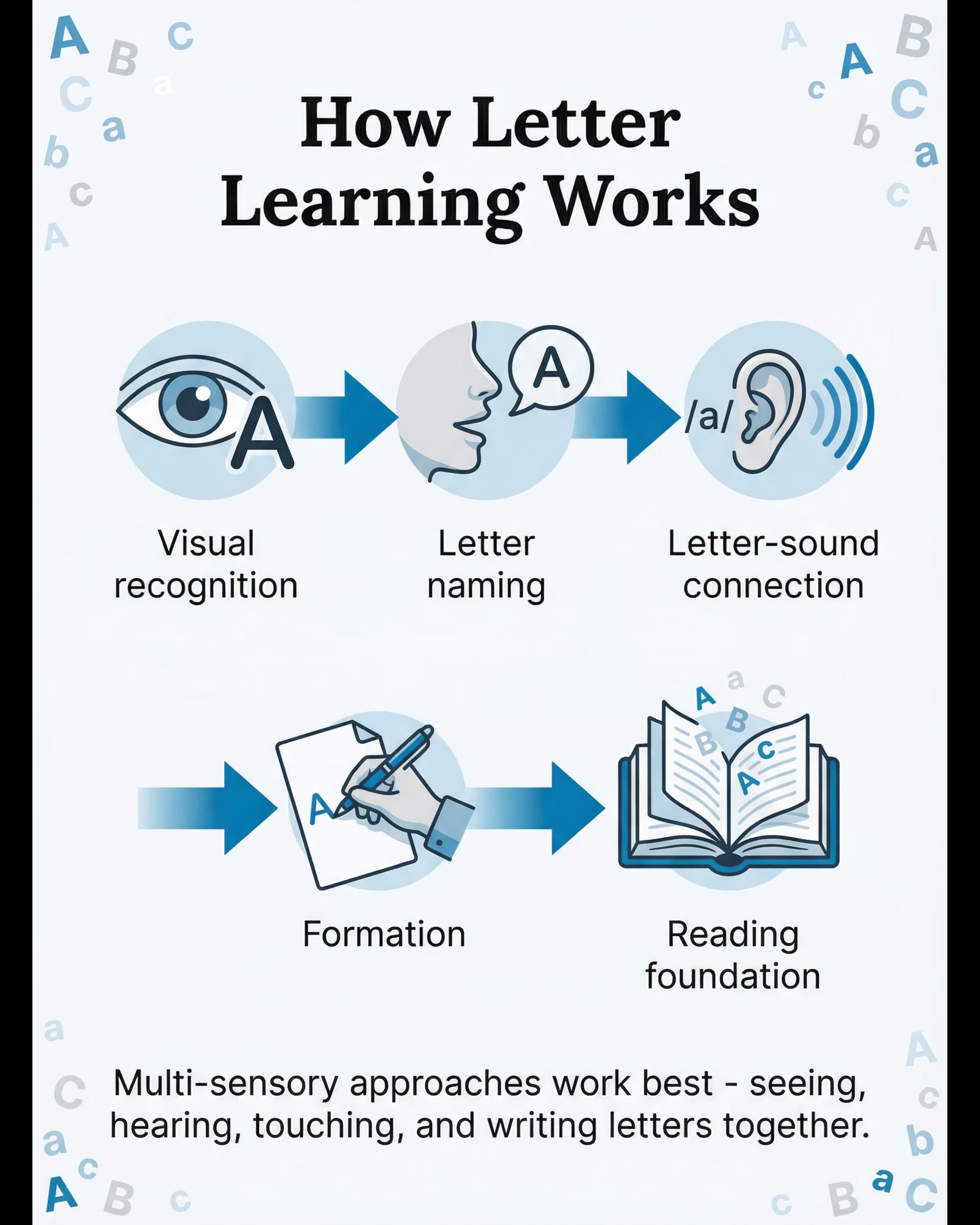
Understanding how letter learning builds the foundation for reading helps us support children most effectively through each critical stage.
Visual Letter Recognition
Child begins to distinguish letter shapes and forms
Letter Naming
Connects visual form to verbal label
Letter-Sound Connection
Links letter to its phonetic sound - phonics foundation
Letter Formation
Learns to produce letters through writing
Alphabetic Principle
Understands letters represent sounds in words
Reading Foundation
Ready for decoding and reading development
Letter Recognition
Letter Naming
Letter-Sound Association
Alphabetic Awareness
Letter Formation
Pre-Reading Skills
How to Use It Right
Best Practice #1
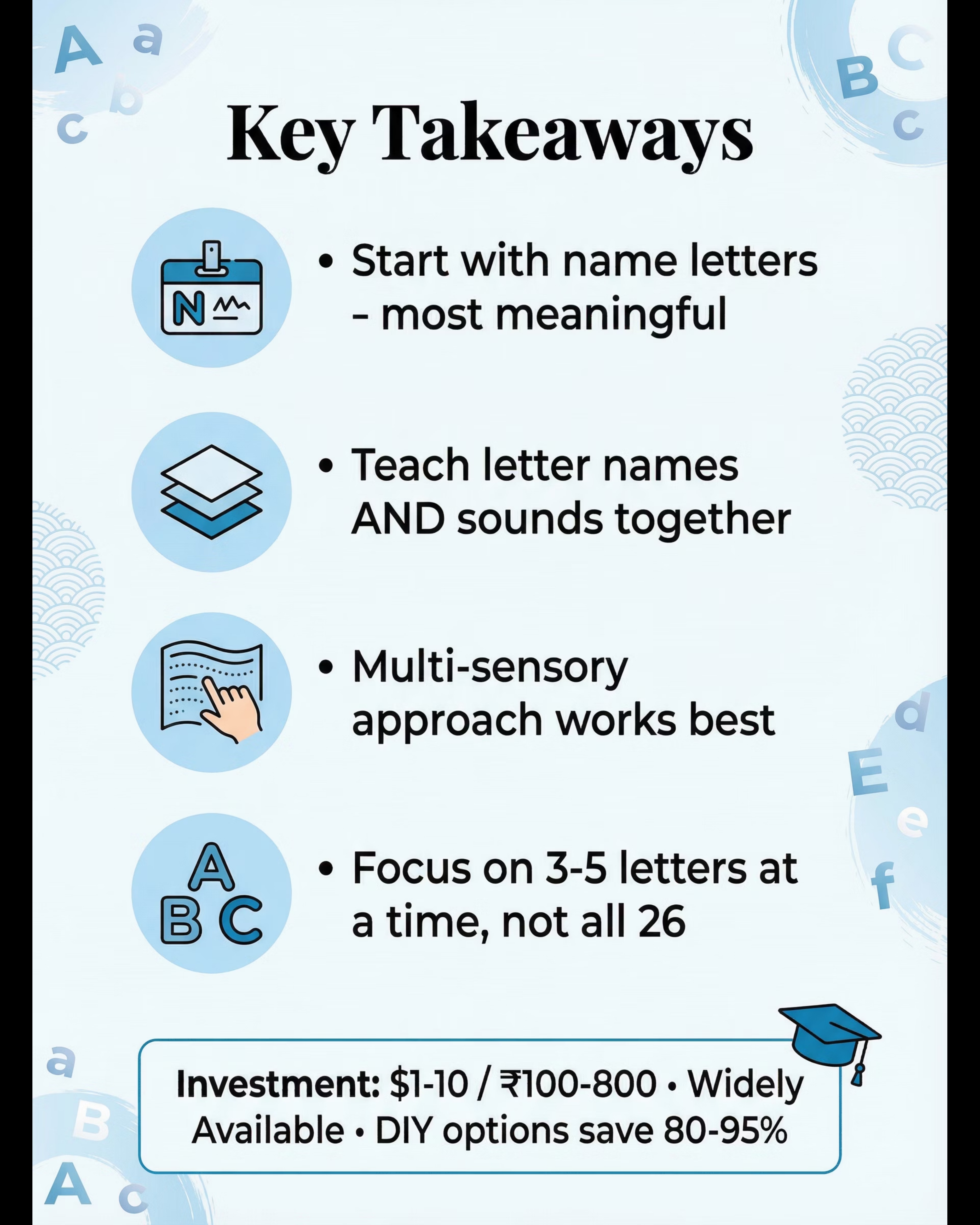
Start with letters in child's name - these are the most meaningful and motivating letters for your child to learn first.
Best Practice #2
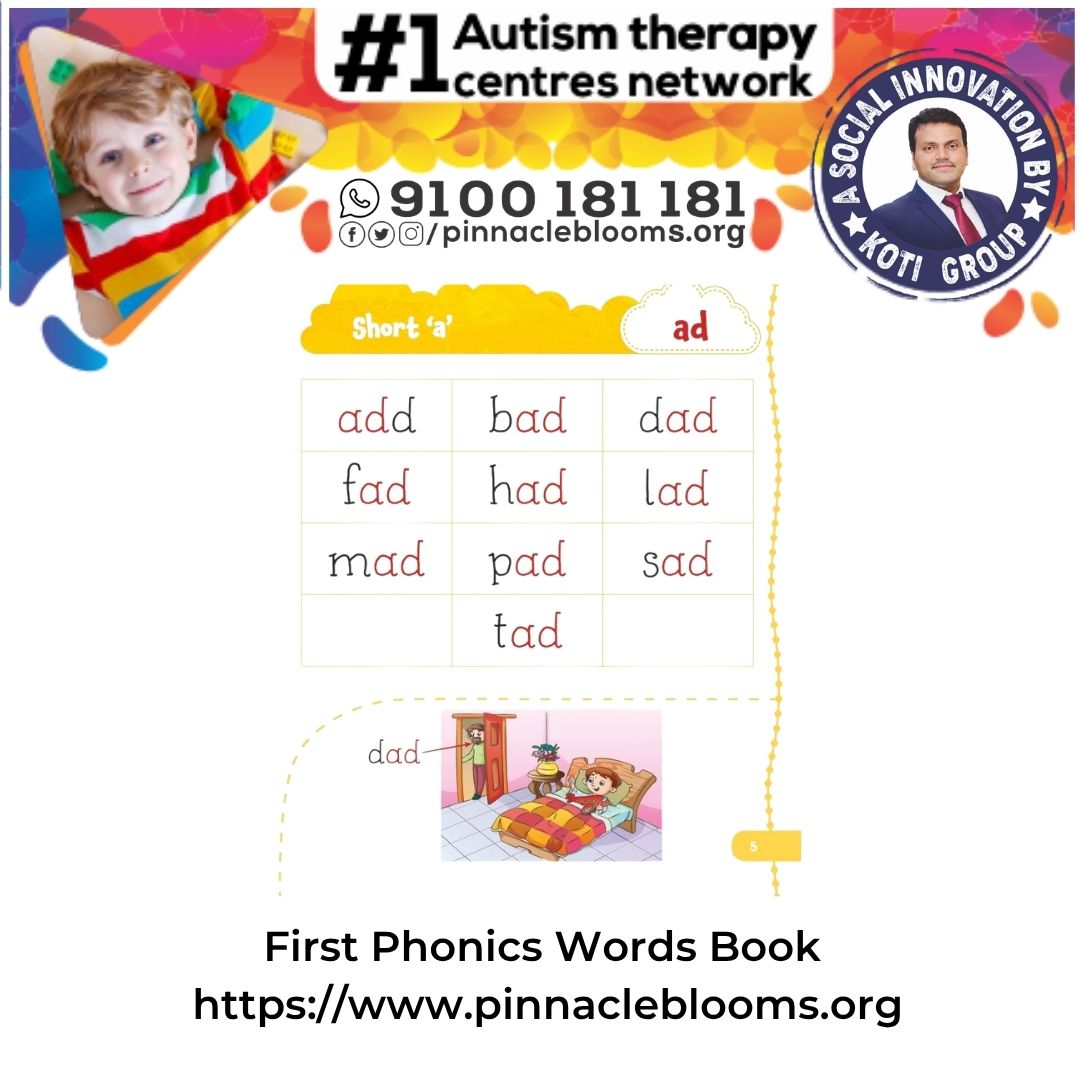
Teach letter names AND sounds together - research shows this integrated approach is most effective for building literacy.
Best Practice #3
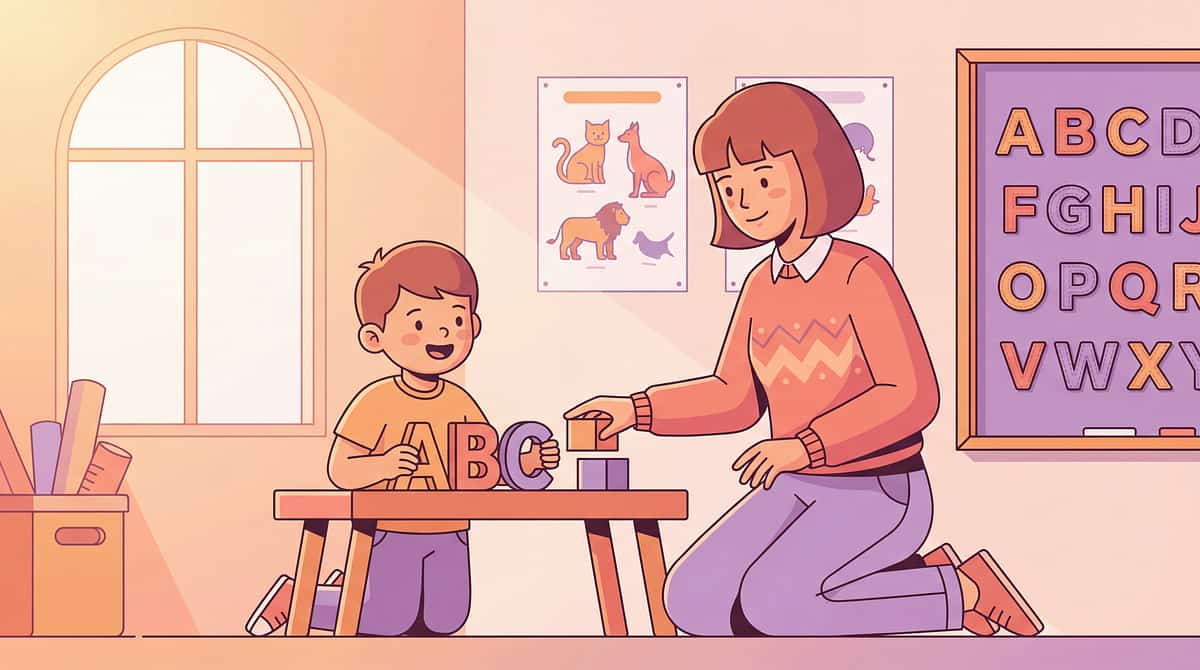
Use multi-sensory approaches - children learn best when they can see, hear, touch, and trace letters simultaneously.
Best Practice #4
Focus on few letters at a time - master 3-5 letters thoroughly rather than overwhelming with all 26 at once.
Best Practice #5
Uppercase often easier to distinguish - start with uppercase recognition before introducing lowercase variations.
Best Practice #6
Connect letters to meaningful words - link each letter to familiar objects, names, or favorite things for deeper understanding.
Duration: 10-20 minutes per session. Short, frequent sessions are much more effective than long, infrequent ones for building letter knowledge.
Expert Endorsement
"Alphabetic knowledge is the gateway to reading. Children need to recognize letters, know their names, and connect them to sounds. Multi-sensory approaches work best - seeing, saying, touching, and writing letters together."
— Special Educator, Reading Specialist
SpEd + SLP Recommended
Strong Evidence
Rank #1 in Category
Daily Use Recommended
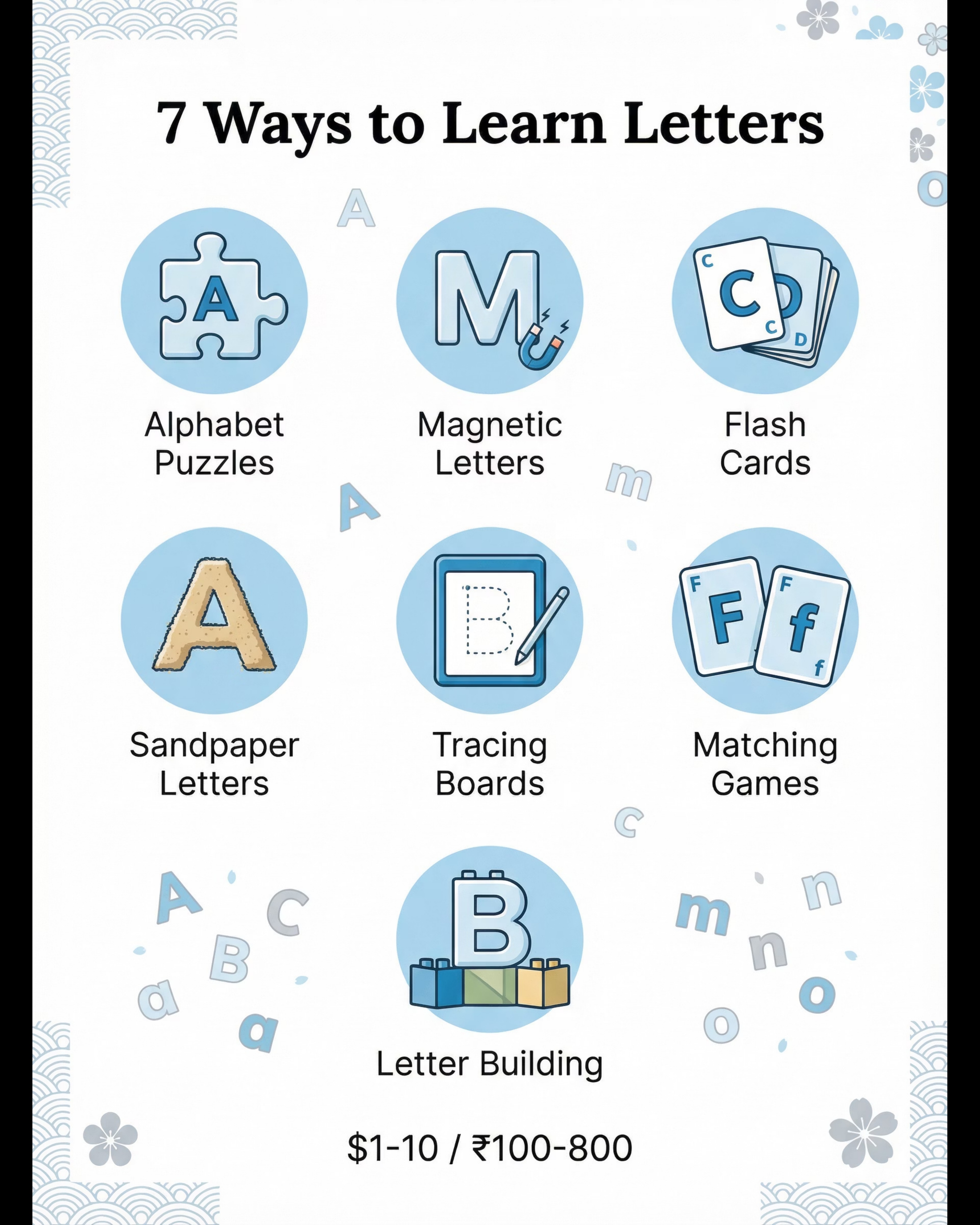
Choose Your Option (7 Variants)
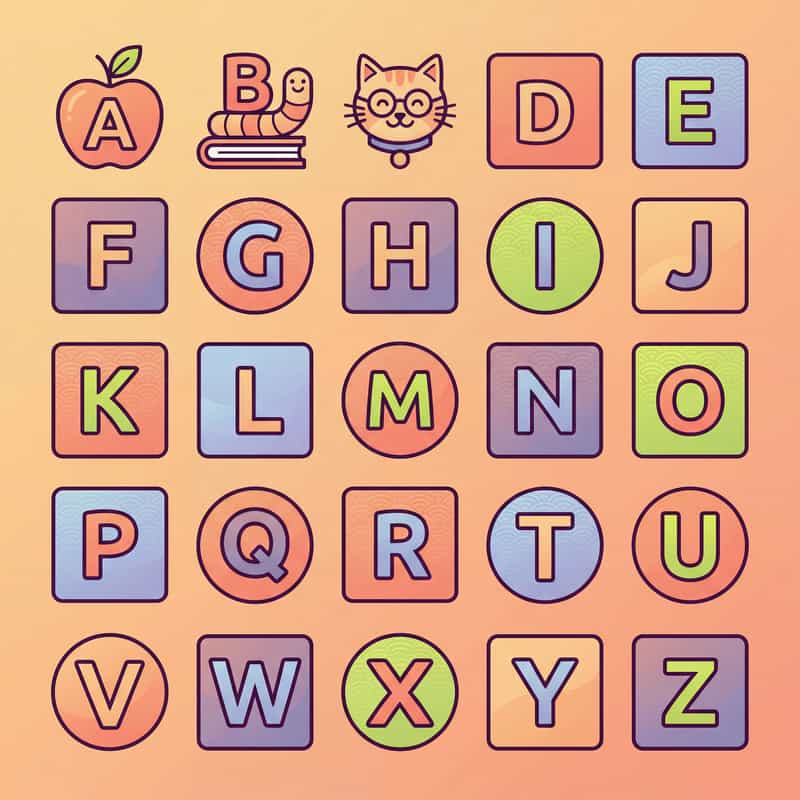
Alphabet Puzzles
Best for: Letter identification, matching
Type: Wooden/foam letter puzzles
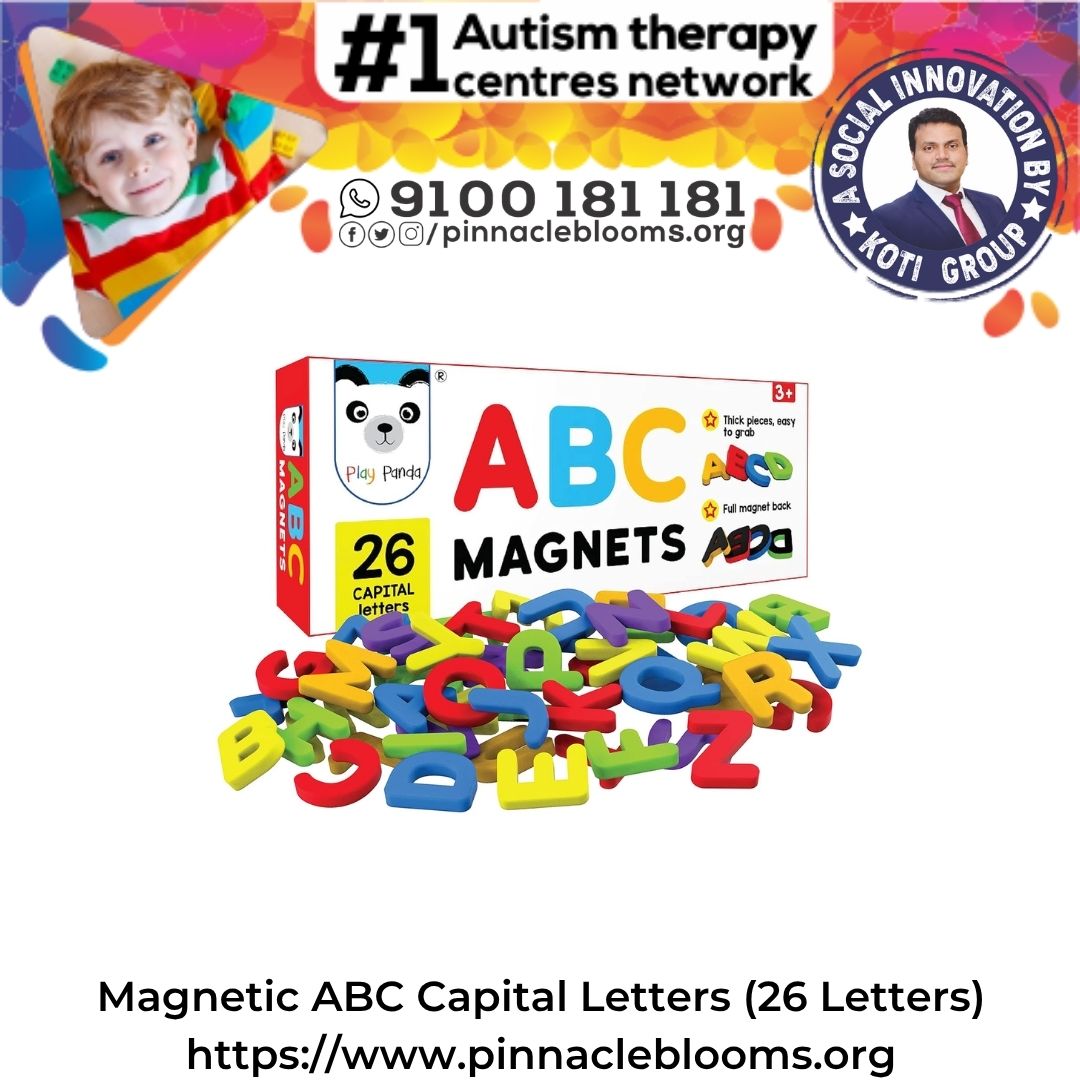
Magnetic Letters
Best for: Letter play, word building, fridge activities
Type: Manipulative letters for magnetic surfaces
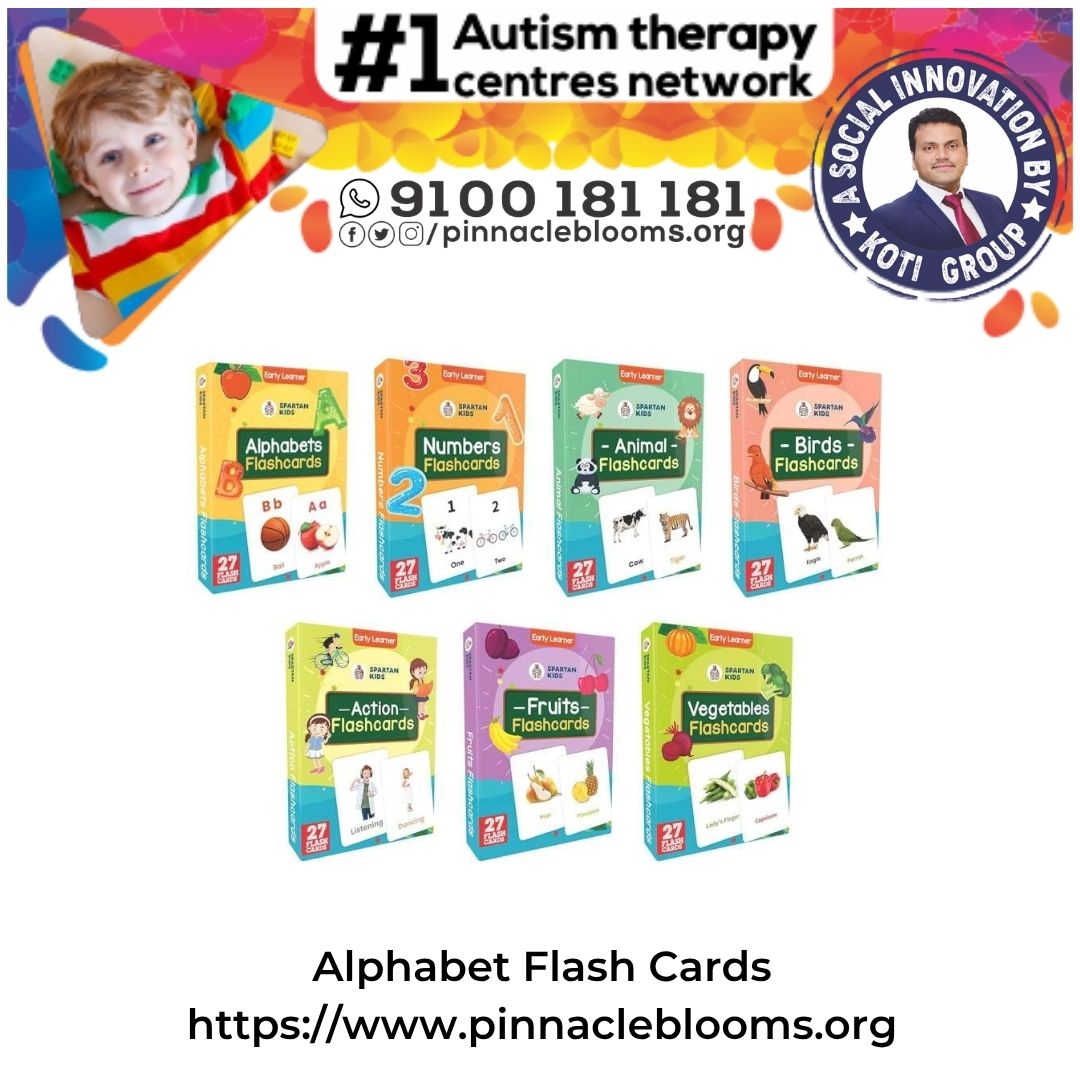
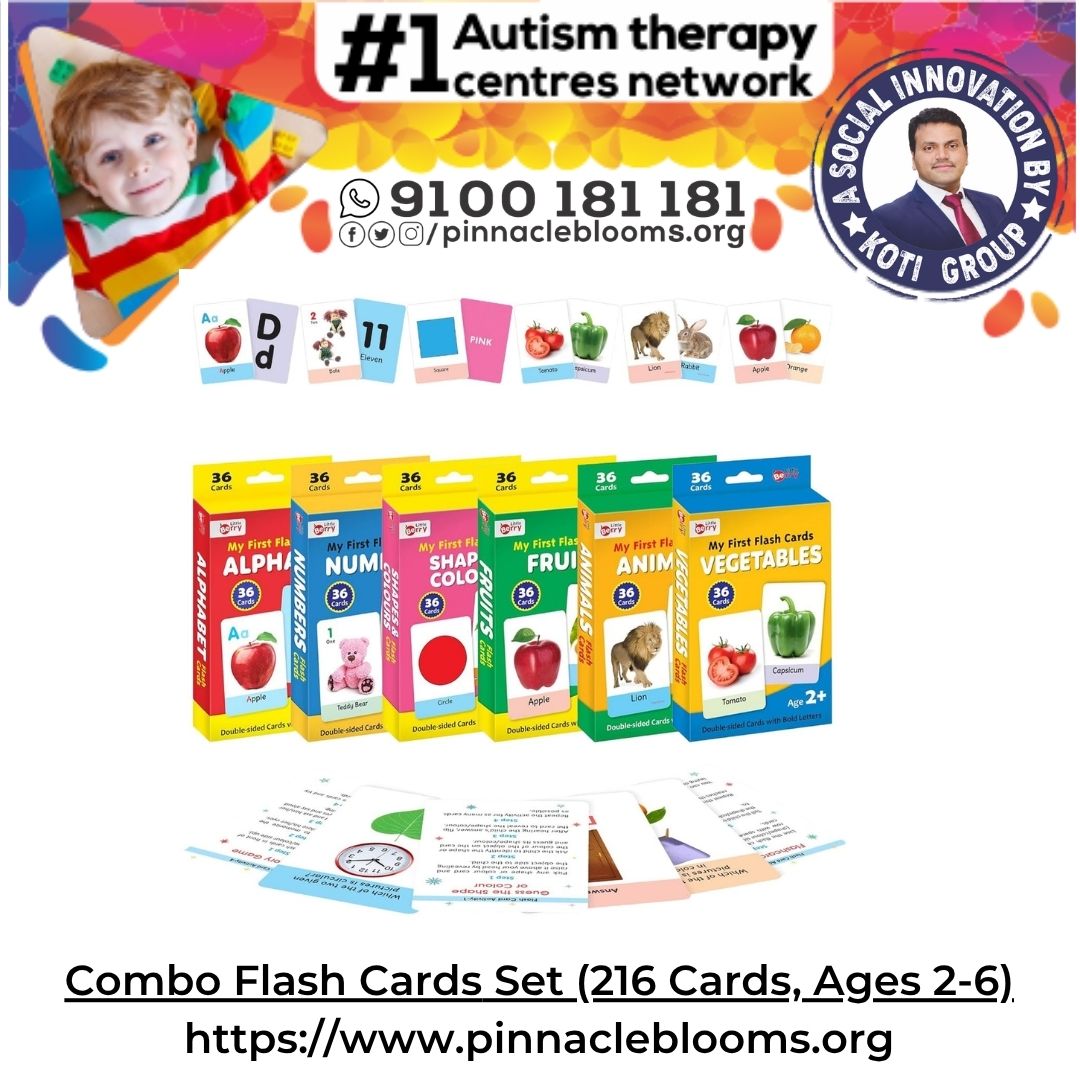
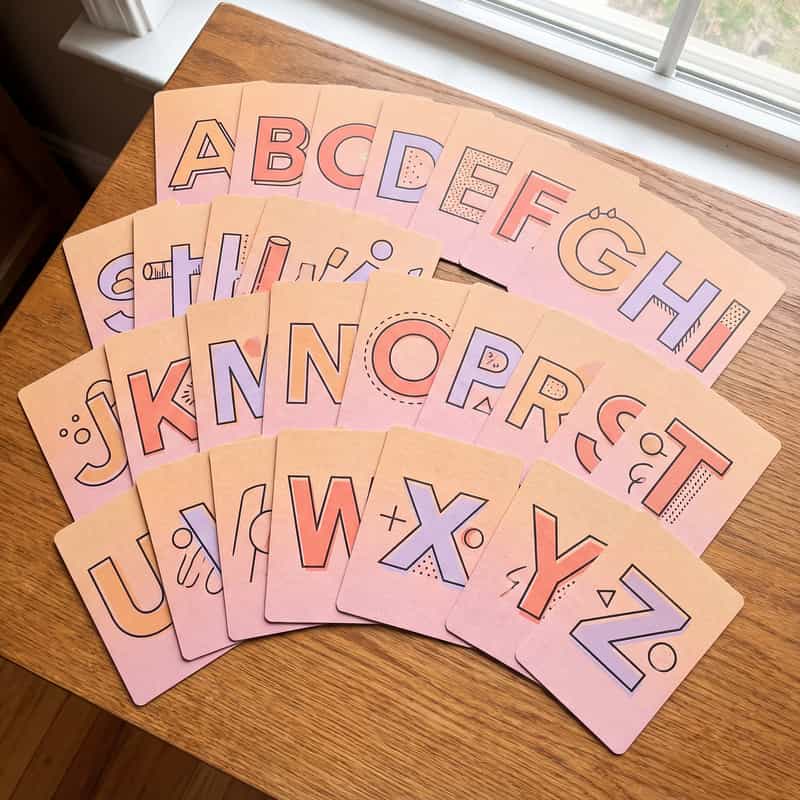
Alphabet Flash Cards
Best for: Letter-sound association, drill practice
Type: Cards with letters and pictures
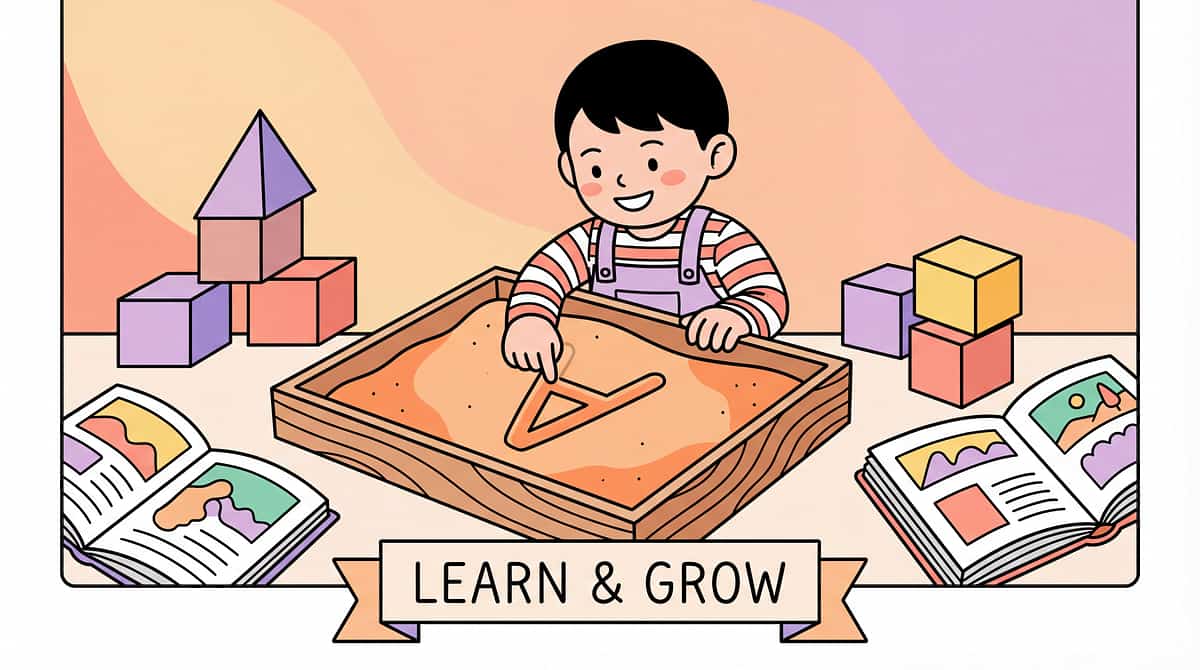
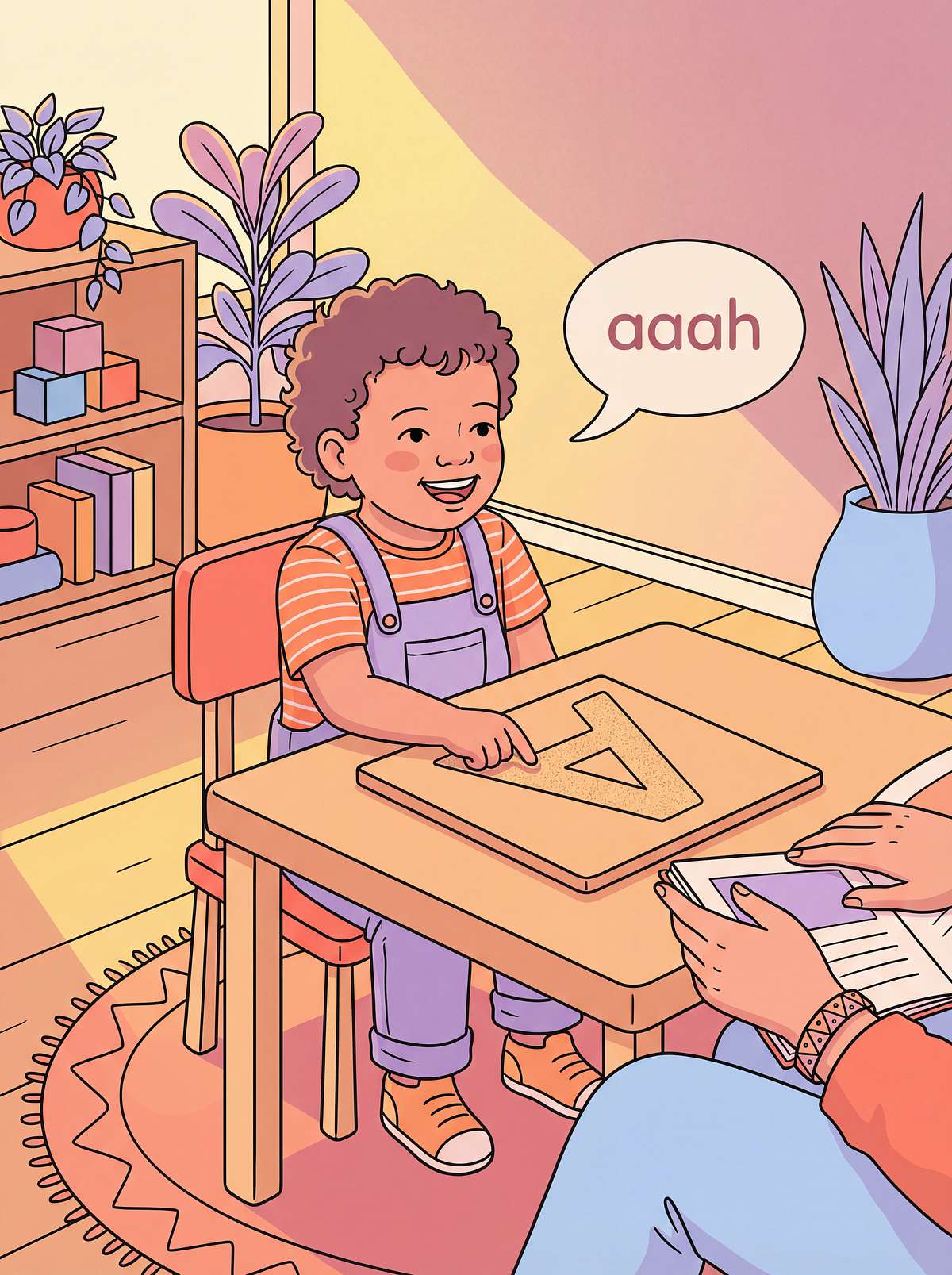
Tactile/Sandpaper Letters
Best for: Tactile learners, letter formation
Type: Textured letter shapes
Letter Tracing Boards/Books
Best for: Letter formation, pre-writing
Type: Grooved or guided letter formation
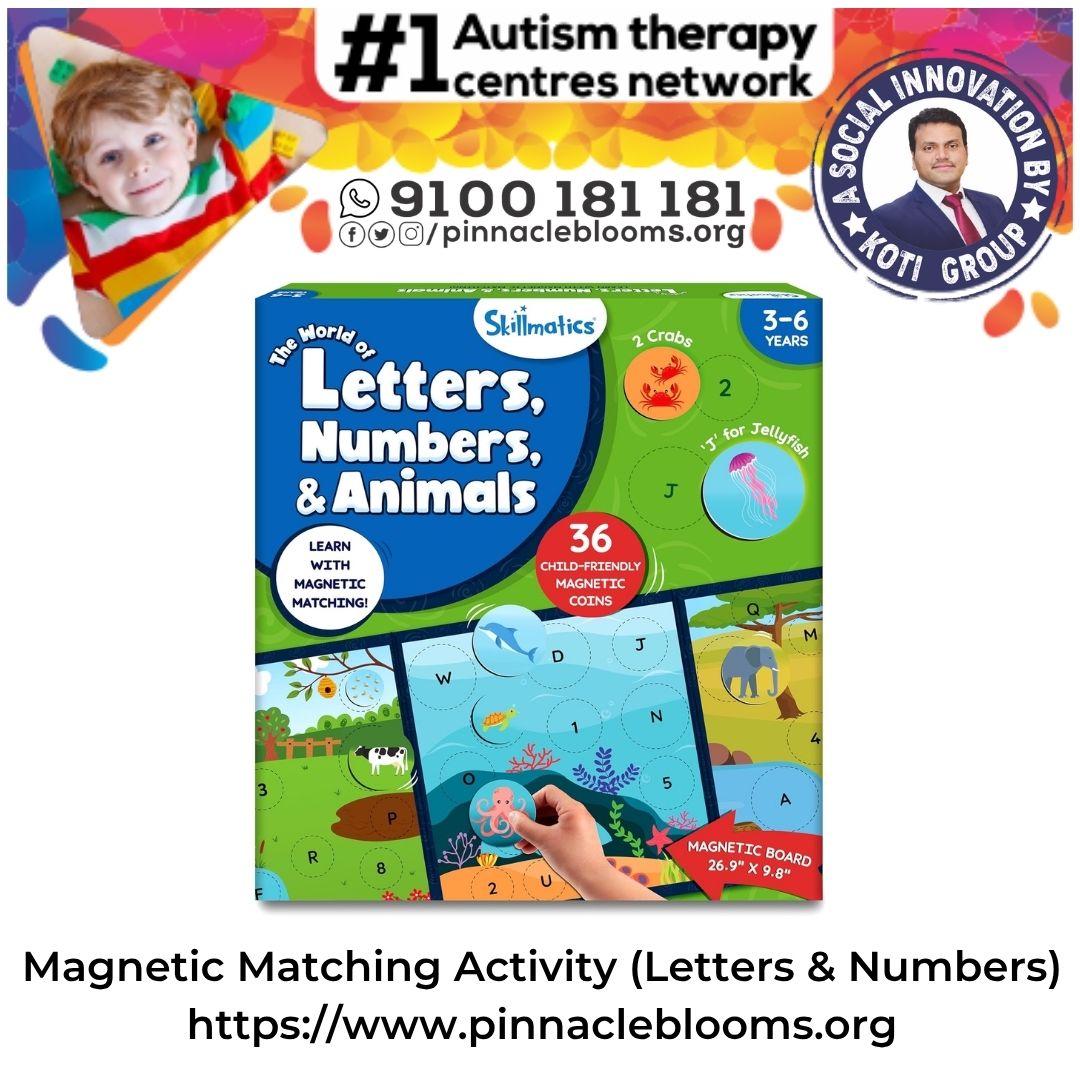
Alphabet Matching Games
Best for: Letter recognition, case matching
Type: Match uppercase to lowercase, letter to picture
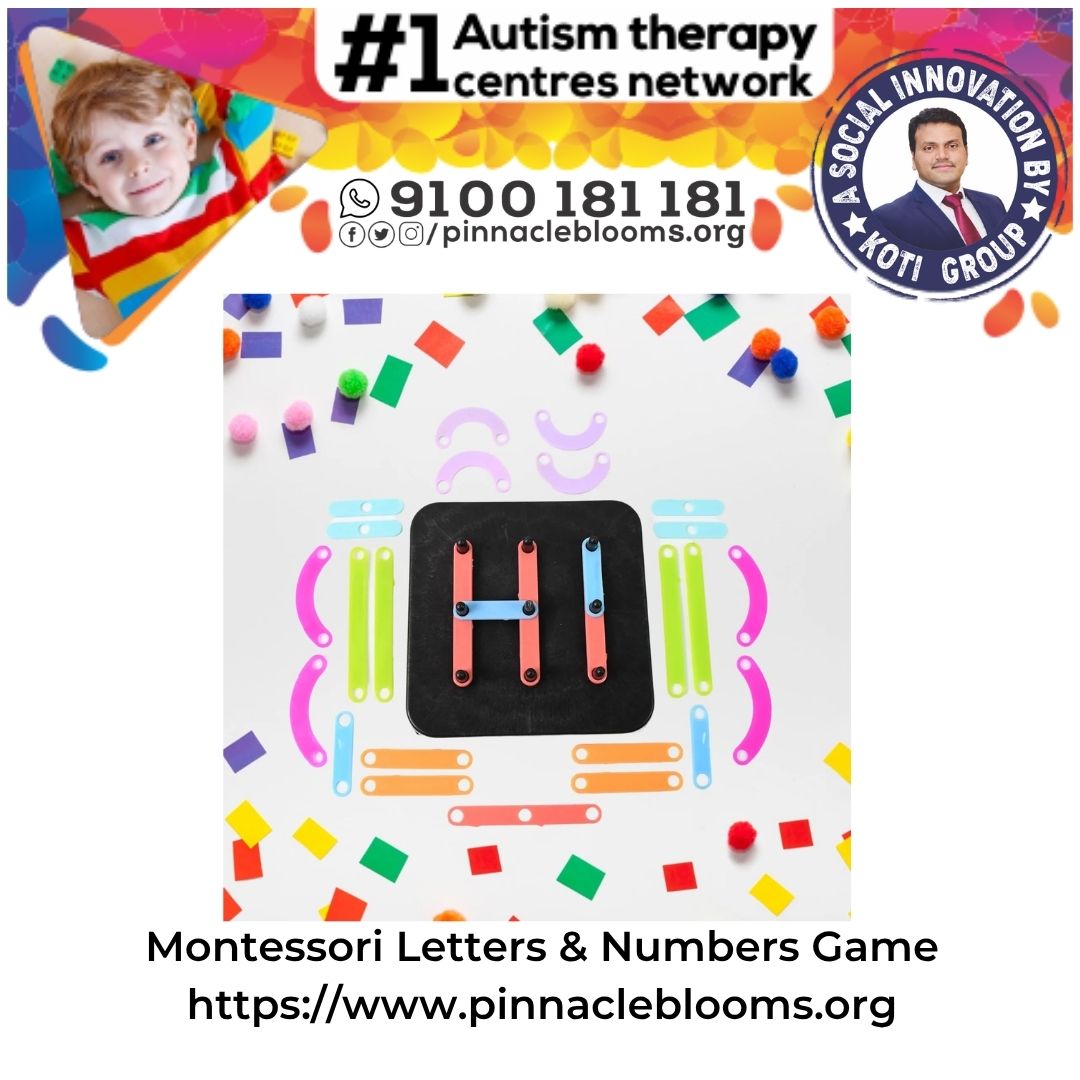
Letter Building Materials
Best for: Letter formation, fine motor
Type: Pieces to construct letters
Every child learns differently. Choose the variant that matches your child's learning style, environment, and developmental stage. You can always add more as they progress.

How to Choose
  • By goal: Recognition (puzzles, flash cards), Formation (tracing, tactile), Play (magnetic, building)
  • By setting: Home versatility (magnetic, flash cards), Therapy (tactile, puzzles), On-the-go (flash cards)
  • By learning style: Visual (flash cards), Tactile (sandpaper letters), Kinesthetic (magnetic, building)
Specifications & Letter Progression Guide
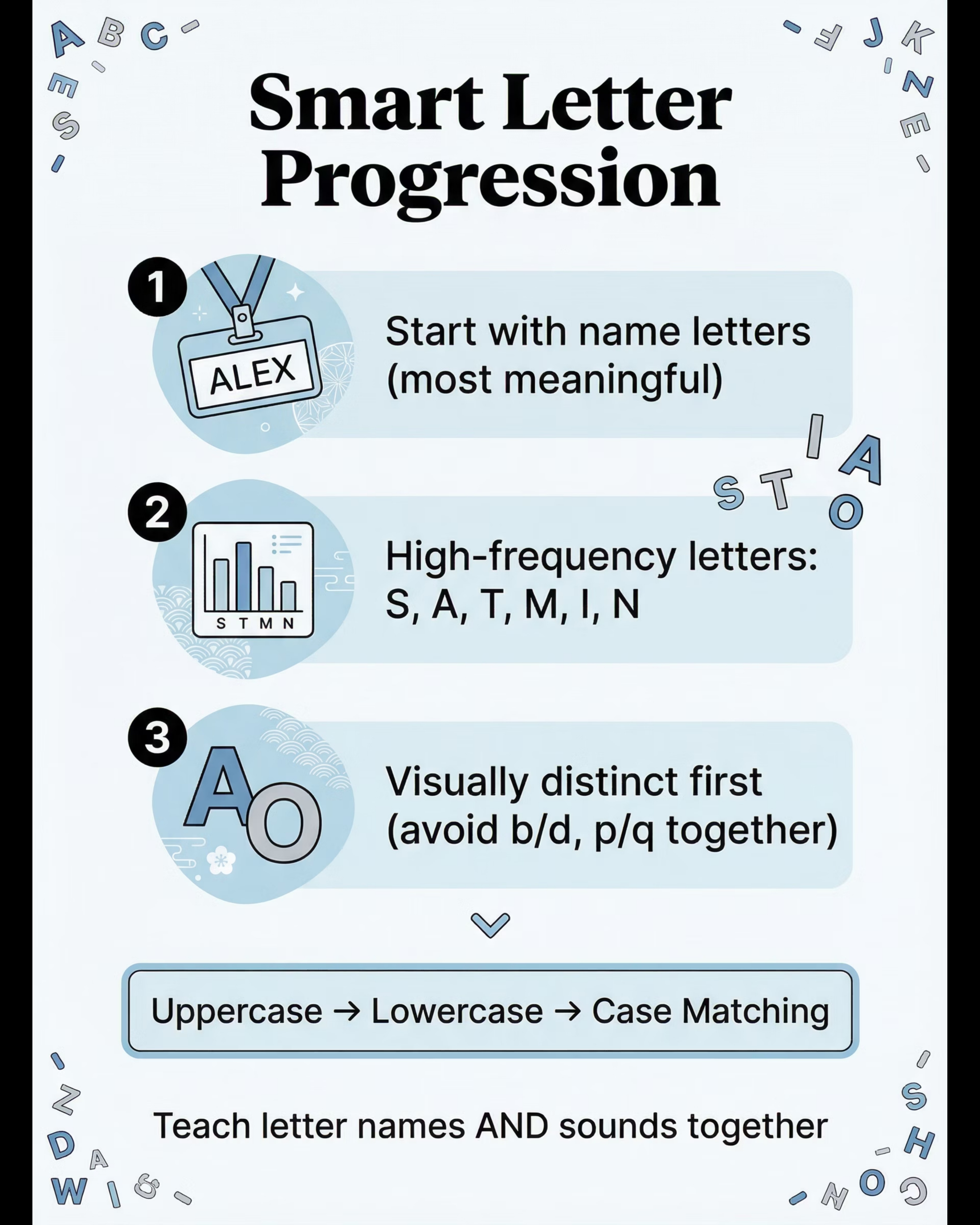
Recommended Letter Progression
Approach 1: Start with meaning
Child's name letters first - these are the most meaningful and motivating letters to begin with.
letter-alphabet-learning therapy material
Approach 2: High-frequency letters
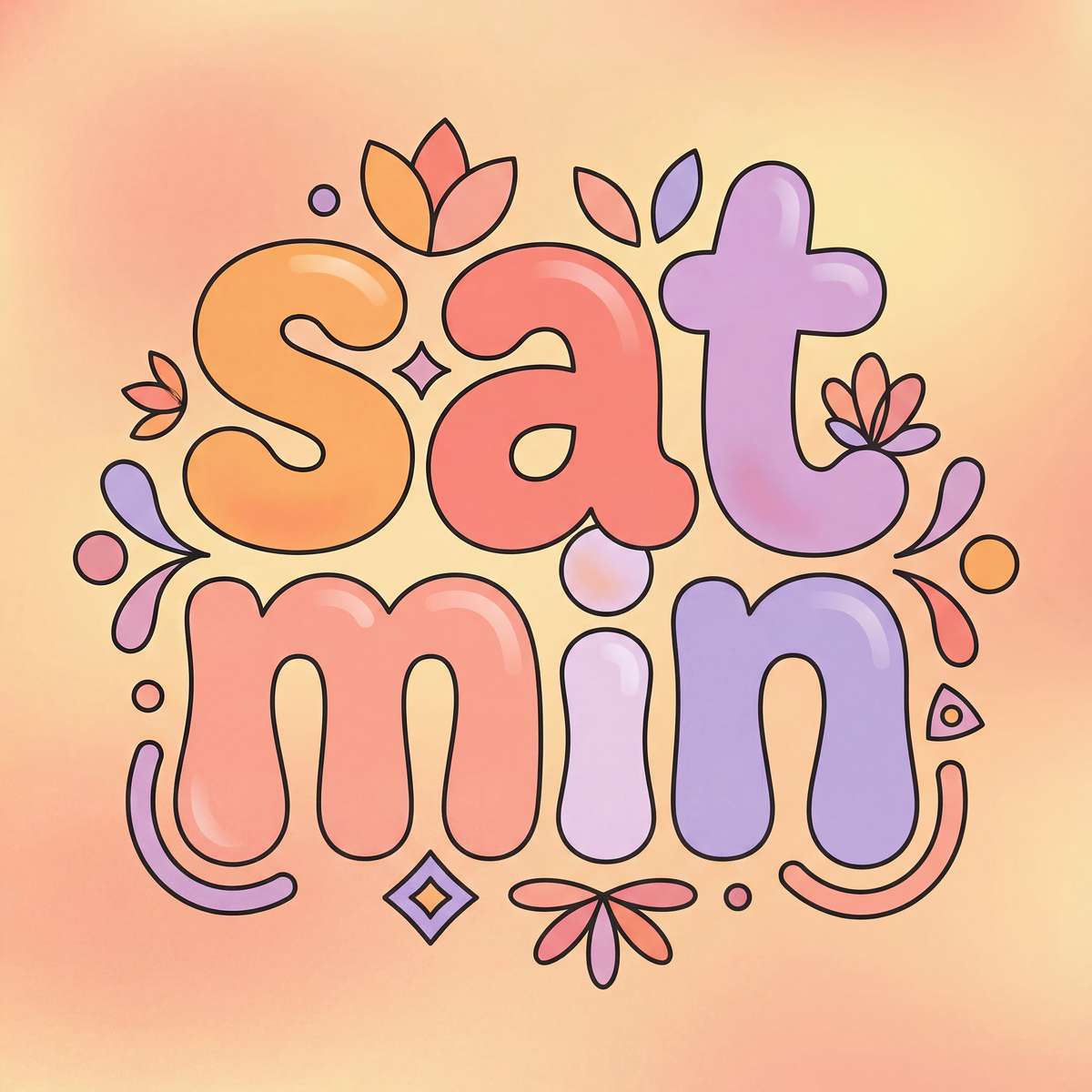
Letters like s, a, t, m, i, n appear most often in words and provide the most reading utility early on.
letter-alphabet-learning therapy material
Approach 3: Visual distinction
Teach visually distinct letters first. Avoid teaching b/d or p/q together as these pairs are easily confused.
letter-alphabet-learning therapy material
Case progression: Uppercase recognition → Lowercase recognition → Case matching
Sound connection: Letter name + sound introduced together for maximum effectiveness
  • Magnetic - versatile play, high engagement
letter-alphabet-learning therapy material
Key features to look for:
  • Clear, easy-to-read letter forms
  • Multi-sensory options (visual, tactile, kinesthetic)
  • Appropriate complexity for child's skill level
  • Engaging, motivating materials
letter-alphabet-learning therapy material
Materials & Key Features
Common materials:
  • Wood - durable, natural feel, classroom favorite
letter-alphabet-learning therapy material
  • Plastic - lightweight, easy to clean, versatile
letter-alphabet-learning therapy material
  • Foam - soft, safe for young children, colorful
letter-alphabet-learning therapy material
  • Sandpaper/tactile - multi-sensory, Montessori approach
letter-alphabet-learning therapy material
  • Cardboard - affordable, good for cards and books
letter-alphabet-learning therapy material
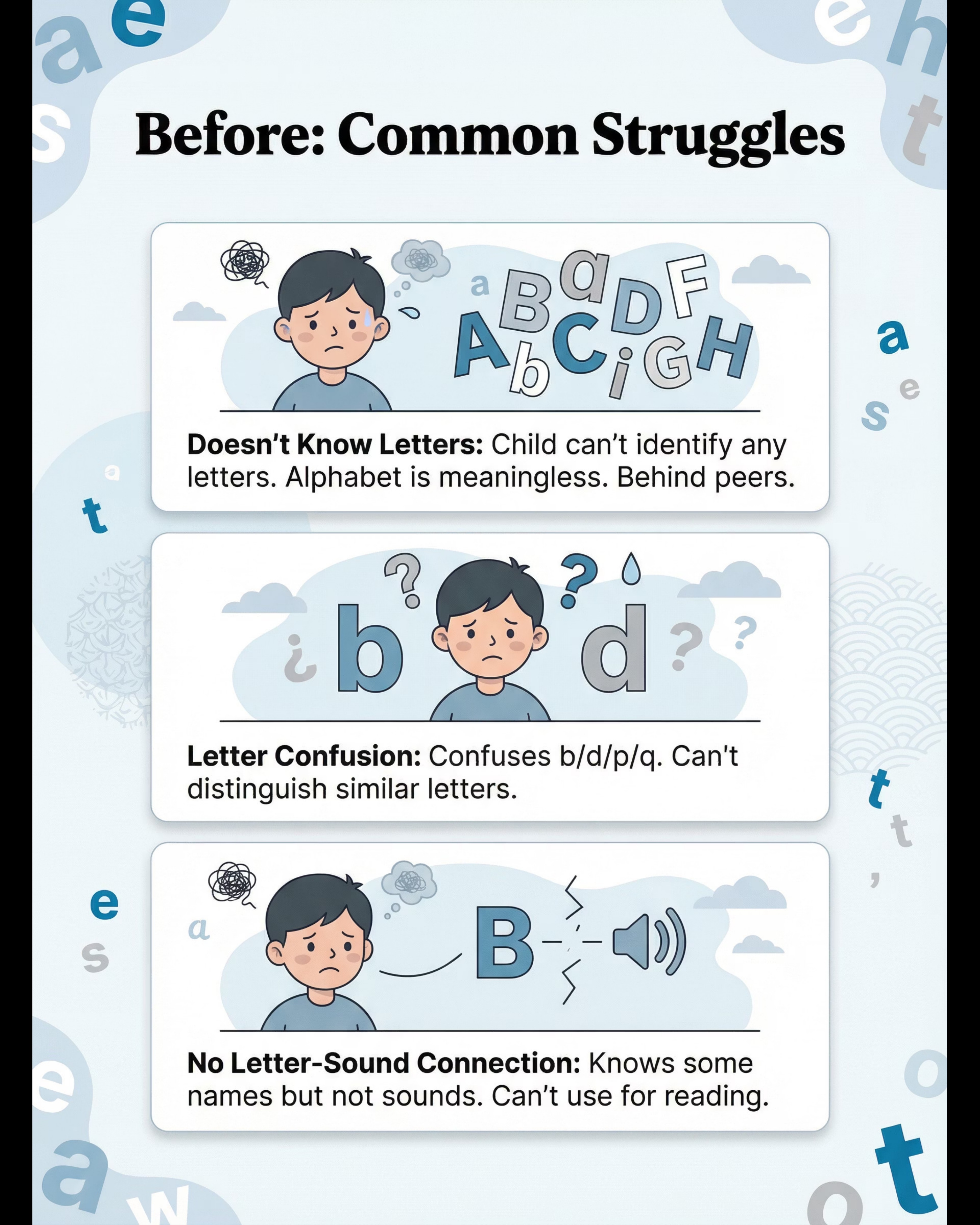
The Struggle (Before)
Doesn't Know Letters
letter-alphabet-learning therapy material
Situation: Child can't identify any letters
Experience: The alphabet is completely meaningless. Pre-reading foundation is missing. Child is falling behind peers and doesn't understand why.
Emotion: Developmental delay, parental concern, child confusion
Letter Confusion
letter-alphabet-learning therapy material
Situation: Child confuses similar letters (b/d/p/q, m/n/w)
Experience: Can't distinguish between letter shapes that look similar. This confusion makes both reading and writing incredibly difficult and frustrating.
Emotion: Constant confusion, mounting frustration
No Letter-Sound Connection
letter-alphabet-learning therapy material
Situation: Child knows some letter names but not sounds
Experience: Can't use letters for reading purposes. The phonics foundation that connects print to speech is completely missing.
Emotion: Disconnect, gap in understanding
These scenarios represent real challenges that many families face. Understanding the "before" helps us appreciate the transformation that's possible with the right support.
The Breakthrough (After)
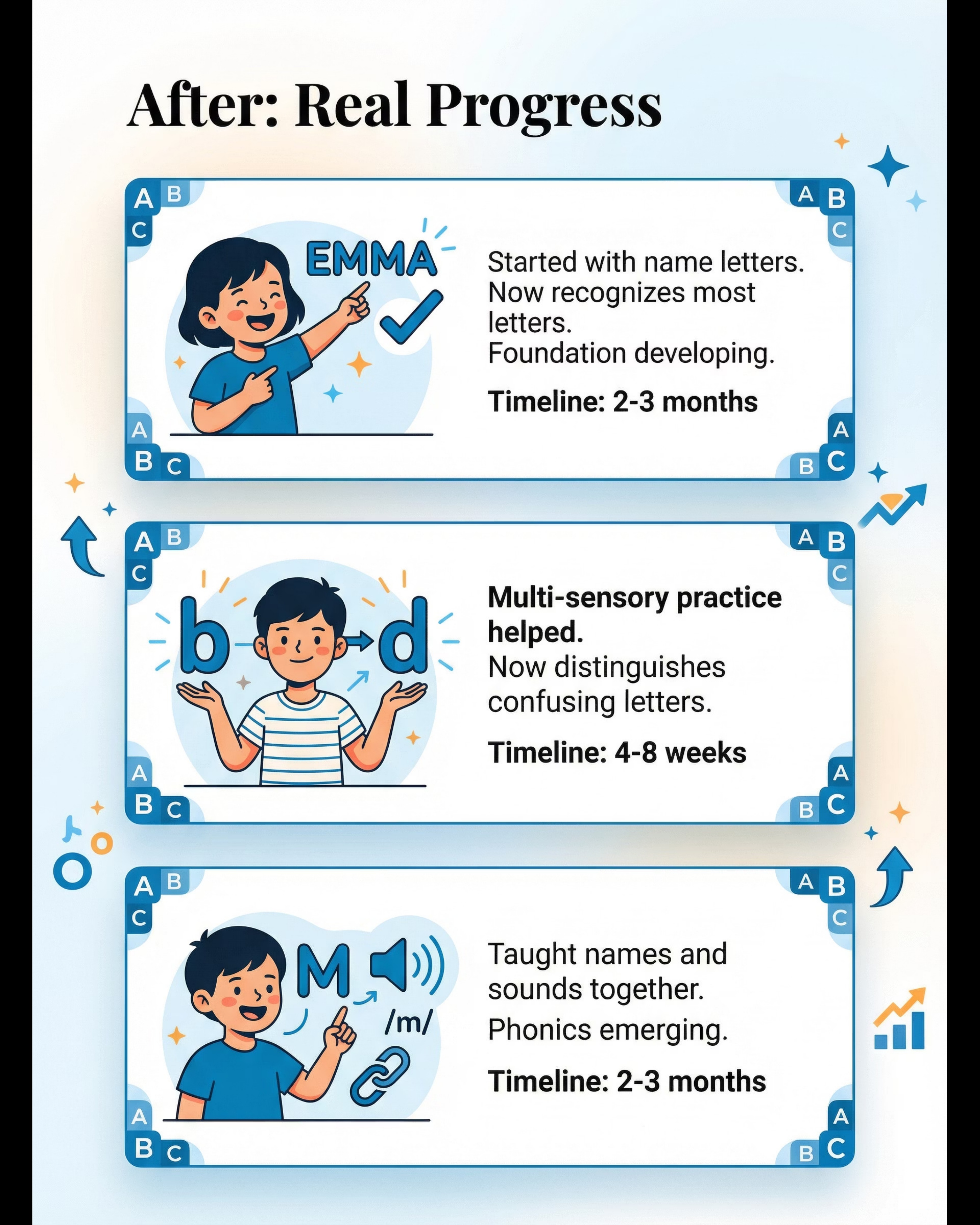
Recognizing Letters (2-3 months)
Situation: Started with name letters, built systematically
Experience: Now recognizes most letters consistently. The foundation for reading is actively developing. Child feels proud of their progress.
Emotion: Visible progress, growing recognition skills, emerging confidence
Distinguishing Confusing Letters (4-8 weeks)
Situation: Multi-sensory practice with confusing letters
Experience: Tactile tracing and strategic teaching helped tremendously. Now distinguishes b/d and other commonly confused letter pairs.
Emotion: Clarity, accurate distinction, reduced frustration
Connecting Letters to Sounds (2-3 months)
Situation: Taught letter names and sounds together
Experience: Now knows sounds for all known letters. Phonics understanding is emerging. Beginning to decode simple words.
Emotion: Connection, readiness for reading, excitement
These transformations are realistic and achievable with consistent, systematic letter learning support tailored to your child's needs.
What to Expect (Realistic Timelines)
Recognizes letters in name
This meaningful starting point builds motivation and demonstrates that letters have personal relevance and power.
2-4 weeks
Identifies uppercase letters
These larger, more distinct letter forms are typically easier for children to recognize and remember consistently.
2-3 months
Identifies lowercase letters
More complex recognition as these letters share more similar features, but essential for reading fluency.
3-4 months
Knows letter sounds
The critical phonics connection that transforms letters from abstract symbols into tools for reading words.
2-4 months
Distinguishes similar letters
Mastering challenging pairs like b/d shows developing visual discrimination and attention to detail.
4-8 weeks
Foundation for reading built
The comprehensive alphabetic knowledge that enables children to begin decoding words and reading independently.
Ongoing development
These timeframes are based on consistent daily practice with age-appropriate materials. Every child progresses at their own pace, and that's perfectly okay.
Is This Right for My Child? (2-Minute Check)
Answer these questions honestly to determine if letter learning materials would benefit your child right now. There are no wrong answers.
Reflect: Does my child recognize letters in their own name?
If they *do*, we're building on a strong, personal foundation.
If they *don't*, focusing on their name's letters is the most meaningful first step.
Consider: Can my child confidently identify uppercase letters?
If yes, then their uppercase skills are developing – perhaps they're ready for lowercase and sounds.
If no, then building uppercase recognition systematically with multi-sensory tools could be beneficial.
Think: Has my child connected letters to their sounds?
If they *have*, a strong phonics foundation is developing, preparing them for word building.
If they *haven't*, teaching letter sounds alongside names can have the strongest impact.
Observe: Does my child sometimes confuse similar-looking letters (like b/d)?
If yes, this indicates a need for multi-sensory discrimination practice; tactile materials often help.

Interpretation: If you answered "yes" to 3 or more questions about challenges (confusion, lack of recognition, missing sounds), letter learning materials are a strong fit. Start with name letters and build systematically.
Usage Guide: When & How
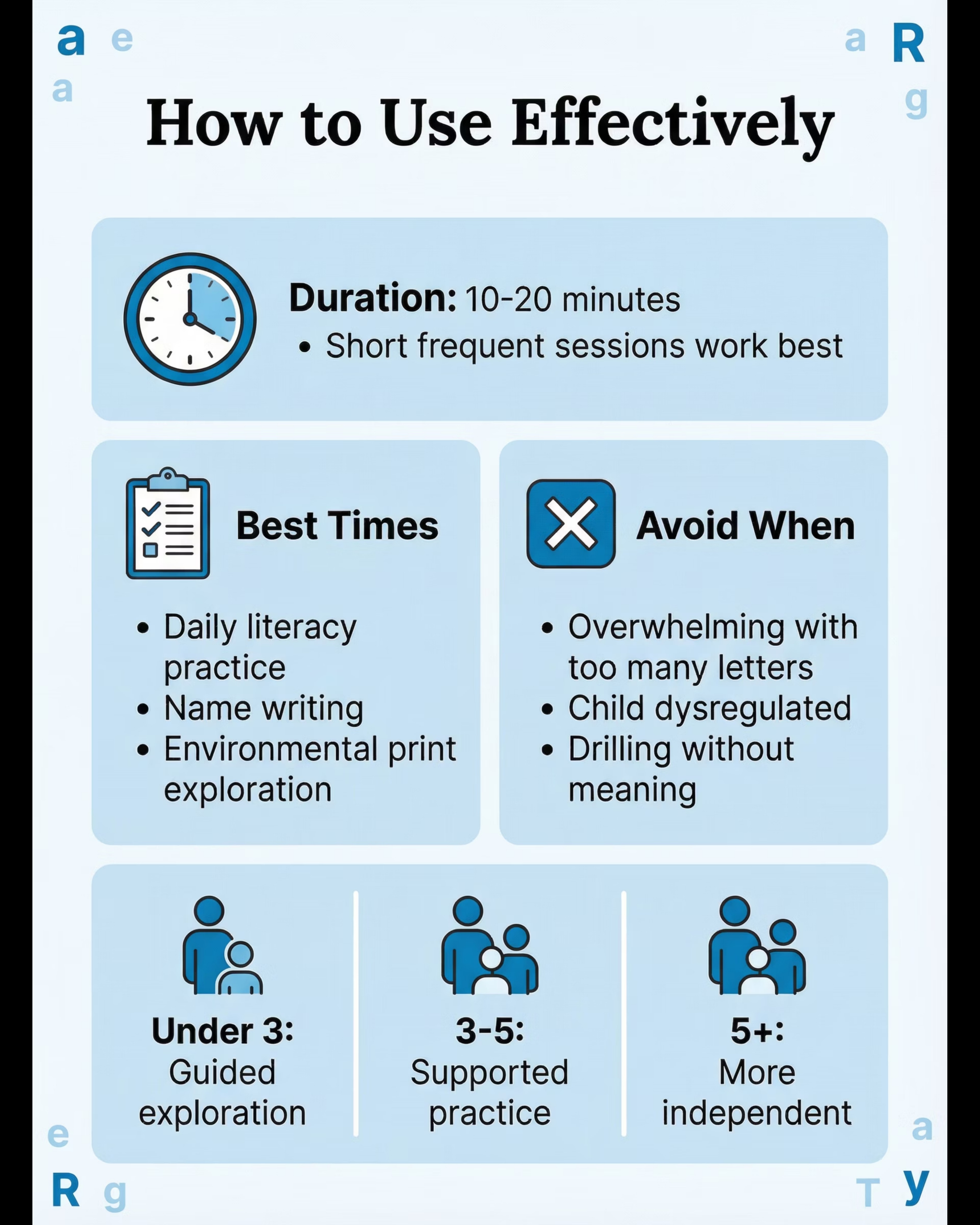
Daily literacy practice - consistent brief sessions build mastery
Overwhelming with too many letters - stick to 3-5 at a time
Name writing practice - personal relevance increases motivation
When child is dysregulated - wait for calm, receptive state
Environmental print exploration - connect learning to real world
Drilling without meaning - always connect to real words
Pre-reading activities - foundation for reading success
Therapy sessions - targeted skill development
Supervision by Age
Under 3 years
Guided exploration - adult directs and supports throughout
Ages 3-5 years
Supported practice - adult nearby, offering help as needed
Ages 5+ years
Can work more independently with periodic check-ins
Duration & Settings
Duration: 10-20 minutes per session
Short, frequent sessions are far more effective than long, infrequent ones for building letter knowledge.
Best settings: Home, School, Clinic, Outdoors
Safety First
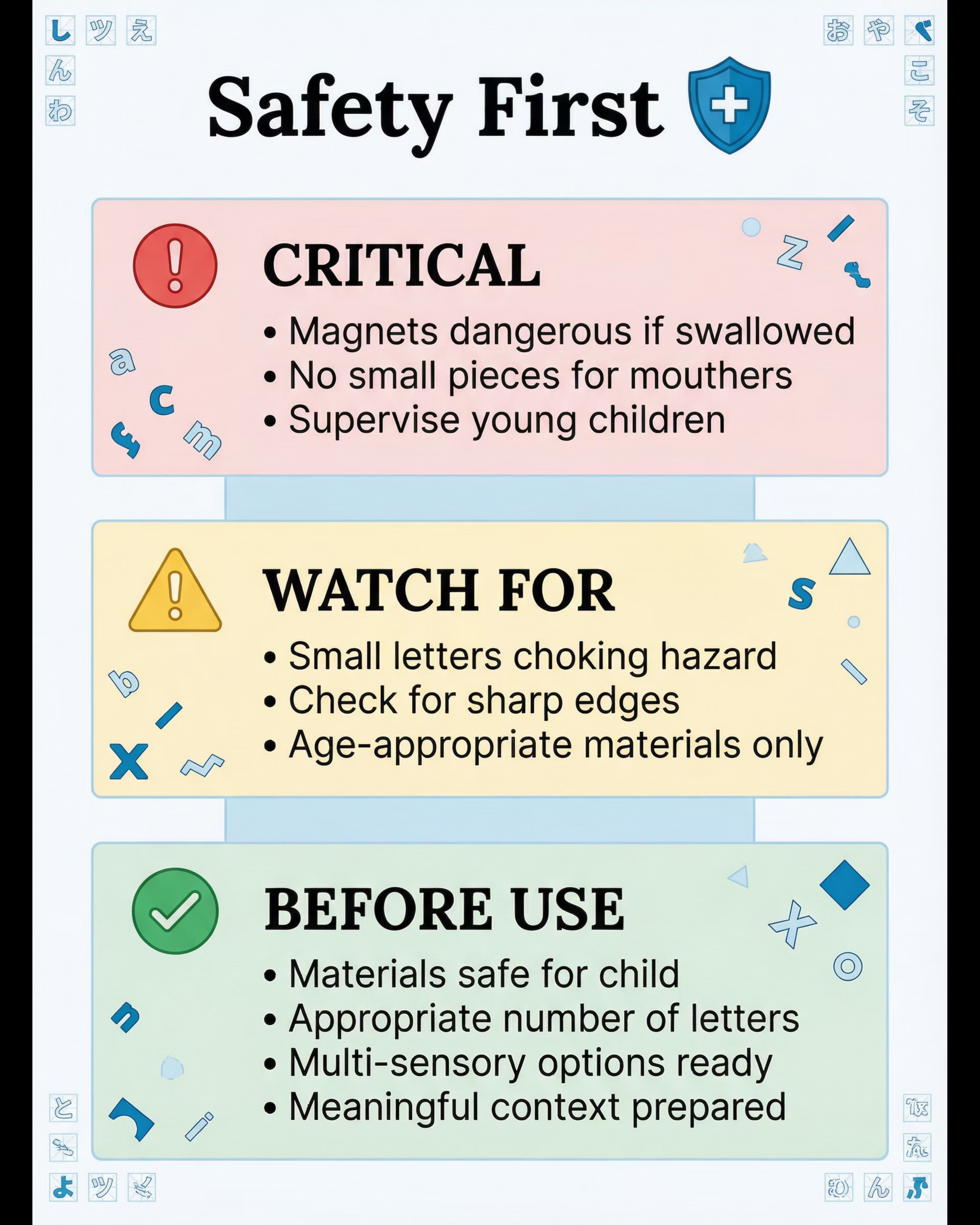
Critical Safety Requirements
  • No small magnetic letters for children who mouth objects - choking and magnet ingestion hazards
  • Always supervise young children - especially under age 3
  • Magnets can be dangerous if swallowed - internal injury risk if multiple magnets are ingested
Important Warnings
  • Small letters can be choking hazards for young children
  • Magnetic letters: ensure child won't swallow - know your child's mouthing tendencies
  • Check all materials for sharp edges before use
Contraindicated For
  • Small pieces for children who actively mouth objects
  • Magnetic letters for children who mouth or swallow non-food items
Before Use Checklist
  • ✓ Materials are safe and age-appropriate for your specific child
  • ✓ Teaching appropriate number of letters (not overwhelming)
  • ✓ Multi-sensory options are ready and accessible
  • ✓ Letters have meaningful context (name, favorites)
During Use
  • ✓ Saying letter names and sounds together
  • ✓ Multi-sensory engagement happening
  • ✓ Child is engaged and interested
  • ✓ Celebrating progress and effort
Signs of Success
  • ✓ Recognizing taught letters consistently
  • ✓ Naming letters accurately
  • ✓ Producing letter sounds correctly
  • ✓ Finding letters in environment spontaneously
Common Questions (Honest Answers)
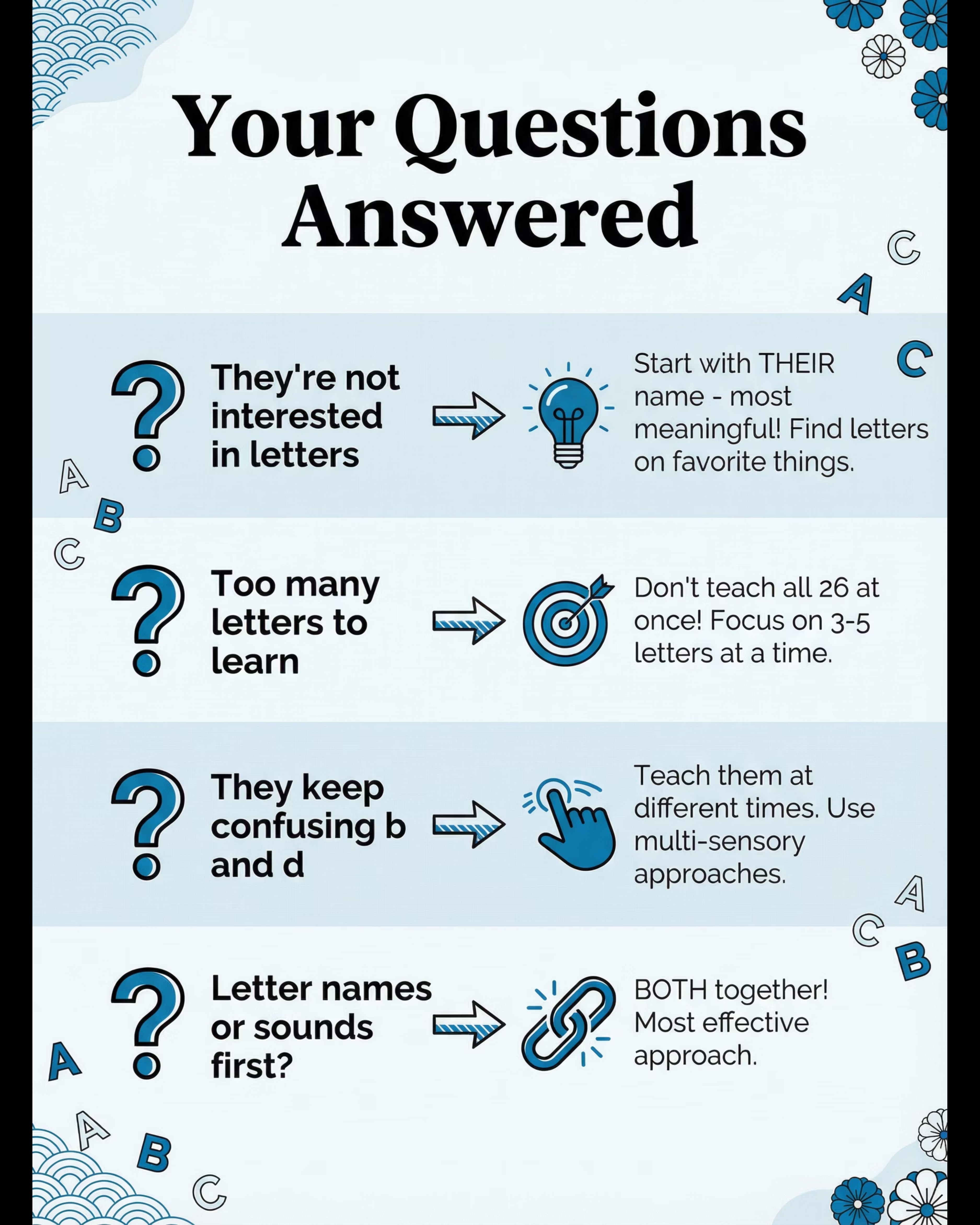
Q: "They're not interested in letters"
A: Start with THEIR name - it's the most meaningful word to any child! Find letters on favorite things like M for McDonald's or letters on toys they love. Interest naturally follows when learning has personal meaning.
Try this: Name letters first; environmental print hunt; interest-based letter connections
Q: "They keep confusing b and d - we've tried everything"
A: This is extremely common and normal! Teach these letters at different times, never together. Use multi-sensory approaches so children can feel the difference with their hands. Mnemonic strategies help too, like the word "bed" showing the letter shapes.
Try this: Separate teaching times; multi-sensory discrimination; memory strategies
Q: "Too many letters to learn - it's overwhelming"
A: Don't teach all 26 letters at once! Focus on just 3-5 letters at a time. Master these thoroughly before adding more. Quality of learning always beats quantity. Slow and steady wins the literacy race.
Try this: Few letters at a time; achieve mastery before adding new ones
Q: "Should we do letter names or sounds first?"
A: Teach BOTH together! Research consistently shows that teaching letter names and sounds simultaneously is the most effective approach. Simply say: "This is the letter B, and it says /b/."
Try this: Names and sounds together for maximum effectiveness
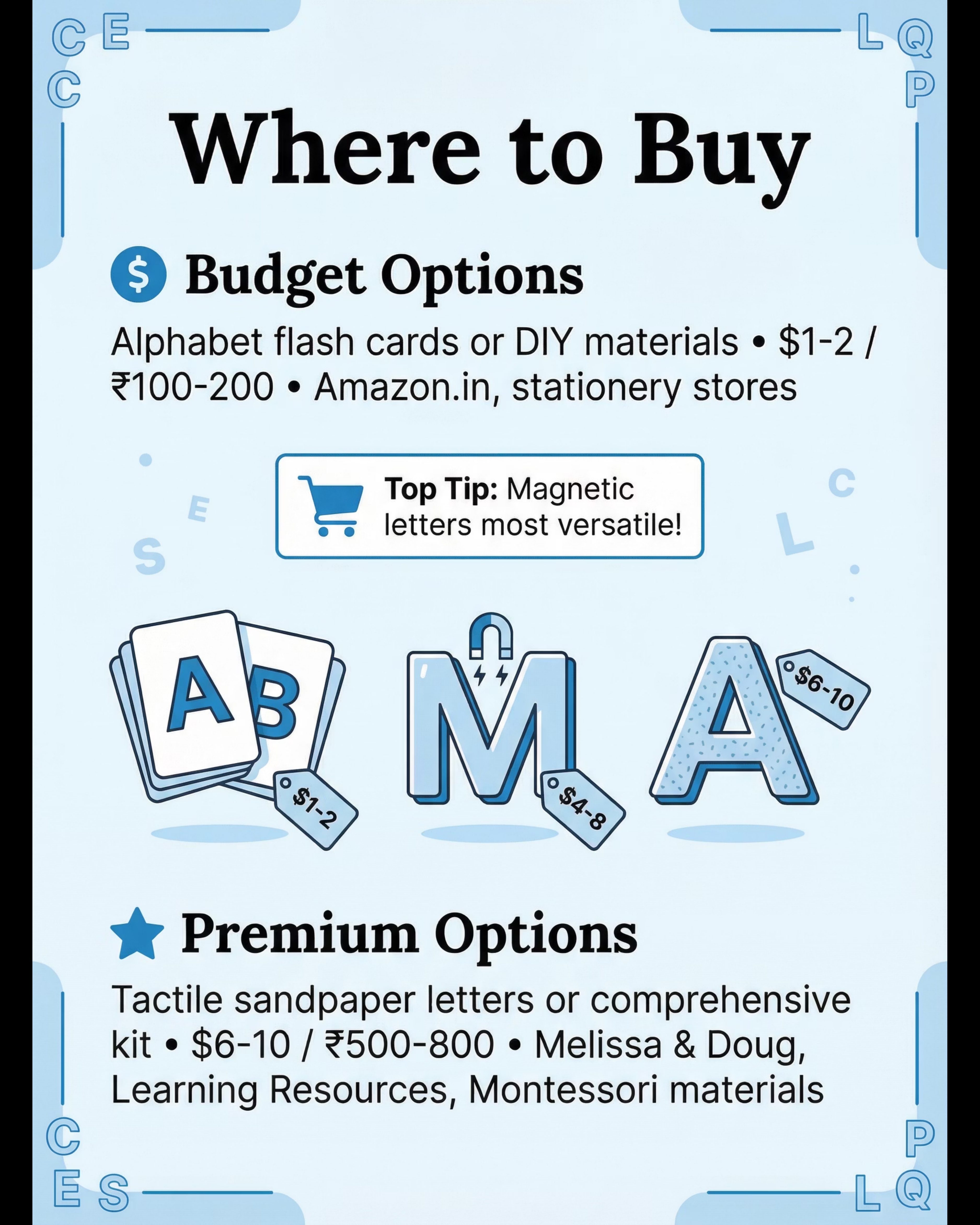
Investment Guide
Letter learning materials are among the most affordable educational investments you can make, with options for every budget that deliver genuine results.
Explore our tiered investment options below:
Budget-Friendly
Alphabet flash cards or DIY letter materials
₹100-200
Highly effective, portable, versatile, and research-backed for foundational learning.
Families starting their letter learning journey, supplementing other materials, or on tight budgets.
Premium Investment
Tactile sandpaper letters or comprehensive letter kit
₹500-800
Multi-sensory tactile experience significantly enhances learning and retention for many children.
Tactile learners, children needing intensive support, long-term investment in comprehensive learning.
Key Features of Effective Materials
Affordability & Accessibility
Quality learning doesn't require a large budget. Many effective tools are low-cost or can be DIY.
Versatility & Engagement
Materials should be adaptable for various activities and inherently engaging for young learners.
Multi-sensory Learning
Incorporating touch and feel, like tactile letters, significantly boosts retention and understanding.
Long-Term Value
Invest in materials that grow with your child, supporting their literacy journey over time.
Value Progression in Learning Materials
Initial Engagement
Start with budget-friendly options to introduce concepts and gauge interest.
Enhanced Exploration
Supplement with versatile materials that support diverse learning styles.
Deepened Understanding
Introduce multi-sensory premium items for intensive support and retention.
Sustained Literacy
Build a comprehensive toolkit for ongoing development and mastery.
Most families find that starting with a budget option and adding premium materials as needed works beautifully. The best material is the one your child will actually use, making learning a joyful and effective journey.
Where to Buy in India
Availability: Widely Available across India through multiple platforms
Amazon.in: "alphabet puzzle kids"
Price Range: ₹150-400
Wide selection
Amazon.in: "magnetic letters"
Price Range: ₹150-350
Popular choice
Amazon.in: "sandpaper letters Montessori"
Price Range: ₹300-700
Premium quality
Amazon.in: "alphabet flash cards"
Price Range: ₹100-250
Budget-friendly
Local stationery stores: "letter tracing book"
Price Range: ₹50-150
Very affordable

Buying Tips (Maximize Your Investment)
  • Magnetic letters are incredibly versatile and engaging - excellent value
  • Sandpaper letters are worth the investment for tactile learners
  • Start with uppercase materials as they're easier to distinguish
  • Begin with child's name letters first for maximum meaning and motivation
  • Multi-sensory materials are worth the investment for lasting results

Red Flags (Avoid These)
  • Materials showing all 26 letters at once overwhelm beginners
  • Confusing font styles that don't match standard print
  • Materials with no sound component - less effective for phonics
  • Only one modality (visual only) - multi-sensory is better
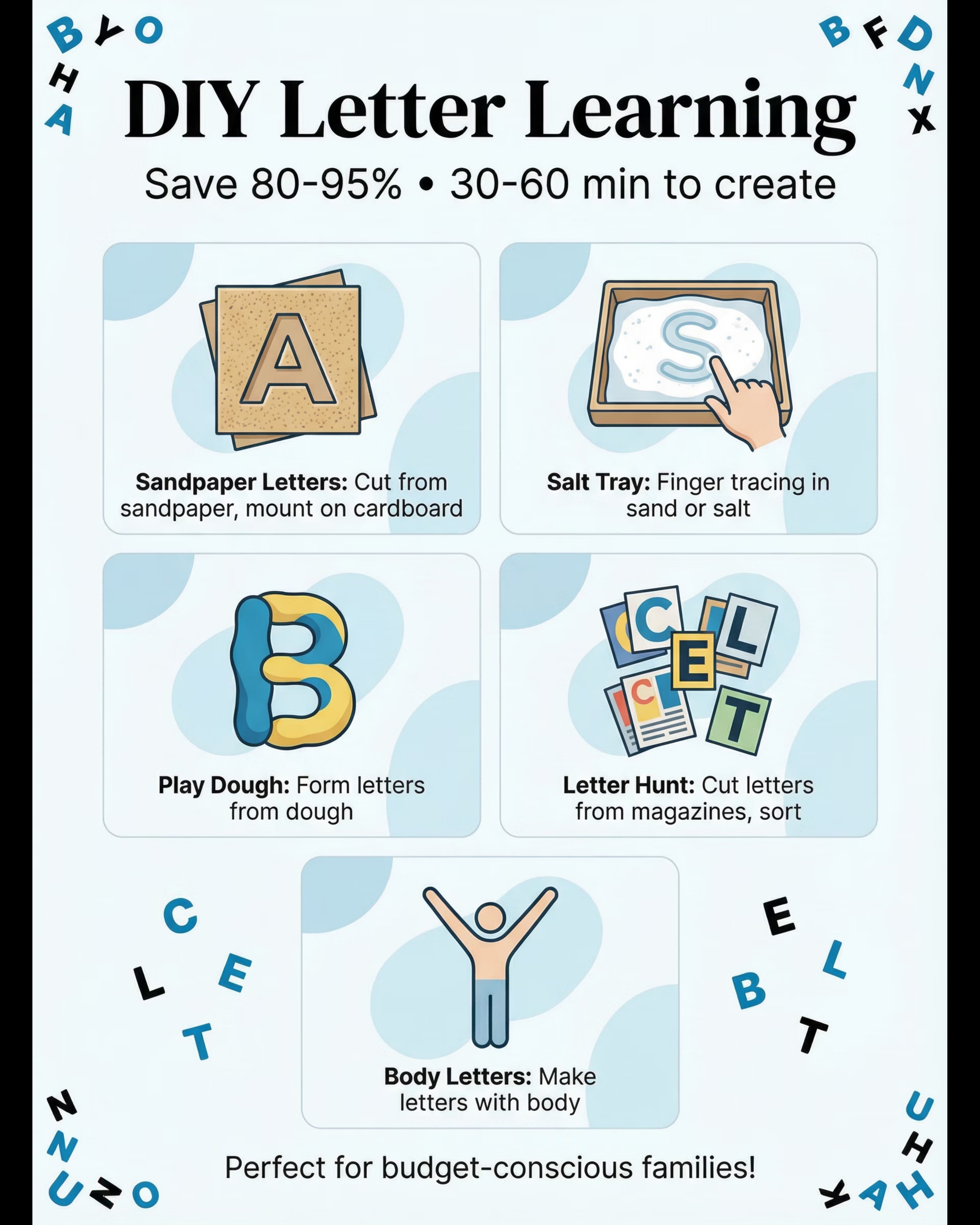
DIY Alternative (Save 80-95%)
Feasibility: Very High | Cost Savings: 80-95% | Time Investment: 30-60 minutes
Materials Needed
  • Sandpaper + cardboard for tactile letters
  • Play dough for letter forming and manipulation
  • Sand or salt tray for finger tracing practice
  • Magazine letters for cutting, sorting, and matching
  • Printed letter cards (free templates online)
Simple DIY Steps
  1. Sandpaper letters: Cut letter shapes from sandpaper, mount securely on cardboard pieces
  1. Salt/sand tray: Shallow tray filled with salt for finger tracing letter shapes
  1. Play dough letters: Form and shape letters from play dough - highly engaging
  1. Letter hunt: Find and cut letters from magazines, newspapers, then sort and match
  1. Body letters: Make letter shapes with your whole body - kinesthetic learning
  1. Environmental print: Point out letters on signs, packages during daily activities
DIY vs Commercial: Making the Right Choice
Choose DIY When...
  • Budget is primary concern
  • You want personalized, customized activities
  • You prefer hands-on multi-sensory activities
  • You're supplementing existing commercial materials
Choose Commercial When...
  • You want quality professional tactile letters
  • Durability matters for frequent use
  • Using in classroom or clinical setting
  • You want unique features like magnetic letters
Tradeoffs: DIY requires time investment and effort. Creating quality sandpaper letters takes time. However, many families successfully combine DIY activities with one or two commercial products for best results.

Preview of letter alphabet learning Therapy Material

Below is a visual preview of letter alphabet learning therapy material. The pages shown help educators, therapists, and caregivers understand the structure and content of the resource before use. Materials should be used under appropriate professional guidance.

Page 1
Page 2
Page 3
Page 4
Page 5
Page 6
Page 7
Page 8
Page 9
Page 10
Page 11
Page 12
Page 13
Page 14
Page 15
Page 16
Page 17
Page 18
Page 19
Page 20
Link copied!
Track Progress & Complete Your Kit
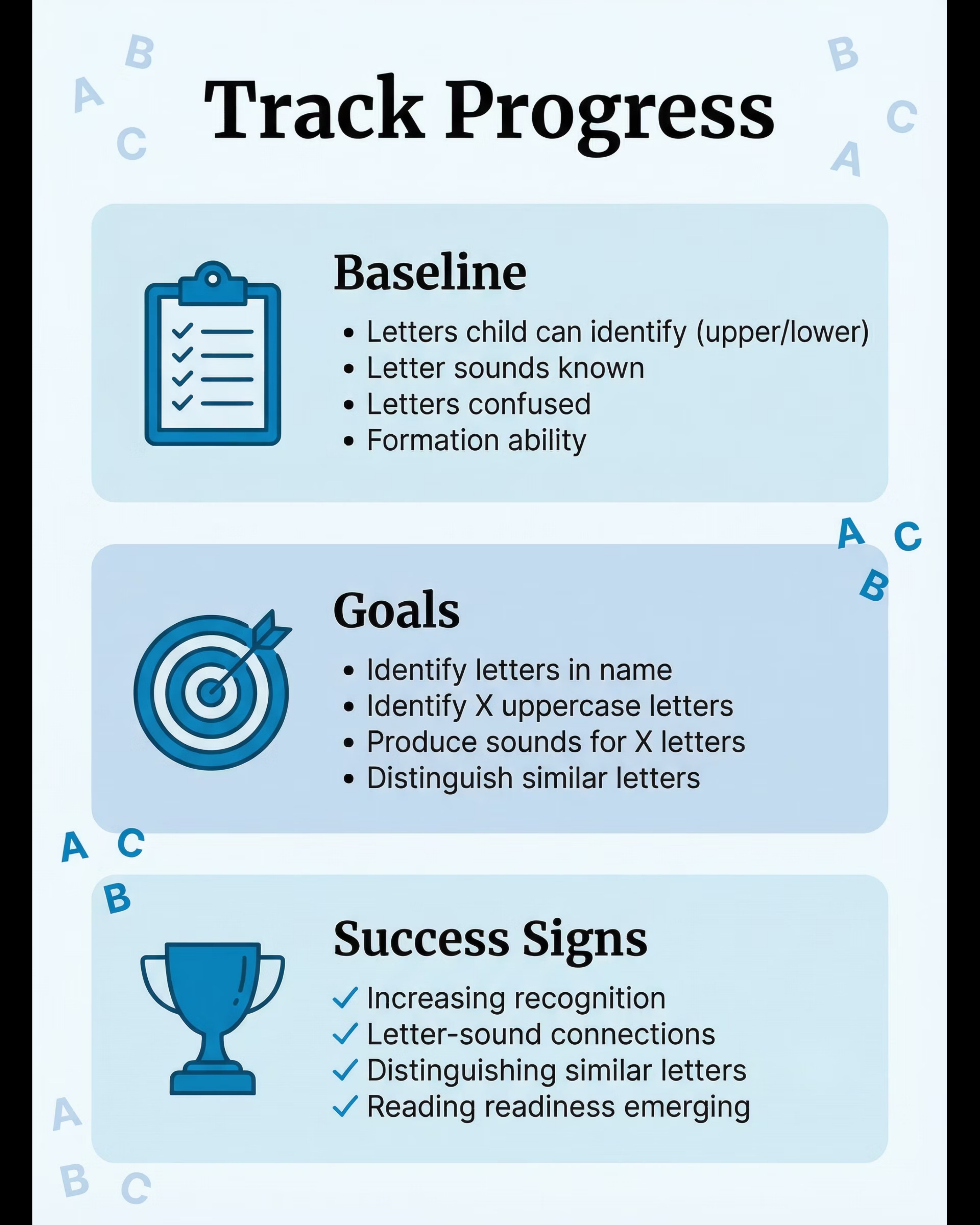
Measuring Success
Baseline (Measure First)
  • Letters child can identify (uppercase/lowercase)
  • Letter sounds already known
  • Which letters are commonly confused
  • Current letter formation ability
Goals to Set
  • Child will identify all letters in their name
  • Child will identify [X number] uppercase letters
  • Child will produce sounds for [X number] letters
  • Child will distinguish commonly confused letters
Success Indicators
  • ✓ Increasing letter recognition accuracy
  • ✓ Making letter-sound connections
  • ✓ Distinguishing similar letter pairs
  • ✓ Letter formation improving
  • ✓ Reading readiness emerging

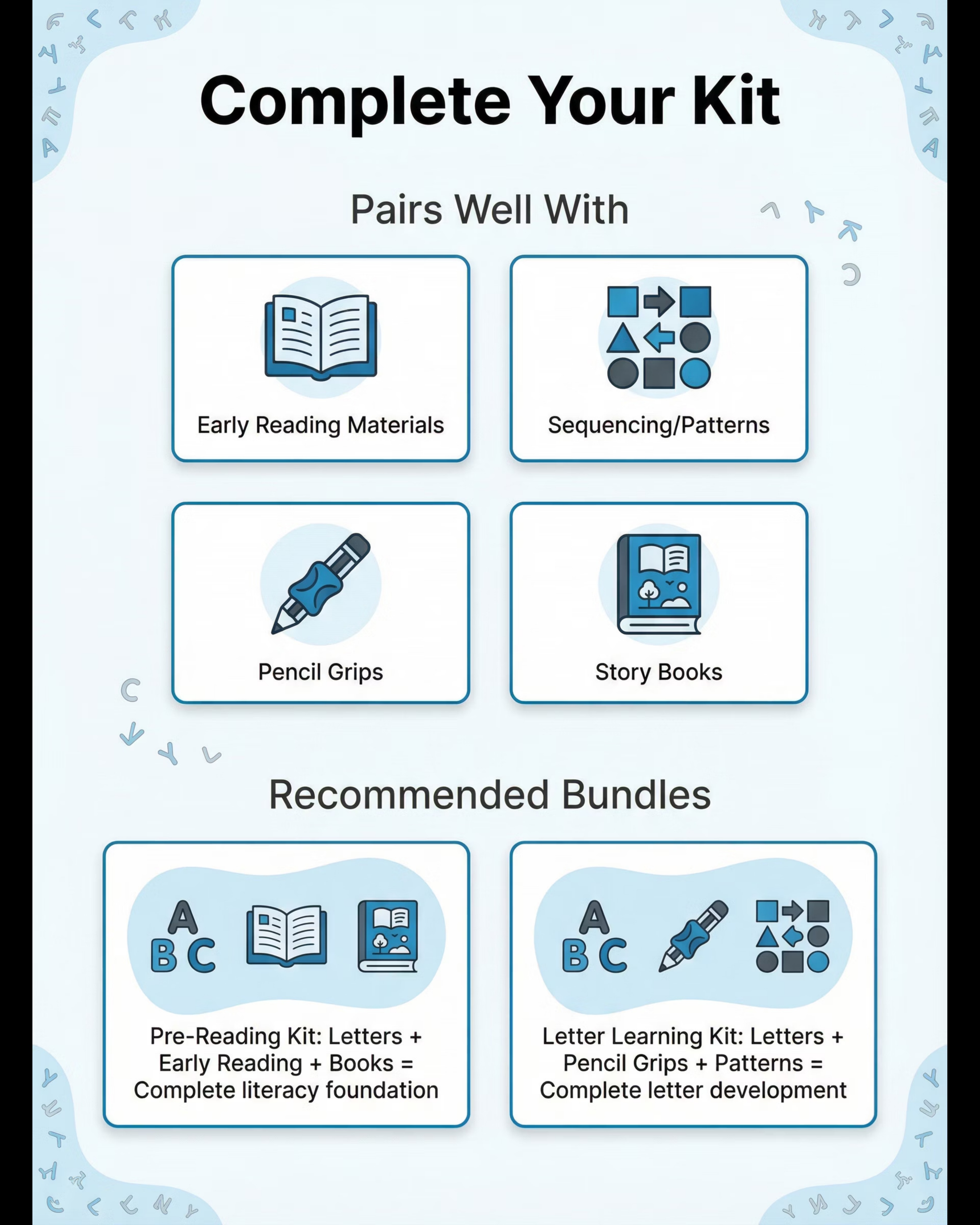
Pair It With (Complete Your Literacy Kit)
1
Early Reading Materials (ID: 8.10)
Why pair: Natural reading progression after letter mastery
2
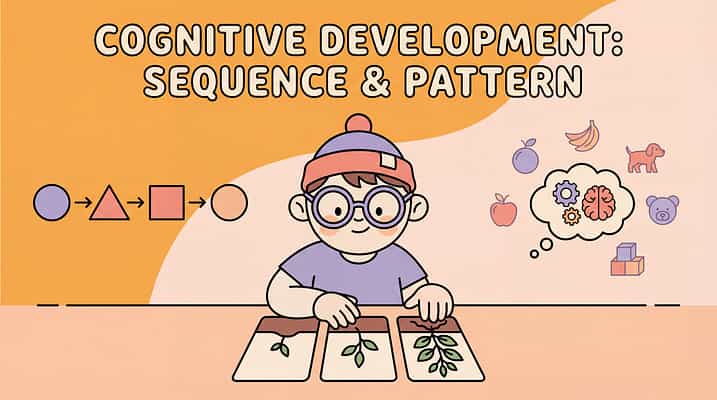
Sequencing/Patterns (ID: 8.3)
Why pair: Builds cognitive foundation for literacy
3
Pencil Grips (ID: 7.6)
Why pair: Supports letter writing and formation
4
Story Books (ID: 5.4)
Why pair: Develops print awareness and motivation
Recommended Bundle: Pre-Reading Kit includes Letter Learning (8.7) + Early Reading Materials (8.10) + Story Books (5.4) for comprehensive literacy foundation

Quick Summary
Letter and alphabet learning materials develop the foundational alphabetic knowledge essential for reading readiness through multi-sensory approaches. Core Kit (Rank 1), strong evidence, essential pre-literacy tool.
alphabet
letters
literacy
pre-reading
phonics
recognition
SpEd
SLP
core-kit
Common searches: alphabet learning autism, letter recognition, magnetic letters kids, sandpaper letters Montessori, alphabet puzzle, pre-reading autism, letter sounds learning
Get Expert Support

FREE National Autism Helpline
Phone: 9100 181 181
Languages: 16+ languages spoken
Website: pinnacleblooms.org
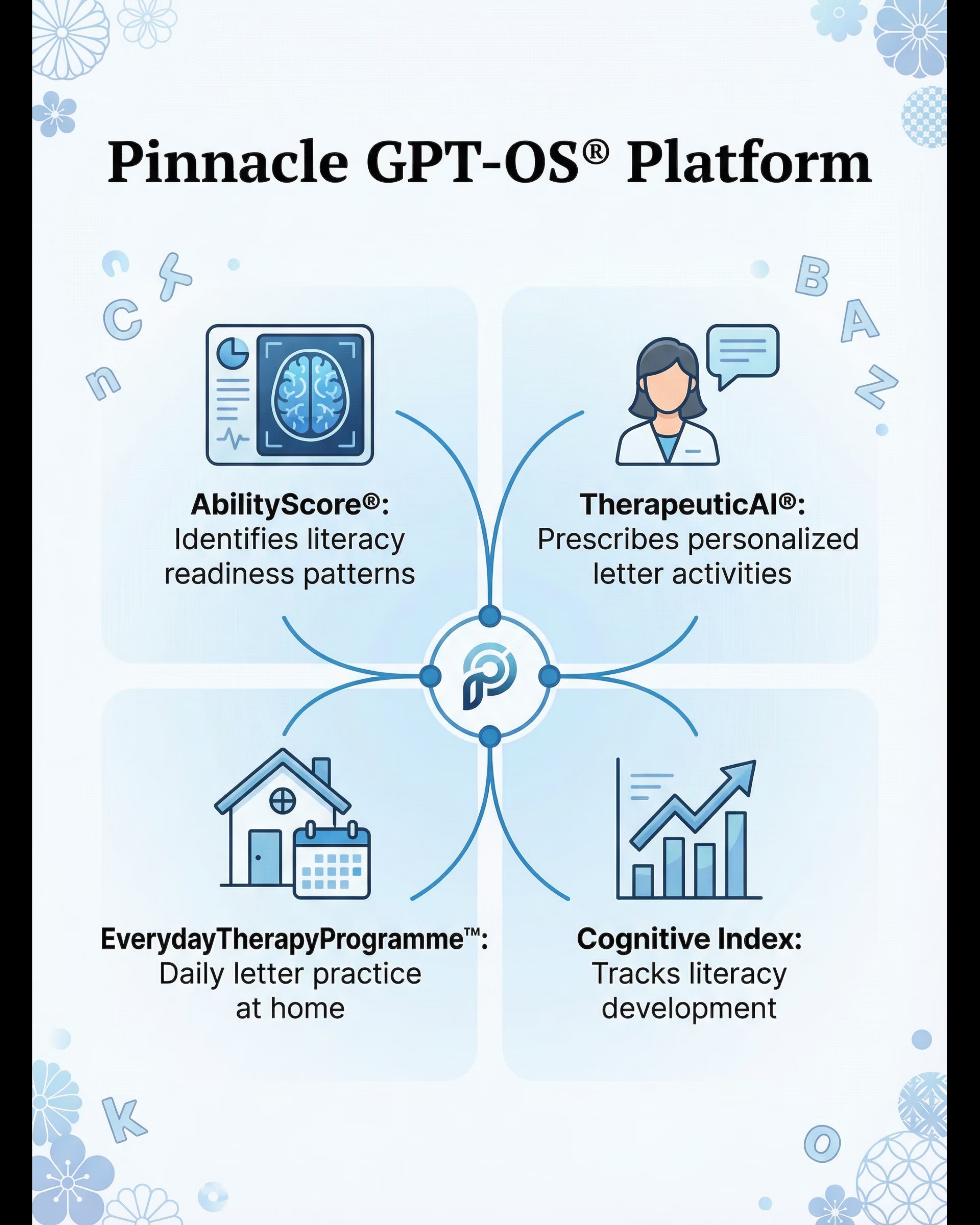
This tool integrates seamlessly with AbilityScore® assessment to identify literacy readiness patterns. TherapeuticAI® prescribes personalized letter activities. EverydayTherapyProgramme™ includes daily letter practice. Cognitive Index tracks ongoing literacy development.
Disclaimer
Disclaimer: This is educational information provided to support families in understanding child development tools. Always consult qualified occupational therapists, speech-language pathologists, or pediatricians for personalized guidance. Individual results vary based on each child's unique needs and circumstances.