











Tool ID: 8.5
SpEd + OT
Strong Evidence
Rank #1
Daily Use
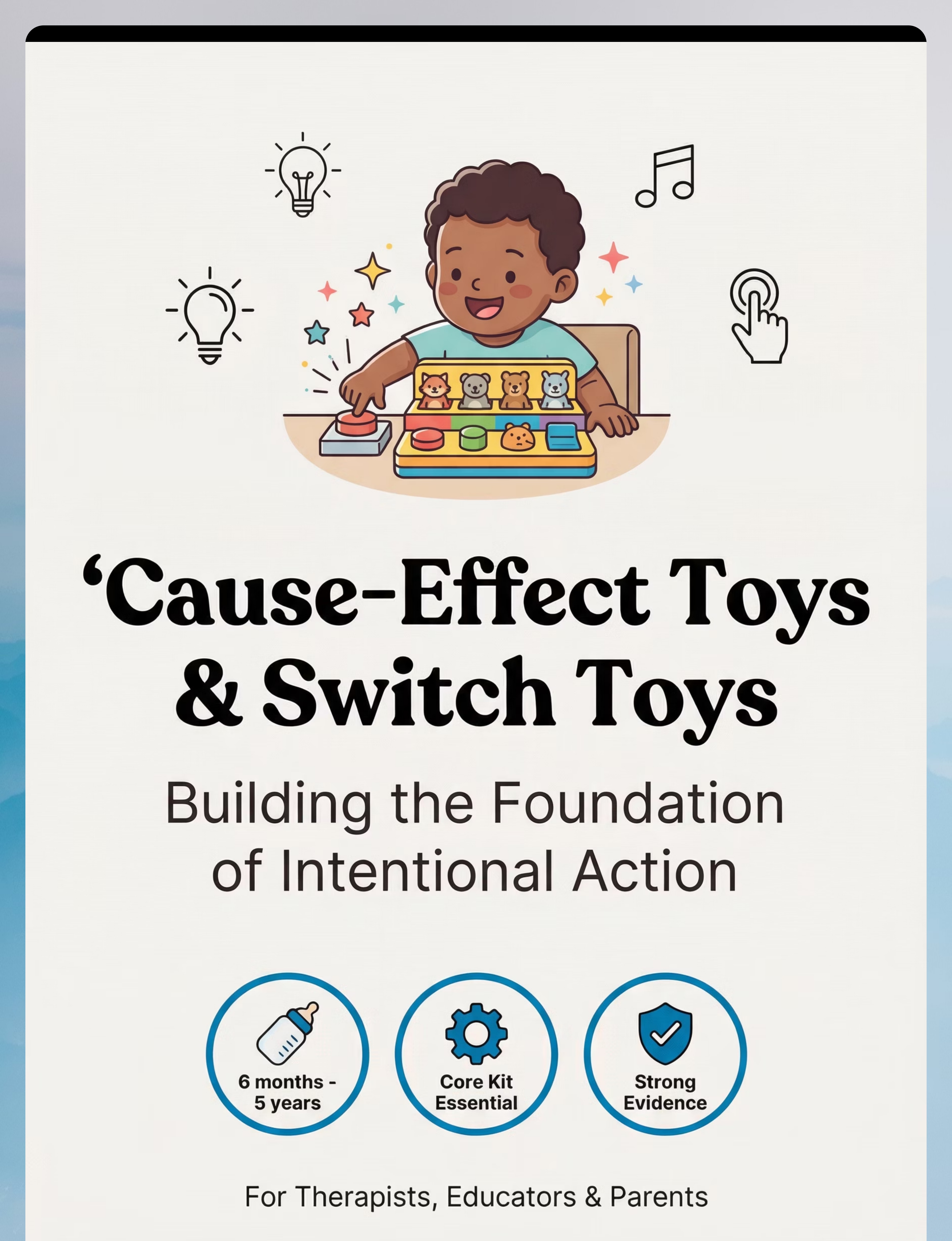
Cause-Effect Toys / Switch Toys
Action-outcome understanding and early cognition system
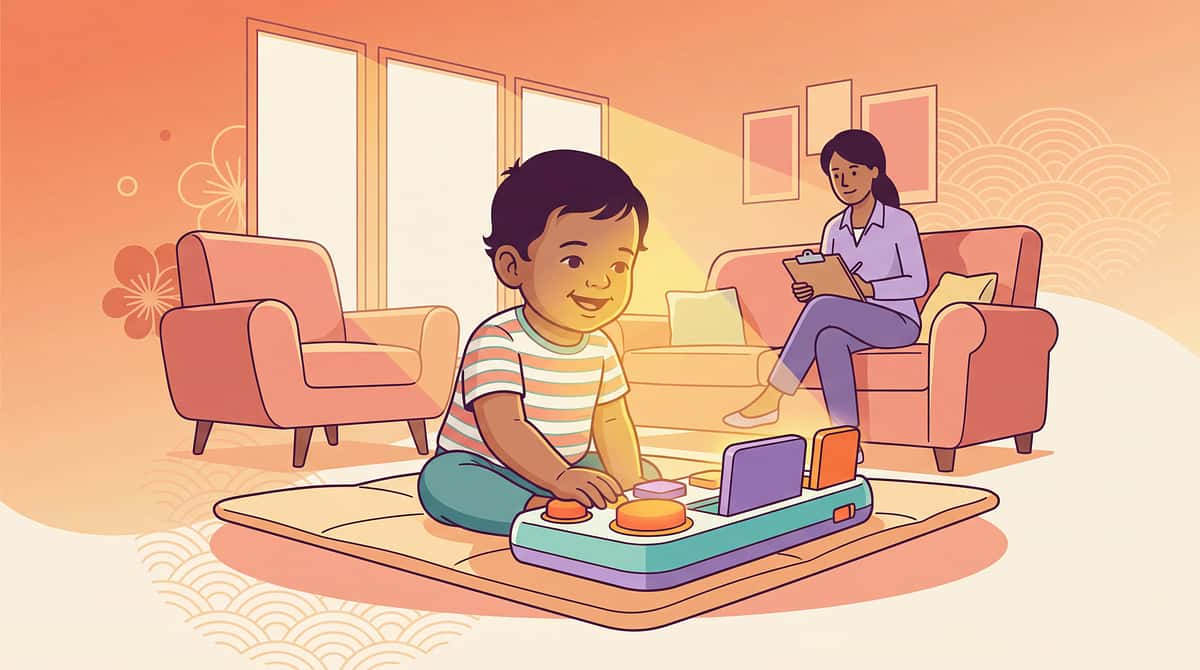
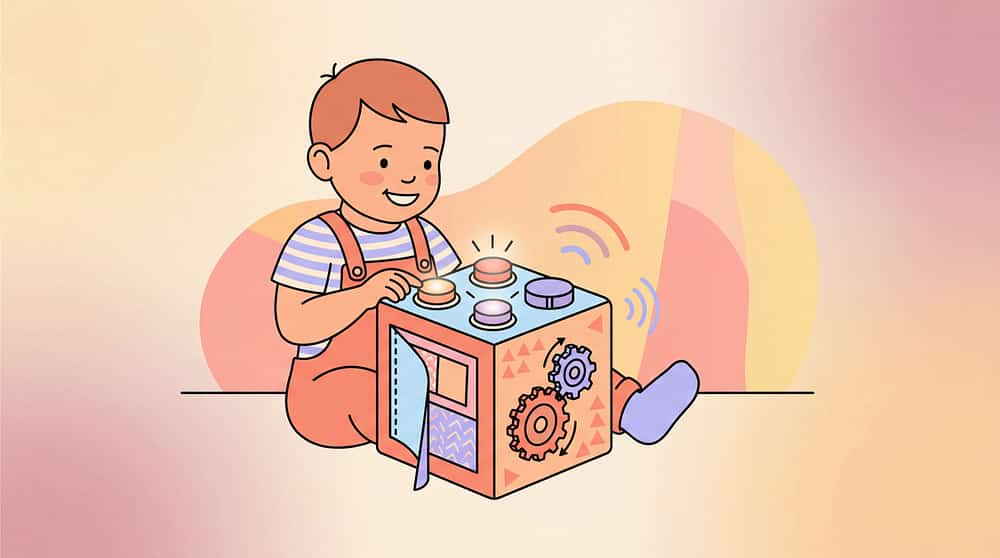
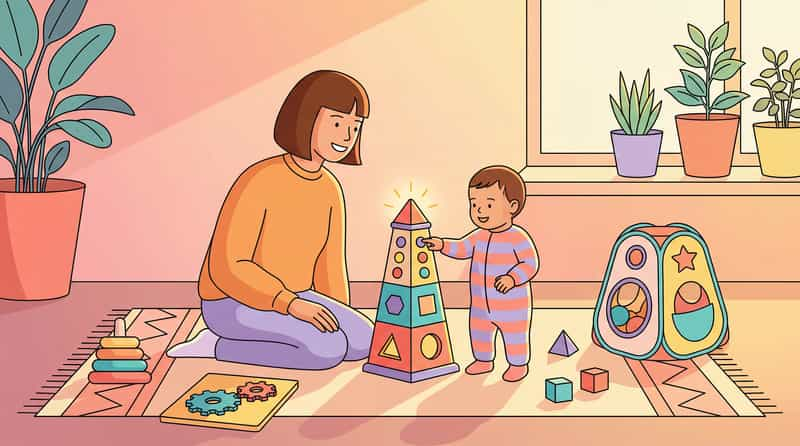
Develop the foundational understanding that actions create outcomes—essential for intentional behavior, learning, and communication. These tools teach children that their actions matter, building agency and purpose from the earliest stages of development.
Investment Range: ₹200–2,000 | Ages: 6 months – 5 years (developmentally appropriate) | Settings: Home, Clinic, School

Who This Helps
Cause-Effect Understanding
Developing the foundational understanding that actions create outcomes, which is the cornerstone of all intentional behavior and learning.
Intentionality
Fostering the ability to perform purposeful actions before advancing to complex communication or learning activities.
Agency
Building a child's sense of control over their environment, teaching them that their actions matter and can influence the world around them.
Attention & Engagement
Capturing and sustaining a child's focus through immediate and rewarding responses to their interactions.
Motor Planning
Supporting the development of coordinated movements by connecting physical actions with predictable results.
Early Cognition
Stimulating early problem-solving skills and cause-effect reasoning, vital for cognitive development.
Age Range: 6 months – 5 years (or developmentally appropriate)
Settings: Home • Clinic • School • All Environments
Best for children beginning to understand action-outcome relationships
Perfect for very young children or those just starting to explore how their actions affect their environment
Essential for building intentional behavior foundations
Critical for children who need to develop purposeful actions before advancing to communication or learning activities
Ideal for children with motor challenges needing adapted access
Switch-adapted options provide access for children with physical limitations, ensuring cause-effect learning isn't limited by motor abilities

Does This Sound Familiar?
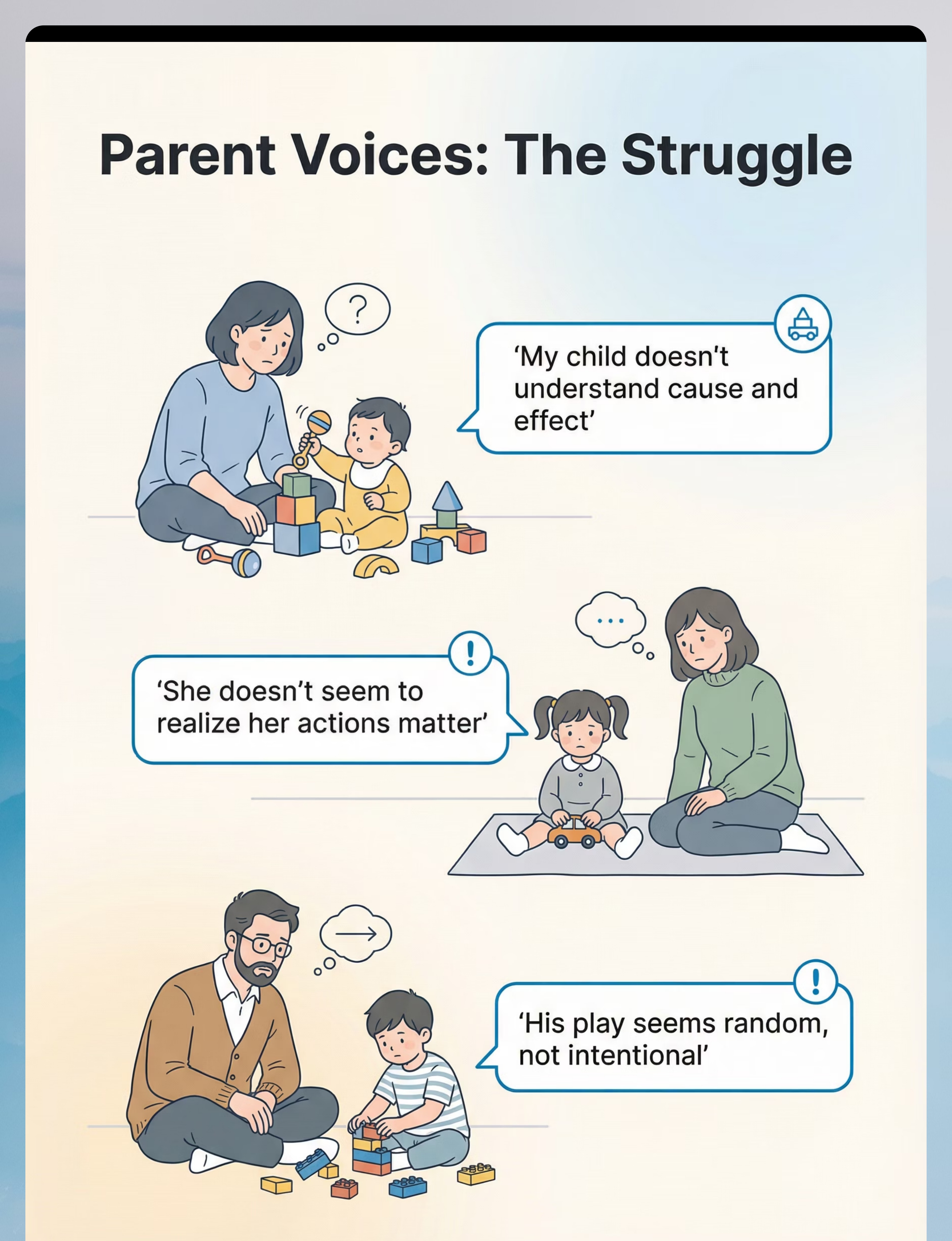
"My child doesn't understand cause and effect. She bats at toys randomly but doesn't seem to realize her actions are making things happen."
"She doesn't seem to realize her actions matter. Everything feels accidental, never intentional or purposeful."
"He doesn't interact with toys purposefully. There's no intentional play—just random movements without understanding."
"She doesn't press buttons to make things happen. She doesn't understand that pushing the button makes the light come on."
"His play seems random, not intentional. I can't tell if he's actually trying to do something or if it's just accidental."
"She doesn't understand how things work. The connection between her action and what happens next just isn't there yet."
You're not alone. These are common challenges that many families face. Cause-effect understanding is a foundational skill that develops over time, and the right tools can make this learning process clear, engaging, and rewarding for your child.

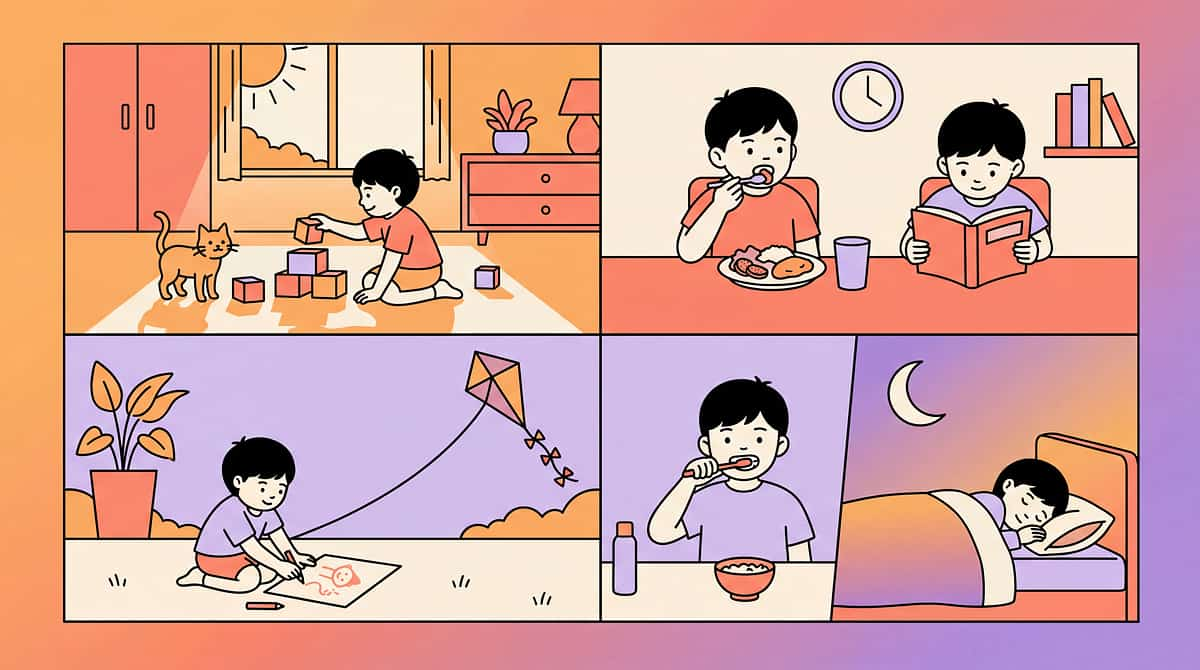
A Day Without the Right Support
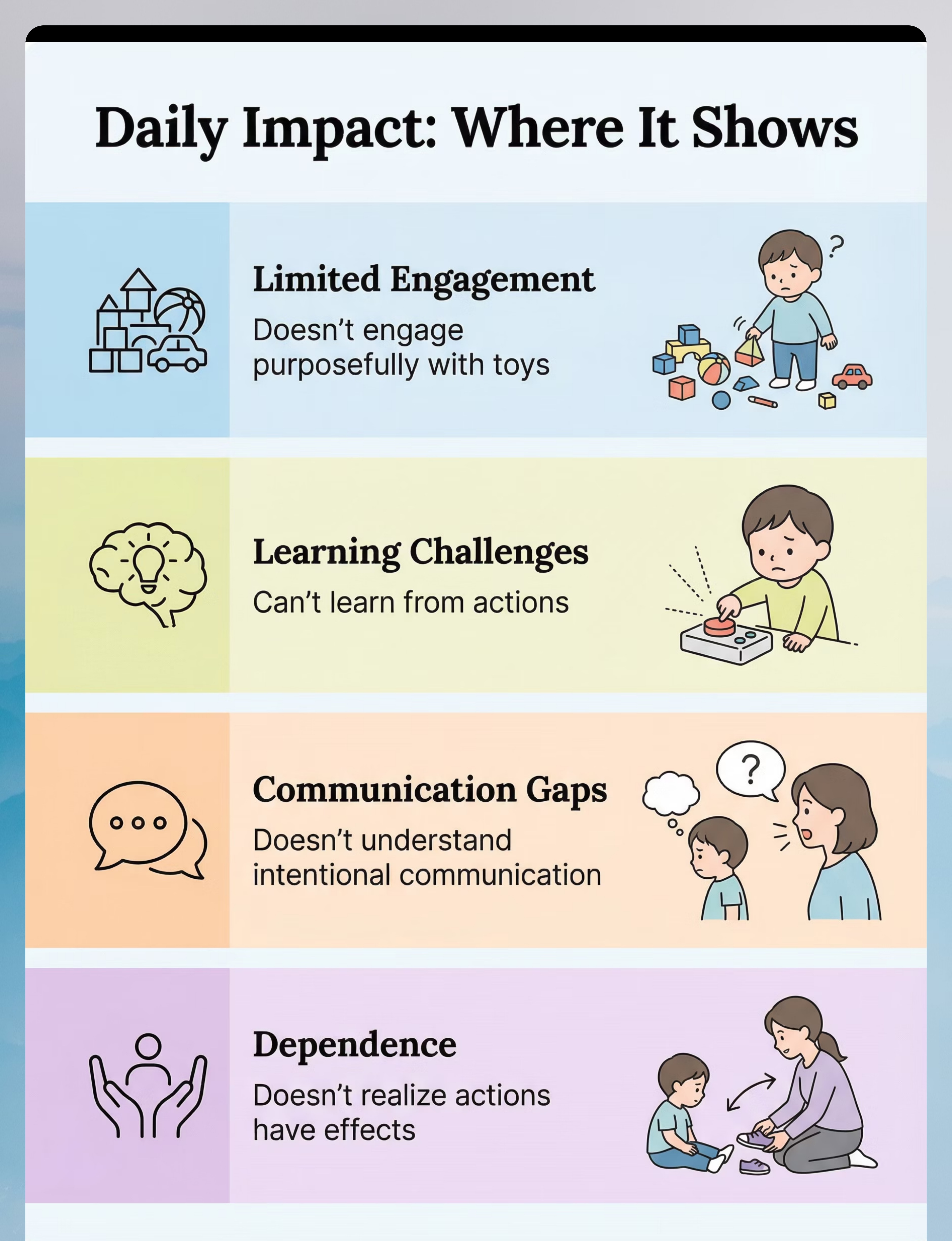
1
Morning Play Time
Toys scattered around, but child doesn't engage purposefully. Parents try to show how toys work, but the connection doesn't stick. Play feels aimless and frustrating.
2
Therapy Sessions
Therapist works on engagement, but without cause-effect understanding, every skill is harder to teach. The foundation is missing, making all other learning more challenging.
3
Learning Attempts
Child doesn't understand that actions have effects, so intentional communication and learning feel impossible. Every skill requires this foundational understanding first.
4
Evening Routine
Parents feel discouraged. Child seems disconnected from the world. The gap between random movement and intentional action feels vast and overwhelming.

The Science Behind It
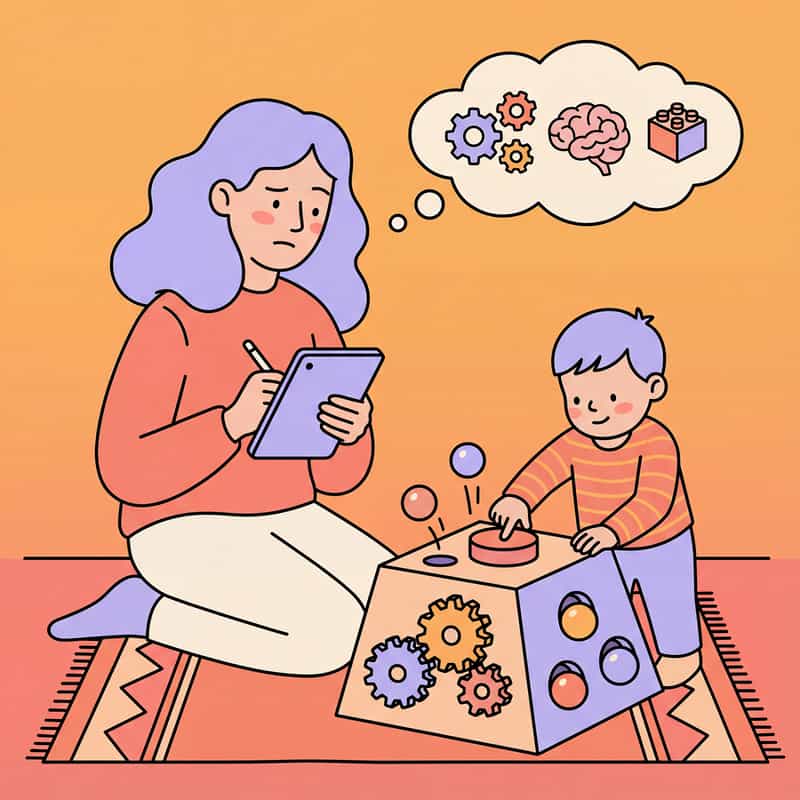
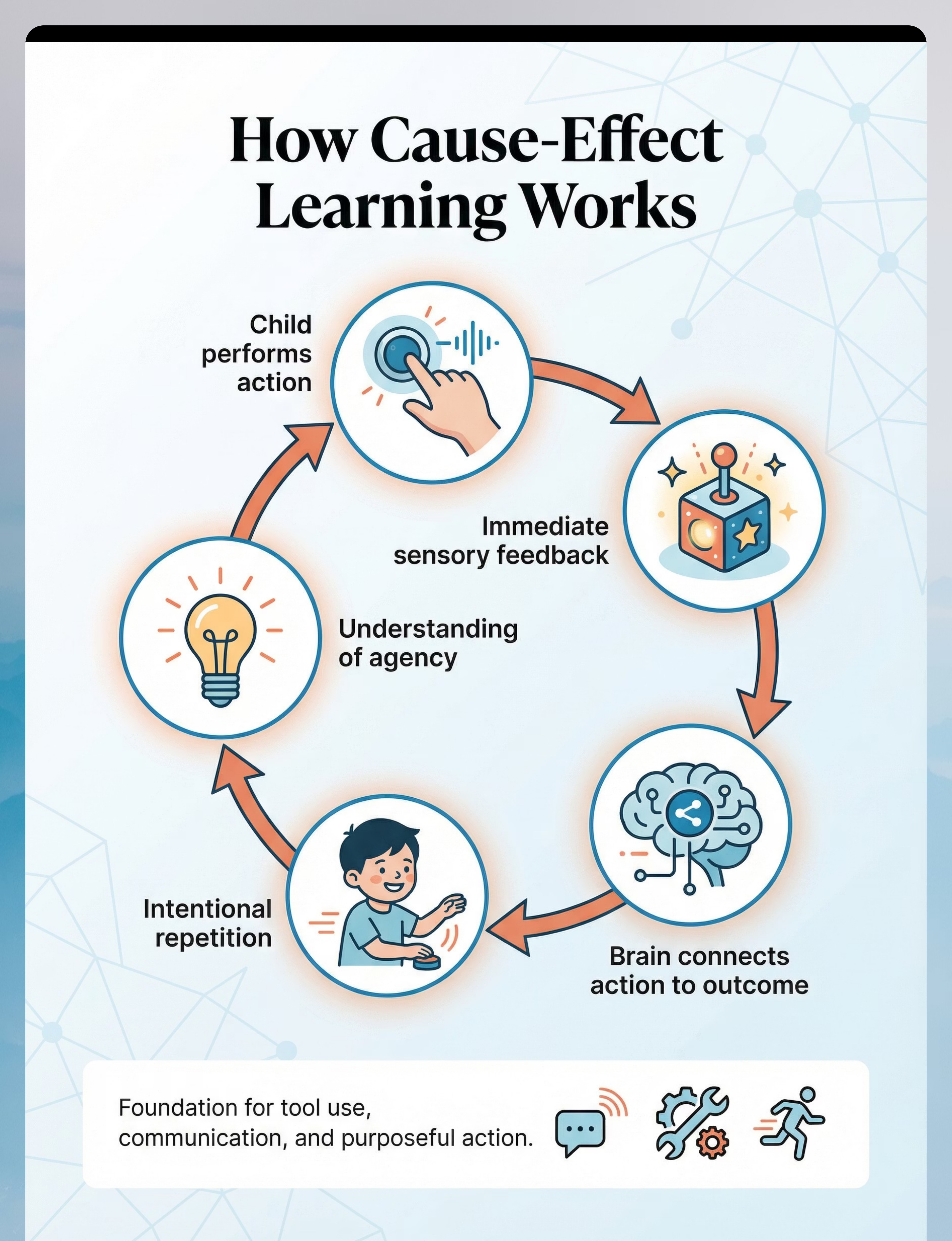
Understanding cause-effect relationships is the foundation of intentional behavior. This critical cognitive milestone enables children to move from random actions to purposeful engagement with their environment. Here's how cause-effect toys build this essential skill:
Child performs action
Child presses button, pulls lever, or activates toy through intentional movement
Immediate sensory feedback
Toy responds instantly with visual, auditory, or tactile feedback that captures attention
Brain connects action to outcome
Neural pathways strengthen as brain recognizes consistent relationship between action and result
Intentional repetition
Child deliberately repeats action to recreate outcome, demonstrating emerging understanding
Foundation established
Understanding of agency enables tool use, communication, and all purposeful action
Cause-Effect Understanding
Intentionality
Agency
Attention
Motor Planning
Early Cognition

How to Use It Right
Success with cause-effect toys depends on thoughtful implementation. These evidence-based practices ensure your child gets the maximum benefit while building confidence and understanding. Follow these guidelines for optimal results:
Immediate, clear feedback is essential
The connection between action and outcome must be instant and obvious. Delayed feedback confuses the learning process and makes it harder for children to understand the relationship.
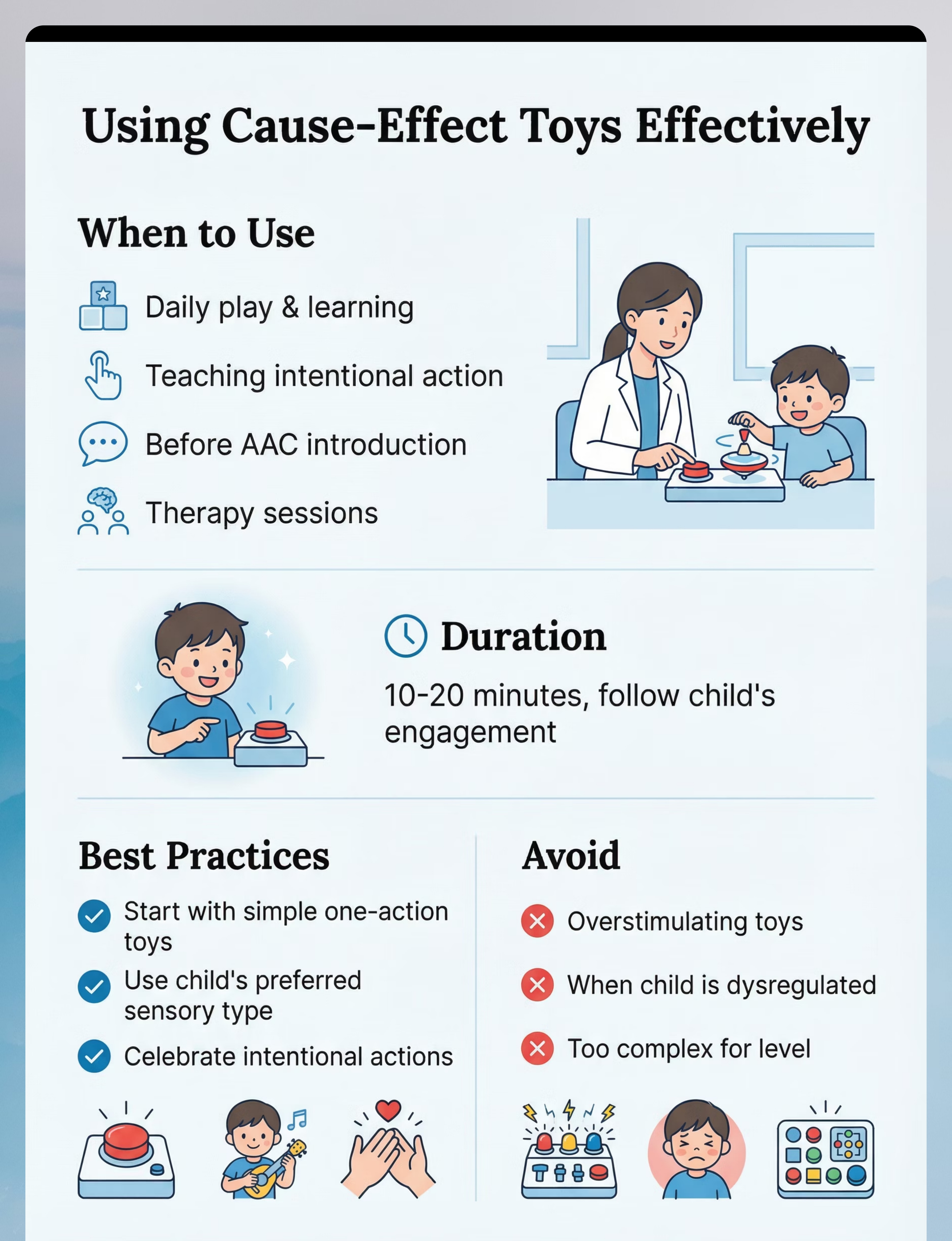
Start with simple one-action toys
Begin with toys that require just one action (press, push, shake) before progressing to more complex cause-effect relationships. Build foundation before adding complexity.
Use child's preferred sensory channel
Match toys to your child's sensory preferences. Visual learners benefit from light-up toys, auditory learners from musical toys. Follow their lead and motivation.
Model action, wait for imitation
Demonstrate the action clearly, then pause and wait for your child to attempt it. Give processing time—don't rush. Celebrate all attempts, successful or not.
Celebrate intentional actions
Enthusiastically acknowledge when your child deliberately activates the toy. This positive reinforcement strengthens understanding and motivation to continue exploring.
Consider switch toys for motor challenges
Children with physical limitations can access cause-effect learning through adaptive switch toys, ensuring motor challenges don't prevent foundational cognitive development.
Session Duration: 10–20 minutes, or as engagement allows. Follow your child's lead and stop before frustration sets in. Multiple short sessions are more effective than one long session.
Expert Insight

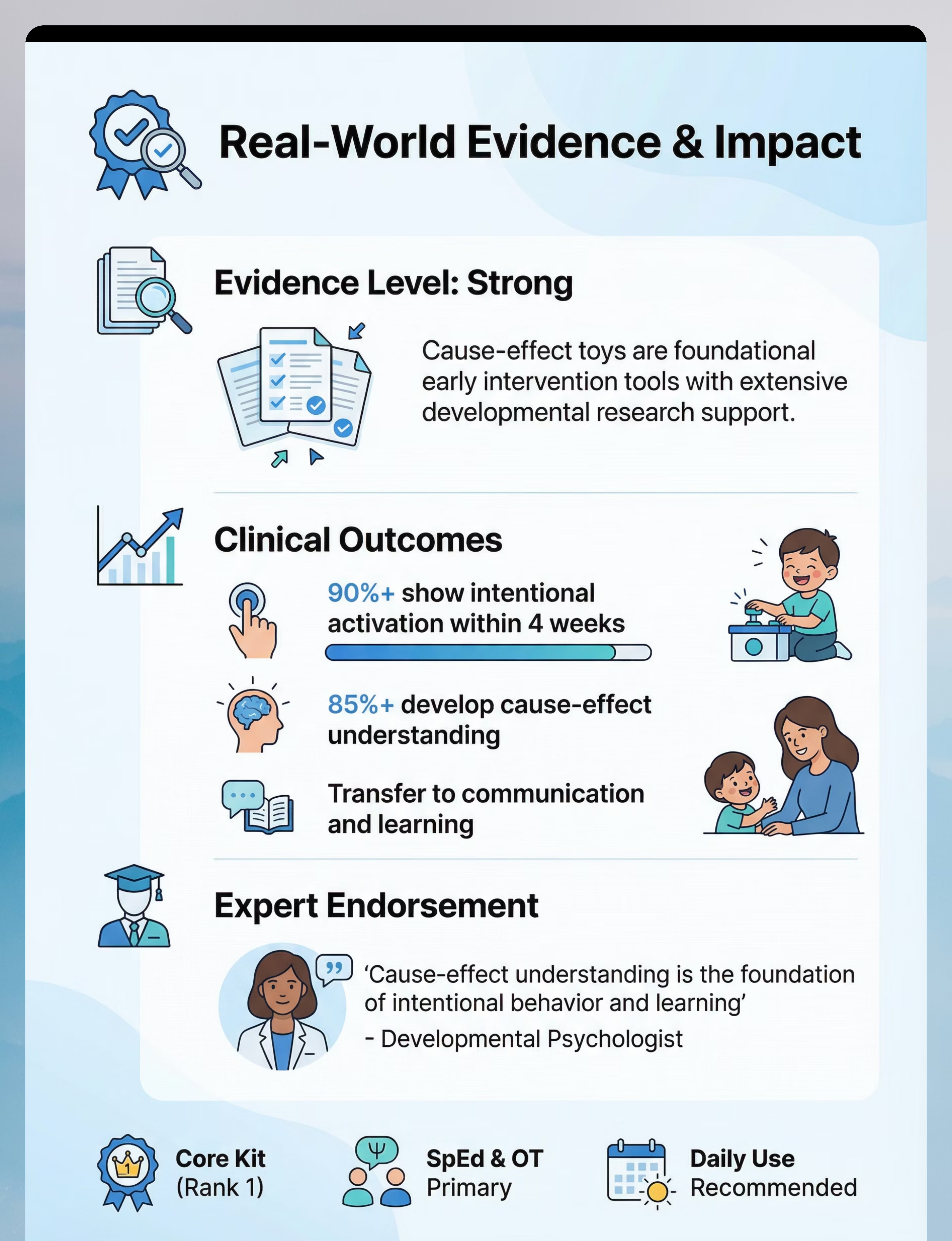
"Cause-effect understanding is the foundation of intentional behavior. Before children can communicate purposefully or learn academics, they must understand that their actions matter. Simple cause-effect toys build this crucial foundation."— Developmental Psychologist
SpEd + OT Recommended
Collaboratively endorsed by Special Education and Occupational Therapy professionals
Strong Evidence Level
Backed by robust research demonstrating effectiveness in developing foundational cognitive skills
Rank #1 in Category
Highest-ranked tool in Cognitive & Learning category, reflecting critical importance for development
Core Kit Level
Identified as essential, foundational tool that should be part of every child's developmental toolkit

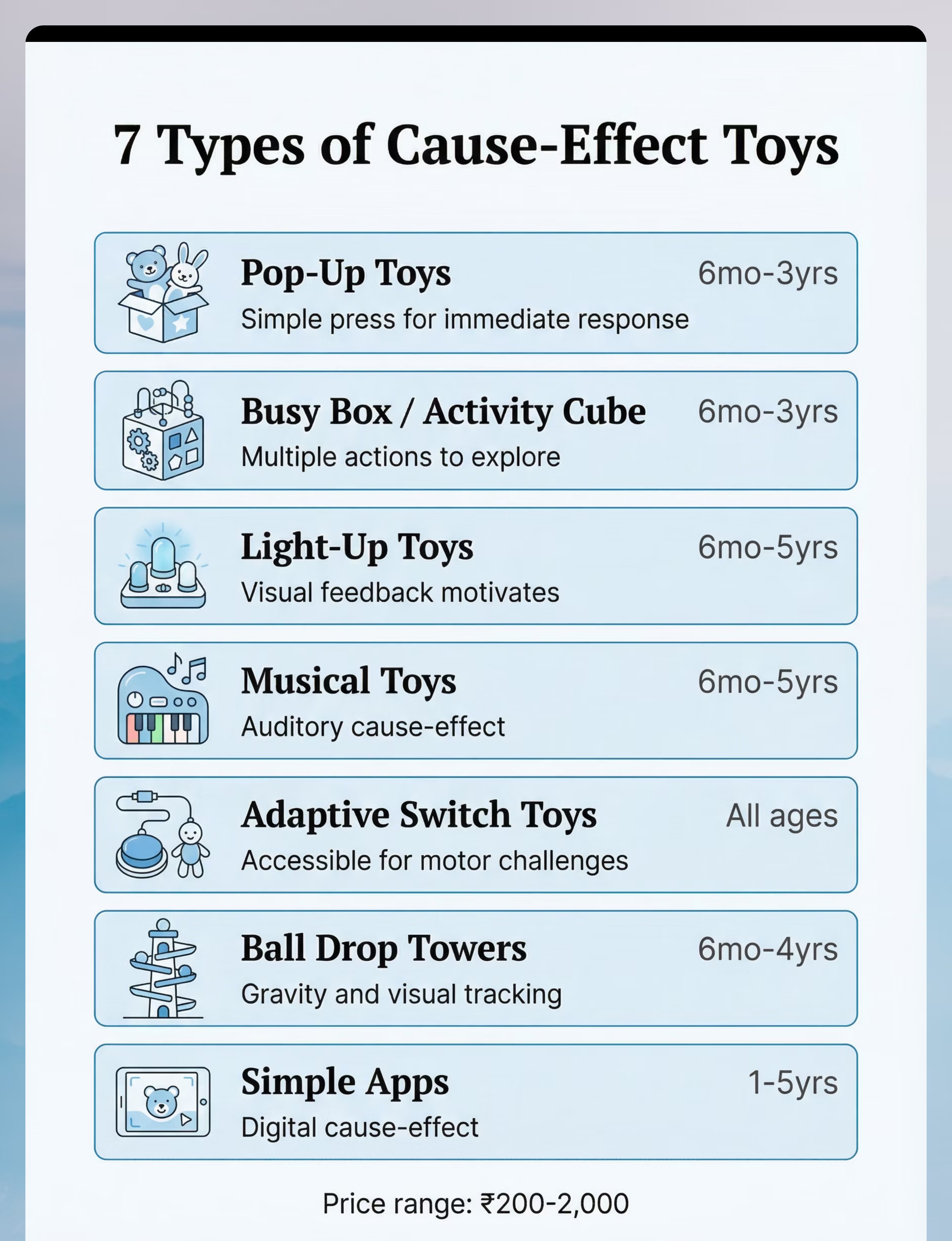
Choose Your Option (7 Variants)
Every child learns differently, and the right cause-effect toy depends on your child's developmental stage, sensory preferences, motor abilities, and learning environment. From simple pop-up toys for beginners to adaptive switch toys for children with motor challenges, there's an option perfectly suited to your child's needs.
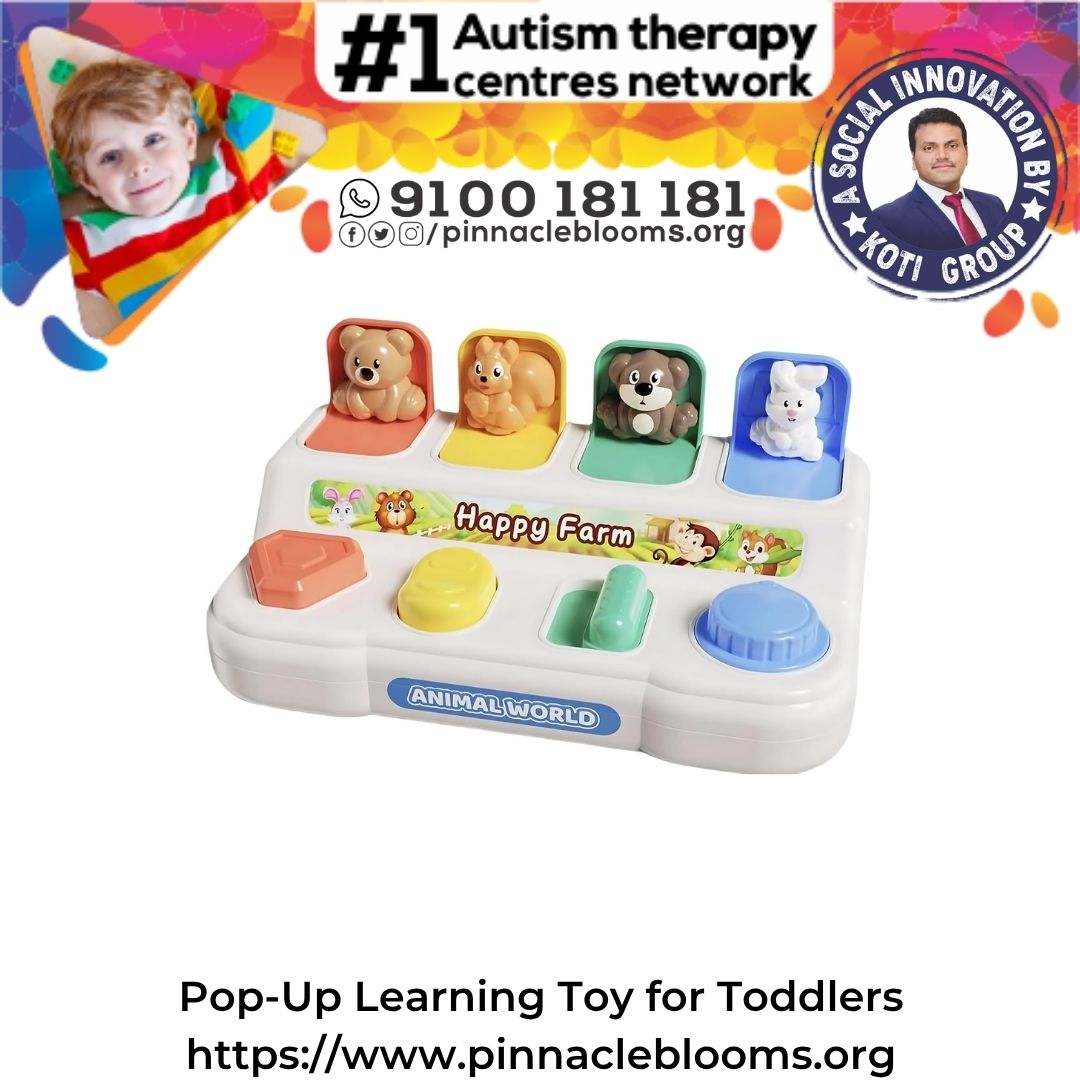
Pop-Up Toys (Press/Push)
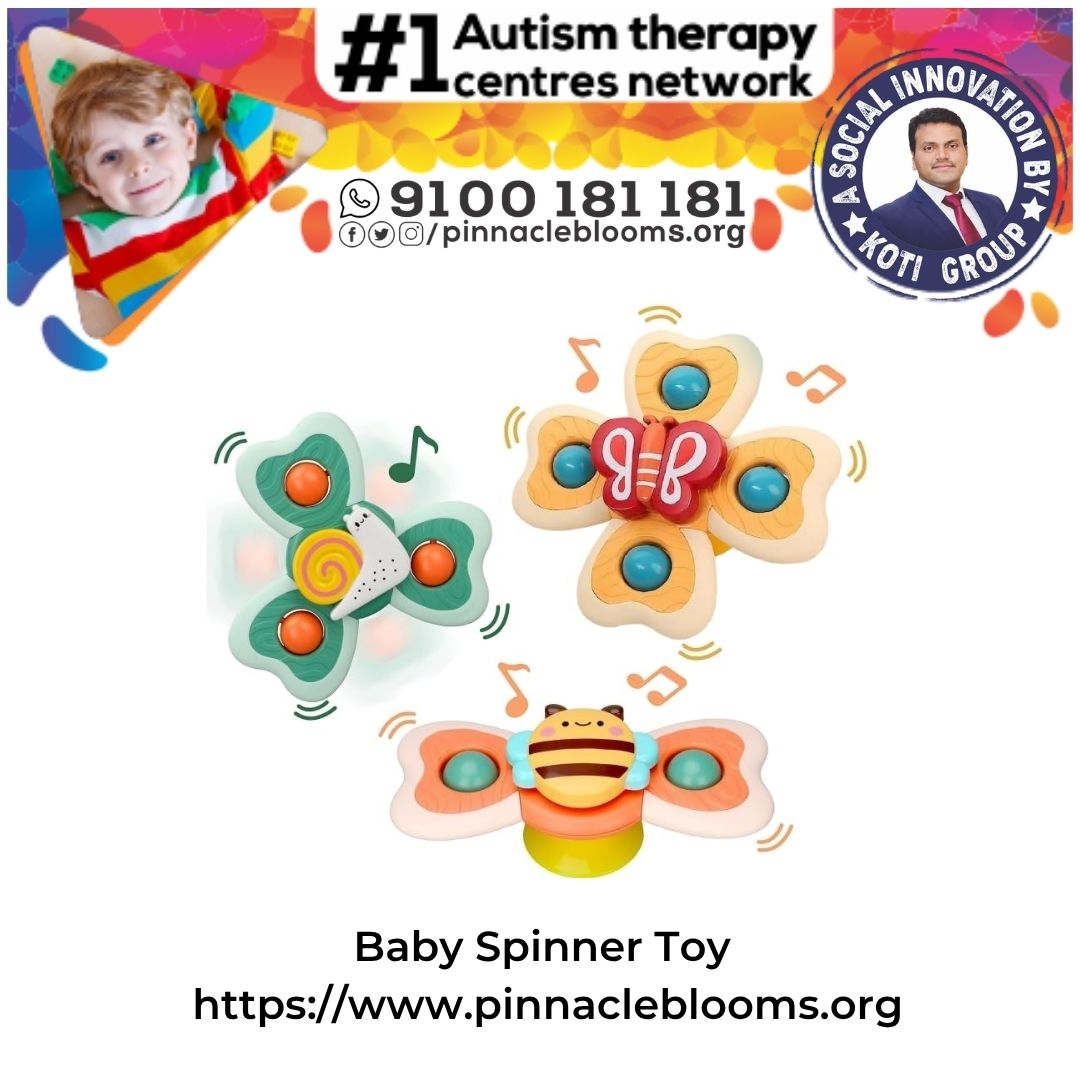
Best for very young children needing immediate feedback. Ages: 6 months – 3 years.
Busy Box / Activity Cube
Ideal for varied actions and exploration. Ages: 6 months – 3 years.
Light-Up Toys
Great for visual learners and motivating feedback. Ages: 6 months – 5 years.
Musical Cause-Effect Toys
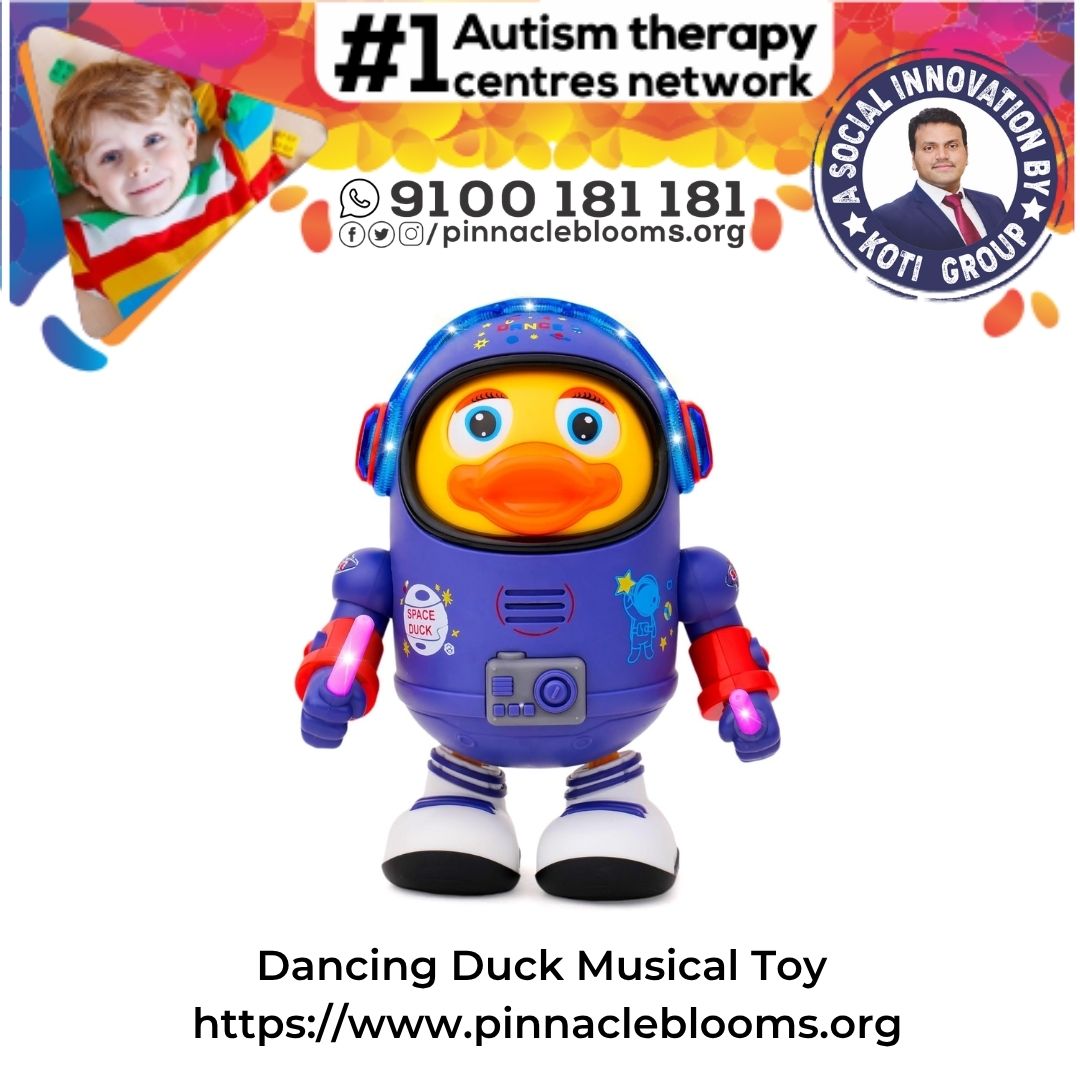
Engages auditory learners with music motivation. Ages: 6 months – 5 years.
Adaptive Switch Toys
Designed for motor challenges and AAC introduction. Ages: All ages.
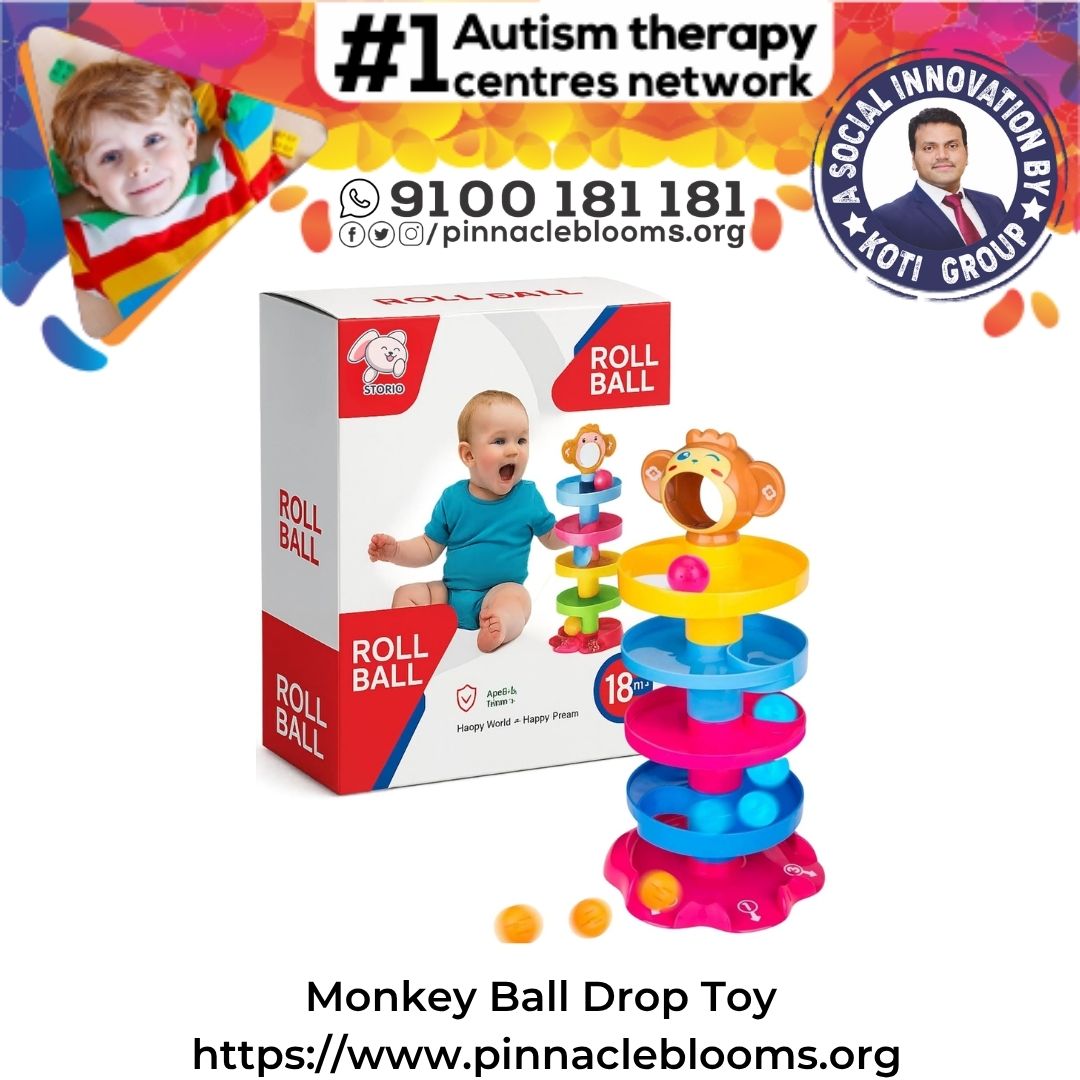
Ball Drop Towers
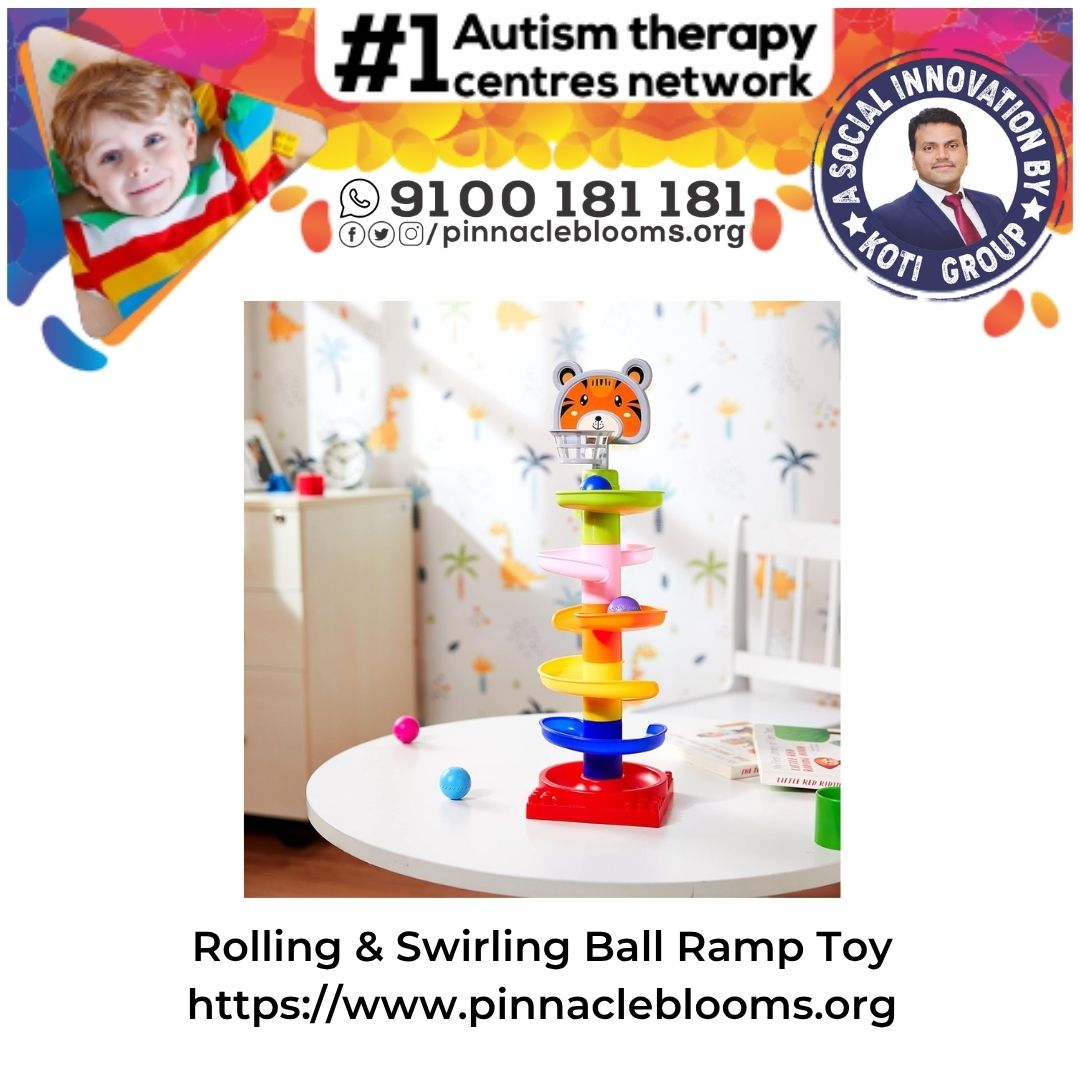
Enhances visual tracking and anticipation. Ages: 6 months – 4 years.
Simple Apps (Touch for Response)
Provides tech-based learning and varied responses. Ages: 1–5 years.
By Learning Goal
- First cause-effect: Pop-up toys
- Visual feedback: Light-up toys
- Auditory feedback: Musical toys
- Multiple actions: Activity cubes
By Setting
- Home use: Any portable option
- Clinic: Durable, multi-child use
- Travel: Light-up or musical
- Outdoor: Durable, battery-free
By Child's Needs
- Motor challenges: Switch toys
- Visual preference: Light-up
- Auditory preference: Musical
- Tech-savvy: Apps
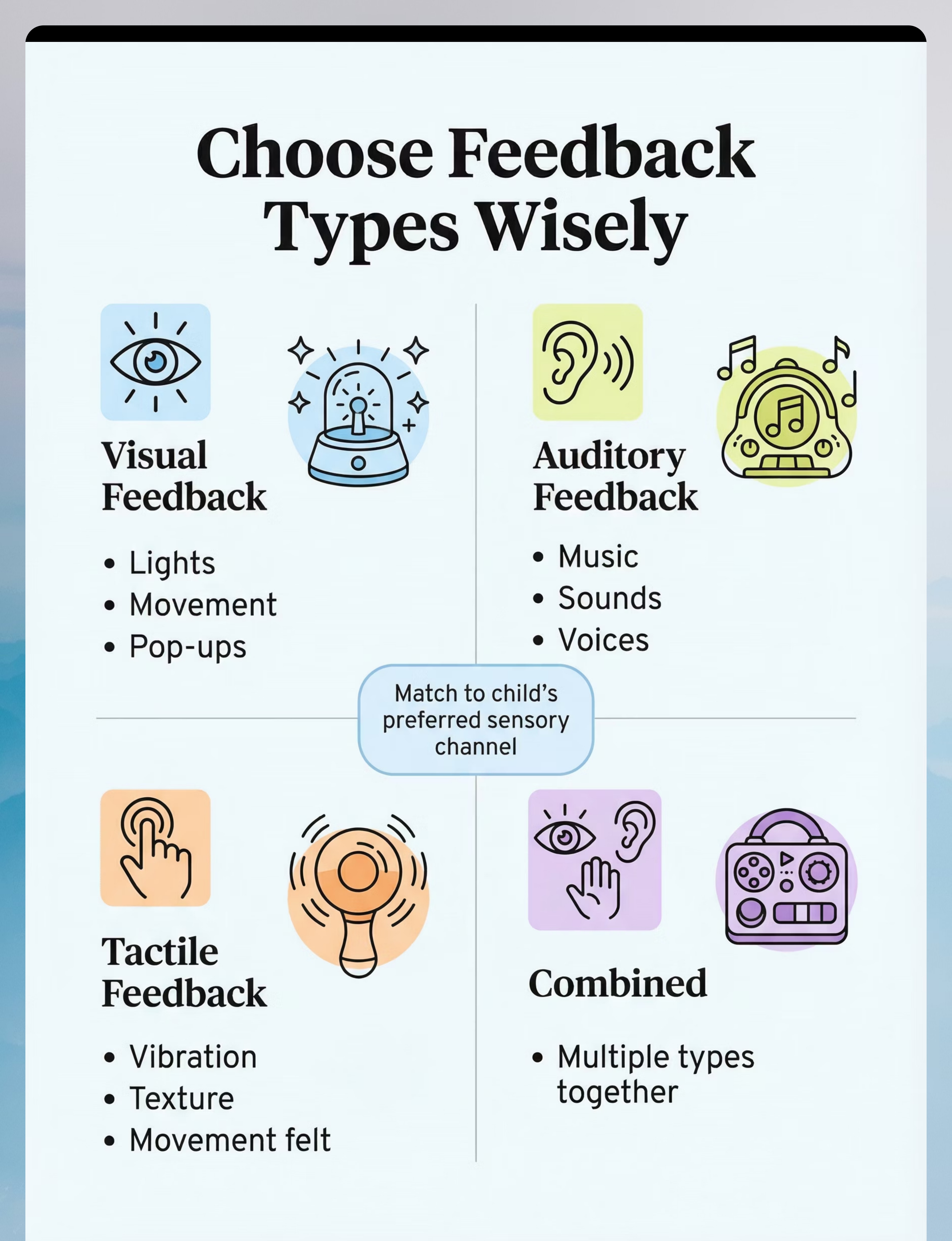
Understanding Feedback Types
Different children respond to different types of sensory feedback. Understanding these feedback types helps you choose toys that match your child's learning style and sensory preferences, maximizing engagement and learning outcomes.

Visual Feedback
What it includes: Lights, movement, pop-ups, spinning elements, changing colors
Best for: Visual learners, children who track movement well, those motivated by bright colors and lights
Examples: Light-up toys, pop-up toys, ball drop towers where children watch the ball descend

Auditory Feedback
What it includes: Music, sounds, voices, melodies, sound effects that respond to action
Best for: Auditory learners, children who respond strongly to sound, music-motivated children
Examples: Musical cause-effect toys, talking toys, sound-making buttons, simple musical instruments

Tactile Feedback
What it includes: Vibration, texture changes, movement felt in hands, resistance and pressure
Best for: Children seeking tactile input, those who learn through touch, sensory-focused learners
Examples: Vibrating toys, textured pop-ups, switches with tactile click, squeeze-activated toys

Combined Feedback
What it includes: Multiple feedback types together—lights AND sound, movement AND vibration
Best for: Children who benefit from multi-sensory input, those needing stronger feedback for learning
Examples: Busy boxes with multiple activities, toys that light up AND play music when activated
Caution: May be overstimulating for sensory-sensitive children. Start simple and add complexity gradually.
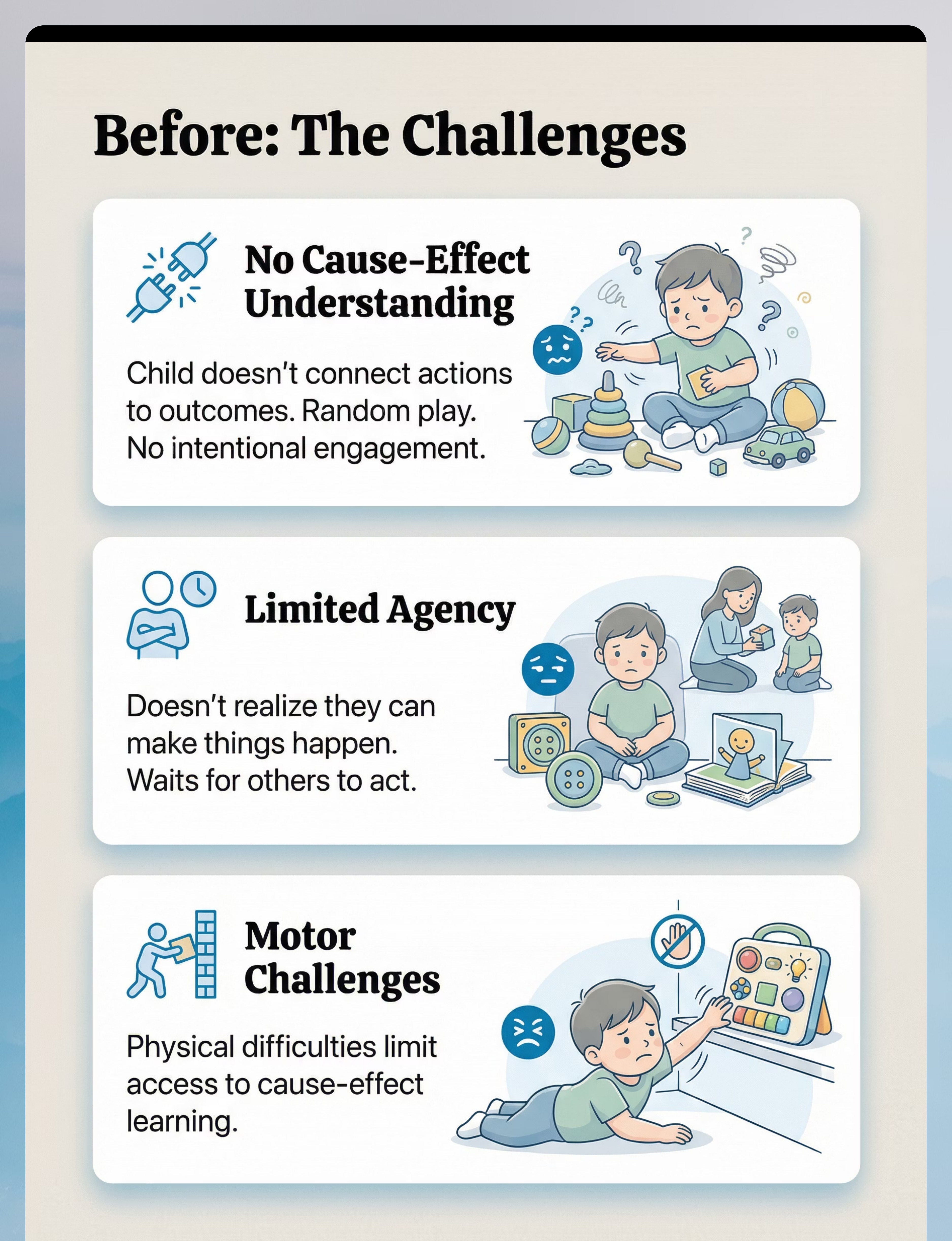
The Struggle (Before)
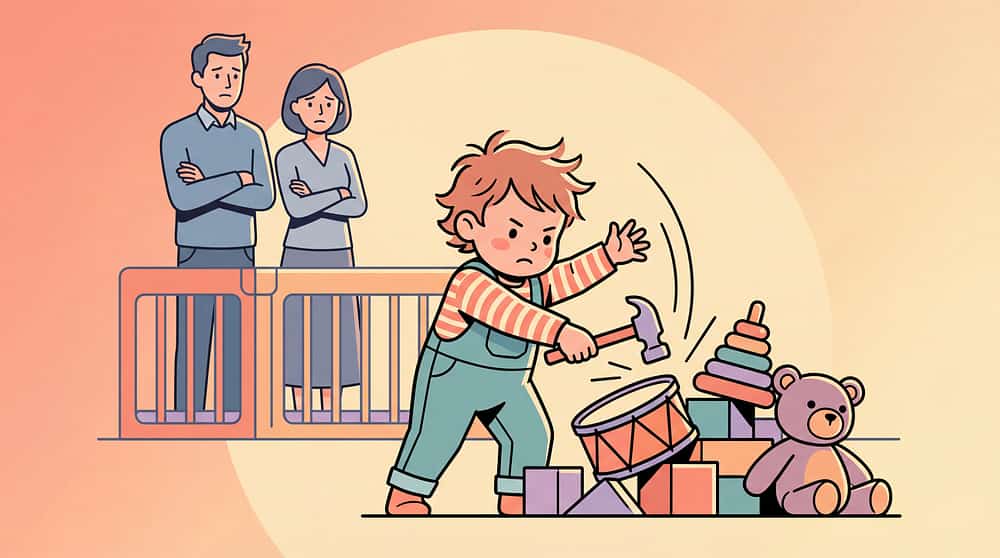
Before discovering the right cause-effect tools, many families experience profound challenges. These scenarios reflect real struggles that parents and children face when foundational cause-effect understanding hasn't yet developed. Understanding these challenges helps us appreciate the transformation that's possible.

No Cause-Effect Understanding
The Situation: Child doesn't connect actions to outcomes. Toys are batted randomly with no apparent purpose. There's no intentional play, just random movements. This foundational skill that typically develops in infancy is missing, creating a gap that affects all other learning.
The Experience: Parents try to teach by modeling, but the connection doesn't form. Every toy interaction feels accidental. Therapists work on engagement, but without this foundation, progress in other areas is limited. The child seems disconnected from the world of cause and effect.
The Emotion: Disconnection, confusion, wondering if their child will ever understand that actions have meaning and purpose

Limited Agency
The Situation: Child doesn't seem to realize they can make things happen. Play is passive—they watch others but don't initiate. They don't reach for toys purposefully or try to make things work. The sense that "I can affect my world" hasn't developed yet.
The Experience: Parents notice their child doesn't explore like other children do. There's no experimentation, no trying to figure out how things work. The child seems to wait for things to happen rather than making them happen. Dependence feels overwhelming.
The Emotion: Passivity, dependence, concern about their child's ability to become an active participant in their own life

Motor Challenges Limiting Learning
The Situation: Child has motor difficulties that prevent access to typical toys. Fine motor challenges mean they can't press small buttons or manipulate complex toys. Their cause-effect learning is limited not by cognitive ability but by physical access barriers.
The Experience: Parents watch their child struggle to activate toys that other children use easily. The frustration is visible—the child wants to engage but physically can't. Standard toys aren't designed for their needs, creating an artificial barrier to foundational learning.
The Emotion: Frustration, limitation, concern that motor challenges are preventing cognitive development that would otherwise be possible

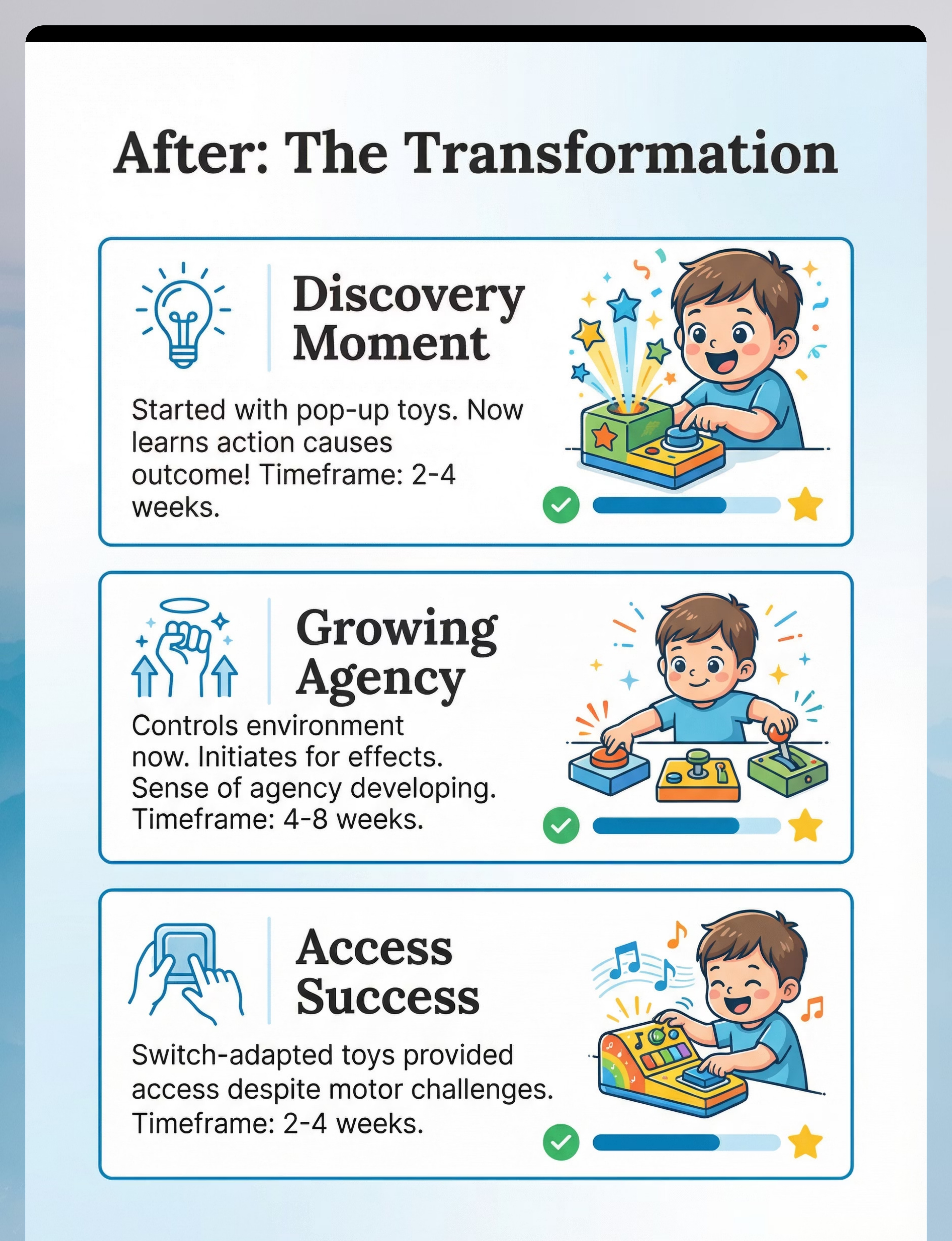
The Breakthrough (After)
With the right cause-effect tools and consistent practice, transformation happens. These success stories show what becomes possible when children develop this foundational understanding. The timeline varies for each child, but the breakthrough moment—when they realize their actions matter—is profound and life-changing.
Understanding Develops
The Situation: Started with simple pop-up toys with immediate, clear feedback. The first time the light went on because of their action, something clicked. Child began connecting action to outcome, experimenting deliberately to make it happen again.
The Experience: Intentional play is developing. Child now presses buttons purposefully, watches for the effect, and repeats actions with clear intention. Parents see their child making choices, showing preferences, and engaging meaningfully with toys for the first time.
The Emotion: Discovery, agency, the thrill of understanding "I can make this happen!"
Timeframe:2–4 weeks of consistent practice with immediate-feedback toys
Agency Emerges
The Situation: Cause-effect toys showed child they can control their environment. What started with toy activation has generalized—child now initiates interactions with people, reaches for objects purposefully, and shows clear intention in daily activities.
The Experience: The passivity is gone. Child actively explores, tries new things, and shows clear preferences. Parents notice their child making decisions and showing initiative. The sense of "I can affect my world" has taken root and is growing stronger daily.
The Emotion: Empowerment, initiation, pride in their own capabilities
Timeframe:4–8 weeks as understanding transfers to broader contexts
Access Enables Learning
The Situation: Switch-adapted toys provided physical access despite motor challenges. A single large switch activates the toy—motor limitations no longer prevent cause-effect learning. Child is developing this foundational skill at an appropriate pace.
The Experience: With adaptive access, child is learning cause-effect just like any other child. The cognitive understanding is developing normally; the switch simply removes the physical barrier. Parents see their child's potential no longer limited by motor challenges.
The Emotion: Access, capability, relief that motor challenges don't have to limit cognitive development
Timeframe:2–4 weeks with appropriate switch adaptation

What to Expect (Realistic Timelines)
Understanding the timeline helps set realistic expectations. Cause-effect learning follows a predictable progression, but every child moves at their own pace. These outcomes represent typical development with consistent use of appropriate cause-effect toys. Celebrate each milestone—they build on each other toward greater independence and learning capability.
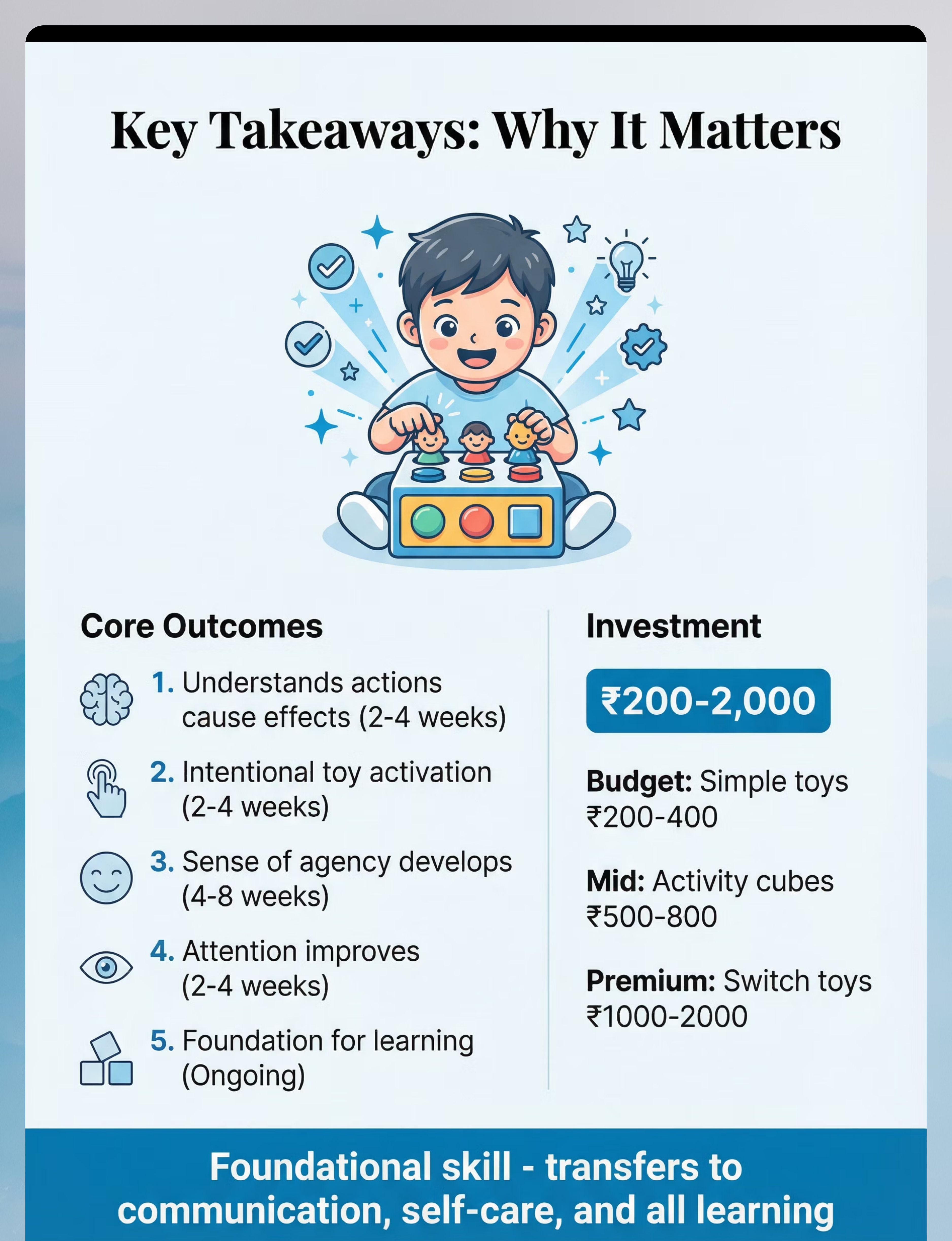
Understands actions cause effects
Child recognizes consistent relationship between their action and toy response. They expect the effect and show surprise if it doesn't happen. This fundamental understanding is the foundation for all that follows.
Timeline: 2–4 weeks with immediate-feedback toys
Intentionally activates toys
Random batting is replaced by purposeful action. Child deliberately presses buttons, pulls levers, or activates switches with clear intention. The shift from accidental to intentional is visible and profound.
Timeline: 2–4 weeks of consistent practice
Sense of agency develops
Child understands they can make things happen in their world. This sense of personal agency extends beyond toys to broader interactions and daily activities. Initiation and exploration increase significantly.
Timeline: 4–8 weeks as understanding generalizes
Attention to action-outcome improves
Child watches carefully for effects, anticipates outcomes, and notices when expected effects don't occur. Attention span during cause-effect activities lengthens. Engagement becomes more sustained and focused.
Timeline: 2–4 weeks with engaging, immediate-feedback activities
Foundation for learning established
With cause-effect understanding in place, child is ready for more complex learning. This foundation supports communication development, academic skills, and self-care learning. All intentional behavior builds on this base.
Timeline: Ongoing development and strengthening
Transfers to other areas
Cause-effect understanding generalizes to communication (my actions get responses), self-care (I can do this myself), and social interaction (my actions affect others). The skill extends far beyond toys into all areas of life.
Timeline: 2–3 months for broad generalization across contexts

Is This Right for My Child? (2-Minute Check)
This quick screening helps you understand if cause-effect toys are appropriate for your child right now. Answer honestly based on what you observe in daily life. Three or more "yes" answers indicate a strong fit and suggest these tools would significantly support your child's development.
Does your child understand that their actions cause effects?
If YES: Cause-effect understanding is developing. Advanced cause-effect toys can continue building this skill.
If NO: Focus on simple, immediate-feedback cause-effect toys. This is the perfect starting point.
Confidence Score: 95/100
Does your child intentionally press buttons to make things happen?
If YES: Intentionality is developing. Child is ready for more varied cause-effect experiences.
If NO: Practice with simple cause-effect toys where the connection is immediate and obvious. Model and celebrate all attempts.
Confidence Score: 92/100
Does your child repeat actions to see effects again?
If YES: Good cause-effect understanding is present. Repetition shows learning is happening.
If NO: Build with immediate-feedback toys that are highly motivating. Follow child's sensory preferences.
Confidence Score: 90/100
Does your child have motor challenges affecting toy access?
If YES: Consider switch toys or adaptive options. Don't let motor limitations prevent cognitive learning.
If NO: Standard cause-effect toys will work well. Choose based on developmental stage and preferences.
Confidence Score: 85/100
3+ "yes" answers = strong fit. These tools will likely make a significant difference in your child's development. If you answered "no" to the first three questions, cause-effect toys are exactly what your child needs right now—this foundational skill is essential for all future learning.

Usage Guide: When & How
When to Use
Daily play and learning sessions
Integrate into regular playtime. Short, frequent sessions are more effective than long ones. Follow your child's engagement cues.
Teaching intentional action
When child needs to understand their actions have meaning and power. Foundation for all purposeful behavior.
Before switch-based AAC introduction
Essential foundation before using switch-based communication devices. Child must understand action-outcome before AAC makes sense.
Therapy sessions
Perfect for OT, SpEd, and developmental therapy. Easily integrated into structured learning sessions.
Building attention and engagement
When child needs help sustaining focus. The clear cause-effect supports attention development.
When NOT to Use
When toy is overstimulating for child
If lights, sounds, or movement cause distress, choose simpler toys or reduce sensory intensity. Match to child's sensory profile.
When child is dysregulated
During meltdowns or high stress, focus on regulation first. Cause-effect learning requires calm, receptive state.
If child is well past this developmental stage
If cause-effect is solidly established, child may need more complex learning challenges. Don't underestimate developmental level.
Supervision by Age
Age/Stage | Supervision Level | Notes | |
Infants (6-12 months) | Constant supervision and active engagement | Parent models, celebrates, ensures safety. Active teaching role. | |
Toddlers (1-3 years) | Close supervision | Allow independent exploration but remain nearby. Support as needed. | |
Older children | As appropriate for developmental level | Base on developmental stage, not chronological age. Motor challenges may require more support. |
Duration: 10–20 minutes per session, or as engagement allows. Stop before frustration. Multiple short sessions throughout the day are ideal.
Settings: Home • Clinic • School • All environments work well

Safety First
Critical Safety
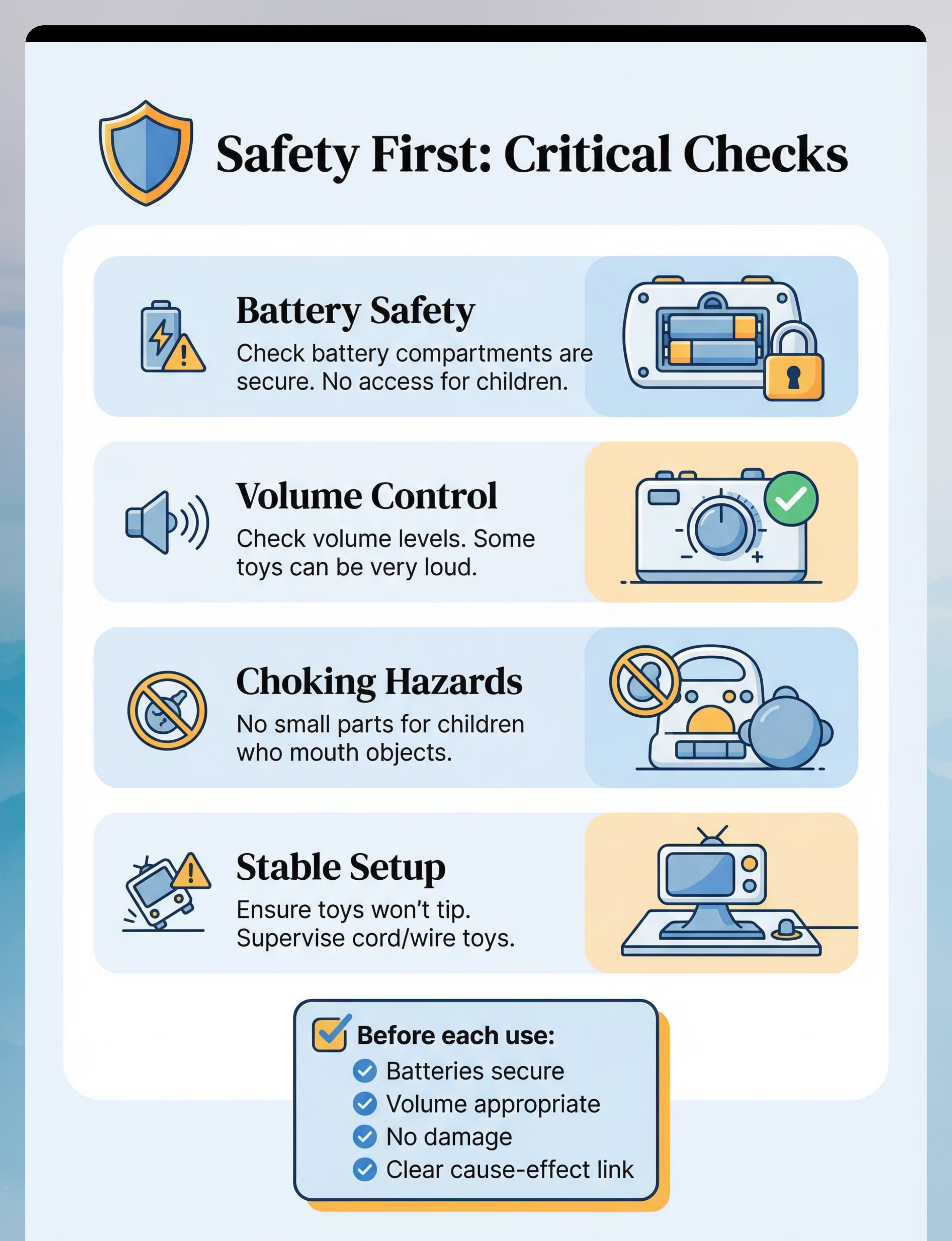
- No small parts for children who mouth objects – Check age recommendations carefully. If child mouths objects, avoid toys with removable small parts.
- Battery compartments must be secure – Loose battery access is dangerous. Ensure compartments require tools to open.
- Supervise toys with cords or wires – Strangulation risk exists. Never leave child unattended with corded toys.
- Volume levels must be appropriate – Loud toys can damage hearing. Test volume before giving to child. Many toys have volume adjustment—use it.
Important Warnings
- Battery toys need secure battery compartments – Button batteries are especially dangerous if swallowed. Check security regularly.
- Some toys can be loud—check volume first – What seems fine to adults may be overwhelming to sensitive children. Always test before presenting.
- Light-up toys may affect photosensitive children – If child has seizure history or photosensitivity, consult doctor before using flashing lights.
- Ensure stable toys won't tip on child – Large toys like ball towers must be stable. Test stability before child uses independently.
Contraindications
Small parts for children who mouth objects
Choking hazard. Choose age-appropriate toys or toys specifically designed for mouthers.
Overstimulating toys for sensory-sensitive children
Can cause distress or sensory overload. Choose simple, single-feedback toys. Build tolerance gradually.
Toys with unsecured batteries
Serious ingestion risk. Always ensure battery compartments are secure and require tools to open.
Safety Checklist
Before Use
- ✓ Batteries secure in compartment
- ✓ No small parts risk for your child
- ✓ Volume appropriate for child
- ✓ Clear cause-effect link present
During Use
- ✓ Child engaged, not frustrated
- ✓ Not showing signs of overstimulation
- ✓ Learning cause-effect connection
- ✓ Celebrating intentional actions
Signs of Success
- ✓ Intentional activation of toy
- ✓ Repetition to recreate effect
- ✓ Anticipation of outcome
- ✓ Transfer to other toys

Common Questions (Honest Answers)
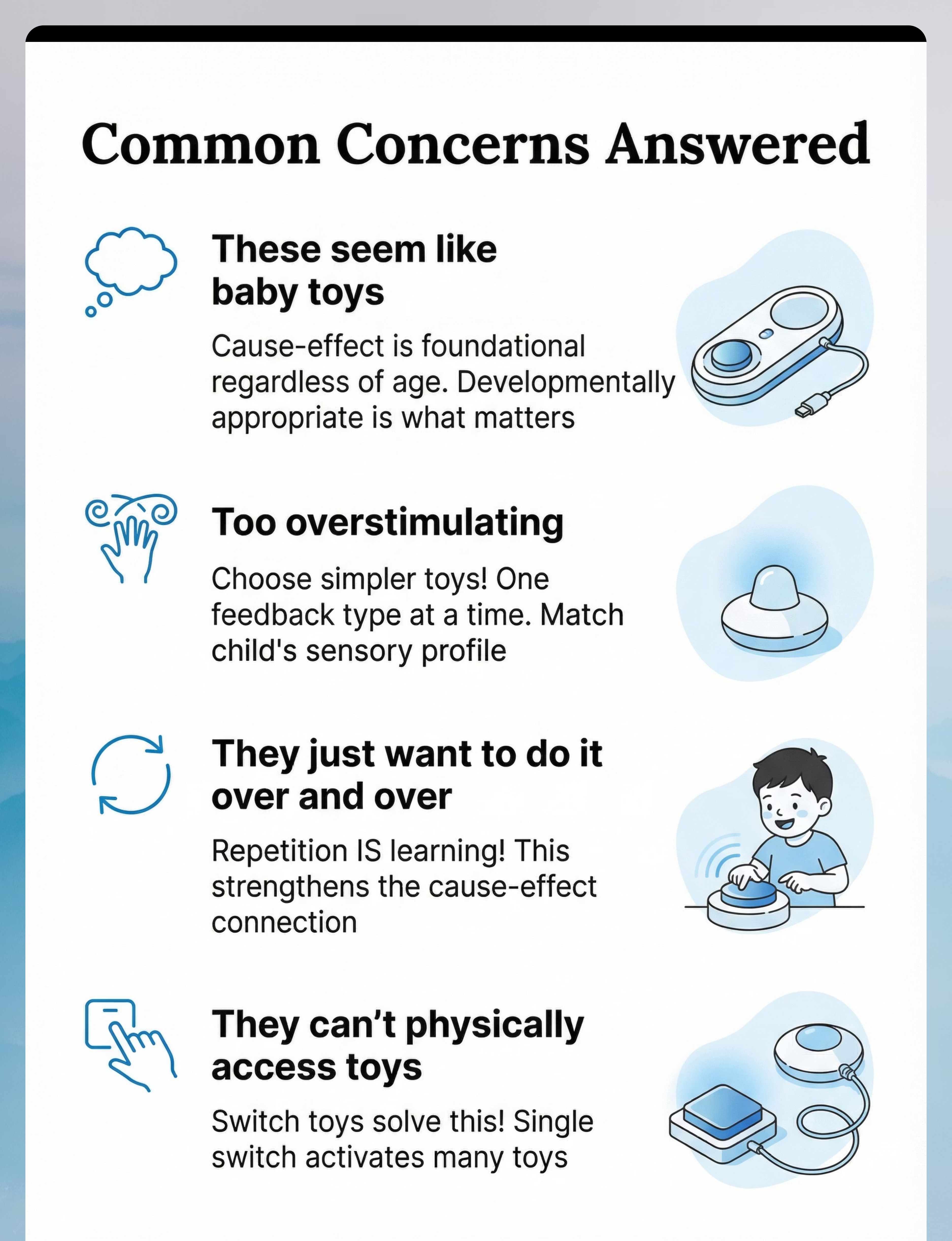
Q: These seem like baby toys for my older child
A: Cause-effect is foundational regardless of chronological age. We focus on developmental appropriateness, not age-appropriateness. If your child hasn't mastered cause-effect understanding, these tools are developmentally right even if they look young. Many can be presented in more mature ways.
Try this: Look for age-neutral designs. Switch toys work for all ages. Apps can provide cause-effect learning without "baby" appearance. Focus on function, not how it looks.
Q: My child just wants to do it over and over—is this a problem?
A: No—repetition IS learning! This is exactly what should happen when cause-effect understanding is developing. The repetition strengthens neural pathways, solidifies the action-outcome connection, and builds understanding. Let them repeat as long as they're engaged. This is active learning, not perseveration.
Try this: Allow repetition while engagement is high. When interest naturally wanes, offer variety. But during the learning phase, repetition is your friend, not your enemy.
Q: Won't these be too overstimulating for my child?
A: Not if you choose carefully! Many cause-effect toys are quite simple—single sensory feedback, minimal stimulation. The key is matching the toy to your child's sensory profile. Start with one feedback type (light OR sound, not both). Turn off sounds if needed. Reduce visual stimulation. Gradual is better.
Try this: Choose simpler toys with single feedback type. Many toys have volume control or on/off switches for sound. Start minimal and increase gradually as child shows they can handle more.
Q: My child can't physically access the toys due to motor challenges
A: Switch toys solve this exact problem! A single switch—which can be activated by any body part with any amount of movement—can control many toys. This means motor limitations don't prevent cause-effect learning. An OT can help identify the right switch for your child's abilities.
Try this: Consult with an OT about switch adaptation. Specialty vendors offer switch-adapted toys and various switch types (button, pillow, squeeze). Don't let motor challenges prevent this crucial learning.
Investment Guide
Cause-effect toys are available across a wide price range, making this foundational learning accessible regardless of budget. The most important factor isn't price—it's clear, immediate feedback and appropriate match to your child's developmental level and preferences.
Budget Option
Simple light-up or musical toy
Cost: ₹200–400
Why it works: Provides clear, immediate cause-effect feedback. Perfectly effective for teaching foundational understanding. Often just as effective as expensive options.
What to look for: Immediate feedback, single clear action, durable construction, appropriate sensory intensity
Premium Option
Activity cube or switch-adapted toy
Cost: ₹800–2,000
Why upgrade: Multiple cause-effect activities in one toy. Greater variety maintains interest longer. Switch-adapted toys provide access for motor challenges. Higher durability for intensive use.
Brands: Fisher-Price, VTech, AbleNet (for switches)
Overall Investment Range
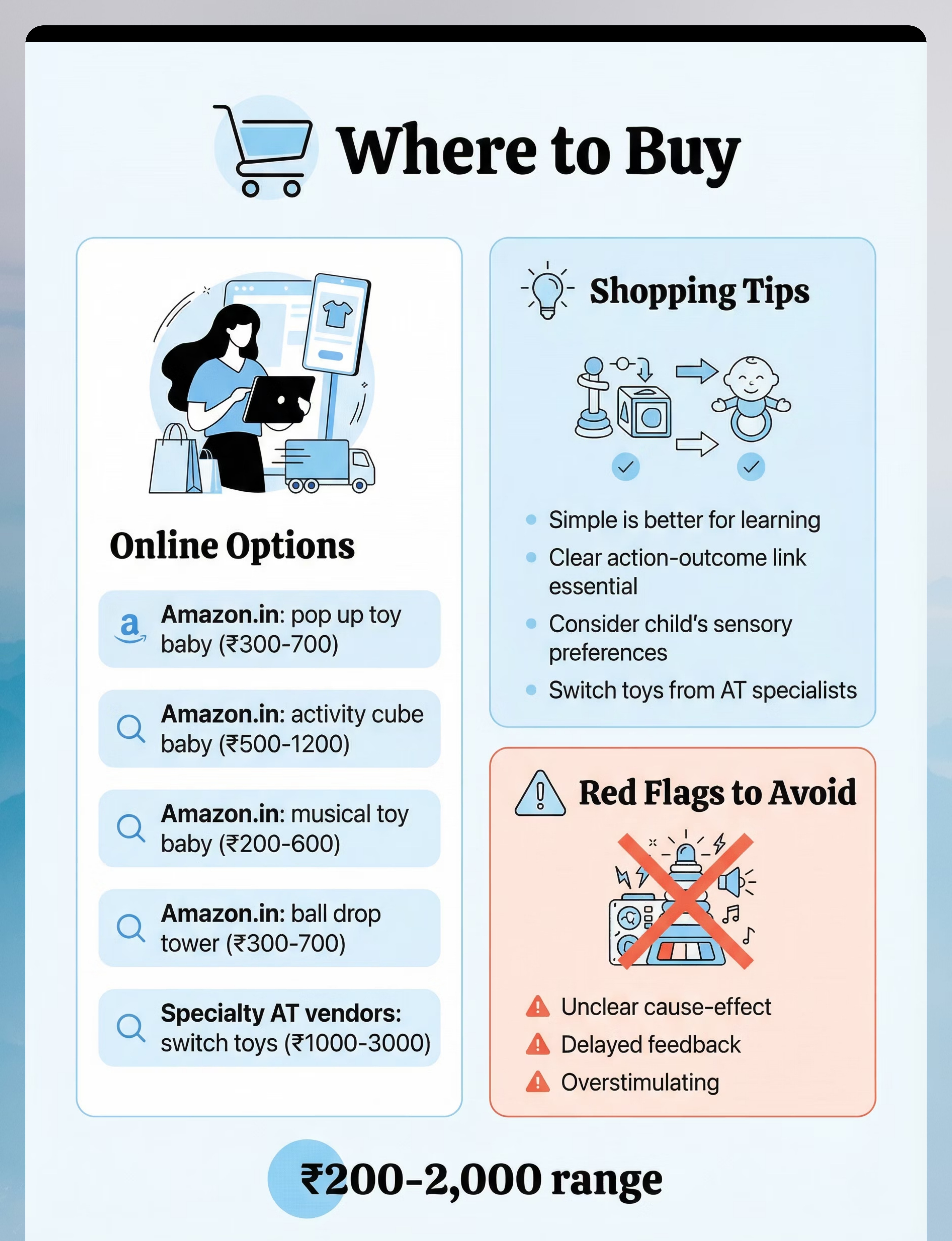
₹200–2,000 (US $2–25) covers the full spectrum from simple budget options to premium adaptive toys. Most families find effective solutions in the ₹300–800 range.
Best Starting Point: Begin with one simple, budget-friendly toy that matches your child's sensory preferences (visual, auditory, or tactile). Observe their response. Once cause-effect understanding begins developing, you can add variety. Don't invest heavily until you know what feedback type motivates your child most.

Where to Buy in India
Availability: Widely available through standard retailers and online platforms. Switch toys and adaptive options require specialty assistive technology vendors.
Recommended Platforms
Amazon.in
Search Term: "pop up toy baby"
Price Range: ₹300–700
Amazon.in
Search Term: "activity cube baby"
Price Range: ₹500–1,200
Amazon.in
Search Term: "musical toy baby"
Price Range: ₹200–600
Amazon.in
Search Term: "ball drop tower"
Price Range: ₹300–700
Specialty AT vendors
Search Term: "switch toys"
Price Range: ₹1,000–3,000
Buying Tips
- Simple is better for teaching cause-effect – Don't be swayed by complex toys with many features. Clear, immediate feedback matters most.
- Clear action-outcome link is essential – Test or research whether the toy provides immediate, obvious feedback. Delayed response doesn't teach cause-effect well.
- Consider your child's sensory preferences – Visual learner? Choose light-up. Auditory learner? Choose musical. Match to preferences for better engagement.
- Switch toys available from AT vendors – For adaptive needs, contact assistive technology vendors. They can guide you to appropriate switch options.
- Apps can supplement physical toys – Free or low-cost apps provide additional cause-effect practice. Good for variety and tech-based learning.
Red Flags—Avoid These
- Unclear cause-effect relationship – If you can't easily see the connection between action and outcome, neither will your child.
- Delayed feedback – Even a 2-3 second delay weakens the learning. Feedback must be immediate for cause-effect teaching.
- Overstimulating for your specific child – What works for one child may overwhelm another. Know your child's sensory profile.
- Too complex for developmental level – Multiple steps or complex sequences won't teach simple cause-effect. Start simple, add complexity later.

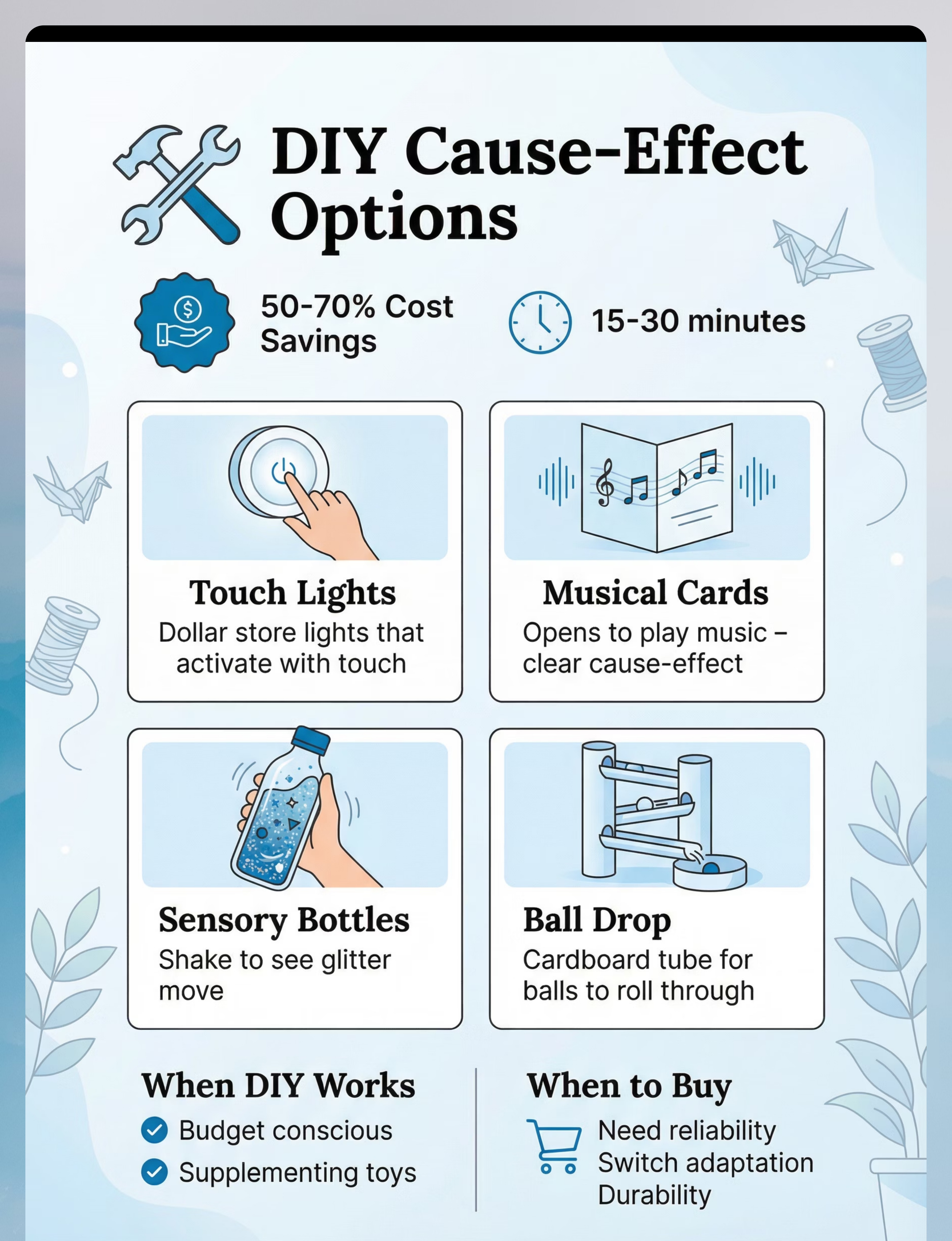
DIY Alternative (Save 50-70%)
Feasibility: Medium | Time Investment: 15–30 minutes | Cost Savings: 50–70%
While commercial cause-effect toys are affordable and effective, DIY alternatives can supplement purchased toys and reduce costs. Some DIY options work surprisingly well for teaching cause-effect, though they may be less engaging long-term than commercial toys designed specifically for this purpose.
Materials Needed
- Touch-activated lights (battery-operated, from hardware stores)
- Musical greeting cards (open to play music—clear cause-effect)
- Homemade sensory bottles (shake to see glitter move)
- Simple battery-operated toys (for switch adaptation if you have wiring skills)
- Cardboard tubes (for ball drop activities)
Step-by-Step Instructions
Touch-activated lights
Purchase inexpensive touch-activated LED lights from hardware or dollar stores. Child touches surface, light turns on—clear immediate cause-effect. Very affordable and effective for visual learners.
Musical greeting card
Use musical greeting cards that play when opened. Mount inside a folder or attach to cardboard. Child opens, music plays. Clear cause-effect for auditory learners. Cards available at card shops for ₹50-100.
Sensory bottles
Fill clear plastic bottle with water, glitter, small objects. Secure lid tightly (glue shut for safety). Child shakes, glitter moves and swirls. Visual cause-effect through movement. Very inexpensive.
Ball drop tower
Use cardboard tubes (from paper towels or mailing tubes) secured to wall or sturdy surface. Create angle for ball to roll through. Child drops ball in top, watches it descend and exit. Gravity-based cause-effect.
Simple switch adaptation
For those with electrical wiring knowledge: battery-operated toys can be adapted with switches. Requires technical skill and understanding of circuits. Consider consulting OT or AT specialist for guidance if interested in this option.
DIY vs. Commercial Comparison
When to DIY
- Budget-conscious: DIY significantly reduces costs
- Supplementing commercial toys: Add variety without spending more
- Customizing feedback type: Create exactly what your child responds to
- Quick simple solutions: Need something immediately with materials on hand
When to Buy Commercial
- Want reliable, engaging toys: Commercial toys designed for durability and appeal
- Need switch adaptation: Professional switch toys usually more effective than DIY
- Durability needed: Commercial toys withstand intensive use better
- Variety of feedback: Commercial toys offer multiple sensory experiences in one
Tradeoffs
DIY Limitations: May be less engaging long-term than commercial options. DIY switches require significant technical skill and may not be as reliable. Durability often lower. Visual appeal may be less motivating for some children.
Best Approach: Use DIY to supplement commercial toys, not replace them entirely. One or two high-quality commercial cause-effect toys combined with creative DIY options provides good variety at reasonable cost.
Preview of cause effect toys switch toys Therapy Material
Below is a visual preview of cause effect toys switch toys therapy material. The pages shown help educators, therapists, and caregivers understand the structure and content of the resource before use. Materials should be used under appropriate professional guidance.


Share this resource
Help others discover thisLink copied!

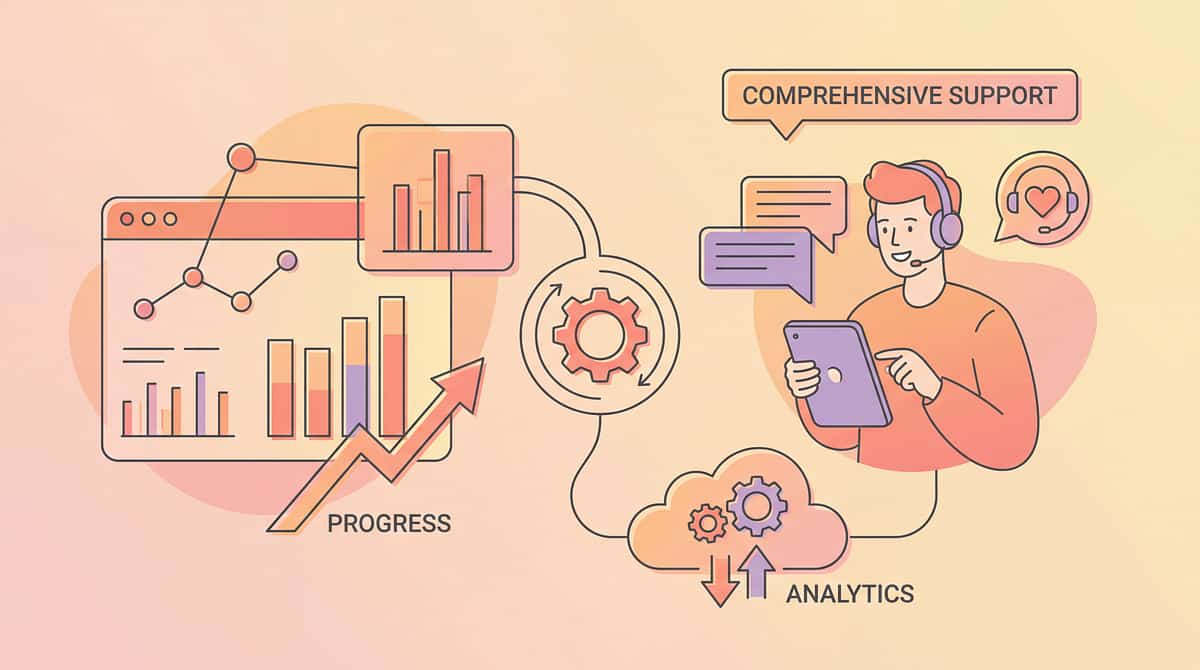
Measuring Success & Next Steps
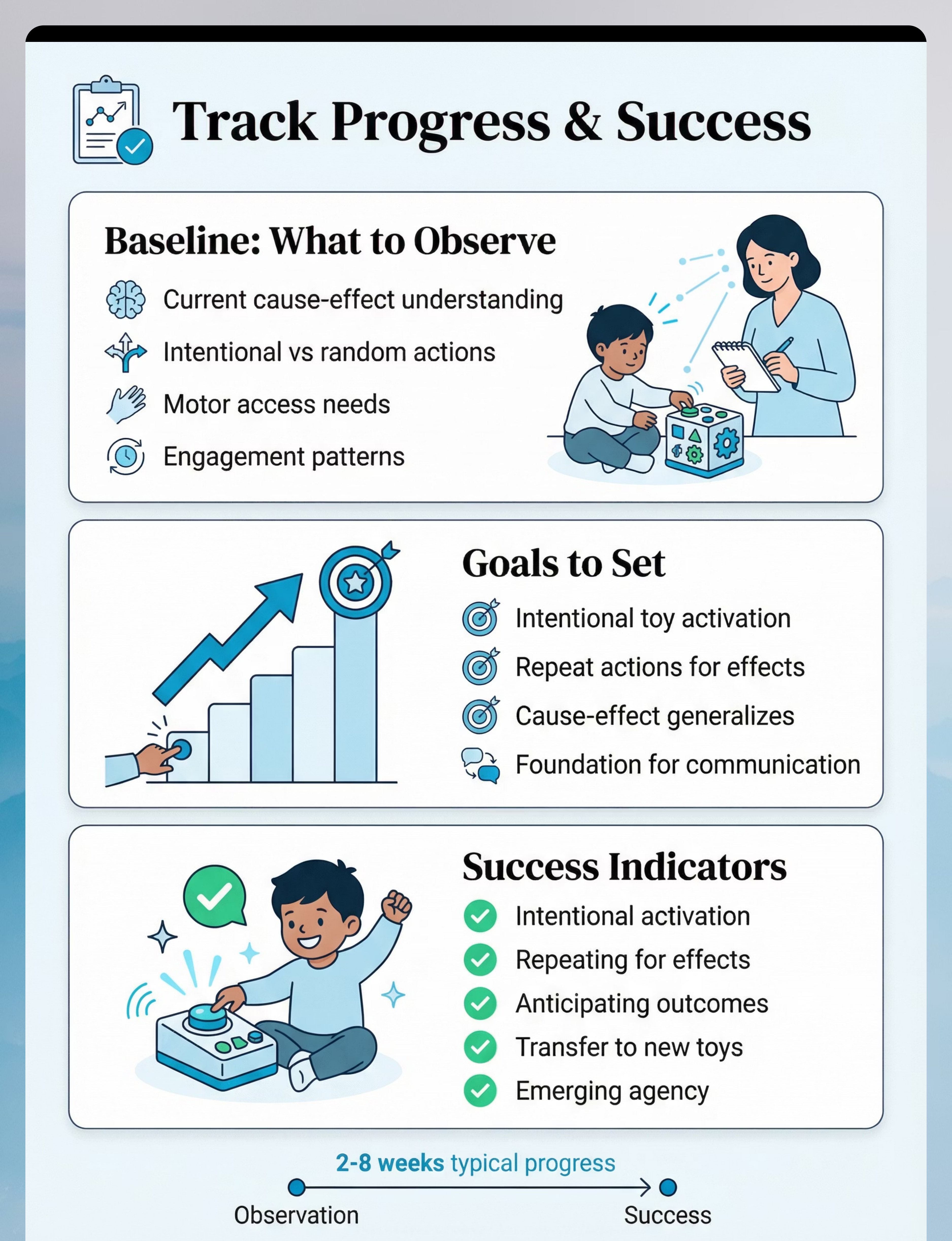
Track Progress: What to Measure
Baseline (Starting Point)
- Current cause-effect understanding level
- Ratio of intentional vs random actions
- Types of toys child engages with
- Motor access needs and limitations
Goals (What You're Working Toward)
- Intentional cause-effect toy activation
- Repeating actions to recreate effects
- Generalization to new toys and contexts
- Foundation for communication if needed
Success Indicators
- ✓ Intentional toy activation
- ✓ Repeating actions for effects
- ✓ Anticipation of outcomes
- ✓ Transfer to new toys
- ✓ Emerging agency and initiation
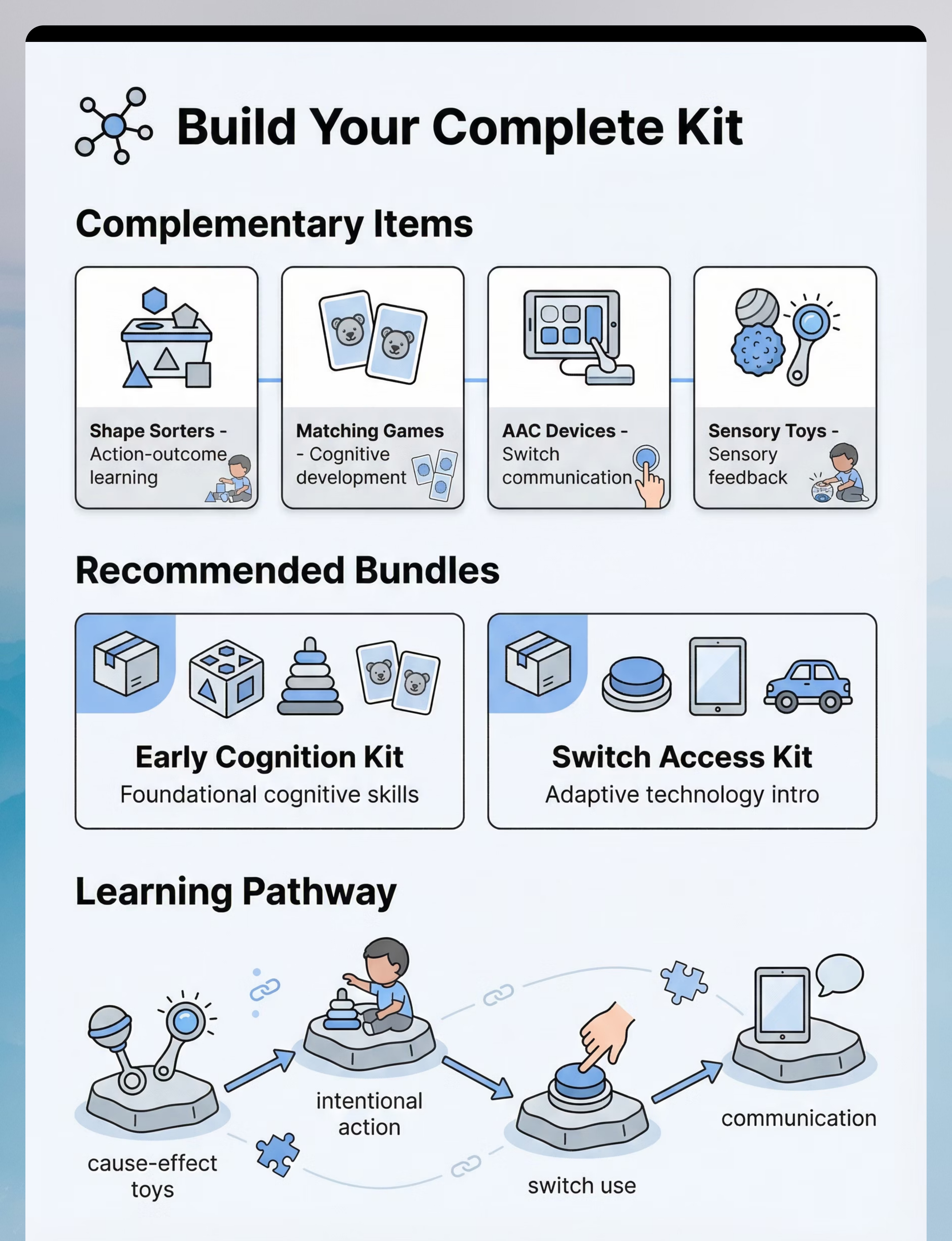
Complete the Kit: Pair It With...
Cause-effect toys work even better when combined with complementary tools that build related skills. These combinations create comprehensive learning experiences that accelerate development across multiple domains.
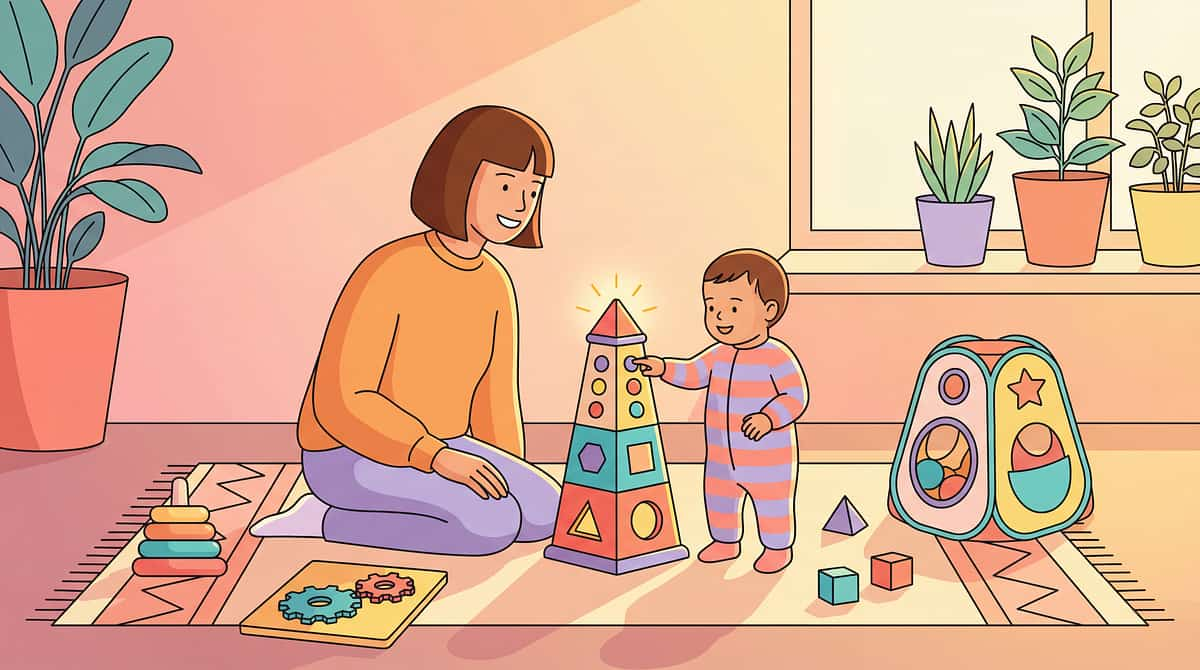
Shape Sorters (ID: 8.4)
Why pair: Both teach action-outcome learning. Shape sorters add problem-solving to cause-effect foundation. Natural progression in cognitive development.
Matching Games (ID: 8.1)
Why pair: Builds on cause-effect with cognitive matching. Together they create comprehensive early cognitive skill development.
AAC Devices (ID: 5.5)
Why pair: Cause-effect is foundation for switch-based communication. Master cause-effect first, then progress to AAC for functional communication.
Sensory Toys (ID: 1.2)
Why pair: Sensory feedback enhances cause-effect learning. Together they address both cognitive and sensory processing development.
Recommended Bundles
Early Cognition Kit
Includes: Cause-Effect Toys (8.5) + Shape Sorters (8.4) + Matching Games (8.1)
Use Case: Comprehensive foundational cognitive skills development. Perfect for children beginning their learning journey.
Switch Access Kit
Includes: Adaptive Switch Toys (8.5.5) + AAC Devices (5.5) + Adaptive Computer Access (12.4)
Use Case: Complete adaptive technology introduction for children with motor challenges. Builds from cause-effect through to functional communication.
Quick Summary
AI Summary: Cause-effect toys develop the foundational understanding that actions create outcomes, essential for intentional behavior, learning, and communication. Core Kit (Rank 1), strong evidence, fundamental early cognitive skill.
cause-effect
switch
intentional
agency
early cognition
adaptive
SpEd
OT
core-kit
Common Searches: cause effect toys autism • switch toys • pop up toys baby • activity cube • early learning toys • adaptive toys • intentional play autism
Get Support
FREE National Autism Helpline
Phone: 9100 181 181
Languages: 16+ languages supported
Website: pinnacleblooms.org
Connect with specialists who can guide you in choosing and implementing cause-effect tools for your child's specific needs.
Platform Integration
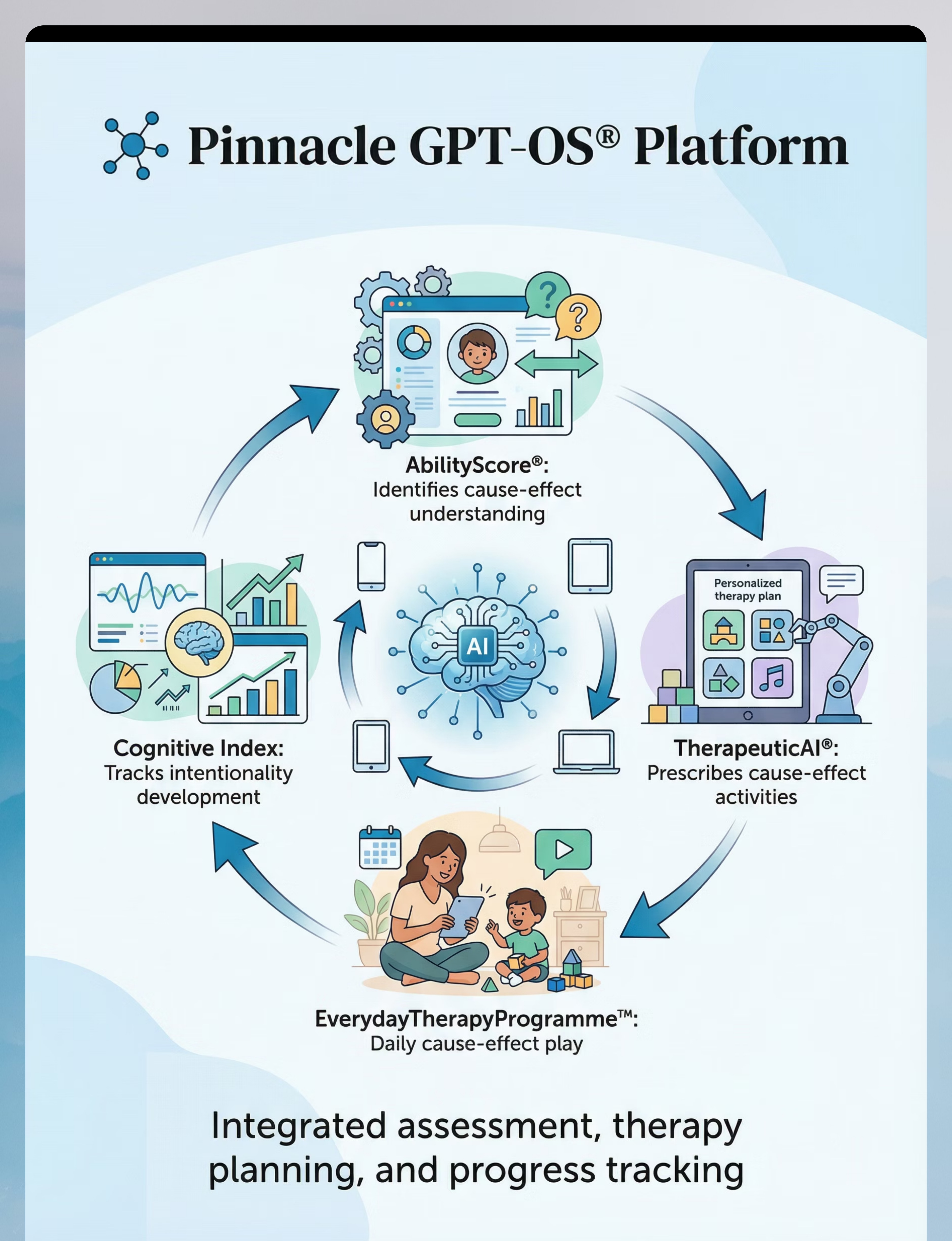
AbilityScore® identifies cause-effect understanding gaps in comprehensive assessment
TherapeuticAI® prescribes personalized cause-effect activities based on your child's profile
EverydayTherapyProgramme™ includes daily cause-effect play integrated into natural routines
Cognitive Index tracks intentionality development and cause-effect skill growth over time
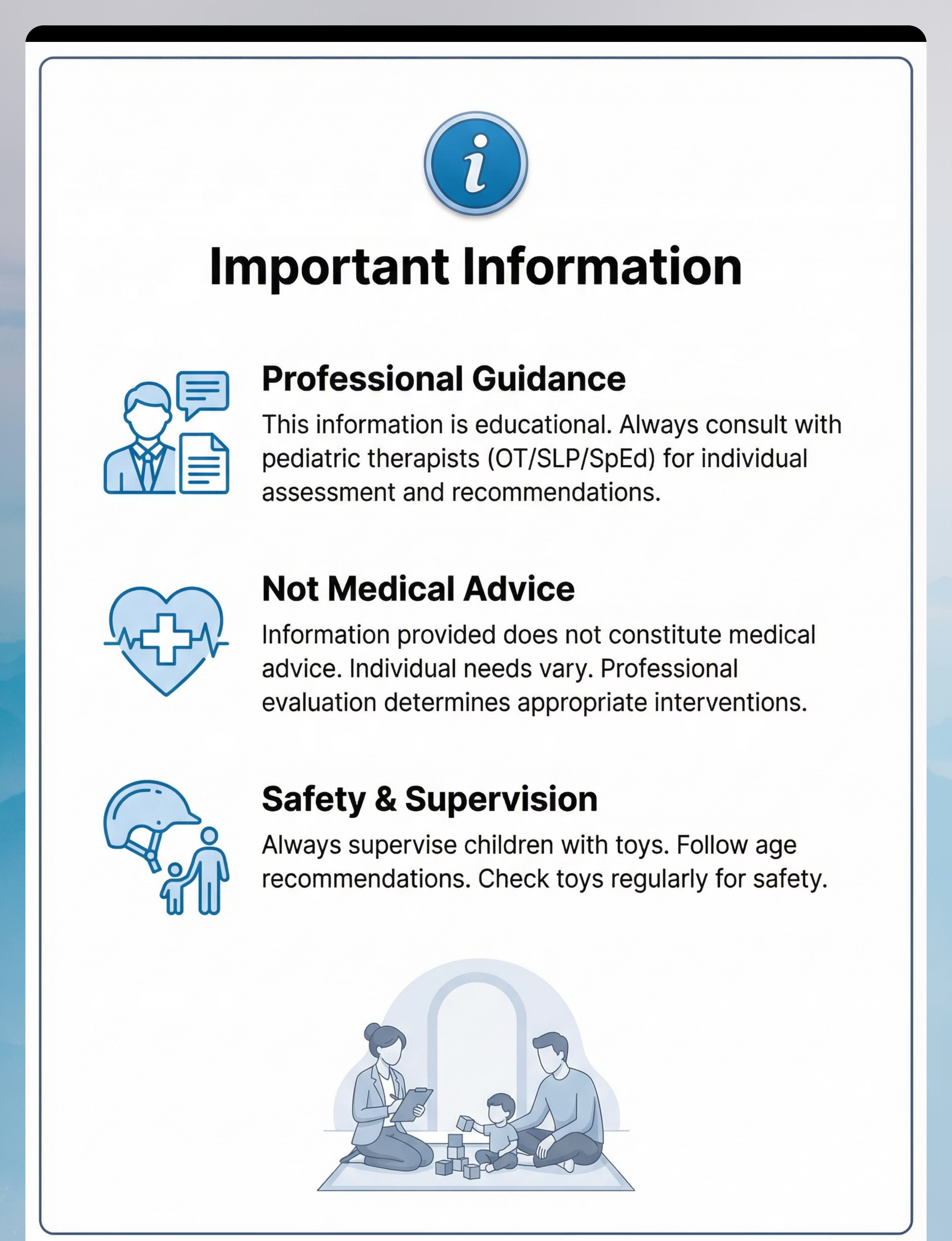
Disclaimer: This is educational information designed to help families make informed decisions about developmental tools. Always consult qualified occupational therapists, speech-language pathologists, special educators, or pediatricians for personalized guidance. Individual results vary based on child's unique profile, consistency of use, and overall therapeutic approach. Cause-effect toys are tools that support development—they work best as part of comprehensive intervention guided by professionals.