




Tool ID: 6.3
PT + OT Recommended
Strong Evidence
Rank #1
Daily Use
₹300–5,000
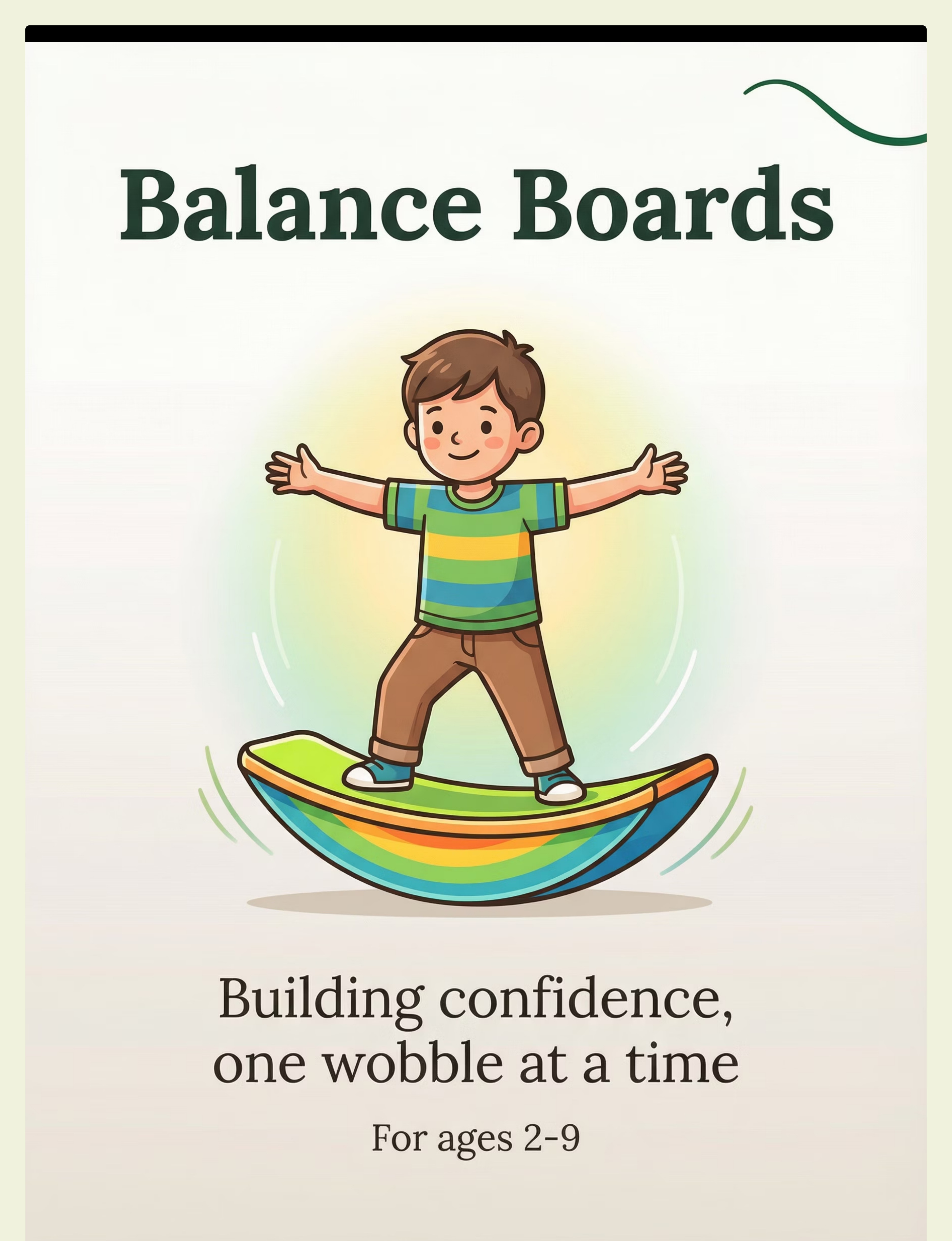
Balance Board / Wobble Board
Vestibular-proprioceptive balance development system
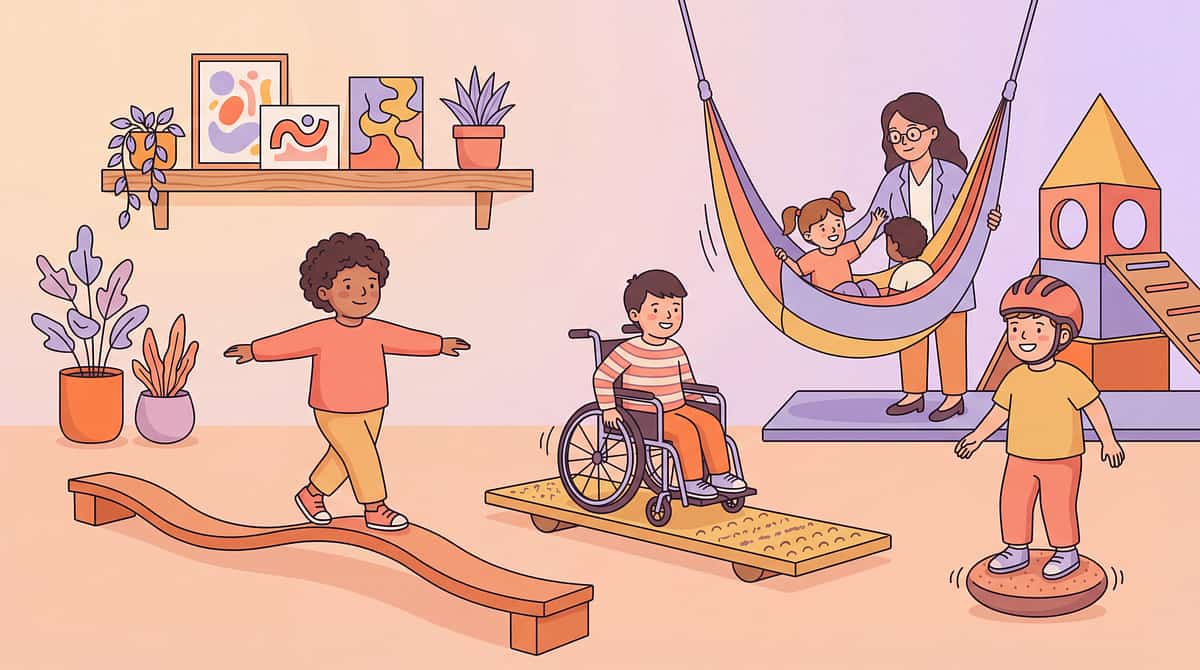
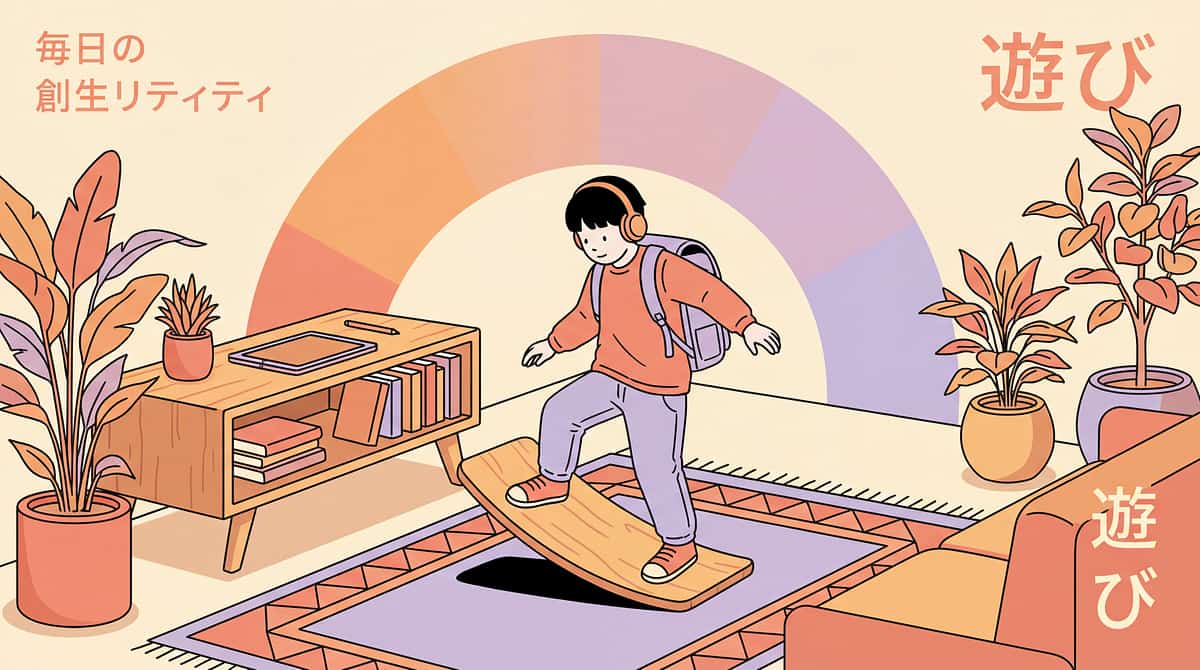
Balance boards are fundamental tools that develop coordination, stability, and body awareness through engaging unstable surface activities. Designed for children aged 2-9 years, these evidence-based tools challenge the vestibular and proprioceptive systems simultaneously, building the automatic balance reactions children need for all movement activities—from walking to sports. Suitable for home, clinic, and school settings, balance boards transform therapeutic exercises into playful challenges that children actually enjoy.

Who This Helps
Balance boards develop balance, coordination, and proprioceptive awareness through unstable surface activities, helping children build the foundational motor skills they need for everyday life and play.
Balance
Proprioception
Core Strength
Motor Planning
Coordination
Body Awareness
Ages 2-9 years
Home
Clinic
School
Children with poor balance and frequent falls
Helps develop stability and automatic balance reactions
Kids who avoid playground equipment and physical challenges
Builds confidence through gradual, supported progression
Those struggling with coordination and body awareness
Integrates vestibular and proprioceptive feedback for better movement control

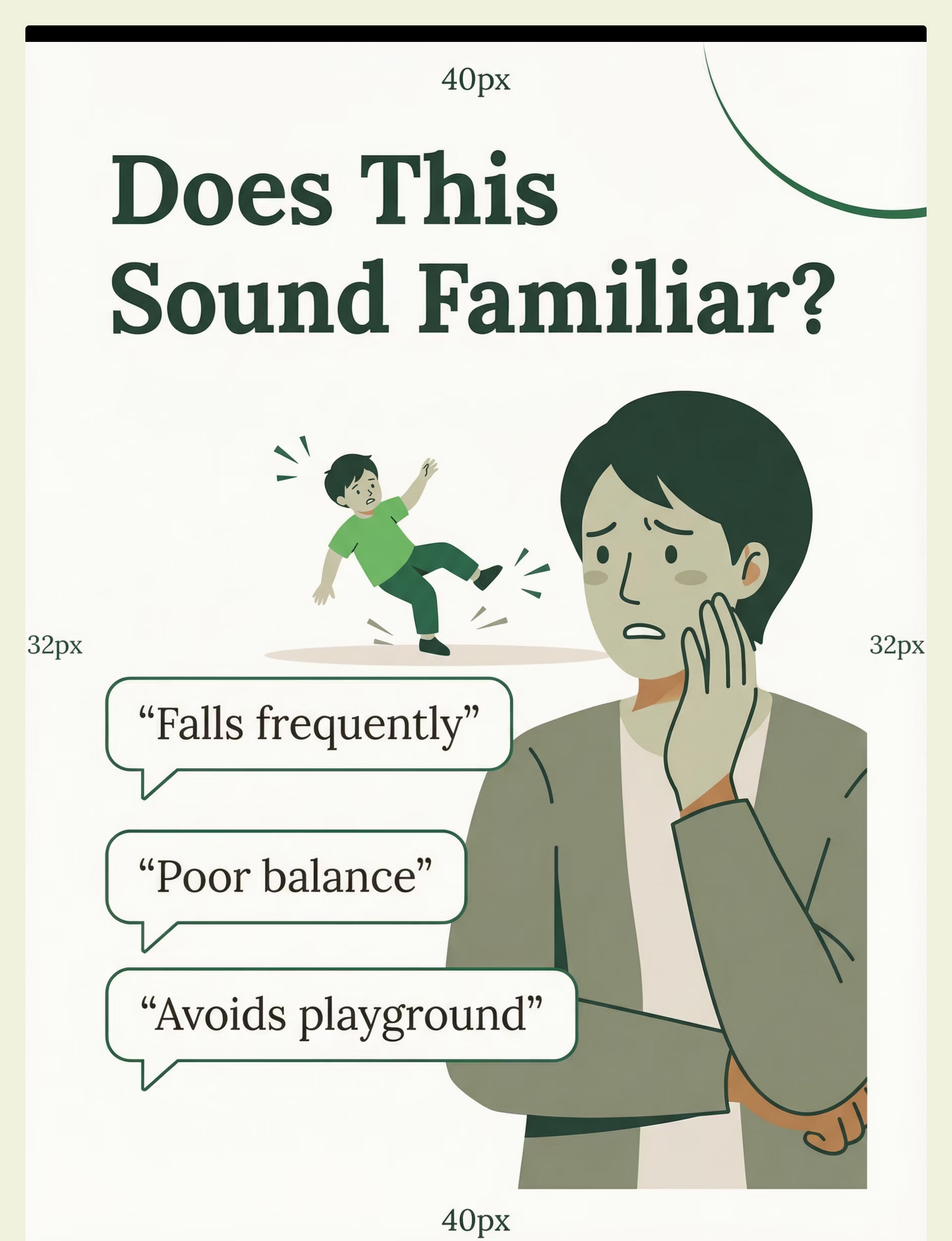
Does This Sound Familiar?
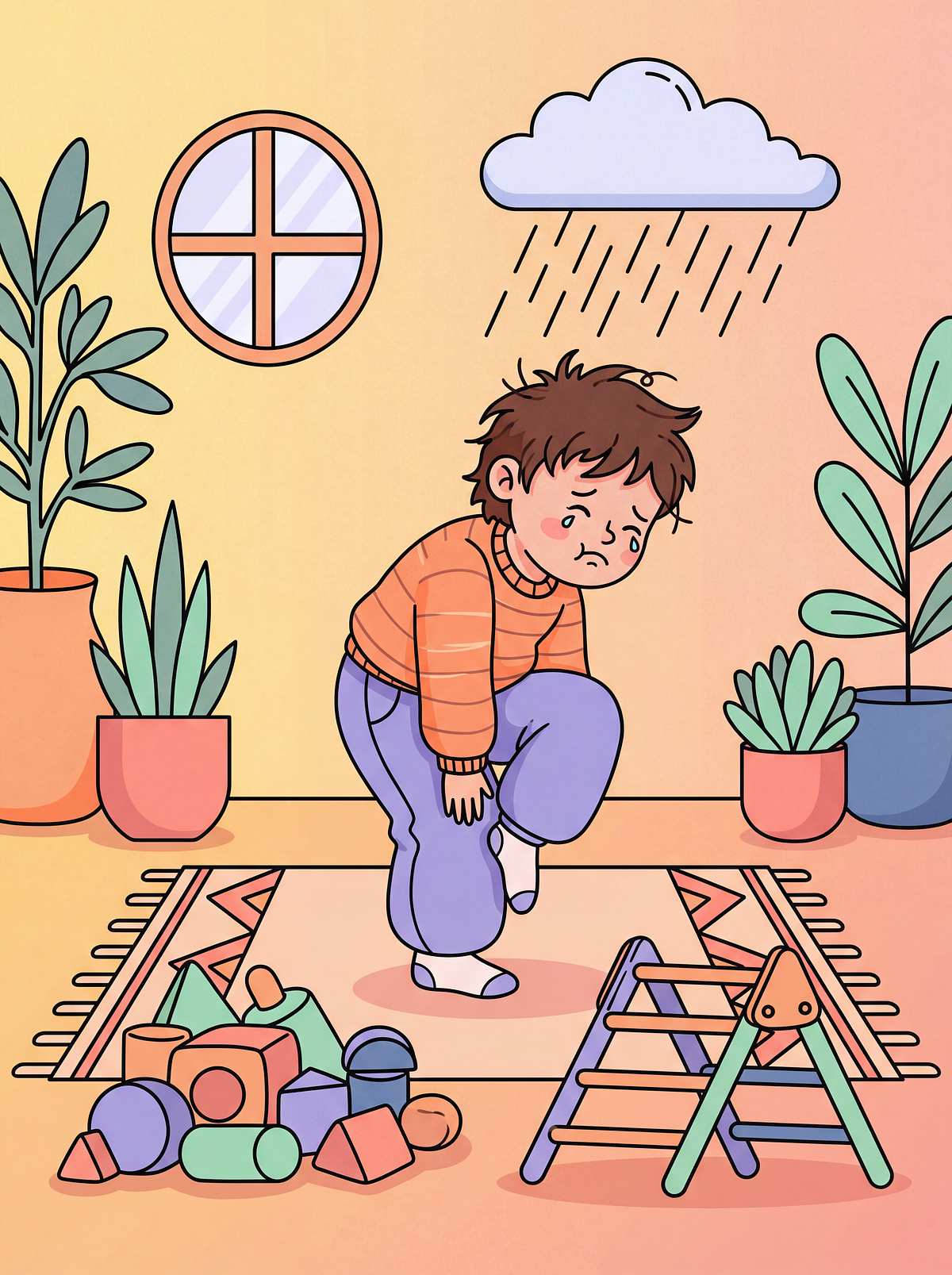
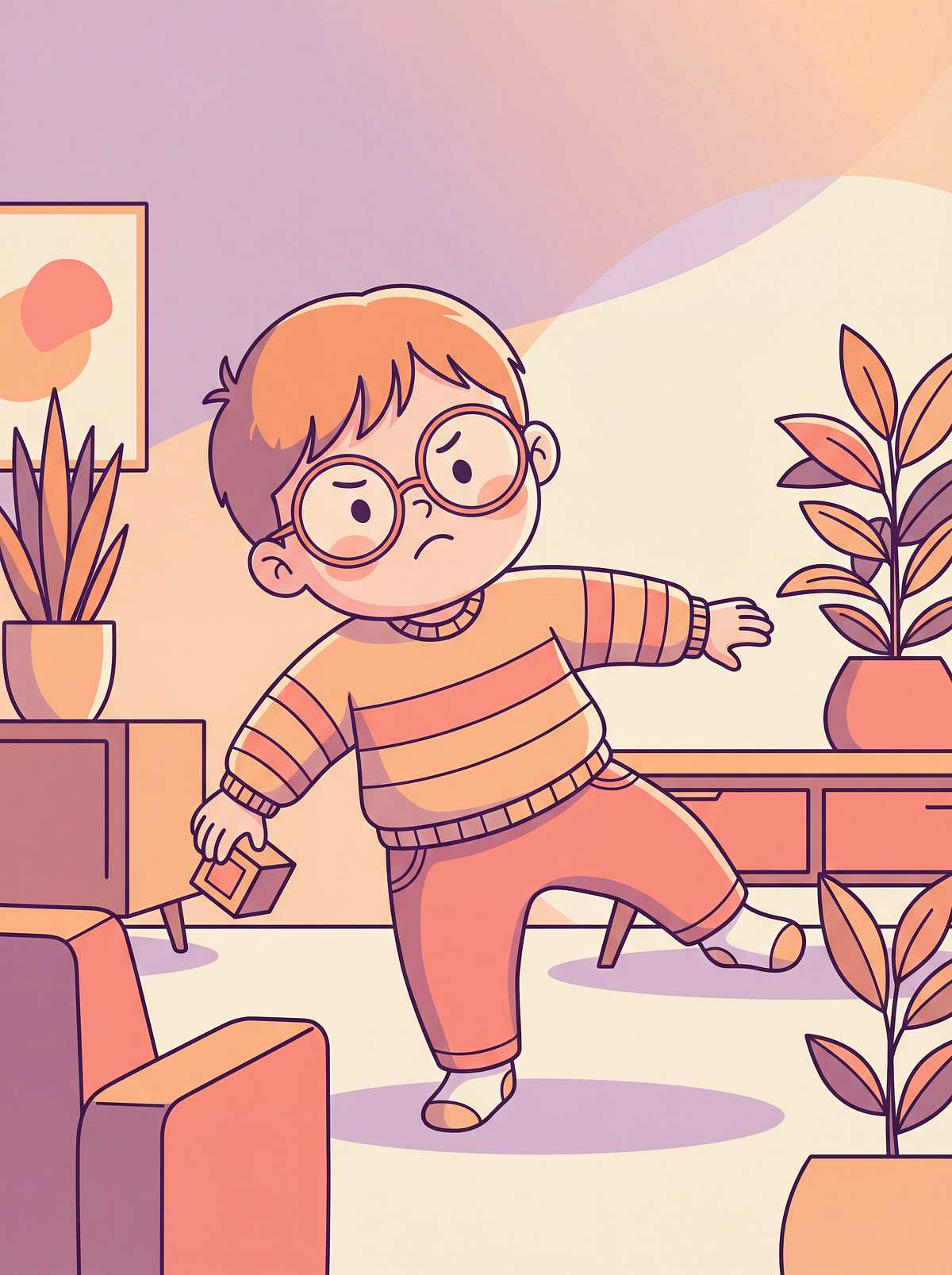
"My child has poor balance - falls frequently"
"She's clumsy and uncoordinated"
"He can't stand on one foot"
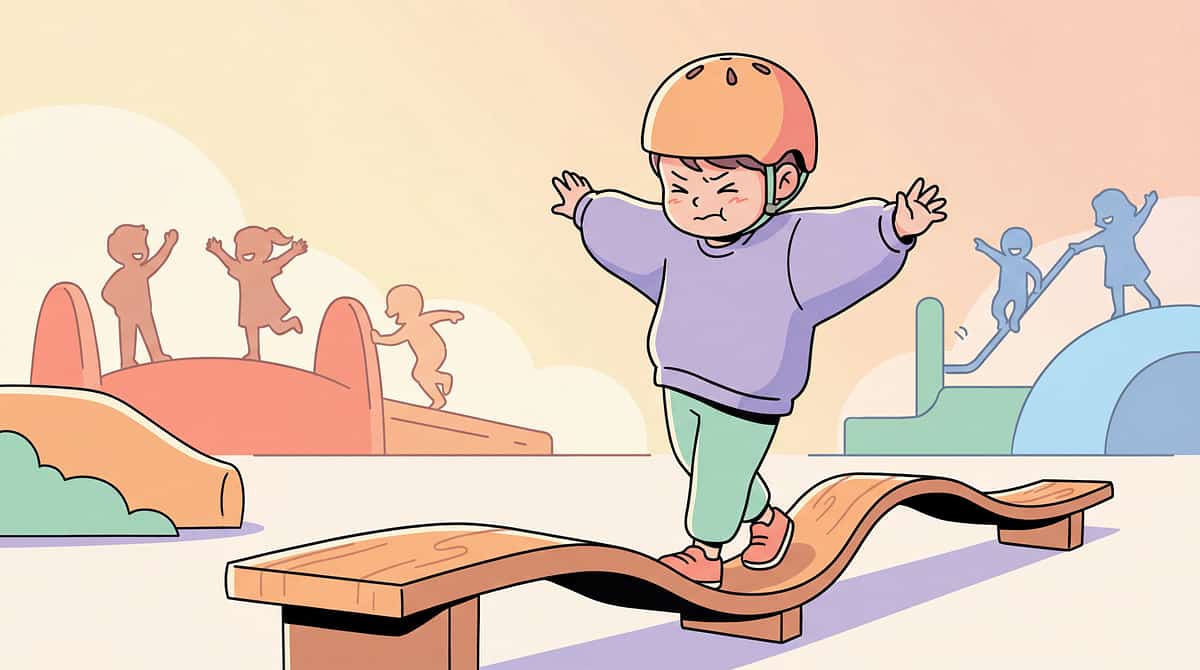
"She avoids playground equipment"
"His body awareness is poor"
"He trips over everything"
You're not alone. These are common challenges that balance work can help address. Many children struggle with coordination and balance, but with the right tools and gradual progression, they can build the skills and confidence they need.

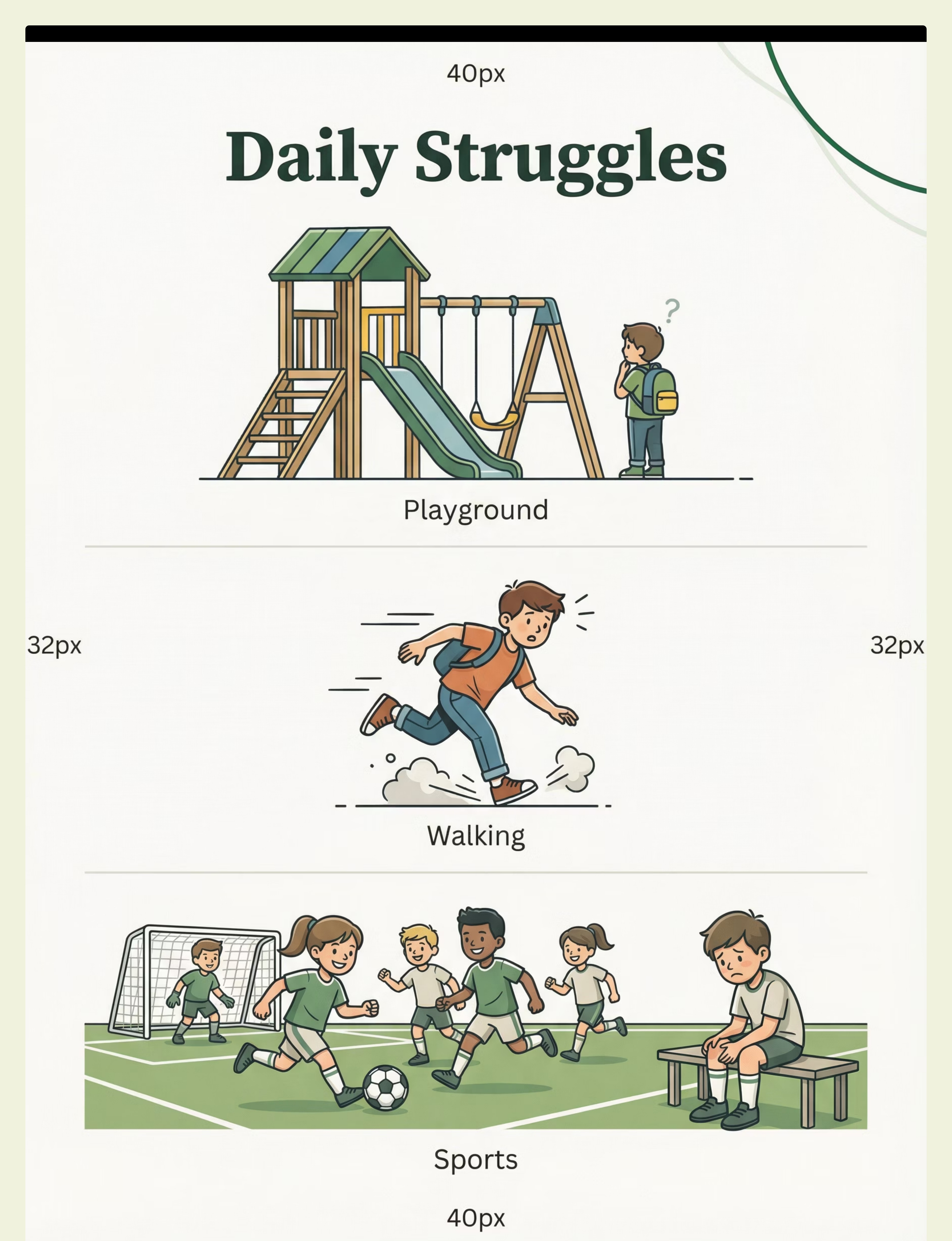
A Day Without the Right Support
1
Playground
Avoids climbing and balance equipment while other children play confidently
2
Sports & Activities
Struggles with coordination activities, feels left behind
3
Walking & Moving
Trips, falls, bumps into things throughout the day
4
Confidence
Avoids physical challenges due to fear of falling or failing
Without proper balance development, children miss out on crucial play experiences, social inclusion, and the joy of physical movement. These daily struggles can impact confidence, participation, and overall development.

The Science Behind It
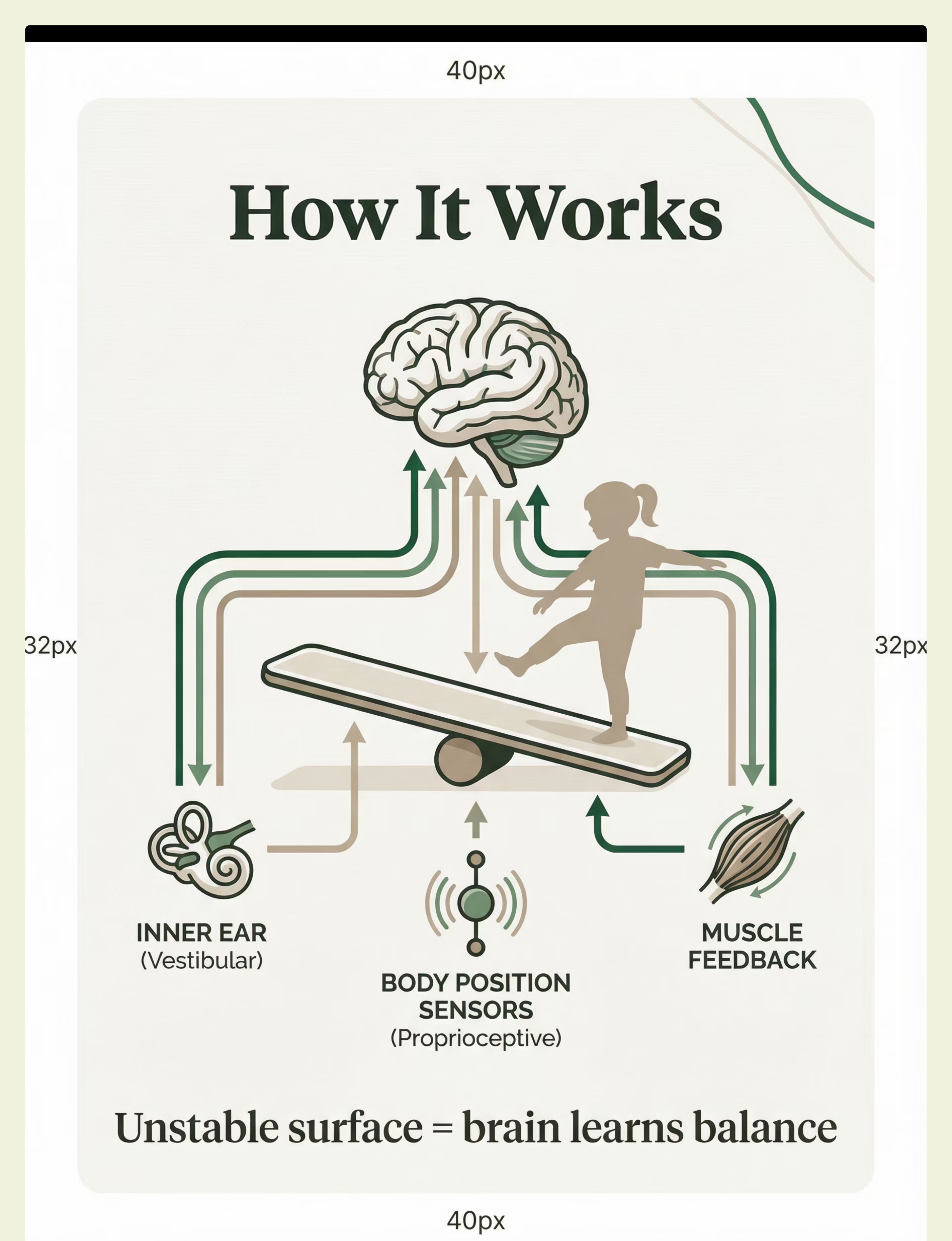
Unstable Surface
Balance board creates controlled instability challenge
Sensory Integration
Vestibular and proprioceptive systems engage simultaneously
Brain Processing
Brain integrates sensory information in real-time
Automatic Reactions
Body develops automatic balance responses
Improved Function
Better stability, coordination, and body awareness emerge
Balance
Proprioception
Core Strength
Motor Planning
Coordination
Body Awareness

How to Use It Right
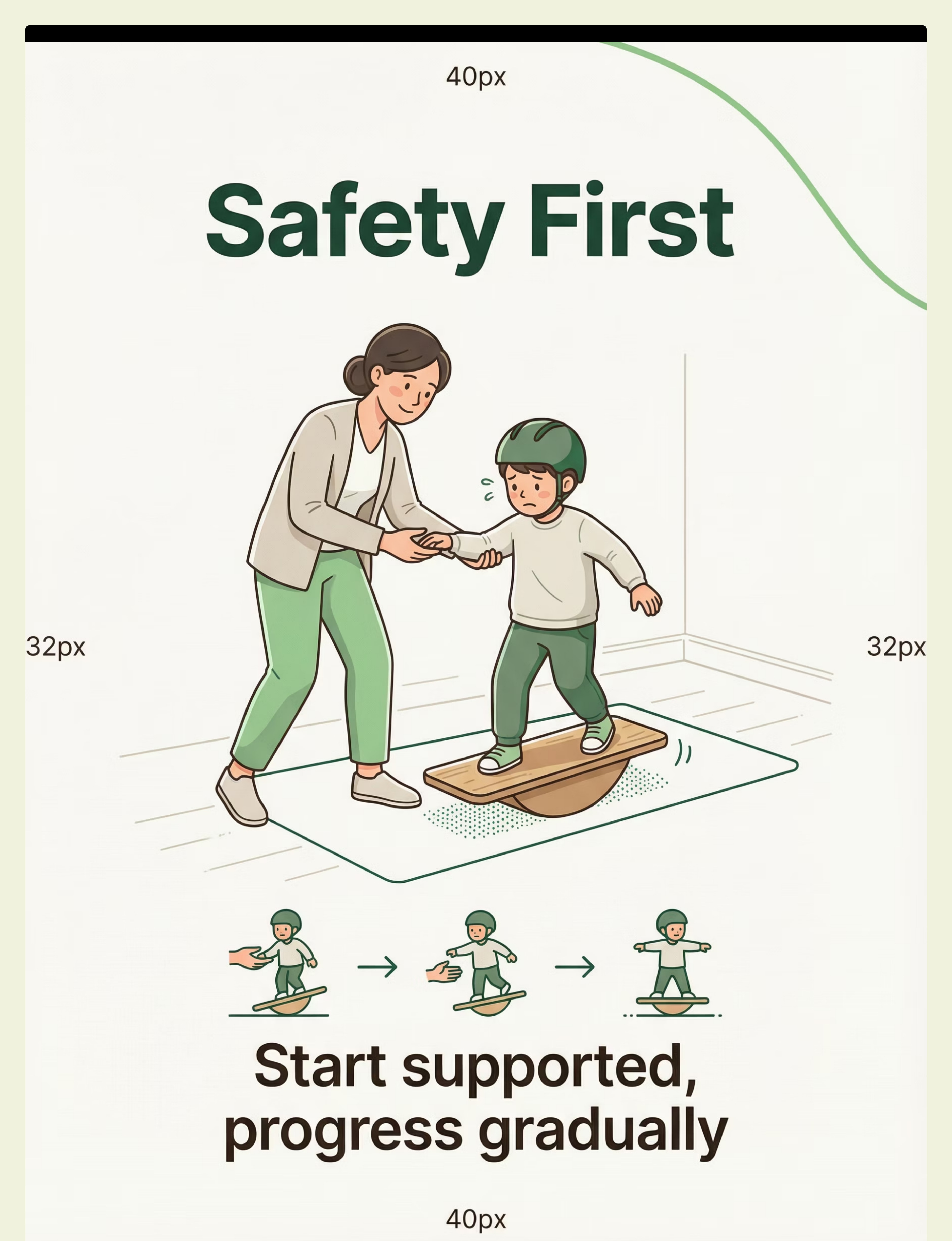
Start with support (wall, adult hand)
Never rush independence—build confidence first with hands-on assistance
Progress from stable to unstable surfaces
Begin with easier rocker boards before advancing to wobble boards
Build confidence before challenge
Success breeds success—ensure mastery at each level
Incorporate into play and activities
Make it fun with games, challenges, and obstacle courses
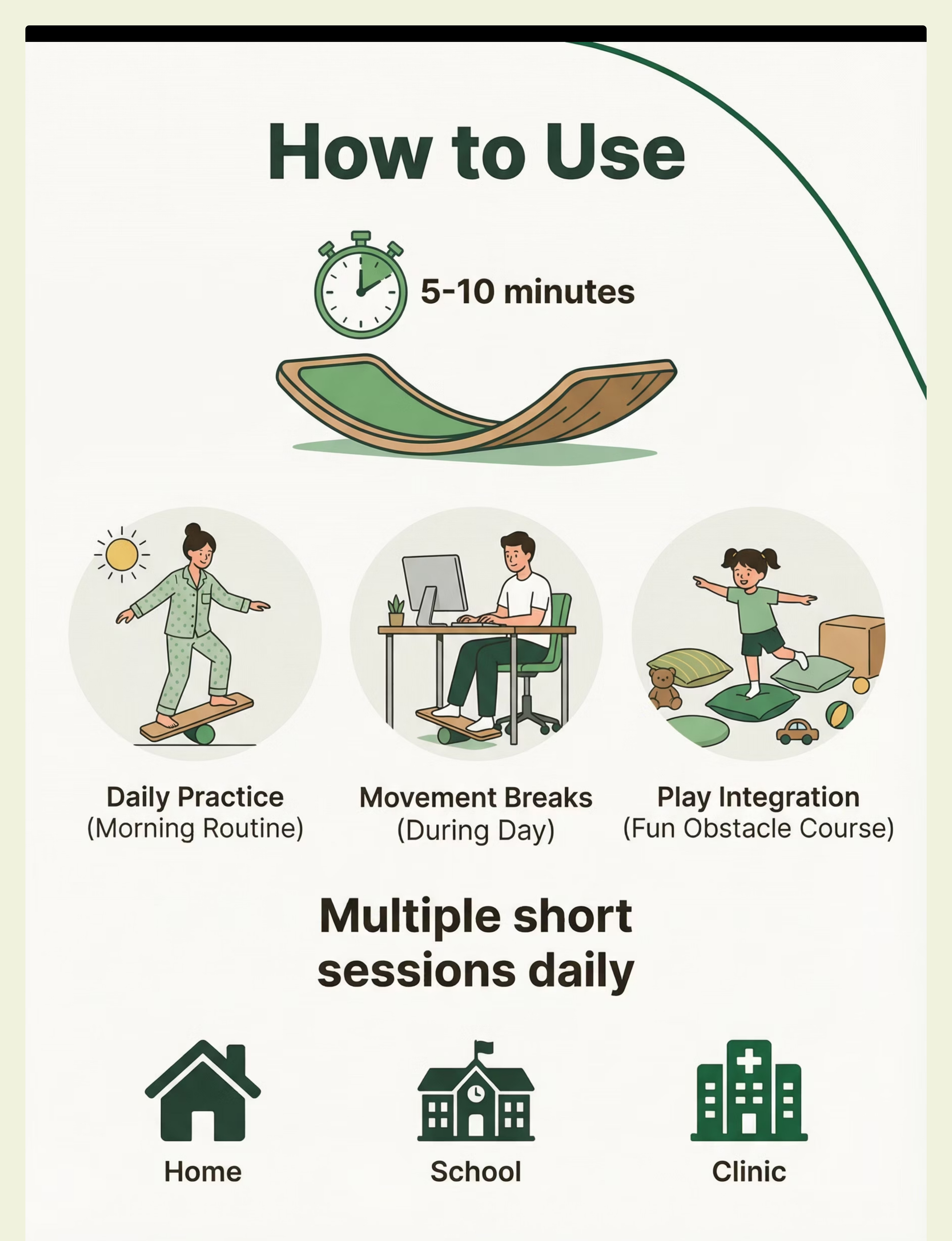
Short sessions, multiple times daily
5-10 minute sessions are more effective than lengthy practice
Celebrate effort, not perfection
Praise trying and progress, not just perfect balance
Duration: 5-10 minutes multiple times daily, or incorporated into play throughout the day

Expert Perspective
"Balance boards challenge the vestibular and proprioceptive systems simultaneously. They build the automatic balance reactions that children need for all movement activities - from walking to sports."— Physical Therapist
PT + OT Recommended
Strong Evidence
Rank #1 in Gross Motor & Movement
This tool represents the gold standard in balance development. As a Core Kit item with Strong evidence backing, balance boards are fundamental to any comprehensive motor development program. The simultaneous engagement of multiple sensory systems makes this one of the most efficient tools for building foundational movement skills.

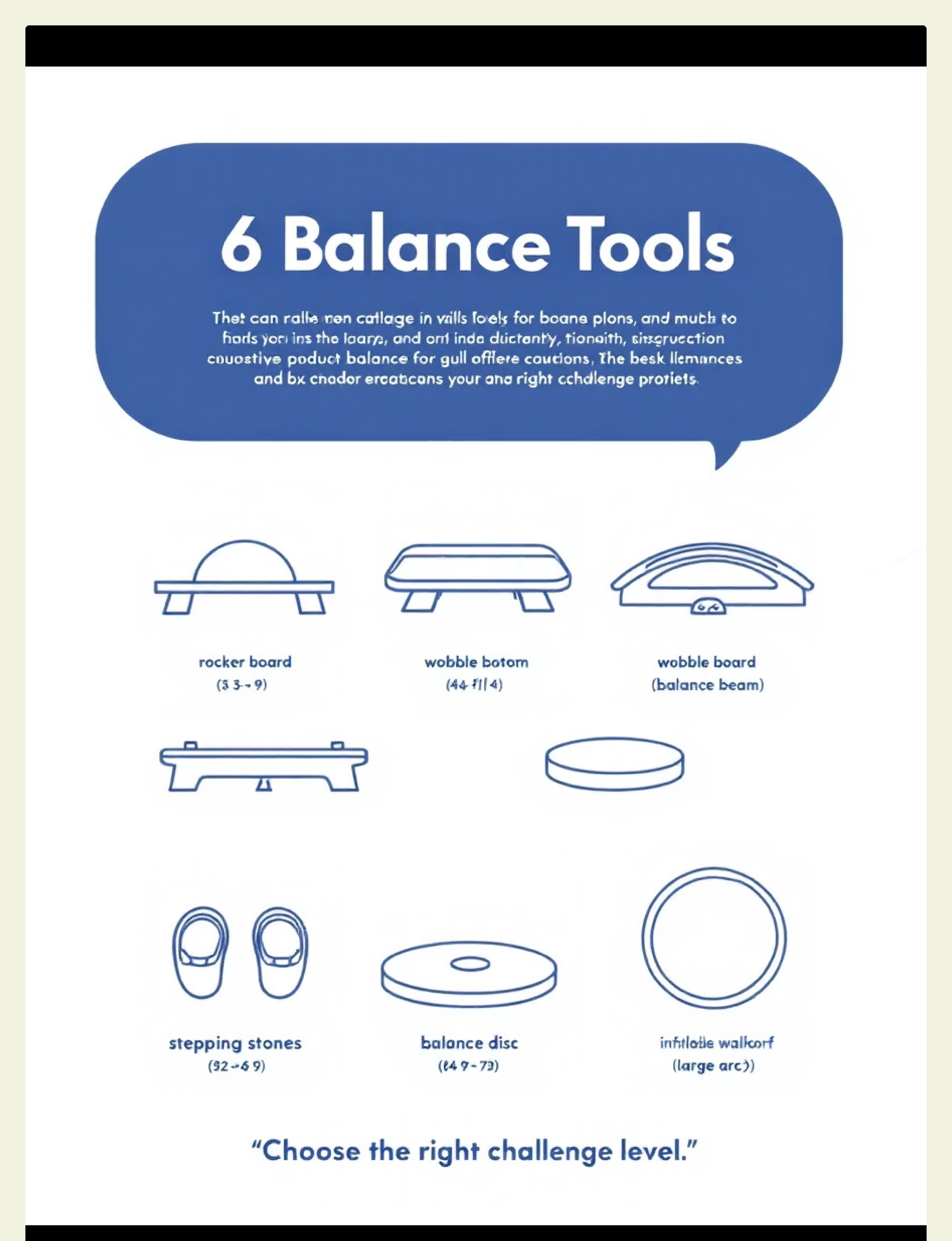
Choose Your Option (6 Variants)
Each variant serves different developmental needs and skill levels. Choose based on your child's current abilities, goals, and setting. Start with simpler options and progress as skills develop.
1
Rocker Balance Board
Best for: Beginning balance, predictable movement
Type: Side-to-side or front-to-back rocking
Ages: 3-9 years
Home
Clinic
School
Portability: Medium | Price: ₹500–1,500
2
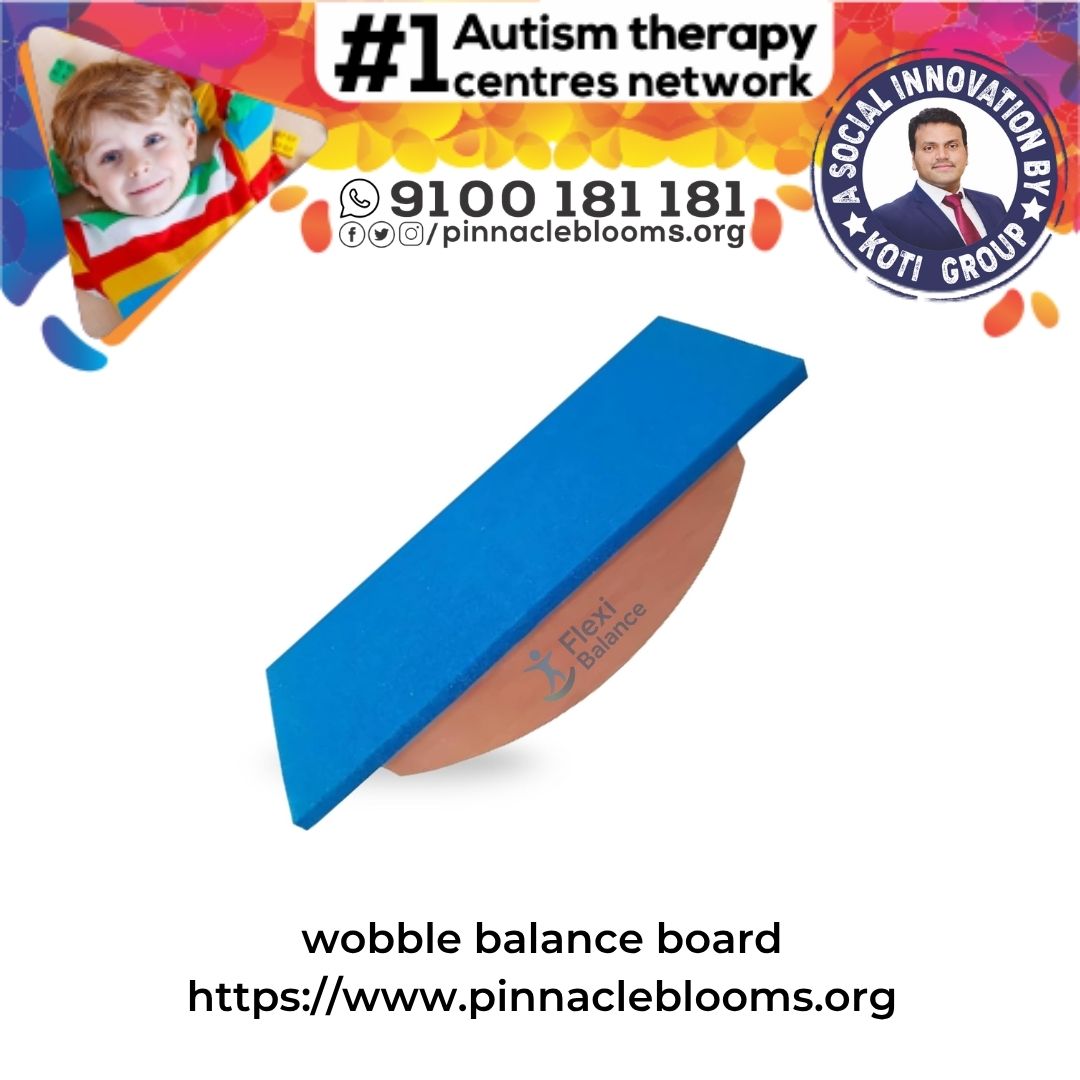
Wobble Board (360° Movement)
Best for: Advanced balance, ankle strengthening
Type: Multi-directional balance challenge
Ages: 4-9 years
Home
Clinic
Portability: Medium | Price: ₹600–2,000
3
Balance Beam (Floor)
Best for: Walking balance, motor planning
Type: Linear balance walking
Ages: 2-9 years
Home
Clinic
School
Portability: High (foam) / Low (wood) | Price: ₹300–1,500
4
Stepping Stones / Balance Pods
Best for: Motor planning, varied surfaces
Type: Balance path creation
Ages: 2-9 years
Home
Clinic
School
Portability: High | Price: ₹500–2,000
5
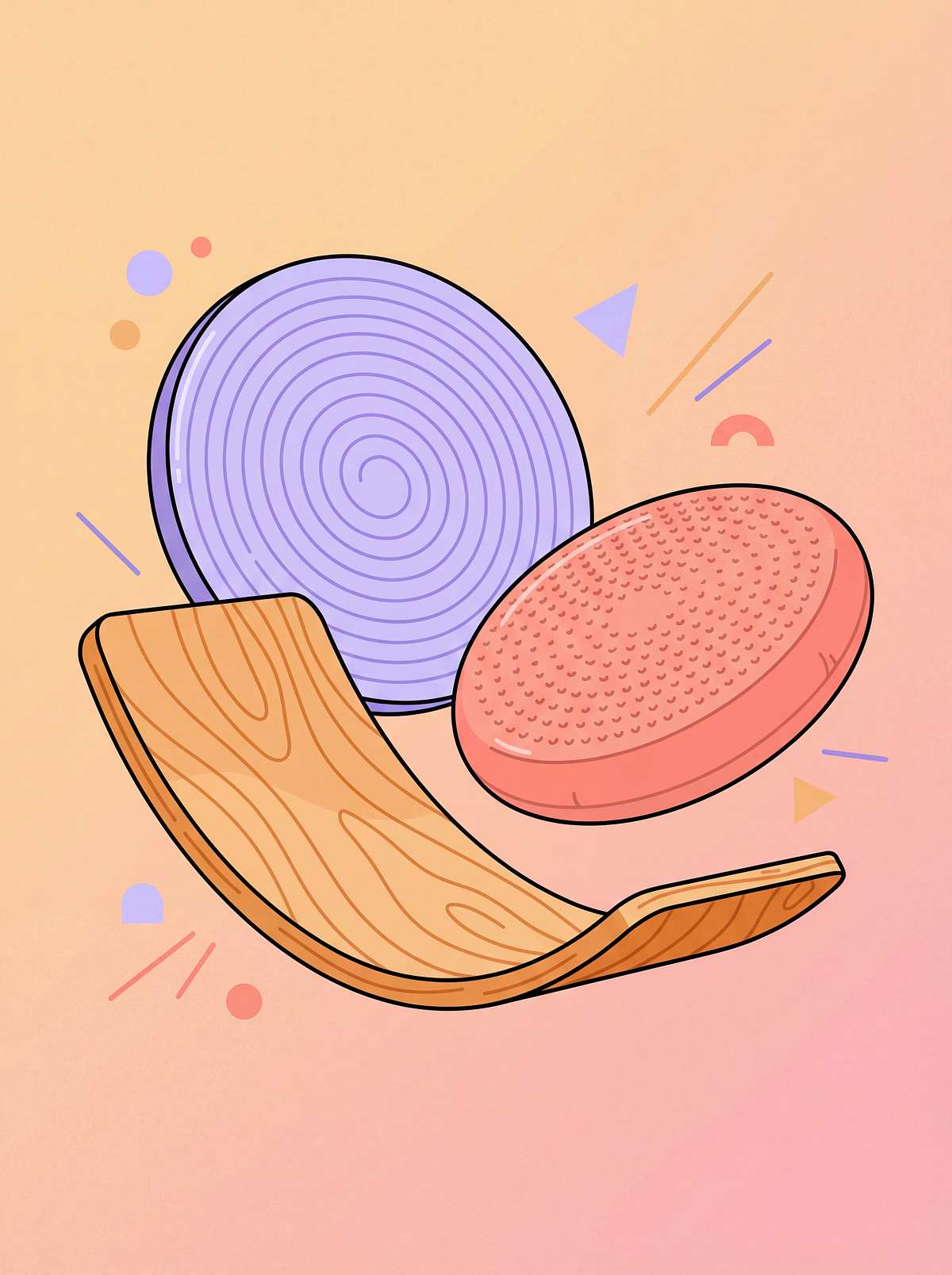
Inflatable Balance Disc / Cushion
Best for: Standing or sitting balance, portable
Type: Soft, unstable surface
Ages: 3-9 years
All Settings
Portability: Very High | Price: ₹300–800
6
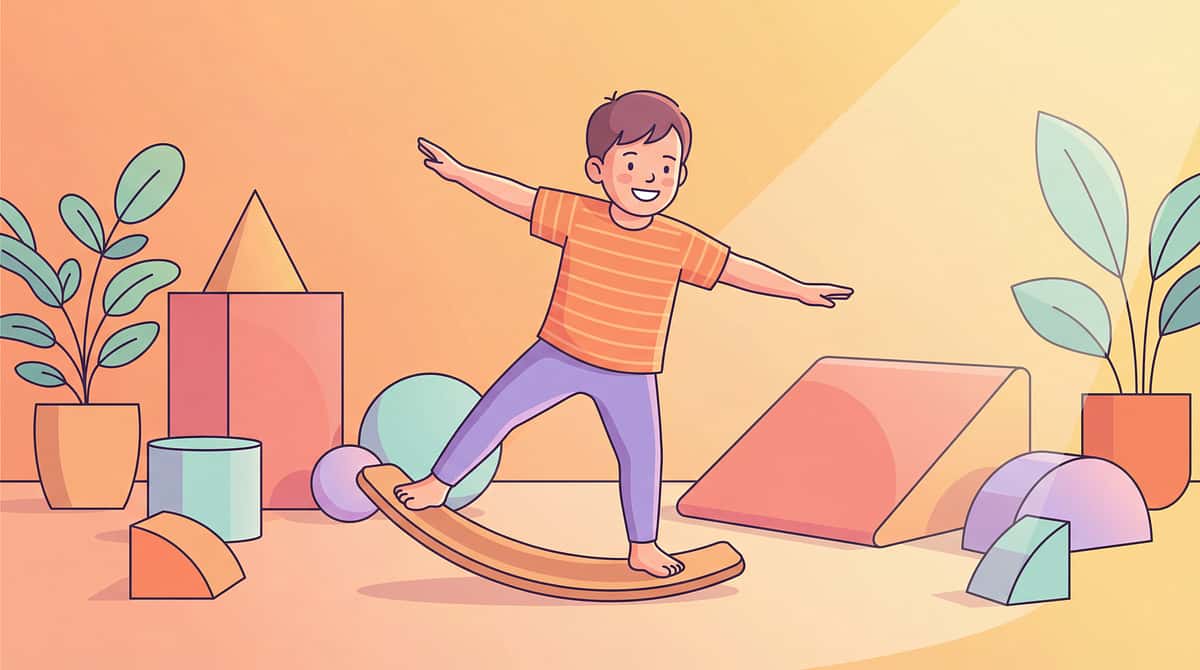
Curved Balance Board (Waldorf Style)
Best for: Open-ended play + balance
Type: Multi-use: balance, bridge, rocking
Ages: 2-9 years
Home
Portability: Low | Price: ₹2,000–5,000
How to choose: By goal (beginning vs. advanced balance, linear vs. multi-directional) • By setting (home portability vs. clinic variety) • By portability (discs and pods travel easily, Waldorf boards stay home)

Specifications & Types Guide
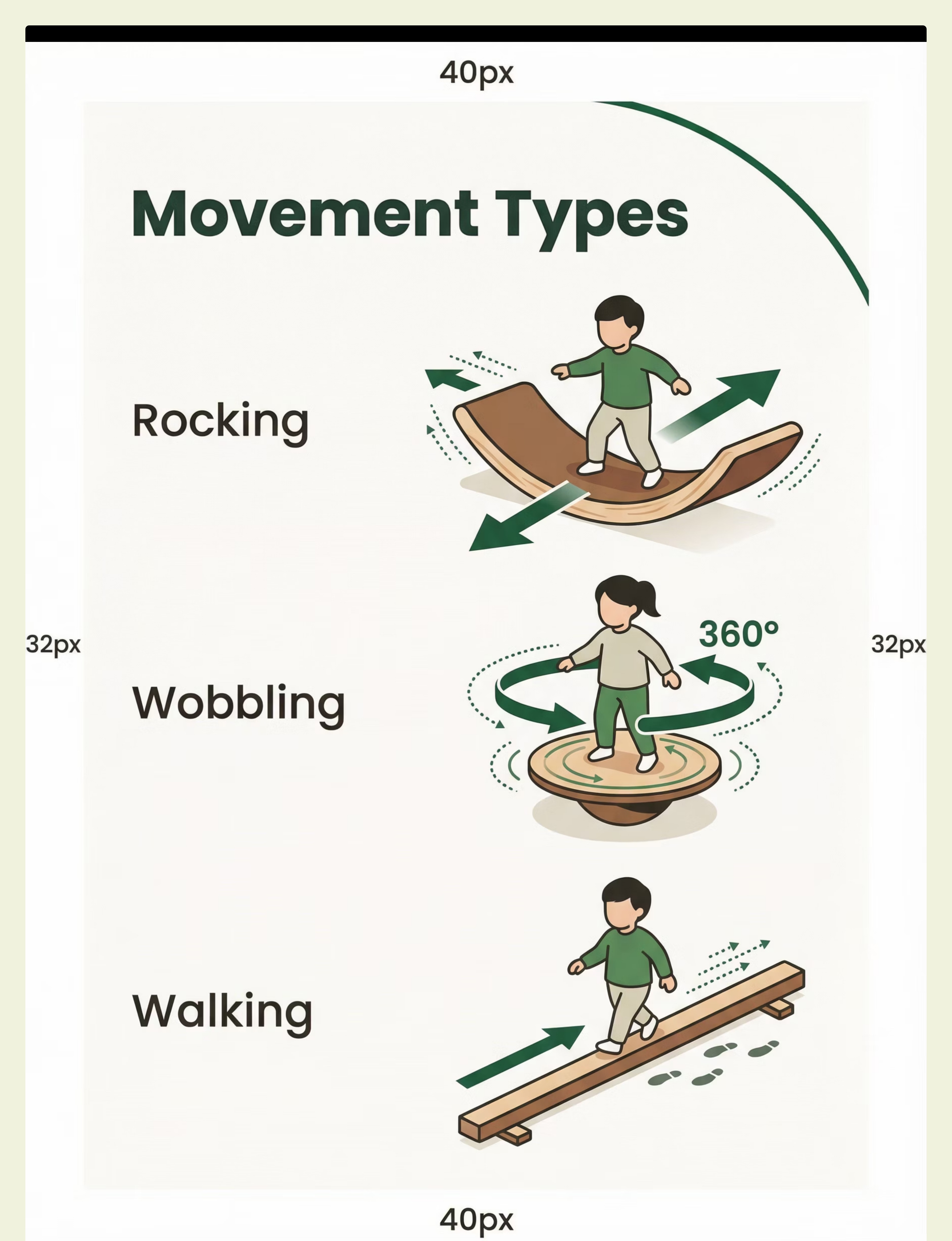
Balance Types
Rocker
Rocks in one plane (front-back or side-side). Most predictable, best for beginners.
Wobble
360° instability. Challenges balance in all directions, strengthens ankles.
Beam
Linear balance challenge. Develops walking balance and motor planning.
Pods
Point-to-point balance. Creates variable challenge paths.
Disc
Soft, conforming instability. Gentlest option, highly portable.
Materials & Key Features
Materials: Wood, Plastic, Foam, Inflatable PVC
- Non-slip surface (essential for safety)
- Appropriate challenge level for child's ability
- Durable construction for repeated use
- Safe edges (rounded, smooth, no splinters)

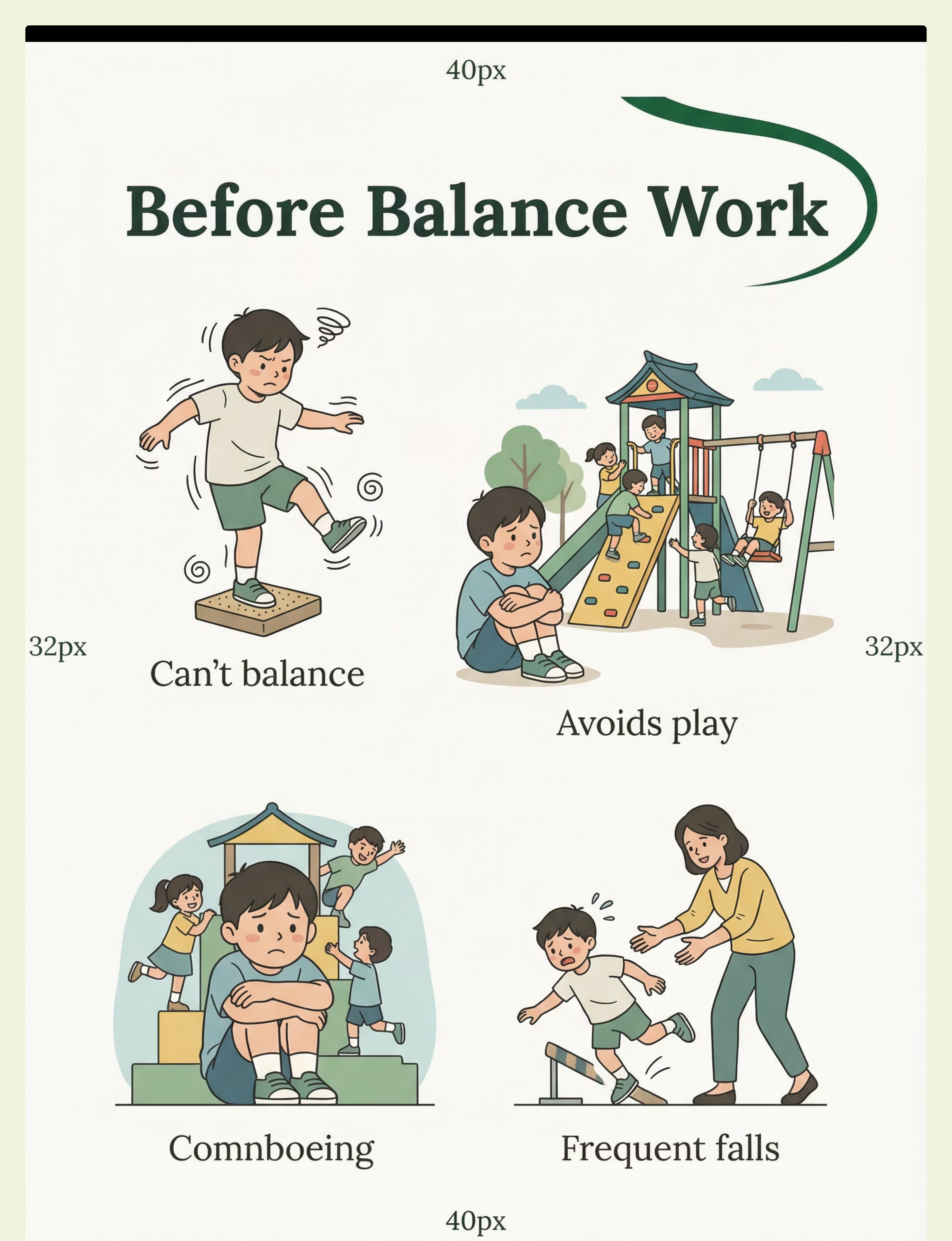
The Struggle (Before)
Balance Challenge
Situation: Child can't balance on one foot. Falls frequently. Avoids physical activities. Confidence low.
Emotion: Frustration, avoidance
Playground
Situation: Other kids climb and balance. This child stays on ground. Too scared. Missing out on development.
Emotion: Fear, exclusion
Daily Movement
Situation: Child trips over nothing. Bumps into furniture. Poor body awareness. Parents always worried.
Emotion: Concern, frustration
These struggles are real and impact not just physical development, but confidence, social participation, and family stress. Without intervention, children may continue to avoid physical challenges, missing crucial developmental opportunities.

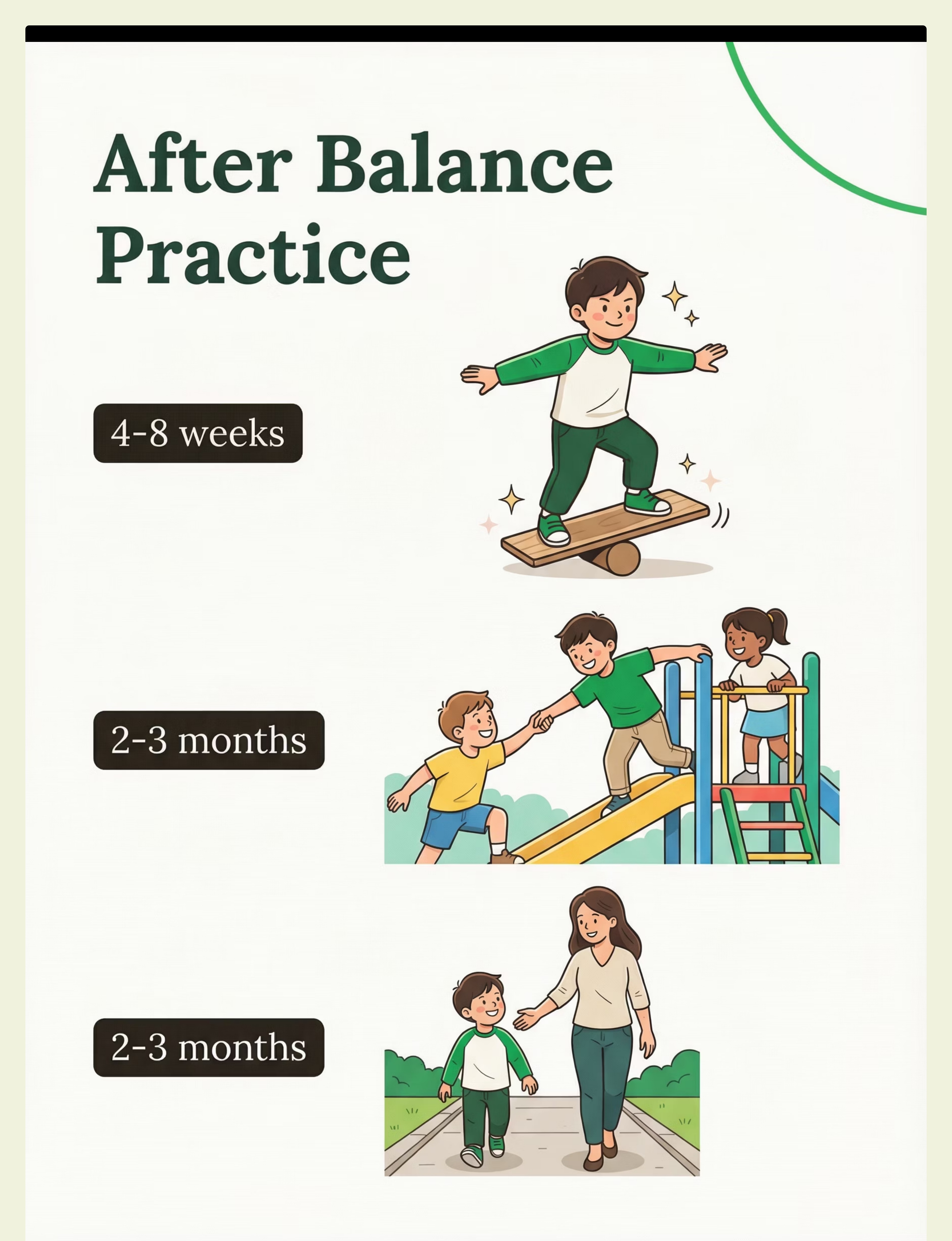
The Breakthrough (After)
Balance Challenge
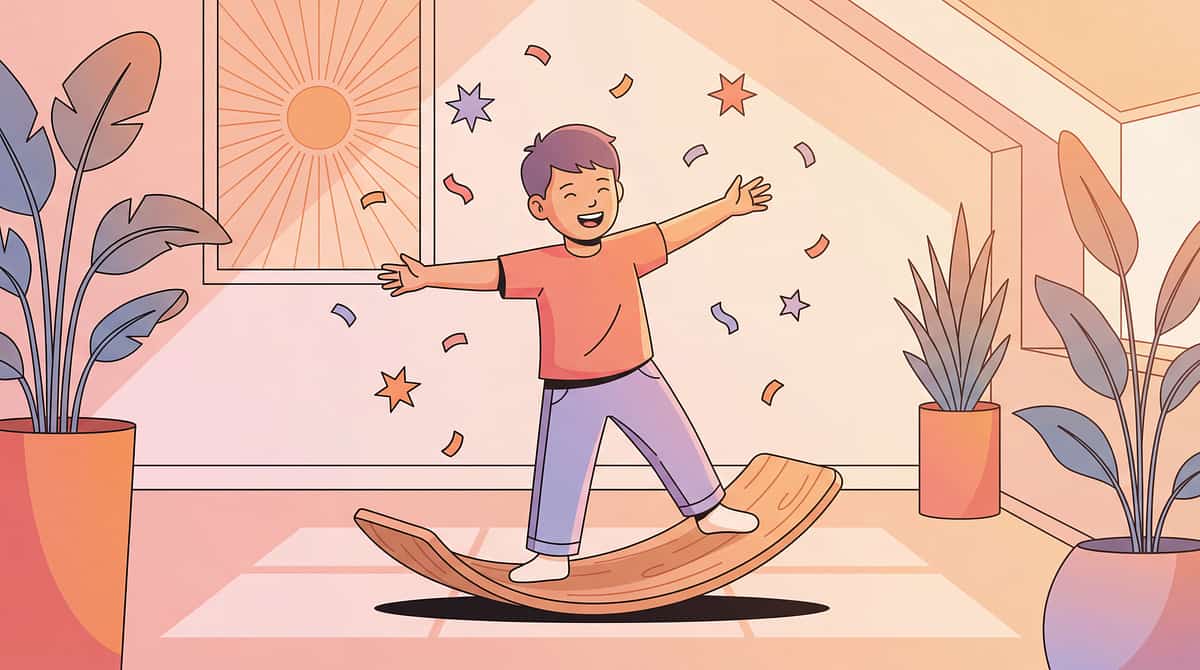
Situation: Started with rocker board, supported. Built to standing alone. Now balances on wobble board. Confidence growing.
Emotion: Pride, capability
4-8 weeks
Playground
Situation: Balance practice at home transferred. Now climbs, balances on playground. Joins other kids. Included.
Emotion: Confidence, inclusion
2-3 months
Daily Movement
Situation: Better body awareness. Fewer trips and falls. More coordinated. Parents less worried.
Emotion: Security, progress
2-3 months
With consistent practice and appropriate progression, children develop the balance skills and confidence they need to participate fully in physical activities and daily life.

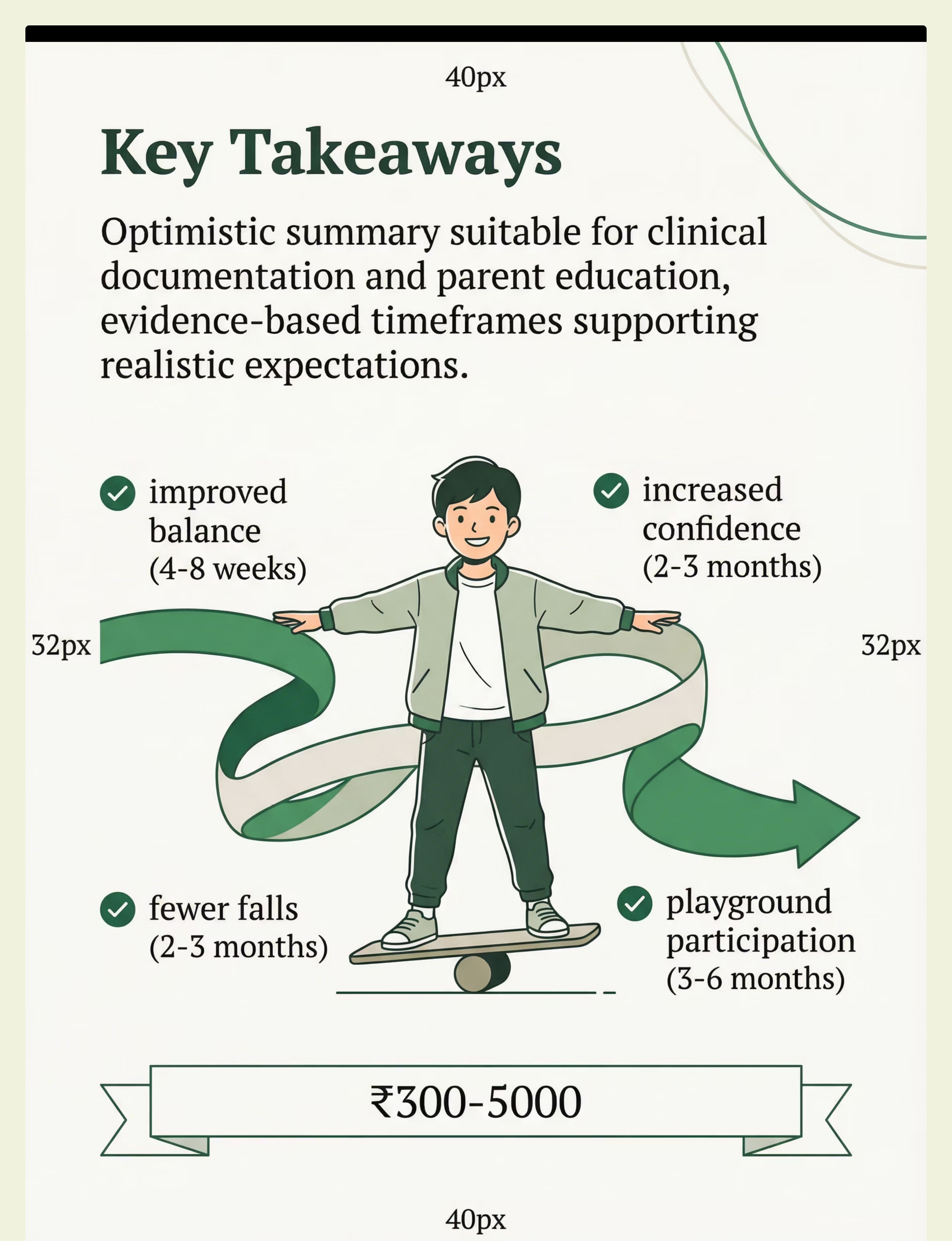
What to Expect (Realistic Timelines)
Improved static balance
Ability to stand still on unstable surface increases
4-8 weeks
Better dynamic balance
Movement while balancing becomes more controlled
2-3 months
Increased confidence in physical activities
Willingness to try new movement challenges grows
2-3 months
Fewer falls and trips
Improved body awareness reduces accidents
2-3 months
Better body awareness
Proprioceptive feedback improves spatial orientation
4-8 weeks
Participation in playground/sports
Skills transfer to real-world physical activities
3-6 months
Progress varies by child, starting skill level, and practice consistency. Celebrate small wins along the way—every improvement matters. Regular practice, even just 5-10 minutes multiple times daily, yields better results than occasional longer sessions.

Is This Right for My Child? (2-Minute Check)
Does your child have difficulty with balance?
If yes, this indicates: Balance board will help
96% fit score
Does your child fall or trip frequently?
If yes, this indicates: Balance and body awareness work needed
92% fit score
Does your child avoid physical/balance activities?
If yes, this indicates: Graded balance challenges will help
88% fit score
Would your child benefit from better coordination?
If yes, this indicates: Balance work improves coordination
85% fit score
Scoring: 3+ "yes" answers = strong fit. Balance boards are beneficial for most children with motor coordination challenges. Even one "yes" suggests potential benefit.

Usage Guide
When to Use ✓
- Daily practice (5-10 minutes)
- Movement breaks during homework or screen time
- Part of obstacle course play
- Before activities requiring focus
- Playful challenges and games
When NOT to Use ✗
- If child is fearful (scale back challenge)
- Without appropriate supervision
- On slippery floor
- Challenge level too high
Supervision by Age
Under 4 | Hands-on support | |
4-6 years | Close supervision, spotting | |
6+ years | Monitoring, increasing independence |
Duration: 5-10 minutes multiple times daily, or incorporated into play
Home
School
Clinic
Choose challenge level based on ability, not just age. Always prioritize safety and confidence-building over rapid progression.

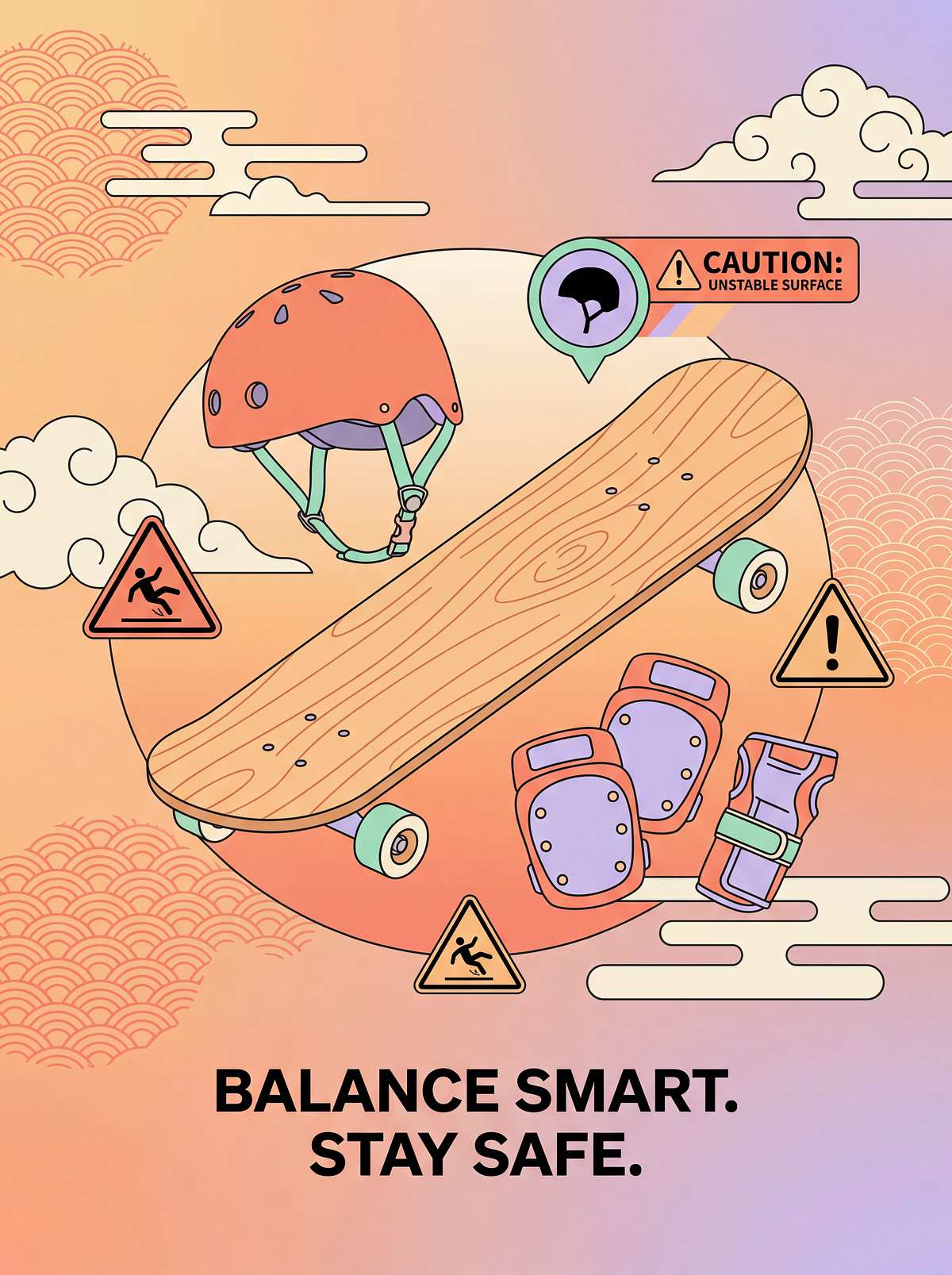
Safety First
Critical Safety
- Start with support (wall, adult hand)
- Clear area around board
- Non-slip surface on board AND floor
- Supervise until child is safe
Warnings
- Progress gradually - don't rush
- Stop if child is overly fearful
- Check equipment for damage
- Appropriate weight limits
Contraindicated
- Unsupervised use before ready
- Excessive fear without support
- Damaged equipment
- Severe balance impairment without professional guidance
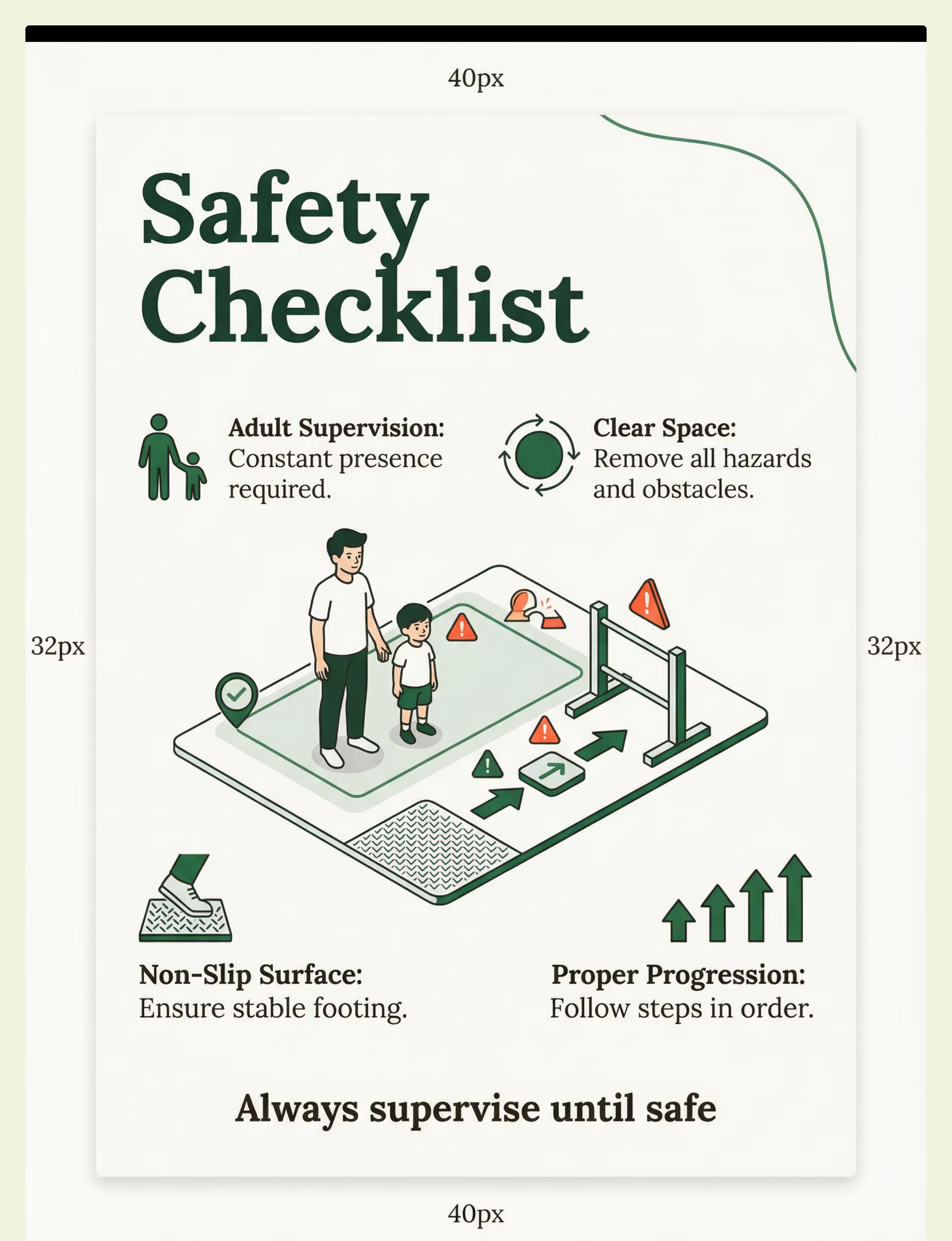
Safety Checklist
Before Use
- Equipment checked for safety
- Clear area around
- Non-slip surfaces
- Support available if needed
During Use
- Supervision appropriate to skill
- Child feels safe
- Gradual progression
- Celebrating effort
Signs to Stop
- Excessive fear or distress
- Pain or discomfort
- Loss of concentration
- Equipment malfunction

Common Questions (Honest Answers)
Q: They'll fall and get hurt
A: Start with support! Hand on wall, adult spotting, lowest challenge level. Progress gradually. Falls from low balance boards are minimal risk with supervision. Build skills safely before challenge.
Try this: Start supported; progress gradually; supervise.
Q: My child is scared of balance activities
A: Fear is common. Start with stable activities - walking on line on floor. Progress to foam beam. Then rocker board with support. Build confidence before challenge. Never force.
Try this: Start with floor activities; build confidence gradually.
Q: Will they really use it?
A: Make it fun! Balance games, obstacle courses, challenges. Waldorf boards double as toys. Incorporate into play, not just 'therapy.' When it's play, they'll use it.
Try this: Make balance activities playful and fun.
Q: We don't have space
A: Balance boards store easily (under bed, in closet). Balance discs are highly portable. Even a line of tape on floor works for balance practice. Space-flexible options exist.
Try this: Use portable options; store easily; tape lines work.

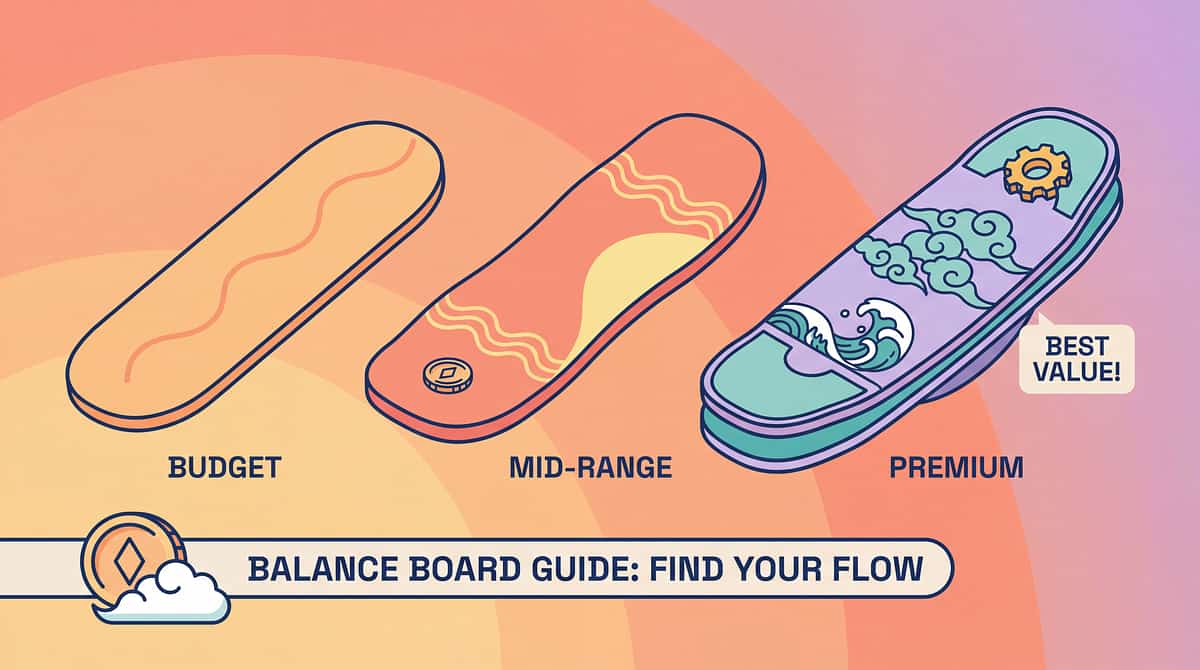
Investment Guide
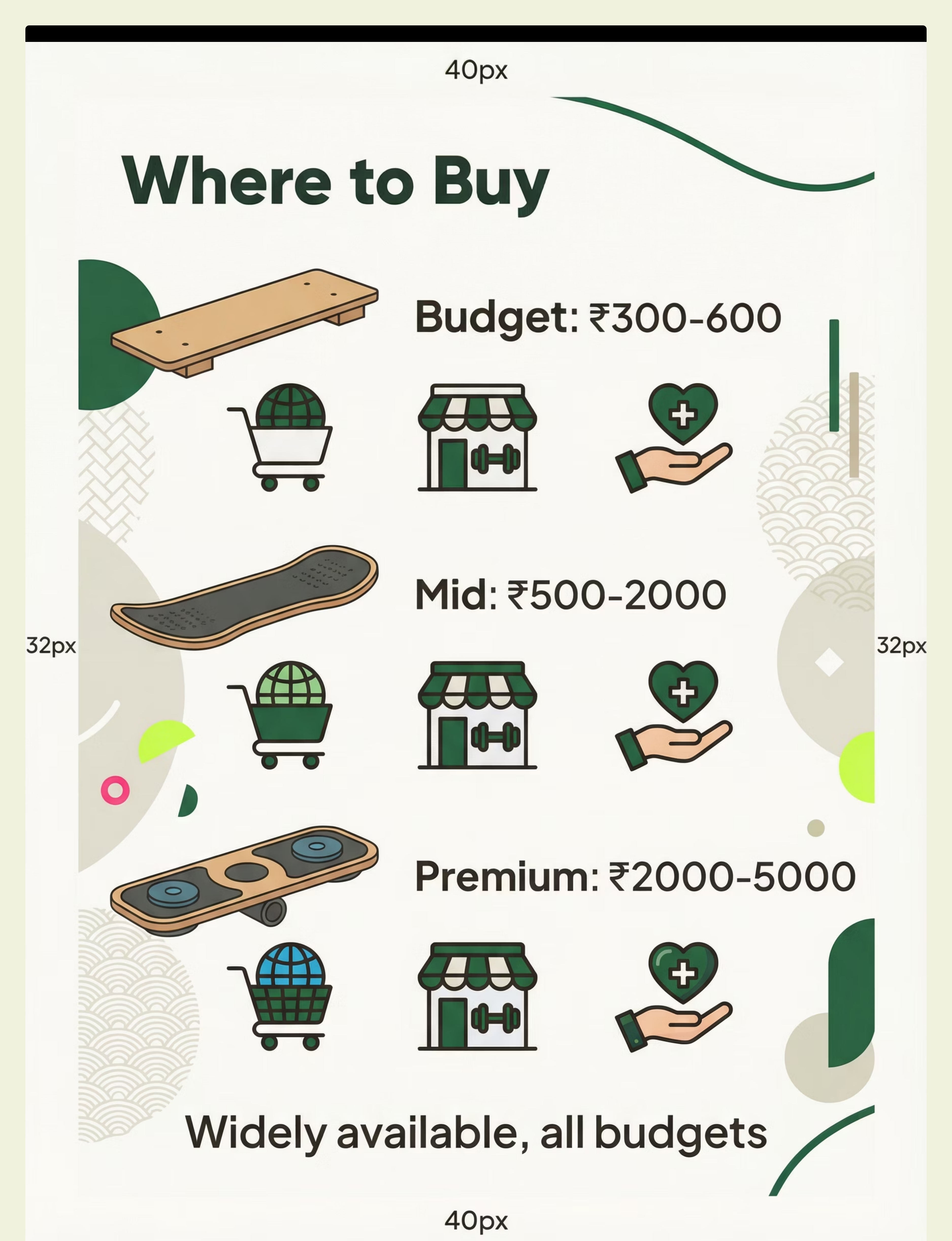
Overall Investment Range: ₹300–5,000 (USD $4–60)
Budget Option
Basic rocker board or balance disc
Cost: ₹300-600
Effective entry-level balance tool that delivers real results. Perfect for getting started without major investment.
Premium Option
Waldorf curved balance board or complete balance kit
Cost: ₹2,000-5,000
Brands: Kinderfeets, Wobbel, Little Partners
Multi-purpose investment that grows with your child and doubles as open-ended play equipment.
Best starting point: For most families, a basic rocker board (₹500-1,500) or balance disc (₹300-800) provides excellent value and effectiveness. Upgrade to wobble boards or Waldorf boards as skills and budget allow.

Where to Buy in India
Availability: Widely Available across multiple online and offline platforms
Amazon.in | balance board kids | ₹500-2,000 | |
Amazon.in | wobble board children | ₹600-1,500 | |
Amazon.in | stepping stones kids | ₹500-1,500 | |
Amazon.in | balance disc | ₹300-800 | |
Decathlon | balance board | ₹500-1,000 |
Buying Tips
- Start with rocker board (easier than wobble)
- Non-slip surface essential
- Age-appropriate challenge level
- Waldorf boards are multi-purpose investment
- Stepping stones create variable challenges
Red Flags
- Slippery surface
- Too challenging for skill level
- Poorly constructed (splinters, sharp edges)
- Not weight-rated appropriately

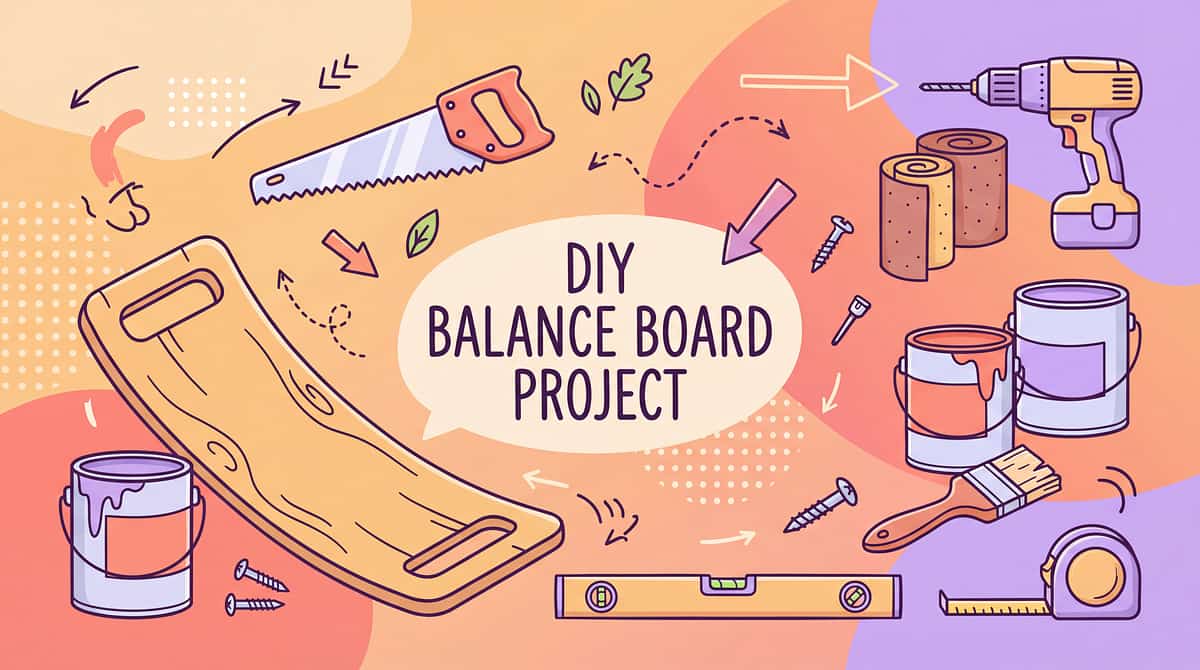
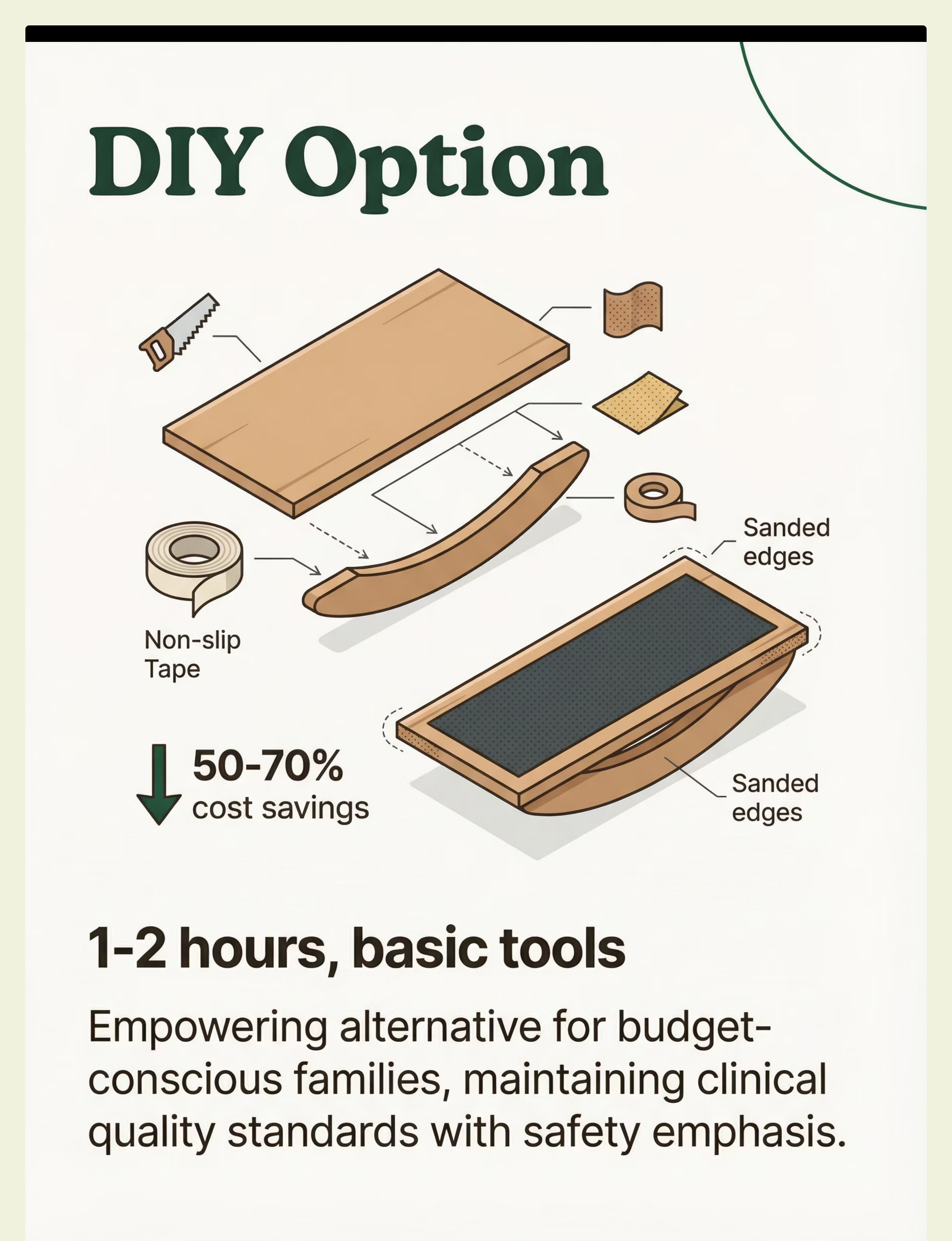
DIY Alternative (Save 50-70%)
Feasibility: Medium-High | Time Required: 1-2 hours | Cost Savings: 50-70%
Materials Needed
- Wood board (smooth, splinter-free)
- Half cylinder or ball for base
- Non-slip tape
- Sandpaper for edges
DIY Steps
1
Create rocker board
Attach half-round wood piece to bottom of flat board securely
2
Sand all edges smooth
Ensure no splinters or sharp edges that could cause injury
3
Apply non-slip tape
Cover top surface to prevent slipping during use
4
Balance beam option
Use 2x4 wood on floor or slightly raised for linear balance
5
Tape line alternative
Painter's tape on floor for basic balance walking practice
DIY vs Commercial
When to DIY
- Budget-conscious
- Basic rocker board needed
- Comfortable with woodworking
- Floor-level balance activities sufficient
When to Buy Commercial
- Want tested safety features
- Need wobble board (harder to DIY)
- Prefer professional finish
- Clinic/school setting requires standards
Tradeoffs: DIY options are less polished than commercial products and require extra attention to safety. However, they can be highly effective and budget-friendly for home use.
Preview of balance board wobble board Therapy Material
Below is a visual preview of balance board wobble board therapy material. The pages shown help educators, therapists, and caregivers understand the structure and content of the resource before use. Materials should be used under appropriate professional guidance.


Share this resource
Help others discover thisLink copied!

Measuring Success & Next Steps
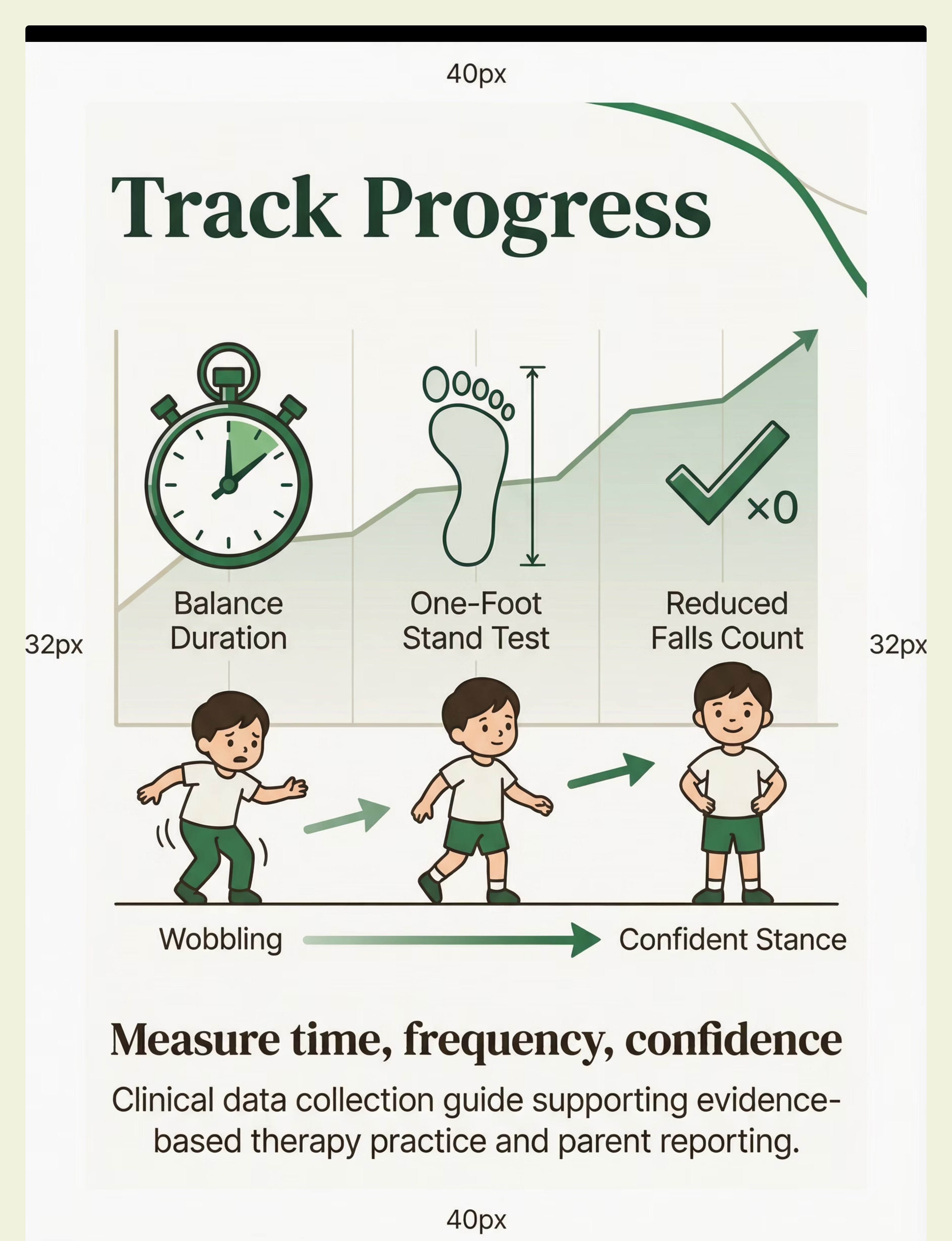
Track Progress
Baseline Measures
- Standing balance (one foot, eyes open/closed)
- Walking beam width tolerated
- Fear level with balance activities
- Falls/trips frequency
Goals
- Stand on balance board for target seconds
- Walk across balance beam independently
- Attempt balance activities without fear
- Reduce falls/trips by 50%
Success Indicators
- Increased balance duration
- Less support needed
- Seeking balance challenges
- Improved playground participation
- Fewer falls
Complete the Kit: Pair It With...
Therapy Swing (ID: 6.1)
Adds vestibular input to complement balance training
Therapy Ball (ID: 6.2)
Builds core strength essential for balance development
Scooter Board (ID: 6.4)
Provides prone vestibular input and motor planning
Tunnel (ID: 6.6)
Adds motor planning challenges to movement activities
Recommended Bundle
Balance Builder Kit: Balance Board (6.3) + Balance Beam (6.3.3) + Stepping Stones (6.3.4) — Progressive balance development from stable to challenging surfaces
Motor Planning Course: Balance Board (6.3) + Tunnel (6.6) + Scooter Board (6.4) — Complete obstacle course components for comprehensive motor development
Quick Summary
Balance boards develop vestibular-proprioceptive integration, improving balance, coordination, and body awareness. Core Kit (Rank 1), strong evidence, fundamental motor tool.
balance
wobble
vestibular
proprioception
coordination
motor
PT
OT
core-kit
Common searches: balance board kids, wobble board autism, balance beam children, stepping stones kids, balance disc therapy, vestibular balance, coordination autism
Get Support
FREE National Autism Helpline
Phone: 9100 181 181
Languages: 16+ languages supported
Website: pinnacleblooms.org
Platform Integration
AbilityScore® identifies balance and coordination patterns in your child's assessment. TherapeuticAI® prescribes personalized balance activities based on your child's needs. EverydayTherapyProgramme™ includes balance challenges integrated into daily routines. Motor Development Index tracks balance progress over time with objective measurements.
Disclaimer: This is educational information. Always consult qualified occupational therapists, speech-language pathologists, or pediatricians for personalized guidance. Individual results vary based on child's unique needs, consistency of practice, and starting skill level.