




Climbing & Active Play Equipment for Sensory Development
Proprioceptive and motor challenge outdoor system
PT + OT
Rank #1
Strong Evidence
Daily Use
₹500–50,000
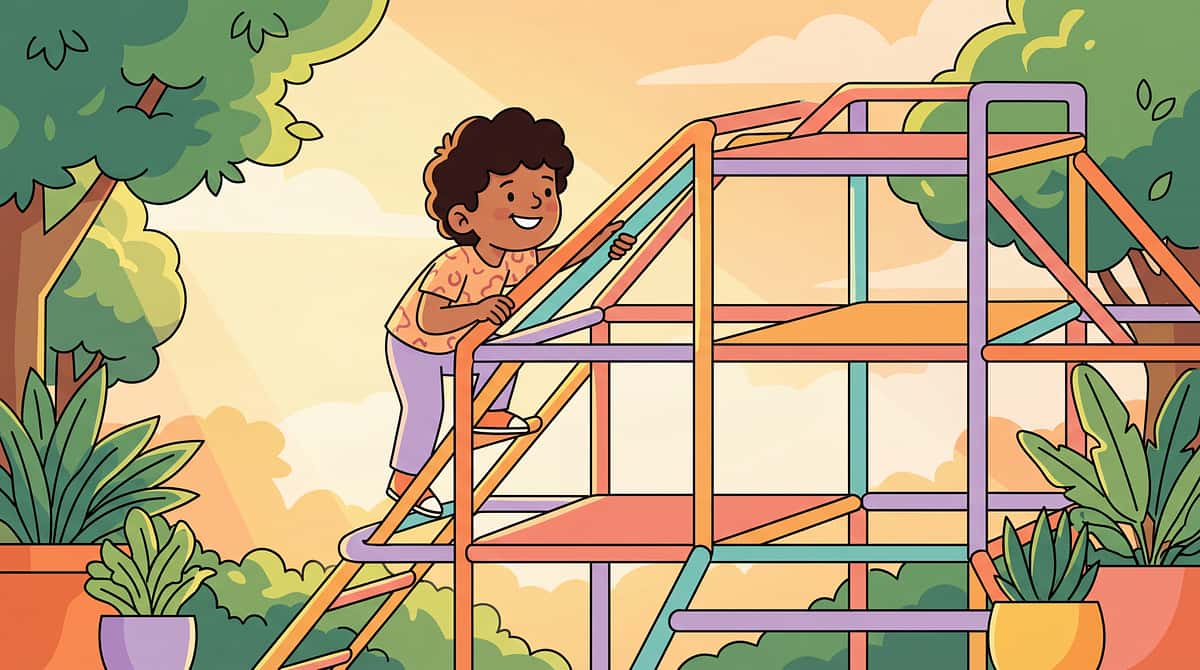
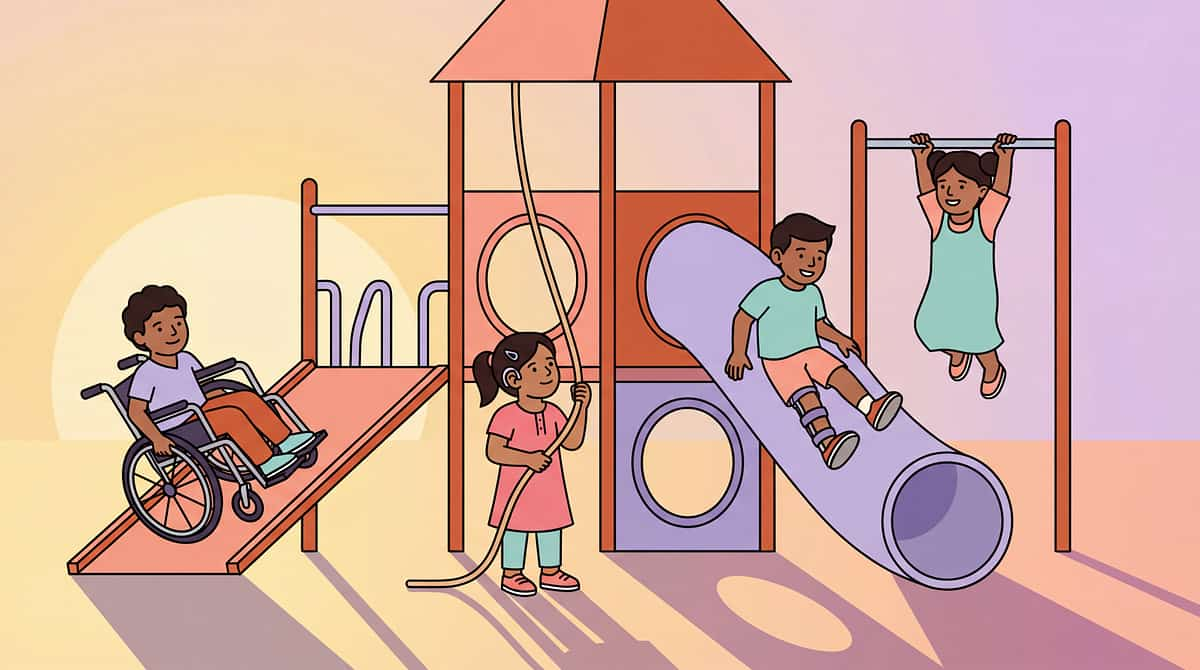
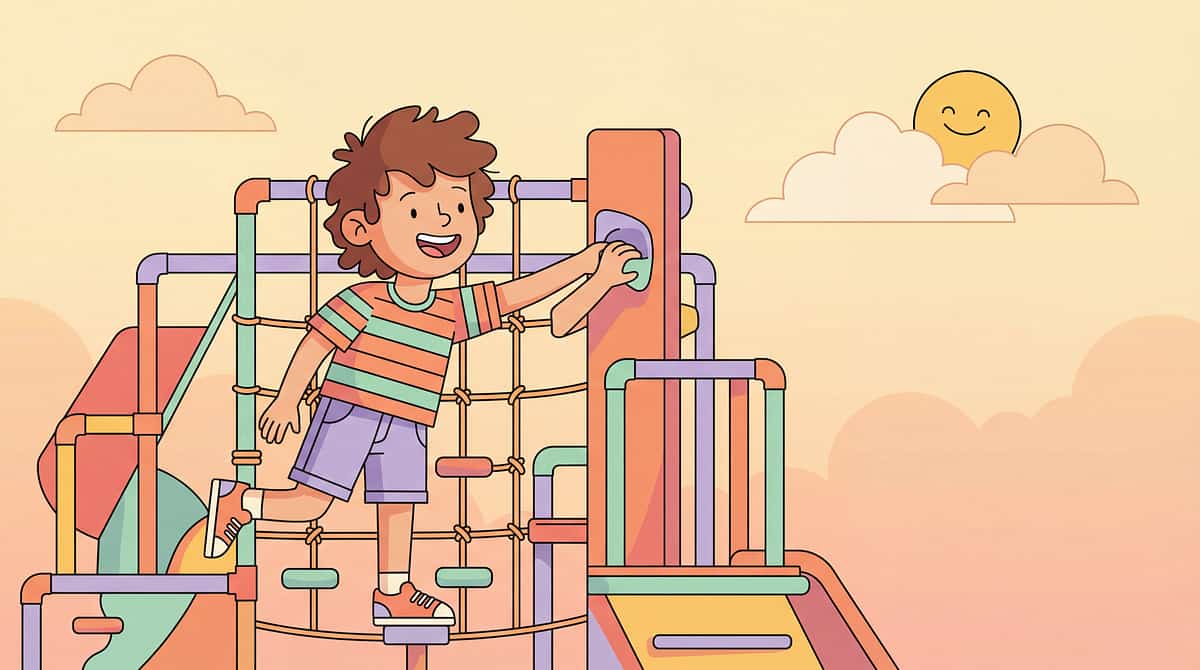
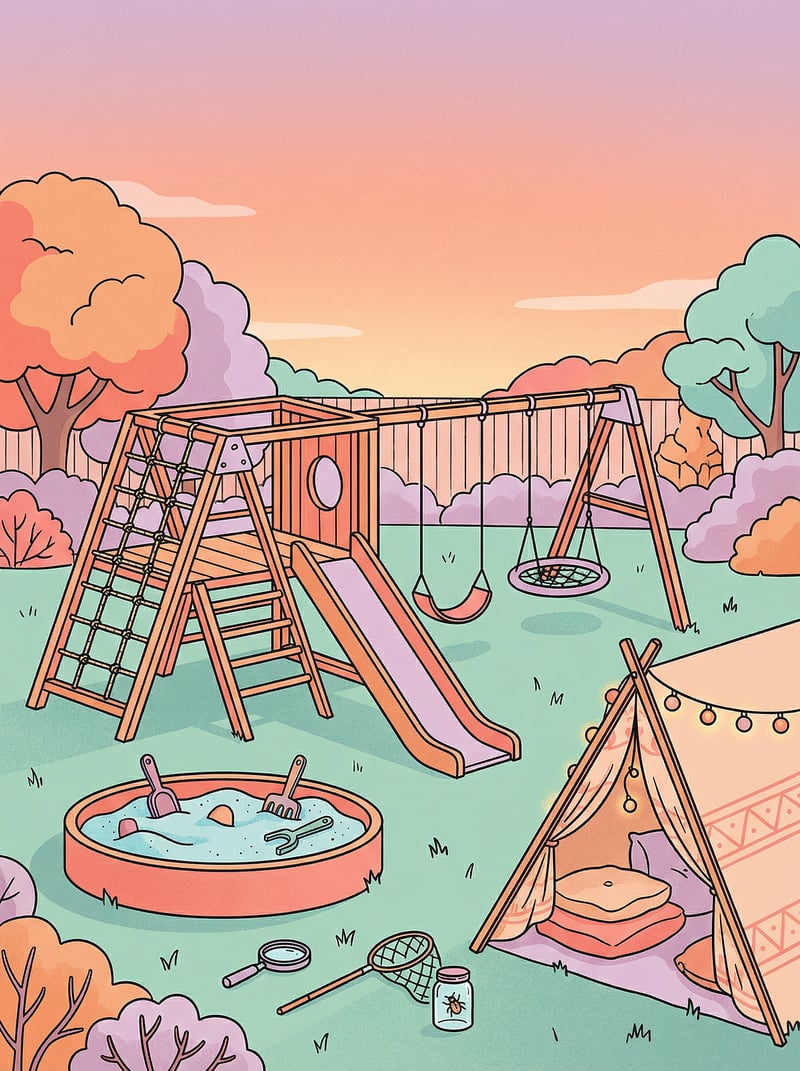
Transform your backyard into a therapeutic playground that builds strength, confidence, and motor skills through climbing, balancing, and active play. Climbing equipment provides intense proprioceptive input while developing gross motor abilities, motor planning, and body awareness in children with autism and developmental differences.

Who This Helps
Gross Motor Skills
Develops strength, coordination, and fundamental movement patterns
Motor Planning
Challenges sequencing and problem-solving through physical movement
Body Awareness
Builds proprioception and understanding of body in space
Balance & Coordination
Strengthens vestibular and proprioceptive integration
Ages 2+ years
Backyard
Playground
School
Best For:
Children seeking intense physical input
Children with low muscle tone
Needing strengthening activities
Kids with motor planning challenges
Requiring practice opportunities
Active learners
Those who thrive through movement-based development

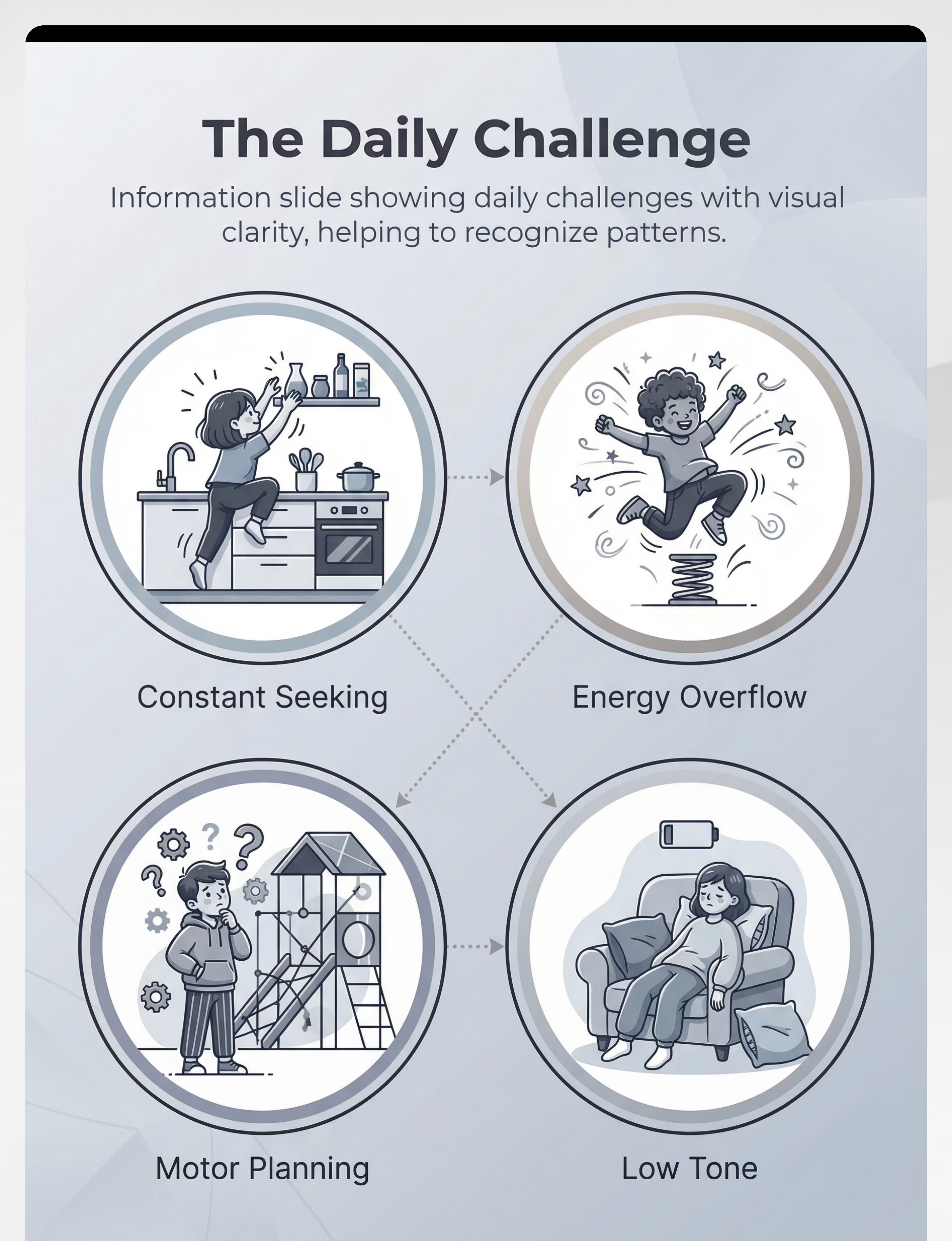
Does This Sound Familiar?
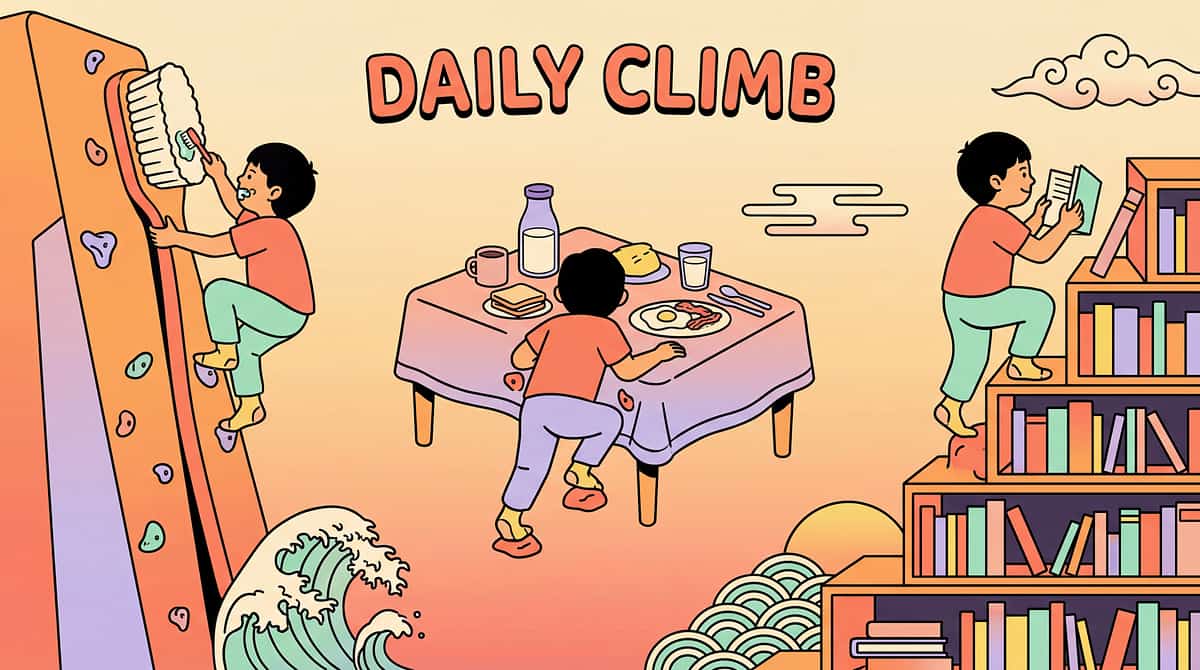
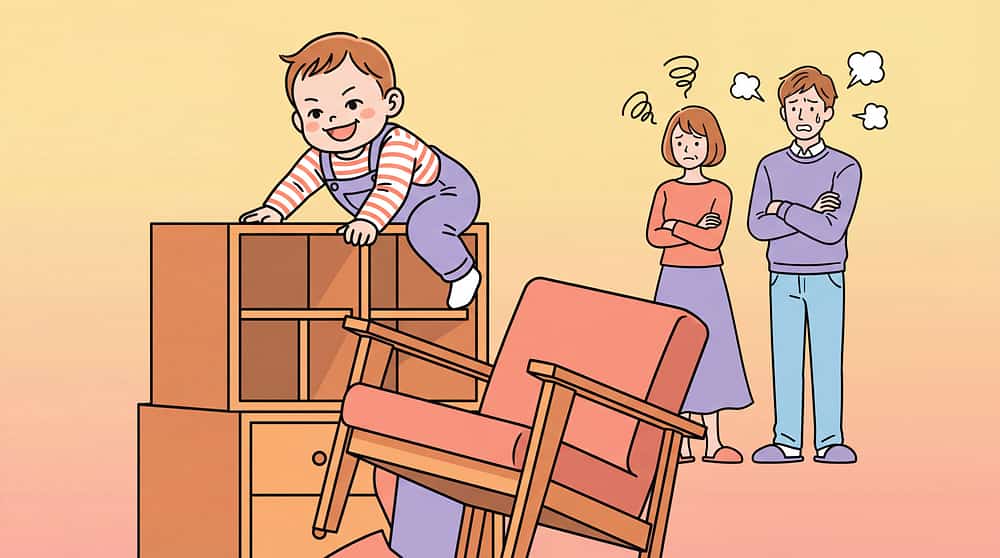
"He's climbing on furniture constantly — tables, counters, shelves. I'm terrified he'll get hurt, but nothing stops him."
"She needs such intense physical activity to regulate. Without it, she's dysregulated all day."
"He has low muscle tone and gets tired so easily. He avoids physical activities that other kids love."
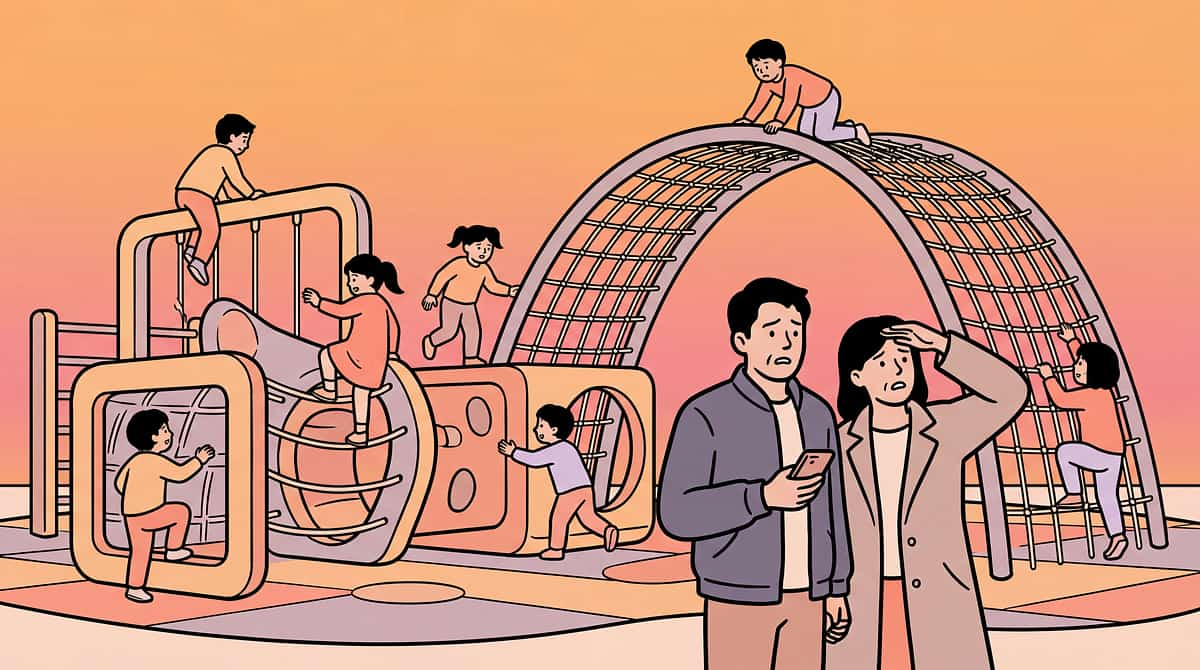
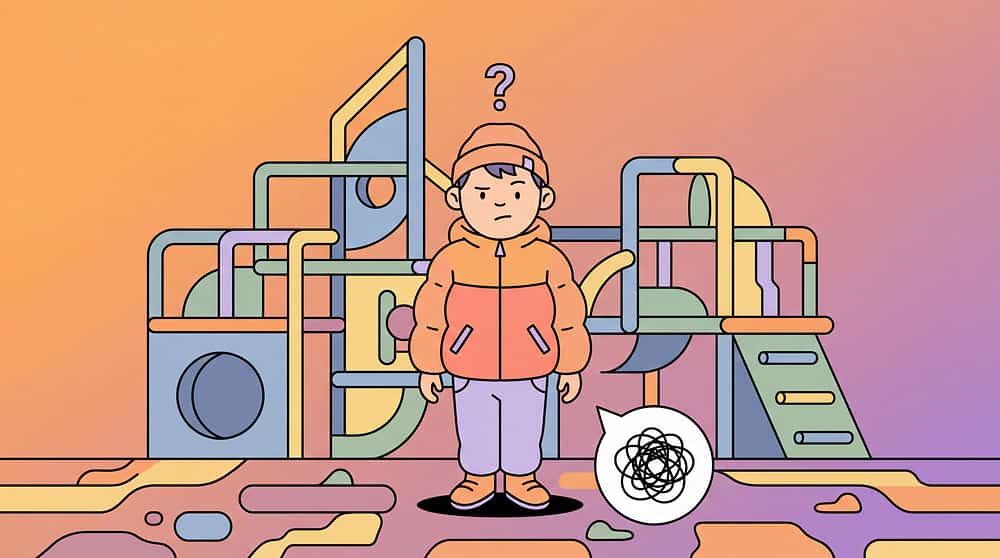
"She can't motor plan complex movements. Playgrounds overwhelm her and she just stands there confused."
"He has so much energy to burn but playgrounds are too crowded and overstimulating for him."
You're not alone. These are common challenges families face. Climbing equipment provides a safe, therapeutic outlet for these very real needs while building essential developmental skills.

A Day Without the Right Support
Morning Seeking
Climbing on furniture, kitchen counters, dangerous places. Constant redirection exhausts everyone before the day even begins.
Transitions
Dysregulated without physical outlet. Meltdowns during transitions. Body craves movement that isn't available safely.
Therapy/School
Motor planning challenges apparent. Avoids physical activities. Falls behind peers. Confidence drops with each avoided challenge.
Bedtime
Unspent energy makes settling impossible. No heavy work completed. Sensory needs unmet. Everyone exhausted and frustrated.

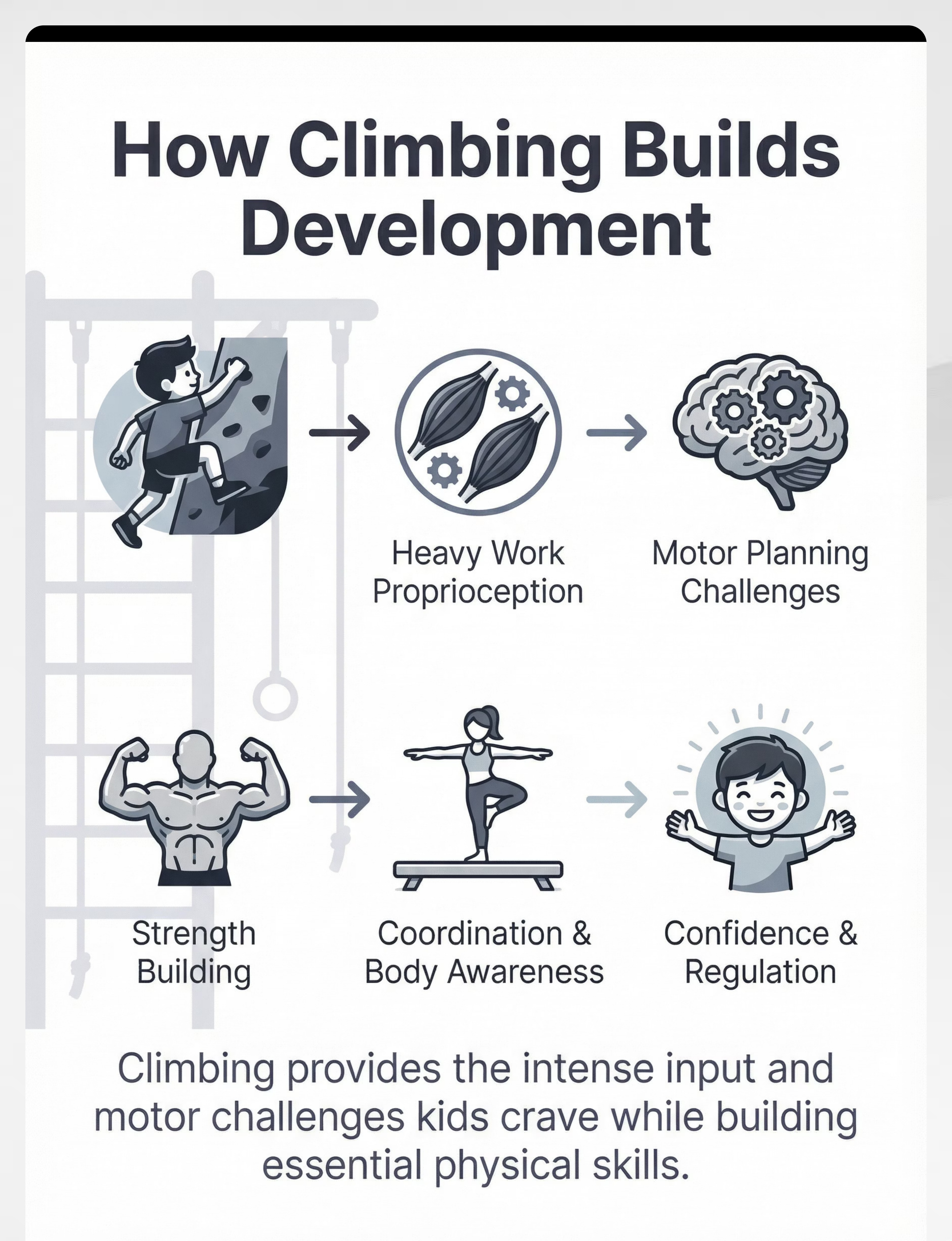
The Science Behind It
Climbing & Active Play
Child engages with climbing equipment, pulling body weight upward
Heavy Work Proprioception
Muscles and joints send strong sensory signals to the brain
Motor Planning Challenges
Brain sequences complex movements: where to grip, how to position body
Strength Building
Repeated practice builds muscle tone, coordination, body awareness
Confidence & Regulation
Physical mastery leads to self-regulation through purposeful exertion
Gross Motor Skills
Proprioception
Motor Planning
Strength
Coordination
Balance
Body Awareness

How to Use It Right
Match Challenge Level
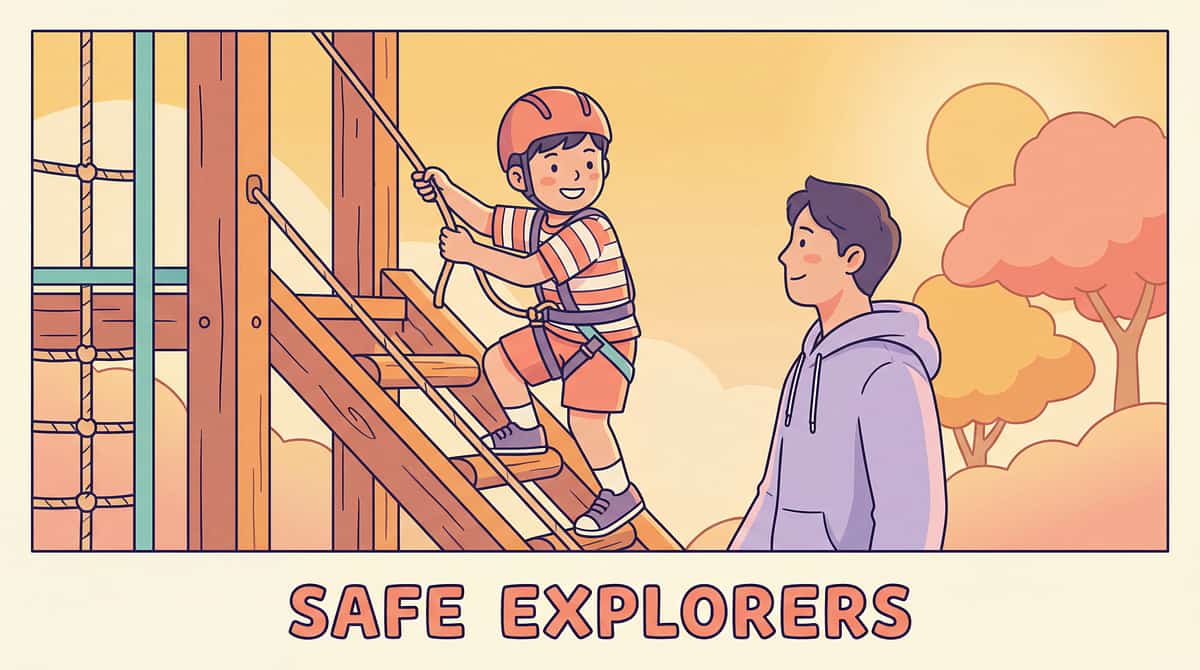
Choose equipment appropriate to your child's current ability. Too easy creates boredom; too difficult creates frustration and safety risk. Observe carefully and adjust.
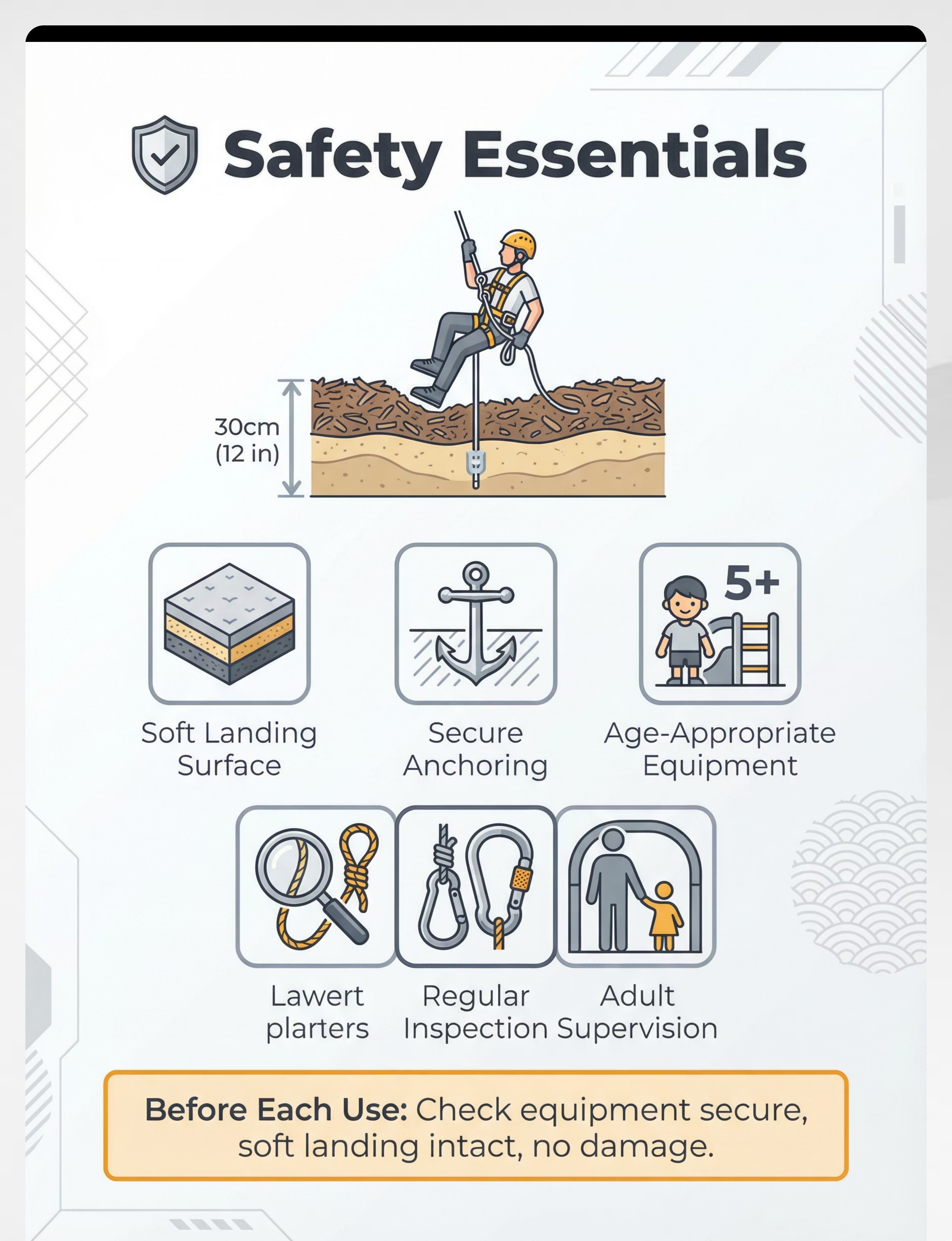
Ensure Soft Landing
Install 30cm depth of mulch, sand, or rubber surface beneath all equipment. This is non-negotiable for safety. Check depth regularly.
Supervise Closely
Active supervision essential, especially for children with motor planning challenges. Be present, attentive, and ready to spot or assist.
Build Skills Gradually
Start with easier elements and progress slowly. Celebrate every attempt and small victory. Rushed progression undermines confidence.
Use for Heavy Work
Schedule climbing before sedentary activities like homework or therapy sessions. The proprioceptive input prepares the nervous system.
Celebrate Progress
Acknowledge attempts, not just successes. "You tried something new!" builds confidence more than "You made it to the top!"
Duration: Typical sessions last 15-45 minutes, but follow your child's engagement. Some days they'll climb for an hour; other days, 10 minutes is perfect.
Expert Endorsement
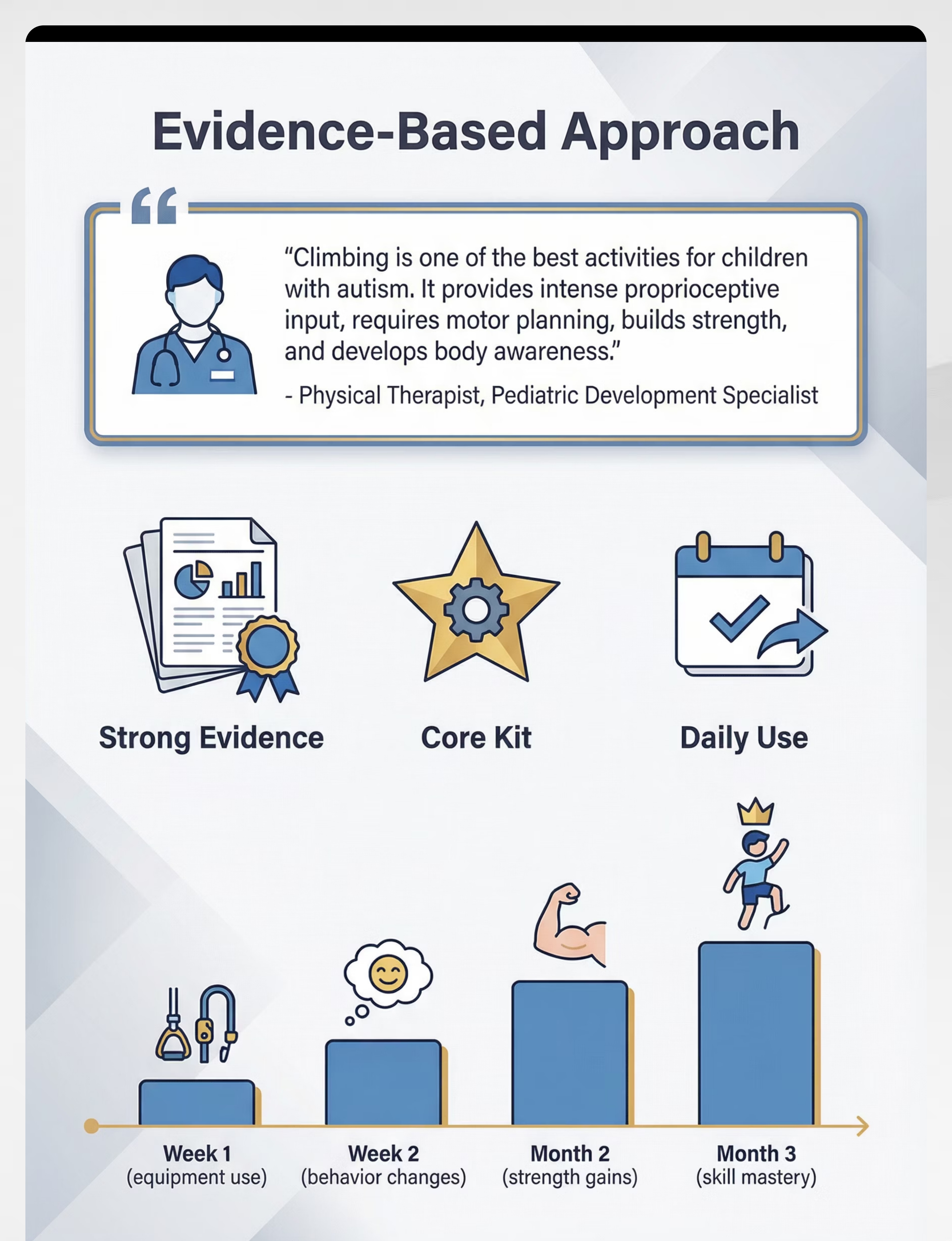
"Climbing is one of the best activities for children with autism. It provides intense proprioceptive input, requires motor planning, builds strength, and develops body awareness. Outdoor climbing equipment should be part of every child's daily routine."— Physical Therapist, Pediatric Development Specialist
PT + OT Recommended
Strong Evidence
Rank #1 in Category
Daily Use

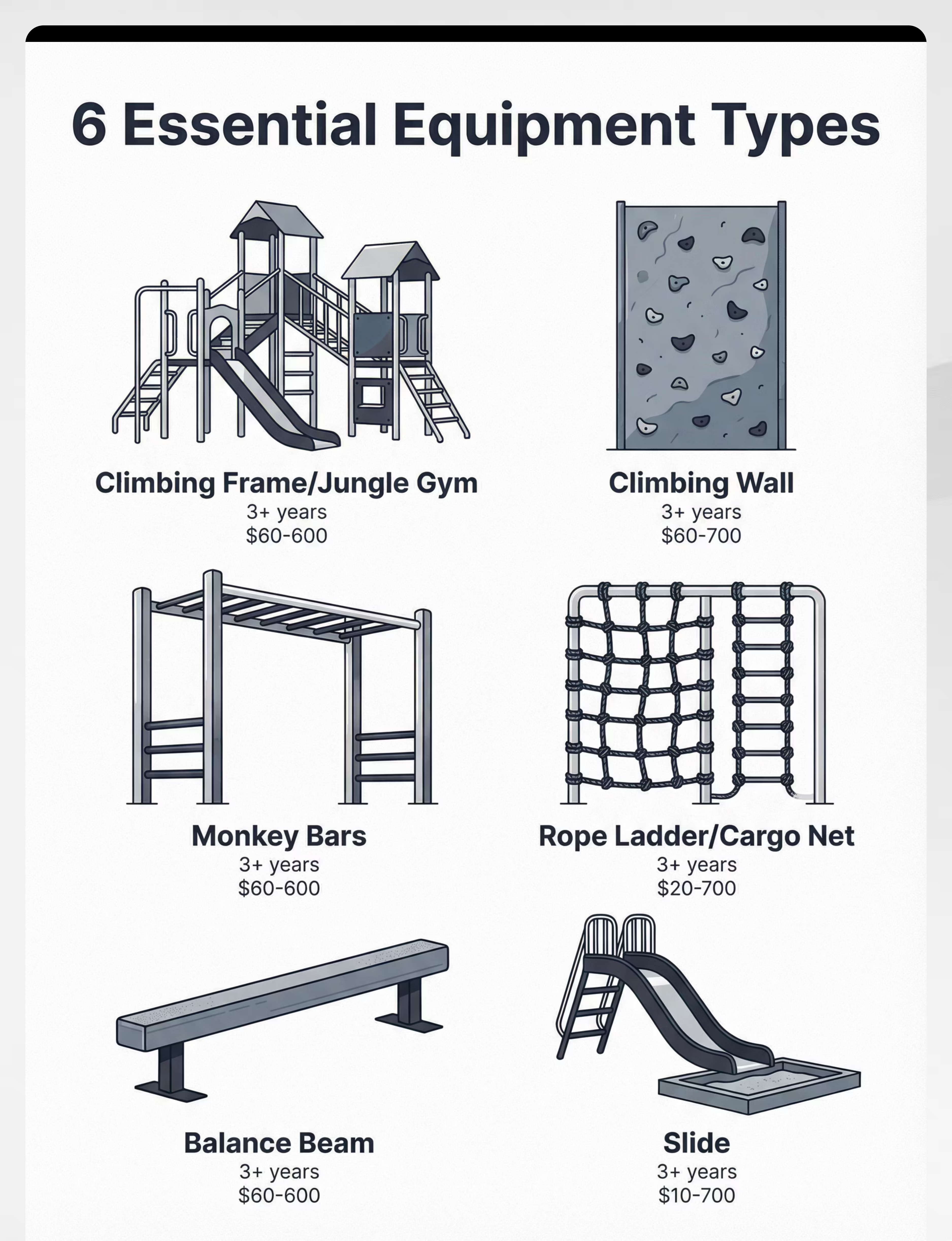
Choose Your Option (6 Variants)
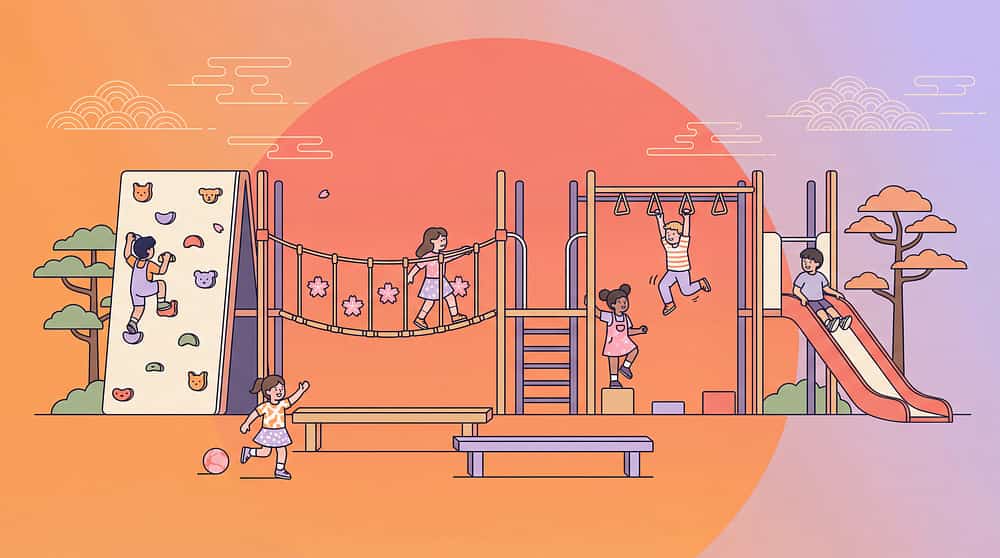
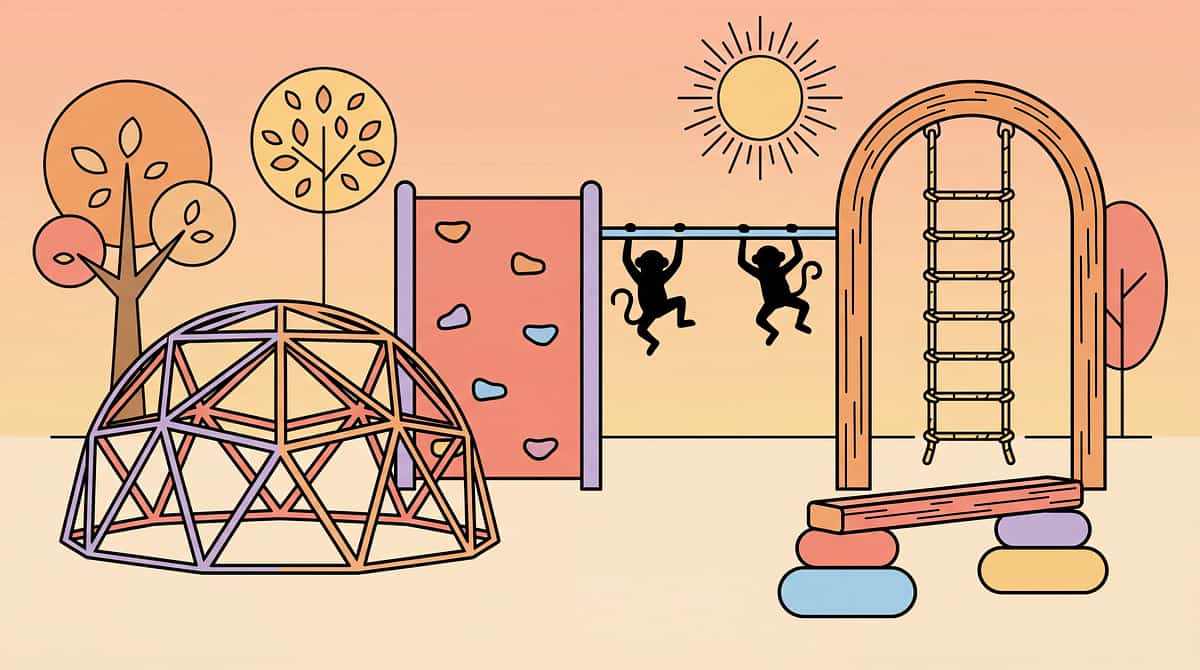
Climbing Frame / Jungle Gym
- Ages: 3+ years
- Settings: Backyard, Playground
- Portability: Installed (permanent)
- Price: ₹5,000–50,000
Climbing Wall (Outdoor)
- Ages: 4+ years
- Settings: Backyard, Playground
- Portability: Installed (wall-mounted)
- Price: ₹3,000–20,000
Monkey Bars
- Ages: 5+ years
- Settings: Backyard, Playground
- Portability: Installed (permanent)
- Price: ₹2,000–10,000
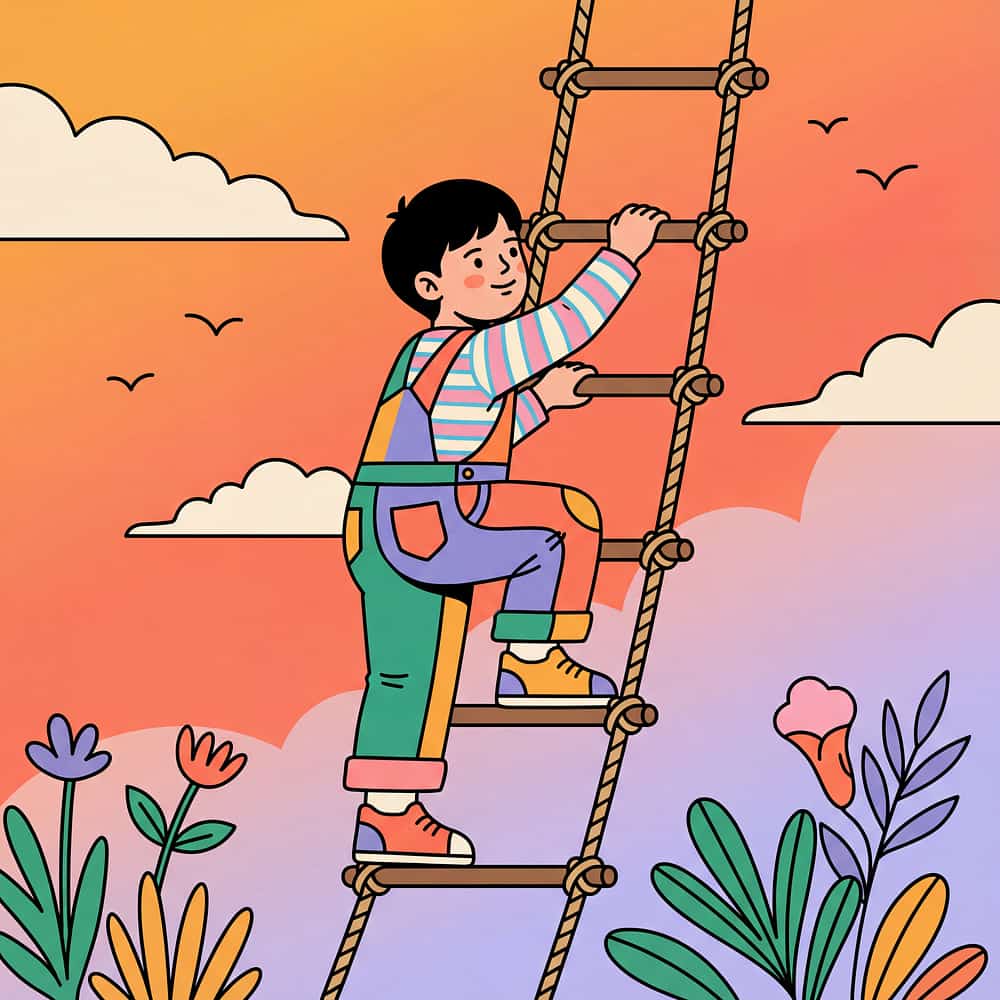
Rope Ladder / Cargo Net
- Ages: 4+ years
- Settings: Backyard, Playground
- Portability: Medium (can relocate)
- Price: ₹1,000–5,000
Balance Beam (Outdoor)
- Ages: 3+ years
- Settings: Backyard
- Portability: Low-Medium
- Price: ₹500–3,000
Slide
- Ages: 2+ years
- Settings: Backyard, Playground
- Portability: Low (attached structure)
- Price: ₹1,500–10,000
By Goal
- Calming: Balance beam, gentle climbing
- Strength: Climbing wall, monkey bars
- Motor planning: Jungle gym, rope ladder
- Vestibular: Slide, swinging elements
By Setting
- Small backyard: Balance beam, rope ladder, climbing wall
- Large backyard: Full jungle gym, multiple elements
- Portable needs: Rope ladder (medium portability)
By Age
- 2-3 years: Slide, low balance beam
- 4-5 years: Climbing wall, rope ladder
- 6+ years: Monkey bars, complex jungle gym
Specifications & Types Guide
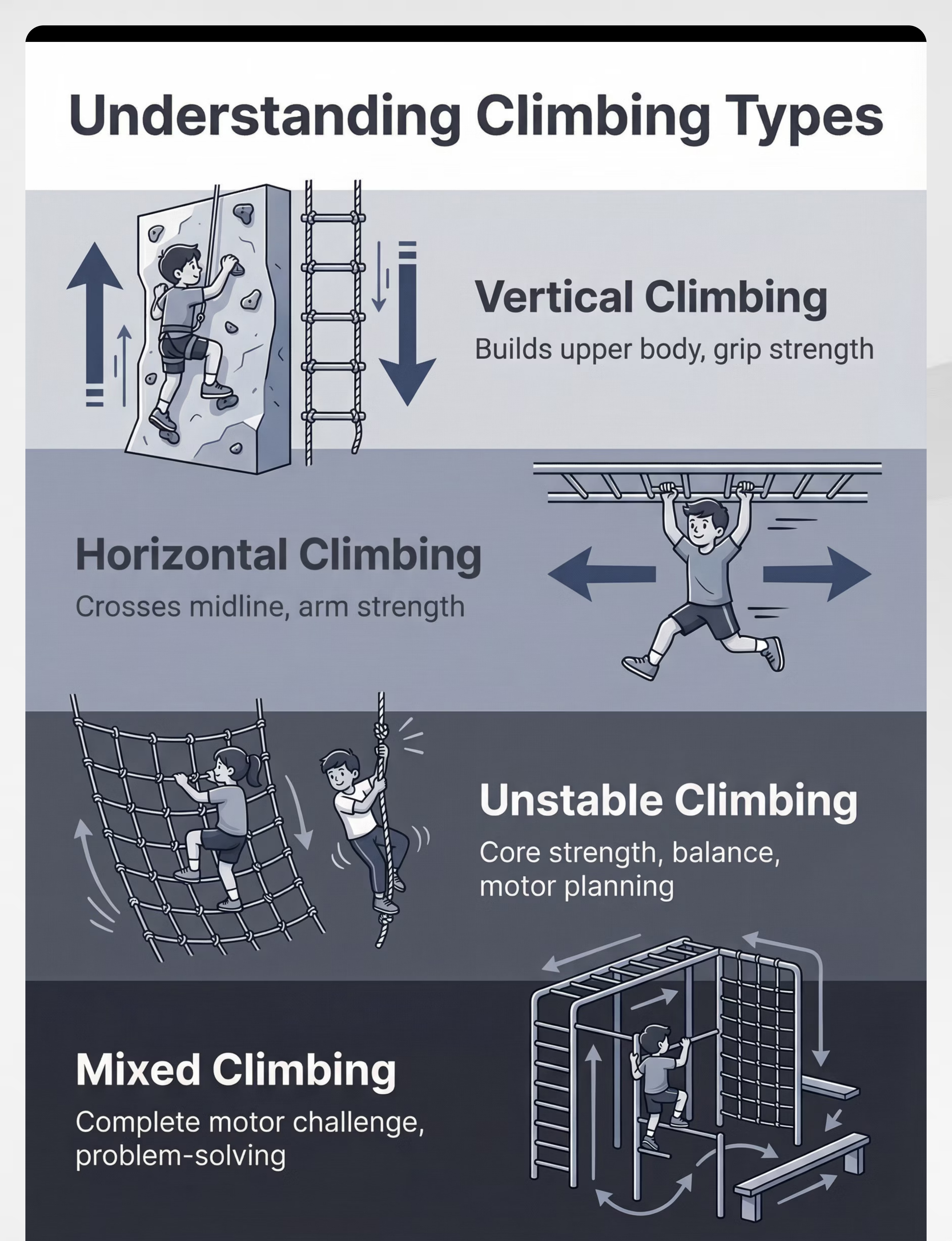
Climbing Types

Vertical
Climbing walls, ladders — up and down movement
Best for: Upper body strength, grip, pulling

Horizontal
Monkey bars, traversing — across movement
Best for: Arm strength, crossing midline, endurance

Unstable
Rope ladders, nets — variable surface
Best for: Core strength, balance, advanced motor planning

Mixed
Jungle gyms — multiple challenges combined
Best for: Comprehensive motor development, variety
Materials & Features
Common Materials
- Metal frames (galvanized or powder-coated)
- Plastic components (UV-resistant)
- Rope/net (weather-resistant)
- Wood (treated for outdoor use)
Key Features to Look For
- Weather-resistant construction
- Age-appropriate design
- Adequate weight capacity (check specs)
- Safe design (no pinch points)
- Soft landing surface requirement
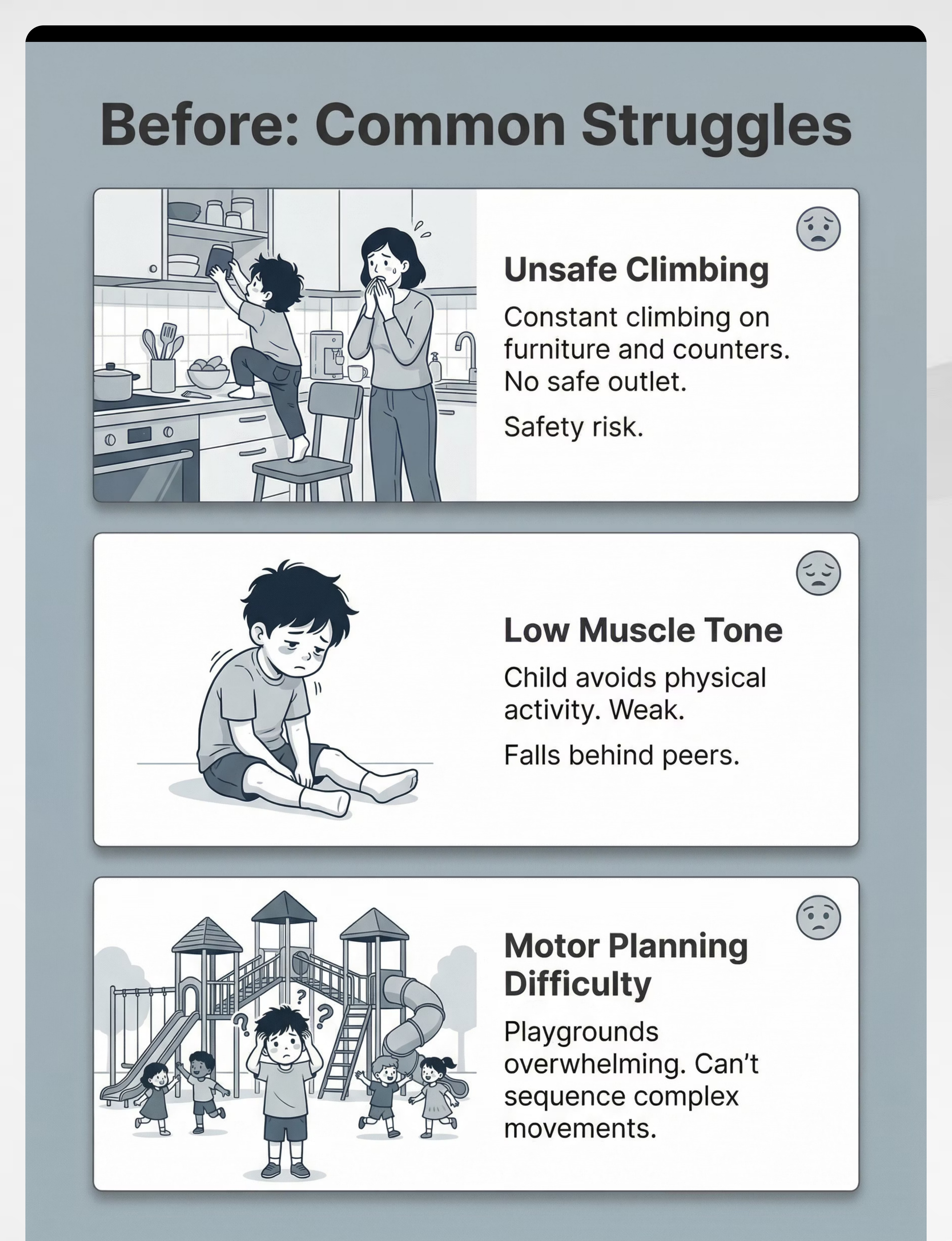
The Struggle (Before)

Climbing on Furniture
Situation: Child climbs on everything — furniture, counters, dangerous places. No safe outlet available.
Experience: Constant redirection exhausts parents. "Get down!" repeated dozens of times daily. Safety risk looms constantly.
Emotion: Unsafe seeking behavior, frustrated and scared

Low Muscle Tone
Situation: Child has low tone, appears weak, tires easily during physical activities.
Experience: Avoids physical play that peers enjoy. Falls behind in motor milestones. No natural motivation for strengthening activities.
Emotion: Weak, avoiding, left behind

Motor Planning Difficulties
Situation: Child can't sequence complex movements required for climbing or navigating playground equipment.
Experience: Playgrounds feel overwhelming and confusing. Stands frozen, unsure how to begin. Avoids climbing challenges. Motor delays worsen over time.
Emotion: Confused, avoiding, anxious

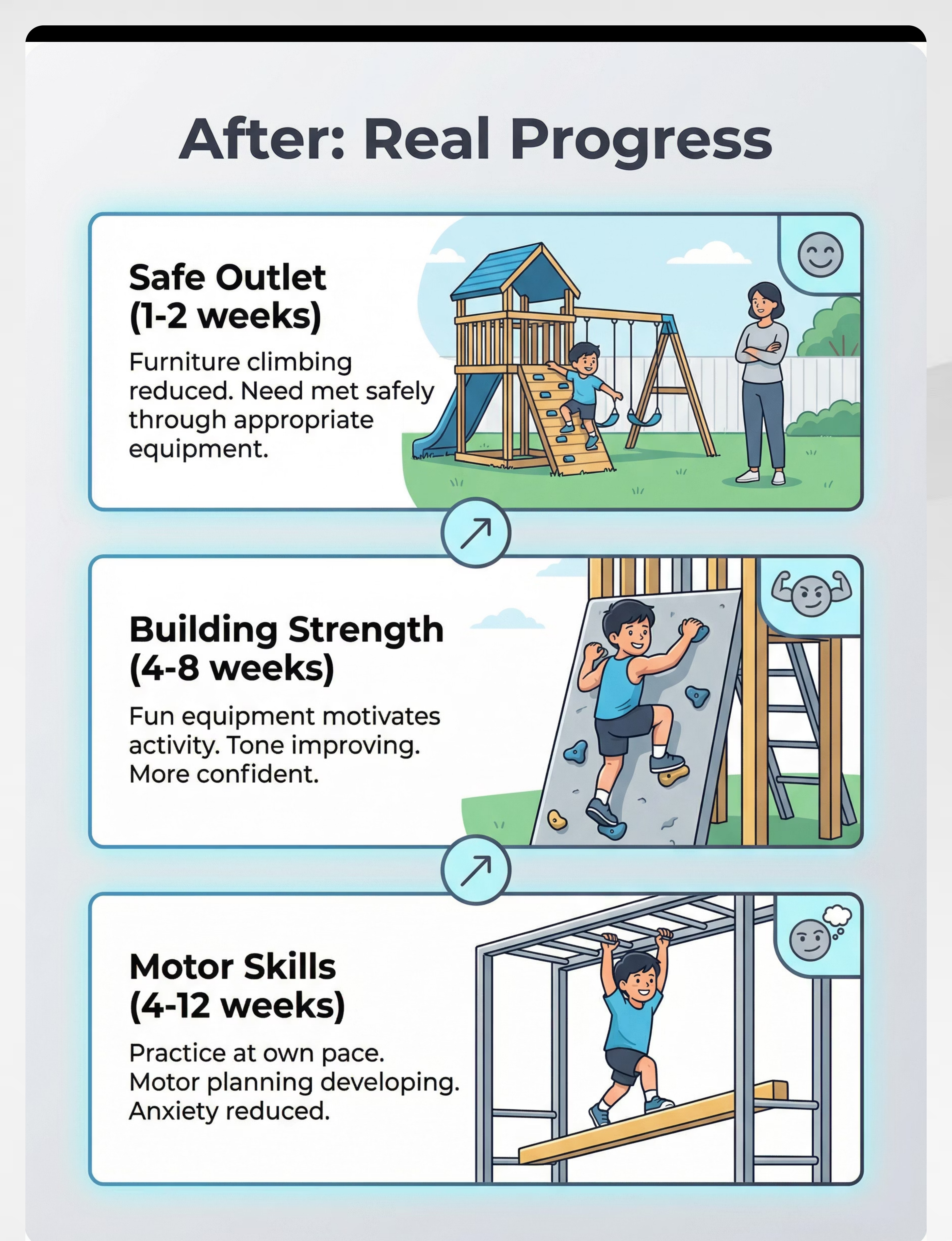
The Breakthrough (After)
Climbing on Furniture
Within 1-2 weeks, the backyard climbing frame provided a safe, appropriate outlet for climbing needs. Furniture climbing was dramatically reduced, and the child's sensory need was met safely and constructively.
Emotion: Safe outlet found, satisfied and happy
Low Muscle Tone
After 4-8 weeks, fun and engaging climbing equipment motivated daily physical activity. The child began building strength through play, muscle tone visibly improved, and they became more confident in their body's capabilities.
Emotion: Stronger, motivated, proud
Motor Planning Difficulties
Within 4-12 weeks, practice on familiar home equipment, at their own pace and without peer pressure, led to significant development in motor planning skills through repetition. The familiar equipment reduced anxiety, allowing complex movements to be broken down into learnable steps.
Emotion: Practicing, improving, confident

What to Expect (Realistic Timelines)
Equipment Installed
Professional installation or DIY setup complete, soft landing surface in place, safety inspection done
1-7 days
Regular Active Play
Child engaging with equipment daily, exploring capabilities, beginning to show preference for certain elements
1 week
Reduced Unsafe Climbing
Furniture and counter climbing decreasing noticeably as safe outlet meets sensory need appropriately
1-2 weeks
Strength Improving
Visible gains in muscle tone, endurance, and physical confidence. Tasks that were difficult becoming easier.
4-8 weeks
Motor Planning Improving
Successfully sequencing more complex movements, transferring skills to other contexts, attempting new challenges
4-12 weeks

Is This Right for My Child? (2-Minute Check)
"Does your child climb on inappropriate things?"
If yes, this indicates: Your child needs a safe climbing outlet. Their sensory system is seeking proprioceptive input through climbing.
✓ Confidence score: 95%
"Does your child have low muscle tone?"
If yes, this indicates: Climbing builds functional strength naturally through play. Excellent intervention for hypotonia.
✓ Confidence score: 88%
"Does your child have motor planning difficulties?"
If yes, this indicates: Climbing develops motor planning through repeated practice of complex movement sequences.
✓ Confidence score: 85%
"Does your child have access to outdoor climbing?"
If no: Consider home equipment. If yes, ensure it's adequate and accessible daily, not just occasionally.
✓ Confidence score: 90%
3+ "yes" answers = strong fit. Climbing equipment likely addresses core needs your child has. Even 1-2 "yes" answers suggest this could be beneficial.

Common Questions (Honest Answers)
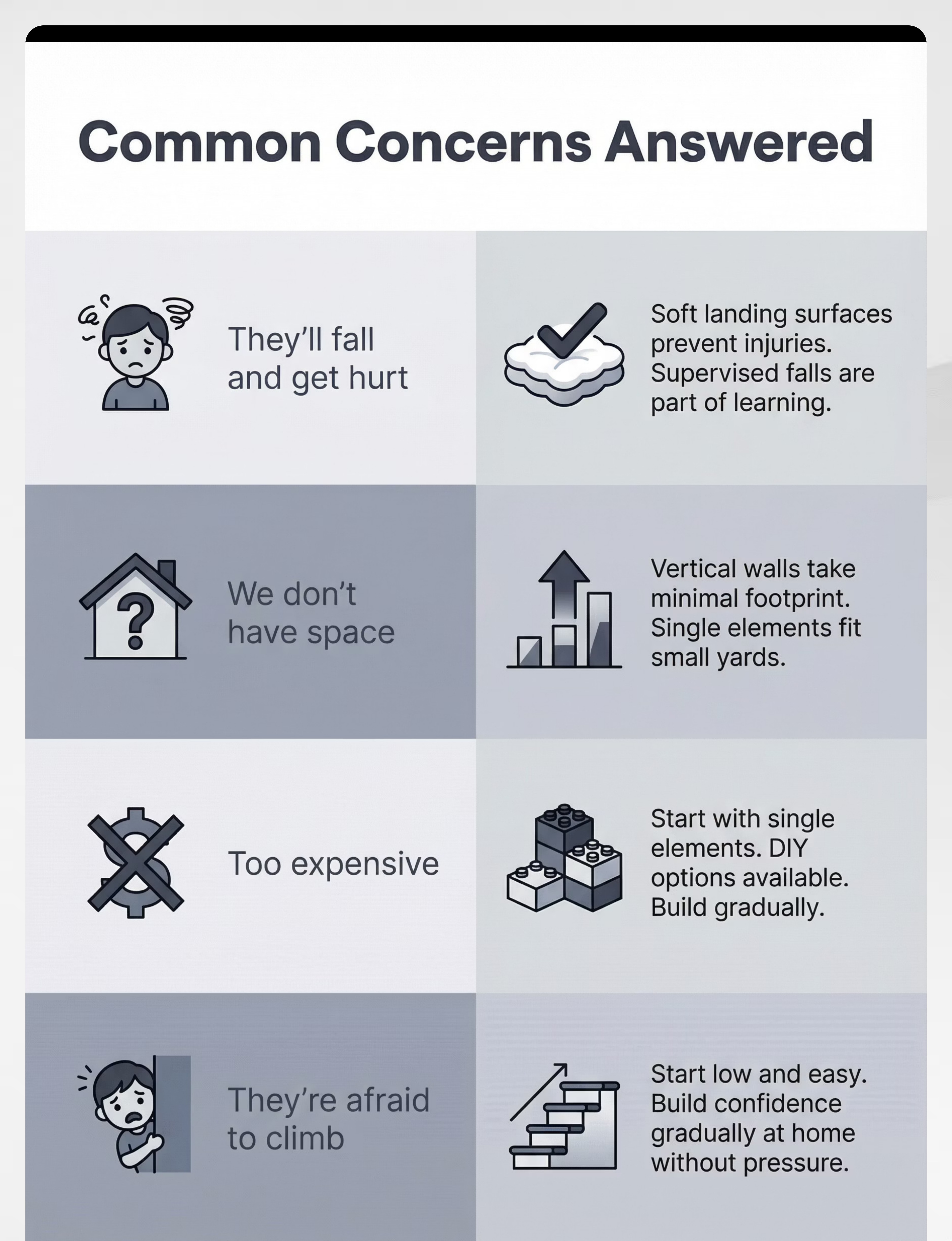
Parents often have concerns about introducing climbing equipment. Here are some of the most frequently asked questions and straightforward answers to help you make an informed decision.
They'll fall and get hurt | Soft landing surfaces (30cm depth of mulch, sand, or rubber) prevent most injuries when properly installed. Supervision is key, and falls are a natural part of learning body awareness and limits. Challenge-appropriate equipment significantly reduces risk. | |
We don't have space | Small climbers and balance beams fit in surprisingly compact areas. Single elements like rope ladders or wall-mounted surfaces require minimal footprint. Don't forget to consider vertical space! | |
Too expensive | Start with single, affordable elements like rope ladders (₹1,000-2,000) or balance beams (₹500-3,000). DIY options or used equipment are also viable. You can invest and expand gradually as your budget allows. | |
They're afraid to climb | Begin with very low and easy challenges, like ground-level logs. Build confidence gradually through success and never force participation. Celebrate small attempts. Home equipment provides a pressure-free environment for practice. |

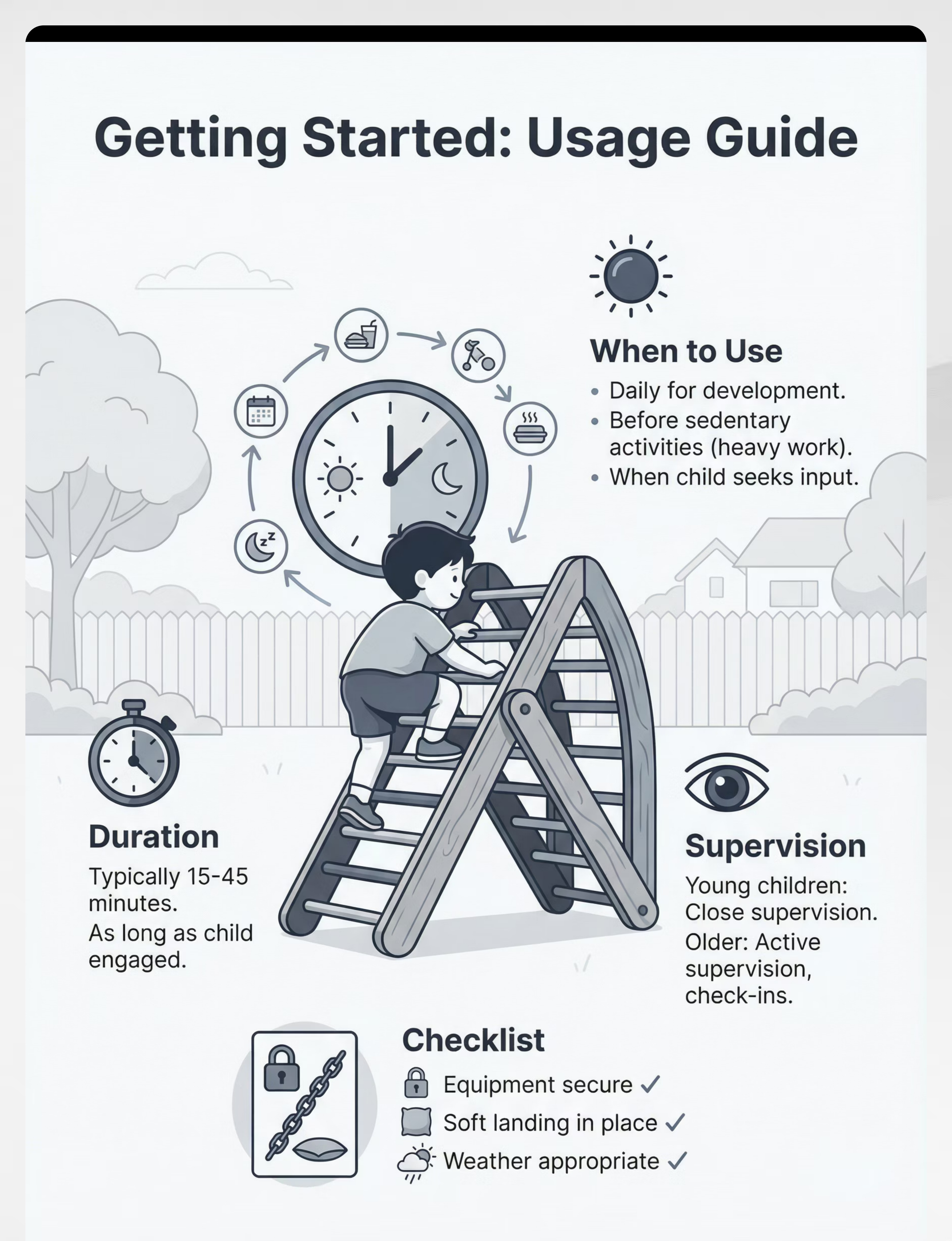
Usage Guide
✓ When to Use
- Daily for physical development and regulation
- Before sedentary activities (homework, therapy) for heavy work preparation
- When child is seeking physical input or showing climbing behavior
- As regular part of sensory diet prescription
- For fun, play, and natural motor development
✗ When NOT to Use
- During severe weather (storms, extreme heat, ice)
- Without appropriate supervision for child's age and ability
- If equipment is damaged, worn, or improperly installed
Supervision by Age
Age Range | Supervision Level | Notes | |
2-4 years | Constant close | Adult within arm's reach at all times; spotting for every climb; close monitoring of all movements | |
5-7 years | Active supervision | Adult present and watching continuously; ready to assist; monitoring from nearby | |
8+ years | Available supervision | Adult available and checking in regularly; child demonstrates safe judgment and motor competence |
Duration: As long as child is engaged and happy; typically 15-45 minutes per session. Some children climb for an hour; others prefer shorter bursts. Follow their lead.
Backyard
Playground
School

Safety First
Critical Safety
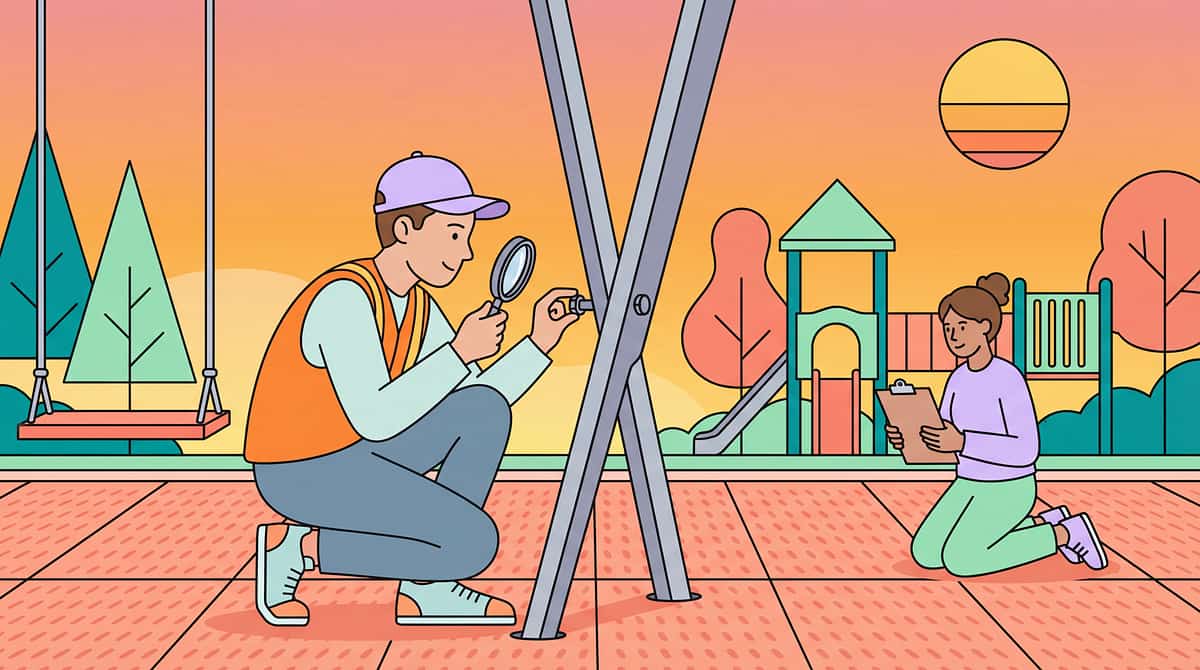
- Soft landing surface essential: 30cm depth of mulch, sand, or rubber matting under ALL equipment
- Proper installation and anchoring: Follow manufacturer specs; ensure stability
- Age-appropriate equipment: Match challenge to developmental level
- Regular safety inspection: Check weekly for wear, damage, loosening
- Appropriate supervision: Based on age and ability (see supervision table)
Warnings
- Falls are common with climbing — surface quality matters most
- Check regularly for wear, rust, splintering, or structural damage
- Remove strings, scarves, or loose clothing that can catch
- Metal and plastic surfaces become very hot in direct sun
Contraindicated / DO NOT USE
- Hard landing surfaces: Concrete, packed dirt, grass alone are NOT safe
- Damaged equipment: Rust, cracks, sharp edges, loose bolts
- Unsupervised young children: Age-inappropriate supervision levels
- Significant motor impairment without adaptation: Consult PT/OT first
Safety Checklist
Before Use
- Equipment secure and stable
- Soft landing surface in place (30cm depth)
- No visible damage or wear
- Weather appropriate for outdoor play
During Use
- Appropriate supervision maintained
- Safe play behavior (no pushing, crowding)
- Challenge-appropriate activity for ability
- Child engaged and having fun
Signs of Success
- Visible strength gains over weeks
- Motor planning improving
- Reduced unsafe climbing elsewhere
- Confident, happy during climbing

Investment Guide
Climbing equipment ranges from affordable single elements to comprehensive multi-piece structures. Investment depends on space, needs, and budget. Most families start small and expand over time.
Understanding different investment tiers can help you plan your child's climbing journey effectively.
Budget Option | 1,500-3,000 | Balance Beam + Rope Ladder | Starting point, budget constraints, small spaces, trying before bigger investment. | |
Mid-Range | 5,000-15,000 | Combination of core elements for significant therapeutic benefit. | Maximizing therapeutic impact; balanced equipment set. | |
Premium Option | 15,000-50,000 | Full climbing frame with multiple elements: climbing wall, monkey bars, slide, varied challenges. | Comprehensive home setup, multiple children, long-term investment, significant motor needs. |
Key Features Across Tiers
Balance & Coordination
Elements like balance beams and rope ladders provide foundational challenges for motor skill development.
Adaptable & Scalable
Equipment can be combined and expanded, growing with your child's evolving abilities and needs.
Comprehensive Development
Full climbing frames offer varied challenges including climbing walls, monkey bars, and slides for holistic motor skill enhancement.
Investment Progression
Start Small
Begin with essential, versatile pieces to gauge interest and develop foundational skills.
Gradual Expansion
Add new elements or upgrade existing ones as your child masters skills and requires new challenges.
Long-Term Integration
Consider a comprehensive setup for sustained engagement and motor development over many years.

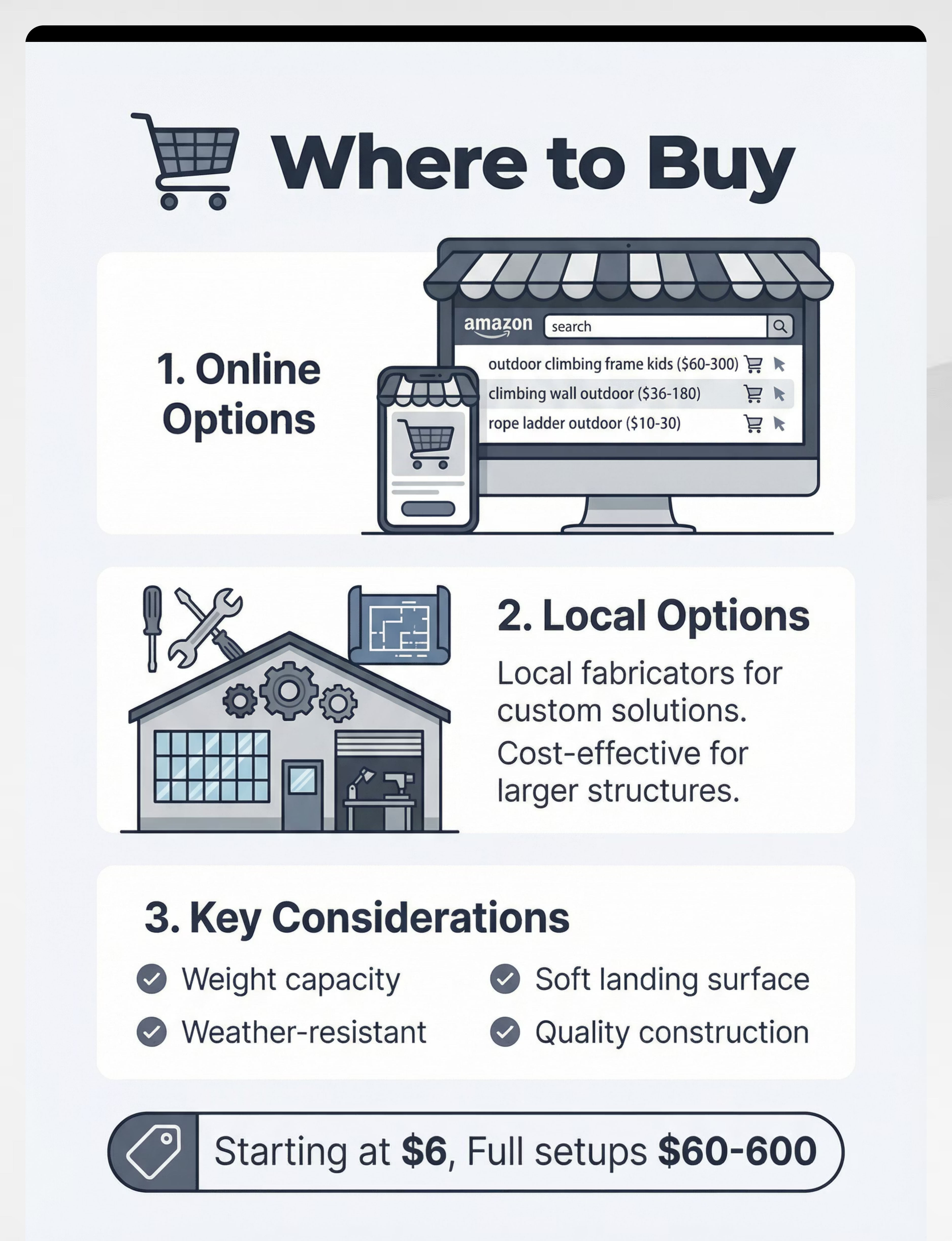
Where to Buy in India
Availability: Widely available through e-commerce platforms and local fabricators. Quality varies significantly — research before purchasing.
Online Retailers: Amazon.in
Search Terms & Price Ranges:
- "outdoor climbing frame kids": ₹5,000-25,000
- "climbing wall outdoor": ₹3,000-15,000
- "monkey bars kids": ₹2,000-8,000
- "rope ladder outdoor": ₹800-2,500
Local Fabricators
Search Term: "custom play equipment"
Price Range: Variable (often cost-effective)
Consider this for custom solutions or if you have specific design needs.
Buying Tips
- Prioritize the specific elements your child needs most
- Local fabrication can be surprisingly cost-effective for custom solutions
- Always check weight capacity specifications carefully
- Weather-resistant materials essential for outdoor installation
- Budget separately for soft landing surface (mulch, sand, rubber)
Red Flags to Watch For
- Inadequate weight capacity: Must support adult for supervision/spotting
- Poor quality construction: Thin metal, loose joints, wobbling
- No soft landing surface included: Budget separately (non-negotiable)
- Sharp edges or pinch points: Safety hazard for children

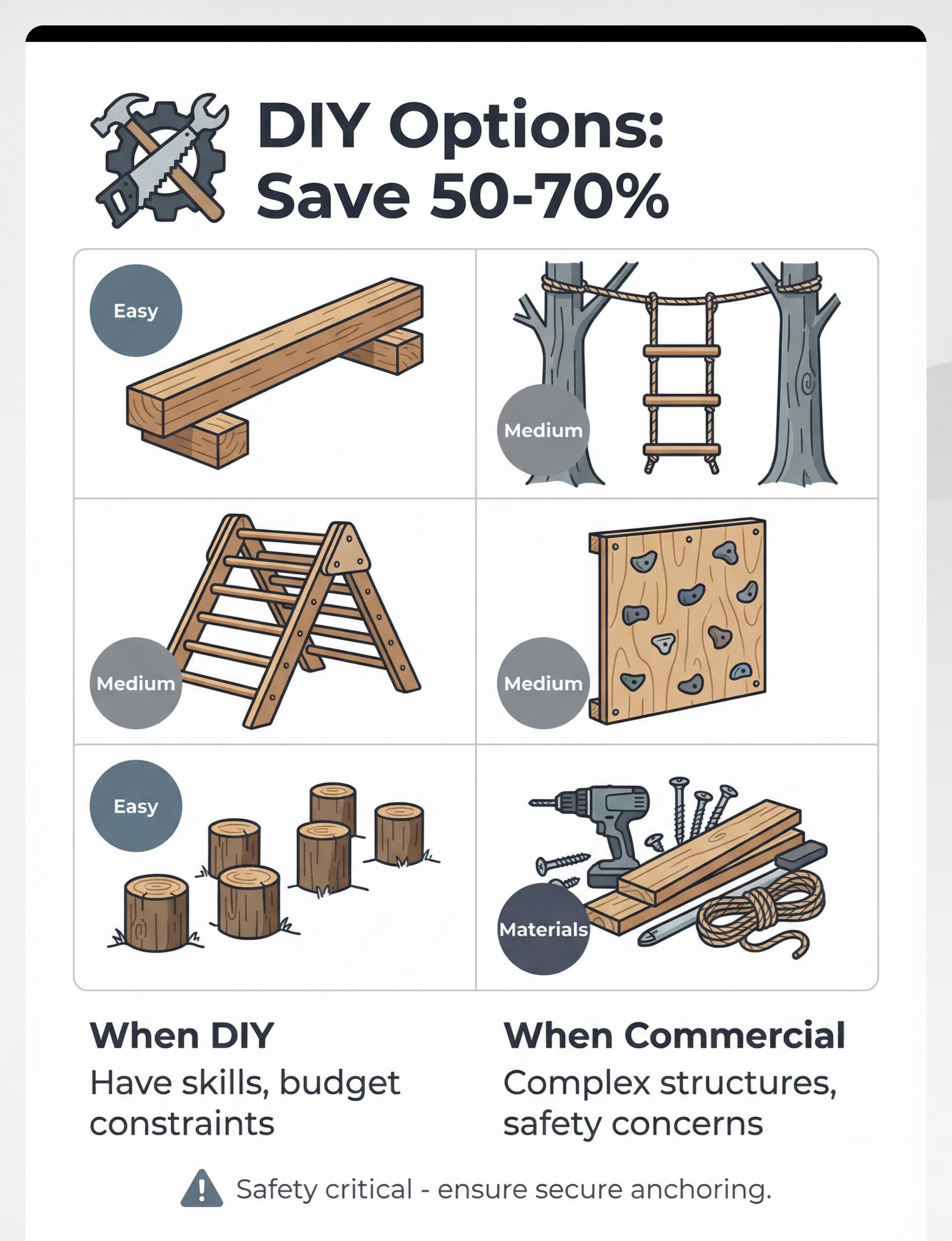
DIY Alternative (Save 50-70%)
Feasibility: Medium-High
Time: 4-12 hours
Savings: 50-70%
Required Materials
- Treated lumber (weather-resistant for outdoor use)
- Heavy-duty rope (weather-resistant, adequate weight capacity)
- Hardware (bolts, screws, brackets — outdoor grade)
- Mulch, sand, or rubber matting for landing surface
DIY Projects (Beginner to Intermediate)
Balance Beam
Wide lumber board (15-20cm) on low, stable supports. Sand smooth; round edges; install 20-30cm above soft surface.
Rope Ladder
Heavy rope with wooden rungs between two trees or posts. Secure anchor points critical; test weight thoroughly.
Climbing Wall
Plywood mounted securely to wall/fence with commercial climbing holds. Ensure proper anchoring into studs or solid structure.
Log Stepping
Tree stumps at varying heights partially buried for stability. Creates natural stepping/balancing challenge.
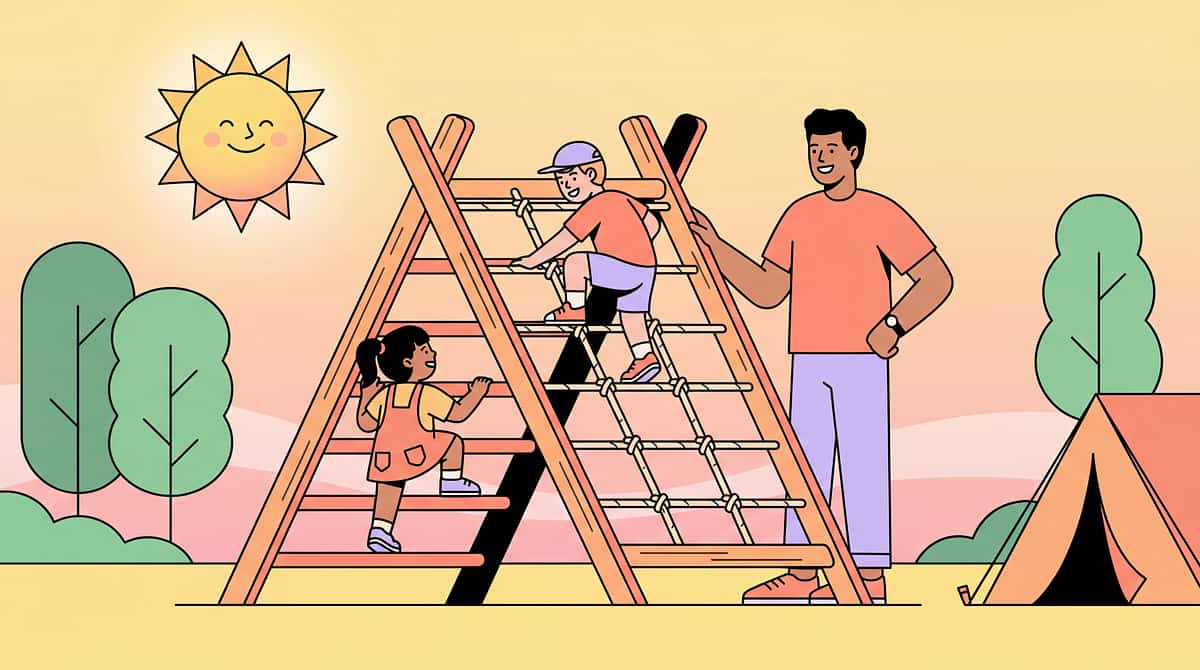
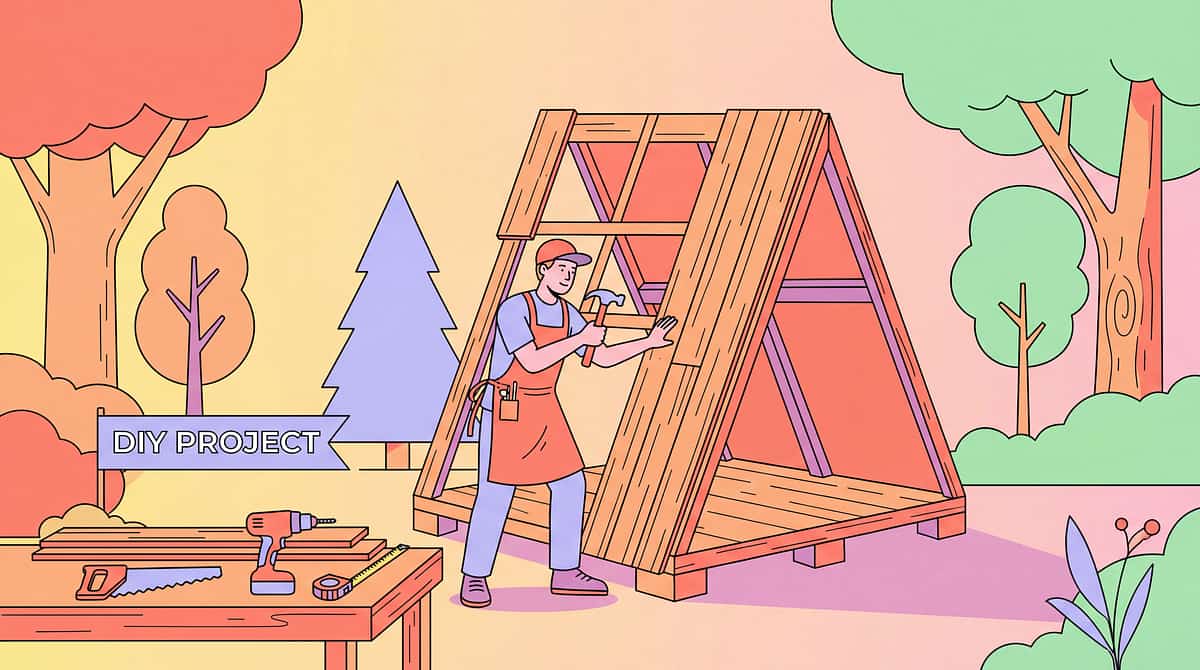
A-Frame Climber
Simple triangle structure from lumber. Climbing grips on one side, slide or ladder on other. Moderate carpentry skills needed.
Safety Check
Ensure ALL anchoring is secure. Test with adult weight. Install proper soft landing surface. Inspect regularly.
DIY vs Commercial: Tradeoffs
1
When to DIY
- Construction/carpentry skills
- Custom solutions for specific space
- Significant budget constraints
- Building simple single elements
Tradeoffs: Requires skills & time; safety critical; may lack warranty. Offers savings & customization.
2
When to Buy Commercial
- Complex multi-element structures
- Safety concerns or liability
- Manufacturer warranty needed
- Lack construction skills/tools
Tradeoffs: More expensive but includes engineering, safety testing, and warranty. Professional installation often available.
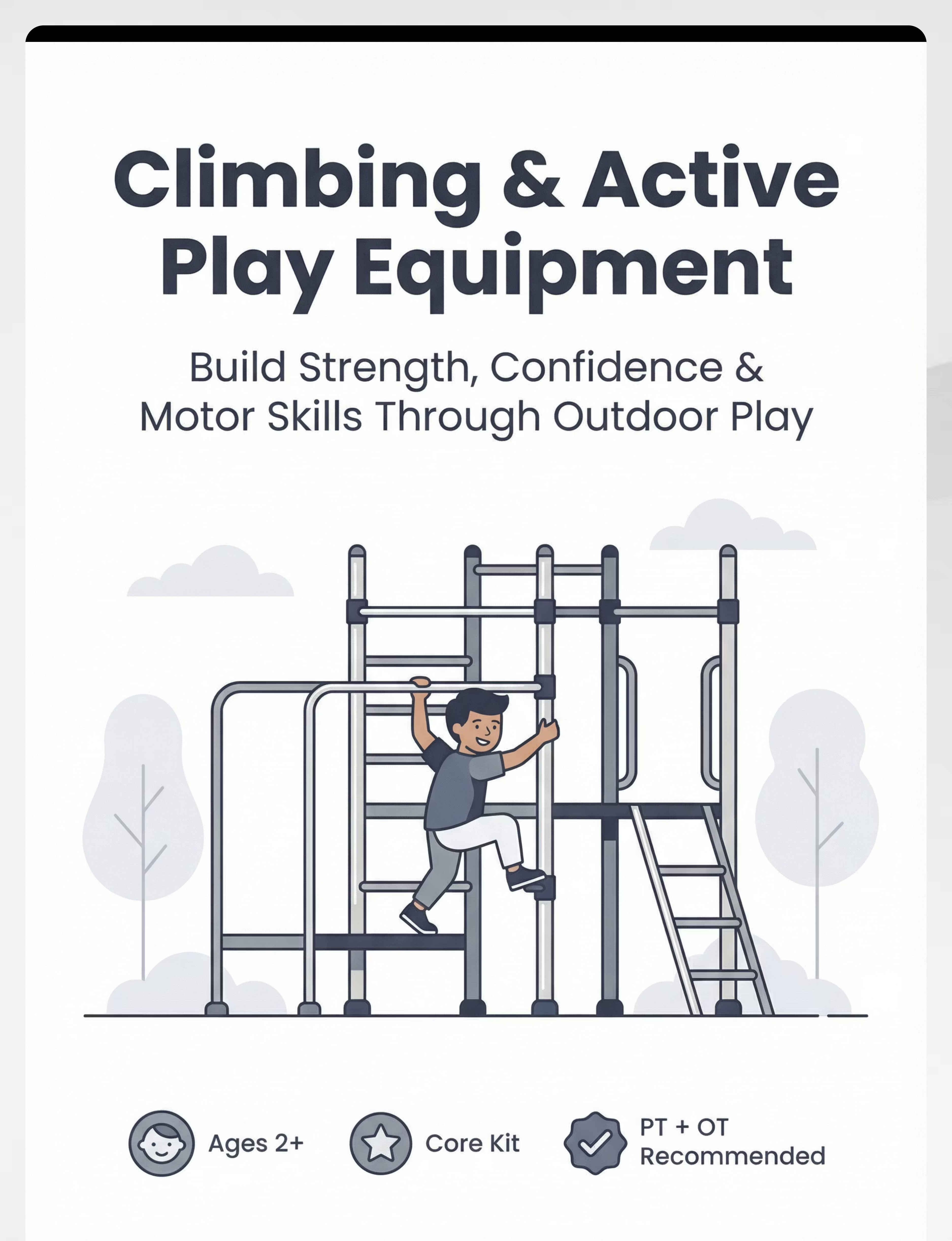
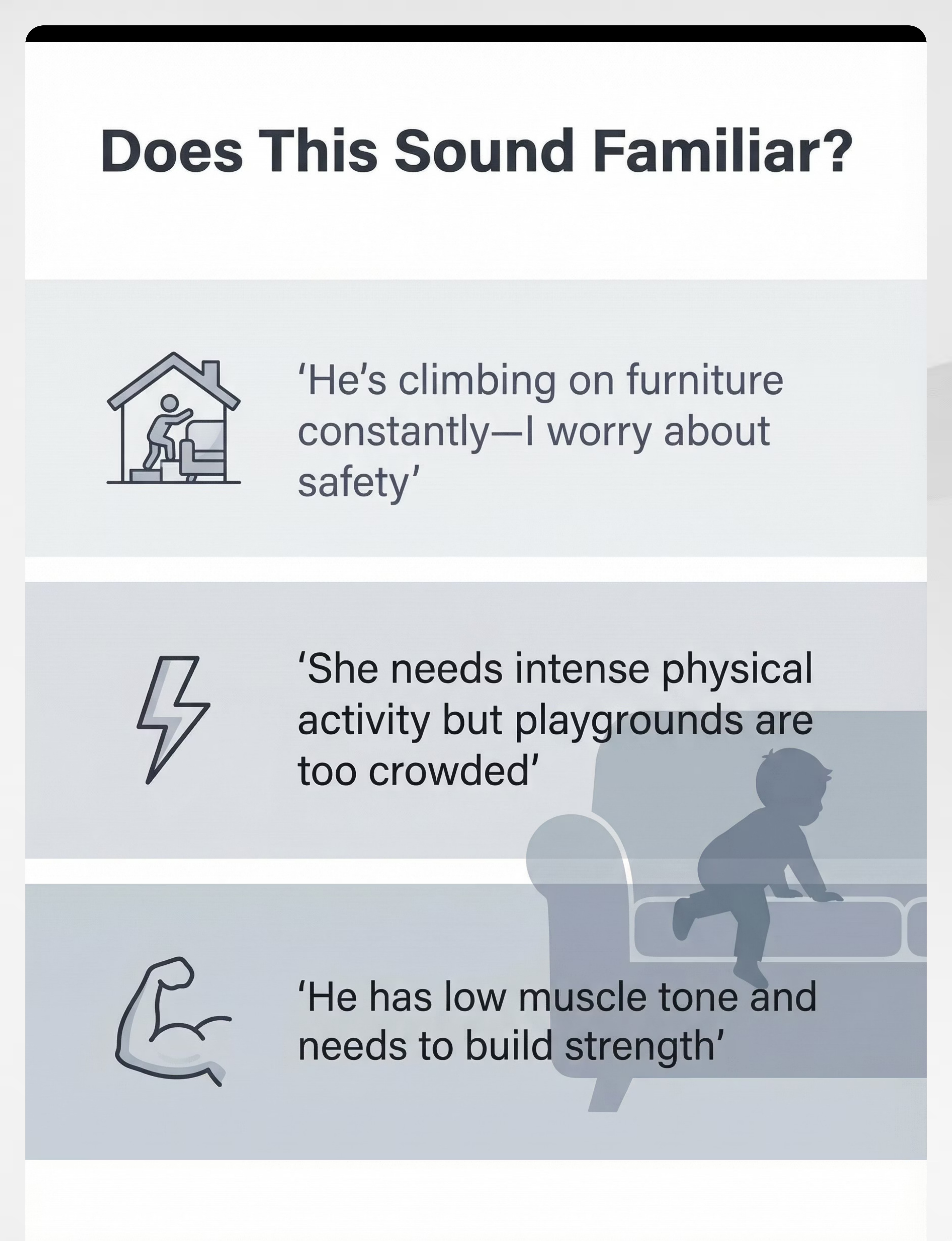
Preview of climbing active play equipment Therapy Material
Below is a visual preview of climbing active play equipment therapy material. The pages shown help educators, therapists, and caregivers understand the structure and content of the resource before use. Materials should be used under appropriate professional guidance.


Share this resource
Help others discover thisLink copied!

Measuring Success & Next Steps
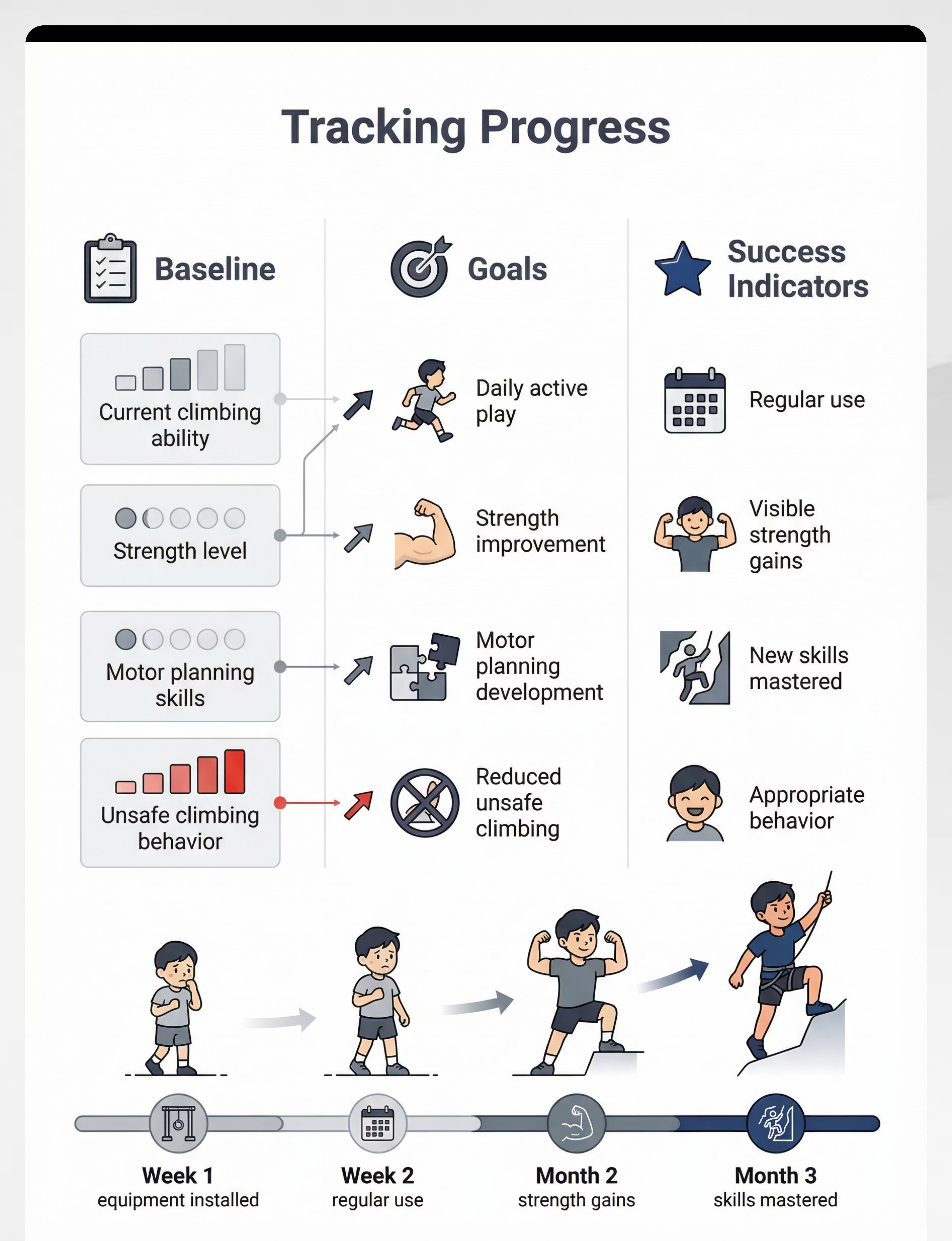
Track Progress
Baseline (Measure First)
- Current climbing ability and confidence level
- Muscle strength and tone (functional assessment)
- Motor planning skills for complex sequences
- Frequency of unsafe climbing behavior on furniture
Goals
- Child will engage in daily active climbing play
- Muscle strength and tone will show improvement
- Motor planning skills will develop through practice
- Unsafe furniture climbing will decrease significantly
Success Indicators
- Regular voluntary use of equipment (not prompted)
- Visible strength gains in functional activities
- New climbing skills mastered independently
- Appropriate climbing behavior (furniture incidents reduced)
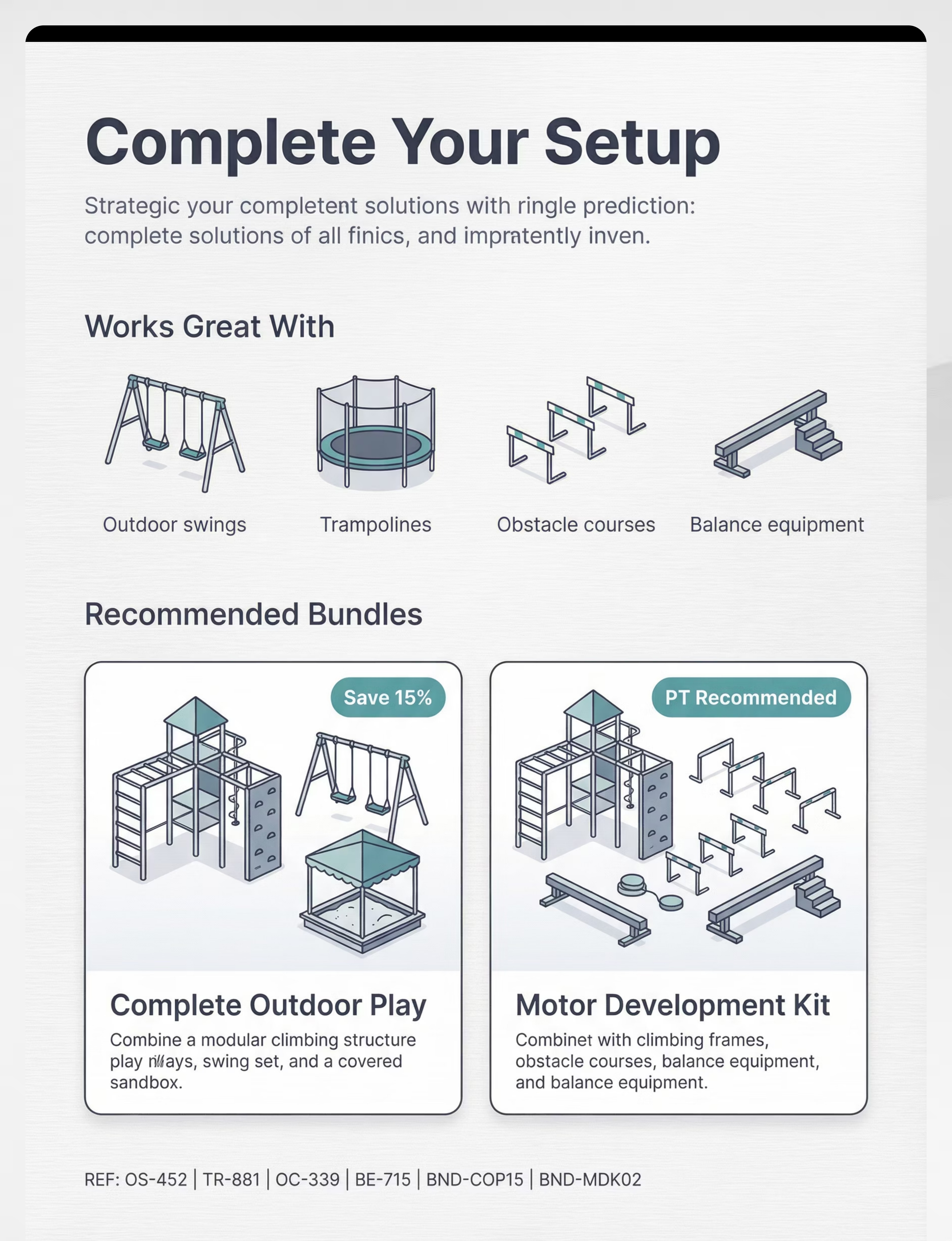
Complete the Kit
Climbing equipment works even better when combined with complementary tools:

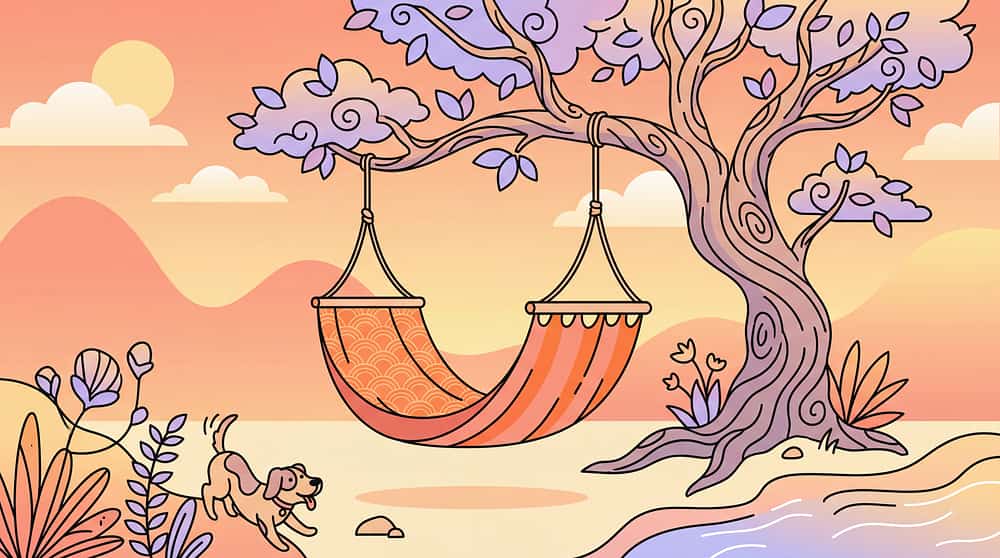
Outdoor Swings (ID: 15.1)
Why pair: Completes outdoor sensory play setup with vestibular input. Swing before climbing for optimal regulation.

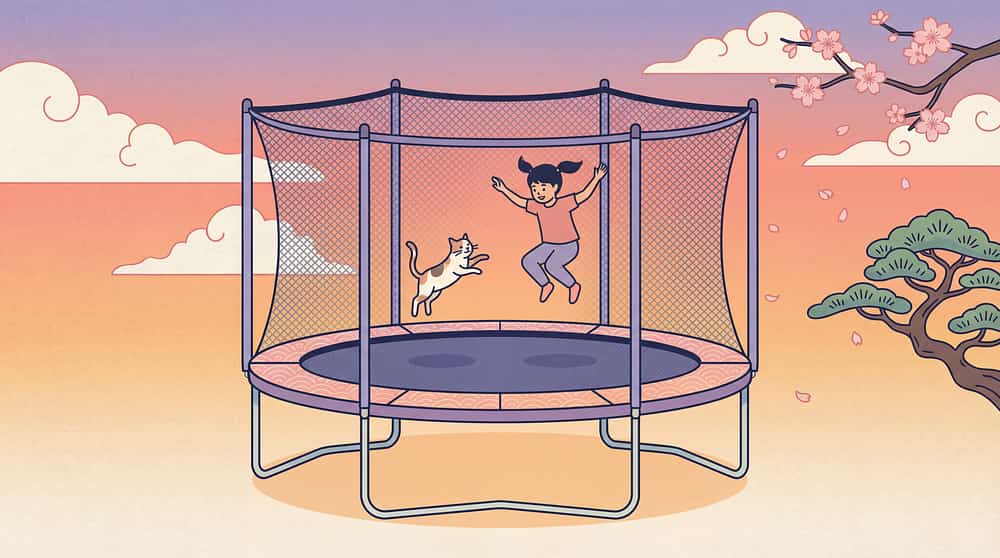
Trampolines (ID: 6.2)
Why pair: Additional vestibular and proprioceptive input. Alternating climbing and jumping provides comprehensive sensory diet.

Obstacle Courses (ID: 6.6)
Why pair: Extends motor planning challenges. Combines climbing with other motor elements for comprehensive development.

Balance Equipment (ID: 6.4)
Why pair: Develops balance and coordination. Use before climbing as warmup or after as cooldown activity.
Recommended Bundles:
- Complete Outdoor Play: Climbing Equipment (15.2) + Outdoor Swings (15.1) + Nature Exploration (15.3) — Full backyard therapeutic setup
- Motor Development Kit: Climbing Equipment (15.2) + Obstacle Courses (6.6) + Balance Equipment (6.4) — Comprehensive motor work across settings
Quick Summary
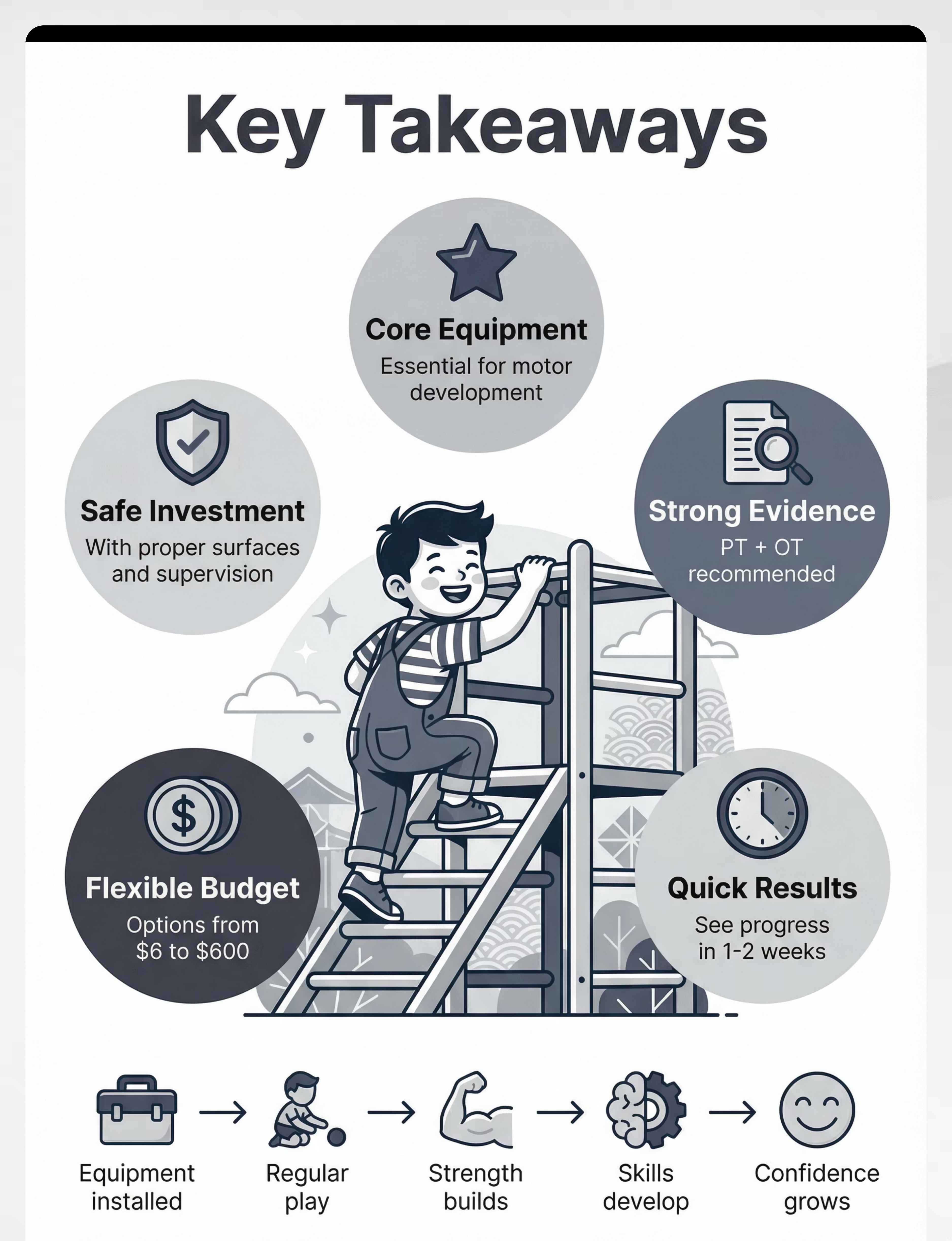
Climbing and active play equipment provides outdoor climbing structures that deliver proprioceptive input, motor planning challenges, and strength building through vertical and horizontal climbing, balancing, and active play. This is a Core Kit tool (Rank #1) with strong evidence, recommended by PT and OT professionals for daily use when weather permits.
climbing
outdoor
gross motor
proprioceptive
strength
motor planning
PT
OT
core-kit
Common searches: climbing frame autism, outdoor play equipment, jungle gym backyard, climbing wall kids, monkey bars, sensory play outdoor, proprioceptive play
Get Support
FREE National Autism Helpline
Phone: 9100 181 181
Languages: 16+ Indian languages supported
Website: pinnacleblooms.org
Expert guidance on selecting, installing, and using climbing equipment for your child's specific needs. Connect with therapists who can help you build a comprehensive outdoor therapy program.
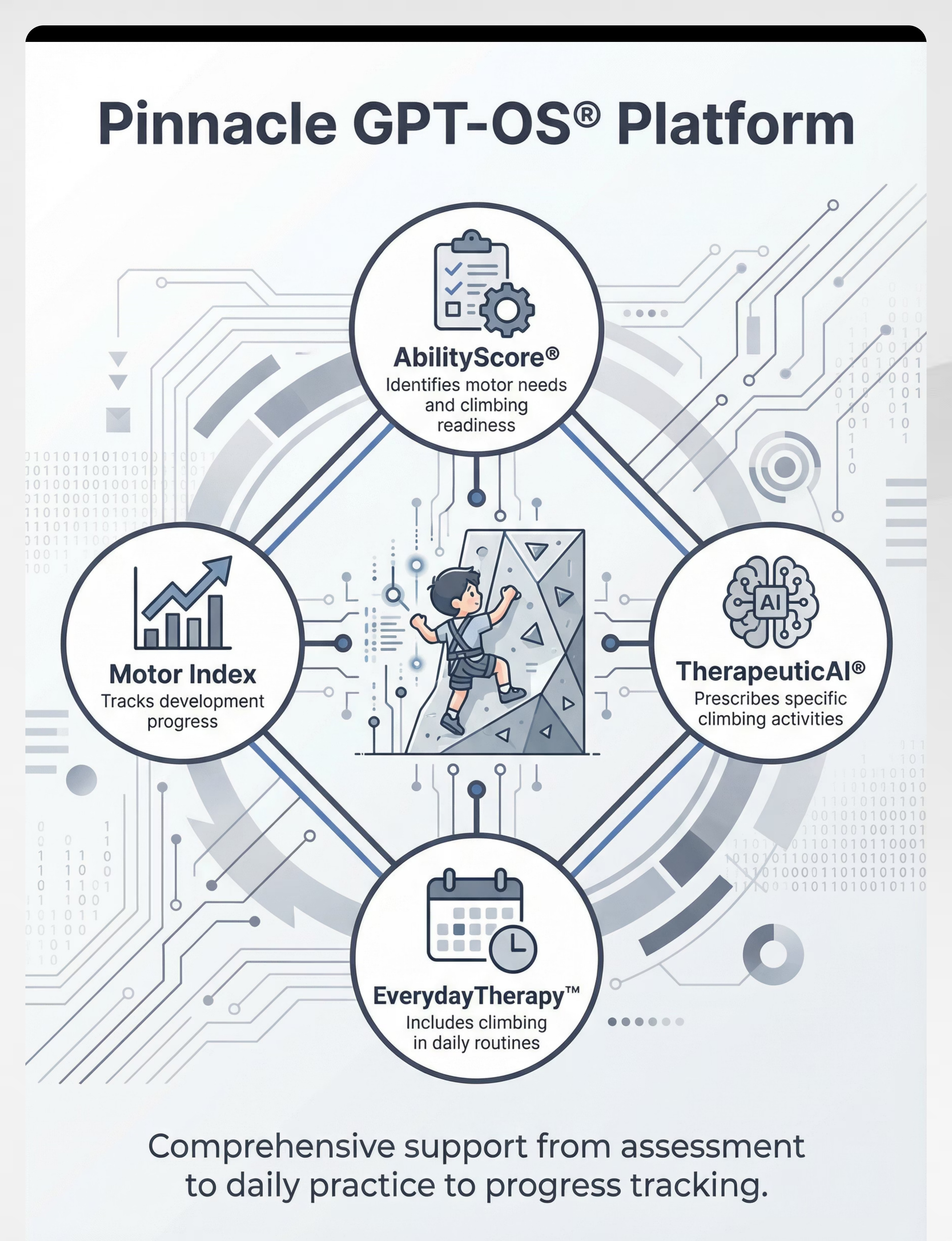
Platform Integration
This tool integrates with Pinnacle Blooms Network's comprehensive platform:
- AbilityScore® identifies your child's specific motor development needs and recommends appropriate climbing equipment
- TherapeuticAI® prescribes specific climbing activities and progression plans based on current abilities
- EverydayTherapyProgramme™ includes climbing as part of daily home therapy routines with structured guidance
- Motor Index tracks strength, coordination, and motor planning development over time with measurable progress indicators
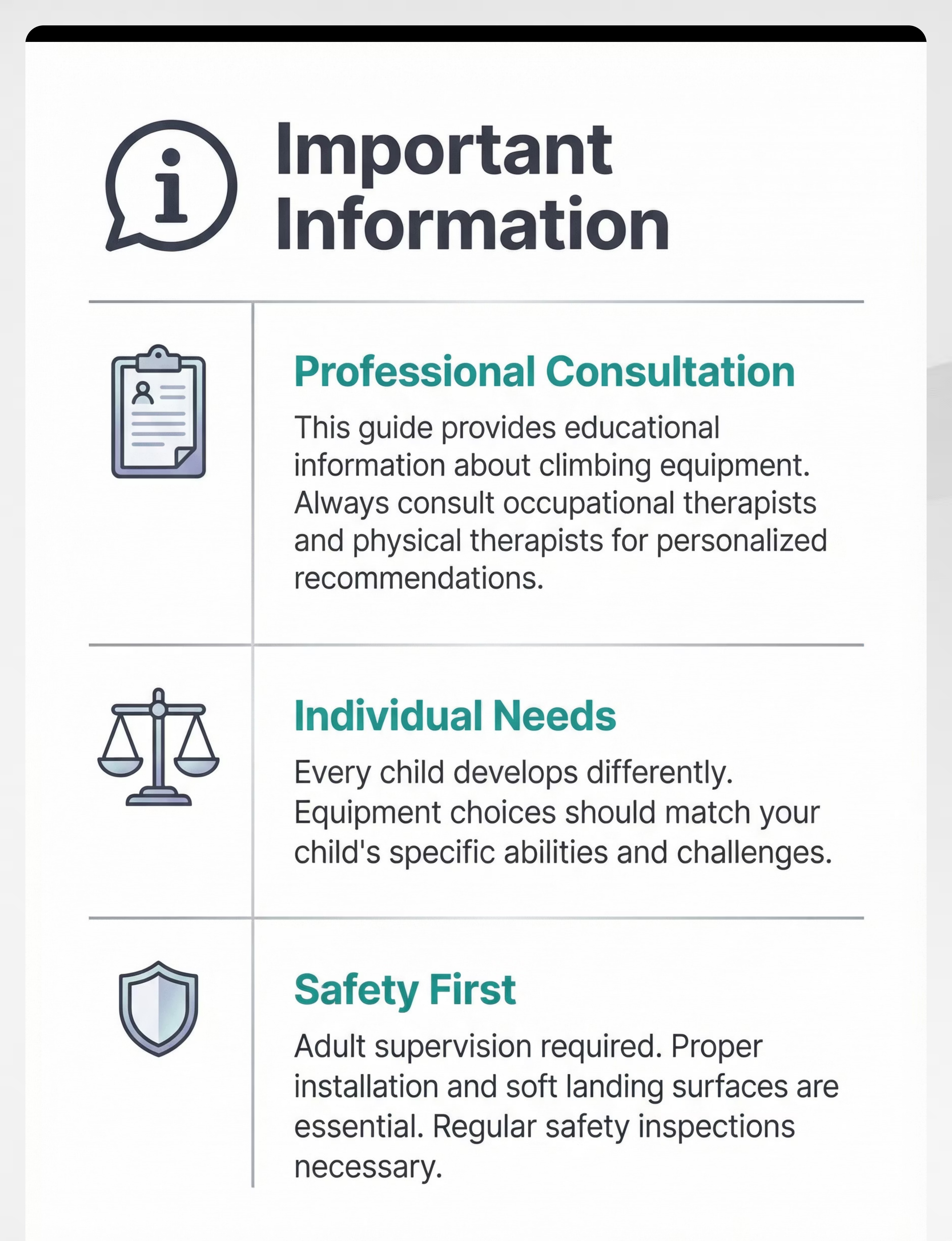
Disclaimer: This is educational information intended to support informed decision-making. Always consult qualified occupational therapists, physical therapists, speech-language pathologists, or pediatricians for professional assessment and recommendations specific to your child. Individual results vary based on multiple factors including child's unique profile, consistency of use, and overall therapeutic approach.