

















Tool ID: 6.5
Tool ID: 6.5
OT + PT
Strong Evidence
Rank #1
Daily Use
₹1,500–10,000
Mini Trampoline / Rebounder
Vertical vestibular-proprioceptive input system
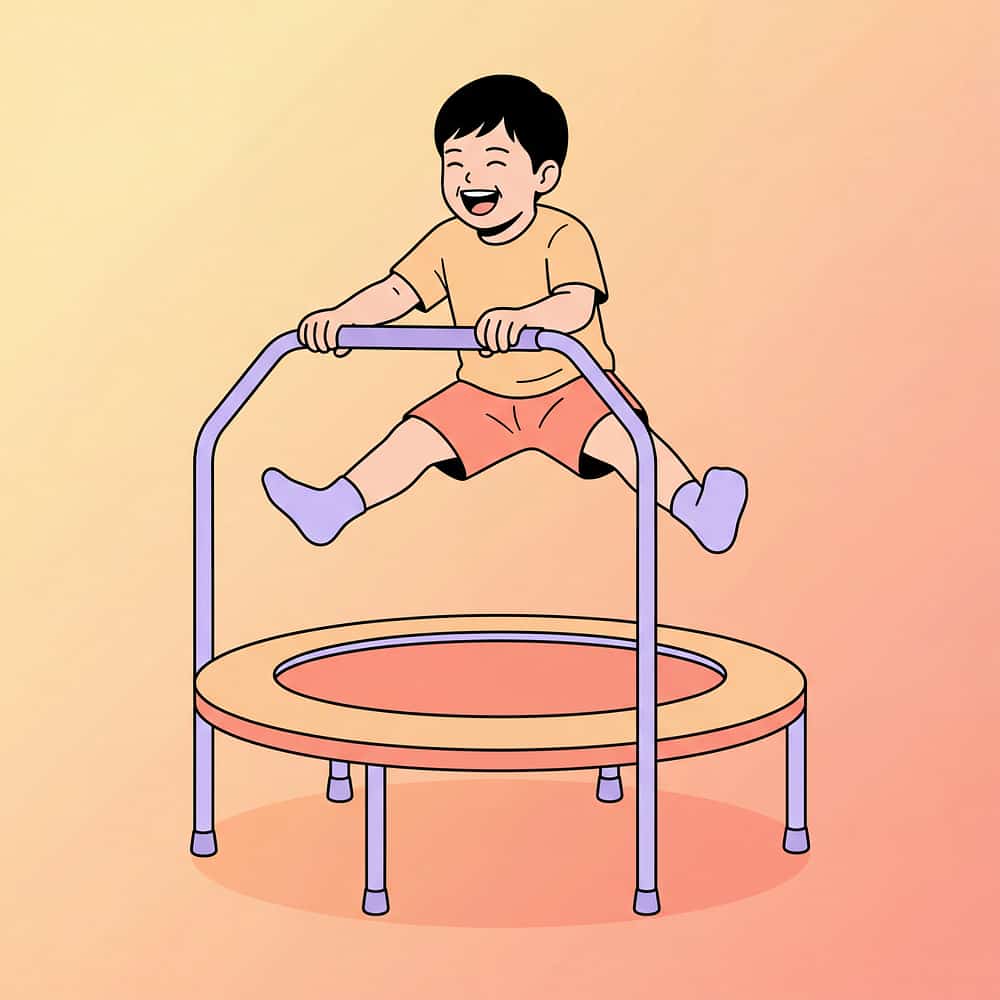
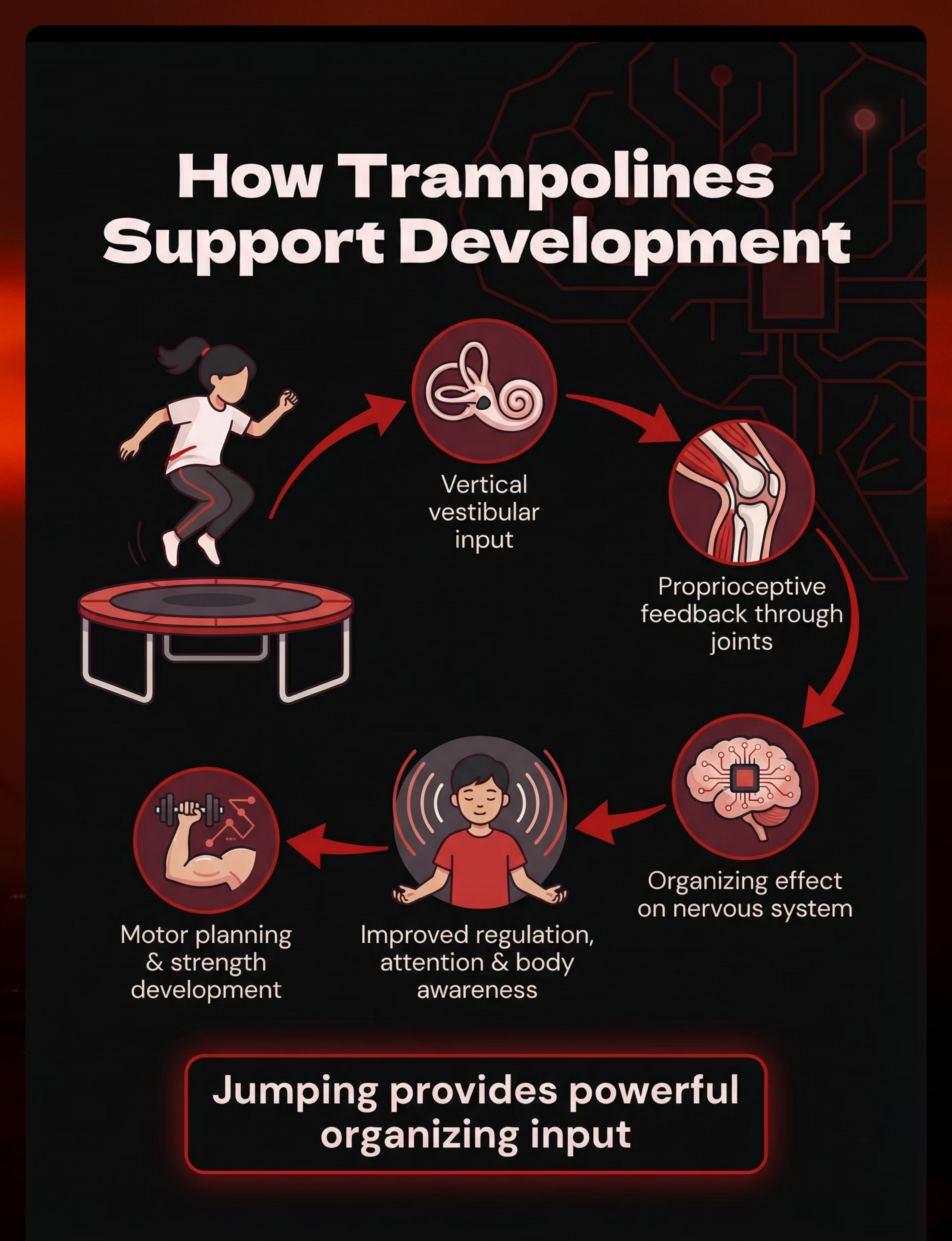
A mini trampoline provides powerful organizing input to the nervous system through vertical jumping. For children who seek movement constantly, this becomes the single most effective home tool—combining exercise, therapy, and regulation in one safe package. It transforms dangerous furniture jumping into purposeful sensory input that improves attention, body awareness, and emotional regulation.
Who This Helps
Core Function
Provides vertical vestibular and proprioceptive input for regulation, strengthening, and sensory integration—helping the nervous system organize and the body find calm focus.
Target Areas
Supports vestibular processing, proprioception, regulation, leg strength, motor planning, and sustained attention through rhythmic movement.
Best For
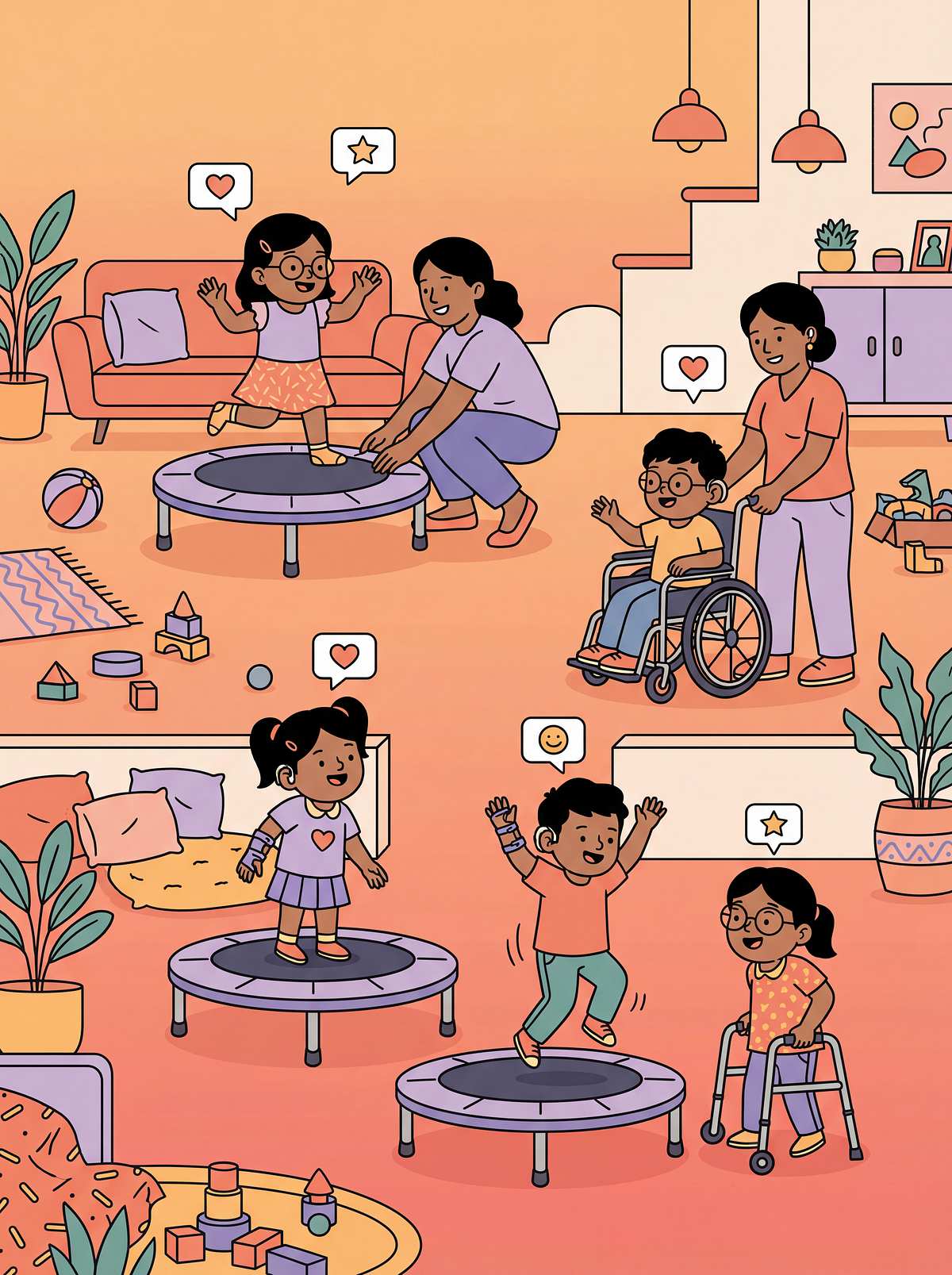
Children ages 2-12 who seek movement constantly, need regulation tools, struggle with attention, or engage in unsafe jumping behaviors at home or in therapy settings.
Home
Clinic
School
Ages 2-12
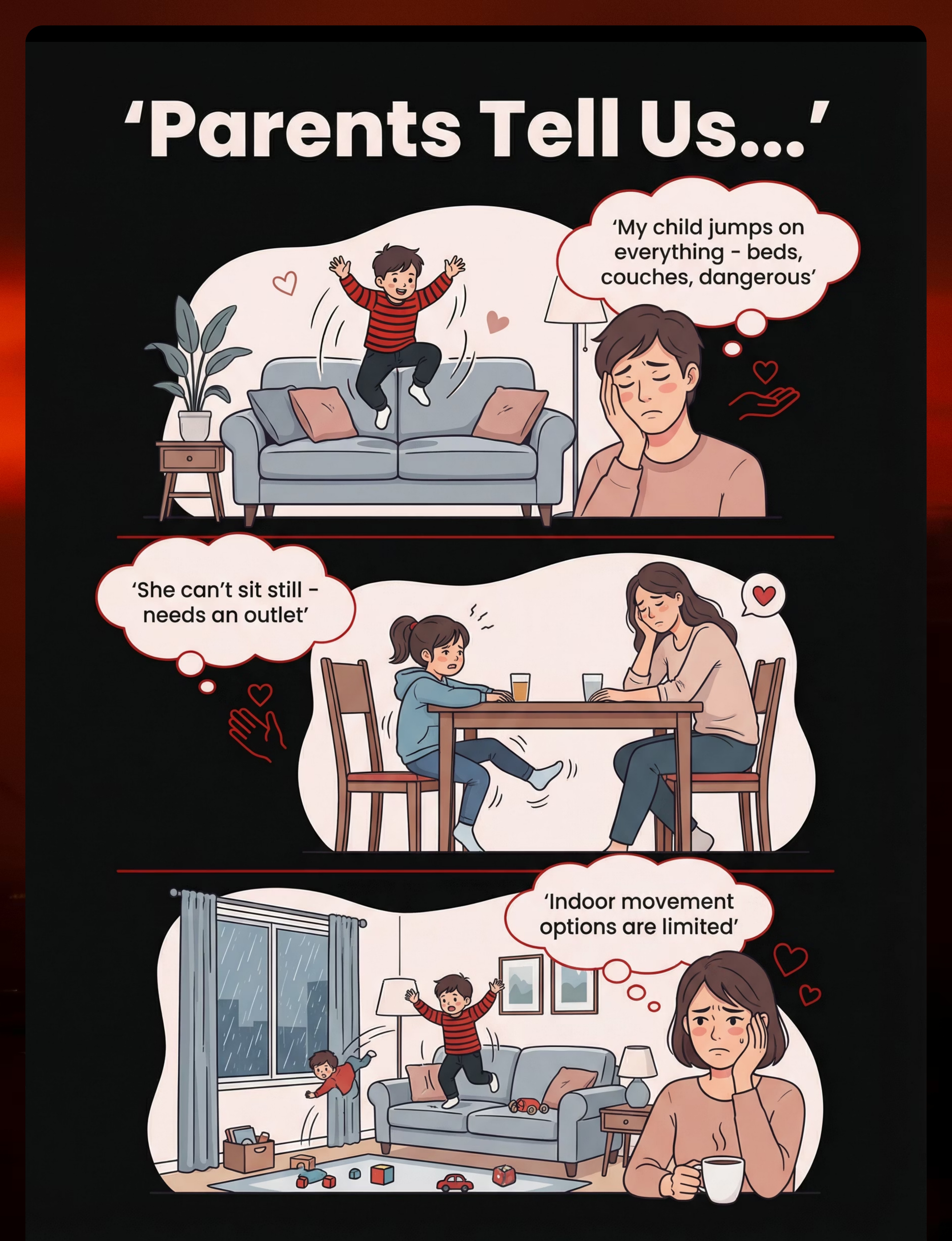
Does This Sound Familiar?
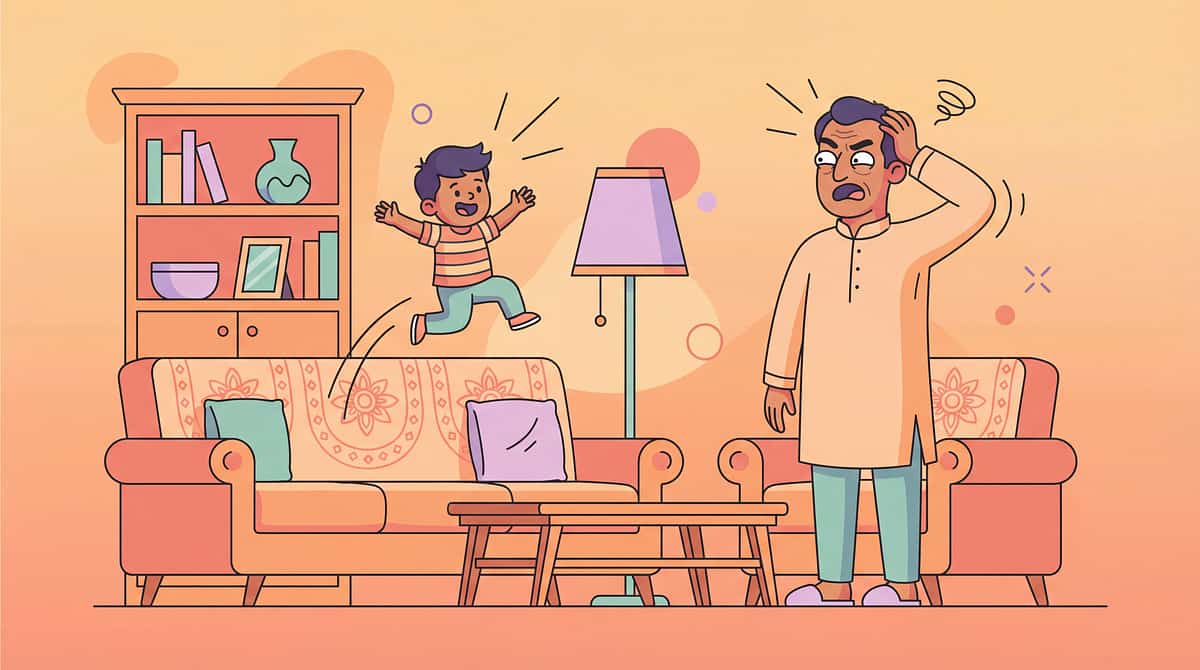
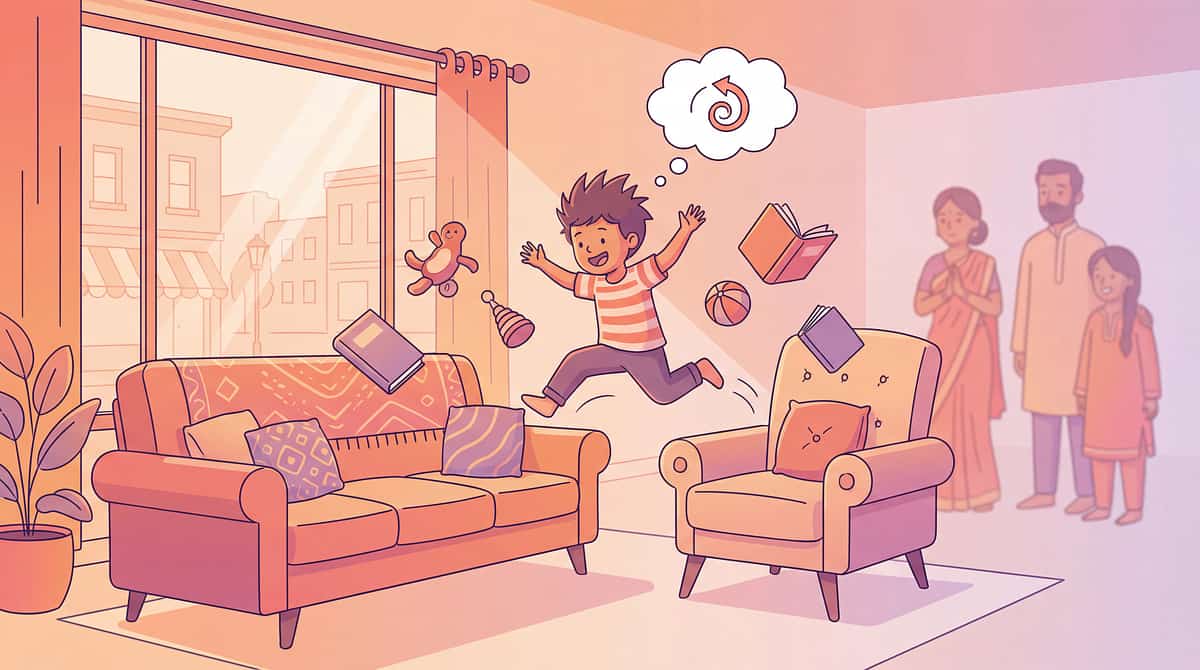
"My child jumps on everything—beds, couches, chairs. It's dangerous and I'm constantly redirecting, but nothing stops the need to jump. I'm terrified someone will get hurt."
"She needs to move constantly throughout the day, but I can't take her outside all the time. Weather, safety, schedules—I need an indoor solution that actually works."
"He can't sit still for even five minutes. No outlet for all that energy. Homework is a battle, mealtimes are chaos. He needs something to help."
"When she's dysregulated, nothing helps. She crashes into things, seeks heavy input everywhere. I need a tool that actually calms her nervous system."
You're not alone. These are common challenges for families with children who have intense vestibular and proprioceptive needs. A safe jumping outlet can transform daily life.
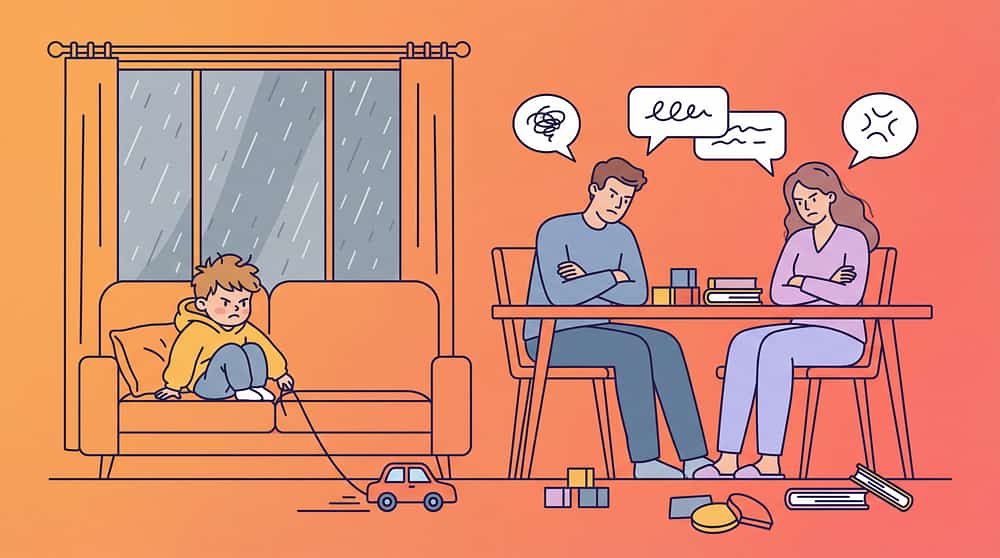
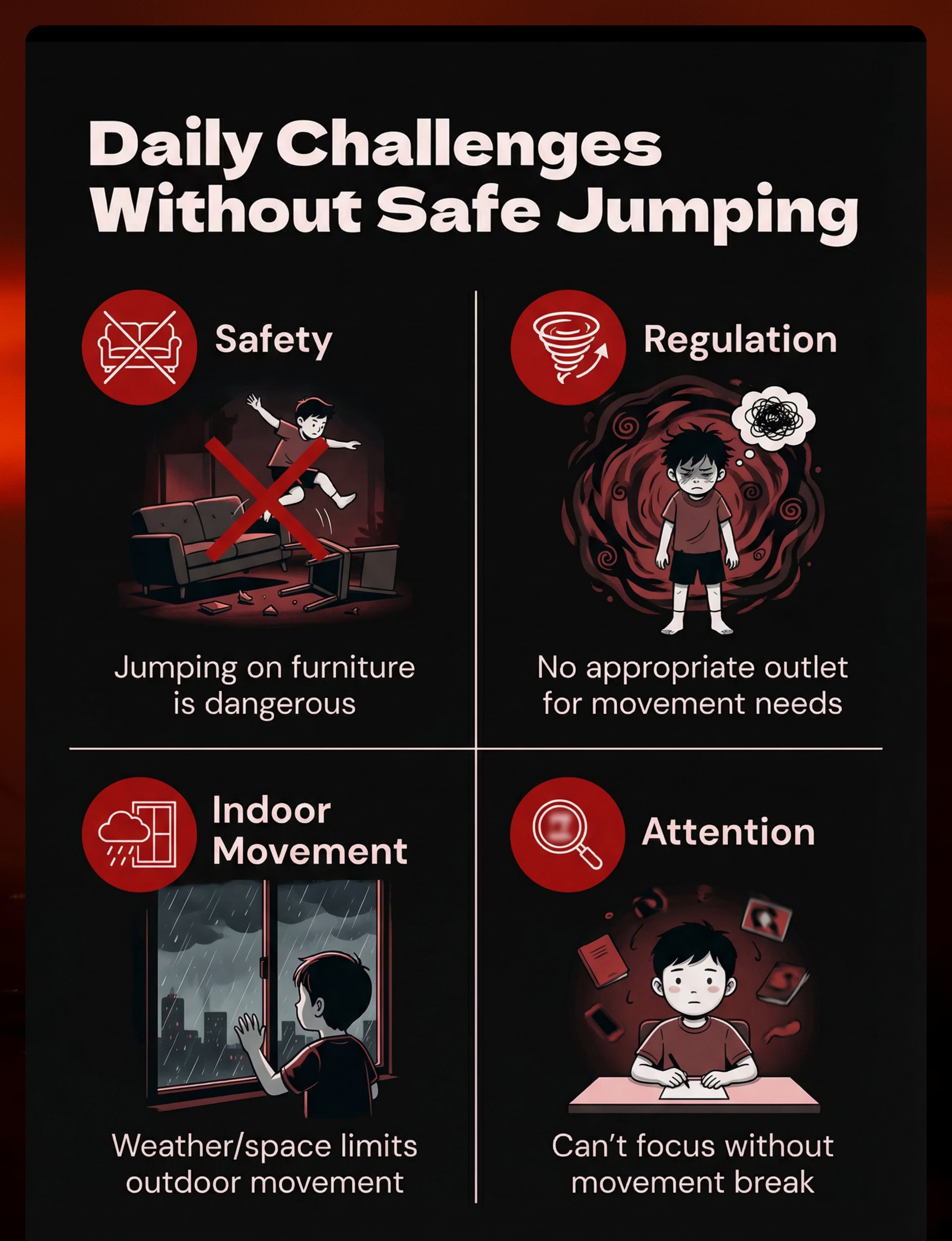
A Day Without the Right Support
Morning Chaos
Child jumps on bed immediately after waking. Unsafe. Parents redirect repeatedly. Energy already spiraling. Day starts with conflict and stress.
Transition Struggles
Getting ready for school—can't stay still. Jumps off chairs, climbs furniture. No safe outlet. Regulation impossible. Everyone frustrated before 8 AM.
Focus Breakdown
Therapy or homework time. Child cannot attend. Body needs movement. Climbs, jumps, crashes. Learning opportunity lost. Progress stalls.
Evening Meltdown
Rainy day, stuck indoors. Movement needs unmet all day. Dysregulation peaks. Meltdowns increase. No tool to help. Family exhausted.
The Science Behind It
Vertical Input
Jumping creates powerful vertical vestibular stimulation through the inner ear
Joint Feedback
Proprioceptive feedback travels through joints and muscles during landing
Neural Organization
Combined input creates organizing effect on the nervous system
Improved Function
Results in better regulation, attention, body awareness, and motor planning
This mechanism addresses multiple developmental areas simultaneously. The vestibular system processes movement and spatial orientation, while proprioceptive input grounds the body. Together, they create the foundation for regulation and learning.
Vestibular Processing
Proprioception
Regulation
Leg Strength
Motor Planning
Attention
How to Use It Right
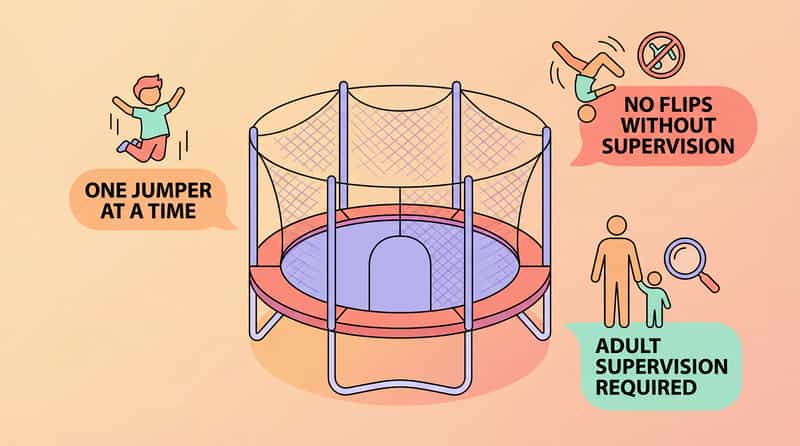
One Jumper Always
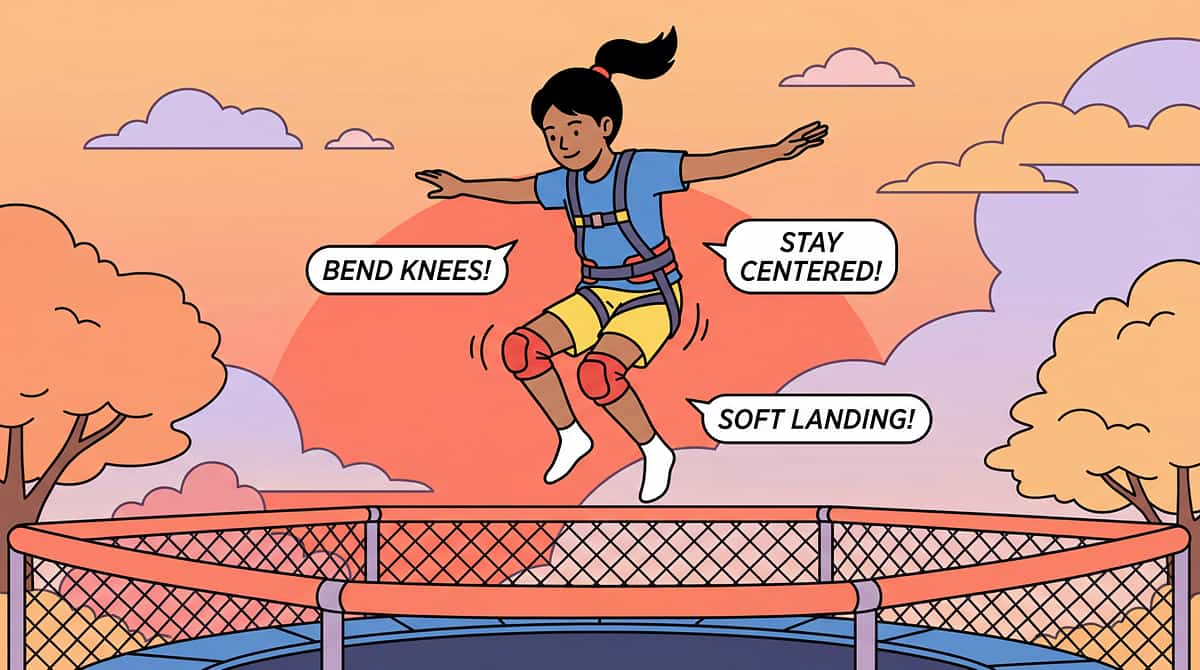
This is non-negotiable for safety. Multiple jumpers create collision risk and unpredictable movement patterns. Teach this rule from day one and enforce consistently.
Handle Bar for Safety
Essential for beginners and children under 5. Provides stability, builds confidence, and prevents falls. Even older children benefit during the learning phase.
Supervise Until Established
Active supervision required until safe habits are deeply ingrained. Watch for unsafe behaviors, teach proper technique, and reinforce rules consistently.
Integrate Into Sensory Diet
Use strategically throughout the day—mornings for organization, before focused tasks, during regulation challenges. Becomes a powerful tool in your sensory toolkit.
Short Sessions Work
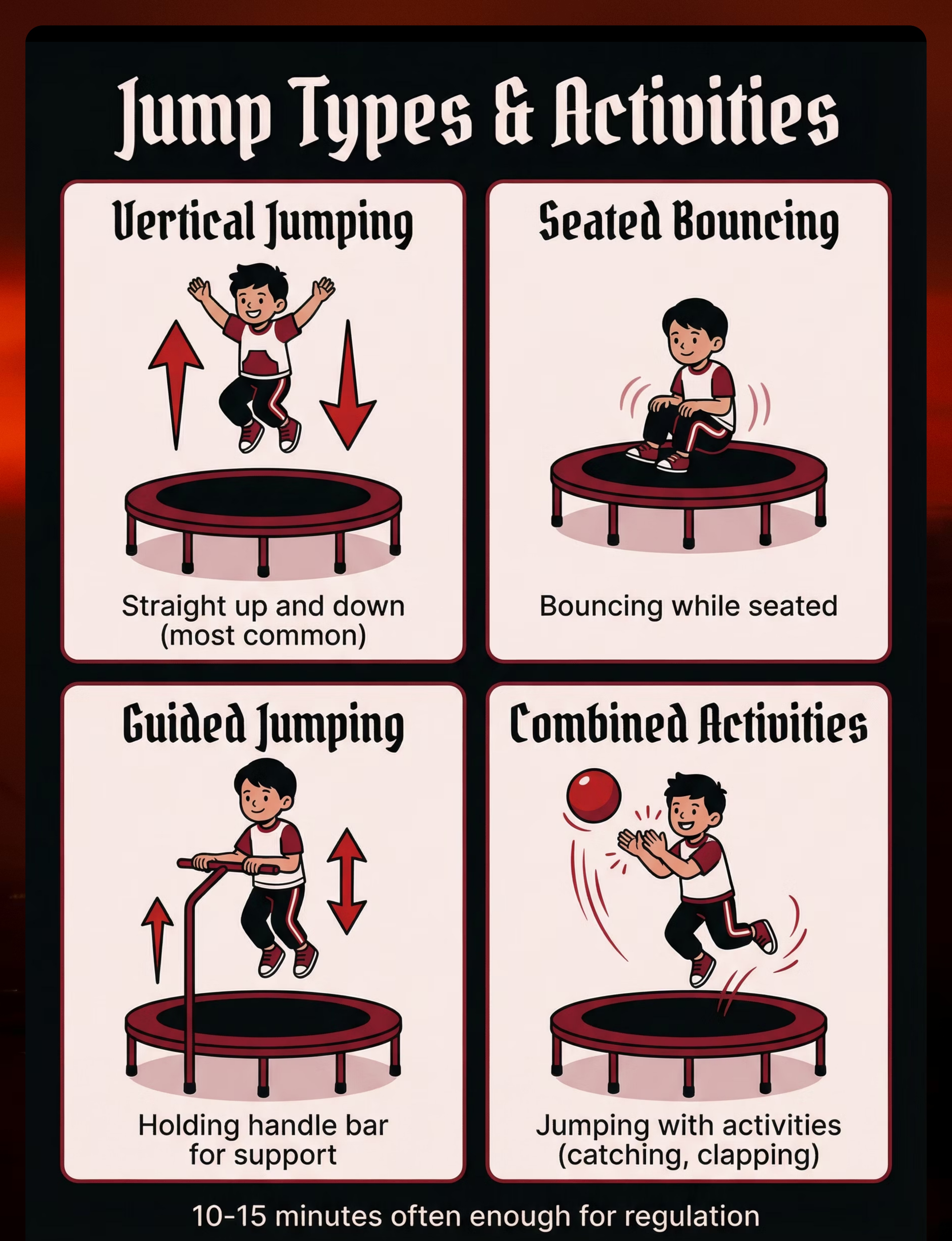
10-15 minutes is typically sufficient for regulation benefits. Quality over quantity. Too much vestibular input can actually cause dysregulation.
Watch for Overstimulation
Monitor for signs of too much input: increased dysregulation, dizziness, nausea, or behavioral changes. Every child has different tolerance levels.

Recommended Duration: 10-15 minutes per session is optimal for most children. This provides sufficient vestibular input without overwhelming the system.
Expert Perspective
"Jumping provides powerful organizing input to the nervous system. For children who seek vestibular and proprioceptive input, a mini trampoline is often the single most effective home tool. It's exercise, therapy, and regulation in one."
— Occupational Therapist, Sensory Integration Specialist
OT + PT Recommended
Jointly endorsed by occupational therapy and physical therapy professionals
Strong Evidence
Research-backed effectiveness for sensory integration and motor development
Rank #1 in Category
Top-rated tool in Gross Motor & Movement category
mini-trampoline-rebounde therapy material
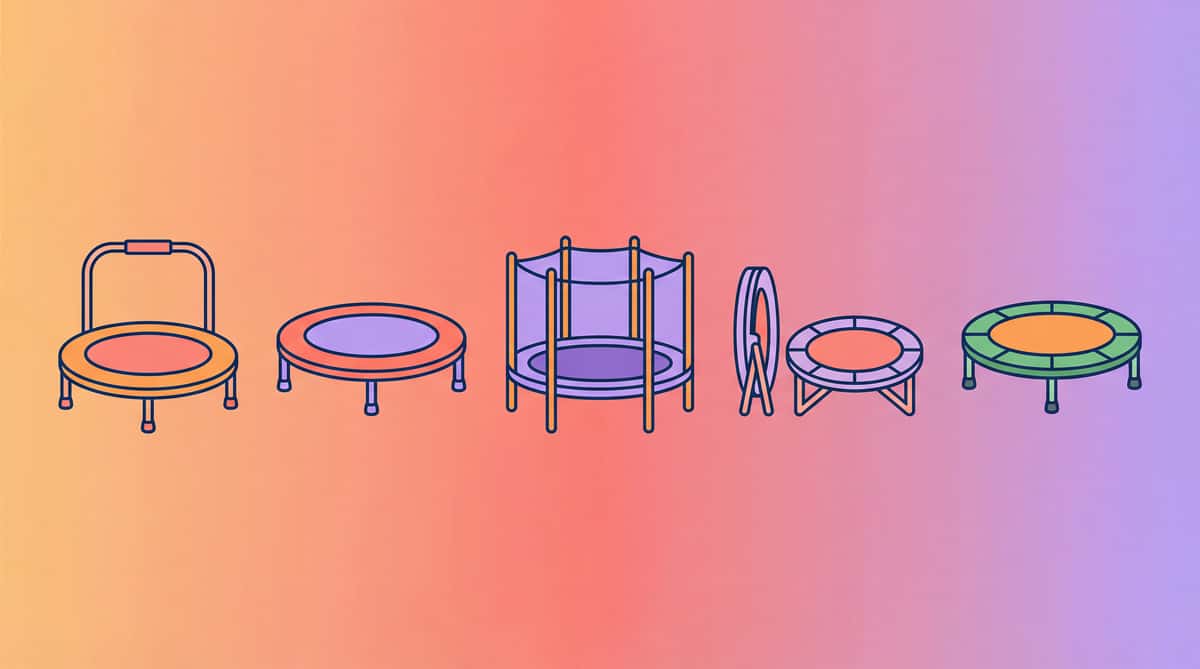
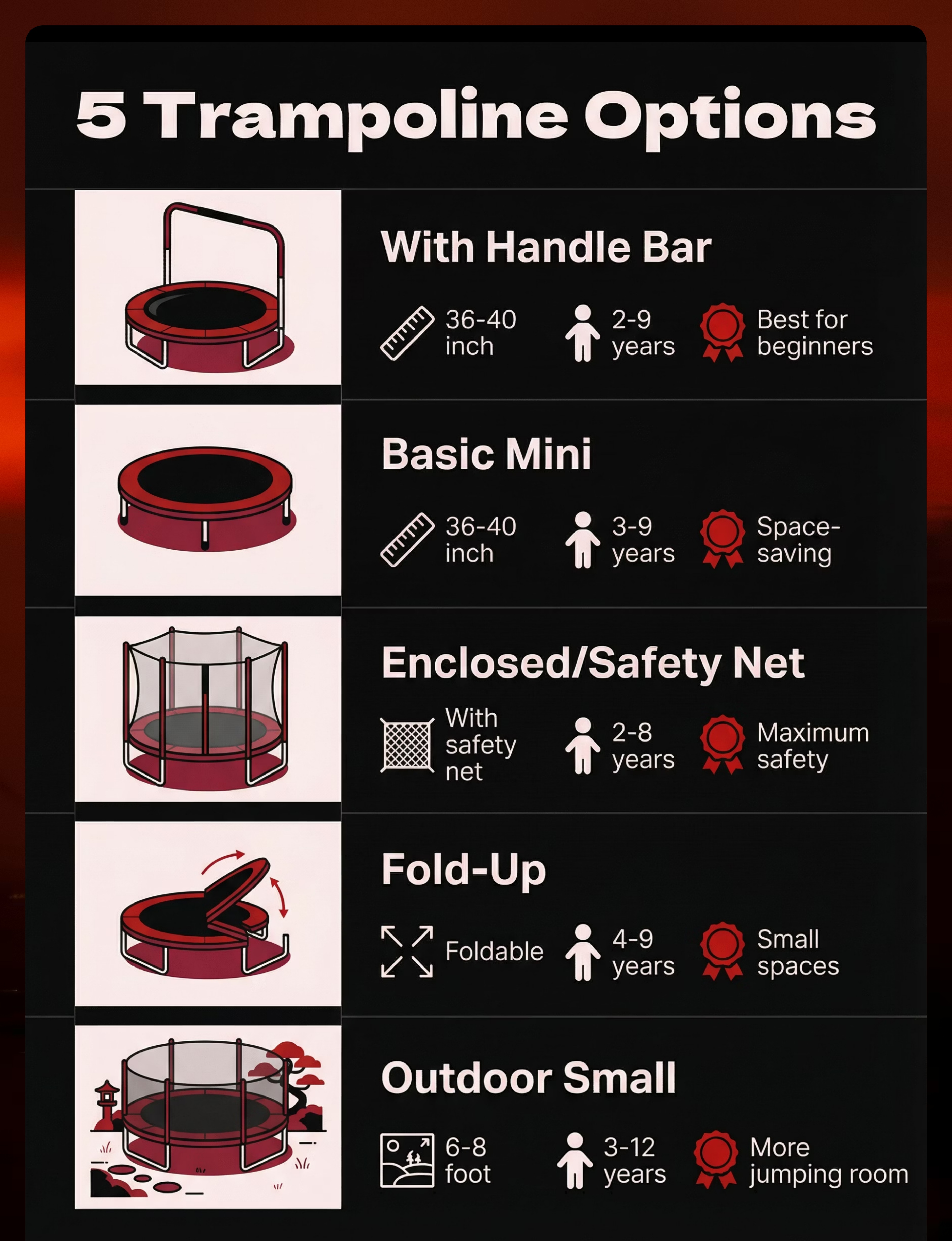
Mini Trampoline with Handle Bar
Best for: Beginners, safety, balance support
Basic Mini Trampoline
Best for: Independent jumpers, space-saving
Sensory Trampoline (Enclosed)
Best for: Safety-focused, younger children
Fold-Up Rebounder
Best for: Small spaces, apartment living
Outdoor Trampoline (Small)
Best for: Outdoor space, more jumping room
Choose Your Option
Each variant serves different needs based on age, safety requirements, space constraints, and portability. Consider your child's age, skill level, available space, and primary use case when selecting.

How to Choose
When selecting a mini-trampoline, consider these key factors:
  • Safety Needs Beginners benefit from handle bar models, while enclosed trampolines are best for those with safety concerns. Confident jumpers might prefer basic models.
  • Space Available Fold-up rebounders suit limited spaces. If you have outdoor space, a large outdoor trampoline is an option. Standard rooms can accommodate most mini-trampolines.
  • Portability For frequent movement, a fold-up model is ideal. Enclosed or outdoor trampolines are for permanent locations, while basic or handled versions offer some flexibility.
Specifications & Types Guide
Jump Types
Vertical Jumping
Straight up and down movement. Most common and therapeutically effective. Provides pure vestibular-proprioceptive input.
Seated Bouncing
Bouncing while seated on the trampoline surface. Gentler input for children who are hesitant or need modified movement.
Guided Jumping
Holding the handle bar for support while jumping. Builds confidence and safety while providing full sensory benefits.
Combined Activities
Jumping while catching balls, clapping, or following directions. Adds motor planning and cognitive challenge to physical input.
Materials & Features
mini-trampoline-rebounde therapy material
  • Steel frame: Provides sturdy base and structural integrity
  • Bungee or spring suspension: Creates bouncing action (bungee quieter, springs more traditional)
  • Safety pad over springs: Essential protection—must cover all springs or bungee connections
  • Handle bar (optional): Removable or fixed support bar for balance assistance
  • Weight capacity: Typically 50-100 kg; check for your child's size
  • Non-slip surface: Textured jumping mat prevents slipping

Key Selection Criteria: Appropriate weight capacity, safety pad coverage, sturdy frame construction, and handle bar availability are the most critical features for therapeutic use.
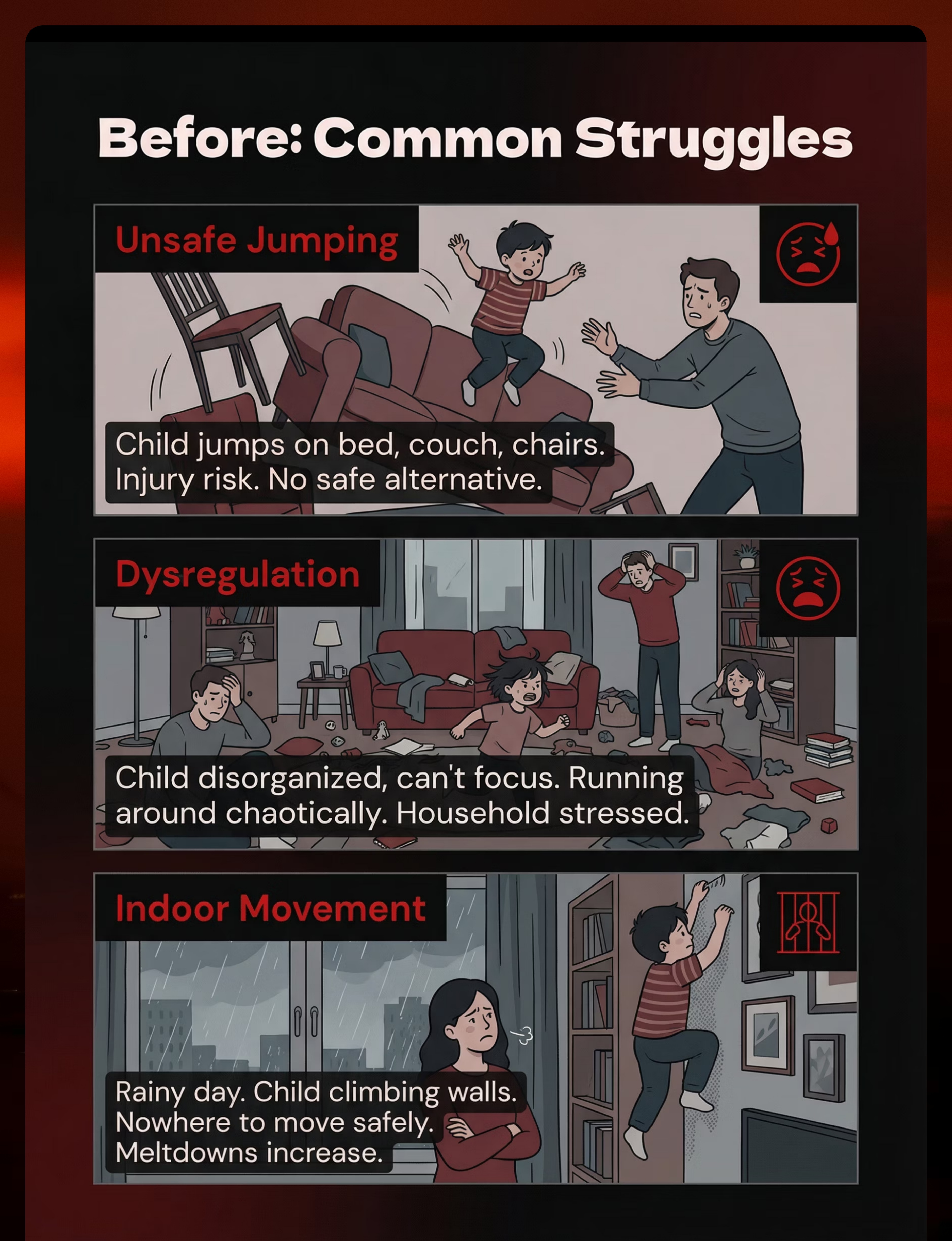
The Struggle (Before)
Unsafe Jumping
Situation: Child jumps on bed, couch, chairs throughout the day. Parents constantly redirecting with no success. High injury risk. No safe alternative exists in the home.
Experience: Daily battles over furniture jumping. Fear of injury. Constant vigilance. Exhaustion from redirecting.
Emotion: Fear, exhaustion, helplessness
Dysregulation
Situation: Child is disorganized and cannot focus on anything. Running around chaotically. No tool to help regulate. Entire household stressed and disrupted.
Experience: Meltdowns increase. Learning impossible. Therapy goals unreachable. Daily routines fall apart.
Emotion: Chaos, helplessness, desperation
Indoor Movement Crisis
Situation: Rainy day or too hot outside. Child climbing walls with pent-up energy. Nowhere to move safely indoors. Meltdowns increase exponentially.
Experience: Trapped feeling. No outlet. Energy builds. Behavior deteriorates. Everyone frustrated.
Emotion: Frustration, trapped, overwhelmed
mini-trampoline-rebounde therapy material
What to Expect (Realistic Timelines)
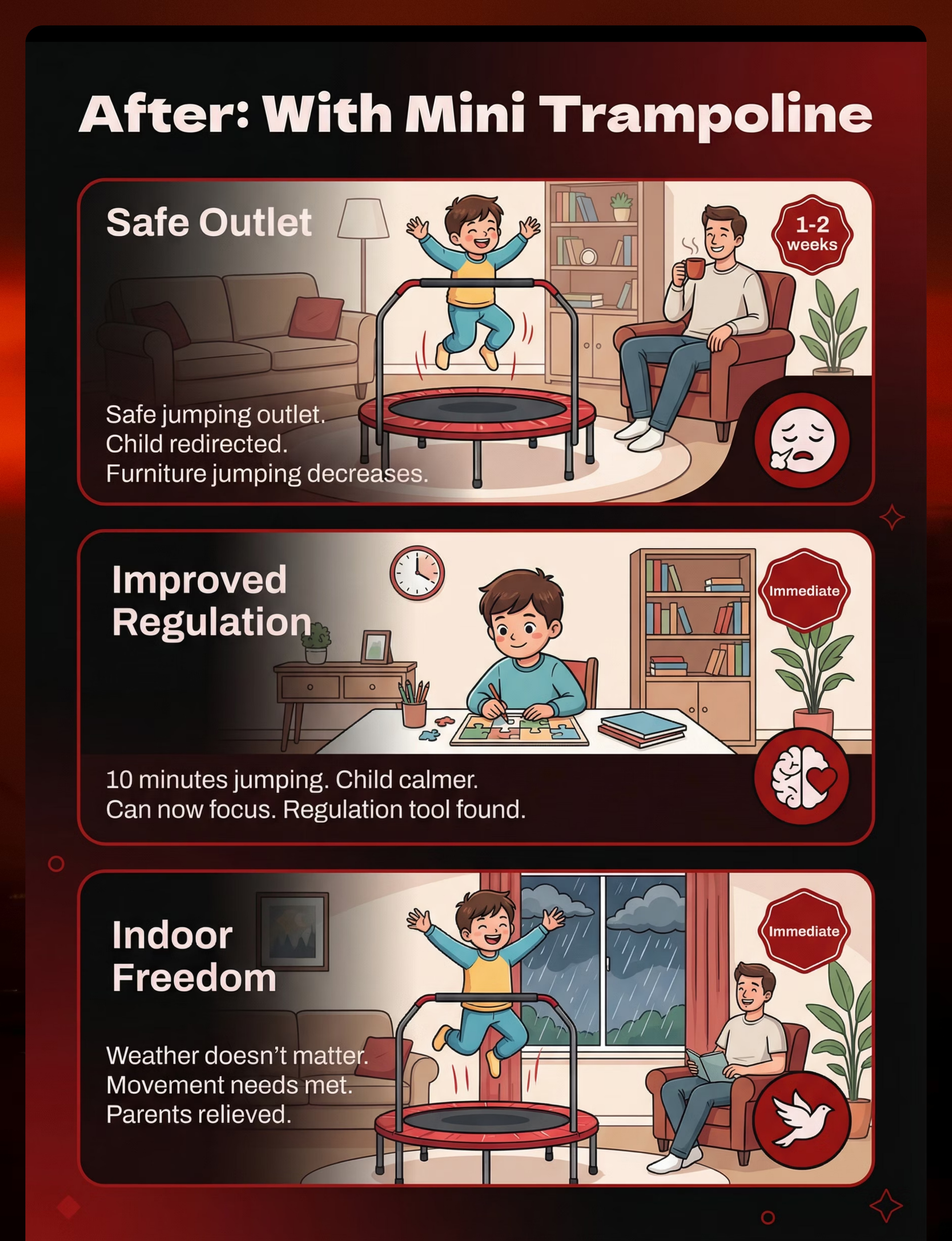
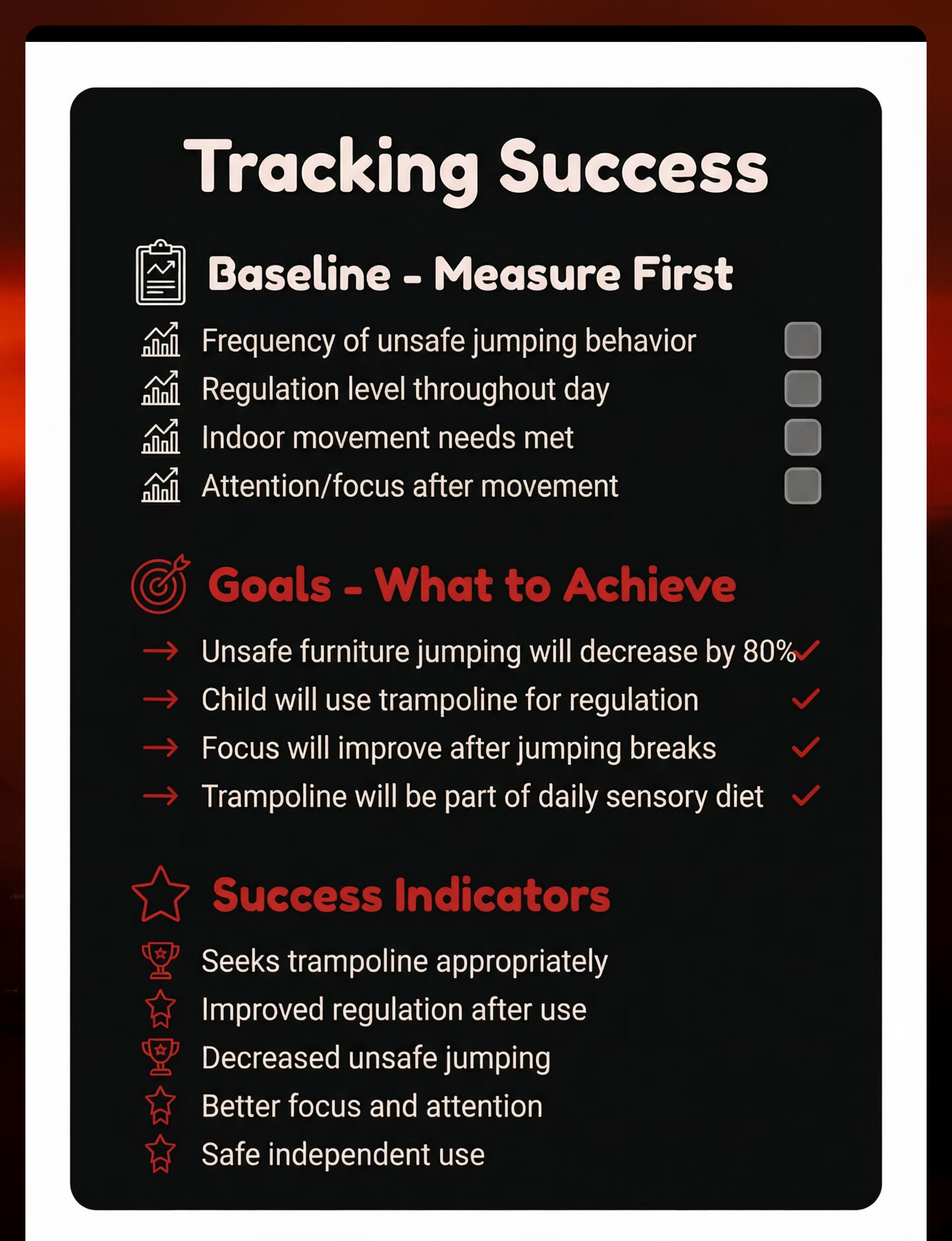
Immediate Benefits
  • Safe outlet for jumping needs available
  • Improved regulation noticed after jumping sessions
  • Better attention and focus after movement breaks
  • Sensory diet tool immediately usable
Immediate
Early Progress (1-2 Weeks)
  • Decreased unsafe furniture jumping (up to 80% reduction)
  • Child begins seeking trampoline appropriately
  • Family establishes consistent usage routine
  • Safe jumping habits forming
1-2 weeks
Long-term Gains (4-8 Weeks)
  • Measurable leg strength increases
  • Motor planning improvements evident
  • Regulation strategies well-established
  • Independent safe use achieved
4-8 weeks

Remember: Every child's timeline is unique. These are typical patterns, but your child may progress faster or need more time. Consistency and proper use are key factors in achieving outcomes.
mini-trampoline-rebounde therapy material
Common Questions (Honest Answers)
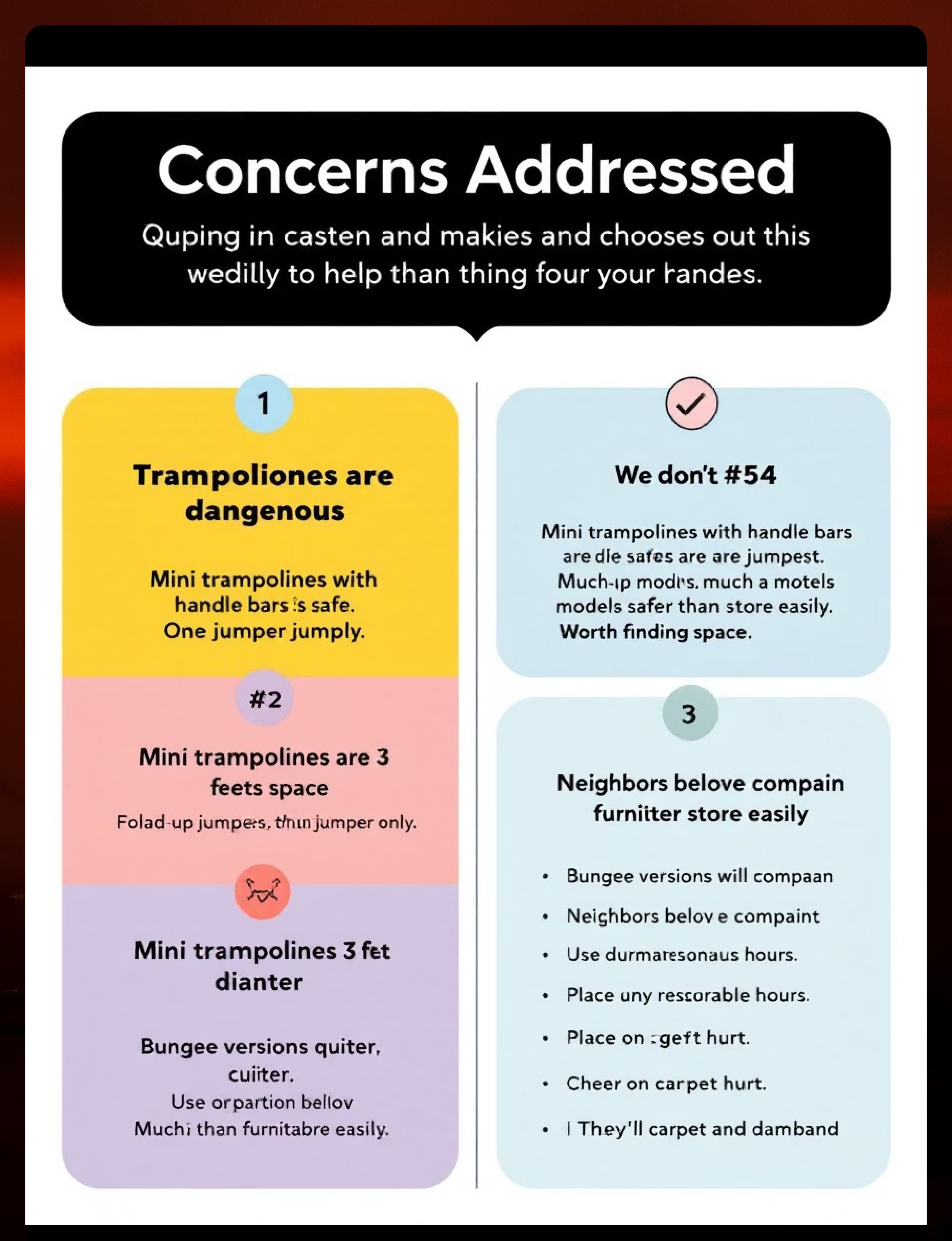
"Trampolines are dangerous"
Honest answer: Risk is real but highly manageable with proper precautions. Mini trampolines with handle bars are significantly safer than standard trampolines. One jumper only, supervision, and proper setup are critical.
Key insight: Most injuries come from misuse—multiple jumpers, tricks, or damaged equipment. Mini trampolines are MUCH safer than ongoing furniture jumping. Benefits often outweigh risks with proper use.
Try this: Choose handled model, supervise consistently, enforce one-jumper rule strictly.
"We don't have space"
Honest answer: Mini trampolines are only 3 feet in diameter—fits in most rooms. Fold-up models store easily when not in use. Can be moved from room to room as needed.
Key insight: The regulation benefits are worth finding space for. Many families discover creative placement solutions once they experience the impact.
Try this: Fold-up model, store when not in use, find corner space or repurpose underutilized area.
"Neighbors below will complain"
Honest answer: Valid concern for apartments. Mini trampolines are quieter than floor jumping. Use during reasonable hours. Place on carpet or mat to dampen sound. Bungee versions quieter than springs.
Key insight: Communication with neighbors and strategic timing usually resolves this. The alternative—unregulated movement—may actually be noisier.
Try this: Bungee trampoline, thick carpet pad underneath, establish reasonable usage hours, inform neighbors.
"They'll just get hurt"
Honest answer: Risk is actually lower than ongoing furniture jumping. Handle bar provides critical support. Safety pad covers springs. Supervision until safe habits established prevents most injuries.
Key insight: Most injuries from misuse—multiple jumpers or tricks. Proper use with safety features is remarkably safe. Eliminating furniture jumping likely reduces overall injury risk.
Try this: Teach safe use from day one, supervise actively, choose handled model for maximum safety.
mini-trampoline-rebounde therapy material
Usage Guide
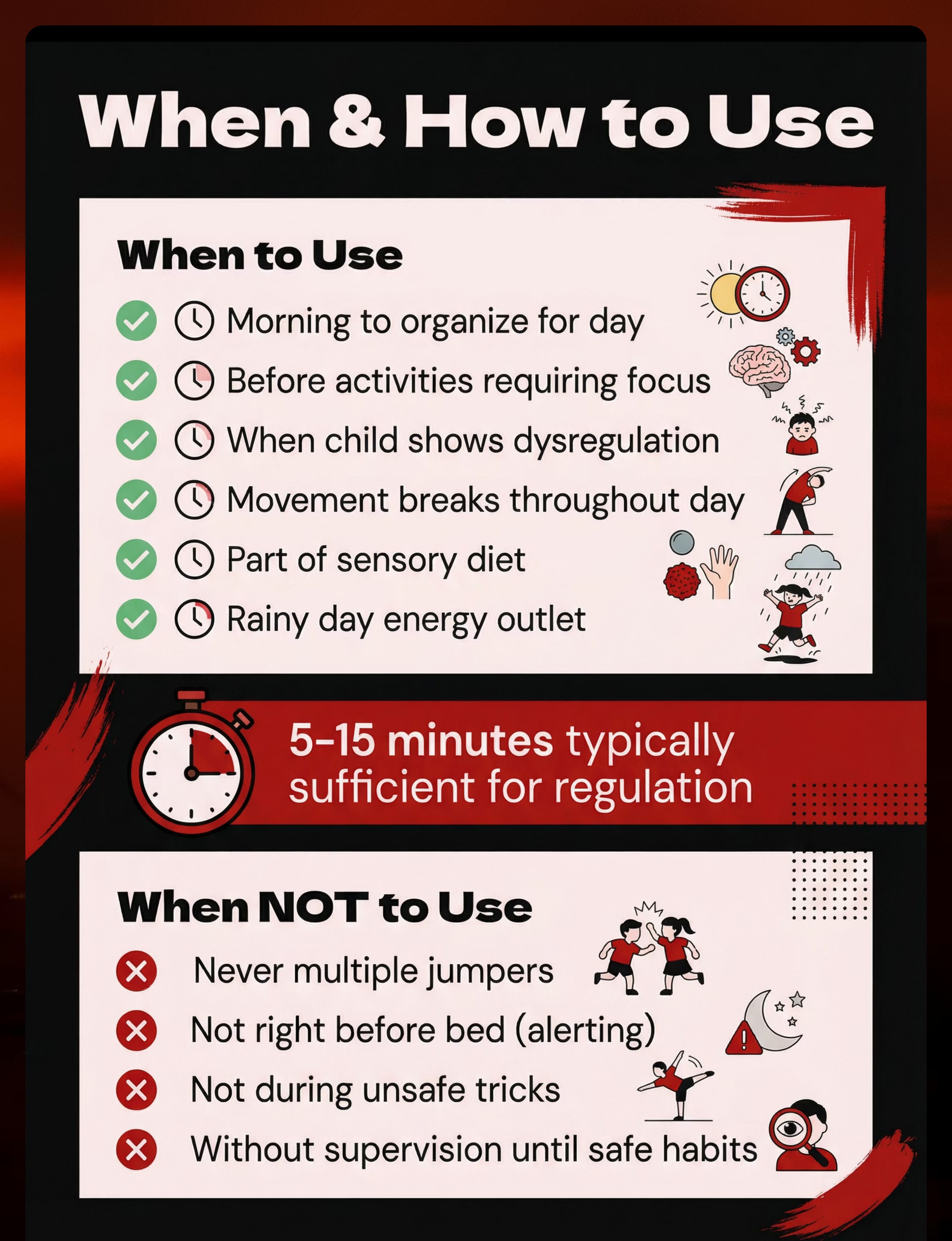
When to Use ✓
Morning routine to organize for the day ahead
Before activities requiring focus (homework, therapy)
When child shows signs of dysregulation
Movement breaks throughout the day
As part of daily sensory diet routine
Energy outlet on rainy days or hot weather
When NOT to Use ✗
Never allow multiple jumpers simultaneously
Not right before bedtime (too alerting)
Not if child attempts unsafe tricks
Not without supervision until habits established

Supervision by Age
Age Range
Supervision Level
Notes
Under 4 years
Constant hands-on supervision
Handle bar required always; adult within arm's reach
4-6 years
Active supervision
Handle bar recommended; adult present in room
6+ years
General supervision
Can be more independent if safe habits established; periodic check-ins

Duration Guidance: 5-15 minutes typically sufficient for regulation. Longer sessions acceptable for motor development, but watch for overstimulation signs.
Home
Clinic
School sensory room
mini-trampoline-rebounde therapy material
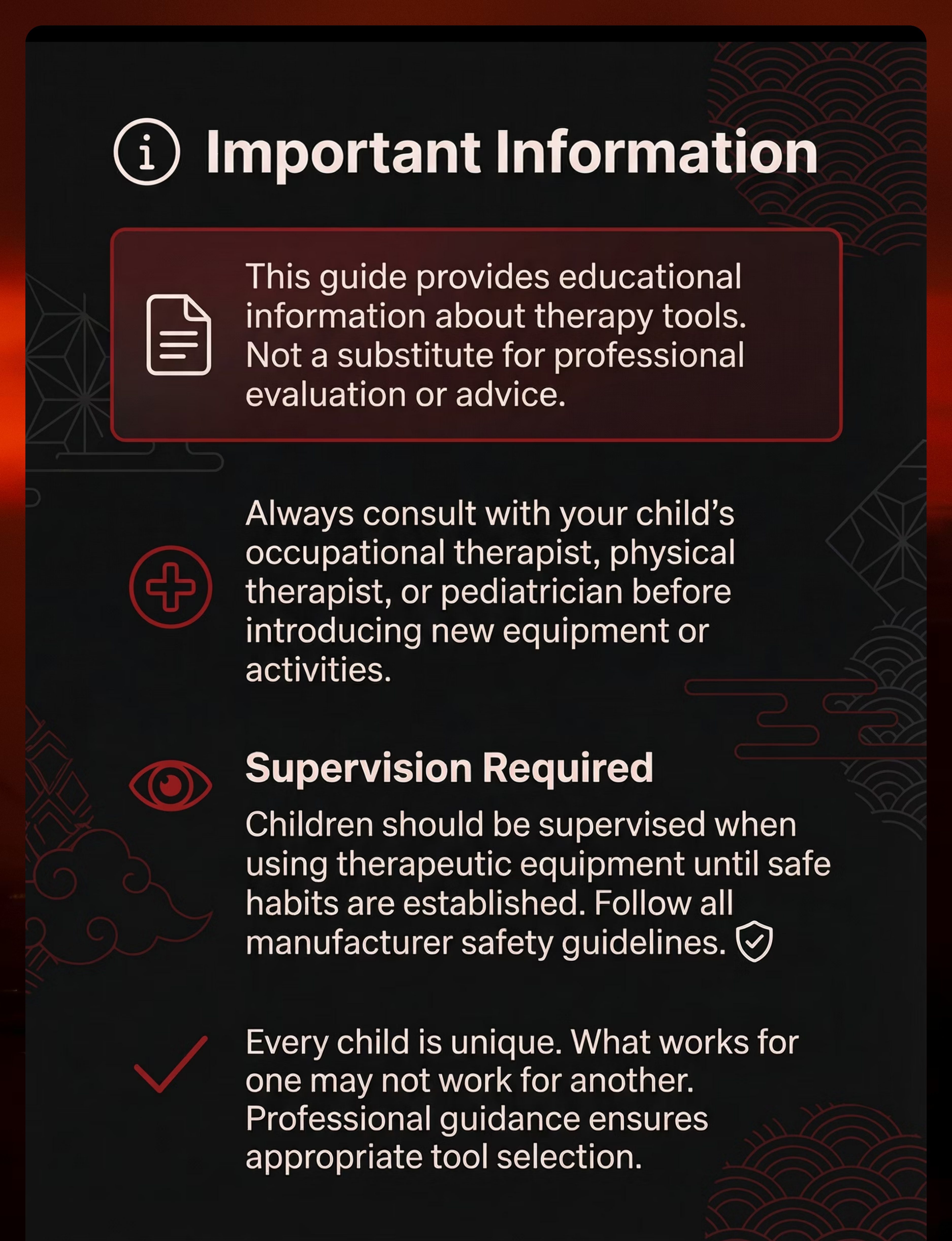
Safety First
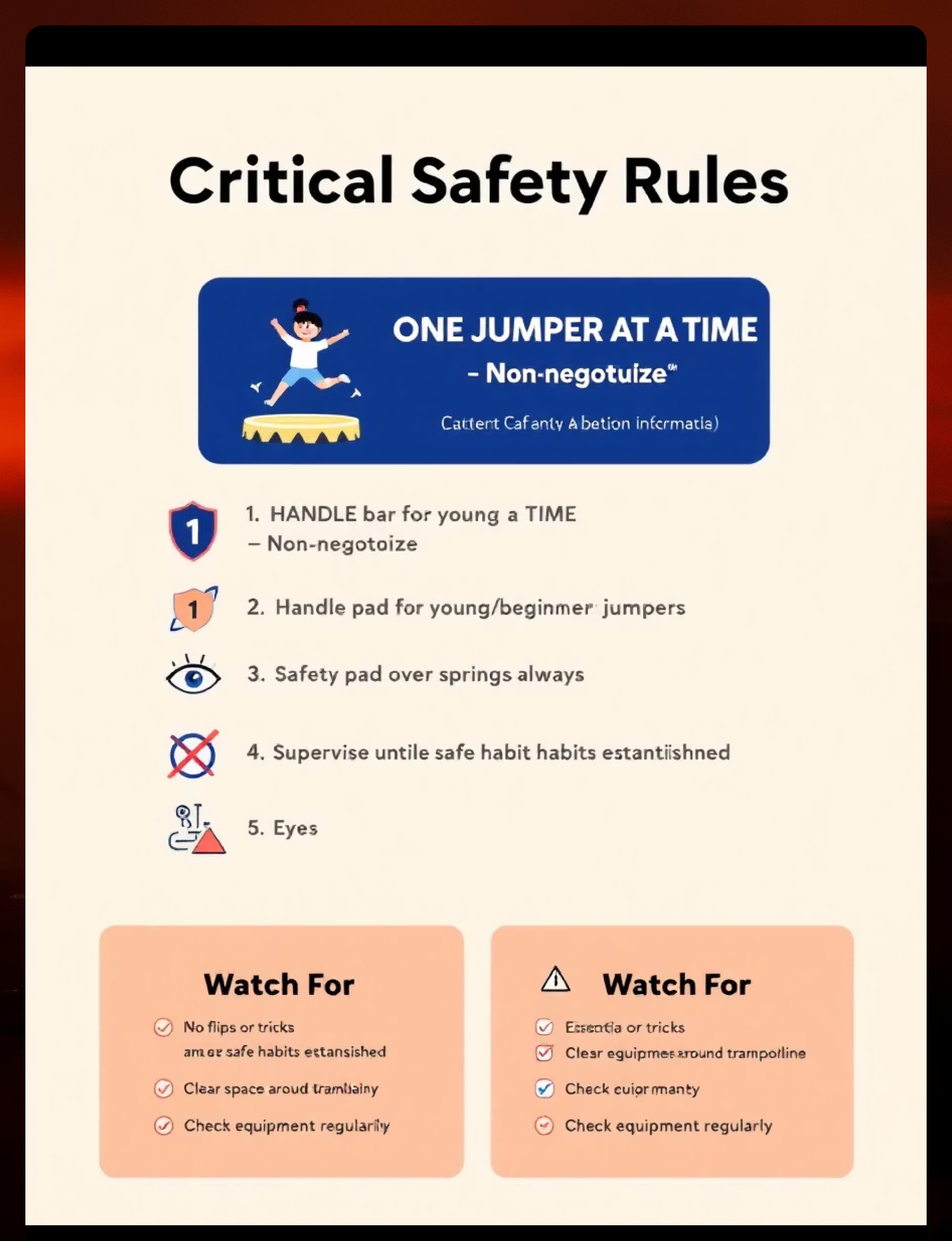
🚨 CRITICAL SAFETY
  • ONE JUMPER AT A TIME — This is non-negotiable. Multiple jumpers create collision risk and injury
  • Handle bar for young/beginner jumpers — essential stability
  • Safety pad over springs ALWAYS — must cover all exposed springs
  • Supervise until safe habits established — age-appropriate supervision
  • Clear space around trampoline — minimum 2 feet clearance all sides
⚠️ WARNINGS
  • No flips or tricks — dangerous even for experienced jumpers
  • Watch for overstimulation — too much vestibular input causes dysregulation
  • Check equipment regularly — inspect for wear, loose parts, damaged springs
  • Level, stable surface required — uneven surface creates tipping risk
🛑 CONTRAINDICATED
  • Multiple jumpers simultaneously
  • Unsupervised young children (under 6)
  • Tricks, flips, or gymnastic maneuvers
  • Damaged or worn equipment

Before Use Checklist
  • Equipment in good condition
  • Safety pad properly in place
  • Clear area around trampoline
  • One jumper only rule clearly communicated
  • Appropriate supervision available
During Use Checklist
  • One jumper only (enforced)
  • Age-appropriate supervision present
  • Safe jumping only (no tricks)
  • Watching for overstimulation signs
  • Proper landing technique
Signs to Stop
  • Dizziness or nausea
  • Increased dysregulation
  • Unsafe behavior emerging
  • Equipment damage noticed
  • Child showing fatigue
Investment Guide
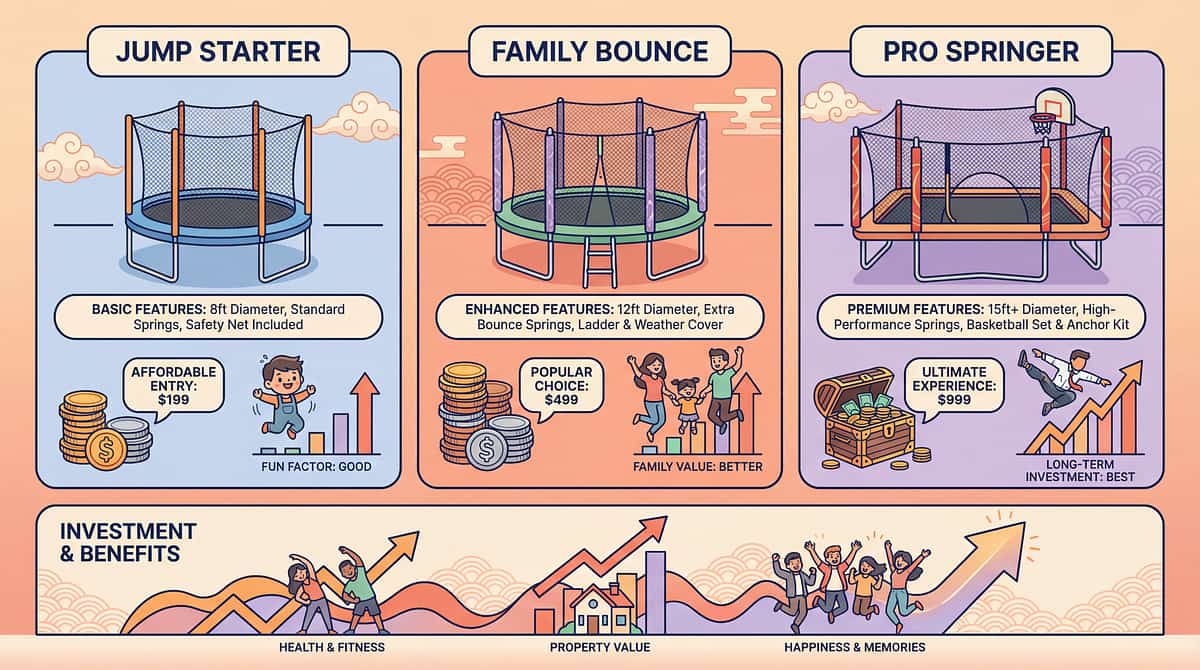
Trampoline pricing varies significantly based on features, size, and safety elements. Here's an honest breakdown to help you make an informed decision within your budget.
Budget Option
Item: Basic mini trampoline without handle bar
Cost: ₹1,500–2,500
What you get: Functional jumping surface, basic safety pad, steel frame. Works well for older children (5+) who don't need balance support.
Important note: Requires more active supervision. Best for children with established balance and following-directions skills.
Premium Option
Item: Mini trampoline with handle bar and safety pad
Cost: ₹3,000–6,000
What you get: Sturdy handle bar for balance support, high-quality safety pad, reinforced frame, better bounce quality.
Brands: JumpSport, Skywalker, Decathlon
Worth it because: Significantly safer for young children (2-6 years). Handle bar alone prevents most falls. Better longevity and build quality.

₹1.5K
Entry Point
Basic trampoline
₹3-5K
Sweet Spot
Handle bar model
₹10K
Premium Max
Enclosed safety net
Overall Range: ₹1,500–10,000 (USD $18–120)

Best Starting Point: For most families, a mid-range trampoline with handle bar (₹3,000–5,000) offers the best balance of safety, functionality, and value. The handle bar is worth the investment for peace of mind and actual fall prevention.
Where to Buy in India
Availability: Widely Available across multiple platforms and retail locations throughout India
Amazon.in
Search: "mini trampoline kids" or "trampoline with handle bar"
Price Range: ₹2,000–5,000
Largest selection, customer reviews available, fast delivery in metro areas
Flipkart
Search: "kids trampoline indoor"
Price Range: ₹2,000–4,000
Competitive pricing, regular sales, wide delivery network
Decathlon
Search: "fitness trampoline"
Price Range: ₹2,500–4,000
In-store testing available, quality assured, sports retail specialist

Buying Tips
Handle bar strongly recommended for safety, especially children under 6
Check weight capacity — ensure it accommodates your child's current and future weight
Safety pad over springs essential — must fully cover all spring/bungee connection points
Bungee suspension quieter than springs — better for apartments with downstairs neighbors
One jumper at a time — ensure family understands this non-negotiable safety rule
Red Flags
No safety pad over springs — injury risk too high
Weight capacity too low — check against child's weight plus growth
Poor quality frame — flimsy construction, thin materials, wobbly assembly
No handle bar option for young children — major safety concern
DIY Alternative + Tradeoffs
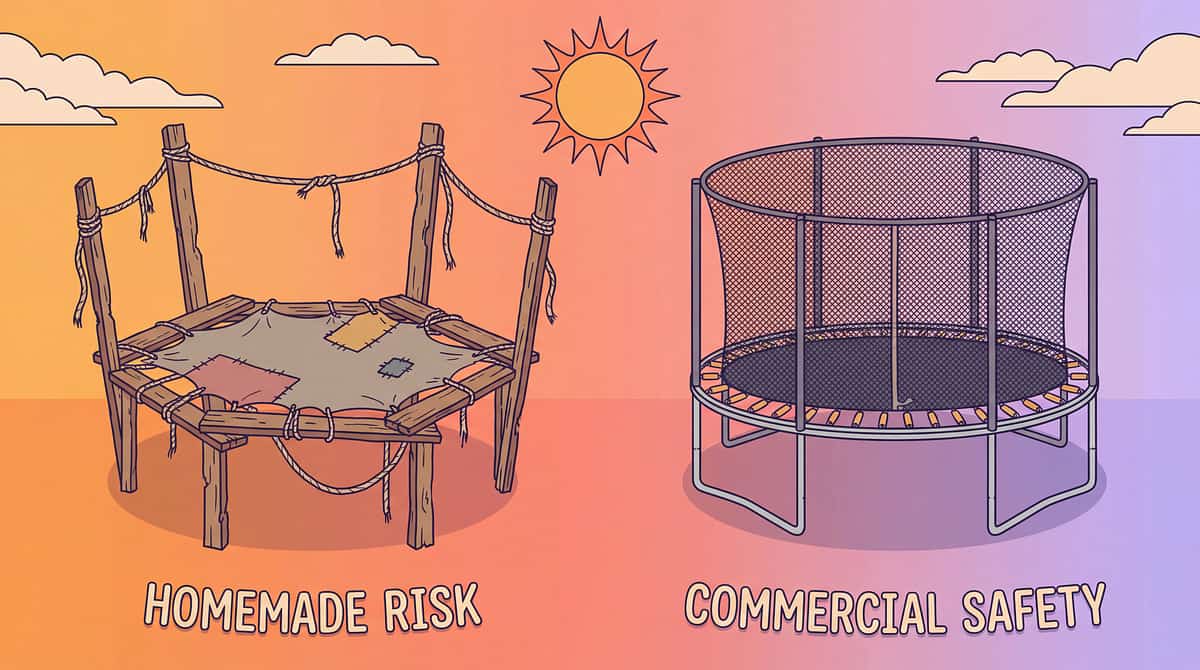
⚠️ DIY Feasibility: Very Low — Purchase Commercial for Safety
Unlike some therapeutic tools, trampolines cannot be safely constructed at home. The engineering required for safe, consistent bounce and structural integrity requires specialized manufacturing.
Cost Savings: N/A — No safe DIY option exists
Time Investment: N/A — Not applicable

Why You Must Purchase Commercial
Safety Engineering
Trampolines require precise spring or bungee tension, frame weight distribution, and materials testing. Home construction cannot replicate these critical safety features.
Liability & Standards
Commercial trampolines meet safety standards and undergo testing. Homemade versions expose your child to significant injury risk.
Therapeutic Effectiveness
The specific bounce quality and consistent resistance are essential for therapeutic benefit. DIY versions cannot provide the vestibular input needed.

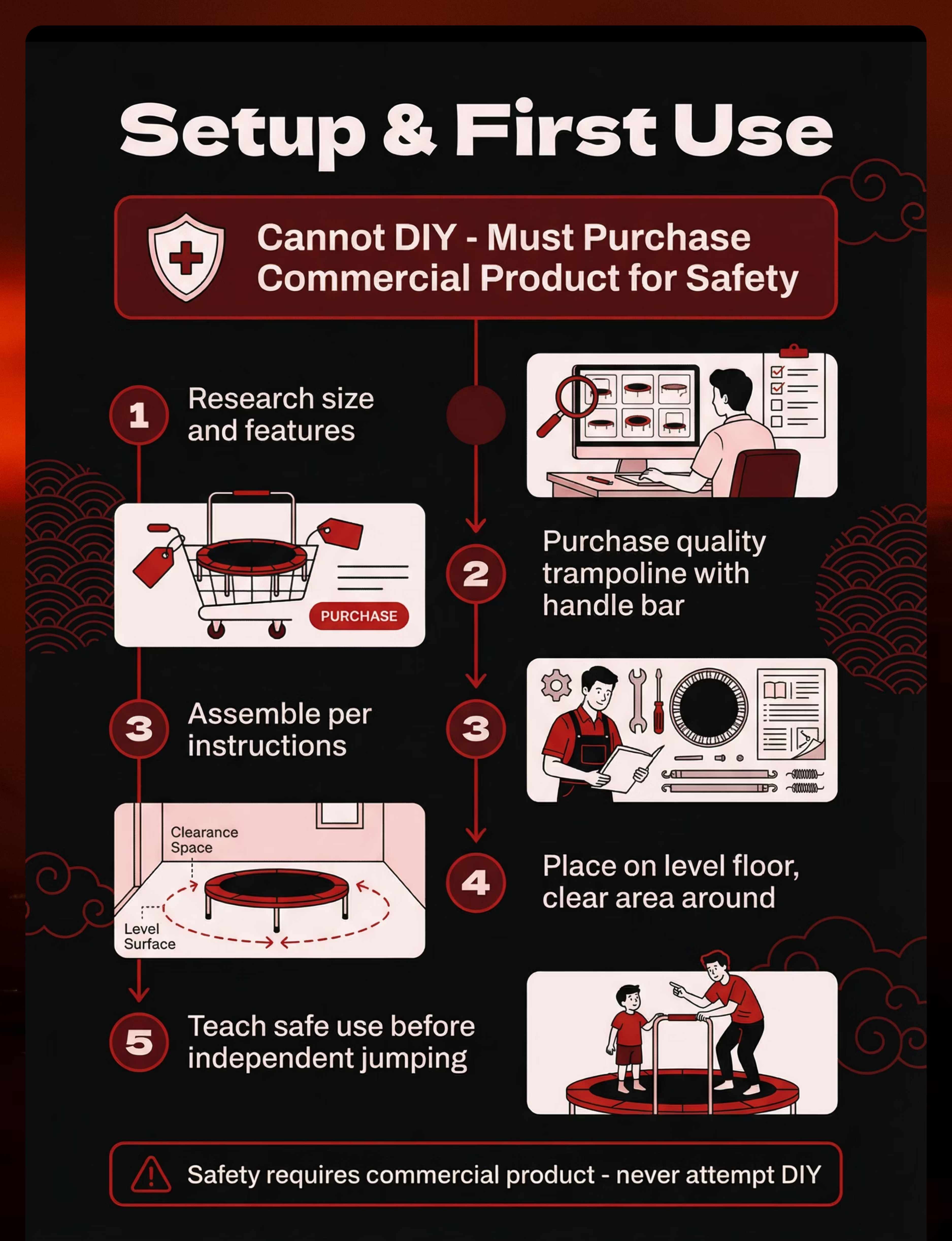
Proper Setup Steps (After Purchase)
1
Research & Select
Review variants based on age, space, and safety needs. Read customer reviews and compare features carefully.
2
Purchase Quality Product
Buy from reputable seller. Ensure handle bar included if needed. Verify safety pad coverage and weight capacity.
3
Assemble Per Instructions
Follow manufacturer assembly guide exactly. Don't skip steps. Double-check all connections and bolts.
4
Position on Level Floor
Place on level surface with 2-foot clearance all sides. Test stability before child uses.
5
Teach Safe Use
Before allowing independent jumping: teach one-jumper rule, proper mounting/dismounting, safe jumping technique.

Critical Message: This is one tool where DIY is never appropriate. The investment in a commercial product protects your child's safety and ensures therapeutic effectiveness. Budget options exist that are far safer than any homemade alternative.
Maintenance & Care
Keep It Safe & Effective Long-Term
01
Weekly Checks
Inspect frame stability, check safety pad condition, test handle bar tightness, and look for wear on the jumping surface.
02
Monthly Deep Clean
Wipe down frame and mat with a damp cloth. Recheck all bolts and connections, and inspect springs or bungees for any signs of rust or damage.
03
Every 3 Months
Tighten all hardware to ensure stability. Examine legs for any wobbling or instability. Replace worn safety padding if it shows significant wear or tear.

Storage Tips
  • Store indoors when not in use to protect from elements.
  • Keep away from direct sunlight to prevent material degradation and fading.
  • If foldable, store in a dry, cool area to preserve components.
  • Avoid stacking heavy items on top, which can warp the frame or damage the mat.
When to Replace
  • Jumping mat shows tears, holes, or excessive stretching/wear.
  • Springs or bungees lose tension, break, or show significant rust.
  • Frame becomes unstable, bent, cracked, or shows signs of metal fatigue.
  • Safety pad deteriorates, rips, or no longer fully covers springs.
  • Handle bar becomes loose and cannot be securely tightened.

Expected Lifespan: A mini trampoline typically lasts 2-4 years with regular use and diligent maintenance. Quality models can exceed this with consistent care.
Integration with Other Tools
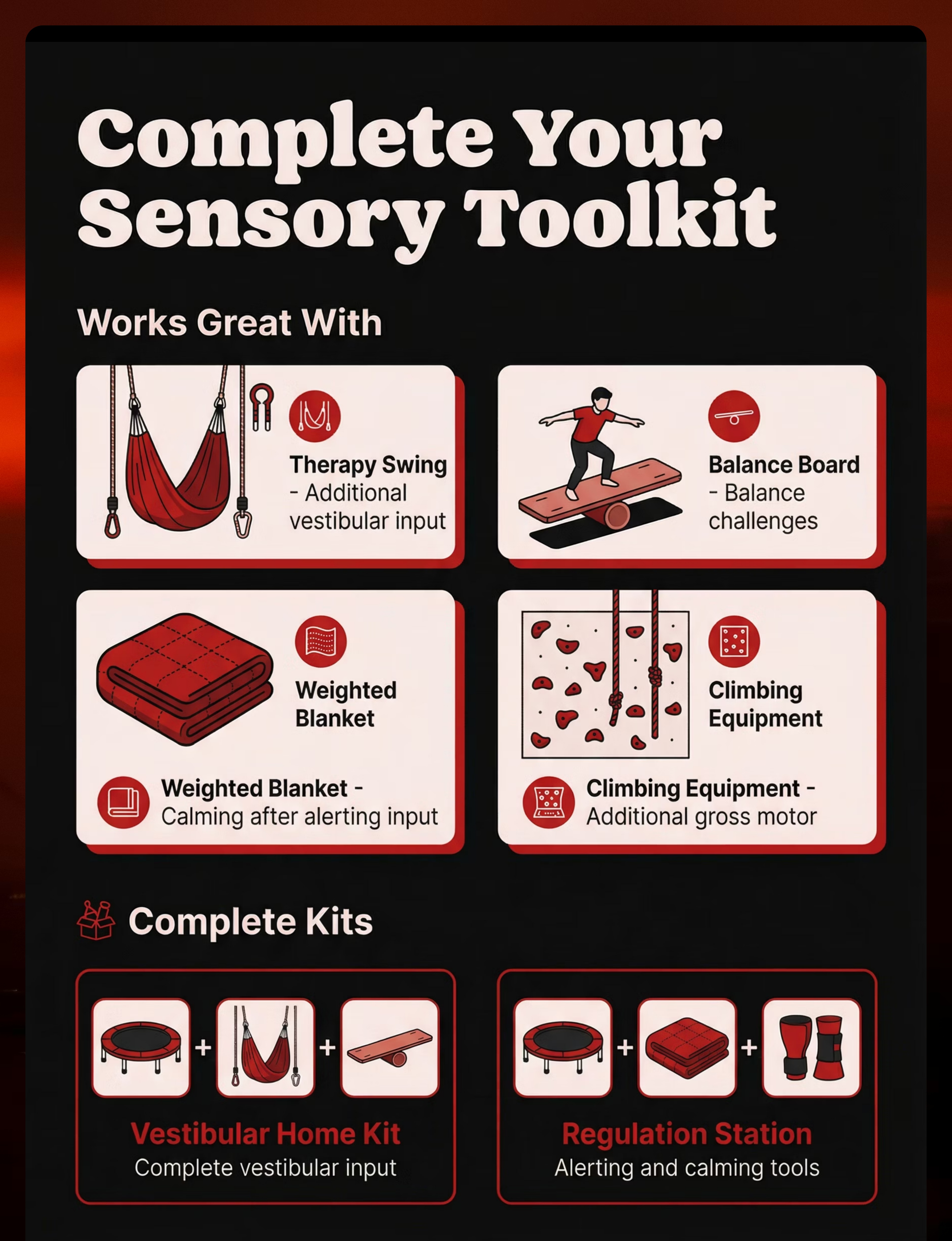
Building a Complete Sensory Toolkit
The mini trampoline works best as part of a comprehensive sensory approach. Here's how it complements other therapeutic tools and when to use each for optimal development and regulation.

There was an error generating this image

Therapy Ball
Use Before: Warm up core muscles and prepare the vestibular system. Transition to the trampoline for more intense proprioceptive and vestibular input.

There was an error generating this image

Weighted Blanket
Use After: Calm and organize after high-energy jumping. Provides deep pressure input to help regulate arousal levels and promote relaxation.

There was an error generating this image

Sensory Swing
Alternate With: Offers different vestibular input. Use the swing for linear or rotational movement, while the trampoline provides vertical bounce and proprioceptive input.

There was an error generating this image

Balance Board
Progress To: Once trampoline skills develop, add balance challenges for increased difficulty. A balance board enhances core strength, coordination, and postural control.

Sample Sensory Circuit
5 min - Therapy Ball
Bouncing and gentle rolling for warm-up and vestibular preparation.
8 min - Trampoline Jumping
Main activity for proprioceptive and vestibular input, varied jumping styles.
5 min - Weighted Blanket Time
Cool-down phase for deep pressure and regulation.
2 min - Quiet Activity
Focused activity or breathing exercises to consolidate regulation.
When to Combine vs. Separate
  • Combine tools in the same session for varied sensory input and to build transition skills.
  • Separate tools if the child becomes overstimulated or overwhelmed by too much input at once.
  • Watch for signs of increased focus and calm, indicating a good combination; meltdowns or disorganization may signal too much or inappropriate input.
  • Consult with an Occupational Therapist (OT) to develop a personalized "sensory diet" plan tailored to your child's specific needs.

Pro Tip: Keep a simple log of which tool combinations and sequences work best for your child. Patterns often emerge over 2-3 weeks that can significantly guide and optimize your sensory routine.

Preview of mini trampoline rebounde Therapy Material

Below is a visual preview of mini trampoline rebounde therapy material. The pages shown help educators, therapists, and caregivers understand the structure and content of the resource before use. Materials should be used under appropriate professional guidance.

Page 1
Page 2
Page 3
Page 4
Page 5
Page 6
Page 7
Page 8
Page 9
Page 10
Page 11
Page 12
Page 13
Page 14
Page 15
Page 16
Page 17
Page 18
Page 19
Page 20
Gross Motor

Category 6: Gross Motor & Movement

9 MATERIALS

Equipment and activities developing large muscle strength, coordination, balance, and motor planning. These materials support physical development through movement-based play and structured gross motor activities essential for daily function and participation.

Key Materials

  • Balance equipment (beams, boards, discs)
  • Therapy balls and peanut balls
  • Tunnels and obstacle course items
  • Stepping stones and pathways
  • Scooter boards and movement tools

Target Areas

  • Gross motor skills
  • Balance and coordination
  • Motor planning
  • Core strength
  • Body awareness
Mini Trampoline / RebounderVestibular and proprioceptive bounce equipment supporting sensory integration, gross motor development, coordination, and energy regulation across home and therapy settings.
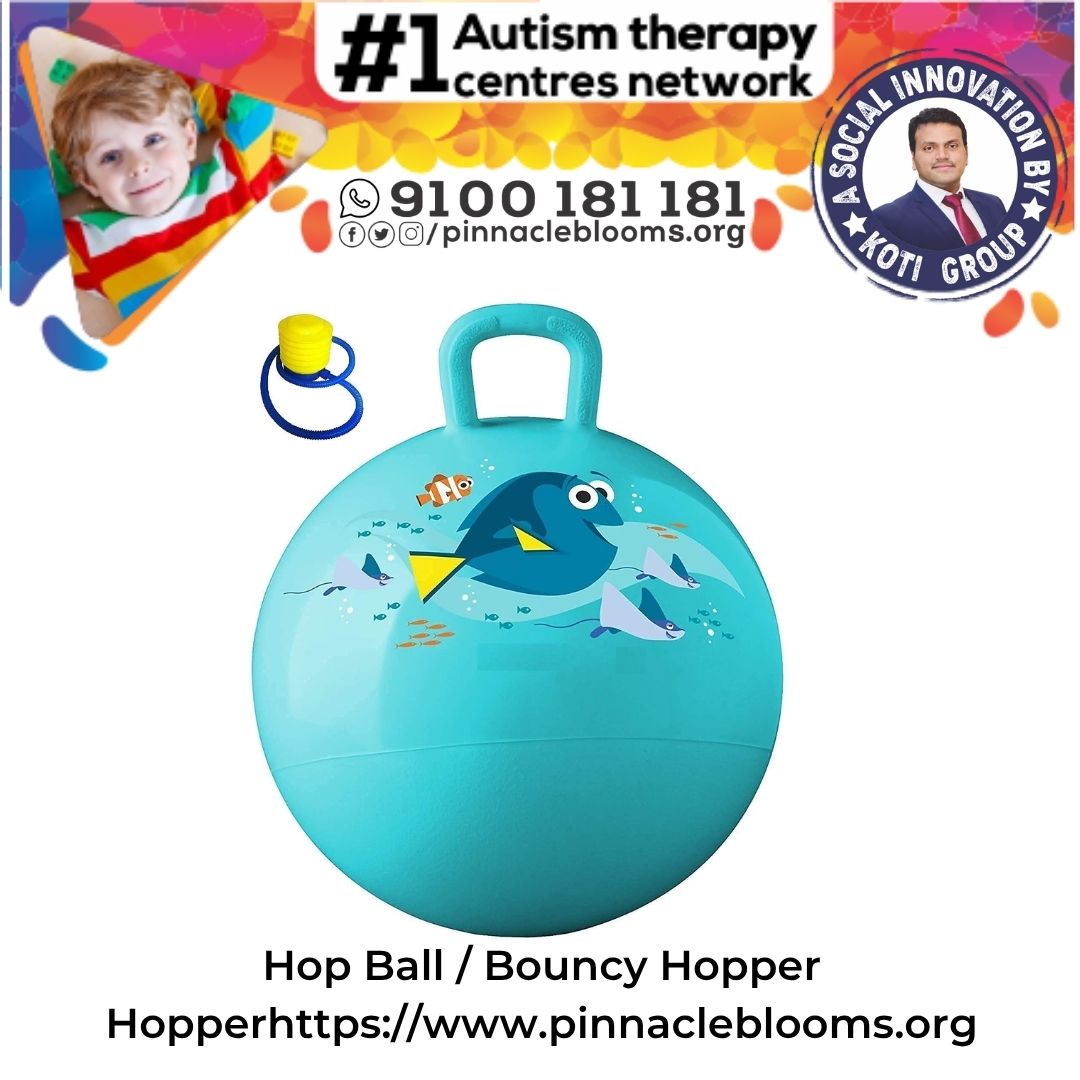
Hop Ball / Bouncy Hopper
Trampoline
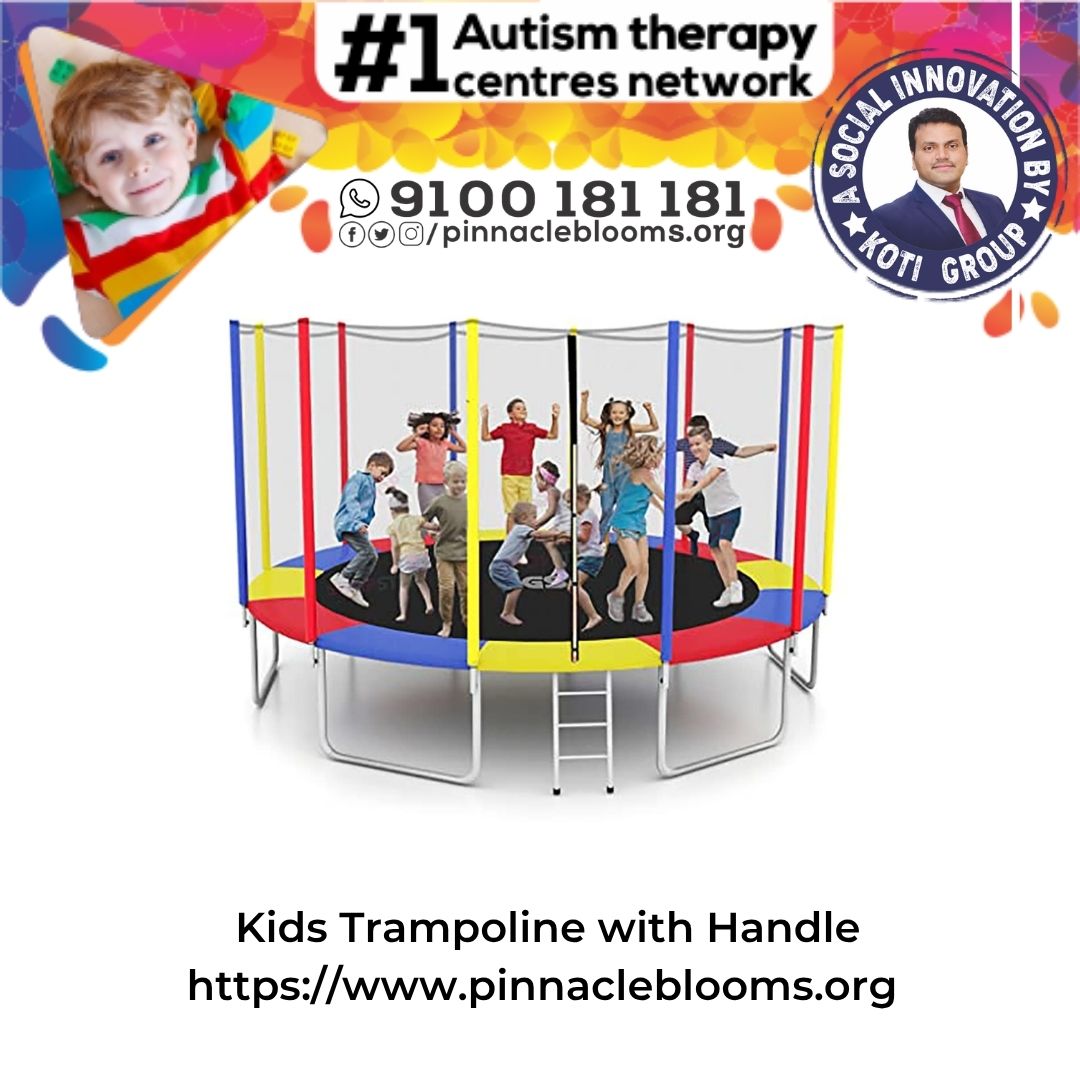
Kids Trampoline with Handle
Trampoline
Link copied!
Next Steps & Resources
Your Journey Forward
You've learned about the mini trampoline as a therapeutic tool. Here's how to move forward with confidence and access additional support.
Assess Your Child's Needs
Review the 'Who This Helps' section. Note specific challenges your child faces. Consider consulting an OT for professional assessment.
Research & Purchase
Compare options on Amazon.in, Flipkart, or Decathlon. Prioritize safety features: handle bar, safety pad, weight capacity. Read customer reviews carefully.
Start Gradually
Begin with 2-3 minute sessions. Observe your child's response. Gradually increase duration as comfort builds.
Track Progress
Keep a simple log of sessions and observations. Note improvements in focus, regulation, or motor skills. Share findings with therapist if working with one.

Professional Support
  • Occupational Therapist (OT): For personalized sensory diet and technique guidance
  • Developmental Pediatrician: For comprehensive assessment and diagnosis
  • Special Education Teacher: For school-based integration strategies
  • Parent Support Groups: Connect with other families navigating similar journeys
Recommended Reading
  • "The Out-of-Sync Child" by Carol Kranowitz: Comprehensive guide to sensory processing
  • "Building Bridges Through Sensory Integration" by Ellen Yack: Practical strategies for parents
  • Online: Sensory Processing Disorder Foundation website
  • Local: Check with your OT for India-specific resources and parent workshops

Remember: Every child's sensory journey is unique. Progress may be gradual, but each small step builds toward greater regulation, confidence, and development. You're not alone in this journey.