













Tool ID: 15.1
OT + PT Recommended
Strong Evidence
Rank #1
Daily Use
₹500–15,000
Outdoor Swings & Movement
Vestibular and proprioceptive outdoor stimulation system
Transform your backyard into a therapeutic sensory space. Outdoor swings provide the intensive vestibular and proprioceptive input that many children with autism and sensory processing differences need for regulation, motor development, and emotional balance. From simple belt swings to platform and tire swings, these essential tools deliver movement experiences that are difficult to replicate indoors.

Who This Helps
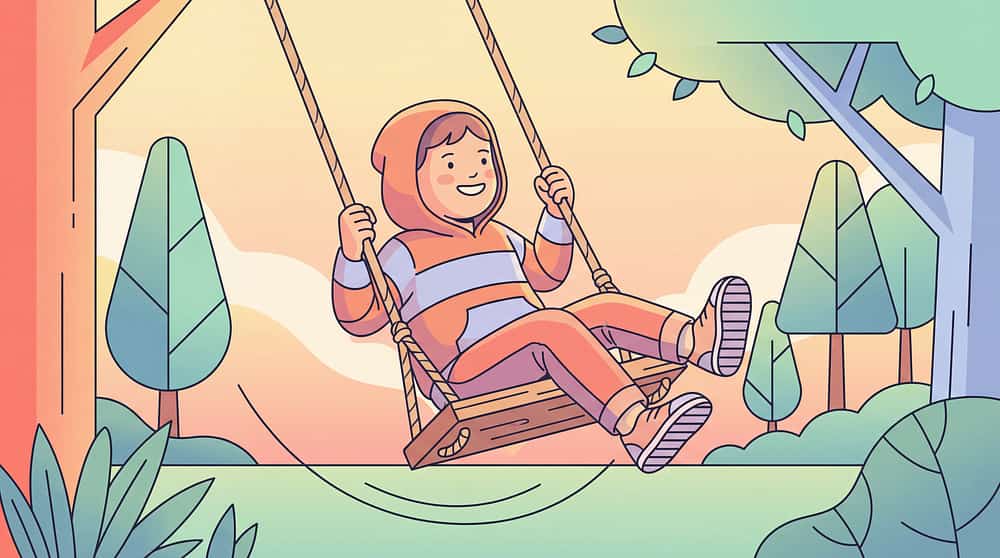
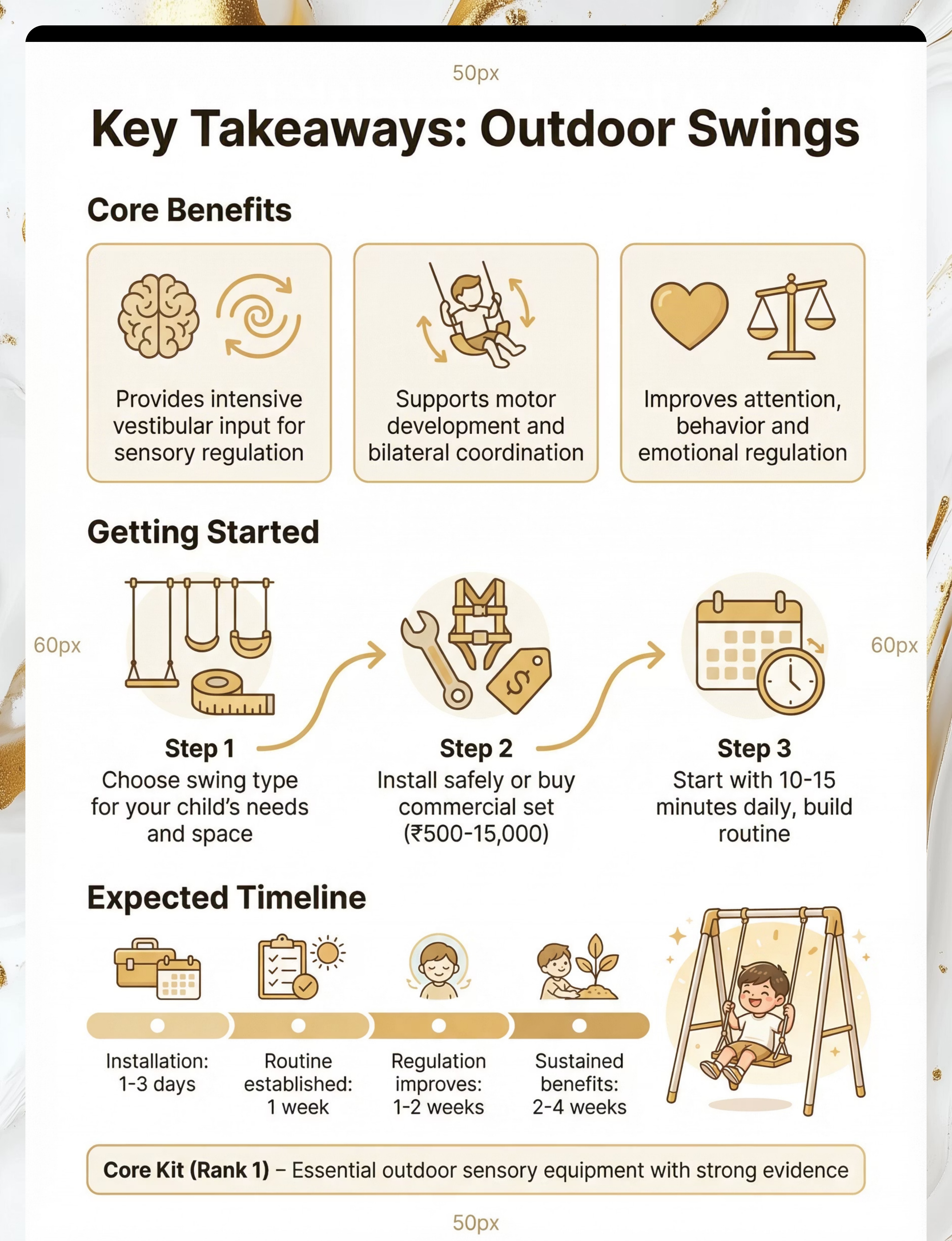
Outdoor swings provide intensive vestibular and proprioceptive input through outdoor swinging to support sensory regulation, motor development, and emotional regulation. This powerful tool helps organize the nervous system, build core strength, and improve attention through natural movement.
Vestibular Processing
Sensory Regulation
Core Strength
Bilateral Coordination
Emotional Regulation
Motor Planning
Ages: 1+ years
Backyard
Playground
School
Sensory Seekers
Children who crave intense movement and need regular vestibular input to feel regulated and focused throughout the day.
Regulation Support
Kids who struggle with attention and behavior but show remarkable improvement after movement activities.
Motor Development
Children working on core strength, bilateral coordination, and body awareness through dynamic movement experiences.

Does This Sound Familiar?
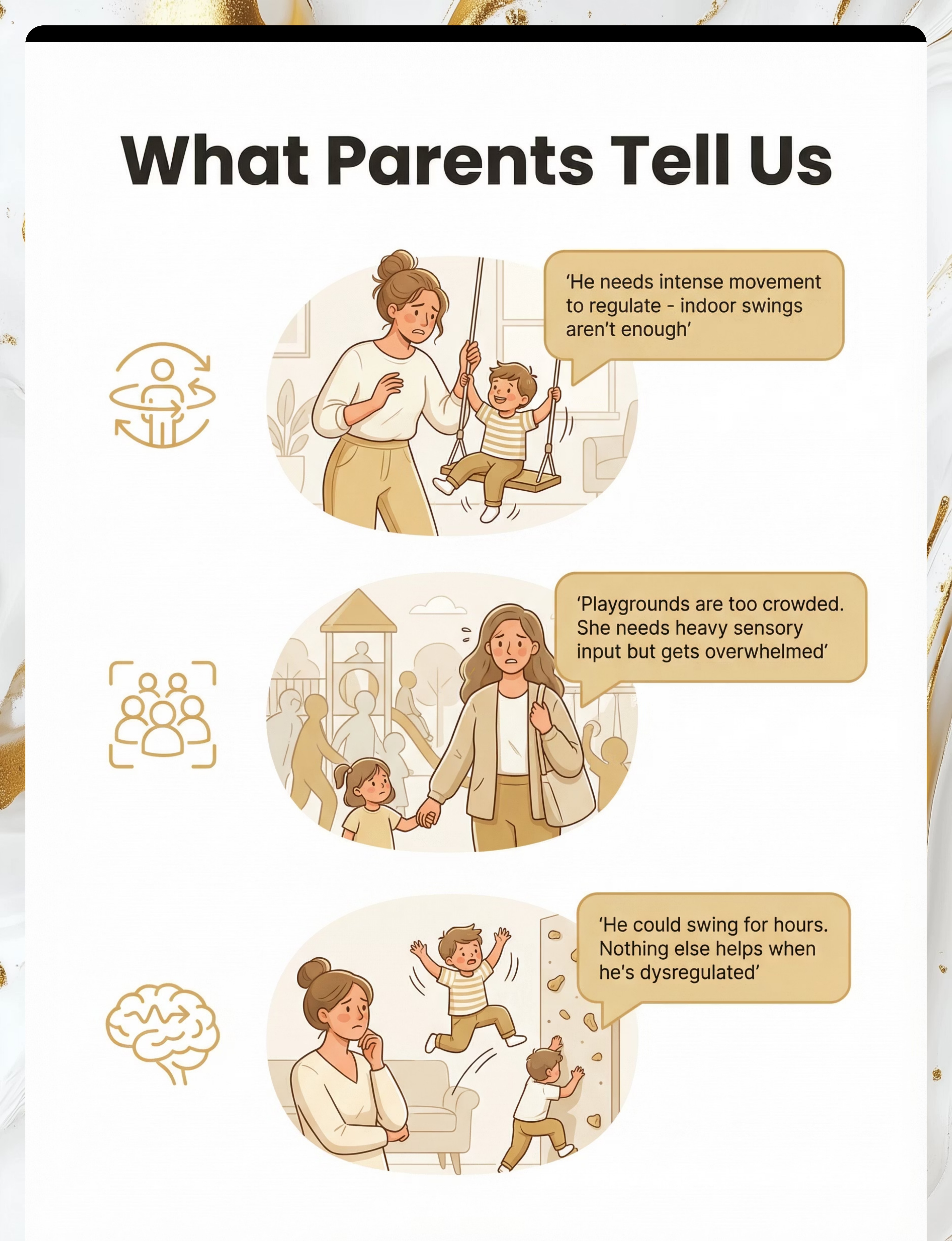
"He needs intense movement to regulate. Nothing else works. We've tried everything indoors, but he just needs more."
"She could swing for hours if we let her. The moment we get to a playground, she heads straight for the swings and never wants to leave."
"Indoor swings aren't enough. They don't provide the intensity he needs. He's still dysregulated even after swinging inside."
"He's dysregulated and nothing helps. We've tried calm-down corners, sensory bins, everything. Movement is the only thing that works."
"She needs heavy sensory input constantly. The movement seeking is relentless. It's exhausting and sometimes unsafe."
"Playgrounds are too crowded and overwhelming. We can't go there. She needs access to swings in a calm, predictable environment."
You're not alone. These are common challenges for families raising children with sensory processing differences. The need for intense vestibular input is real, valid, and can be met safely and effectively.

A Day Without the Right Support
Morning
Child wakes already seeking movement. Jumping on bed, spinning, unable to settle for breakfast. Day starts dysregulated without outlet for movement needs.
Transitions
Every transition is a battle. Getting dressed, leaving home, arriving at therapy. Constant movement seeking makes daily routines exhausting and time-consuming.
Therapy & School
Needs intense movement for regulation but has limited access. Can't focus without it. Behavior problems emerge. Staff struggle to meet sensory needs in structured settings.
Bedtime
Still seeking movement after a day of unmet needs. Can't calm down for sleep. Unsafe climbing and jumping behavior. Everyone exhausted, frustrated, overwhelmed.

The Science Behind It
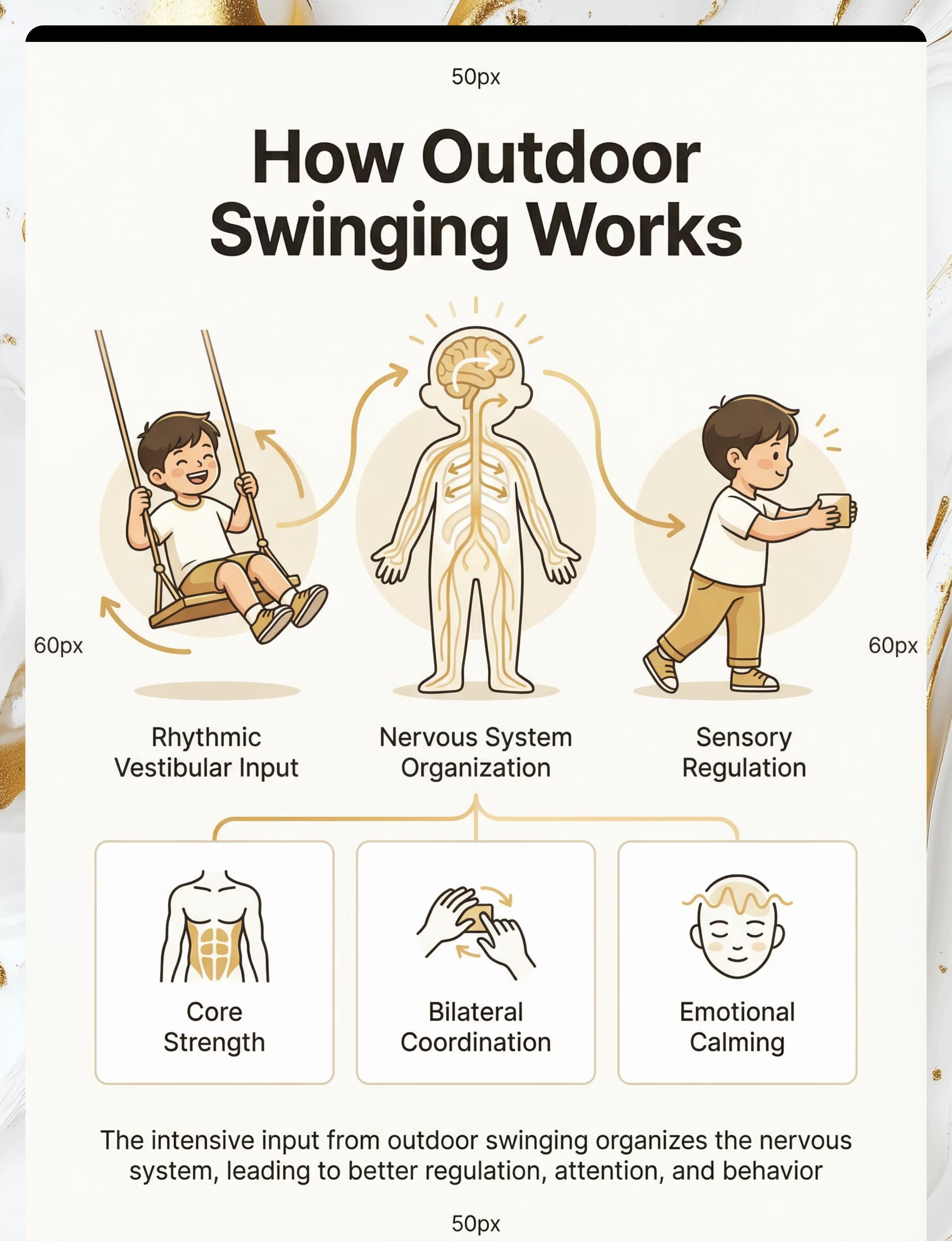
Understanding how outdoor swinging creates powerful therapeutic benefits helps you use this tool most effectively. The mechanism is rooted in neuroscience and sensory integration principles, engaging both vestibular and proprioceptive systems.
Vestibular & Proprioceptive Input
Swinging provides rhythmic movement that stimulates the vestibular system (inner ear) and engages muscles/joints (proprioception), sending organizing signals throughout the body.
Nervous System Organization
These combined signals help organize the nervous system, creating a crucial foundation for attention, emotion regulation, and coordinated movement.
Improved Sensory Regulation
An organized nervous system leads to improved sensory regulation, helping children feel calm, focused, and ready to engage with their environment.
Holistic Development
Regulation fosters bilateral coordination, core strengthening, emotional calming, and enhanced attention—skills that empower a child throughout their entire day.
Vestibular Processing
Sensory Regulation
Core Strength
Bilateral Coordination
Emotional Regulation
Motor Planning

How to Use It Right
Offer Variety
Different swing types provide different sensory input. Platform, tire, belt, and nest swings each offer unique movement experiences. Variety meets changing needs throughout development.
Linear is Most Organizing
Back-and-forth swinging (linear movement) is the most organizing and regulating type of vestibular input. Start here, especially for children new to swinging or those who are sensitive.
Monitor Rotational Movement
Spinning (rotational movement) is intense and should be limited and carefully monitored. Some children crave it, but it can be overstimulating. Watch for signs of dizziness or nausea.
Always Supervise
Supervision appropriate to the child's age and ability is essential. Falls happen. Stay close, ensure safe use, and be ready to assist if needed.
Build Tolerance Gradually
If your child is sensitive to movement, introduce swinging slowly. Start with gentle, brief sessions and gradually increase intensity and duration as tolerance builds.
Use Before Challenging Activities
Swinging before homework, therapy, or other challenging activities can improve regulation and attention. It's a powerful preparation tool for tasks that require focus.
Typical Duration: 10-30 minutes is common, though many children will self-regulate and let you know when they've had enough. Follow your child's lead while maintaining safety.

Expert Insight
"Outdoor swinging provides vestibular input at an intensity that's hard to replicate indoors. The sensory benefits are significant - regulation, attention, coordination. Many children with autism crave swinging because their vestibular systems need the input."
— Occupational Therapist, Sensory Integration Specialist
OT + PT Recommended
Endorsed by occupational and physical therapists as essential sensory equipment
Strong Evidence
Backed by sensory integration research and clinical practice
Rank #1 in Category
Core Kit essential for outdoor sensory experiences

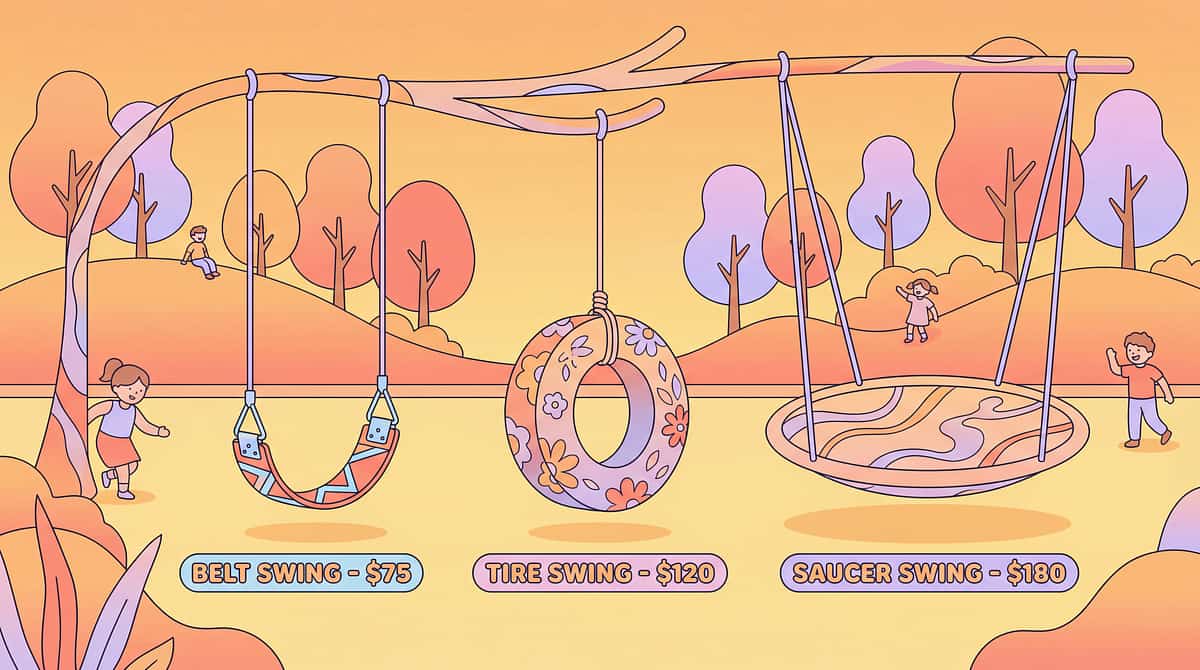
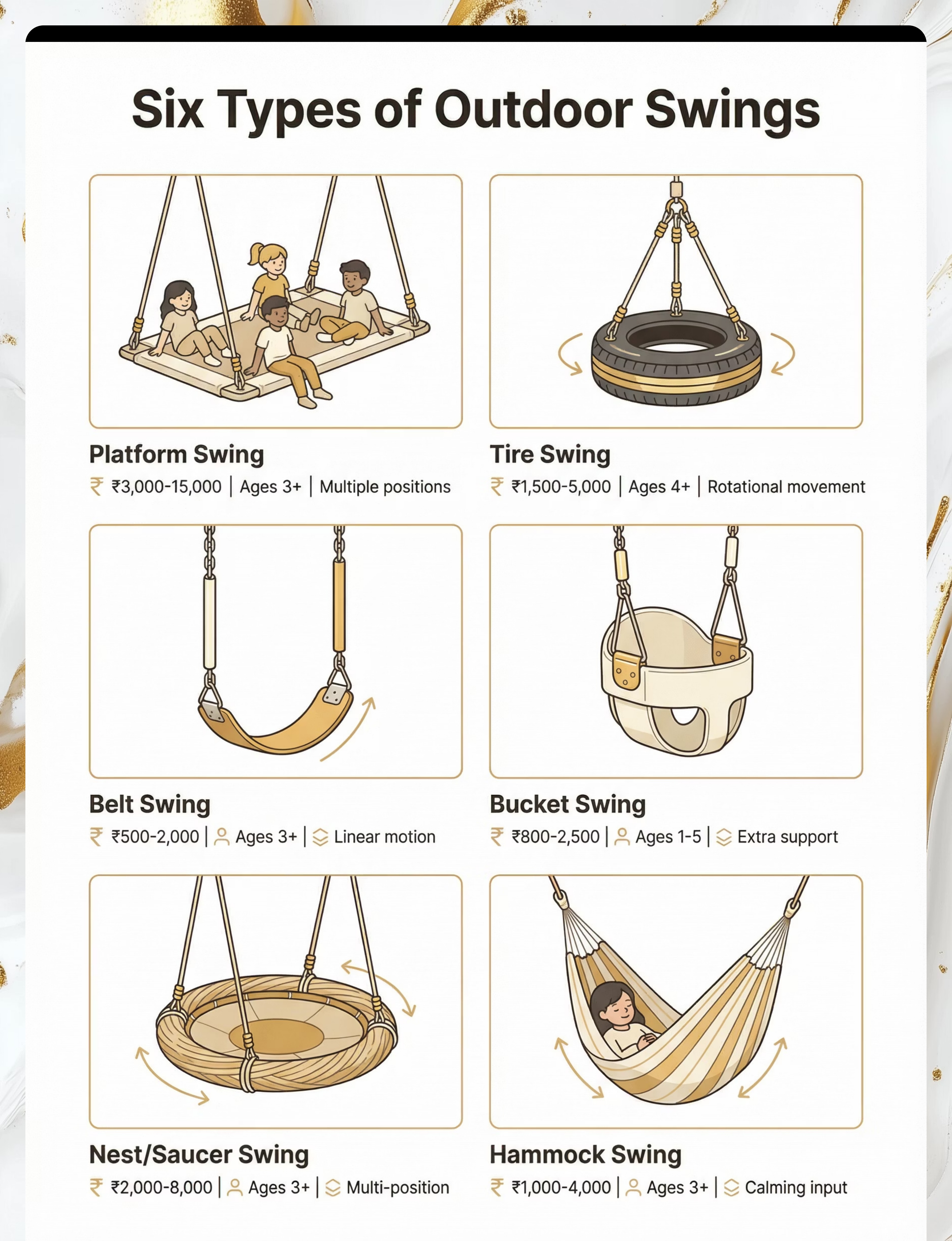
Choose Your Option (6 Variants)
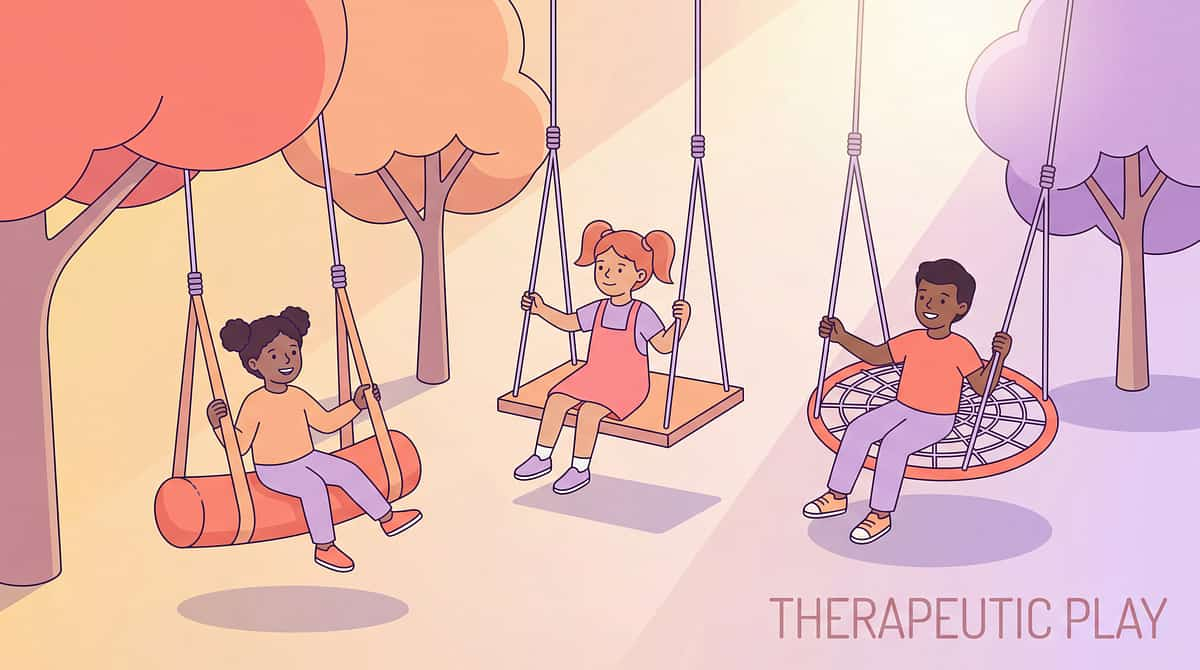
Platform Swing (Outdoor)
Best for: Multiple children, various positions (lying, sitting, standing)
Type: Multi-position vestibular input
Ages: 3+ years
Backyard
Playground
Portability: N/A (installed)
Price: ₹3,000–15,000
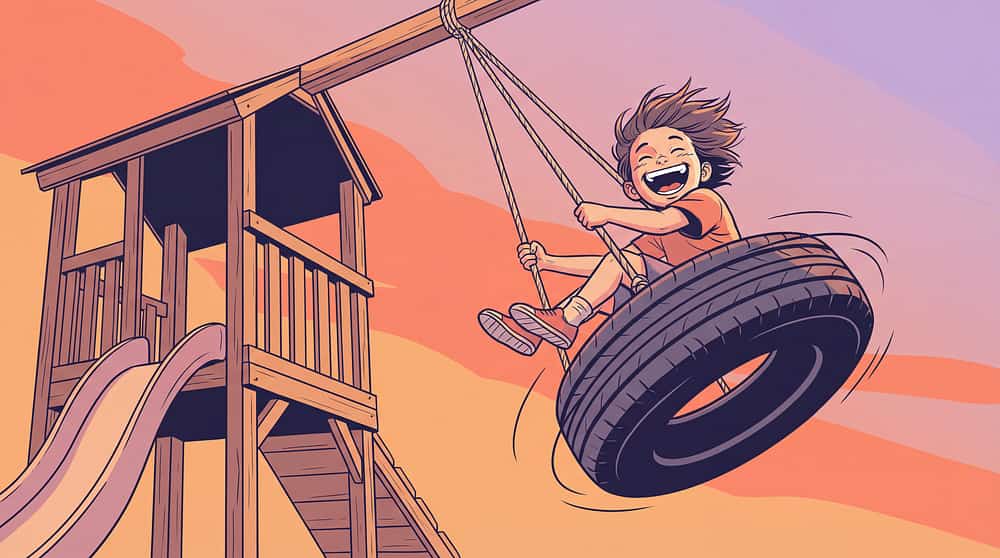
Tire Swing
Best for: Spinning, multi-directional movement, intense vestibular input
Type: Rotational vestibular
Ages: 4+ years
Backyard
Portability: N/A (installed)
Price: ₹1,500–5,000
Standard Belt Swing
Best for: Back-and-forth swinging, pumping skills, traditional experience
Type: Linear vestibular (most organizing)
Ages: 3+ years
Backyard
Playground
Portability: Medium
Price: ₹500–2,000
Bucket/Toddler Swing
Best for: Young children, extra support needed, safe enclosed seating
Type: Supported vestibular
Ages: 1-5 years
Backyard
Portability: Medium
Price: ₹800–2,500
Nest/Saucer Swing
Best for: Lying, sitting, multiple children, comfortable positioning
Type: Multi-position vestibular
Ages: 3+ years
Backyard
Portability: Low
Price: ₹2,000–8,000
Hammock Swing (Outdoor)
Best for: Calming, gentle movement, cocooning sensation
Type: Cocooning + vestibular
Ages: 3+ years
Backyard
Porch
Portability: Medium
Price: ₹1,000–4,000
Each swing type offers unique benefits. Consider your child's needs, available space, and which type of vestibular input will be most beneficial. Many families find having multiple swing types allows for variety and meets different regulation needs throughout the day.
How to Choose
- By Goal: Calming (hammock, gentle linear) vs. Alerting (platform, tire, intense movement)
- By Setting: Backyard (any type) vs. Portable (belt, bucket, hammock)
- By Age: Toddlers (bucket) vs. Older children (platform, tire, belt, nest)
- By Portability: Installed (platform, tire, nest) vs. Portable (belt, bucket, hammock)
Specifications & Types Guide
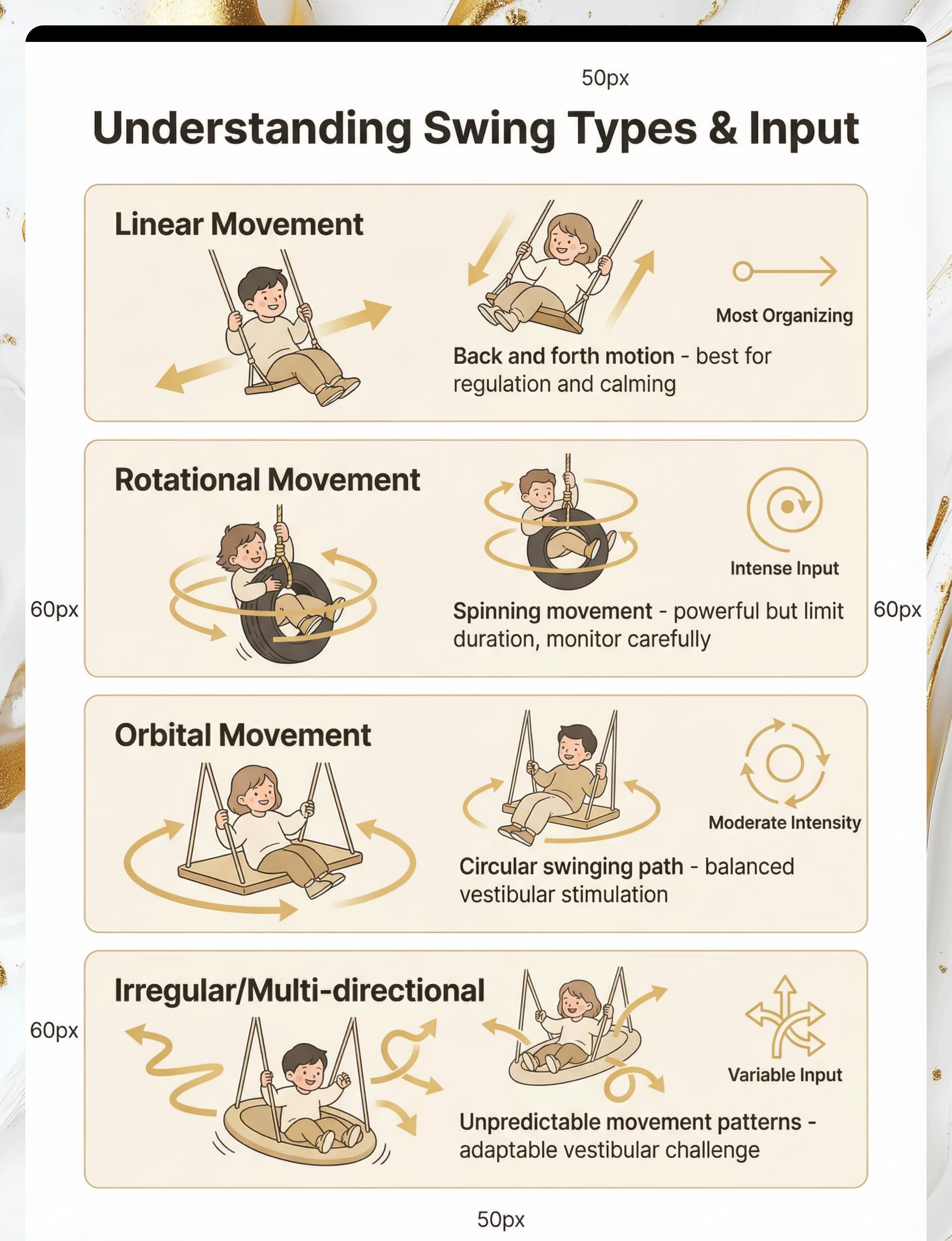
Swing Types by Movement

Linear
Back and forth movement - most organizing and regulating type. Best starting point for most children.

Rotational
Spinning movement - intense sensory input. Limit duration and monitor carefully for signs of overstimulation.

Orbital
Circular path movement - moderate intensity. Combines linear and rotational qualities.

Irregular
Multi-directional, unpredictable movement - variable input that challenges motor planning and balance.
Materials & Key Features
Common Materials
- Metal frames (galvanized steel, powder-coated)
- Rope or chain suspension systems
- Plastic or rubber seats (weather-resistant)
- Weather-resistant fabrics (for hammock/nest styles)
Essential Features
- Weather-resistant: Withstands sun, rain, temperature changes
- Strong mounting: Secure installation critical for safety
- Appropriate weight capacity: Match to child's size plus margin
- Safe design: No pinch points, smooth edges, quality construction
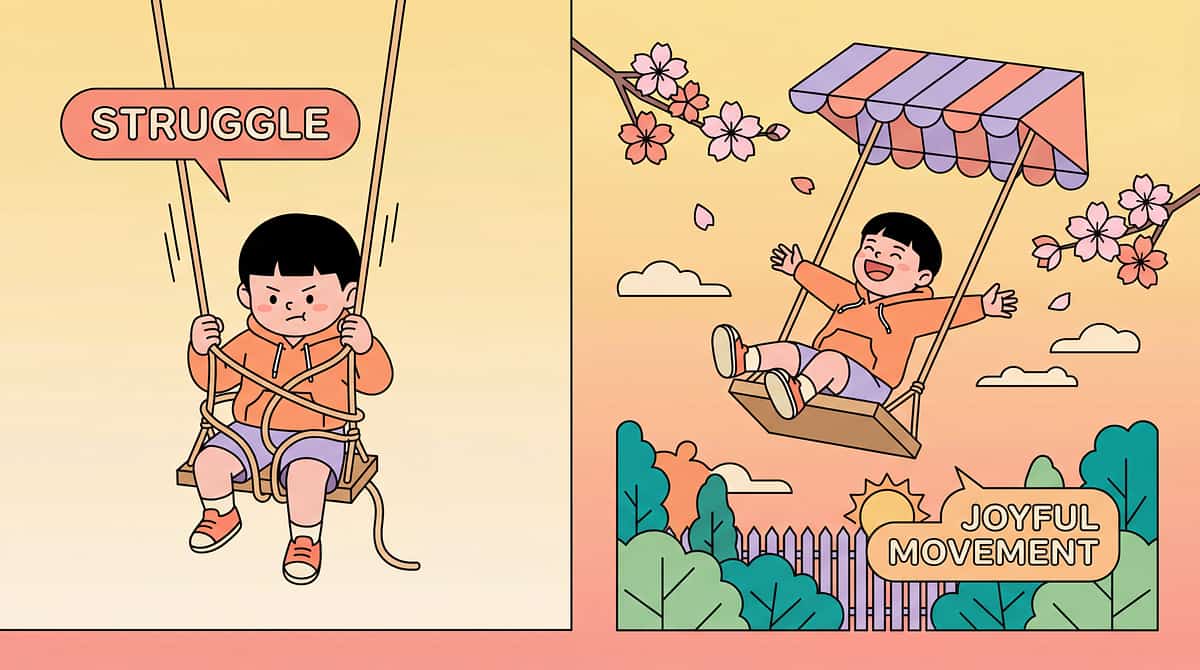
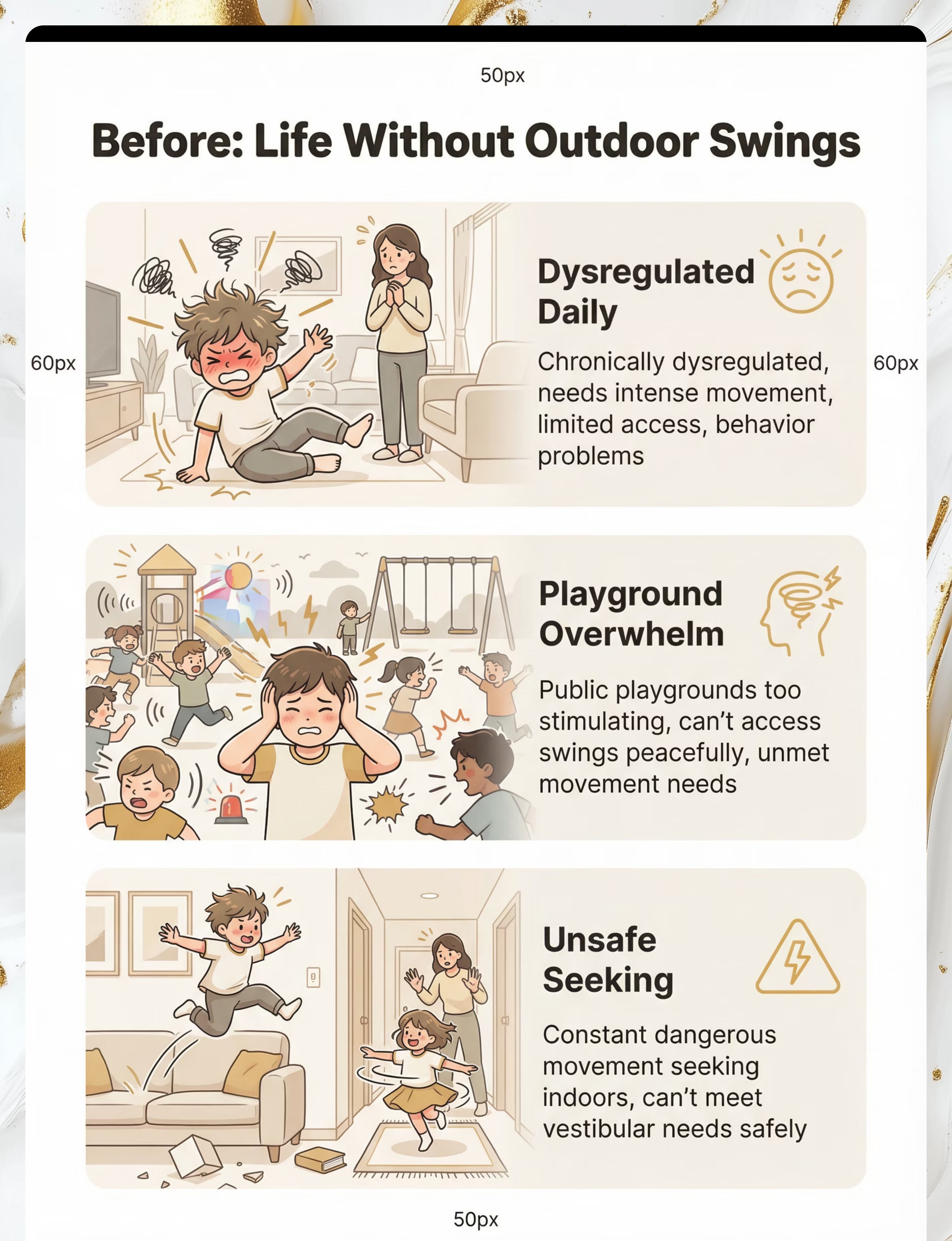
The Struggle (Before)

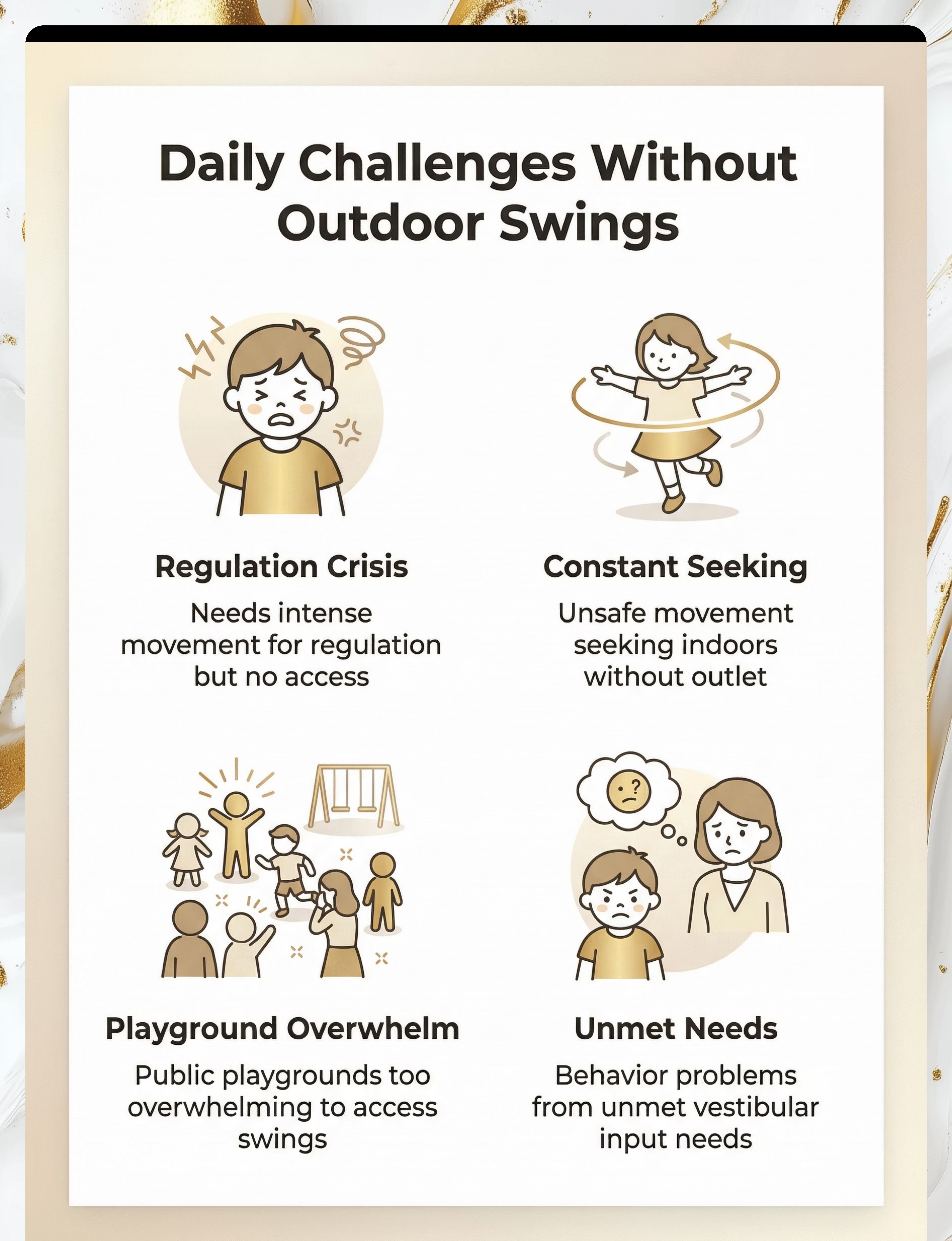
Dysregulated Without Movement
Situation: Child is chronically dysregulated. Needs intense vestibular input but has limited access to outdoor movement. Indoor options aren't enough.
Experience: Daily behavior problems, meltdowns, inability to focus. Nothing seems to help. Exhausting for everyone.
Emotion: Dysregulated, constant seeking, never satisfied

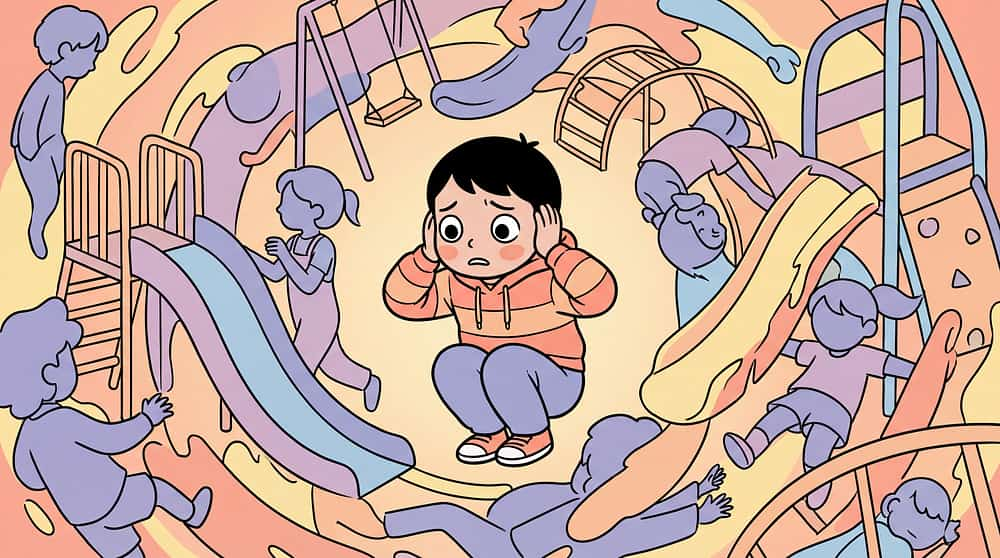
Public Playgrounds Overwhelming
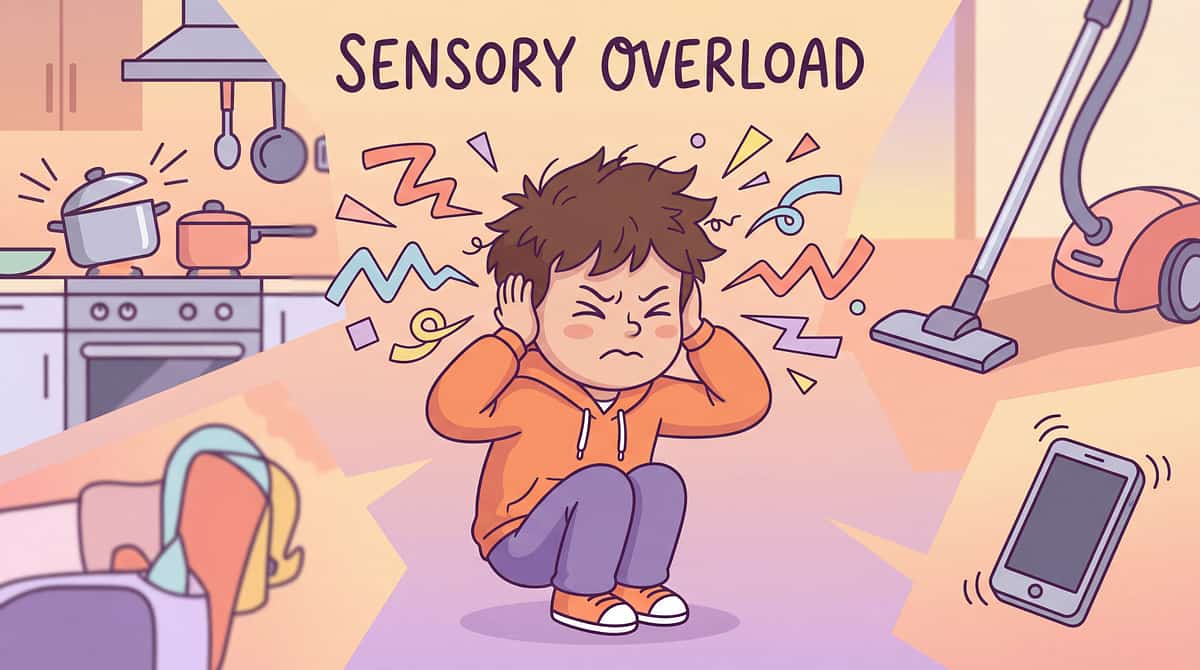
Situation: Playgrounds are too crowded, noisy, overwhelming. Can't access swings there because of sensory overload from environment.
Experience: Child doesn't get needed movement. Avoids playgrounds entirely. Missing out on essential sensory input.
Emotion: Overwhelmed by environment, unmet needs, isolated

Constant Movement Seeking
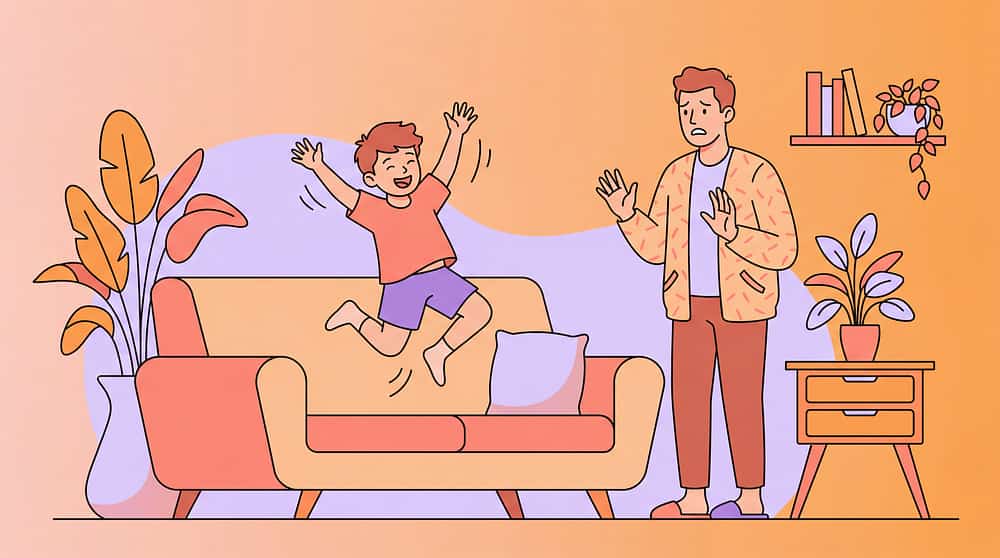
Situation: Child seeks movement constantly - jumping on furniture, climbing, spinning indoors. Dangerous behavior because needs aren't being met safely.
Experience: Can't meet movement needs safely indoors. Worried about injuries. Saying "no" constantly. Feeling helpless.
Emotion: Unsafe seeking, frustrated, anxious

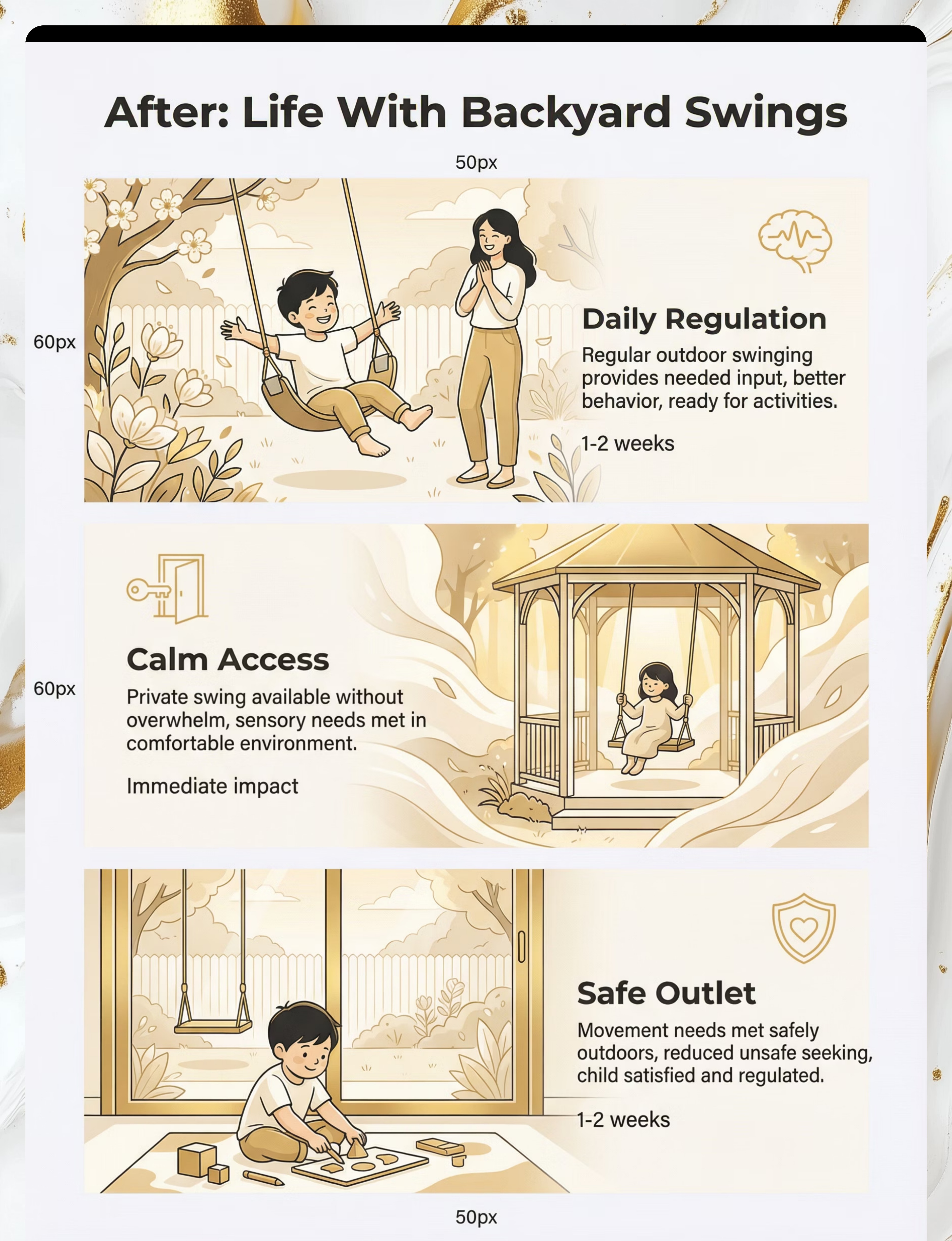
The Breakthrough (After)
Dysregulated Without Movement
1-2 weeks: Backyard swing now provides daily vestibular input. Regular swinging routine established. Better regulation throughout the day. Fewer behavior problems. Ready for activities after swinging. Noticeable improvement in attention and cooperation.
Emotion: Regulated, ready, capable
Public Playgrounds Overwhelming
Immediate: Private backyard swing available anytime. Calm, predictable environment without sensory overload. Child gets needed input without overwhelm. Can swing as long as needed. Access whenever regulation needed.
Emotion: Calm access, needs met, secure
Constant Movement Seeking
1-2 weeks: Outdoor swing meets movement needs safely. Intense input available in controlled environment. Less unsafe seeking indoors. Need being met appropriately. Dangerous behavior reduced. Everyone feels relief.
Emotion: Safe outlet, satisfied, relieved

What to Expect (Realistic Timelines)
Change happens in stages. Understanding realistic timeframes helps you track progress and celebrate small wins along the way. Every child's journey is unique, but these patterns are common.
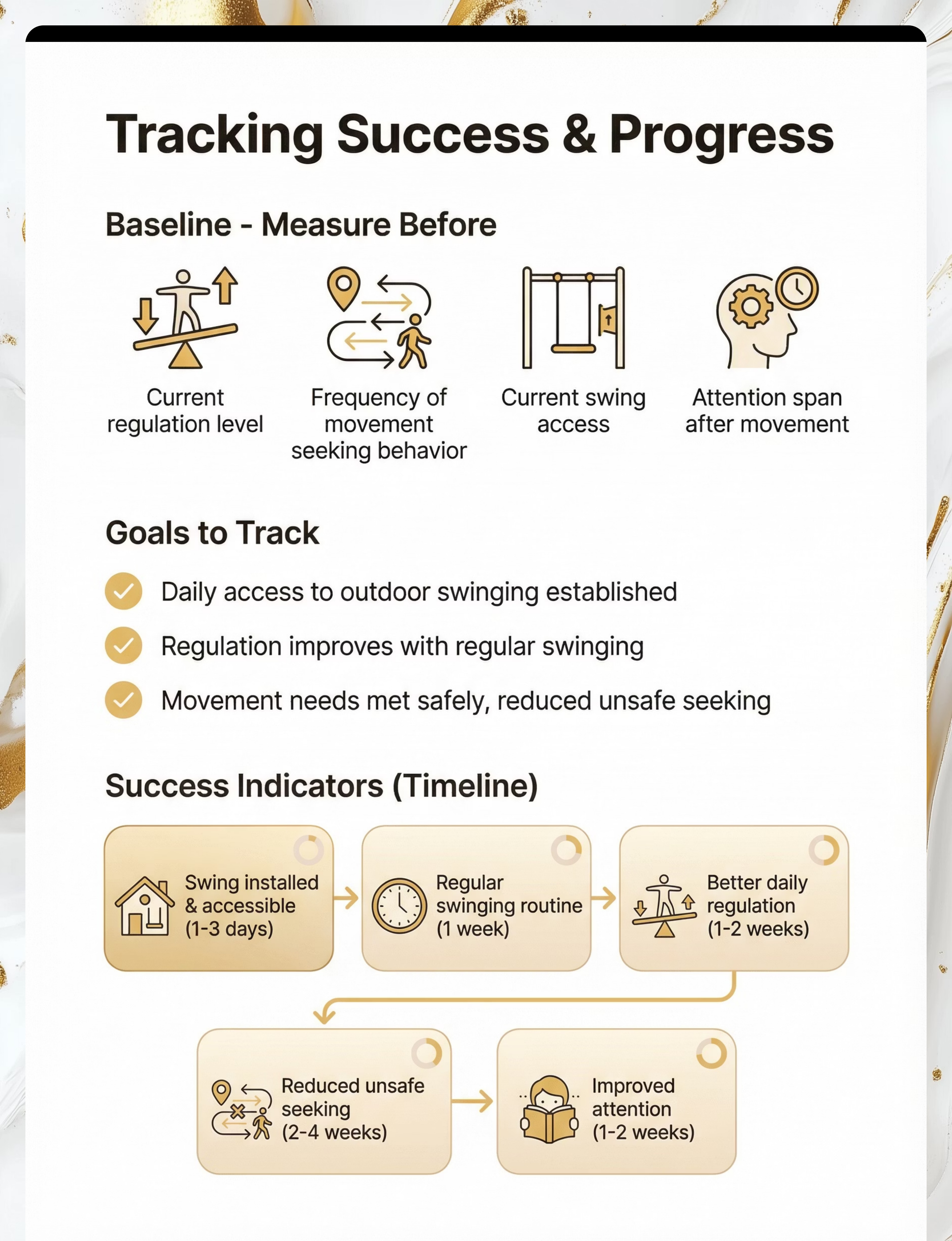
Swing installed and accessible
Physical setup complete, child has regular access, routine beginning to form
1-3 days
Regular swinging routine established
Daily swinging incorporated into schedule, child seeking swing for regulation
1 week
Better daily regulation
Noticeable improvement in overall regulation, fewer meltdowns, better transitions
1-2 weeks
Reduced unsafe movement seeking
Less dangerous jumping/climbing indoors, needs being met through swinging
2-4 weeks
Improved attention after swinging
Better focus on homework, therapy tasks, daily activities after movement input
1-2 weeks

Is This Right for My Child? (2-Minute Check)
Answer these questions to determine if outdoor swings are a strong fit for your child's sensory and movement needs. Three or more "yes" answers indicate this tool could be highly beneficial.
Does your child crave swinging or movement?
If yes, this indicates: Outdoor swing highly beneficial
Confidence score: 95/100
Does movement help your child regulate?
If yes, this indicates: Swing access important for daily regulation
Confidence score: 92/100
Do you have access to outdoor swings currently?
If yes: Ensure adequate access to meet needs
If no: Consider home swing installation as priority
Confidence score: 88/100
Are public playgrounds overwhelming for your child?
If yes, this indicates: Private swing option valuable for meeting needs without sensory overload
Confidence score: 85/100
Interpreting Results: 3+ "yes" answers = strong fit for outdoor swings. Even one or two "yes" answers suggest this tool could provide important benefits. Discuss with your occupational therapist to create a comprehensive sensory diet plan.

Usage Guide
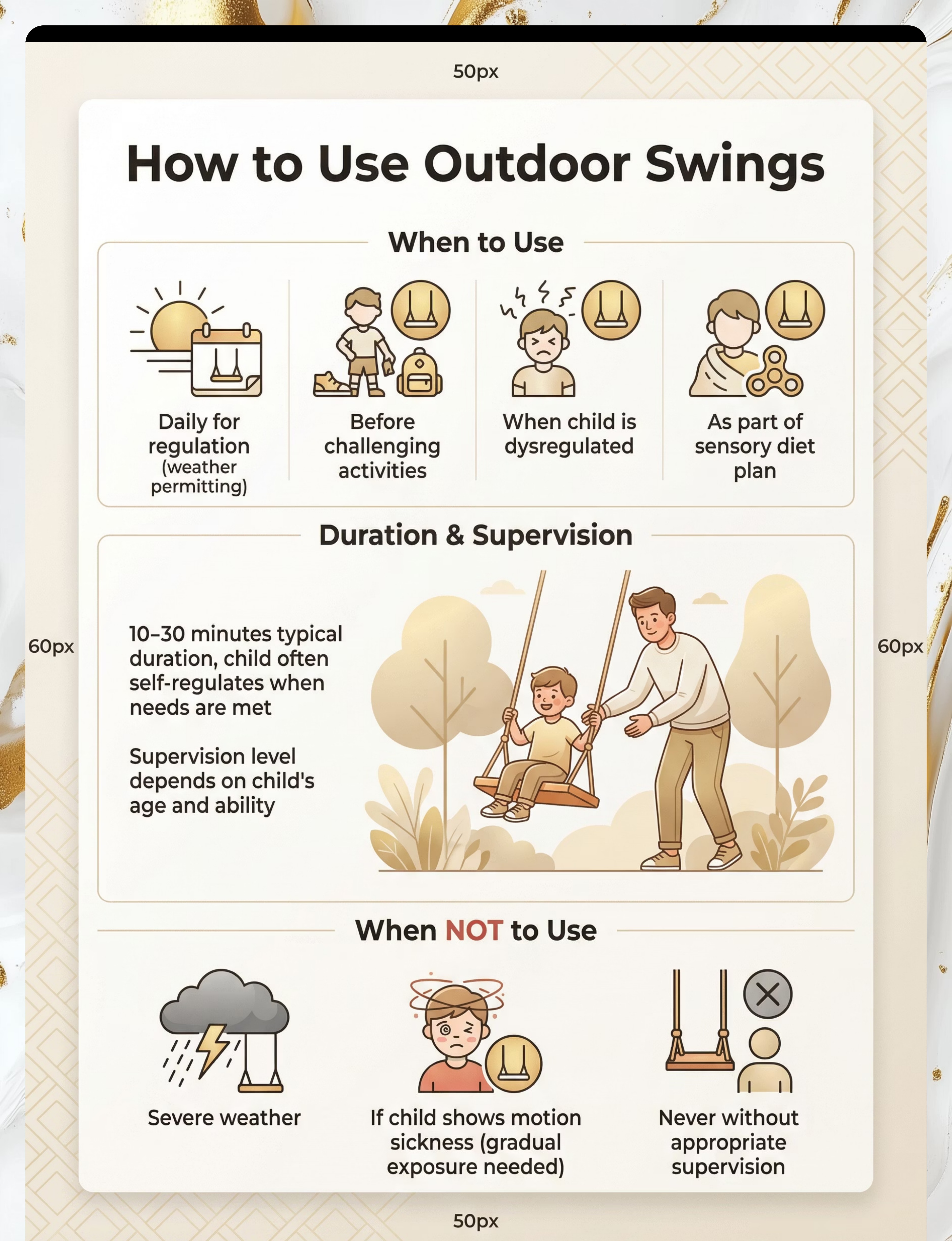
When to Use ✓ | When NOT to Use ✗ | |
Daily for regulation (weather permitting) - make swinging part of routine | During lightning or severe weather conditions | |
Before challenging activities like homework or therapy sessions | If child shows motion sickness (use gradual exposure approach) | |
When child is dysregulated and needs calming or organizing input | Without appropriate supervision for child's age and ability | |
As part of sensory diet prescribed by occupational therapist | ||
For motor development - building core strength and coordination |
Duration & Settings
Typical Duration: 10-30 minutes typical; child often self-regulates and will indicate when they've had enough
Backyard
Playground
School
Supervision by Age
Age Range | Supervision Level | Notes | |
Young children (1-5 years) | Constant | Within arm's reach at all times | |
Developing skills (6-10 years) | Close | Nearby, watching actively | |
Older children (11+ years) | Periodic checks | Depends on individual child's safety awareness |

Safety First
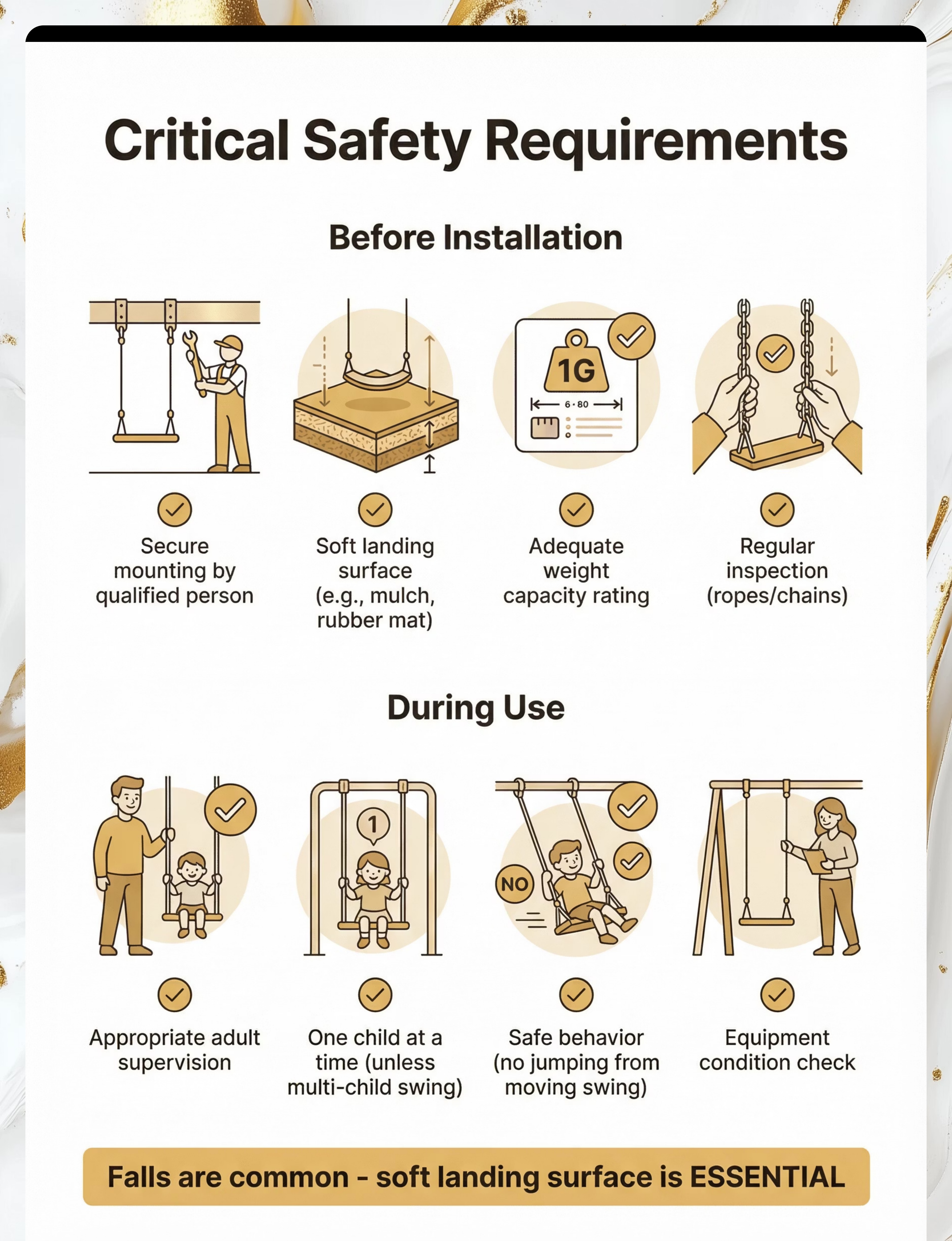
Critical Safety ⚠️
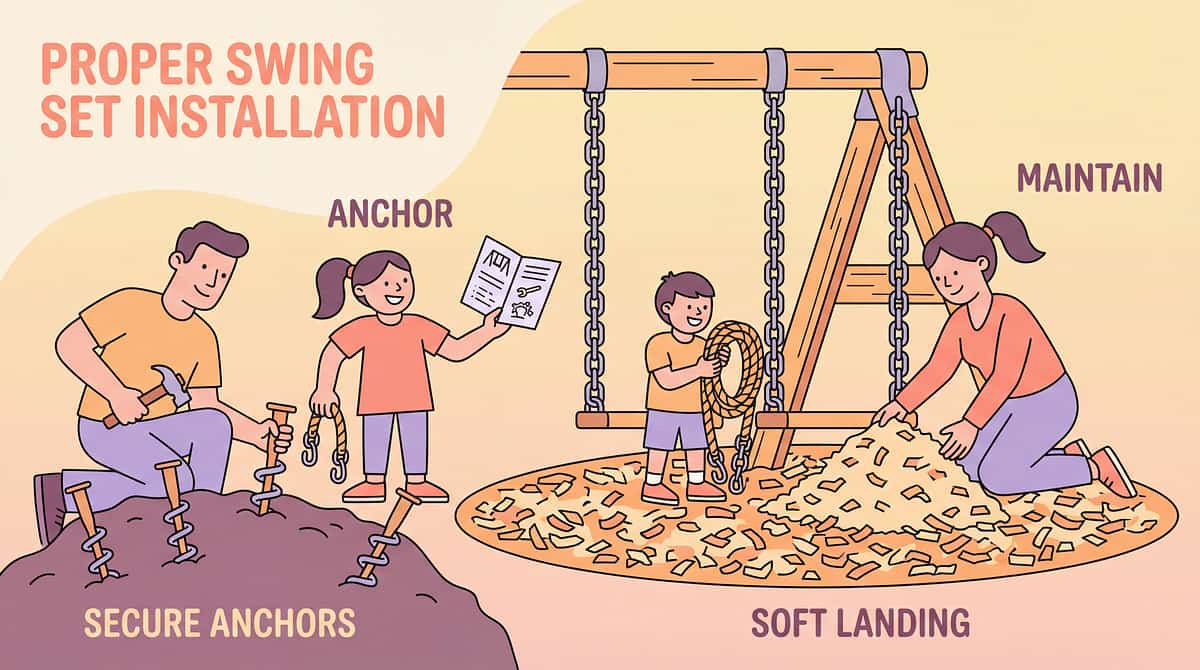
- Proper installation by qualified person - this is non-negotiable
- Adequate weight capacity for your child plus safety margin
- Soft landing surface required: mulch, rubber mats, or sand
- Regular inspection for wear on ropes, chains, and mounting hardware
- Supervision appropriate to child's age and ability level
Important Warnings
- Falls are common - soft surface is essential, not optional
- Check ropes and chains regularly for fraying or wear
- No jumping from moving swing - teach safe dismounting
- One child at a time unless swing designed for multiple users
Contraindicated
Do not use outdoor swings if: installation is inadequate or unstable, hard landing surface with no cushioning, child has severe motion sickness without gradual introduction plan.
Before Use Checklist
- Installation secure and stable
- Soft landing surface in place
- Equipment in good condition
- Supervision plan established
During Use Checklist
- Child supervised appropriately
- Safe swinging behavior
- Not too high/fast for ability
- Child enjoying and regulating
Signs of Success
- Better regulation after swinging
- Improved attention span
- Movement needs being met
- Safe, appropriate use

Common Questions (Honest Answers)
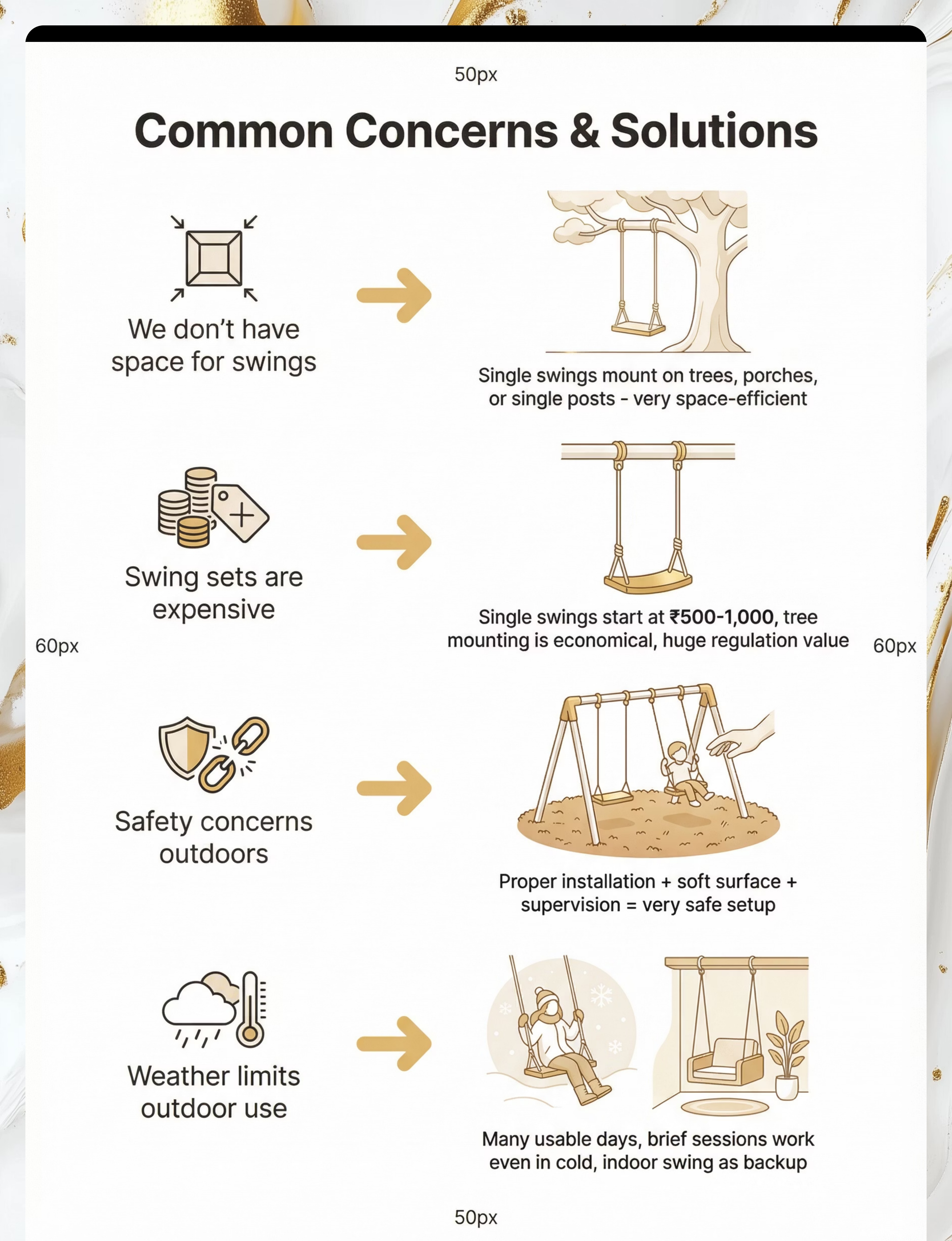
Q: We don't have space for a swing set
A: Single swings can hang from tree branches, porch beams, or a single post installation. Doorway swings provide temporary indoor options. You don't need a full swing set - one quality swing mounted properly can meet most needs. Space-efficient options exist for nearly every backyard or outdoor area.
Try this: Tree mount using quality straps; porch swing installation; single-post frame; doorway swing for backup.
Q: Swing sets are expensive
A: Single swings are surprisingly affordable (₹1,000-2,500 for basic belt swing). Tree branch mounting is very cost-effective. Used swing sets are widely available. Consider this an investment in daily regulation - the therapeutic value far outweighs the cost when you calculate the impact on your child's functioning and your family's quality of life.
Try this: Single swing is affordable option; tree mount is cheapest solution; explore used options; DIY can save 40-60%.
Q: Safety concerns with outdoor swings
A: Proper installation is critical - hire a professional if needed. Soft landing surface (mulch, rubber mats, sand) is essential. Supervision is required based on child's age. With proper setup and oversight, outdoor swings can be very safe. Falls happen, but serious injuries are rare with appropriate safety measures.
Try this: Professional installation; invest in proper soft surface; establish supervision routine; regular safety checks.
Q: Weather limits use in our area
A: Many days are usable even in variable climates. Brief outdoor swinging sessions even in cooler weather can be beneficial - bundle up! Covered patios or porch installations extend usability. Keep an indoor swing as backup for extreme weather days. The days you can use it will still provide tremendous benefit.
Try this: Maximize usable days with weather-appropriate clothing; covered installation extends season; indoor backup swing for severe weather.

Investment Guide
Overall Range: ₹500–15,000 (USD $6–180) depending on swing type, quality, and installation complexity
Understanding the costs associated with different swing options can help you make an informed decision that suits your budget and your child's needs. Here's a breakdown:
Budget Option | ₹1,000-2,500 | Single belt swing, tree-safe straps or basic mounting hardware, essential vestibular input. | Getting started, assessing needs, cost-effective. | |
Mid-Range Option | ₹3,000-6,000 | Single swing frame with 1-2 swing types (e.g., belt + saucer), good quality materials, moderate versatility. | Dedicated swing area, more stability than tree mounts. | |
Premium Option | ₹5,000-15,000 | Multi-position swing (platform, nest, or full set), professional construction, greater versatility for different sensory needs. | Maximum versatility, long-term investment, multiple children. |
Why Invest in a Swing?
Sensory Integration
Swinging provides crucial vestibular input, aiding in balance, spatial awareness, and body coordination.
Calming & Regulation
The rhythmic motion of swinging can have a profound calming effect, helping to regulate emotions and reduce anxiety.
Gross Motor Development
Engages core muscles, strengthens coordination, and encourages active play, contributing to overall physical development.
Pricing Tiers & Considerations
₹1,000-2,500
Budget Entry
Perfect for discovering your child's swing preference and integrating it into daily routine. Easily expandable.
₹3,000-6,000
Mid-Range Value
Offers a step up in stability and options. Ideal for establishing a permanent swing space without a full playset.
₹5,000-15,000
Premium & Advanced
Provides the most flexibility with multiple swing types and robust construction for diverse sensory and play needs.

Where to Buy in India
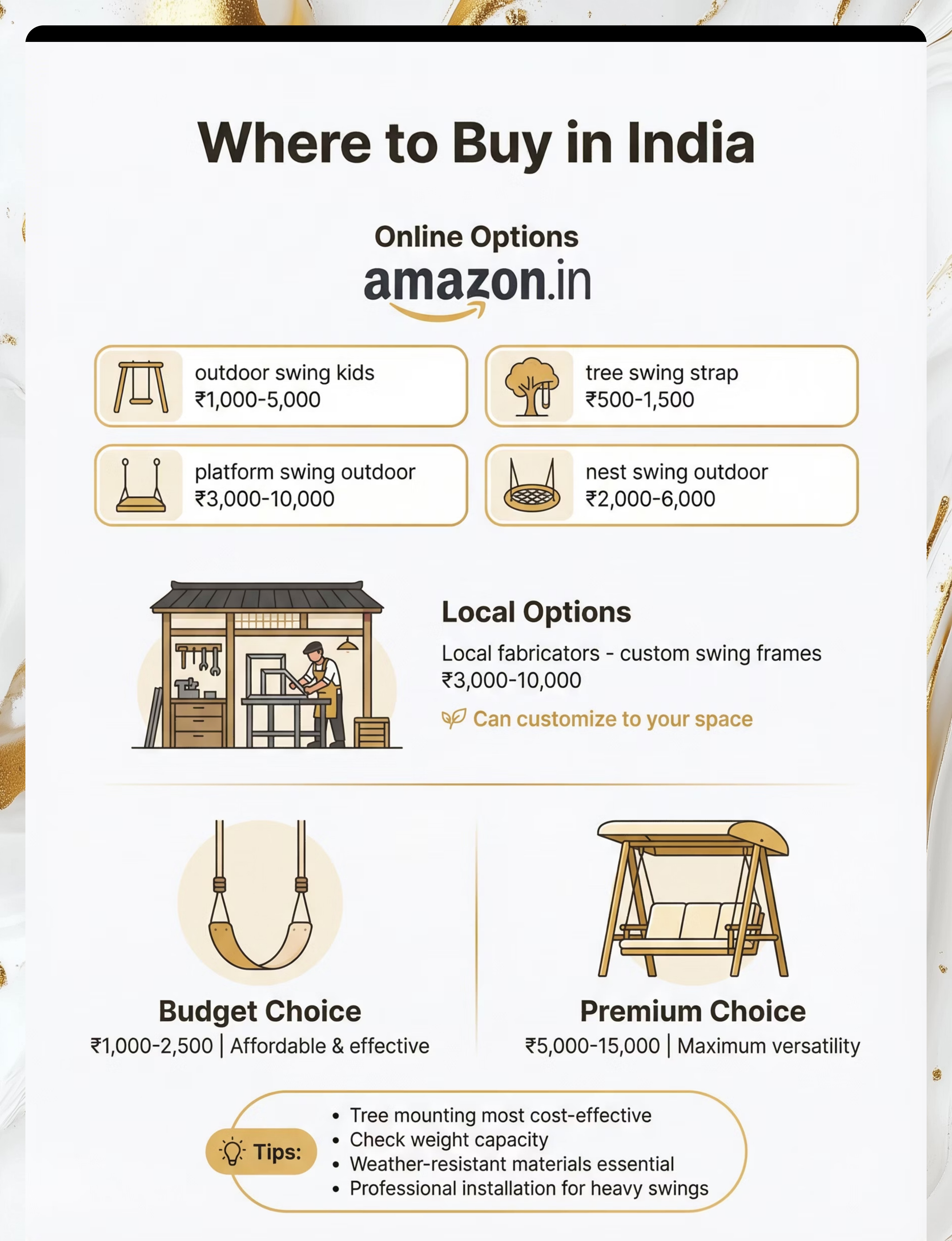
Availability: Widely available through online platforms, local retailers, and custom fabricators across India
Amazon.in
Search: "outdoor swing kids"
Price Range: ₹1,000-5,000
Wide selection, customer reviews, delivery across India
Amazon.in - Platform Swings
Search: "platform swing outdoor"
Price Range: ₹3,000-10,000
Larger swings, multiple position options
Amazon.in - Nest Swings
Search: "nest swing outdoor"
Price Range: ₹2,000-6,000
Round comfortable swings, multi-child capacity
Tree Mounting Hardware
Search: "tree swing strap"
Price Range: ₹500-1,500
Essential for safe tree mounting
Local Fabricators
Search: "custom swing frame" locally
Price Range: ₹3,000-10,000
Custom solutions, professional installation available
Buying Tips ✓
- Tree mounting is most cost-effective if suitable tree available
- Always check weight capacity - buy above child's current weight
- Weather-resistant materials essential for outdoor use
- Professional installation recommended for heavy/complex swings
- Soft landing surface is required - budget for mulch/rubber mats
Red Flags ⚠️
- Inadequate weight capacity for your child
- Poor quality mounting hardware or unclear installation instructions
- No soft landing surface - hard ground is dangerous
- Not weather-resistant - will deteriorate quickly outdoors

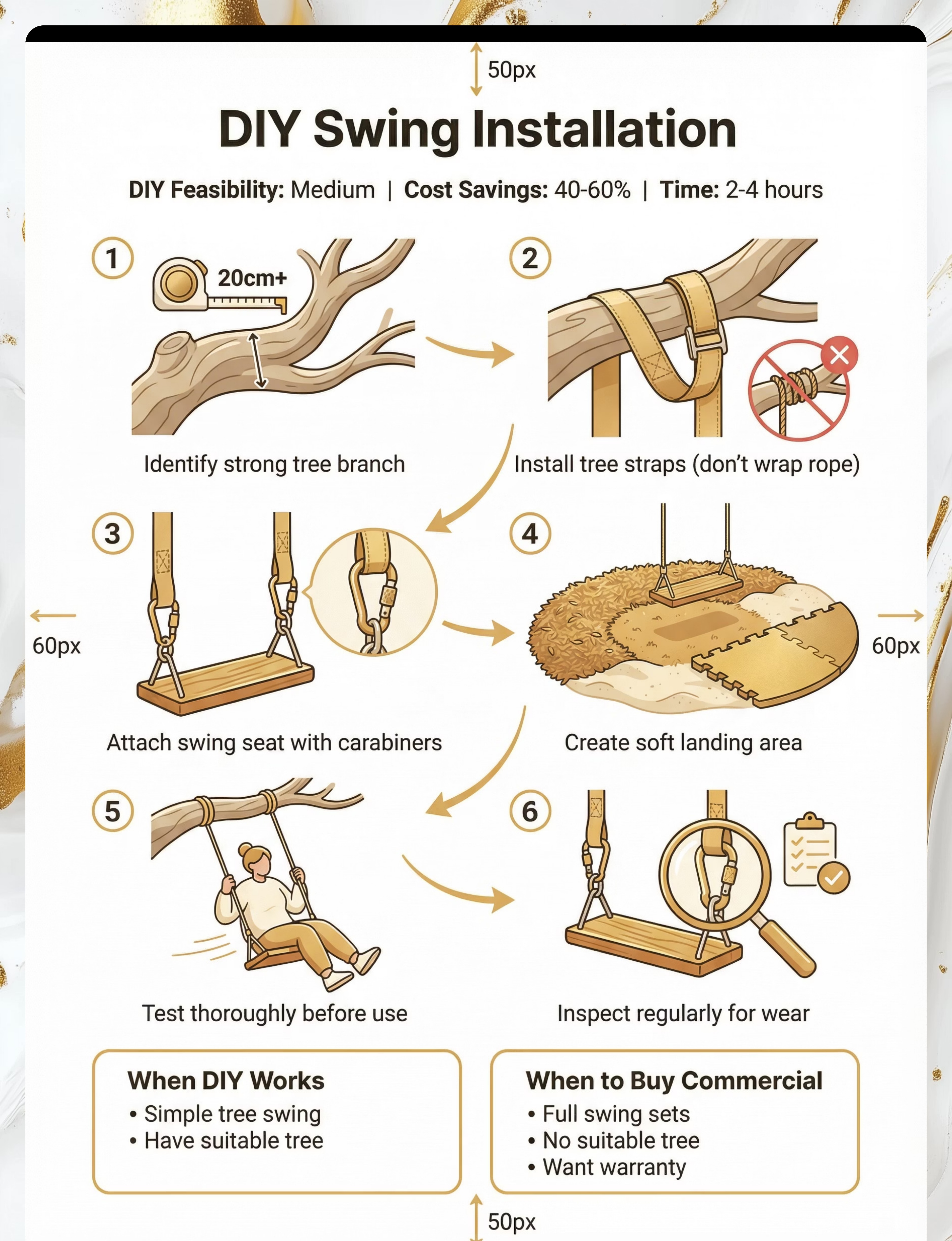
DIY Feasibility
Requires basic skills and tools, offering significant personal involvement.
Cost Savings
Save 40-60% compared to purchasing and installing a commercial swing.
Time Investment
Typical installation time is 2-4 hours, depending on complexity.
Key Tradeoff
DIY demands proper safety knowledge; prioritize safety over cost savings.
Materials Needed
- Rope or heavy-duty straps (tree-safe, rated for weight)
- Swing seat (tire, board, commercial seat)
- Tree straps (NEVER wrap rope directly around branch)
- Carabiners or secure connectors (rated for load)
- Soft landing material (mulch, sand, rubber mats)
Step-by-Step Installation
1
Identify Strong Tree Branch
Find horizontal branch at least 20cm (8 inches) diameter, 8-12 feet high, healthy with no cracks or disease
2
Install Tree Straps
Use tree-safe straps that distribute weight - NEVER wrap rope directly around branch as it damages tree and weakens over time
3
Attach Swing Seat
Connect seat using rated carabiners or proper knots (bowline recommended) - ensure secure connections that won't slip
4
Create Soft Landing Area
Install 6-12 inches of mulch, sand, or rubber mats extending 6 feet in all directions from swing arc
5
Test Thoroughly
Adult should test swing before child use - check for secure mounting, appropriate height, smooth swinging motion
6
Inspect Regularly
Weekly checks for wear on ropes/straps, monthly detailed inspection of all connections and hardware
When to DIY
- Simple tree swing installation
- You have suitable, healthy tree with strong branches
- You understand load requirements and safety principles
- You can ensure proper installation and regular maintenance
When to Buy Commercial
- Full swing sets with multiple components
- Platform or complex swings requiring frames
- No suitable tree available on property
- You want warranty and guaranteed professional installation safety
Important Tradeoff
DIY requires proper installation knowledge - safety is critical. If you're uncertain about any aspect of installation, structural integrity, or load calculations, hire a professional. The cost savings aren't worth compromising safety.
Preview of outdoor swings movement Therapy Material
Below is a visual preview of outdoor swings movement therapy material. The pages shown help educators, therapists, and caregivers understand the structure and content of the resource before use. Materials should be used under appropriate professional guidance.


Share this resource
Help others discover thisLink copied!

Complete Success: Tracking, Connections & Support
Measuring Success
Baseline (Measure First)
- Current regulation status and patterns
- Frequency of movement seeking behavior
- Current access to swings and outdoor movement
- Attention span after movement activities
Goals to Track
- Child will have daily access to outdoor swinging
- Regulation will improve with consistent swinging
- Movement seeking will be met safely outdoors
- Attention will improve following swing sessions
Success Indicators
- Regular swinging routine established
- Observable better regulation patterns
- Reduced unsafe indoor seeking behavior
- Improved focus and attention after swinging
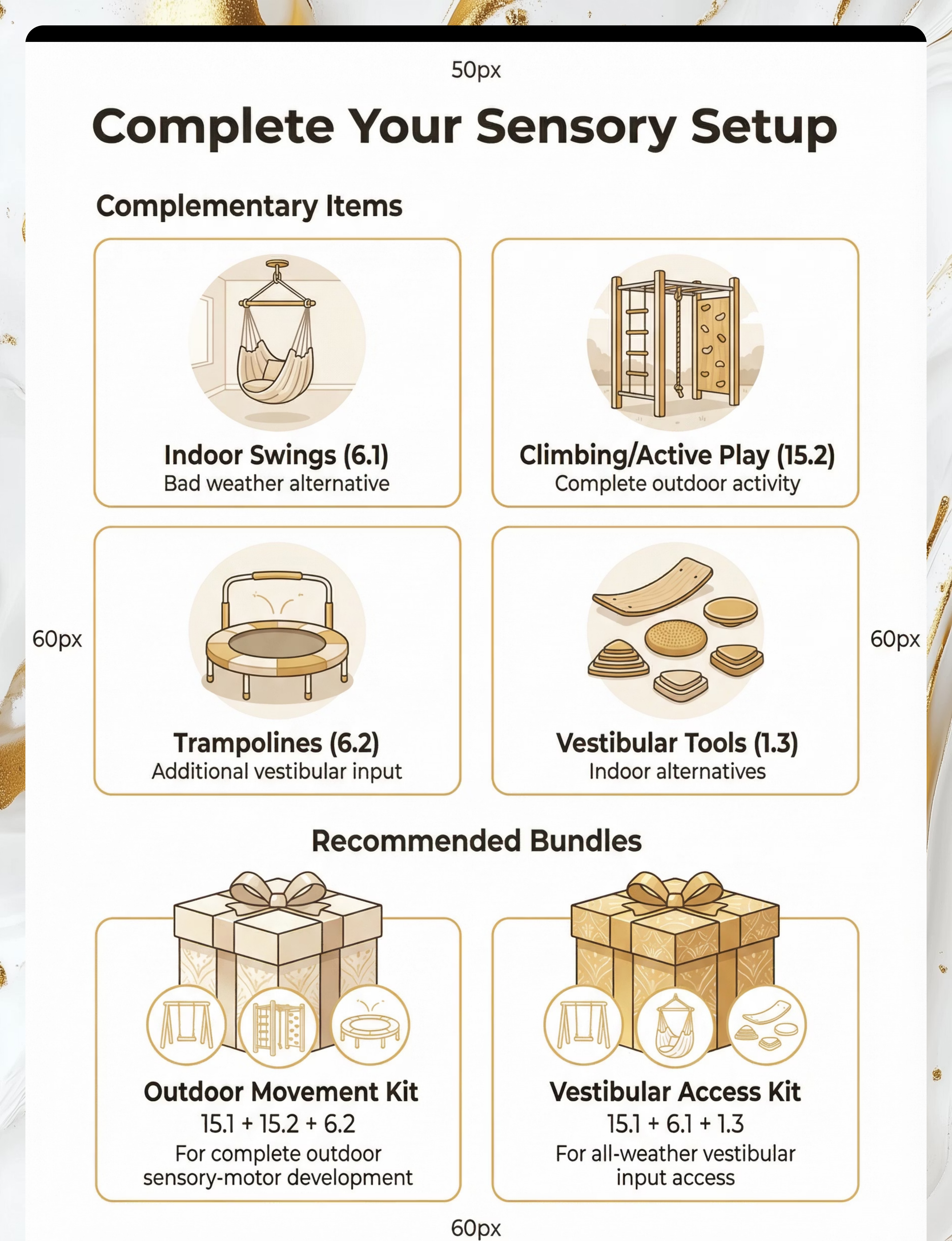
Pair It With...
Indoor Swings (ID: 6.1)
Bad weather alternative ensures consistent vestibular input year-round regardless of outdoor conditions.
Climbing/Active Play Equipment (ID: 15.2)
Completes outdoor sensory motor environment, combining vestibular (swinging) with proprioceptive (climbing) input.
Trampolines (ID: 6.2)
Provides additional vestibular and proprioceptive input with a different movement quality than swinging.
Vestibular Input Tools (ID: 1.3)
Indoor alternatives for days when outdoor swinging isn't possible, maintaining sensory diet consistency.
Outdoor Movement Kit
Includes: Outdoor Swings (15.1) + Climbing/Active Play (15.2) + Trampolines (6.2). Use Case: Complete outdoor sensory motor environment for comprehensive regulation and development.
Vestibular Access Kit
Includes: Outdoor Swings (15.1) + Indoor Swings (6.1) + Vestibular Tools (1.3). Use Case: Ensures swinging access in all conditions - outdoor, indoor, portable options for consistent vestibular input.
Quick Summary
AI Summary: Outdoor swings provide intensive vestibular and proprioceptive input for sensory regulation, motor development, and emotional regulation through various swing types. Core Kit (Rank 1), strong evidence, essential outdoor sensory equipment recommended by OT and PT professionals.
outdoor
swing
vestibular
sensory
movement
regulation
OT
PT
core-kit
Common Searches: outdoor swing autism, sensory swing outdoor, platform swing backyard, tire swing, vestibular swing, therapeutic swing outdoor, nest swing
Get Support
FREE National Autism Helpline
Phone: 9100 181 181
Languages: 16+ languages supported
Website:pinnacleblooms.org
Expert guidance on outdoor sensory equipment, installation, safety, and integration into comprehensive therapy plans
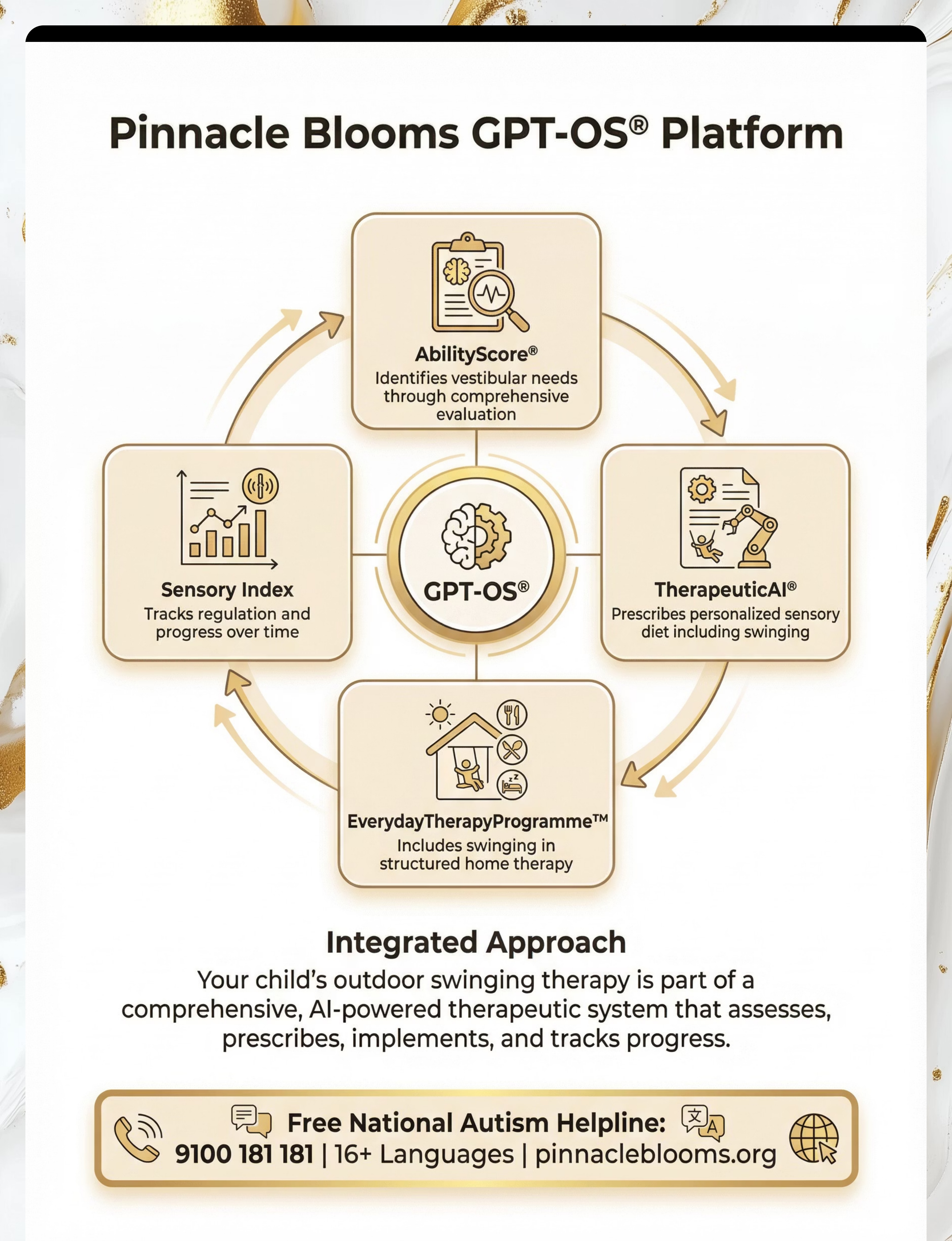
Platform Integration
This tool integrates seamlessly with Pinnacle's comprehensive child development ecosystem:
- AbilityScore® identifies vestibular and sensory regulation needs
- TherapeuticAI® prescribes personalized sensory diet including outdoor swinging
- EverydayTherapyProgramme™ incorporates swinging into daily routines
- Sensory Index tracks regulation progress and outcomes over time
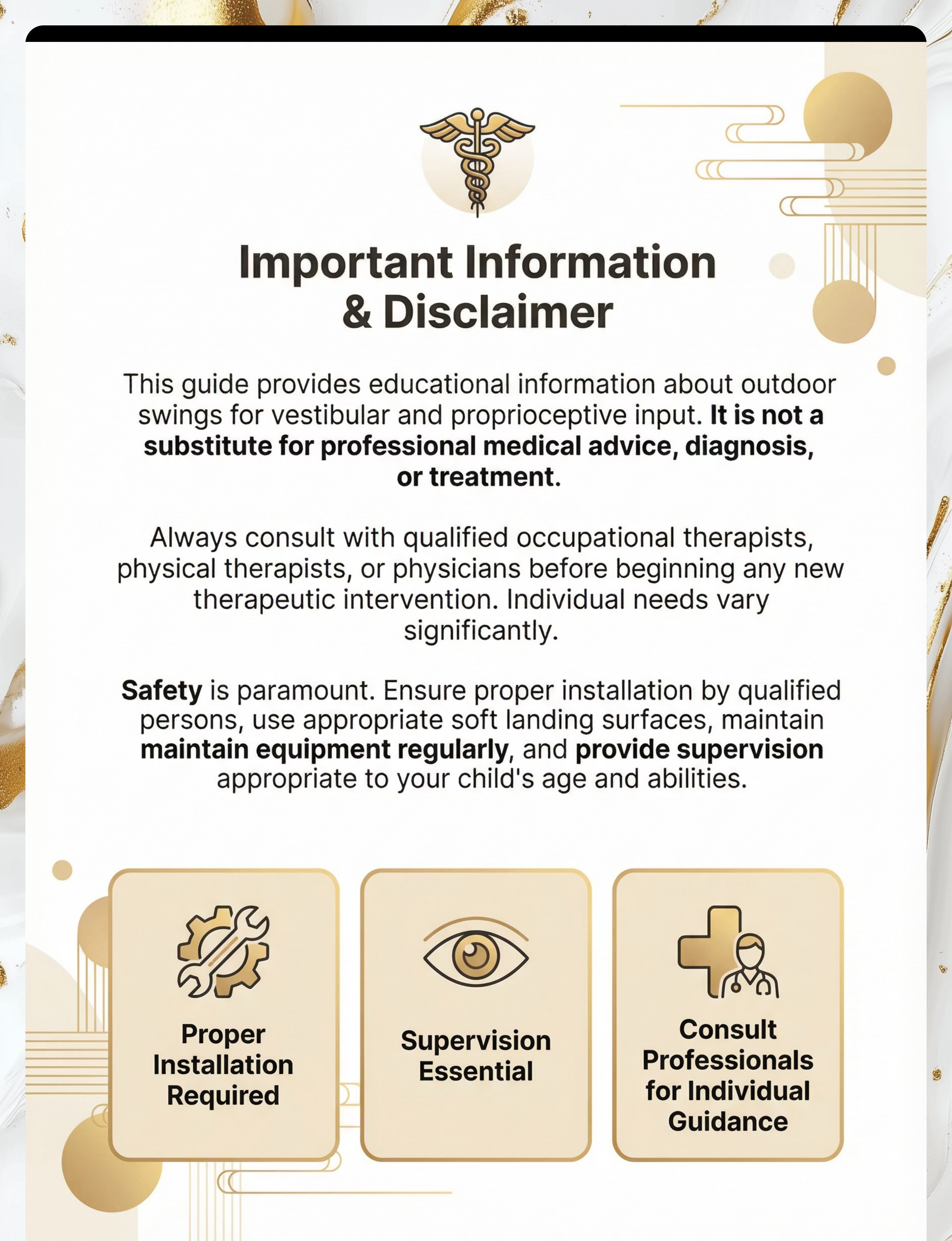
Important Disclaimer
This is educational information designed to support informed decision-making. Always consult qualified occupational therapists, physical therapists, speech-language pathologists, or pediatricians before implementing new therapeutic tools or interventions. Individual results vary based on each child's unique needs, sensory profile, and development. Outdoor swings support development but are not a cure or guaranteed solution. Professional guidance ensures safe, appropriate use tailored to your child's specific needs.