





Tool ID: 7.6
Tool ID: 7.6
OT + SpEd
Moderate Evidence
Rank #2
Daily Use
₹20–500
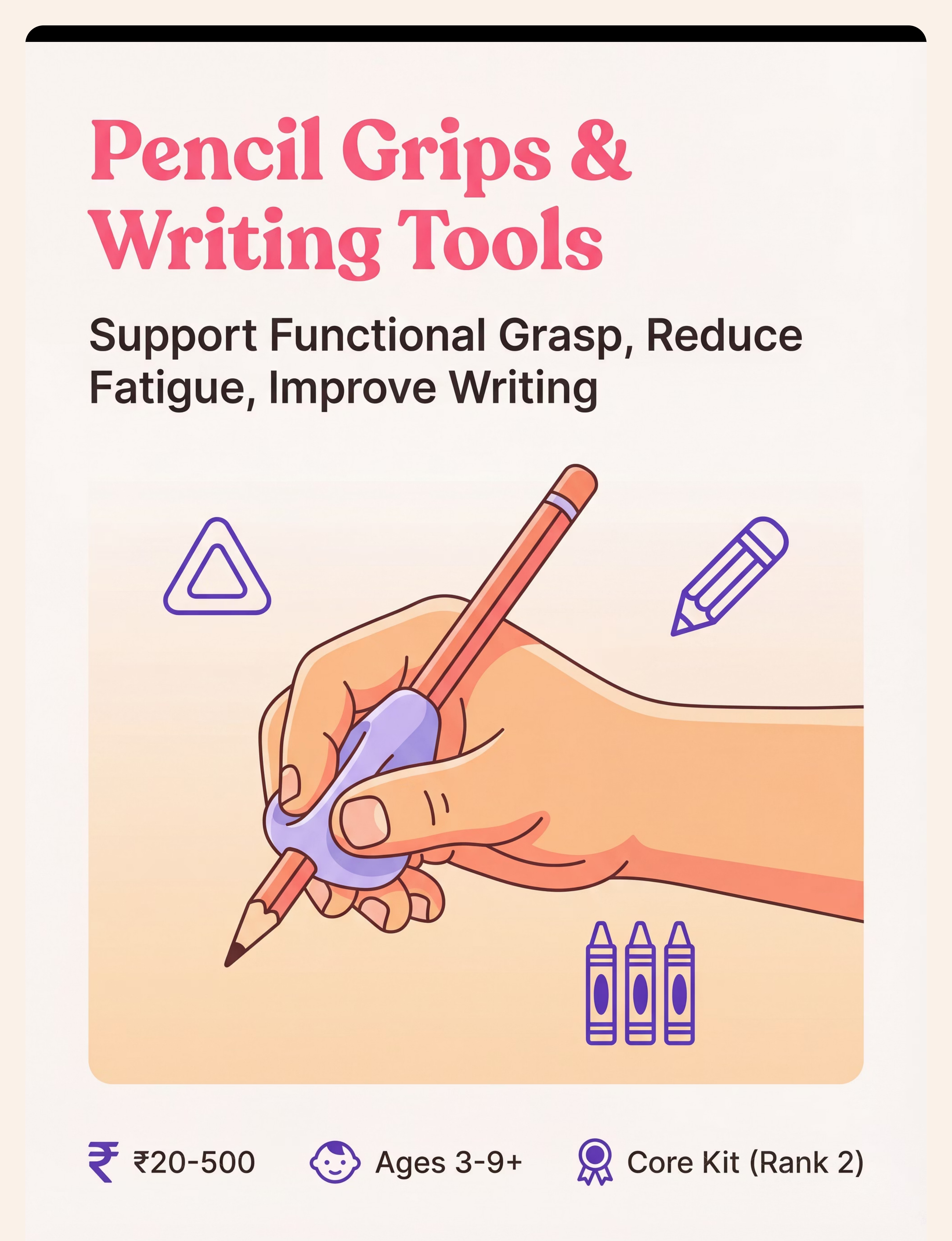
Pencil Grips & Writing Aids - Supporting Functional Grasp Development
Who This Helps
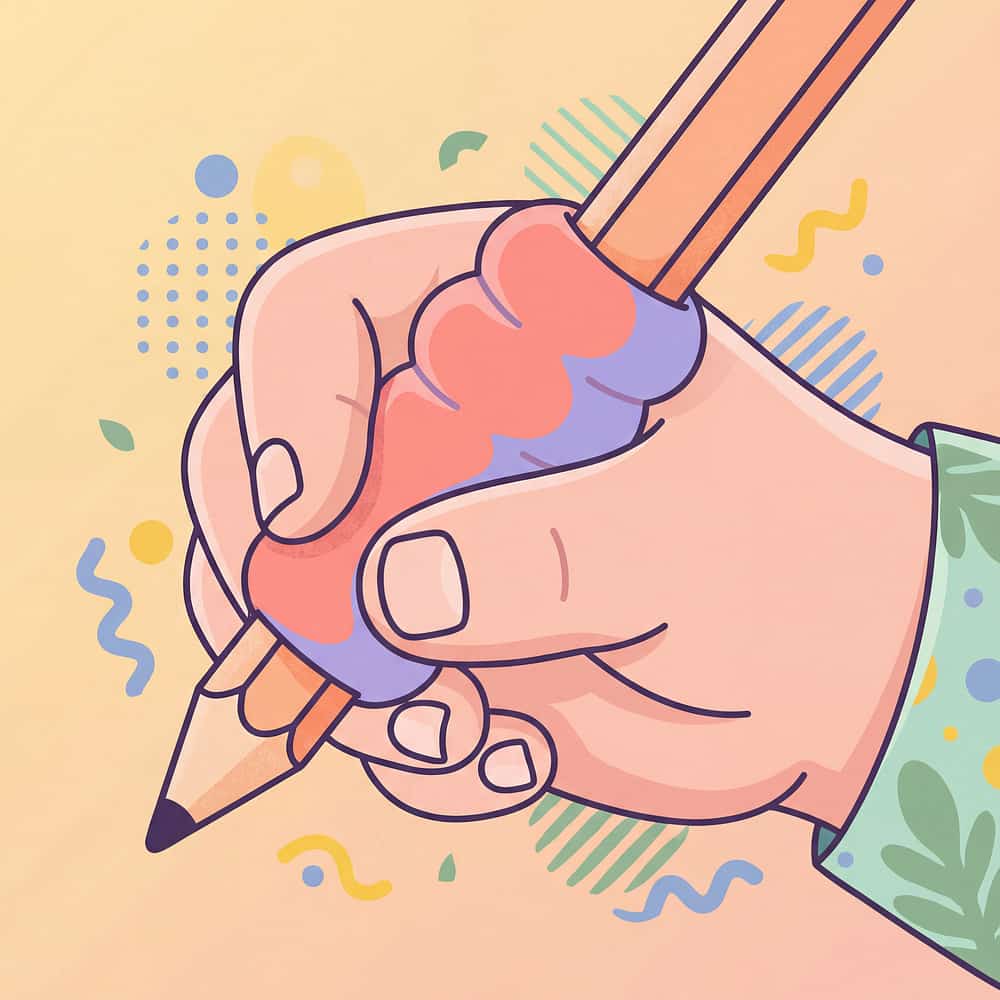
Support functional pencil grasp
Reduce writing fatigue
Improve writing efficiency
Position fingers optimally
Reduce muscle strain
Pencil Grasp
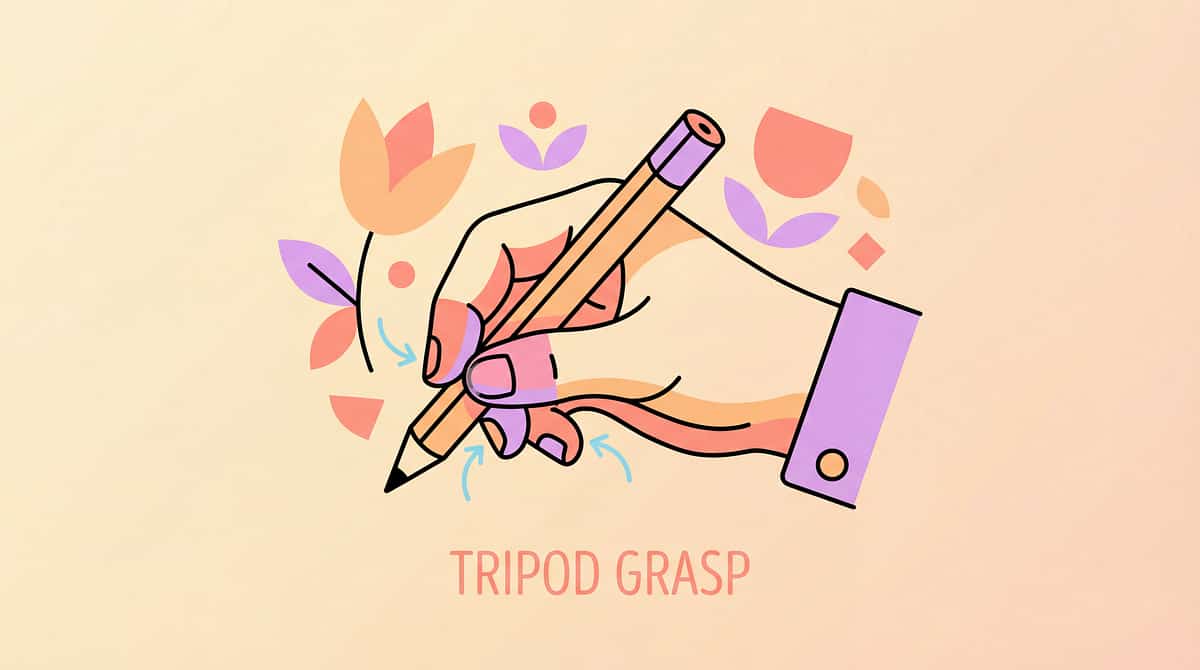
Tripod Positioning
Writing Endurance
Finger Placement
Reduced Fatigue
Ages 3-9 years
Home
School
Clinic
All Settings
Children developing tripod grasp
Perfect for young learners transitioning from crayon to pencil, establishing correct finger positioning habits early in their writing journey.
Students with hand fatigue during writing
Supports children who experience cramping, pain, or exhaustion when completing homework or classroom writing assignments.
Children avoiding writing tasks
Helps reluctant writers by making the physical act of writing more comfortable, reducing resistance to writing activities at home and school.
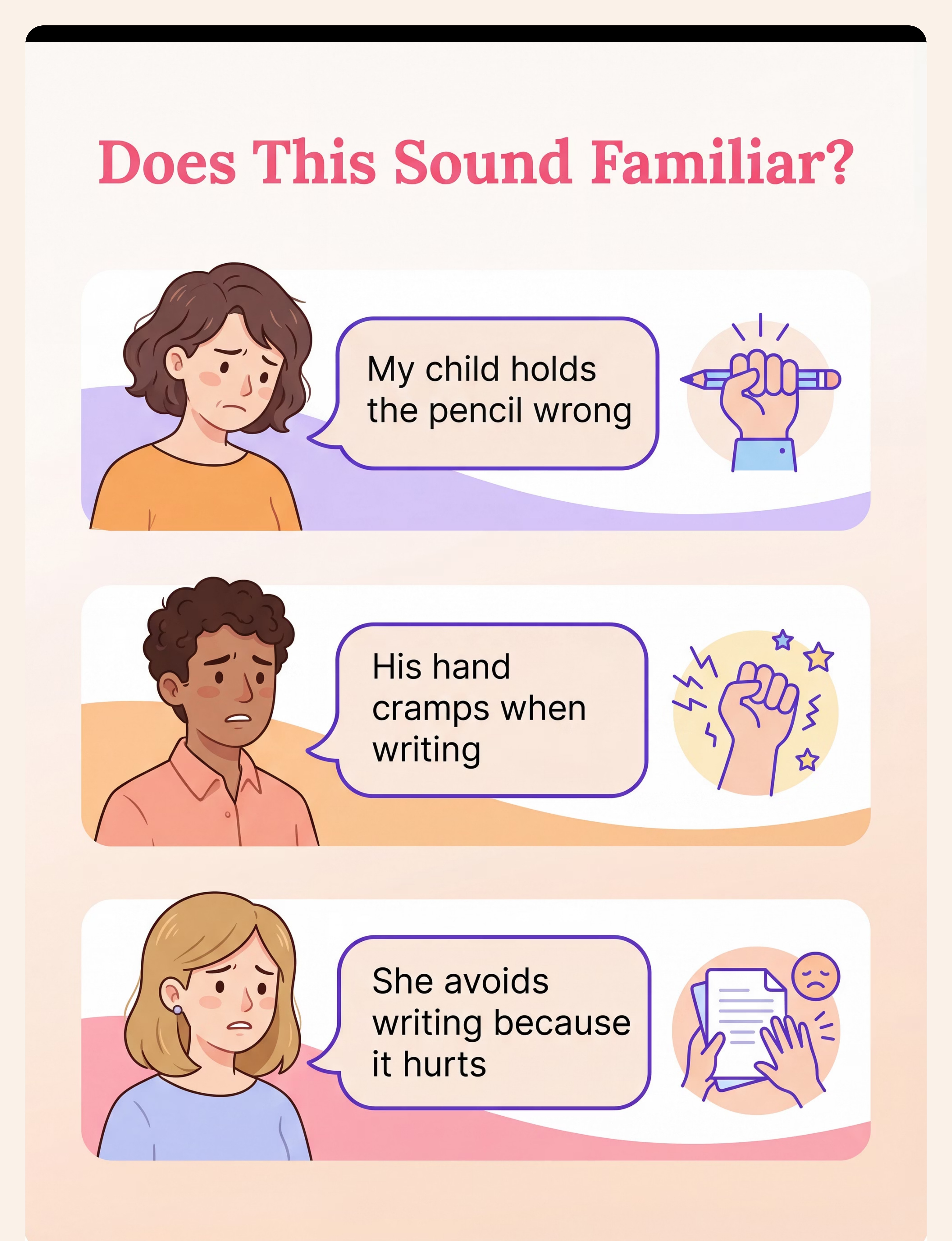
Does This Sound Familiar?
"My child holds the pencil wrong. I keep correcting it, but the fingers just wrap around in a fist grip or the thumb crosses over. It doesn't look right."
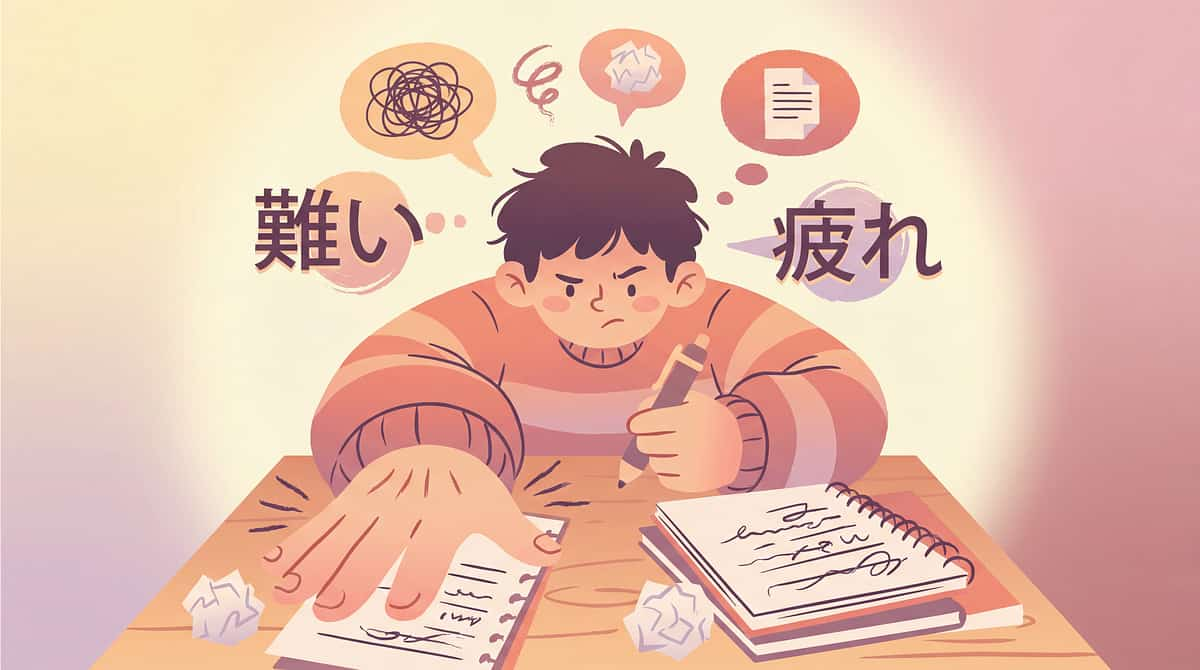
"His hand cramps when writing. After just a few sentences, he has to stop, shake his hand out, and complain. Writing homework takes forever because of all the breaks."
"She avoids writing because it hurts. Any assignment that requires writing turns into a battle. She says her fingers ache and writing is exhausting."
"He presses too hard or too light. Either the pencil tears through the paper from excessive pressure, or the writing is so faint you can barely see it."
"Her fingers are in the wrong position. No matter how many times we correct it, she reverts to that awkward grasp. I worry about her handwriting development."
"Writing is exhausting for him. What should take 15 minutes takes an hour because his hand gets so tired. He dreads homework time every single day."
You're not alone. These are common challenges faced by many families. The right support tools can make a significant difference in your child's writing comfort and confidence.
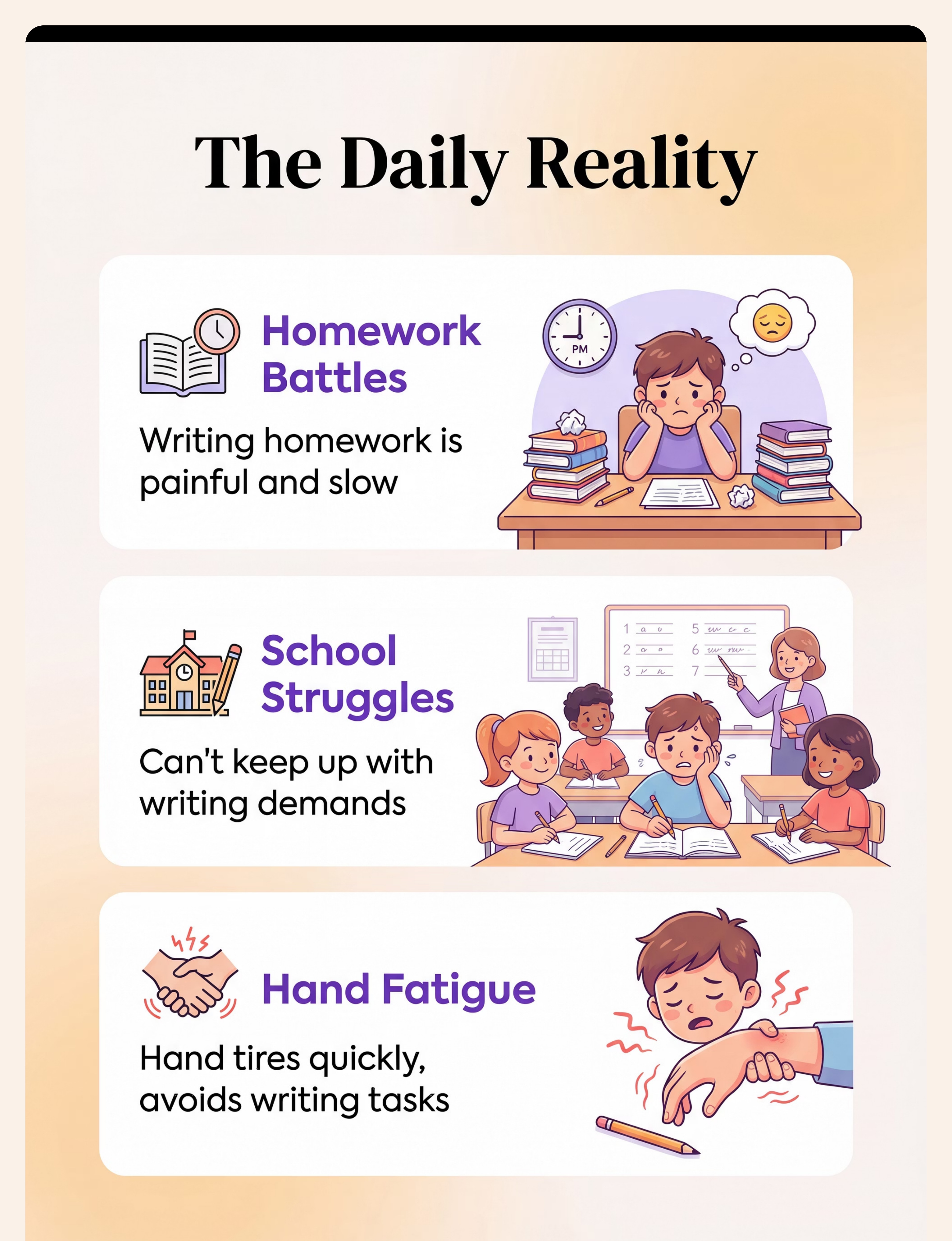
A Day Without the Right Support
Morning Homework Review
Teacher notes poor handwriting quality. Child feels embarrassed when work is returned with comments about neatness. Confidence drops before the day even begins.
Classroom Writing Task
During writing assignments, the child falls behind peers in note-taking speed, missing important information due to hand fatigue and discomfort.
Art Class
Struggling to hold paintbrushes or crayons correctly, the child feels frustrated during creative activities, impacting participation and enjoyment.
Evening Homework
Family tension rises as writing assignments loom. Parents frustrated, child in tears. What should take 20 minutes stretches to over an hour with breaks for hand pain.
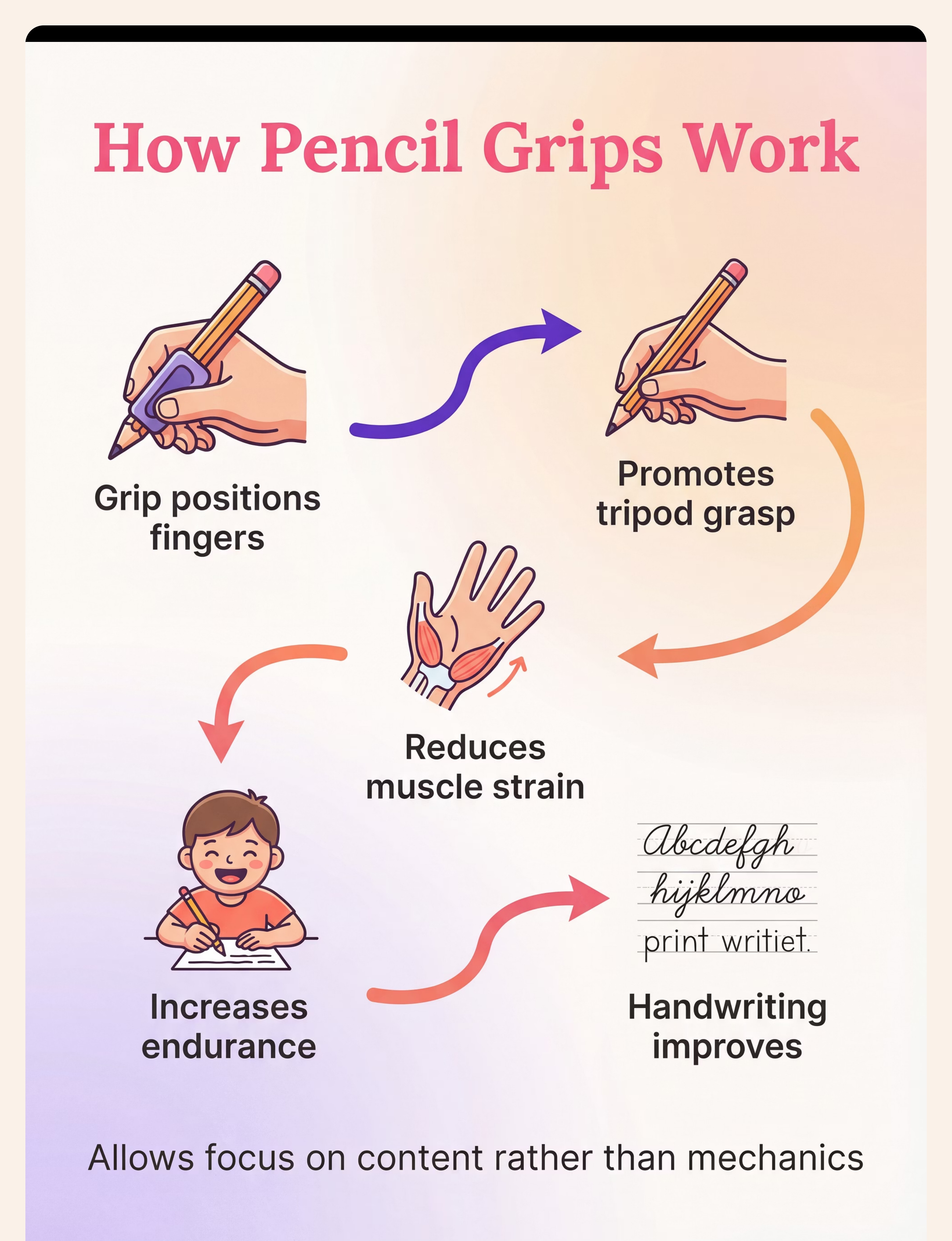
The Science Behind It
Optimal Finger Positioning
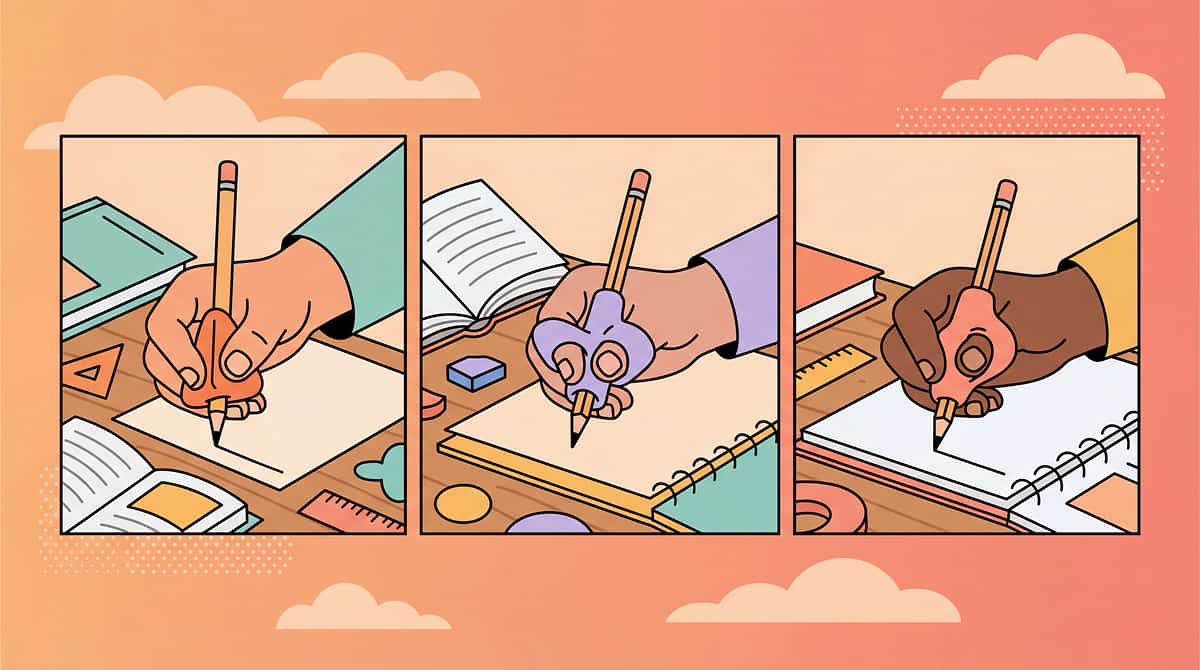
Grip positions fingers in the correct tripod grasp configuration, guiding thumb, index, and middle fingers naturally.
Promotes Tripod Grasp
Consistent positioning reinforces correct muscle memory and proper biomechanical alignment for efficient writing movements.
Reduces Muscle Strain
Ergonomic design distributes pressure evenly across fingers, preventing cramping and fatigue in small hand muscles.
Increases Endurance
Less strain means longer writing capacity without breaks, allowing sustained focus on longer assignments and tests.
Shifts Mental Focus
When physical mechanics become automatic, cognitive energy redirects to content, creativity, and learning rather than hand discomfort.
Handwriting Improves
Combined effect of proper positioning, reduced fatigue, and better focus results in more legible, consistent, and confident handwriting.
This systematic approach addresses the root cause of writing difficulties—improper grasp patterns—while building the muscle memory and endurance needed for academic success.
How to Use It Right
1
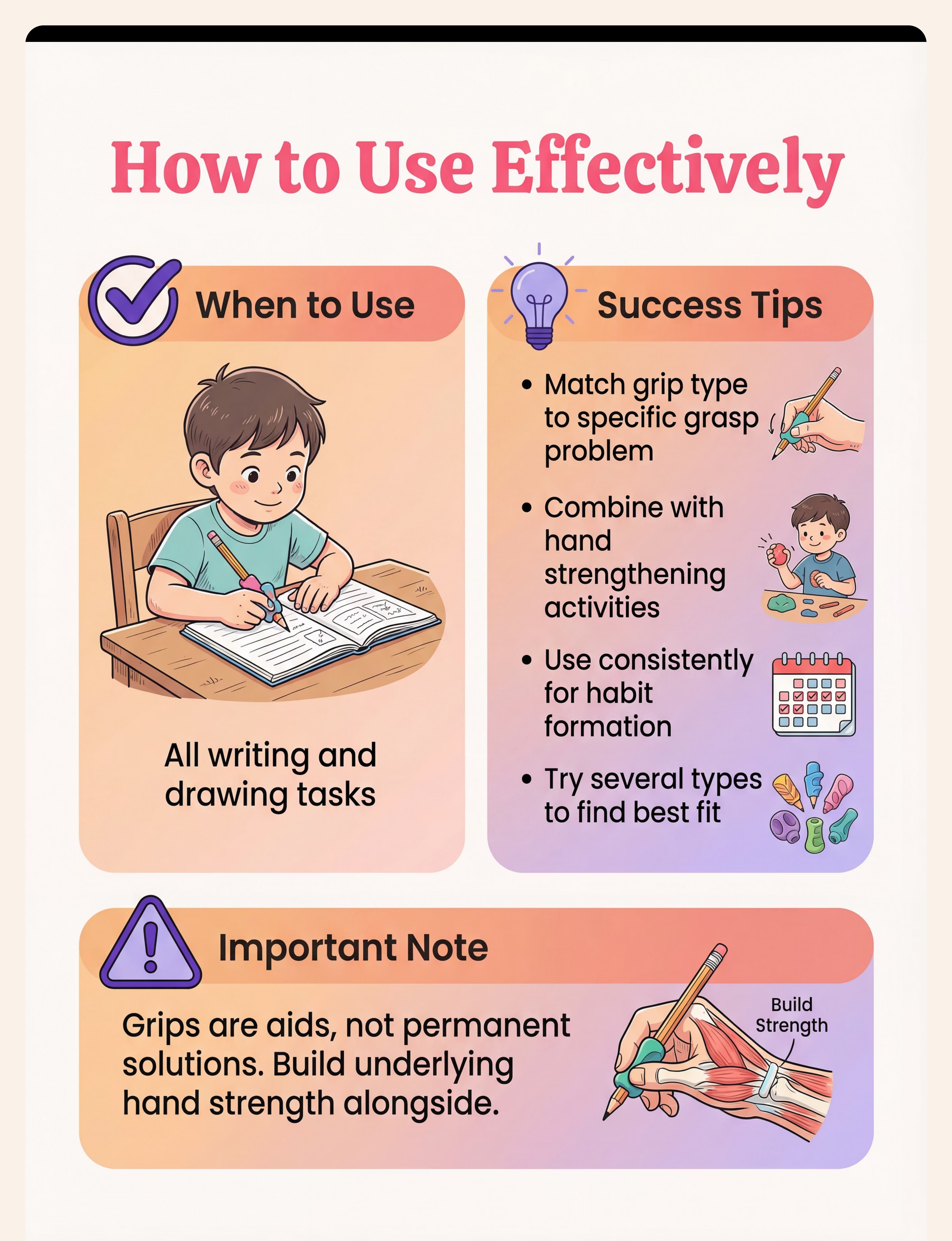
Match grip type to specific grasp problem
Don't use a generic grip without understanding your child's specific grasp pattern. Triangular grips work differently than crossover grips—each addresses distinct finger positioning challenges.
2
Combine with hand strengthening activities
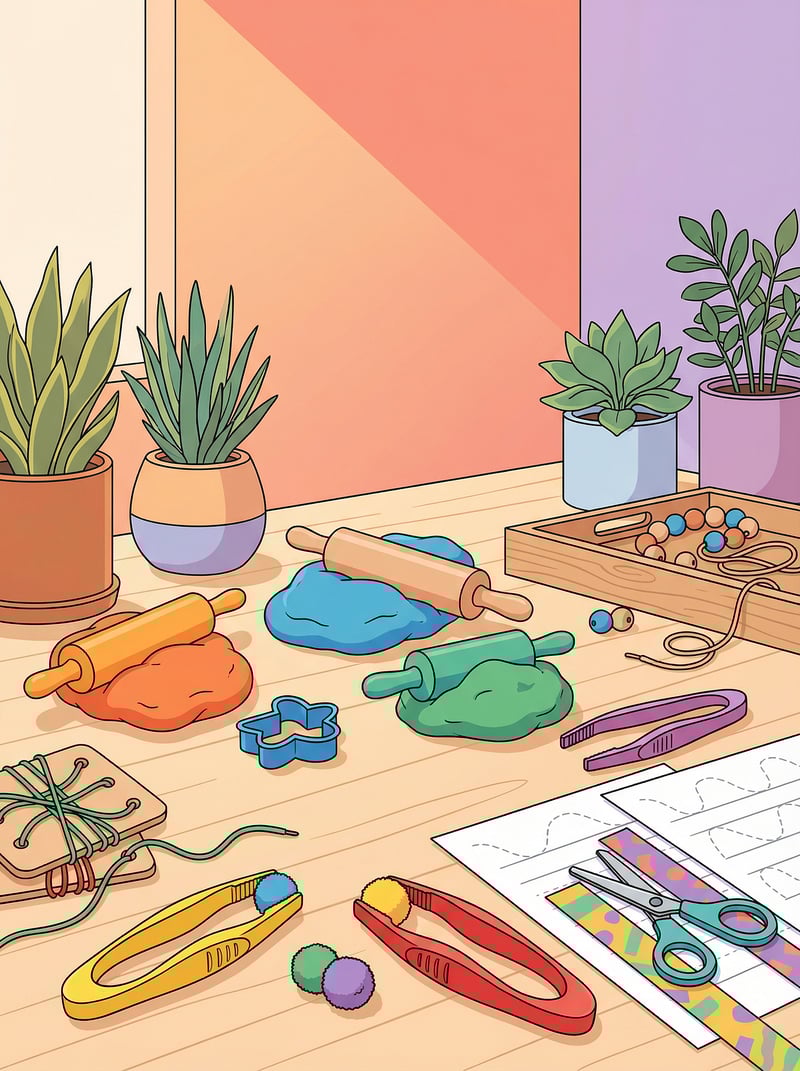
Grips provide positioning support, but underlying hand strength builds through playdough work, squeezing activities, and other fine motor exercises. Both are essential.
3
Try several types to find best fit
Children have different preferences for texture, firmness, and shape. Buy variety packs and let your child test different options to discover what feels most comfortable.
4
Use consistently for habit formation
Sporadic use won't build muscle memory. Daily, consistent practice with the grip helps establish automatic correct finger positioning over time.
5
Short pencils are underrated and effective
Simply breaking a standard pencil in half encourages fingertip control naturally. This no-cost alternative often works better than elaborate grip designs.
6
Grips are aids, not permanent solutions
The goal is building correct habits that eventually become independent. Many children naturally transition off grips as their grasp patterns solidify through practice.

Recommended Duration: Use consistently during all writing activities for 4-8 weeks to establish habit formation. Many children continue using grips long-term for comfort—that's perfectly acceptable.
Expert Perspective
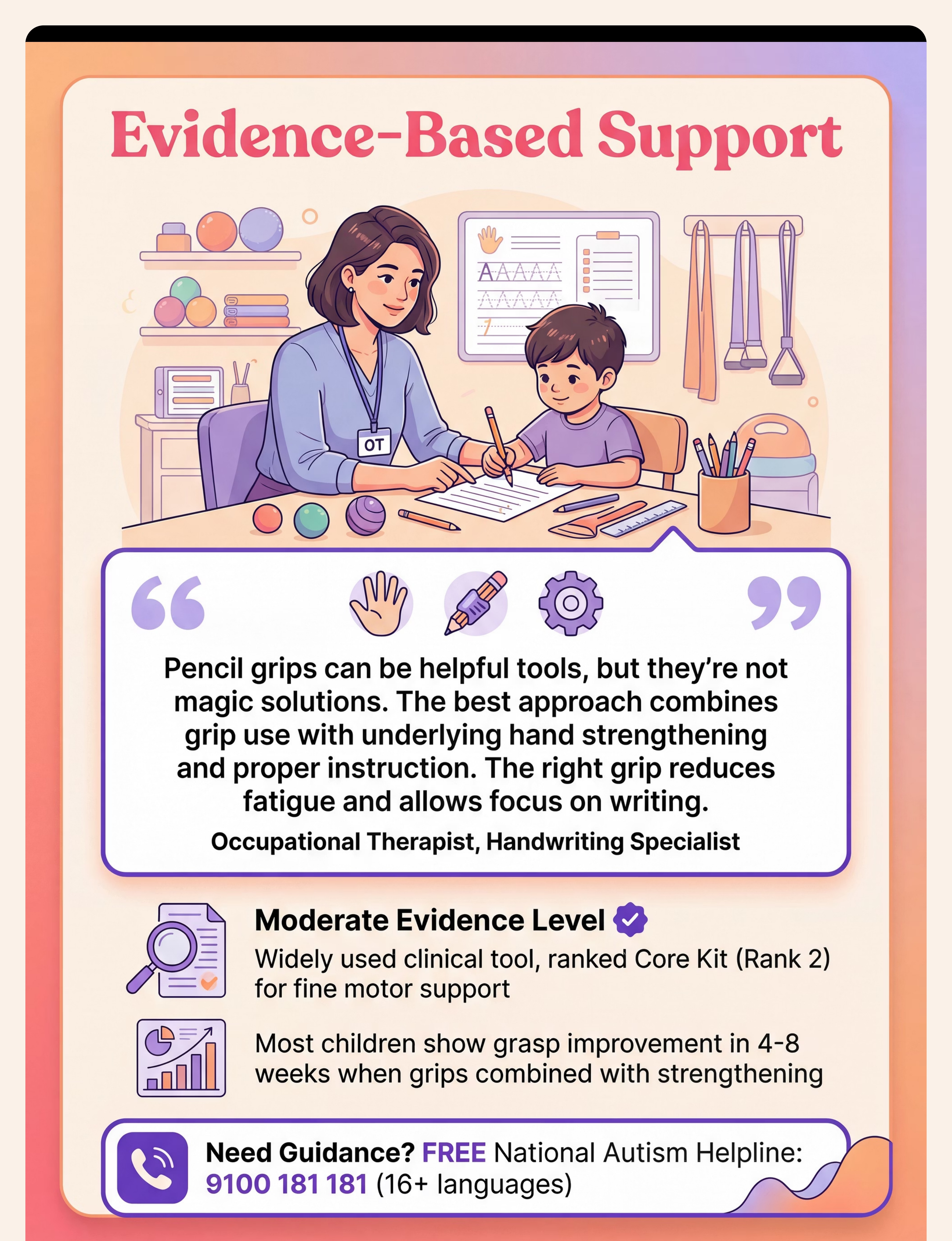
"Pencil grips can be helpful tools, but they're not magic solutions. The best approach combines grip use with underlying hand strengthening and proper instruction. The right grip reduces fatigue and allows focus on writing."
— Occupational Therapist, Handwriting Specialist
OT + SpEd Recommended
Co-endorsed by occupational therapists and special educators as evidence-based writing support
Moderate Evidence Base
Supported by clinical research and widespread therapeutic use across diverse populations
Rank #2 in Category
Highly prioritized tool in Fine Motor & Hand Skills category for immediate functional impact
Core Kit Essential
Designated as core-level tool, recommended for most therapy and educational settings
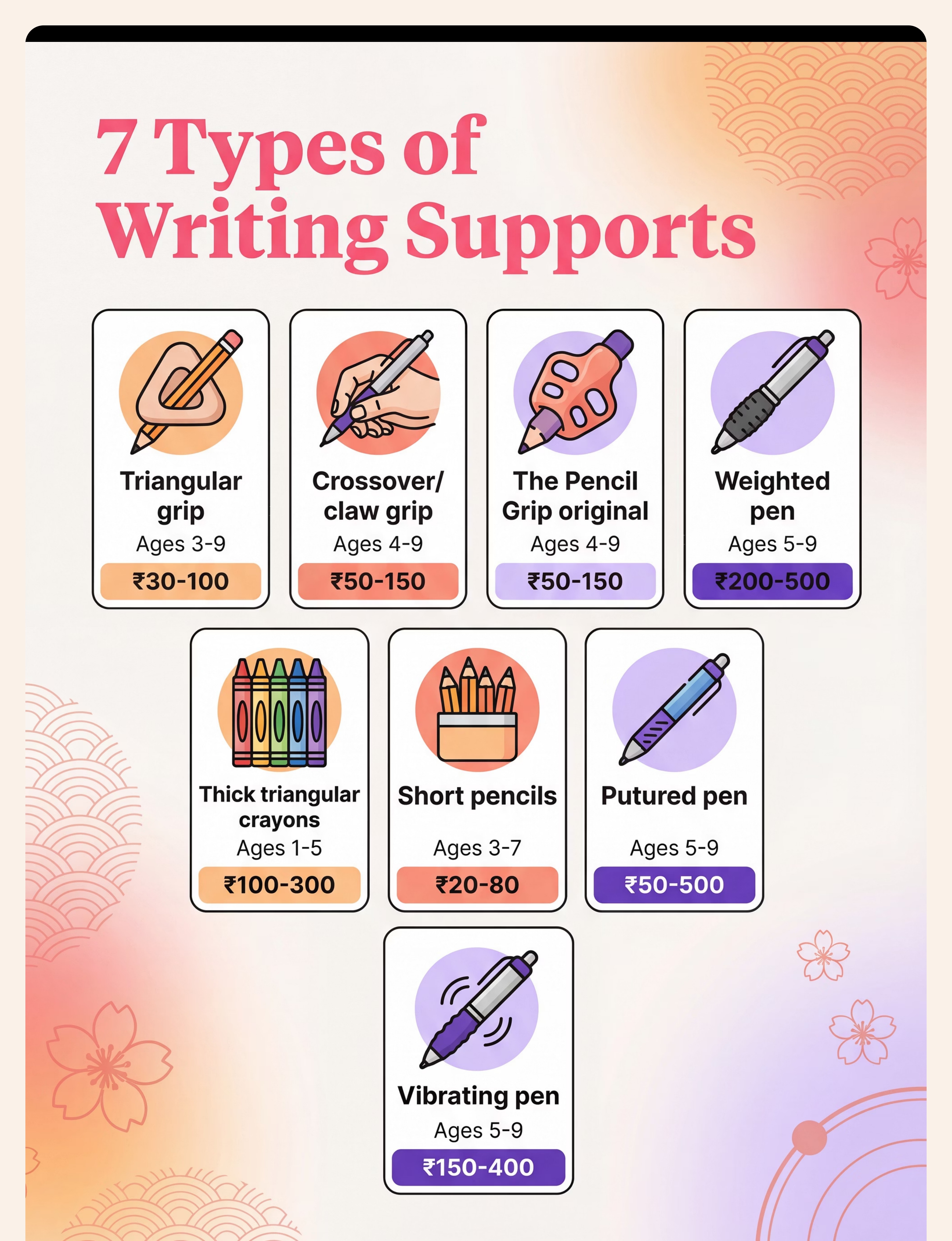
Choose Your Option (7 Variants)
Each grip type addresses specific grasp challenges. Select based on your child's unique finger positioning needs, age, and writing goals.
Triangular Pencil Grip
Best for: Developing tripod grasp, most common starting point
Ages: 3-9 years | Settings: All
Design: Standard triangle shape with three-finger positioning
Very High Portability
Price: ₹30–100
Crossover Grip / Claw Grip
Best for: Placing fingers correctly, preventing thumb wrap
Ages: 4-9 years | Settings: All
Design: Finger-positioning design with specific placement guides
Very High Portability
Price: ₹50–150
The Pencil Grip (Original)
Best for: Comfortable writing, widely recommended by therapists
Ages: 4-9 years | Settings: All
Design: Ergonomic contoured design with natural finger placement
Very High Portability
Price: ₹50–150
Weighted Pen/Pencil
Best for: Tremor, poor body awareness, light pressure issues
Ages: 5-9 years | Settings: Home, School, Clinic
Design: Heavier than standard for proprioceptive feedback
High Portability
Price: ₹200–500
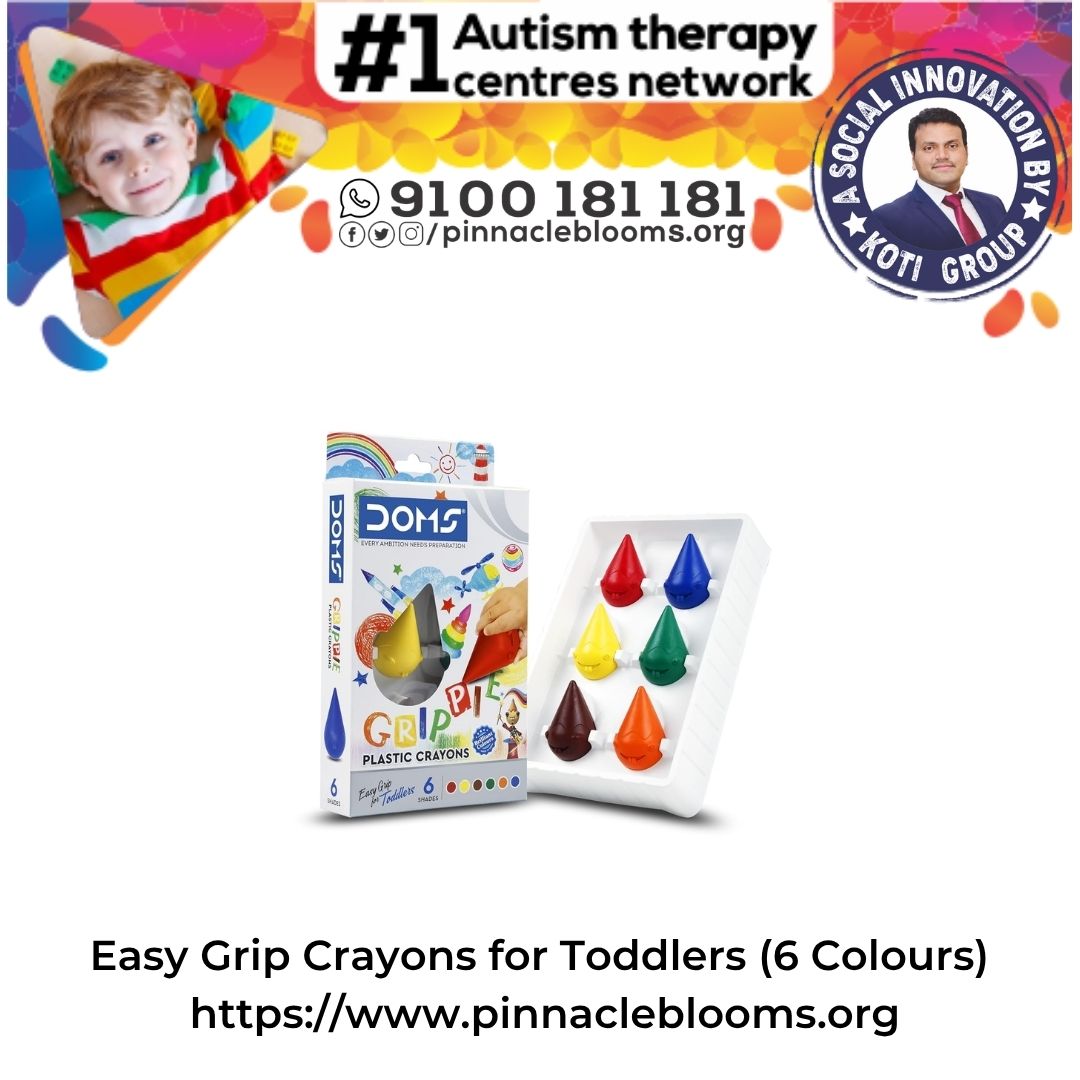
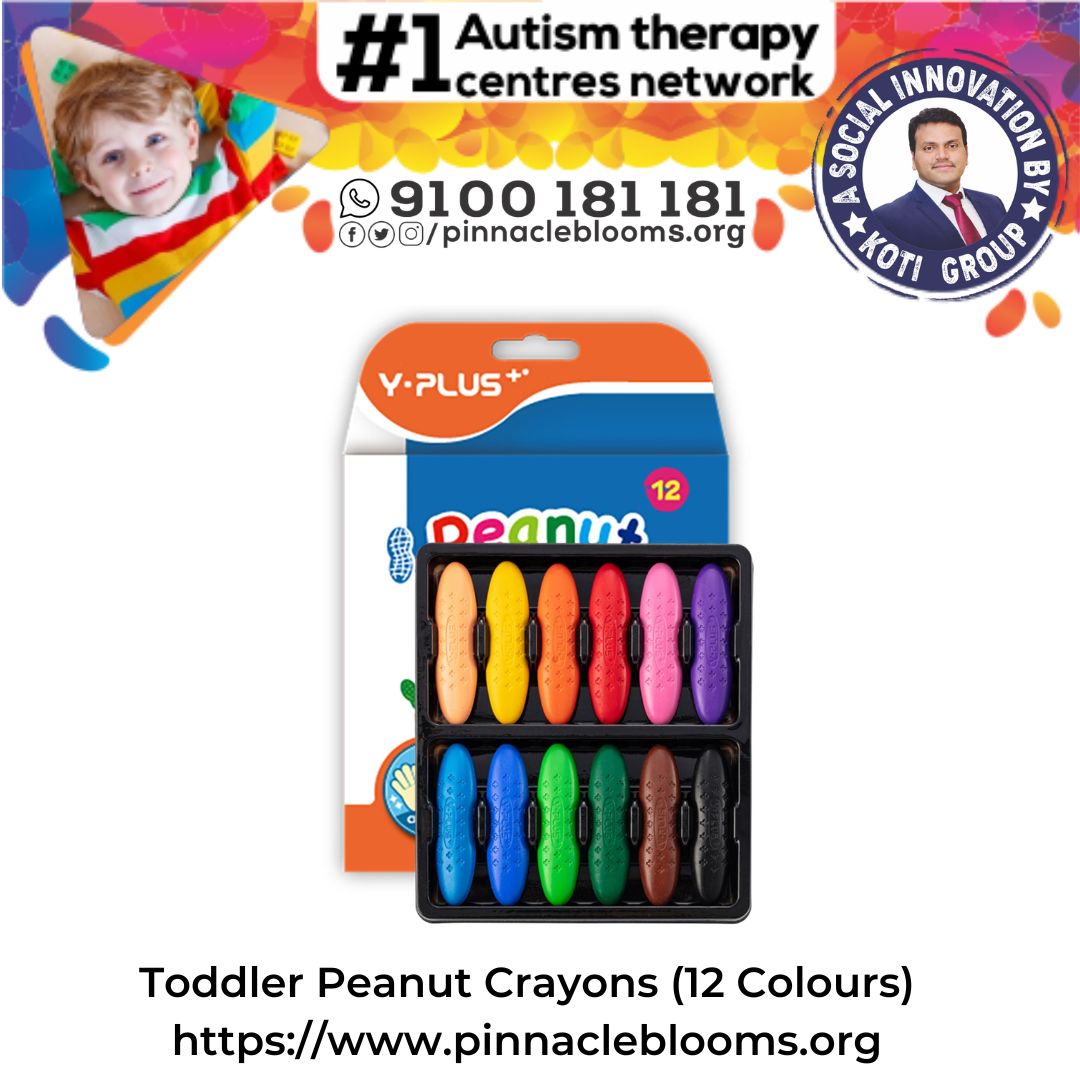
Thick/Triangular Crayons
Best for: First writing tools, grasp development in toddlers
Ages: 1-5 years | Settings: Home, School
Design: Larger than standard crayons with easy grasp
High Portability
Price: ₹100–300
Short Pencils / Golf Pencils
Best for: Preventing whole-hand grasp, encouraging fingertip control
Ages: 3-7 years | Settings: All
Design: 2-3 inch pencils that force proper finger placement
Very High Portability
Price: ₹20–80
Vibrating Pen
Best for: Attention, sensory seeking, awareness during writing
Ages: 5-9 years | Settings: Home, School
Design: Standard pen with alerting sensory input while writing
High Portability
Price: ₹150–400

How to Choose
  • By goal: Calming fatigue? Try ergonomic contoured grips. Building correct positioning? Start with triangular or crossover grips.
  • By setting: All variants work in all settings. Weighted pens may be less portable for outdoor use.
  • By portability: Standard grips and short pencils travel easily. Weighted pens and thick crayons are slightly bulkier.
  • By age: Youngest children (1-5) start with thick crayons. School-age (4-9) transition to pencil grips.
Specifications & Types Guide
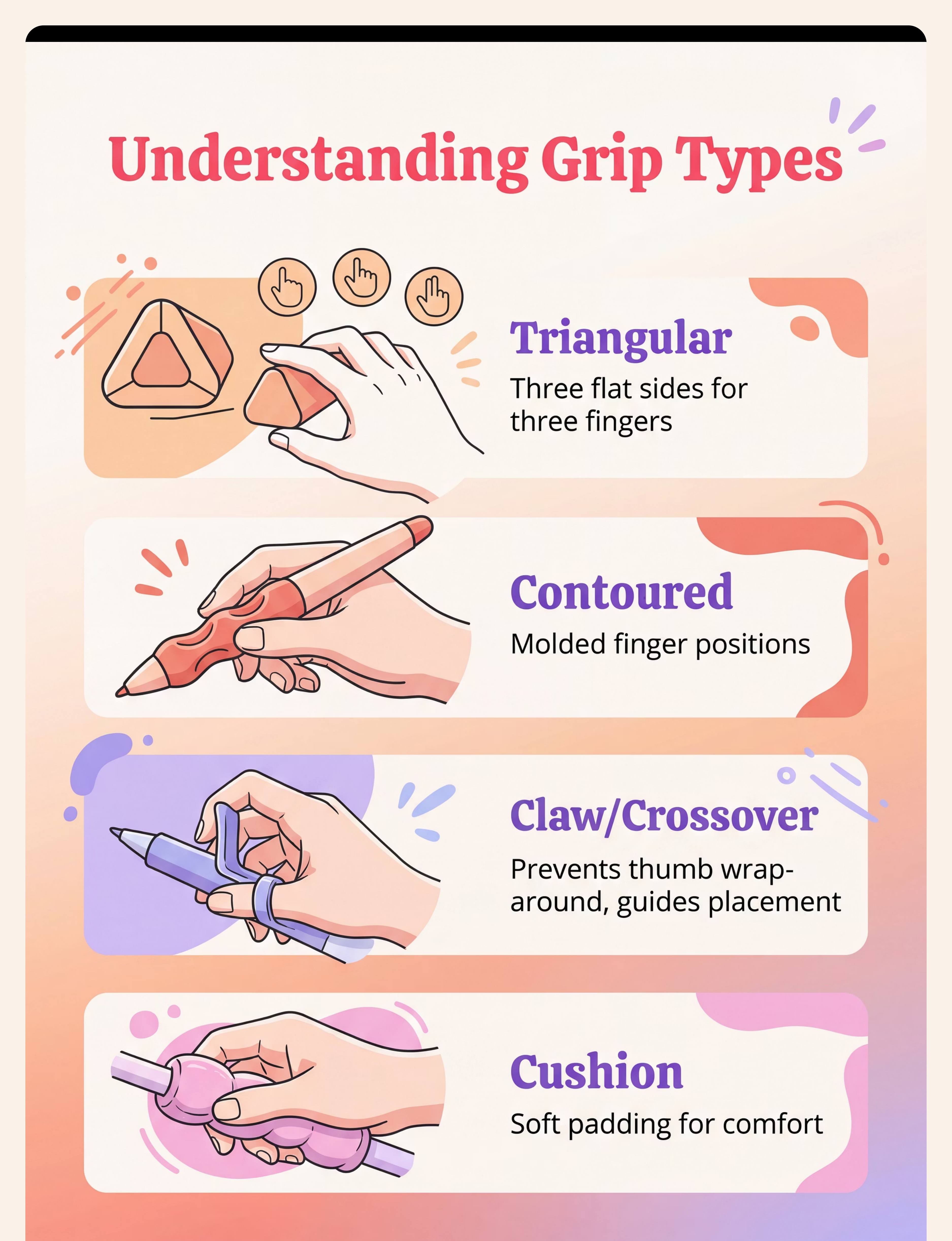
Grip Types Explained
Triangular
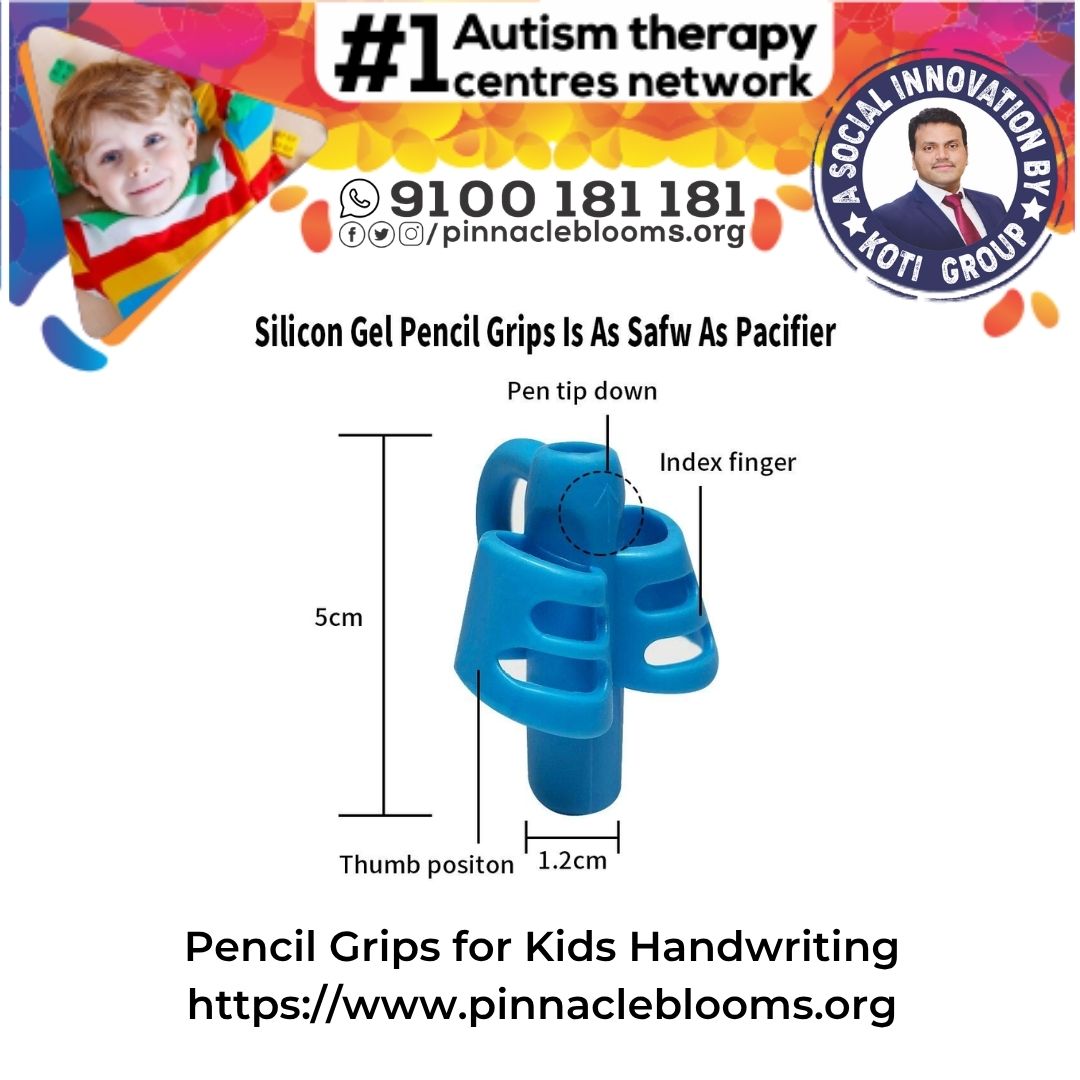
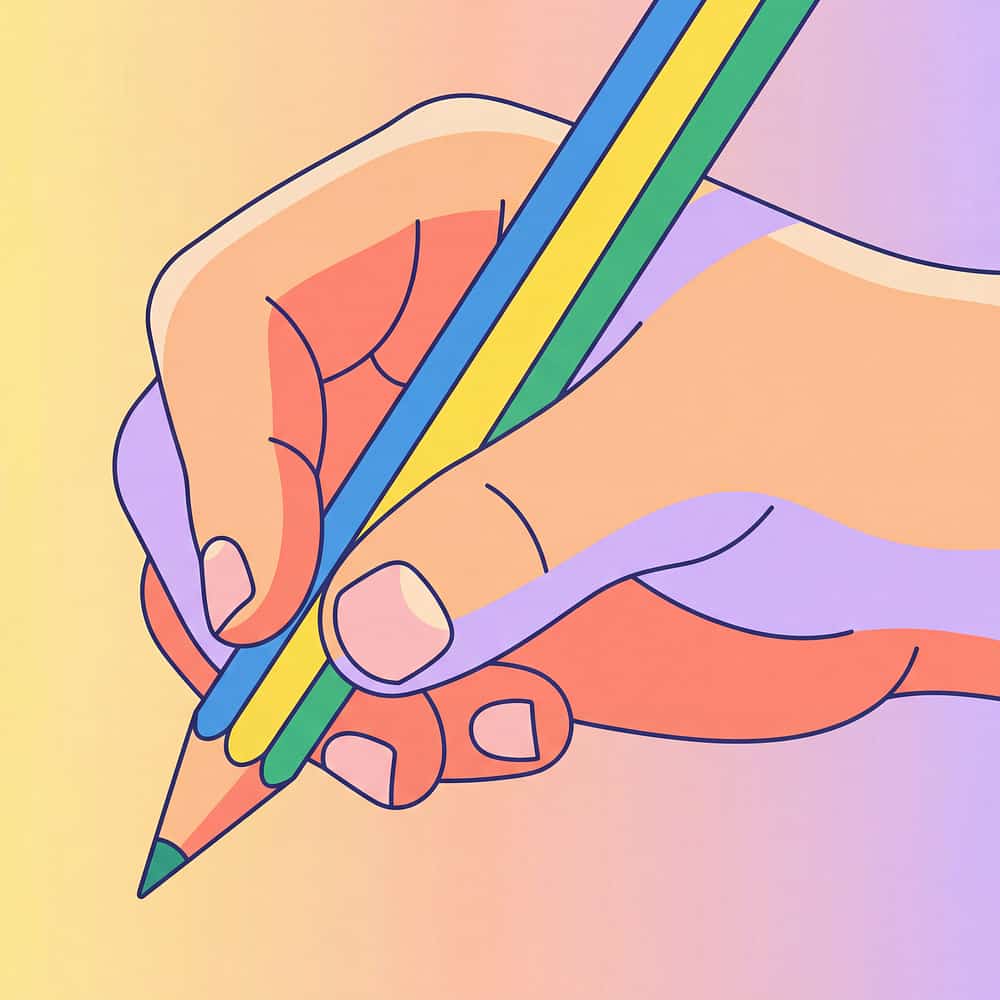
Three flat sides for three fingers—simple and effective for establishing basic tripod grasp positioning.
Contoured
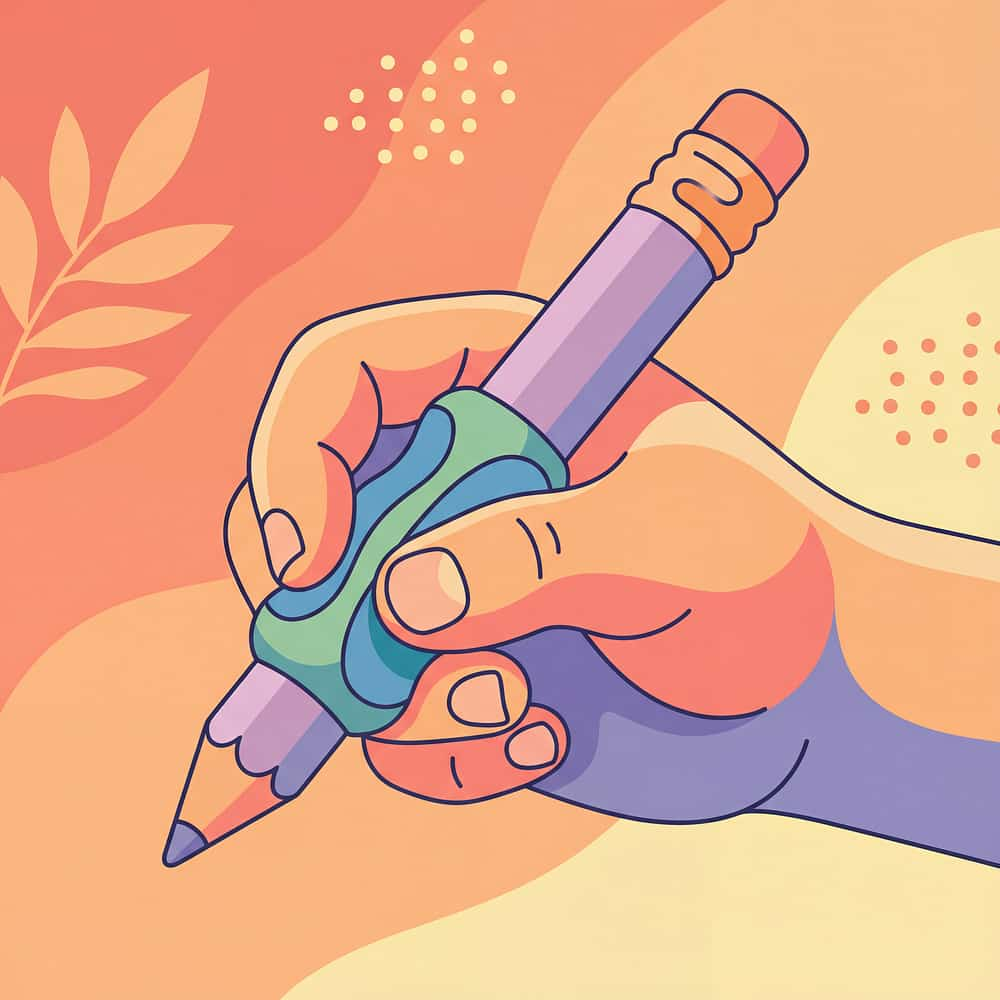
Molded finger positions that guide each finger into precise placement, ideal for specific positioning challenges.
Claw/Crossover
Prevents thumb wrap-around and guides specific finger placement, addressing common grasp errors.
Cushion
Soft padding for comfort during extended writing sessions, reduces pressure points and discomfort.
Materials & Key Features
Common Materials
  • Silicone: Soft, flexible, comfortable for most children, easy to clean
  • Rubber: Durable with good grip surface, various firmness levels available
  • Foam: Lightweight and soft, ideal for very young children or sensitive touch
  • Plastic: Firm structure for precise positioning, longer-lasting option
Essential Features to Consider
  • Comfortable material that doesn't irritate skin
  • Correct size that fits both the pencil diameter and child's hand
  • Design that actively promotes tripod grasp positioning
  • Stays securely in place during writing without sliding
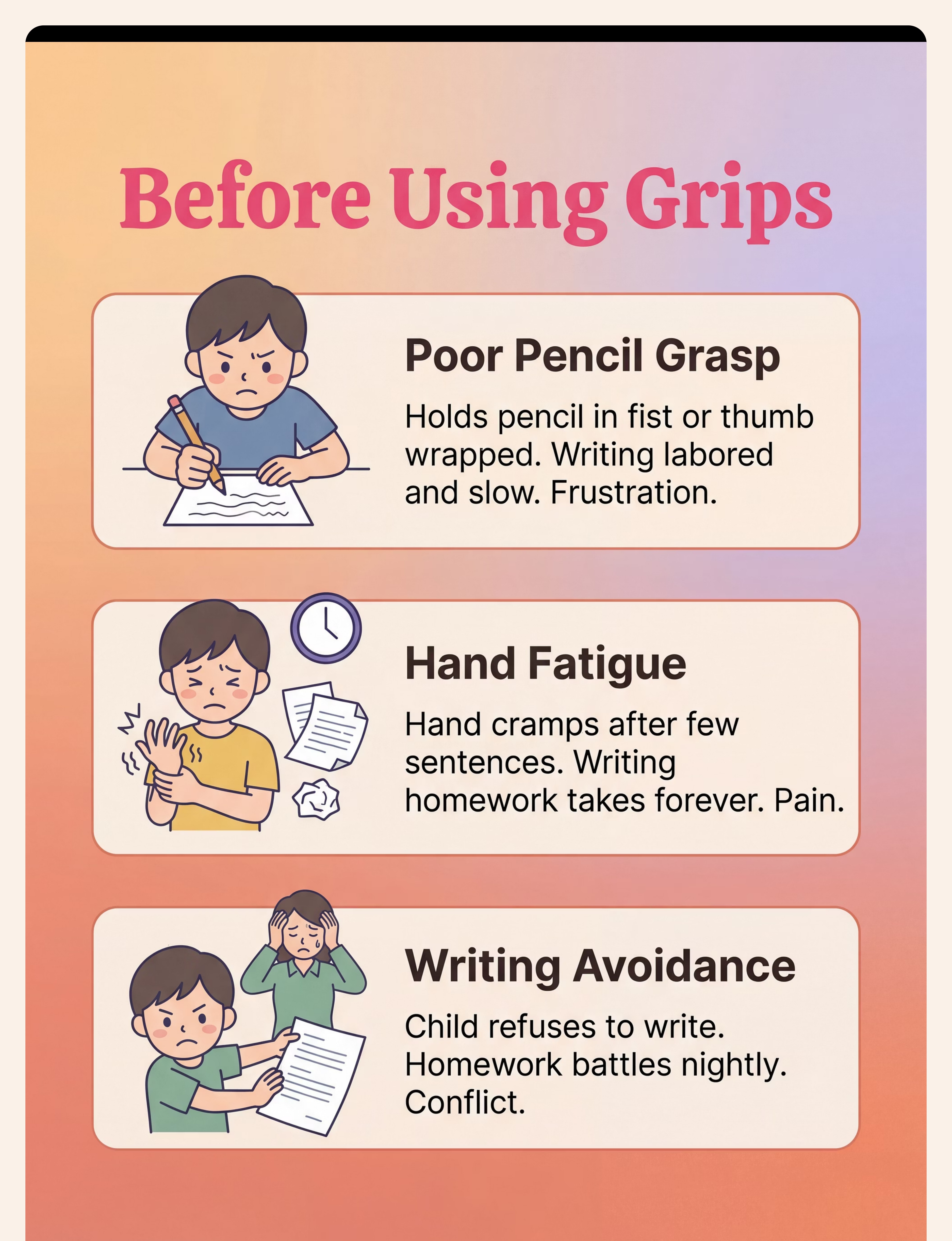
The Struggle (Before)
Poor Pencil Grasp
Situation: Child holds pencil in fist or with thumb wrapped over fingers. The grasp looks awkward and inefficient, making writing movements labored and slow.
Experience: Teacher constantly corrects grasp during class. Child reverts to incorrect pattern immediately. Parent frustration grows with repeated reminders that don't stick.
Emotion: Frustration and inefficiency dominate every writing task
Hand Fatigue
Situation: Child's hand cramps after writing just a few sentences. Must stop frequently to shake out the hand. Writing homework that should take 20 minutes stretches to over an hour.
Experience: Every writing assignment becomes an endurance test. Hand hurts during exams. Cannot keep up with classroom note-taking speed. Falls behind academically.
Emotion: Physical pain and exhaustion with every writing task
Handwriting Quality Issues
Situation: Handwriting is illegible, inconsistent in size and spacing, and difficult to read. Letters are poorly formed and words are unevenly spaced.
Experience: Teacher struggles to grade assignments. Child receives lower marks despite understanding content. Notes taken in class are unreadable later, hindering study efforts.
Emotion: Disappointment, academic struggle, and communication breakdowns
Writing Avoidance
Situation: Child actively refuses to write, claiming it hurts too much. Homework battles erupt every single evening. Writing assignments remain incomplete, affecting grades.
Experience: Parent-child relationship strained over daily homework fights. Teacher emails about missing work. Child's academic confidence plummets as writing becomes associated with pain.
Emotion: Avoidance, family conflict, and growing academic anxiety
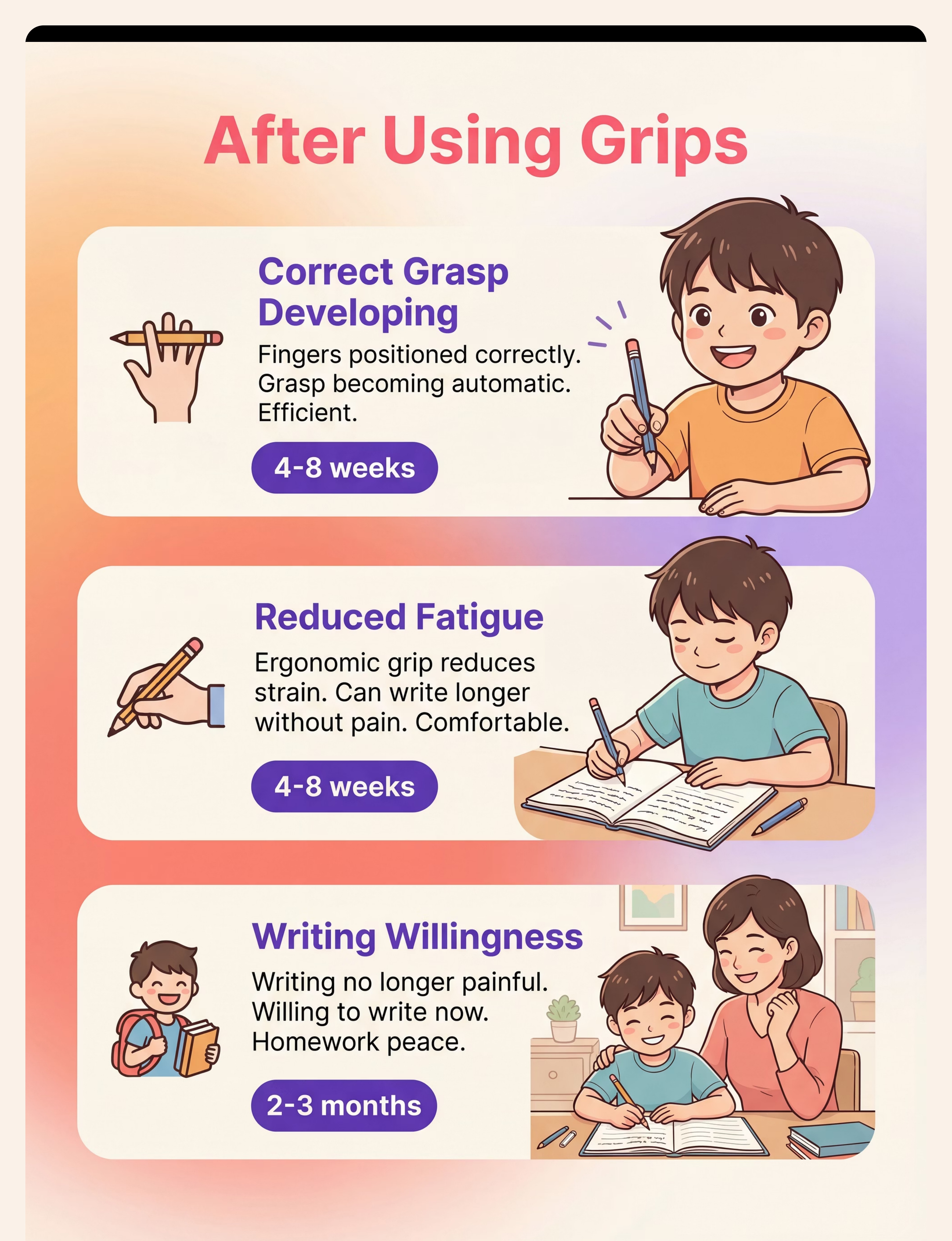
The Breakthrough (After)
Poor Pencil Grasp → Correct Positioning
Situation: Triangular grip consistently positions fingers in correct tripod placement. With daily practice over several weeks, the correct grasp is becoming increasingly automatic.
Experience: Teacher notices improvement and offers positive feedback. Child takes pride in proper grasp. Writing movements become more efficient and fluid with practice.
Emotion: Building correct habit and experiencing efficiency gains
4-8 weeks
Hand Fatigue → Comfortable Endurance
Situation: Ergonomic grip design significantly reduces muscle strain. Combined with complementary hand strengthening exercises, writing endurance steadily increases.
Experience: Can complete homework in one sitting without pain breaks. Hand no longer cramps during longer writing assignments. Keeps up with classroom writing pace.
Emotion: Physical comfort and increased endurance for writing
4-8 weeks
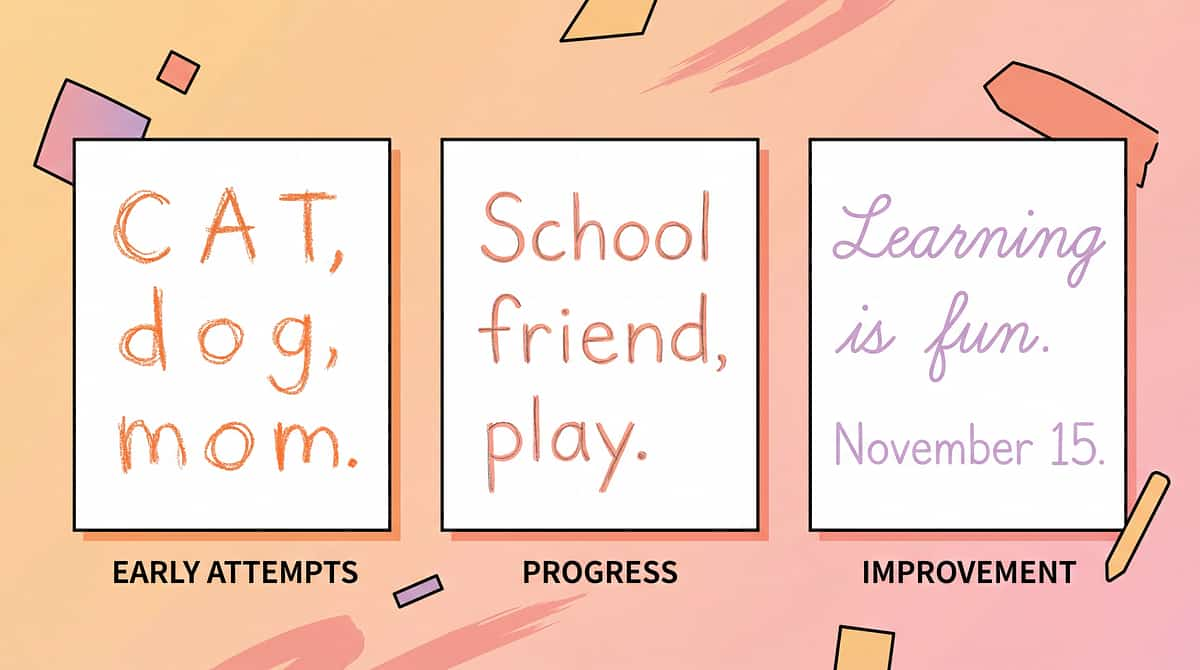
Handwriting Quality Issues → Improved Legibility
Situation: Consistent use of the ergonomic grip stabilizes the hand, leading to more controlled and uniform letter formation. Practice with the correct grasp translates to clearer, neater writing.
Experience: Teacher can easily read assignments, giving higher marks for presentation. Child can reread their own notes for studying. Communication through writing becomes effective and confident.
Emotion: Clarity, academic success, and effective communication
2-4 months
Writing Avoidance → Willing Participation
Situation: Writing is no longer associated with pain. The grip helps physically; hand exercises help with strength. Child now voluntarily picks up pencil for homework.
Experience: Homework time becomes peaceful. Writing assignments completed on time. Academic confidence returns as writing becomes manageable rather than dreaded.
Emotion: Willingness to write and family relief from homework battles
2-3 months
What to Expect (Realistic Timelines)
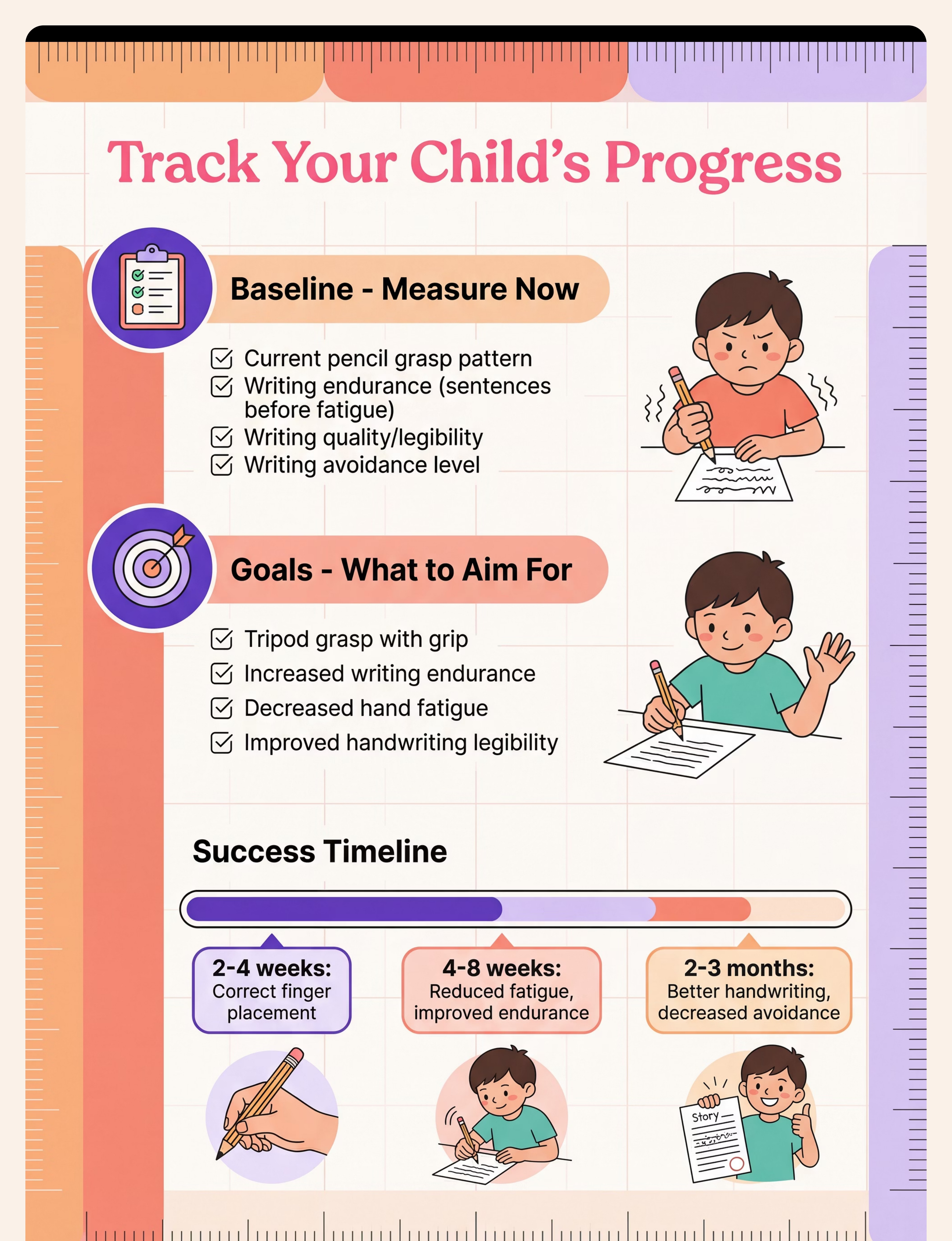
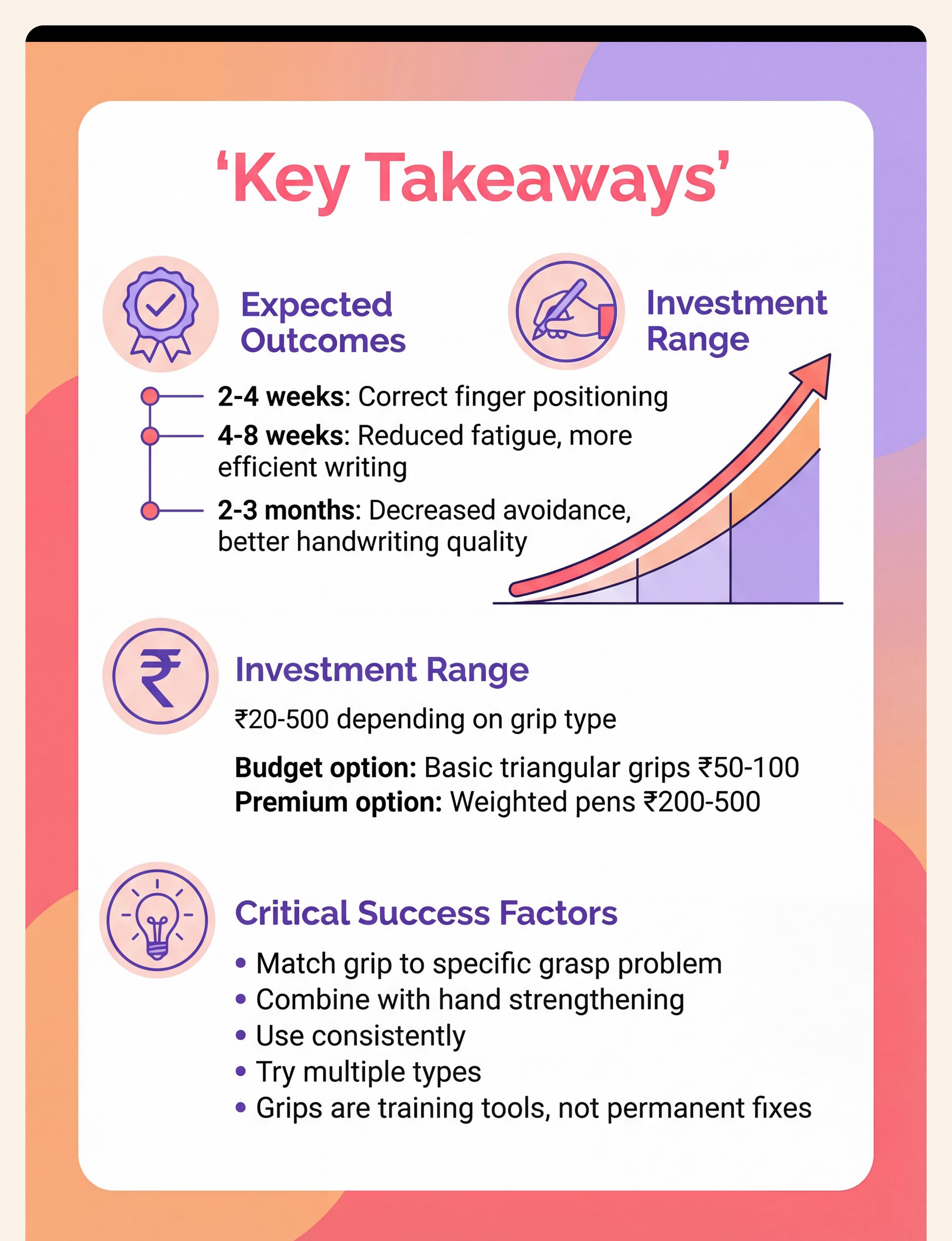
Correct finger positioning
Grip immediately guides fingers into proper tripod placement. Automatic habit formation develops with consistent daily use.
2-4 weeks
Reduced hand fatigue
Ergonomic design distributes pressure more evenly. Noticeable decrease in cramping and discomfort during writing tasks.
2-4 weeks
Improved writing endurance
Can sustain writing for longer periods without breaks. Completes assignments that previously required multiple rest periods.
4-8 weeks
More efficient writing
Writing speed increases as grasp becomes automatic. Less cognitive energy spent on mechanics, more on content.
4-8 weeks
Decreased writing avoidance
As physical discomfort decreases, resistance to writing tasks diminishes. Willing participation in writing activities returns.
2-3 months
Better handwriting quality
Legibility improves as grasp stabilizes. More consistent letter formation and overall writing appearance.
2-3 months

Important Note: These timelines represent typical progress patterns when pencil grips are used consistently alongside hand strengthening activities. Individual results vary based on age, initial skill level, and frequency of practice. Progress is gradual—celebrate small improvements along the way.
Is This Right for My Child? (2-Minute Check)
Does your child hold the pencil incorrectly?
If yes, this indicates: Pencil grip may help position fingers correctly and establish proper tripod grasp habits.
Confidence score: 90% strong fit
Does your child's hand fatigue quickly when writing?
If yes, this indicates: Ergonomic grip design may significantly reduce muscle strain and increase writing endurance.
Confidence score: 88% strong fit
Does your child avoid writing tasks?
If yes, this indicates: May need combination of proper grip plus underlying hand strengthening to address root causes.
Confidence score: 85% strong fit
Does your child press too hard or too lightly when writing?
If yes, this indicates: Weighted pen or specialized grip may help improve pressure modulation and writing control.
Confidence score: 82% strong fit

3+ 'yes' answers = strong fit for pencil grip intervention
Even one or two 'yes' responses suggest potential benefit. Consider trying multiple grip types to find the best match for your child's specific needs.
Usage Guide
✓ When to Use
All writing and drawing tasks
Consistent use across activities builds automatic habit
Homework sessions
Reduces fatigue during extended writing assignments
School work
Supports classroom writing demands and note-taking
Handwriting practice
Reinforces correct grasp during targeted skill development
Any time pencil is used
Consistency is key for muscle memory formation
✗ When NOT to Use
If grip causes pain
Try different grip type—should be comfortable, never painful
If child refuses all grips
Try short pencils instead—equally effective alternative
As sole intervention
Must combine with hand strengthening activities for lasting results
Supervision by Age
Age Range
Supervision Level
Notes
3-9 years and beyond
Active monitoring
Check that grip is positioned correctly on pencil and fingers are placed properly. Monitor for comfort and proper use.
Duration: Use consistently for habit formation. Many children transition off grips after several months; others prefer to continue using them long-term—both approaches are acceptable.
Safety First
Critical Comfort
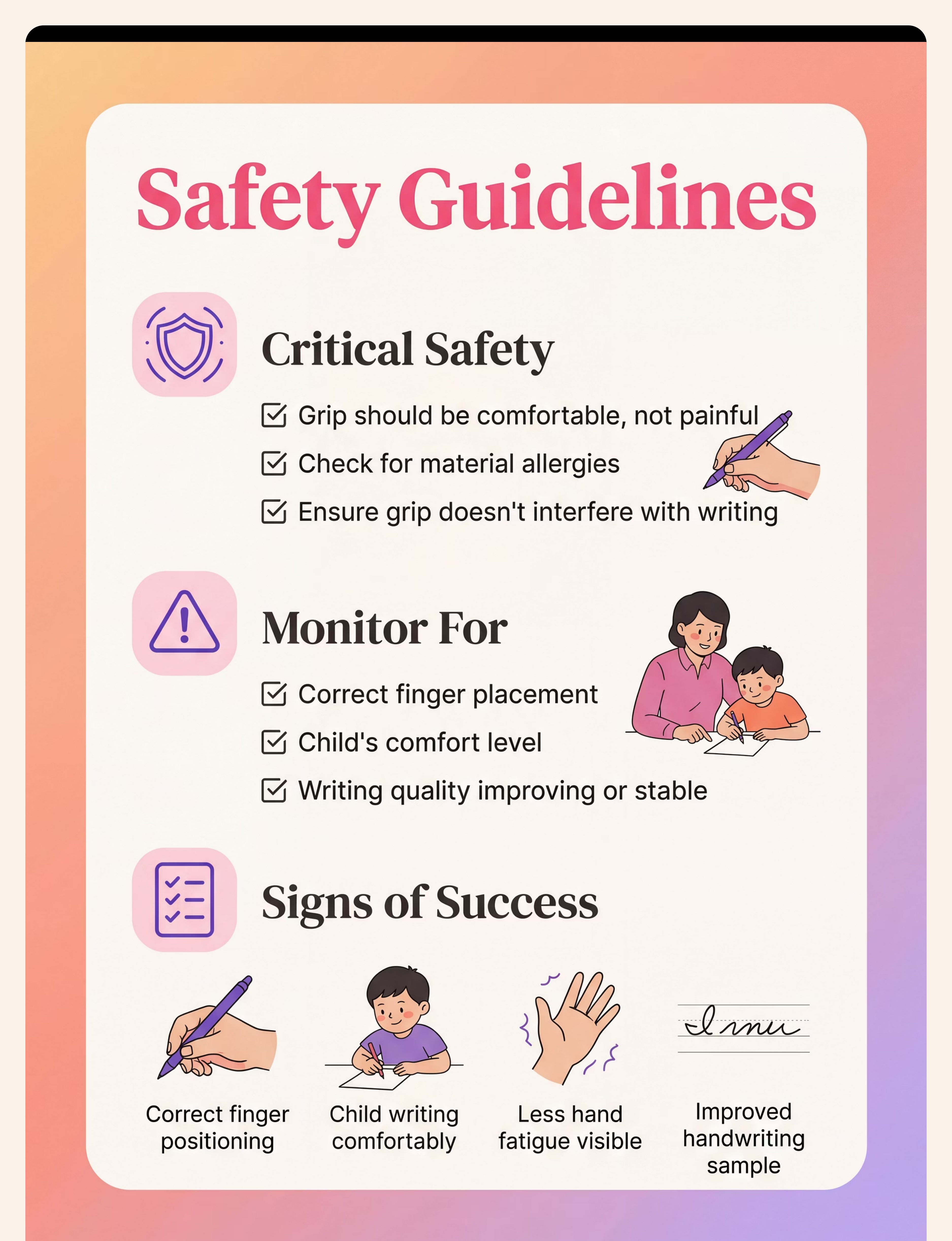
  • Grip should be comfortable, not painful — If child reports discomfort, try different grip type immediately
  • Don't force grip that causes discomfort — Writing should feel easier, not harder, with grip in place
  • Painful grip use is contraindicated — Never continue using a grip that causes pain or discomfort
Allergy Check
  • Check for allergies to materials — Some children react to silicone, rubber, or latex; monitor for skin irritation
Proper Usage & Condition
  • Ensure grip doesn't interfere with writing — Proper fit allows smooth pencil movement without obstruction
  • Replace worn or damaged grips — Torn or loose grips lose effectiveness and may cause frustration
  • Monitor for correct finger placement — Grip is ineffective if fingers aren't positioned properly
  • Grip that worsens writing is contraindicated — If writing quality decreases, reassess grip type and fit
  • Don't force grip without skill building — Must combine with underlying hand strengthening
✓ Before Use
  • Verify grip fits pencil diameter
  • Confirm comfortable material
  • Match grip type to specific grasp problem
✓ During Use
  • Monitor fingers in correct position
  • Ensure child remains comfortable
  • Check writing improving or stable
✓ Signs of Success
  • Correct finger placement maintained
  • Reduced hand fatigue reported
  • Improved writing quality visible
  • Increased willingness to write
Common Questions (Honest Answers)
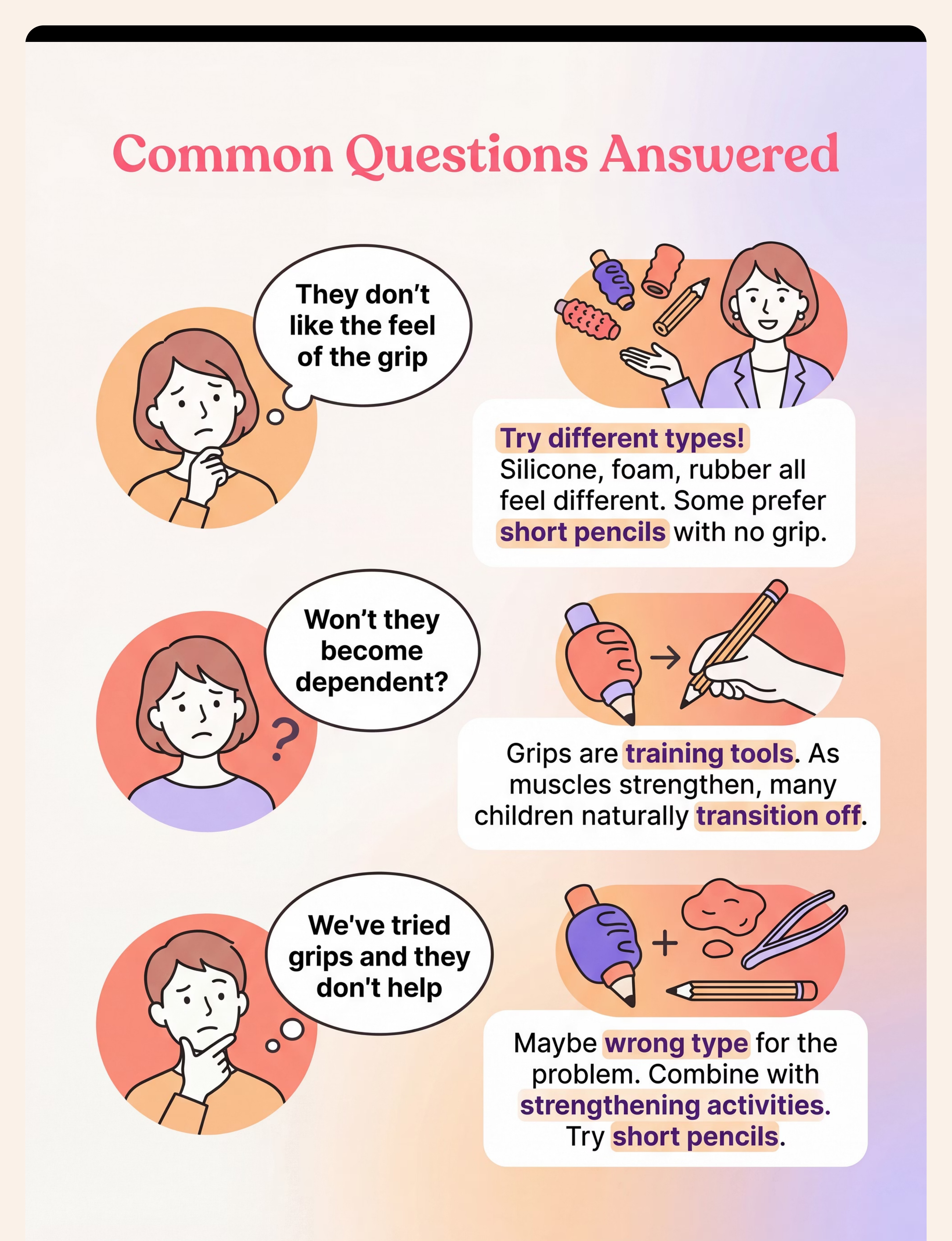
Q: They don't like the feel of the grip
A: Try different types! There are many varieties available. Silicone feels different from foam, which feels different from rubber. Texture and firmness preferences vary significantly among children. Some children actually prefer short pencils with no grip at all—equally effective alternative. Find what works for your unique child.
Try this: Buy variety pack to test multiple types; short pencils as no-grip alternative.
Q: Won't they become dependent on it?
A: Grips are training tools designed to build muscle memory. As grasp improves and hand muscles strengthen through practice and exercises, many children naturally transition off grips without intervention. The goal is establishing correct automatic finger positioning. Some children prefer to keep using grips indefinitely—that's completely acceptable too.
Try this: Combine grip use with strengthening activities; wean off gradually when ready if desired.
Q: School won't let them use it
A: Most schools readily accommodate pencil grips because they're non-disruptive, widely accepted educational tools—not specialized "special equipment." If you encounter resistance, obtain an occupational therapist's written recommendation. Grips support access to curriculum and are reasonable accommodations.
Try this: Request OT recommendation; grips are widely accepted standard tools in education.
Q: We've tried grips and they don't help
A: Several possibilities: wrong grip type for the specific grasp problem your child has, underlying hand strength may be too weak to benefit yet, or grips being used in isolation without complementary strengthening activities. Grips provide positioning but don't build strength. Try different grip type, add hand strengthening exercises, or try the short pencil technique instead.
Try this: Different grip type; add strengthening activities; try short pencils as alternative.
Investment Guide
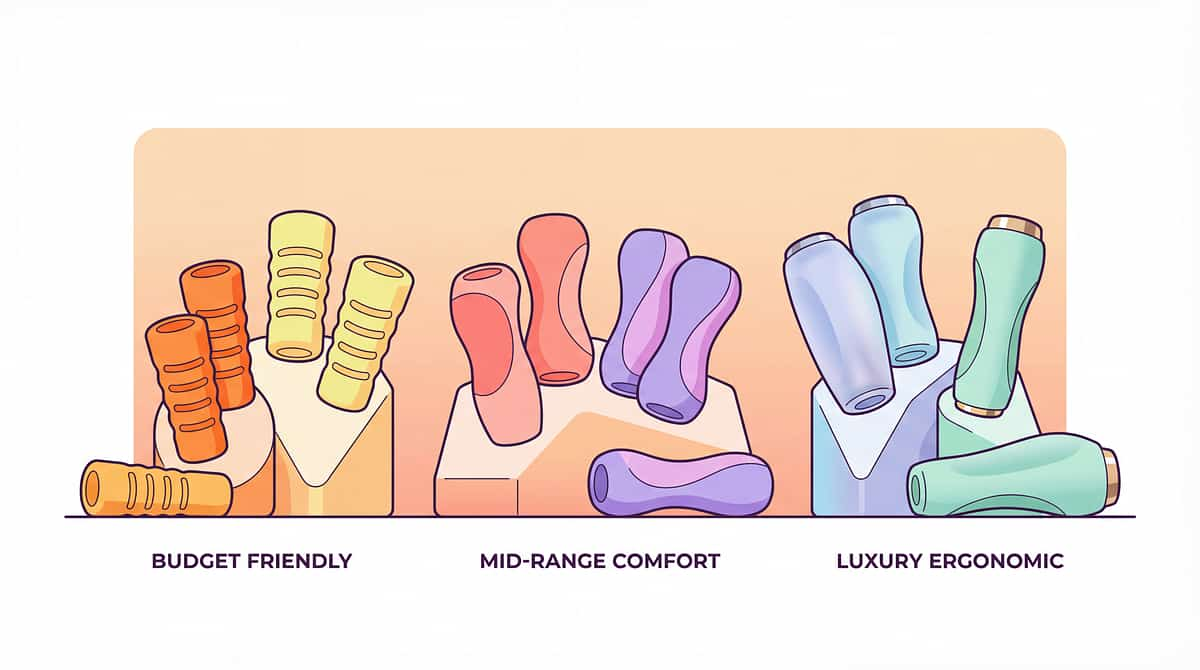
Pencil grips represent one of the most affordable and accessible therapeutic writing supports available, with options spanning from basic to premium designs.
Budget-Friendly Starting Point
₹50-100 (for a pack)
Families starting out who want to test whether grips help before investing in specialized options. Highly effective despite low cost.
Premium Investment Option
₹200-500 (for specialized tools)
Specific needs like proprioceptive feedback, tremor support, or professional-grade ergonomic designs. Recommended brands: The Pencil Grip, Stetro, Handwriting Without Tears.
Basic Grips: ₹50-100
Affordable packs to test effectiveness and share.
Premium Grips: ₹200-500
Specialized tools for specific needs and advanced ergonomics.
Overall Price Range: ₹20-500
A wide spectrum of options to fit every budget.
Free Alternative: Short Pencils
Equally effective, no-cost solution for certain users.
Step 1: Start Basic
Begin with a basic triangular grip pack (₹50-100) to see if grips benefit your child.
Step 2: Assess & Validate
Evaluate if the grips help improve your child's writing comfort and control.
Step 3: Consider Upgrade
If beneficial, explore specialized grips that address specific underlying needs.
Alternative: Short Pencils
Don't forget that short pencils (free) are an equally effective option worth trying first.
Where to Buy in India
Availability: Widely Available across India through online and offline channels
Amazon.in
Search: "pencil grip kids"
Price range: ₹50-200
Largest selection with customer reviews
Flipkart
Search: "kids pencil grip"
Price range: ₹50-180
Popular Indian e-commerce platform
FirstCry
Search: "toddler writing aid"
Price range: ₹100-300
Specialized for baby & kids products
Local Bookstores & Stationery
Search: "pencil grips"
Price range: ₹30-100
Immediate availability, try before buying
Occupational Therapy Clinics
Search: "therapy pencil grips"
Price range: ₹150-500
Expert advice and specialized options
School Supply Stores
Search: "classroom pencil aids"
Price range: ₹40-120
Bulk purchases and basic varieties

💡 Buying Tips
  • Buy variety pack to try different types — Children's preferences vary; testing multiple options helps find best fit
  • Match grip to specific grasp problem — Triangular for basic tripod, crossover for thumb wrap, etc.
  • Short pencils are free — Simply break regular pencil in half—equally effective!
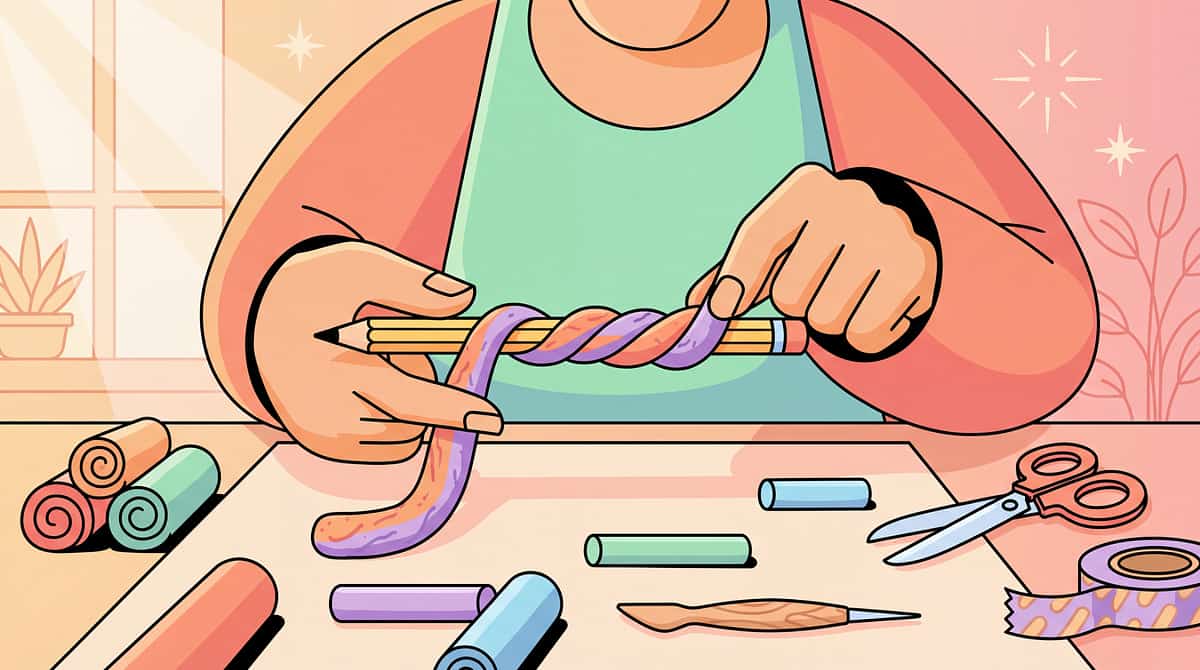
  • Combine with hand strengthening — Grips work best alongside playdough, putty activities
  • Check grip fits pencil diameter — Standard pencils vs. jumbo pencils require different grip sizes

🚩 Red Flags to Avoid
  • Grip doesn't stay securely on pencil — Constantly sliding grip causes frustration
  • Uncomfortable material causing irritation — Should feel comfortable, not scratchy or sticky
  • Wrong size for child's hand — Too large or too small defeats positioning purpose
  • Too stiff or too soft for intended use — Firmness affects effectiveness
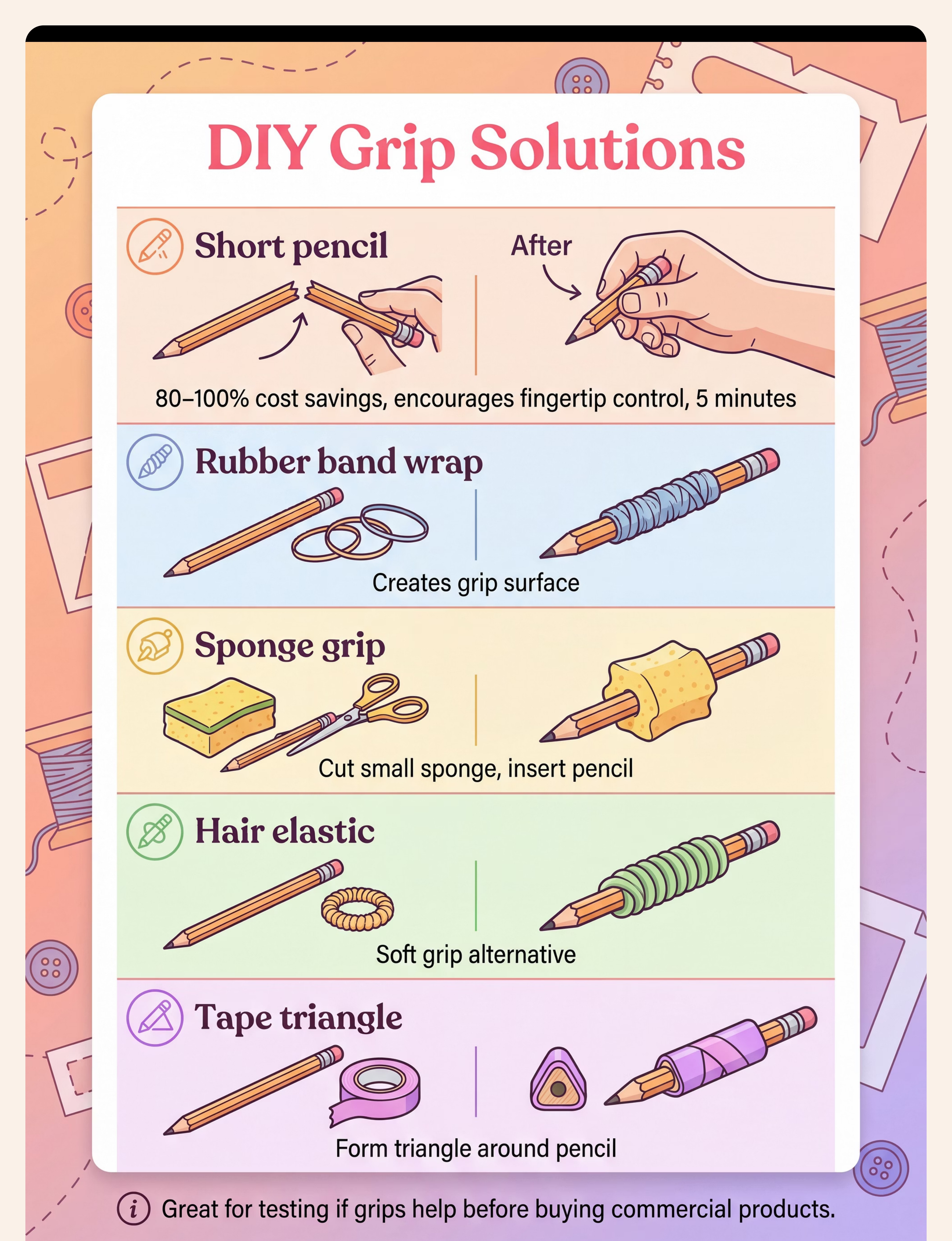
DIY Alternative (Save 80-100%)
1
Quick Facts
  • Feasibility: Medium skill level
  • Cost Savings: 80-100% compared to commercial
  • Time Investment: 5 minutes per grip
2
Materials Needed
  • Rubber bands (various sizes)
  • Small sponge pieces
  • Hair elastics
  • Regular tape
3
Short Pencil Method
Break regular pencil in half—creates 2-3 inch length that naturally encourages fingertip control.
4
Rubber Band Wrap
Wrap rubber band around pencil grip area to create textured, slightly cushioned surface.
5
Sponge Grip
Cut small sponge piece, create hole in center, insert pencil through for soft padding.
6
Hair Elastic Method
Wrap soft hair elastic around pencil grip area for gentle cushioning.
7
Tape Triangle
Create triangular shape with tape wrapped around pencil to guide three-finger placement.
DIY vs Commercial Comparison
Factor
When to DIY
When to Buy Commercial
Purpose
Testing whether grips help before investing; immediate need; exploring on tight budget; short pencil approach works well
Need specific grip type for precise positioning; want long-term durability; classroom use where appearance matters; weighted pen required
Effectiveness
Short pencils highly effective; other DIY methods provide basic support
Precisely engineered for specific grasp problems; more consistent results
Cost
Essentially free using household items
₹20-500 investment depending on grip type
Tradeoffs
May not be as effective as commercial options for specific grasp problems; less durable and needs frequent replacement
Higher initial cost; may need to try multiple types to find best fit

Preview of pencil grips writing tools Therapy Material

Below is a visual preview of pencil grips writing tools therapy material. The pages shown help educators, therapists, and caregivers understand the structure and content of the resource before use. Materials should be used under appropriate professional guidance.

Page 1
Page 2
Page 3
Page 4
Page 5
Page 6
Page 7
Page 8
Page 9
Page 10
Page 11
Page 12
Page 13
Page 14
Page 15
Page 16
Page 17
Page 18
Page 19
Page 20
Link copied!
Measuring Success
📊 Baseline Measurements
Document these before starting:
  • Current pencil grasp pattern — Photo or description of how fingers are positioned
  • Writing endurance — Count sentences before hand fatigue appears
  • Writing quality/legibility — Save sample of current handwriting
  • Writing avoidance level — Rate reluctance on 1-10 scale
🎯 Goals to Work Toward
  • Child will hold pencil with tripod grasp — Three fingers positioned correctly
  • Writing endurance will increase — Measurable increase in sentences before fatigue
  • Hand fatigue will decrease — Reduced complaints of cramping or pain
  • Handwriting legibility will improve — More consistent and readable writing
✓ Success Indicators to Celebrate
Correct grasp with grip
Fingers consistently positioned in tripod pattern when using grip
Longer writing without fatigue
Noticeable increase in writing endurance before needing breaks
Improved handwriting quality
More legible, consistent letter formation visible in written work
Decreased writing avoidance
Willing participation in writing tasks that were previously refused
Eventual independence from grip (optional)
Natural transition off grip as correct grasp becomes automatic—though continued use is fine too

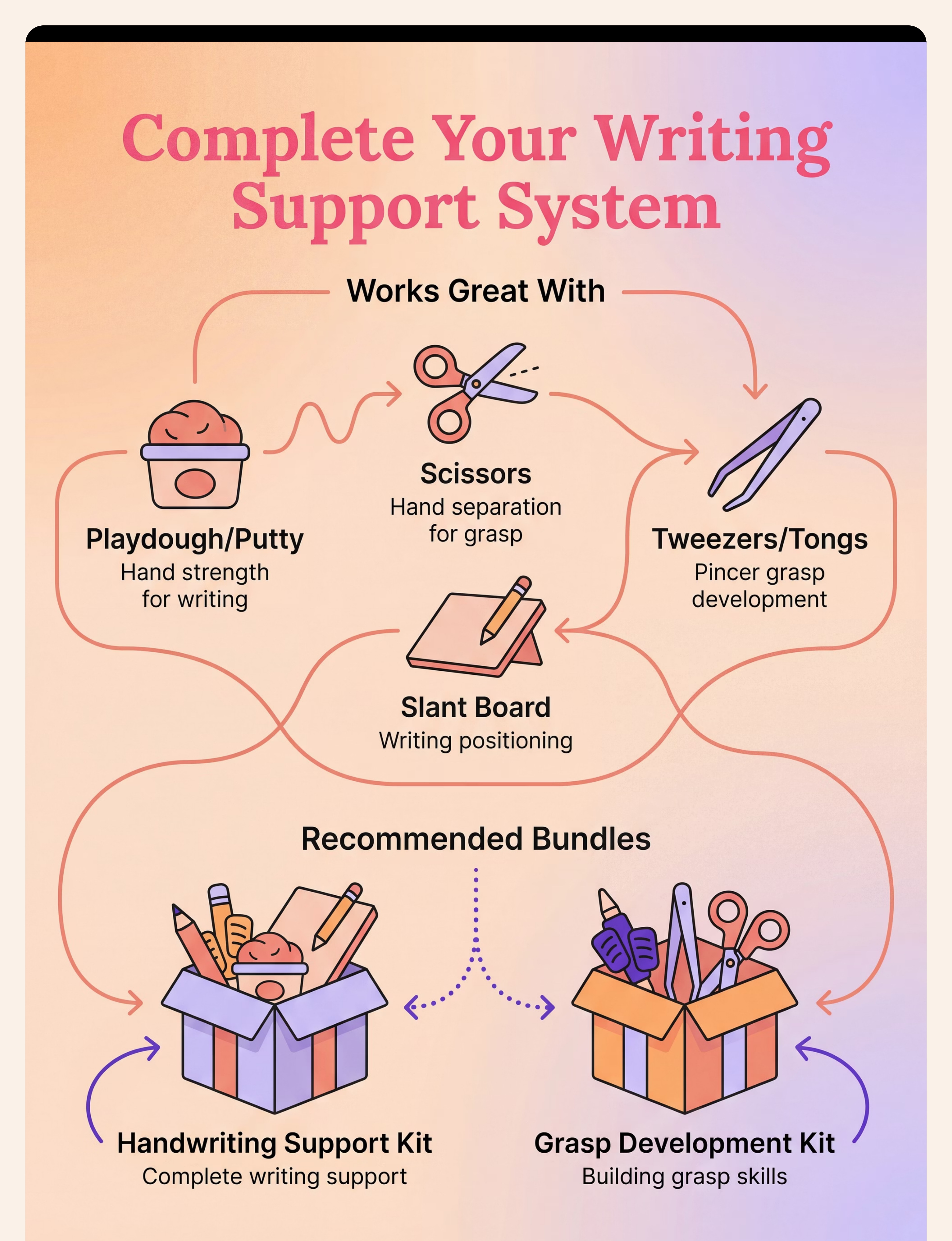
Complete the Kit
Pair It With...
Playdough/Putty (ID: 7.1)
Why pair: Builds hand strength essential for sustained writing
Scissors (ID: 7.3)
Why pair: Develops hand separation crucial for refined grasp
Tweezers/Tongs (ID: 7.4)
Why pair: Strengthens pincer grasp foundational to pencil control
Slant Board (ID: 12.1)
Why pair: Optimizes wrist positioning for writing mechanics
Recommended Bundles
Handwriting Support Kit
Includes: Pencil Grips (7.6) + Playdough/Putty (7.1) + Slant Board (12.1)
Use case: Complete writing support addressing positioning, strength, and ergonomics
Grasp Development Bundle
Includes: Pencil Grips (7.6) + Tweezers/Tongs (7.4) + Scissors (7.3)
Use case: Building foundational grasp skills through varied fine motor activities

Quick Summary
AI Summary: Pencil grips support functional grasp, reduce fatigue, and improve writing efficiency when combined with underlying skill development. Core Kit (Rank 2), moderate evidence, widely used aid.
pencil grip
writing
grasp
handwriting
tripod
fine motor
OT
SpEd
core-kit
Common searches: pencil grip autism, writing grip kids, tripod grip trainer, handwriting aids, pencil holder child, ergonomic pencil grip, weighted pen

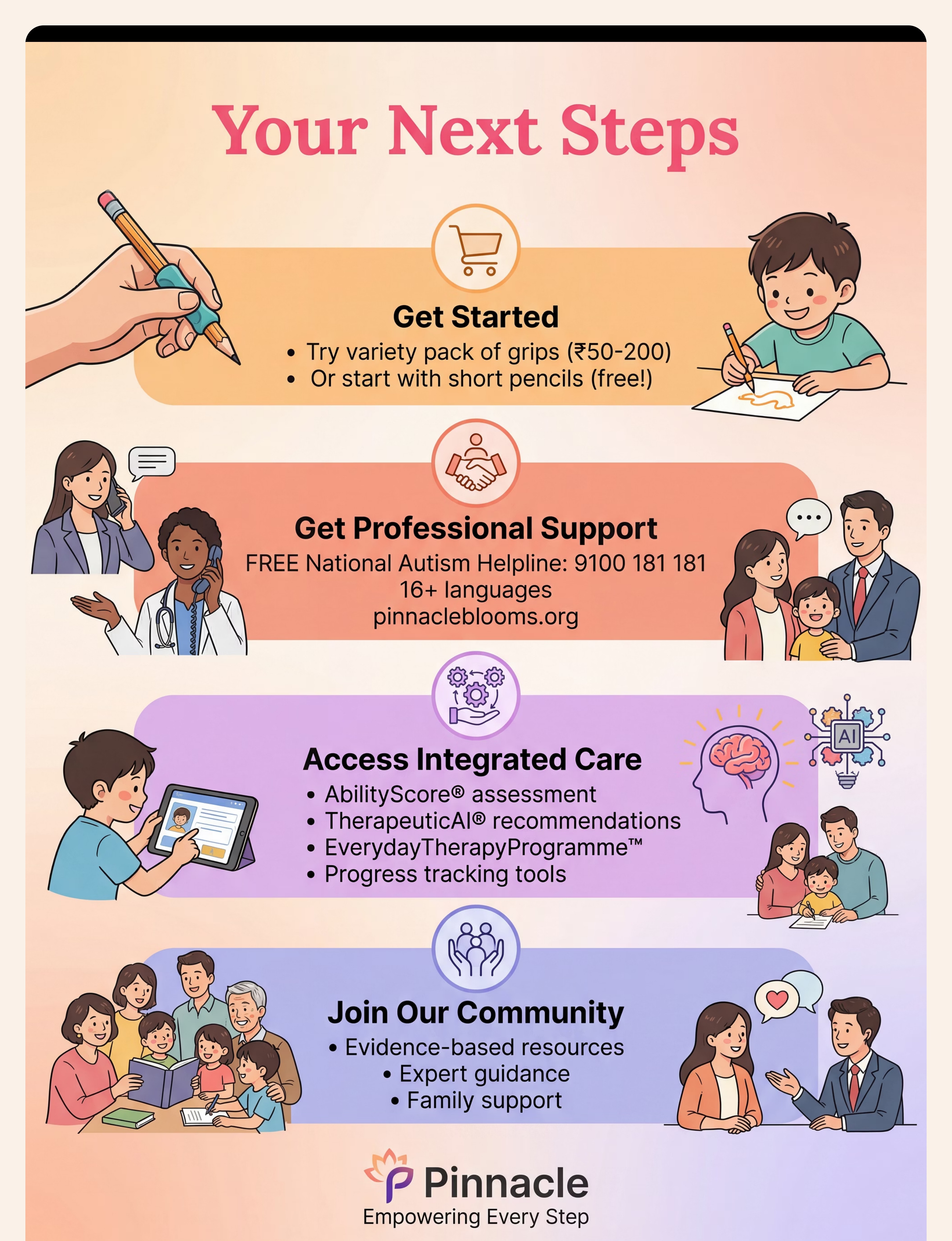
Get Support

FREE National Autism Helpline
Phone: 9100 181 181
Languages: 16+ languages supported
Website: pinnacleblooms.org
Compassionate support for families navigating developmental challenges. Connect with experienced professionals who understand your journey.
Platform Integration
Pencil grips integrate seamlessly with Pinnacle Blooms Network's comprehensive child development platform:
  • AbilityScore® identifies specific pencil grasp patterns and positioning challenges
  • TherapeuticAI® recommends optimal grip types based on individual grasp profiles
  • EverydayTherapyProgramme™ includes handwriting support protocols and home activities
  • Fine Motor Index tracks grasp development and writing progress over time

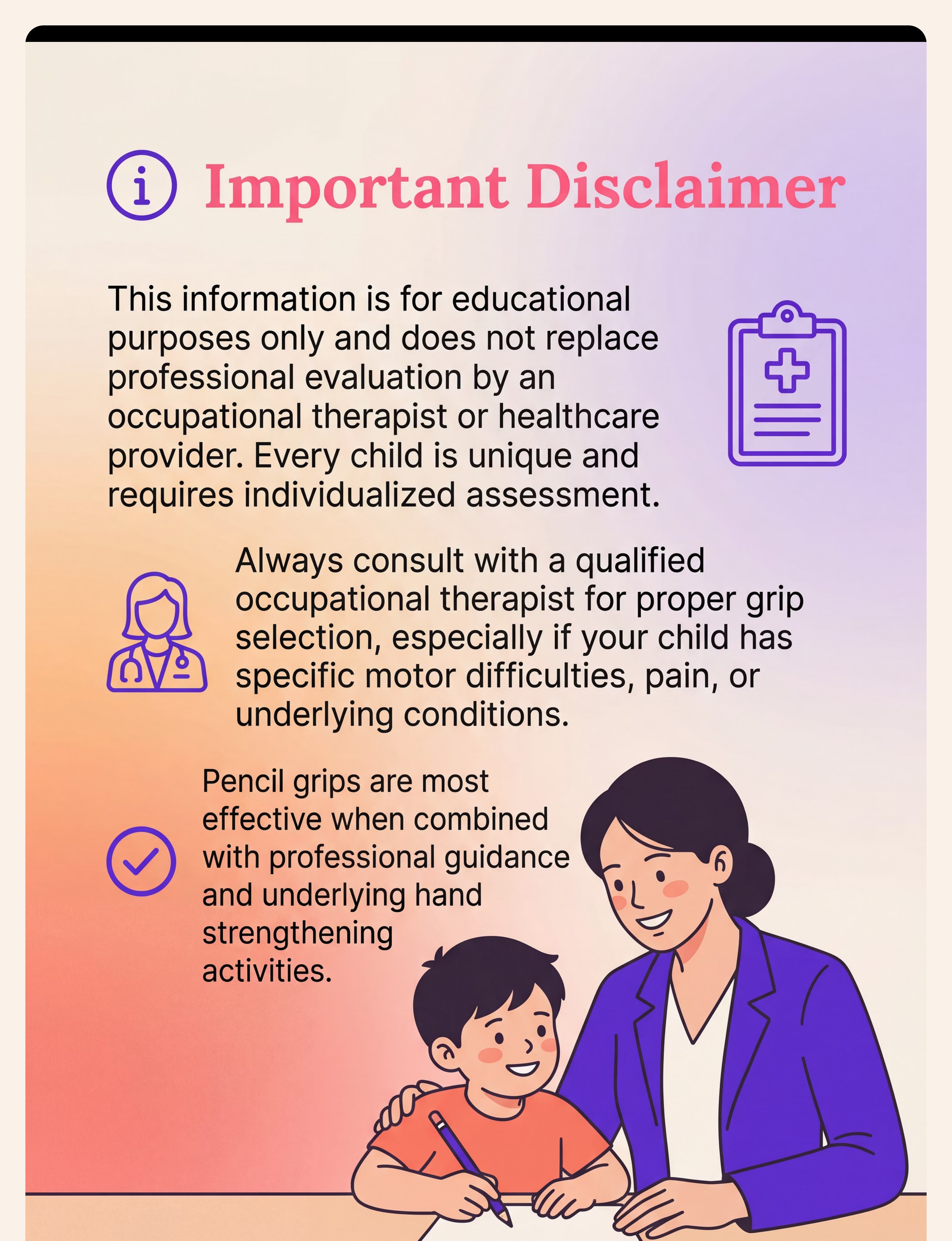
Disclaimer: This is educational information provided to support informed decision-making. Always consult qualified occupational therapists, speech-language pathologists, or pediatricians for personalized assessment and recommendations. Individual results vary based on unique developmental profiles and consistent implementation.