








Tool ID: 7.8
OT + SpEd
Strong Evidence
Rank #1
Daily Use
₹150–1,000
Puzzles (Fine Motor Development)
Visual-spatial reasoning and precision manipulation system
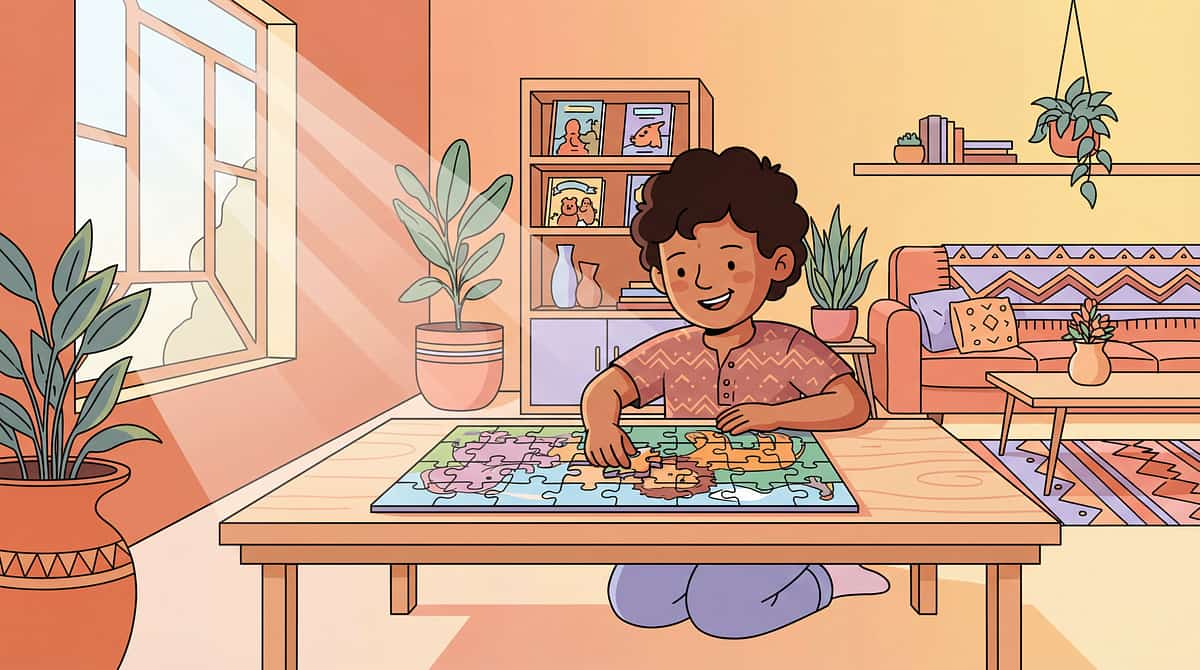
Develop visual-spatial processing, fine motor precision, problem-solving, and persistence through puzzle completion. Essential developmental tool recommended by occupational therapists across India.

Who This Helps
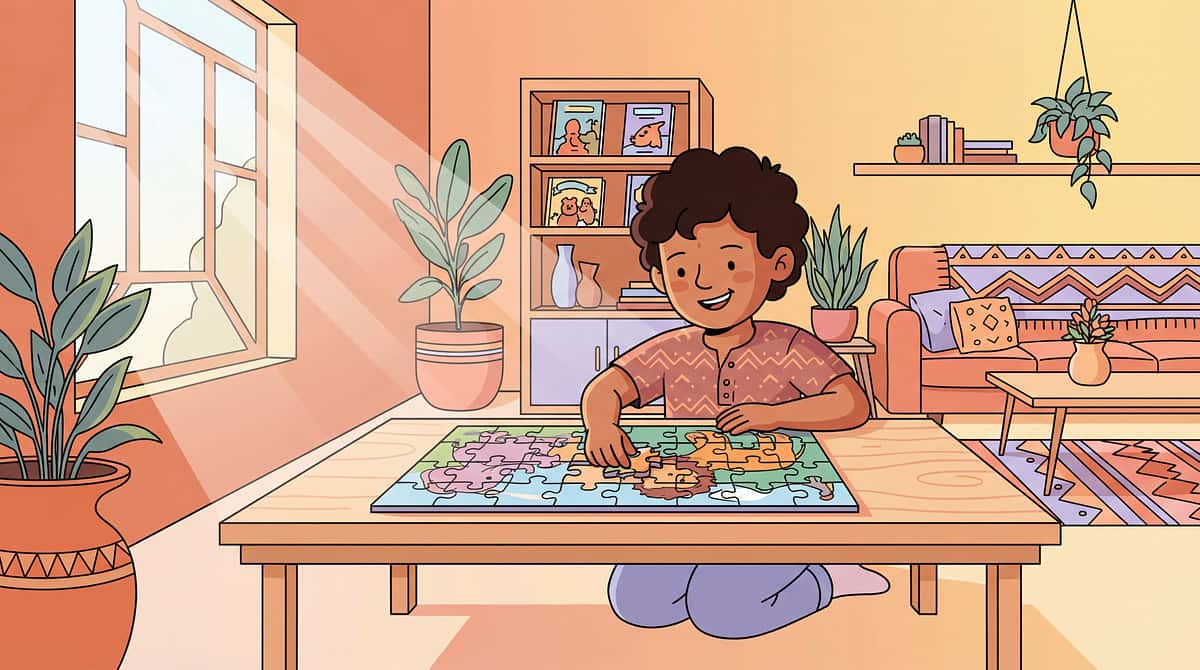
Puzzles develop visual-spatial processing, fine motor precision, problem-solving, and persistence through structured manipulation and completion activities.
Visual-Spatial Processing
Fine Motor Precision
Problem-Solving
Eye-Hand Coordination
Shape Recognition
Persistence
Completion Skills
Ages 1-9 years
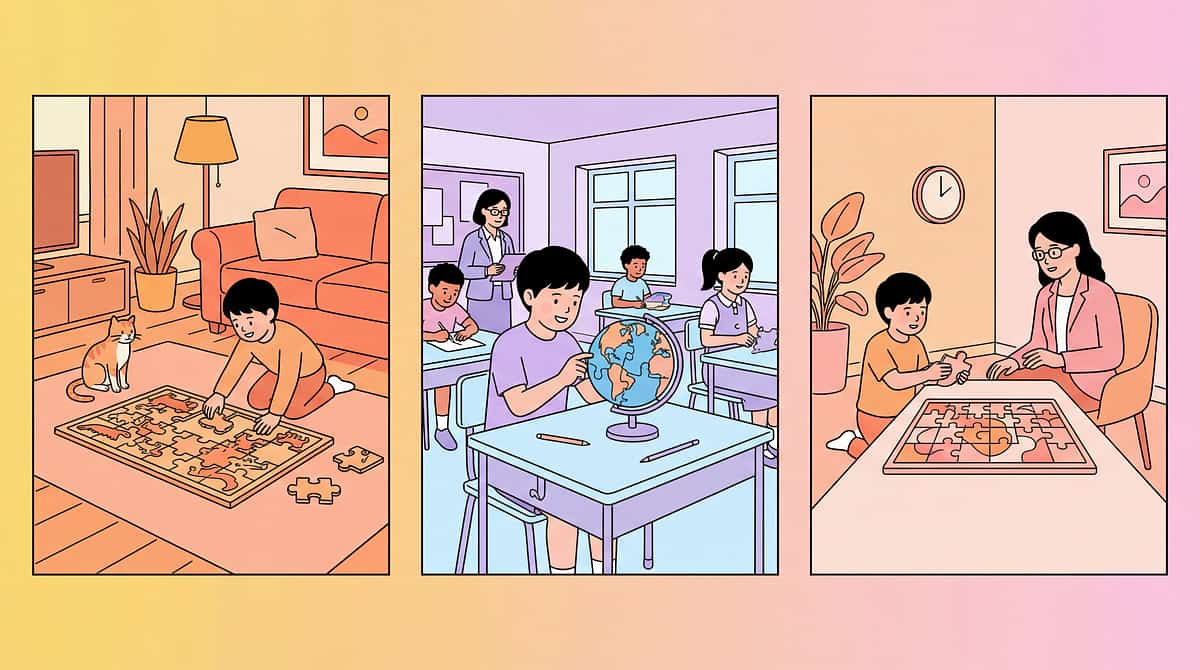
Home
School
Clinic
Toddlers (1-3 years)
Building foundational pincer grasp and shape recognition through knob and chunky puzzles
Preschoolers (3-6 years)
Developing spatial reasoning and manipulation skills with interlocking jigsaws and peg puzzles
School-Age (5-9 years)
Advancing problem-solving and complex spatial thinking with 3D and multi-piece puzzles

Does This Sound Familiar?
These are challenges we hear every day from parents across India. You're not alone in this journey.
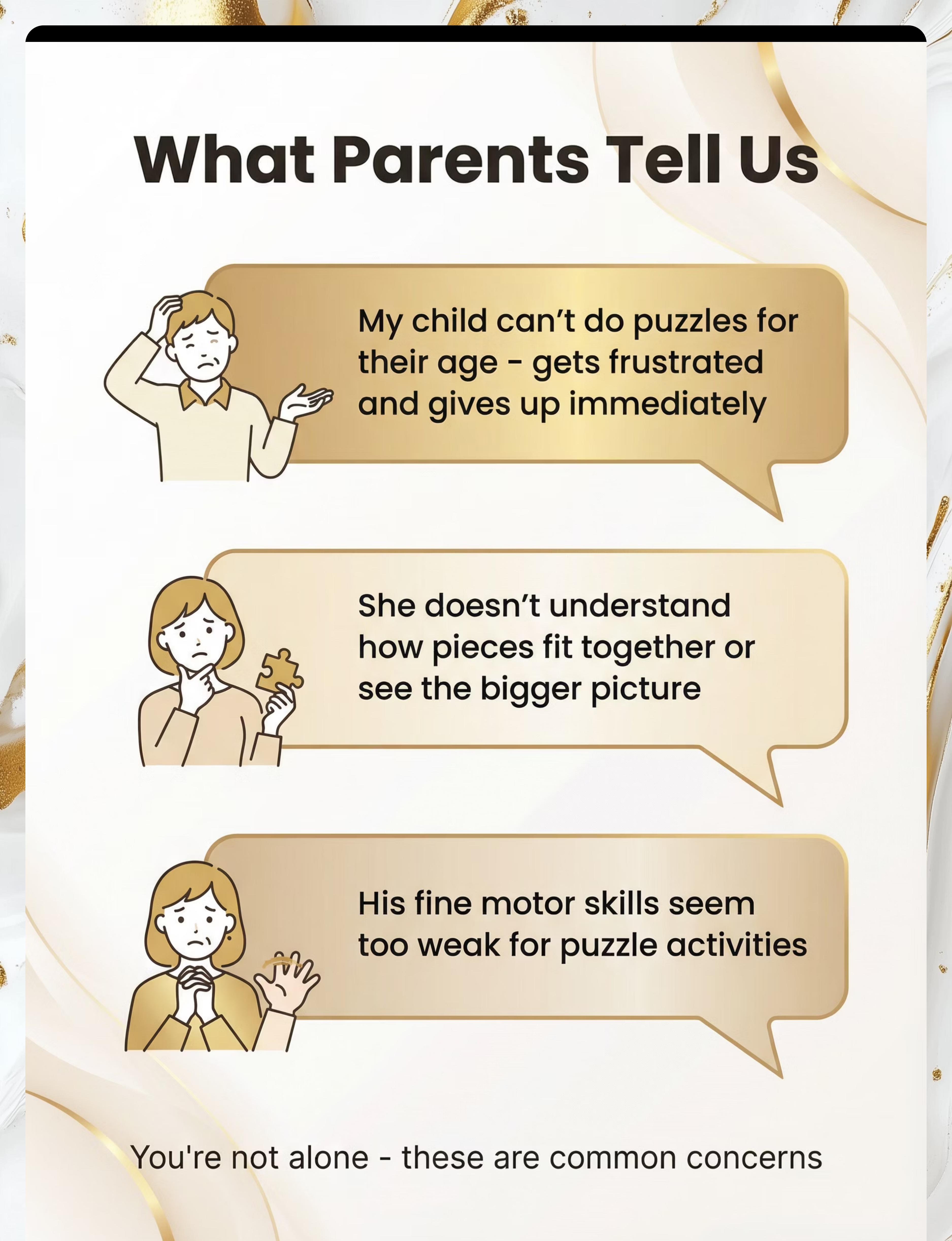
"My child can't do puzzles for their age"
"She doesn't understand how pieces fit together"
"He gets frustrated and gives up immediately"
"She can't see the bigger picture"
"His fine motor skills seem weak for puzzles"
"She avoids puzzle activities"
You're not alone. These are common challenges that can be addressed with the right puzzle progression and support strategies.
A Day Without the Right Support

Development Concerns
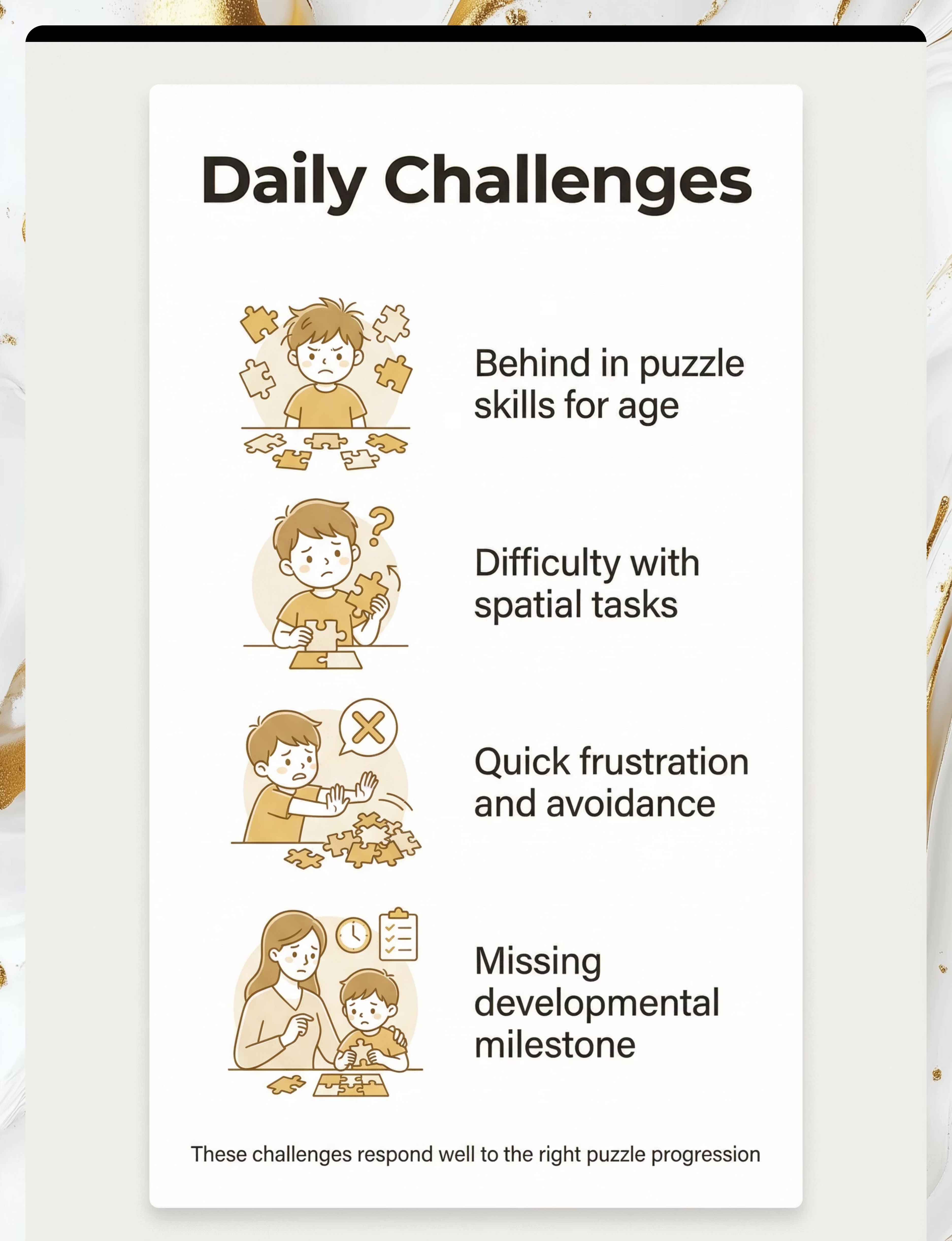
Behind in puzzle skills for age. Child avoiding developmental activities that peers enjoy. Parent worried about spatial reasoning delays.

Frustration Moments
Quick frustration with puzzles during playtime. Tears and giving up. Parent feeling helpless watching struggle. Activity time becomes stressful.

Activity Avoidance
Avoids puzzle activities at school and home. Missing out on peer interactions during puzzle time. Fine motor skills not developing as expected.

General Spatial Difficulty
Difficulty with spatial tasks generally throughout the day. Challenges with organizing belongings, understanding directions, manipulating objects.

The Science Behind It
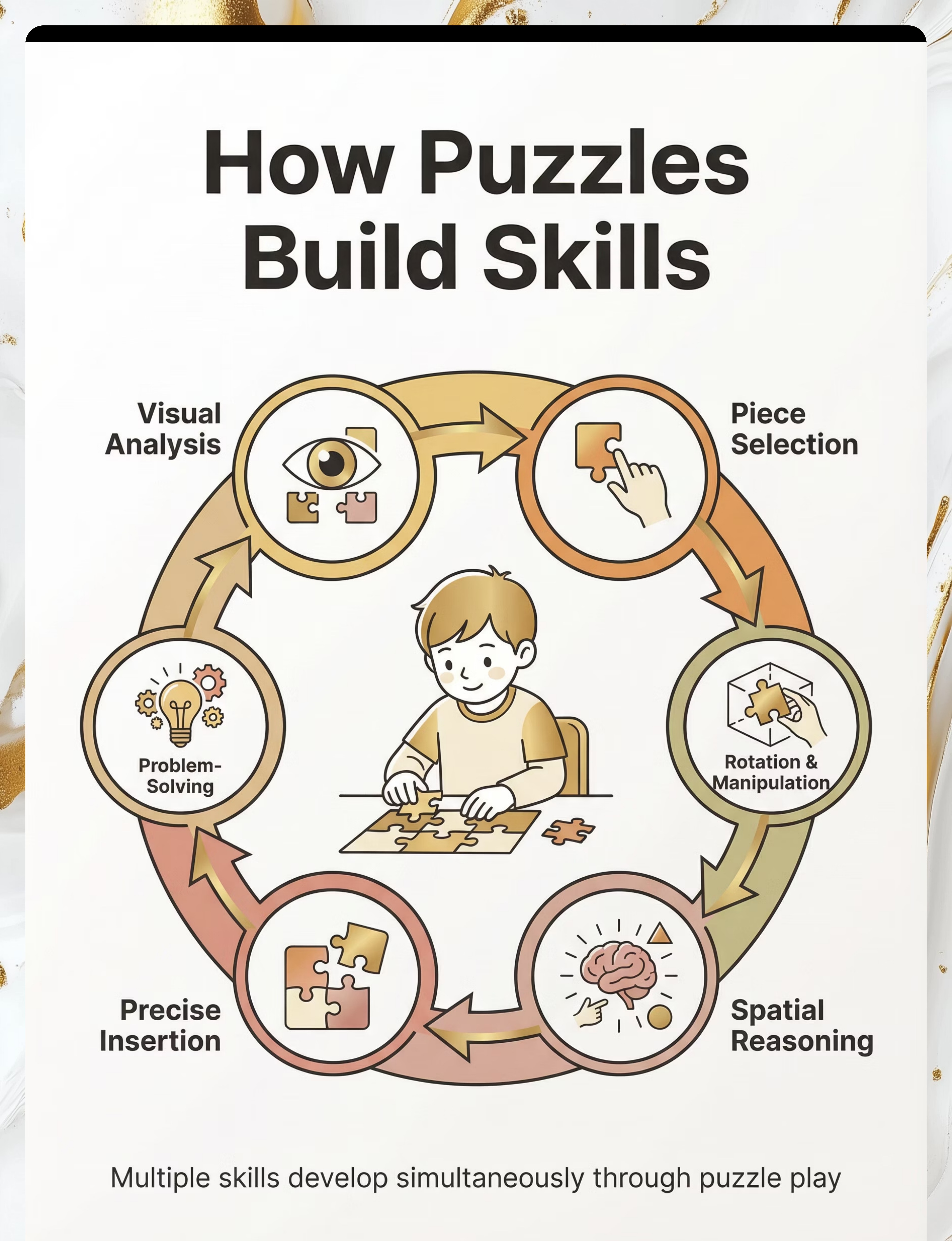
Puzzles work through a sophisticated developmental process that builds multiple skills simultaneously. Understanding this mechanism helps parents support their child's puzzle journey effectively.
Visual Analysis
Brain processes pieces and picture, identifying shapes, colors, and patterns
Selection & Manipulation
Fine motor skills activate to select, grasp, and rotate pieces precisely
Spatial Reasoning
Problem-solving centers determine piece placement through trial and spatial logic
Precise Insertion
Eye-hand coordination executes exact placement, refining through feedback
Problem-Solving
When stuck, child develops strategies, persistence, and flexible thinking
Completion Success
Satisfaction and confidence build, reinforcing persistence and capability beliefs
Visual-Spatial Processing
Fine Motor Precision
Problem-Solving
Eye-Hand Coordination
Shape Recognition
Persistence
Completion Skills

How to Use Puzzles Right
Following evidence-based best practices ensures puzzles build skills effectively without causing frustration. These strategies are recommended by occupational therapists across India.
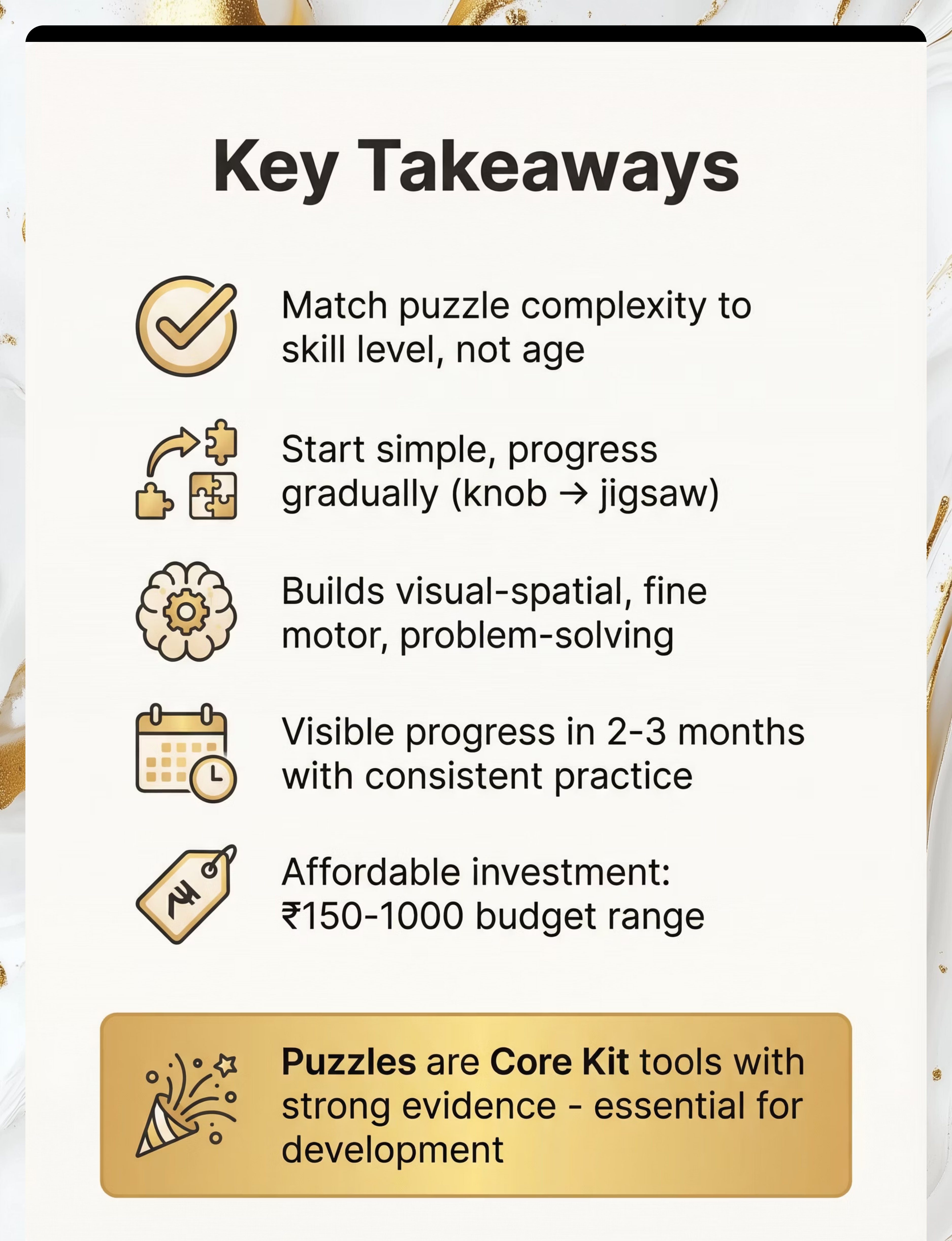
Match Complexity to Skill Level
Choose puzzles that are slightly challenging but achievable. Success builds confidence and tolerance for harder puzzles.
Start with Fewer Pieces
Begin with fewer pieces than you think needed. Progress gradually as skills develop. Rushing leads to frustration.
Use Knob Puzzles for Grasp
Knob puzzles specifically develop pincer grasp, a foundational fine motor skill for writing and manipulation.
Model Problem-Solving Strategies
Demonstrate strategies like sorting edges first, grouping by color, or working section by section. Think aloud as you work.
Celebrate Without Doing It for Them
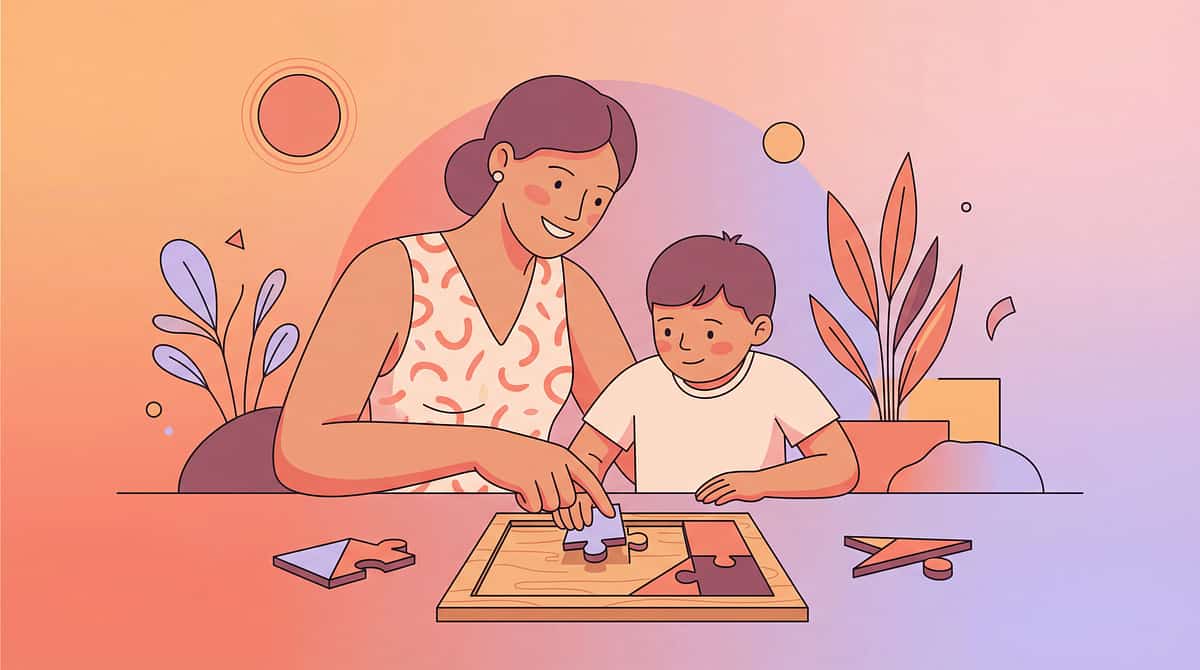
Provide support and encouragement, but resist completing the puzzle yourself. The struggle builds important skills.
Choose Interest-Based Themes
Puzzles featuring favorite characters, animals, or topics dramatically increase engagement and persistence.
Duration Recommendation: 10-30 minutes per session, or as focus allows. Quality practice is more important than quantity.

Expert Validation
"Puzzles are perfect for developing visual-spatial skills and fine motor precision simultaneously. The progression from knob puzzles to jigsaws follows developmental milestones. Every child should have access to age-appropriate puzzles."— Occupational Therapist
OT + SpEd Recommended
Endorsed by occupational therapists and special educators
Strong Evidence Base
Backed by research in visual-spatial and fine motor development
Rank #1 in Category
Top-ranked tool in Fine Motor & Hand Skills category

Choose Your Option (8 Variants)
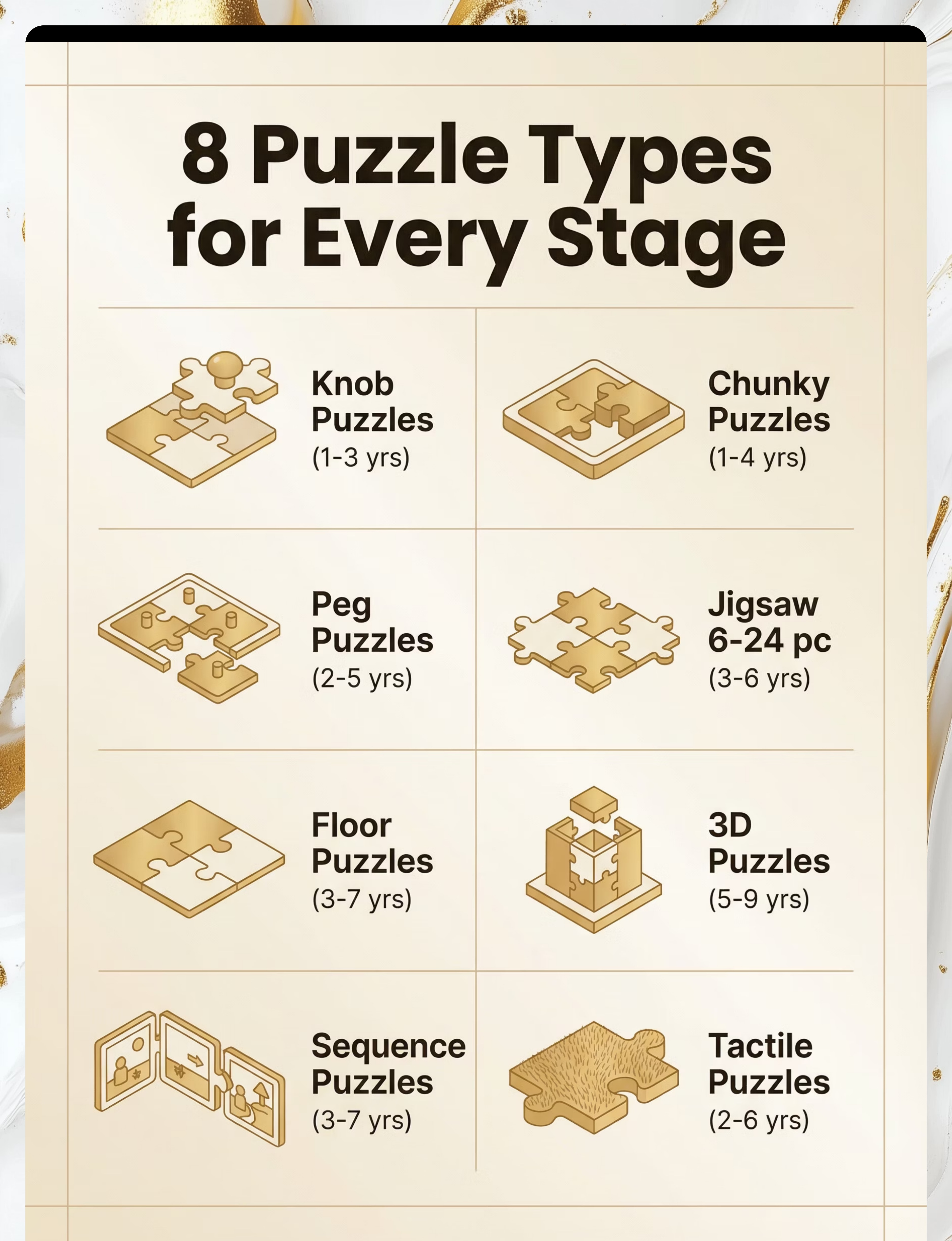
Each puzzle type serves specific developmental needs. Choose based on your child's current skill level, goals, and settings where puzzles will be used.
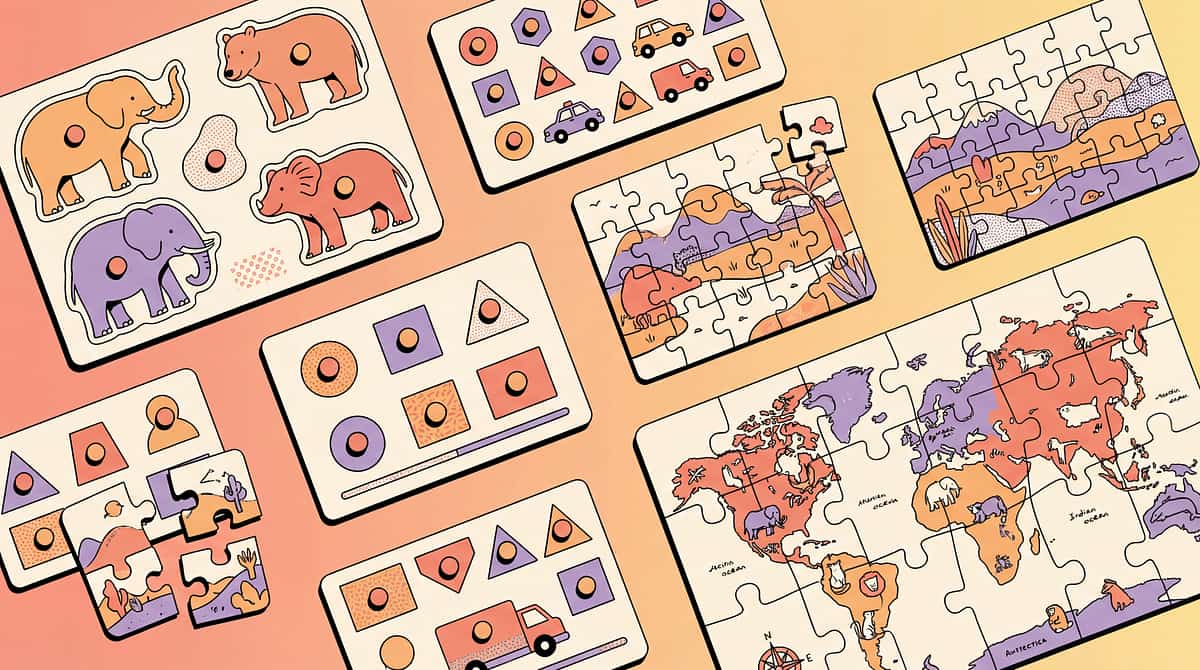
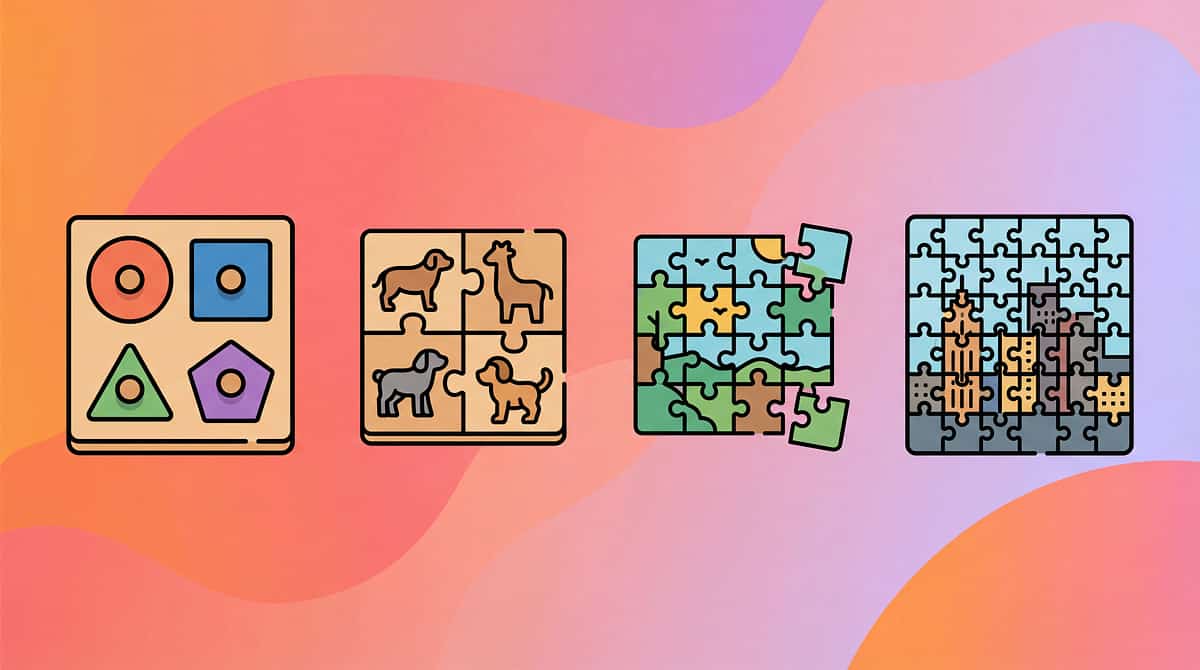
Knob Puzzles
Best for: Youngest children, developing pincer grasp
Type: Beginner puzzles with grasp handles
Ages: 1-3 years | Settings: Home, Clinic, School
Medium Portability
₹200-600
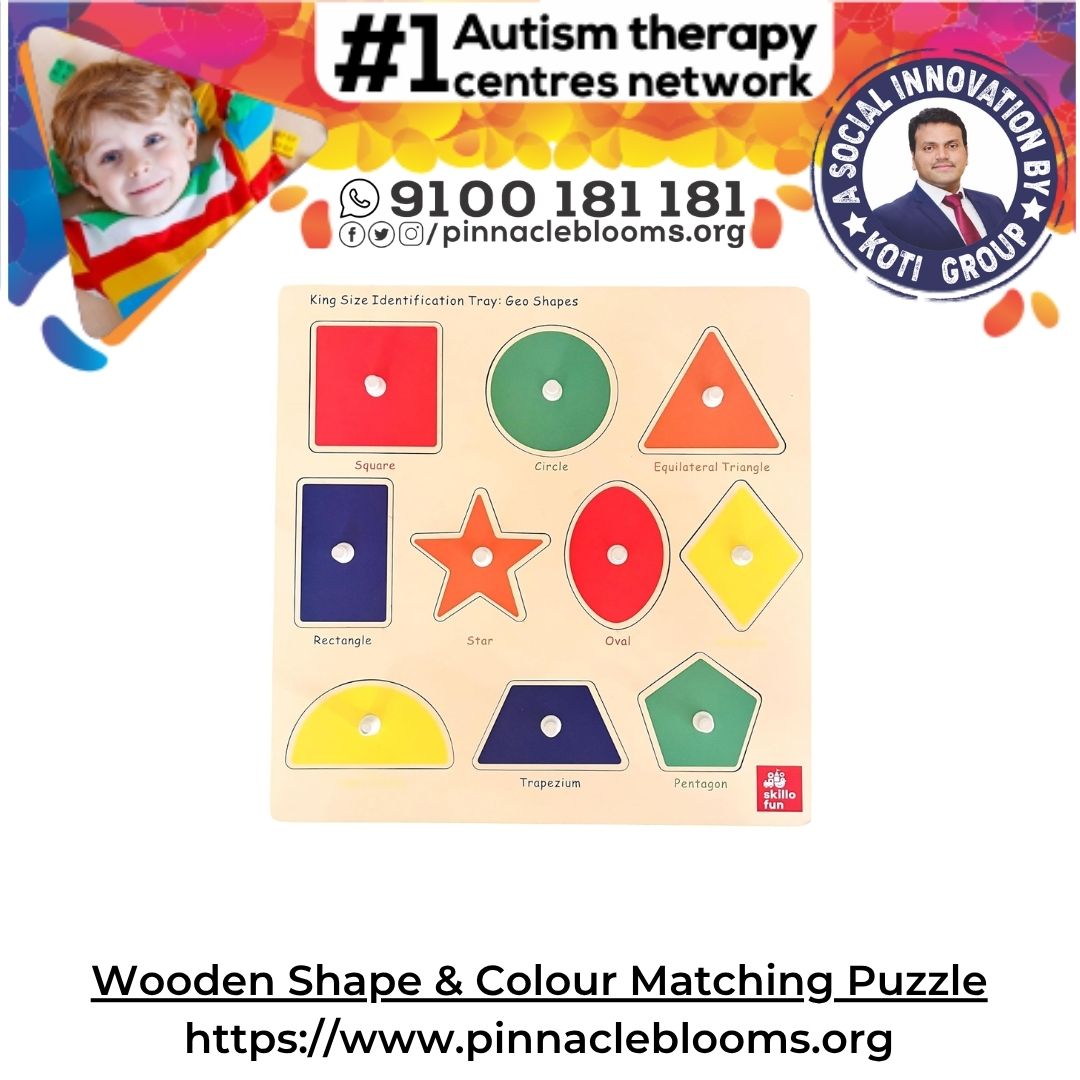
Chunky Puzzles
Best for: Toddlers, shape matching introduction
Type: Whole-hand grasp puzzles with thick pieces
Ages: 1-4 years | Settings: Home, Clinic, School
Medium Portability
₹200-500
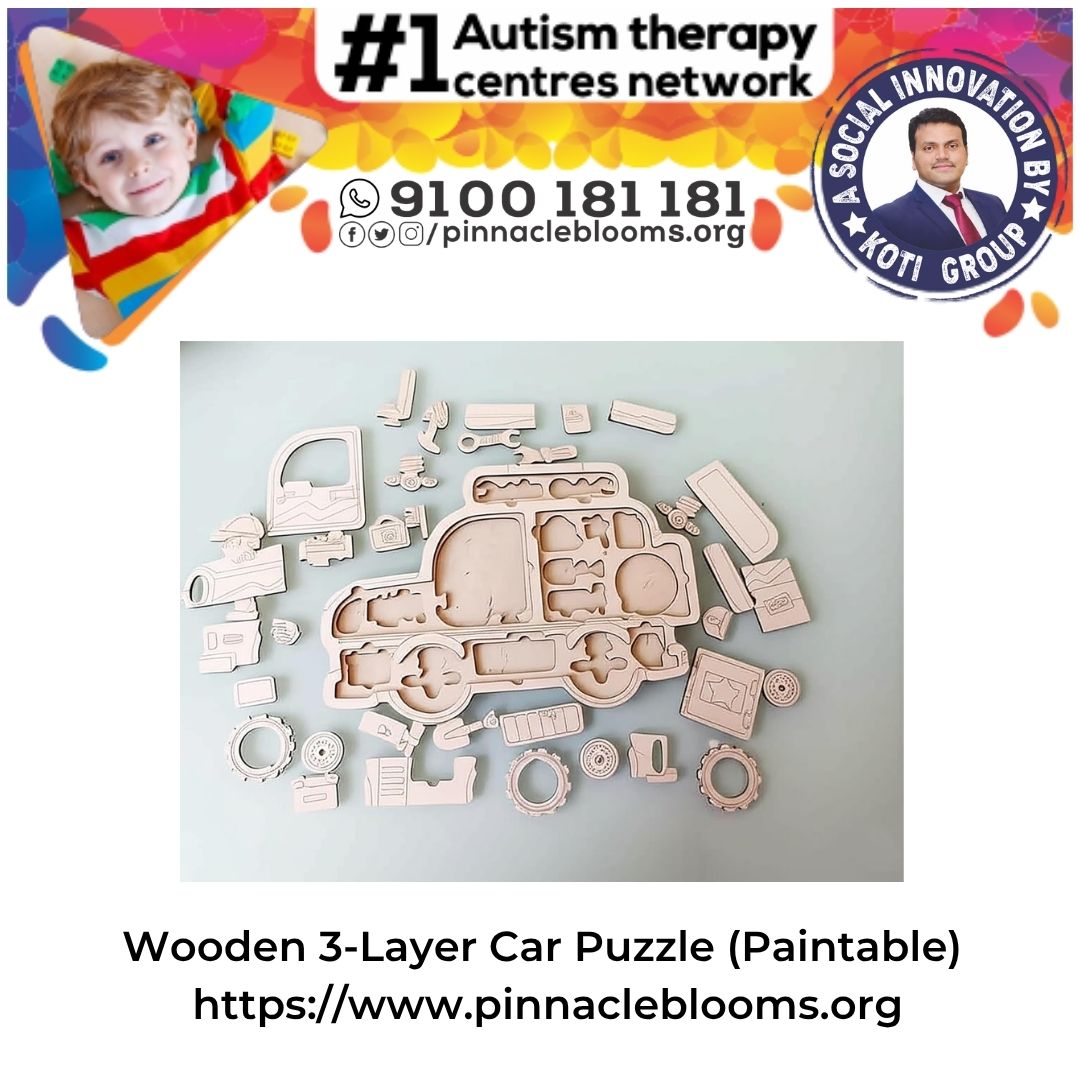
Peg Puzzles (Without Knobs)
Best for: Progressing from knob puzzles
Type: Flat pieces that fit in frame, developing precision
Ages: 2-5 years | Settings: All
Medium Portability
₹150-400
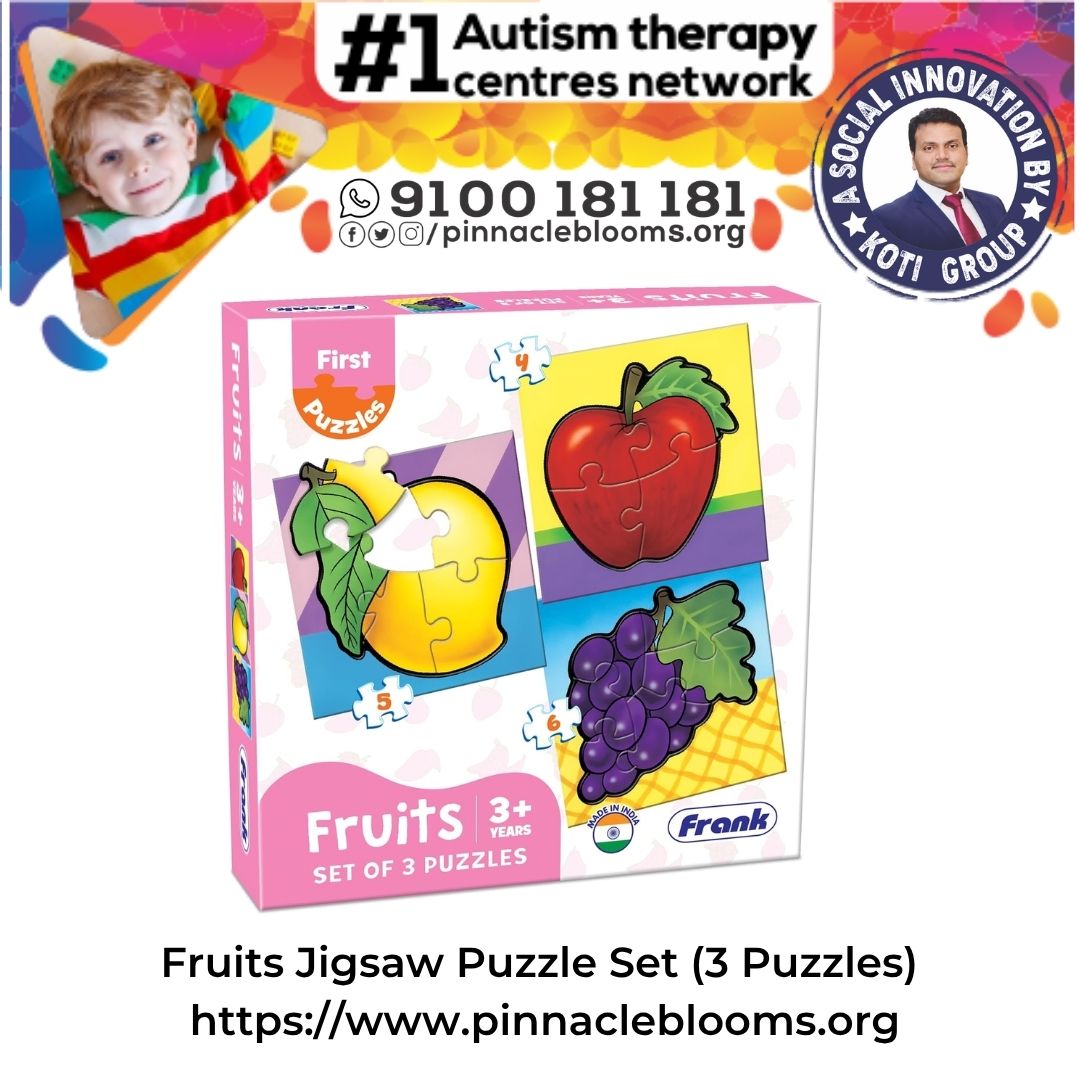
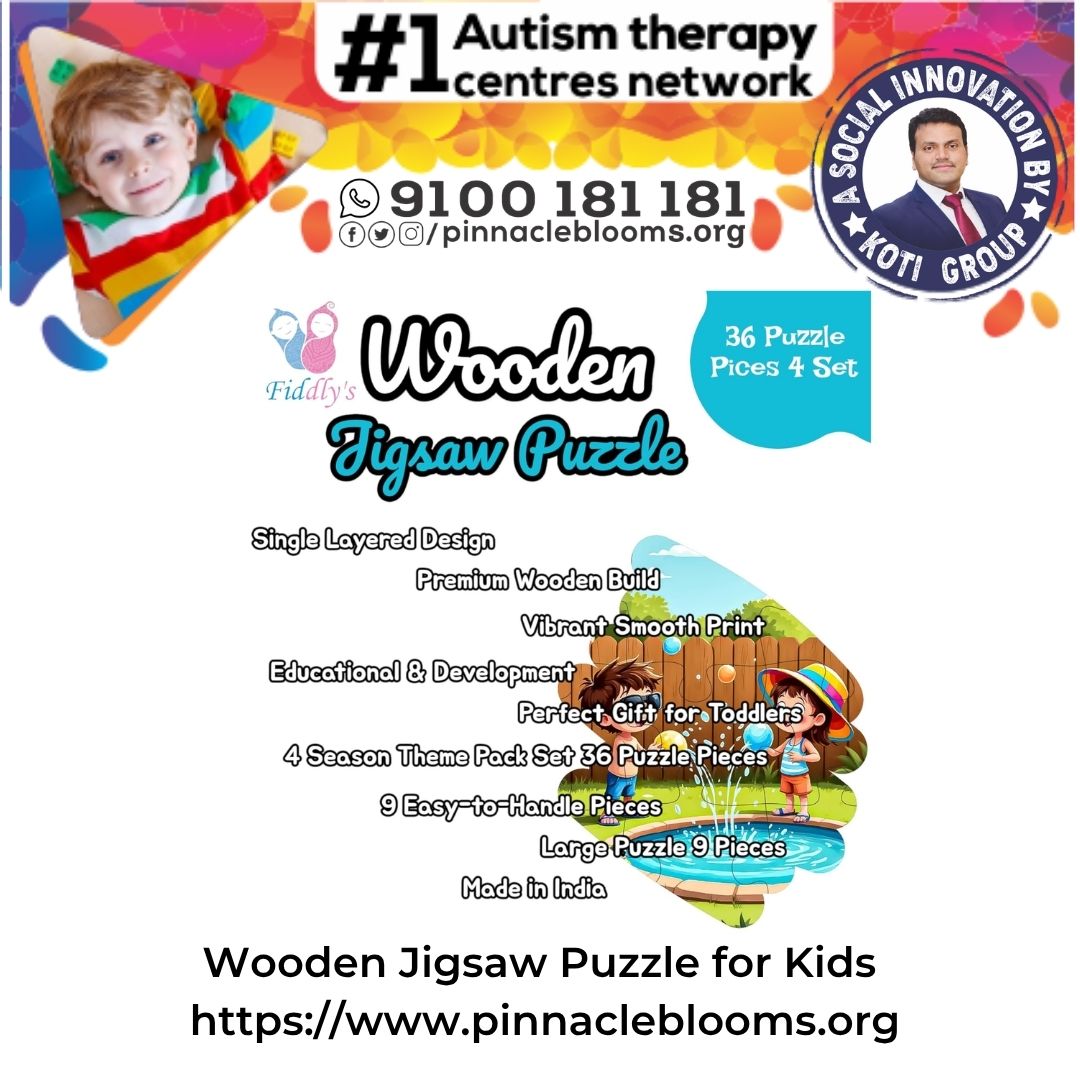
Interlocking Jigsaw (6-24 pieces)
Best for: Developing puzzlers, visual-spatial skills
Type: Beginning jigsaw puzzles with large interlocking pieces
Ages: 3-6 years | Settings: All
High Portability
₹150-500
Floor Puzzles (Large Pieces)
Best for: Big picture thinking, group work
Type: Gross + fine motor combination with very large pieces
Ages: 3-7 years | Settings: Home, School
Low Portability
₹300-800
3D Puzzles
Best for: Older children, advanced spatial skills
Type: Spatial reasoning challenge that builds 3D structure
Ages: 5-9 years | Settings: Home
Medium Portability
₹300-1,000
Sequence Puzzles / Story Puzzles
Best for: Sequencing skills, narrative understanding
Type: Cognitive + fine motor with multiple puzzles telling sequence
Ages: 3-7 years | Settings: Home, School, Clinic
High Portability
₹200-600
Tactile/Sensory Puzzles
Best for: Tactile seekers, multi-sensory learning
Type: Multi-sensory puzzles with textured pieces
Ages: 2-6 years | Settings: Home, Clinic
Medium Portability
₹300-700
How to Choose:
- By Goal: Pincer grasp → knob puzzles | Spatial skills → jigsaws | Sequencing → story puzzles | Sensory input → tactile puzzles
- By Setting: Travel → interlocking jigsaws | Group work → floor puzzles | Therapy → all types
- By Portability: On-the-go → small jigsaws | Home only → floor puzzles, 3D puzzles

Puzzle Progression Guide
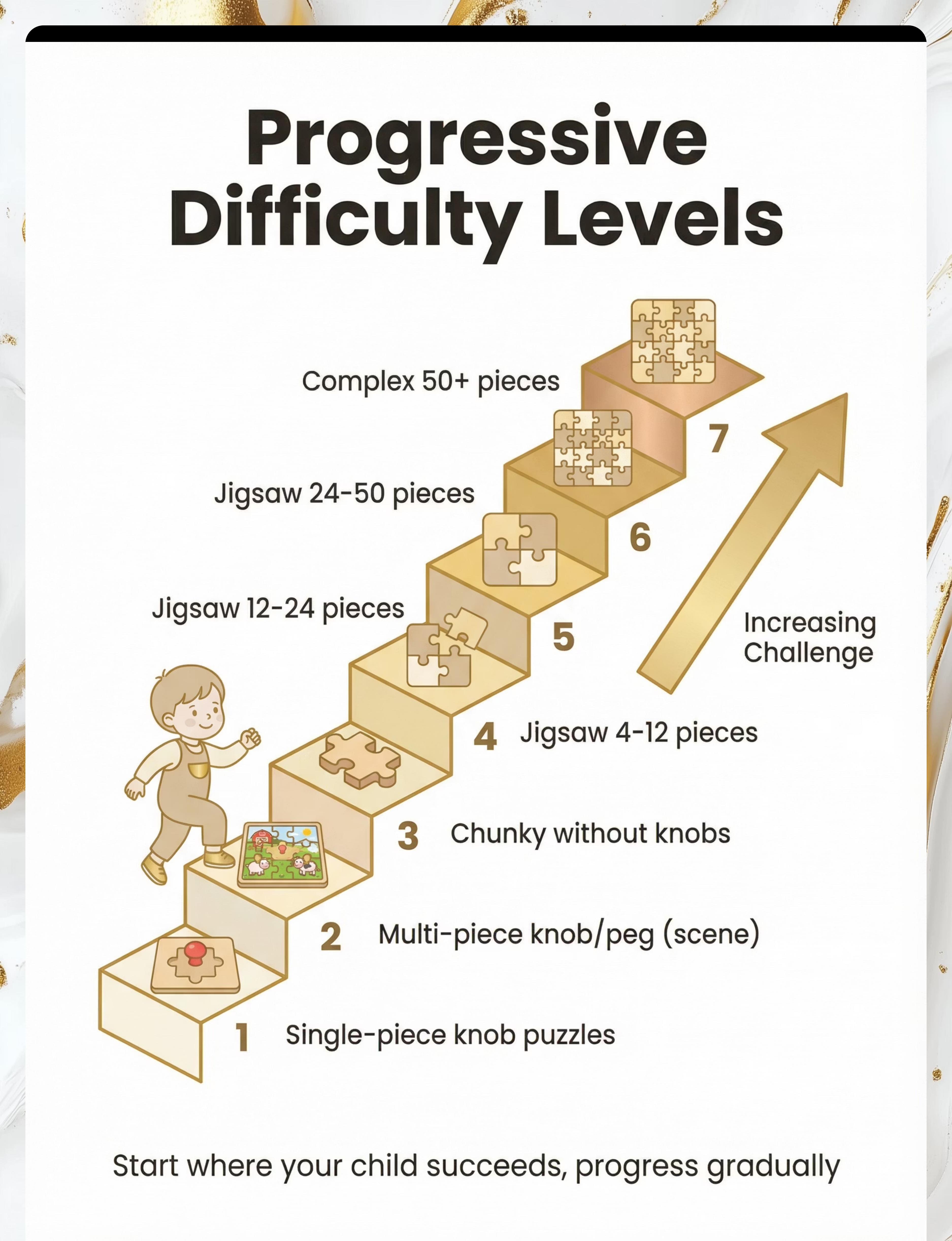
Understanding the developmental progression helps you choose the right puzzle complexity. Match puzzles to your child's current skill level, not just their age.
1
Level 1: Single-Piece Knob
Each piece is separate with its own knob. Perfect for introducing puzzle concept and building pincer grasp.
2
Level 2: Multi-Piece Knob/Peg
Multiple pieces create a scene. Each piece has knob or peg. Building scene understanding.
3
Level 3: Chunky Without Knobs
Thick pieces without handles. Requires more precise grasp and manipulation. Shape matching focus.
4
Level 4: Interlocking 4-12 Pieces
Beginning jigsaws with large interlocking pieces. Spatial reasoning and piece relationship understanding.
5
Level 5: Jigsaw 12-24 Pieces
Increased complexity. Developing systematic strategies. Building persistence through challenge.
6
Level 6: Jigsaw 24-50 Pieces
Advanced spatial reasoning. Longer focus periods required. Problem-solving strategies essential.
7
Level 7: Complex 50+ Pieces
Sophisticated visual-spatial processing. Extended persistence. Advanced problem-solving and planning.
Progress gradually: Move to the next level when your child completes current level puzzles with confidence and enjoyment. Rushing leads to frustration.

The Struggle (Before)
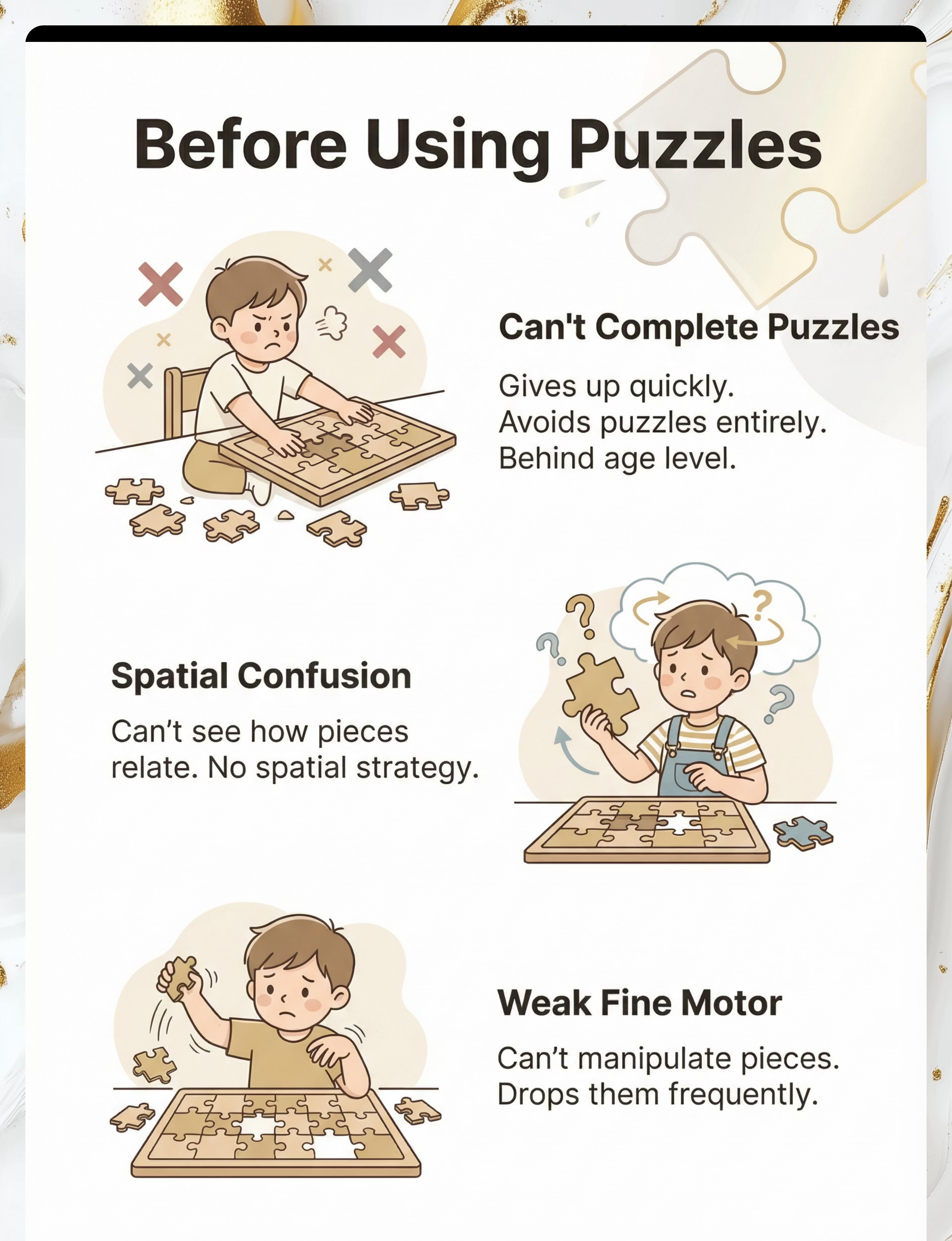
These scenarios represent real challenges families face before implementing appropriate puzzle interventions. Understanding these struggles helps us appreciate the transformation that follows.
Can't Complete Puzzles
Situation: Child can't do puzzles for age. Puts pieces randomly. Gives up quickly. Avoiding puzzles entirely.
Daily Experience: Every puzzle attempt ends in frustration. Parent trying to help but unsure how. Child's confidence dropping.
Emotion: Frustration, avoidance
Spatial Confusion
Situation: Child can't see how pieces relate to whole picture. Rotates piece wrong way. No spatial strategy emerging.
Daily Experience: Random trial and error without understanding. Parent explaining but child not grasping concept. Spatial tasks difficult generally.
Emotion: Confusion, difficulty
Fine Motor Weak
Situation: Child can't manipulate puzzle pieces well. Drops them. Can't position precisely. Gives up quickly.
Daily Experience: Physical struggle with pieces overshadowing cognitive challenge. Parent worried about hand skills. Activities requiring precision are difficult.
Emotion: Struggle, frustration

The Breakthrough (After)
With appropriate puzzle progression and support, transformation happens. These real outcomes show what's possible when puzzles match skill level and interest.
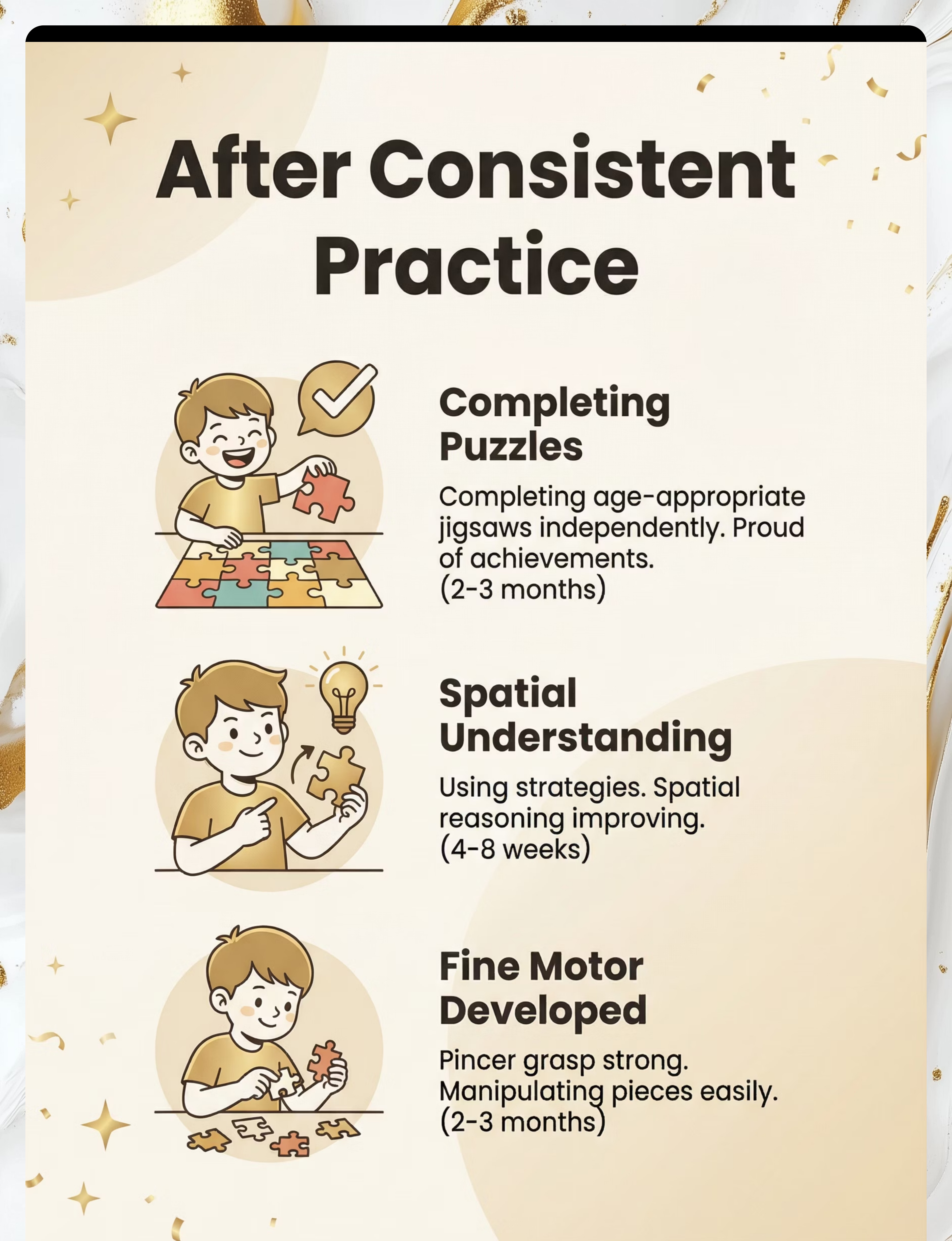
Can't Complete Puzzles → Puzzle Mastery
Situation: Started with knob puzzles. Built skills progressively. Now completing age-appropriate jigsaws. Proud of completion.
Daily Experience: Seeking out puzzle activities. Completing puzzles independently. Showing puzzles to family with pride. Confidence extending to other areas.
Emotion: Achievement, confidence
2-3 months
Spatial Confusion → Spatial Understanding
Situation: Practiced with simple shape puzzles. Learned to rotate and position pieces. Spatial reasoning improving visibly.
Daily Experience: Using strategies to solve puzzles. Rotating pieces correctly. Understanding spatial relationships. Skills generalizing to other tasks.
Emotion: Understanding, capability
4-8 weeks
Fine Motor Weak → Skilled Manipulation
Situation: Knob puzzles built pincer grasp. Chunky puzzles built manipulation skills. Now handling regular puzzle pieces with confidence.
Daily Experience: Improved hand skills in multiple activities. Writing skills better. Manipulating small objects easier. Building confidence in hands.
Emotion: Dexterity, success
2-3 months

What to Expect (Realistic Timelines)
Understanding realistic timelines helps maintain appropriate expectations and celebrate progress. Individual results vary based on starting skill level, practice frequency, and support quality.
Enjoys Puzzle Activities
Child actively seeks puzzle time instead of avoiding it. Positive association with puzzles developing.
4-8 weeks
Visual-Spatial Skills Improve
Better understanding of how pieces relate. Improved spatial reasoning in other activities too.
4-8 weeks
Fine Motor Precision Develops
More controlled grasp and manipulation. Improved hand skills showing in writing and other tasks.
4-8 weeks
Problem-Solving Skills Grow
Developing strategies for puzzle solving. Persistence increasing. Problem-solving generalizing to other challenges.
2-3 months
Completes Age-Appropriate Puzzles
Independently completing puzzles appropriate for age. Ready to progress to next level of complexity.
2-3 months
Persistence Increases
Sticking with puzzles even when challenging. Tolerating frustration better. Trying different strategies instead of giving up.
2-3 months

Is This Right for My Child? (2-Minute Check)
Answer these questions honestly to assess if puzzles are appropriate for your child right now. Three or more "yes" answers indicate a strong fit.
Can your child complete puzzles appropriate for their age?
If yes: Continue progressing to more challenging puzzles
If no: Find appropriate starting level (often 2-3 levels below age expectation)
Confidence Score: 92/100
Does your child understand how puzzle pieces fit together?
If yes: Spatial understanding developing well - maintain practice
If no: Start with simpler puzzles that teach piece relationships
Confidence Score: 88/100
Does your child give up quickly on puzzles?
If yes: Need easier puzzles and more support. Current level too challenging.
Confidence Score: 85/100
Does your child enjoy puzzle activities?
If yes: Leverage this enjoyment for development - increase variety and complexity gradually
If no: Find motivating themes (favorite characters, topics of interest)
Confidence Score: 80/100
Interpretation: 3+ "yes" answers = strong fit for puzzle intervention. 1-2 "yes" answers = proceed with simpler puzzles and high support. 0 "yes" answers = consider readiness and interest-building first.

Usage Guide
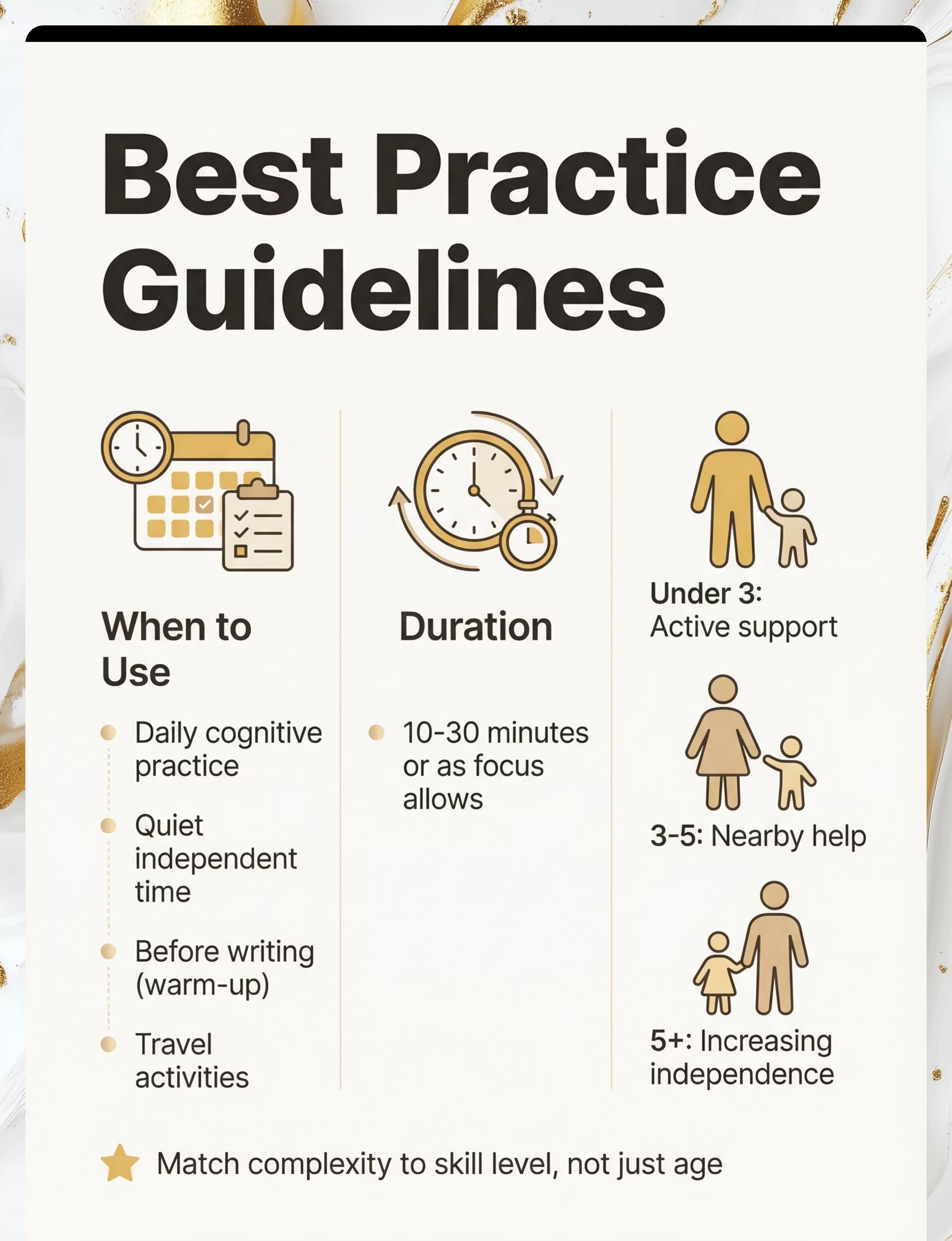
When to Use ✓
- Daily cognitive and fine motor practice sessions
- Quiet independent work time at home or school
- Before writing activities as fine motor warm-up
- During occupational therapy sessions
- Travel time with portable puzzles
When NOT to Use ✗
- When puzzle is too frustrating (scale back to easier level)
- During rushed time (puzzles need patience and focus)
- When child is dysregulated emotionally
Supervision by Age
Age Range | Supervision Level | Notes | |
Under 3 years | Active participation | Support and guide throughout. Watch for mouthing pieces. Celebrate effort. | |
3-5 years | Nearby support | Available to help when stuck. Model strategies. Allow struggle within tolerance. | |
5+ years | Increasingly independent | Check in periodically. Available for help if requested. Celebrate completion. |
Home
School
Clinic
10-30 minutes duration

Safety First
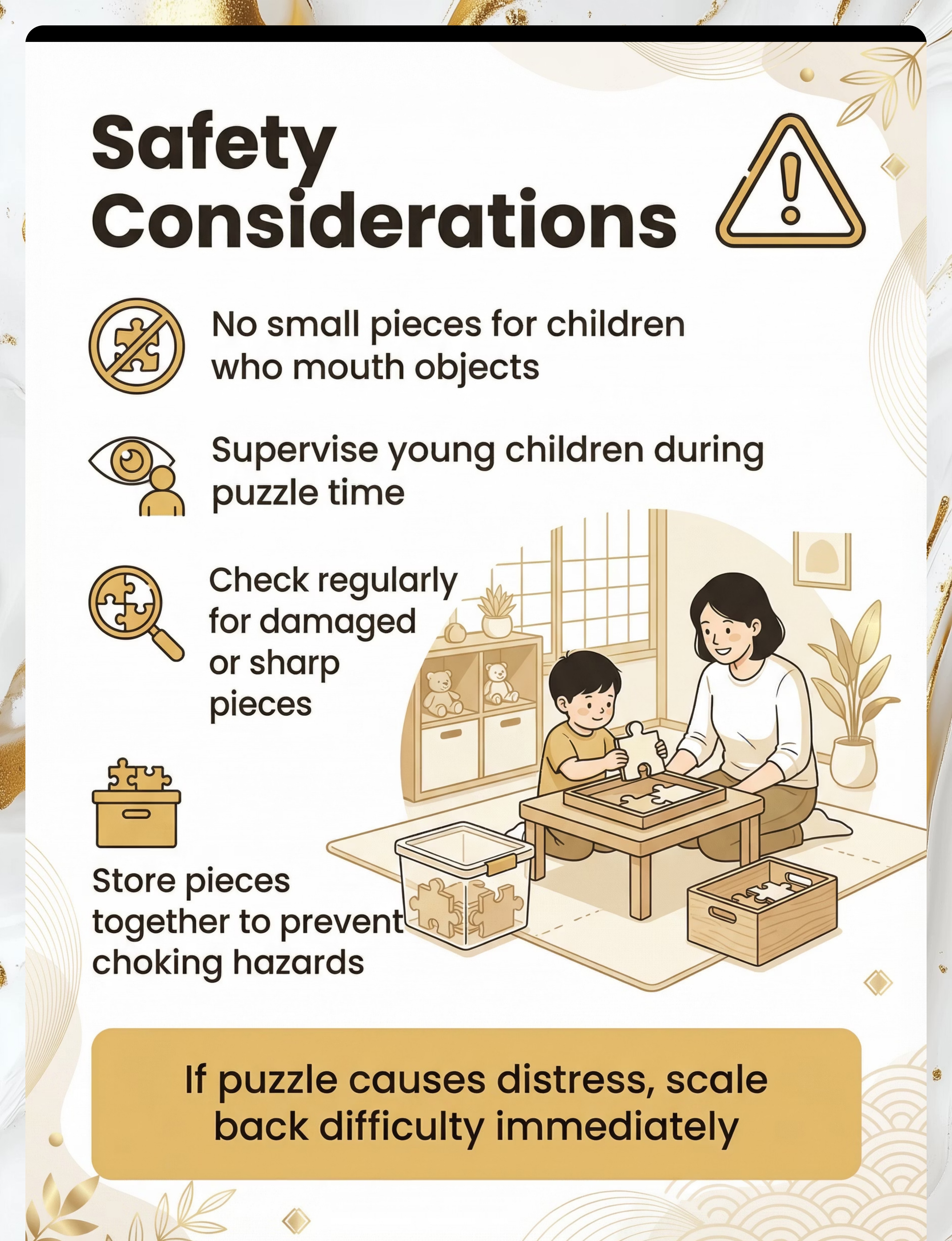
Critical Safety
- No small pieces for children who mouth objects - choking hazard
- Supervise young children actively during puzzle time
- Check for damaged pieces with sharp edges before each use
- Store pieces together properly to avoid scattered choking hazards
Important Warnings
- Frustration can lead to throwing pieces - monitor emotional state
- Small pieces can get lost creating incomplete puzzles and frustration
- Cardboard puzzles can tear if handled roughly
- Store puzzles completed or in containers to maintain piece integrity
Contraindicated
- Small pieces for children who mouth objects
- Too-difficult puzzles causing significant distress
- Puzzles too difficult leading to frustration without support
Before Use ✓
- Puzzle appropriate for skill level
- All pieces present
- Pieces in good condition
- Good workspace available
During Use ✓
- Child engaged, not frustrated
- Support available if needed
- No mouthing small pieces
- Celebrating progress
Signs of Success ✓
- Completing puzzles independently
- Trying harder puzzles
- Using strategies
- Enjoying puzzle time

Common Questions (Honest Answers)
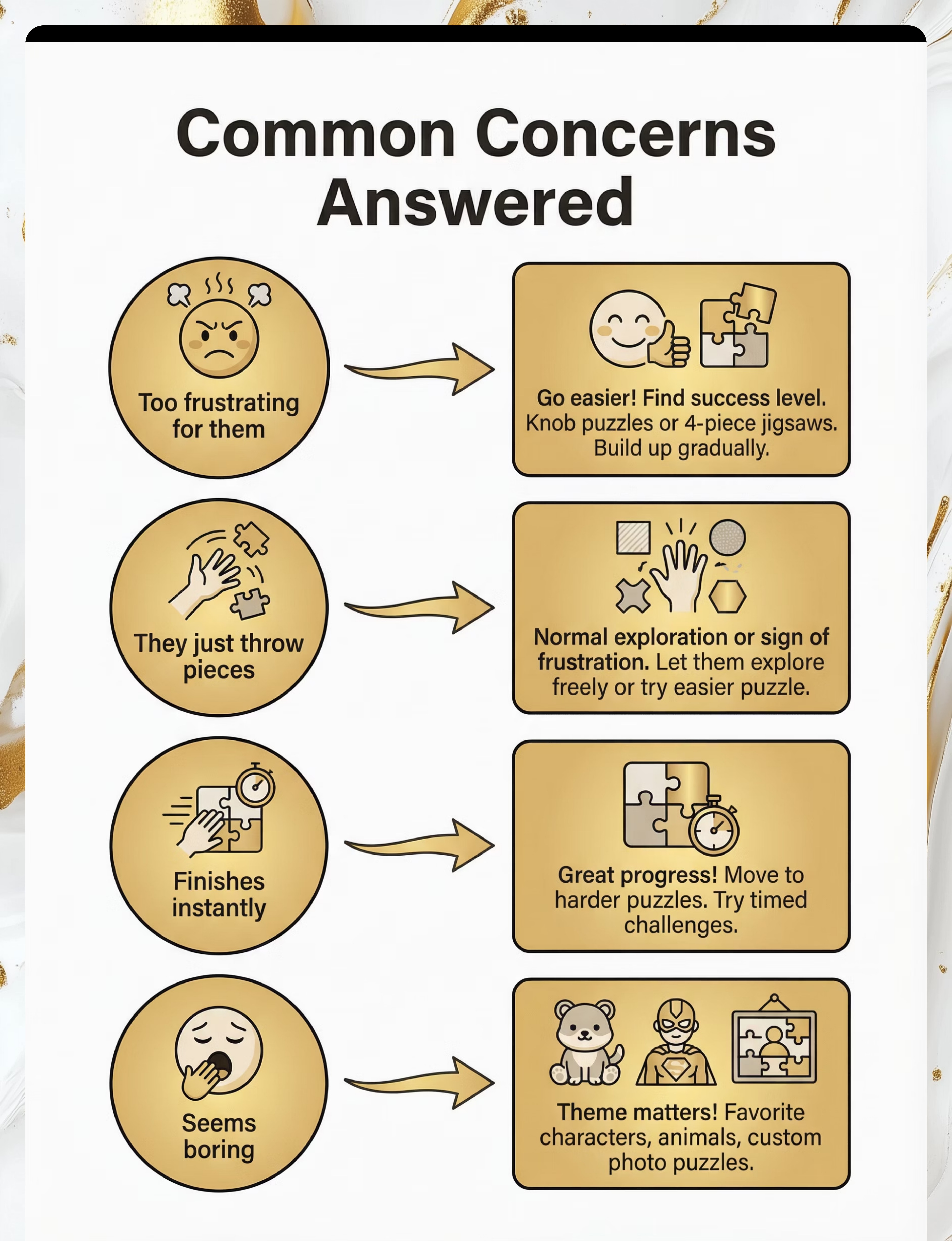
Q: Puzzles are too frustrating for them
A: Go easier! Find the level they CAN succeed at. Knob puzzles, 4-piece jigsaws. Success builds tolerance. Never force past frustration. Build up gradually.
Try this: Find success level; build up gradually; interest-based themes make frustration worthwhile
Q: They just throw the pieces
A: Normal exploration phase or sign of frustration. If exploring, let them manipulate pieces freely at first. If frustrated, puzzle is too hard. Find easier option.
Try this: Allow exploration phase; choose easier puzzles if frustrated; model gentle handling
Q: They finish instantly and lose interest
A: Great! Progress to harder puzzles. Child is ready for more challenge. Add complexity gradually. Consider timed challenges for motivation.
Try this: Increase difficulty level; introduce timed challenges; offer puzzle variety
Q: Seems boring to my child
A: Theme matters! Find puzzles with favorite characters, animals, topics. Custom photo puzzles of family members. Floor puzzles with friends for social element. The right puzzle is engaging.
Try this: Interest-based themes; custom photo puzzles of family; social puzzling with peers

Investment Guide
Puzzles offer exceptional developmental value at accessible price points. Quality matters more than quantity - a few well-chosen puzzles are better than many inappropriate ones.
Budget Option
Basic Wooden Knob or Peg Puzzle
Cost: ₹150-300
Note: Excellent developmental value for foundational skills
- Builds pincer grasp
- Introduces puzzle concept
- Durable wood construction
- Perfect starting point
Premium Option
Quality Jigsaw Set or 3D Puzzle
Cost: ₹500-1,000
Brands: Melissa & Doug, Ravensburger, Hape
- Superior piece fit
- Engaging artwork
- Exceptional durability
- Progressive difficulty sets
Overall Range: ₹150-1,000 (US $2-12) | Category: Low-cost intervention with high developmental impact
Best Starting Point: Begin with 2-3 puzzles at your child's current skill level plus one slightly easier and one slightly harder. Focus on themes that interest your child to maximize engagement.

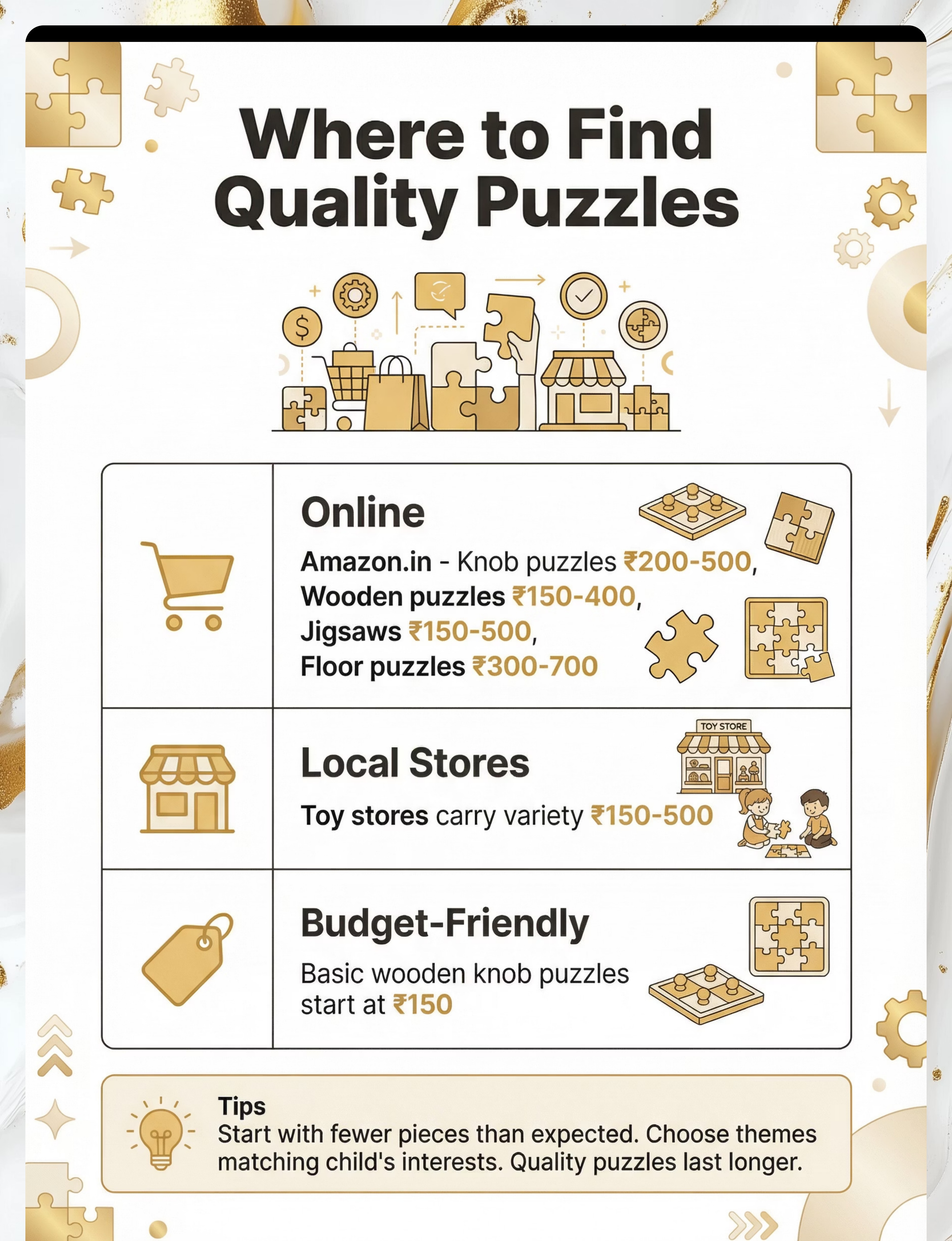
Where to Buy in India
Availability: Widely Available across India through online and retail channels
Platform | Search Terms | Price Range | Notes | |
Amazon.in | "knob puzzle toddler" | ₹200-500 | Best for knob puzzles | |
Amazon.in | "wooden puzzle kids" | ₹150-400 | Quality wooden options | |
Amazon.in | "jigsaw puzzle kids" | ₹150-500 | Wide variety | |
Amazon.in | "floor puzzle children" | ₹300-700 | Large format options | |
Local Toy Stores | "puzzles children" | ₹150-500 | In-person assessment |
Buying Tips
- Start with fewer pieces than you think needed - success builds tolerance
- Knob puzzles are excellent for pincer grasp development
- Theme matters - choose child's interests for better engagement
- Quality puzzles with good fit last longer and reduce frustration
- Progress gradually in piece count as skills develop
Red Flags
- Pieces don't fit well together (creates frustration, not skill building)
- Too many pieces for current skill level (leads to avoidance)
- Poor quality cardboard that tears easily
- Missing pieces (makes puzzle impossible to complete)

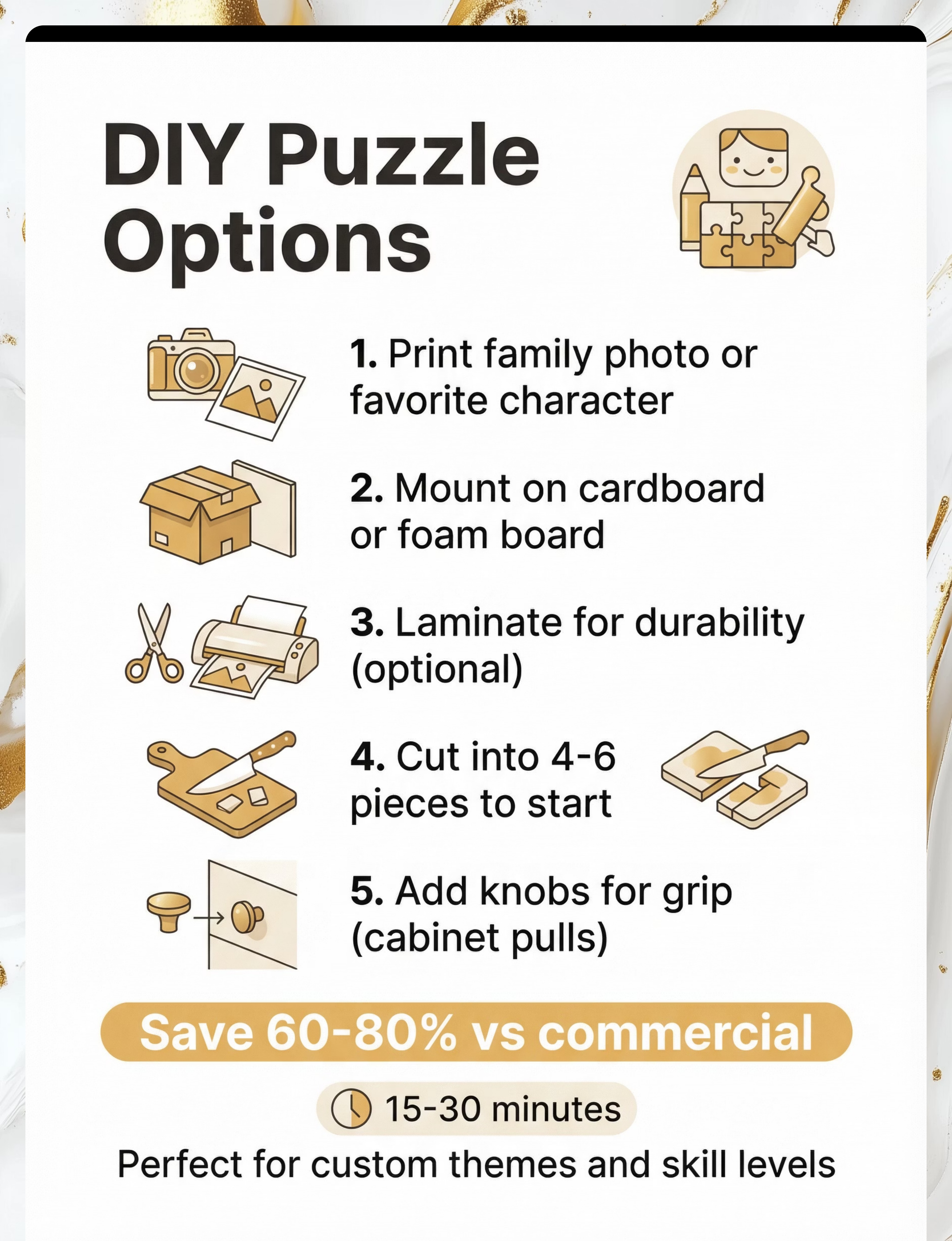
DIY Alternative (Save 60-80%)
Feasibility: Medium-High | Time Required: 15-30 minutes | Cost Savings: 60-80%
Materials Needed
- Printed picture or photo (family, favorite character, topic of interest)
- Cardboard or foam board for backing
- Scissors or craft knife for cutting
- Laminate for durability (optional but recommended)
- Small cabinet pulls for knobs (if making knob puzzle)
- Container or frame for storage
Step-by-Step Instructions
- Print or use photo of interest (family members, favorite character, topic child loves)
- Mount image on cardboard or foam board using glue or adhesive
- Laminate for durability if possible (optional but extends life significantly)
- Cut into puzzle pieces starting with 4-6 pieces for beginners
- For knob puzzle: Attach small knobs using screws or strong adhesive
- Create container or frame for organized storage
- Increase piece count gradually as skill develops
DIY vs Commercial Comparison
When to DIY | When to Buy Commercial | |
|
|
Trade-offs to Consider
DIY puzzles are less durable than commercial ones and pieces may not fit as precisely. However, they offer perfect customization and cost savings, making them ideal for specific interests or family photos.
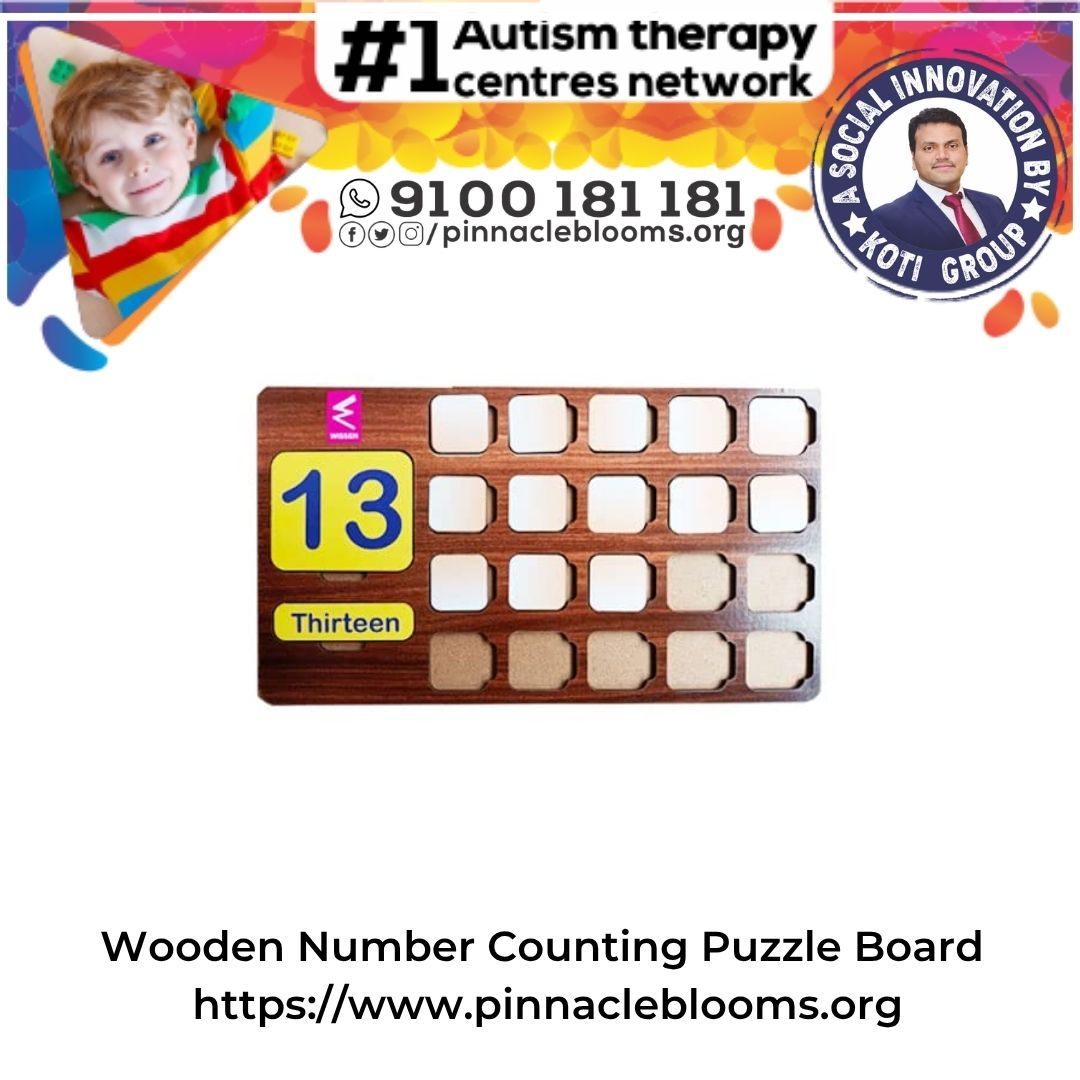
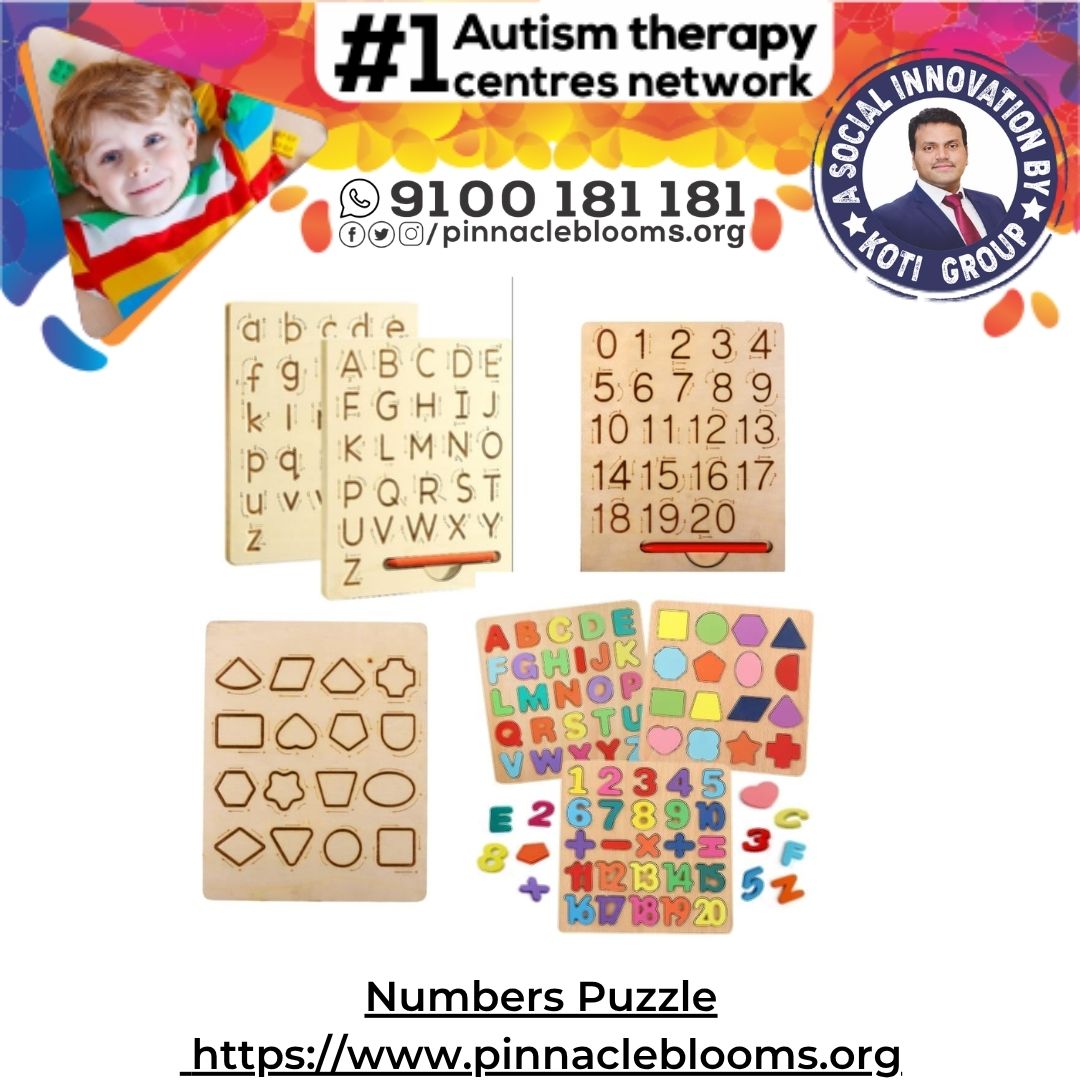
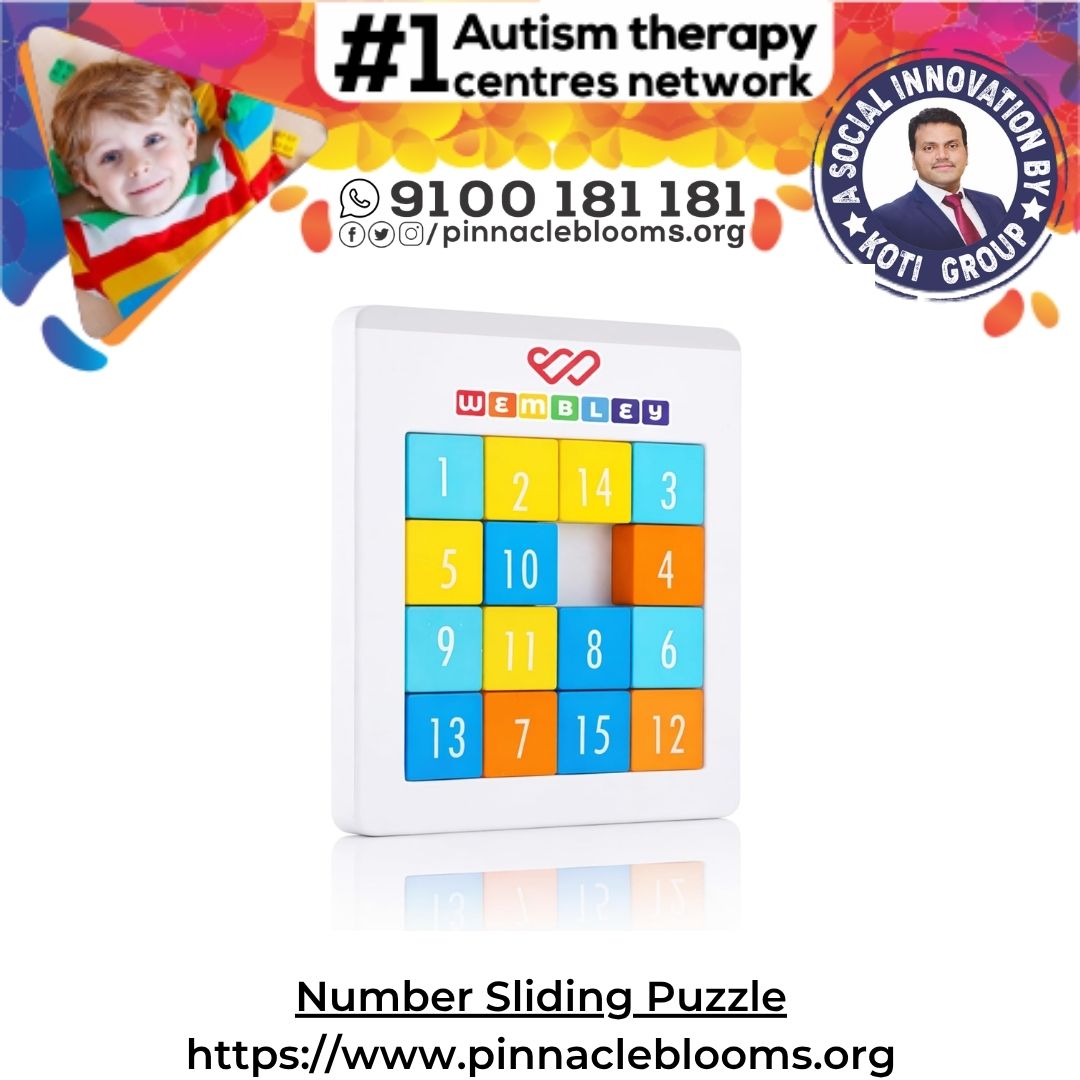
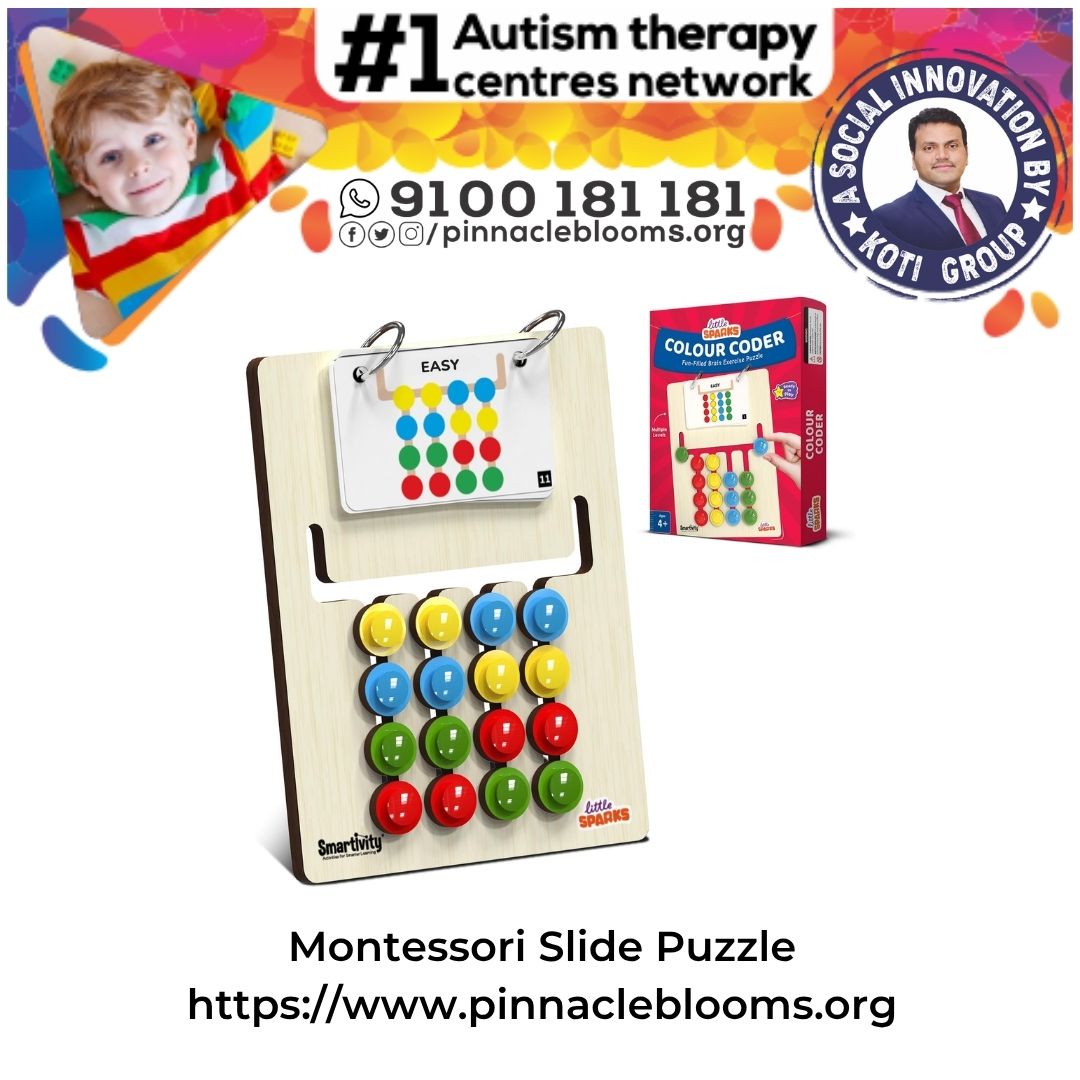
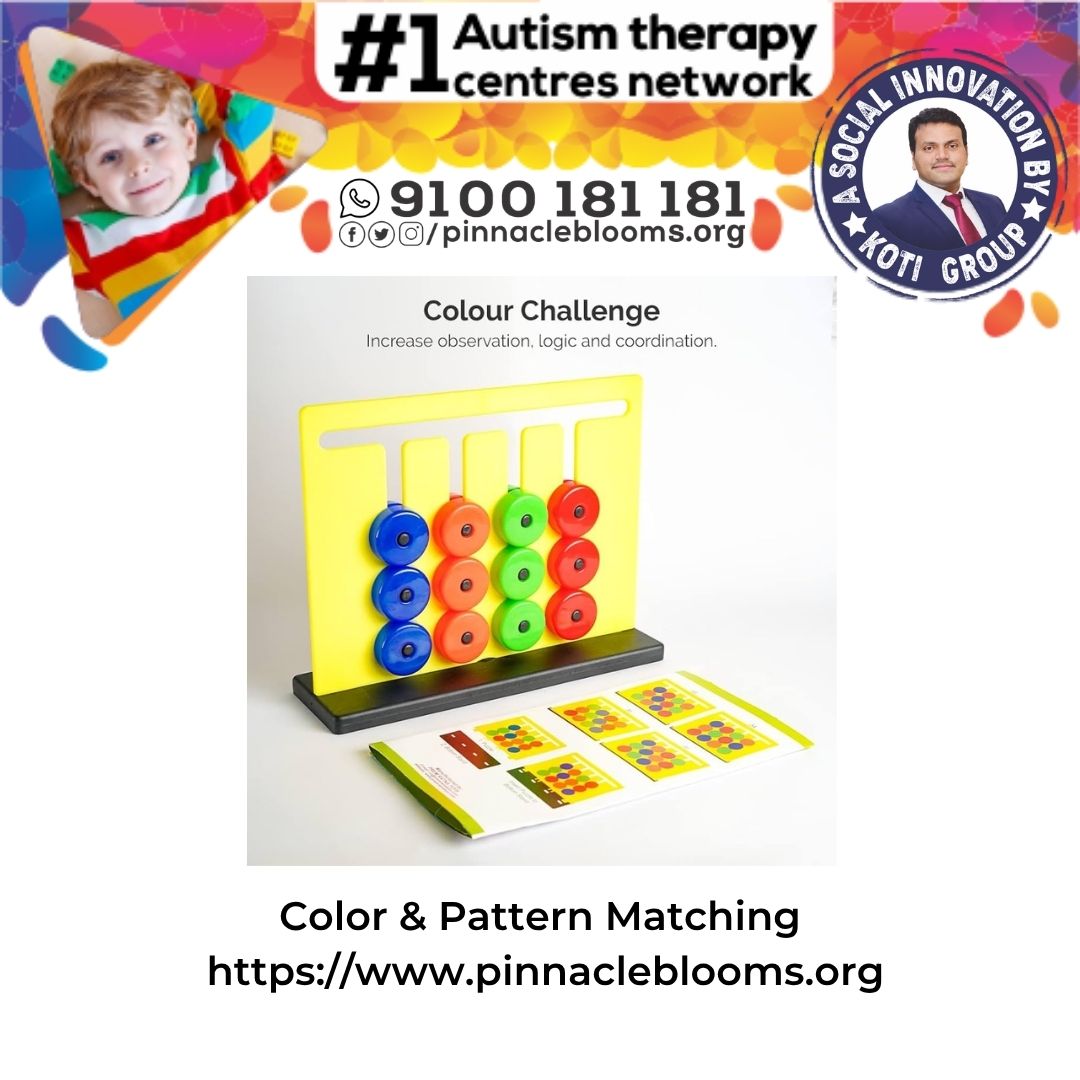
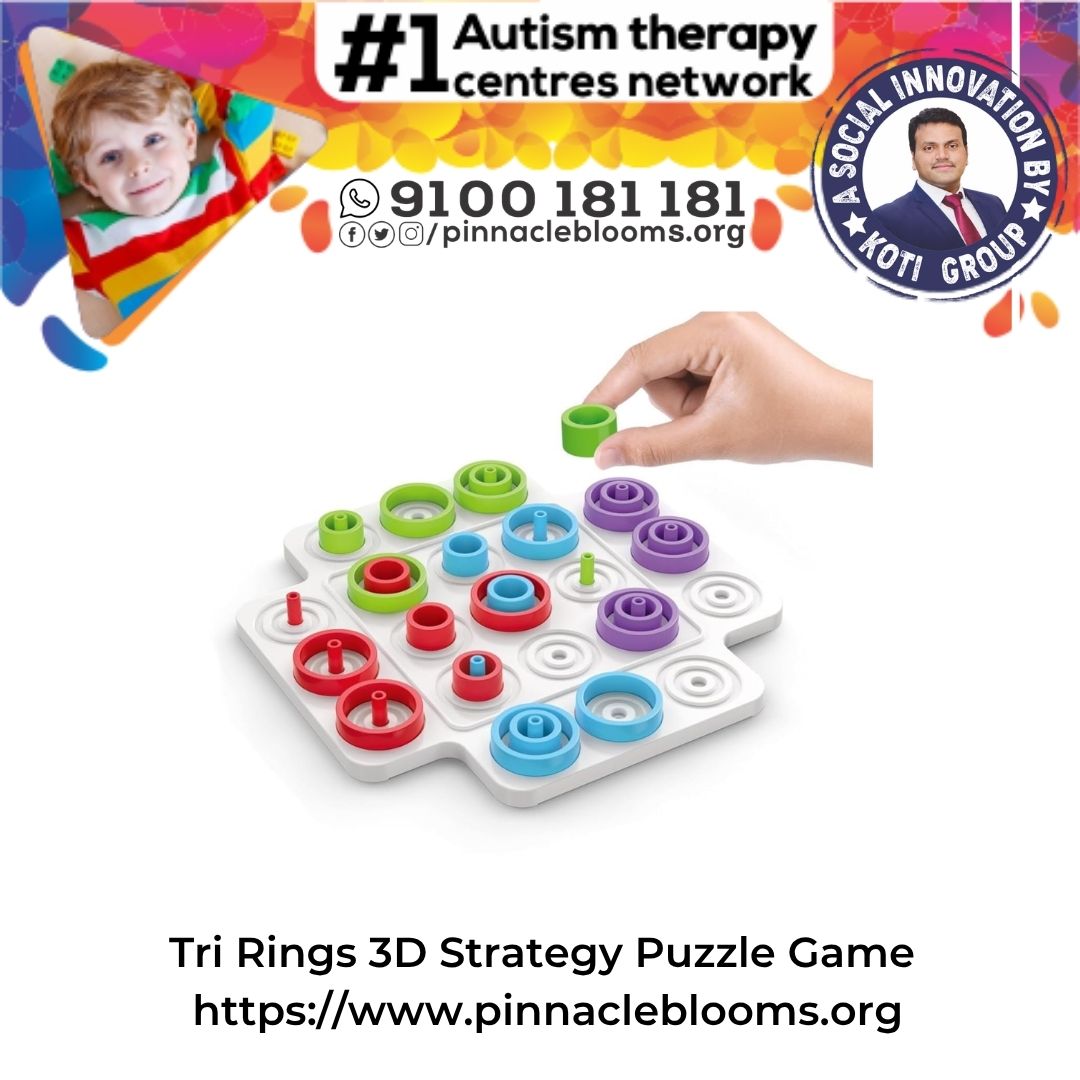
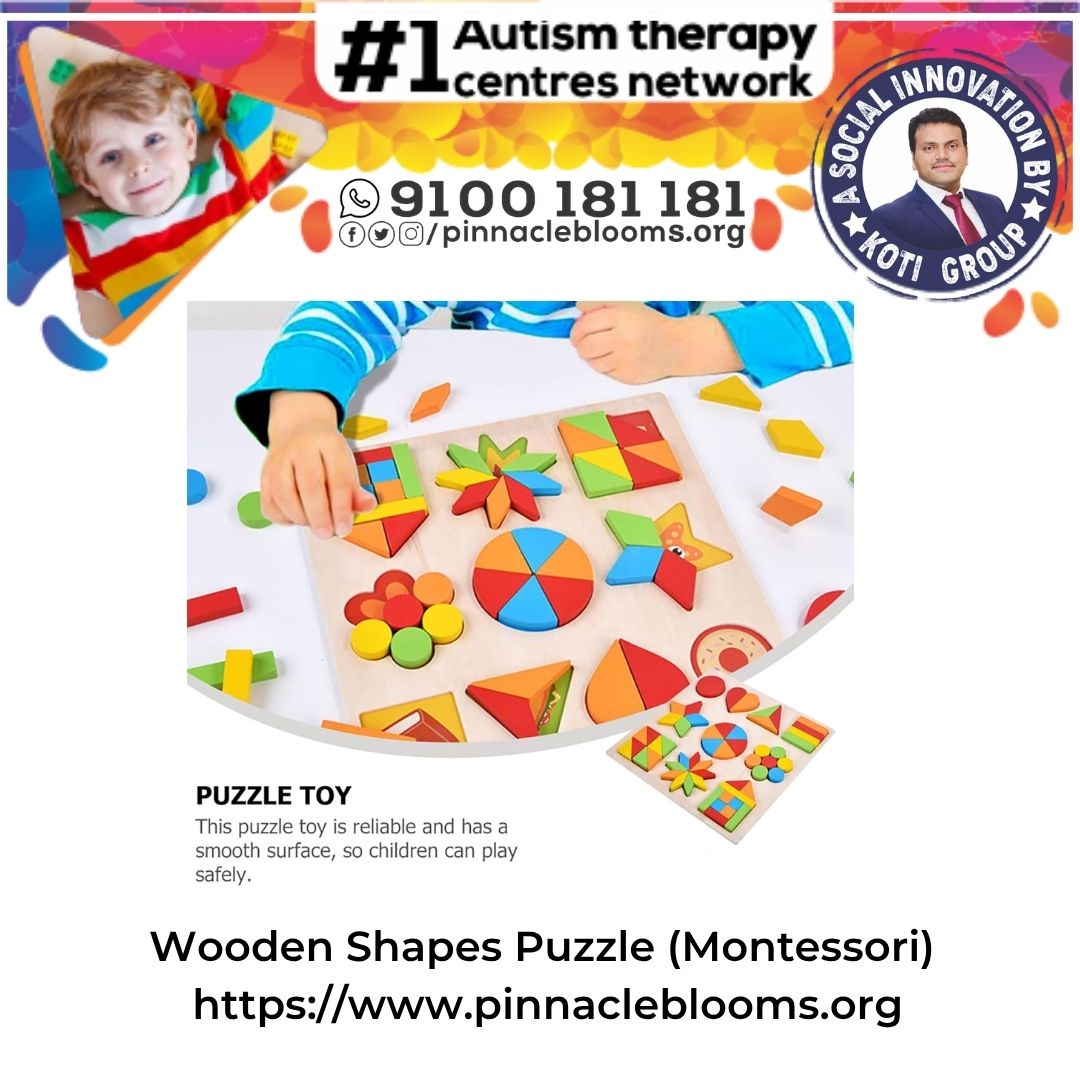
Preview of puzzles fine motor development Therapy Material
Below is a visual preview of puzzles fine motor development therapy material. The pages shown help educators, therapists, and caregivers understand the structure and content of the resource before use. Materials should be used under appropriate professional guidance.


Share this resource
Help others discover thisLink copied!

Complete Success System
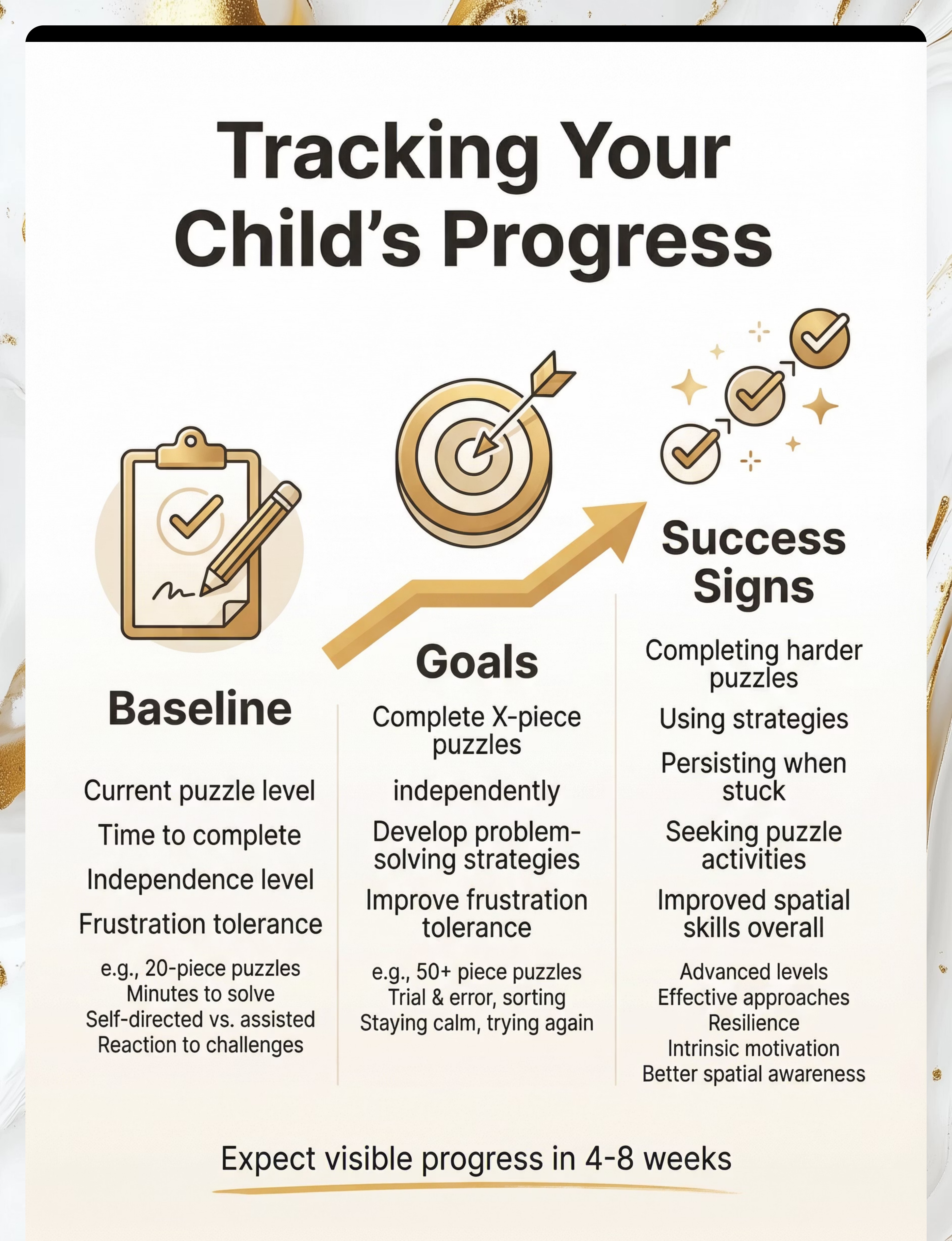
Measuring Success
Track these indicators to measure your child's puzzle development and guide progression decisions.
Baseline Assessment
- Current puzzle level (piece count and type)
- Time to complete puzzles
- Level of independence
- Frustration tolerance duration
Goals to Set
- Child will complete [X]-piece puzzles independently
- Puzzle-solving strategies will develop
- Frustration tolerance will improve
- Visual-spatial skills will improve
Success Indicators
- Completing harder puzzles
- Using problem-solving strategies
- Persisting when stuck
- Seeking puzzle activities
- Improved spatial skills in other areas
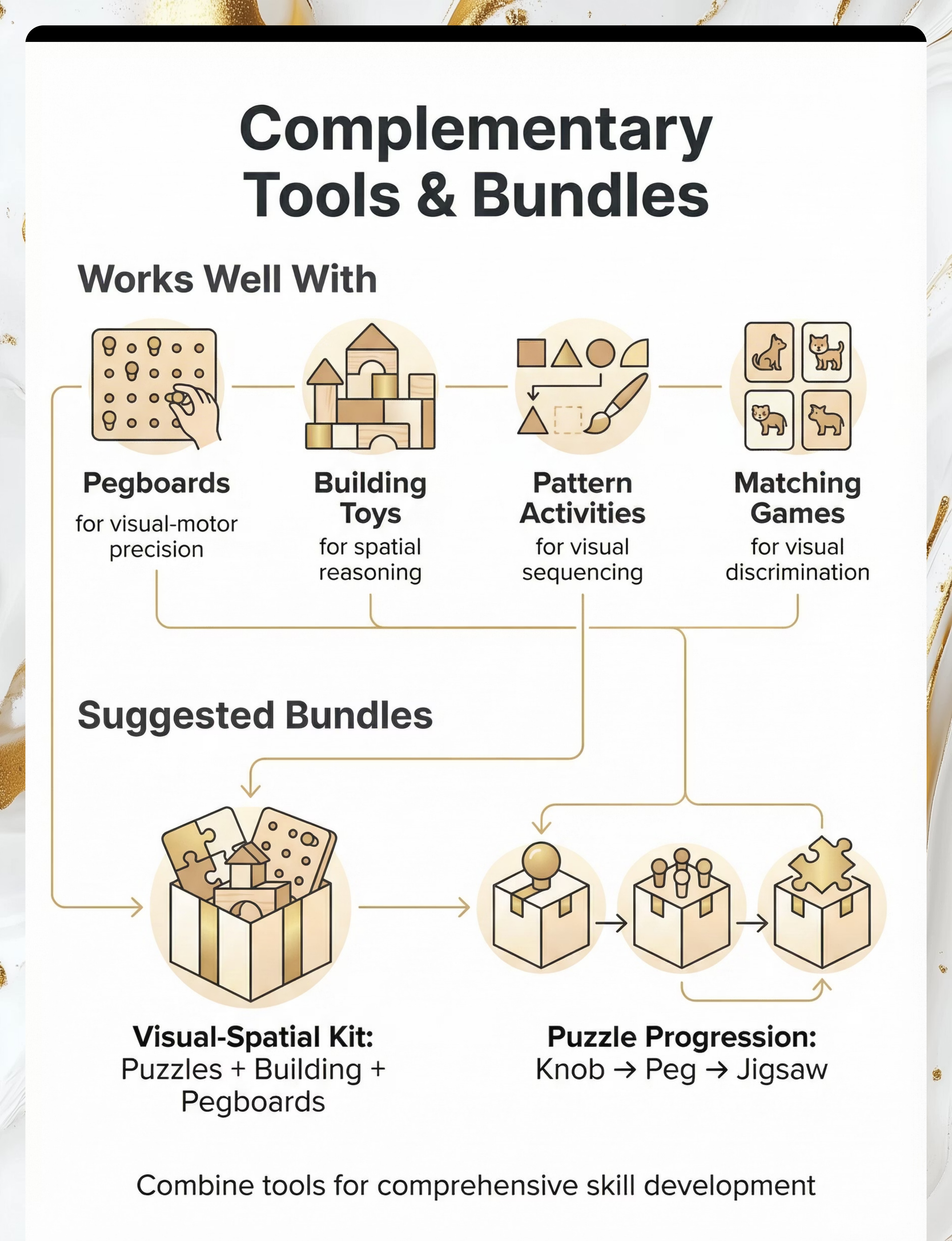
Pair It With...
These complementary tools work synergistically with puzzles for comprehensive fine motor and visual-spatial development.
Pegboards (ID: 7.5)
Develops visual-motor precision and pattern recognition. Perfect companion to puzzle work for comprehensive fine motor development.
Building Toys (ID: 7.7)
Enhances spatial reasoning in three dimensions. Natural progression from 2D puzzles to 3D construction.
Pattern Activities (ID: 8.3)
Builds visual sequencing skills that support puzzle problem-solving. Complementary visual processing development.
Matching Games (ID: 8.1)
Strengthens visual discrimination needed for identifying puzzle piece relationships.
Recommended Bundles
Visual-Spatial Kit
Tools: Puzzles (7.8) + Building Toys (7.7) + Pegboards (7.5)
Use Case: Comprehensive spatial development across 2D and 3D domains
Puzzle Progression
Tools: Knob Puzzles (7.8.1) + Peg Puzzles (7.8.3) + Interlocking Jigsaws (7.8.4)
Use Case: Progressive puzzle difficulty for skill building over time
Quick Summary
Puzzles develop visual-spatial processing, fine motor precision, and problem-solving through structured manipulation and completion activities. Core Kit (Rank 1), strong evidence, essential developmental tool.
puzzles
jigsaw
spatial
fine motor
visual
problem-solving
OT
SpEd
core-kit
Common Searches: puzzles autism, knob puzzles toddler, fine motor puzzles, jigsaw autism, visual spatial puzzles, wooden puzzles kids, developmental puzzles
Get Support
FREE National Autism Helpline
Phone: 9100 181 181
Languages: 16+ Indian languages
Website: pinnacleblooms.org
Platform Integration
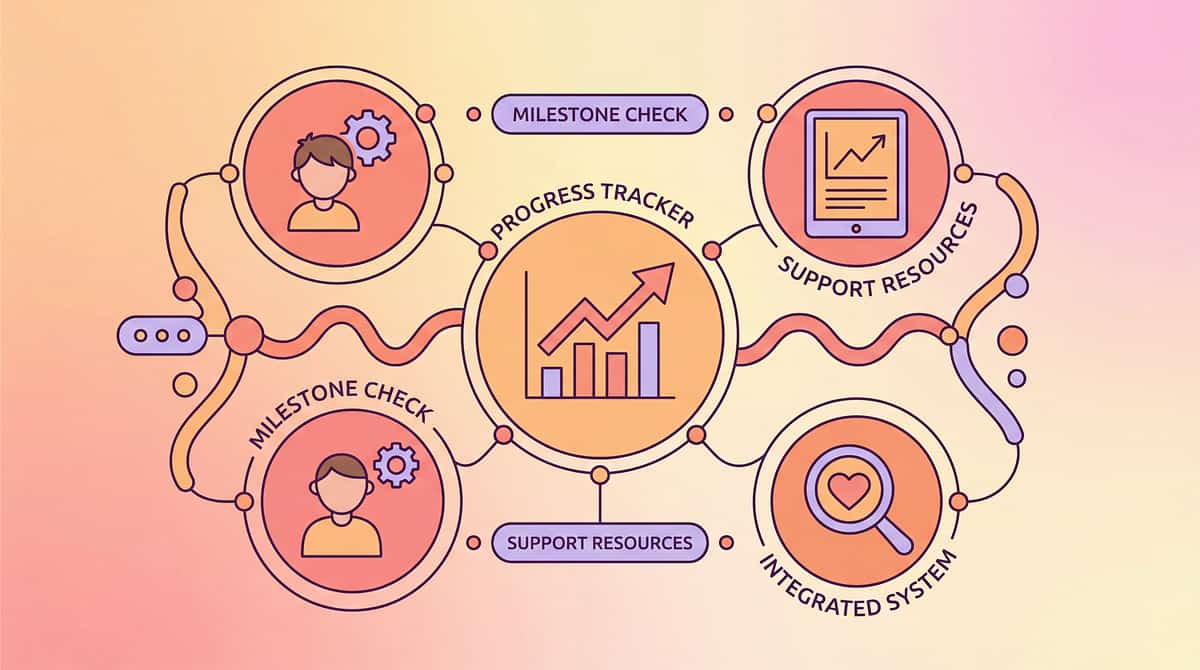
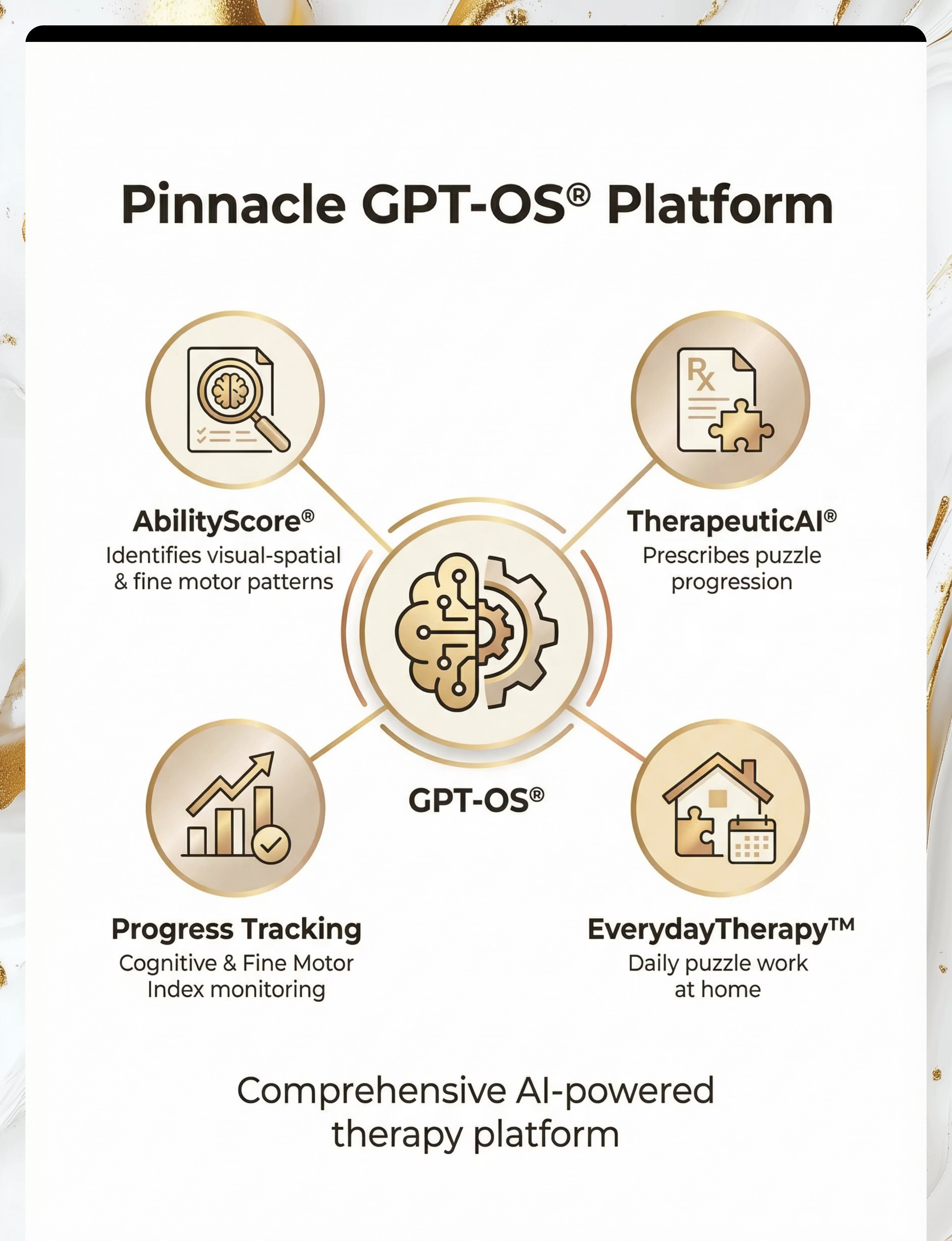
AbilityScore® identifies visual-spatial and fine motor patterns through comprehensive assessment, guiding puzzle selection.
TherapeuticAI® prescribes personalized puzzle progression based on your child's current skill level and developmental goals.
EverydayTherapyProgramme™ includes daily puzzle work integrated into natural routines for consistent skill building.
Cognitive Index and Fine Motor Index track puzzle-related progress over time, showing measurable improvements.
Disclaimer: This is educational information. Always consult qualified occupational therapists, speech-language pathologists, or pediatricians. Individual results vary based on child's unique profile, practice consistency, and quality of support.