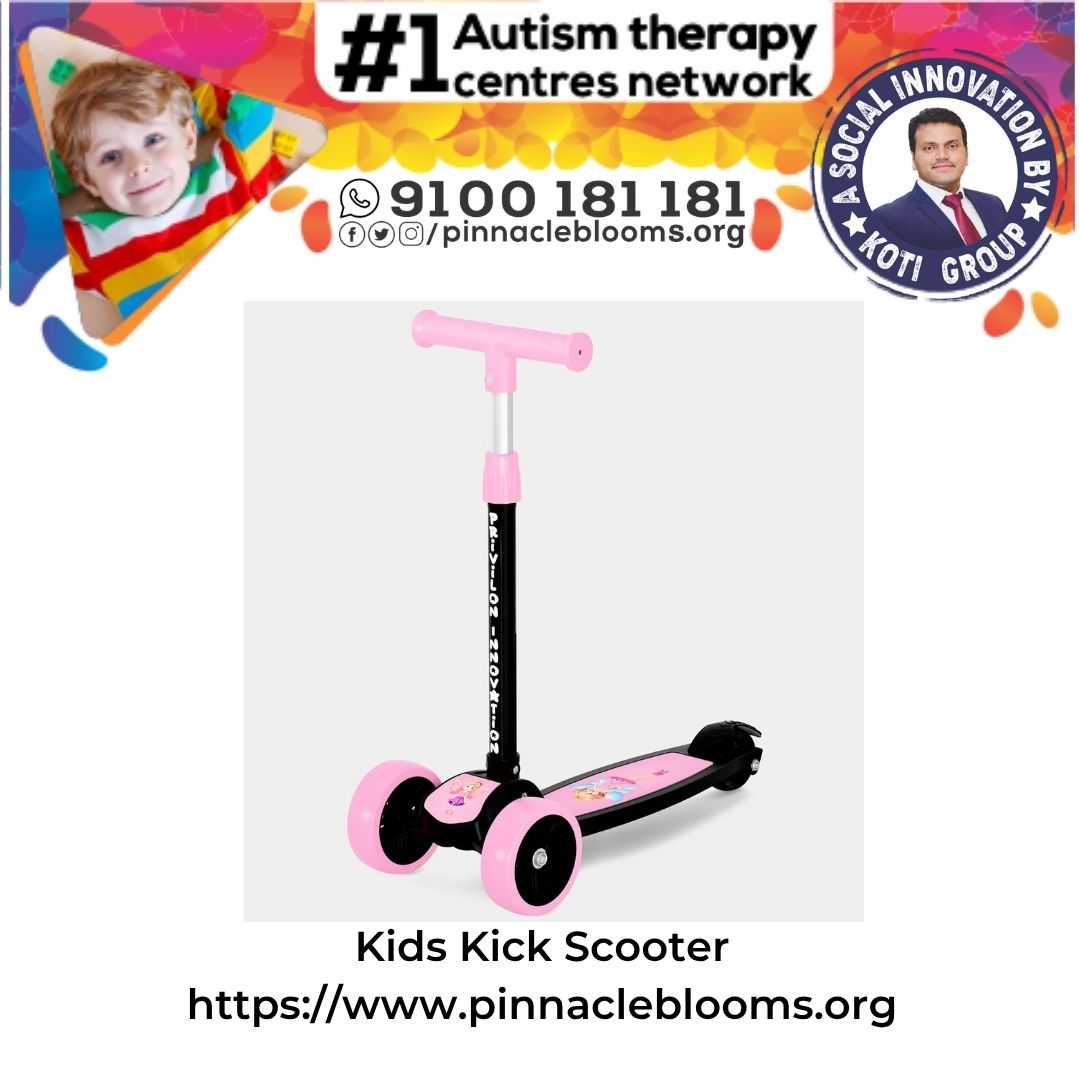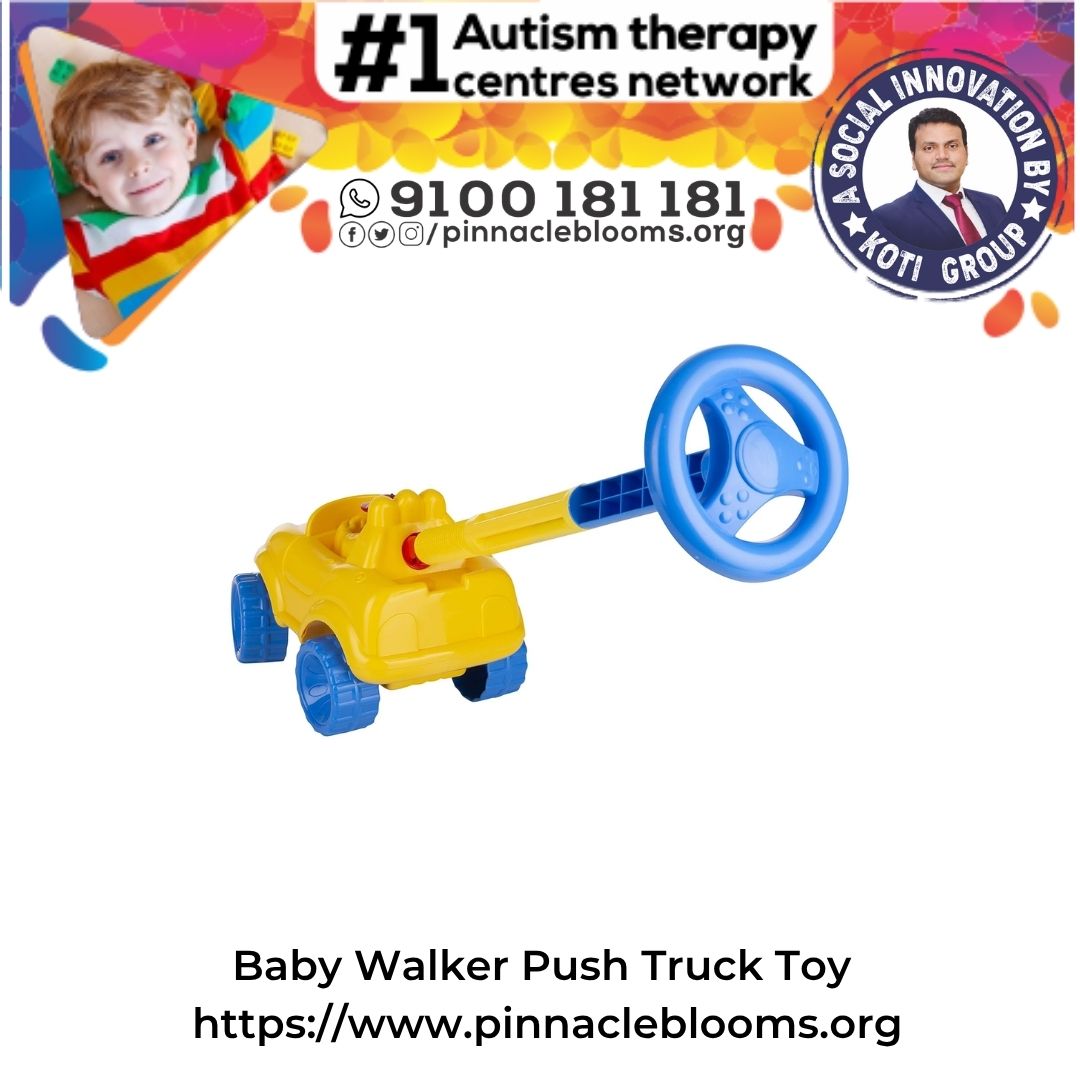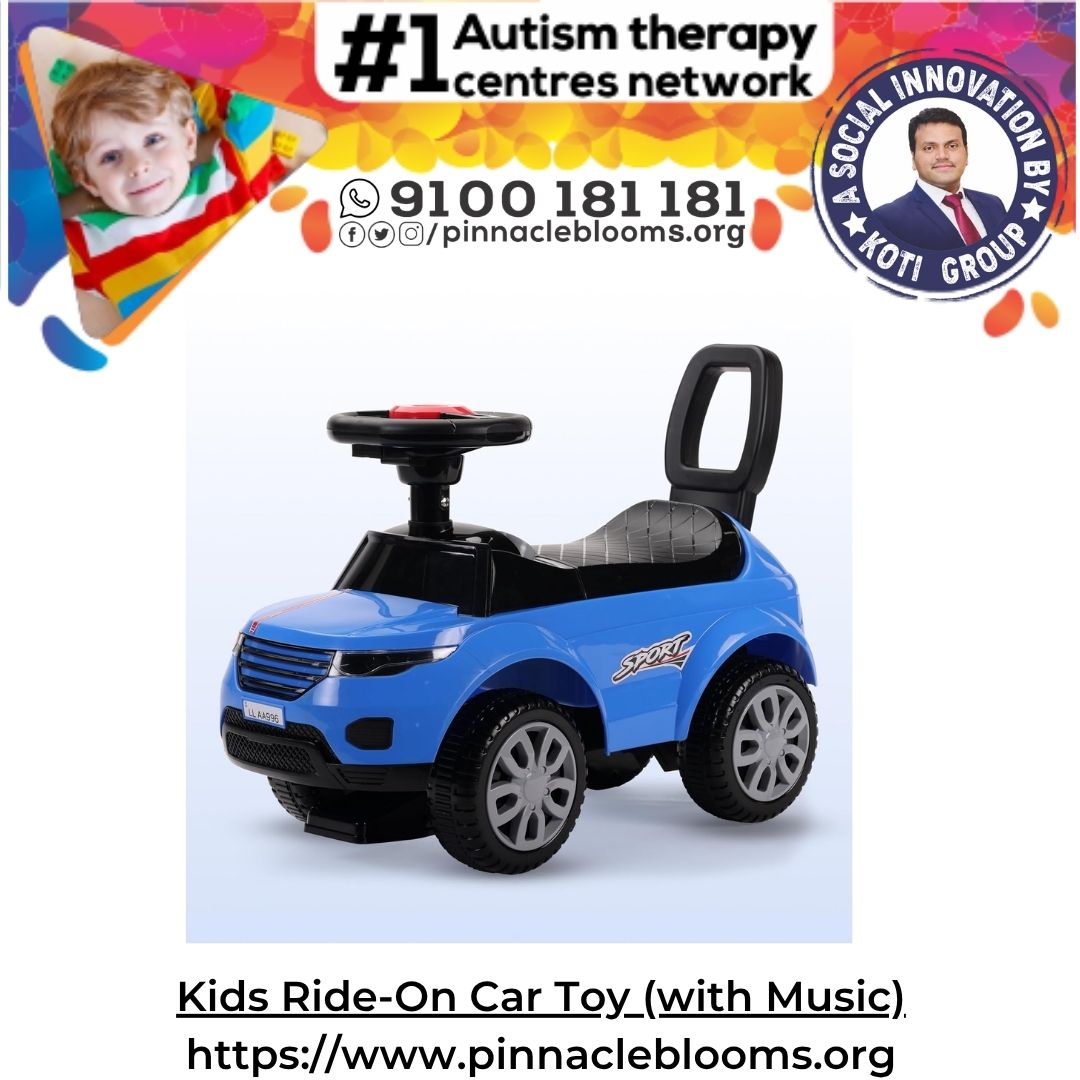
Ride-On Toys / Tricycle / Balance Bike
Wheeled locomotion and bilateral coordination system
PT + OT
Strong Evidence
Rank #2
Daily Use
₹800–20,000
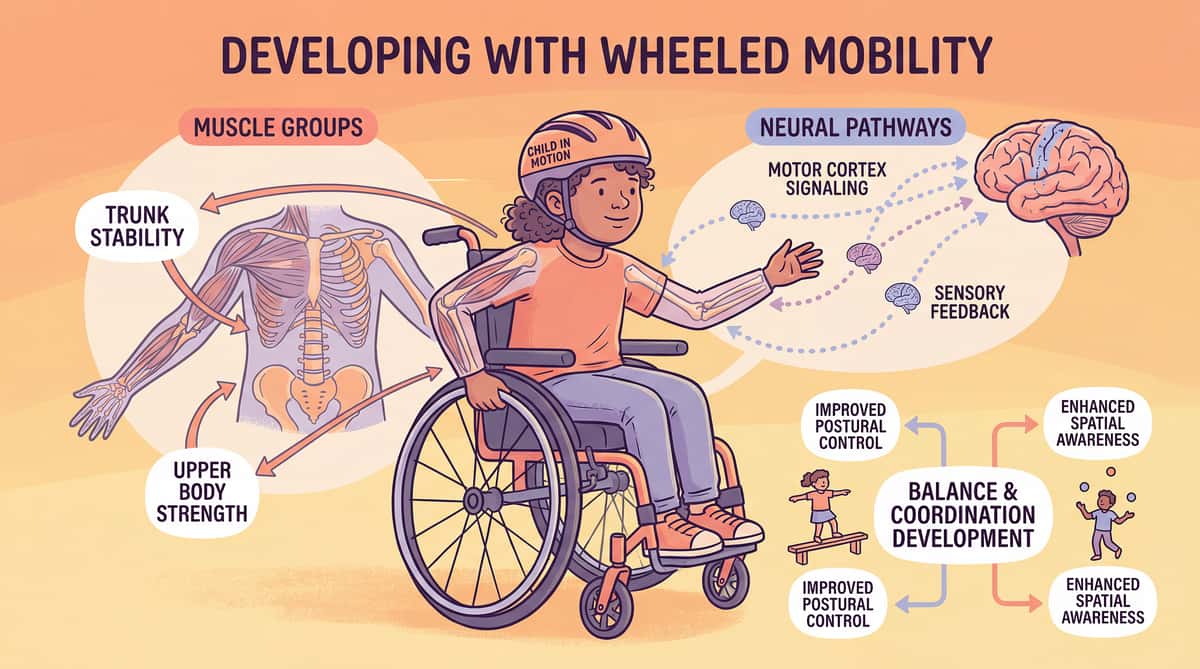
Develop bilateral coordination, balance, strength, and independent mobility through wheeled locomotion. A life-changing progression that opens doors to social inclusion, physical confidence, and developmental milestones that matter.

Who This Helps
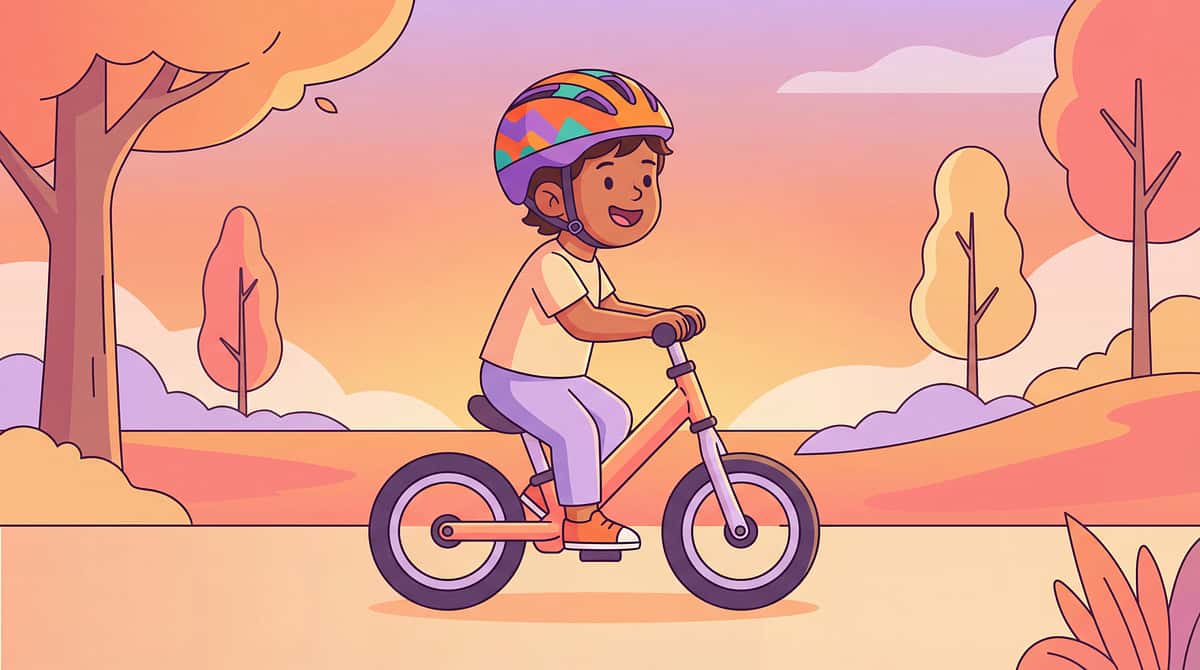
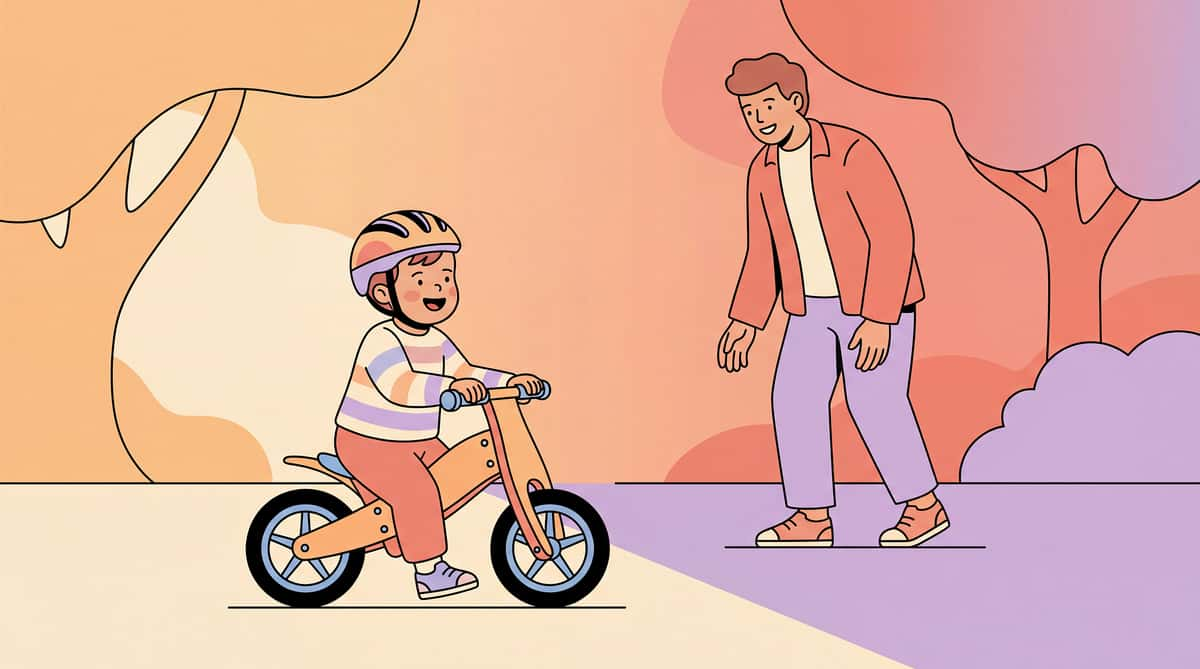
Learning Balance
Develops the foundational balance needed for independent mobility, progressing from gliding to stable riding.
Bilateral Coordination
Enhances complex bilateral leg coordination through structured pedaling and movement patterns, crucial for wheeled locomotion.
Building Leg Strength
Strengthens leg muscles, providing the power and endurance required for sustained riding activities.
Improving Motor Planning
Refines motor planning skills, allowing children to anticipate and execute sequences of movement necessary for steering and propulsion.
Vestibular Processing
Supports vestibular system development, improving spatial awareness and the body's sense of movement and position.
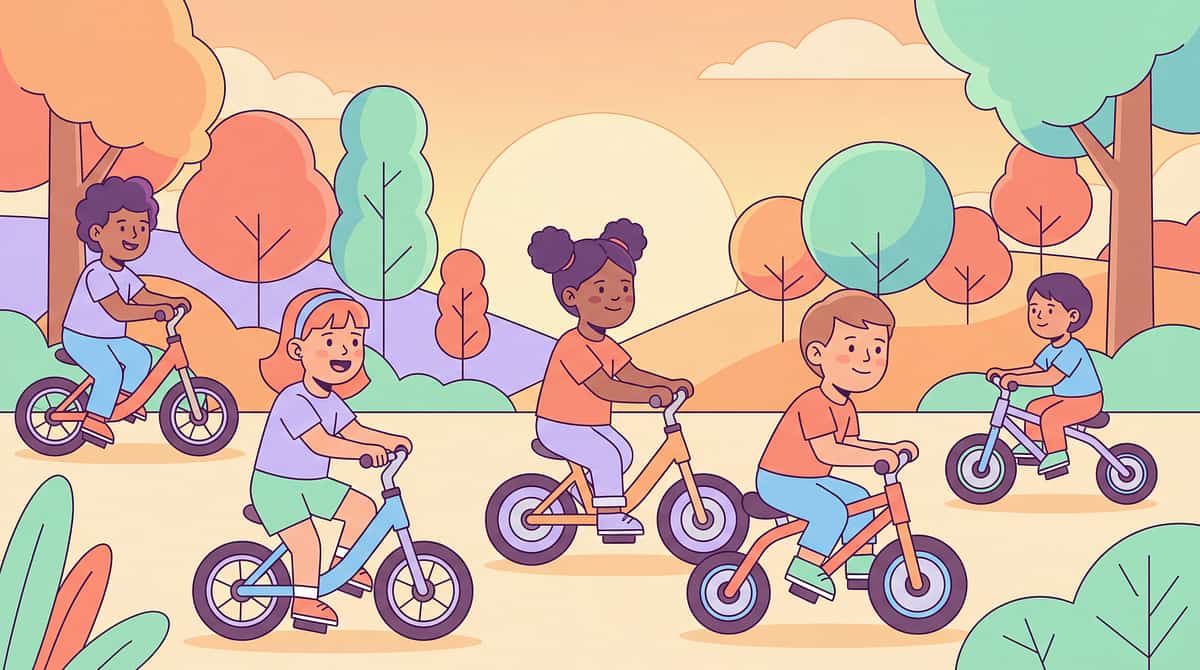
Fostering Independence & Social Inclusion
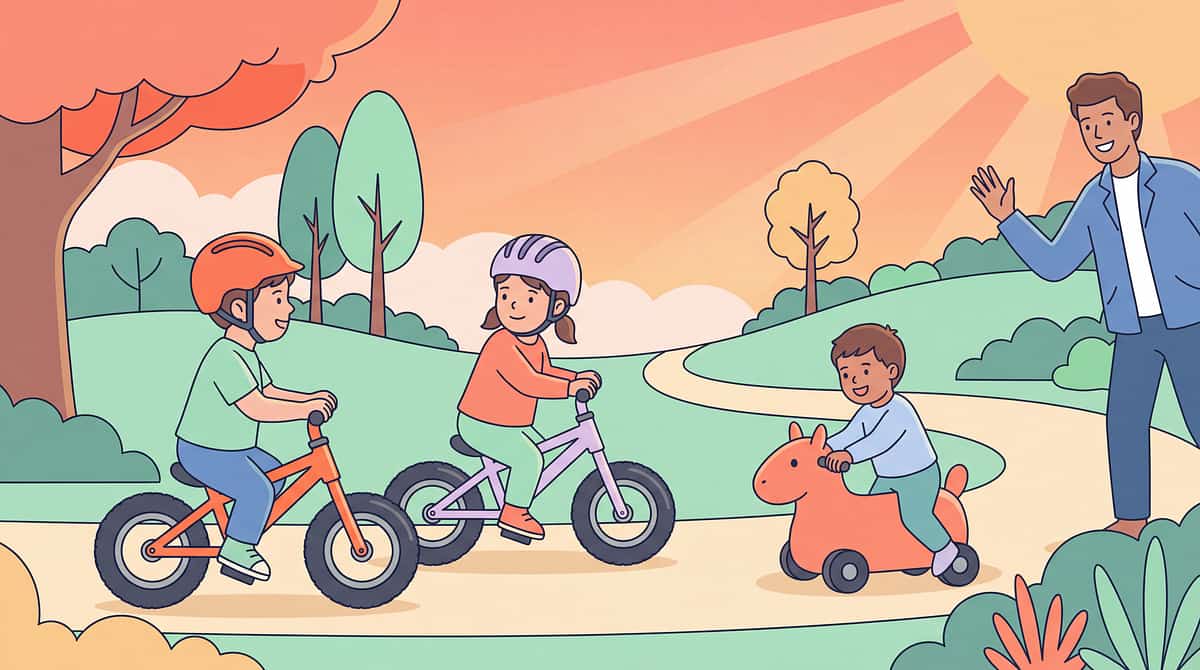
Creates pathways to independent mobility, building confidence and enabling active participation with peers in riding activities.
18 months - 12 years
Home outdoor
Park
Therapy

Does This Sound Familiar?
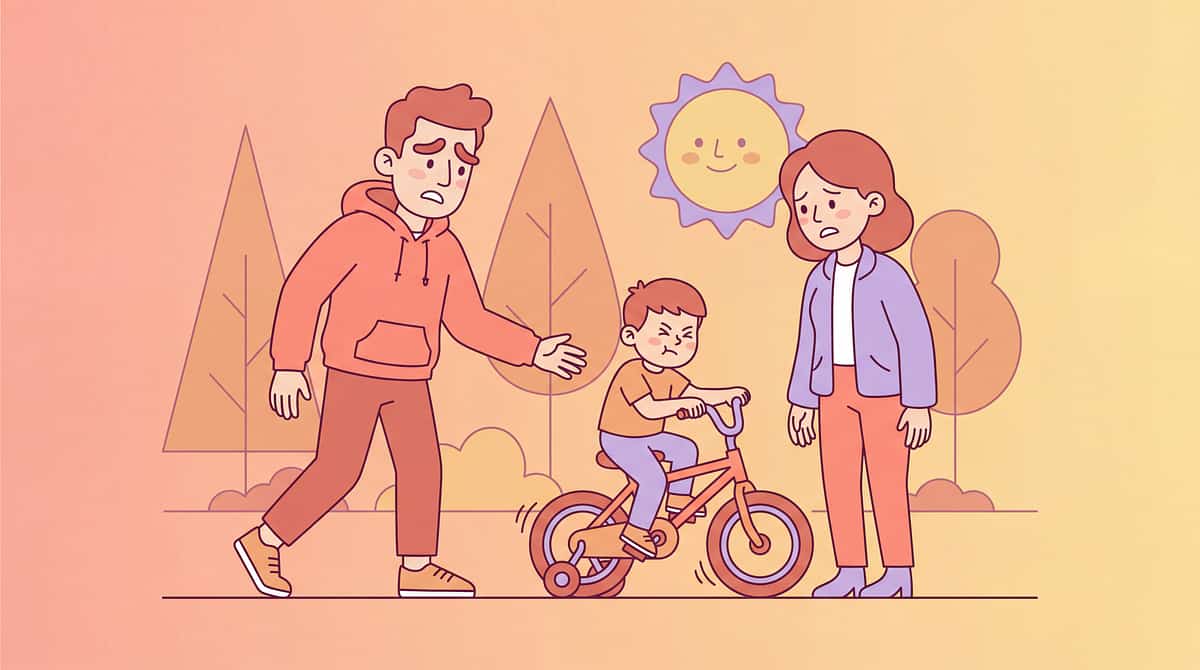
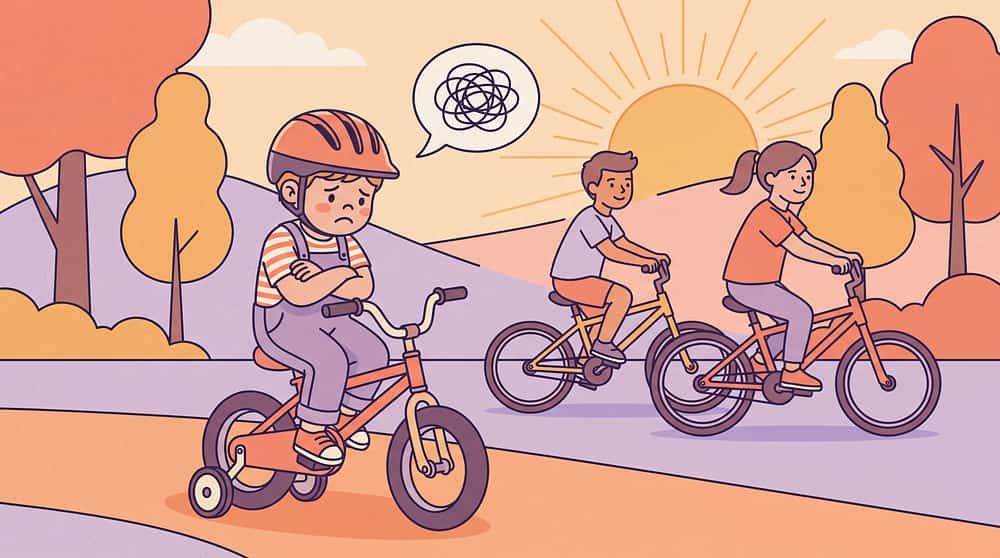
"My child can't ride a bike like other kids. She can't coordinate pedaling, and he has no balance for two wheels. I feel heartbroken watching."
"She's scared to try, and all the other kids are riding – he's completely left out. The exclusion is painful to watch."
"I don't know how to teach this. Every attempt ends in frustration. I want to help but don't have the right approach."
You're not alone. These are common challenges that many parents face. The journey to wheeled mobility can feel overwhelming, but with the right progression and support, most children can experience the joy and independence of riding.

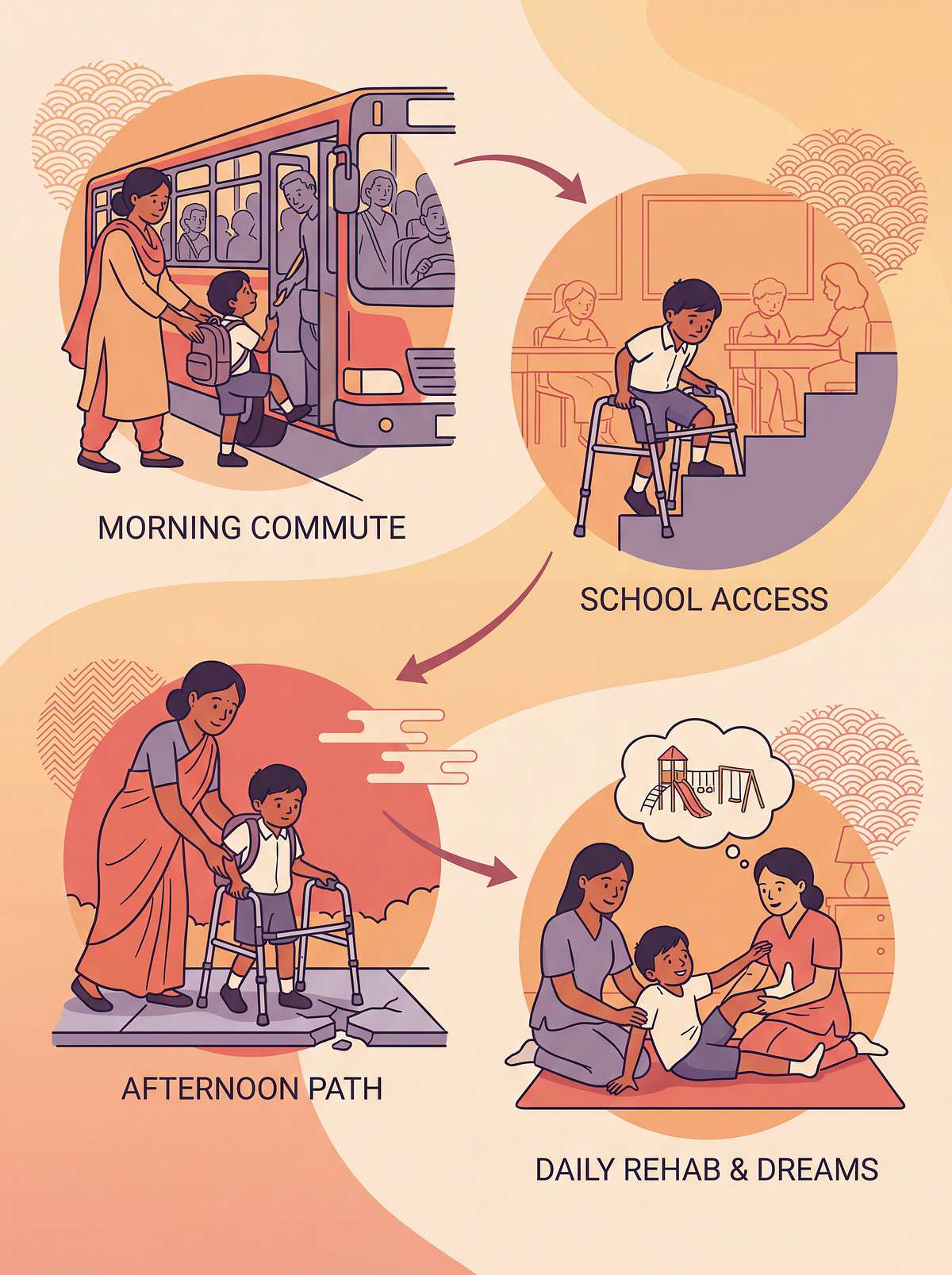
A Day Without the Right Support
Inclusion Challenges
Left out of riding activities with peers in the neighborhood. Watches from the sidelines as other children ride together, feeling excluded and different.
Developmental Gaps
Missing crucial gross motor milestones that peers are achieving naturally. The gap widens, and confidence takes a hit with each failed attempt.
Confidence Impact
Avoids physical challenges completely, developing low confidence in physical abilities. The fear of failure becomes a barrier to even trying.
Family Activities
Can't join family bike rides or outdoor wheeled activities. Family outings become limited, and opportunities for shared joy are missed.

The Science Behind It
Understanding the therapeutic mechanism helps parents and therapists maximize effectiveness. Wheeled locomotion creates a powerful cascade of developmental benefits through systematic skill building.
Wheeled Movement
Child engages with wheeled equipment appropriate to skill level
Bilateral Coordination
Both legs work together in alternating pattern
Vestibular Input
Movement stimulates balance and spatial awareness systems
Motor Planning
Brain coordinates steering, balance, and propulsion
Strength Development
Leg muscles and core strengthen through practice
Confidence & Independence
Success builds capability and social inclusion
Bilateral Coordination
Balance
Leg Strength
Motor Planning
Vestibular Processing
Independence

How to Use It Right
1
Match Equipment to Development
Choose equipment based on developmental level, not just chronological age. What works for one 4-year-old may not work for another.
2
Balance Before Pedals
Balance bikes before pedaling often creates the most successful progression. Master gliding first, then add pedaling complexity.
3
Start Safe and Flat
Begin on flat, safe surfaces free from traffic and obstacles. Safety builds confidence, and confidence enables learning.
4
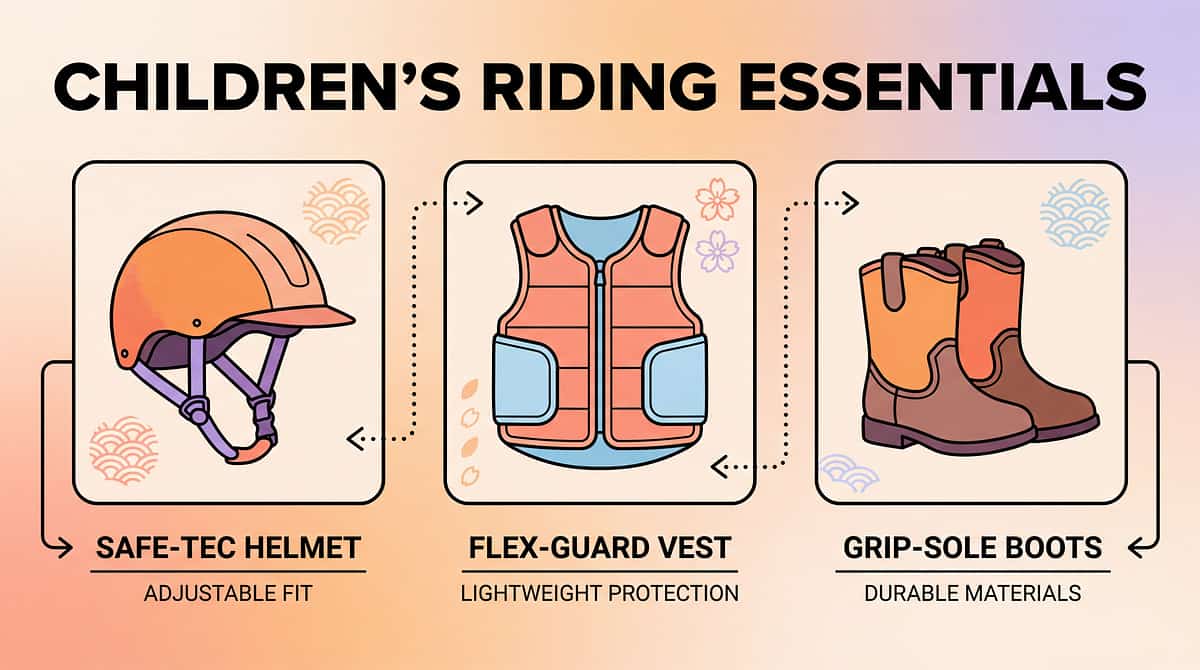
Helmet Always
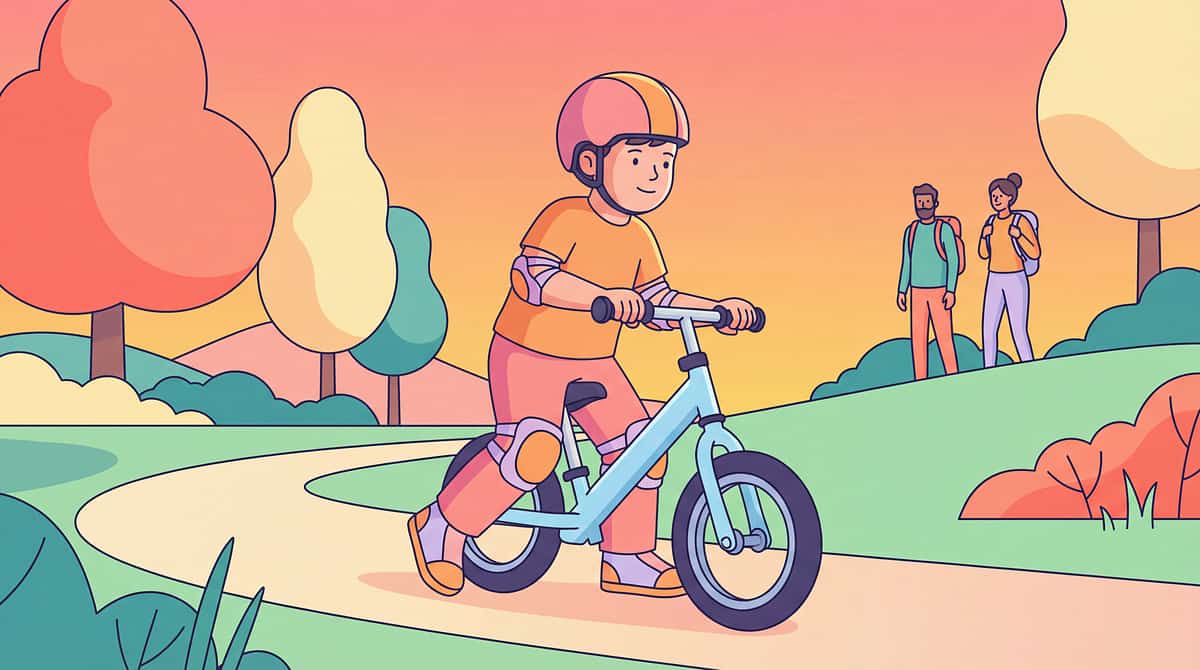
Use a properly fitted helmet ALWAYS, from day one. No exceptions. Safety habits start immediately and become automatic.
5
Don't Rush Progression
Allow plenty of time at each stage. Some children need months where others need weeks. Patience prevents frustration.
6
Celebrate Effort
Celebrate effort and progress, not just achievement. Every attempt is success. Every practice session builds skills.
Duration: Variable; allow child to ride as long as they're enjoying the activity and not showing signs of fatigue or frustration.

Expert Perspective
"Riding a bike or tricycle is a complex bilateral coordination task that many children with autism struggle with. Breaking it down – balance first, then pedaling – makes success possible for most children with patience and practice."— Physical Therapist, Pediatric Specialist
PT + OT Recommended
Strong Evidence
Rank #2 in Category
Daily Use
This endorsement reflects the clinical consensus on progressive wheeled mobility training. The approach is evidence-based and widely implemented in pediatric therapy settings across India and globally.

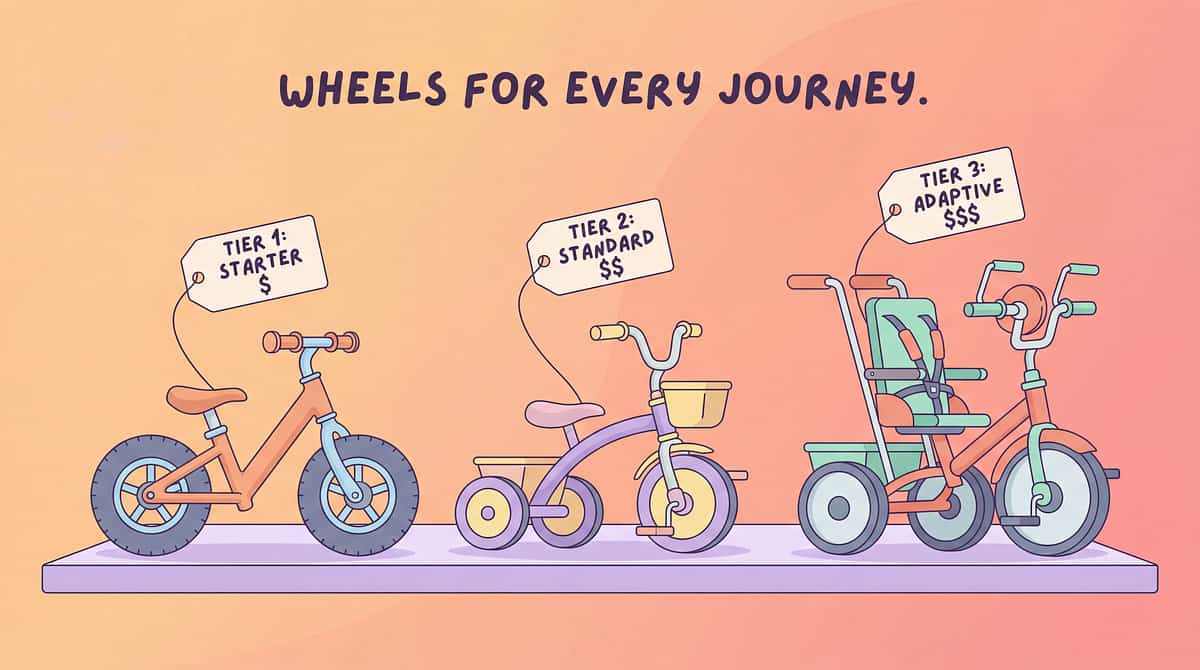
Choose Your Option (6 Variants)
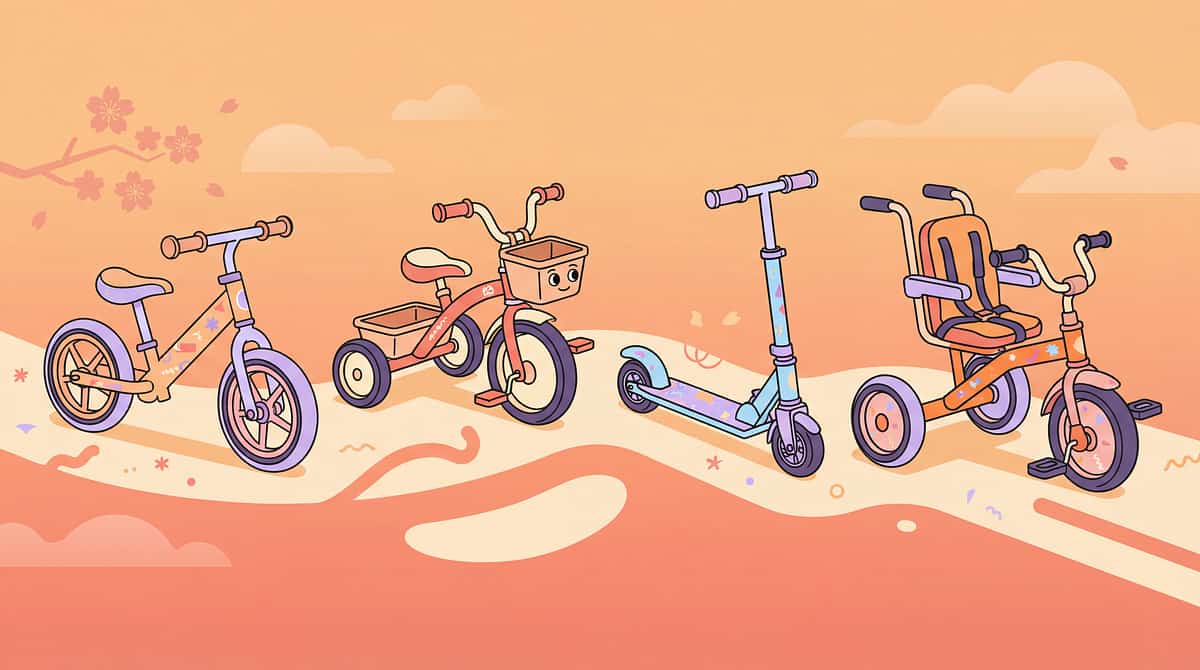
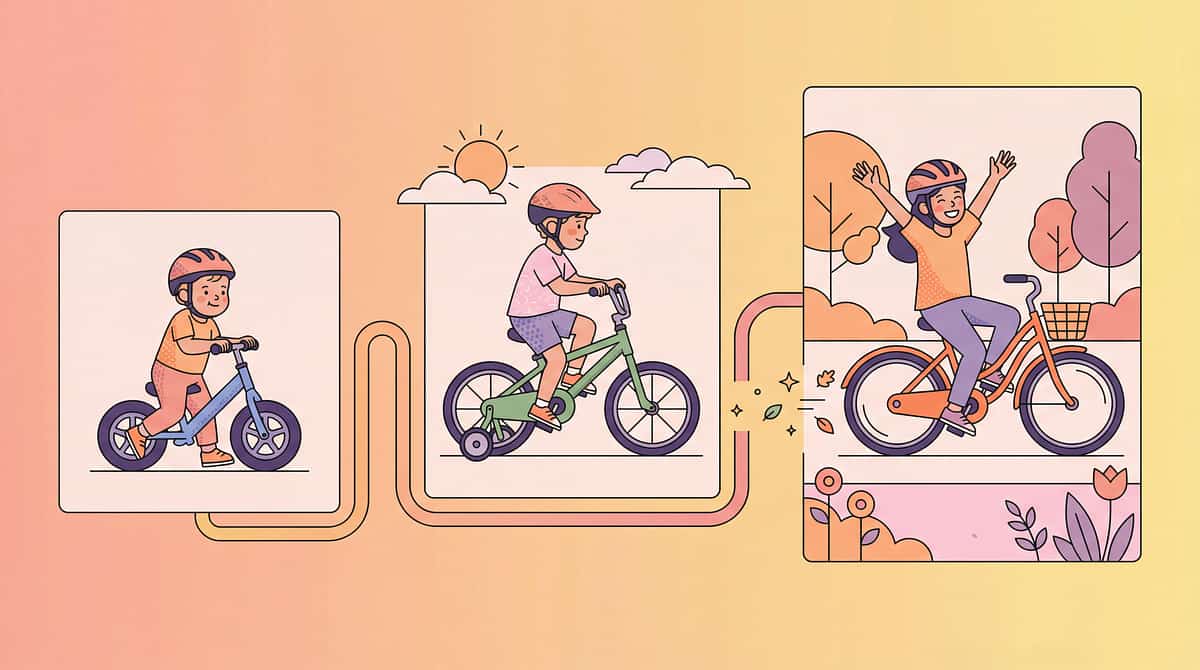
Progression of Wheeled Mobility
1
Balance Bike
Ideal for 18 months - 5 years to learn balance before pedaling. Medium portability, suitable for home outdoor and park use. Price: ₹2,000–6,000.
2
Tricycle
Suitable for 2-5 years, focusing on pedaling and coordination. Low portability, best for home outdoor and park settings. Price: ₹1,500–5,000.
3
Push Ride-On (No Pedals)
For young children 1-3 years old, offering a first wheeled mobility experience. Medium portability, can be used indoors or outdoors at home. Price: ₹800–2,500.
4
Adaptive Tricycle
Designed for children 3-12 years needing physical support. Low portability, primarily used in home and therapy environments. Price: ₹5,000–20,000.
5
Scooter (Three-Wheel)
Great for older children 3-9 years to enhance balance and coordination. High portability, best for outdoor use. Price: ₹1,000–4,000.
6
Training Wheel Bicycle
Serves as a bridge for 4-8 year olds transitioning from tricycles to bikes. Low portability, suitable for outdoor settings. Price: ₹2,000–6,000.
By Goal
- Balance learning: Balance Bike
- Pedaling coordination: Tricycle
- Physical support needed: Adaptive Tricycle
- First wheeled toy: Push Ride-On
By Setting
- Indoor/outdoor home: Push Ride-On
- Outdoor park: Balance Bike, Scooter
- Therapy setting: Adaptive Tricycle
- Neighborhood: Training Wheel Bike
By Portability
- High: Three-Wheel Scooter
- Medium: Balance Bike, Push Ride-On
- Low: Tricycle, Adaptive Tricycle, Training Wheel Bike

Specifications & Types Guide
Ride Types
Push Ride
Feet on ground, pushing along. Simplest form, builds confidence and leg strength.
Balance
Gliding on two wheels, feet for balance. Develops balance before pedaling complexity.
Pedaling
Foot pedals provide propulsion. Requires bilateral coordination and motor planning.
Scooting
One foot pushes, standing on platform. Balance plus propulsion in standing position.
Common Materials
- Metal/steel frame for durability
- Rubber wheels for grip and smooth riding
- Plastic components for lightweight design
- Adjustable seats for growth

Key Features to Look For
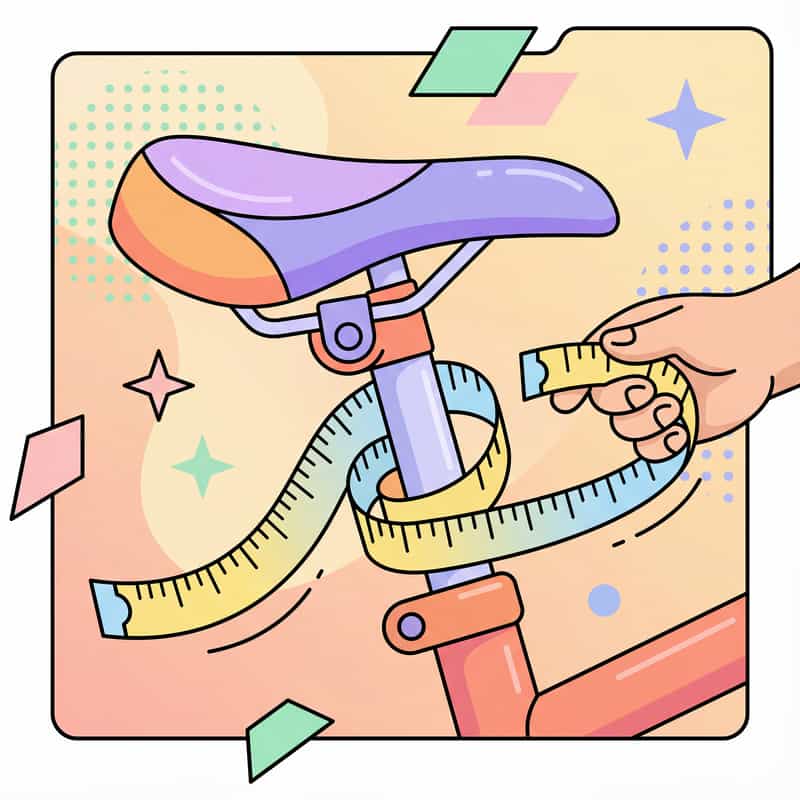
- Size-appropriate for child's height and leg length
- Stable design for current skill level
- Adjustable seat height for growing children
- Safety features: reliable brakes, smooth edges

The Struggle (Before)
These scenarios reflect the daily reality for many families before finding the right wheeled mobility progression. The emotional weight of exclusion and developmental gaps affects both children and parents deeply.

Bike Riding Challenge
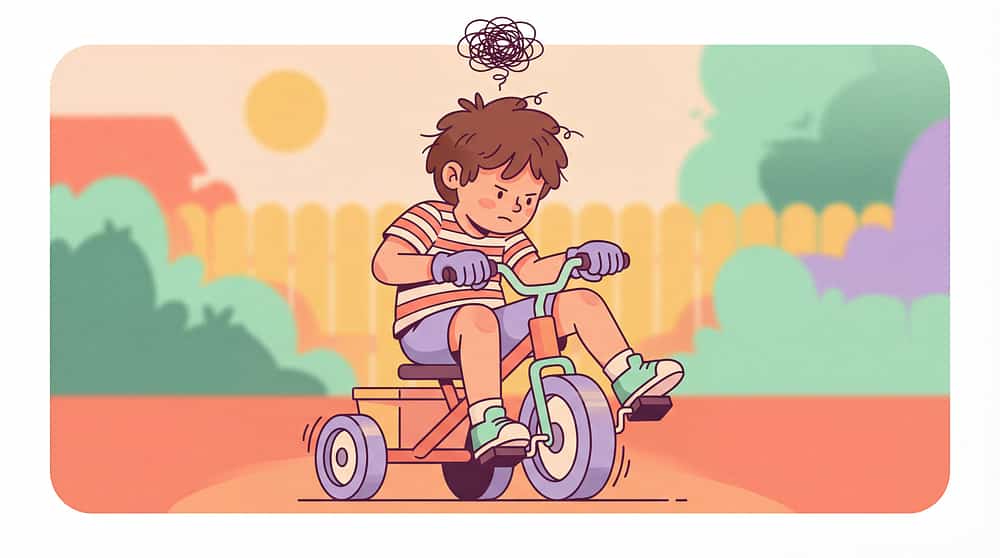
Situation: Child can't ride bike. Tried with training wheels, didn't work. Peers all riding. Child left out and upset.
Experience: Repeated failure attempts create frustration. Parents don't know what to try next. Child avoids bikes completely.
Emotion: Frustration, exclusion, feeling different

Coordination Difficulty
Situation: Can't coordinate pedaling on tricycle. Legs don't alternate smoothly. Gets frustrated. Gives up quickly.
Experience: Pedaling feels impossible. Each attempt reinforces failure. Confidence in physical abilities plummets.
Emotion: Frustration, defeat, low self-worth

Social Exclusion
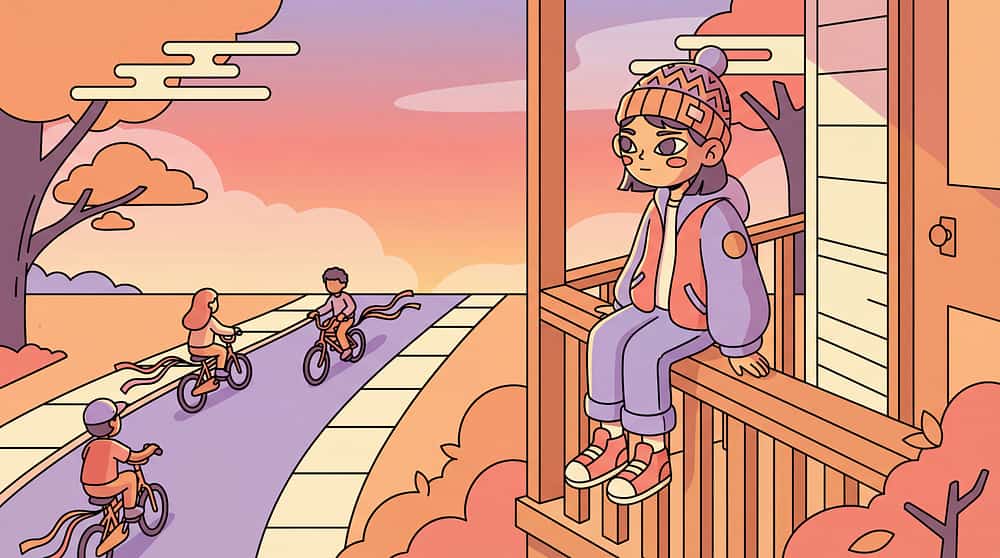
Situation: Neighborhood kids ride bikes together. This child watches from porch. Wants to join desperately. Can't participate.
Experience: Daily exclusion from peer activities. Visible difference from other children. Social opportunities missed.
Emotion: Longing, exclusion, isolation

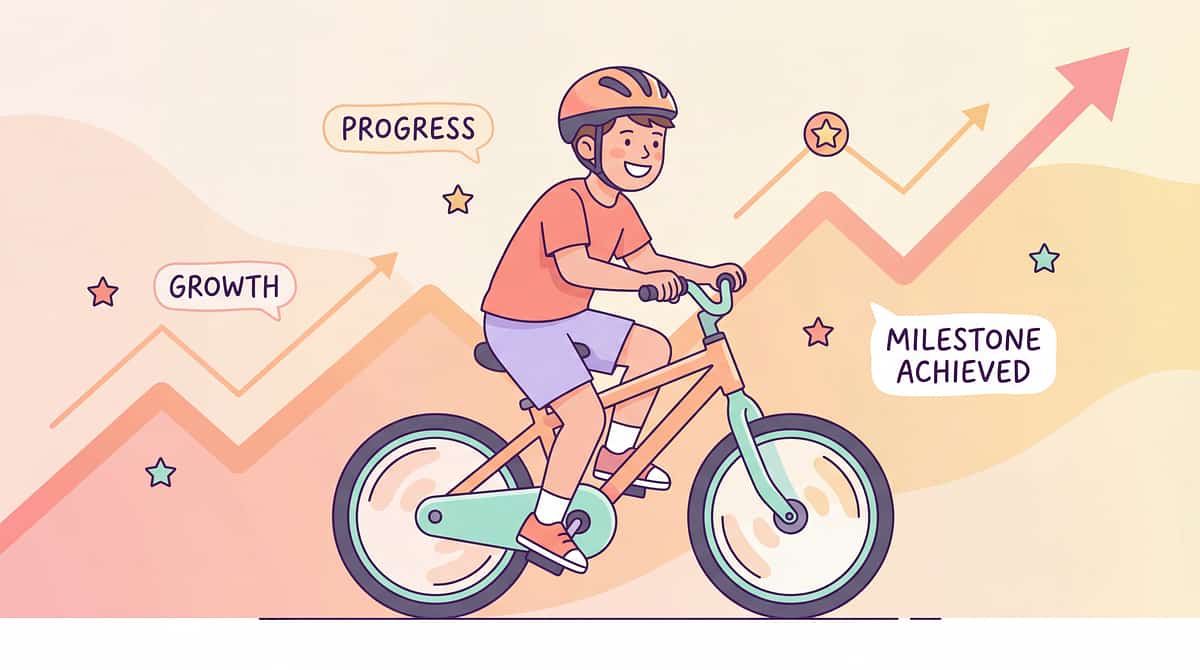
The Breakthrough (After)
With the right progression, appropriate equipment, and patient support, transformation is possible. These after scenarios show what becomes achievable when we match approach to developmental needs.
Independent Riding Success
Situation: Started with balance bike. Learned to glide and balance. Then added pedals. Now rides a two-wheeler! Independent mobility achieved.
Experience: Progressive skill building creates success. Each stage mastered before moving forward. Confidence grows with competence.
Emotion: Pride, independence, capability
Coordination Mastery
Situation: Practiced on adaptive trike with foot straps. Learned alternating pattern. Now pedals independently on regular trike.
Experience: Foot straps provided support during learning. Bilateral coordination developed gradually. Success became repeatable.
Emotion: Mastery, capability, physical confidence
Social Inclusion
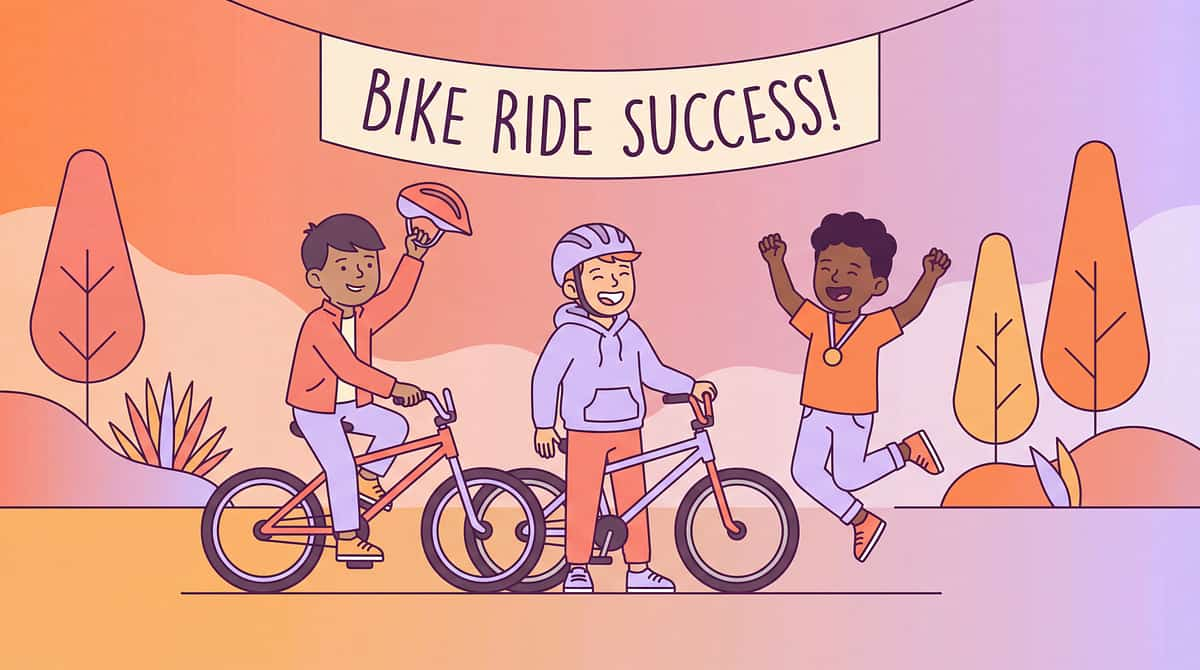
Situation: Can now ride with neighborhood kids. Joins bike outings. Part of the group. Huge confidence boost across all areas.
Experience: Riding with peers transforms social experience. Inclusion in group activities. Sense of normalcy and belonging.
Emotion: Belonging, joy, acceptance

What to Expect (Realistic Timelines)
Understanding realistic timelines helps set appropriate expectations and celebrate progress at each stage. Development is individual – these are general guidelines, not rigid requirements.
Balance develops for wheeled riding
Typically 1-3 months
Pedaling coordination develops
Typically 2-6 months
Independent wheeled mobility achieved
Typically 3-12 months
Confidence in physical abilities grows
Ongoing
Social inclusion in riding activities
Variable
Leg strength and coordination improve
Ongoing
Important Note: These timelines are guidelines based on typical progression. Every child develops at their own pace. Some achieve milestones faster; others need more time. Both are completely normal and acceptable.

Is This Right for Your Child?
Before introducing wheeled mobility, it's crucial to assess your child's readiness. This mini-quiz offers key considerations to ensure a safe and positive experience for their developmental stage.
"Can your child maintain an upright sitting position independently for at least 10-15 seconds?"
This indicates core strength essential for steering and balancing.
"Does your child show a clear interest in moving independently or mimicking riding motions?"
Engagement and motivation are key drivers for learning and enjoyment.
"Is your child capable of understanding and following simple two-step instructions, such as 'hold on' or 'stop'?"
Safety awareness and compliance with directions are paramount for safe riding.
"Are you observing any significant balance issues or uncontrolled movements that could lead to frequent falls?"
Such observations may suggest the need for adaptive equipment or professional guidance.
"Are there any underlying medical conditions that might be exacerbated by physical activity or impact-bearing on joints?"
Always consult with a pediatrician or physical therapist if you have concerns about your child's health or motor development.
"Is the chosen wheeled toy appropriate for your child's current age, height, and leg length?"
Proper fit is vital for comfort, control, and preventing injury.

Usage Guide
Usage Scenario | Guidance | |
Daily outdoor time | ✓ Promotes gross motor development and fresh air. | |
Family activities and outings | ✓ Encourages participation and shared experiences. | |
Social riding with peers | ✓ In safe, supervised areas for social development. | |
Gross motor exercise sessions | ✓ Incorporate into structured physical activity. | |
Structured therapy sessions | ✓ Under professional guidance for specific goals. | |
Unsafe surfaces | ✗ Avoid traffic, steep hills, or uneven terrain, especially for beginners. | |
Without proper helmet | ✗ Helmet use is mandatory for safety, no exceptions. | |
Child is exhausted or dysregulated | ✗ Do not force use when the child is tired, frustrated, or upset. | |
Equipment doesn't fit properly | ✗ Ensure bike/ride-on is adjusted correctly for the child's size. |
Supervision by Age
Age Range | Supervision Level | Notes | |
Under 4 years | Constant supervision | Adult within arm's reach at all times. High safety priority. | |
4-6 years | Active supervision | Safe areas only, adult always present and watching closely. | |
6+ years | Appropriate supervision | Based on environment, skill level, and individual child needs. |
Ages: 18 months - 12 years
Outdoor (safe flat areas)
Indoor (push ride-ons)
Duration: Variable; allow child to ride as long as they're enjoying the activity. Watch for fatigue, frustration, or loss of focus.

Safety First
Essential Safety Principles
- HELMET – always, every time, no exceptions. Properly fitted and fastened before any riding begins.
- Safe riding area (no traffic, flat surface). Choose appropriate environment for skill level; avoid traffic areas for beginning riders.
- Equipment fits child properly. Feet can touch ground; child can reach controls comfortably; never use if equipment is ill-fitting or damaged.
- Supervision appropriate to skill and environment. Never leave young or beginning riders unsupervised.
Pre-Ride Checklist
- ✓ Helmet on and properly fitted
- ✓ Equipment appropriate size
- ✓ Safe riding area identified
- ✓ Brakes working properly
During Ride Guidelines
- ✓ Supervision appropriate to age
- ✓ Safe area maintained
- ✓ Watch for signs of fatigue; do not force use if child is tired, frustrated, or upset.
- ✓ Ensure sun protection for outdoor riding (hat, sunscreen).
- ✓ Proper footwear required (closed toe, secure fit).
Signs of Progress & Enjoyment
- ✓ Balancing/gliding improving
- ✓ Pedaling coordination developing
- ✓ Confidence growing
- ✓ Child enjoying riding

Common Questions (Honest Answers)
Q: We tried – they just can't do it
A: Try a different approach! Balance bike before pedals often works when training wheels didn't. Adaptive trike with foot straps. Break the skill into smaller steps. What didn't work before may work beautifully with a different method or equipment.
Try this: Different progression path; adaptive equipment; much smaller incremental steps.
Q: They're too scared to try
A: Fear is completely valid and common. Start with lowest possible challenge: push ride-on with feet firmly on ground. Build confidence incredibly slowly. Never force or pressure. Some children need much longer than others, and that's perfectly okay.
Try this: Start with very low challenge; build confidence gradually; absolutely no forcing.
Q: Adaptive trikes are too expensive
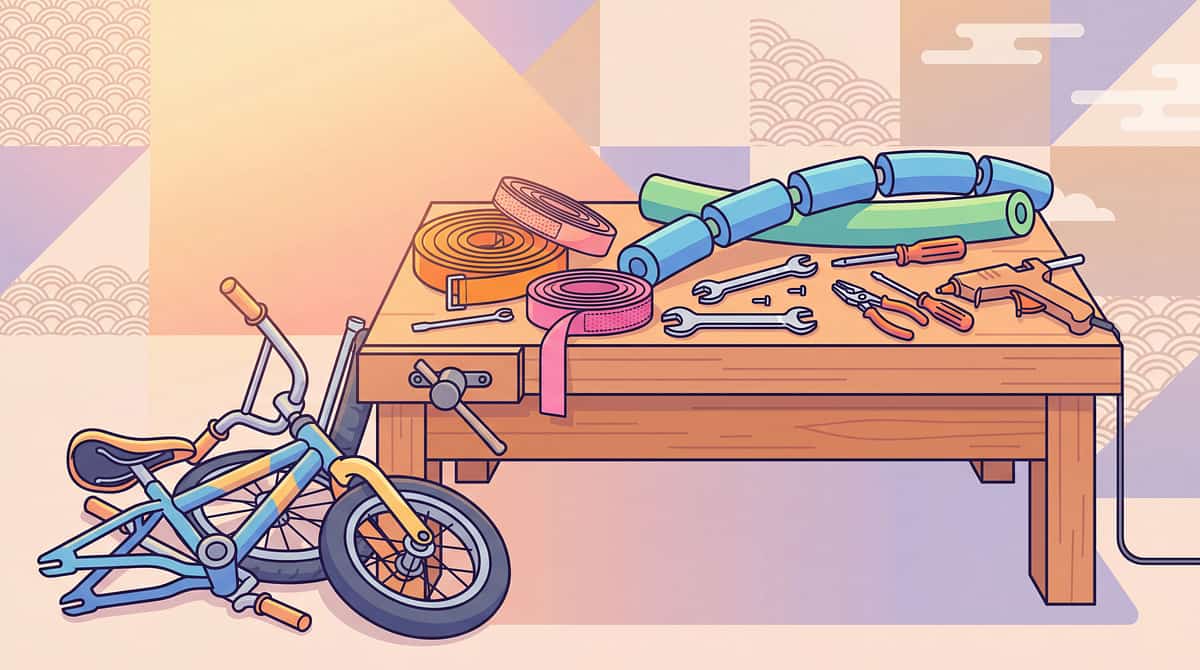
A: Start with regular trike and add DIY supports: velcro straps for feet, pool noodles on handlebars for grip. Balance bikes are affordable. The progression and approach matter more than expensive equipment.
Try this: Modify regular equipment; start with balance bike; DIY adaptations.
Q: What if they never learn to ride a bike?
A: Some children take years; some never ride a standard bike independently – and that's genuinely okay. Any wheeled mobility improves life quality. Celebrate all progress at every level. Adult tricycles and alternatives exist for later. No timeline is required.
Try this: Celebrate all progress; alternatives exist for all ages; no timeline required.

Investment Guide
Wheeled mobility equipment ranges from affordable basic options to specialized adaptive equipment. Most families can start effectively with budget-conscious choices and progress as needed. Understanding the different tiers and progression paths can help make informed decisions.
Pricing Tiers Overview
Entry-Level | Basic Push Ride-on / Balance Bike | 1500 | 18 | Excellent starting point for skill building. | |
Intermediate | Standard Tricycle + DIY Supports | 3000 | 36 | Cost-effective with added customization. | |
Specialized | Adaptive Tricycle with Supports | 8000 | 96 | For significant physical support needs. | |
Premium | High-end Adaptive Tricycle | 20000 | 240 | Professional-grade therapeutic equipment. |
Key Considerations
Start with the Basics
Begin with an affordable option like a balance bike to build foundational skills and assess initial progress.
Consider DIY Adaptations
Modify standard equipment with simple, inexpensive supports before investing in specialized gear.
Invest Progressively
Only upgrade to specialized adaptive equipment when specific physical support needs are clearly identified and necessary.
Investment Progression
1
Phase 1: Foundation
Utilize basic ride-ons or balance bikes (₹1,500-3,000) to introduce wheeled mobility and build confidence.
2
Phase 2: Assessment
Observe the child's abilities and needs over time to determine if further support or specialized equipment is required.
3
Phase 3: Adaptation
If needed, explore DIY modifications or consider standard tricycles (₹3,000+) with added supports.
4
Phase 4: Specialization
For significant needs, invest in adaptive trikes (₹8,000-20,000) as a therapeutic and mobility solution.

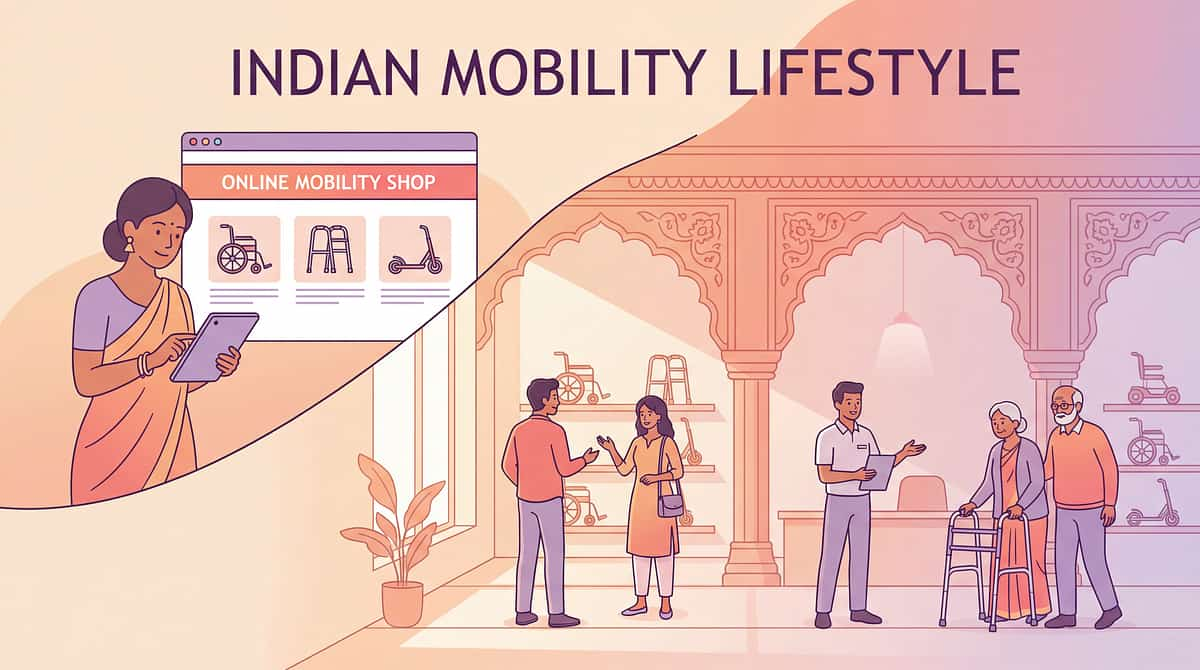
Where to Buy in India
Availability: Widely available (standard equipment); Specialized suppliers (adaptive equipment)
Purchasing Platforms
Amazon.in
Search: "balance bike kids"
Price Range: ₹2,000-5,000
Amazon.in
Search: "tricycle kids"
Price Range: ₹1,500-4,000
Amazon.in
Search: "kids scooter 3 wheel"
Price Range: ₹1,000-3,000
Decathlon
Search: "balance bike"
Price Range: ₹2,500-5,000
Adaptive Equipment Suppliers
Search: "adaptive tricycle"
Price Range: ₹8,000-20,000
Buying Tips ✓
- Balance bike often better starting point than training wheels for learning
- Adjust seat so child's feet can touch ground comfortably – critical for confidence
- Helmet essential from day one – build safety habit immediately
- Start on flat, safe surfaces and progress gradually to varied terrain
- Consider used equipment for significant savings – inspect carefully for safety
Red Flags 🚩
- Equipment too big for child (can't touch ground with feet)
- Poor quality brakes or brake failure
- Equipment not appropriate for child's current skill level
- No helmet available or included

DIY Alternative (Save on Modifications)
Feasibility: Low for building from scratch (purchase recommended for safety). However, modifications to standard equipment are very feasible.
Cost Savings: Can modify standard equipment for ₹500-1,000 instead of purchasing adaptive versions.
Time Investment: Variable; most modifications take 1-2 hours
DIY Modifications: Steps & Materials
You can easily adapt standard equipment with simple materials.
- Materials: Velcro straps (for foot retention), pool noodles (for handlebar padding), trunk support cushion (if needed), basic tools.
- Steps: Purchase a standard trike/balance bike, add velcro straps to pedals, pad handlebars with pool noodles, create trunk support from cushion, or remove pedals from a regular bike for a DIY balance bike.
When to DIY vs. Buy Commercial
Weigh the benefits of affordability against durability and specific support needs.
- When to DIY: Modifying standard equipment with simple adaptations, budget-conscious situations, trialing adaptations before investing in expensive gear.
- When to Buy Commercial: Child needs significant structural support, adaptive equipment is clearly necessary for safety, or standard modifications prove insufficient.
Tradeoffs: DIY modifications may not be as effective or durable as purpose-built adaptive equipment, but they offer an affordable trial period.
Preview of ride on toys tricycle balance bike Therapy Material
Below is a visual preview of ride on toys tricycle balance bike therapy material. The pages shown help educators, therapists, and caregivers understand the structure and content of the resource before use. Materials should be used under appropriate professional guidance.


Share this resource
Help others discover thisLink copied!

Measuring Success & Next Steps
Track Progress & Milestones
Baseline (Start Here)
- Current wheeled mobility skills
- Balance ability level
- Pedaling coordination
- Fear/confidence level
Goals
- Child will glide on balance bike for [X] feet
- Child will pedal tricycle independently
- Child will ride bicycle with/without training wheels
- Child will ride with peers socially
Success Indicators
- Progressing through stages at own pace
- Increasing confidence in abilities
- Enjoying riding activities
- Independent mobility improving
- Social inclusion in riding
Complementary Tools
Complete the Kit – Pair It With:
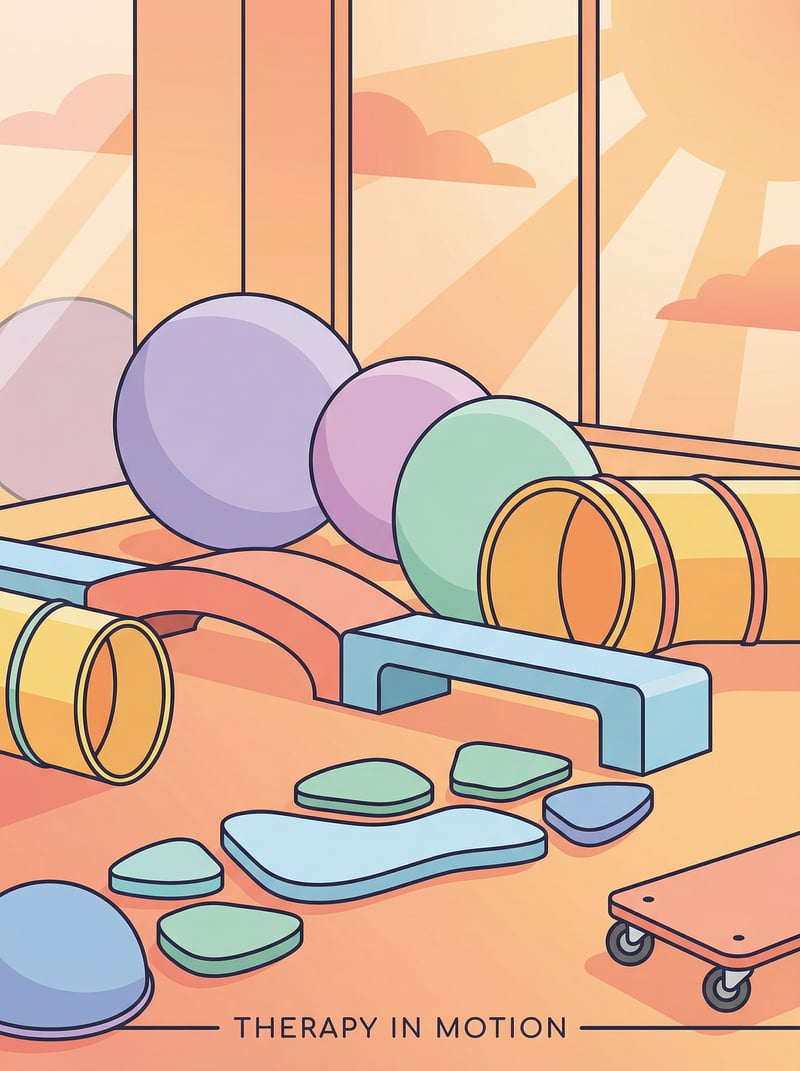
These tools enhance balance, core strength, and coordination needed for riding:
- Balance Board (ID: 6.3): Develops balance foundation needed for riding. Complements wheeled mobility progression.
- Therapy Ball (ID: 6.2): Builds core strength essential for maintaining riding posture and control.
- Trampoline (ID: 6.5): Provides vestibular input that supports balance development for riding.
- Compression Vest (ID: 1.2): Supports body awareness during riding activities, enhancing coordination.
Suggested Bundles
- Bike Readiness Kit: Balance Bike (6.9.1) + Balance Board (6.3) + Therapy Ball (6.2) – Complete preparation for bike riding
- Outdoor Mobility: Balance Bike (6.9) + Scooter (6.9.5) + Helmet – Multiple wheeled mobility options
Support & Insights
AI Summary
Ride-on toys and bikes develop bilateral coordination, balance, strength, and independence through wheeled mobility progression. Core Kit tool (Rank 2 in Gross Motor category), strong evidence base, life-changing skill that impacts physical development, social inclusion, and overall confidence.
bike
tricycle
balance
riding
coordination
mobility
independence
PT
OT
core-kit
Common Searches
balance bike autism, tricycle special needs, adaptive tricycle, learn to ride bike autism, kids scooter autism, bike riding autism, coordination bike
Integrated Support & Disclaimer
Get Support
FREE National Autism Helpline
Phone: 9100 181 181
Languages: 16+ Indian languages
Website: pinnacleblooms.org
Platform Integration
This tool integrates with Pinnacle Blooms Network's comprehensive platform:
- AbilityScore® identifies bilateral coordination and balance patterns to guide equipment selection
- TherapeuticAI® supports riding skill progression with personalized practice activities
- EverydayTherapyProgramme™ includes riding activities in daily therapeutic routines
- Motor Development Index tracks mobility milestones and celebrates progress
Disclaimer: This is educational information provided by Pinnacle Blooms Network. Always consult qualified occupational therapists, physical therapists, speech-language pathologists, or pediatricians before beginning any therapeutic intervention. Individual results vary based on child's unique profile, consistency of use, and other factors. This content is not a substitute for professional medical advice, diagnosis, or treatment.