






Tool ID: 7.3
Scissors / Cutting Activities
Hand separation and bilateral coordination cutting system
OT + SpEd
Strong Evidence
Rank #1
Daily Use
Core Kit
₹50–400
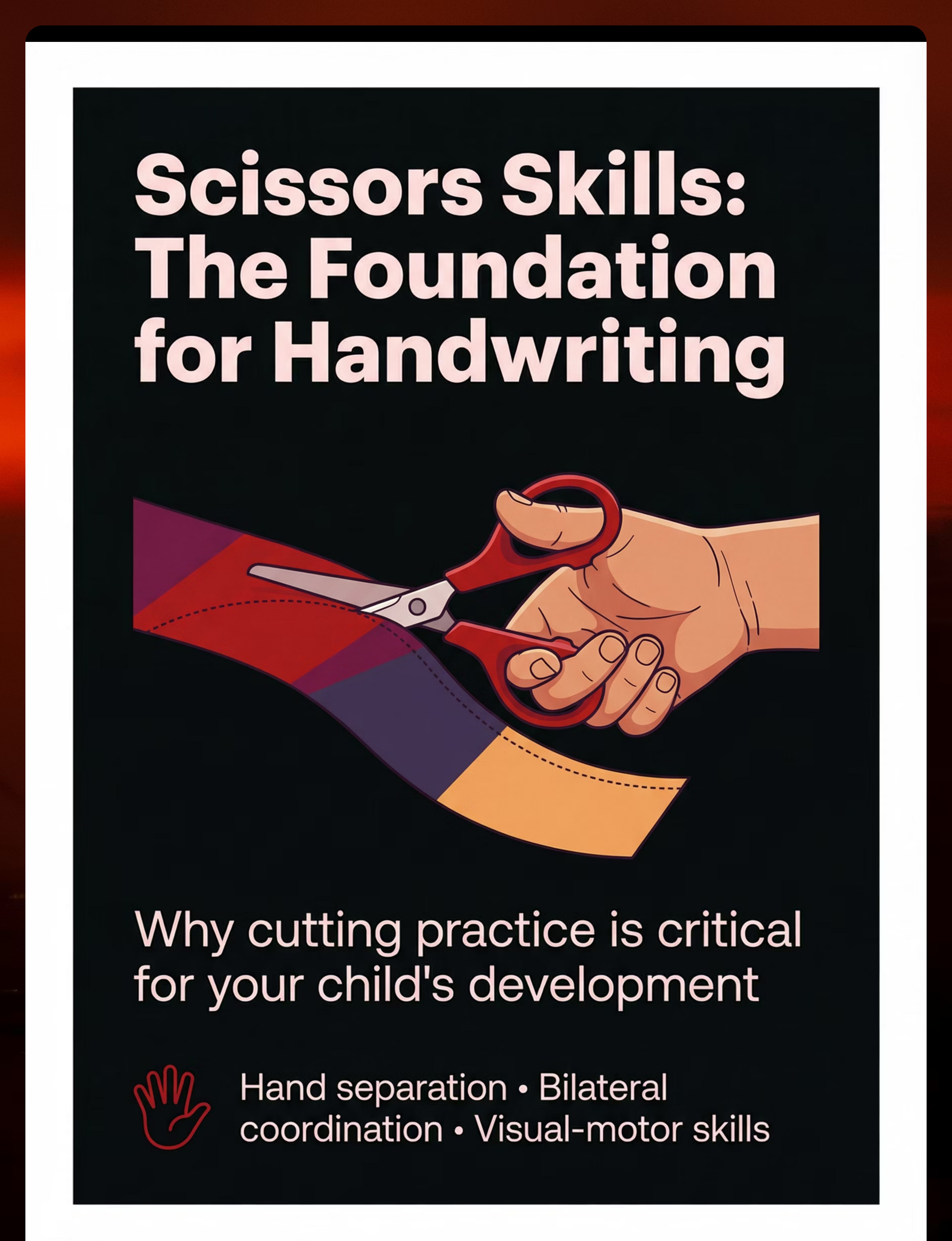
Scissor skills are a critical developmental milestone that directly supports handwriting readiness. Through cutting practice, children develop hand separation—the ability of the thumb to work opposite to the fingers—which is essential for mature pencil grasp. This foundational tool builds bilateral coordination, graded motor control, and visual-motor integration through engaging, practical activities that children can master step by step.

Who This Helps
Hand Separation
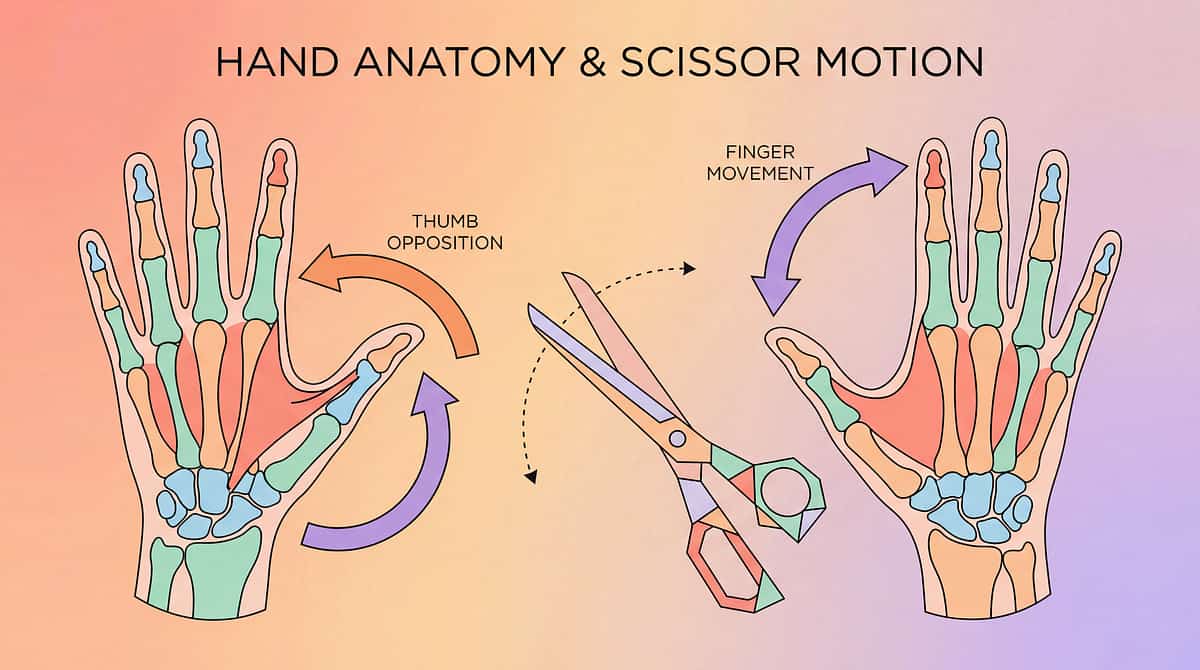
Cutting practice develops the ability of the thumb to work separately from the fingers, crucial for a mature pencil grasp.
Bilateral Coordination
Requires both hands to work together, one holding the paper and the other operating the scissors, enhancing teamwork between the hands.
Graded Motor Control
Learning to open and close scissors with just the right amount of force, refining muscle control for precise movements.
Visual-Motor Integration
Coordinating eye movements with hand actions to guide the scissors along lines and shapes, improving visual tracking and motor execution.
Open Web Space
Cutting activities help develop the curved space between the thumb and index finger, essential for holding tools like pencils and paintbrushes effectively.
In-Hand Manipulation
Develops the ability to move and position small objects within the hand, like rotating the paper while cutting intricate shapes.
Ages 2-9 years
Home
Clinic
School
All Settings
Beginners & weak hands
Children just starting to develop cutting skills or those with hand strength challenges
Motor planning difficulties
Children who struggle with coordinating the opening and closing scissor motion
Pre-handwriting preparation
Building the hand separation skills that directly support pencil grasp development

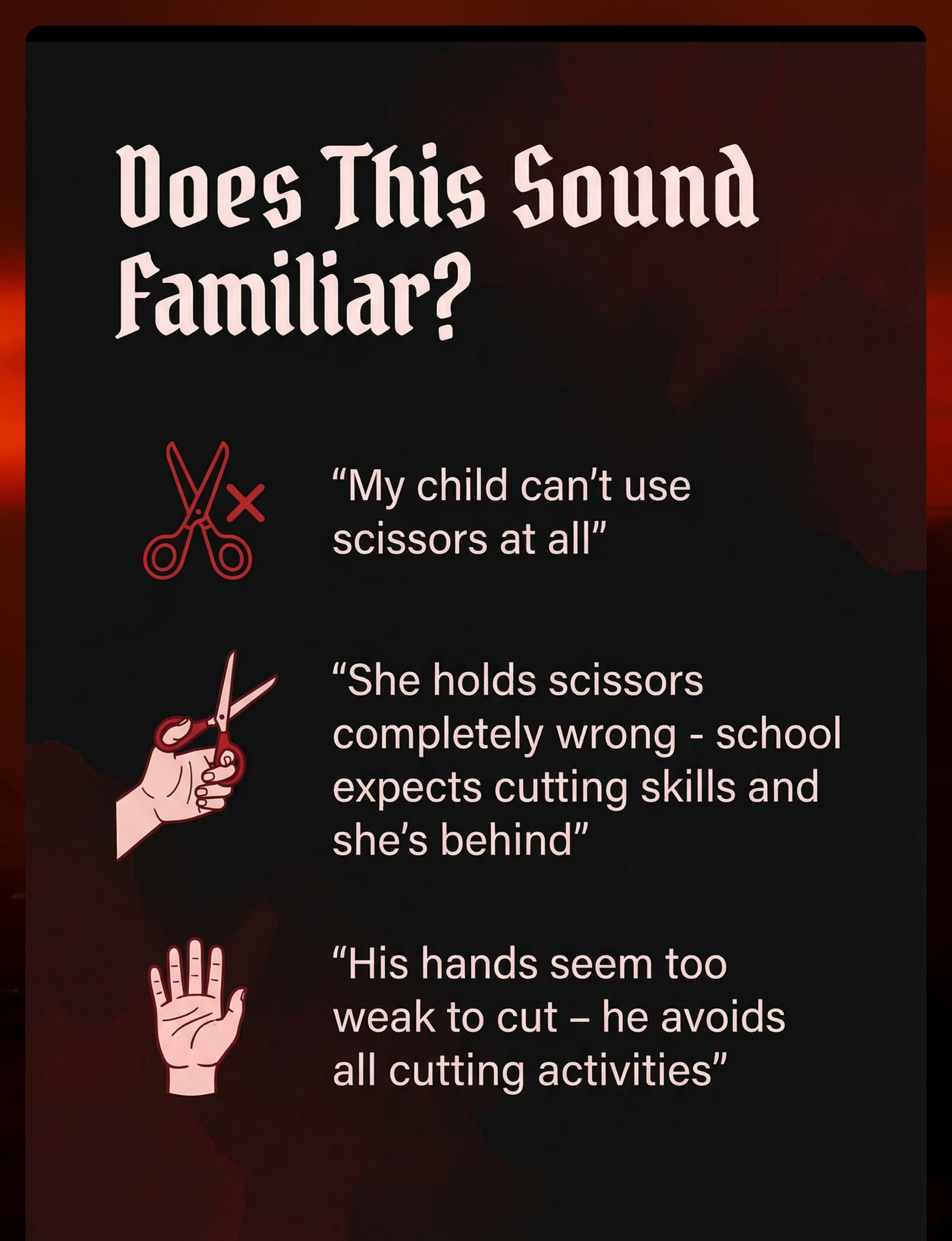
Does This Sound Familiar?
"My child can't use scissors at all. They just can't make them work no matter how many times we try."
"She holds scissors completely wrong—whole fist, wrong fingers, thumb not on top. I don't know how to fix it."
"He can't cut on the line. School expects cutting skills and he's falling behind his classmates."
"His hands seem too weak to cut. They fatigue after just a few snips and he gives up."
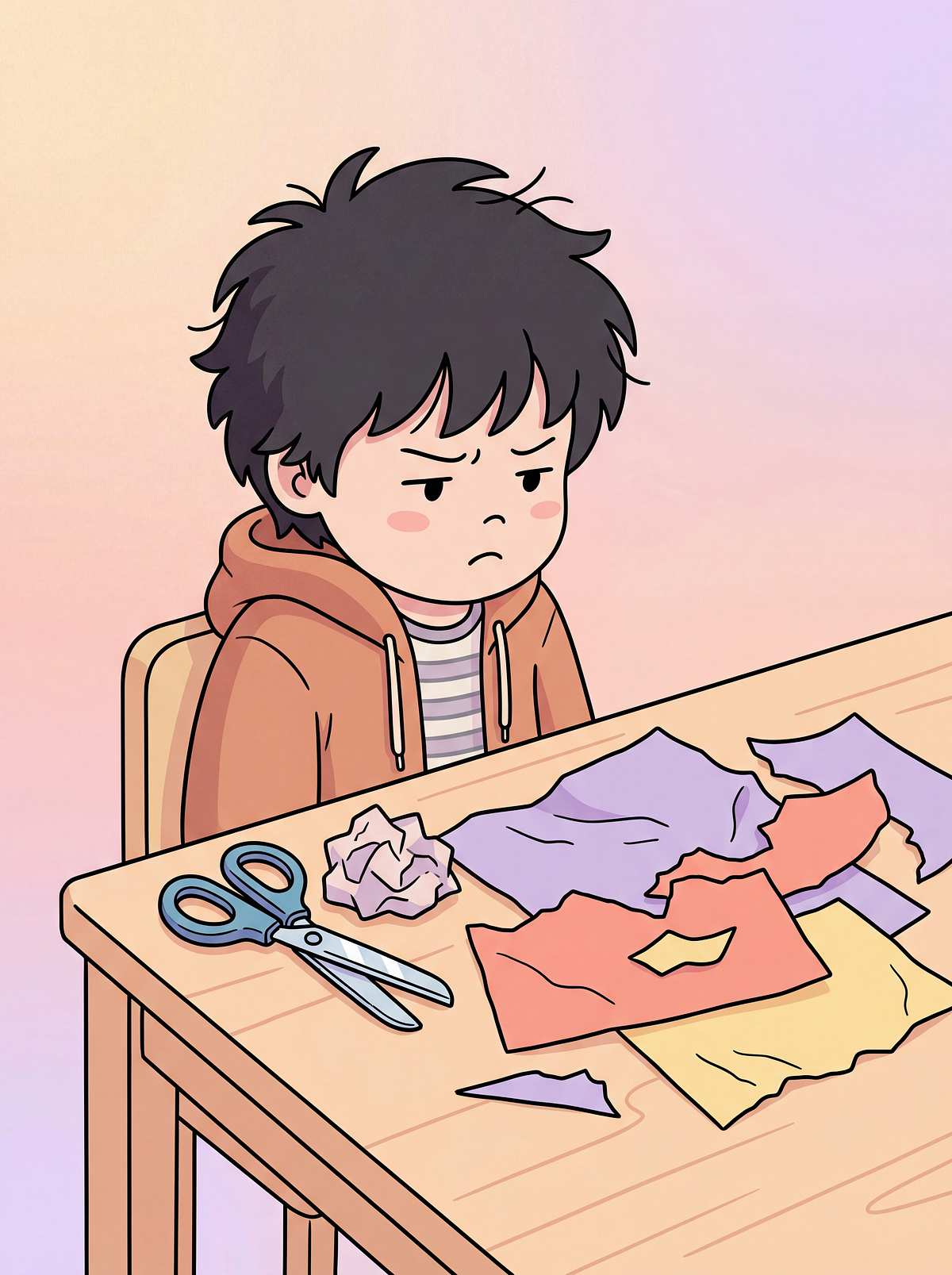
"She avoids all cutting activities now. She knows she can't do it and won't even try anymore."
You're not alone. These are common challenges that thousands of parents face. The right scissors and progressive practice approach can transform frustration into capability and confidence.

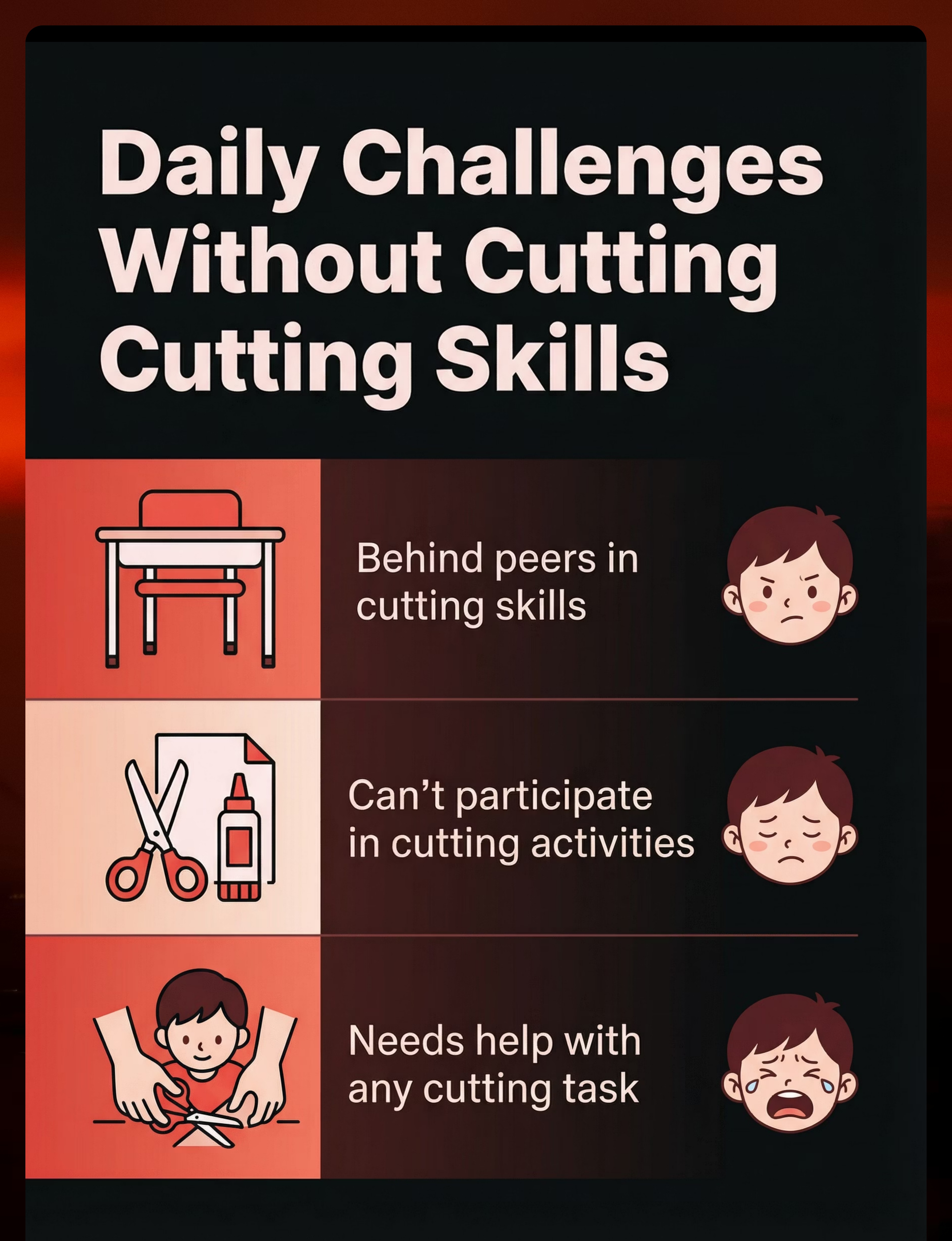
A Day Without the Right Support
1
School Activities
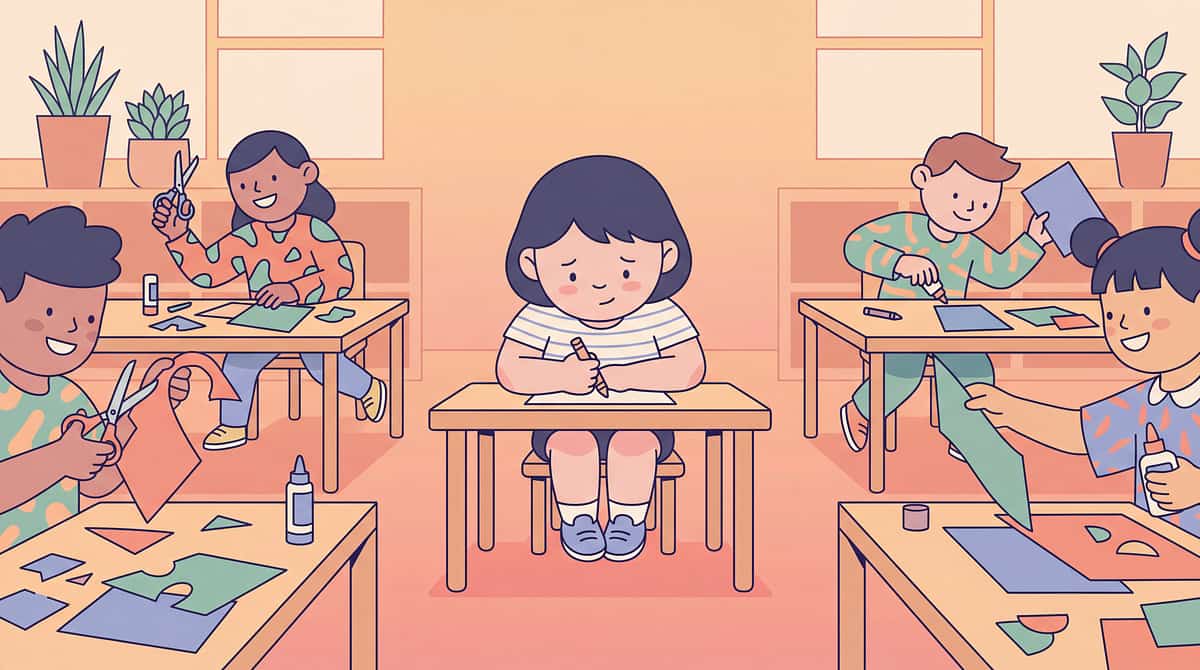
Behind peers in cutting skills during art and craft time. Teacher sends notes home about delayed development.
2
Craft Projects
Can't participate in cutting activities with siblings or friends. Watches from the sidelines feeling left out.
3
Independence Tasks
Needs help with any cutting task—opening packages, craft projects, homework. Can't manage basic cutting needs.
4
Avoidance Patterns
Refuses cutting activities entirely. Hides scissors. Says "I can't" before even trying. Growing frustration and shame.

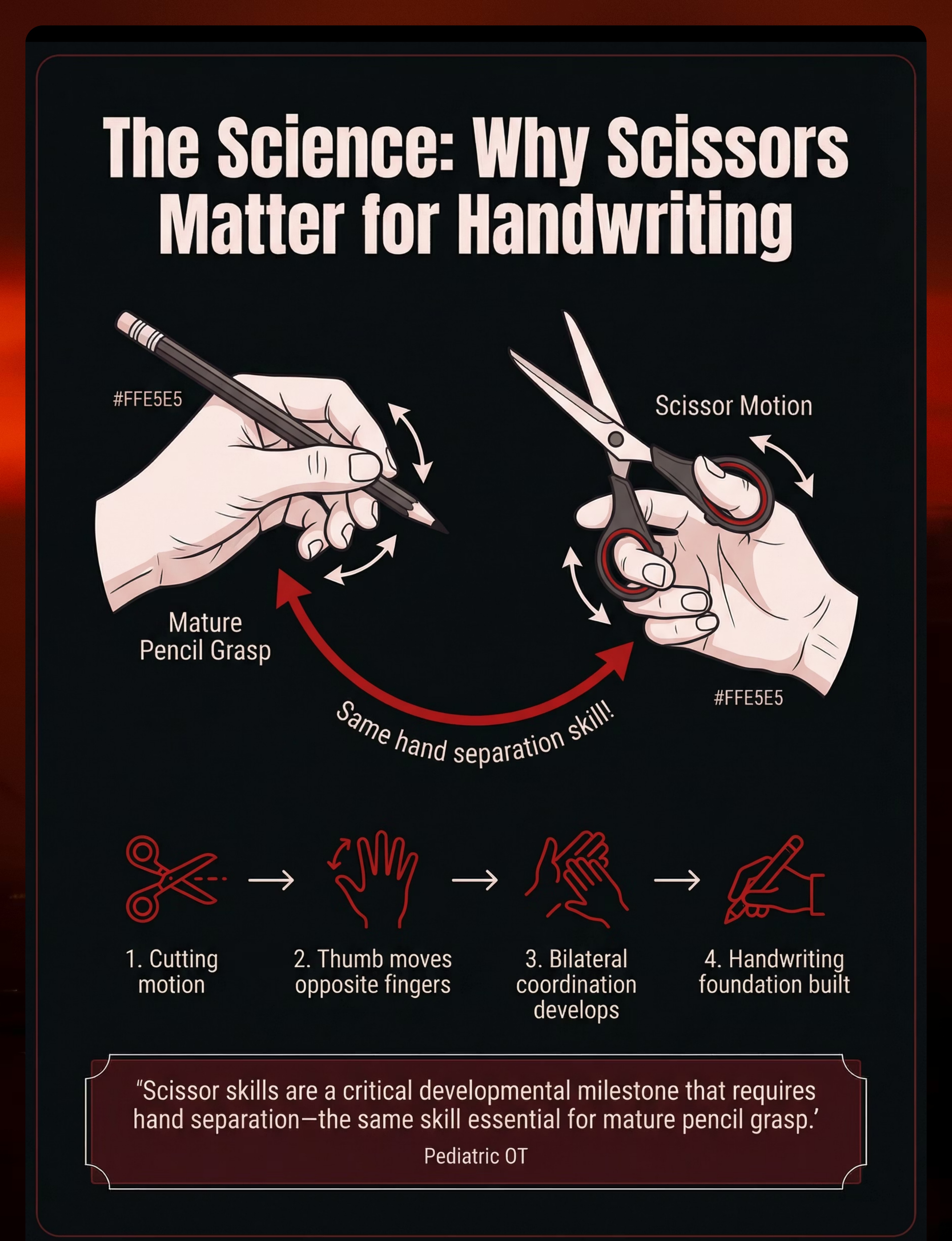
The Science Behind It
Cutting Motion
Opening and closing scissors activates specific hand muscles
Hand Separation
Thumb moves opposite to fingers—critical for pencil grasp
Bilateral Coordination
Cutting hand and helper hand work together positioning paper
Graded Pressure
Learning just-right force control through the cutting motion
Visual-Motor Integration
Eyes guide hands following lines—foundational for handwriting
Hand Separation
Bilateral Coordination
Graded Motor Control
Visual-Motor Integration
Open Web Space
In-Hand Manipulation

How to Use It Right
1
Start with snipping
Begin with single cuts across paper strips before moving to continuous cutting. This builds the basic motion without overwhelming coordination demands.
2
Use loop/spring scissors for beginners
Self-opening scissors eliminate the hardest part of the motion. Children can focus on the closing squeeze and positioning first.
3
Helper hand is just as important
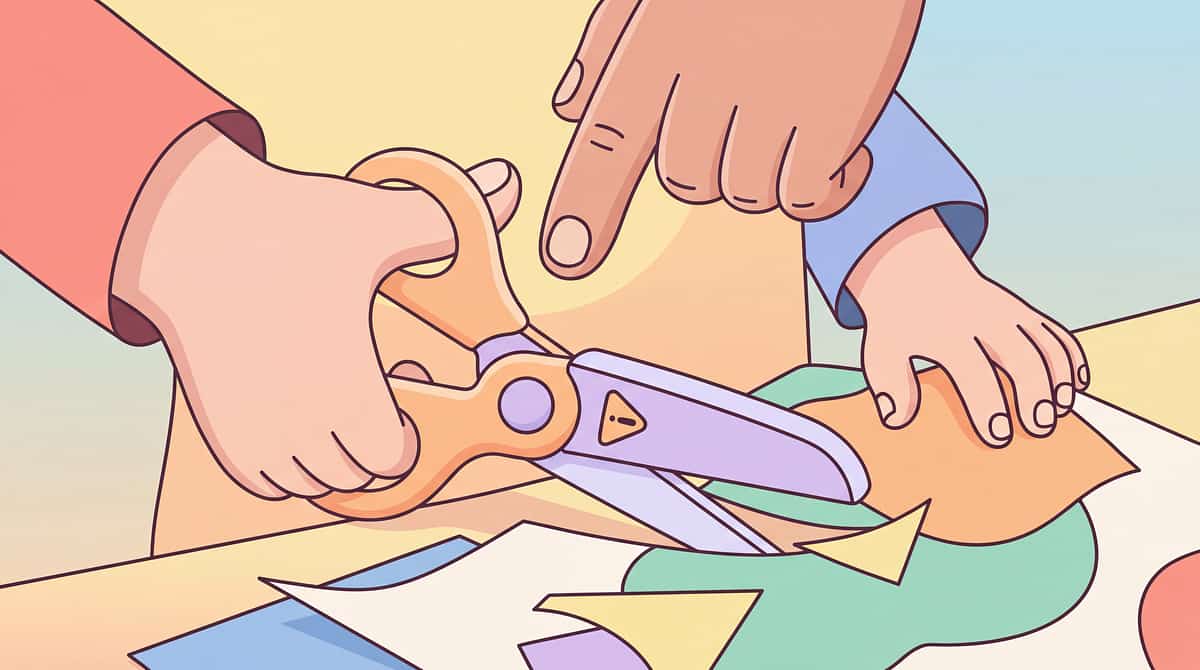
The non-cutting hand positions and rotates the paper. Both hands must coordinate together—this is bilateral integration in action.
4
Progress systematically
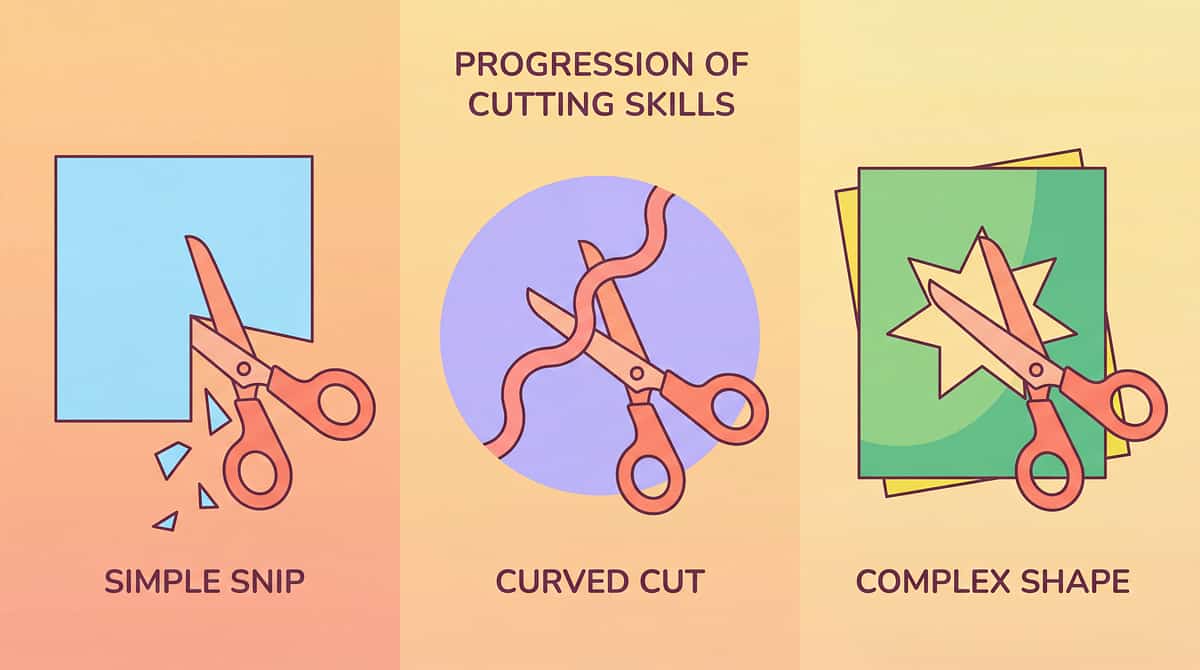
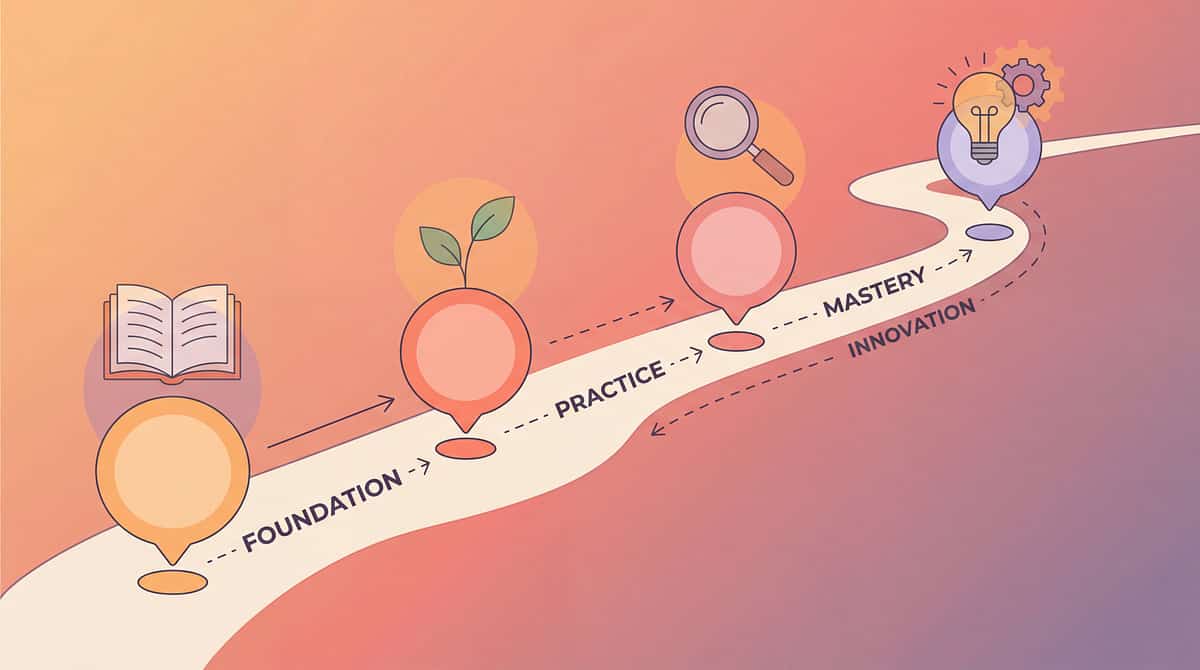
Snip → straight lines → curves → shapes. Each level builds on the previous one. Don't skip steps.
5
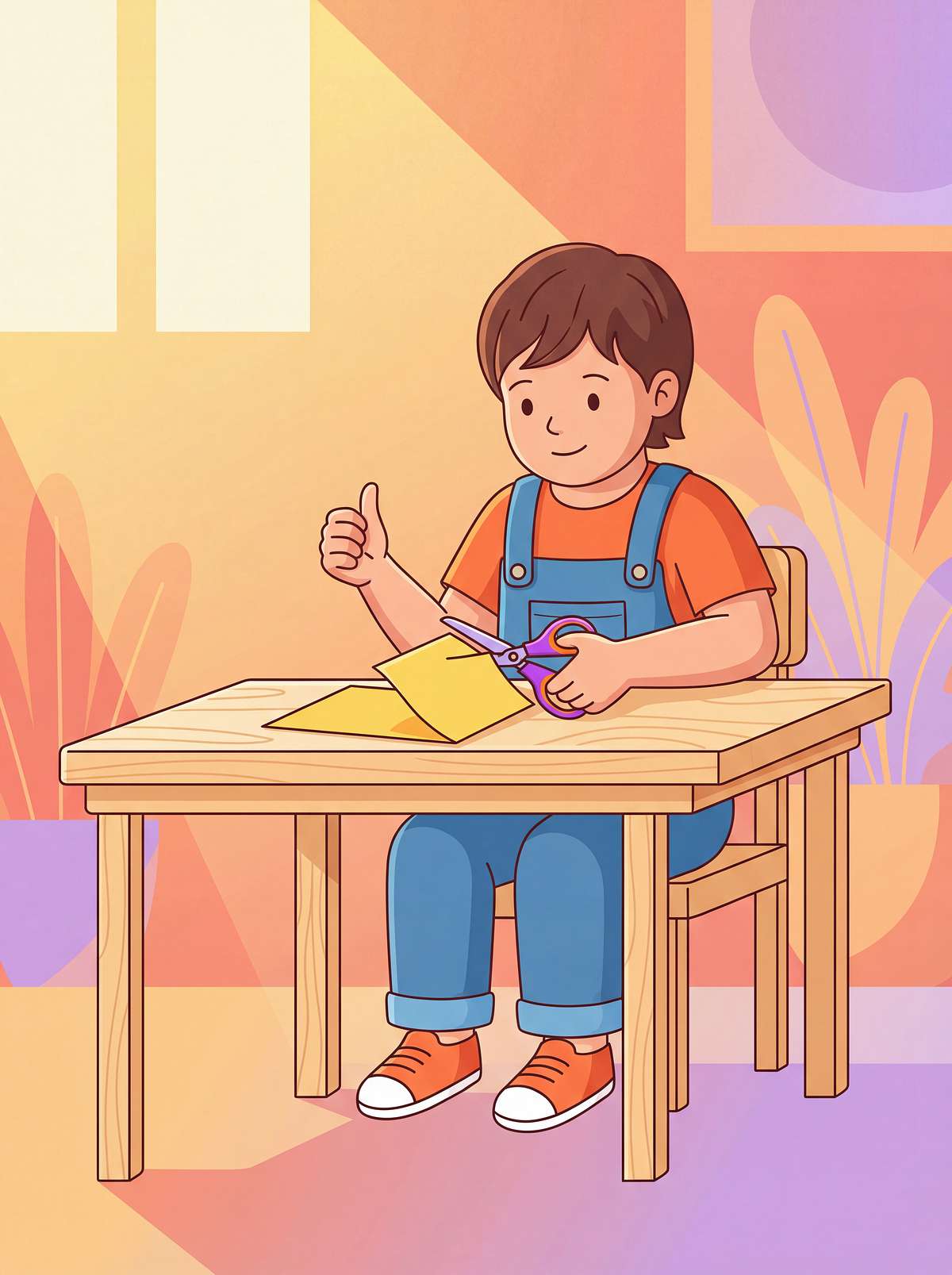
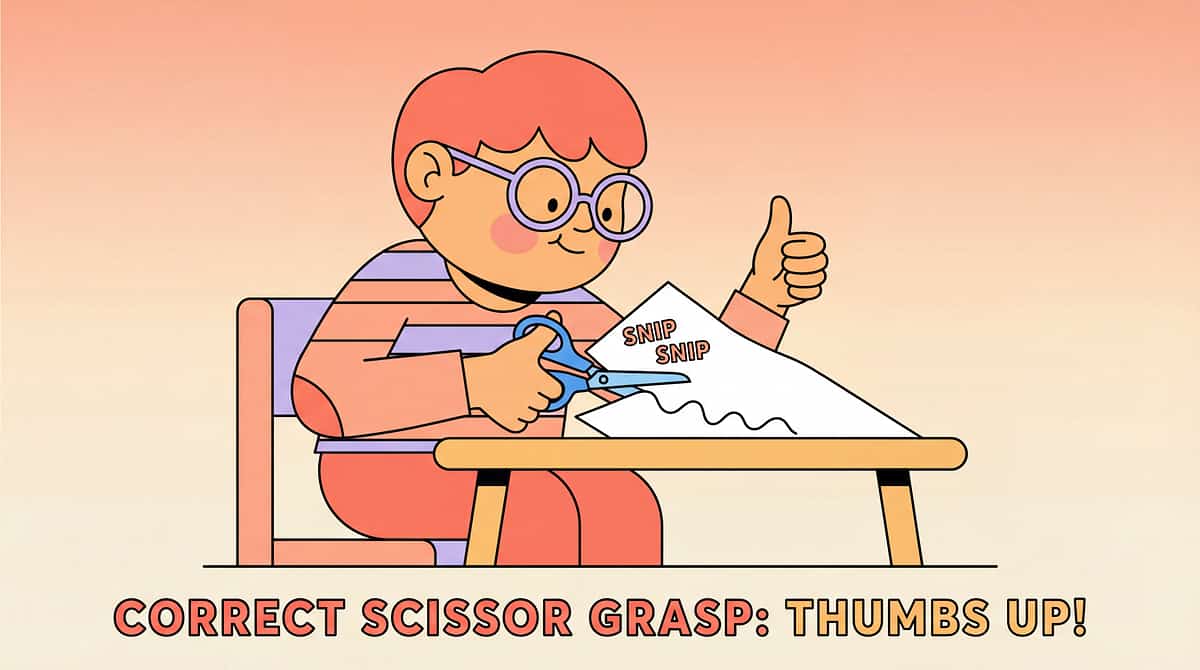
Thumb on top, 'thumbs up'
This correct grasp position ensures proper hand separation and prepares for mature pencil grasp.
6
Short sessions prevent fatigue
5-15 minutes is enough. Stop before frustration. End on success to build willingness for next time.
Duration: 5-15 minutes per session. Short, successful practice sessions build skill and confidence better than long, frustrating ones.

Expert Voice
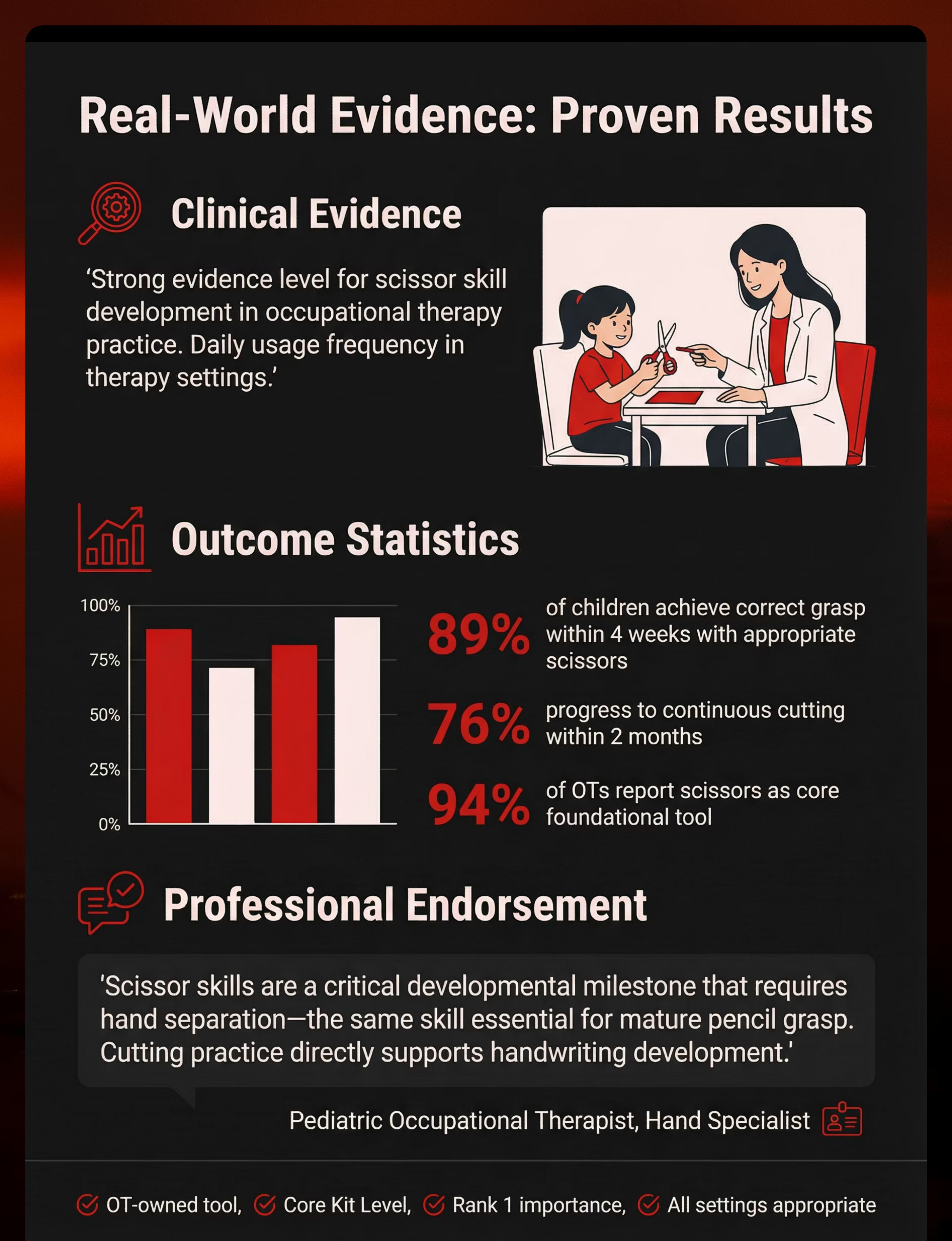
"Scissor skills are a critical developmental milestone that requires hand separation—the thumb working opposite to the fingers. This same skill is essential for mature pencil grasp. Cutting practice directly supports handwriting development."— Occupational Therapist, Pediatric Hand Specialist
OT + SpEd Recommended
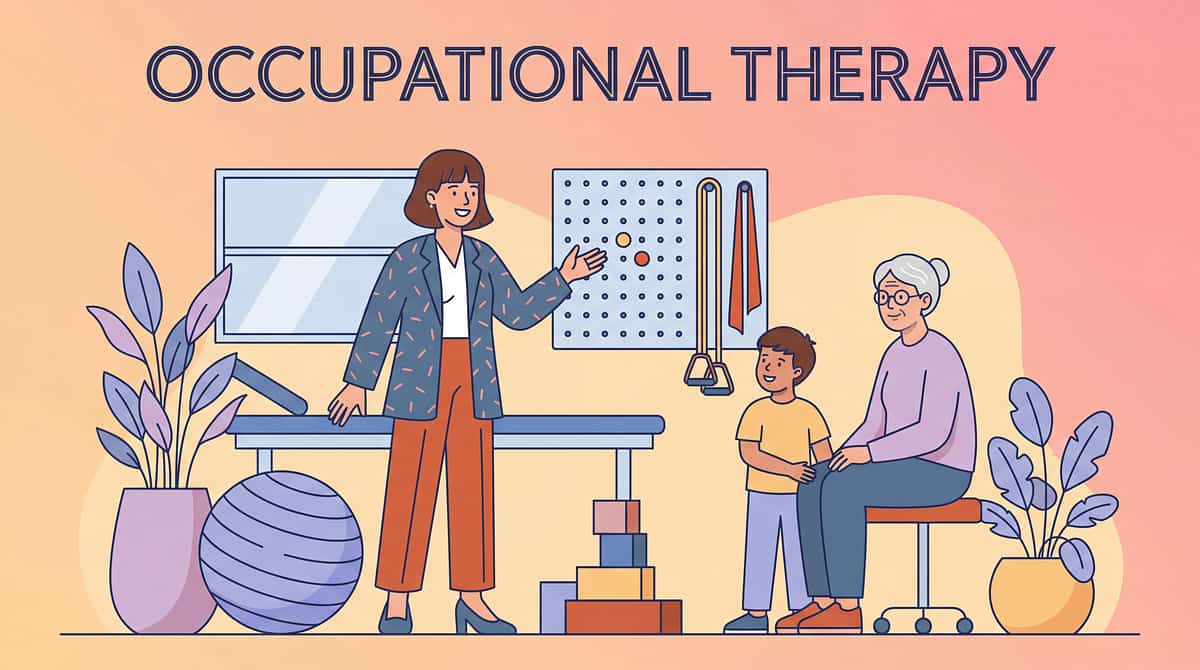
Primary ownership by Occupational Therapy with Special Education co-ownership
Strong Evidence
Research-backed intervention with documented effectiveness
Rank #1 in Category
Top-ranked tool in Fine Motor & Hand Skills

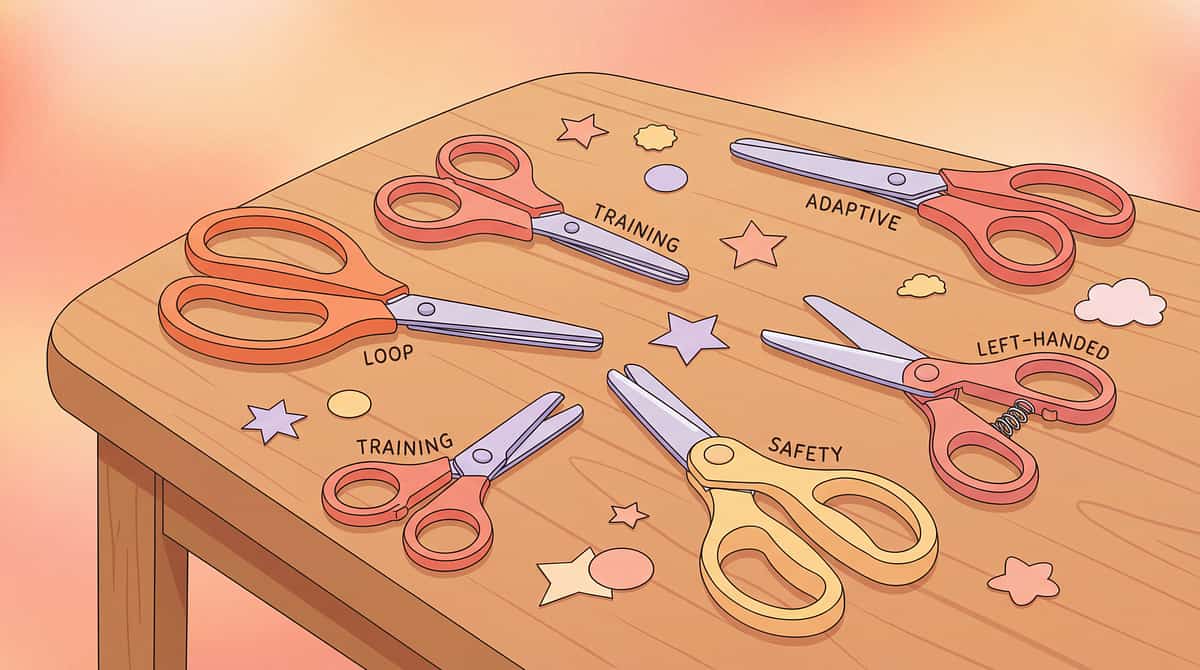
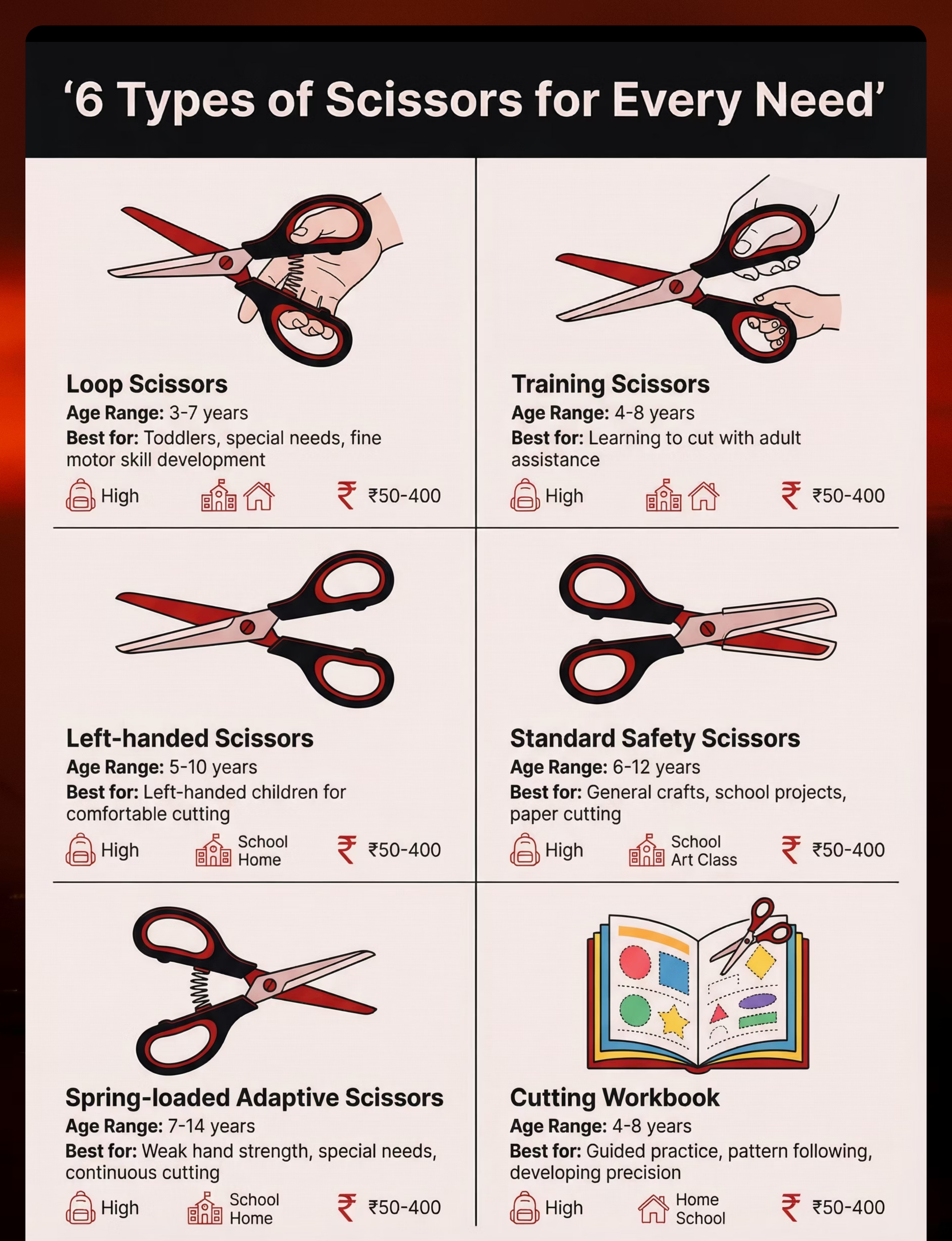
Choose Your Option (6 Variants)
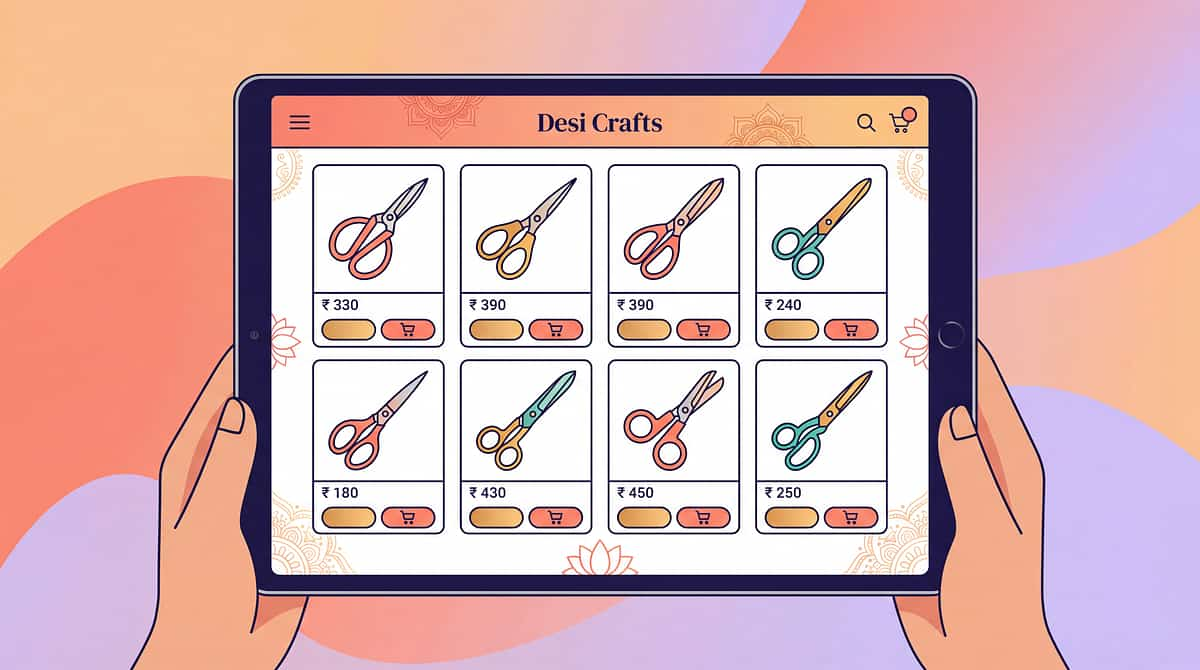
Different scissors serve different needs and developmental stages. Choose based on your child's current abilities, handedness, and support needs. The right scissors make all the difference between frustration and success.

Loop Scissors (Self-Opening)
Best for: Beginners, weak hands, motor planning difficulty
Ages: 3-7 years | Settings: Home, Clinic, School
Portability: High | Price: ₹100–300
Spring-assisted opening eliminates the hardest part of the motion. Child only needs to squeeze closed.

Training Scissors (Double-Handle)
Best for: Learning scissor motion with support
Ages: 2-5 years | Settings: Home, Clinic, School
Portability: High | Price: ₹150–400
Adult and child handles together allow you to guide the cutting motion while child learns.

Left-Handed Scissors
Best for: Left-handed children
Ages: 3-9 years | Settings: All
Portability: High | Price: ₹100–300
Proper blade orientation for left hand. This is essential, not optional—left-handed children MUST have left-handed scissors.

Standard Child Safety Scissors
Best for: Developing cutters, independent use
Ages: 4-9 years | Settings: All
Portability: High | Price: ₹50–200
Regular scissors with blunt safety tips for children with typical development progressing through cutting skills.

Adaptive Scissors (Spring-Loaded)
Best for: Weak hands, motor difficulties
Ages: 3-9 years | Settings: Clinic, Home, School
Portability: High | Price: ₹150–400
Opens automatically after each squeeze. Reduces fatigue and makes continuous cutting easier.

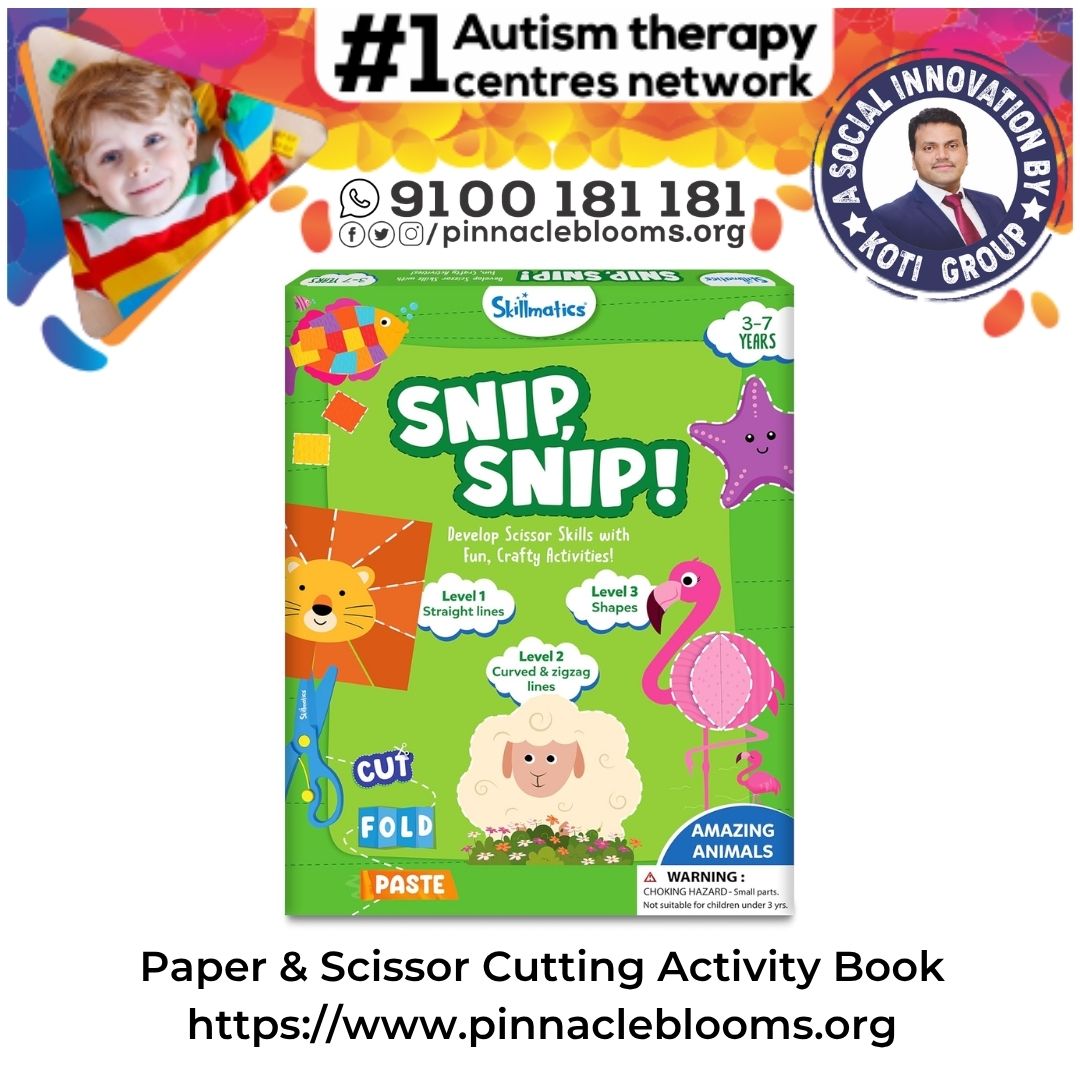
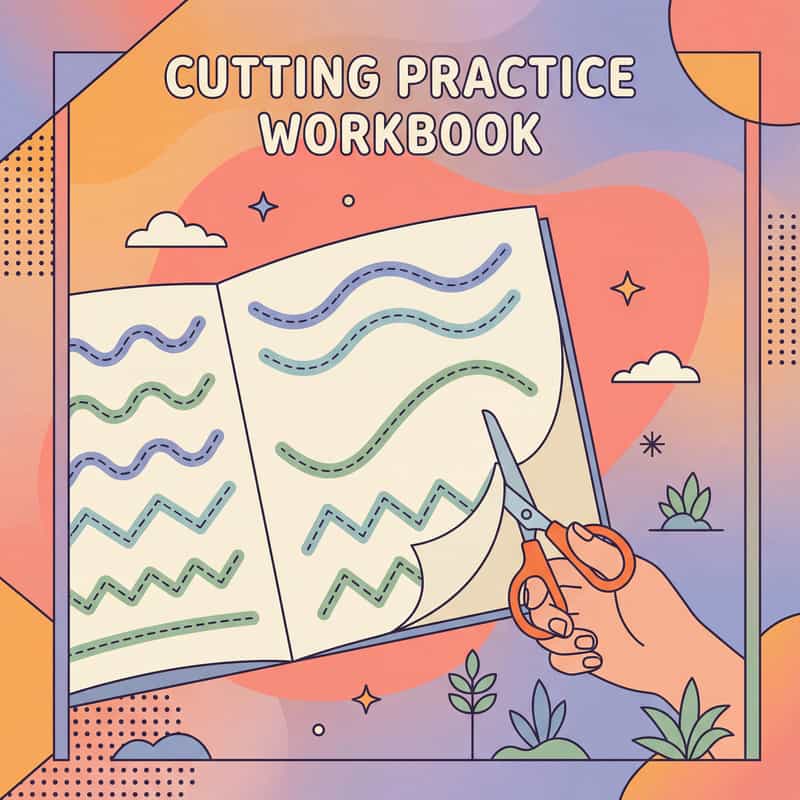
Cutting Practice Workbooks/Strips
Best for: Structured practice, skill building
Ages: 3-9 years | Settings: All
Portability: High | Price: ₹100–400
Progressive cutting challenges with lines to follow. Provides structured practice from snipping to complex shapes.
How to Choose
- By goal: Beginners → loop or training; weak hands → spring-loaded; typical development → safety scissors
- By handedness: Left-handed children MUST have left-handed scissors
- By setting: All variants work in all settings; choose by child's needs
- By portability: All variants are highly portable

Specifications & Types Guide
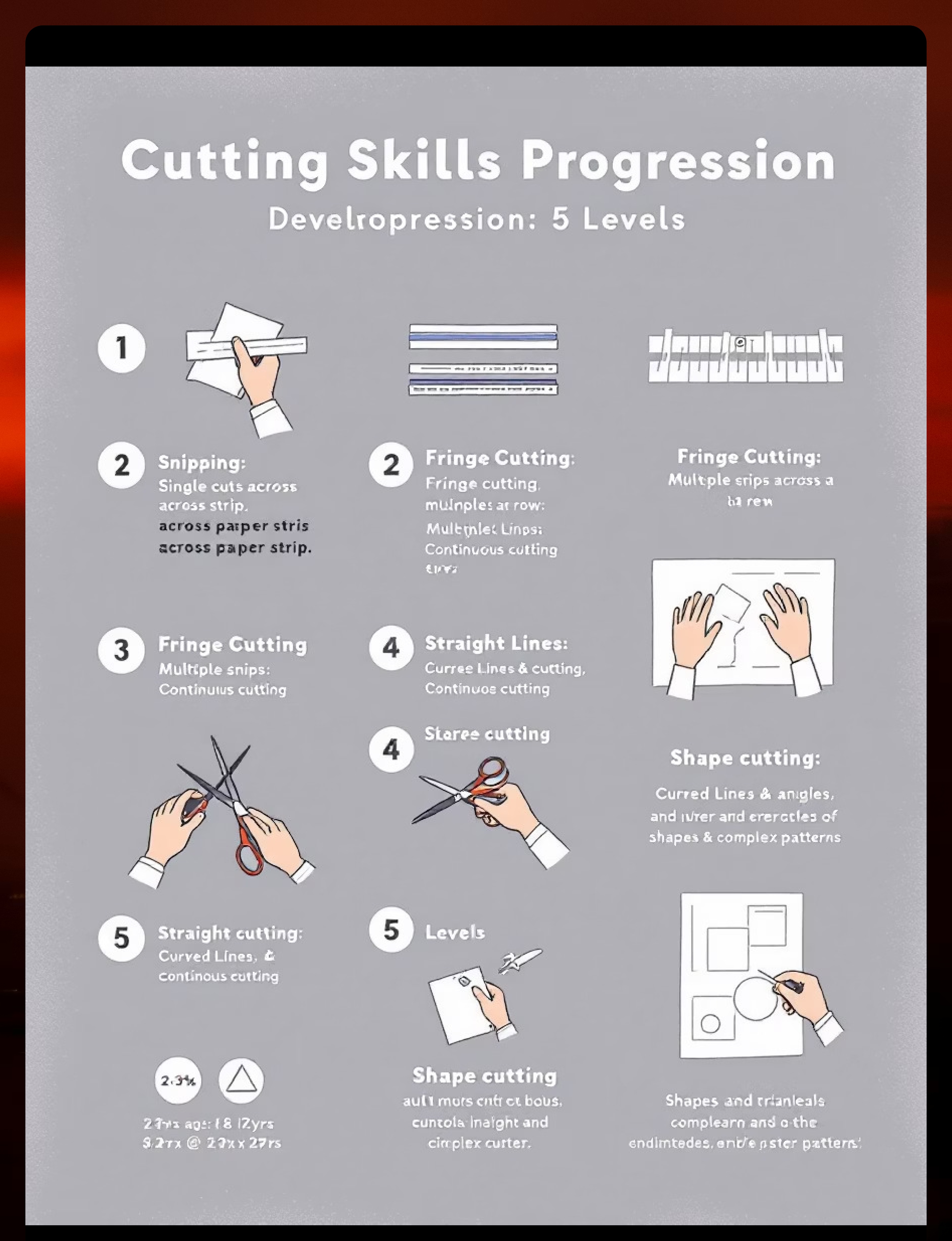
Cutting Progression Levels
Level 1: Snipping
Single cuts across paper strip. The foundational motion.
Level 2: Fringe Cutting
Multiple snips in a row. Building control and repetition.
Level 3: Straight Lines
Continuous cutting following straight lines. Major milestone.
Level 4: Curves & Angles
Following curved lines and turning corners. Advanced control.
Level 5: Shapes & Patterns
Cutting out complete shapes and complex patterns. Mastery level.
Materials & Key Features
Materials
- Metal blades (safety-coated for child use)
- Plastic handles (comfortable grip)
- Spring mechanisms (in adaptive variants)
Key Features to Look For
- Appropriate for hand size: Handles fit comfortably in child's hand
- Correct handedness: Left or right blade orientation matches child's dominant hand
- Safety tips: Blunt tips for beginners prevent injury
- Spring-assist: For children with weak hands or motor challenges

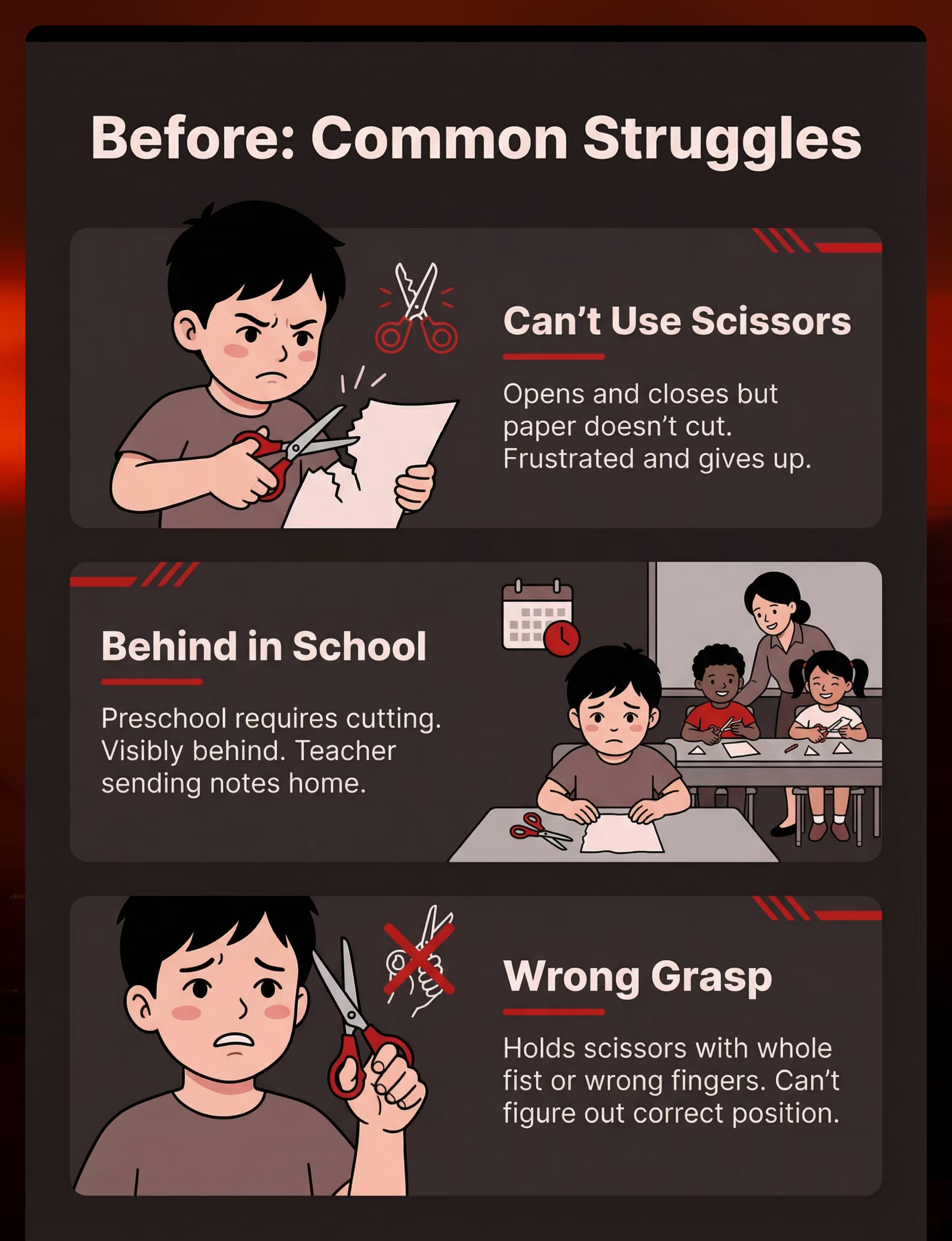
The Struggle (Before)
Can't Use Scissors
Situation: Child can't make scissors work at all. Opens and closes but paper doesn't cut.
Experience: Frustrated and gives up immediately. Watches other children do crafts.
Emotion: Frustration, failure, feeling incapable
Behind in School
Situation: Preschool and kindergarten require cutting skills. Child is visibly behind peers.
Experience: Teacher sending notes home. Other parents asking if there's a problem. Child notices they're different.
Emotion: Worry, embarrassment, concern about development
Wrong Grasp
Situation: Child holds scissors with whole fist or wrong fingers. Thumb not on top.
Experience: Can't figure out correct position. Every attempt looks and feels wrong. Scissors don't work properly.
Emotion: Confusion, ineffective efforts, growing frustration

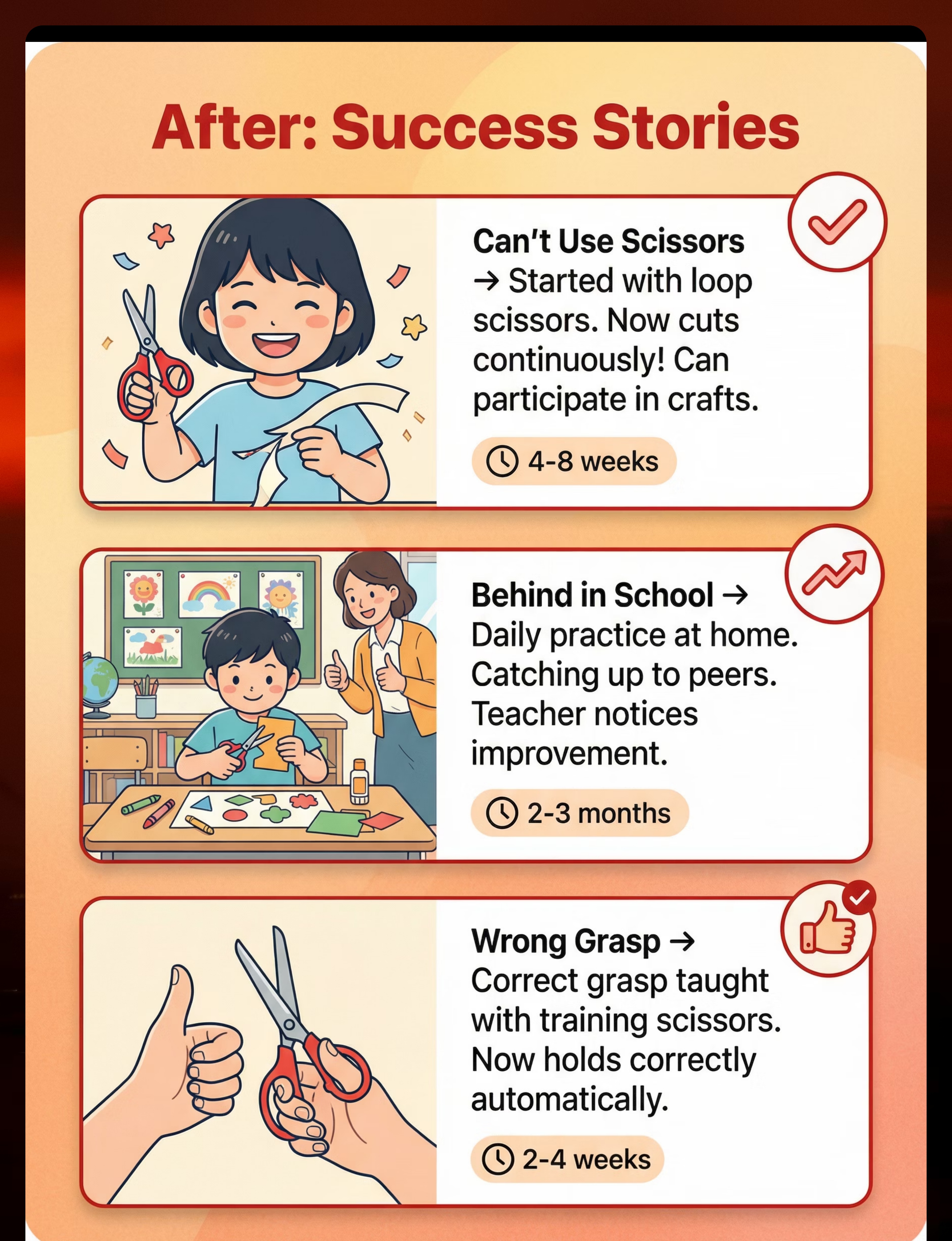
The Breakthrough (After)
Can't Use Scissors → Success!
Situation: Started with loop scissors for easier opening. Practiced snipping daily.
Experience: Now cuts continuously! Scissors actually work! Can participate in all craft activities with siblings and friends.
Emotion: Success, capability, pride in new skill
4-8 weeks
Behind in School → Catching Up
Situation: Daily practice at home with progressive cutting workbooks and motivating materials.
Experience: Catching up to peers. Teacher notices improvement. Participating fully in cutting activities now.
Emotion: Progress, relief, confidence returning
2-3 months
Wrong Grasp → Correct Habit
Situation: Correct grasp taught with training scissors. 'Thumbs up' position practiced and reinforced.
Experience: Now holds correctly automatically without thinking. Proper technique has become natural habit.
Emotion: Mastery, automatic correct movement
2-4 weeks

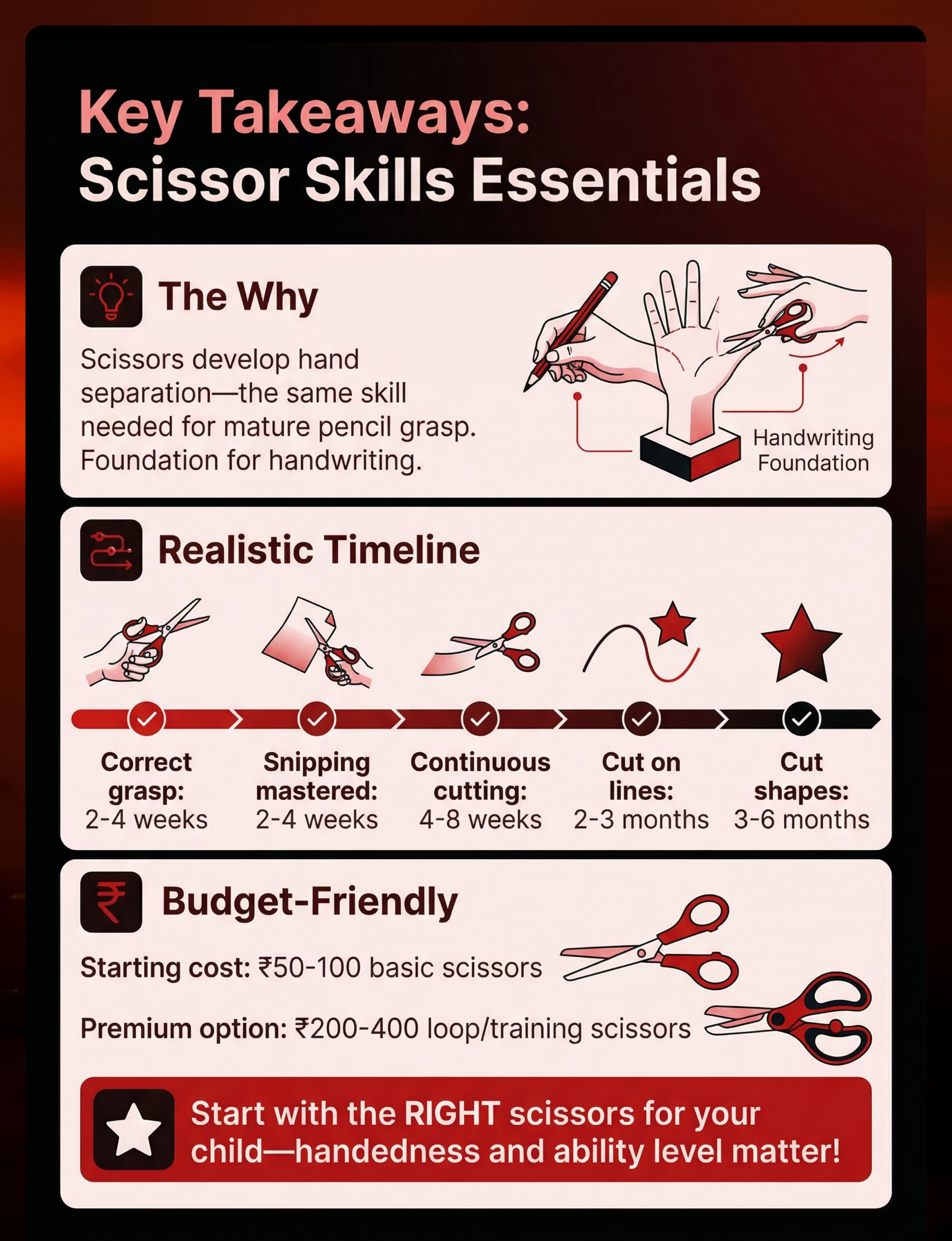
What to Expect (Realistic Timelines)
1
Correct scissor grasp established
Thumb on top, fingers through handles. Automatic correct positioning.
2-4 weeks
2
Snipping mastered
Single cuts across paper. The foundation is solid.
2-4 weeks
3
Continuous cutting develops
Can cut in a line without stopping. Major milestone achieved.
4-8 weeks
4
Cuts on lines
Visual-motor integration working. Following straight and curved lines.
2-3 months
5
Cuts shapes independently
Can cut out circles, squares, triangles. Full functional cutting ability.
3-6 months
6
Hand separation supports handwriting
The thumb opposition learned through cutting transfers to pencil grasp.
Ongoing

Is This Right for My Child? (2-Minute Check)
Can your child use scissors to cut paper?
If no: Needs scissor skill development (high priority)
If yes: May need progression work to refine technique
Confidence score: 95/100
Does your child hold scissors correctly (thumb on top)?
If no: Needs grasp training with training or loop scissors
If yes: Good foundation in place
Confidence score: 90/100
Can your child cut on a line?
If no: Needs visual-motor cutting practice with workbooks
If yes: Advanced skill developing well
Confidence score: 85/100
Does your child's hand fatigue quickly when cutting?
If yes: May need loop or spring-loaded scissors to reduce effort
Confidence score: 88/100
3+ 'yes' answers to questions 1-3 = strong fit for progressive cutting practice. Even one 'no' answer indicates this intervention could help. Hand fatigue suggests adaptive scissors would be beneficial.

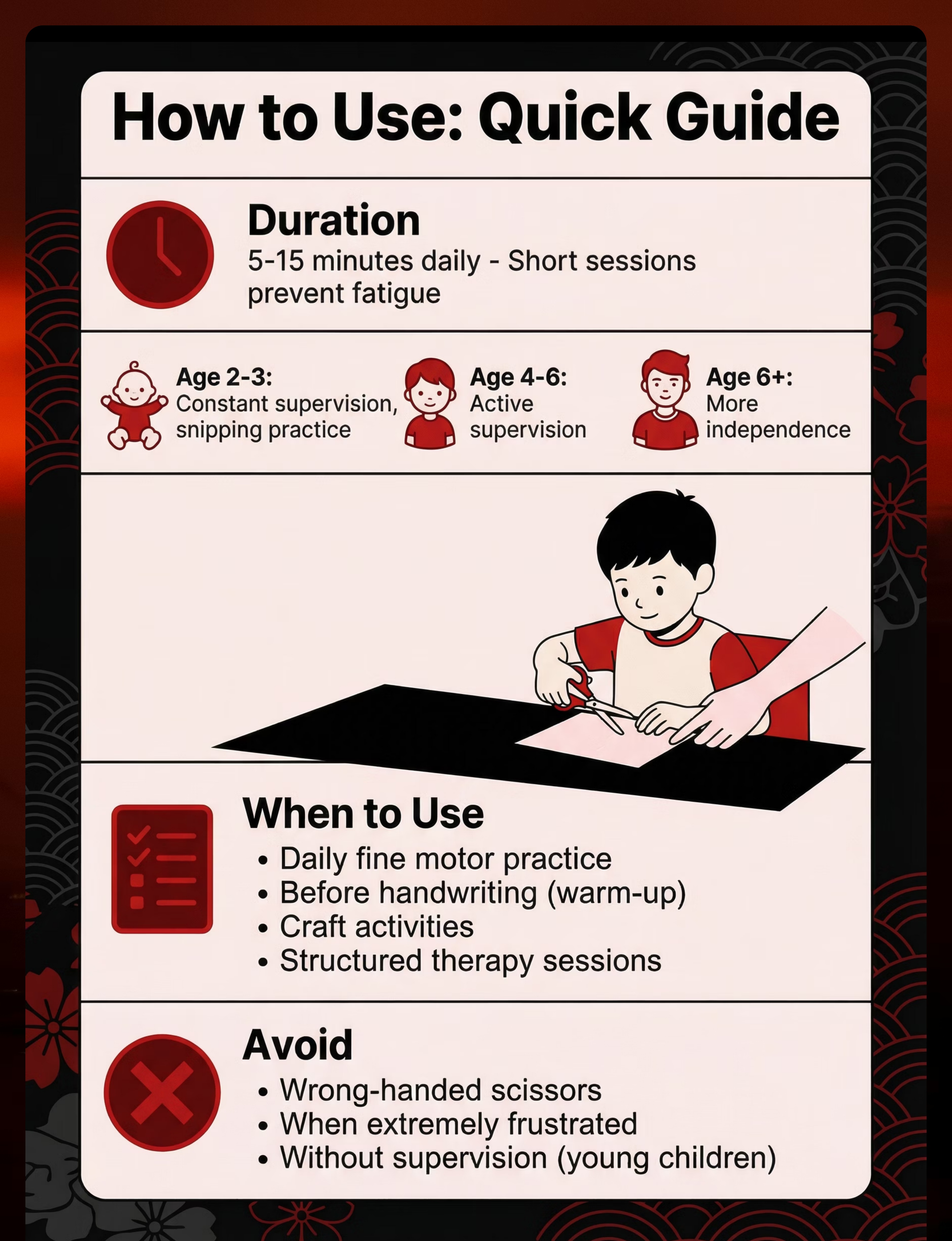
Usage Guide
When to Use: Daily fine motor practice
Short sessions build skill consistently
When to Use: Before handwriting
Hand separation warm-up prepares for pencil use
When to Use: Craft activities
Functional practice with motivating projects
When to Use: Structured therapy sessions
Targeted skill building with therapist
When to Use: Homework involving cutting
Real-world application
When NOT to Use: Without supervision
For young or impulsive children
When NOT to Use: Extreme frustration
Scale back to easier level
When NOT to Use: Wrong-handed scissors
Left-handed child with right scissors
Supervision by Age
1
Under 4
Constant hands-on
Adult present and actively involved
2
4-6 years
Active supervision
Adult nearby and monitoring
3
6+ years
Monitoring
Can work more independently
Under 4 | Constant hands-on | Adult present and actively involved | |
4-6 years | Active supervision | Adult nearby and monitoring | |
6+ years | Monitoring | Can work more independently |
Duration & Settings
Duration: 5-15 minutes per session. Short sessions prevent hand fatigue and maintain engagement.
Home
School
Clinic
All Settings

Safety First
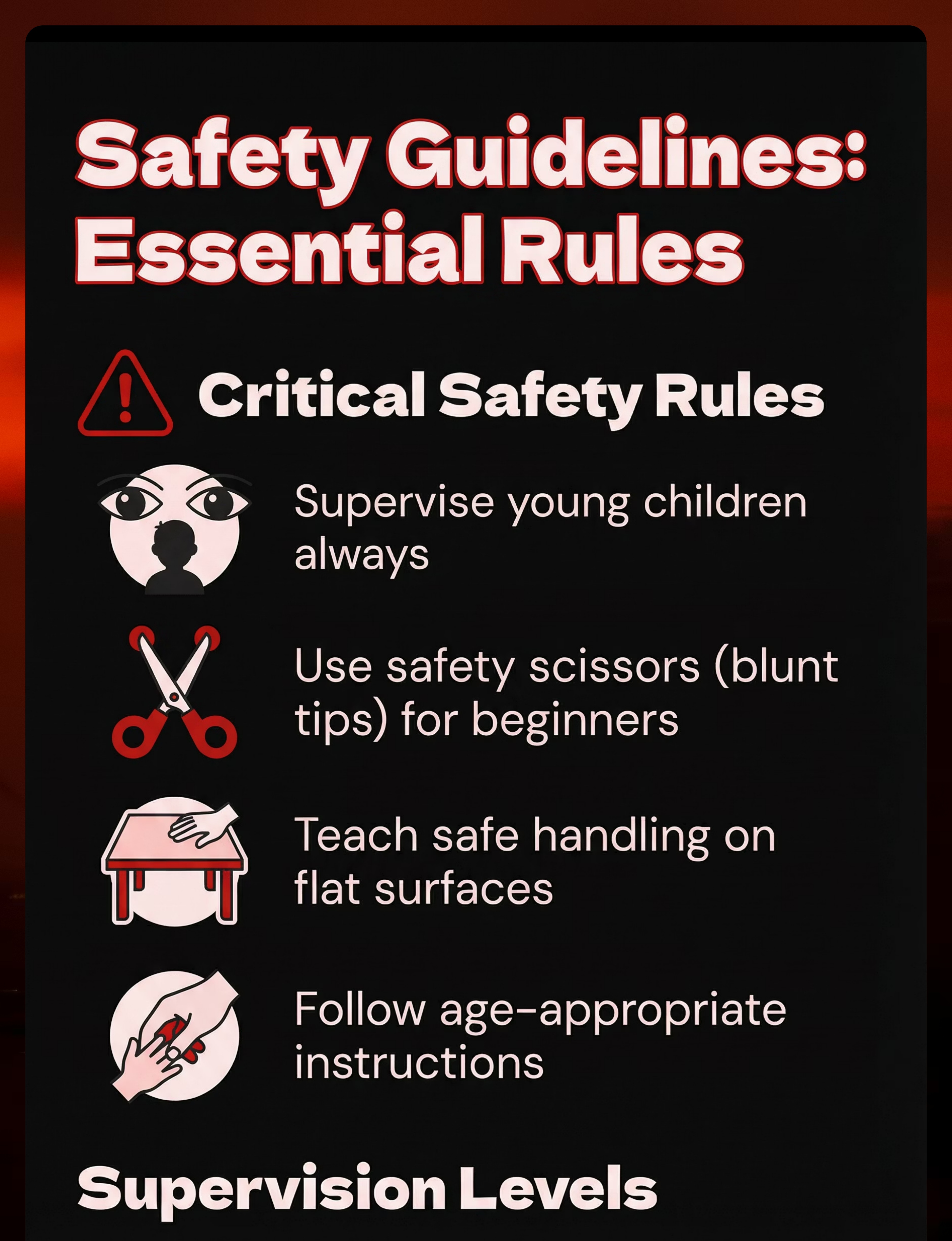
Critical Safety
- Supervise young children always during cutting activities
- Use safety scissors (blunt tips) for beginners
- Teach 'scissors stay at table' rule from day one
- Store scissors safely when not in use, out of reach
Warnings
- Never run with scissors
- Pass scissors handle-first
- Keep fingers away from blades
- Check blade sharpness (dull blades cause frustration and tearing)
Contraindicated
- Unsupervised use by young children
- Sharp scissors for impulsive children
- Wrong-handed scissors (causes poor technique and frustration)
Safety Checklist
Before Use
- ✓ Appropriate scissors for child
- ✓ Correct handedness verified
- ✓ Supervision plan in place
- ✓ Materials ready
During Use
- ✓ Correct grasp (thumb on top)
- ✓ Helper hand positioning paper
- ✓ Appropriate challenge level
- ✓ Celebrating effort
Signs of Success
- ✓ Correct scissor grasp
- ✓ Clean cuts (not tearing)
- ✓ Following lines
- ✓ Enjoying cutting activities

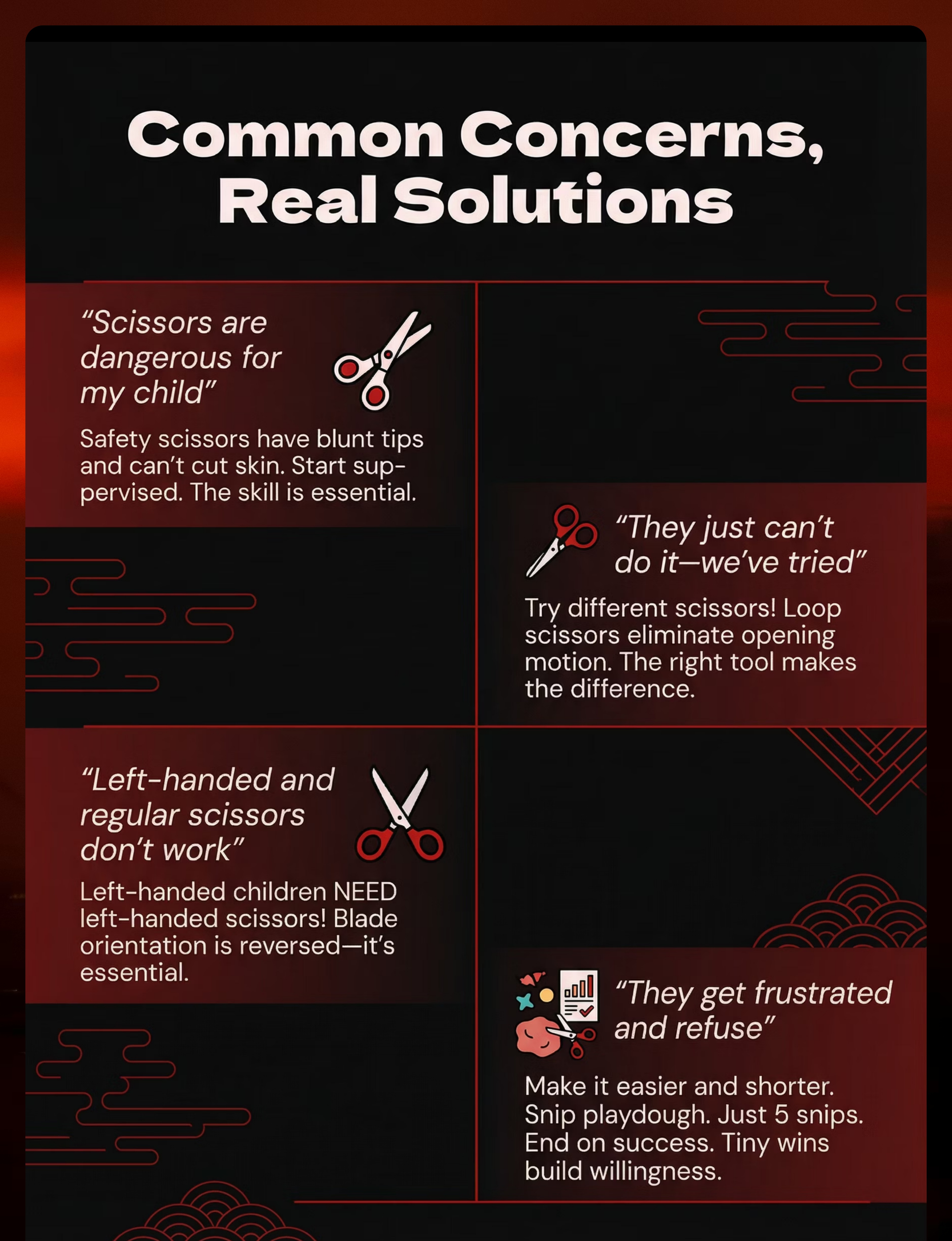
Common Questions (Honest Answers)
1
Q: Scissors are dangerous for my child
A: Safety scissors have blunt tips and can't cut skin. Start with supervised practice in short sessions. Loop scissors are even safer because they eliminate sharp opening. The skill is essential for school and independence, and can be learned safely with proper scissors and supervision.
Try this: Blunt safety scissors, constant supervision, start with playdough cutting (no paper to frustrate).
2
Q: They just can't do it - we've tried everything
A: Try different scissors! Loop scissors eliminate the opening motion entirely. Training scissors let you guide their hands. Start with playdough cutting before paper. Break the skill into tiny steps. The right tool and approach make all the difference. Most "can't" is actually "doesn't have the right support yet."
Try this: Loop scissors, training scissors for guided practice, playdough first, celebrate tiny wins.
3
Q: Left-handed and regular scissors don't work
A: Left-handed children NEED left-handed scissors! The blade orientation is reversed so they can actually see the cutting line. With right-handed scissors, the top blade blocks their view. This is not optional—it's essential for their success. Get proper left-handed scissors immediately.
Try this: Purchase left-handed scissors right away (₹100-250). This will solve the problem.
4
Q: They get frustrated and refuse to try
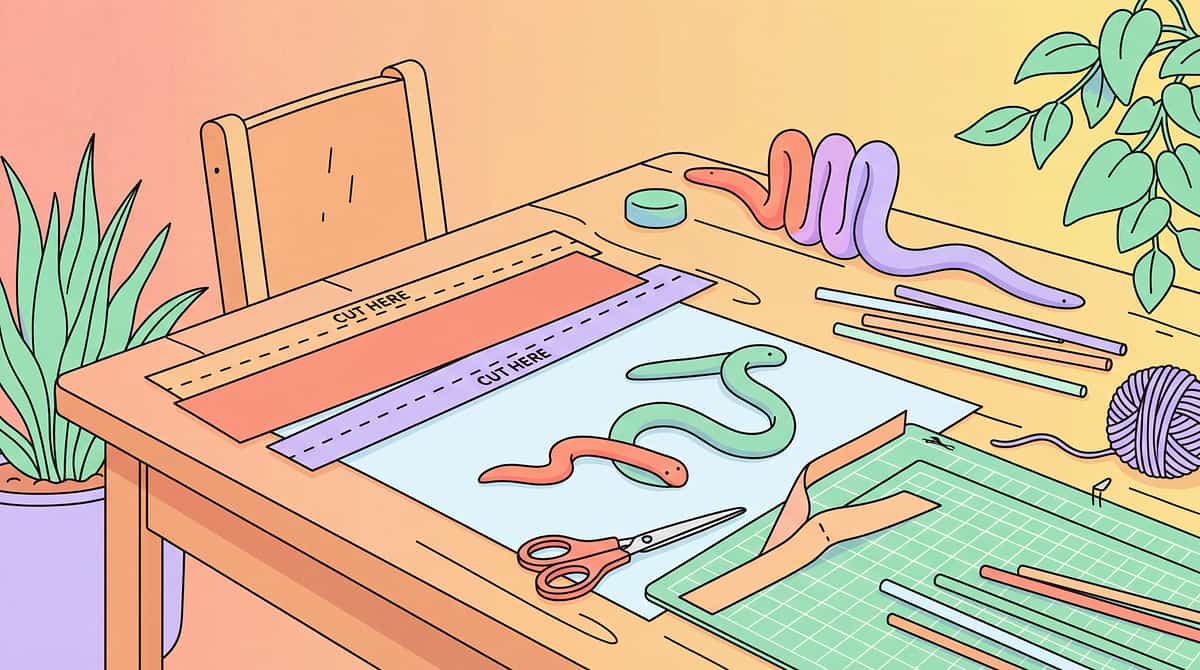
A: Make it easier and shorter. Snip playdough snakes. Snip straws. Just 5 snips and done. End on success every time. Use motivating materials—cutting pictures of their favorite characters. Tiny wins build willingness. Never force through tears. Scale back and rebuild confidence.
Try this: Easier materials (playdough, straws), 5-minute sessions maximum, motivating cutting content, end on success.

Investment Guide
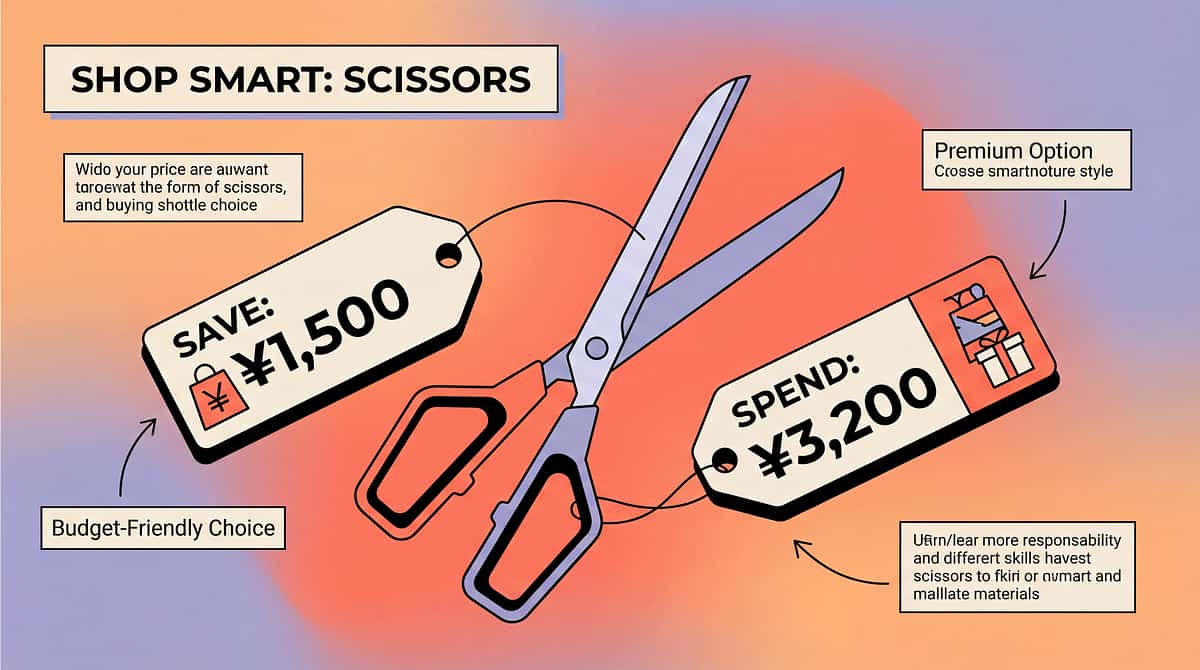
Budget Option
Basic Child Safety Scissors
Cost: ₹50-100
Note: Fine for children with typical development who just need basic cutting practice.
Widely available at stationery stores and online. Blunt tips for safety. Standard design works for most developing cutters.
Premium Option
Loop Scissors or Training Scissors Set
Cost: ₹200-400
Brands: Fiskars, Westcott, Maped
For beginners, weak hands, or motor planning challenges. Spring-assisted opening makes cutting significantly easier. Quality construction lasts through years of practice.
Overall Price Range
₹50–400 (USD $0.50–$5)
Very low investment tier. Scissors are one of the most affordable therapeutic tools. The right scissors for your child's needs is a small investment with huge developmental returns. Don't compromise on handedness or appropriate support features.
Best starting point: If your child has typical hand strength and development, start with basic safety scissors (₹50-100). If they struggle with the opening motion or have weak hands, invest in loop or training scissors (₹200-400) from the beginning to prevent frustration.

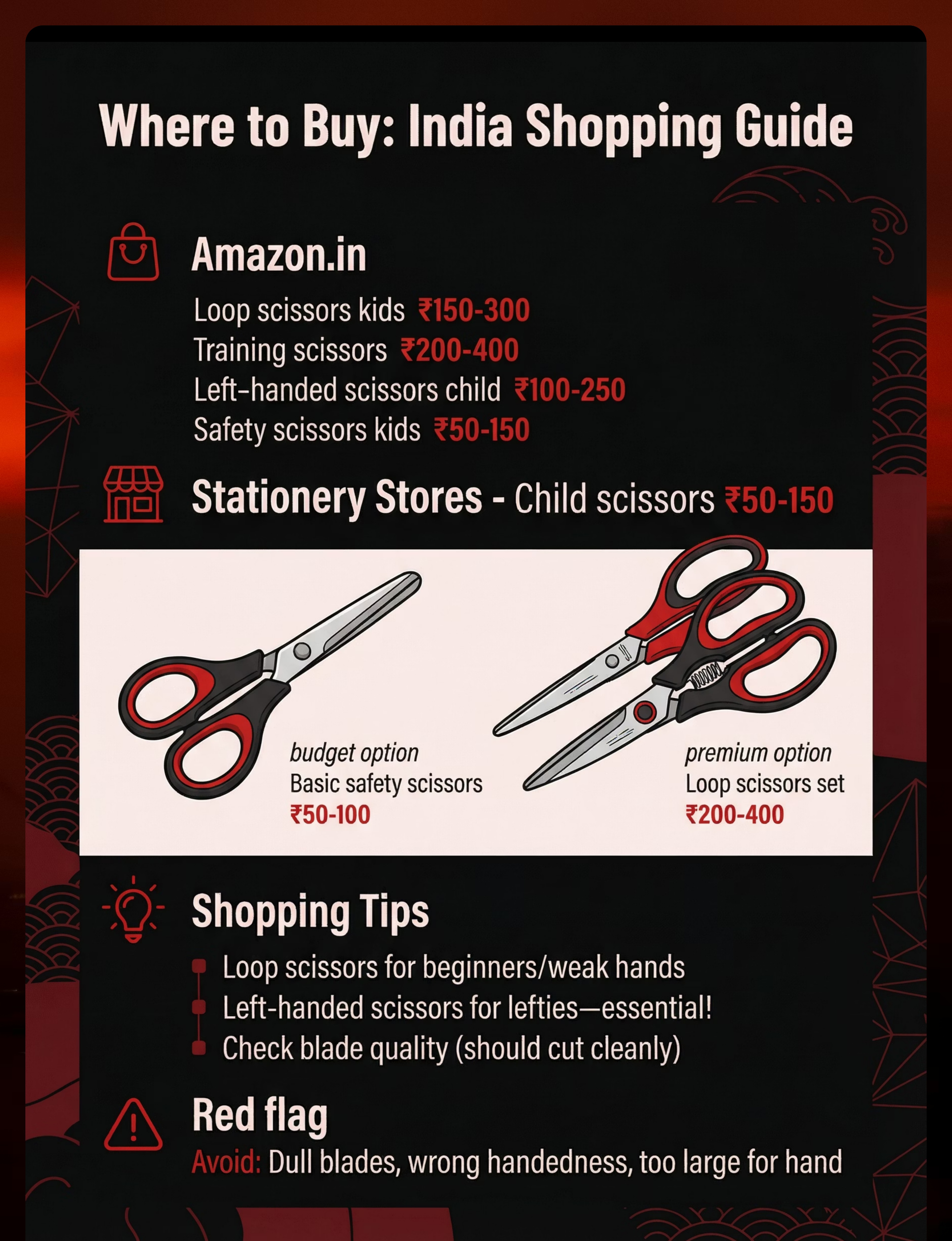
Where to Buy in India
Availability: Widely Available across India through online and offline channels
Amazon.in | "loop scissors kids" | ₹150-300 | |
Amazon.in | "training scissors" | ₹200-400 | |
Amazon.in | "left handed scissors child" | ₹100-250 | |
Amazon.in | "safety scissors kids" | ₹50-150 | |
Stationery stores | "child scissors" | ₹50-150 |
Buying Tips
Loop scissors for beginners or weak hands—eliminates opening effort
Left-handed scissors for left-handed children—absolutely essential!
Check blade quality (should cut paper cleanly, not tear)
Comfortable handle size appropriate for child's hand
Cutting workbooks provide structured progressive practice
Red Flags - Avoid These
- Dull blades that tear paper rather than cutting cleanly
- Wrong handedness (right scissors for left-handed child is a disaster)
- Too large for child's hand (can't grip properly)
- Stiff mechanism that's hard for child to operate

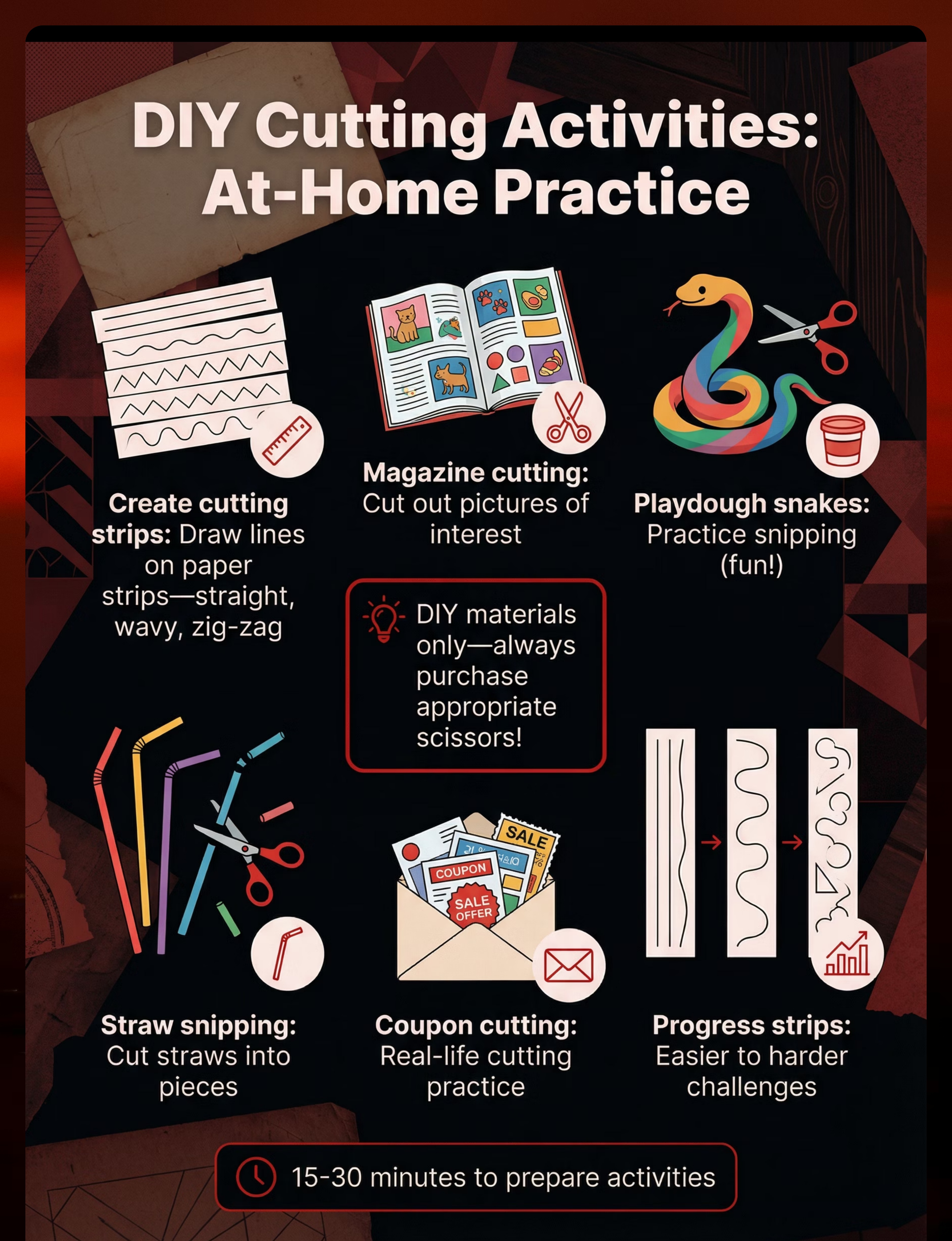
DIY Alternative (Save on Materials)
Feasibility: Low for scissors themselves; High for cutting practice materials
Cost Savings: Significant on practice materials | Time: 15-30 minutes to prepare activities
Important: You cannot DIY scissors themselves—proper scissors are essential. But you can create excellent cutting practice materials at home for free or very low cost.
DIY Cutting Materials
Create cutting strips
Draw lines on paper strips. Start with straight lines, then progress to wavy and zig-zag patterns.
Progress strips
Make strips that progress: straight → wavy → zig-zag → curves → shapes. Each type builds difficulty.
Magazine cutting
Cut out pictures of child's interests from old magazines. Highly motivating and free materials.
Playdough snakes
Roll playdough into snakes. Practice snipping them with scissors. Fun tactile practice, no frustration.
Straw snipping
Cut plastic straws into pieces. Satisfying snip sound. Make patterns or jewelry. Very engaging.
Coupon cutting
Real-life cutting practice with junk mail coupons. Functional and purposeful.
DIY vs Commercial
When to DIY
- Creating cutting practice materials daily
- Supplementing commercial workbooks with custom content
- Using household items for motivating practice
When to Buy Commercial
- Scissors themselves (always buy appropriate type)
- Structured cutting workbooks with progressive difficulty
- Specialized adaptive scissors (loop, training, left-handed)
Tradeoffs: Cannot DIY scissors—must purchase appropriate type. But homemade practice materials are often more motivating and can be customized to child's interests while saving money on workbooks.
Preview of scissors cutting activities Therapy Material
Below is a visual preview of scissors cutting activities therapy material. The pages shown help educators, therapists, and caregivers understand the structure and content of the resource before use. Materials should be used under appropriate professional guidance.


Share this resource
Help others discover thisLink copied!

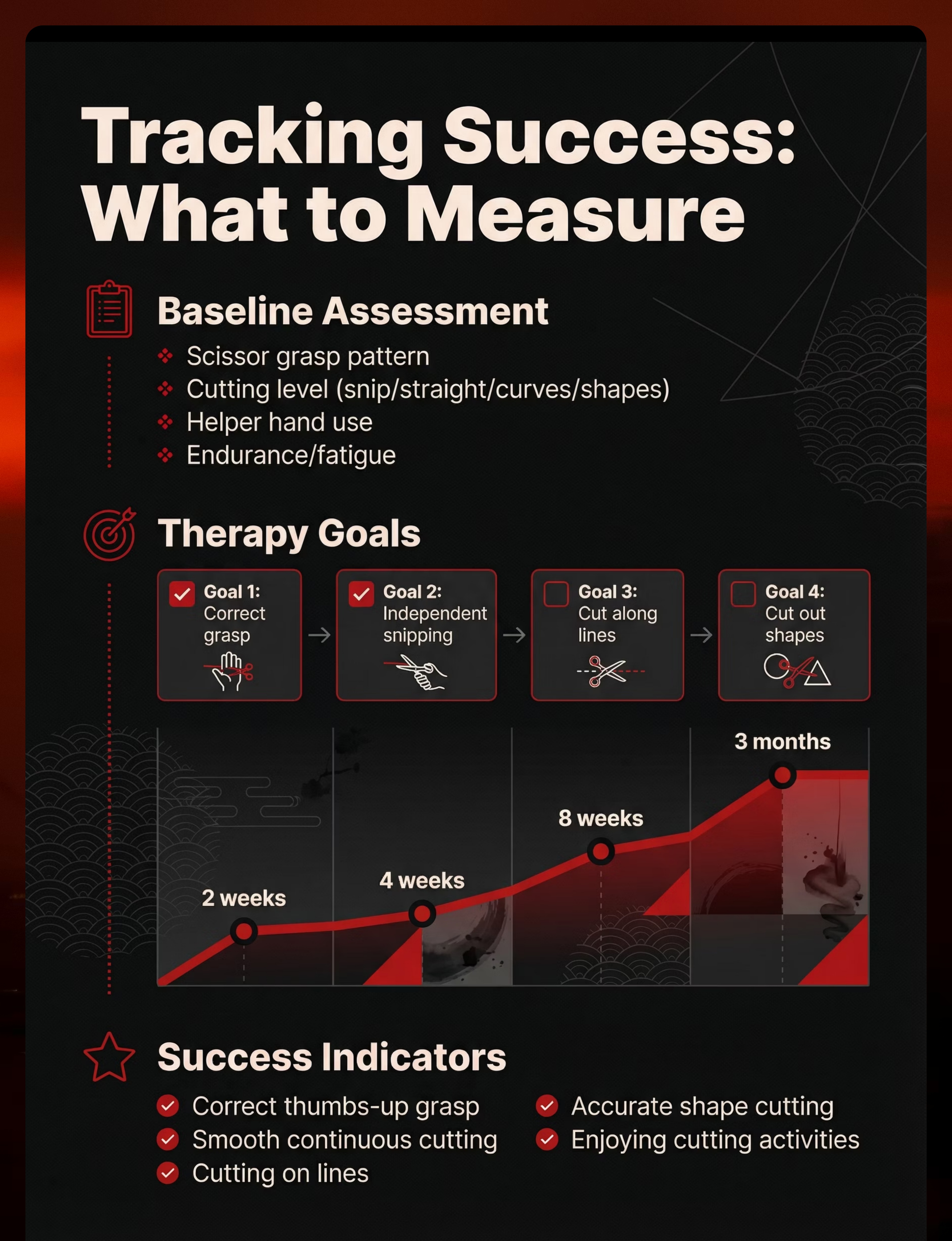
Measuring Success & Next Steps
Track Progress
Baseline (Measure First)
- Scissor grasp pattern (correct or compensatory?)
- Cutting level (can't cut, snip only, straight lines, curves, shapes?)
- Helper hand use (stabilizing paper?)
- Endurance and fatigue level
Goals
- Child will hold scissors with correct grasp
- Child will snip paper independently
- Child will cut along straight lines
- Child will cut out shapes
Success Indicators
- ✓ Correct 'thumbs up' grasp automatic
- ✓ Smooth, continuous cutting motion
- ✓ Cutting on lines accurately
- ✓ Cutting shapes accurately
- ✓ Enjoying cutting activities
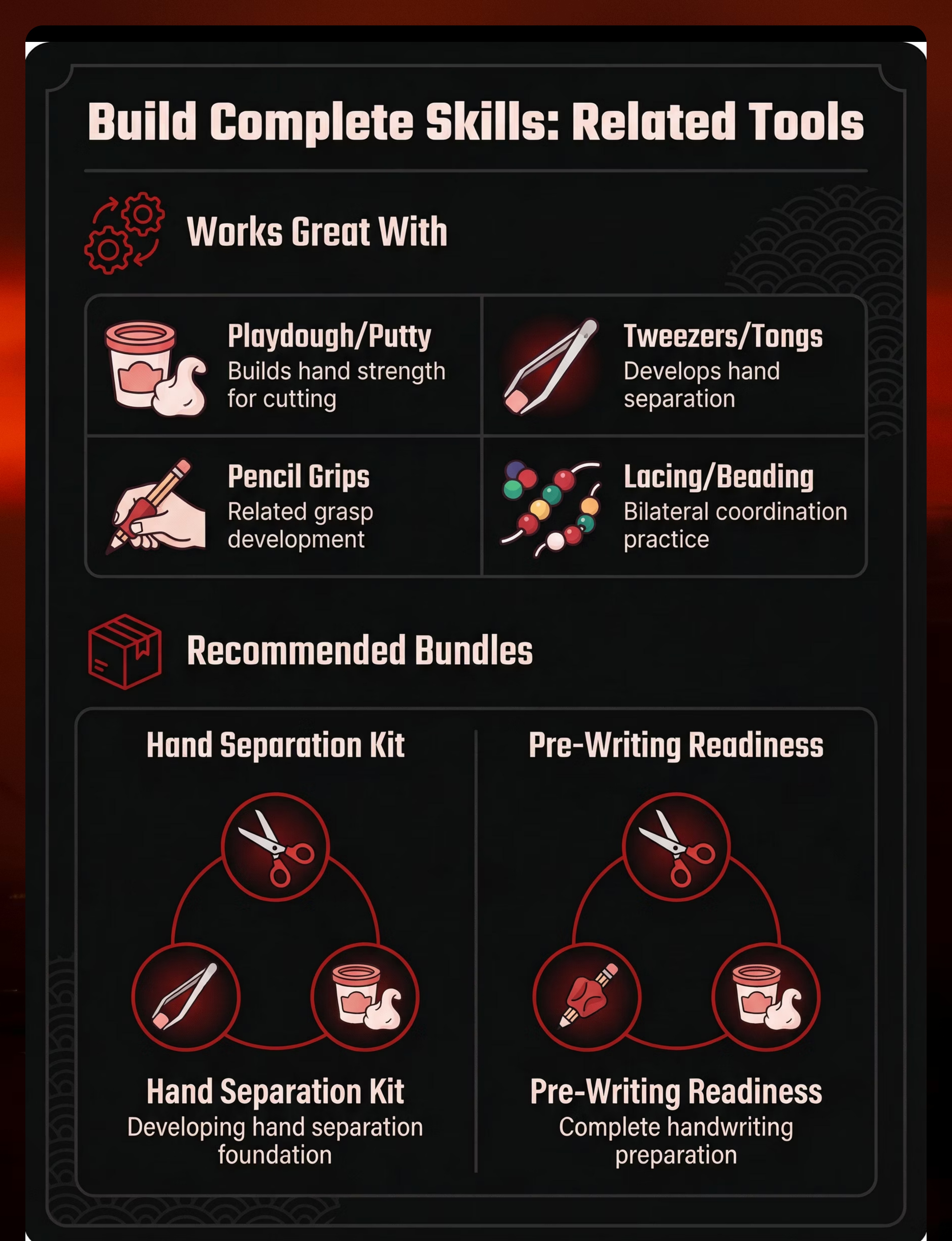
Complete the Kit - Pair It With...

Playdough/Putty (ID: 7.1)
Hand strength for cutting. Build the muscles needed for sustained scissor use.

Tweezers/Tongs (ID: 7.4)
Hand separation development. Same thumb opposition used in cutting.

Pencil Grips (ID: 7.6)
Related grasp development. Cutting supports handwriting readiness.

Lacing/Beading (ID: 7.2)
Bilateral coordination. Both hands working together like cutting.
Recommended Bundles
- Hand Separation Kit: Scissors (7.3) + Tweezers/Tongs (7.4) + Playdough (7.1) — Comprehensive hand separation development
- Pre-Writing Readiness: Scissors (7.3) + Pencil Grips (7.6) + Playdough (7.1) — Complete handwriting foundation
AI Summary
Scissors develop hand separation, bilateral coordination, and visual-motor integration essential for handwriting. Core Kit (Rank 1), strong evidence, foundational skill.
scissors
cutting
hand separation
bilateral
fine motor
visual-motor
OT
SpEd
core-kit
Common Searches
scissors autism, loop scissors kids, cutting skills autism, training scissors, left handed scissors child, scissor skills therapy, fine motor cutting
Get Support
FREE National Autism Helpline
Phone: 9100 181 181
Languages: 16+ languages supported
Website: pinnacleblooms.org
Platform Integration
AbilityScore® identifies hand separation and cutting skill levels through developmental assessment.
TherapeuticAI® prescribes personalized cutting progression based on current abilities.
EverydayTherapyProgramme™ includes daily cutting practice integrated into routines.
Fine Motor Index tracks cutting skill development over time with measurable progress indicators.
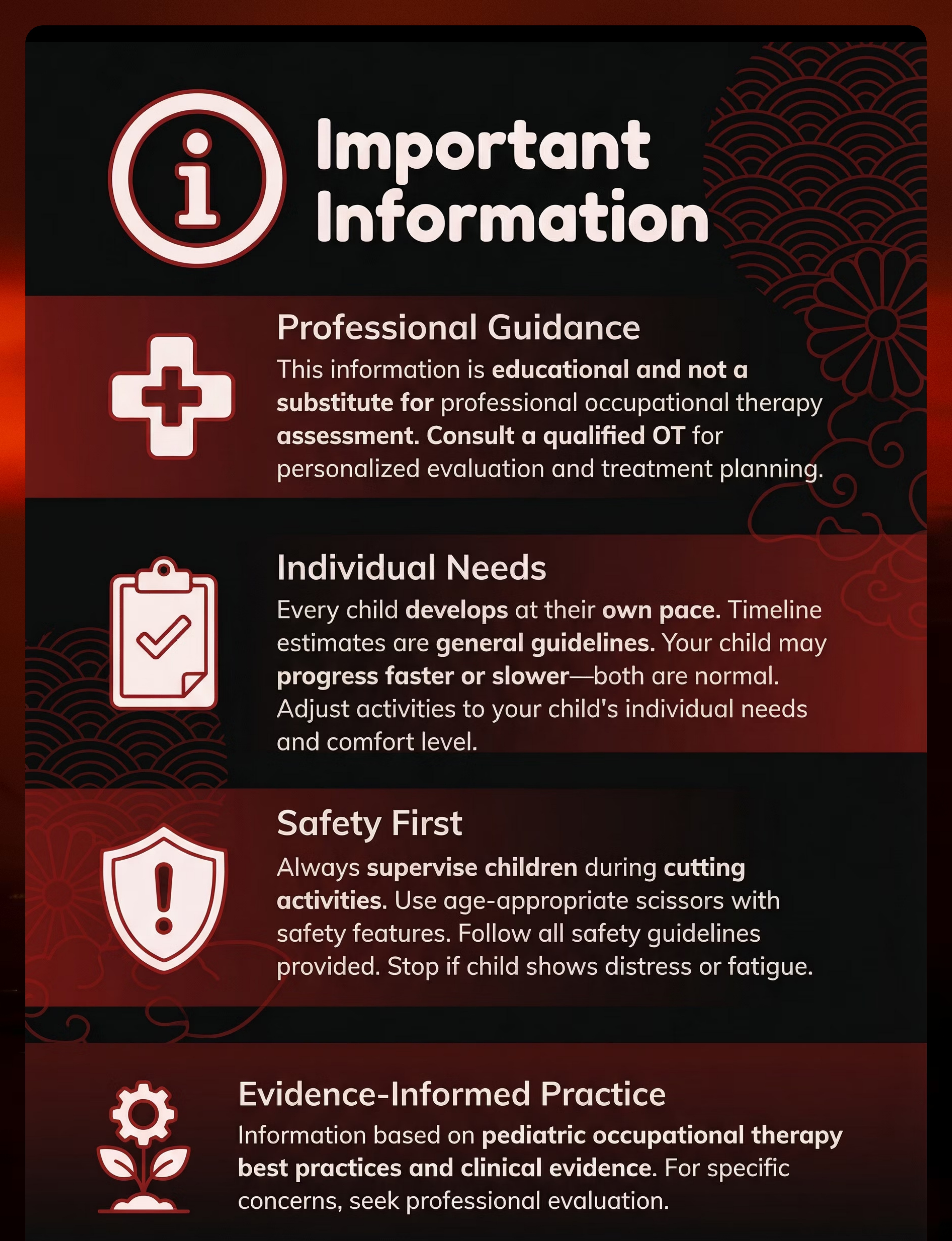
Disclaimer
This is educational information. Always consult qualified occupational therapists, speech-language pathologists, or pediatricians for personalized guidance. Individual results vary. Scissor skills develop at different rates for different children.