




Tool ID: 6.4
Tool ID: 6.4
OT + PT Recommended
Strong Evidence
Rank #1
Session-based Use
₹400–2,000
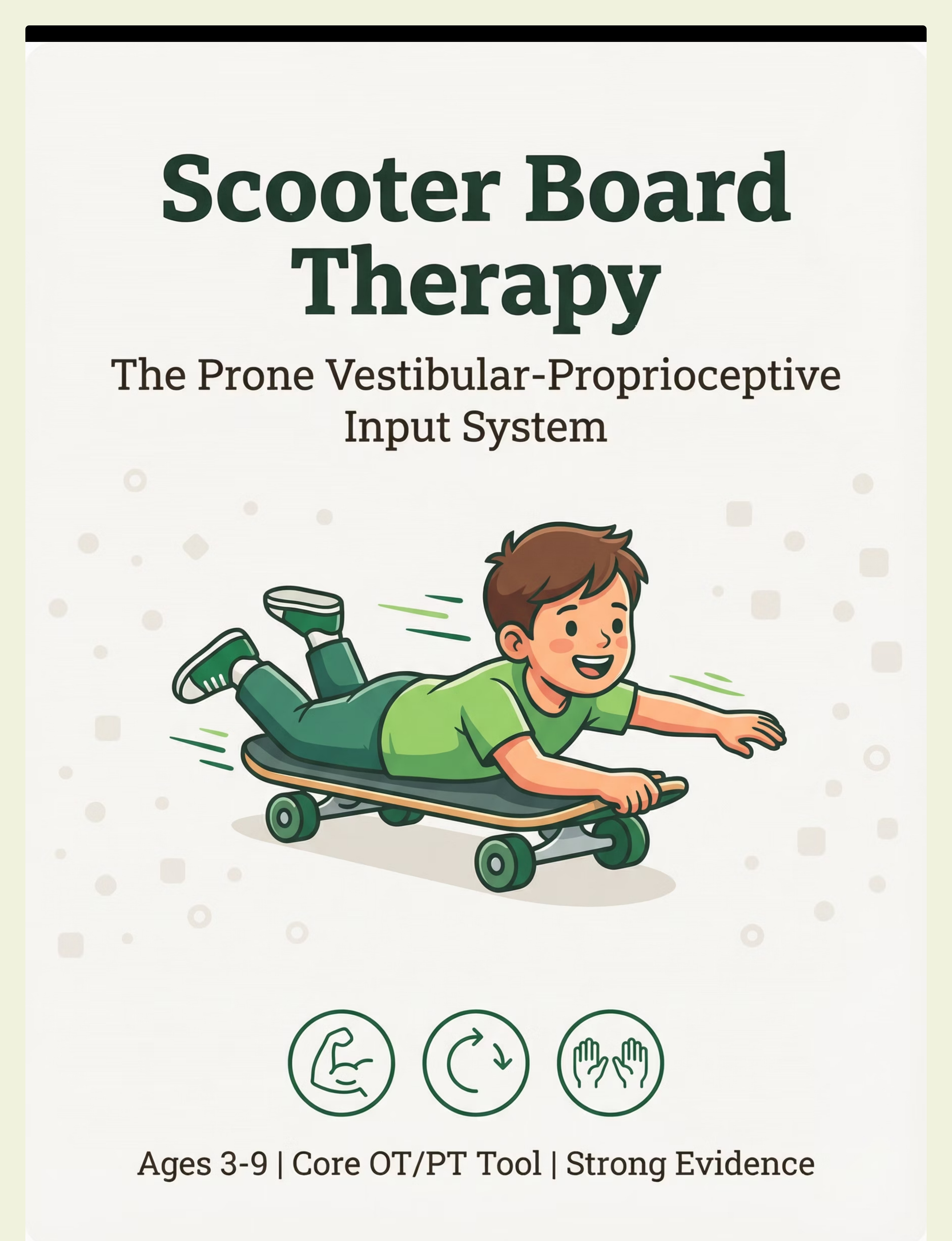
Scooter Board
Prone vestibular-proprioceptive input system
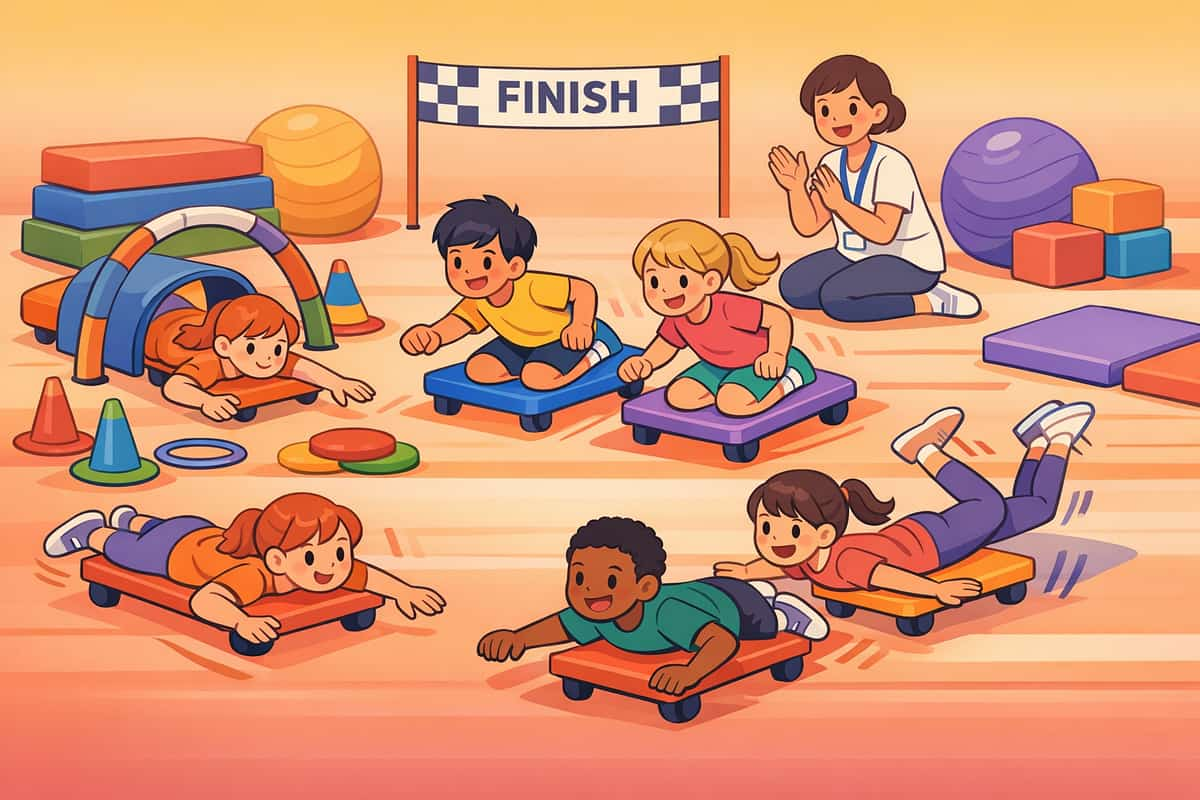
The scooter board is one of the most powerful yet simple tools in occupational and physical therapy. By combining prone positioning with wheeled movement, it delivers intense vestibular input while simultaneously building the upper body strength, bilateral coordination, and core stability that many children with developmental differences need. Whether racing down the hallway at home, navigating obstacle courses at school, or working through structured therapy activities in the clinic, scooter boards transform essential therapeutic work into joyful play.
Who This Helps
Vestibular Processing
Provides organized movement input for children who seek or struggle with vestibular regulation
Upper Body & Core Strength
Builds essential shoulder, arm, and trunk muscles needed for daily activities
Bilateral Coordination
Teaches both sides of the body to work together smoothly and efficiently
Prone Extension & Motor Planning
Develops the foundational skills for handwriting, self-care, and complex movement sequences
Ages 3-12 years
Home
Clinic
School
Best for: Children who need upper body strengthening, seek movement input, avoid tummy-time activities, or struggle with bilateral coordination. Particularly effective for children who skipped or minimized crawling, have weak core stability, or need structured vestibular experiences.
Does This Sound Familiar?
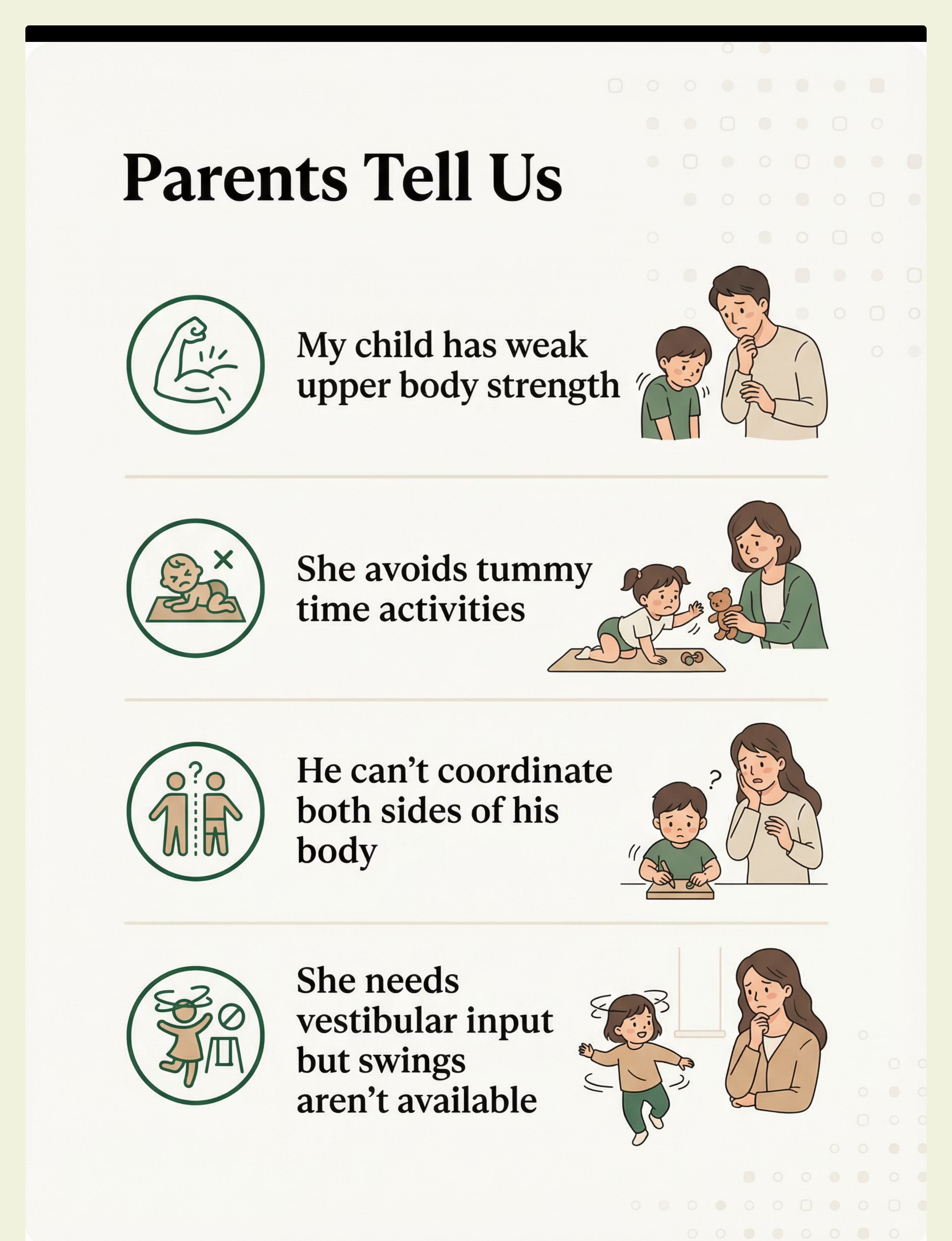
"My child has weak upper body strength. He struggles with activities that require pushing, pulling, or supporting his own weight. Handwriting is exhausting for him."
"She completely avoids tummy time activities. Floor play is difficult. She missed crawling or barely crawled. Now her whole body seems weak."
"He can't coordinate both sides of his body. Using scissors, catching a ball, even buttoning clothes—anything requiring two hands working together is a struggle."
"She needs constant vestibular input but swings aren't always available. She's seeking movement all day but it's chaotic and disorganized."
"His posture is so poor. Weak core means he slumps at the table, fatigues quickly, and everything physical is harder than it should be."
"He loves moving and racing, but needs structured input that actually builds skills instead of just burning energy."
You're not alone. These are common challenges that occupational and physical therapists see daily. The scooter board addresses all of these concerns through one deceptively simple tool.
A Day Without the Right Support
Morning Routine
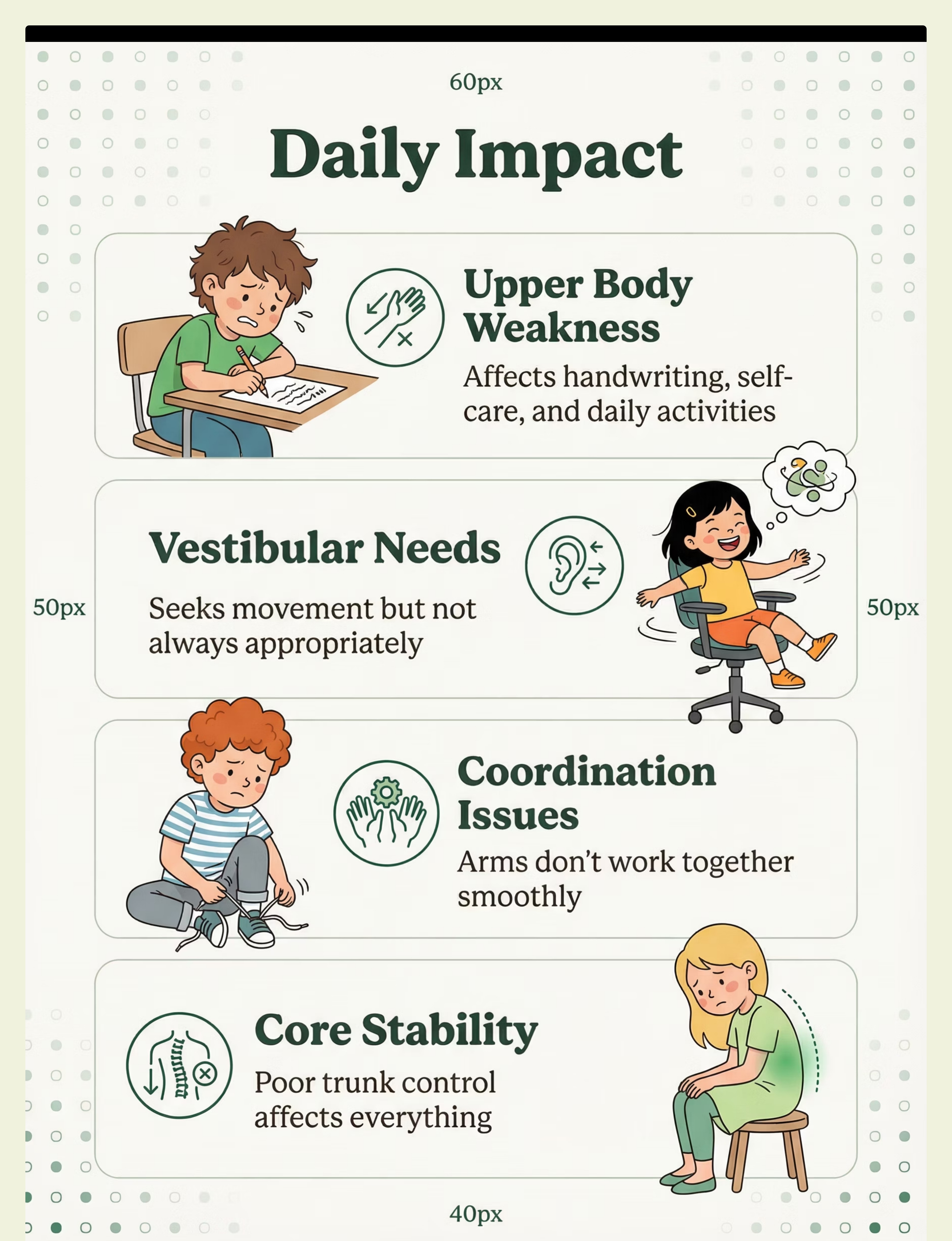
Weak upper body makes dressing exhausting. Arms tire quickly buttoning shirts. Can't hold body weight to pull on pants. Morning starts with frustration.
School Transitions
Poor bilateral coordination shows during activities. Can't coordinate hands for zippers, lunch containers, craft projects. Falls behind classmates. Feels different.
Therapy & Learning Time
Vestibular seeking behavior disrupts learning. Constant movement need not met appropriately. Can't sit still. Gets in trouble for running, spinning, crashing.
Evening Activities
Core weakness becomes evident. Slumps at dinner table. Homework position deteriorates. Handwriting gets worse as muscles fatigue. Everything feels hard.
The Science Behind It
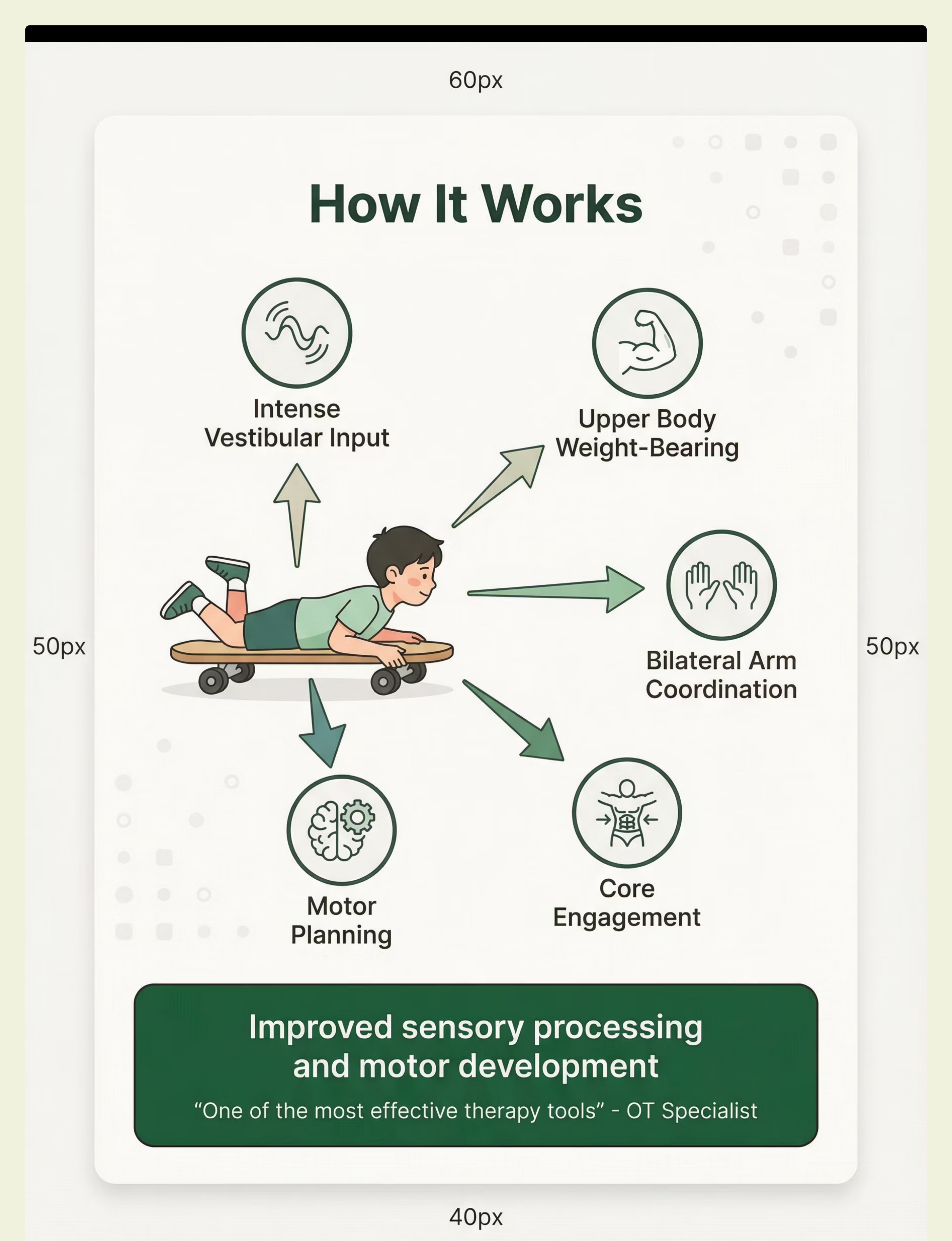
Prone Position on Moving Surface
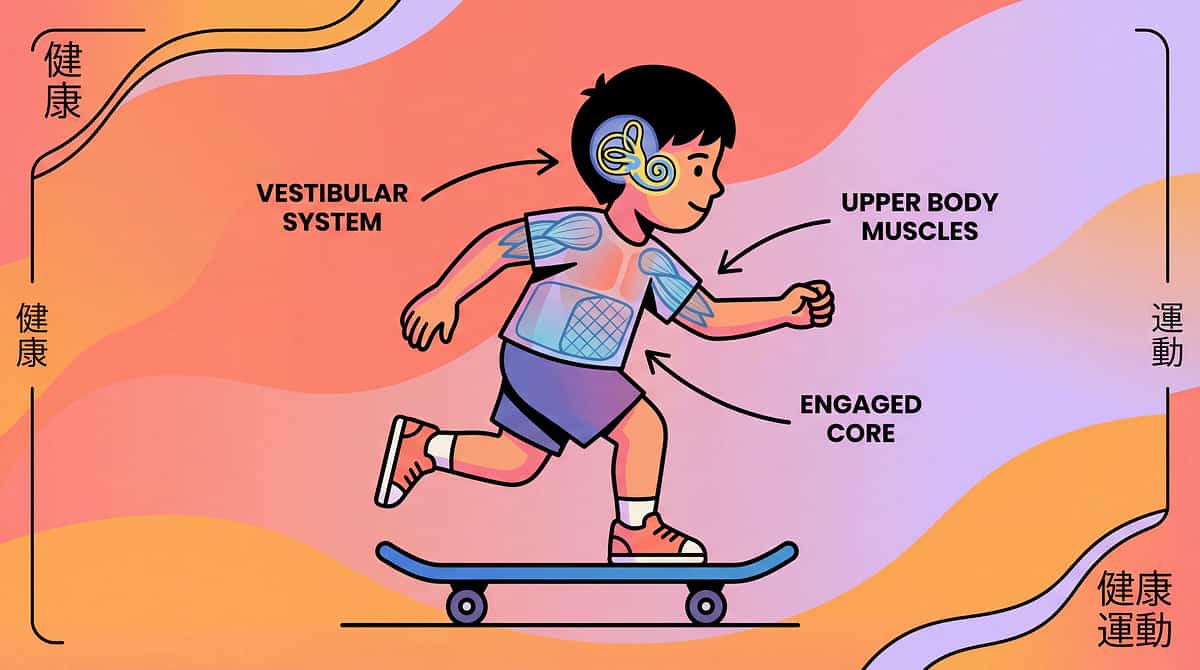
Lying face-down on wheeled board activates entire vestibular system while engaging anti-gravity muscles
Intense Vestibular Input
Movement through space provides organized, therapeutic vestibular stimulation that the brain craves and needs
Upper Body Weight-Bearing
Arms push and pull against floor, building shoulder stability and strength in functional patterns
Bilateral Arm Coordination
Both arms must work together rhythmically to propel and steer, training the brain's coordination pathways
Core Engagement & Motor Planning
Trunk muscles stabilize body while brain plans and executes complex movement sequences, resulting in improved sensory processing
How to Use It Right
Safety First
Teach Safe Hand Position First
Hands on edges or handles, NEVER near wheels. This is non-negotiable. Make it a game: "Hands on the sides like you're holding a tray!"
Optimal Positioning
Maximize Vestibular Input with Prone
Lying on tummy (prone position) provides the most therapeutic benefit. This position activates the vestibular system most effectively while building upper body strength.
Movement Technique
Emphasize Pulling with Arms
Encourage child to pull themselves forward using both arms together. This bilateral coordination is where the therapeutic magic happens.
Engaging Activities
Create Games and Obstacle Courses
Make it fun! Scooter board bowling, races, delivery games ("Can you bring this block to daddy?"), or navigate around cones.
Constant Supervision
Supervise to Prevent Injuries
Watch for safe habits especially around wheel areas. Supervision until safe patterns are automatic prevents finger injuries.
Environment Setup
Use Smooth Floor Surfaces Only
Hardwood, tile, or smooth concrete work perfectly. Carpet doesn't allow rolling. Even a hallway or small cleared area is sufficient.
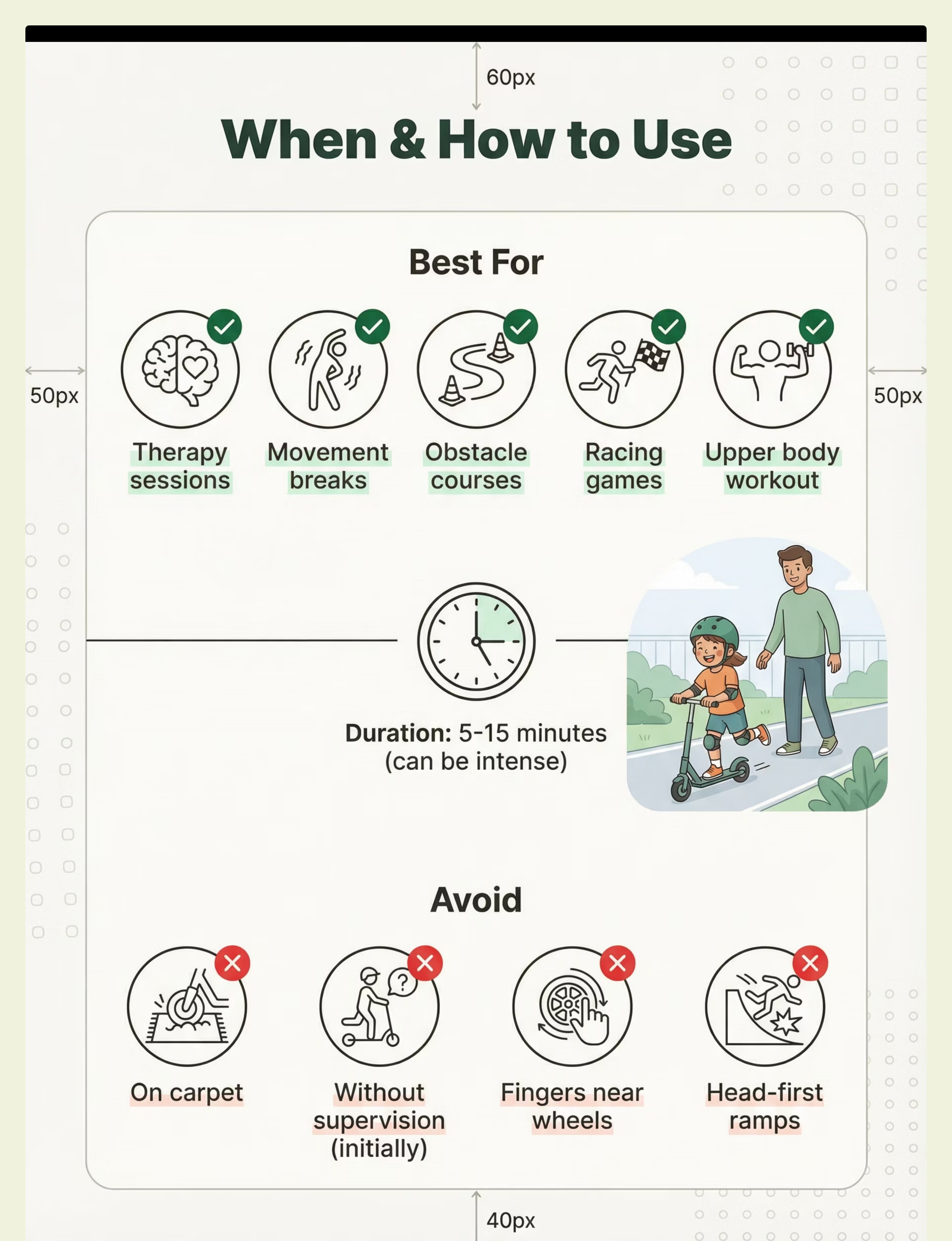
Duration: Sessions typically last 5-15 minutes. This is intense work! Watch for signs of fatigue and take breaks. Quality over quantity.
Expert Perspective
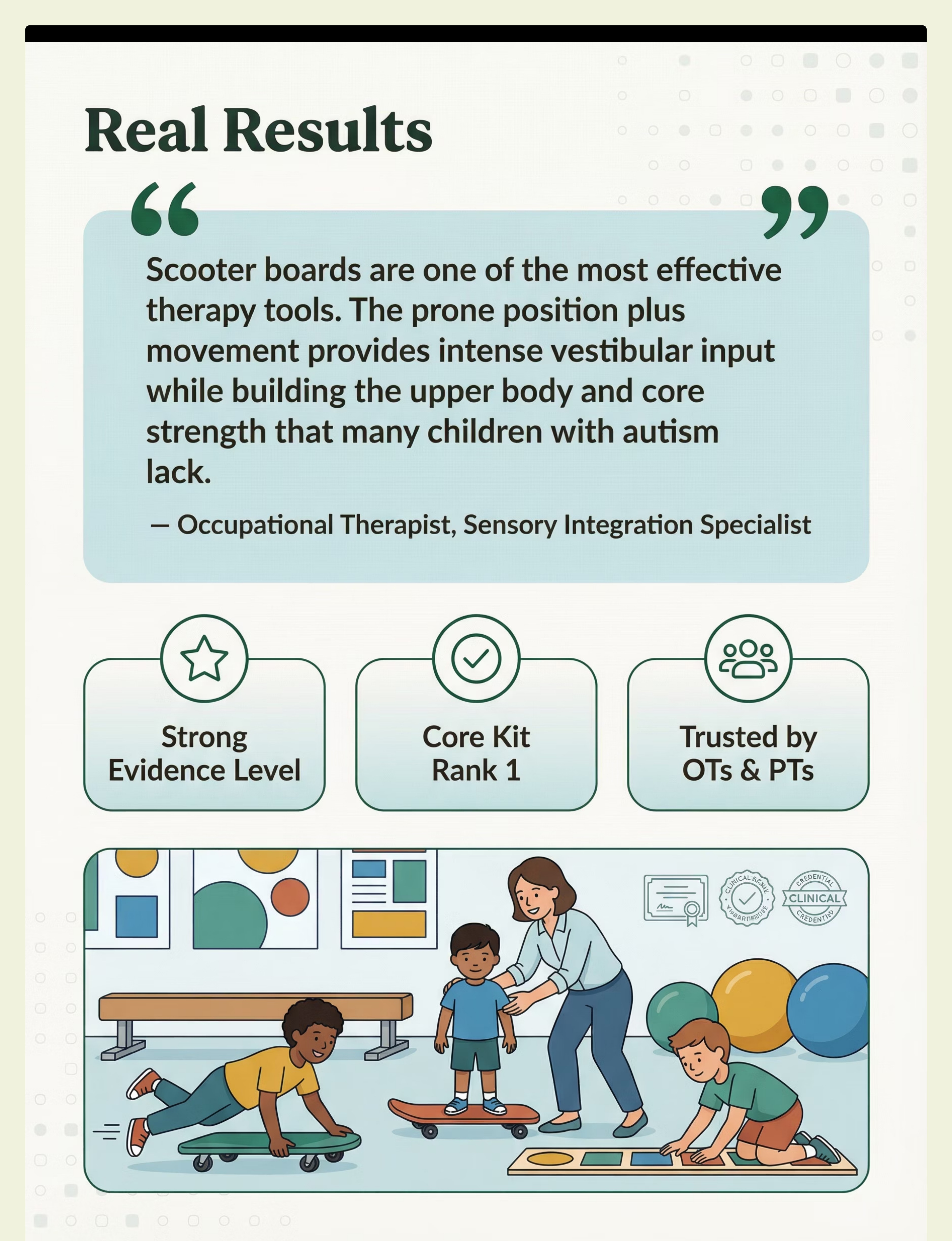
"Scooter boards are one of the most effective therapy tools. The prone position plus movement provides intense vestibular input while building the upper body and core strength that many children with autism lack."
— Occupational Therapist, Sensory Integration Specialist
OT + PT Recommended
Strong Evidence
Rank #1 in Category
Session-based Use
This endorsement reflects decades of clinical experience. Scooter boards consistently deliver measurable improvements in strength, coordination, and sensory processing when used appropriately as part of a comprehensive therapeutic program.
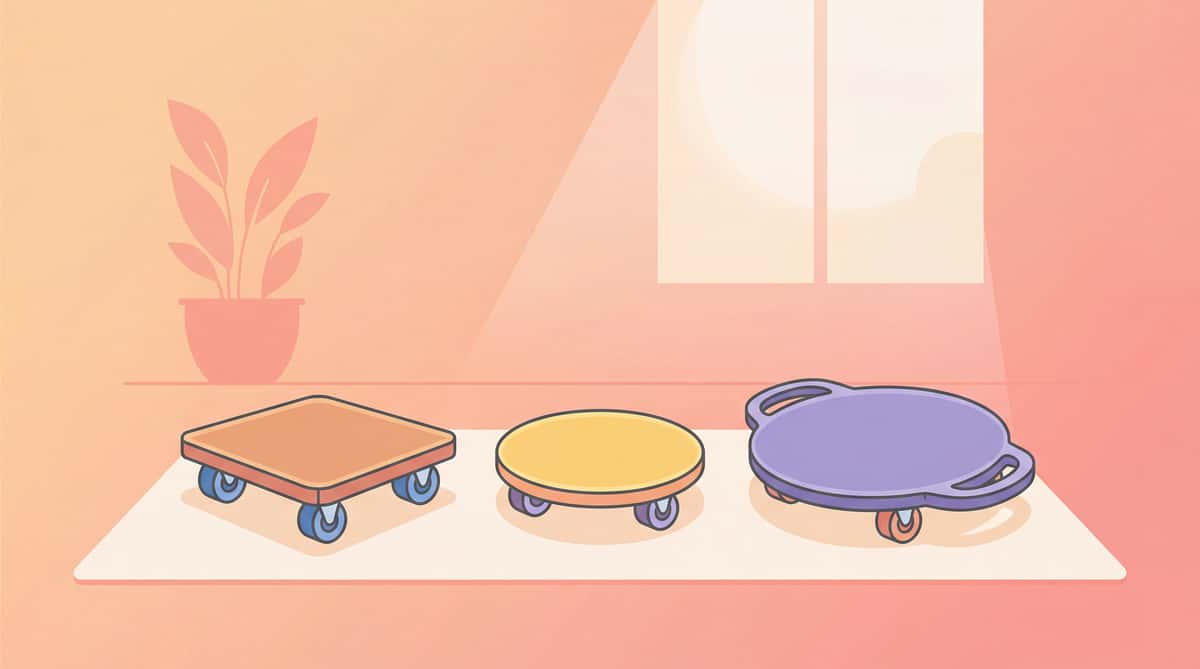
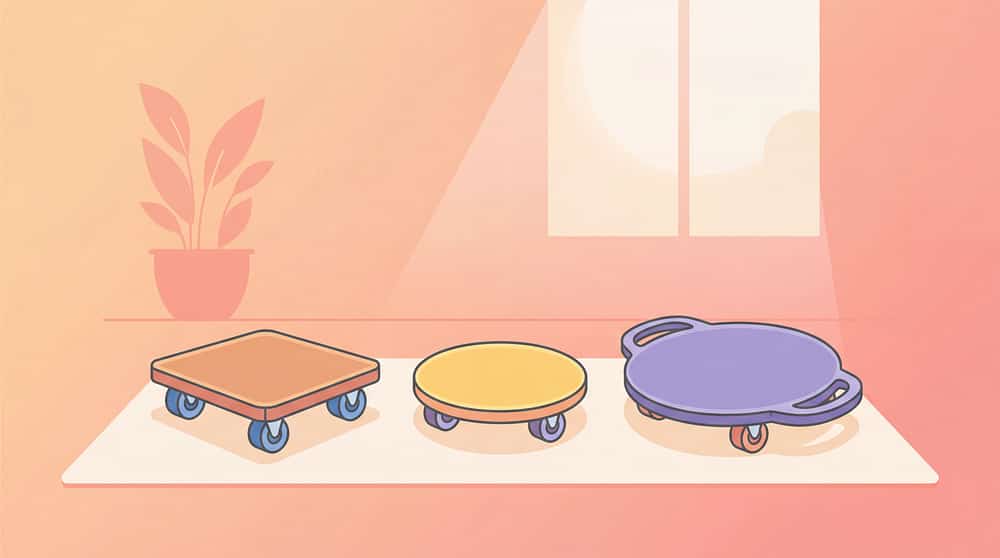
Choose Your Option (4 Variants)
scooter-board-therapy therapy material
Selecting the right scooter board depends on several factors. Follow these steps to determine the best fit for your specific needs and therapeutic objectives.
Define Your Goal
Consider whether you're focusing on strength, vestibular input, or safety. Each board excels in different areas.
Evaluate Your Setting
Determine where the board will be used most often—at home, in a clinic, or at school. Space and flooring are key.
Assess Portability Needs
If storage and transport are critical, opt for more compact and lightweight designs.
Each scooter board variant is designed to cater to different developmental stages and therapeutic applications. Understanding their unique features will help you make an informed choice.

Key Considerations:
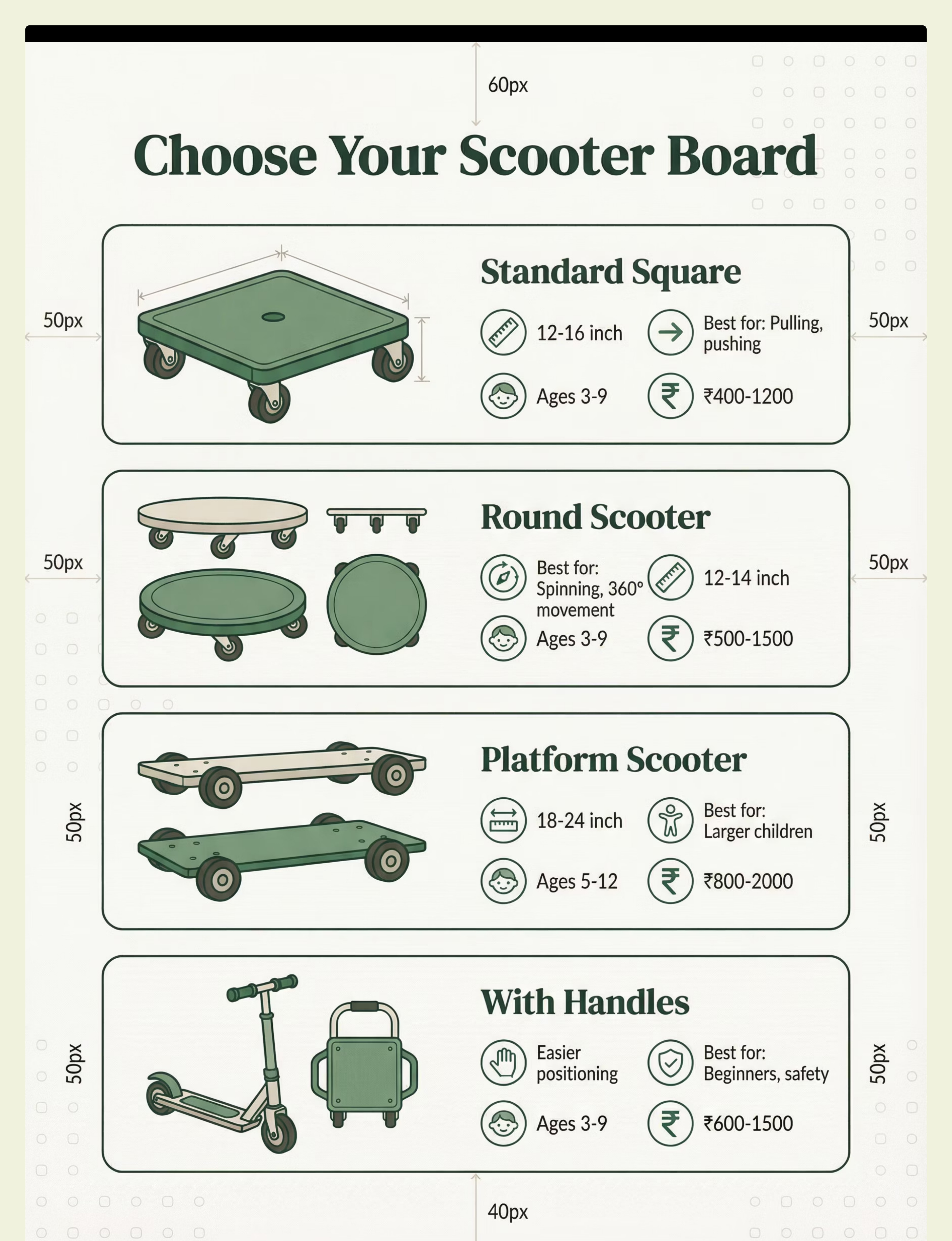
  • By goal: Strength building → Standard Square; Vestibular seeking → Round; Older/larger child → Platform; Safety priority → Handles
  • By setting: Home with smooth hallway → Standard; Clinic sensory gym → Any variant; School PE → Standard or Handles
  • By portability: Need to store easily → Standard or Round; Dedicated space available → Platform
1
Standard Square Scooter Board
Size: 12-16 inch square
Best for: Prone activities, pulling, pushing—the classic therapy choice
Ages: 3-9 years | Settings: Home, Clinic, School
Portability: High—easy to store and transport
Price: ₹400–1,200
2
Round Scooter Board
Size: 12-14 inch diameter
Best for: Spinning, 360° movement, rotational activities
Ages: 3-9 years | Settings: Clinic, Home
Portability: High—compact circular design
Price: ₹500–1,500
3
Large/Platform Scooter
Size: 18-24 inch platform
Best for: Larger children, sitting activities, more surface area
Ages: 5-12 years | Settings: Clinic, Home
Portability: Medium—larger but still manageable
Price: ₹800–2,000
4
Scooter Board with Handles
Size: Standard with built-in grips
Best for: Beginning users, safety-focused, easier hand positioning
Ages: 3-9 years | Settings: All environments
Portability: High—standard size with added safety
Price: ₹600–1,500
Specifications & Position Guide
Materials & Features
  • Platform: Plastic or wood (both work well)
  • Wheels: Swivel casters for maneuverability
  • Surface: Padded top optional for comfort
  • Edges: Smooth, rounded for safety
  • Wheels: Non-marking for indoor use
Key Features to Look For
  • 360° swivel wheels (essential!)
  • Smooth, rounded edges
  • Appropriate size for child's body
  • Durable construction
  • Non-marking, smooth-rolling wheels
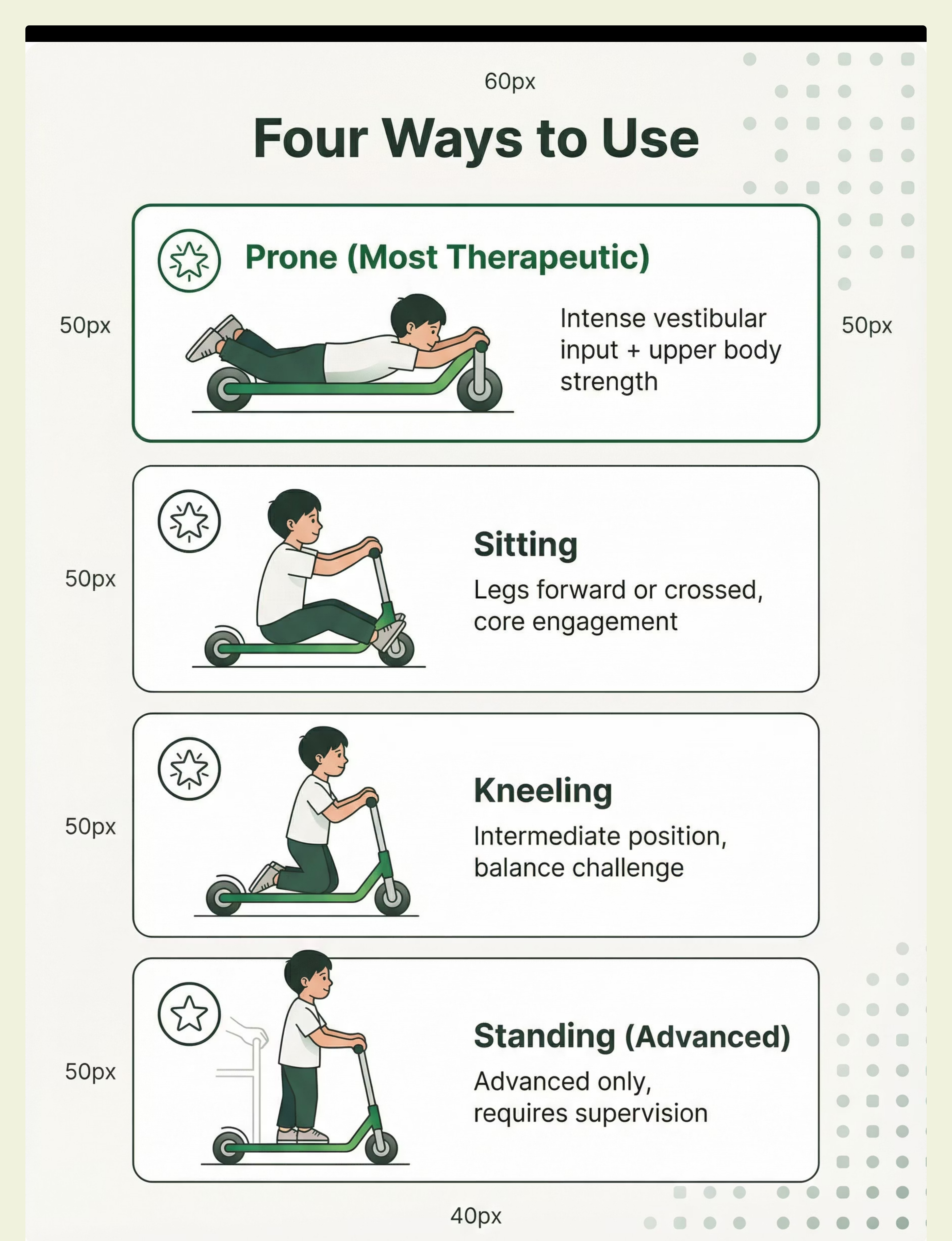
Therapeutic Positions
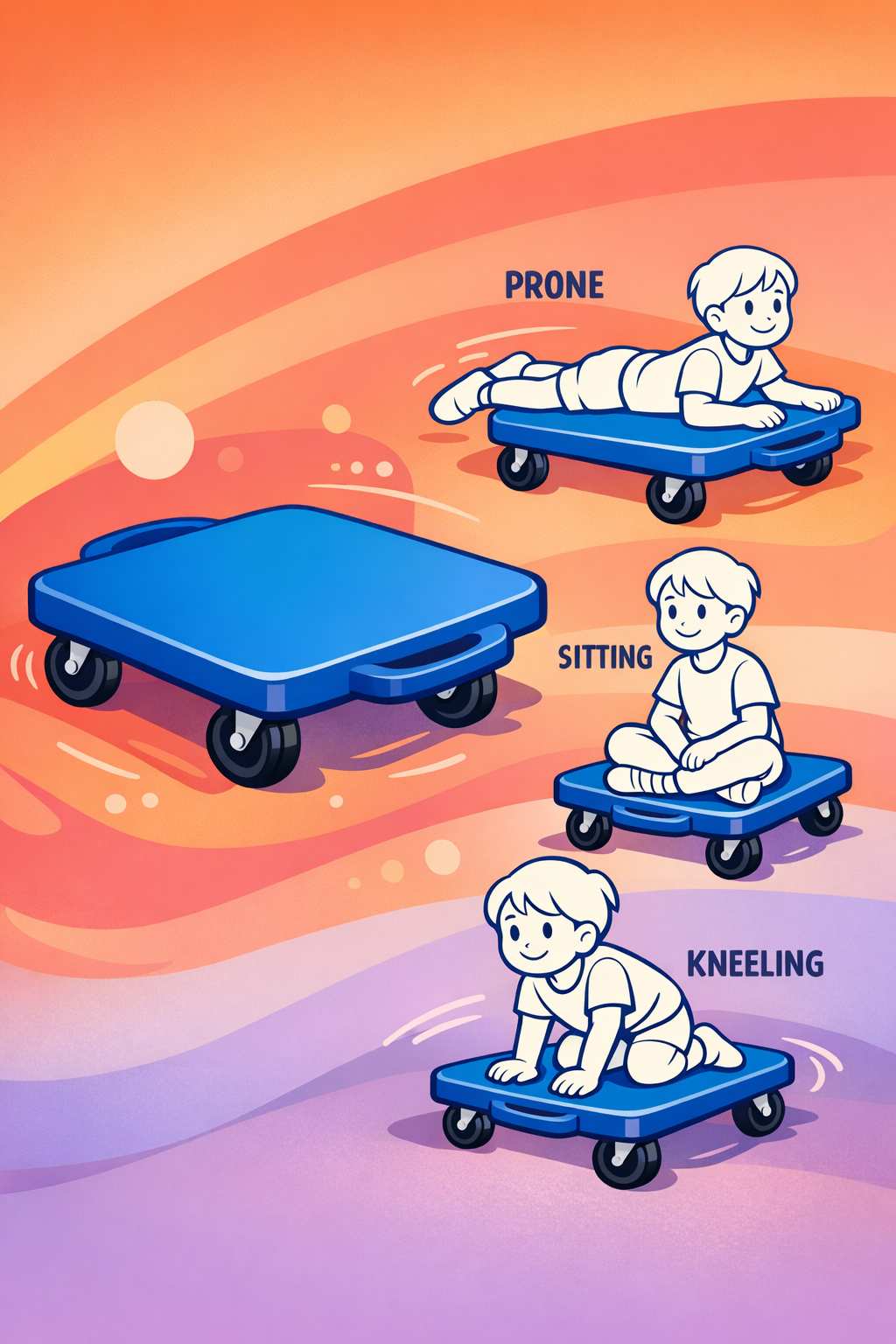
Prone (Most Therapeutic): Lying on tummy, arms free to pull and push. Maximizes vestibular input and upper body work.
Sitting: Seated with legs extended or crossed. Good for variety and different muscle engagement.
Kneeling: Kneeling on board. Intermediate challenge, works core differently.
Standing: Advanced only, requires support. Not recommended for most therapeutic applications.
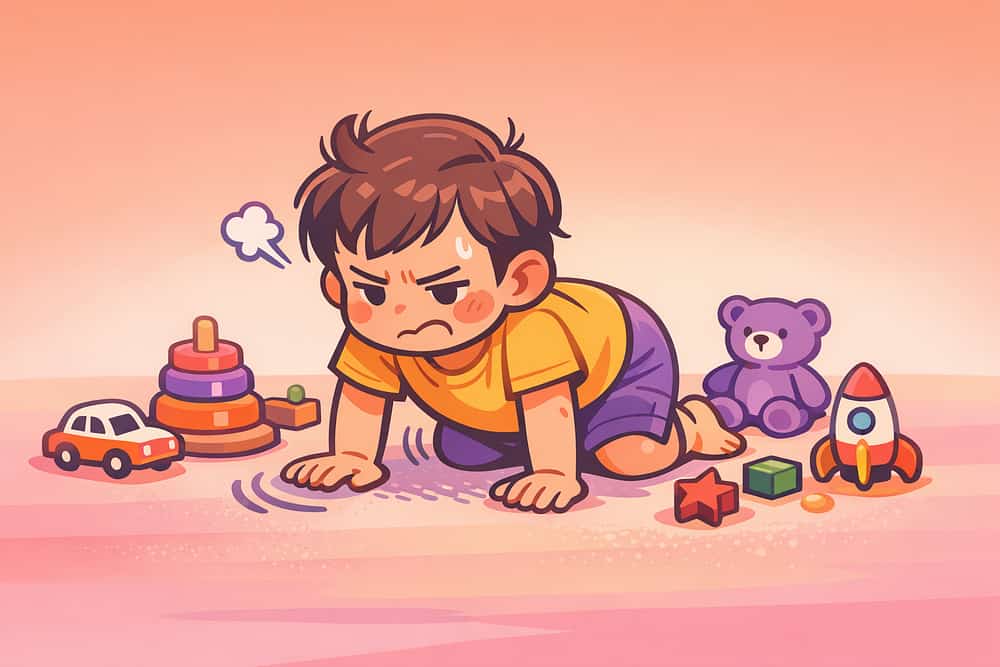
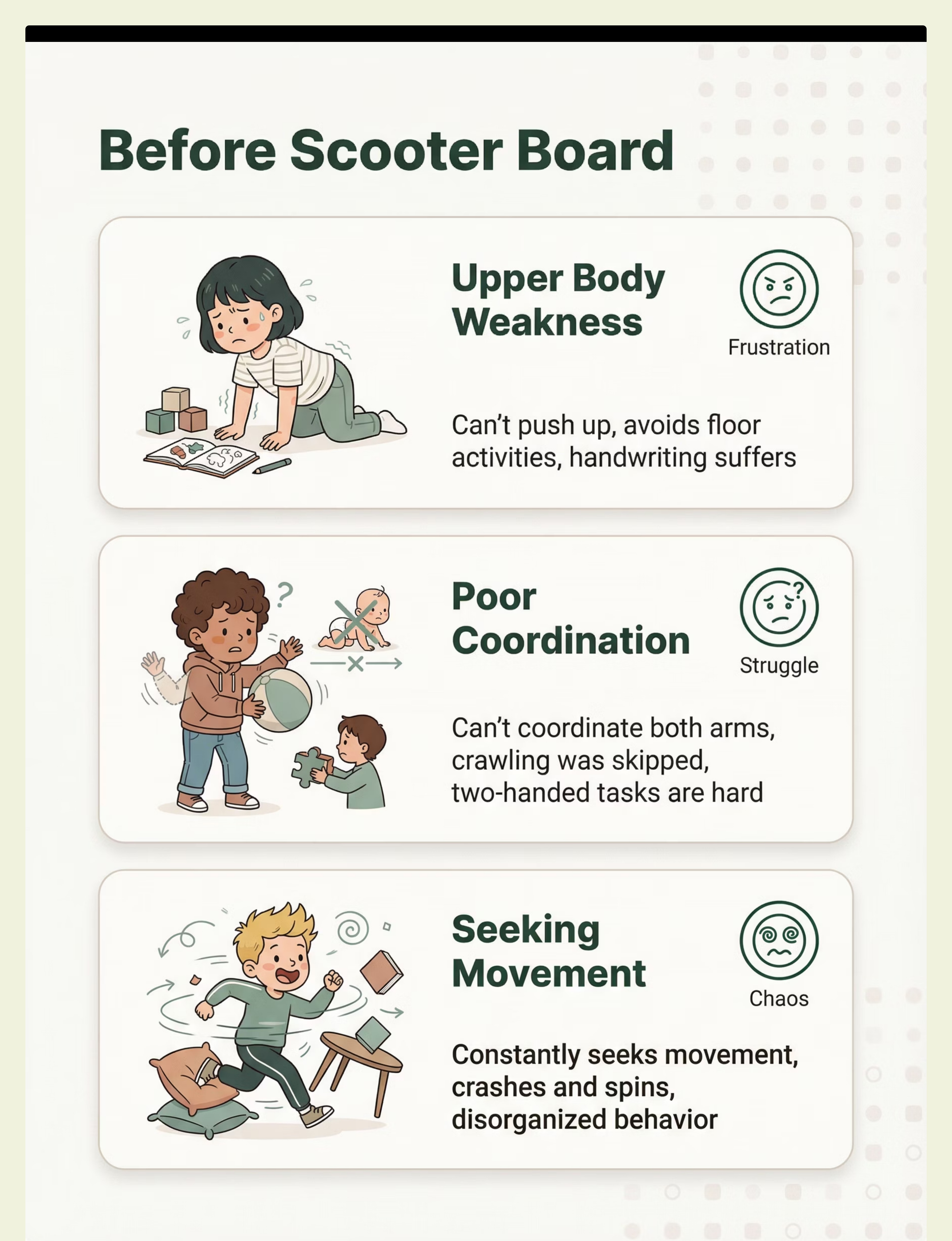
The Struggle (Before)

There was an error generating this image

Upper Body Weakness
Situation: Child can't push up from floor. Avoids all floor play and prone activities.
Experience: Handwriting is exhausting and illegible. Self-care tasks like dressing require constant help. Simple tasks feel impossible.
Emotion: Frustration builds. Avoidance increases. Self-esteem suffers as child compares themselves to peers.
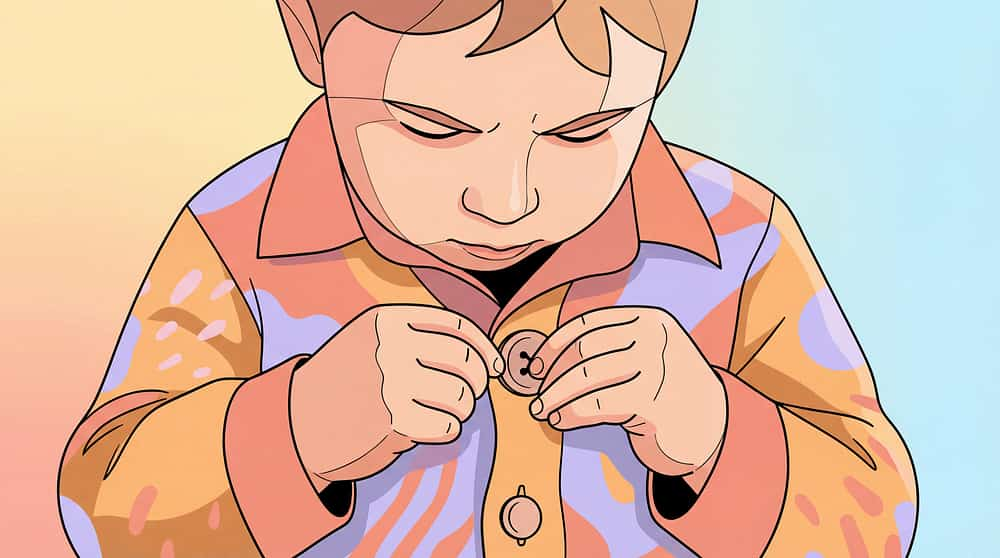
Bilateral Coordination Challenges
Situation: Child can't coordinate both arms together. Crawling was skipped or minimal during infancy.
Experience: Any activity requiring two hands is difficult—buttoning, zipping, catching balls, using scissors. Constant compensation with one strong side.
Emotion: Struggle is visible and ongoing. Comparison to siblings or classmates is painful. Frustration with "simple" tasks.

There was an error generating this image

Vestibular Seeking Behavior
Situation: Child seeks movement constantly—running, crashing, spinning without purpose.
Experience: Disorganized movement all day. Can't get the input they need appropriately. Gets in trouble for dangerous or disruptive behavior.
Emotion: Chaos internally and externally. Misunderstood as "hyperactive" or "poorly behaved." Seeking but never satisfied.
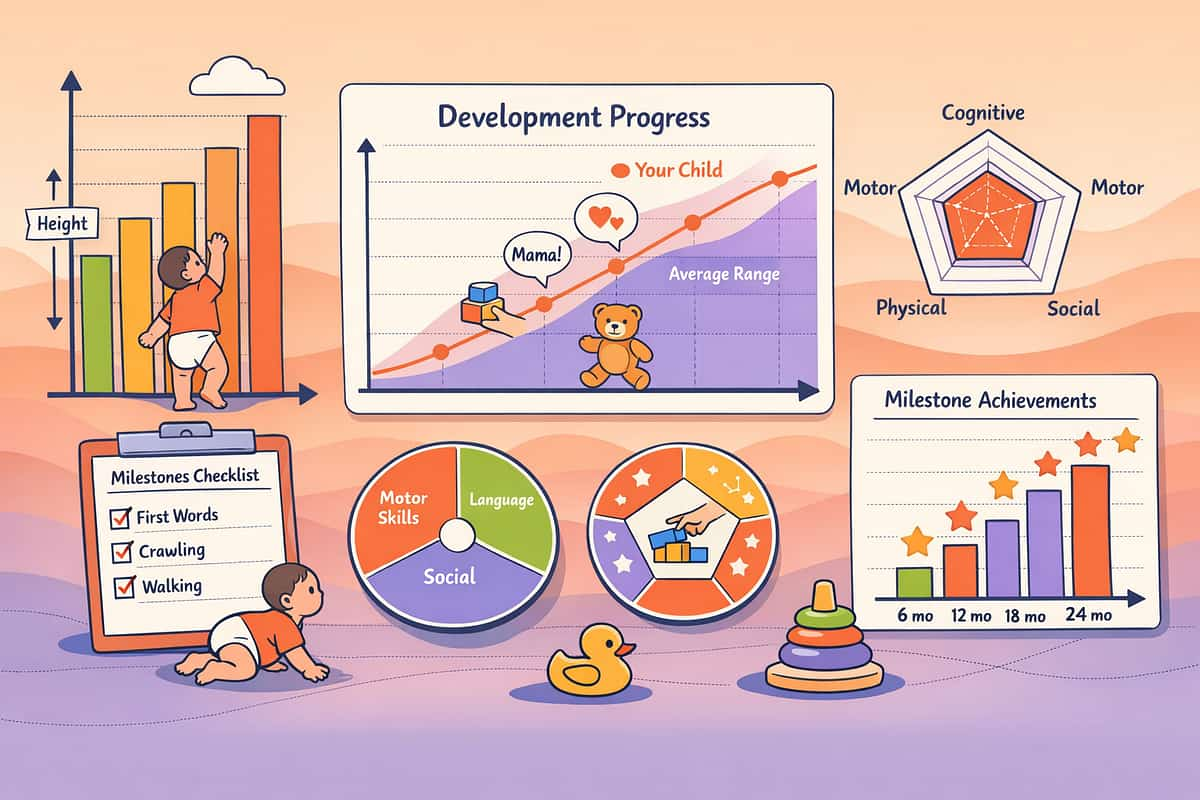
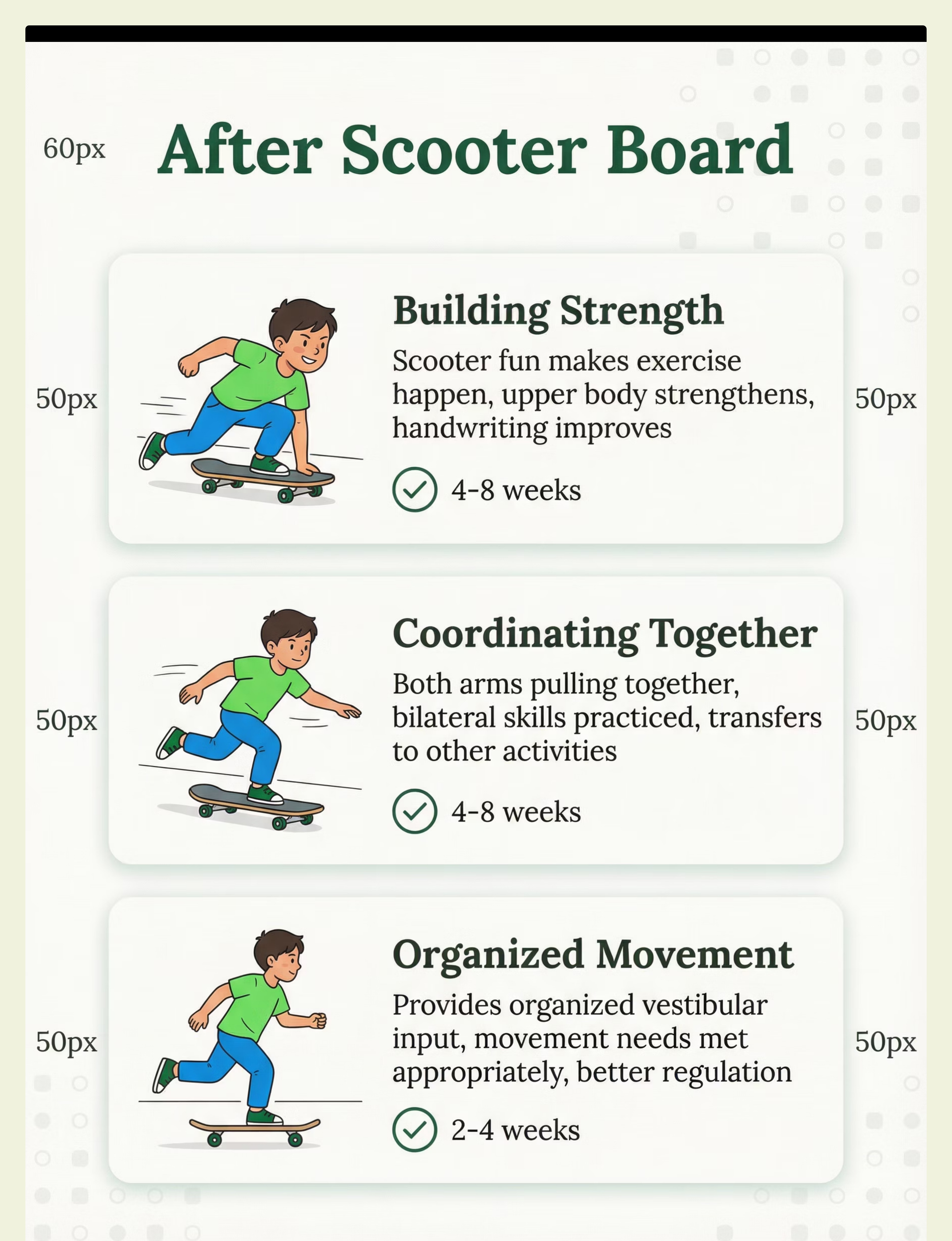
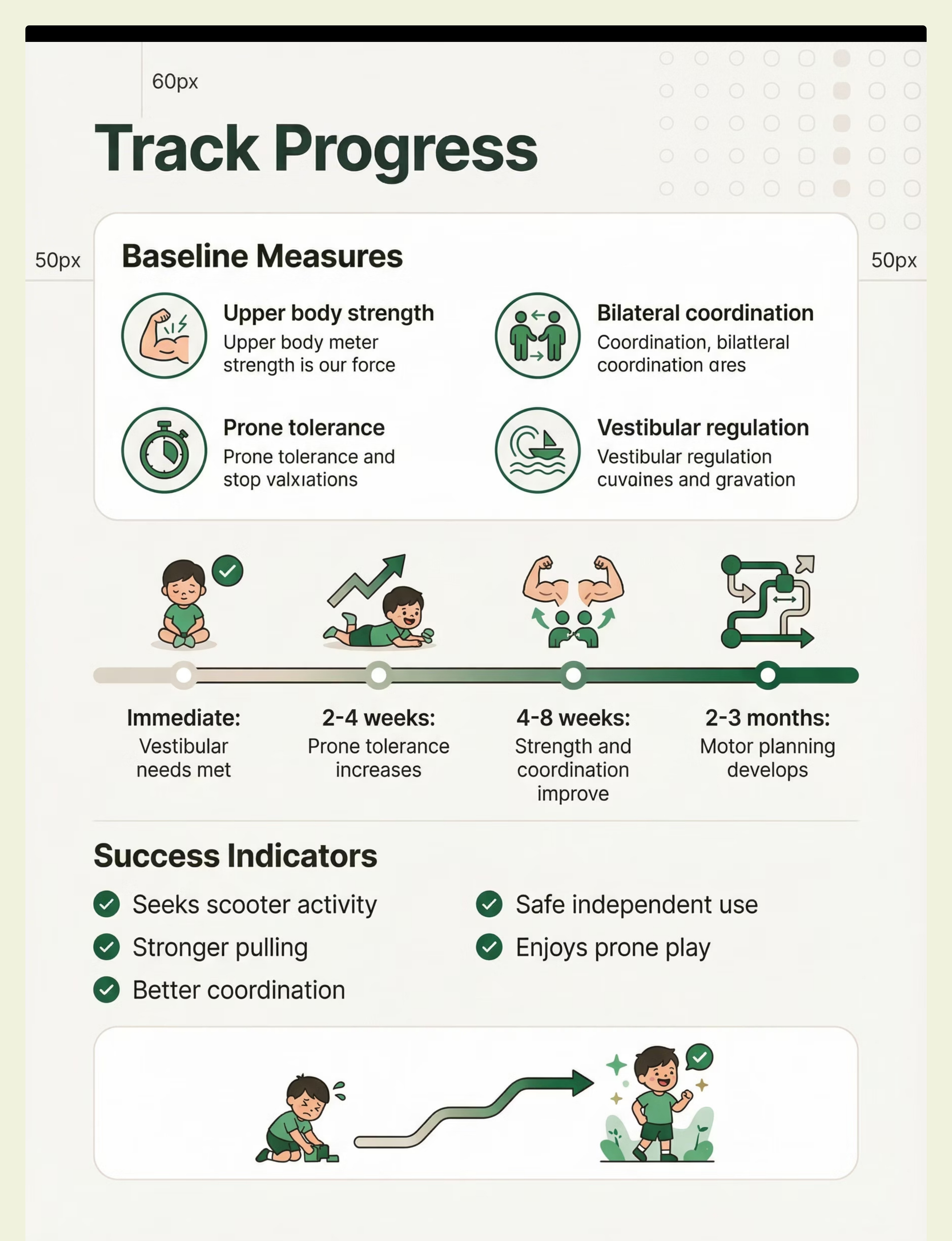
What to Expect (Realistic Timelines)
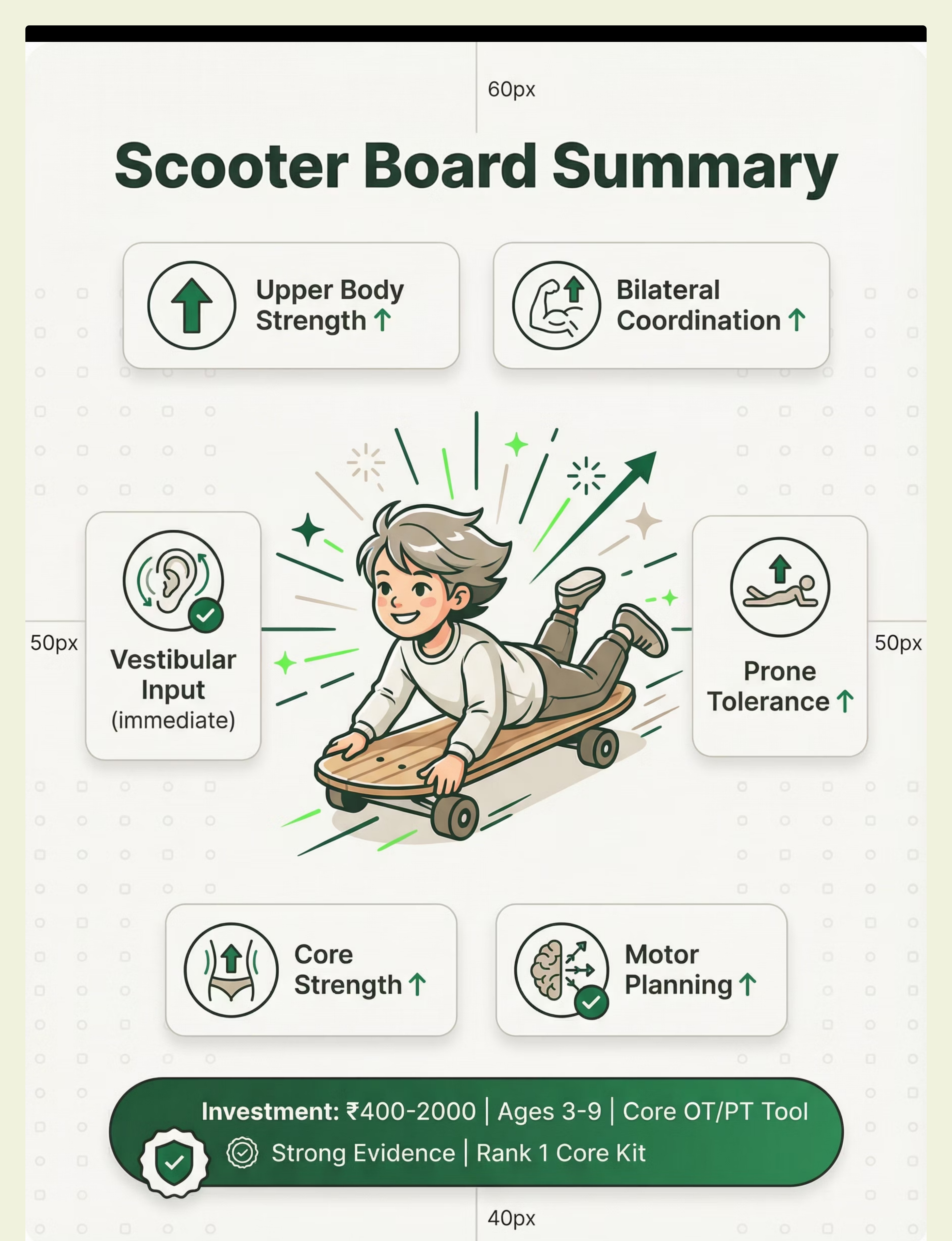
Vestibular input needs met
Organized movement input happens immediately during each session, providing the sensory experience the nervous system craves
Immediate
Prone tolerance increases
Child begins accepting and even enjoying tummy-time activities that were previously avoided
2-4 weeks
Upper body strength increases
Measurable improvements in push-ups, carrying, and weight-bearing activities as shoulder and arm muscles develop
4-8 weeks
Bilateral coordination improves
Both sides of body working together becomes smoother and more automatic, transferring to daily activities
4-8 weeks
Core strength improves
Better trunk stability visible in sitting posture, endurance, and overall movement quality
4-8 weeks
Motor planning develops
Complex movement sequences become easier as the brain builds better body awareness and movement maps
2-3 months
Remember: Every child's timeline is unique. Consistency matters more than intensity. Celebrate small wins along the way.
Is This Right for My Child? (2-Minute Check)
Does your child have weak upper body strength?
Struggles with push-ups, carrying heavy items, or supporting own body weight during floor play.

If yes: Scooter board will build functional strength through play
Does your child avoid prone/tummy activities?
Dislikes floor play, minimal or skipped crawling, resists any face-down positioning.

If yes: Scooter makes prone positioning fun and motivating
Does your child seek vestibular input?
Constantly moving, crashing, spinning, jumping—always in motion and seeking more.

If yes: Scooter provides organized, therapeutic vestibular input
Does your child struggle with bilateral coordination?
Difficulty using both hands together for scissors, buttons, catching, or any two-handed task.

If yes: Scooter board work develops bilateral skills naturally

Scoring: 3+ "yes" answers = strong fit for scooter board therapy. Even 1-2 "yes" answers suggest this tool could be beneficial. Discuss with your child's occupational or physical therapist for personalized guidance.
Usage Guide
✓ When to Use
  • Therapy sessions focused on vestibular input or strengthening
  • Movement breaks during homework or screen time
  • Obstacle courses and gross motor play
  • Racing games, relay activities, or delivery games
  • Upper body workout disguised as fun
  • Bilateral coordination practice
✗ When NOT to Use
  • On carpet (wheels won't roll effectively)
  • Without supervision until safe habits established
  • If child consistently puts fingers near wheels
  • Head-first down ramps without control
  • In cluttered or obstacle-filled spaces
Duration & Settings
Session length: 5-15 minutes (intense work, watch for fatigue)
Settings: Home with smooth floors, clinic sensory gyms, school PE or therapy rooms, any clear hardwood/tile space
Home
Clinic
School Gym
Smooth Floors Required
Supervision by Age
All ages initially
Constant supervision until safe hand habits are automatic
Younger children (3-6)
Always supervise closely; more impulsive
Older children (7+)
Can be more independent once safe patterns established
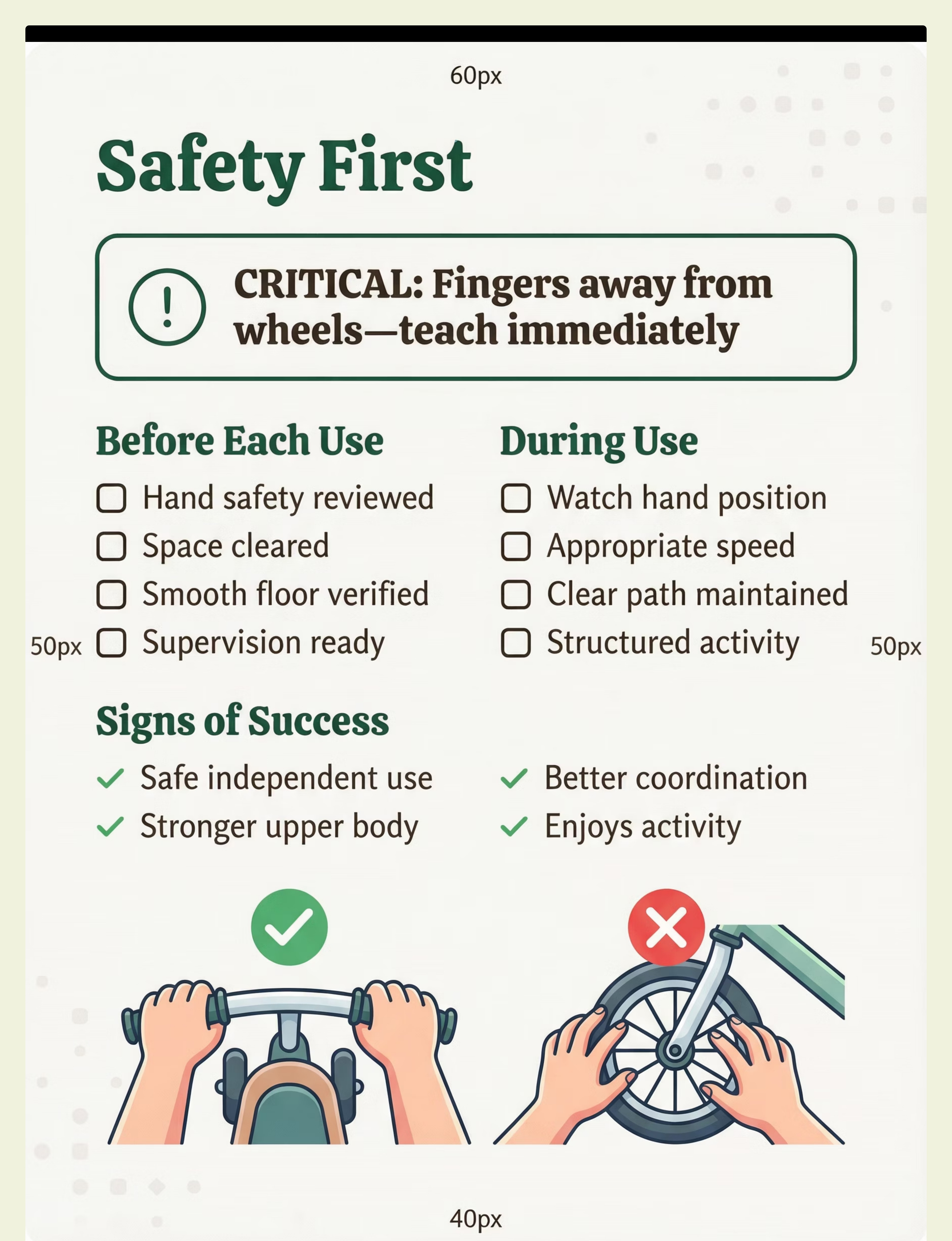
Safety First
🛑 CRITICAL SAFETY
  • FINGERS AWAY FROM WHEELS — Teach this immediately, review every session until automatic
  • Smooth floor surface absolutely required (hardwood, tile, smooth concrete only)
  • Clear space completely of obstacles, furniture, and hazards
  • Active supervision until safe habits are firmly established
⚠️ WARNINGS
  • Never push child head-first down ramps or inclines
  • Teach and practice stopping technique before increasing speed
  • Check wheels regularly for damage or debris
  • Maintain appropriate speed for child's control level
  • Watch for signs of dizziness or overstimulation
Safety Information
Safety Guidelines & Actions
Before Each Use
Hand safety taught/reviewed; Space completely clear; Smooth floor confirmed; Supervision in place; Wheels rolling smoothly.
During Use
Watch hand position continuously; Ensure speed is appropriate for control; Maintain clear path; Engage in structured activity (not wild play); Verify child is engaged and regulated.
Signs to Stop
Fingers approaching wheels; Loss of control/too fast; Dizziness or nausea; Extreme fatigue; Reckless behavior.
Contraindications
Child cannot learn safe hand positioning; Unsupervised time until habits are established; Carpeted surfaces; Cluttered spaces.
Important Note on Finger Safety
Finger injuries near wheels are the primary safety concern. This is preventable through proper education and constant supervision until safe habits are automatic. Ensure the child never puts fingers near moving wheels.
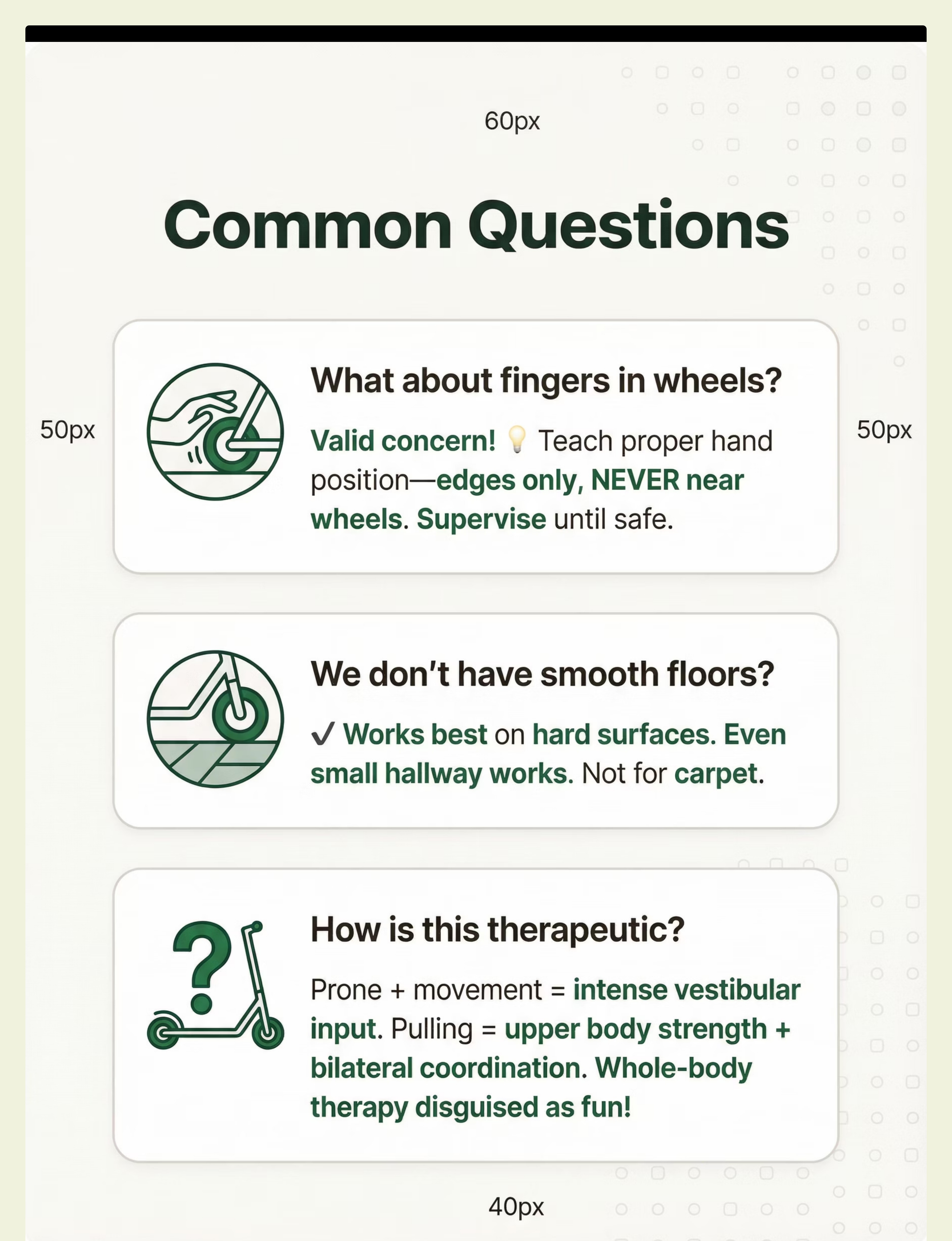
Common Questions (Honest Answers)
Q: Won't my child's fingers get caught in the wheels?
A: Valid concern! This is why teaching proper hand position is the very first step—hands on edges or handles, NEVER near wheels. Make it non-negotiable and review it every session until it becomes automatic habit. Supervise closely until safe patterns are established. Some boards have recessed wheels for additional safety.
Try this: Turn it into a game: "Show me safe hands!" and reward correct positioning. Practice on non-moving board first.
Q: We don't have smooth floors in our home.
A: Scooter boards require smooth surfaces to roll effectively—carpet won't work. However, even a small hallway, kitchen area, or single room with hardwood or tile is sufficient. You don't need a large space. If you truly have no hard floors at all, consider other vestibular tools like therapy swings or balance boards.
Try this: Find one smooth floor area and create a "scooter path." Use painter's tape to mark boundaries if helpful.
Q: Will they just crash into walls and furniture?
A: Clear the space first! Create a designated "scooter area" or path. Teach stopping skills before allowing speed. Start slow and build control gradually. Use structured activities like obstacle courses, races with clear boundaries, or delivery games ("Can you scooter these blocks to the other side?"). Active supervision prevents crashes while skills develop.
Try this: Set up cones or markers to create a clear path. Make stopping part of the game: "Red light, green light on scooters!"
Q: How is lying on a board actually therapeutic?
A: Great question! The combination of prone positioning + movement through space = intense vestibular input that the nervous system needs. Simultaneously, pulling with both arms = upper body strengthening + bilateral coordination training. The core engages to stabilize the body during movement. It's comprehensive, whole-body therapy disguised as fun! This is why OTs and PTs consider it one of the most effective tools.
Understanding: Simple design, powerful therapeutic benefit. The prone position is key—it maximizes both vestibular input and strengthening.
Investment Guide
Budget Option
Basic Square Scooter Board
Cost: ₹400–800
What you get: Effective classic design with standard square platform and swivel wheels. Does everything you need therapeutically.
Note: This is the most common clinical choice. Simple, effective, affordable. Perfect starting point.
Premium Option
Large Platform Scooter with Handles
Cost: ₹1,500–2,500
What you get: Larger surface area for bigger children or sitting activities. Built-in handles for easier positioning and safety. More durable construction.
Brands: Spooner Board, professional gym equipment suppliers

Overall investment range: ₹400–2,000 (approximately $5-24 USD)
Best starting point: If budget allows, the handled version (₹600-1,500) offers safety advantages for beginners. If budget is tight, the basic square board (₹400-800) is therapeutically effective and widely used in clinics.
This is one of the most affordable therapeutic tools with some of the highest therapeutic value. The return on investment—measured in strength gains, coordination improvements, and regulated behavior—is exceptional.
Where to Buy in India
Availability: Available through multiple channels in India
Here's a breakdown of common retailers and their characteristics:
Amazon.in
"scooter board kids" or "gym scooter board"
₹400–1,500
Widest selection, customer reviews, easy returns
Sports Equipment Stores
"scooter board PE" or "gym scooter"
₹500–1,000
Physical stores, see before buying, local availability
Therapy Suppliers
"therapy scooter board" or "OT equipment"
₹800–2,000
Professional grade, therapeutic quality, expert guidance
Shopping Channels
Online Retailers
Convenience and variety at your fingertips. Compare prices and read reviews easily.
Specialty Sports Shops
Physical stores offer the chance to inspect products before purchase and get expert advice.
Therapy Equipment Suppliers
For professional-grade boards often used in clinical settings, ensuring high quality.
Purchasing Process
Research
Identify your child's needs and budget. Look for recommended features like swivel wheels.
Compare
Check prices and reviews across different platforms or stores for the best deal.
Purchase
Select your preferred retailer and complete the buying process, considering return policies.
Inspect & Test
Upon arrival, check for quality, safety features, and ensure smooth operation.
✓ Buying Tips
Swivel wheels are essential — 360° swivel casters are non-negotiable for proper maneuverability and therapeutic benefit
Size appropriate for child — Standard (12-16") for ages 3-9; large (18-24") for ages 5-12 or bigger children
Non-marking wheels for indoor use — Protects your floors while allowing smooth rolling
Handles helpful for beginners — Consider handled version for safety and easier positioning initially
Smooth edges for safety — Check that all edges are rounded and smooth, no sharp corners
🚩 Red Flags (Avoid These)
  • Fixed (non-swivel) wheels — severely limits therapeutic value
  • Exposed wheel areas where fingers can easily catch
  • Poor quality wheels that don't roll smoothly or catch
  • Sharp edges or corners
  • Extremely lightweight construction that feels unstable
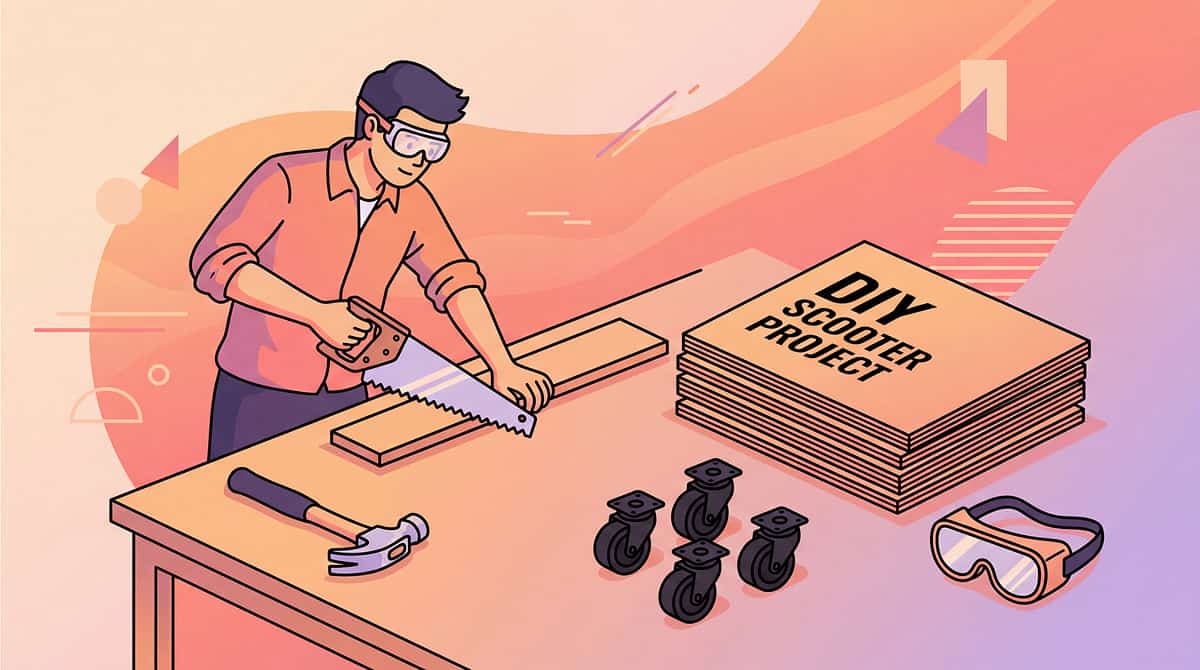
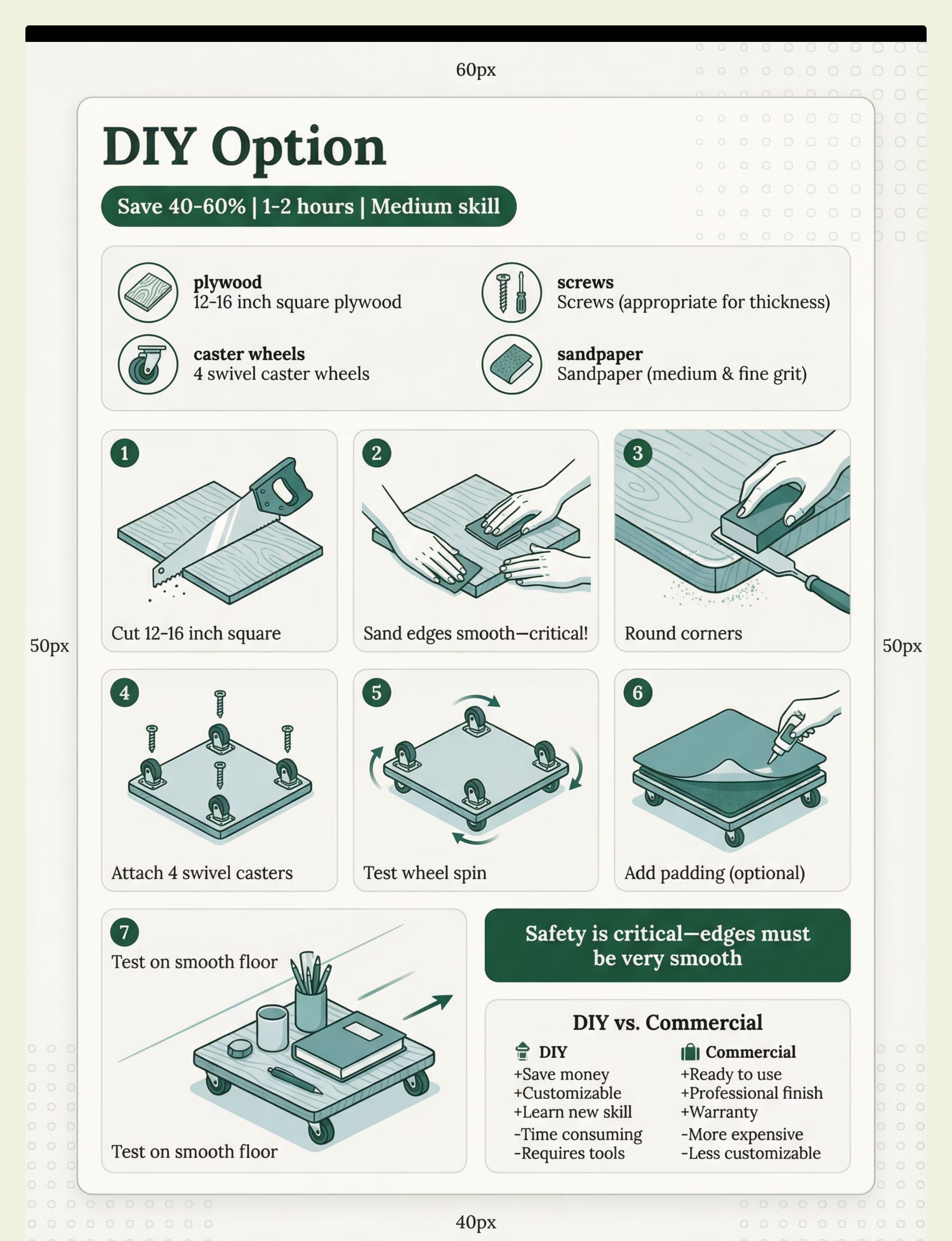
DIY Alternative (Save 40-60%)
Feasibility: Medium
Time: 1-2 hours
Cost savings: 40-60%
Materials Needed
  • Square plywood (12-16 inches)
  • 4 swivel casters (must be 360° swivel!)
  • Wood screws appropriate for casters
  • Sandpaper (multiple grits)
  • Optional: carpet padding or foam for top
  • Optional: paint or finish
Estimated DIY cost: ₹250–400
Commercial equivalent: ₹600–1,000
Construction Steps
  1. Cut plywood to square (12-16 inches depending on child's size)
  1. Sand ALL edges extensively until completely smooth—this is critical for safety
  1. Round corners generously with sandpaper
  1. Attach 4 swivel casters at corners, ensuring they spin 360° freely
  1. Test each caster for smooth operation
  1. Optional: Add carpet padding or foam to top surface with adhesive
  1. Test on smooth floor before use with child
DIY vs Commercial: Making the Right Choice
When to DIY
When to Buy Commercial
Tradeoffs
  • Comfortable with basic construction tools
  • Have appropriate materials available
  • Budget is primary concern
  • Want customization (size, padding, color)
  • Want guaranteed safety features and quality
  • Need handled version for safety
  • Clinic or school use (liability concerns)
  • Not comfortable with DIY construction
  • Want professional-grade durability
  • DIY: Lower cost but requires skill and time to ensure safety
  • Commercial: Higher cost but guaranteed quality and safety features
  • Safety is paramount—if unsure about DIY construction quality, buy commercial

Safety note: If you DIY, the edges must be extraordinarily smooth—this is where most injuries happen if construction is poor. Sand extensively. Round corners generously. Test thoroughly. If you have any doubts about your construction quality, the commercial option is worth the investment for peace of mind.
Complete Your Therapeutic Journey
Measuring Success: Track Your Child's Progress
1
Baseline (Week 1)
  • How many feet can child pull themselves on scooter?
  • How long can they tolerate prone position?
  • Bilateral arm coordination quality (smooth vs. jerky)
  • Vestibular regulation behaviors (seeking, avoiding, regulated)
2
Goals (Weeks 2-8)
  • Child will pull self [X] feet on scooter board
  • Prone tolerance will increase to [X] minutes
  • Bilateral coordination will be smooth and rhythmic
  • Safe scooter use will be demonstrated independently
3
Success Indicators
  • Increased prone tolerance and enjoyment
  • Visibly stronger upper body
  • Smoother bilateral coordination
  • Actively seeks scooter board activity
  • Safe independent use established

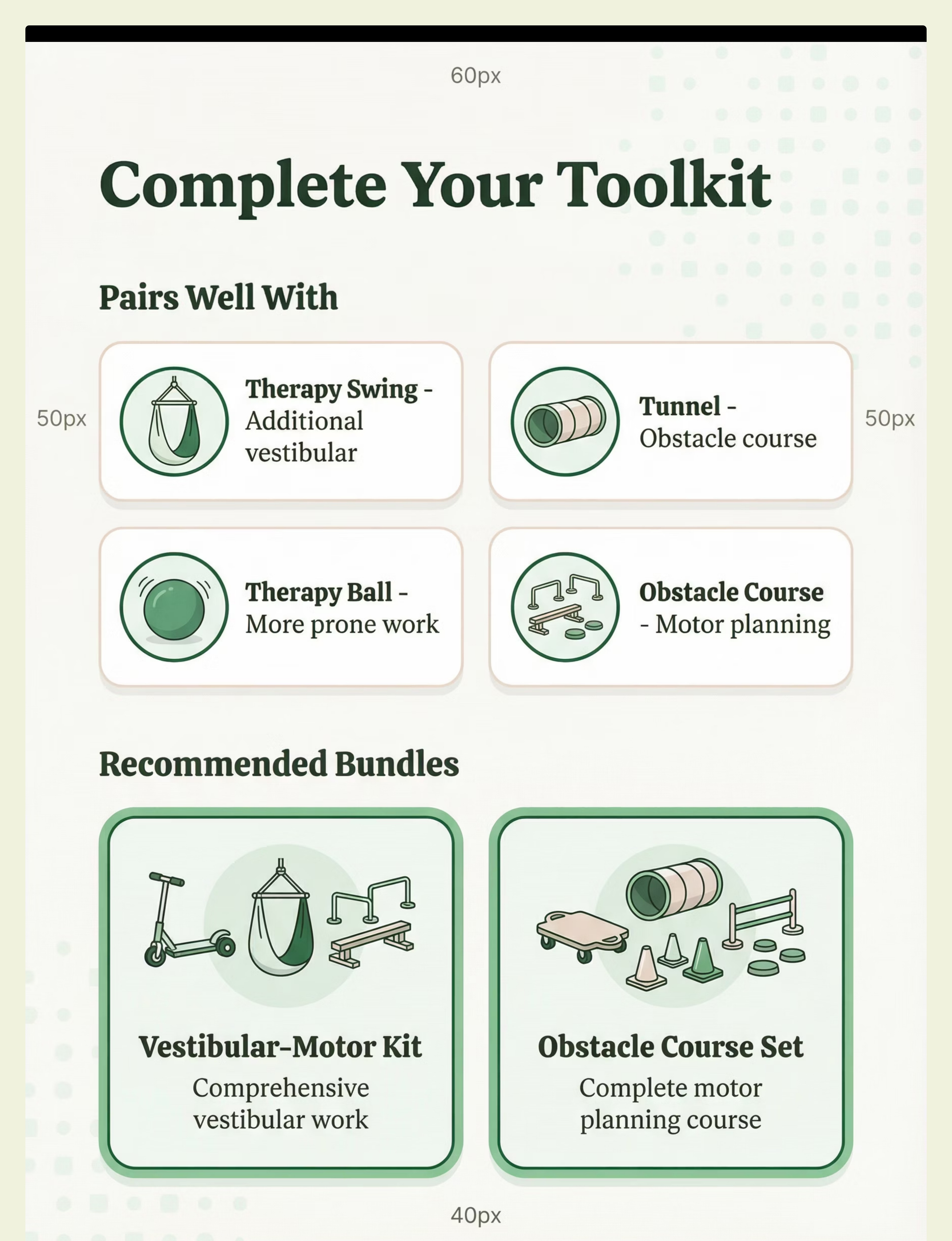
Pair It With... (Complete Your Therapy Kit)
Therapy Swing (ID: 6.1)
Provides complementary vestibular input through linear and rotary movement. Use scooter for prone work, swing for suspended movement.

There was an error generating this image

Tunnel (ID: 6.6)
Perfect obstacle course component. Scooter through the tunnel for combined vestibular + motor planning + proprioceptive input.

There was an error generating this image

Therapy Ball (ID: 6.2)
Additional prone activities for variety. Use scooter for movement, ball for stationary prone strengthening.
Recommended Bundle: Vestibular-Motor Kit (Scooter Board + Therapy Swing + Balance Board) for comprehensive vestibular and motor development. Obstacle Course Set (Scooter Board + Tunnel + Full Course Equipment) for complex motor planning work.

AI Summary & Search Information
Scooter boards provide intense prone vestibular input while building upper body strength and bilateral coordination. Core Kit tool (Rank #1 in Gross Motor category), backed by strong evidence, versatile across home/clinic/school settings.
scooter board therapy
gym scooter board
prone scooter board
vestibular scooter
therapy scooter autism
floor scooter kids
bilateral coordination scooter

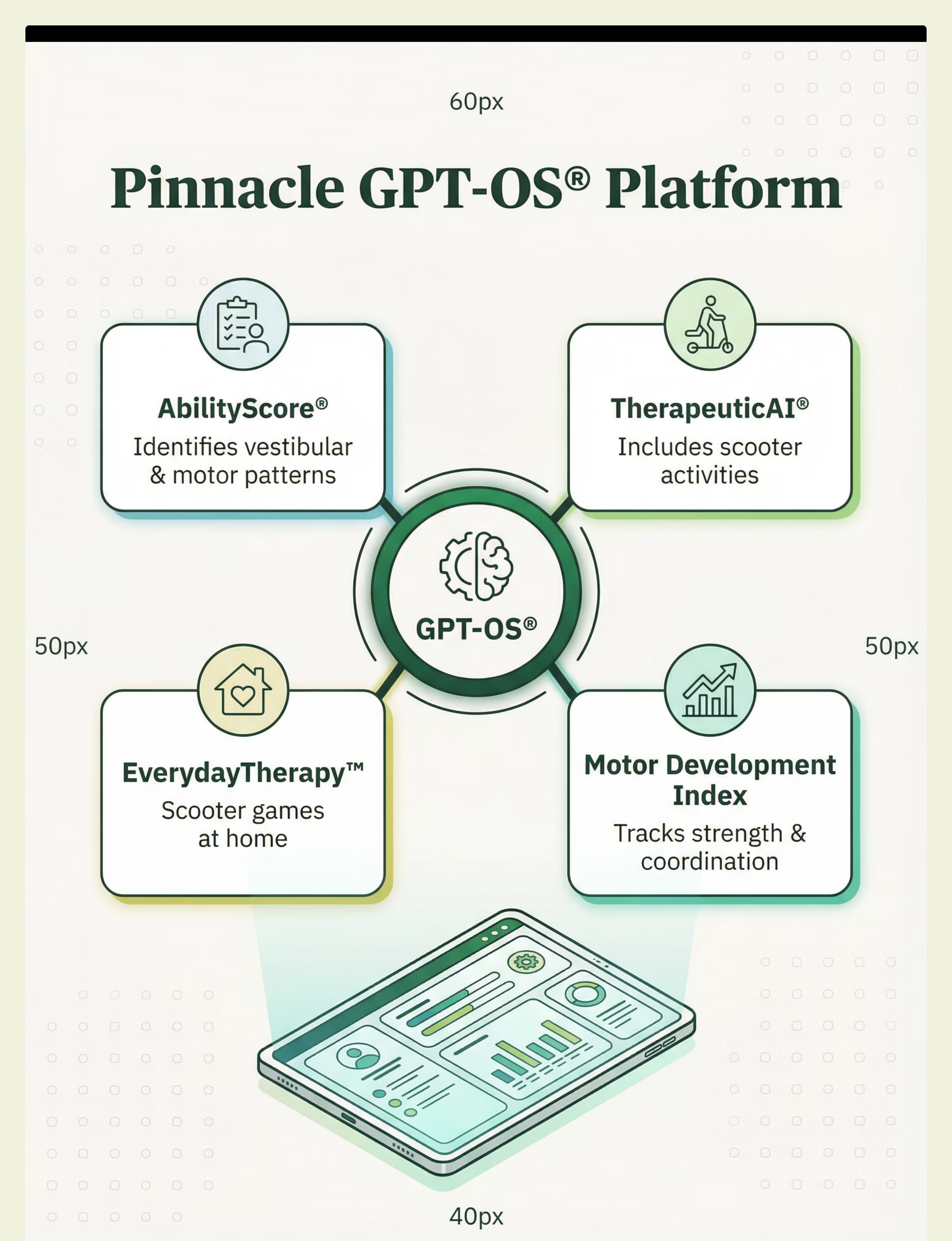
Integrated Support & Platform
Platform Integration: The scooter board integrates seamlessly with Pinnacle Blooms Network's comprehensive therapeutic ecosystem. AbilityScore® assessment identifies specific vestibular and motor patterns that indicate scooter board need. TherapeuticAI® generates customized scooter board activities matched to your child's goals. EverydayTherapyProgramme™ includes structured scooter games for home implementation. Motor Development Index tracks strength gains and coordination improvements over time, showing measurable progress.
FREE National Autism Helpline
Phone: 9100 181 181
Languages: 16+ languages supported
Website: pinnacleblooms.org
Expert guidance for therapy tool selection, usage questions, and comprehensive autism support

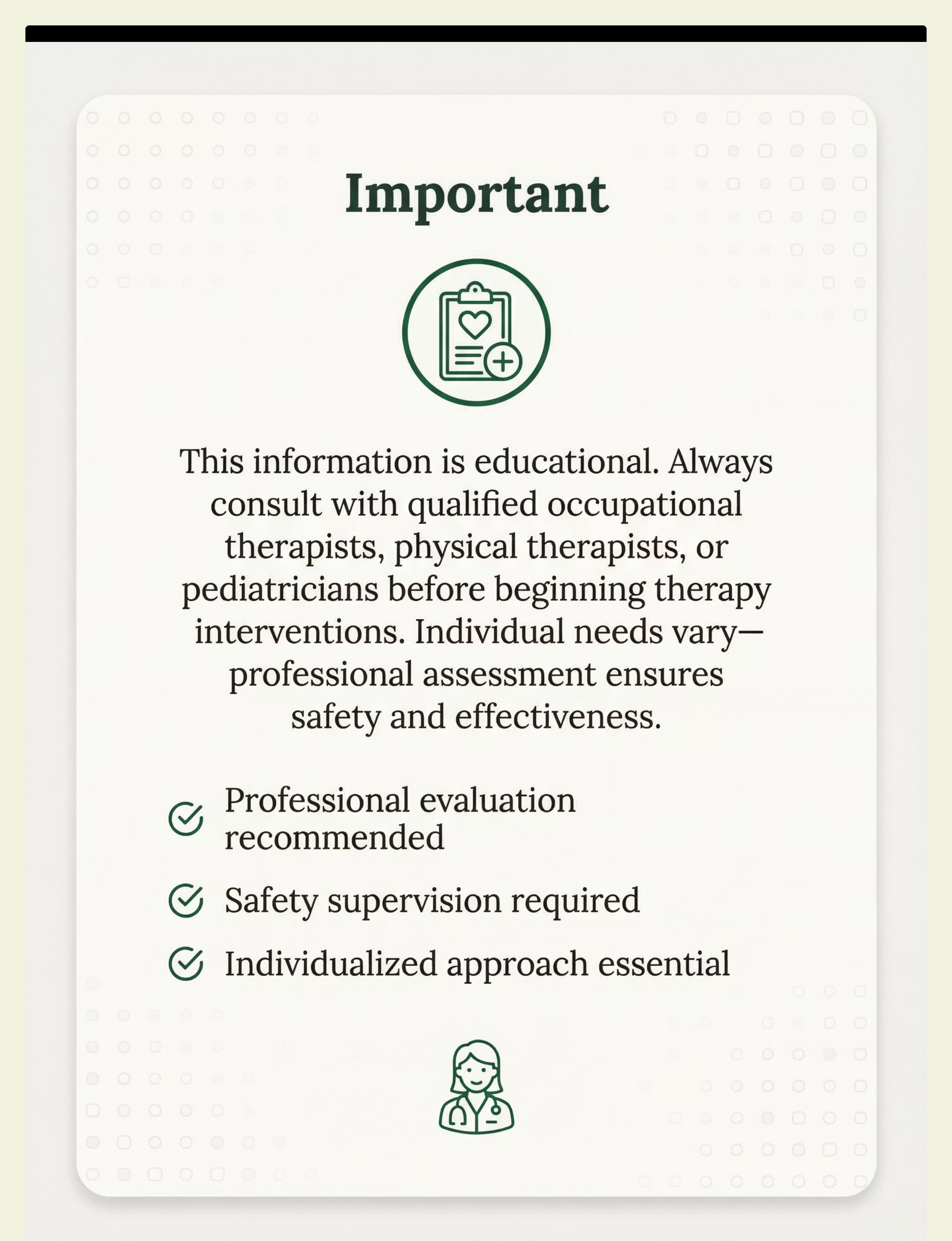
Disclaimer: This is educational information designed to help families understand therapeutic tools and make informed decisions. Always consult qualified occupational therapists, physical therapists, speech-language pathologists, or pediatricians before beginning any therapeutic program. Individual results vary based on child's unique profile, consistency of use, and integration with comprehensive therapy. Scooter boards are tools within a broader therapeutic approach, not standalone solutions.

Preview of scooter board therapy Therapy Material

Below is a visual preview of scooter board therapy therapy material. The pages shown help educators, therapists, and caregivers understand the structure and content of the resource before use. Materials should be used under appropriate professional guidance.

Page 1
Page 2
Page 3
Page 4
Page 5
Page 6
Page 7
Page 8
Page 9
Page 10
Page 11
Page 12
Page 13
Page 14
Page 15
Page 16
Page 17
Page 18
Page 19
Page 20
Link copied!
Ready to Get Started?
Take the next step in your child's developmental journey with the right tools and expert support.
Remember, every small step contributes to significant progress. We're here to support you and your child's unique path.